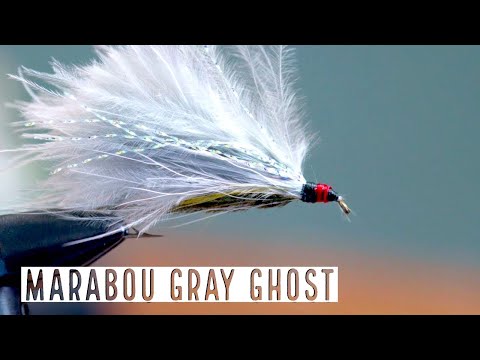





















BEST Tools For Your Fly Tying Kit | Watch BEFORE You Buy!









Explore by Type
How to Choose Fly Tying Materials
Fly tying materials start with your target flies (and buy materials backwards)
Action: Pick 3, 5 patterns you’ll actually fish (a dry fly, a nymph, and a streamer is a smart start), then shop materials to match those recipes. This keeps your bench from filling with random colors and specialty items you won’t touch again.
Best for: Anyone building a practical fly tying kit for trout, bass, steelhead, or saltwater without overspending on duplicates.
Vise and tools: what matters most
Action: Prioritize hook holding, comfort, and repeatability. A stable base (pedestal or C-clamp), good jaw alignment, and smooth access around the hook shank matter more than extra gadgets.
Avoid if: You’re tempted to buy a “feature-heavy” vise but still don’t have basic bobbins, scissors, and thread colors covered.
Materials: naturals vs synthetics
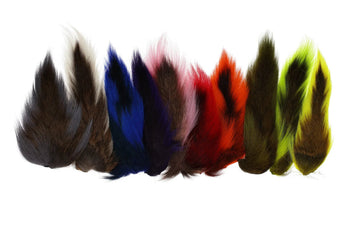
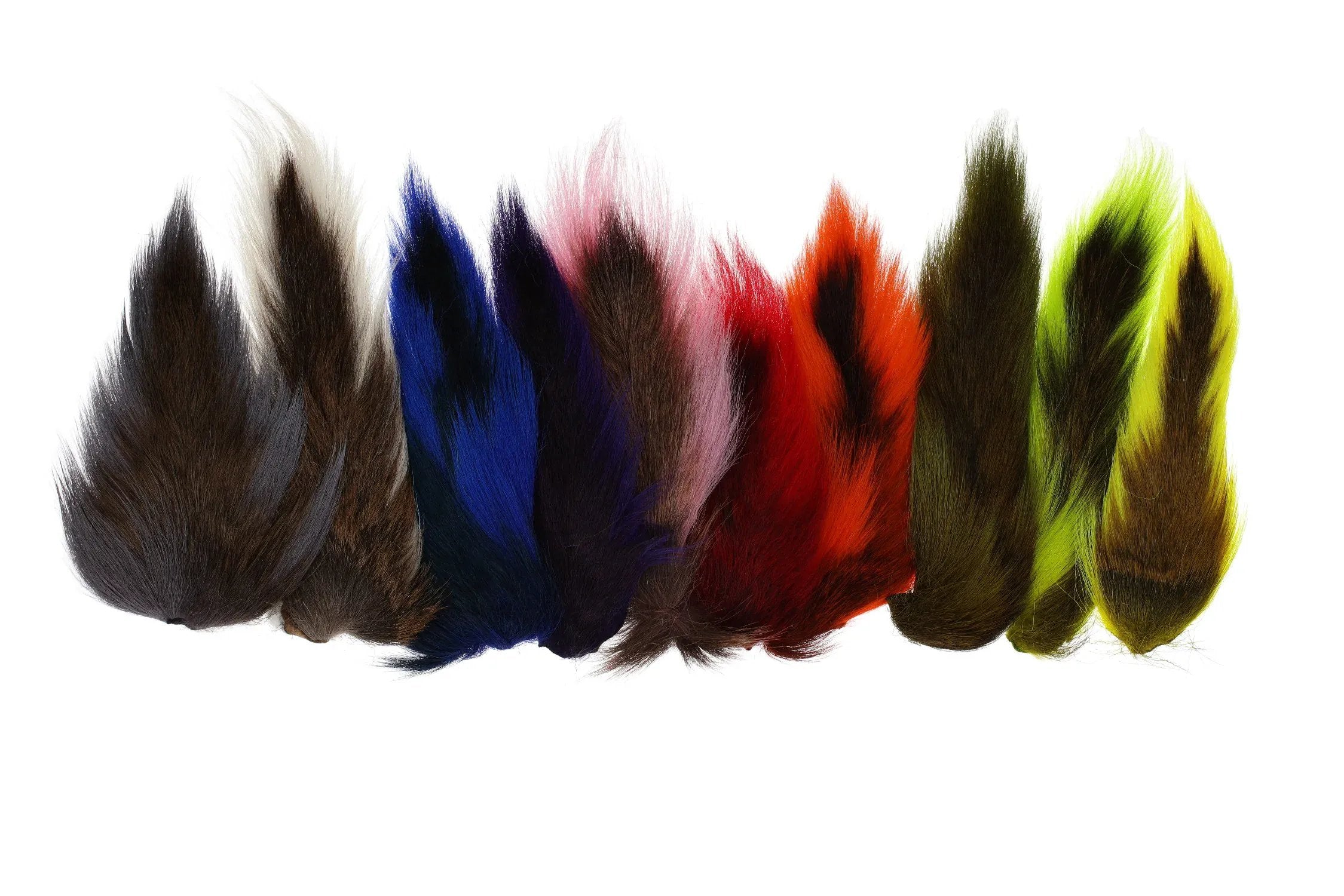
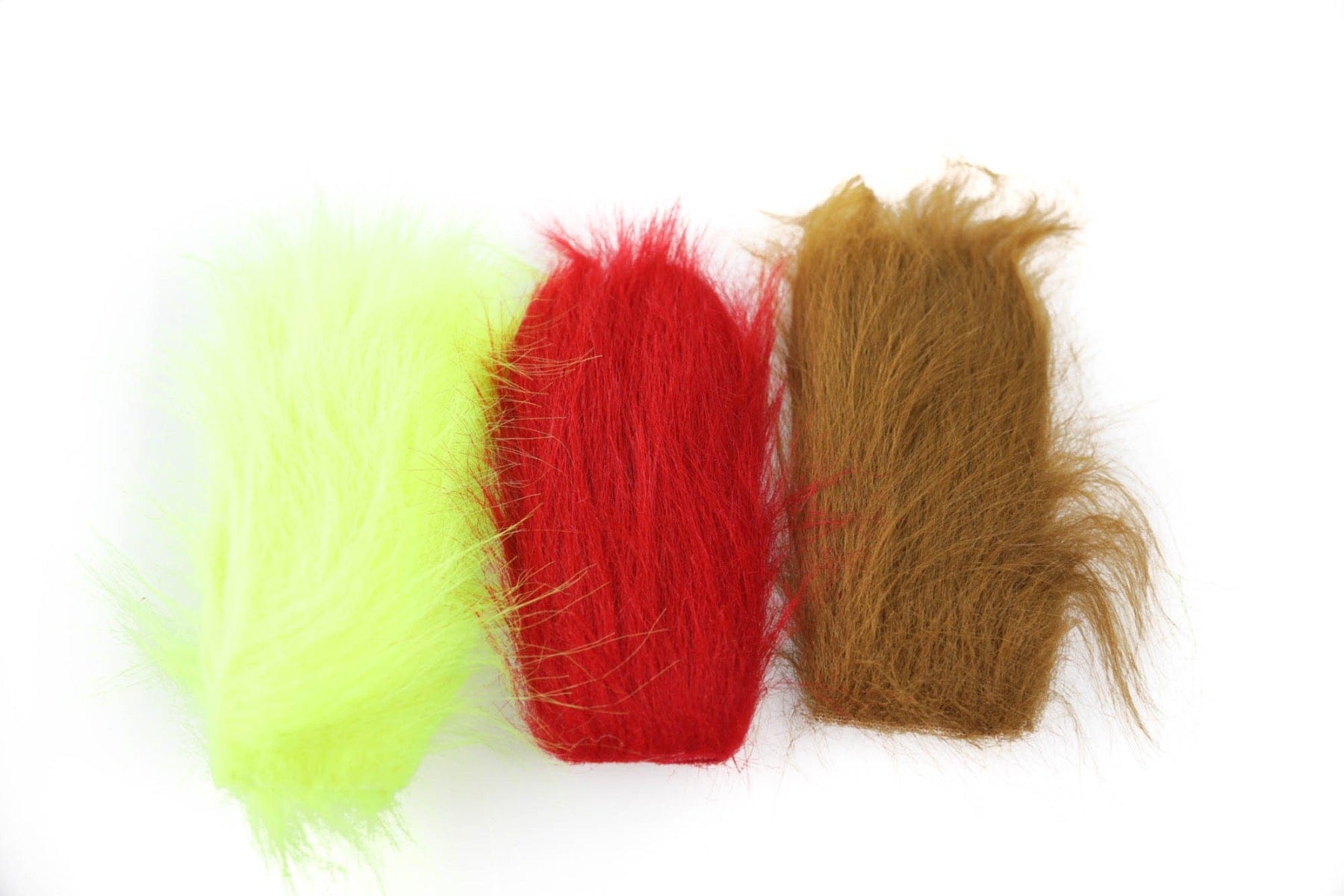
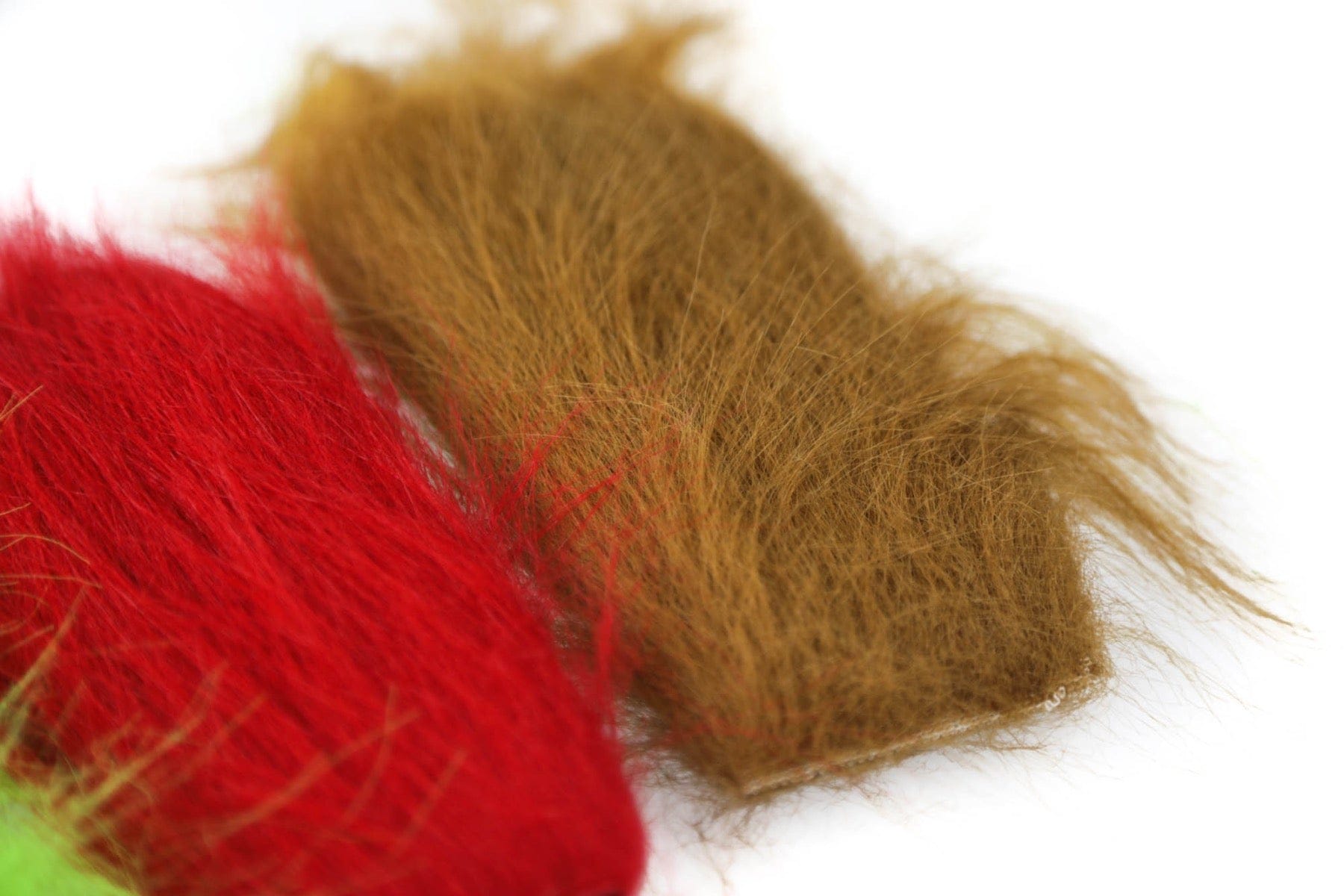
Action: Use natural materials (hackle, hair, fur) when you want classic texture, buoyancy, and movement, and lean on synthetics when you need consistency, durability, and flash. Many modern patterns mix both, think natural tails and collars with synthetic bodies or wings.
Weight, sink rate, and profile control
Action: Dial sink rate with beads and wire; dial profile with dubbing, chenille, and brushes. If you’re tying nymphs for faster water, tungsten beads and slim bodies help. If you’re tying streamers, larger eyes and bulkier fibers can help create push and presence.
Thread and adhesives: small choices that change durability
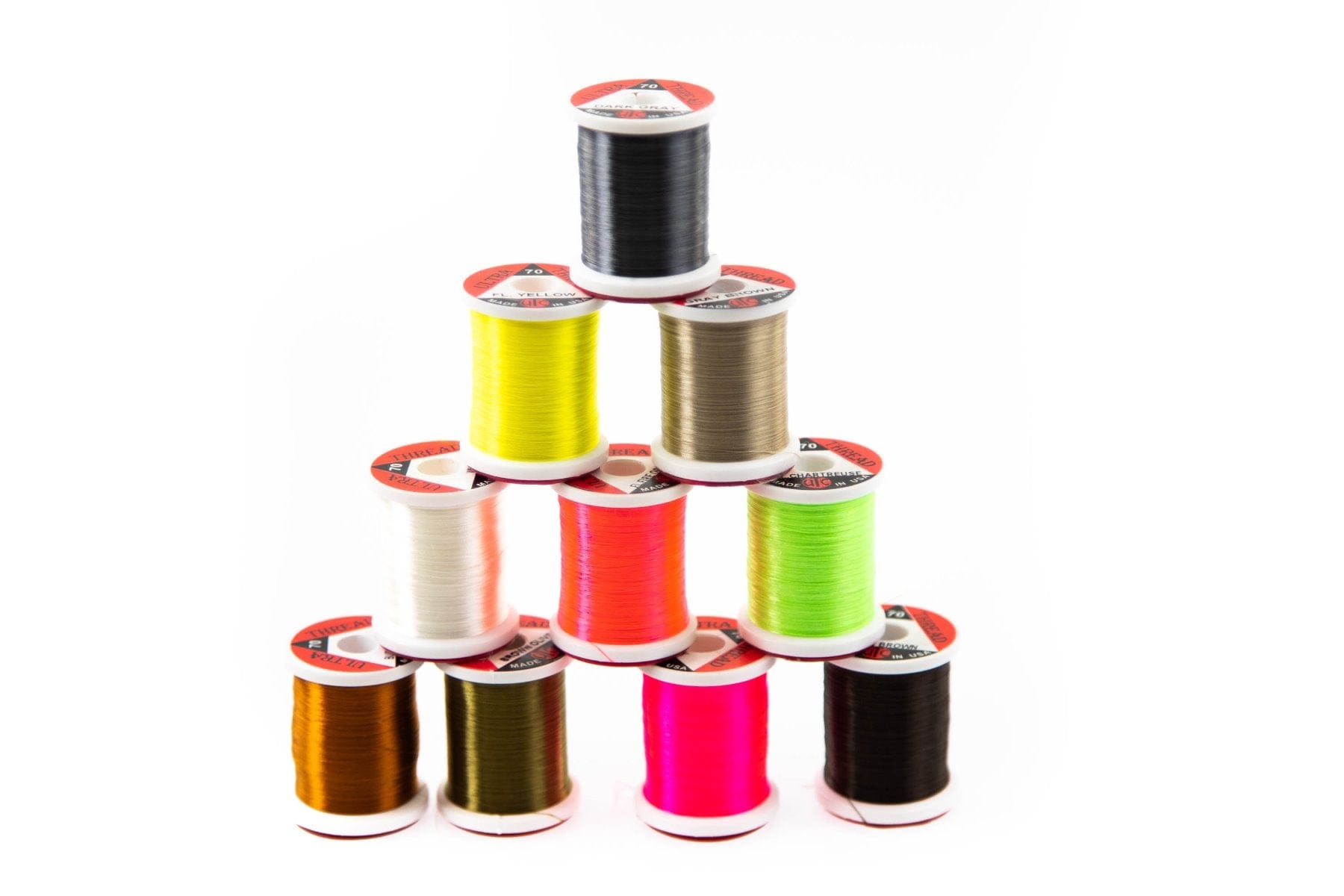
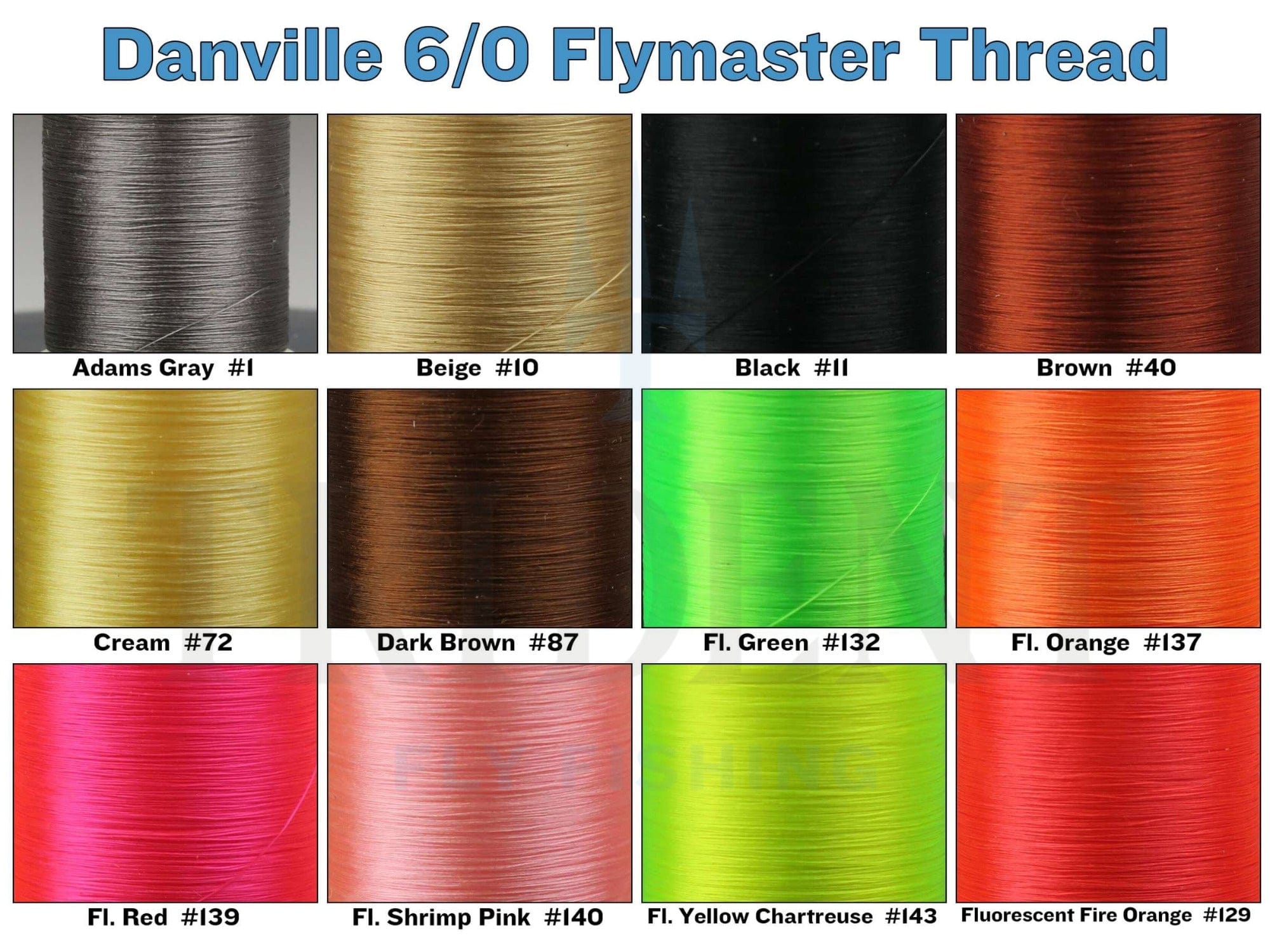
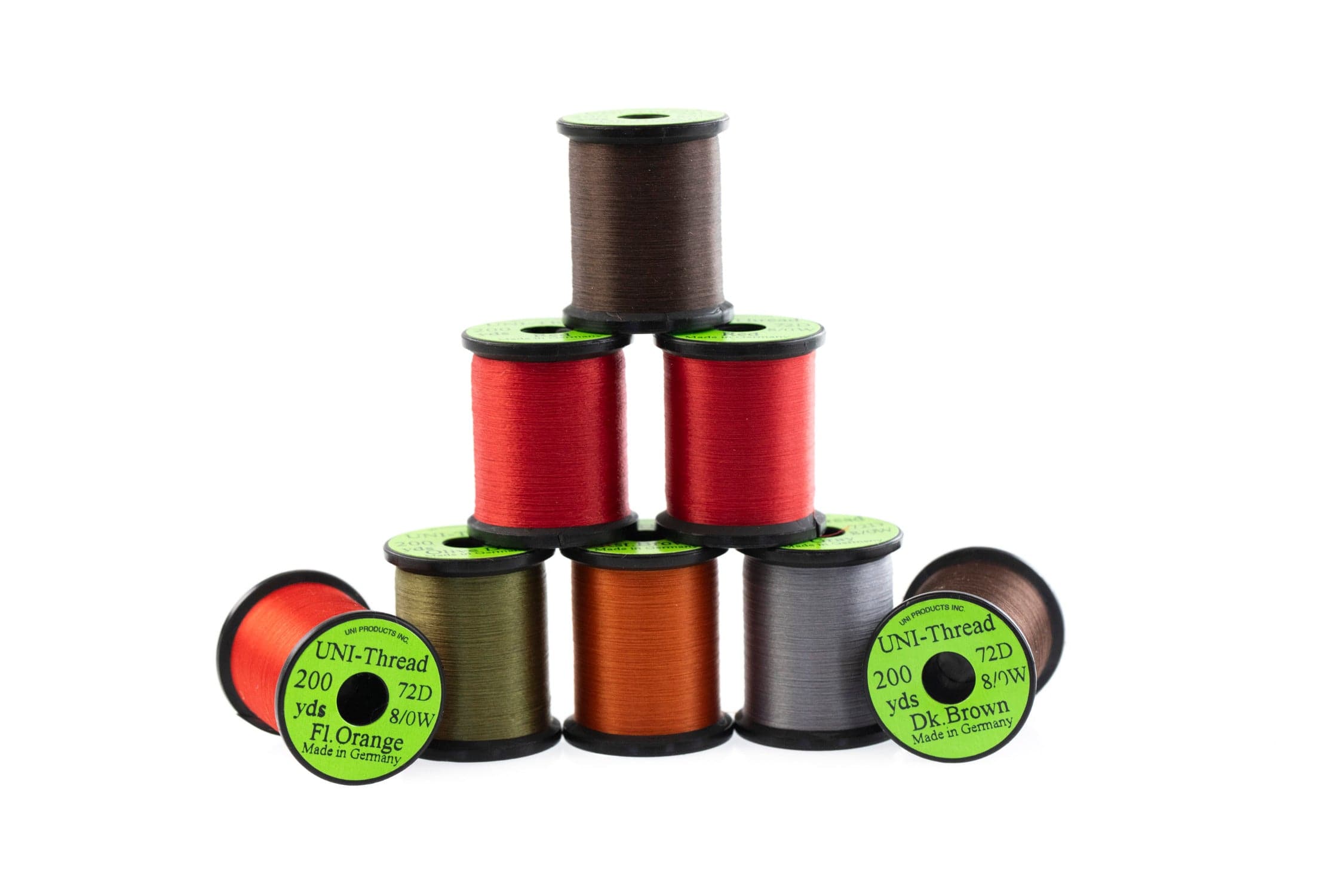
Action: Keep a few thread sizes on hand (fine for small dries, stronger for deer hair and big hooks) and add durability with head cement or UV resin when the pattern calls for it. Clean thread control and a good finish often matter more than adding extra materials.
Materials & Durability
Keep materials dry and sealed: Store dubbing, feathers, and hair in zip bags or boxes to prevent moisture damage and keep colors clean.
Protect natural materials: Keep feathers/fur organized and away from heat and direct sunlight to reduce brittleness and fading.
Use adhesives sparingly: Head cement and UV resin add durability, but too much can bulk up small flies and clog hook eyes.
Match materials to conditions: Durable synthetics and stronger thread are helpful for toothy fish, rocky rivers, and heavy cover.
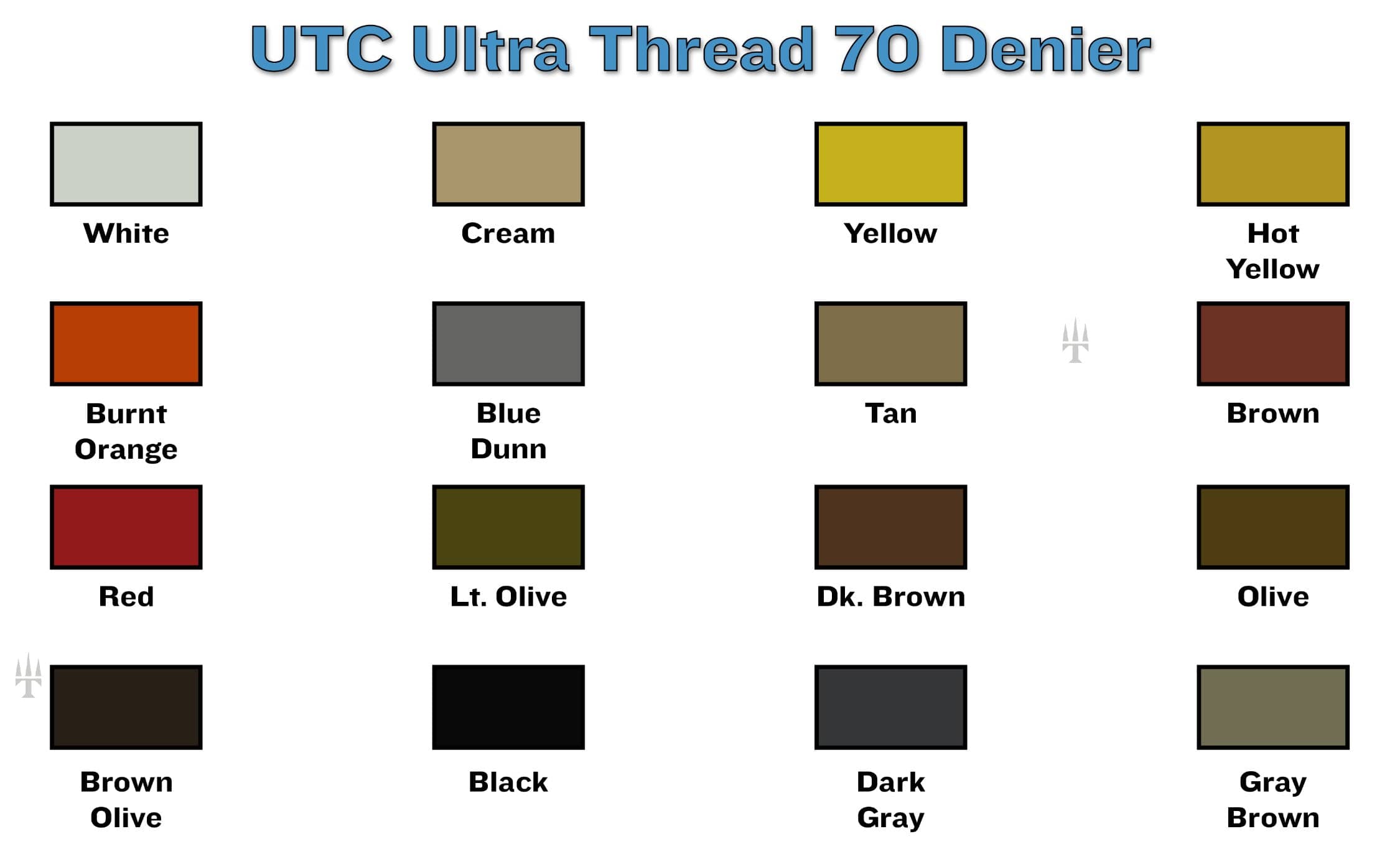
Buy core colors first: Start with proven neutrals (black, olive, brown, tan, white) before collecting specialty shades.
Complete Your Setup
Related Gear
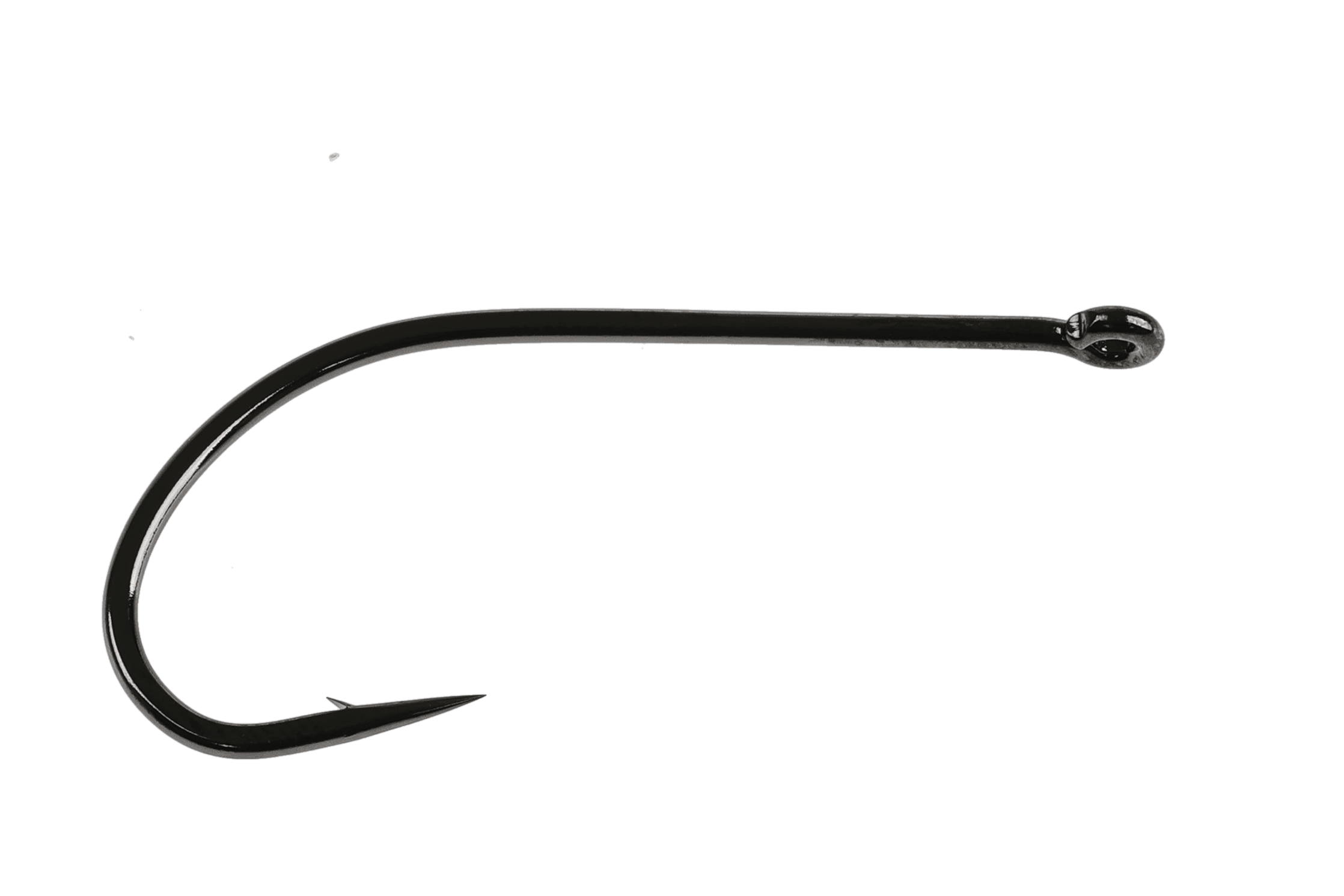
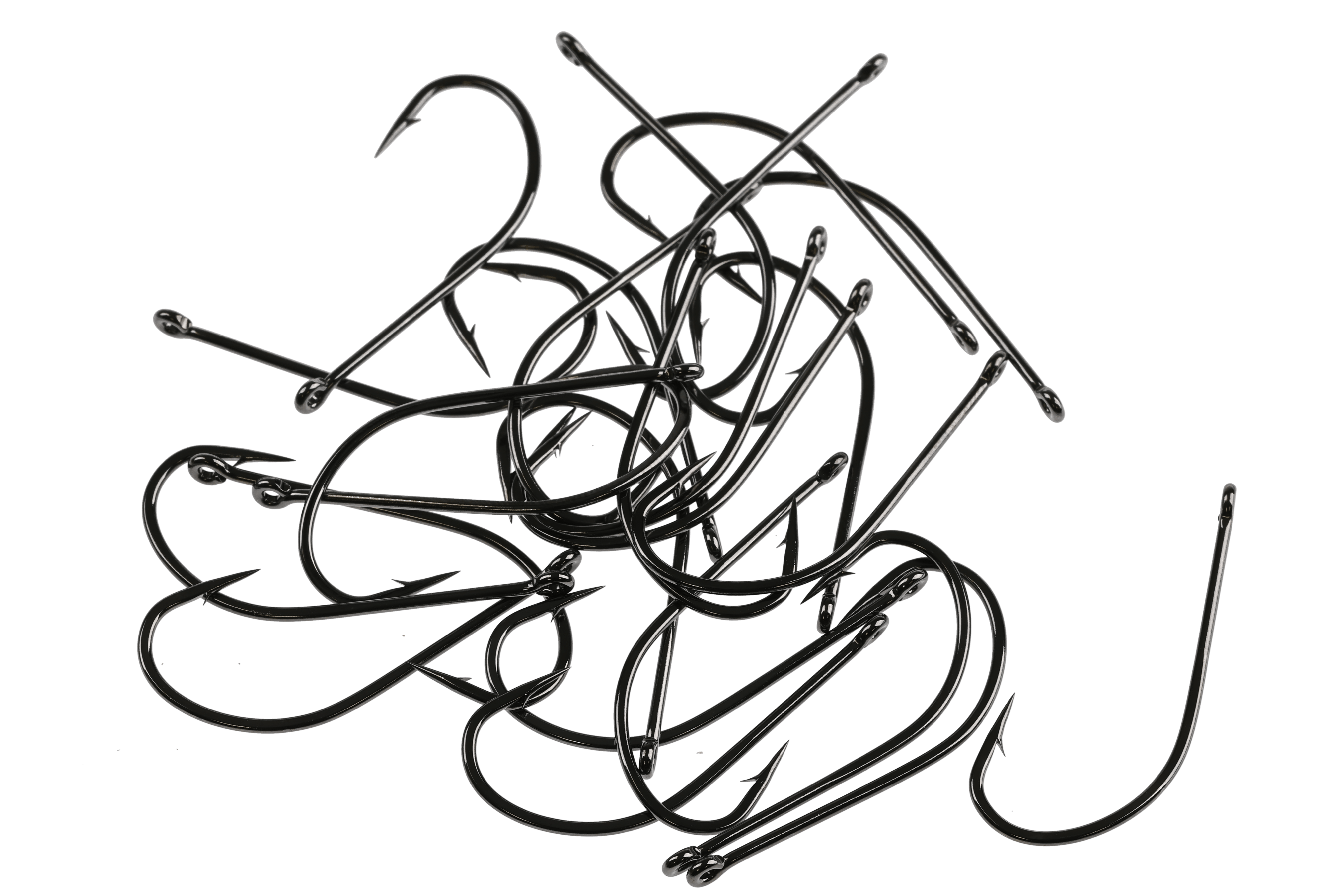
Fly Tying Hooks - Stock a few reliable hook styles and sizes so you can tie through the season without running out mid-batch.
Vises & Accessories - The right vise and a few core tools make every step easier, from thread control to whip finishing.
Beads, Coneheads & Eyes - Control sink rate, balance, and realism across nymphs, streamers, and saltwater patterns.
Cements, Epoxies & Glues - Reinforce thread wraps and build tougher heads and bodies for flies that see a lot of abuse.
Related Guides
Fly Tying FAQs
Q: What is fly tying in fly fishing?
A: Fly tying is the process of building artificial flies by wrapping thread and materials onto a hook. Tying your own lets you match local insects and baitfish, and restock proven patterns whenever you need them.
Q: What do I need to start fly tying?
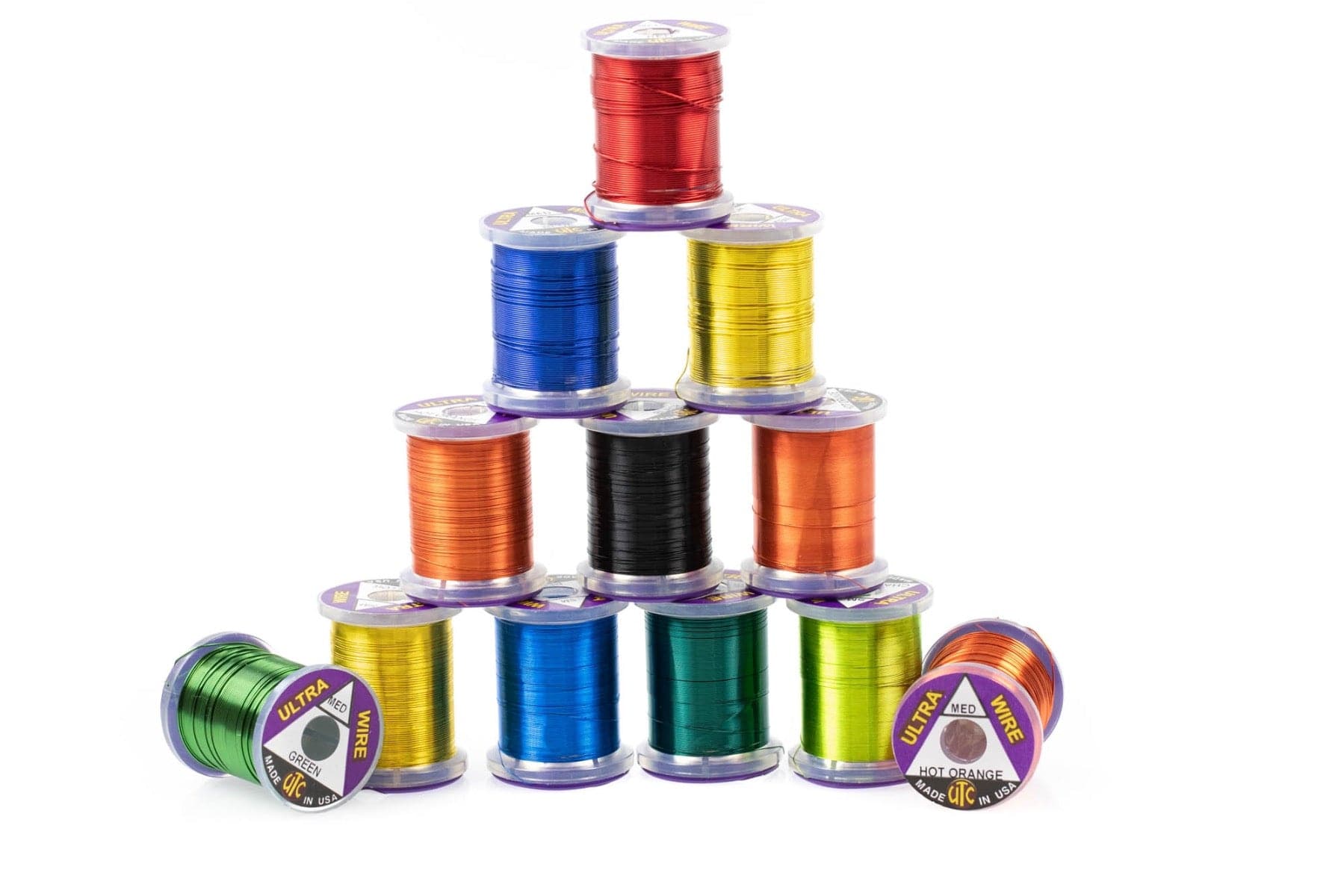
A: Start with a vise, bobbin, scissors, whip finisher, and a few core materials (thread, hooks, dubbing, wire, and a couple feathers/hair options). Then add pattern-specific materials as you choose recipes to tie.
Q: Is fly tying good for beginners?
A: Yes, if you start with simple patterns and keep your materials list tight. Woolly Buggers, basic beadhead nymphs, and simple dries teach the fundamentals fast.
Q: How do I choose a fly tying vise?
A: Focus on hook holding, jaw range (small trout hooks through larger streamer/saltwater hooks), and the base style you prefer (pedestal vs C-clamp). Rotary features can help with even ribbing and checking proportions, but stability and comfort are the real priorities.
Q: What’s the difference between natural and synthetic fly tying materials?
A: Naturals (hackle, hair, fur) often provide classic movement and buoyancy, while synthetics provide consistent texture, color, and durability. Many productive flies use a mix to get the right profile and longevity.
Q: When should I use tungsten beads versus brass beads?
A: Use tungsten when you need more weight in a smaller package (faster sink, slimmer nymphs). Brass is a solid choice when you want less weight, a lower cost, or a slower drift in shallower water.
Q: Do I need UV resin and head cement?
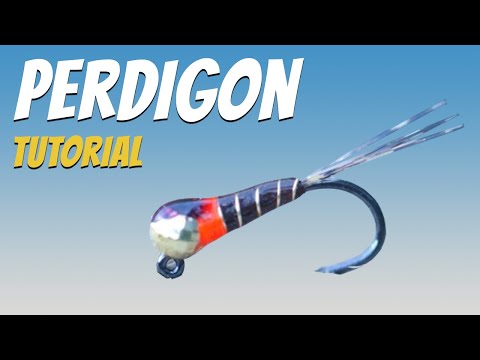
A: Not for every pattern, but they’re useful for locking down thread wraps, reinforcing heads, and building durable bodies. If you tie a lot of perdigons, streamers, or saltwater flies, adhesives become more important.
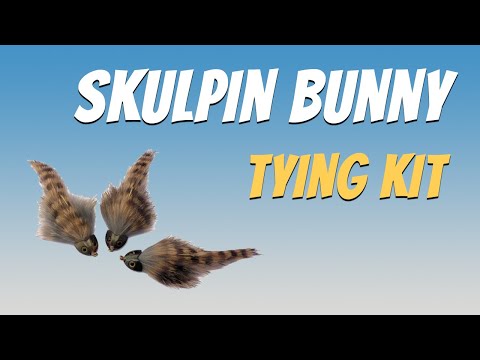
Q: What are fly tying video material kits?
A: They’re curated bundles that add the key materials for a specific tutorial into your cart quickly. They’re a convenient way to start tying a pattern, then you can swap sizes/colors based on your local water.