




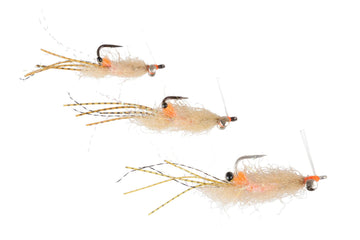
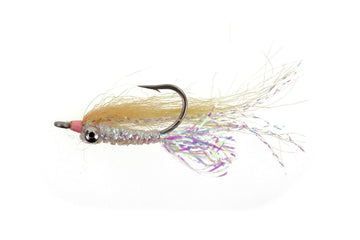
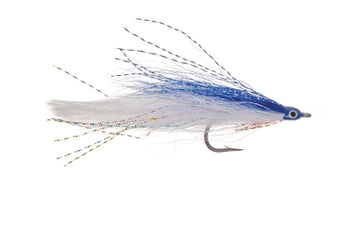
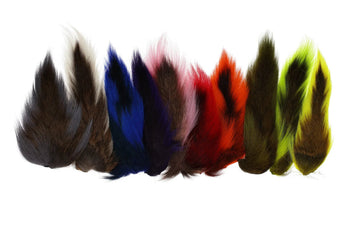















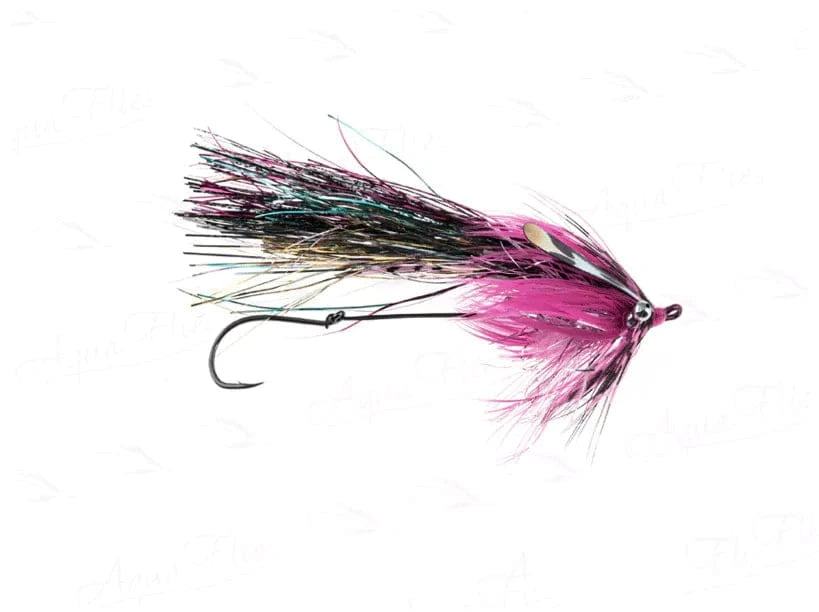
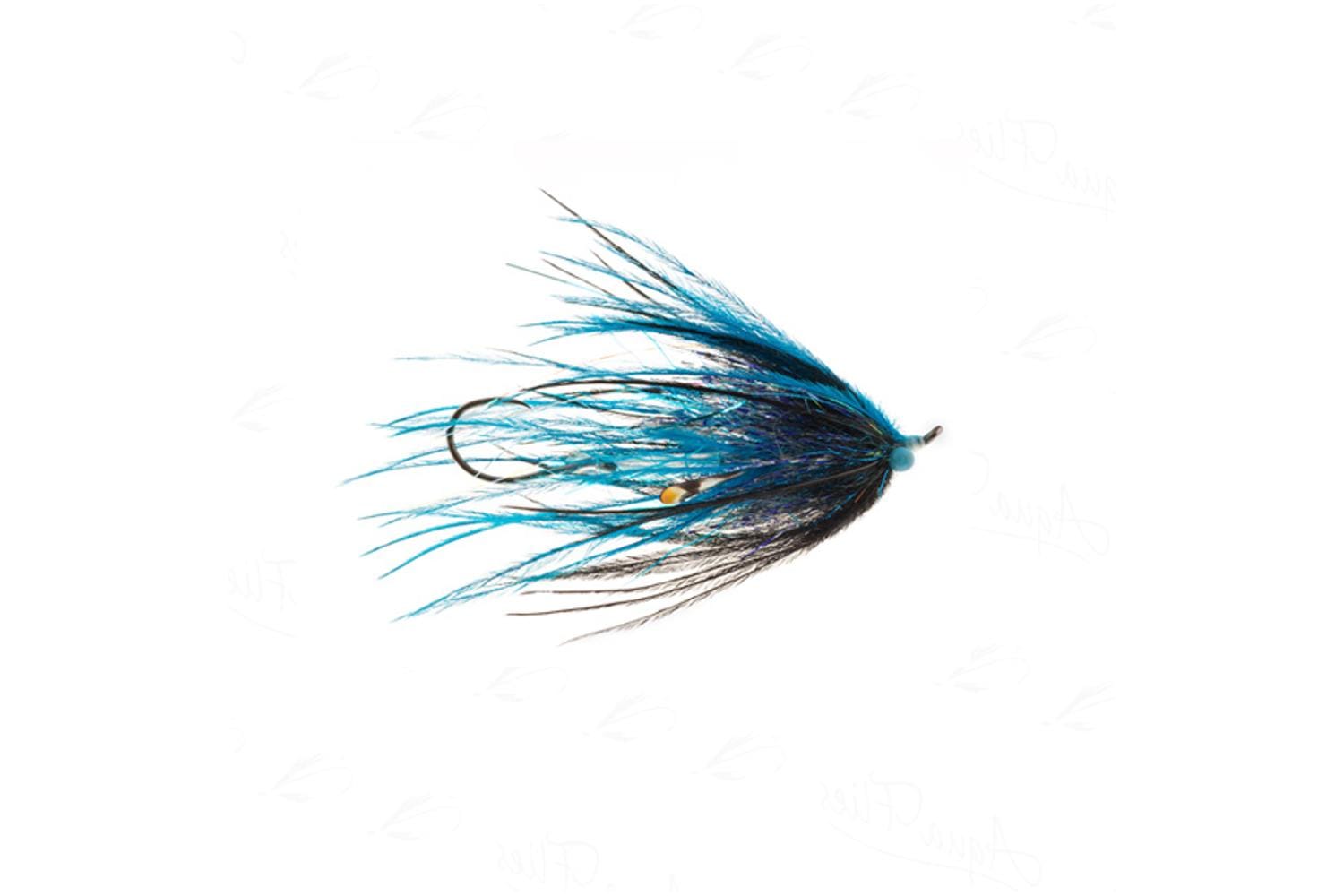
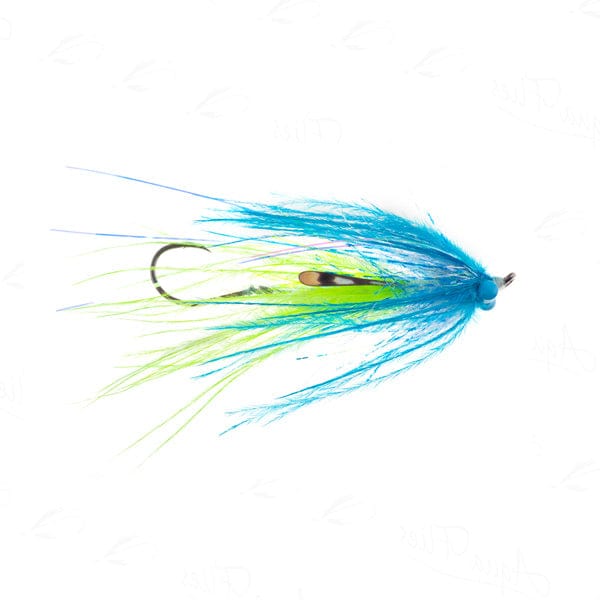
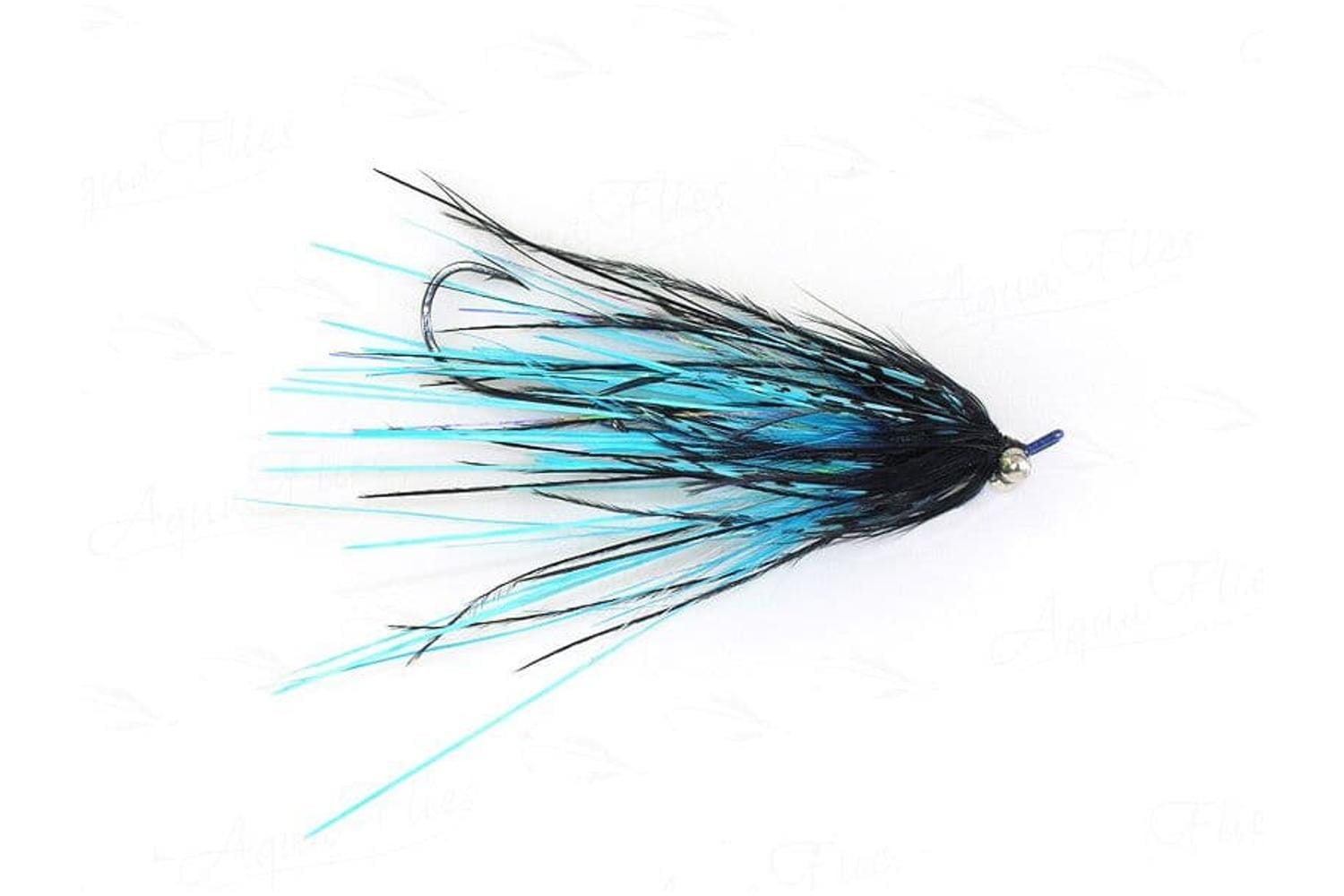
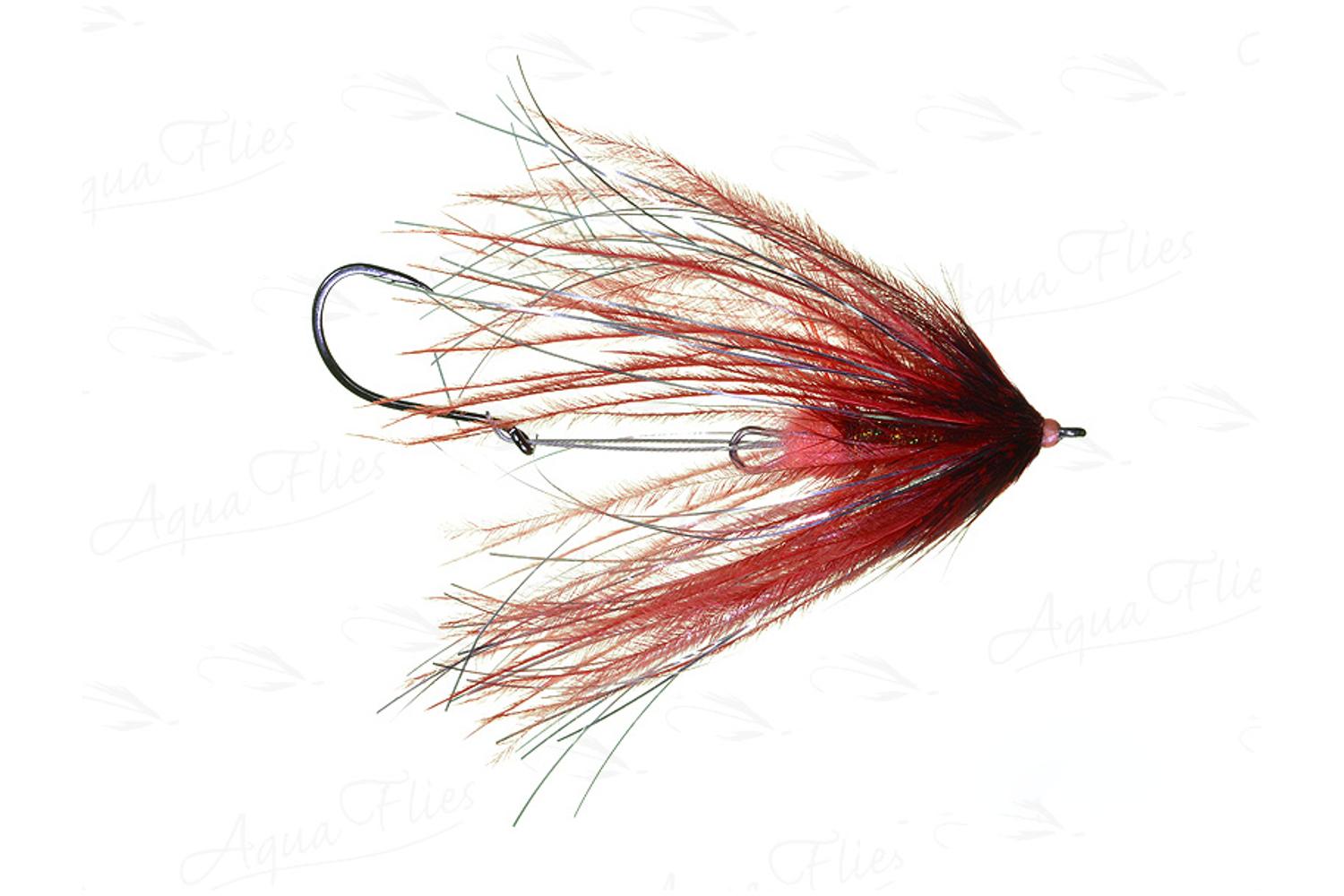
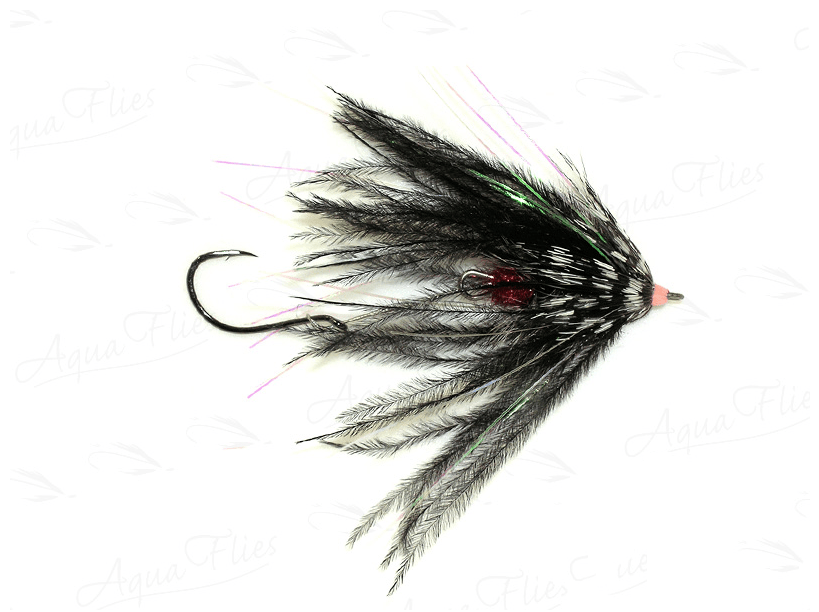
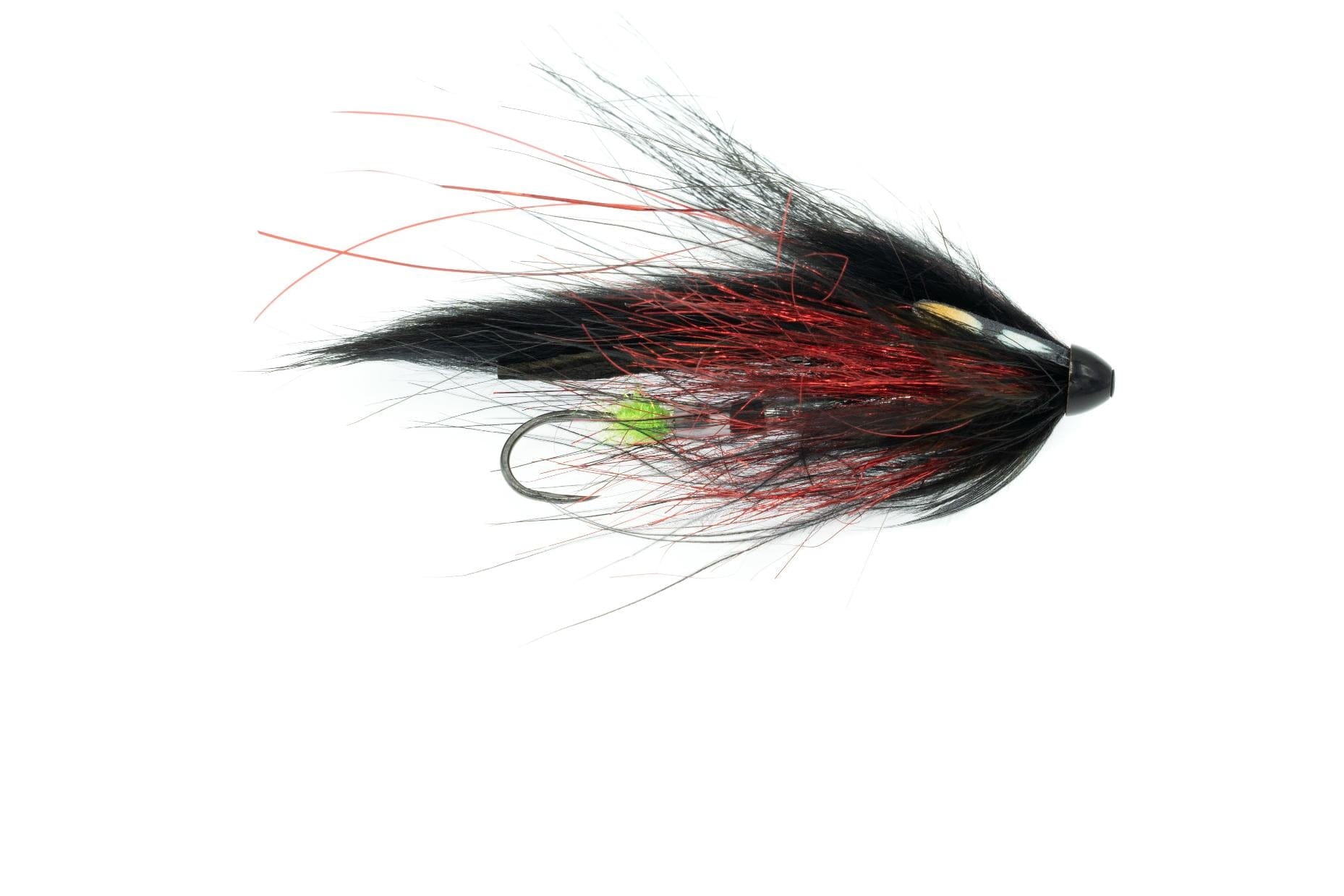
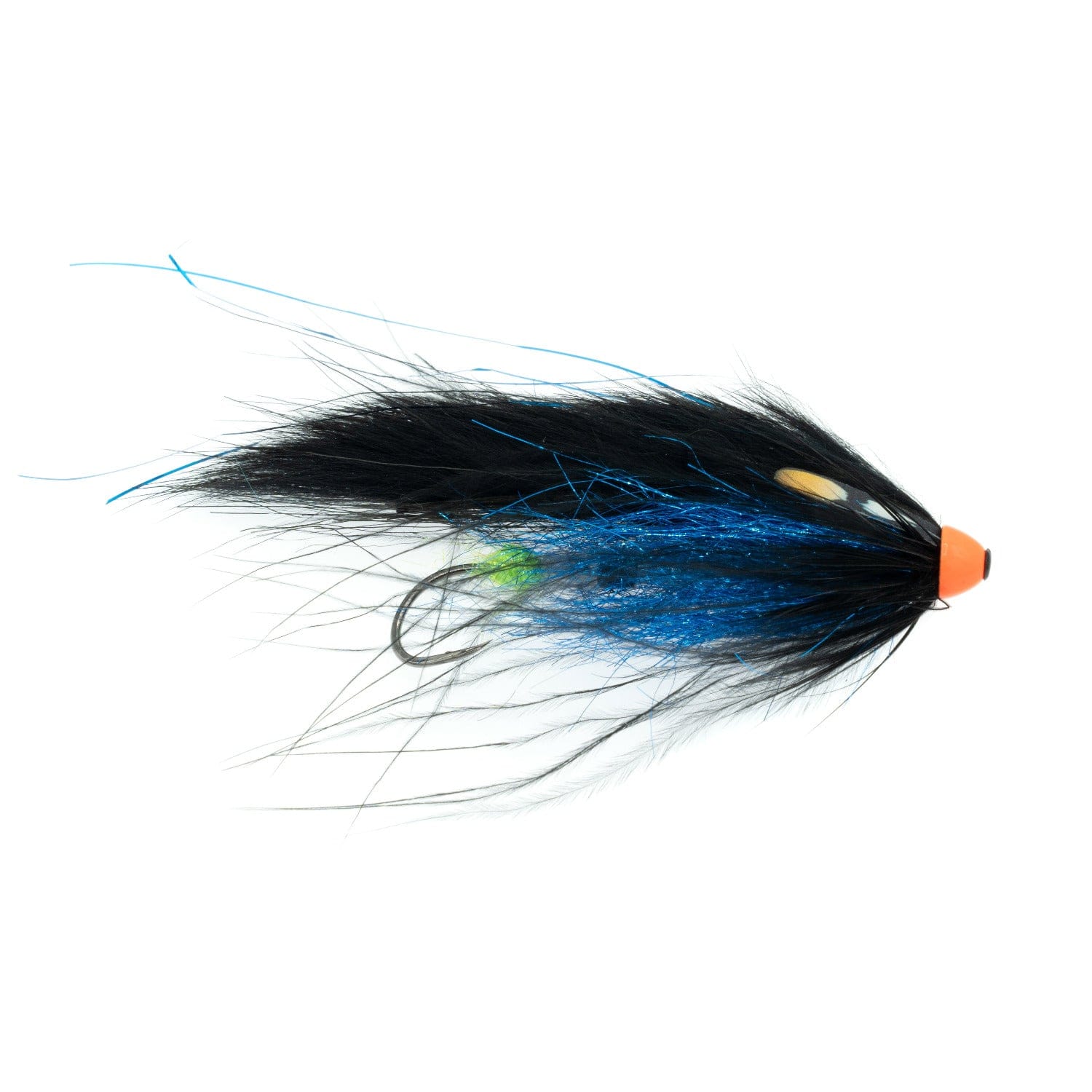
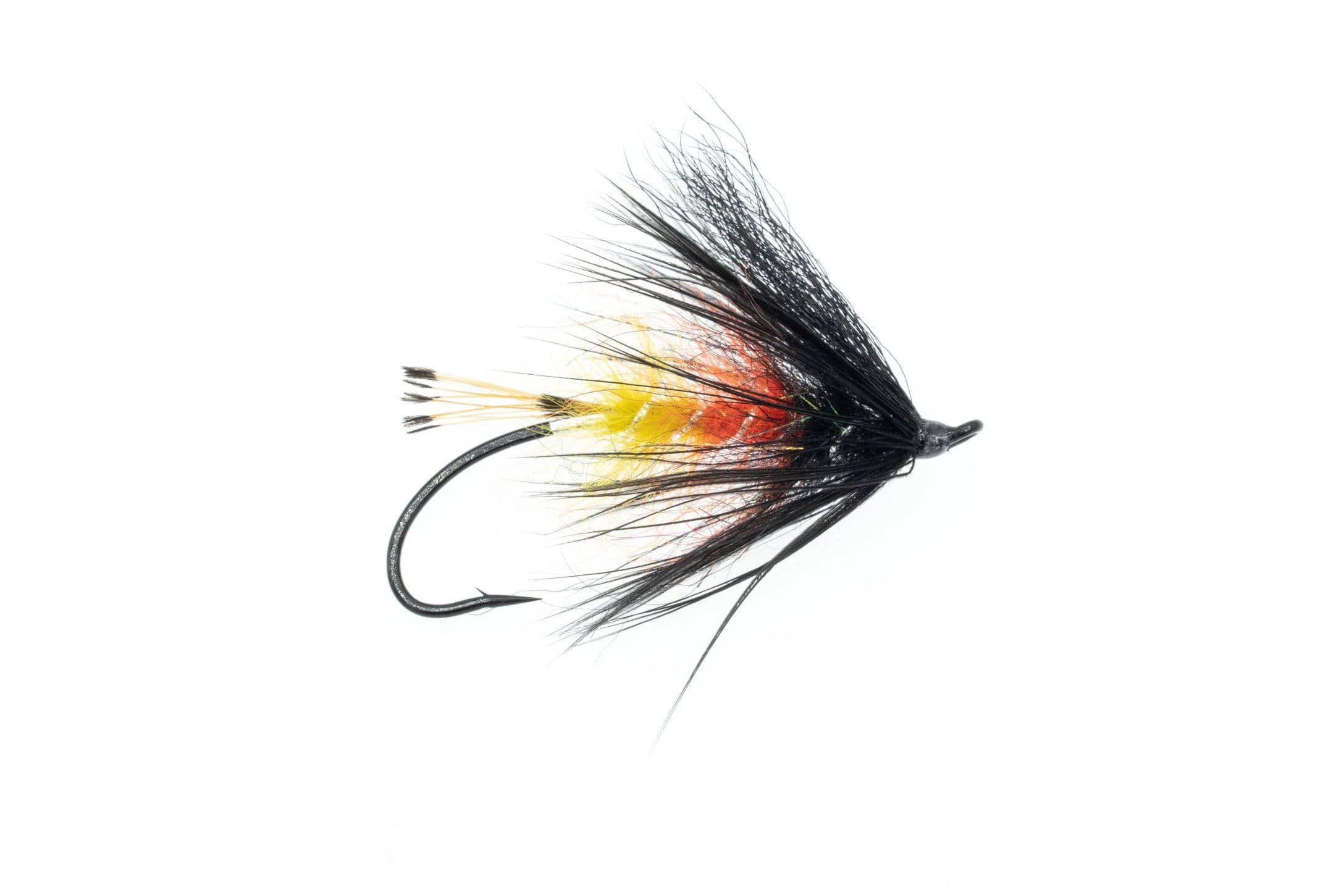
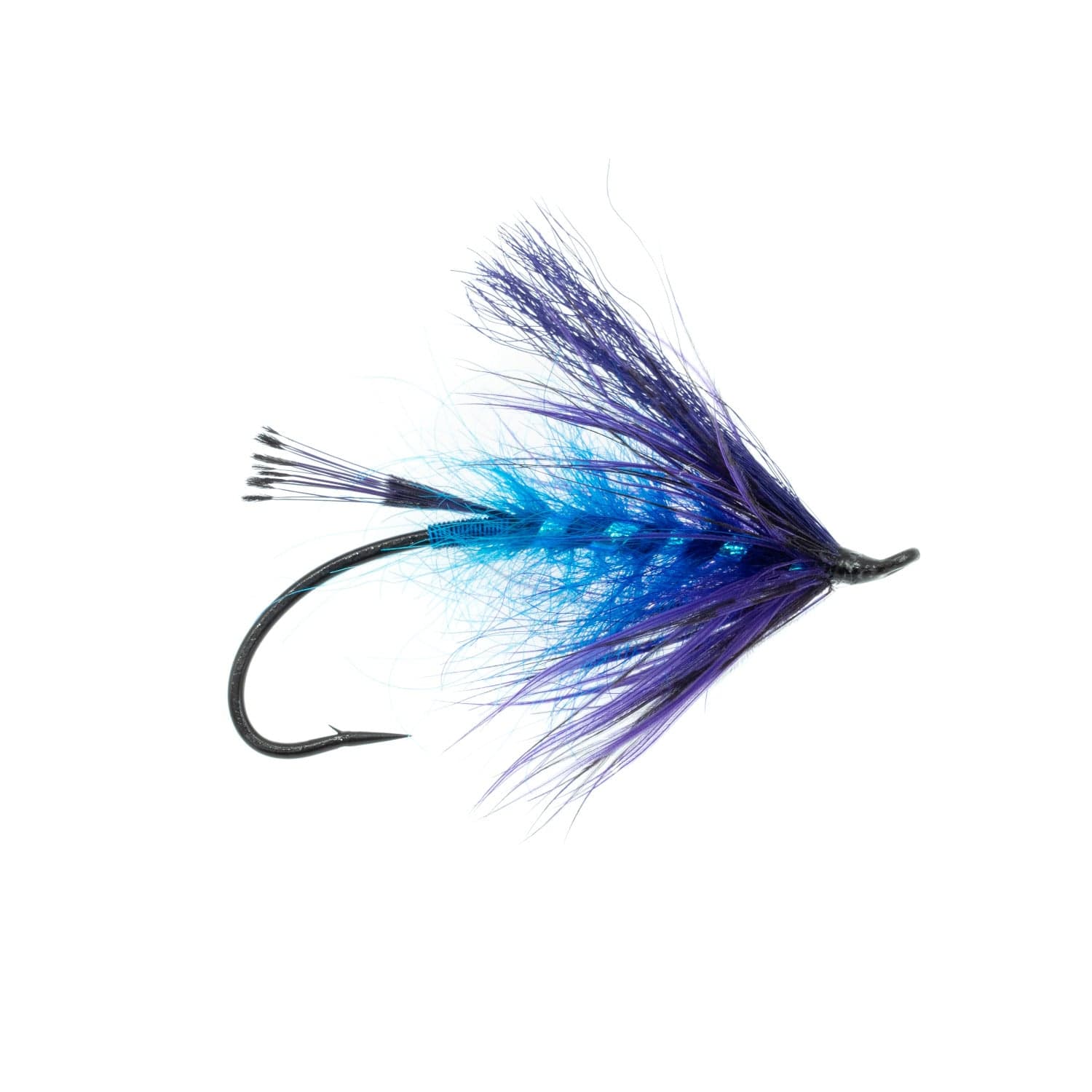
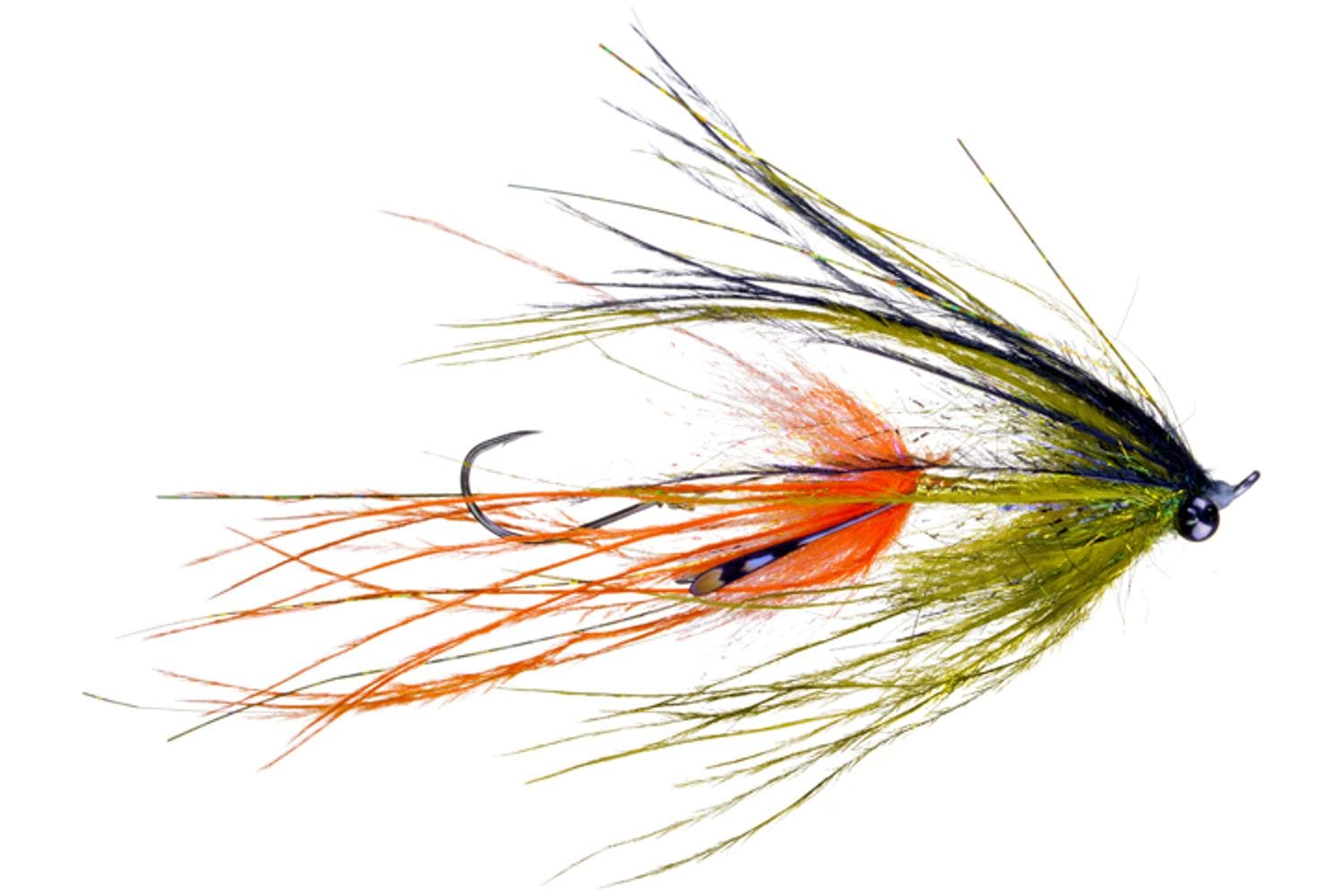
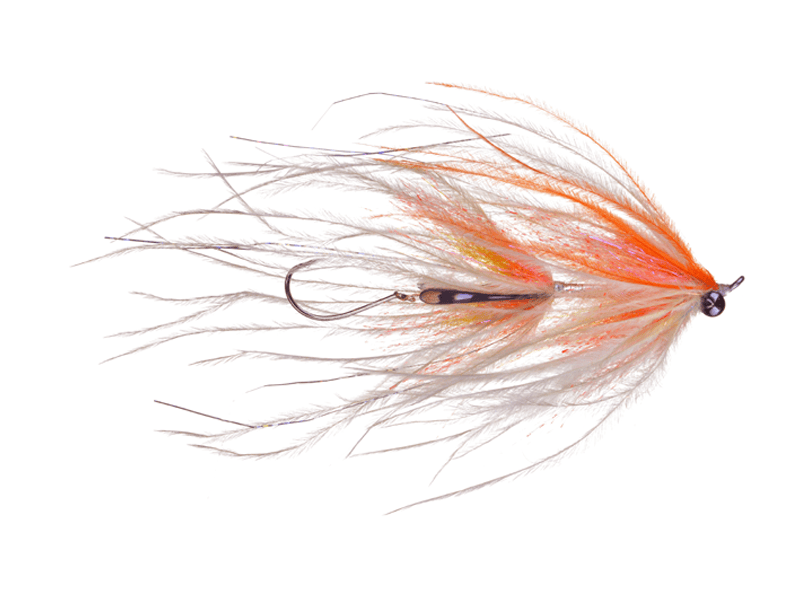
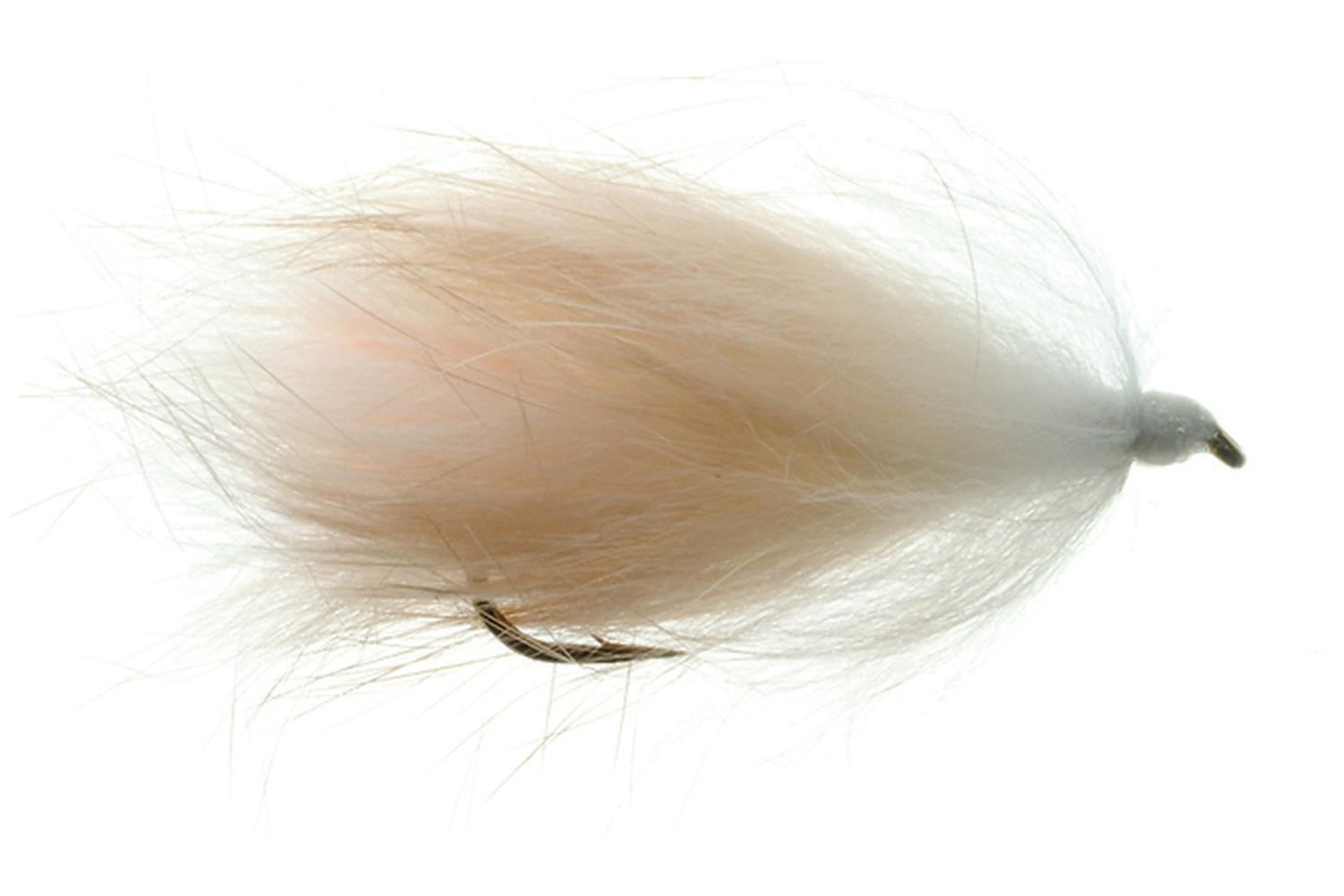
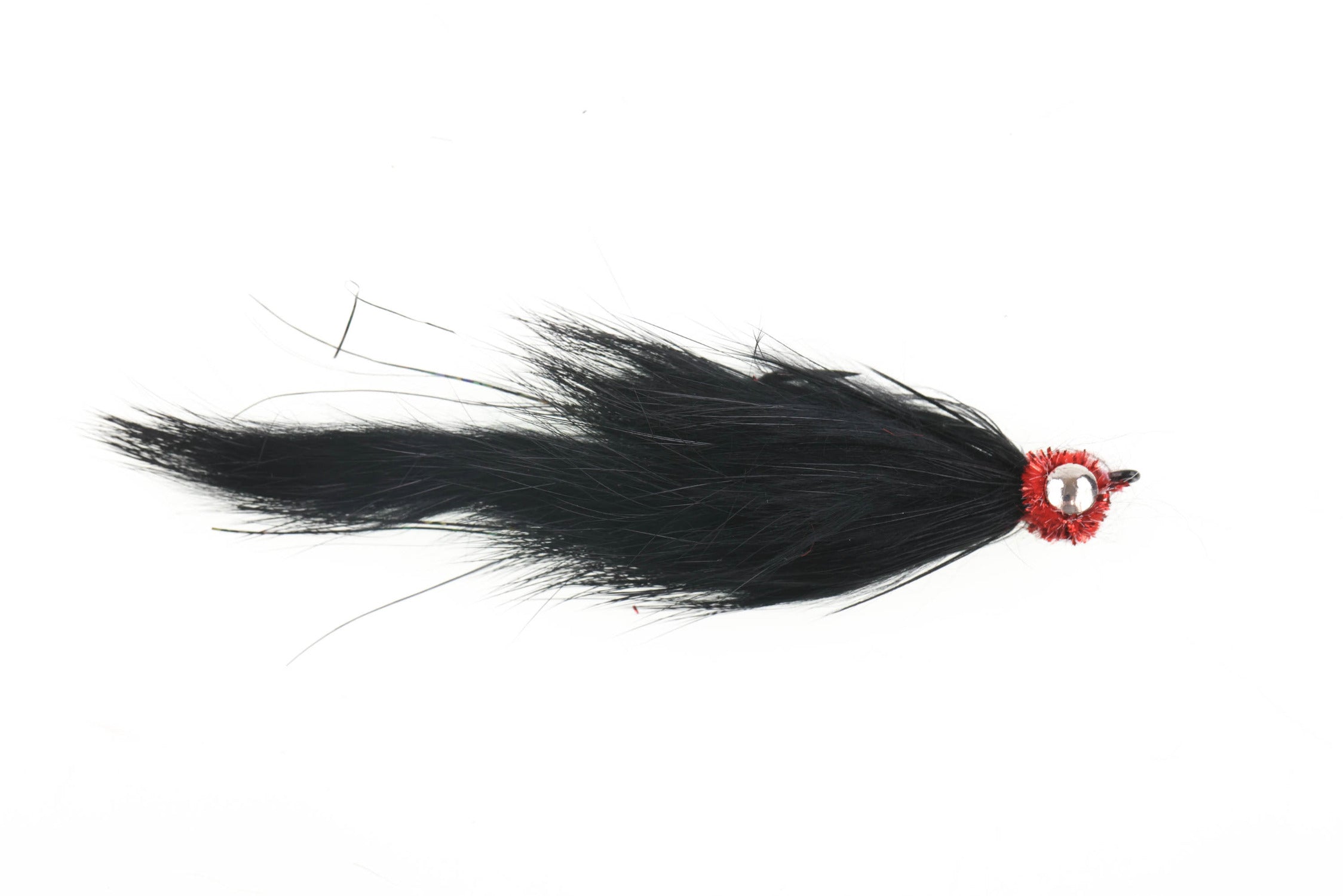
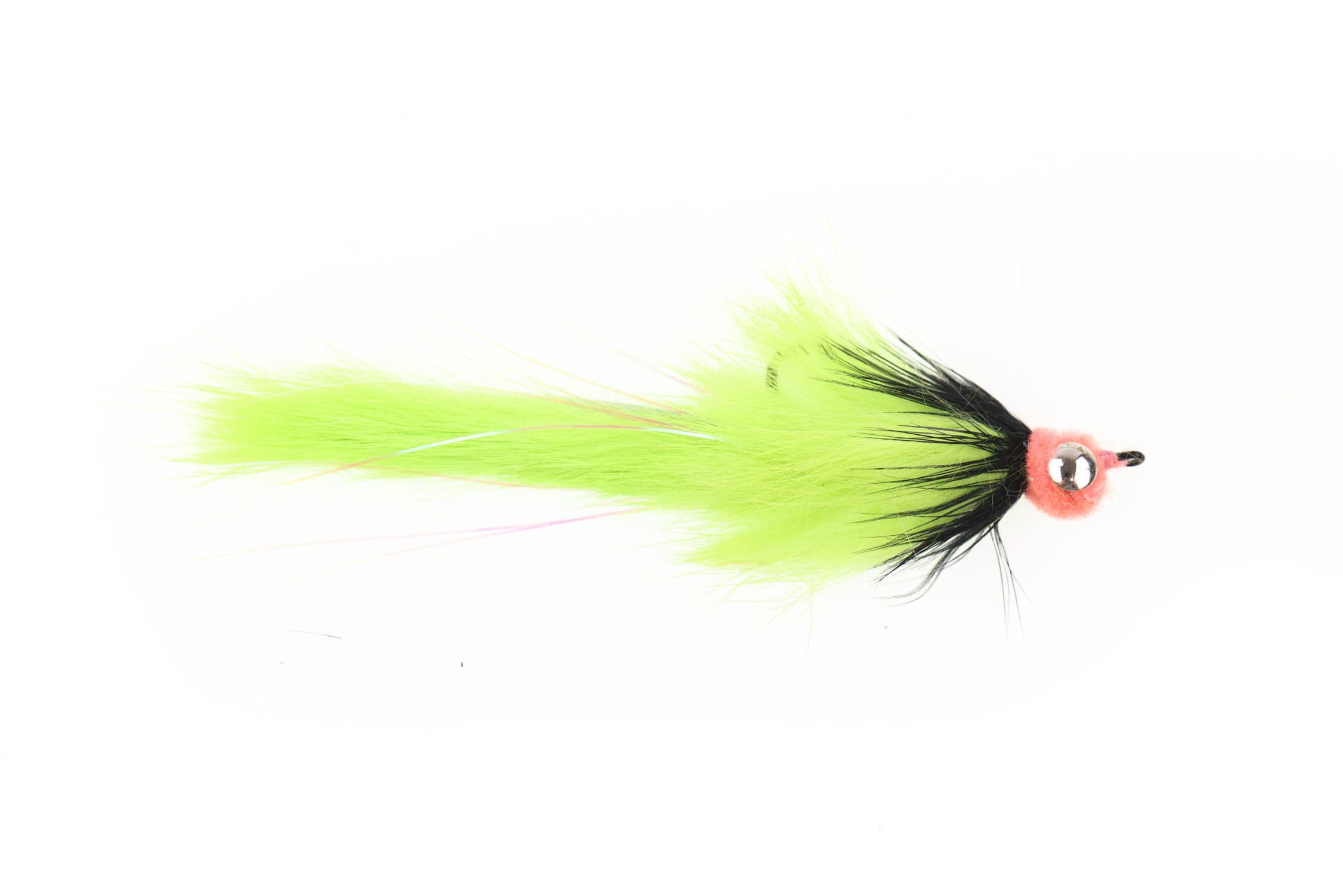
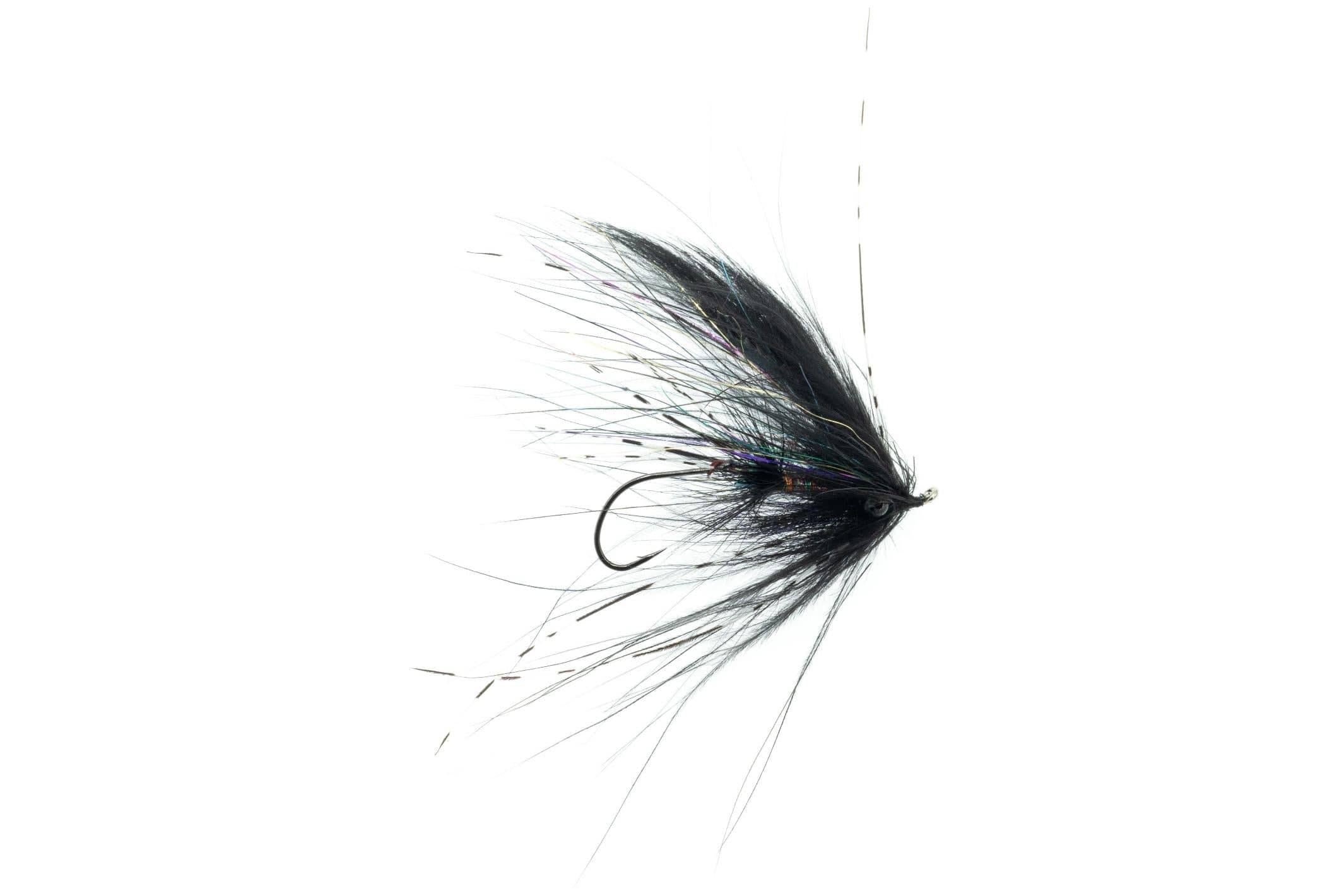
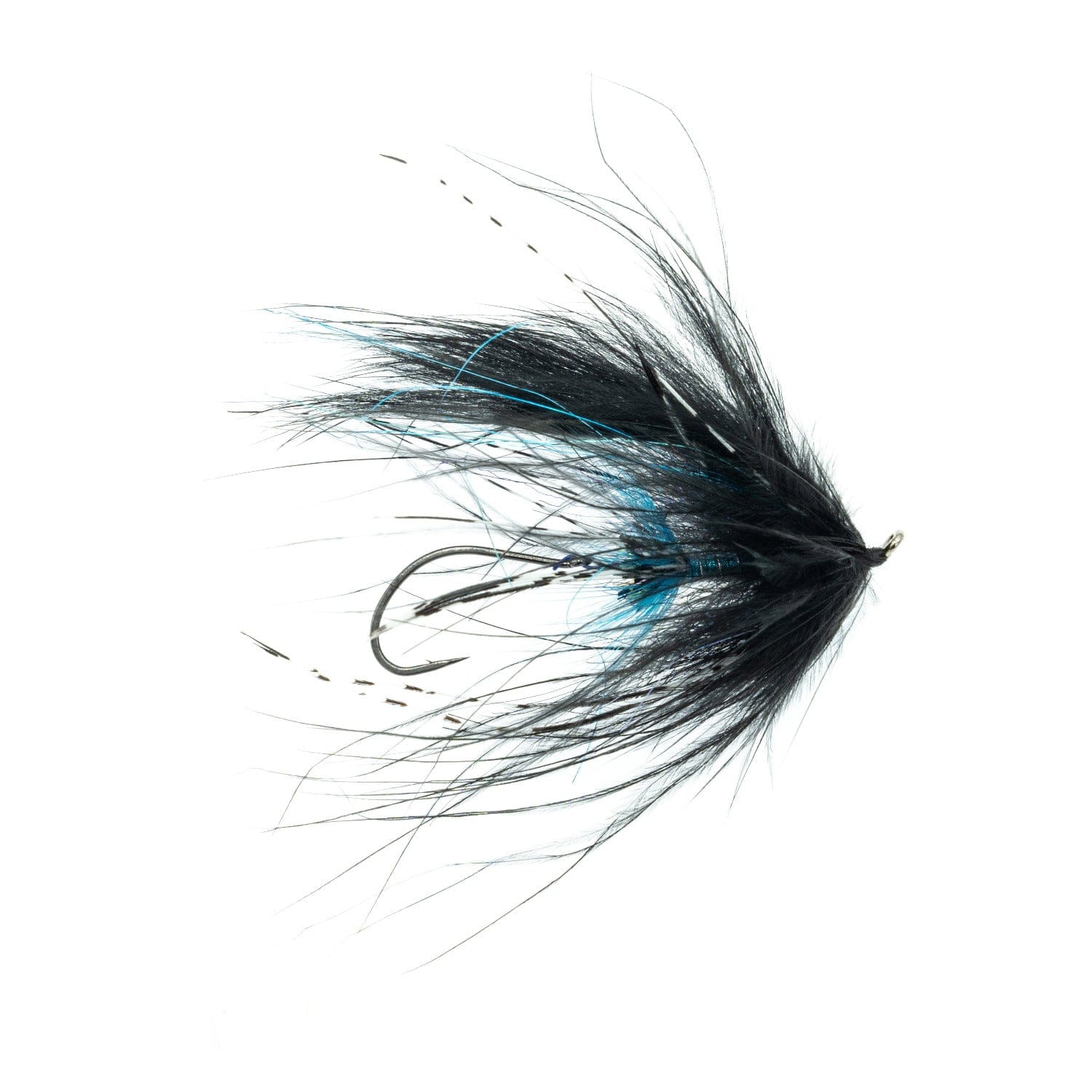
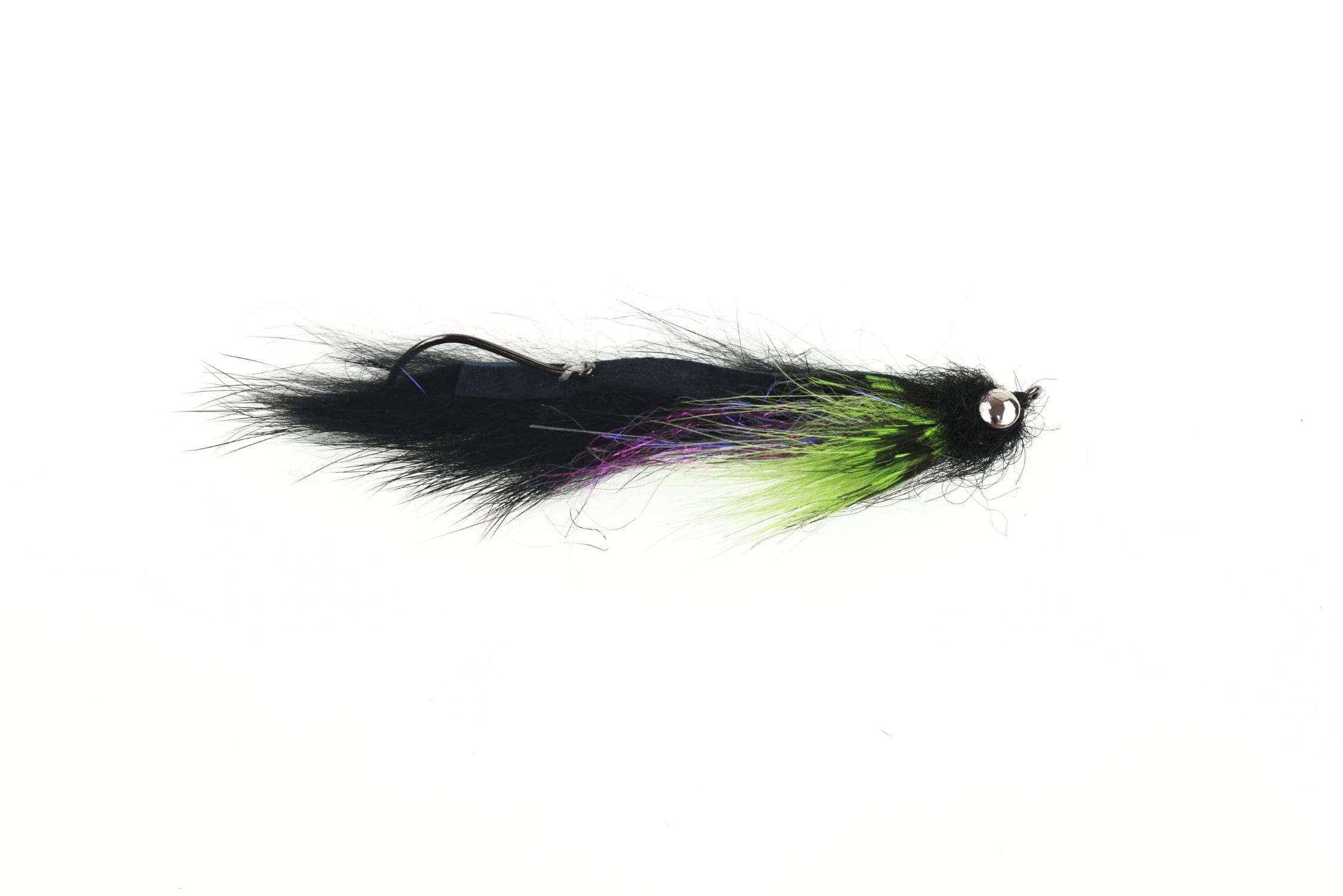
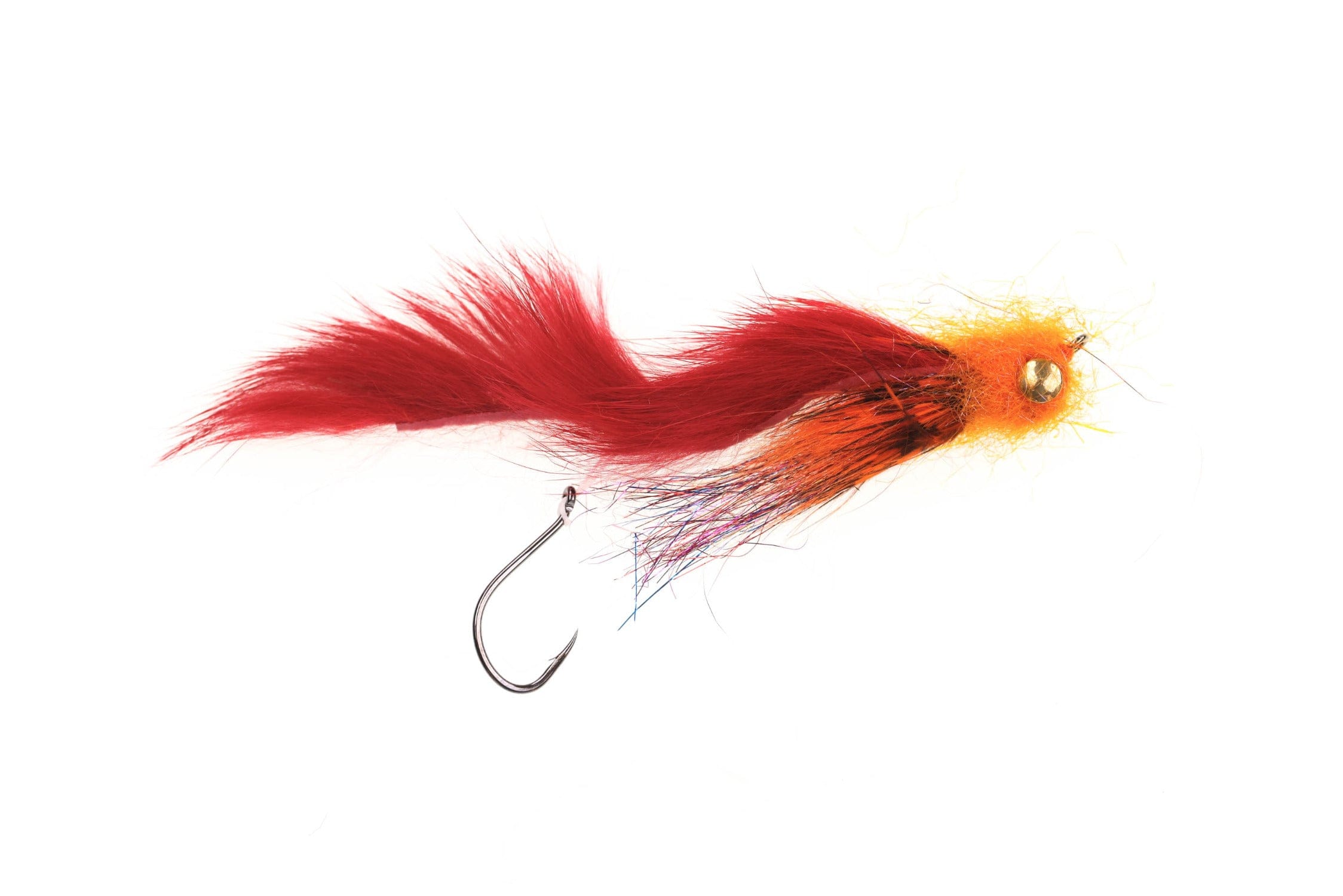
Salmon Flies Quick Picks
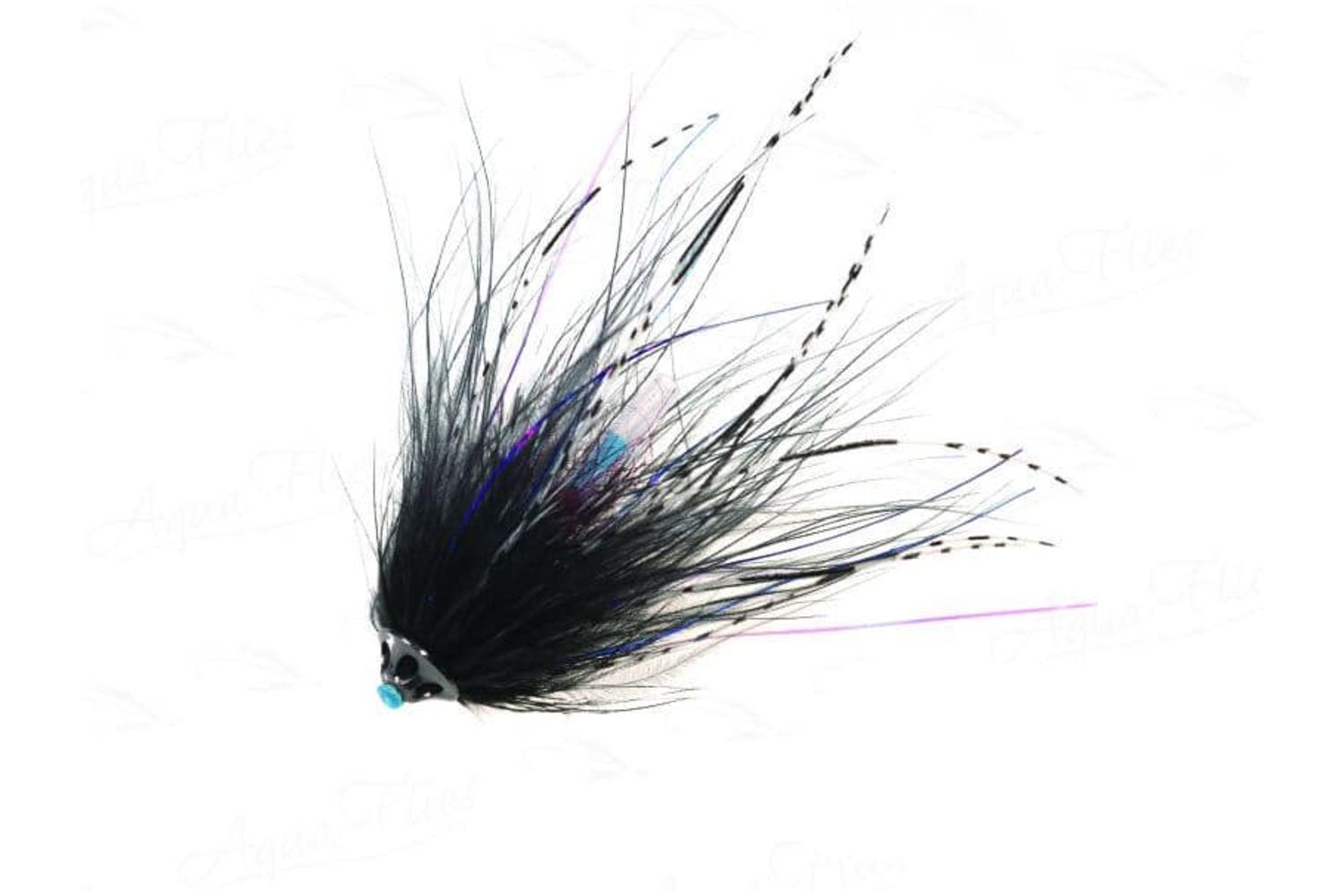
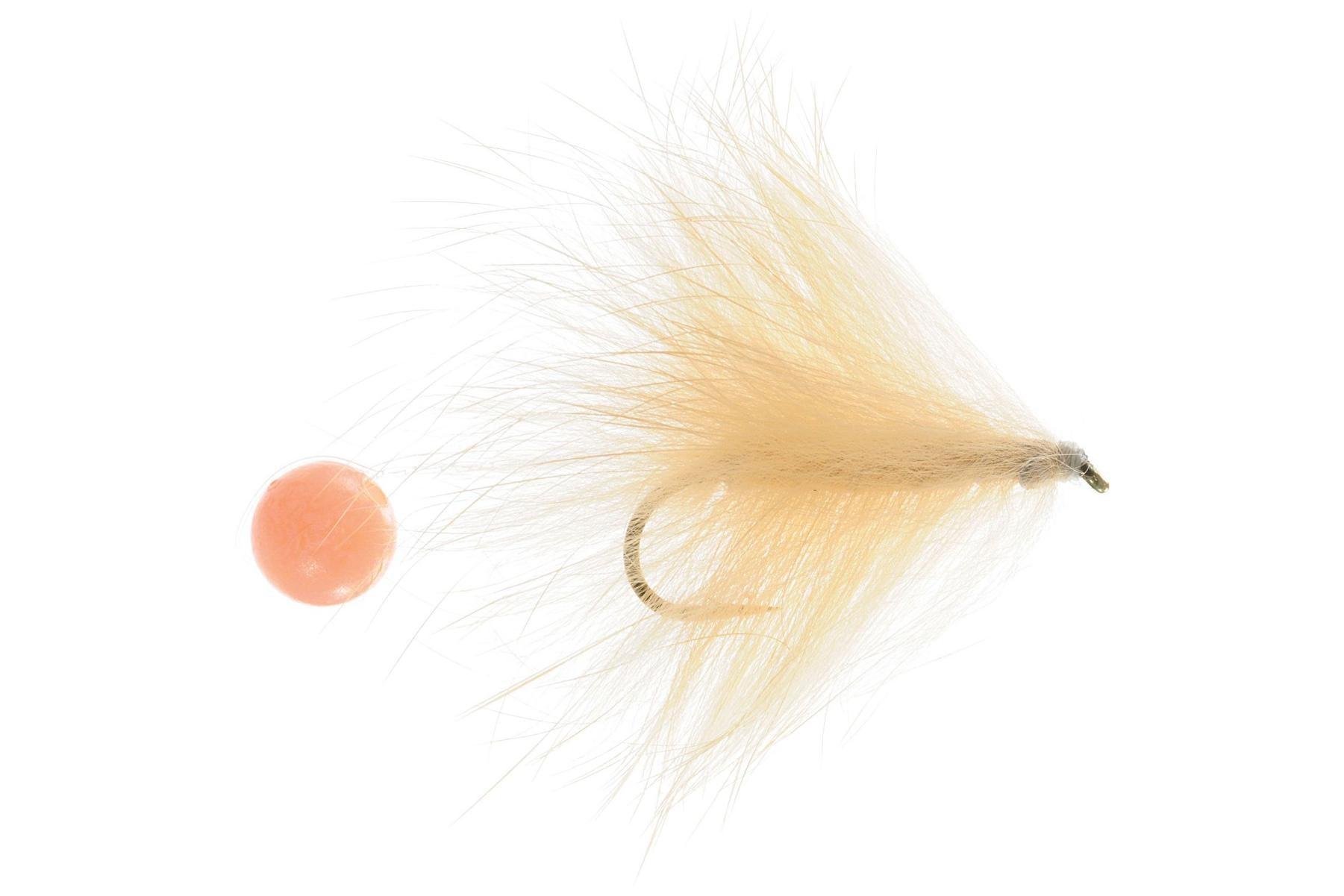
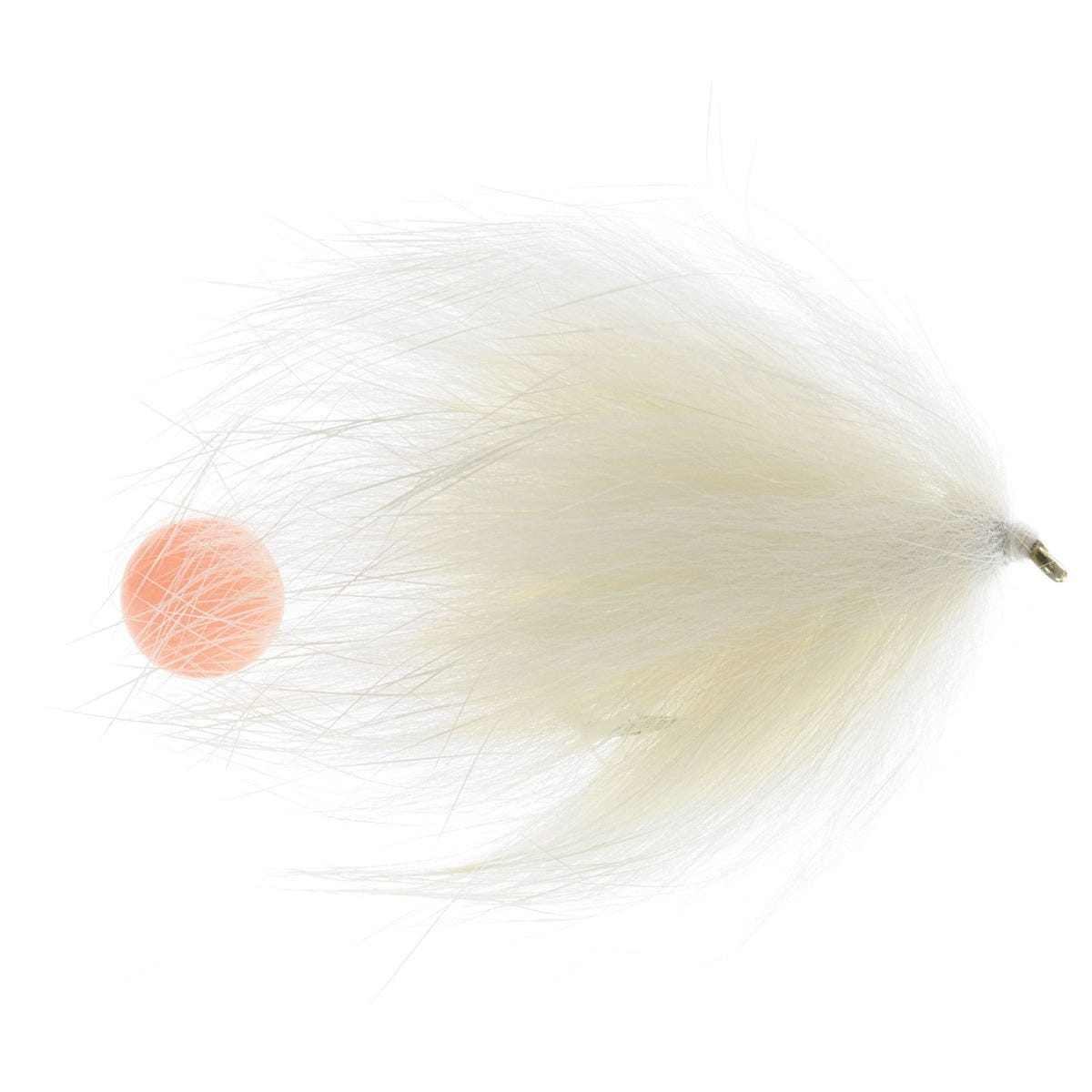
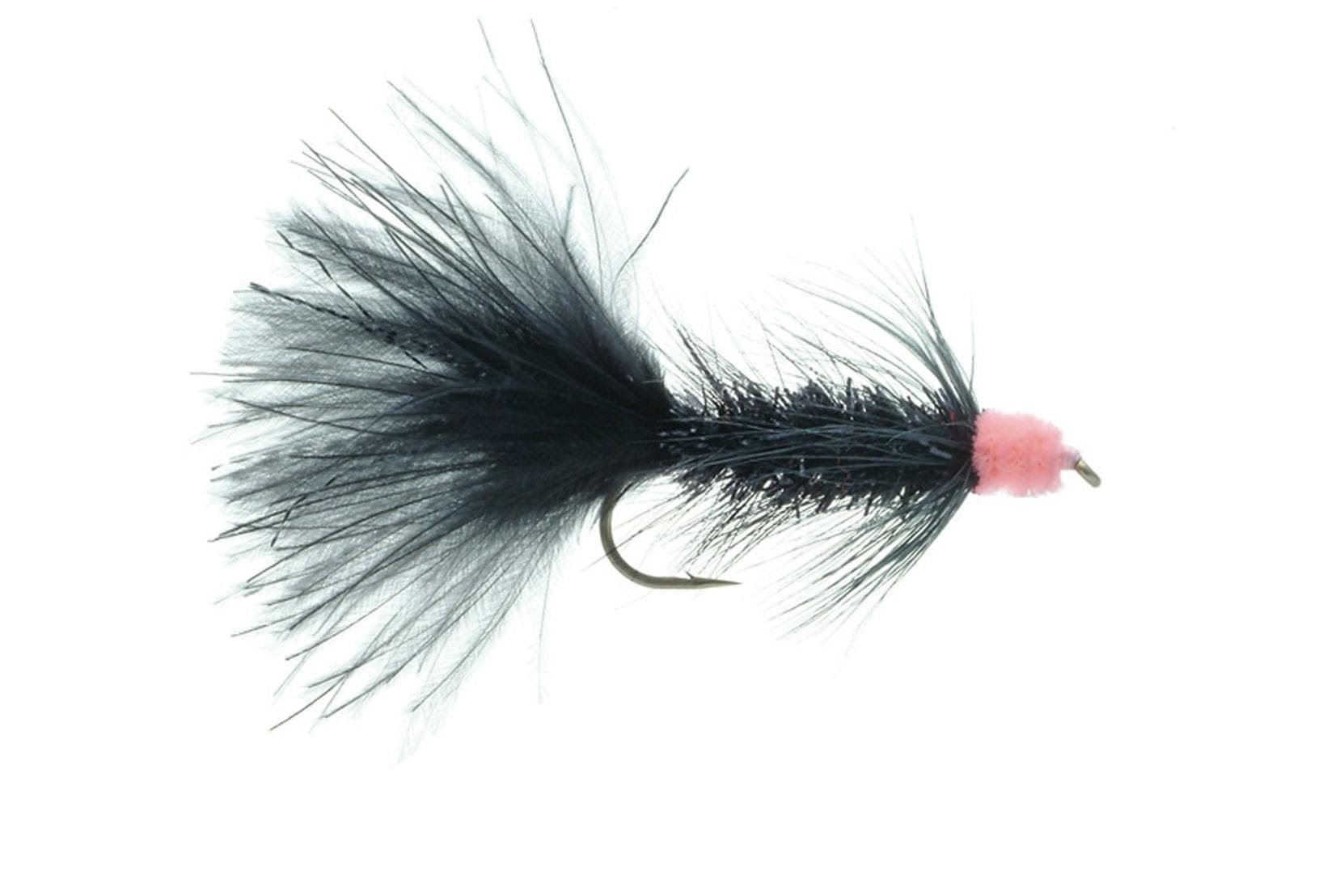
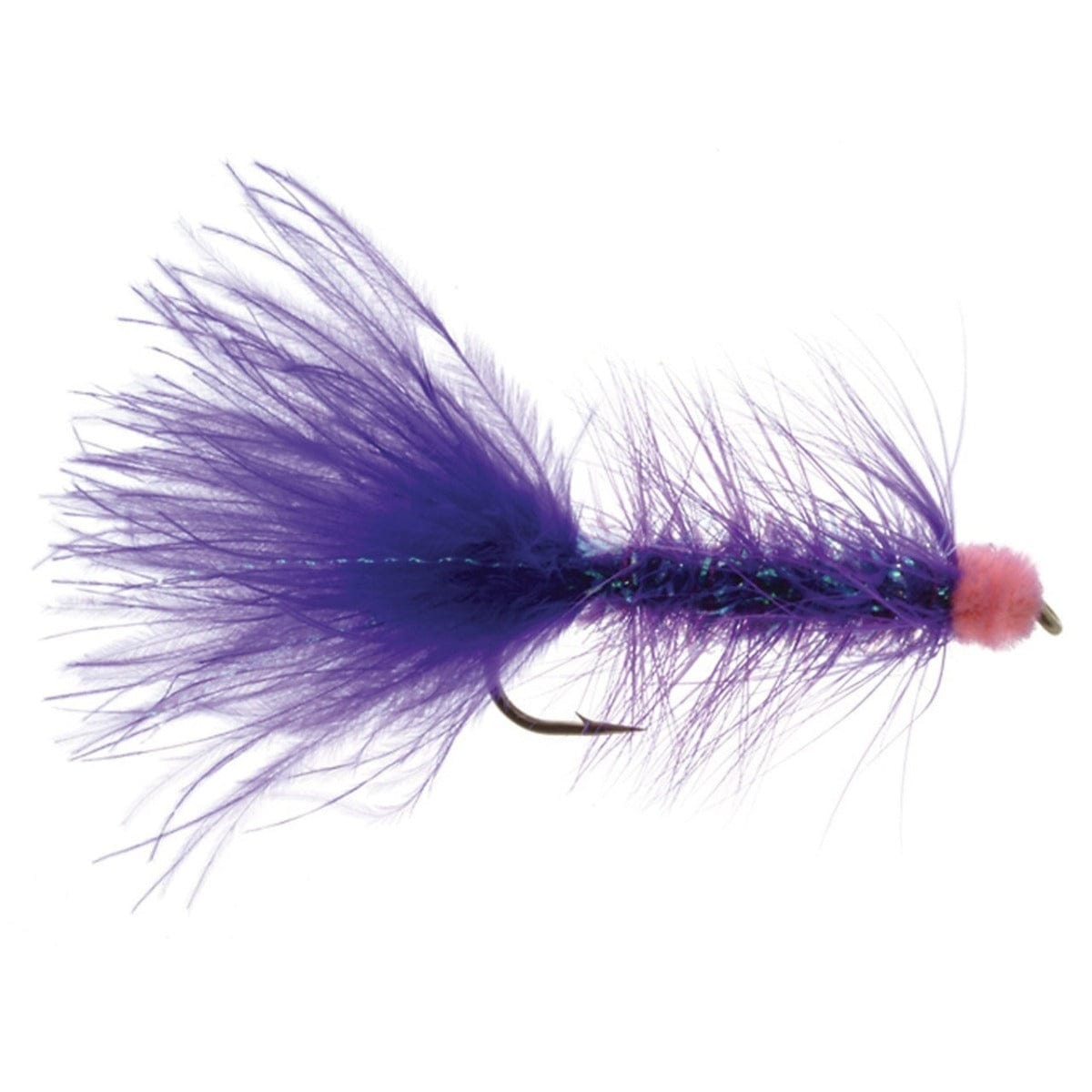
Best All-Around Atlantic Pattern: Green Machine - The modern standard on Atlantic salmon rivers from the Gaspe to the Miramichi. Its buoyant spun-deer-hair body swims with a lifelike wiggle on the swing, and it produces in nearly any water height.
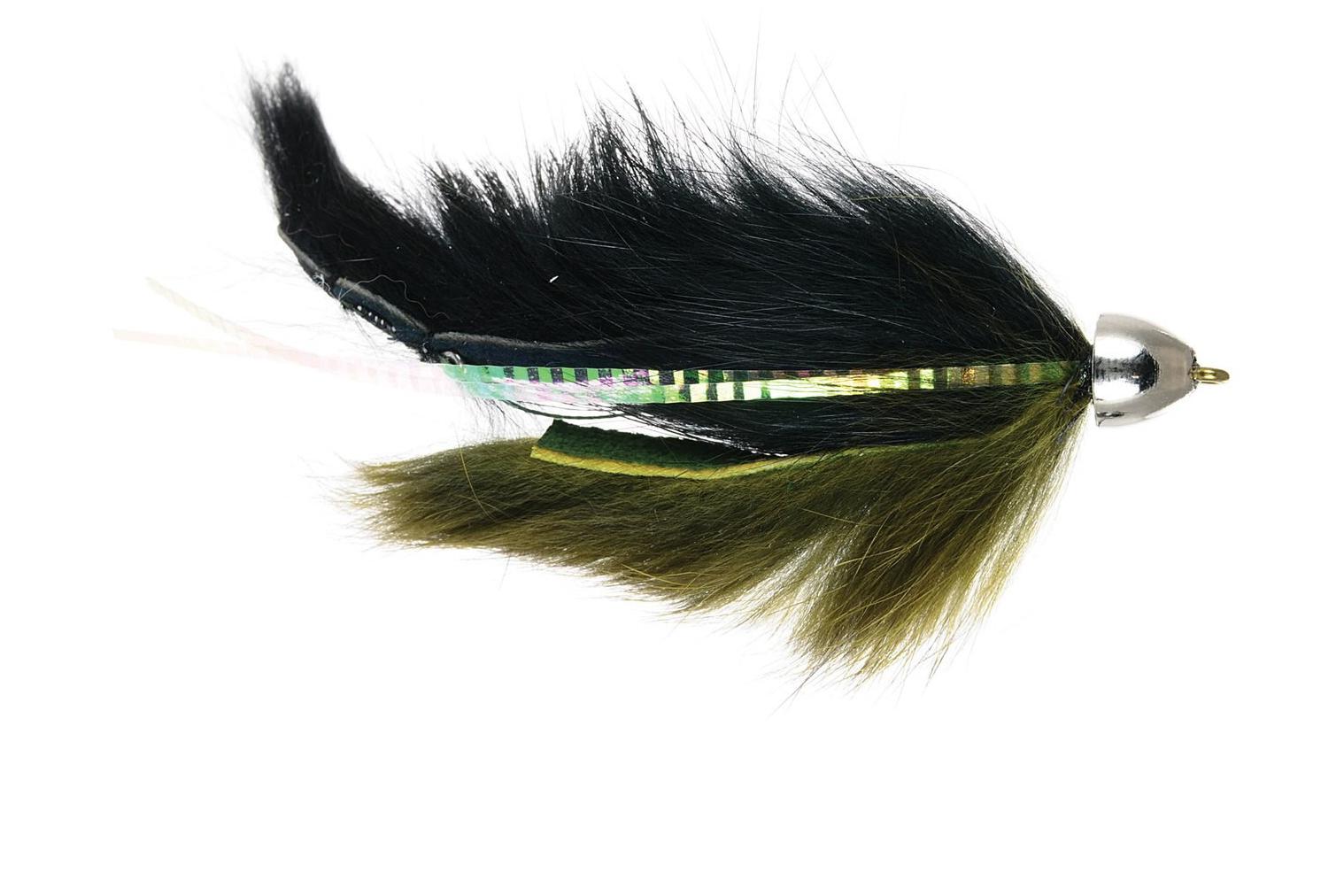
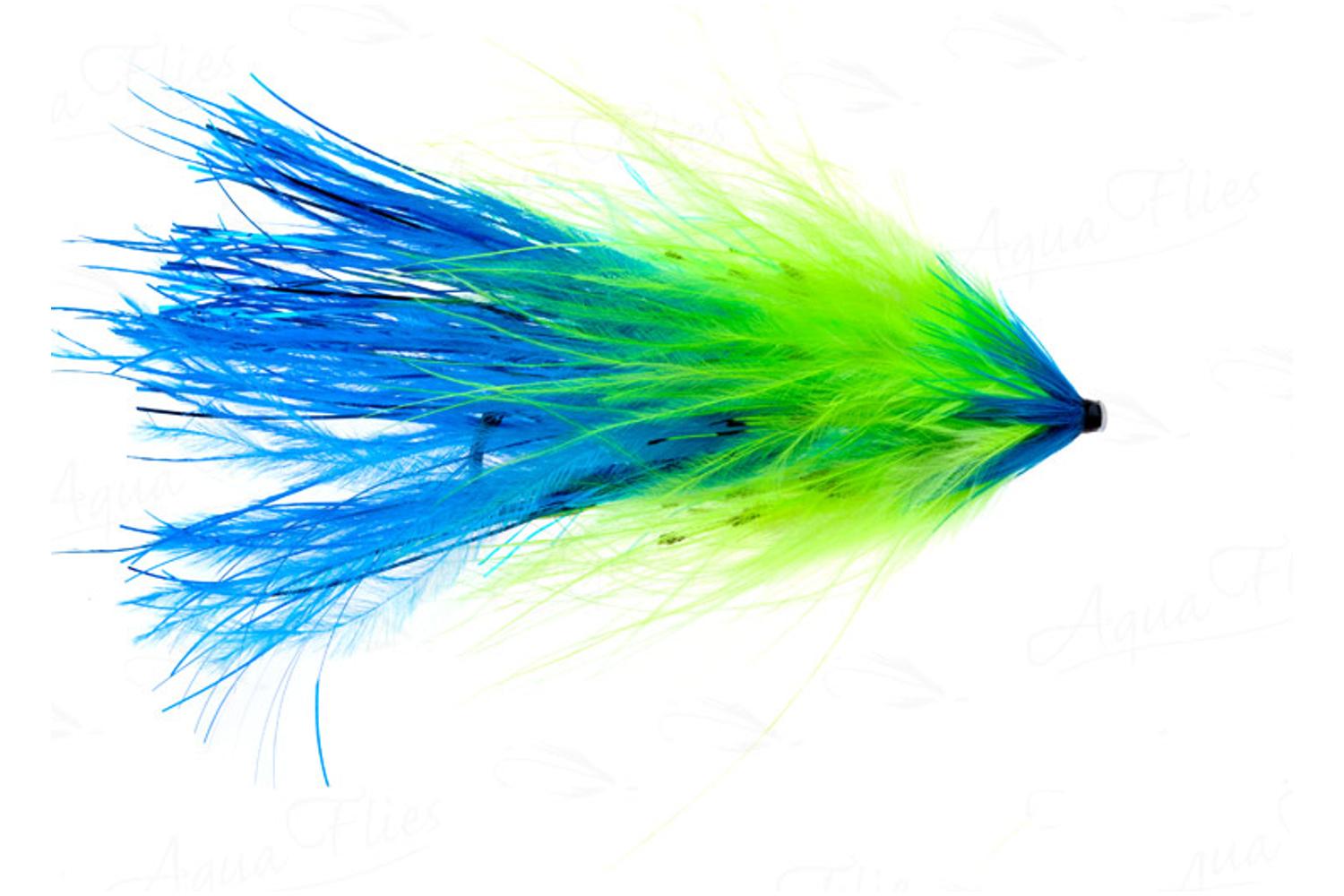
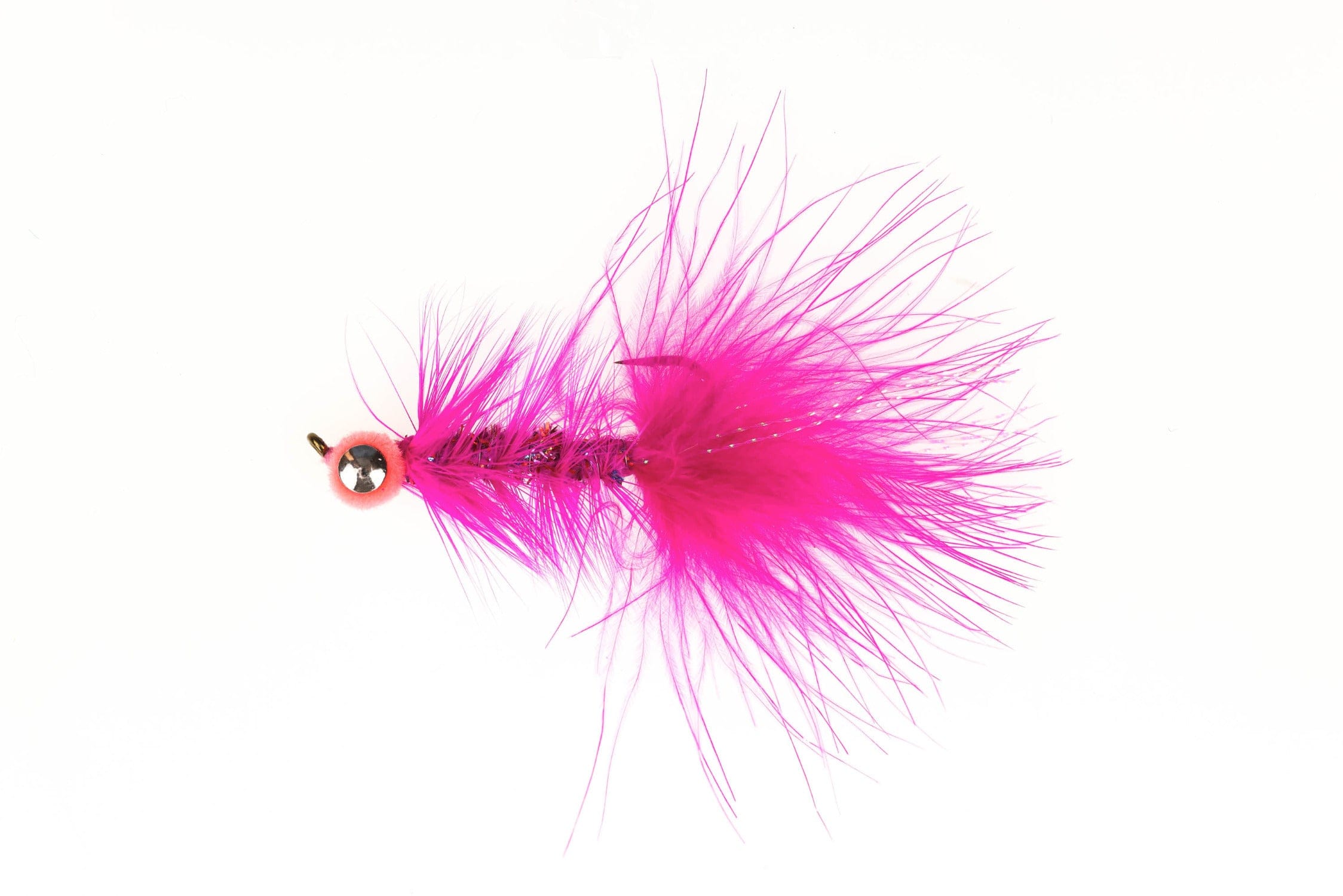
Best All-Around Pacific Pattern: Dolly Llama - An Alaska staple, this heavy articulated fly creates incredible movement that triggers aggressive strikes from Kings, Silvers, and Chum. Its weighted head gets down fast in swift currents.
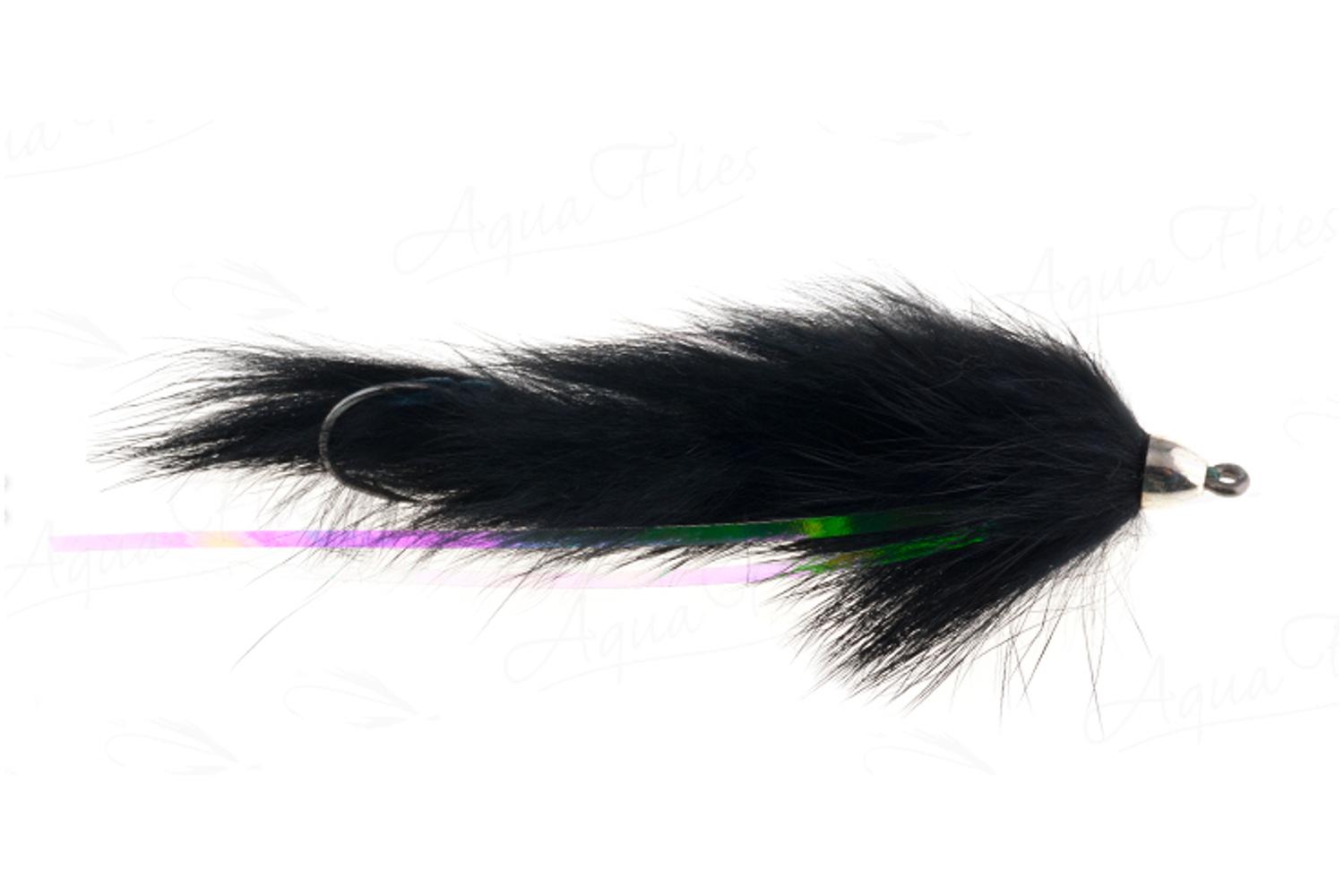
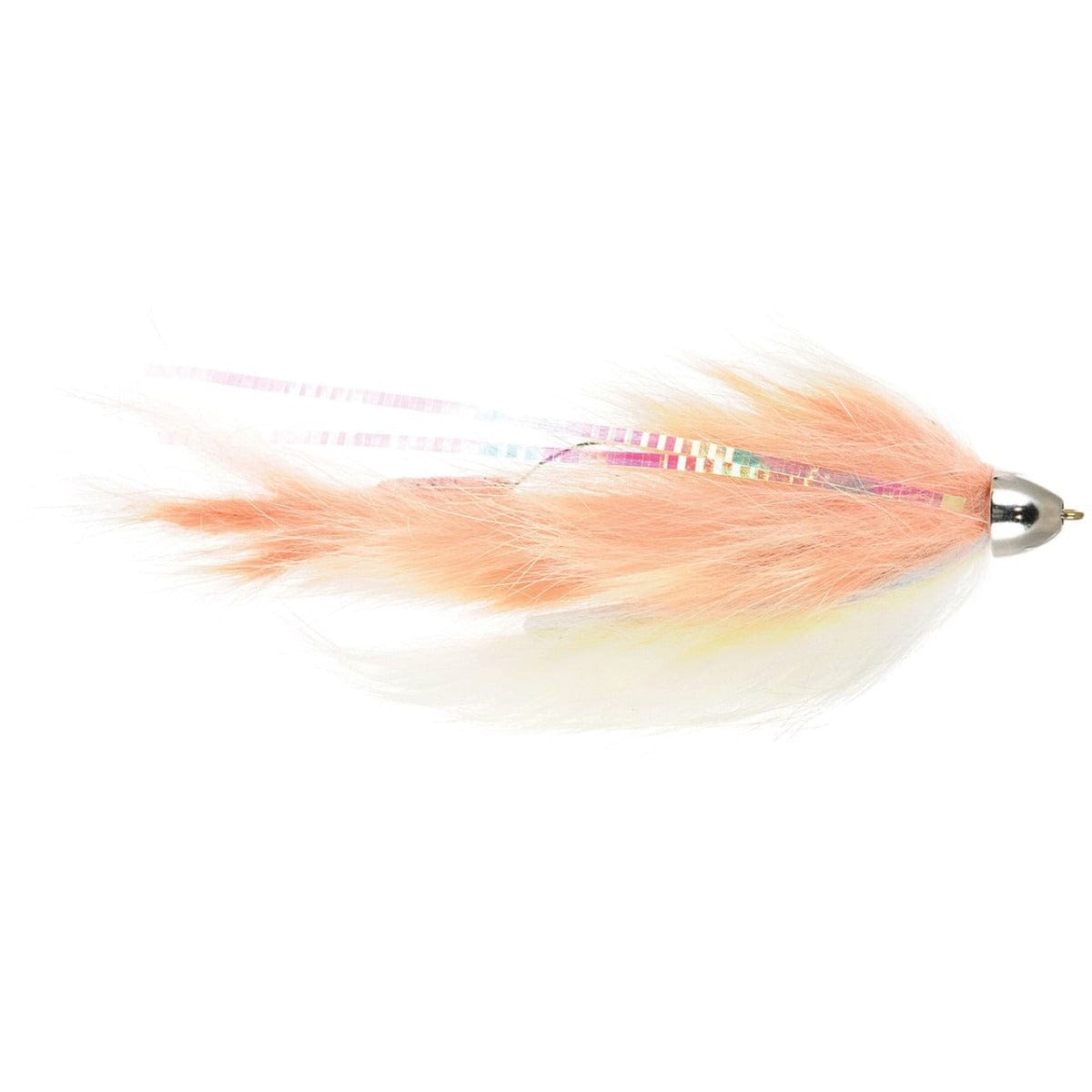
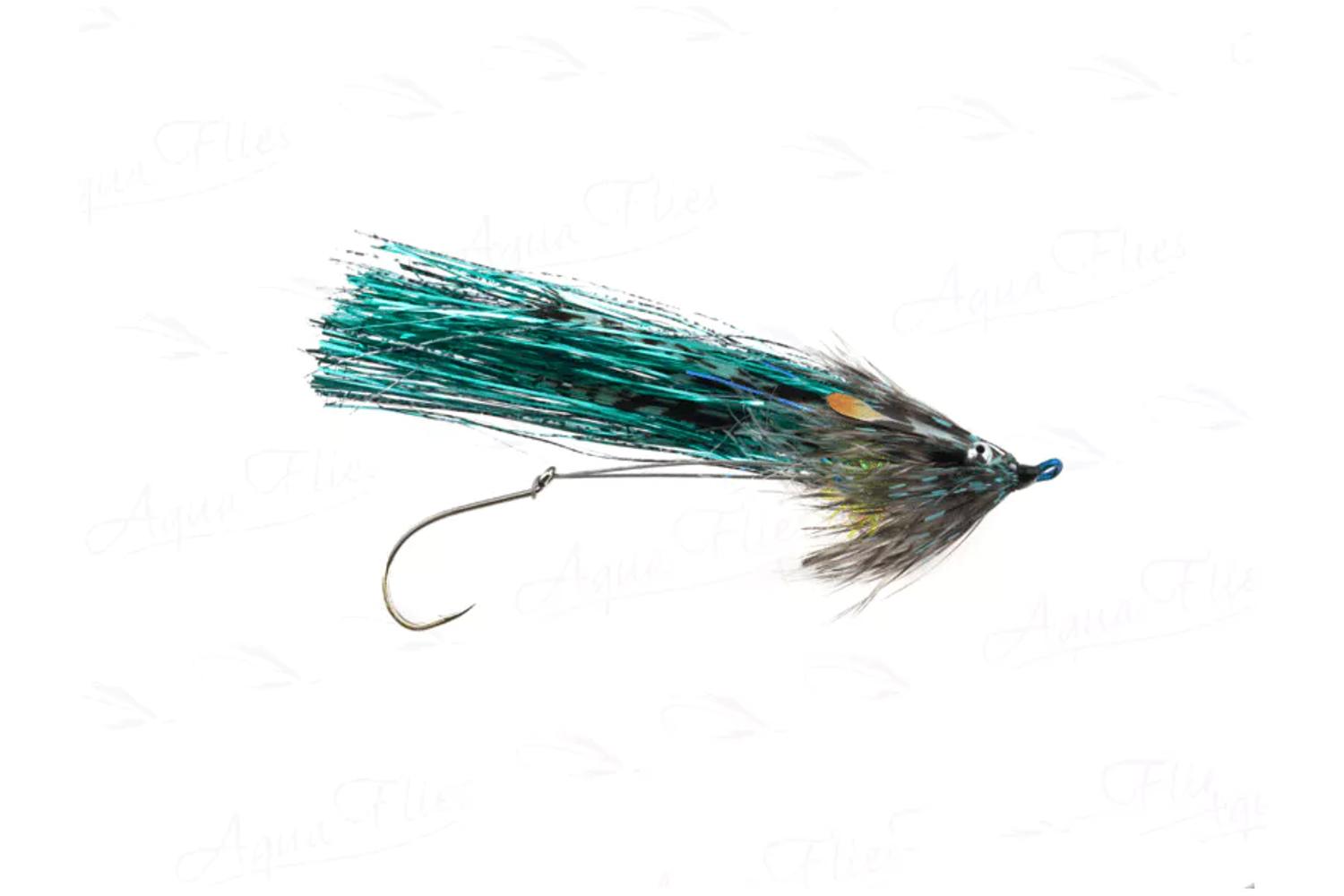
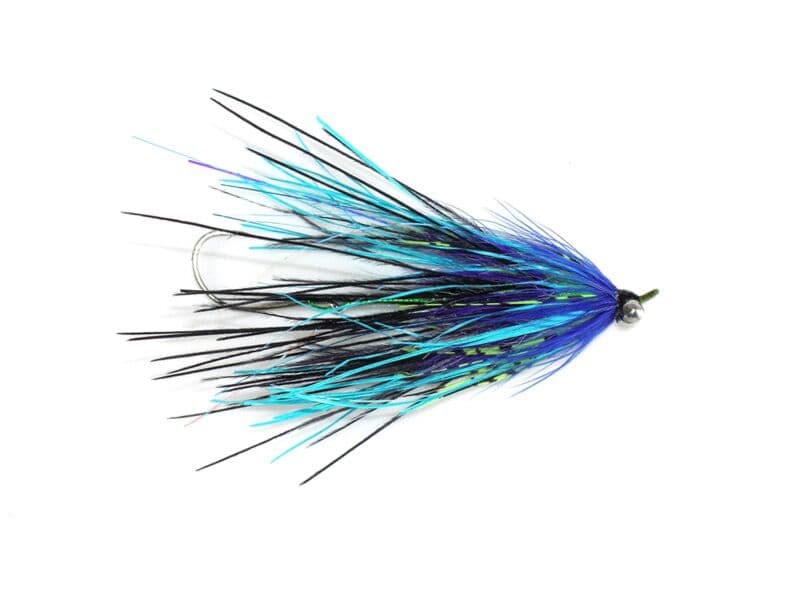
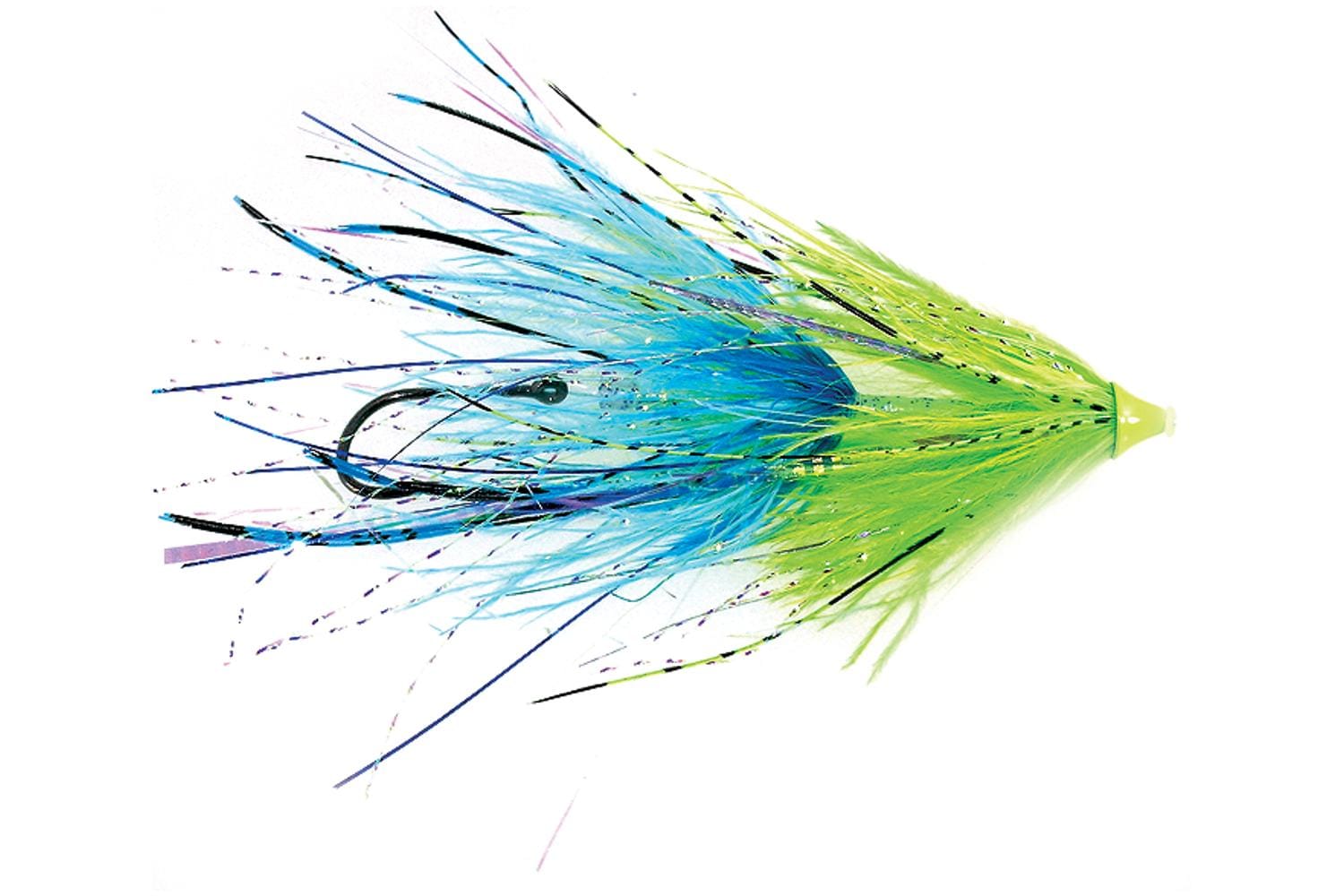
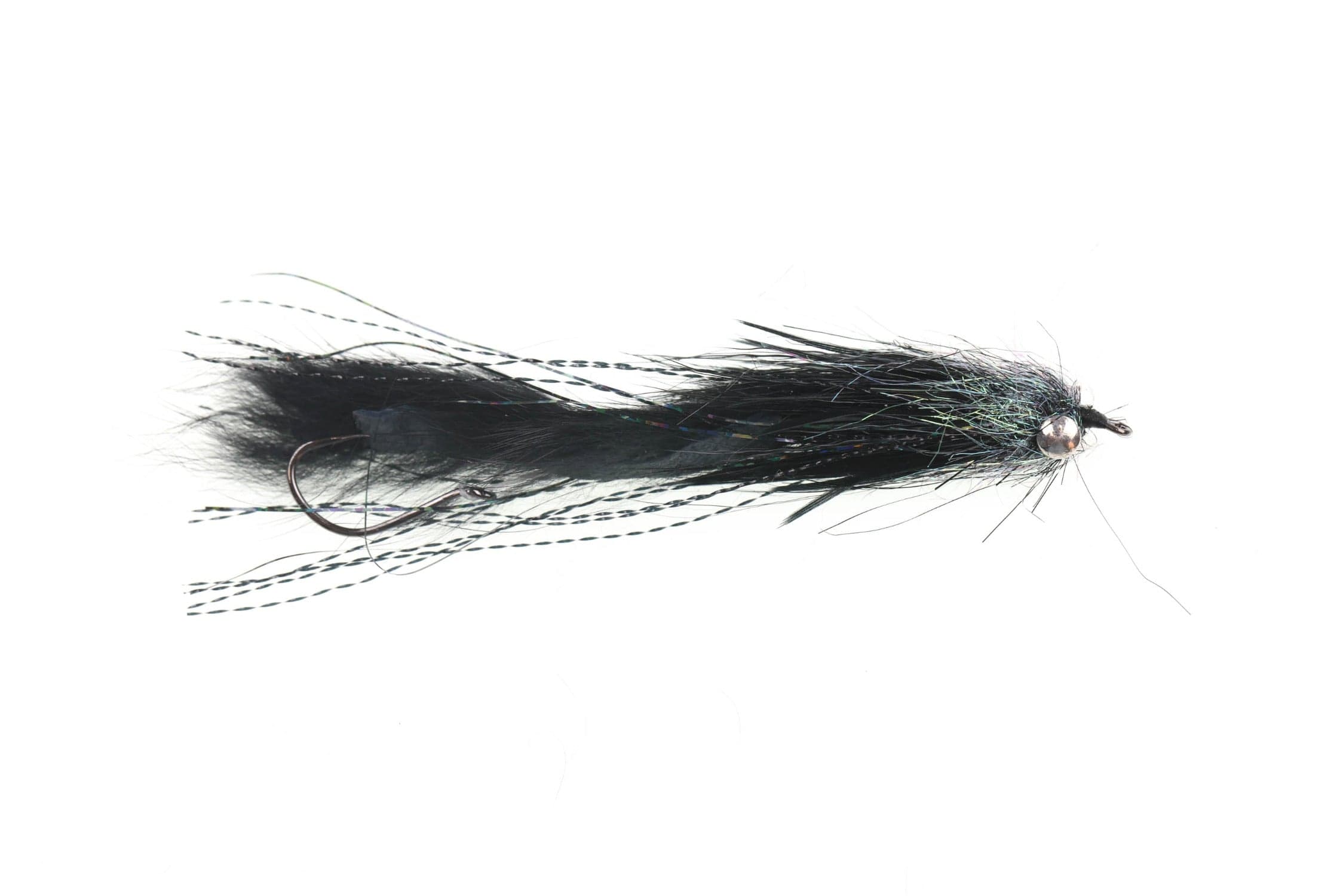
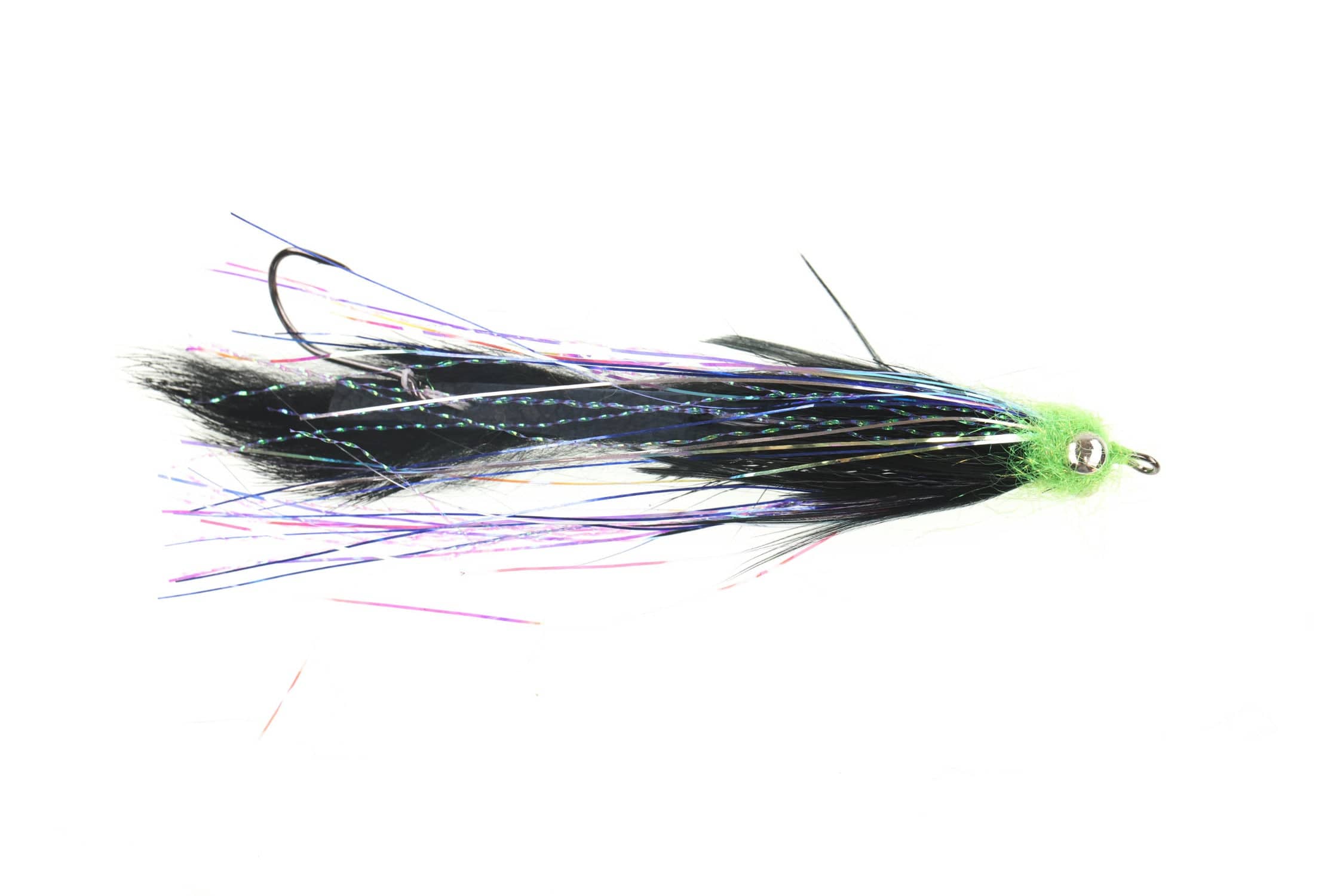
Best for King Salmon: Stu's Chinook Intruder - A big-profile Intruder built to swim broadside in heavy current and provoke territorial takes from massive Chinook. Tied on a stout shank with a stinger hook to withstand powerful runs.
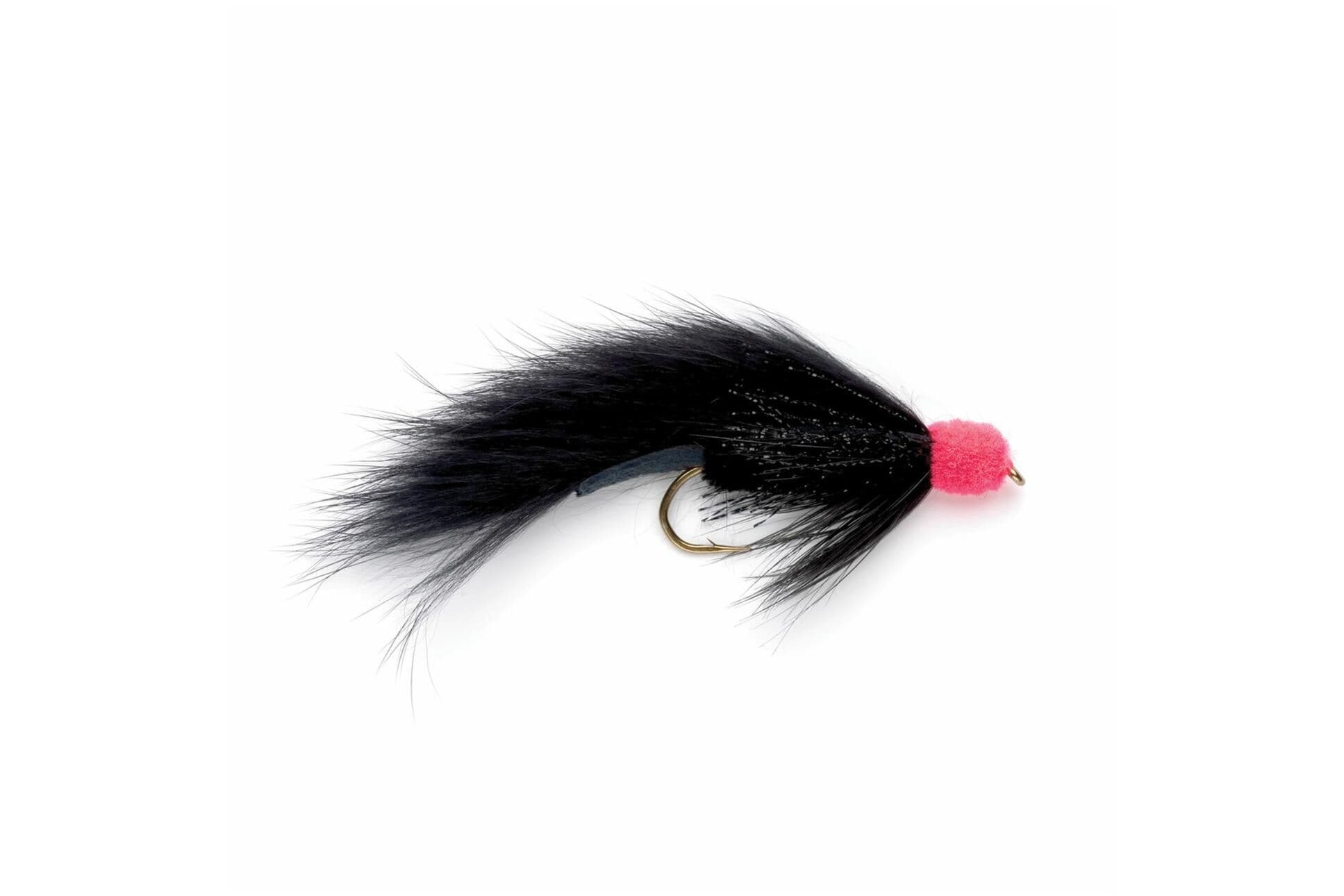
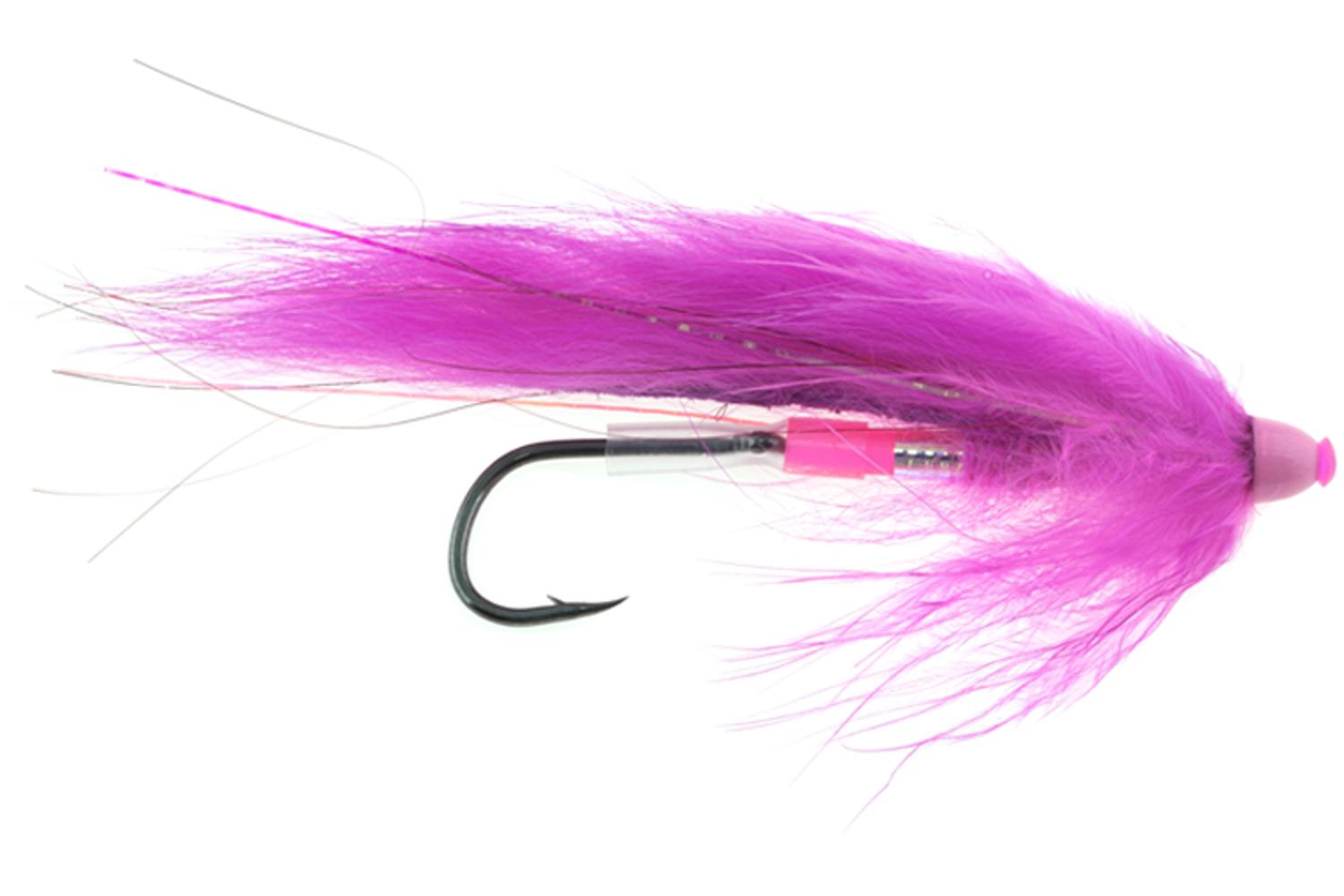
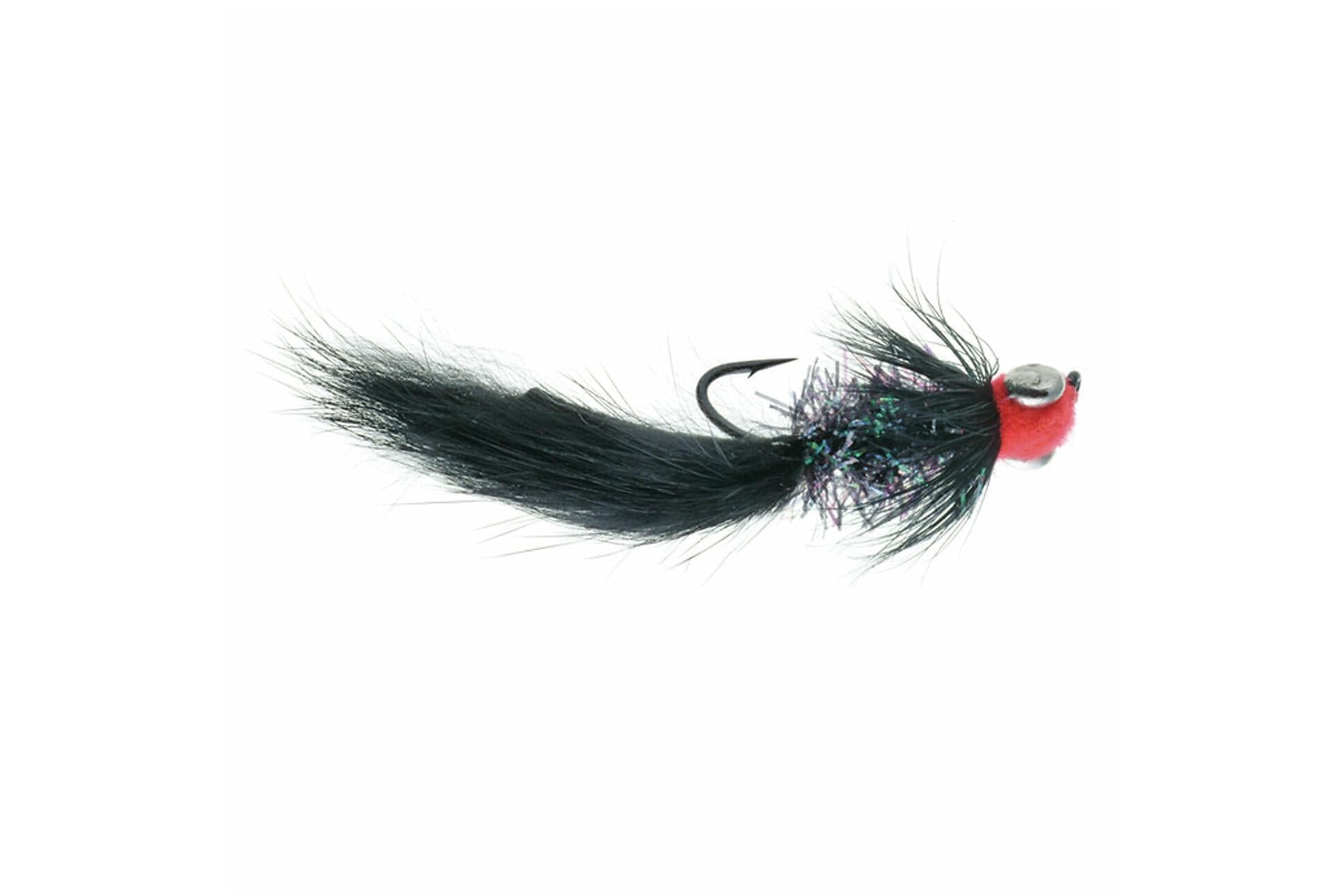
Best Attractor Pattern: Egg Sucking Leech - A versatile classic that mimics a leech eating a salmon egg, effective for nearly every salmon species. The contrasting head color provides a strike point in murky glacial water.
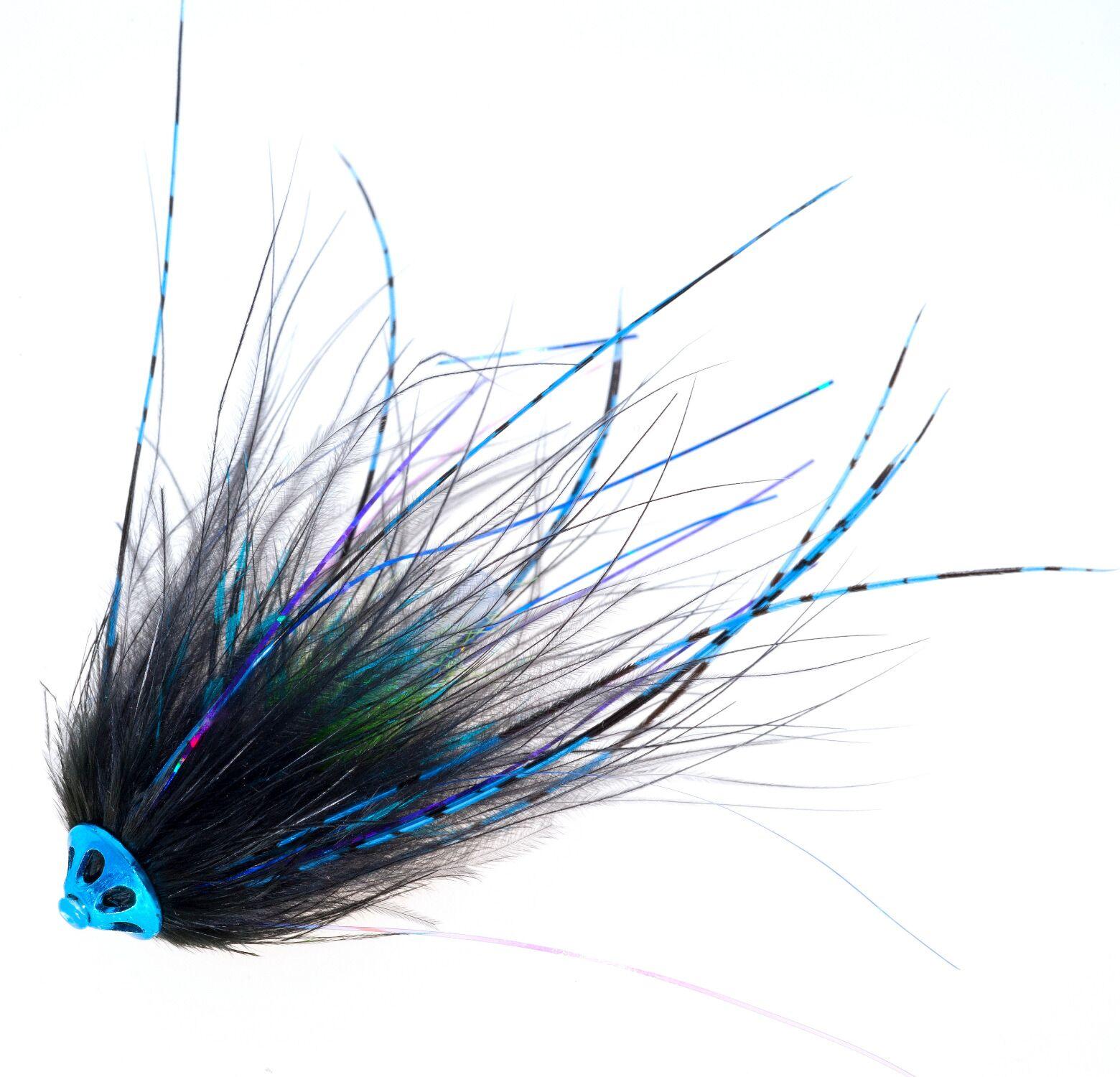
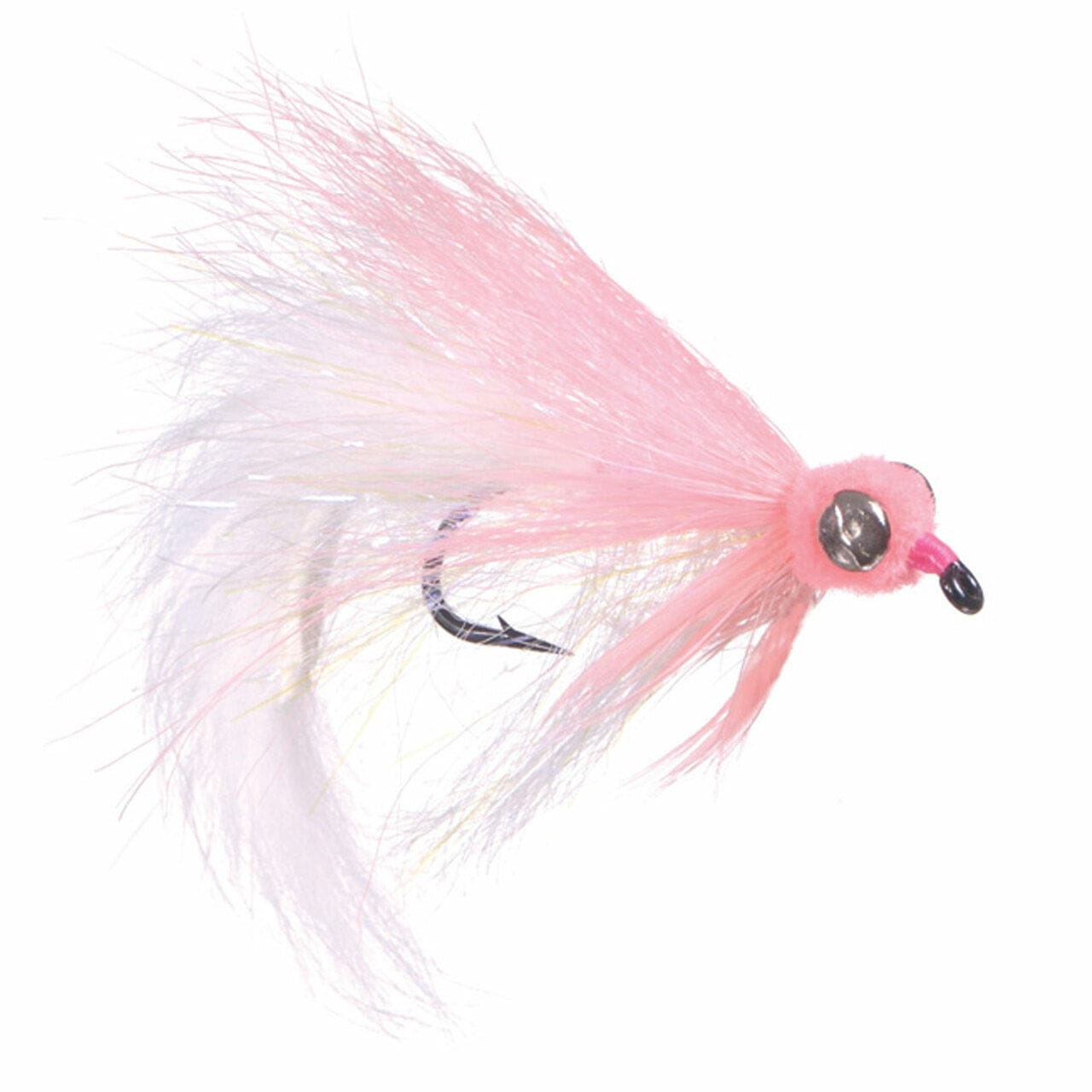
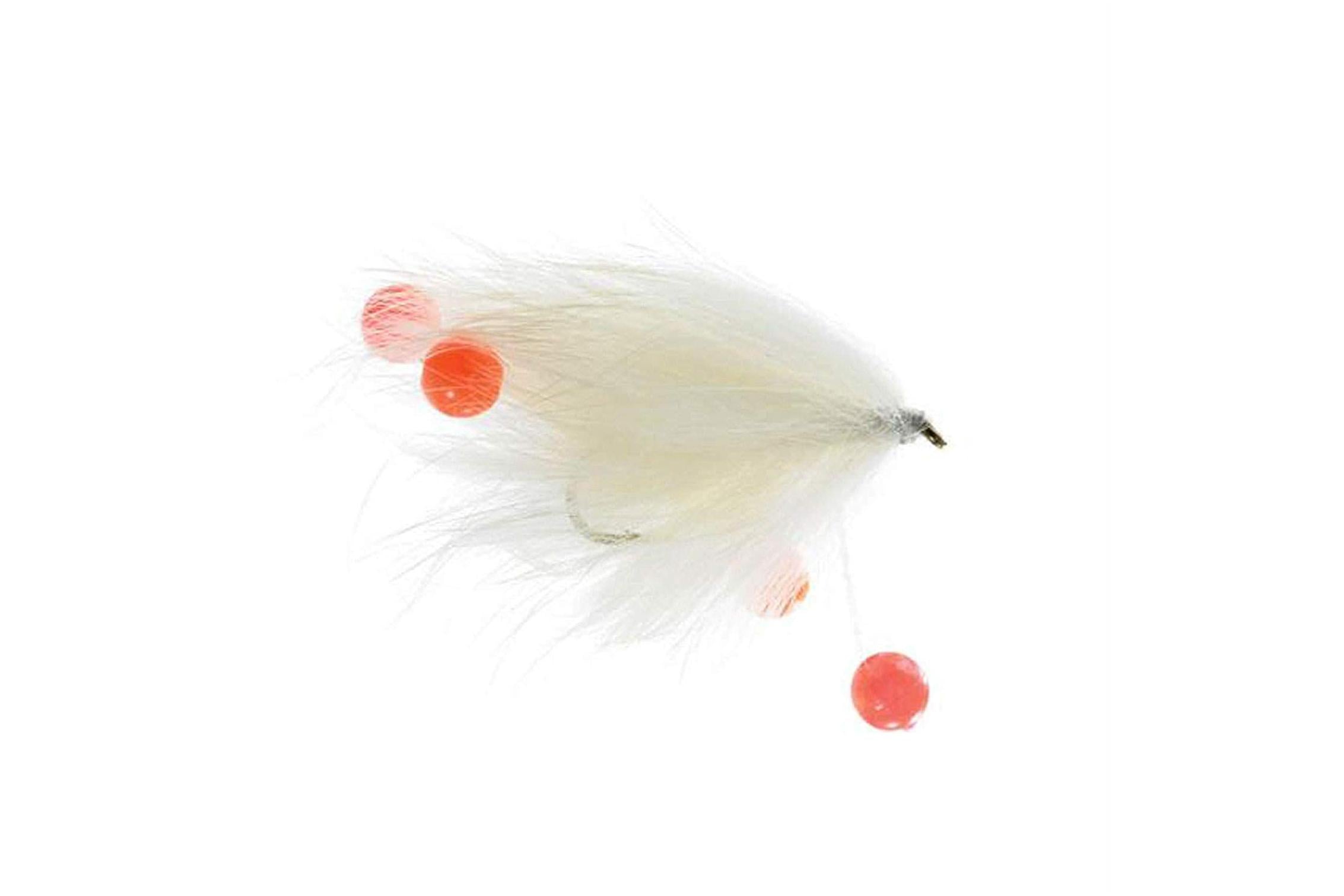
Best for Surface Action: Cigar Bomber - For summer conditions when Atlantic salmon will look up. The Bomber style is the go-to profile for waking a fly over holding water with a controlled swing and a clean surface footprint.
How to Choose Salmon Flies
Atlantic vs. Pacific Salmon
Atlantic Salmon: Atlantic salmon fishing is built around the swing, with sparse hairwings, modern Spey-style patterns, and surface Bombers. Since these fish rarely feed in the river, profile, contrast, and presentation matter more than imitation. Classic patterns like the Green Machine, Sun Ray Shadow, and Undertaker have earned their place over decades.
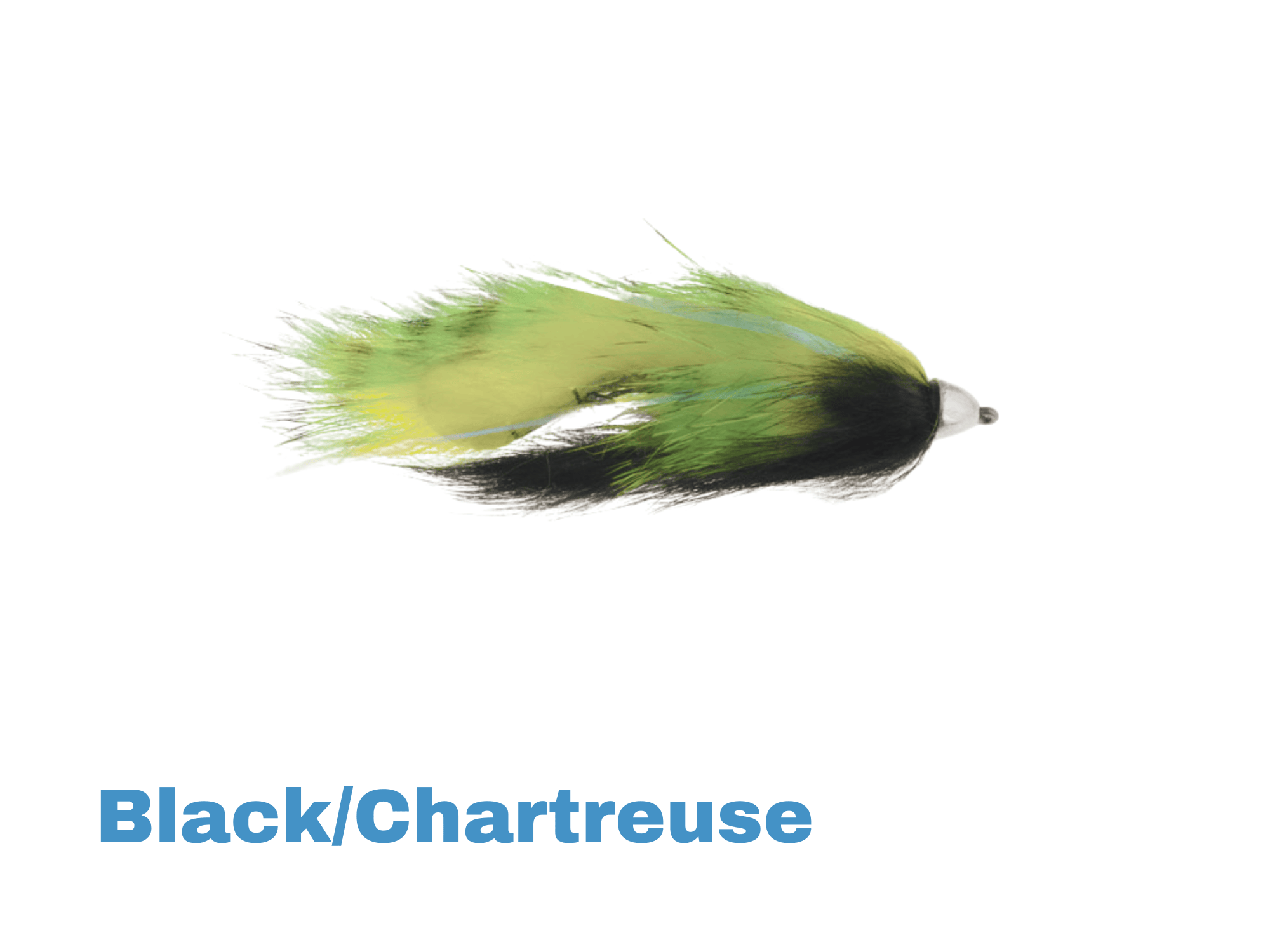
Pacific Salmon: Pacific species respond to bigger, brighter, and heavier. Kings want large Intruders and leech patterns in black, blue, and chartreuse; Coho chase flash and movement in pink and purple; Pinks and Chum eat smaller bright patterns and surface wogs. Weighted heads and articulated bodies help in the fast, often glacial rivers these fish run.
Match Fly Size and Color to Water Conditions
High or off-color water: Upsize and lean on dark silhouettes with bright accents so fish can find the fly.
Low, clear water: Downsize to sparse, slim patterns, reduce flash, and keep the swing controlled.
Changing light: Carry both dark, contrasty flies and lighter, flashier options so you can adjust as visibility shifts.
Check Hook Style and Local Rules
Many salmon rivers restrict hook styles, single vs. double, barbed vs. barbless. Keep options that cover both scenarios, and always check the regulations for the river you're fishing before you rig up.
Care & Maintenance
Rinse and dry: After fishing, especially in tidal water, rinse flies and let them dry outside the box to prevent rust and matted materials.
Sharpen hooks: Salmon riverbeds are full of rocks. Check your point frequently and keep it sticky-sharp; a dull hook will cost you the fish of the trip.
Retire beat-up flies: If a fly starts twisting your leader, has a bent hook, or the dressing is slipping, swap in a fresh one.
Complete Your Setup
Related Gear
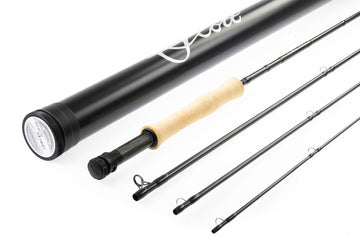
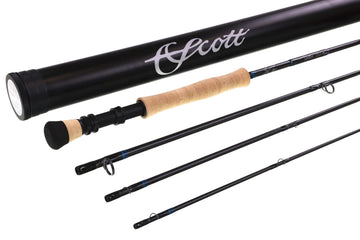
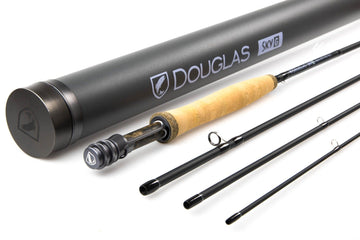
Salmon Fly Rods - Two-handed Spey rods and stout single-handers with the backbone for big fish and heavy tips.
Spey Lines - Dial in Skagit vs. Scandi systems to match your fly size and how deep you want to fish.
Spey Tips - The fastest way to adjust depth and swing speed without changing your whole line.
Atlantic Salmon Flies - The full selection of hairwings, Spey patterns, and Bombers.
Pacific Salmon Flies - Intruders, leeches, and wogs for Kings, Coho, Sockeye, Pinks, and Chum.
Related Guides
Salmon Flies FAQs
Q: What flies are best for salmon?
A: It depends on the species. Atlantic salmon respond to swung hairwings, Spey-style patterns, and surface Bombers; Pacific salmon prefer bigger, brighter patterns like Intruders, Egg Sucking Leeches, and Clousers. Start with a small mix covering dark, bright, and surface options.
Q: What size flies should I use for salmon?
A: Use water level and clarity as your guide. For Kings, hooks from 1/0 to 4/0 are common; Coho and Chum eat sizes 2 to 6; Atlantic salmon flies typically run size 2 through 10, going smaller and sparser as water drops and clears.
Q: Do salmon actually eat flies in the river?
A: Mostly no, salmon largely stop feeding once they enter freshwater. Strikes come from aggression, territory, and residual instinct, which is why attractor profiles, contrast, and presentation matter more than exact imitation.
Q: Should I fish salmon flies on a Skagit or Scandi setup?
A: Skagit systems excel with heavy tips, big flies, and depth control, standard for Kings and winter conditions. Scandi setups give cleaner turnover and finesse with smaller, lighter flies, a favorite for summer Atlantics.
Q: Do I need barbless hooks for salmon?
A: Many salmon rivers require barbless hooks or single hooks, and rules vary by region and season. Always check the regulations for the specific river before you fish.