



Wooly Bugger Fly Tying Tutorial

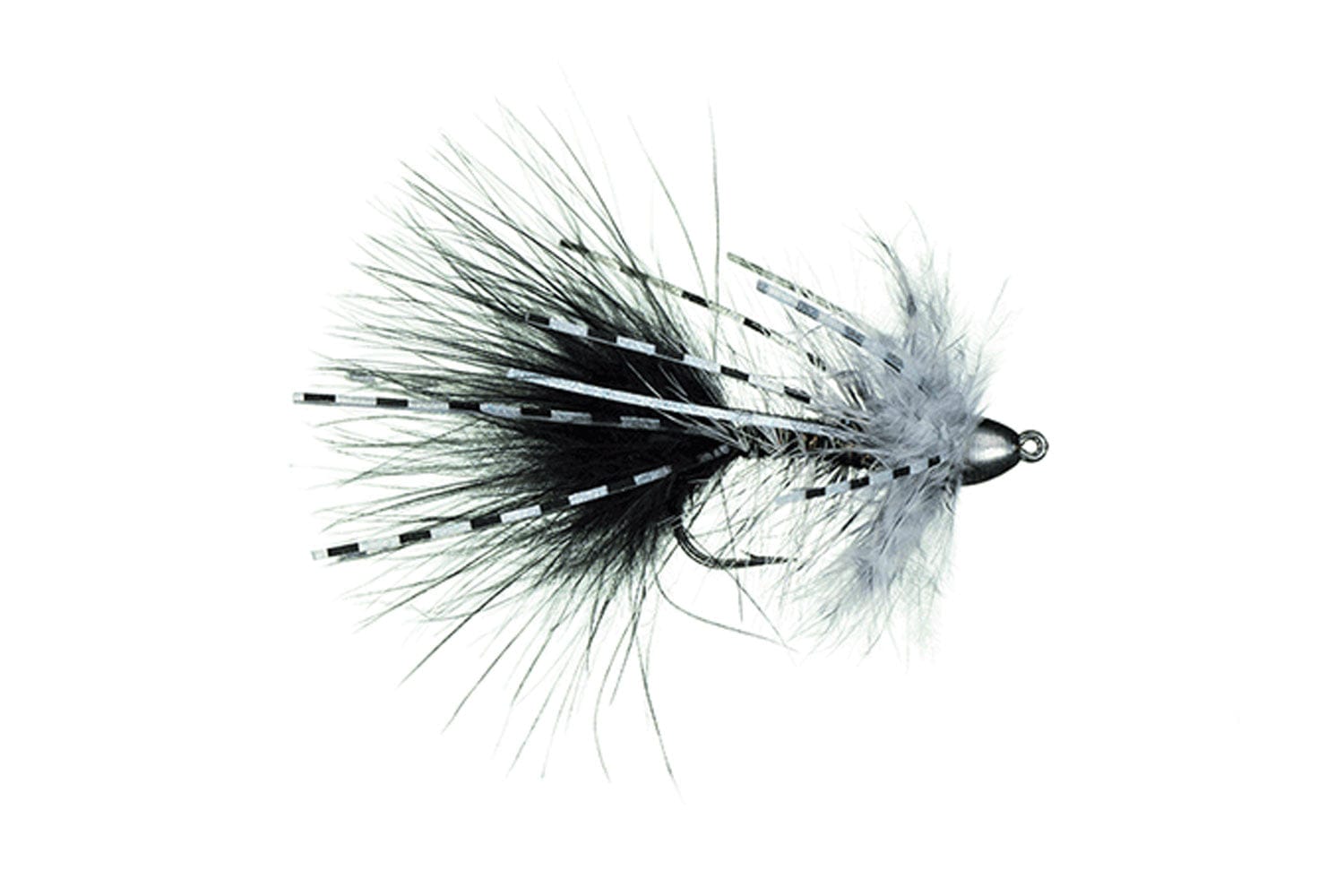
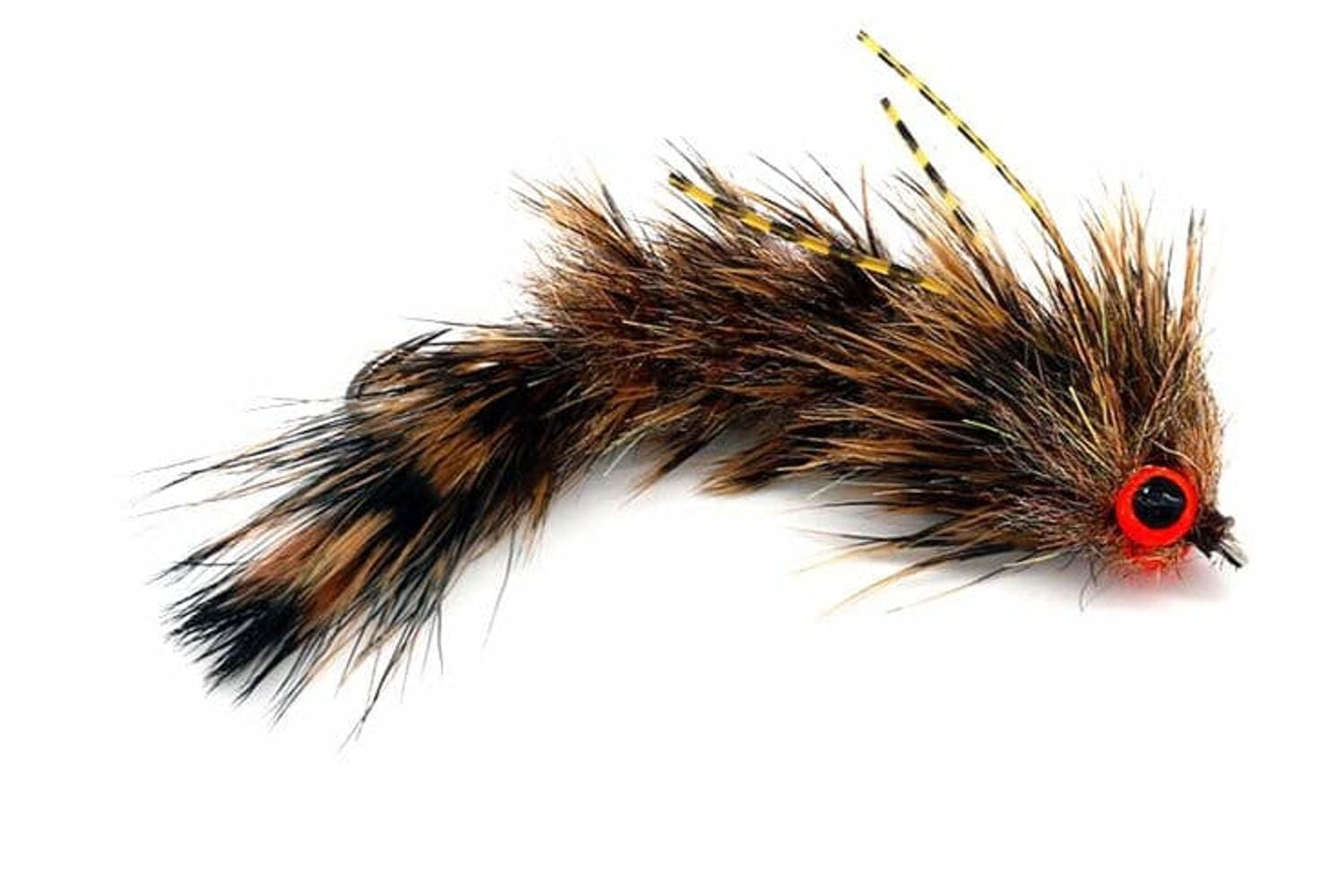
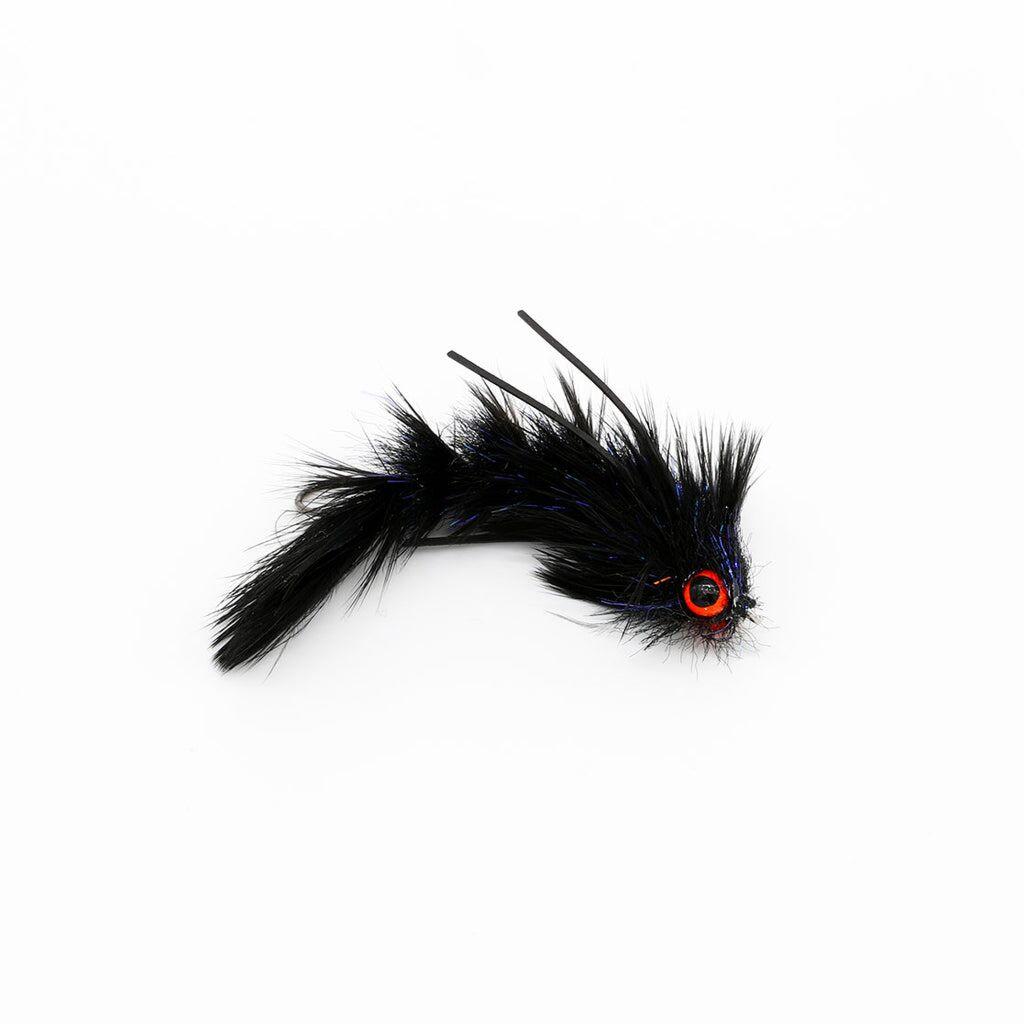
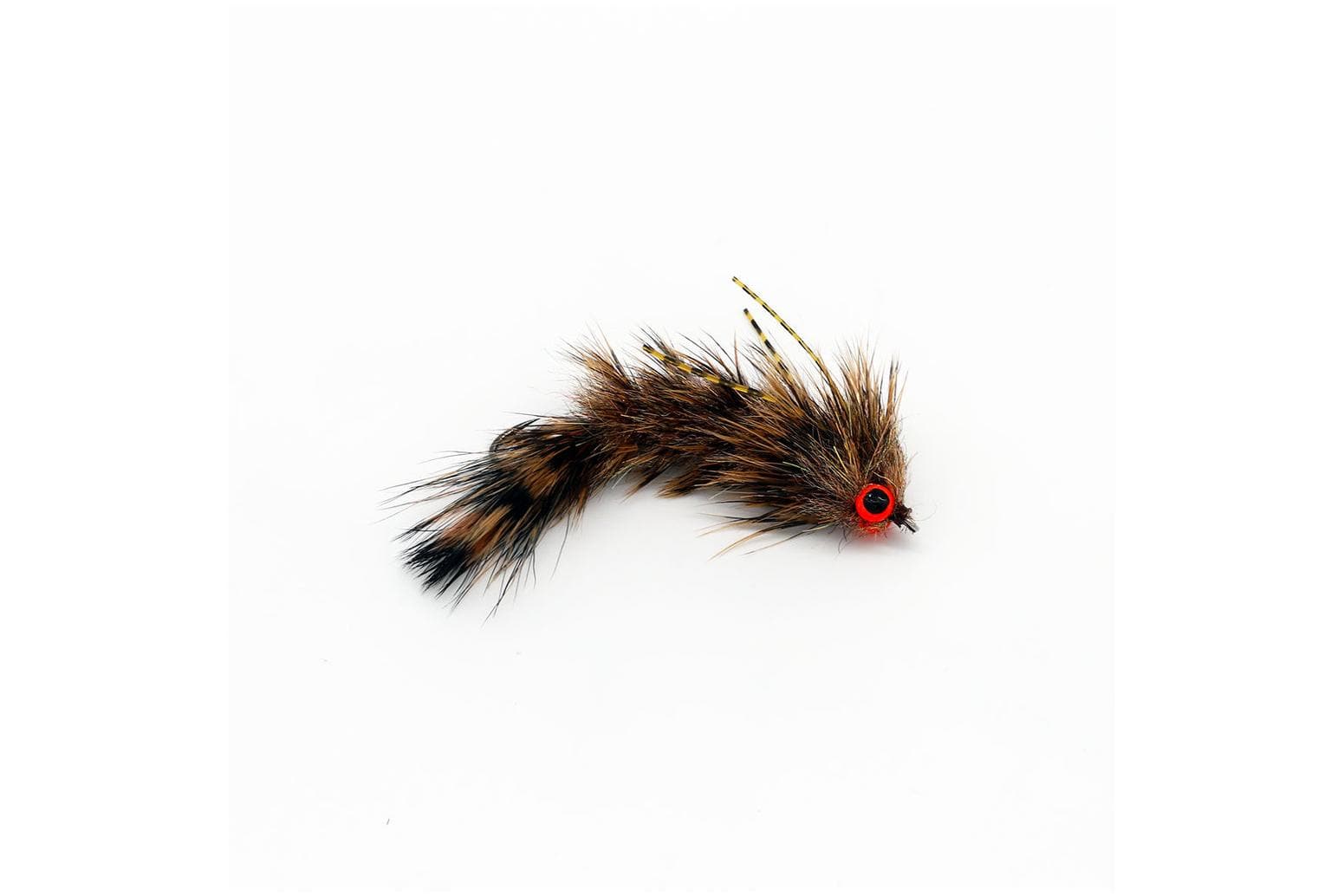
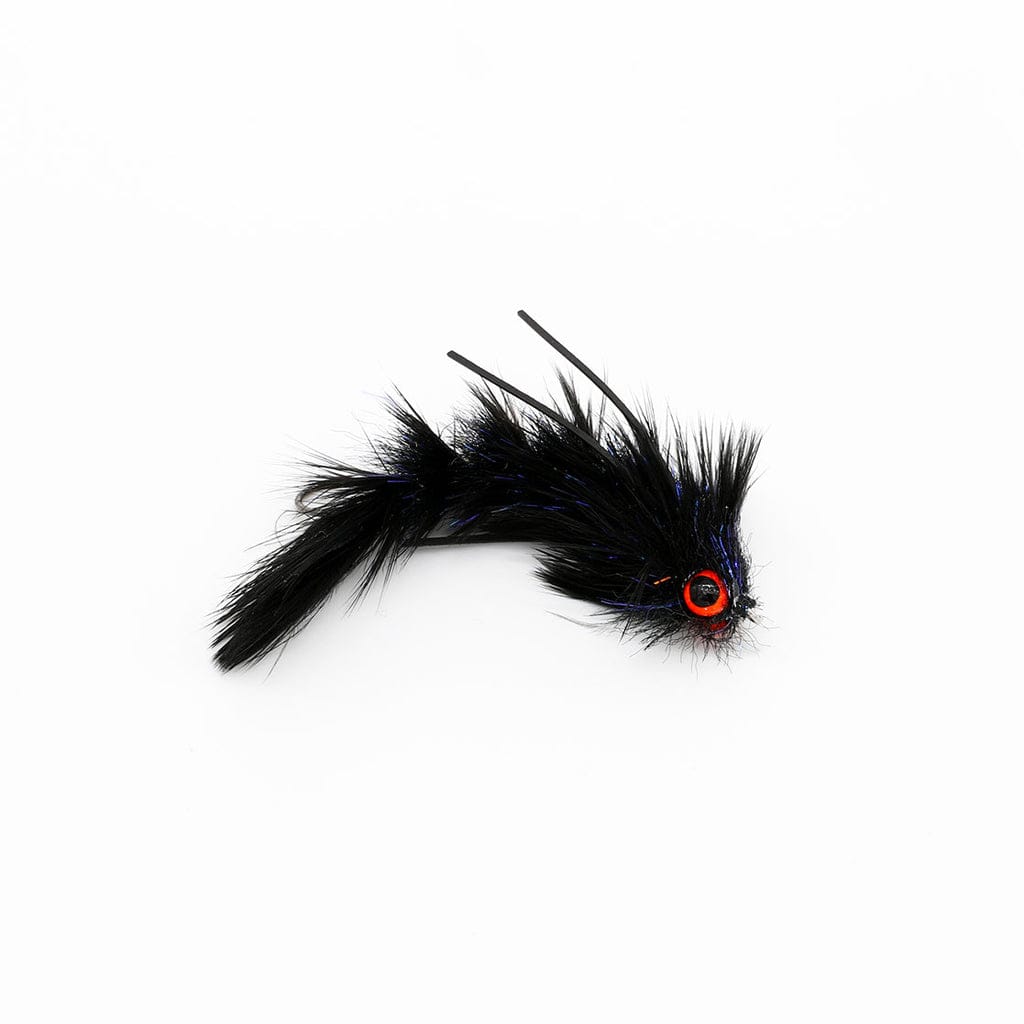
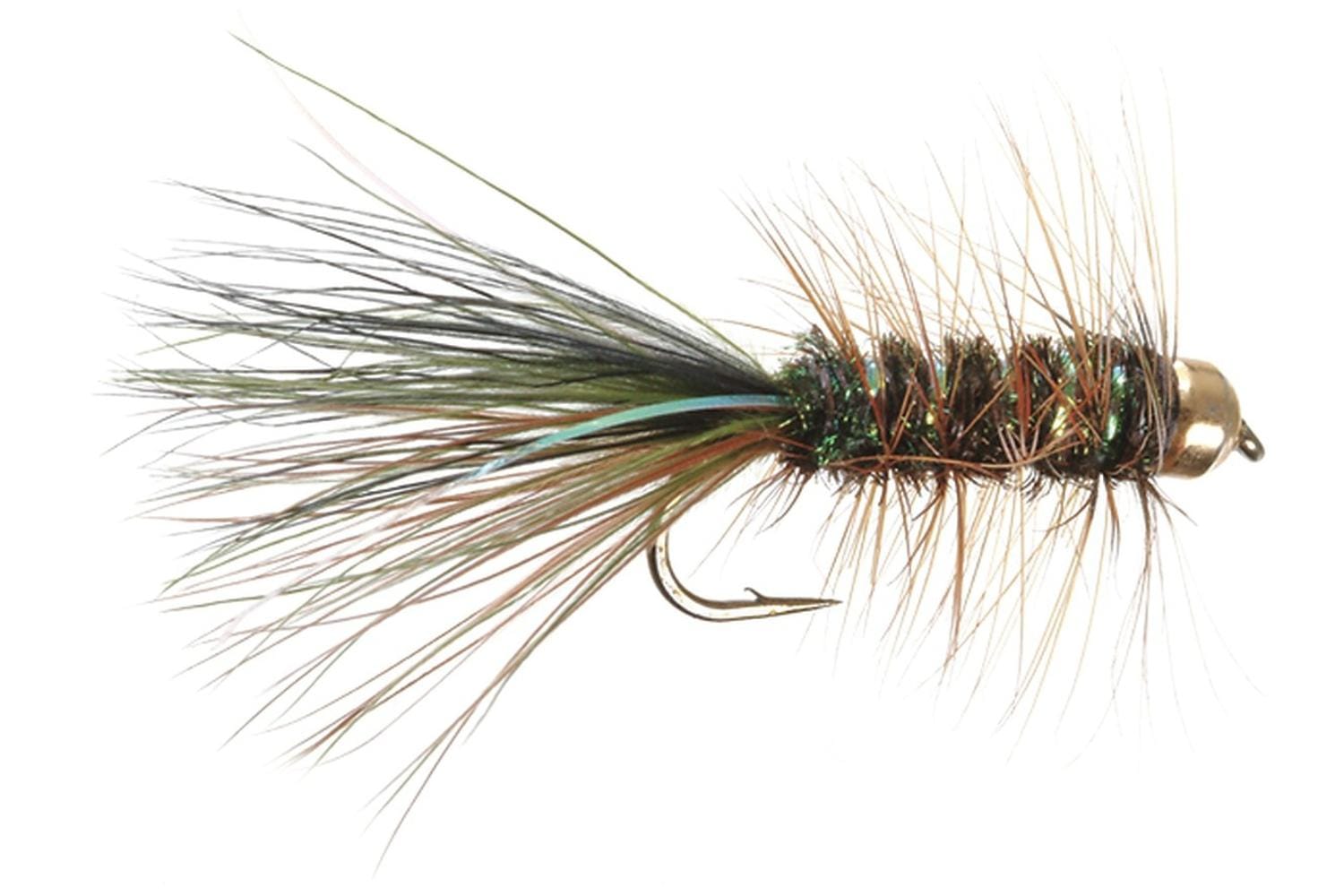
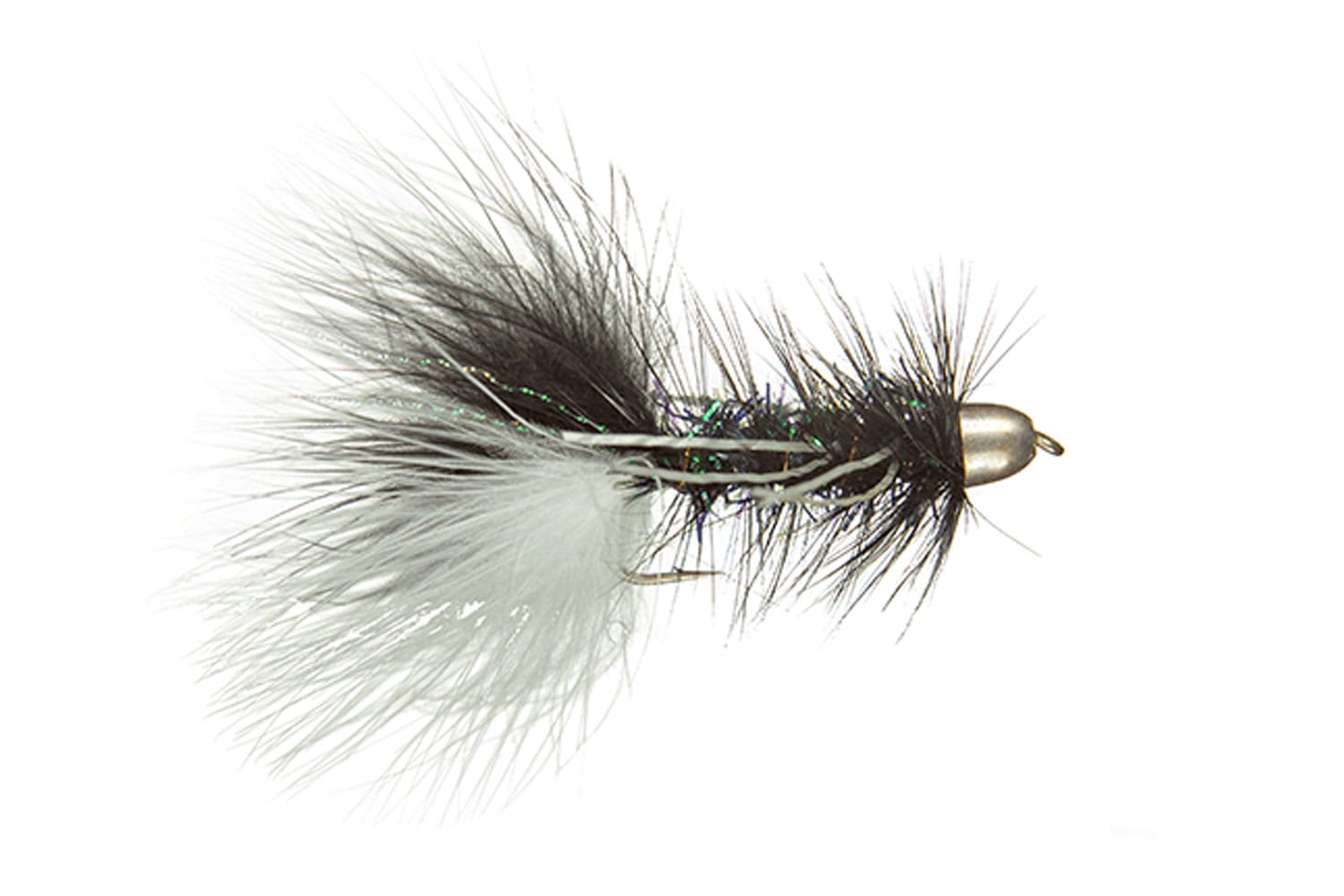
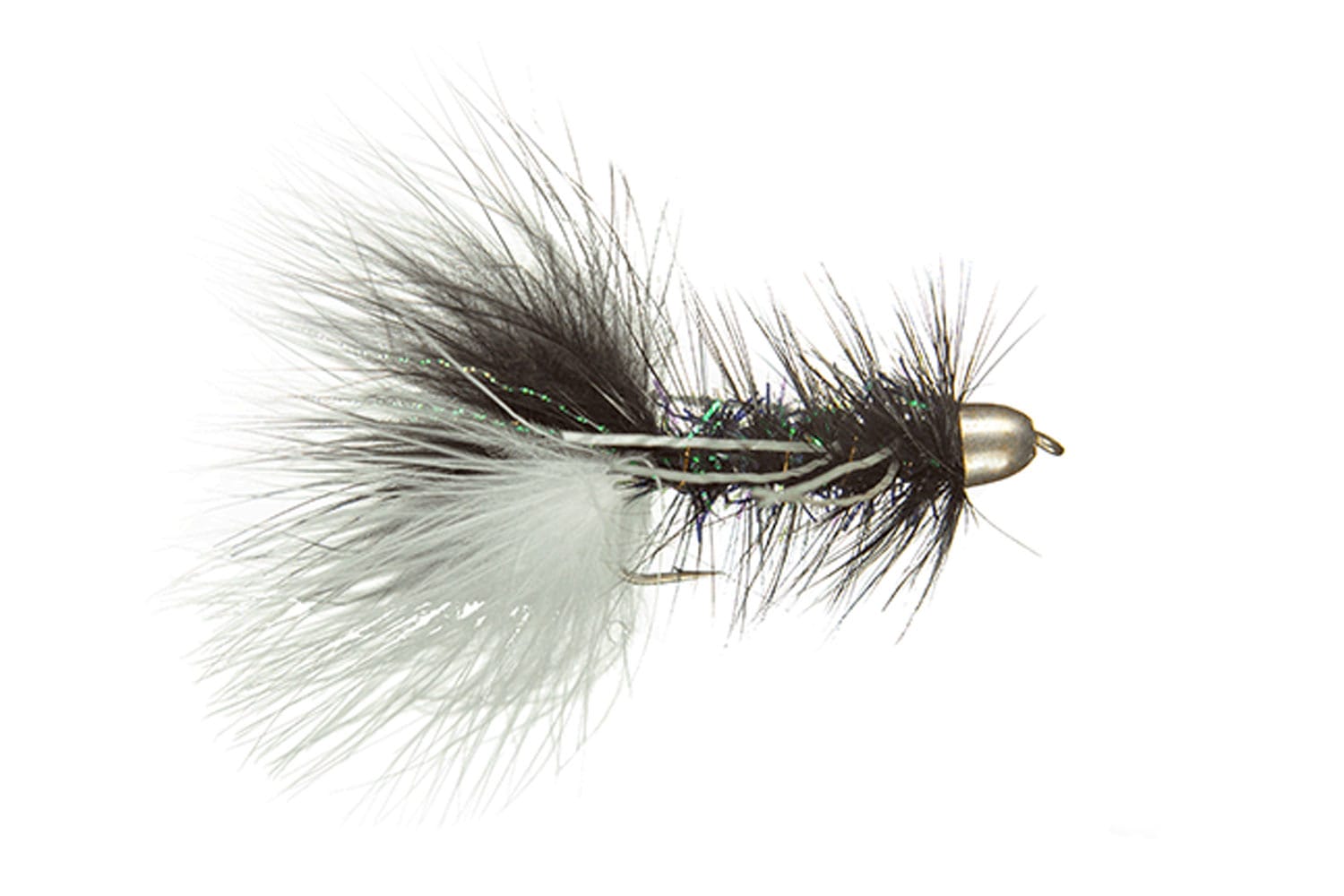
Woolly Buggers Quick Picks
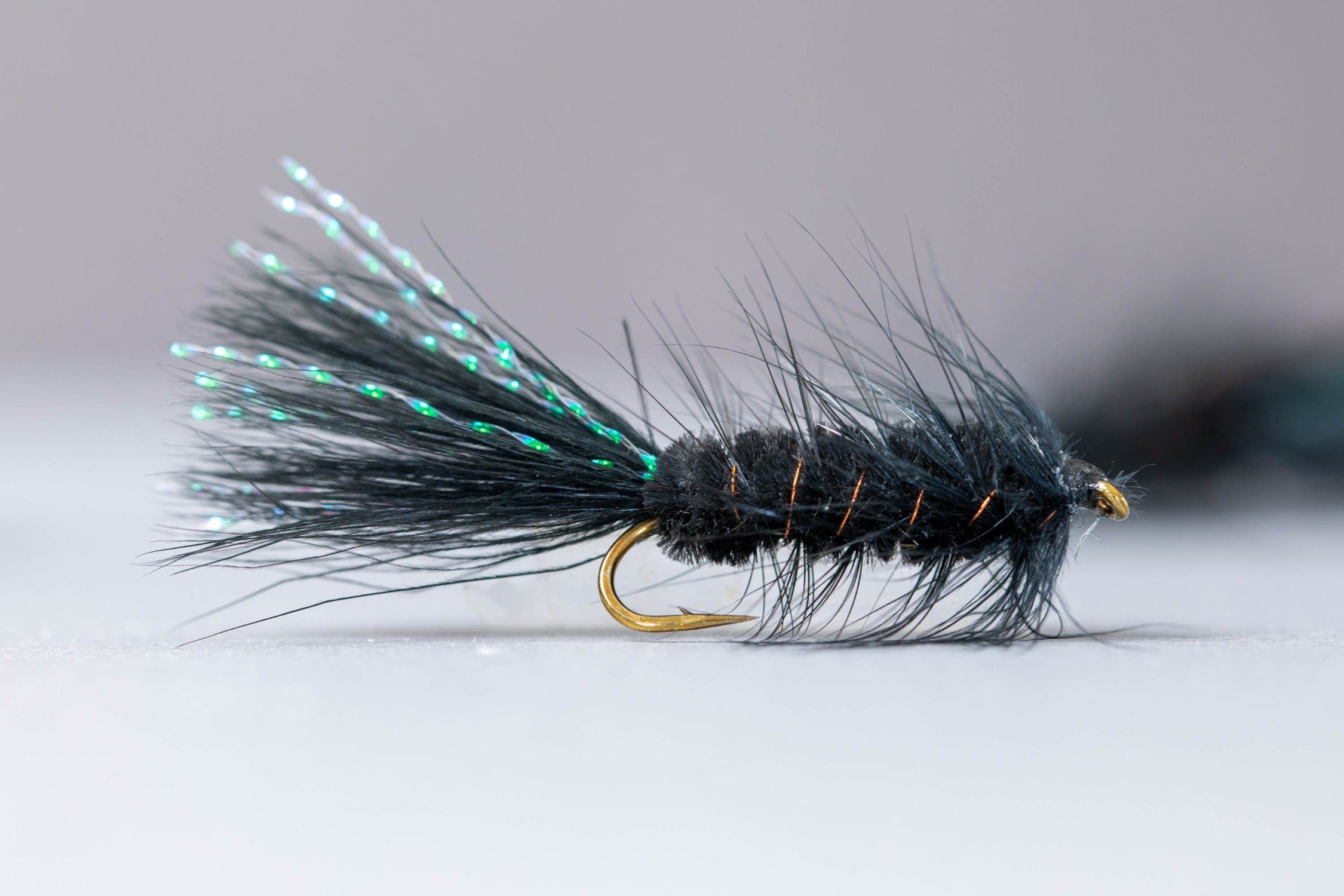
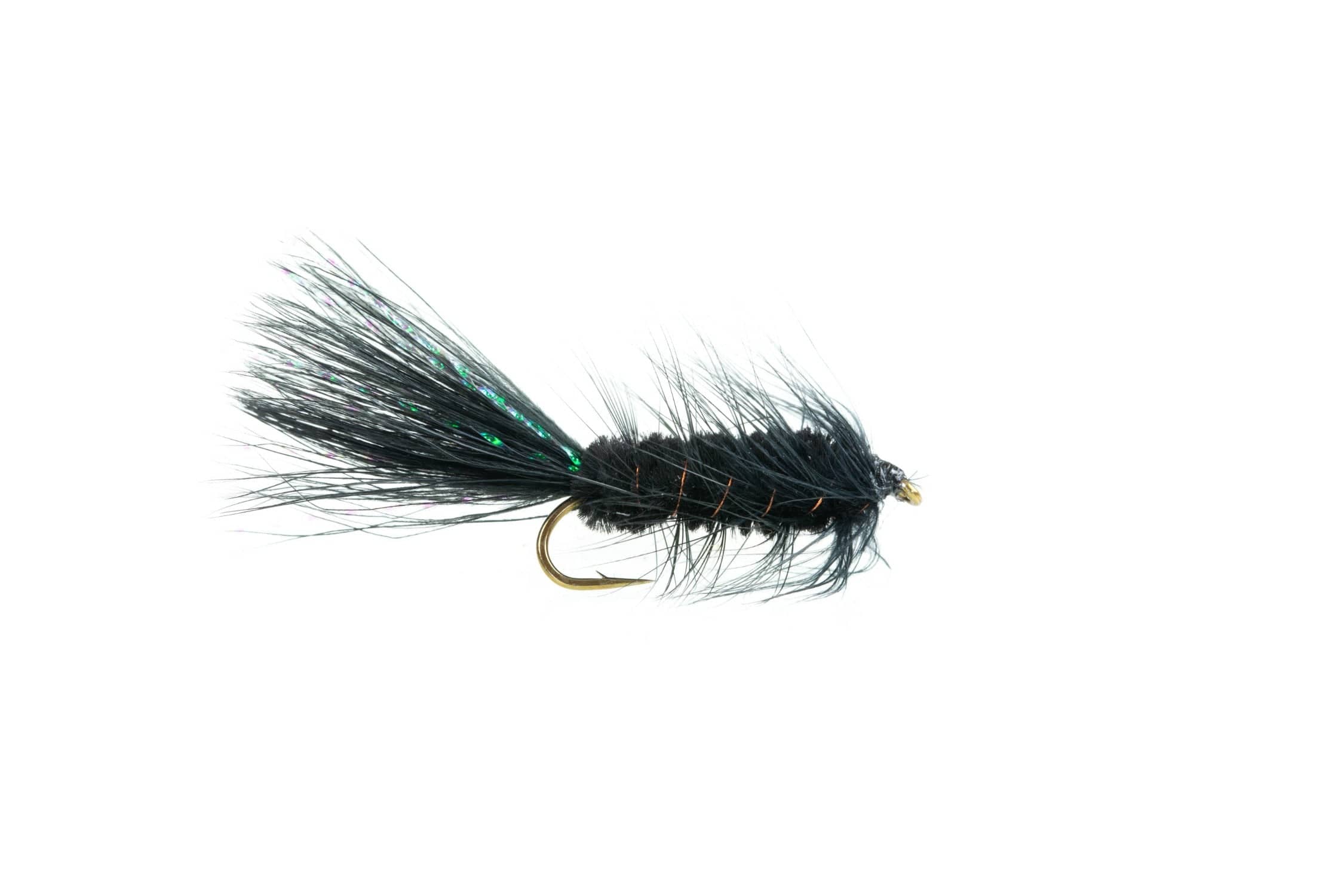
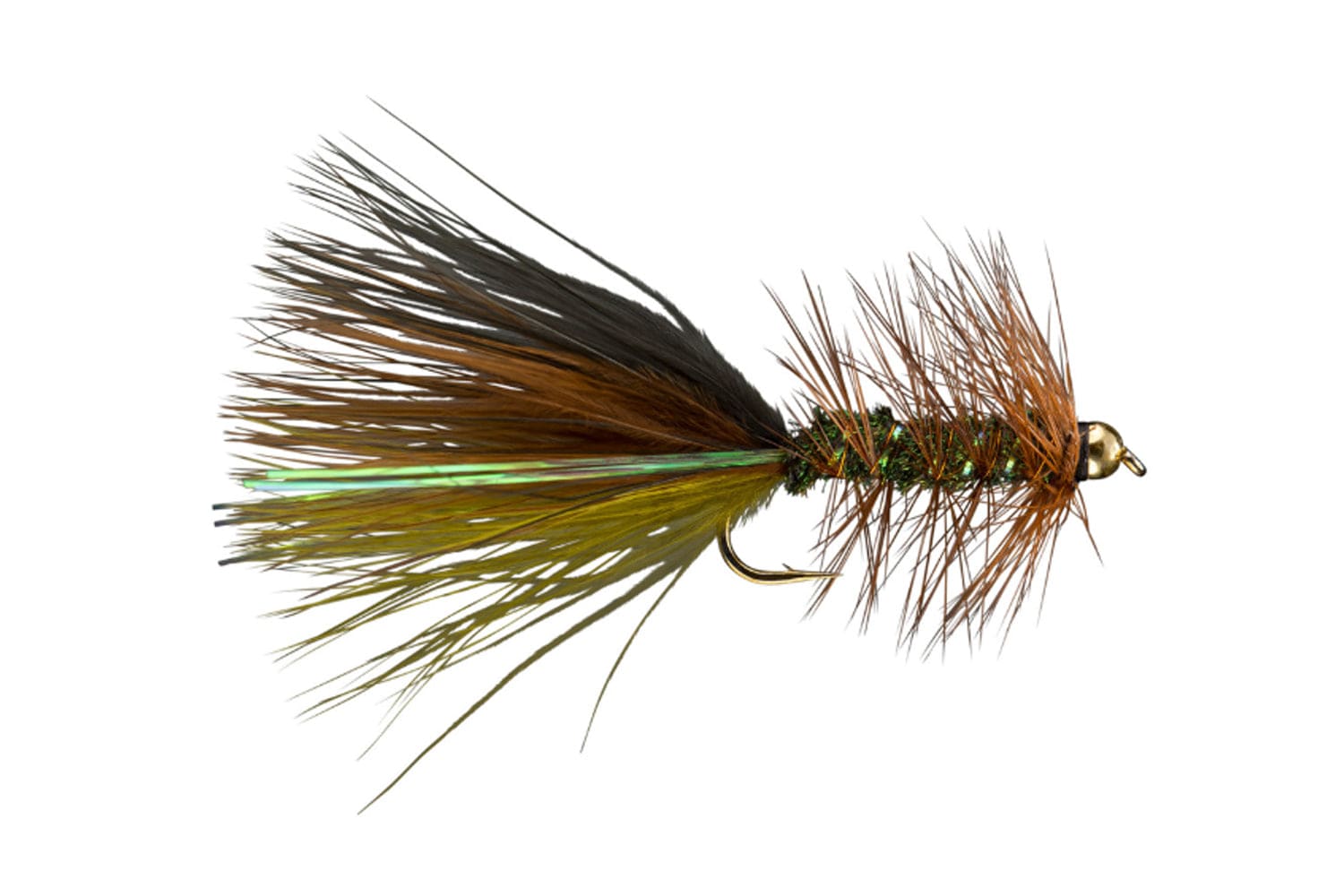
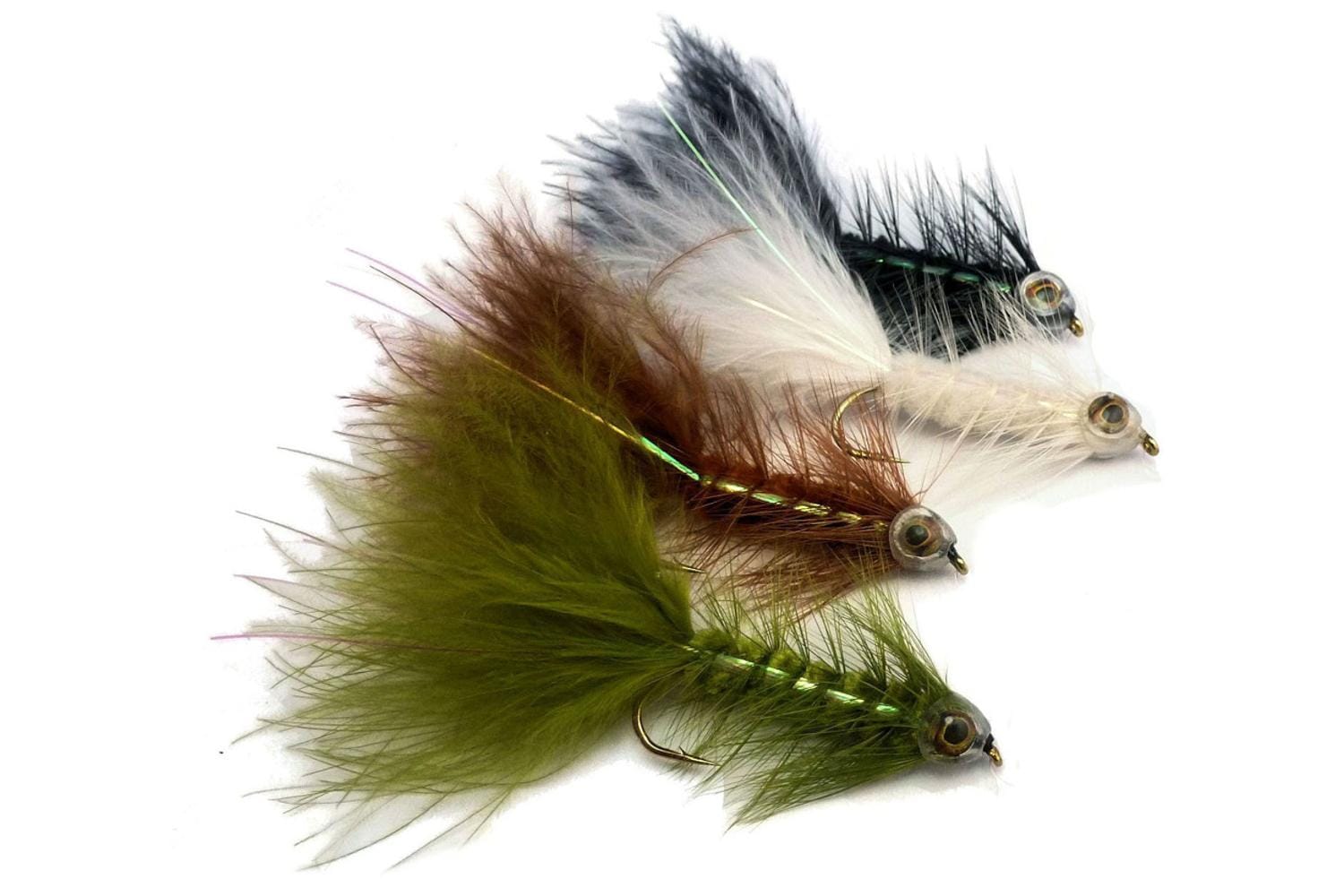
Best All-Around: Woolly Bugger Streamer Fly - For anglers who want one classic streamer that covers rivers, ponds, and lakes. Simple profile and proven colors make it an easy starting point when you need to search water.
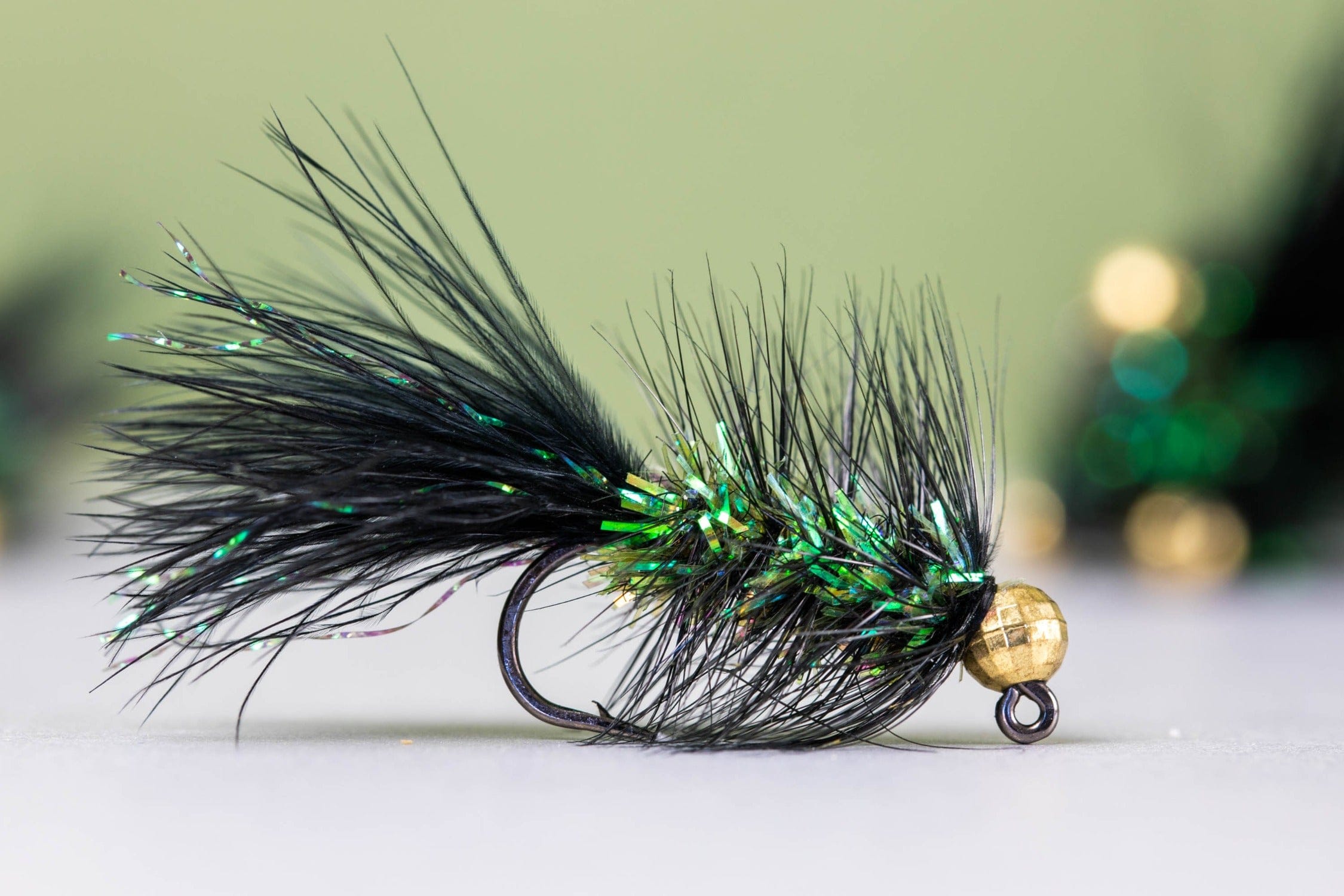
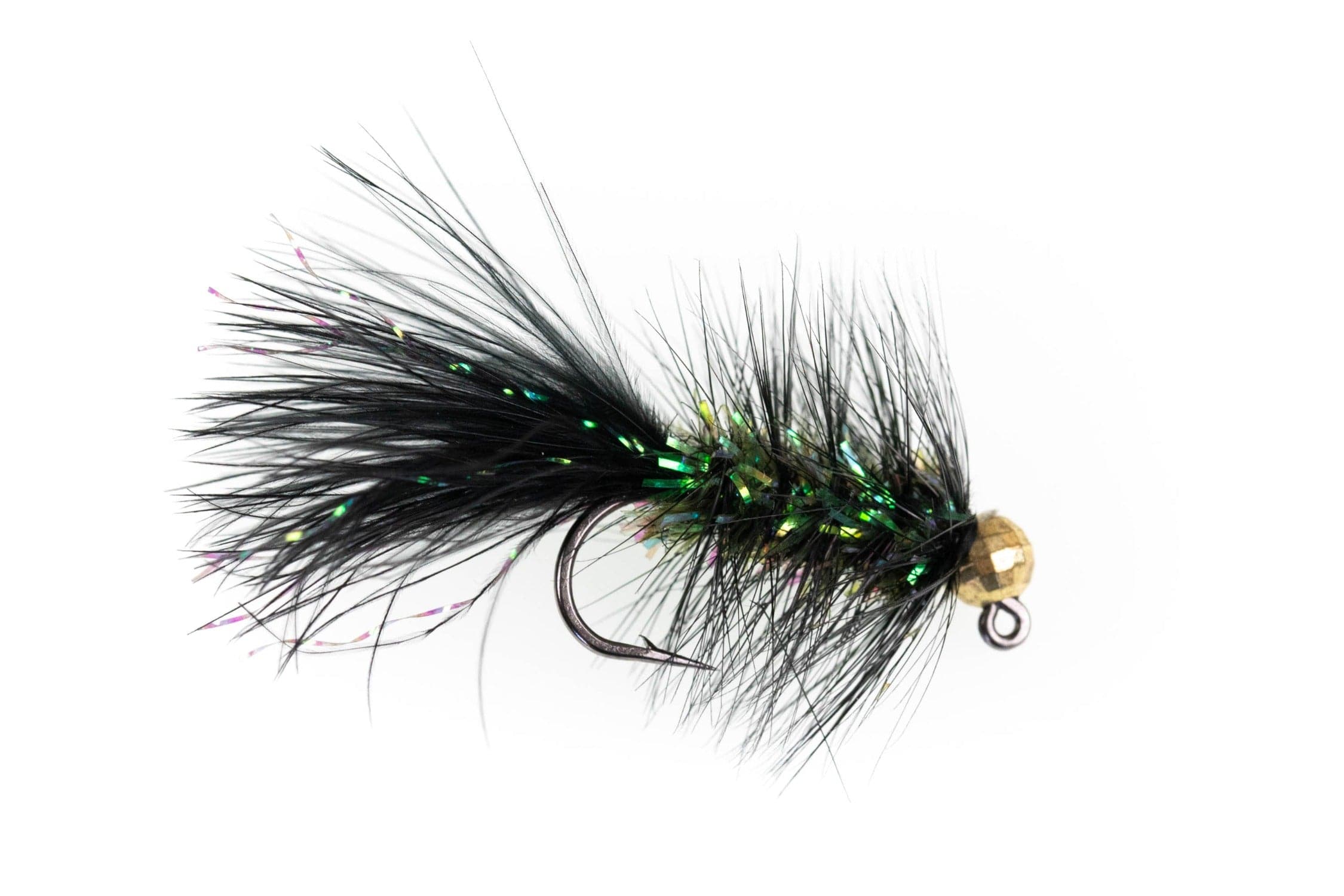
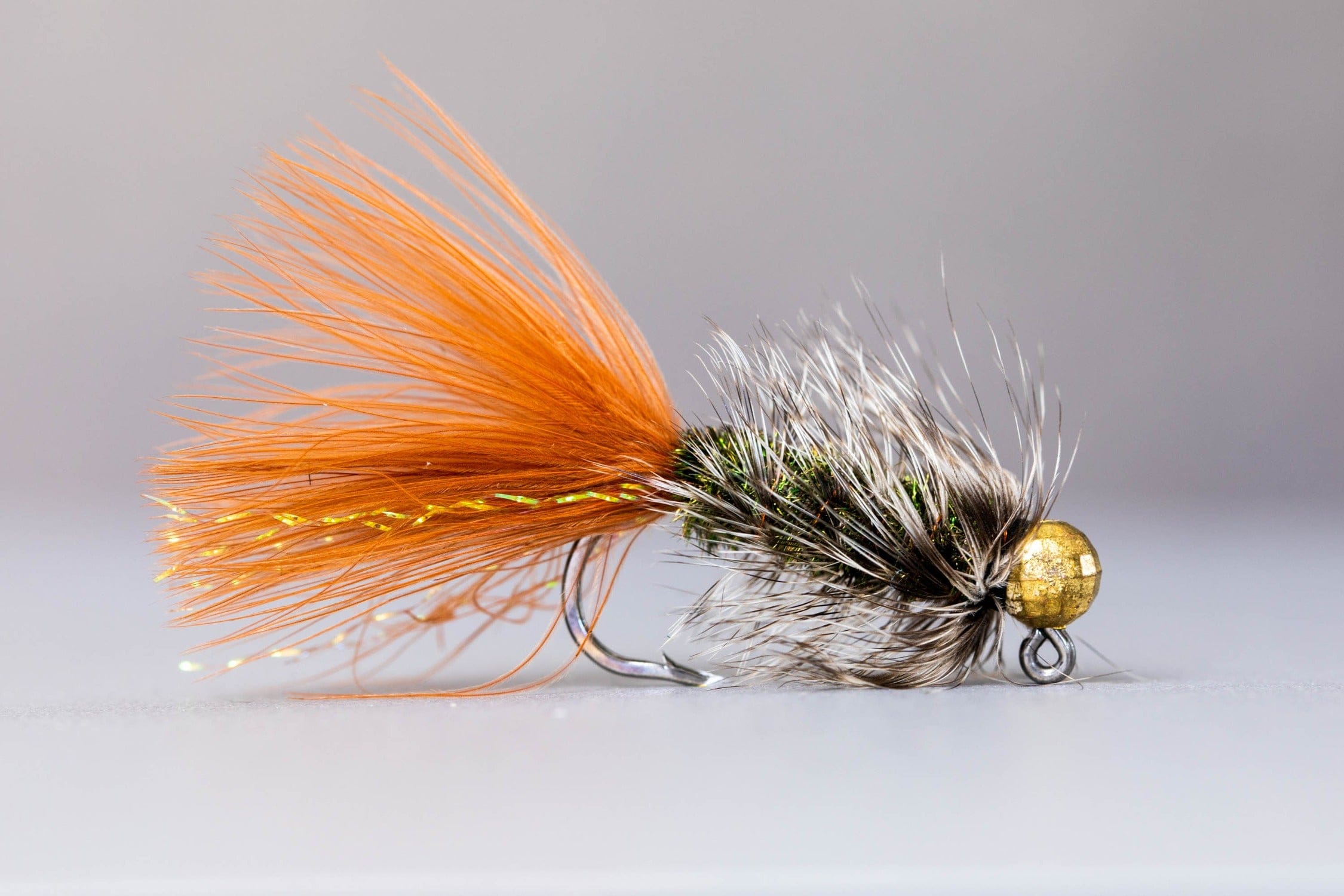
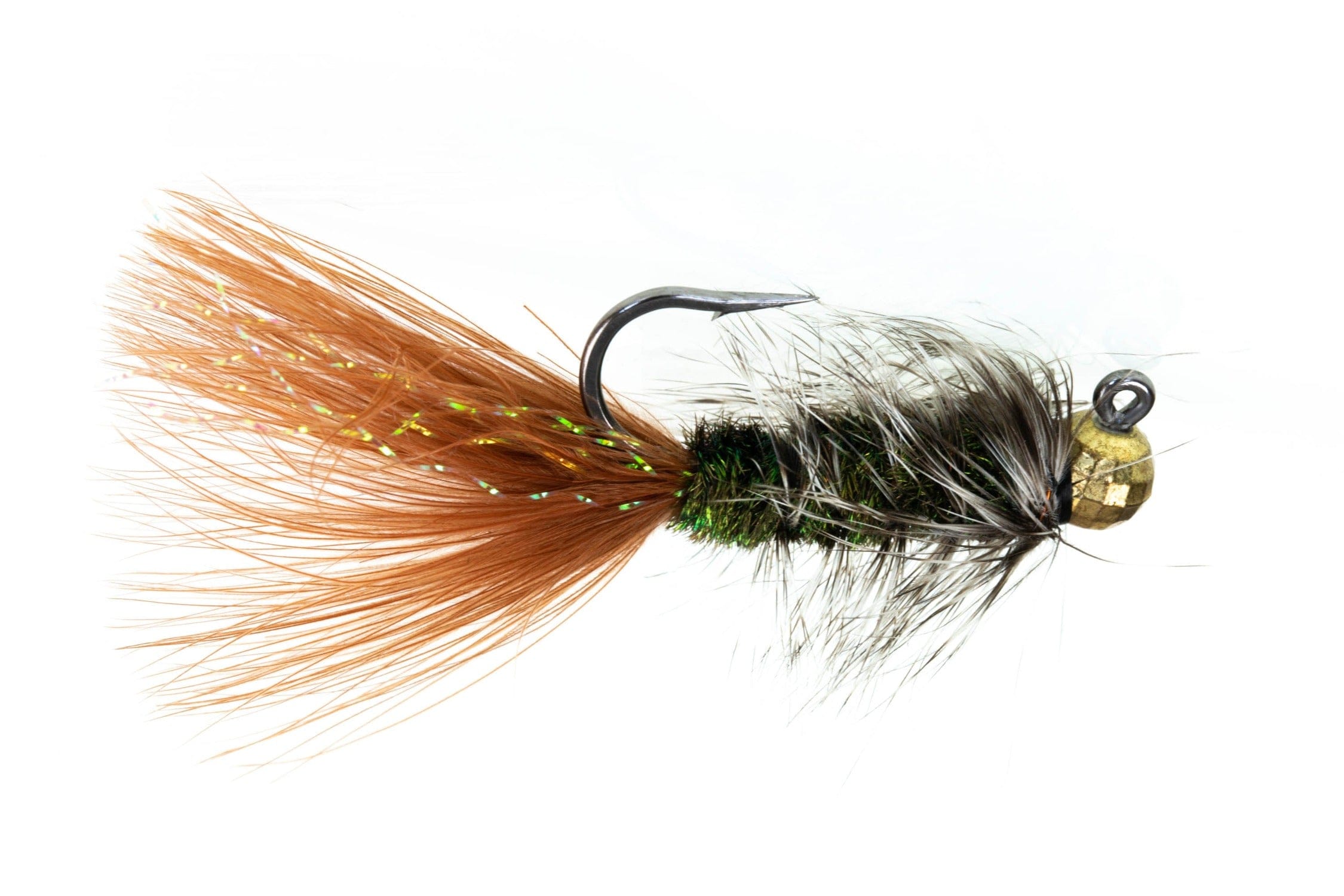
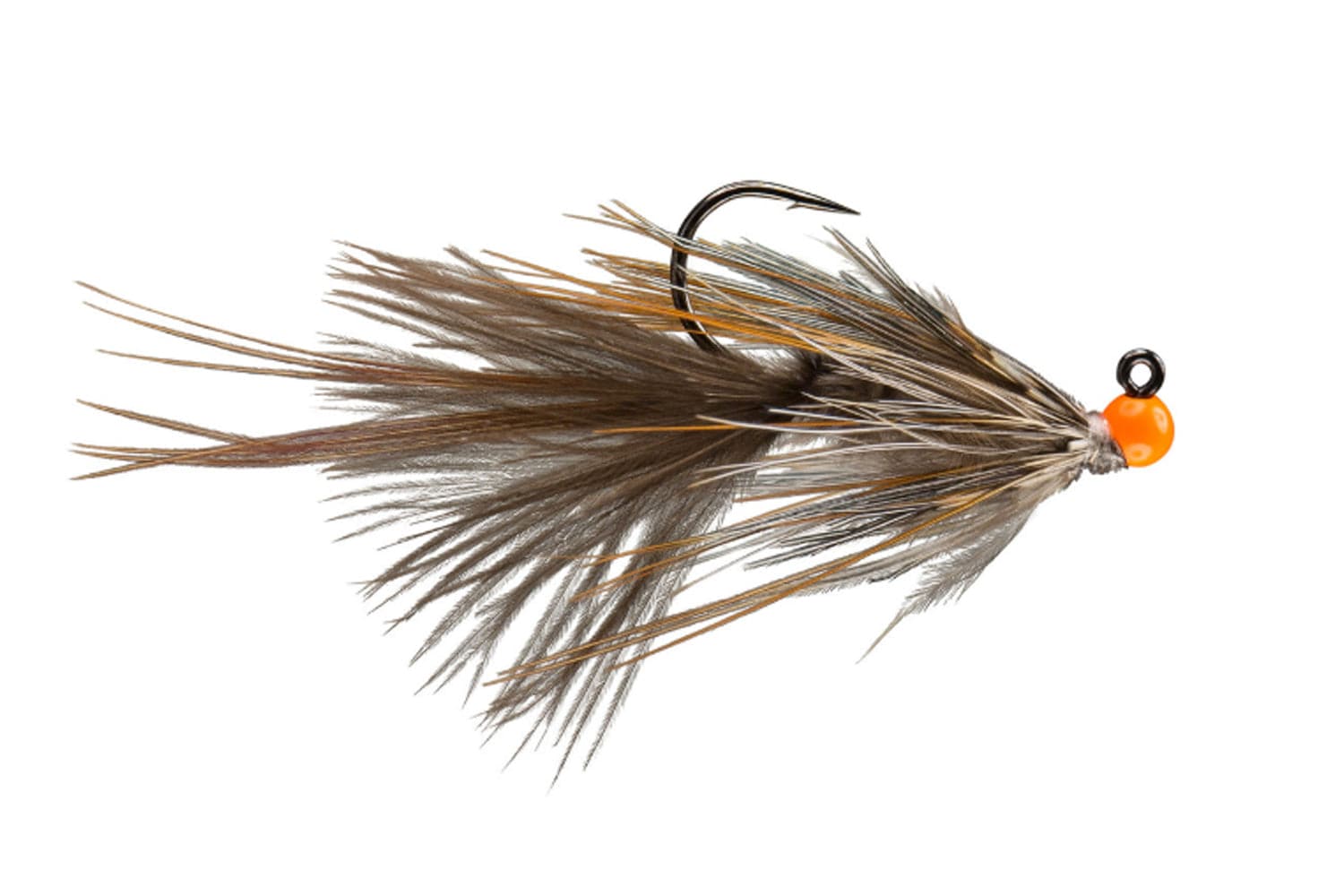
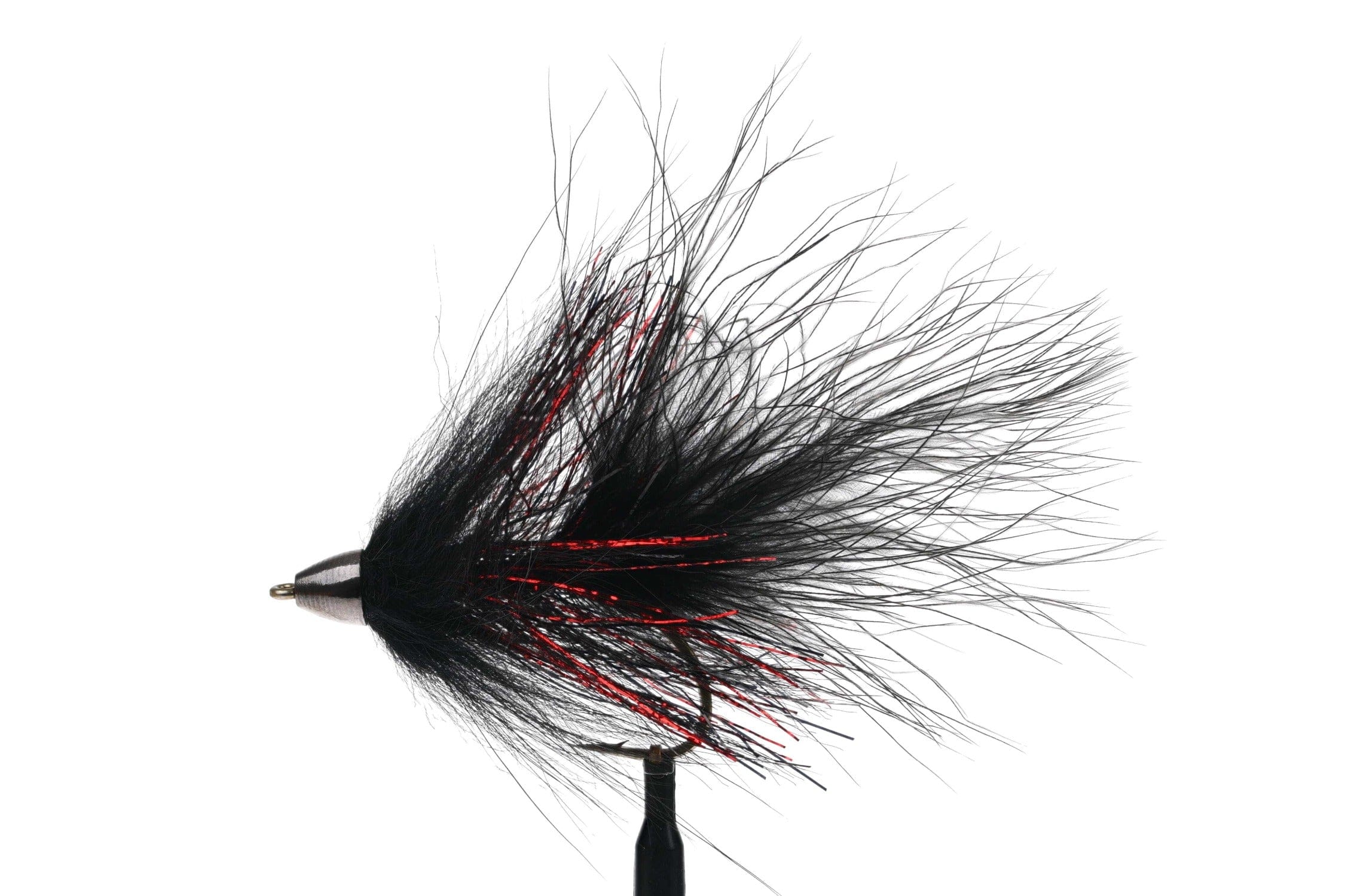
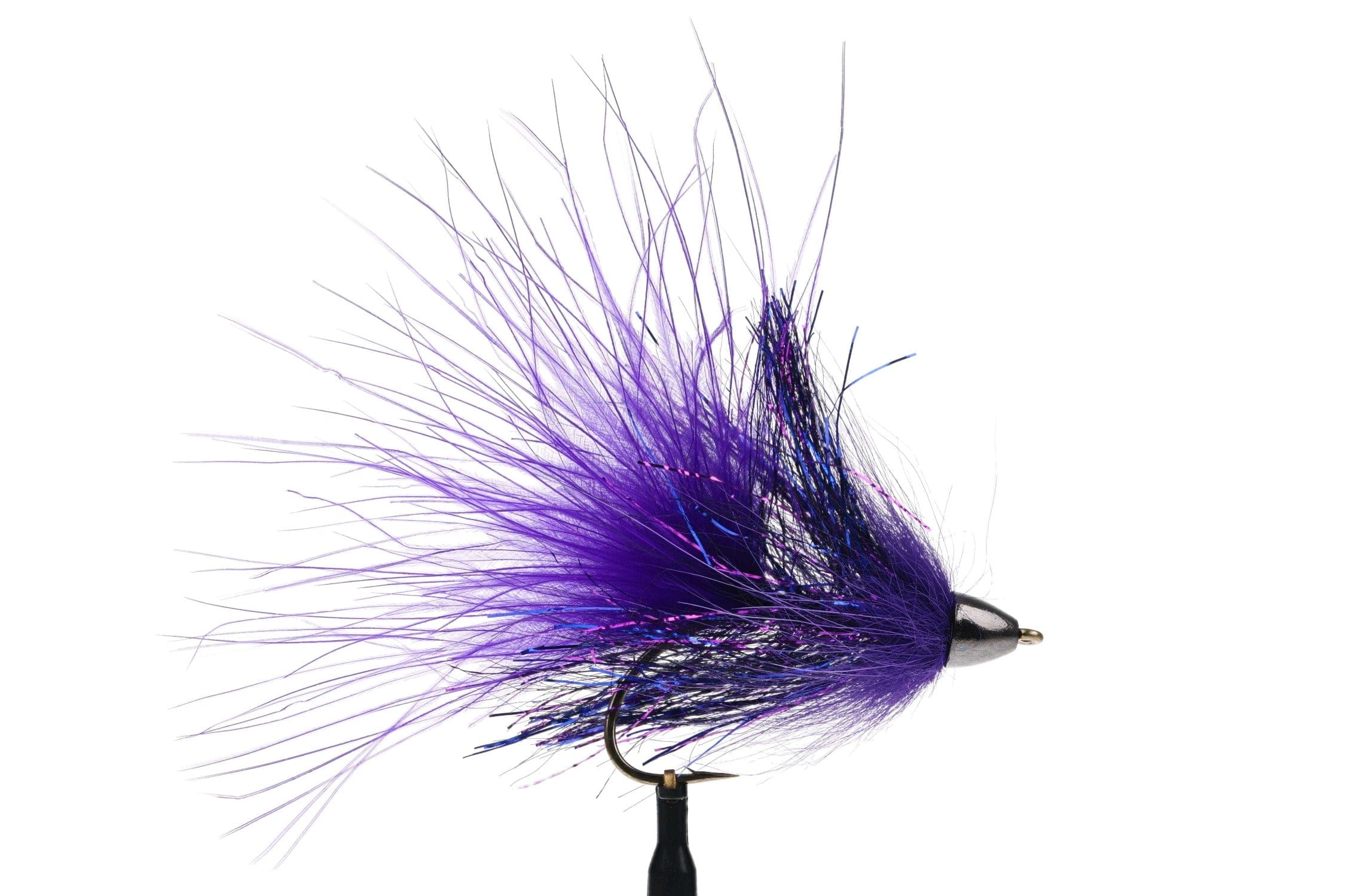
Best for Deep Runs: Tungsten Jig Woolly Bugger Streamer Fly - For getting down fast in heavier current or deeper buckets. The jig hook and heavy tungsten bead help it ride hook point up around rocks.
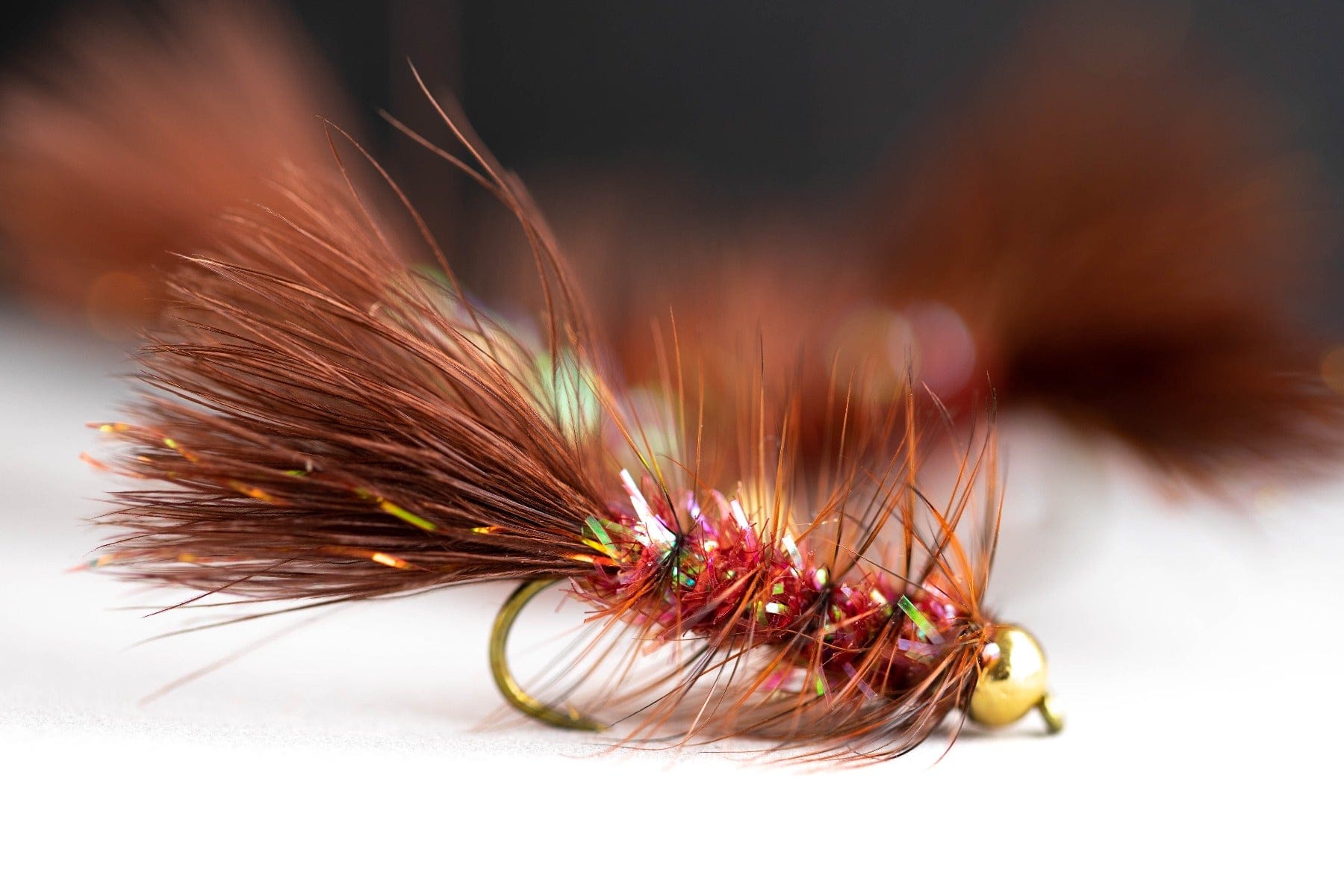
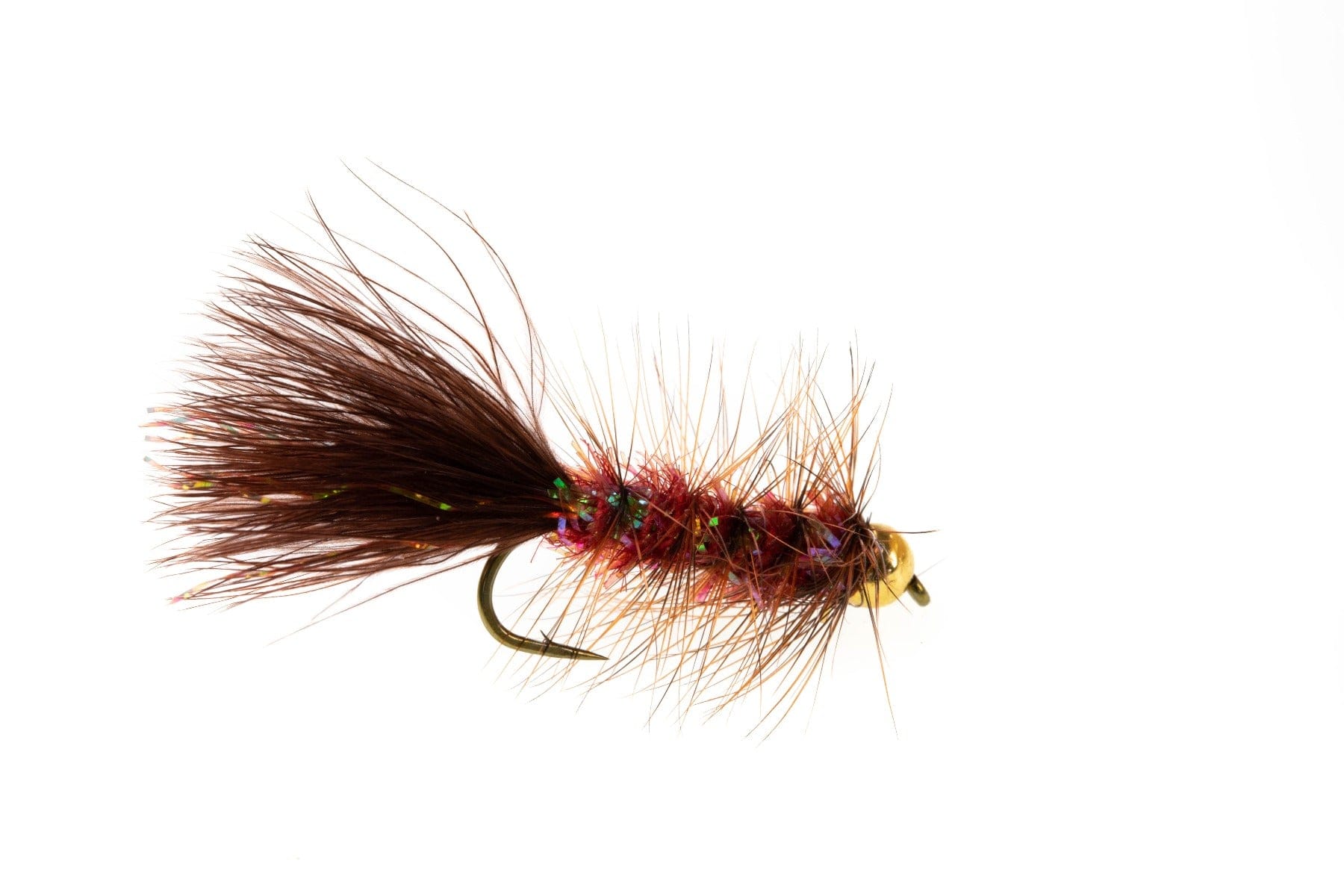
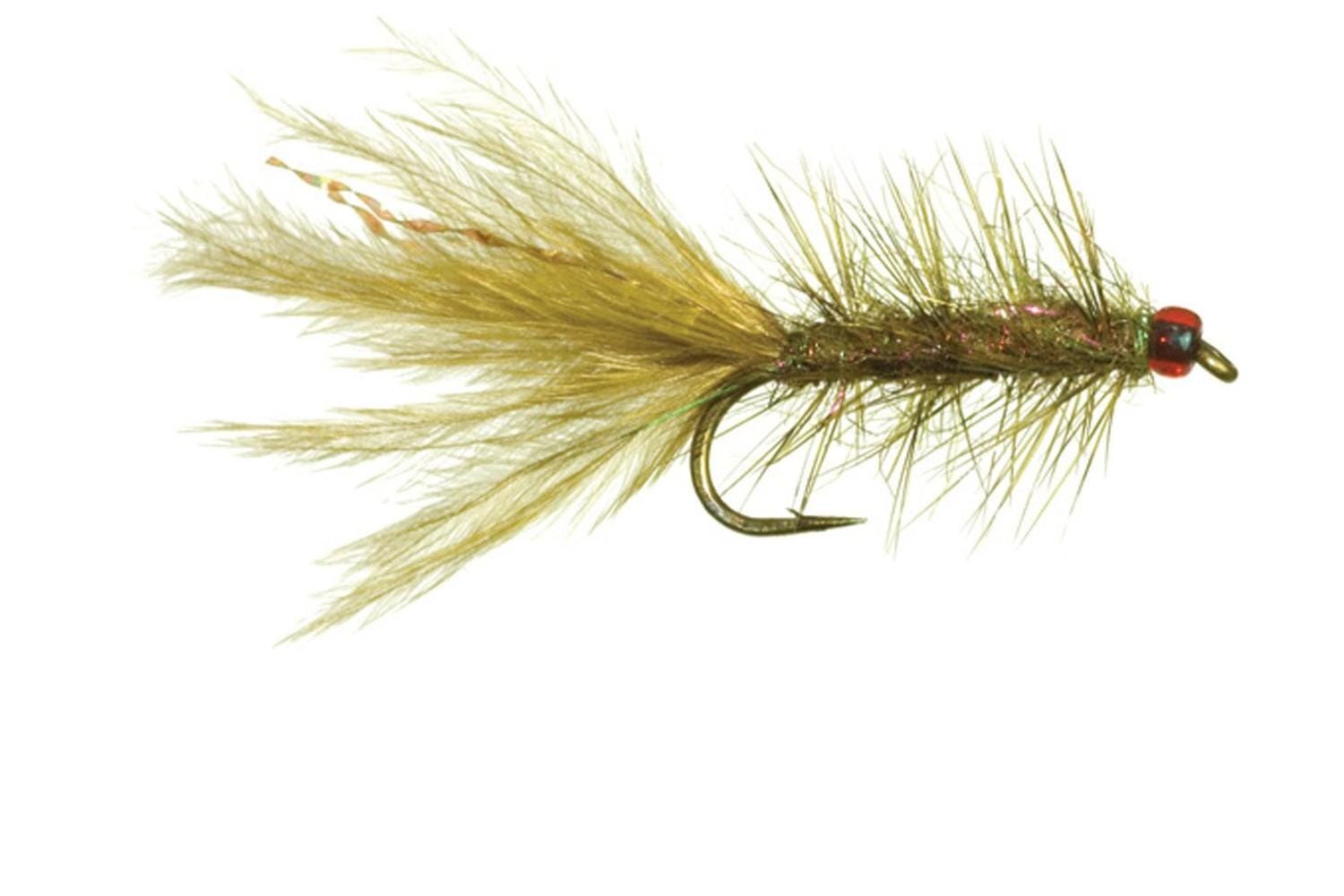
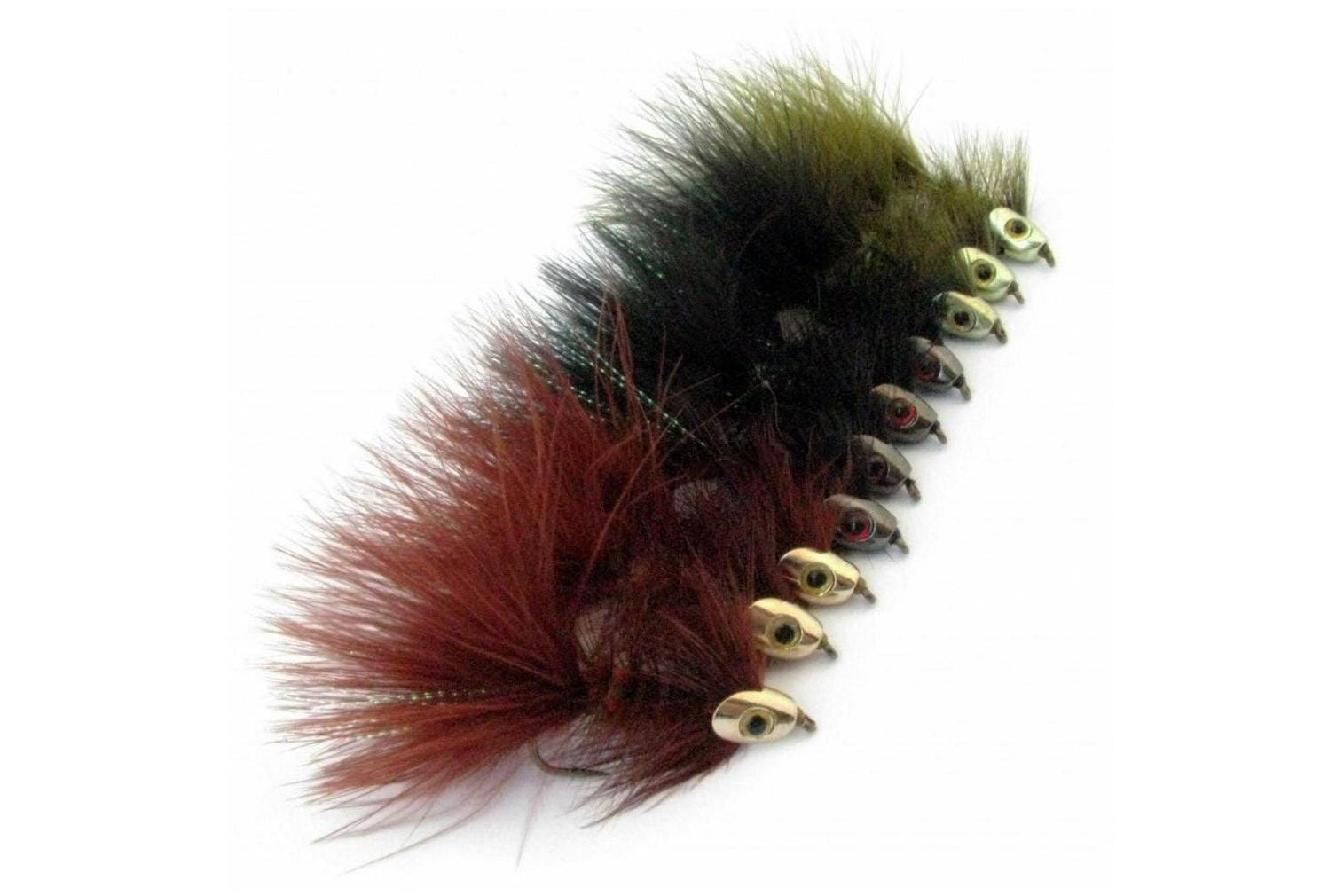
Best Flashy Bugger: Bead Head Crystal Bugger Fly - For stained water, low light, and days when fish want more visibility. The bead head adds sink and the flashy body helps it stand out.
Best for Rocky Bottoms: Crystal Bugger Jig Fly - For bouncing along structure without hanging up as often. Jig-style design adds a different hop and keeps the point up in the drift.
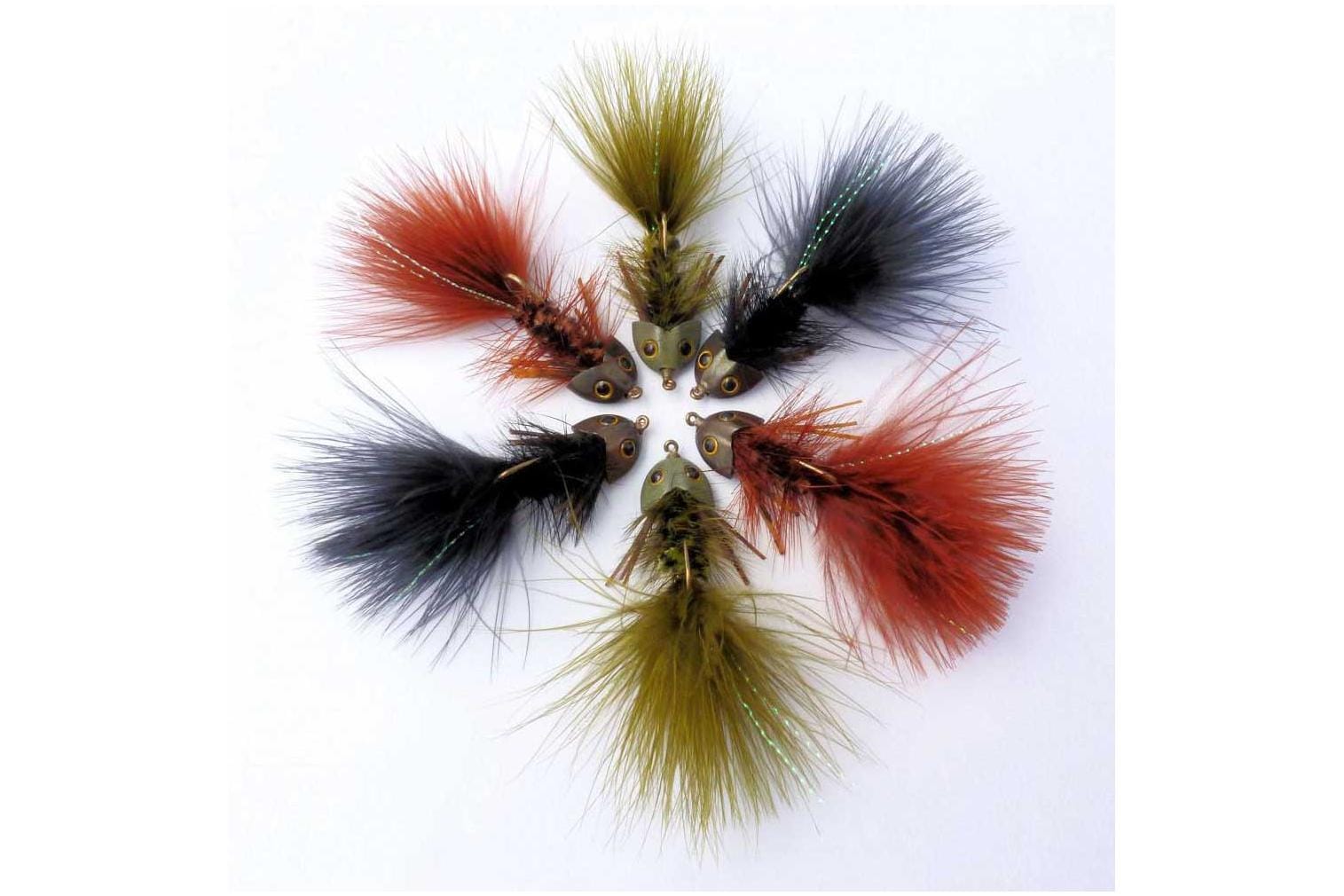
Best Articulated Option: Woolly Bugger Changer Fly - For anglers who like a bigger profile and more movement than a standard bugger. The articulated body helps it swim with a more pronounced wag on the strip.
How to Choose Woolly Buggers
Pick a weight that matches your water
Unweighted or lightly weighted: Choose these when you are fishing shallow riffles, over weed beds, or want a slower sink on a swing.
Bead head: A solid middle ground when you want the fly to sink but still stay easy to cast on a floating line.
Tungsten and jig styles: Best when you need depth fast, want to stay near the bottom, or you are fishing rocky structure where hook point up matters.
Choose color like you choose a silhouette
Dark colors (black, olive, brown): Good searching choices in most water types because they give a clean outline.
White and brighter colors: Useful as baitfish looks, and they can be easier for fish to find in off-color water.
Flashy buggers: Great when you want more visibility, especially in stained water or low light, or when fish are keyed on baitfish.
Dial size to your target and the season
Smaller sizes: Better for trout when fish are pressured, water is clear, or you want a subtle leech or nymph look.
Larger sizes: Better when you are hunting bigger eats, fishing higher water, or targeting bass and other warmwater species.
Match the presentation to the behavior you want
Swing: Cover runs and seams with a steady pace and let the fly swim across current.
Strip: Use slow strips for leech vibes, or quicker strips and pauses for baitfish moves.
Dead drift: Fish it like a big nymph under an indicator or tight line, especially with weighted options.
Materials & Durability
Dry your flies: After fishing, open your fly box so buggers can dry and reduce rust.
Check the tail: Marabou can get matted after fish or weeds, so comb it out with wet fingers.
Inspect the hook point: Bouncing bottom and hitting rocks can dull points fast, so touch up or swap flies.
Rinse after dirty water: If you fish silty rivers or salty conditions, rinse and dry to help the materials last longer.
Complete Your Setup
Related Gear
Streamer Flies - Build out your streamer box with baitfish, sculpins, and other searching patterns.
Floating Fly Lines - A go-to choice for buggers in shallow water, and for swinging or stripping in rivers.
Intermediate Fly Lines - Great for keeping buggers just under the surface in lakes, windy water, and shallow flats.
Tippet - Step up strength and abrasion resistance for streamers, or fine tune for clear water trout.
Related Guides
Woolly Buggers FAQs
Q: What is a Woolly Bugger in fly fishing?
A: A Woolly Bugger is a classic streamer pattern that can imitate leeches, baitfish, crayfish, and big nymphs. It is fished subsurface with a swing, strip, or dead drift depending on the situation.
Q: Are Woolly Buggers good for beginners?
A: Yes. They are simple to fish, cover a lot of water, and work with basic streamer retrieves. They also help beginners learn depth control and reading water.
Q: What size Woolly Bugger should I use for trout?
A: Many trout anglers start with mid sizes that still cast easily on a 4 to 6 weight