























The Best Fly Lines For Beginners | How to Choose


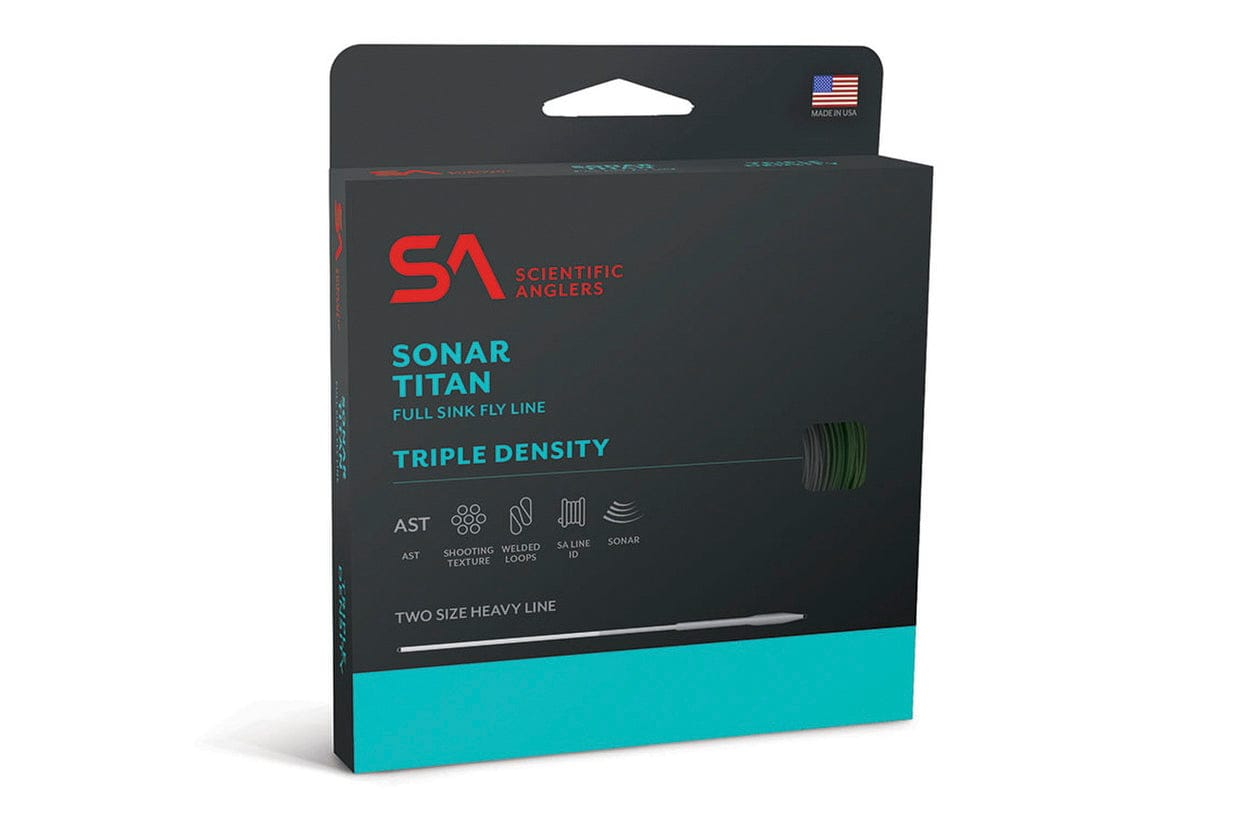
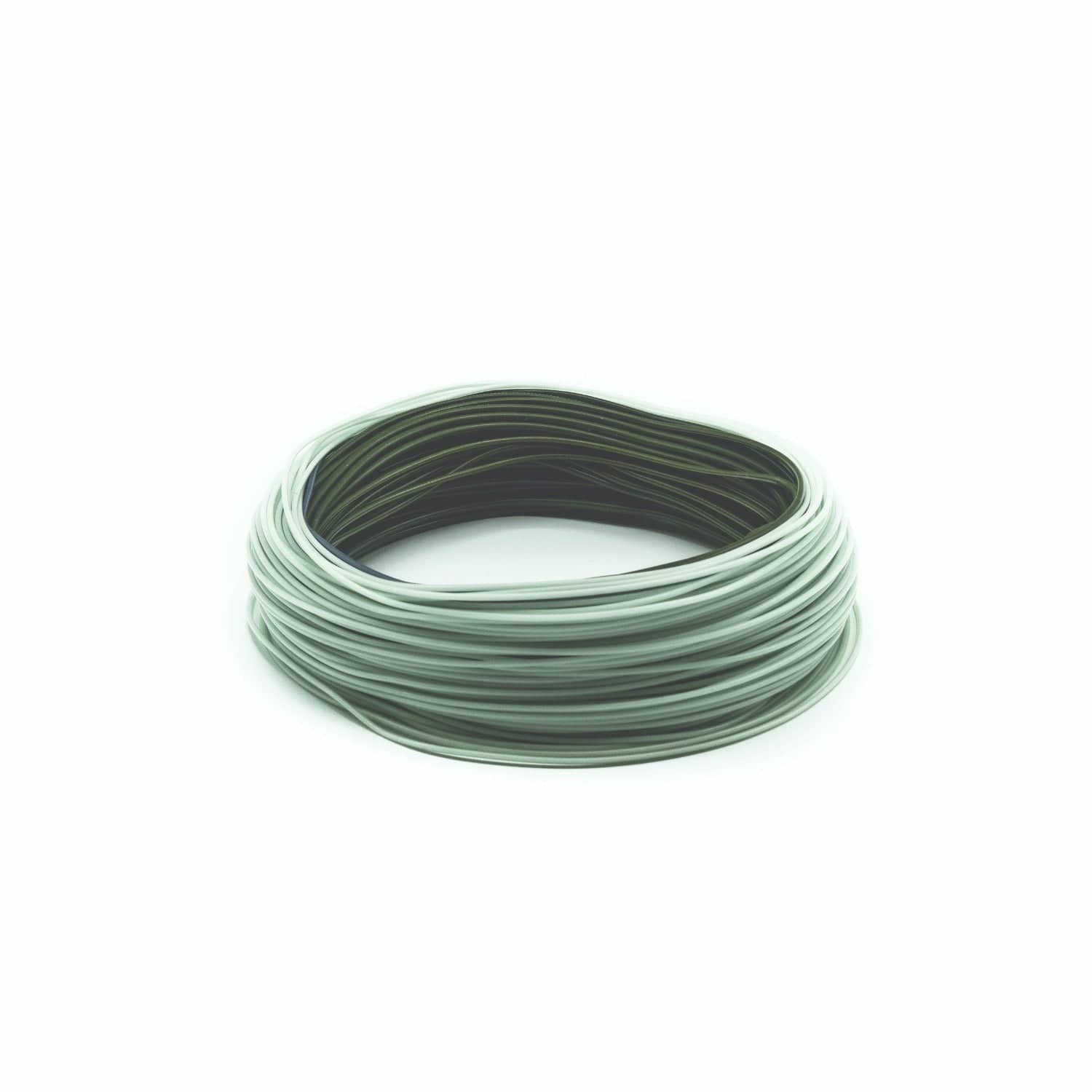
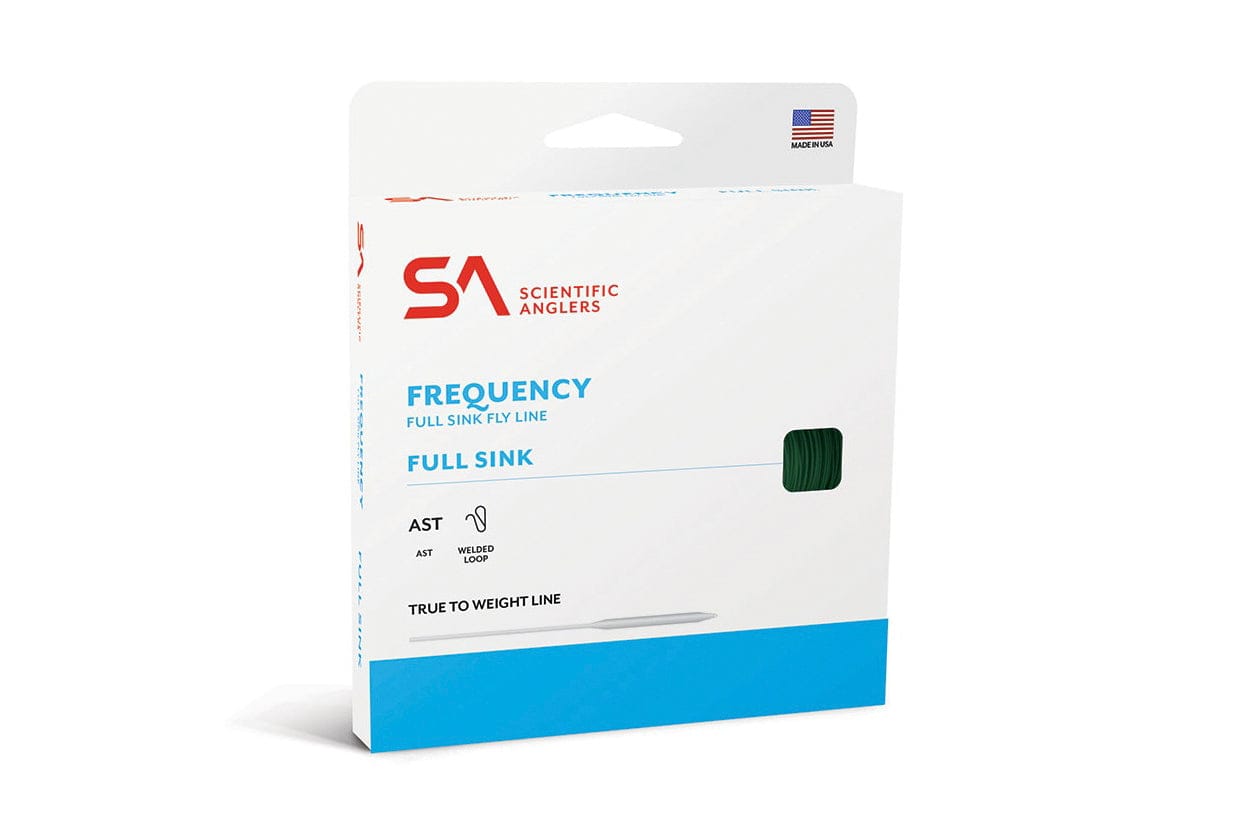
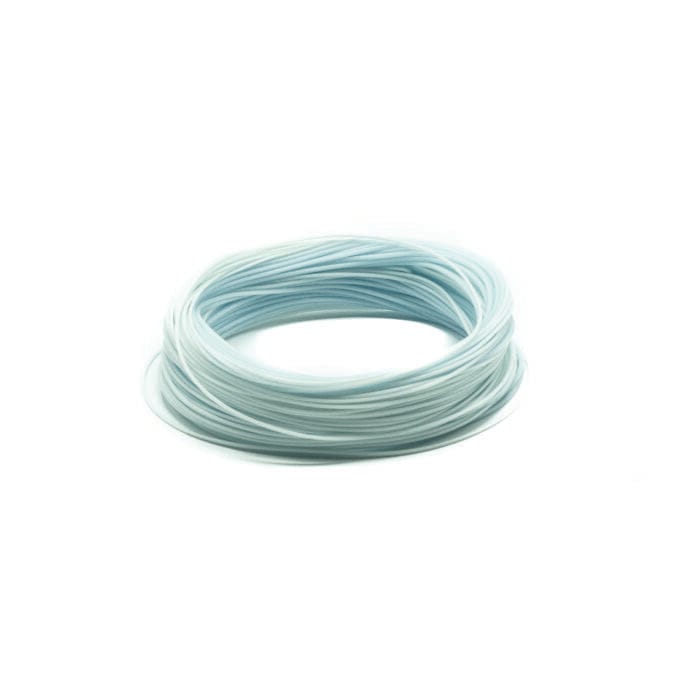
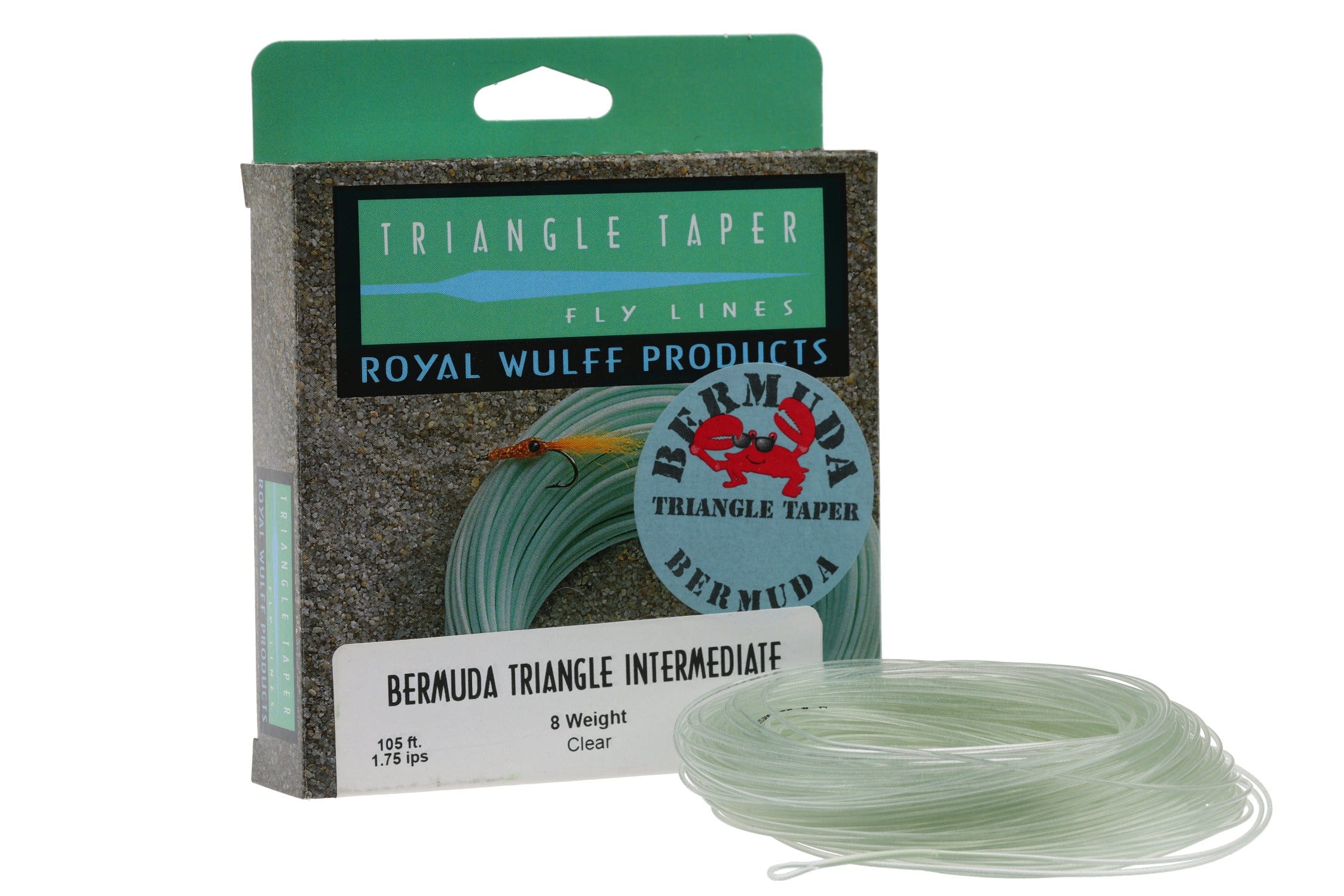
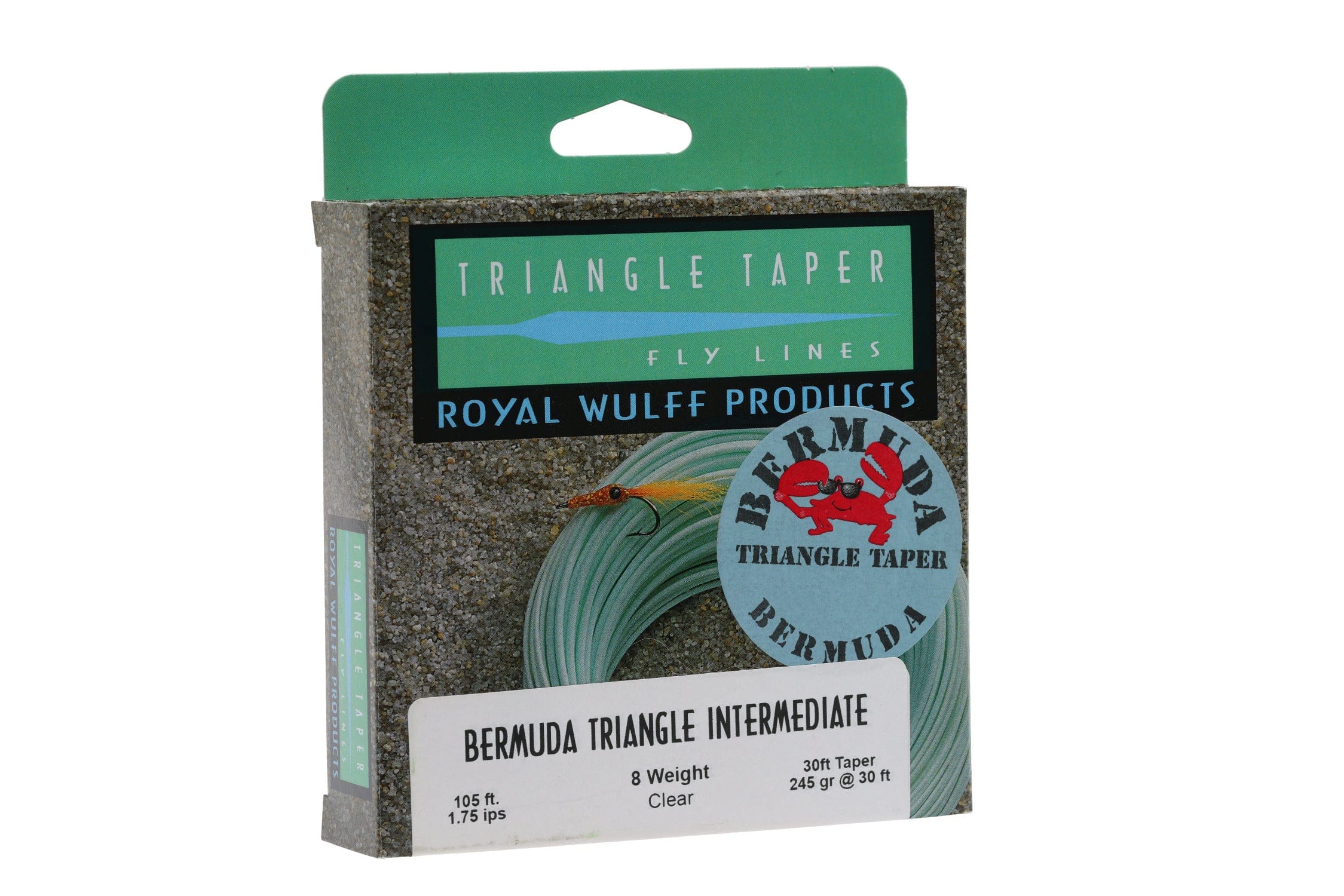
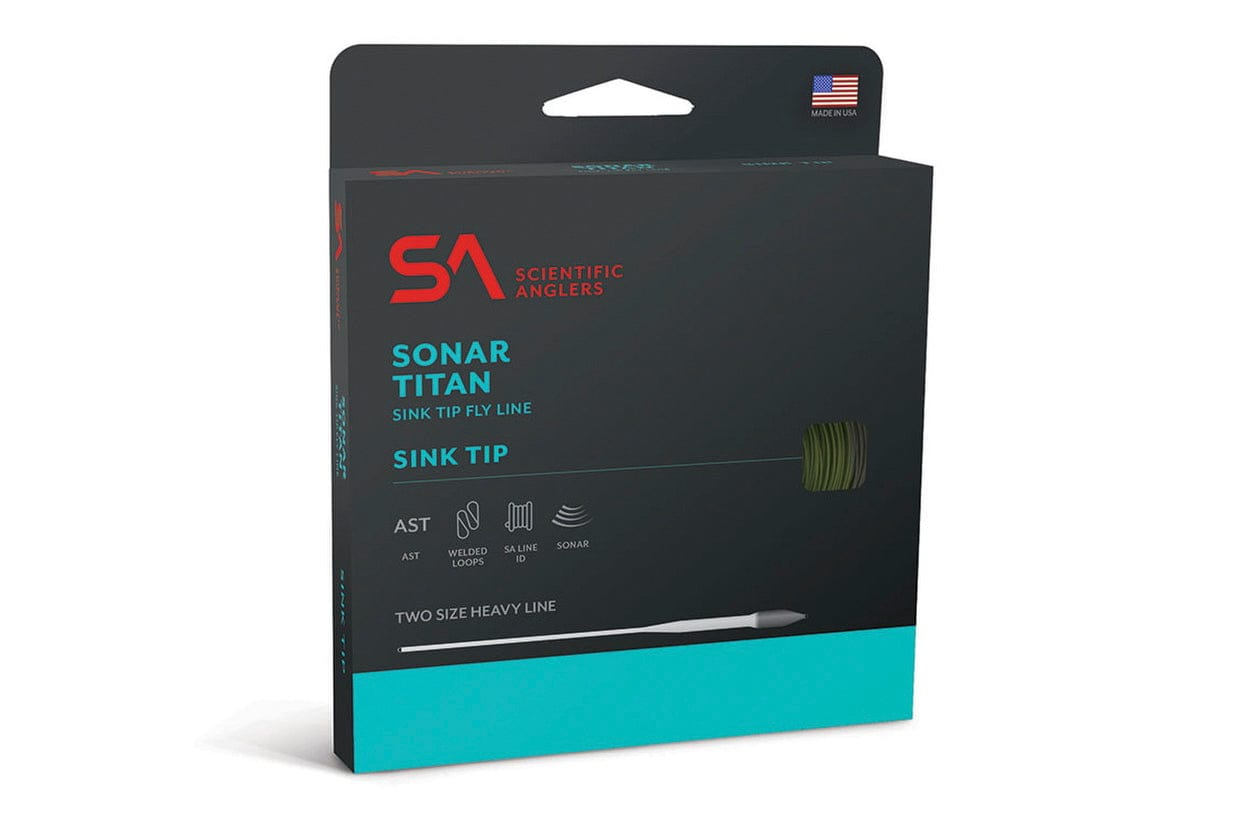
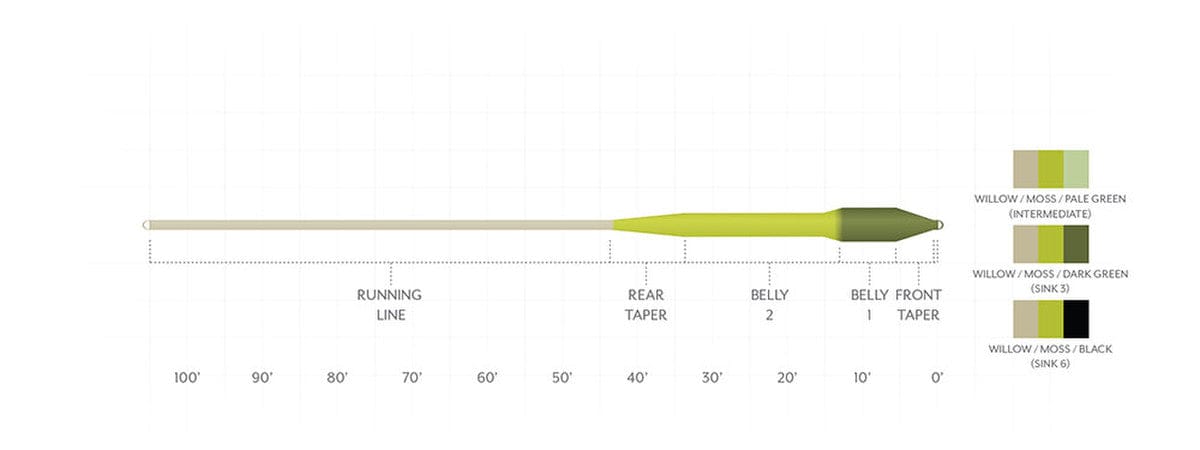


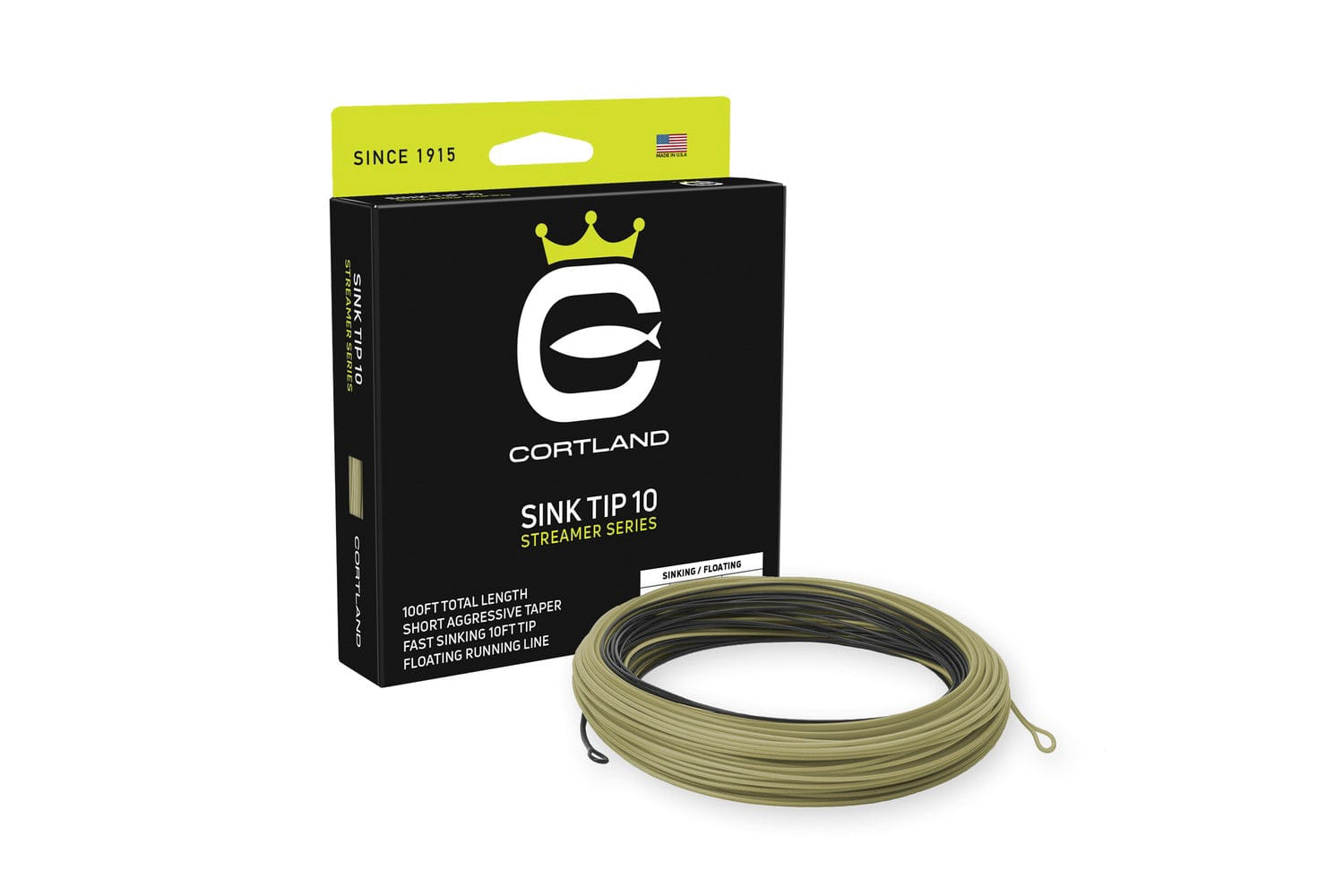
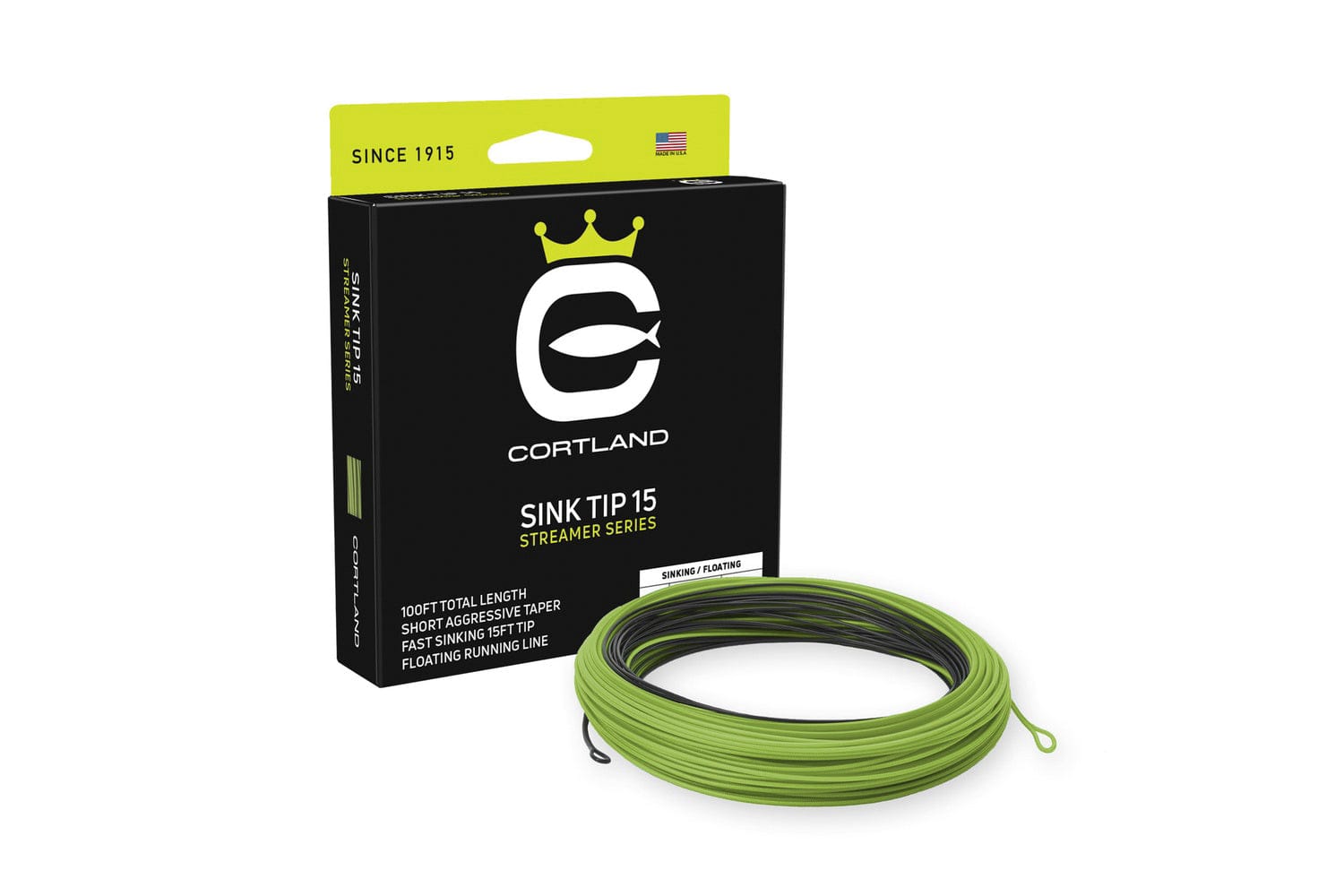
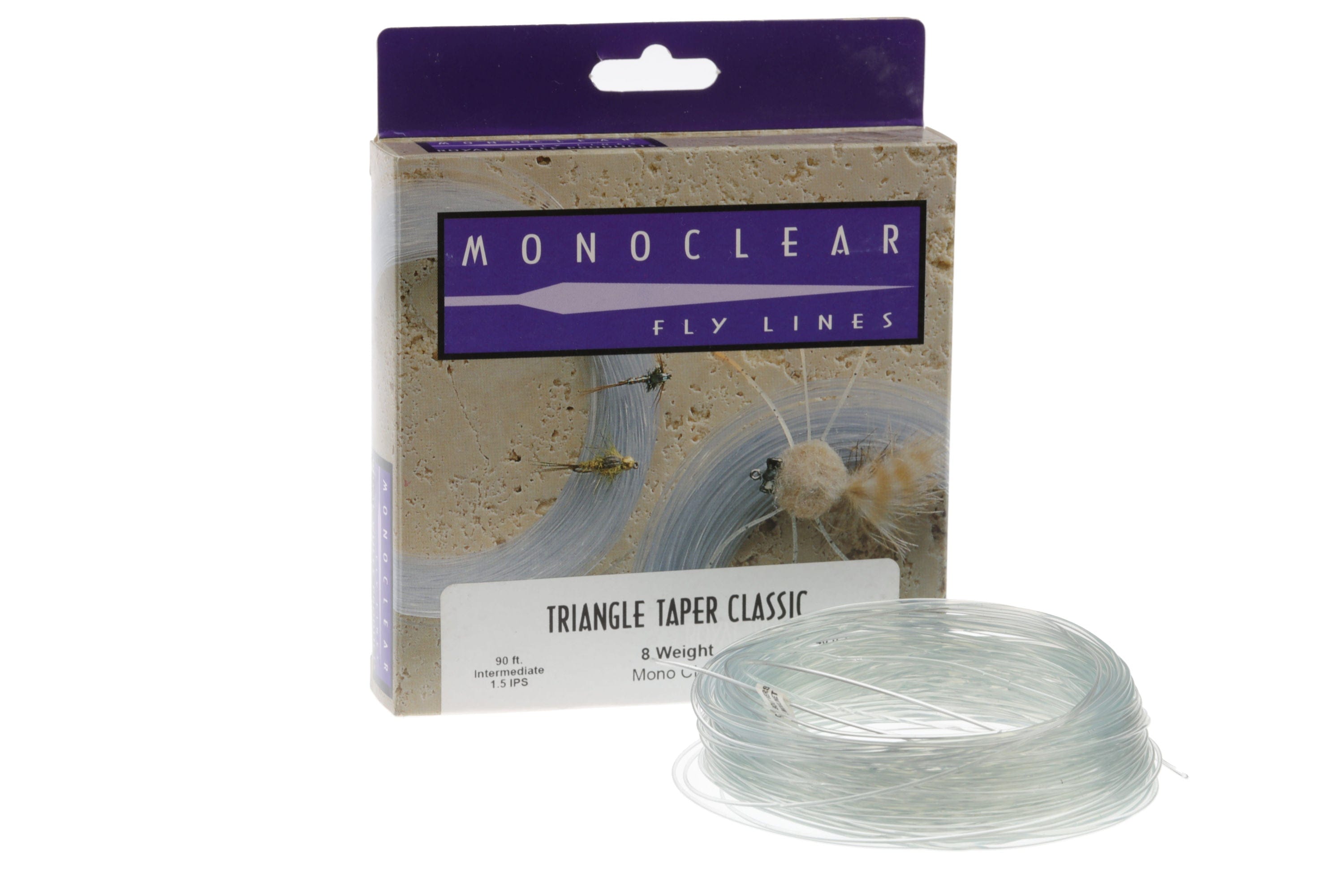
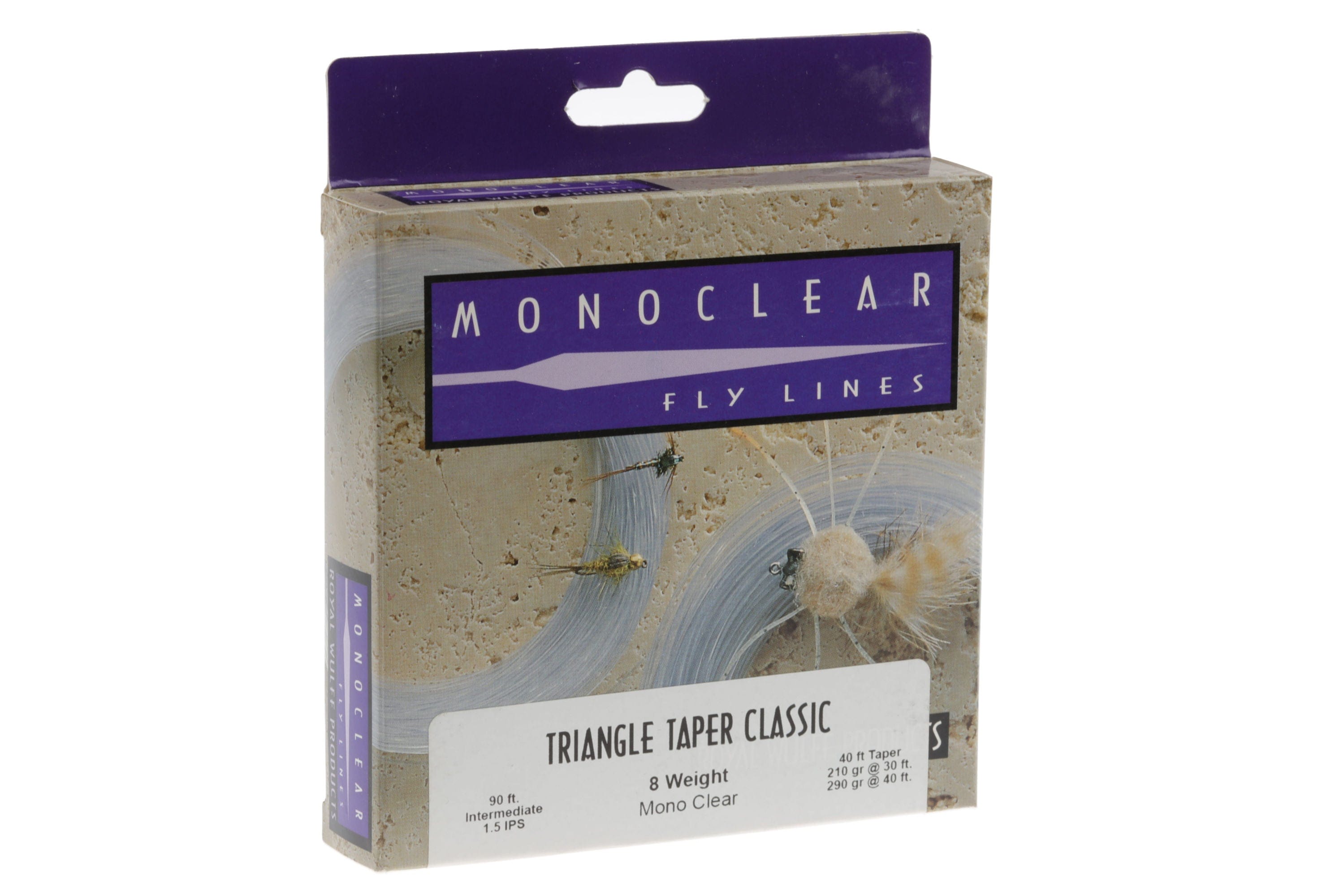
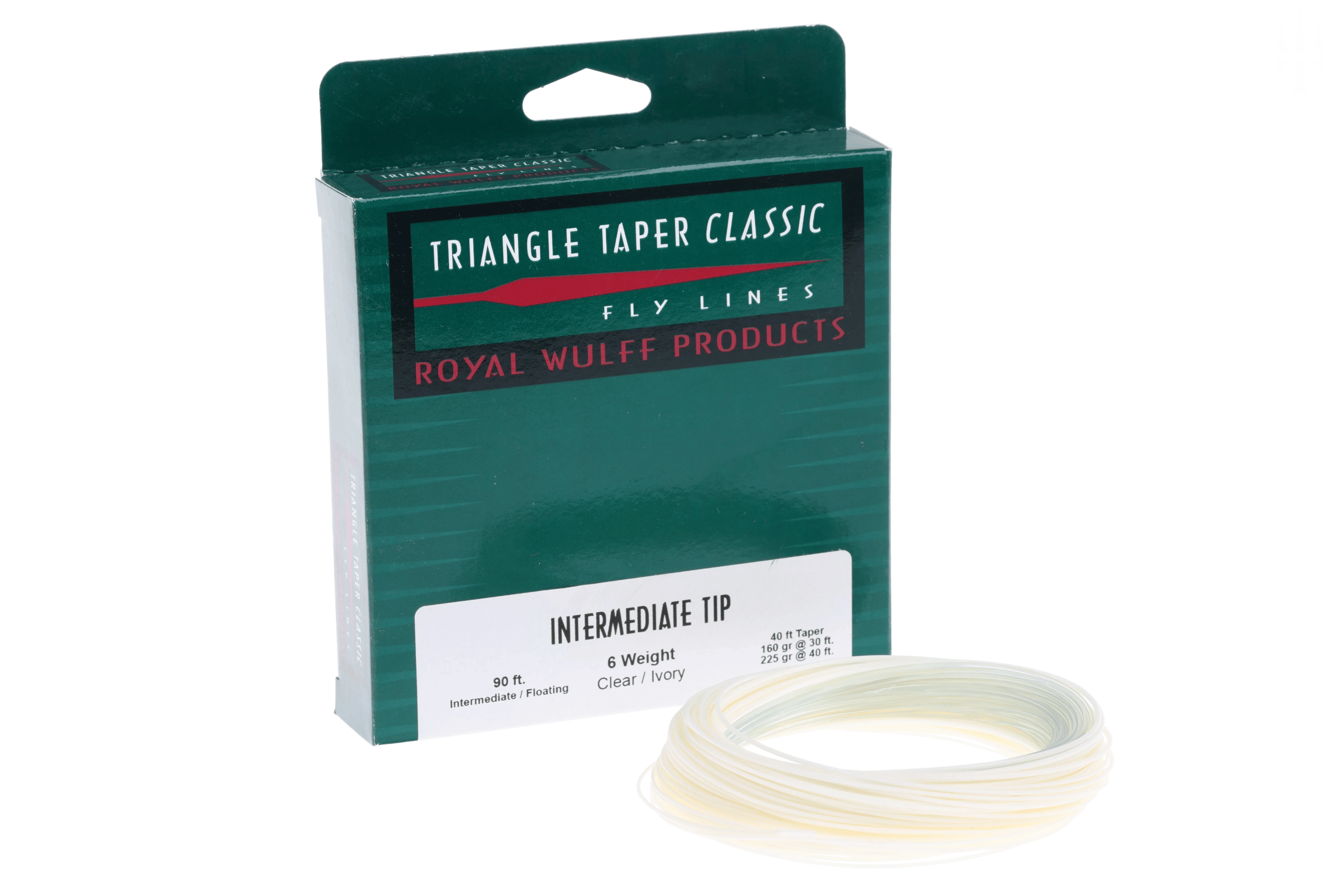
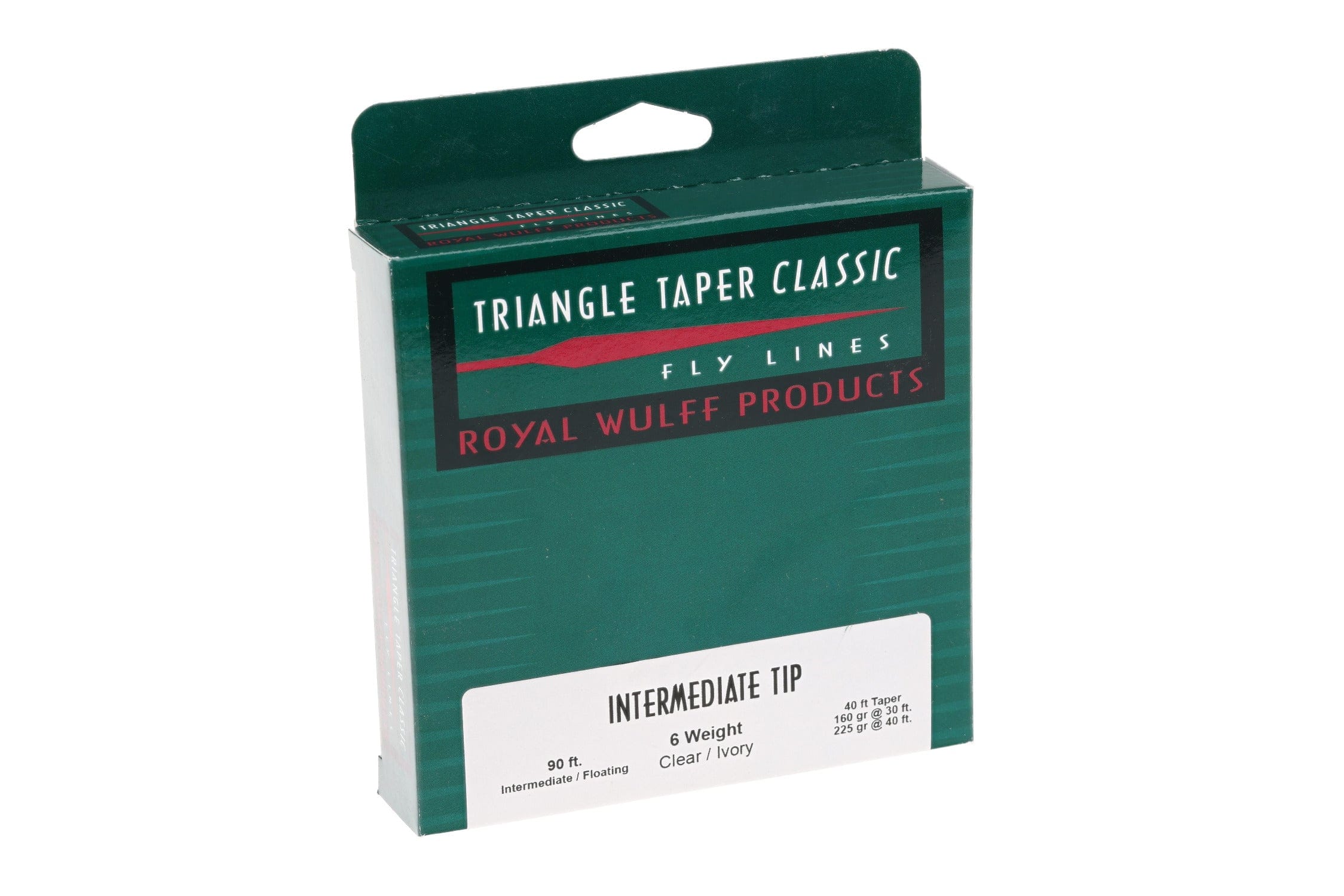
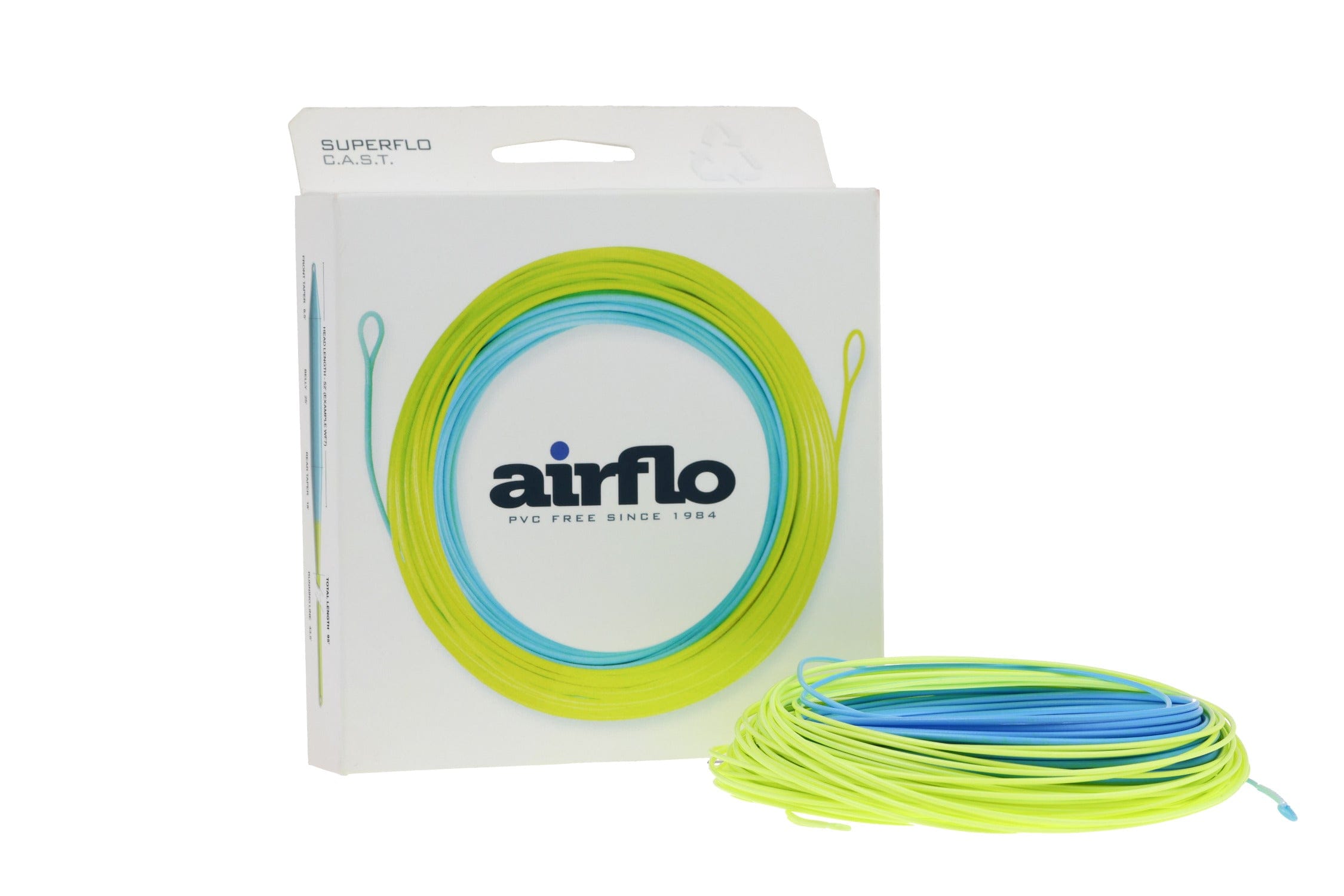
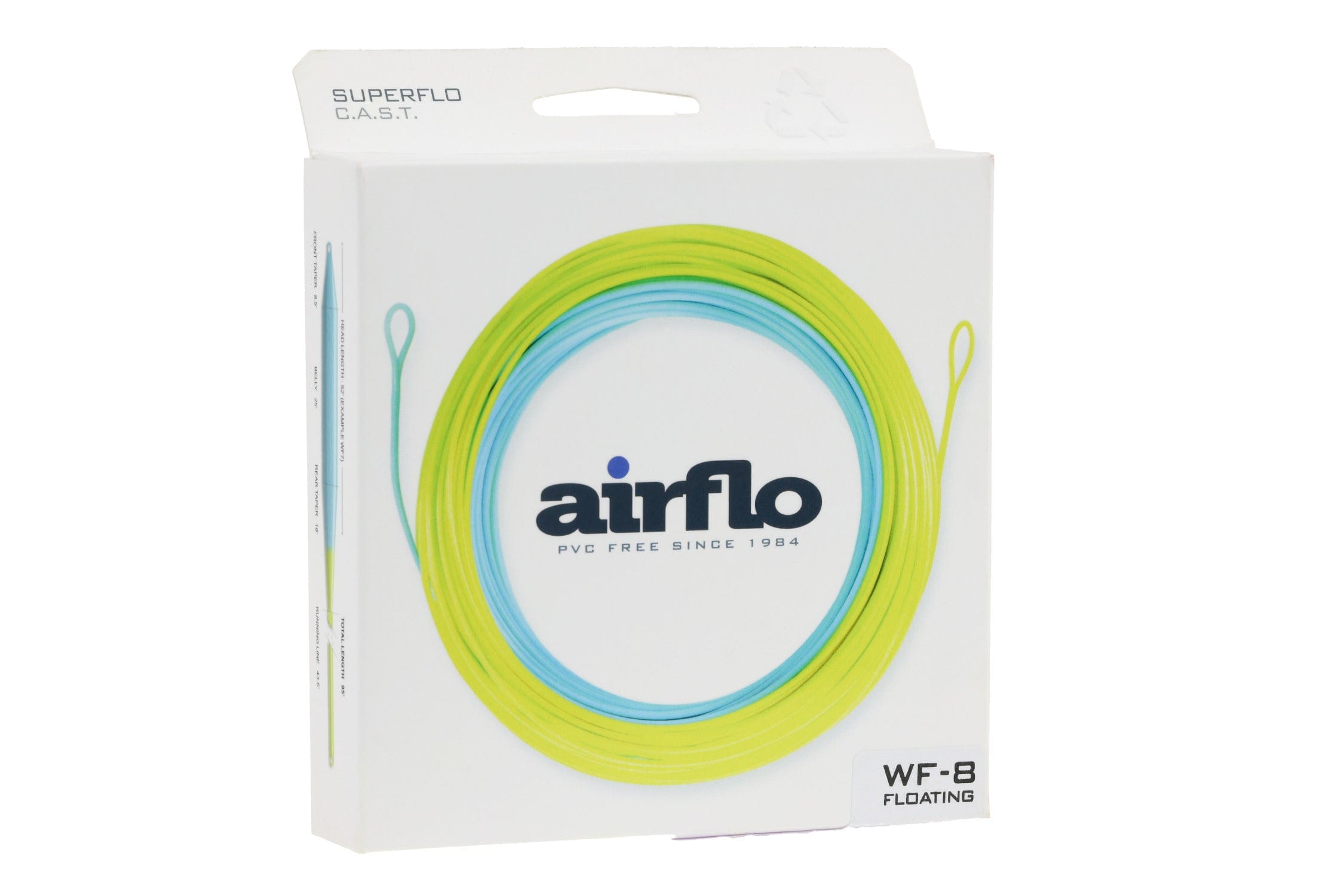
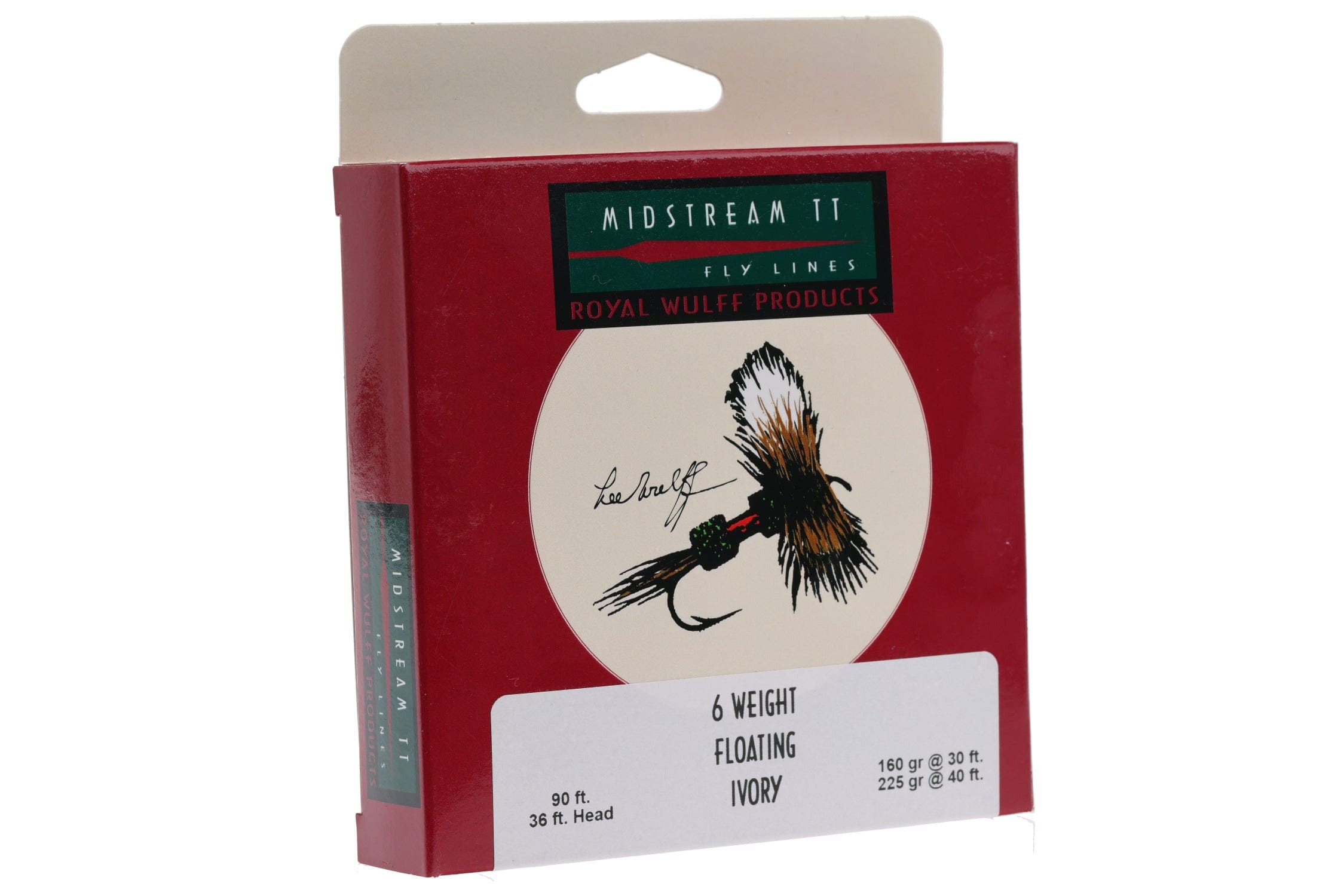


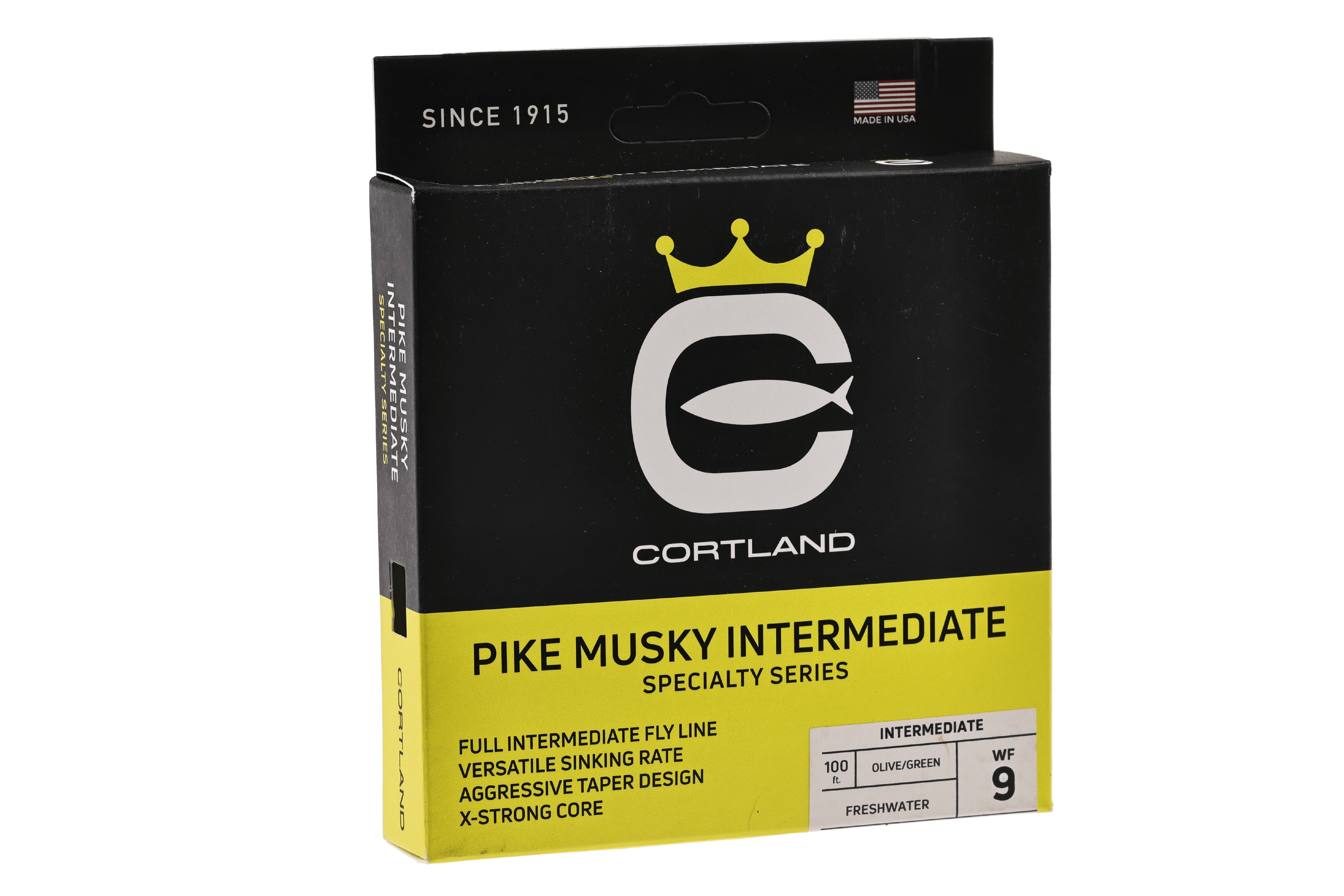
Intermediate Fly Lines Quick Picks
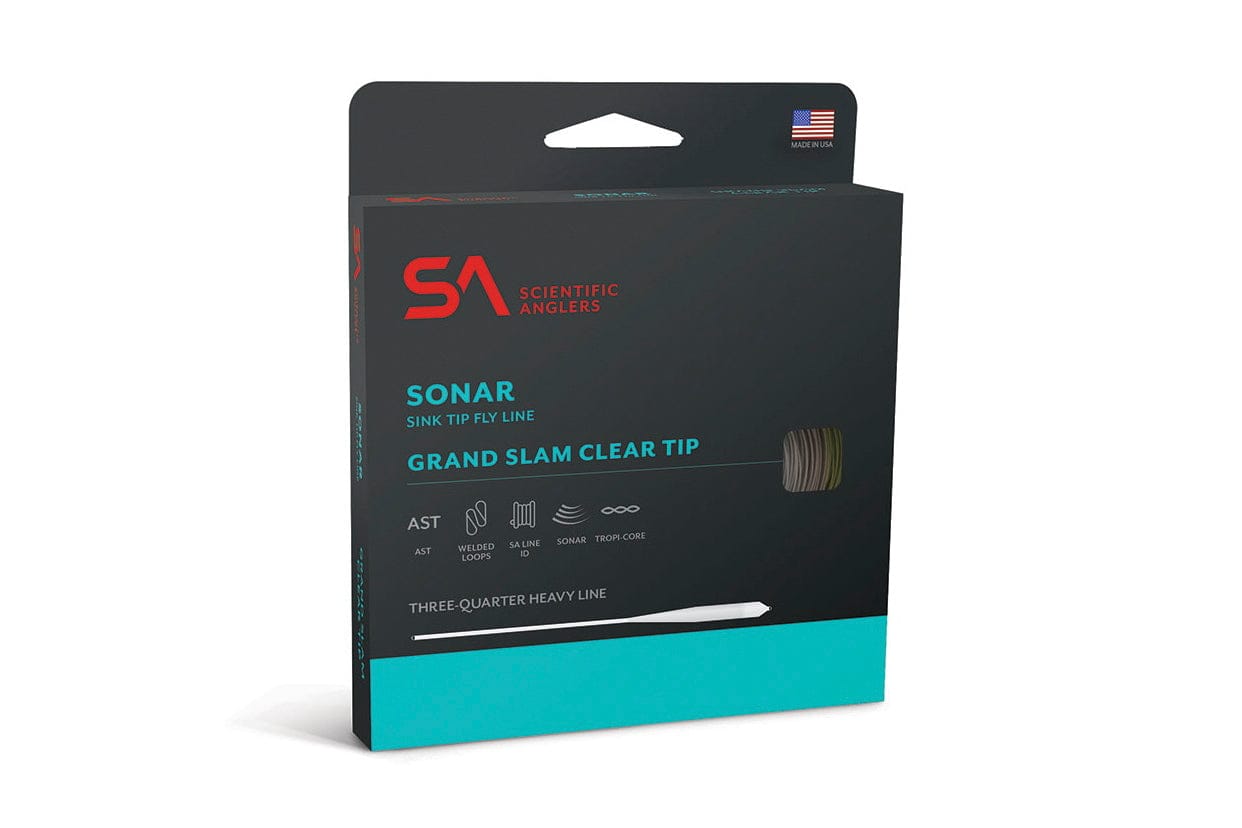
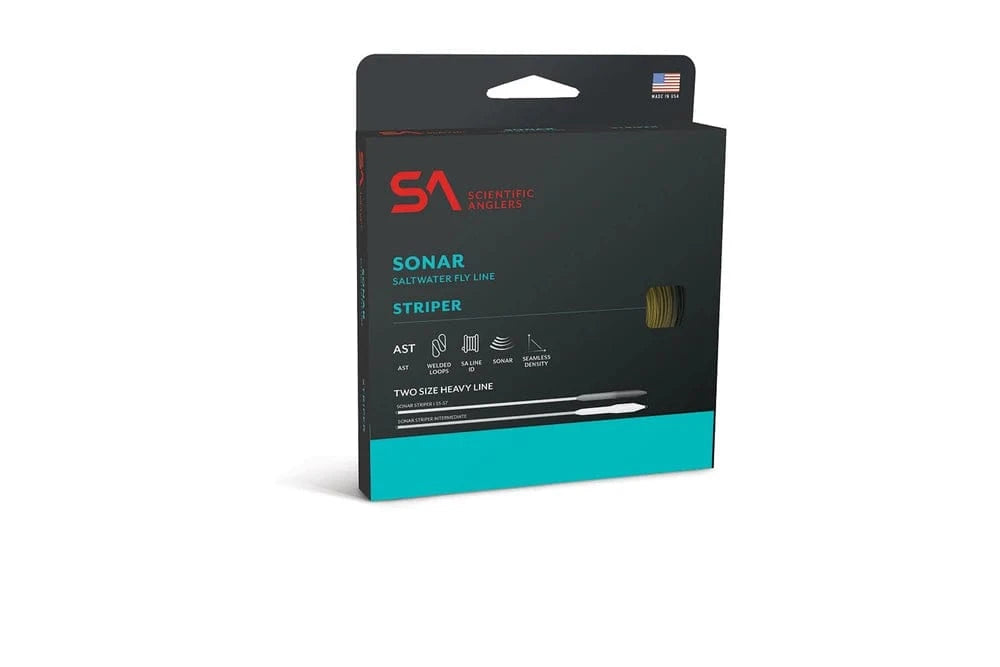
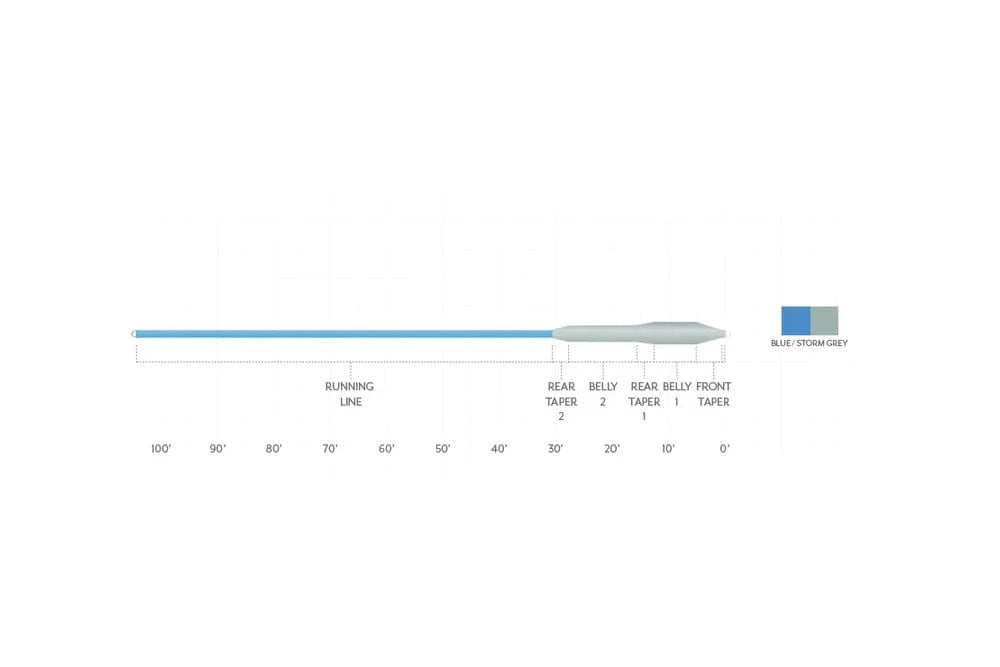
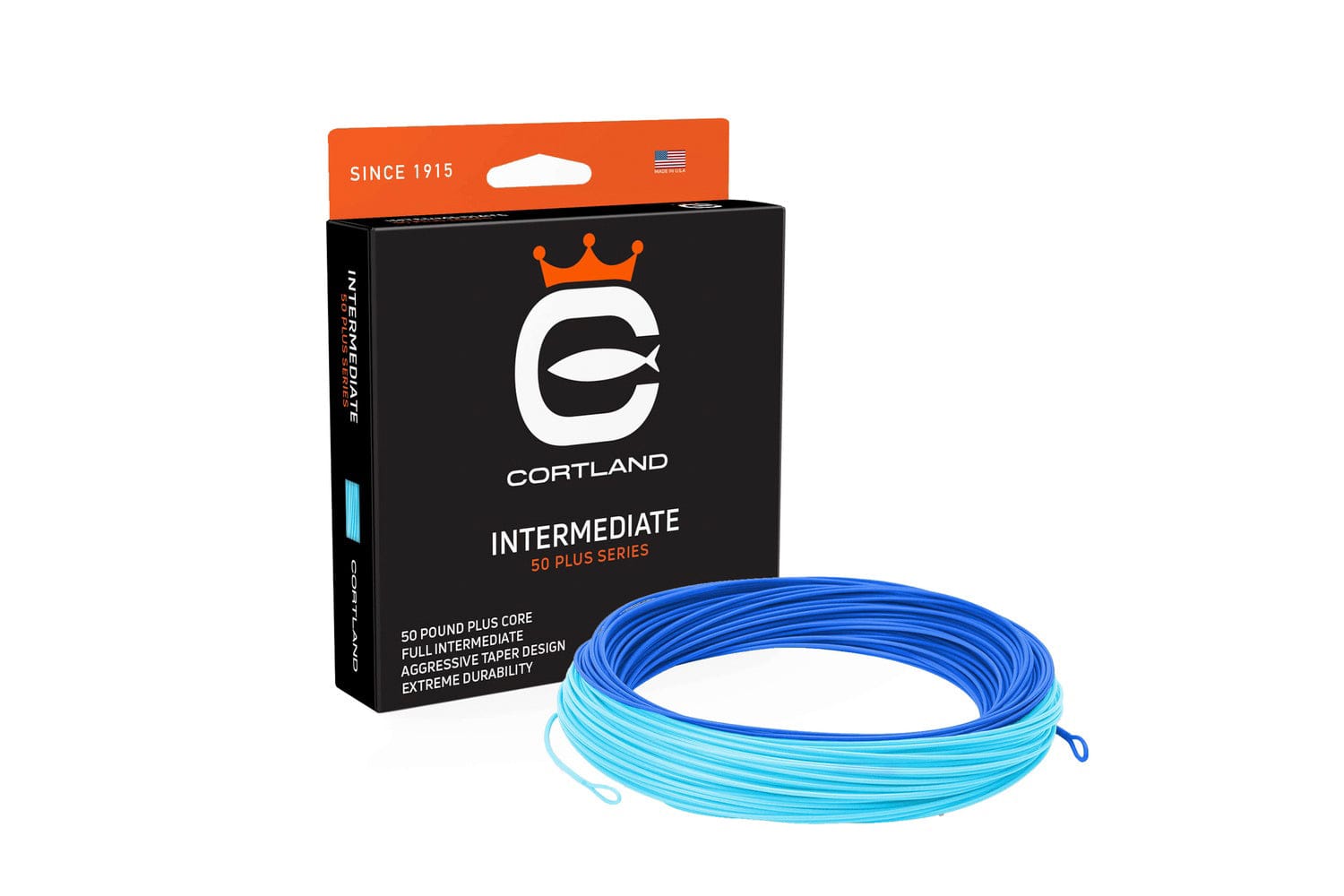
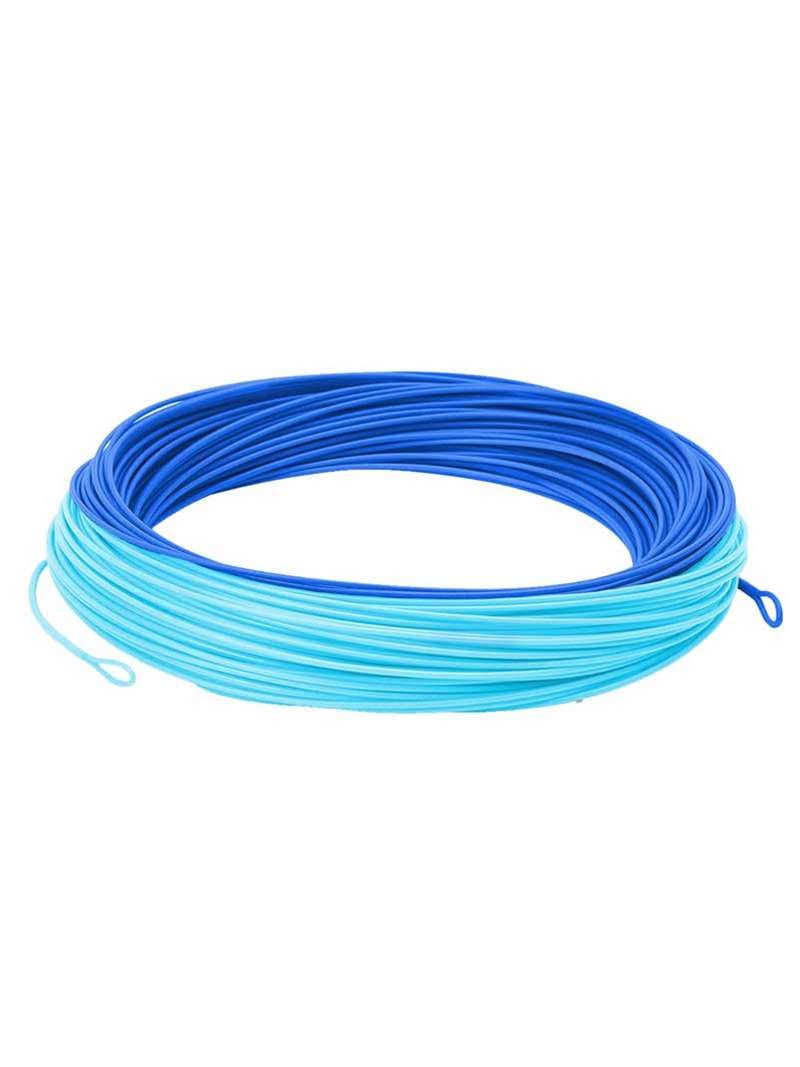
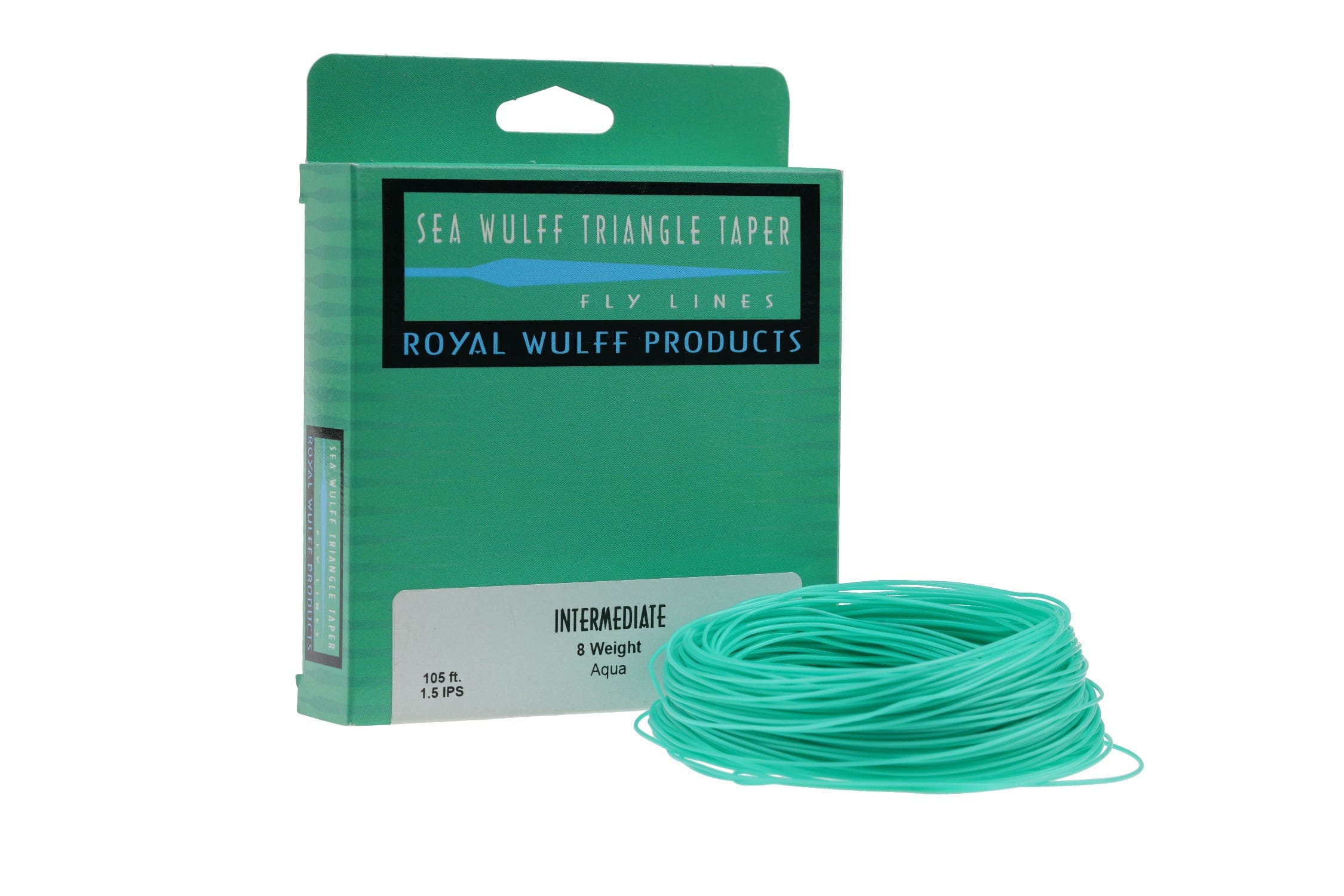
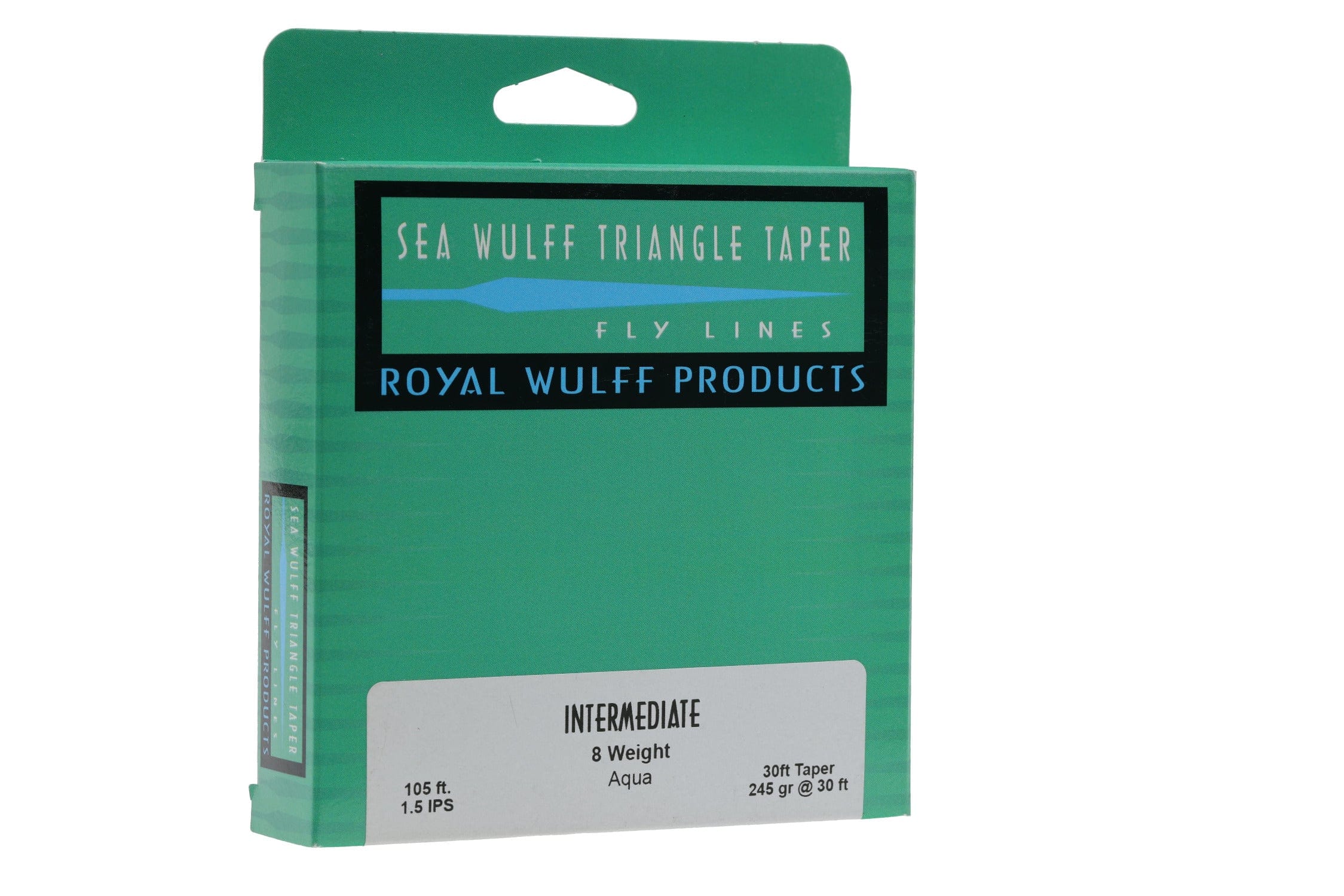
- Best Value: Scientific Anglers Frequency Intermediate Fly Line - For anglers who want a true do-it-all intermediate for lakes, ponds, and rivers without jumping to premium pricing. A thin diameter and slow sink profile help cut chop and wind while keeping streamers and wets riding in the right lane.
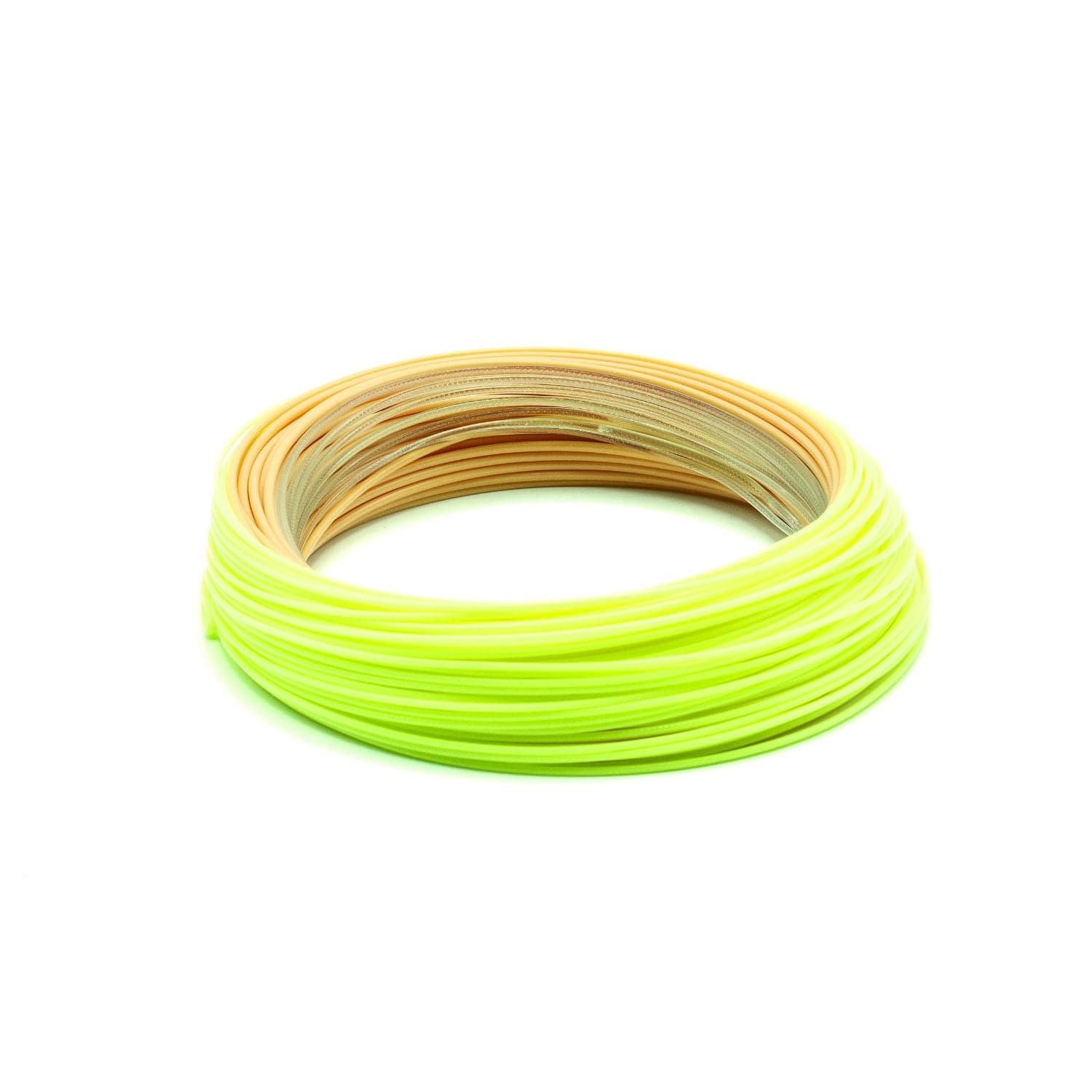
- Best All-Around: Cortland Classic 444 Intermediate Fly Line - For trout, bass, and general subsurface fishing when you need a predictable slow sink and easy rod loading. A compact head and 1.5, 2 IPS sink rate make it a practical choice for windy stillwater and shallow moving water.
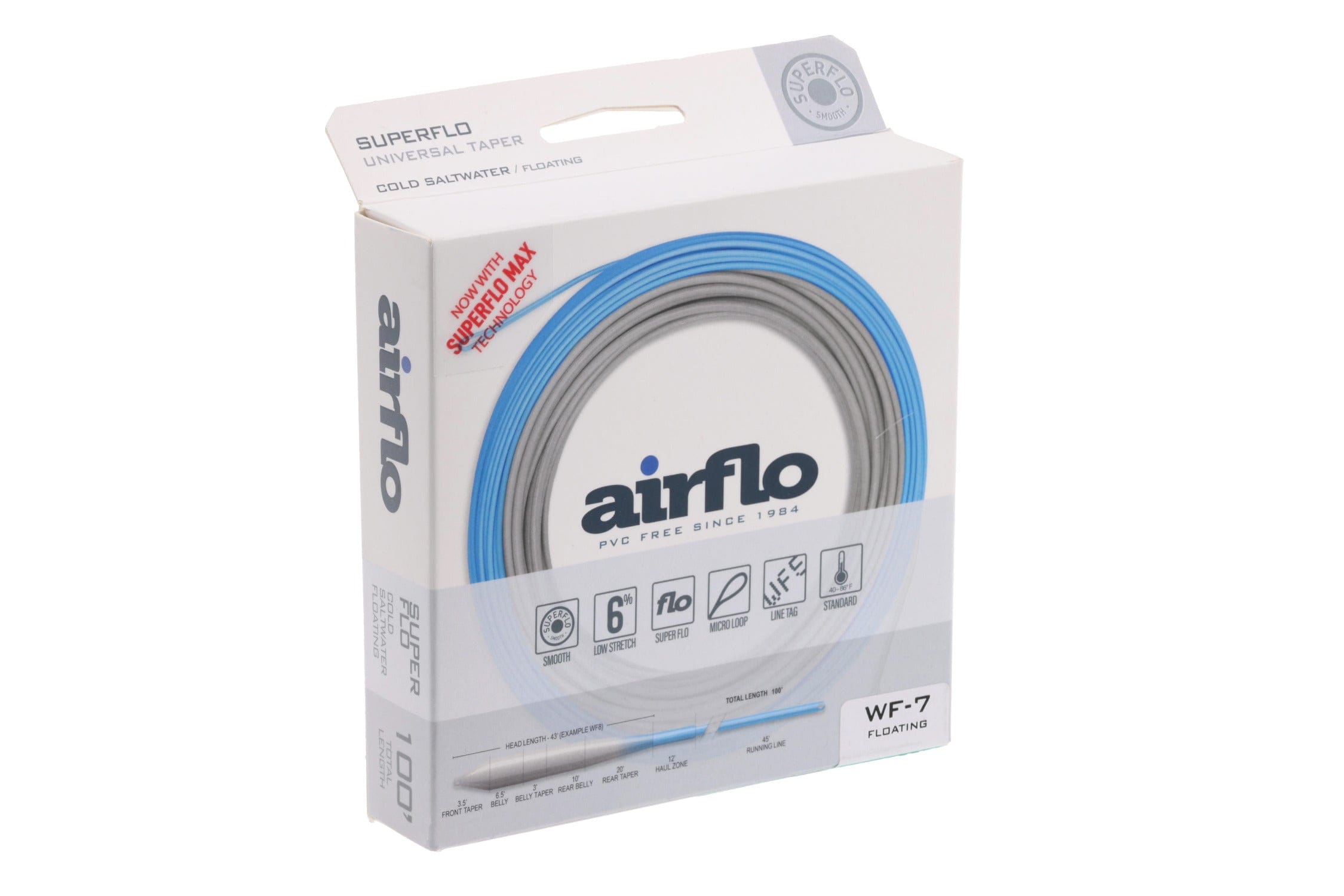
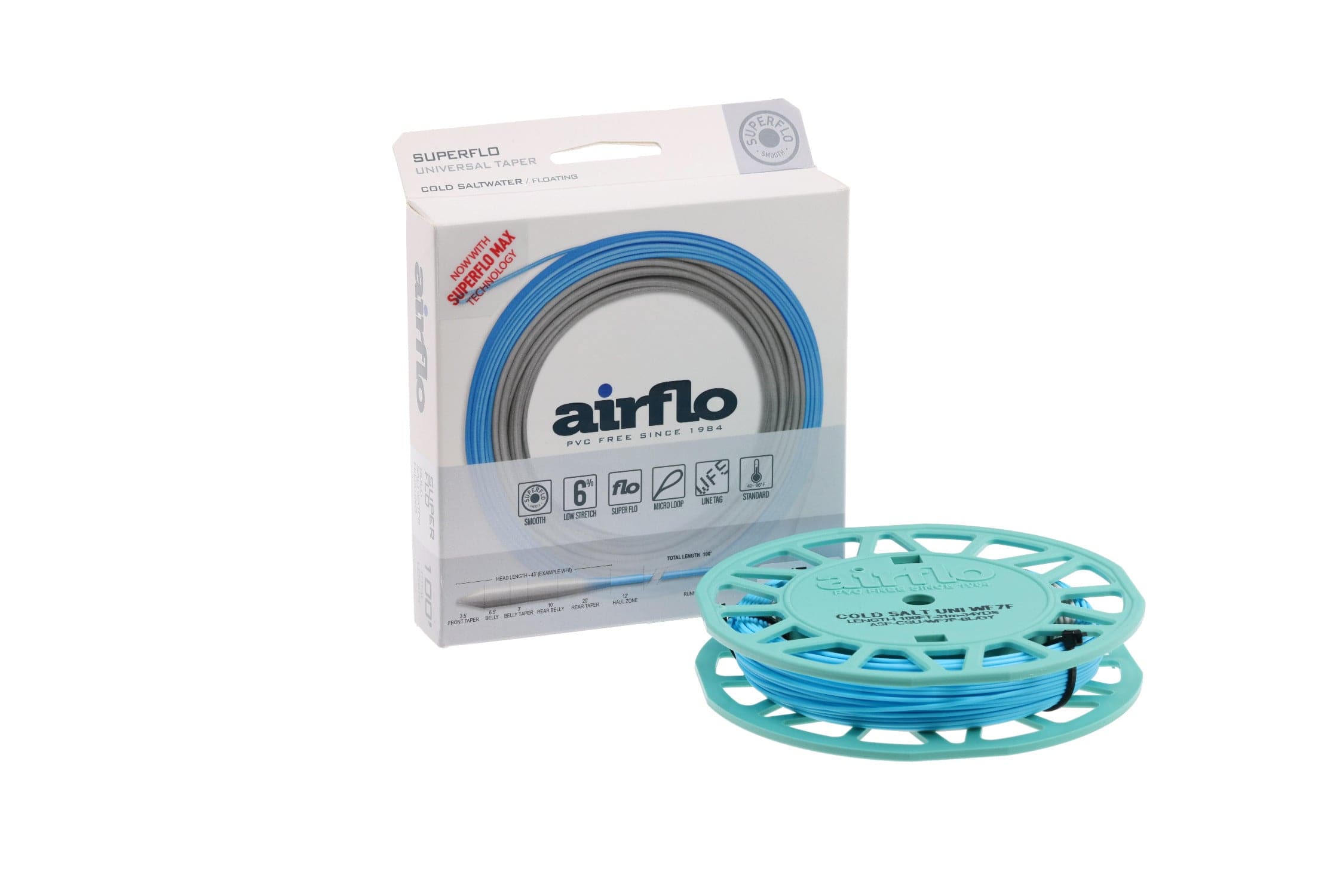
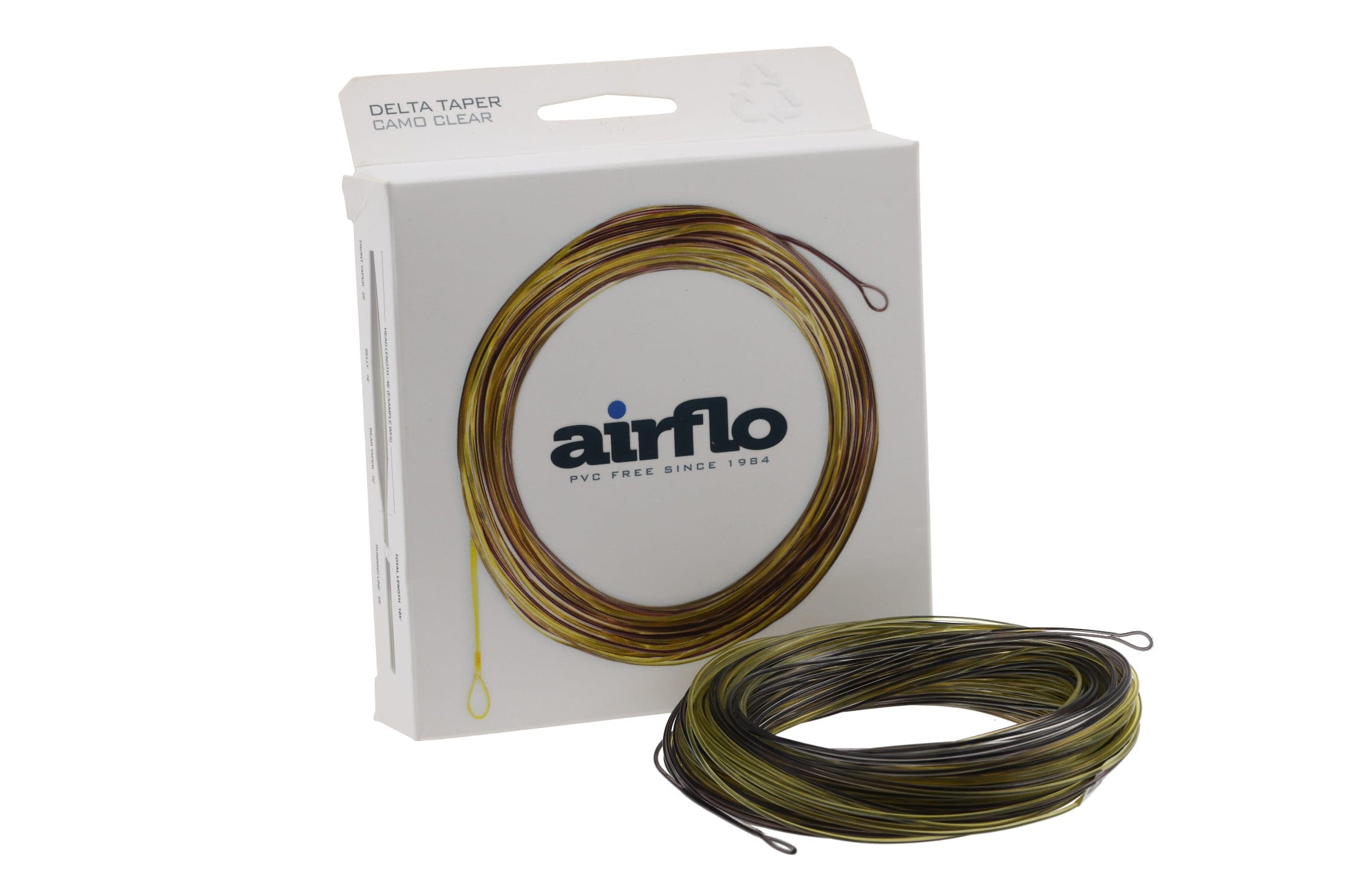
- Best for Clear Water: Airflo Delta Taper Camo Clear Intermediate Fly Line - For spooky fish in calm, clear lakes and slow flows where line flash can cost eats. The clear outer layer and long, controlled taper are built for stealthy presentations just under the surface.
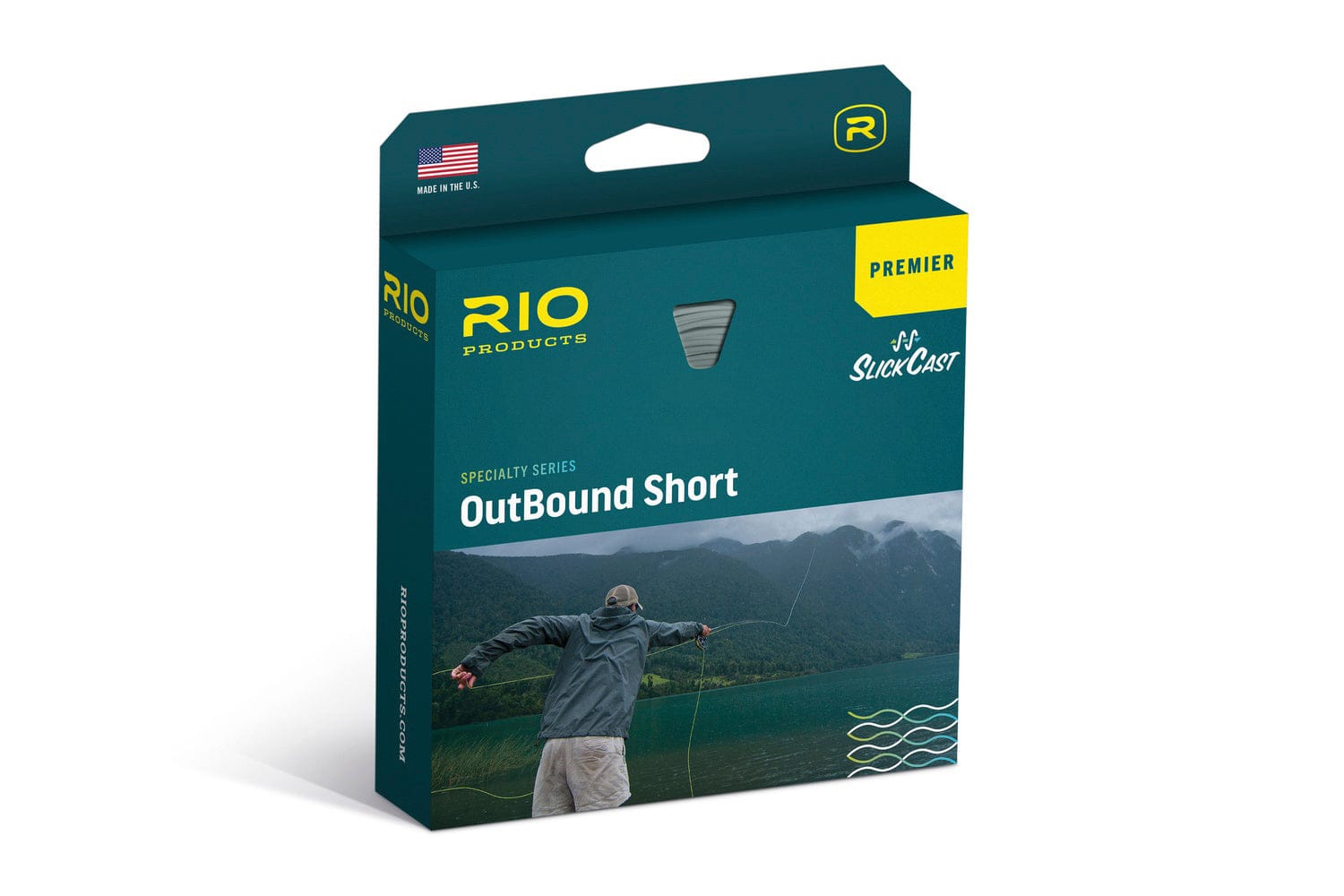
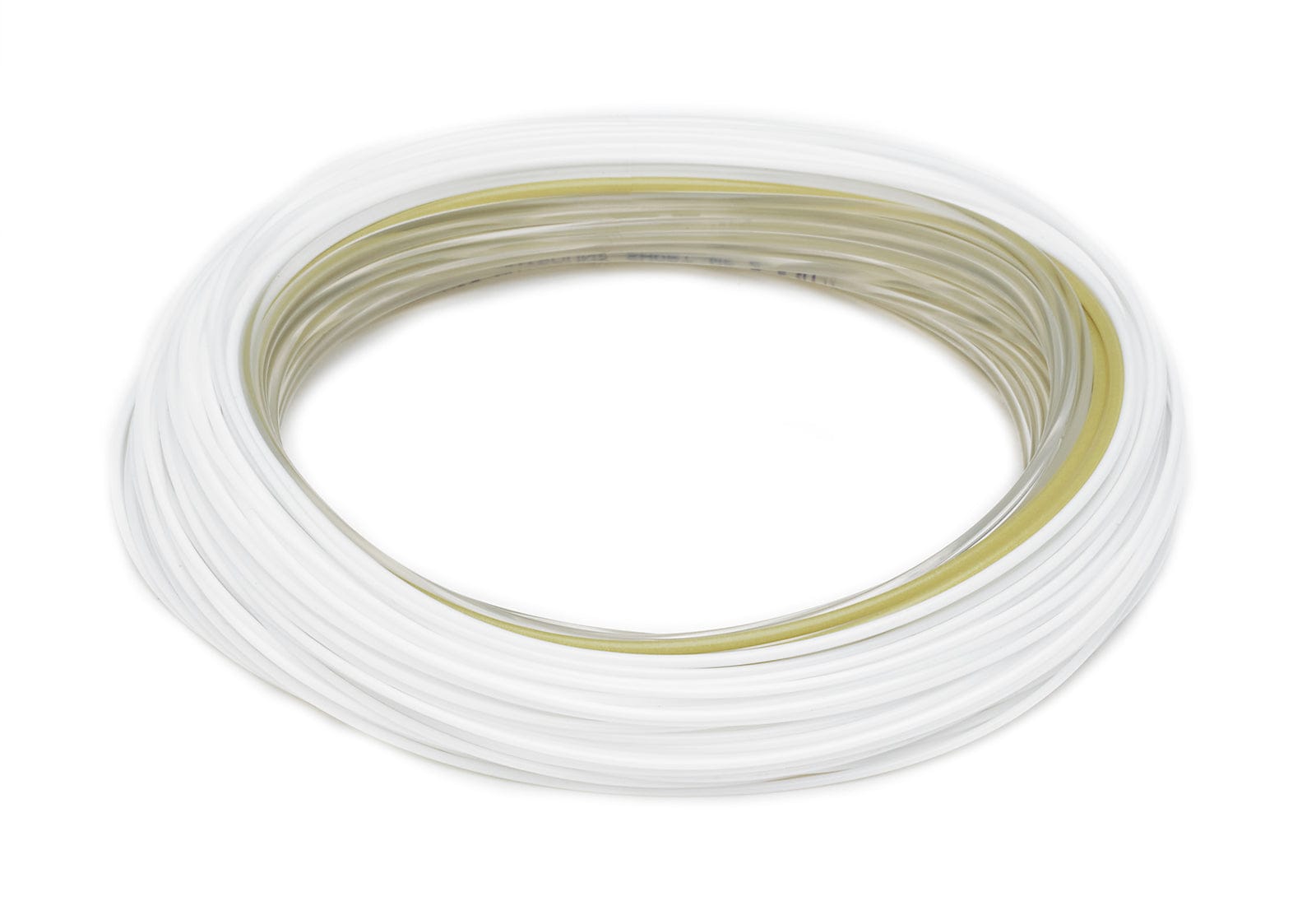
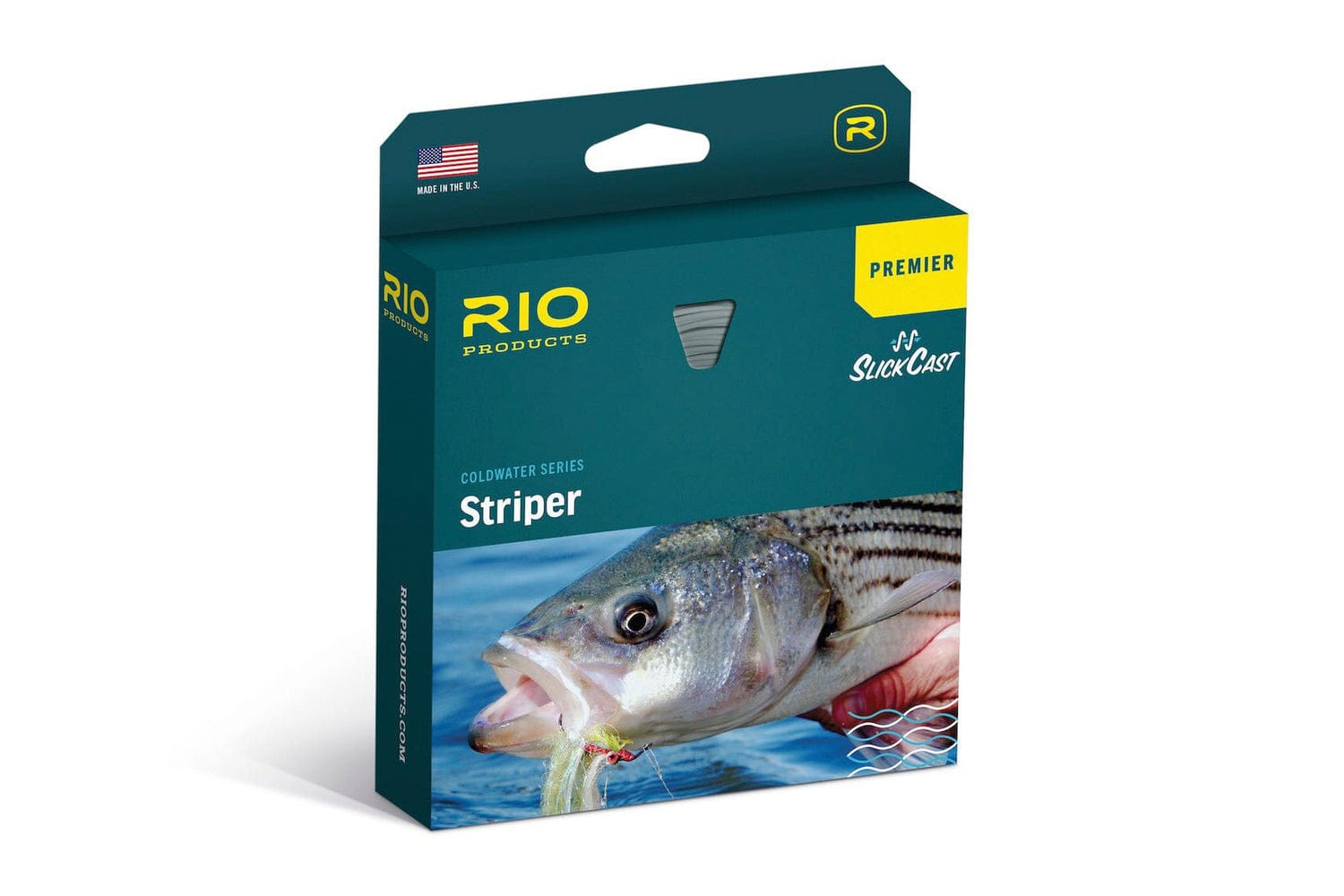
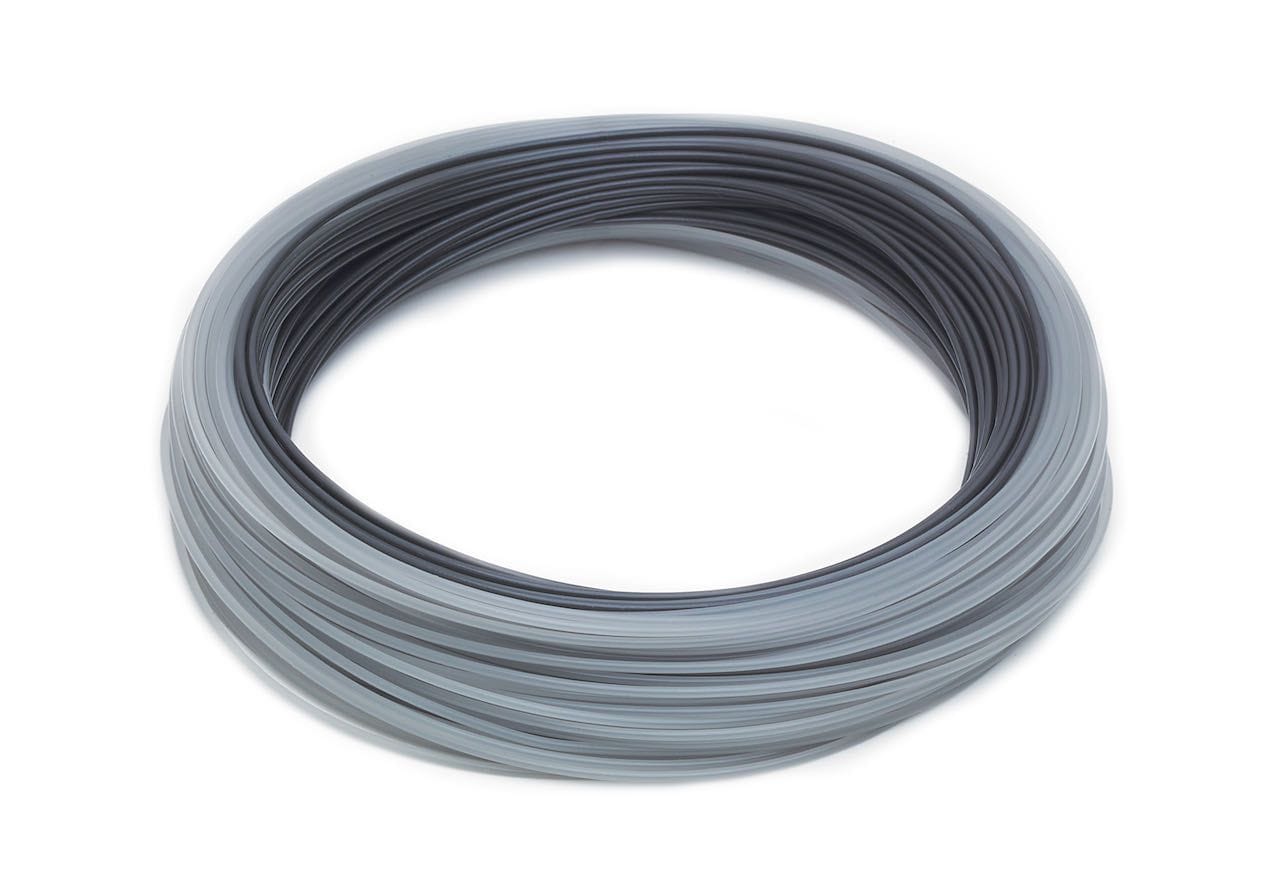
- Best for Big Flies & Wind: Rio Outbound Short Premier Fly Line - For throwing larger, air-resistant streamers and punching casts in rough conditions. The short, powerful head is designed to load quickly and carry heavy flies, and the series includes intermediate options for fishing a few feet down.
- Best for Cold-Salt Applications: Rio Premier Coastal Quickshooter XP Fly Line - For surf, jetties, and cold coastal fisheries when you want an intermediate that turns over quickly at short-to-mid range. The aggressive head design is built to manage big flies and coastal wind while keeping the line tracking below surface chop.
How to Choose Intermediate Fly Lines
Pick the right “intermediate” for your water column
Action: Decide whether you want a full intermediate, an intermediate tip, or a specialty “hover” style before you worry about brand.
- Full intermediate: Best when you want a consistent, shallow subsurface track on strips (classic stillwater streamers, swinging wets, shallow flats).
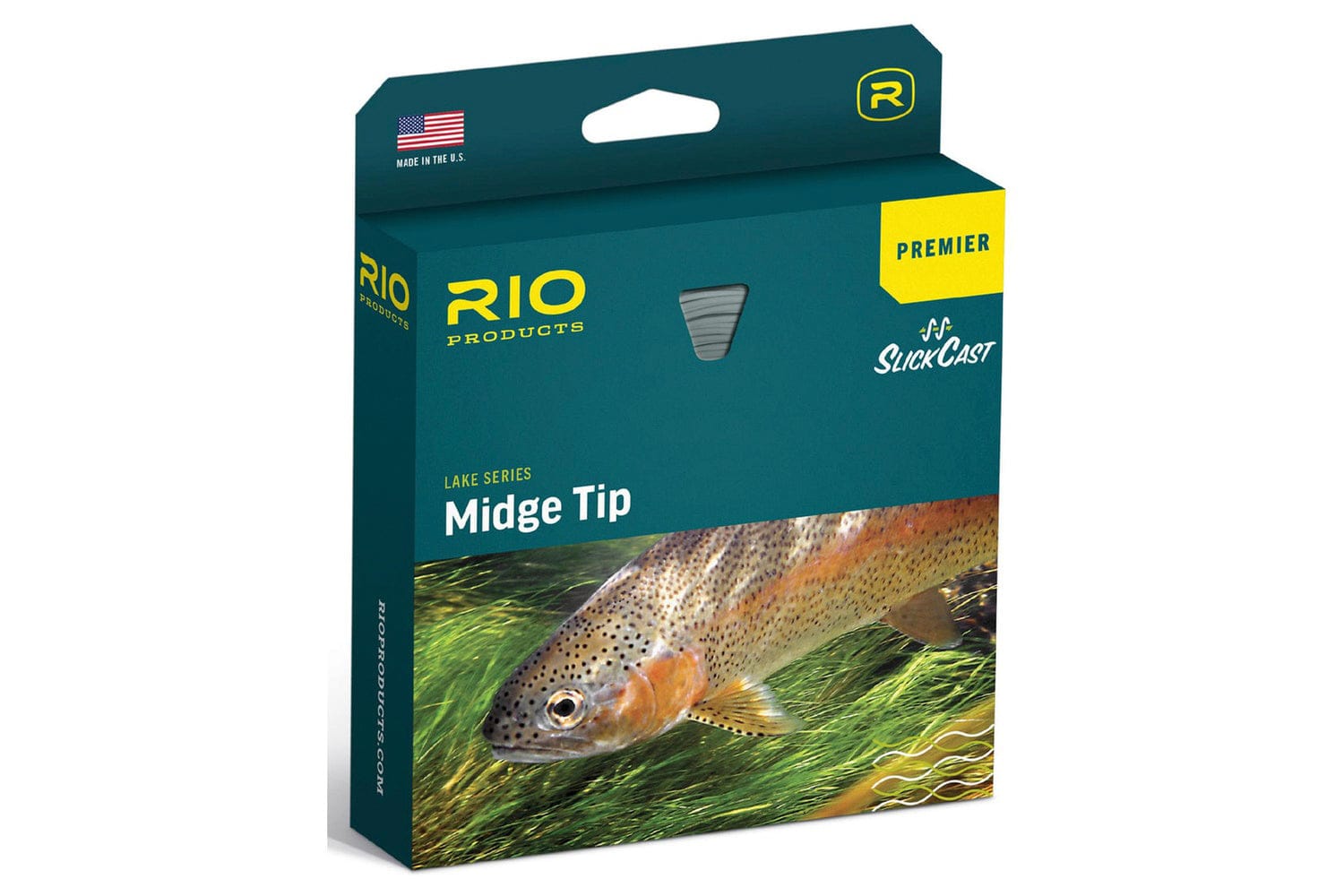
- Floating with intermediate tip: Best when you need the fly to dip under the surface but still want easier pickup, mending, and line control (great for lake edges, weed tops, and dock lights).
- Clear/stealth intermediate: Helpful in clear water and bright conditions when fish are tracking the line, especially in lakes and shallow salt.
Match the line to temperature (this matters more than most people think)
Best for: Lines stay manageable when the coating and core match the water you actually fish.
- Coldwater lines: Stay supple in cool rivers and lakes; they’re easier to handle and shoot without coiling.
- Tropical/hotwater lines: Stay stiff enough on hot decks and in warm water; they’re less likely to feel sticky or limp in heat.
Choose a taper that fits your casting and your flies
Action: If you’re mostly throwing bigger streamers or dealing with regular wind, lean toward a more aggressive, short-headed taper. If you’re fishing smaller wets, balanced nymph rigs, or want better control at distance, a longer head can feel smoother and track better.
Avoid if: Don’t buy a “power” intermediate for tiny flies and delicate presentations unless you know you like that feel, it can land harder and feel less forgiving at short range.
Compatibility
- Match line weight to rod weight: Start with the same line weight as your rod (5wt rod = 5wt line). Specialty lines may be built heavier; if you’re unsure, call the shop.
- Leader connection: If your line has a welded loop, loop-to-loop is fastest. If it doesn’t, use a nail knot or a braided loop, then add your leader.
- Leader length: Shorter leaders help turn over bigger flies and keep you connected; longer leaders help with stealth and finer presentations in clear water.
- Stillwater vs. saltwater: For salt and sun, prioritize coatings/cored lines designed for heat and abrasion. For trout lakes, prioritize coldwater handling and low memory.
- Depth control: Intermediate is generally for shallow subsurface; if you’re consistently missing depth, step up to faster sink rates or a dedicated sinking line.
Complete Your Setup
Related Gear
- Floating Fly Lines - The starting point for most anglers; pair with an intermediate when conditions demand subsurface control.
- Sinking Fly Lines - For fishing deeper than an intermediate can reasonably reach, especially in lakes and reservoirs.
- Leaders - Dial turnover and presentation; go shorter for big streamers, longer for clear-water stealth.
- Tippet - Fine-tune sink, abrasion resistance, and stealth; fluorocarbon is a common pick for subsurface work.
Related Guides
- How to Choose the Best Fly Line for Beginners
- Fly Line Temps: Tropical vs. Coldwater
- Fly Line Shootout, Review, & Buyer’s Guide
- Tropical Saltwater Fly Line Shootout & Buyer's Guide
Intermediate Fly Lines FAQs
Q: What is an intermediate fly line?
A: An intermediate fly line is designed to sink slowly and track just under the surface, instead of floating on top. It’s commonly used to keep flies in the strike zone in chop, wind, or shallow subsurface situations.
Q: When should I fish an intermediate line instead of a floating line?
A: Use an intermediate when a floating line is riding too high, like windy lakes, shallow flats, or when you want streamers and wets to swim just under the surface film. It also helps maintain a straighter connection in surface chop.
Q: How fast do intermediate fly lines sink?
A: Many intermediate lines fall into a slow-sinking range (often around 1, 2 inches per second), though it varies by model. If you need to fish deeper, move to faster sink rates or a full sinking line.
Q: Are intermediate fly lines good for beginners?
A: Yes, especially for stillwater and streamer fishing, because they can help keep tension and reduce the effect of wind chop on the line. The key is choosing a line that matches your rod weight and fishing temperature.
Q: Do I need a different leader for intermediate lines?
A: Not always, but many anglers go slightly shorter and/or stiffer to improve turnover and keep better contact on a retrieve. In clear water, longer leaders can still matter for stealth.
Q: What’s the difference between a full intermediate and an intermediate tip?
A: A full intermediate sinks along its entire length for a consistent track on strips. An intermediate-tip line keeps most of the line floating while the front section sinks, which can make pickup and line management easier.
Q: Can I use a tropical intermediate line in cold water?
A: It’s usually not ideal, tropical lines are built to stay stiff in heat and can coil and feel “springy” in cold water. If you fish cold water most of the season, prioritize coldwater/temperate cores and coatings.
Q: What fly reel backing and knots should I use with an intermediate line?
A: Most setups use standard fly line backing sized to your reel and target species, then connect backing-to-line and line-to-leader based on whether your line has welded loops. If you’re unsure, start with the manufacturer’s recommended backing amount for your reel size.