






















The Best Fly Lines For Beginners | How to Choose

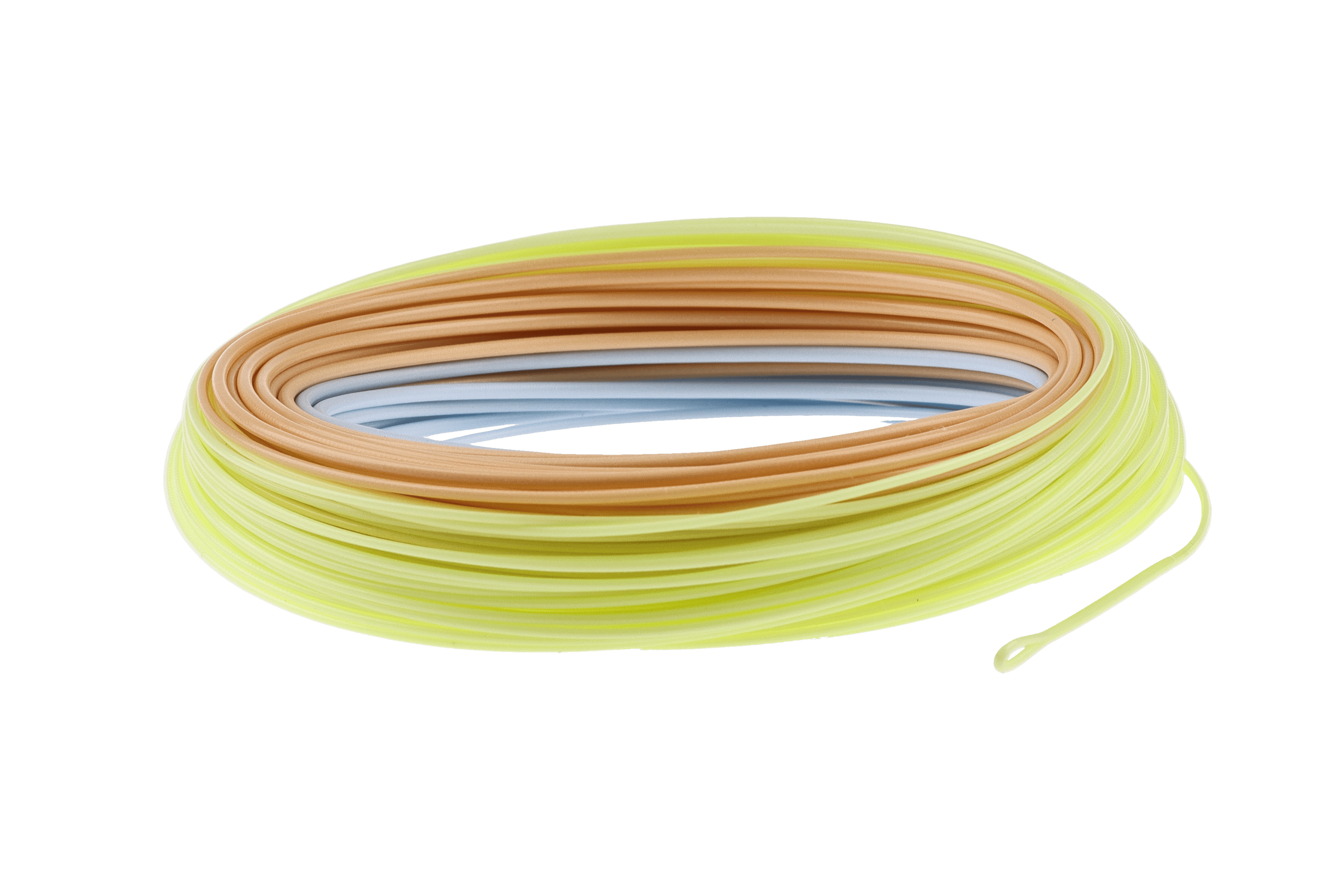
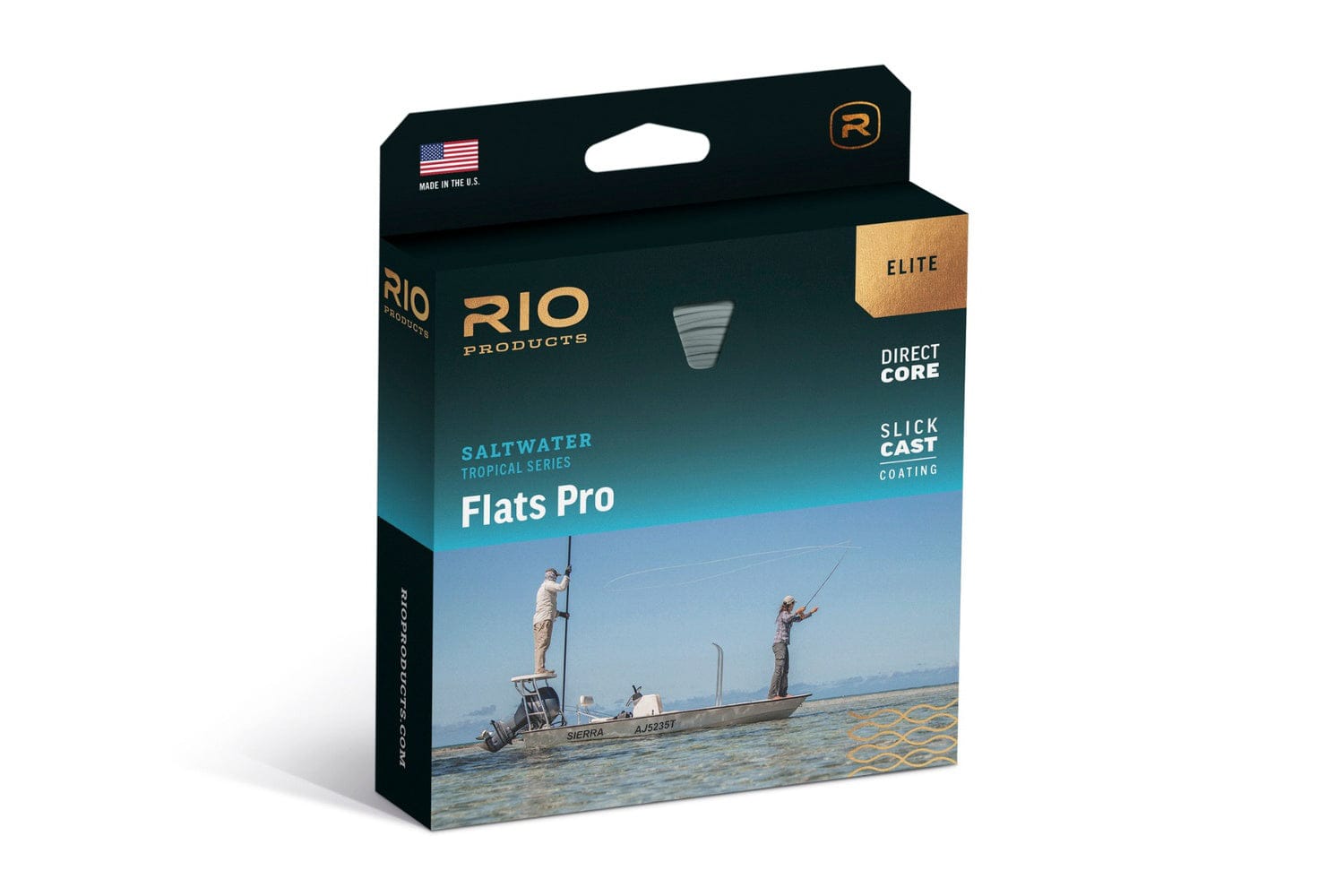
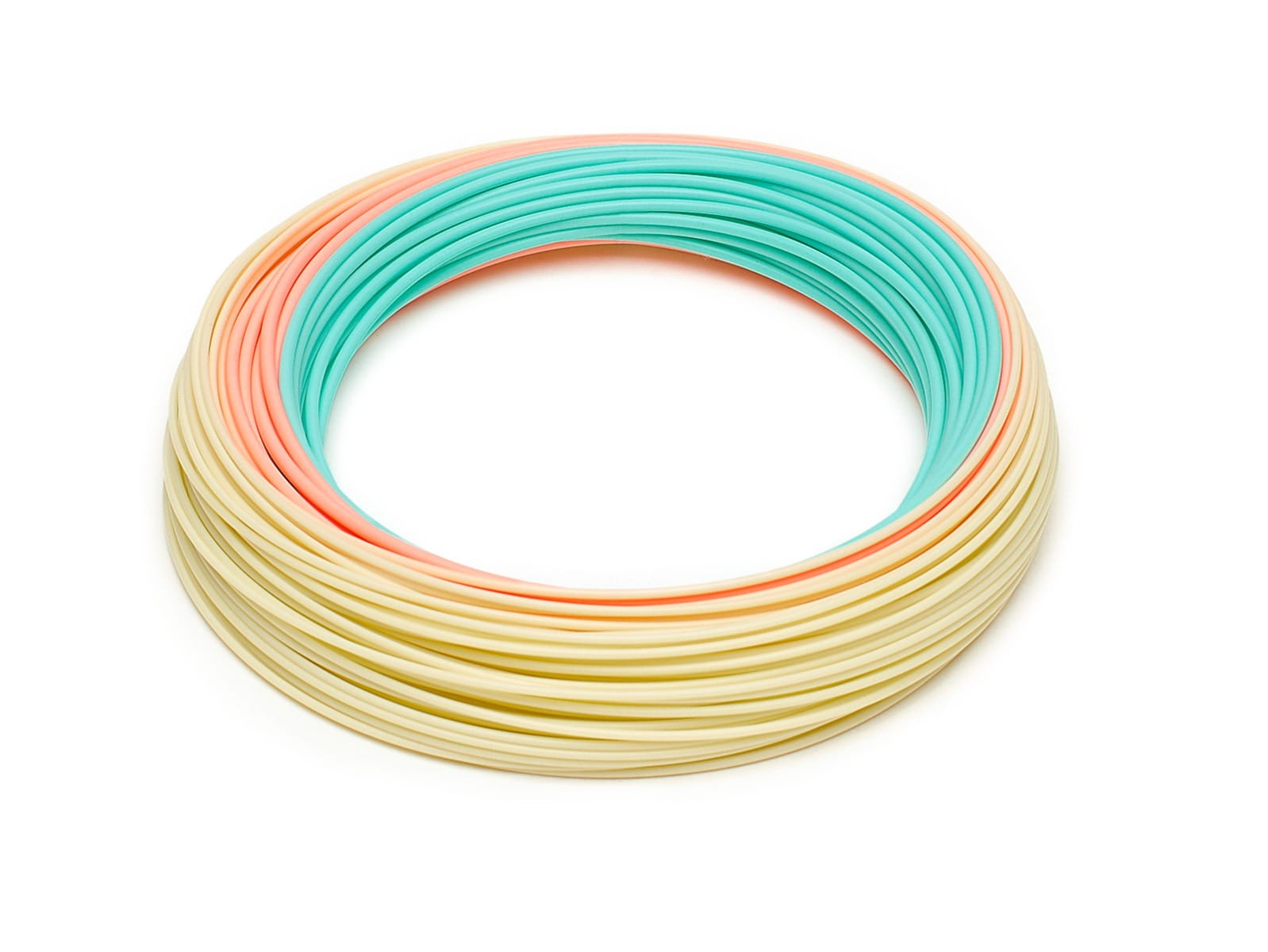


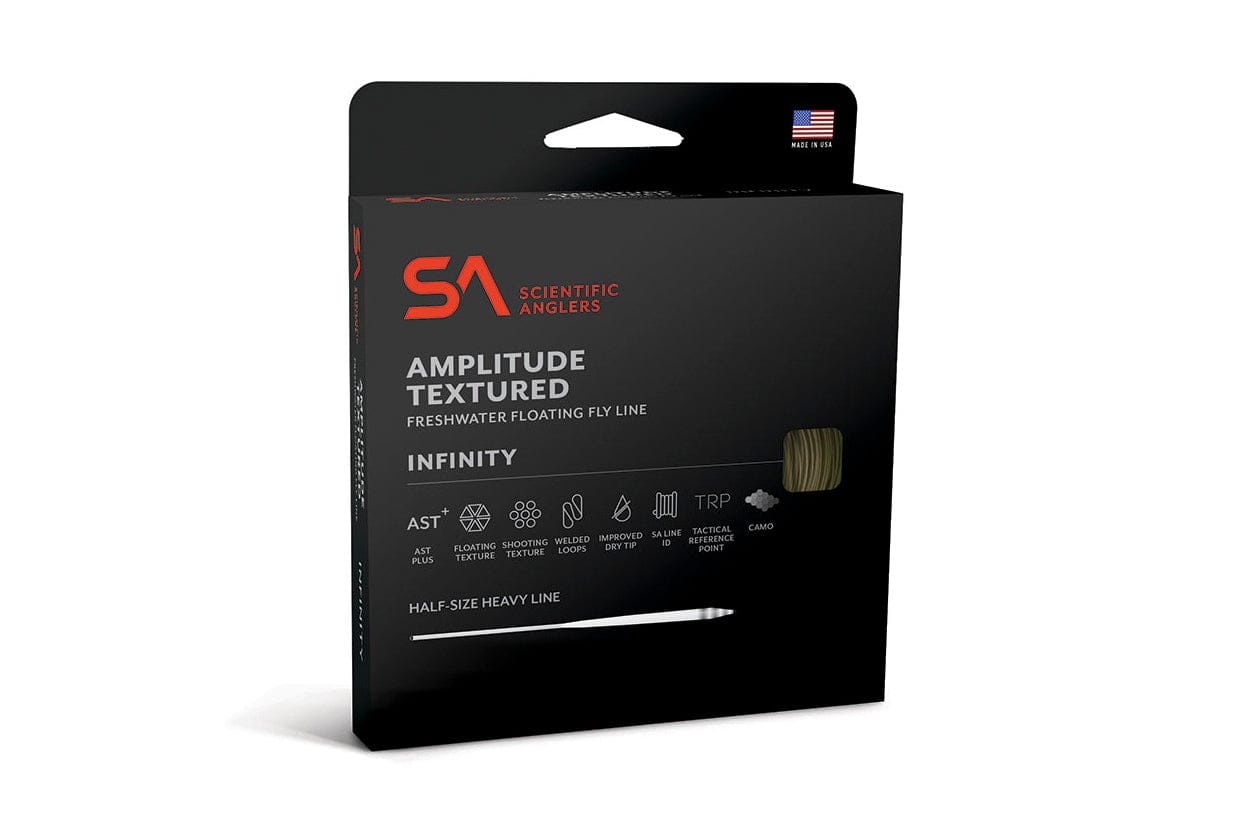
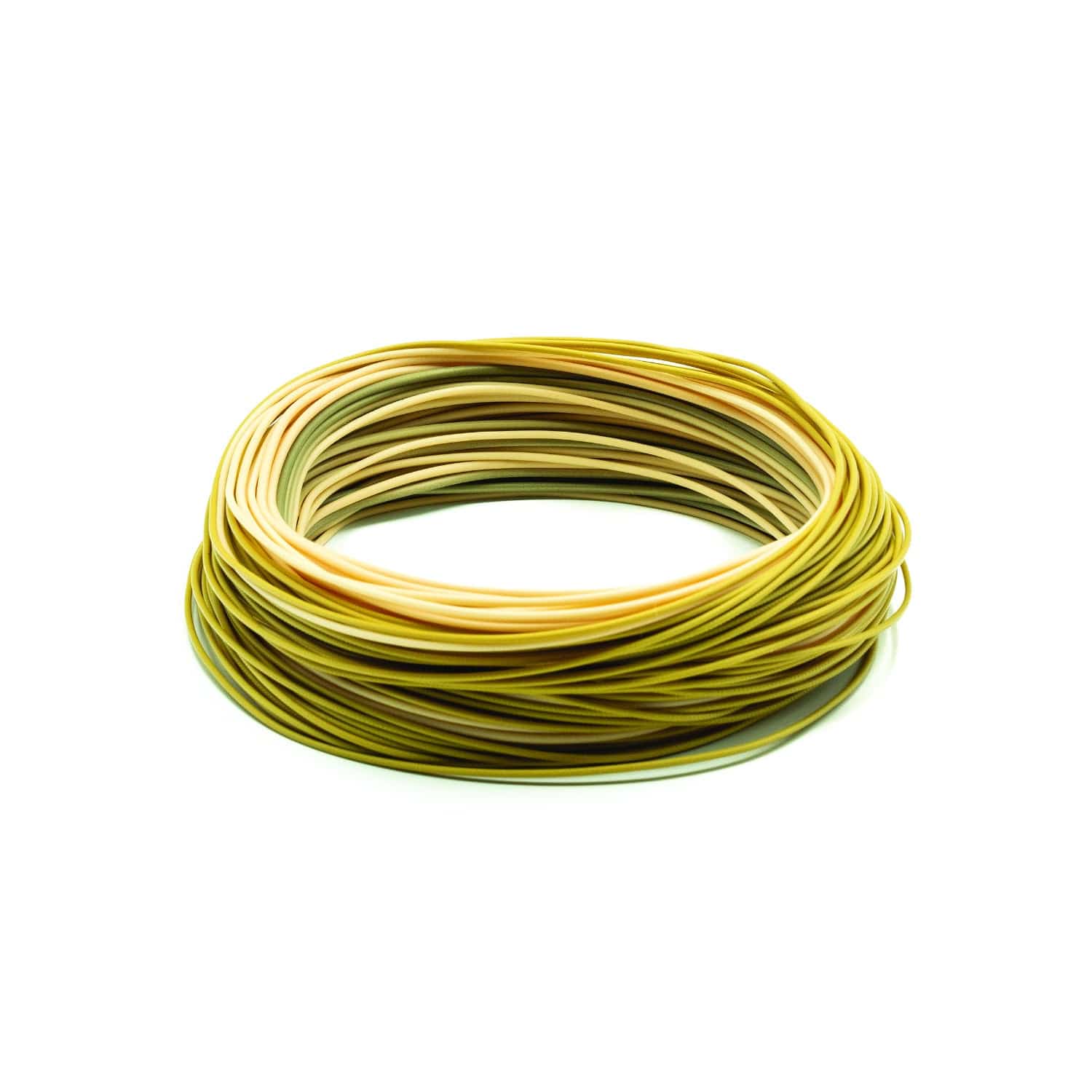
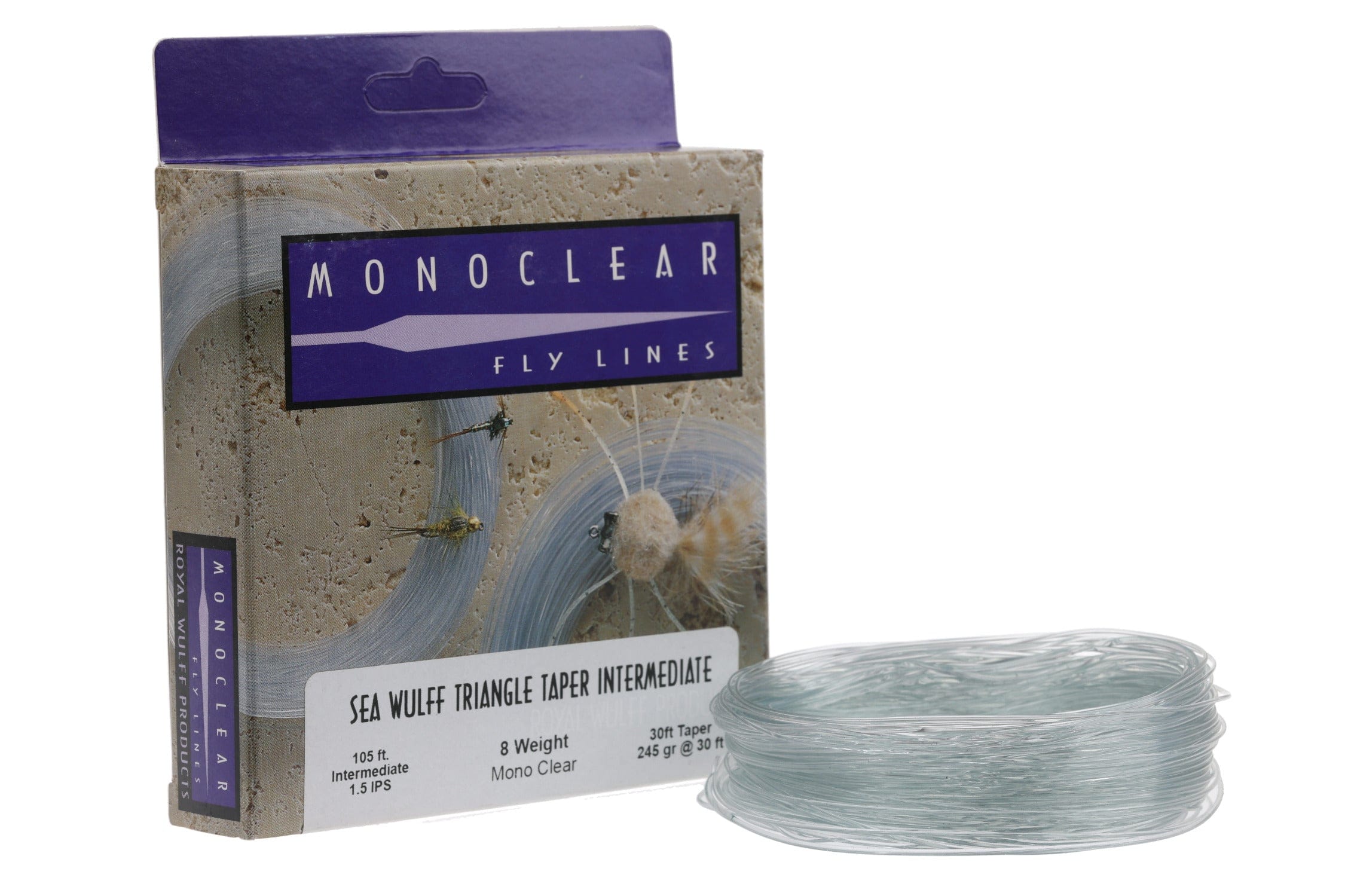
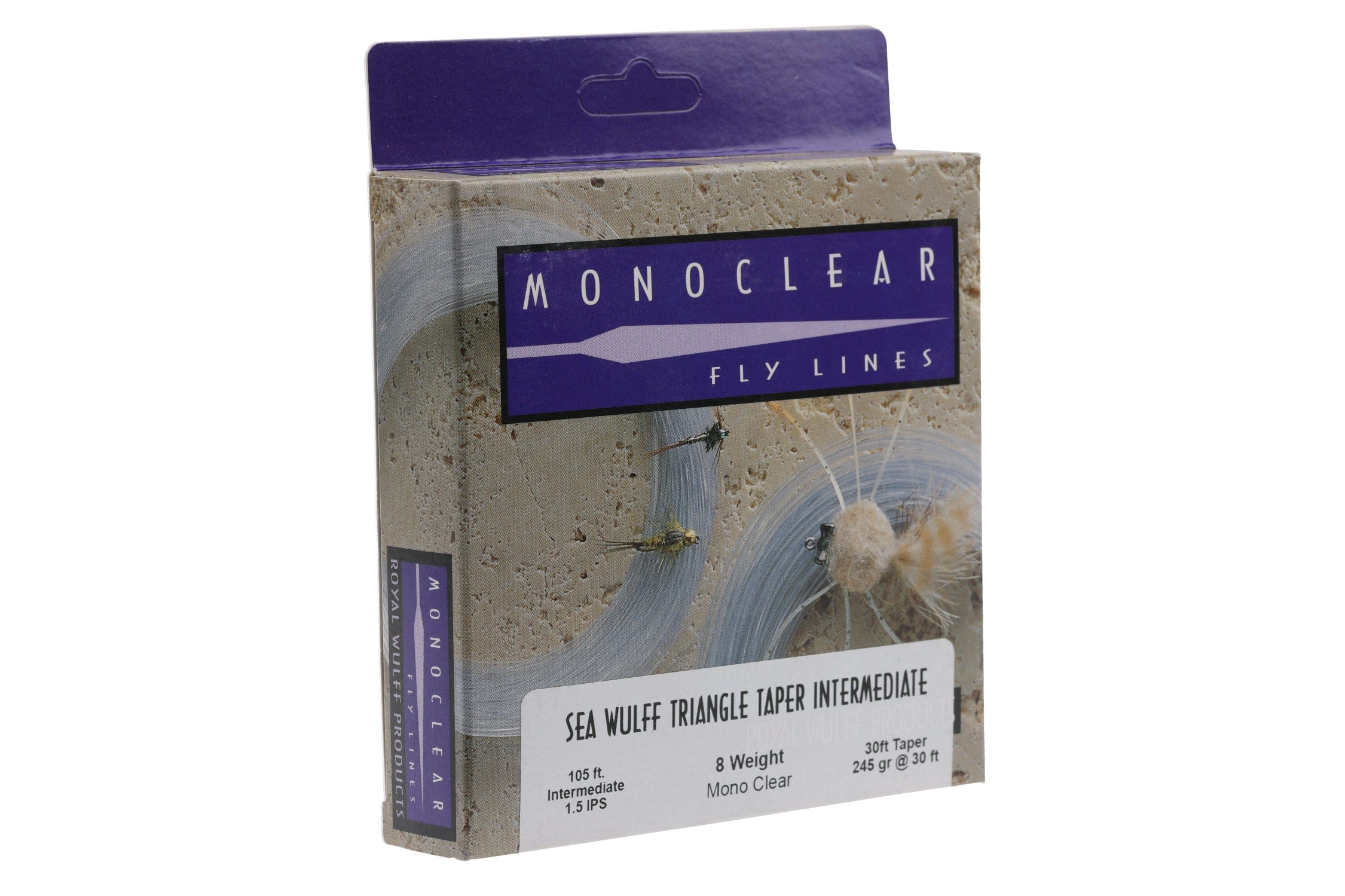


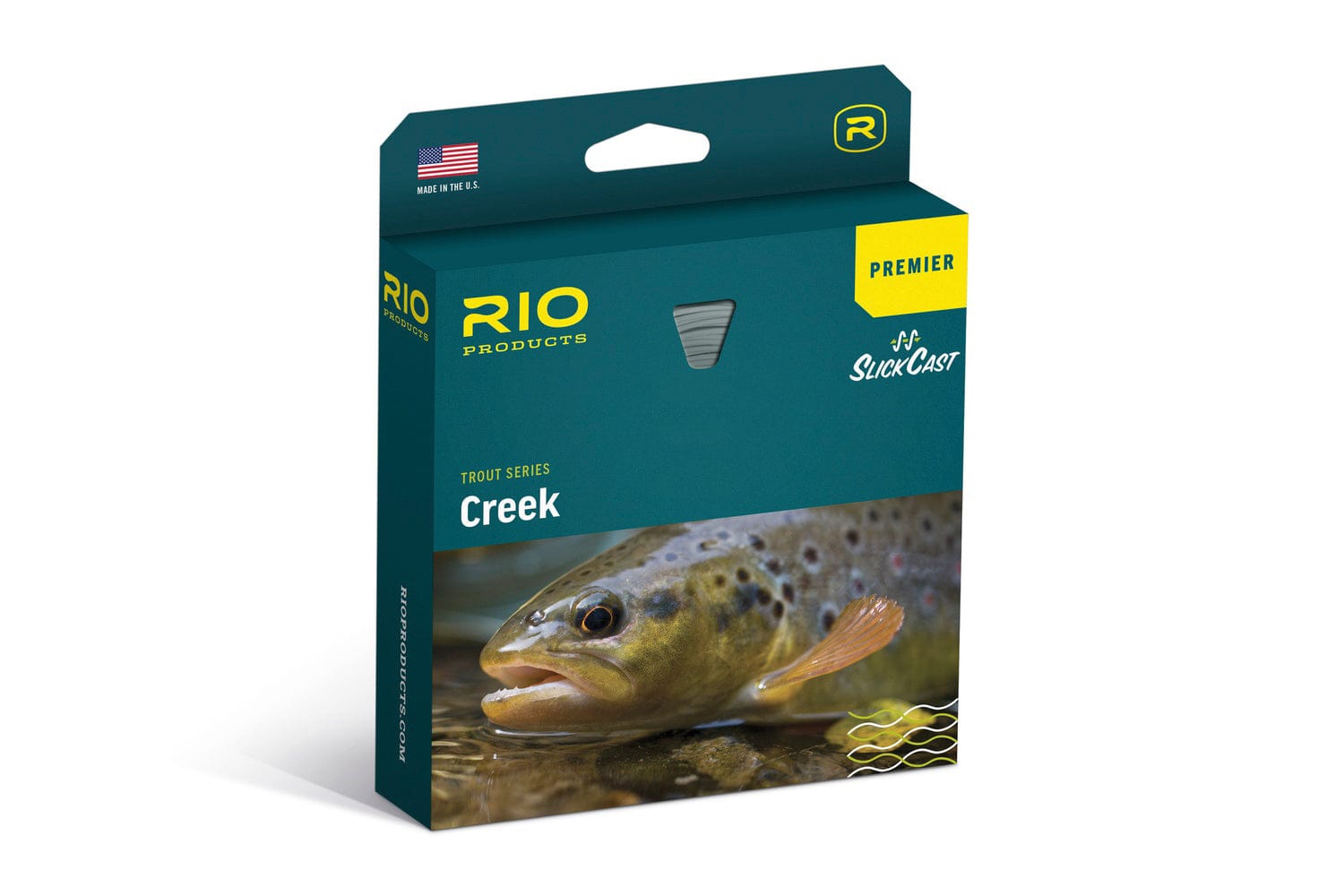


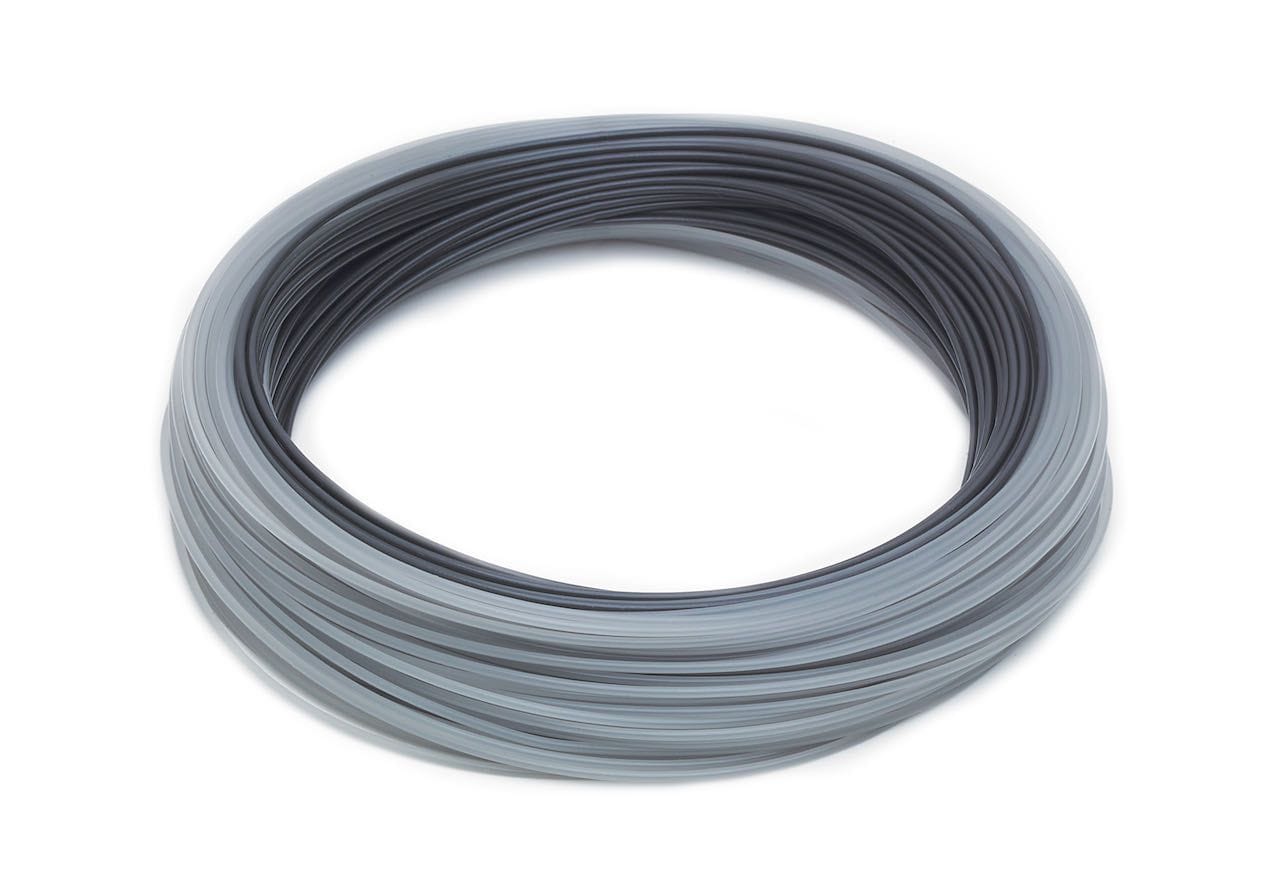
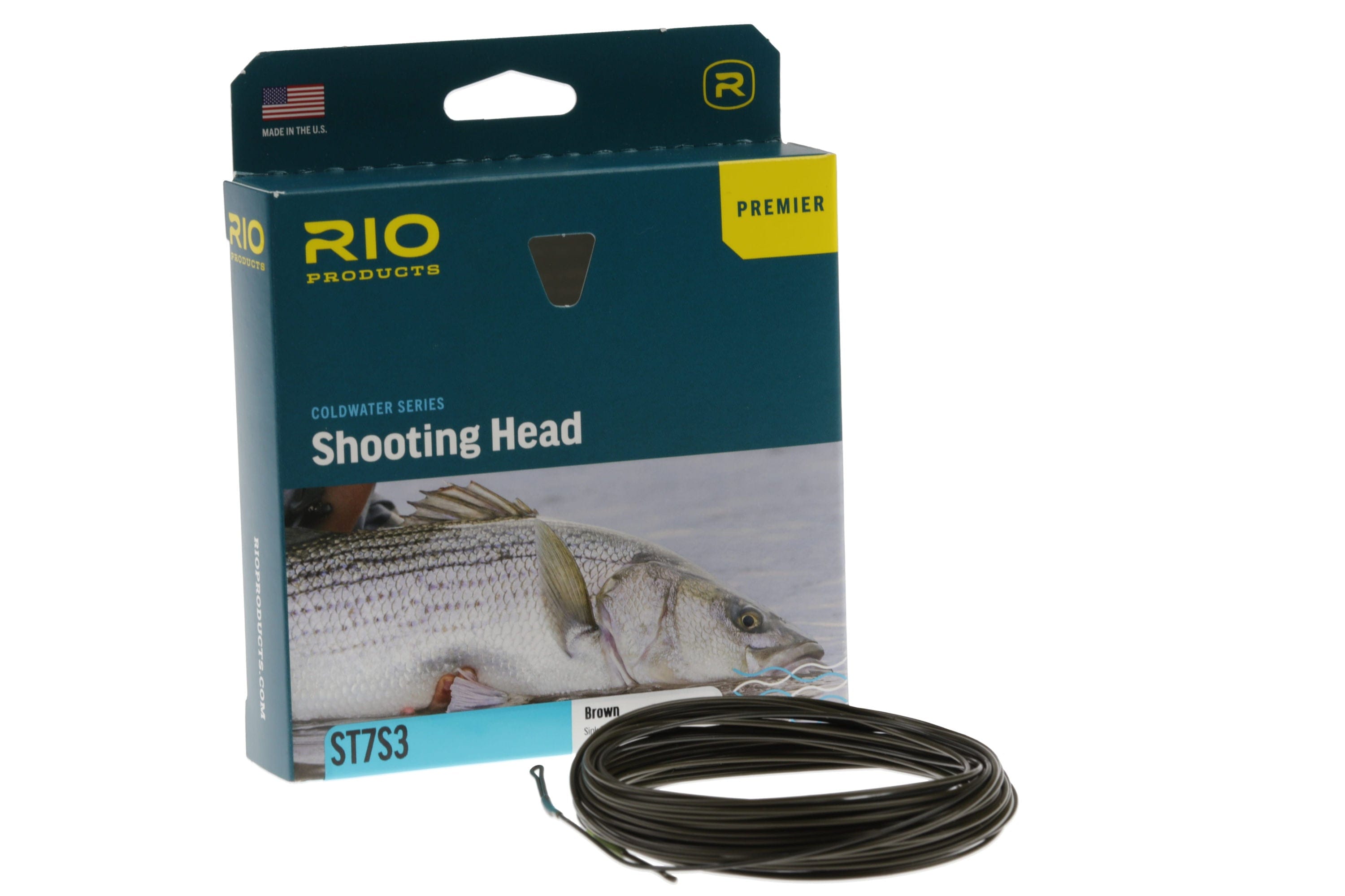
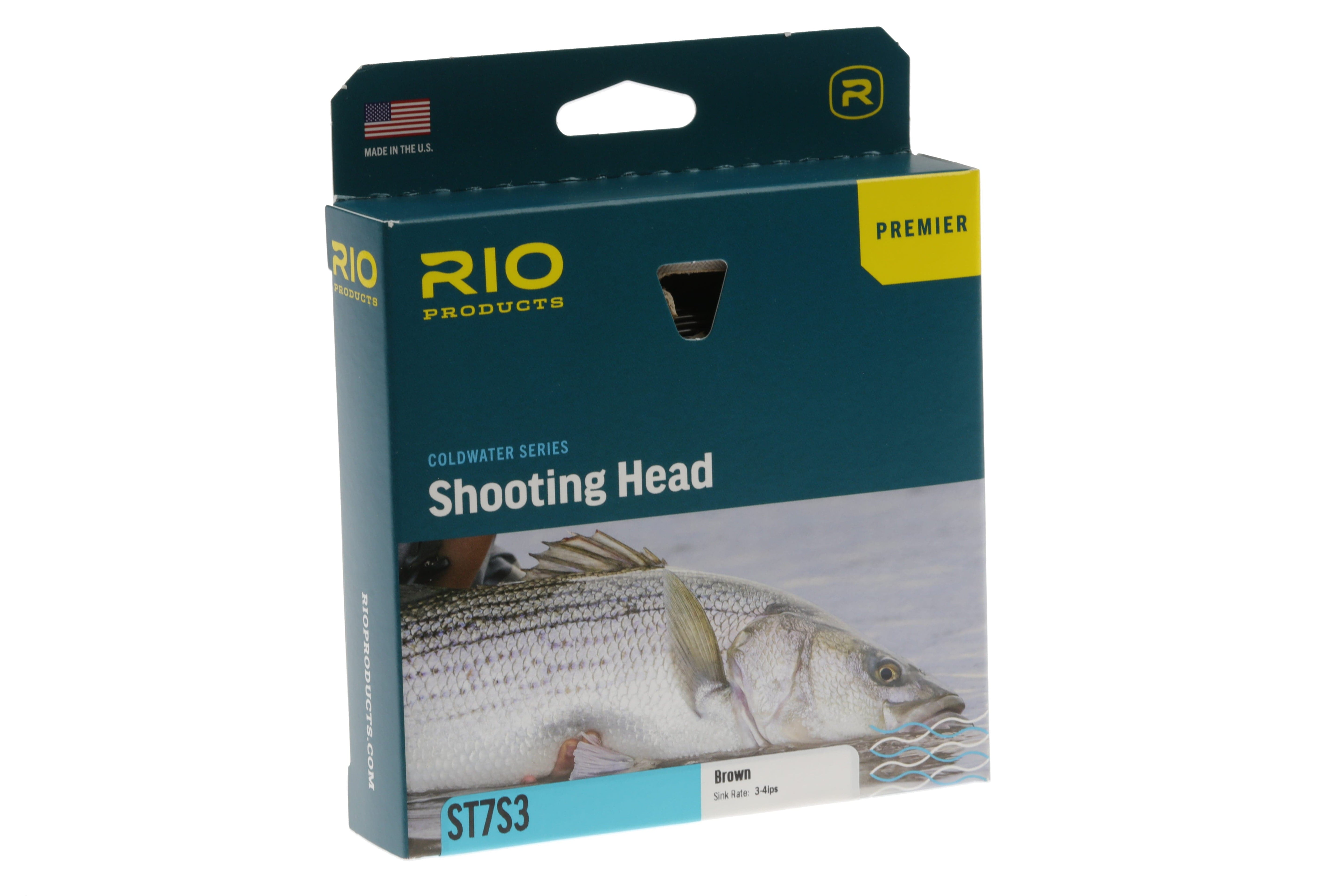
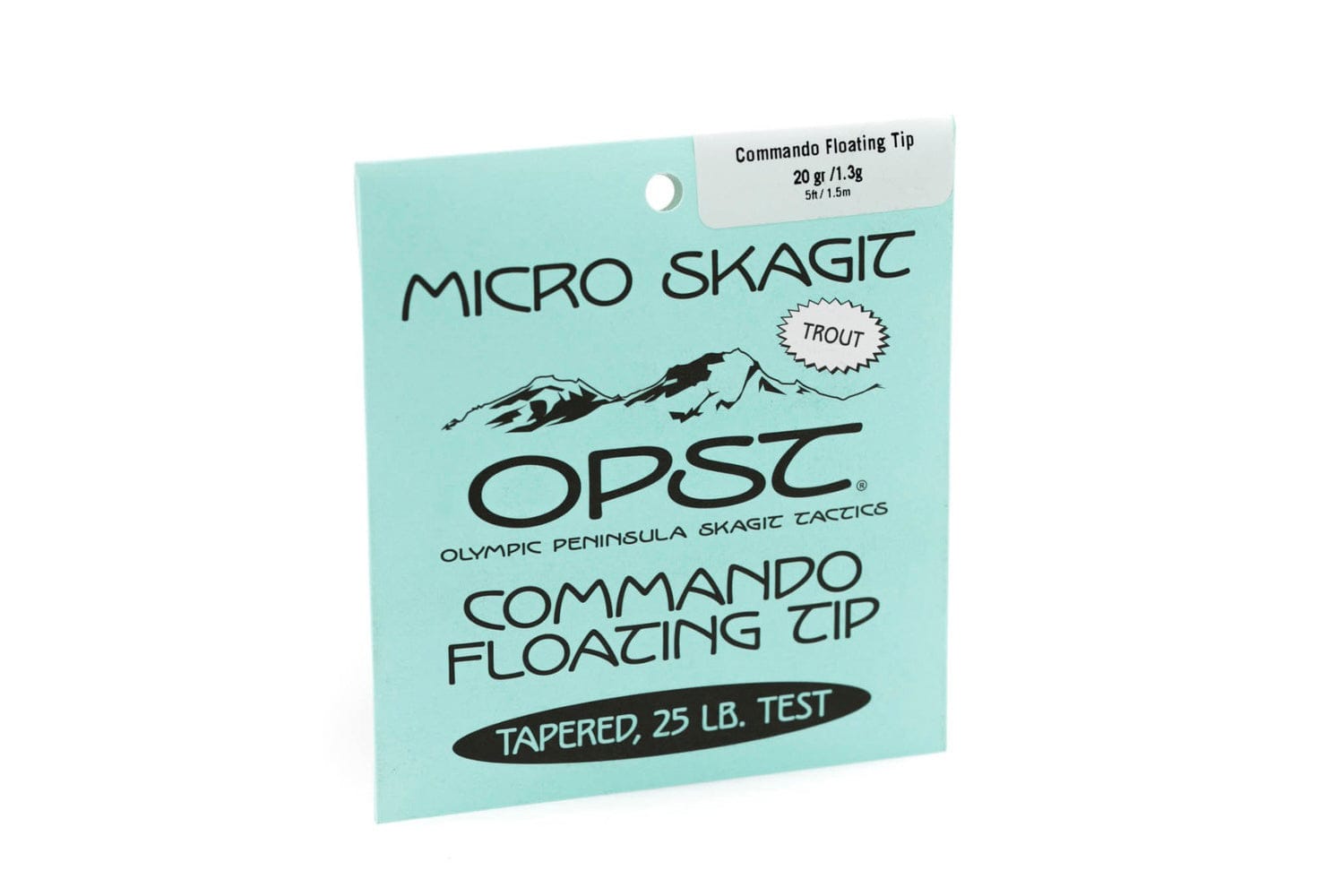


Fly Lines Quick Picks
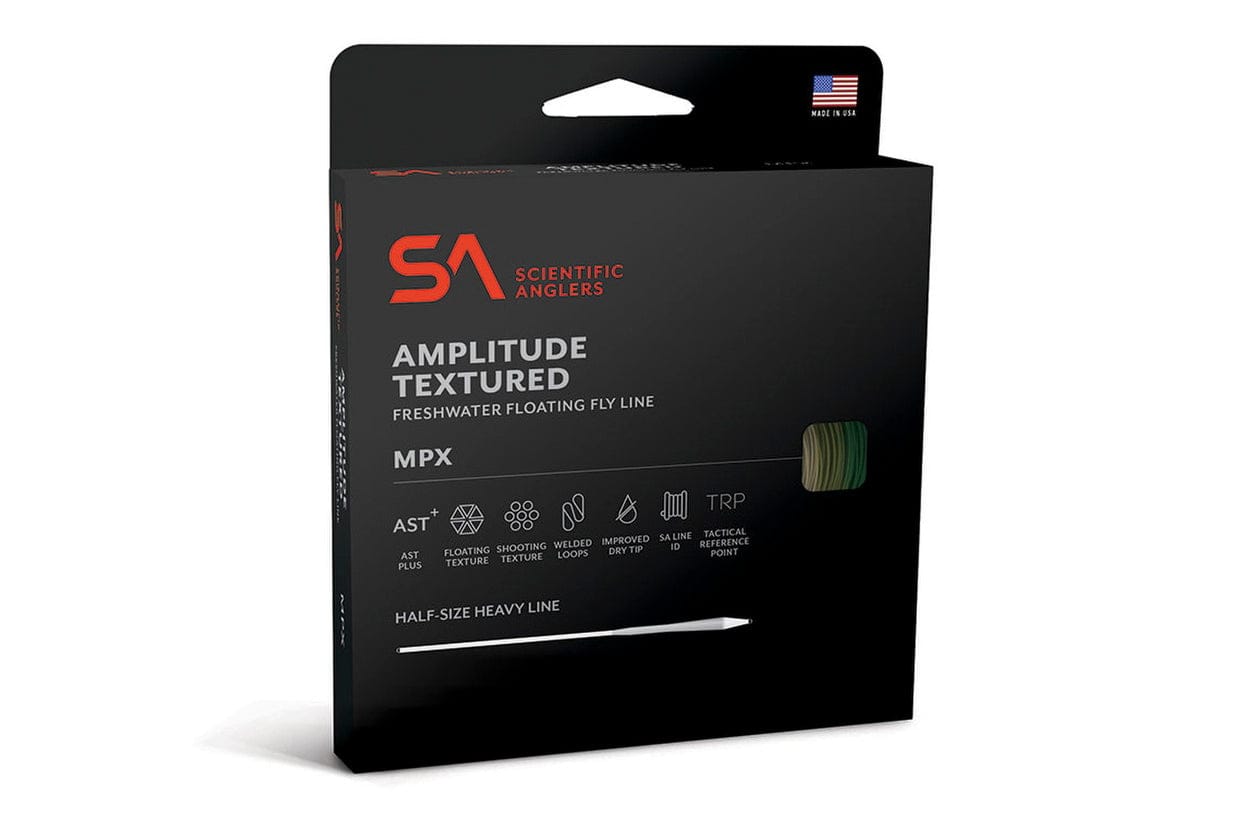
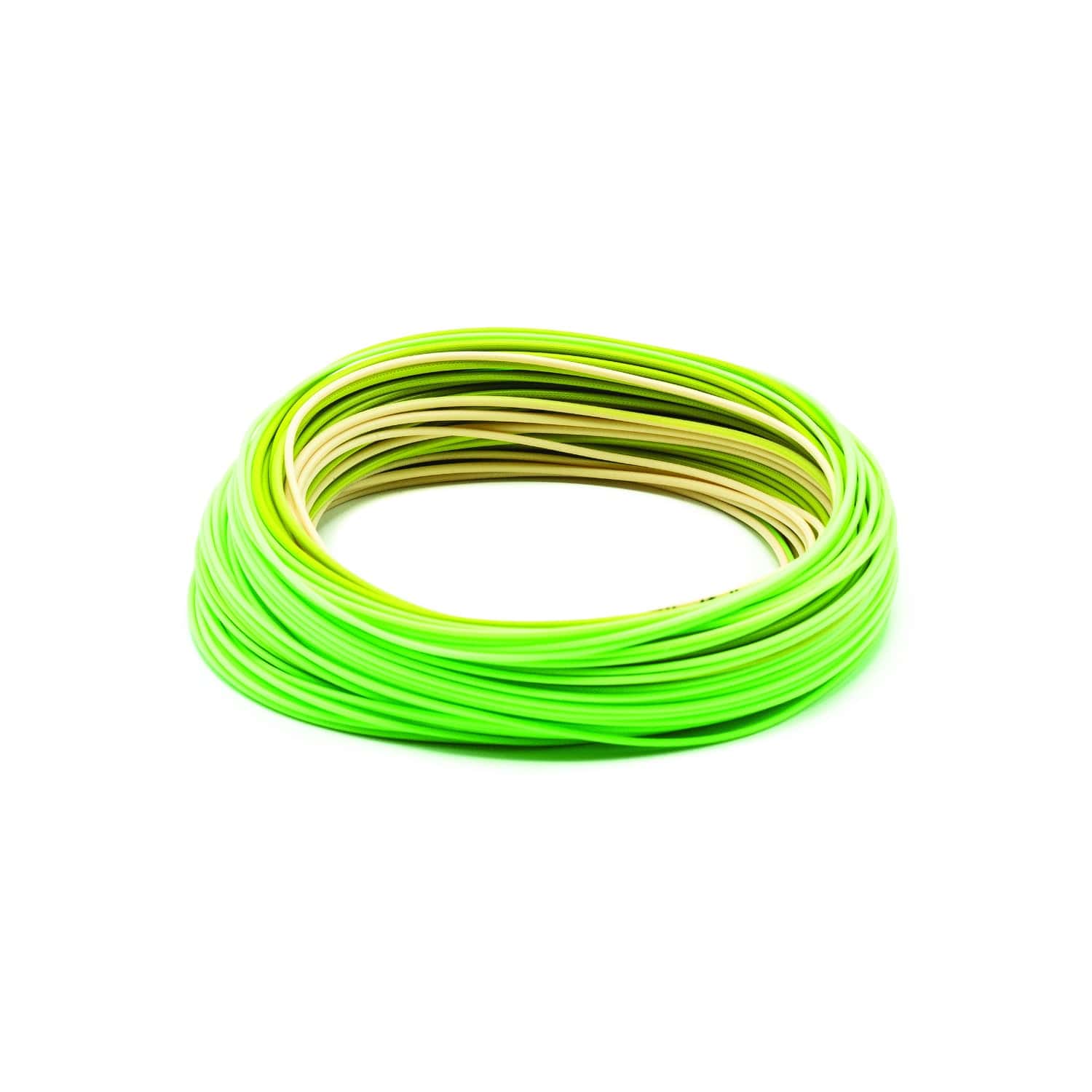
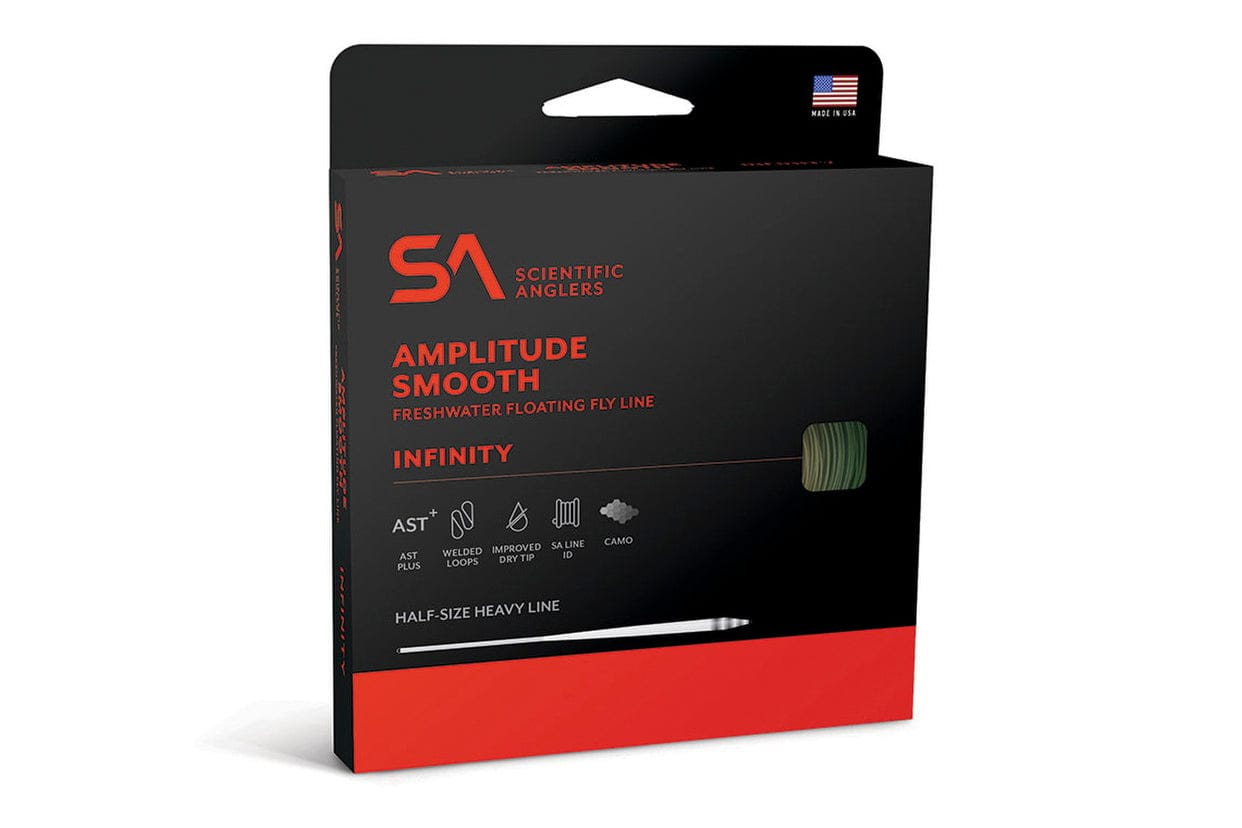
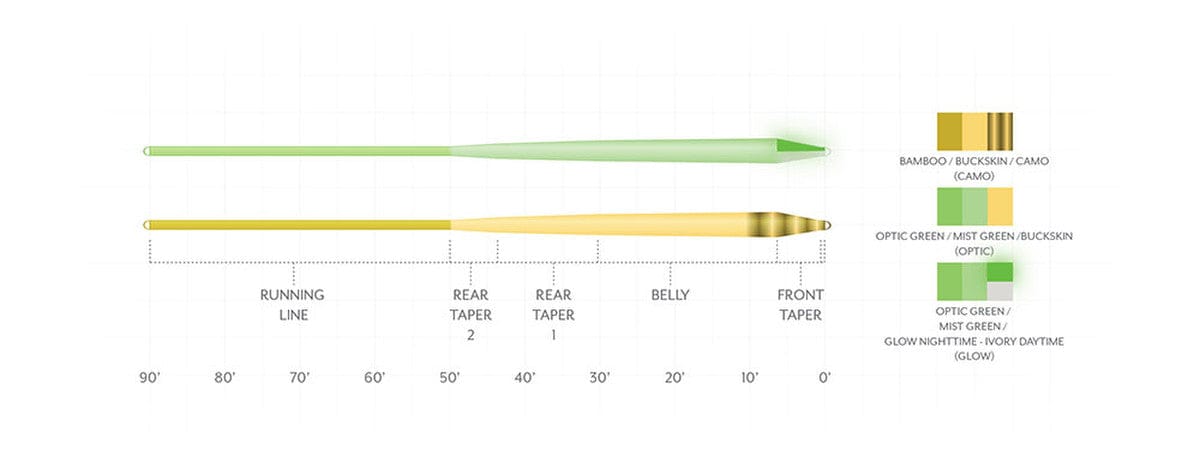
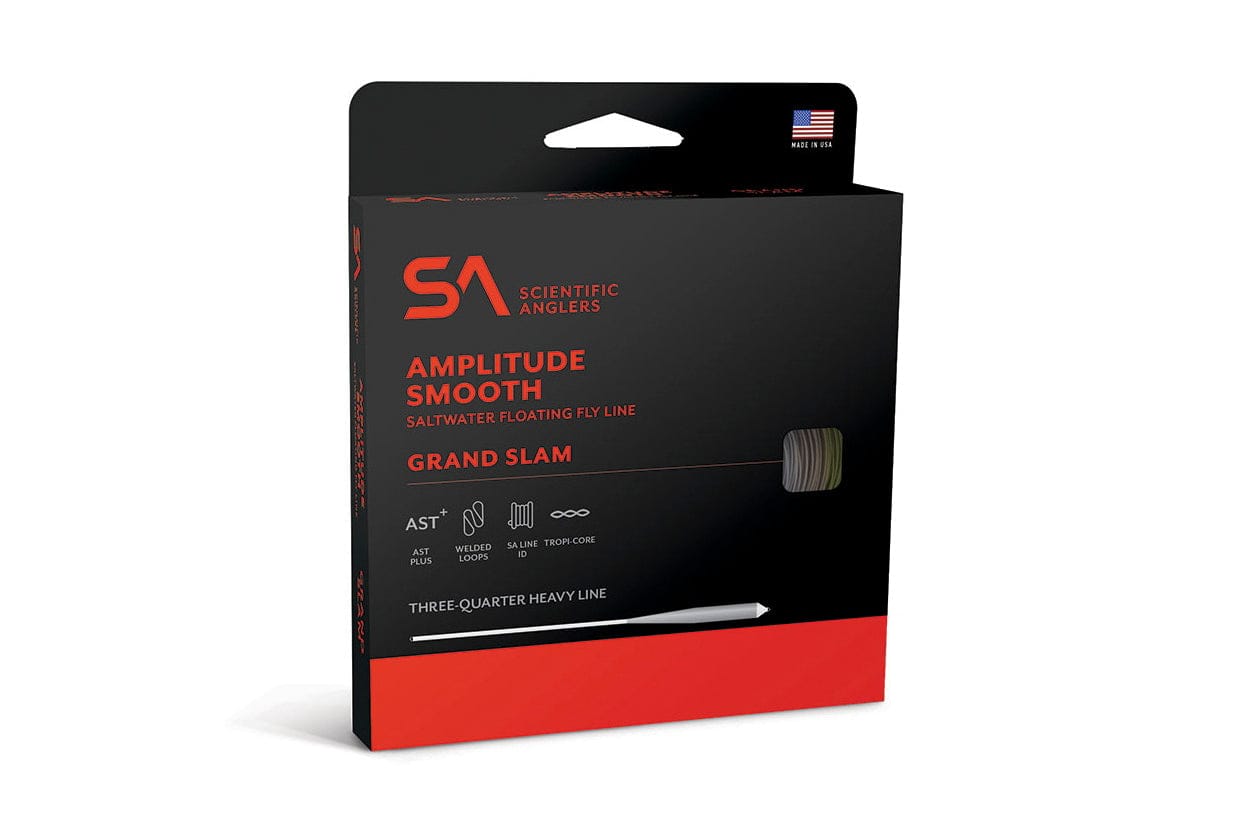
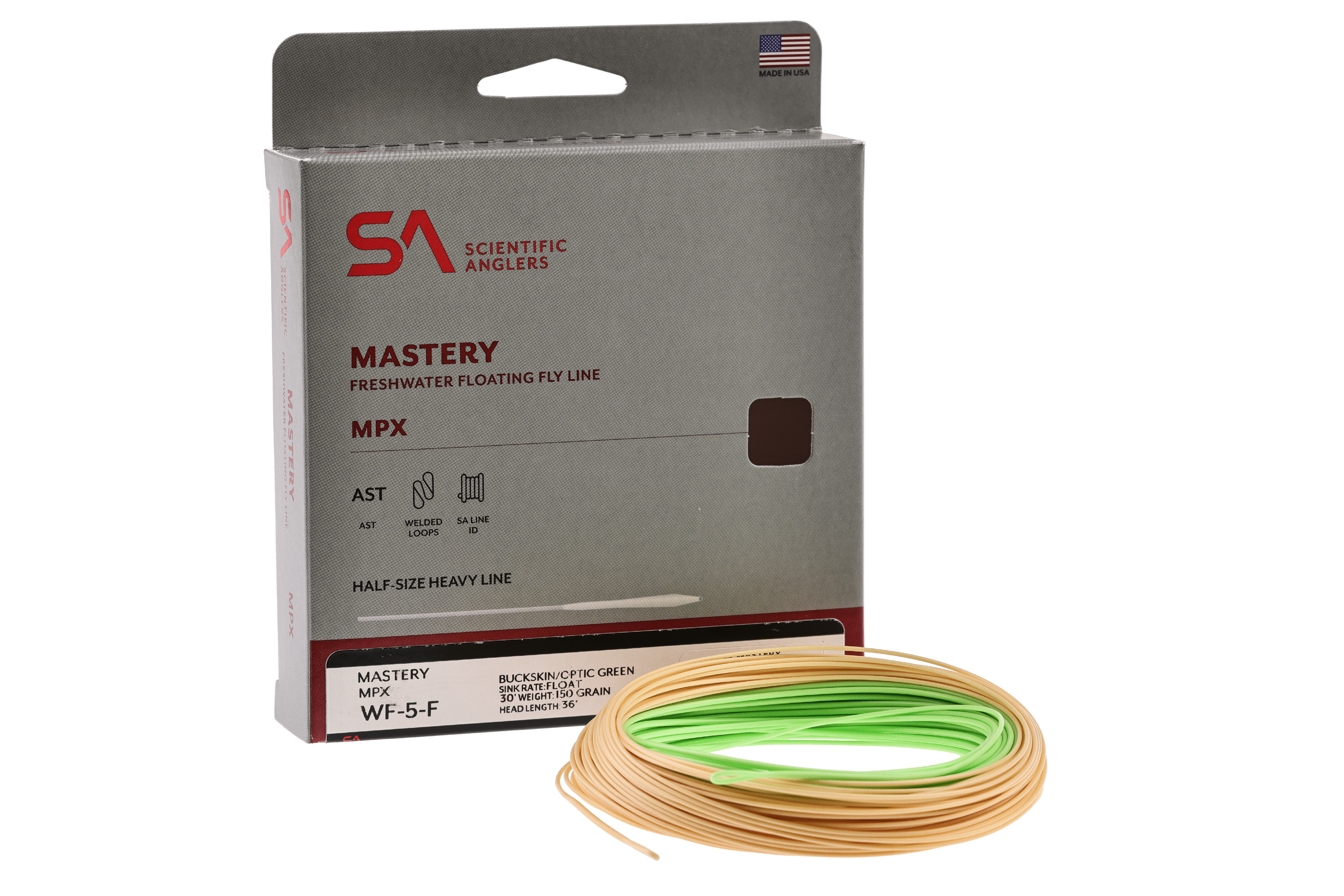
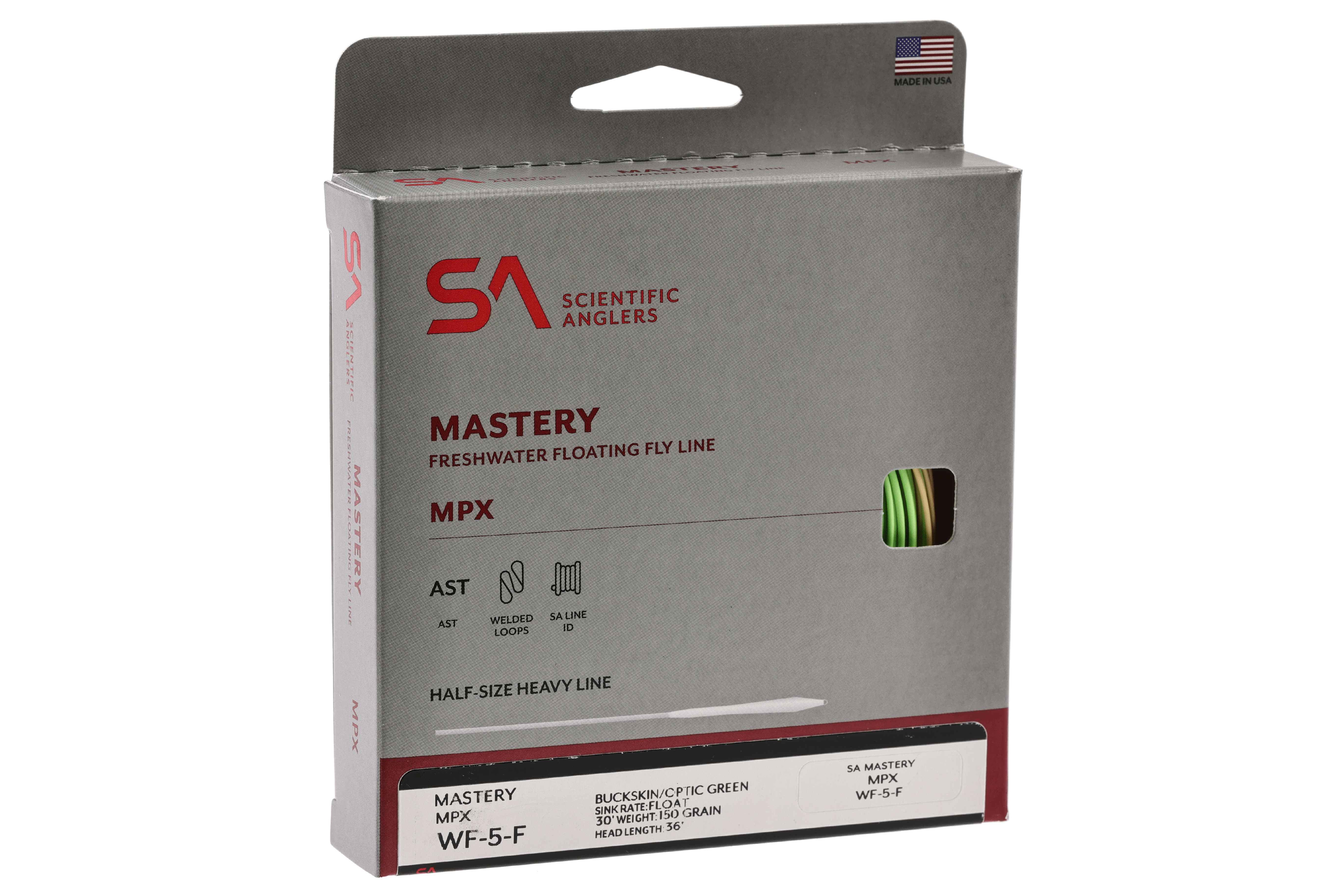
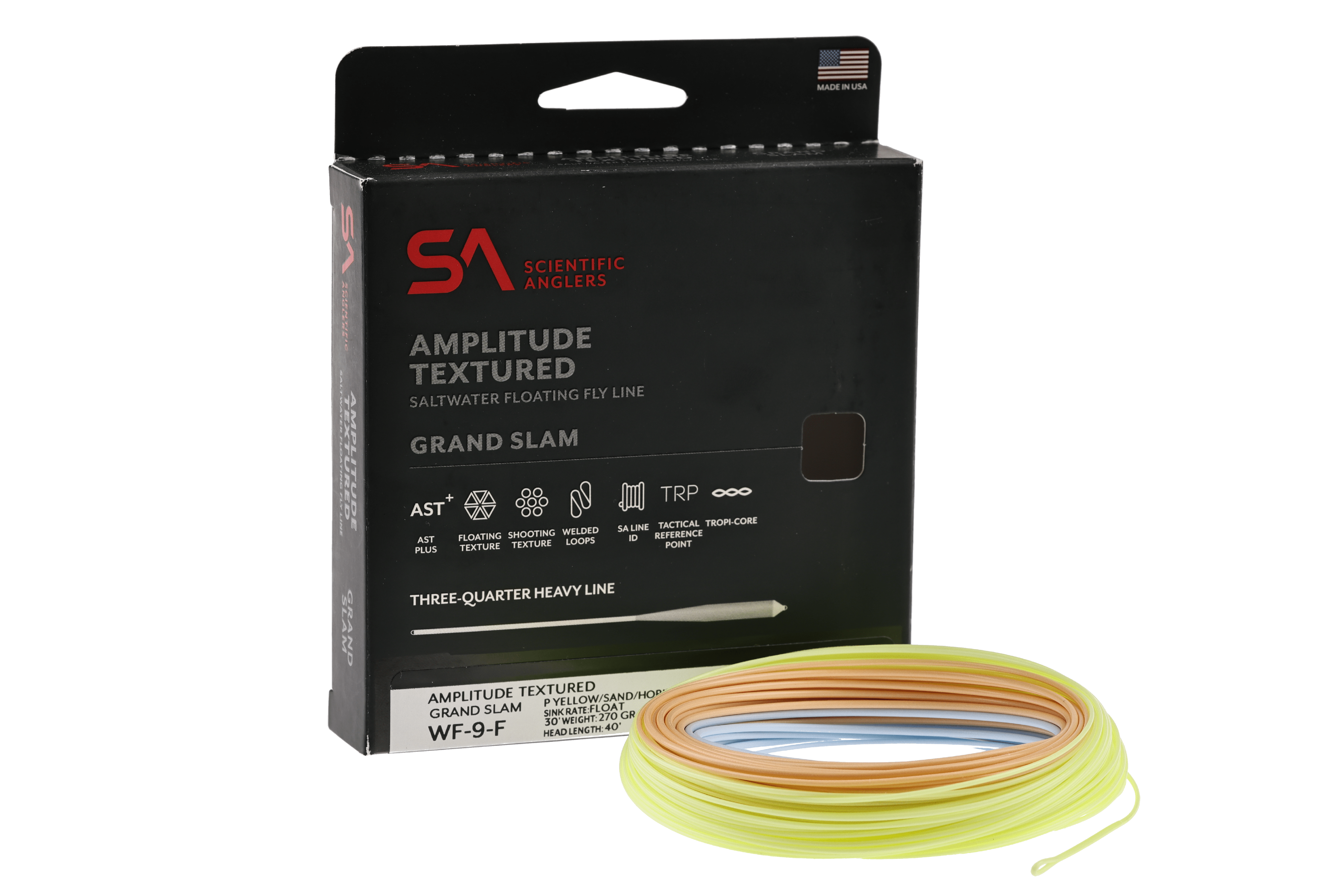
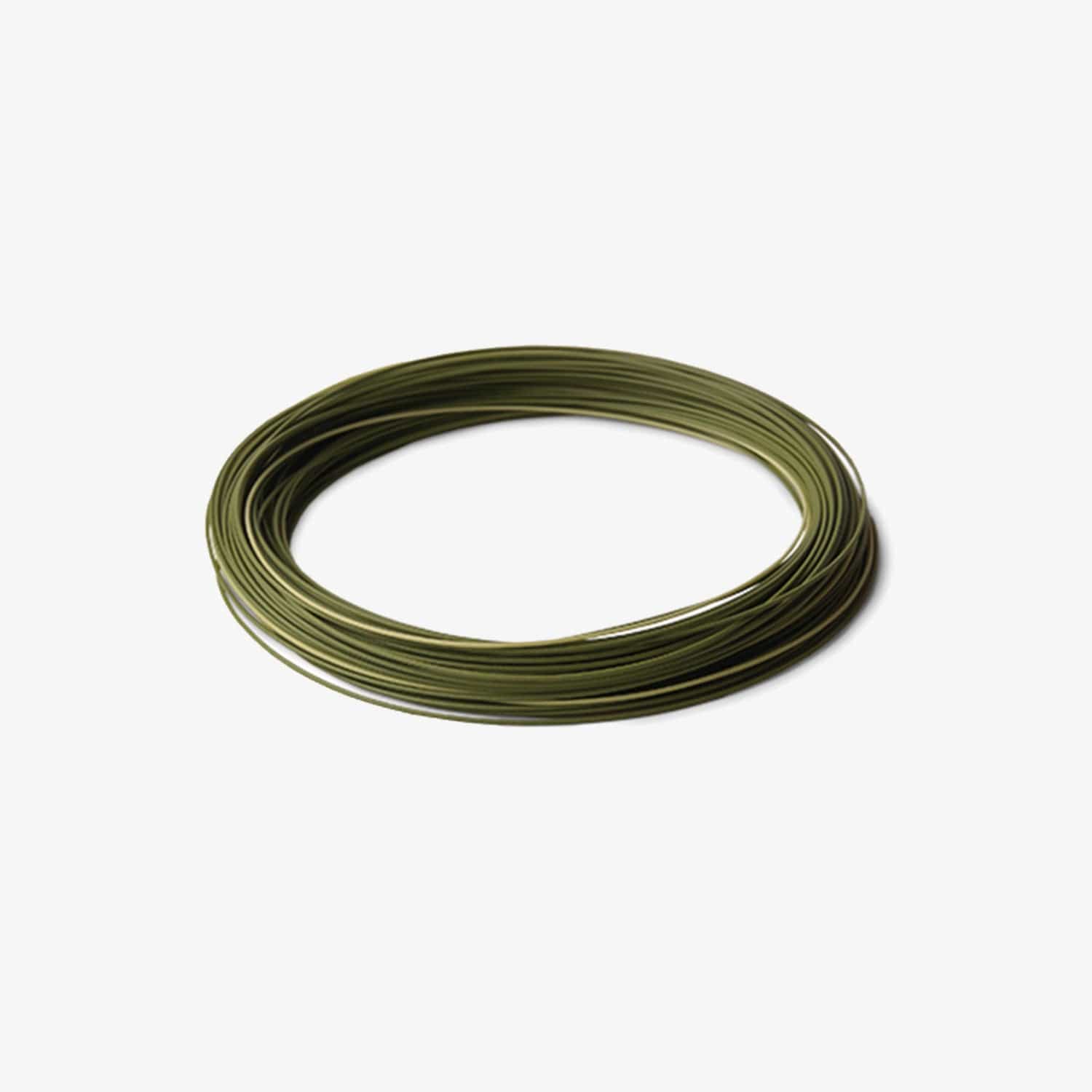
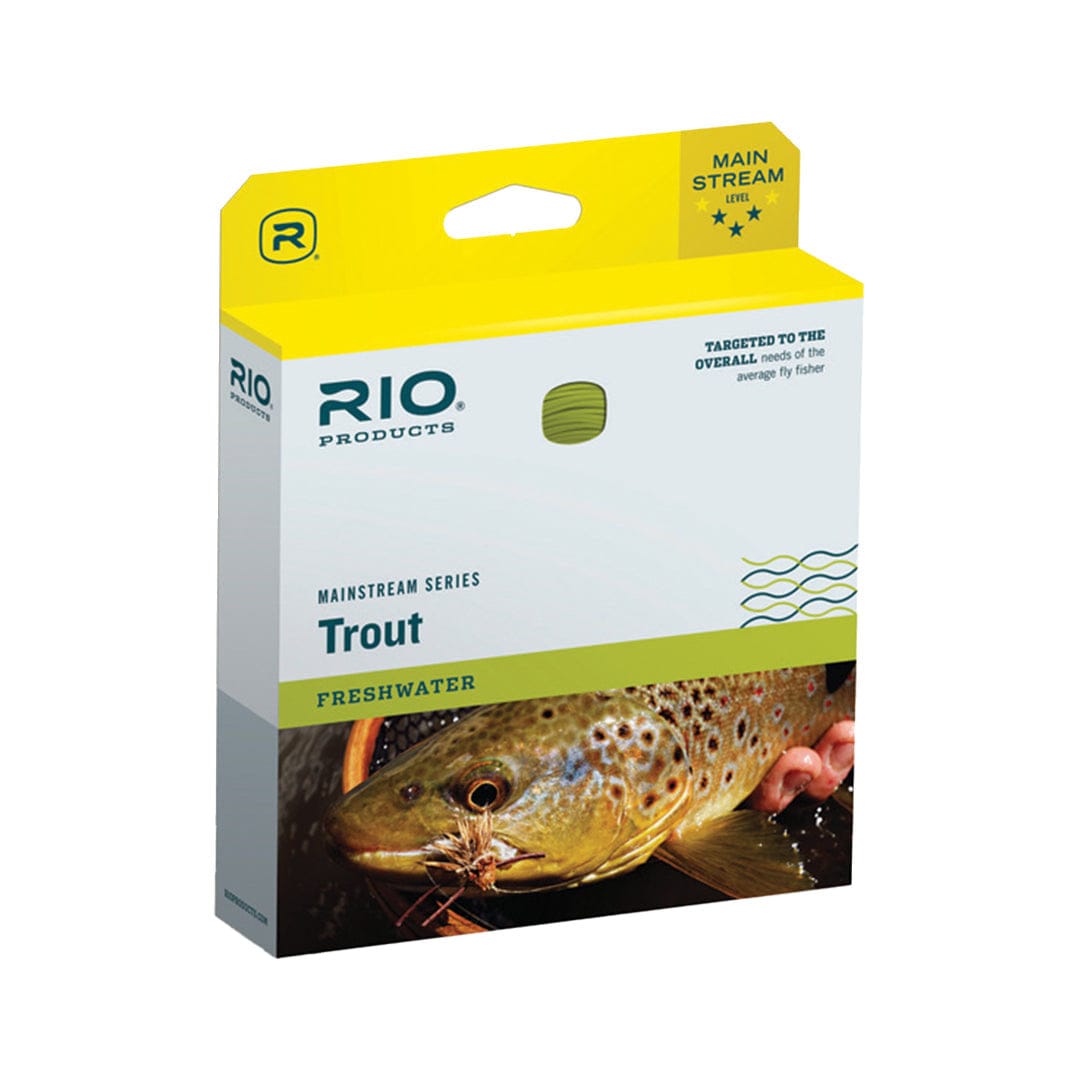
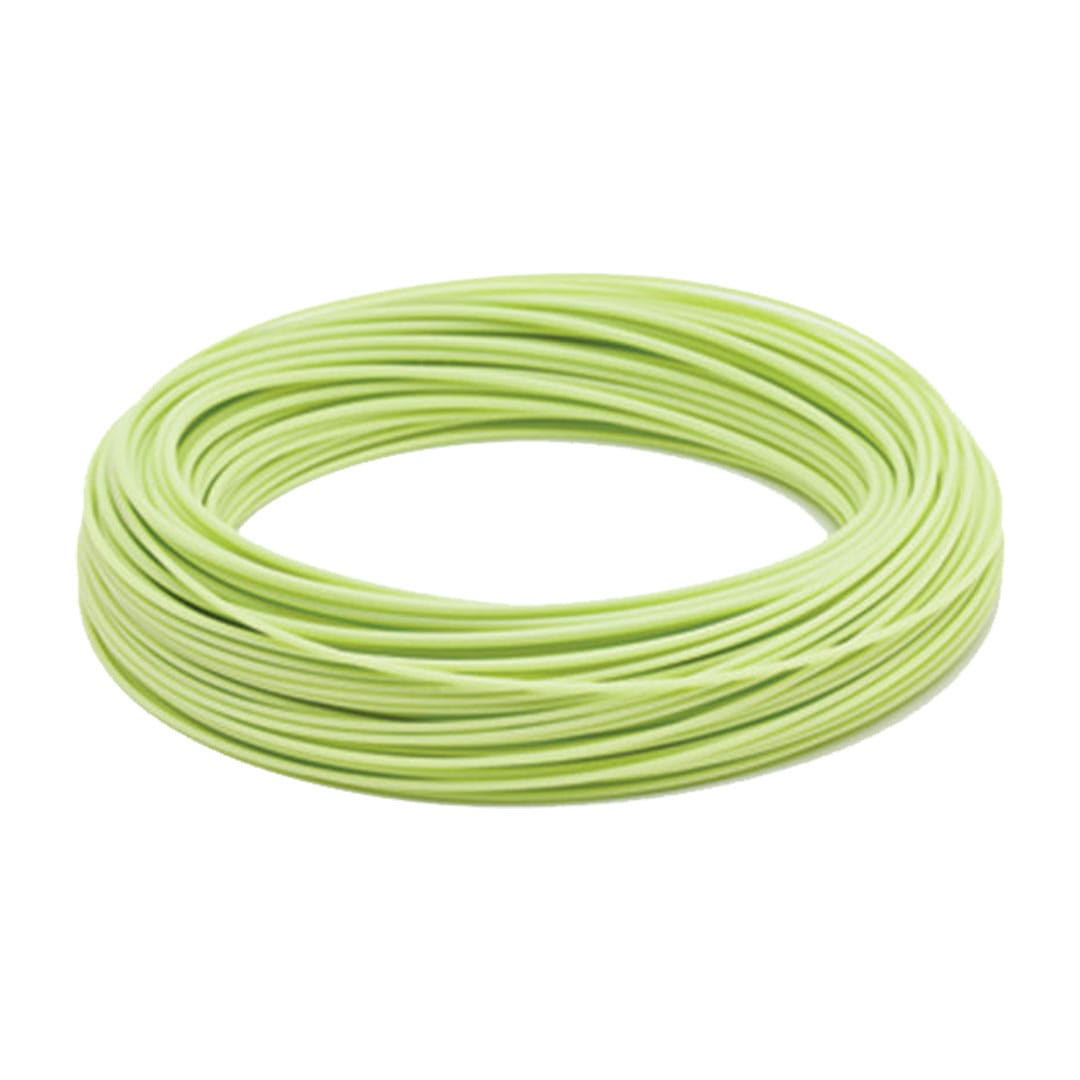
Best Overall Trout Line: Scientific Anglers Amplitude MPX - Designed for modern fast-action rods, this line features AST Plus technology for superior slickness and durability. Its half-size heavy taper loads rods quickly and turns over large flies with ease.
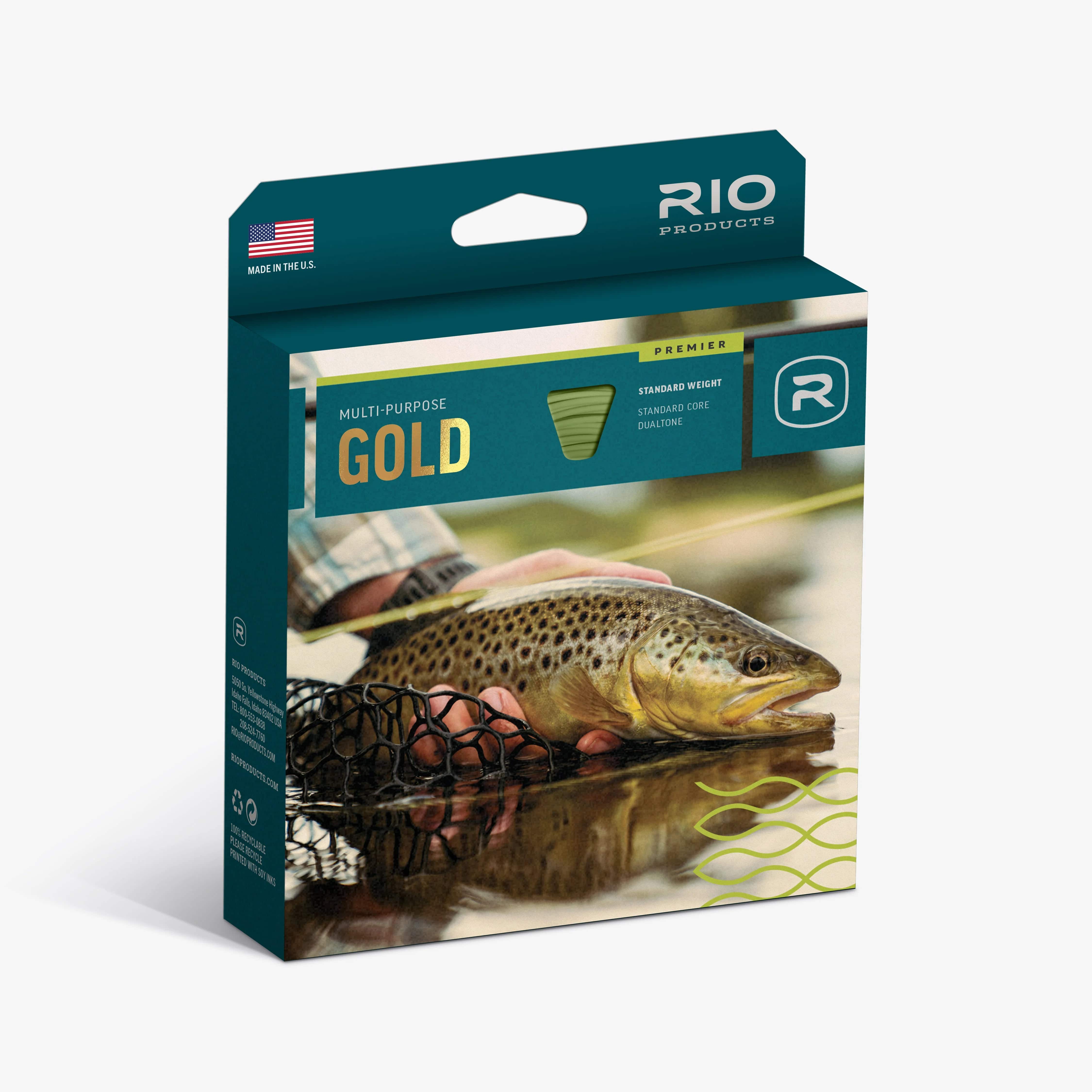
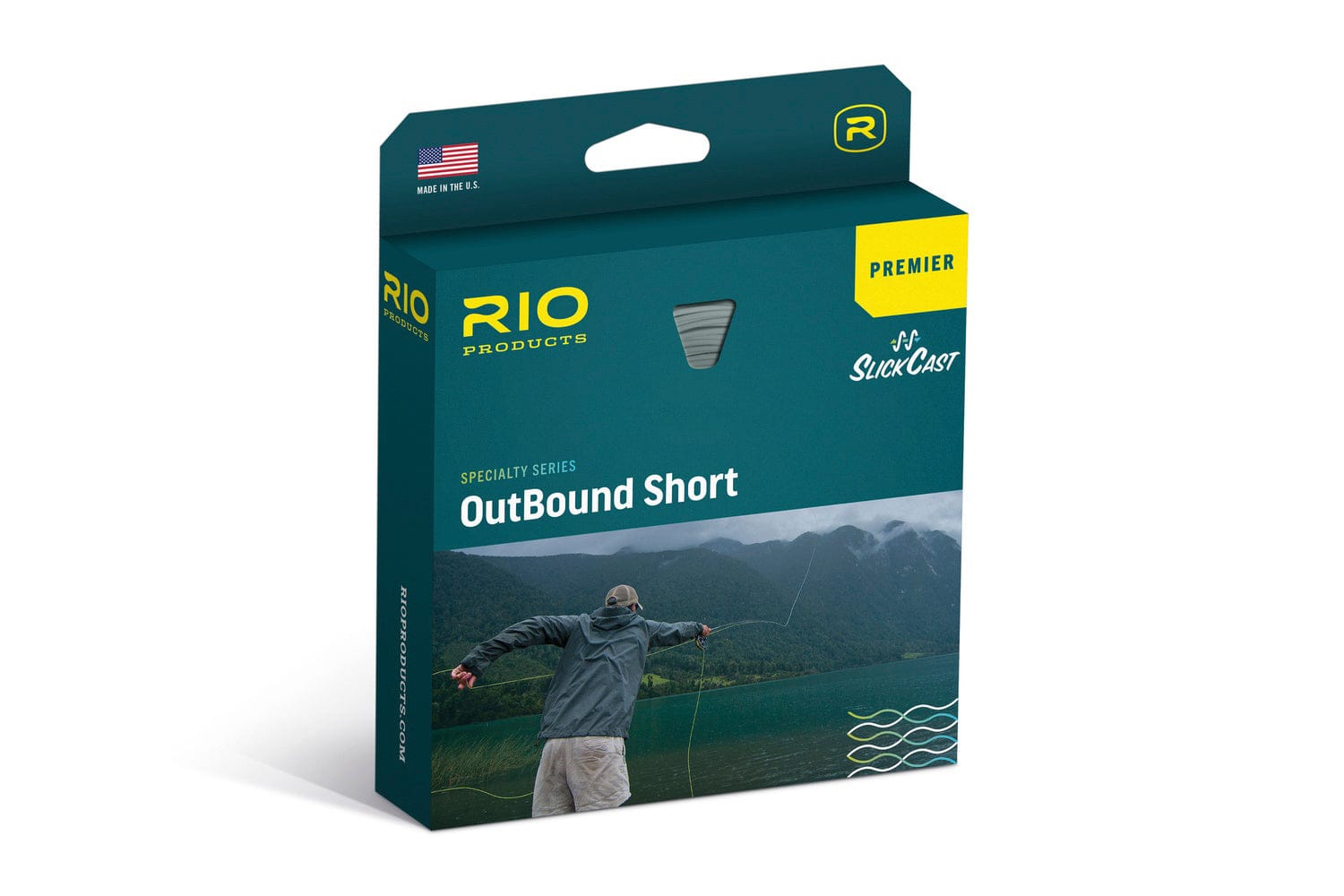
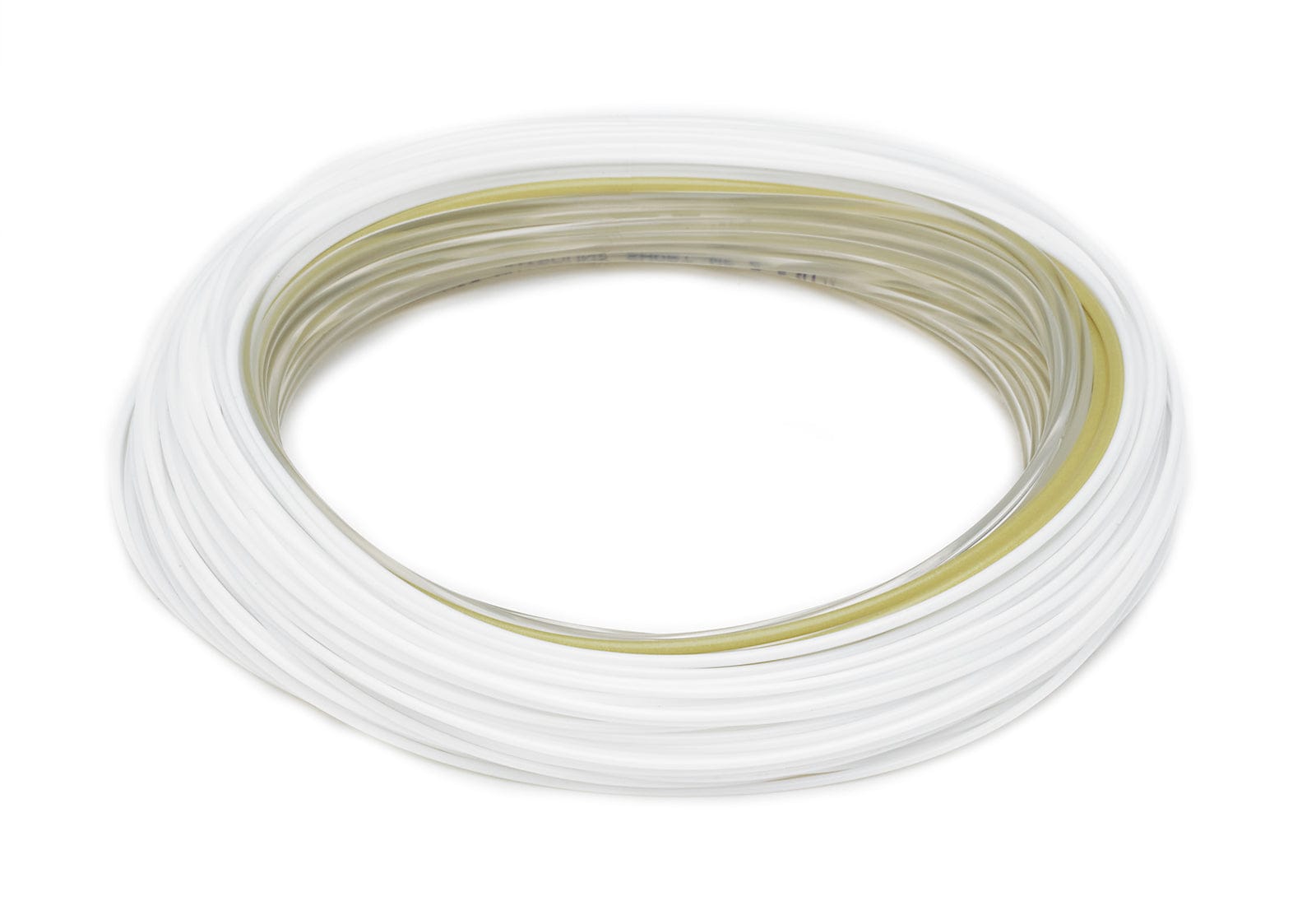
Best All-Around Performance: Rio Gold Premier - A legendary taper that offers excellent loop stability and range for trout anglers. The SlickCast coating ensures it shoots smoothly and lasts longer than traditional PVC lines.
Best Value: Scientific Anglers Frequency Trout - Delivers reliable performance and a versatile mid-length head at an accessible price point. Ideal for anglers who want quality casting mechanics without breaking the bank.
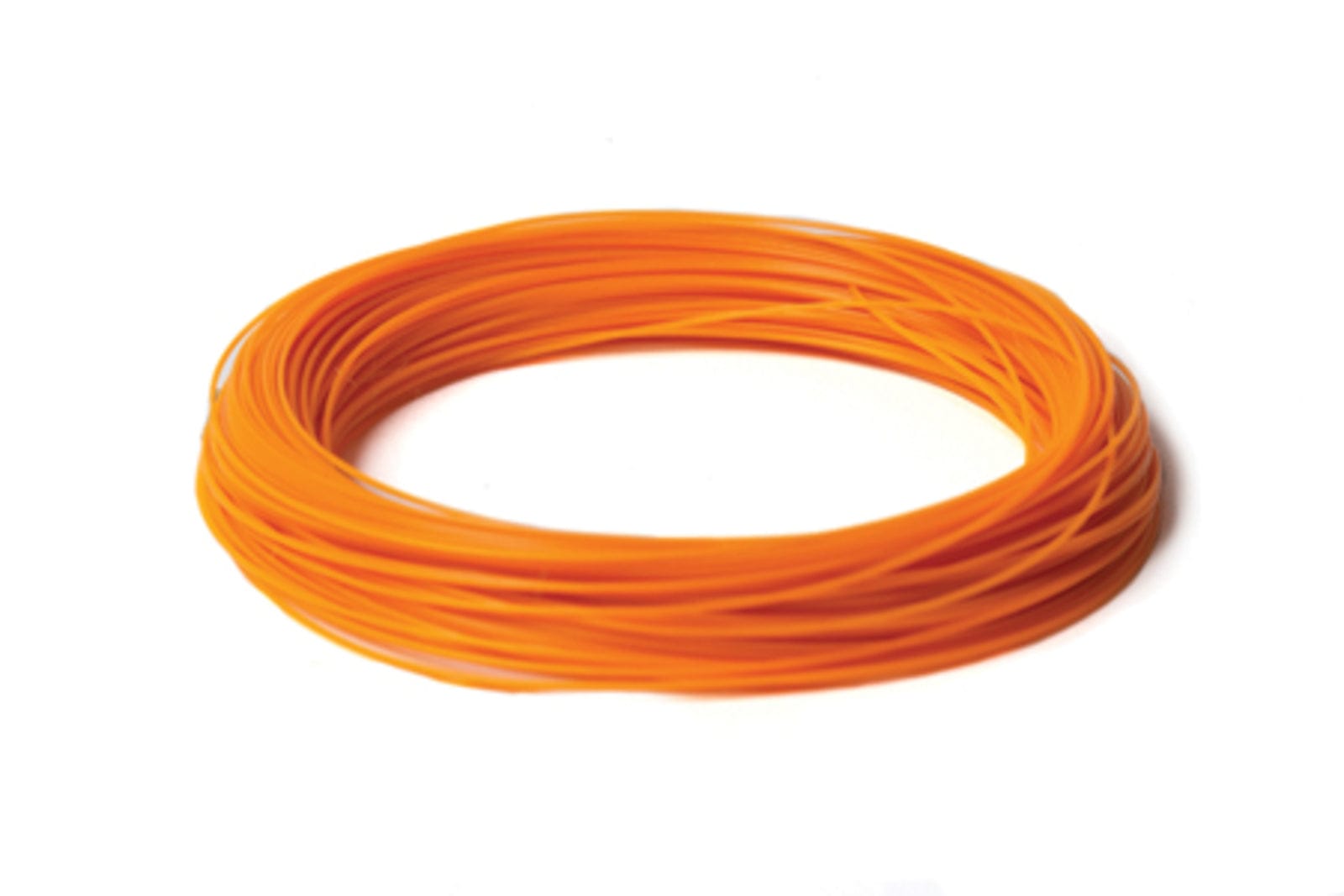
Best for Small Streams: Cortland 444 Classic Peach - This supple, high-floating classic remains a favorite for delicate presentations and glass rods. Its lack of memory and gentle turnover make it perfect for close-range dry fly fishing.
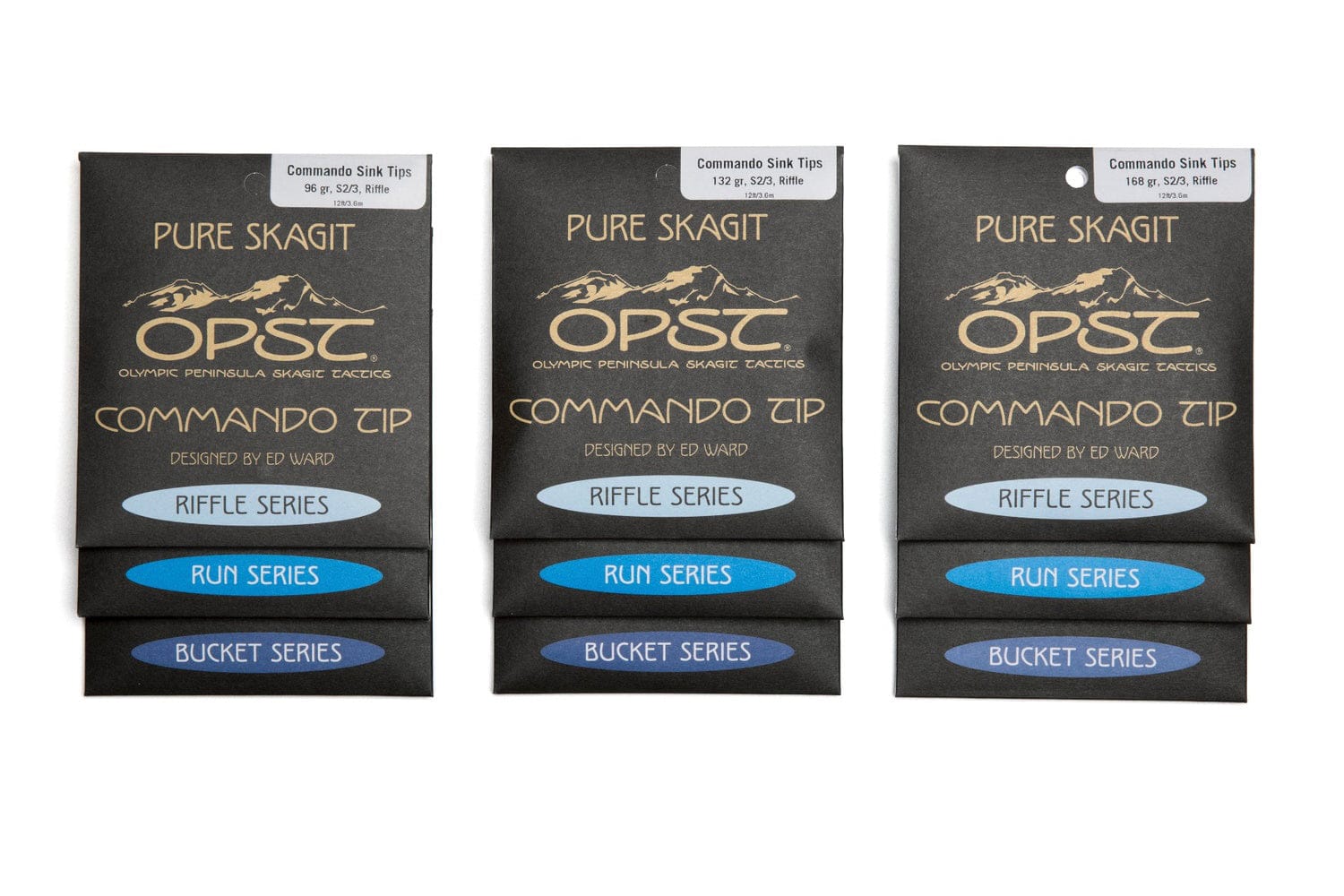
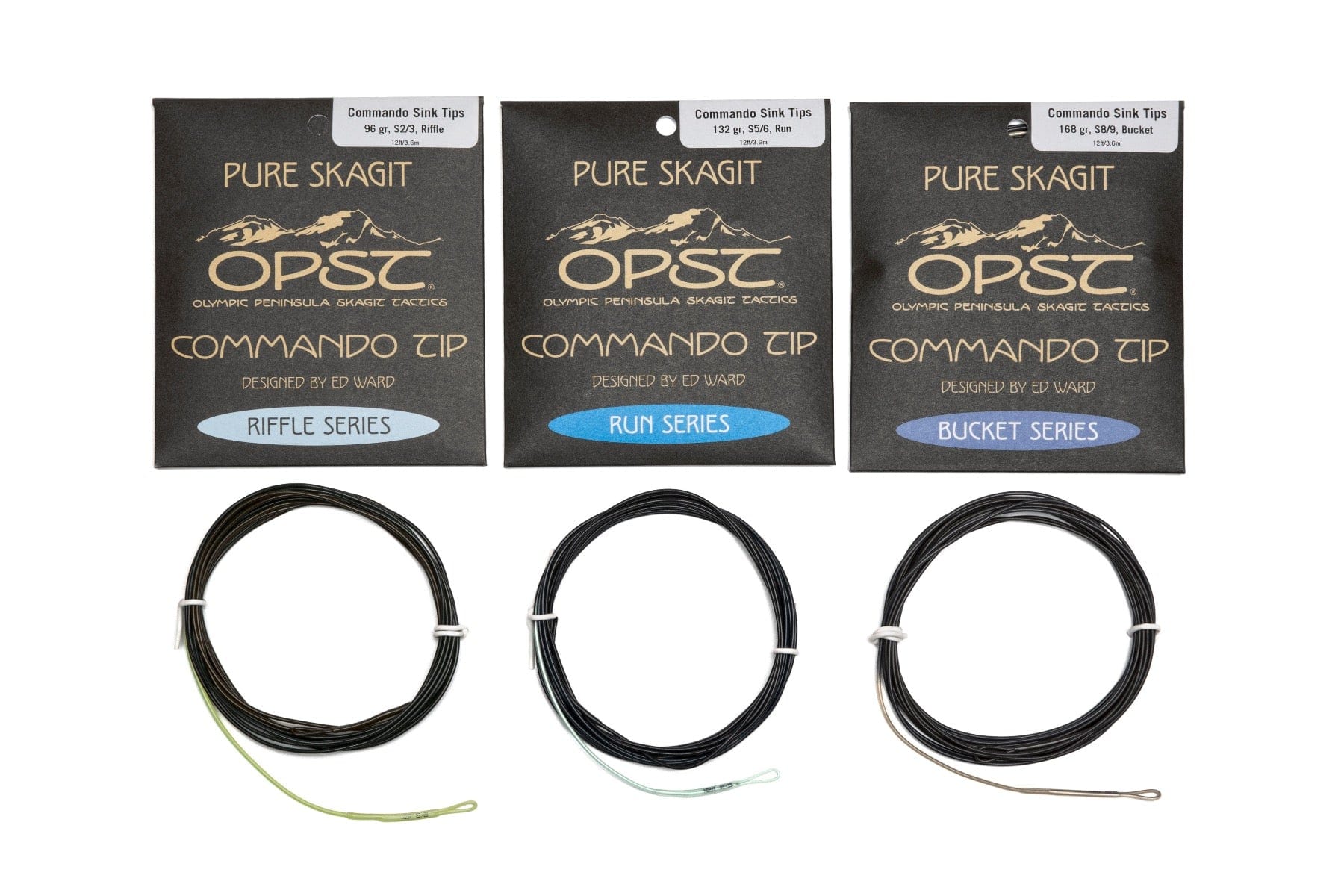
Best Skagit Head: OPST Commando Head - A game-changer for trout spey and single-hand skagit tactics. These ultra-short heads allow you to cast heavy streamers and sink tips with minimal backcasting room.
Explore by Type
How to Choose Fly Lines
Selecting the right fly line is often more important than the rod itself. The line provides the mass to load the rod and deliver the fly, so matching the line to your fishing environment and target species is critical.
Line Weight and Rod Match
Match the Numbers: In most cases, you should match the line weight to your rod (e.g., a WF5F line for a 5wt rod). Manufacturers design tapers to load specific rod weights efficiently.
Overlining: For fast-action rods or short-range fishing, some anglers choose a line one size heavier (e.g., a 6wt line on a 5wt rod) to feel the rod load more easily. Many modern lines, like the Scientific Anglers MPX, are already built a half-size heavy to achieve this effect without changing line weights.
Taper Profiles
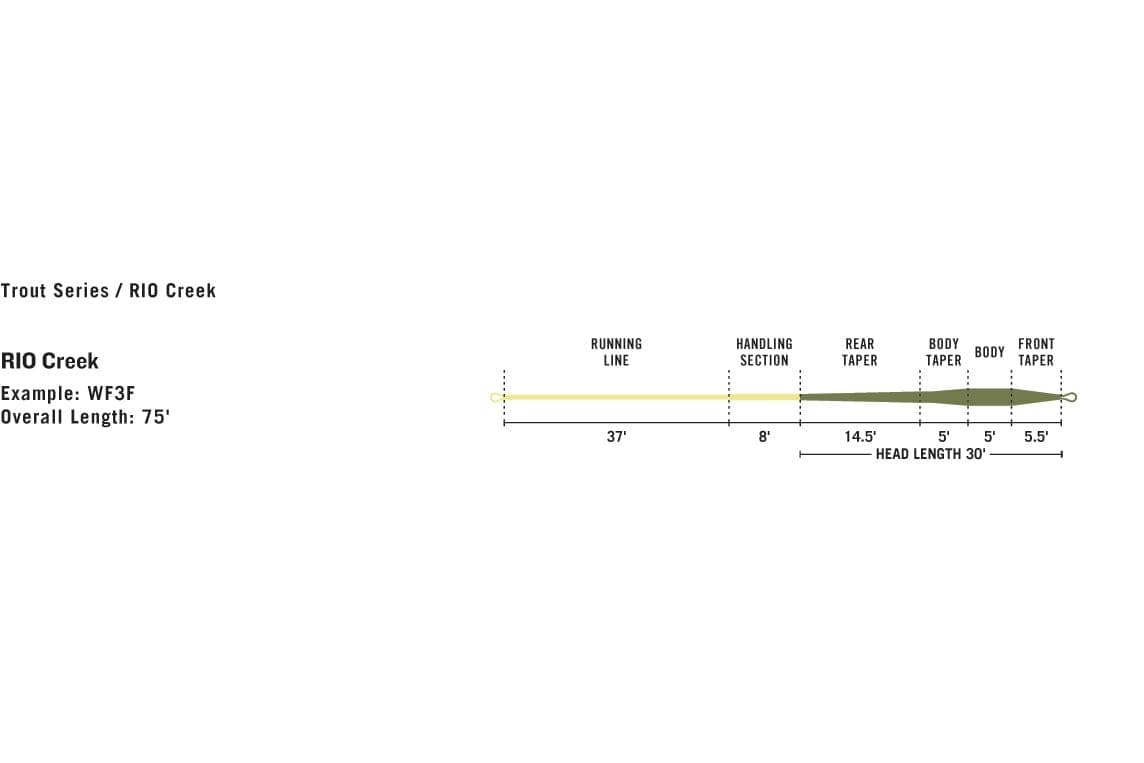
Weight Forward (WF): The most versatile and common taper. The weight is concentrated in the first 30-40 feet (the head), making it easier to cast for distance and turn over heavy flies. Ideal for 90% of fishing situations.
Double Taper (DT): Symmetrical taper that excels at delicate presentations and roll casting at short to medium distances. A favorite for small stream trout fishing.
Shooting Heads: Short, heavy heads designed for maximum distance or casting in tight quarters. Common in Spey and saltwater applications.
Temperature and Environment
Cold Water: Lines designed for trout and cold saltwater (like Stripers) have supple cores that remain flexible in freezing temperatures. Using a tropical line in cold water will result in a stiff, coiled mess.
Tropical/Warm Water: Lines for Bonefish, Tarpon, and Bass feature stiff cores to prevent wilting in the heat. These are essential for flats fishing but will be too stiff for cold mountain streams.
Care & Maintenance
Cleaning: Clean your line every few trips using mild soap and warm water. A dirty line floats lower and shoots poorly due to grit accumulation.
Dressing: Apply a fly line dressing periodically to restore slickness and floatation.
Storage: Store lines out of direct sunlight and heat. For long-term storage, remove them from the reel and coil them loosely to prevent memory.
Inspection: Check for cracks in the coating, which indicate the line is worn out and may damage your rod guides.
Complete Your Setup
Related Gear
Fly Line Backing - Essential for filling the spool and fighting fish that run.
Leaders & Tippet - The invisible connection between your line and the fly.
Running Lines - Required for shooting head and Skagit systems.
Related Guides
Fly Lines FAQs
Q: How often should I replace my fly line?
A: It depends on use, but typically every 100-150 days of fishing. If you see cracks in the coating or the tip begins to sink on a floating line, it is time for a replacement.
Q: Can I use a freshwater line in saltwater?
A: You can, but saltwater lines are generally built with stiffer cores to handle heat and harder coatings to resist abrasion. A freshwater line may become too soft and sticky on a hot saltwater flat.
Q: What does WF5F mean?
A: This code stands for Weight Forward (Taper), 5 (Weight), Floating (Density). It is the standard labeling system to help you match the line to your rod.
Q: Do I need backing?
A: Yes. Backing fills the arbor to reduce line memory and increase retrieval rate. It also provides insurance if a strong fish runs further than the length of your fly line.