





























You're Probably Fishing Streamers Wrong (How To Do It Right)
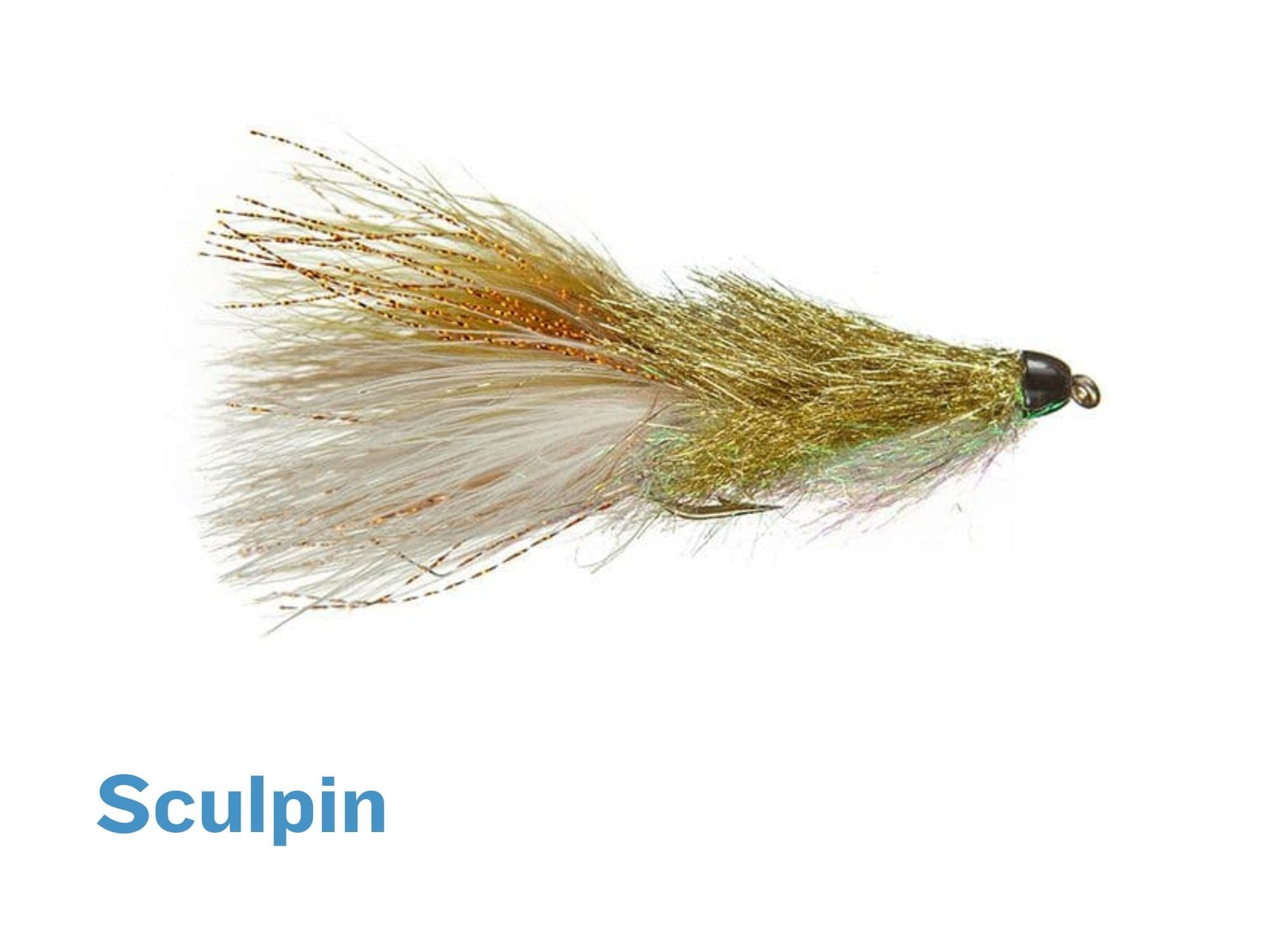
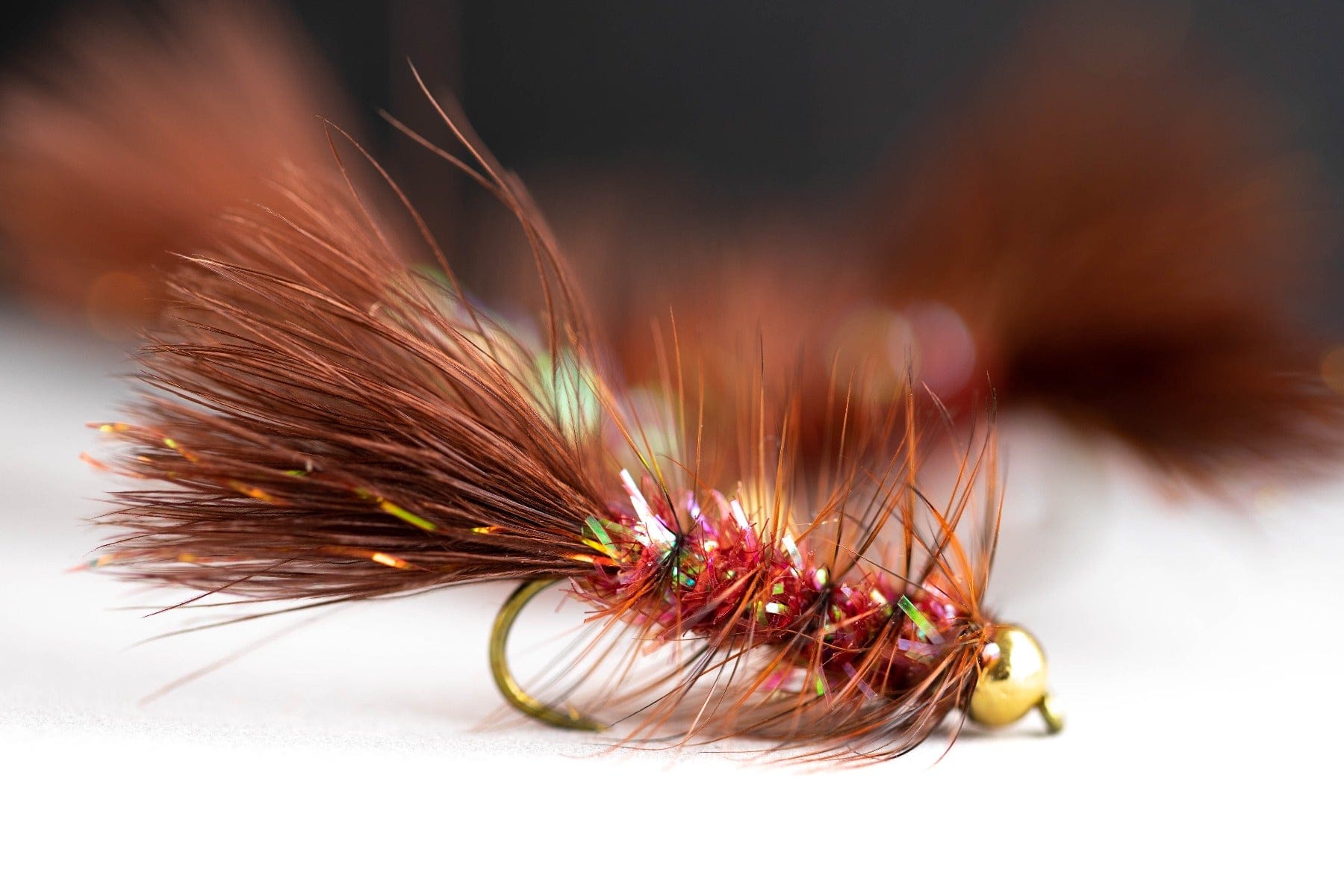
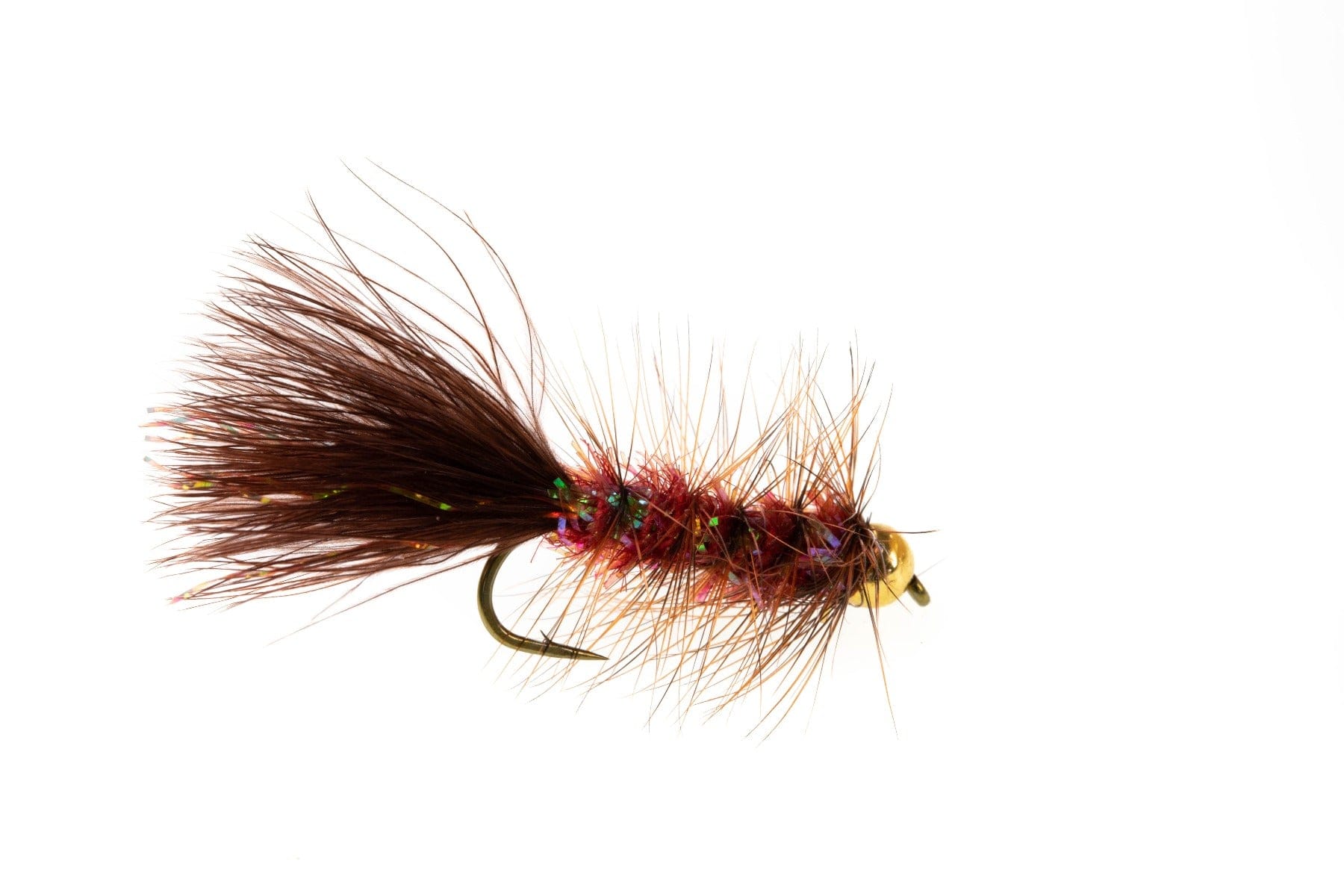
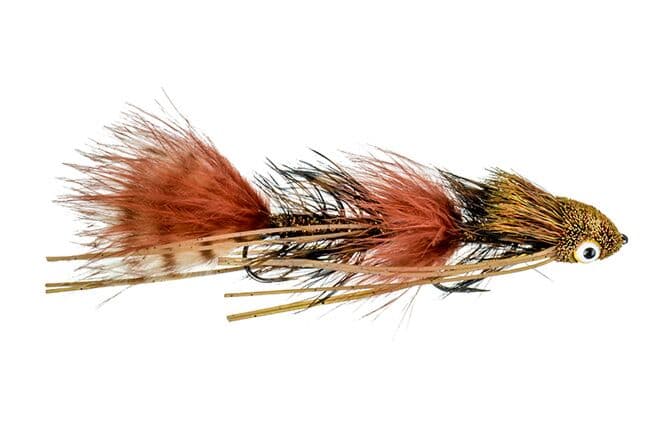
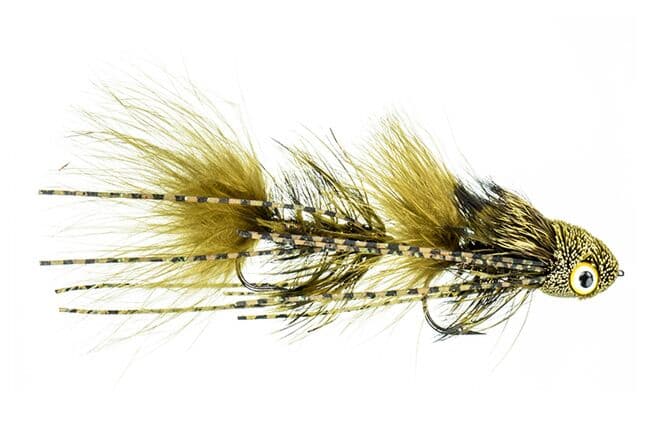
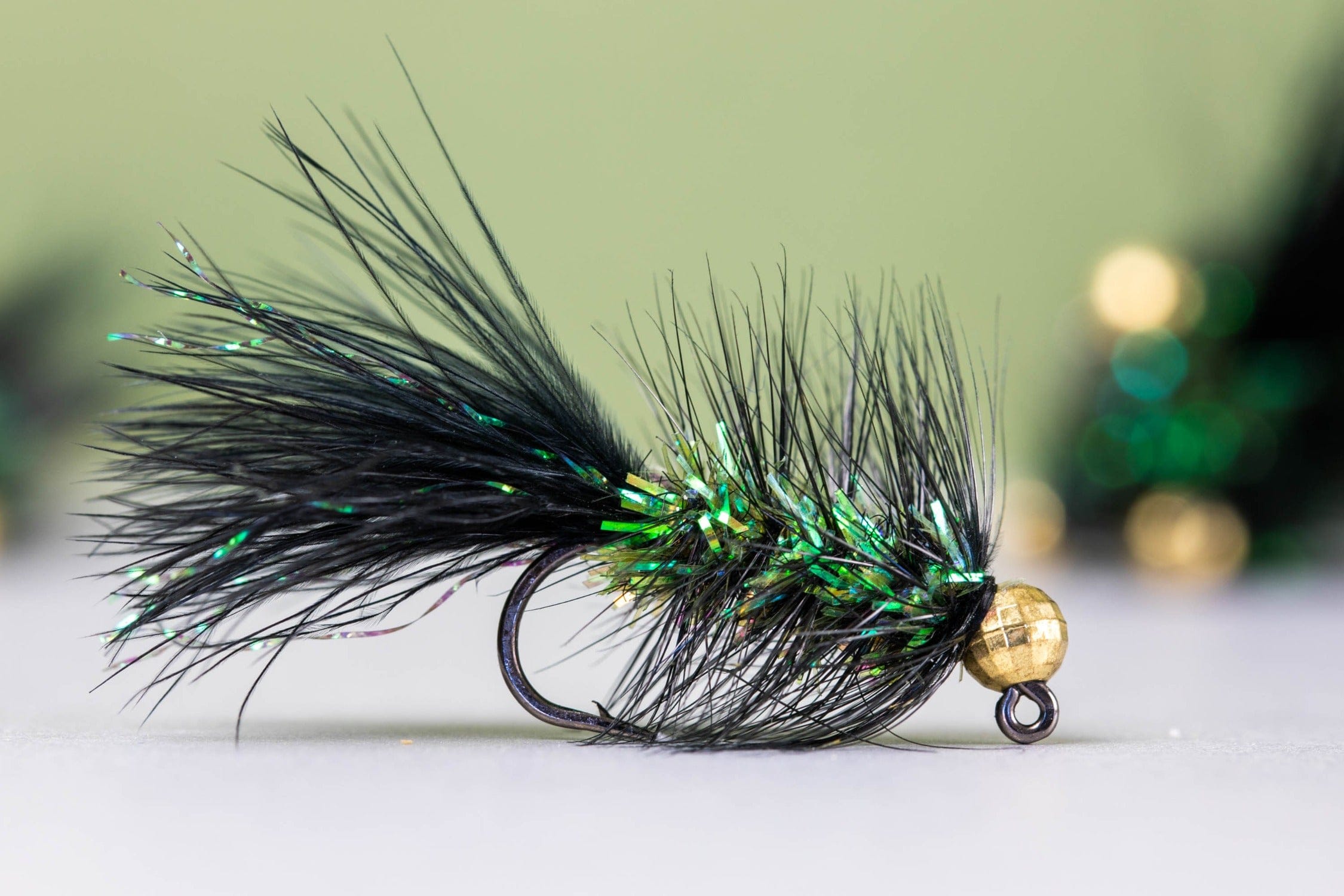
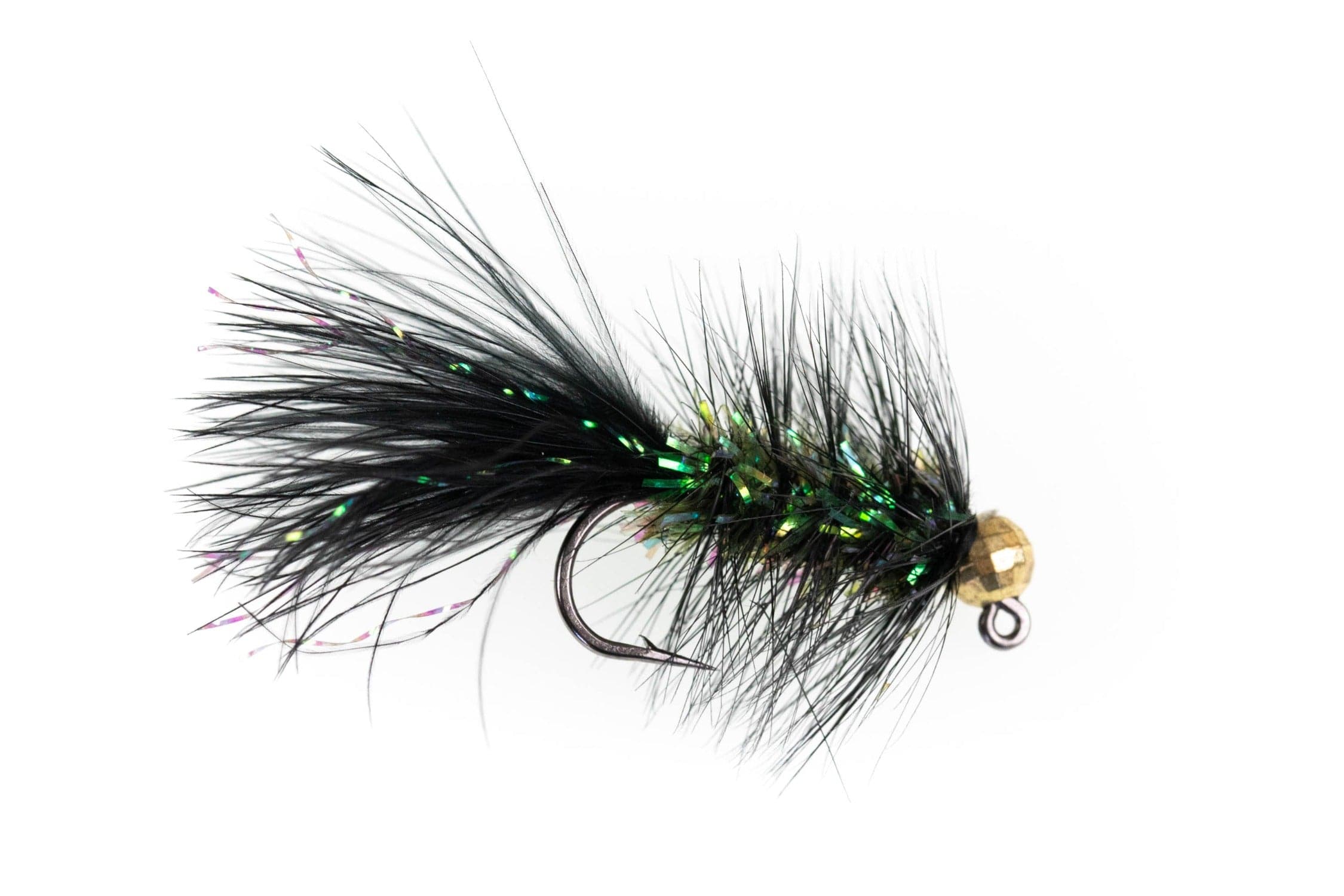
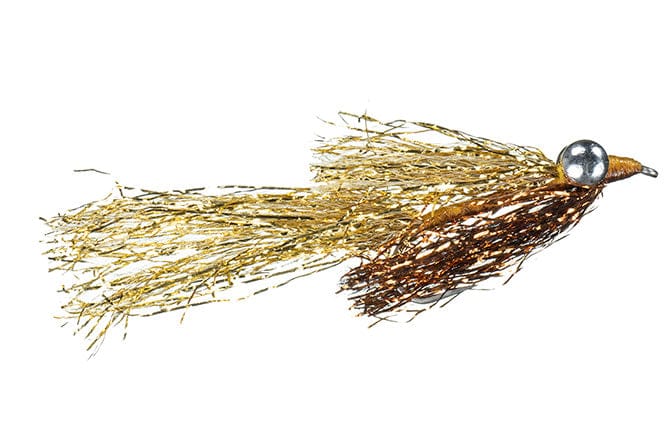
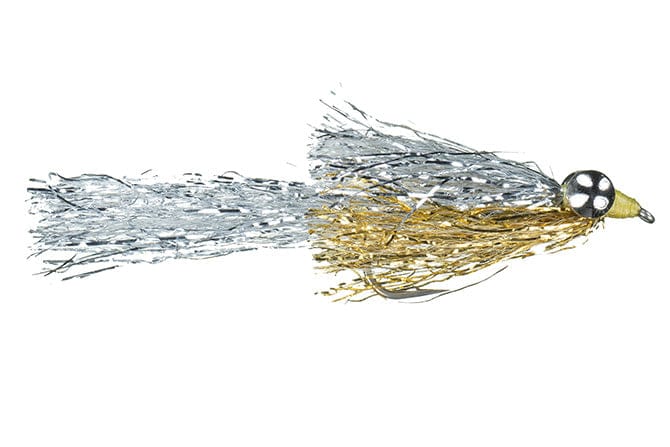
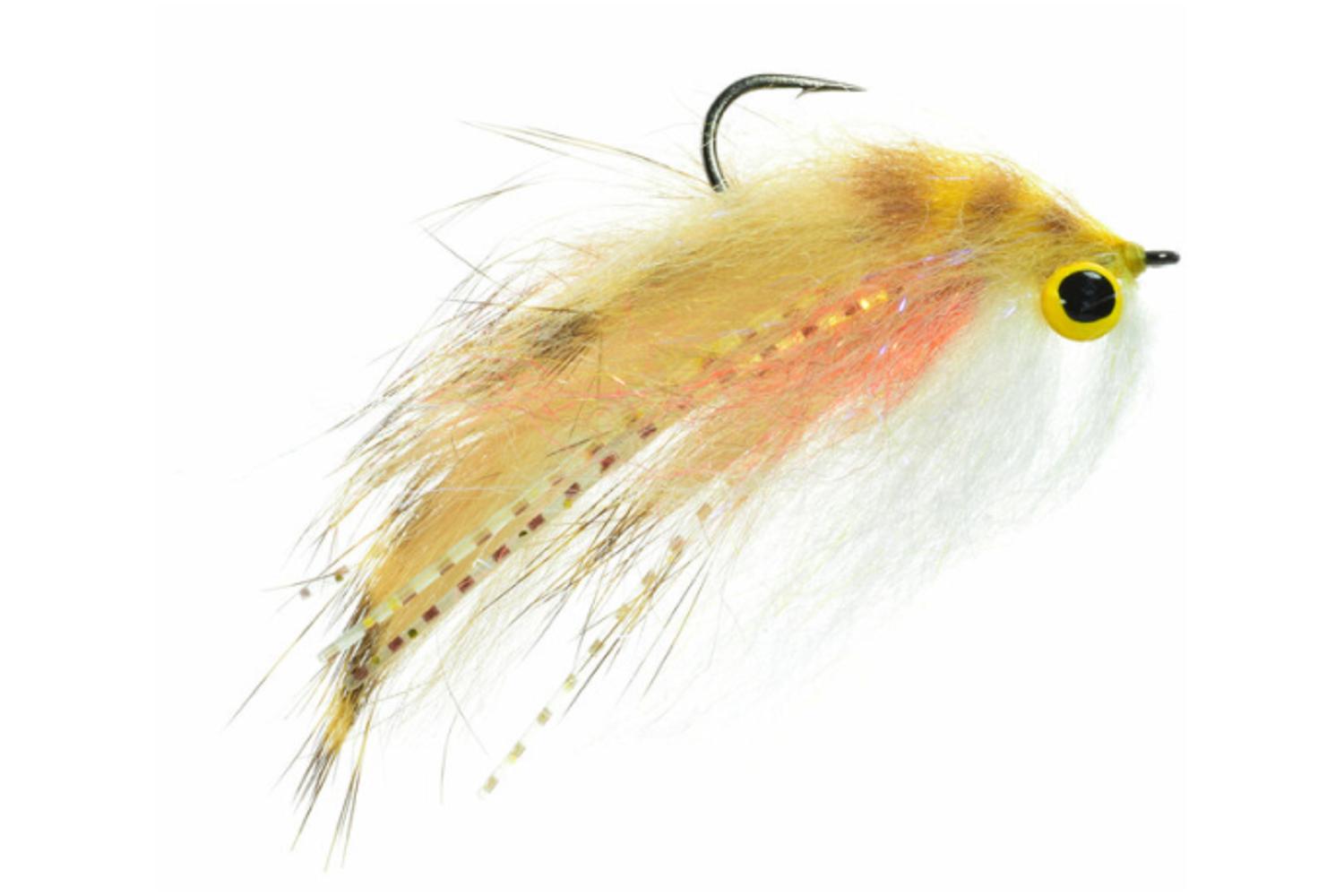
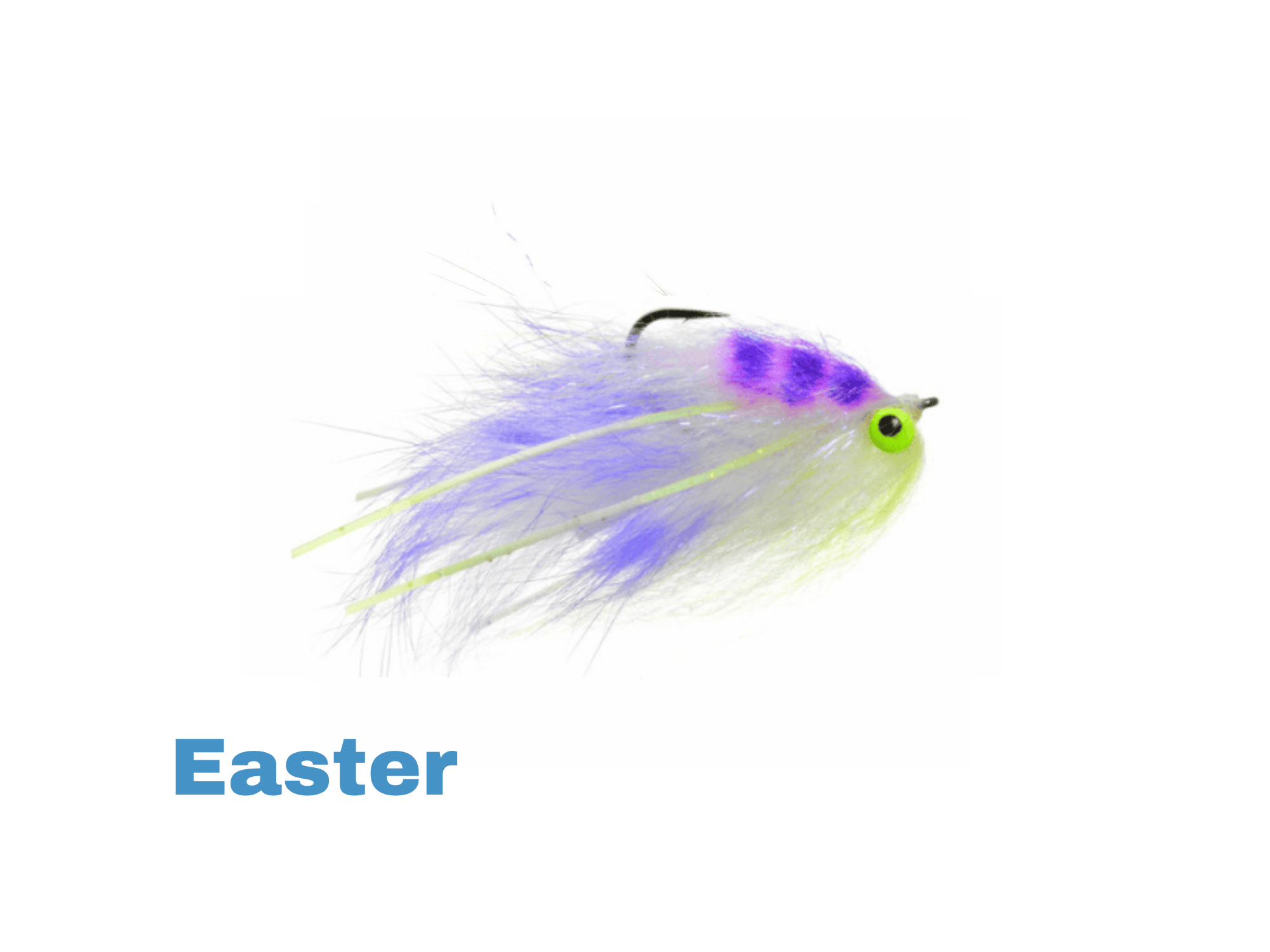
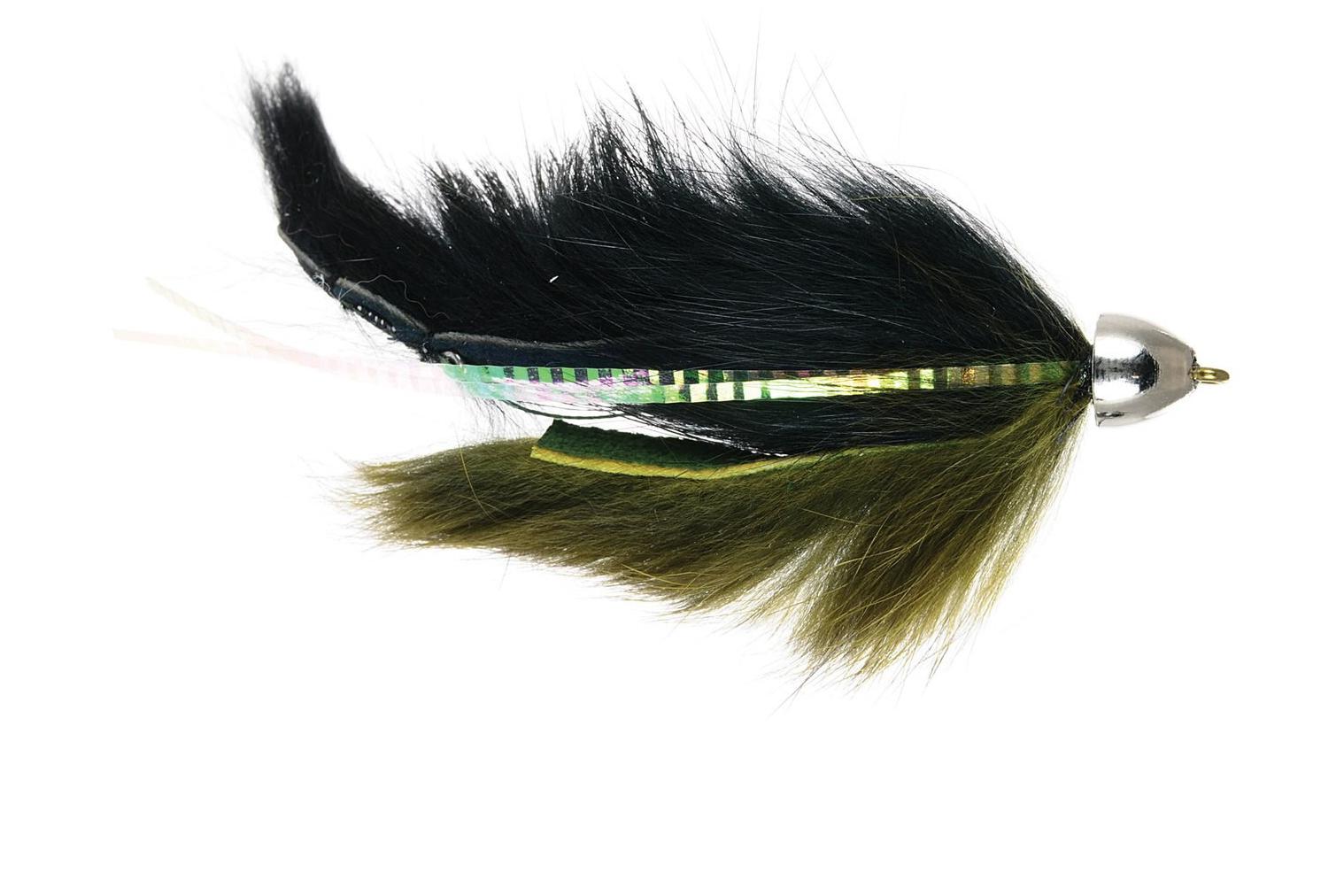
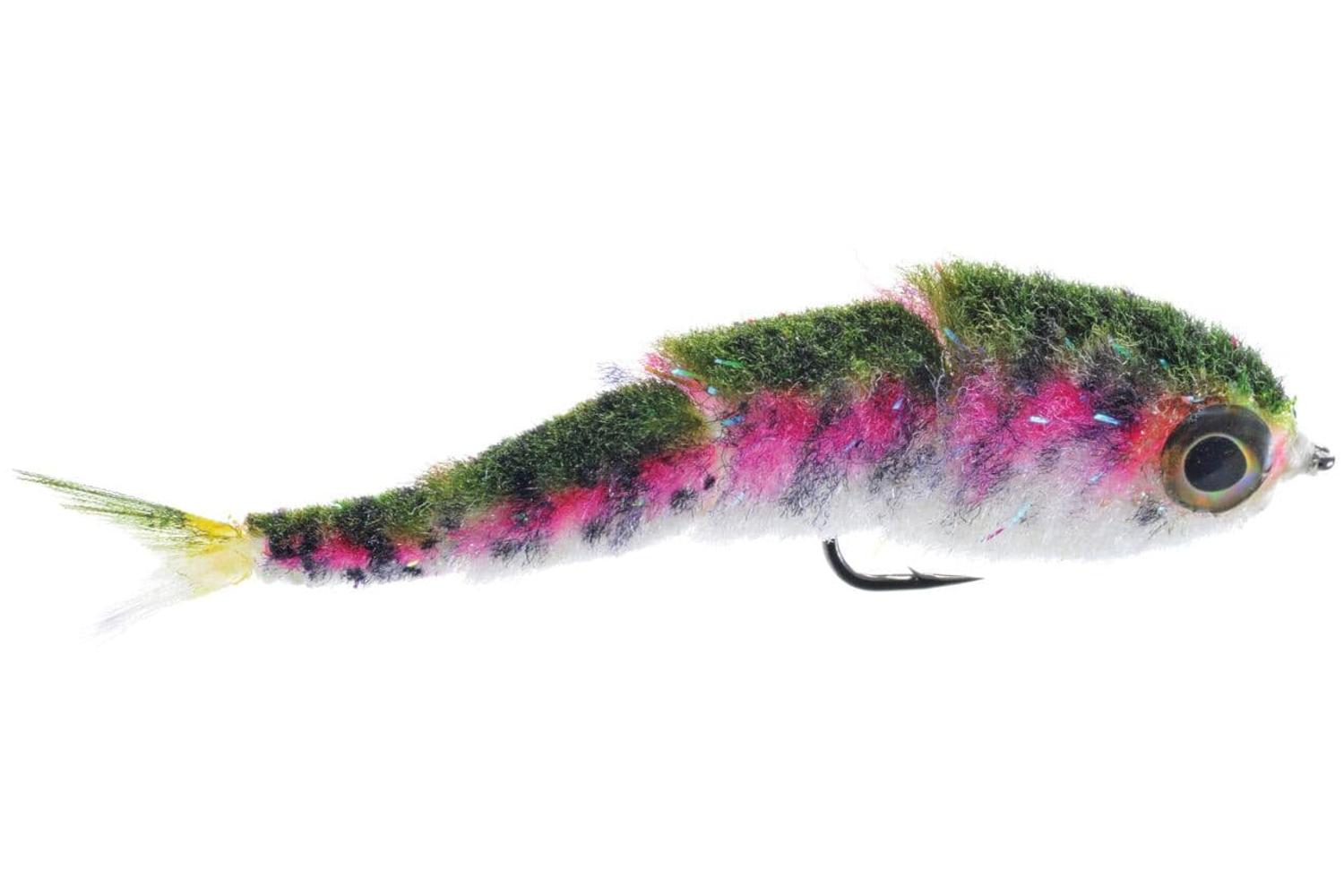
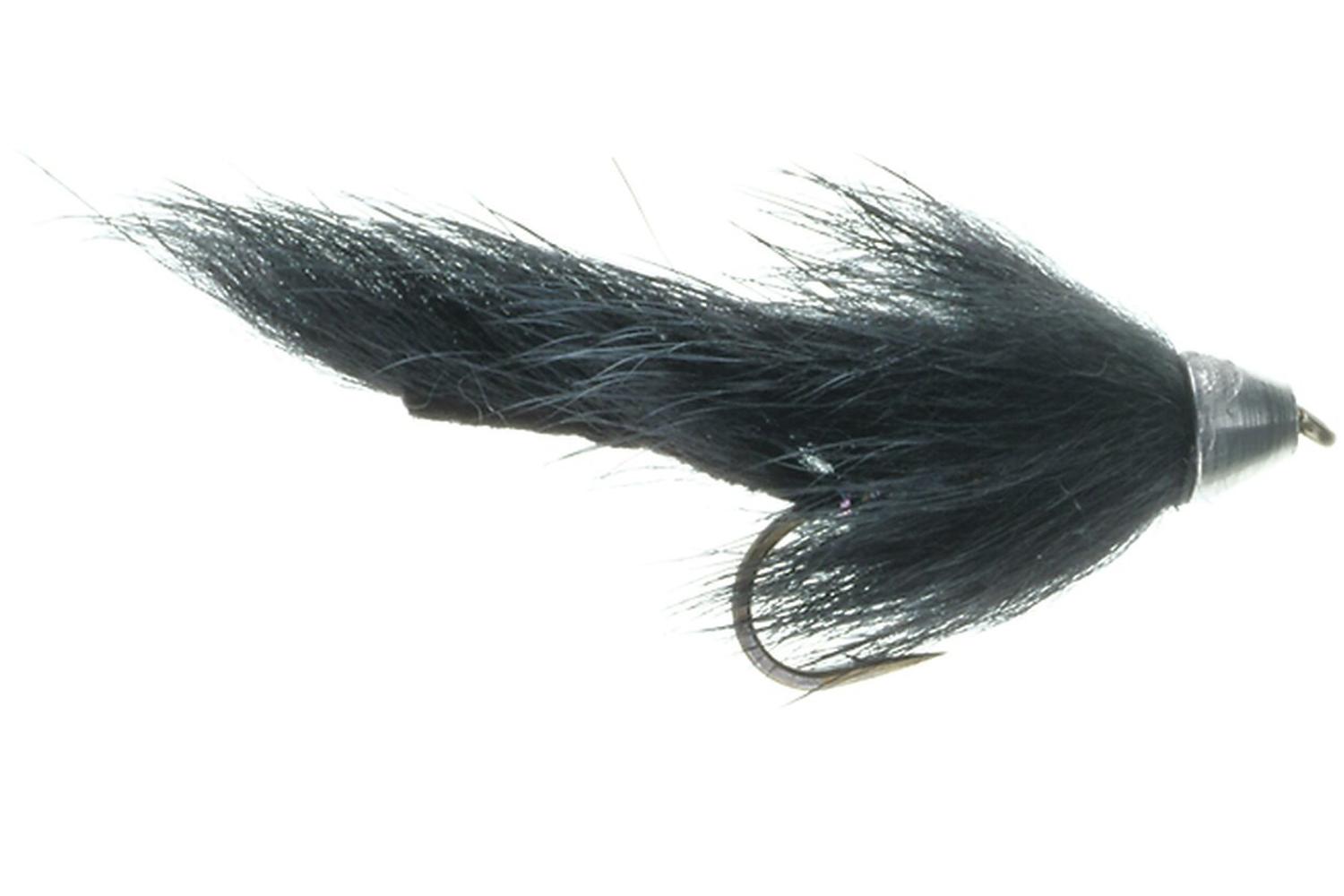
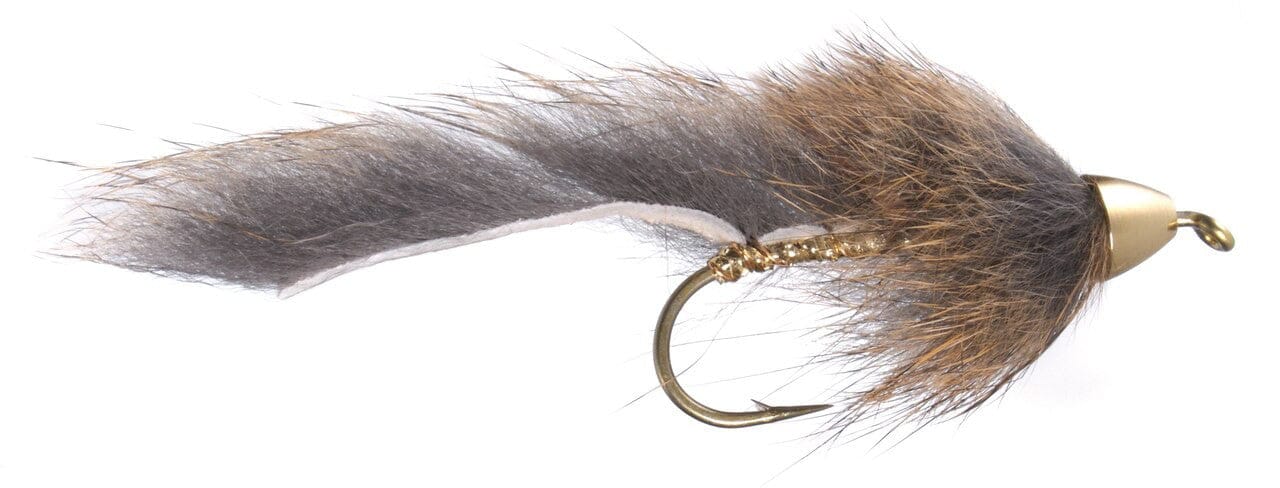
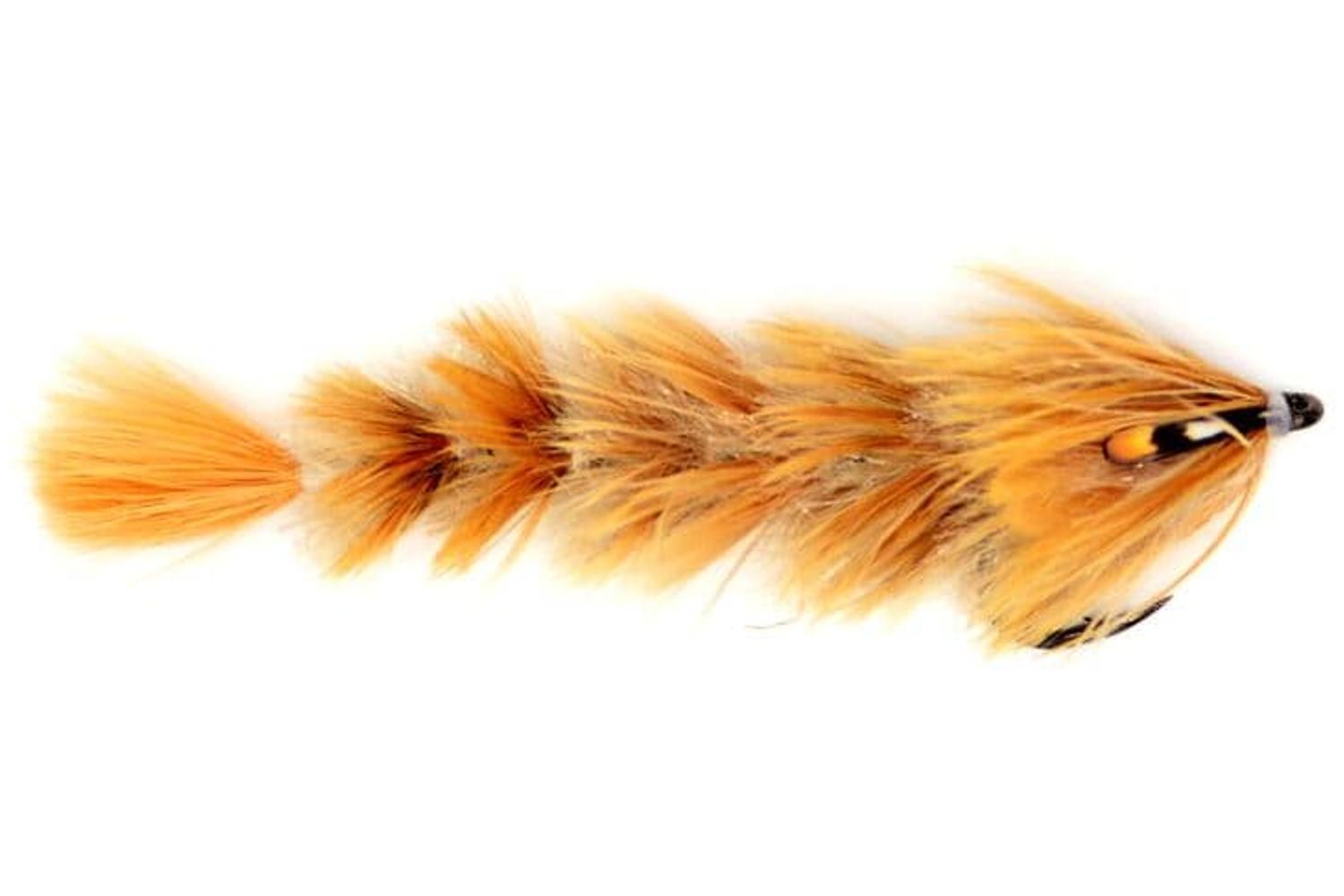
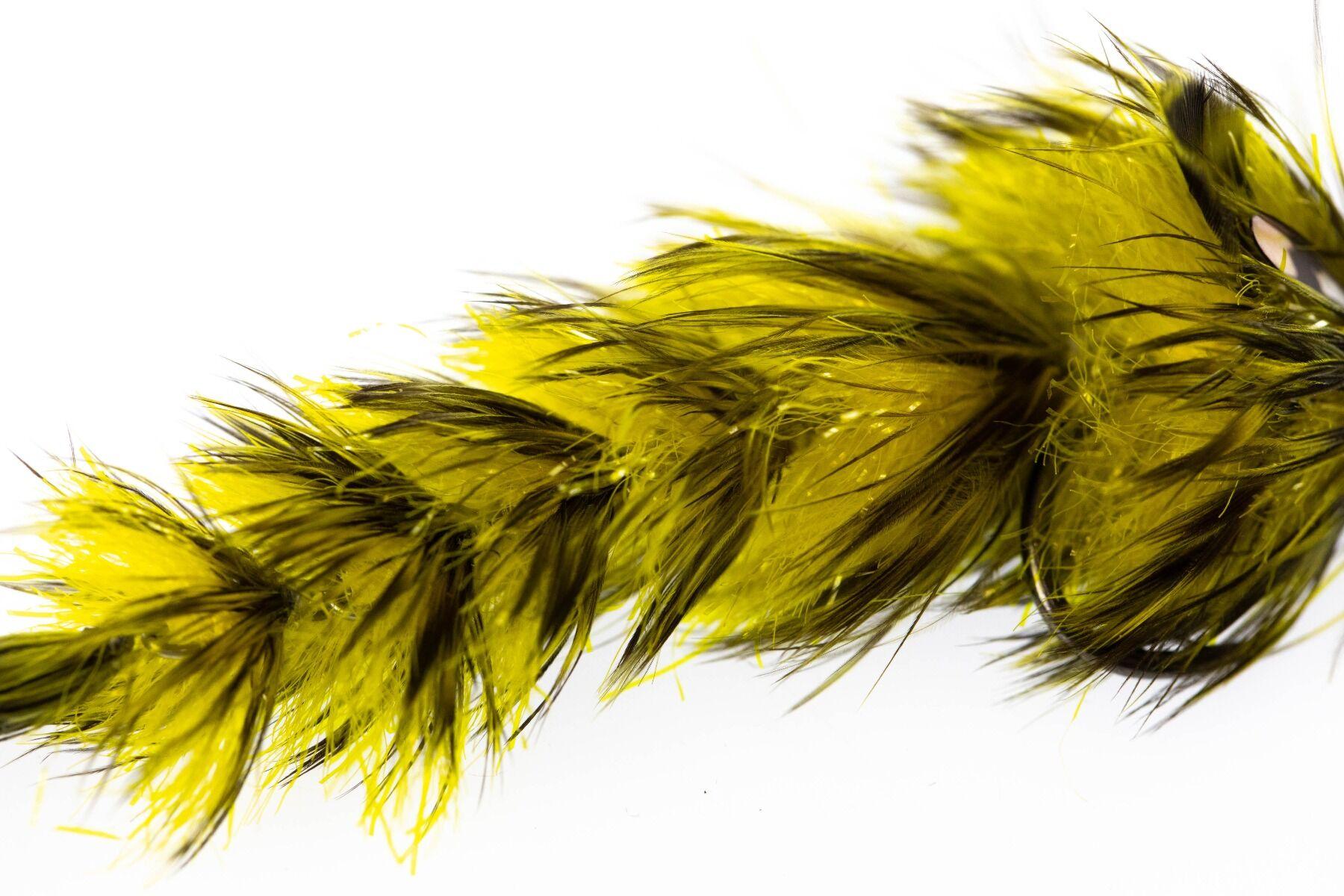
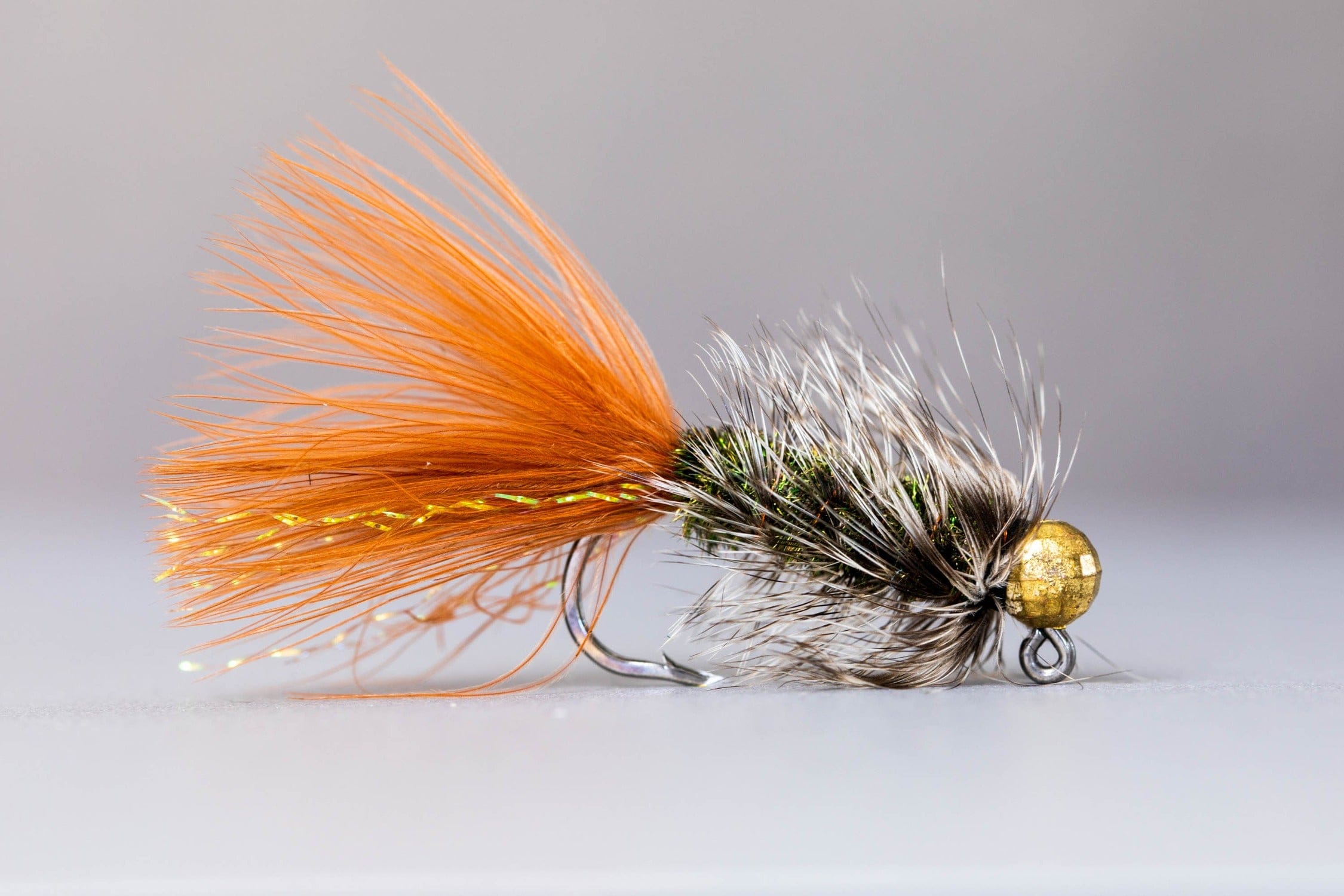
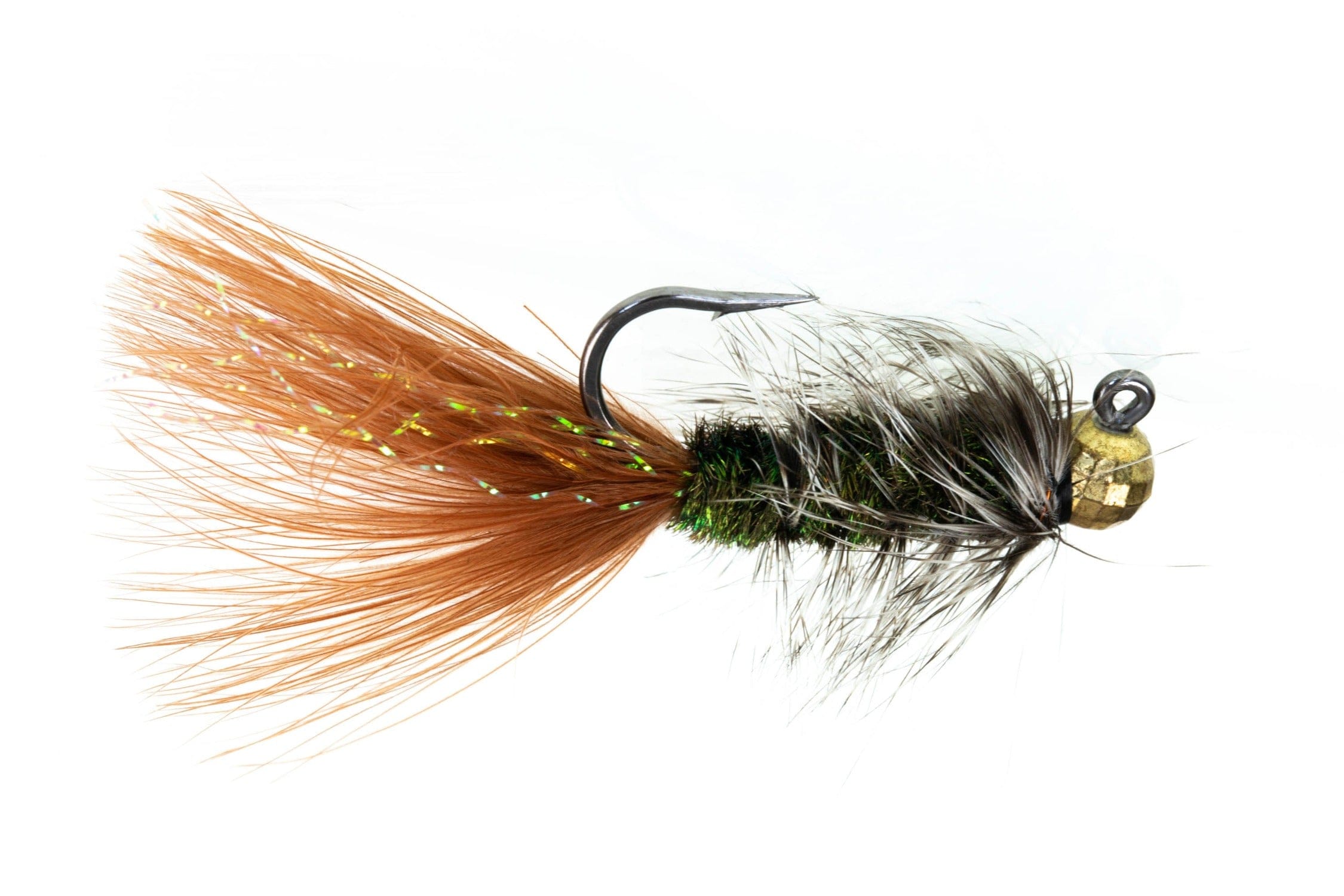
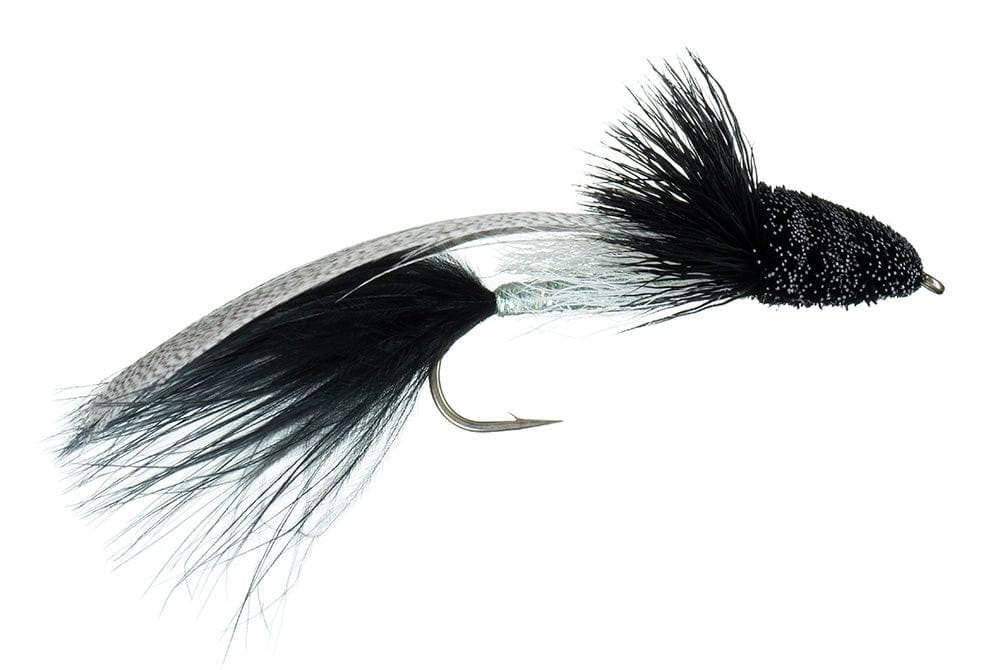


Streamers Quick Picks
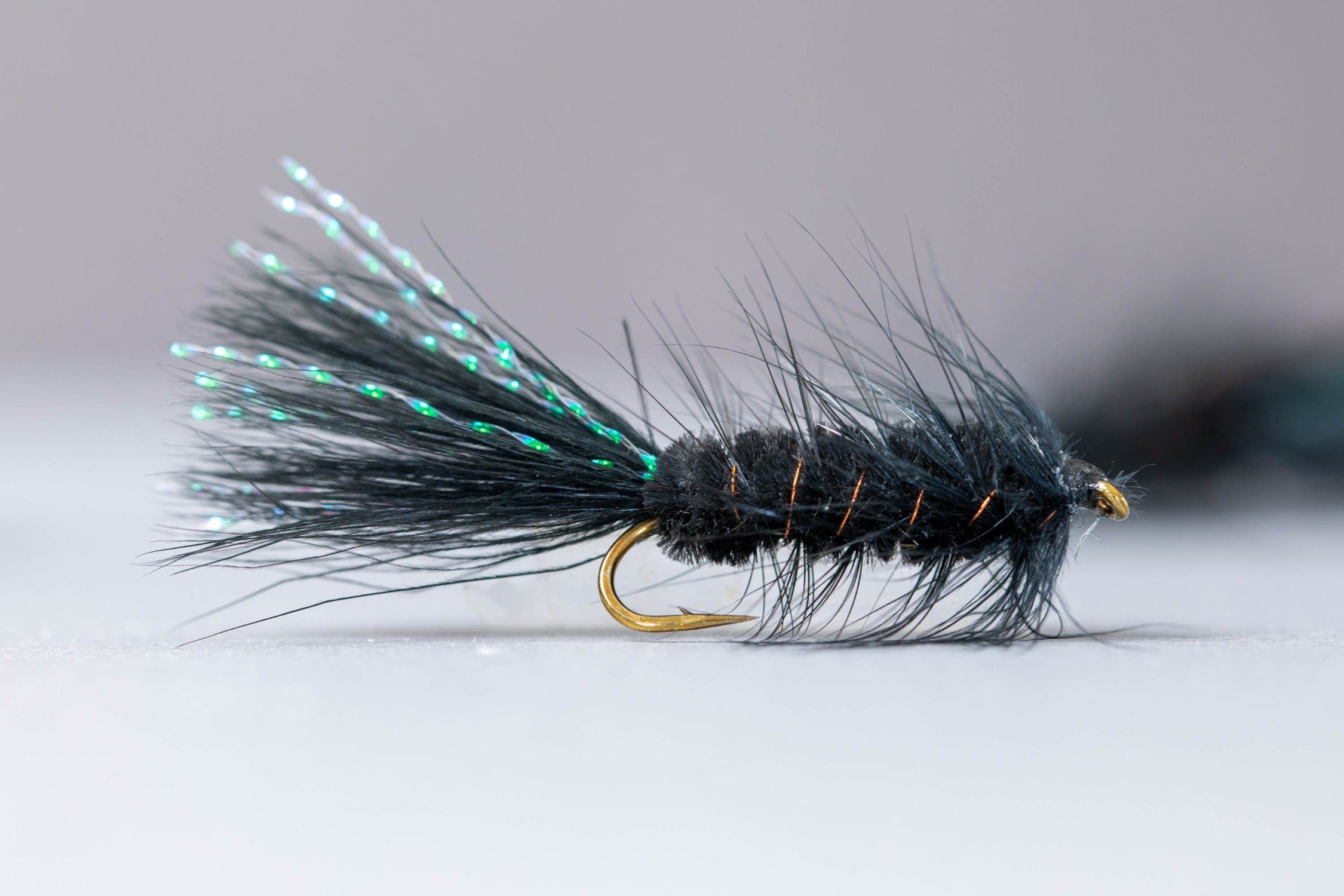
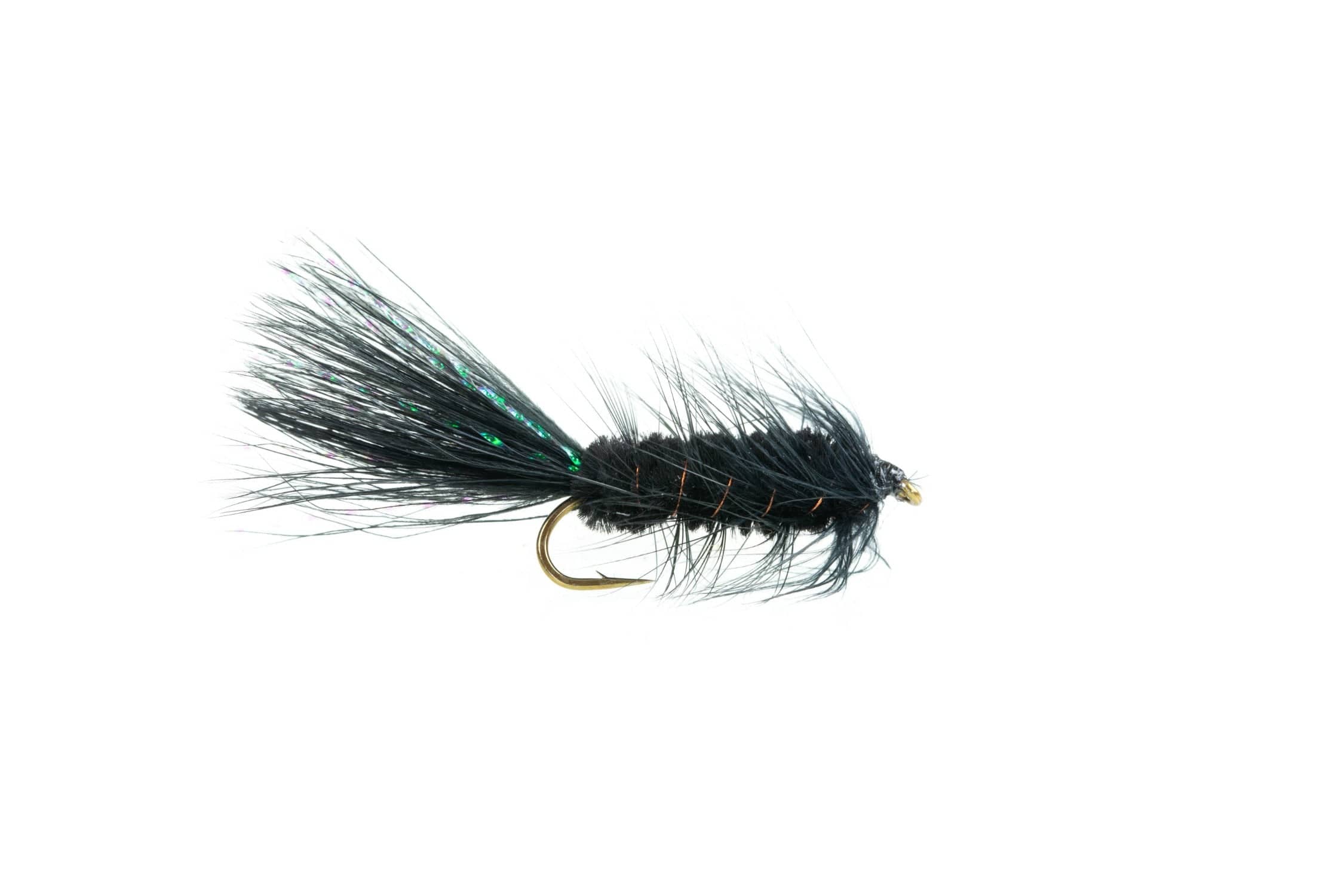
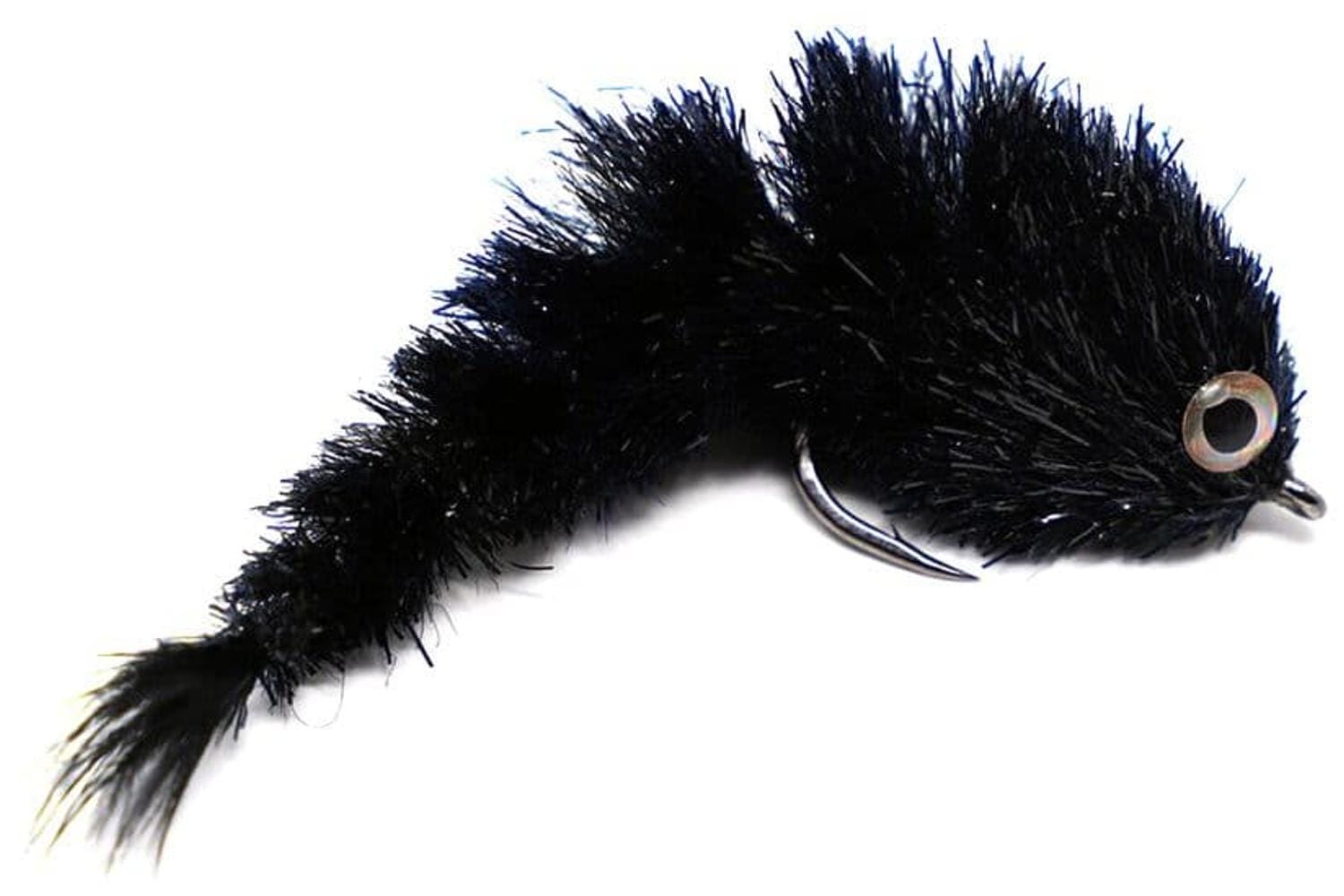
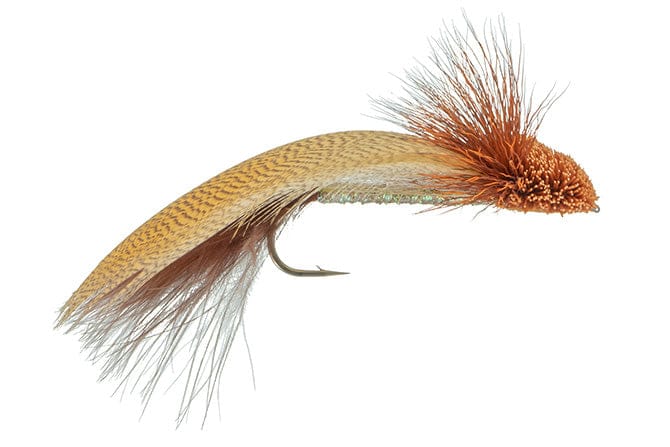
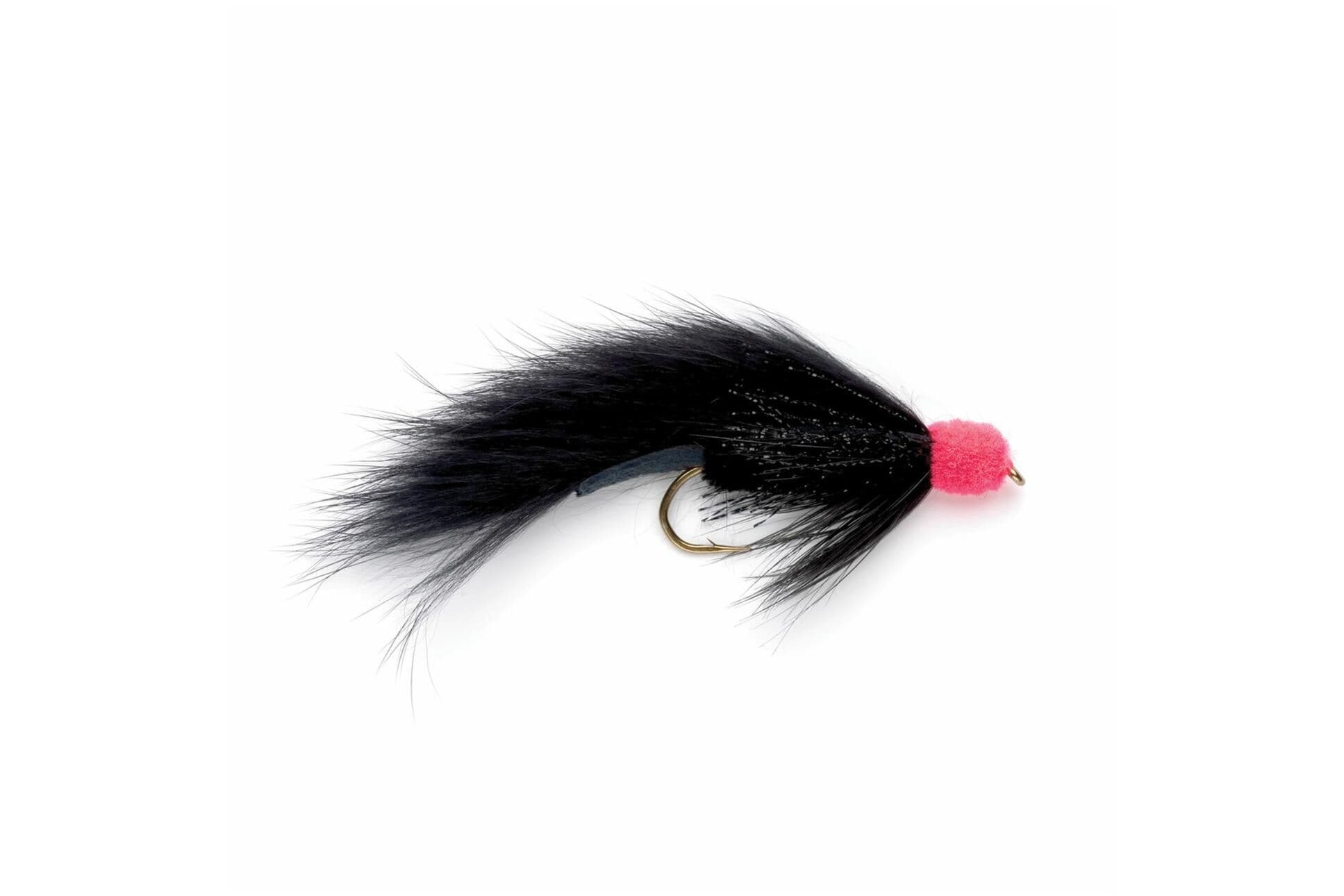
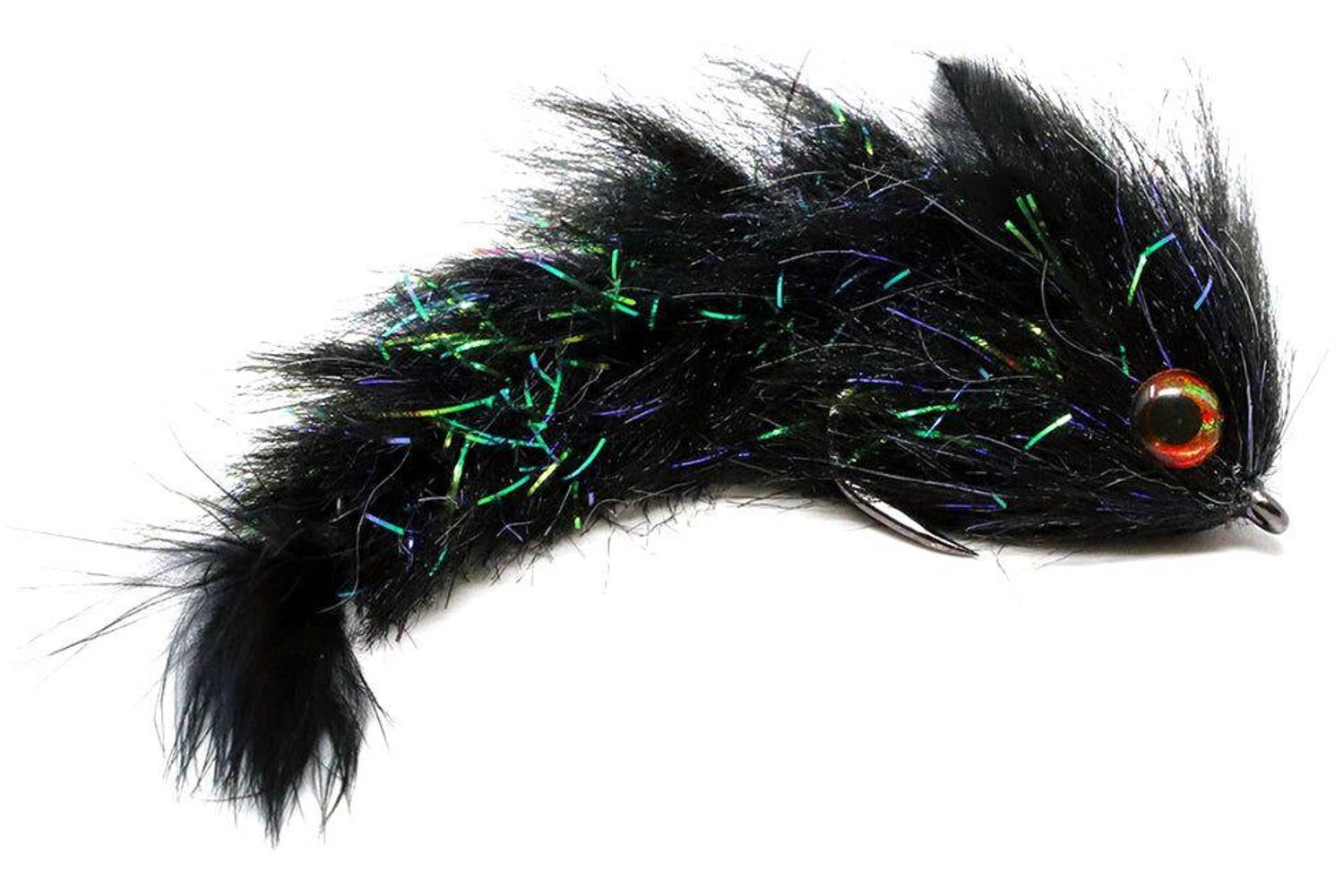
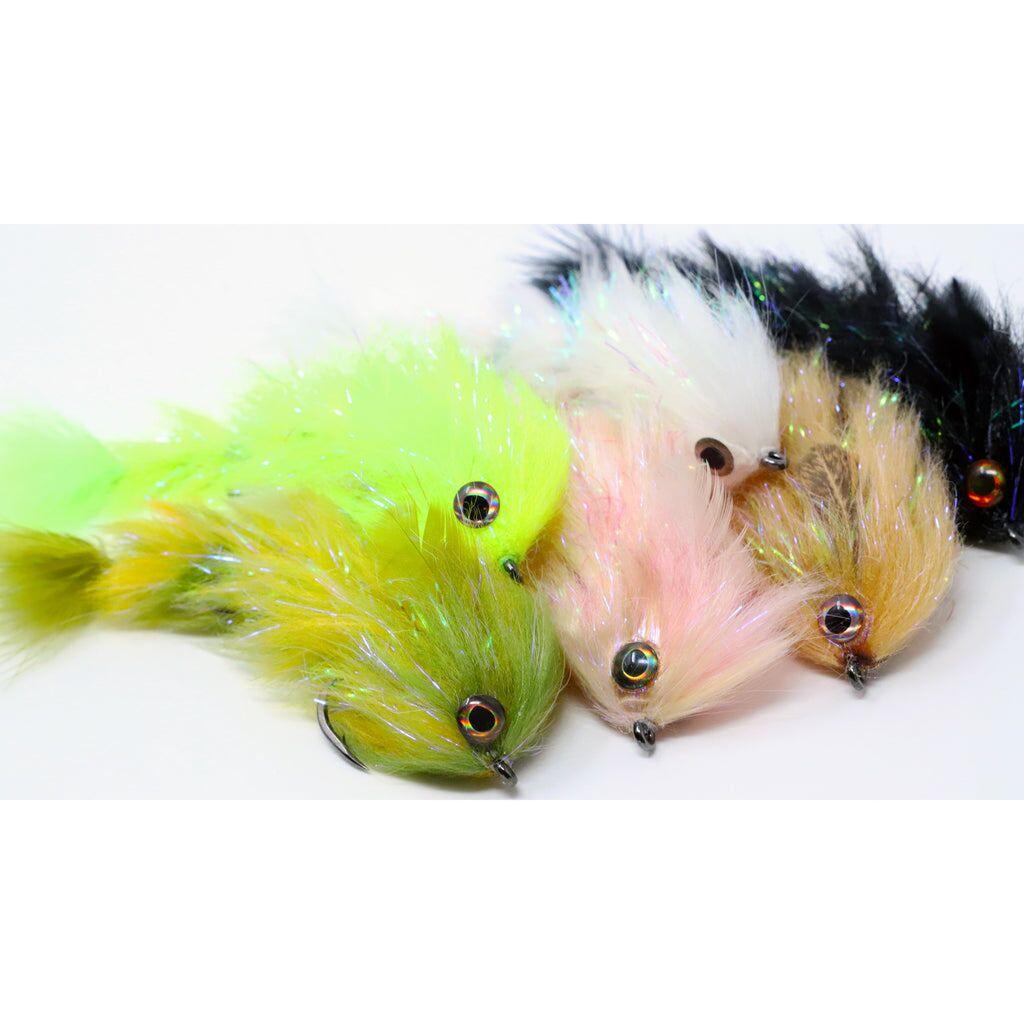
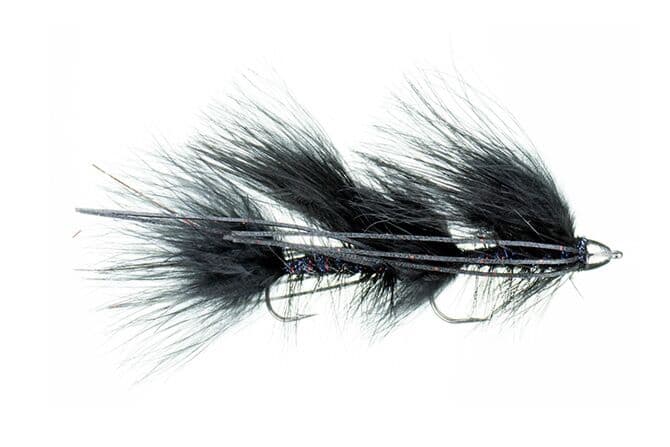
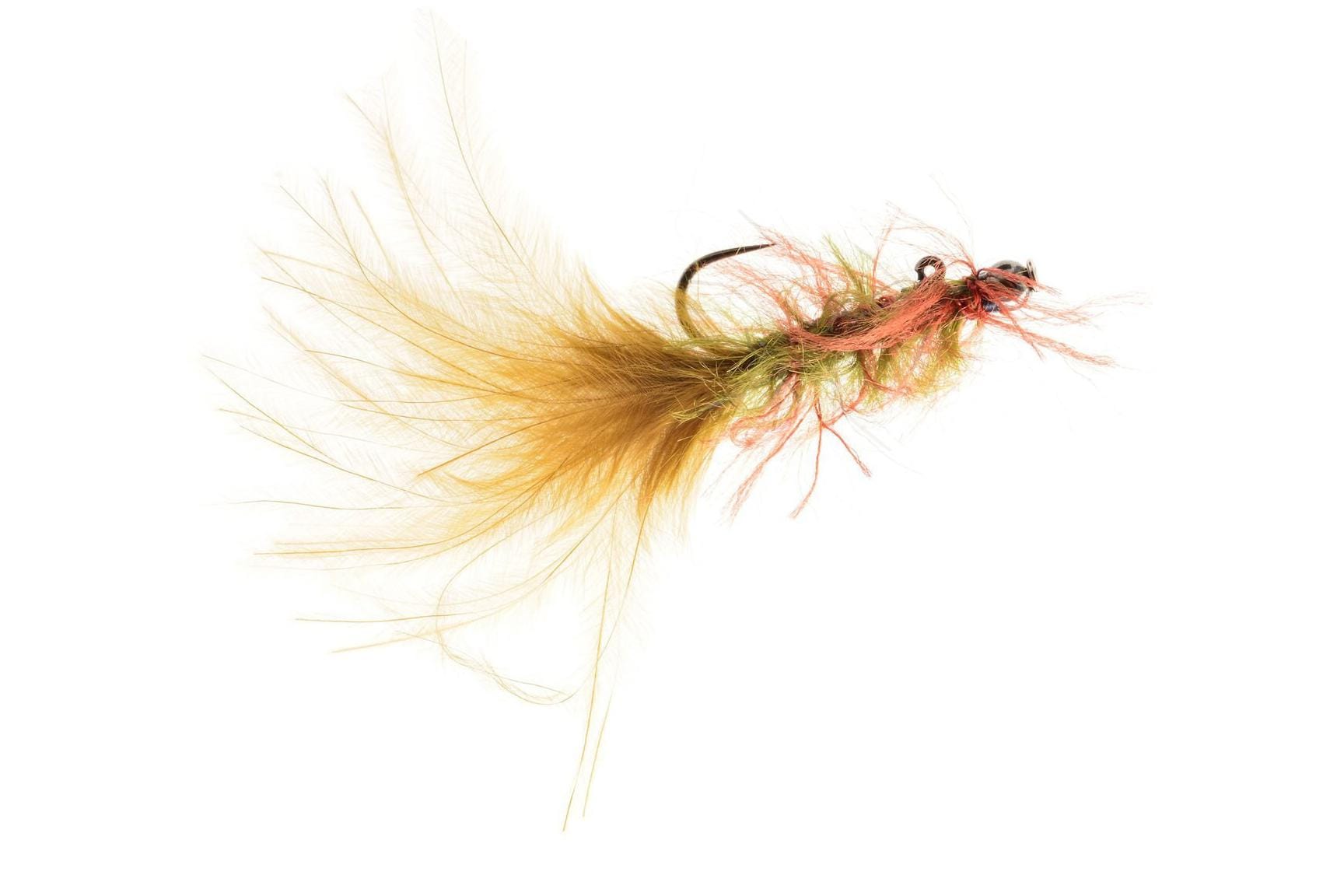
Best All-Around: Woolly Bugger Streamer Fly - Great for anglers who want one pattern that fishes in rivers, lakes, and ponds. It has a simple leech and baitfish look, and it is easy to size and color-match.
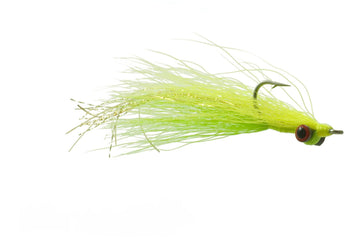
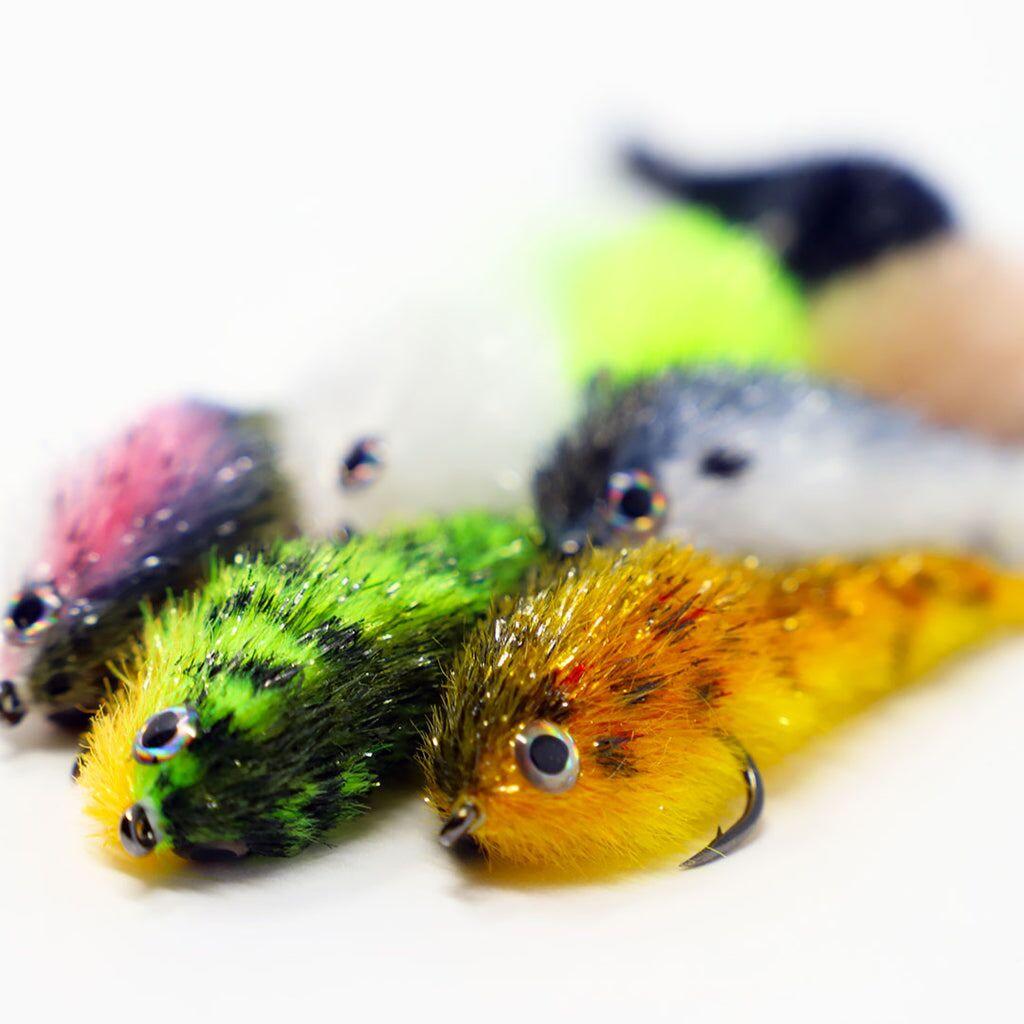
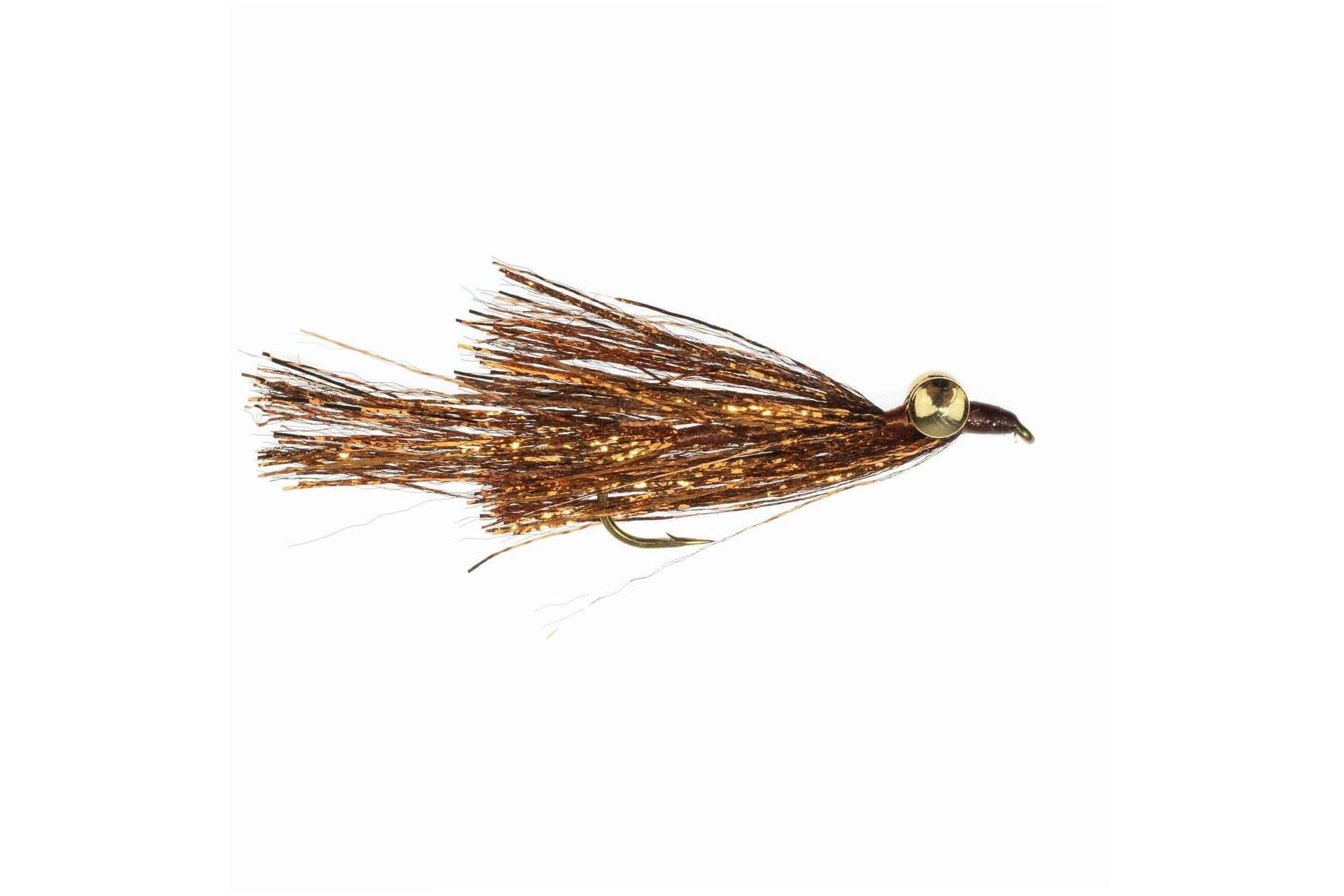
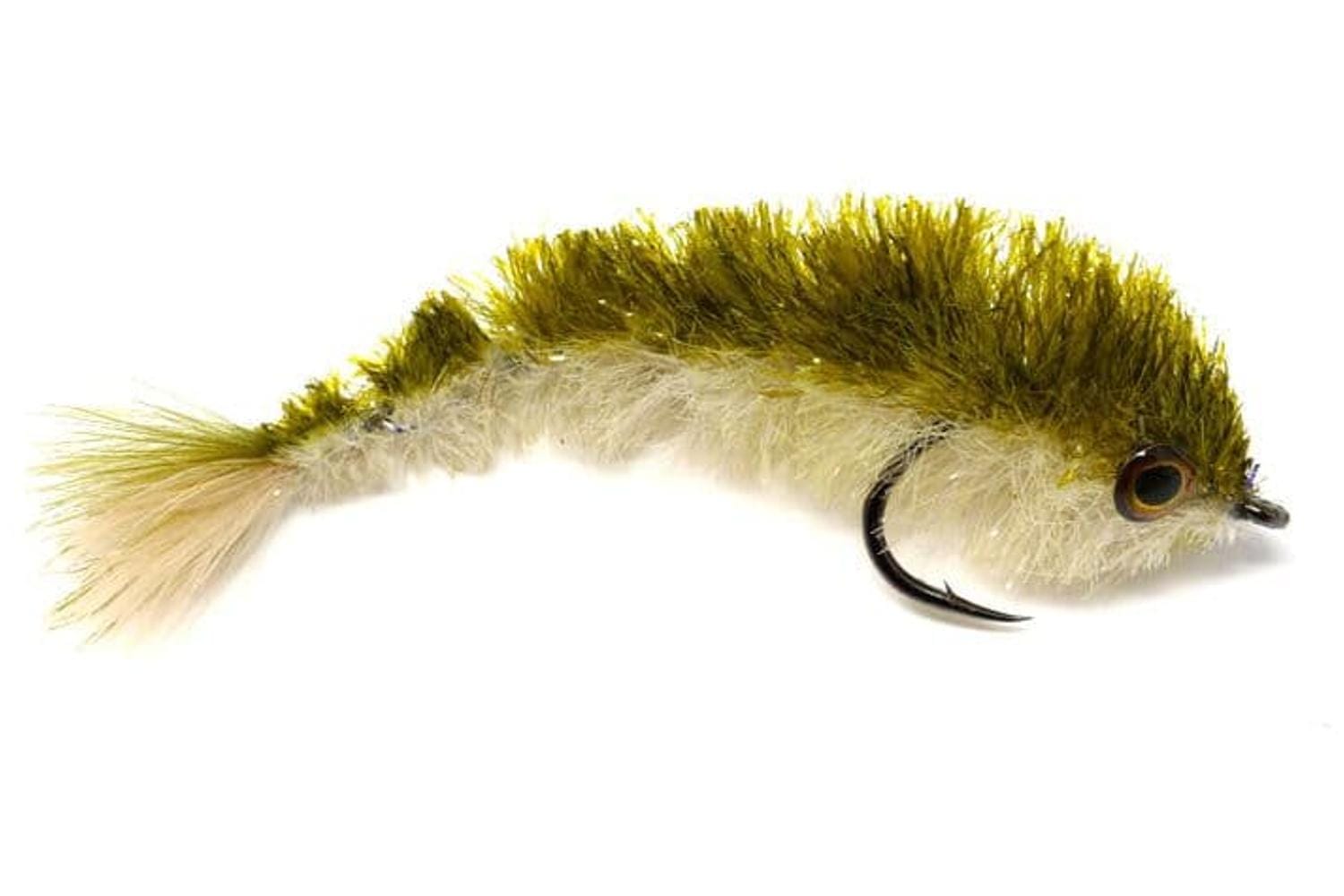
Best Value: Conehead Sparkle Minnow Fly - A smart pick for filling a box fast when you need a weighted baitfish profile. The conehead helps it get down, and the flash can stand out in off-color water.
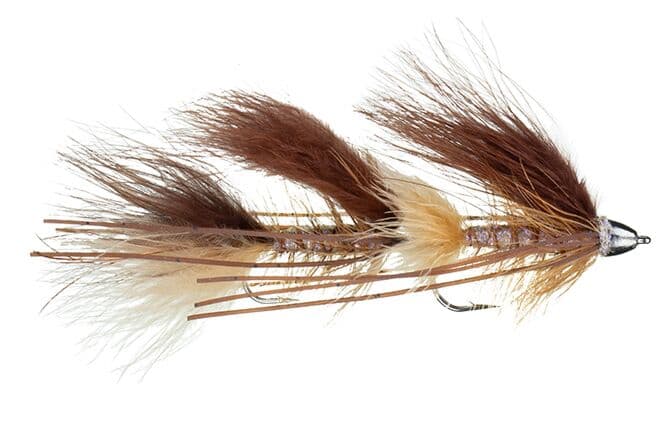
Best Big Profile: Galloup's Sex Dungeon Fly - Built for anglers targeting bigger trout that are willing to chase a meal. It pushes water, has a bold silhouette, and is made for committed strips.
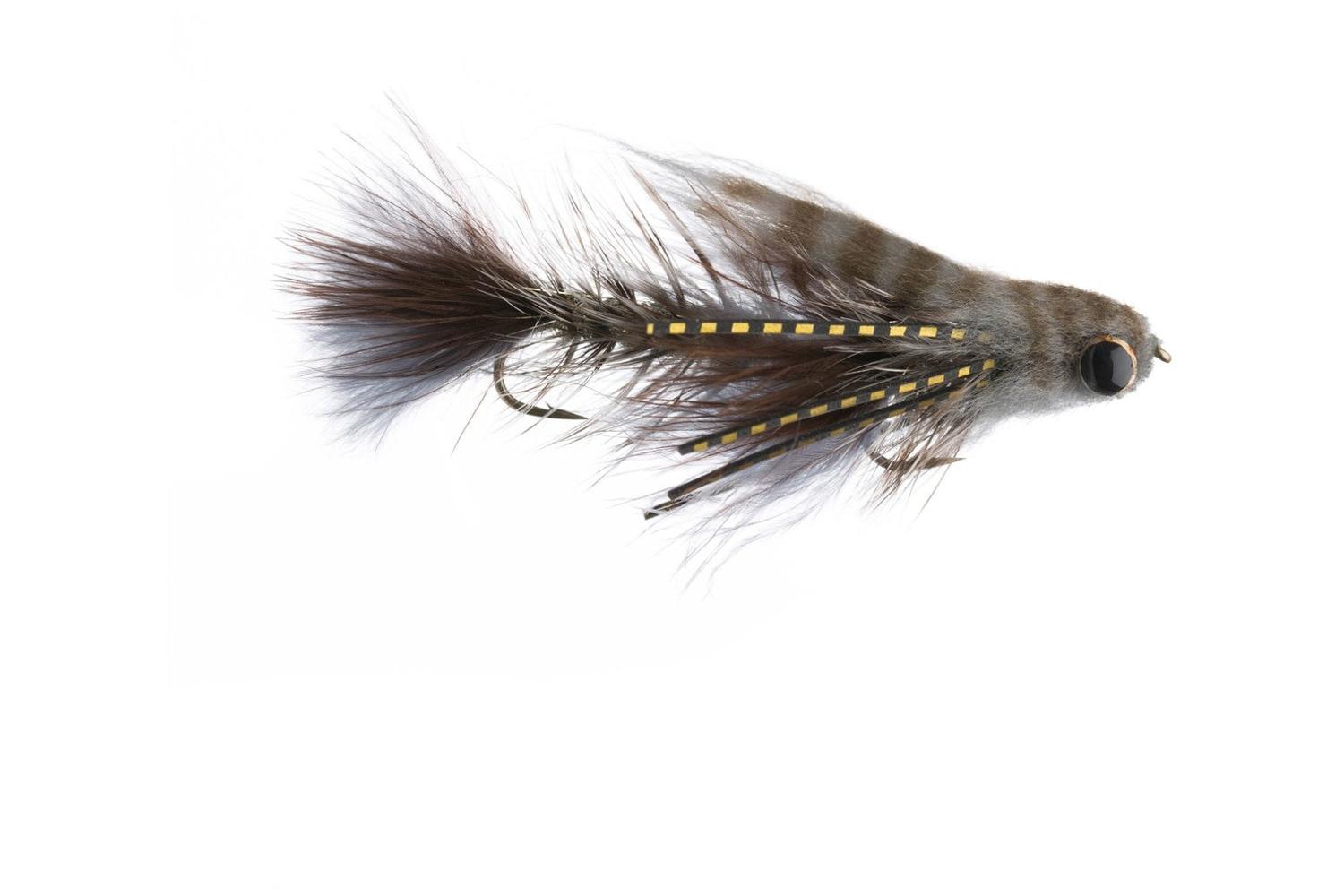
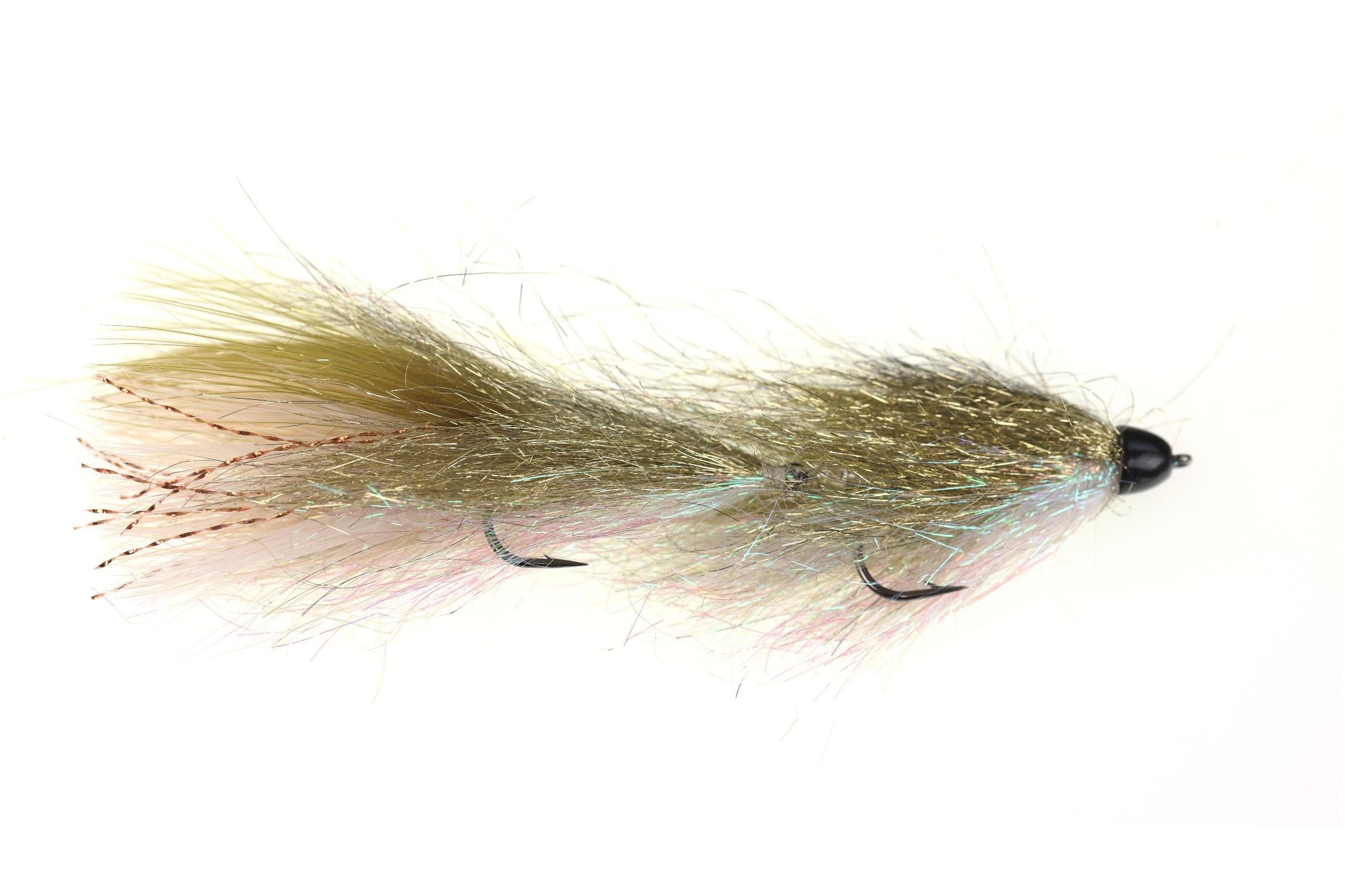
Best Articulated: Chocklett's Gamechanger Fly - A strong choice when you want a longer, swimming action on the retrieve. The articulated build gives it a more natural movement at a range of strip speeds.
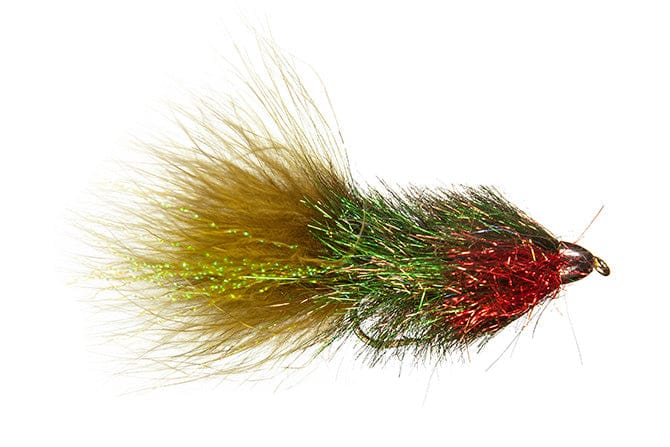
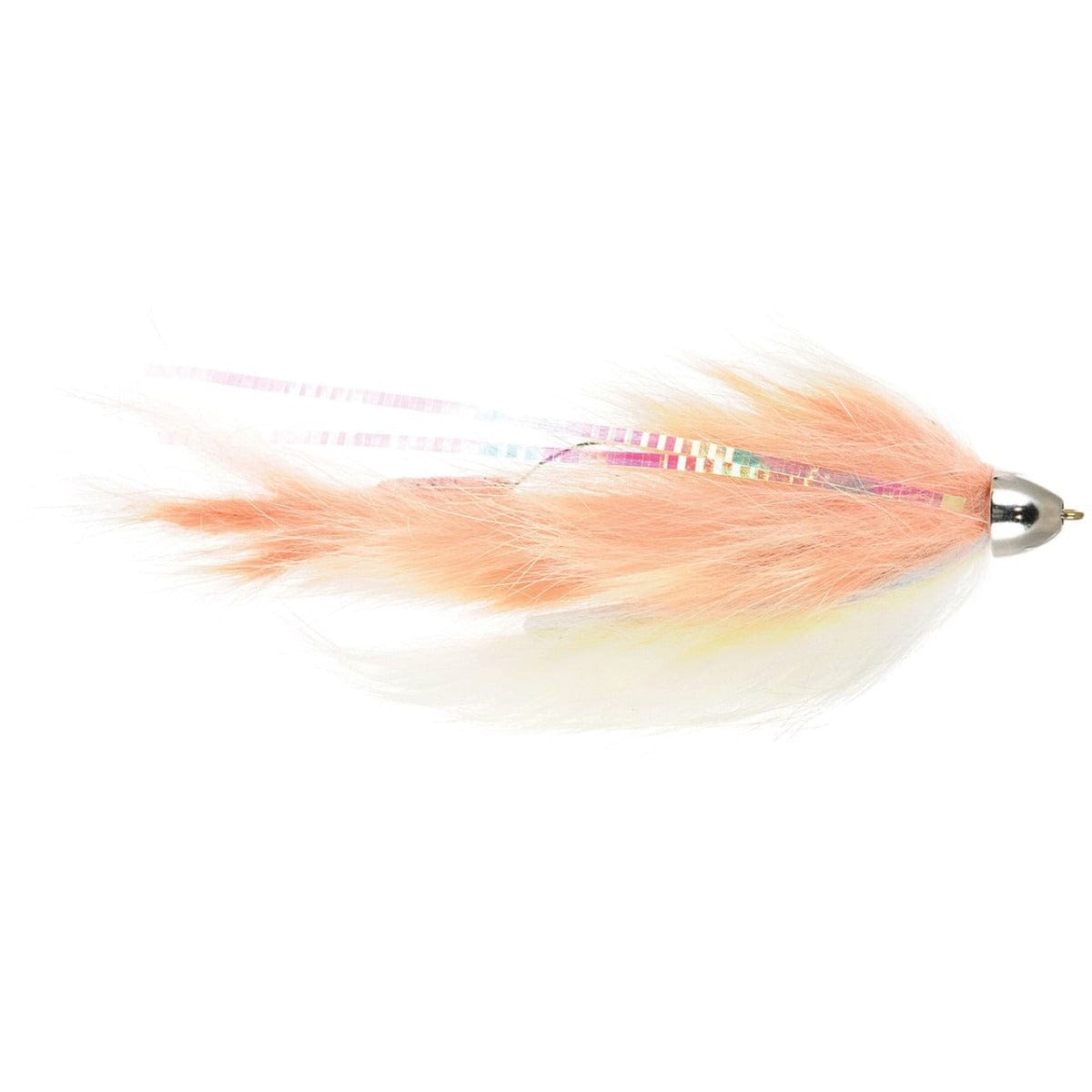
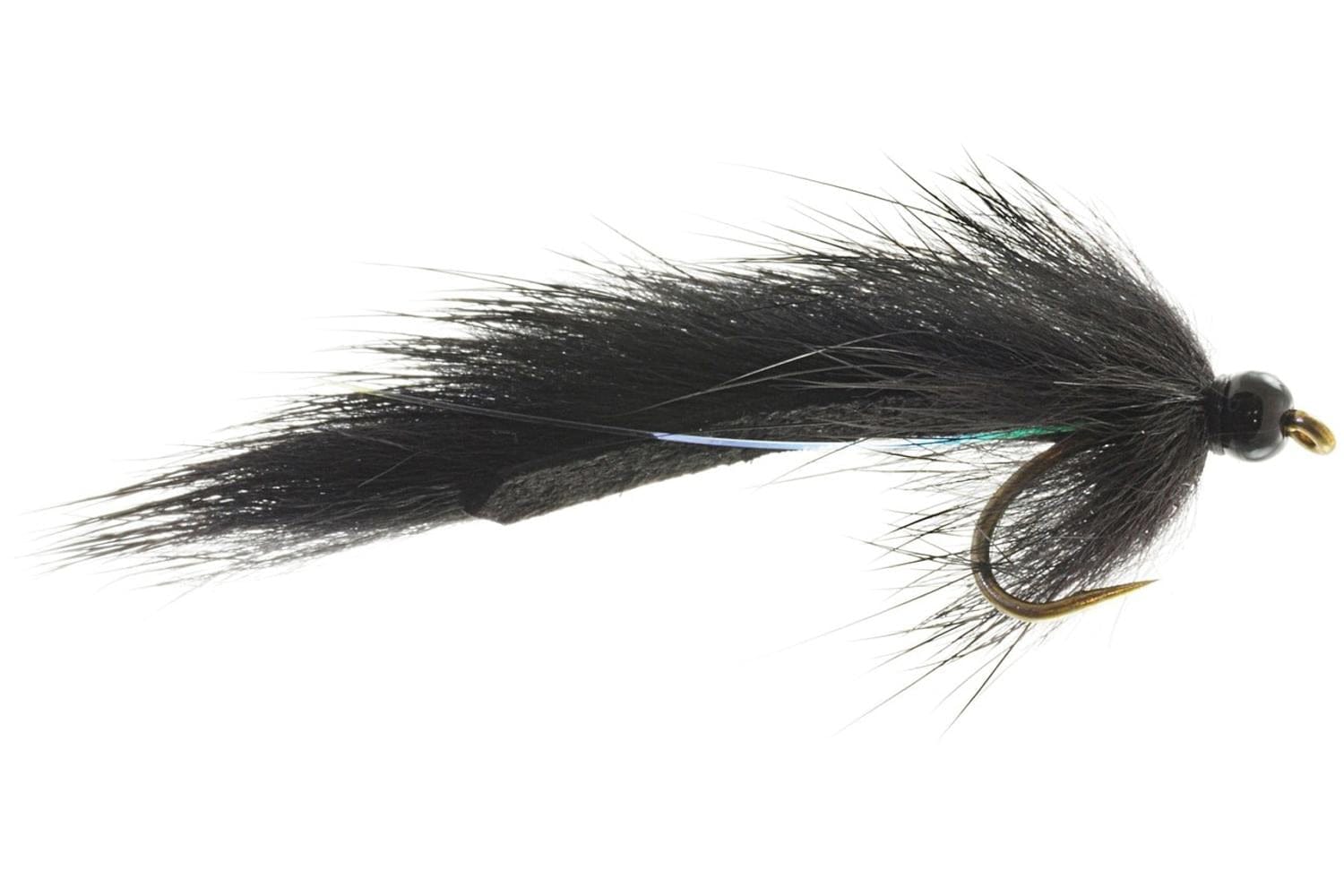
Best for Alaska: Dolly Llama Streamer Fly - A go-to when you need a bigger profile for trout and salmon that are keyed on leeches and baitfish. It is tied to move water and stay lively with slower, steady strips.
How to Choose Streamers
Streamer flies match the forage and the water type
Action: Start by deciding what you want to imitate, baitfish, sculpins, leeches, or crayfish. In faster rivers, sculpin-style streamers and buggers are common picks, while lakes and stillwater often call for baitfish and leech shapes.
Pick the right size and profile
Best for: If you are learning, start with smaller, easier-to-cast patterns and move up as your casting and line control improve. Bigger, bulkier flies can draw harder eats, but they also ask more from your rod, line, and timing.
Choose weight based on depth and speed
Action: Unweighted streamers fish higher in the column and are easier to cast on a floating line. Bead heads, coneheads, and dumbbell eyes help you control depth in deeper runs, faster current, and windy stillwater.
Avoid if: If you are hanging bottom constantly, back off the weight, shorten your sink time, or move to a slower-sinking line profile.
Single hook vs. articulated
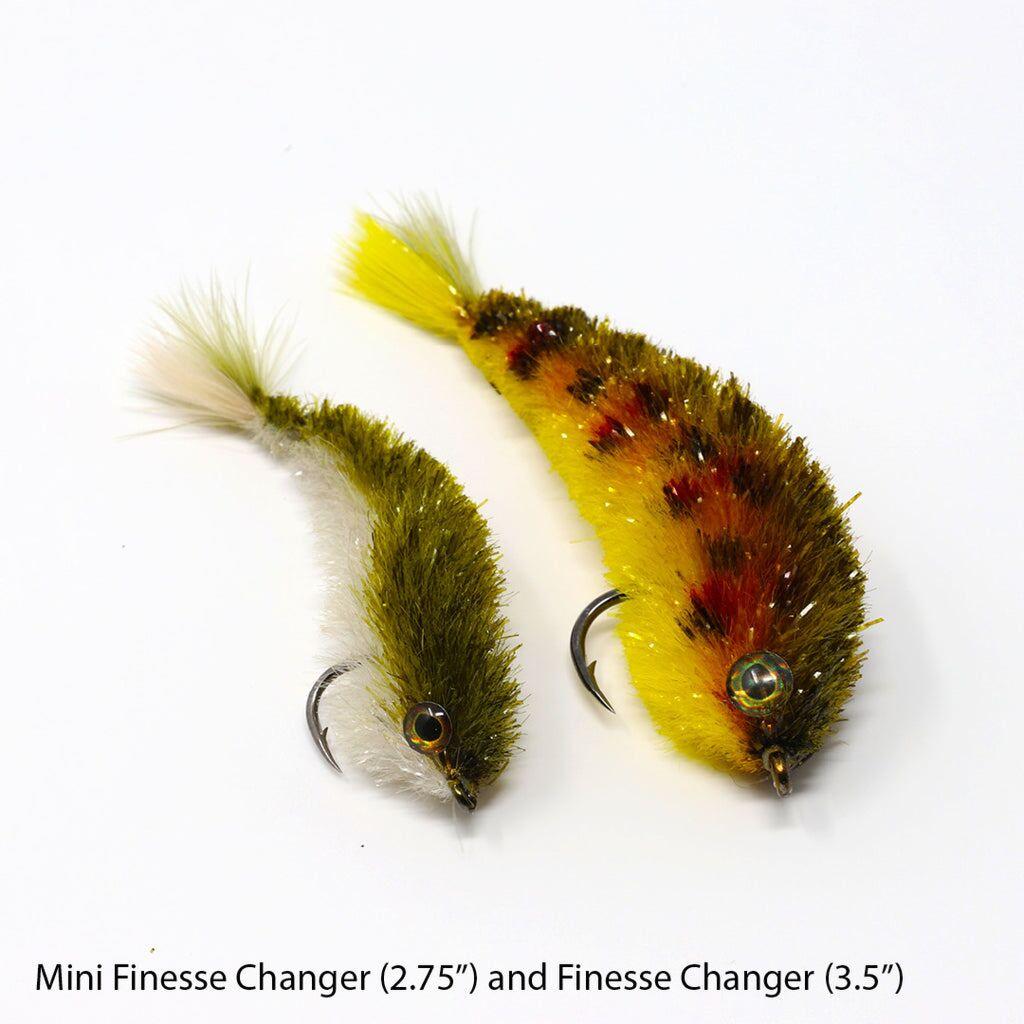
Action: Single-hook streamers are simple and clean for most trout and bass situations. Articulated patterns are popular when you want extra length and swimming action, especially when you are covering banks or working deep seams.
Note: Bigger streamers also benefit from the right storage, consider a deeper box designed for bulky patterns like buggers and articulated flies.
Streamer flies imitate baitfish, sculpins, leeches, and crayfish— For a dedicated Bugger lane, browse Woolly Bugger Flies for classic colors, bead heads, and other variations.
Why Streamers Matter
Streamers let you fish when there is no hatch and when fish are not looking up. They are also a great searching tool for covering water, finding active fish, and triggering reaction strikes from predators.
Materials & Durability
Dry them out: After fishing, open your box and let flies air-dry to help prevent rust.
Check your hooks: Touch up hook points and replace flies that are bent out or dulled from rocks.
Protect your patterns: Big marabou and rabbit-strip flies fish best when they are not crushed, use a deeper box for bulky streamers.
Separate salt use: If you fish any of these in brackish or salt water, rinse and dry them, and store them in a separate box.
Complete Your Setup
Related Gear
Fly Lines - Match the taper and sink profile to the size of streamer you are throwing and the depth you need.
Leaders - Shorter, stouter leaders help turn over heavier flies and keep better contact on the strip.
Tippet - Step up in diameter for abrasion resistance and better turnover with bigger patterns.
Fly Boxes - Keep bulky streamers organized and protect longer flies from getting mashed.
Related Guides
Streamers FAQs
Q: What is a streamer fly?
A: A streamer is a larger fly meant to imitate baitfish, sculpins, leeches, or crayfish. You usually fish it with an active retrieve, or by swinging it through current.
Q: Are streamers only for big trout?
A: Streamers are a common choice for bigger trout, but smaller fish eat them too. They are also popular for bass, pike, salmon, and other predators.
Q: Do I need a sink tip line to fish streamers?
A: Not always. A floating line can work well for shallow water, unweighted flies, and bank work, while sink tips and intermediate lines help you control depth in deeper or faster water.
Q: What leader should I use for streamer fishing?
A: Many anglers use a shorter, thicker leader for better turnover and straighter connection on the strip. Choose tippet strength based on fly size, structure, and the fish you are targeting.
Q: How do I choose streamer color?
A: In clear water, natural colors that match local forage are a safe starting point. In dirty water or low light, darker colors and flies with some flash can be easier for fish to find.
Q: Can I fish streamers in stillwater?
A: Yes. Intermediate lines and steady retrieves are common stillwater tactics, and baitfish and leech patterns are reliable choices in lakes and ponds.
Q: Are articulated streamers harder to cast?
A: They can be, since they are longer and often push more air. A streamer-style fly line, a stout leader, and a slightly more open casting loop can make things smoother.