



Grayling Fly Patterns | Nymphs and Dry Flies

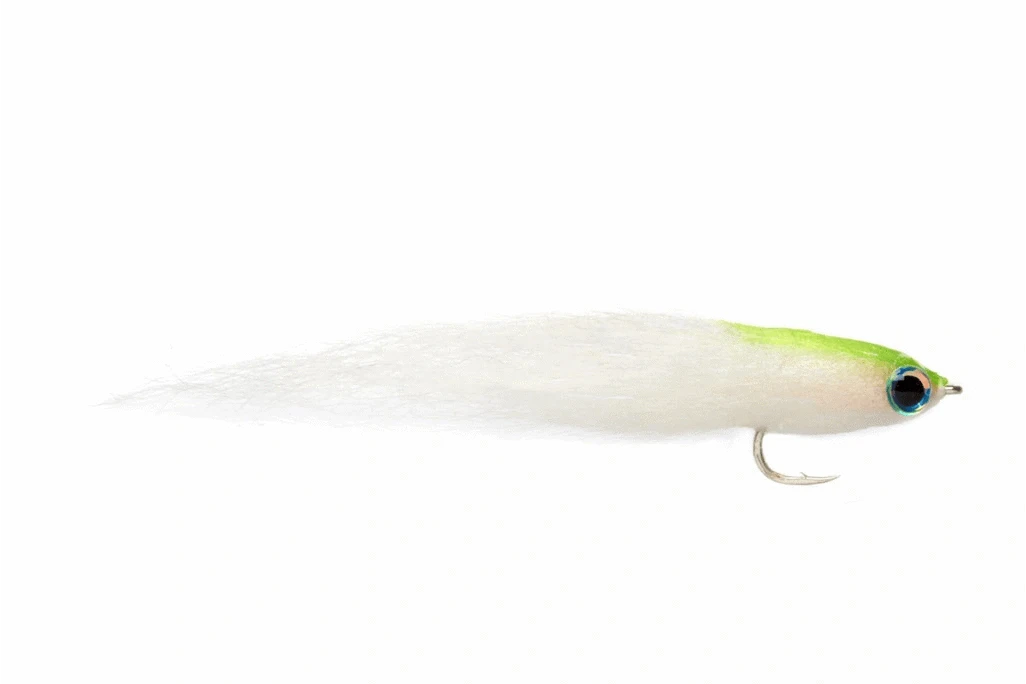

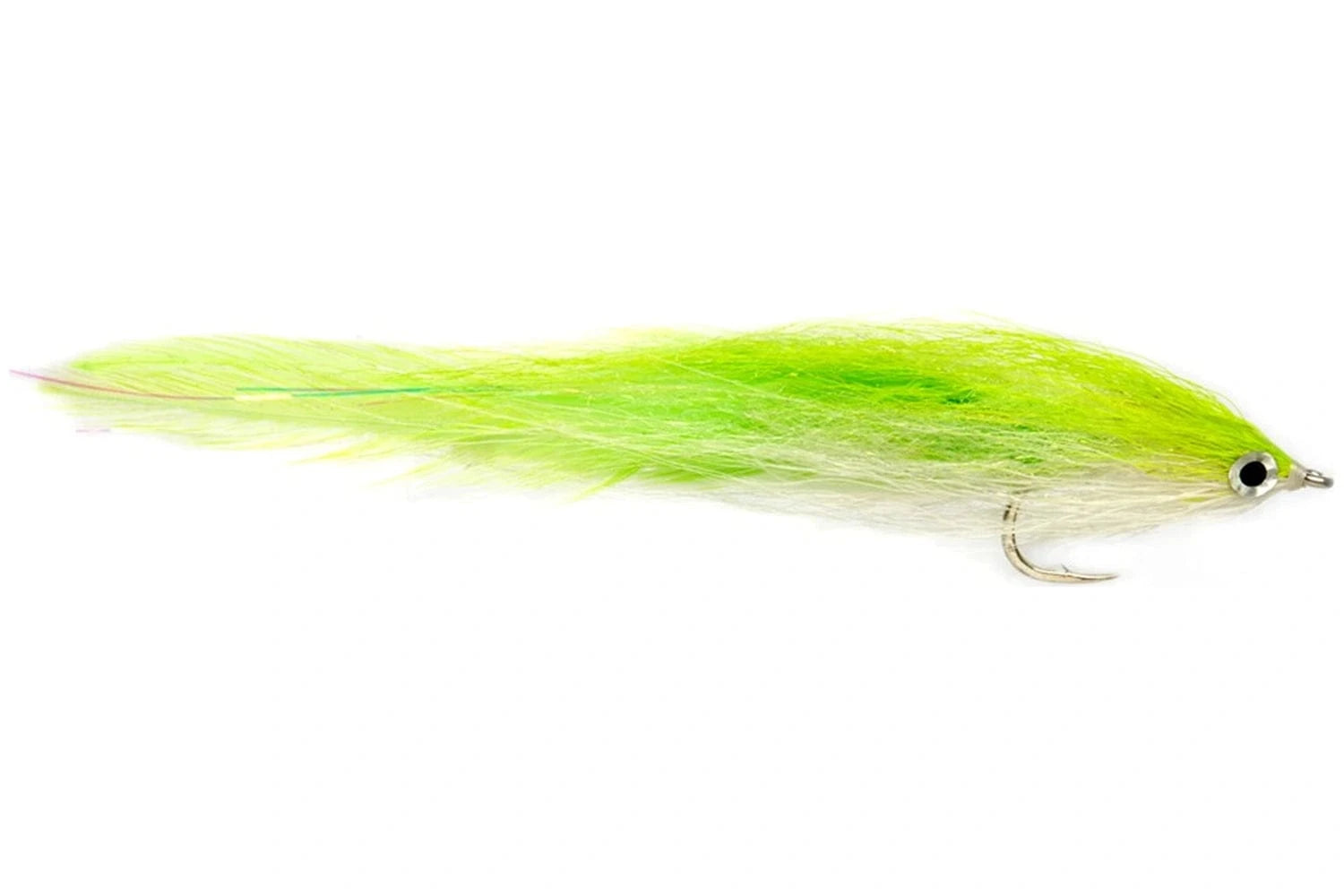
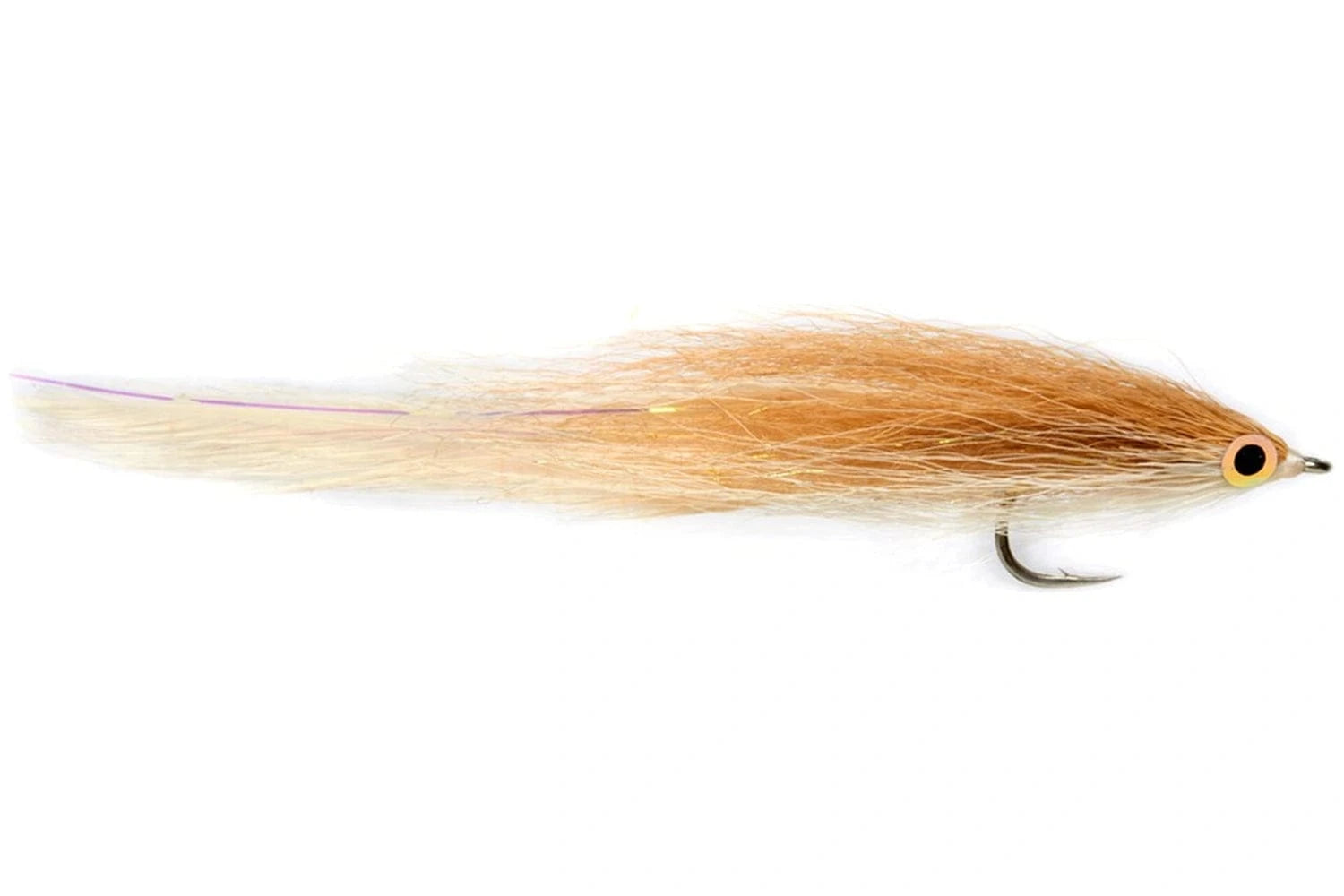
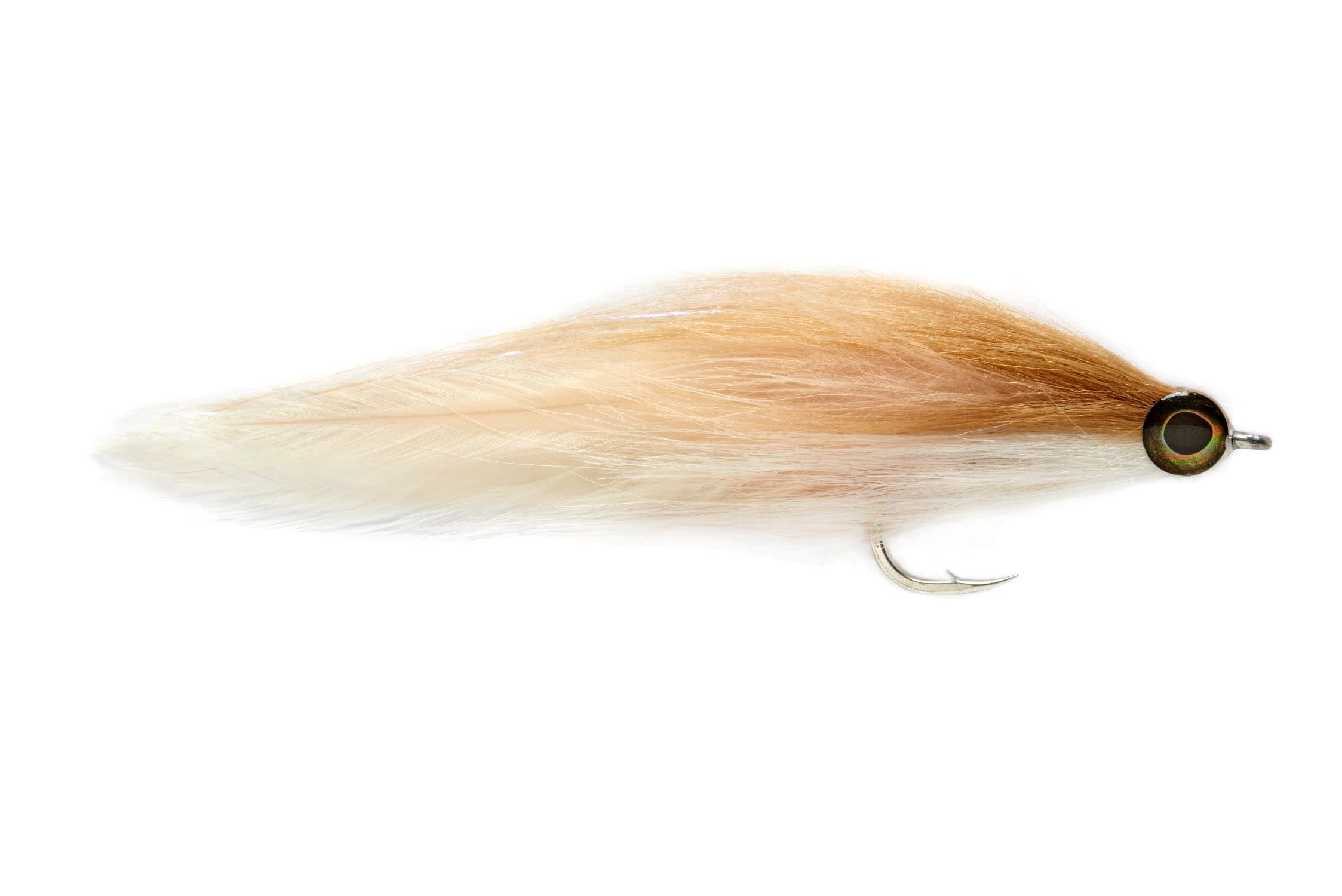

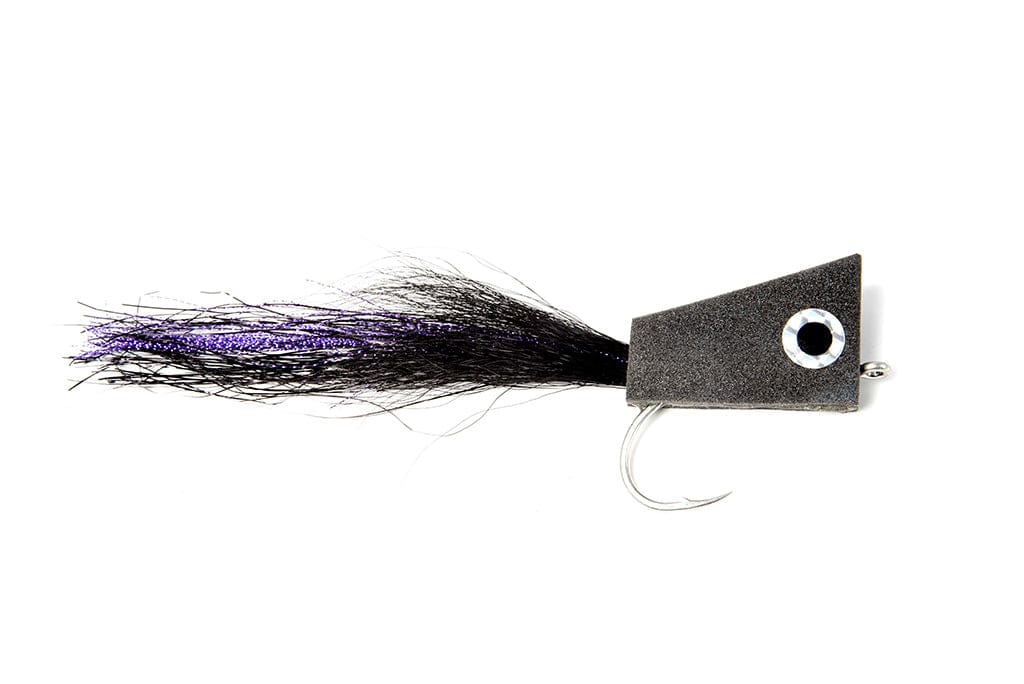

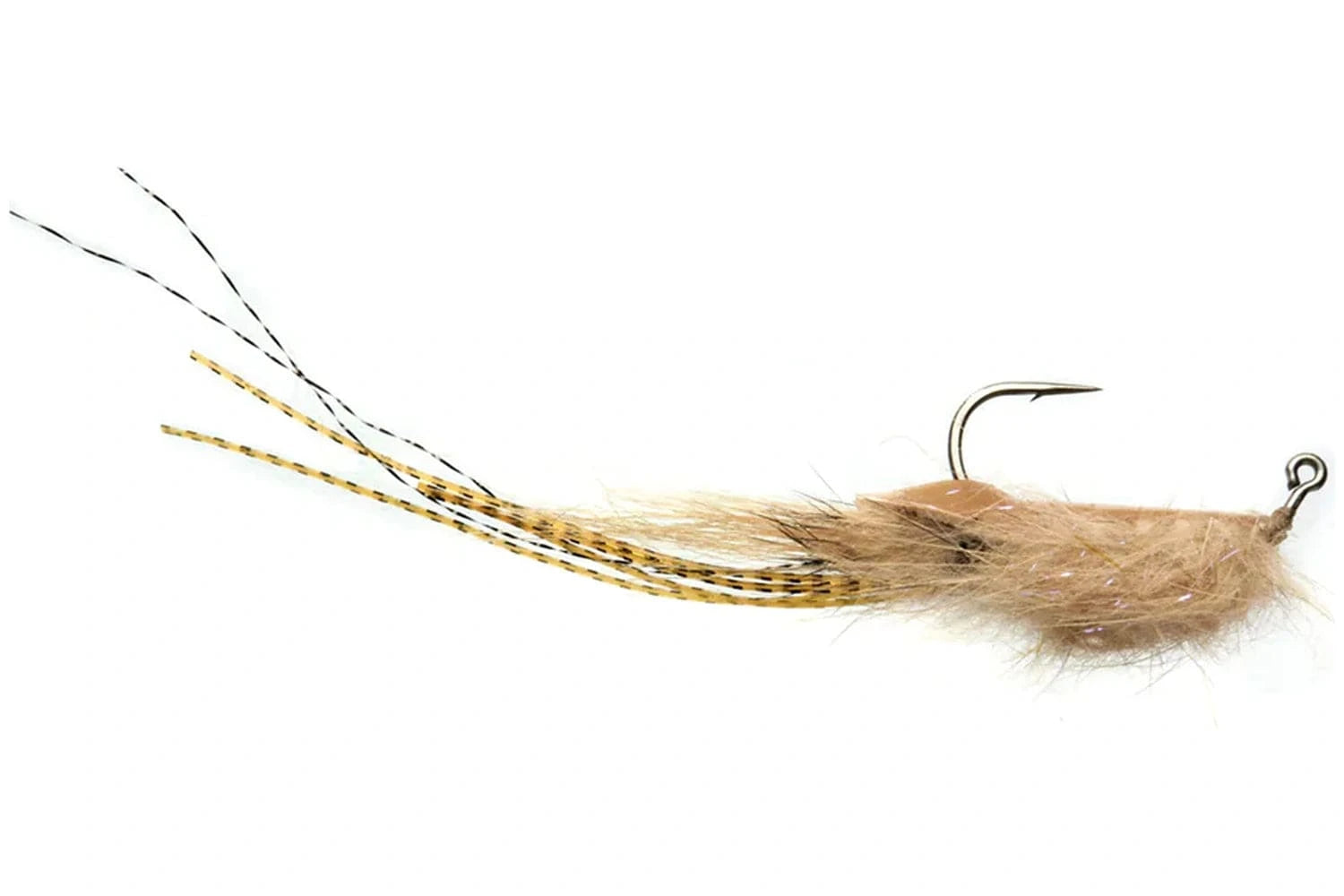
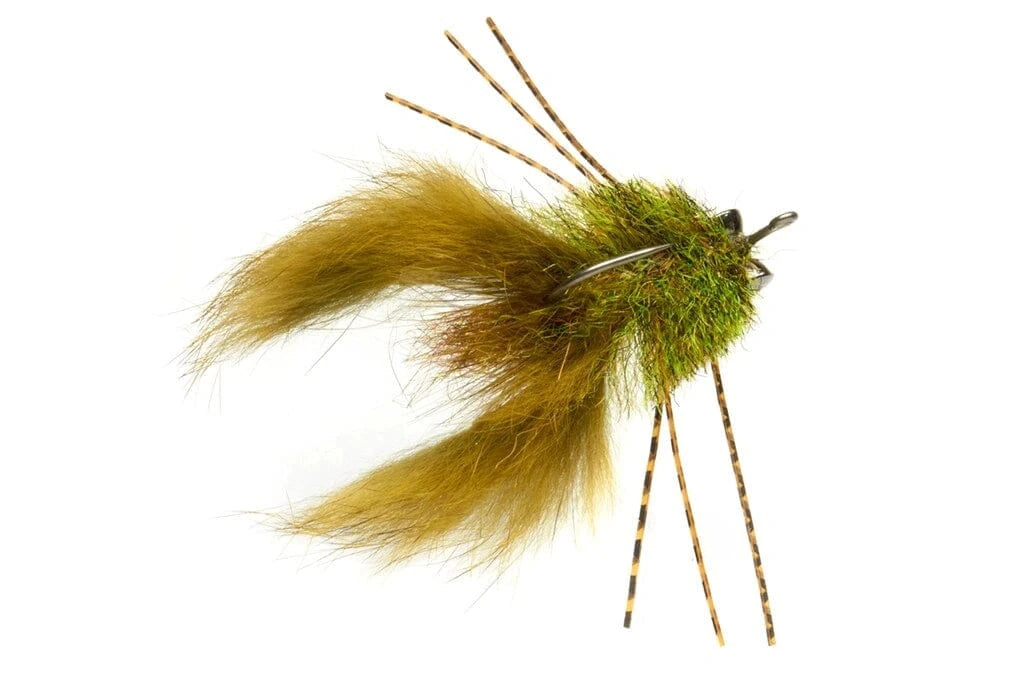
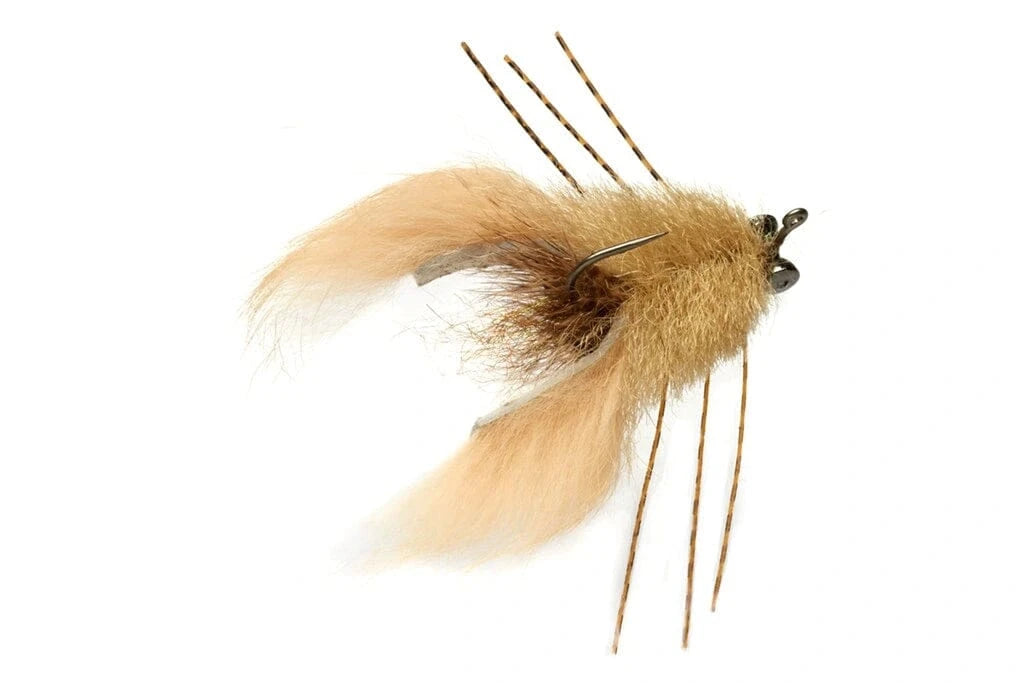
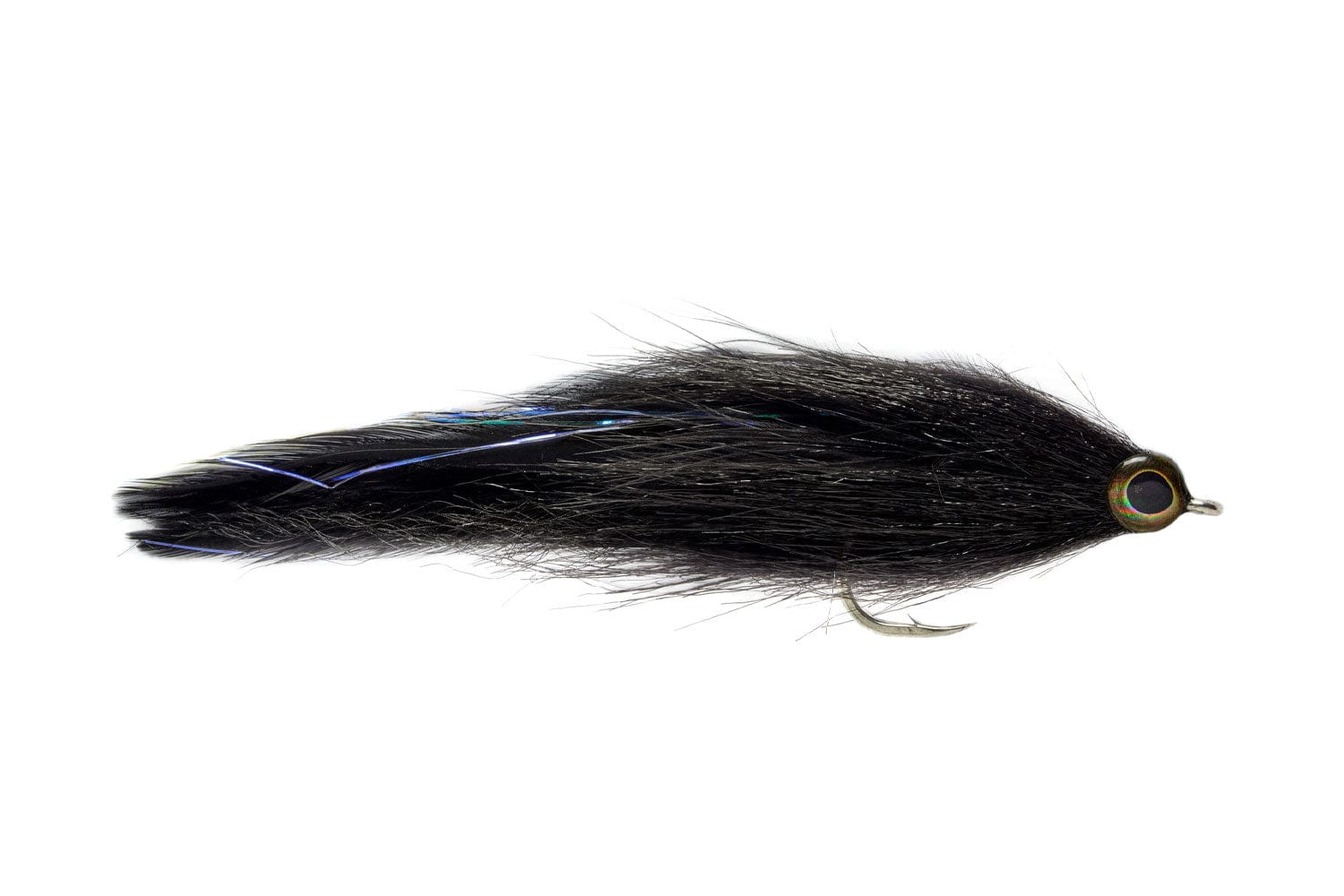

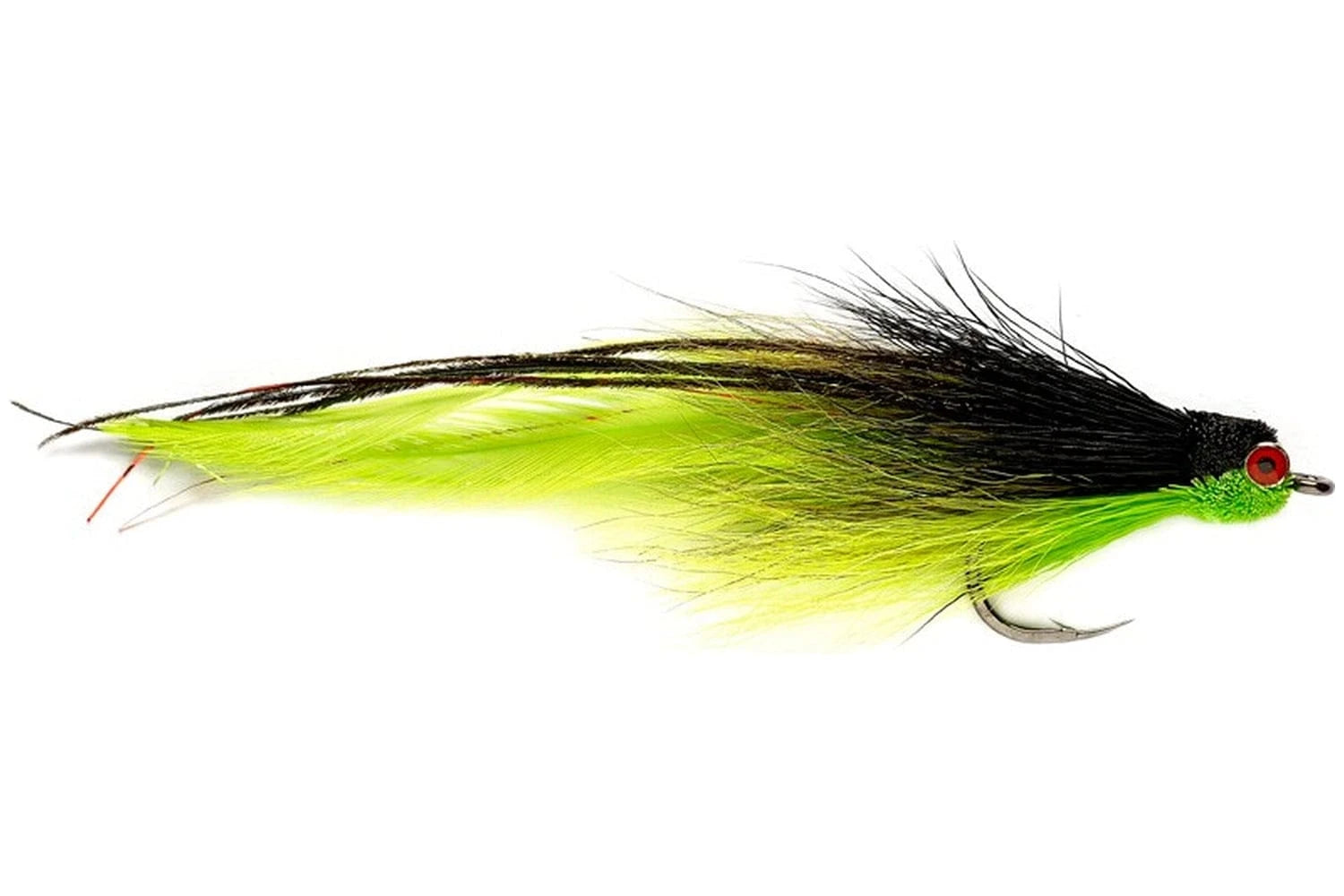
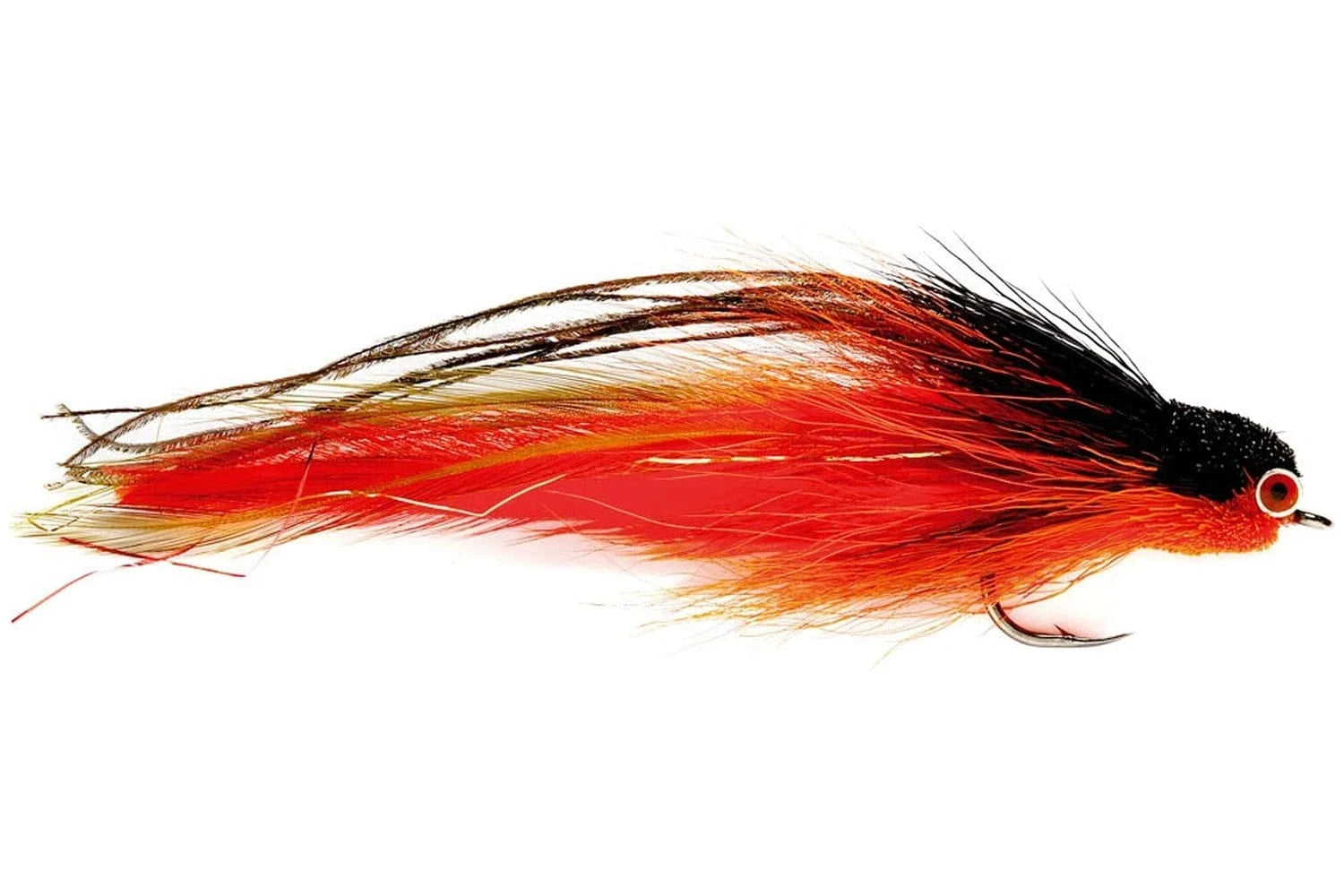

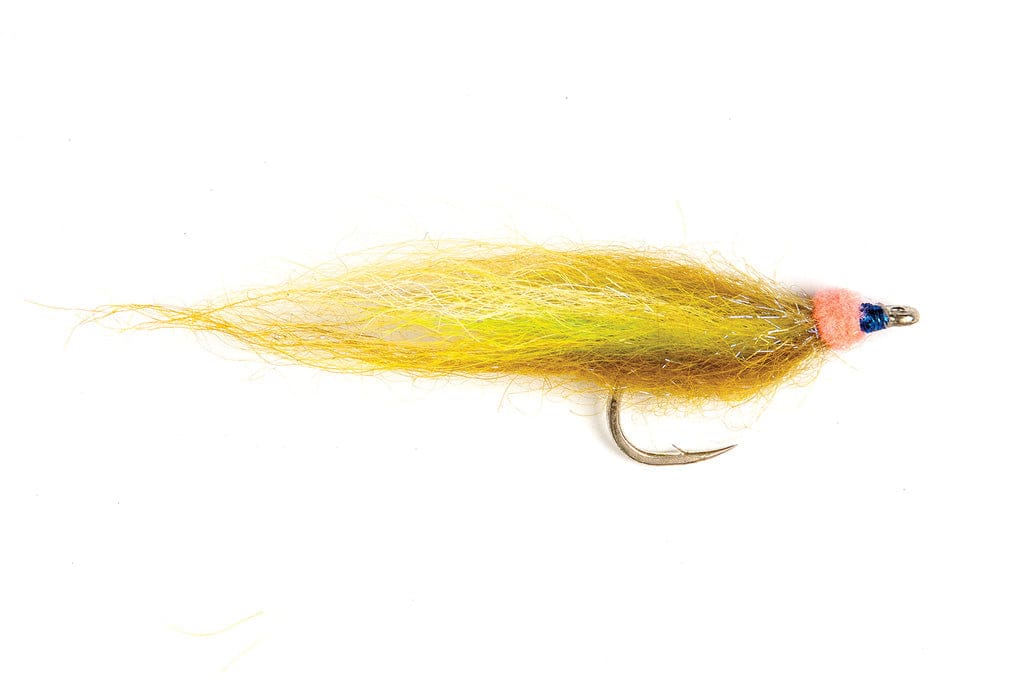


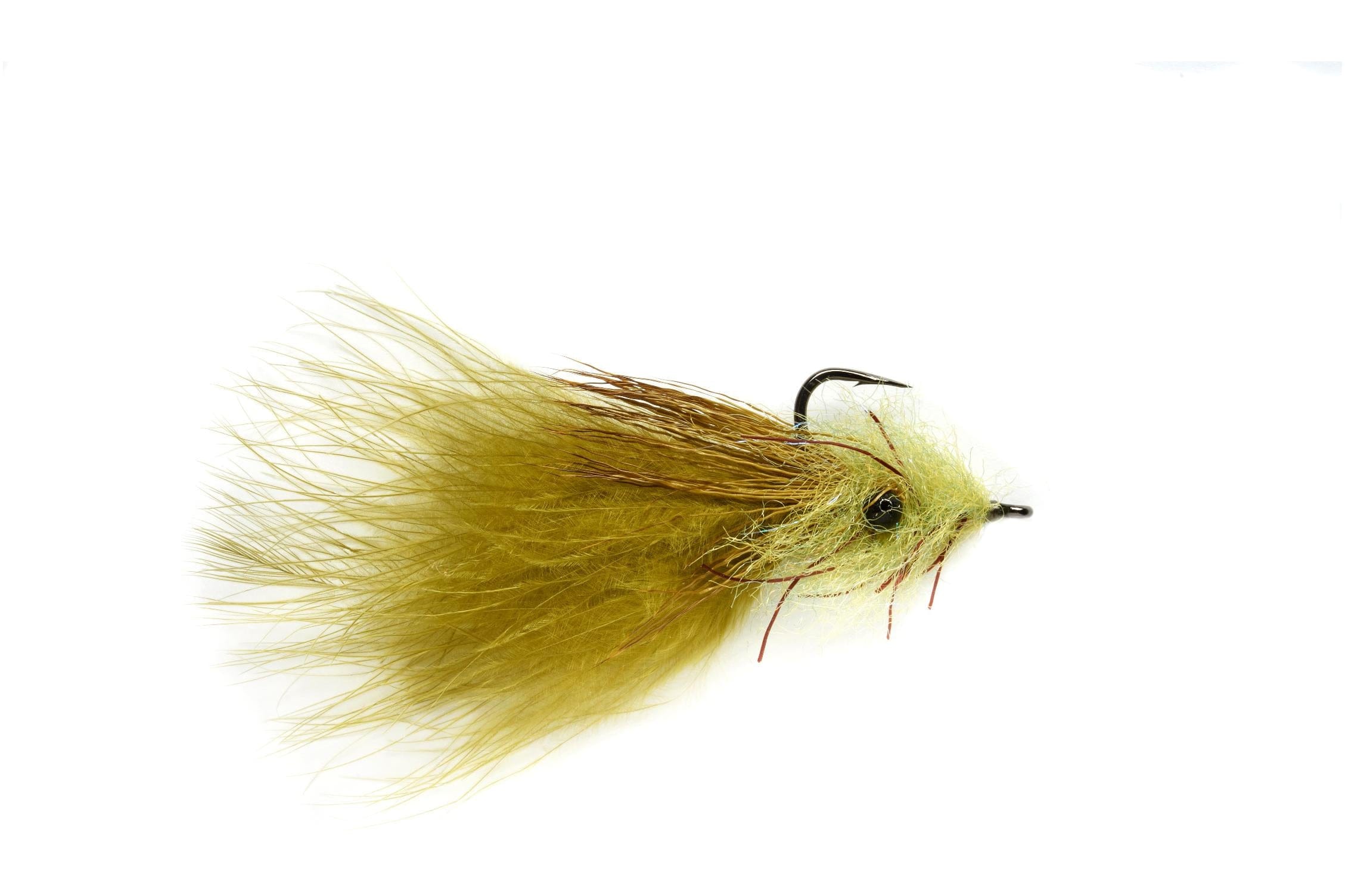
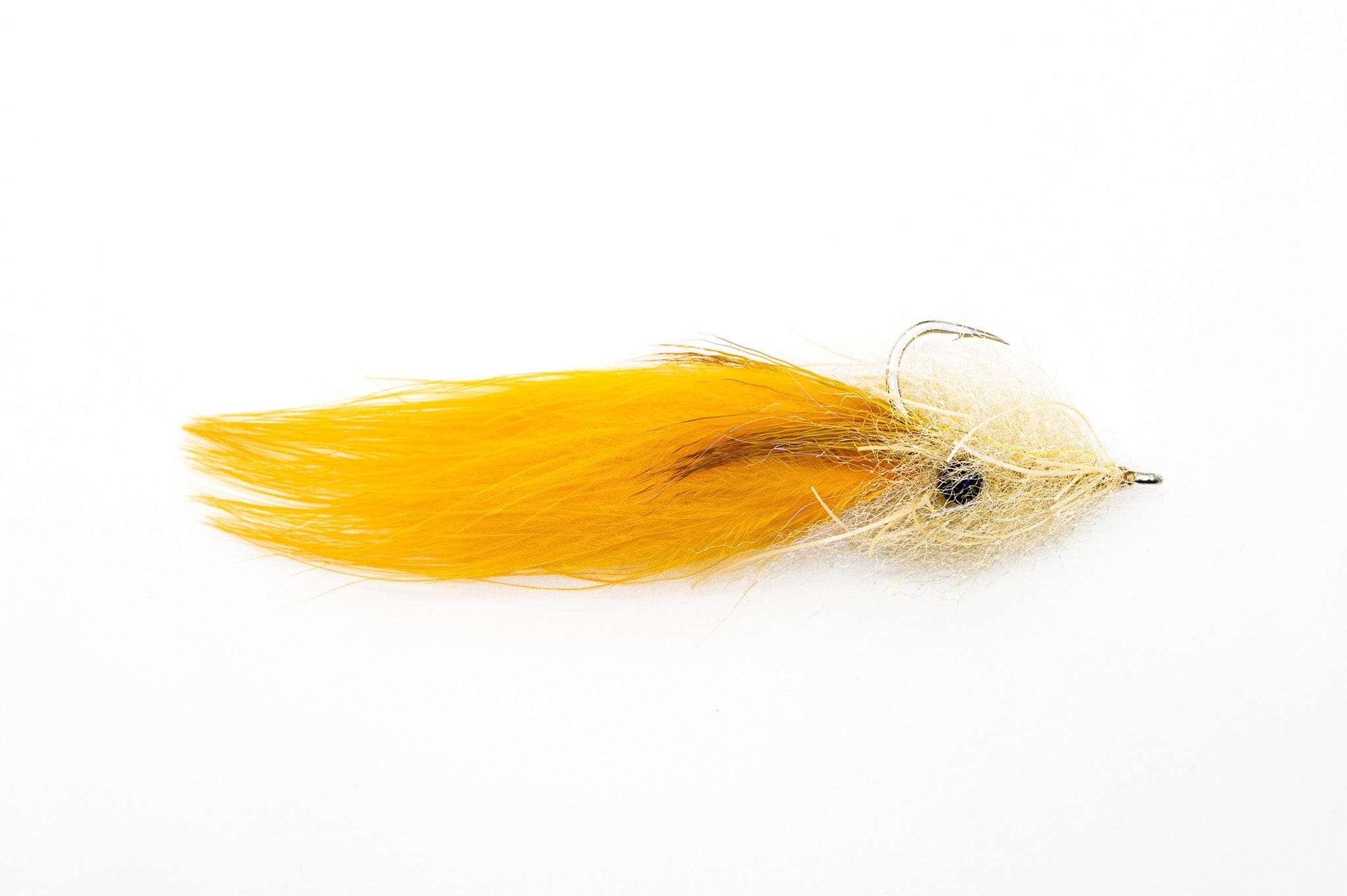


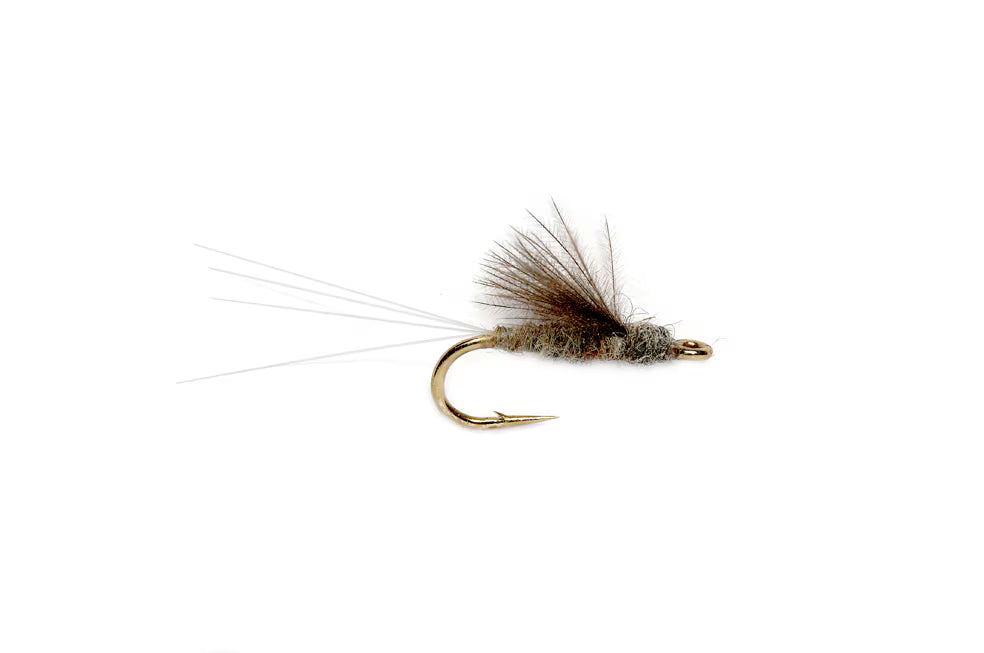
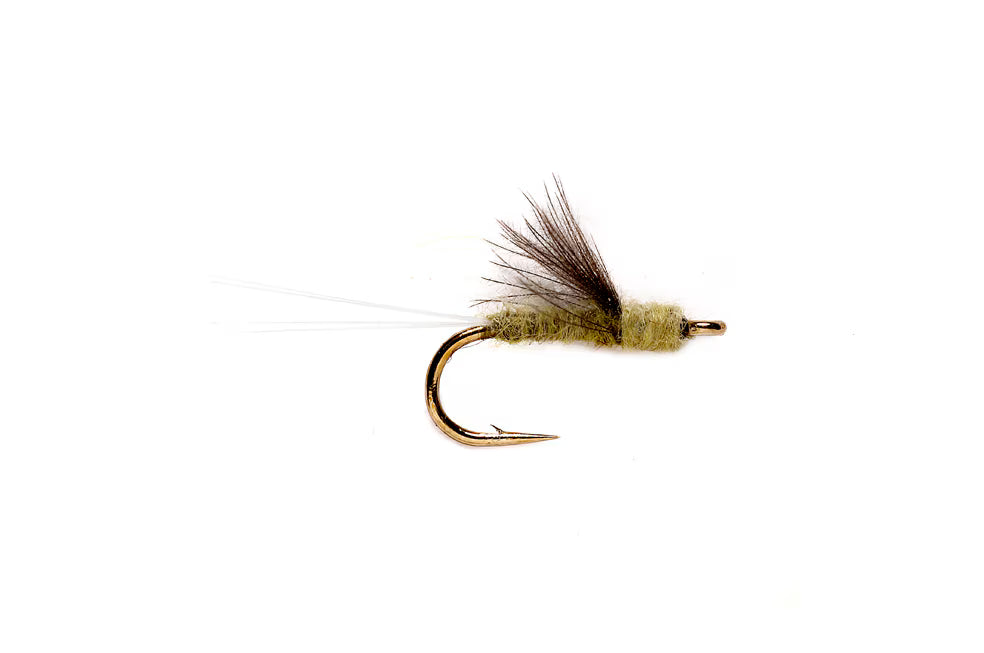

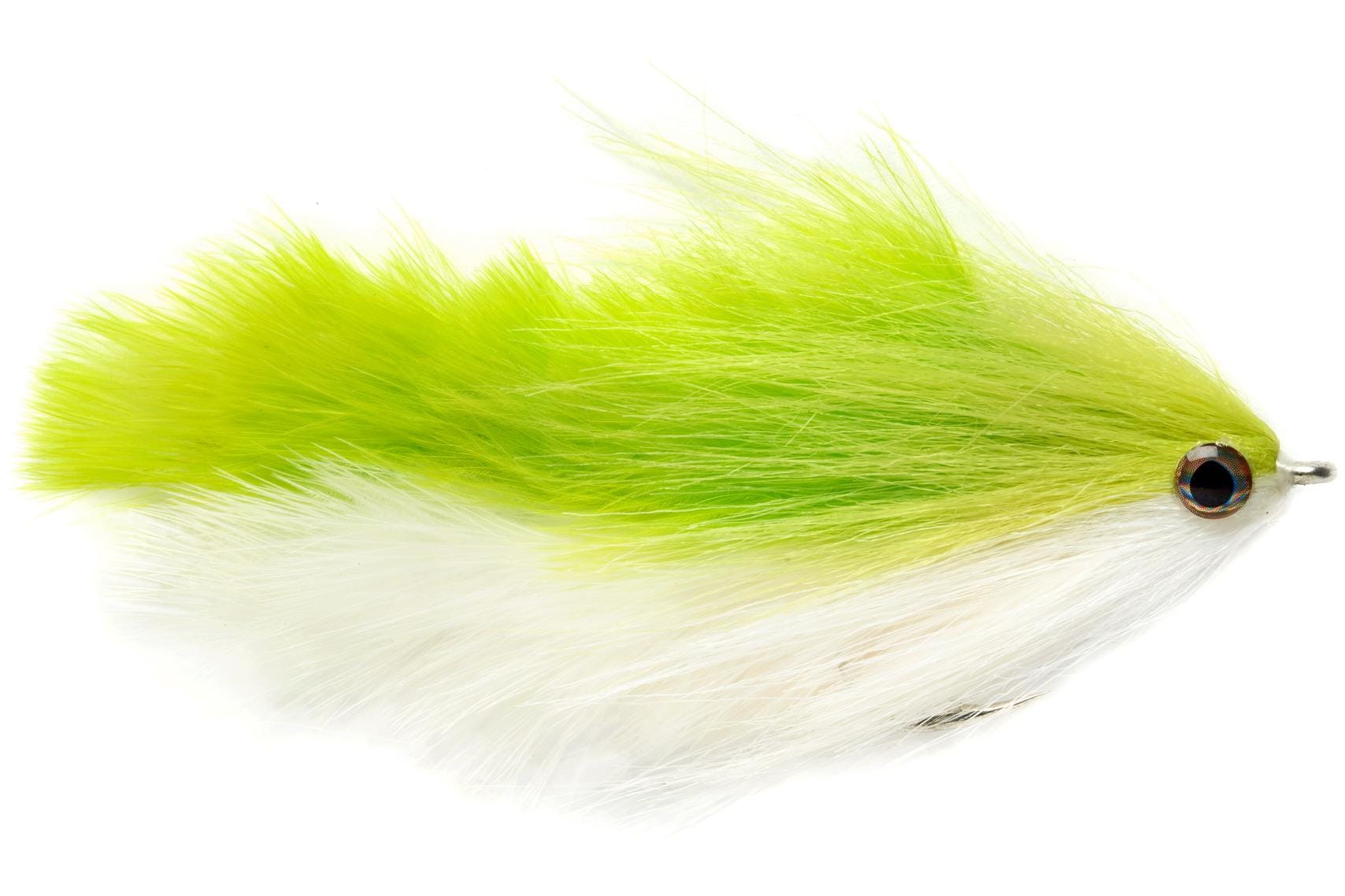
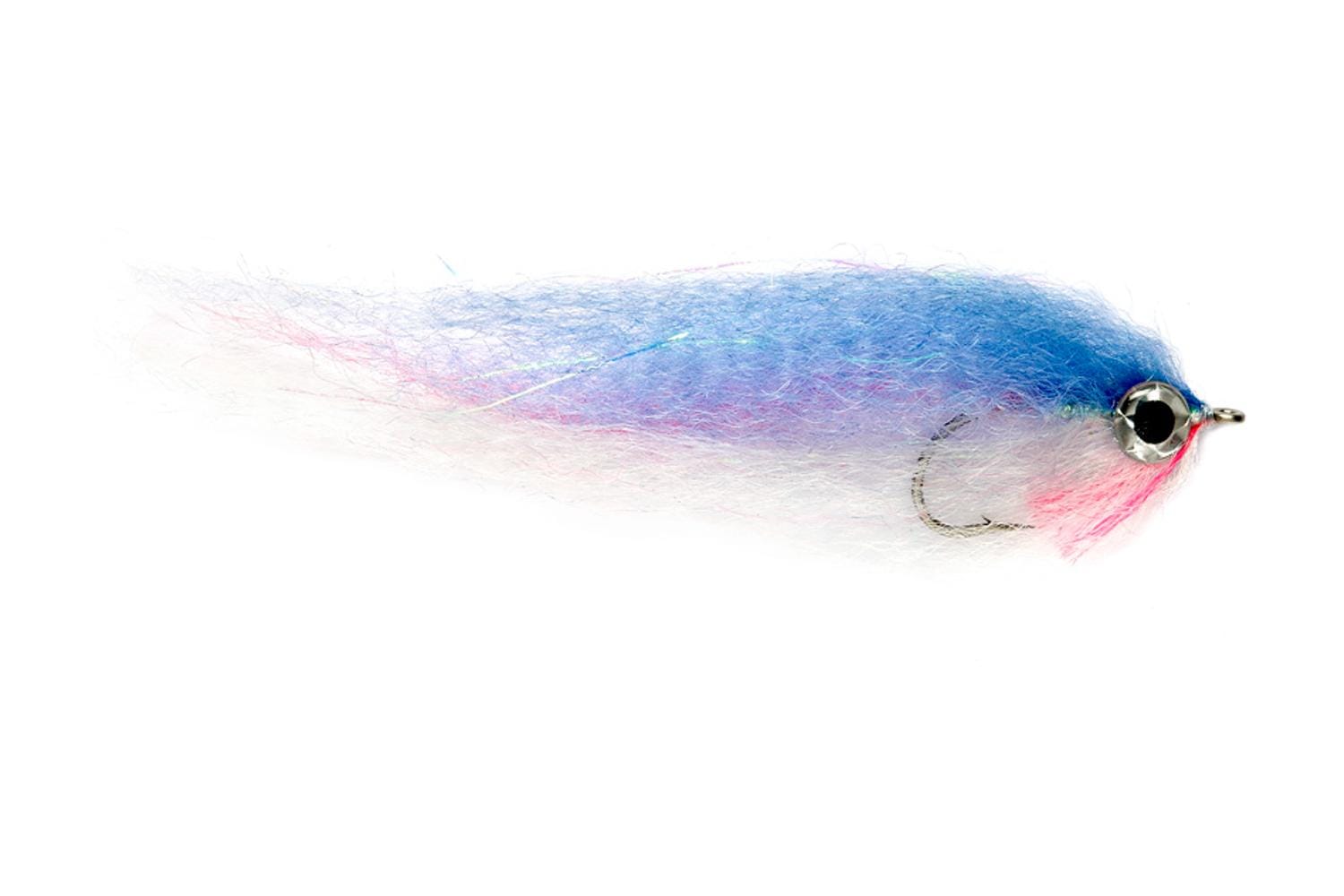
Fulling Mill Flies Quick Picks
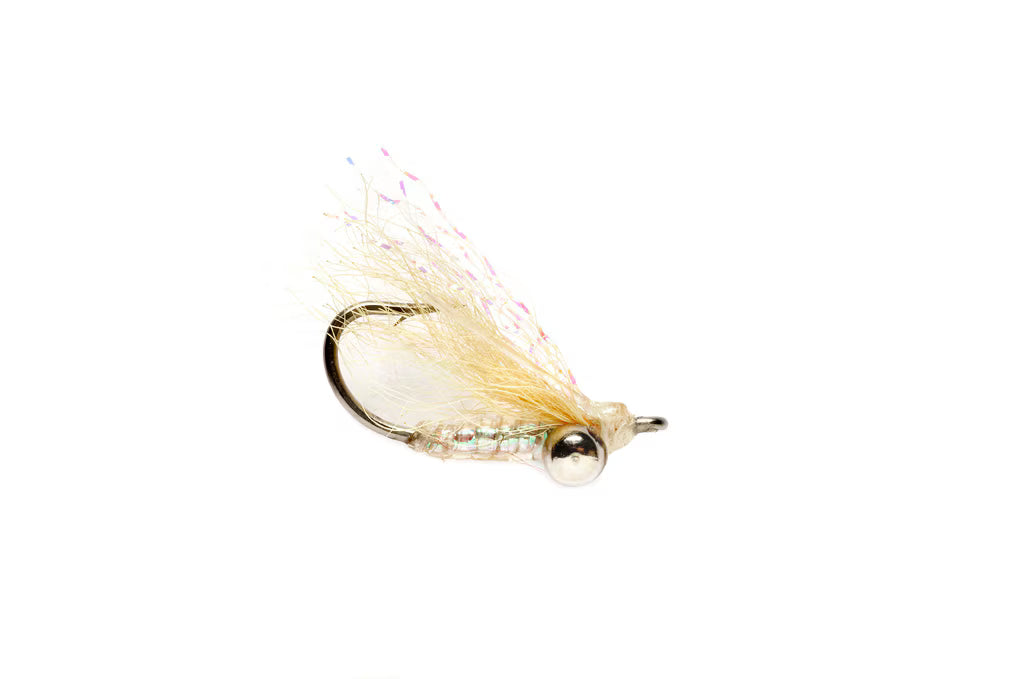
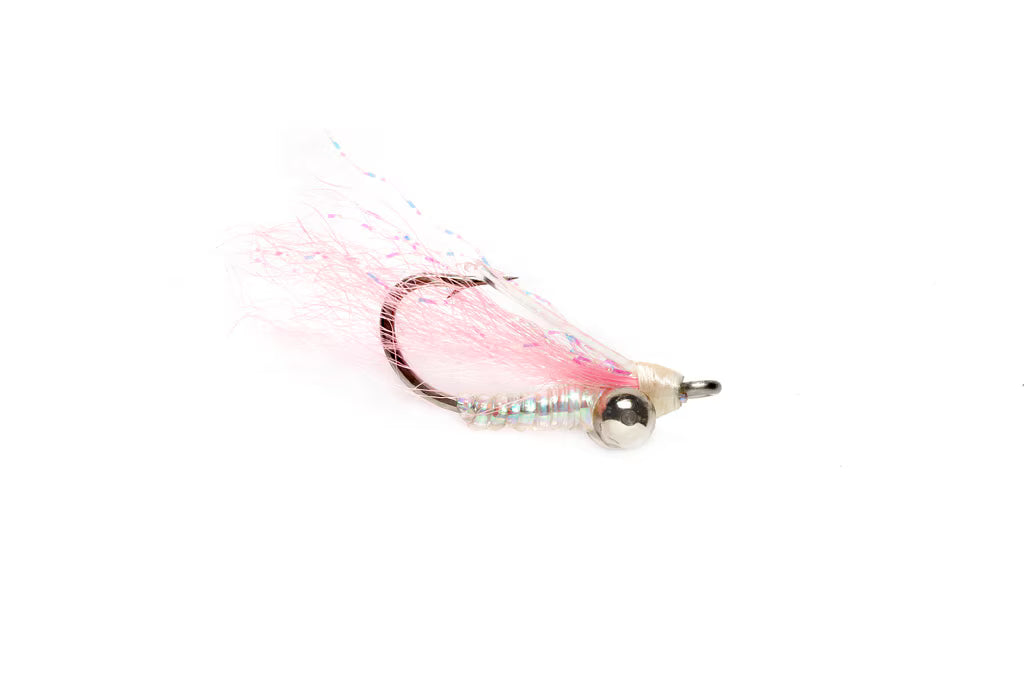
- Best for Bonefish: Hot Legs Foxy Gotcha Fly - A go-to flats shrimp/crustacean profile when you need something proven for bonefish-style presentations. The rubber legs and fox-style movement give it extra life when you’re barely moving the fly.
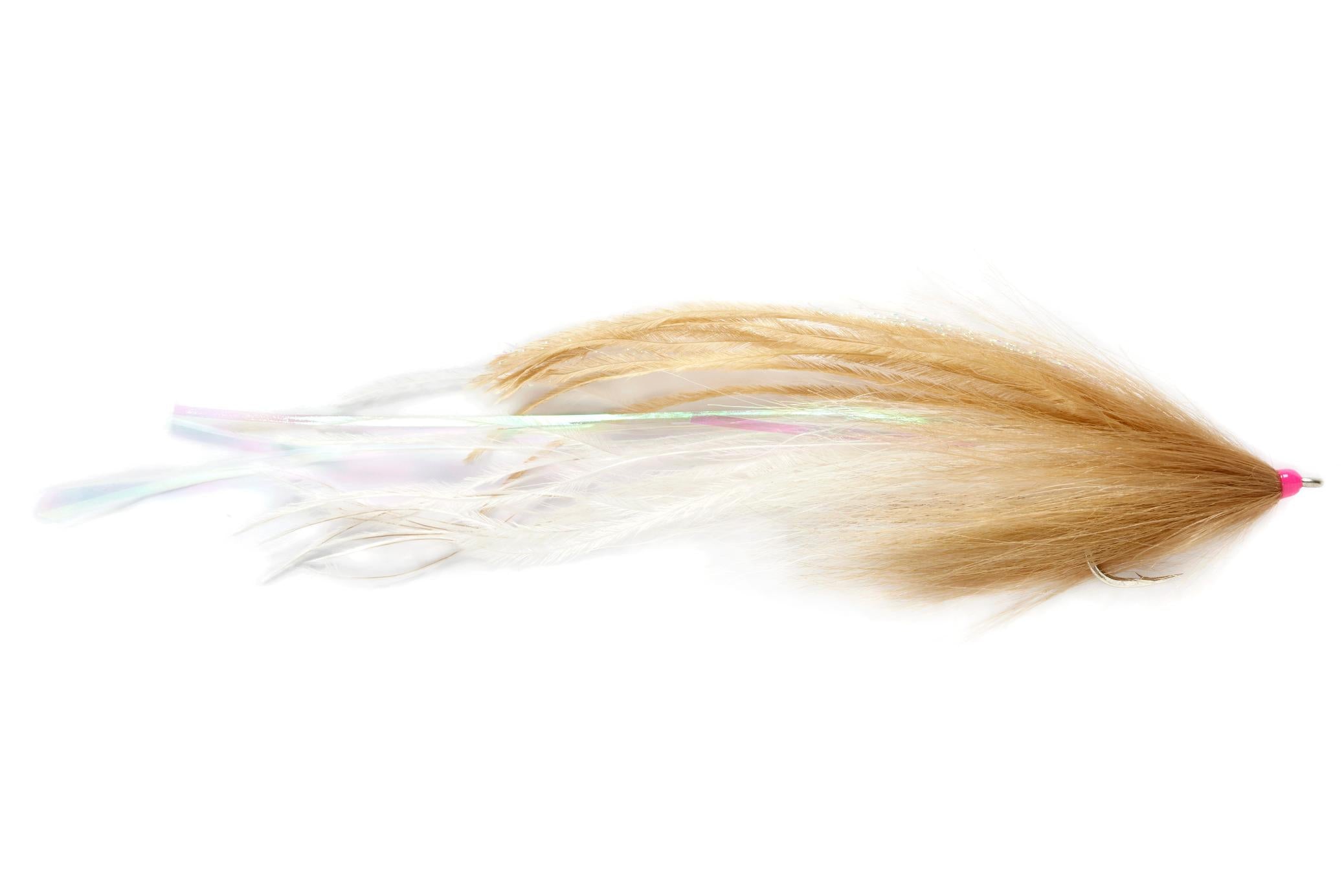
- Best Premium: NYAP Fly - Built for when you’re targeting big, hard-fighting saltwater species and want a serious baitfish silhouette. It’s a larger, confidence-style fly that’s easy to “fish on feel” with clear strips and pauses.
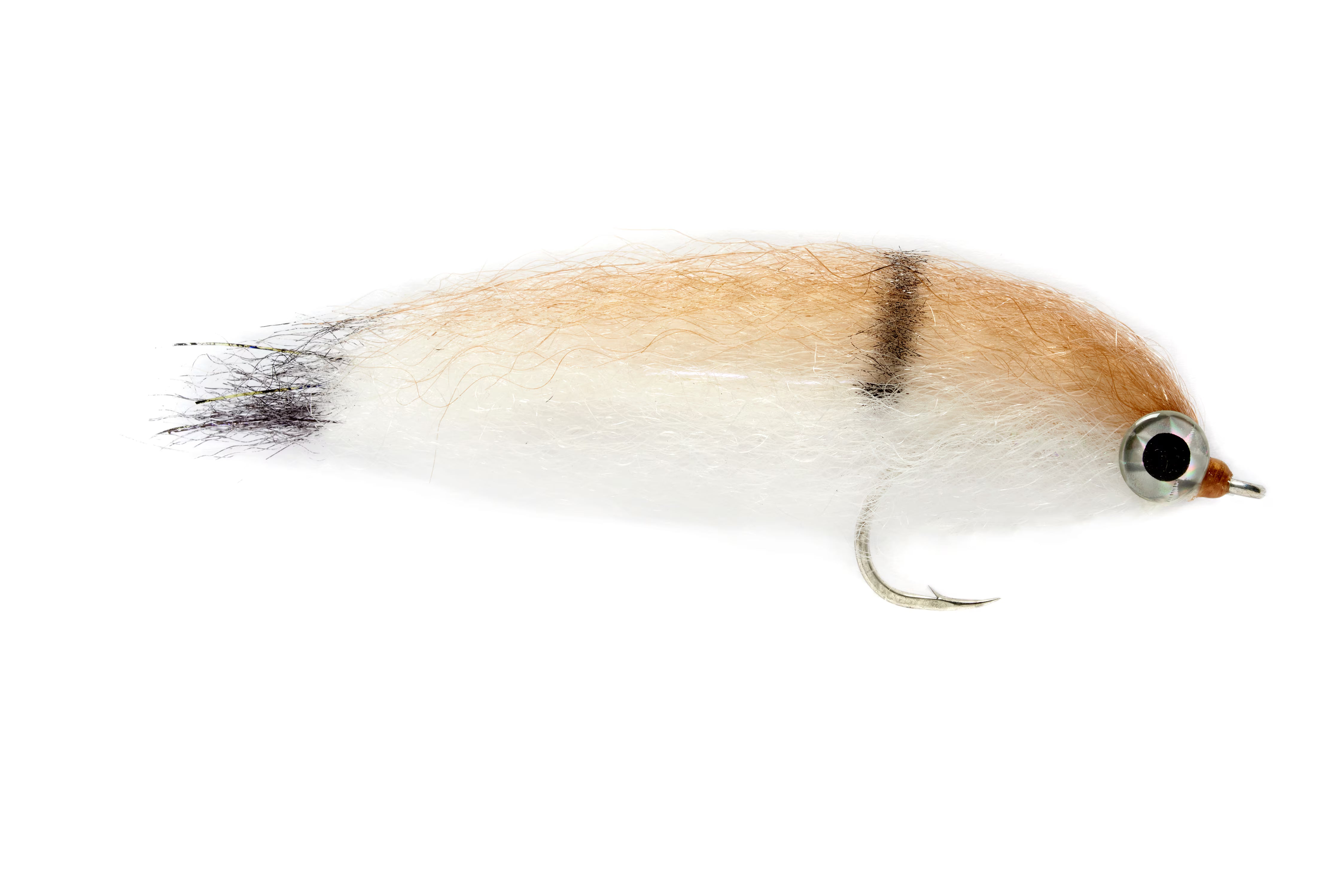
- Best All-Around Baitfish: Whalley's Money Minnow Fly - A versatile minnow profile that fits a lot of inshore and nearshore situations. It’s an easy starting point when fish are keyed on small bait and you want a clean, straightforward retrieve.
- Best for Tarpon: Millhouse Tarpon Toad Fly - A classic-style tarpon profile for fishing cruising fish, laid-up fish, and moving strings. It pushes water without being overly complicated, making it easy to fish consistently for long days on the bow.
- Best for Big Strips: Mara-Changer Fly - Great when you need extra movement and profile from a single fly, especially on longer strips. The articulated-style action helps sell the “alive” look when fish are following but not committing.
How to Choose Fulling Mill Flies
Match the job: shrimp/crab vs. baitfish
Action: Start by deciding what you’re trying to imitate, not what you want to catch. On flats and shallow sand, shrimp and crab-style flies tend to fish best with short strips and long pauses, while baitfish patterns usually like steady strips, quick two-hand pulls, or a change-of-speed retrieve.
Best for: Bonefish, permit, and picky flats fish when you choose the right crustacean size and land it softly. Snook, stripers, and tarpon when you match the baitfish profile and keep the fly moving.
Pick the sink rate (weight) for your water
Action: If you’re in skinny water, choose lighter flies that land quietly and don’t dig into turtle grass. If you’re in current, channels, or deeper edges, step up to a pattern that gets down fast enough to stay in the zone without constant snagging.
Avoid if: You’re constantly hanging bottom or spooking fish on the landing, those are usually weight problems, not “wrong pattern” problems.
Build a small, repeatable system
Action: Instead of carrying one of everything, bring a few profiles you trust in a couple sizes/colors. A simple system (one shrimp, one crab, one small baitfish, one bigger baitfish) makes it easier to fish well under pressure and adjust based on what you’re seeing.
Materials & Durability
- Rinse after saltwater: A quick rinse and air-dry helps prevent corrosion and keeps materials from breaking down early.
- Dry before storage: Open your box at the end of the day and let flies fully dry to reduce rust and mildew.
- Inspect key points: Check hook points, knots, and tie-in areas (eyes/heads/legs) after fish or coral/rock contact.
- Keep patterns separated: Big, bulky baitfish flies can crush smaller patterns, use separate boxes or dedicated compartments.
Complete Your Setup
Related Gear
- Leaders - Match leader strength and stiffness to the fly size and species so your flies turn over cleanly.
- Tippet - Dial in stealth vs. abrasion resistance for your water, from clear flats to rocky rivers.
- Fly Assortments - A fast way to stock up for a trip or build a base box without overthinking every pick.
- Trident Basics - Practical essentials (including fly storage) when you want solid function without overcomplicating your kit.
Related Guides
- How To Tie The Mil Spec Perdigon
- How To Tie A Steelhead Nymph
- How To Tie the Low Fat Minnow Streamer
- How to Tie Gartside's Gurgler
- Fly Selections
Fulling Mill Flies FAQs
Q: What are Fulling Mill Flies?
A: Fulling Mill Flies are professionally tied patterns that cover everything from freshwater trout fishing to saltwater flats. They’re a good choice when you want consistent, ready-to-fish flies without tying your own.
Q: How do I choose the right Fulling Mill fly for my trip?
A: Start with your target species and the main forage (shrimp/crab vs. baitfish). Then pick the weight that matches your depth and current so the fly fishes in the zone without snagging or spooking fish.
Q: Are Fulling Mill flies good for beginners?
A: Yes, especially if you choose a small set of simple profiles and fish them with repeatable retrieves. That approach helps you learn presentation and speed control faster than constantly changing patterns.
Q: What’s the difference between a shrimp fly and a baitfish fly?
A: Shrimp flies are usually fished with short strips and pauses and often need to land softly in shallow water. Baitfish flies are typically stripped more continuously and rely on profile, flash, and movement to trigger chases.
Q: How many flies should I bring of the same pattern?
A: For trips, it’s smart to carry duplicates of your confidence patterns in your most-used sizes. Snags, toothy fish, and bottom contact can chew through a favorite fly faster than you expect.
Q: Do I need different flies for tarpon vs. bonefish?
A: Usually, yes. Bonefish flies trend smaller and are often shrimp/crustacean-focused for quiet flats presentations, while tarpon flies are commonly larger baitfish-style patterns meant to be seen and tracked.
Fulling Mill Warranty & Resources
Fulling Mill emphasizes strict quality control and backs their flies with a stated “200%” quality guarantee. For the most accurate, current details, use the manufacturer resources below.