




What's the BEST 20lb Tippet? We Tested Over 30 to Find Out!







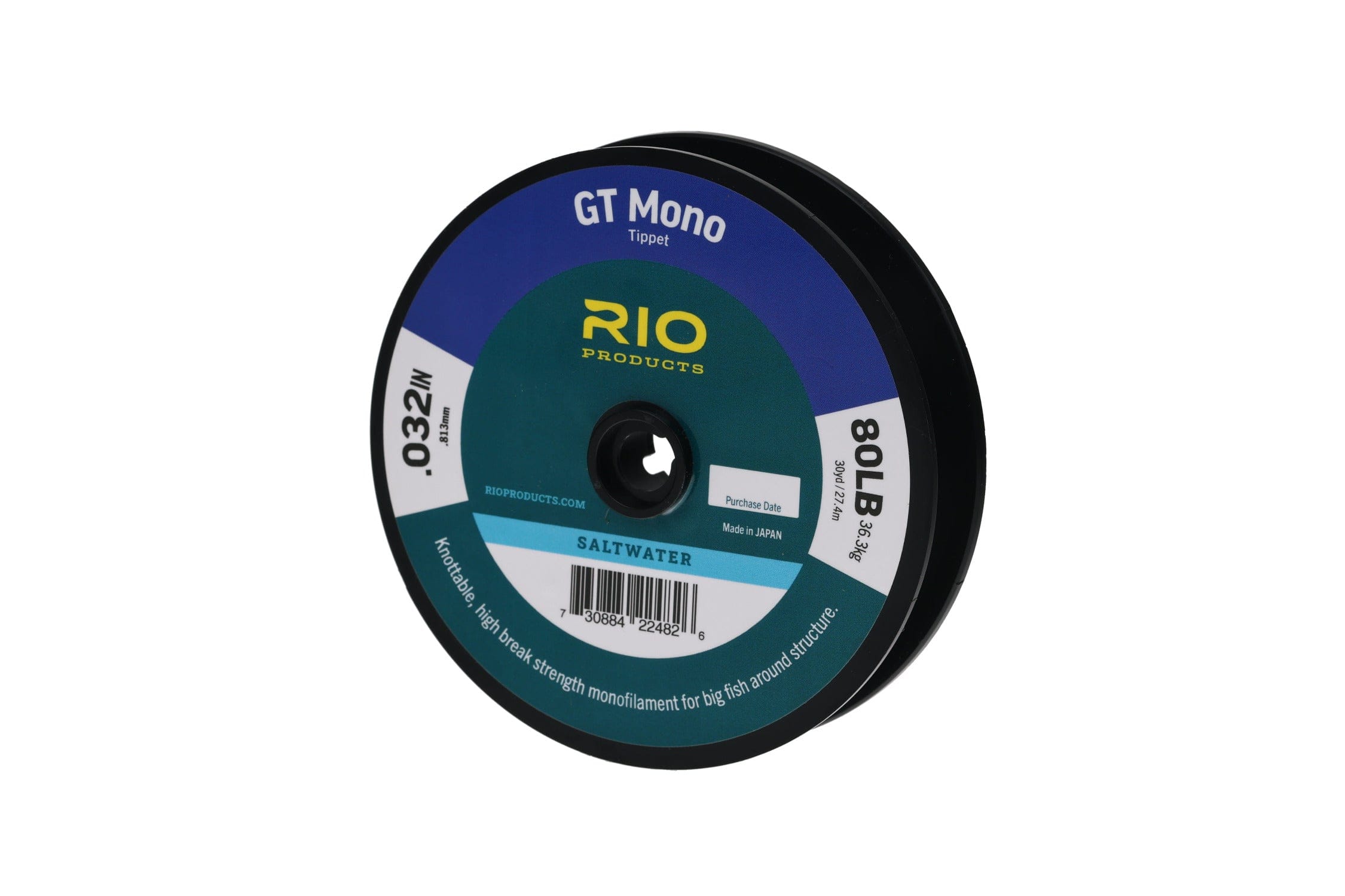

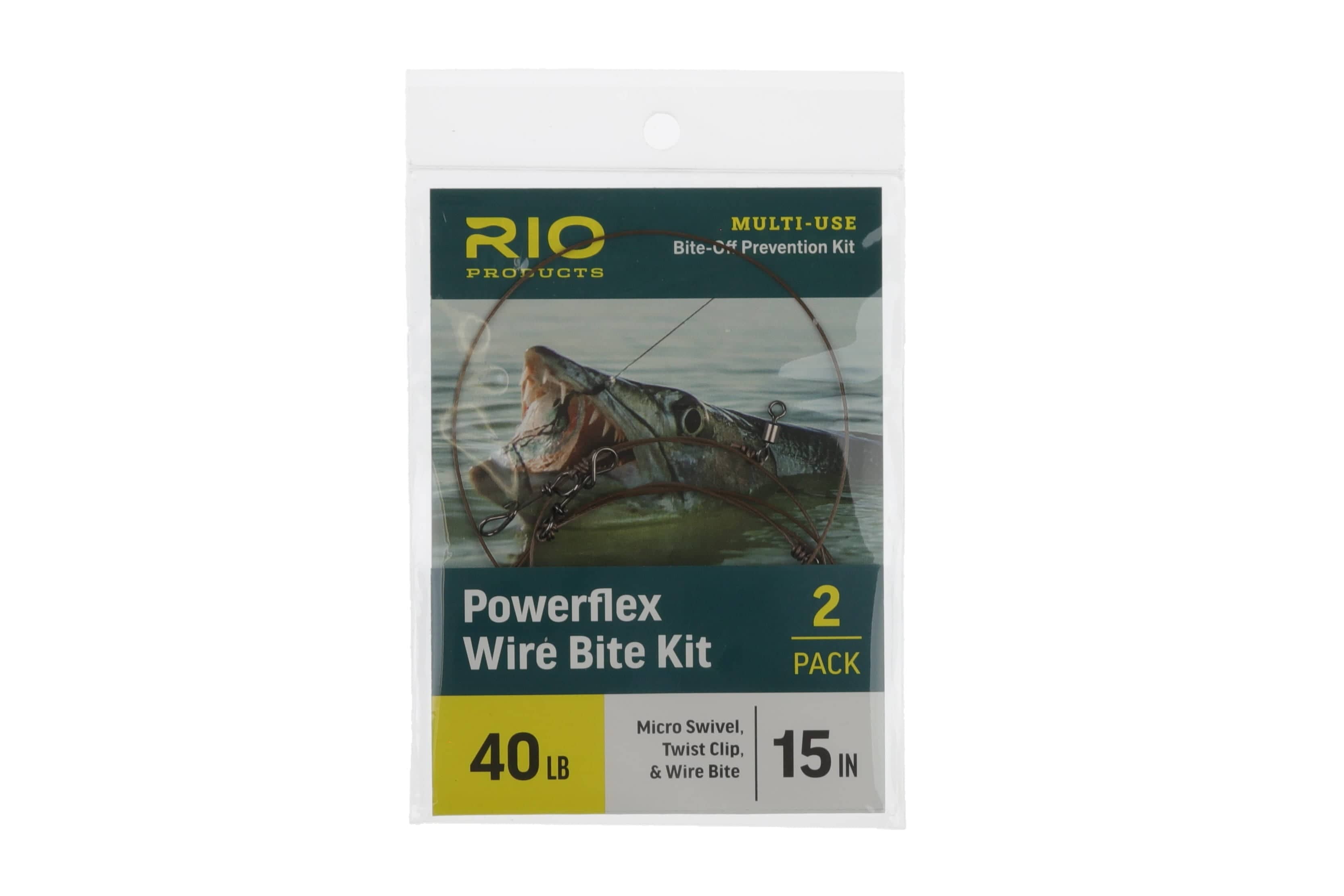

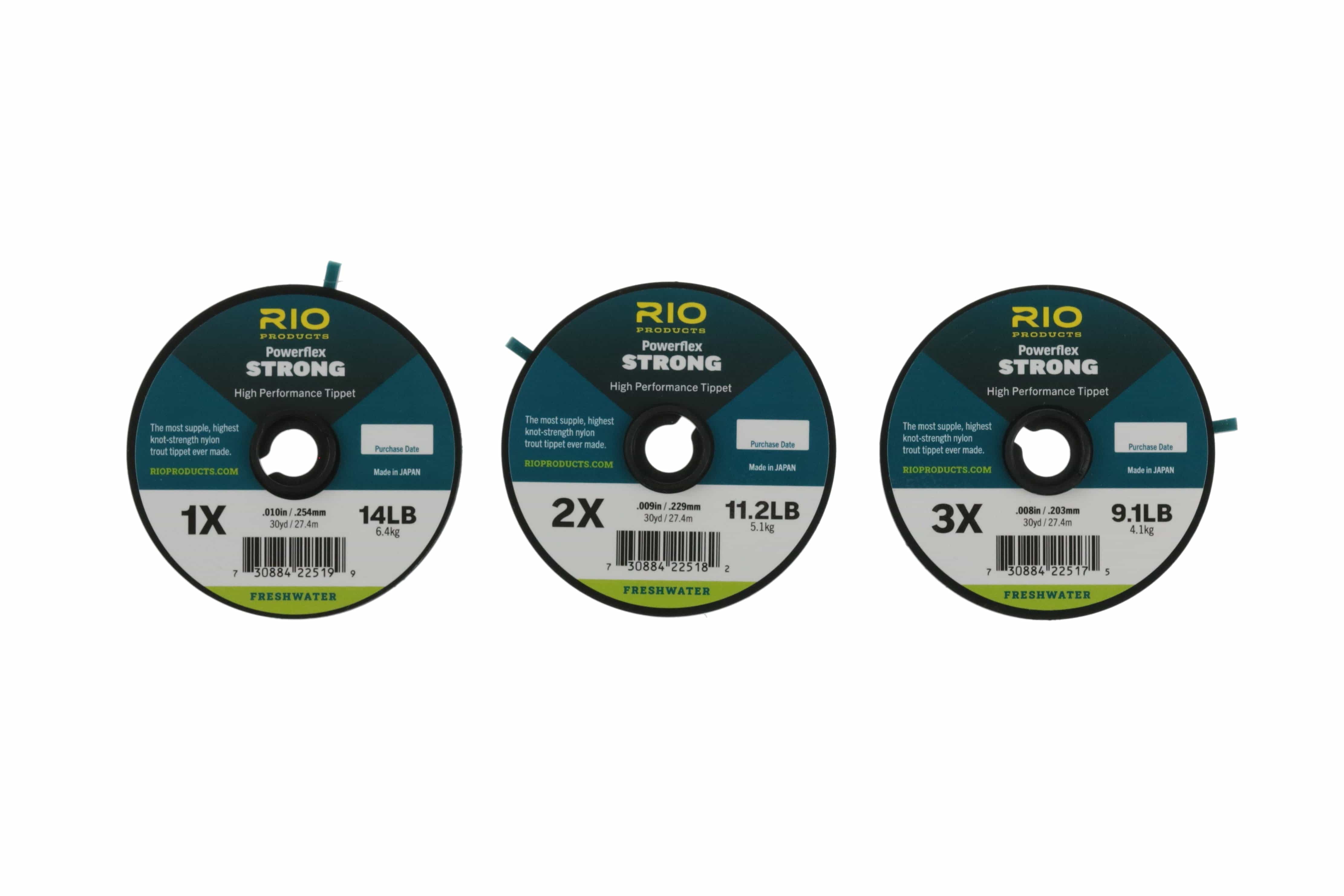
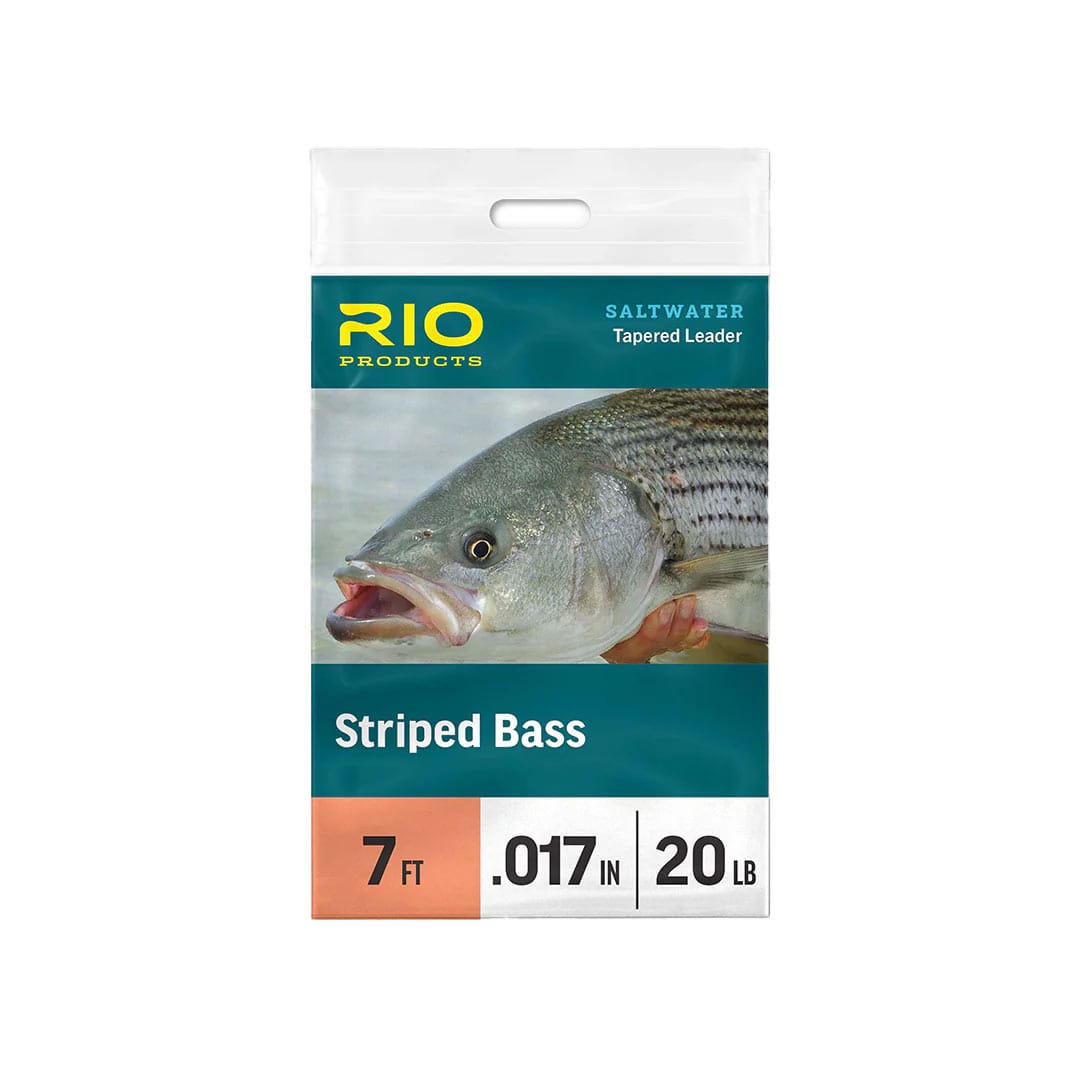

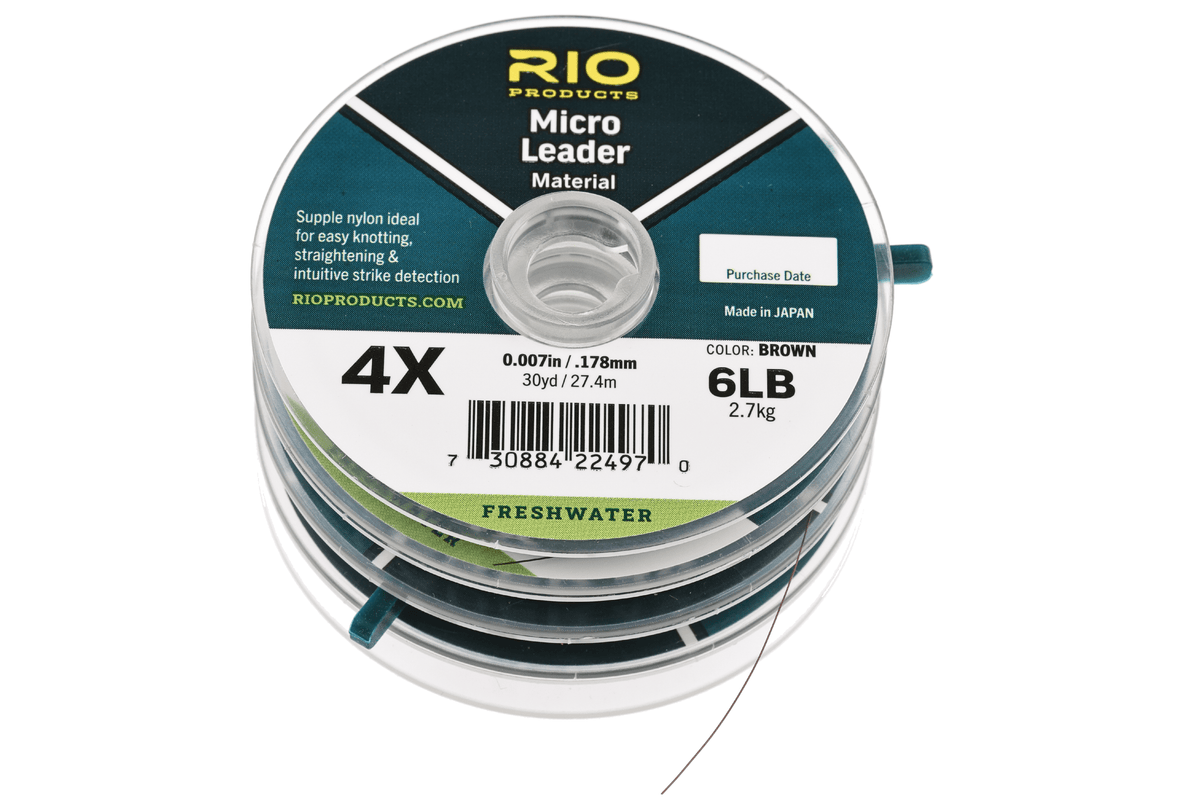
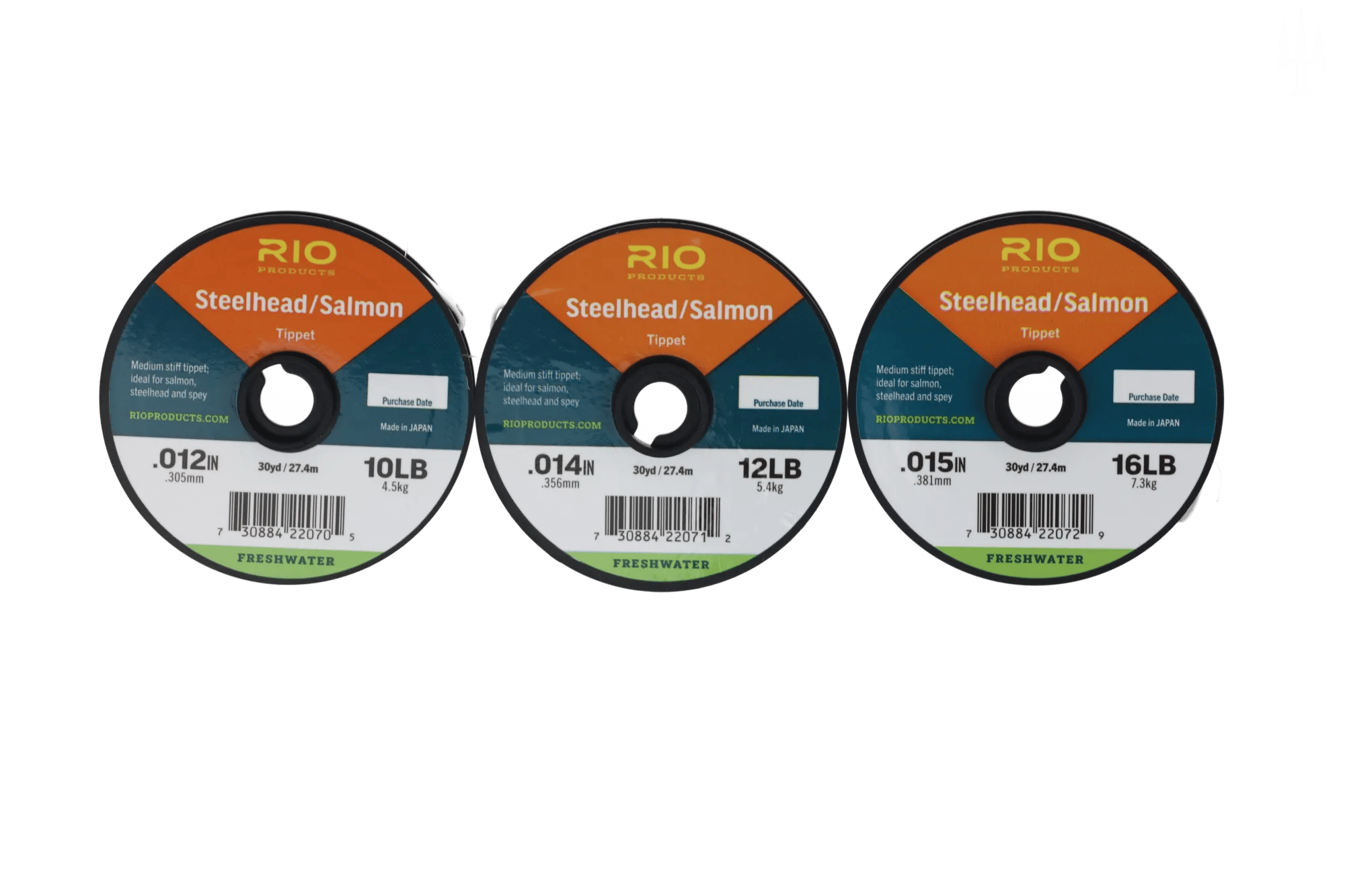
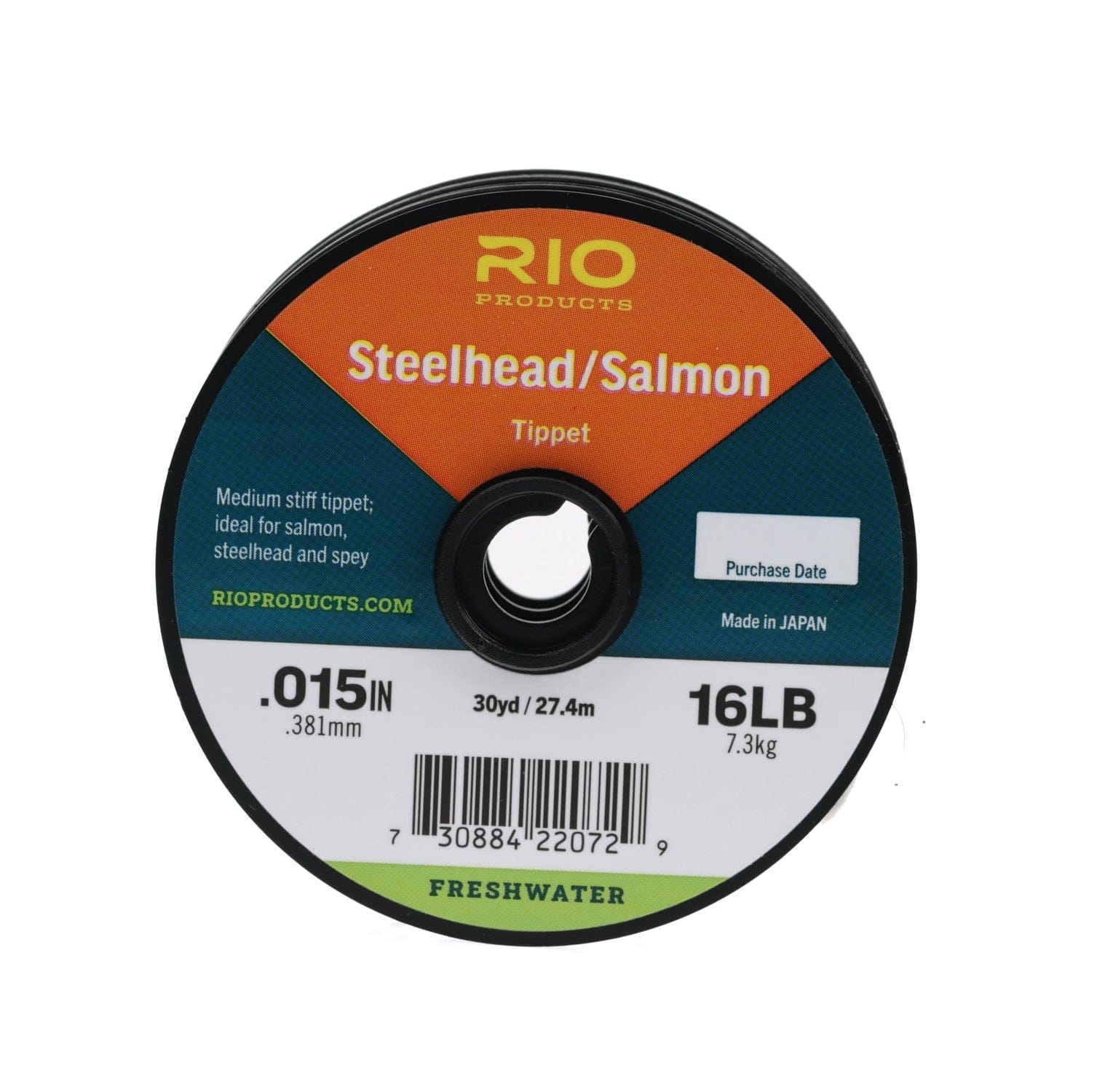
Rio Tippet Quick Picks
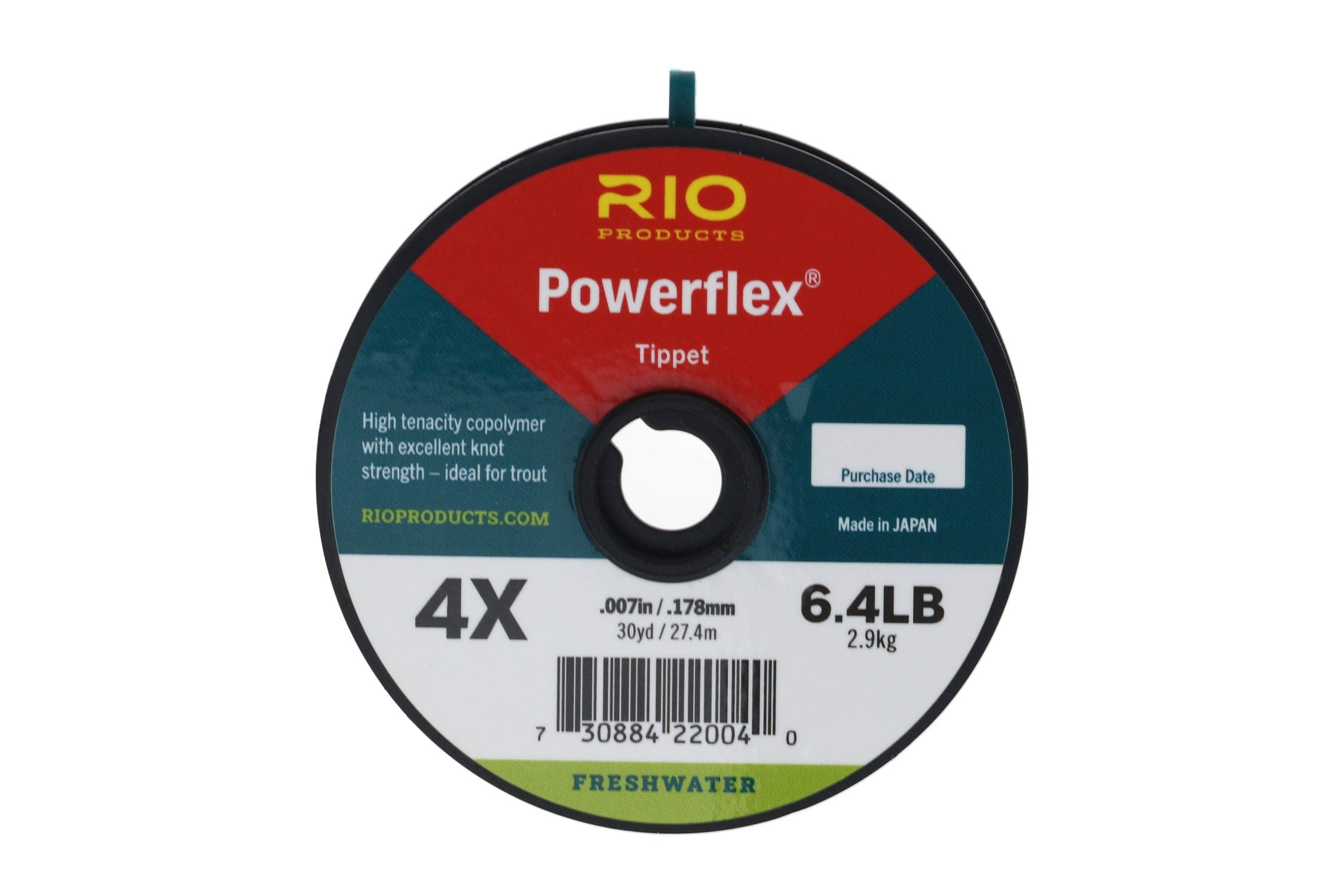
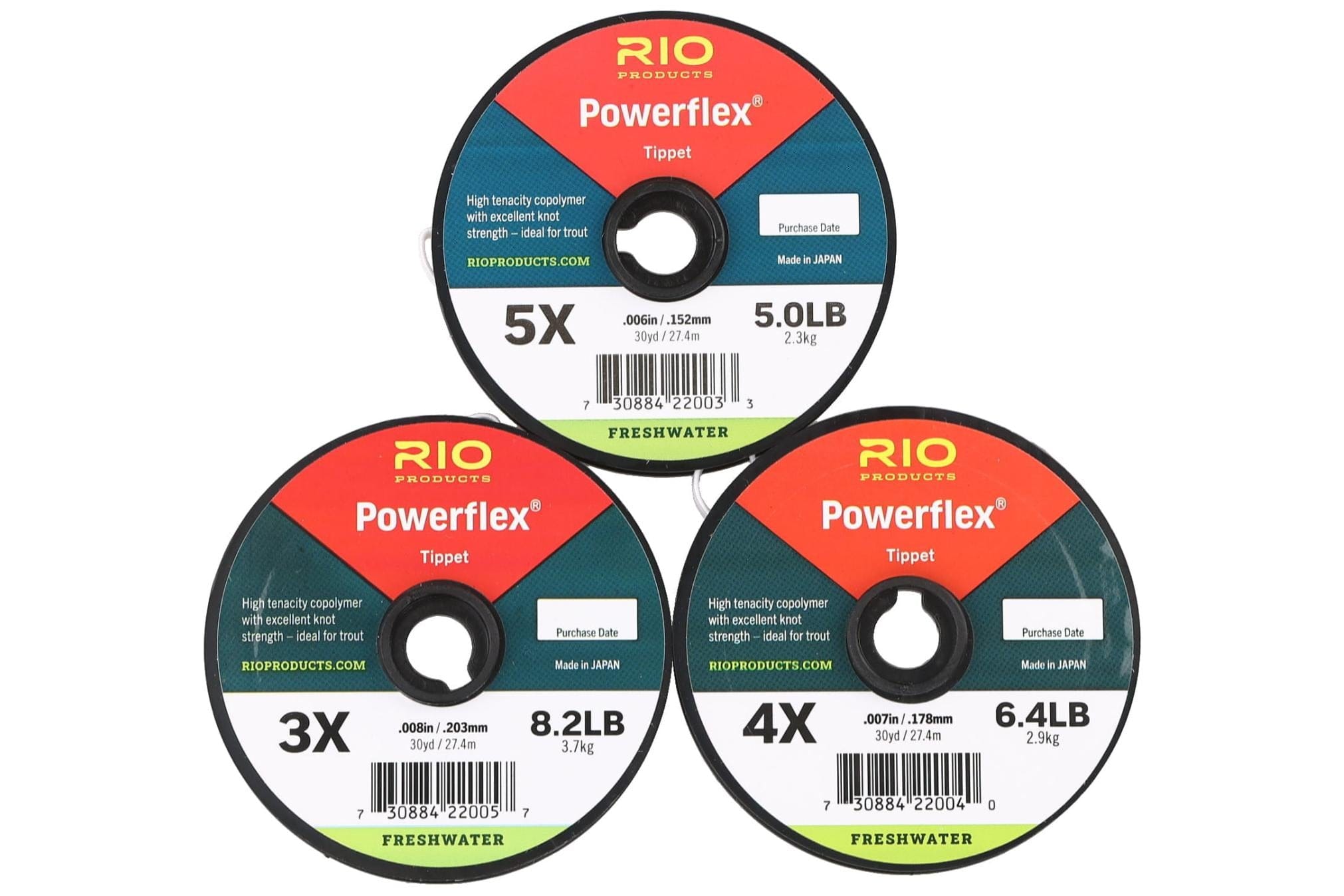
- Best All-Around: Rio Powerflex Tippet - A go-to nylon choice for everyday trout fishing, especially when you want a forgiving, knot-friendly connection. It’s a versatile, easy-handling copolymer that works across dries, droppers, and lighter nymph rigs.
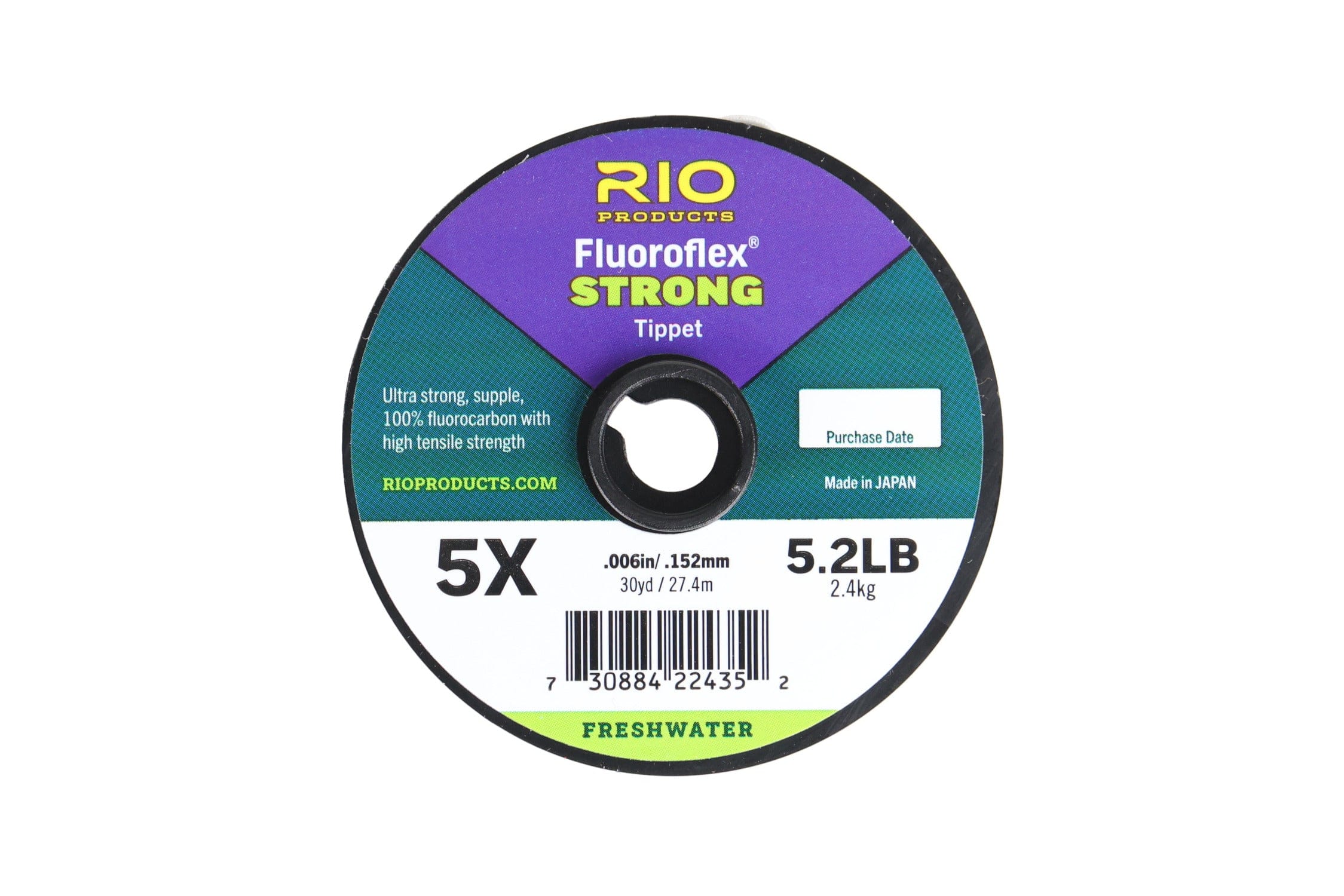
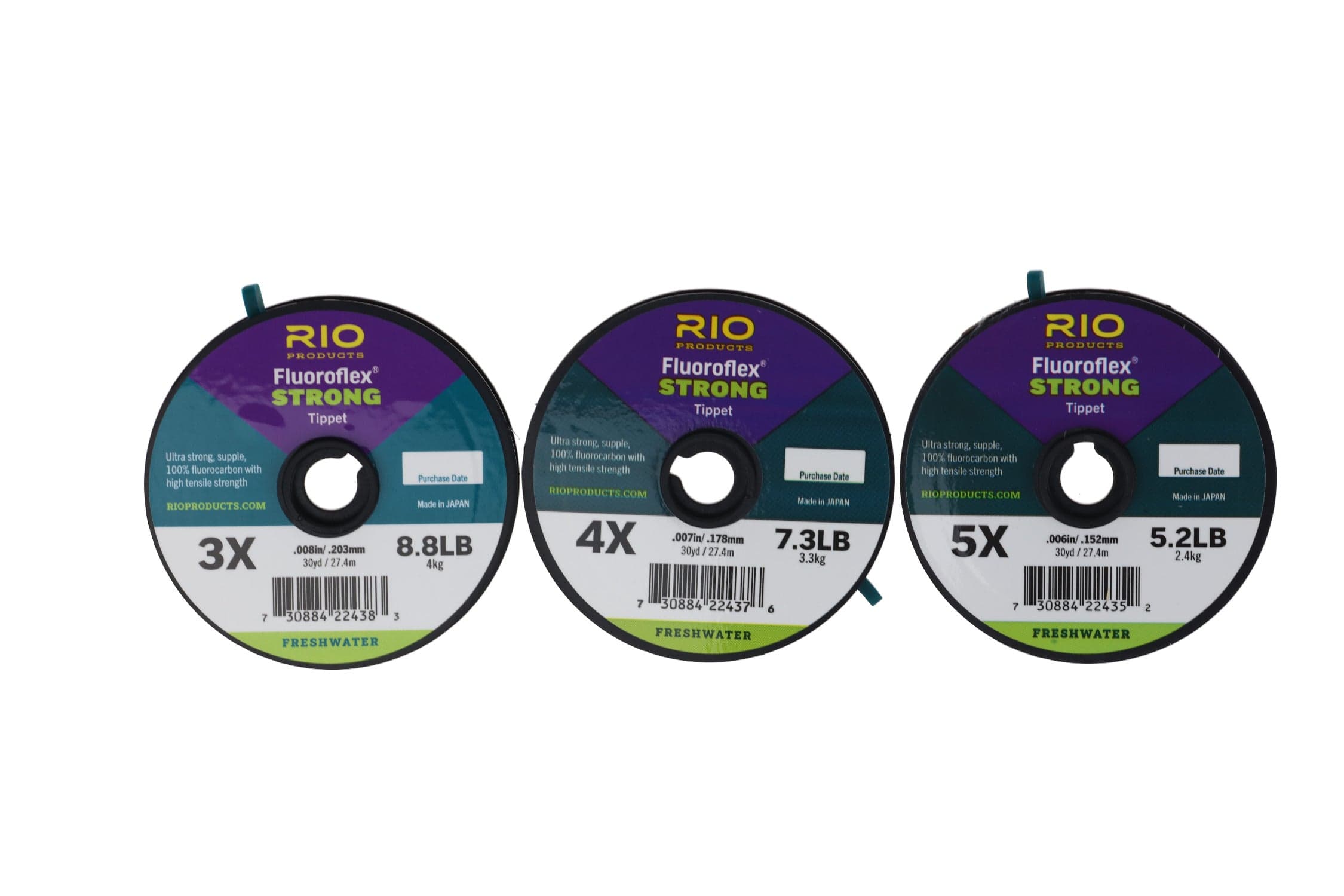
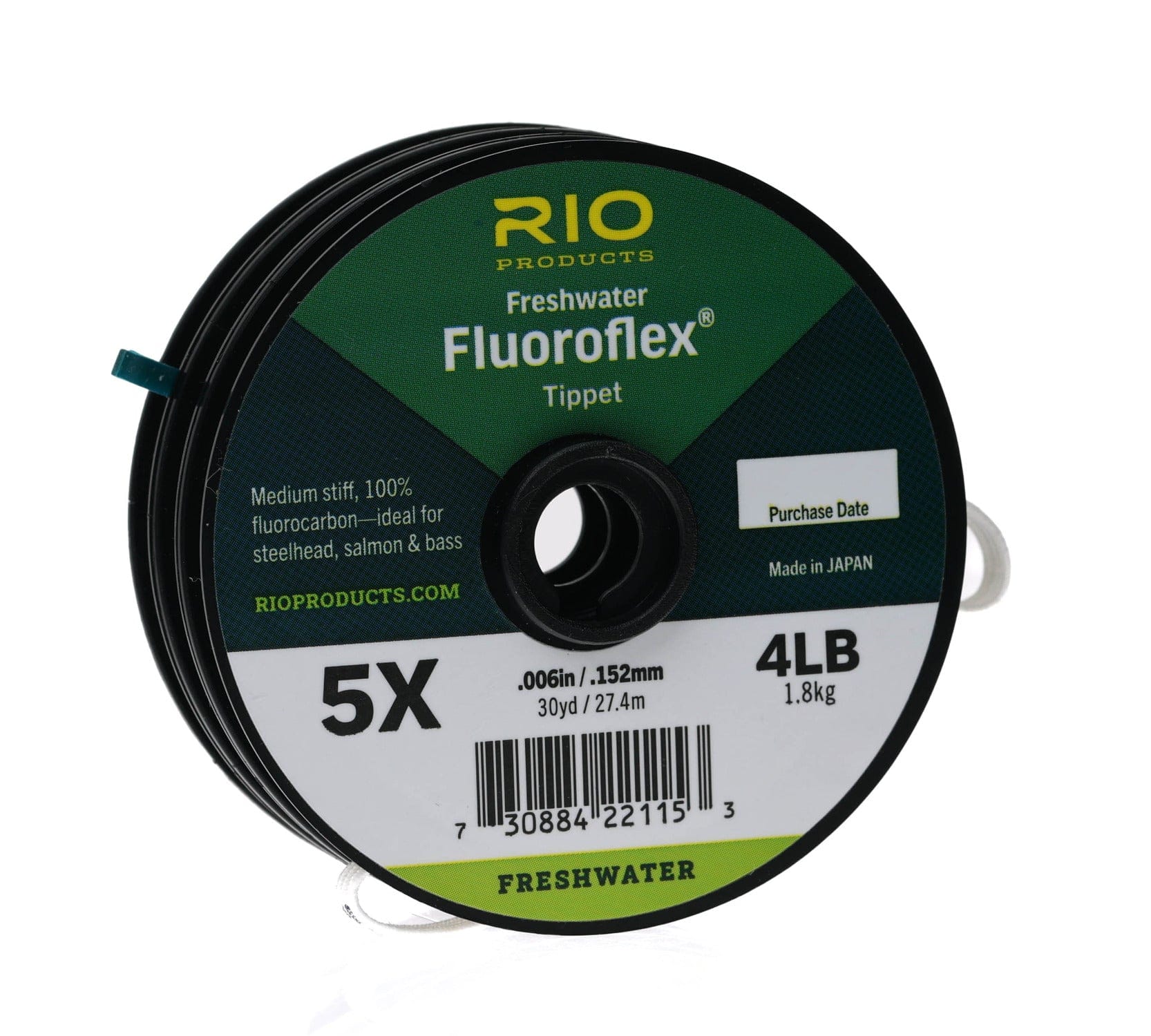
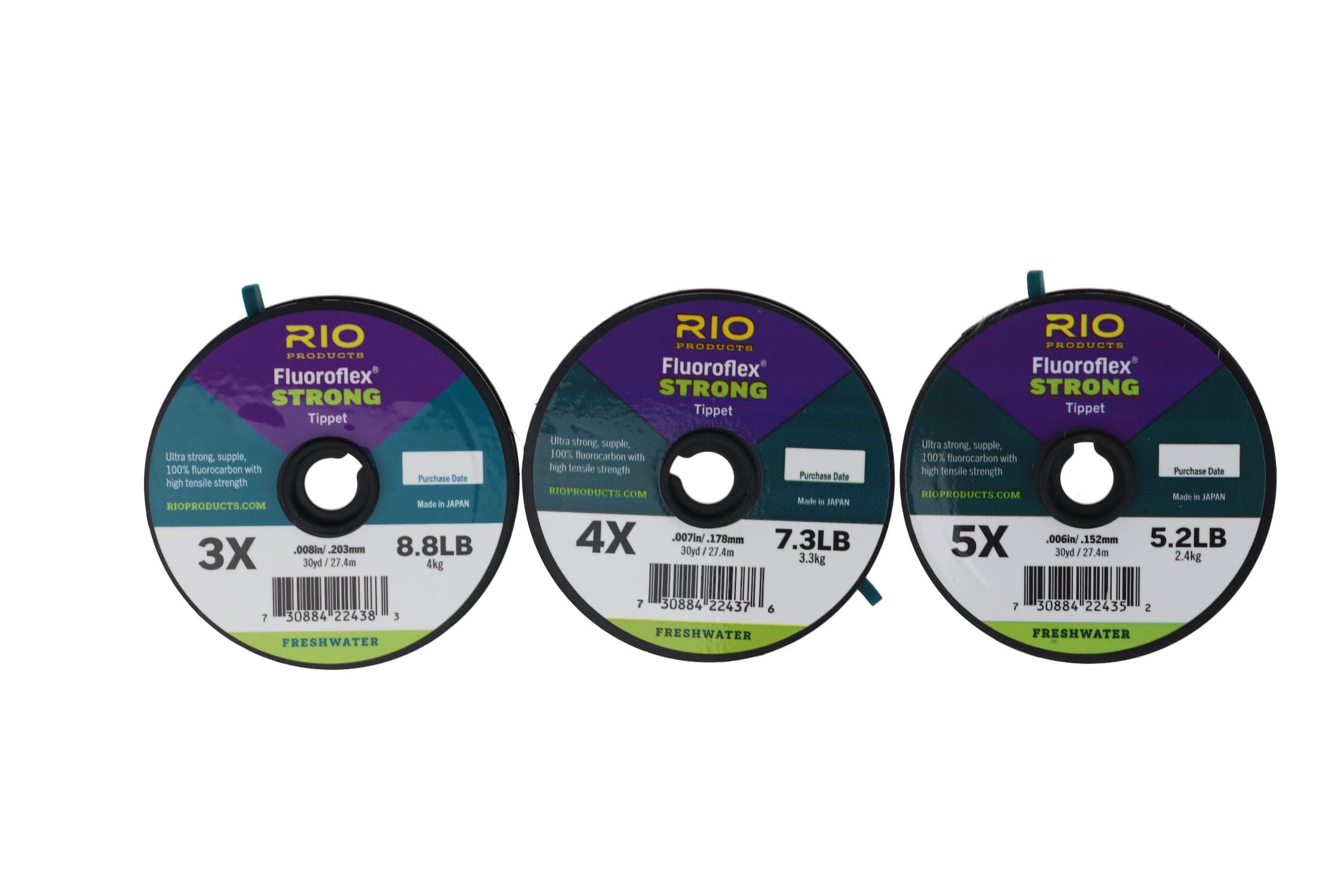
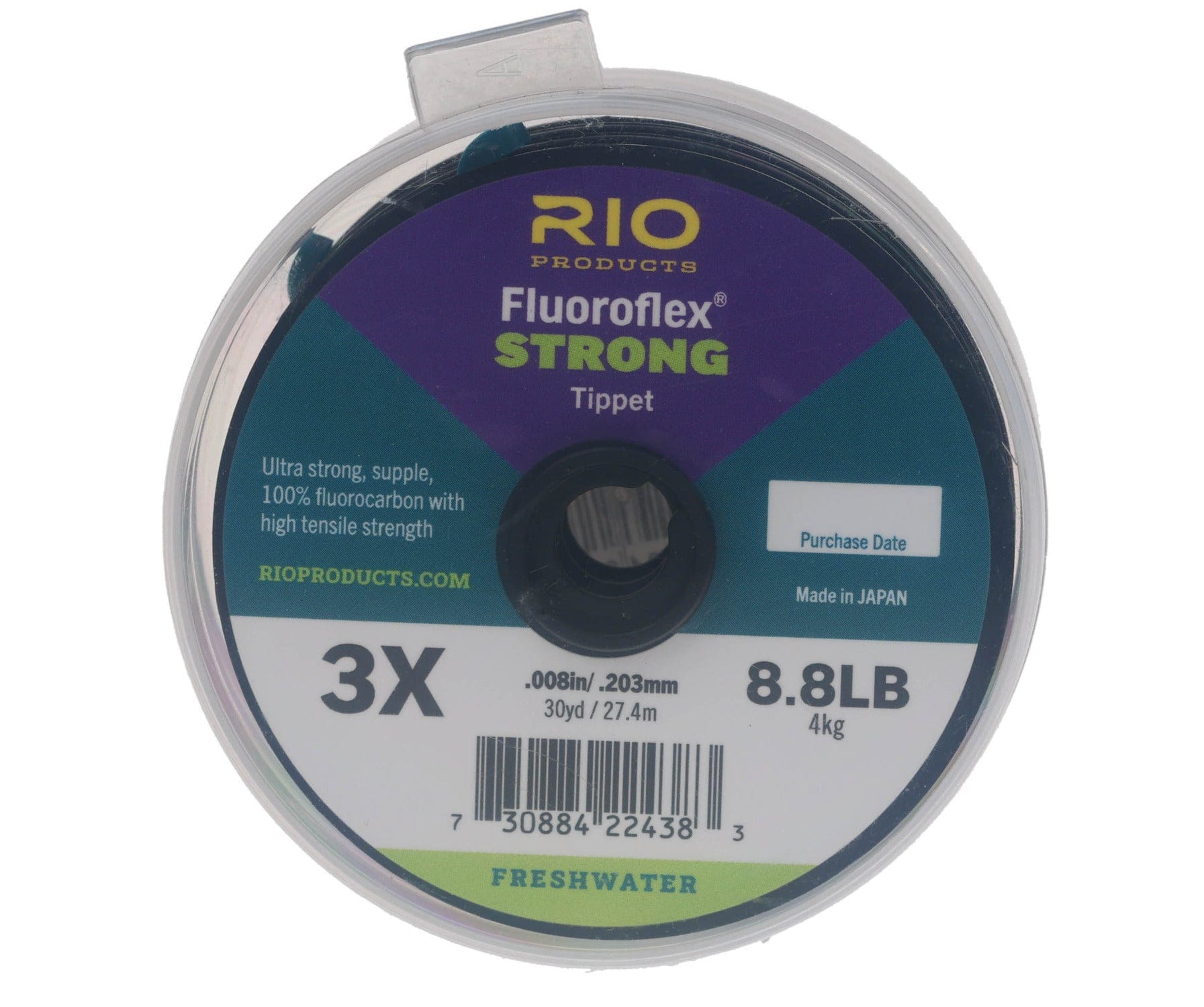
- Best for Clear Water (Fluorocarbon): Rio Fluoroflex Strong Tippet - Built for technical situations where stealth and abrasion resistance matter on subsurface or picky-fish days. It’s 100% fluorocarbon and comes in a wide range of X-sizes and heavier tests for scaling up.
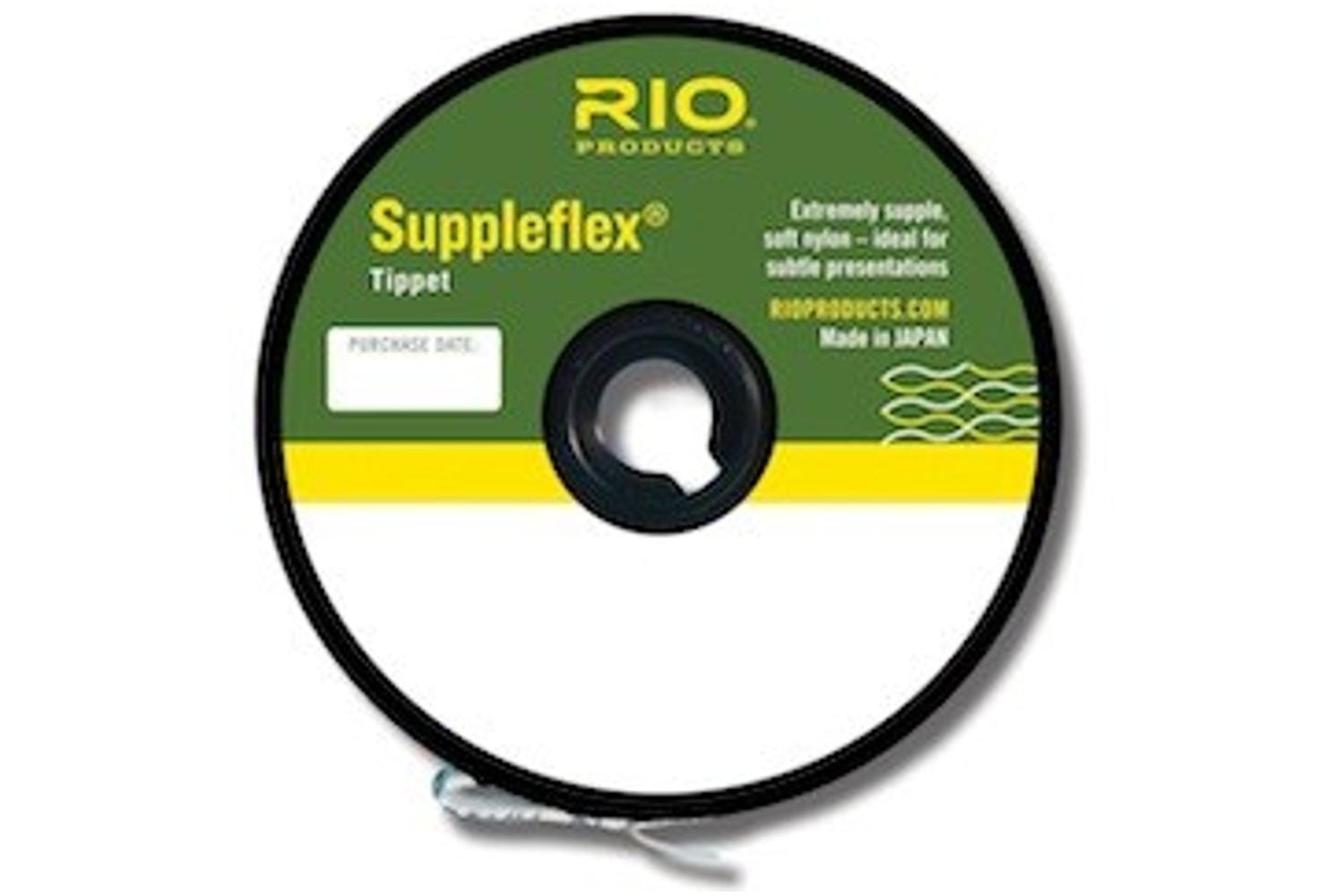
- Best for Dry Fly Presentation: Rio Suppleflex Tippet - Great when drag-free drift is the whole game and you want a softer, more natural connection to small dries, emergers, and soft hackles. The extra suppleness helps your fly move and land more naturally on slow or clear water.
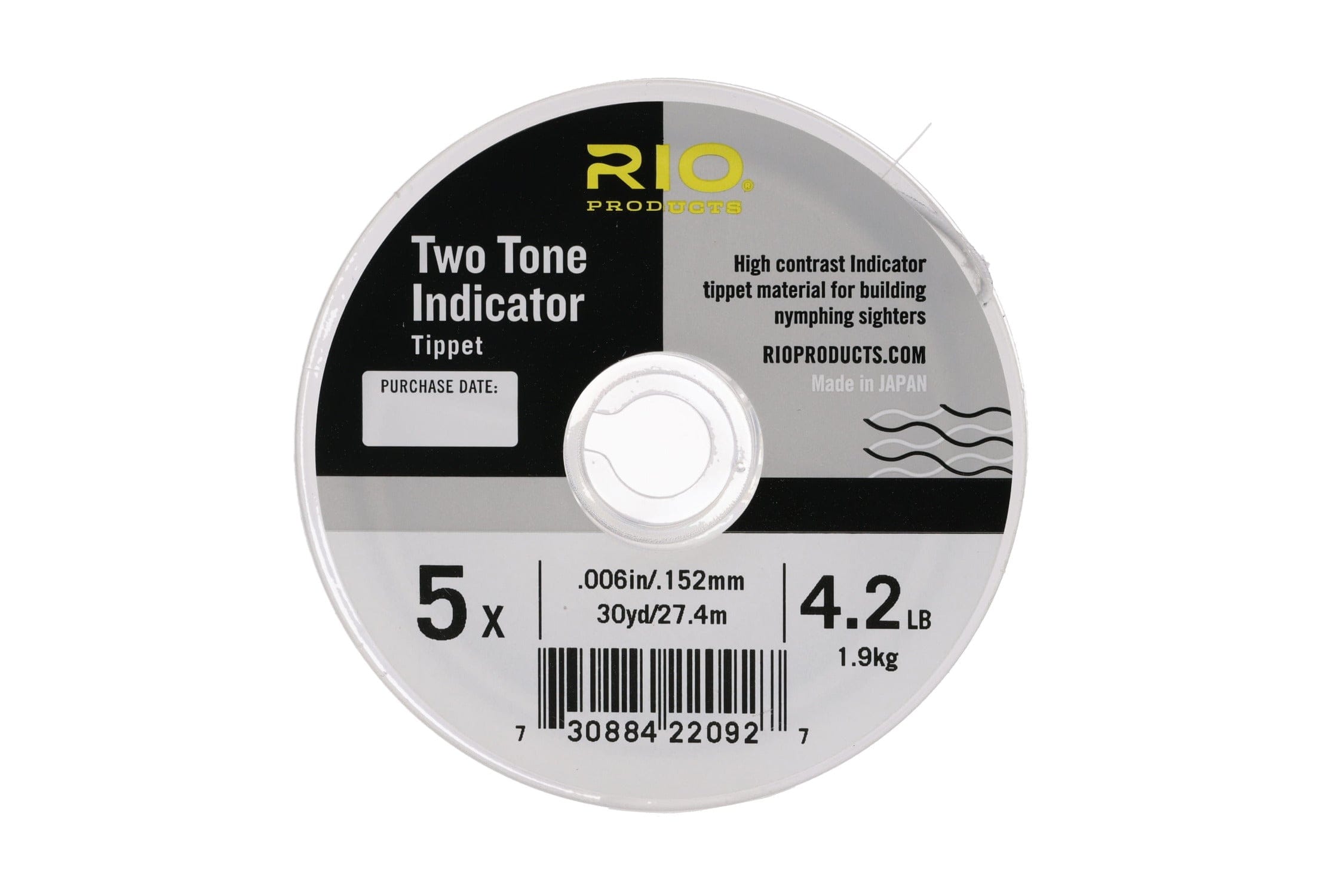
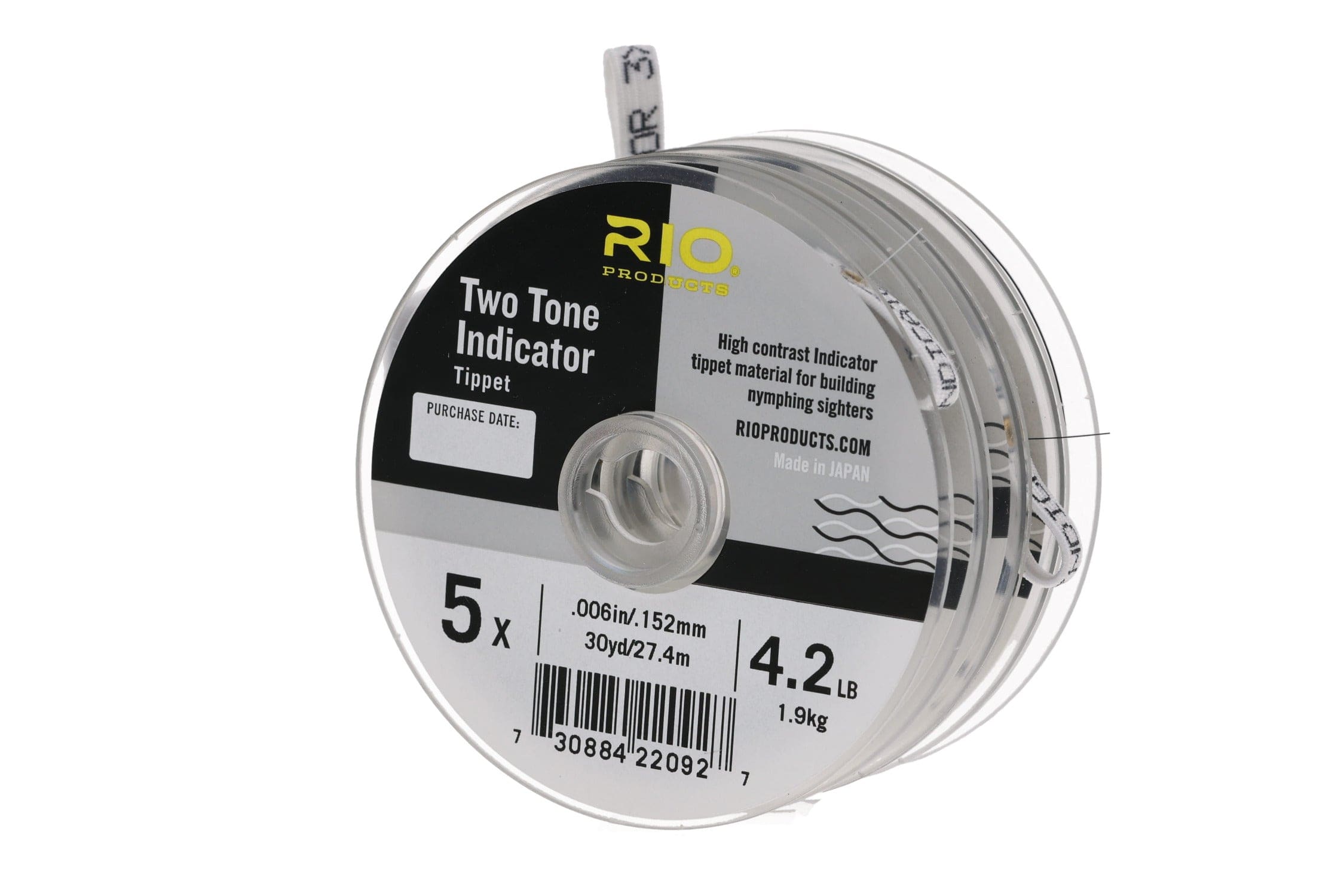
- Best for Euro / Tight-Line Strike Detection: Rio Two Tone Indicator Tippet - A purpose-built “sighter” material for tracking micro pauses and direction changes in tight-line rigs. The alternating colors make it much easier to read your drift and spot subtle takes.
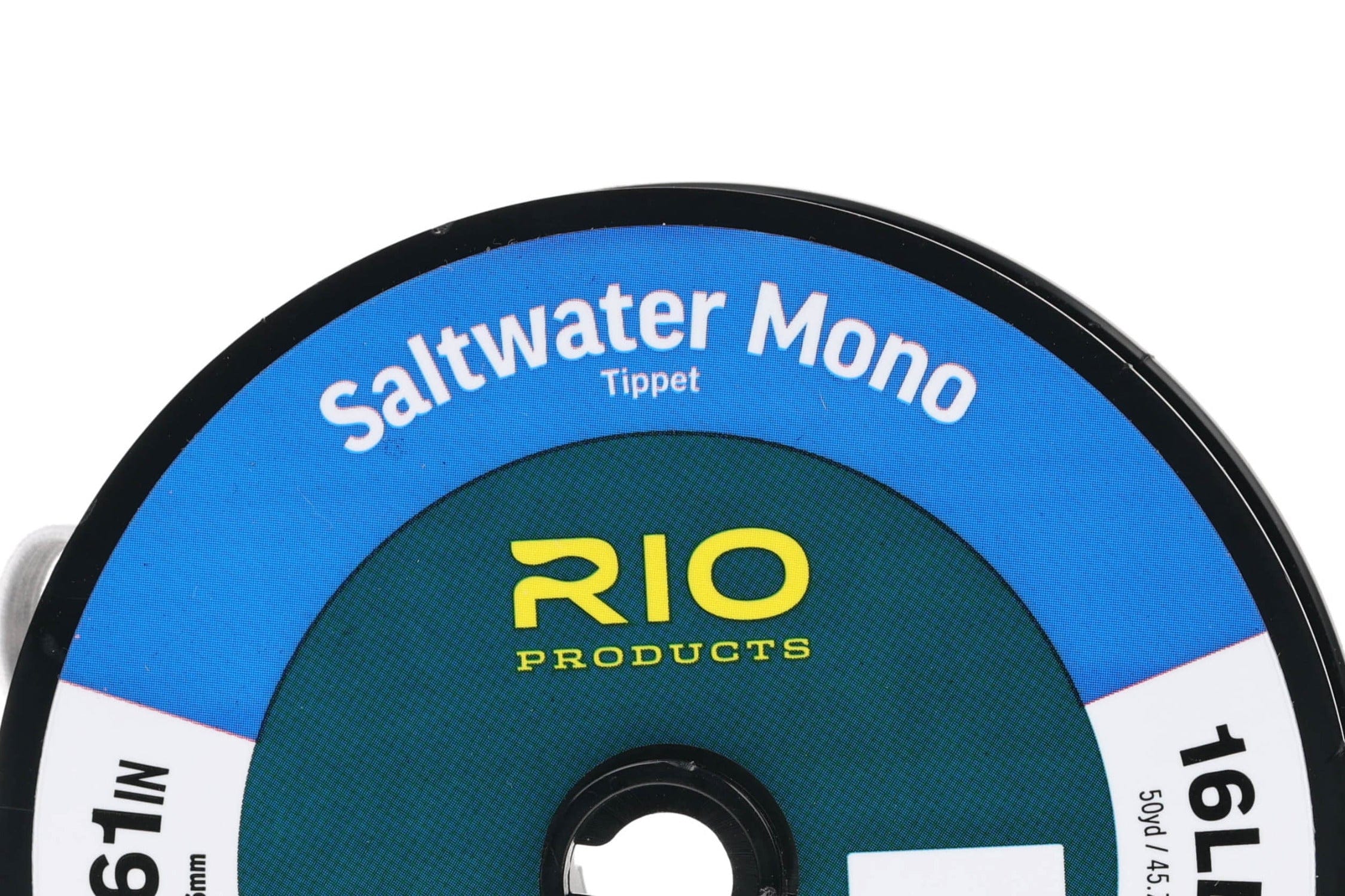
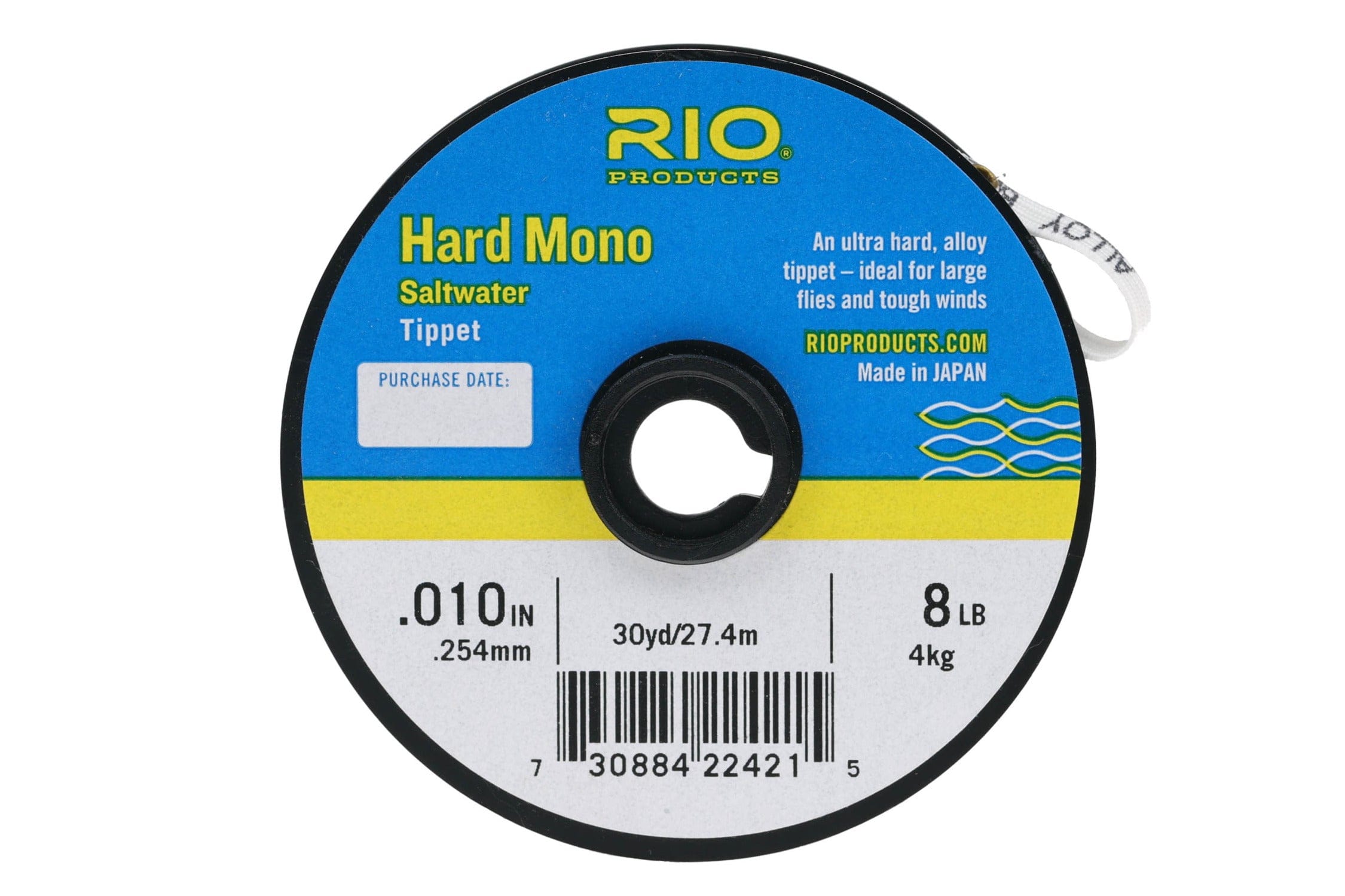
- Best for Saltwater Turnover & Tough Fish: Rio Hard Mono Saltwater Tippet - Ideal when you need a stiffer mono to turn over bigger, more wind-resistant flies and still keep good durability around structure. It’s a practical choice for many saltwater leader builds where turnover and abrasion resistance are priorities.
How to Choose Rio Tippet
Nylon vs. Fluorocarbon: pick the behavior you need
Dry flies & drag-free drifts: Many anglers prefer nylon because it’s more supple and handles slack well for clean presentations. If you’re fishing technical dries, start with a nylon option like Rio Powerflex Tippet or step softer when drift matters most.
Nymphs, streamers, and abrasion-heavy water: Fluorocarbon is popular for subsurface work because it tends to sink and holds up better around rocks and structure. Action: If you’re ticking bottom with nymphs or stripping streamers around wood/rocks, consider fluorocarbon like Rio Fluoroflex Strong.
Get the size right (X vs. pound-test)
Trout sizing (X): Higher “X” means thinner diameter (for example, 6X, 7X for smaller flies and spooky fish; 3X, 0X for bigger flies and more power). Best for: matching fly size and visibility needs, especially on trout water.
Warmwater & salt sizing (lb test): Heavier pound-test is more common for bass, steelhead/salmon, and saltwater species where turnover, abrasion resistance, and pulling power matter. Avoid if: you’re chasing delicate presentations with tiny flies, thick tippet can kill drift and spook fish.
Match specialty tippet to the technique
Euro/tight-line: If you’re building a tight-line leader, a colored “sighter” section can make strike detection easier. Pair Rio Two Tone Indicator Tippet with an appropriate terminal tippet and keep your system simple and readable.
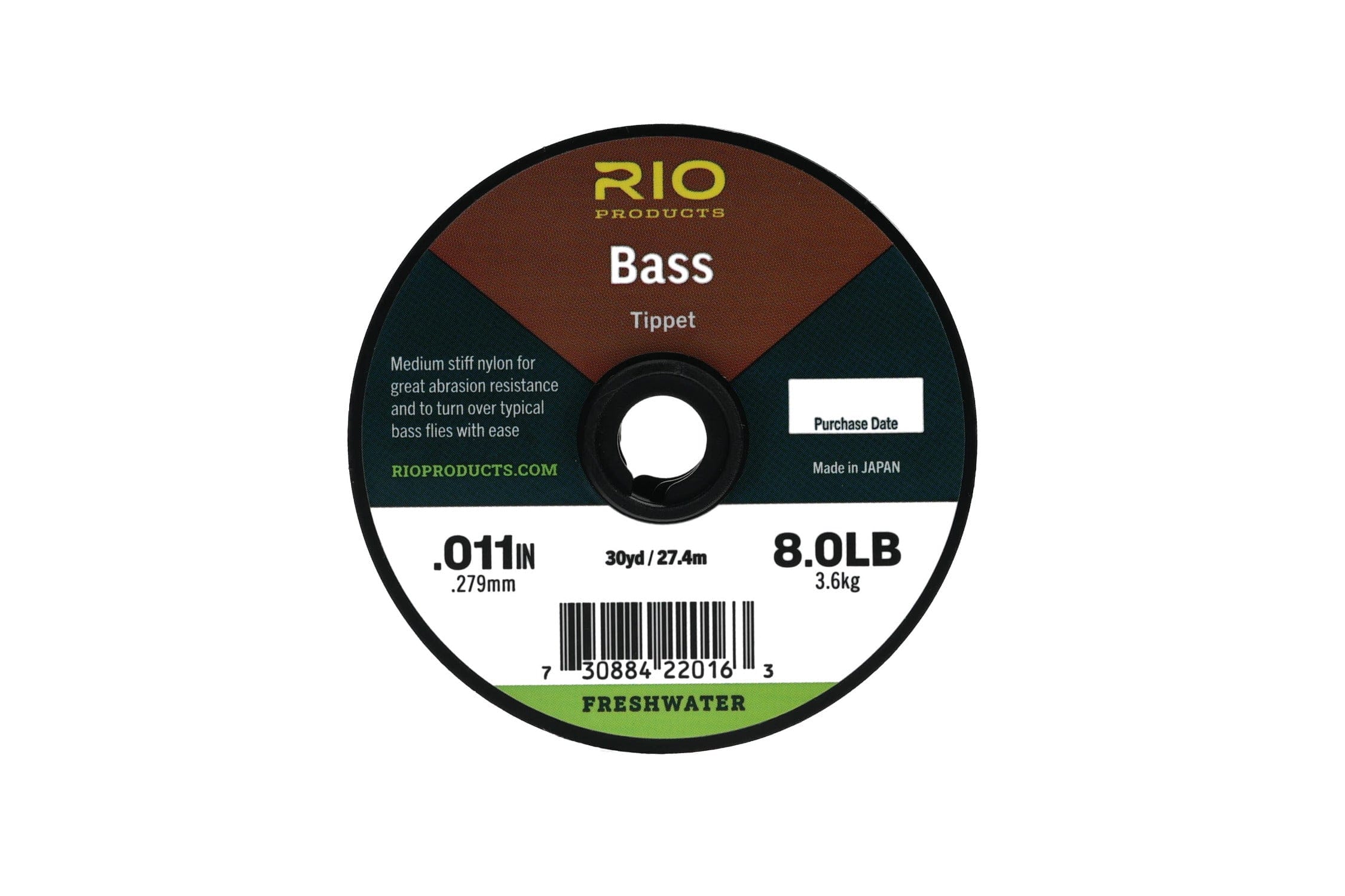
Big flies & predators: When you’re throwing bulky poppers, big streamers, or dealing with heavy cover, stiffer, tougher materials are usually easier to cast and more durable. Options like Rio Bass Tippet and Rio Big Nasty Tippet are built for that style of fishing.
Why Trident Carries Rio Tippet
Rio makes it easy to dial in your leader system with materials that cover trout, warmwater, and saltwater use cases in one lineup. We like carrying Rio tippet because the selection includes everyday workhorses plus niche tools (like indicator/sighter material) that solve specific on-the-water problems.
Compatibility
- Leader connection: Most anglers attach tippet to a tapered leader with a reliable knot (or use a tippet ring to preserve leader length).
- Mixing materials: Nylon-to-nylon and fluoro-to-fluoro are straightforward; mixing nylon and fluorocarbon can work fine, just wet knots well and test your connection before fishing.
- Spool management: Use the spool’s band/tender to prevent loose coils; wind knots and coils are usually storage/handling issues, not “bad tippet.”
- Inspect often: After fish, snags, or rocky drifts, run tippet between your fingers and retie if you feel nicks or abrasion.
- Keep it out of heat/UV: Store tippet away from hot dashboards and direct sun to help extend life and maintain strength.
Complete Your Setup
Related Gear
- Fly Fishing Leaders - Start with the right taper, then fine-tune your presentation and strength with tippet.
- Fly Fishing Tippet - Compare materials and sizes across brands if you’re building a full tippet kit.
- Nippers & Zingers - Clean tag cuts reduce frustration and help keep knots neat and reliable.
- Floating Fly Lines - A balanced line and leader system makes turnover and presentation much easier.
Related Guides
- The Ultimate Tippet Shootout: 5x
- The Ultimate Tippet Shootout: 20lb
- Fly Fishing for Carp: Flies, Gear, Tactics
Rio Tippet FAQs
Q: What is Rio tippet used for in fly fishing?
A: Tippet is the last section of leader material you tie your fly to. It helps you match diameter and strength to the fly, water clarity, and the fish you’re targeting.
Q: Should I use nylon or fluorocarbon Rio tippet?
A: Nylon is a common choice for dry flies and situations where suppleness and drift matter. Fluorocarbon is commonly used for subsurface fishing and around structure where abrasion resistance and sink behavior can help.
Q: What does “X” mean on Rio tippet spools?
A: “X” is a diameter rating used mostly for trout tippet: higher X is thinner (like 6X, 7X), lower X is thicker (like 3X, 0X). It’s a quick way to match tippet diameter to fly size and conditions.
Q: Is Rio tippet good for beginners?
A: Yes, if you’re starting out, an all-around nylon tippet plus a fluorocarbon option for nymphing covers most freshwater fishing. Keeping just a few core sizes reduces confusion and makes rigging faster.
Q: When should I use indicator/sighter tippet?
A: Use it for Euro or tight-line nymphing when you want to visually track your drift and see tiny hesitations. It’s especially helpful in broken currents where feel alone can be inconsistent.
Q: How often should I replace my tippet?
A: Retie anytime you feel abrasion, see nicks, or after a hard snag. Also replace spools that have been stored hot or in direct sun for long periods, since materials can degrade over time.
Q: What’s a practical Rio tippet kit for trout?
A: Many anglers start with a nylon option in a few sizes (like 3X, 5X) and add a fluorocarbon spool for subsurface work. Add finer sizes if you regularly fish tiny dries or very clear water.
Q: Does Rio make tippet for saltwater and big game?
A: Yes, this collection includes heavier saltwater-focused mono and fluorocarbon options designed for tougher conditions, larger flies, and abrasion-heavy environments.
