
























Flies and Strike Indicators - Achieve the Perfect Depth Every Time | Fly Fishing FAQ #1


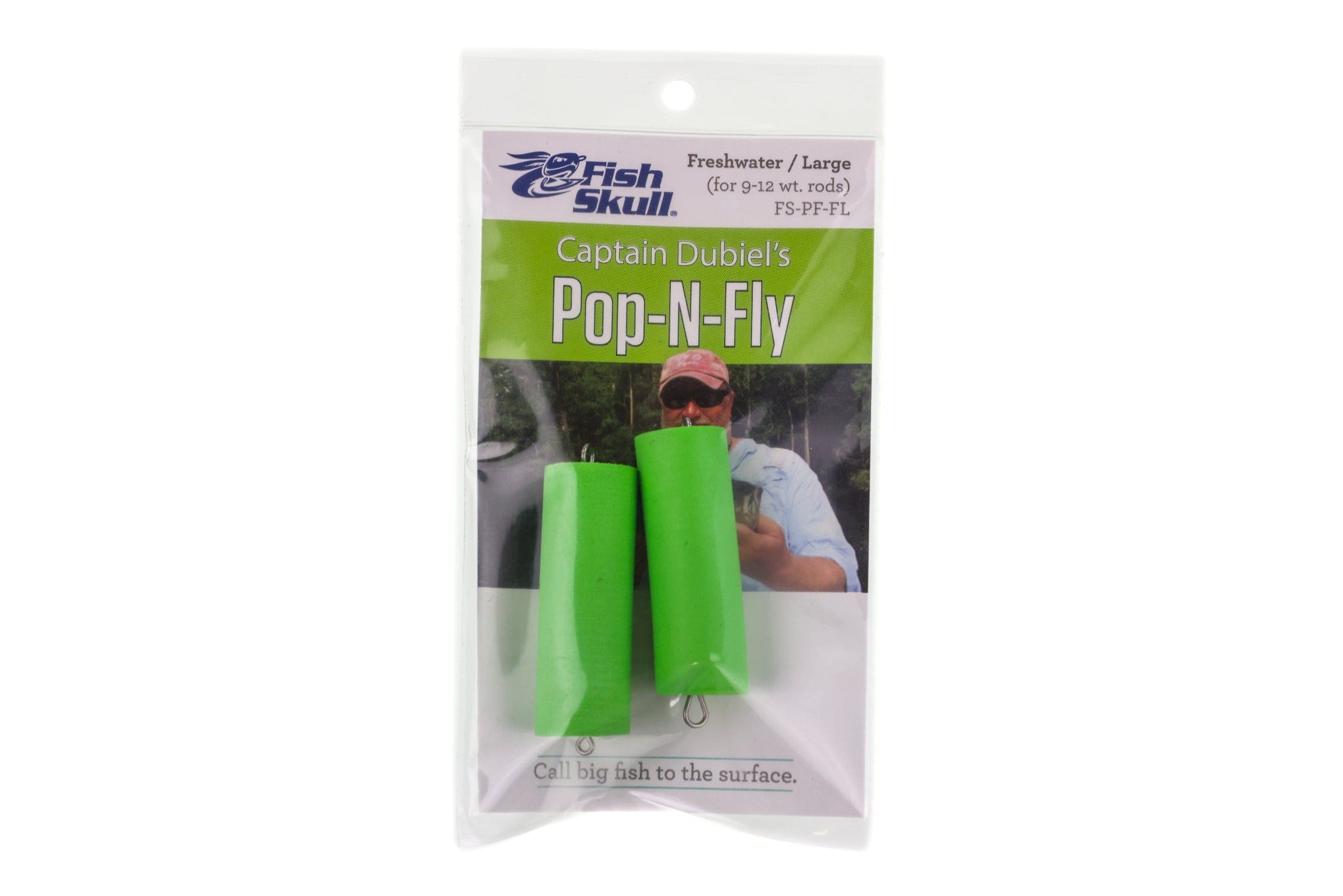


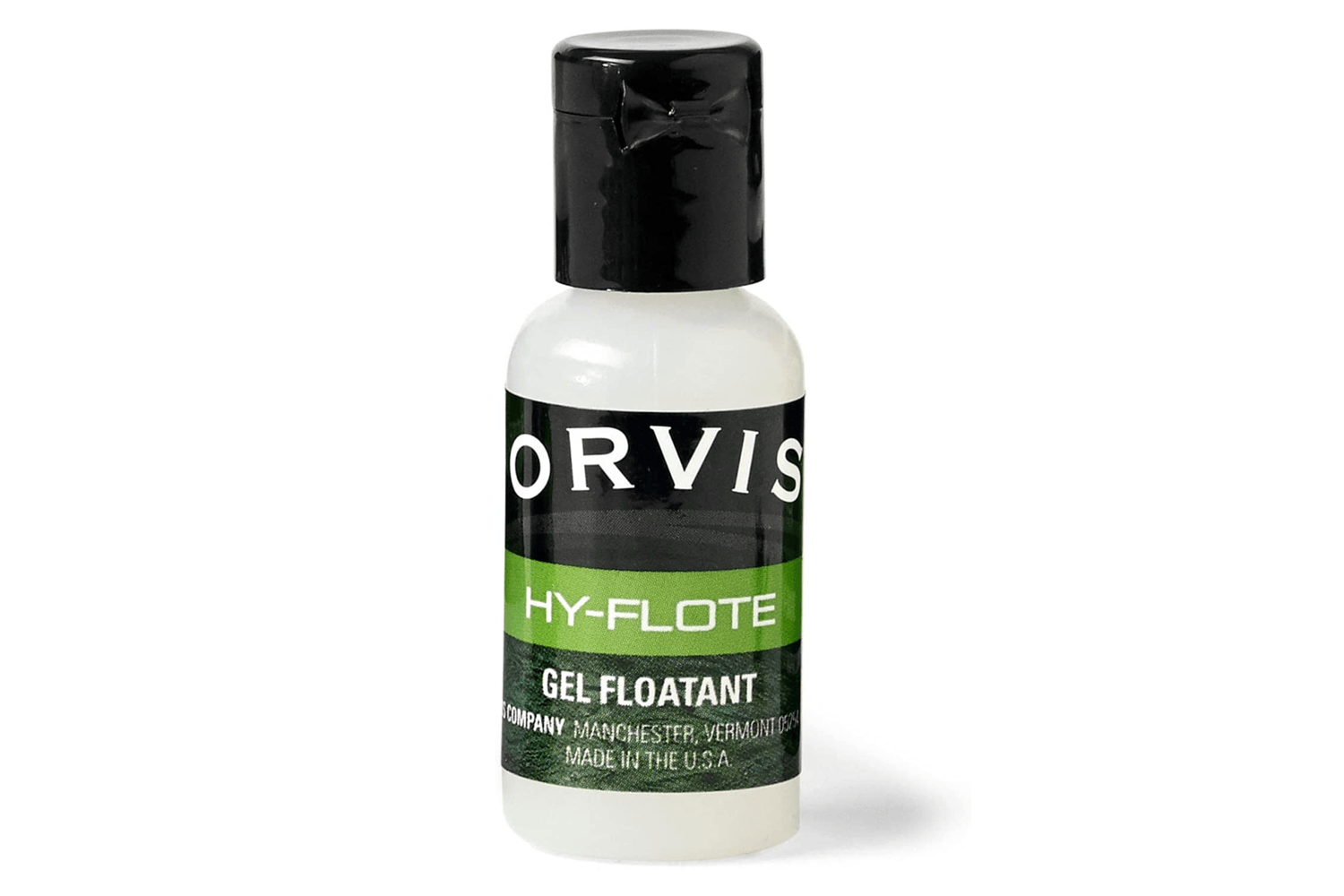
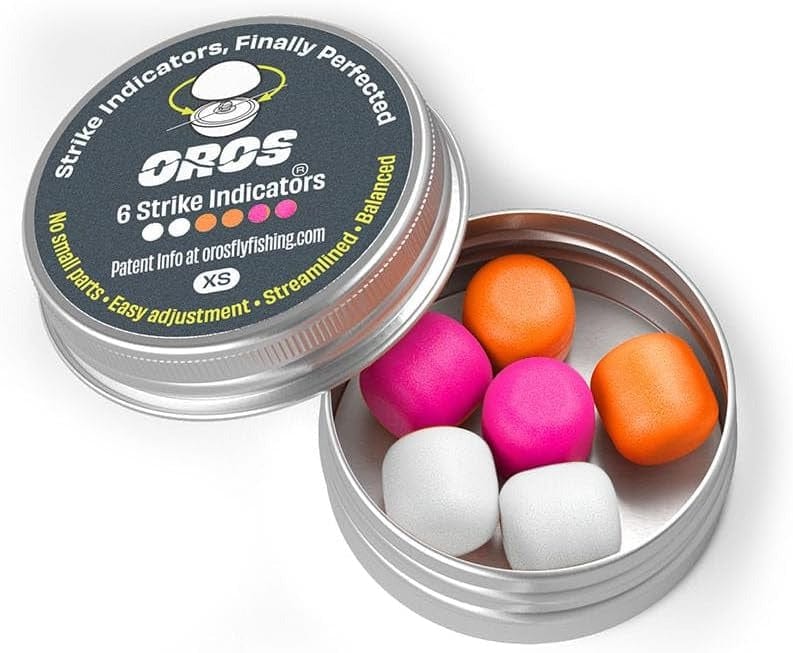
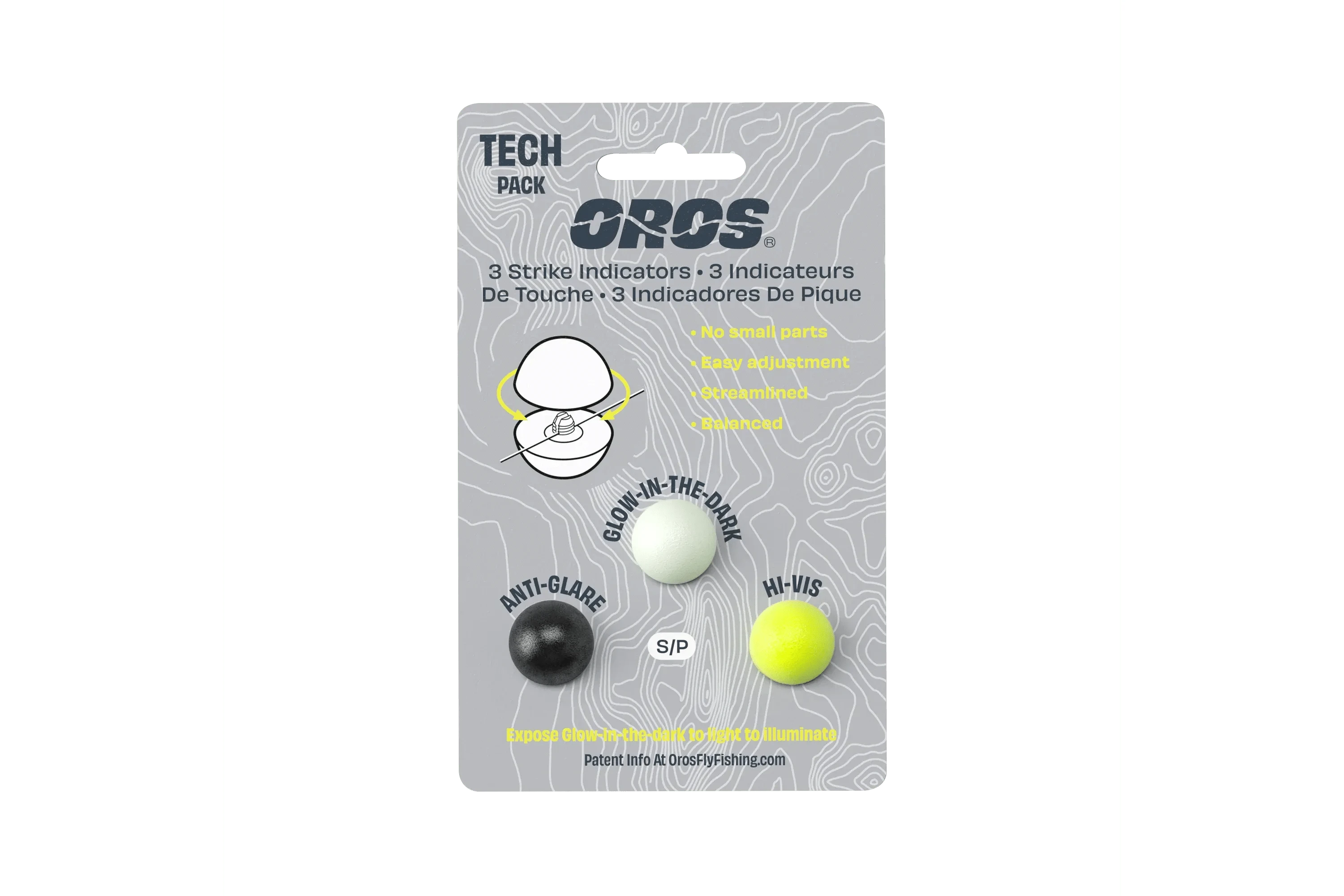


Weights, Indicators & Floatants Quick Picks
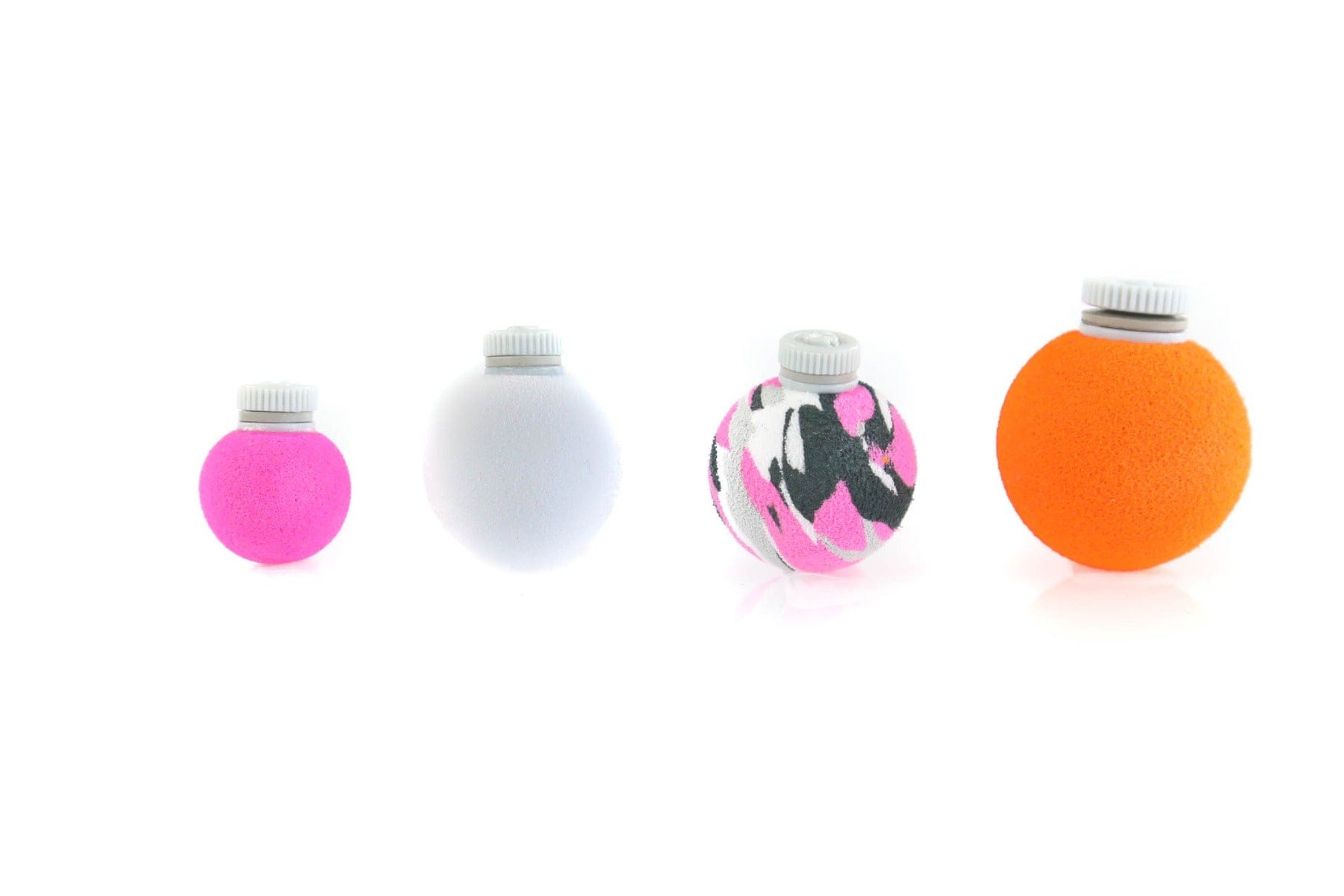
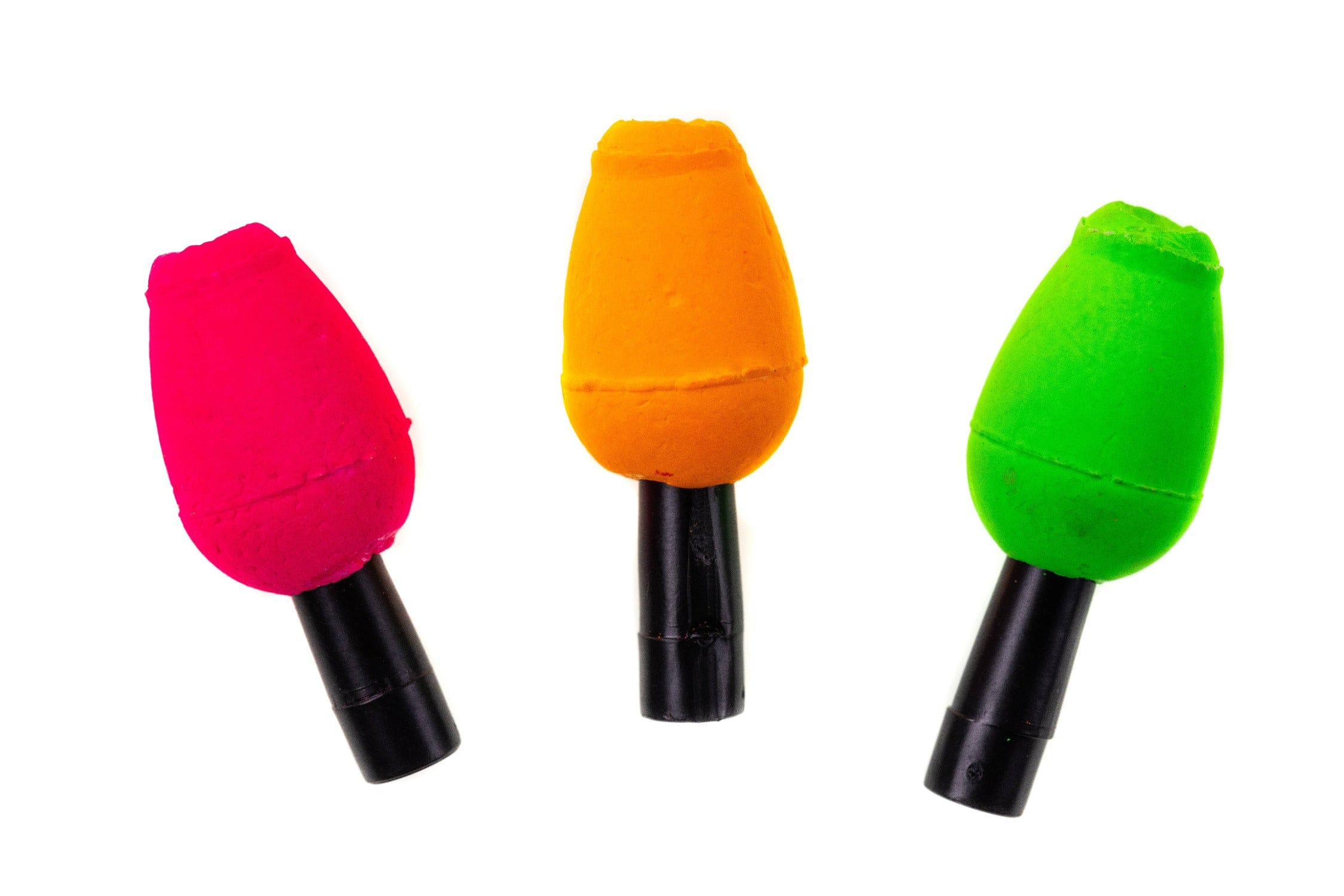
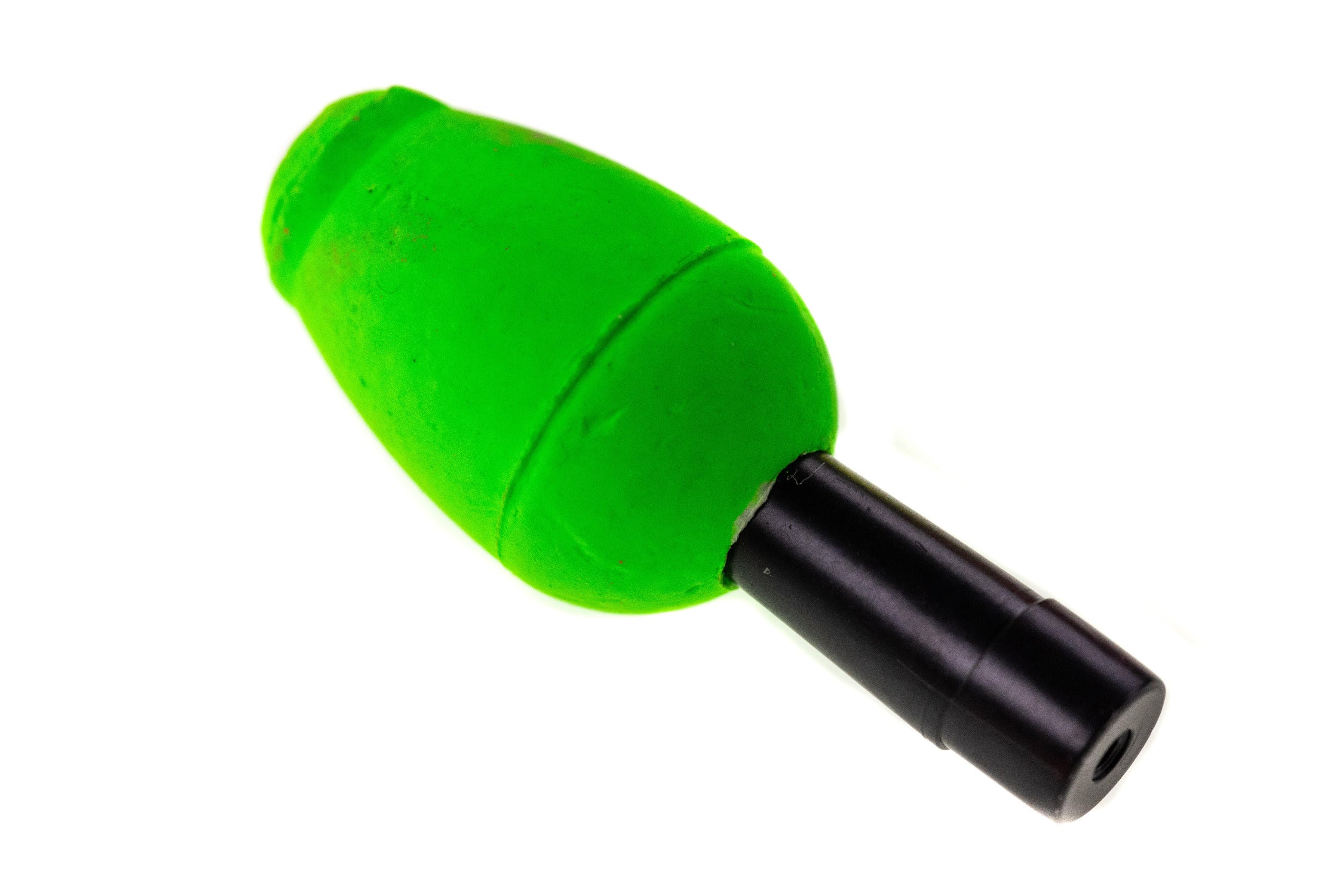
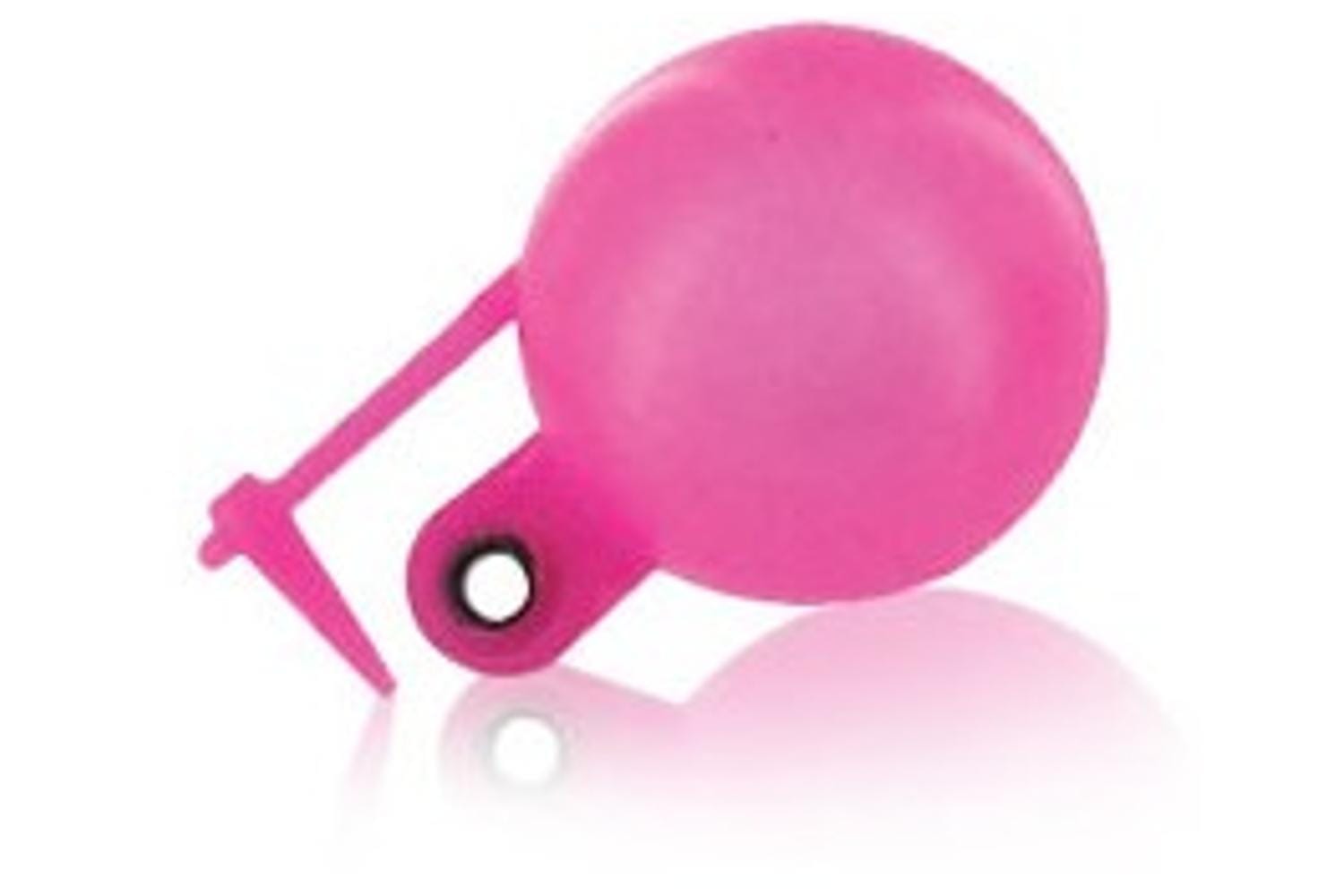
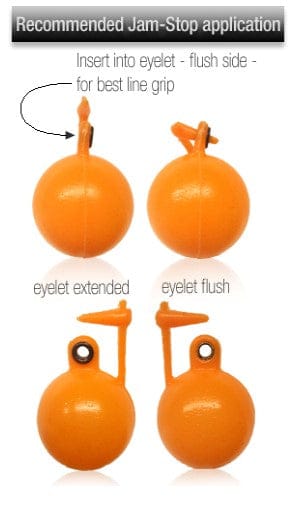
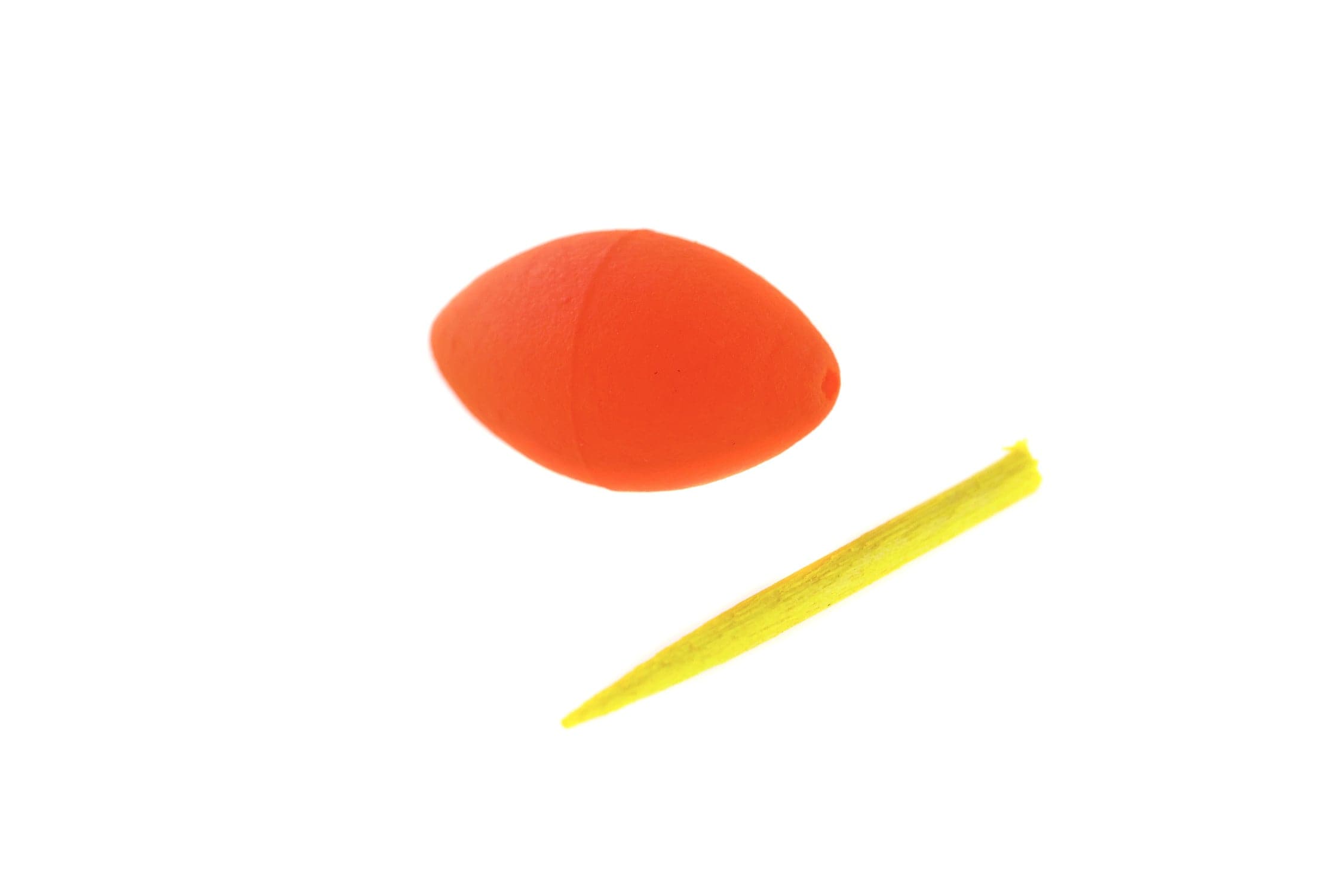
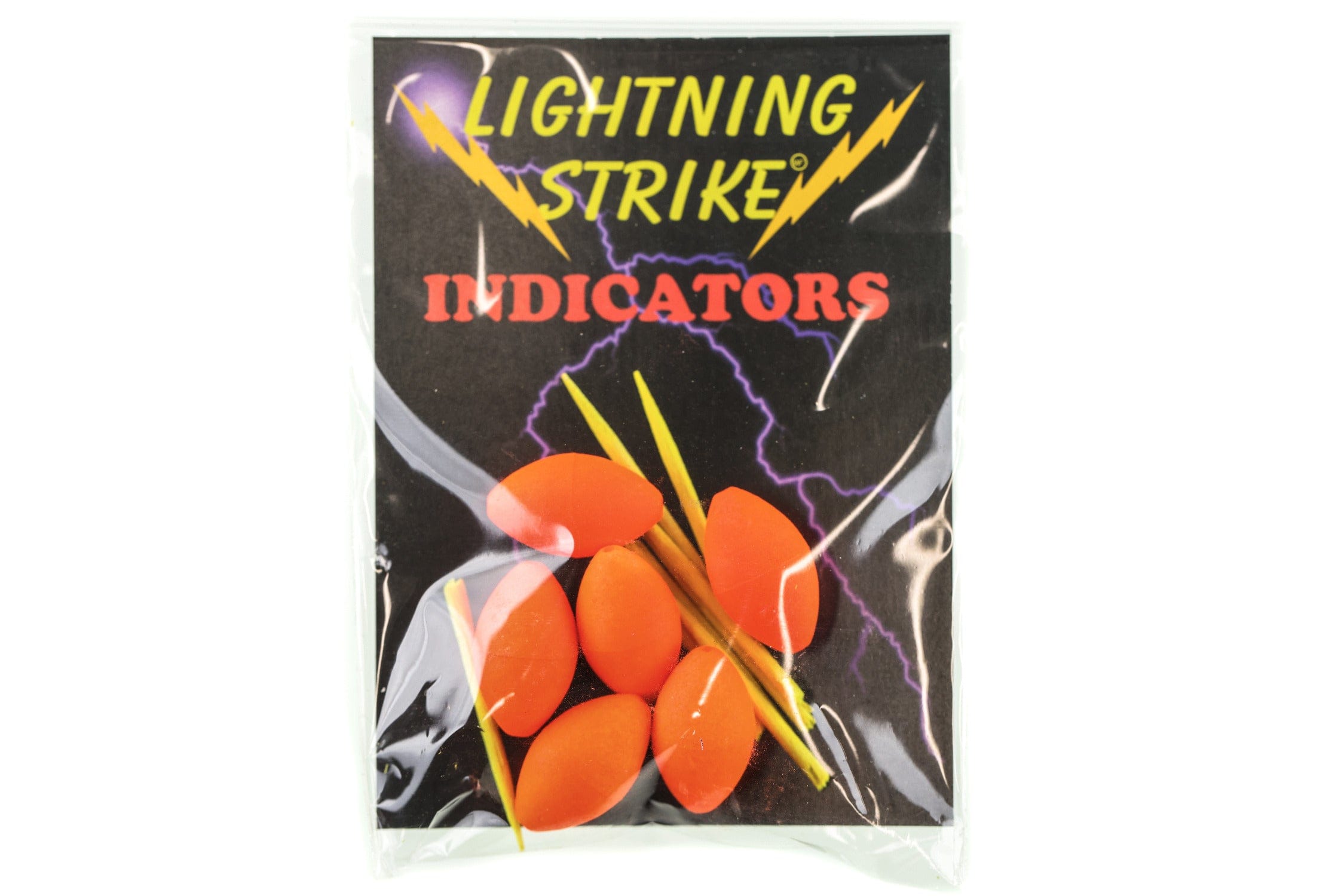
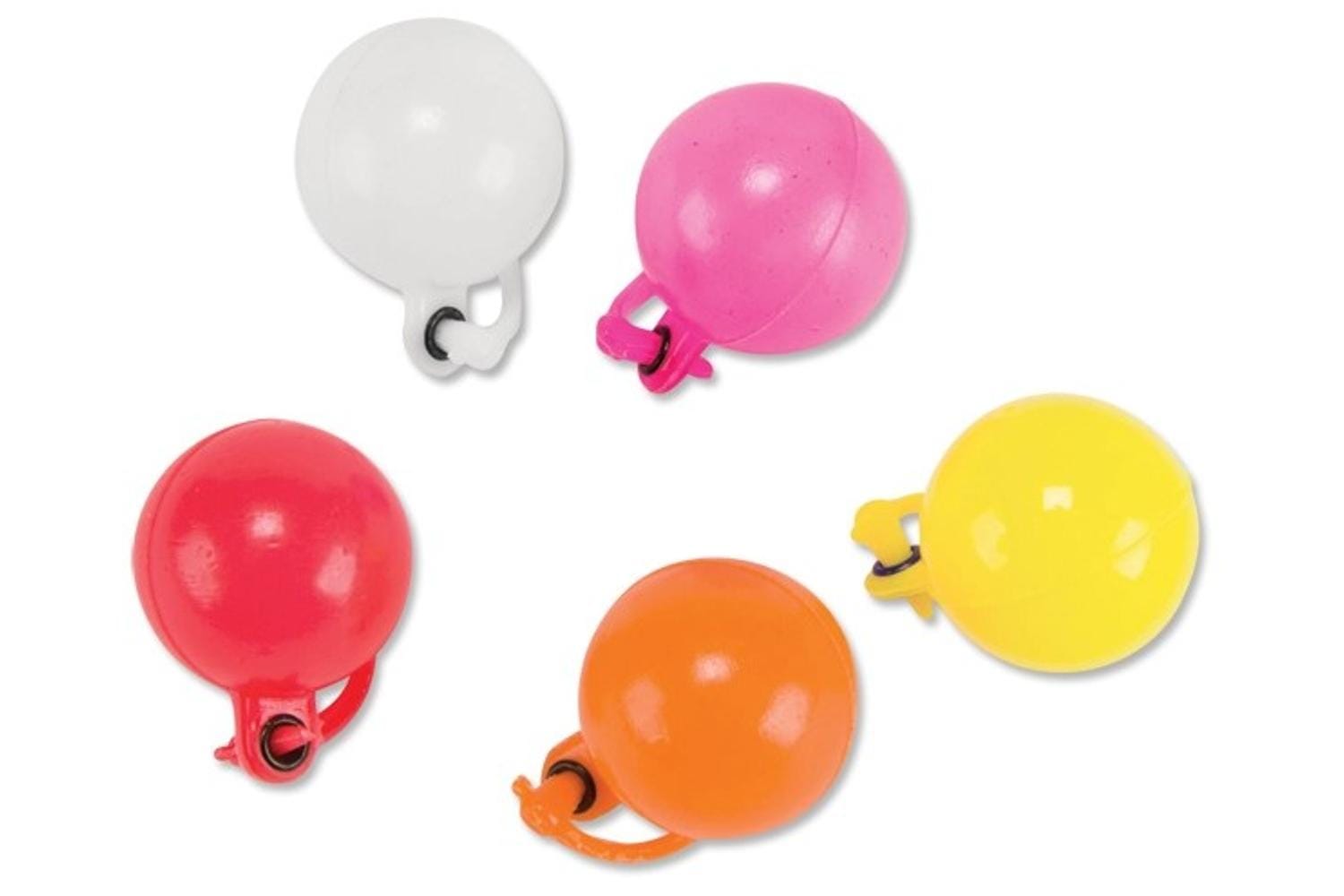
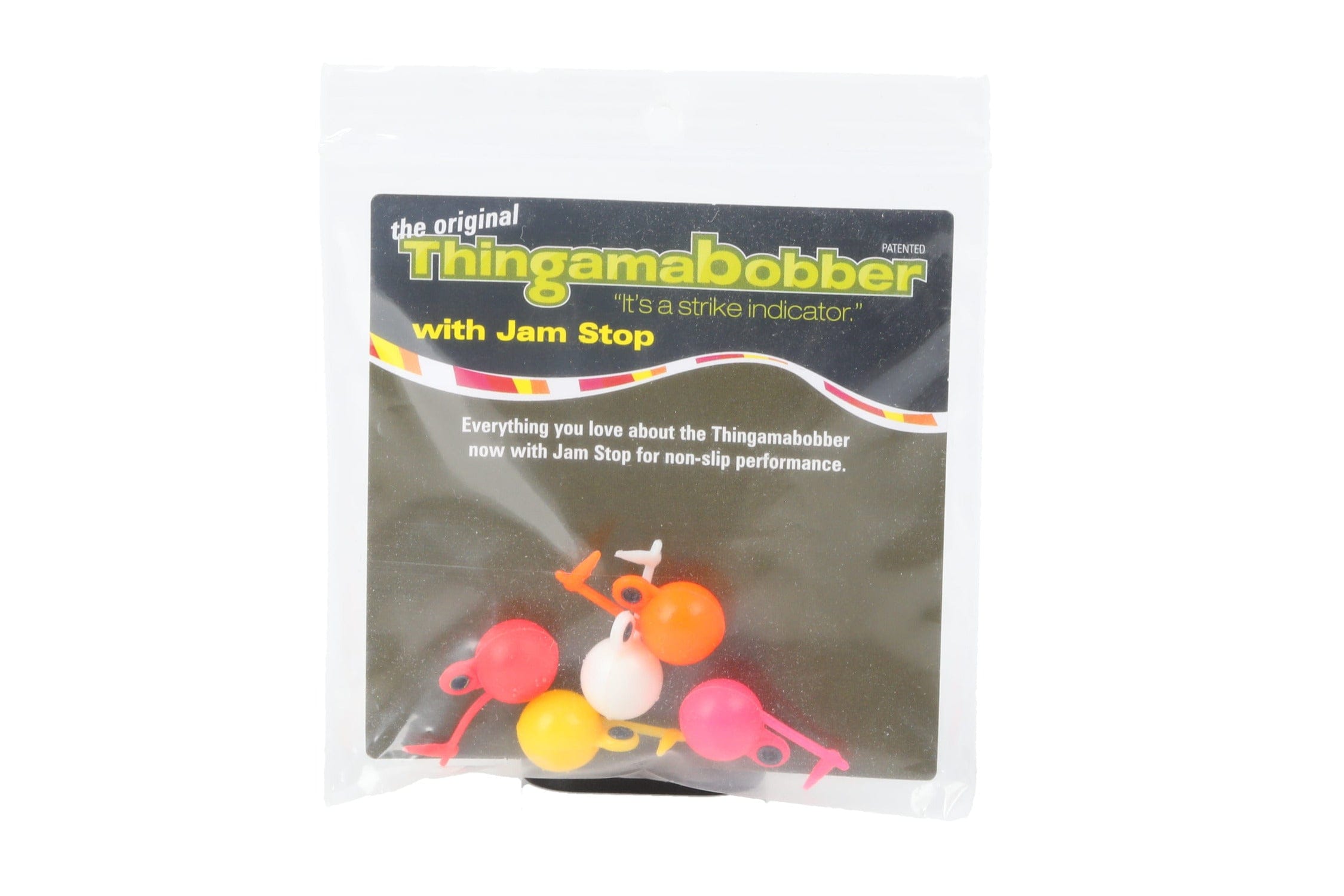
- Best All-Around: Thingamabobber Strike Indicators - A simple, high-visibility option for classic indicator nymphing on rivers of all sizes. Multiple sizes let you balance buoyancy and casting ease without overcomplicating your rig.
- Best for Quick Depth Changes: Loon Deep Soft Weight - Great when you need to fine-tune sink rate without cutting and re-tying knots. Mold on a little or a lot to match current speed, depth, and fly weight.
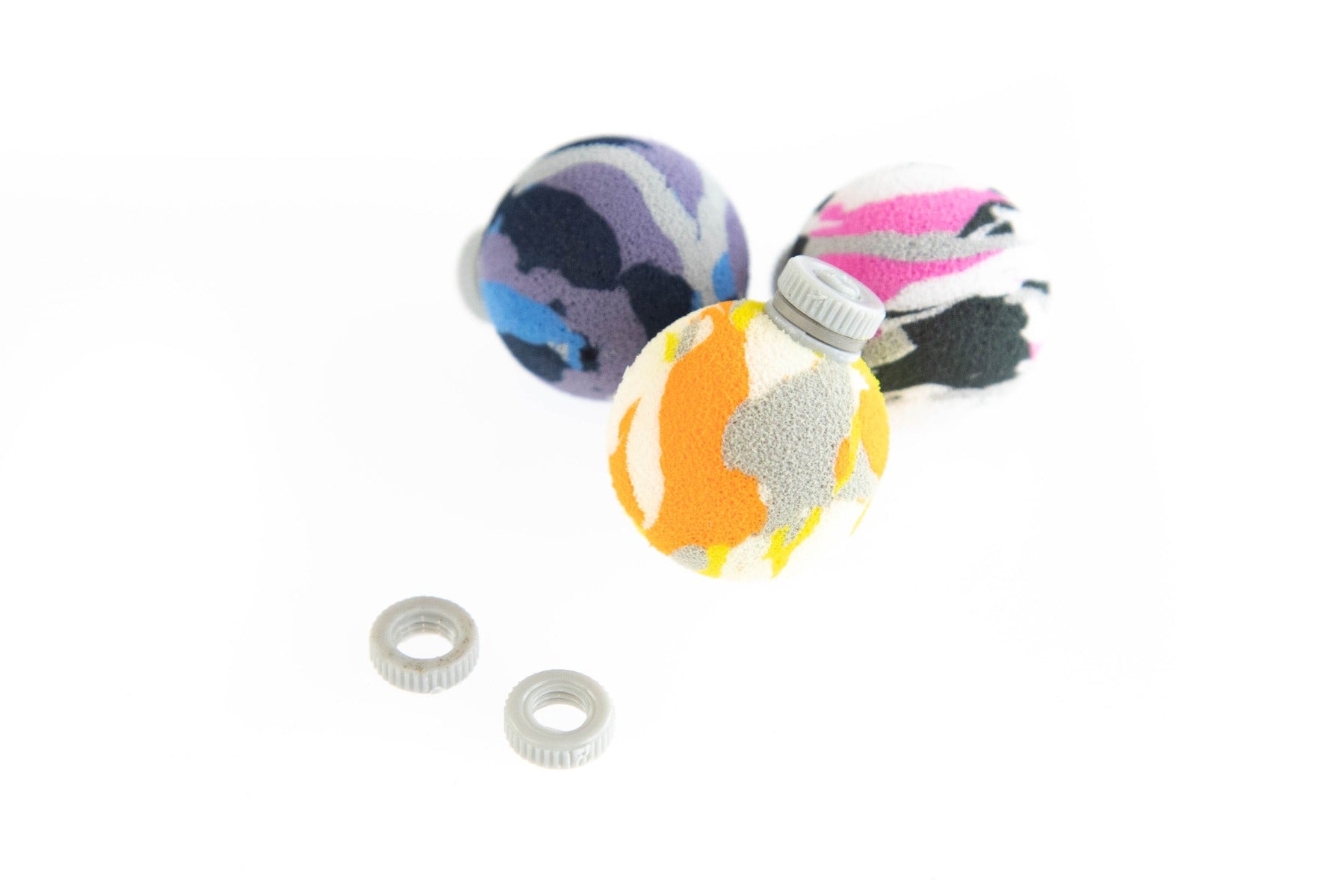
- Best for Beginners: Airlock Strike Indicator - 3 Pack - Easy to rig and adjust, with a locking system built for fast changes on the water. A solid starting point for anglers learning indicator depth, mending, and drift control.
- Best for Small Water & Delicate Rigs: Westwater Fly Unibobber - A micro-sized, lightweight option that shines when standard “bobbers” feel too splashy or heavy. Ideal for spring creeks, small streams, and subtle presentations.
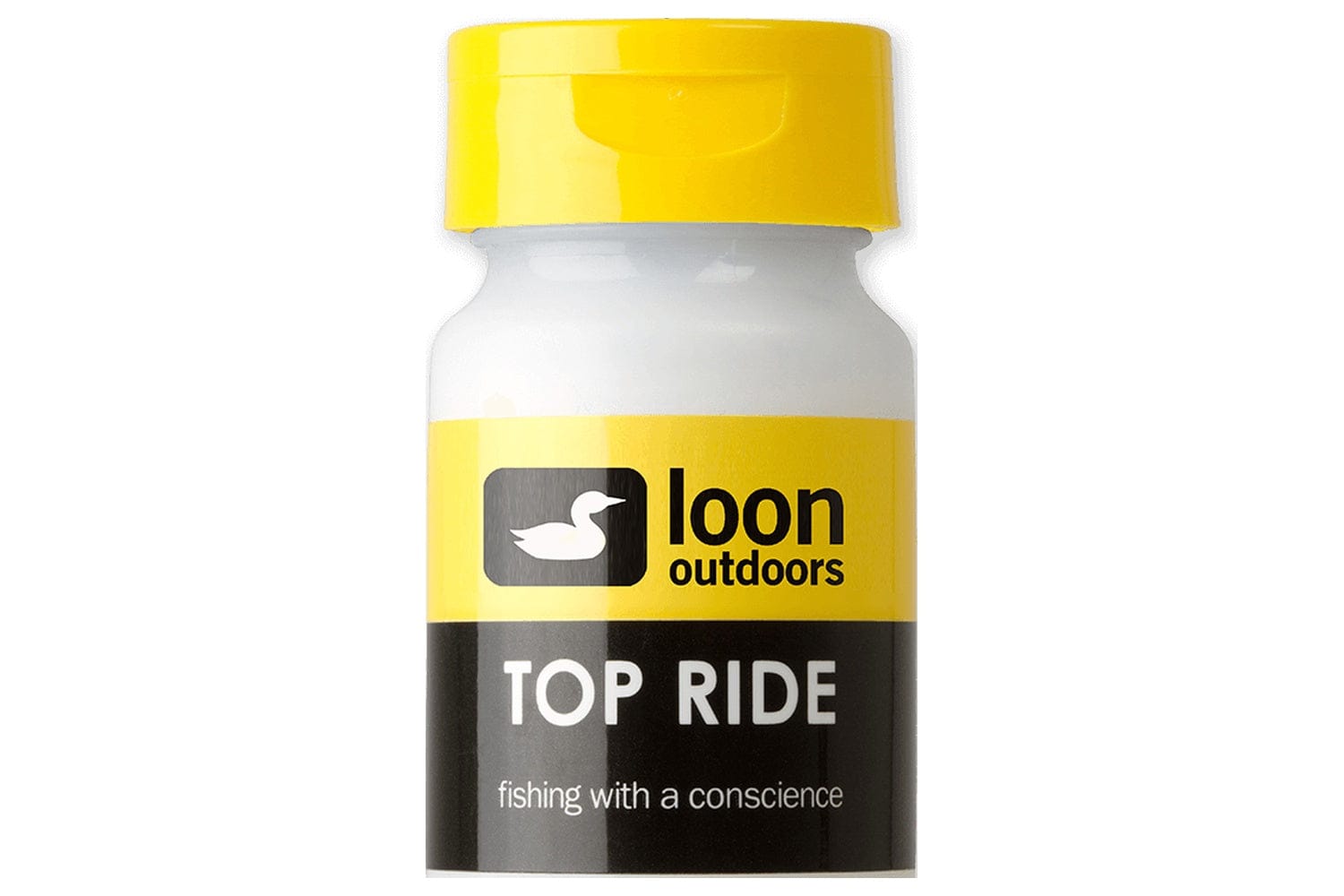
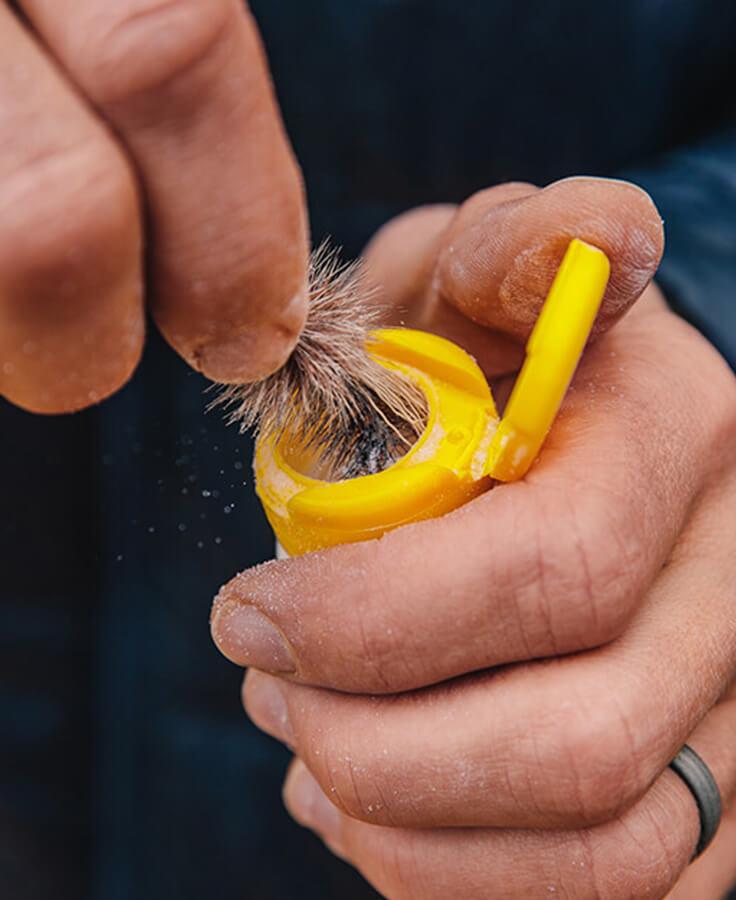
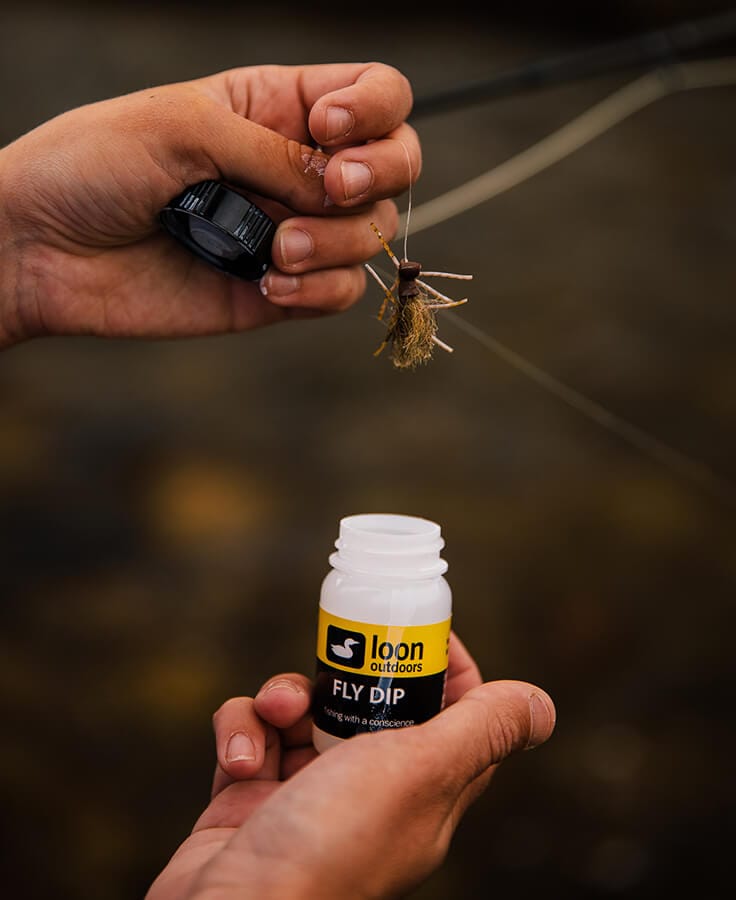
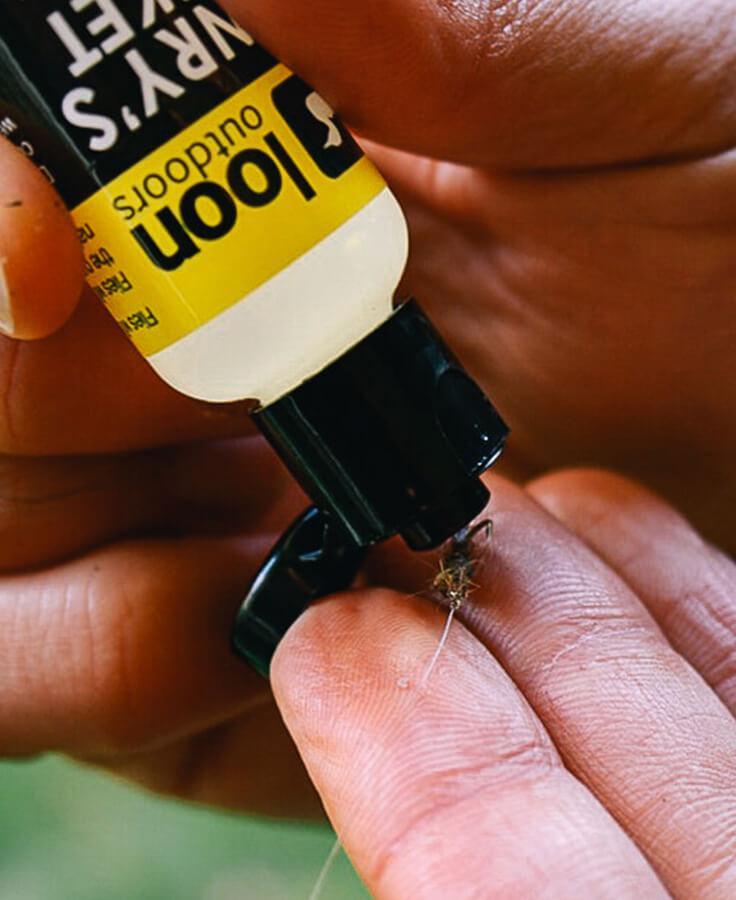
- Best Dry-Fly Revival: Loon Top Ride - A fast way to dry and re-float a fly after it gets slimed or dunked. The shake-style application is efficient when you’re rotating through a few dries during steady surface activity.
How to Choose Weights, Indicators & Floatants
Weights: split shot vs. tungsten putty
Action: Use weight to get your nymphs into the feeding zone quickly, then adjust until you’re ticking bottom occasionally.
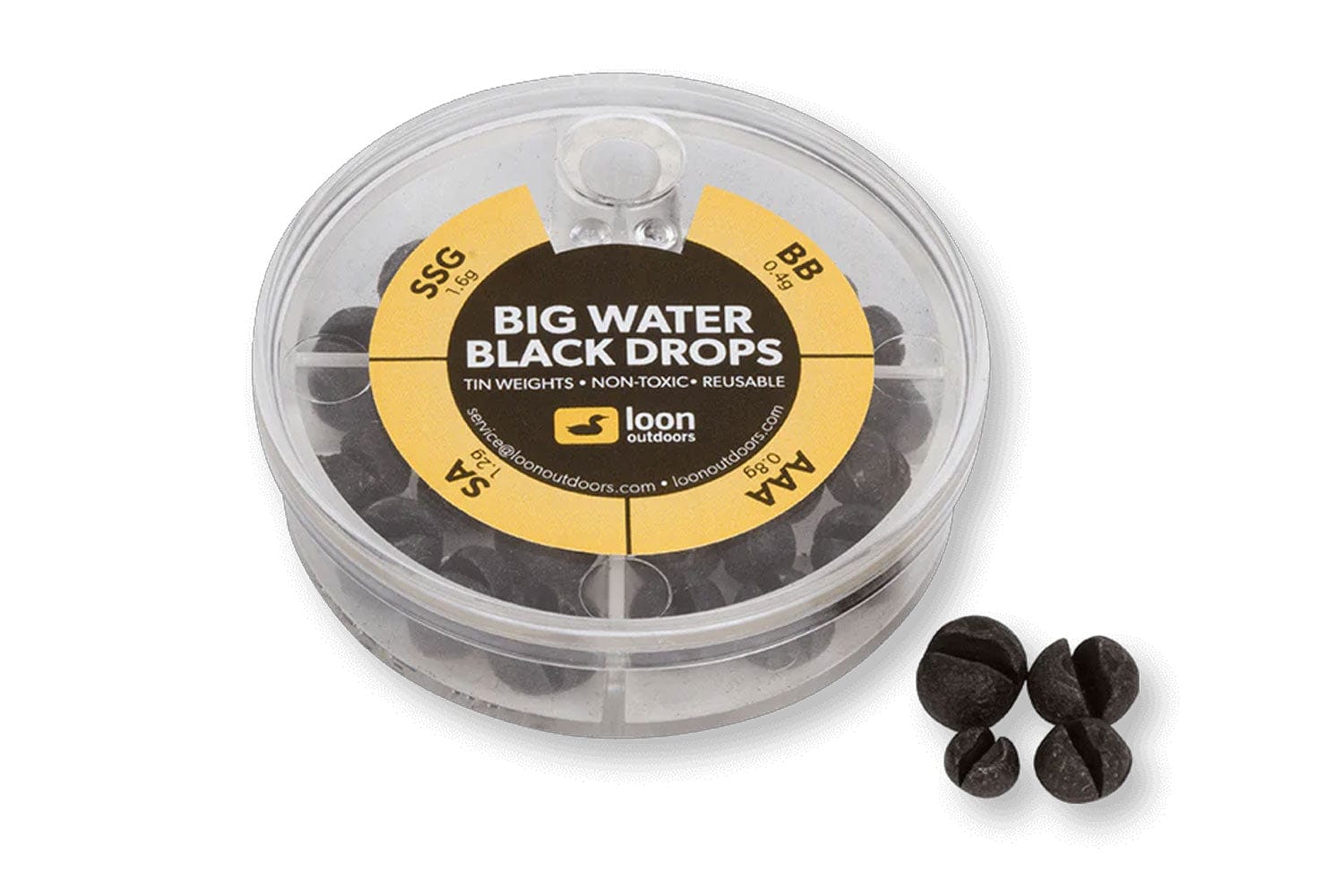
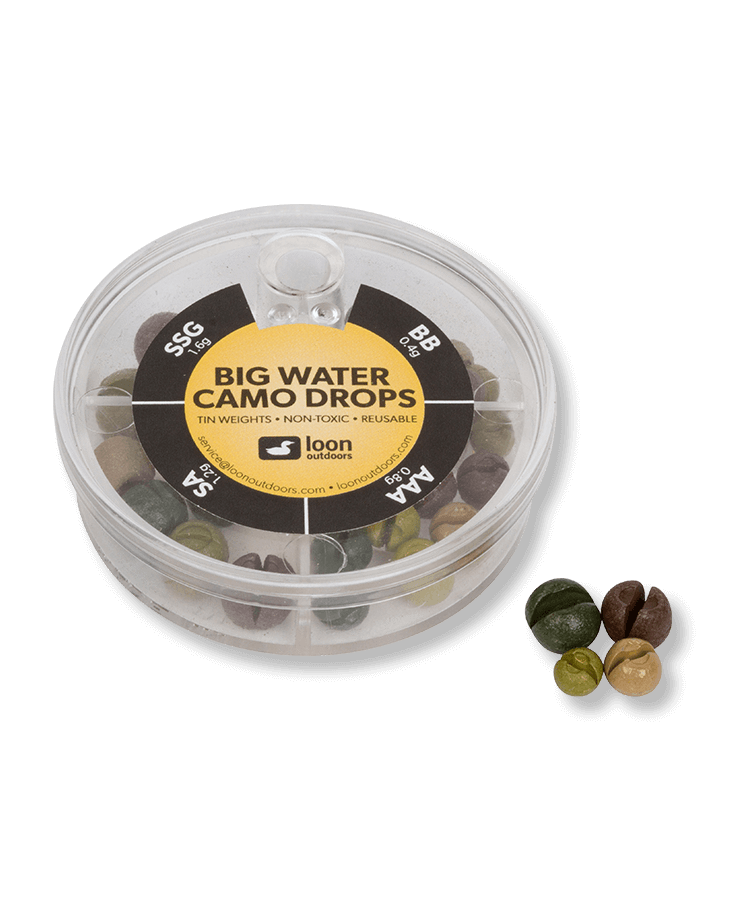
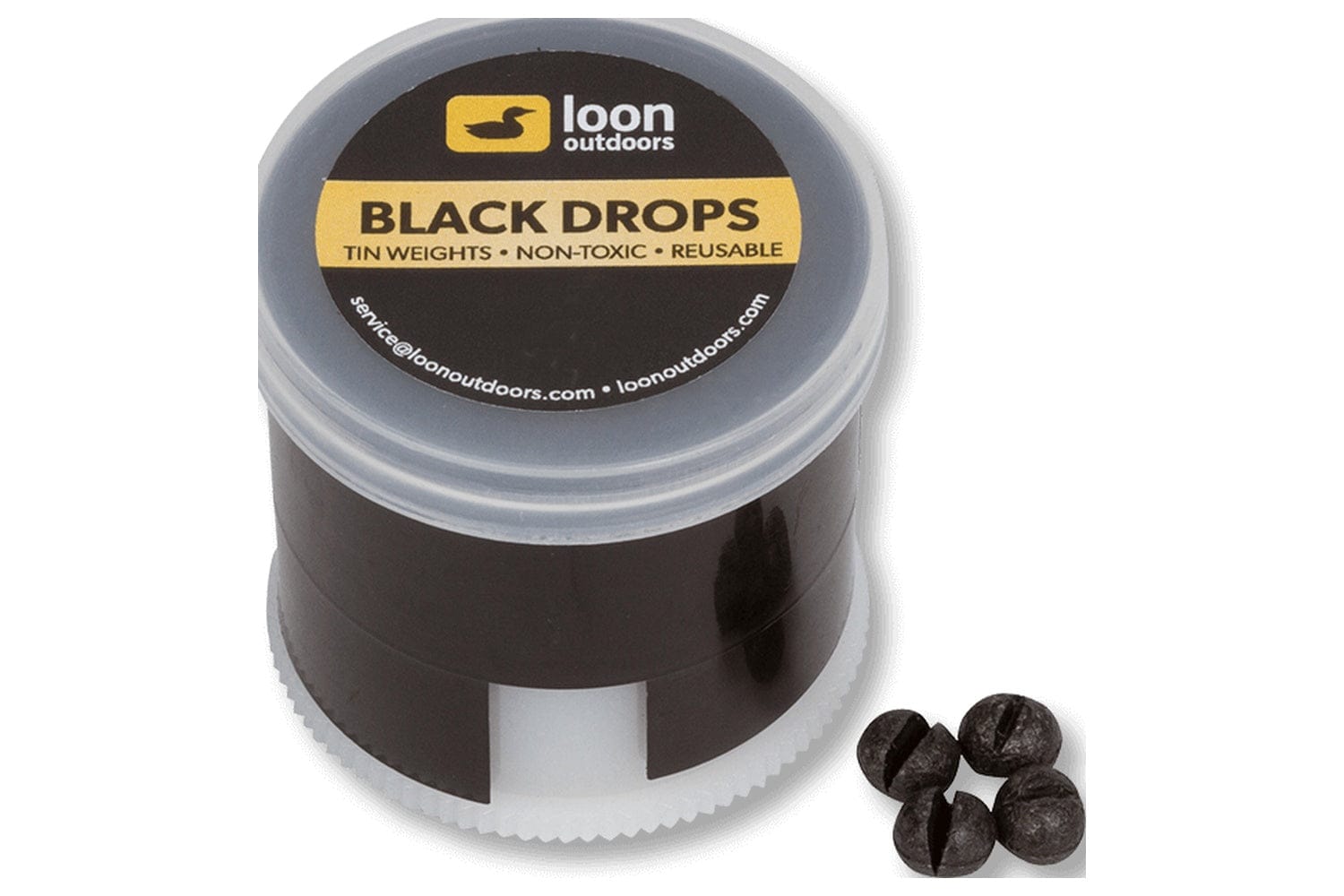
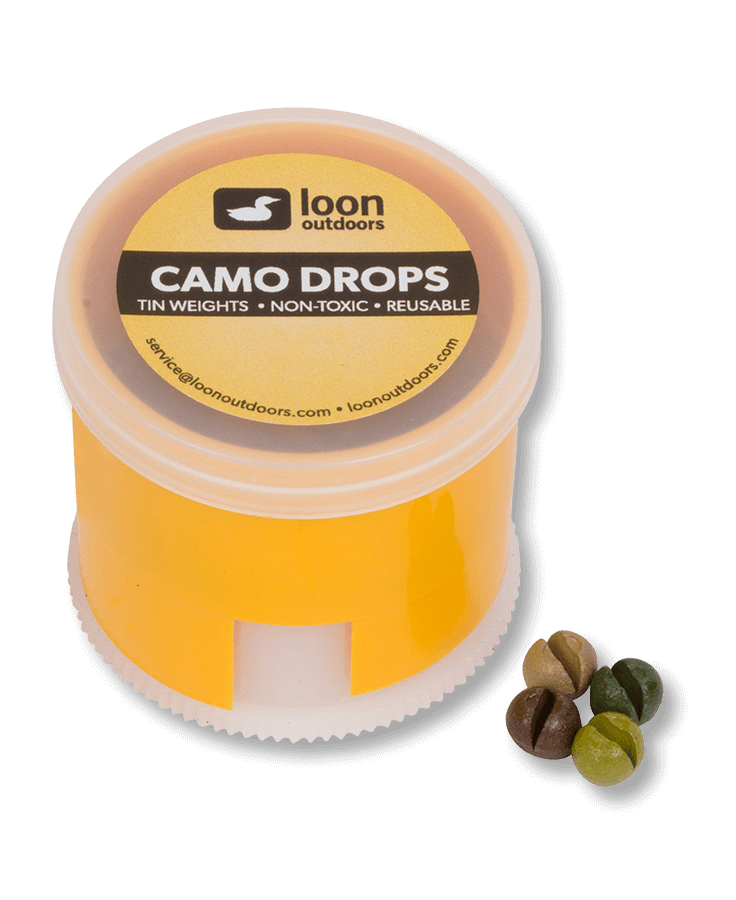
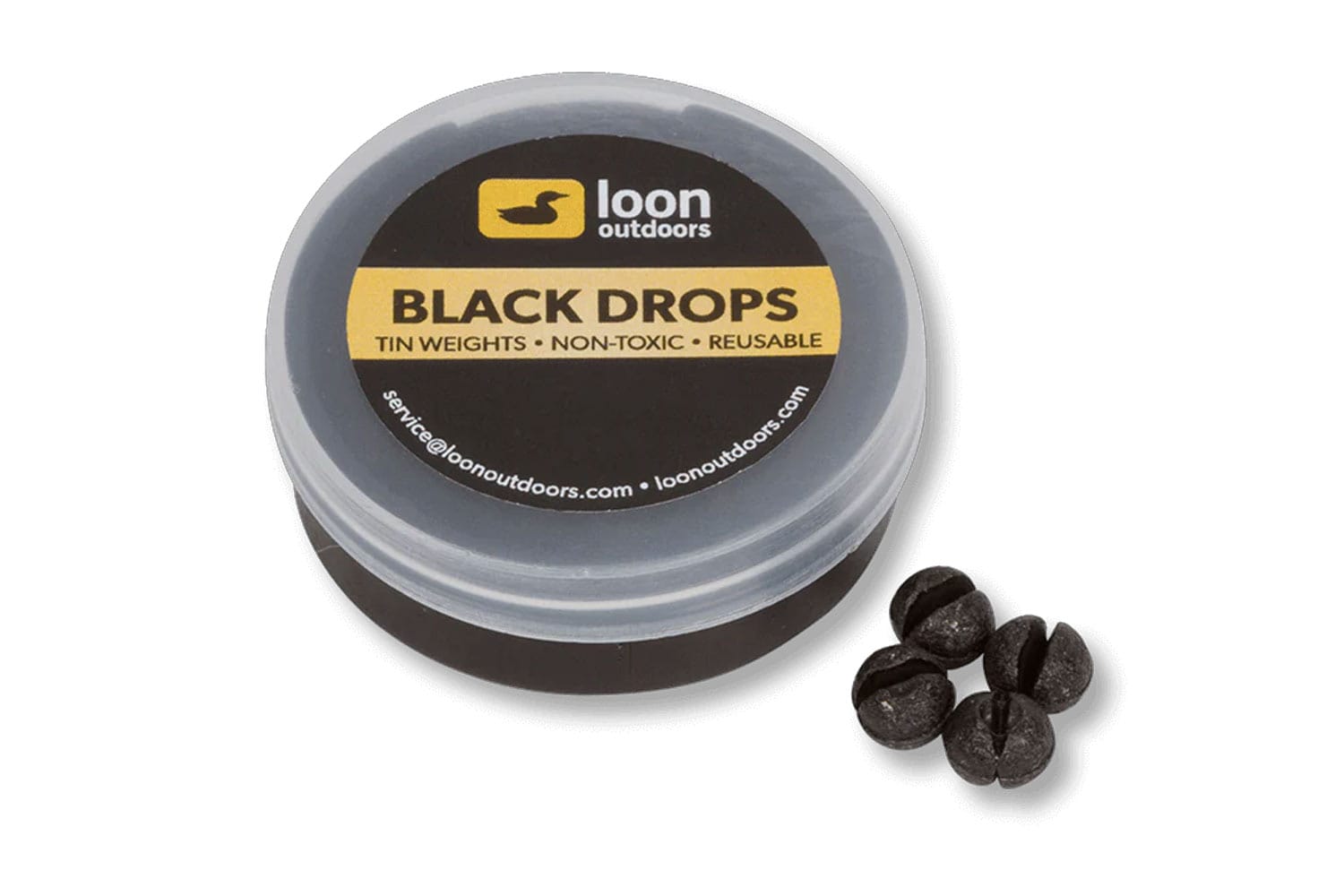
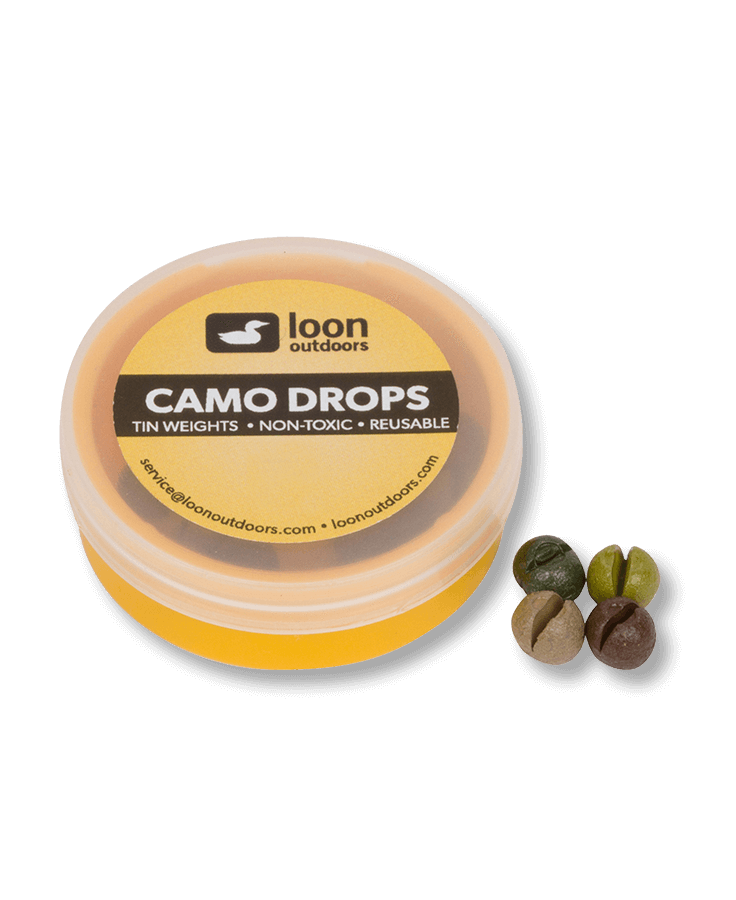
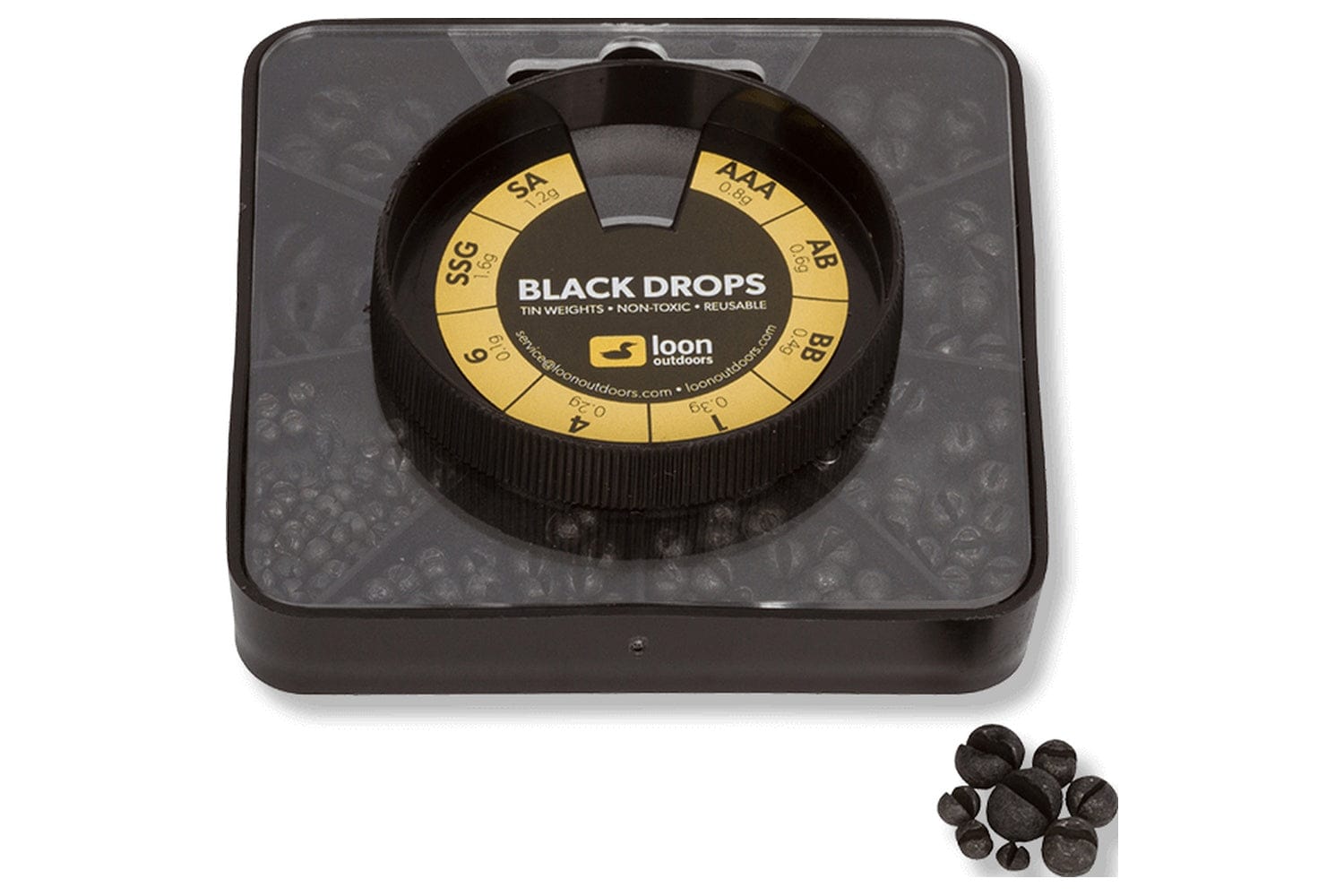
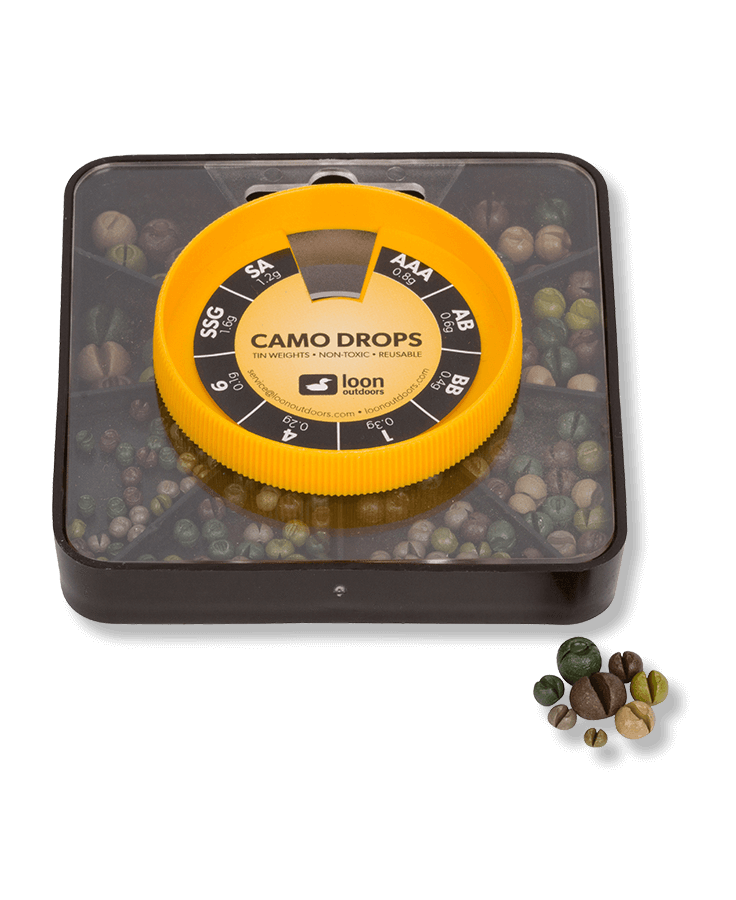
Split shot: Best for repeatable, known amounts of weight (especially for indicator nymphing). If you like neat storage, a dispenser-style option like Dinsmore Black Egg Tin Dispenser makes quick changes less frustrating.
Tungsten putty: Best for micro-adjustments and quick re-tuning without re-rigging. Putty-style weight like Loon Deep Soft Weight is also handy when changing depth every few runs as current speed varies.
Indicators: what style matches your water
Best for: Indicator nymphing, dry-dropper rigs, and any time you need a clear visual “tell” for subtle takes.
Hard/air-filled indicators: Classic “bobber” style indicators like Thingamabobbers are easy to see and support heavier rigs for deeper runs.
Inline/adjustable systems: If you like quick depth changes and a sensitive presentation, a yarn system like the New Zealand Strike Indicator Kit is popular for technical rivers and changing seams.
Avoid if: Your indicator is so large it lands hard, drags your flies, or makes casting miserable. If it’s hard to turn over, either size down the indicator, shorten the rig, or reduce added weight.
Floatants: gel vs. powder vs. dip
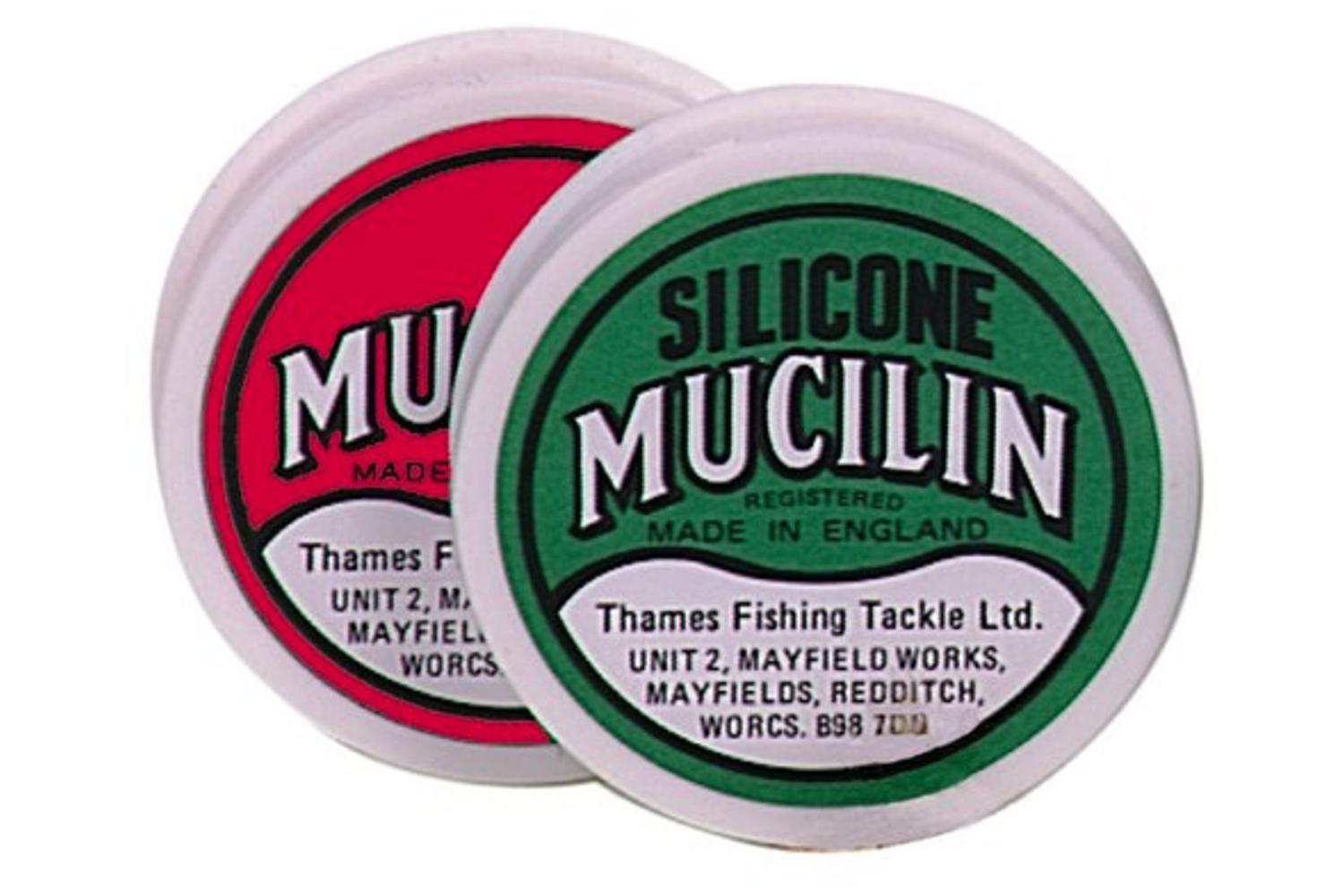
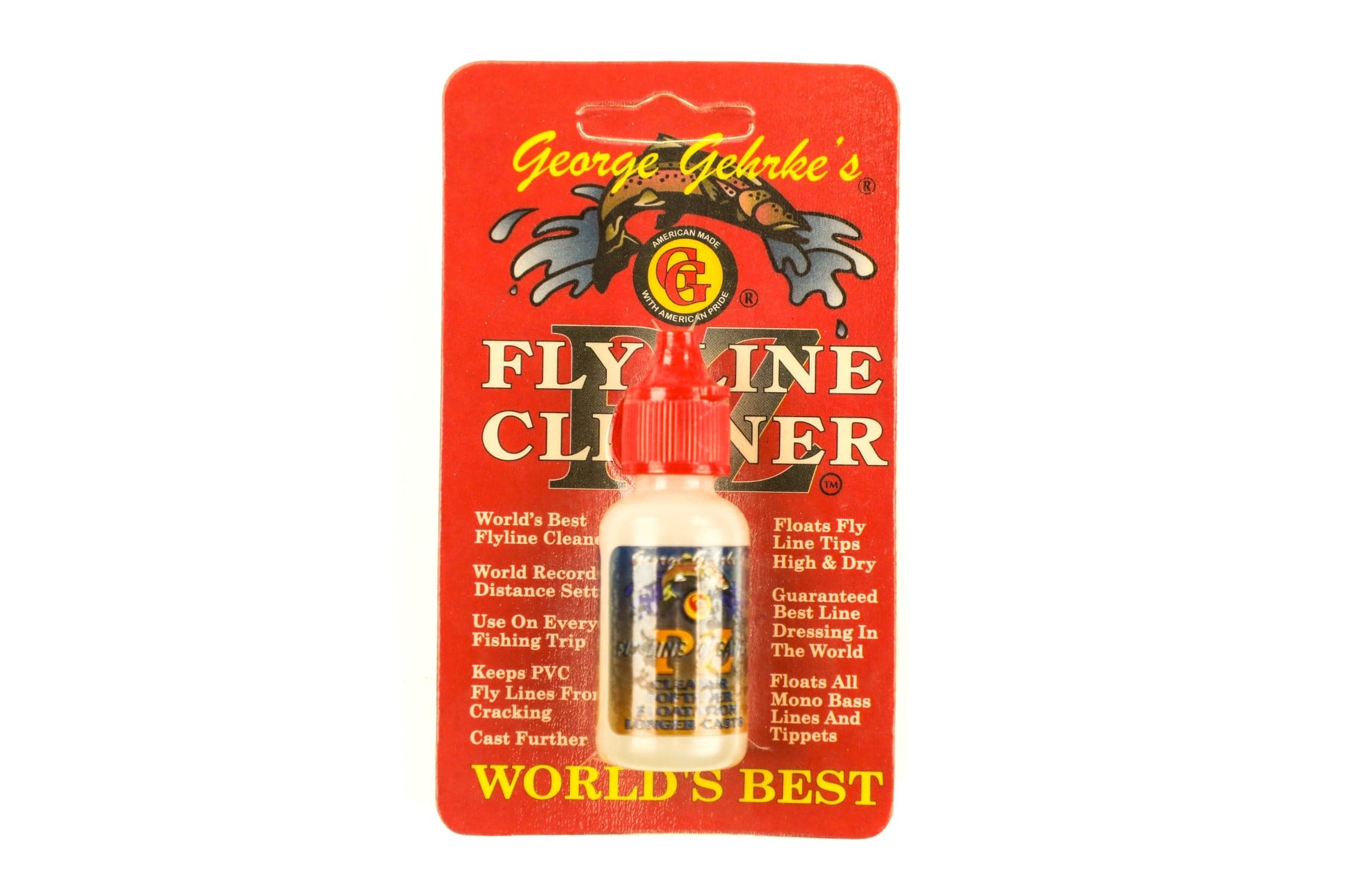
Gel floatant: A go-to for pre-treating dries and maintaining buoyancy in everyday fishing. A silicone gel like Loon Aquel is easy to apply streamside.
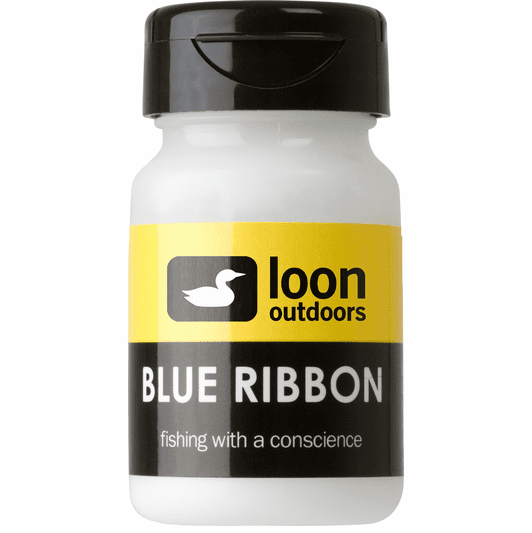
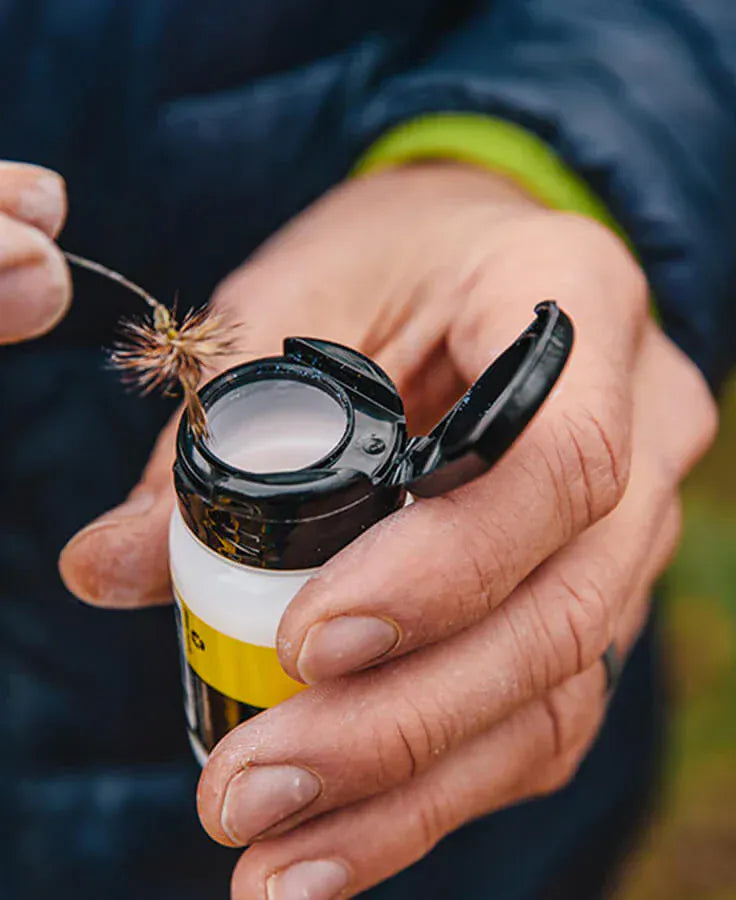
Powder/desiccant: Best when a fly is already wet and you need a quick reset. Shake-style products (like Loon Top Ride) help dry the fly and restore float quickly.
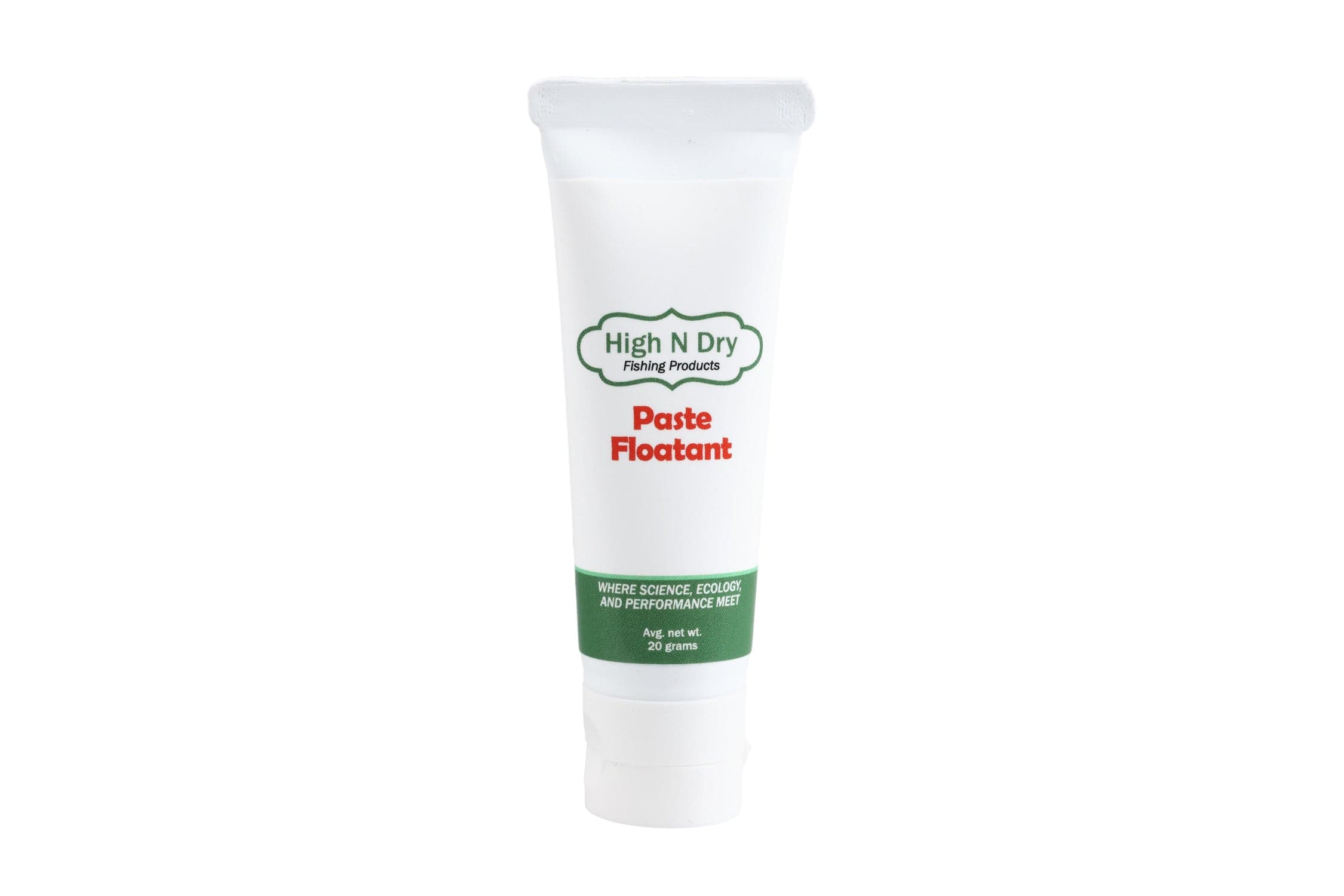
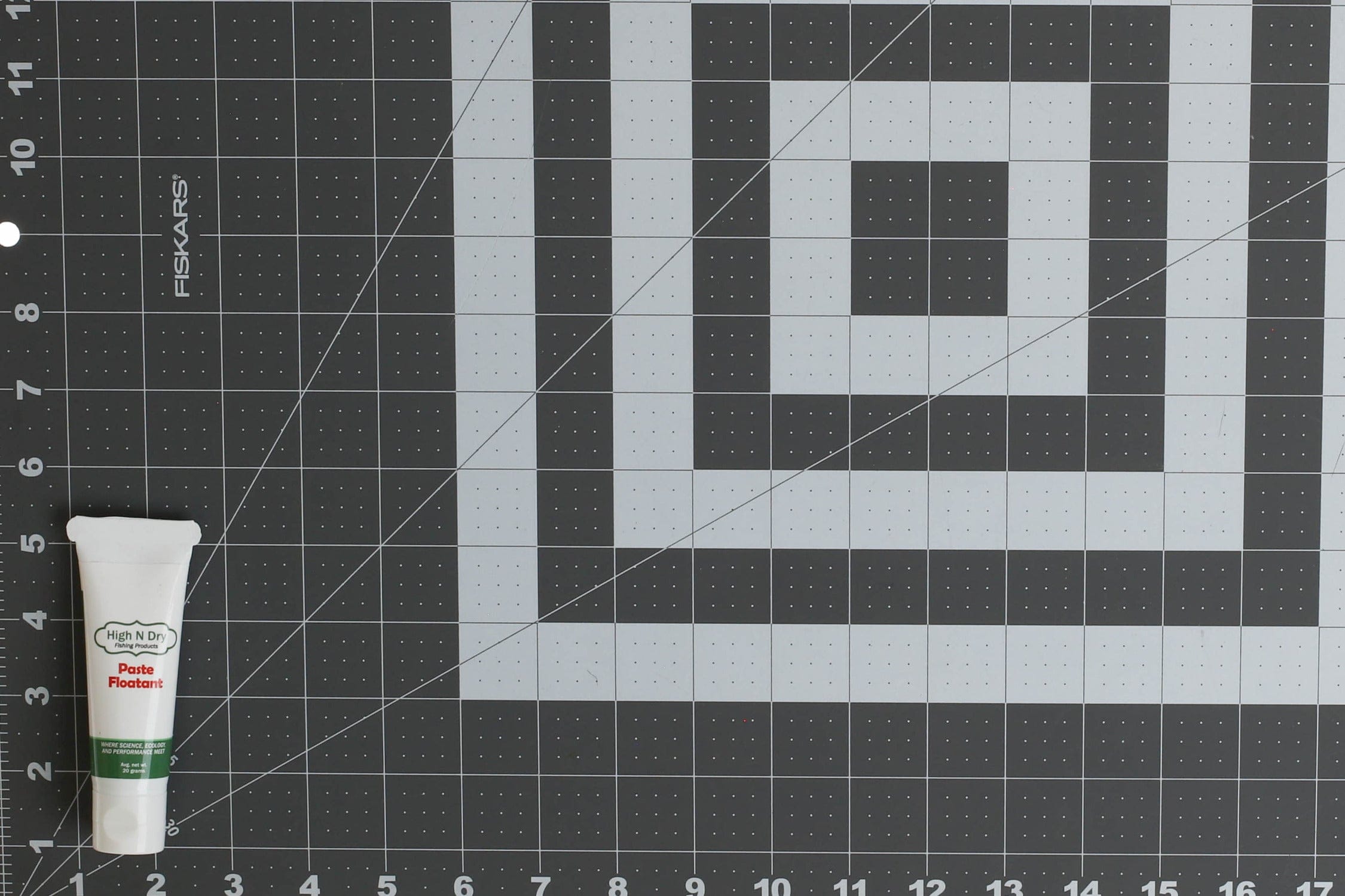
Dip-style liquid: Helpful when you want full coverage on a fly before it ever hits the water. A dip option like High N Dry Liquid Floatant is popular for fast application and thorough treatment.
Materials & Durability
- Keep it clean: Store floatants and powders closed tight so they don’t pick up sand, water, or sunscreen that can ruin performance.
- Protect your leader: When adding split shot, avoid crushing the tippet; place weight on thicker leader material when possible and adjust with care.
- Match buoyancy to rig weight: Heavier flies and more shot require a larger indicator; undersized indicators sink and create inconsistent drifts.
- Cold-weather note: In winter, gels can be harder to work into materials; powders and shake-style products often make fly revival faster.
Complete Your Setup
Related Gear
- Fly Fishing Leaders - Build a better turnover and cleaner drifts for indicator and dry-dropper rigs.
- Fly Fishing Tippet - Dial in presentation and sink rate (nylon vs. fluorocarbon) to match your technique.
- Nymph Flies - Pair the right weight and indicator with productive subsurface patterns.
- Tippet Rings - Simplify rigging and extend leader life when you’re adjusting depth and retying often.
Related Guides
- The Ultimate Tippet Shootout: 5x
- The Ultimate Tippet Shootout: 20lb
- Best Euro Nymphing Fly Rods of 2025
- How to Tie a Perdigon Nymph
- How To Tie The Sulphur Perdigon
Weights, Indicators & Floatants FAQs
Q: What do weights, indicators, and floatants do in fly fishing?
A: Weights help get subsurface flies down to the feeding zone. Indicators help you track drift and detect takes. Floatants help keep dry flies (and sometimes leaders) riding high and visible.
Q: How do I choose the right strike indicator size?
A: Choose the smallest indicator that still floats your rig and stays visible. If it’s sinking or dragging your flies, go up a size; if casting feels clunky or splashy, size down and reduce weight.
Q: Split shot or tungsten putty, what’s better?
A: Split shot is great for consistent, repeatable weighting and quick swaps. Tungsten putty is great for fine-tuning and making small changes without rebuilding your leader.
Q: What’s the difference between gel floatant and powder floatant?
A: Gel floatant is typically used to pre-treat or maintain a dry fly’s buoyancy. Powder/desiccant styles are typically used to dry and re-float a fly after it’s been fished.
Q: Are yarn indicators good for beginners?
A: They can be, especially if you like quick adjustments and a softer landing. They do take a little practice to dial in the right amount of yarn and to keep it maintained when it gets waterlogged.
Q: Why does my indicator keep sliding on my leader?
A: It’s usually a mismatch between the indicator’s attachment system and your leader diameter, or the indicator isn’t tightened/pegged correctly. Check that you’re rigging on the butt section when appropriate and following the manufacturer’s rigging steps.
Q: Do I need floatant if I’m not dry fly fishing?
A: Not always, but floatant can still be useful for dry-dropper rigs, floating indicator yarn, or keeping certain components riding correctly. If you’re strictly subsurface, weights and indicators (or a sighter system) tend to matter more.
Q: What’s a good “starter kit” for indicator nymphing?
A: A couple sizes of indicators, a small split shot assortment or tungsten putty, and a floatant/powder for when you switch to dries or a dry-dropper. Add tippet rings if you like changing rigs quickly.