




























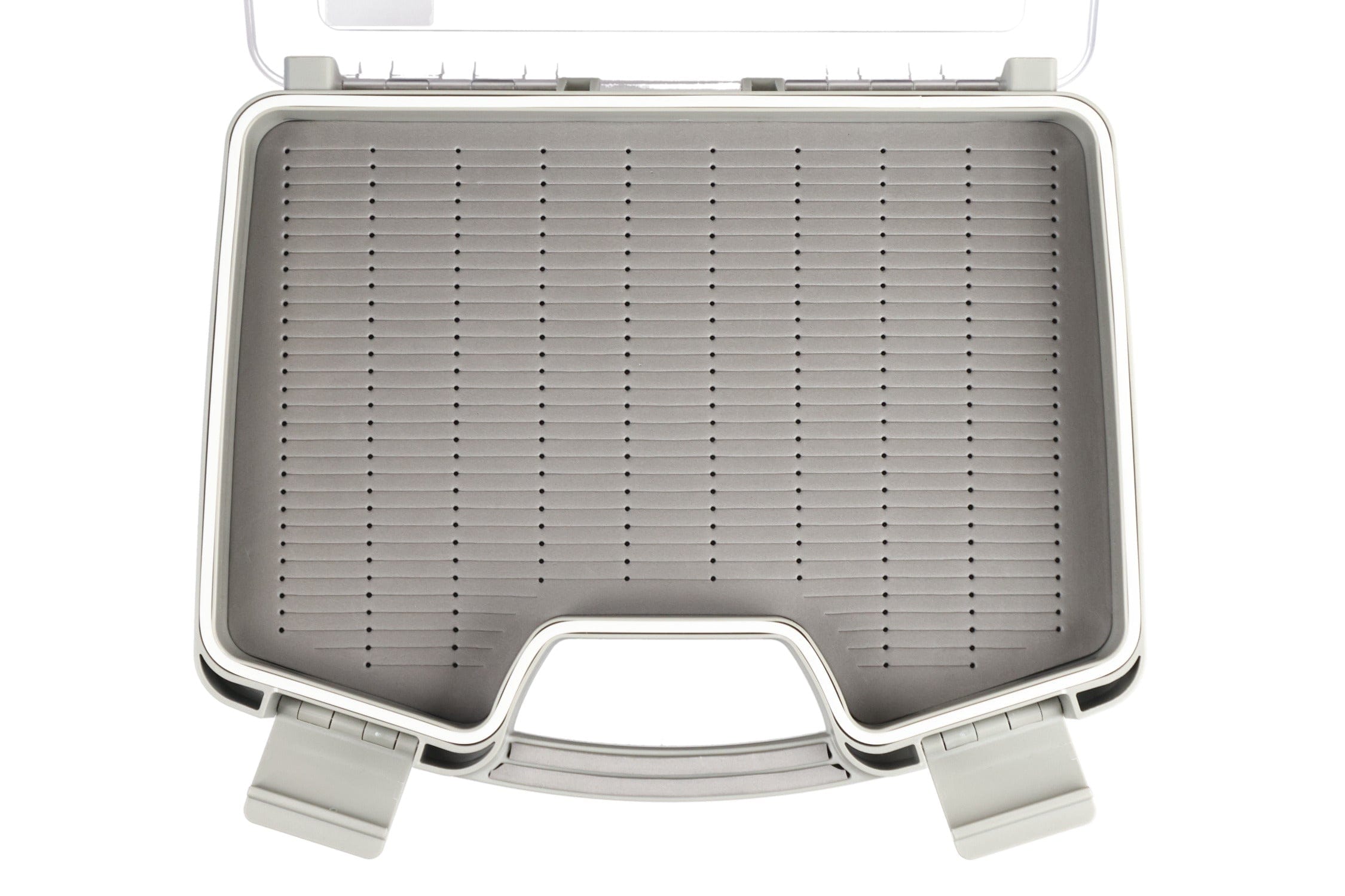
Trident Basics Quick Picks
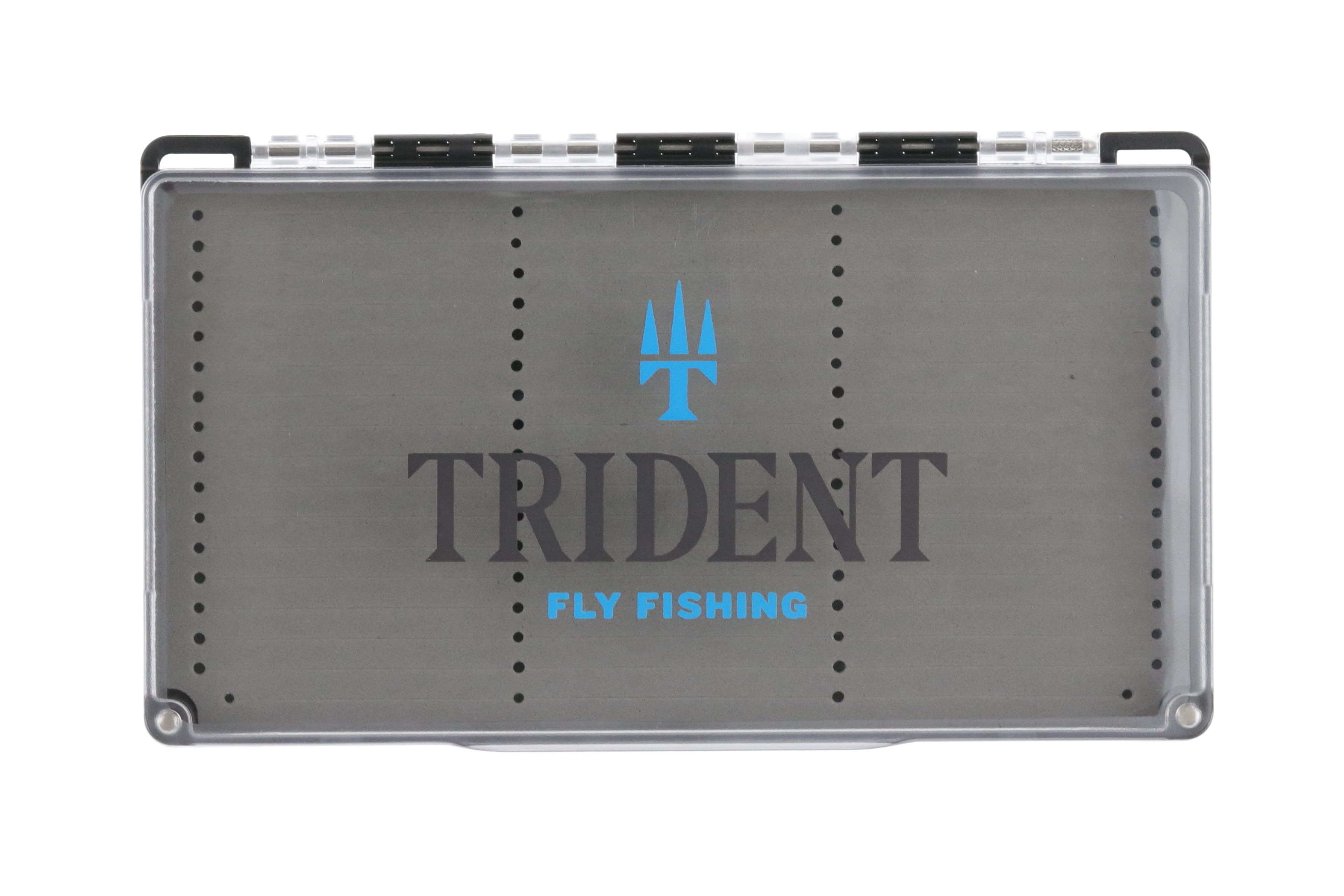
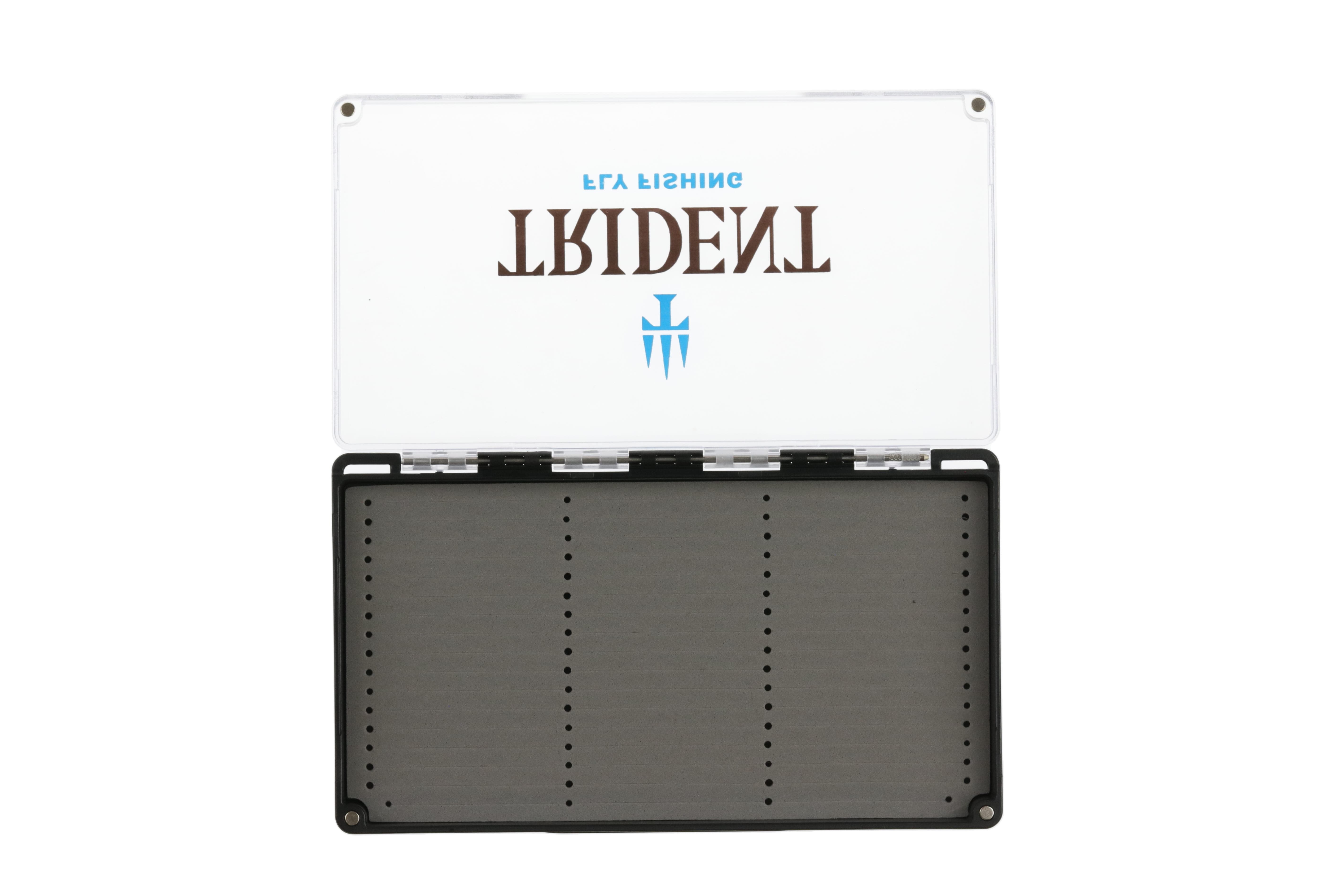
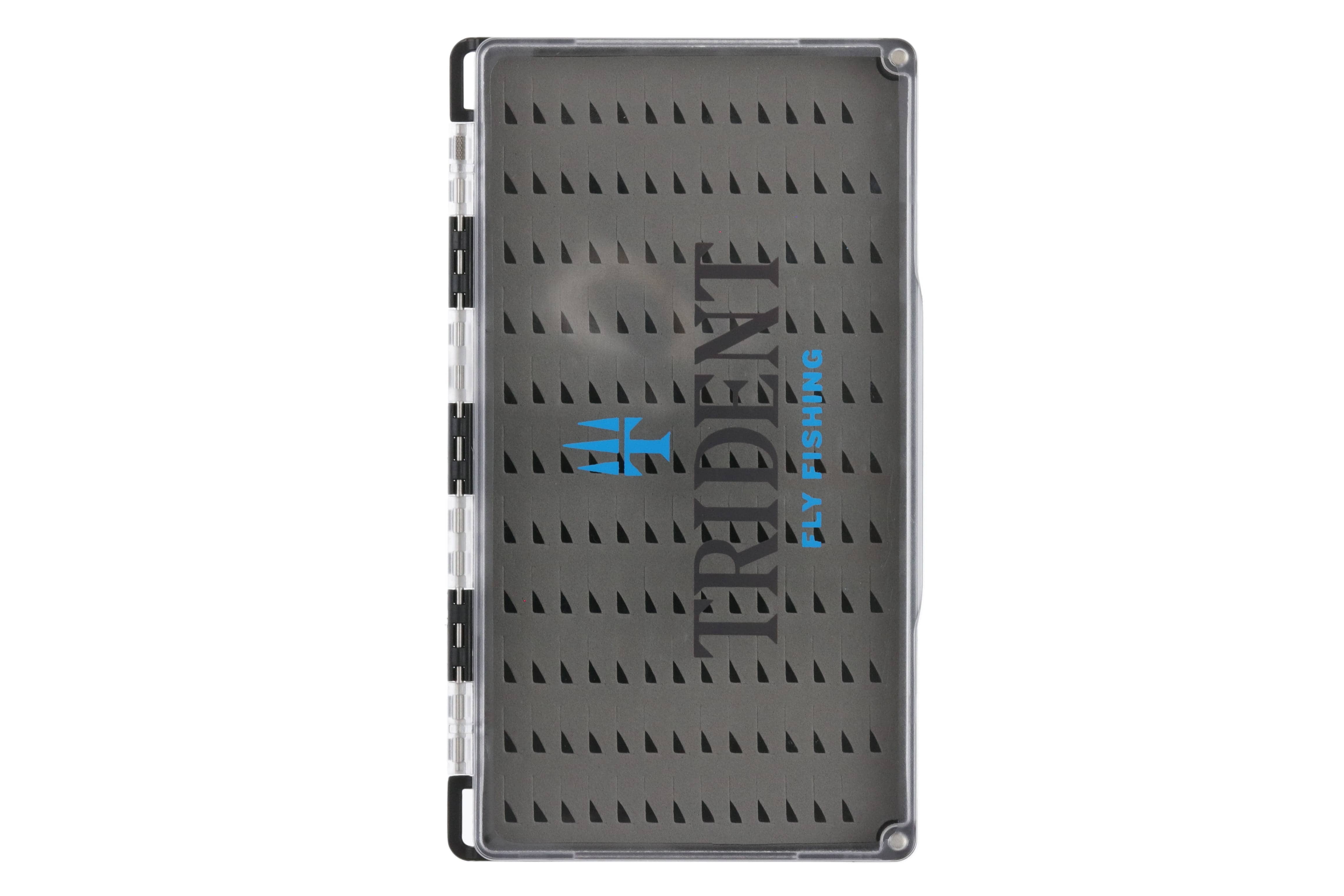
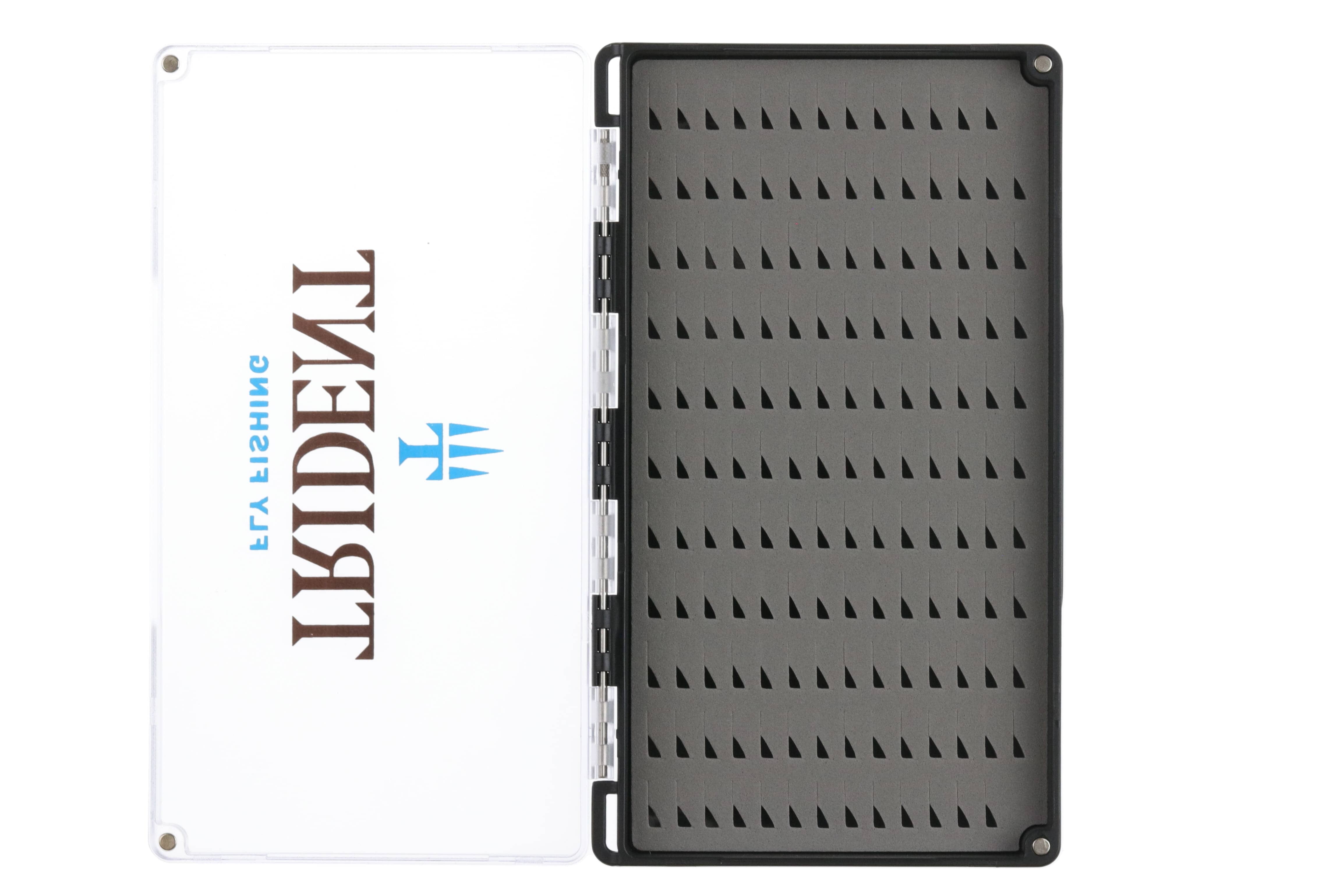
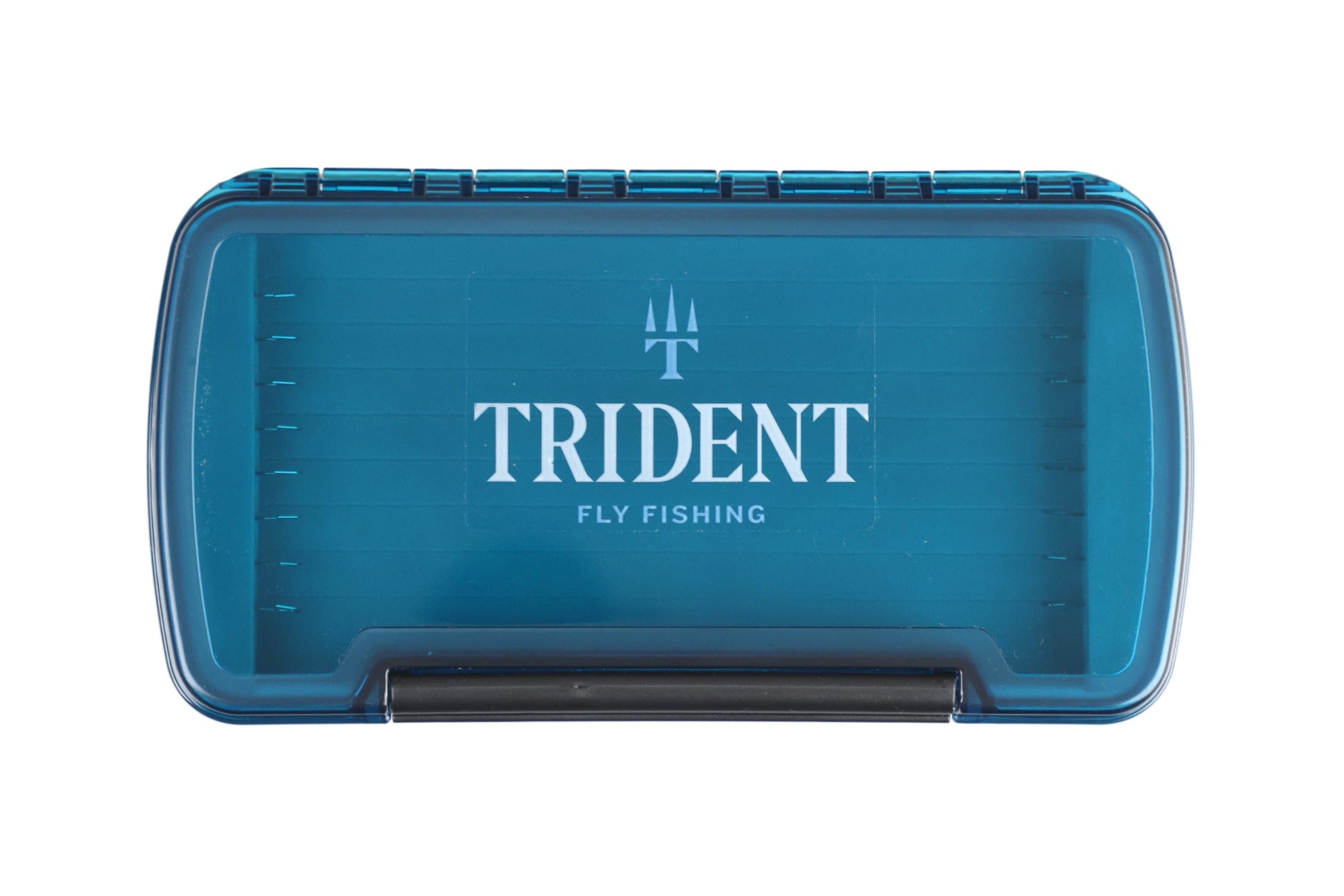
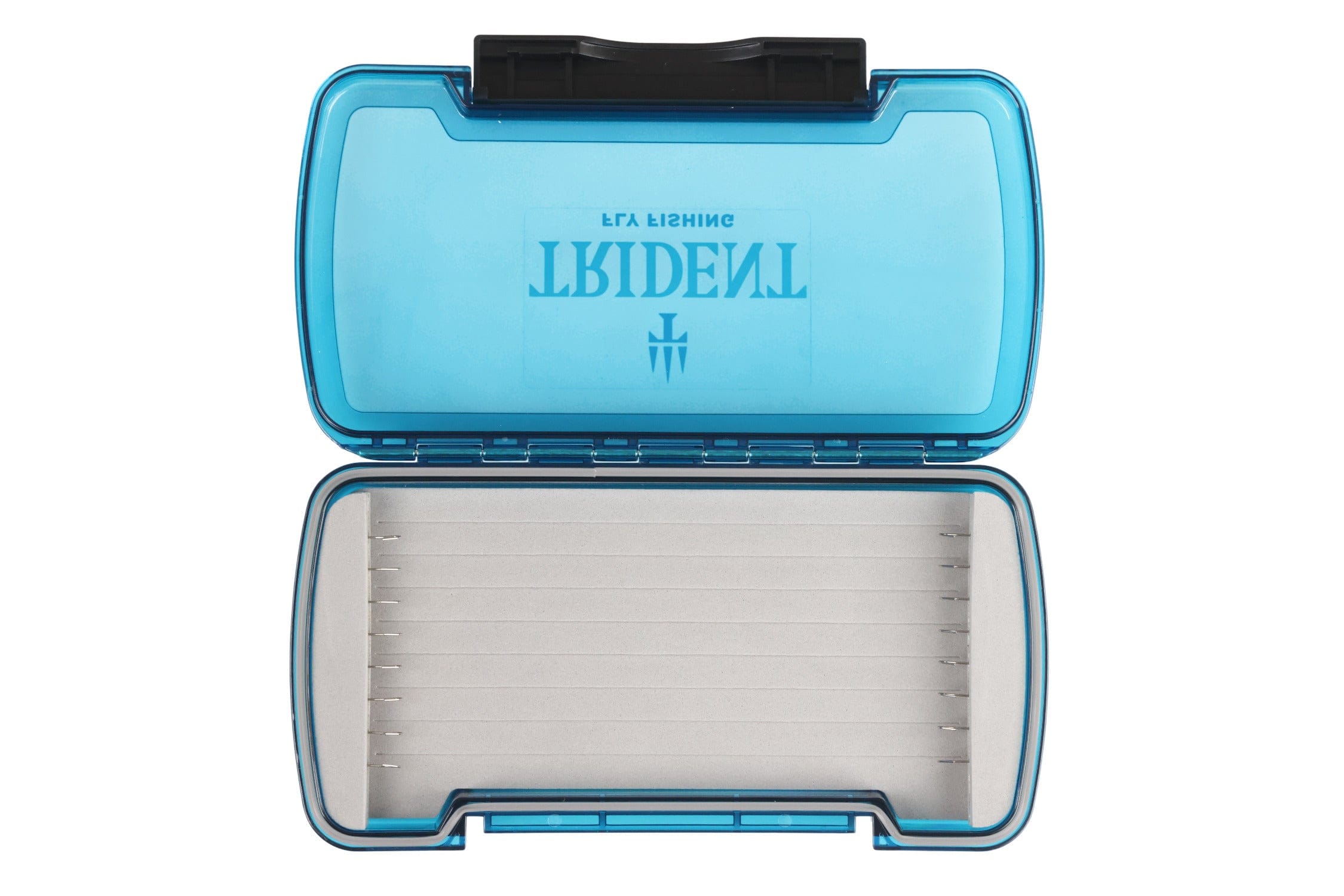
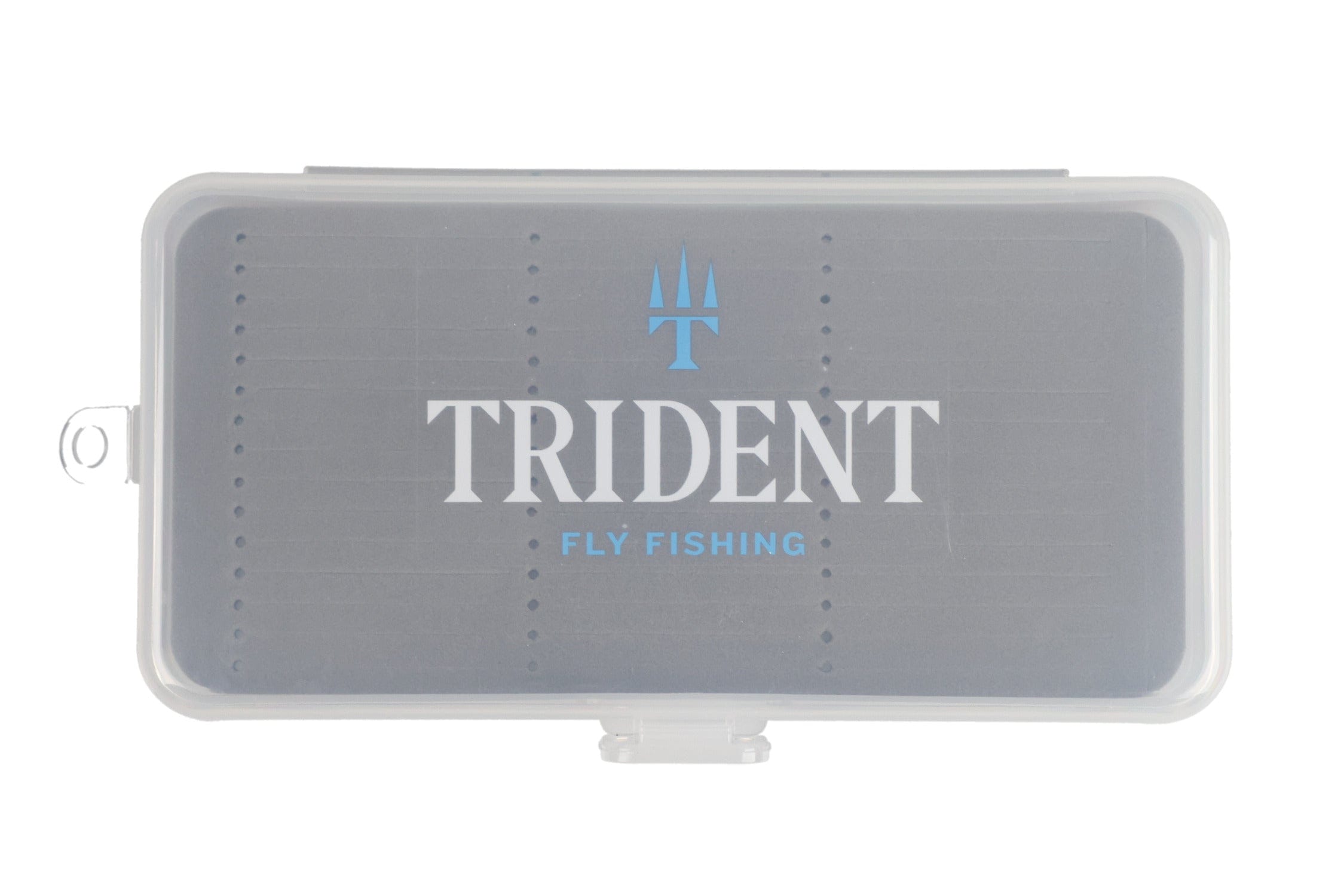
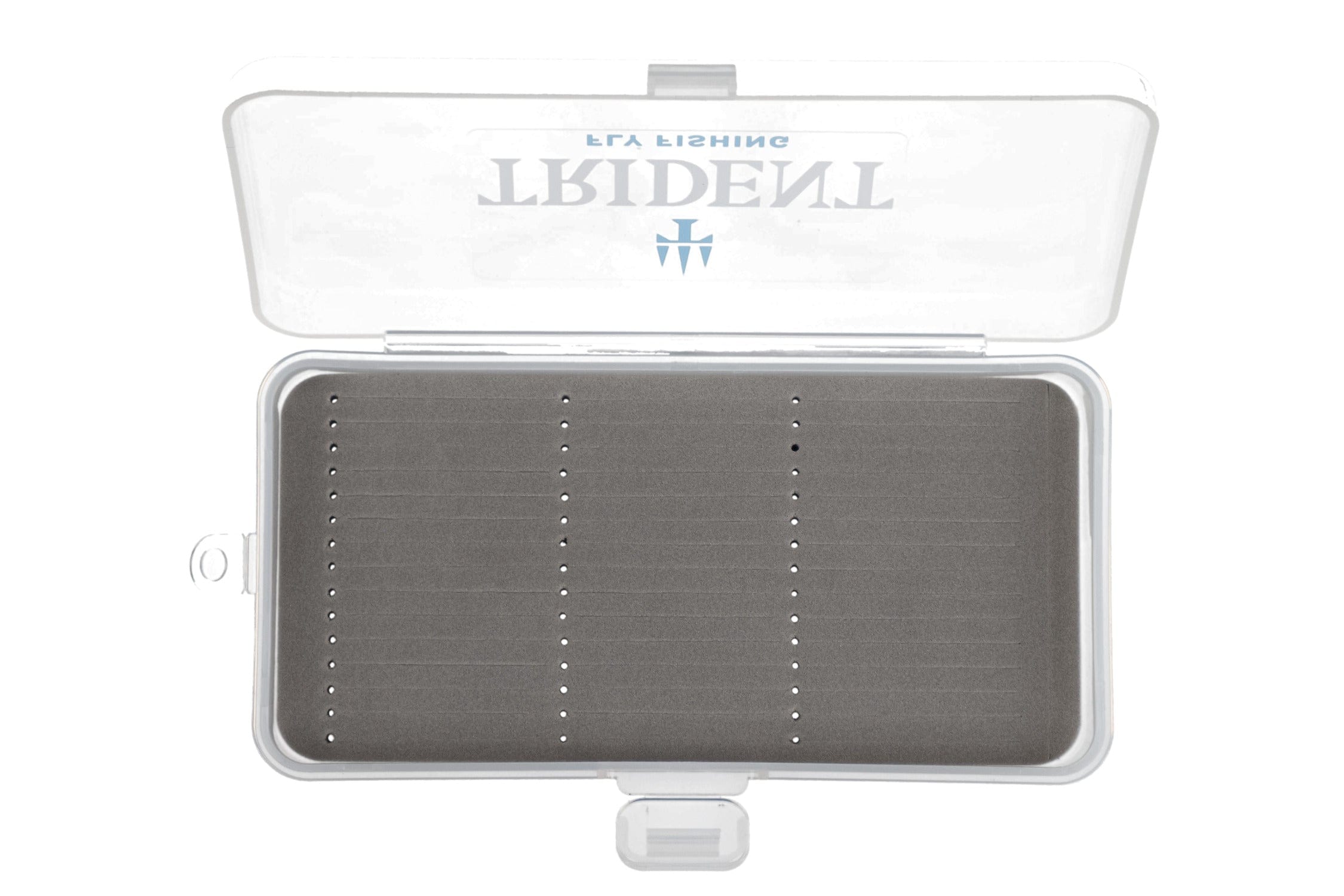
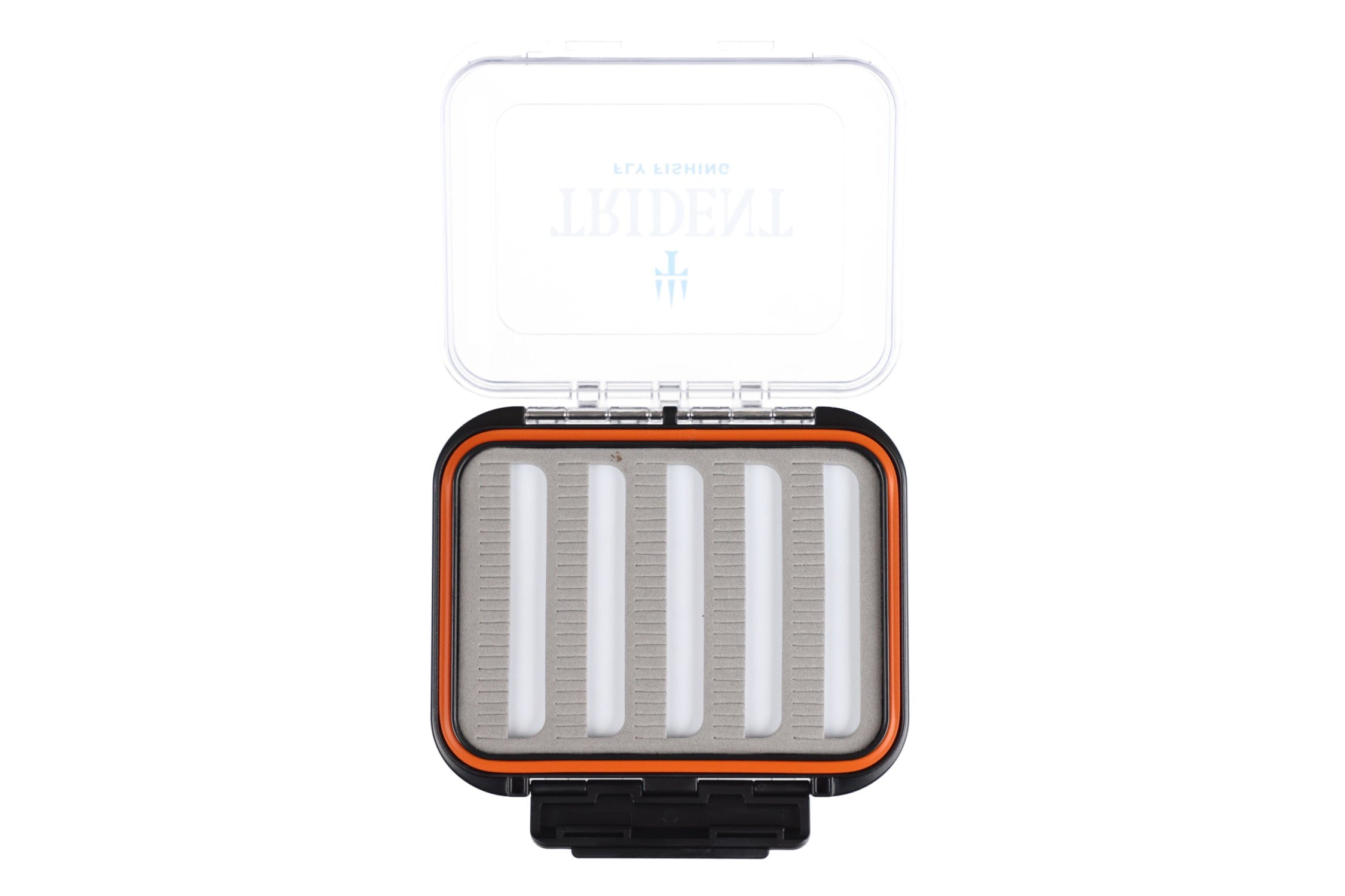
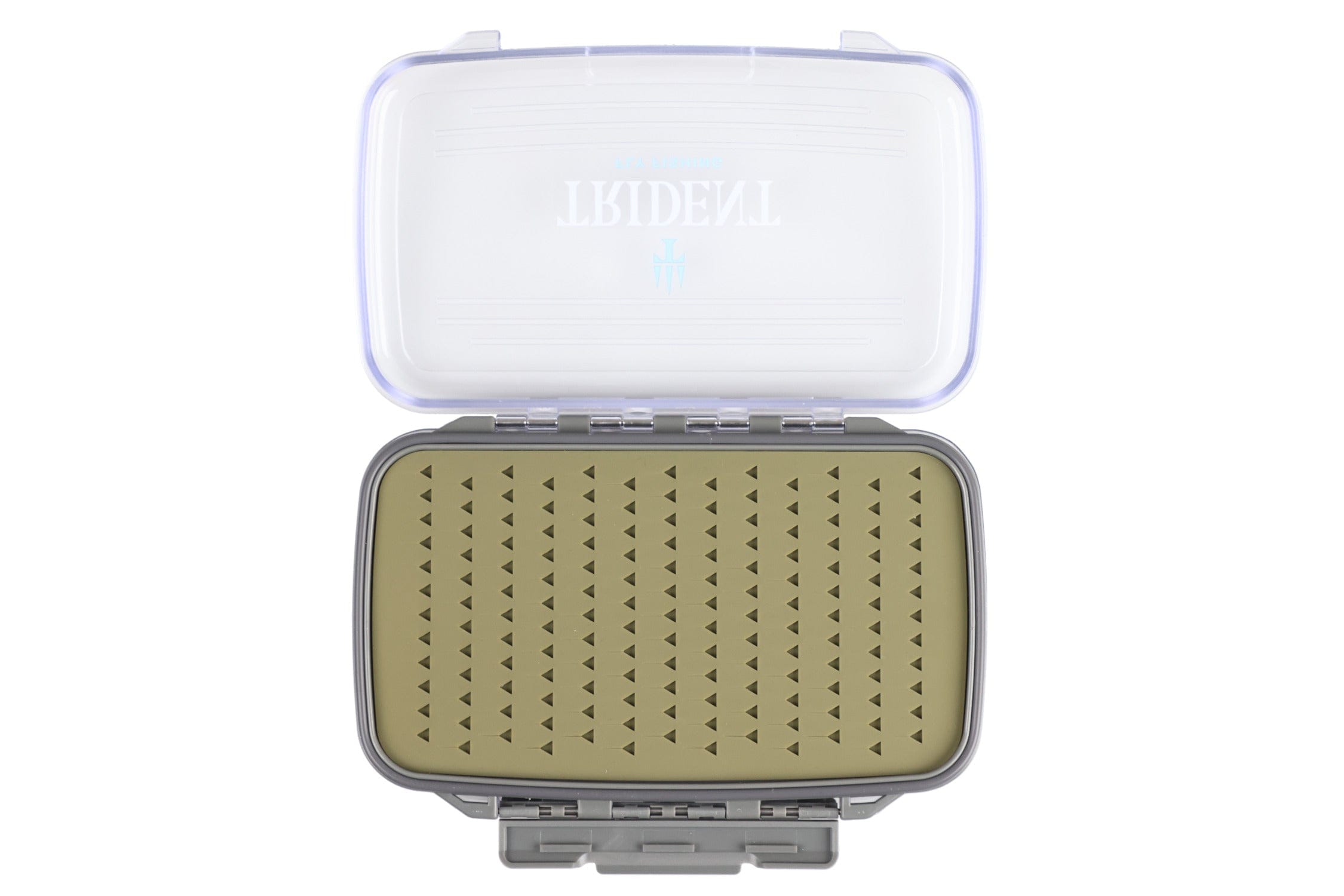
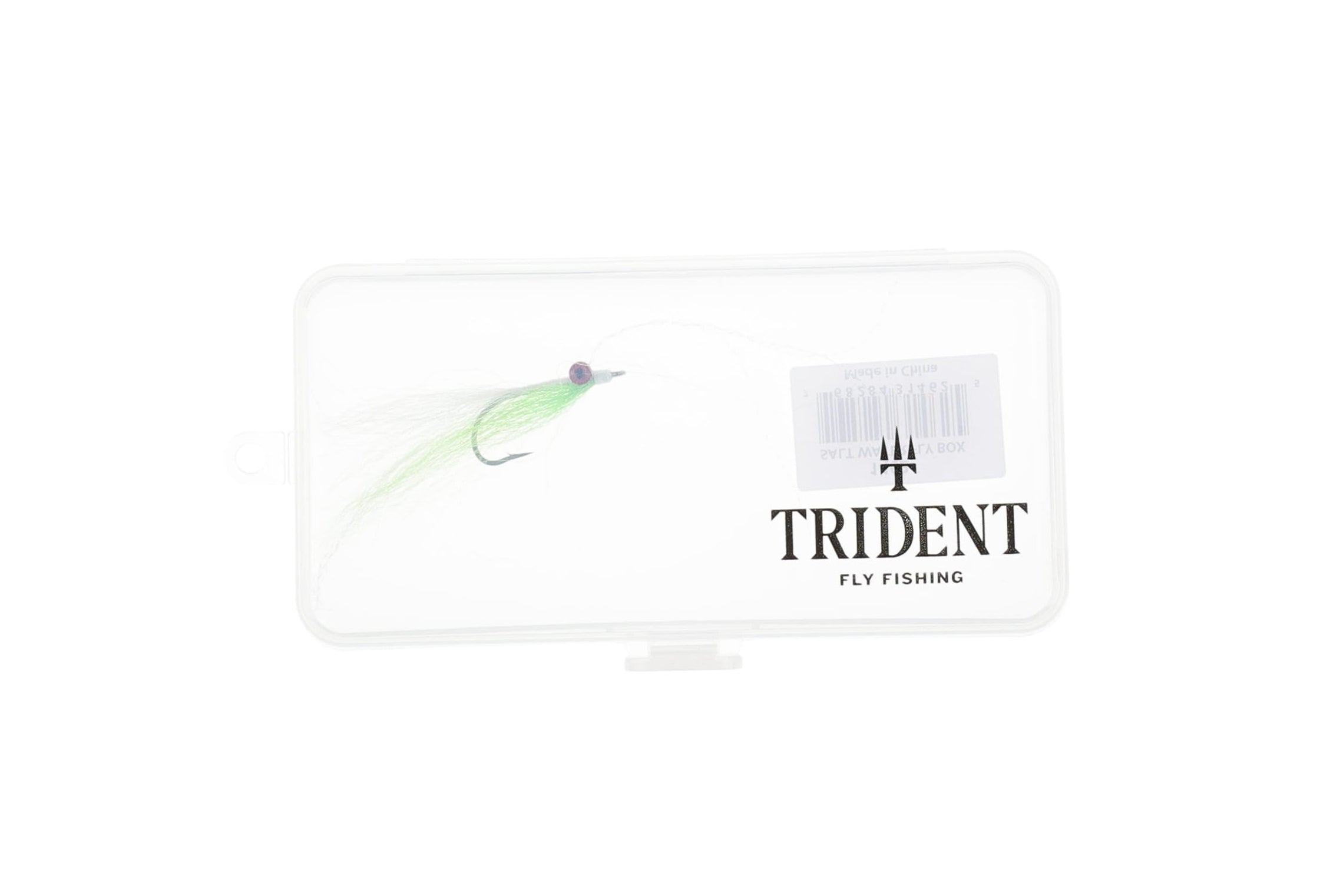
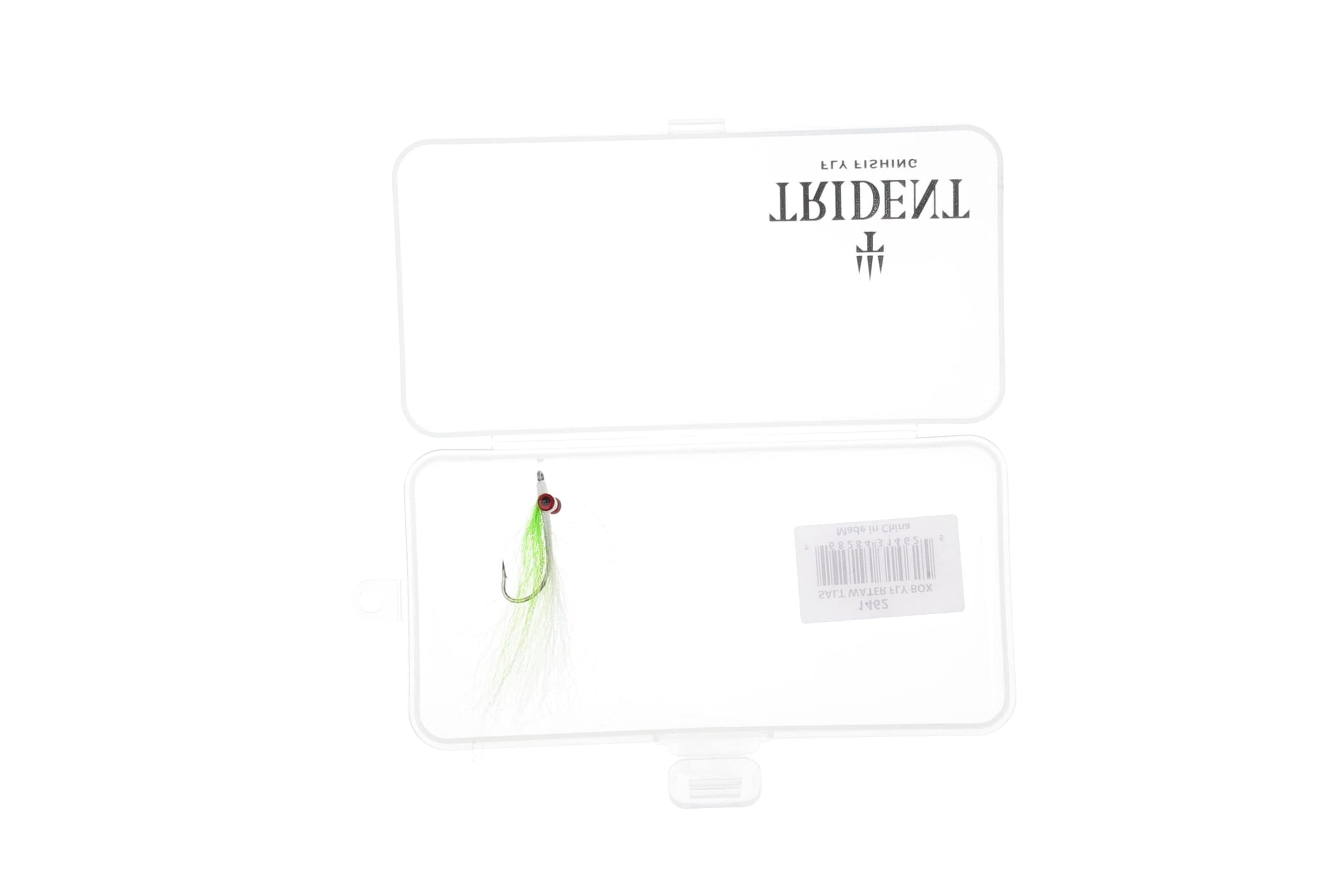
Best Value: The Little River Fly Box - For anglers who want a simple, ultra-affordable fly box to stash in a pocket, chest pack, or day bag. It’s a straightforward way to keep a small selection organized without overthinking your storage.
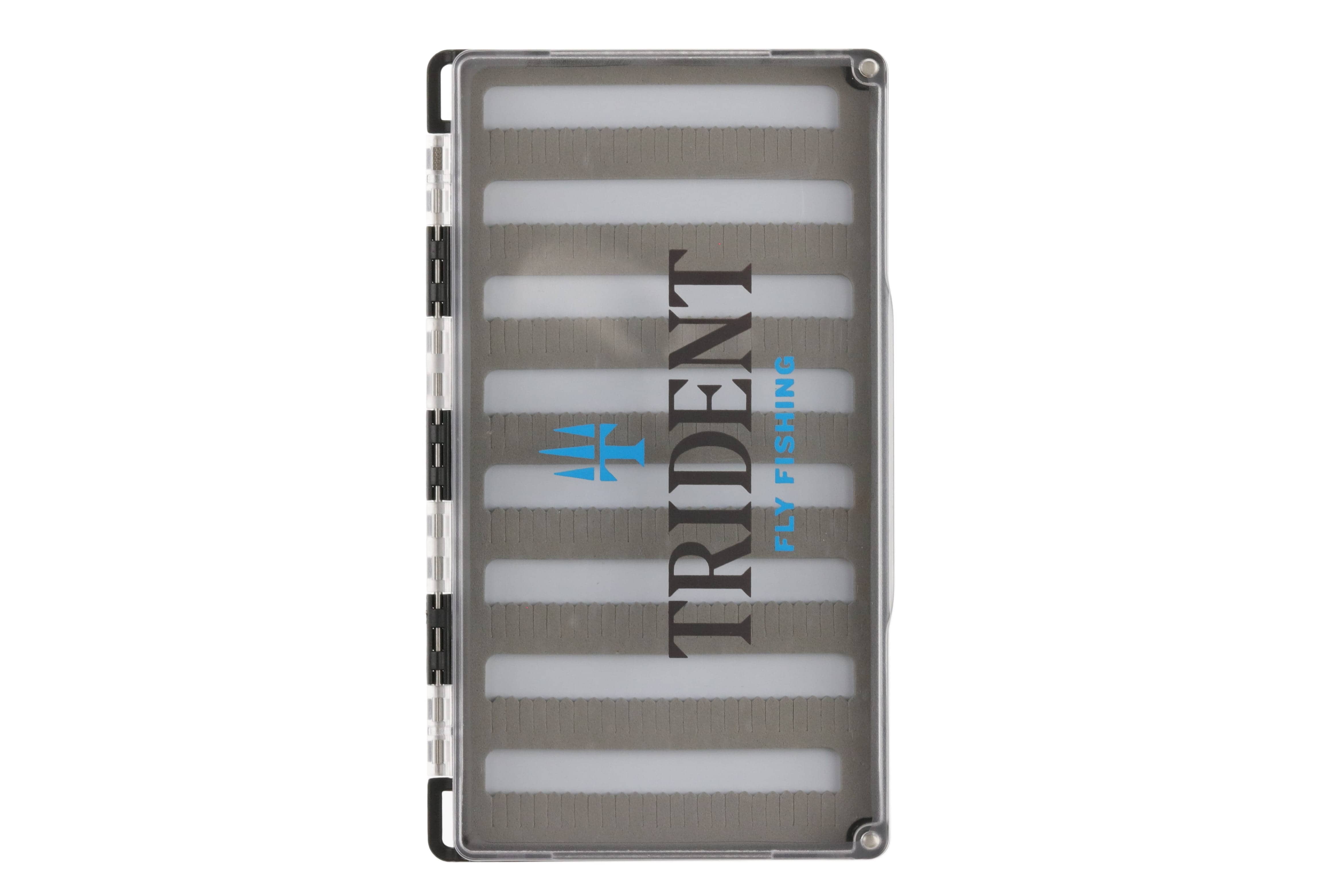
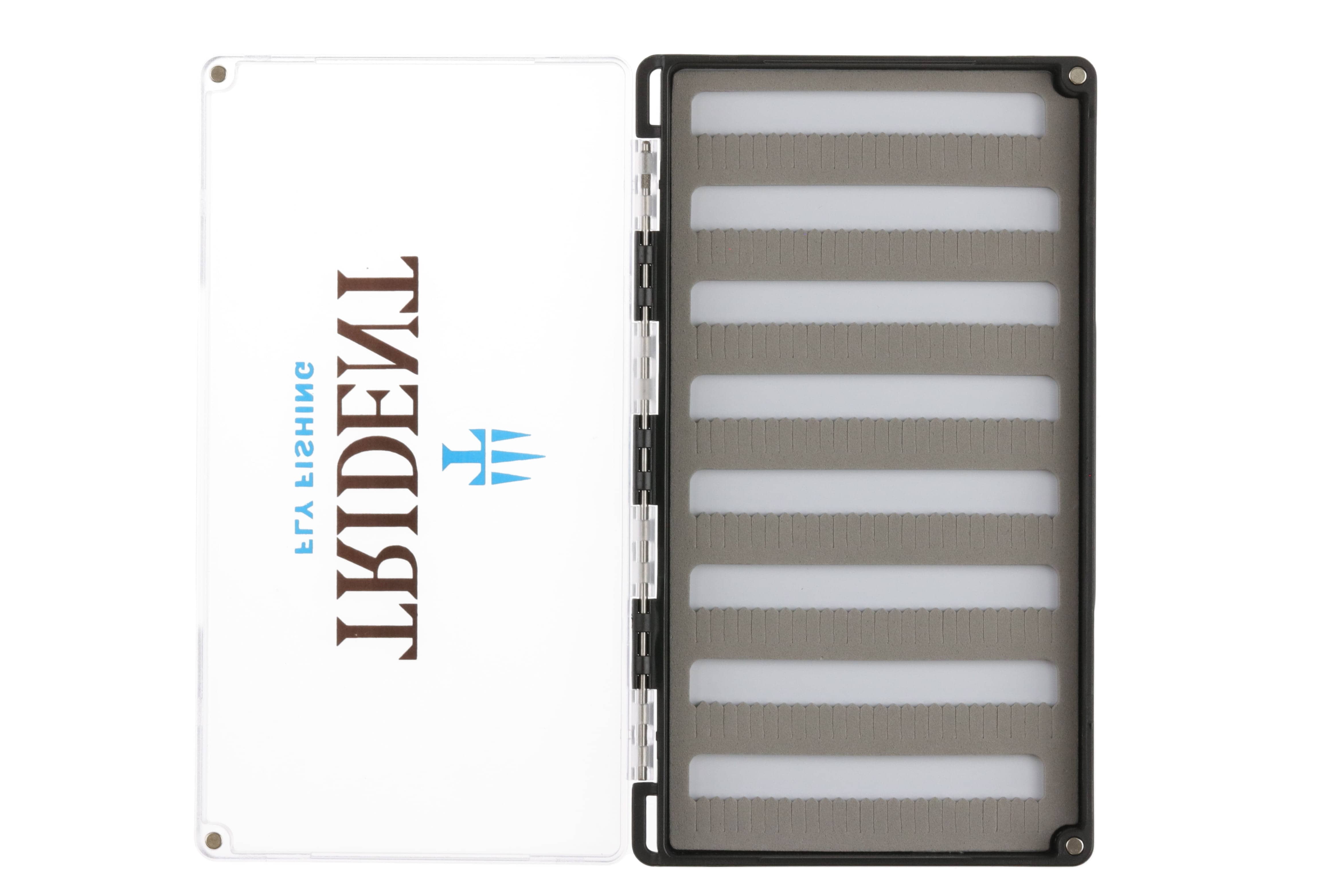
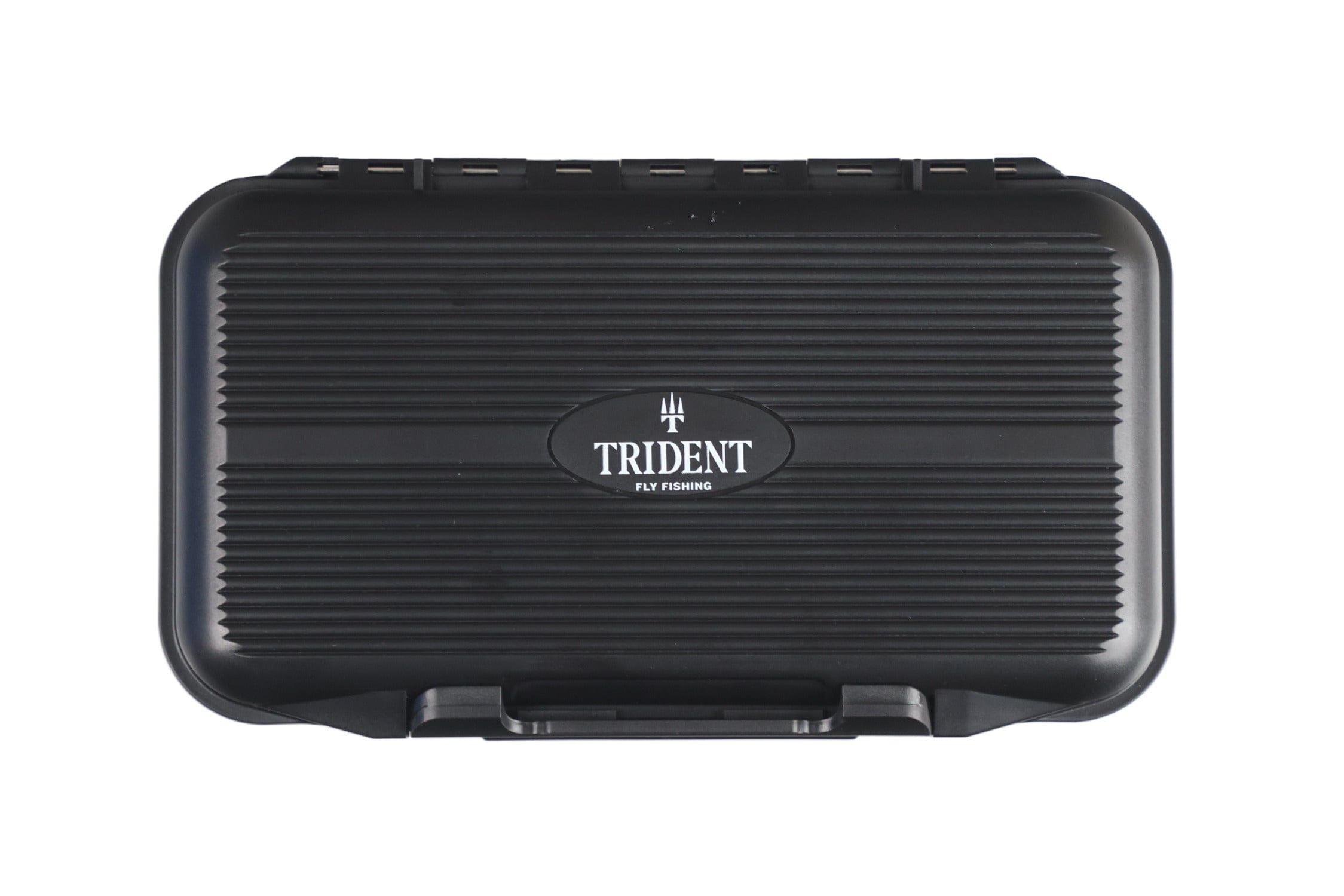
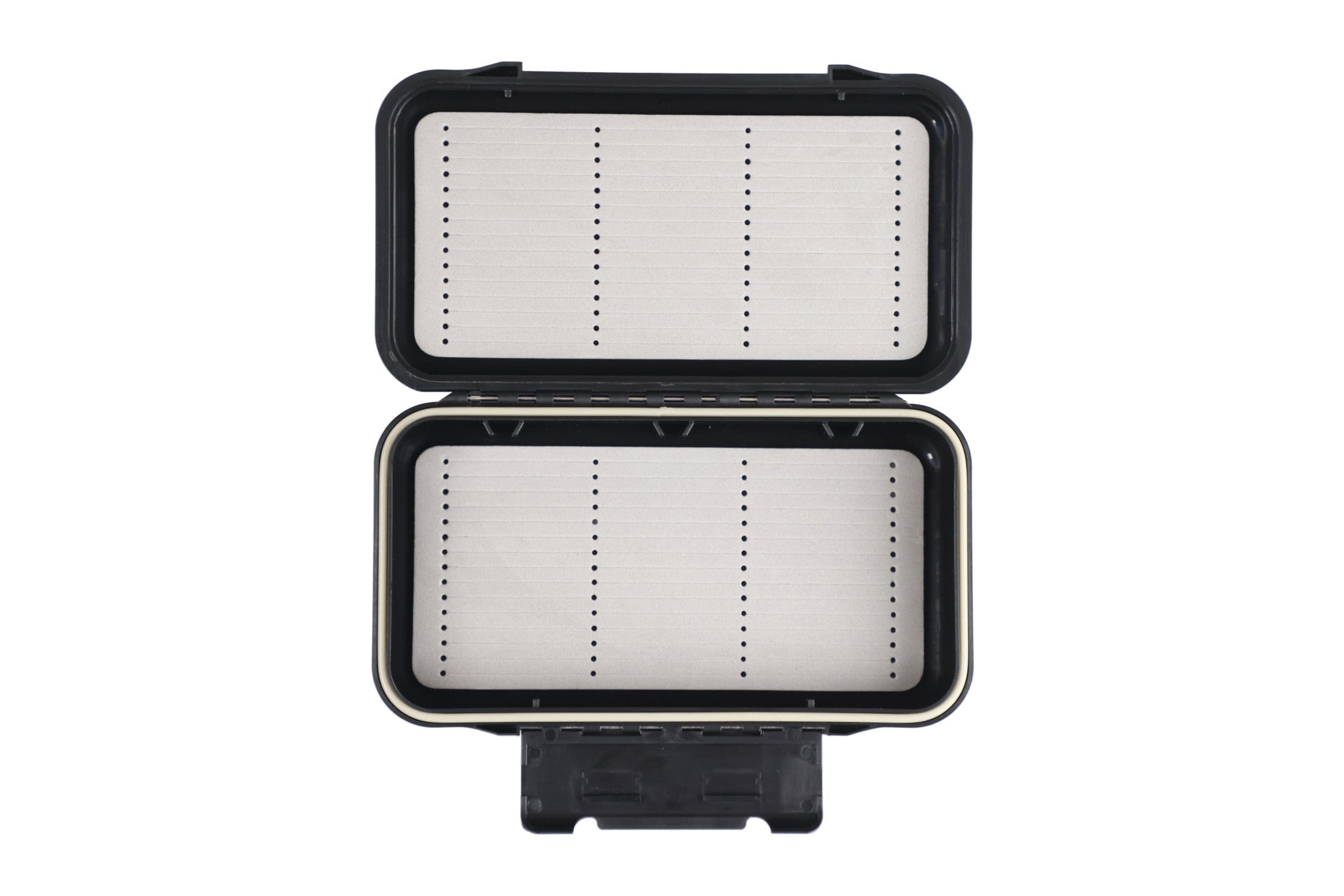
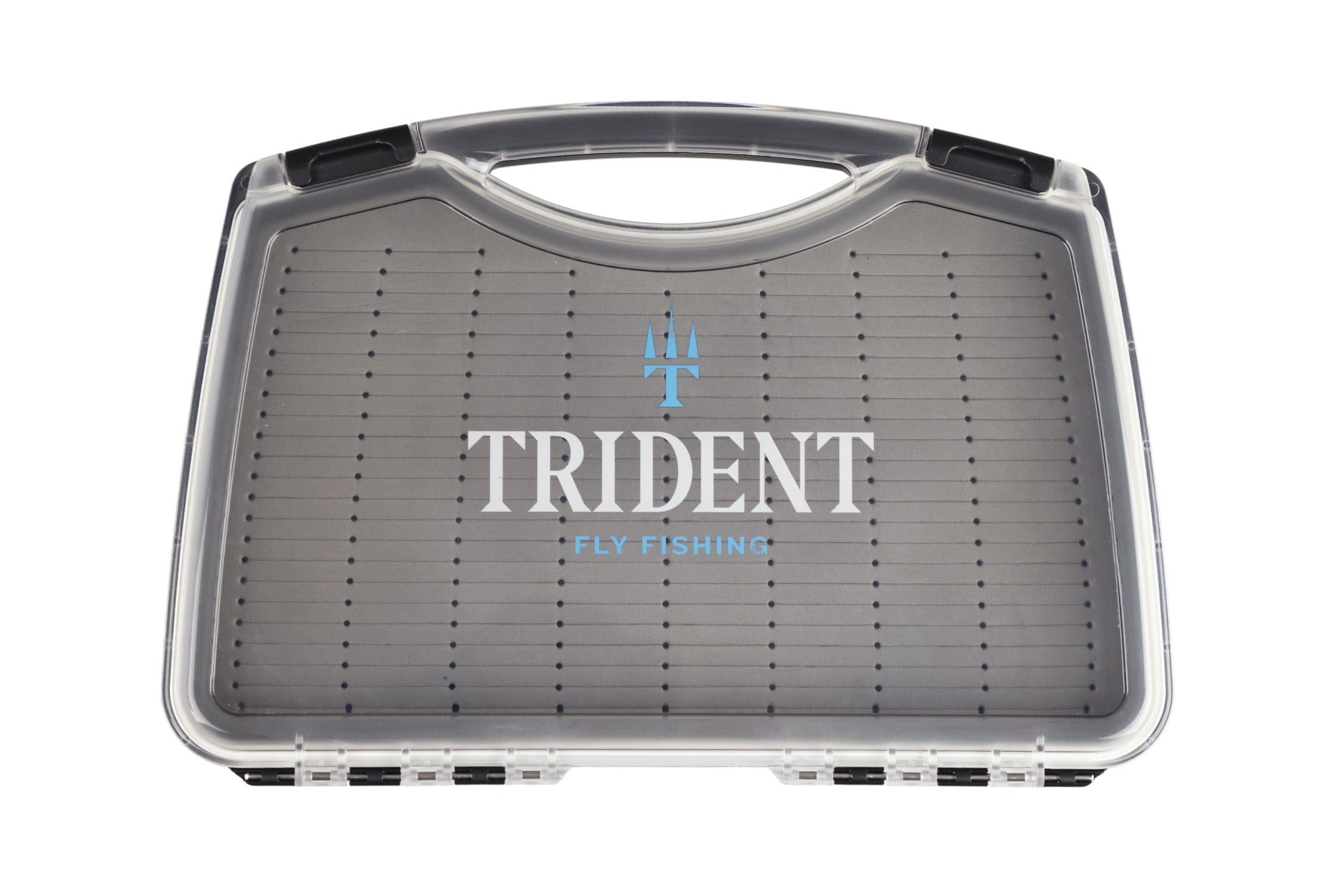
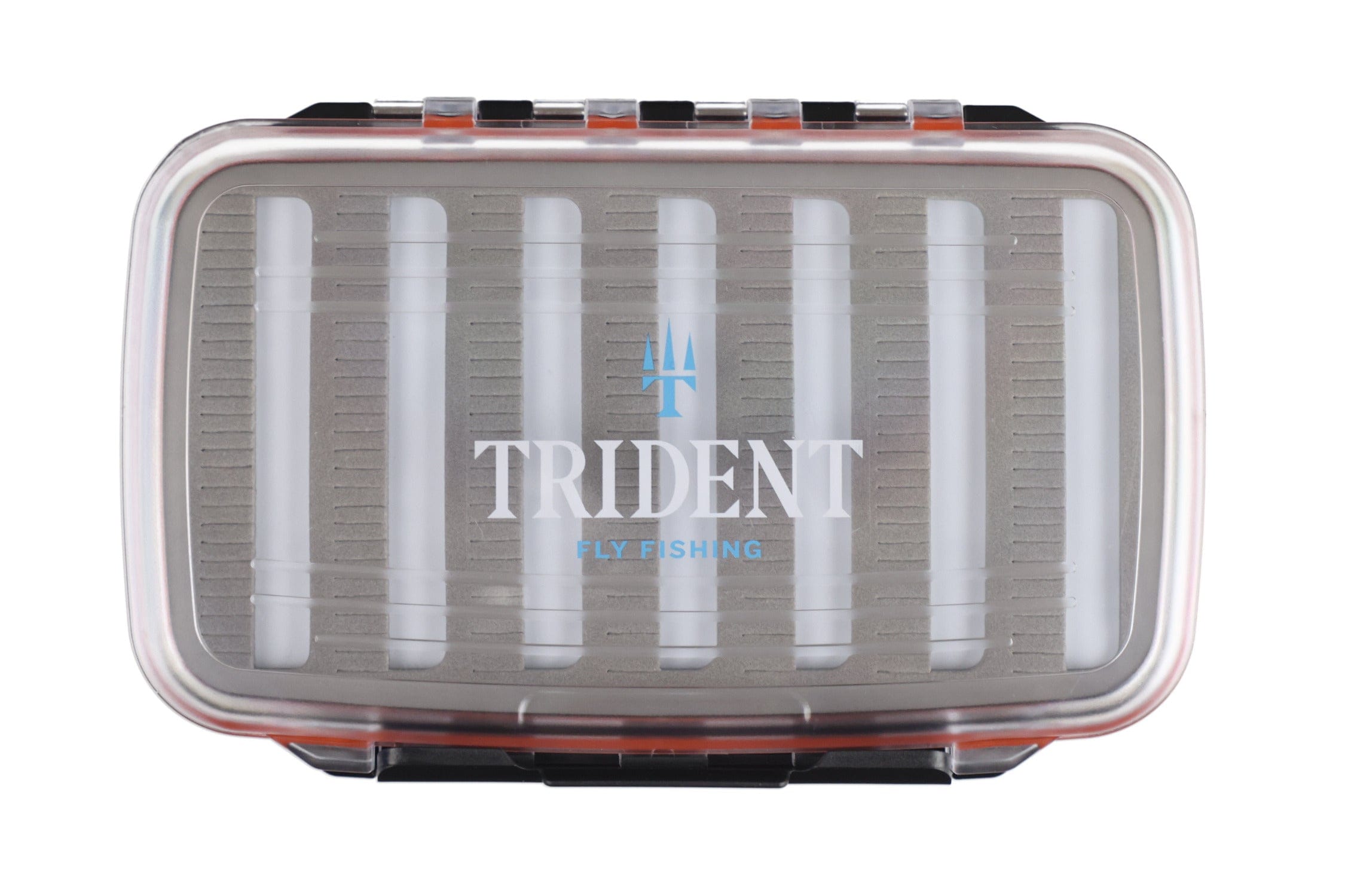
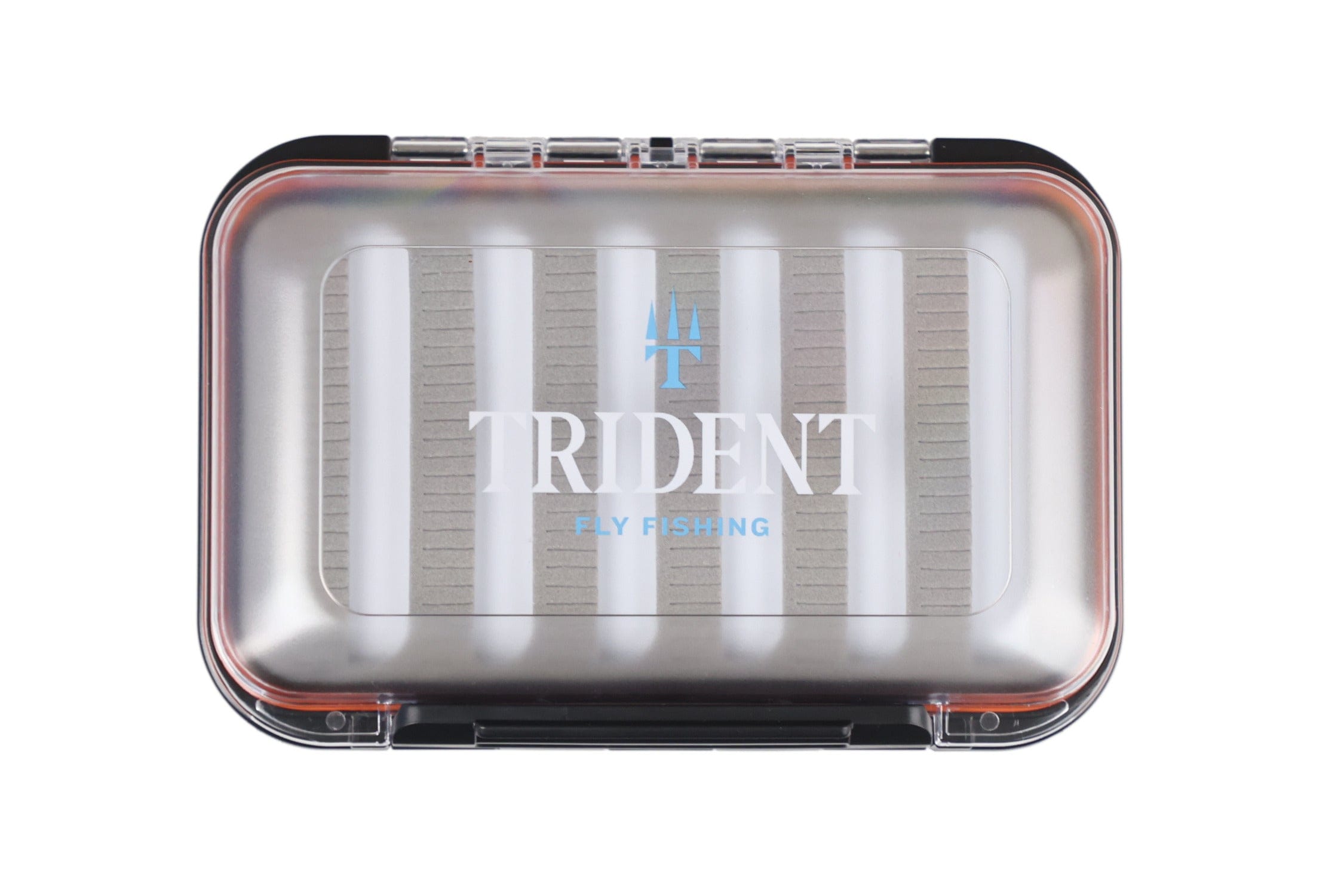
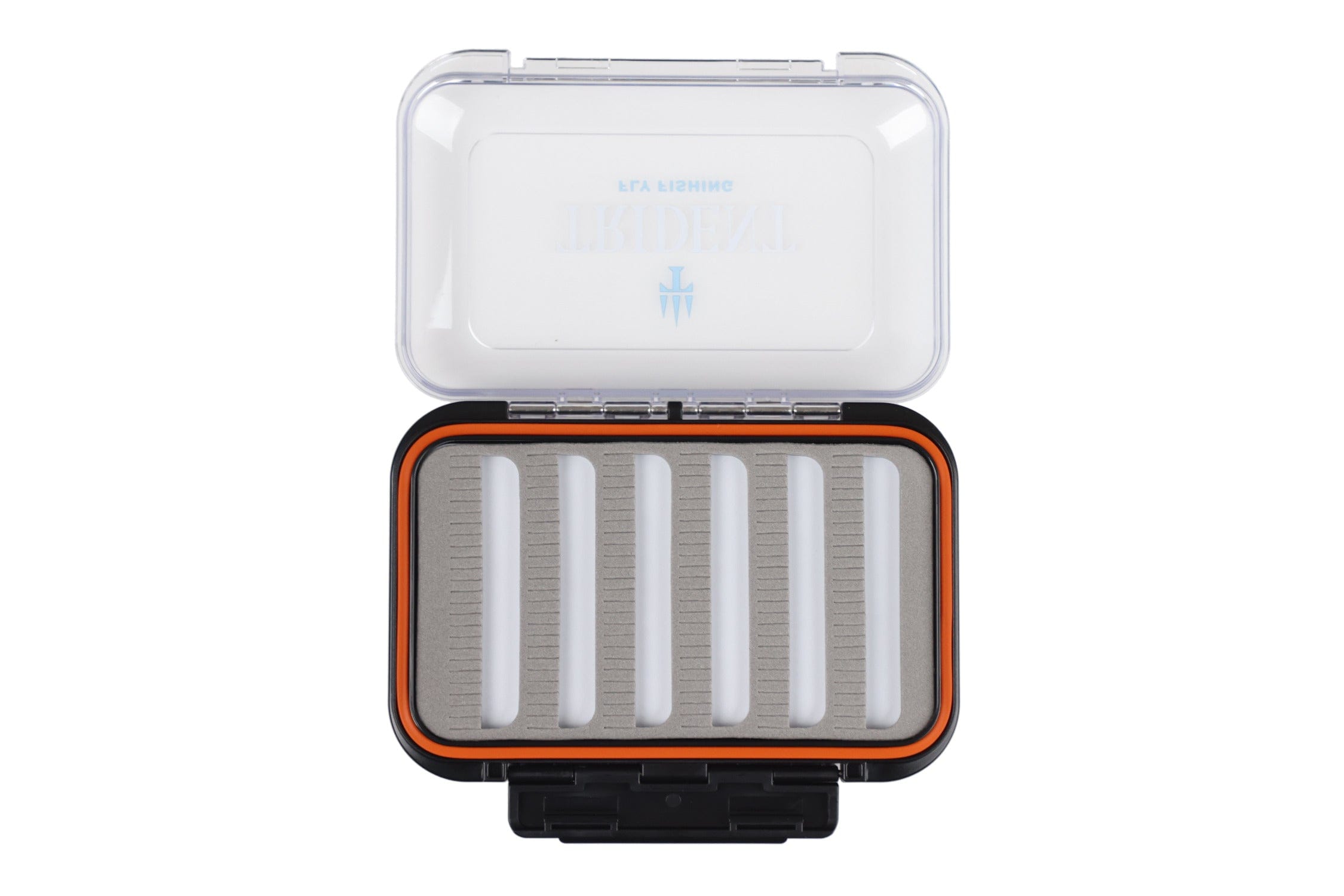
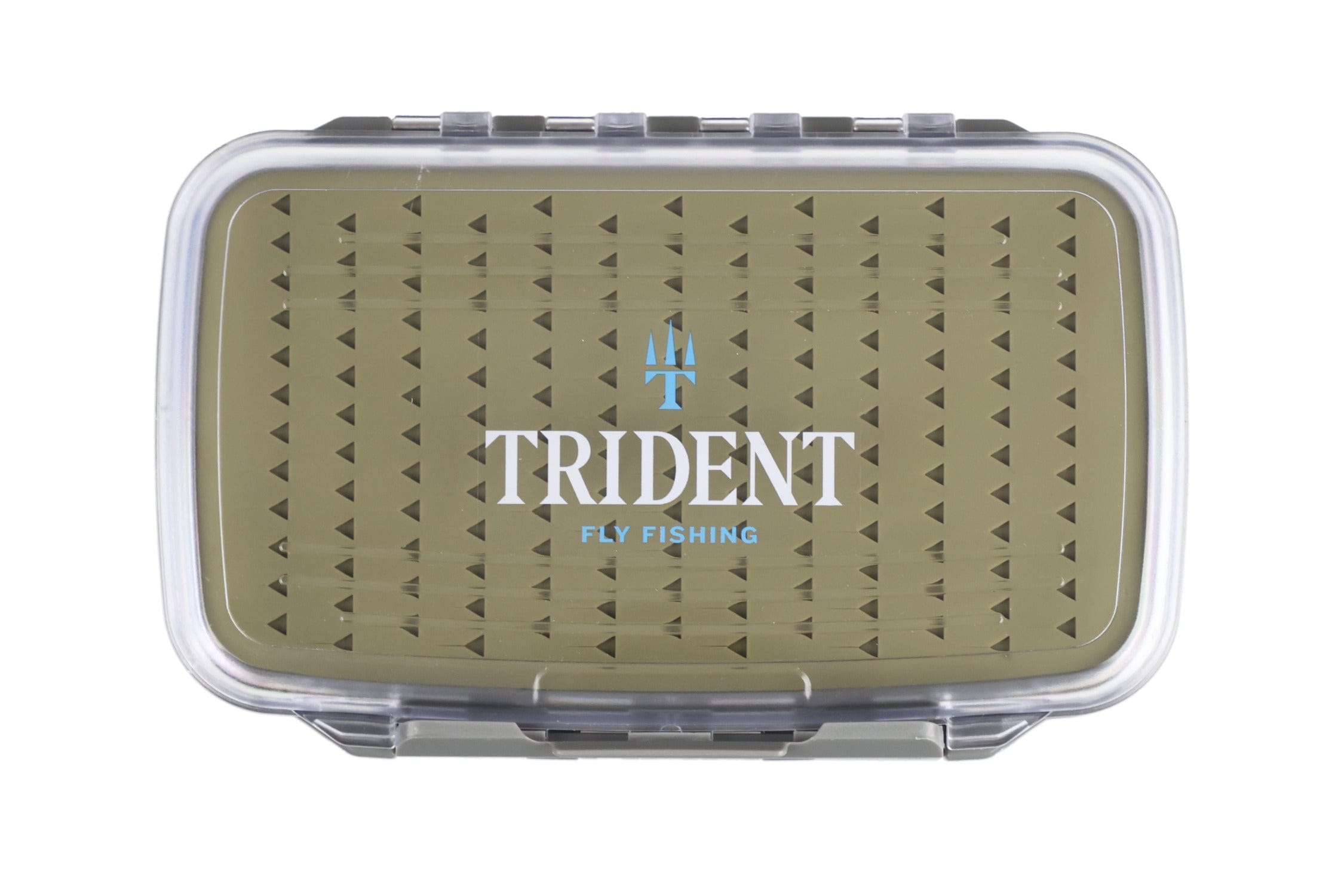
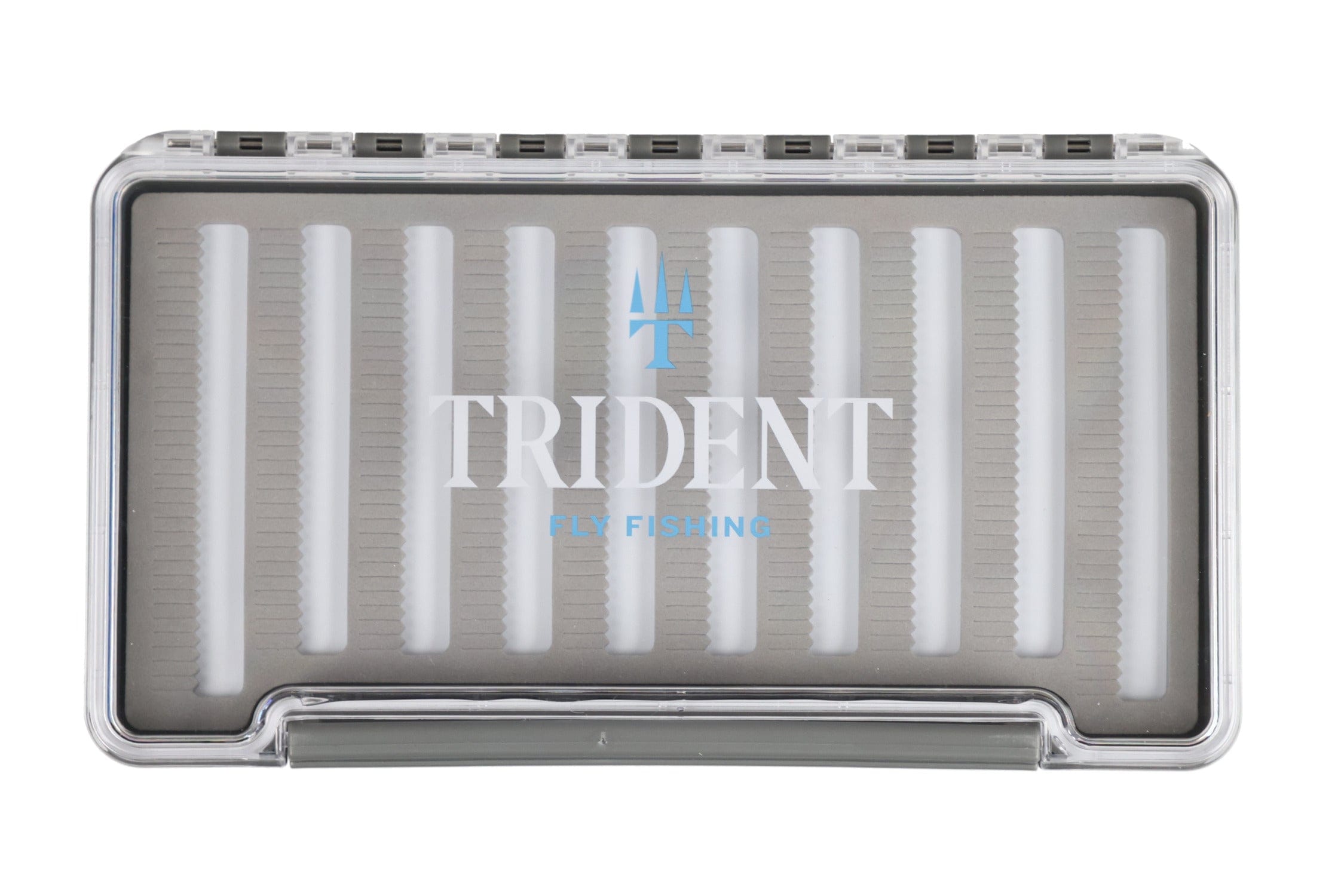
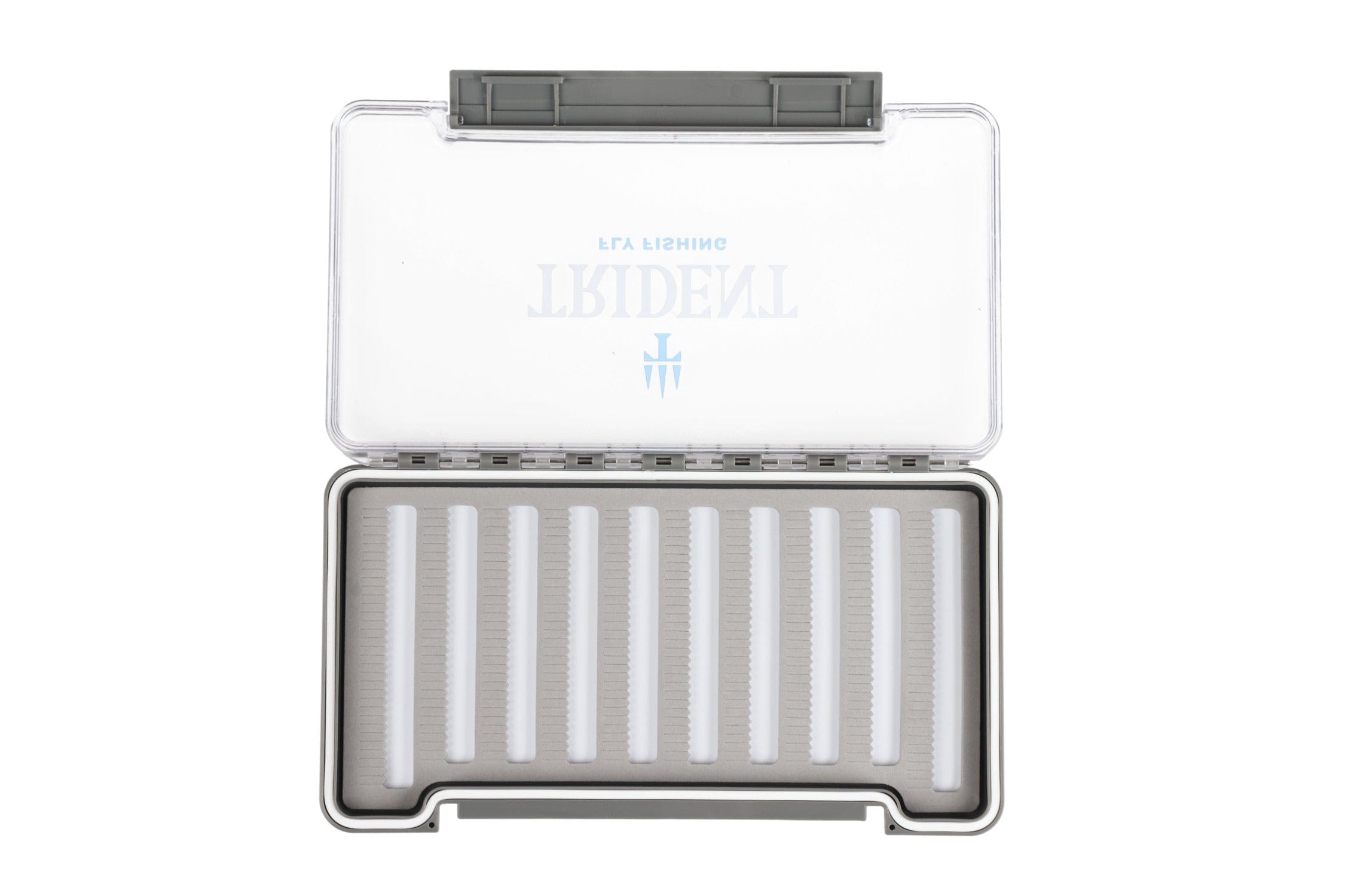
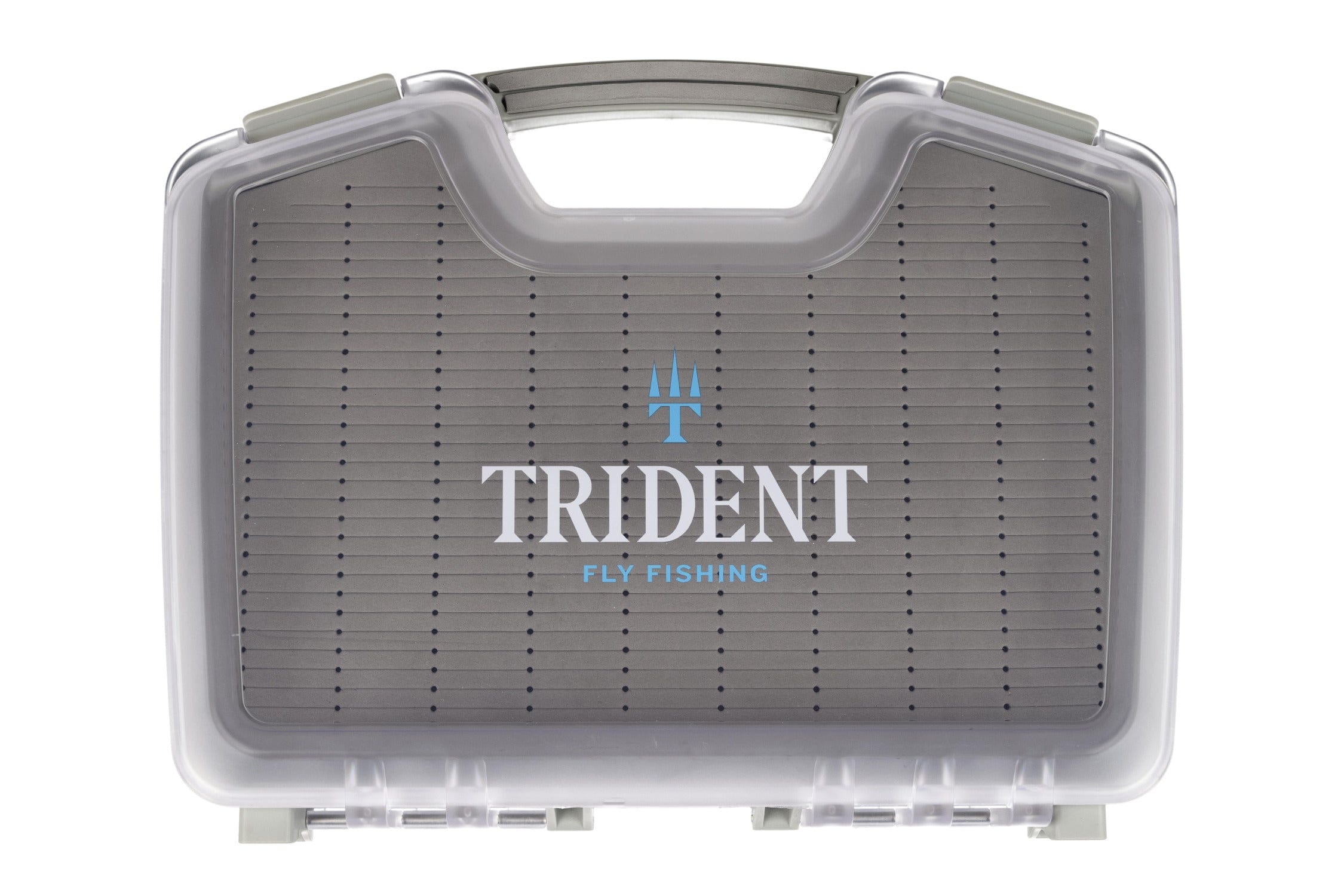
Best All-Around: The Saco Fly Box - For the “one box does most things” crowd carrying a mix of dries, nymphs, and small streamers. The double-sided layout and waterproof build make it a dependable daily driver when conditions (and weather) change.
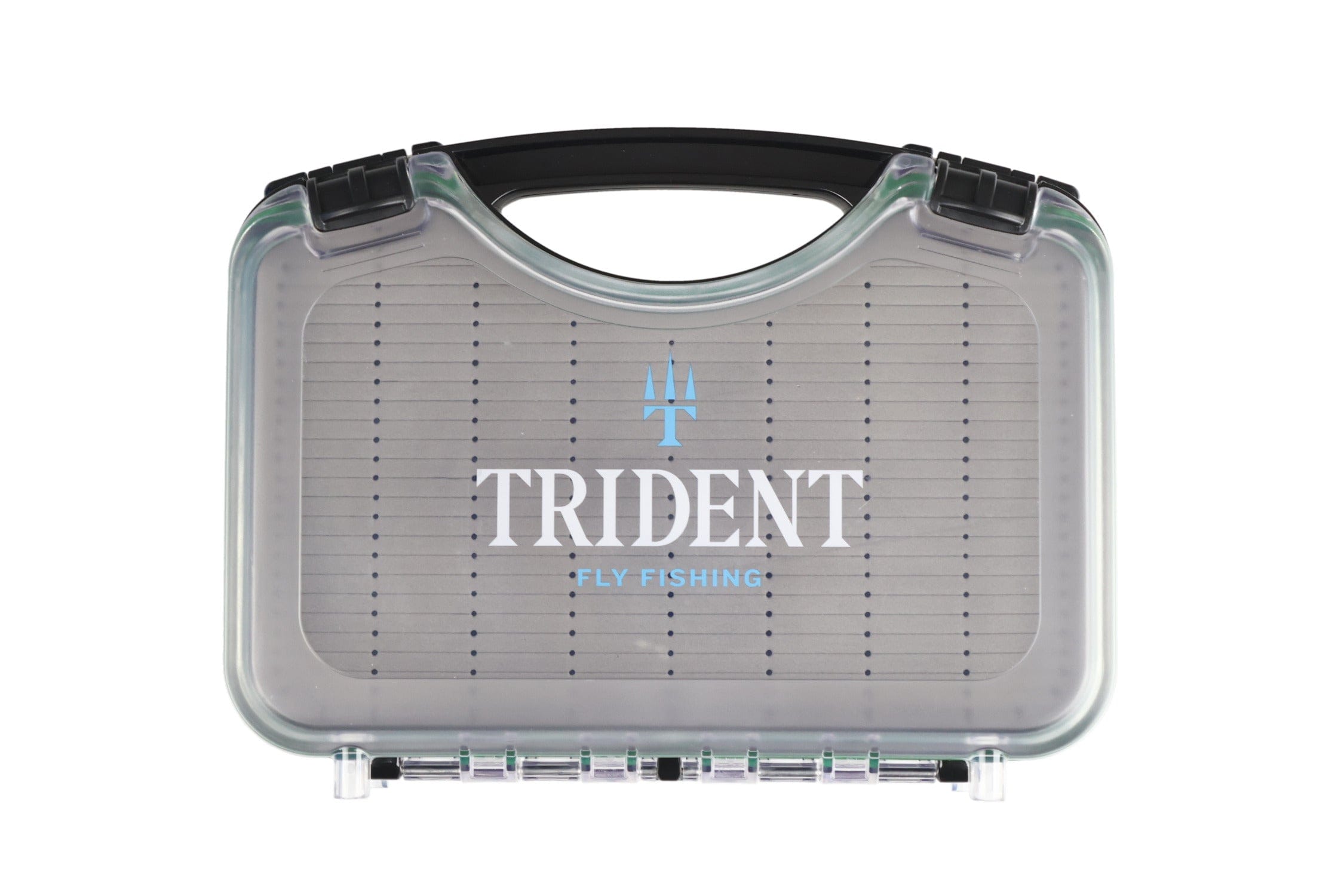
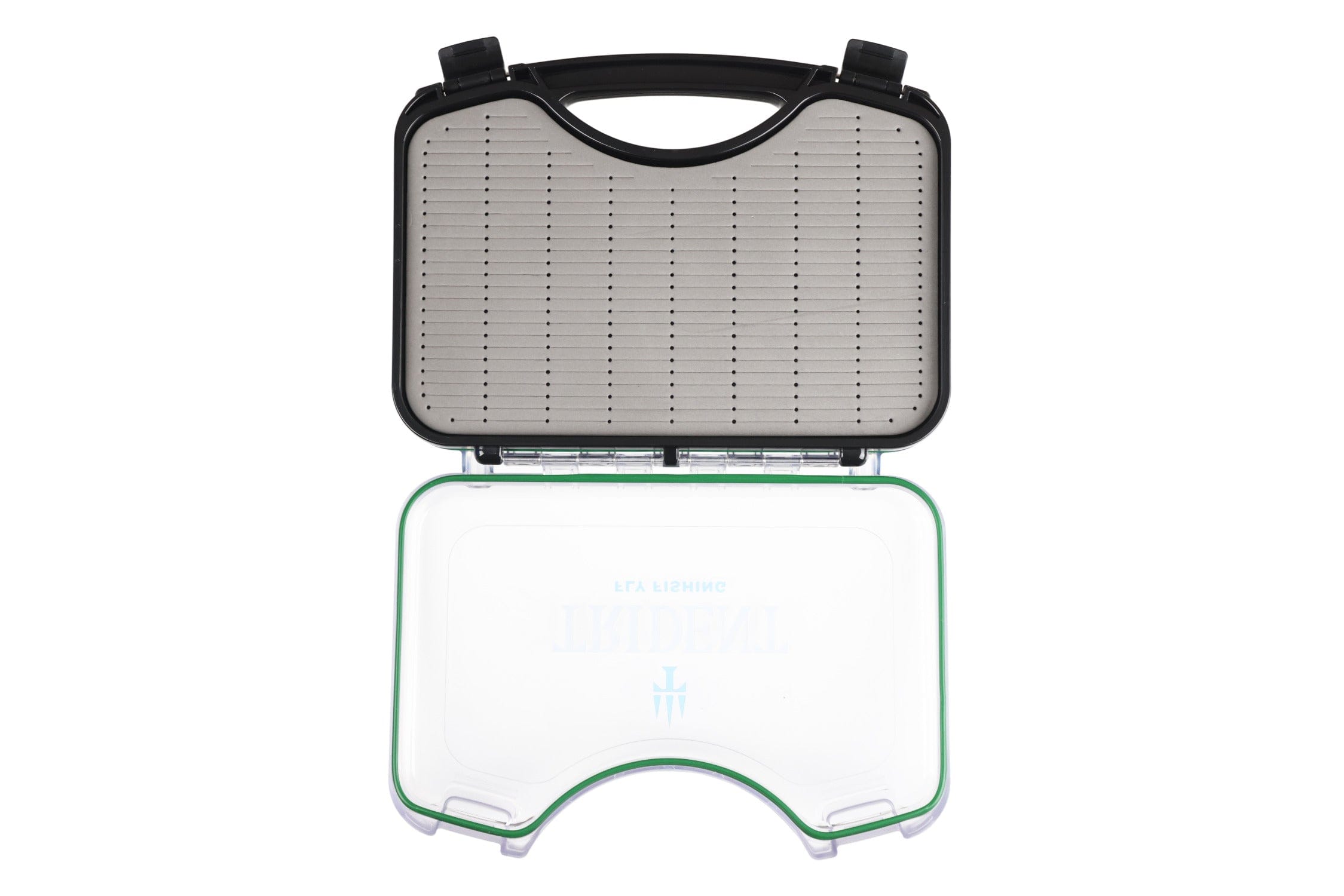
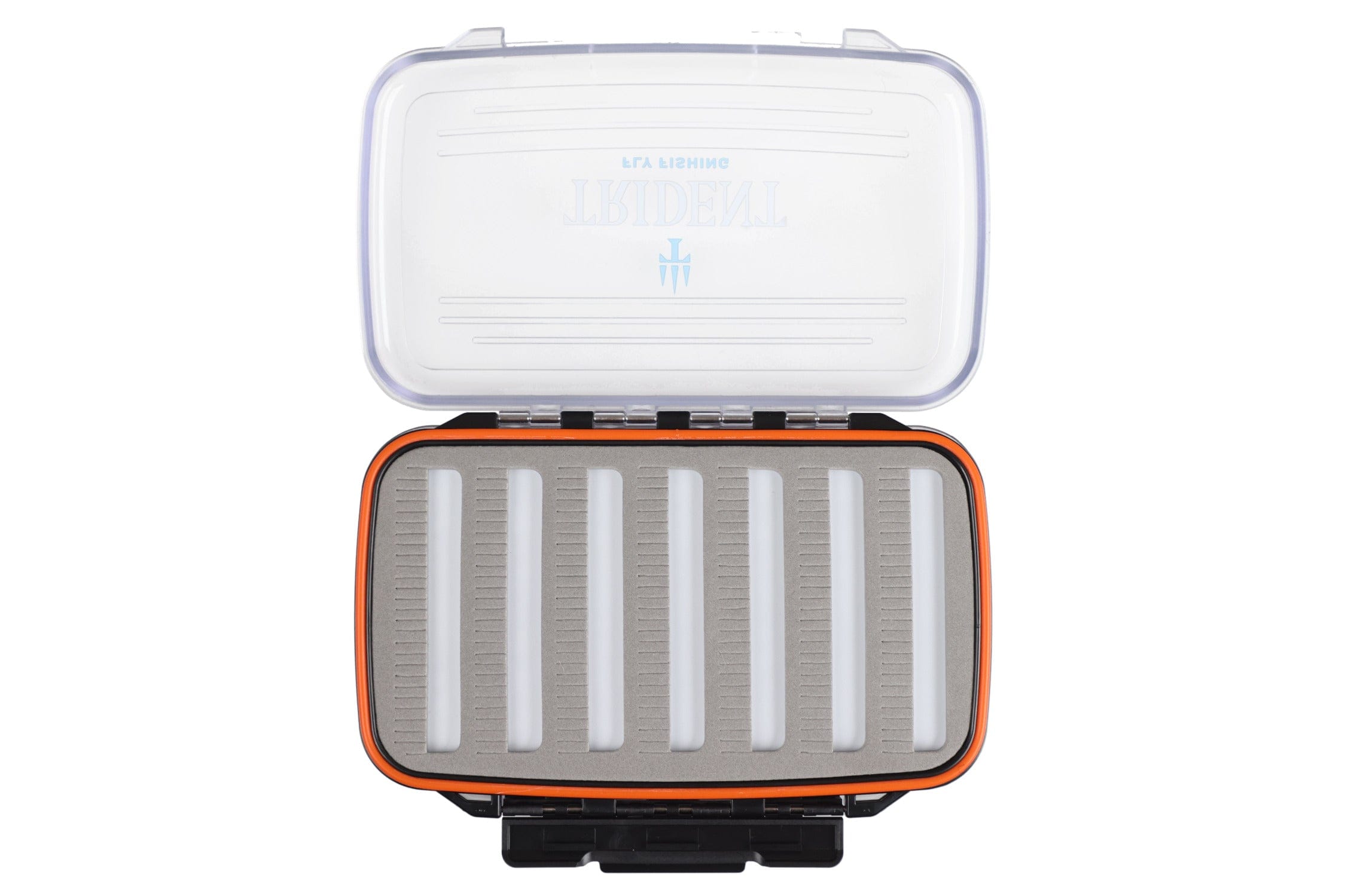
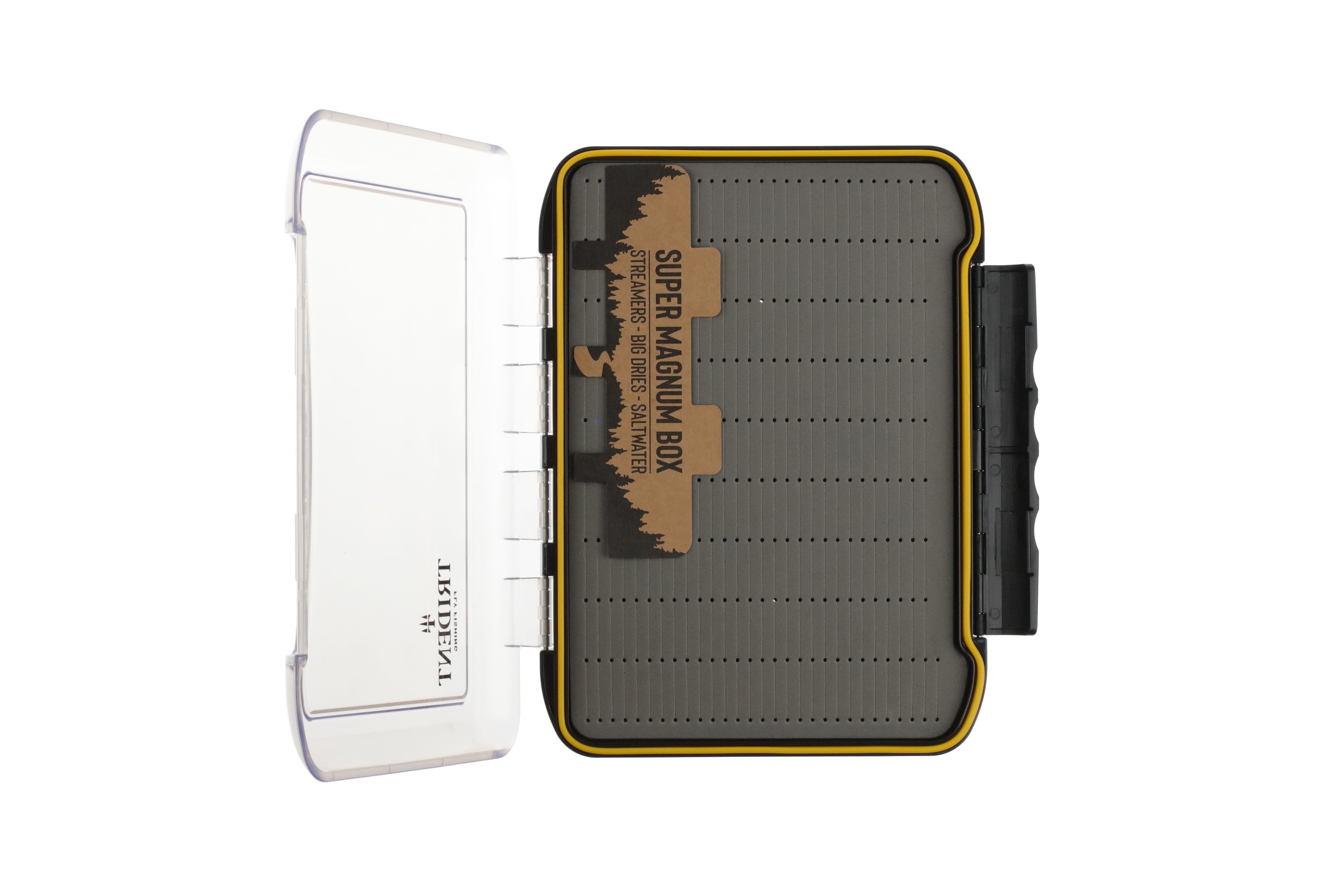
Best Premium: The Casco Bay Fly Box - For anglers who bring a bigger rotation and want a roomy, waterproof box for longer days and varied water. The larger footprint gives you more capacity while still keeping flies easy to access and sort.
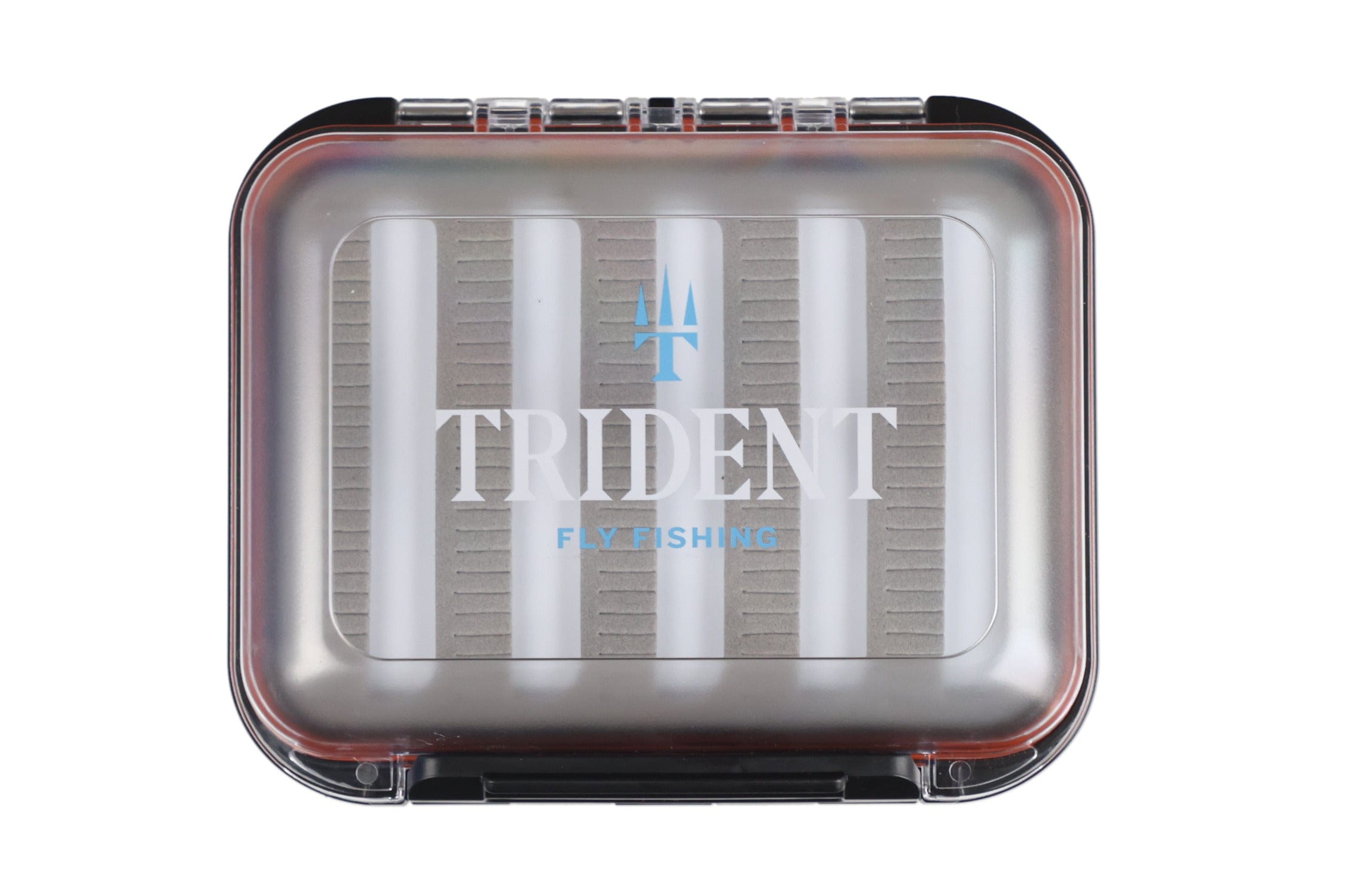
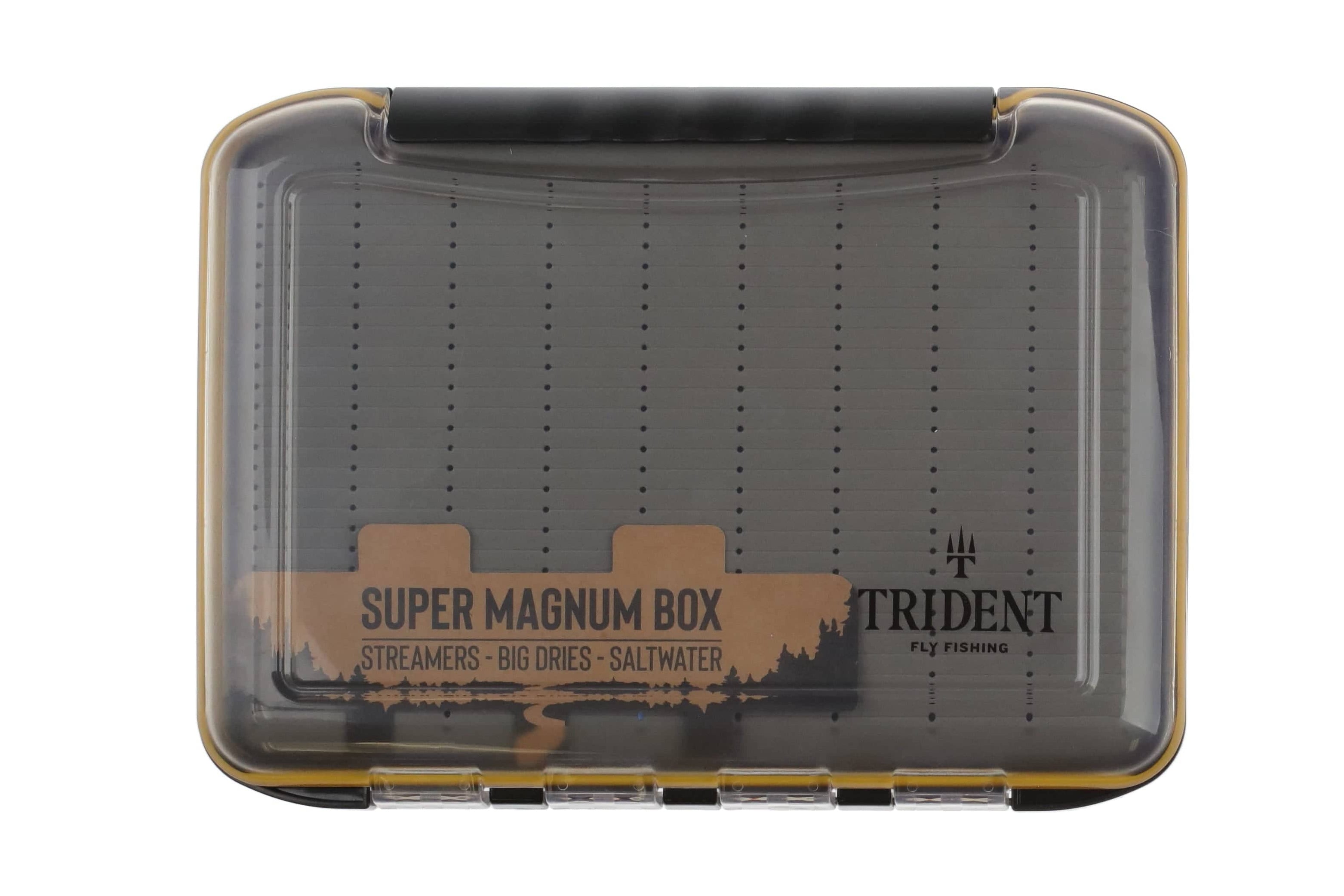
Best for Big Water: The Allagash Boat Box - For drift boat, raft, or skiff days when you want maximum capacity and extra depth for bulky patterns. It’s built around storage space and protection, so you can keep multiple fly “lanes” ready to grab.
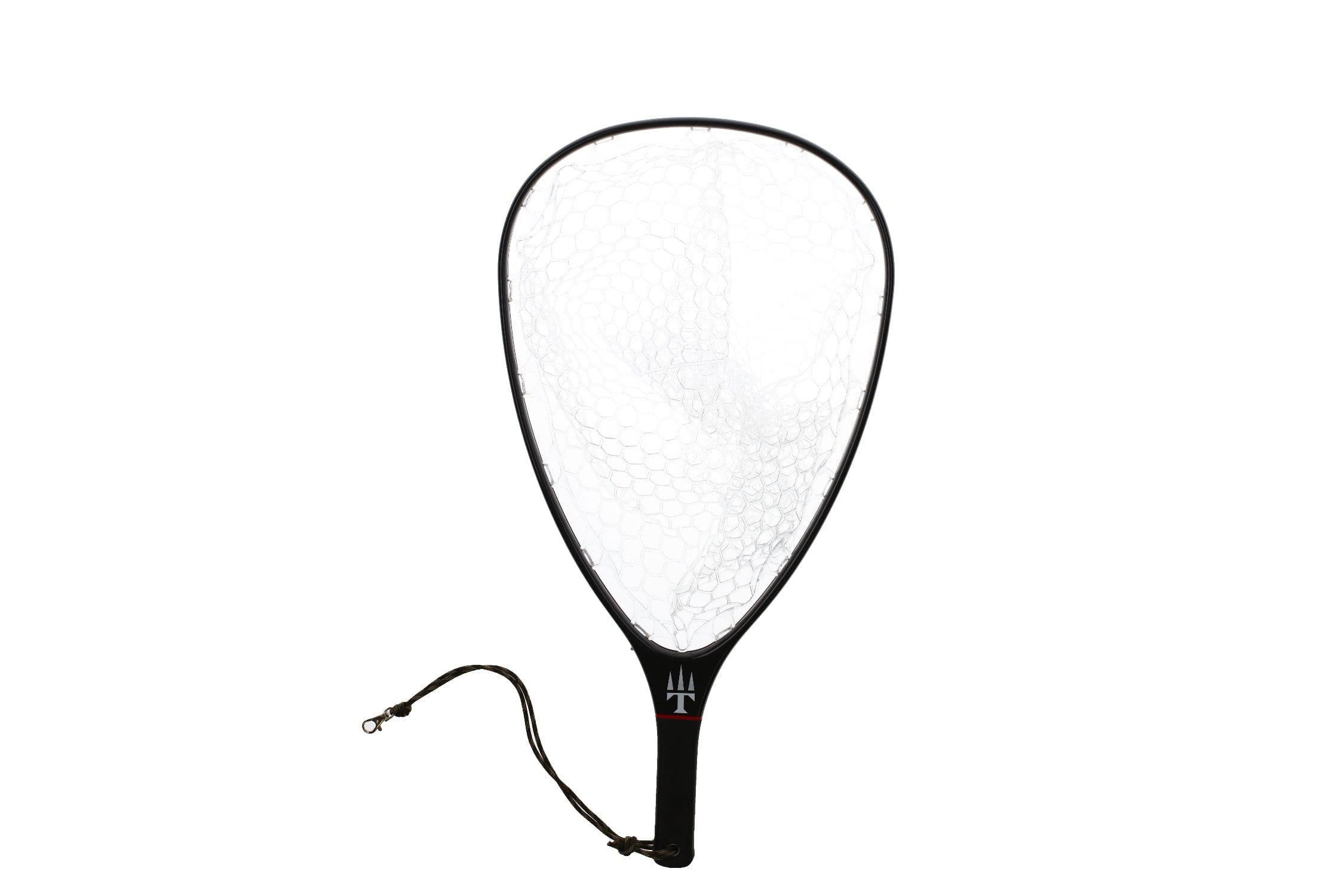
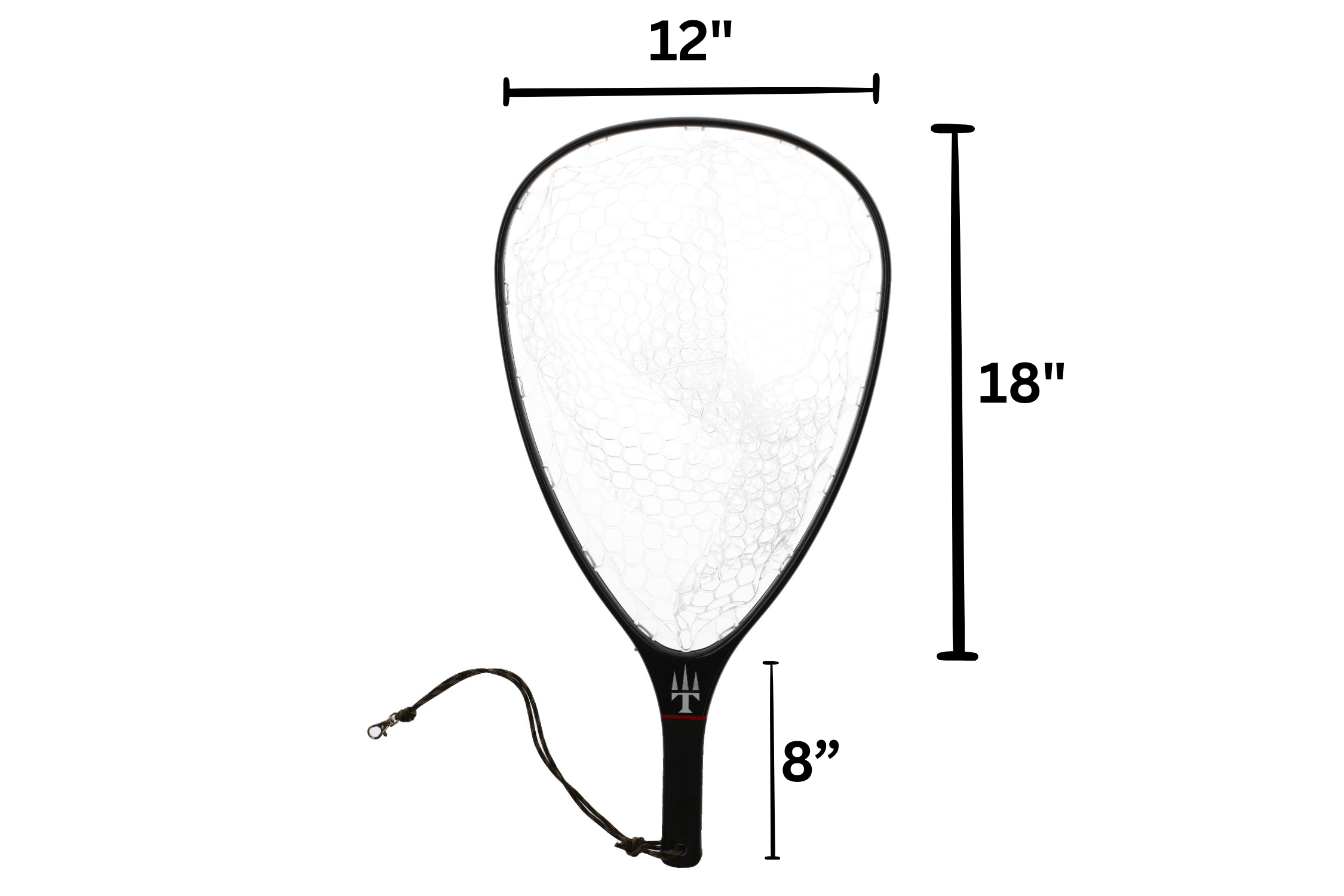
Best for Landing Fish: Trident Basics Hand Net - For wade anglers and boat anglers who want a practical net that’s easy to handle. The size is a good fit for common trout scenarios, and it’s built to be a straightforward tool rather than a showpiece.
How to Choose Trident Basics
Fly box sizing: pocket, pack, or boat
Action: Start with where the box will live, pants pocket, sling/chest pack, boat bag, or a guide-style pack. Smaller boxes are easier to carry and force you to stay organized, while larger boxes are better for multi-rig days (dry fly, nymph, and streamer options all in one place).
Best for: A pocket or minimalist setup, go small. A full-day float or destination trip, bring more capacity so you’re not constantly reshuffling flies.
Waterproof vs. “water-resistant enough”
Action: If you fish in the rain, wade deep, or stash your box in a wet pack, prioritize a waterproof box so your flies don’t rust out mid-season. If your box mostly lives in a dry bag and you’re careful with storage, you can focus more on size/layout than sealing.
Avoid if: You rarely get your gear wet and want the lightest possible option, some anglers prefer slimmer profiles over heavier seals.
Foam layout: what actually holds your flies
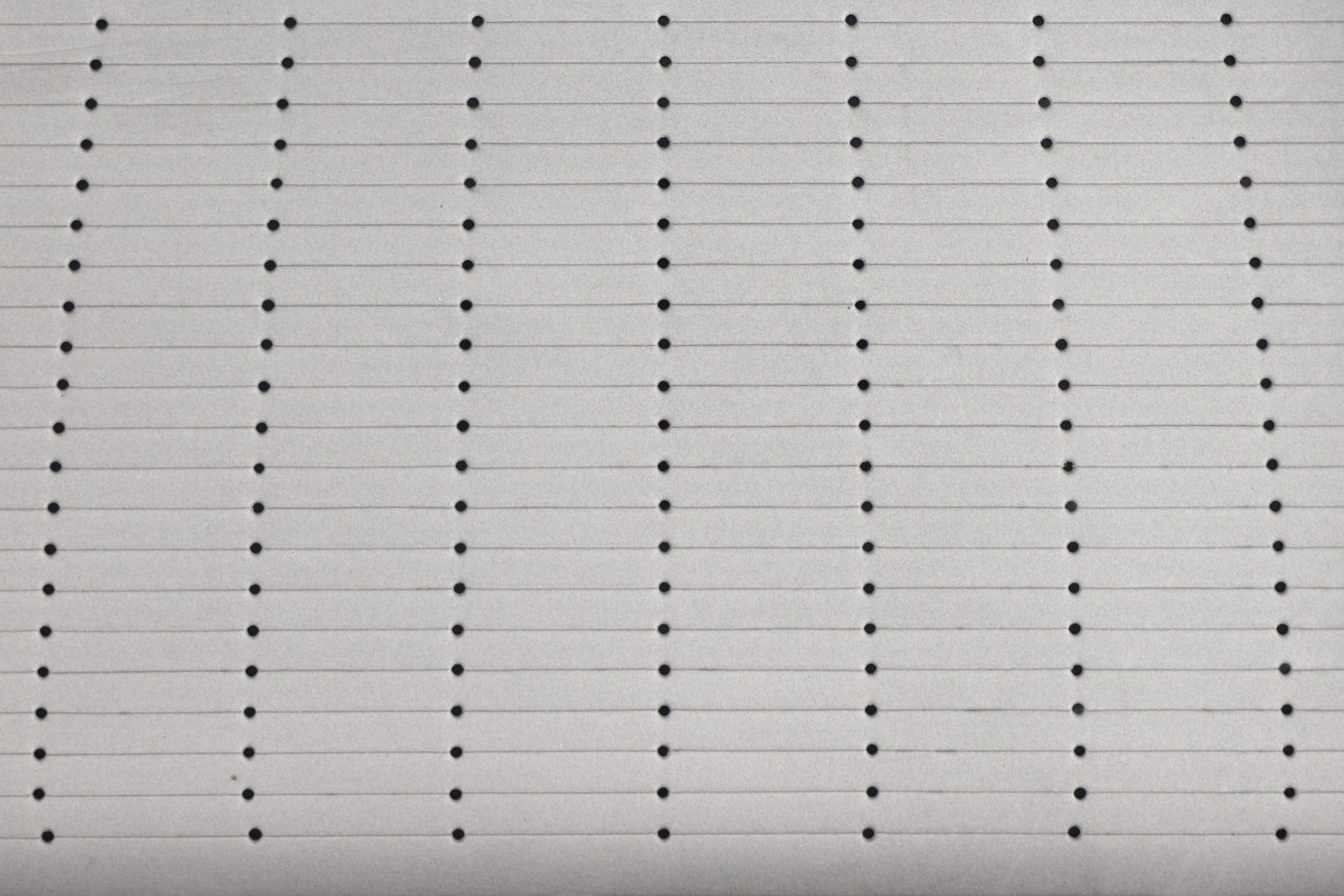
Action: Match the insert style to the flies you fish most. Slit foam is simple and secure for a wide range of hook styles, while deeper boxes help protect taller profiles and bulkier materials from getting crushed.
Common mistake: Buying a box that’s too shallow for streamers or foam terrestrials, then smashing materials every time you close it.
Don’t skip the “little tools”
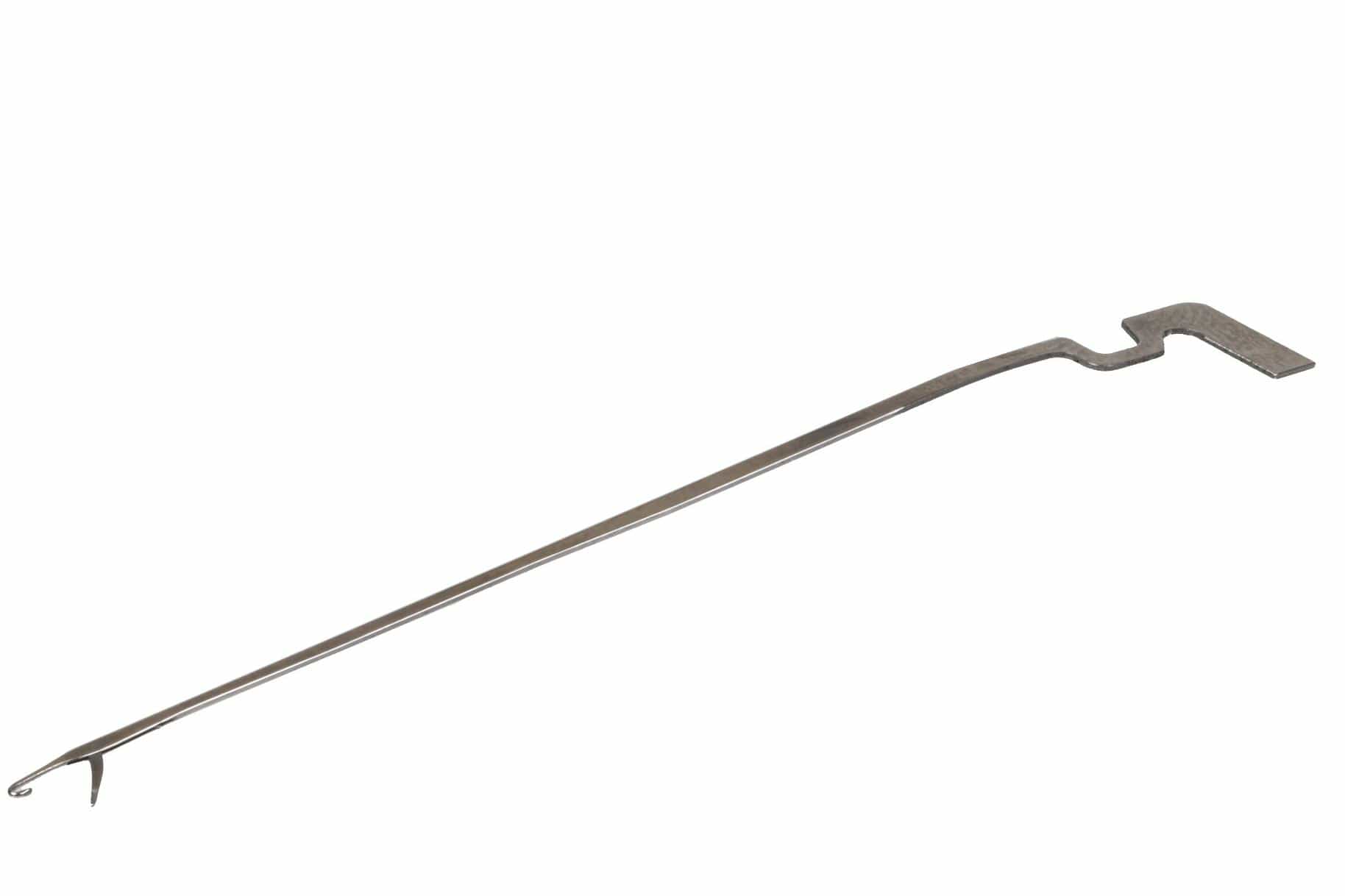
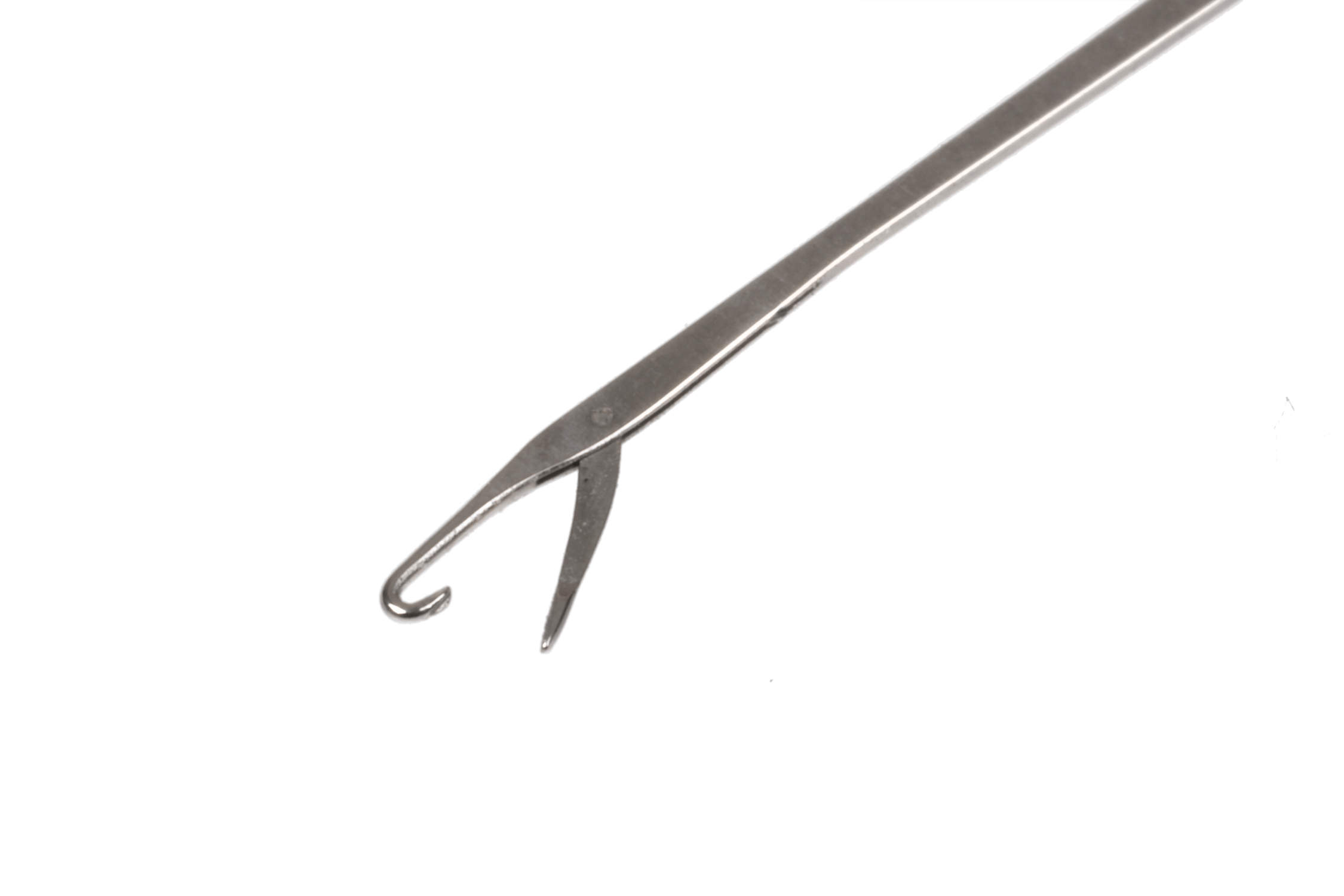
Action: Small rigging tools can save real time when you’re setting up reels or replacing backing. If you’re building or maintaining your own setups, the right tool is often the difference between a clean loop and a frustrating tangle.
Care & Maintenance
After wet days: Open fly boxes at home and let flies/foam dry fully to reduce rust and mildew.
Saltwater use: Rinse boxes, nets, and tools with fresh water after the trip and dry before storage.
Foam longevity: Don’t force oversized hooks into tight slits, rotate where you store flies to reduce wear.
Net care: Rinse and dry the bag; check fasteners/attachment points periodically so it’s ready when you need it.
Complete Your Setup
Related Gear
Fly Boxes - Compare sizes and layouts across brands if you’re dialing in a specific carry system.
Landing Nets - Browse other net sizes and styles for wading, boats, or bigger fish.
Backing - Pair backing choices to your target species and reel capacity, especially for faster fish.
Fly Tying Materials - Build out your tying bench if you’re using bucktail and other core materials.
Related Guides
Trident Basics FAQs
Q: What is Trident Basics?
A: Trident Basics is Trident Fly Fishing’s in-house line of practical fly fishing essentials focused on function, durability, and value. It’s built around the everyday items anglers use constantly, like fly boxes and other core tools.
Q: Are Trident Basics fly boxes waterproof?
A: Several Trident Basics fly boxes are described as waterproof on their product pages. If you routinely fish in wet conditions, choose a waterproof model and still dry your flies at home after the trip.
Q: What size fly box should I get?
A: Start with how you carry gear: pocket boxes for minimalist wading, mid-size boxes for pack storage, and larger “boat box” styles for drift boats or when you want lots of options. Many anglers end up with a small “on-the-water” box plus a larger stash/backup box.
Q: Is Trident Basics good for beginners?
A: Yes, this lineup is aimed at essential, easy-to-use gear that helps you get organized fast without paying for features you may not need early on. It’s also a solid way to add a backup box or spare net to your kit.
Q: What’s the benefit of slit foam in a fly box?
A: Slit foam is simple and versatile: it holds a wide range of hook sizes securely and keeps flies separated for quick selection. It’s a practical choice if your box carries mixed patterns.
Q: What is a backing splicing needle used for?
A: A backing splicing needle is used to help create spliced loops in backing (commonly Dacron), which can make clean, strong connections. It’s a handy tool if you like rigging and maintaining your own reel setups.
Q: Do I need a landing net for trout fishing?
A: A net makes landing and releasing fish easier and can reduce handling time, especially with barbless hooks. Choose a net size that matches your typical fish and how you fish (wading vs. boat).
Q: Does Trident Basics have a manufacturer warranty section?
A: This collection is Trident’s in-house line rather than a separate manufacturer brand, so there isn’t a separate manufacturer warranty/resources section to link out to here. For store policies, use Trident’s Help Center and returns resources on the site.