



















11 Best Saltwater Flies For Your Fly Box (Permit, Tarpon, Bonefish, Striper)
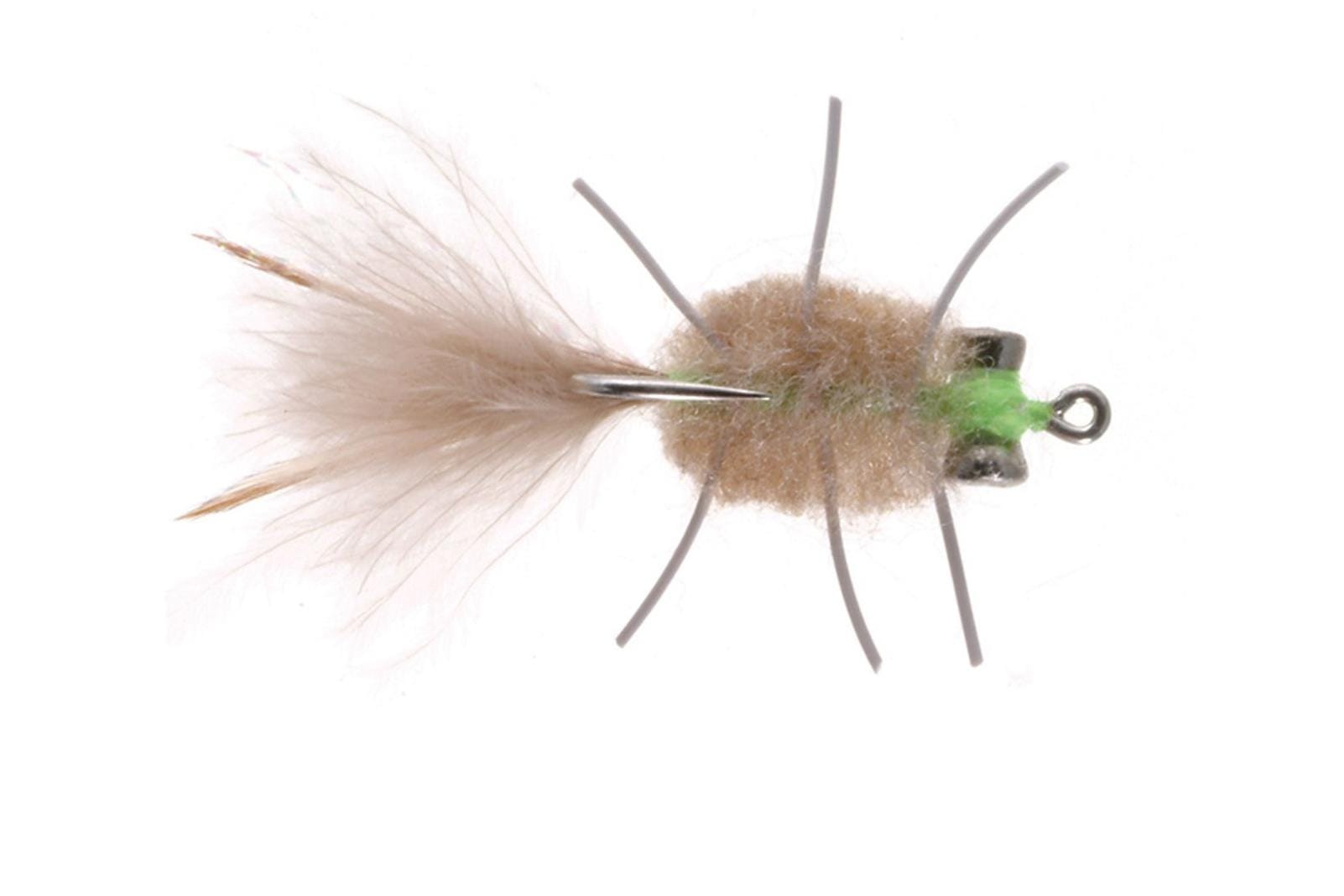
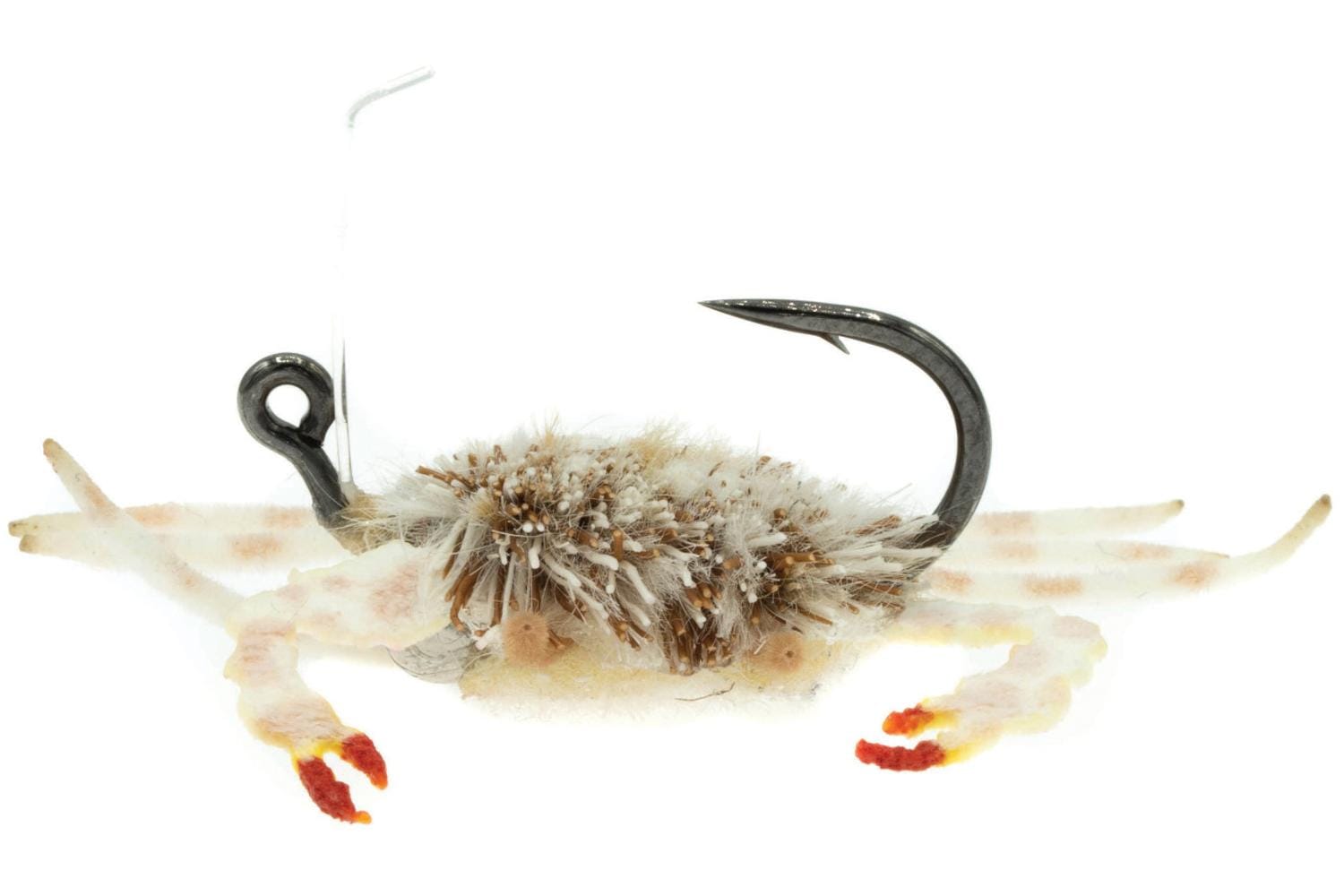
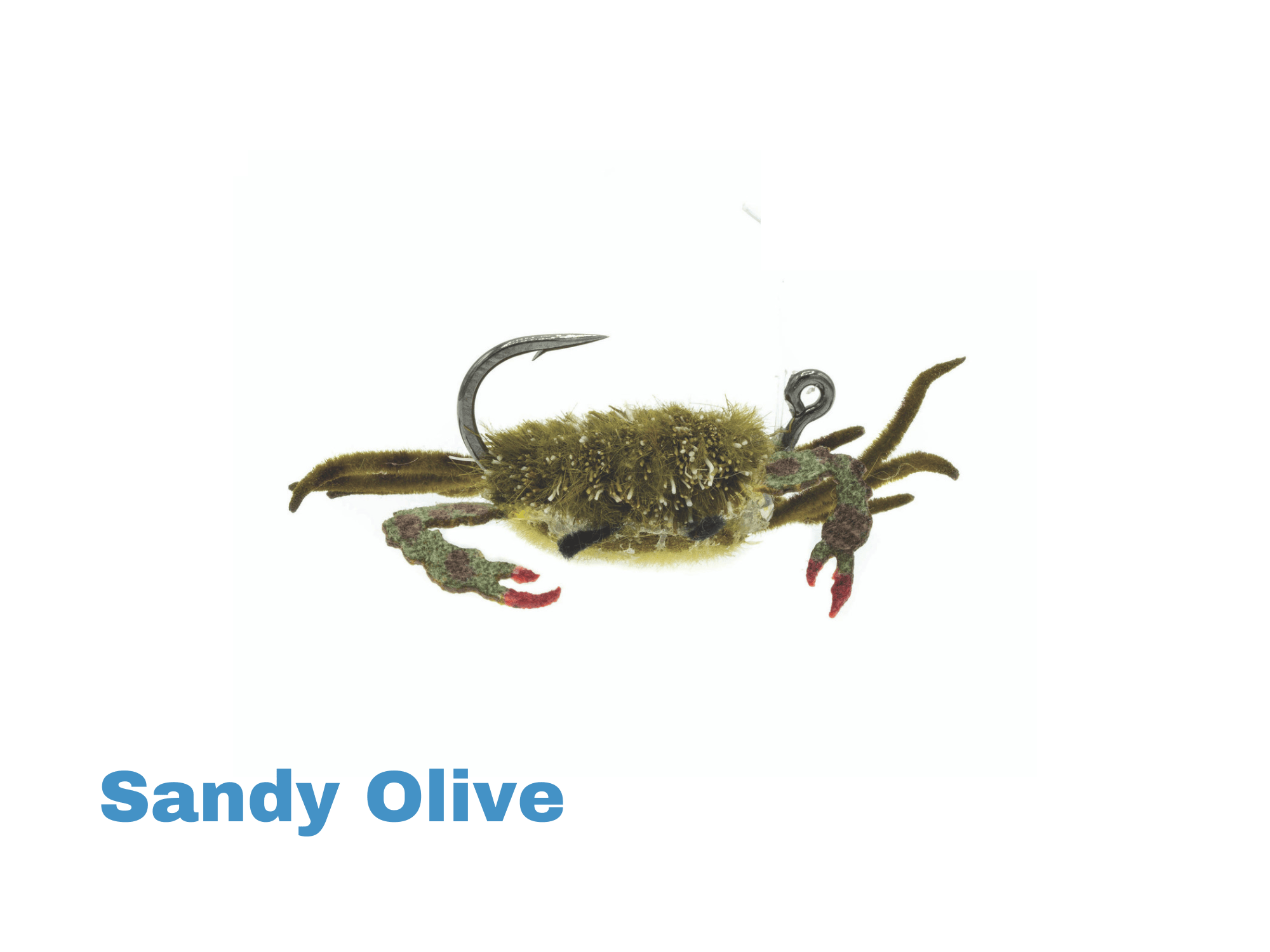
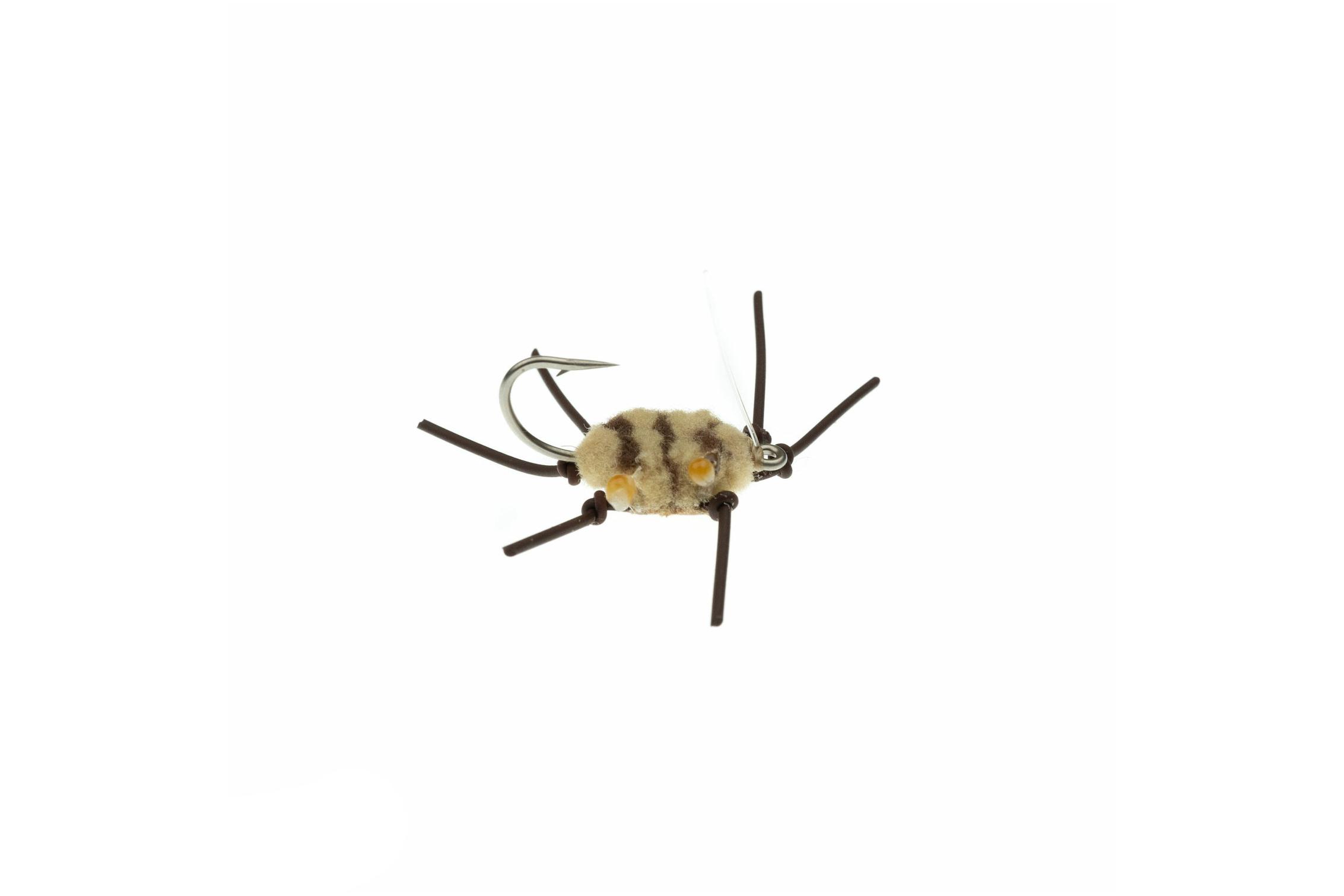


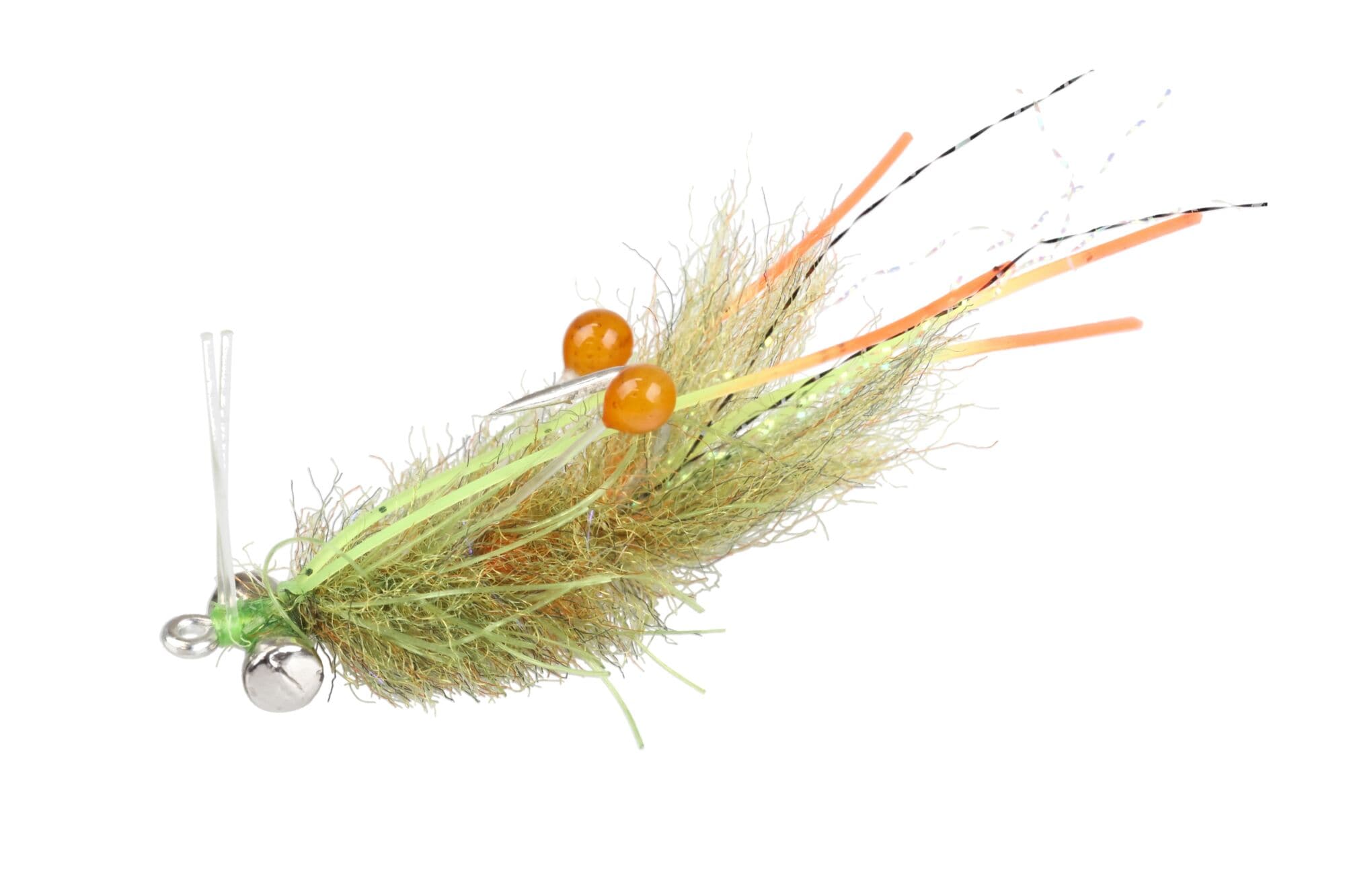
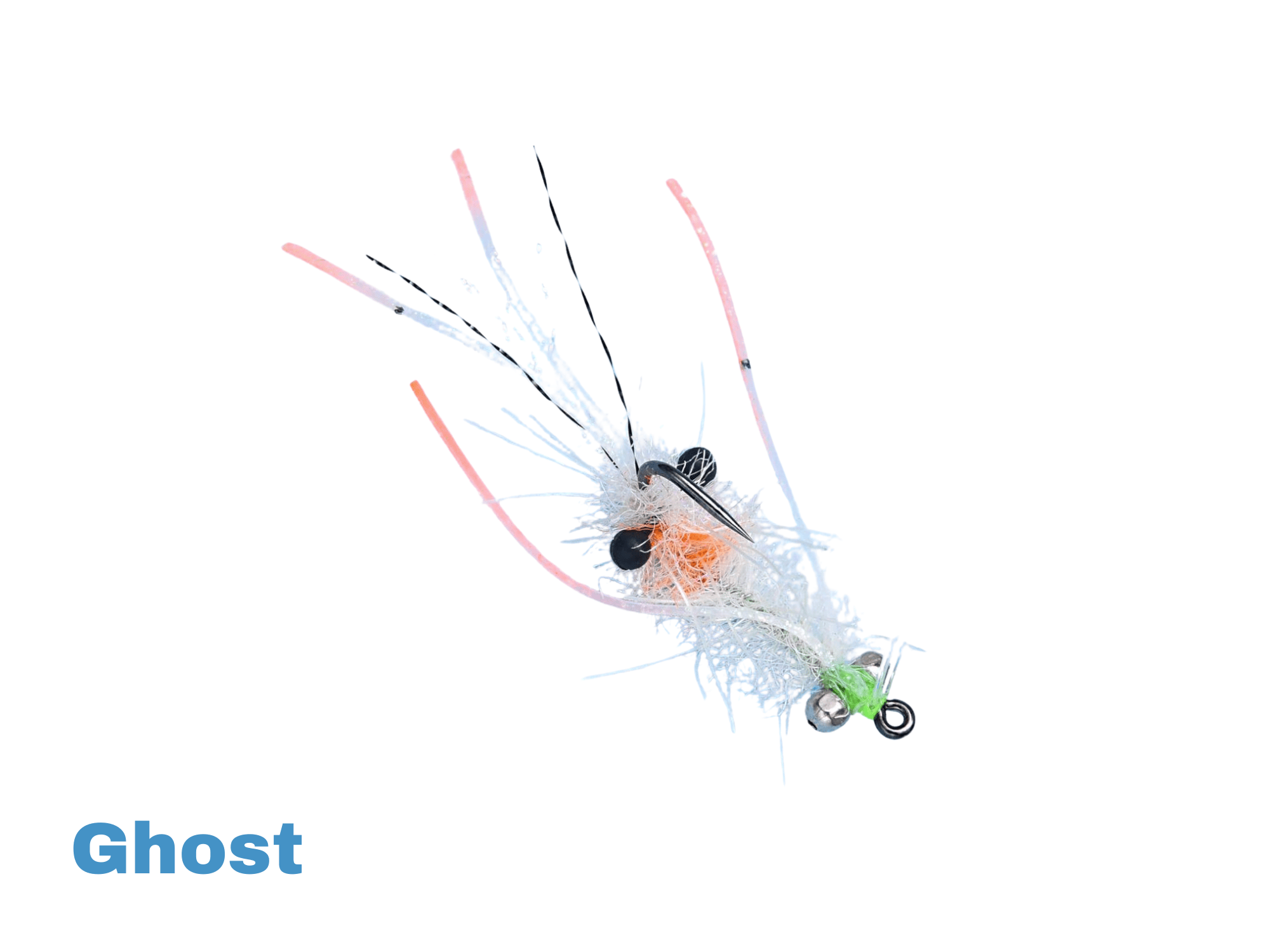
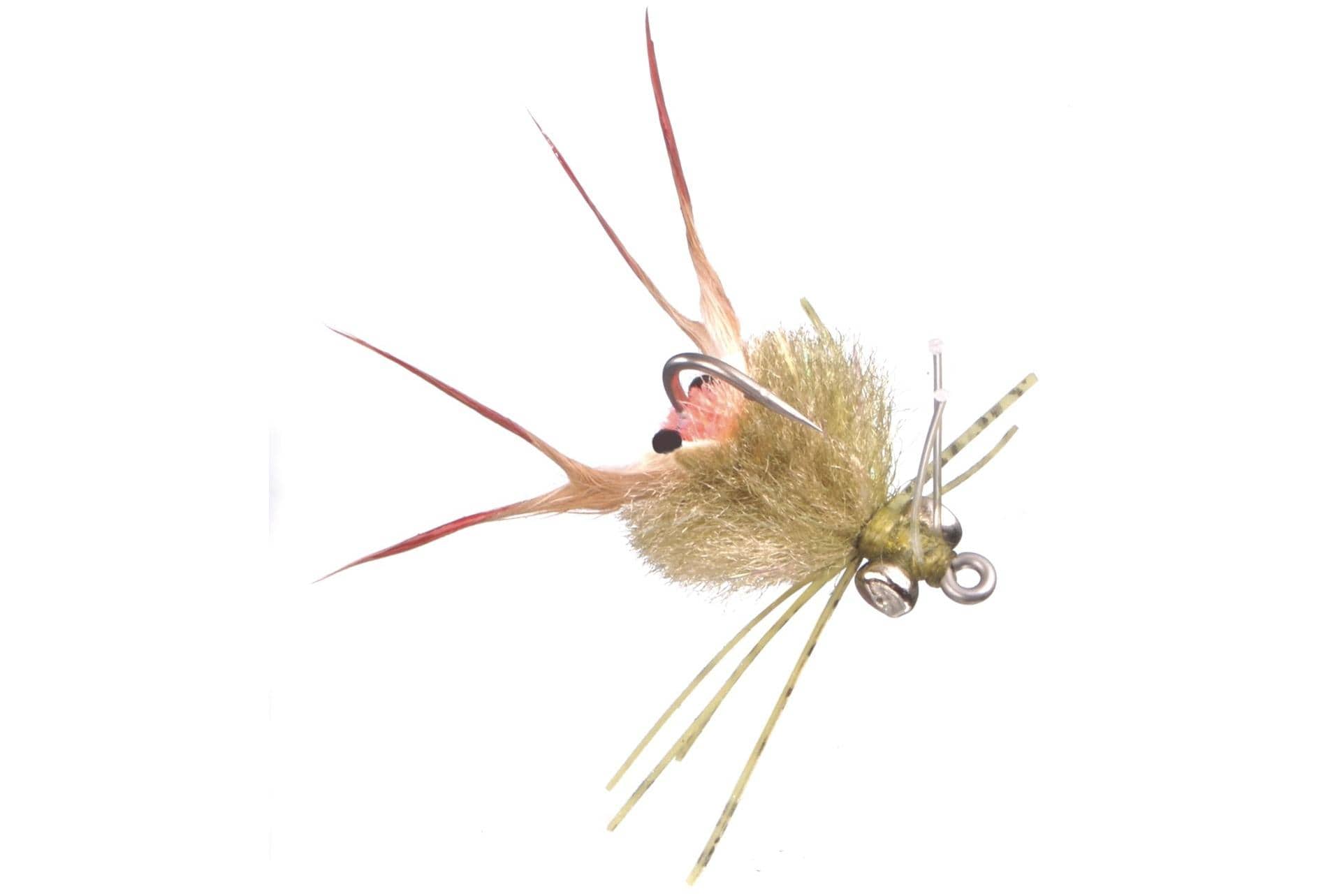
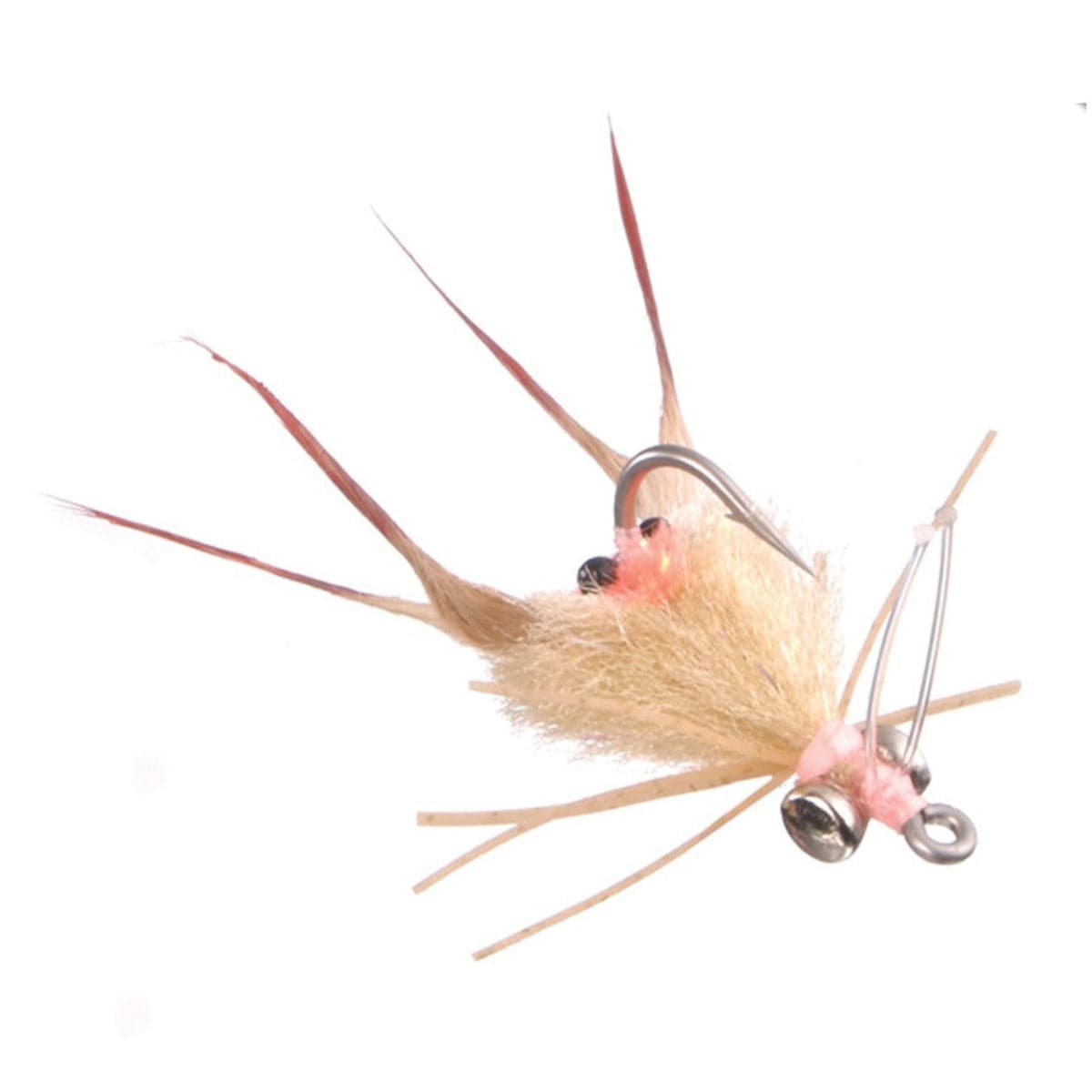
Permit Flies Quick Picks
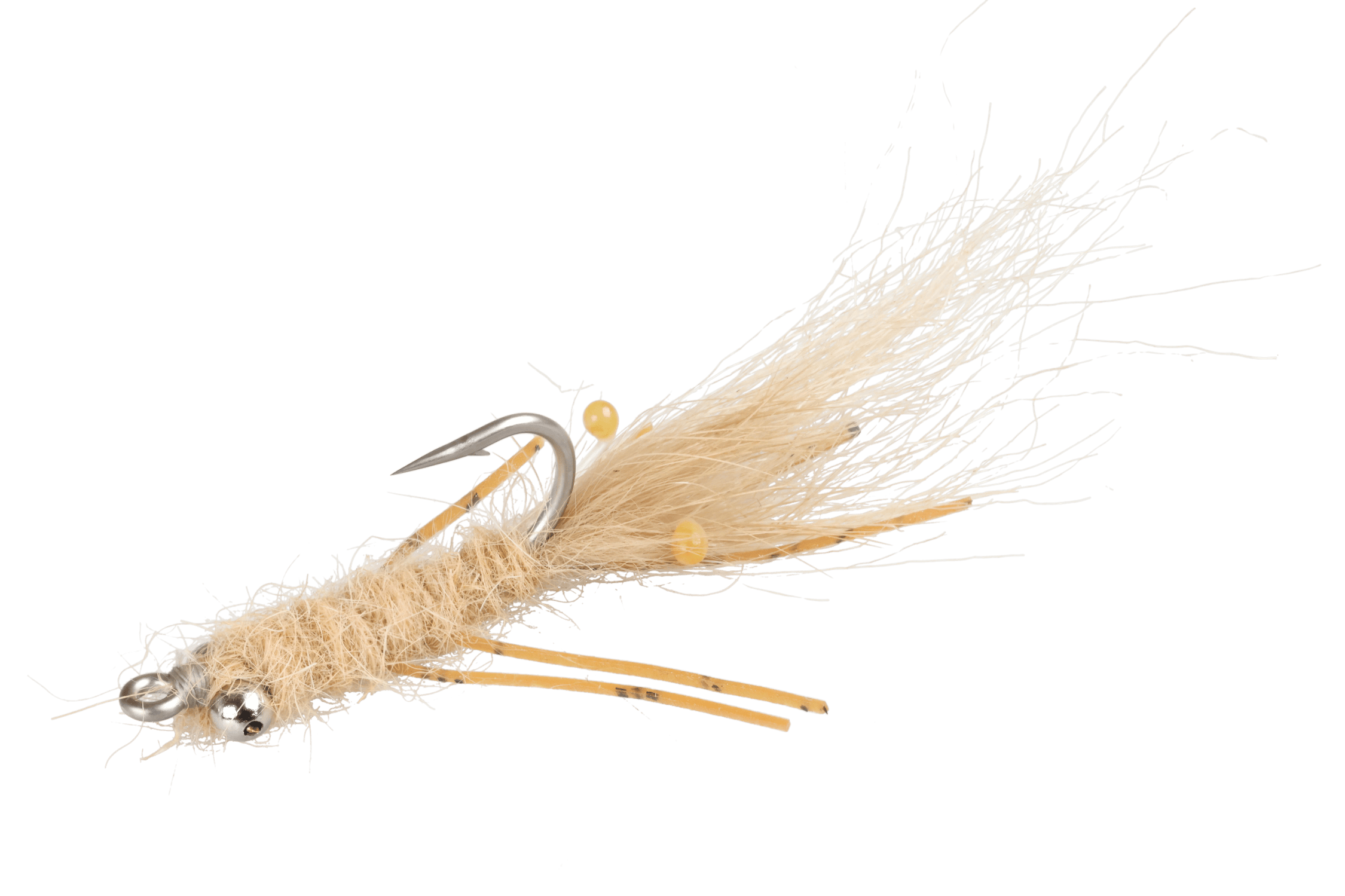
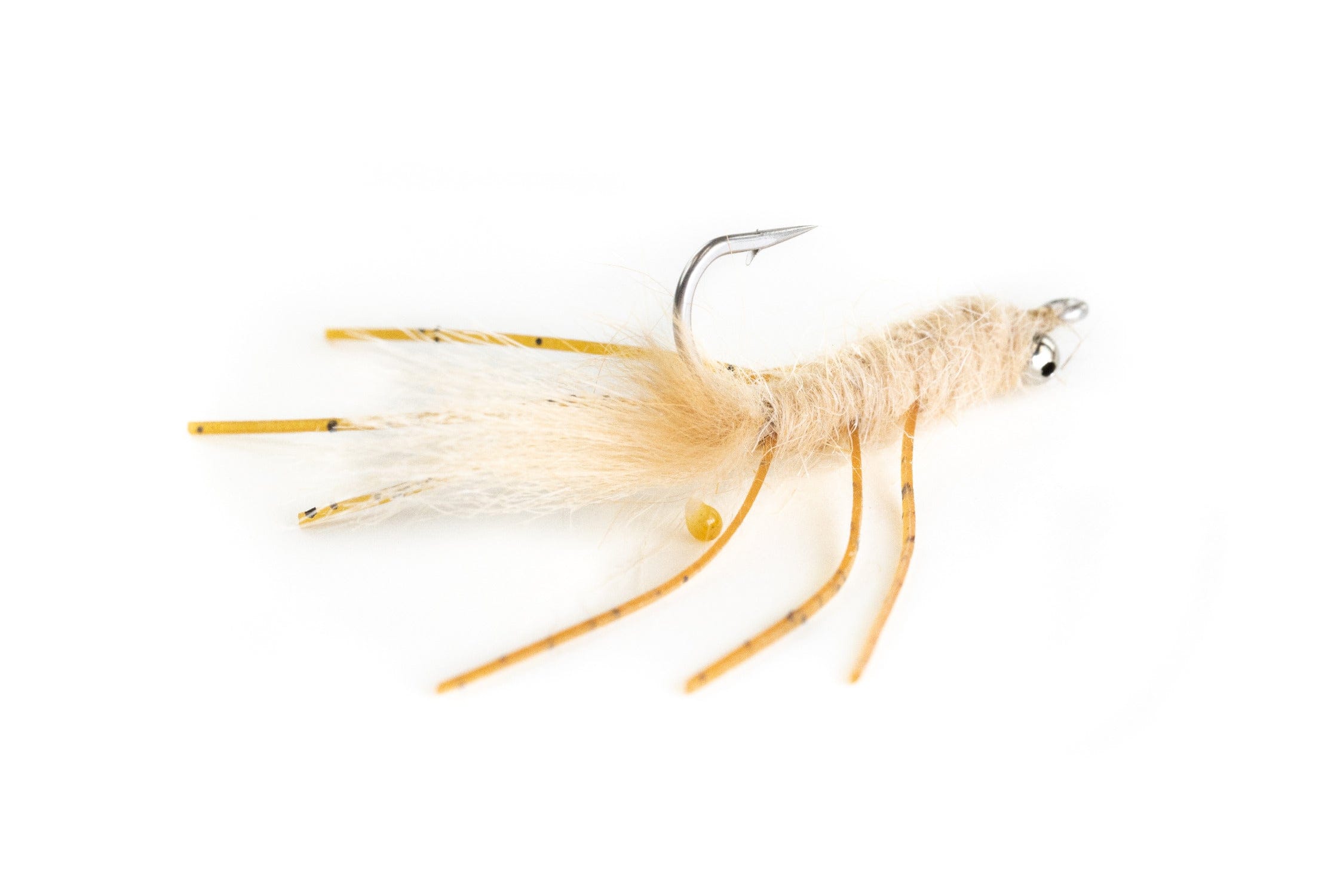
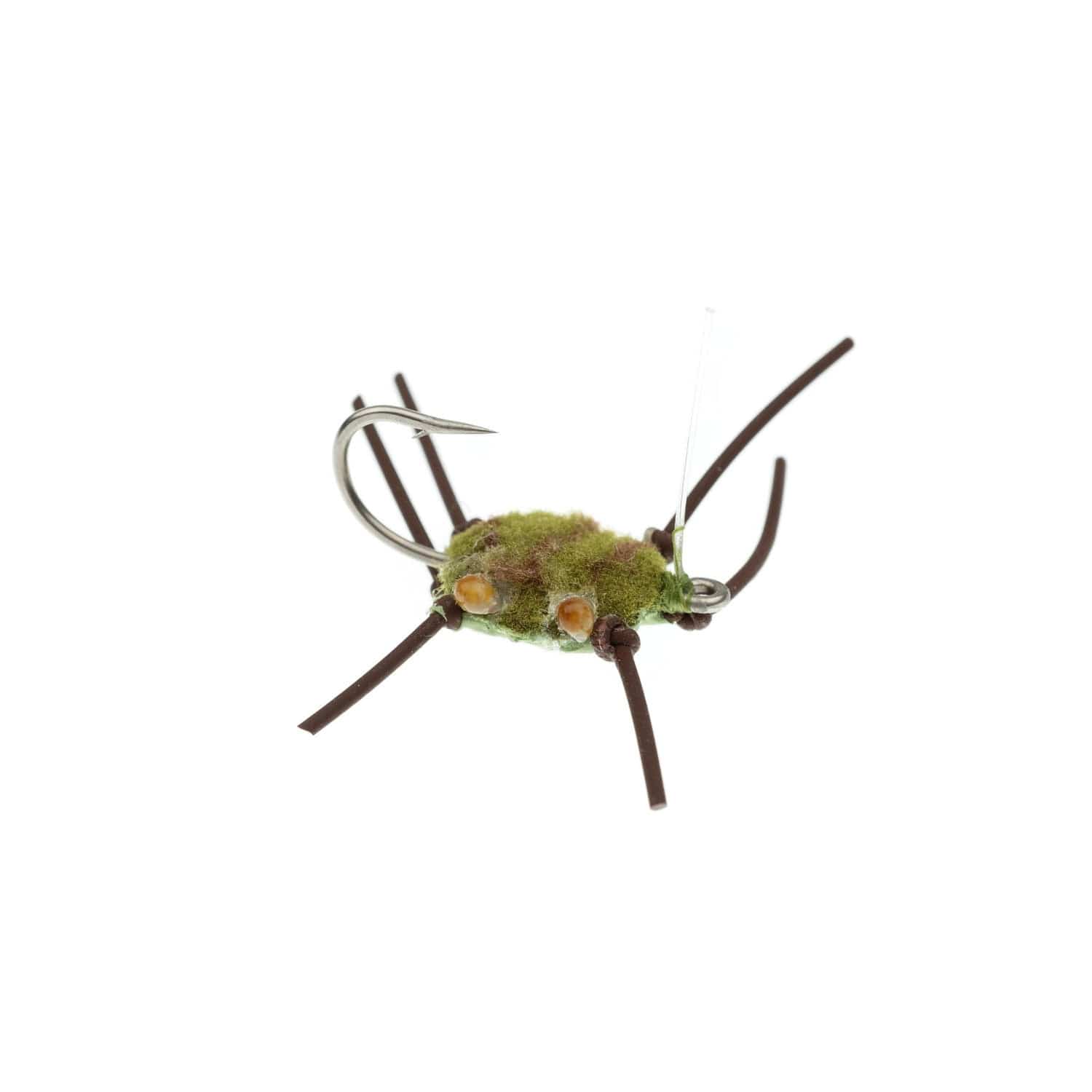
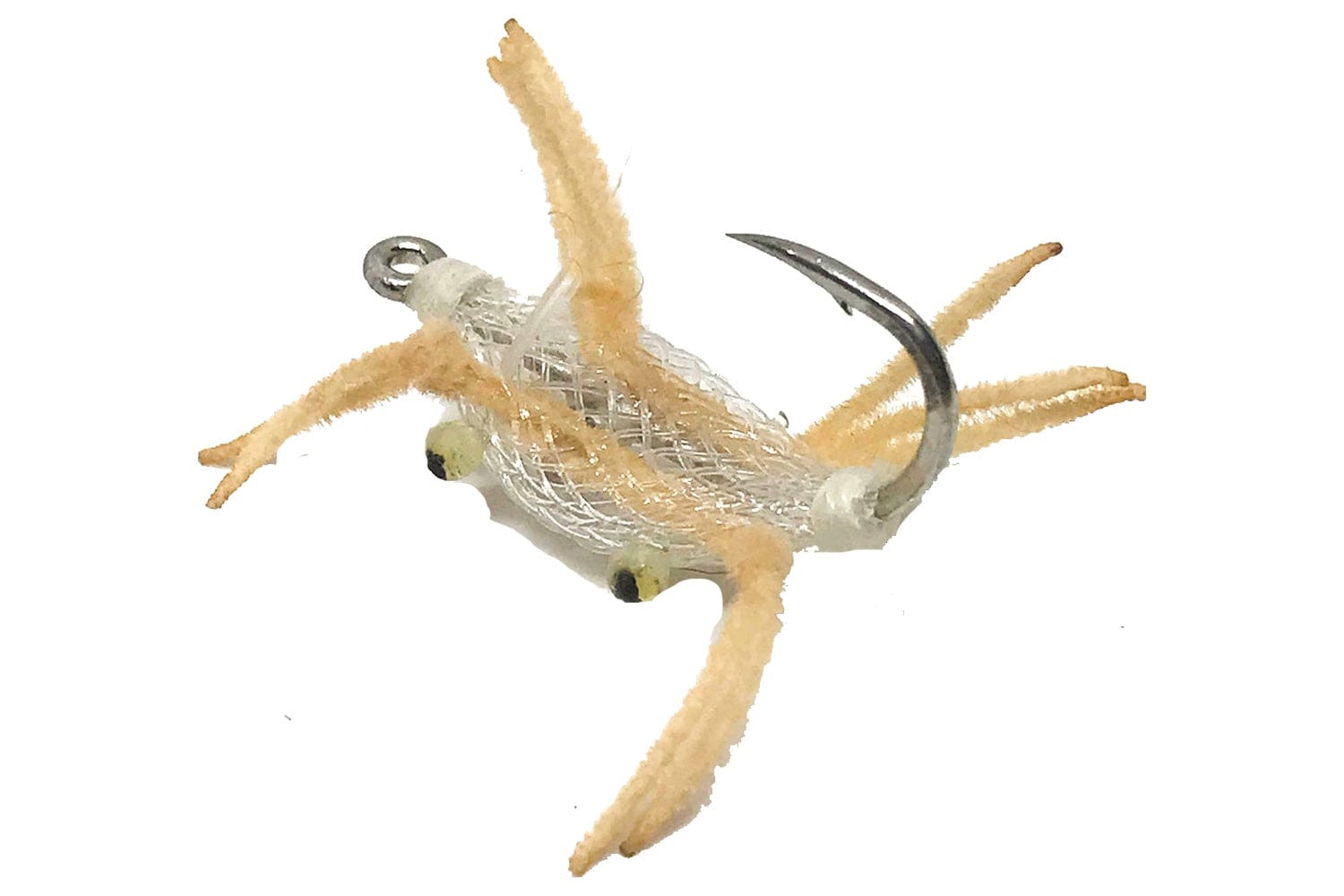
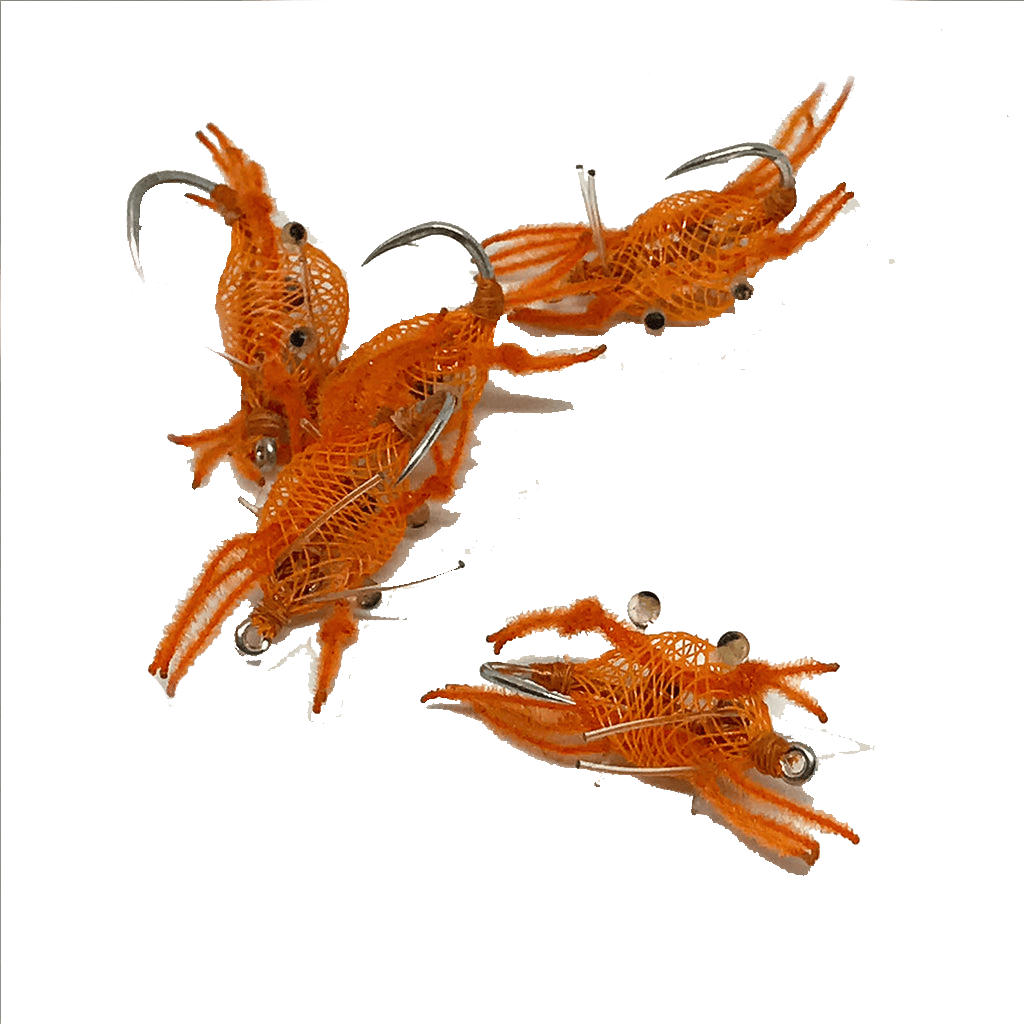
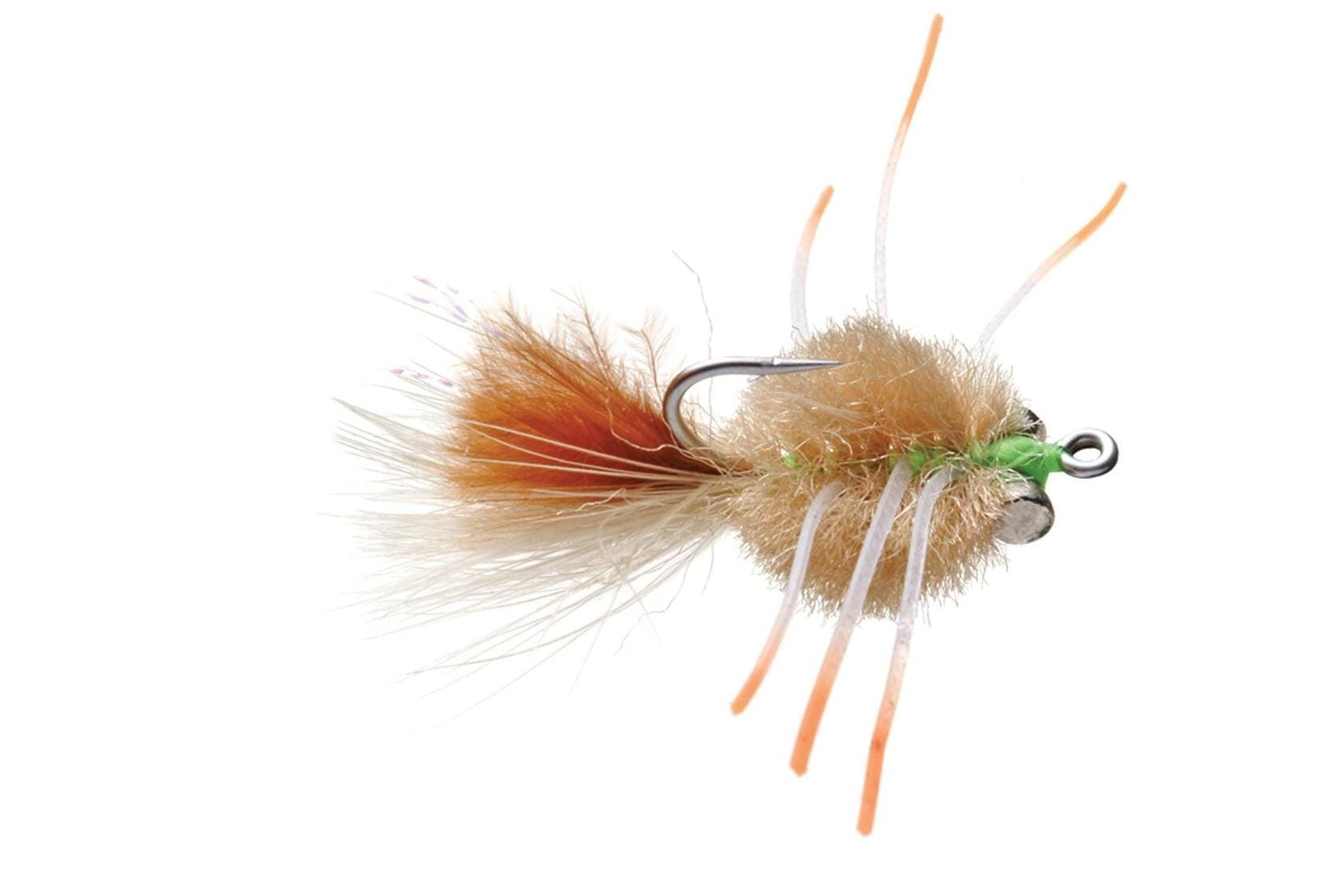
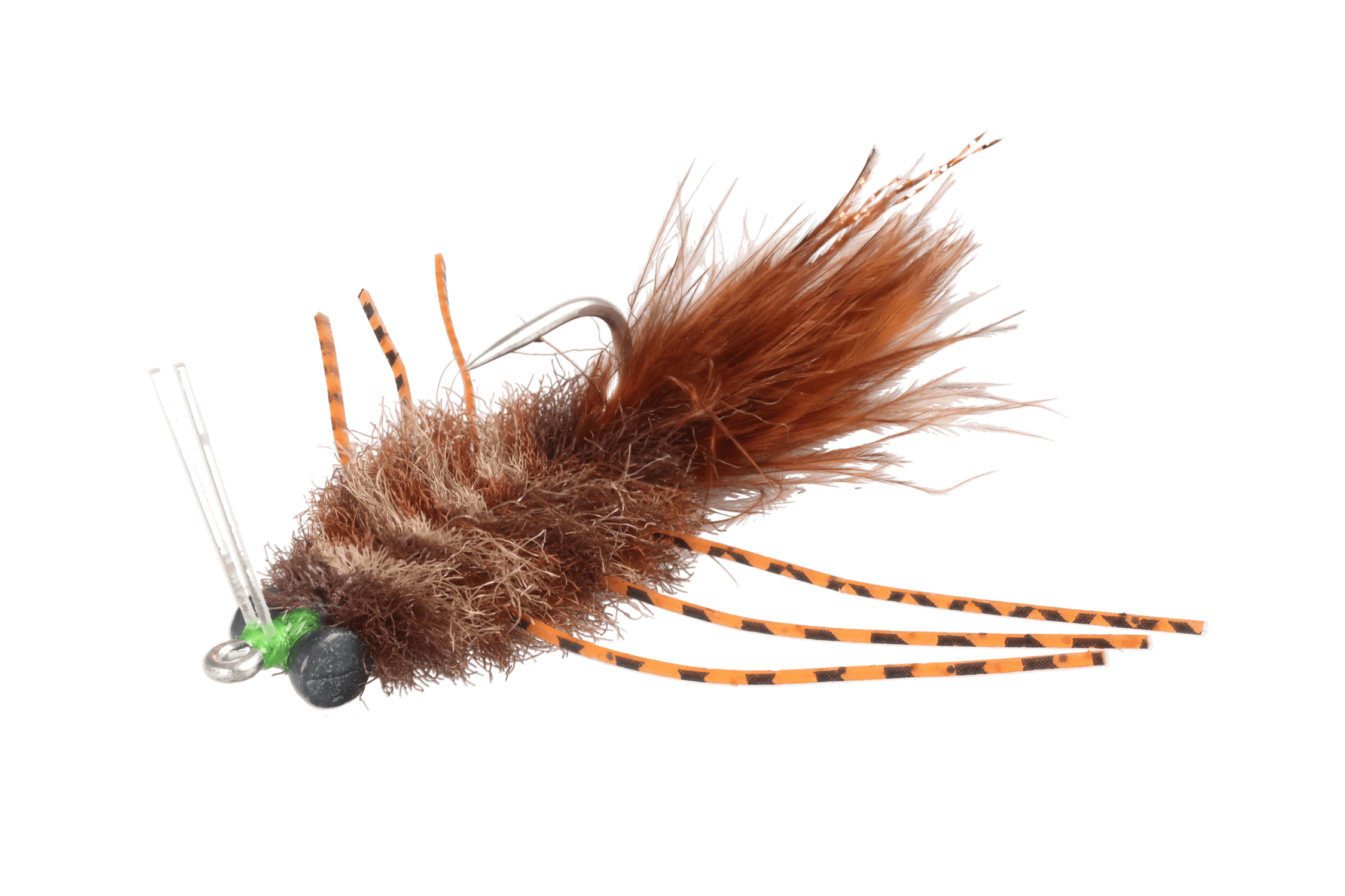
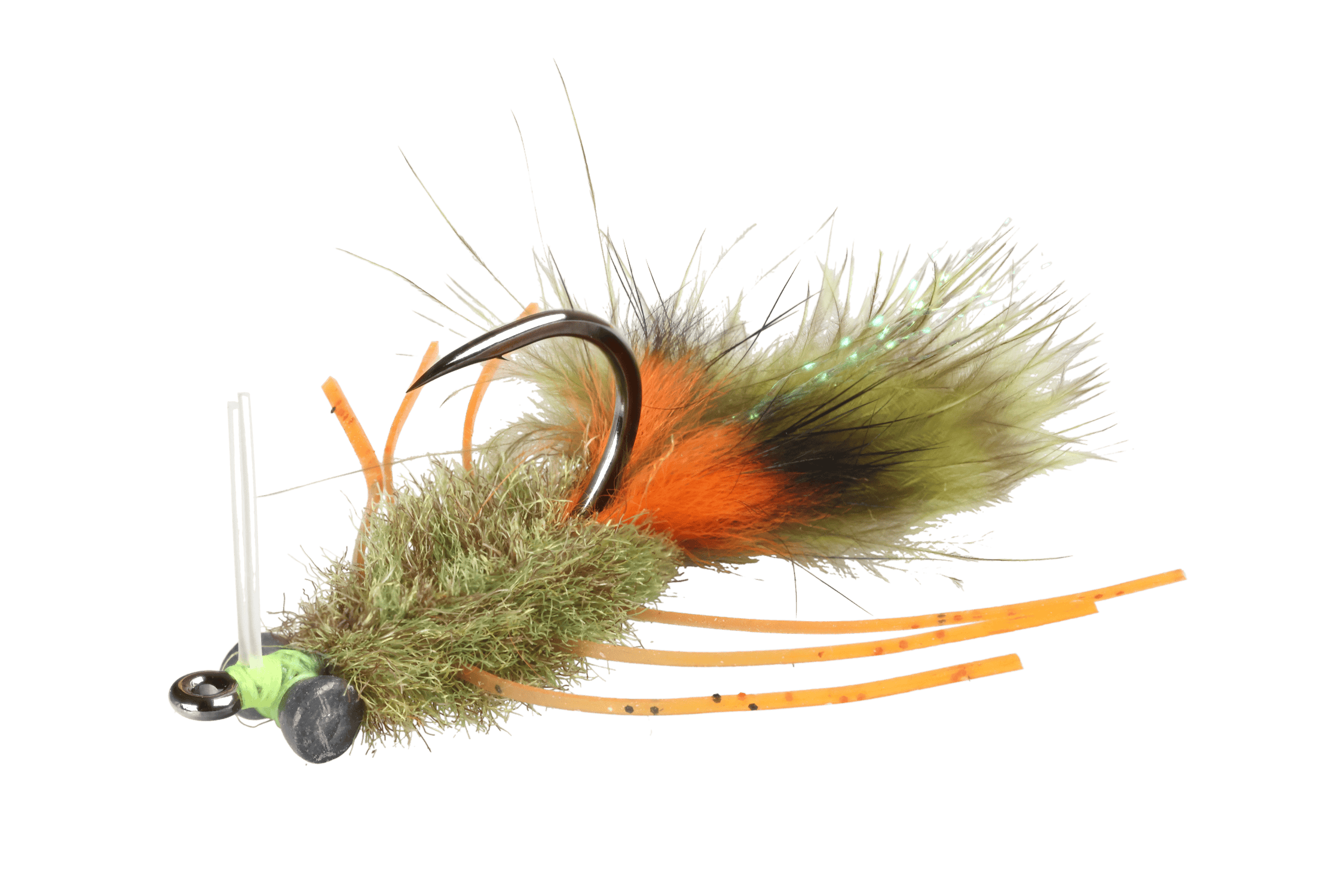
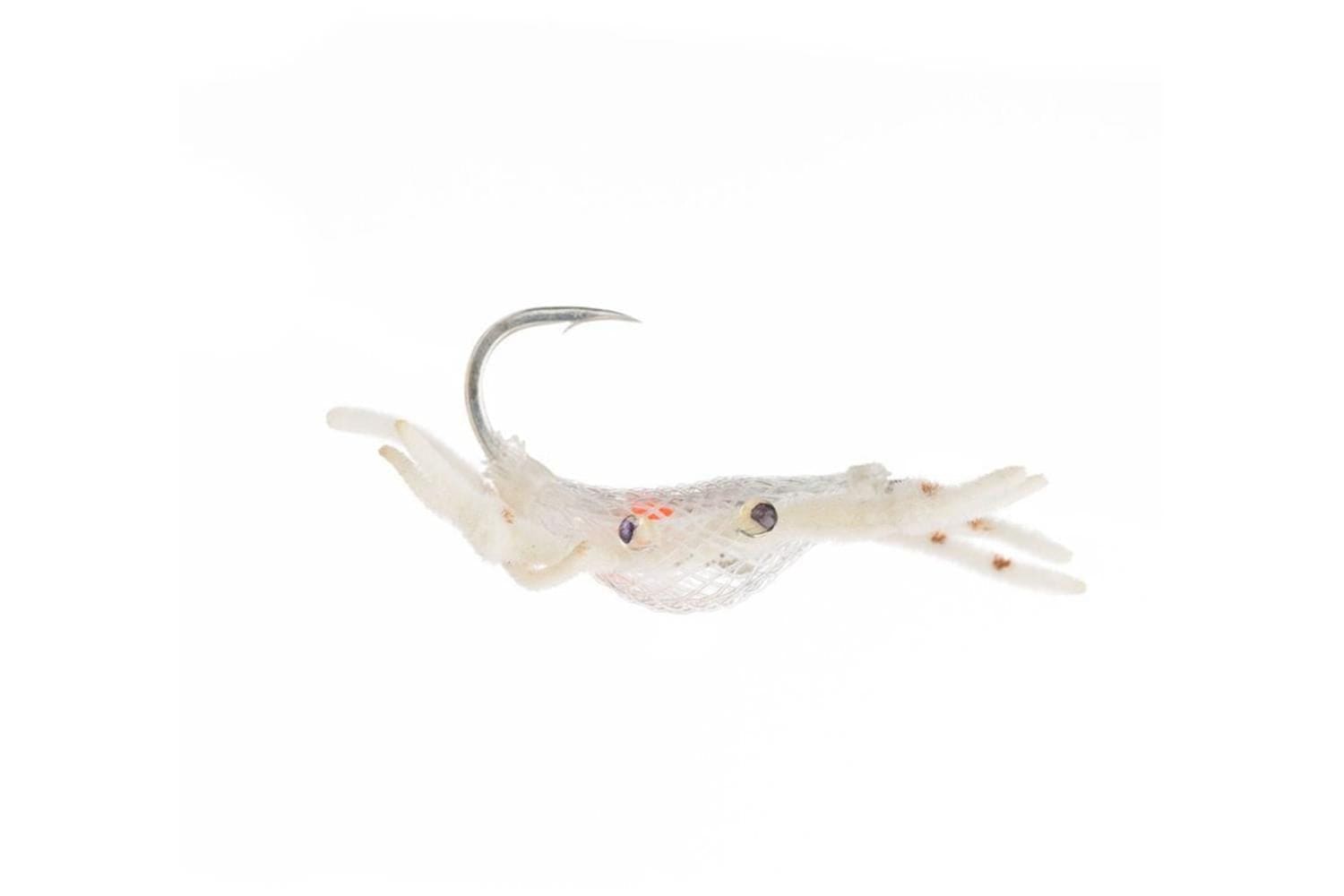
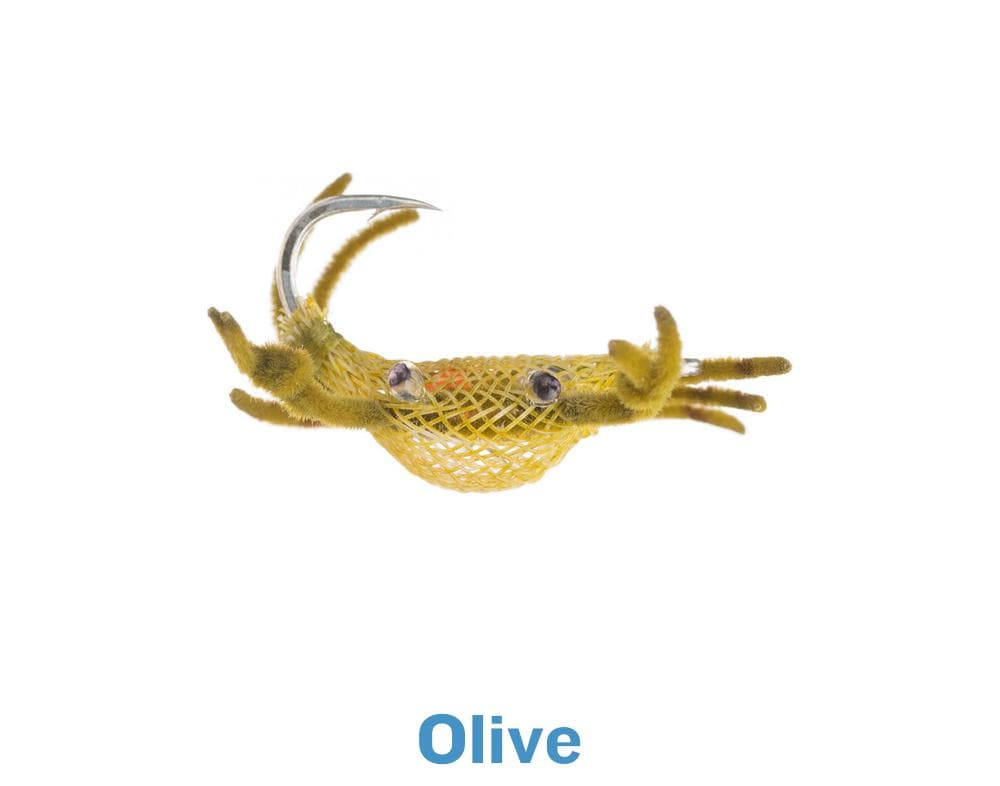
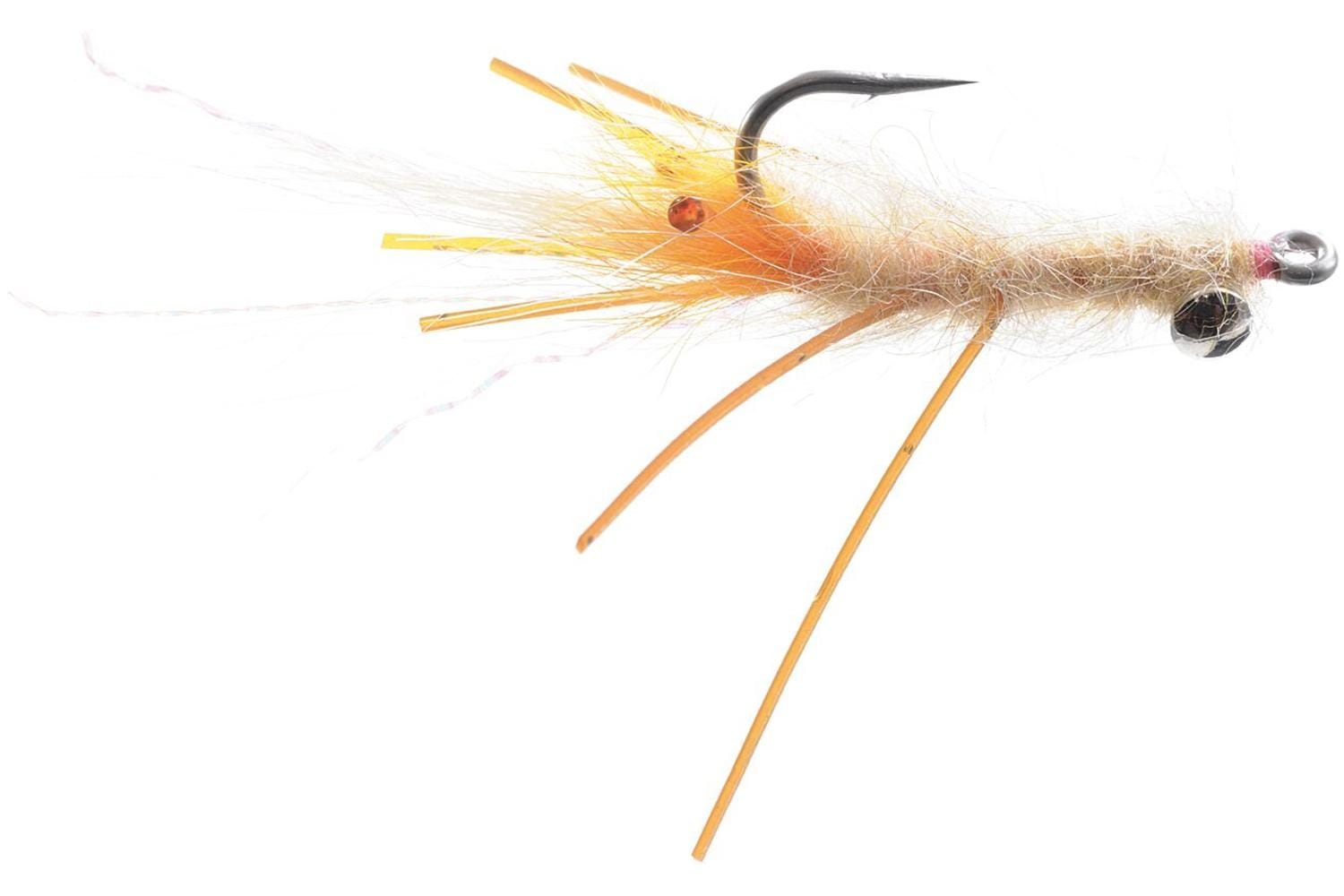
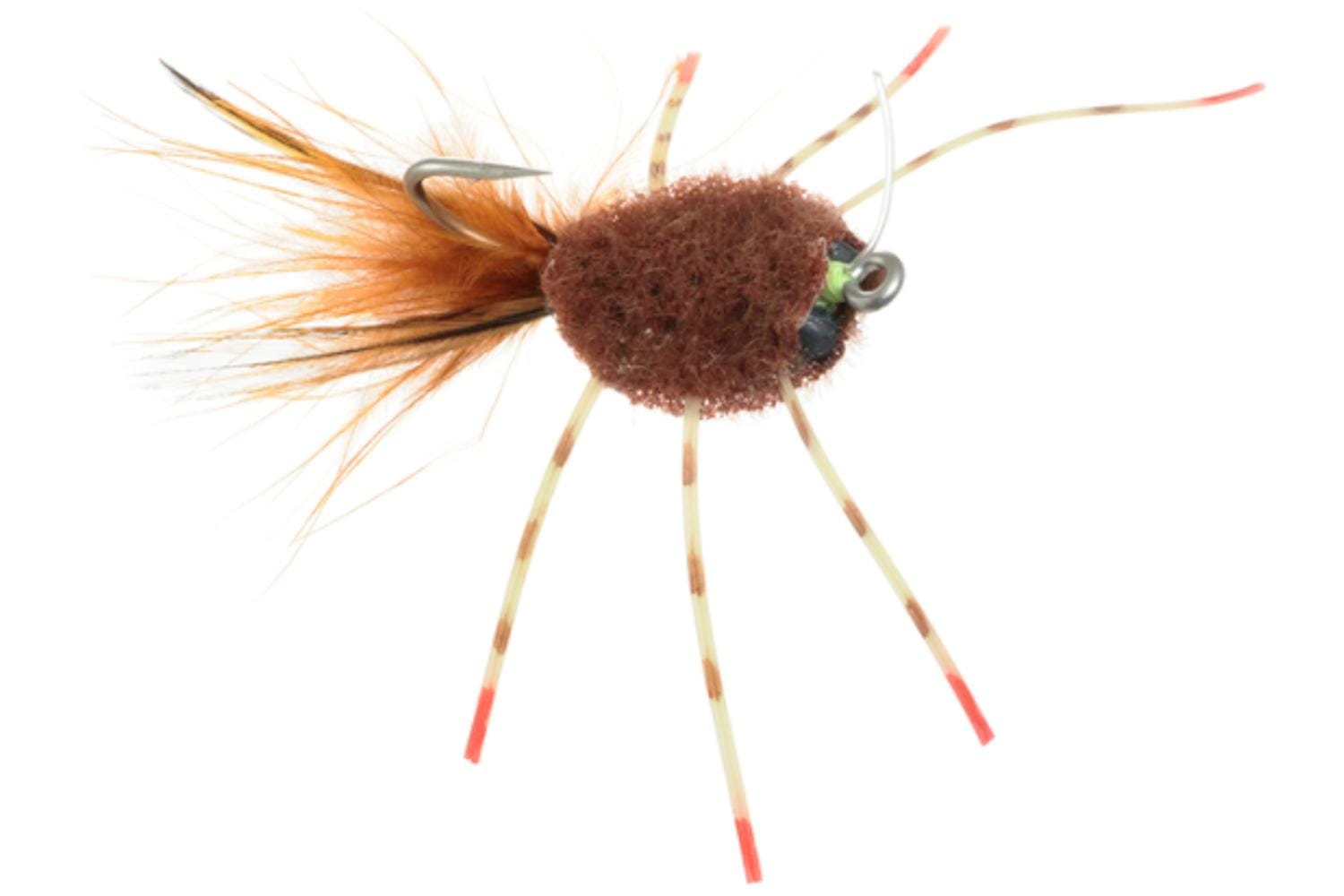
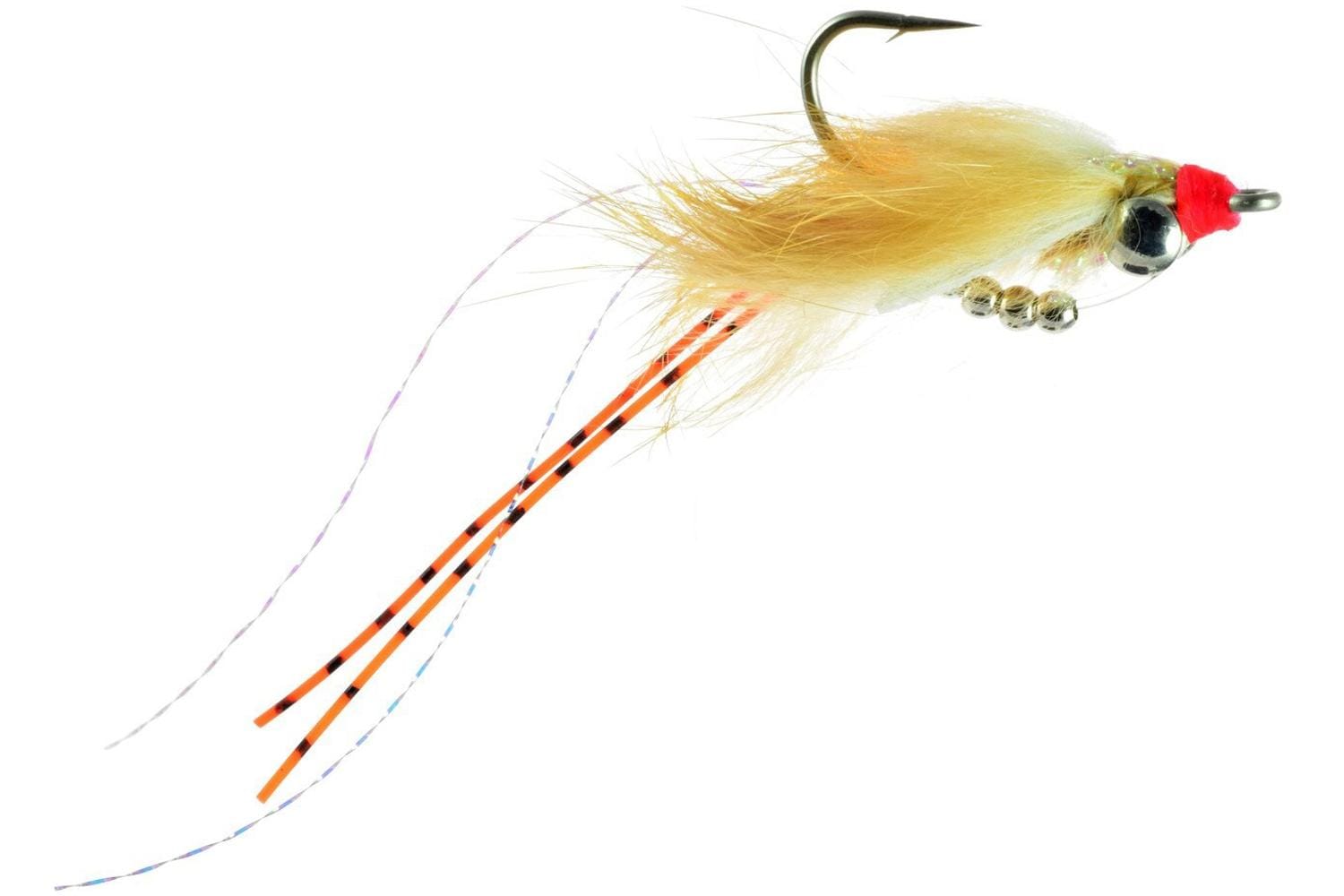
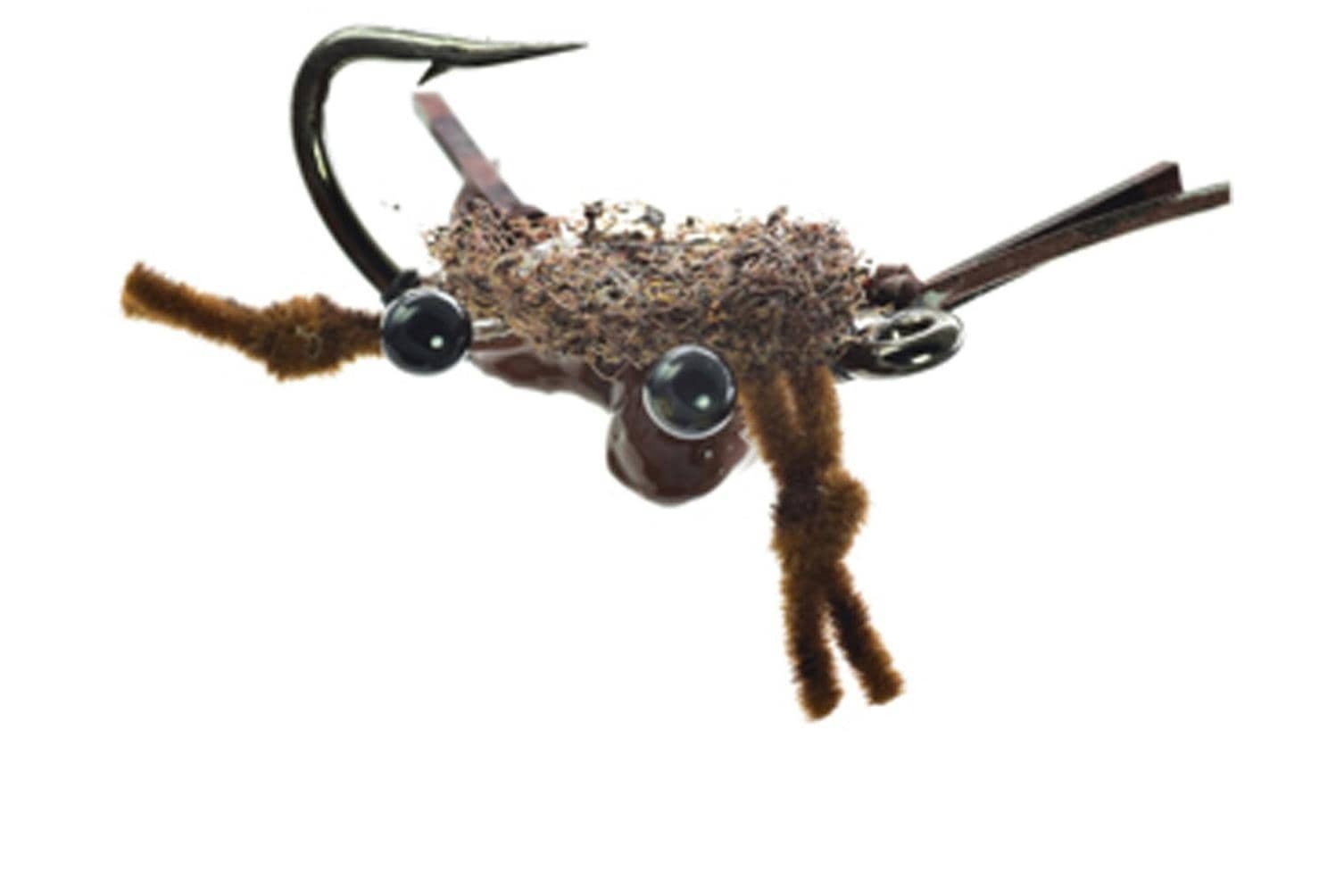
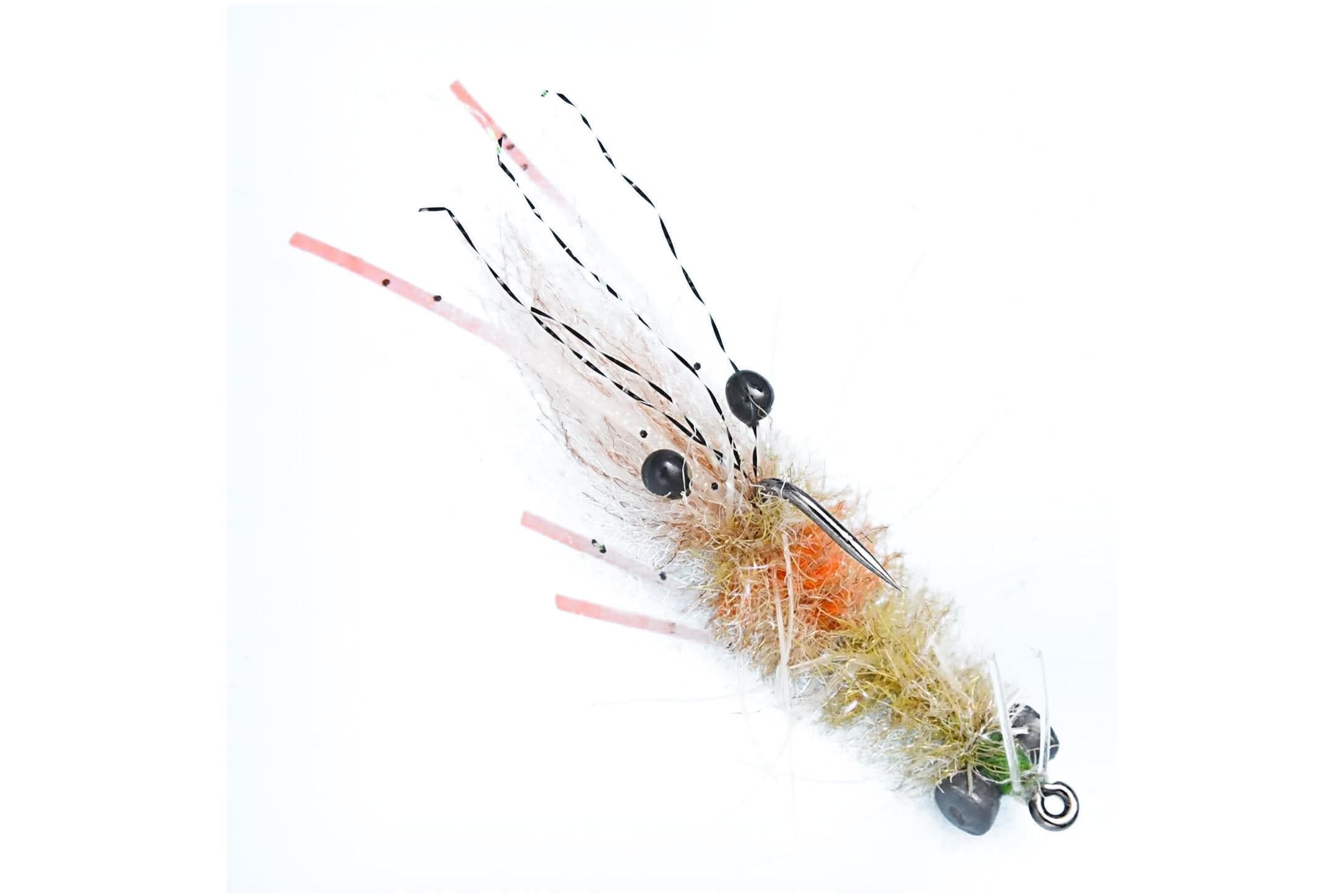
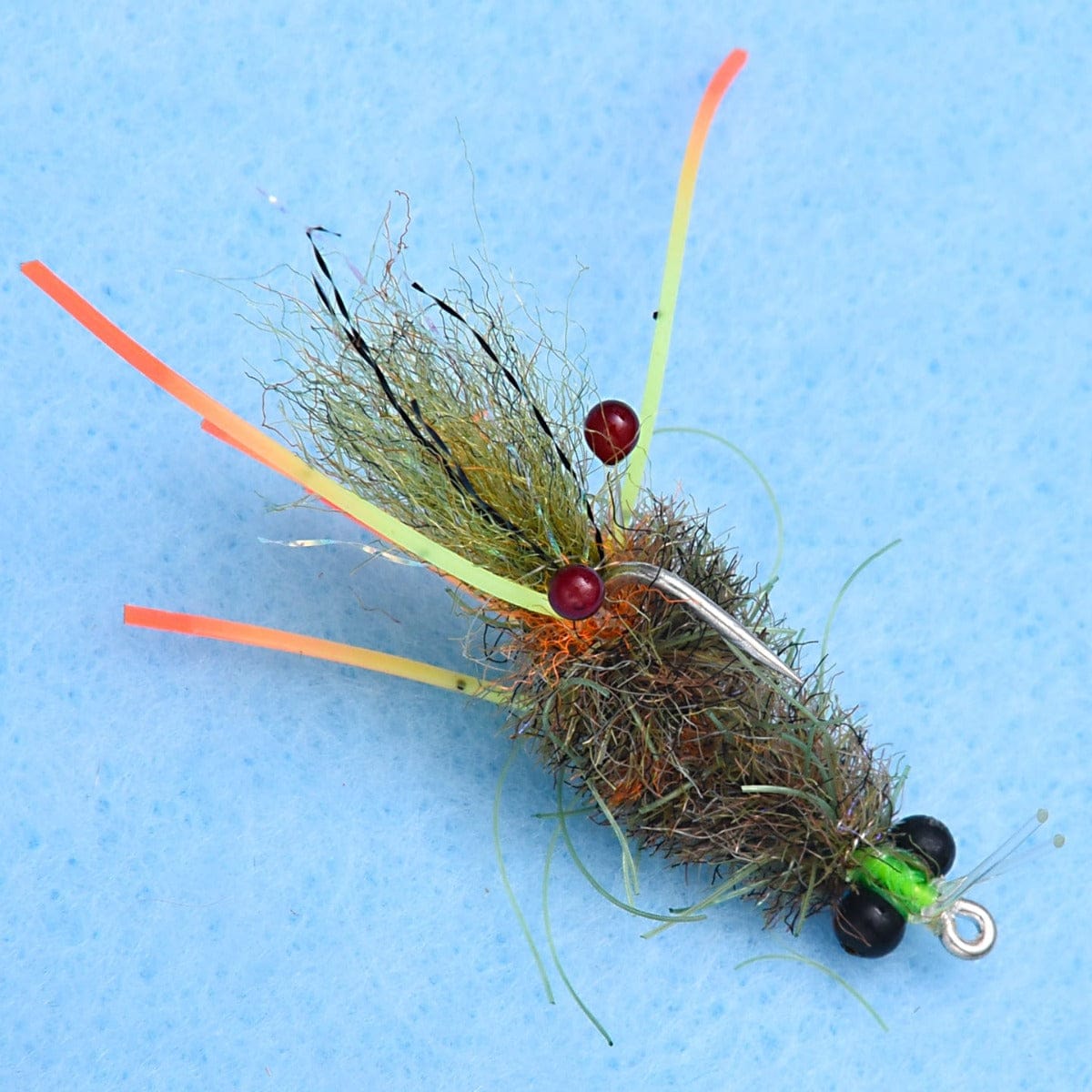
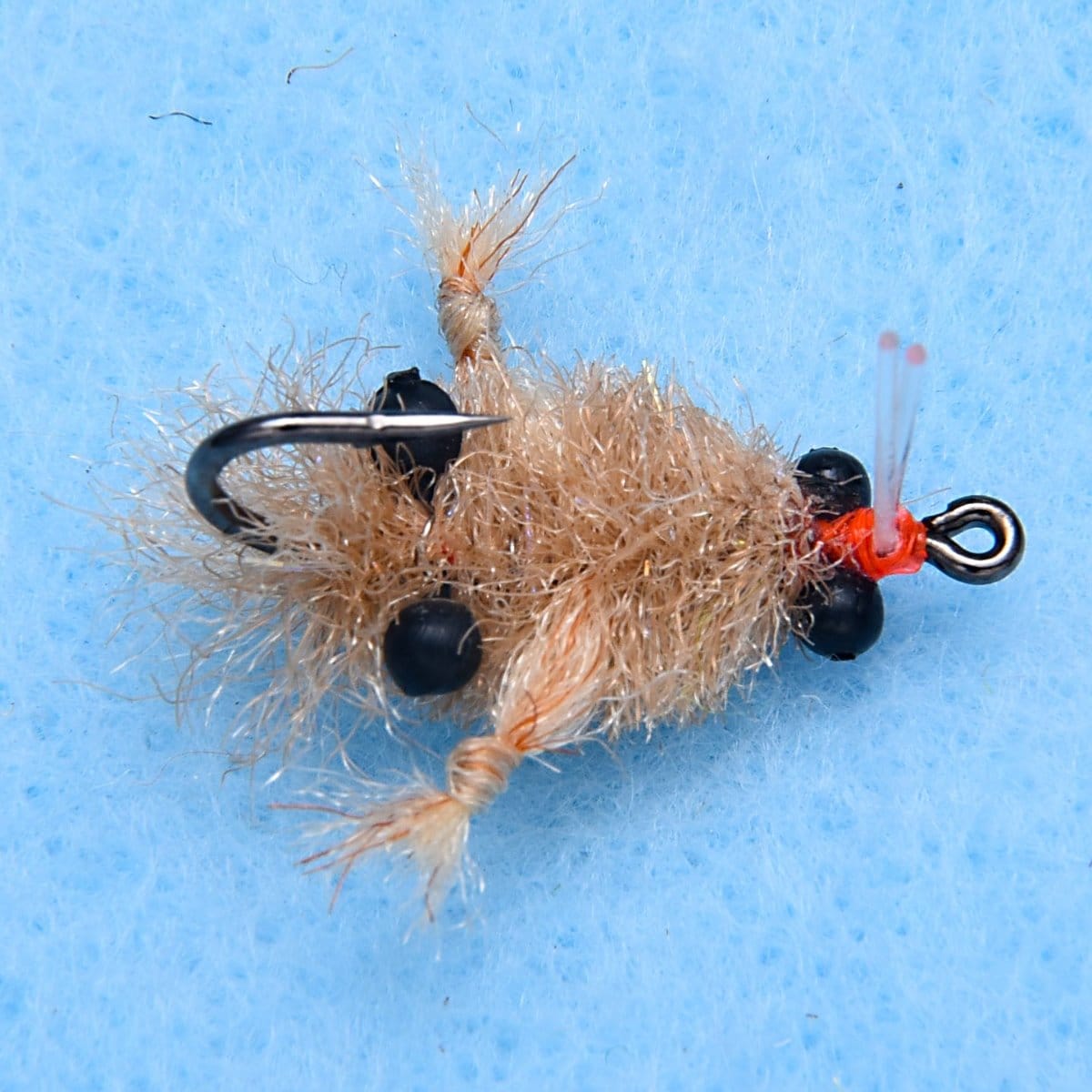
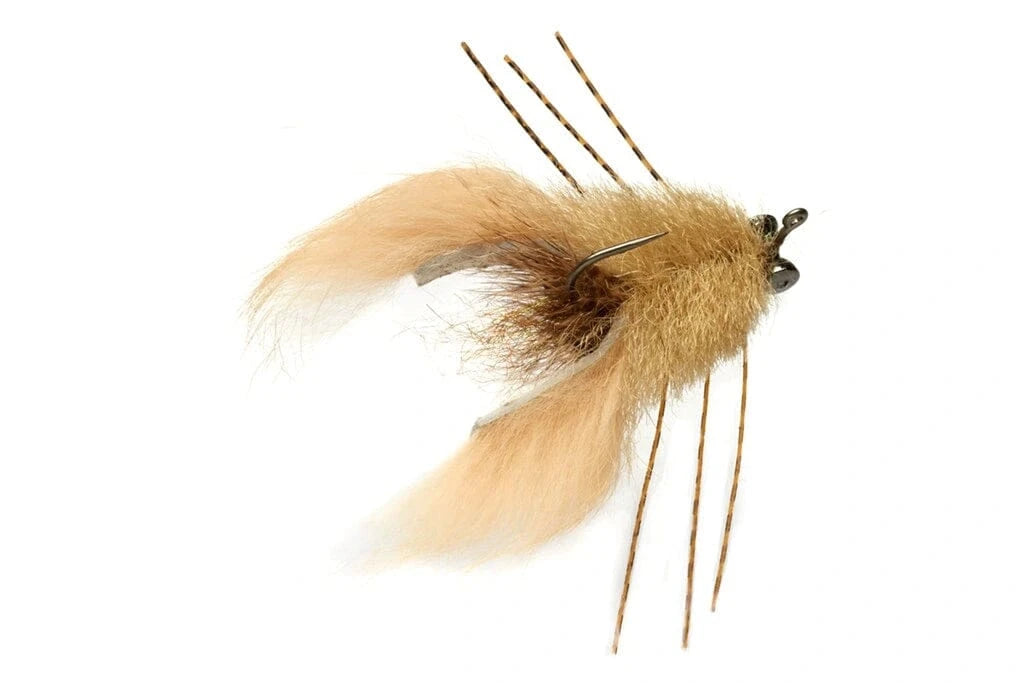
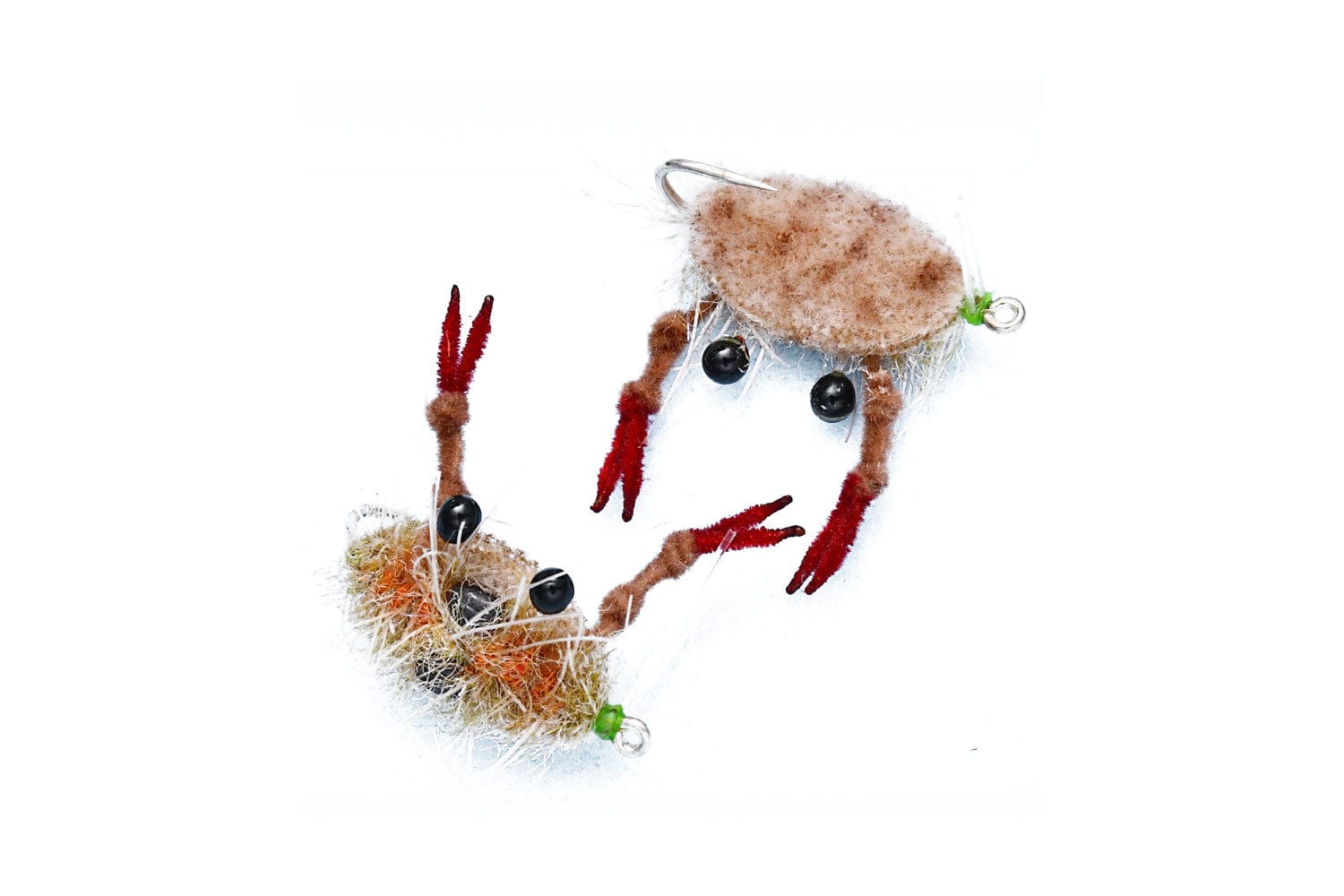
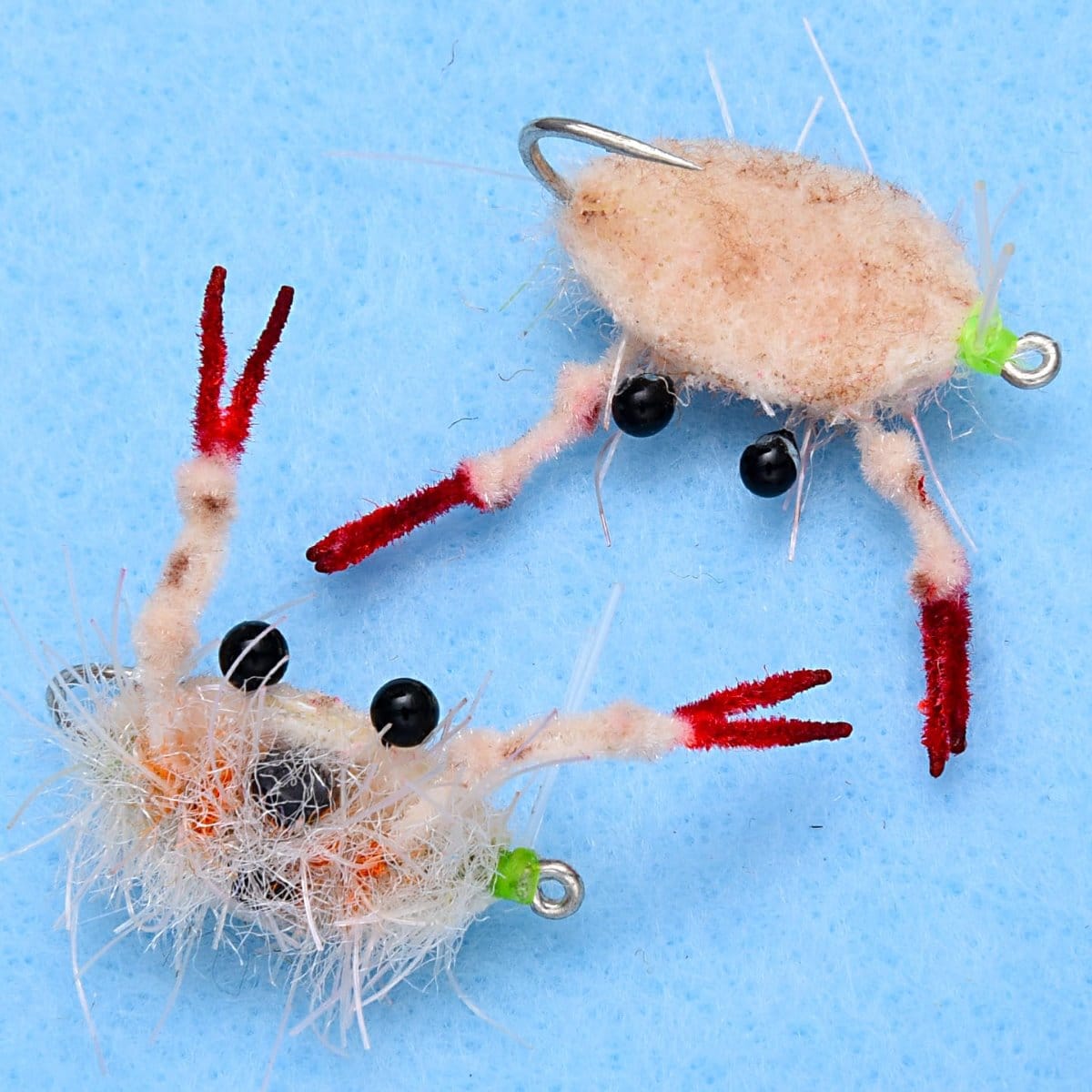
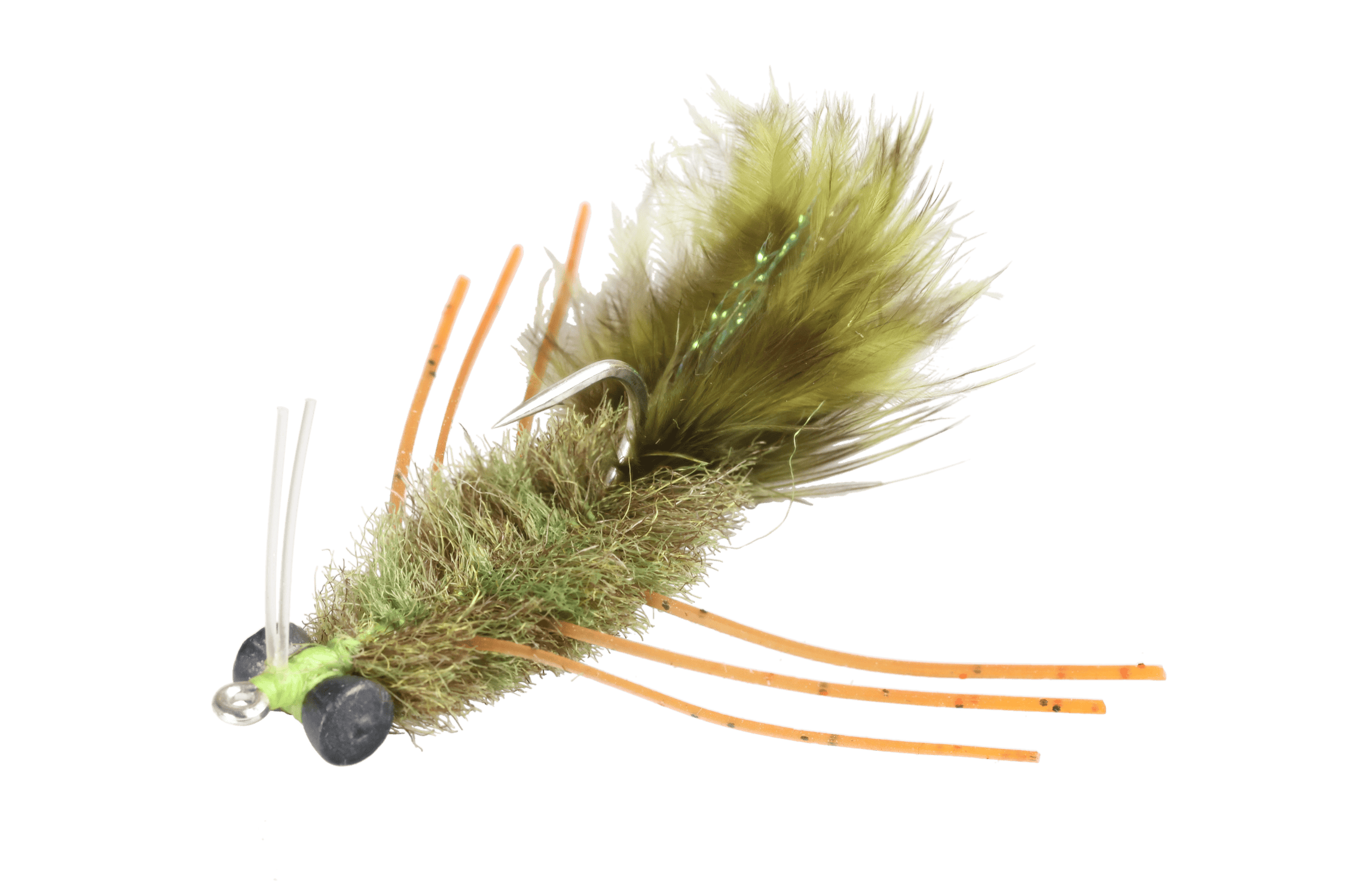
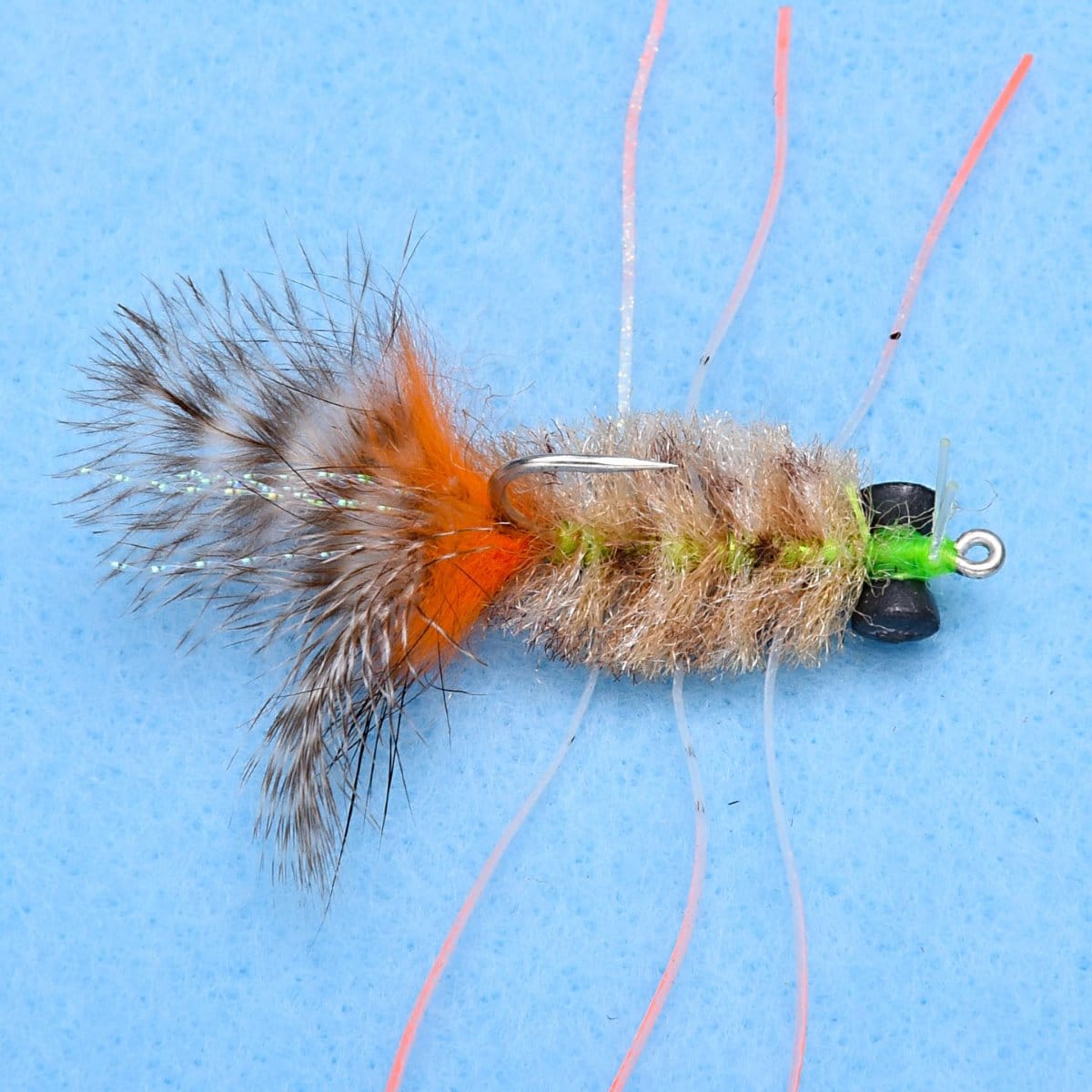
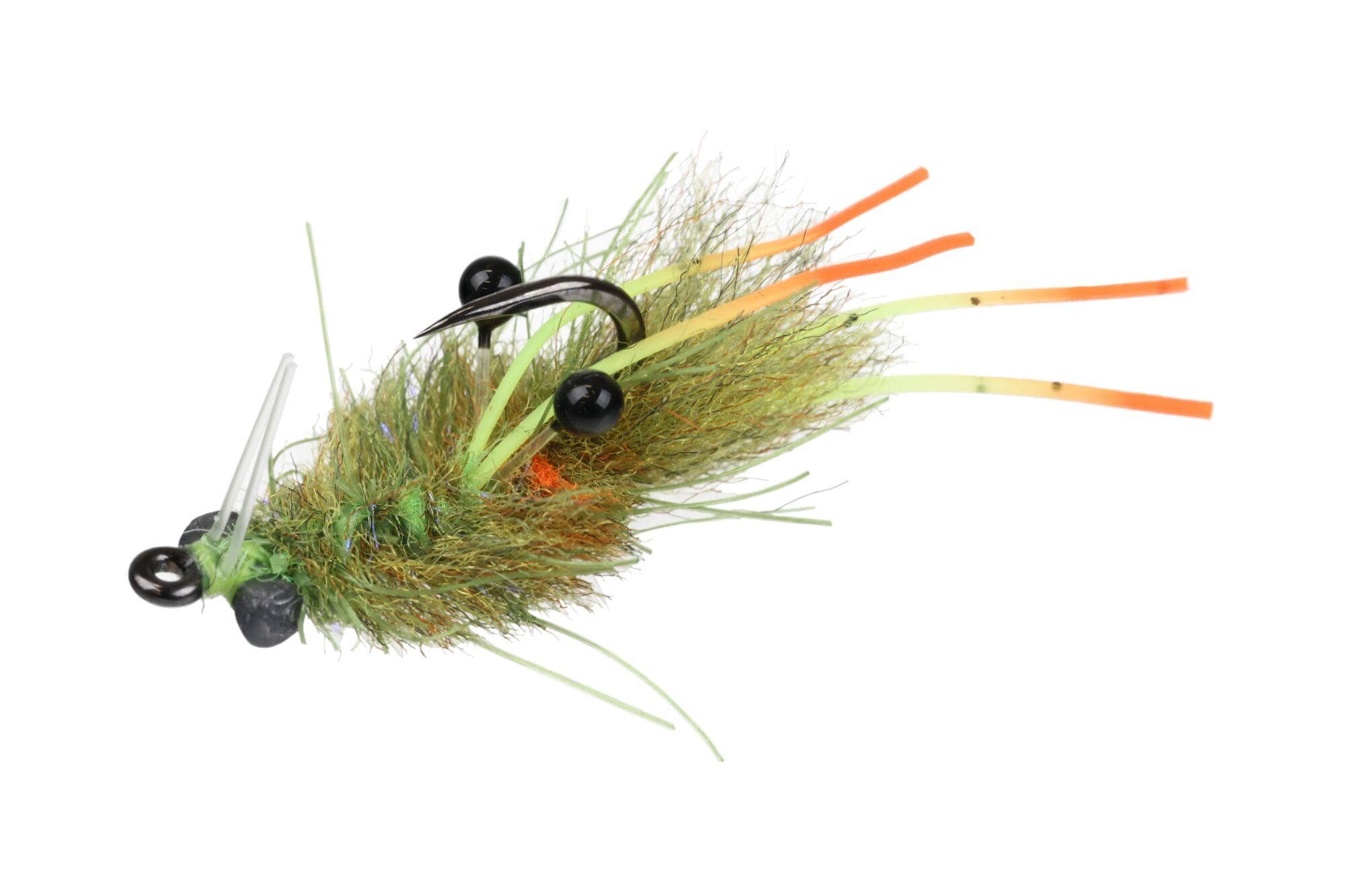
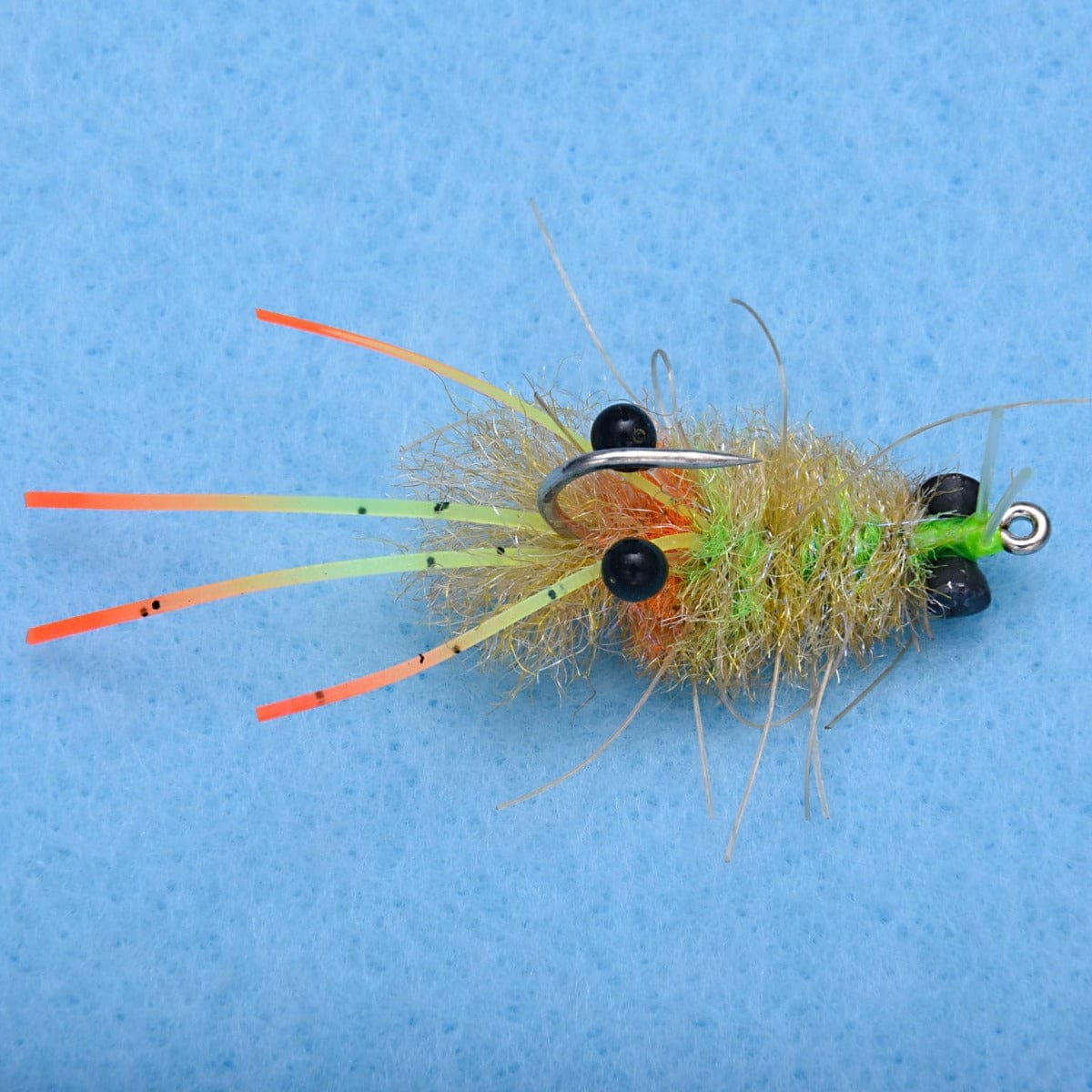
Best for Belize & Mexico: Bauer Crab - The gold standard for Caribbean permit, featuring heavy dumbbell eyes to reach the bottom quickly where fish feed. Its realistic profile and prominent claws trigger aggressive strikes from tailing fish.
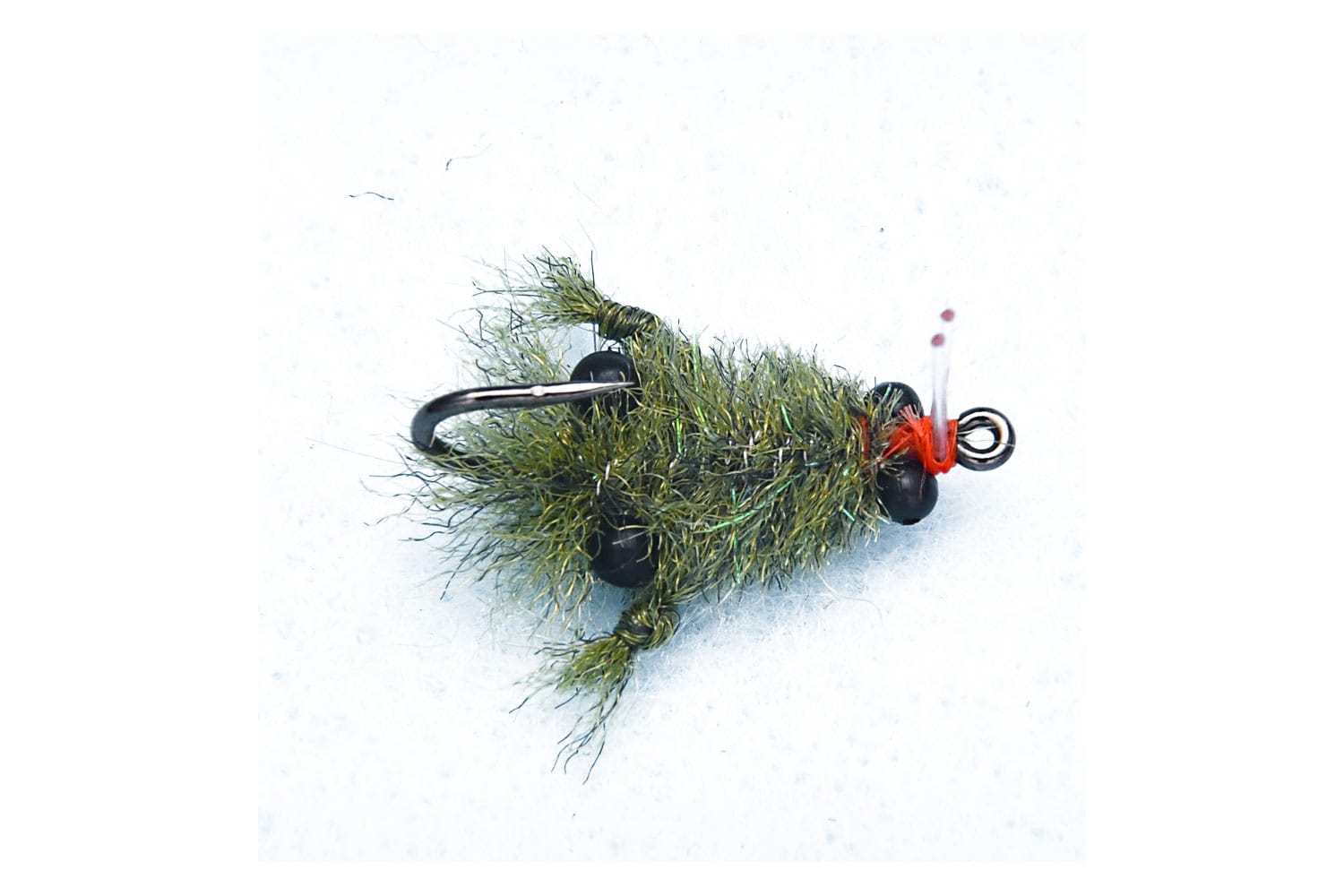
Best for Indo-Pacific: Alphlexo Crab - Designed for the Seychelles and Australia, this durable pattern uses a flexo-tubing body to withstand coral abrasion. It sinks correctly and maintains its shape even after multiple refusals.
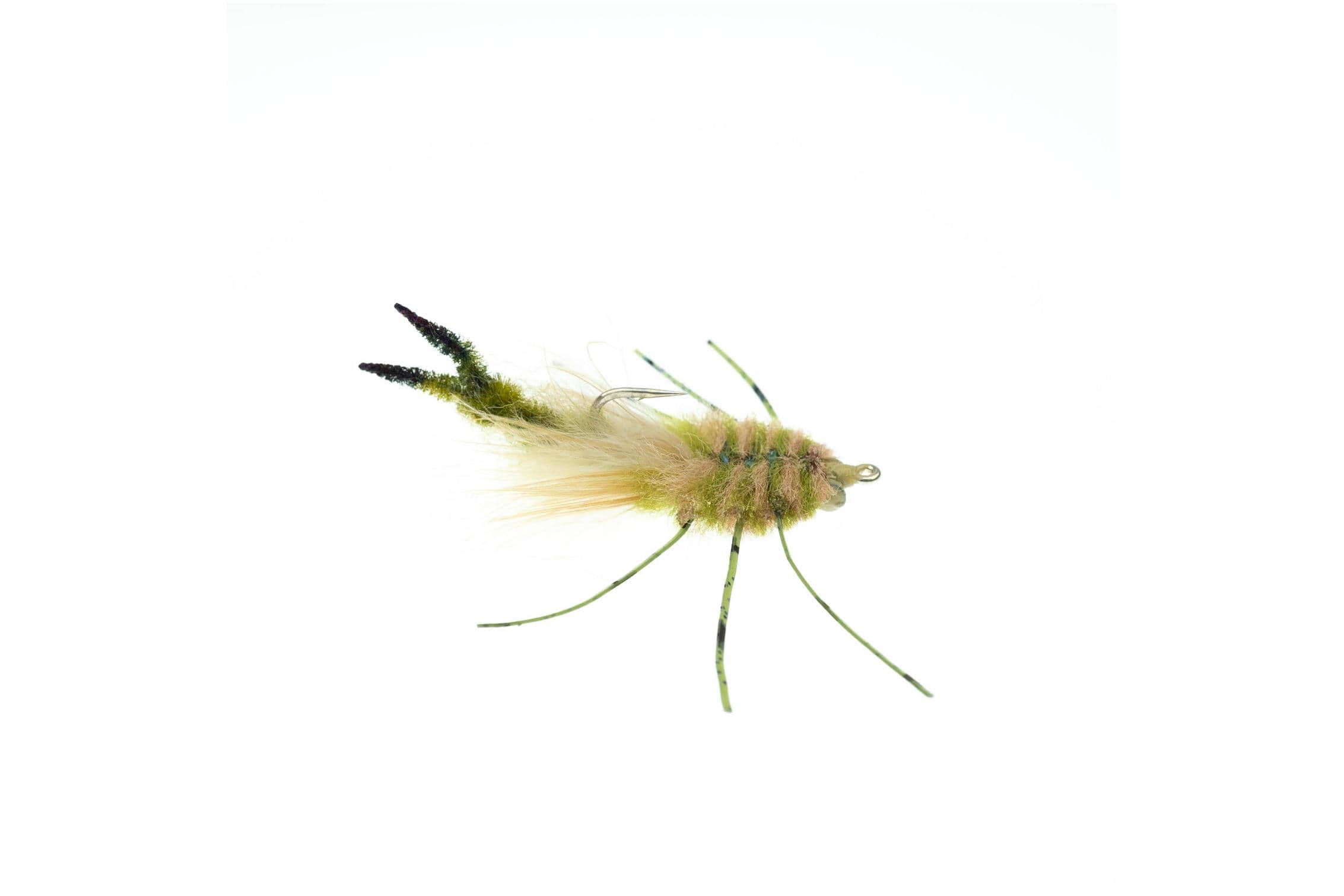
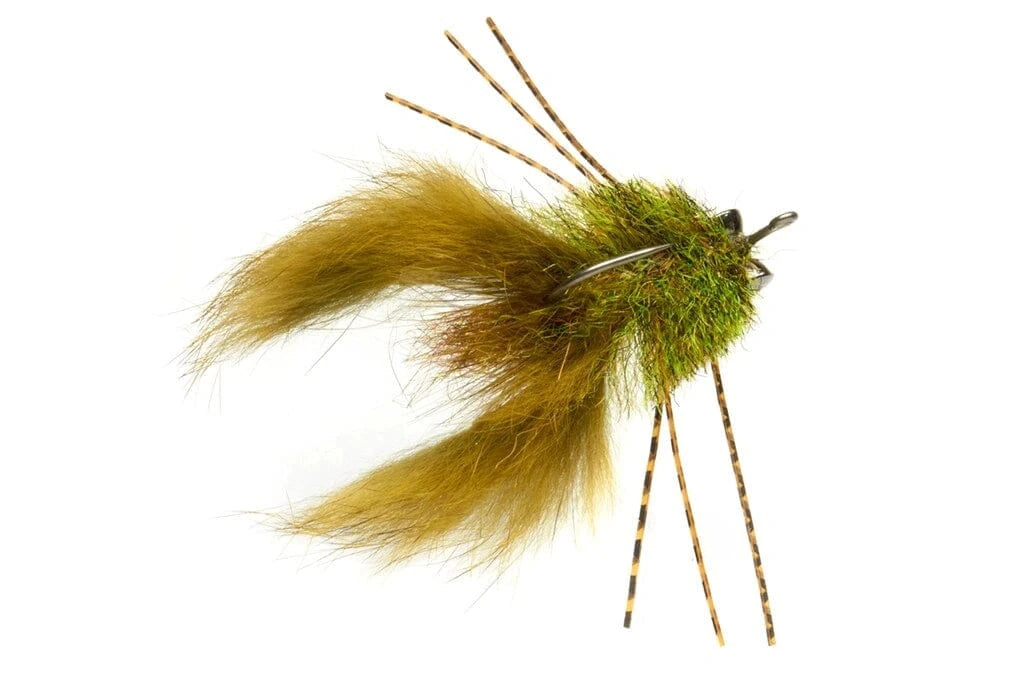
Best All-Around Crab: Raghead Crab - A versatile pattern available in multiple weights and colors to match any flat bottom. The built-in weed guard allows you to strip it through turtle grass without snagging.
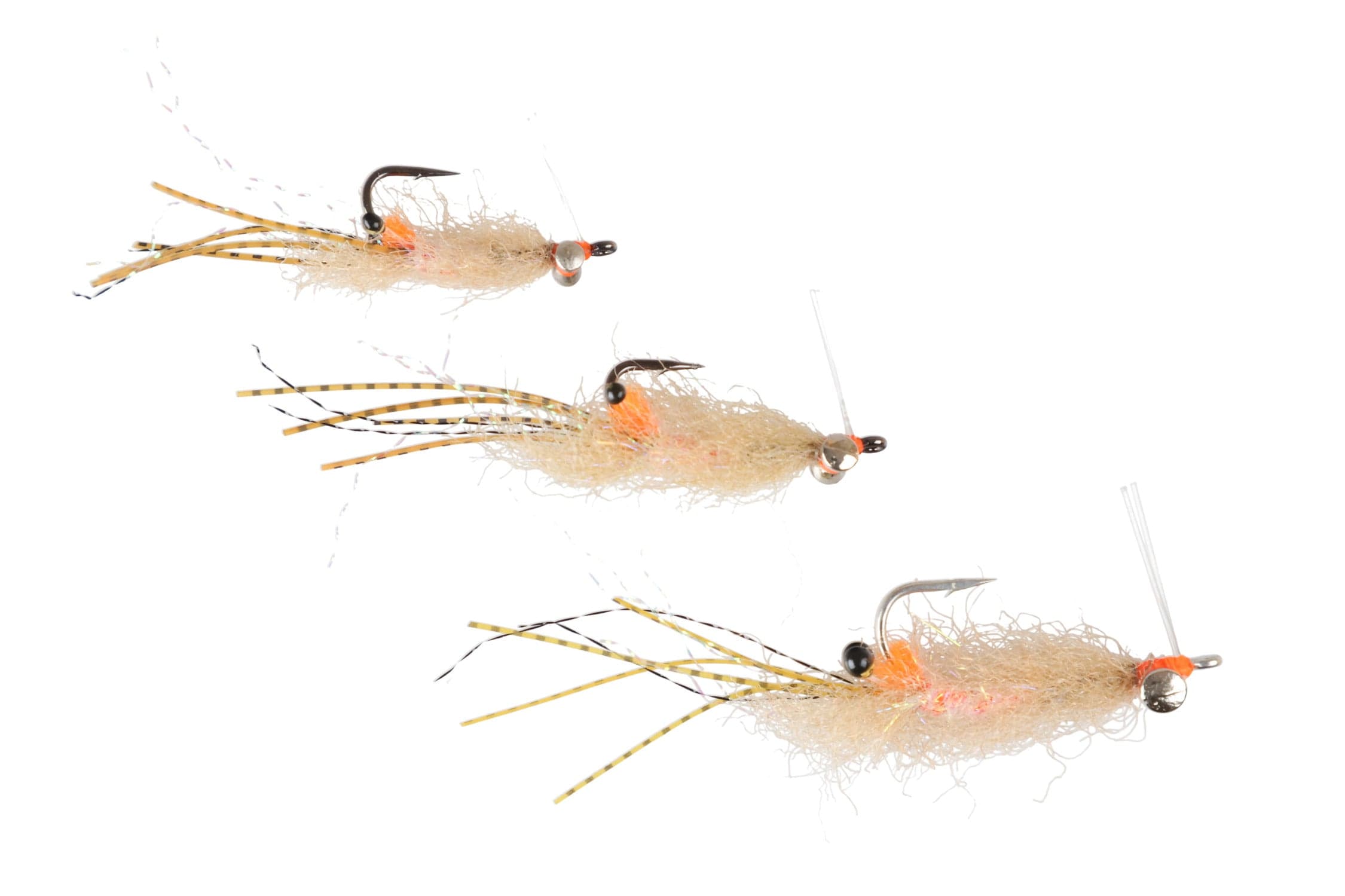
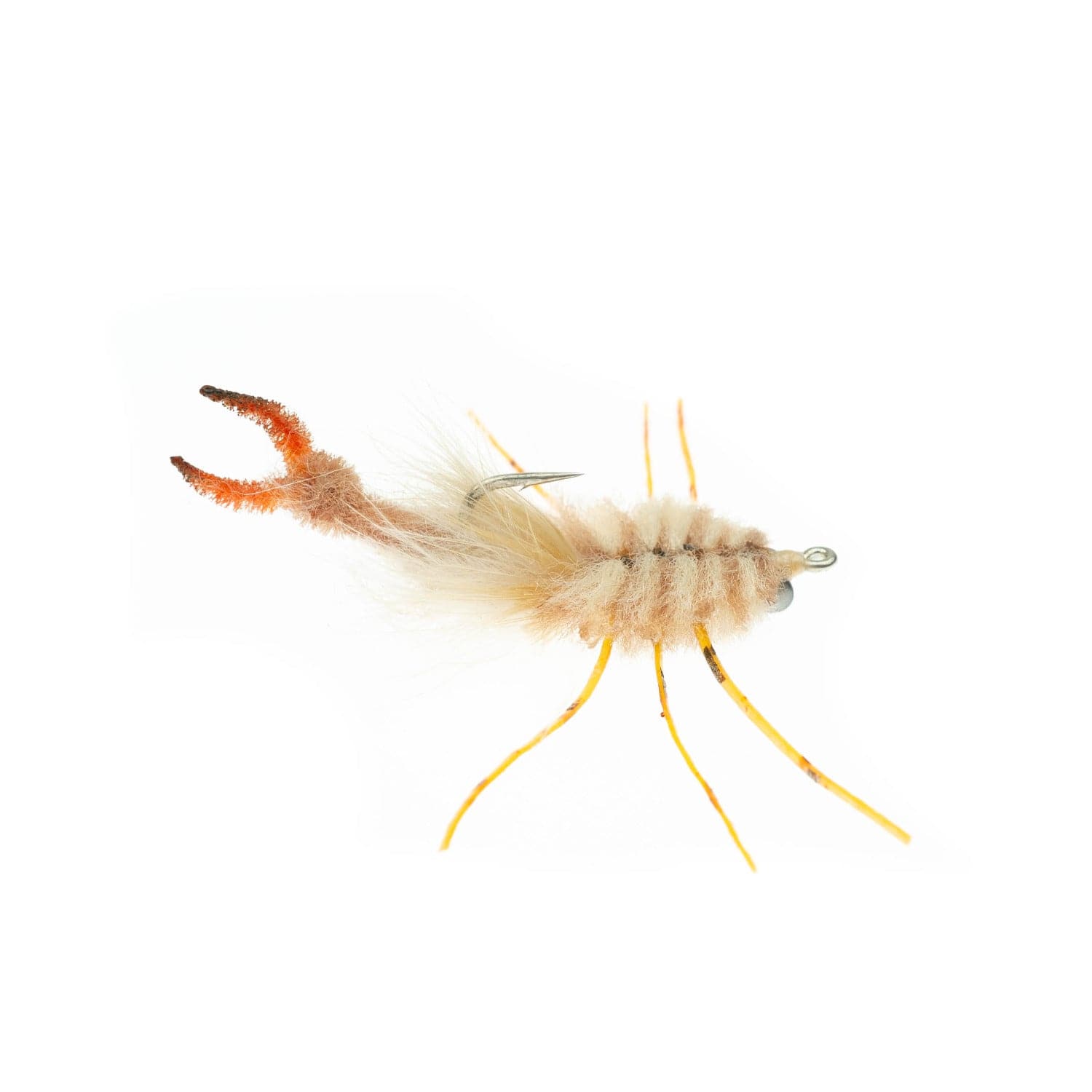
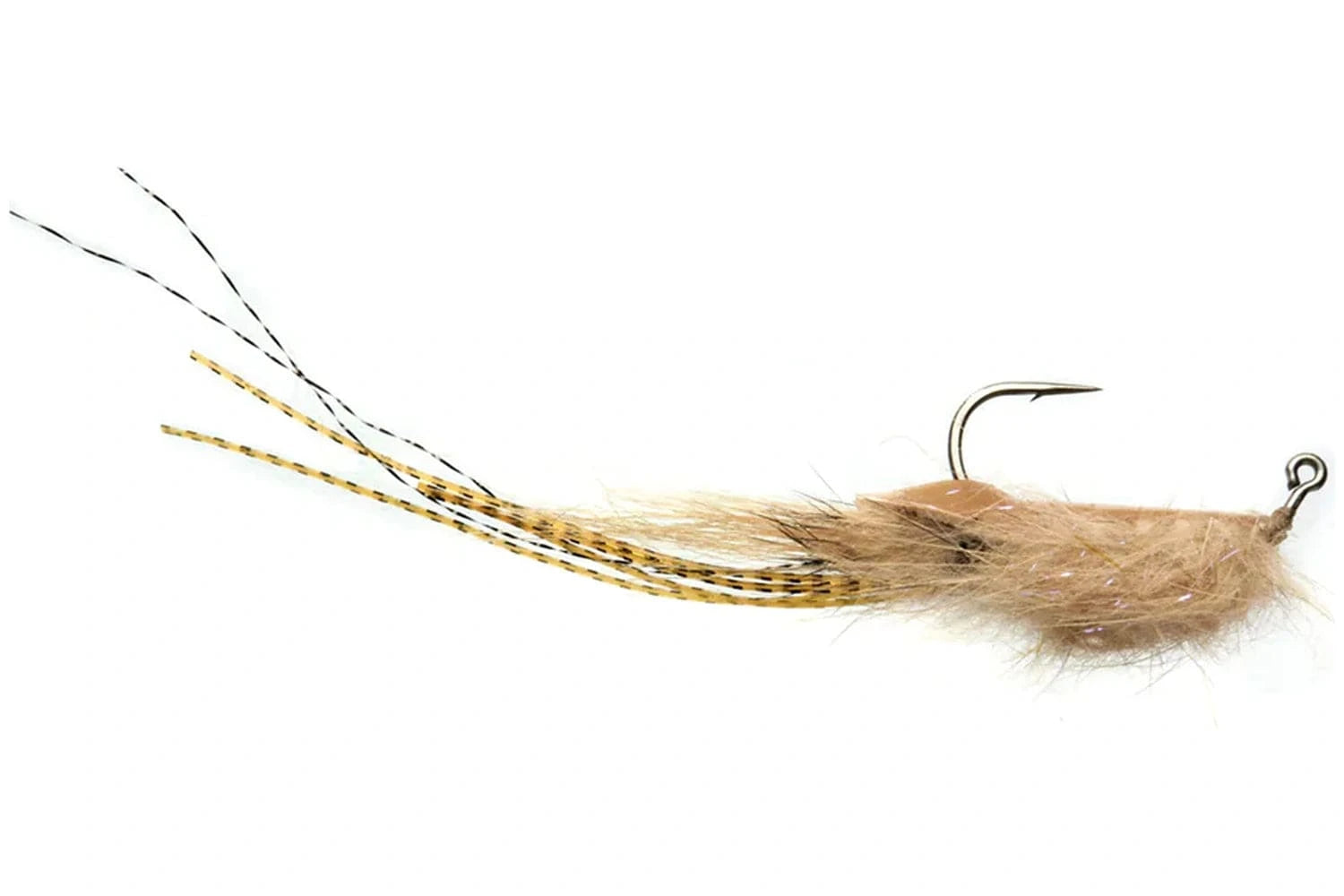
Best Shrimp Imitation: EP Spawning Shrimp - Essential when permit are keying on shrimp rather than crabs. The synthetic fibers provide lifelike movement and translucency that fools wary fish in clear water.
Best Keel-Style Fly: Strong Arm Merkin - Features a unique claw design that acts as a keel, ensuring the fly always lands hook-point up. This stability is critical for making accurate presentations to cruising fish.
How to Choose Permit Flies
Selecting the right fly for permit is often the difference between a refusal and a hookup. These notoriously picky fish require precise presentations with patterns that match the local forage and conditions.
Weight and Sink Rate
Heavy (Lead/Tungsten Eyes): Essential for deeper flats or strong currents where you need the fly to get to the bottom instantly. Permit often feed with their tails out of the water, looking down, so your fly must be on the bottom to be seen.
Medium (Bead Chain): Ideal for shallow water (1-3 feet) where a loud splash might spook fish. These land softer and sink slower, giving you more time to position the fly.
Unweighted: Rarely used for permit unless they are tailing in extremely skinny water or floating in channels.
Color Selection
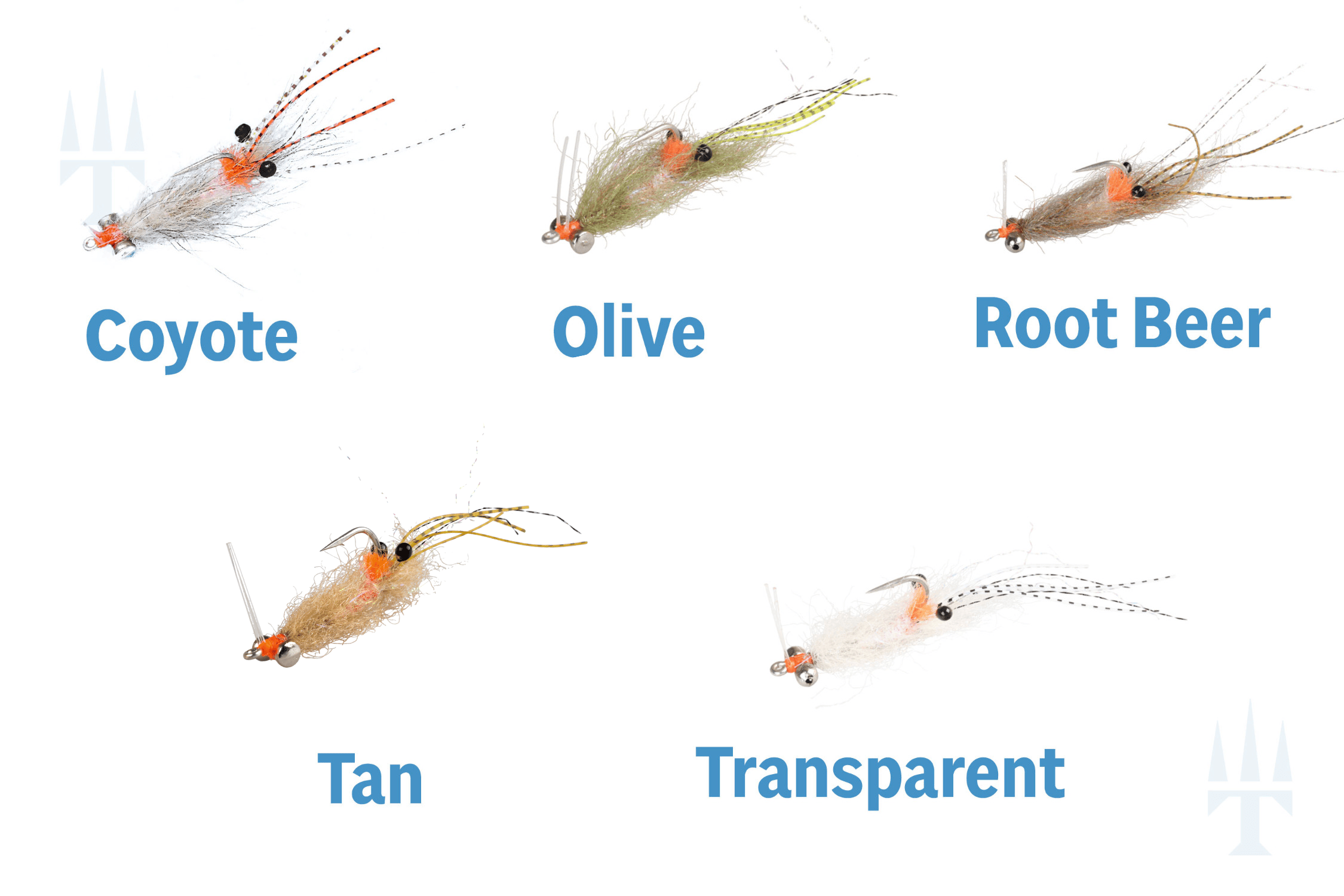
Match the Bottom: The golden rule of permit fishing is to blend your fly with the substrate. Use Tan/Sand patterns for sandy flats, Olive for turtle grass or darker bottoms, and White/Cream for white sand flats.
Contrast: Some patterns incorporate small hot spots (orange or yellow) to grab the fish's attention without looking unnatural.
Size and Profile
Most permit flies range from size #2 to #6. A good rule of thumb is to carry patterns in three sizes: roughly the size of a dime, a nickel, and a quarter. Smaller flies work better in calm, clear conditions, while larger profiles are necessary in choppy water or for larger fish.
Materials & Durability
Rinse Freshwater: Saltwater is highly corrosive. Always rinse your flies with fresh water after a trip and let them dry completely before closing your box to prevent hook rust.
Check Hook Points: Permit have tough, rubbery mouths. Inspect your hook point frequently and sharpen it after every snag or catch to ensure solid penetration.
Weed Guards: Many permit flies come with mono weed guards. Keep these intact when fishing grassy areas, but you can clip them off for open sand flats if you prefer a cleaner hook set.
Complete Your Setup
Related Gear
Saltwater Fly Rods - Fast-action rods in 9wt or 10wt are standard for delivering heavy crab flies into the wind.
Saltwater Fly Lines - Tropical floating lines with aggressive tapers help turn over bulky permit patterns.
Fluorocarbon Tippet - Abrasion-resistant fluorocarbon (12lb-20lb) is mandatory for invisible presentations and surviving coral rub.
Bonefish Flies - Permit often share the flats with bonefish, so keep a selection of Gotchas and Charlies handy.
Related Guides
Permit Flies FAQs
Q: What is the most important factor in choosing a permit fly?
A: Sink rate is critical. You must choose a fly with the right weight (lead eyes vs. bead chain) to reach the bottom quickly without spooking the fish upon entry.
Q: Do I need specific flies for Belize vs. Mexico?
A: While many patterns work in both, Belize permit often favor smaller crabs like the Bauer Crab in sizes #4-6, while Mexico permit may take larger patterns. Always carry a range of sizes.
Q: Should I use a weed guard on my permit flies?
A: Yes, if you are fishing over turtle grass or mixed bottoms. A weed guard prevents the hook from snagging vegetation, which ruins the presentation and can spook the fish.
Q: What is the difference between a bonefish fly and a permit fly?
A: Permit flies are generally larger, heavier, and designed to imitate crabs, whereas bonefish flies are smaller, lighter, and typically imitate shrimp.
Q: How do I store my saltwater flies?
A: Use a slit-foam fly box that holds hooks securely. Ensure the box is ventilated or leave it open after rinsing your flies to allow moisture to escape and prevent rust.