

Bolivia
Pluma Lodge
Request a Reservation
Thanks for your interest in Pluma Lodge. Fill out the form below and our team will contact you shortly to discuss availability and details.
Email the travel team
How do you want to send it?
We've written the email for you. Add your dates and it's ready to send.
Trip Summary
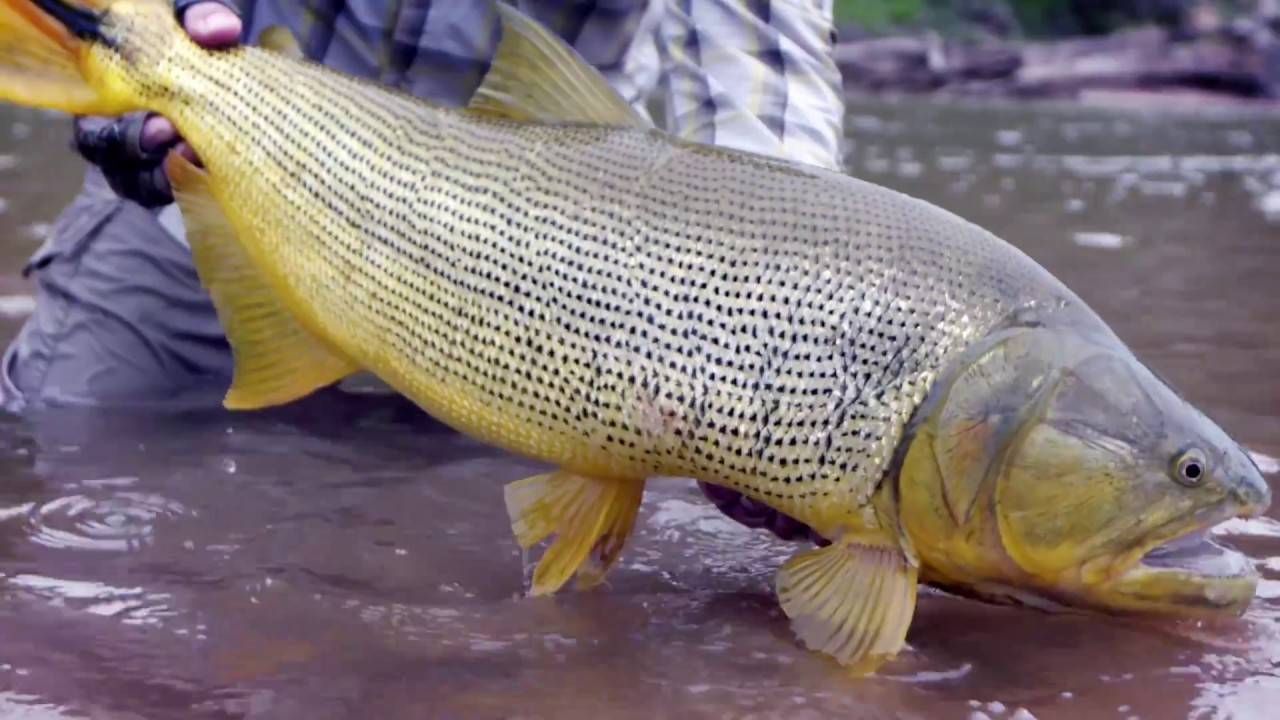
Pluma Lodge is Tsimane’s most varied lodge-based Golden Dorado program, situated where the Andean foothills meet the Amazon rainforest inside Bolivia’s Isiboro Sécure National Park and Indigenous Territory. The standard trip combines seven nights at the lodge, two hotel nights in Santa Cruz, and six full fishing days, with each pair of anglers supported by a professional guide and two Indigenous guides. Dugout canoes and extensive walking provide access to the upper and lower Pluma, Itirizama, and lower Sécure, encompassing clear mountain streams, boulder-strewn pocket water, deep migratory pools, and larger baitfish-rich channels. Golden Dorado are the principal target, while Pacu, Yatorana, and occasional Surubí add variety. Classic, Hybrid, and Full Heli packages allow anglers to choose between conventional river access and remote headwater fishing by helicopter.
Who's It For?
Diverse jungle river access
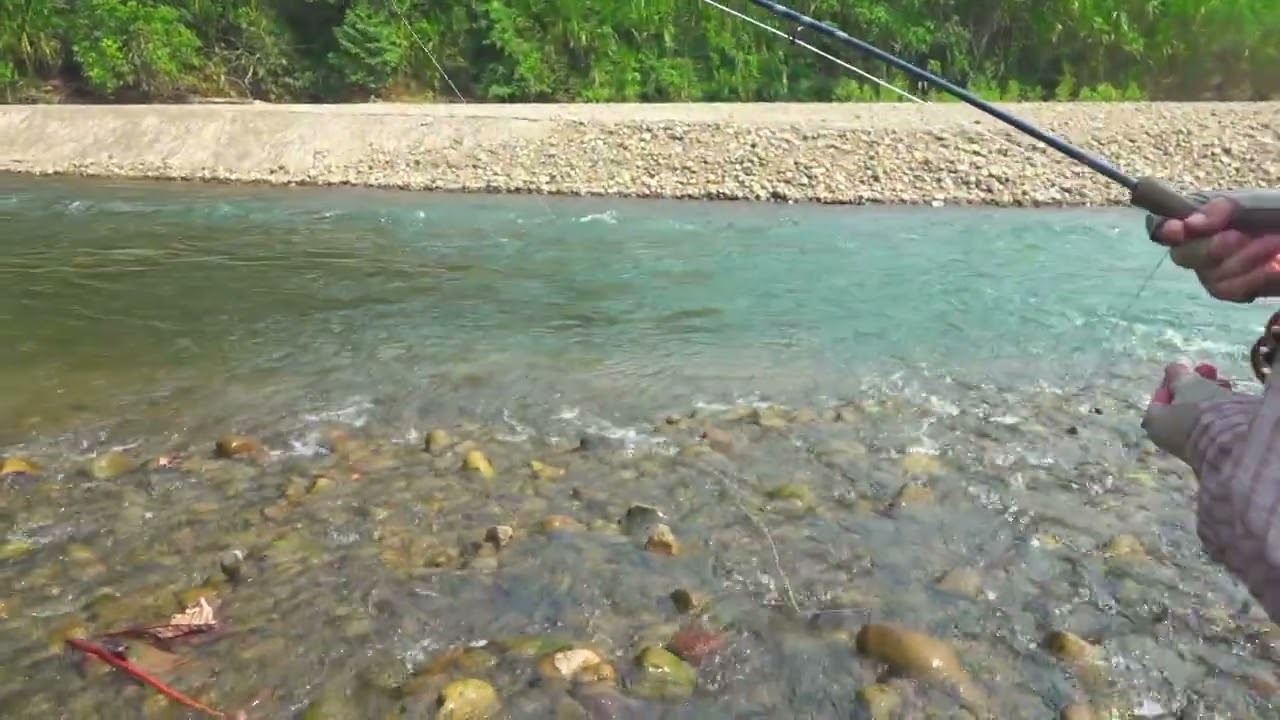
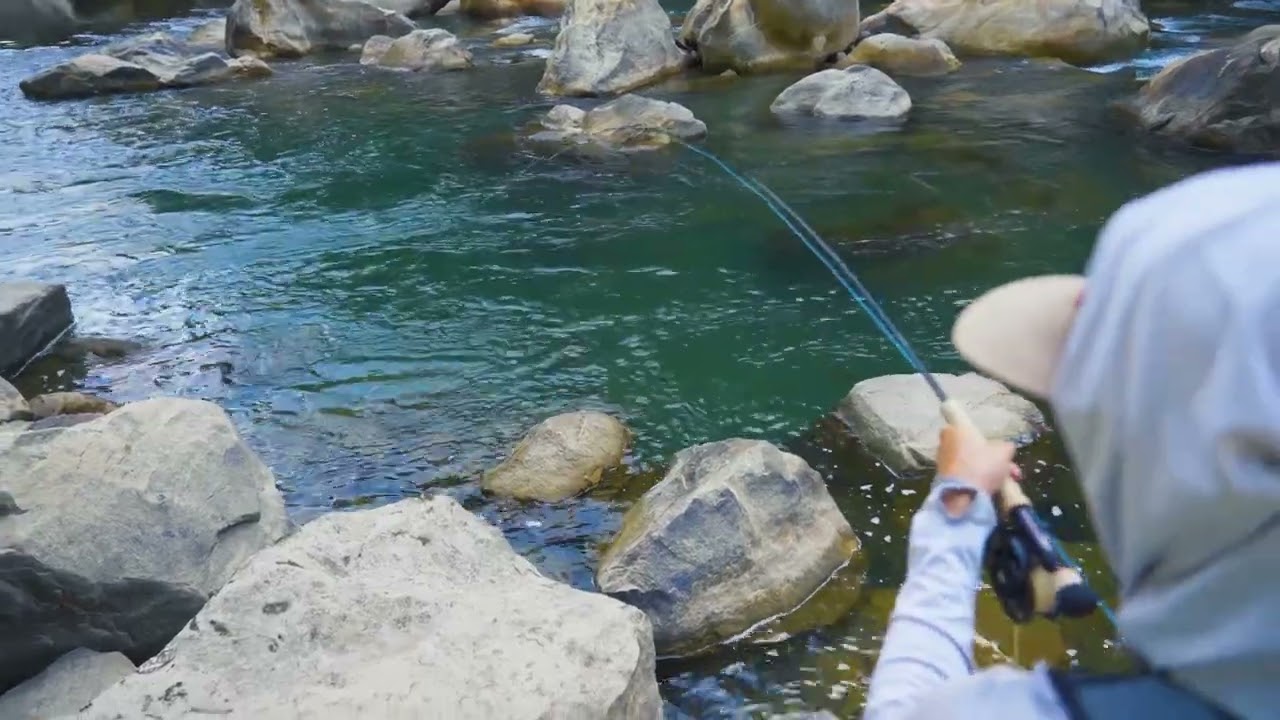
Pluma Lodge accesses the upper and lower Pluma, the rugged Itirizama, and the broader lower Sécure. These rivers range from gin-clear mountain water and boulder-filled pocket water to deep migratory pools, woody structure, sandy channels, and baitfish-rich confluences.
Technical Golden Dorado fishing
Anglers sight-fish to Golden Dorado in clear water, cover structure with large streamers, and occasionally encounter explosive feeding frenzies around migrating baitfish. The fishing rewards accurate casting, disciplined line management, strong strip-sets, and the ability to change presentations quickly.
Classic, Hybrid, and Full Heli programs
The Classic program accesses the fishery by dugout canoe and on foot. The Hybrid package combines three conventional fishing days with three helicopter-assisted days, while the Full Heli program uses helicopters throughout the fishing week to reach remote headwaters and isolated tributaries.
Indigenous expertise and refined comfort
Each fishing pair is supported by a professional guide and two Indigenous guides whose river knowledge is central to the program. Private single-occupancy rooms, excellent cuisine, an open bar, daily laundry, and Starlink WiFi provide an unusually comfortable base within a remote jungle setting.
CHOOSE YOUR ADVENTURE
WHY BOOK WITH TRIDENT
- No Credit Card Fees
- Same Price as Booking Direct
- Earn Trident Rewards
Trident Travel's expert planning service is free of charge.
The rates below are the same as you would pay by booking directly with the lodge.
Rates and inclusions are subject to change at any time. Contact us for current pricing and availability.
2027
Classic Fishing Package
Single Occupancy / Shared Guide (Per Person)
7 Nights / 6 Fishing Days = $8,950
Indigenous Community and National Park Fee = $670
Total Per Person = $9,620
Hybrid Fishing Package
Single Occupancy / Shared Guide (Per Person)
7 Nights / 6 Fishing Days = $14,000
Indigenous Community and National Park Fee = $1,250
Total Per Person = $15,250
Full Heli Fishing Package
Single Occupancy / Shared Guide (Per Person)
7 Nights / 6 Fishing Days = $17,300
Indigenous Community and National Park Fee = $1,250
Total Per Person = $18,550
2028
Classic Fishing Package
Single Occupancy / Shared Guide (Per Person)
7 Nights / 6 Fishing Days = $9,850
Indigenous Community and National Park Fee = $670
Total Per Person = $10,520
Hybrid Fishing Package
Single Occupancy / Shared Guide (Per Person)
7 Nights / 6 Fishing Days = $15,000
Indigenous Community and National Park Fee = $1,250
Total Per Person = $16,250
Full Heli Fishing Package
Single Occupancy / Shared Guide (Per Person)
7 Nights / 6 Fishing Days = $18,500
Indigenous Community and National Park Fee = $1,250
Total Per Person = $19,750
What's Included:
- Seven nights of single-occupancy accommodations at Pluma Lodge
- Six full days of guided fishing with two anglers per professional guide
- Support from Indigenous guides and boatmen
- Helicopter fishing days included with the selected Hybrid or Full Heli package
- Round-trip charter flights between Santa Cruz and the Indigenous territory
- Motorized dugout canoe transfers between the airstrip and lodge
- Scheduled airport, hotel, and charter-terminal transfers in Santa Cruz
- Two hotel nights in Santa Cruz, normally based on double occupancy
- Breakfast at the Santa Cruz hotel
- All meals, snacks, non-alcoholic beverages, beer, wine, and spirits at the lodge
- Daily laundry service
- Starlink WiFi
- Applicable taxes
What's Not Included:
- Mandatory Indigenous Community and National Park fee listed above
- International airfare to and from Santa Cruz, Bolivia
- Meals and beverages in Santa Cruz other than included hotel breakfasts
- Additional hotels, tours, or ground transportation outside the scheduled itinerary
- Excess or oversized charter baggage charges
- Rods, reels, lines, flies, leaders, and other personal fishing equipment
- Gratuities for professional guides, Indigenous guides, and lodge staff
- Massage services and satellite phone use
- Passport, entry-document, vaccination, and medical expenses
- Personal purchases and incidental expenses
- Travel insurance and emergency medical evacuation coverage
Gallery


Seasonal Fishing
Calendar
The opening portion of the season often brings slightly higher water, cooler mornings, and active baitfish migrations. Fresh Golden Dorado may move through the system in response to migrating sábalo, while higher flows can encourage aggressive streamer fishing. Residual rainfall may occasionally affect water clarity, so anglers should arrive prepared for both clear-water sight fishing and heavier presentations.
The middle of the dry season generally produces the most stable range of river conditions and access options. Anglers may encounter everything from clear-water sight fishing and large streamer presentations to surface opportunities for Pacu and Yatorana. Short-lived southern cold fronts can reduce temperatures and activity, but this is traditionally the most consistently requested portion of the season.
Rivers commonly become lower, warmer, and clearer as the dry season progresses. Dorado may require more accurate casting, careful approaches, and smaller or more natural flies, while Pacu and Yatorana can provide excellent surface opportunities around fruit, insects, and terrestrial activity. Late-season heat and isolated storms remain possible, and helicopter access continues only while weather and river conditions permit.
Lodging & Accommodations

Accommodations
Pluma Lodge provides every guest with a private single-occupancy room or cabin featuring a queen-size bed, en-suite bathroom, hot shower, electricity, storage, and mosquito netting. Daily housekeeping and laundry service are included. The central lodge contains comfortable dining and lounge areas, a full bar, a fly shop, massage facilities, and outdoor spaces overlooking the surrounding jungle. Exact guest capacity varies between the Classic, Hybrid, and Full Heli configurations.
Food
Pluma’s culinary program combines international dishes with Bolivian and Argentine influences. Fishing days begin with a substantial breakfast, followed by a packed riverside lunch carried in insulated coolers. Appetizers and cocktails are served after fishing, with a multi-course dinner completing the day. Beer, wine, spirits, and non-alcoholic beverages are included at the lodge. Dietary restrictions should be communicated well before arrival.
Connectivity
Complimentary Starlink WiFi is available at Pluma Lodge and is generally suitable for messaging, email, and routine internet use. There is no dependable cellular service, and bandwidth can slow during weather or periods of heavy use. Satellite communication is maintained for operational and emergency purposes, with personal calls potentially subject to a fee. Guests should download essential documents before traveling and should not depend on uninterrupted connectivity.
Target Species

Golden Dorado

Pacu

Surubí
11-Day Itinerary
Each day is carefully planned to maximize your fishing success while experiencing the best of what this destination has to offer. Itineraries are flexible based on conditions and guest preferences.
Pluma Lodge fishing weeks normally run from Saturday to Saturday. Most travelers depart home on Thursday and arrive at Viru Viru International Airport (VVI) in Santa Cruz on Friday. A representative will meet you for the transfer to the included hotel. The remainder of Friday is available to rest, explore Santa Cruz, and prepare for the following morning’s charter flight.
After breakfast on Saturday, you will transfer to the domestic charter terminal for the approximately 90-minute flight into the Indigenous territory. Upon landing at a remote community airstrip, the Pluma team will transfer guests and baggage to motorized dugout canoes for the journey to the lodge. After arrival, you will settle into your room, meet the guide team, attend an orientation, and prepare tackle for the week.
Each pair of anglers fishes with one professional guide and two Indigenous guides. Fishing locations may include the upper and lower Pluma, Itirizama, and lower Sécure, with daily assignments based on river levels, clarity, fish movement, and the selected package. Most days combine dugout canoe travel with extensive walking and wet wading. Lunch is served on the river, and anglers generally return to the lodge in the late afternoon for drinks, appetizers, dinner, and tackle preparation. Hybrid and Full Heli guests use helicopters on designated days to reach remote headwaters and tributaries, subject to safe flying conditions.
After breakfast on Saturday, guests travel by dugout canoe to the airstrip and board the charter flight to Santa Cruz. A representative will provide the transfer to the included hotel, where you will spend the final night. Because jungle weather can affect charter operations, international flights should not be scheduled too close to the anticipated return from Pluma.
After breakfast, you will transfer to Viru Viru International Airport for your return flight home. Travelers with less flexible international schedules may choose to add another night in Santa Cruz as additional protection against weather or charter delays.
Frequently Asked Questions
GET IN TOUCHThe Classic program uses motorized dugout canoes and extensive walking to fish the main Pluma system, Itirizama, and lower Sécure. The Hybrid program normally combines three conventional fishing days with three helicopter-assisted days. The Full Heli program uses helicopters throughout the fishing week to access remote headwaters and isolated tributaries. Helicopters expand access but do not eliminate the effects of rainfall, river conditions, visibility, or other operational considerations.
Pluma’s season generally runs from late May through October. Late May and June can bring higher water, cooler mornings, and active baitfish migrations. July and August usually offer the broadest range of stable conditions and fishing styles. September and October often bring lower, clearer water, more technical Dorado fishing, and strong surface opportunities for Pacu and Yatorana. No period guarantees better fishing because rainfall, water temperature, clarity, and fish movement remain decisive.
The core program includes the upper and lower Pluma, the Itirizama, and sections of the lower Sécure. The upper Pluma offers clear freestone water, boulders, riffles, and compact pools. The lower Pluma carries more volume and includes deeper migratory holding water. The steep and rugged Itirizama can be technically demanding but holds large Dorado and Pacu. The lower Sécure is broader and more colored, with submerged timber, confluences, and abundant baitfish.
Pluma should be approached as a quality-driven jungle fishing program rather than a predictable numbers trip. Productive days may generate several Dorado encounters, while other sessions can be quiet due to fish movement, water conditions, or missed opportunities. Fish in the single digits and teens make up much of the catch, with legitimate chances at Dorado exceeding 20 pounds. Strong casting and presentation can materially improve results, but no catch rate or fish size should be treated as guaranteed.
Pluma’s tributaries can rise and discolor quickly after heavy rain, but individual drainages may respond differently. Guides may move upstream toward clearer water, switch rivers, or change from sight fishing to heavier streamer presentations. If widespread rainfall affects the entire system, some fishing time may be lost while rivers recover. Helicopter programs also depend on safe visibility and flying conditions, so heli access cannot guarantee an alternative during severe weather.
A fast-action 9-weight is the most versatile primary rod, with an 8- or 9-weight backup already rigged for a different presentation. Reels should have dependable sealed drags and at least 200 yards of 30-pound backing. A tropical floating line handles most clear-water and surface situations, while an intermediate or sink-tip setup is valuable for deeper pools, heavier current, and large streamers. Some anglers bring a 10-weight for especially large flies or heavy lower-river work.
Large Andino Deceivers, Tarpon Snakes, Intruder-style flies, baitfish patterns, and dark streamers in approximately sizes 2/0 through 4/0 form the core Dorado selection. Poppers, mice, fruit patterns, and terrestrials cover surface opportunities. Leaders are generally short and powerful, commonly 7 to 9 feet with 40- to 50-pound hard mono or fluorocarbon and 30- to 50-pound knotable wire. Flies should use extremely strong, sharp hooks, and anglers must strip-set with the rod held low.
Pluma is an active fishing program that frequently involves wet wading, repeated canoe entry and exit, uneven boulders, slippery banks, heat, and extended walking. The Itirizama and remote headwaters are particularly demanding. Guests should arrive with good balance and reasonable cardiovascular fitness. High-traction wet-wading boots are essential, and felt soles with carbide studs may be useful where permitted. Anglers with mobility limitations should discuss them before selecting a program.
Guests do not currently purchase a separate conventional fishing license. Instead, each package carries a mandatory Indigenous Community and National Park fee that supports authorized access, partner communities, and conservation work within the protected territory. The applicable fee depends on whether the guest books a Classic, Hybrid, or Full Heli package and is charged in addition to the package rate.
Guests normally arrive in Santa Cruz on Friday, overnight at the included hotel, and fly approximately 90 minutes by charter into the Indigenous territory on Saturday. A motorized dugout canoe completes the transfer to Pluma. The current operator planner lists a maximum baggage allowance of 25 kilograms per person, although some charter documents still specify 20 kilograms. Guests should use soft-sided luggage and follow the final weight limit supplied with their trip documents.
At the time of publication, U.S. citizens traveling to Bolivia for tourism for fewer than 90 days do not require a tourist visa. Rules vary by nationality and can change. Yellow Fever documentation is commonly required by the operator for travel into the lowland Indigenous territory, and travelers should consult a qualified travel-medicine provider well before departure. Insect protection, appropriate medications, comprehensive travel insurance, and emergency evacuation coverage are strongly recommended.
Medical emergencies and evacuations can happen in remote destinations, which is why we strongly recommend enrolling with Global Rescue before your trip. Global Rescue provides industry-leading medical and security evacuation services, and they also offer comprehensive travel insurance plans serviced through IMG. This all-in-one solution allows anglers to secure both emergency evacuation coverage and travel insurance through a single provider, helping ensure you’re protected if something unexpected occurs before or during your trip.
Trip Resources & Downloads