



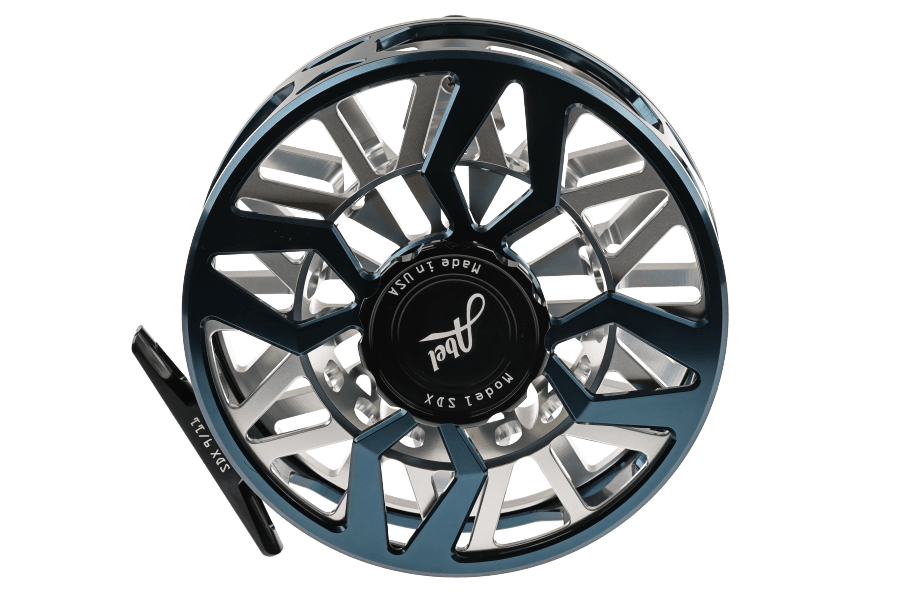


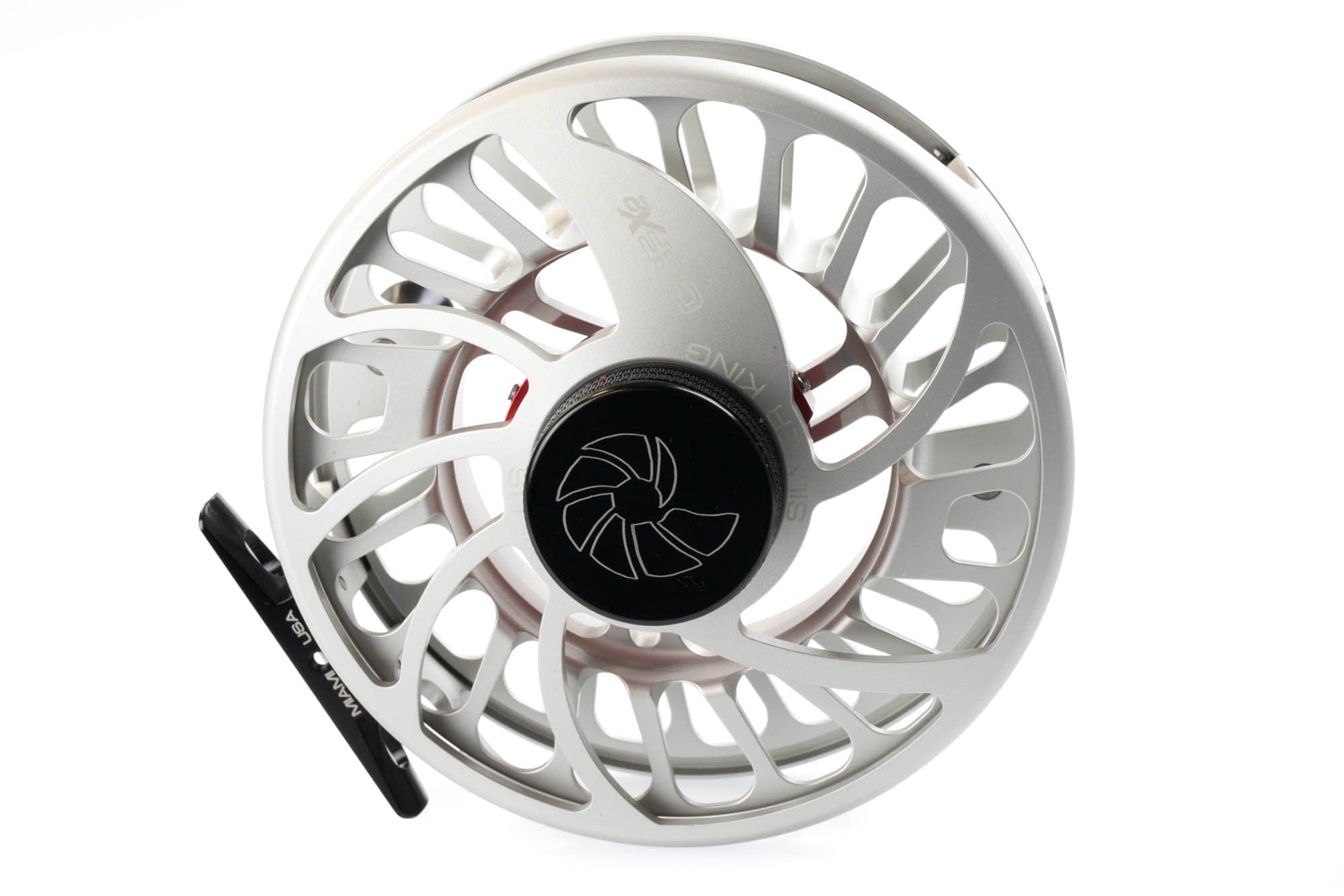
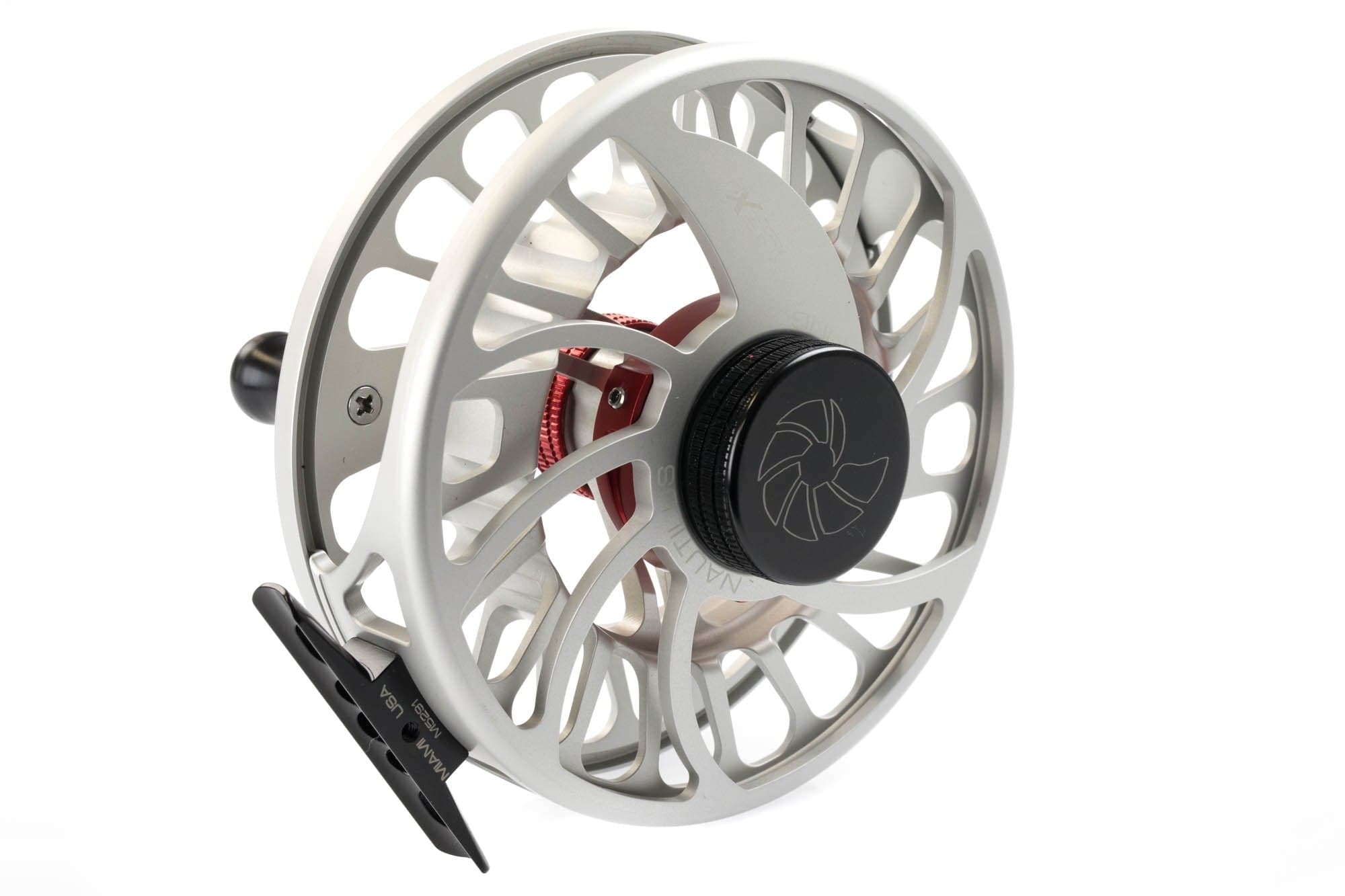


Shop tuna and billfish fly reels: heavy bluewater reels with sealed, high-torque drags and the capacity for long offshore fights.
Tuna & Billfish Fly Reels Quick Picks
Best premium bluewater reel: Mako 9700 Bluewater Fly Reel - Mako's largest reel is rated for 12wt lines and up and holds 410+ yards of 100lb braid behind a WF12. A fully sealed carbon fiber drag and a hand-calibrated build make it the reel for the trip you have been saving for.
Best for maximum stopping power: Nautilus GTX Fly Reel - The largest and strongest reel Nautilus builds, rated at line class 12 and up with over 25 pounds of published max drag. It holds 300 yards of 30lb Dacron behind a WF12, or 500 yards of 60lb braid.
Best value offshore reel: Redington Grande Fly Reel - A CNC-machined, anodized 6061 aluminum frame and a fully sealed disc drag, offered all the way up to 11/12/13 and 14+ sizes. A sensible way into bluewater fly fishing without a top-tier budget.
Best for the biggest pelagics: Tibor Pacific Fly Reel - The largest reel in the Tibor family, suited to 13-16wt rods and holding 600 yards of backing. Built for giant bluefin, black marlin and mako sharks.
How to Choose Tuna & Billfish Fly Reels
Maximum Drag You Can Actually Use
Offshore fish don't tire the way inshore fish do. A tuna will sound and circle under the boat, and a billfish can run, jump and greyhound across the surface for a long time. You need a sealed, high-torque drag with enough top-end pressure to lift a fish from deep water, and the smoothness to protect a class tippet when a marlin or sailfish lights up. The Mako 9700, for example, pairs a fully sealed carbon fiber drag with a calibrated one-turn-stop knob so you can return to a known setting mid-fight. Remember that the fish is pulling against your rod and line too, so use only as much drag as your tackle and leader can handle.
Heat Dissipation
Every yard a fish takes against the drag becomes heat. On a long bluewater fight, that heat builds up and can cause a drag to fade or start to stutter. Big game reels deal with this through larger drag surfaces and more drag material, which spread heat out instead of concentrating it. This is the main reason a dedicated offshore reel is heavier than a tarpon reel, and it is a worthwhile trade when the fish of the trip only eats once.
Backing Capacity
Plan on 400 yards or more of backing for tuna and billfish. Many offshore anglers fill the spool with gel spun or braid, which fits far more yards on the same reel than Dacron. Reels in this collection show the range: the Tibor Gulfstream holds 300 yards and suits 11-15wt rods for sailfish, cobia and big tarpon, while the Nautilus GTX holds up to 500 yards of braid and the Tibor Pacific 600 yards of backing for the fish that can empty a spool before the boat turns around.
Frame Strength and Line Weight
Tuna and billfish call for 12wt rods and heavier, with 14-16wt outfits common for giant bluefin and large marlin. The reel needs a rigid frame that keeps the spool running true under heavy drag, plus a handle and drag knob you can find quickly with wet hands. Small details make a difference here: the Mako Tournament's drag knob stands proud of the frame so you can turn it with a wet or gloved hand, and the Shilton SR is machined from 6082 T6 aluminum.
Offshore Tips
Tease, then cast: Billfish on fly are usually raised with hookless teasers. The crew pulls the teaser away as the fish follows it in, and you cast to the fish when it is lit up and close to the boat.
Set the drag before you leave the dock: Check your drag with a scale so you know the setting before the first fish shows up. Mid-fight is a bad time to guess.
Fight with your body, not your arms: Low rod angles and steady pressure from your legs and hips will land a big tuna faster than lifting with the rod tip.
Rinse thoroughly: Offshore reels sit in spray all day. Rinse with fresh water and dry with the spool removed after every trip, and back the drag off for storage.
Complete Your Setup
Saltwater Fly Rods - Heavy 12wt and up rods with the lifting power for deep-sounding fish.
Billfish Flies - Large, bright patterns for teased sailfish and marlin.
Fly Line Backing - Gel spun and Dacron backing to fill a big game spool.
Fly Lines - Sinking and floating lines for bluewater fishing.
Tuna & Billfish Fly Reels FAQs
Q: What weight fly reel do I need for tuna?
A: Start at 12wt for smaller tuna like blackfin and skipjack, and move to 14-16wt for yellowfin and bluefin of real size. Match the reel to the rod, and choose the larger reel when in doubt so you have more backing.
Q: How much backing should a bluewater reel hold?
A: At least 400 yards is a good target for tuna and billfish. Gel spun or braid lets you fit that much on a reel that would hold far less Dacron.
Q: Can I use a tarpon reel offshore?
A: A 12wt tarpon reel can handle sailfish and smaller tuna, but large tuna and marlin are a different problem. They need more backing and a drag built to manage heat over a long fight, which is what the largest reels on this page are designed for.
Q: Why are offshore fly reels so heavy?
A: Weight goes into a bigger spool for backing, larger drag surfaces to handle heat, and a stronger frame. On a heavy rod, that weight is rarely a problem, and it pays off when a fish runs for a long time.