





















Zebra Midge Flies Quick Picks
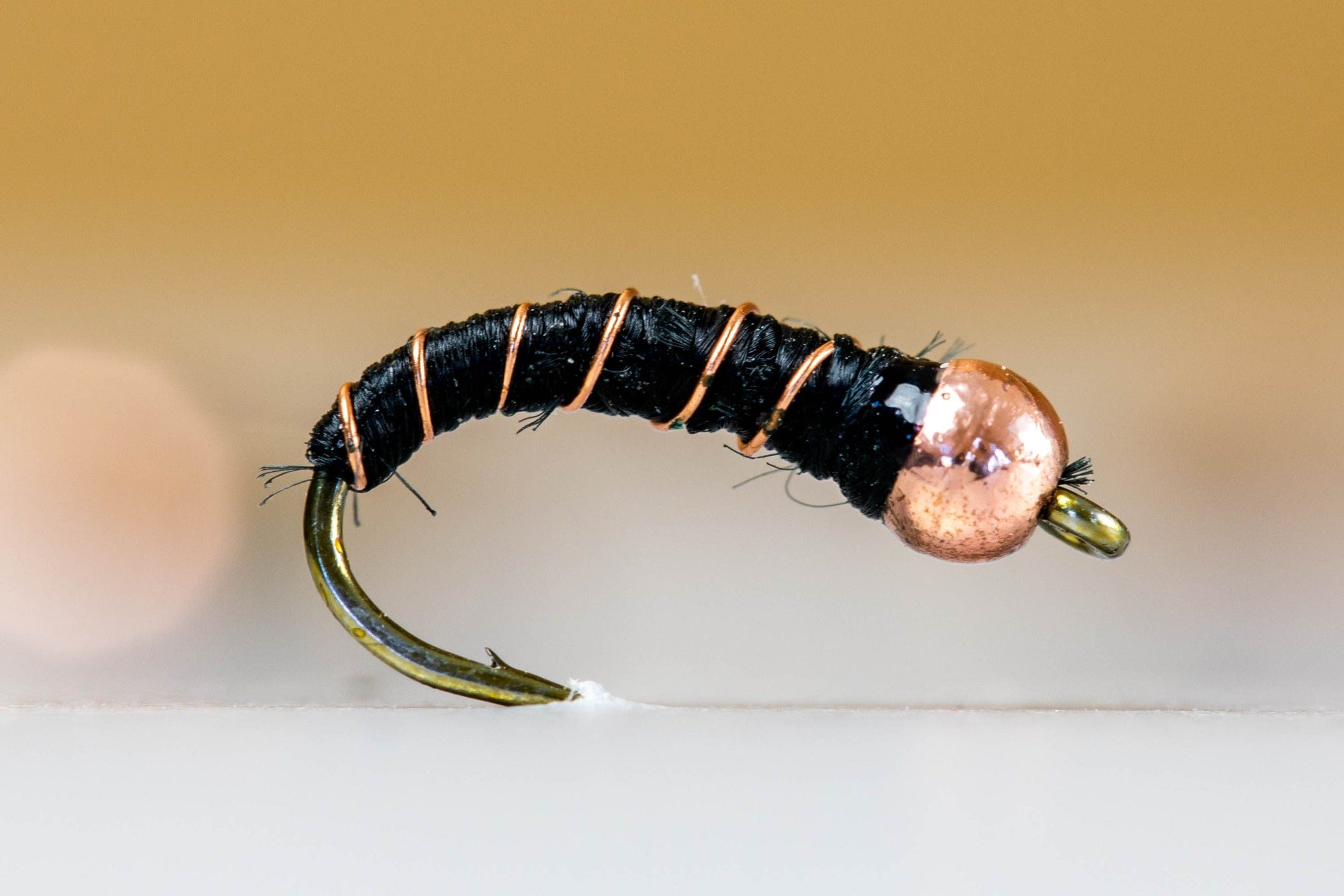
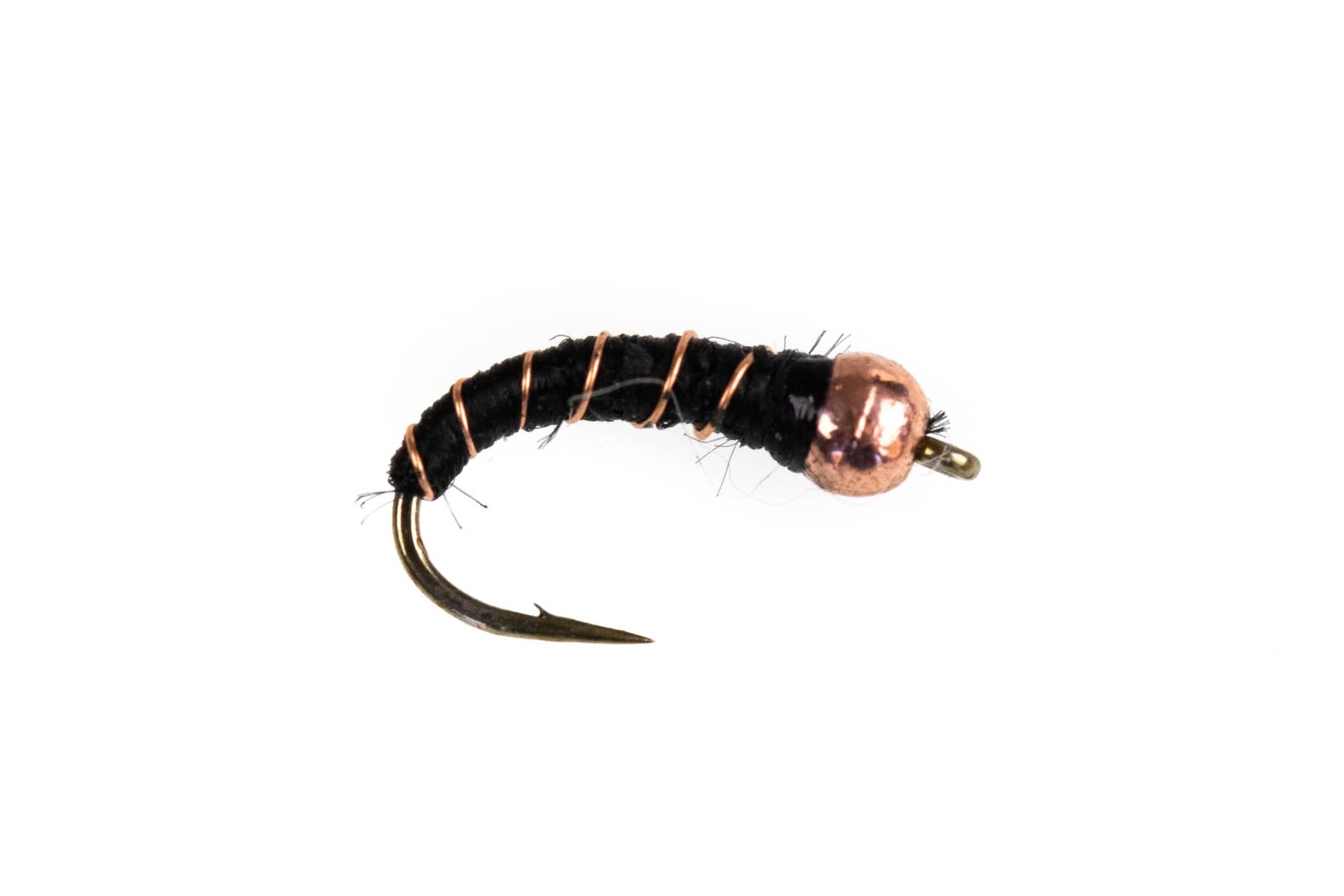
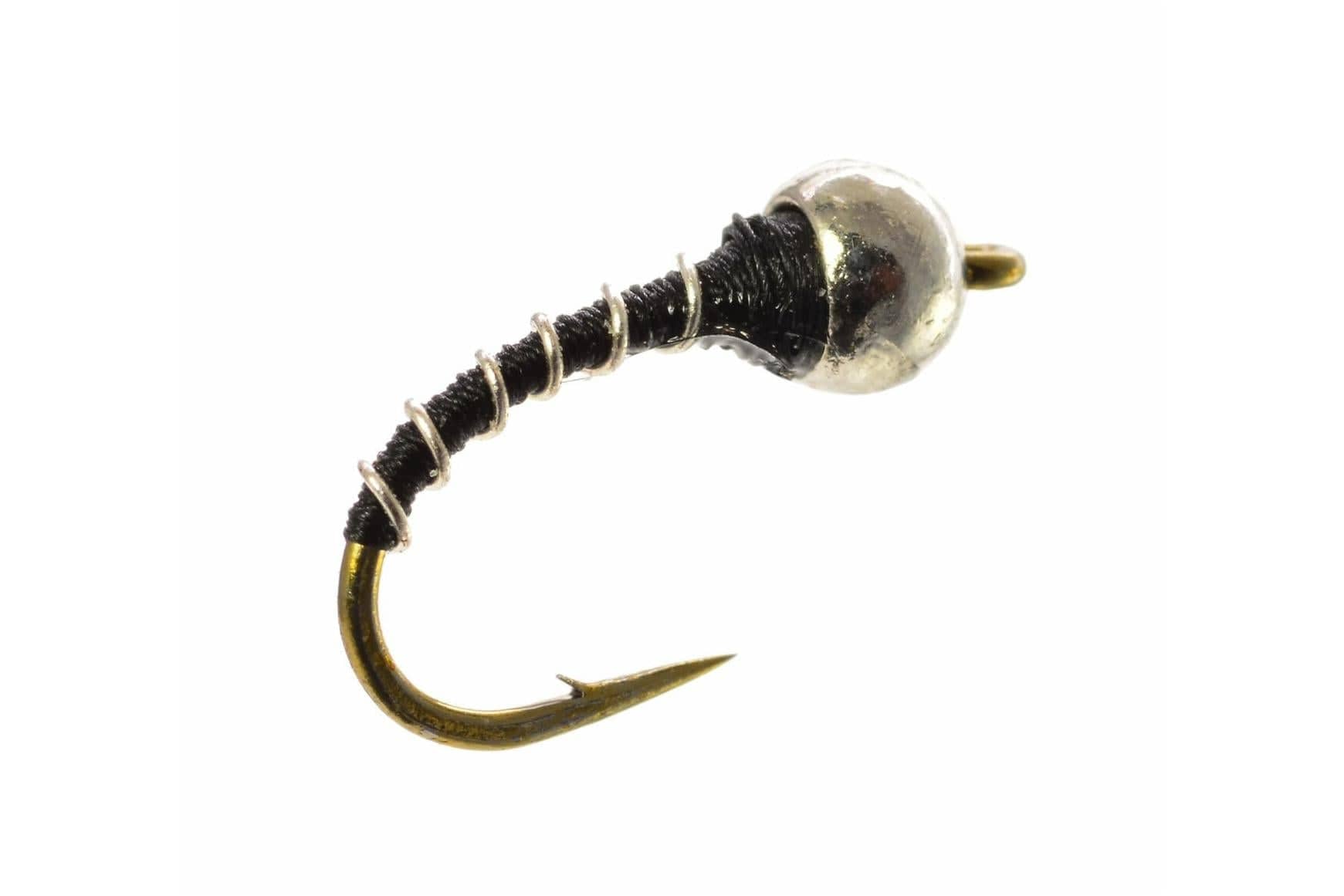
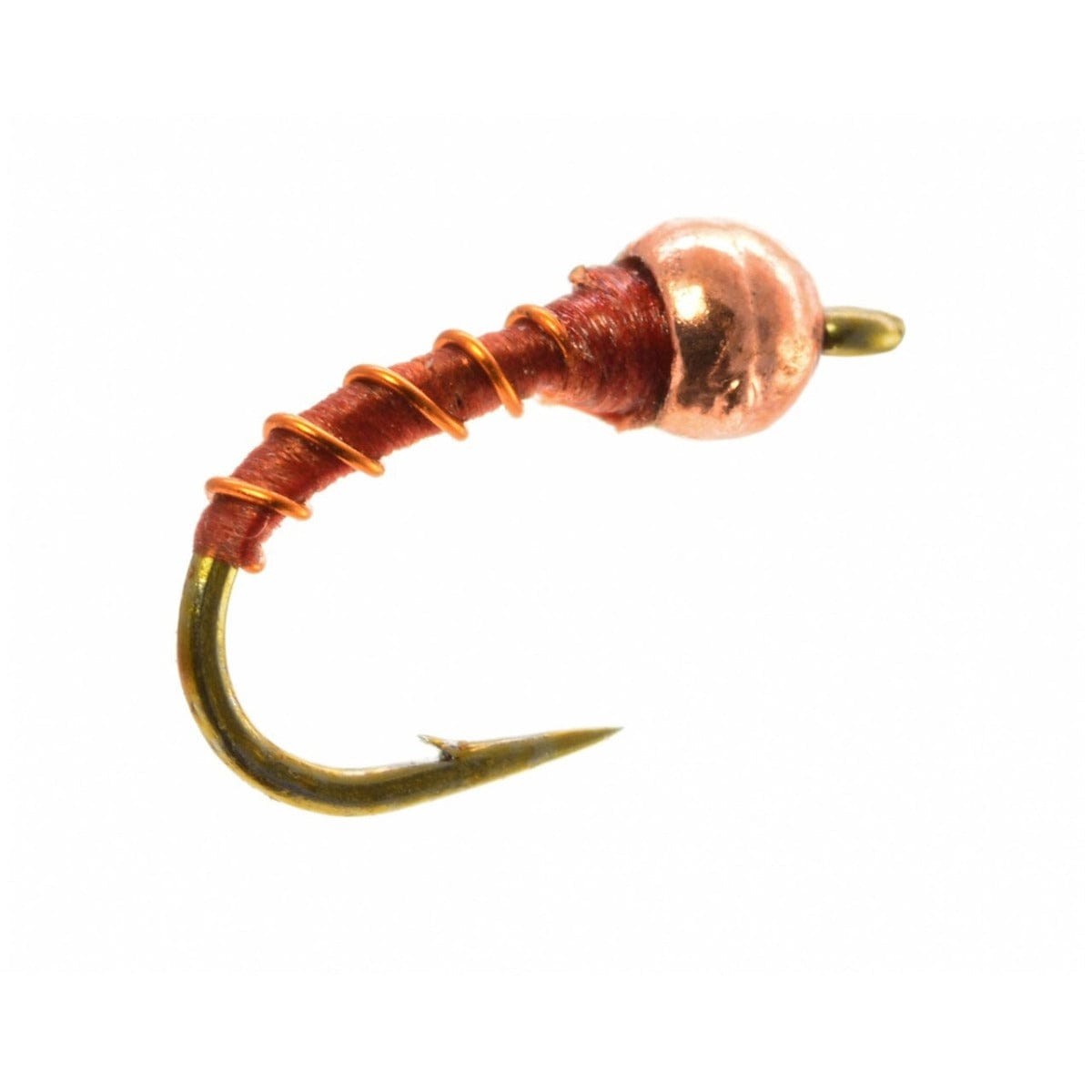
Best All-Around Zebra Midge: Tungsten Zebra Midge Fly - This is the pattern that started it all, and it still belongs in every tailwater box. The tungsten bead gets it down fast to trout keyed on midge pupae, whether you're fishing it alone or as the point fly in a two-fly rig.
Best for Pressured, Clear Water: Thin Tungsten Zebra Midge Fly - When the water is low and gin-clear and trout have seen every fly in the book, this slimmer profile gives you a more natural silhouette. It's the fly to tie on when a standard Zebra Midge is getting refused.
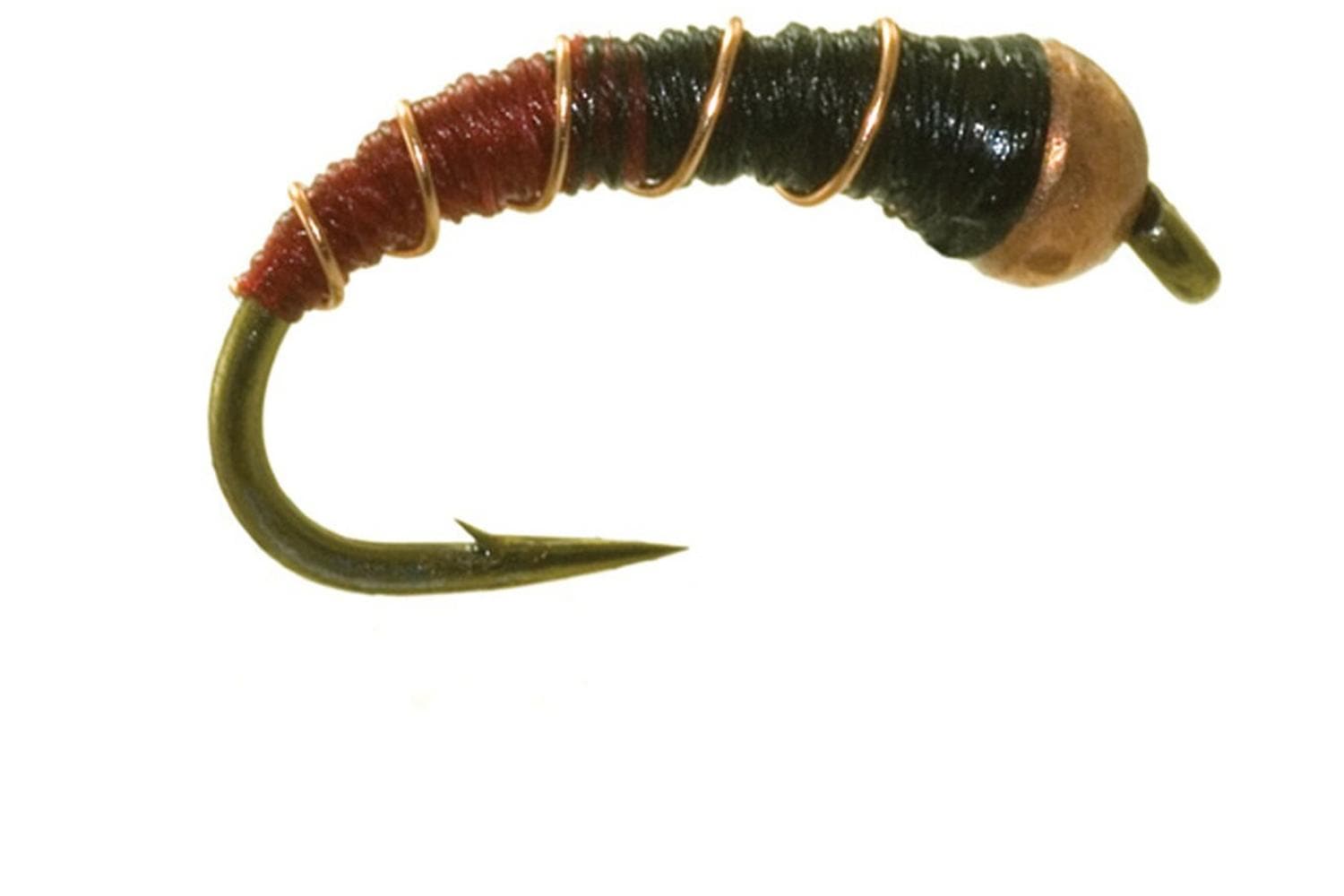
Best for Extra Visibility: Two-Tone Tungsten Zebra Midge Fly - The two-tone thread body adds a subtle color break that can trigger extra looks on tough days without looking out of place among naturally drab midge pupae. Good choice when single-color patterns aren't drawing strikes.
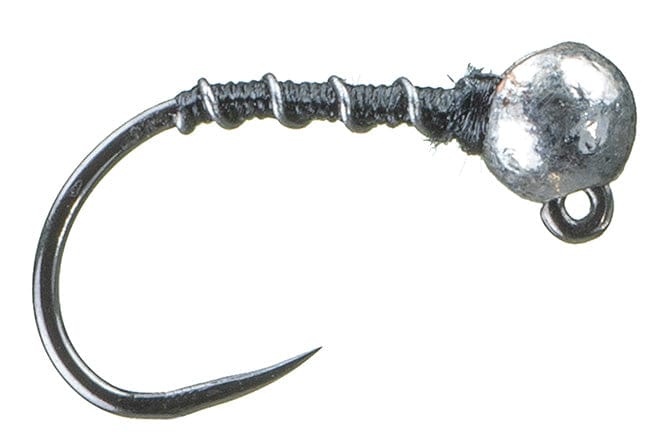
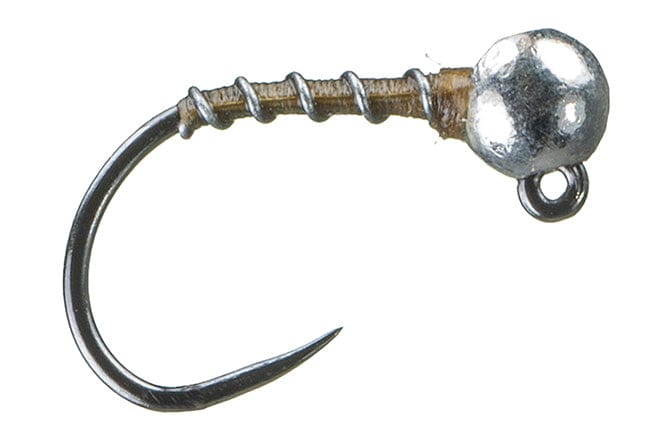
Best Jig-Style Option: Bead Head Zebra Midge Jig Fly - Tied on a jig hook that rides point-up, this version is built for Euro nymphing rigs and tight, snag-filled runs where a standard hook would hang up. Great as a small, subtle dropper behind a heavier anchor fly.
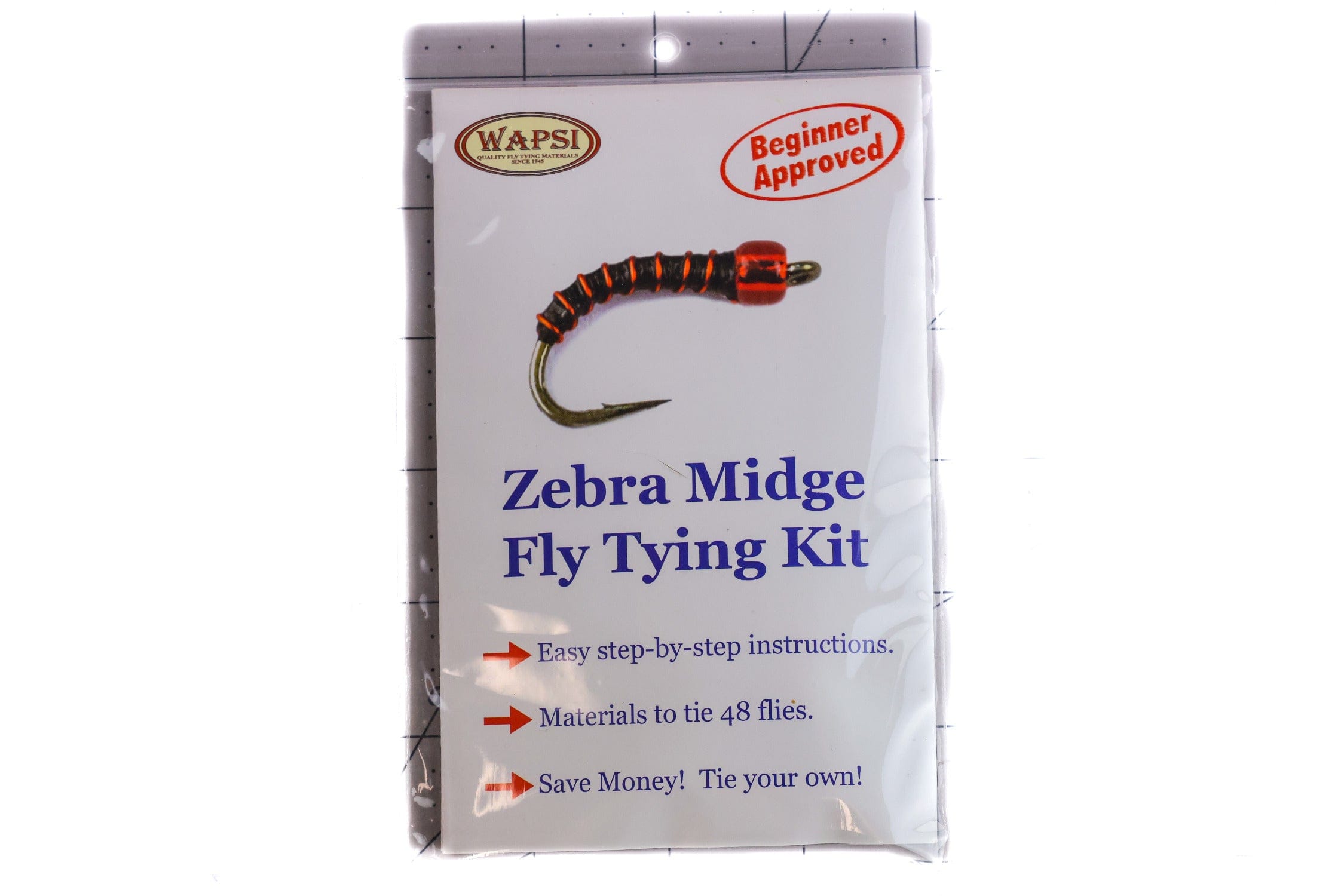
Best for Tying Your Own: Wapsi Zebra Midge Fly Tying Kit - With 48 hooks, over 100 glass beads, and six wire colors, this kit lets you match whatever midges are hatching instead of hoping the fly bin has the right size.
How to Choose Zebra Midge Flies
Size
Sizes 18-22: This is the bread-and-butter range for most tailwaters and spring creeks, matching the midge pupae trout see day in and day out.
Sizes 24-26: Drop down when fish are sipping tiny naturals in slow, clear pools and refusing anything bigger - common on heavily pressured rivers in winter and early spring.
Bead & Sink Rate
Tungsten bead: Gets the fly down fast in faster or deeper runs, and lets you fish a lighter overall rig since the weight is built into the fly itself.
Jig hook with bead: Rides hook-point-up, which cuts down on snags in rocky or weedy bottoms and is the standard choice for Euro nymphing rigs.
Color
Black or red wire: The two most consistent producers almost anywhere trout eat midges - start here if you're not sure what the fish want.
Two-tone or brighter wire: Worth trying when fish are looking but not committing to the standard colors, especially in stained or low light conditions.
On-the-Water Tips
Fish it deep and slow: Zebra Midges work best dead-drifted near the bottom under an indicator, since midge pupae drift with almost no movement of their own.
Run it as a dropper: Tie one 12-18 inches below a larger nymph or attractor pattern to cover two food sources in the same drift.
Size down your tippet: These are small flies fished for selective trout, so 5X-7X fluorocarbon will get you more eats than heavier tippet.
Carry a range of sizes: Midge hatches vary by week and by water, so a handful of sizes 18 through 24 covers far more situations than a single size.
Complete Your Setup
Related Gear
Midge Flies - Round out your midge box with other pupae, larva, and adult patterns beyond the Zebra Midge.
Nymph Flies - Broaden your subsurface arsenal with nymph patterns for hatches beyond midges.
Tungsten Beadhead Flies - More fast-sinking patterns for getting down to fish holding deep.
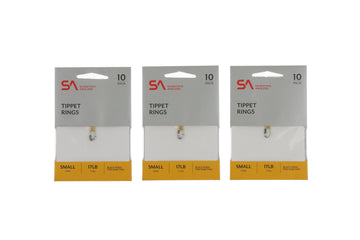
Fly Fishing Tippet - Stock up on the fine fluorocarbon these small flies demand.
Zebra Midge Flies FAQs
Q: What size Zebra Midge should I use on tailwaters?
A: Sizes 18-22 cover most tailwater midge hatches. If fish are refusing that range, especially in low, clear water, drop to a 24 or 26 before changing patterns entirely.
Q: How deep should I fish a Zebra Midge?
A: Most of the time you want it within a foot or two of the bottom, since midge larvae and pupae live and drift close to the substrate. Adjust your indicator depth until you start ticking bottom occasionally.
Q: Can I fish a Zebra Midge without an indicator?
A: Yes - it's a common point or dropper fly in Euro nymphing rigs, where the jig-style version rides hook-up and avoids snags in tight, rocky runs.