


























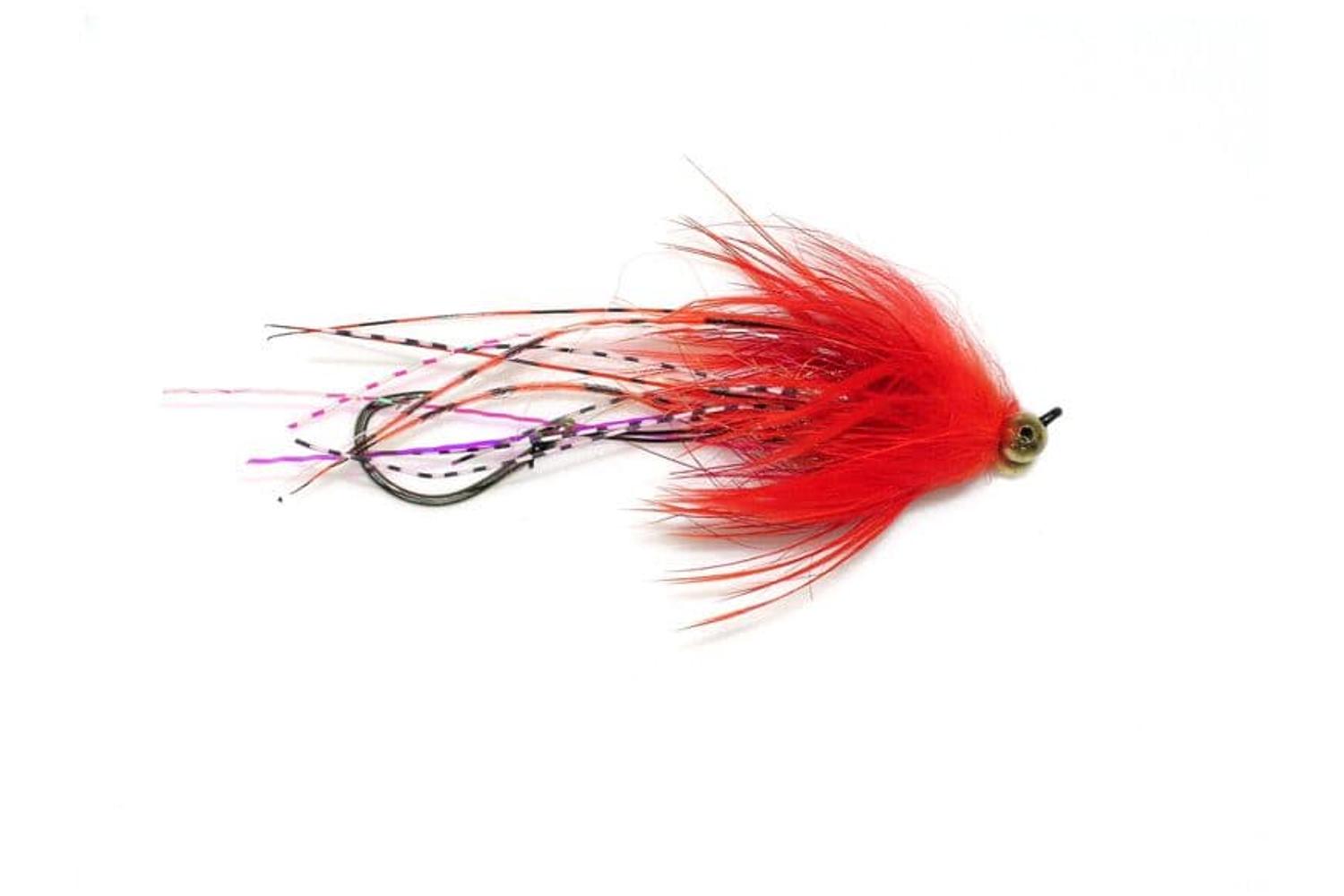
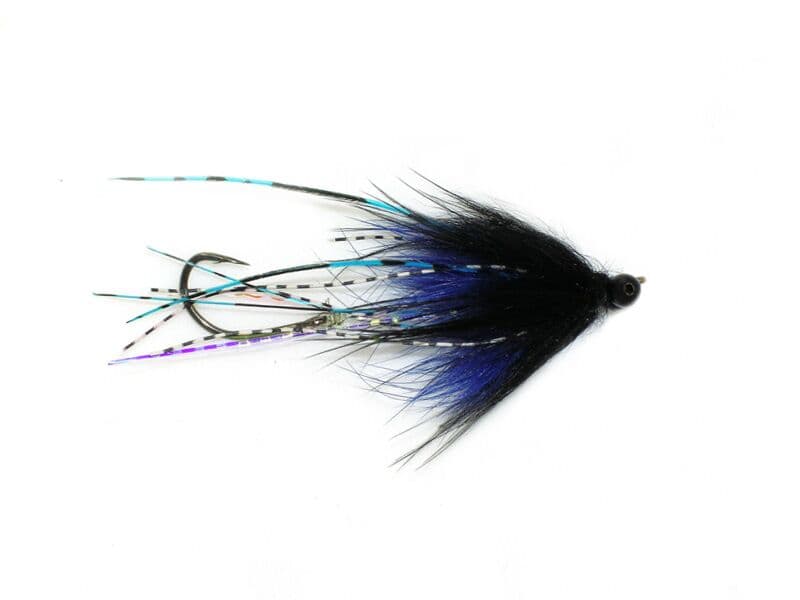
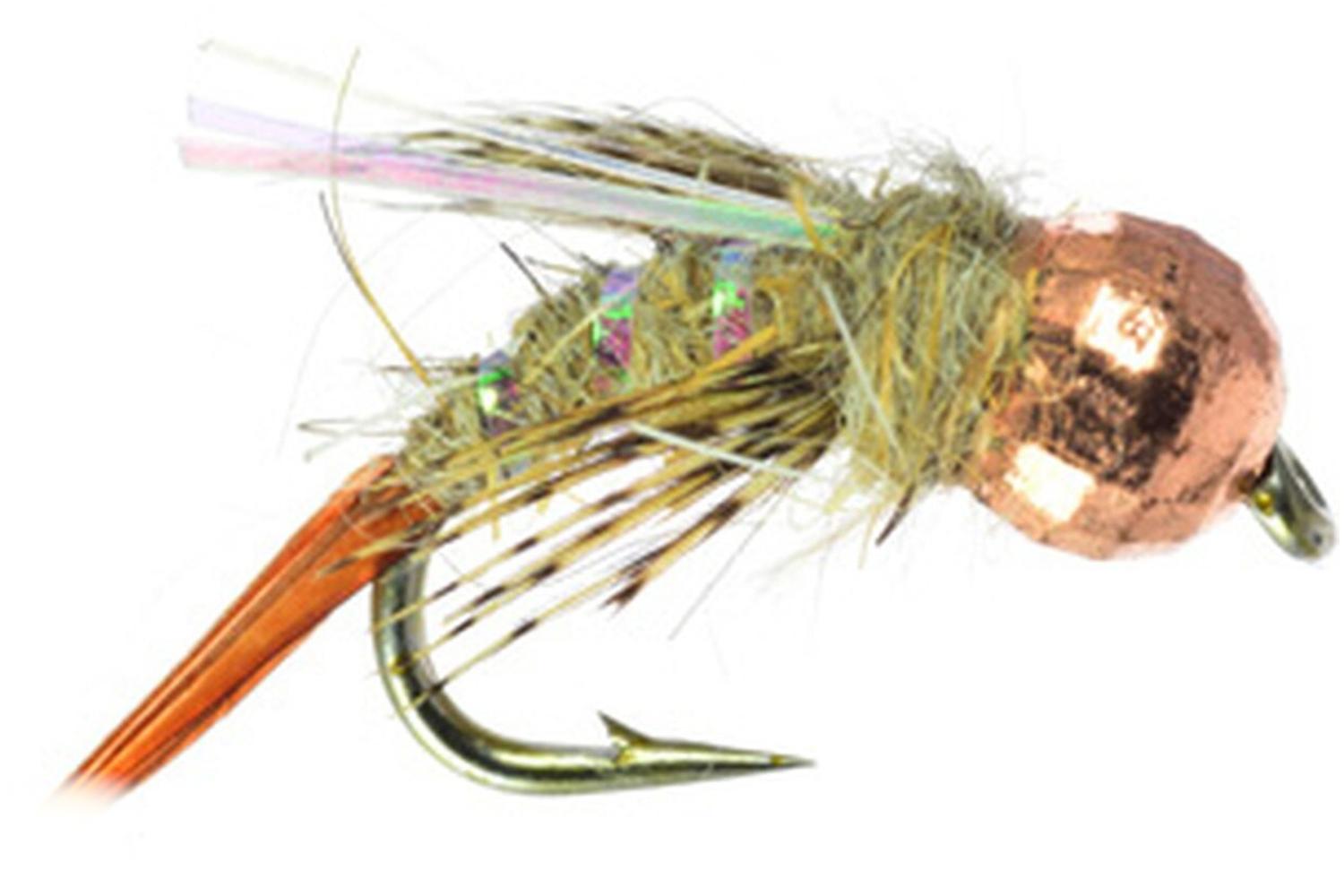
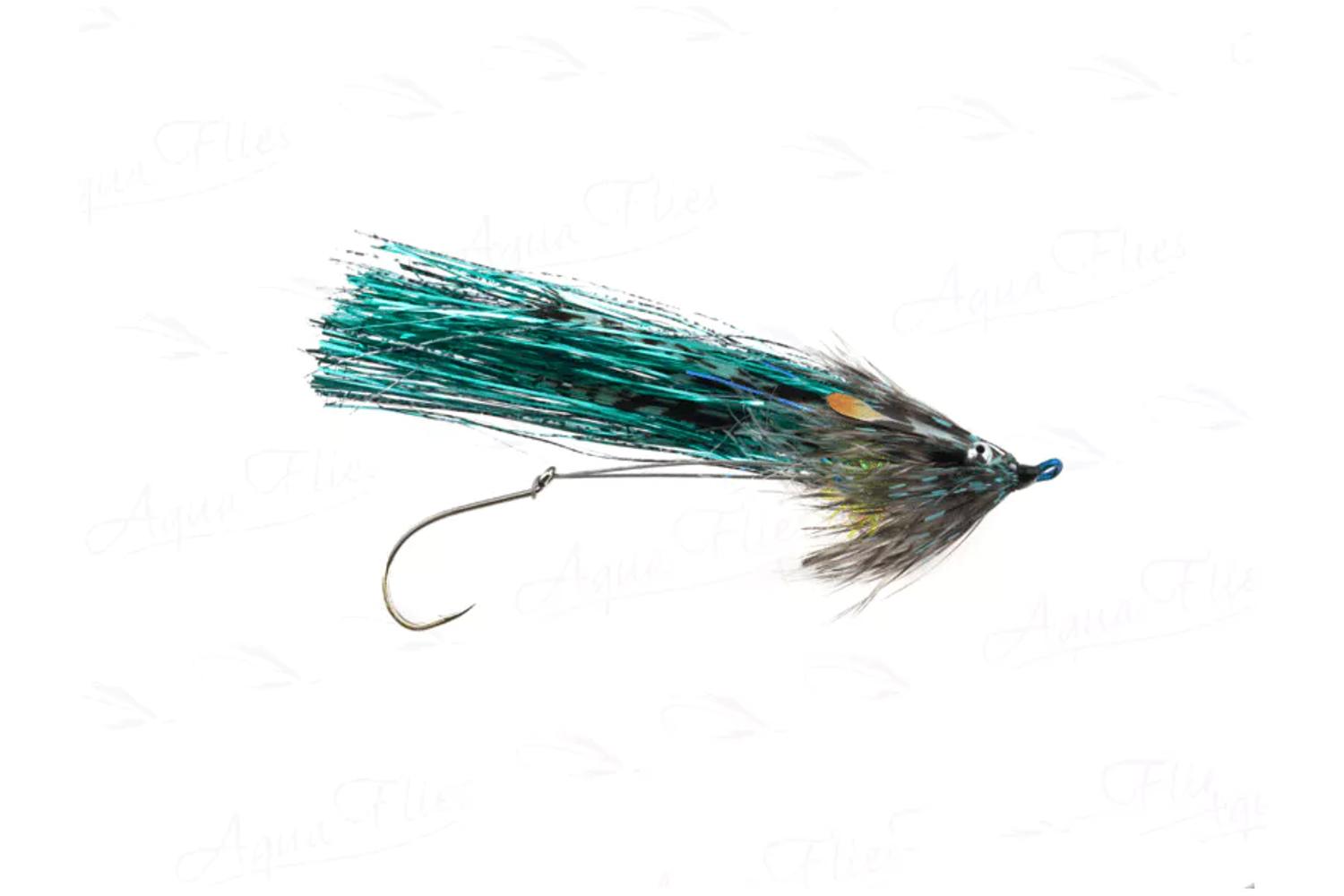

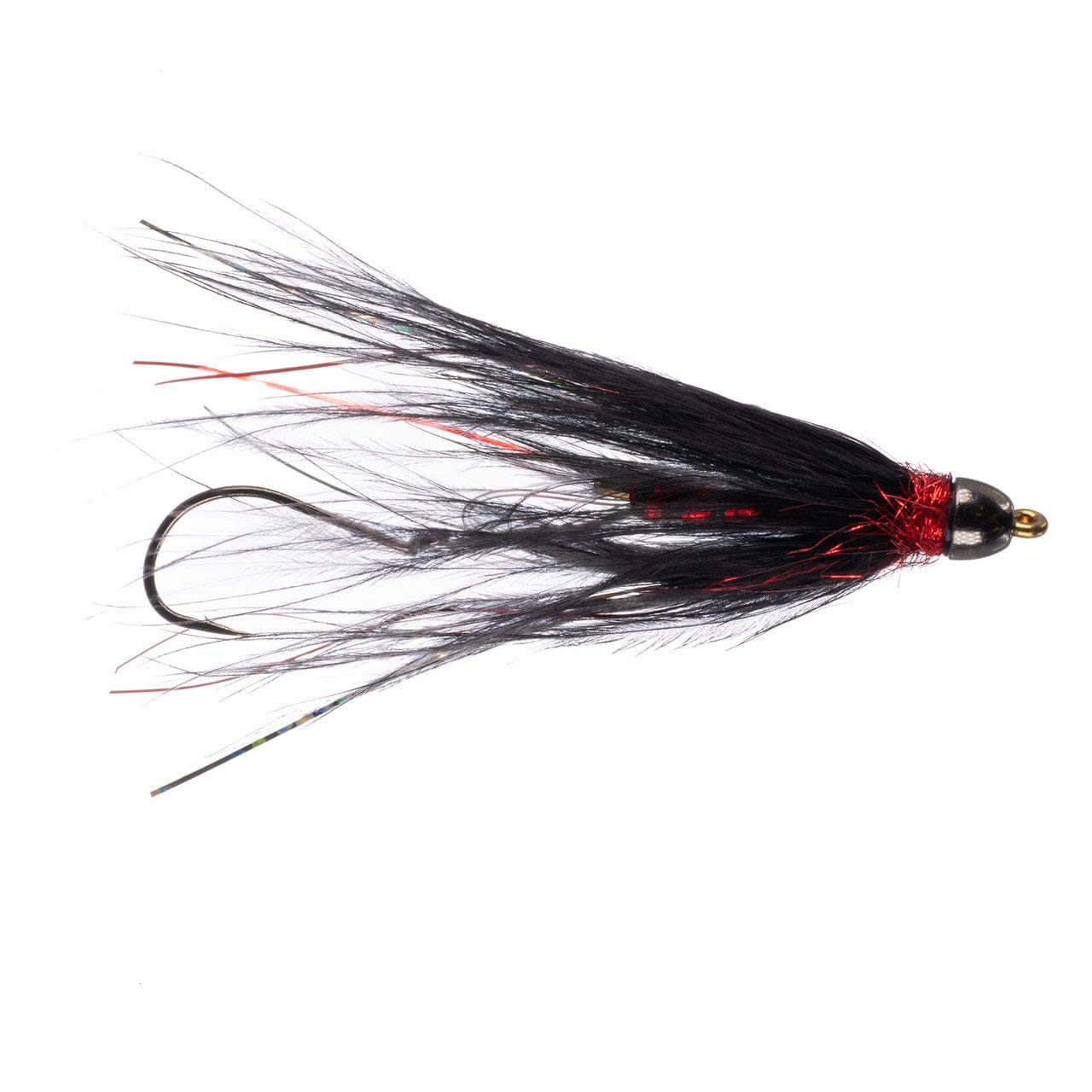
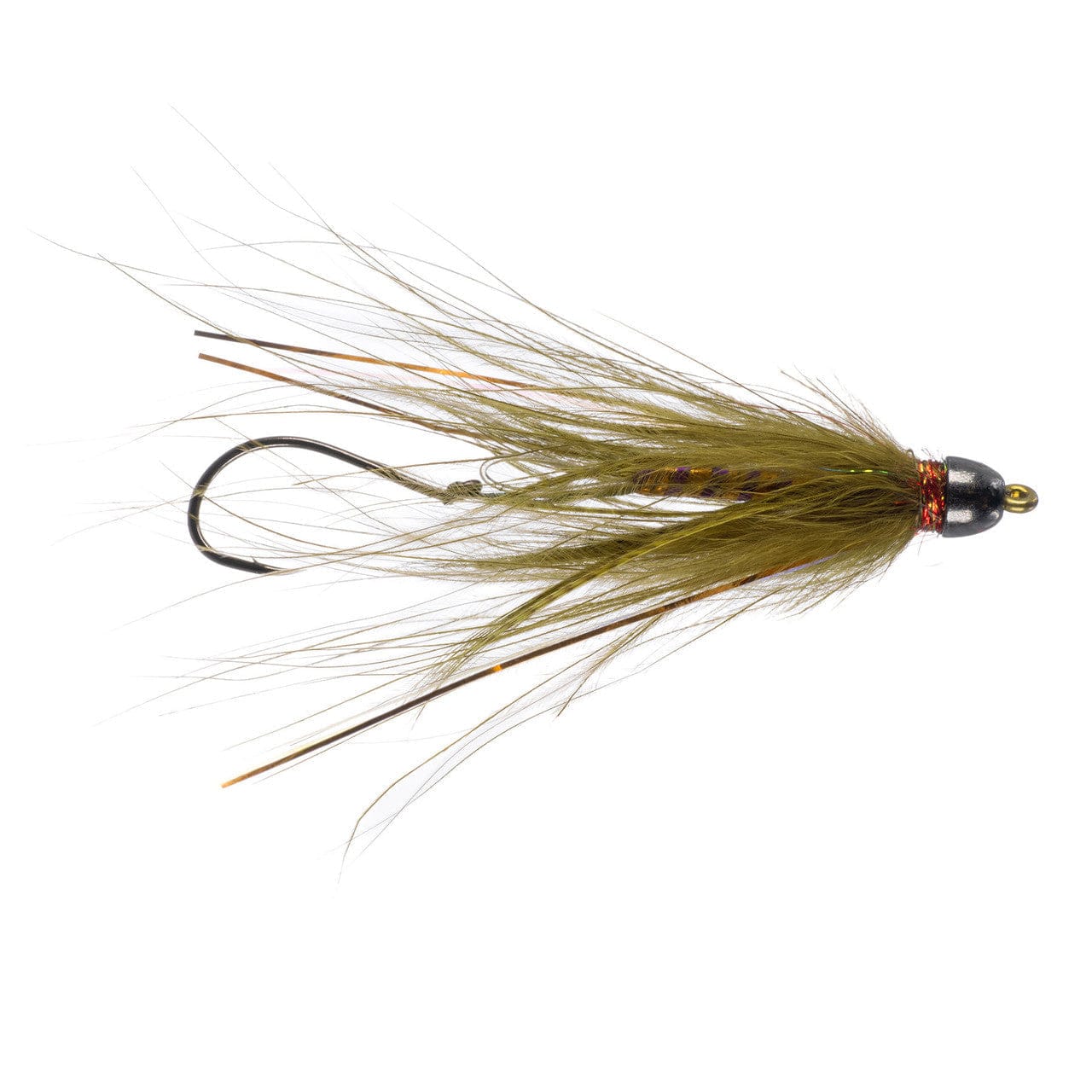
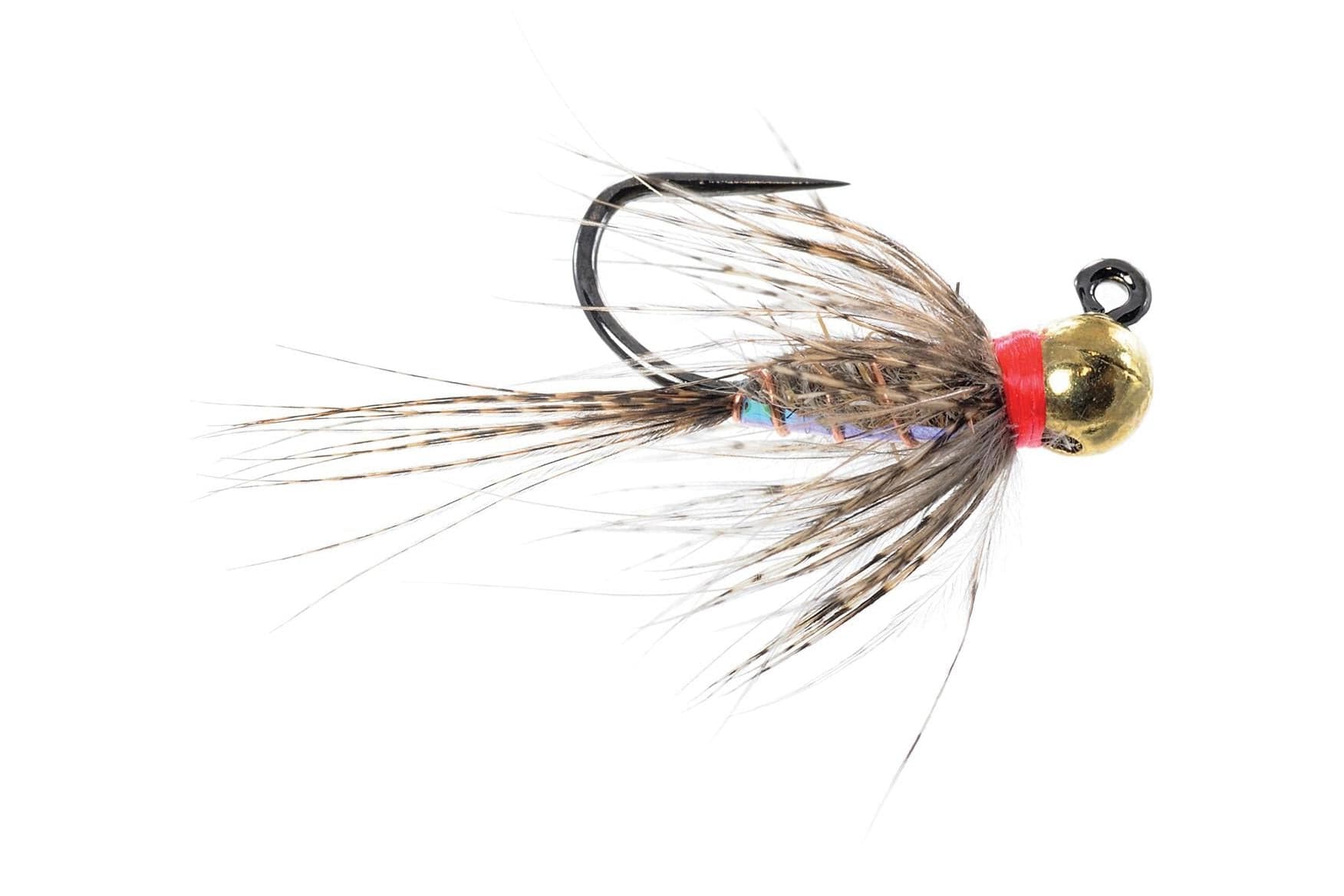
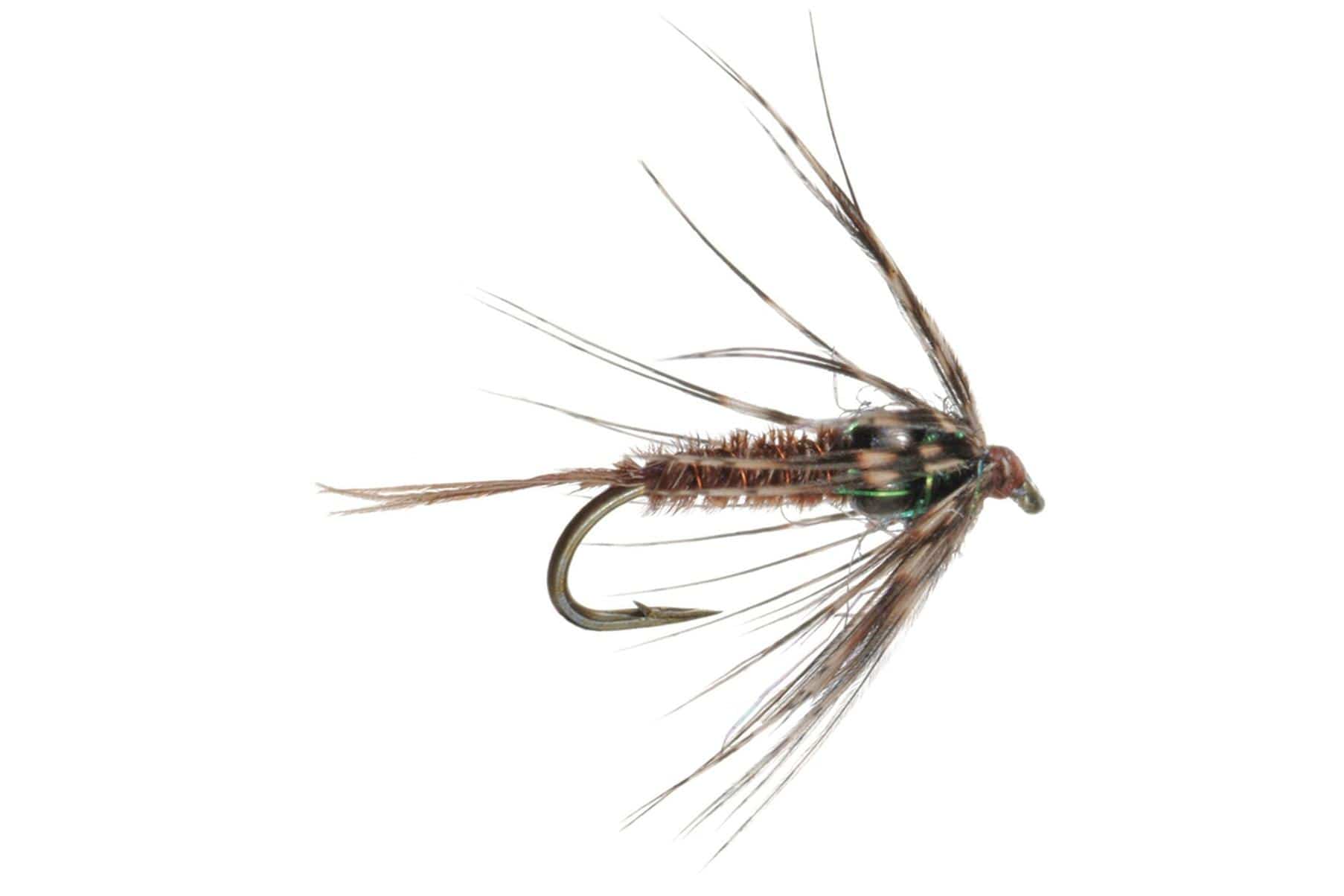
Trout Spey Flies Quick Picks
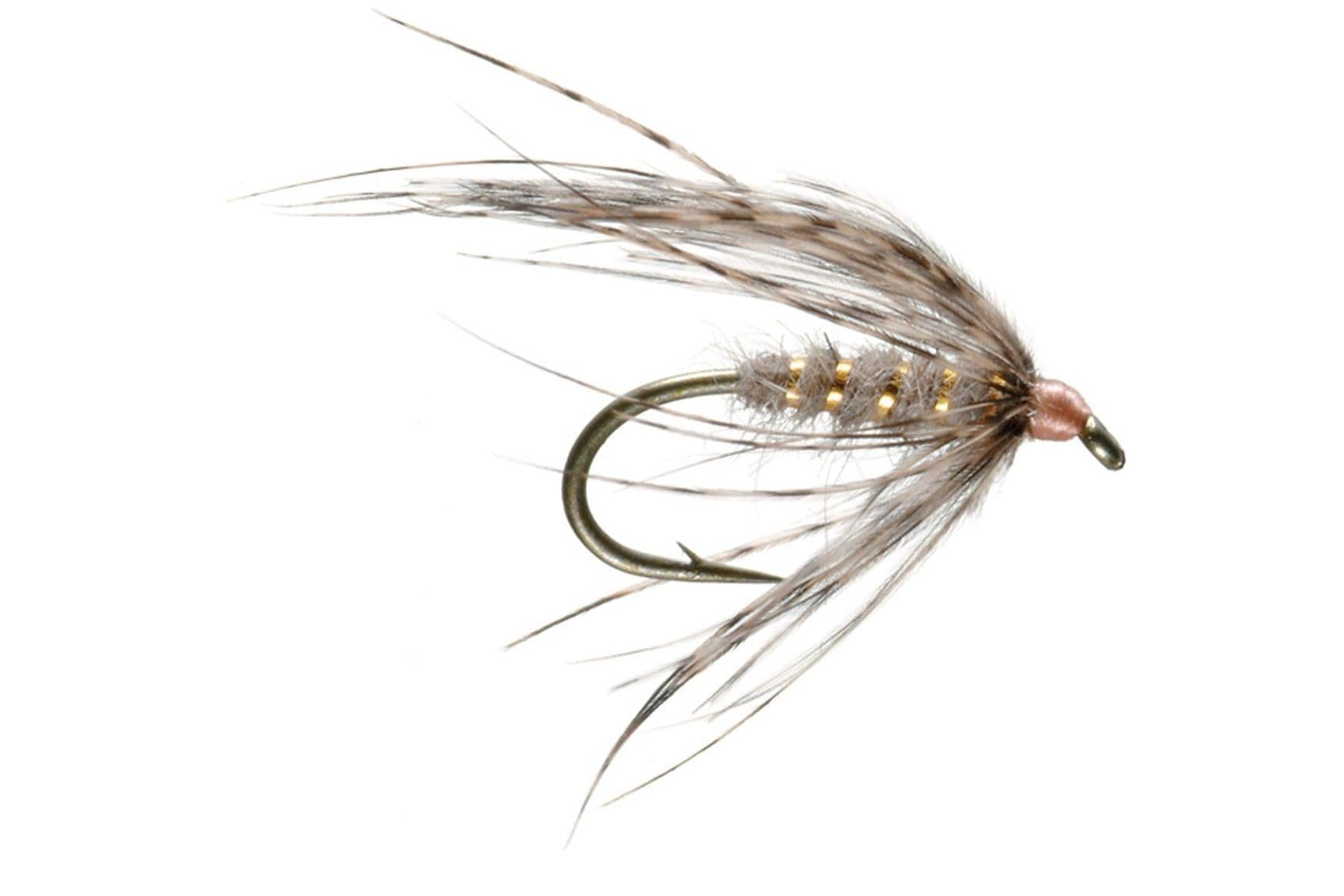
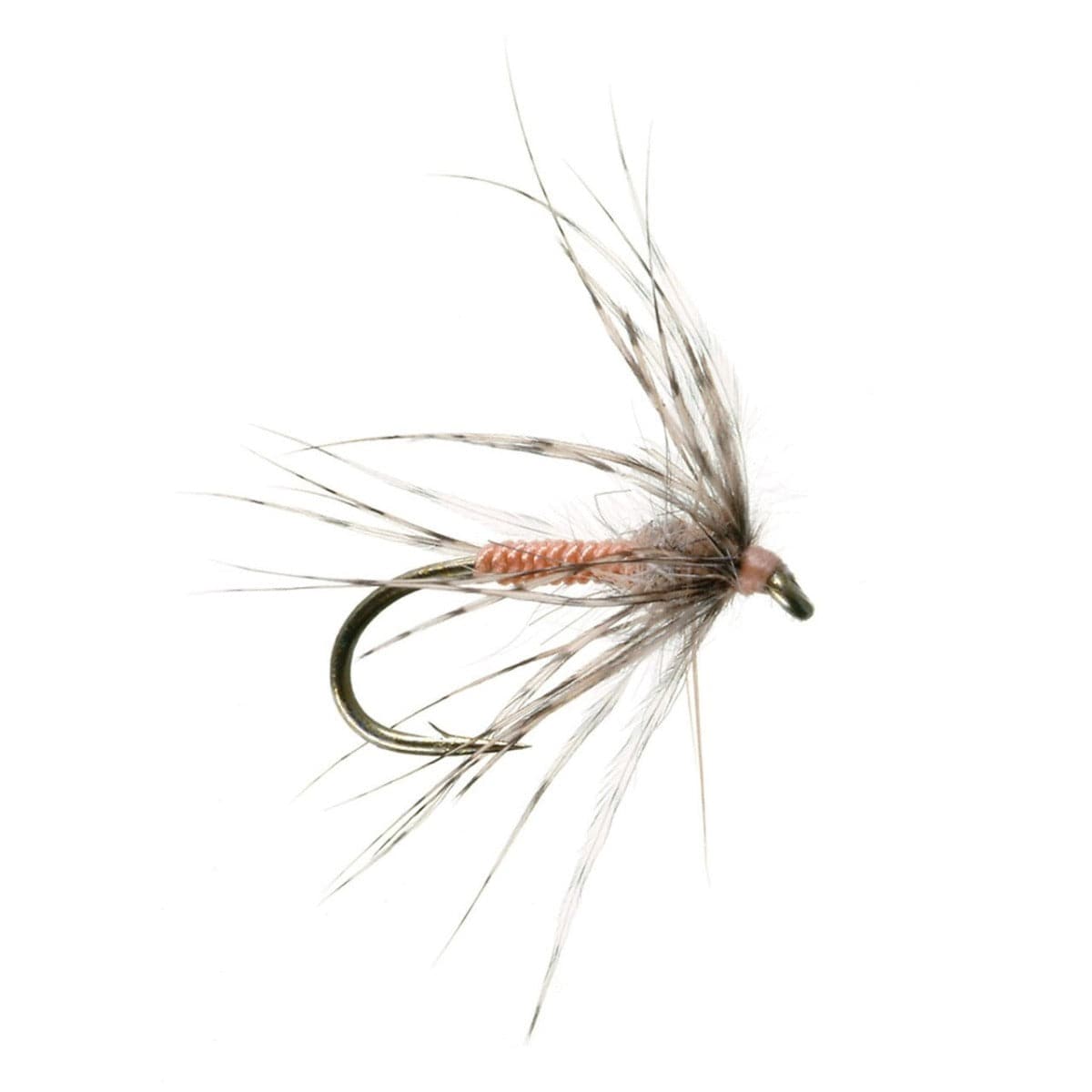
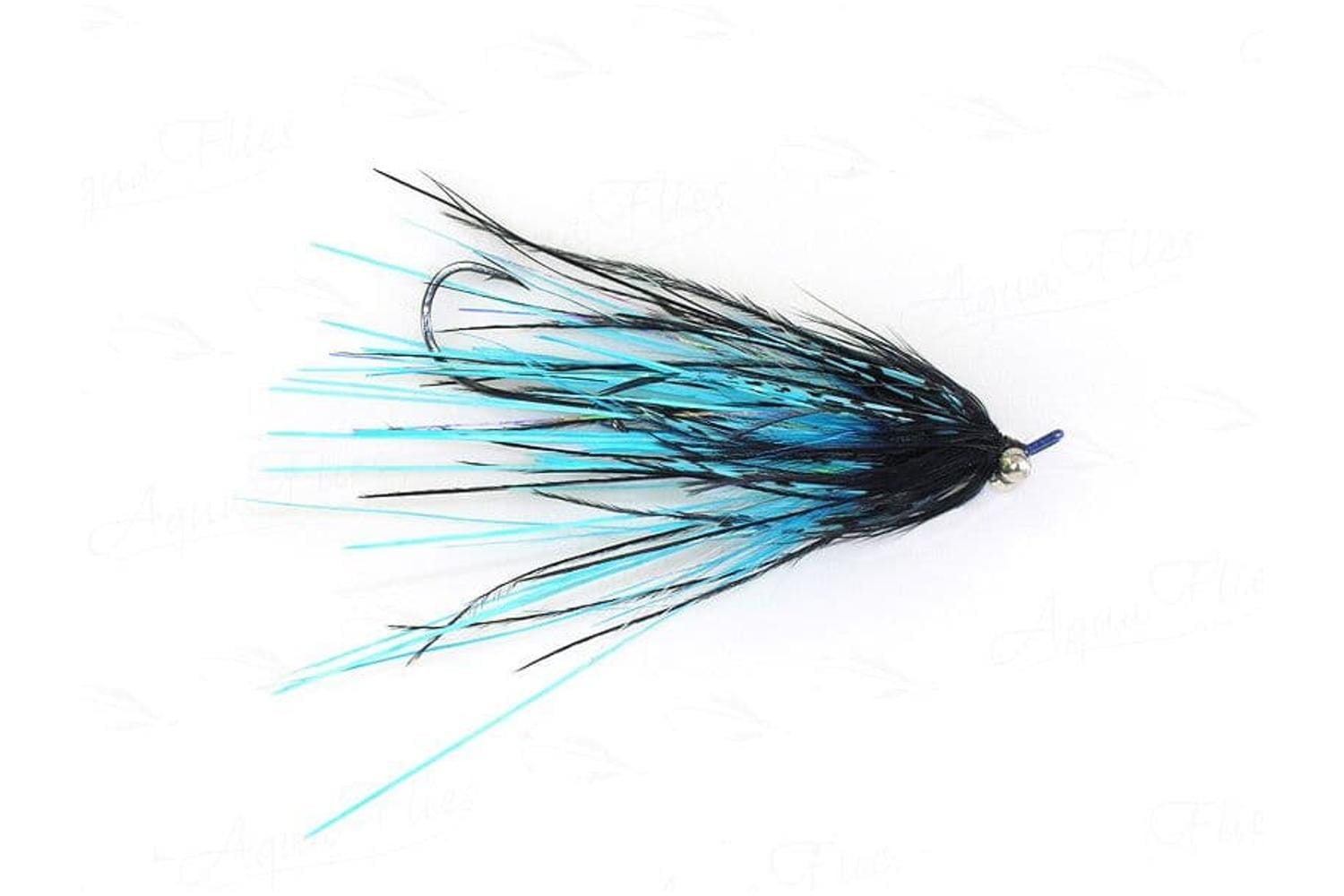
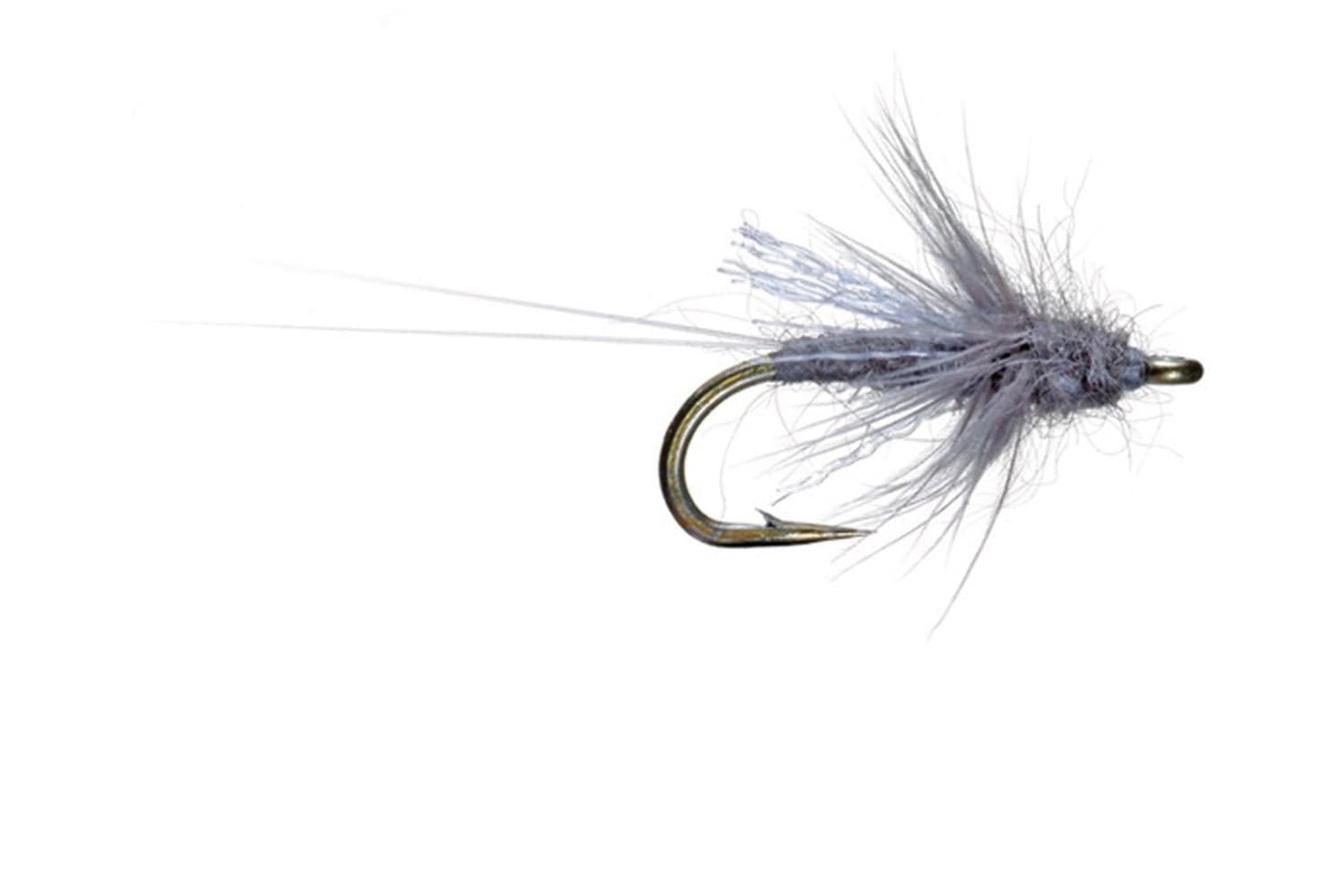
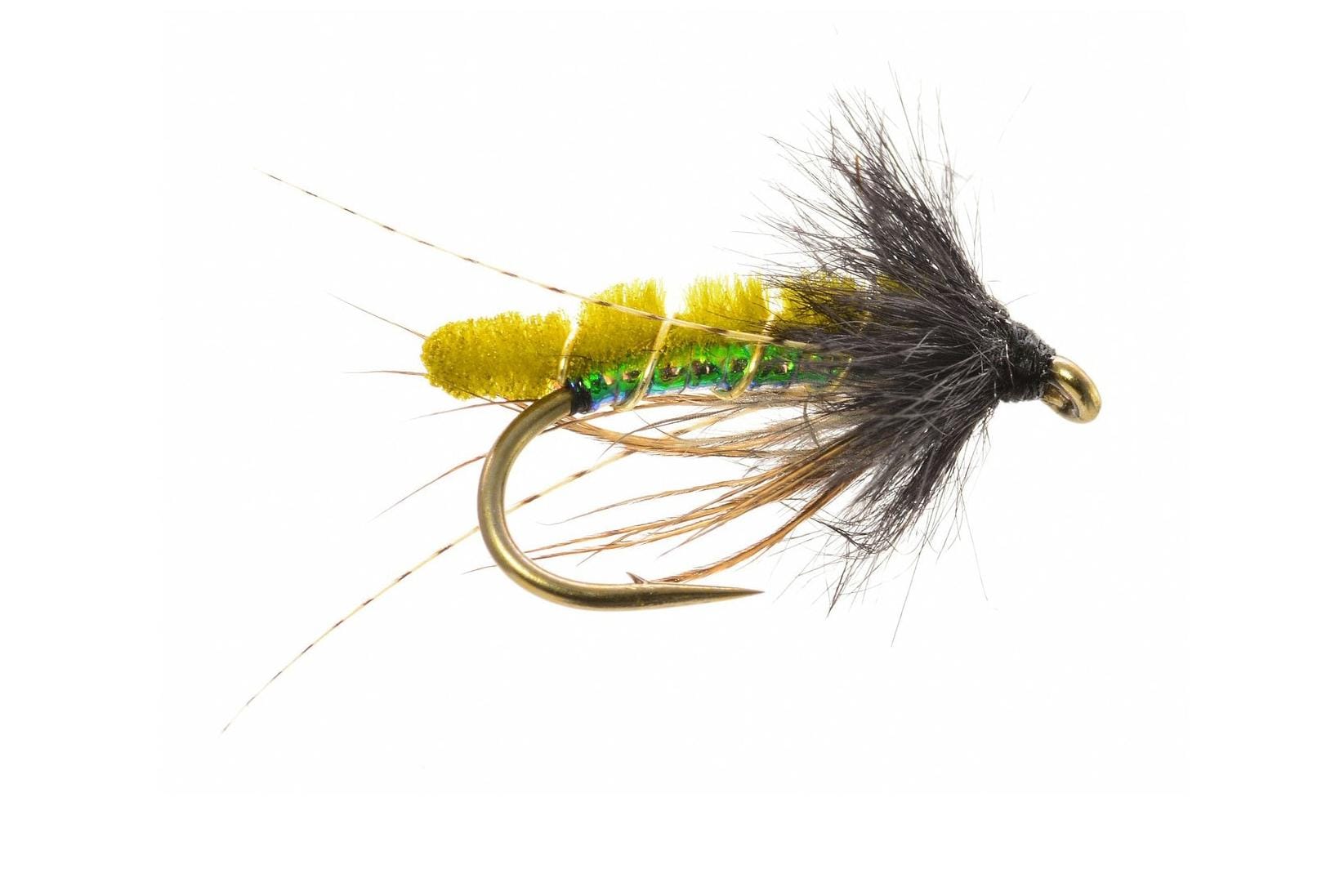
Best all-around soft hackle for swinging trout: Soft Hackle Fly - Tie this on when you're not sure what's happening under the surface. It imitates emerging caddis and mayflies well enough to work as a searching pattern on nearly any swing-friendly run.
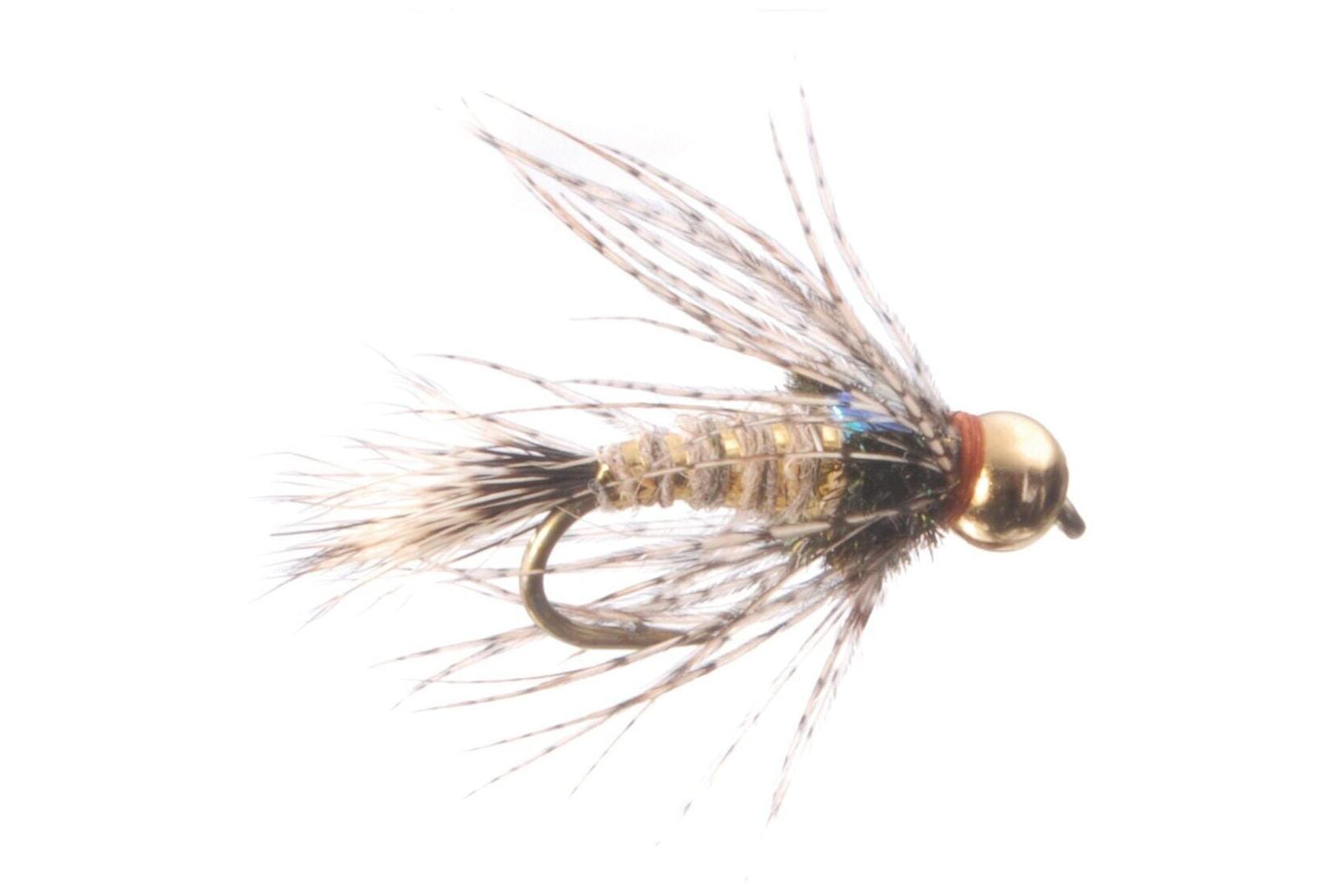
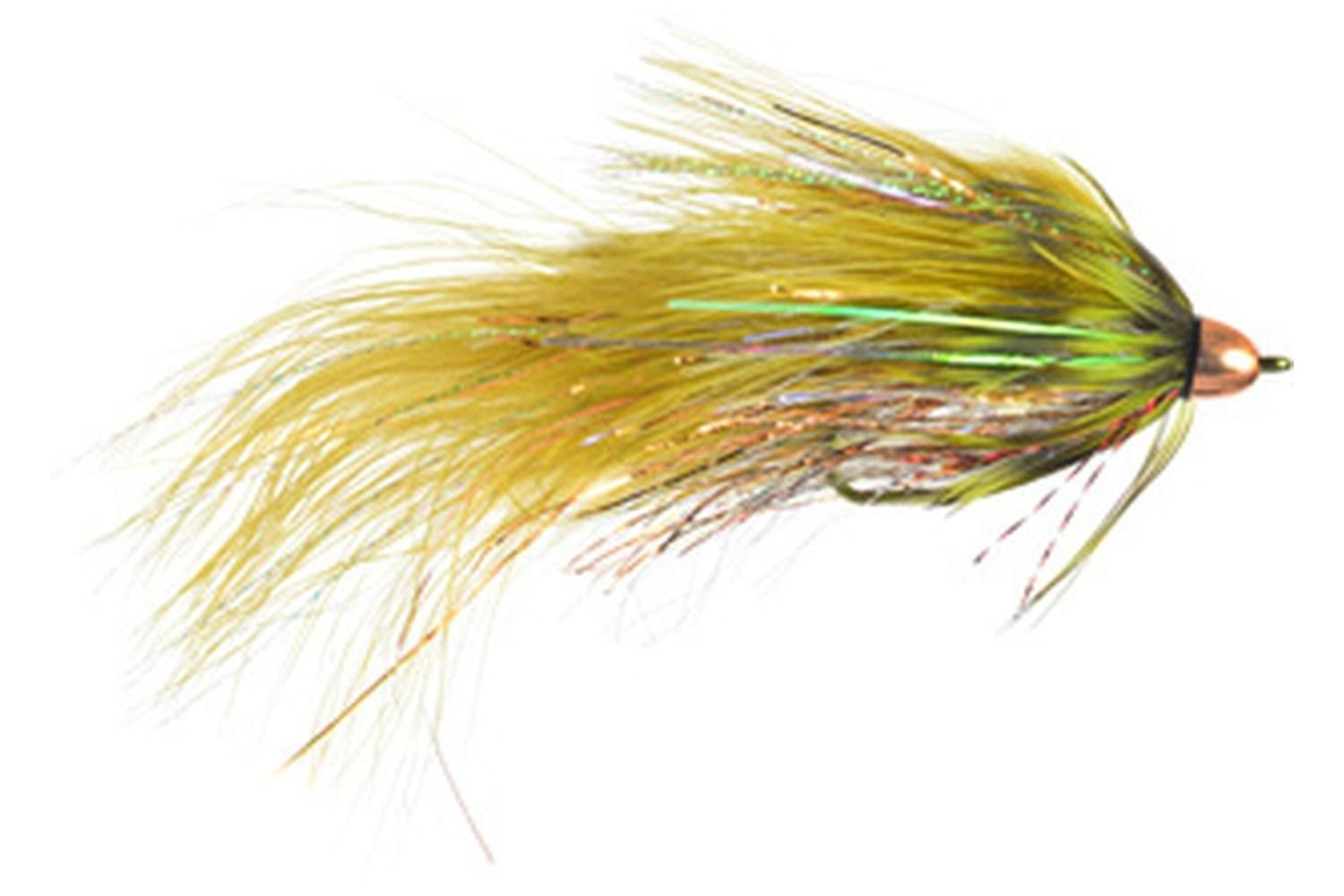
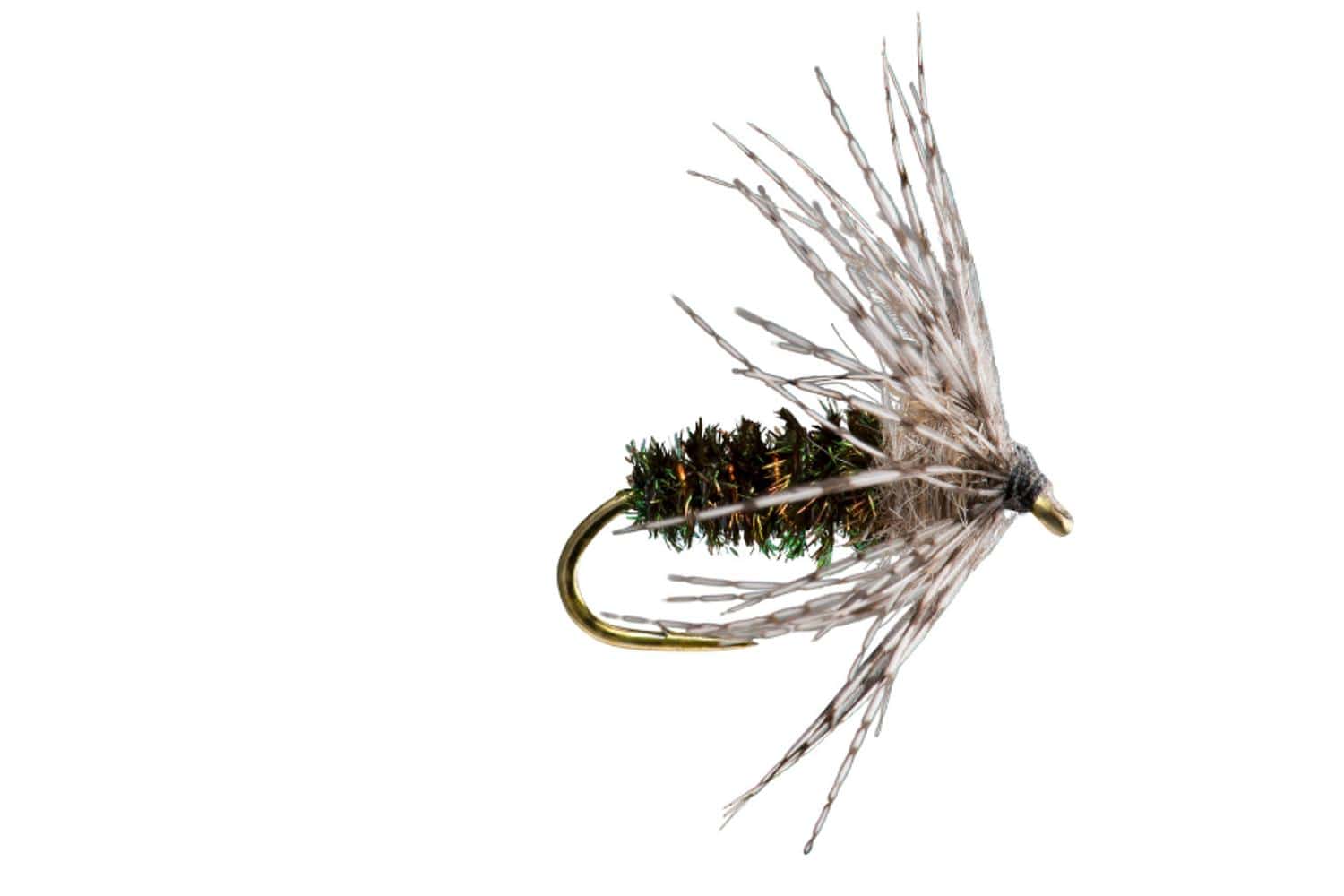
Best point fly for a two-fly swing rig: BH Guides Choice Hare's Ear Fly - The tungsten bead pulls this fly down fast, making it the workhorse point fly for a dropper rig in deeper, faster water.
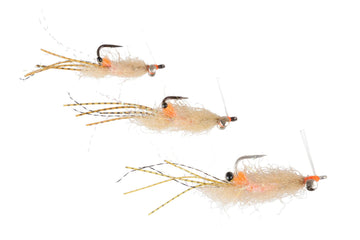
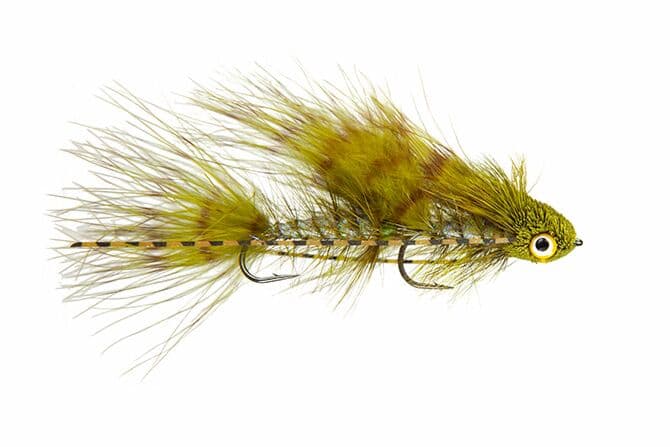
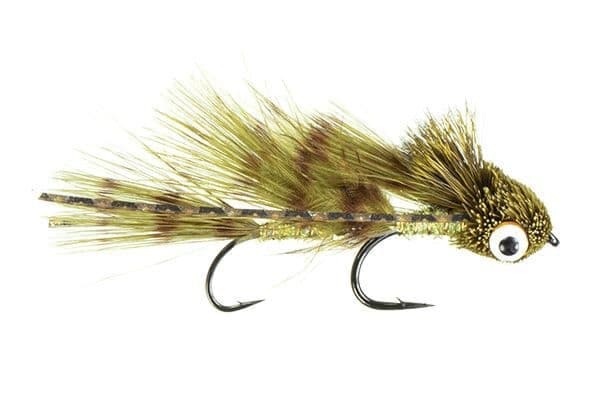
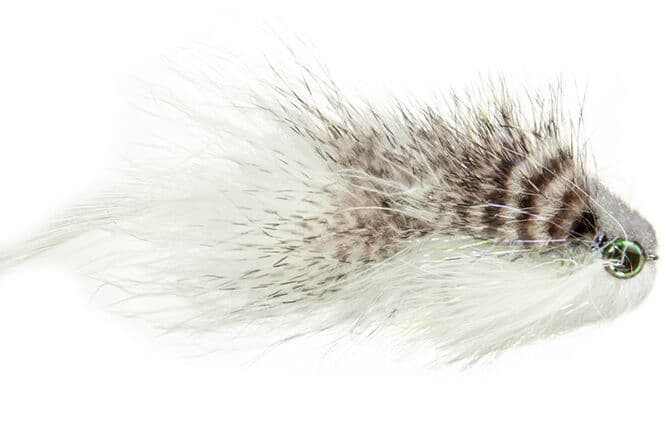
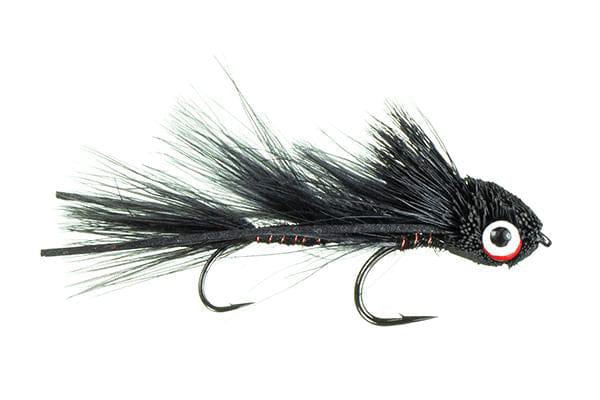
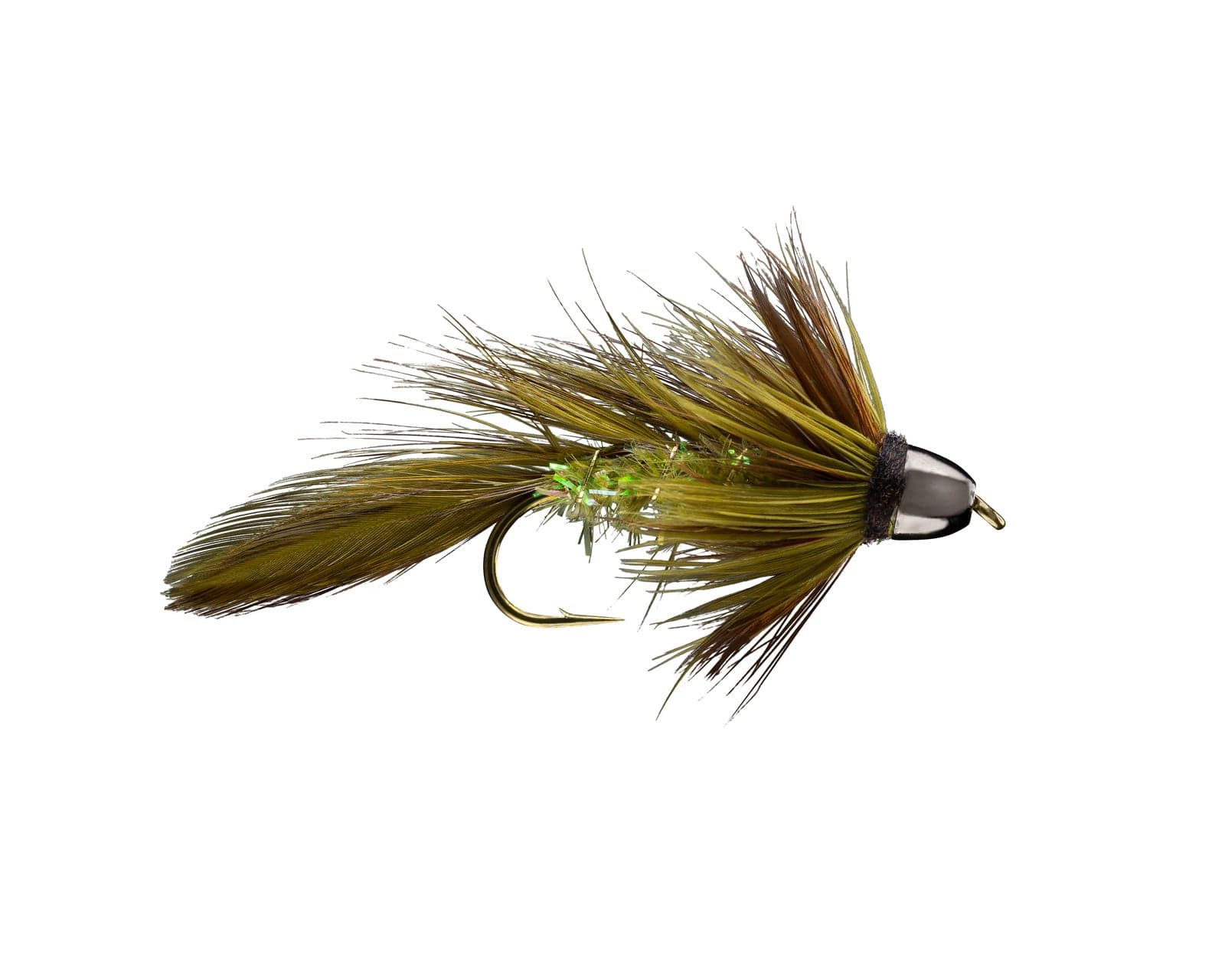
Best low-water streamer for spooky trout: Galloup's Mini Peanut Envy Fly - Kelly Galloup scaled this one down for skinny, clear water where a full-size streamer would put fish down. It still pushes water and moves like a baitfish, just at a volume that won't spook a wary trout.
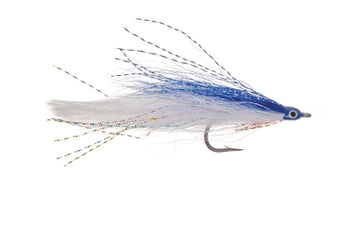
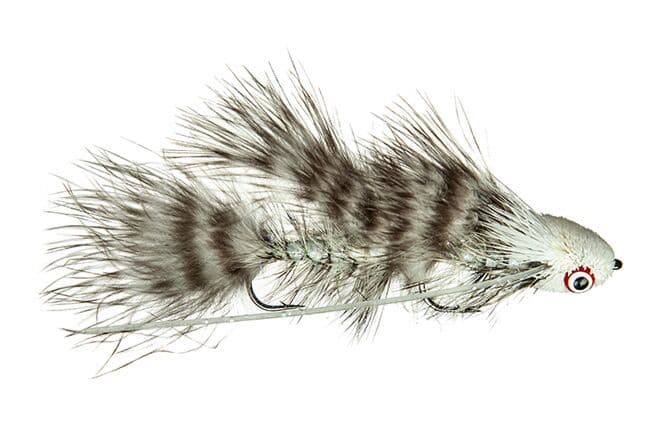
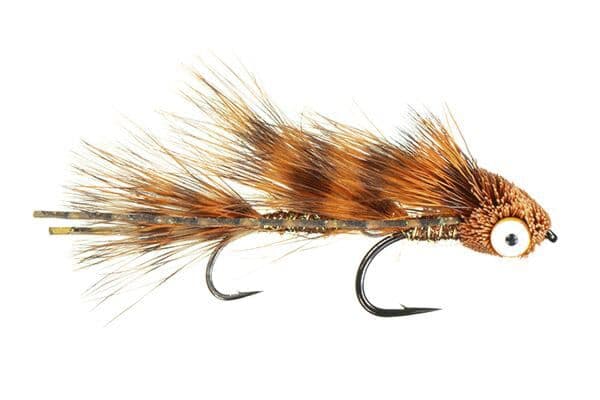
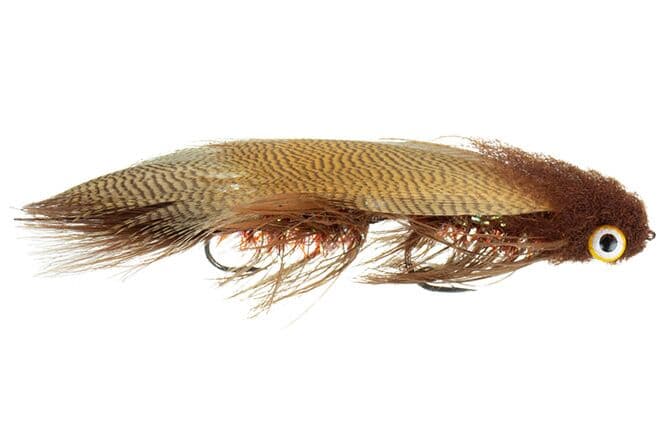
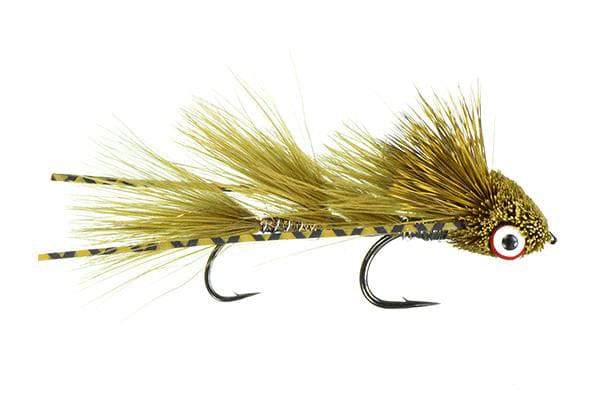
Best compact articulated streamer for lighter spey rods: Galloup's Barred Micro Dungeon Fly - At about two inches, this pattern lets anglers on 3- and 4-weight trout spey setups throw articulated streamer action without overloading the rod. It reads as a sculpin or crayfish trout won't pass up.
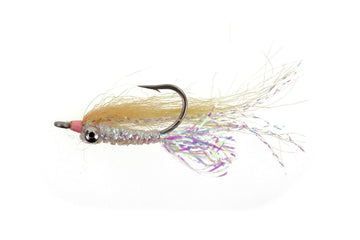
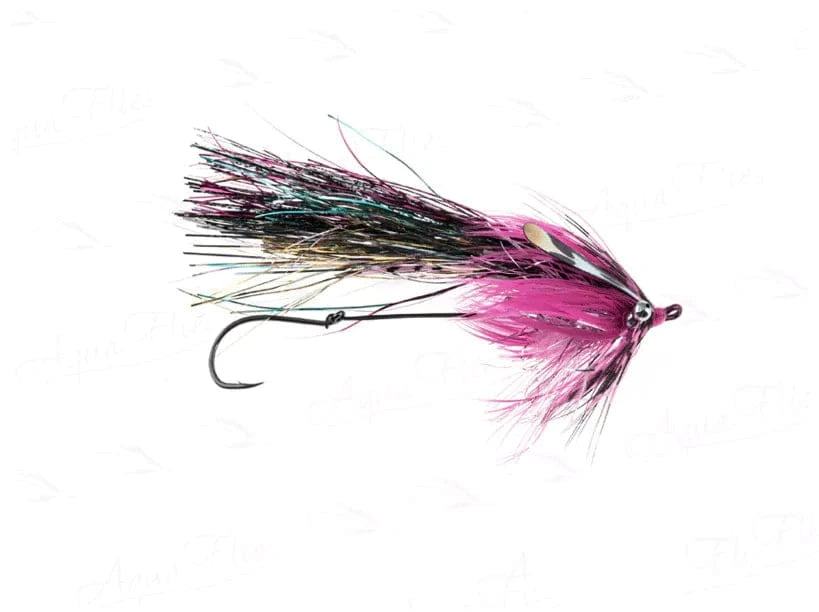
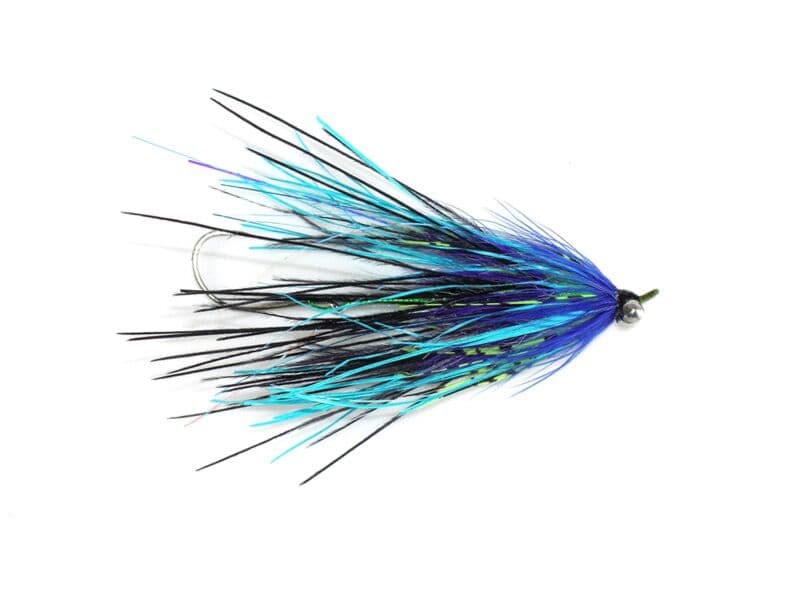
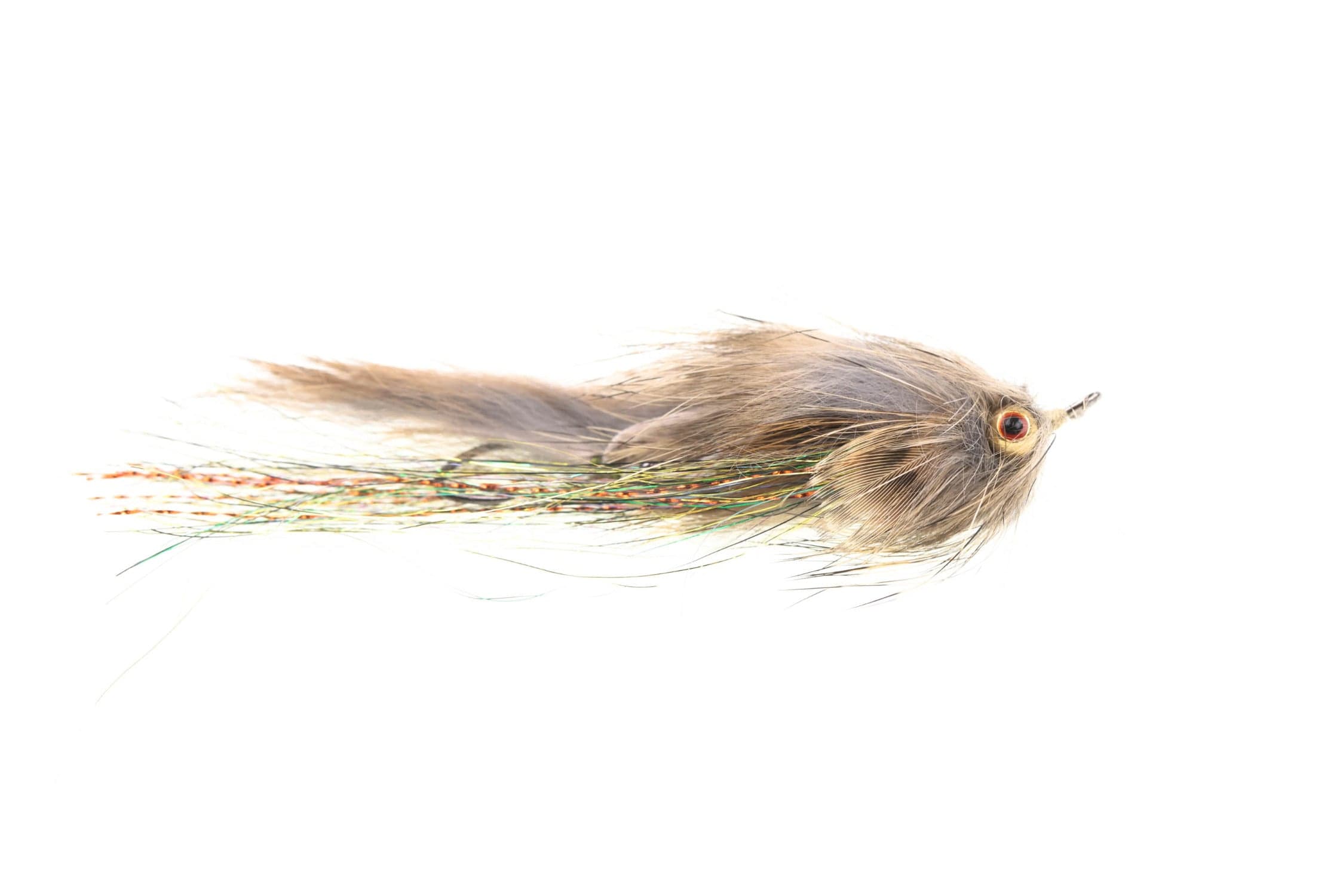
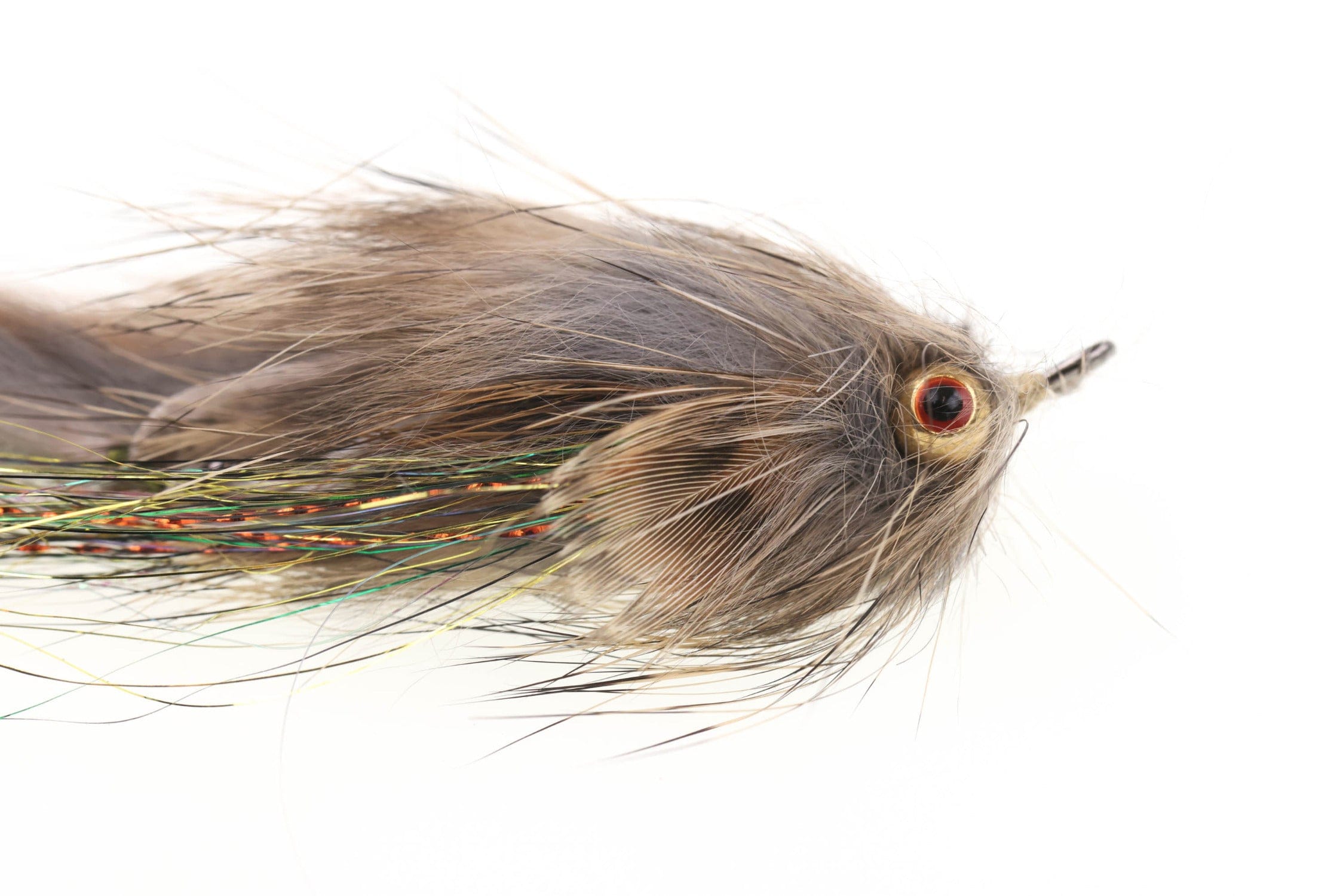
Best flash pattern for stained or higher water: Senyo's Artificial Intelligence Fly - When visibility drops, this fly's flash and profile give fish something to key on by vibration rather than sight alone. It's a smart choice after rain or during early-season runoff.
How to Choose Trout Spey Flies
Weighted vs. Unweighted Patterns
Tungsten bead flies: Use these on the point of your rig or whenever you need to get down into deeper buckets and slots quickly.
Unweighted soft hackles: These stay higher in the water column and swing with a more natural drift, which is what you want when trout key on emergers near the surface.
Fly Size & Profile
Mini and micro streamers (2-3 inches): Sized for trout spey rods in the 2- to 5-weight range, these throw an articulated, baitfish-like silhouette without overpowering a lighter two-hander.
Standard soft hackles (size 10-14): These match the bulk of the aquatic insects trout actually see, making them the right call for everyday searching water.
Color for Water Clarity
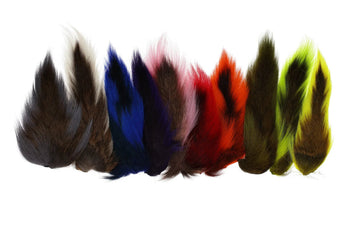
Natural olive, brown, and tan tones: Stick with these in clear water and on heavily fished rivers where trout have time to inspect a fly.
Flash-heavy and brighter patterns: Reach for these after a rain event or in glacial-tinged water, where extra flash helps a fly get noticed.
On-the-Water Tips
Slow your swing in cold water: Mend to slow the fly's speed through a run when water temperatures drop, since sluggish trout won't chase a fast-moving fly.
Match sink tip to fly weight: Pair unweighted soft hackles with a lighter tip and tungsten streamers with a heavier one so the rig swings at one consistent depth.
Check hook points often: Swung flies bump bottom more than stripped ones, so touch up the point with a hook file after a few fish or snags.
Fish the hang-down: Trout often eat right as the fly stalls below you at the end of the swing, so pause a beat before lifting to recast.
Complete Your Setup
Related Gear
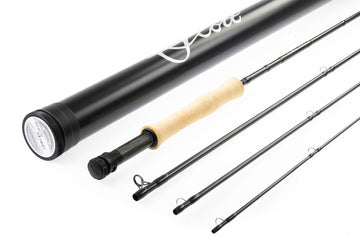
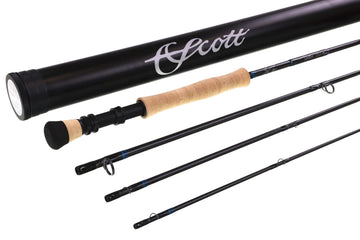
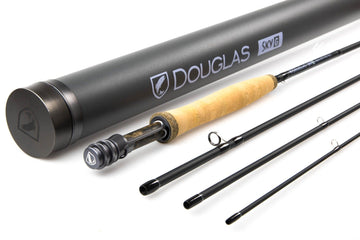
Trout Spey Fly Rods - The two-handed rods built to load and deliver these flies on the swing.
Spey Fly Lines - Skagit and Scandi heads that turn over soft hackles and streamers alike.
Spey Fly Line Tips - Interchangeable sink tips for dialing in the exact swing depth.
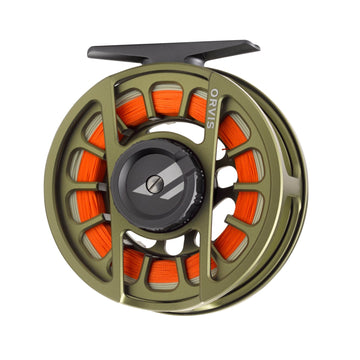
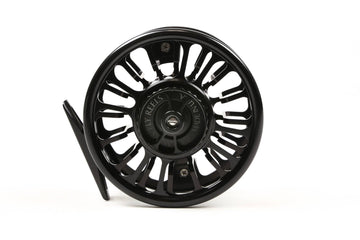
Spey Fly Reels - Large-arbor reels built to balance a two-handed rod and hold a hot trout.
Trout Spey Flies FAQs
Q: What size fly should I use for trout spey on a tailwater?
A: Start with a size 10-14 soft hackle for everyday swinging, sizing down on pressured tailwaters. Save the larger articulated patterns for off-color water or bigger, predatory trout.
Q: Do I need a full two-handed spey rod to fish these flies?
A: No, these patterns swing just as well on a single-hand rod with a switch or Skagit-style setup. A dedicated spey rod just makes longer swings and line control easier over a full day.
Q: What's the difference between a soft hackle and an intruder-style pattern?
A: Soft hackles are sparse flies that imitate emerging insects near the surface, while intruder-style patterns like the Klamath Intruder are bulkier, articulated streamers built to trigger aggressive strikes. Carry both to match the mood of the fish.