



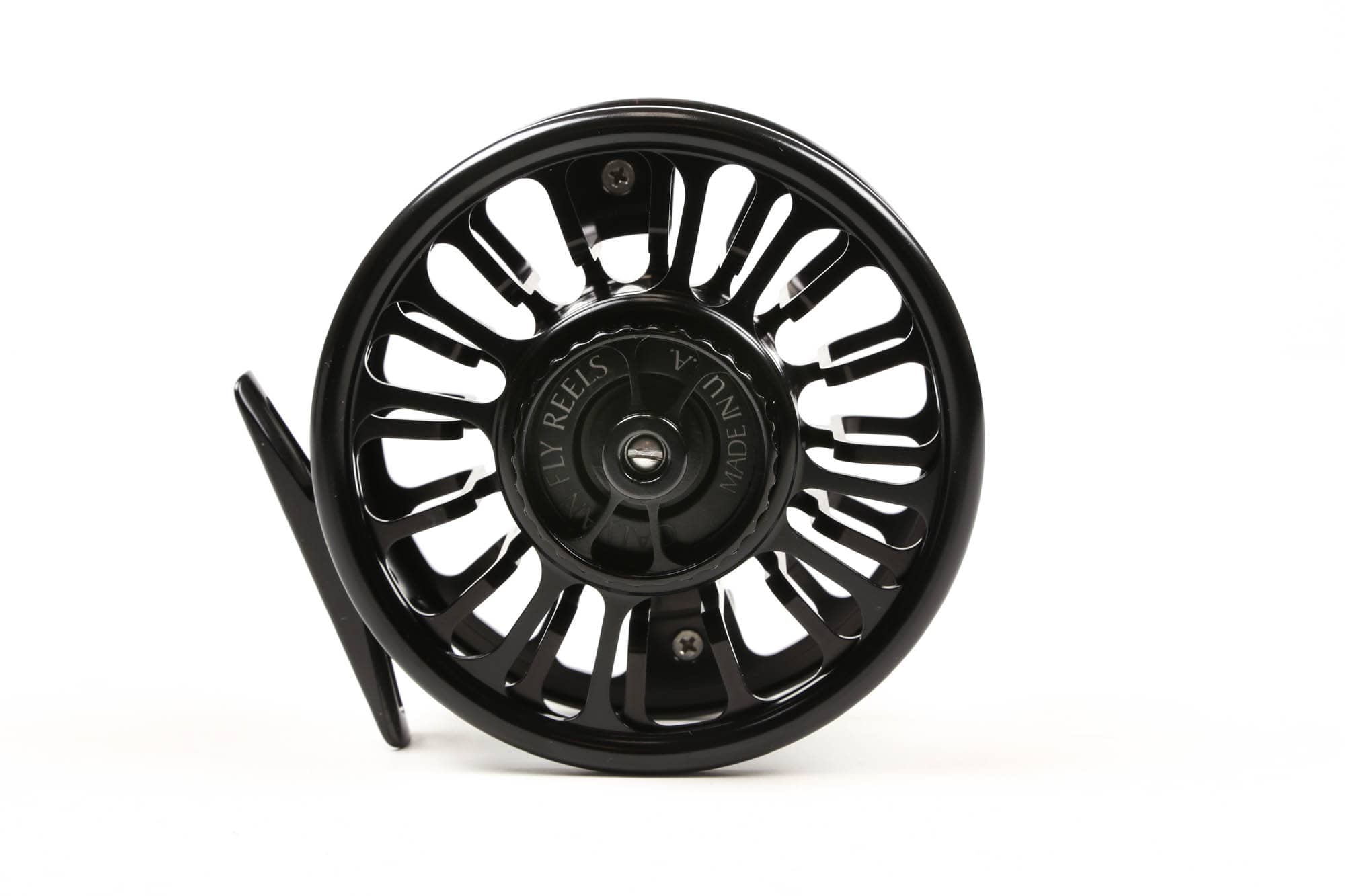

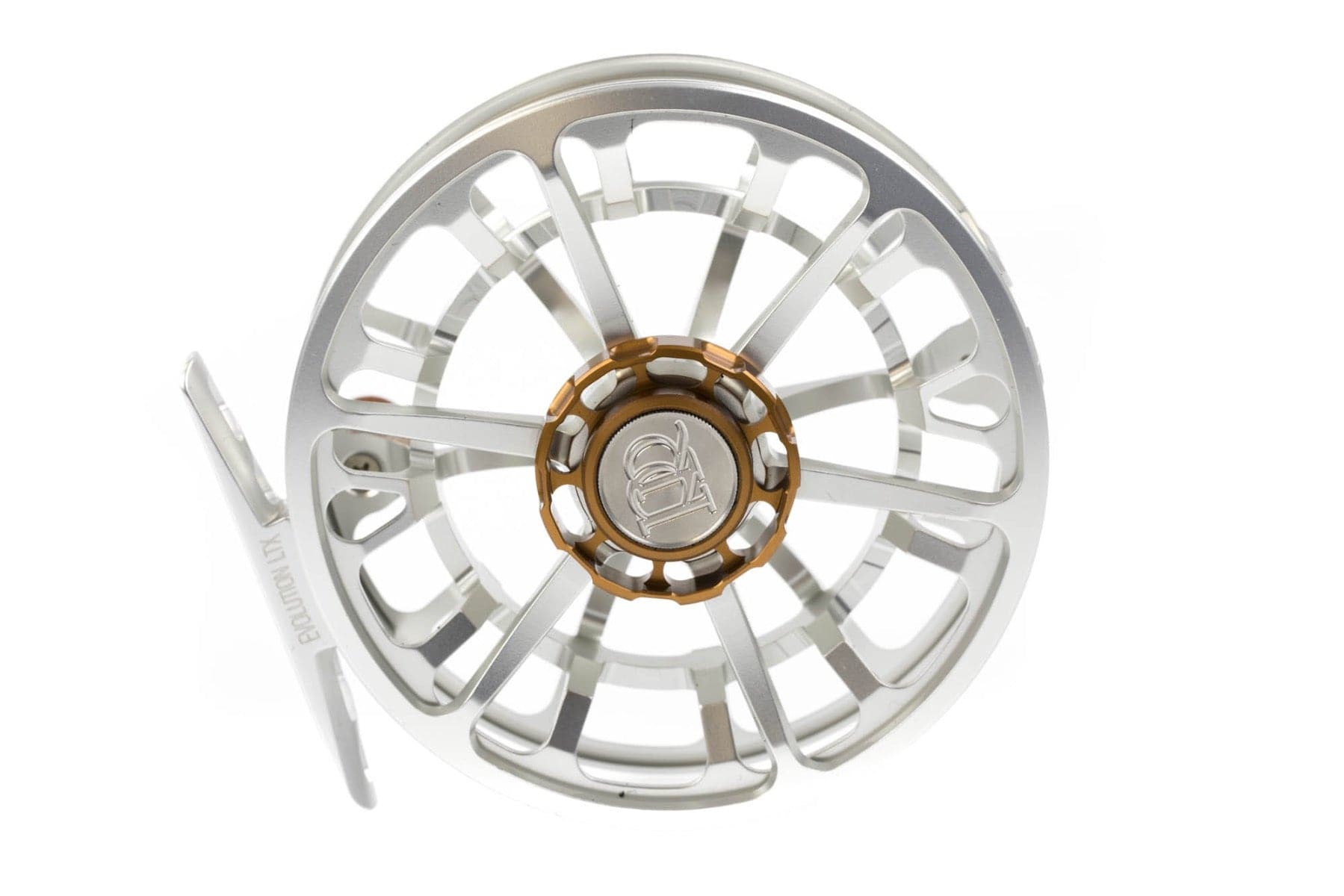
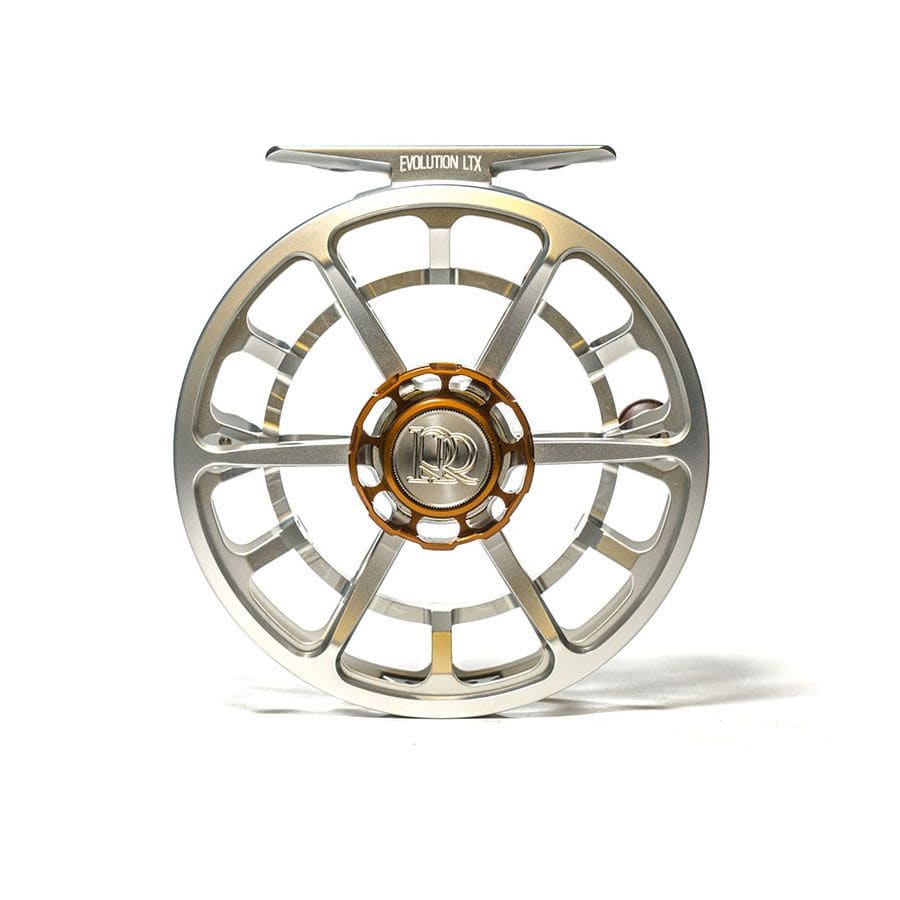


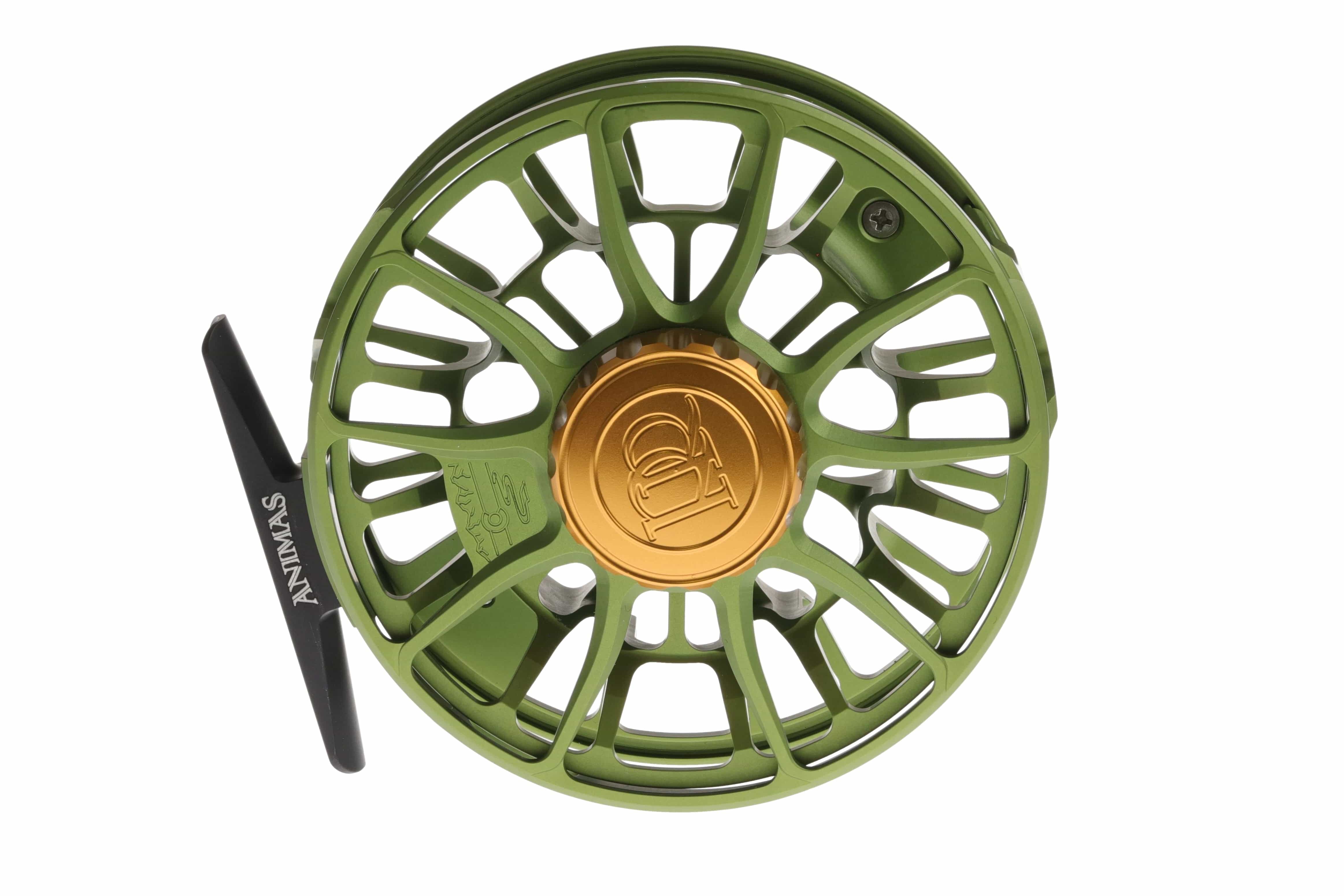


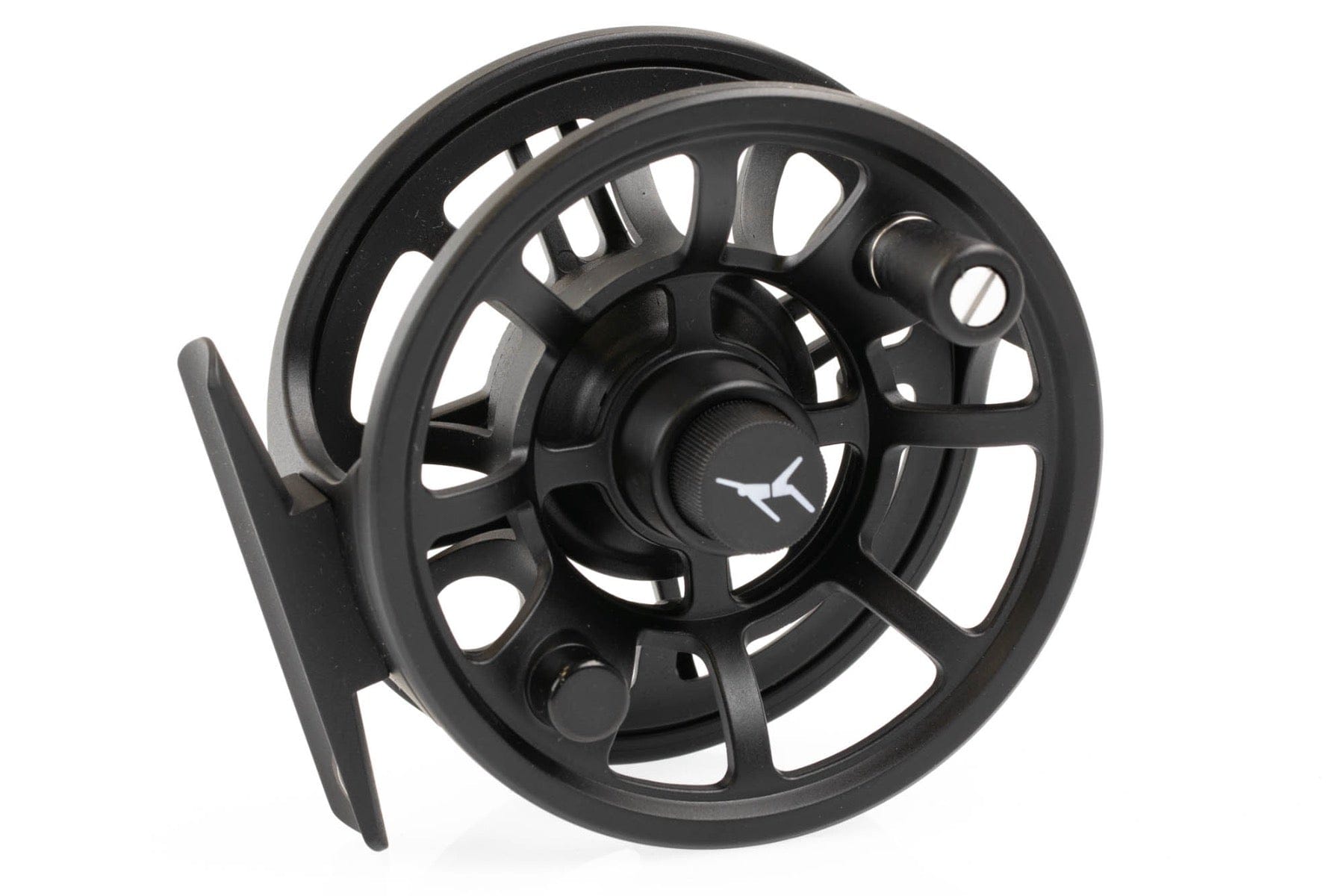
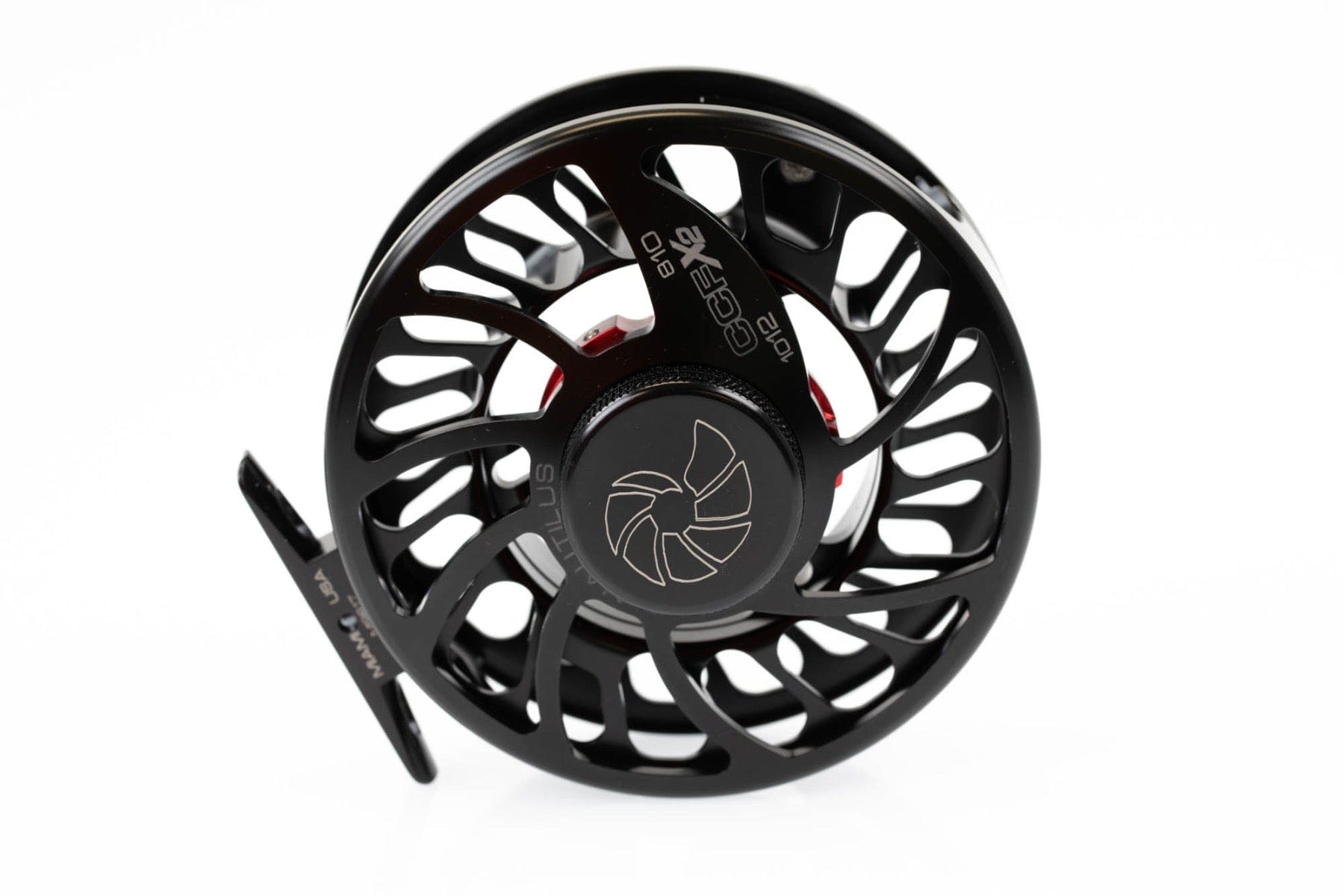
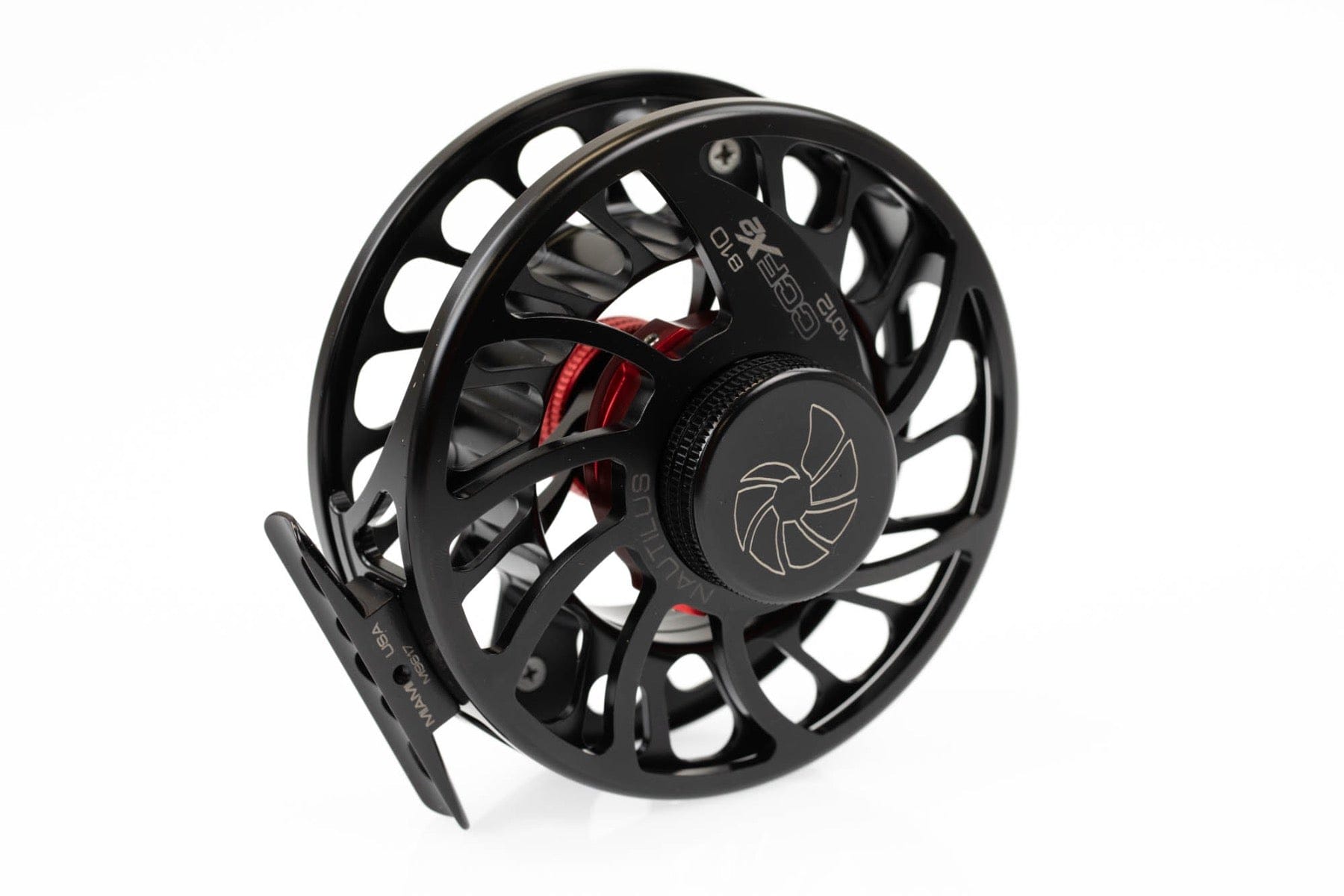


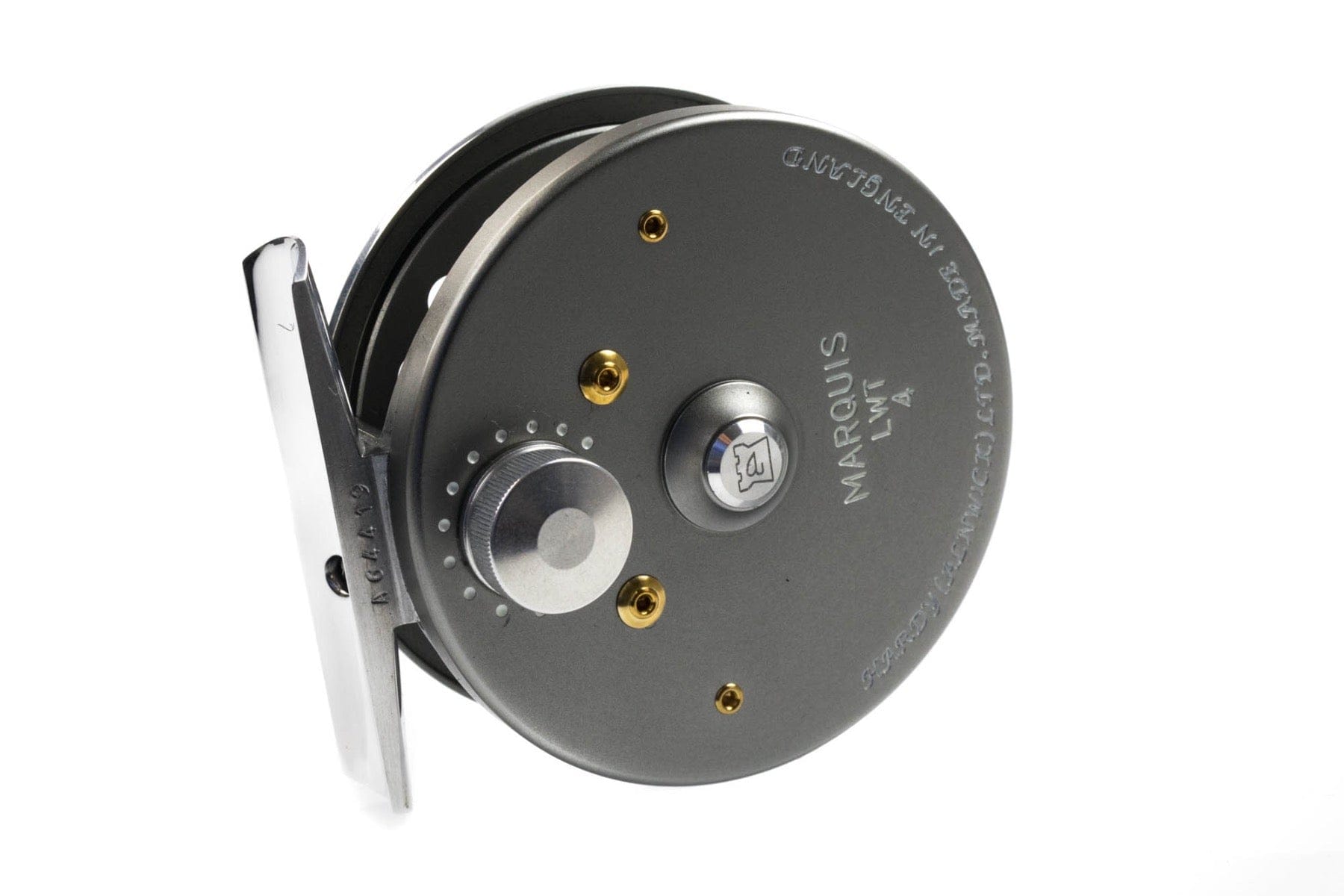
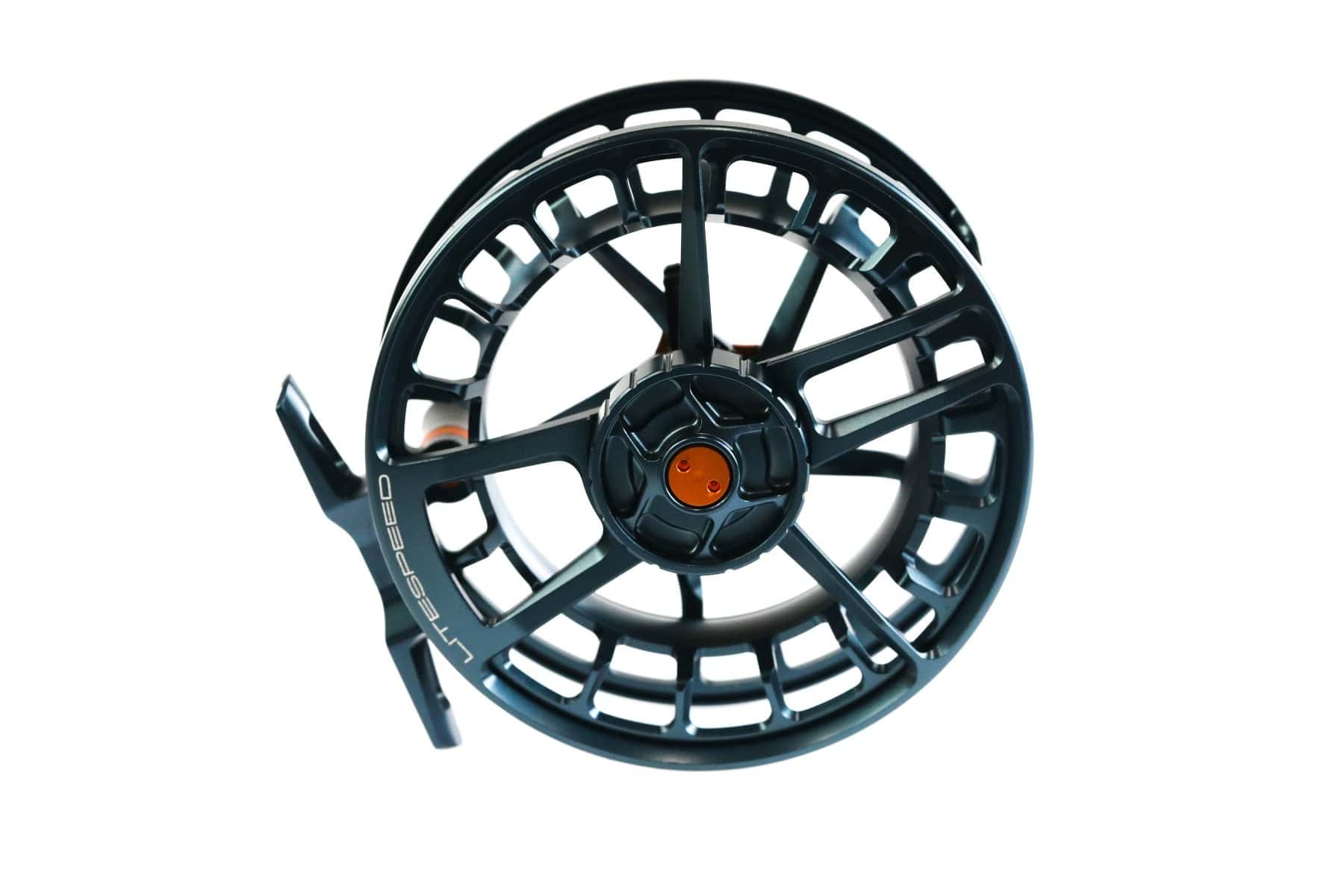
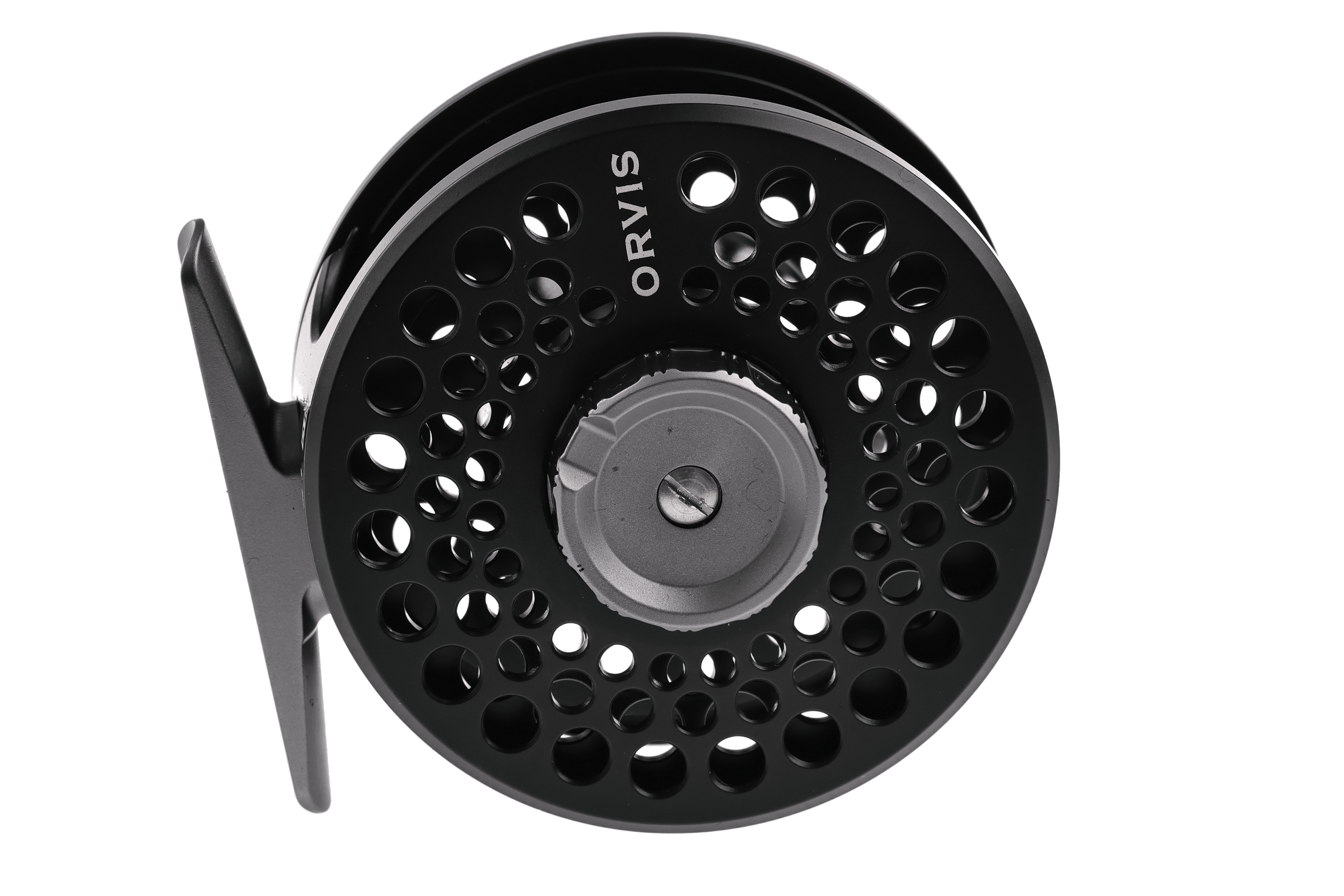
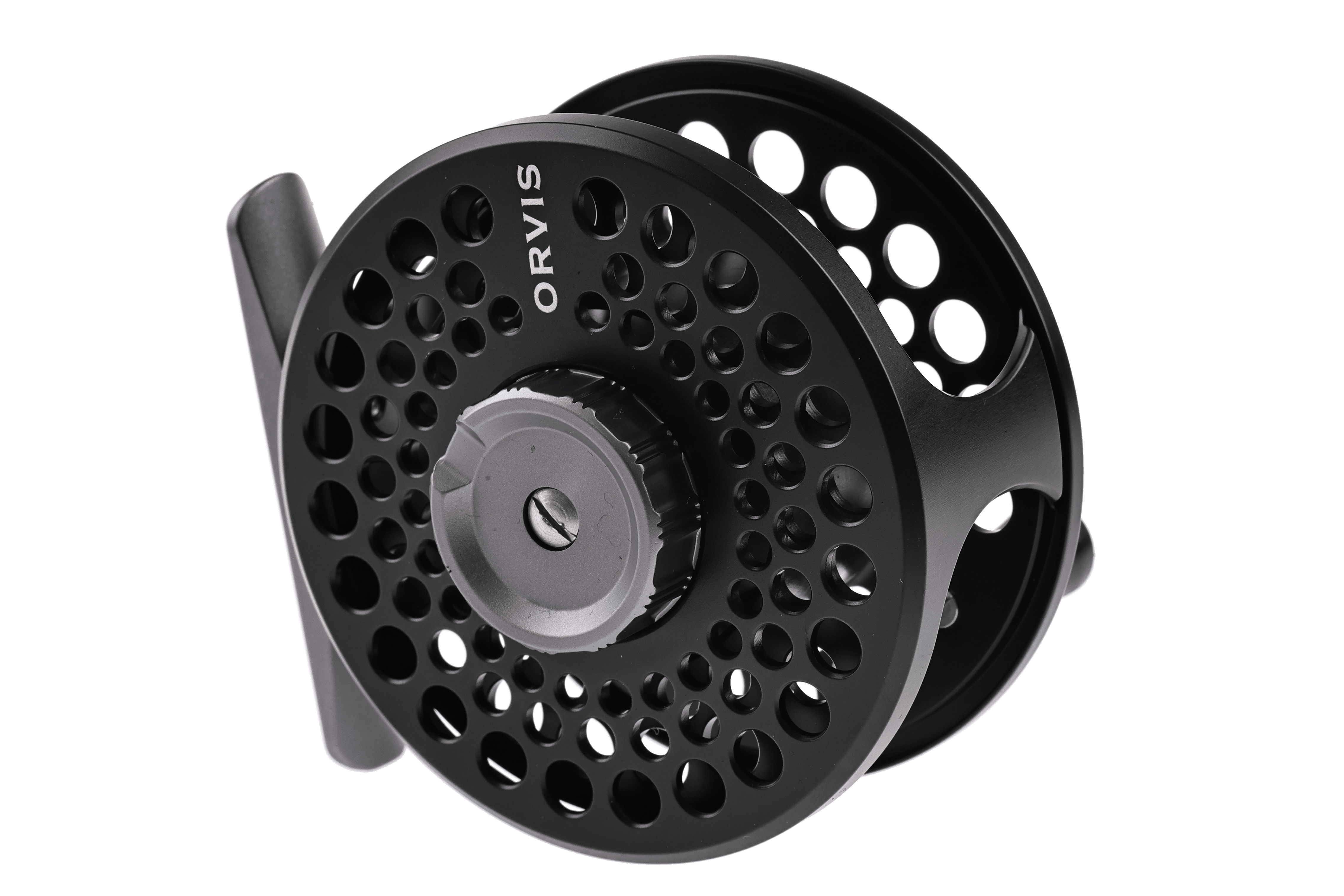


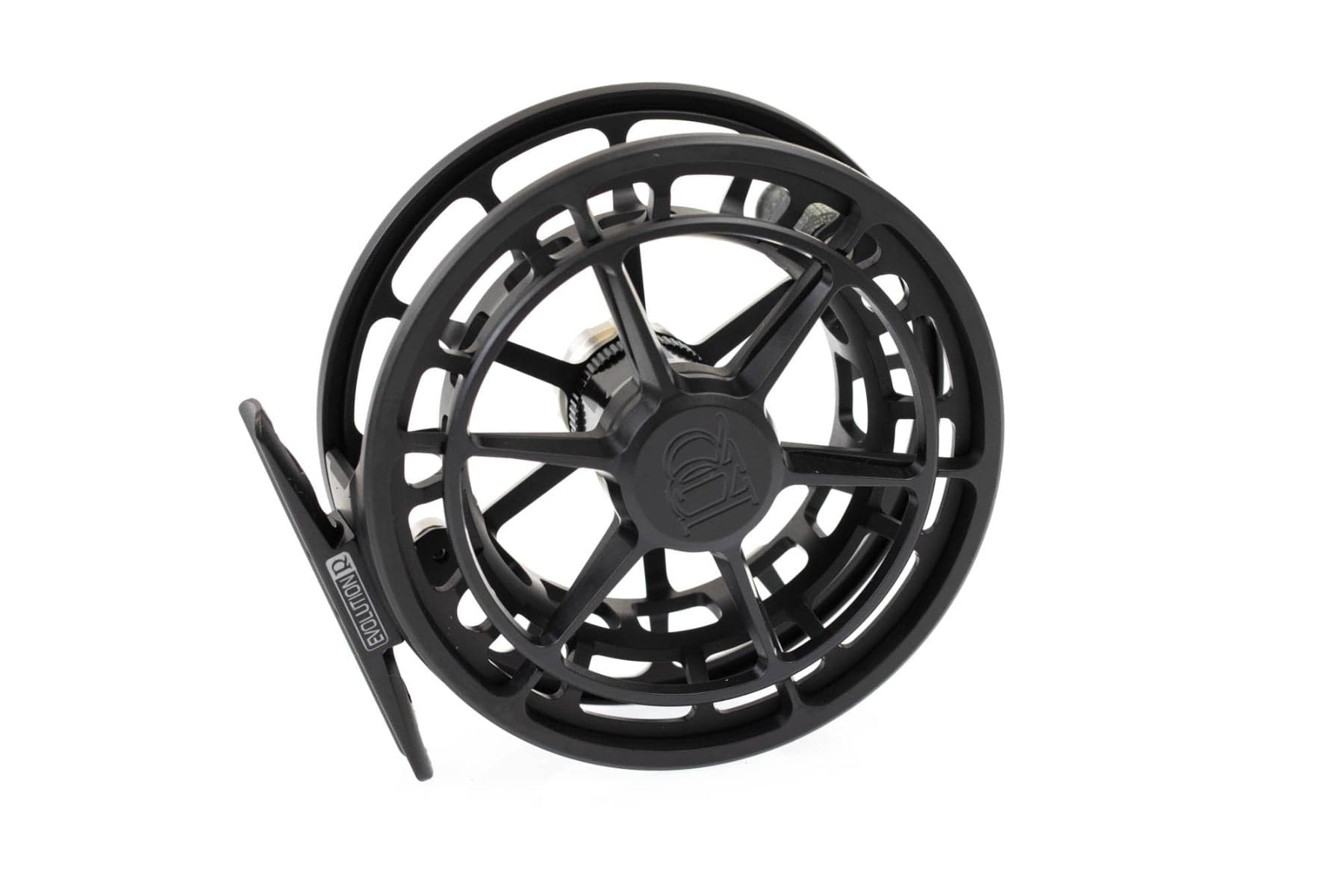


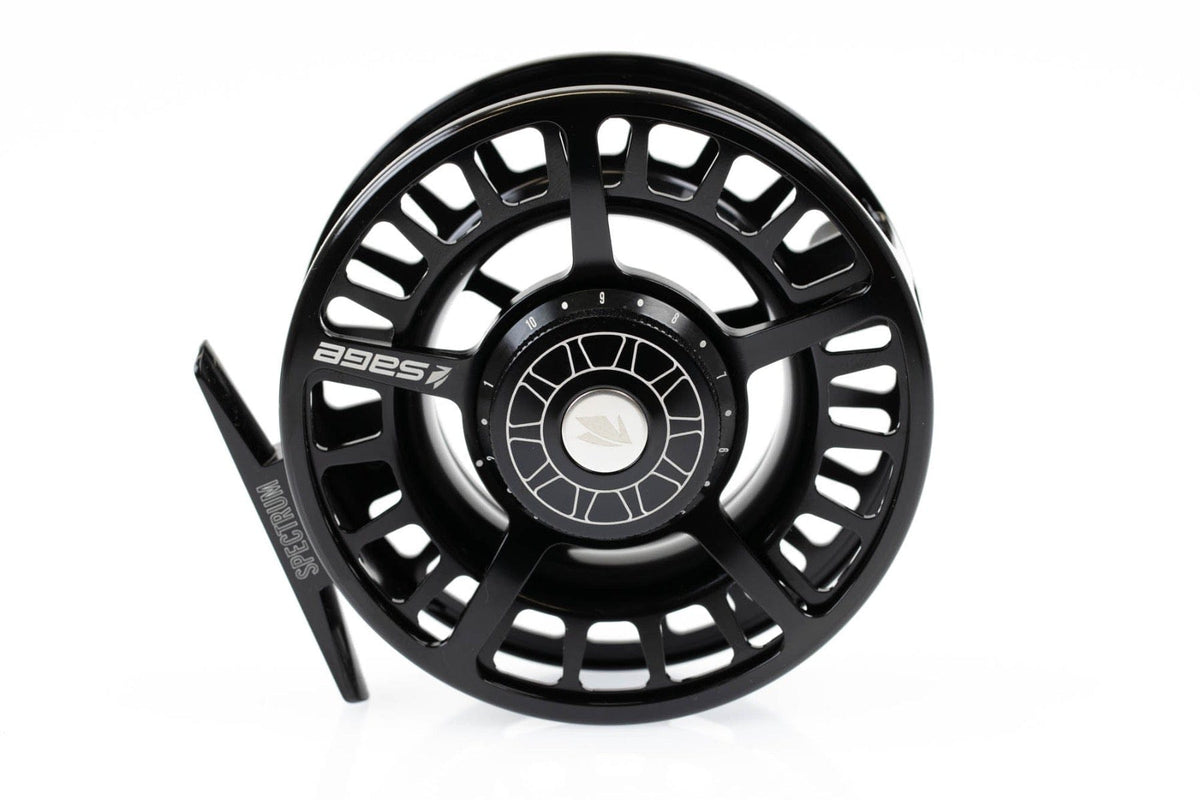
Shop Pacific salmon fly reels: strong, smooth drags and large capacity for coho, sockeye, chum and king salmon.
Pacific Salmon Fly Reels Quick Picks
Best premium reel for kings and big water: Hatch Iconic Large Arbor Fly Reel - A carbon-filled drag with outstanding stopping power, an open design that dries quickly, and sizes running from 3 Plus to 11 Plus. Step into the larger models when a fresh chinook decides to head back to the ocean.
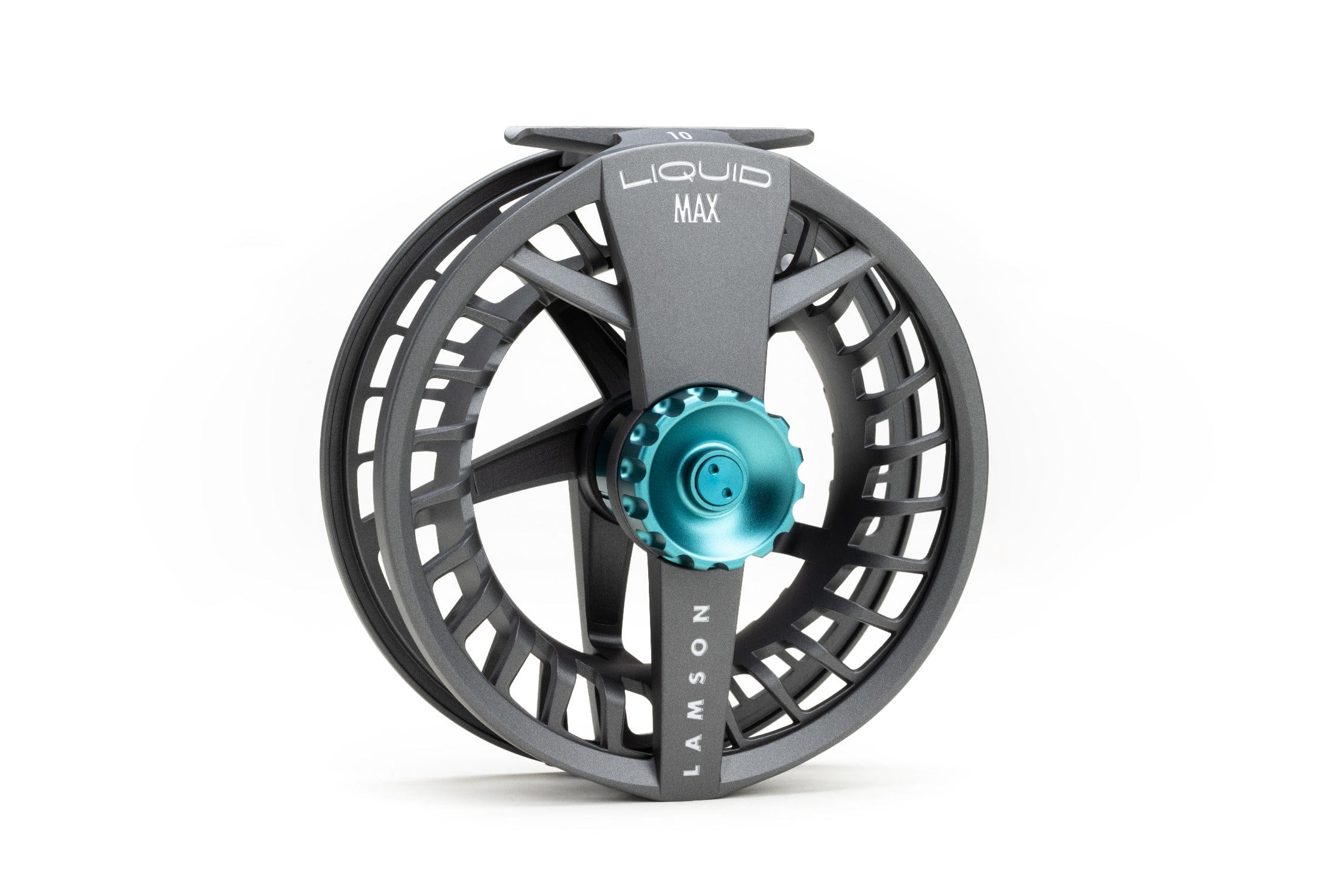
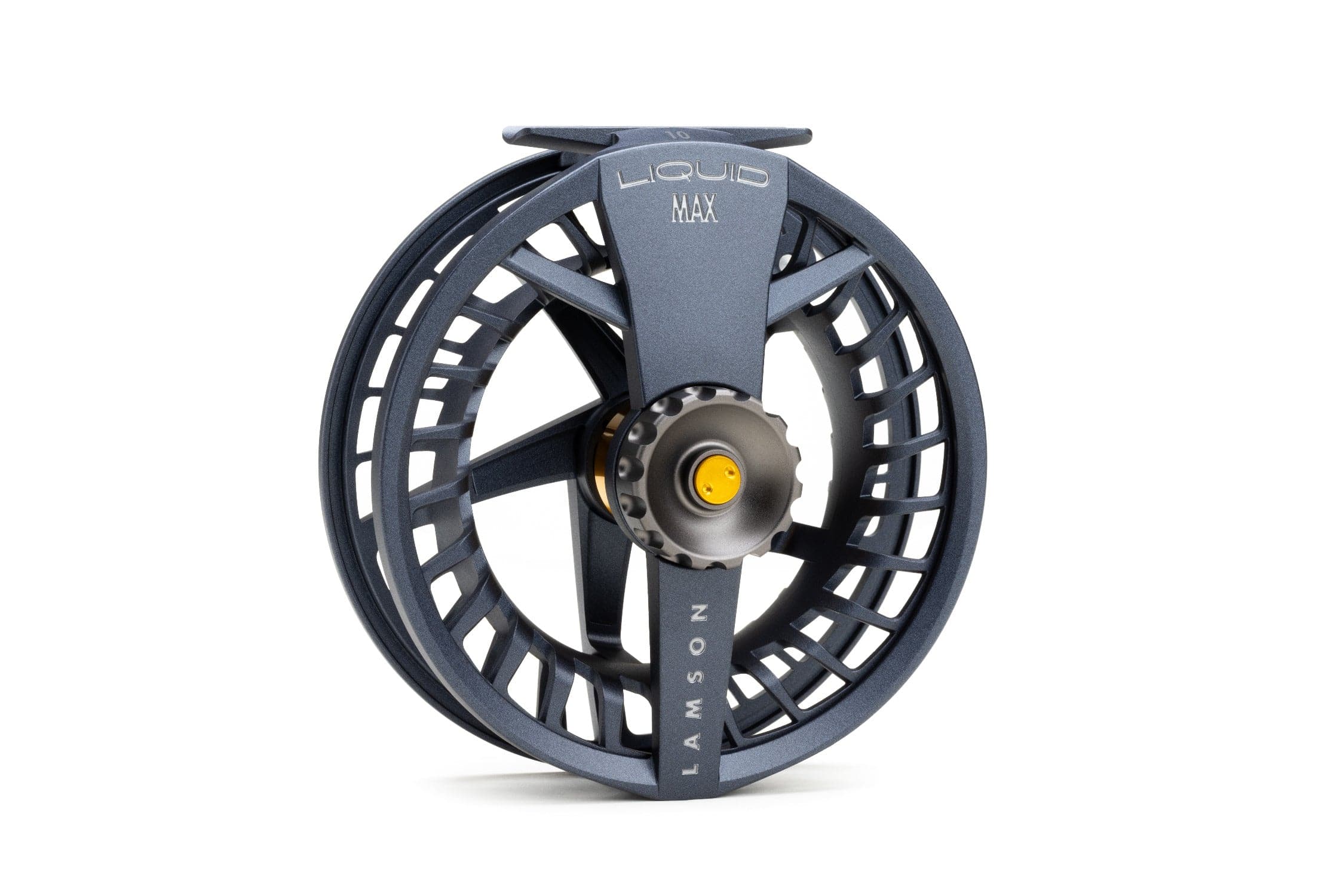
Best workhorse for river and salt: Lamson Liquid Max Fly Reel - Built around Lamson's IPX8-certified waterproof Cobalt drag, with smooth startup and fast line pickup. Offered in 6, 8 and 10 sizes, it covers the core coho-to-king range and doesn't mind a trip to the estuary.
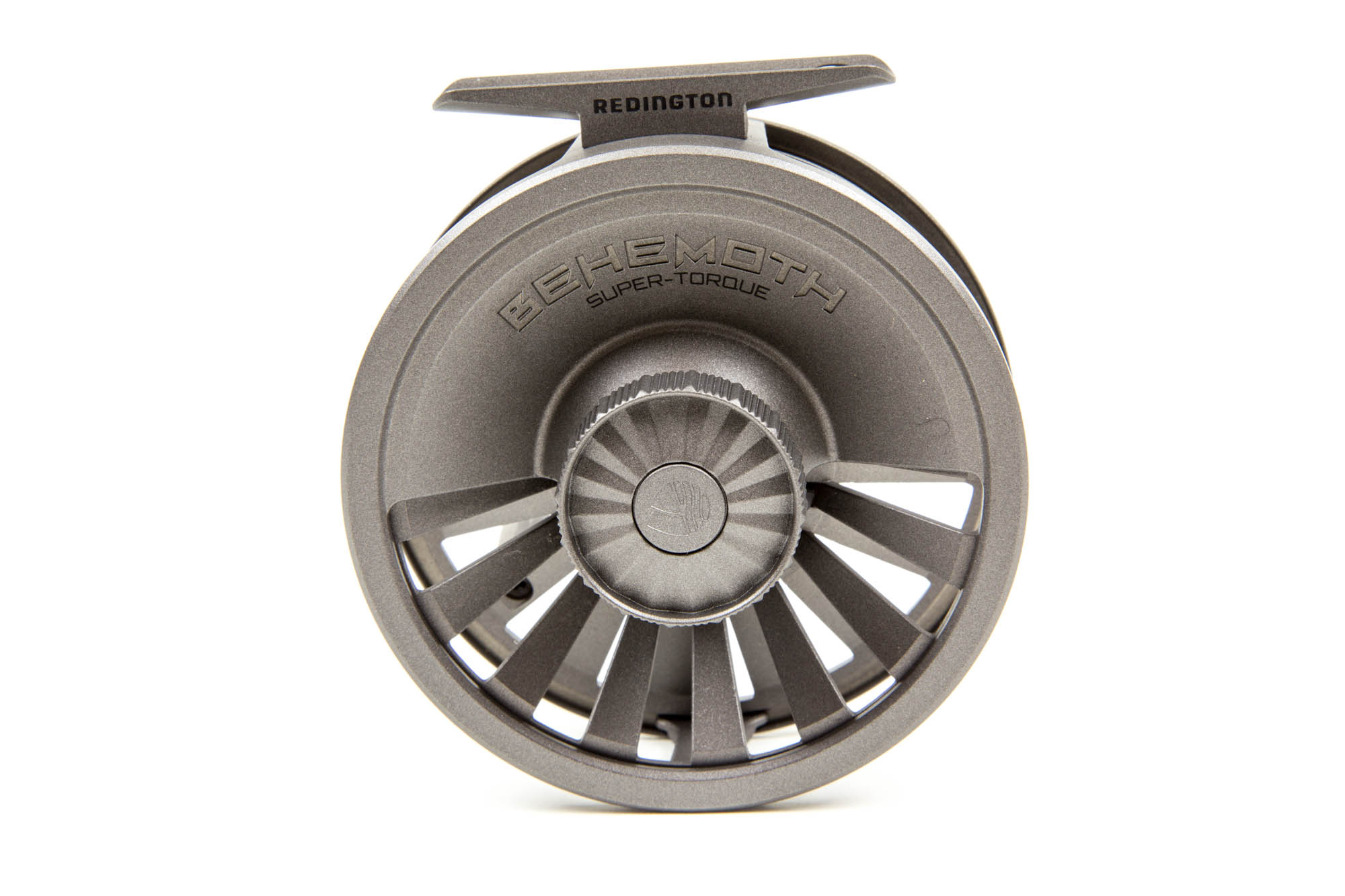
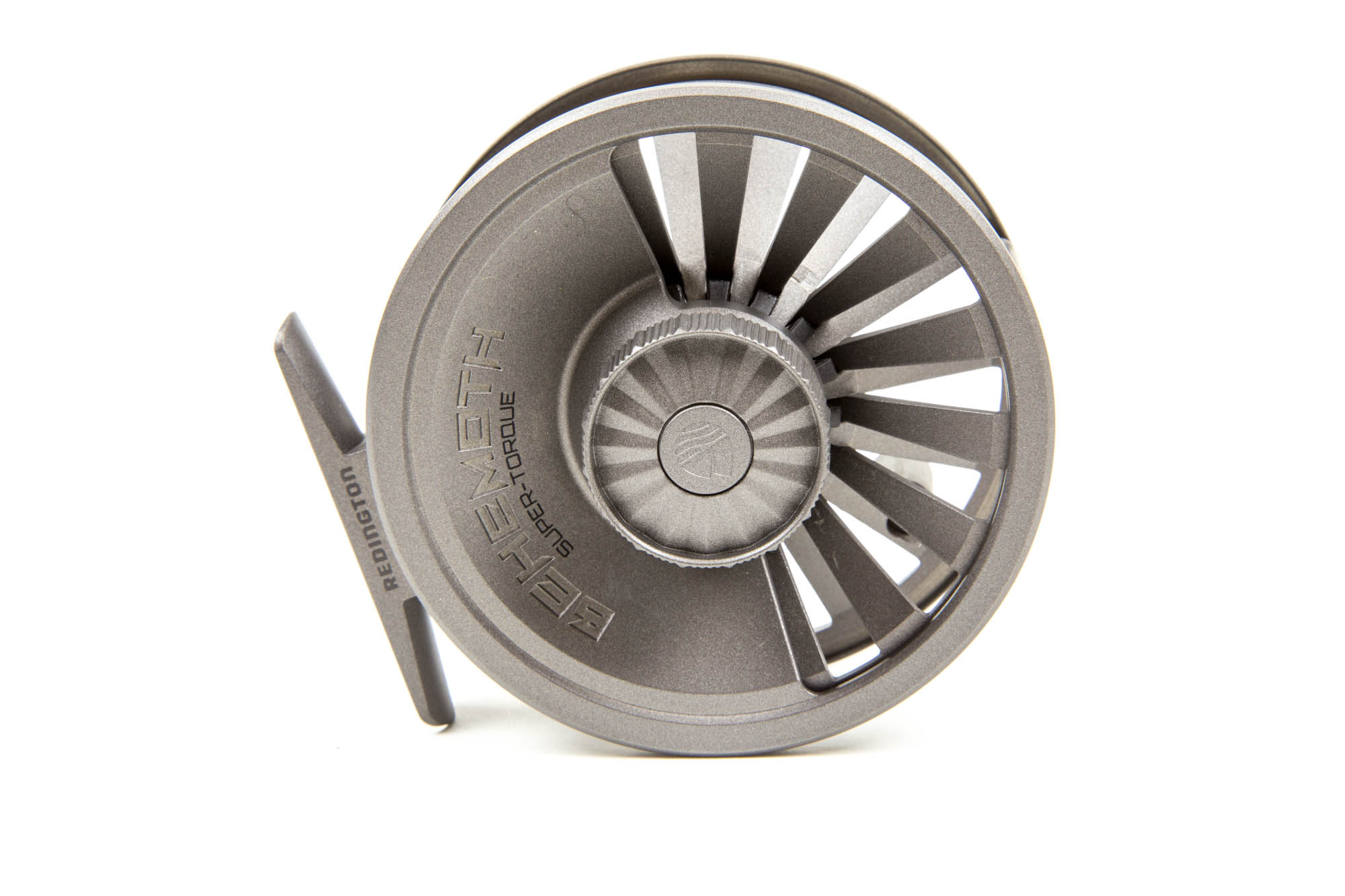
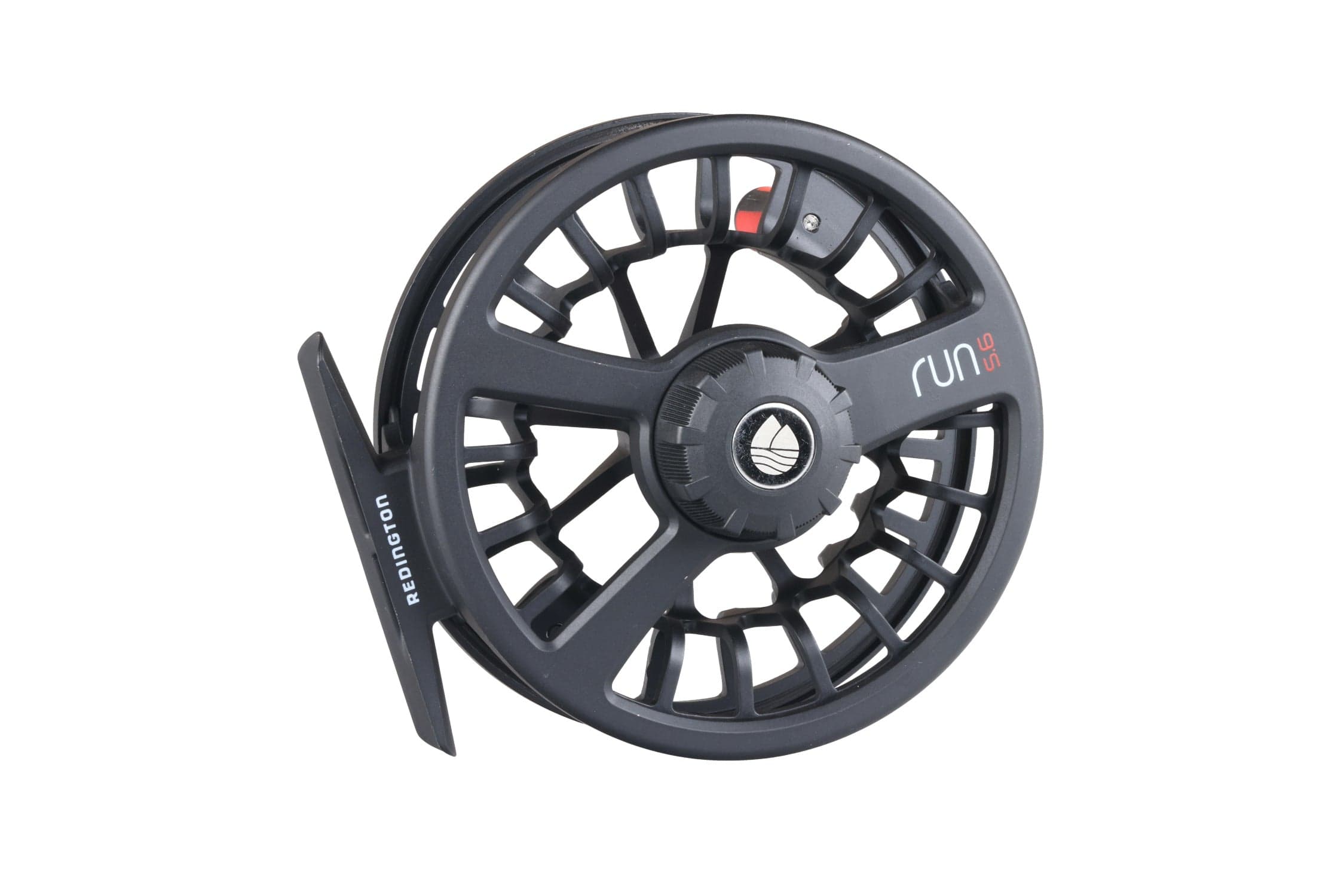
Best value for a first salmon outfit: Redington Behemoth Fly Reel - Redington built this die-cast reel around the strongest drag in its class. The 7/8 and 9/10 sizes are a sensible, affordable way to gear up for pinks, chum and coho.
Best reel for swinging flies on a two-hand rod: Sage Spey II Fly Reel - A sealed carbon disc and dual-clicker drag in a full-cage frame that keeps thin shooting lines from slipping out, plus a slightly offset foot for better balance on long spey rods.
How to Choose Pacific Salmon Fly Reels
Drag Strength and Smoothness
Salmon pull harder and longer than almost anything else in freshwater, and a bright king in heavy current can strip line faster than you can follow. A disc drag with real stopping power is the baseline, but smoothness matters just as much. A drag that sticks at startup or surges partway through a run is how hooks pull and leaders break. Look for a drag knob with clear, repeatable settings so you can add pressure as the fish tires without guessing.
Arbor Size and Backing Capacity
A large arbor picks up line quickly when a salmon turns and runs back toward you, which is common in rivers where fish use the current. Capacity is the other half of the equation. Coho, sockeye and chum on 7-9 weight outfits rarely need extreme amounts of backing, but kings on 9-10 weight rods and above can take you deep into it, especially in big water or when you can't chase the fish. When you're between two sizes, the larger reel buys you room for more backing and a bulky sink-tip or shooting head.
Sealing and Corrosion Resistance
Pacific salmon fishing often happens in places that are hard on gear: glacial silt, rain, tidewater and saltwater beaches. A sealed drag keeps grit and water away from the parts that matter, and good corrosion protection on the frame and hardware makes a reel far more forgiving when you fish estuaries or the salt. If you plan to chase coho off the beach or in the bays, treat your reel choice the way you would for any saltwater trip.
Single-Hand or Spey Setup
Many salmon anglers fish single-hand rods from boats and gravel bars, while others swing flies with two-hand rods on big rivers. Spey reels are typically heavier and often full-framed to counterbalance a longer rod and keep running line contained. Match the reel to how you actually fish, then confirm it balances on the rod you own.
On-the-Water Tips
Set your drag before the first cast: Pull line off by hand and adjust to a firm, steady tension. Fumbling with the knob during a run is a common way to lose a fish.
Hands off the handle during a run: When a salmon takes off, let the drag do the work and keep your fingers clear of the spinning handle. Reel when the fish stops or turns.
Carry a spare spool or two: Rivers change by the hour, and having a floating line plus a sink-tip ready makes it easier to keep your fly in the strike zone.
Rinse after tidewater and silt: A quick freshwater rinse and a full dry before storage keeps sand and salt from building up, and backing the drag off helps the reel last longer.
Complete Your Setup
Pacific Salmon Fly Rods - Single-hand and two-hand rods with the backbone to turn fresh fish in current.
Pacific Salmon Flies - Patterns for coho, chum, pinks, sockeye and kings, from bright attractors to swung flies.
Fly Line Backing - Fill your spool properly so a long run doesn't end at the arbor.
Fly Lines - Floating, sink-tip and full sinking lines to cover every depth a salmon river throws at you.
Pacific Salmon Fly Reels FAQs
Q: What size fly reel do I need for Pacific salmon?
A: Match the reel to your rod. Coho, sockeye, pinks and chum are usually fished on 7-9 weight rods, while kings call for 9-10 weight rods or heavier. A reel rated for that line weight with room for plenty of backing is the right starting point.
Q: Do I need a sealed drag for salmon fishing?
A: It isn't strictly required for river fishing, but a sealed drag is a smart choice. Salmon water is often silty, rainy or tidal, and a sealed drag holds up better to grit and salt with less maintenance.
Q: Can I use my steelhead reel for salmon?
A: Often, yes. A steelhead reel in the 7-8 weight range works well for coho, sockeye and chum. For kings, most anglers step up to a larger reel with a stronger drag and more backing capacity.
Q: Can I use a saltwater fly reel for Pacific salmon?
A: Yes. Saltwater reels are built with strong sealed drags and good corrosion protection, which makes them a solid fit for big rivers, estuaries and beach fishing. Just make sure the reel balances on your salmon rod.