



























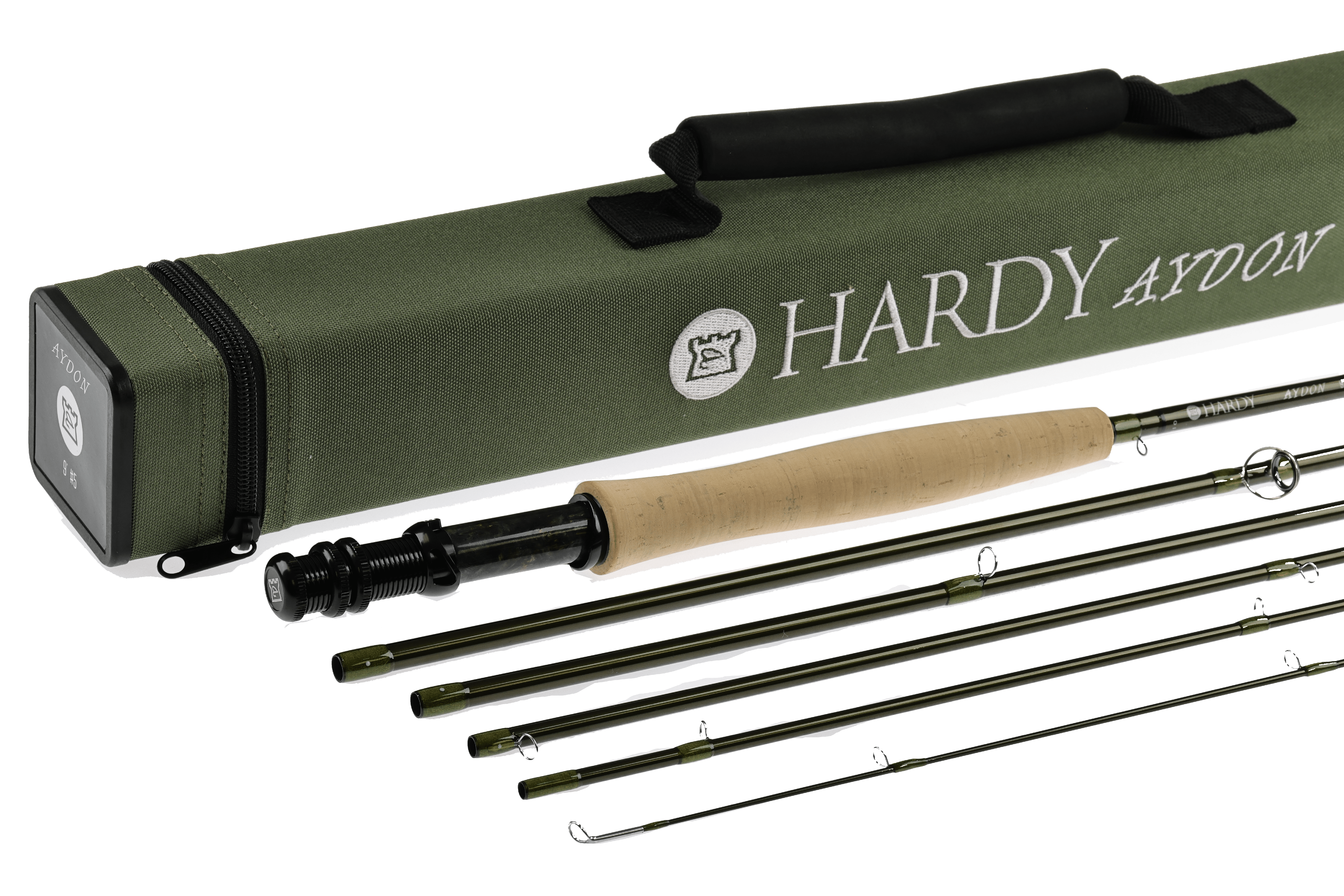
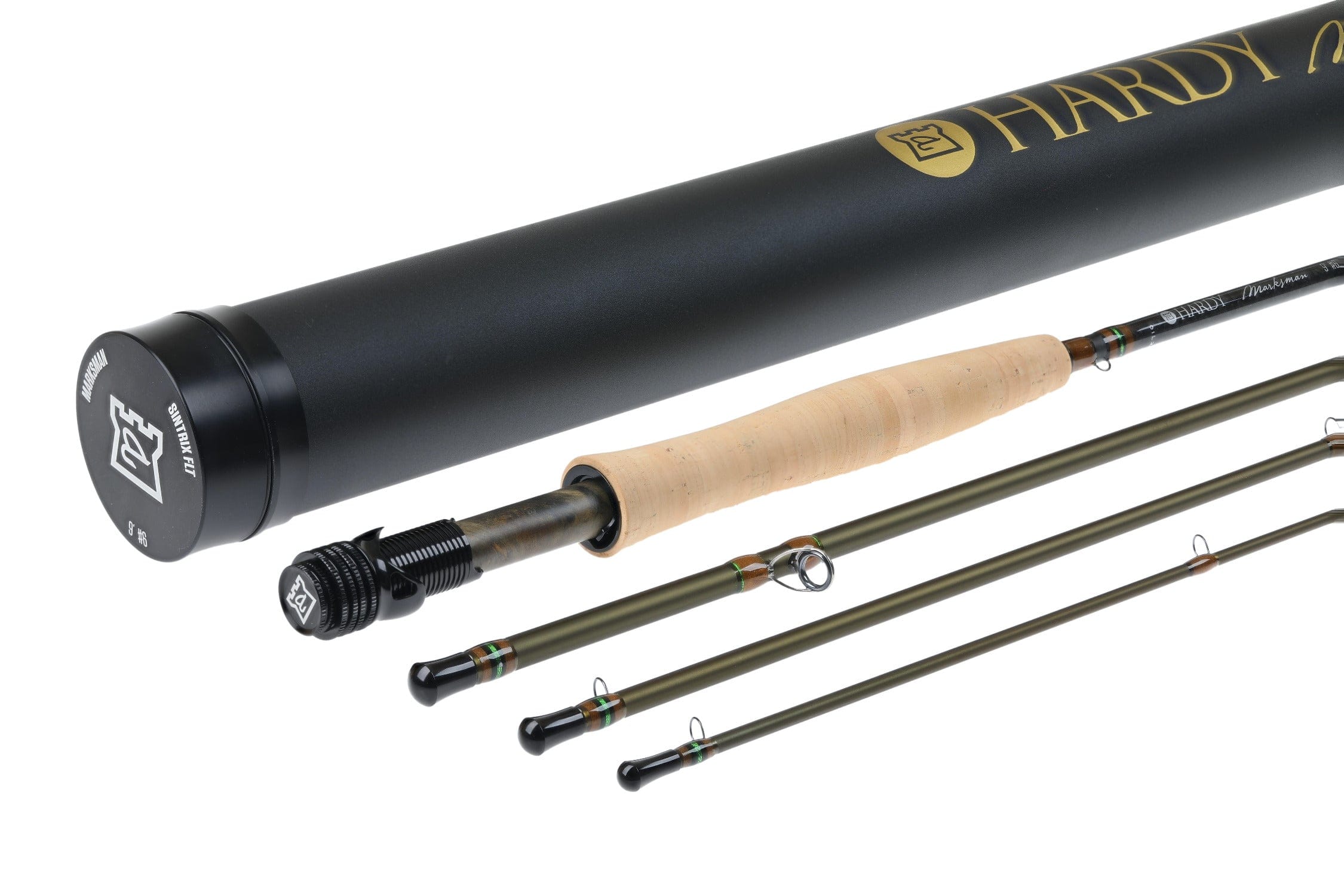
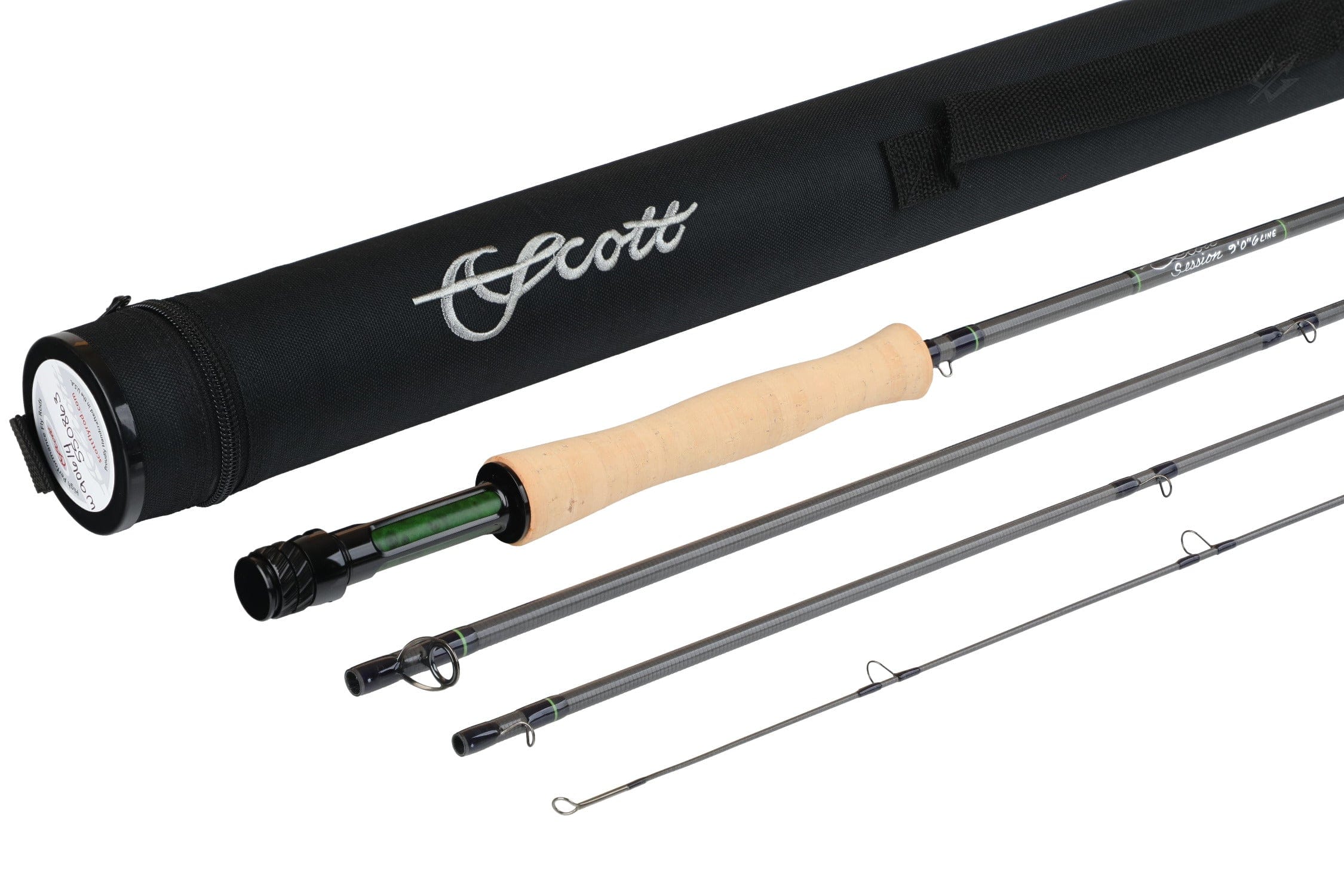
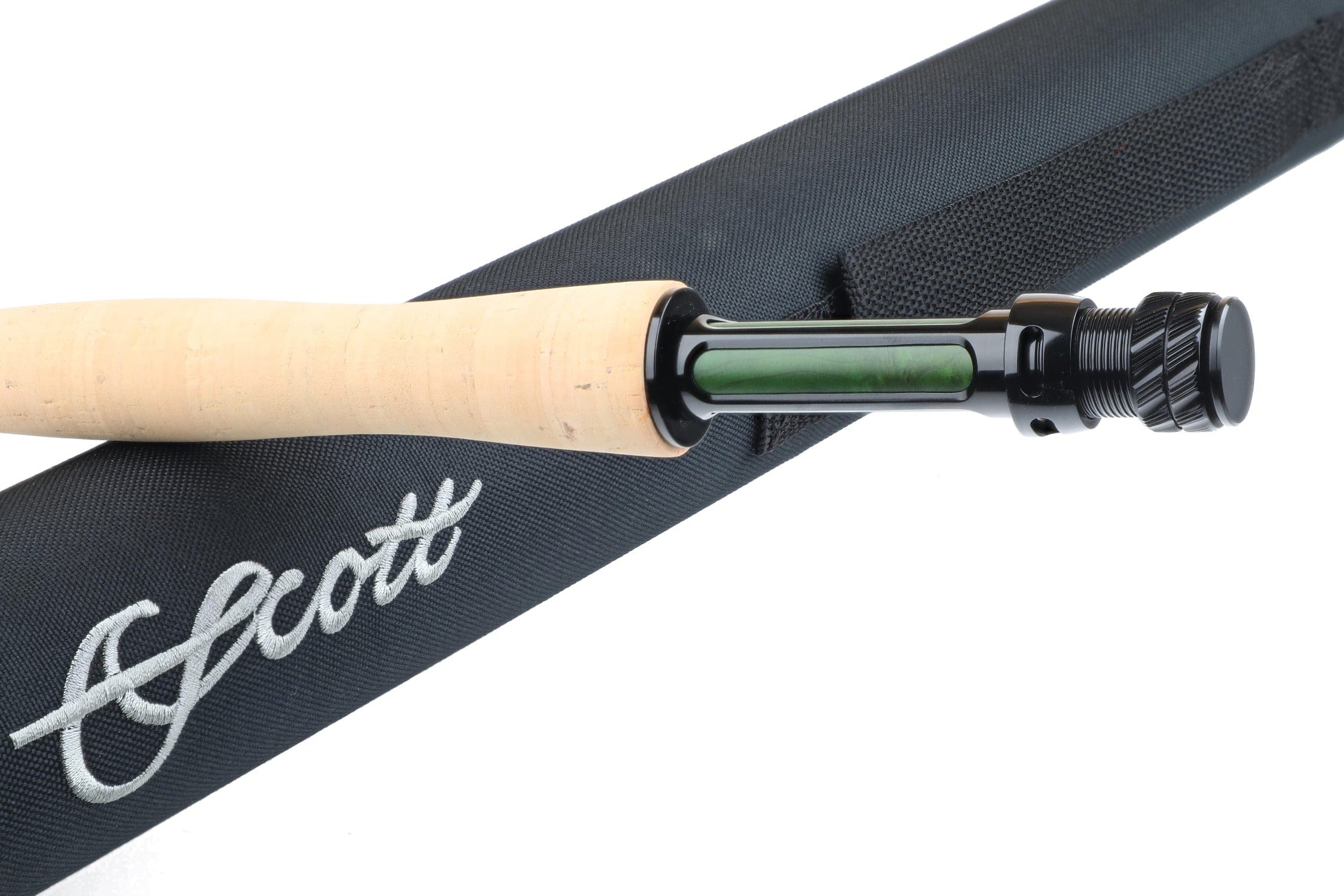
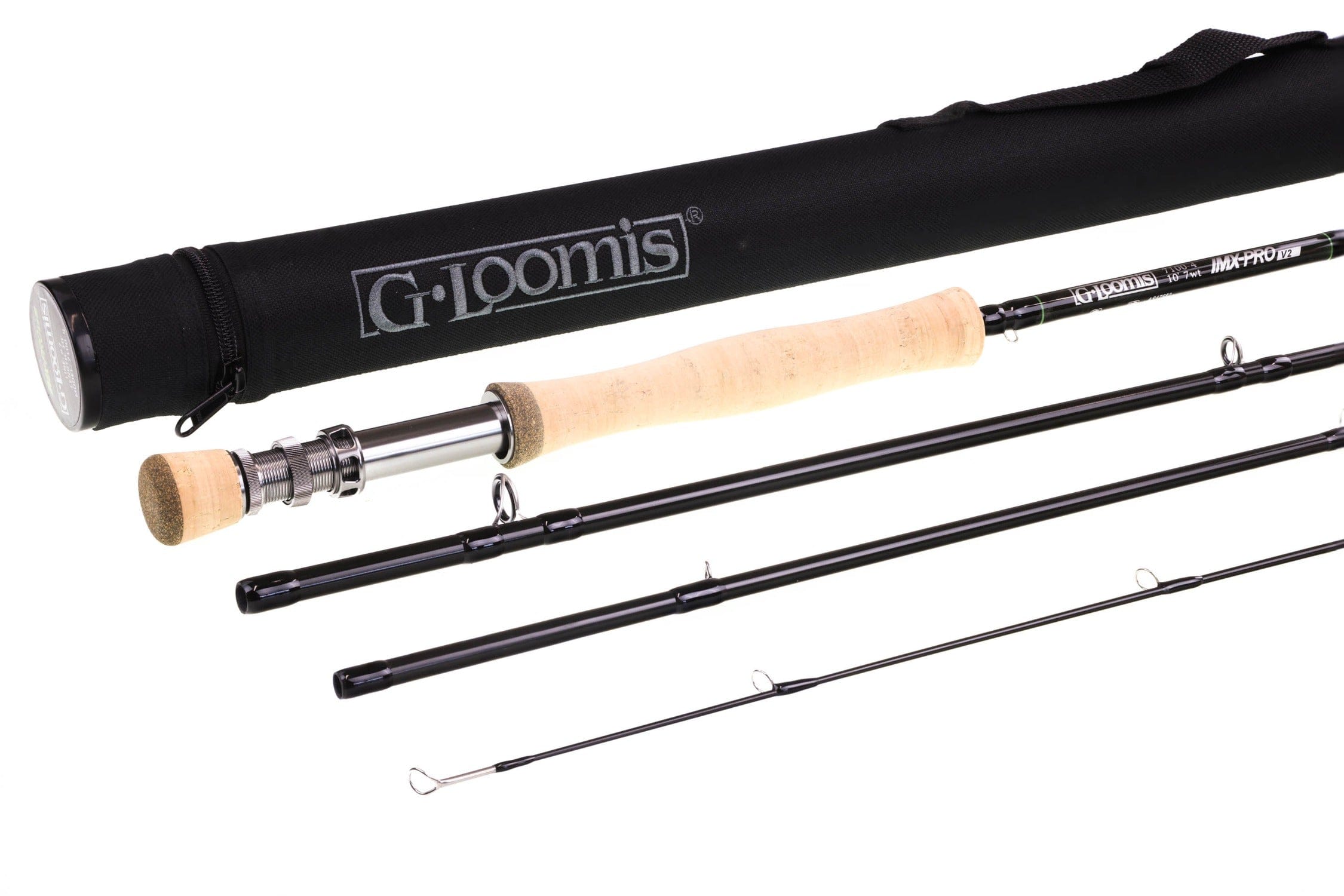
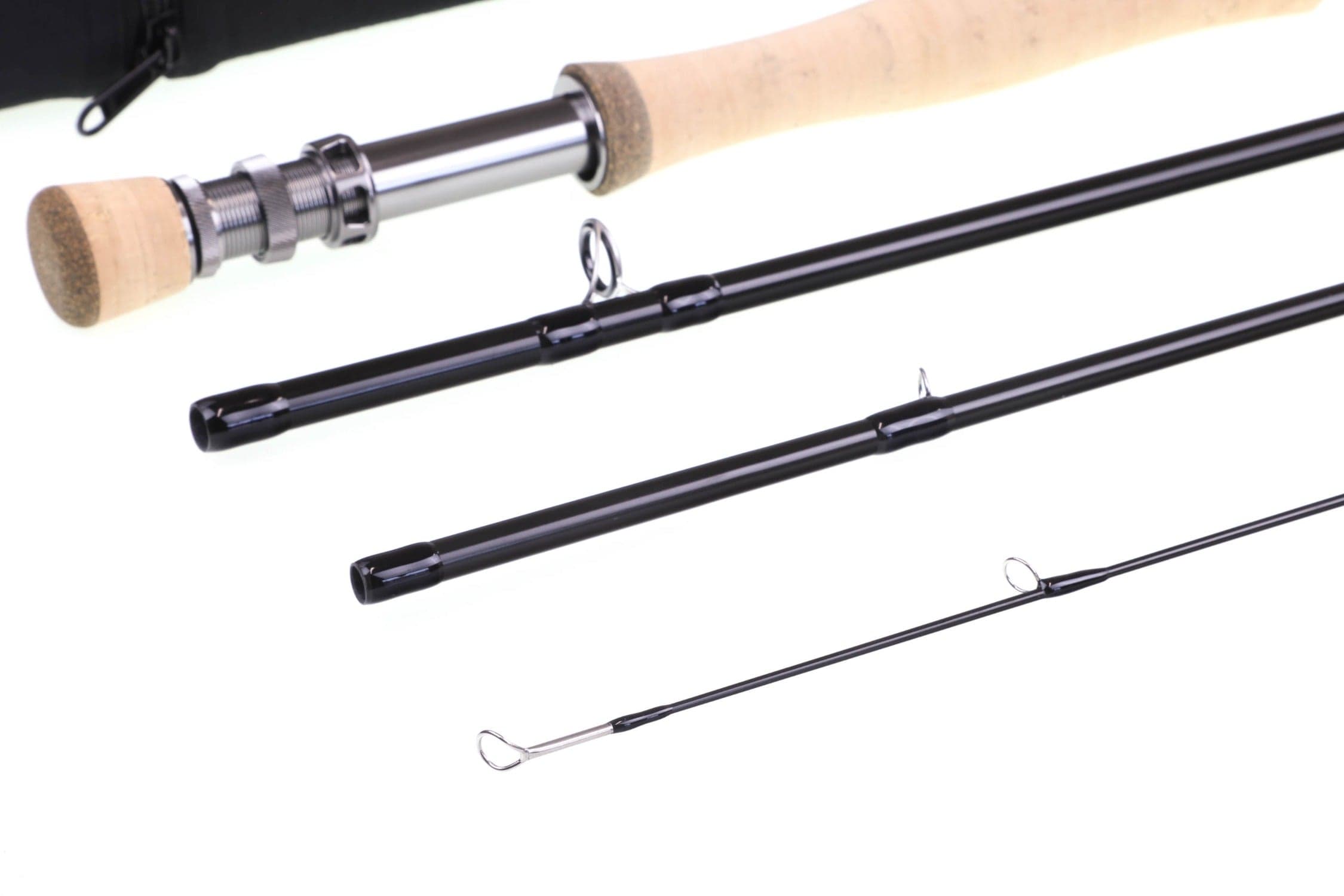
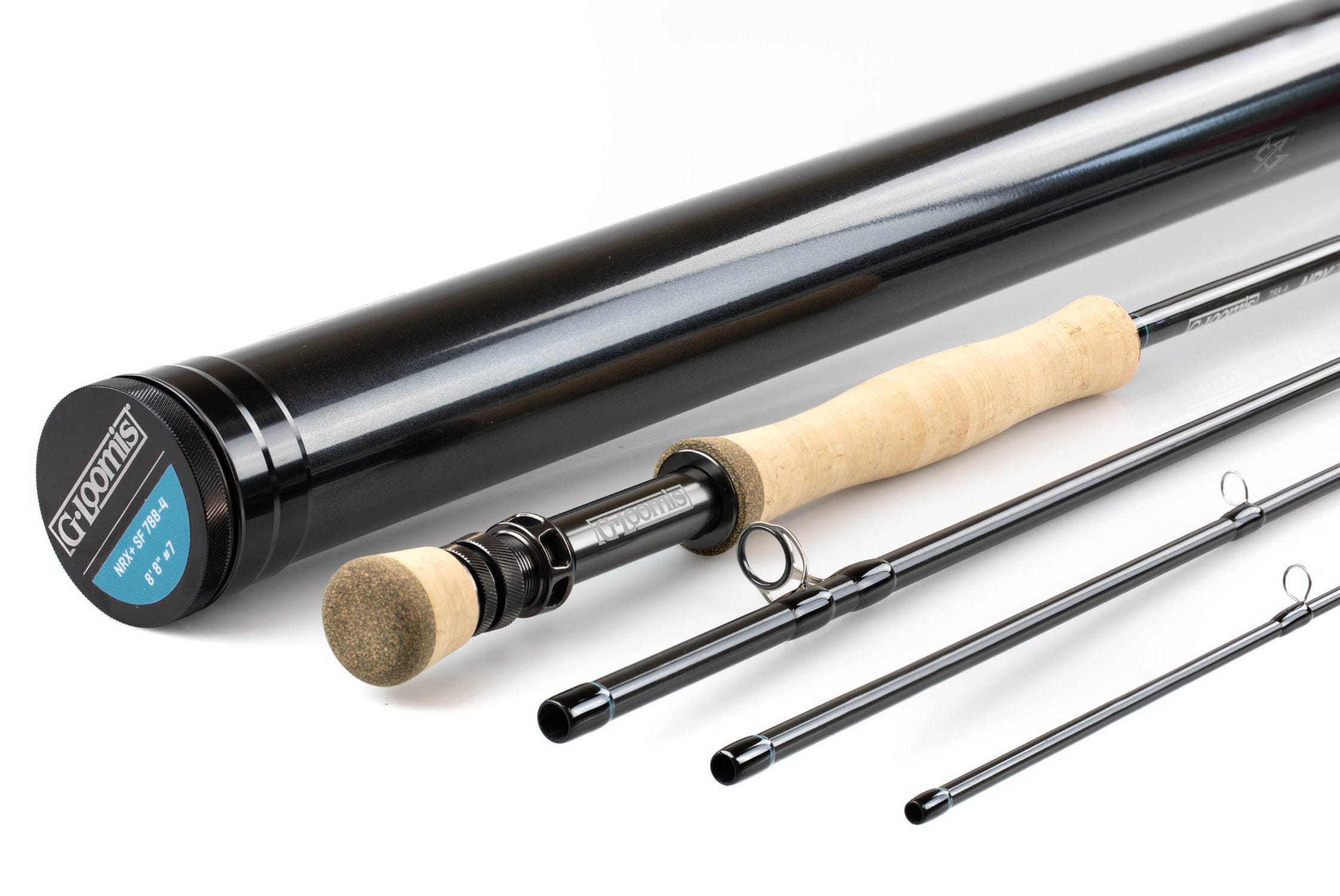
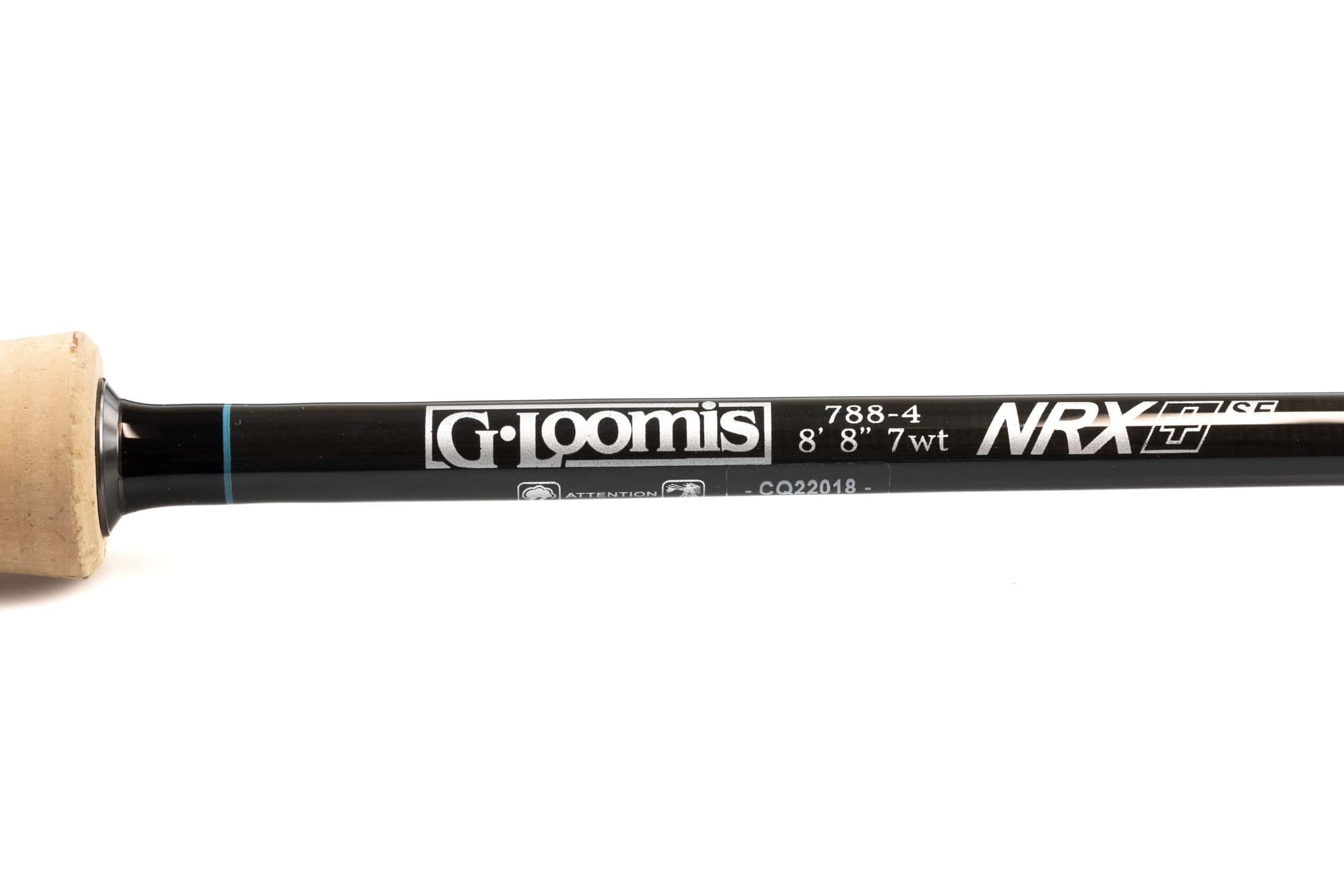
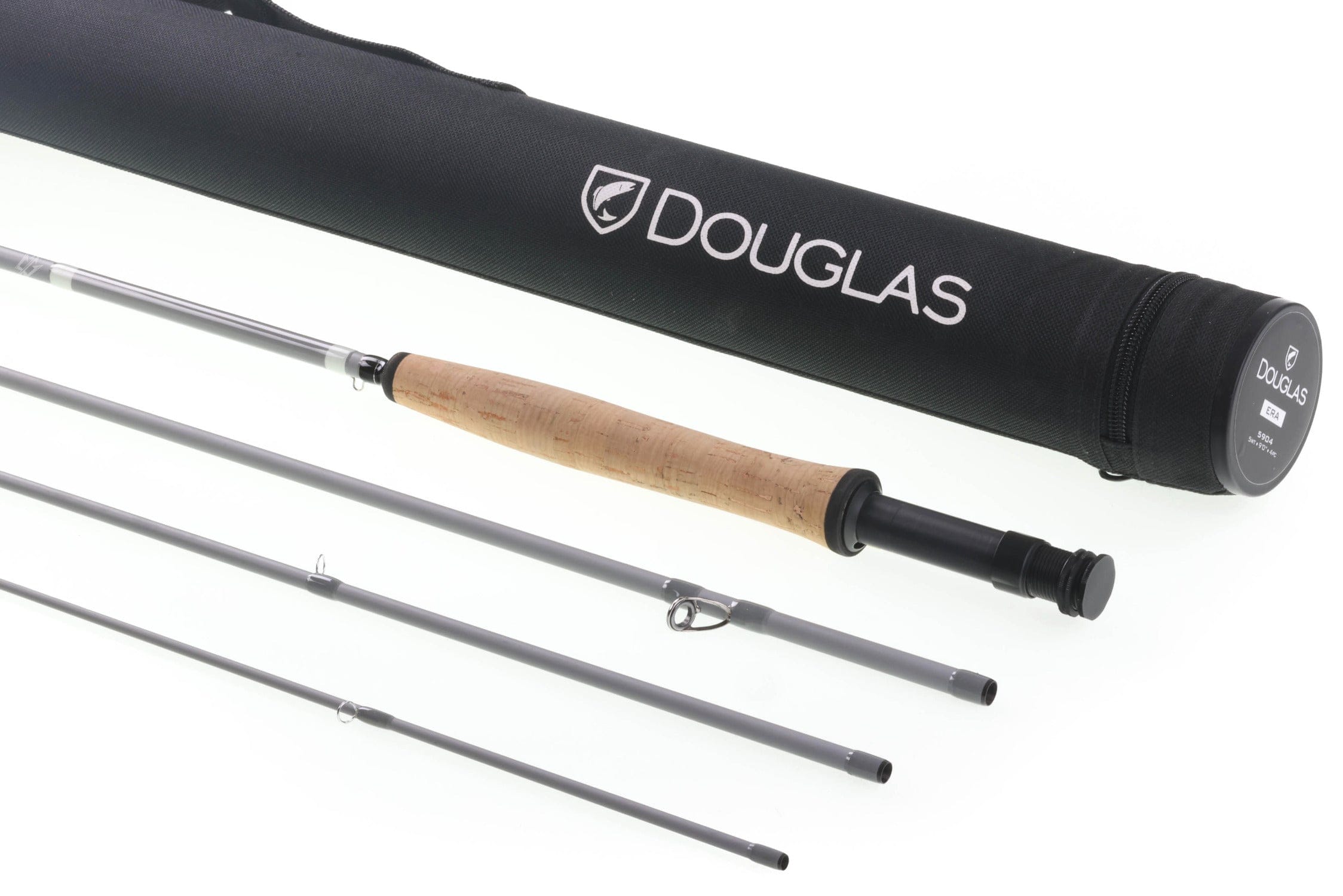
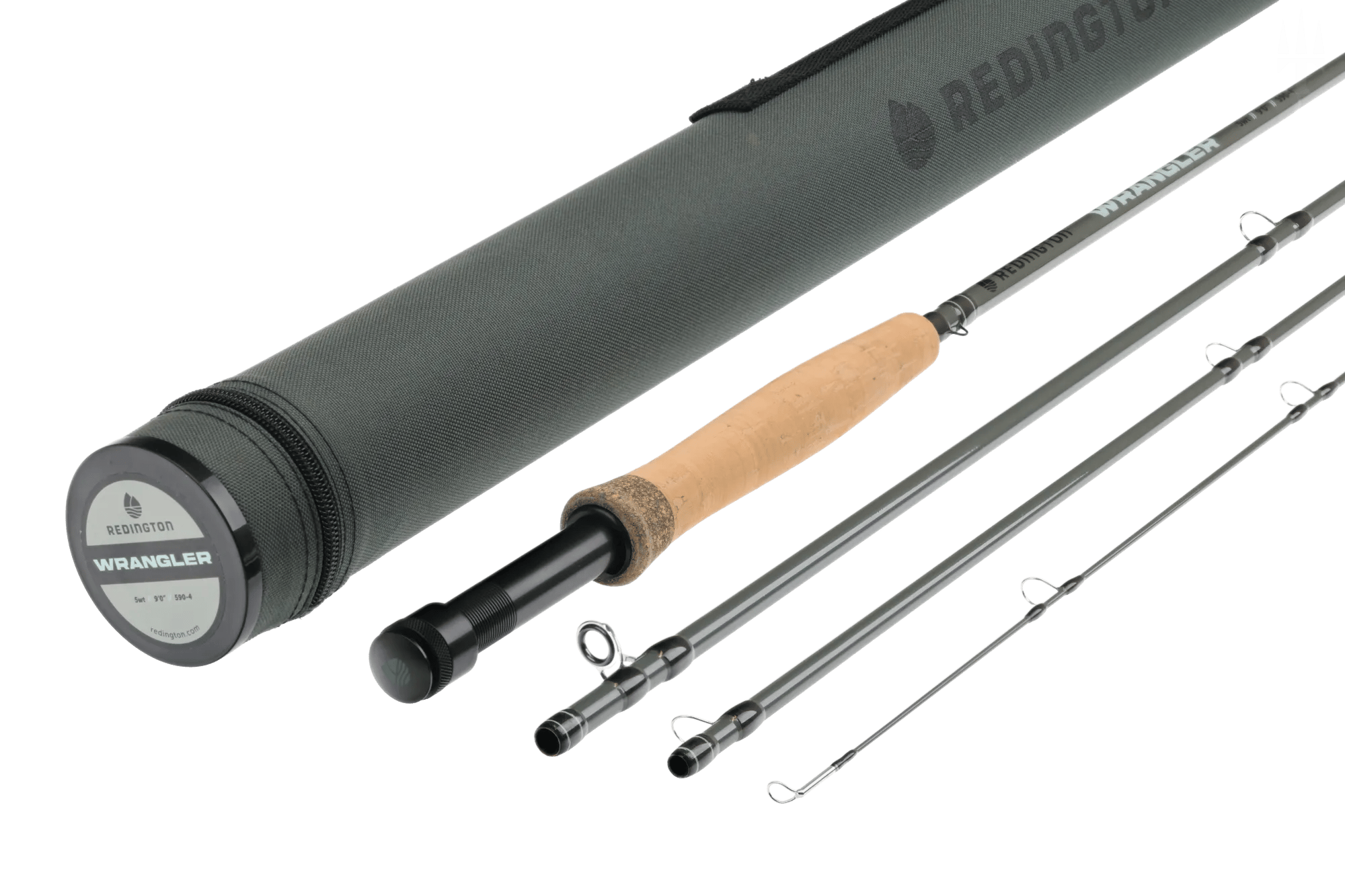
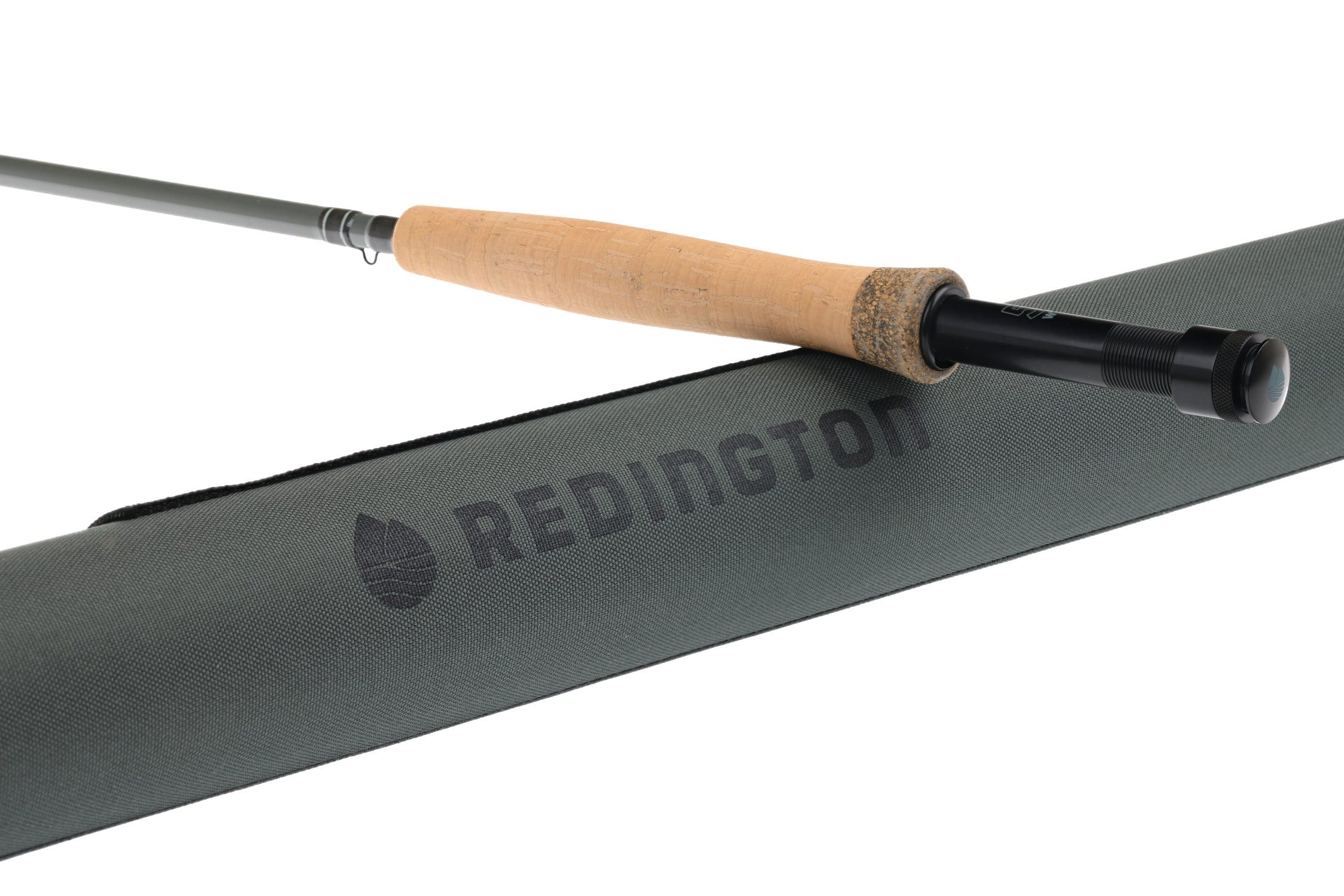
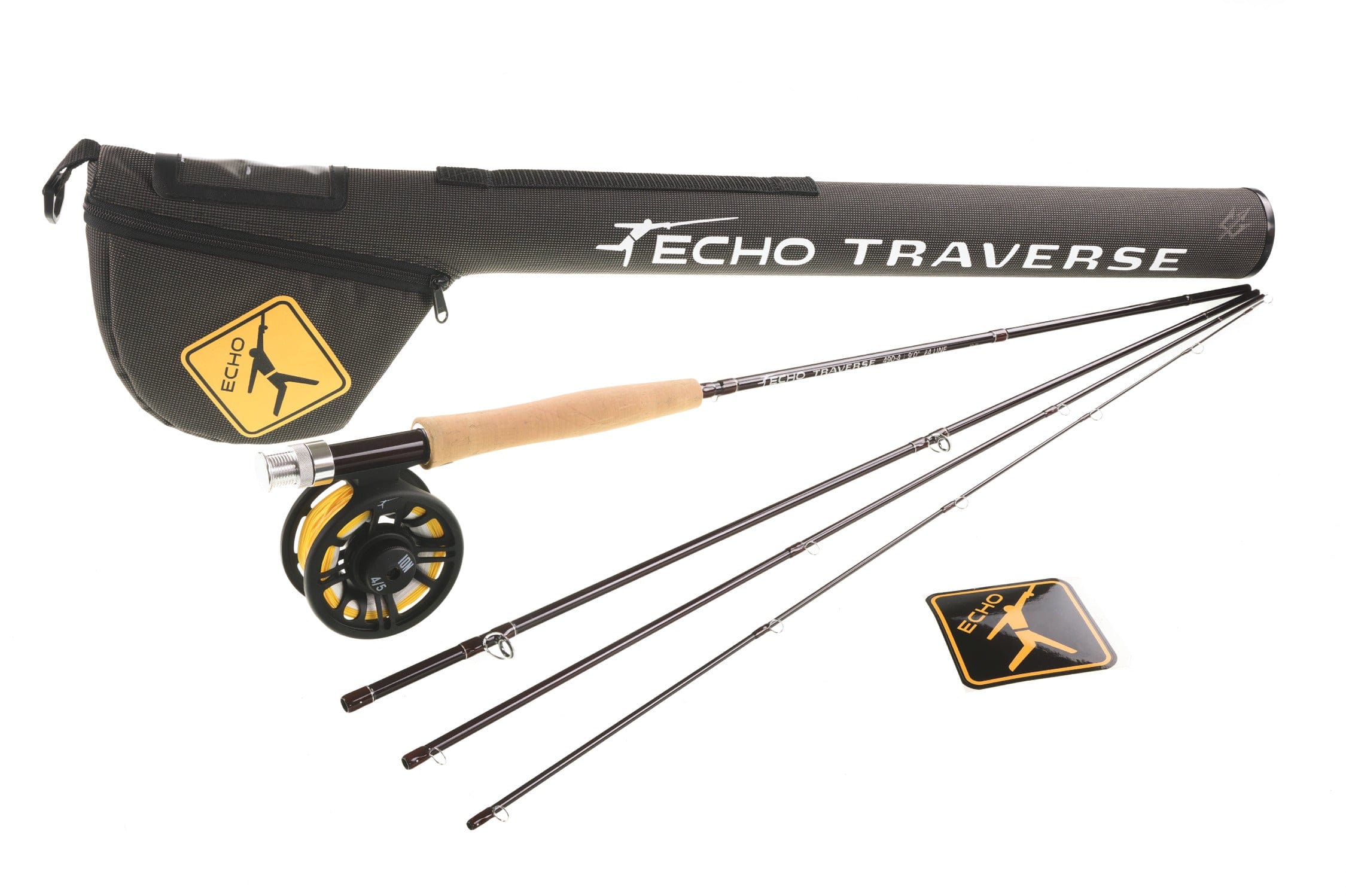
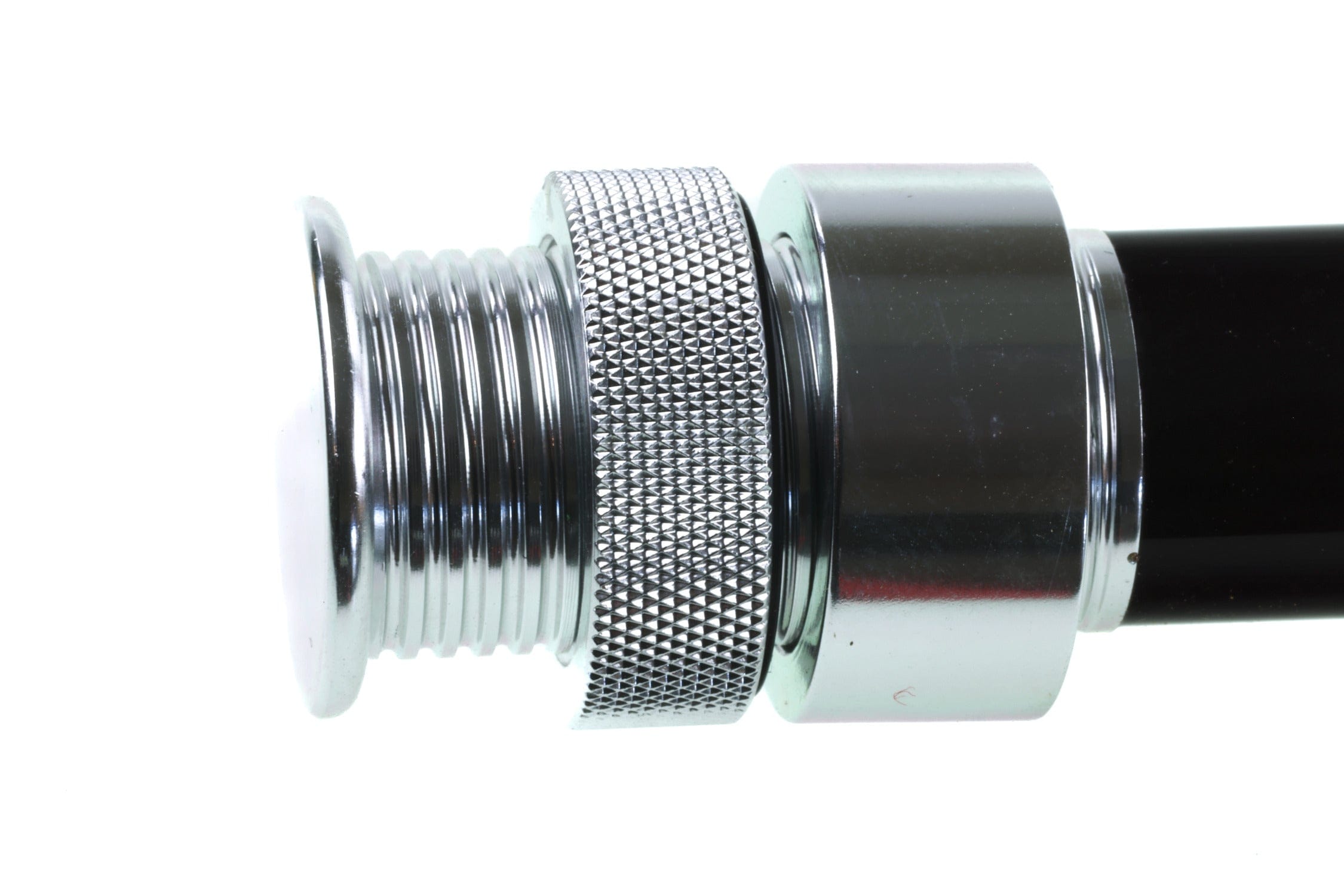
Bass Fly Rods Quick Picks
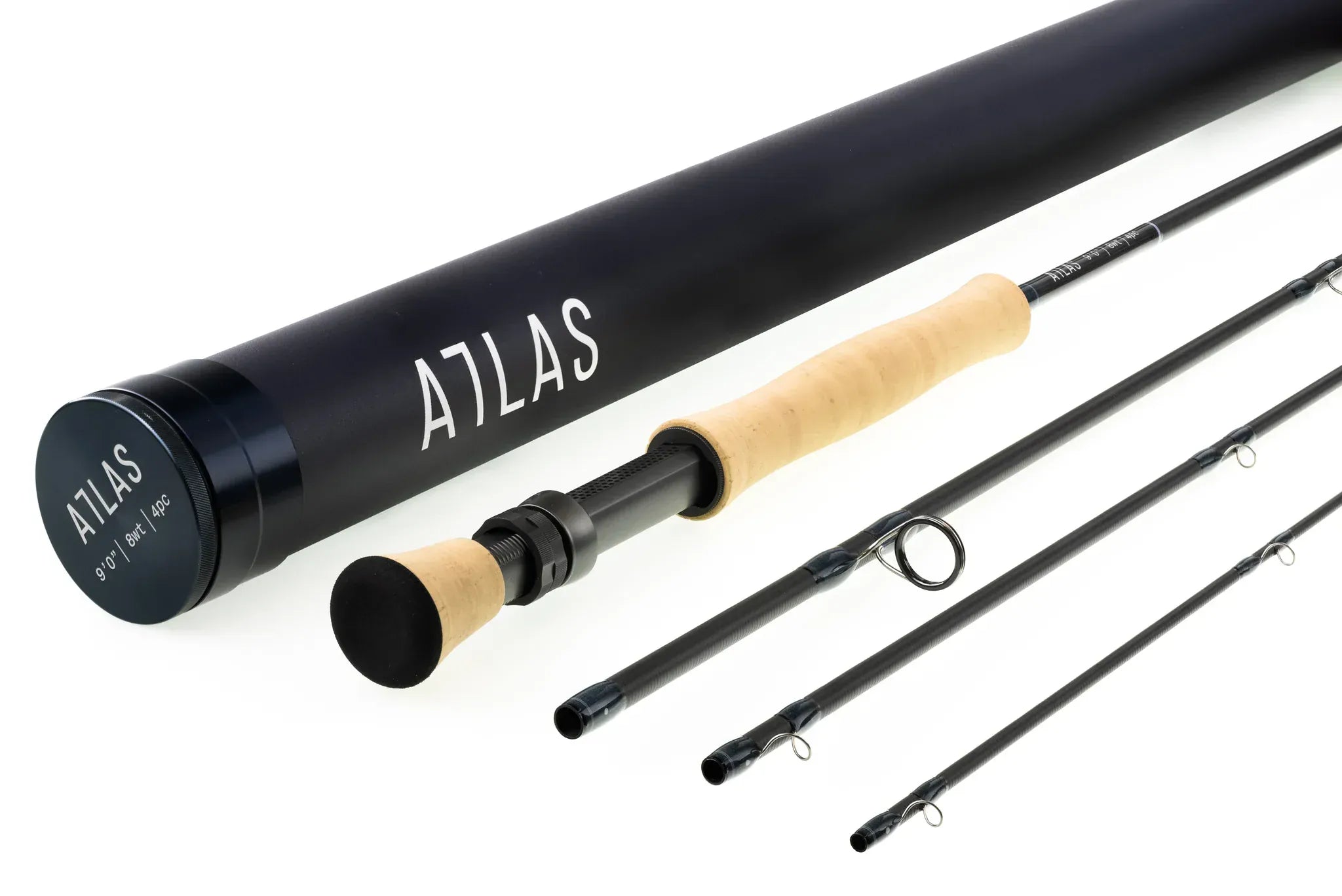
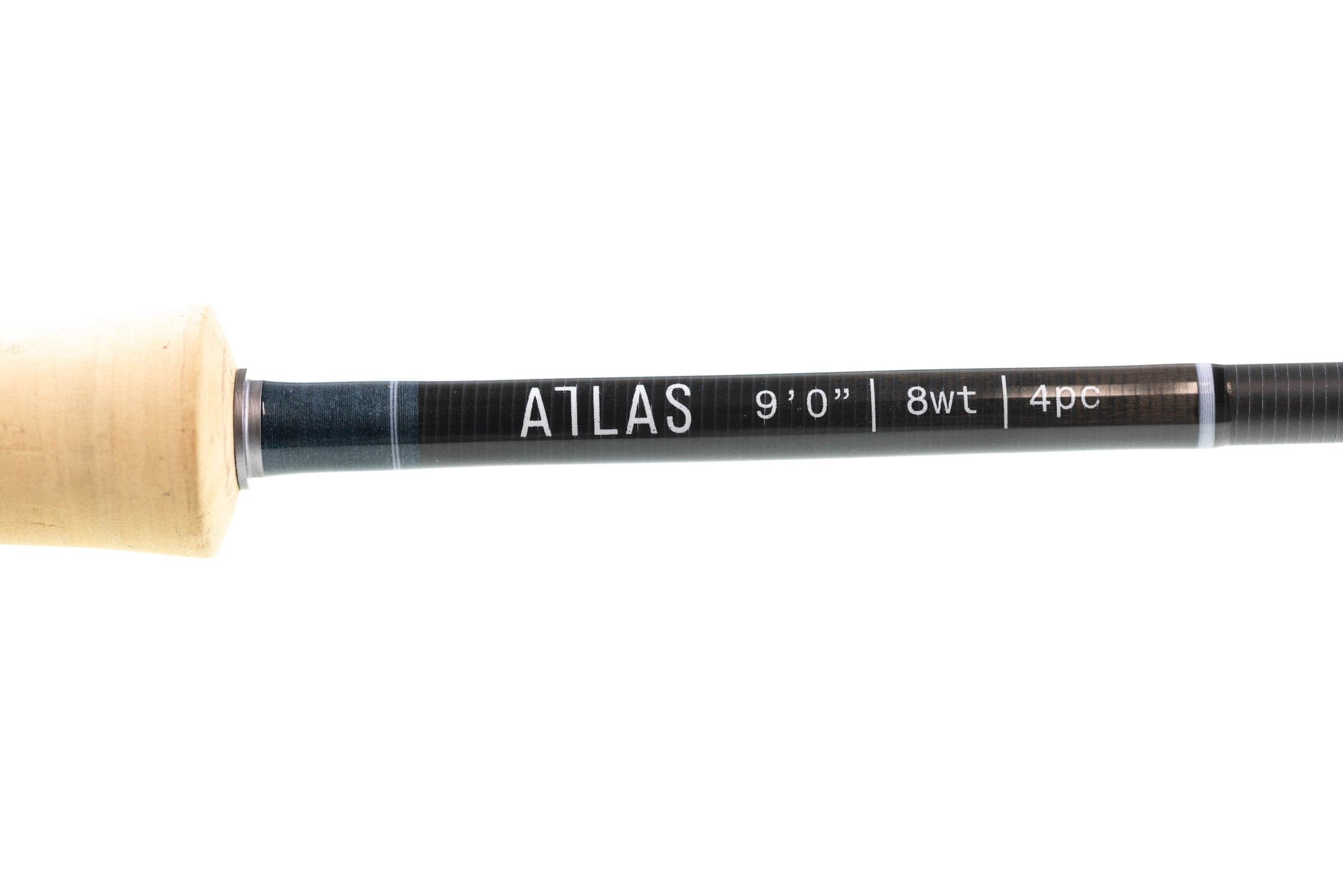
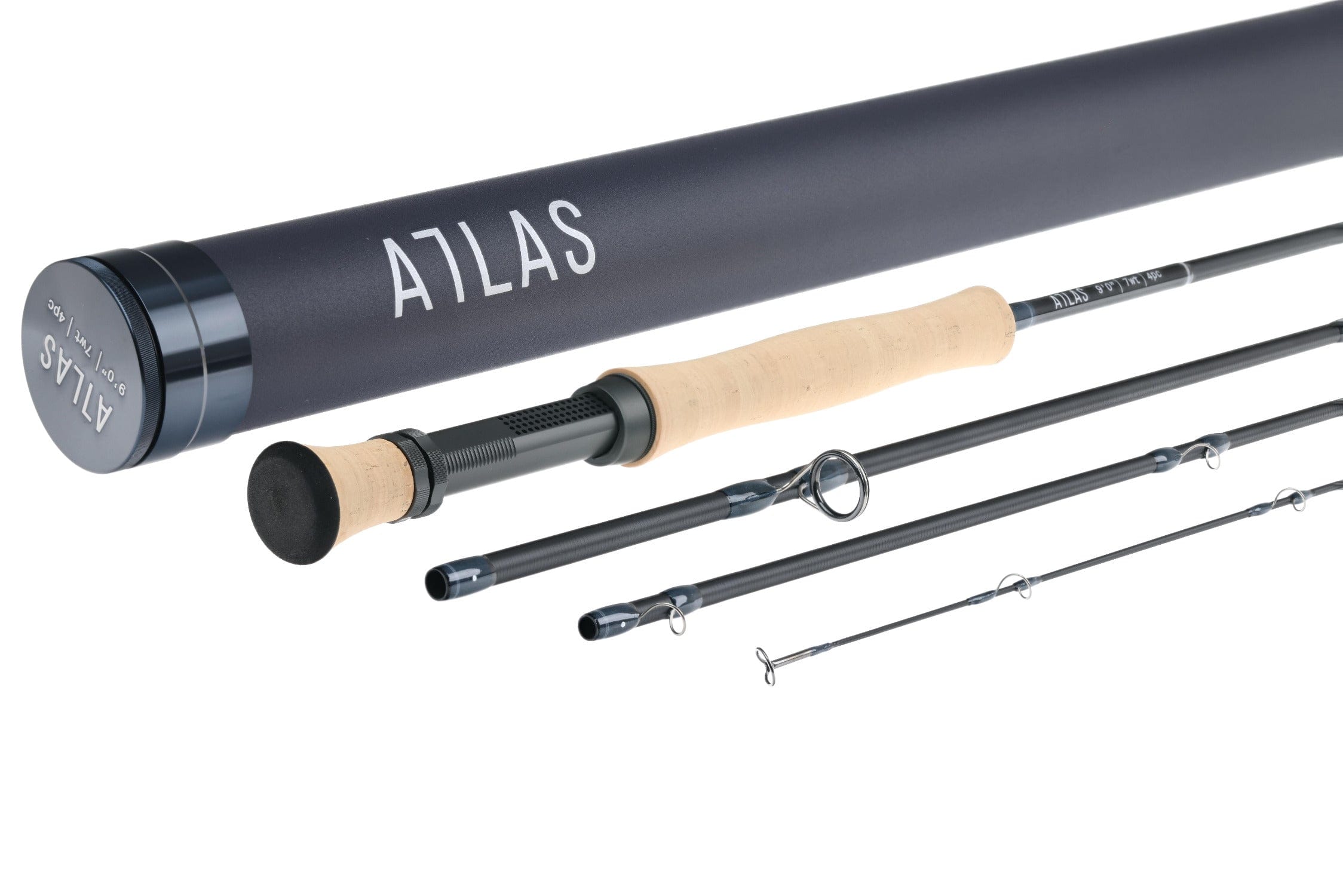
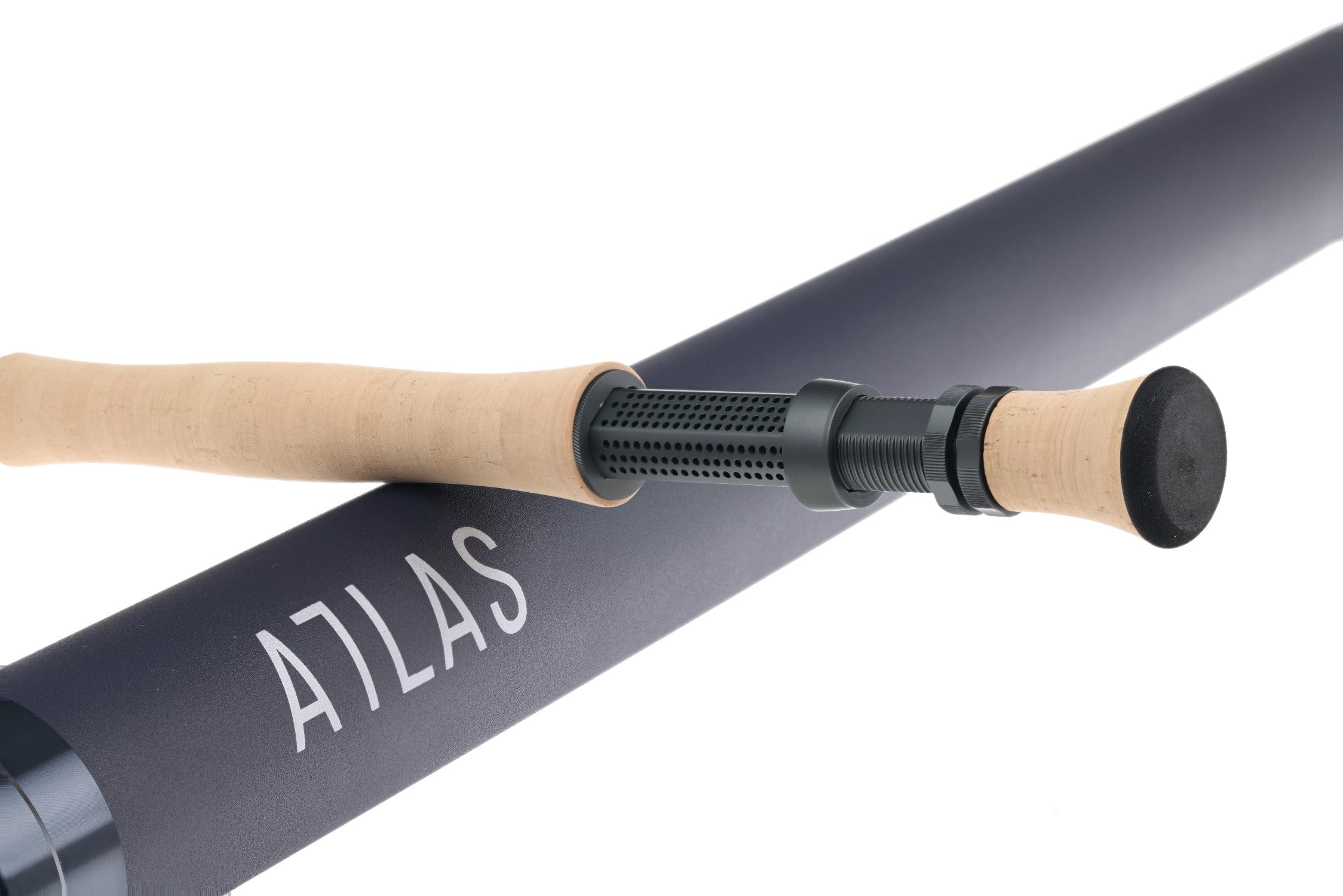
Best dedicated 8wt for largemouth bass: Atlas Signature 9ft 8wt Fly Rod - Built in the 8wt most bass anglers land on, this rod turns over bulky poppers and streamers without the price tag of the big-name blanks. A purpose-built bass tool, not a repurposed saltwater rod.
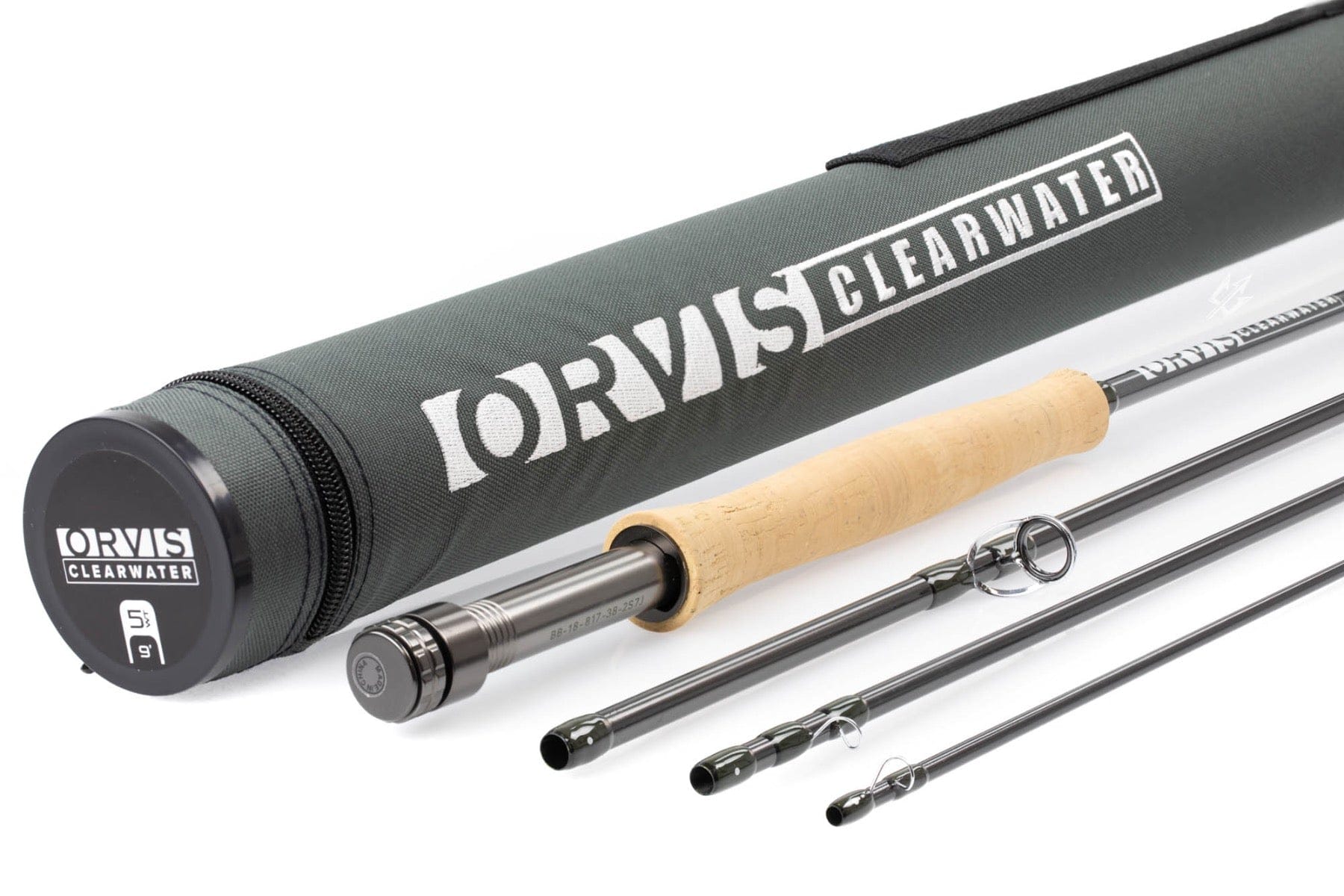
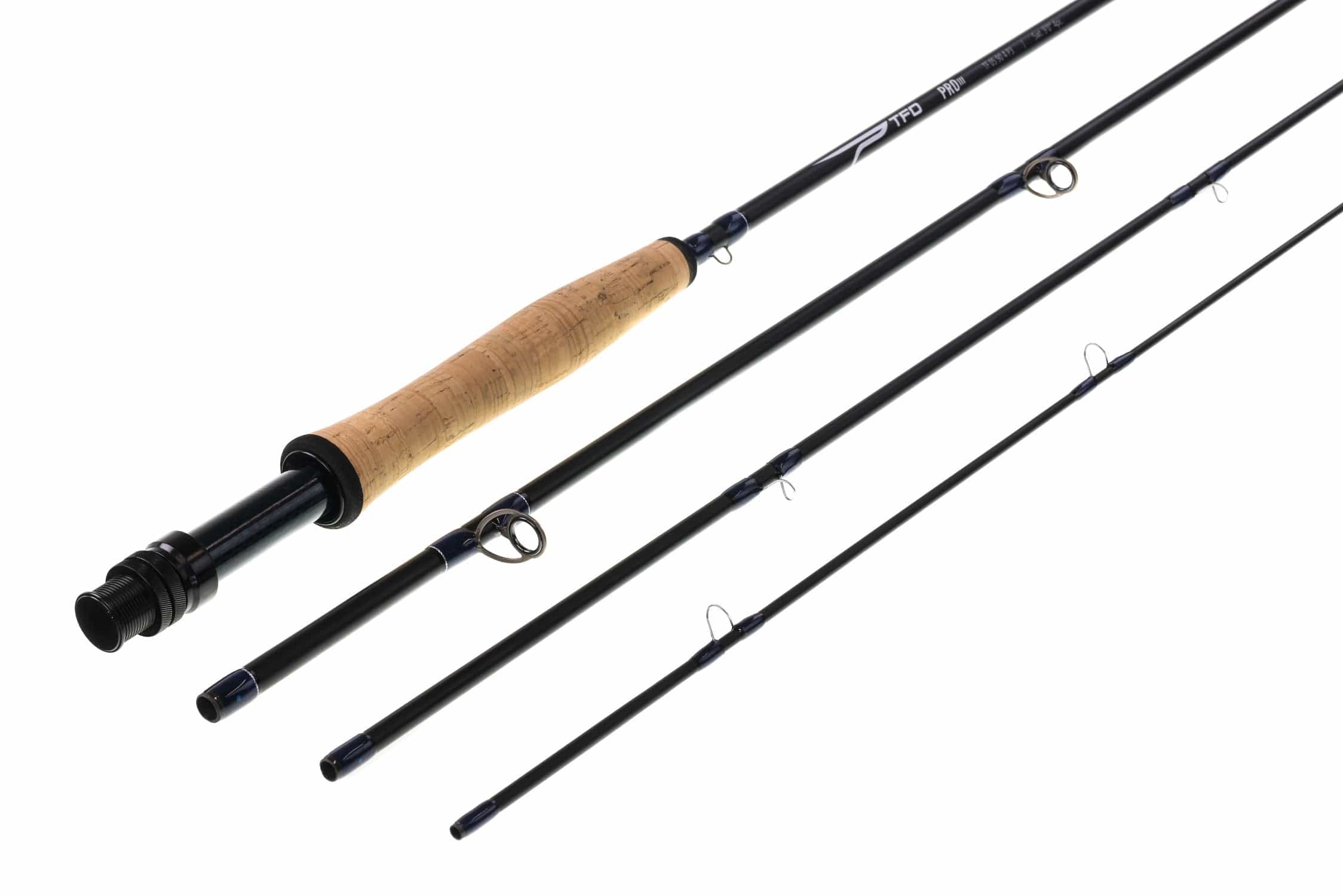
Best budget rod to start throwing bass flies: Orvis Clearwater Fly Rod - A medium-fast action makes it easy to load and turn over modestly sized bass bugs without an expert casting stroke. An honest way to find out if bass fly fishing is for you.
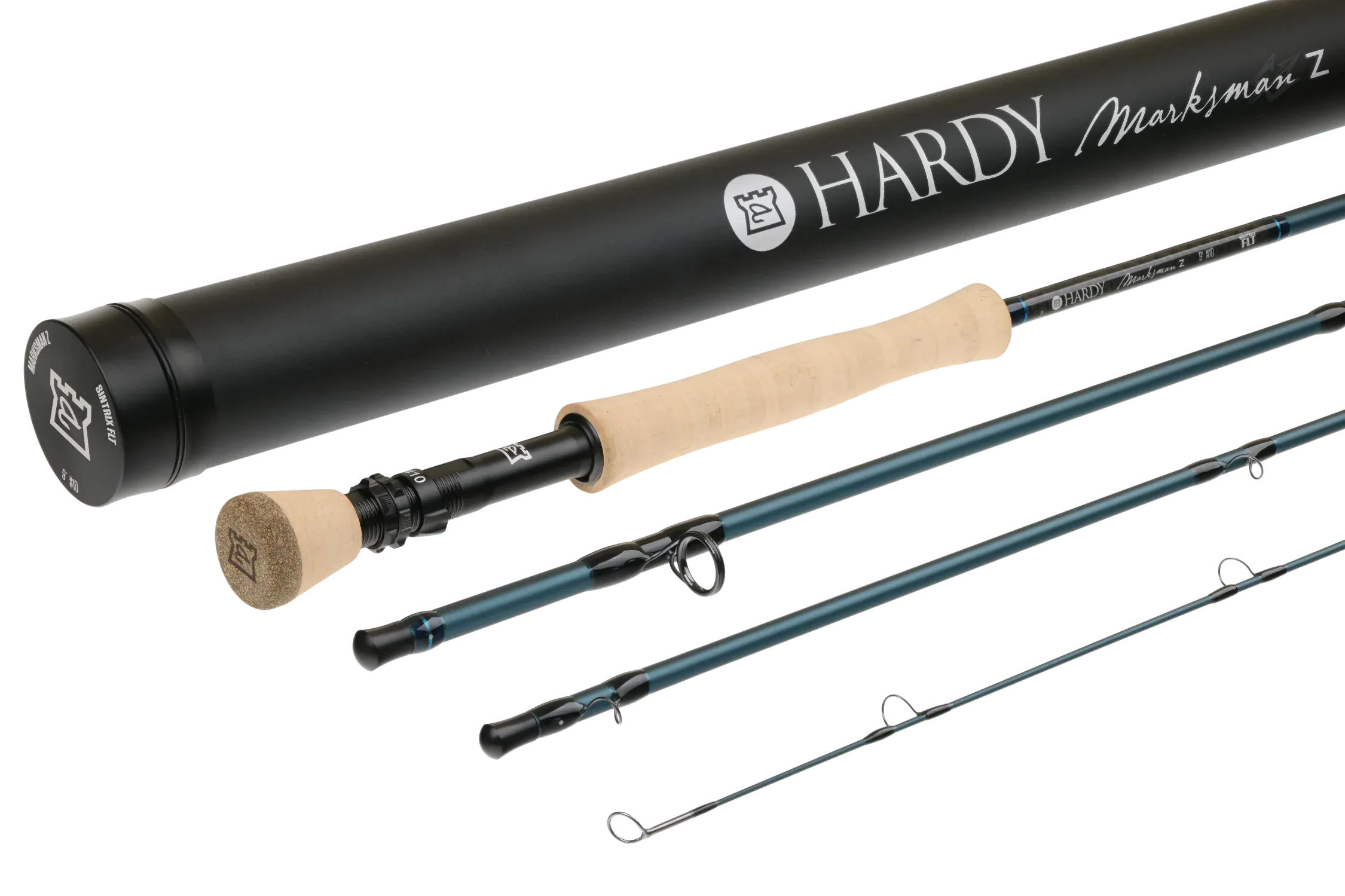
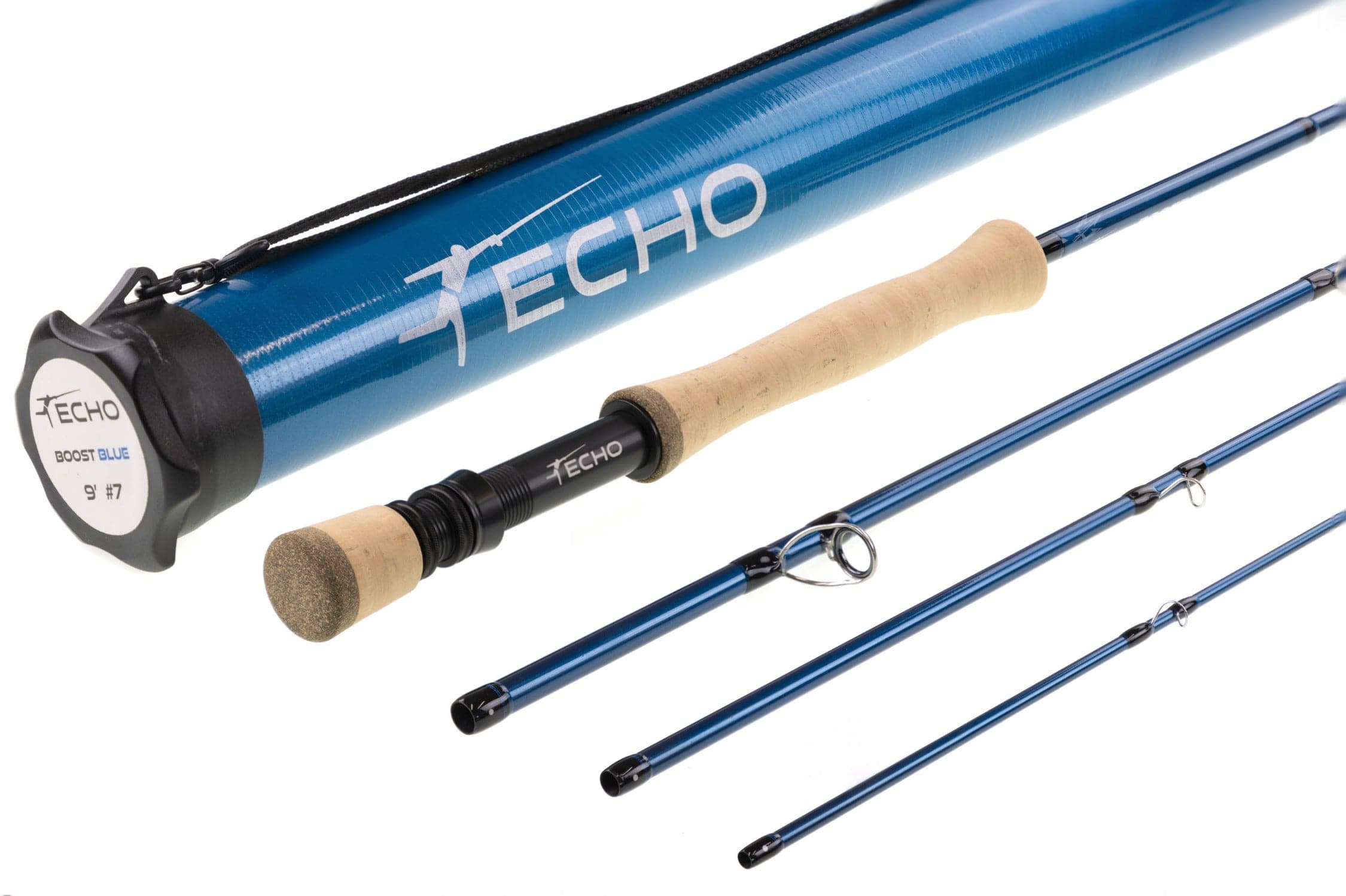
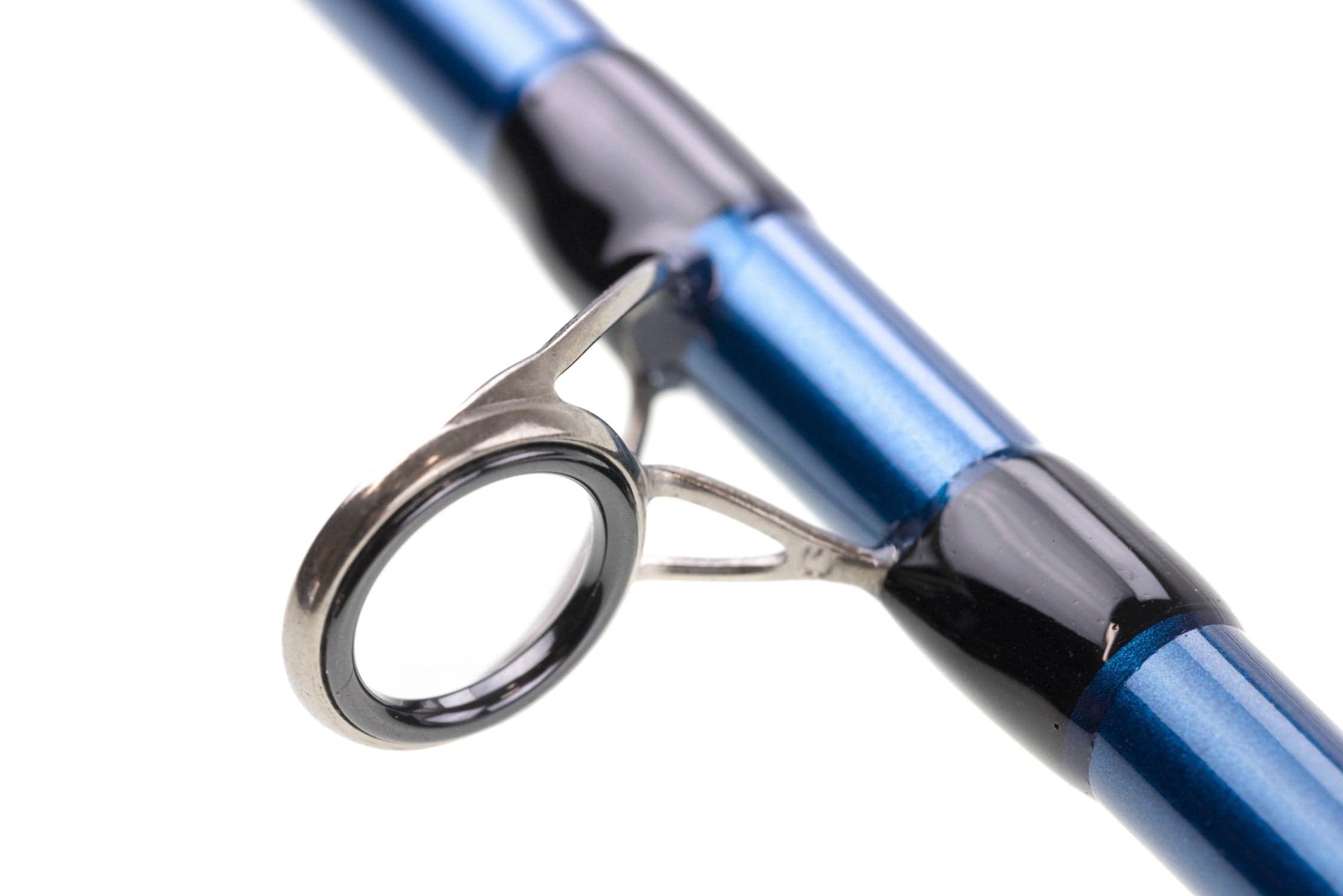
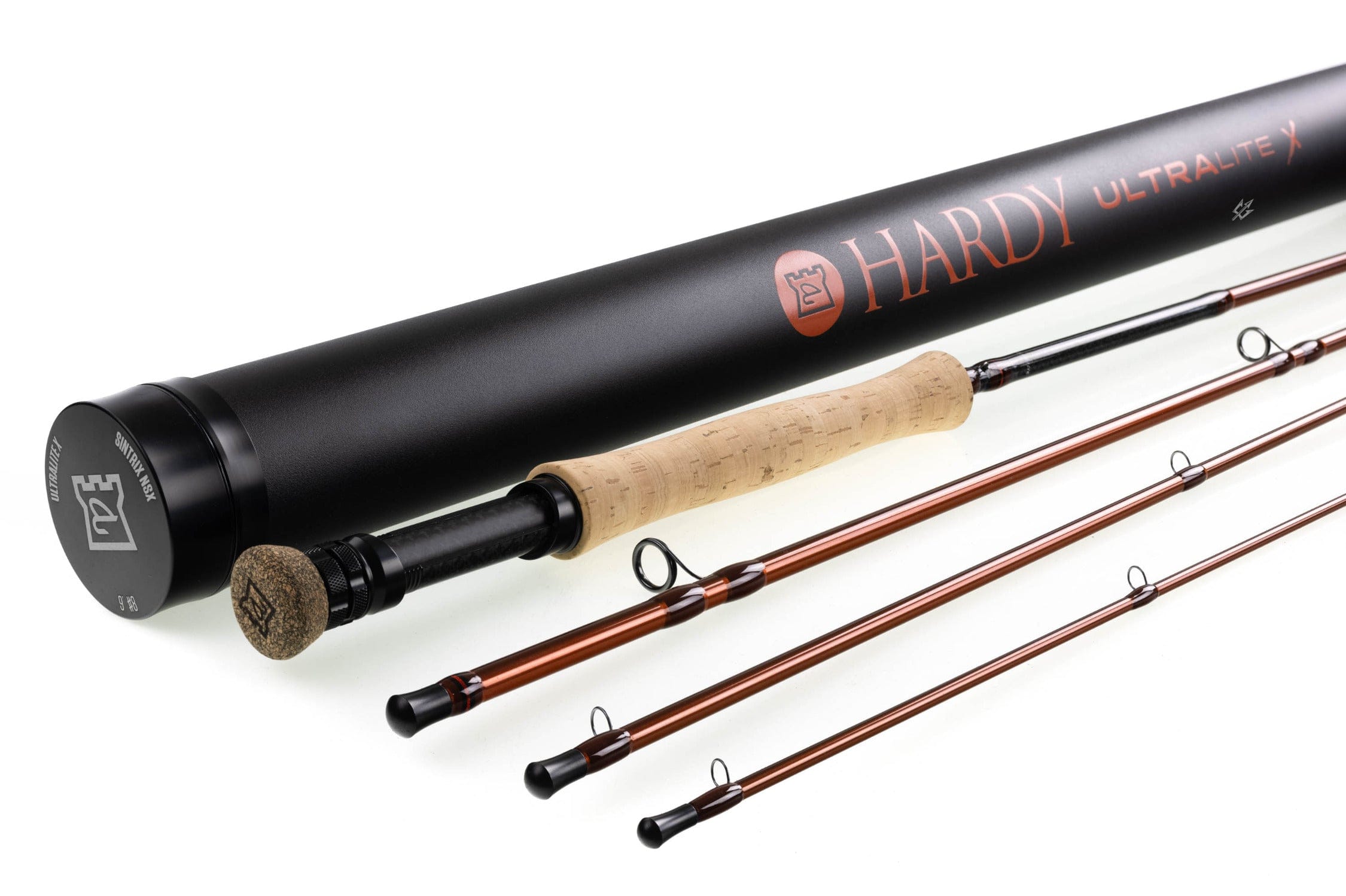
Best fast action rod for punching poppers into cover: Echo Boost Blue Fly Rod - Fast action and real backbone drive wind-resistant deer-hair bugs and Beast Fleyes under docks and along grass lines where bass hold tight.
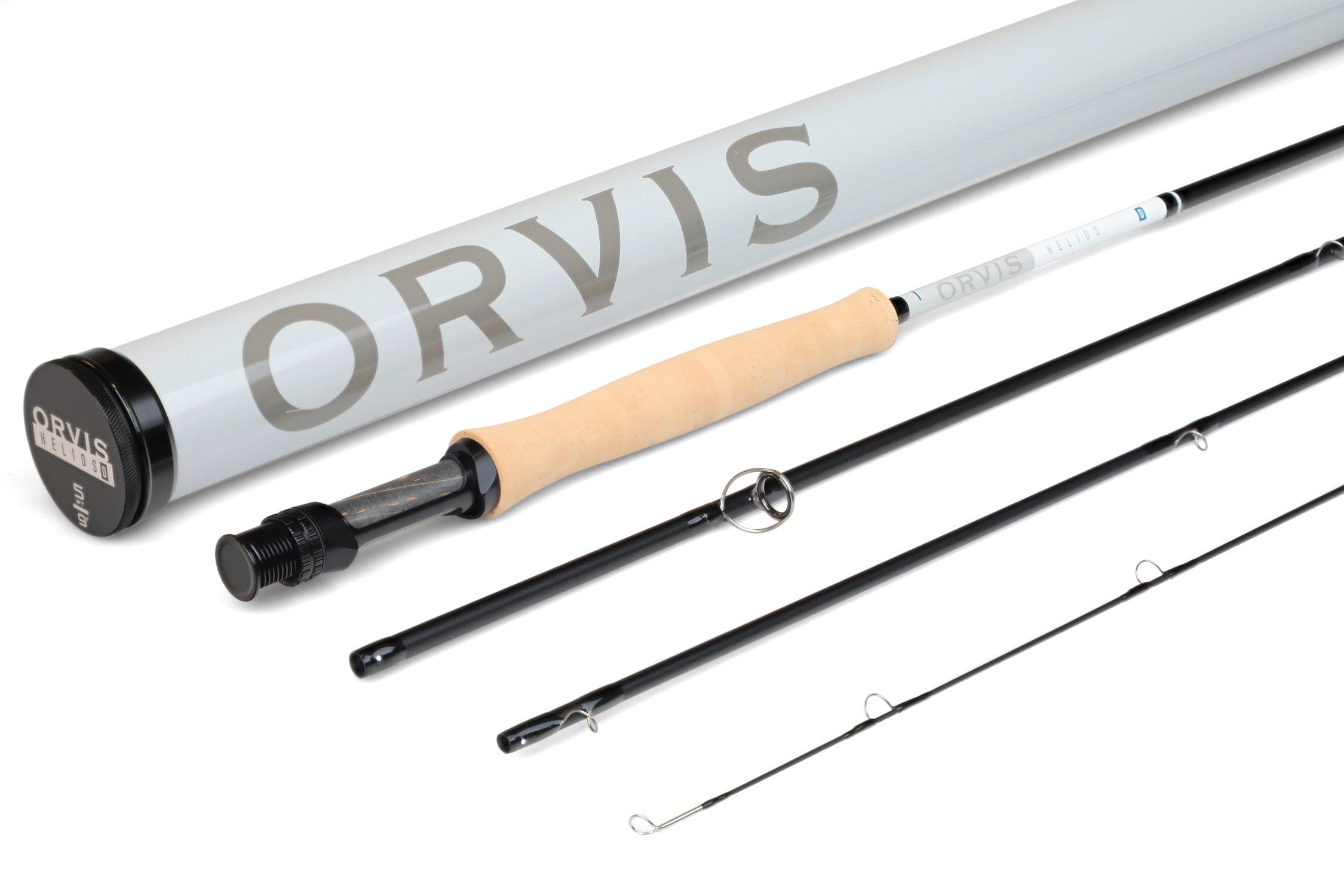
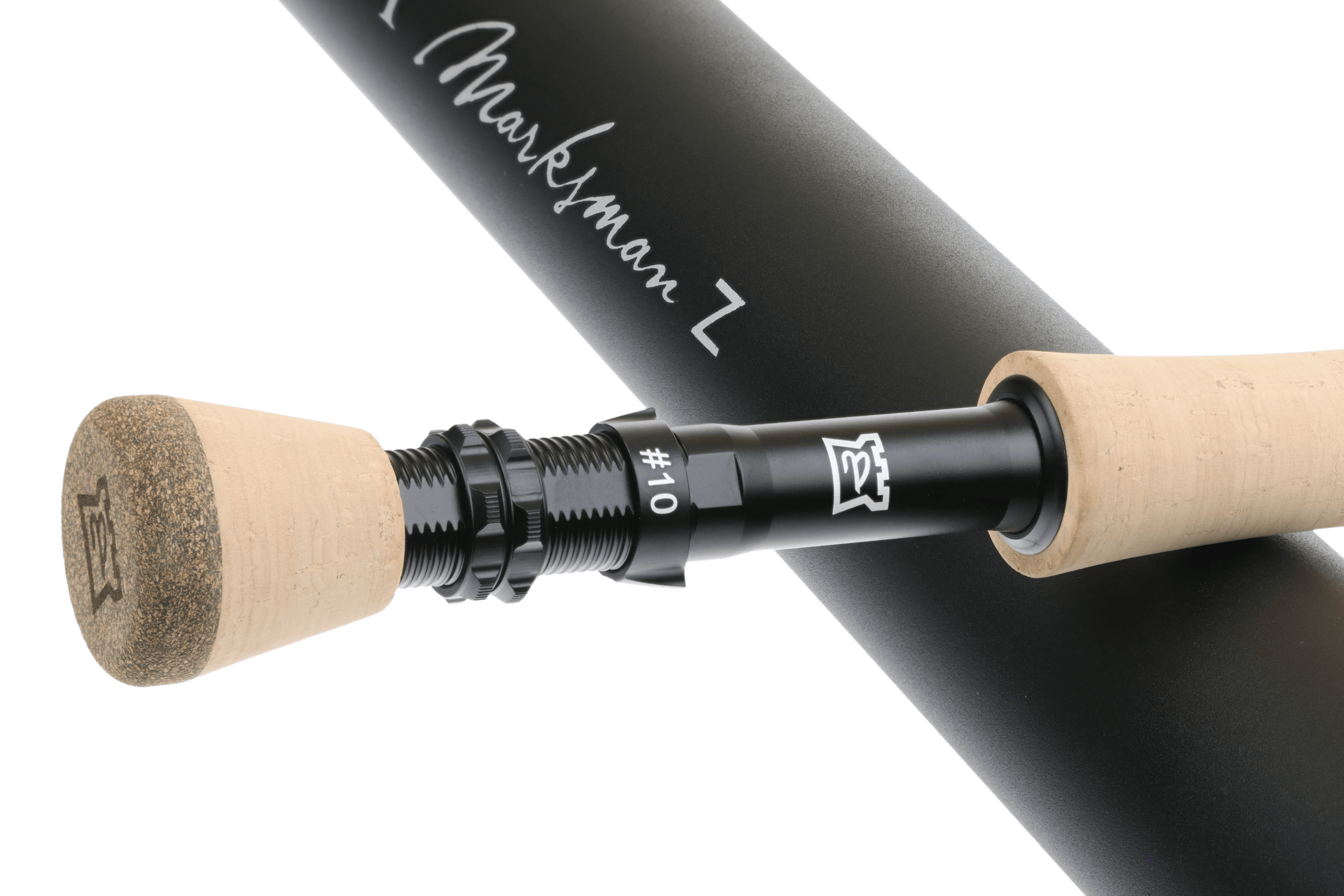
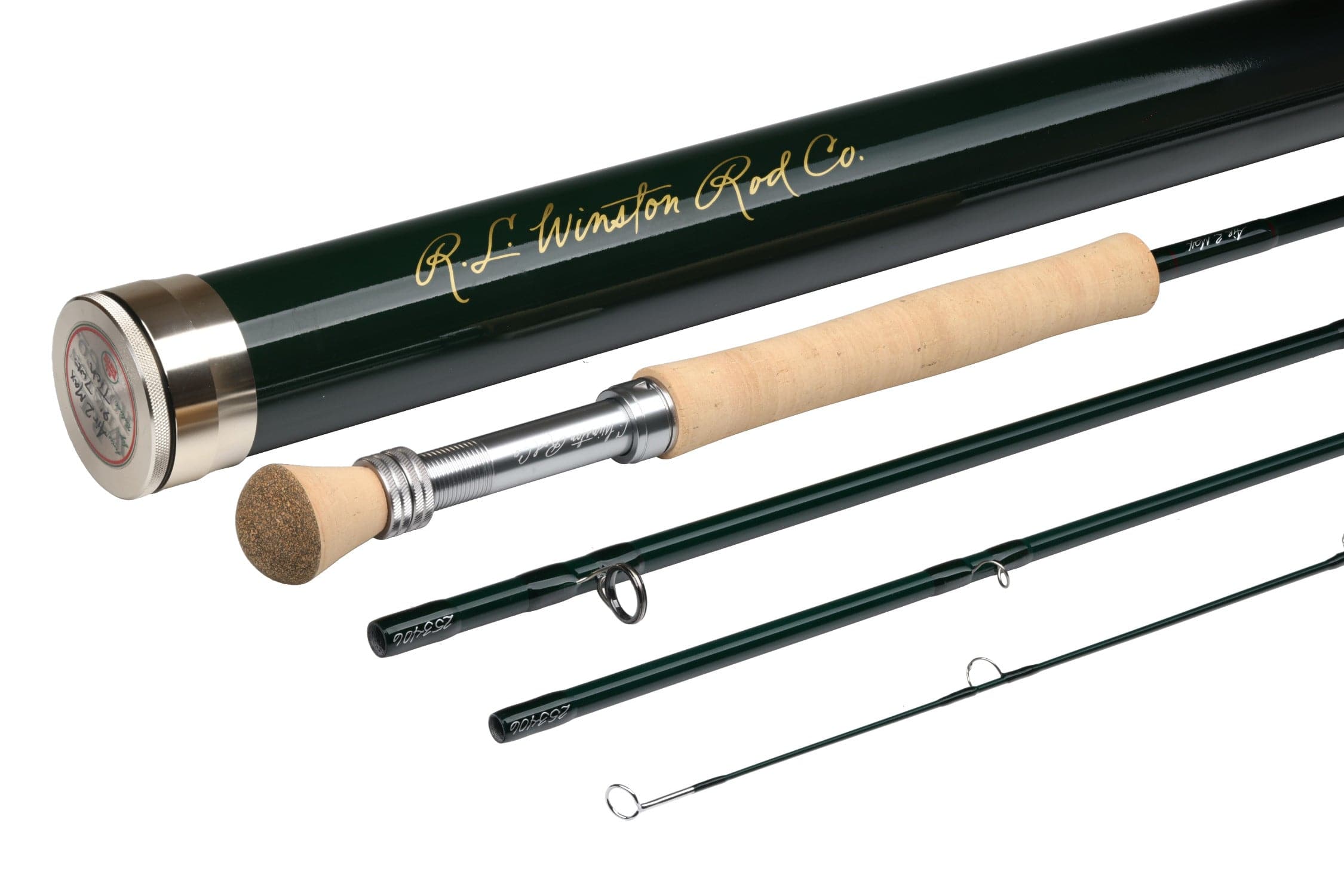
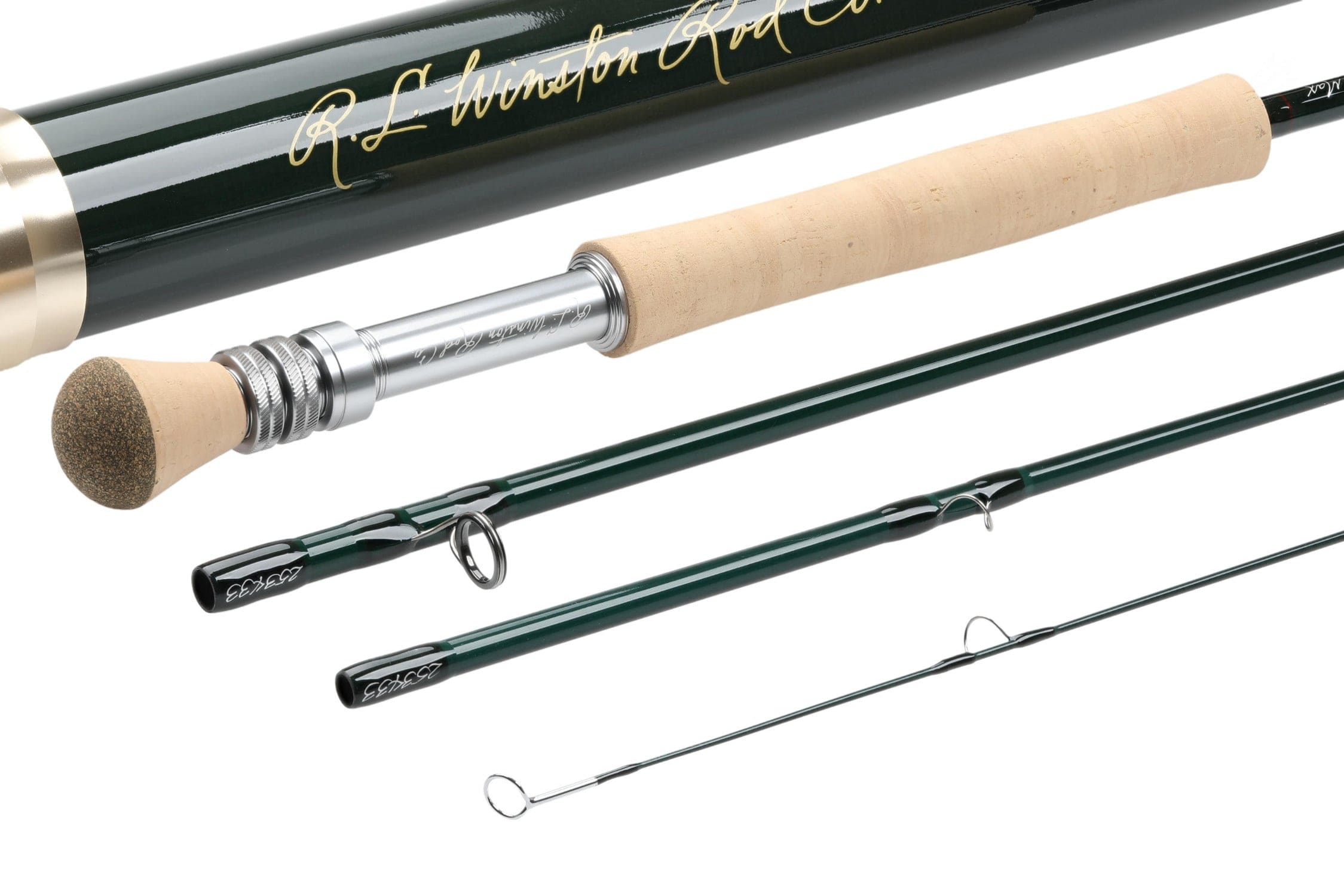
Best premium rod for windy days and big flies: Orvis Helios 4 D Fly Rod - When the wind picks up and you're firing full-sized poppers at the bank all day, this rod's power and accuracy keep casts tight and on target.
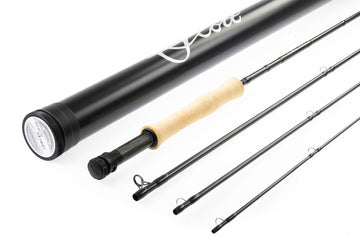
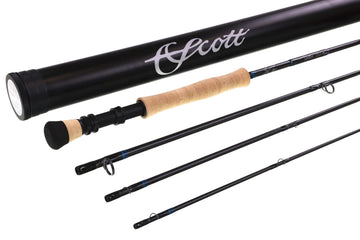
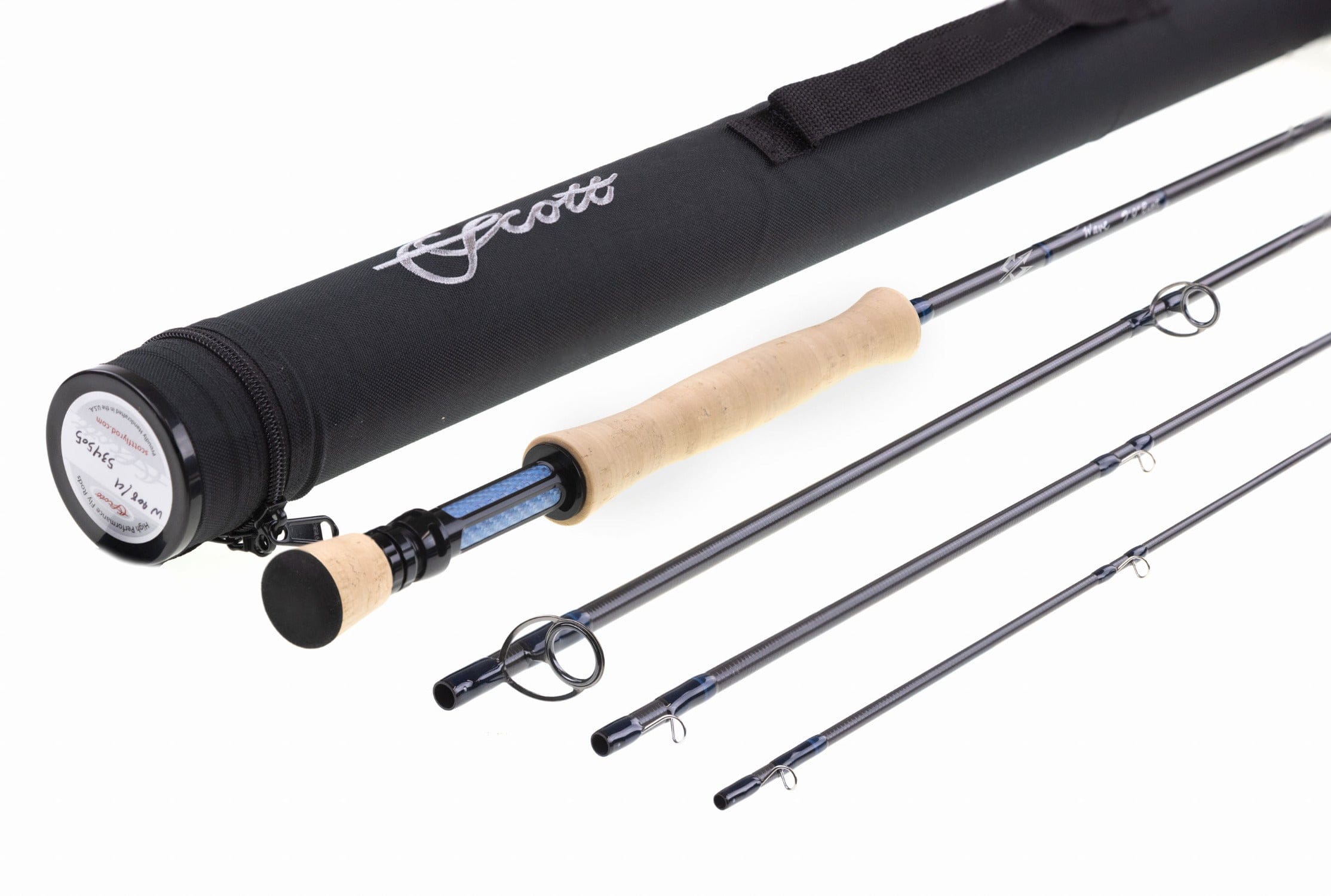
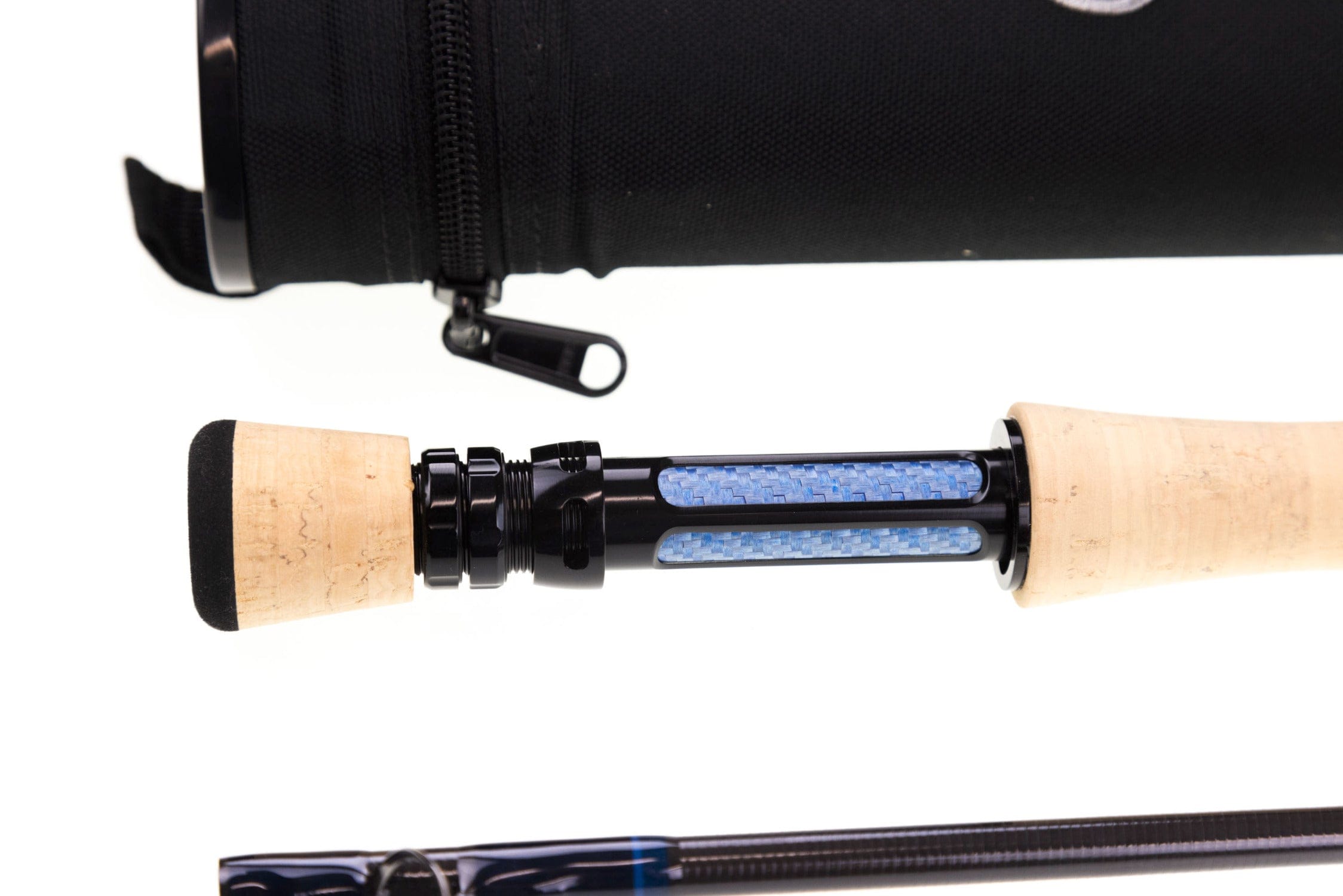
Best crossover rod for bass and light saltwater: Scott Wave Fly Rod - Equally at home muscling a bronzeback bass out of lily pads or chasing bonefish on a flat, a smart buy for anglers who split time between fresh and saltwater.
How to Choose a Bass Fly Rod
Line Weight for Bass
6-7wt: A good fit for smaller ponds and finesse presentations with smaller poppers.
8wt: The standard weight for largemouth bass, balancing bulky-fly power with a rod that's still fun to cast all day.
9wt and up: Worth stepping up to for the largest deer-hair bugs, windy conditions, or when a rod doubles for light saltwater species.
Rod Action for Casting Bulky Flies
Fast action: Rods like the Echo Boost Blue and Orvis Helios 4 D generate the line speed to turn over big, wind-resistant poppers on tight casts around cover.
Moderate-fast action: A rod like the Orvis Clearwater flexes more, helping newer casters load it properly with smaller, lighter flies.
Budget Tier
Entry-level: The Orvis Clearwater and Echo Boost Blue deliver real bass-fishing performance without a big financial commitment.
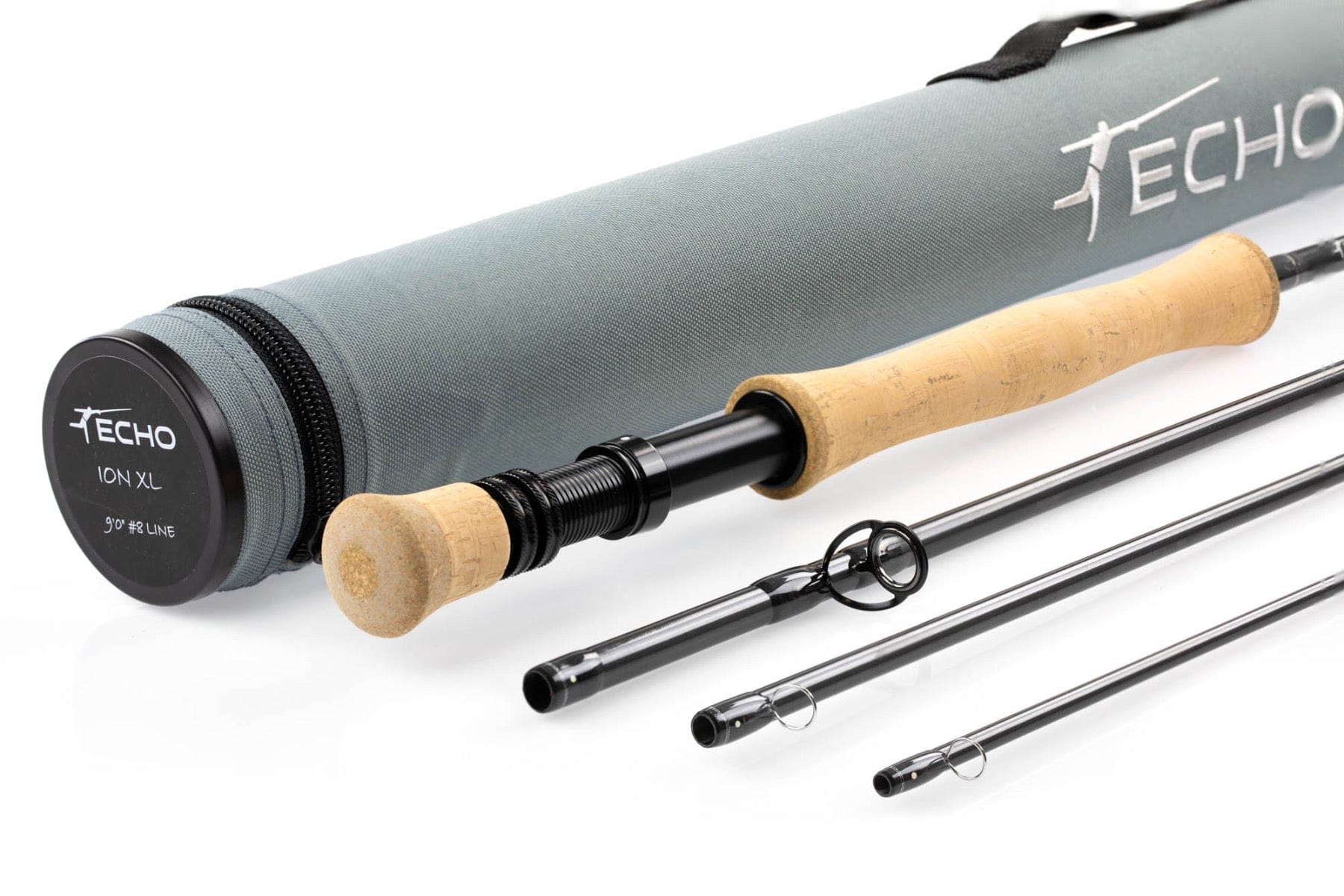
Mid-range: The Atlas Signature and Echo ION XL bring premium-feeling components at a more approachable price.
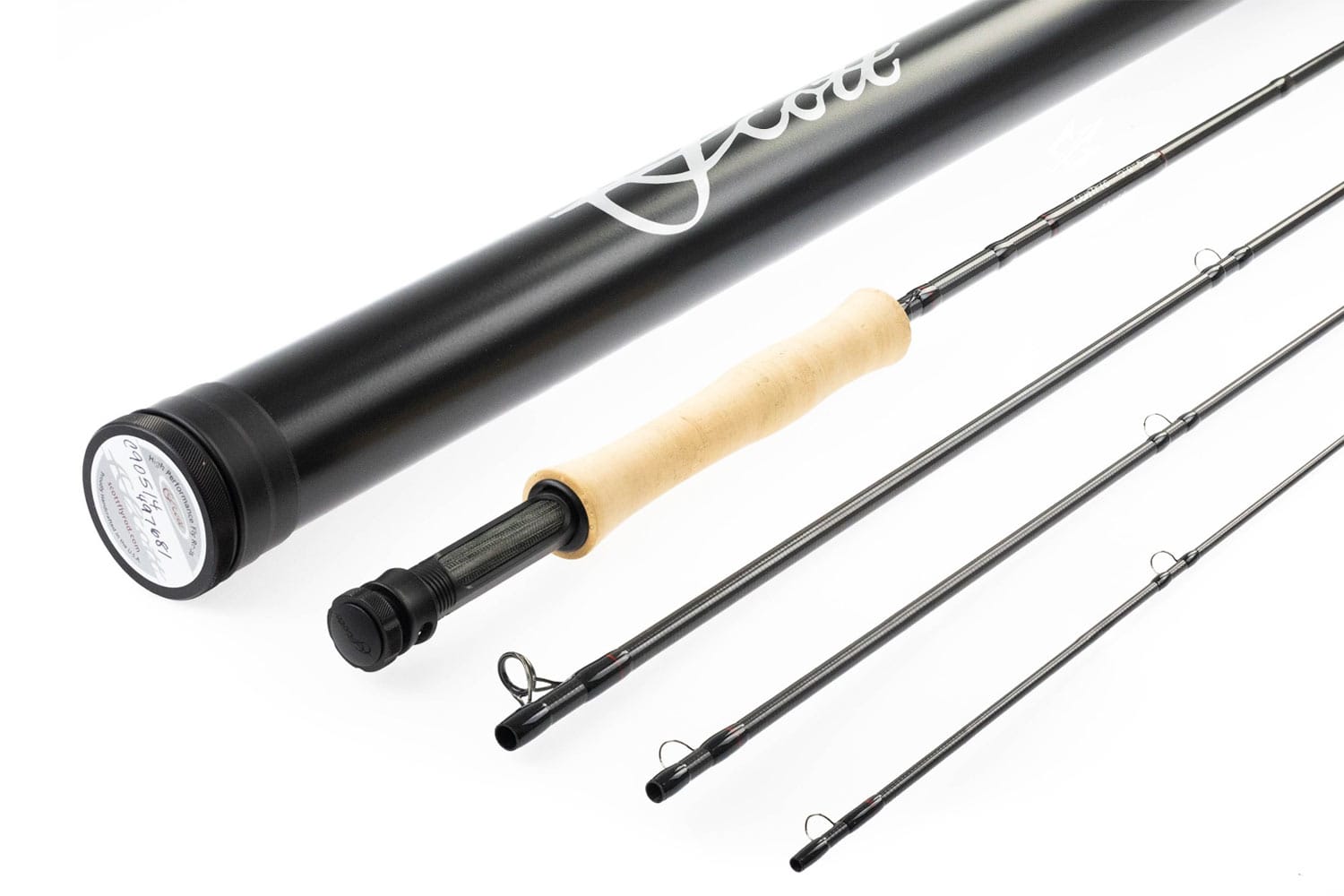
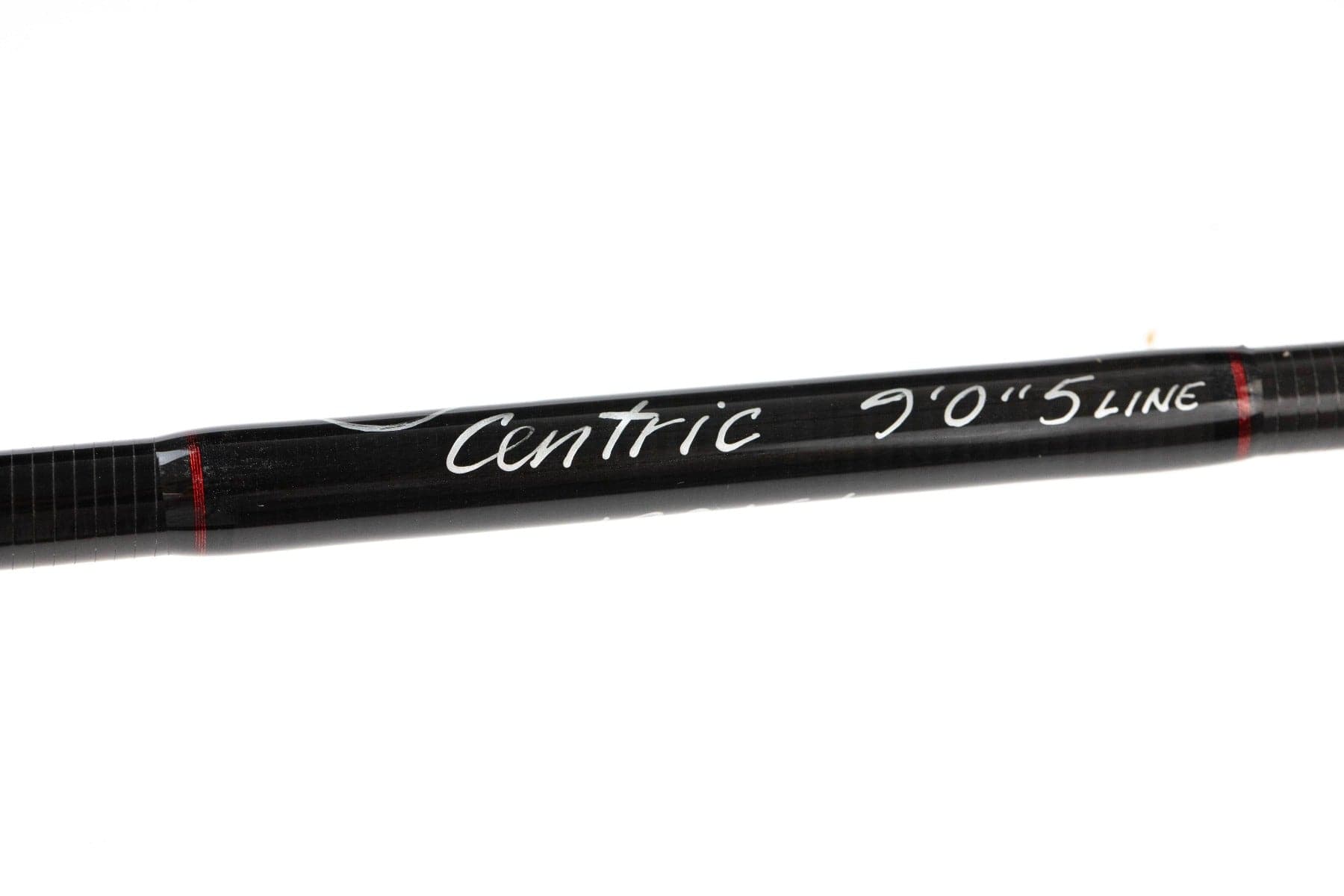
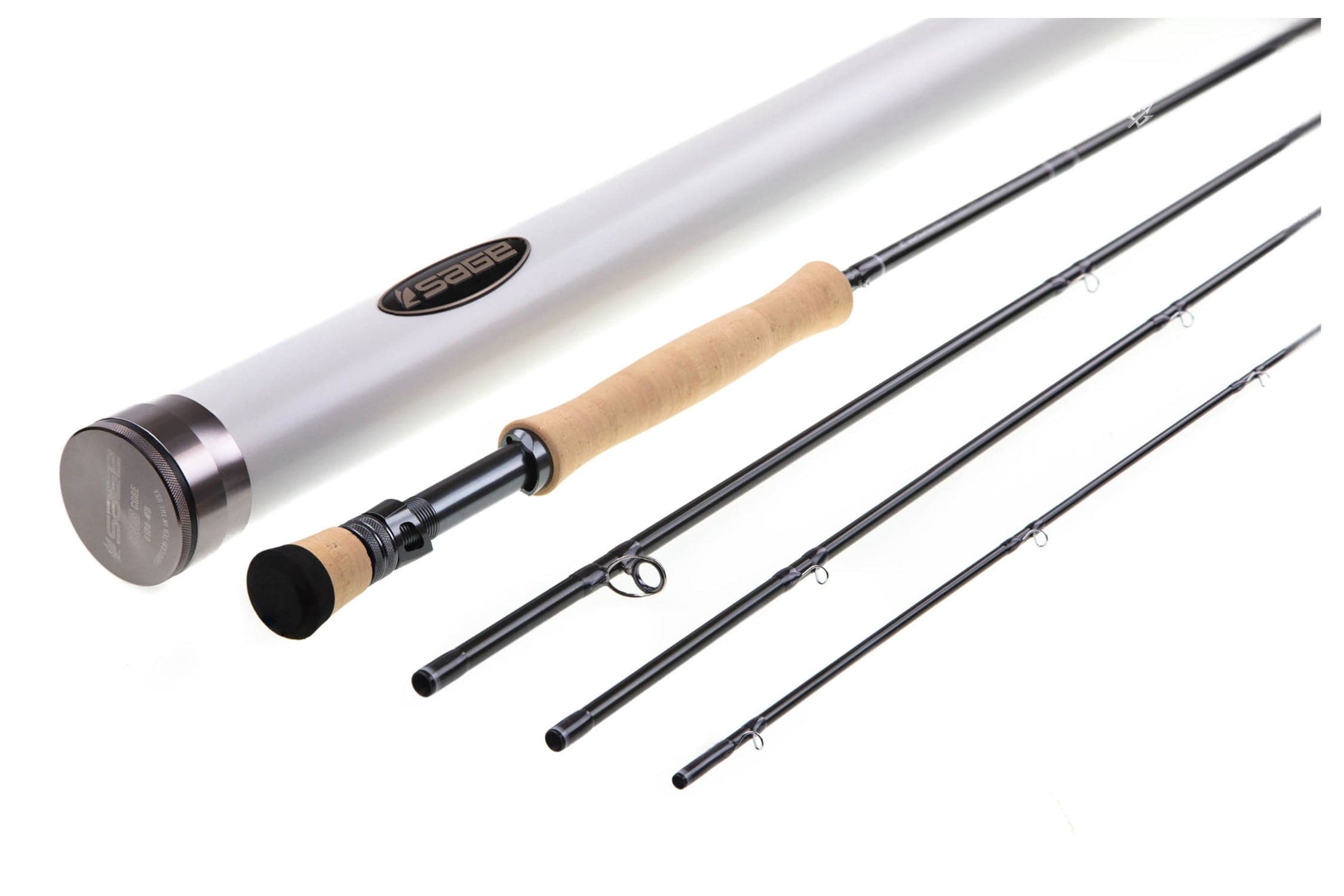
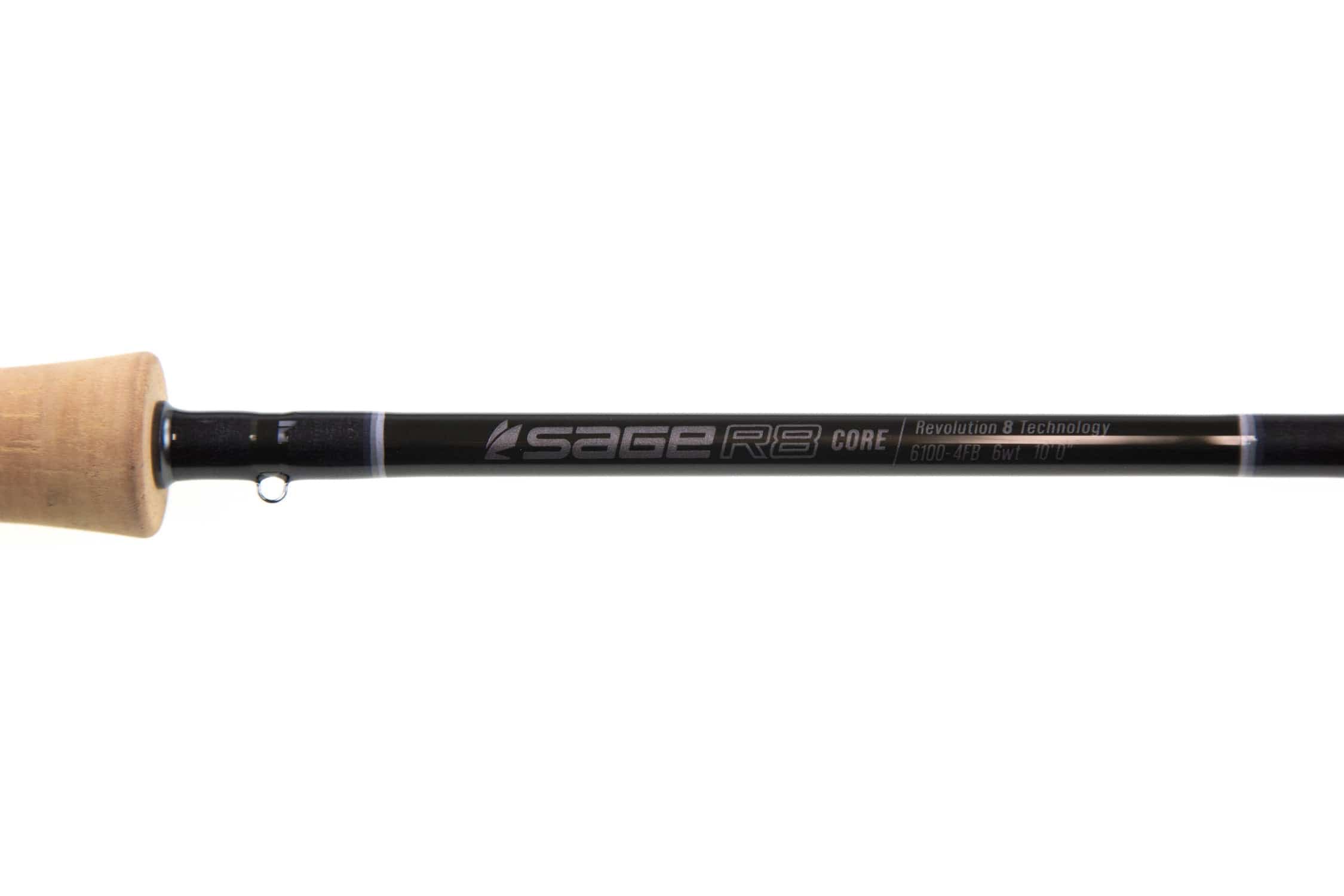
Premium: Rods like the Scott Centric, Sage R8 Core, and Orvis Helios 4 D offer lighter blanks and refined feel for anglers who fish bass often.
On-the-Water Tips
Go short and heavy on the leader: A 6- to 7.5-foot leader with a stout butt section helps turn over big, air-resistant flies that a long, delicate leader can't handle.
Match the rod to the fly, not just the fish: Size the rod to the bulkiest fly you plan to throw, since a big deer-hair bug demands more rod than the bass alone would suggest.
Use a strip-strike, not a lift: Setting the hook by stripping the line instead of lifting the rod keeps the fly moving and avoids pulling it away from a striking fish.
Rinse after fishing weedy or muddy water: Bass water often means algae and grime on the blank and guides, so a quick rinse after each trip keeps components running smoothly.
Complete Your Setup
Related Gear
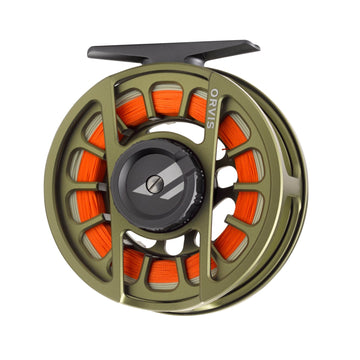
Freshwater Fly Reels - Reels with enough drag and backing capacity to handle a hard-pulling bass in cover.
Floating Fly Lines - Bass-taper floating lines built to load quickly and turn over bulky topwater bugs.
Bass Flies - Poppers, divers, and streamers sized to match whichever rod you land on.
Fly Rod & Reel Cases - Protection for getting a new rod to and from the boat ramp without damage.
Bass Fly Rods FAQs
Q: What weight fly rod is best for largemouth bass?
A: An 8wt is the standard choice, giving you enough power to turn over poppers and streamers while staying enjoyable to cast. A 7wt works for smaller flies and ponds, while a 9wt makes sense for the biggest deer-hair bugs or windy, open water.
Q: Can I use the same rod for bass and other species?
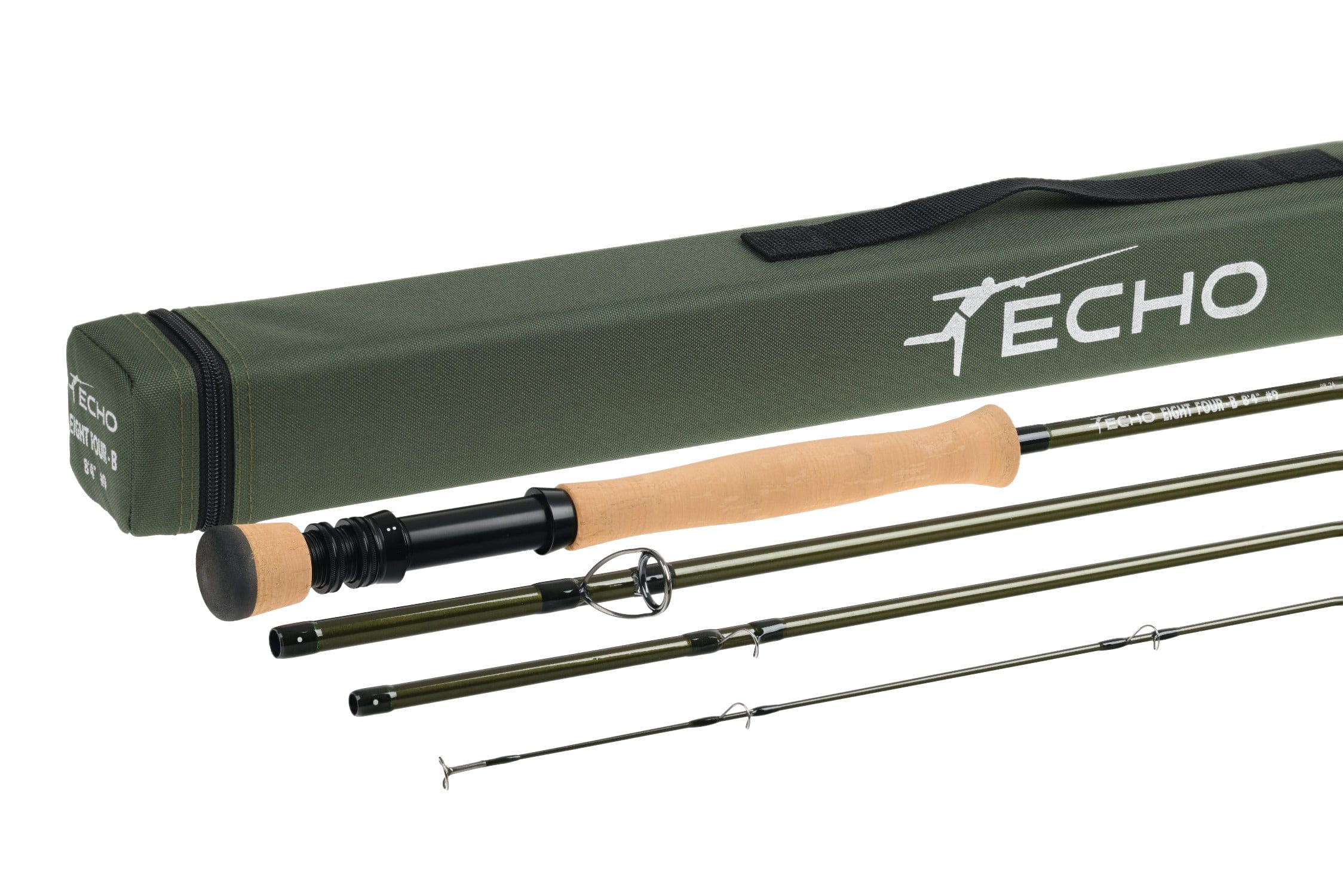
A: Yes, many 8-9wt bass rods, like the Scott Wave and Echo ION XL, cross over well to light saltwater species such as bonefish and redfish. That versatility saves you from buying two setups.
Q: Do I need a fast action rod for bass fishing?
A: Fast action helps most when throwing large, wind-resistant flies or punching tight casts under docks and grass lines. For smaller poppers on calm ponds, a moderate-fast rod like the Orvis Clearwater feels more forgiving.