


























Wet Wading Gear Quick Picks
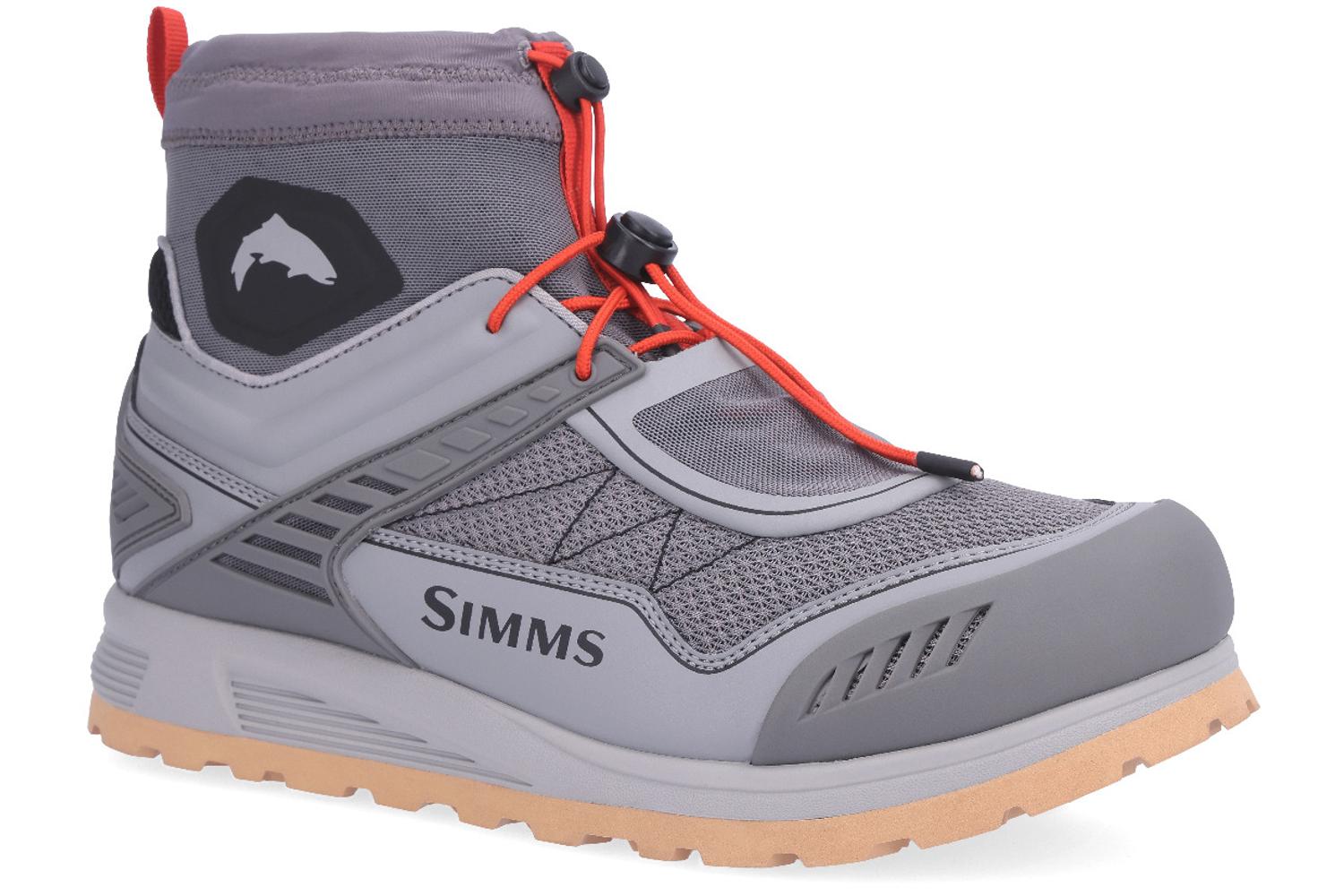
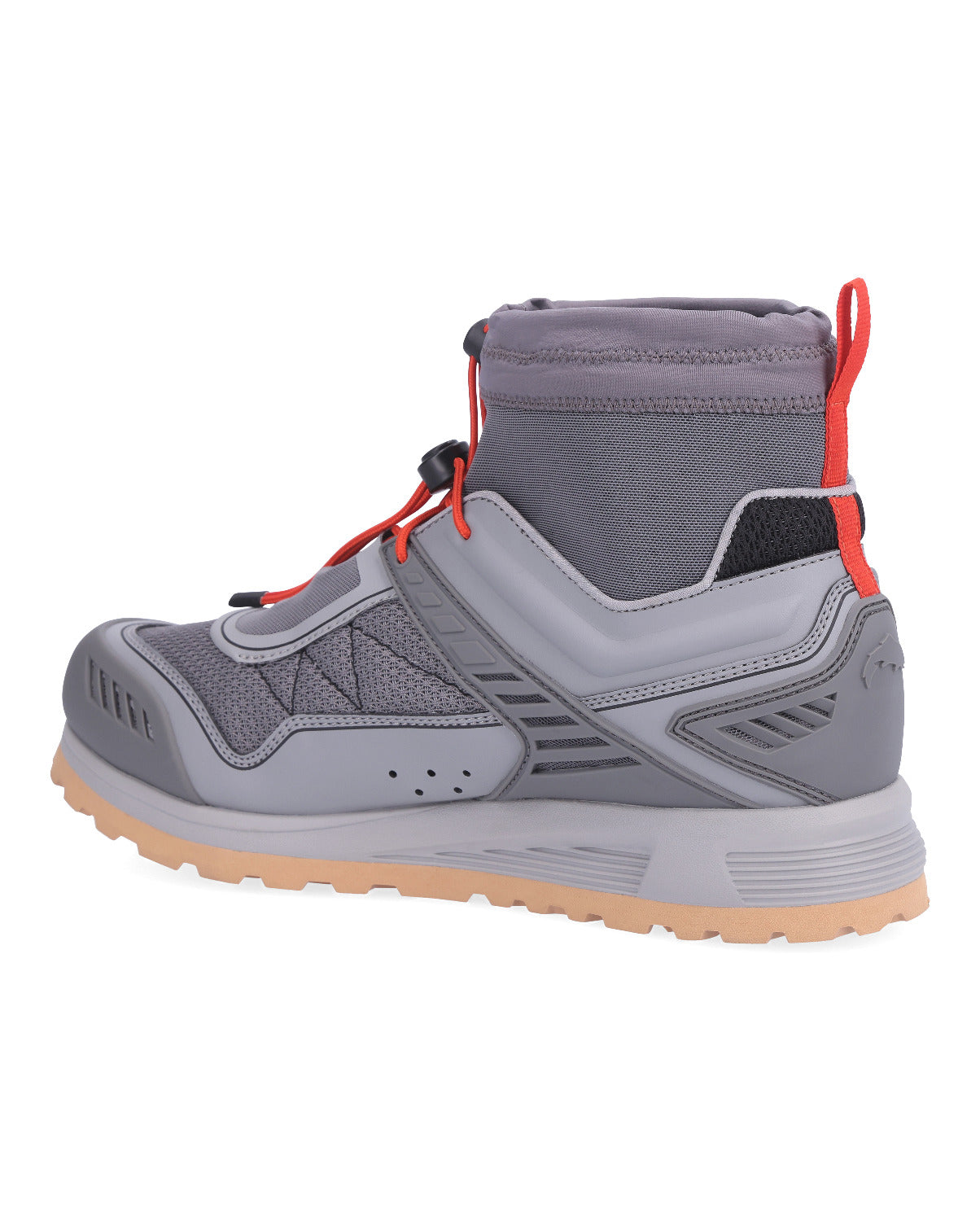
Best All-in-One Shoe: Simms Flyweight Access Wet Wading Shoe - Skip the sock-and-boot combo with this quick-dry shoe, built with a Vibram Idrogrip Lite Flex sole and an adjustable ankle gasket that keeps sand and gravel out on trails and in the river.
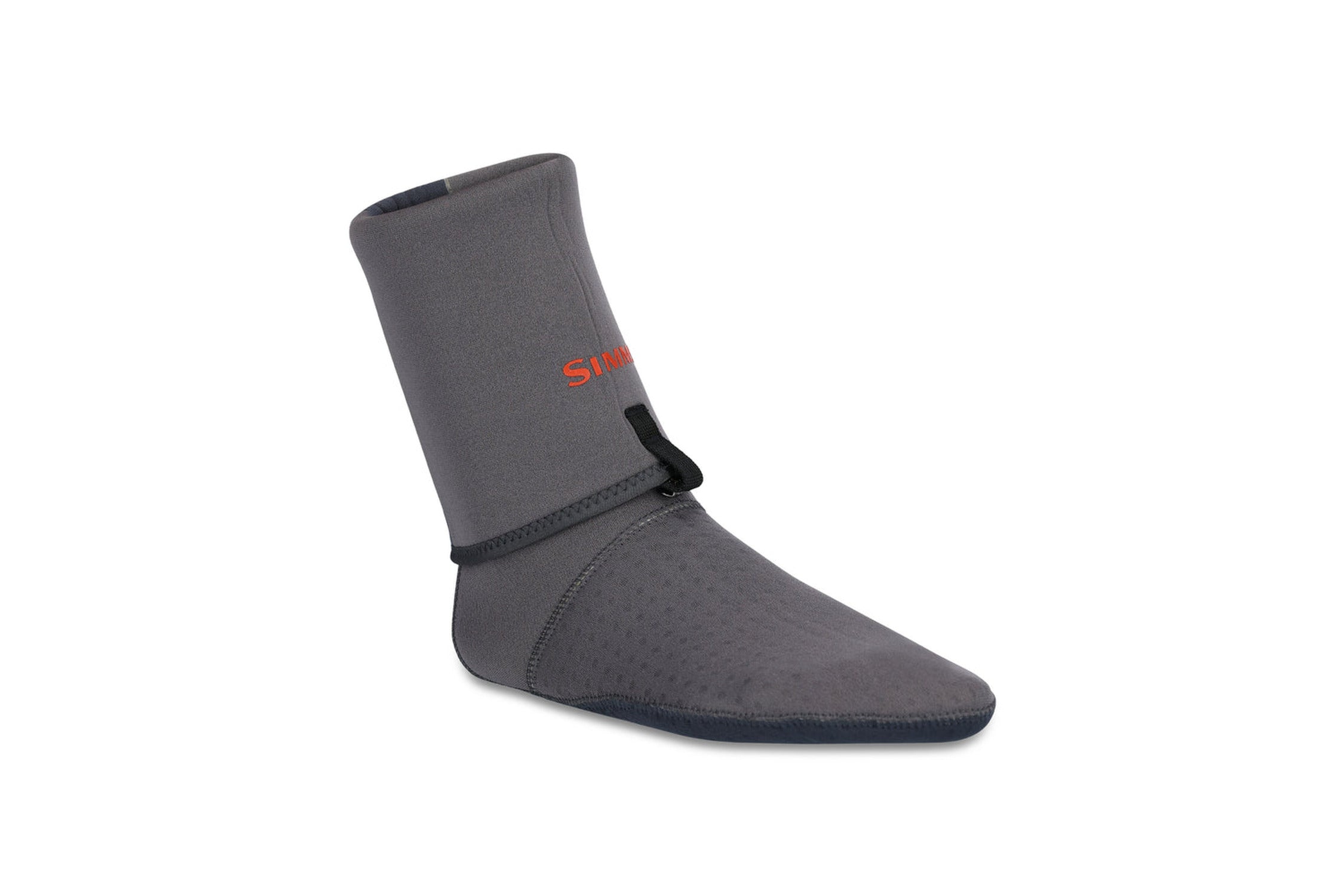
Best All-Around Sock: Simms Guide Wet Wading Sock - Quick-drying hydrophobic yarns and Right Angle arch support make this the sock to reach for on a normal summer day, on a freestone river or a saltwater flat.
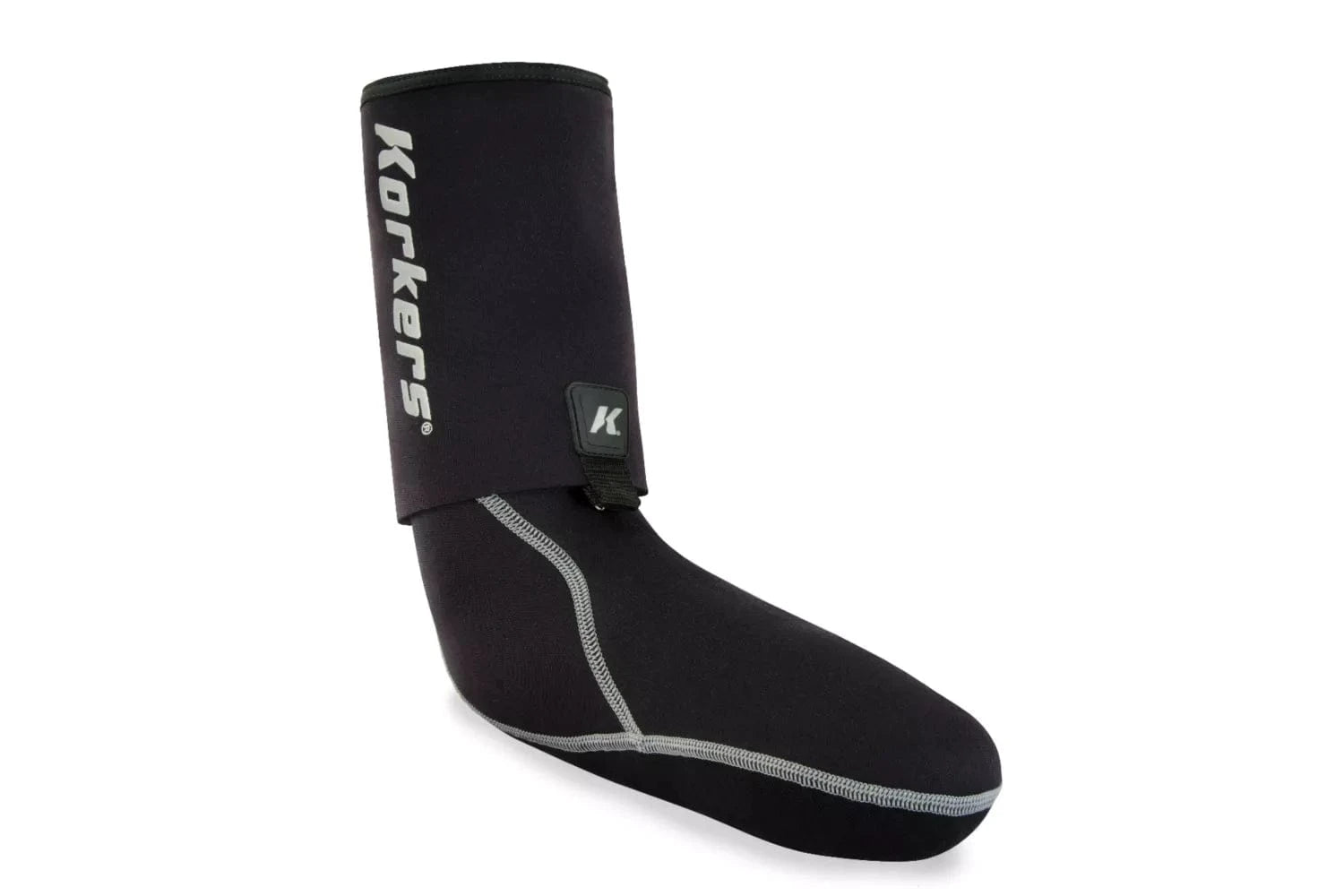
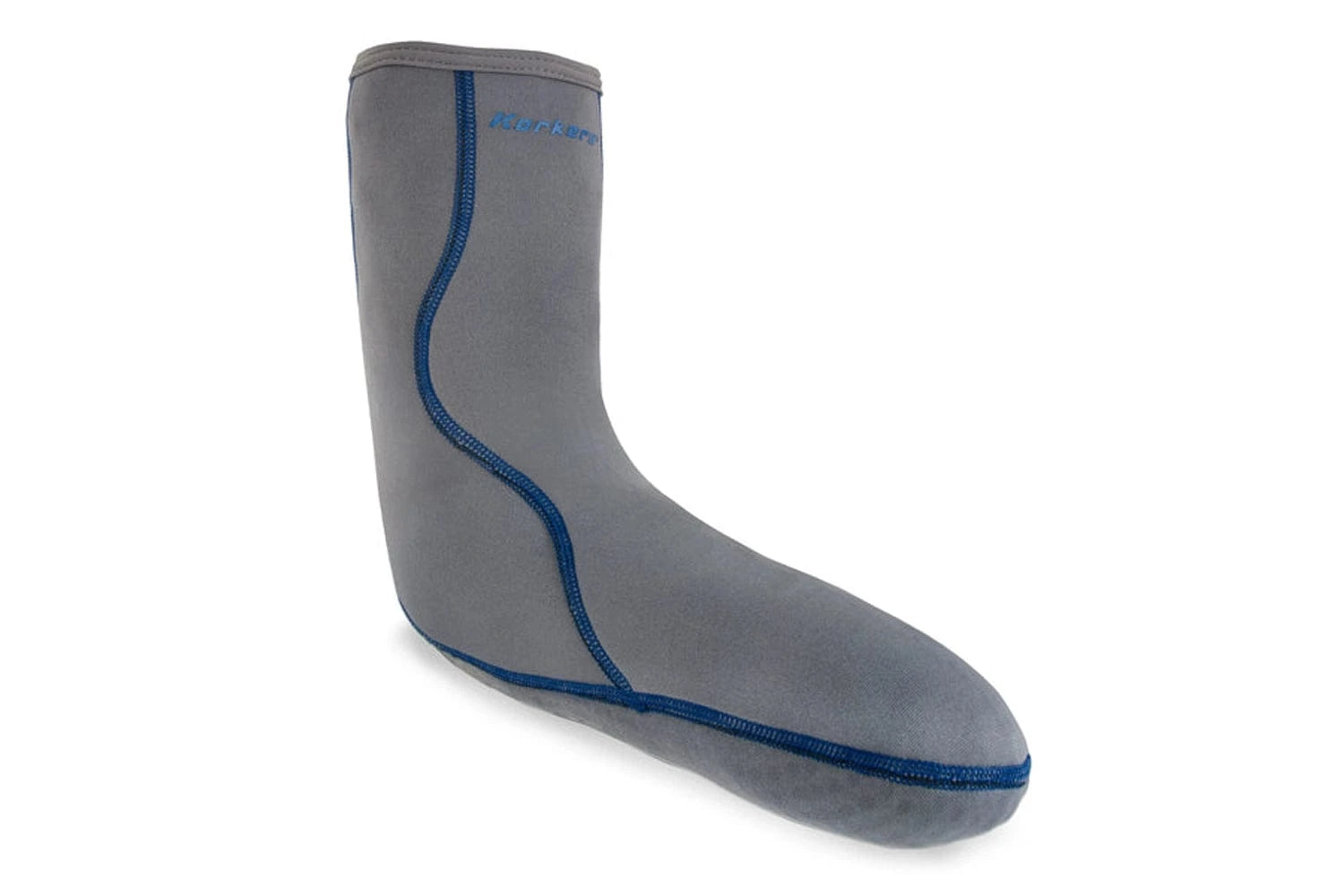
Best for Cold Water: Korkers I-Drain Neoprene Wading Sock - Real neoprene insulation takes the edge off early-season mountain water while a perforated design still sheds water fast.
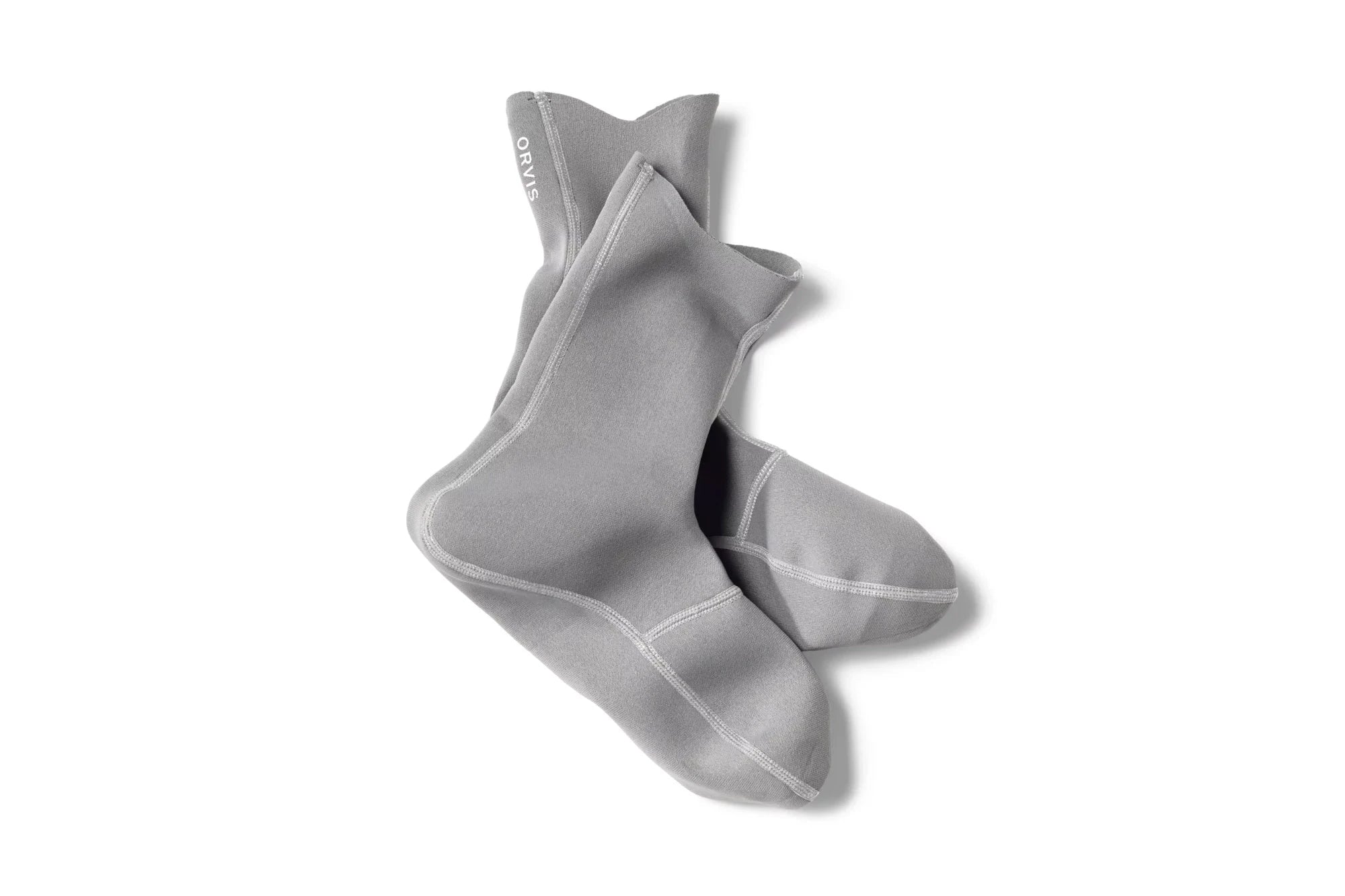
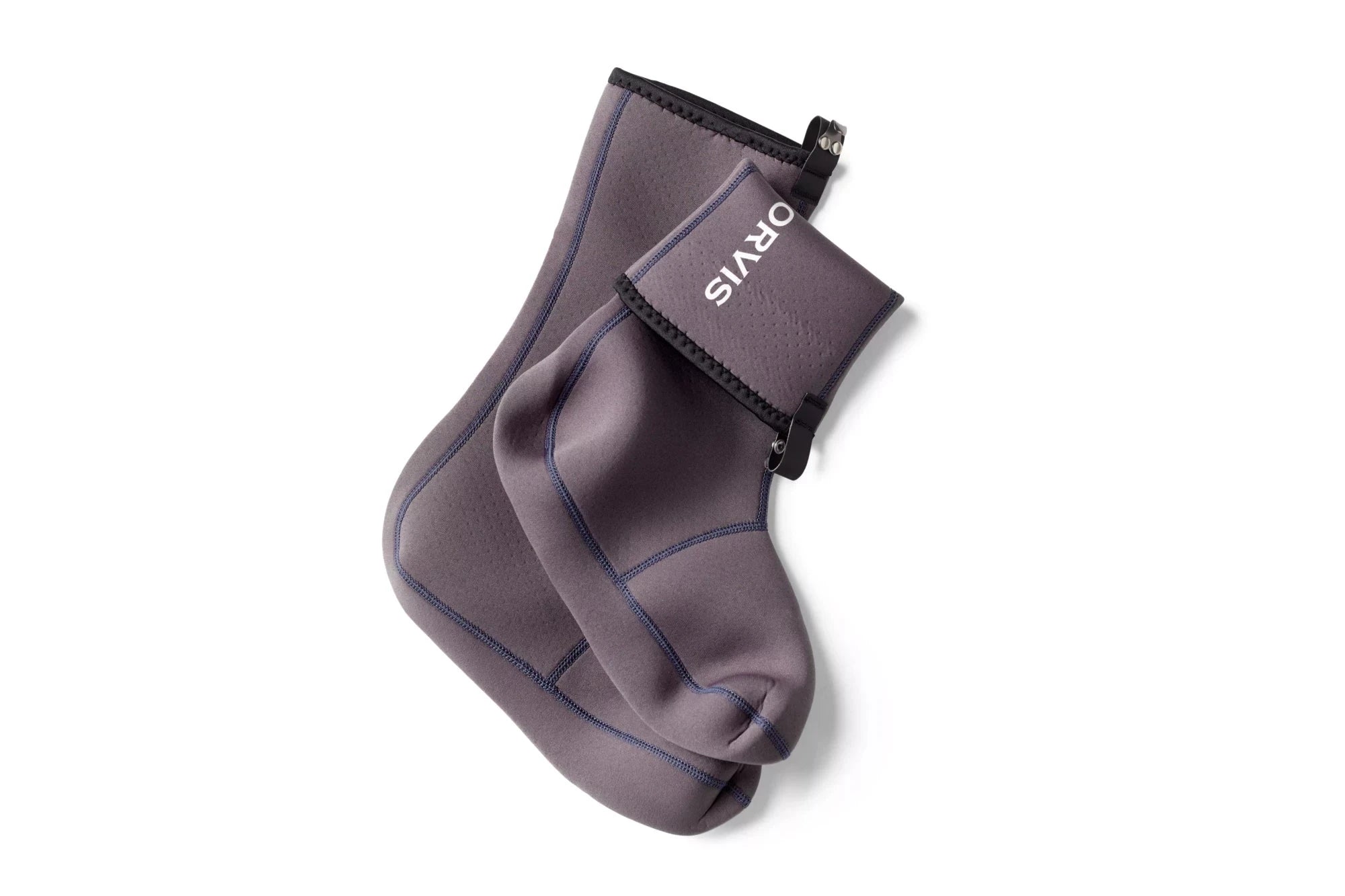
Best Minimalist for Warm Water: Orvis Neoprene 0.5mm Wading Sock - Thin enough to fit close like a regular sock, this is the pick for hot summer days when you just want boot fit and blister protection.
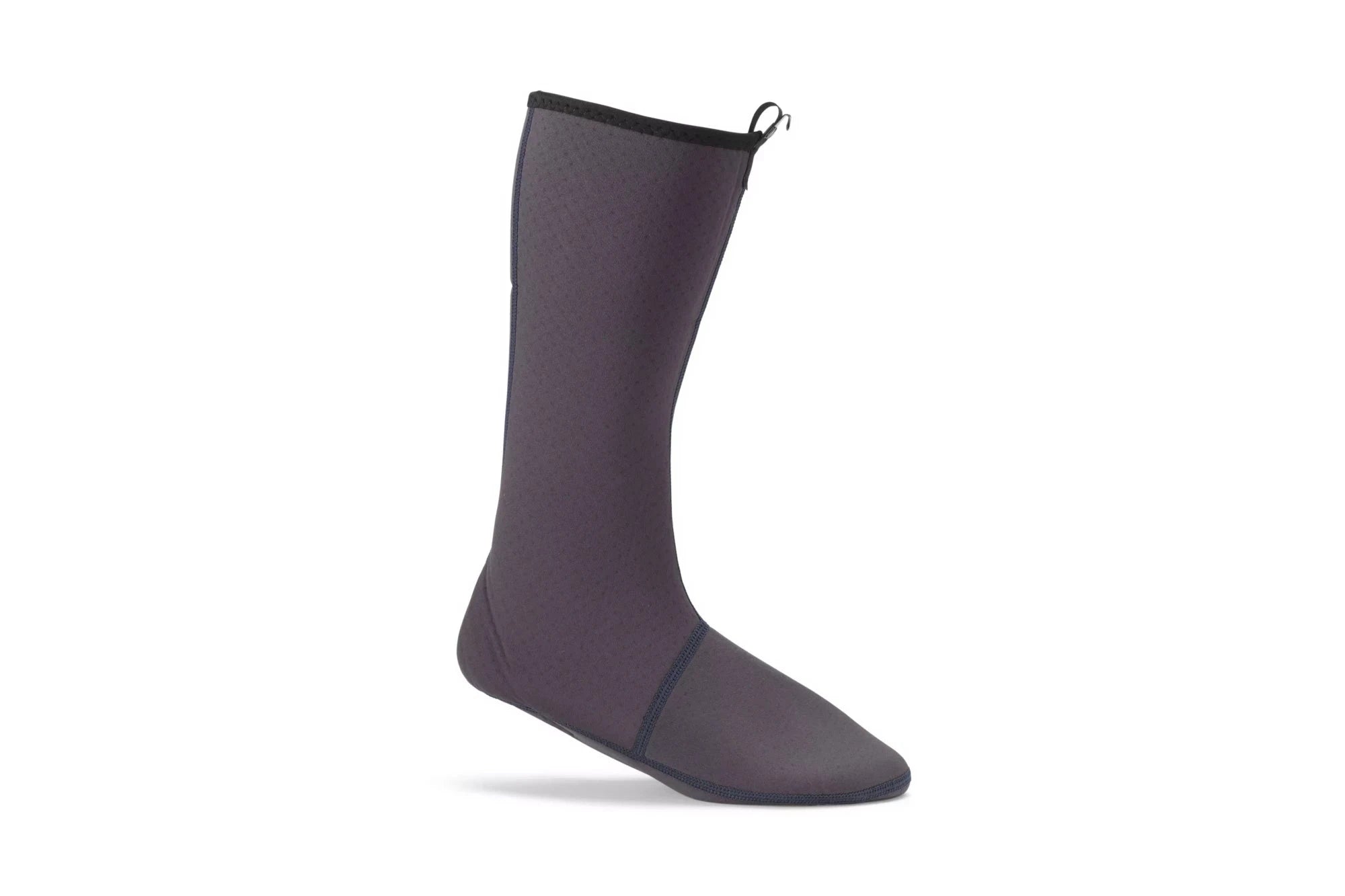
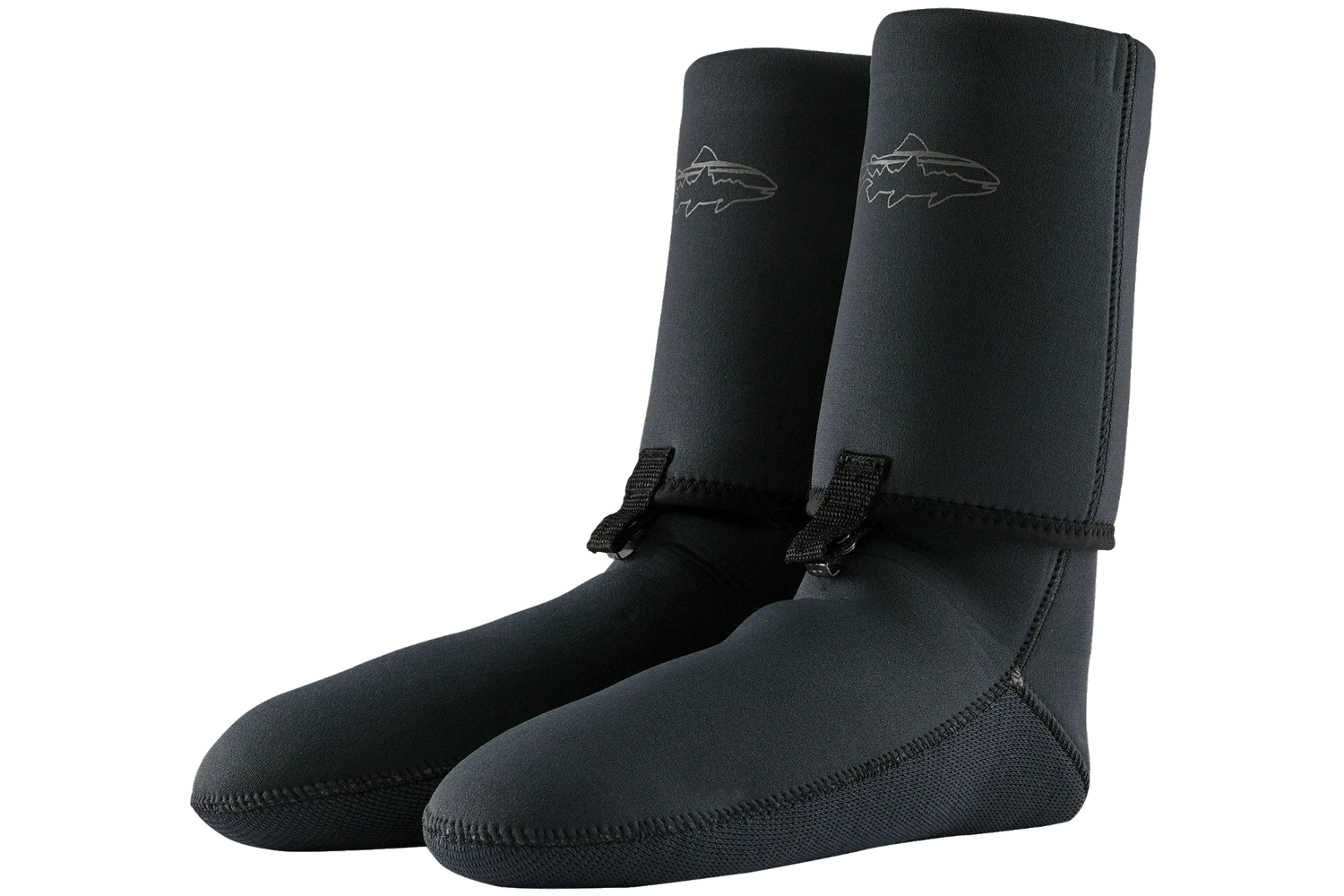
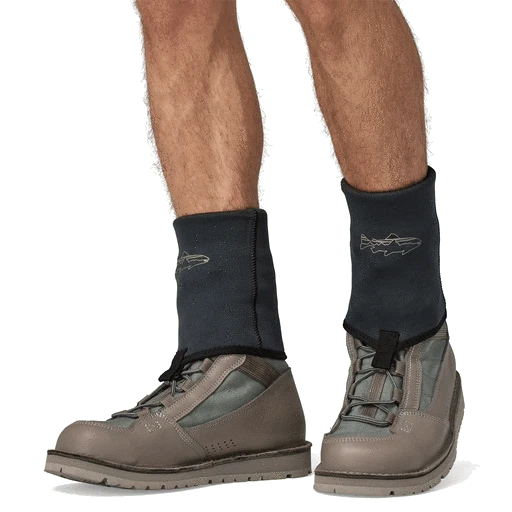
Best Eco-Friendly Option: Patagonia Yulex Wading Socks with Gravel Guard - Made from natural rubber instead of standard neoprene, these socks pair a low footprint with a fold-down gravel guard that hooks to your boot laces.
How to Choose Wet Wading Gear
Neoprene Thickness
0.5mm-1mm: Built for hot weather and warm rivers, thin socks like the Orvis Neoprene 0.5mm Wading Sock exist mainly for boot fit and abrasion protection rather than warmth.
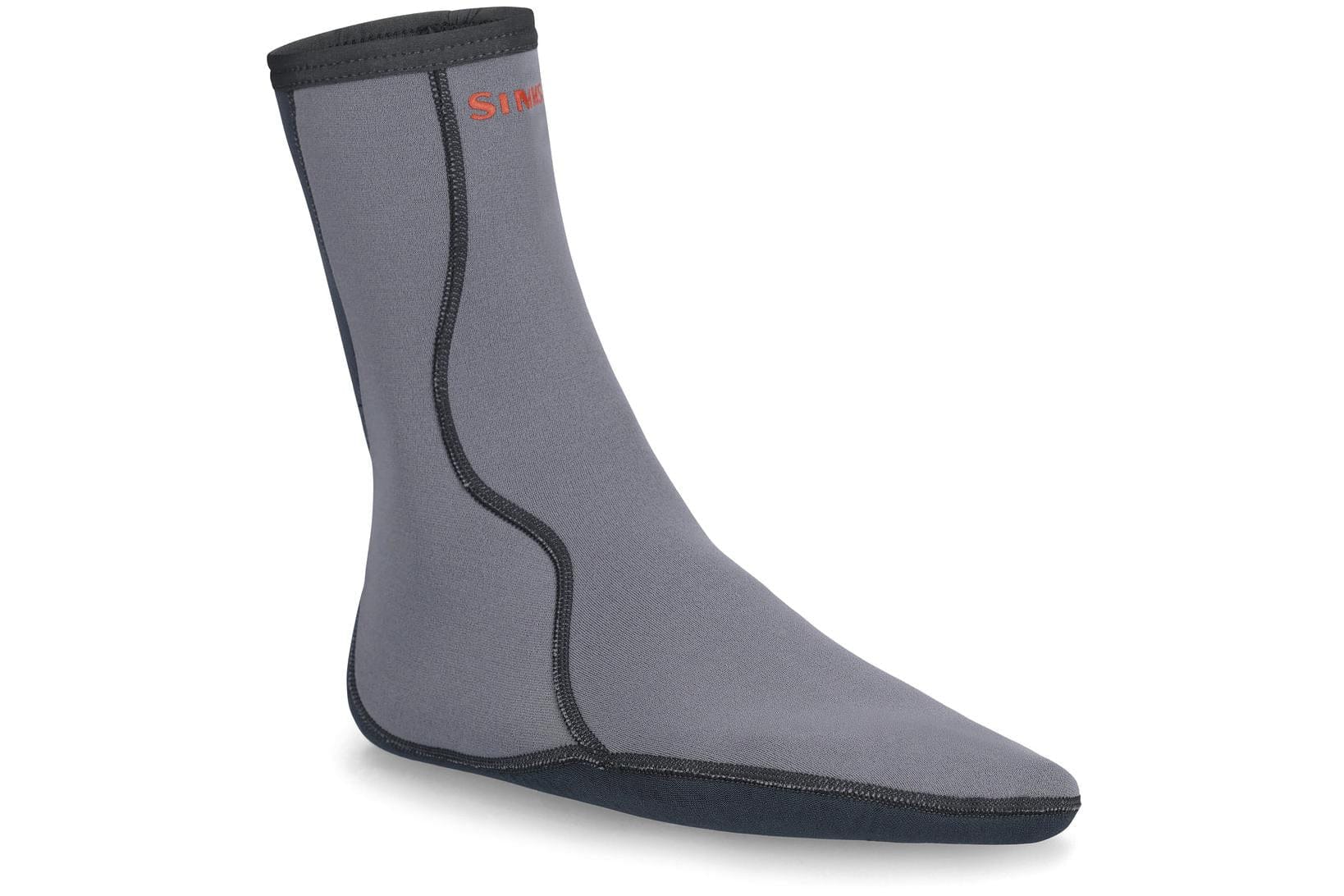
2.5mm-3.5mm: The sweet spot for most trout water in spring and fall, this range, found in the Simms Neoprene Wading Socks and Korkers I-Drain Neoprene Guard Sock, adds insulation without turning your boots into a sauna.
Sock-and-Boot vs. Dedicated Shoe
Sock with existing wading boots: Pairing a wet wading sock with the wading boots you already own is the cheapest way in, and lets you size the sock to your usual boot fit.
Dedicated wet wading shoe: A shoe like the Simms Flyweight Access Wet Wading Shoe drains and dries faster than a full wading boot and skips the sock step, worth it if you wet wade often.
Gravel Guards & Debris Protection
Built-in guard: Socks like the Orvis Neoprene 3mm Guard Sock and Patagonia Yulex Wading Socks fold over your boot laces to keep sand and small rocks from working down into your boot.
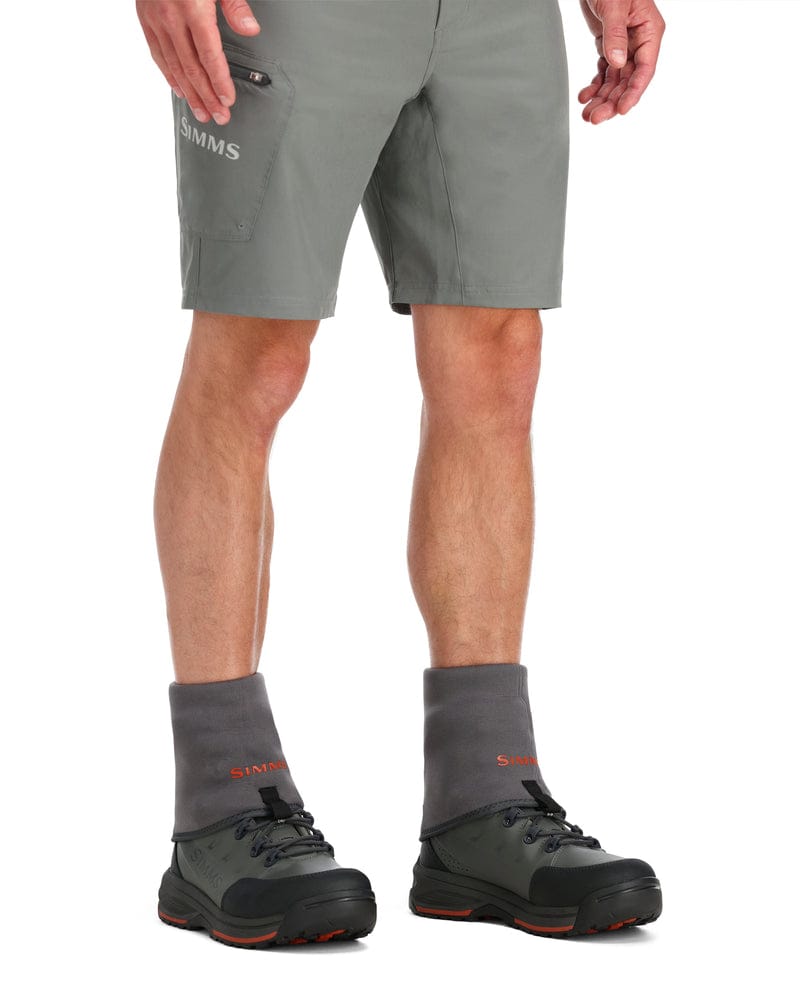
Separate guard sock: A dedicated guard sock, such as the Korkers I-Drain Neoprene Guard Sock, layers over a thinner sock when you want debris protection without extra insulation.
Fit & Care Tips
Size to your boot, not your shoe: Wet wading socks should fit snug enough to prevent bunching but not so tight they restrict circulation on a long day.
Rinse and air dry after every trip: Neoprene and rubber both hold onto sand and salt, so a fresh water rinse and full air-dry keeps material supple and odor down.
Check gravel guard hooks: The small hooks that attach a gravel guard to your laces wear out over time. Inspect them each season and re-secure loose ones.
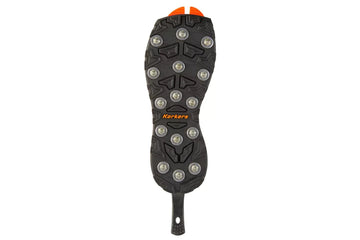
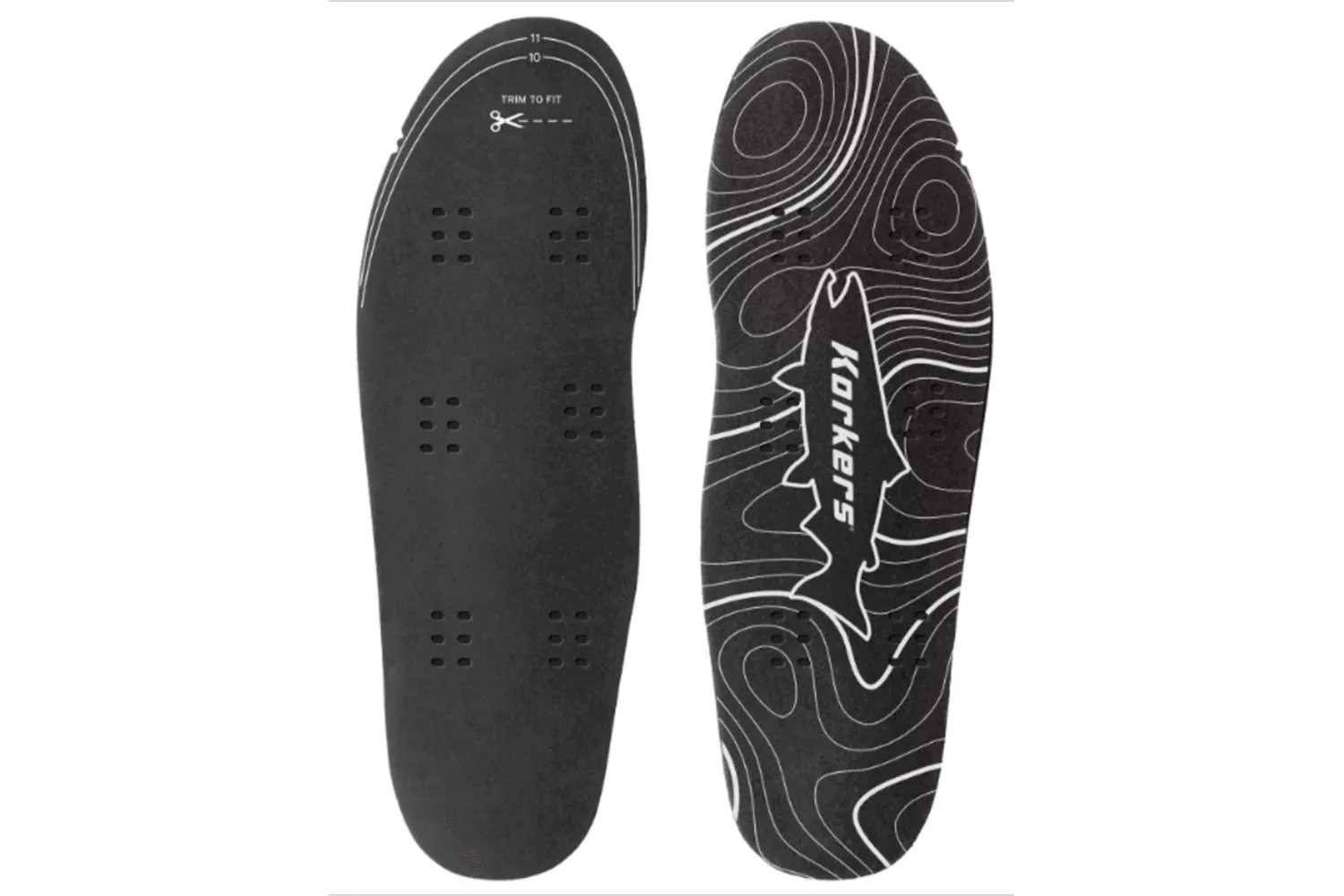
Convert boots you already own: A Korkers Wet Wading Conversion Kit adds a perforated EVA insole to fill the extra space stockingfoot boots leave without full waders underneath.
Complete Your Setup
Related Gear
Wading Boots - The other half of a wet wading setup; match your sock thickness to the fit of the boot you already own.
Fly Fishing Footwear - Browse the full range of boots and shoes built for on-the-water use.
Wading Accessories - Belts, staffs, and other gear that rounds out a safe summer wading kit.
Wet Wading Gear FAQs
Q: What neoprene thickness should I use for wet wading?
A: For most summer trout water, 2.5mm to 3mm neoprene socks strike the best balance of warmth and comfort. Go thinner, around 0.5mm, in hot weather or on saltwater flats, and thicker, 3.5mm or more, for early or late season trips.
Q: Do I need special boots to wet wade?
A: No, your existing stockingfoot wading boots work fine with a wet wading sock instead of waders. If you wet wade often, a dedicated shoe like the Simms Flyweight Access Wet Wading Shoe drains and dries faster.
Q: Can I wet wade in cold water?
A: Yes, within reason. A thicker neoprene sock like the Korkers I-Drain Neoprene Wading Sock extends your comfortable range into cooler water, but for genuinely cold conditions, standard waders and a wading boot are still the better call.