






























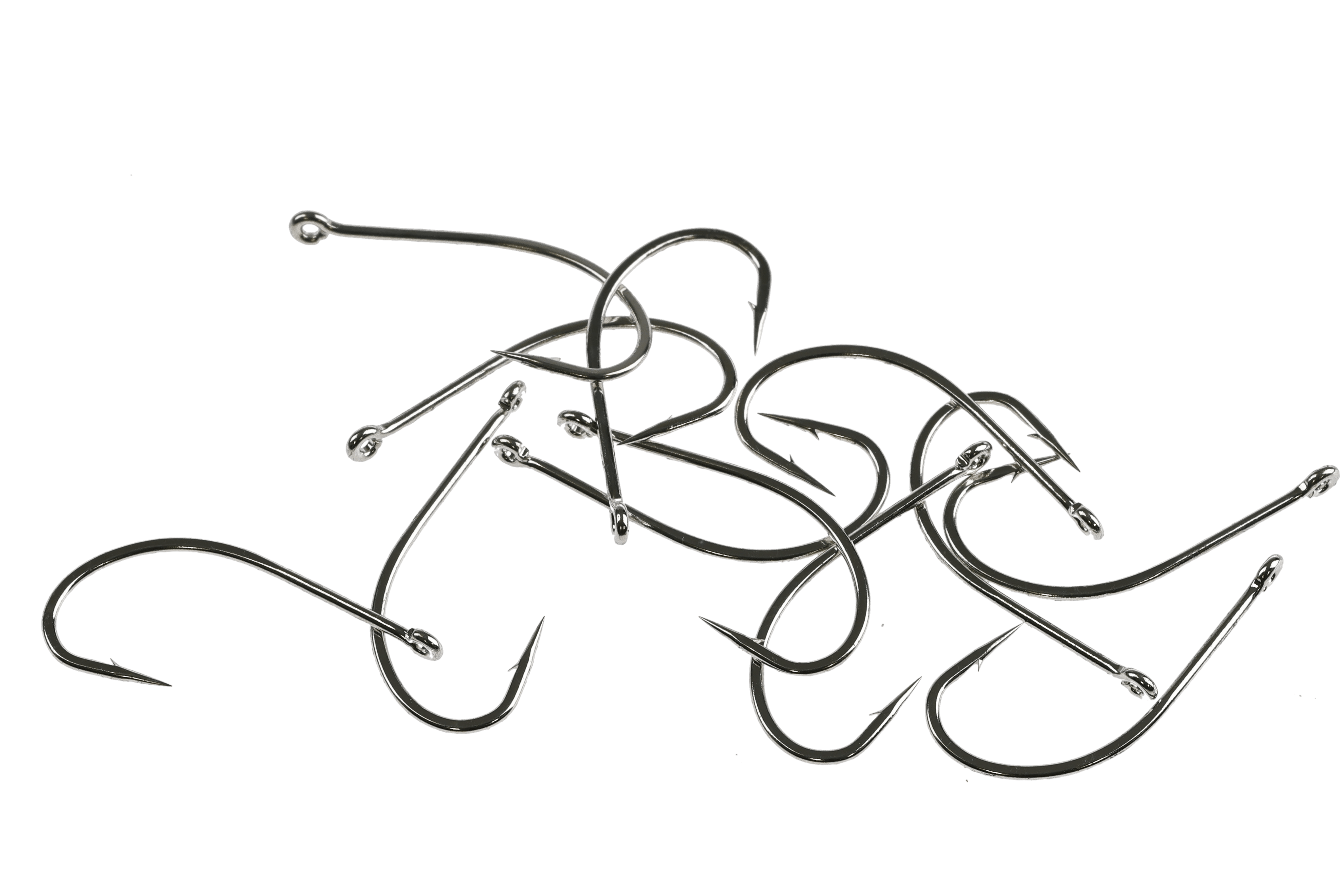


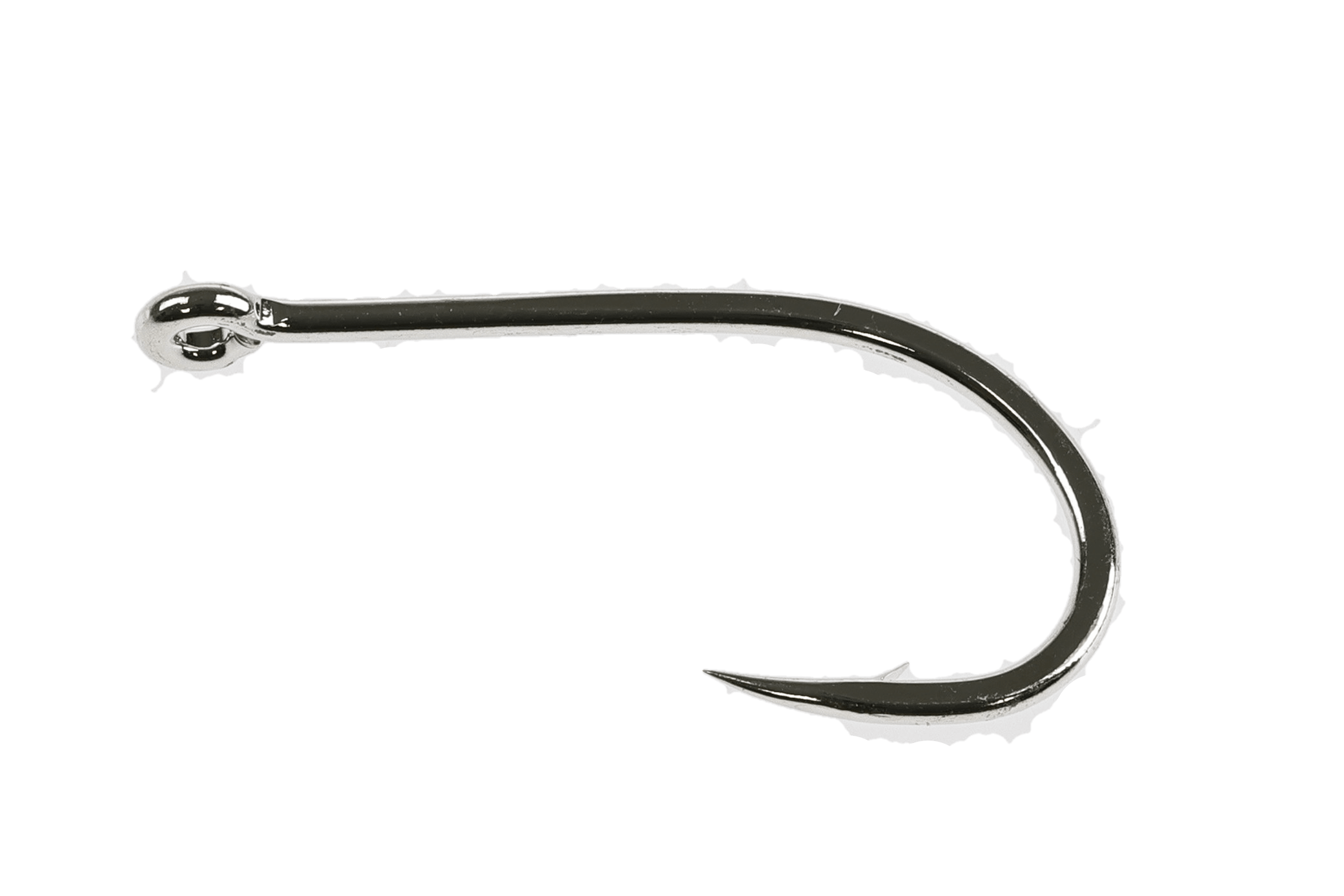

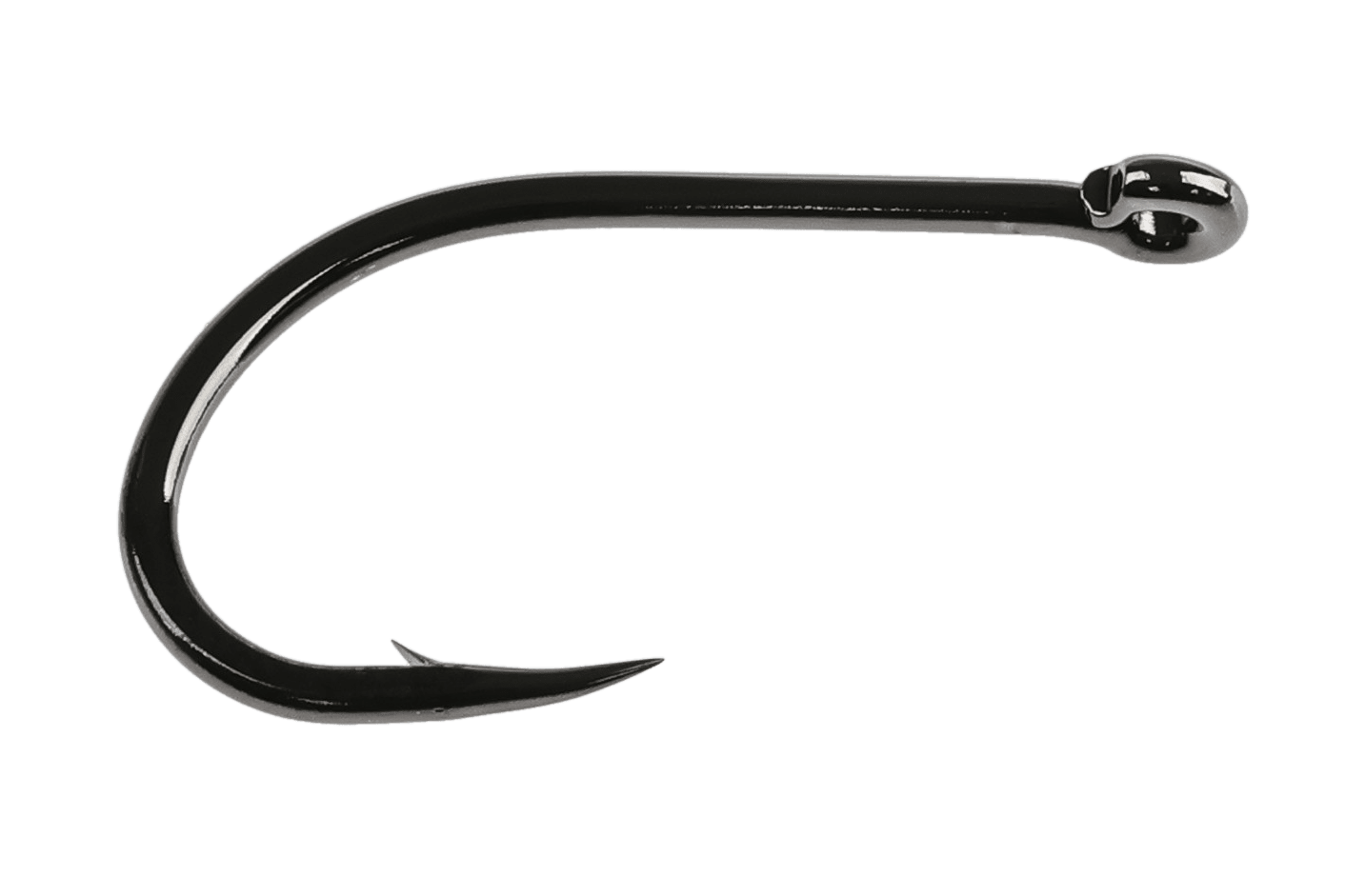
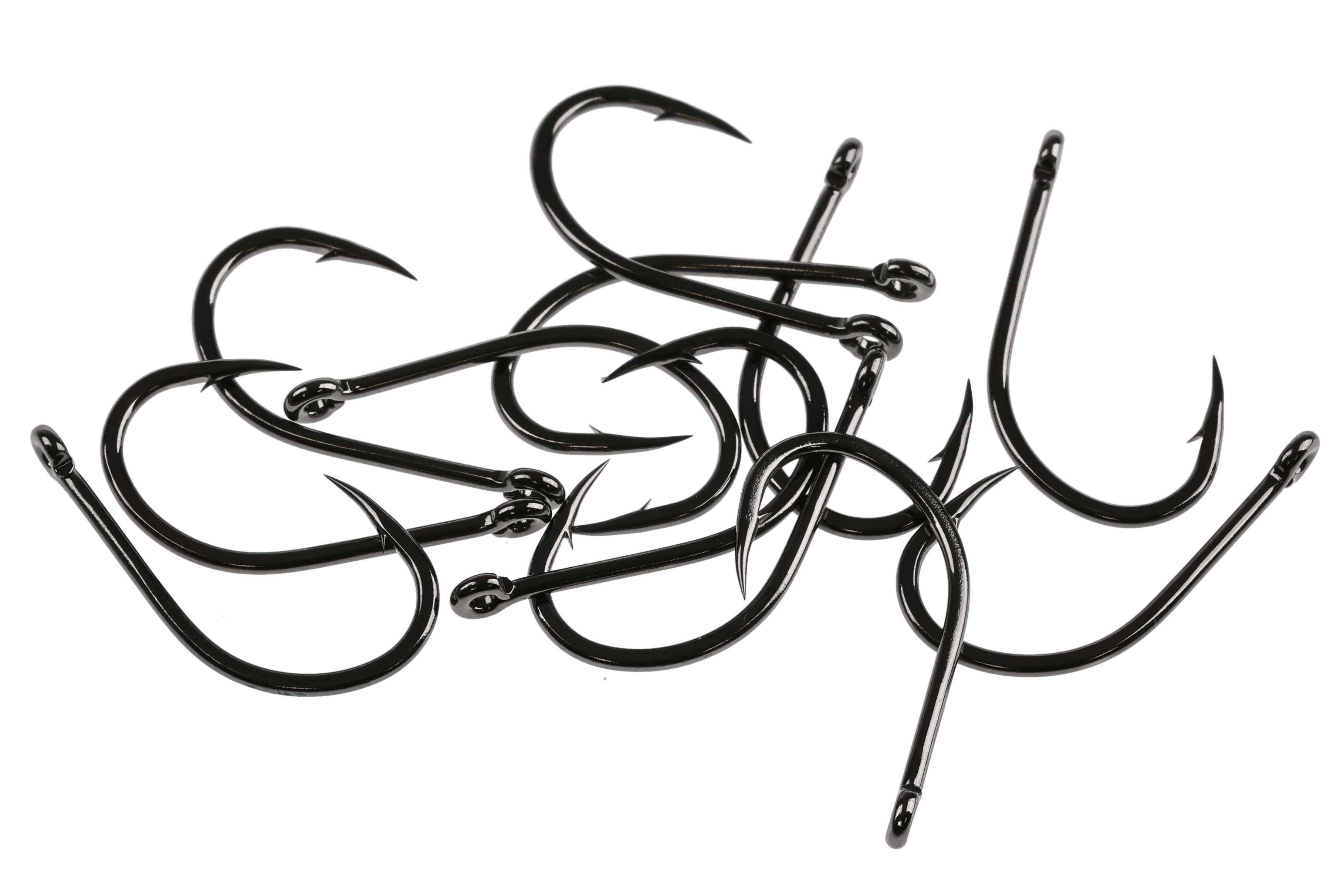

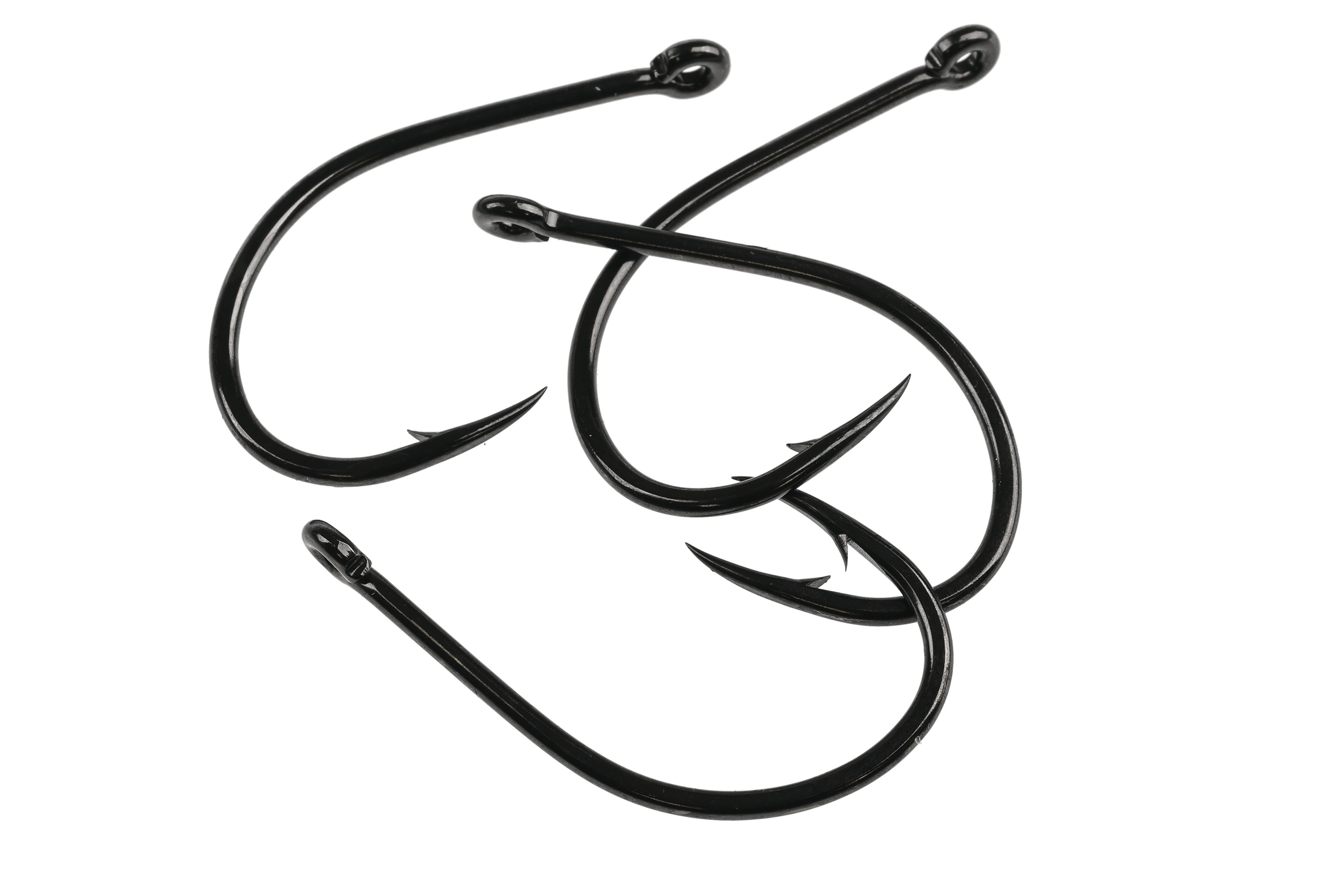
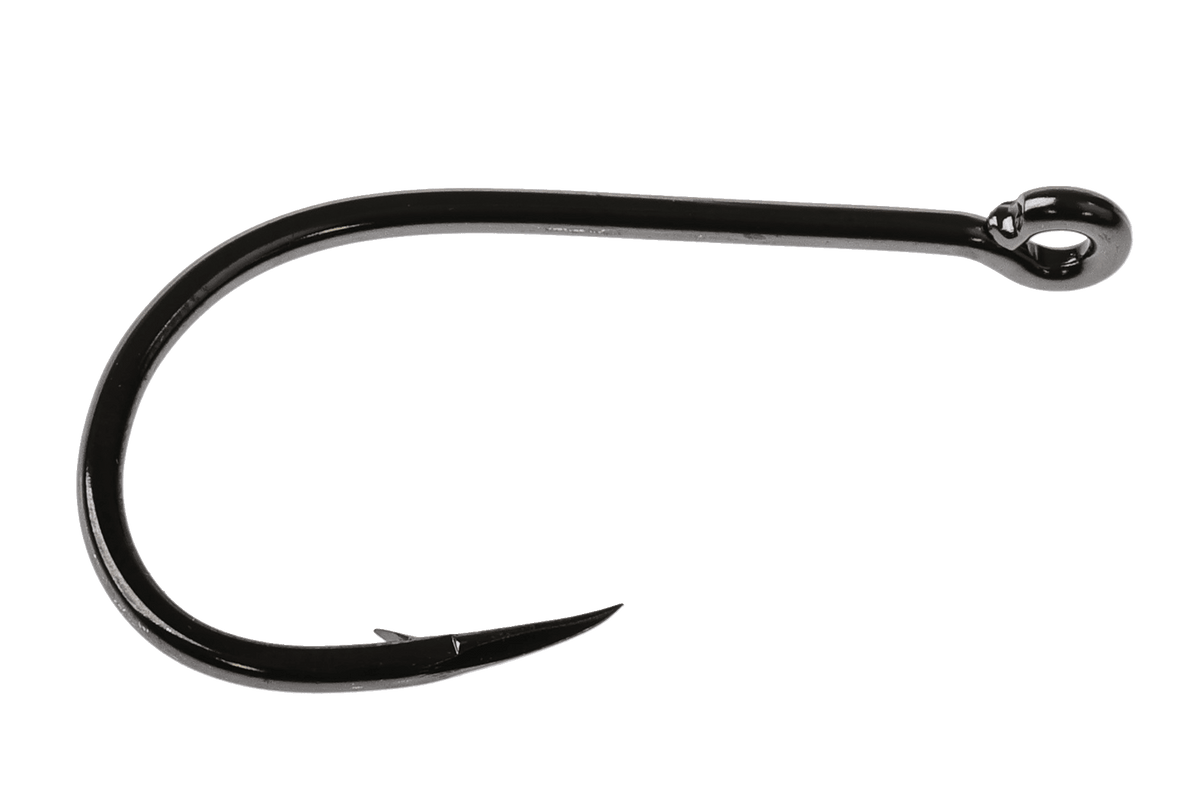
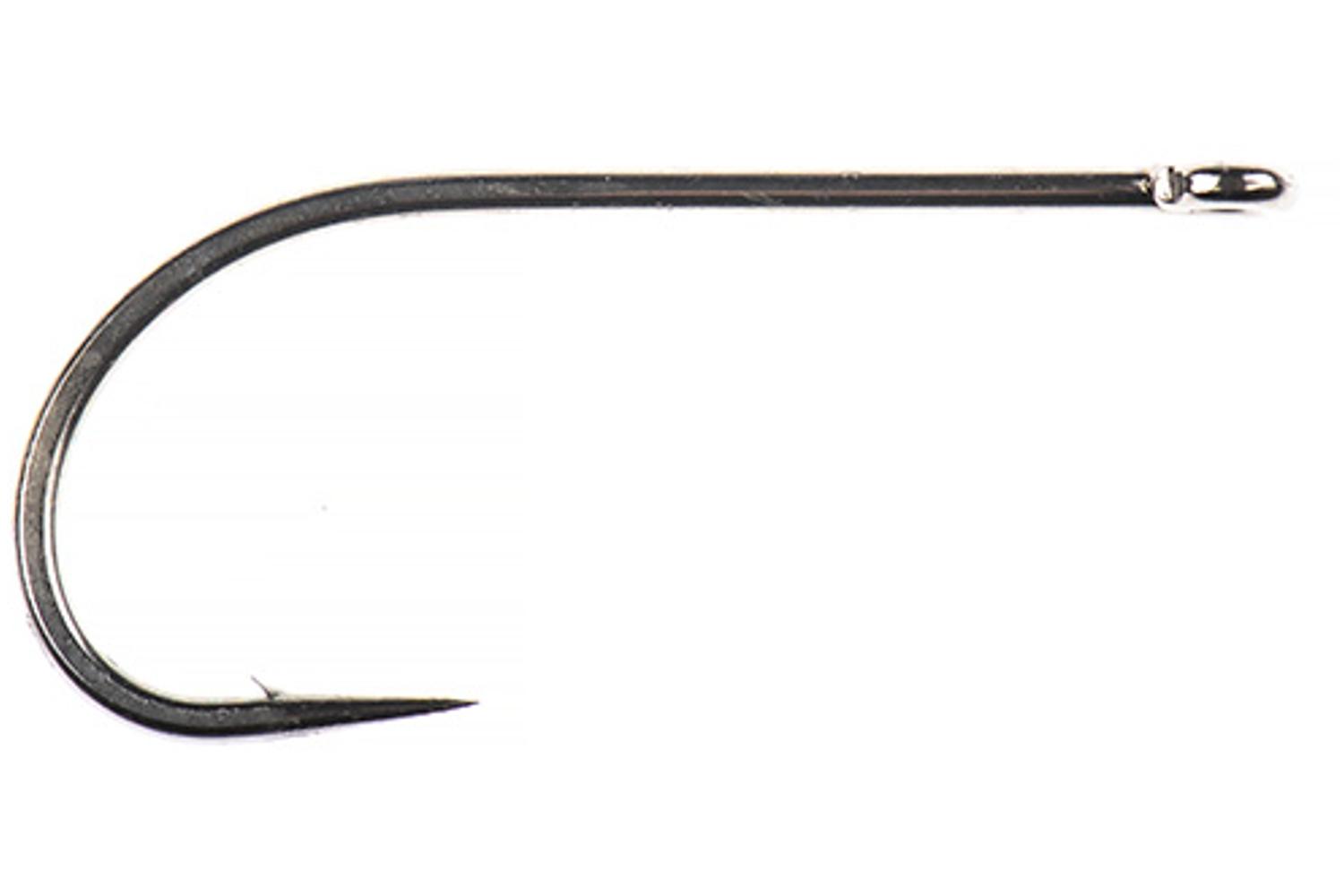
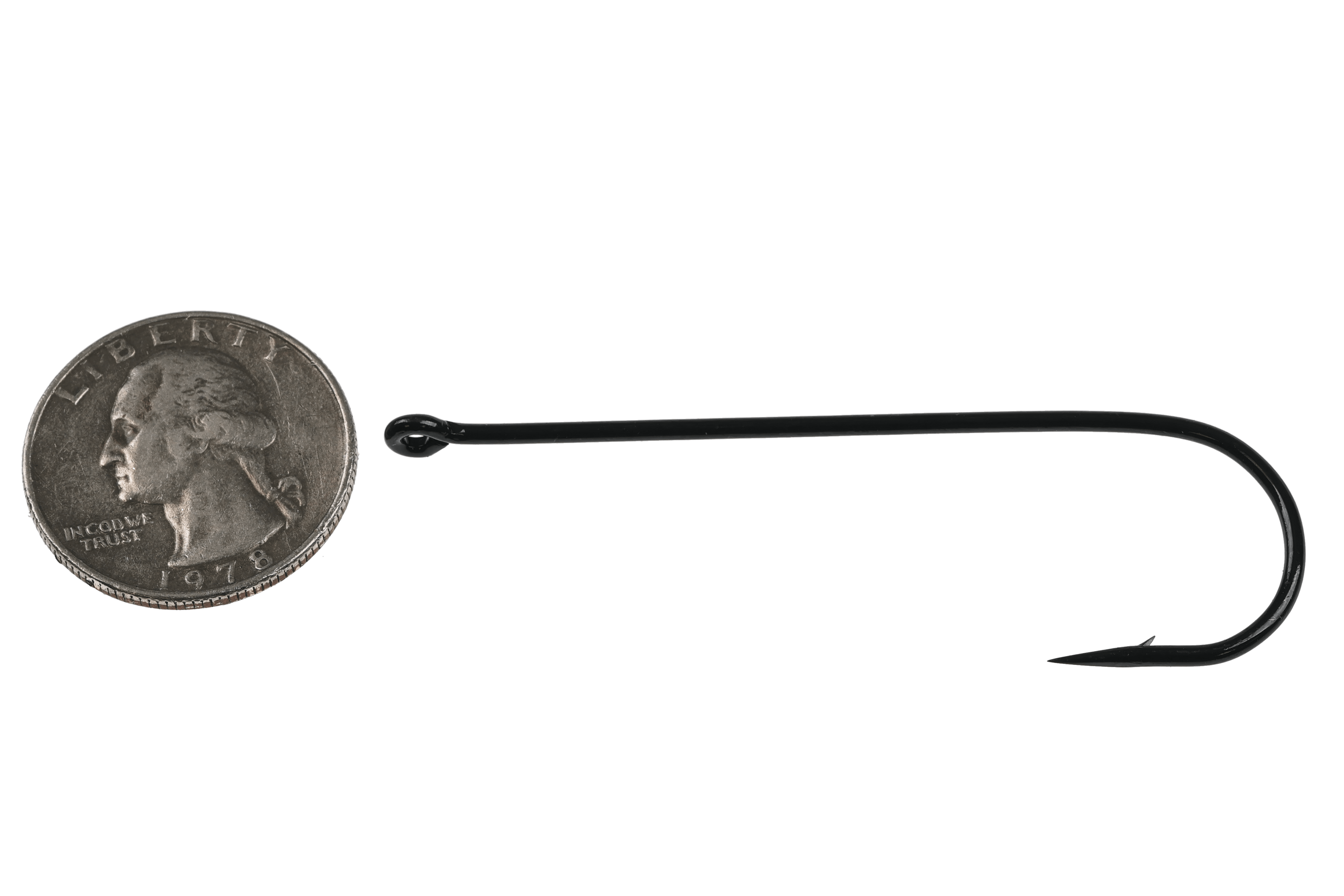
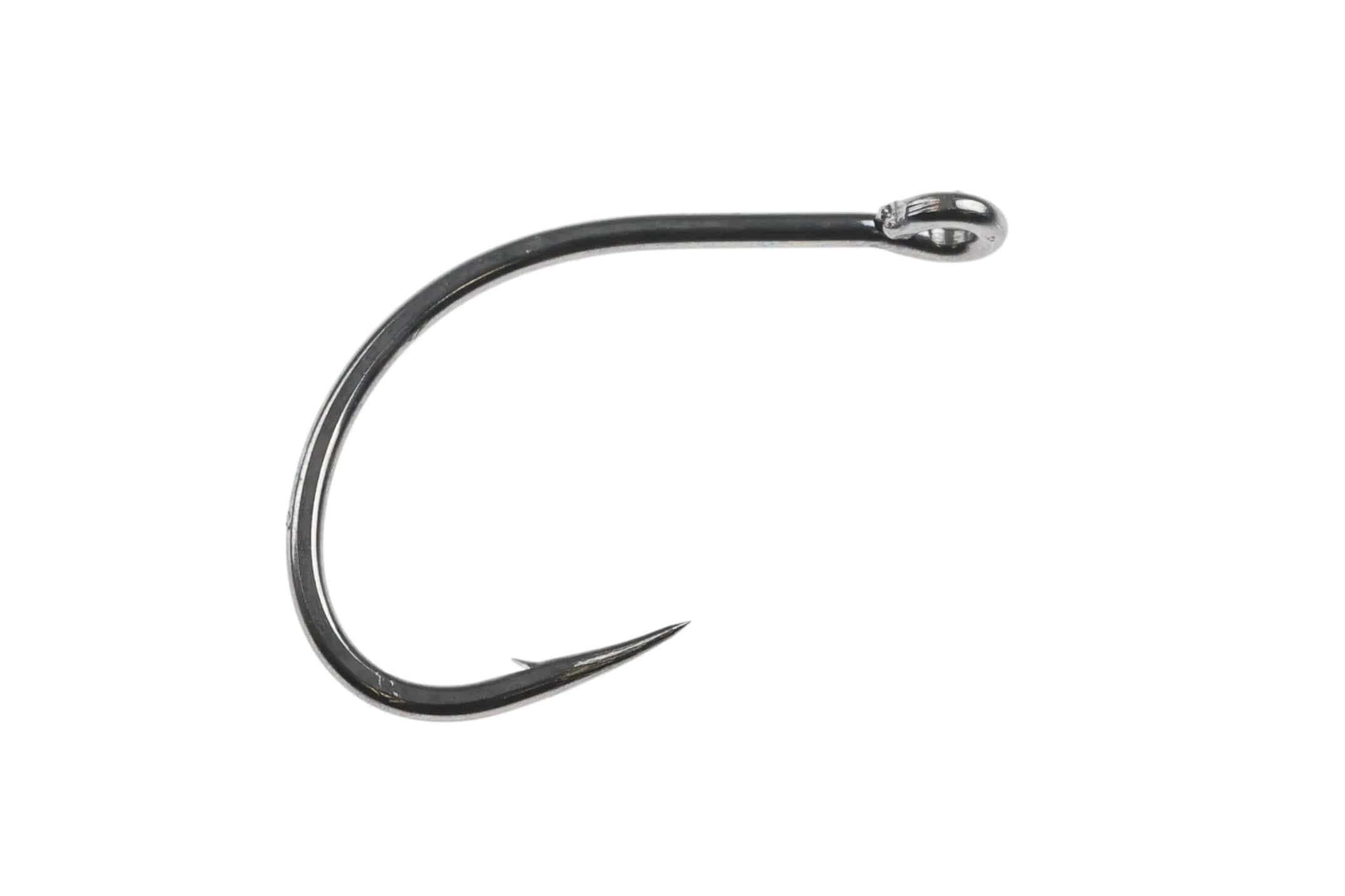
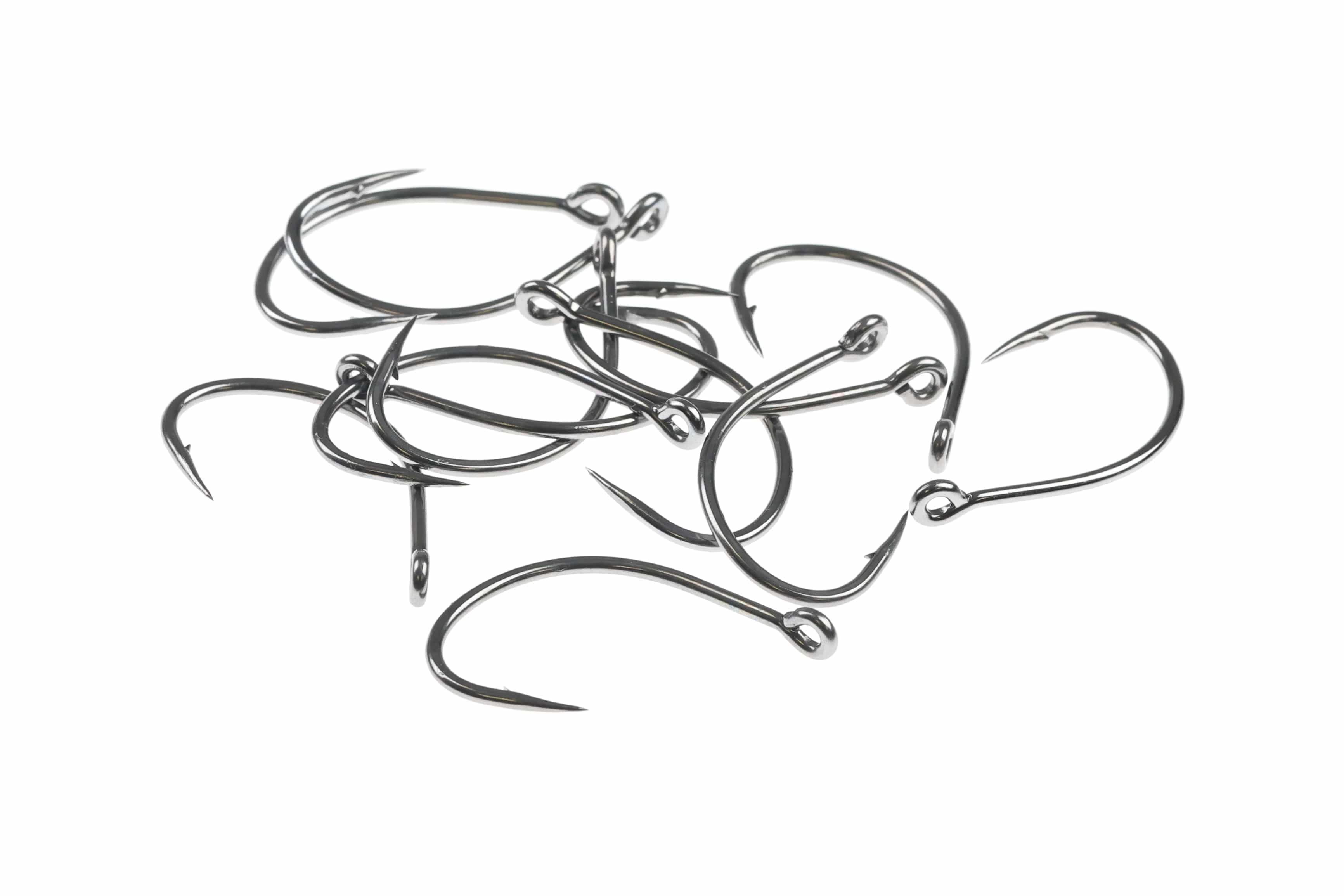


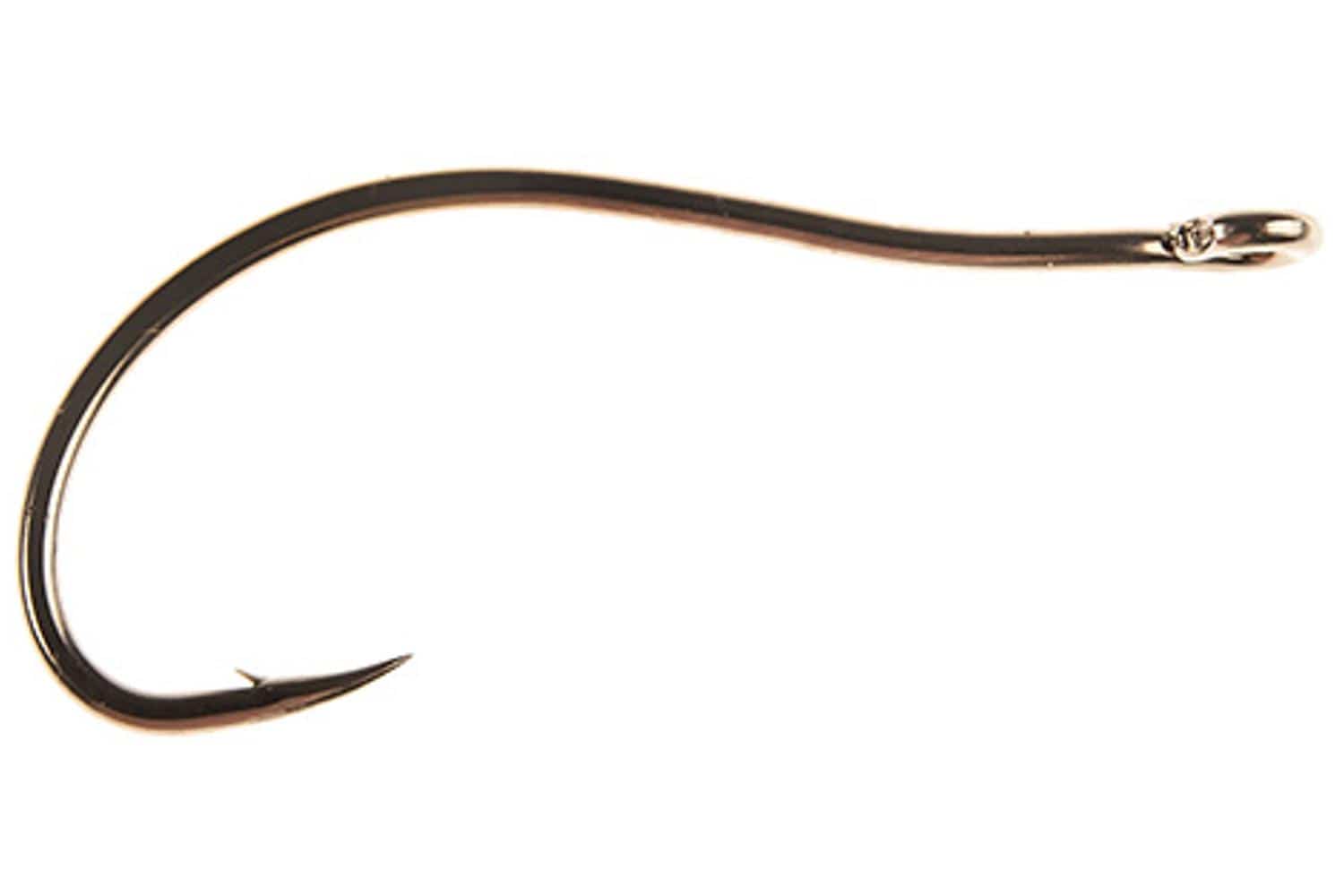

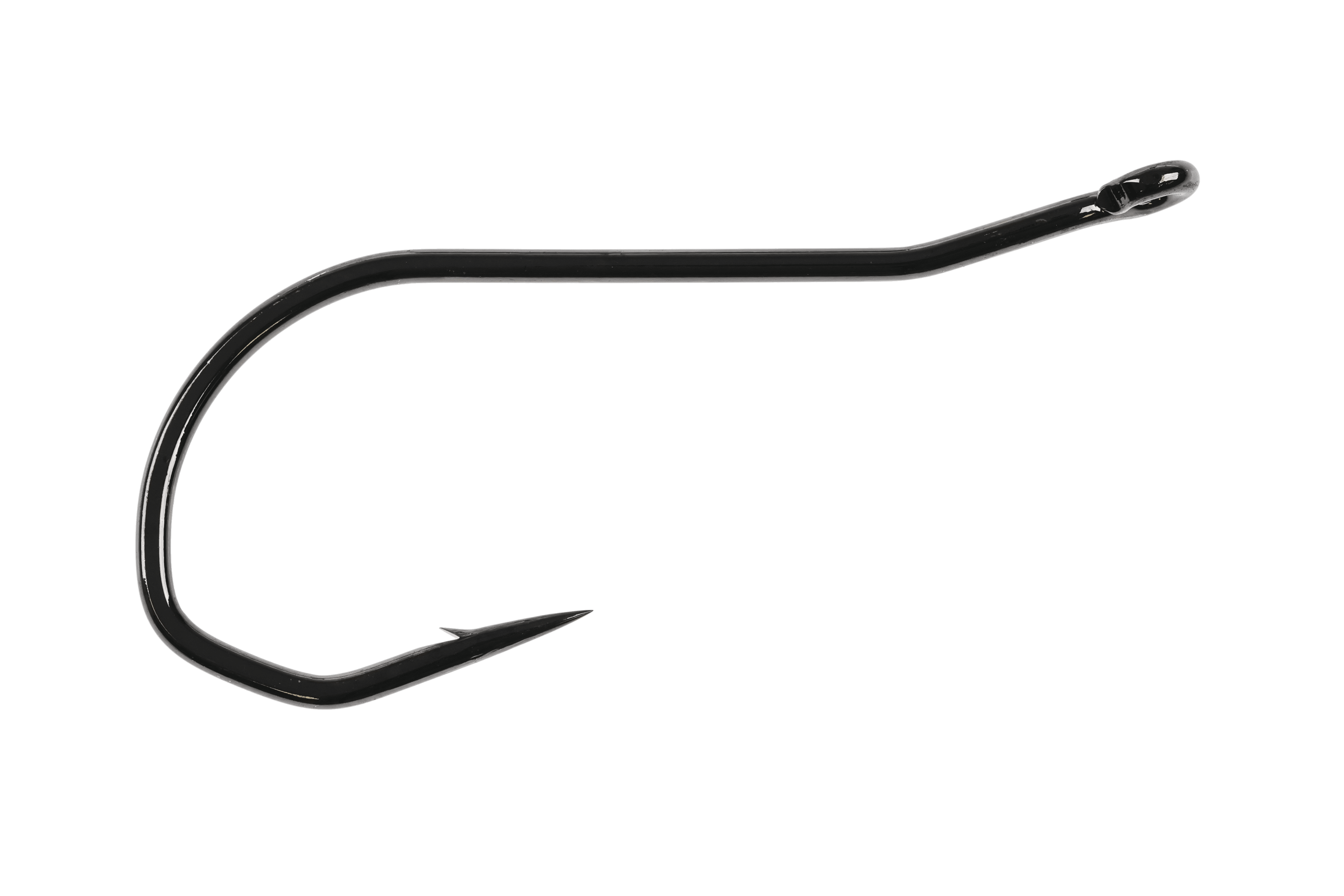
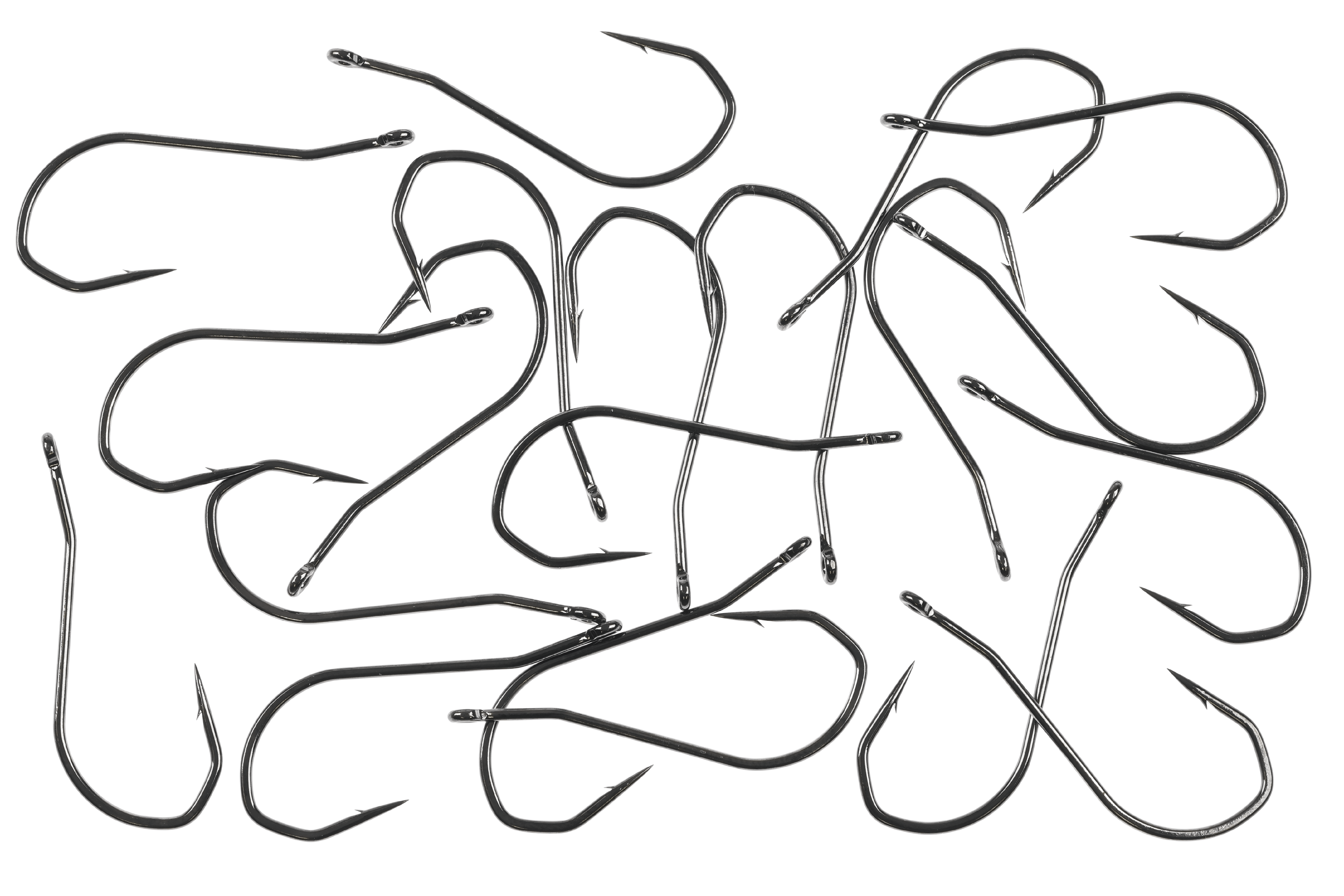
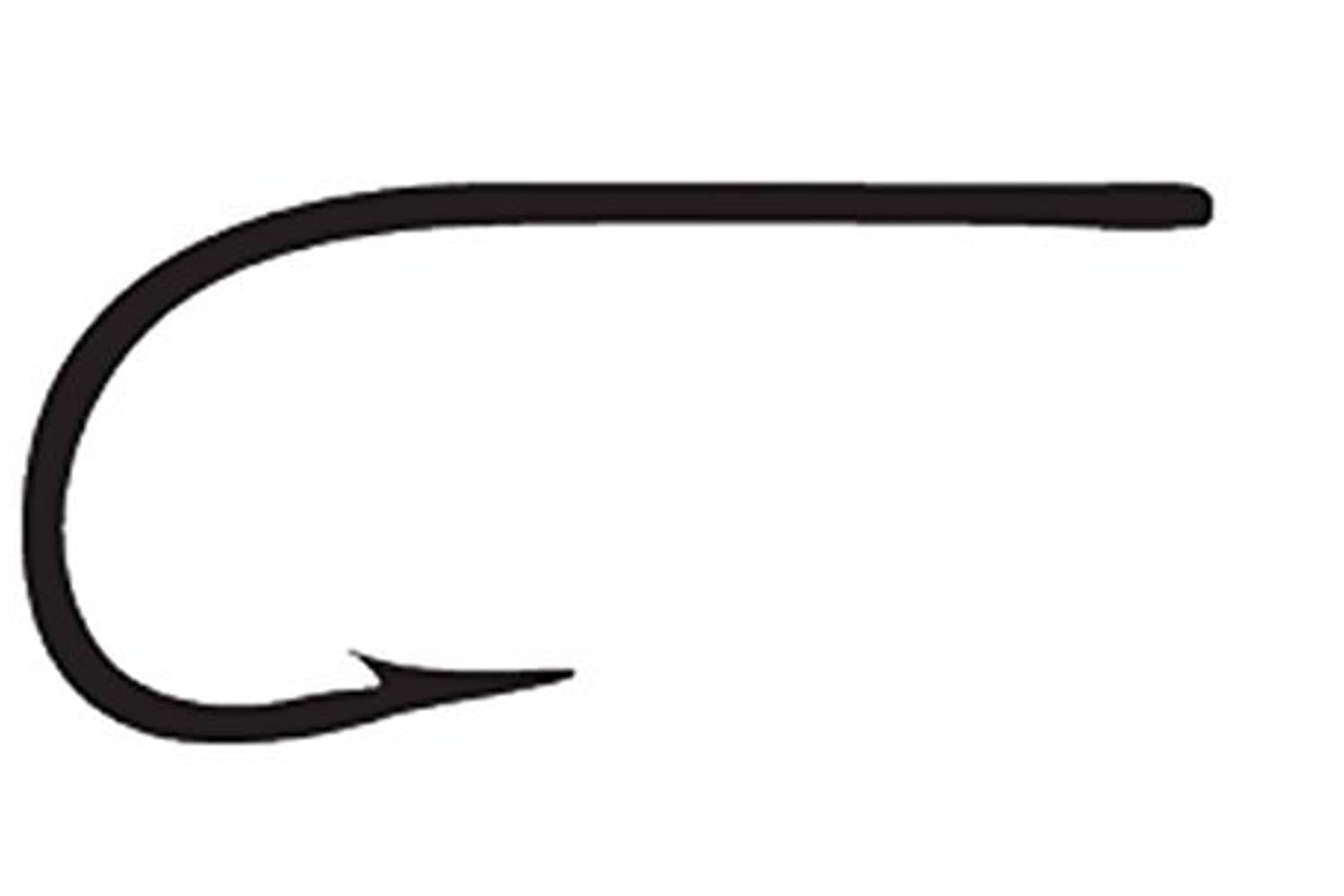


Saltwater Fly Tying Hooks Quick Picks
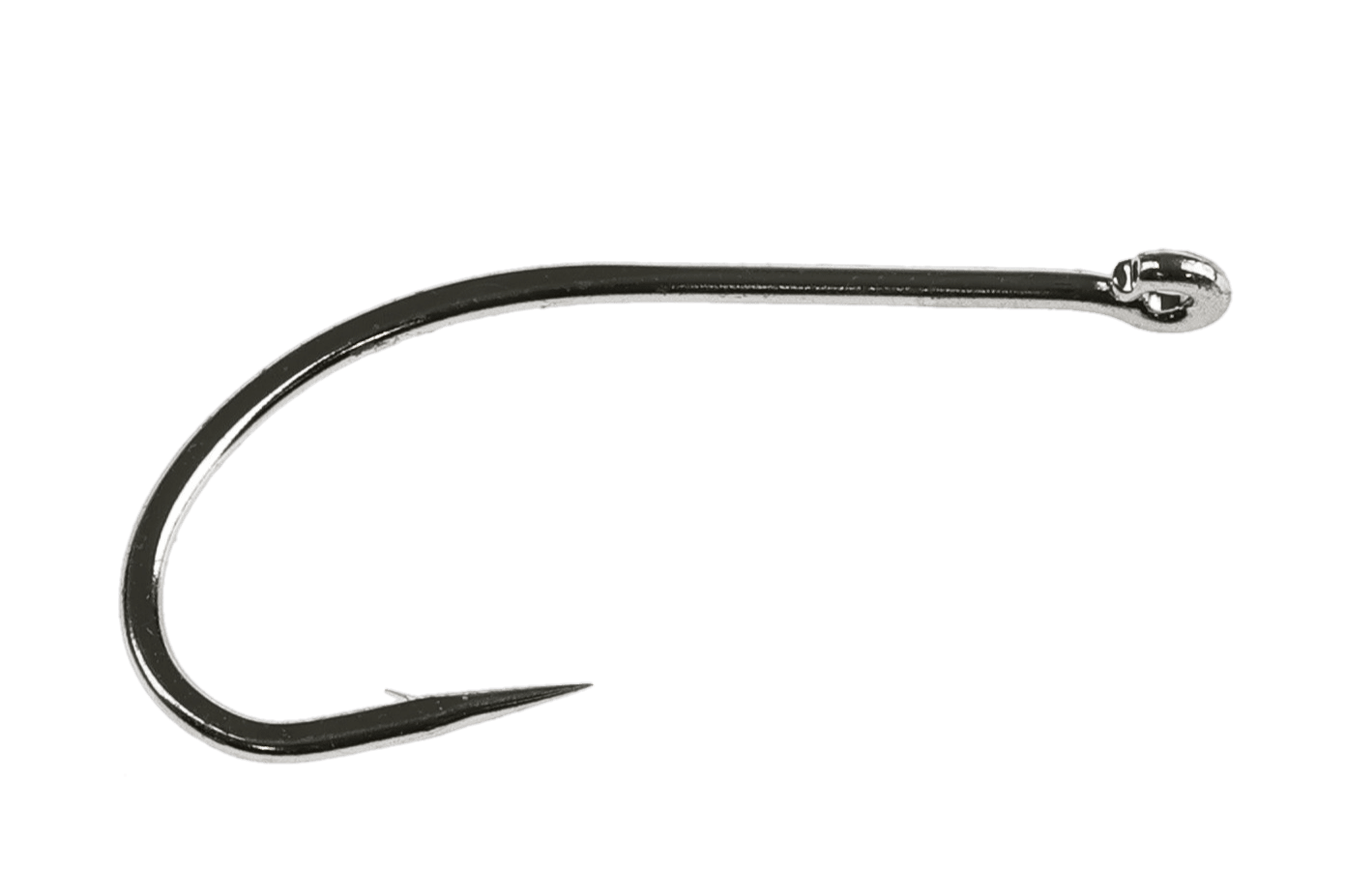
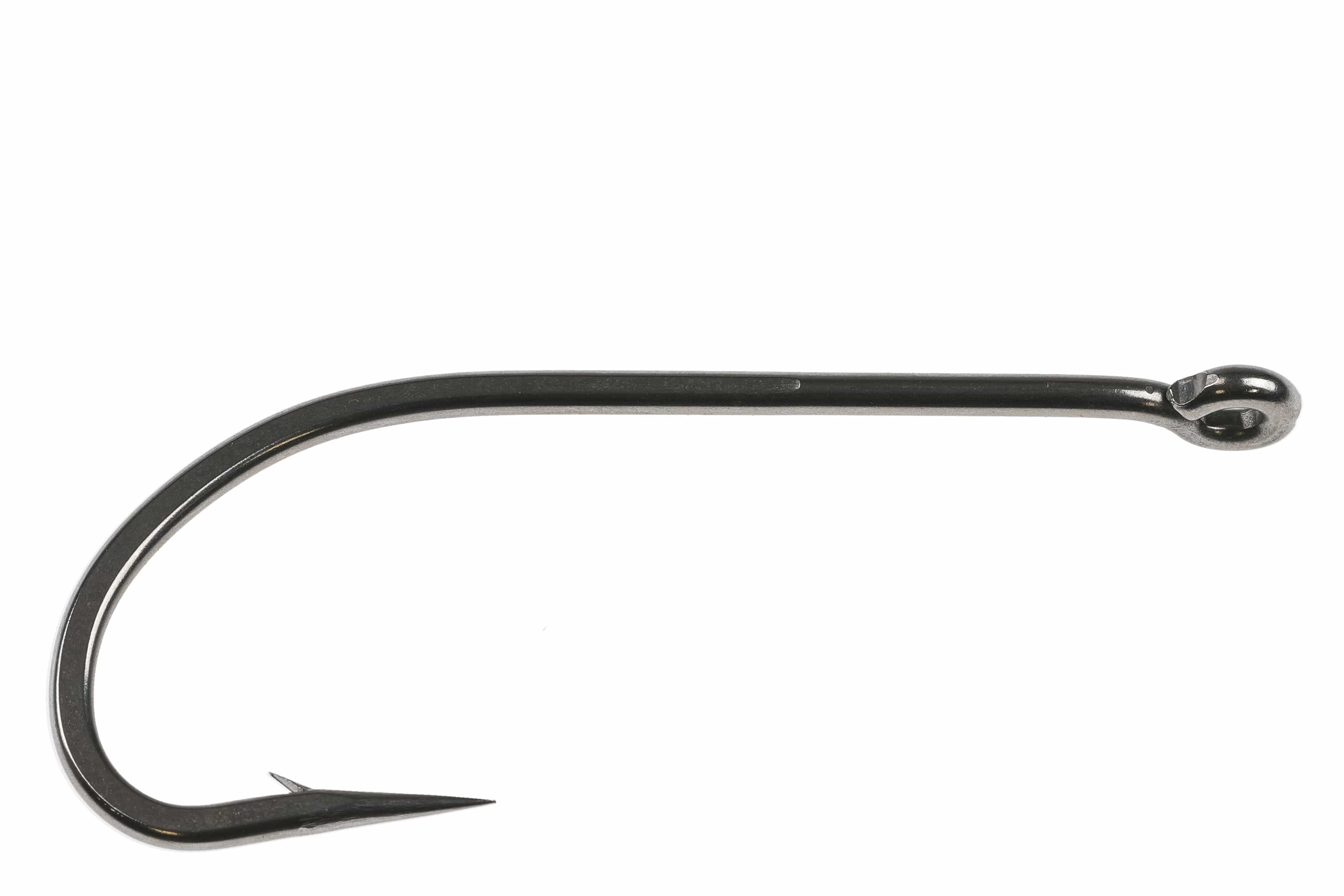
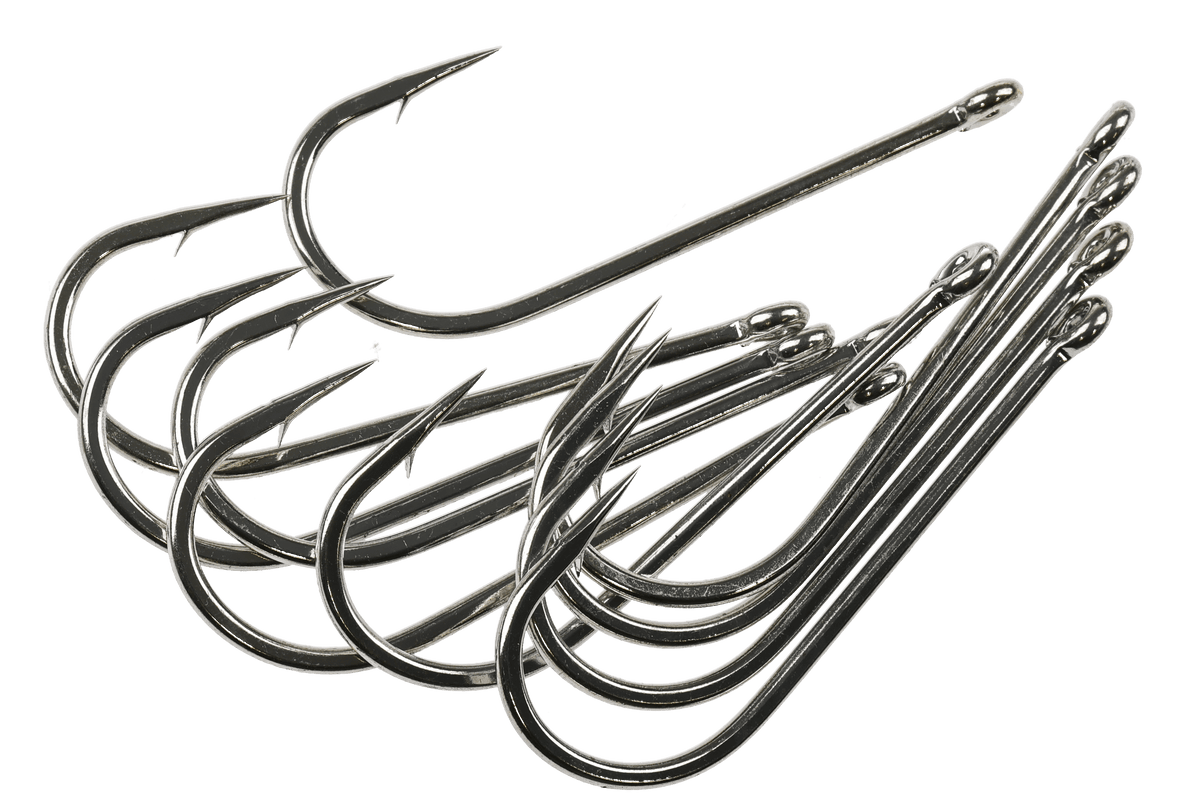
Best All-Around Saltwater Hook: Daiichi 2546 Saltwater Fly Hooks - Reach for this when you are not sure what you need. It runs size 1 through 8/0, so one stainless pattern covers Clousers for redfish and full-size baitfish flies for tarpon.
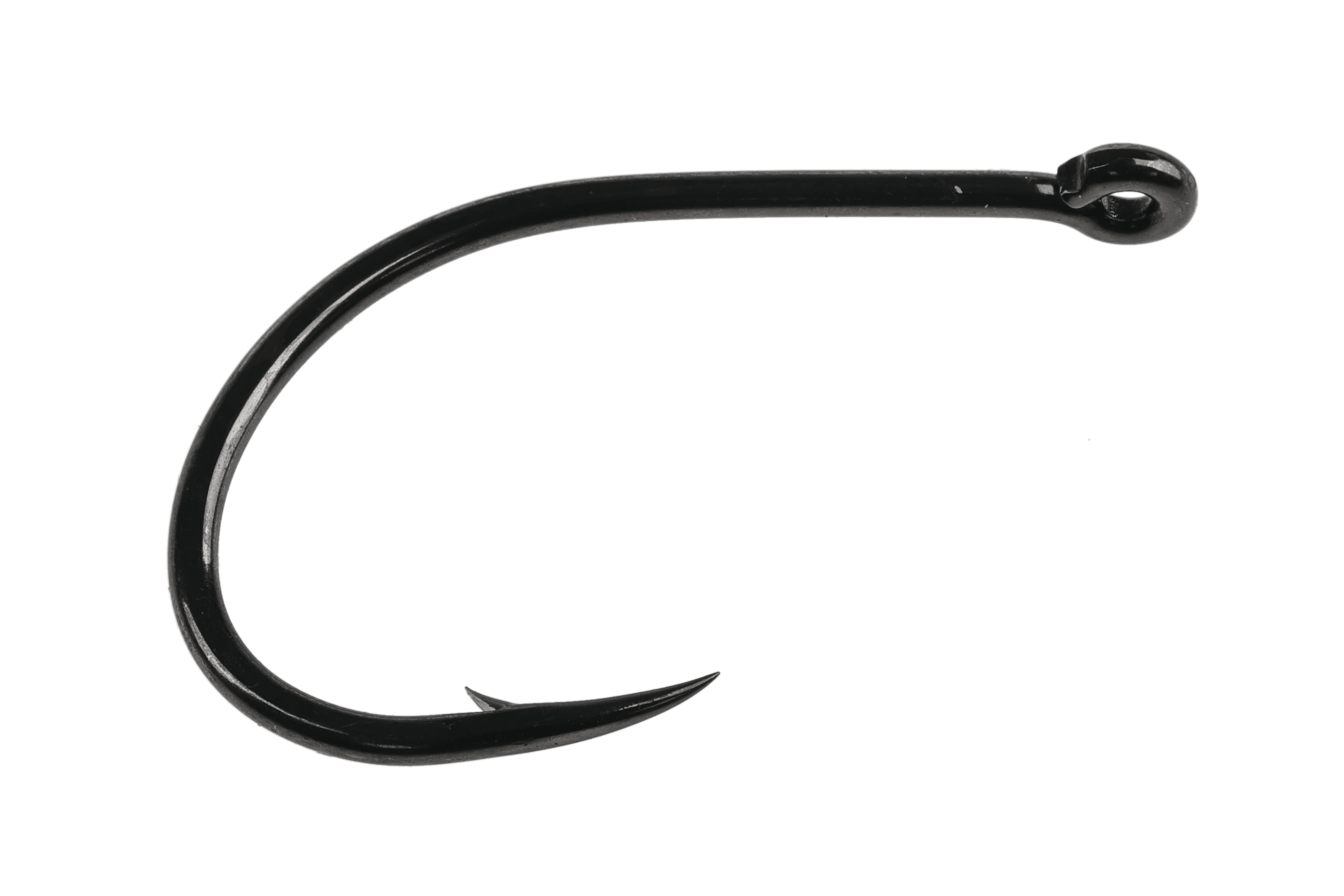
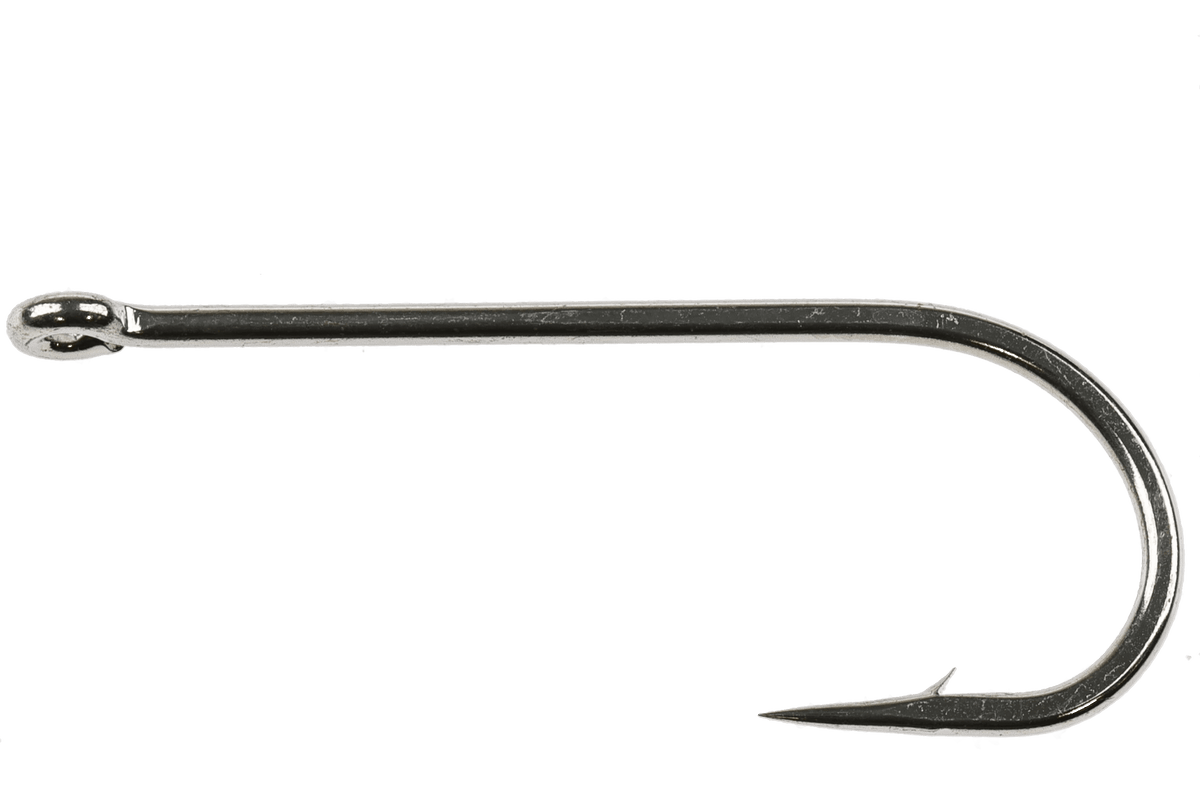
Best for Bonefish Flats: Gamakatsu SL45 Bonefish Hooks - The black nickel finish kills glare on skinny, sun-hammered flats where a flashy hook can spook fish before the fly lands. The micro barb and needle point give a clean hookset on light tippet.
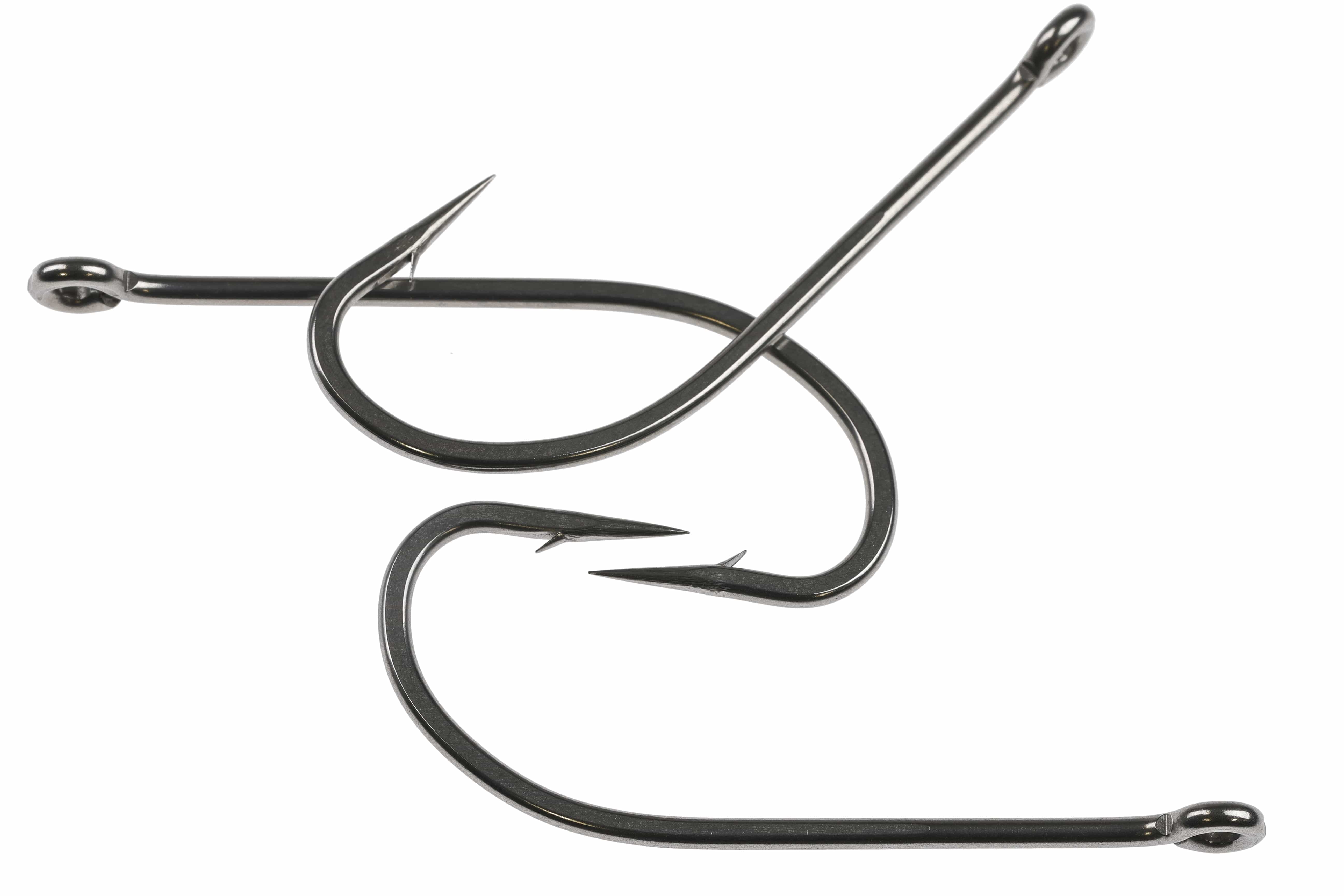
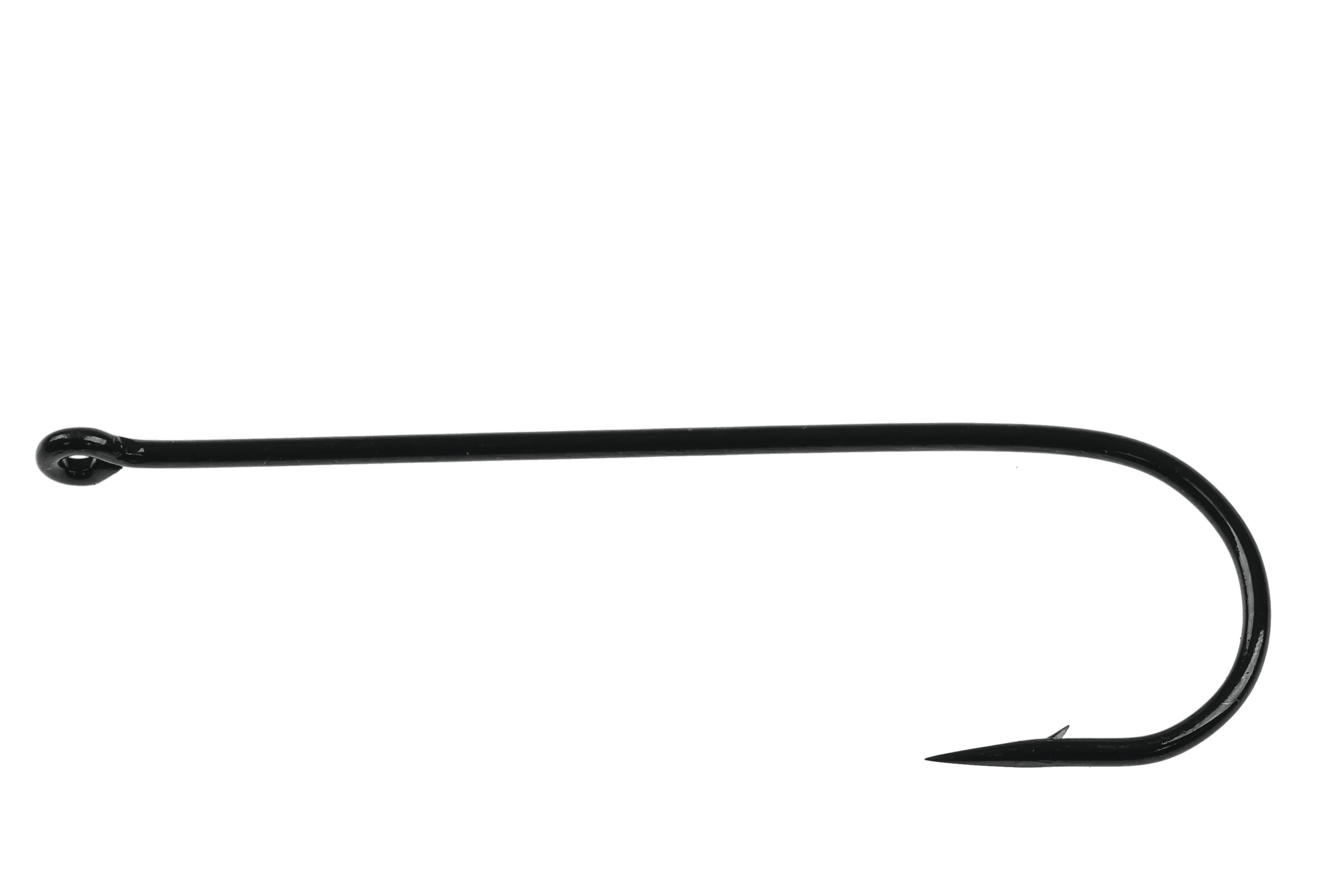
Best for Tarpon & Billfish: Gamakatsu SL11-3H 3X Strong Saltwater Hooks - Built for anglers who have felt a hook straighten on a big fish and never want to feel it again. The 3X-strong wire holds up through the long, grinding fights tarpon and billfish put you through.
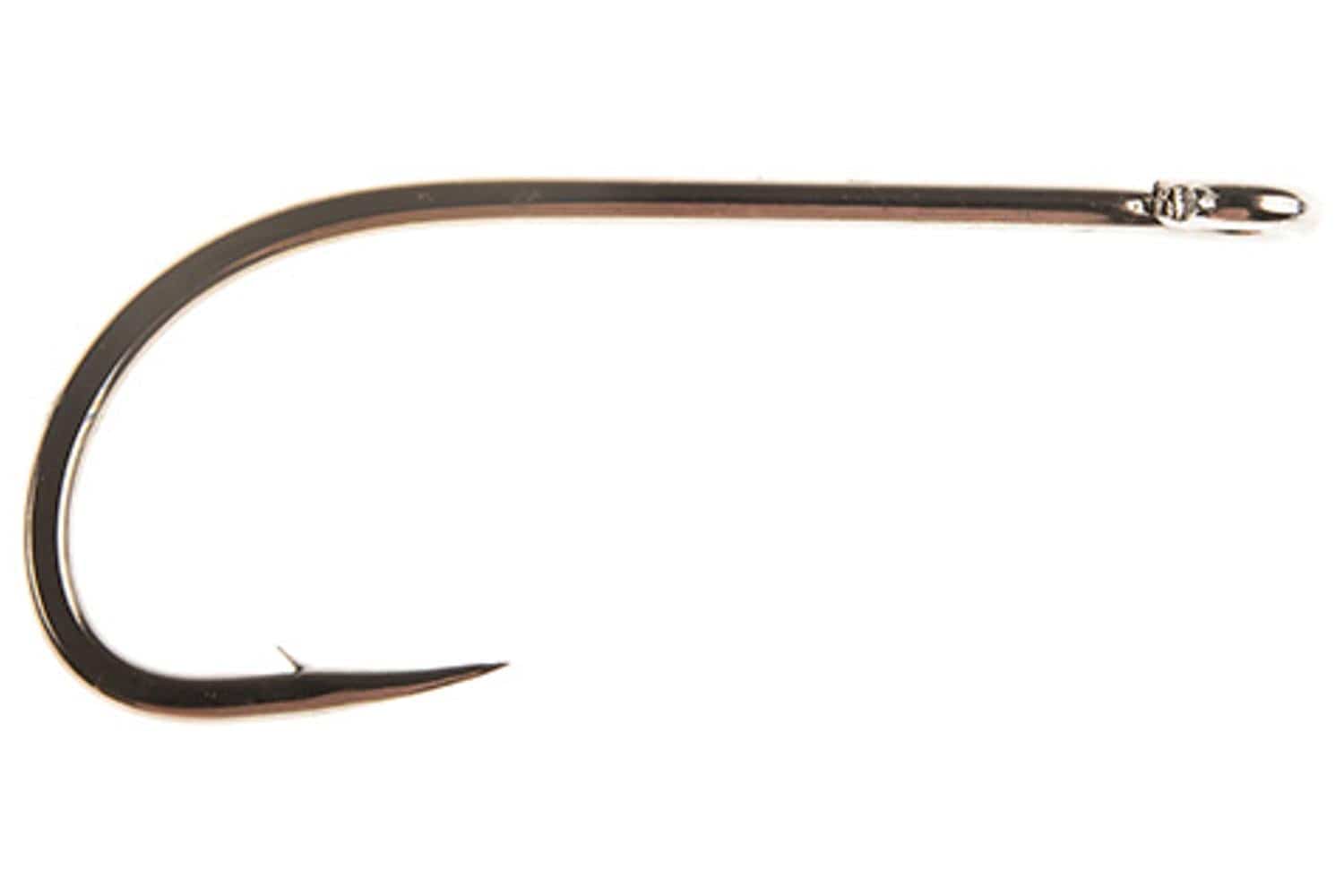
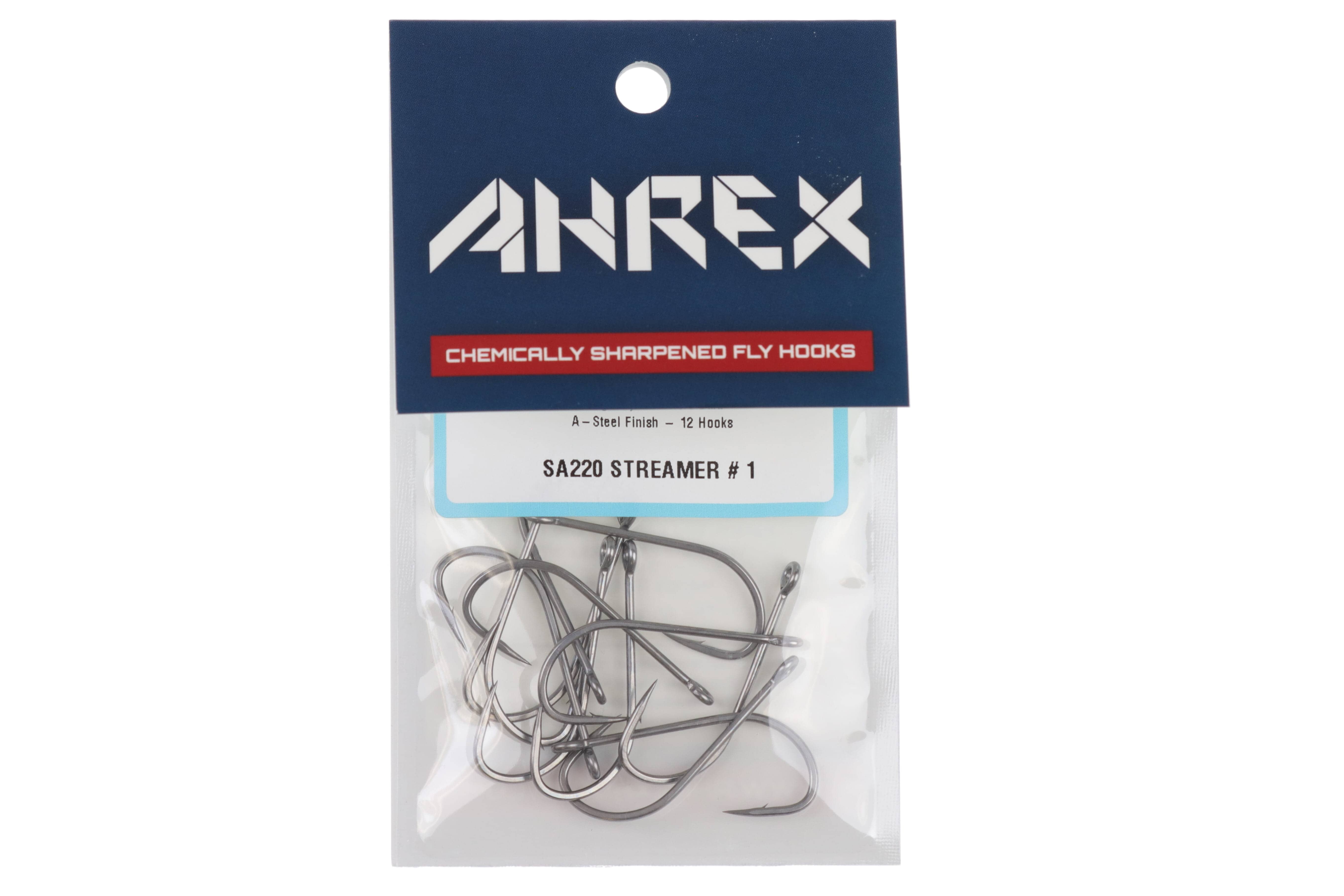
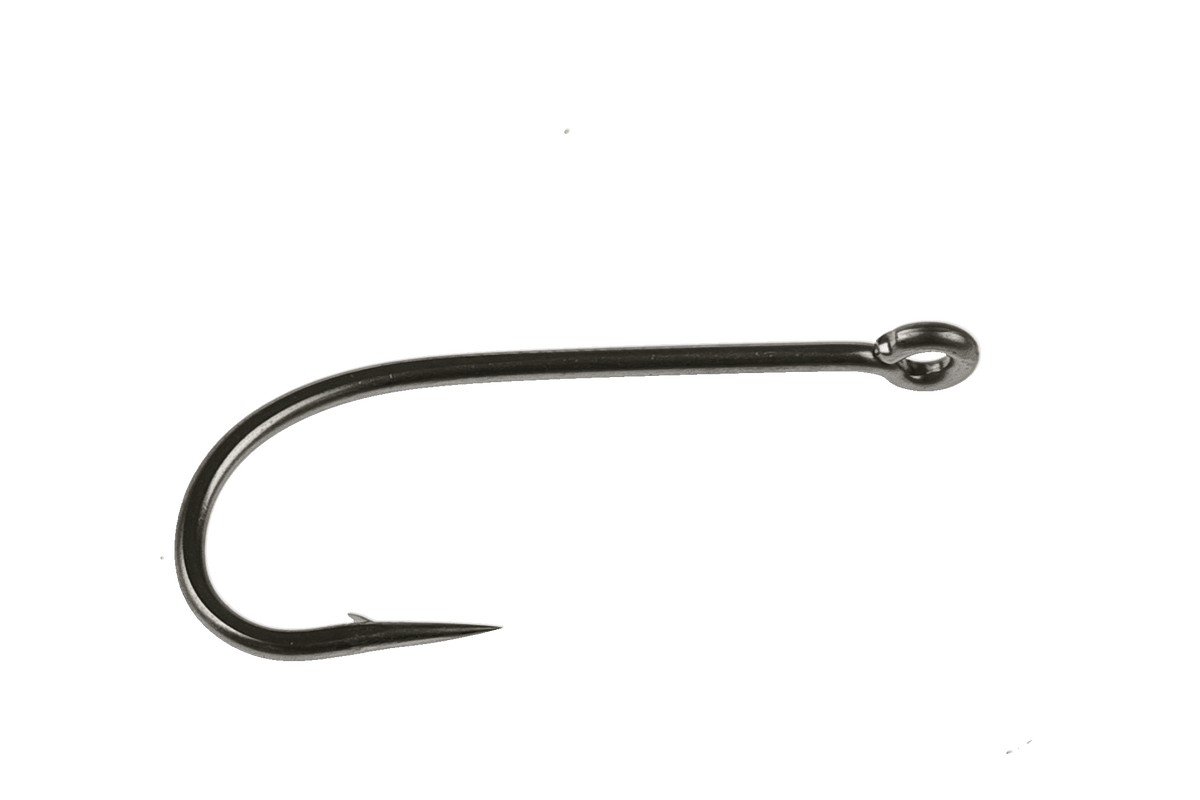
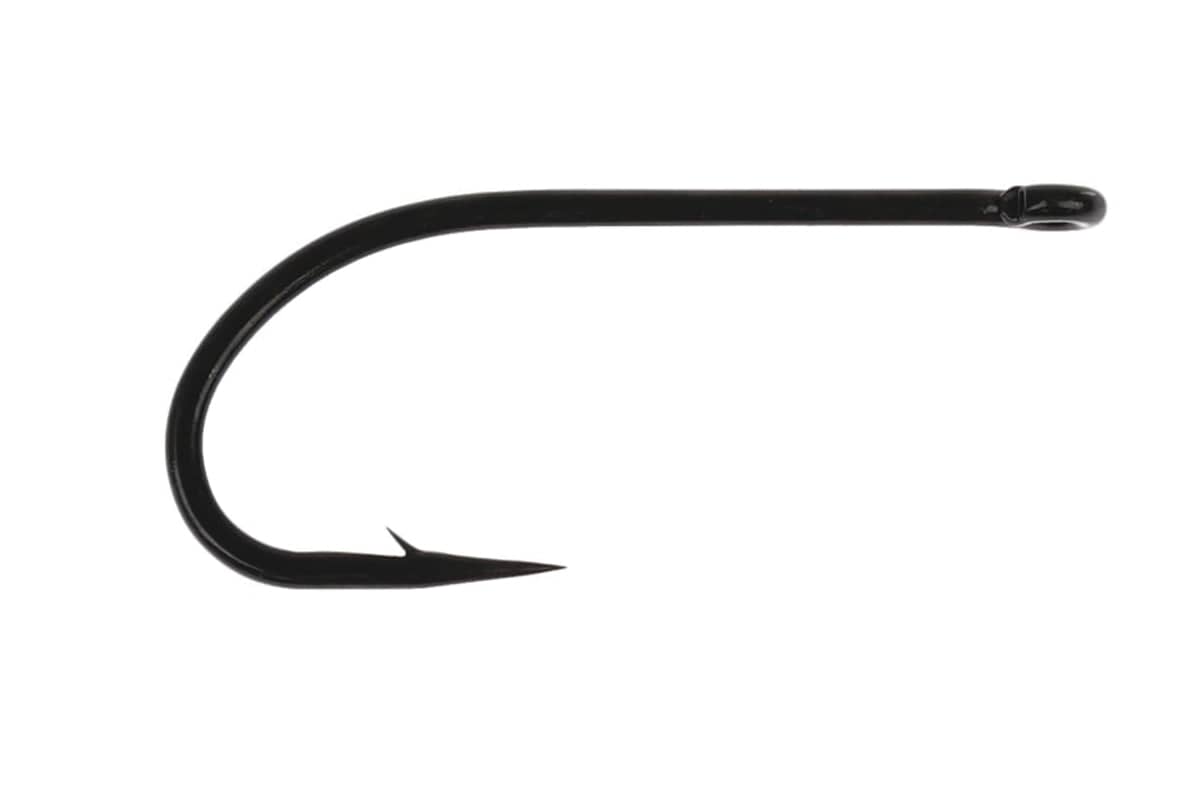
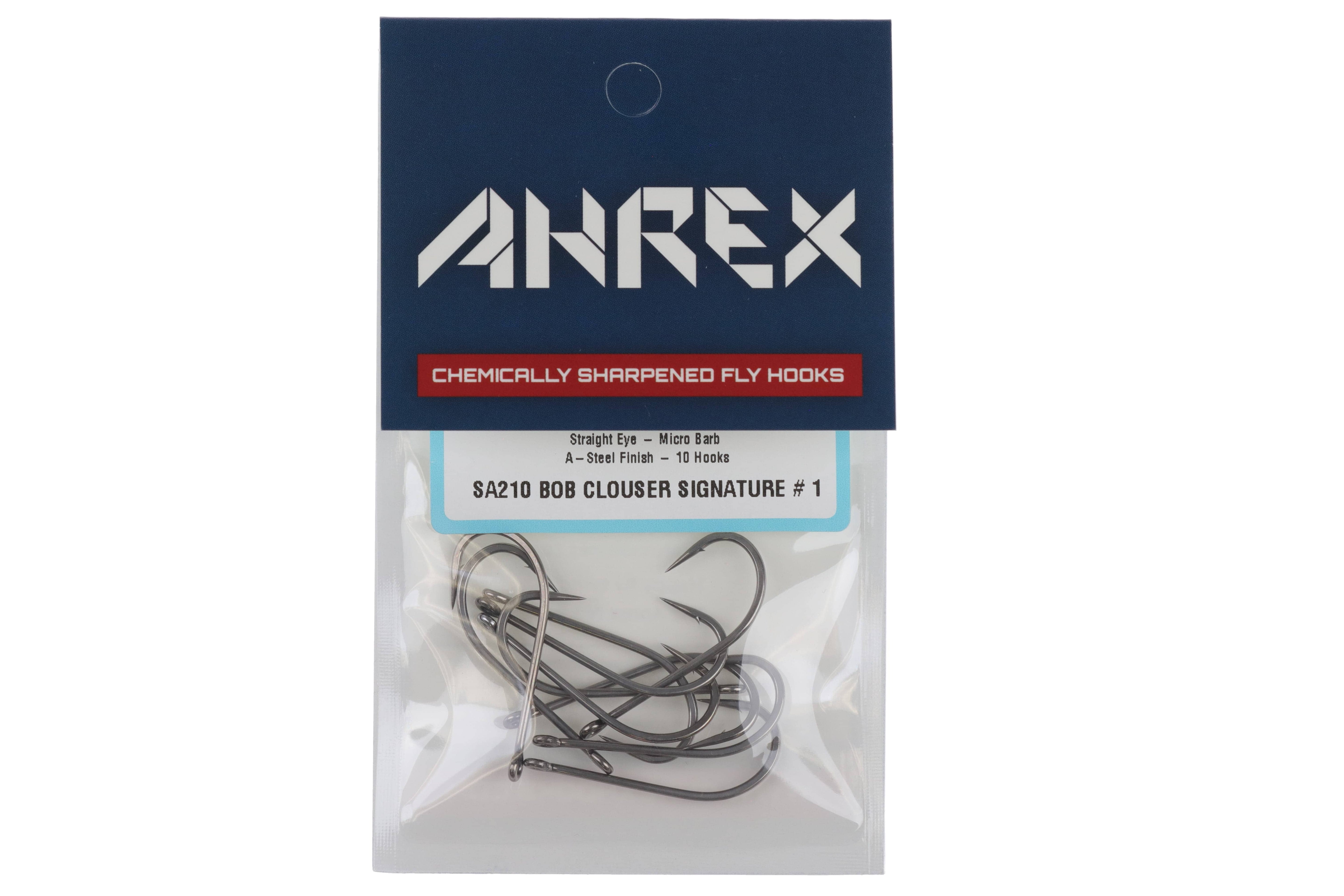
Best for Northeast Streamers: Ahrex SA220 Saltwater Streamer Hooks - A heavy-wire, straight-eye hook that handles classic striper and bluefish patterns cleanly and tracks true on the strip.
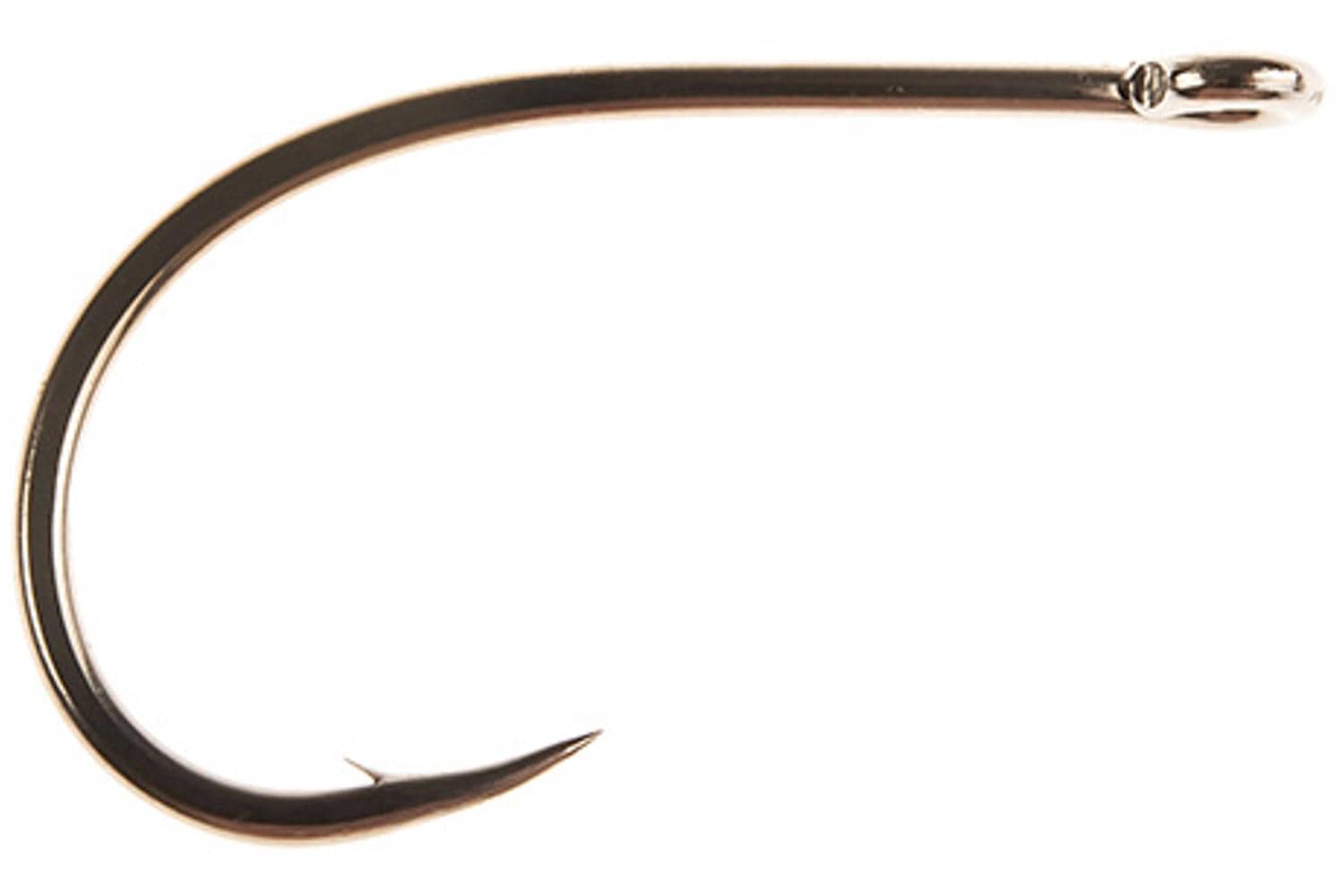
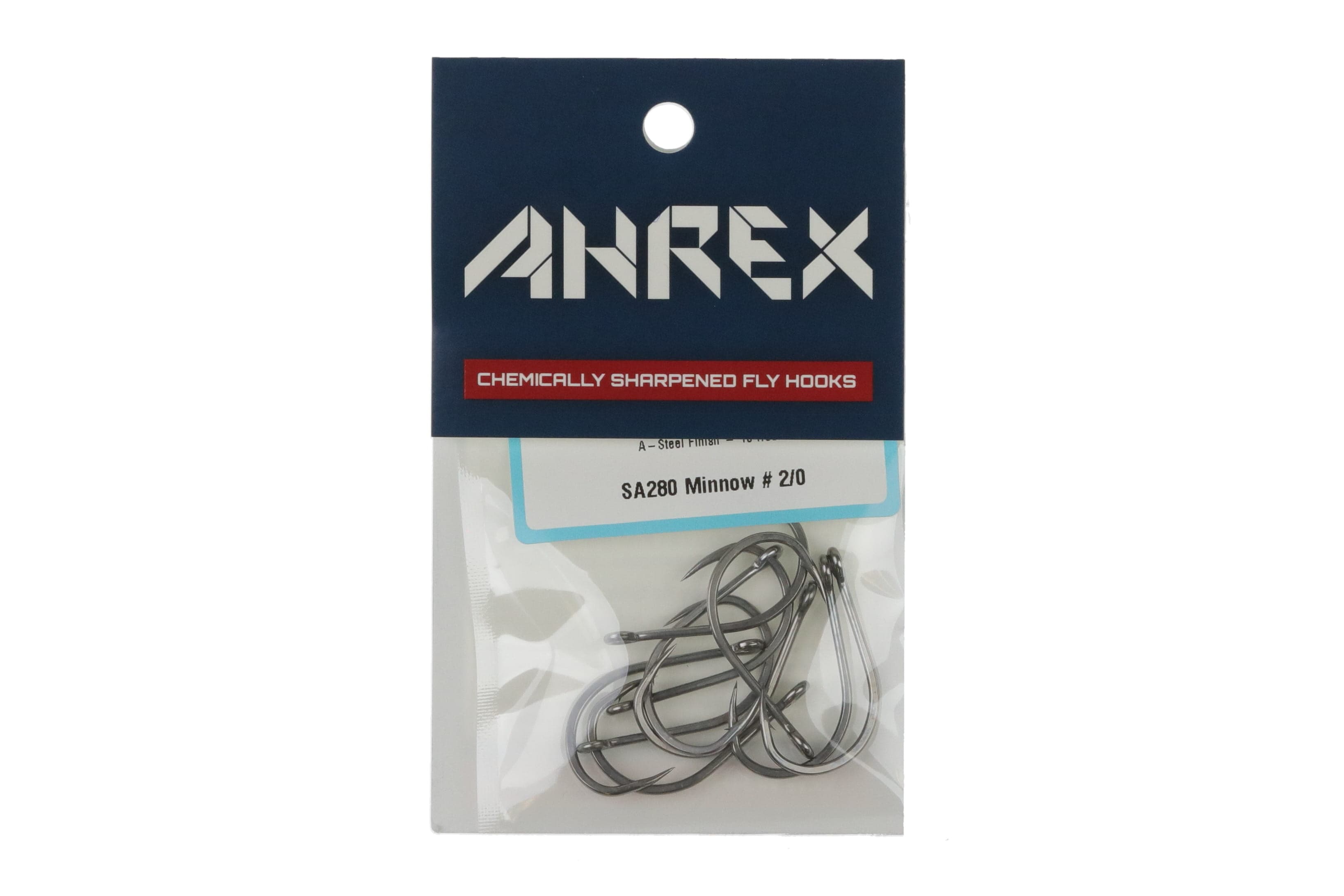
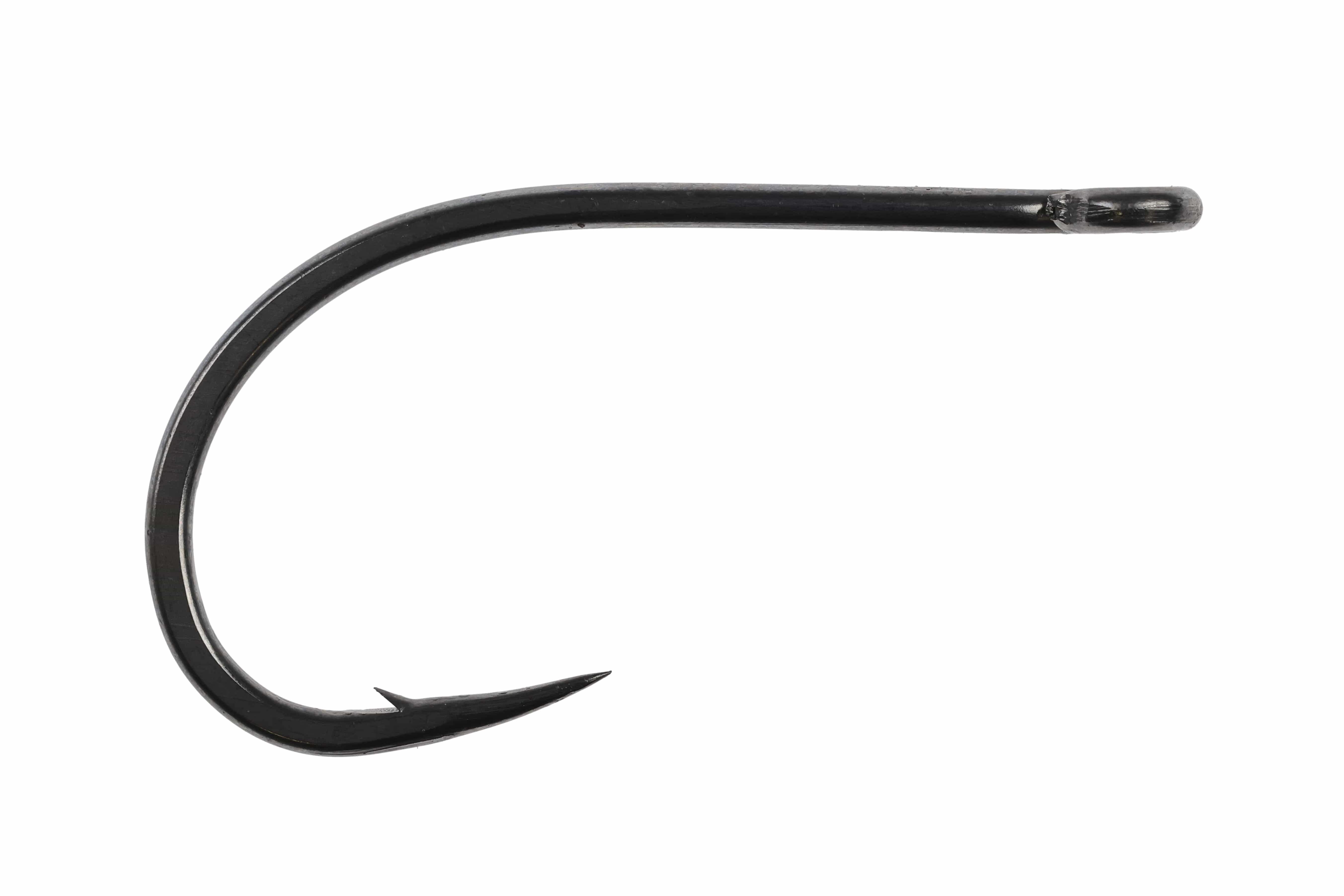
Best Short-Shank Minnow Hook: Ahrex SA280 Saltwater Minnow Hooks - The short shank concentrates the bite closer to the point, which matters when redfish or snook inhale a fly and spit it fast.
How to Choose Saltwater Fly Tying Hooks
Wire Strength for the Species You're Targeting
Standard wire: Fine for smaller inshore species like bonefish and small redfish, where the fight is fast but not especially punishing on the hook.
1X to 3X strong: Step up to a heavier hook like the Gamakatsu SL12S or SL11-3H when targeting tarpon, billfish, or anything that puts long, heavy drag pressure on the point.
Eye Style and Shank Length
Straight eye: The standard for most saltwater streamers, giving a direct pull in line with the shank on the strip and the set.
Short shank: Hooks like the SA280 tuck the point closer to the body of the fly, helping convert strikes from fish that eat and blow out a fly quickly.
Finish and Corrosion Resistance
Stainless steel or tin: The baseline for any hook that will spend real time in saltwater; both resist rust far better than freshwater bronze finishes.
Black nickel: Cuts glare on flats species like bonefish and permit that get a long look at your fly before committing.
Sizing for the Fly Pattern
Small profile flies: Shrimp and small baitfish patterns run size 1 to size 2/0, matched to the bait you are imitating.
Big game flies: Full-size tarpon, billfish, and bluewater patterns move up into 3/0 to 8/0 for the extra gape and wire mass.
Materials & Durability
Rinse after every trip: Even stainless and tin-plated hooks benefit from a quick freshwater rinse before storage, since dried salt speeds up corrosion.
Check the point often: Saltwater hooks dull faster than freshwater ones from sand, structure, and bony jaws, so touch up the point with a hook file between fish.
Match hook weight to leader strength: A 3X-strong hook paired with light tippet just bends the knot before it bends the hook, so scale wire strength to your tippet class.
Store dry: Keep tied flies in a ventilated box rather than sealed foam that traps moisture, which is where rust actually starts.
Complete Your Setup
Related Gear
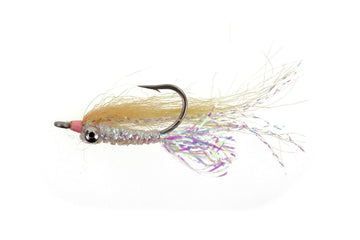
Saltwater Flies - Pre-tied patterns built on these same hook styles for when you want to fish now and tie later.
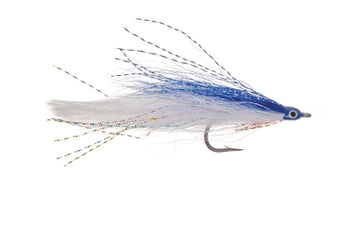
Tarpon Flies - Proven tarpon patterns to compare against your own ties for size, profile, and hook gape.
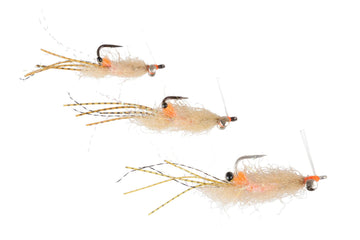
Bonefish Flies - Flats-ready patterns that pair naturally with the lighter-wire, low-glare hooks in this collection.
Fly Tying Vises - A vise with jaws rated for heavy saltwater hook wire so you are not fighting your tools while you tie.
Saltwater Fly Tying Hooks FAQs
Q: What hook size should I use for bonefish flies?
A: Most bonefish patterns are tied on hooks in the size 4 to size 8 range, depending on the size of the shrimp or crab you are imitating. The Gamakatsu SL45 in a size 4 or 6 covers the majority of everyday flats situations.
Q: What is the difference between a standard and a 3X-strong saltwater hook?
A: A 3X-strong hook uses wire roughly three sizes heavier than a standard hook of the same size, which adds strength for long fights with big, hard-pulling fish like tarpon and billfish. Standard wire is lighter and better suited to smaller, faster-fighting species where the extra bulk is not needed.
Q: Do I need stainless steel hooks for saltwater flies, or is tin coating enough?
A: Stainless steel is the most corrosion-resistant option and the safest choice for flies that will see regular saltwater use. Tin-coated hooks like the TMC 811S hold up well too, but a quick rinse after fishing is still worth the extra minute either way.