






























Panfish & Bluegill Flies Quick Picks
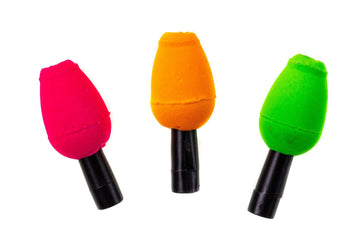
Best Topwater Strike: Micro Popper Fly - Sized small enough for a bluegill's mouth but loud enough to pull fish up from cover, this is the fly to tie on when you want to watch the eat happen. Work it with short twitches and a pause and let the commotion do the work.
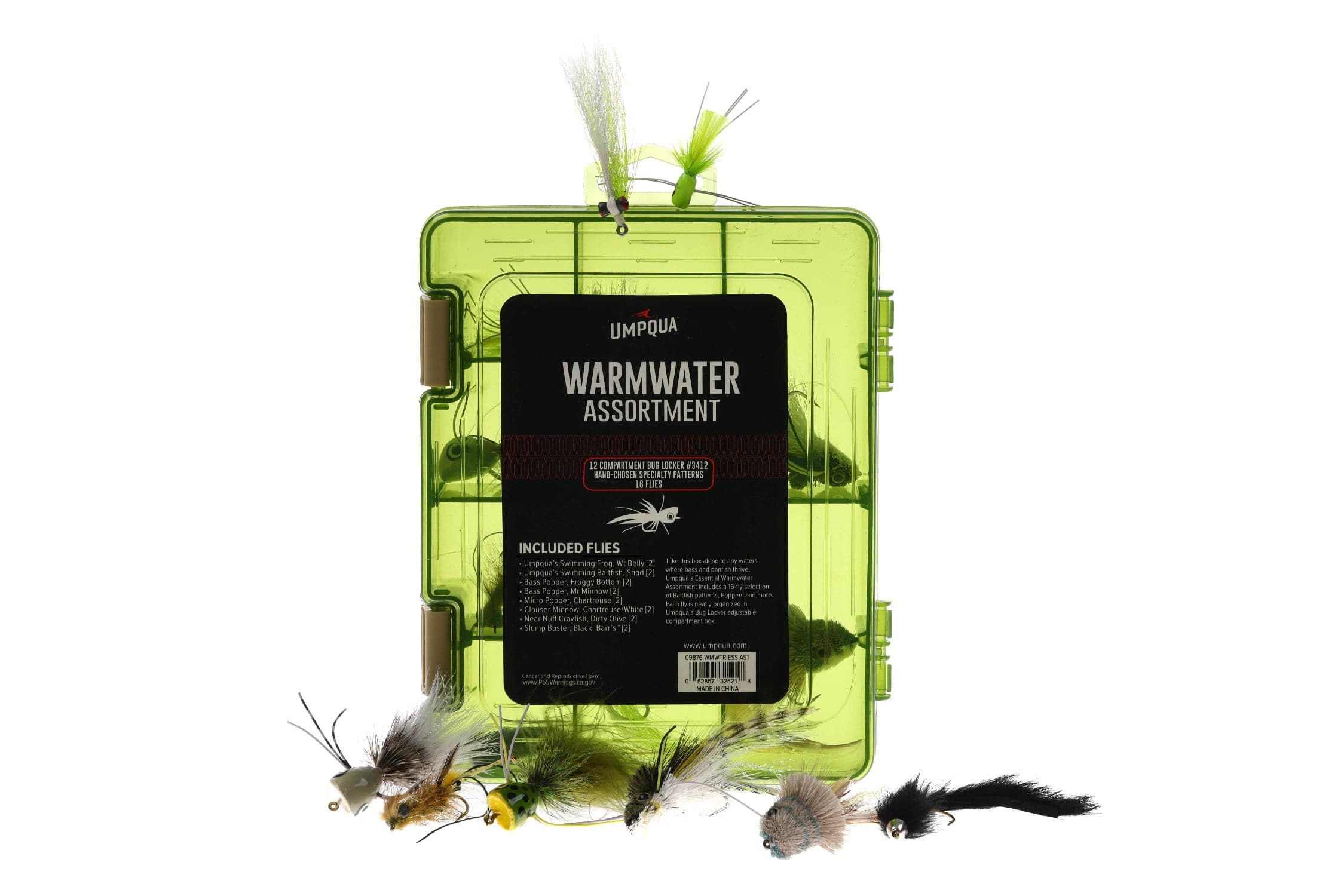
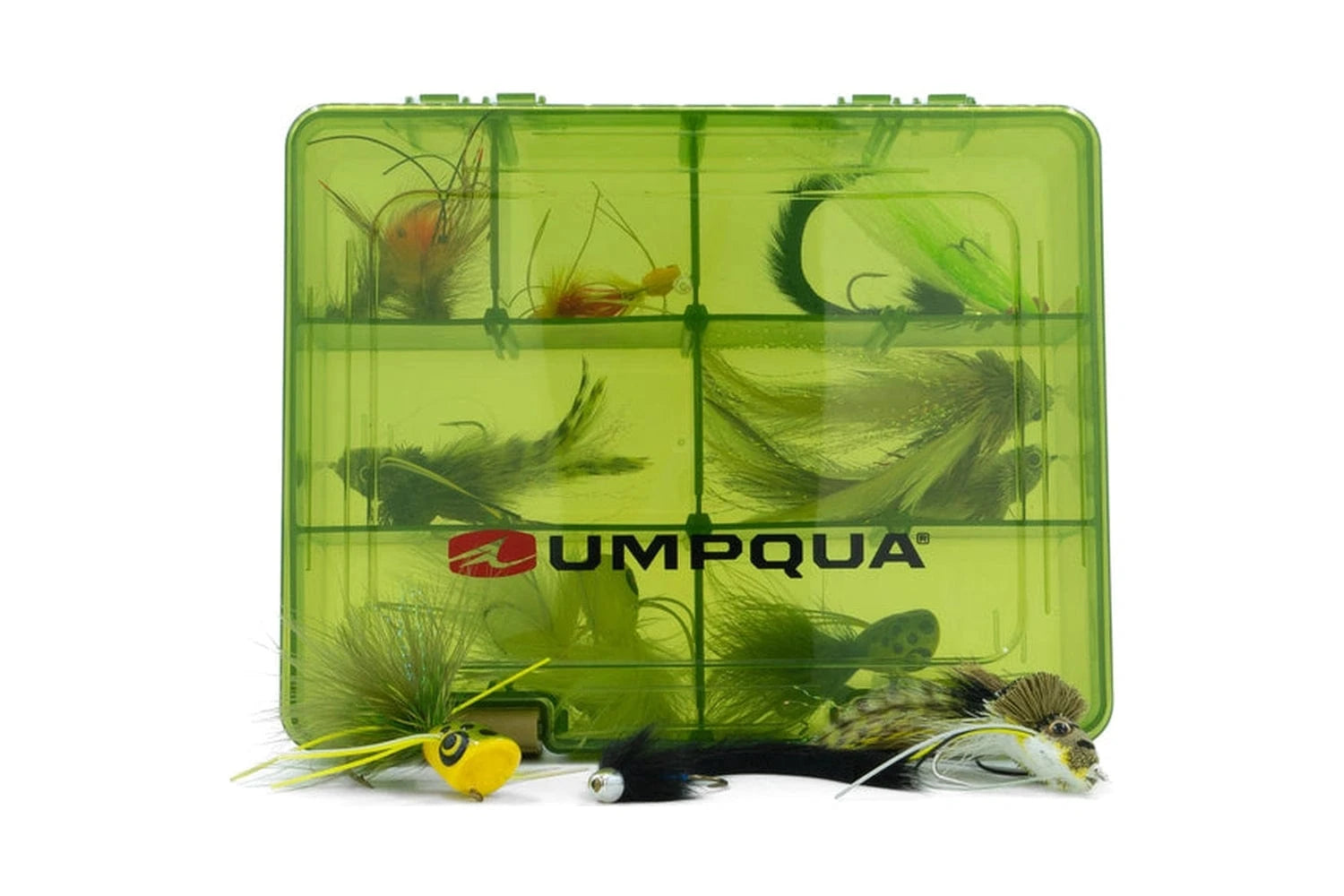
Best Grab-and-Go Box: Umpqua Warmwater Essentials 16 Piece Fly Assortment - A ready-made mix of poppers, streamers, and bottom patterns that covers the water column without forcing you to guess. Grab this box before a farm-pond evening when you don't have time to overthink fly selection.
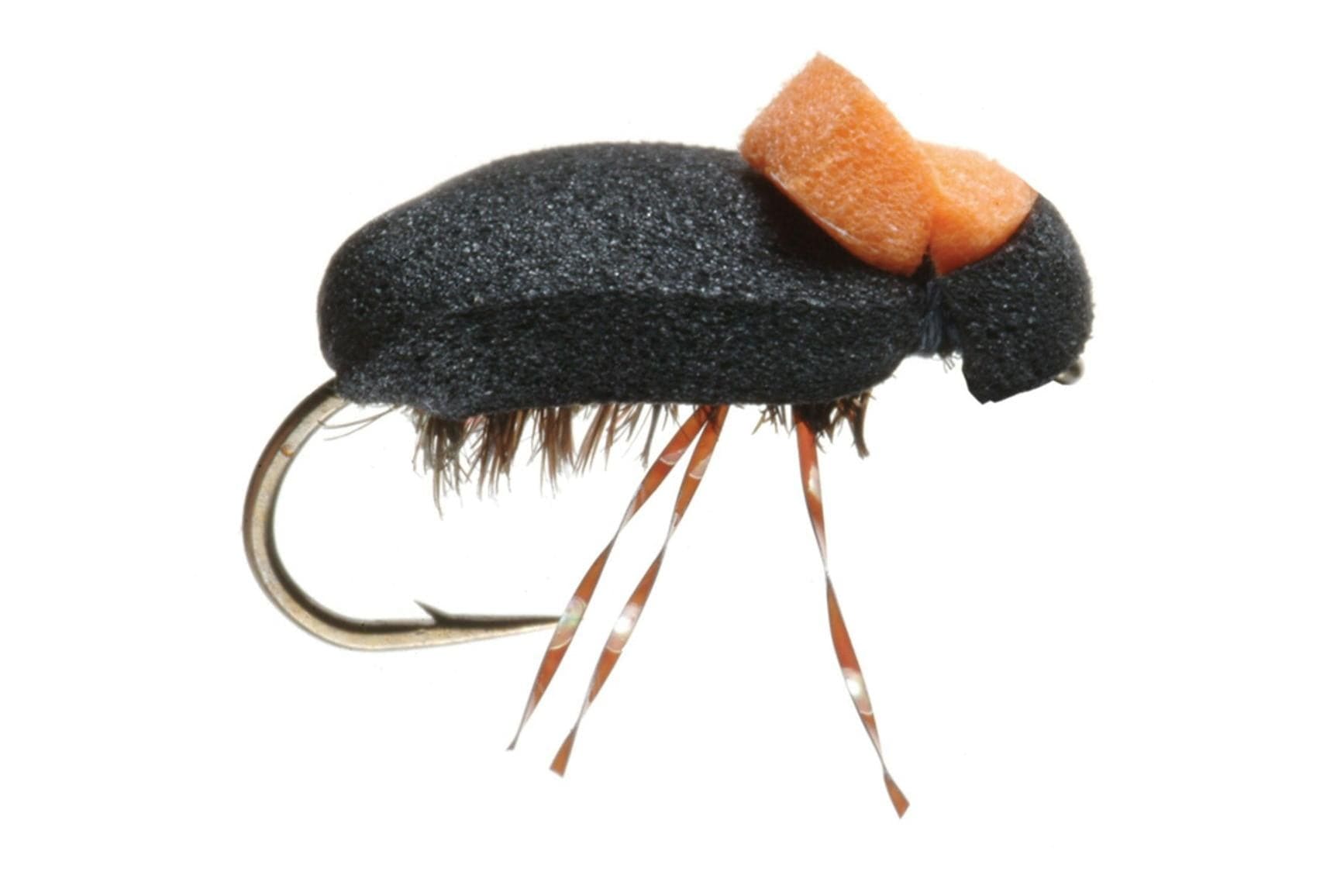
Best Terrestrial Imitation: Hi-Vis Foam Beetle Fly - Bluegill in ponds and brookies in freestone water both key on beetles tumbling off overhanging brush, and this fly's foam body and Krystal Flash legs give a realistic silhouette that floats all day and stays visible in low light.
Best Early-Season Hopper: Baby Boy Hopper Fly - Scaled down for smaller mouths, this Charlie Craven pattern matches the immature grasshoppers panfish see early in the season. It's a solid choice for weedy farm ponds where bluegill cruise the banks looking for anything that splats down.
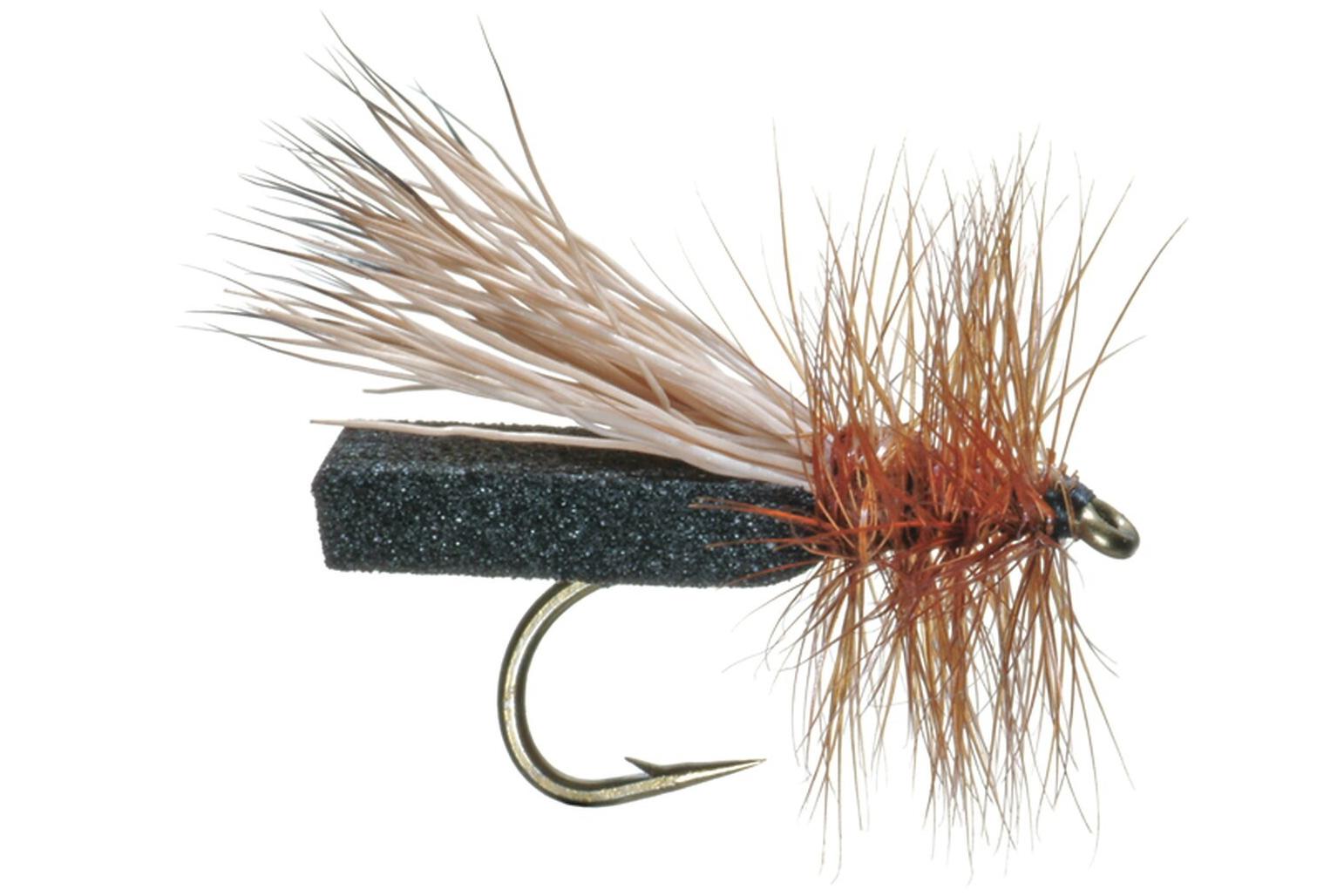
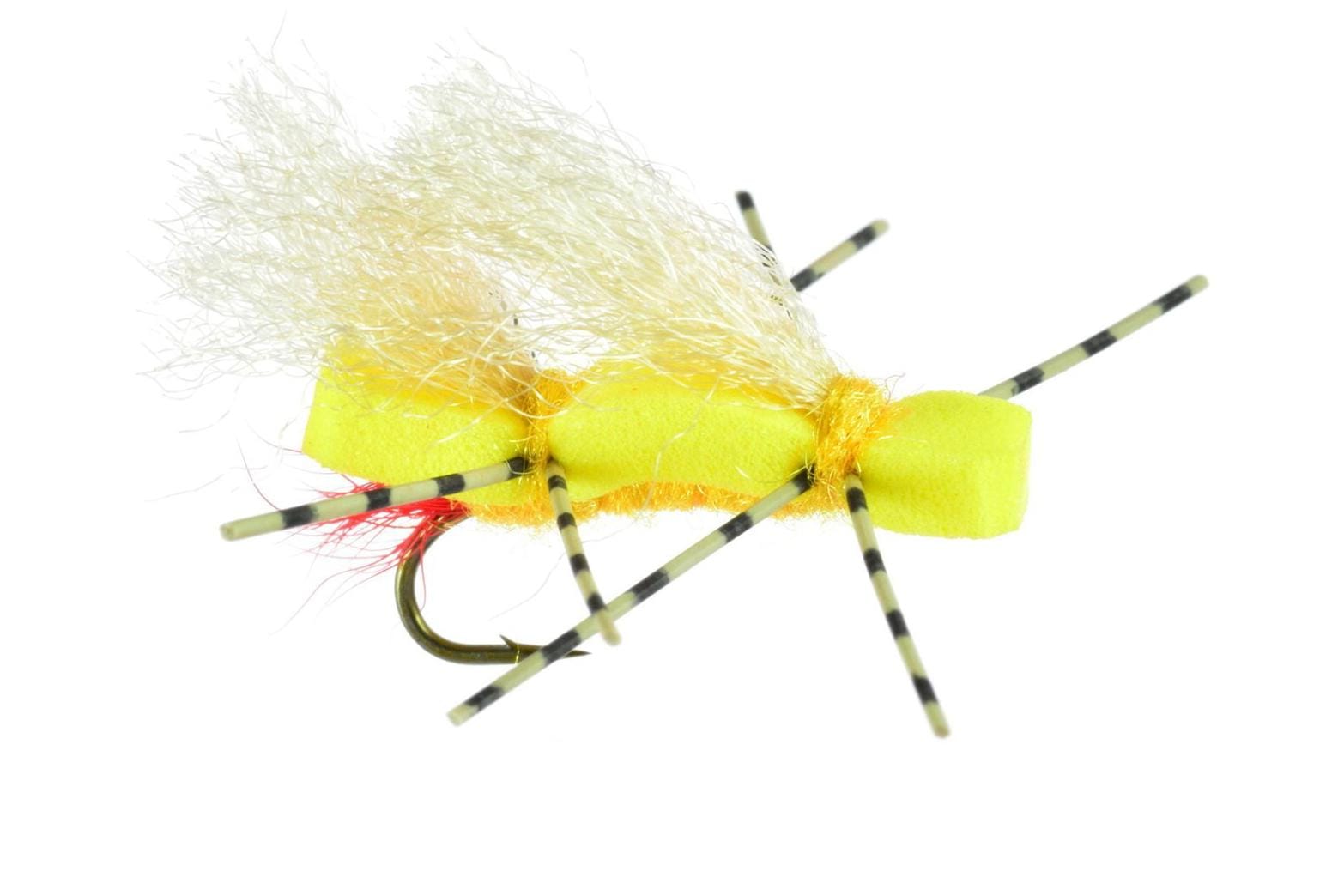
Best High-Floating Attractor: Foam Caddis Fly - The extended foam body and elk hair wing keep this fly riding high through repeated strikes, which matters when a willing bluegill bed can produce dozens of takes in an afternoon. It also works as a strike indicator for a dropper rig when panfish get finicky.
How to Choose Panfish & Bluegill Flies
Fly Size for Small Mouths
Size 10-14 for bluegill and crappie: Panfish have small mouths, so oversized flies get refused or bumped rather than eaten. Sizing down produces more solid hookups.
Size 8-10 for mixed bass-and-panfish water: On ponds holding both largemouth and bluegill, a slightly larger pattern like the Micro Popper still gets eaten by panfish while staying interesting to bass.
Topwater vs. Subsurface
Poppers and foam bugs: Best from mid-morning once the water has warmed, especially over beds where panfish hold near the surface.
Terrestrials fished dead-drift: Beetles, hoppers, and caddis fished dead-drift along banks and under brush cover the hours when fish key on naturally falling insects instead of commotion.
Color Selection
Black and dark olive: Read well against the sky in low light and overcast days, giving panfish a strong silhouette to key on.
Hi-vis orange and chartreuse accents: Help you track the fly and often trigger reaction strikes from aggressive bluegill, even when they're not keyed on that exact color.
On-the-Water Tips
Fish it slow: Panfish often need a beat or two to commit to a topwater fly - resist the urge to strip again right away.
Target shade and structure: Docks, downed timber, and weed edges hold panfish all day, especially once the sun gets high.
Downsize your leader: A 7.5 ft leader tapered to 4X-5X turns these small flies over cleanly without spooking fish.
Carry a dropper rig: Tying a small nymph off the bend of a foam terrestrial covers fish that won't commit to the surface.
Complete Your Setup
Related Gear
Fly Assortments - Pre-built boxes that round out your panfish and warmwater fly selection.
Fly Boxes - Foam boxes sized to keep small panfish patterns organized and easy to grab streamside.
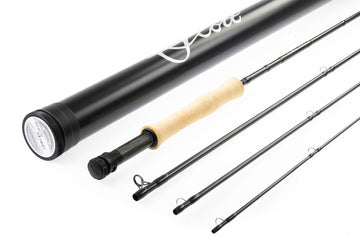
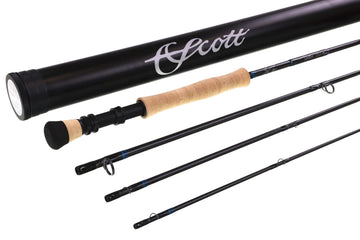
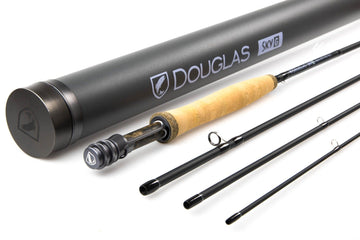
Beginner Fly Rods - Light, forgiving rods that make casting small poppers to panfish an easy way to learn.
Fly Fishing Leaders - Tapered leaders in the 4X-5X range for turning over small flies without spooking fish.
Panfish & Bluegill Flies FAQs
Q: What size popper is best for bluegill?
A: Stick to size 10-12 poppers - anything much bigger is tough for their small mouths to eat. On mixed water with bass, you can size up slightly without losing panfish action.
Q: What time of day is best for panfish flies?
A: Mid-morning through early afternoon once the water has warmed is usually best for topwater. Early morning and evening can also produce, especially with subsurface patterns fished slower.
Q: Do panfish flies also work for bass?
A: Yes - many of these patterns, especially poppers and foam terrestrials, get eaten by largemouth and smallmouth bass sharing the same water, with a wider range of takes from gentle sips to violent blowups.