









































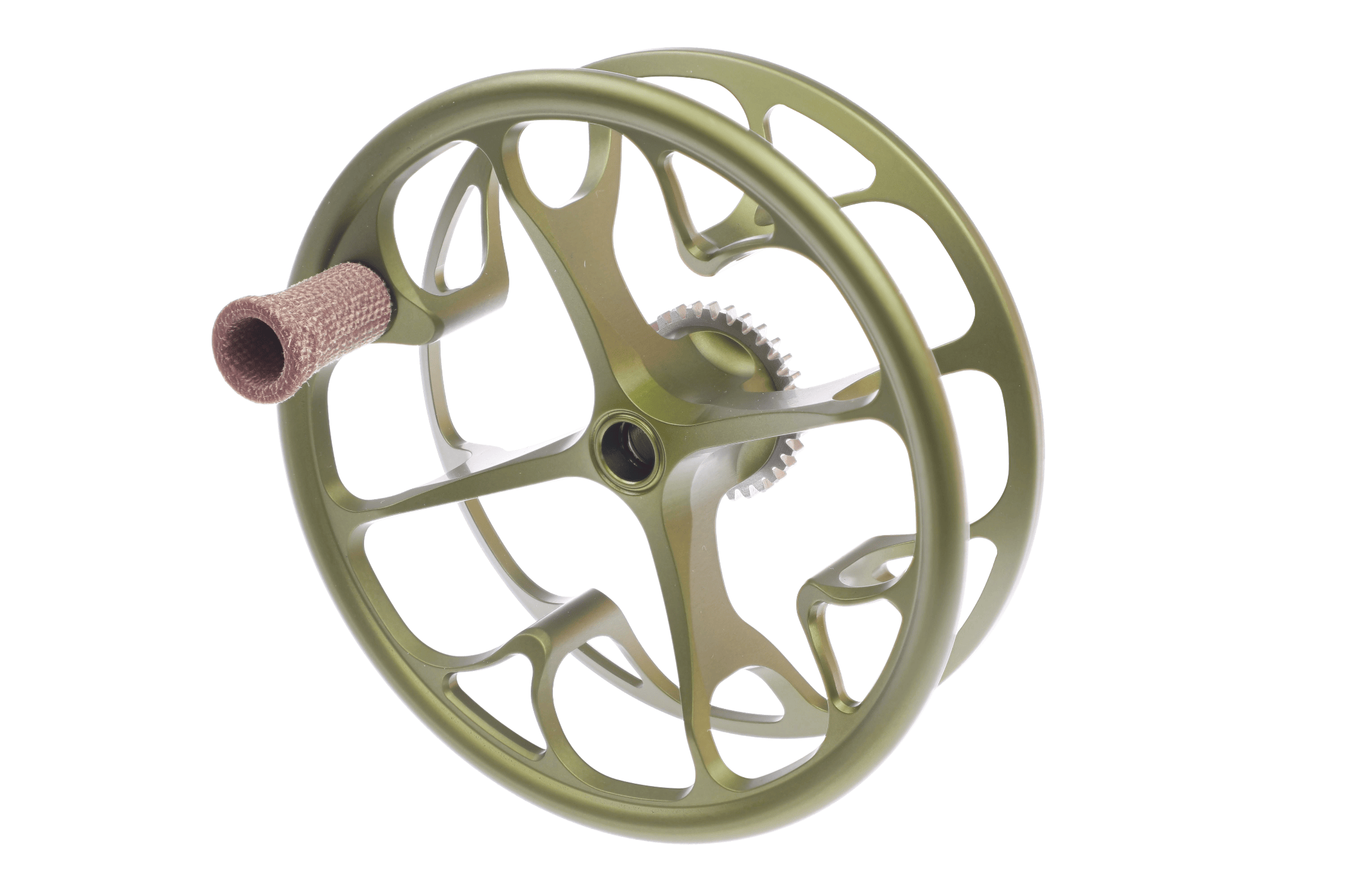
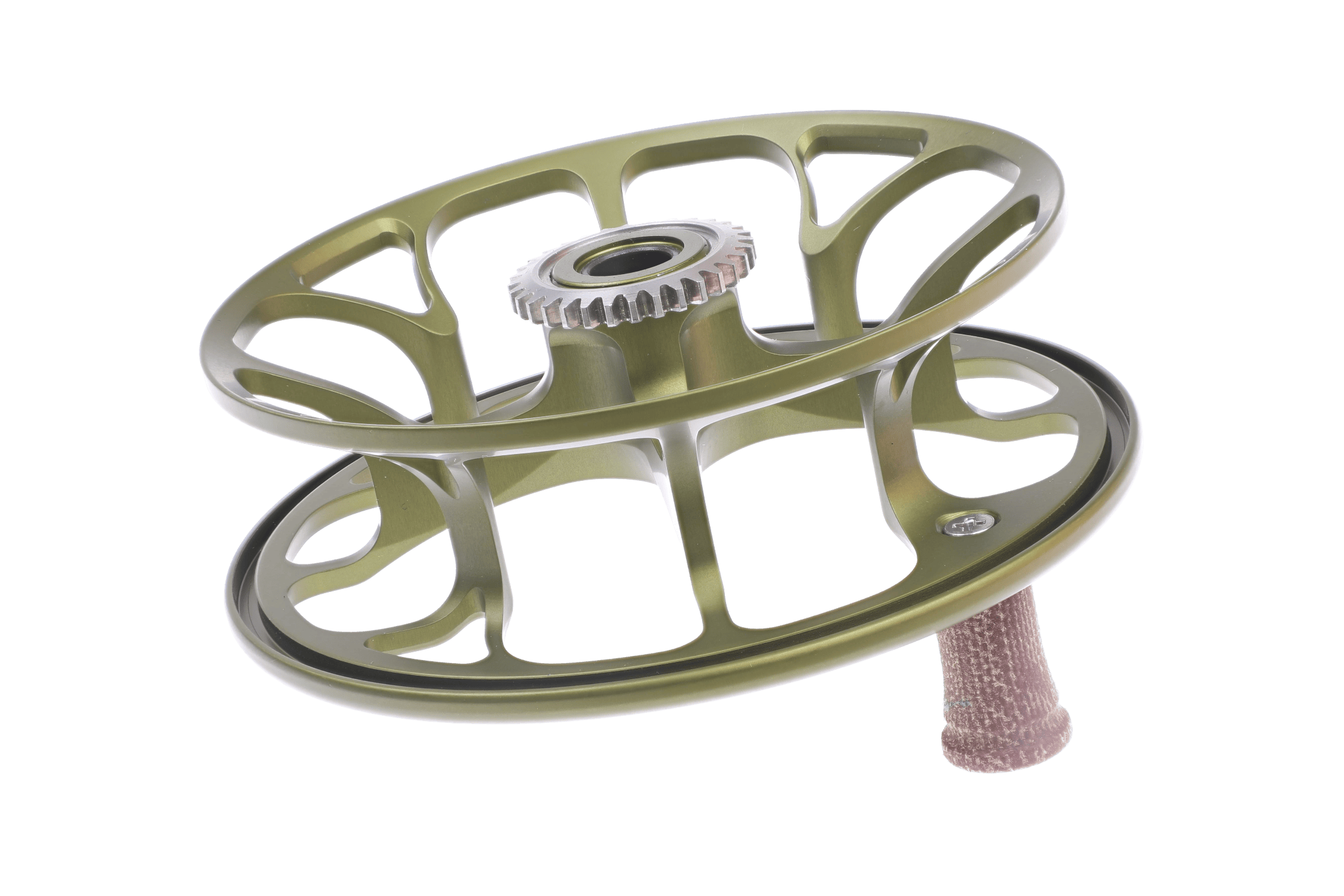
Click & Pawl Fly Reels Quick Picks
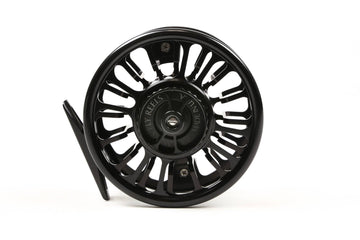
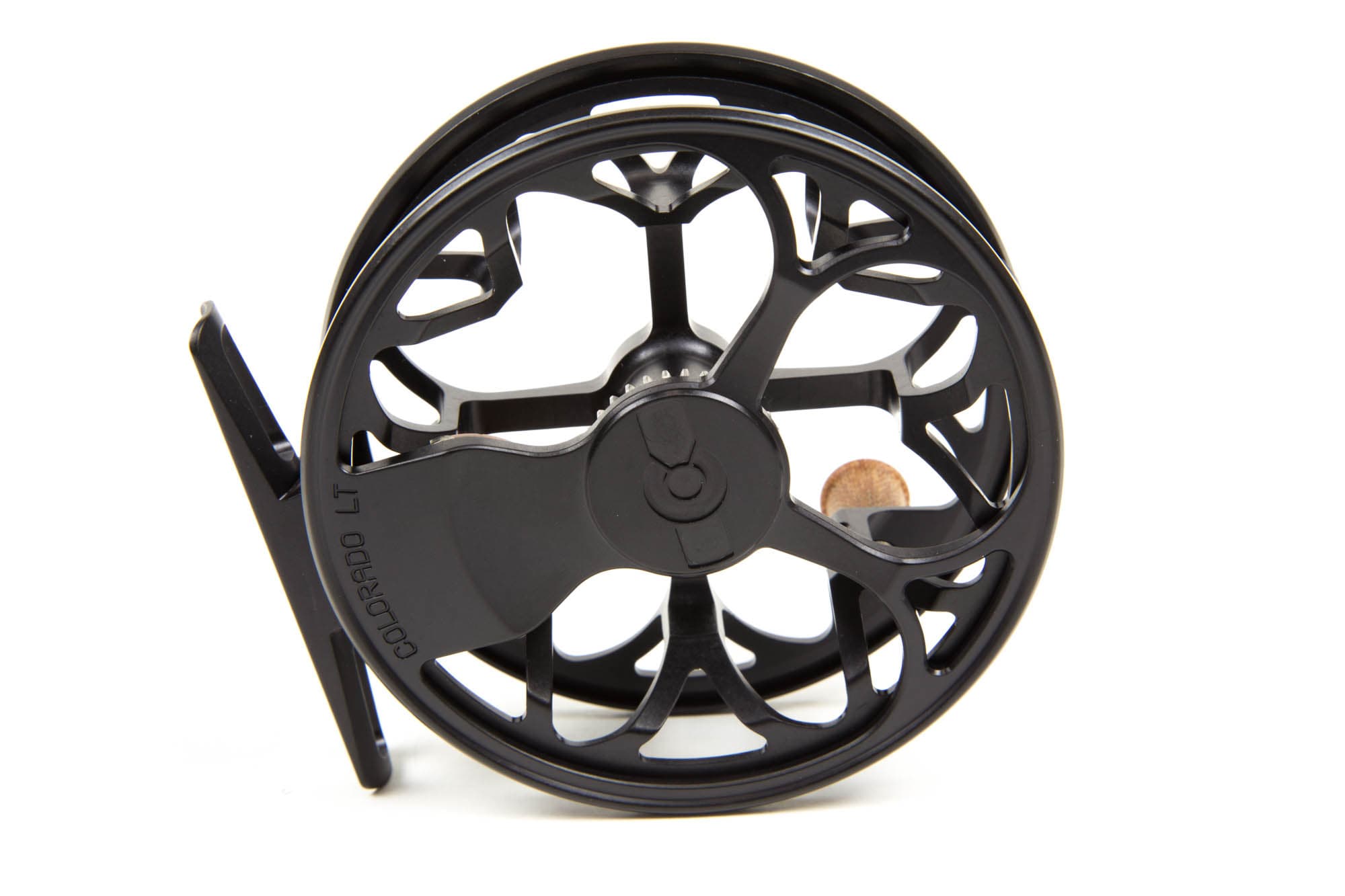
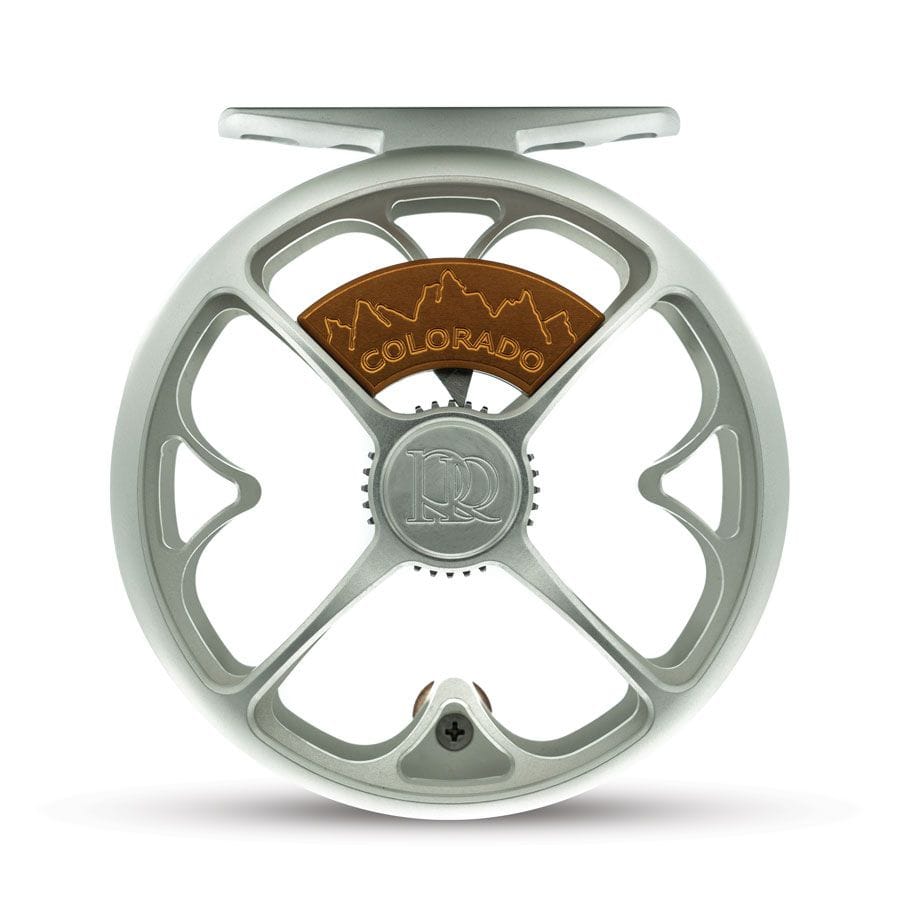
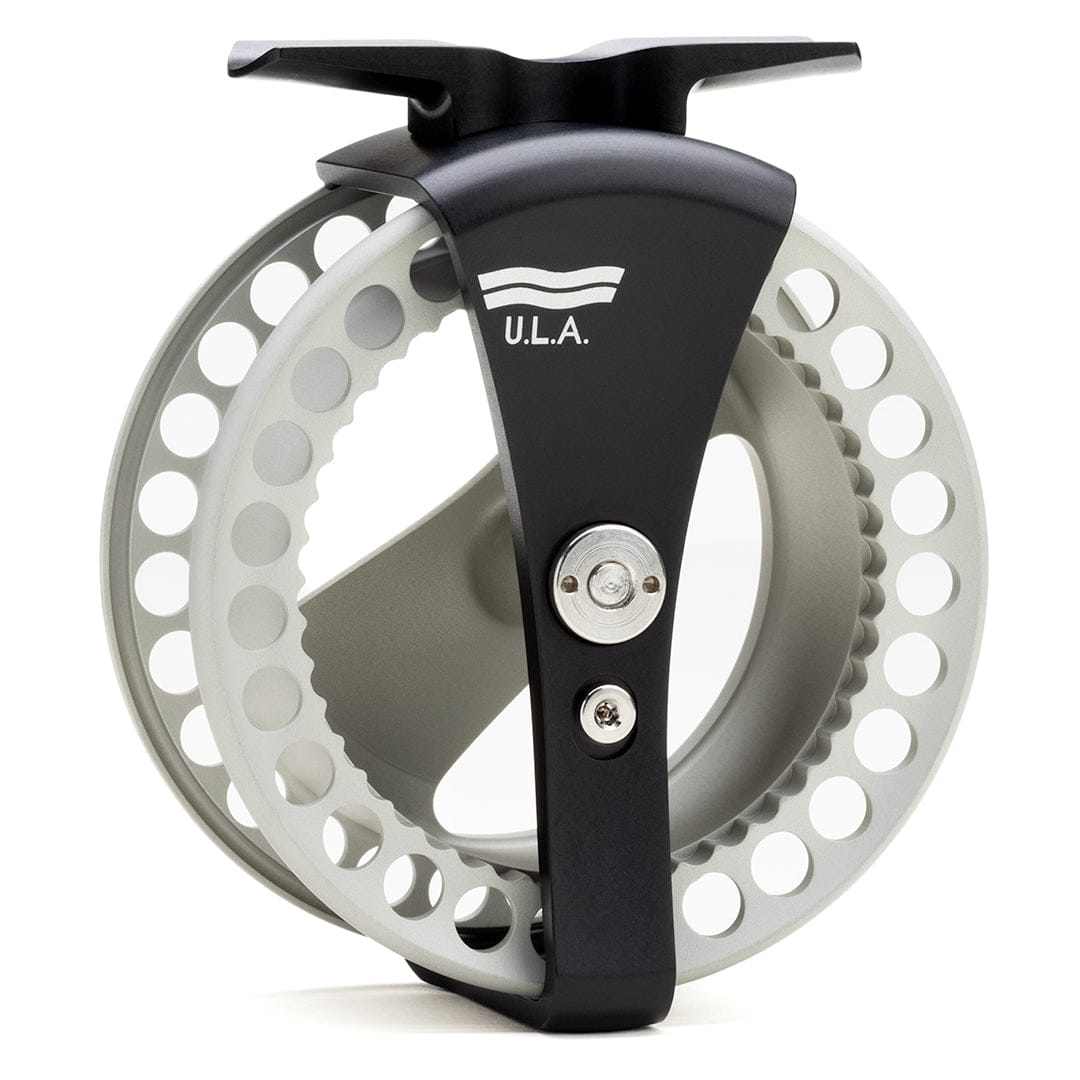
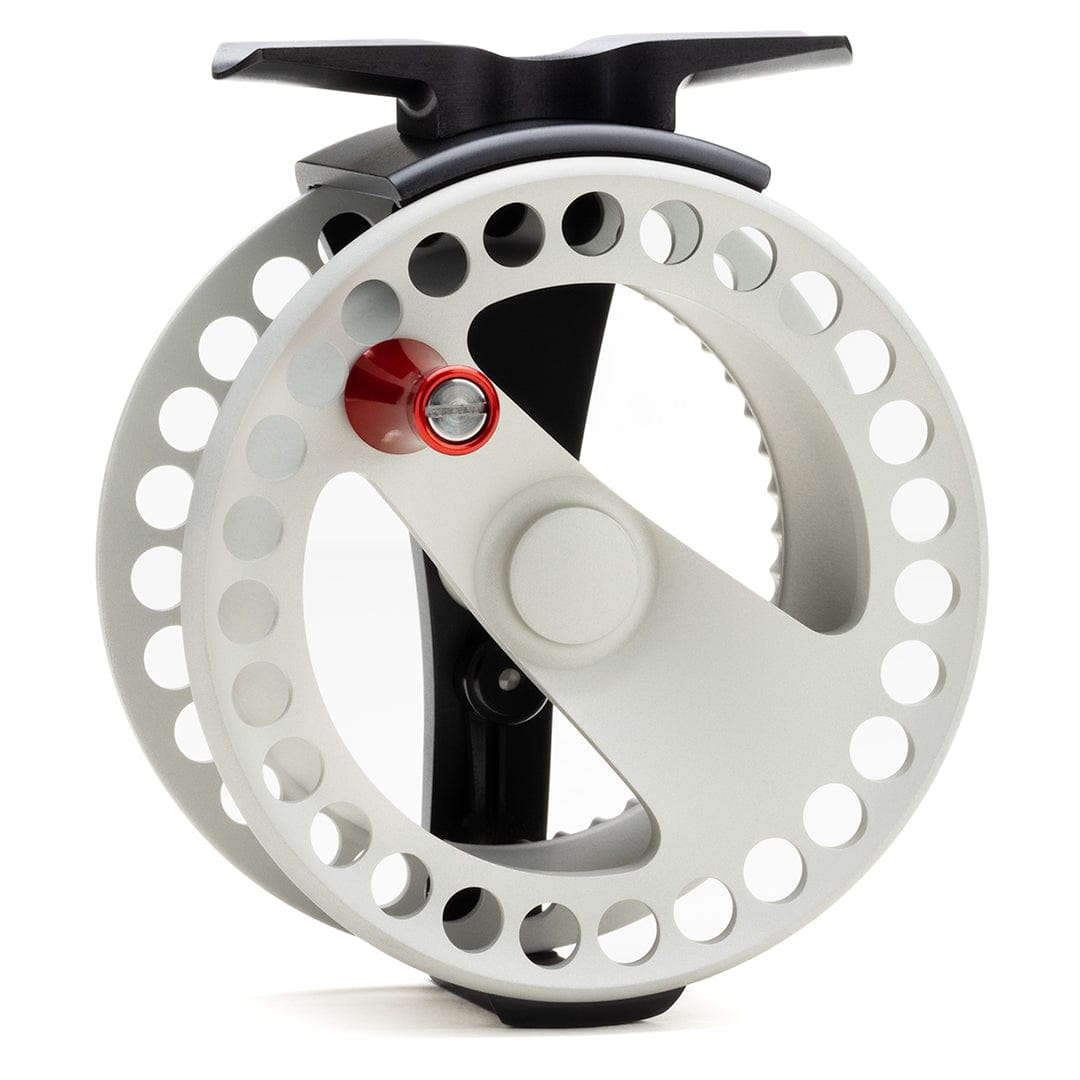
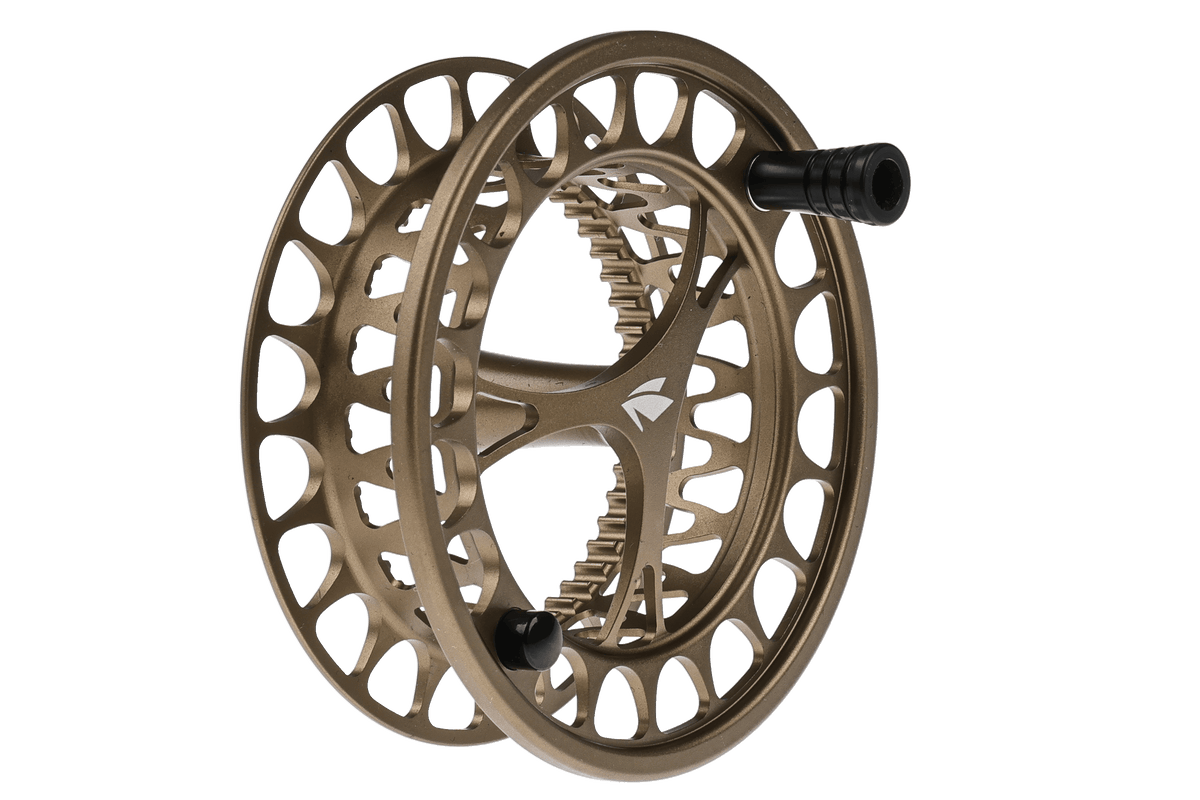
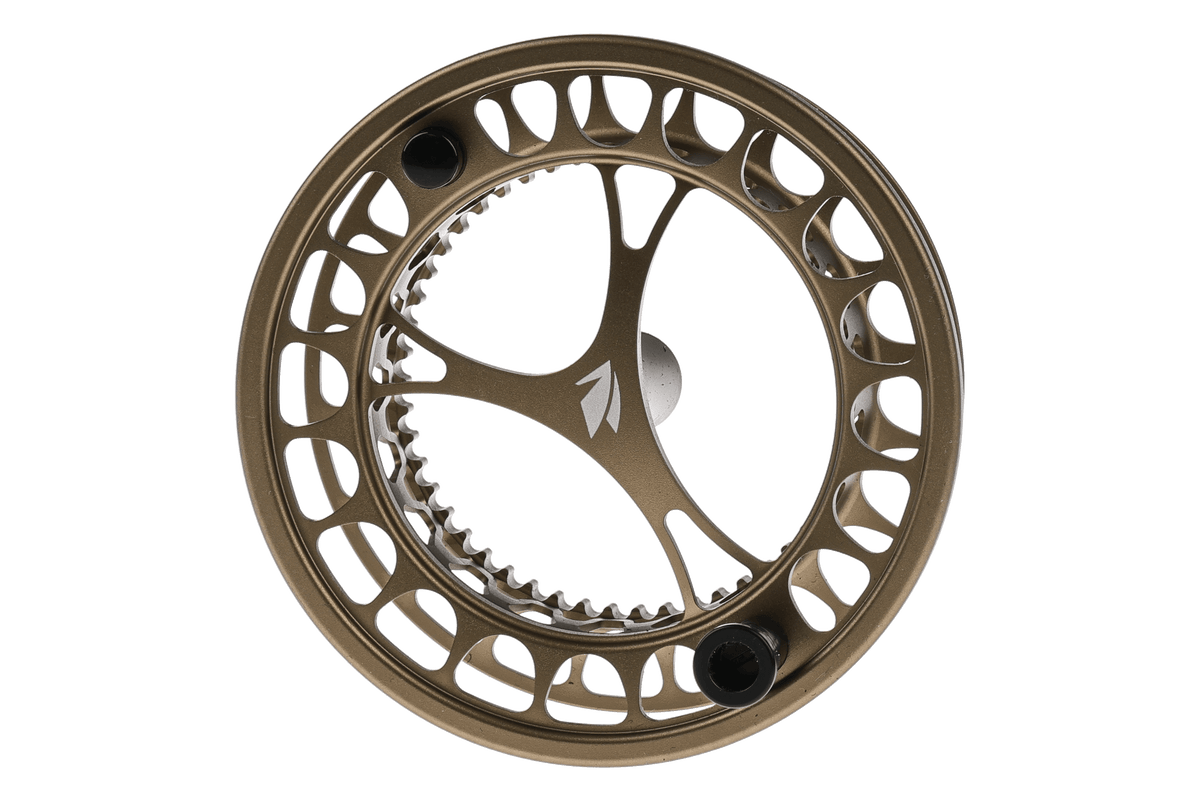
Best all-around small stream reel: Ross Colorado Fly Reel - A ground-up redesign of a small-stream favorite, now lighter and more refined without giving up the click-and-pawl feel. It's the reel to reach for when you want traditional sound with a modern build.
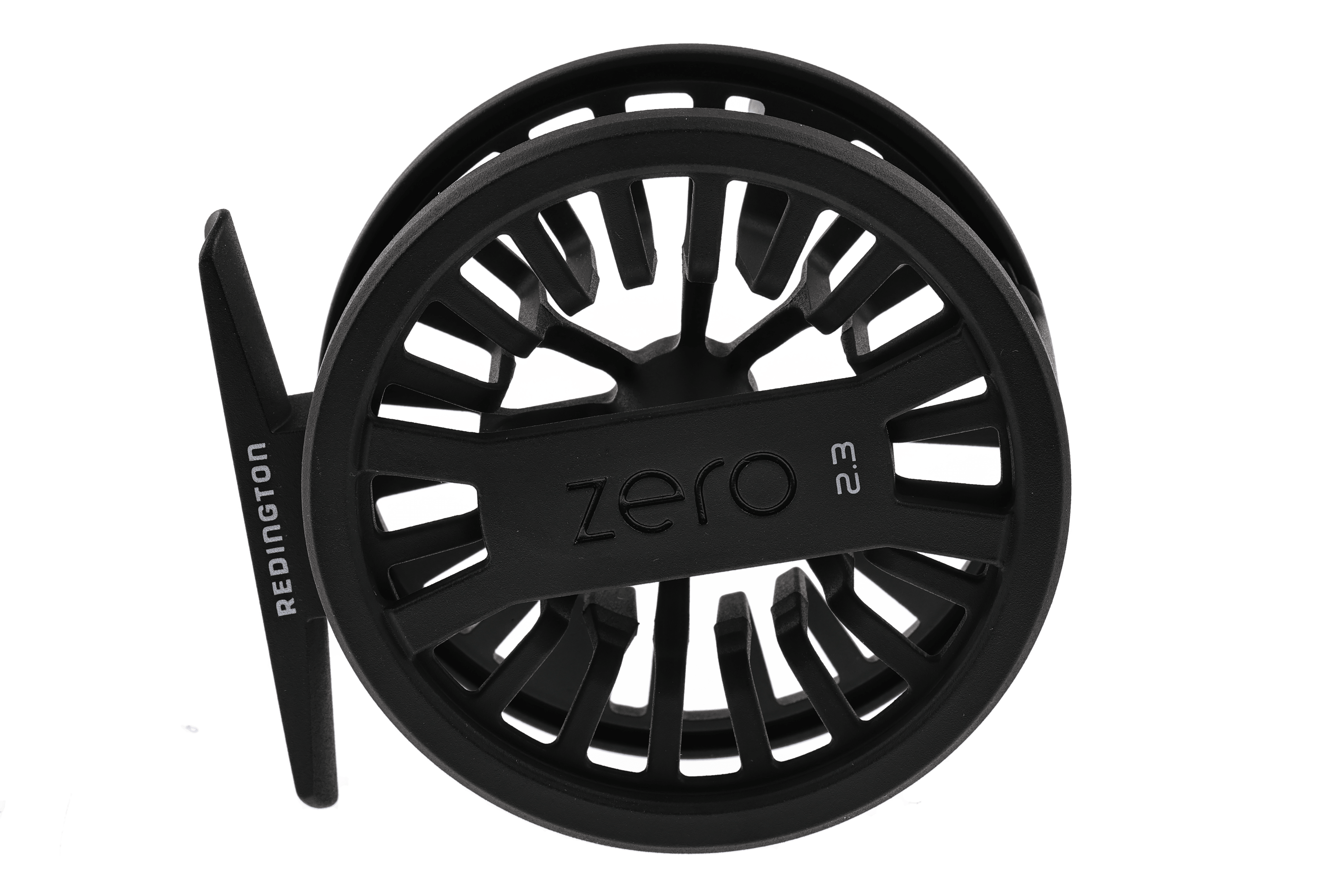
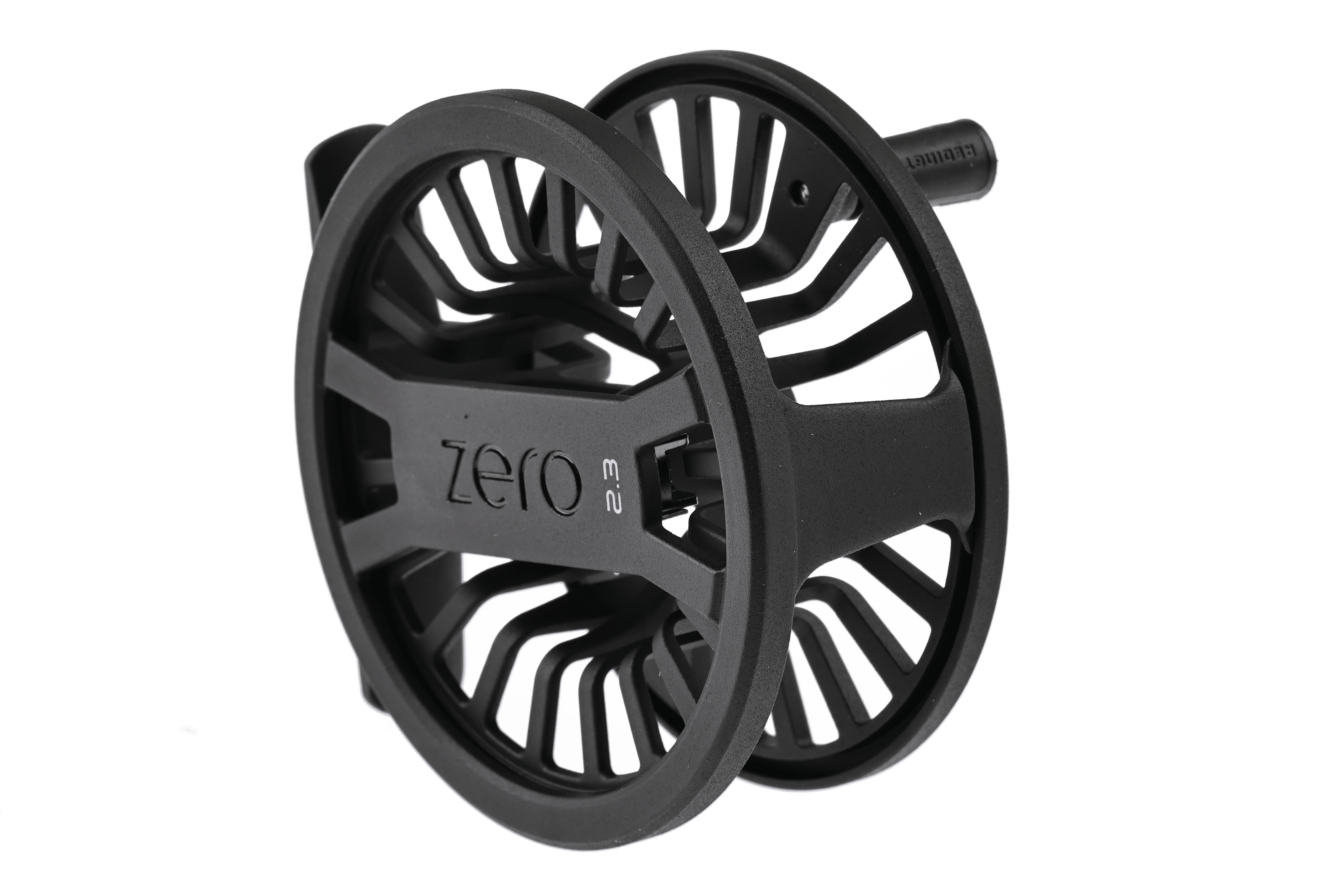
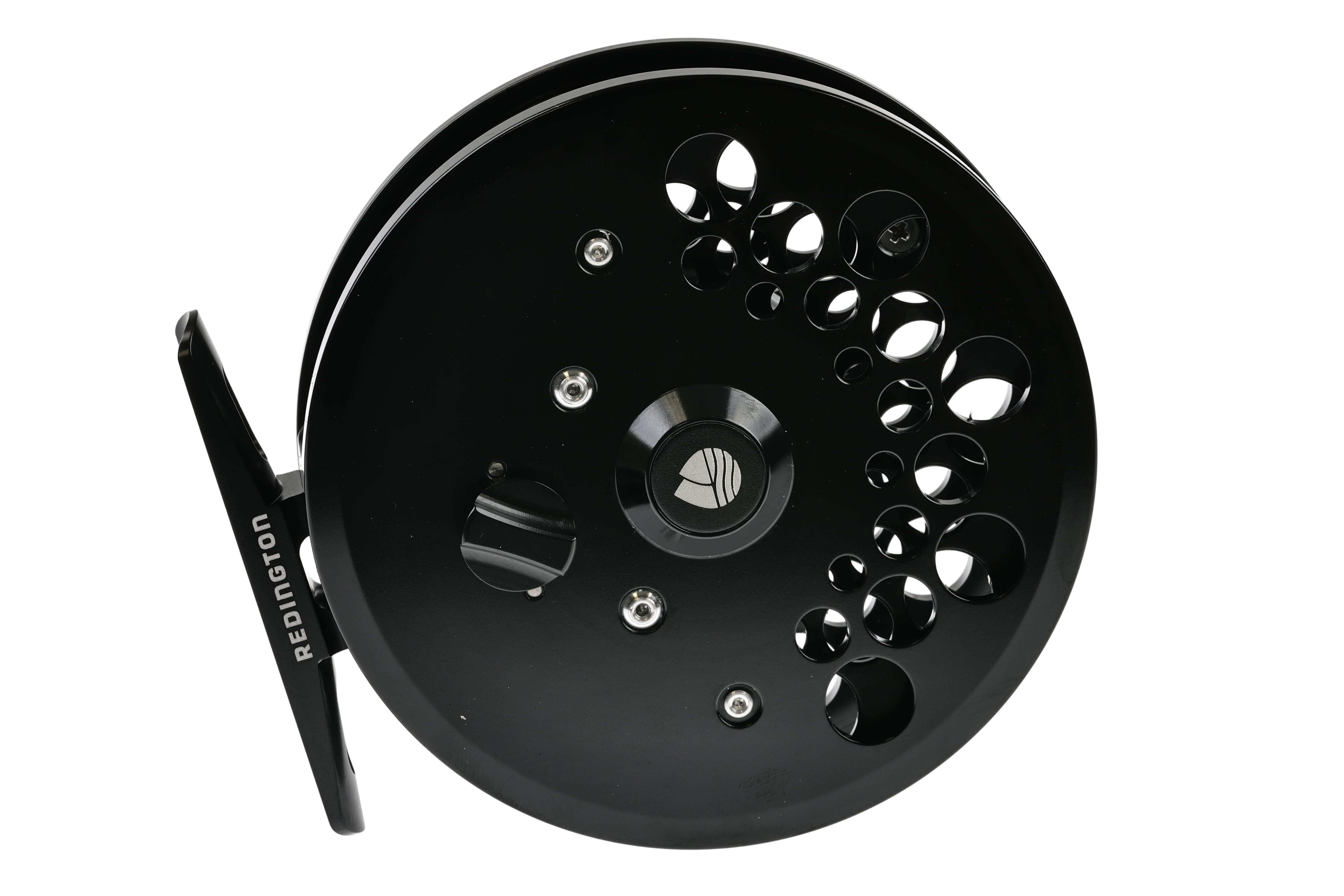
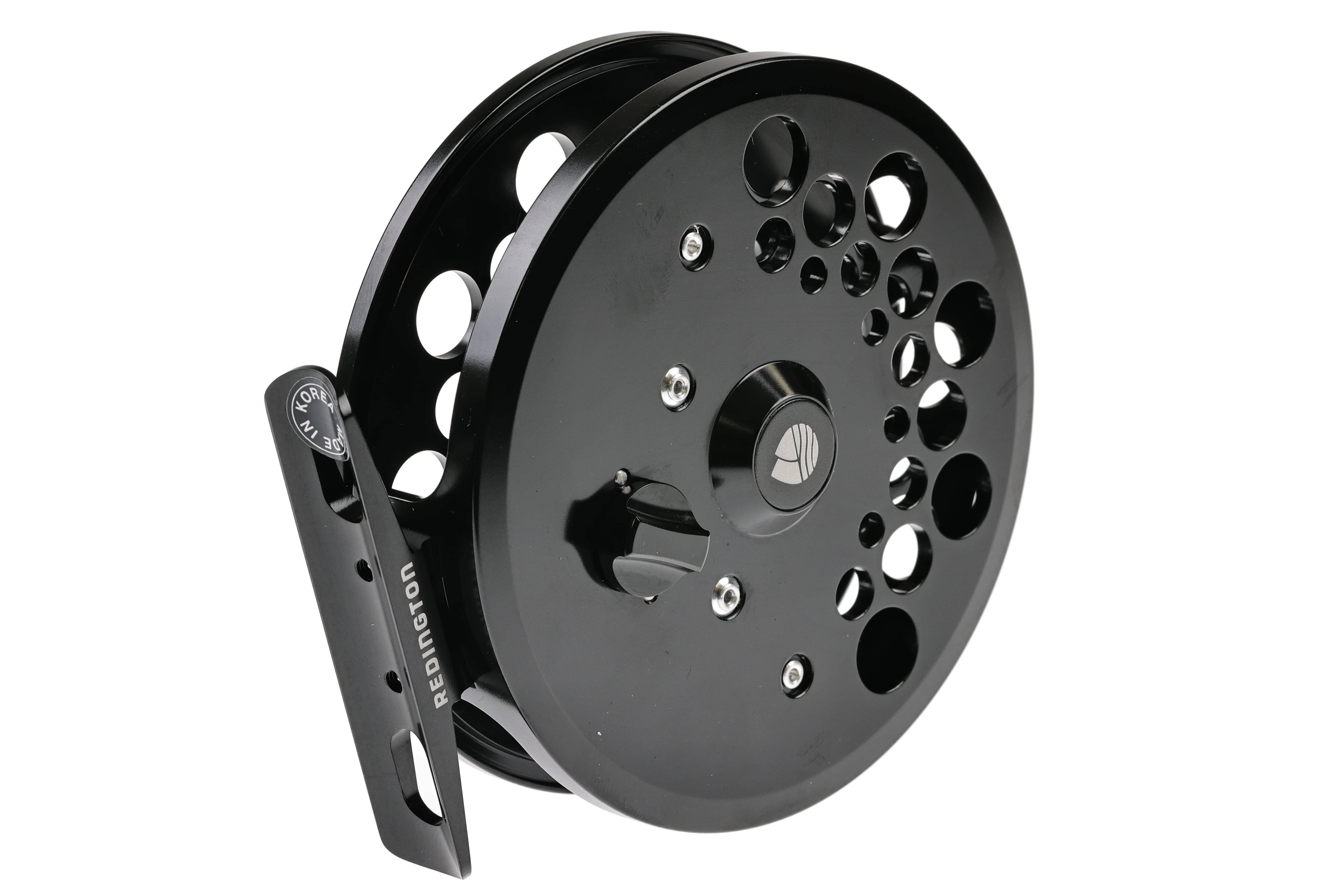
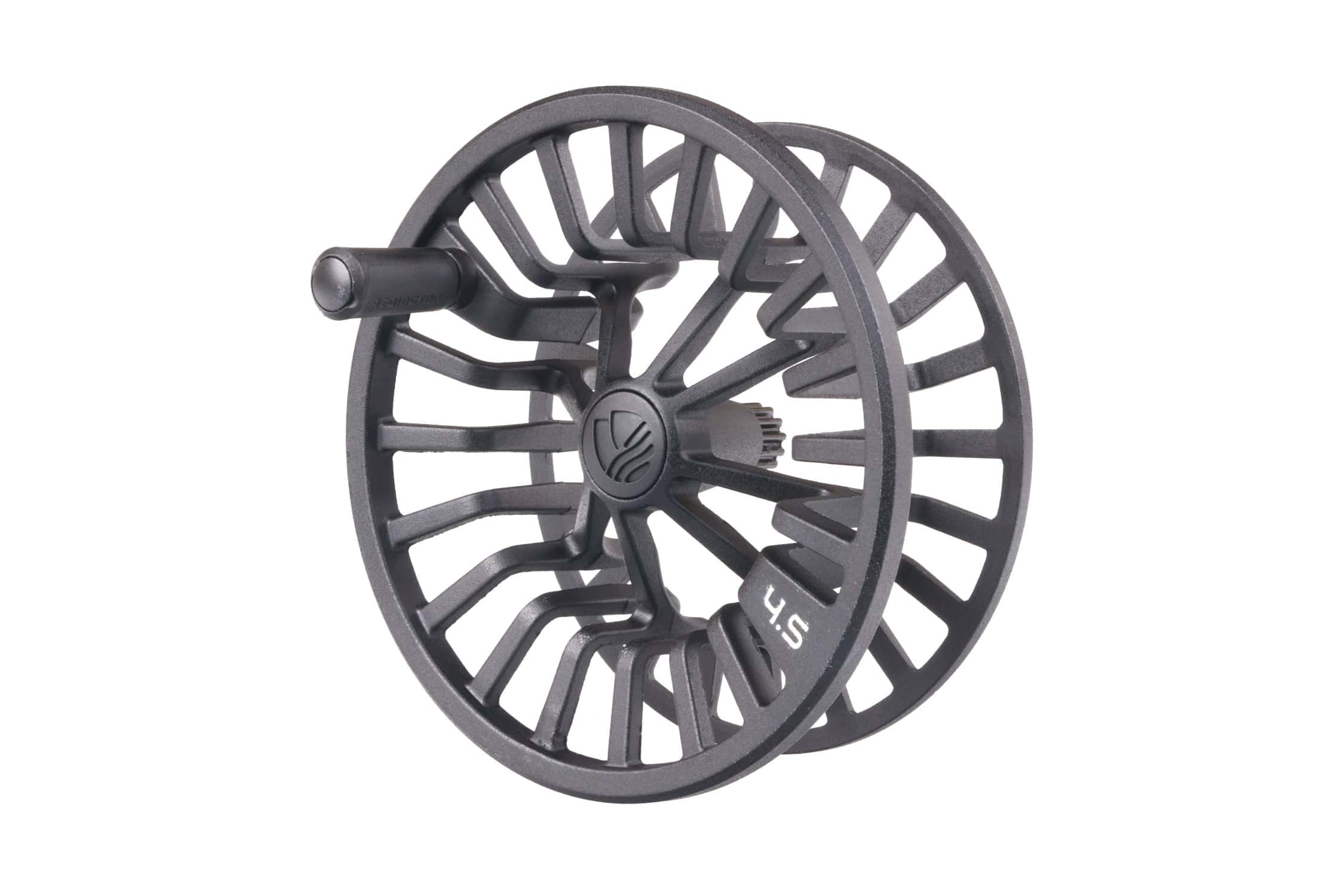
Best budget click reel: Redington Zero Fly Reel - A die-cast build keeps the price down without sacrificing the classic click-check feel on small rivers and creeks. It's an easy way to try a click-and-pawl reel before committing to a pricier one.
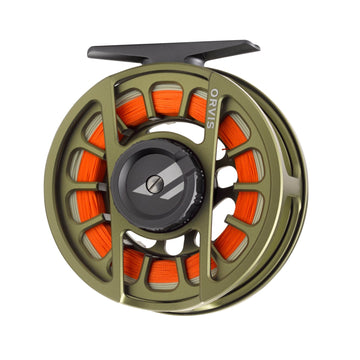
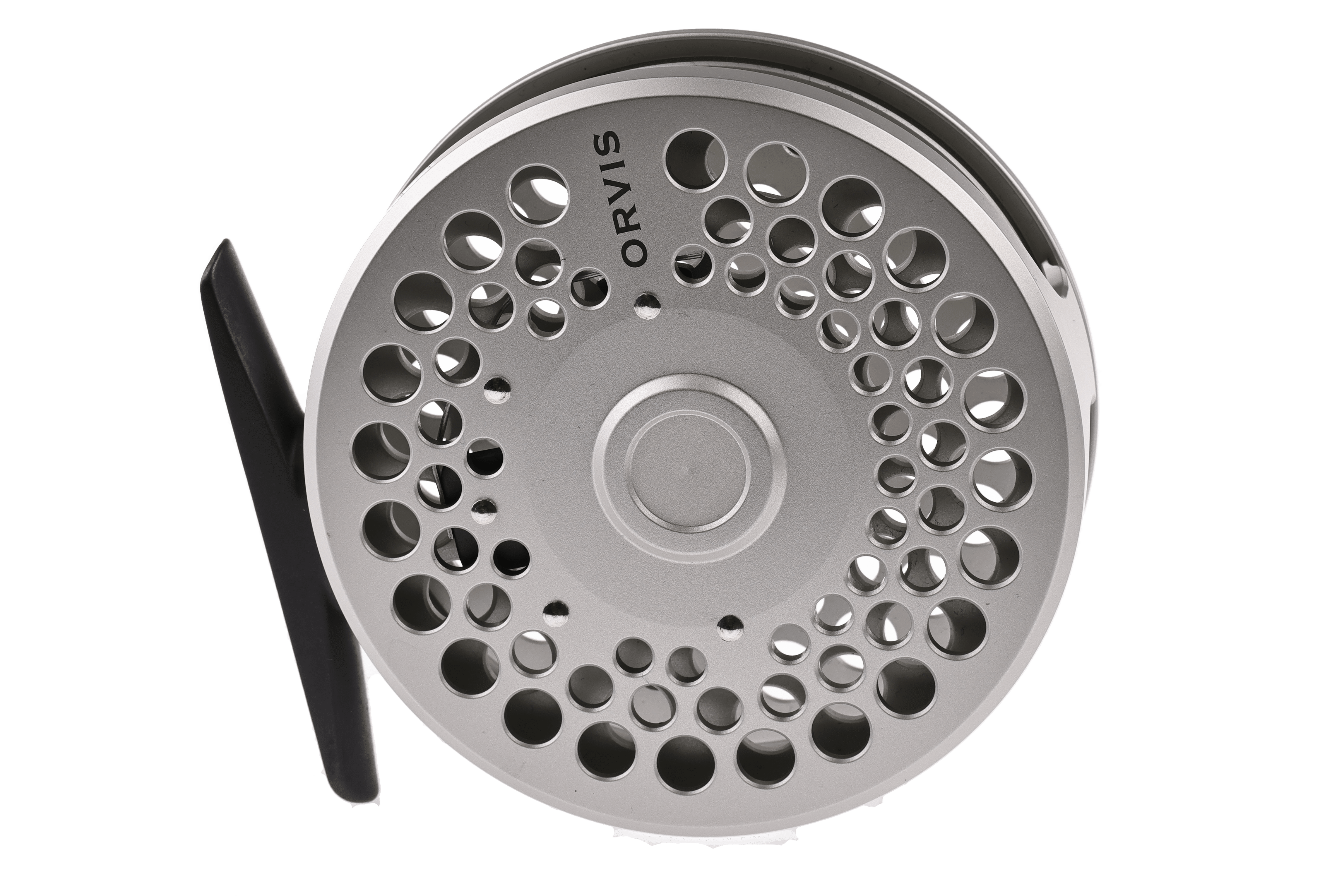
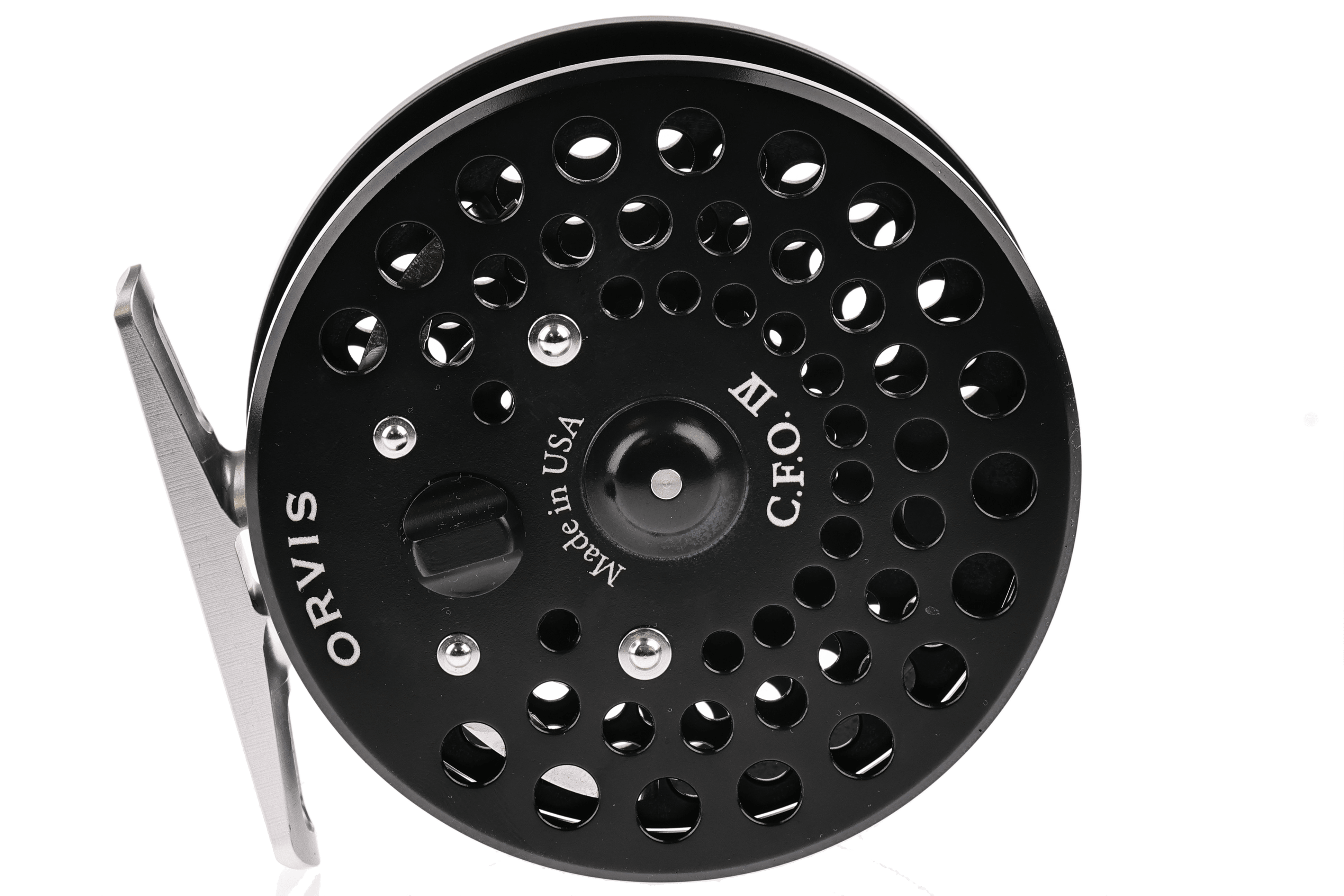
Best heritage design: Orvis Battenkill Click Fly Reel - Offered in various forms since the 1960s, this reel is for anglers who'd rather palm a running fish than lean on a mechanical drag. Decades of refinement have made it smoother without changing what made it a classic.
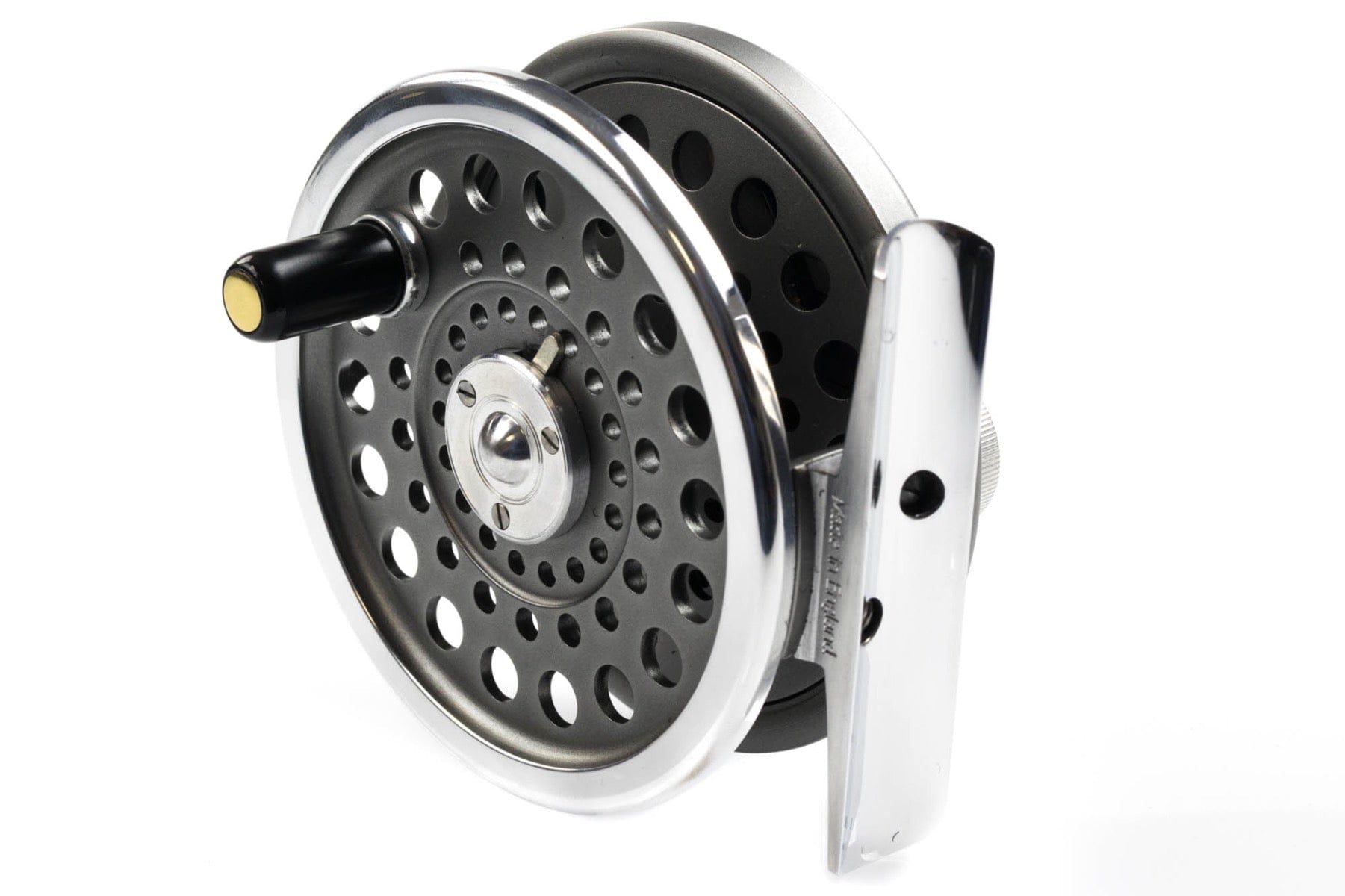
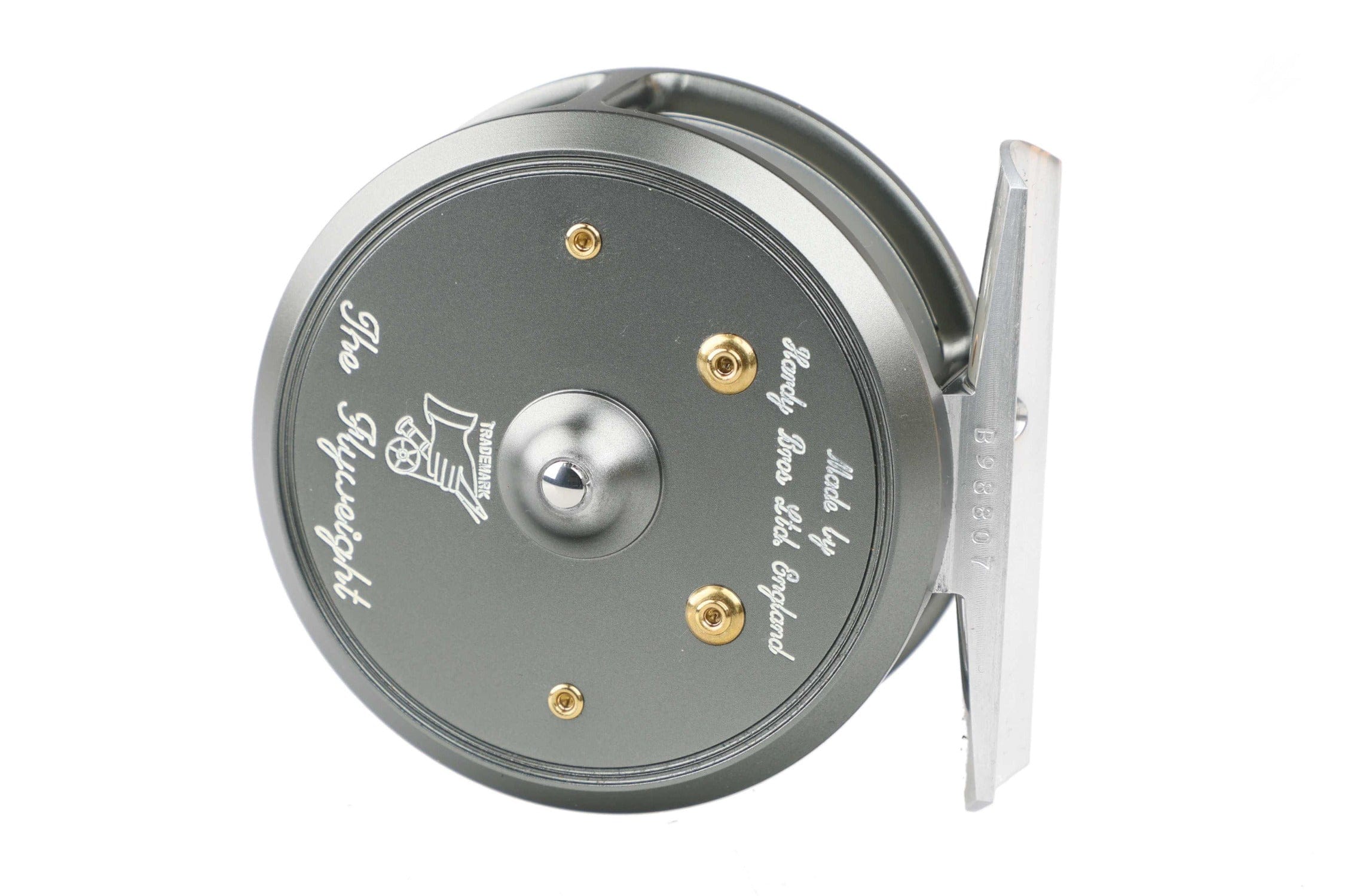
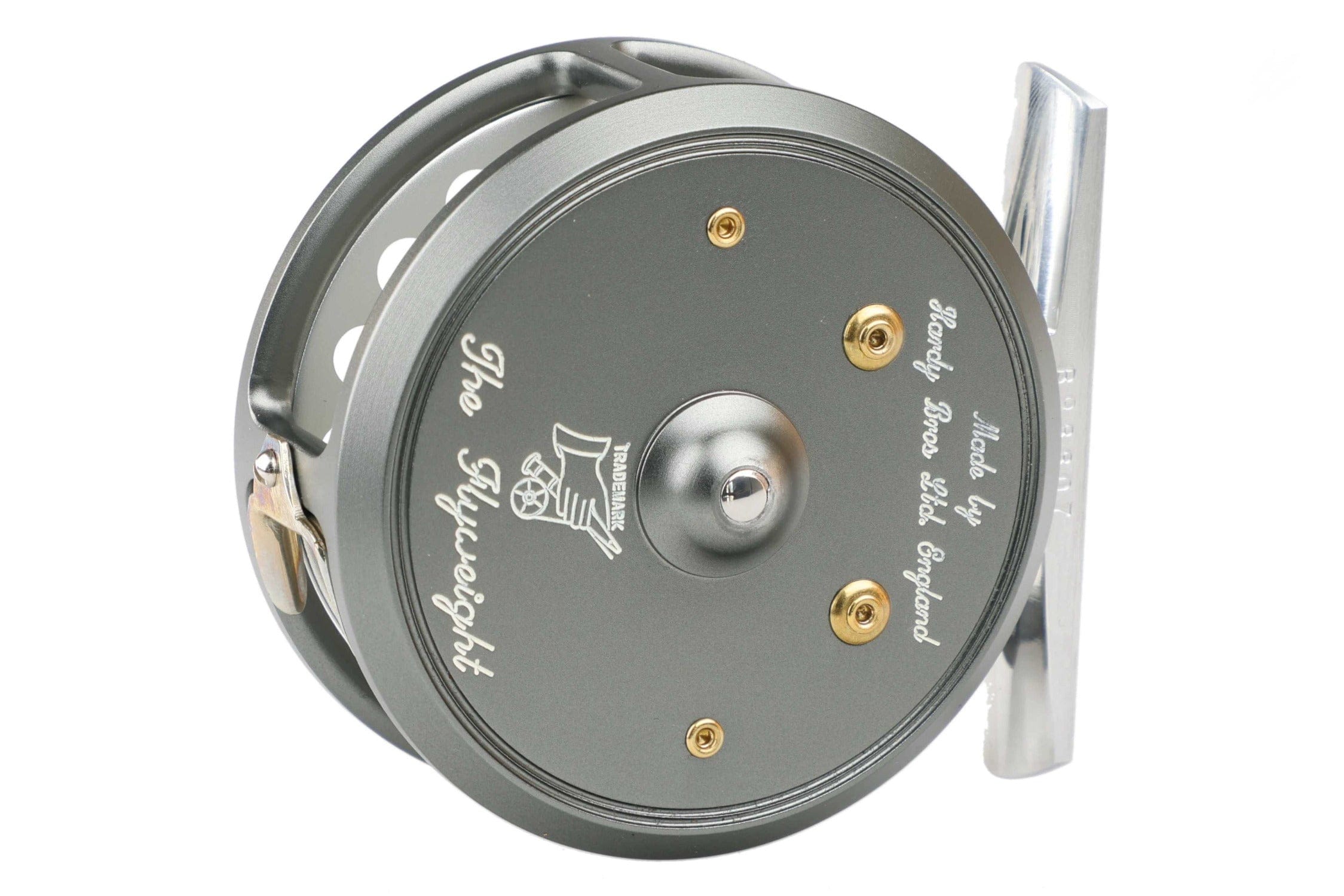
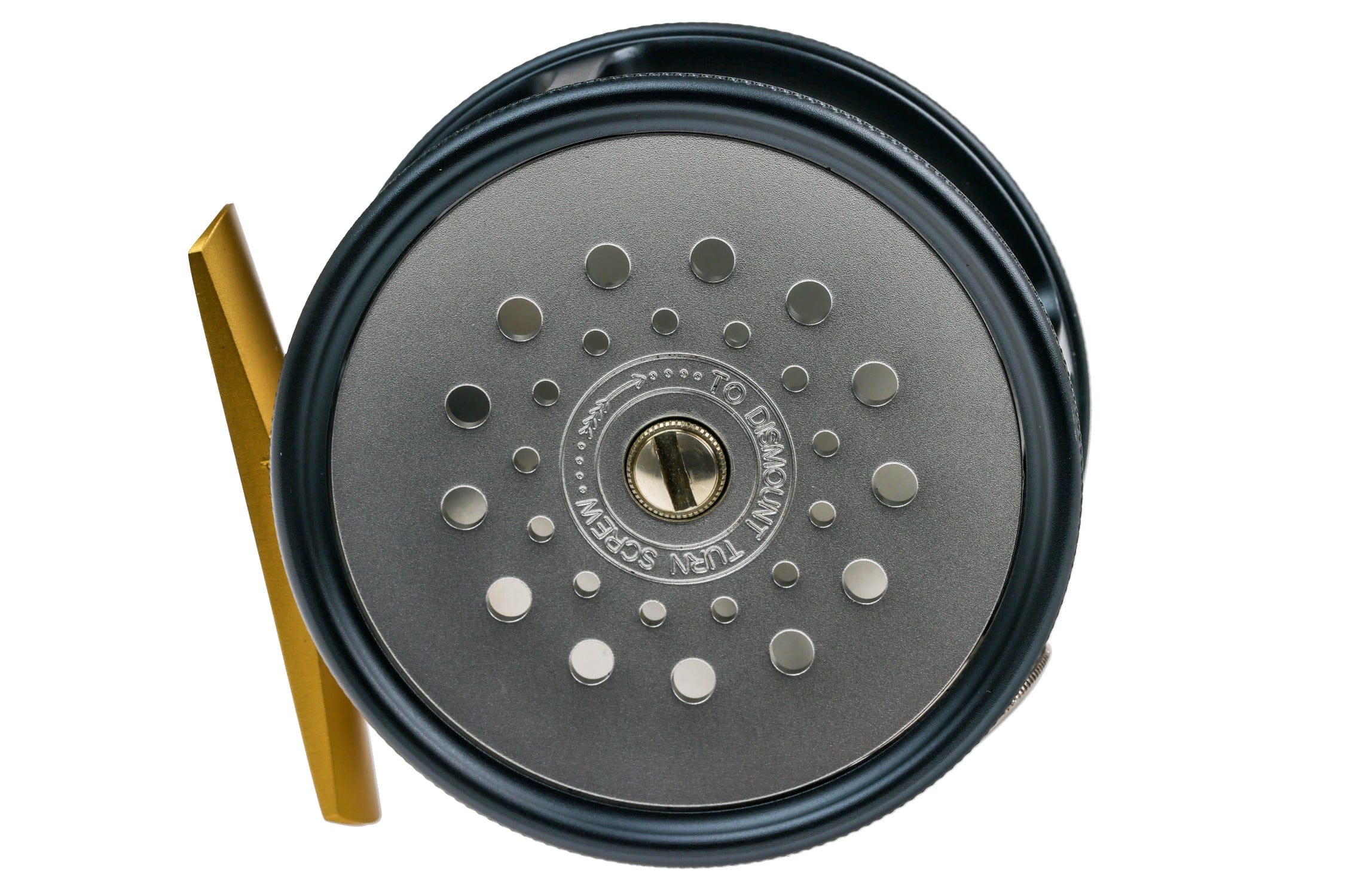
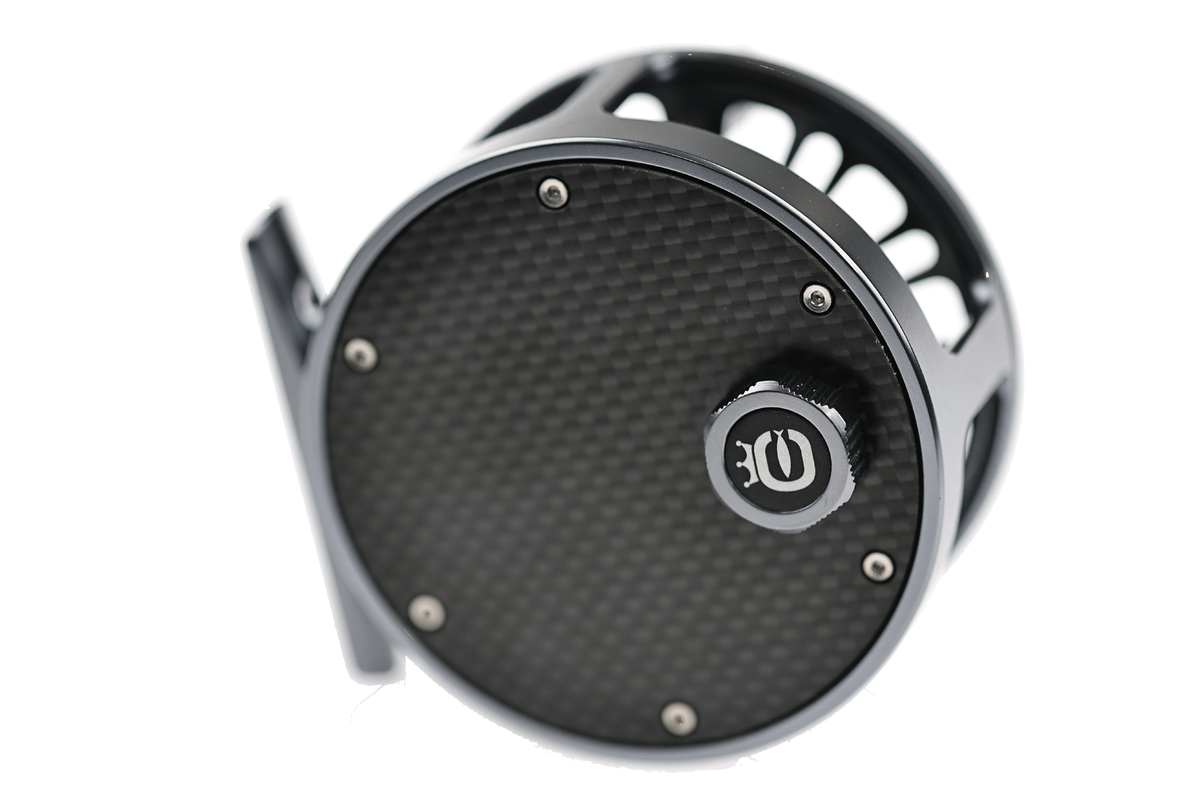
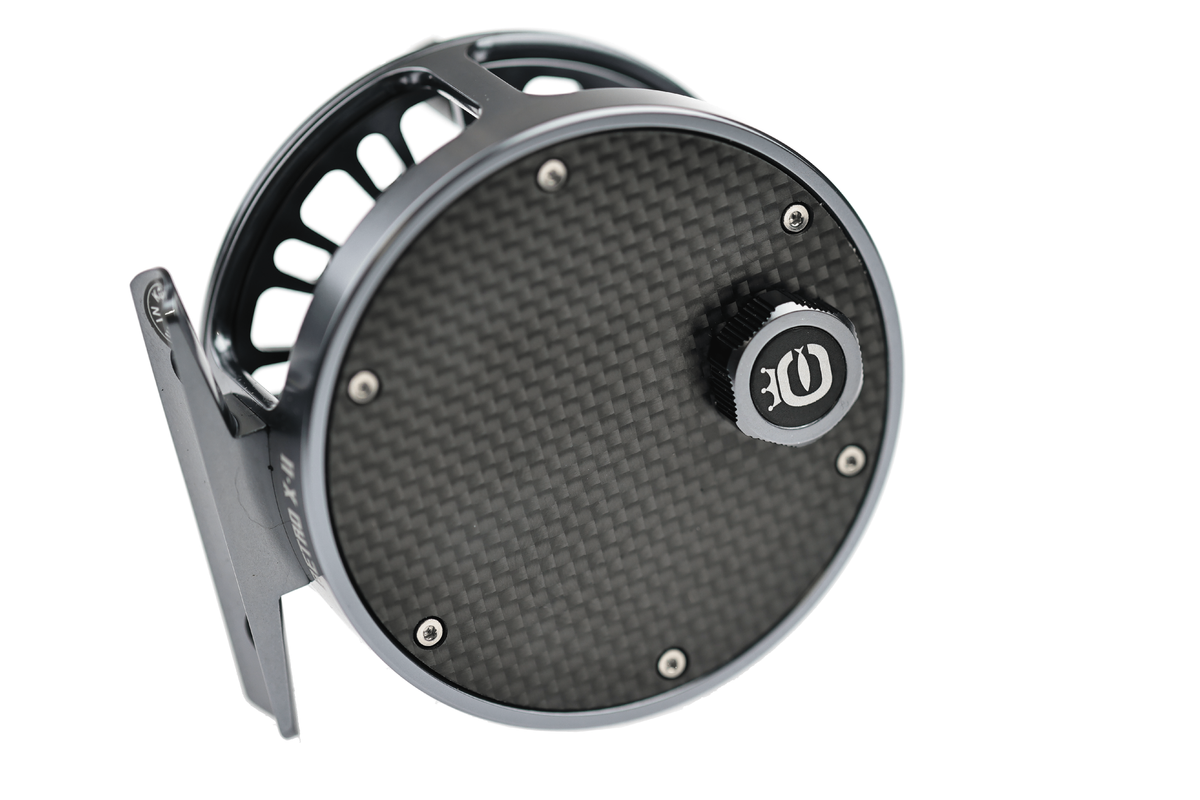
Best collector's reel: Hardy 1939 Bouglé Fly Reel - Hardy made only 43 of the original in 1939, and this limited reissue carries the duplicated Mark II drag system and hand-built construction of the source reel. It's built for the collector who wants a genuine piece of fly reel history on the water.
How to Choose a Click & Pawl Fly Reel
Click-and-Pawl vs. Disc Drag
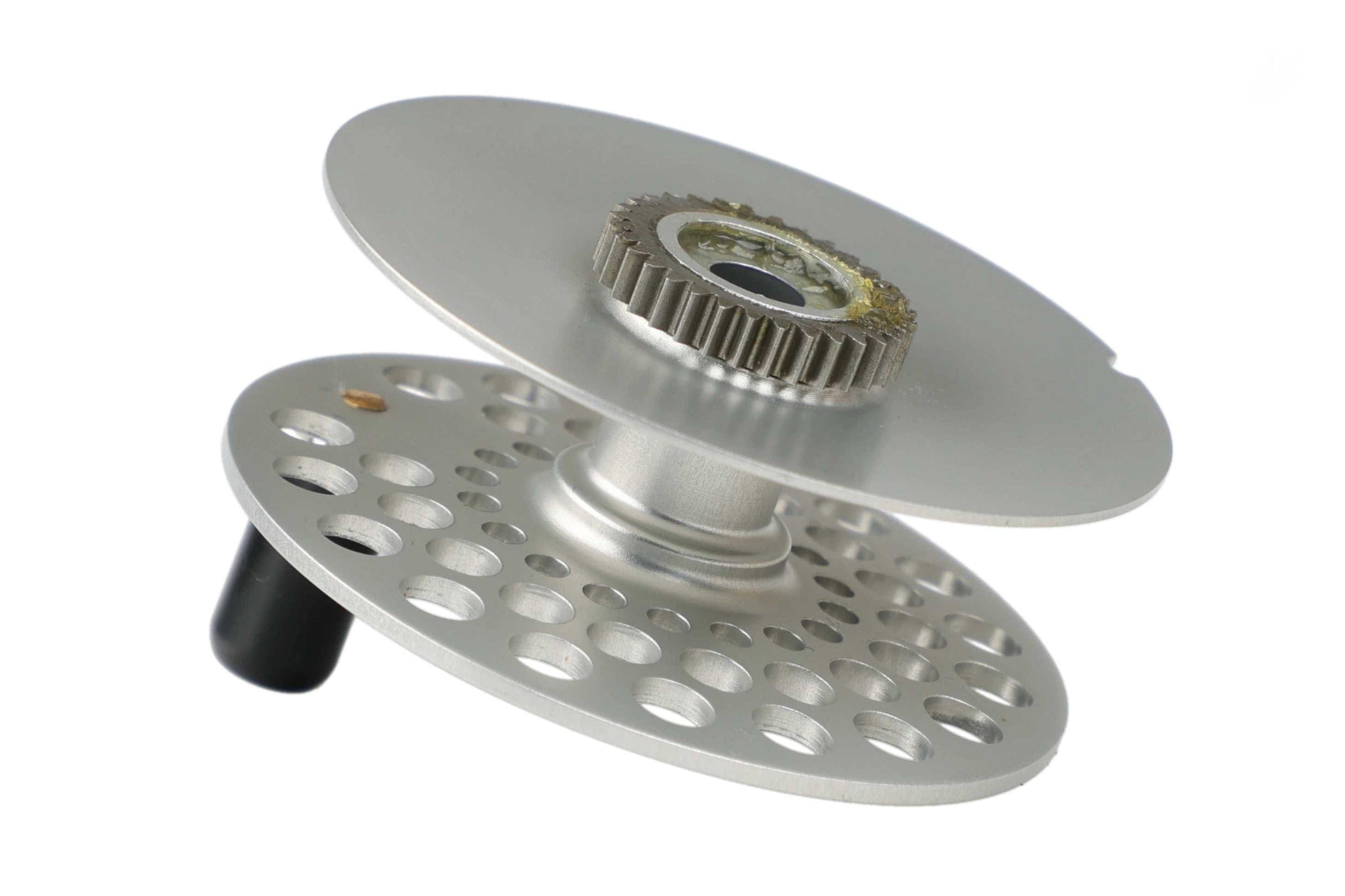
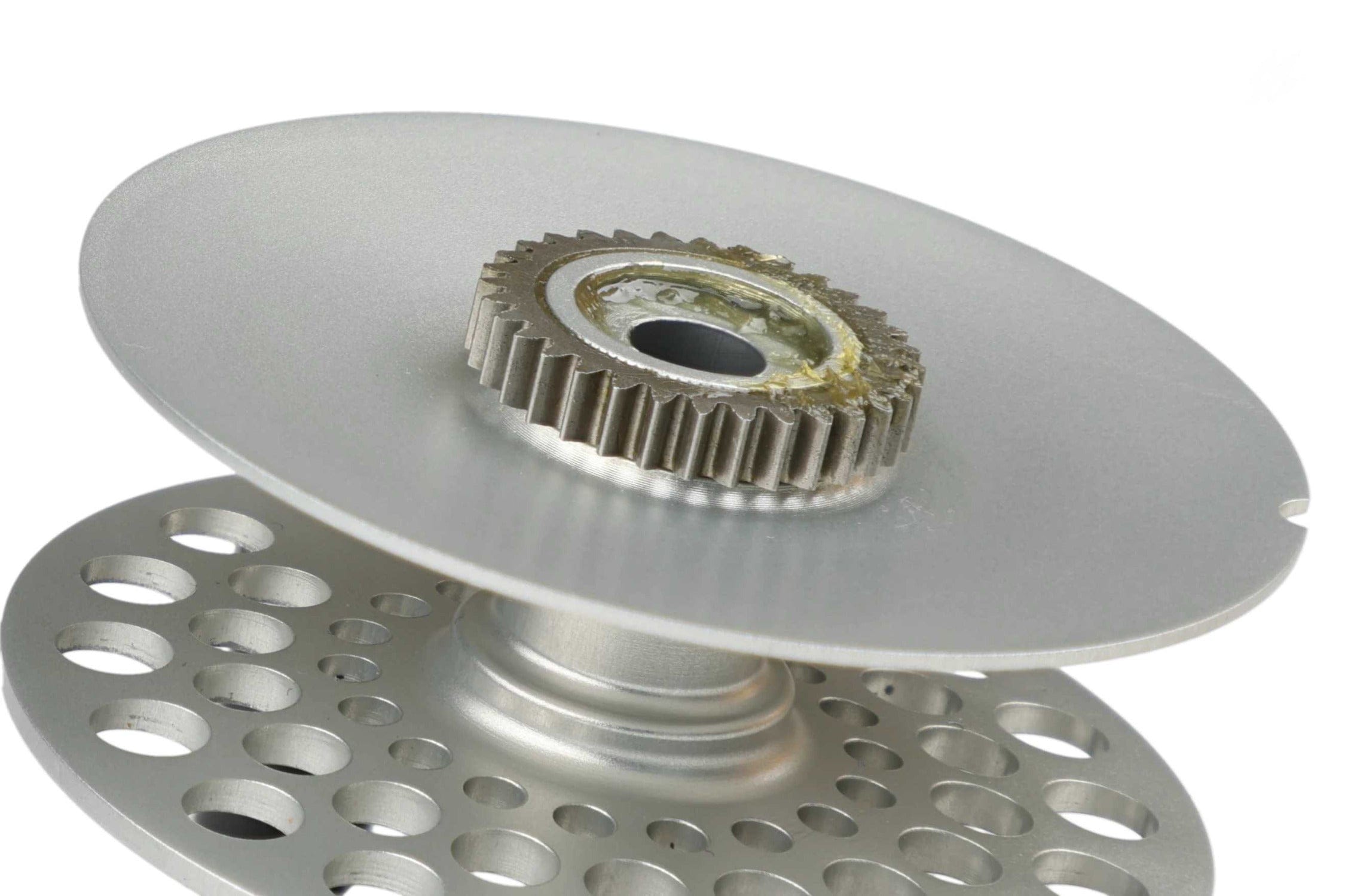
Click-and-pawl: A simple spring-loaded pawl clicks against a gear to create light, adjustable resistance and that unmistakable "singing" sound on a run. There's no true stopping power, so you palm the spool rim to slow a fish down.
Disc drag: A sealed disc system offers smooth, consistent resistance across the whole fight and handles bigger, harder-running fish with less hands-on effort. Most anglers keep a disc drag reel for larger water and a click-and-pawl reel for small streams and light trout.
Matching Reel Size to Line Weight
2-3wt reels: Sized for small stream rods like a 6'6"-8' 2-4wt, keeping the whole outfit light in the hand.
4-5wt reels: The most common size in this category, built to balance the do-it-all trout rod most anglers already own.
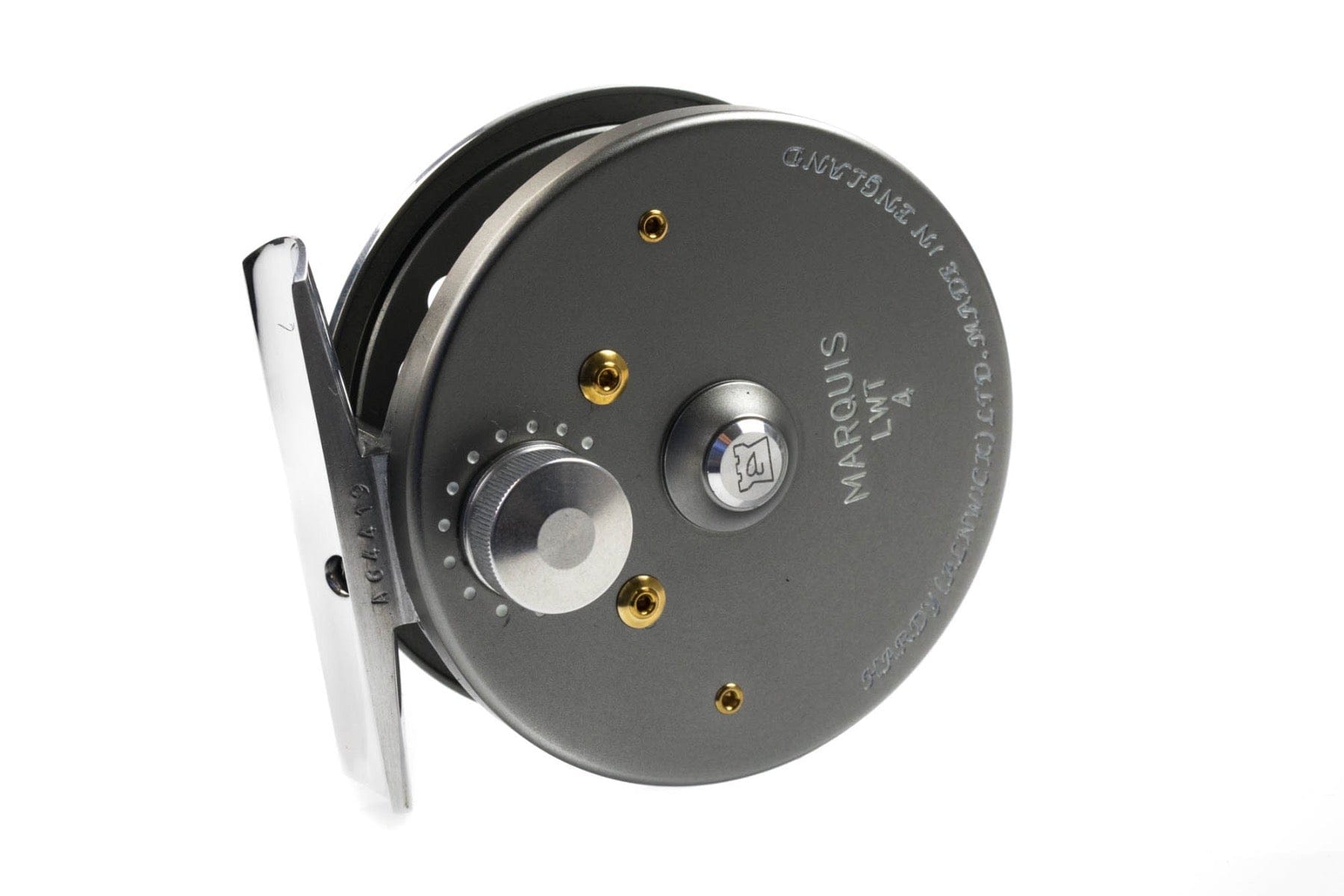
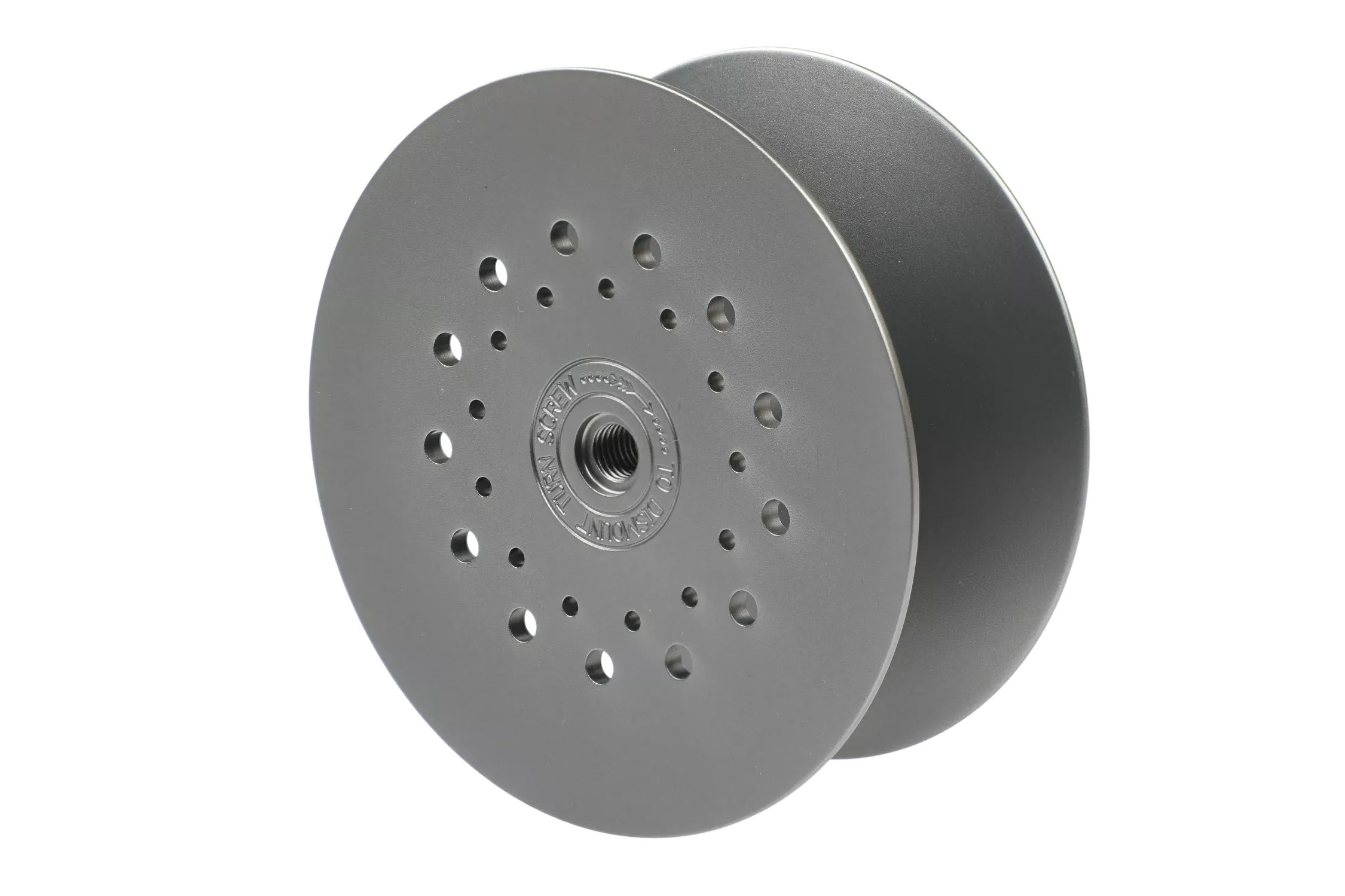
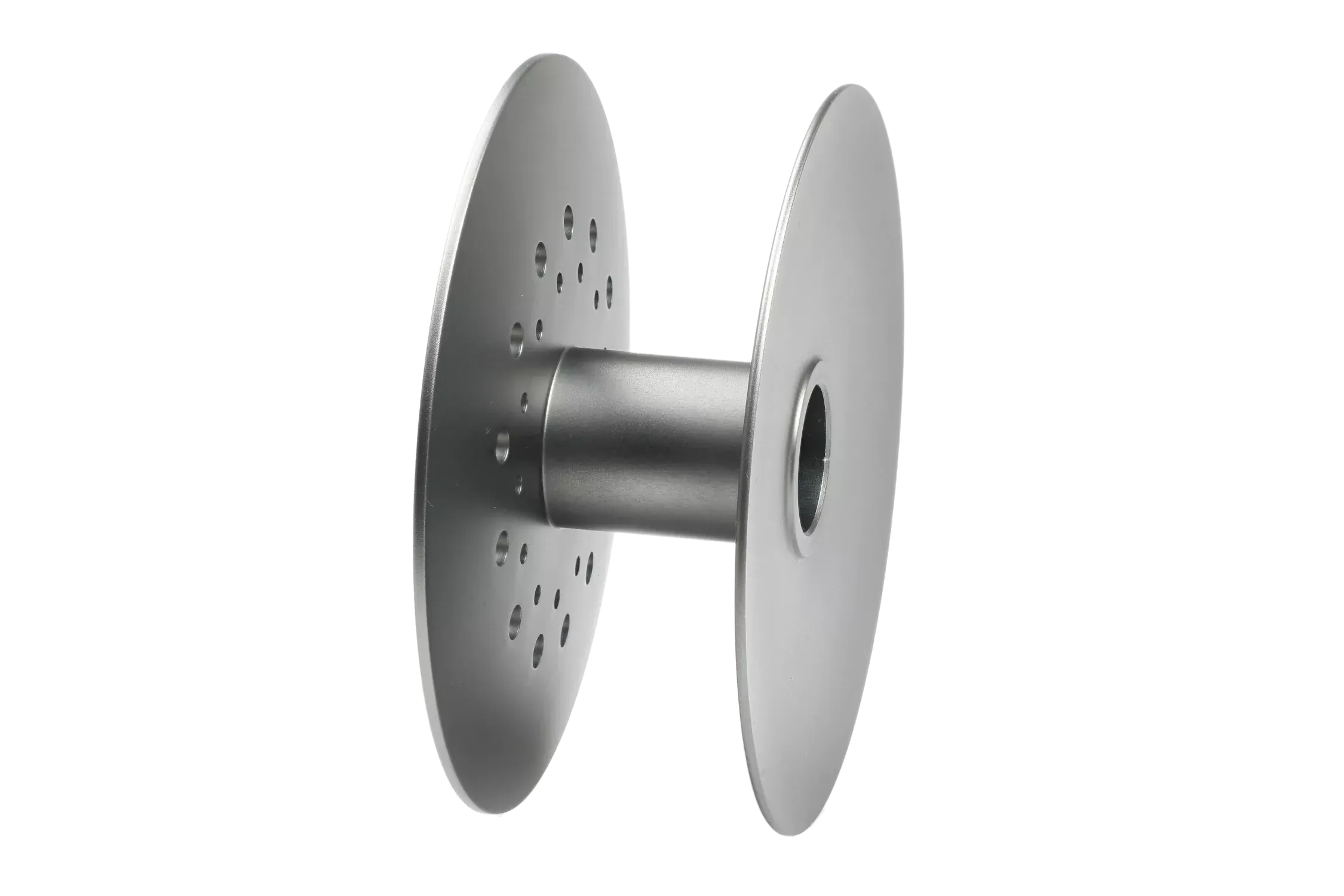
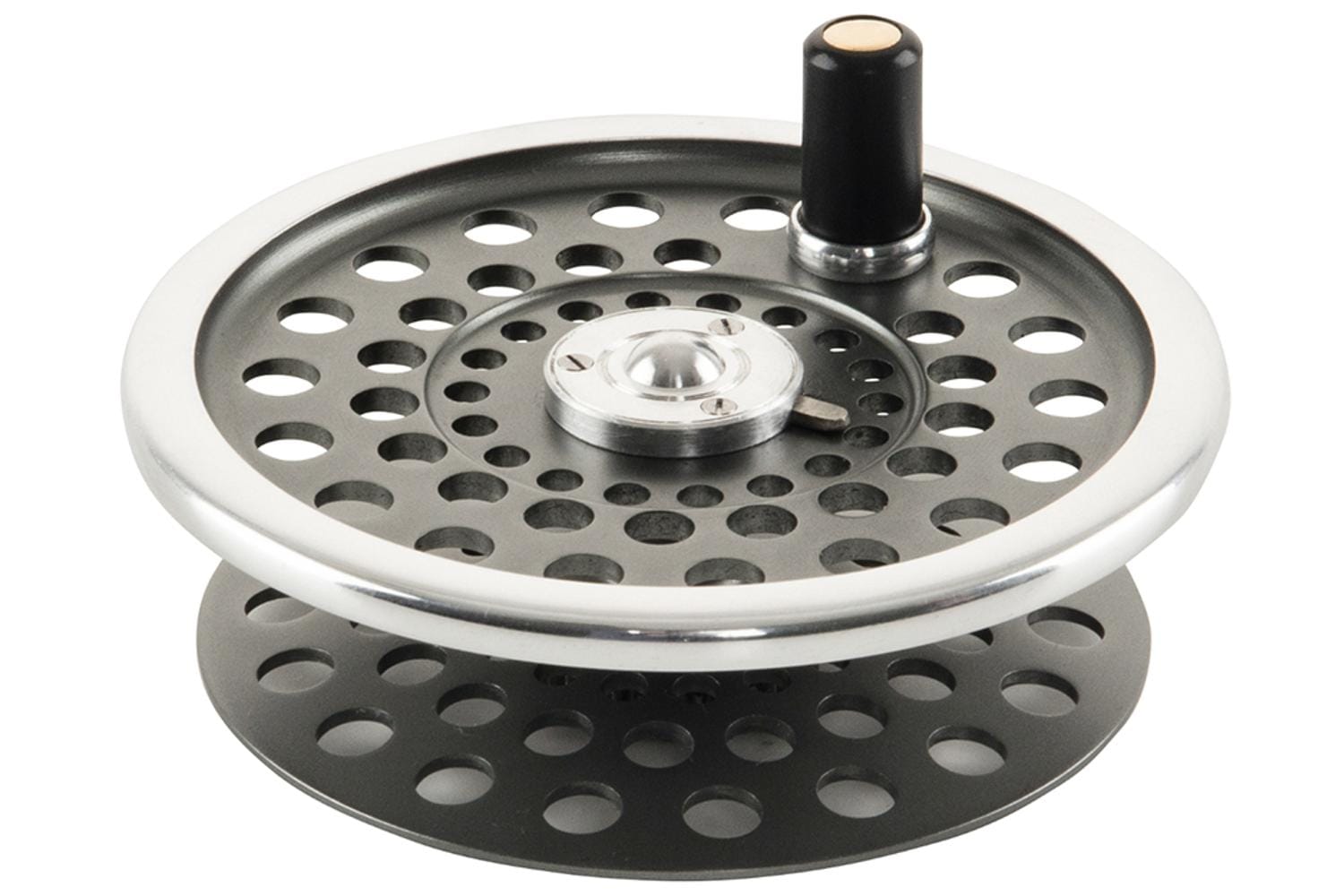
Spare spools: A reel like the Hardy Marquis LWT accepts a matched spare spool, letting you swap between a floating line and a sink-tip without buying a second reel.
Construction & Materials
Die-cast aluminum: Keeps cost down and works fine for occasional small water use, though it won't hold up to years of hard daily fishing.
Bar-stock aluminum: Machined from a solid billet for a stiffer, more durable frame that resists denting from drops on rocks or in a driftboat.
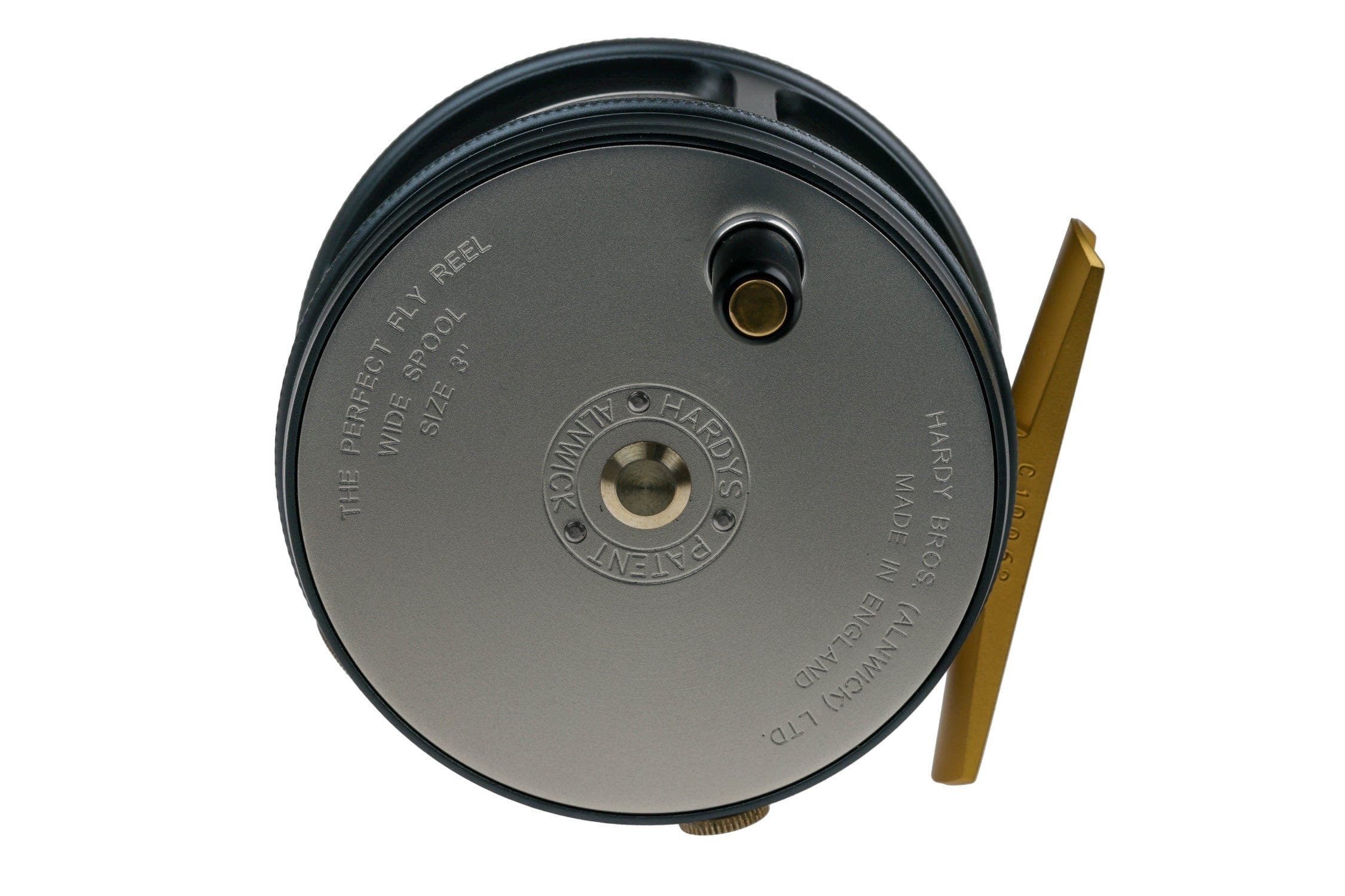
Left- or right-hand wind: Most models, including the Hardy Marquis LWT and Hardy Wide Spool Perfect, convert between retrieve hands in a few minutes, so set it to match your casting hand before your first trip.
Care & Maintenance
Rinse after every trip: Fine silt and sand work into the click mechanism faster than most anglers expect, so a quick freshwater rinse after each outing keeps it running smoothly.
Oil the click-pawl spring: A drop of reel oil on the pawl once or twice a season keeps the click crisp and prevents the spring from binding up.
Let the spool rest unspooled: Storing a reel with the drag tension backed off keeps the pawl spring from taking a set over the off-season.
Size backing to the arbor: These reels typically have a narrower arbor than large-arbor disc drag reels, so check the manufacturer's backing capacity before you overfill the spool.
Complete Your Setup
Related Gear
Fly Reel Spare Spools - Load a second taper so you can switch lines streamside instead of re-spooling.
Floating Fly Lines - A taper matched to your reel's line weight is what makes a click-and-pawl reel feel balanced on the water.
Fly Line Backing - Fill the arbor to the manufacturer's recommended capacity before spooling on fly line.
Trout Fly Rods - Pair the reel with a rod built for the same line weight for a properly balanced outfit.
Click & Pawl Fly Reels FAQs
Q: What's the difference between a click-and-pawl reel and a disc drag reel?
A: A click-and-pawl reel uses a simple spring-loaded pawl for light resistance and sound, relying on you to palm the spool for real stopping power. A disc drag reel uses a sealed friction disc for smooth, adjustable resistance that does more of the work on a hard-running fish.
Q: Are click-and-pawl reels good enough for bigger trout?
A: Yes, for most freshwater trout fishing a click-and-pawl reel is plenty, since trout rarely make the long, sustained runs that require heavy mechanical drag. Anglers targeting larger fish on bigger water, or fish known for hard runs, are usually better served by a disc drag reel instead.
Q: What size click-and-pawl reel do I need for my rod?
A: Match the reel's rated line weight range to your rod, most commonly a 2-4wt reel for small stream rods or a 4-6wt reel for standard trout rods. Check the specific model's capacity chart, since arbor size and backing capacity vary between brands even at the same rated weight.