































Nymph Hooks Quick Picks
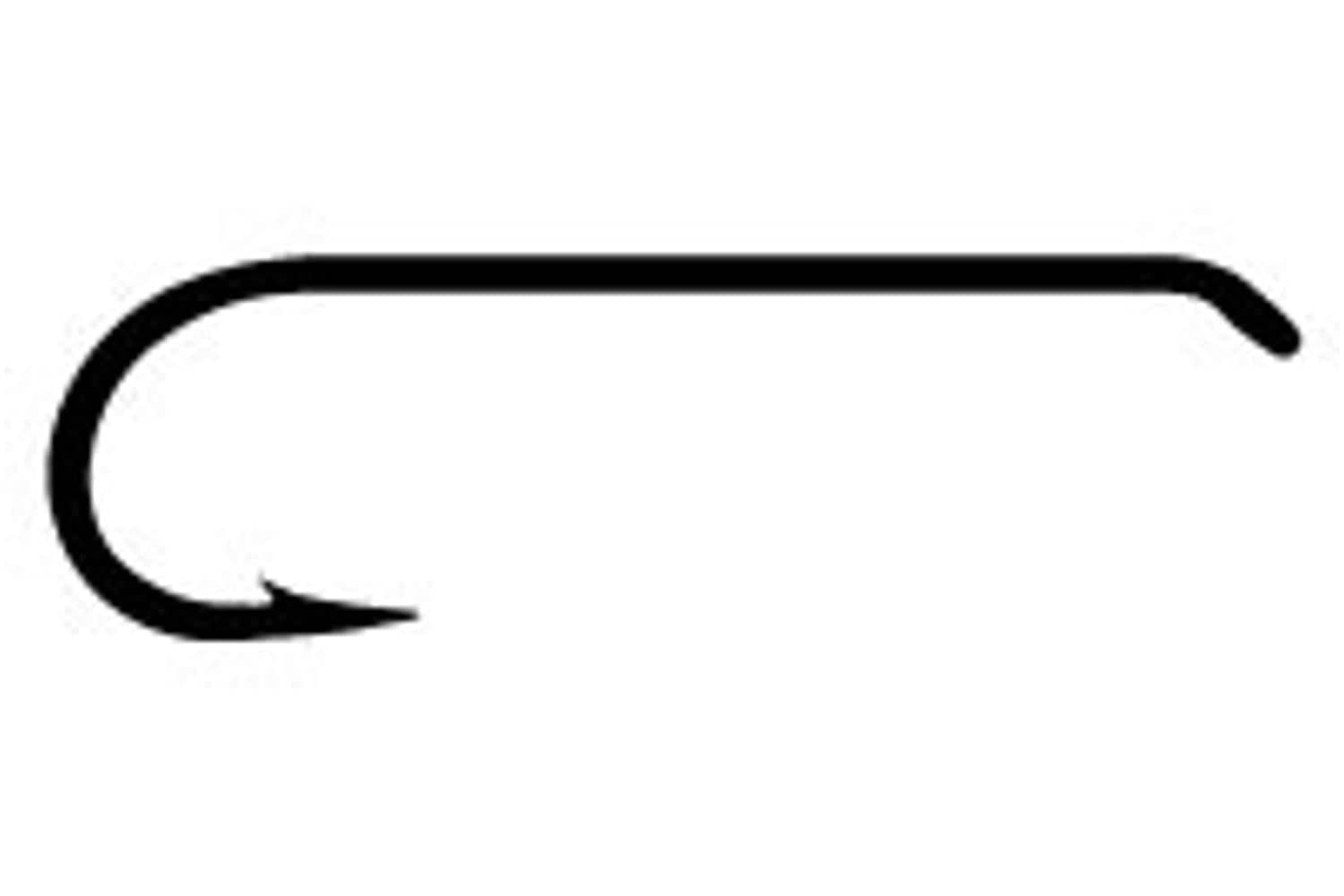
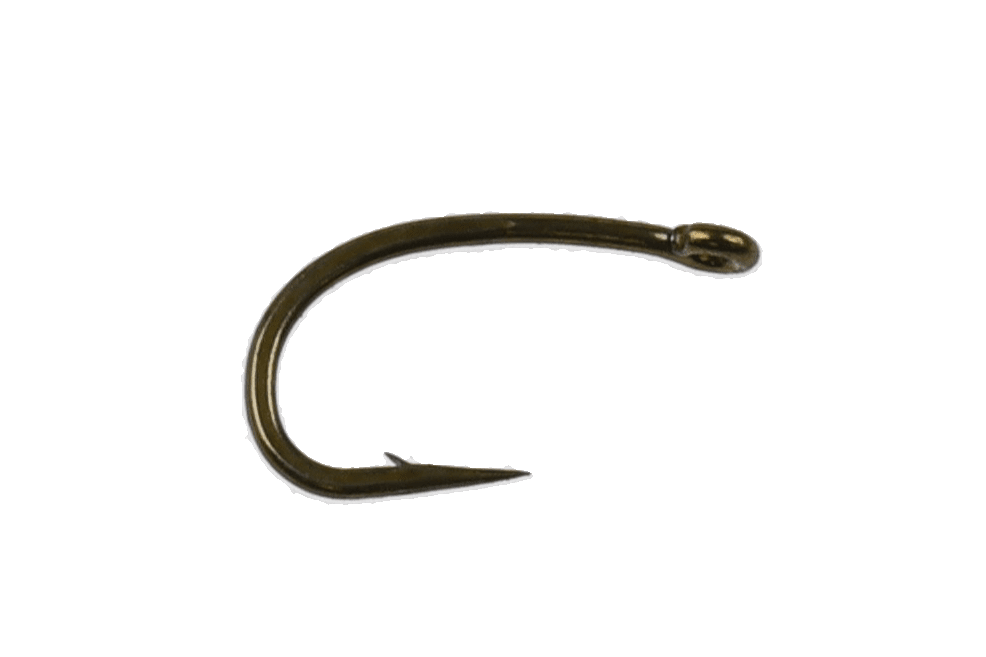
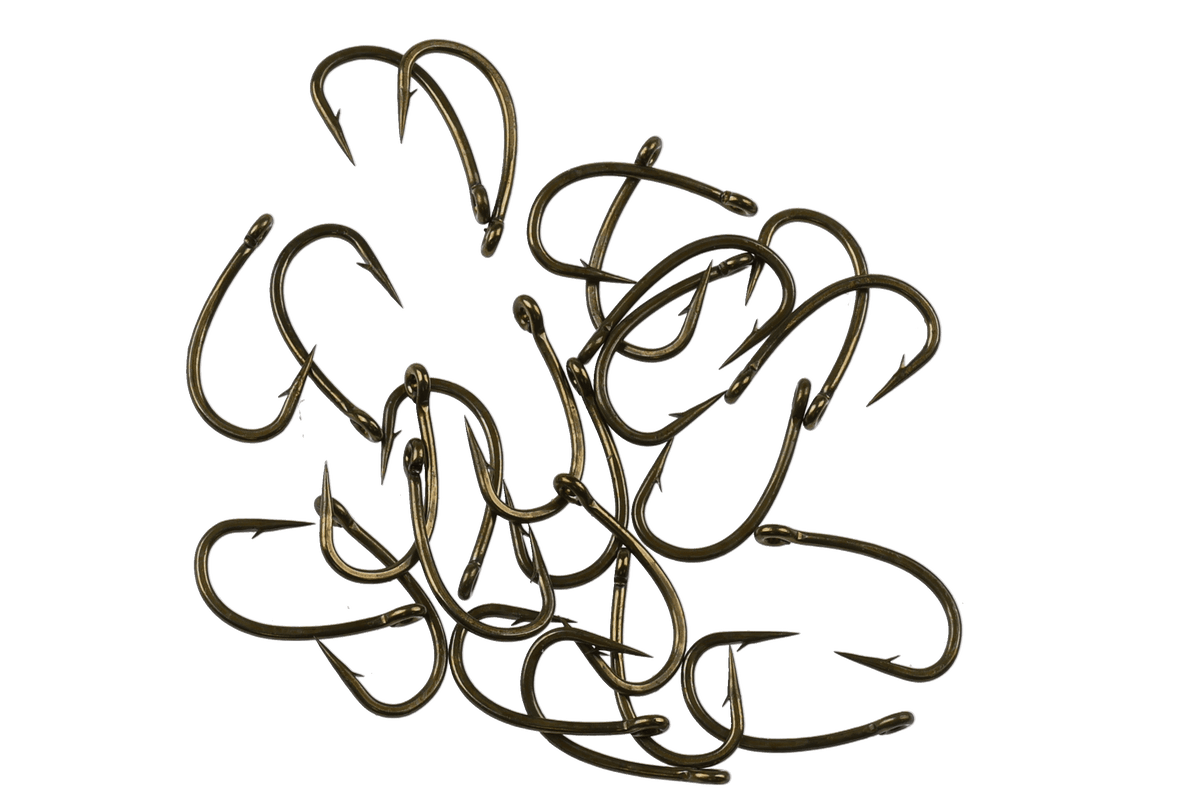
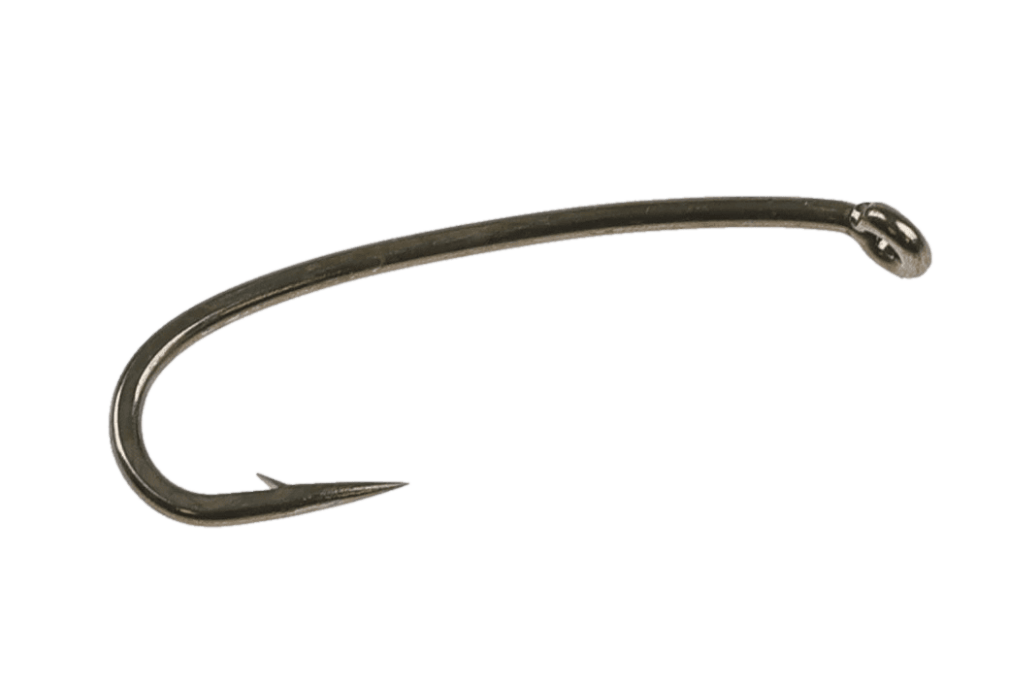
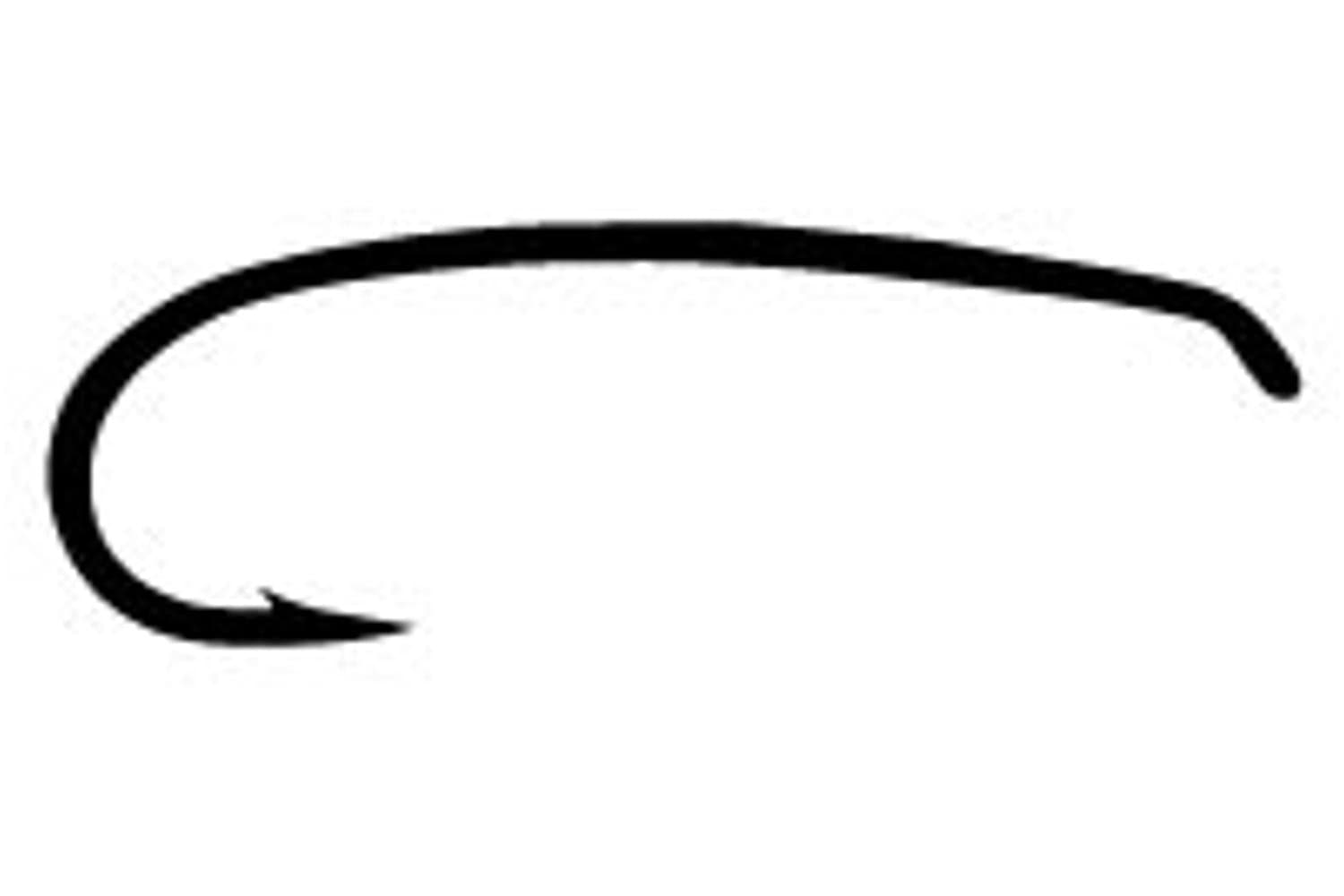
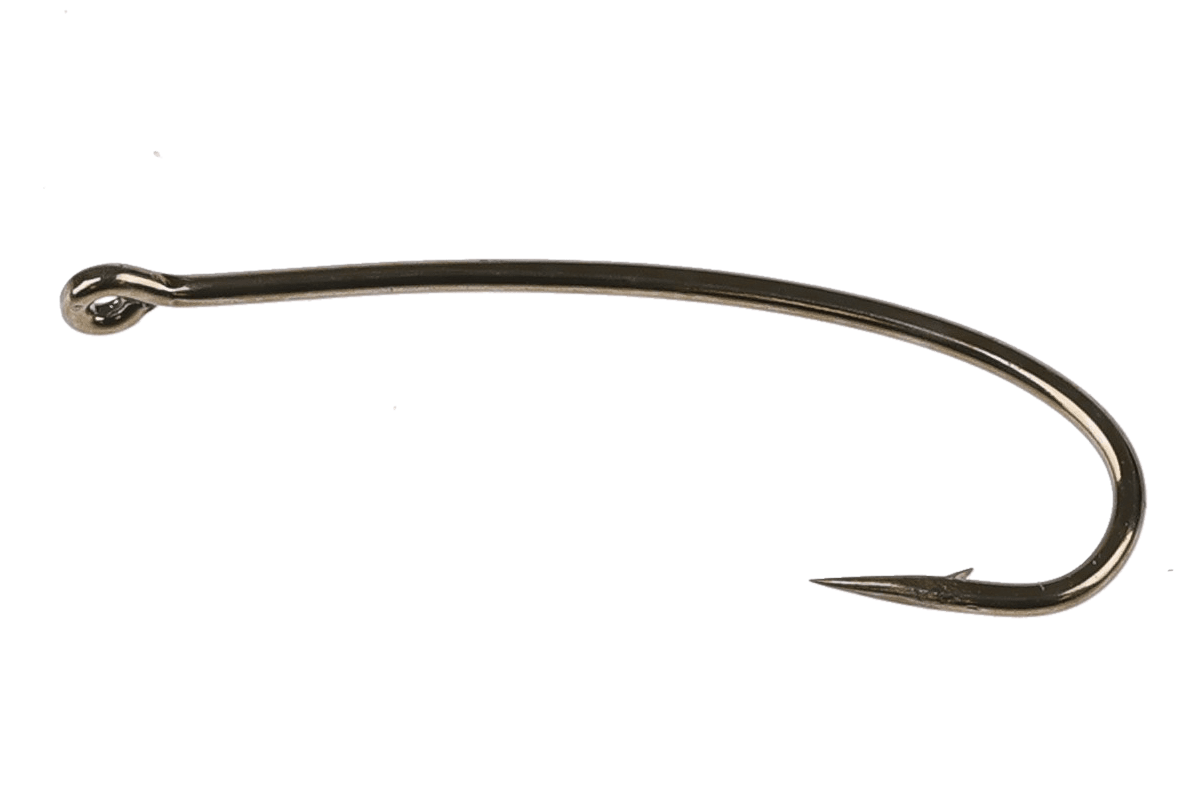
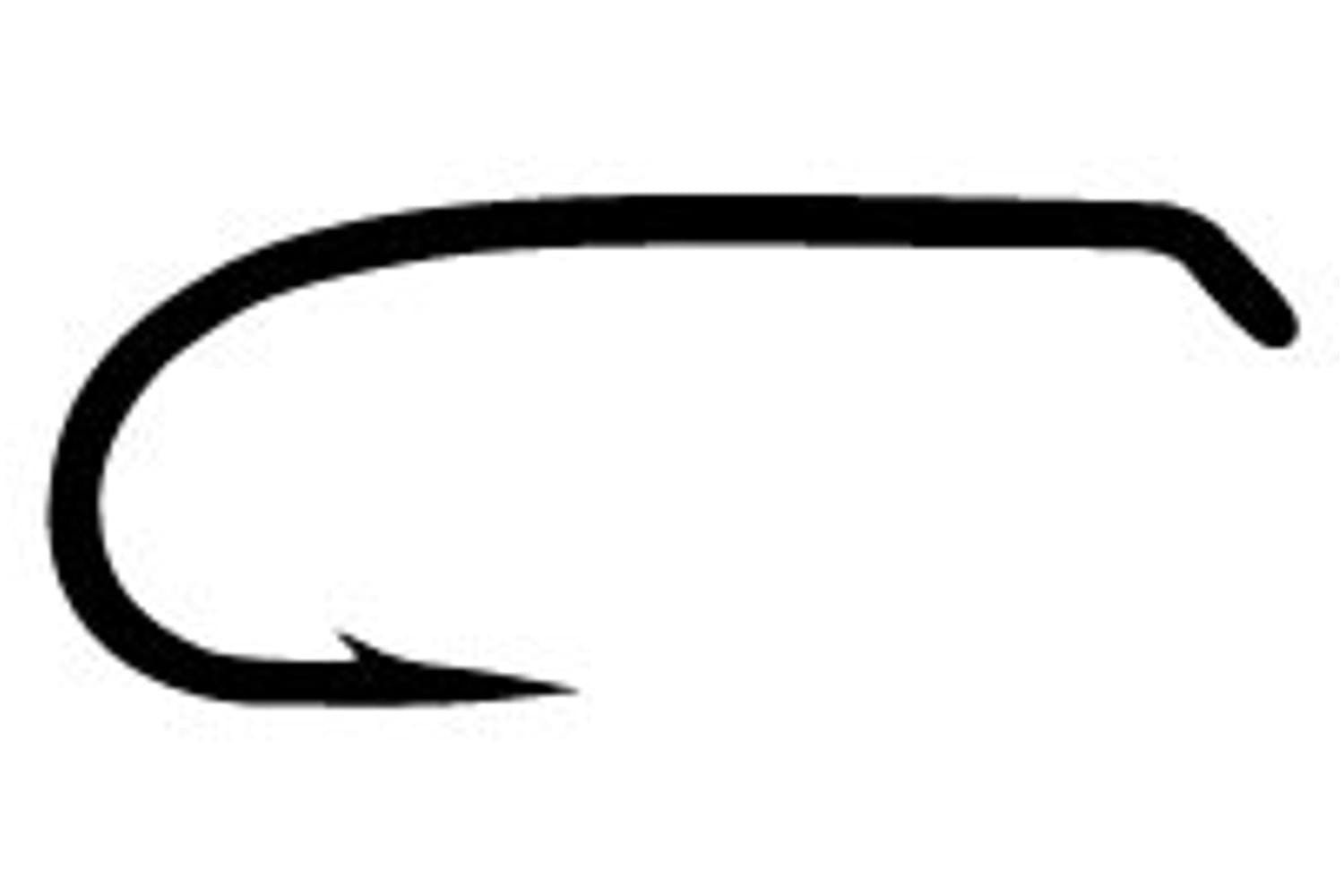
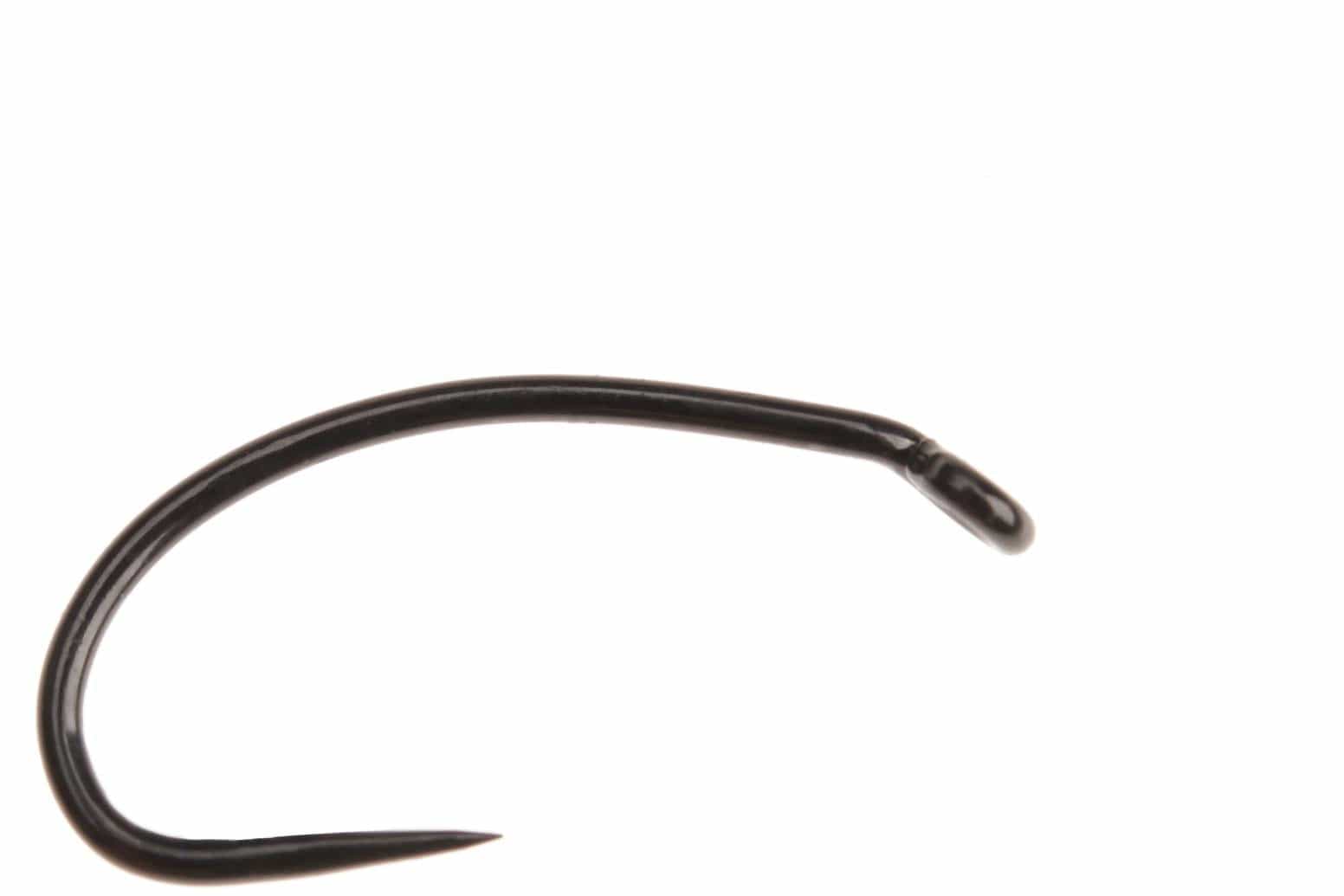
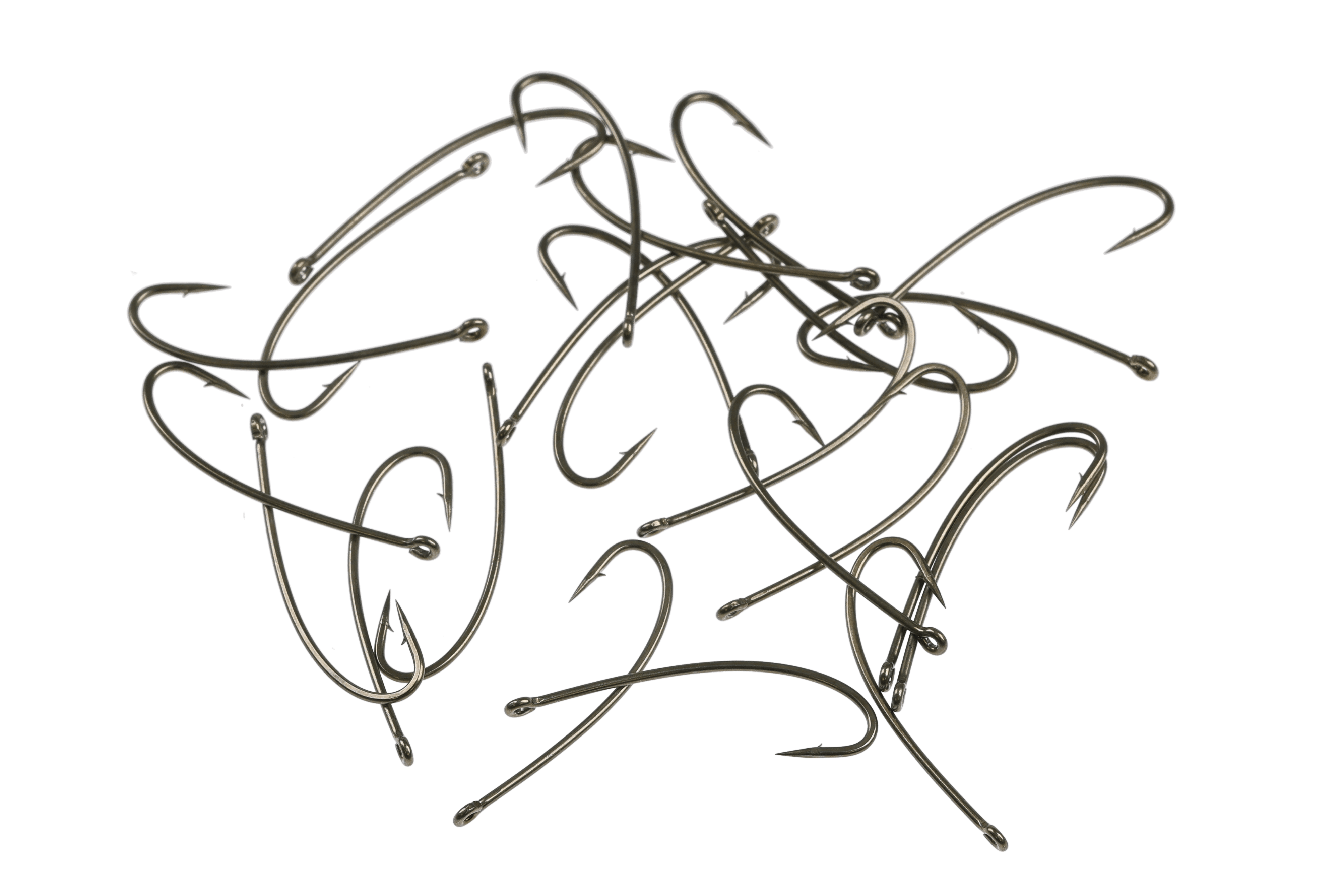
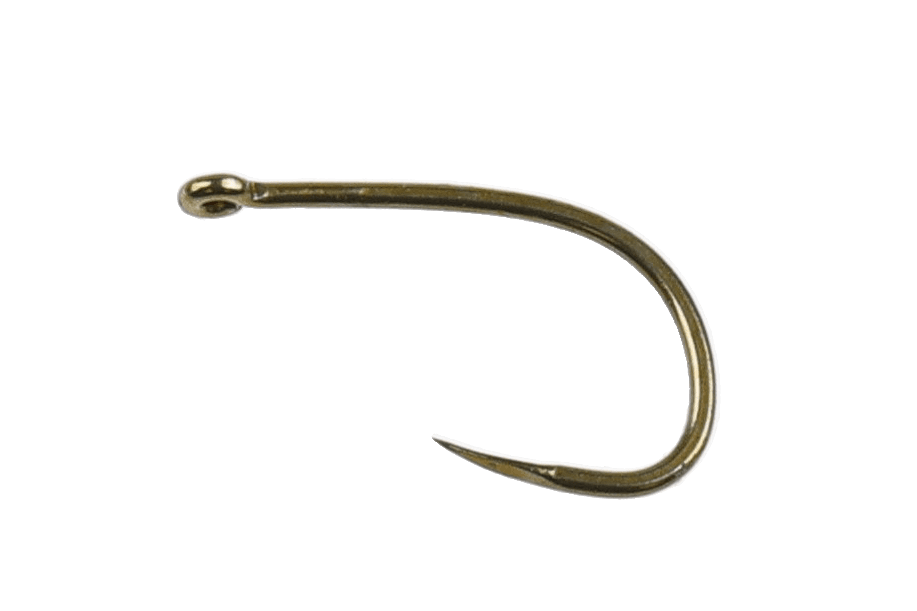
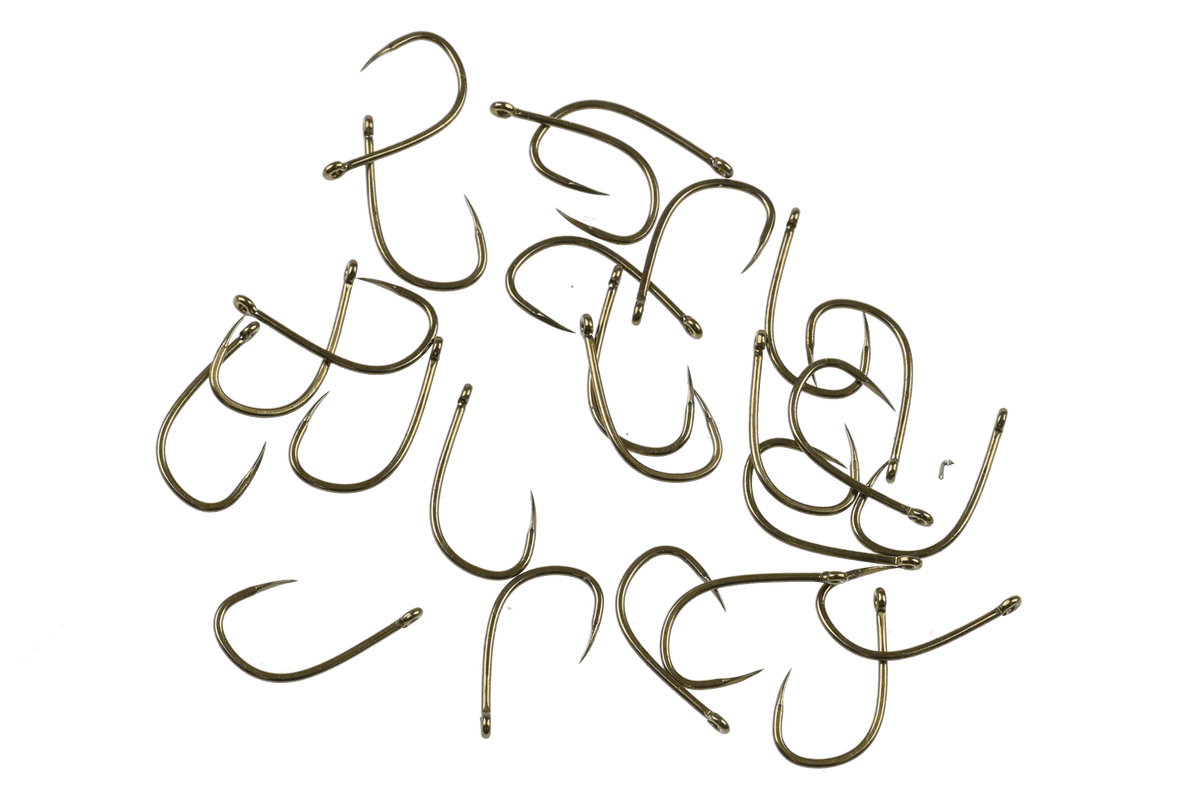
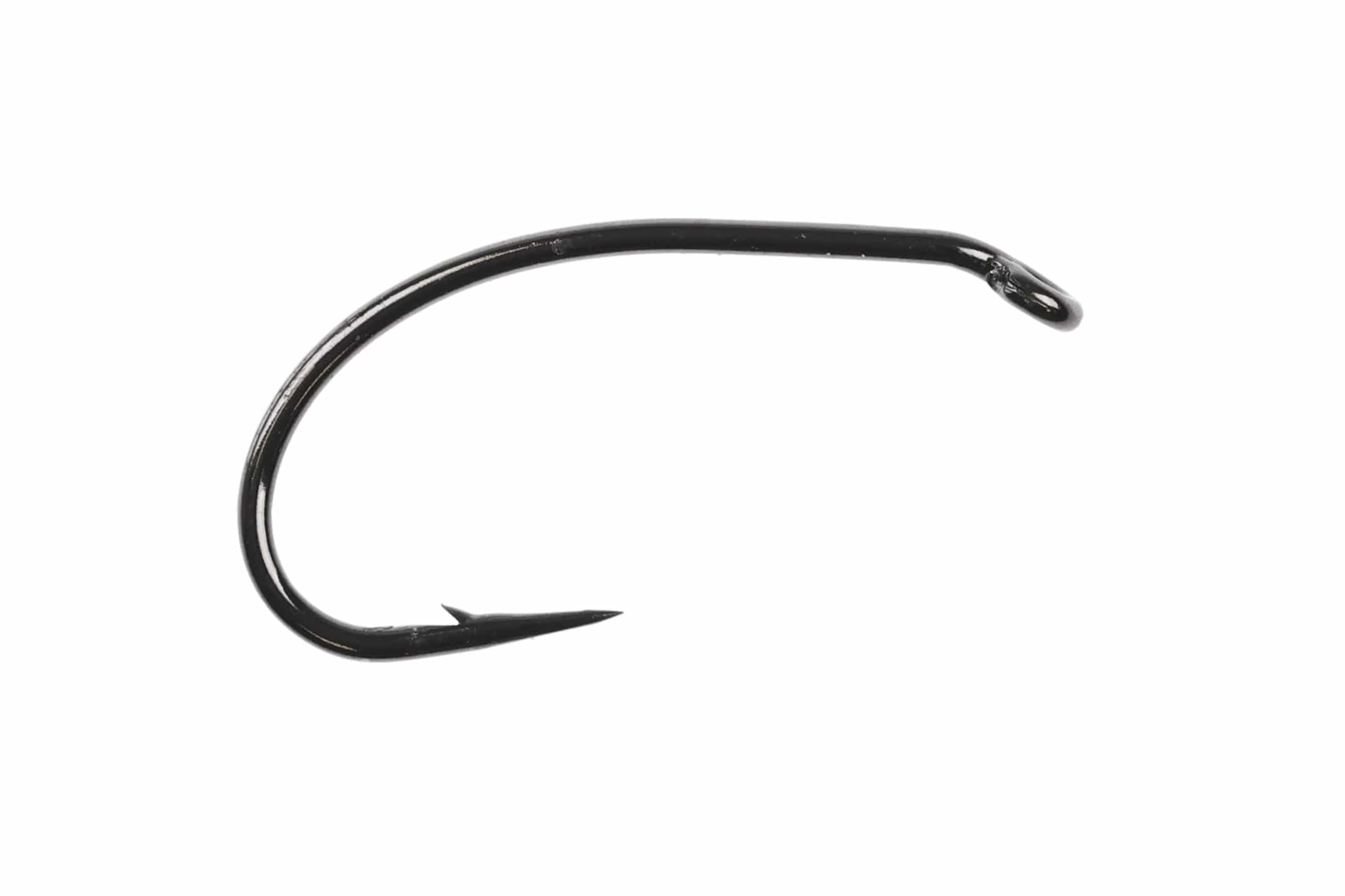
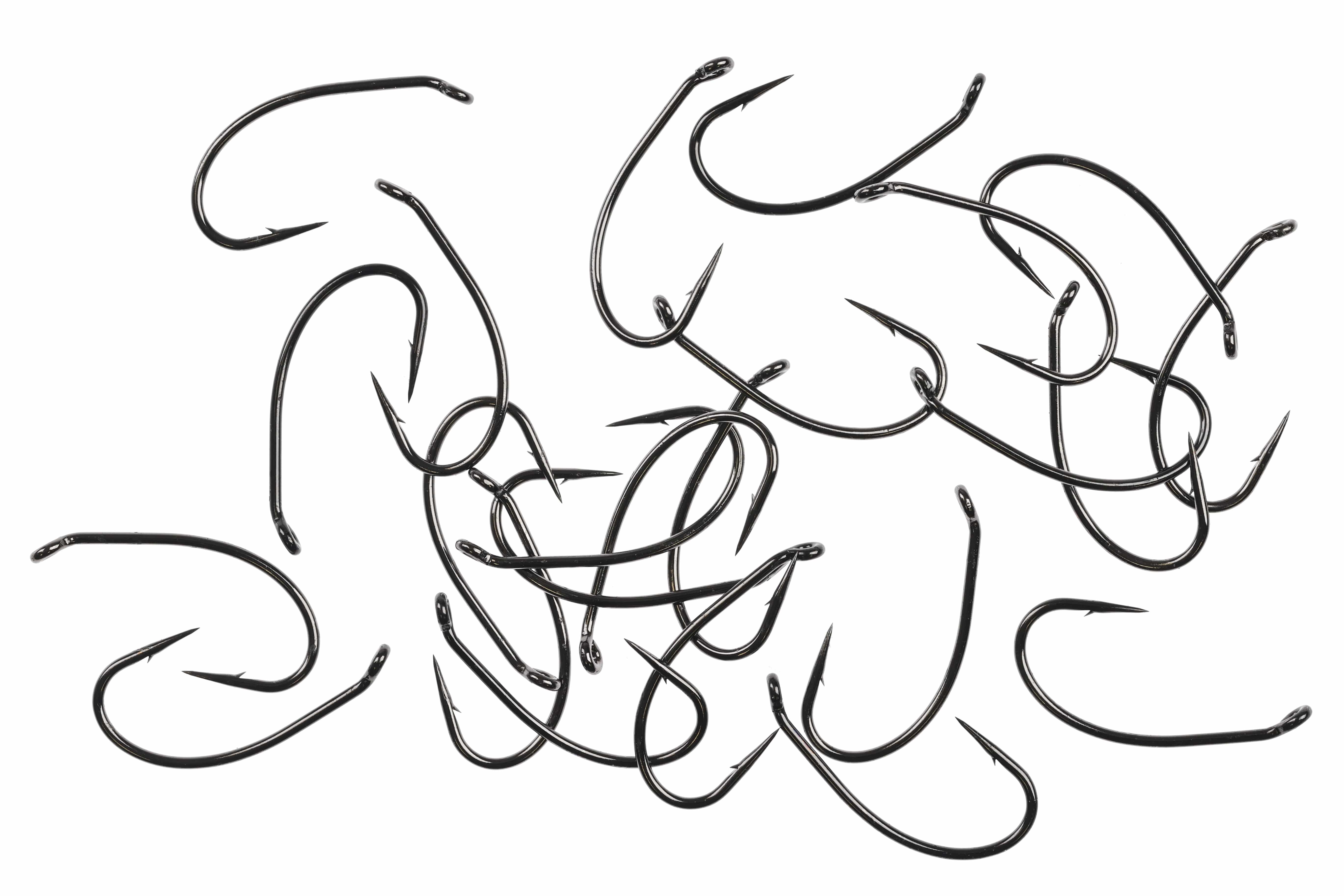
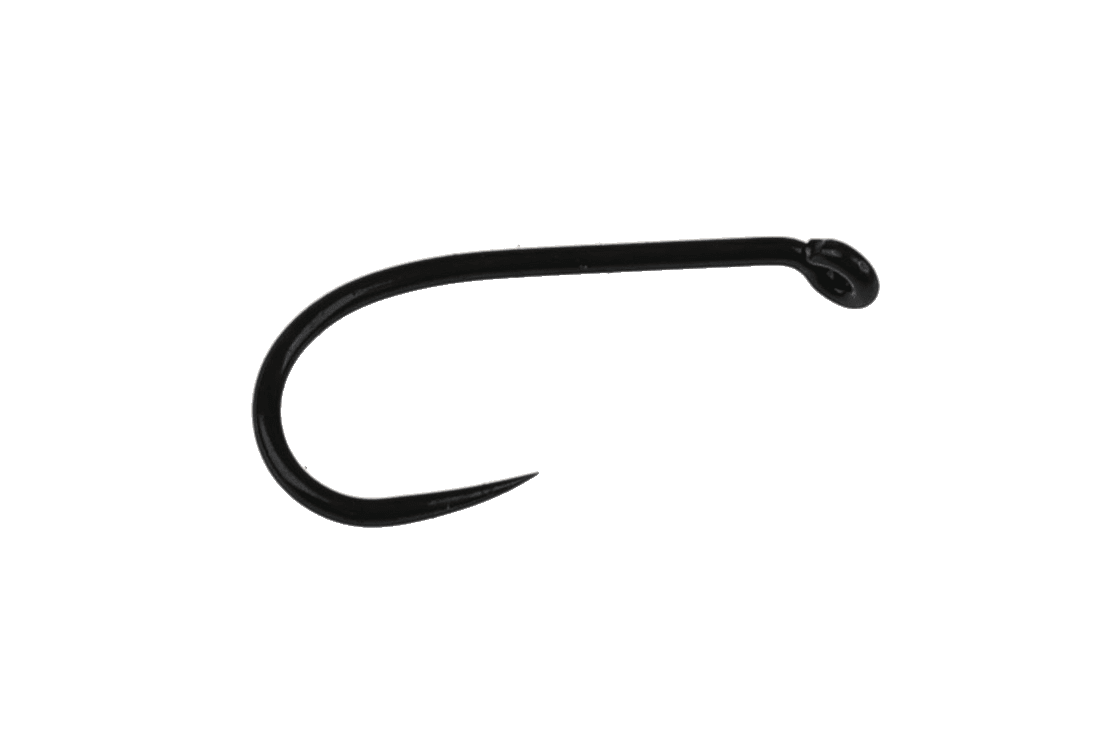
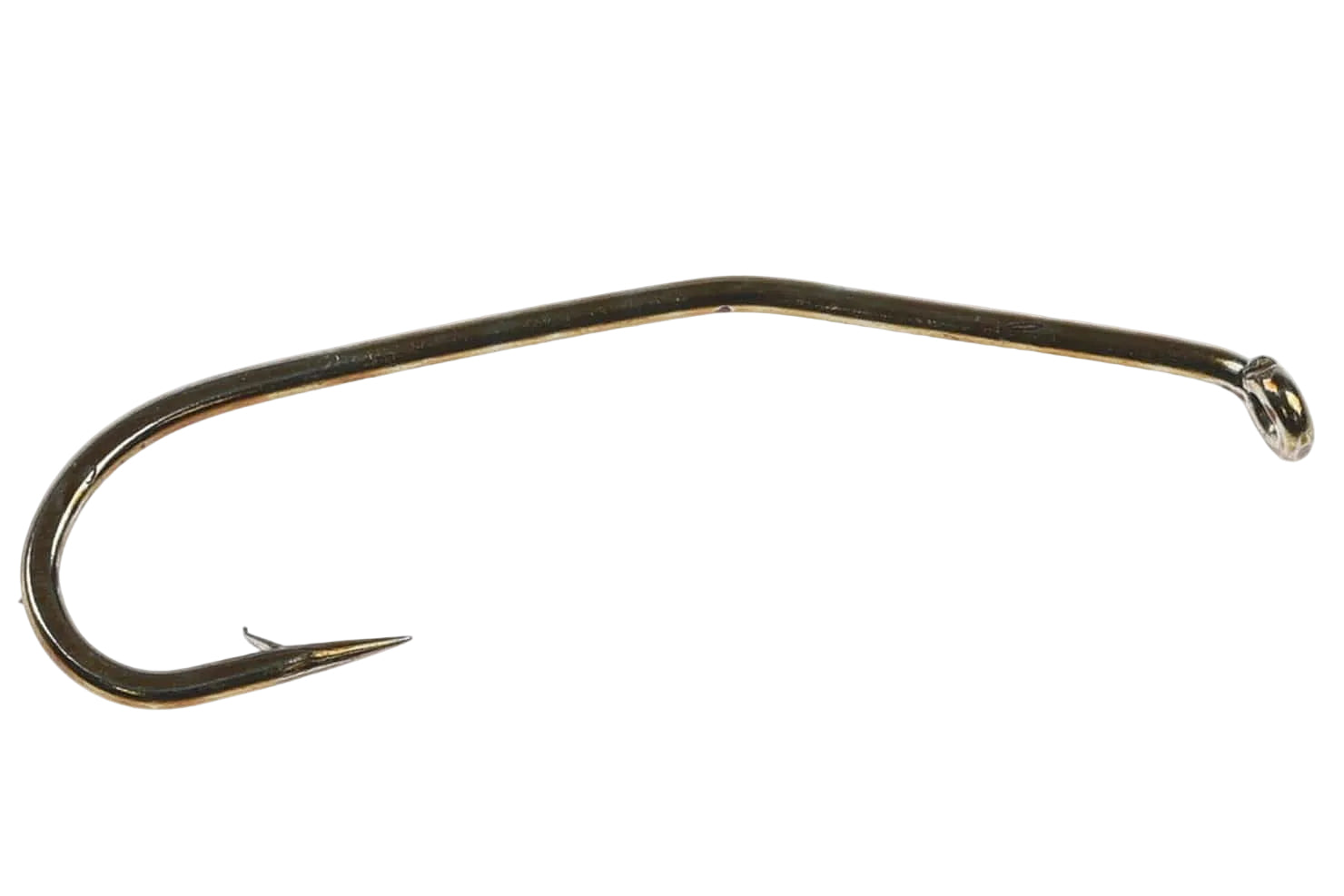
Best All-Around Nymph Hook: Tiemco TMC 2488 Nymph Fly Hooks - The short, curved shank and straight eye mimic the natural curve of a real nymph, making this the hook most tiers reach for on everyday mayfly and caddis imitations.
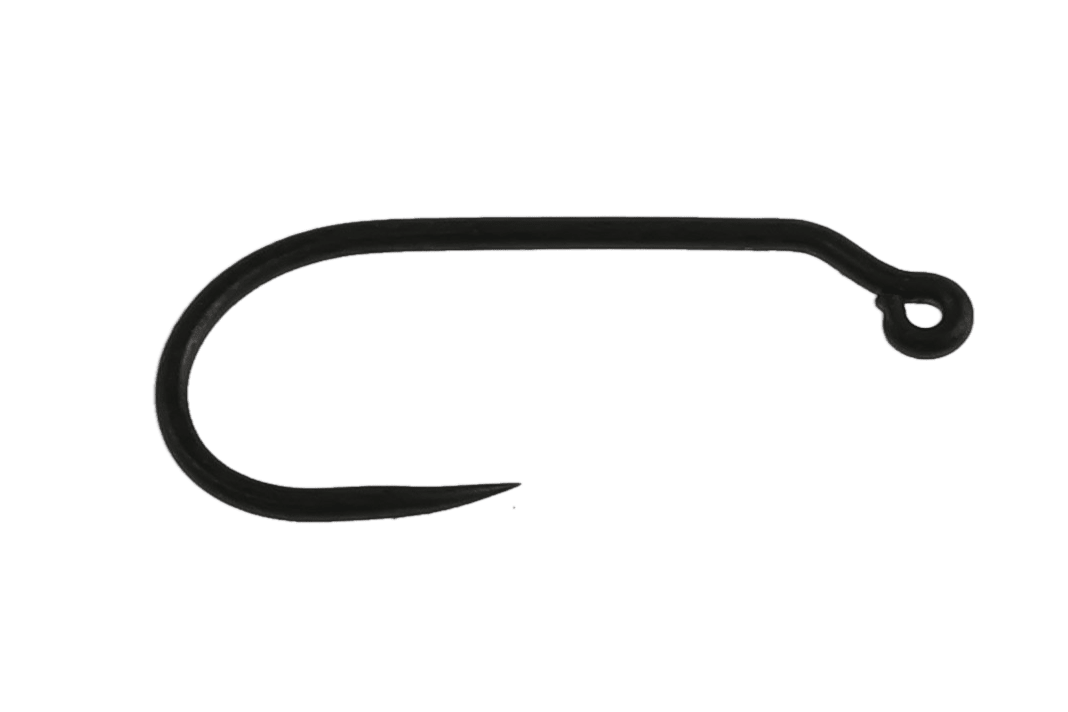
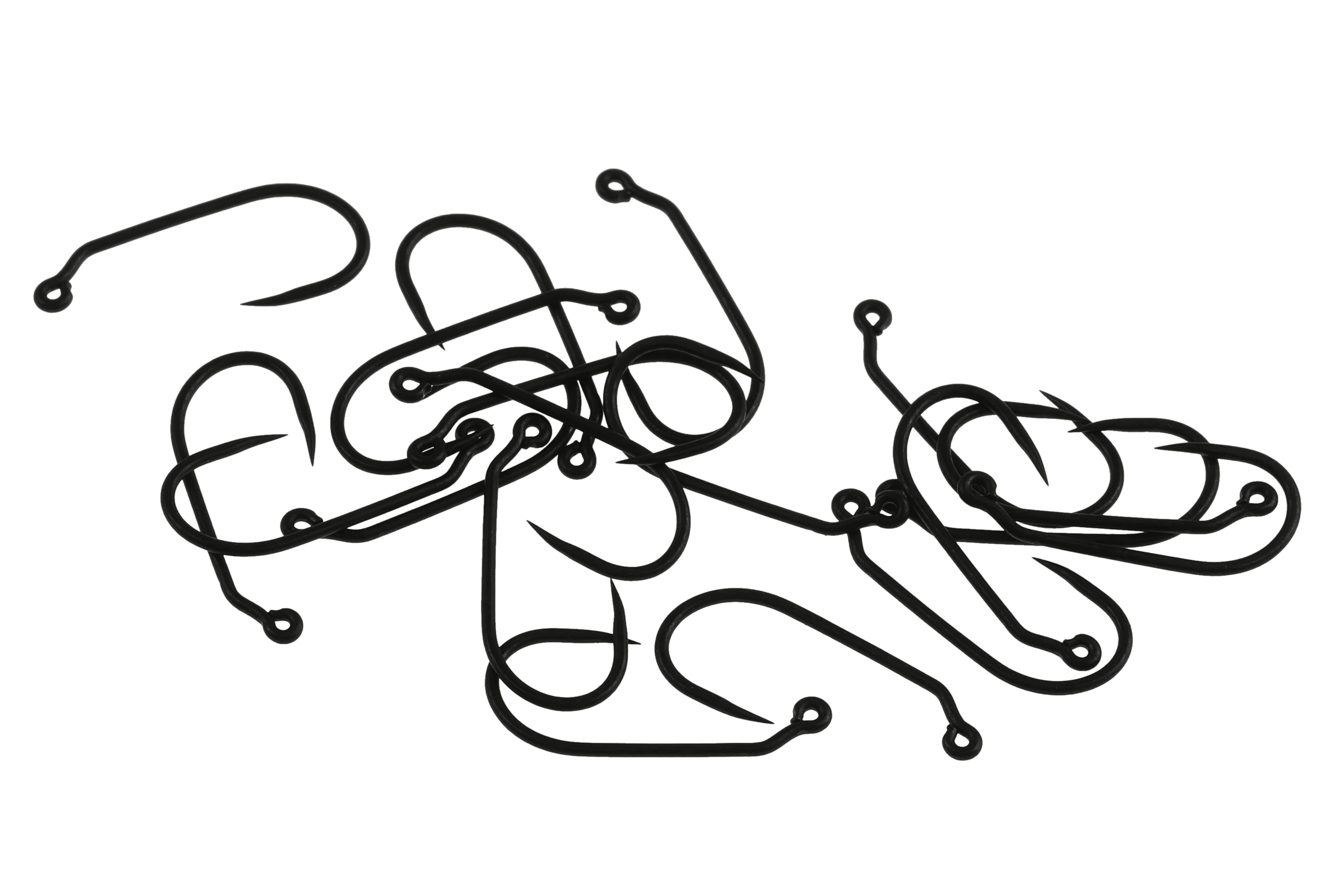
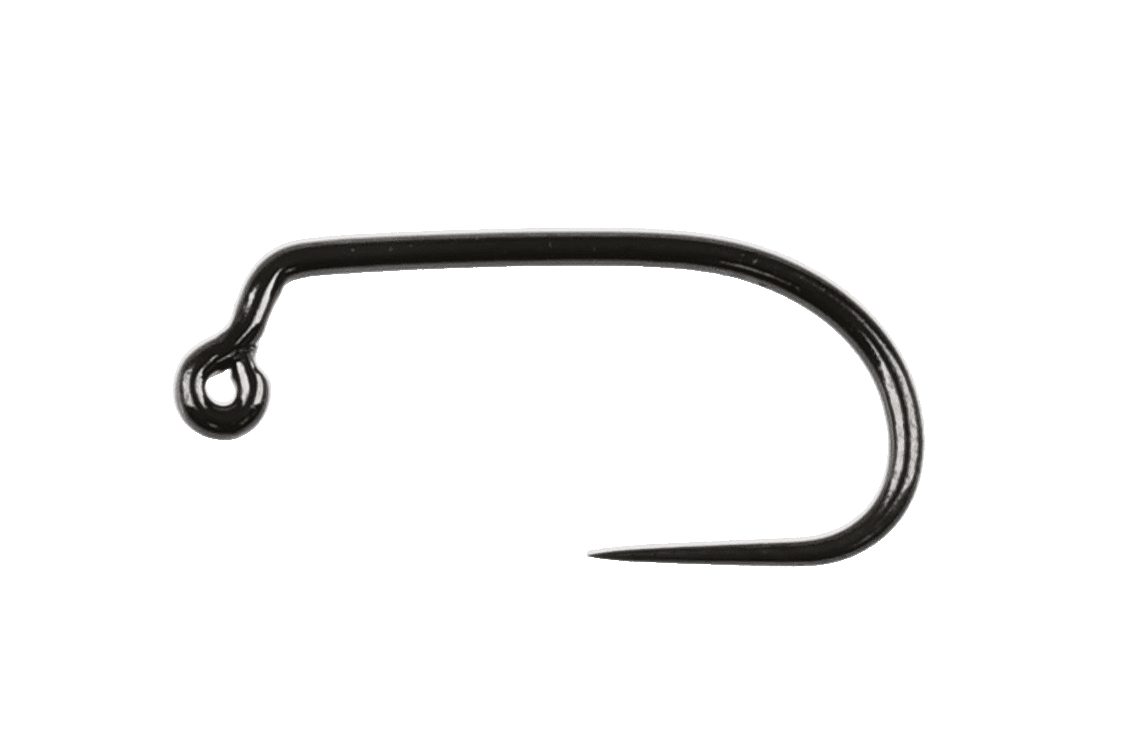
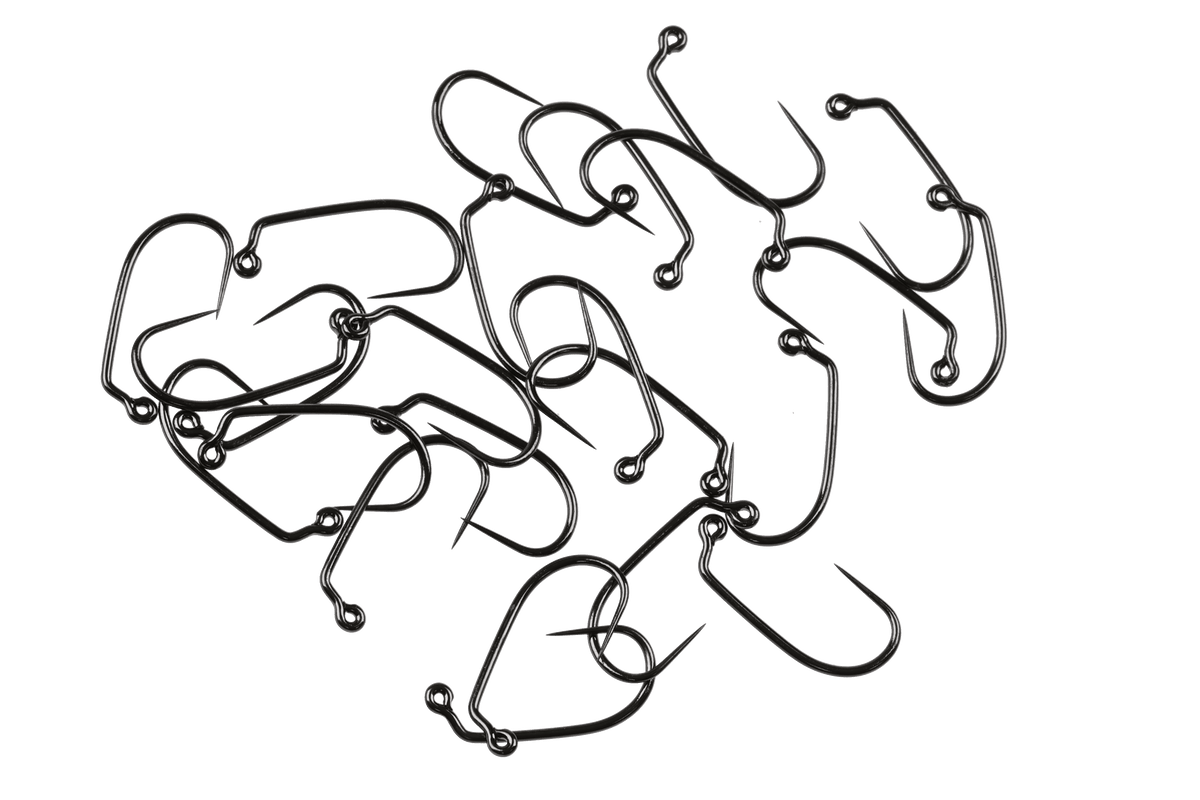
Best for Euro Nymphing: Gamakatsu J20B Barbless Jig Nymph Hooks - The 60-degree jig bend rides the fly hook-point-up so it slides through rocks instead of snagging, and the barbless point meets tight-line nymphing regulations.
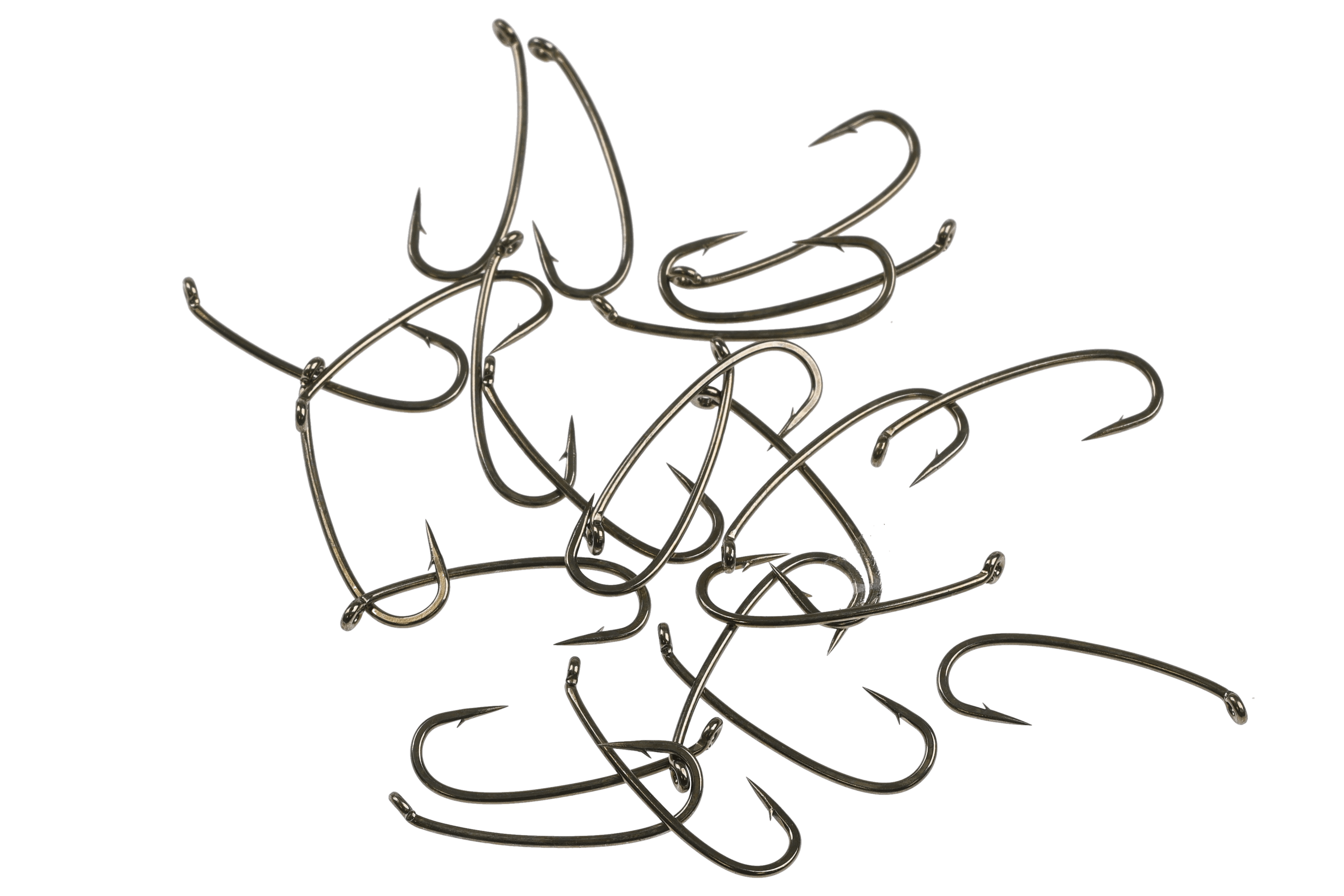
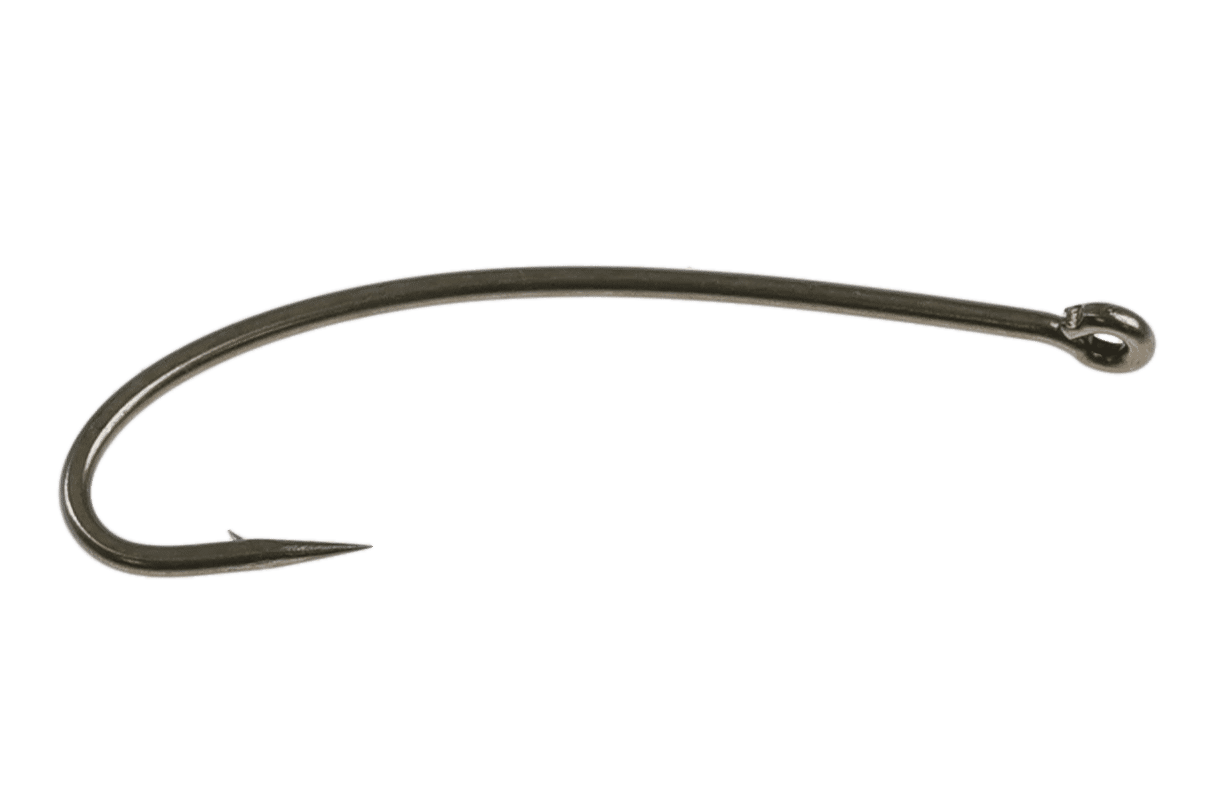
Best Heavy-Wire Hook for Deep Water: Daiichi 1760 2X-Heavy Curved Nymph Hooks - The 2X-heavy wire sinks fast on its own, which matters when getting a nymph down to steelhead or salmon holding in a deep run without piling on split shot.
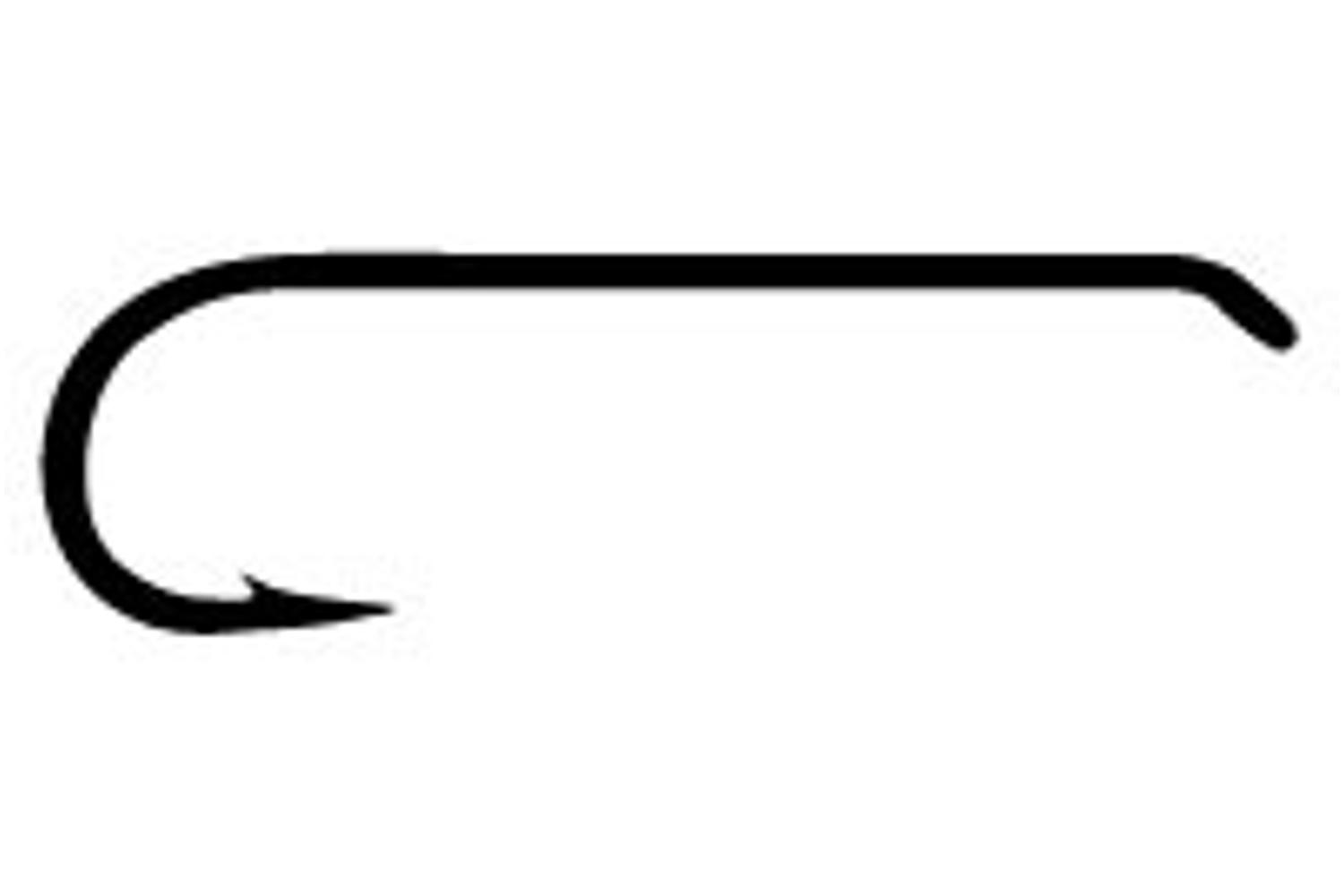
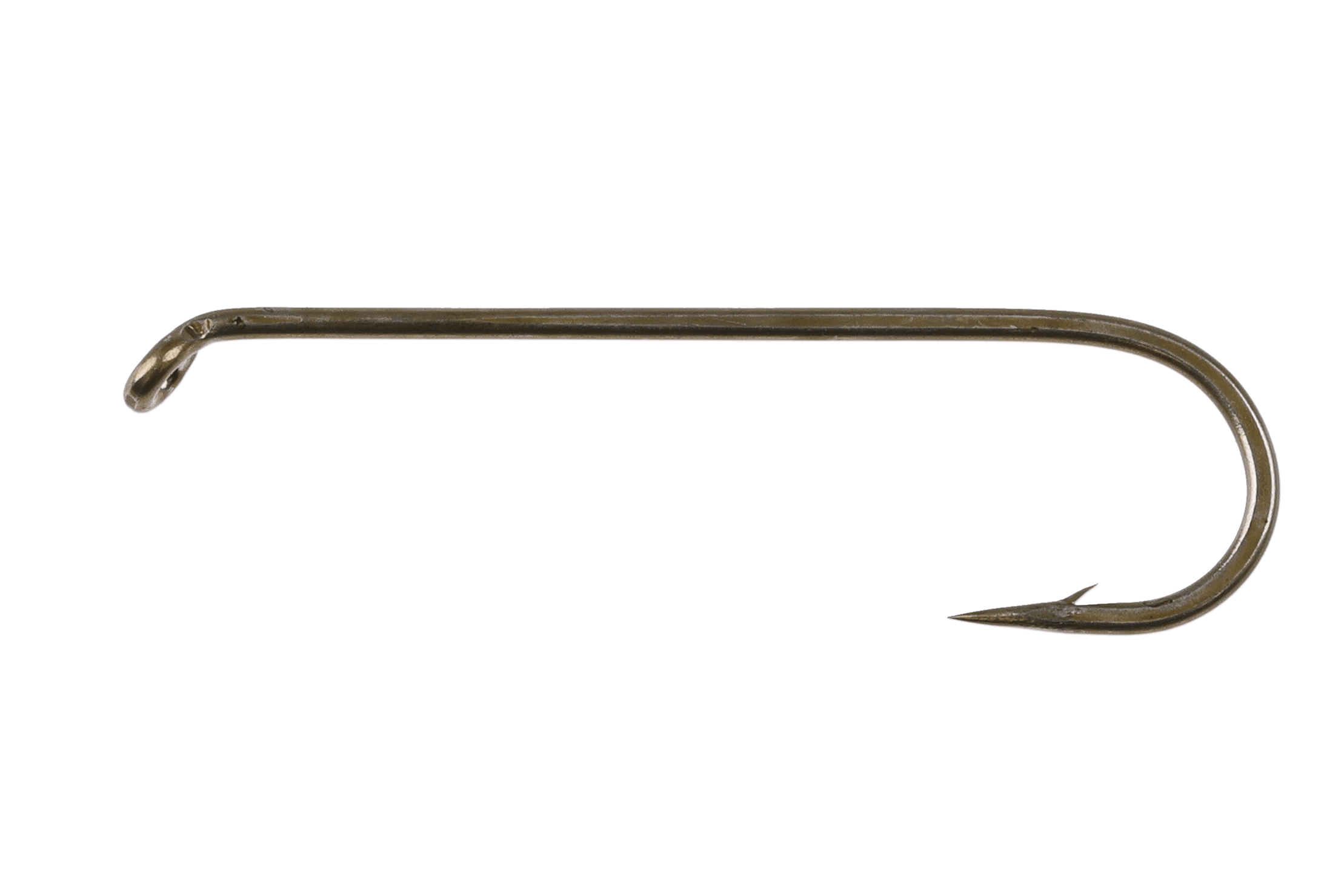
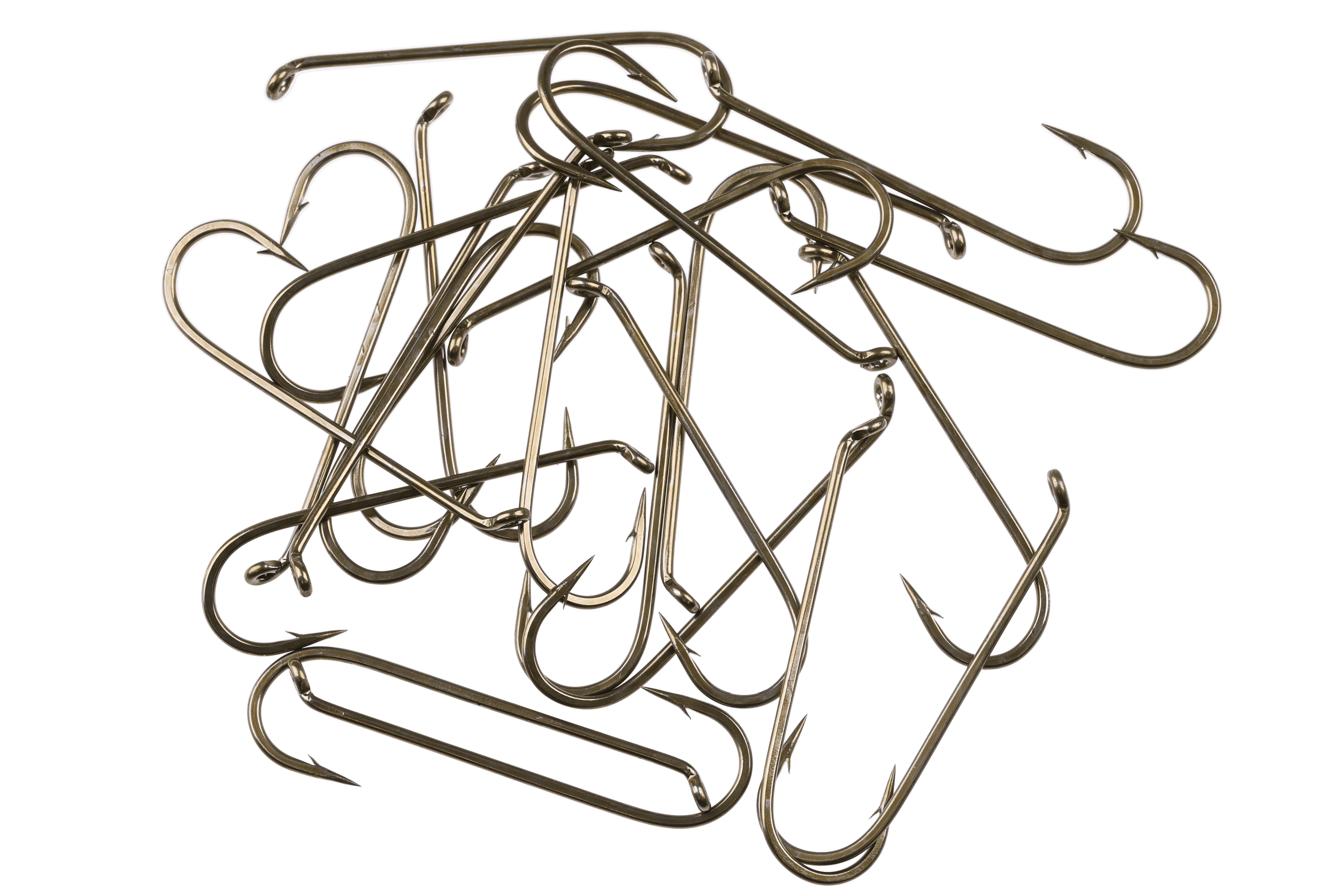
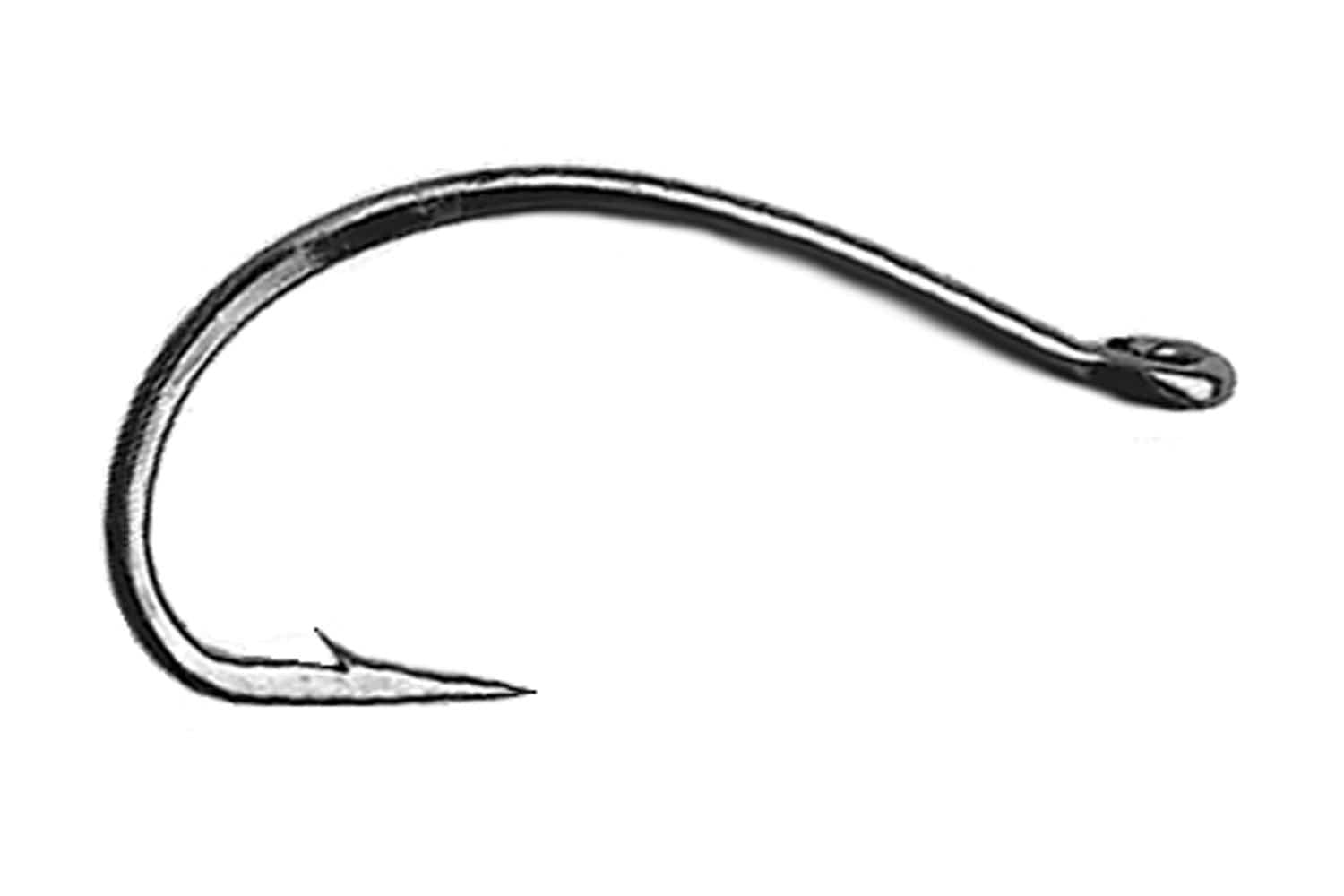
Best for Stonefly Nymphs & Long-Bodied Patterns: Daiichi 1720 3X-Long Nymph Hooks - The extended shank gives room to build a segmented stonefly body or a jig-style Wooly Bugger without the pattern looking stubby.
Best Dual-Purpose Nymph & Streamer Hook: Tiemco TMC 5262 Heavy Nymph & Streamer Hooks - A 2X-long, 2X-heavy hook that handles both bead-head nymphs and small streamers, useful for covering two fly categories with one box.
How to Choose Nymph Hooks
Straight Shank vs. Curved (Jig) Shank
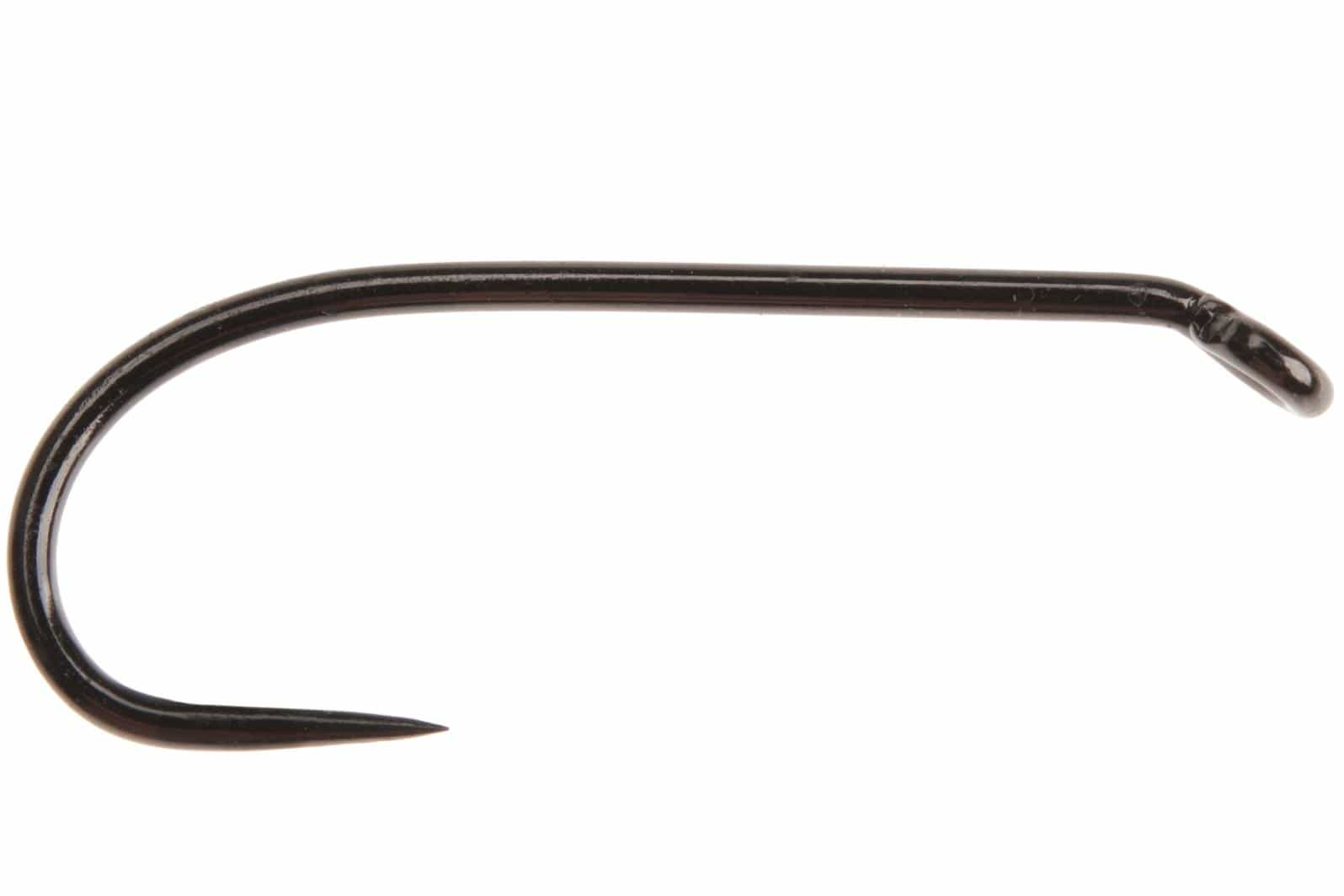
Straight Shank: The traditional nymph hook profile, tied on a dead-drift rig under an indicator or Euro nymphing leader. Works with any standard nymph pattern.
Curved (Jig) Shank: Paired with a slotted tungsten bead, the bend orients the hook point up so the fly rides through rocky bottoms with far fewer snags. The standard for Euro and tight-line nymphing.
Wire Weight
Standard Wire: Fine enough to keep smaller nymph patterns looking natural, best for slower water or when already adding weight with a bead or split shot.
2X-Heavy Wire: Gets the fly down fast in heavy current without extra leader weight, and holds up to harder-fighting fish like steelhead.
Shank Length
Short/Standard Shank: Best for scuds, midges, and small mayfly nymphs where a compact profile matters.
2X to 3X-Long Shank: Needed for stonefly nymphs, larger attractor nymphs, and jig-style streamers that require a longer body.
Sizing & Rigging Tips
Match Hook Gap to Bead Size: A slotted tungsten bead should sit snug against the eye without wobbling; if it slides around, size down the bead or up the wire gauge.
Go Barbless for Euro Nymphing: Many competition formats and tight-line techniques require barbless hooks, and they're easier on fish during quick releases.
Re-Sharpen After Bouncing Bottom: Nymphs spend most of their time ticking along rocks, which dulls points fast. Touch up with a hook file every few fish.
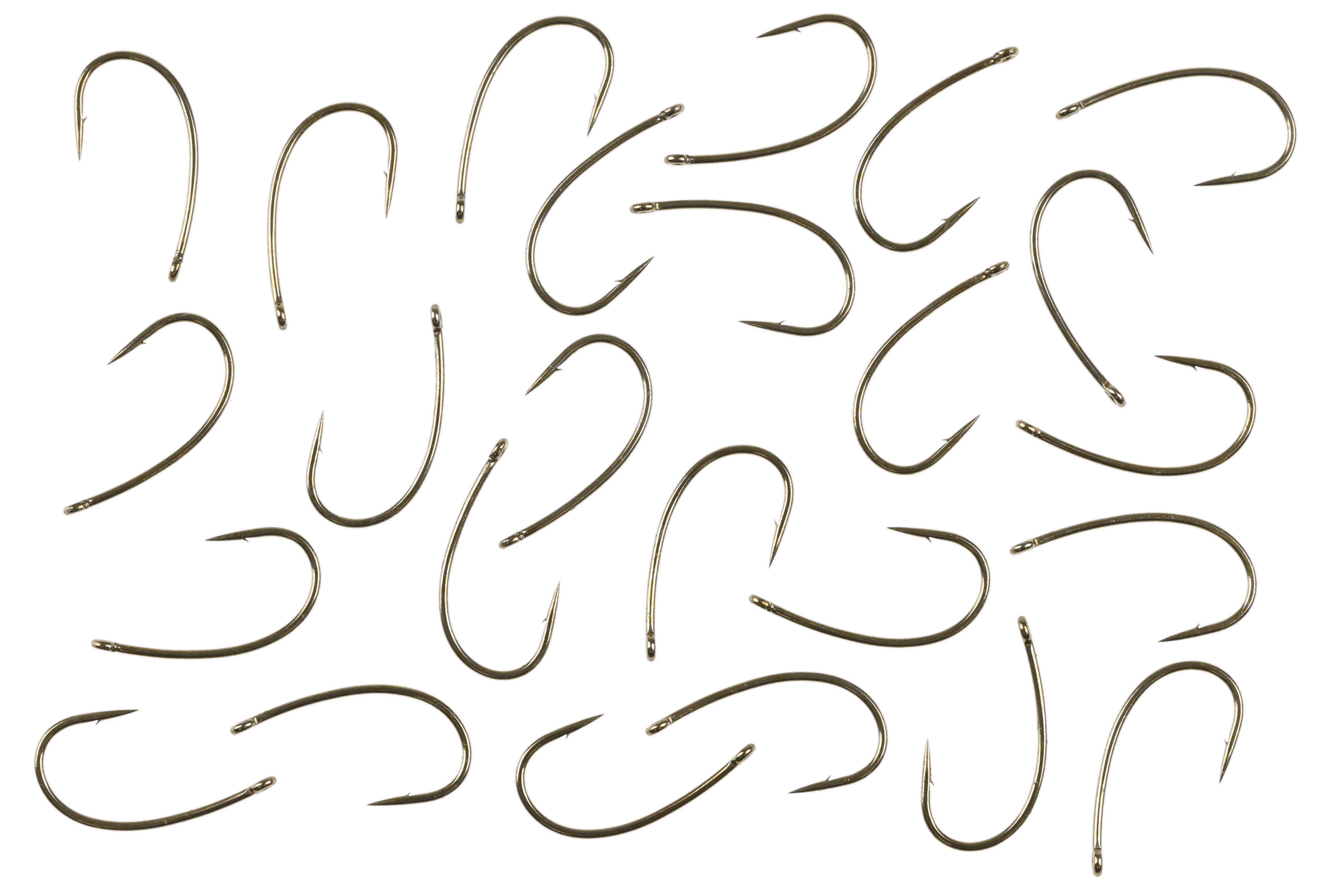
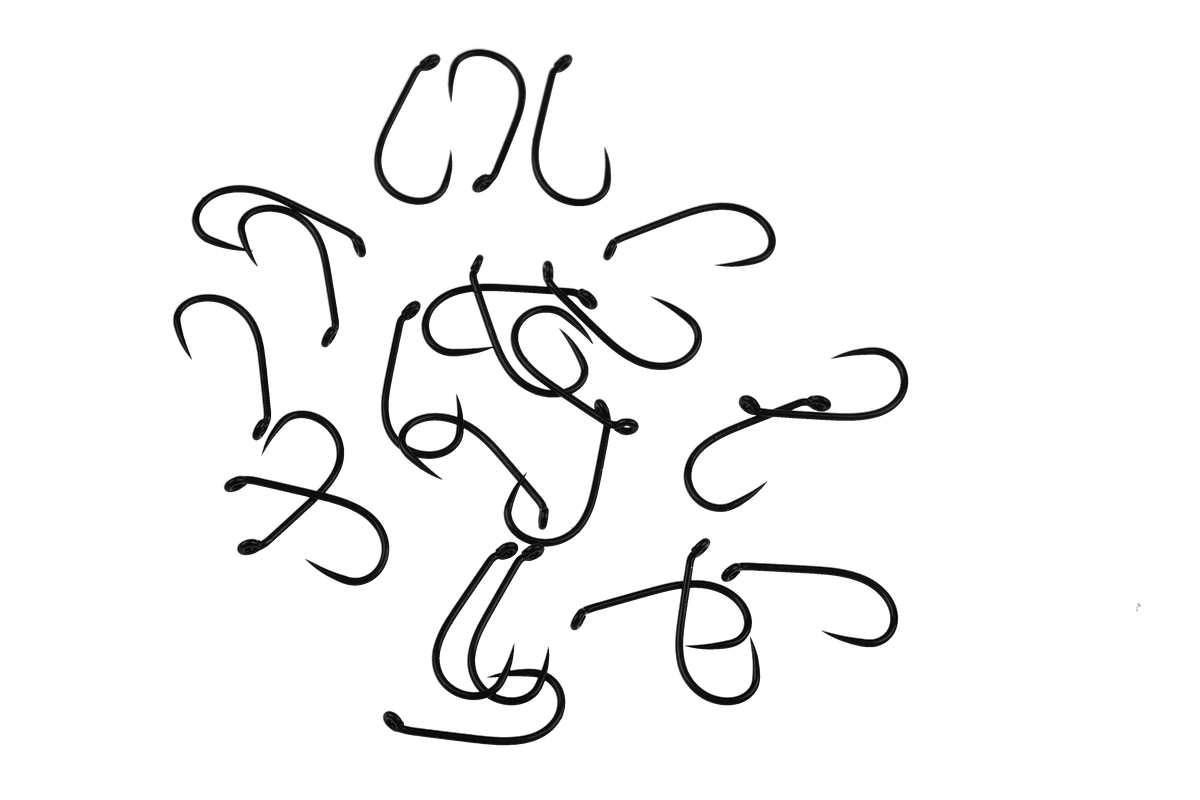
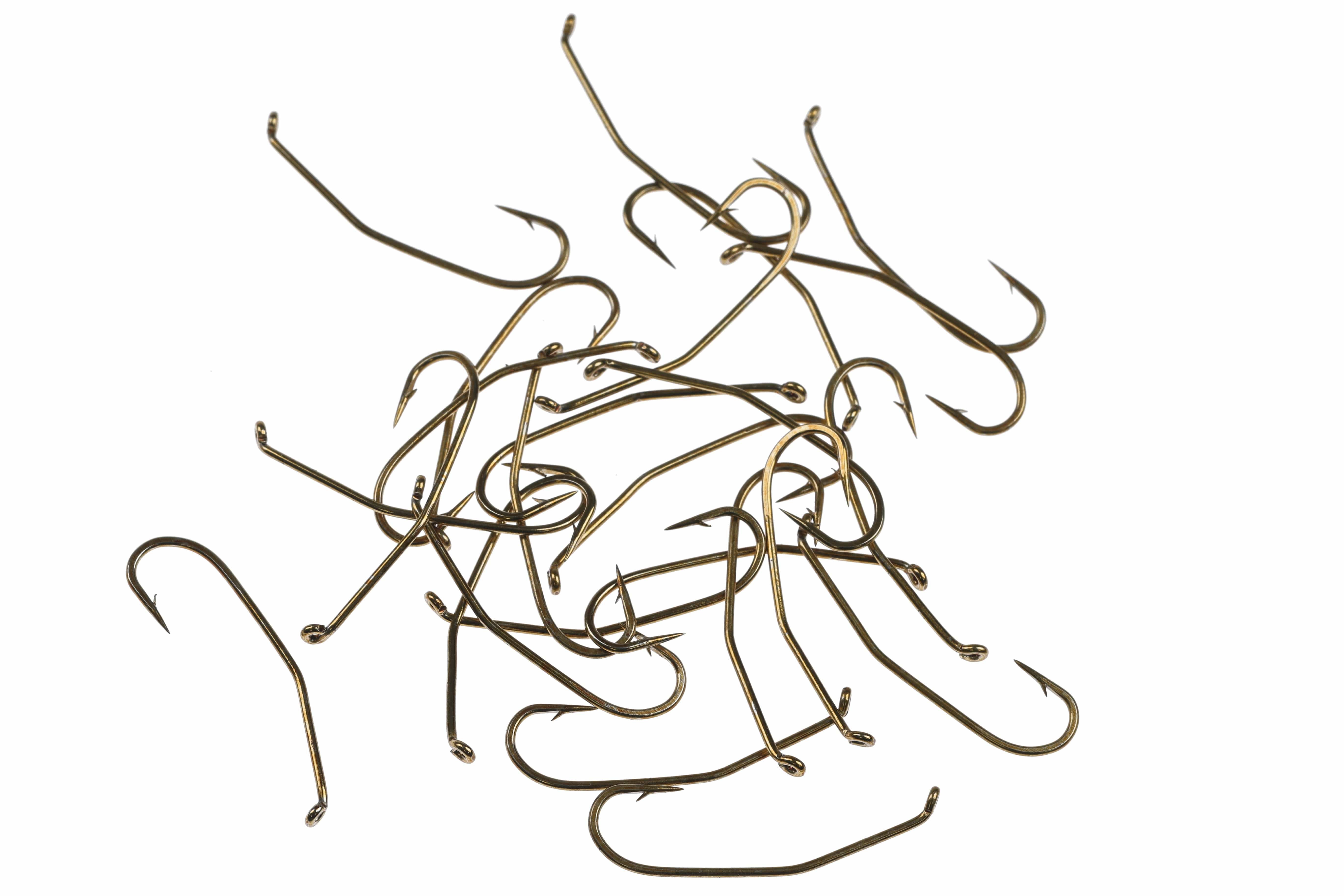
Buy in Bulk: Nymphs are the fly you lose most to bottom snags, so a 25-count box of your go-to hook pays for itself quickly.
Complete Your Setup
Related Gear
Euro Nymphing Jig Flies - Ready-tied jig nymphs to compare patterns before you build your own.
Fly Tying Beads, Cones & Eyes - Slotted tungsten beads sized to match every hook on this page.
Fly Tying Dubbing - Build natural-looking nymph bodies and thoraxes to match the bugs in your home water.
Nymph Flies - Browse finished nymph patterns for reference or to fill gaps in your box.
Nymph Hooks FAQs
Q: What's the difference between straight-shank and jig nymph hooks?
A: Straight-shank hooks work with traditional dead-drift nymphing under an indicator, while jig hooks pair with a slotted bead and ride point-up, which is the standard setup for Euro and tight-line nymphing since it cuts down on snags.
Q: What size nymph hook works best for small tailwater bugs like midges and baetis?
A: Sizes 18 to 22 on a standard or short-shank hook cover most tailwater midge and small mayfly nymphs. Go with a fine wire in that range so the fly doesn't ride unnaturally heavy in clear water.
Q: Do I need barbless nymph hooks?
A: Check your local regulations first, since many catch-and-release and special-regulation stretches require barbless. Even where it's not required, barbless hooks are faster to remove and easier on fish through a busy day.