




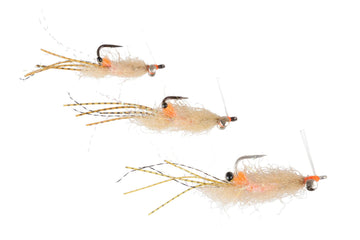
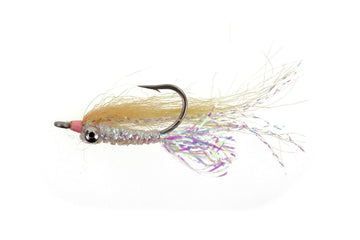
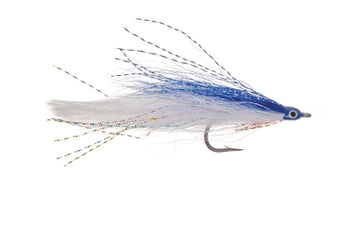

















Crayfish Flies Quick Picks
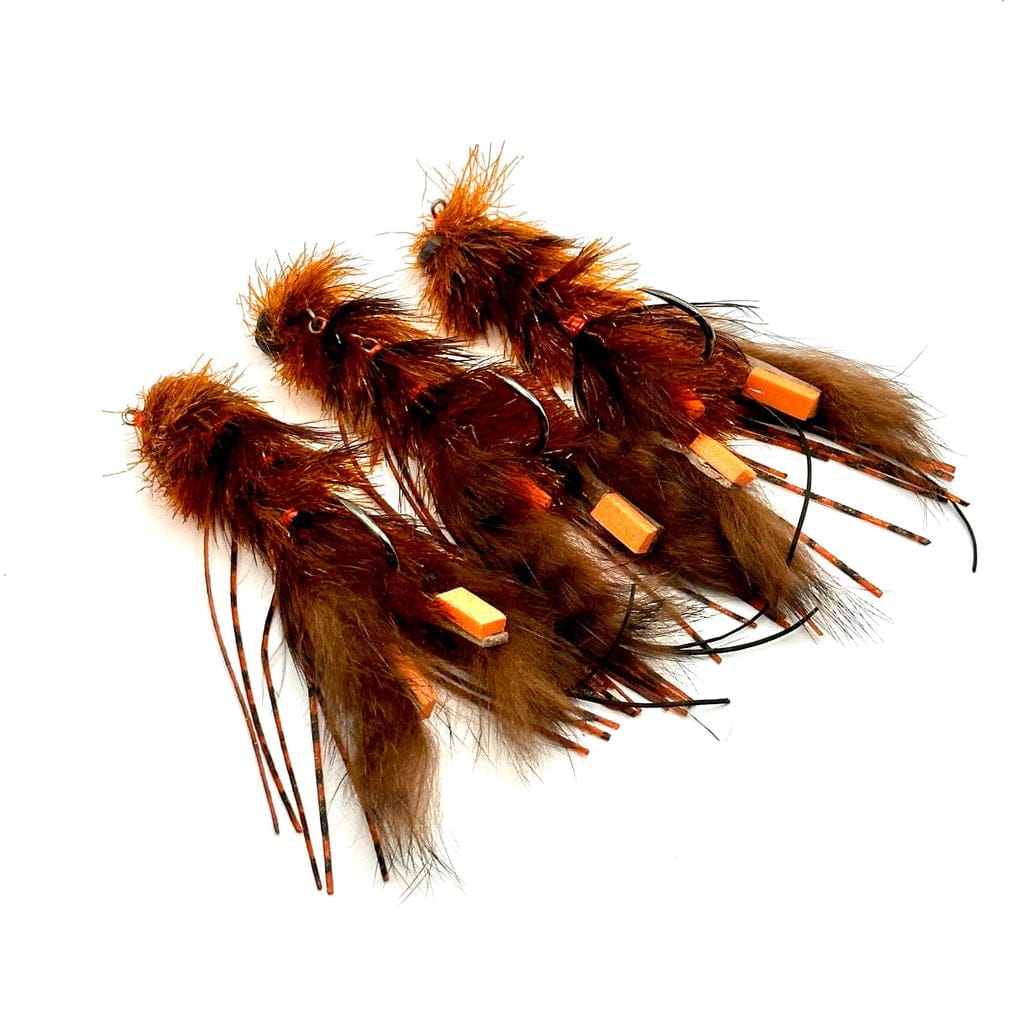
Best Bottom-Bouncing Pattern: Fish-Skull Skull Daddy Crayfish Fly - The weighted Fish-Skull Sculpin Helmet flips this fly hook-point-up, letting you bounce it over rocks and logs without constantly hanging up. Fish it when smallmouth and big trout are holding tight to a rocky riverbed.
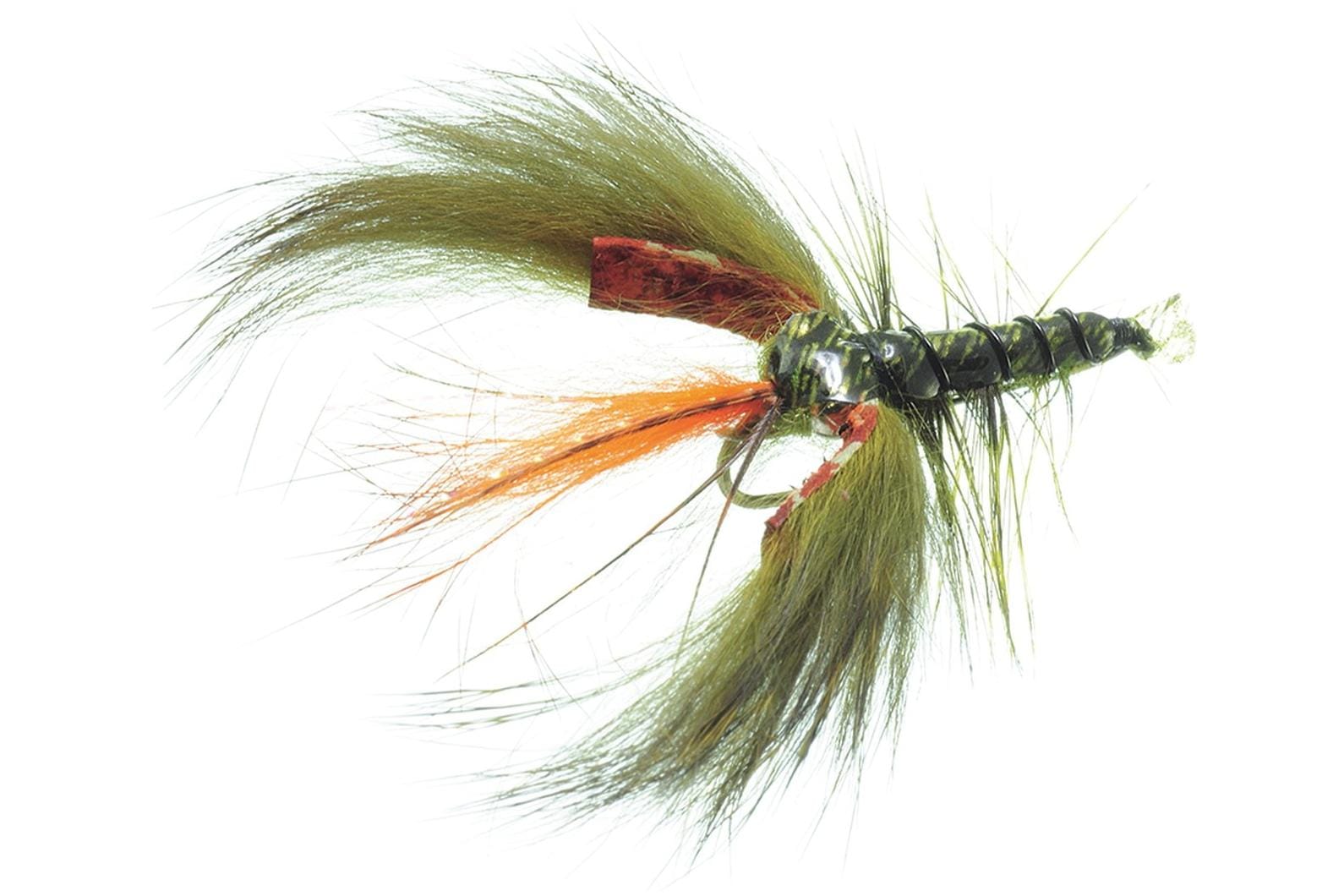
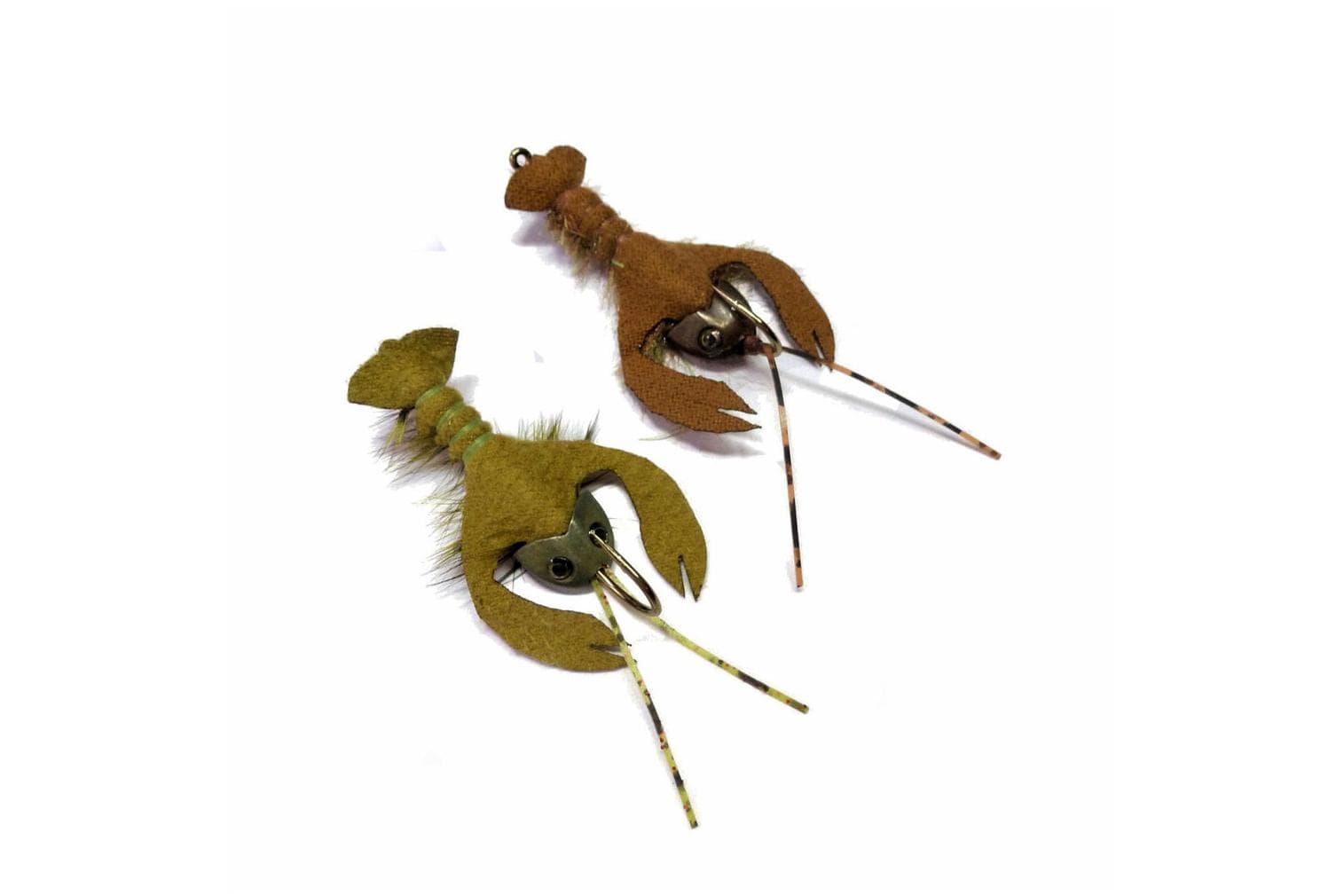
Best Classic Smallmouth Crayfish: Clawdad Fly - A legendary pattern for a reason, the Clawdad gets down fast and stays in the strike zone with a realistic, durable profile. If you fish rocky-bottomed rivers for smallmouth or big trout, this belongs in your box.
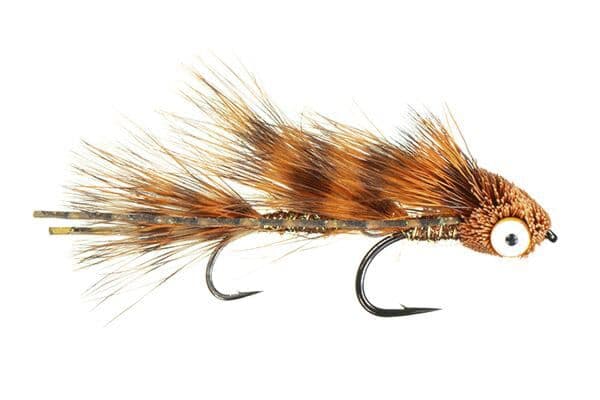
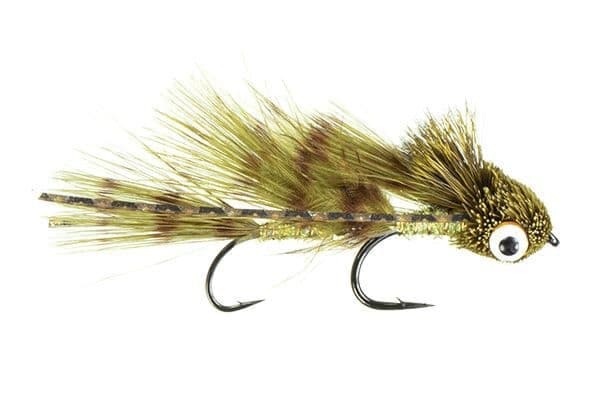
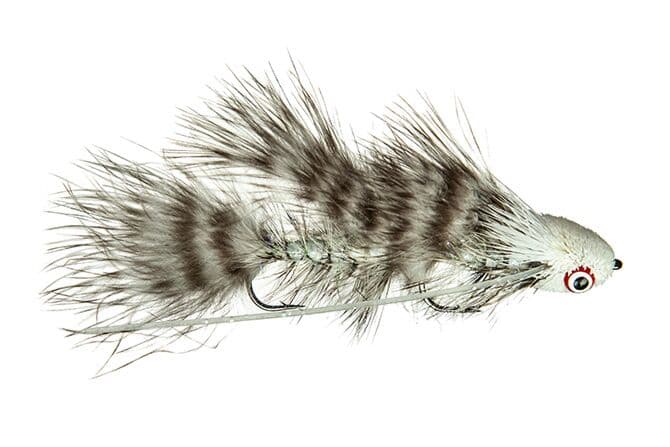
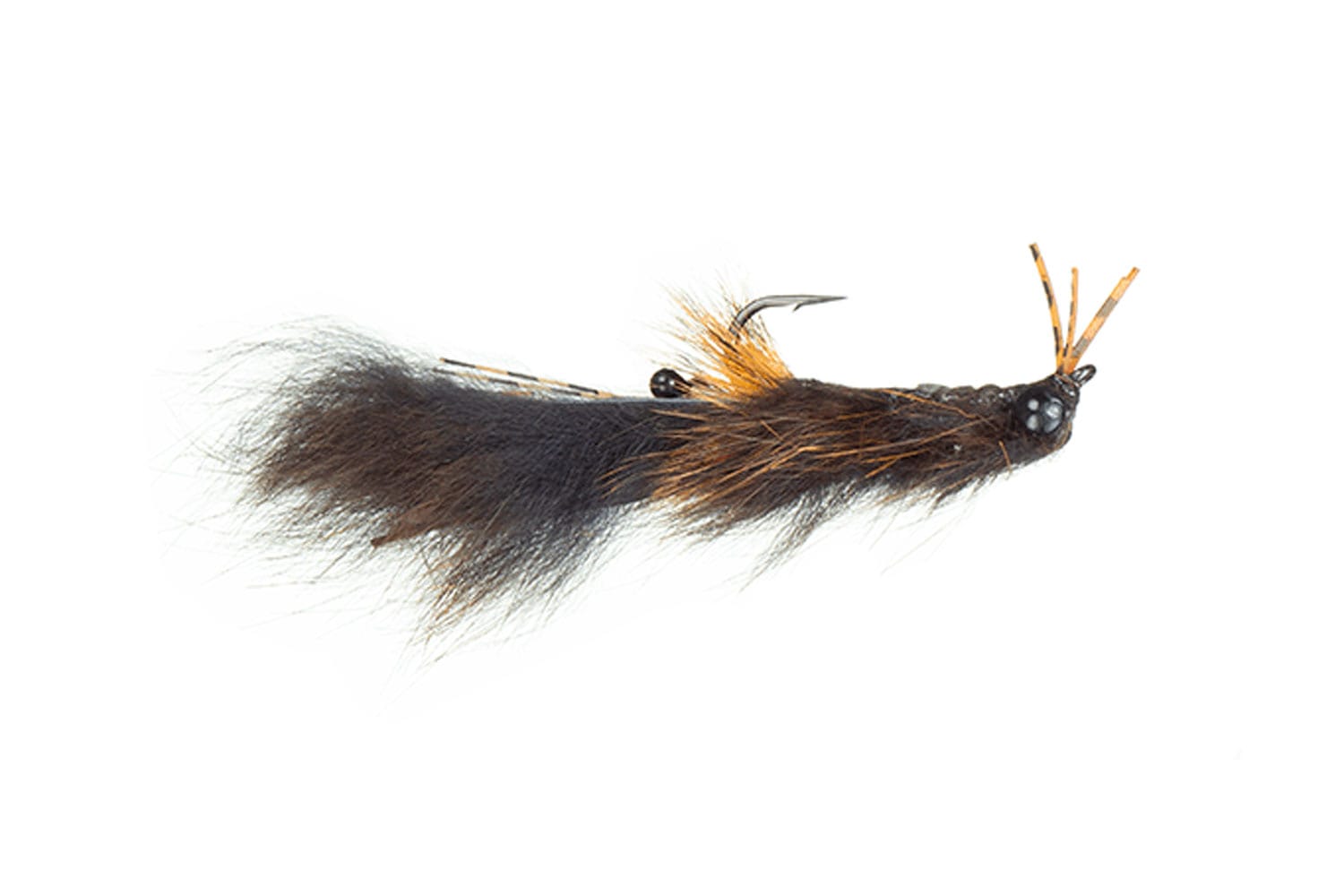
Best Compact Articulated Streamer: Galloup's Barred Micro Dungeon Fly - This two-inch articulated pattern packs the trigger of a full-size streamer into something light rods can still cast comfortably. It imitates sculpins and crayfish equally well.
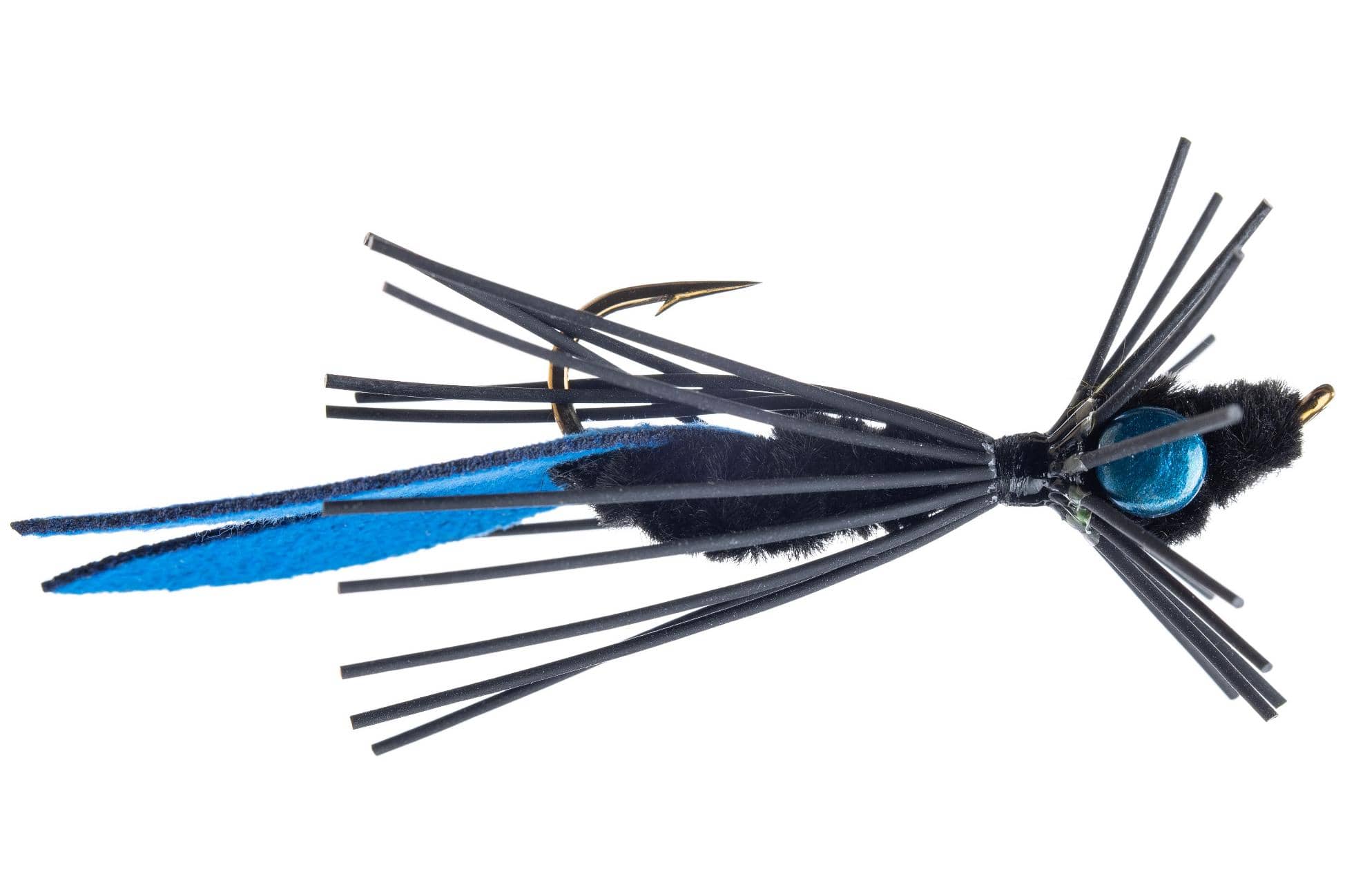
Best Reaction-Strike Trigger: Svend Diesel's Cray Cray Fly - Built to look like a fleeing crayfish, this bold pattern has a reputation for turning slow days into violent eats on water where big trout and smallmouth are keyed on crustaceans.
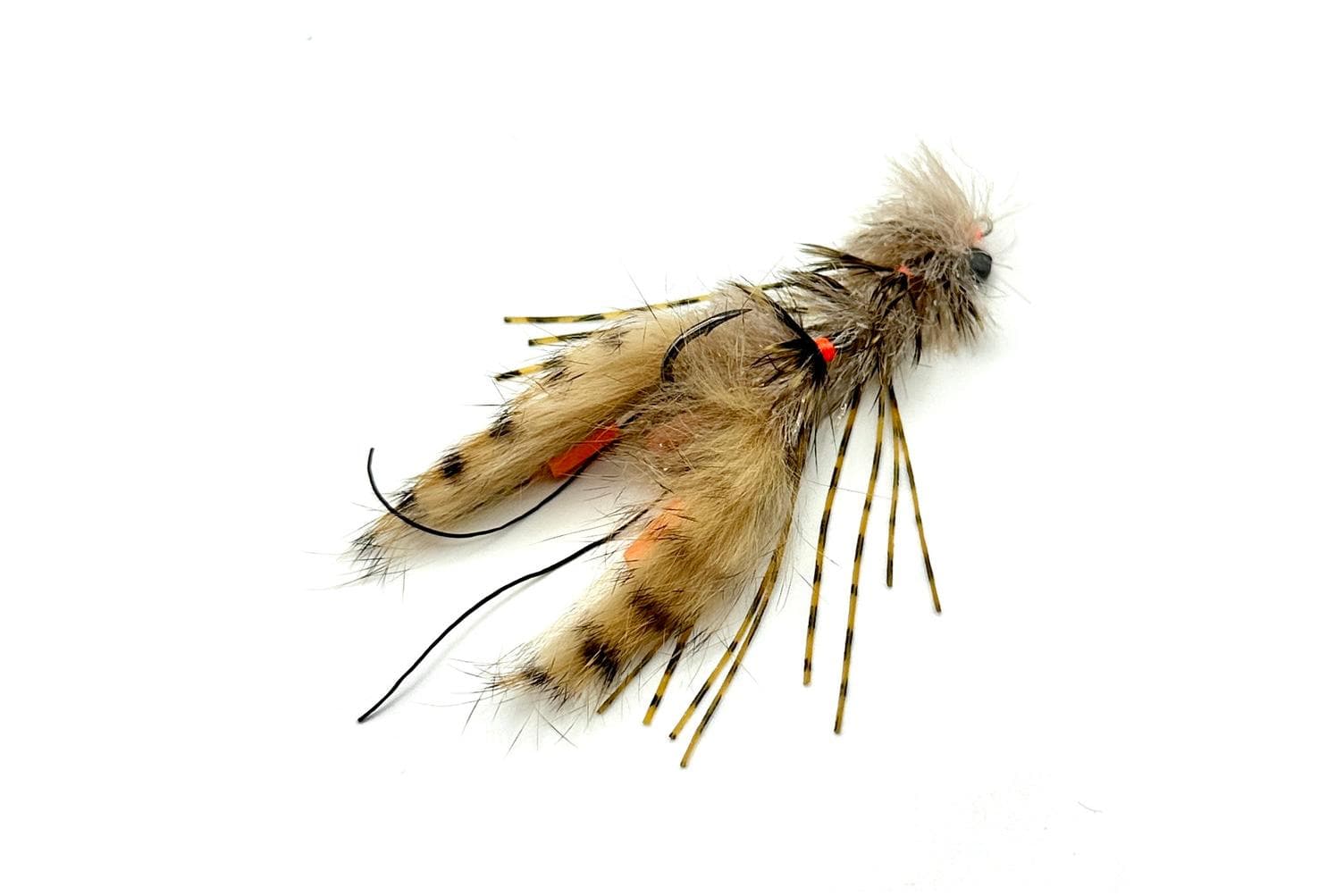
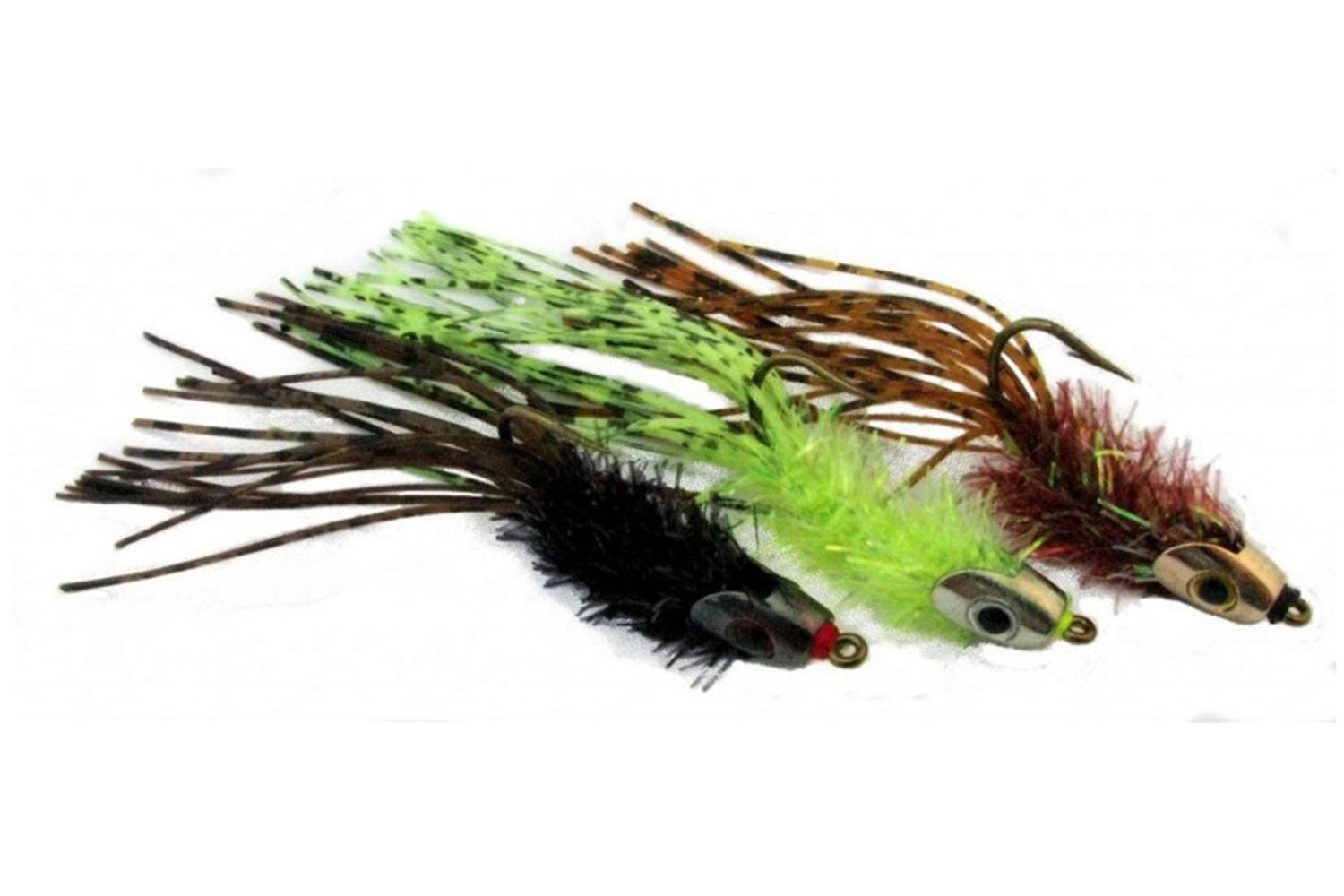
Best Realistic Dead-Drift Pattern: Dead Drift Crayfish Fly - Designed for late-summer trout on the Truckee River, this pattern's zonker strip movement makes it deadly on a dead drift through deep runs and buckets where fish won't chase.
How to Choose Crayfish Flies
Weighted vs. Unweighted
Heavily weighted patterns: Flies like the Skull Daddy and Clawdad use lead eyes or a weighted head to get down fast, with a hook-up riding design that dodges snags on rocky bottoms.
Lighter, more natural drifters: Patterns like the Dead Drift Crayfish sink gradually, suiting slower pools and buckets where you want a natural fall instead of an immediate jig to bottom.
Profile & Movement
Articulated patterns: The Mini Sex Dungeon and Barred Micro Dungeon use a jointed body to create a swimming, kicking action mimicking a crayfish scooting backward when threatened.
Rubber-leg and marabou claws: These materials add movement even on a dead drift or slow strip, which matters most in clear, low water where fish get a long look.
Color to Match Local Crayfish
Brown and olive: The most common natural crayfish colors, and a safe starting point anywhere you're not sure what local crayfish look like.
Orange and rust: Mimic the color crayfish turn when molting or stressed, which can trigger more aggressive reaction strikes from fish keyed on an easy meal.
Materials & Durability
Check lead or dumbbell eyes after snag-heavy days: Bottom-bouncing flies take a beating on rocks, so inspect eyes and wraps for looseness.
Rubber legs wear out fastest: They're also what gives these flies their movement, so keep spares on hand to retie your best-producing patterns.
Sharpen hook points regularly: Dragging a fly across rock and gravel dulls hooks quickly, and a dull point is the most common reason for missed strikes.
Rinse after muddy use: Fish-Skull helmets and lead eyes hold up longest when rinsed and dried after off-color or brackish water.
Complete Your Setup
Related Gear
Streamer Flies - More big-meal patterns for trout and smallmouth that pair naturally with crayfish imitations.
Sink Tip Fly Lines - Get weighted crayfish patterns down to the strike zone faster in deeper runs.
Bass Flies - More bottom-dwelling and reaction-strike patterns for smallmouth sharing the same rocky water.
Trout Flies - Round out your box with nymphs and dries big trout eat between crayfish meals.
Crayfish Flies FAQs
Q: When is the best time to fish crayfish patterns?
A: Late summer and fall are prime, when crayfish are most active and big trout and smallmouth key in on them before winter. They can produce year-round in water with a resident crayfish population.
Q: How do you fish a crayfish fly?
A: Get the fly to the bottom and use short, erratic strips with pauses to imitate a crayfish scooting backward. Dead-drifting through deeper runs also works well with lightly weighted patterns.
Q: What fly line works best for crayfish patterns?
A: A sink-tip or full sinking line helps get heavier flies down quickly in faster or deeper water. In shallower riffles, a floating line with a weighted fly is often enough.