


































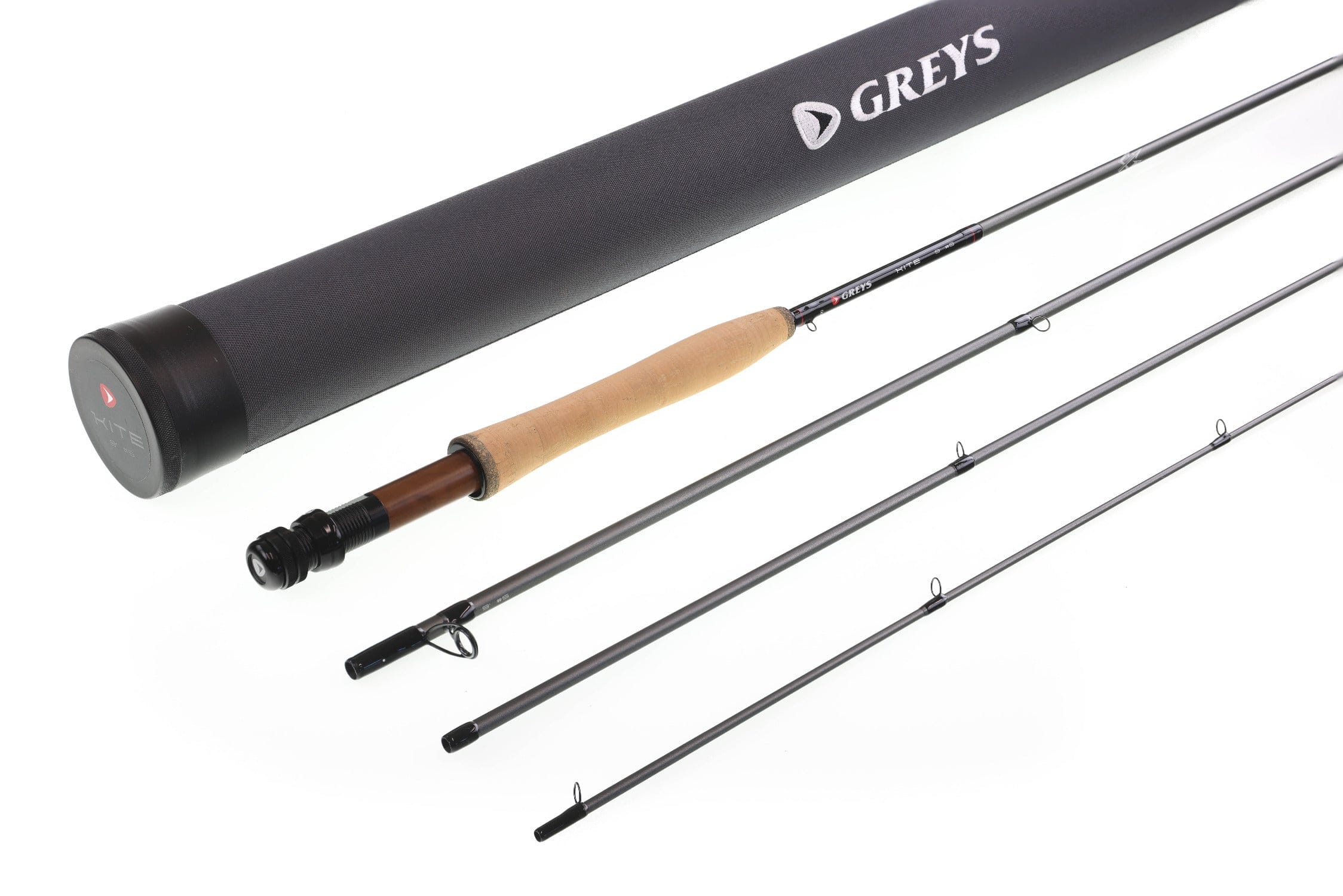
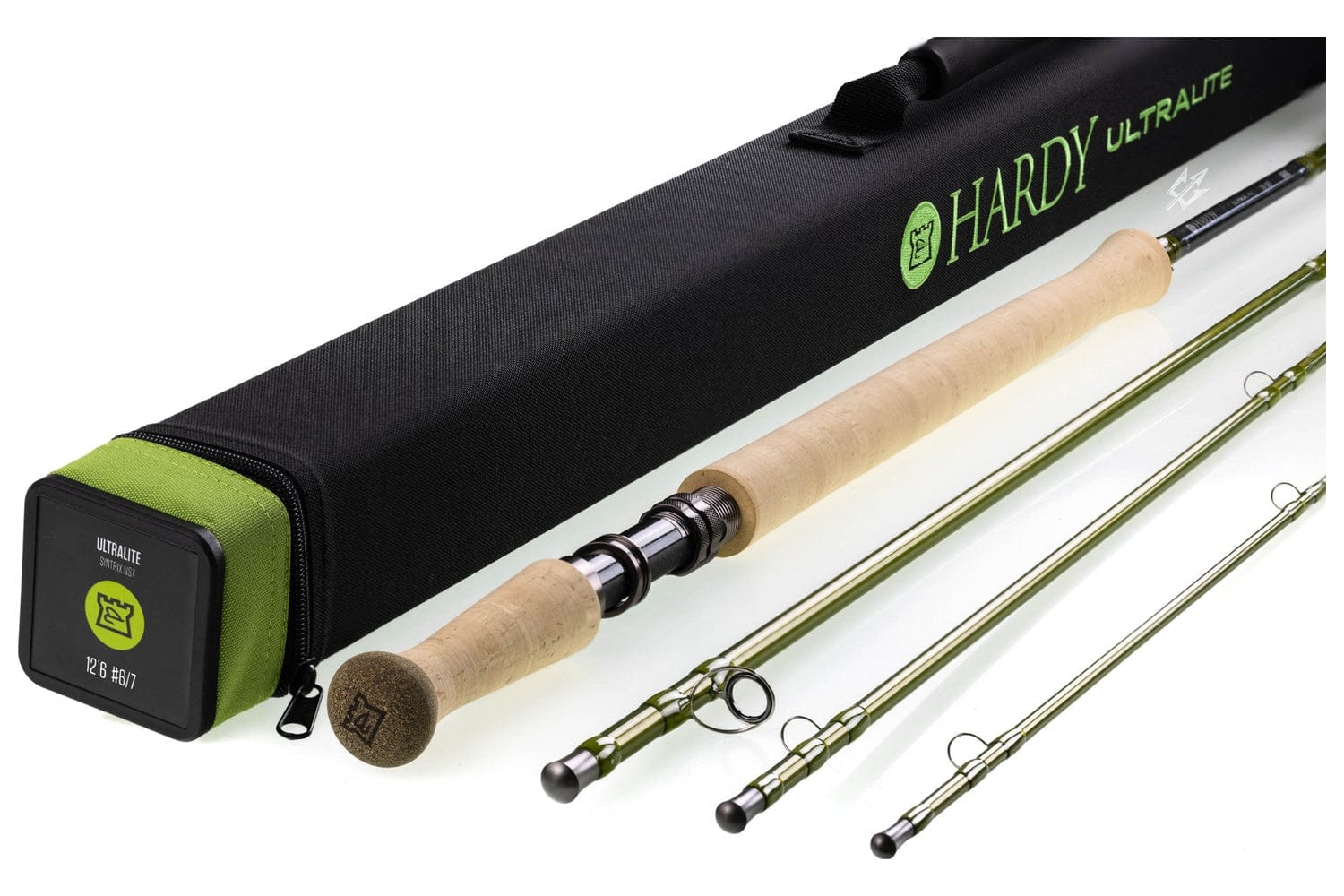


Steelhead Fly Rods Quick Picks
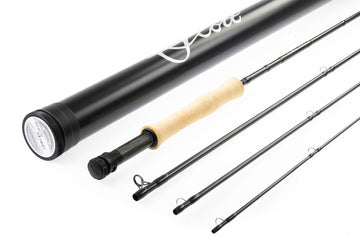
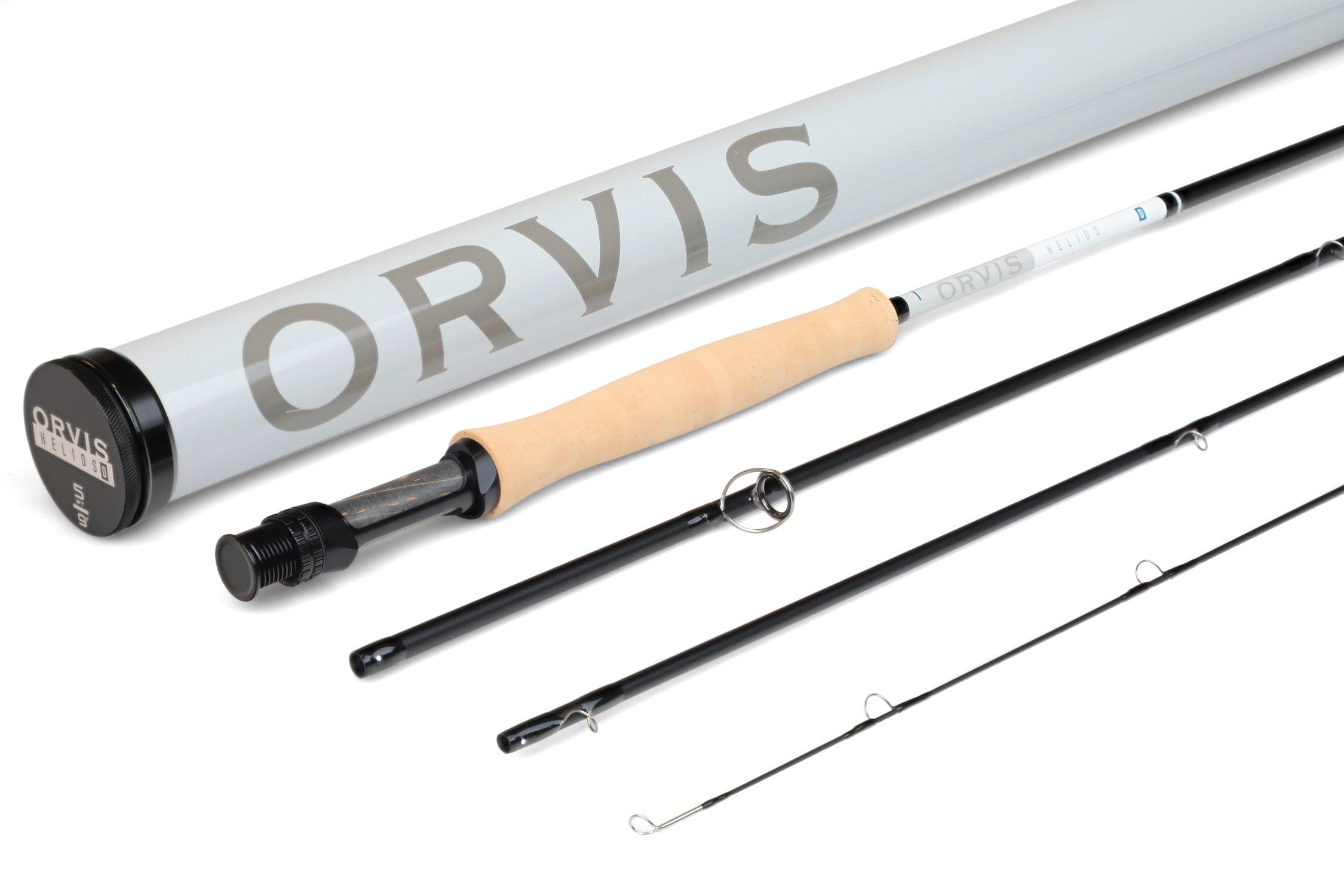
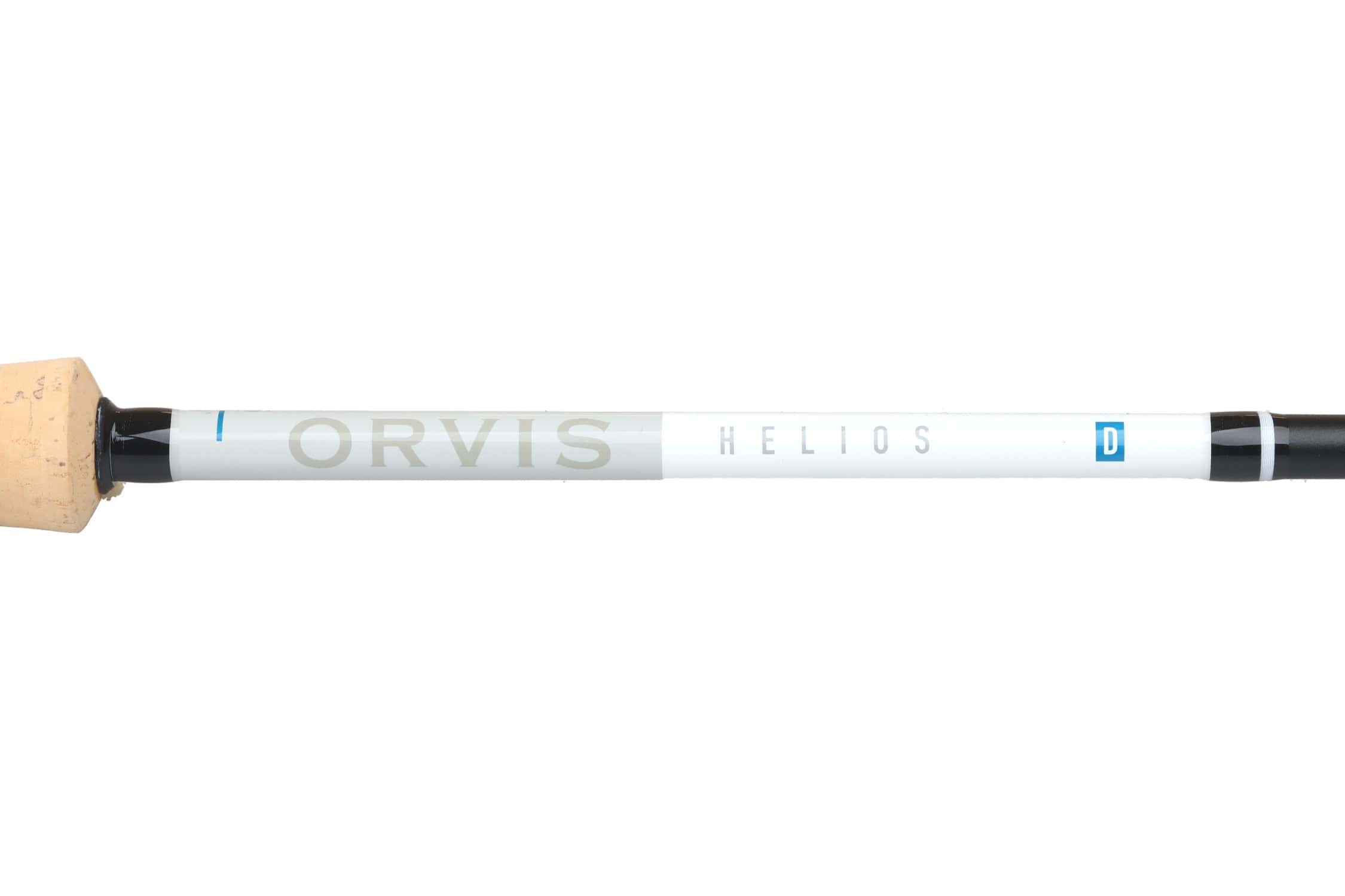
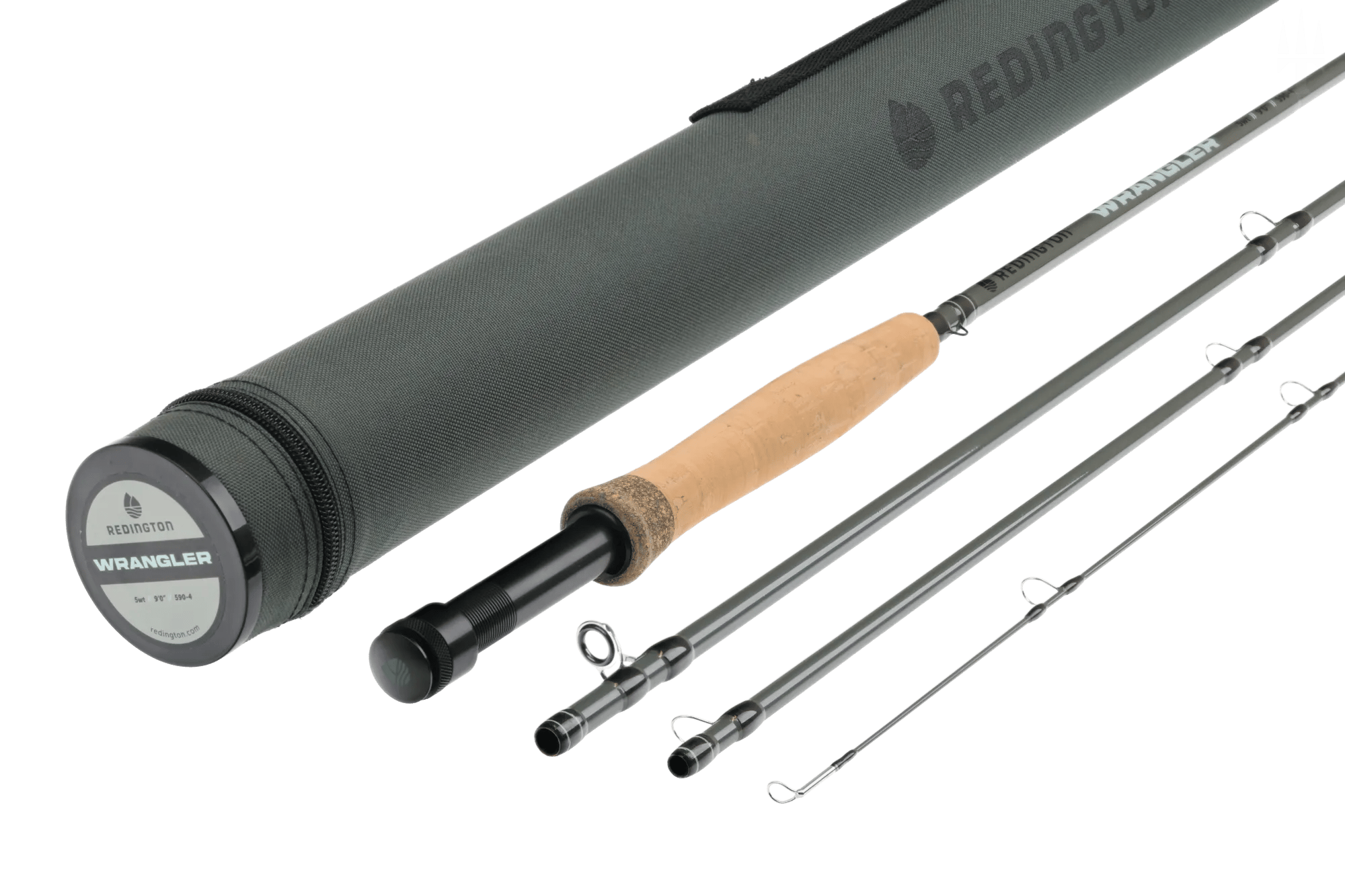
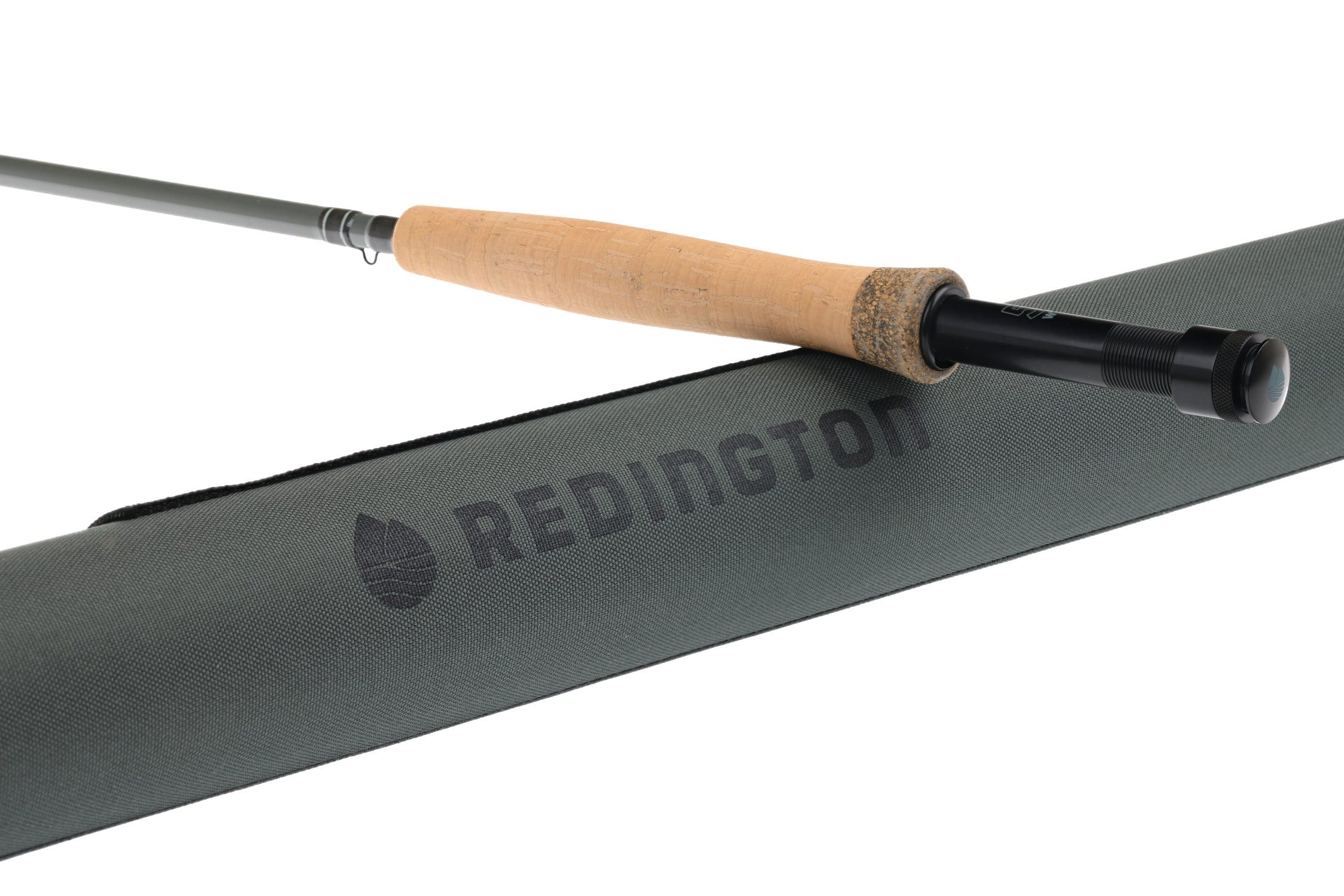
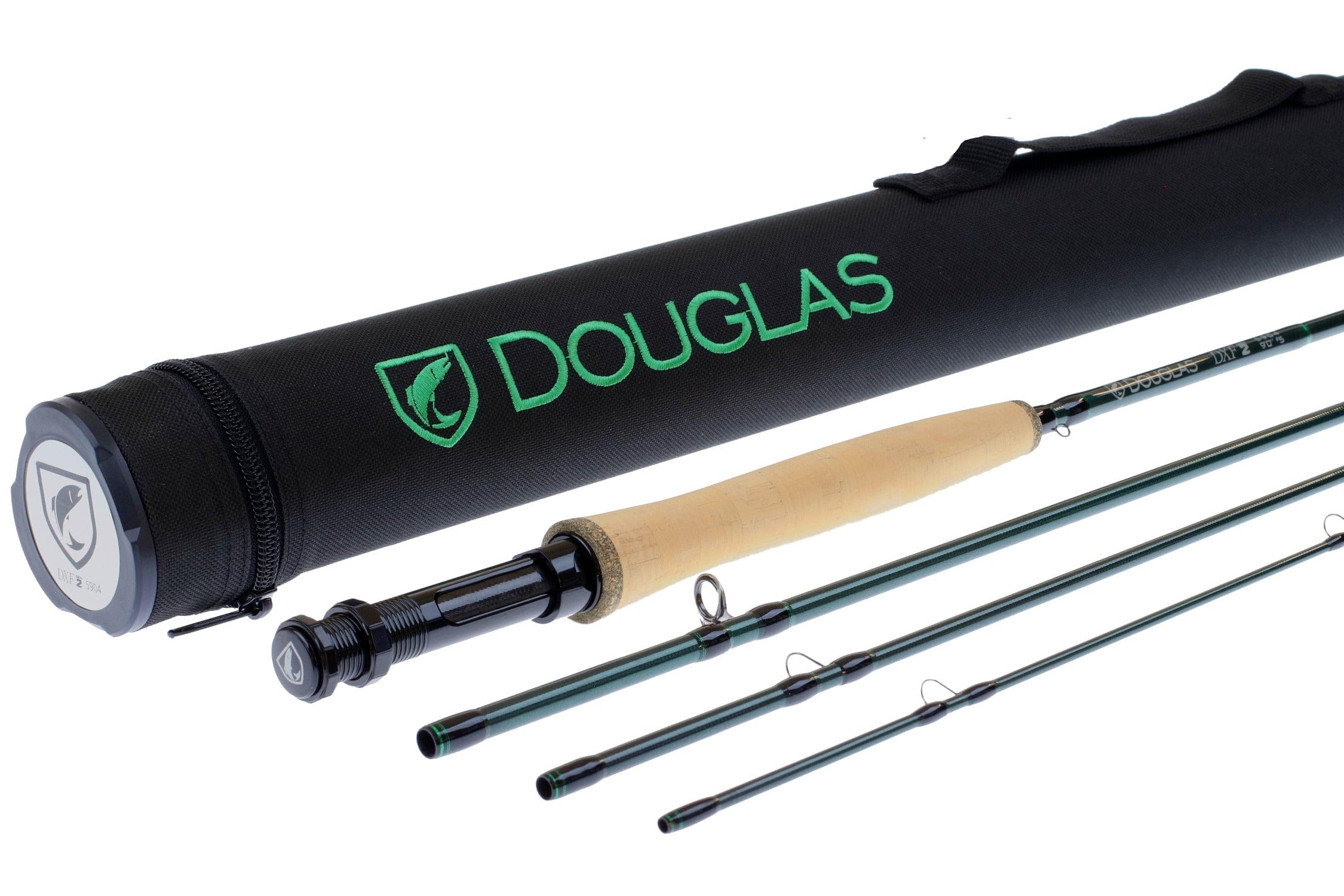
Best All-Around Single-Hand Rod: Orvis Helios 4 D Fly Rod - Built for anglers who want one rod to indicator-nymph a run and then swing a soft hackle through the tailout. The accuracy at close and long range makes it easy to drop a rig tight to a seam or reach across a wide tailout.
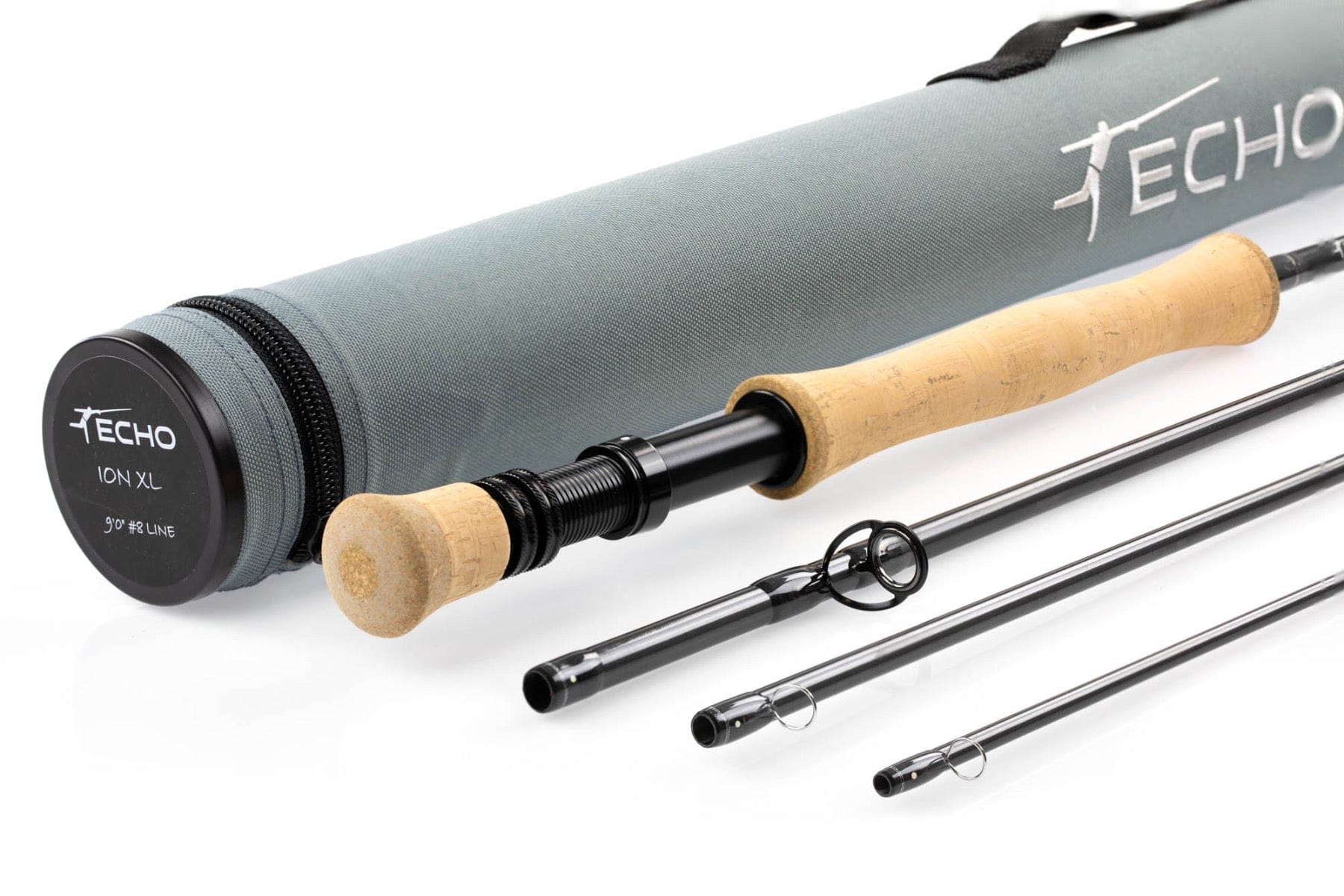
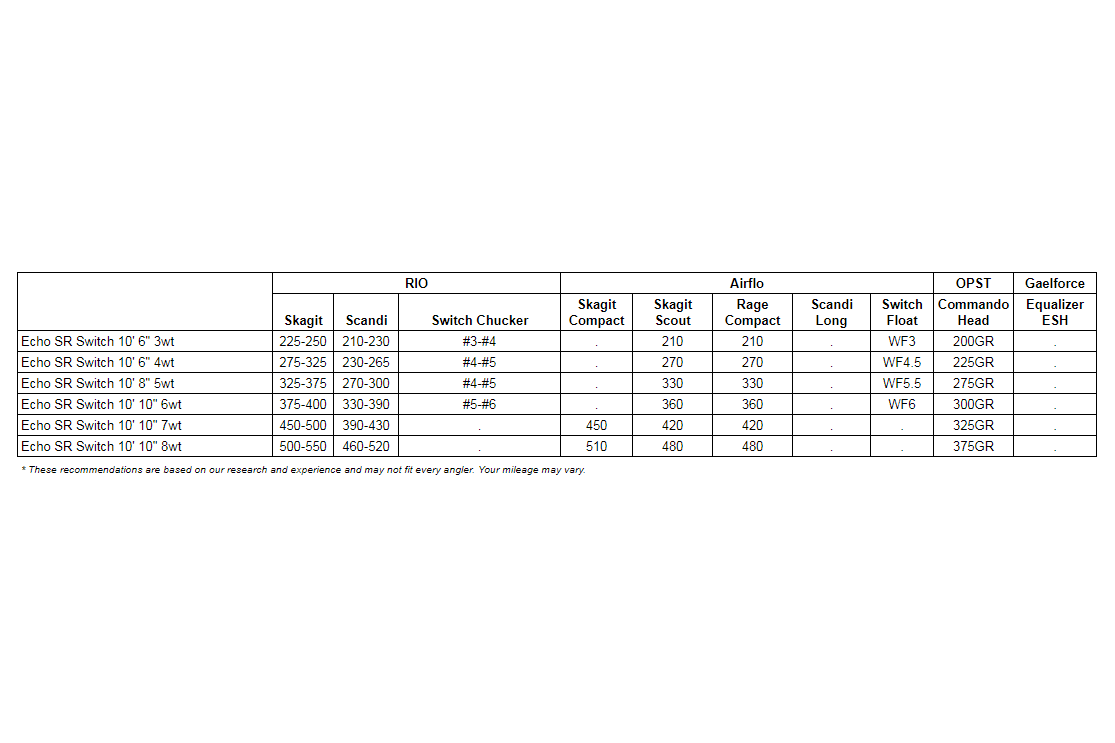
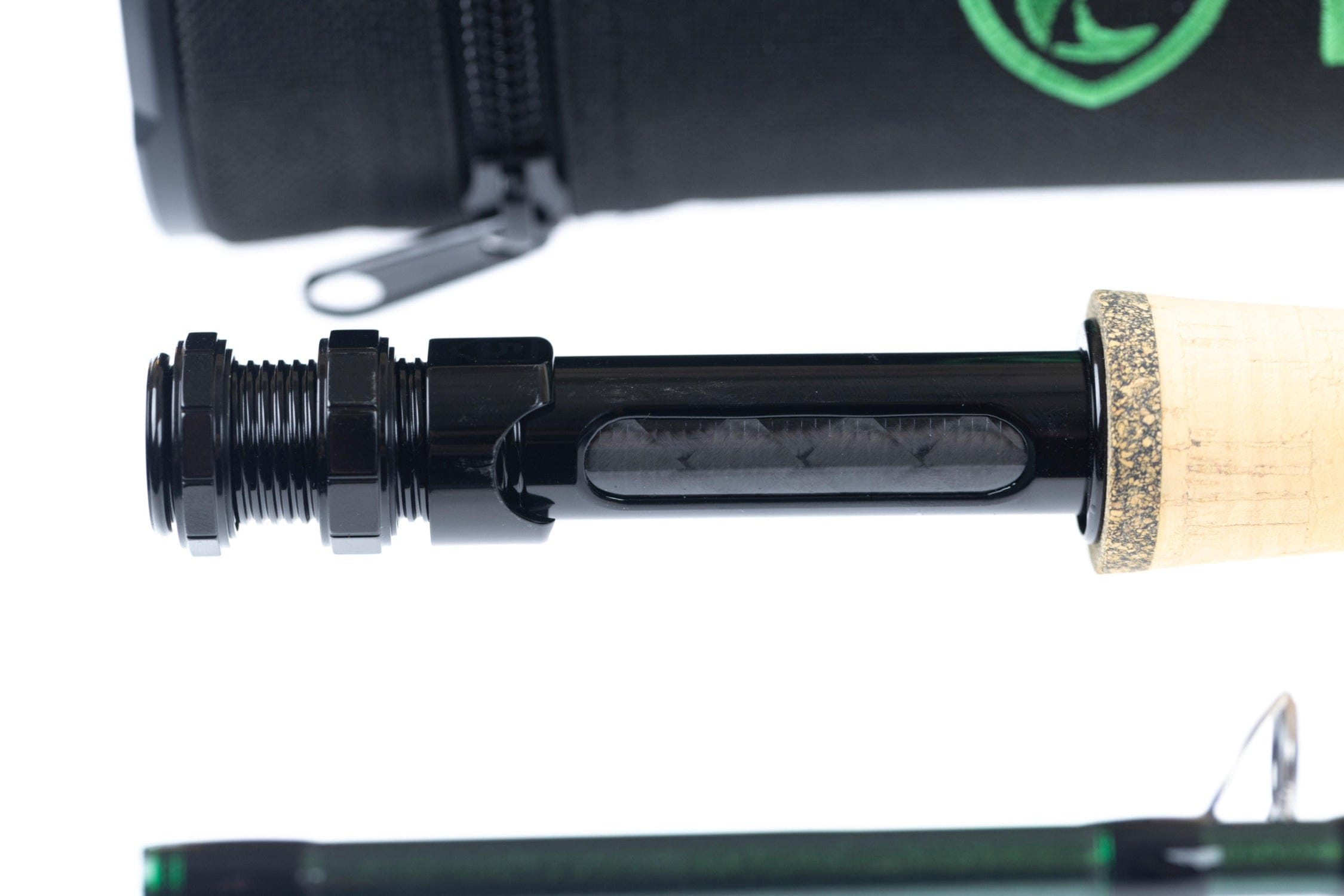
Best Switch Rod for Great Lakes Tributaries: Echo SR Switch Rod - Suited to anglers fishing tight, brushy tributaries where a full-length Spey rod has no room to work. The 8wt version overhead casts or Spey casts from the same blank, so you can nymph a plunge pool and then swing the same water on the way back down.
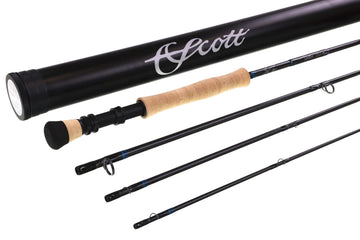
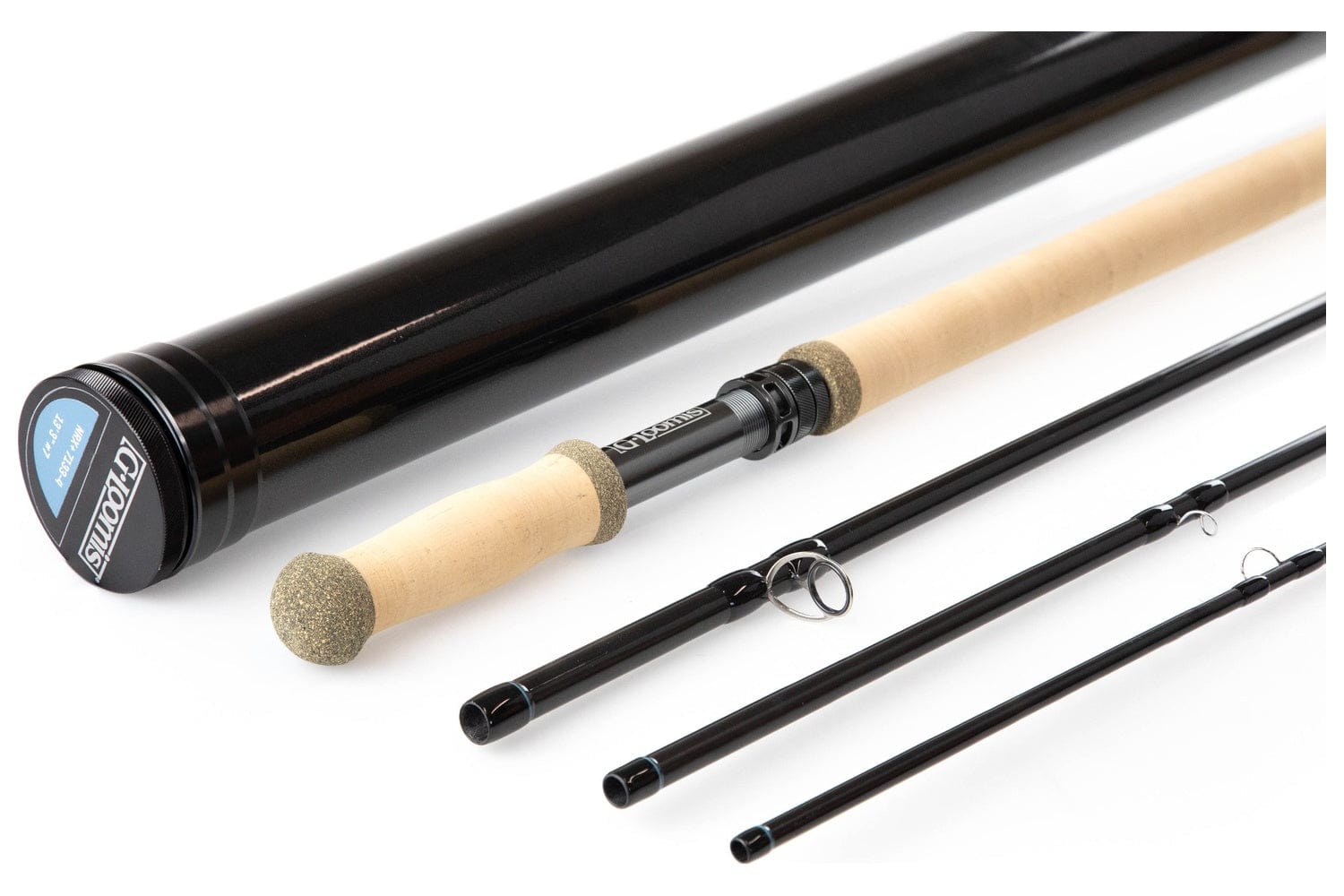
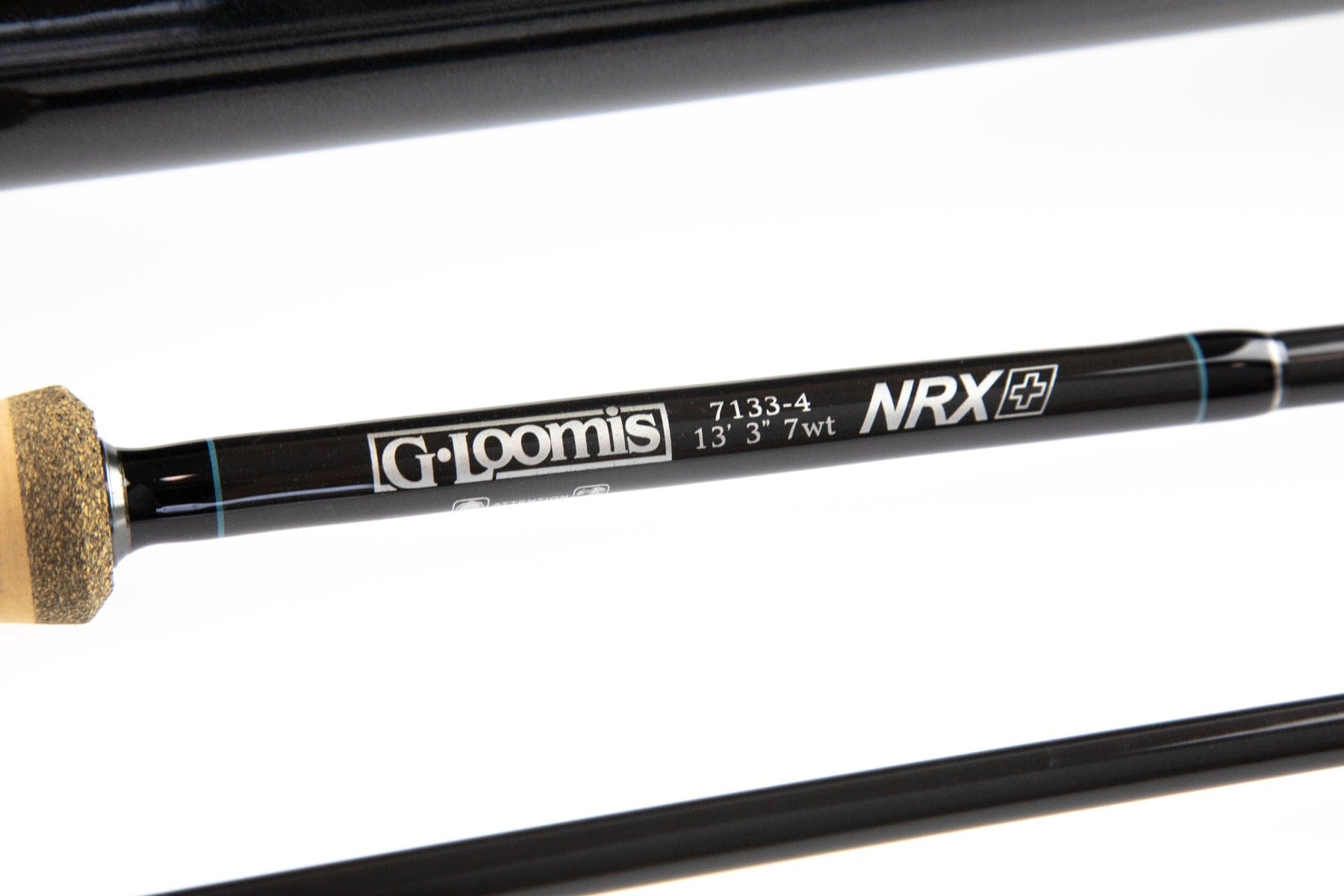
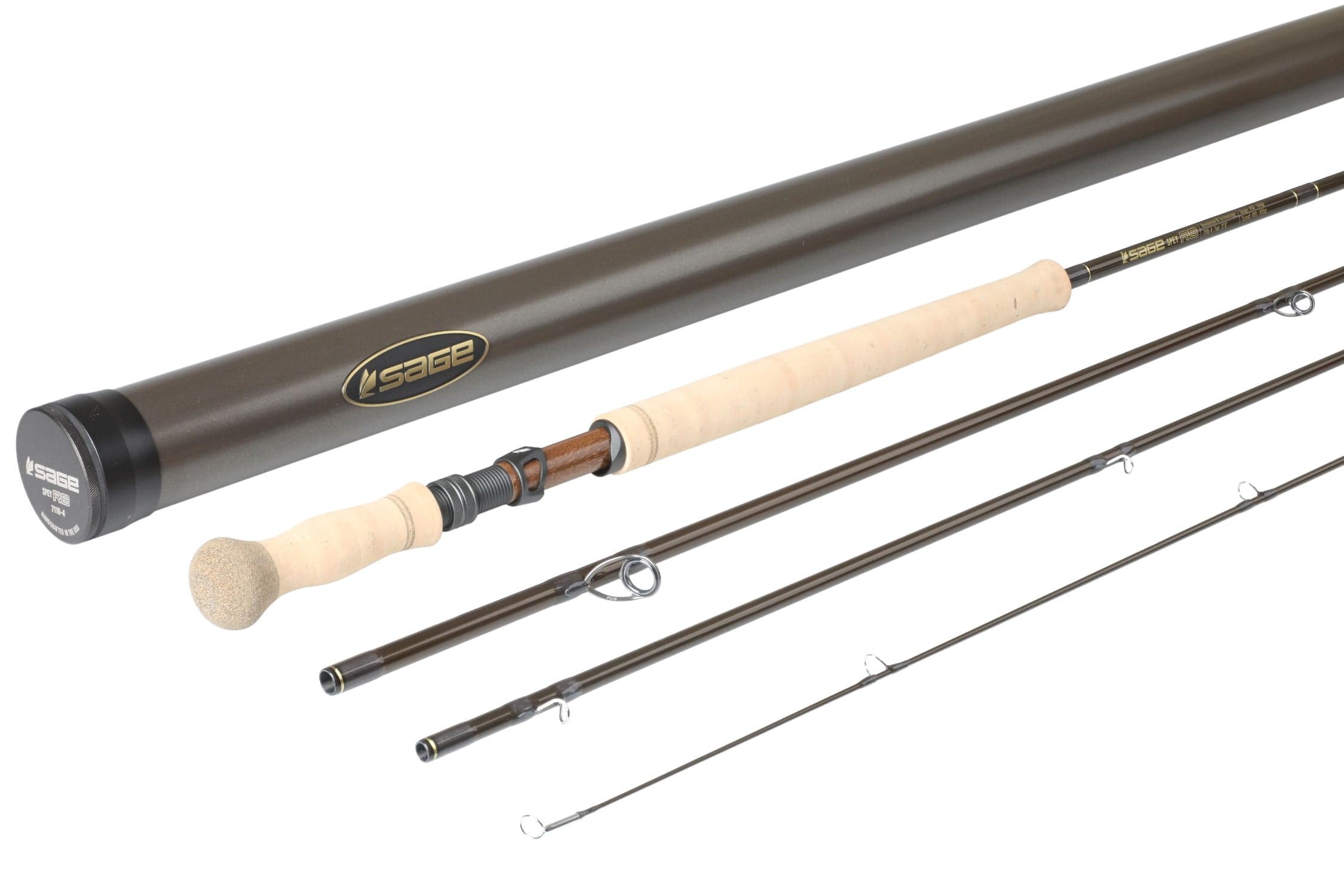
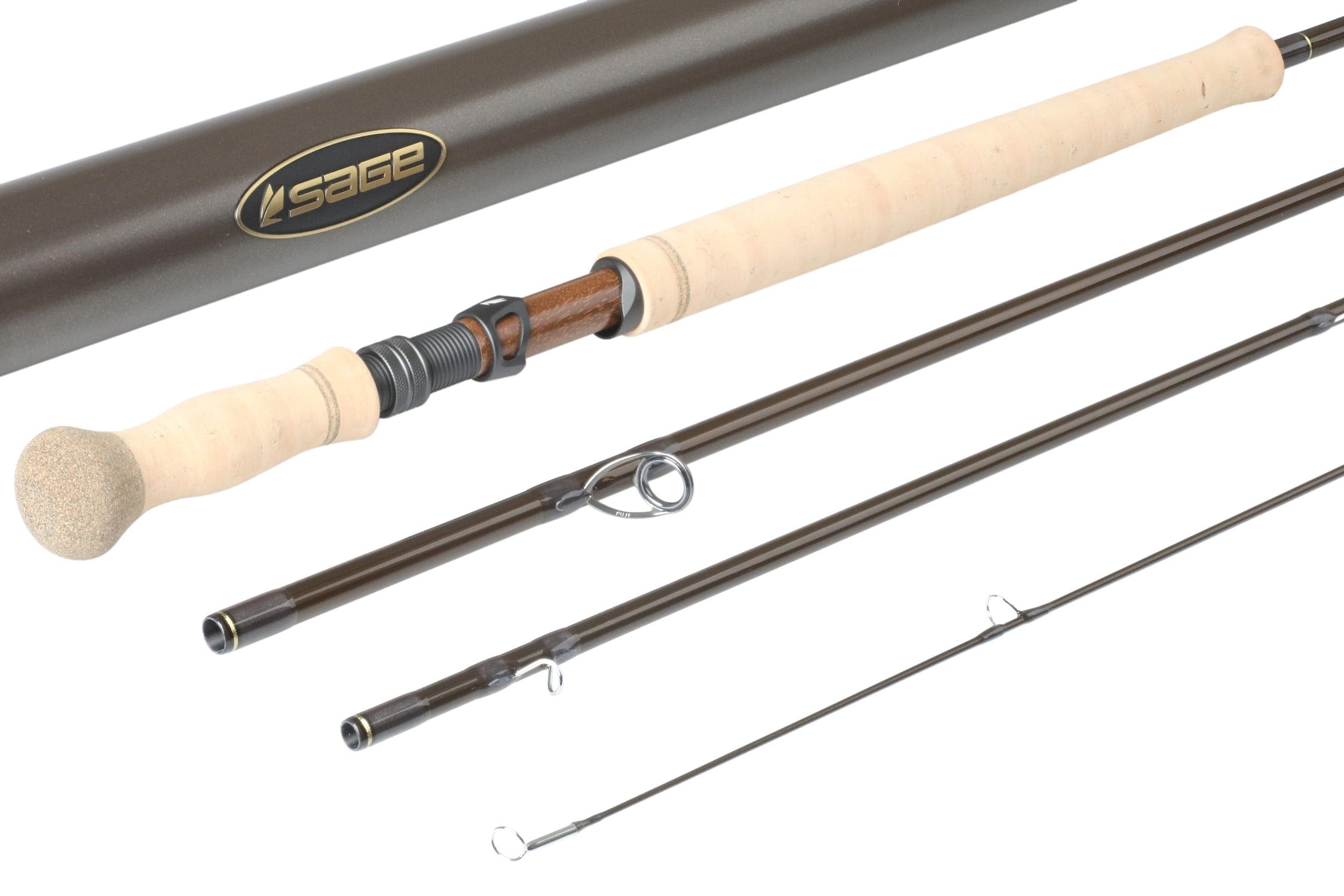
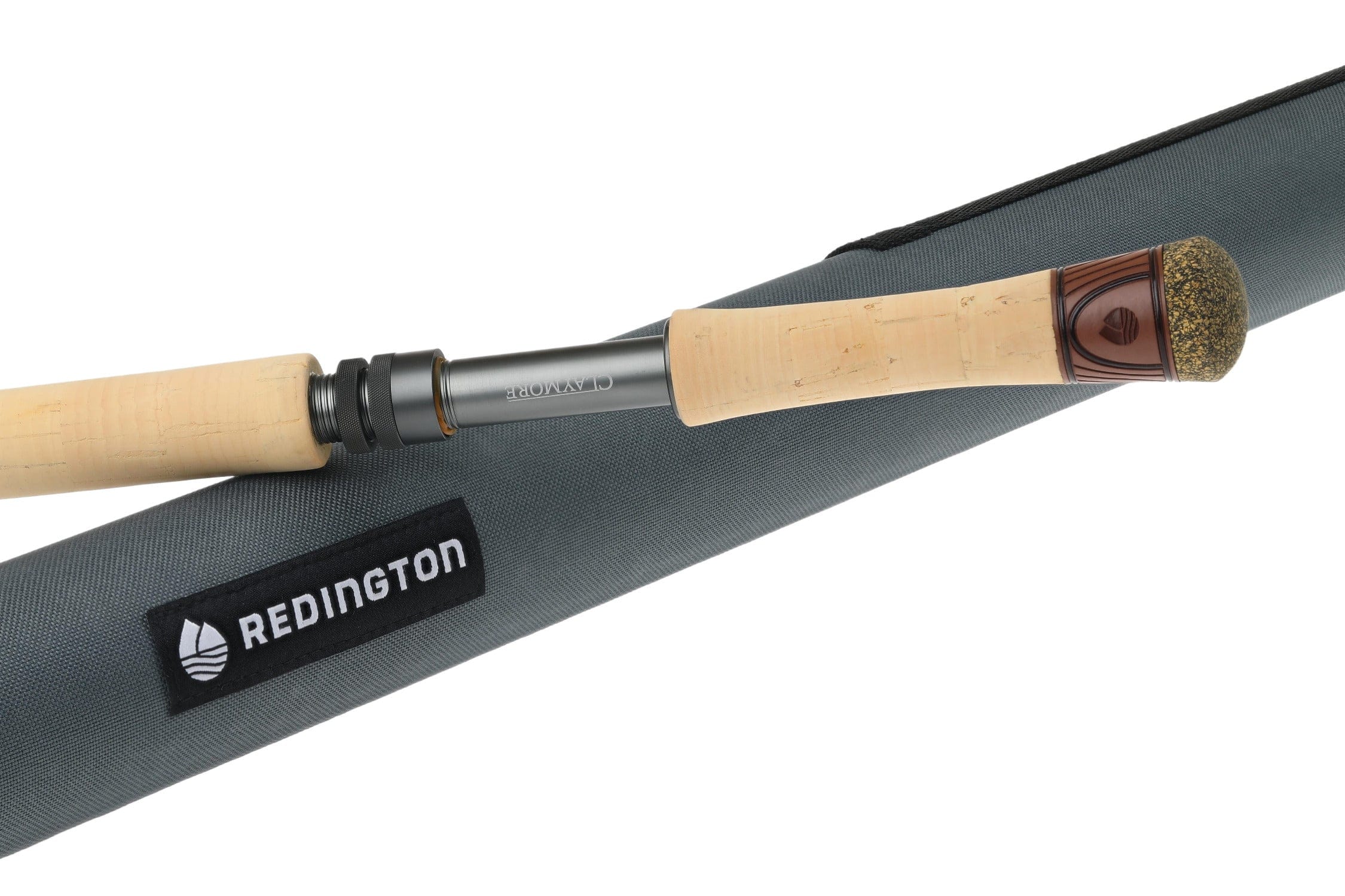
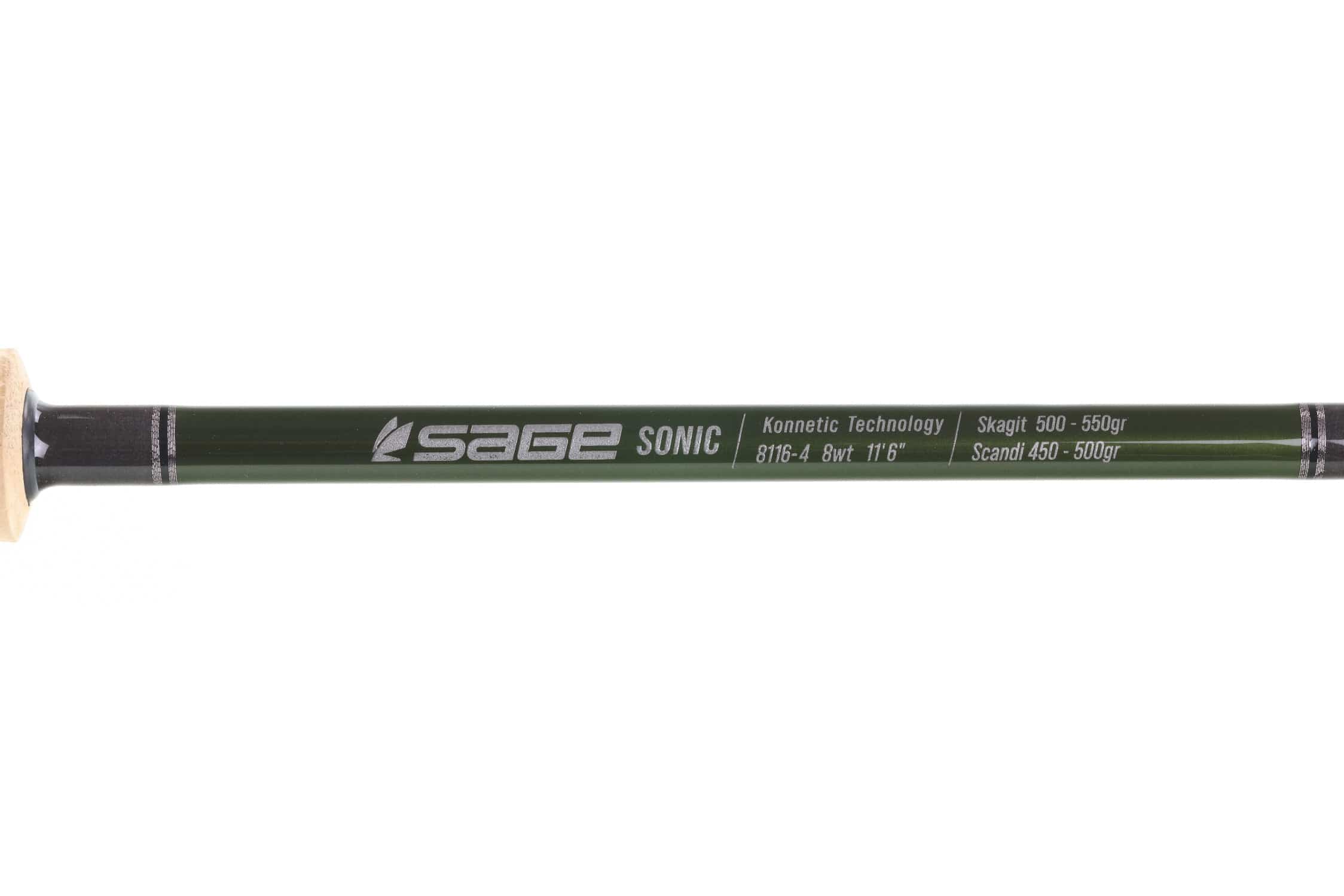
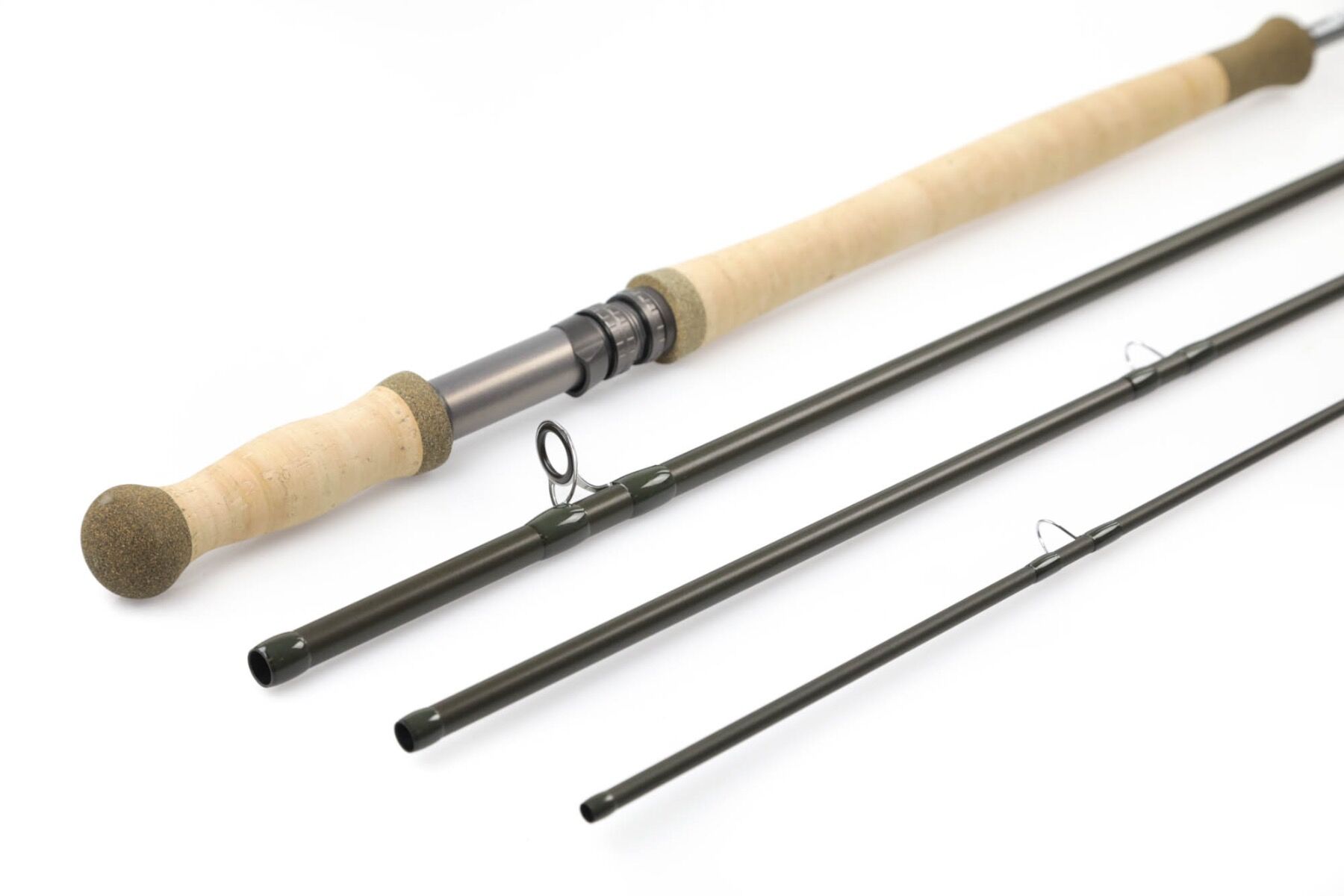
Best Spey Rod for Swinging Big Rivers: G. Loomis NRX+ Spey & Switch Rods - Made for dedicated swing anglers covering wide runs on rivers like the Deschutes or Skeena tributaries. The blank loads deep on the D-loop, generating the line speed you need to carry long Skagit and Scandi heads without forcing the cast.
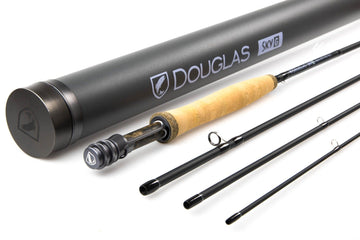
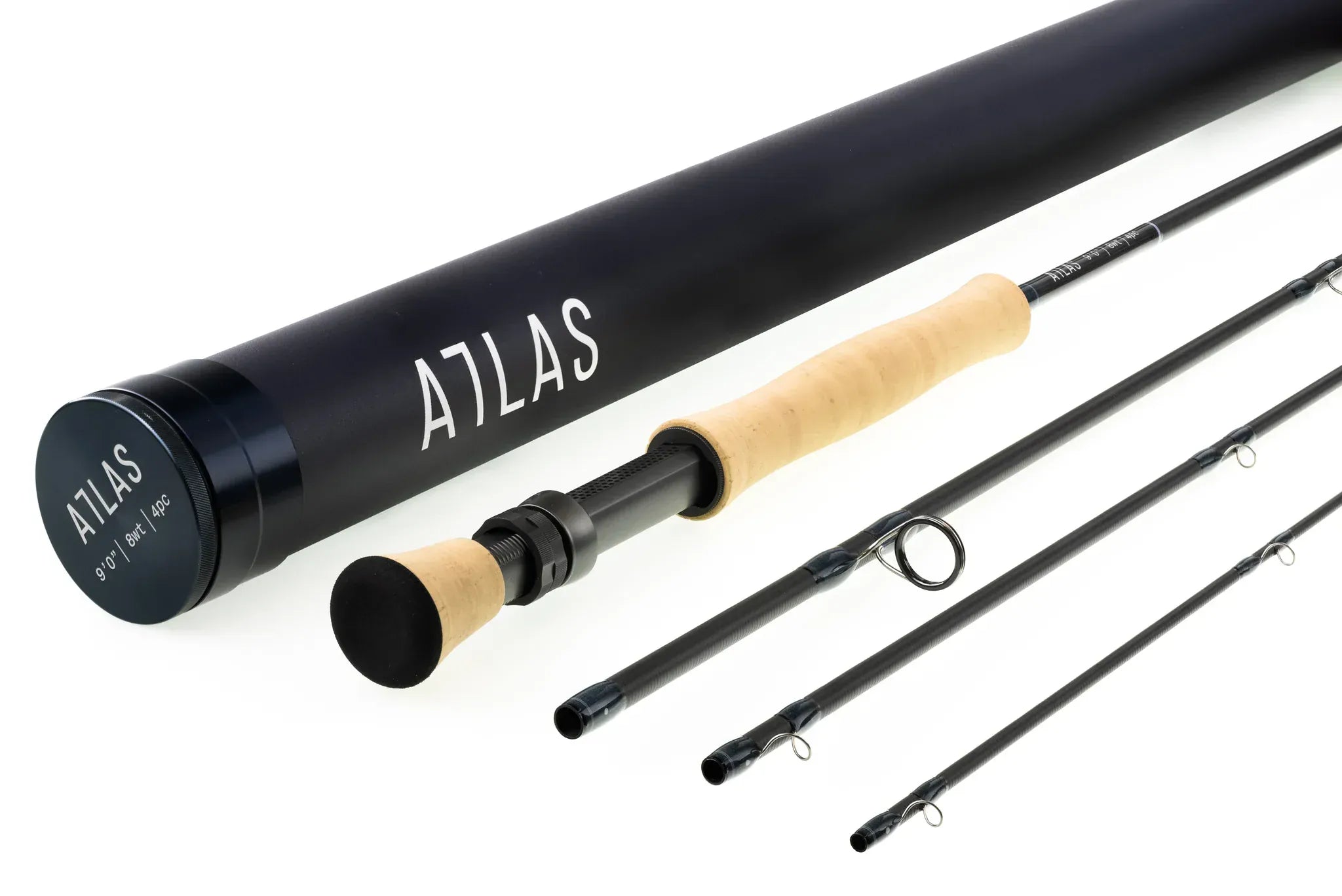
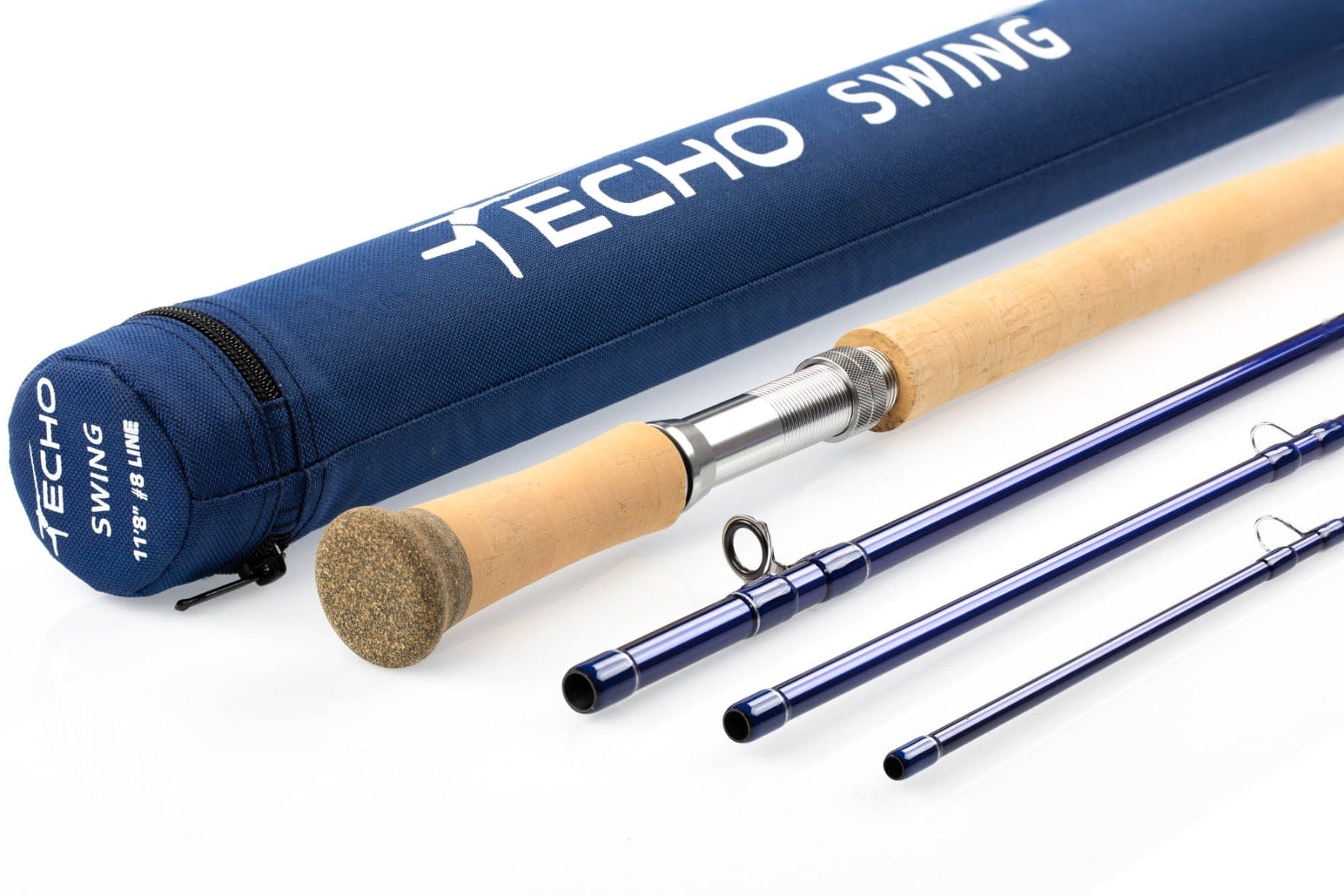
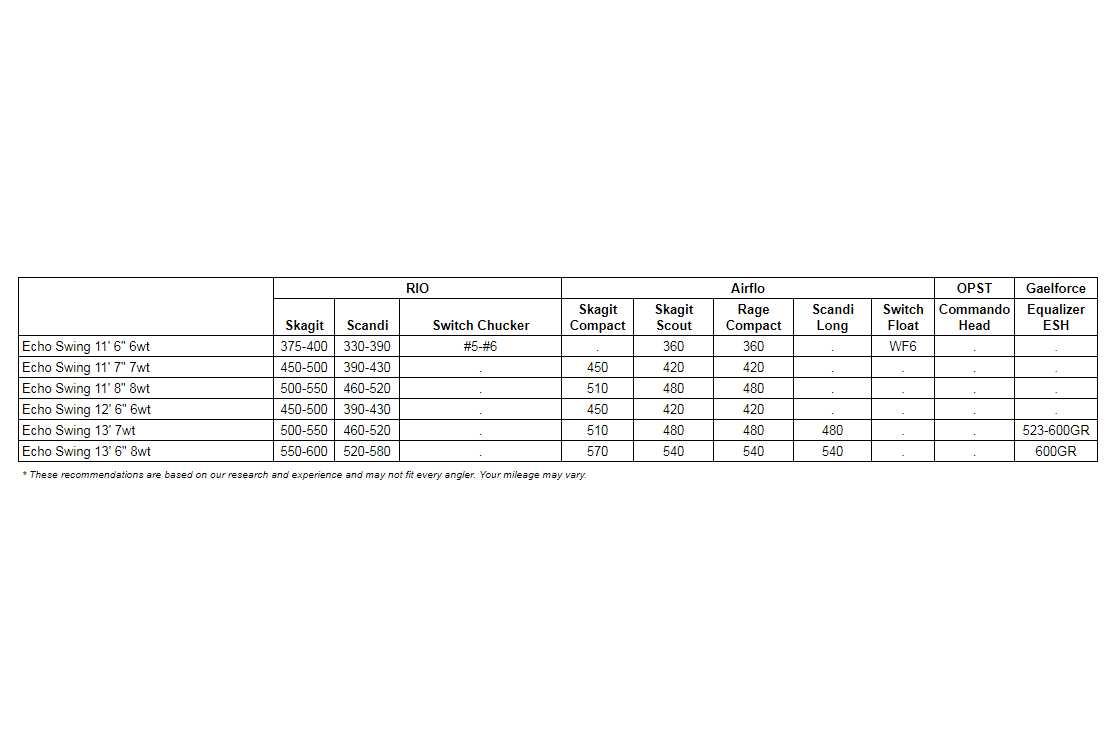
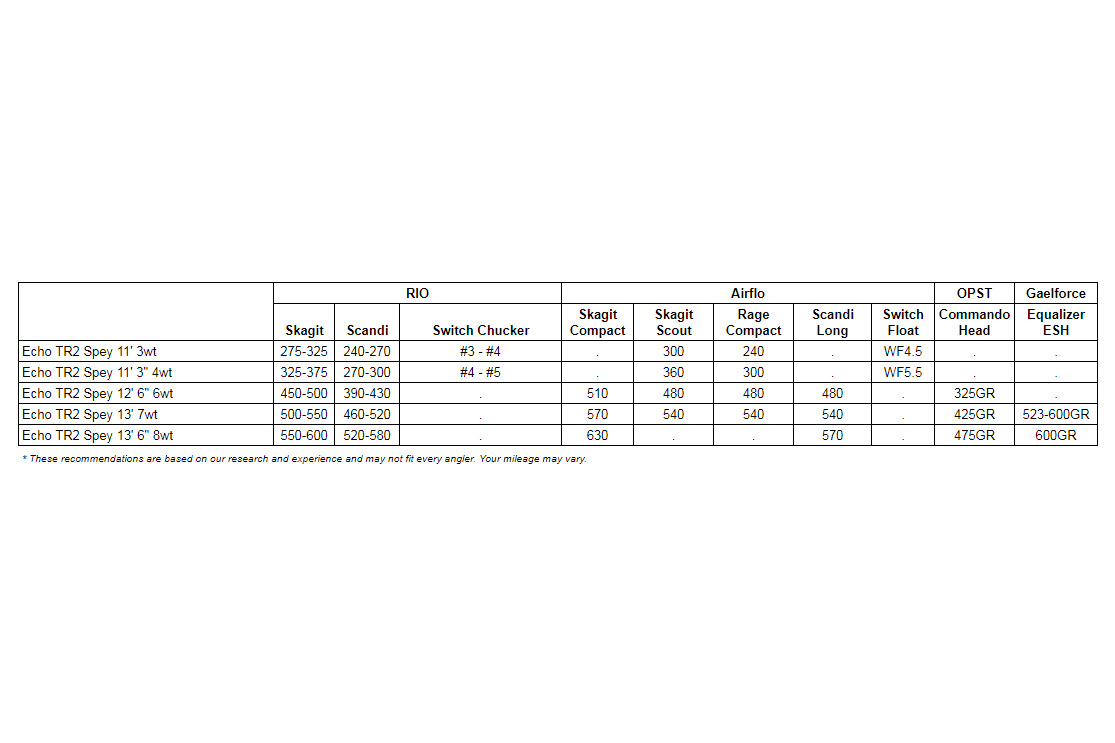
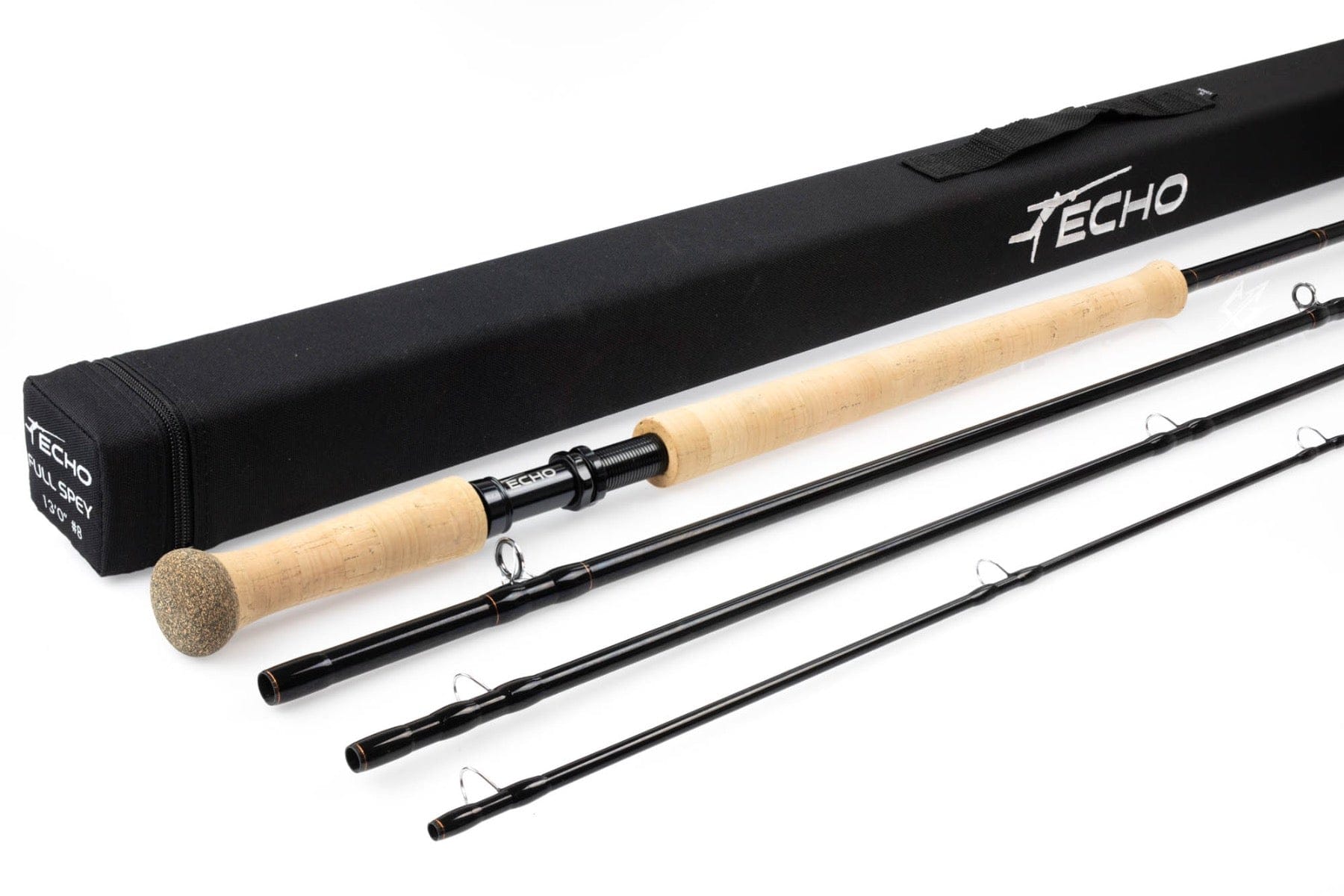
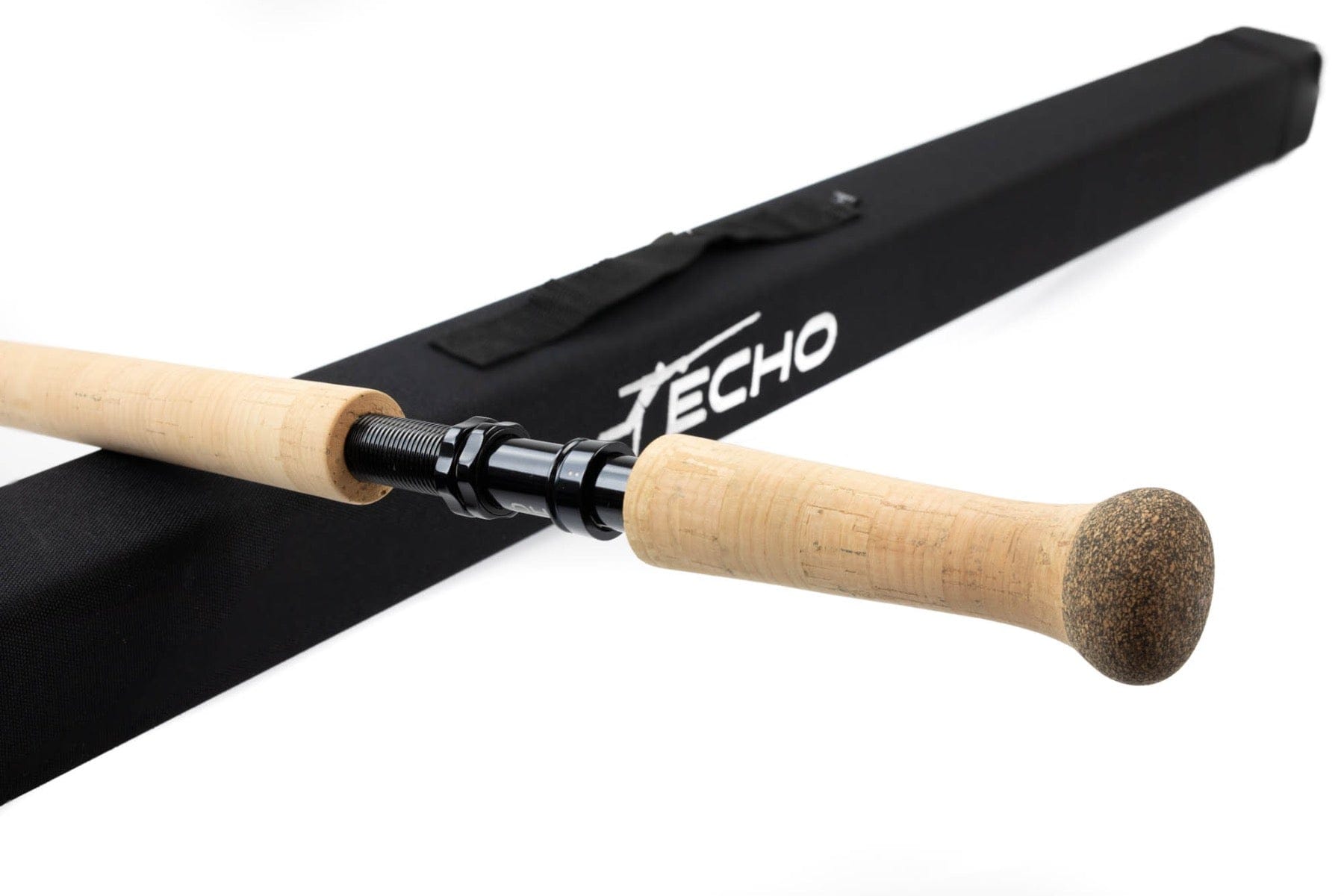
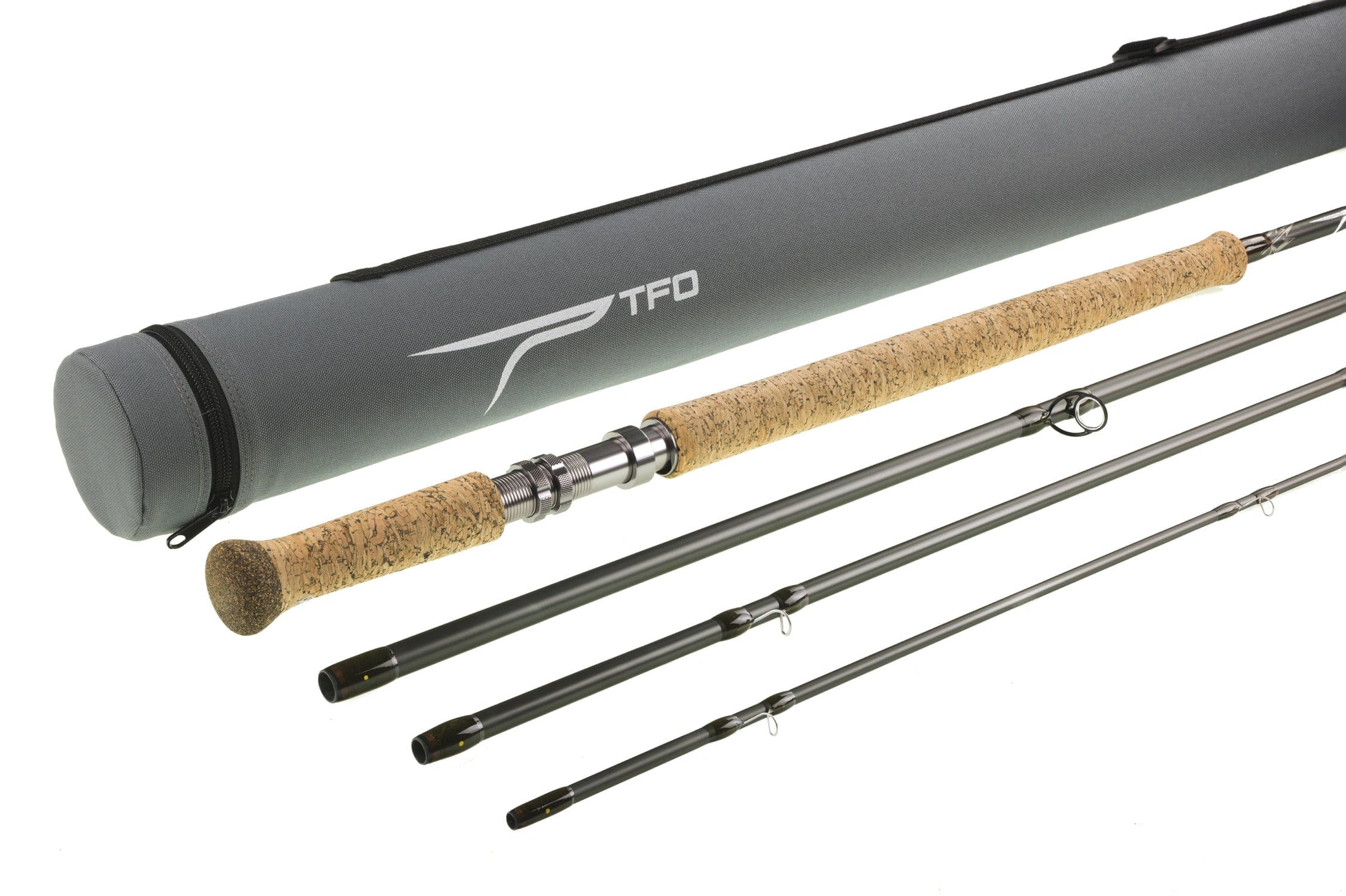
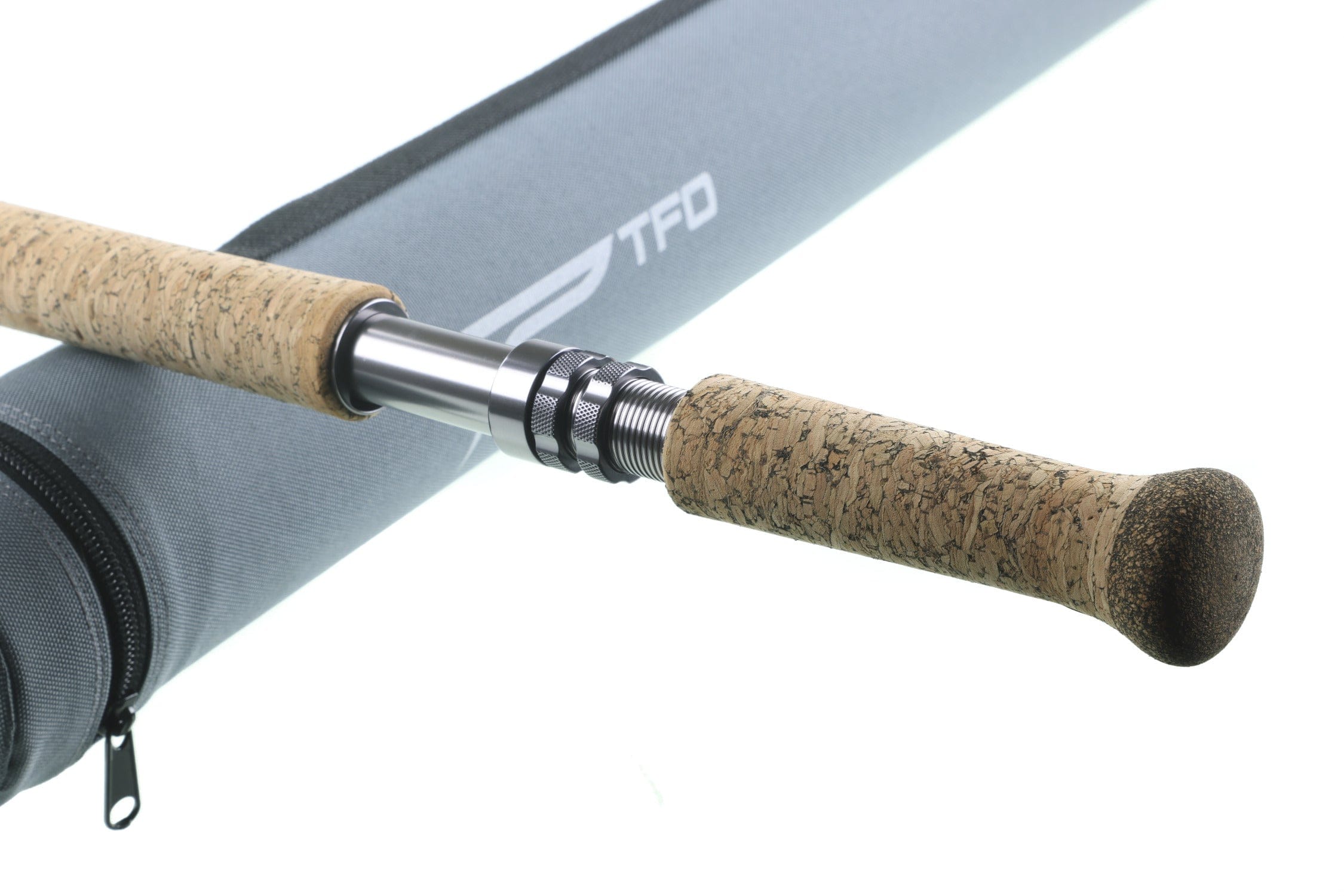
Best Budget Two-Hander: Echo Swing Switch & Spey Rods - A smart pick for anglers learning two-handed casting who don't want to gamble a full paycheck on the process. The crisp, purpose-built actions handle tight runs and open water alike without the premium price tag.
How to Choose Steelhead Fly Rods
Single-Hand, Switch, or Spey
Single-hand: Best for anglers who indicator nymph, drift eggs, or bounce jigs and want a rod they already know how to cast from trout fishing.
Switch rod: A hybrid pick for tributary anglers who need to overhead cast in tight spots but still want the option to Spey cast when a run opens up.
Spey rod: Built for anglers committed to swinging flies on big rivers with real backcast room, casting farther with less effort over a full day.
Picking the Right Line Weight
6-7wt: Matches summer-run steelhead on smaller rivers where a subtler swing or drift outfishes brute force.
7-8wt: The all-around choice for most river steelhead, balancing castability with enough backbone to turn a hot fish.
8-9wt: Suited to big winter-run fish, heavier sink tips, and larger flies on wide rivers where you need extra mass.
Rod Action for Steelhead Presentations
Fast action: Loads deep and recovers quickly, helping drive tight loops into wind and lift sink tip and running line off the water on the swing.
Moderate action: Protects light tippet and absorbs a fish's headshakes on the take, which matters when dead-drifting eggs or nymphs to a dropback fish.
On-the-Water Tips
Match the tip to the water: Carry a few sink-tip densities and swap between them as a run gets deeper, rather than fishing one tip all day.
Mend before you swing: A single upstream mend right after the cast slows your fly down and keeps it in the strike zone longer.
Check ferrules after every trip: Two-handed rods take a beating from repeated Spey casts, so inspect ferrule fit and guides for wear.
Complete Your Setup
Related Gear
Steelhead Flies - Stock up on the egg patterns, intruders, and soft hackles that pair with these rods on the swing and the drift.
Spey Fly Lines - Skagit and Scandi heads sized to load your two-hander and carry sink tips through the heart of a run.
Skagit Fly Lines - Short, heavy heads built for turning over sink tips and bulky flies with minimal false casting.
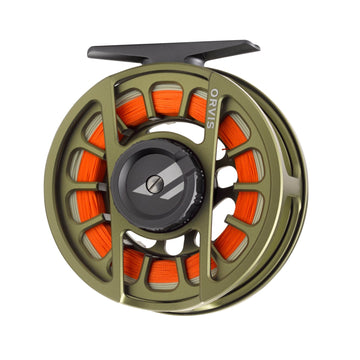
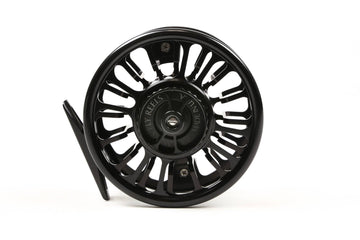
Freshwater Fly Reels - A reliable drag and enough backing capacity to handle a hot steelhead's first run without hesitation.
Steelhead Fly Rods FAQs
Q: What size rod is best for Great Lakes steelhead?
A: Most anglers land on a 7-8wt single-hand or switch rod, which covers everything from tributary pools to bigger river mouths. An 8wt switch rod adds the option to Spey cast when a run opens up.
Q: Should I start with a switch rod or a full Spey rod?
A: A switch rod is the more versatile starting point since it lets you overhead cast in tight water and still learn Spey mechanics when space allows. Move up to a full Spey rod once swinging becomes your primary technique on rivers with real casting room.
Q: What line weight works best for winter steelhead swinging?
A: An 8-9wt two-hander is the standard for winter steelhead, giving you enough mass to carry heavier sink tips through cold, high water. Lighter 6-7wt setups are better saved for summer-run fish and lower, clearer conditions.