






































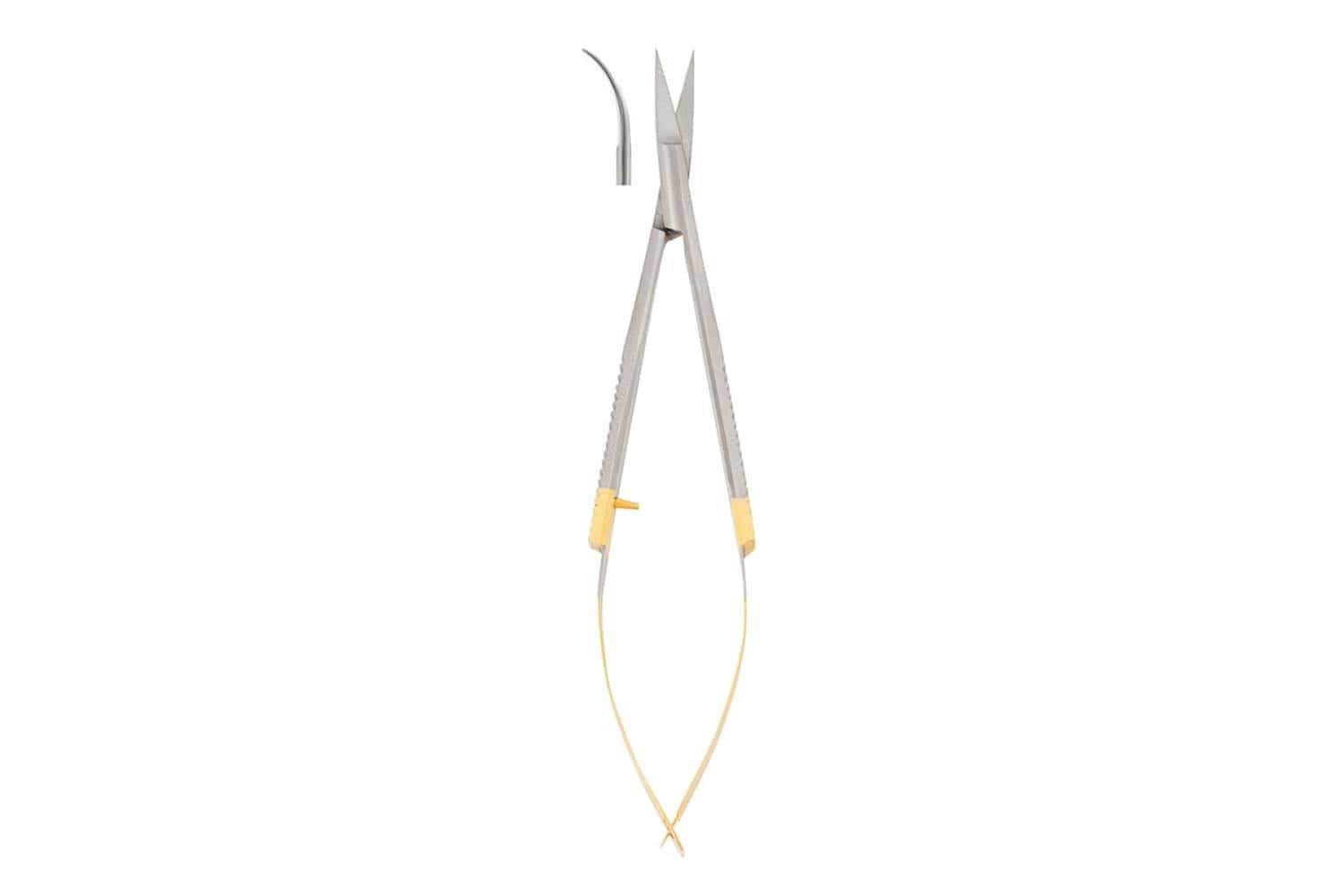
Fly Tying Scissors Quick Picks
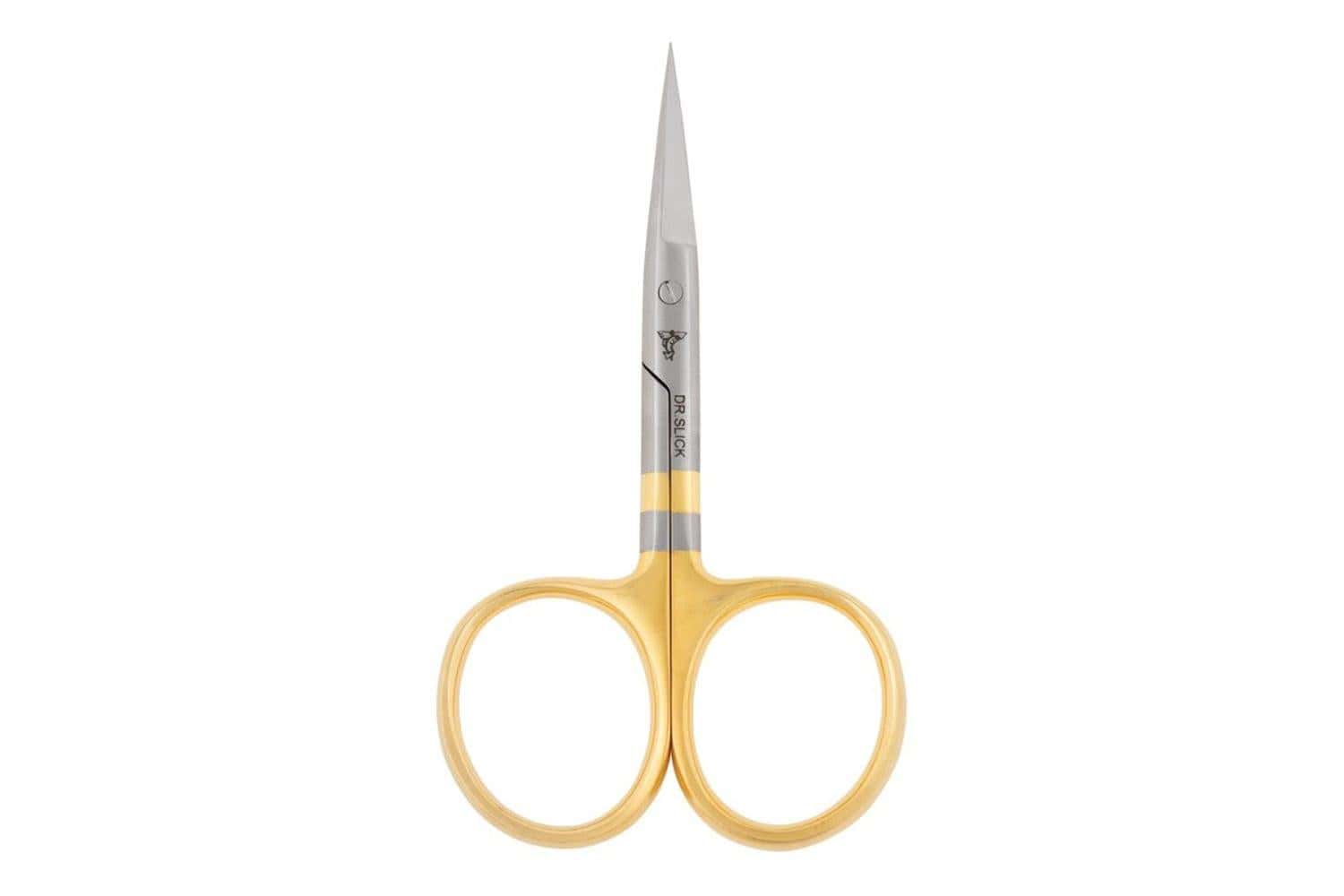
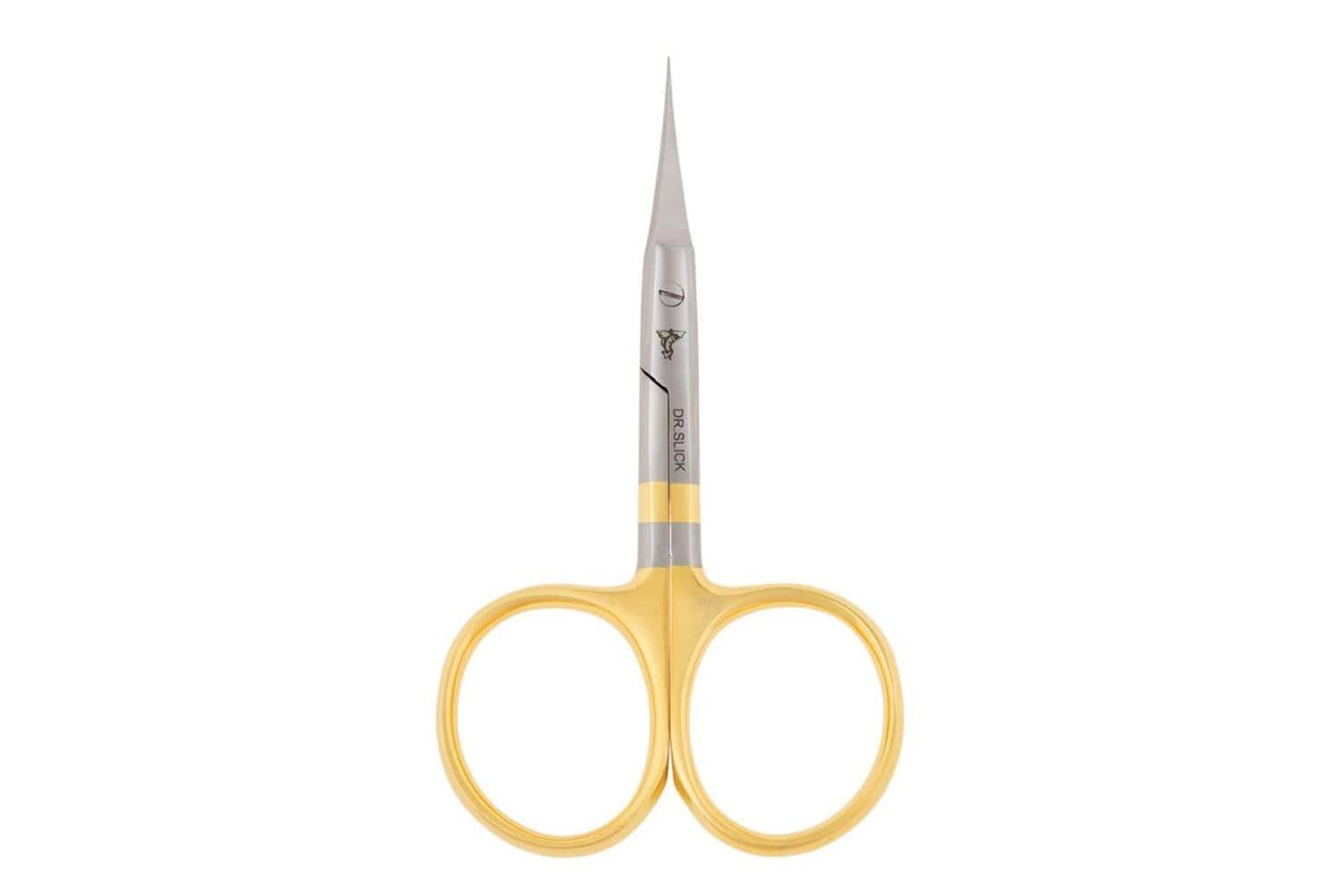
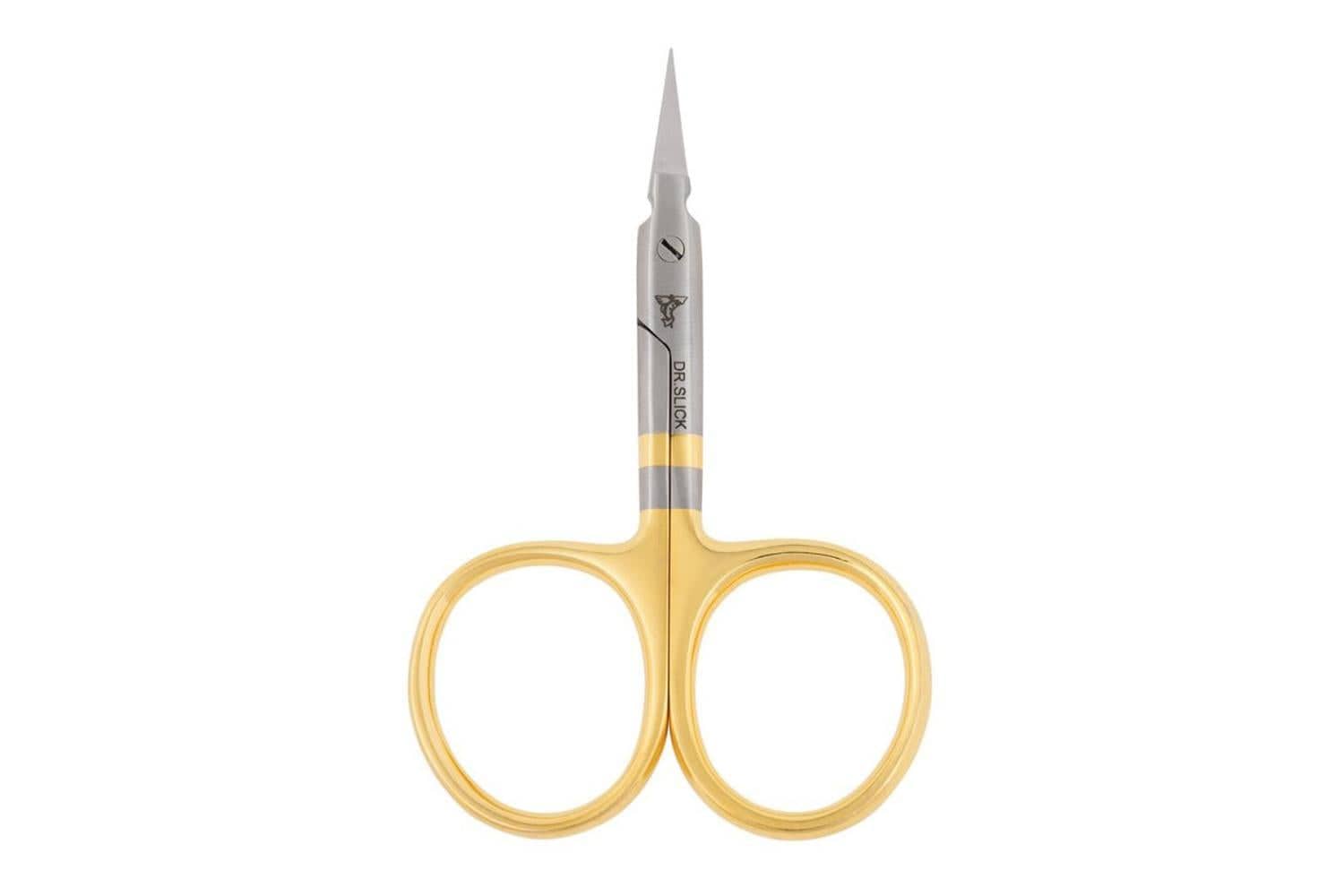
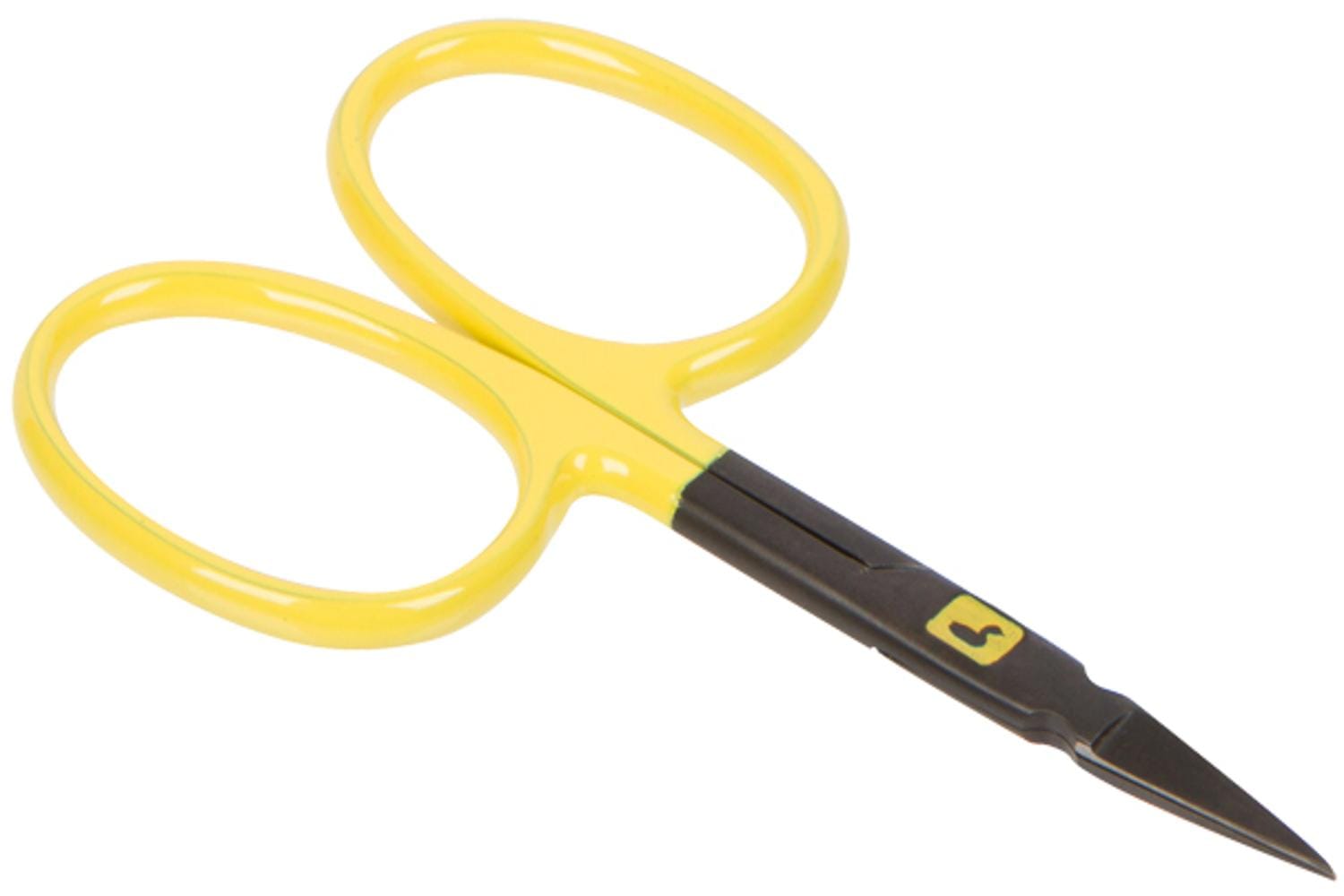
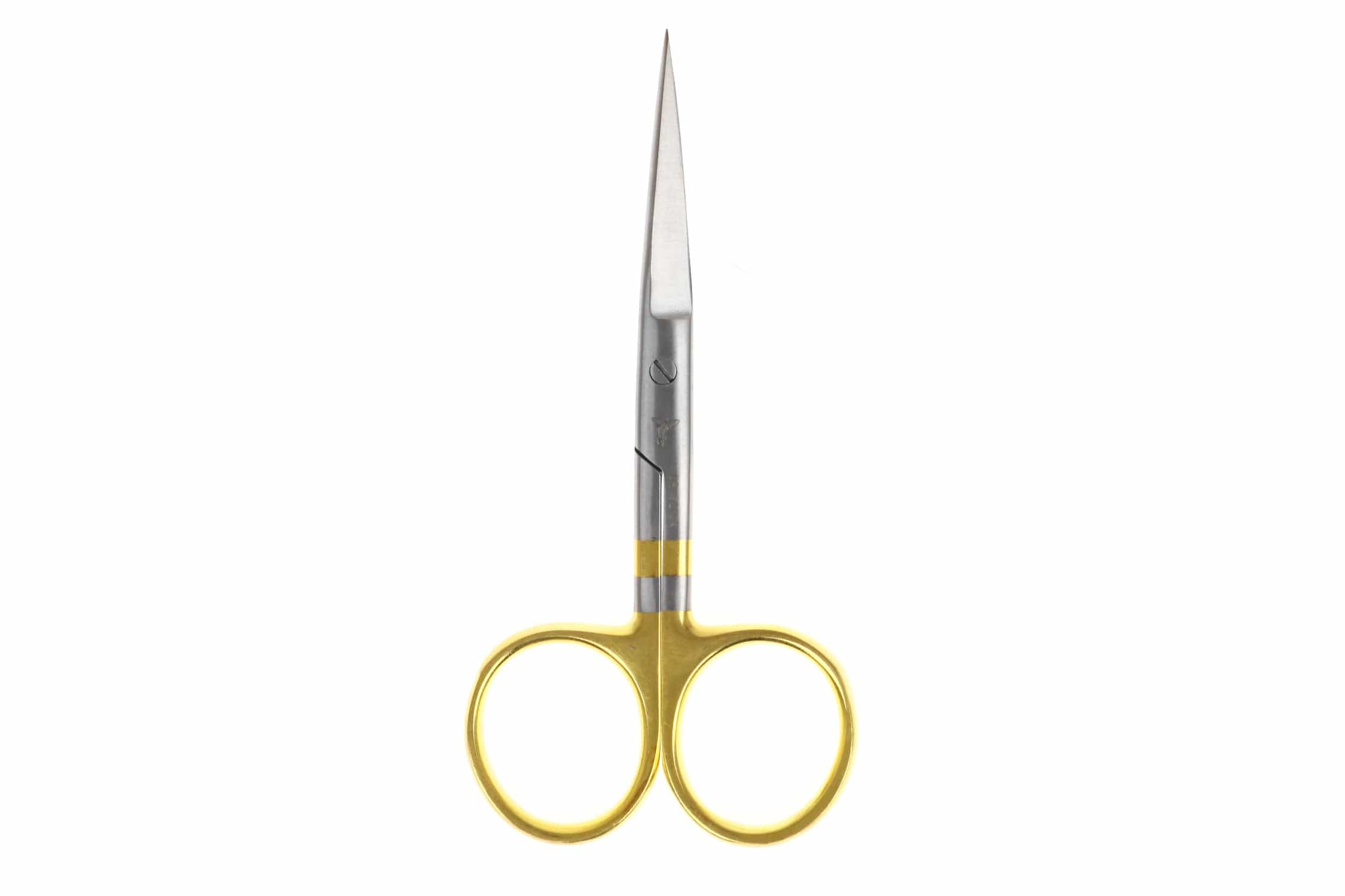
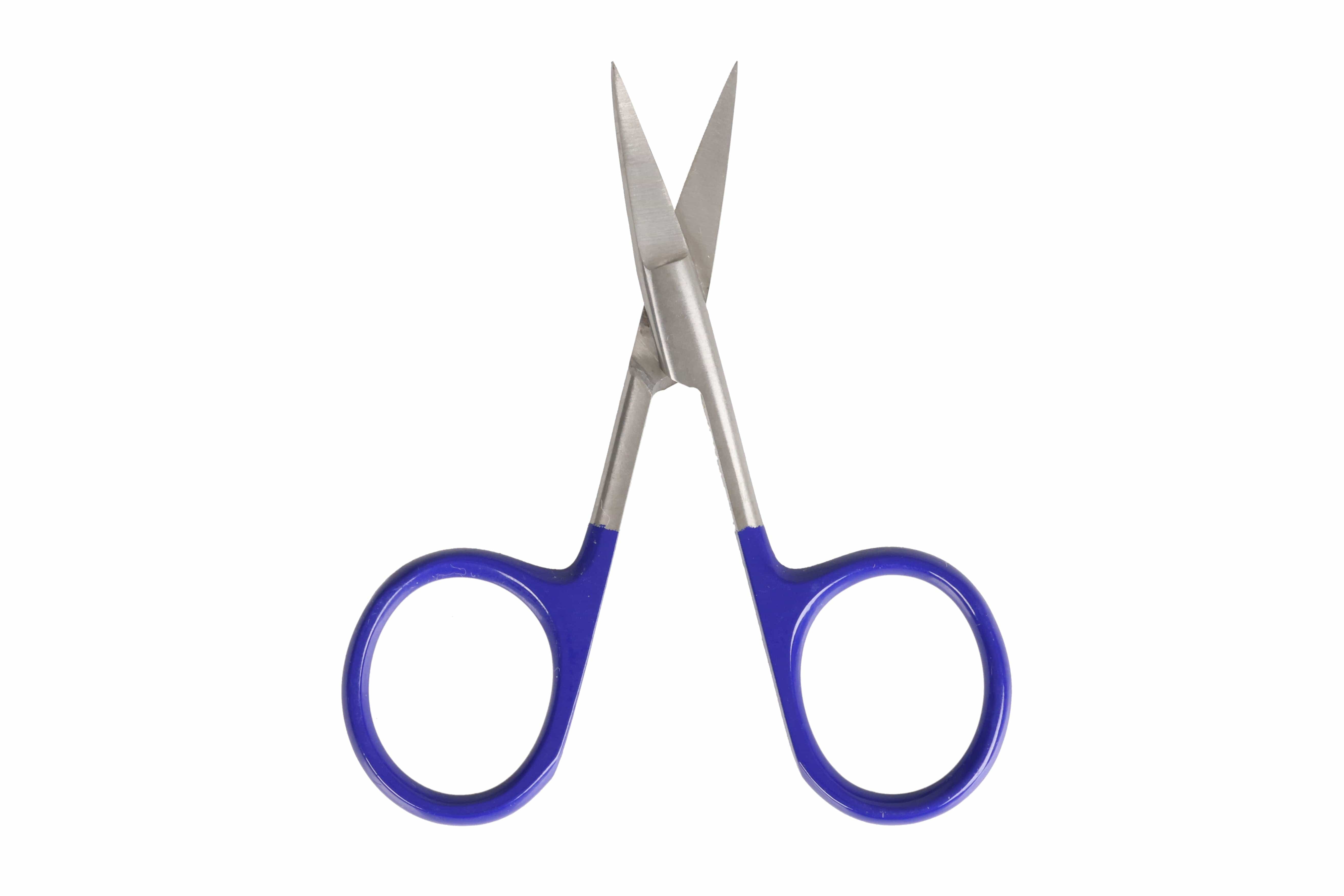
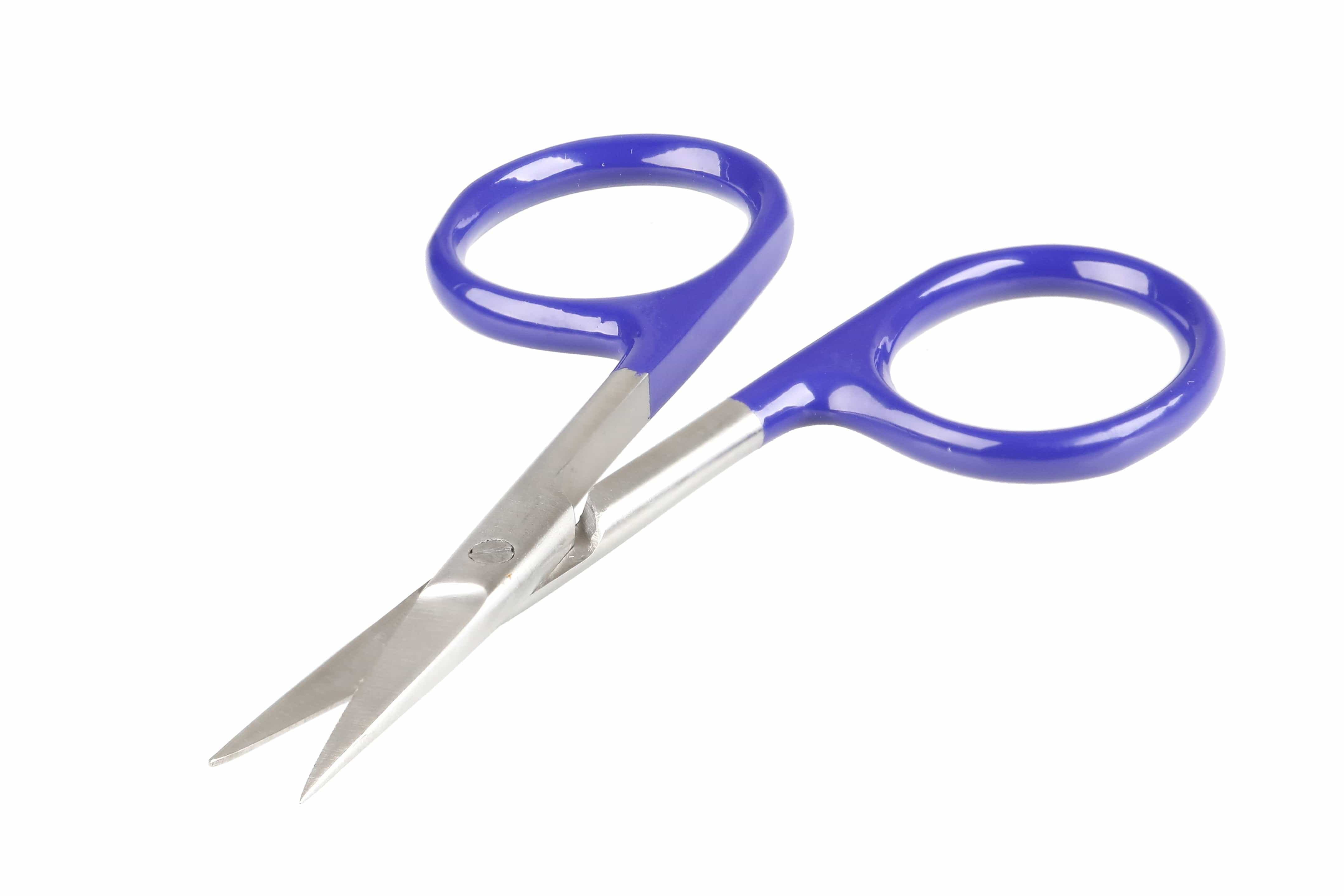
Best All-Purpose Scissor: Dr. Slick All Purpose Scissor - A solid first pair for any tyer, from someone tying their first Woolly Bugger to a longtime tyer who wants a reliable daily driver. The medium-length 410 stainless blades handle everything from deer hair to synthetic streamer fibers without a lot of drag.
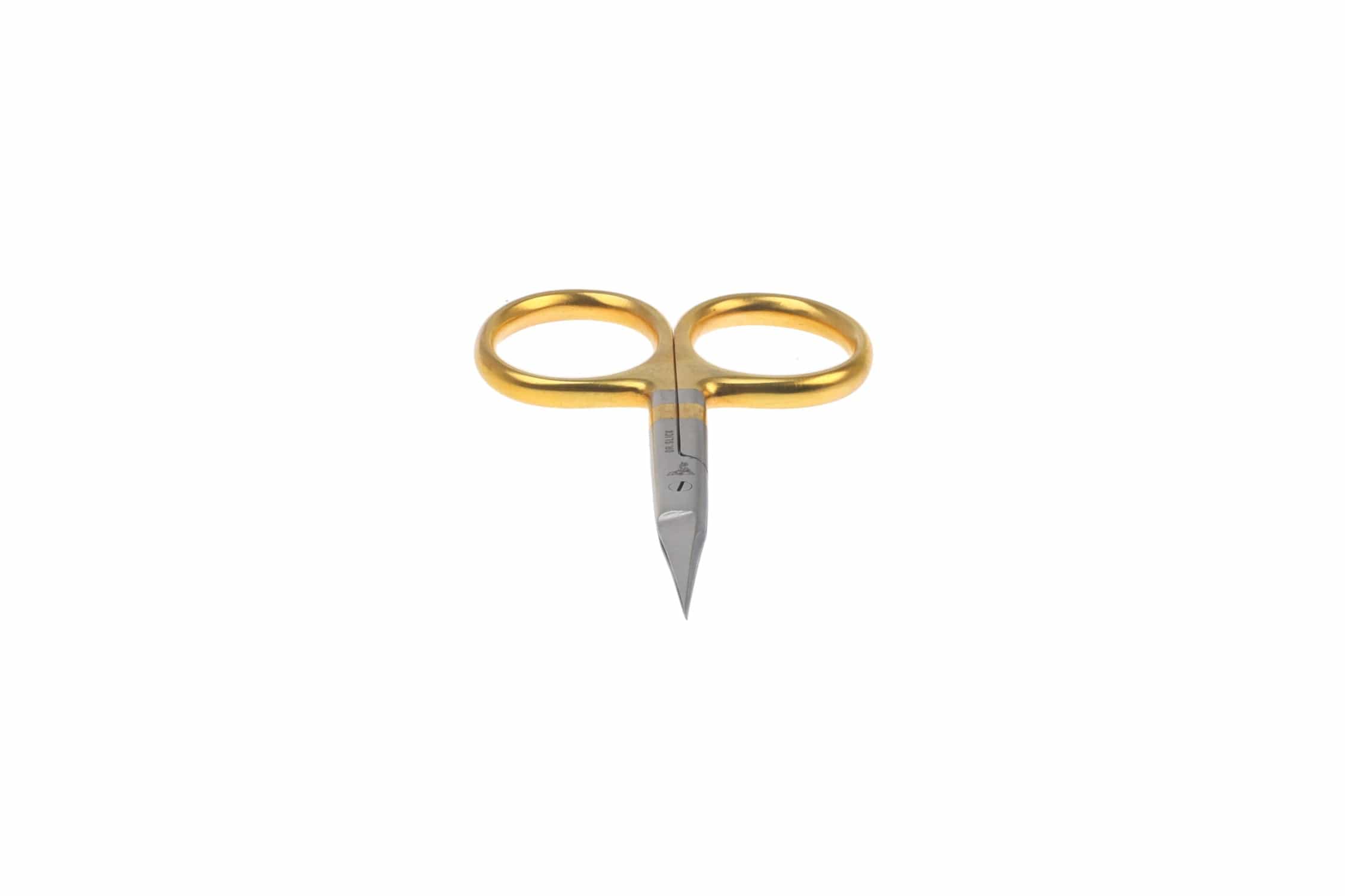
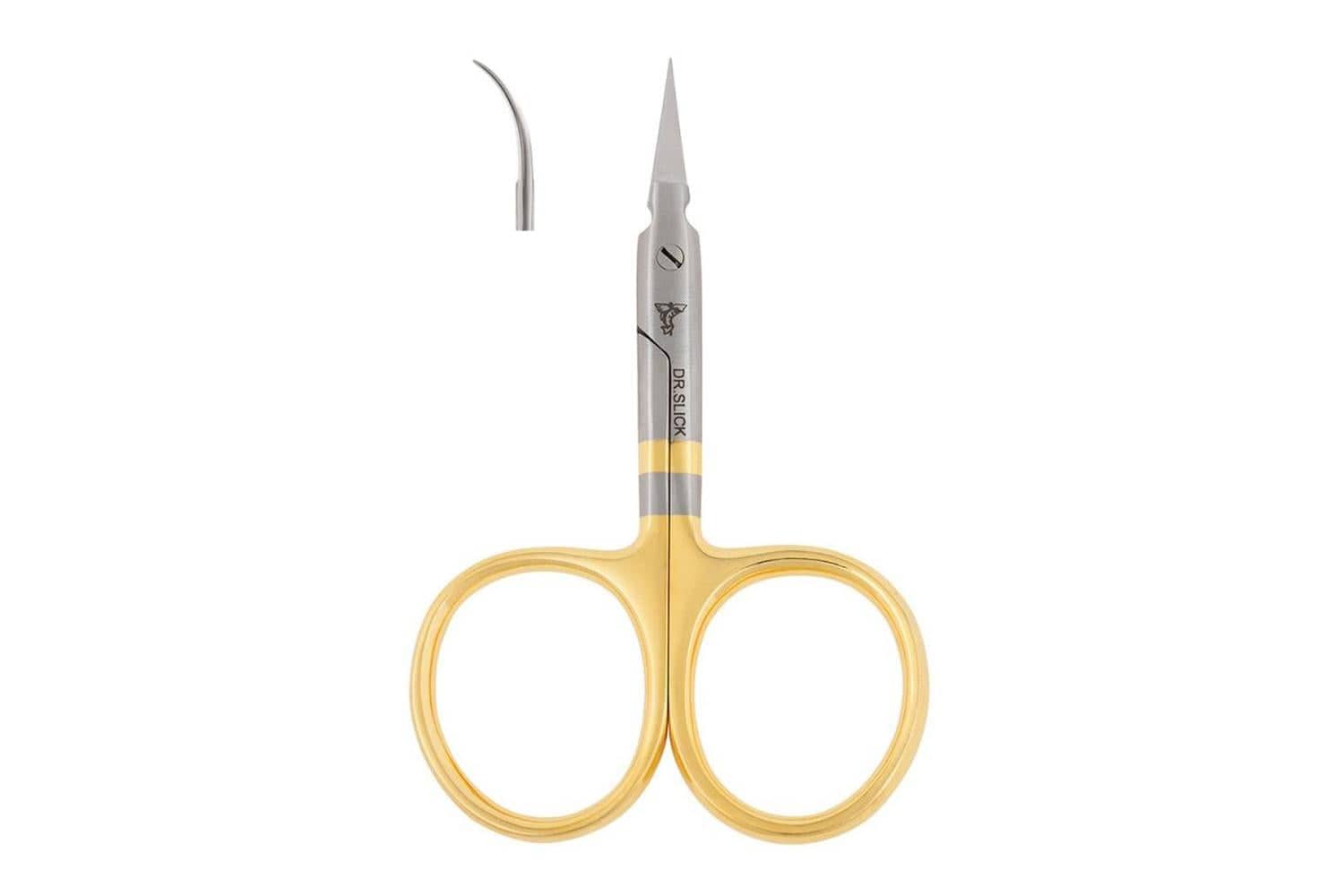
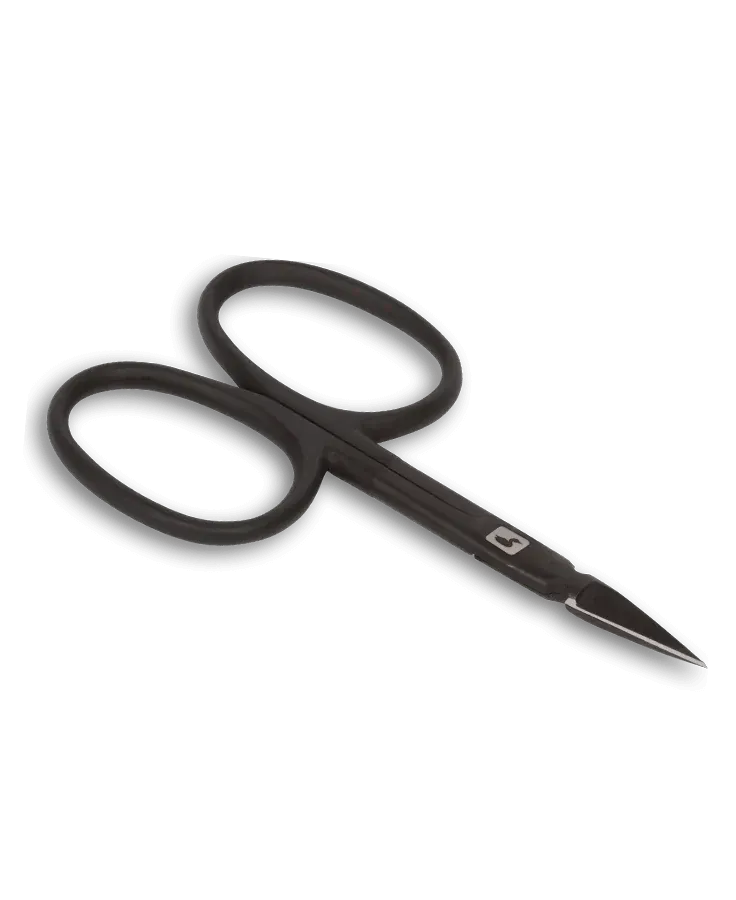
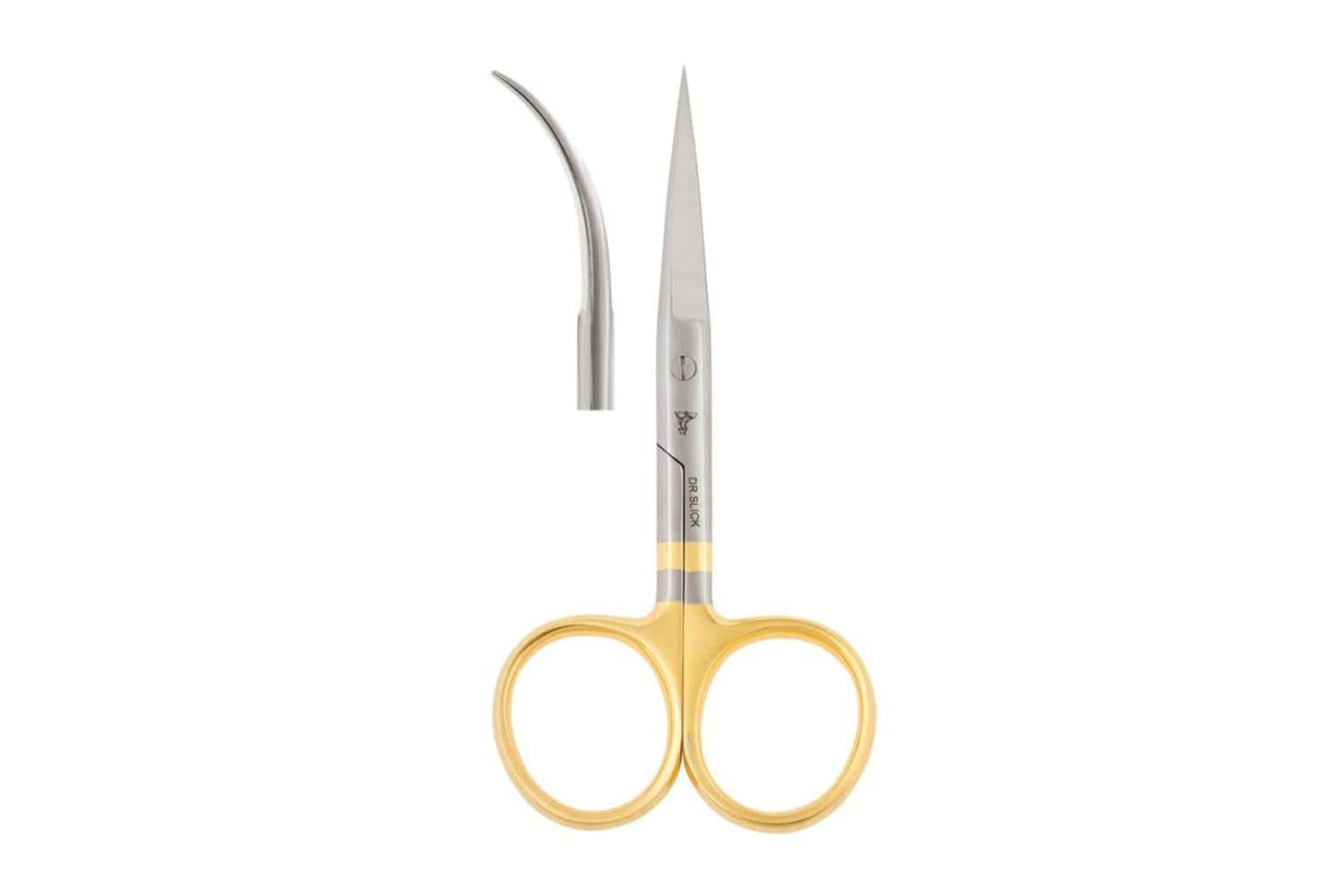
Best for Fine Detail Work: Dr. Slick Microtip All Purpose Scissor - Built for tyers working small dries and midges where a bulky tip gets in the way. The hypodermic-style microtip lets you trim single fibers off a wing without nicking the material next to it.
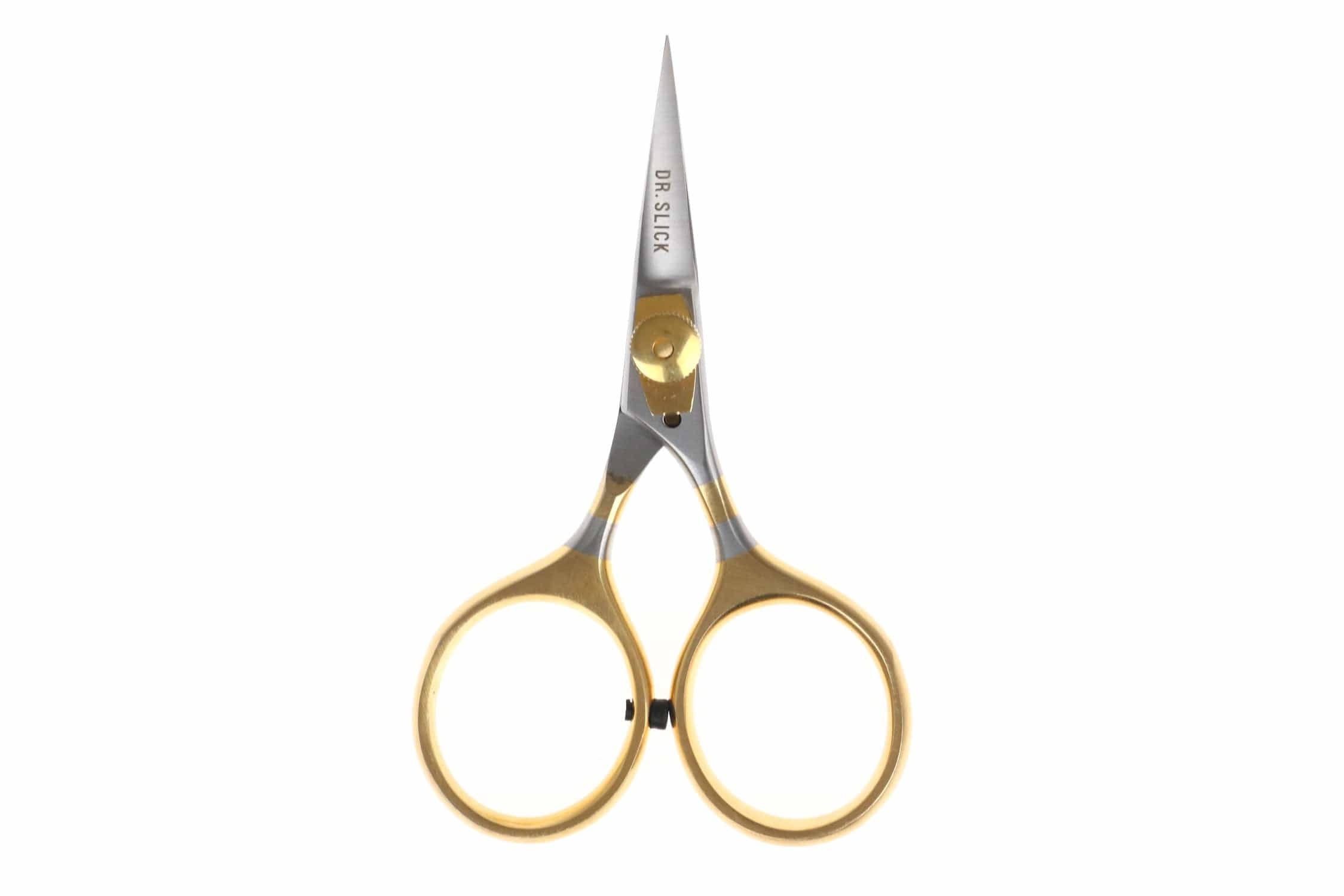
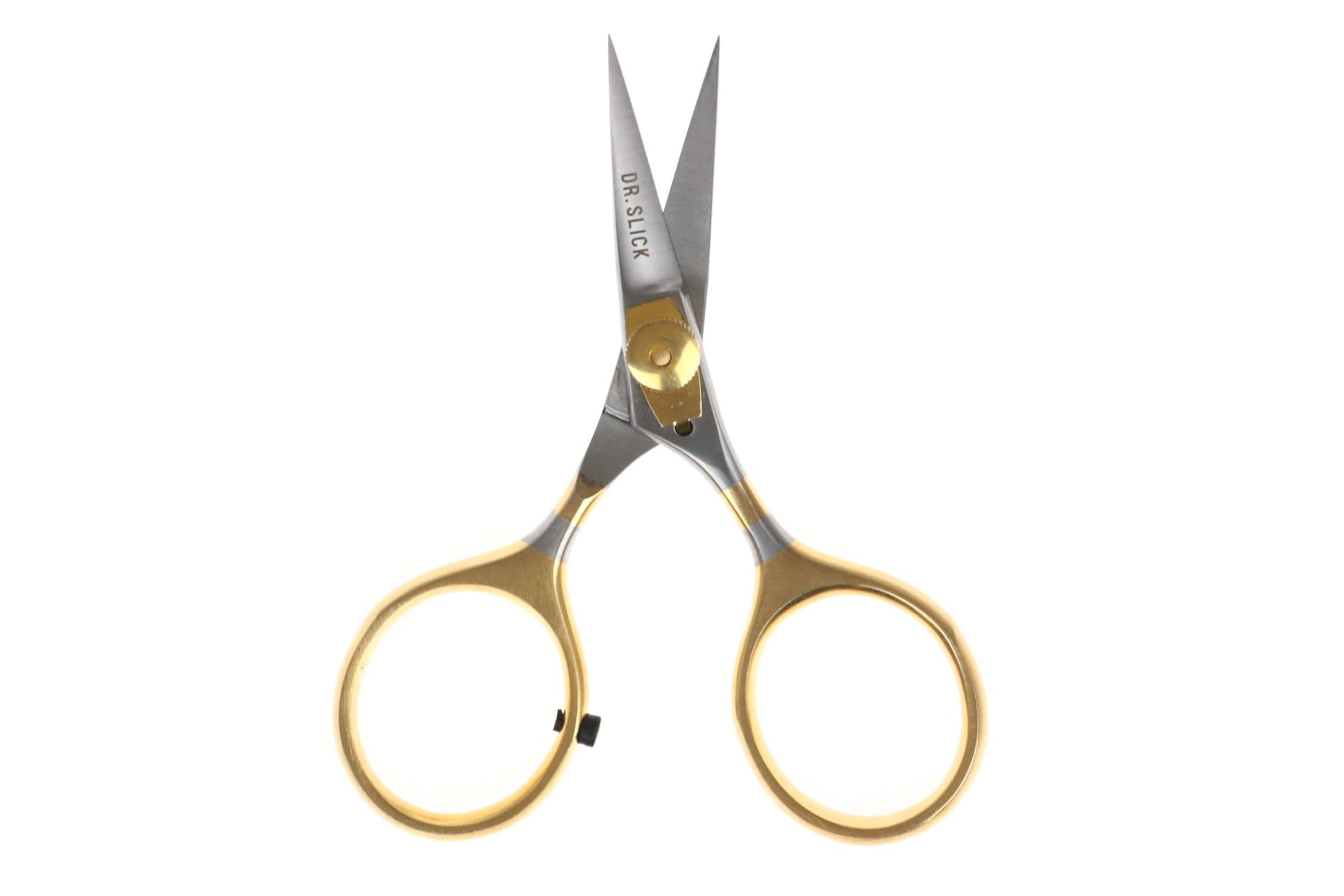
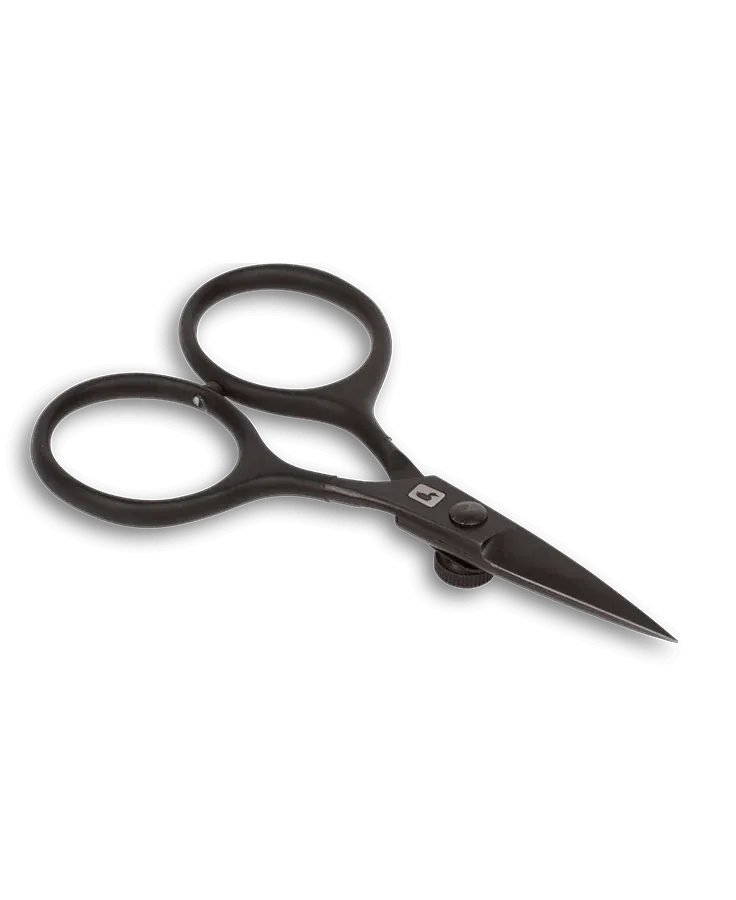
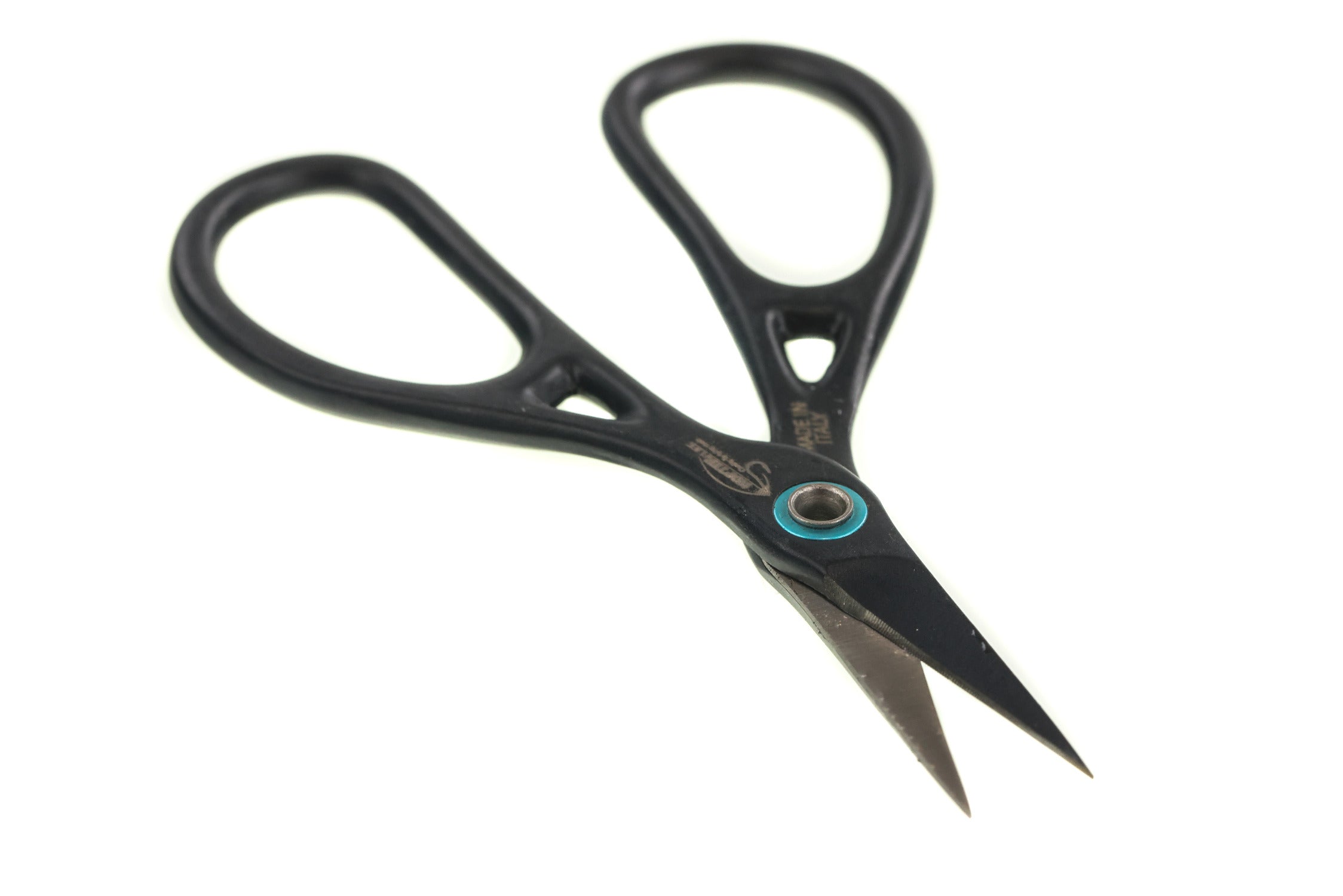
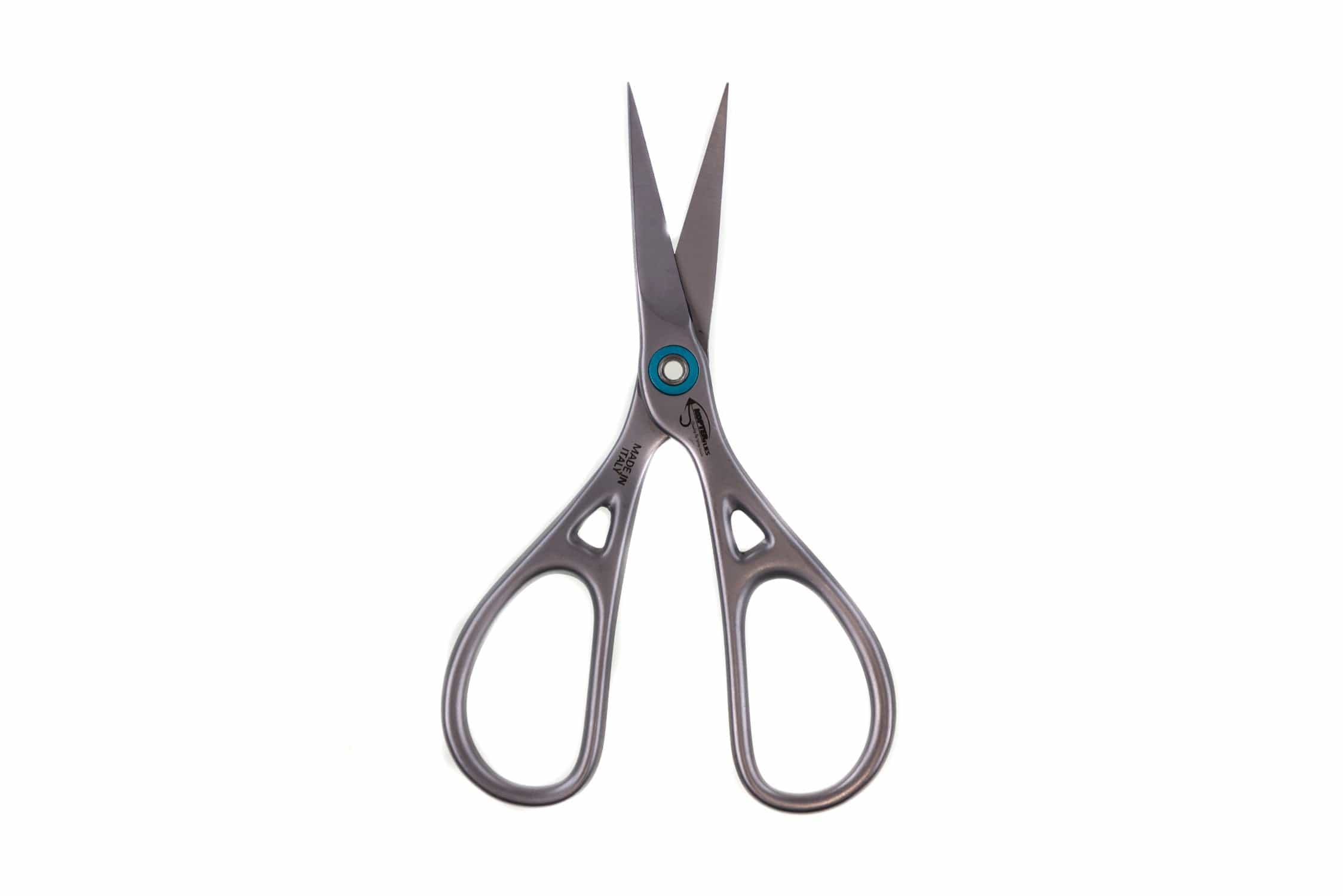
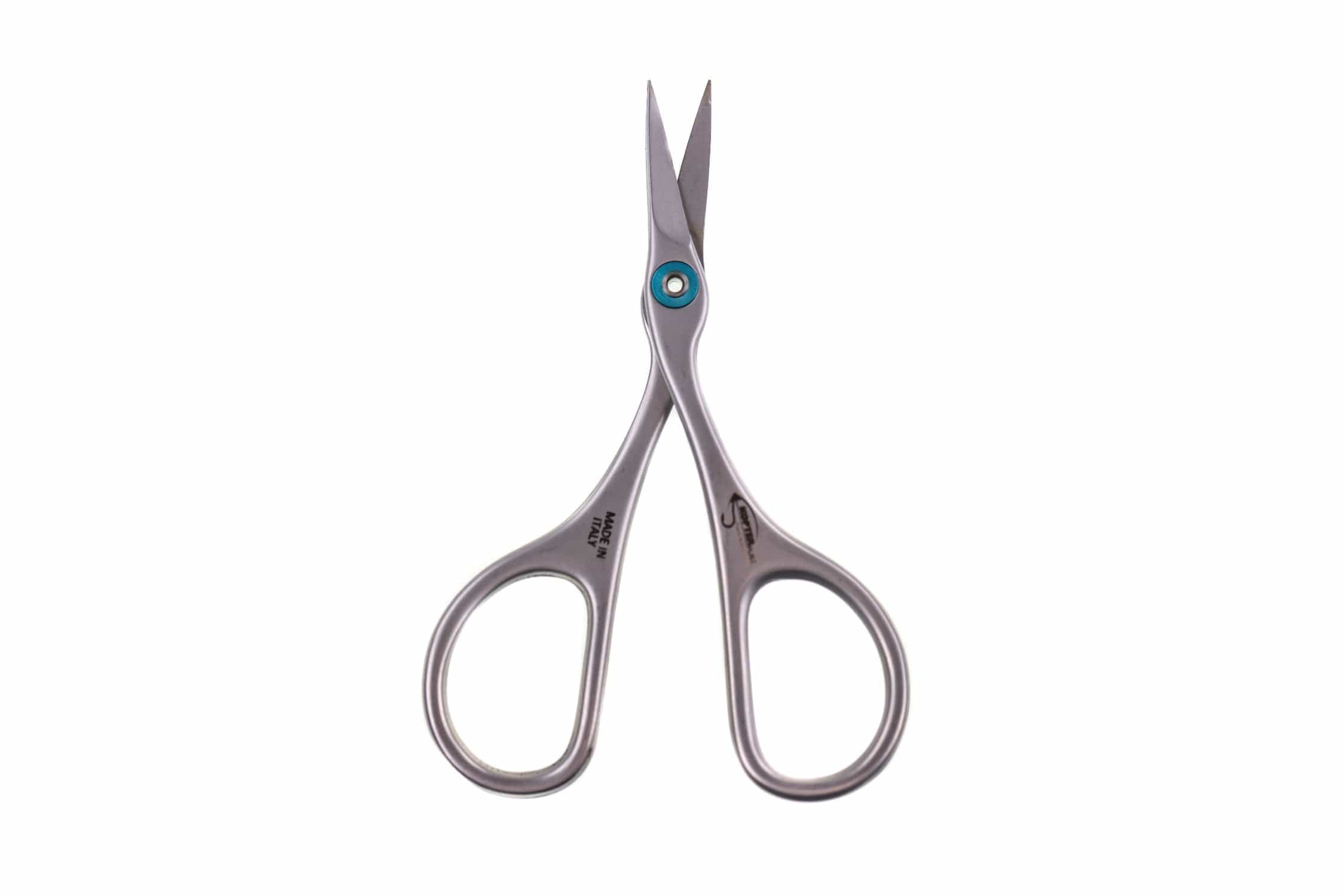
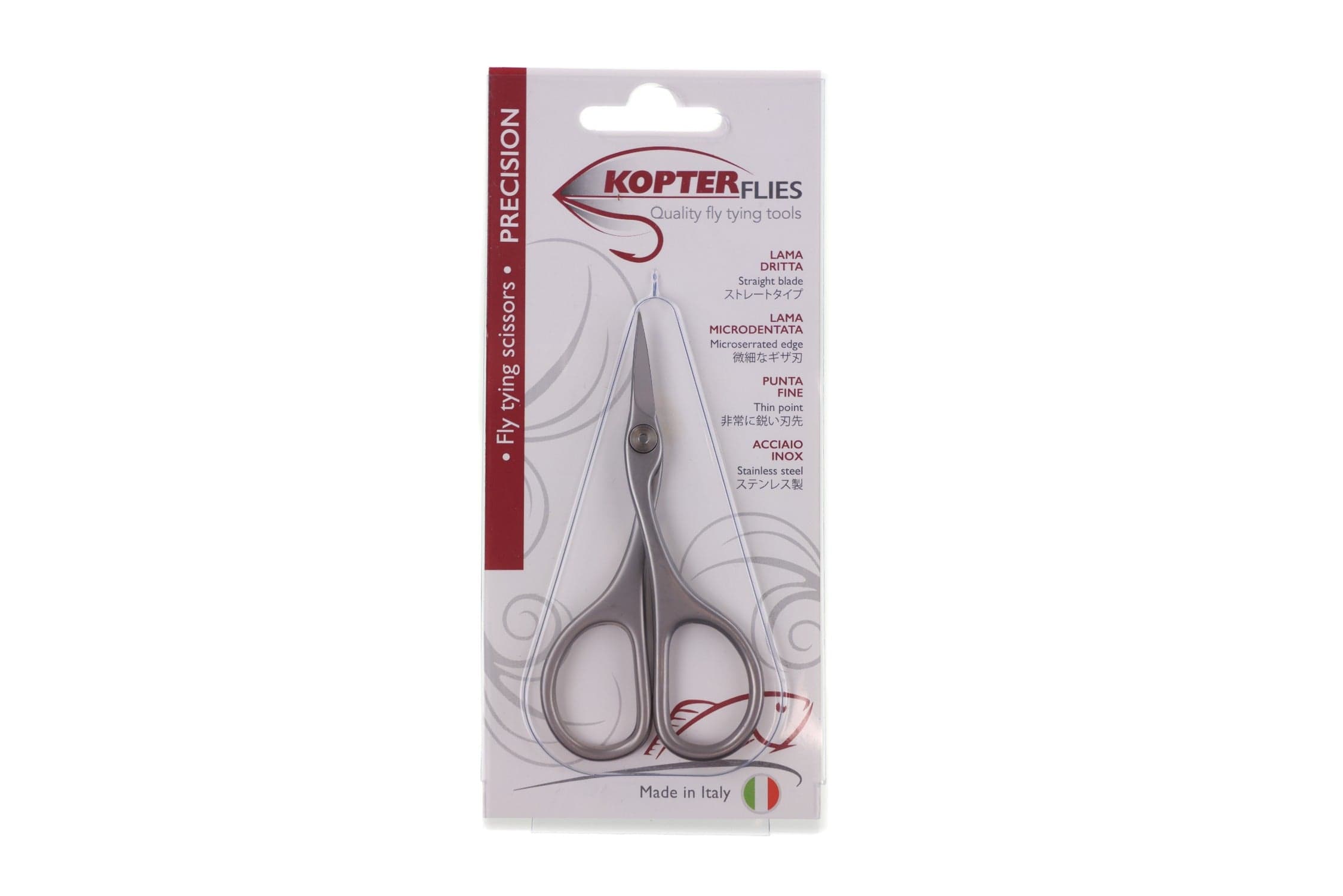
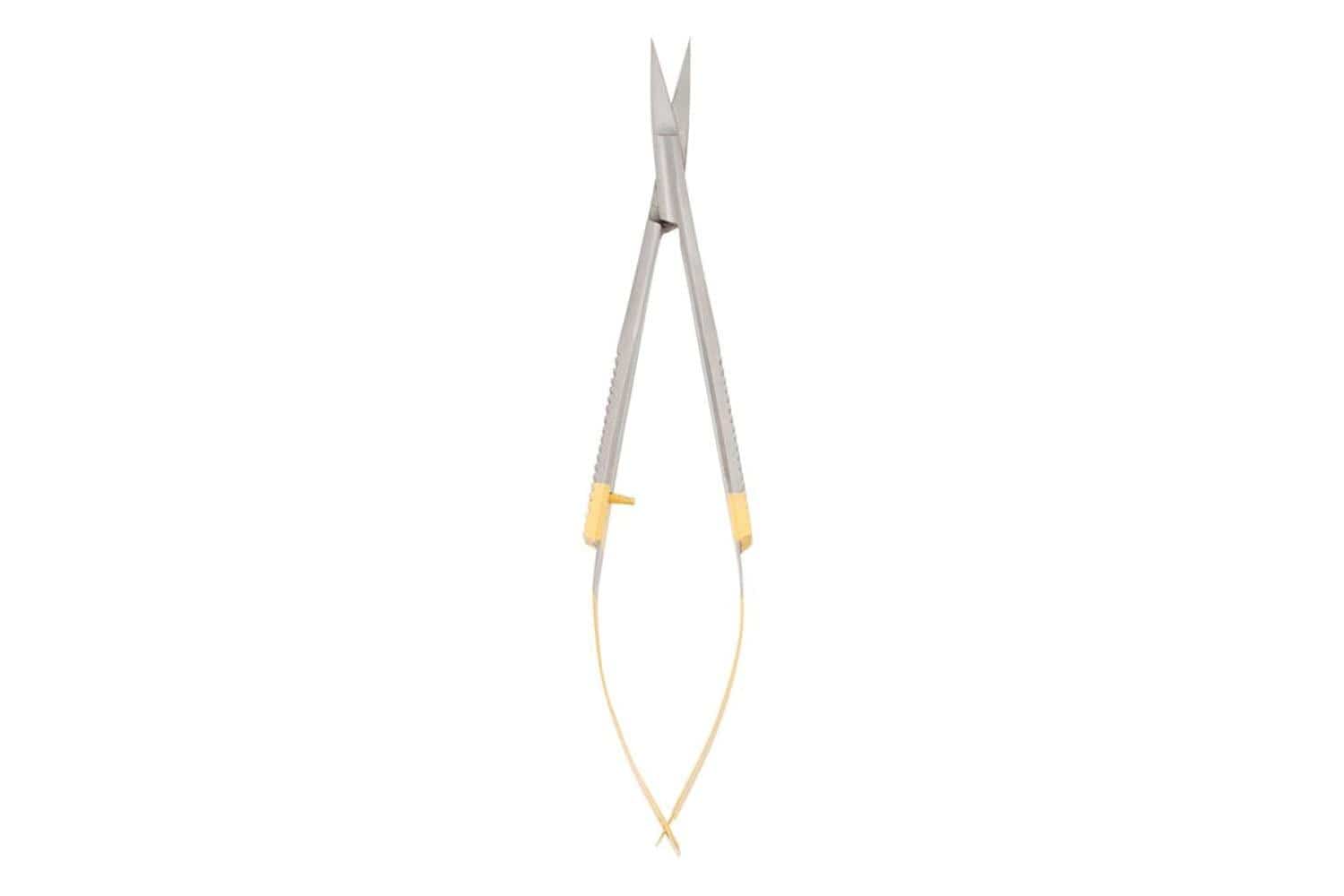
Best Razor-Sharp Detail Scissor: Tiemco Razor Scissors - Good for tyers who want the cleanest possible cut on delicate materials like CDC and fine hackle. The razor edge holds up under repeated use and the dexterous tips make short work of detailed trimming.
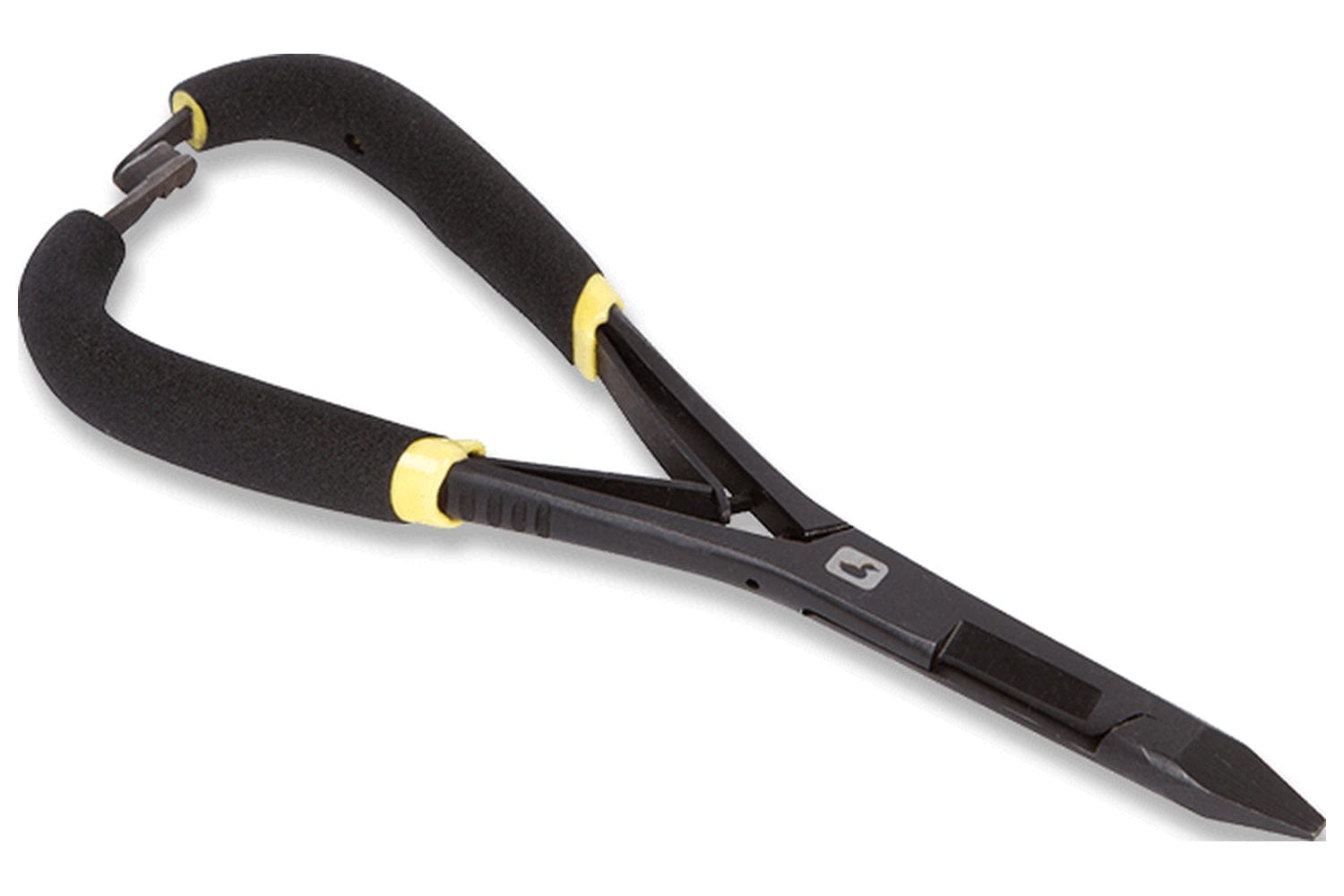
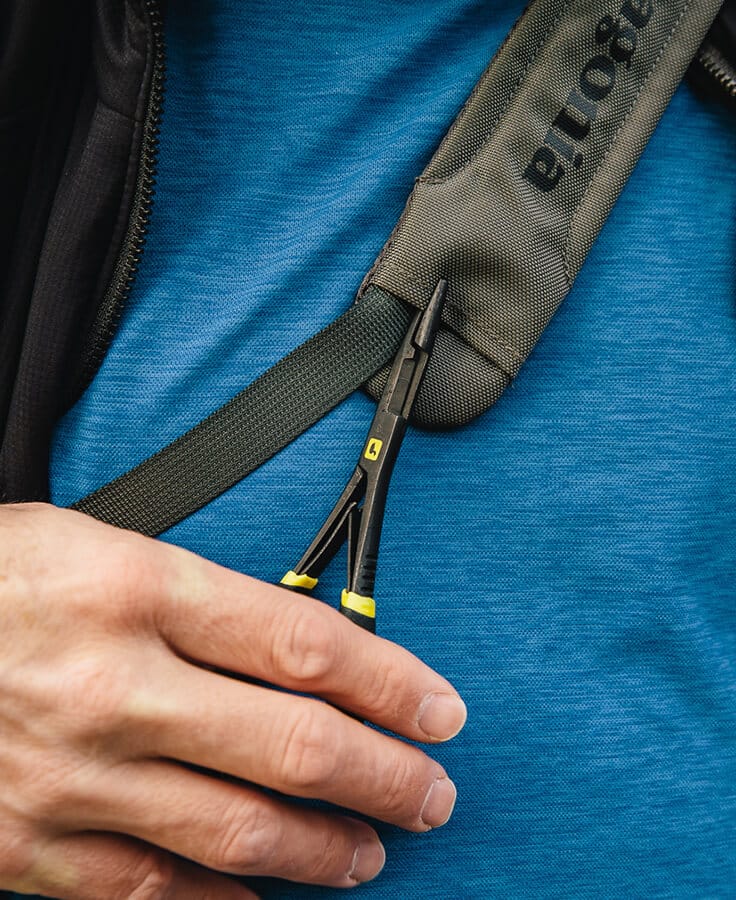
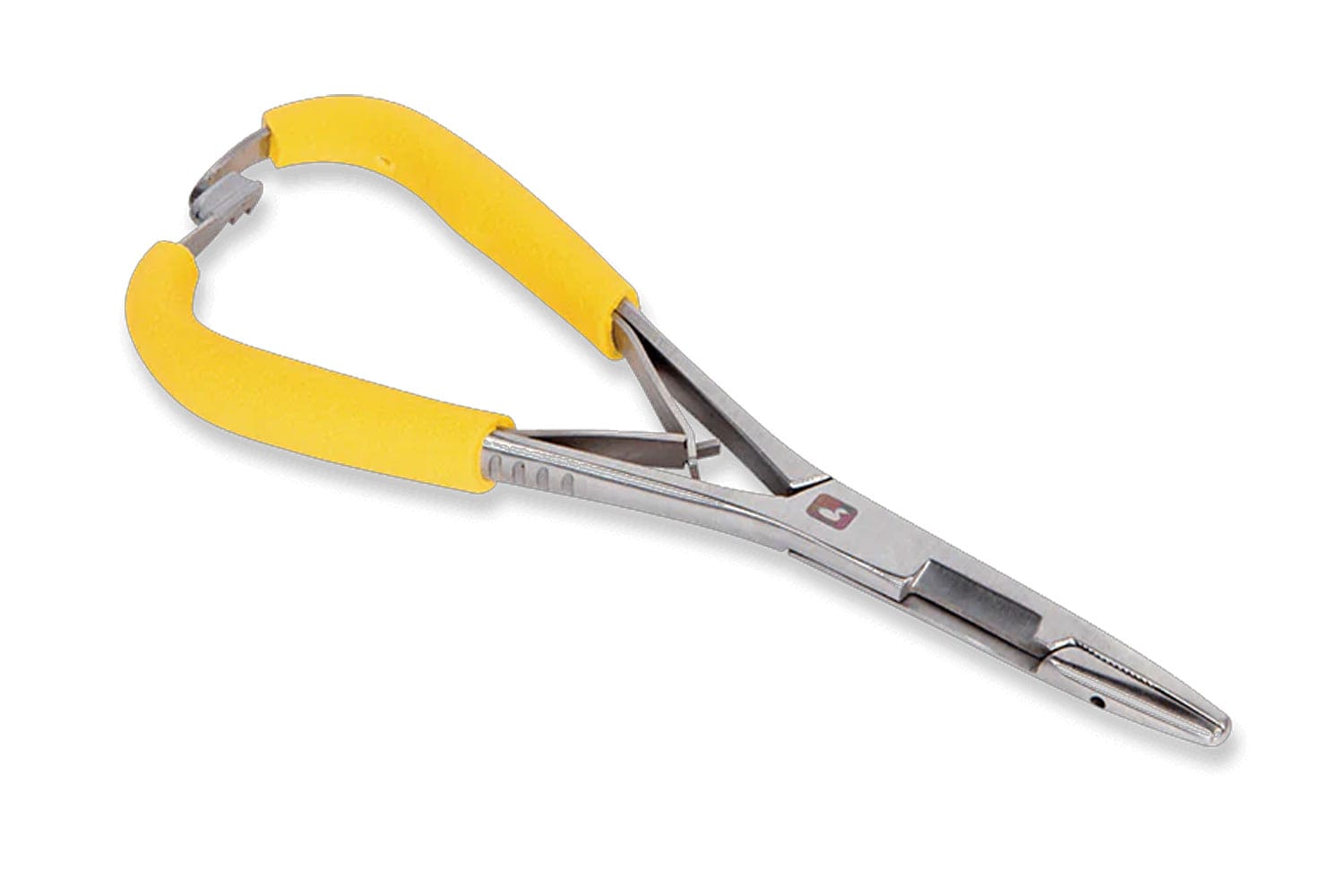
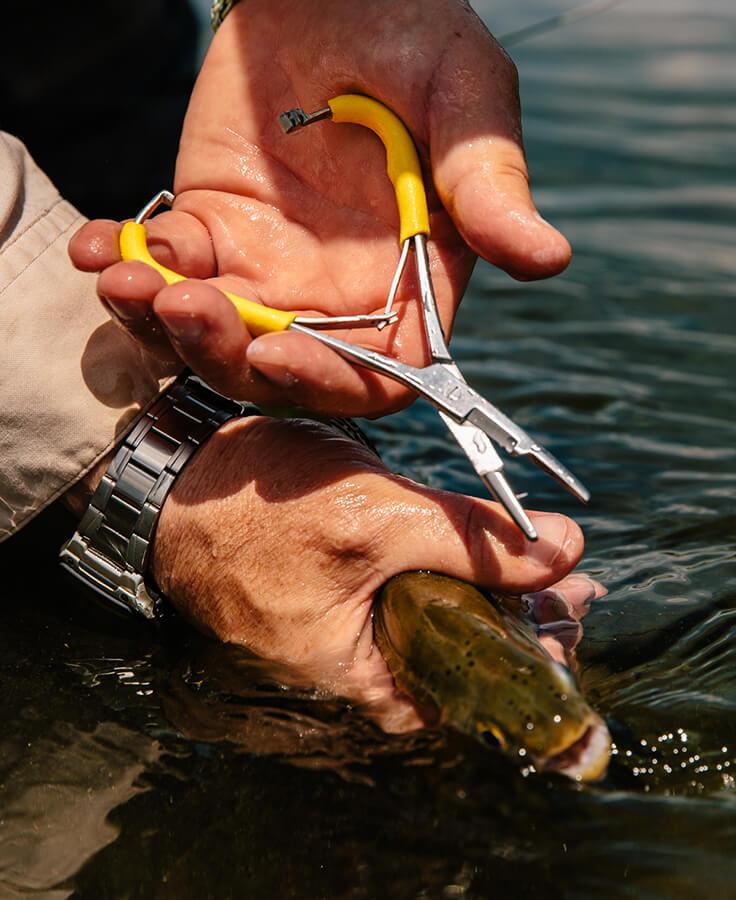
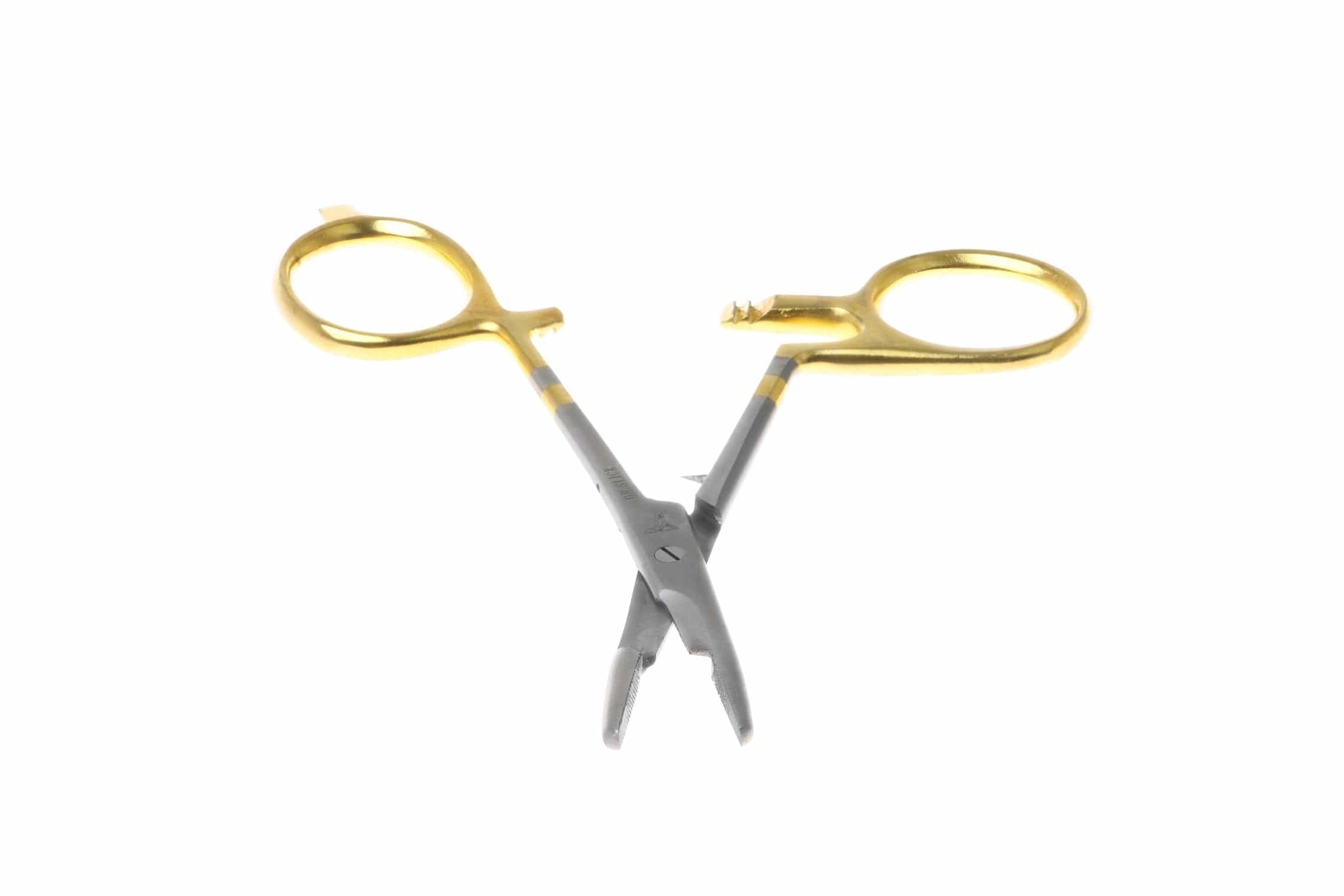
Best Scissors/Forceps Combo: Loon Classic Scissor Forceps - Useful for tyers who also want one tool for pinching barbs and pulling hackle stems off the bench. Surgical-grade steel and the signature yellow Comfy Grip handles keep it comfortable through long tying sessions.
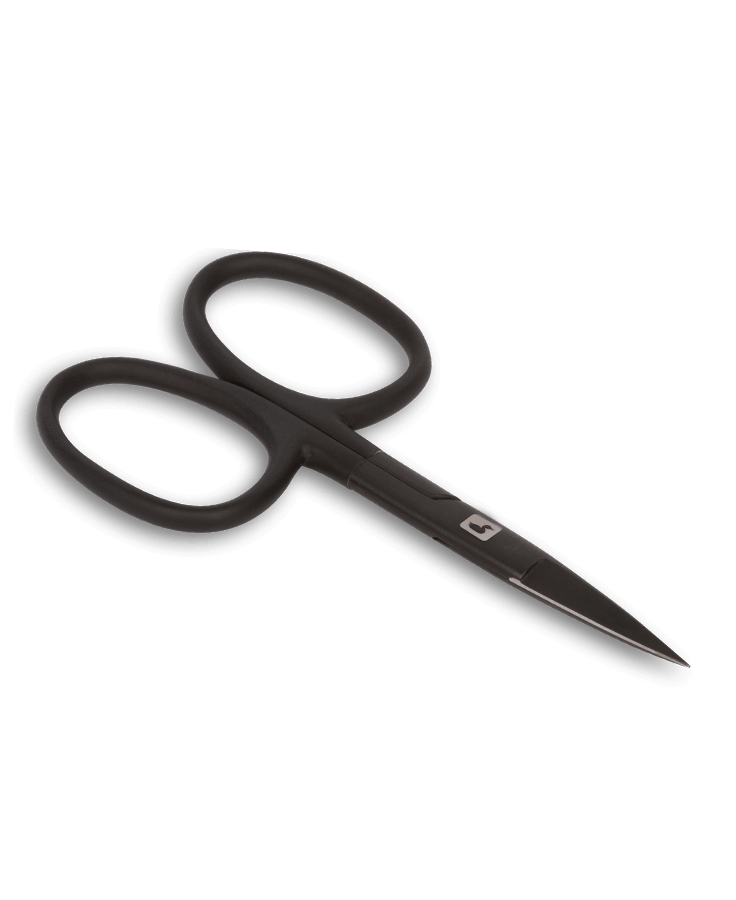
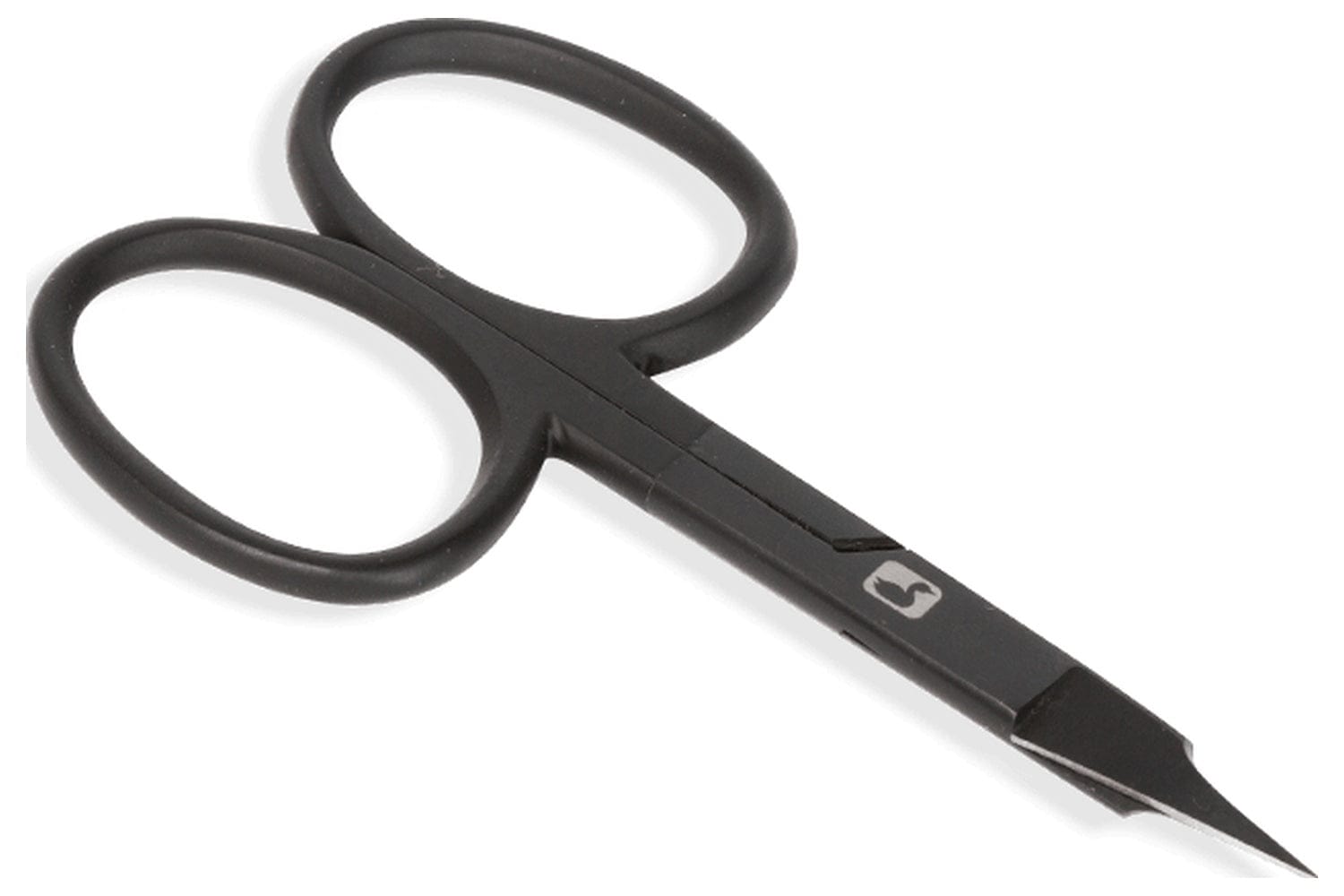
Best for Larger Hands: Loon Ergo All Purpose Scissors - A go-to for tyers who find standard scissor grips cramped after an hour at the vise. The oversized ergonomic handles still fit smaller hands fine.
How to Choose Fly Tying Scissors
Blade Type
Straight blades: The default for most tying work, giving you a clean, predictable cut on everything from thread to hair.
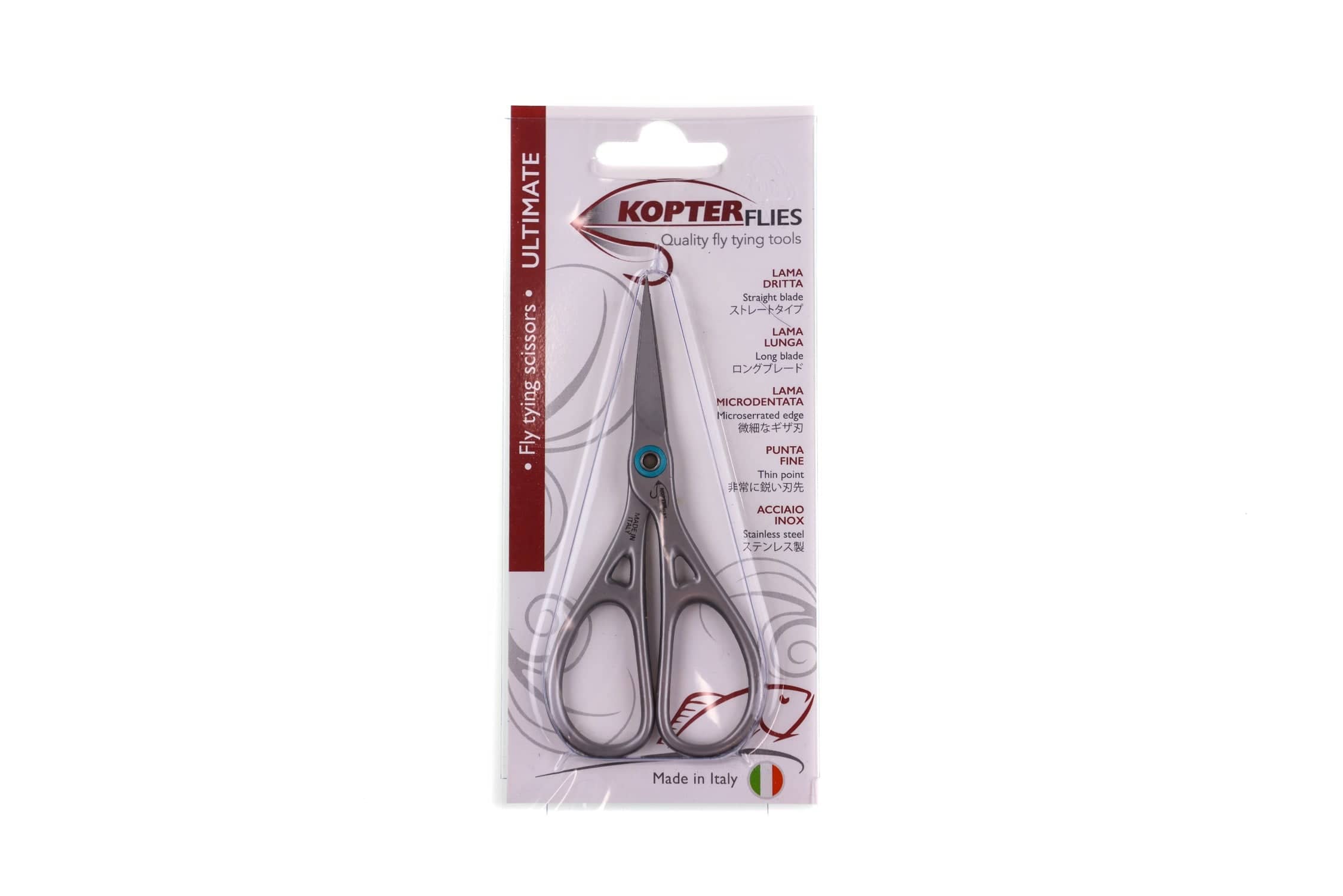
Serrated blades: Better for slippery synthetic materials like flash or craft fur, since the fine teeth grip the fibers instead of letting them slide out of the cut.
Razor blades: Deliver the sharpest possible edge for fine natural materials like CDC and marabou, but they dull faster if you use them on wire or lead.
Tip Style
Fine or microtip: Lets you get into tight spaces on small flies to trim a single fiber without disturbing the rest of the pattern.
Standard tip: More durable for everyday trimming and less prone to bending if you set them down wrong on the bench.
Combo Tools
Scissors alone: The simplest option if you already have dedicated forceps for pinching barbs and pulling material.
Scissor forceps combos: Save bench space by putting a cutting edge on the same tool you use to clamp hackle stems or debarb hooks.
Care & Maintenance
Keep a dedicated wire pair: Cutting lead wire or tinsel with your fine-tip material scissors will dull them fast, so use a cheap backup pair for wire and reserve the good ones for hair and feathers.
Wipe blades after tying sessions: Dubbing wax and material residue build up on the blades and slow the cut, so a quick wipe with a cloth keeps them sharp longer.
Store them closed or sheathed: Loose scissors rolling around a tying kit or travel bag is how tips get bent or blades get nicked.
Match the scissor to the job: Swapping between a microtip pair for midges and a standard pair for streamers saves wear on both and gives you a better cut on each.
Complete Your Setup
Related Gear
Fly Tying Vises - A steady vise makes every cut with your scissors more precise, so it is worth pairing good tools with a good vise.
Fly Tying Bobbins - The other tool your hand reaches for constantly at the bench, right alongside your scissors.
Fly Tying Tools - Round out your kit with bodkins, whip finishers, and hackle pliers for a complete tying setup.
Fly Tying Thread, Tinsel & Wire - Stock the materials you will actually be trimming to length with your new scissors.
Fly Tying Scissors FAQs
Q: Do I really need more than one pair of scissors at the vise?
A: Most experienced tyers keep at least two pairs, one fine-tip pair reserved for delicate natural materials and one tougher pair for wire and synthetics. Using your good detail scissors on wire is the fastest way to dull them.
Q: What is the difference between razor and standard fly tying scissors?
A: Razor scissors use a thinner, sharper ground edge that gives a cleaner cut on fine materials like CDC and hackle, but that edge dulls faster under heavy use. Standard scissors trade a bit of sharpness for durability.
Q: What size or tip style works best for tying small dry flies?
A: A microtip or fine-tip scissor is the better choice for size 16 to 24 dries, since the narrow tips let you trim single fibers close to the hook without cutting into material you want to keep.