


























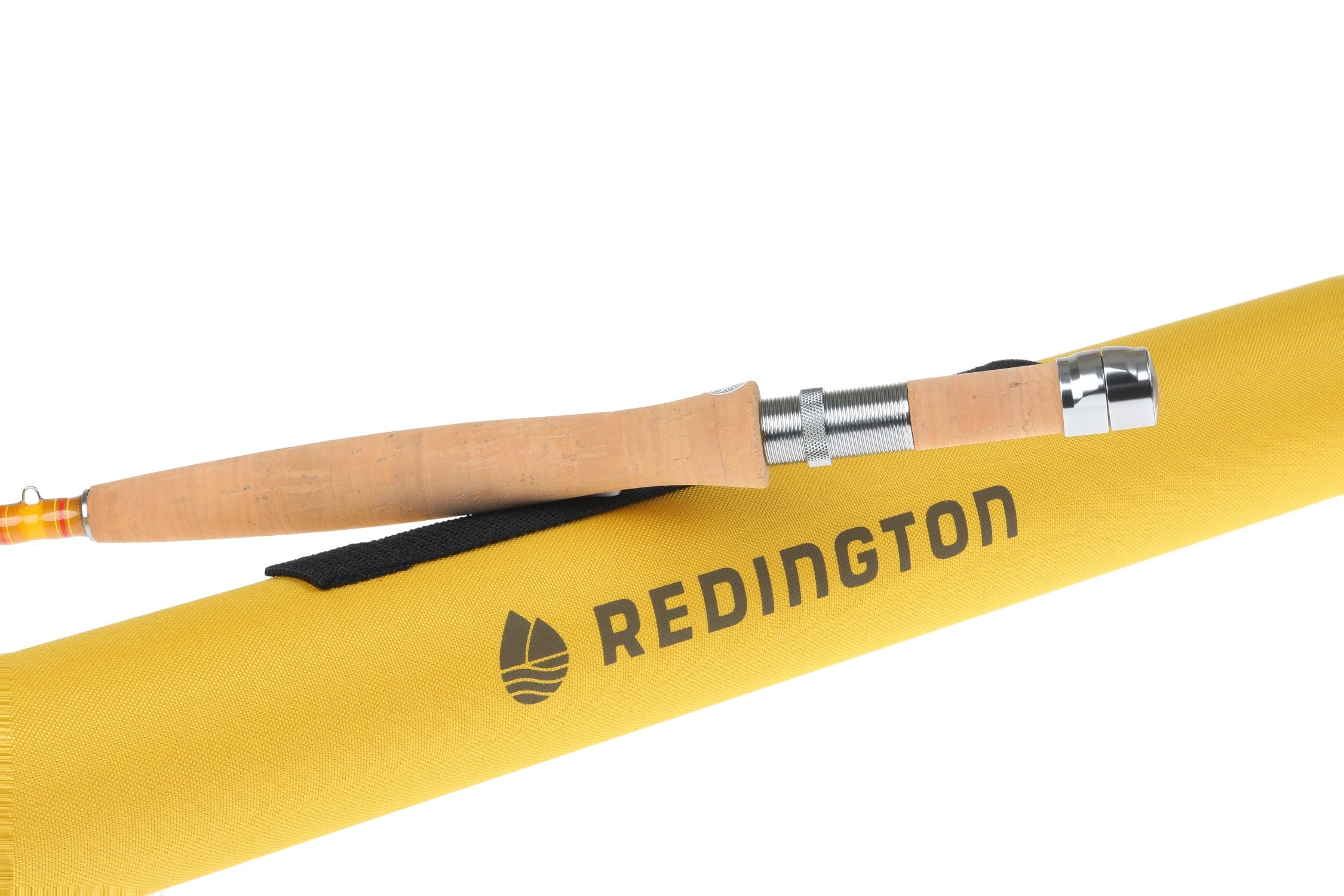
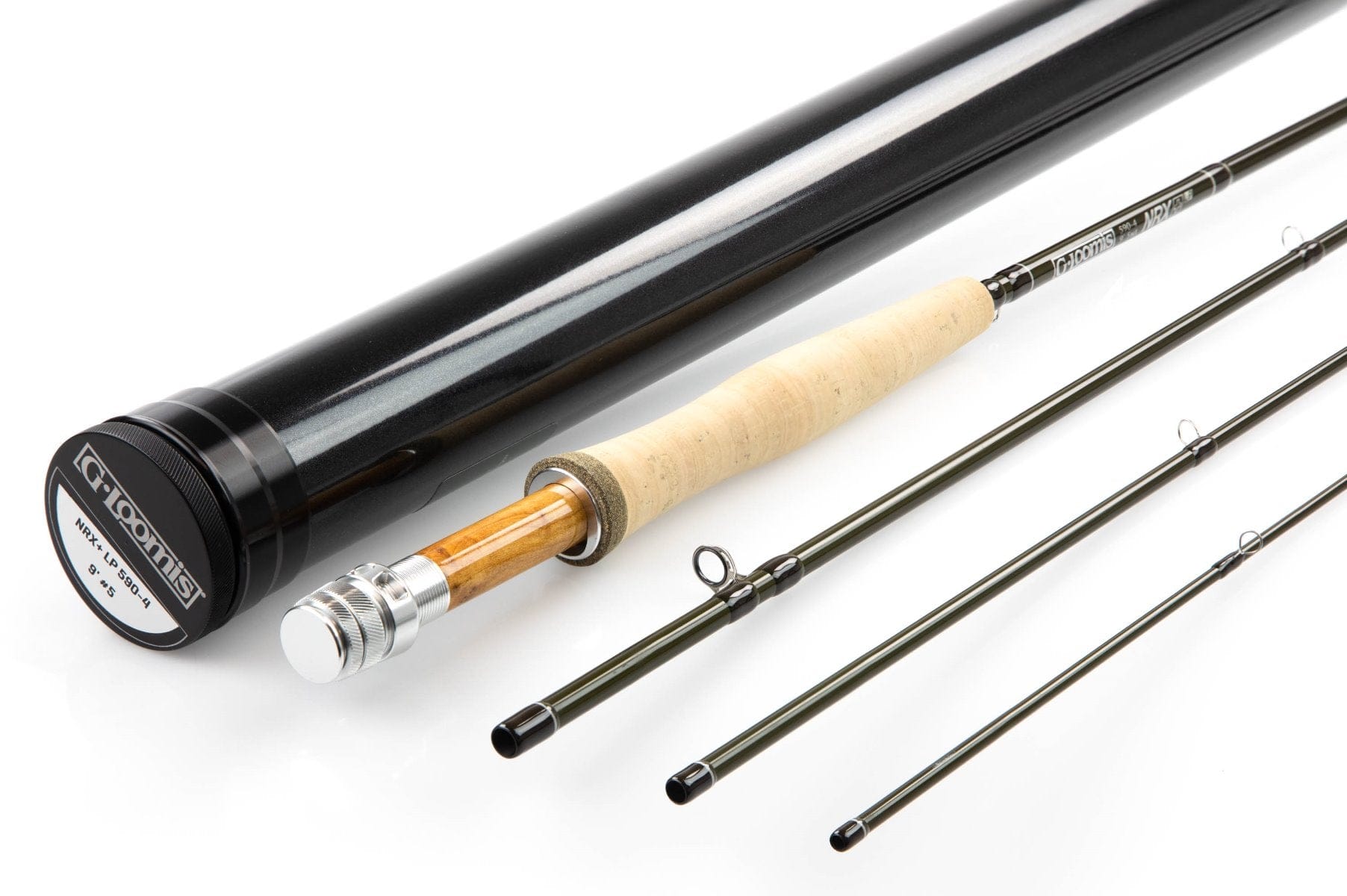
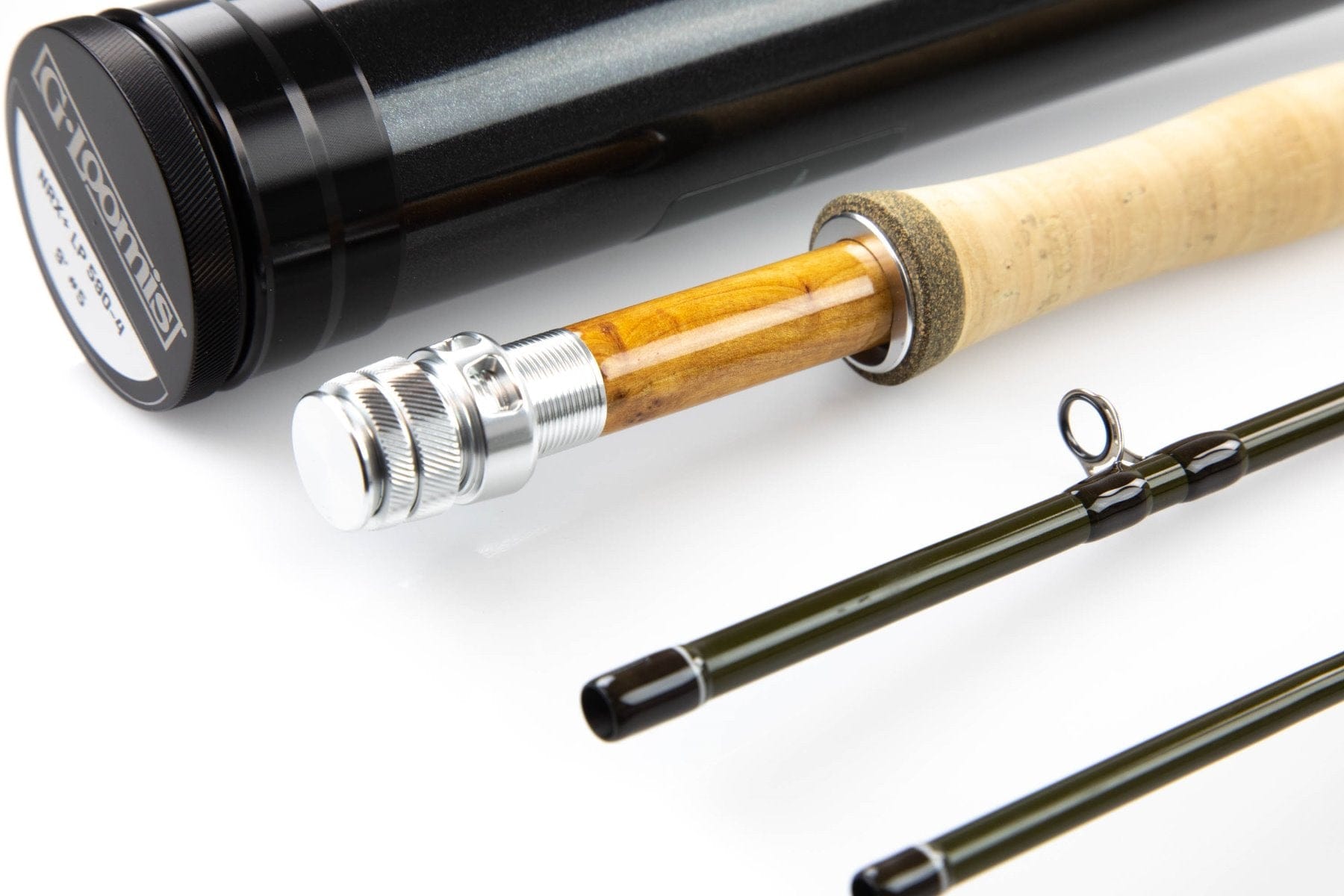
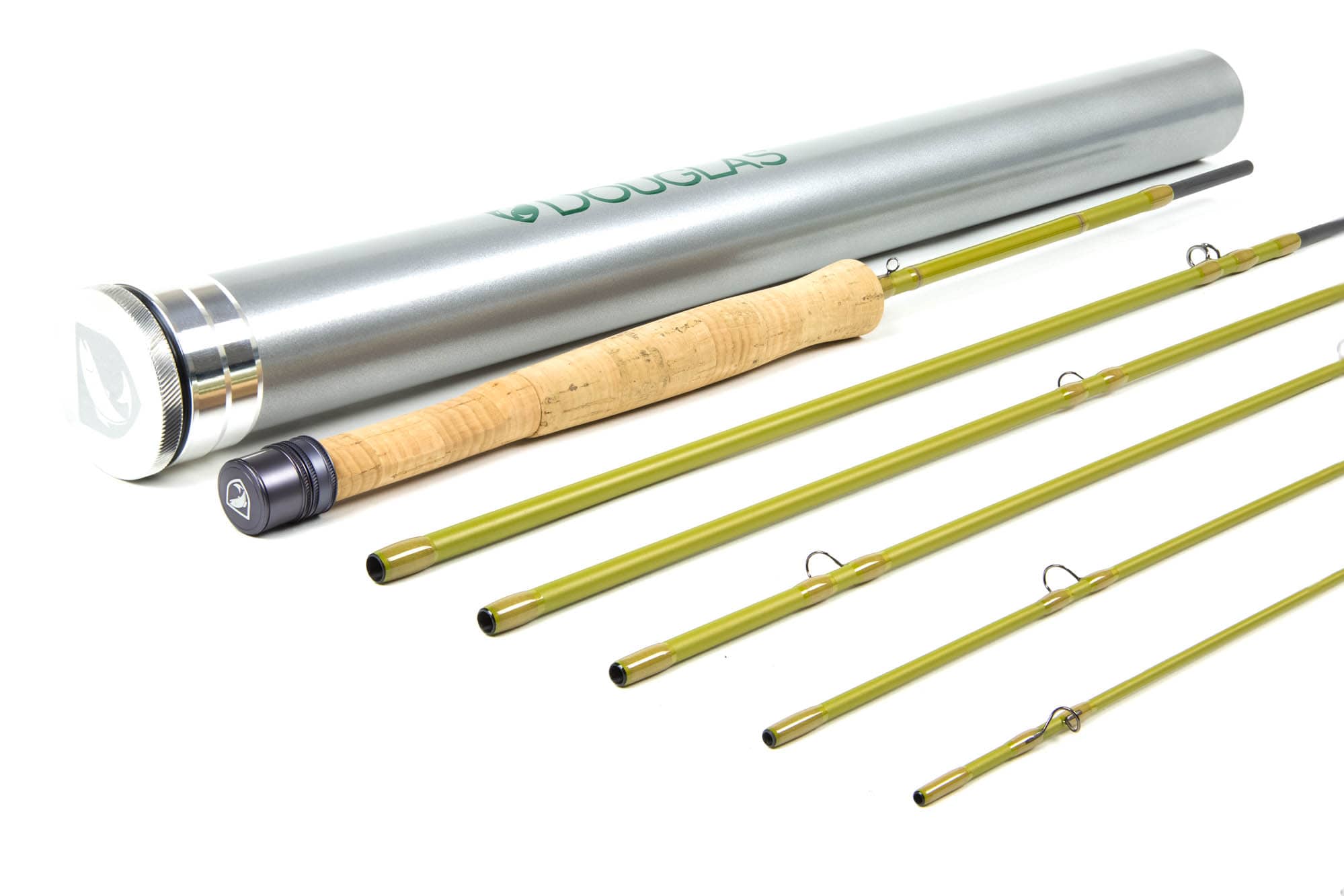
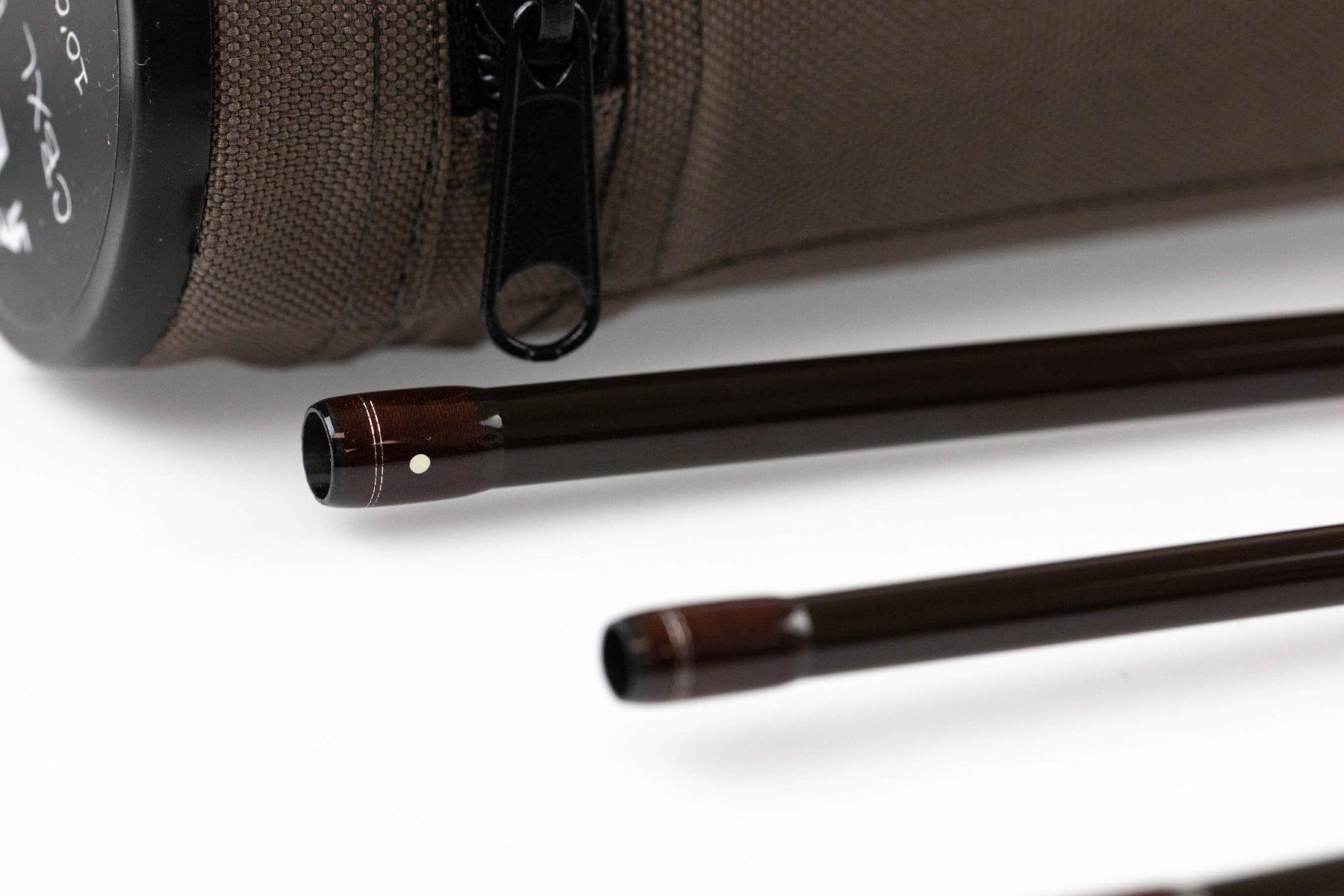
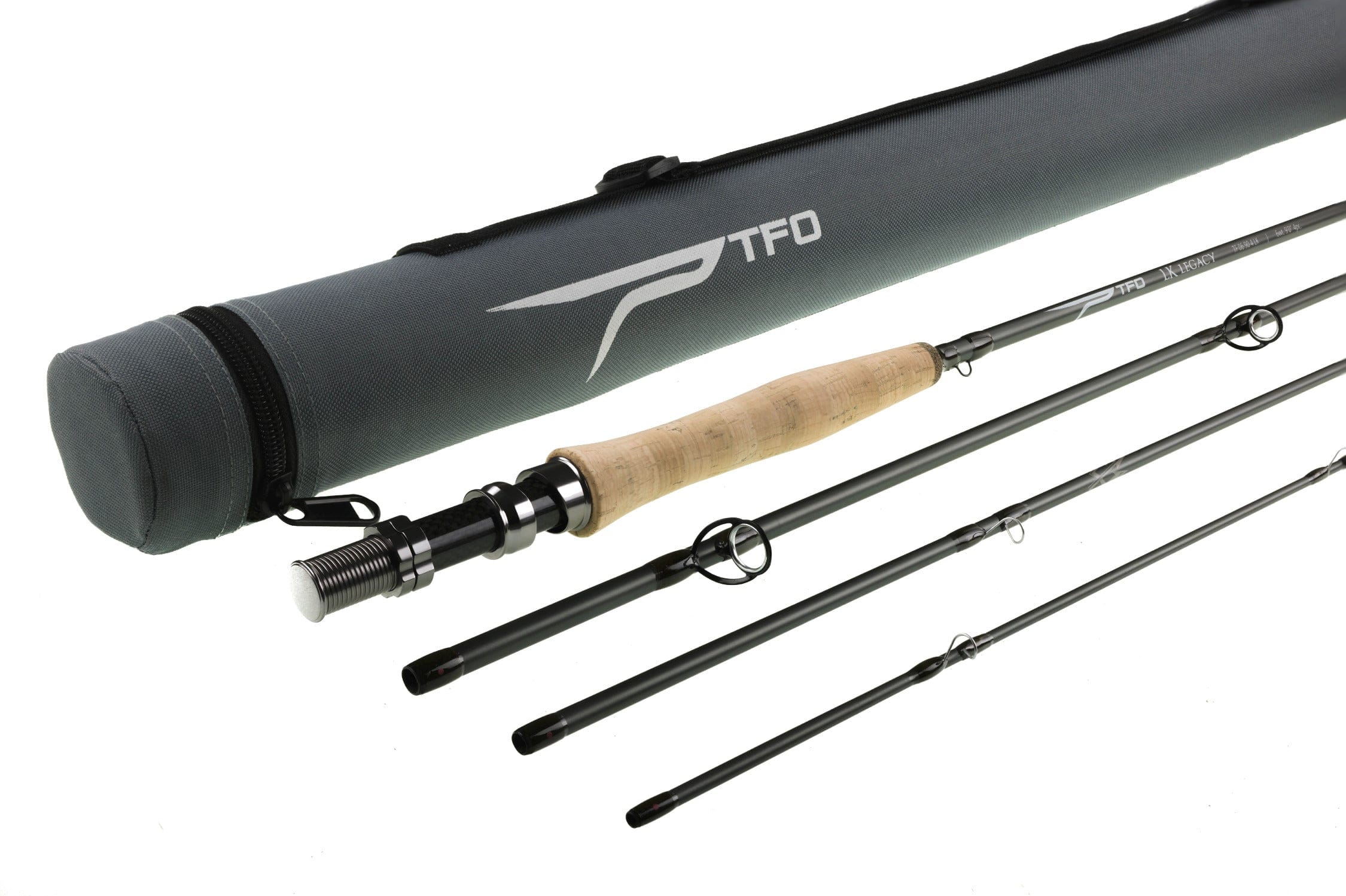
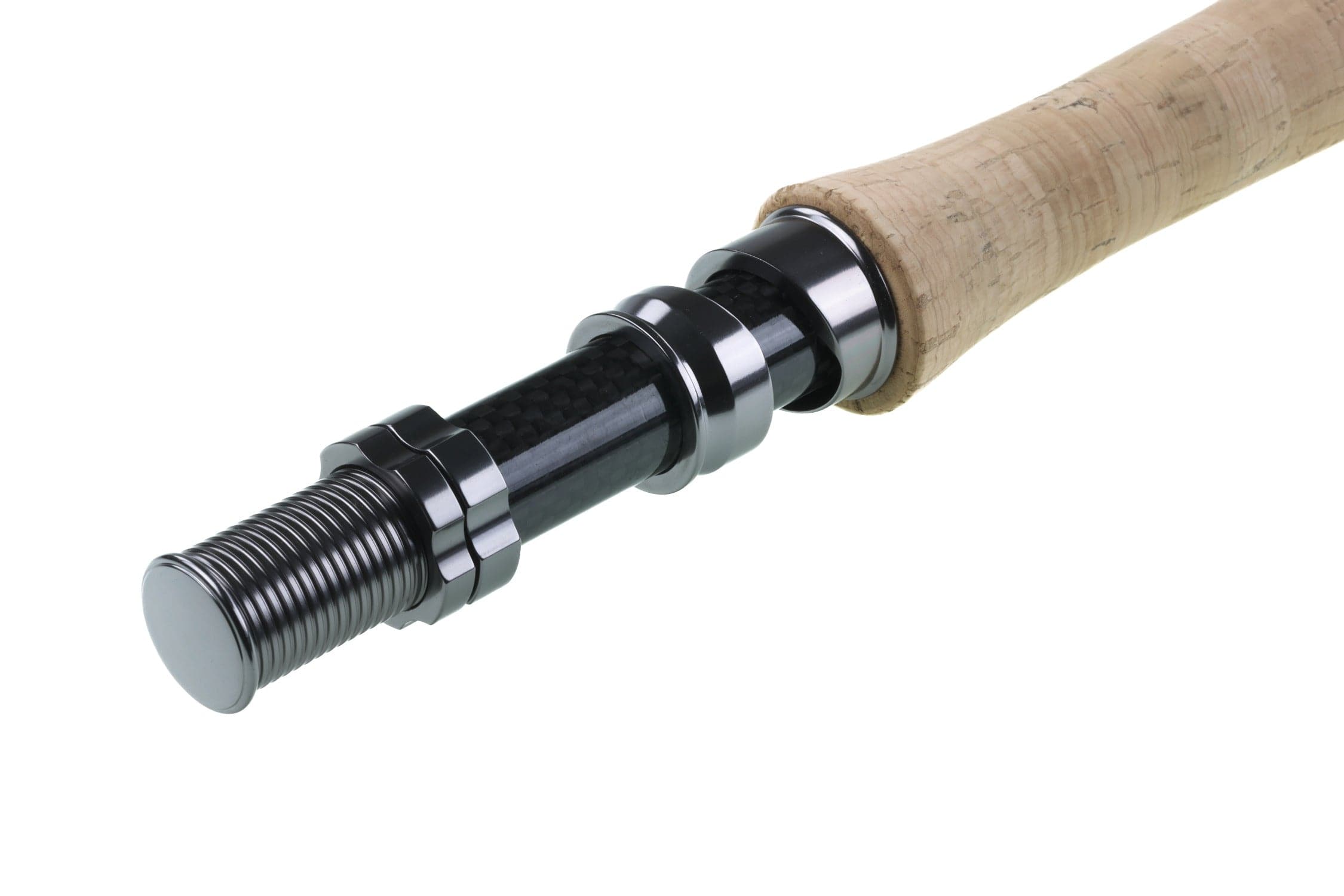
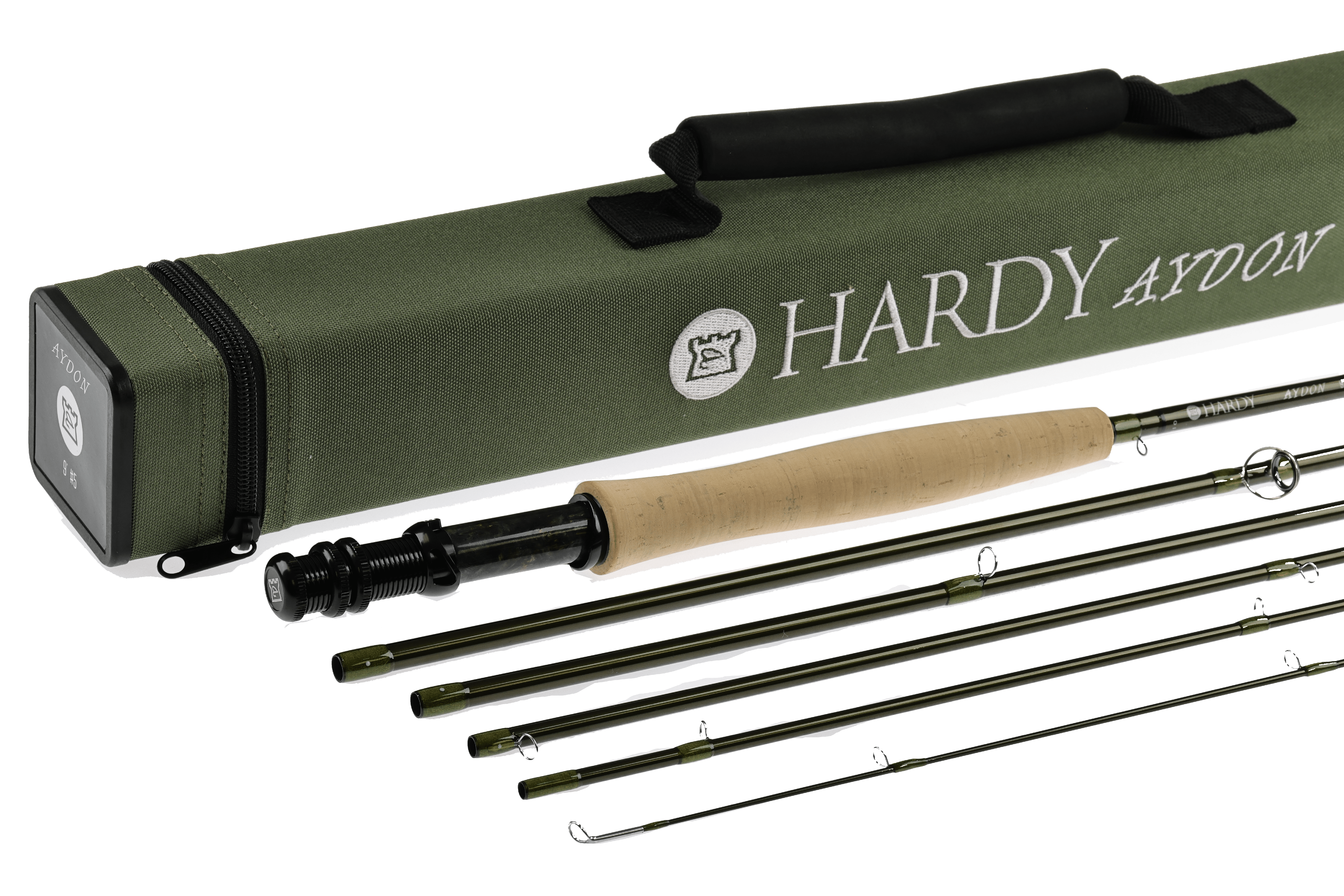
Trout Fly Rods Quick Picks
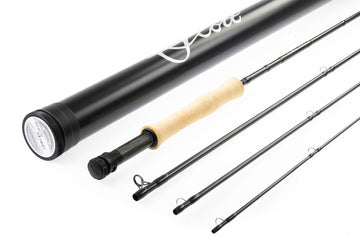
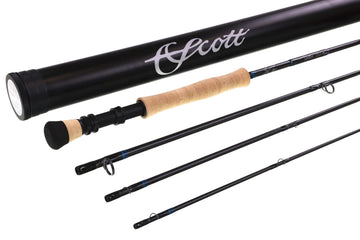
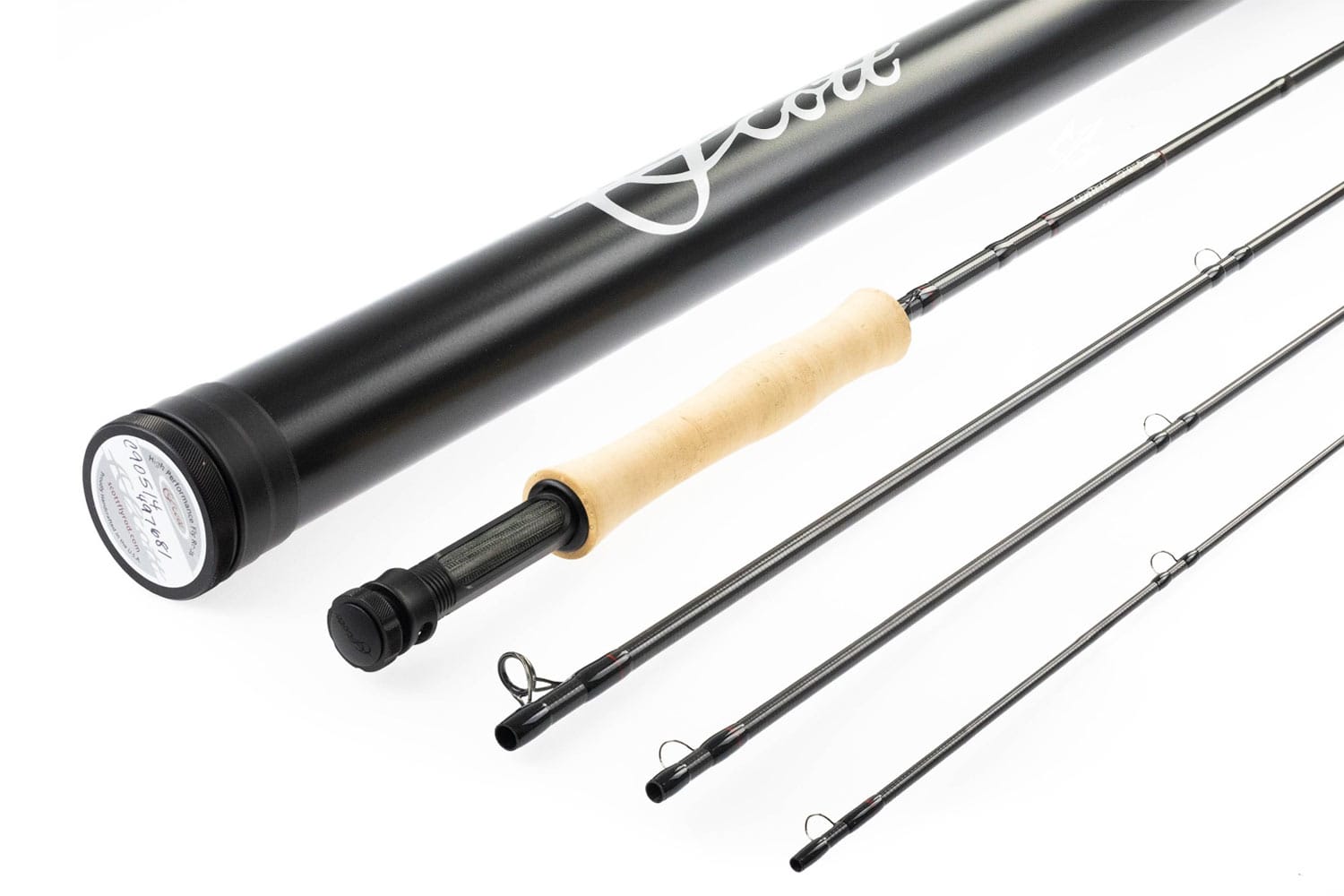
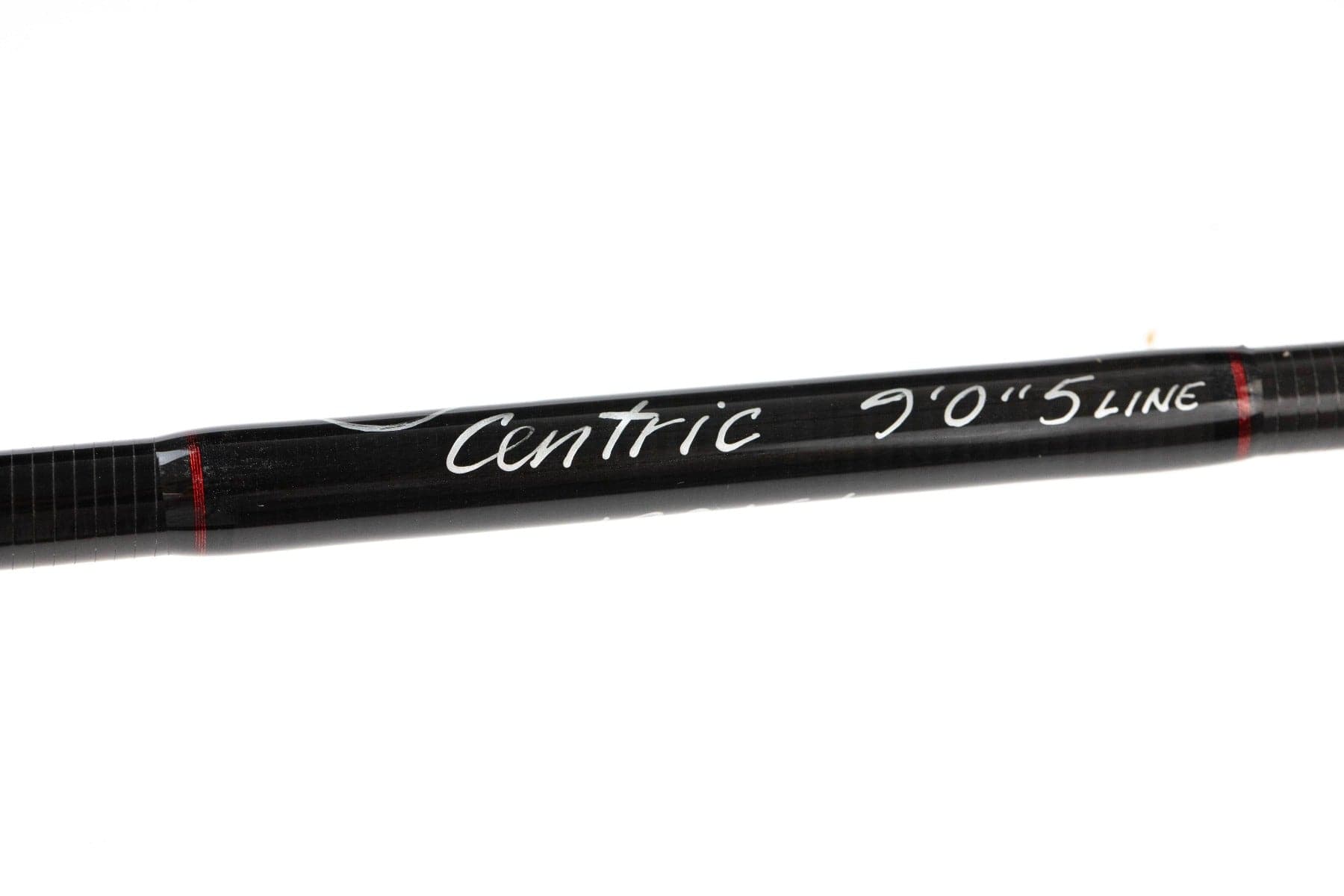
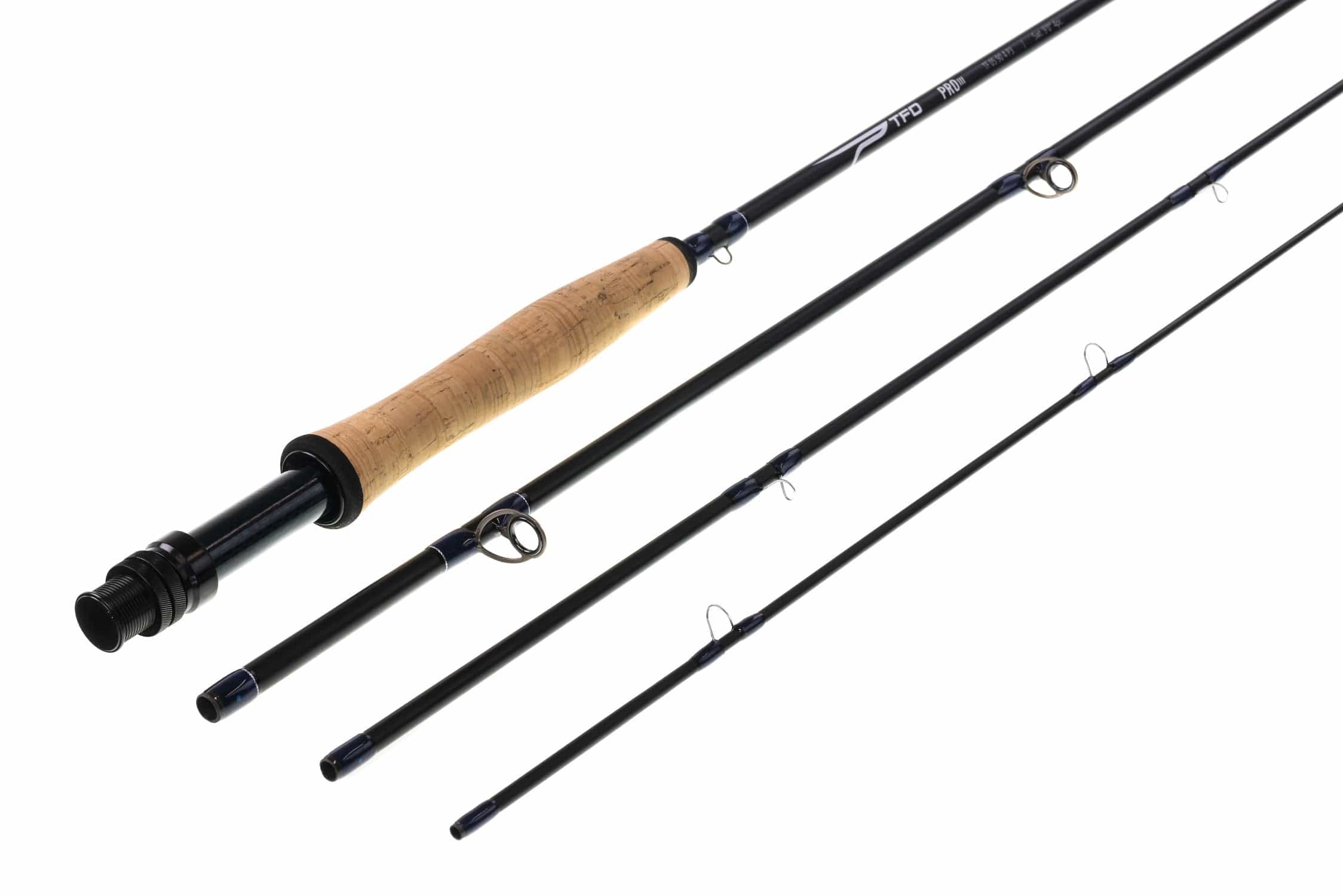
Best all-around fast action trout rod: Scott Centric Fly Rod - Built for anglers who like a quick casting stroke, this rod handles everything from tight mountain pockets to open tailwater flats. It's the natural next step up once you've outgrown an entry-level rod.
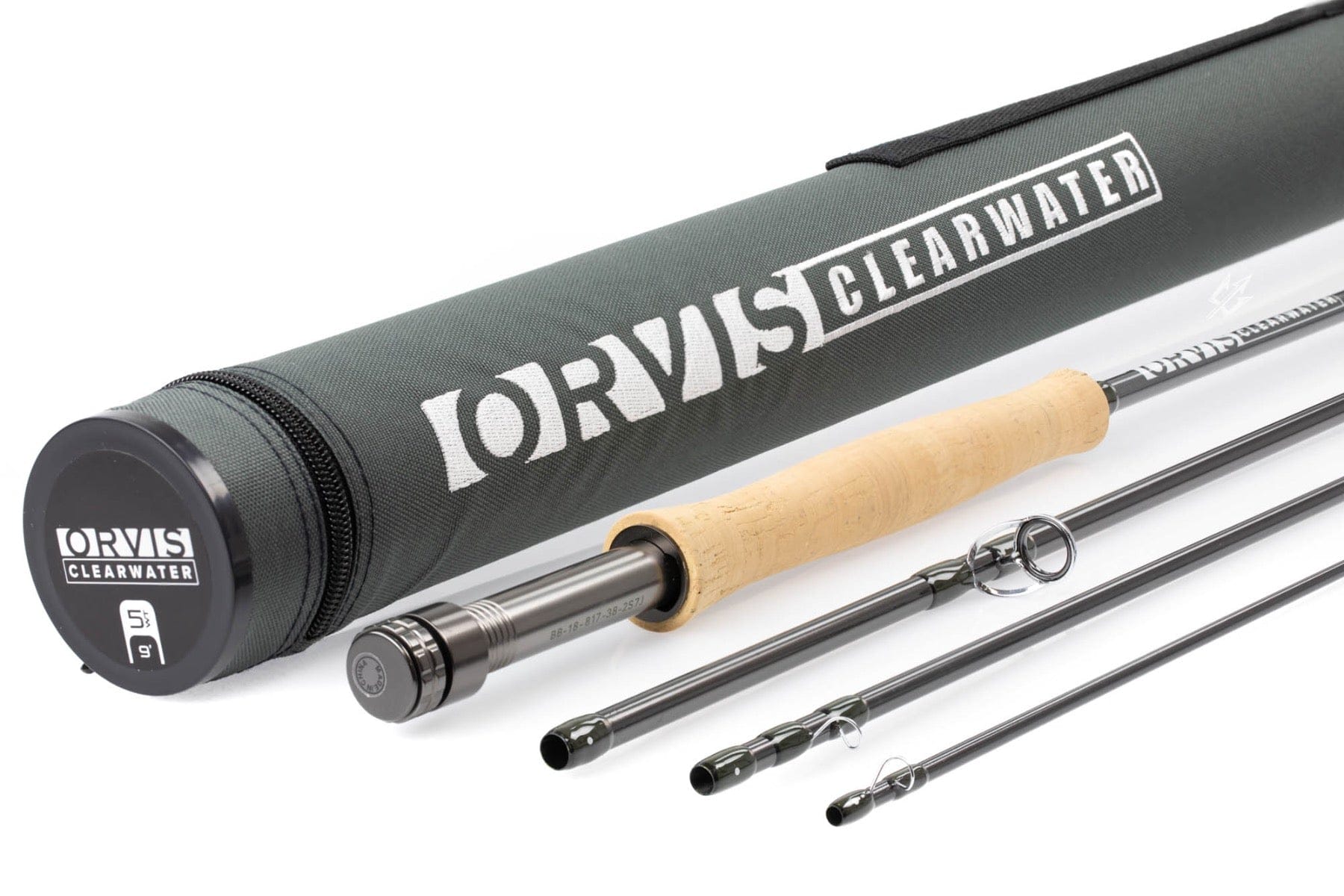
Best budget rod for a first-time buyer: Orvis Clearwater Fly Rod - A medium-fast action gives new casters forgiving timing while still delivering real feedback. It's tough enough to handle the learning curve without punishing your wallet.
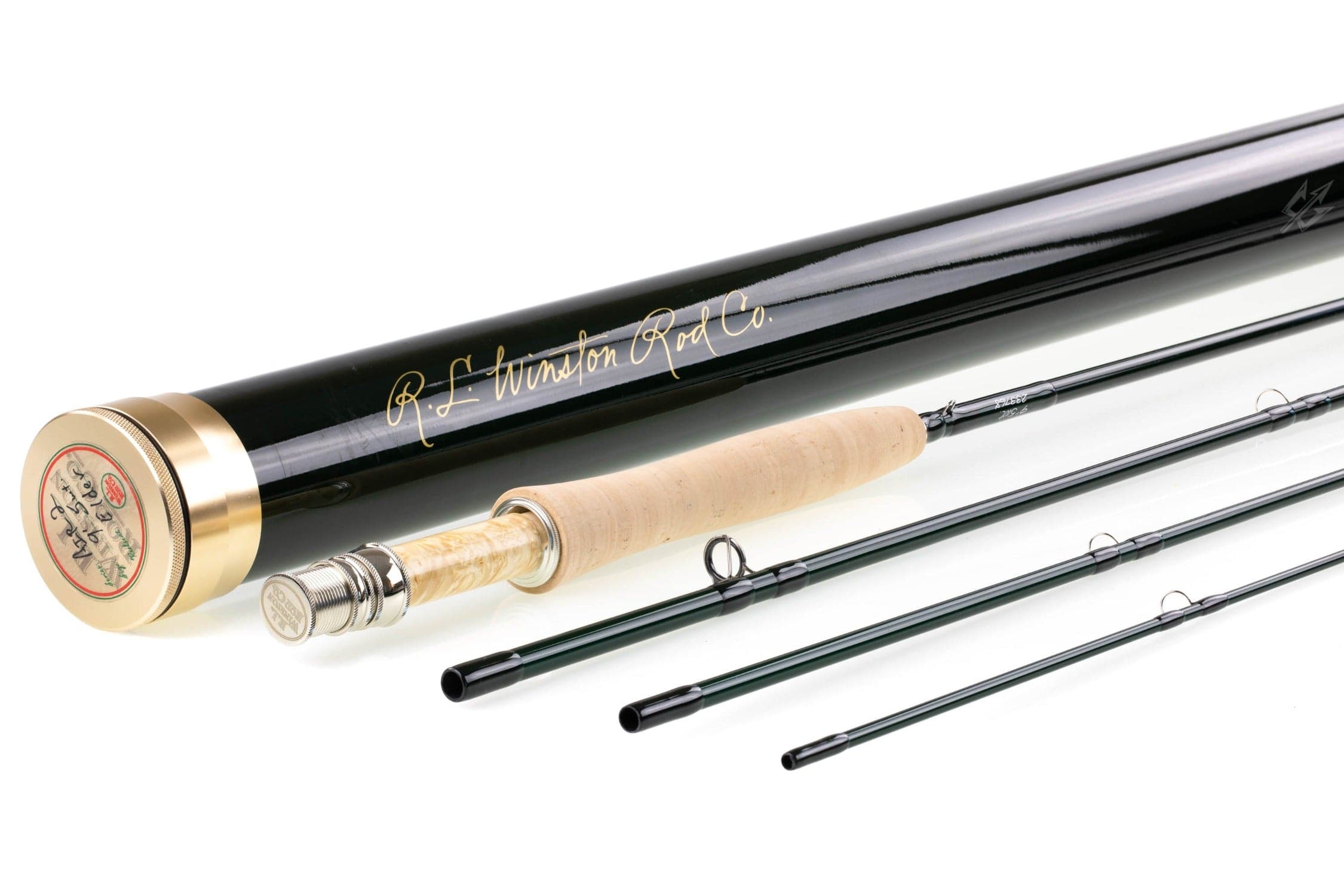
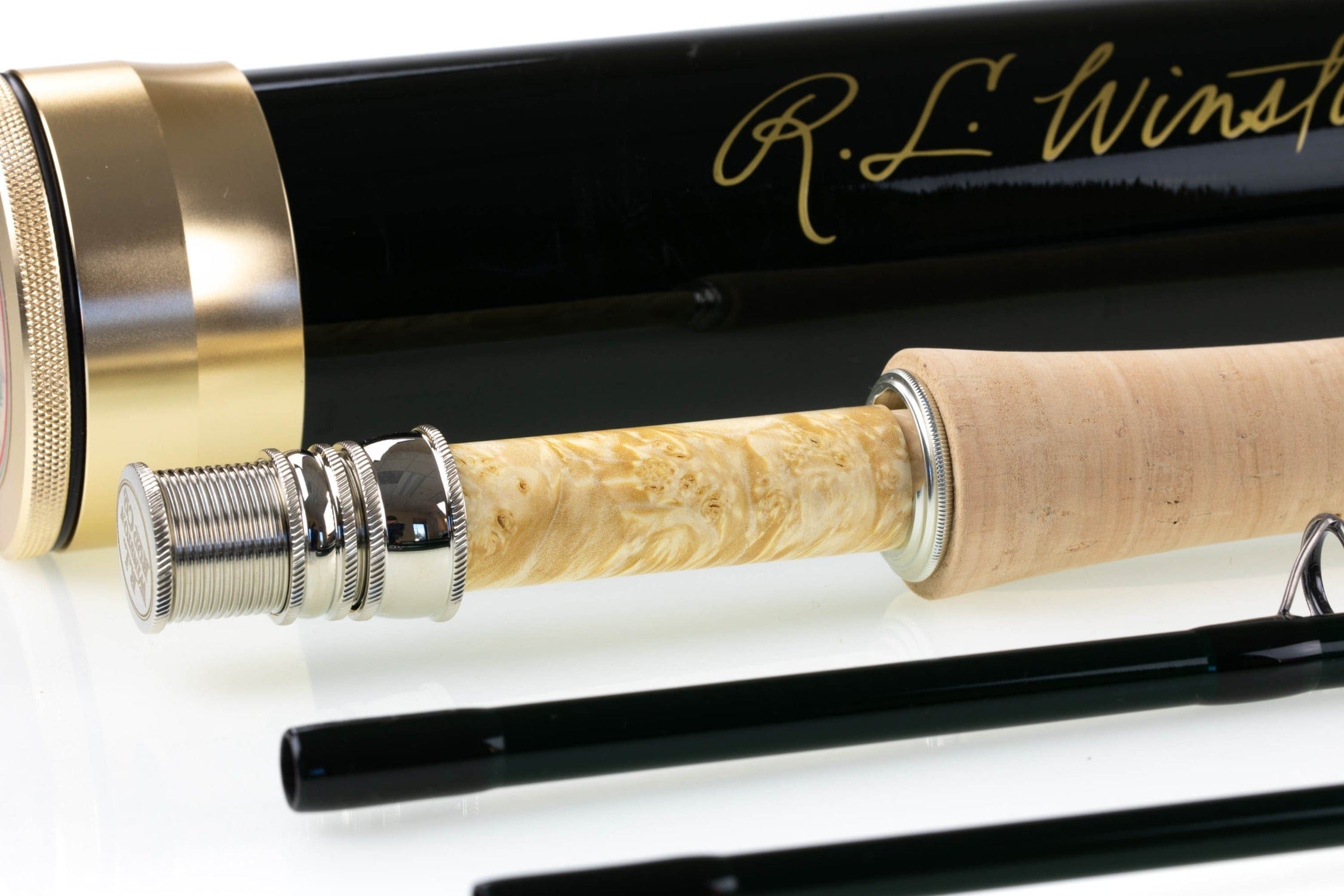
Best moderate action rod for delicate presentations: Winston Air 2 Fly Rod - Built for anglers laying dry flies onto glassy pools rather than punching casts into the wind. The softer flex protects light tippet and lands a fly gently.
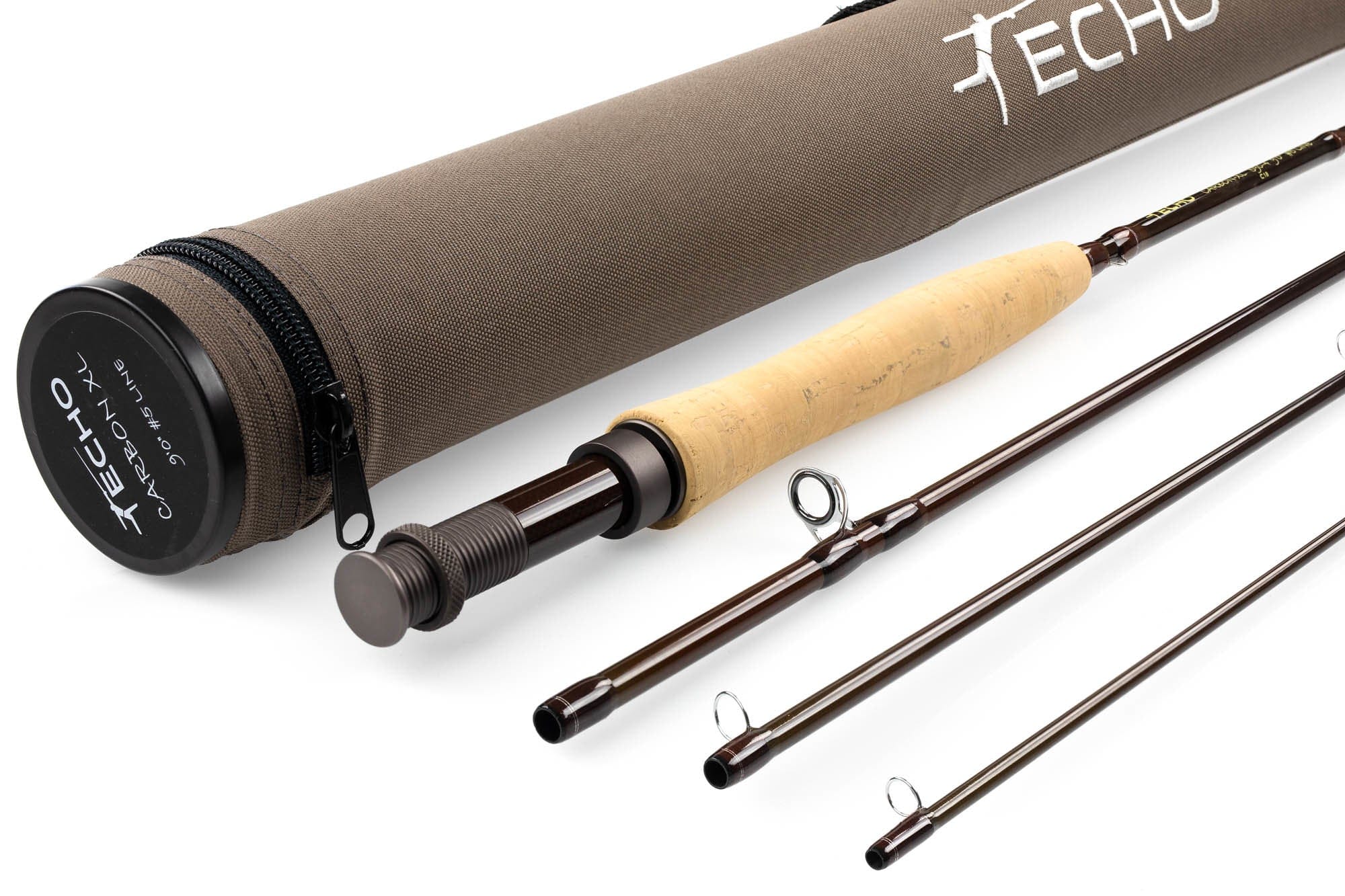
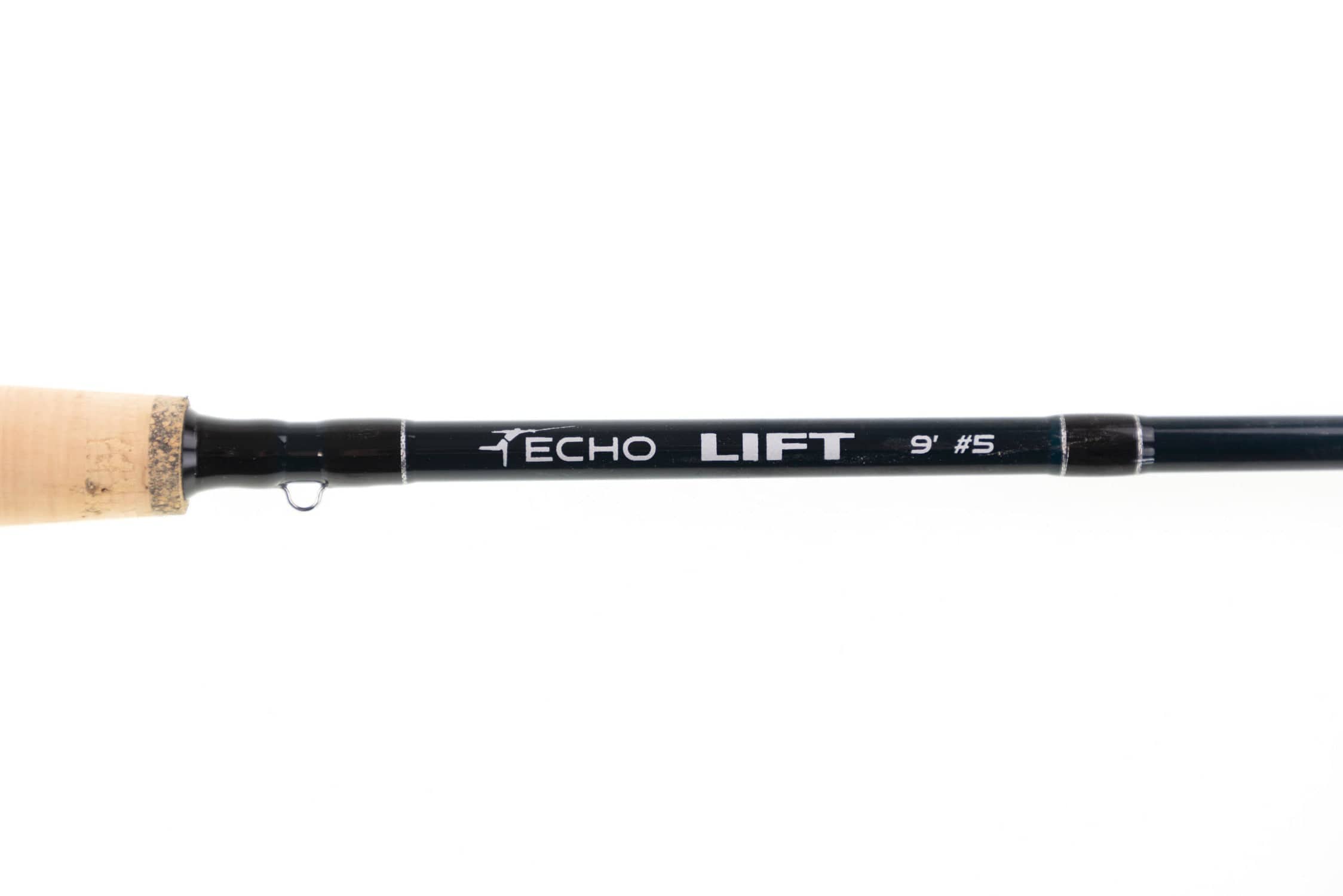
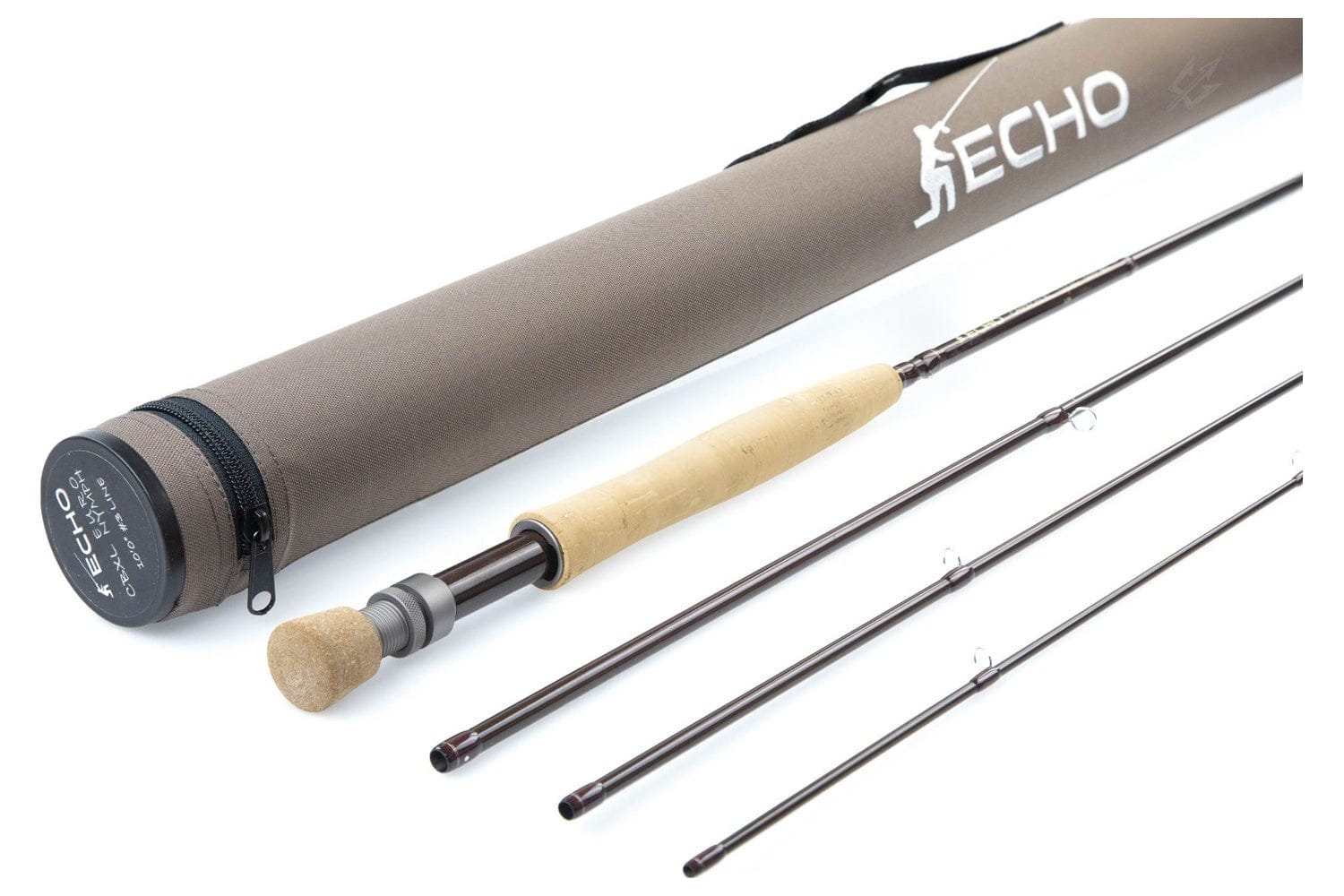
Best fiberglass rod for small streams: Echo River Glass Fly Rod - Slower glass action rewards a relaxed casting stroke and shines at close range, making it the right call for brushy, tight-quarters creeks. It makes small fish on small water feel fun again.
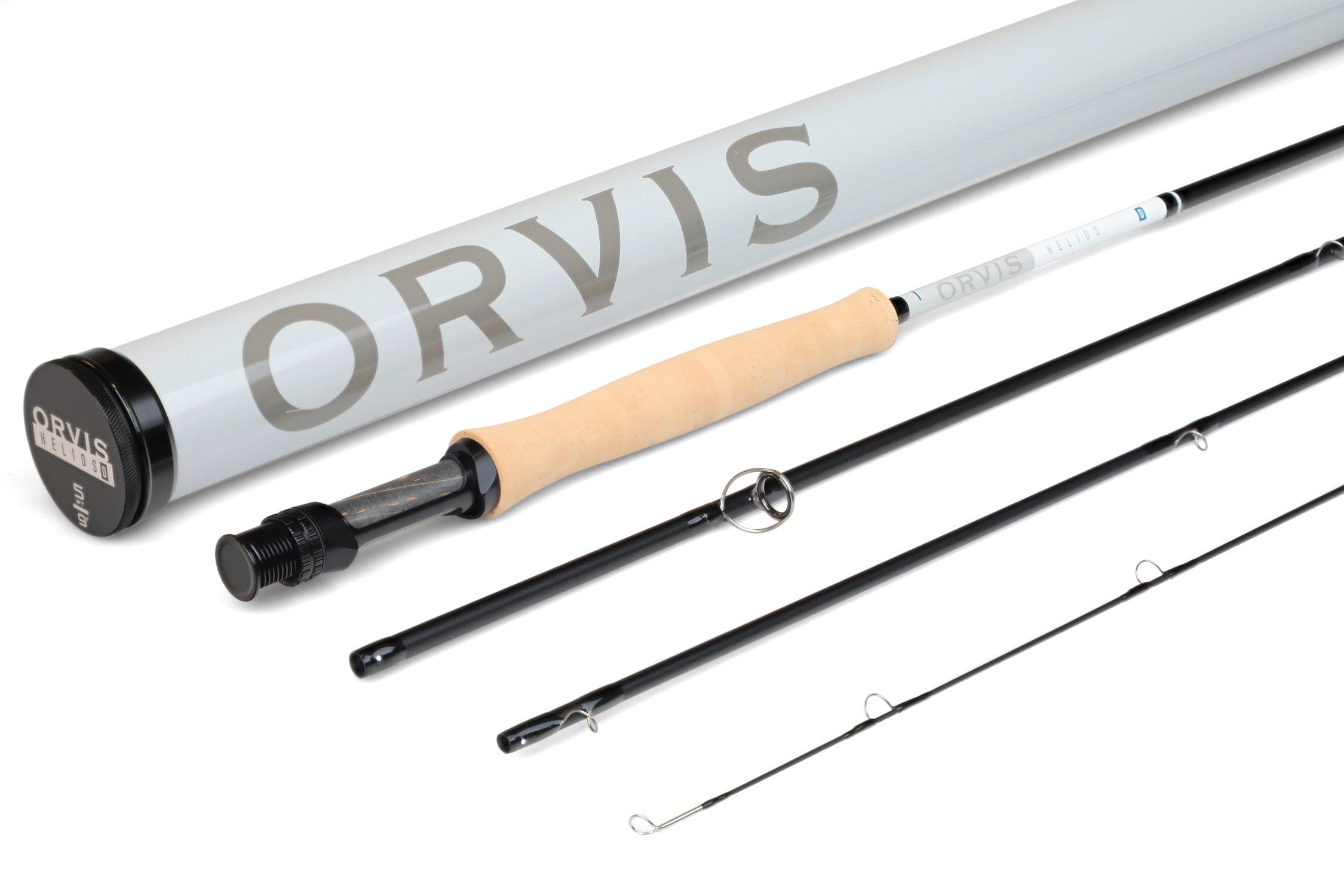
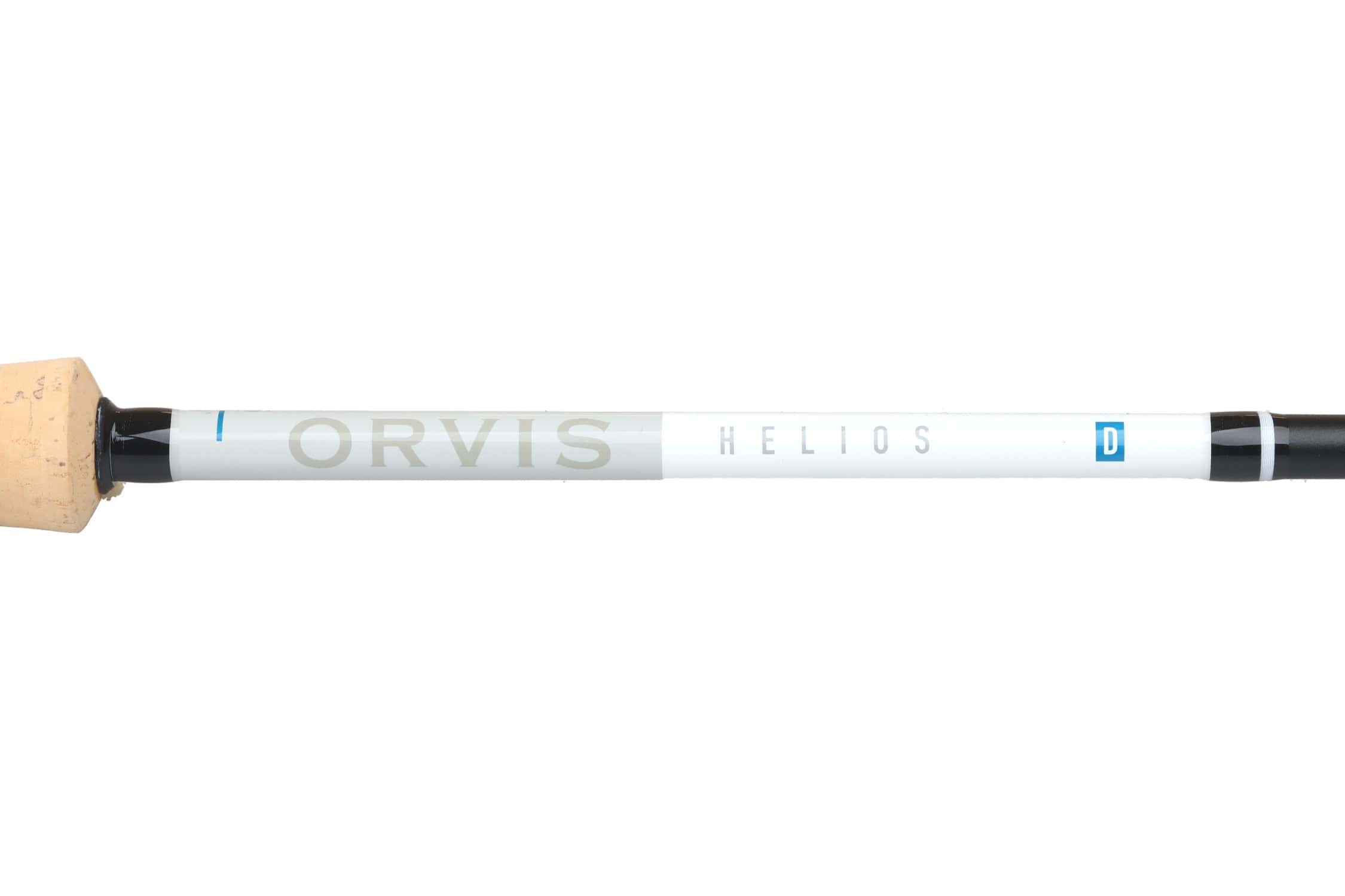
Best premium rod for accuracy at distance: Orvis Helios 4 D Fly Rod - When you need to drop a parachute pattern inches ahead of a picky riser from 50 feet away, this rod is built to hit that mark. It's the choice for anglers who value precision over forgiveness.
How to Choose a Trout Fly Rod
Rod Action
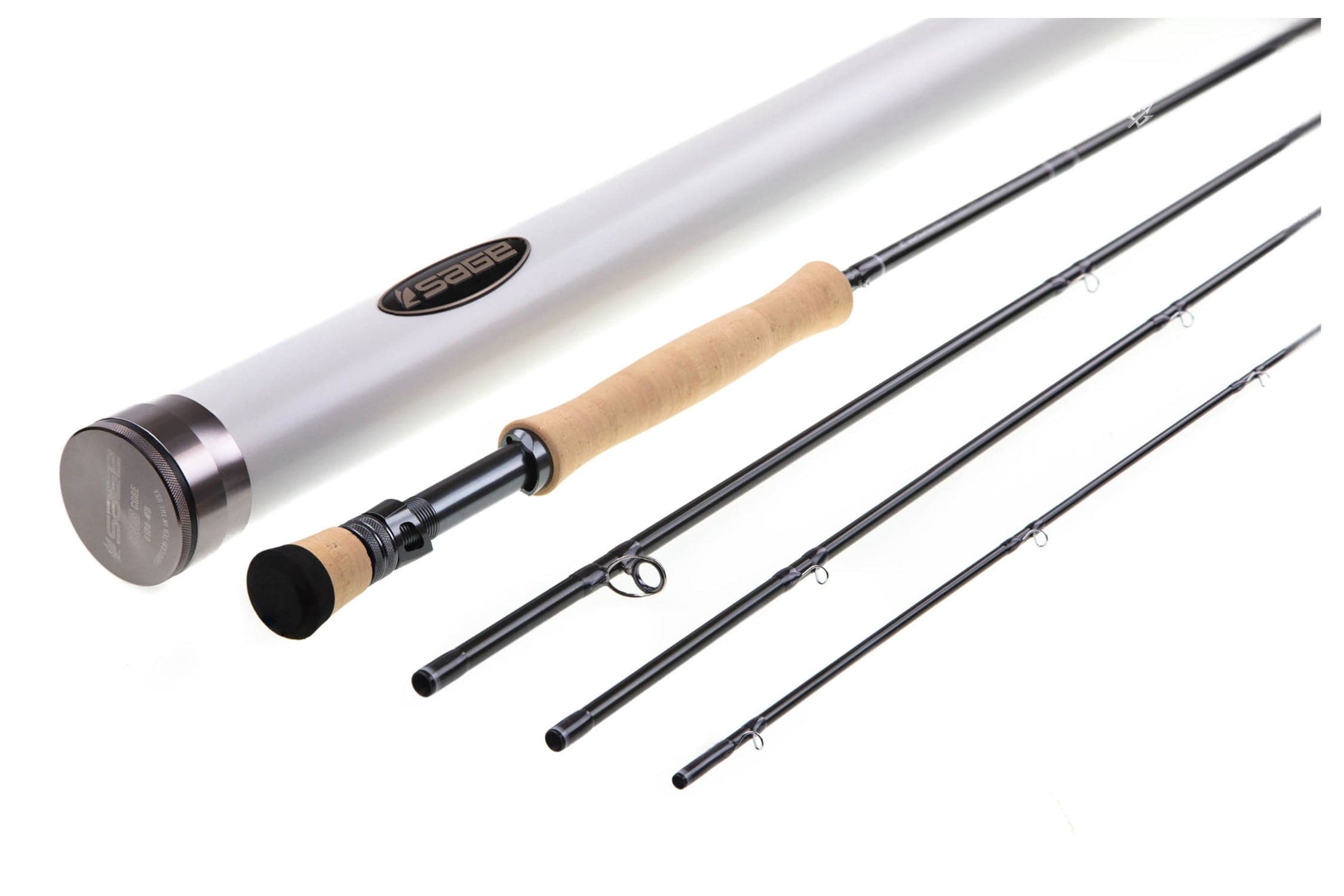
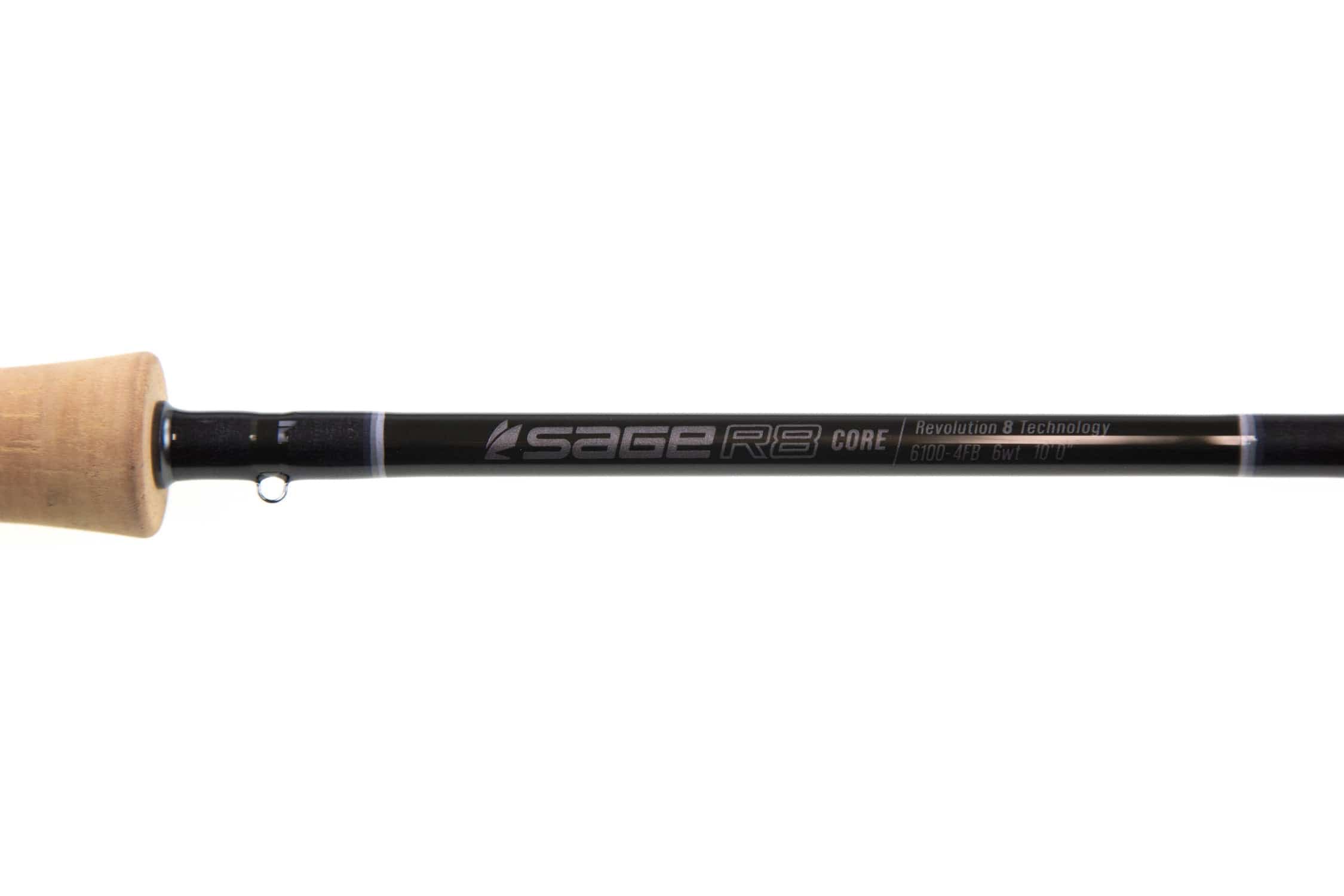
Fast action: Rods like the Scott Centric and Sage R8 Core load deep in the blank and generate high line speed, helping punch through wind but demanding tighter casting timing.
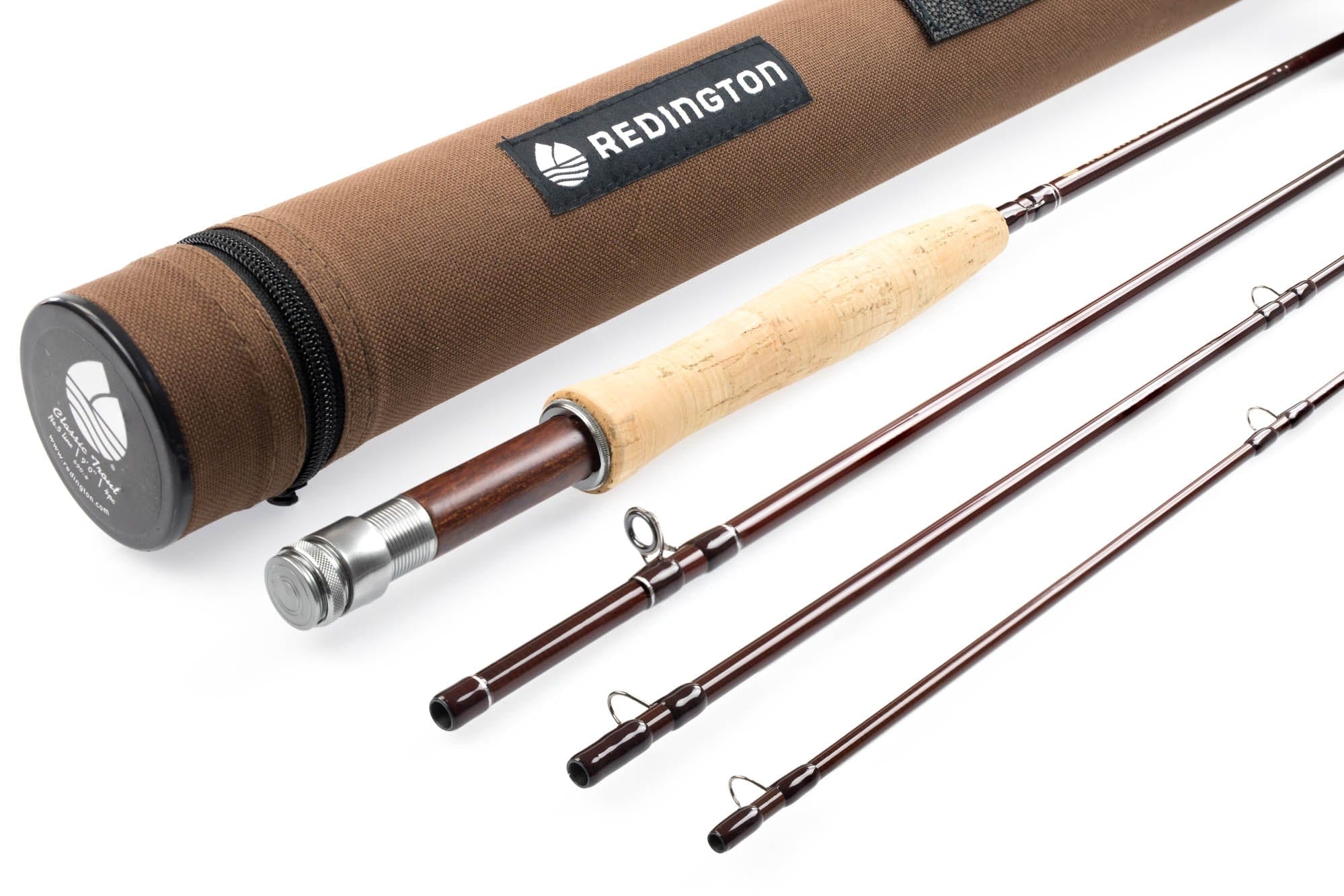
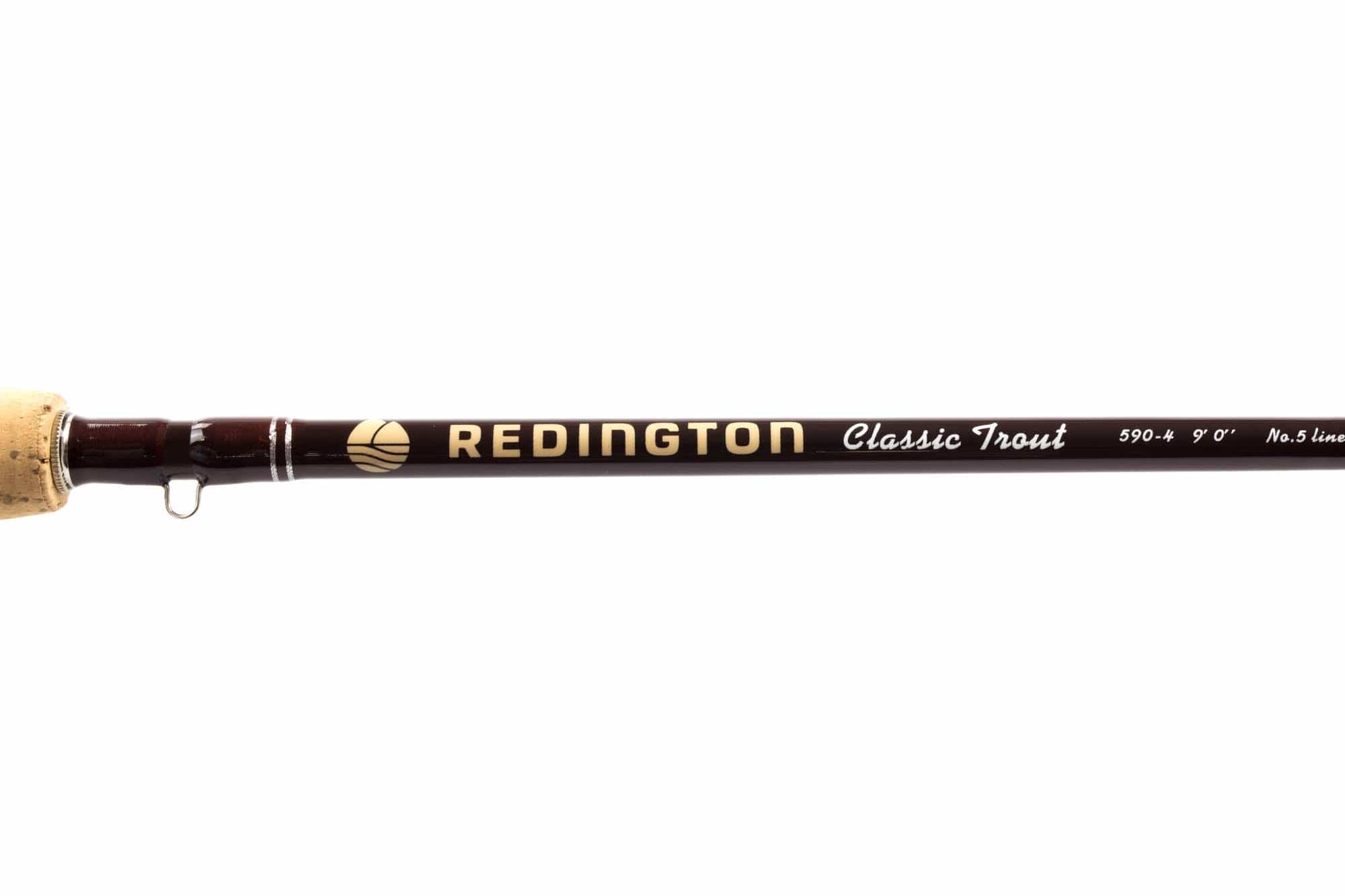
Moderate and moderate-fast action: The Winston Air 2 and Redington Classic Trout flex further into the mid-section, making close-range presentations easier and more forgiving.
Fiberglass and slow action: The Echo River Glass bends deep through the entire rod, rewarding a slower stroke and excelling at short, accurate casts.
Line Weight for Your Water
3-4wt: Best for small streams and spring creeks where delicacy matters more than distance.
5wt: The do-it-all weight that covers freestone rivers, tailwaters, and most dry fly and nymph fishing.
6wt: Worth stepping up to on big, windy rivers or when streamer fishing for larger trout.
Budget Tier
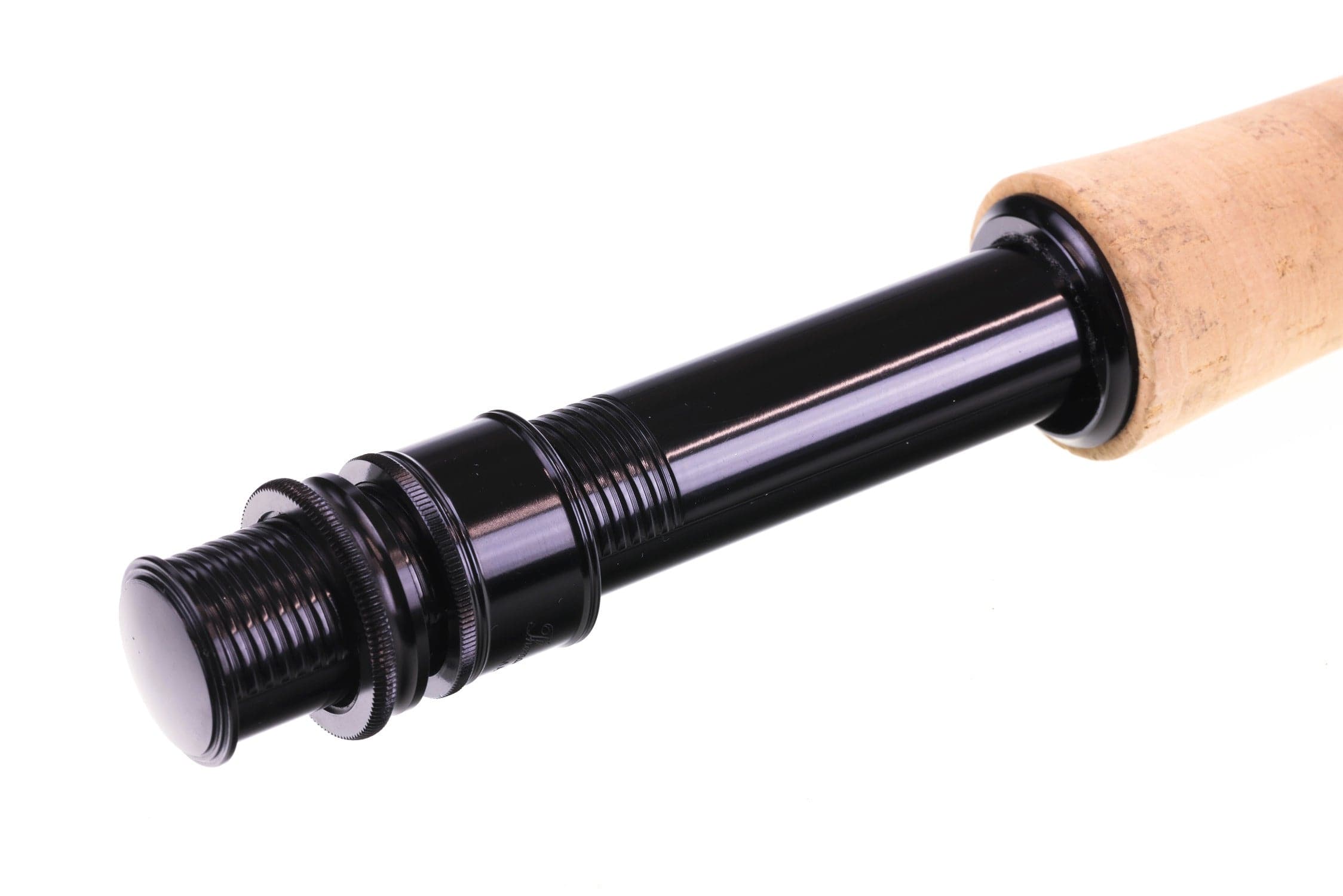
Entry-level: The Orvis Clearwater and Echo Carbon XL deliver real performance without asking beginners to commit serious money up front.
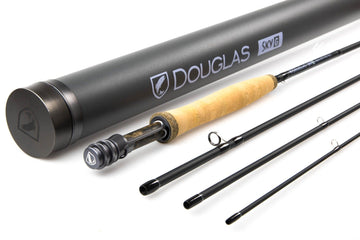
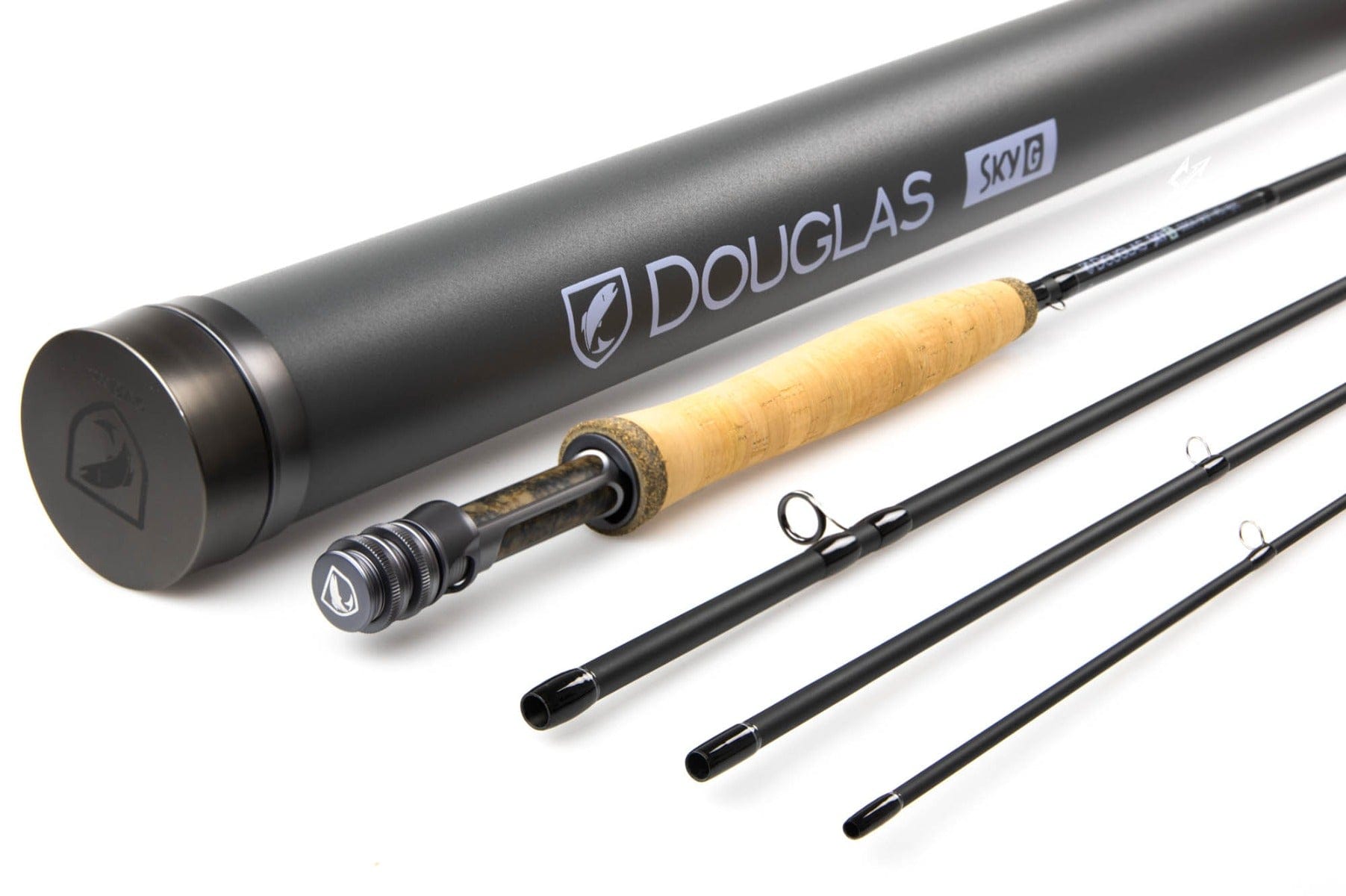
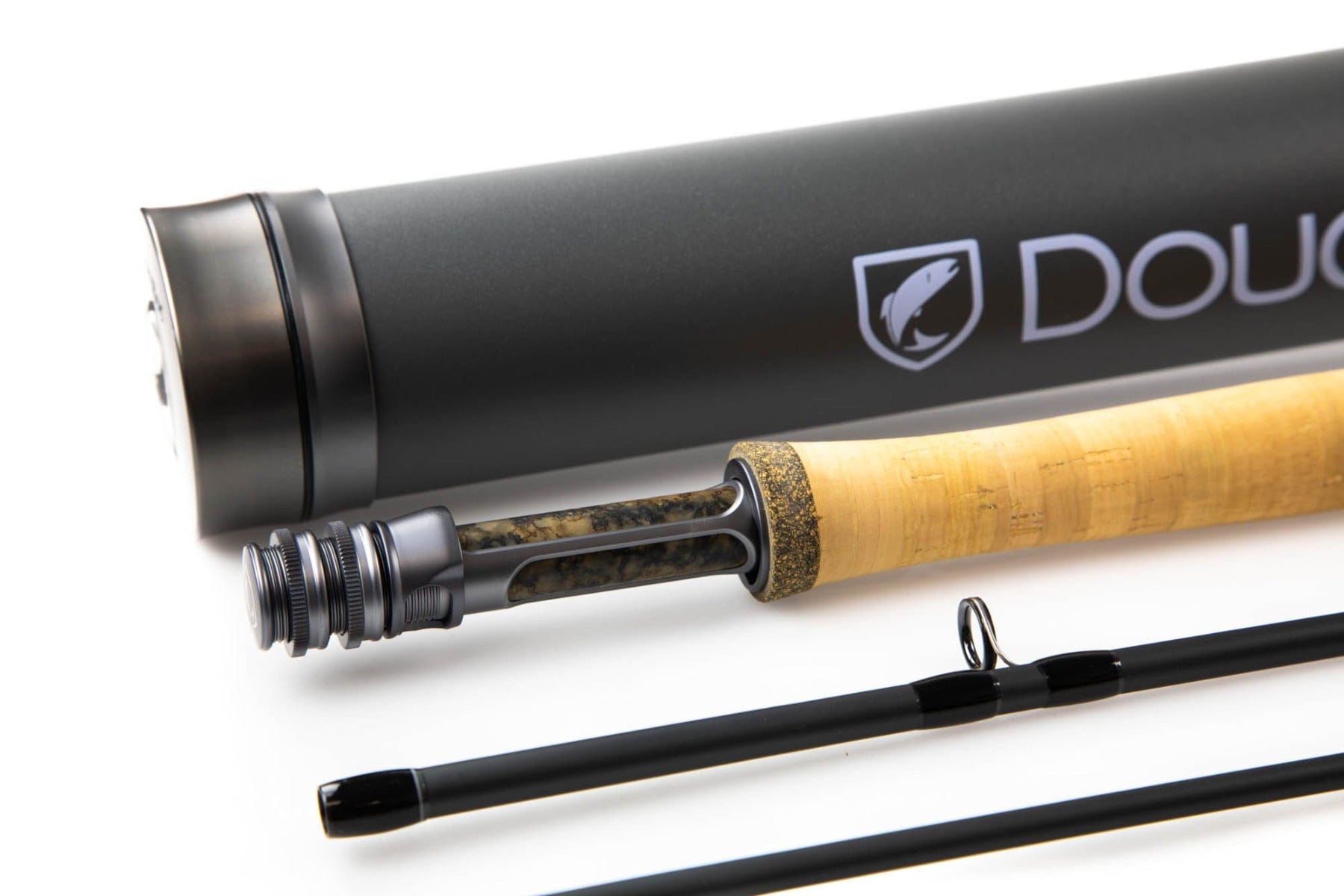
Premium: Rods like the Scott Centric, Sage R8 Core, Douglas SKY-G, and Orvis Helios 4 D bring lighter blanks and refined componentry that experienced anglers notice on every cast.
Rod Care & Setup Tips
Break it down after every trip: Leaving a rod strung up in a vehicle invites tip breaks; always break it down into its case before driving off.
Balance the reel to the rod: An underweight or overweight reel throws off the rod's swing weight and makes a full day of casting more tiring.
Wipe down the ferrules: Grit in the ferrule joints wears them out over time, so give them a quick wipe before breaking down the rod.
Register the warranty: Most of these rods carry strong manufacturer warranties, but you need the receipt and registration on file first.
Complete Your Setup
Related Gear
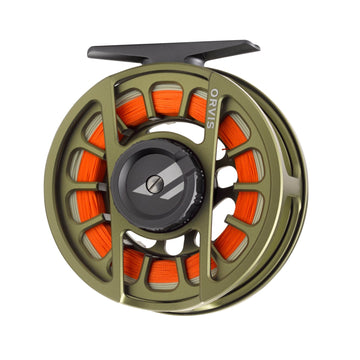
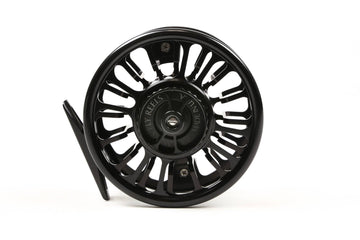
Fly Fishing Reels - Reels sized and weighted to balance out any of these trout rods.
Floating Fly Lines - The right taper makes a new rod cast the way it's supposed to.
Fly Rod & Reel Cases - Protection for transporting a new rod without risking a broken tip.
Trout Flies - Stock the box to match whatever water you're taking the new rod to first.
Trout Fly Rods FAQs
Q: What weight fly rod is best for trout?
A: A 5wt is the most versatile choice and covers the vast majority of trout water you'll fish. Step down to a 3wt or 4wt for small streams and delicate dry fly work, or up to a 6wt for big rivers or streamers.
Q: Should I get a fast action or moderate action rod?
A: Fast action rods generate more line speed and handle wind well but demand tighter timing, which can be tough for new casters. Moderate action rods load more easily at short range and protect light tippet, making them a better starting point for beginners.
Q: What length rod should I buy for trout fishing?
A: A 9-foot rod is the standard, all-purpose length and the right call if you're only buying one rod. Shorter rods (7'6"-8'6") make sense for tight, brushy small streams, while longer rods help with line control on big rivers.