












Peak Fly Tying Vises Quick Picks
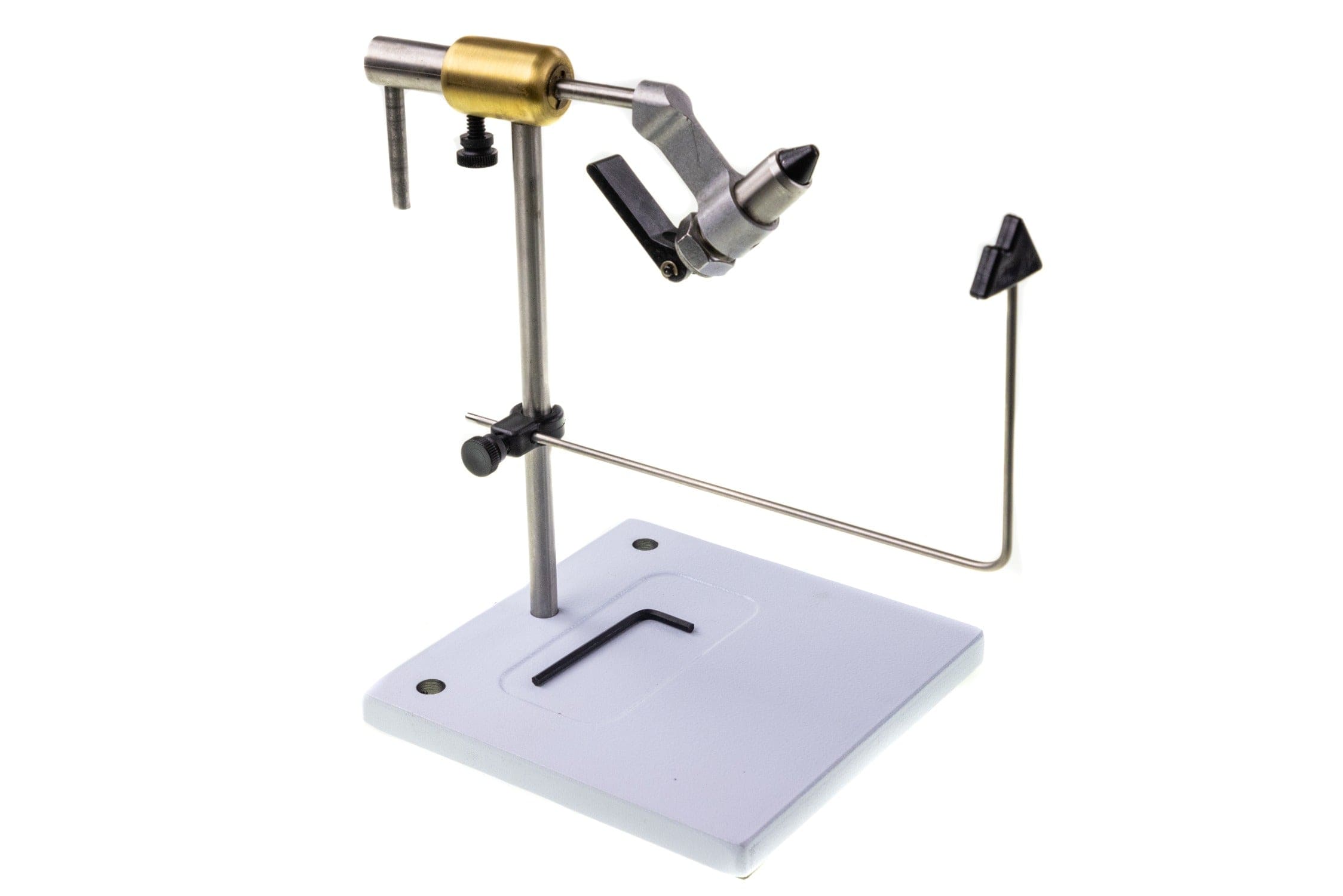
- Best All-Around: Peak Rotary Vise With Pedestal Base - The vise we point most tiers to when they want true rotary, a heavy steel pedestal, and a price that leaves money for hooks. It works for right- or left-handed tying.
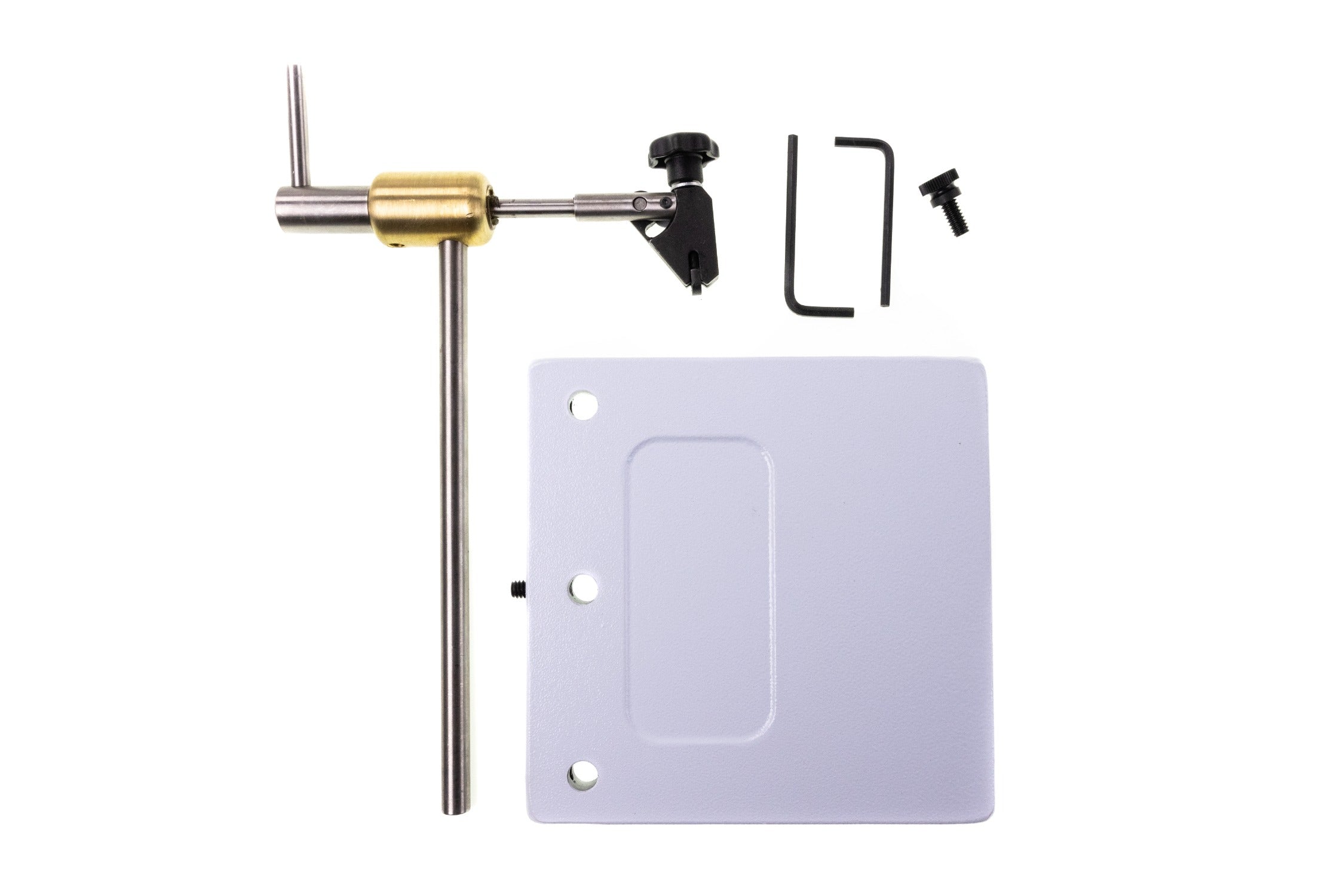
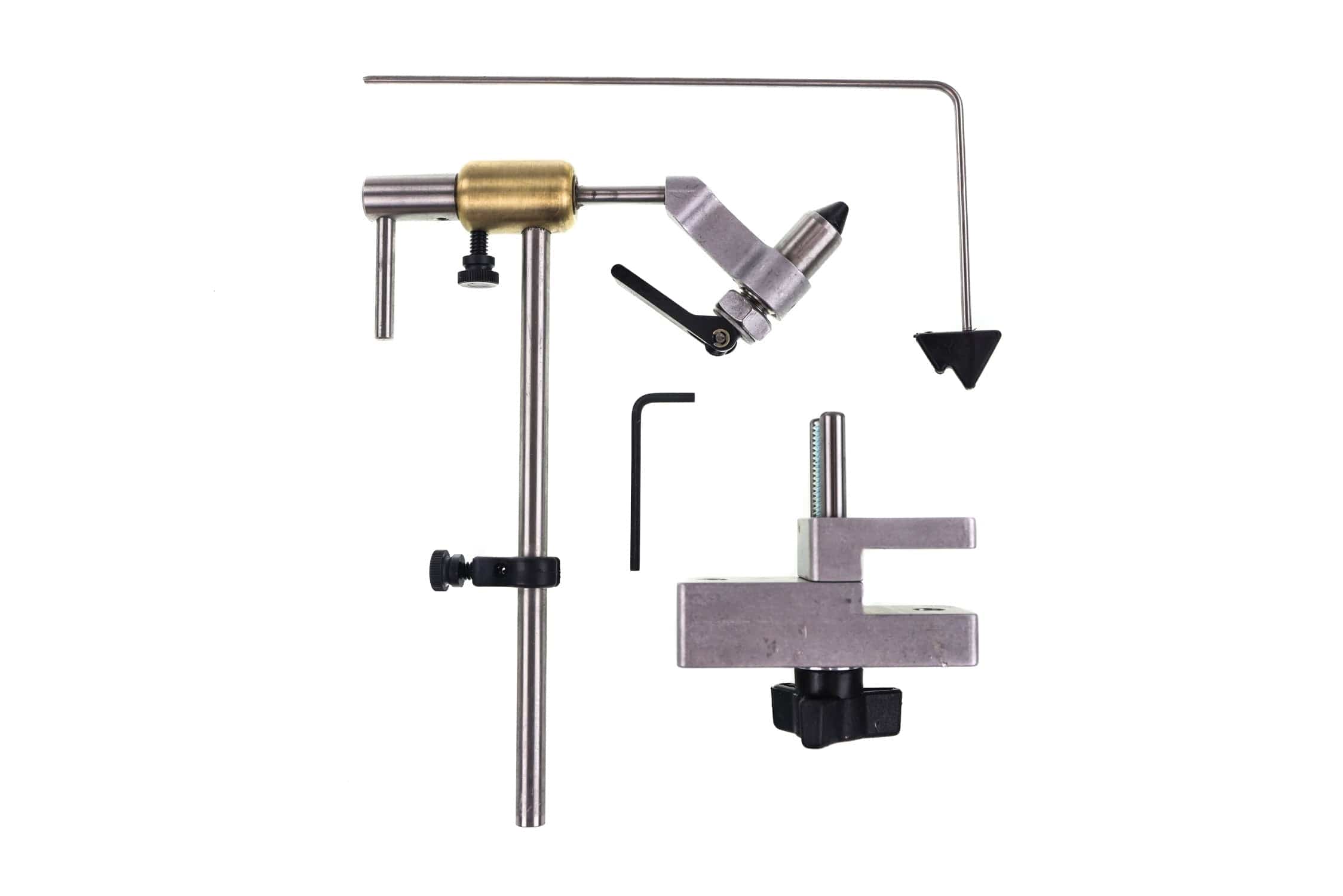
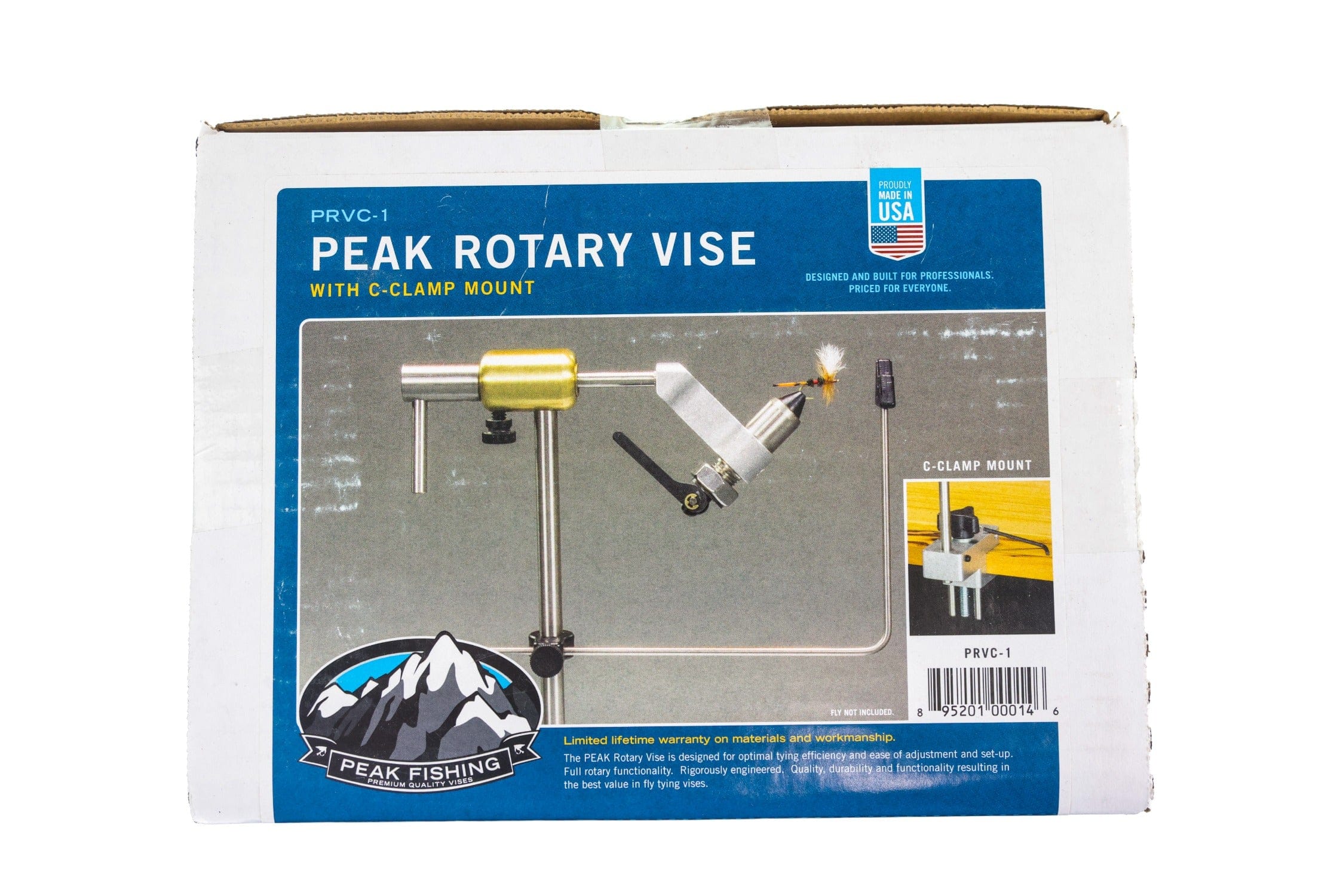
- Best for a Fixed Bench: Peak Rotary Vise With C-Clamp - Same rotary head on a deep-rabbeted clamp that bites rounded table edges without rocking. Pick it if you have a dedicated tying desk and want the most rigid setup Peak offers.
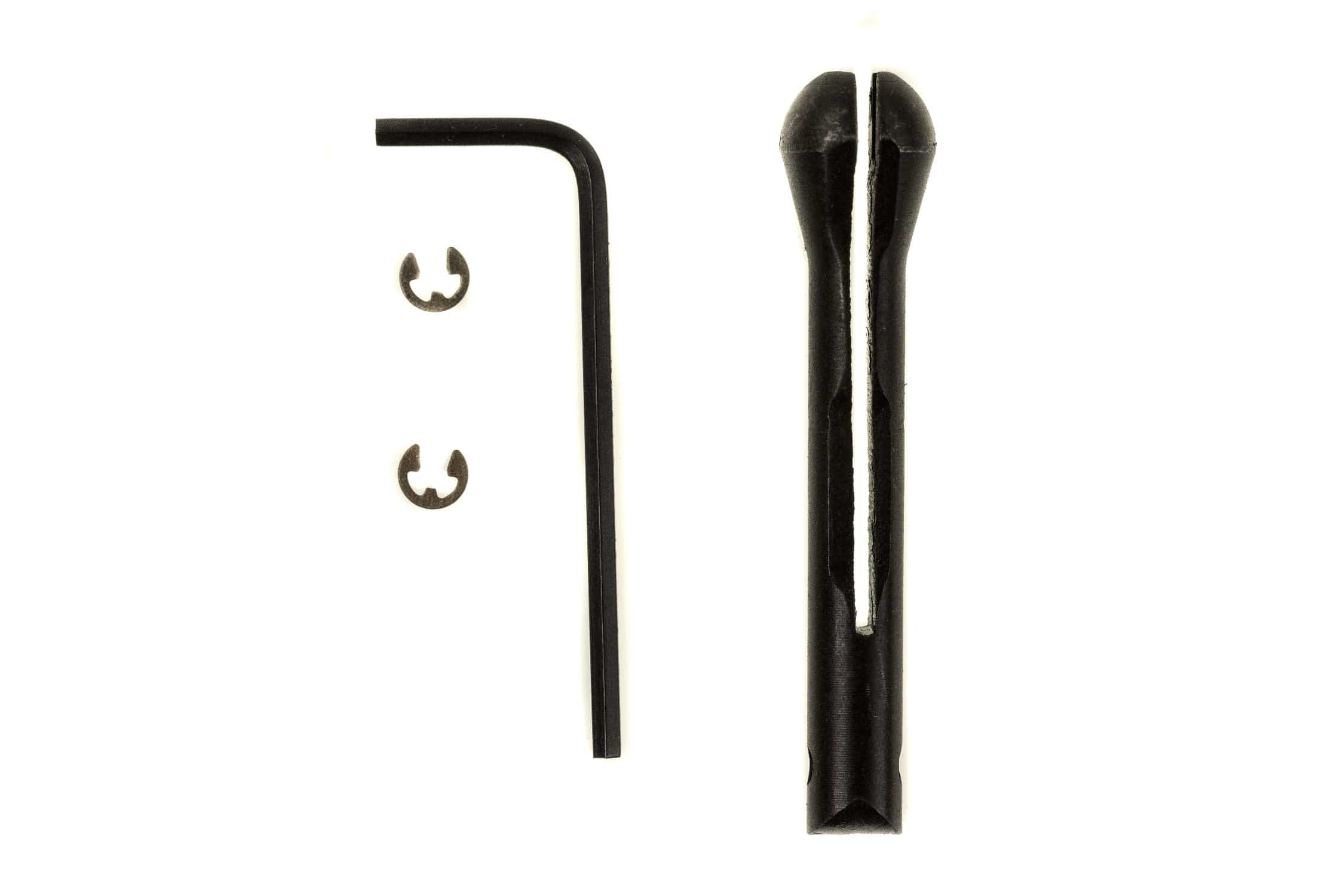
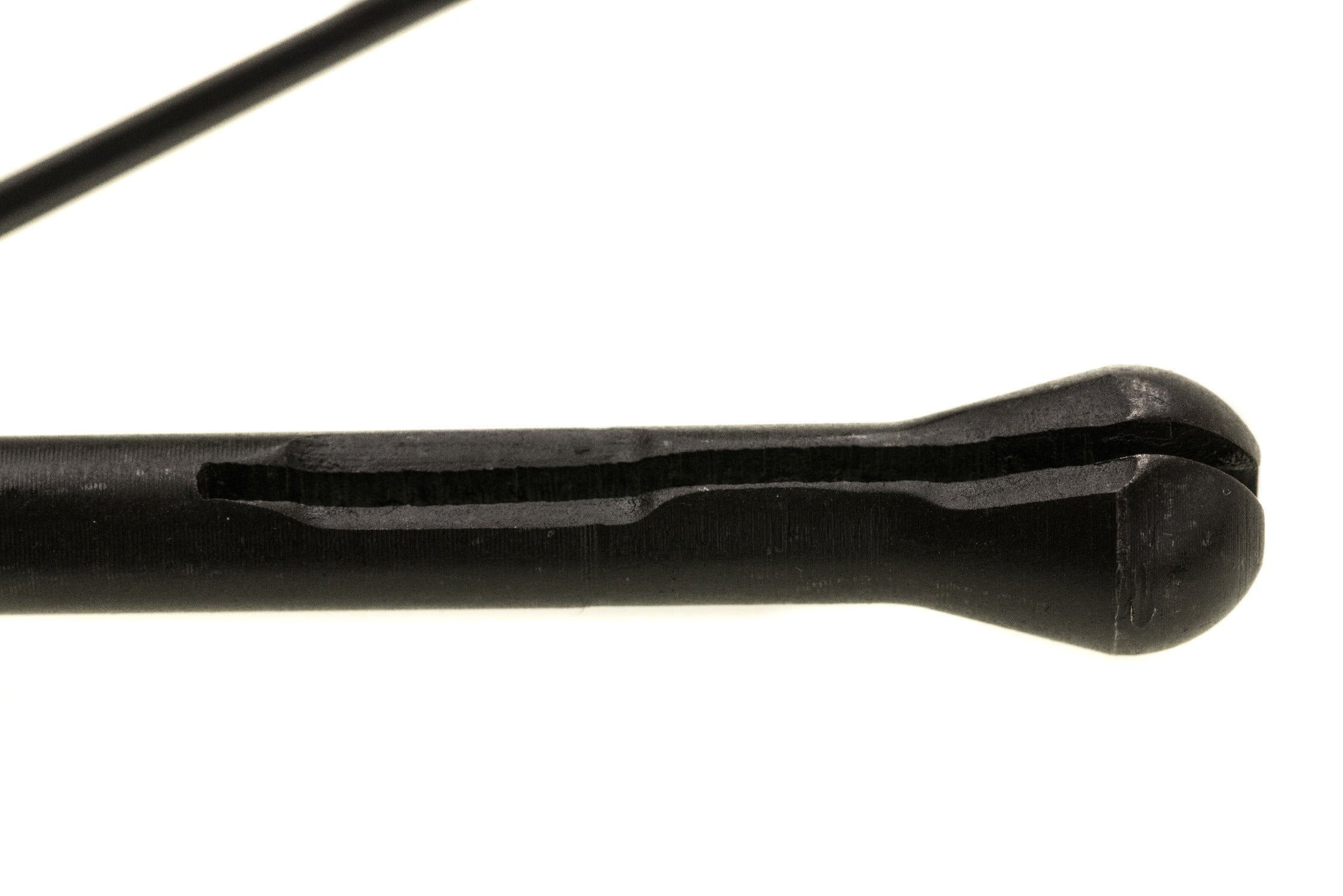
- Best for Big Hooks: Peak LIRS Vise - Built around a hardened tool steel anvil and drawbar that accept hook wire up to .095 inches. It is the answer for musky, pike, and big saltwater hooks that twist in standard jaws.
- Best for Small Flies: Peak Rotary Vise Midge Jaws - A slim, fine-pointed jaw that drops into your Peak rotary and gets your bobbin and hackle pliers closer to tiny hooks. Worth adding if you tie a lot of size 18 and smaller.
- Best for Saltwater: Peak Rotary Vise Salt Water Jaws - Swap these in when you are cinching heavy thread, wire, and synthetics on larger hooks. They keep the 360-degree rotation while preventing hook twist under hard pressure.
How to Choose Peak Fly Tying Vises
Rotary vise: pedestal or C-clamp
Action: Choose the Peak Rotary Vise With Pedestal Base if you tie in more than one spot, at a kitchen table, or at classes. The steel pedestal stays put and the vise lifts off for travel.
Action: Choose the Peak Rotary Vise With C-Clamp if you have a bench edge you can dedicate to tying. A clamp is the stiffest platform for spinning deer hair and pulling hard on GSP thread.
Tip: You are not locked in. The Peak Pedestal Base and Peak C-Clamp are sold separately, so you can add the other base later.
Standard jaws vs. midge, saltwater, and LIRS
Best for: Most trout, bass, and light saltwater flies, the standard jaws that ship on the rotary vise. Peak’s FAQ puts the standard jaw at hook wire up to roughly .044 inches, which covers the usual size 22 to 2 range.
Best for: Midges and small dries, the Midge Jaws. The fine tips are about access as much as grip, so you can see the eye and place tiny heads cleanly.
Best for: Big predator and saltwater irons, the Salt Water Jaws or the LIRS Vise. The LIRS is a separate vise on its own white pedestal, and it is the right call if heavy-wire hooks are most of what you tie.
Accessories that change how the vise feels
Action: Add the Peak Brass Riser if you are tall or tie on a low table. It lifts the head 1.5 inches, which takes strain off your neck during long sessions.
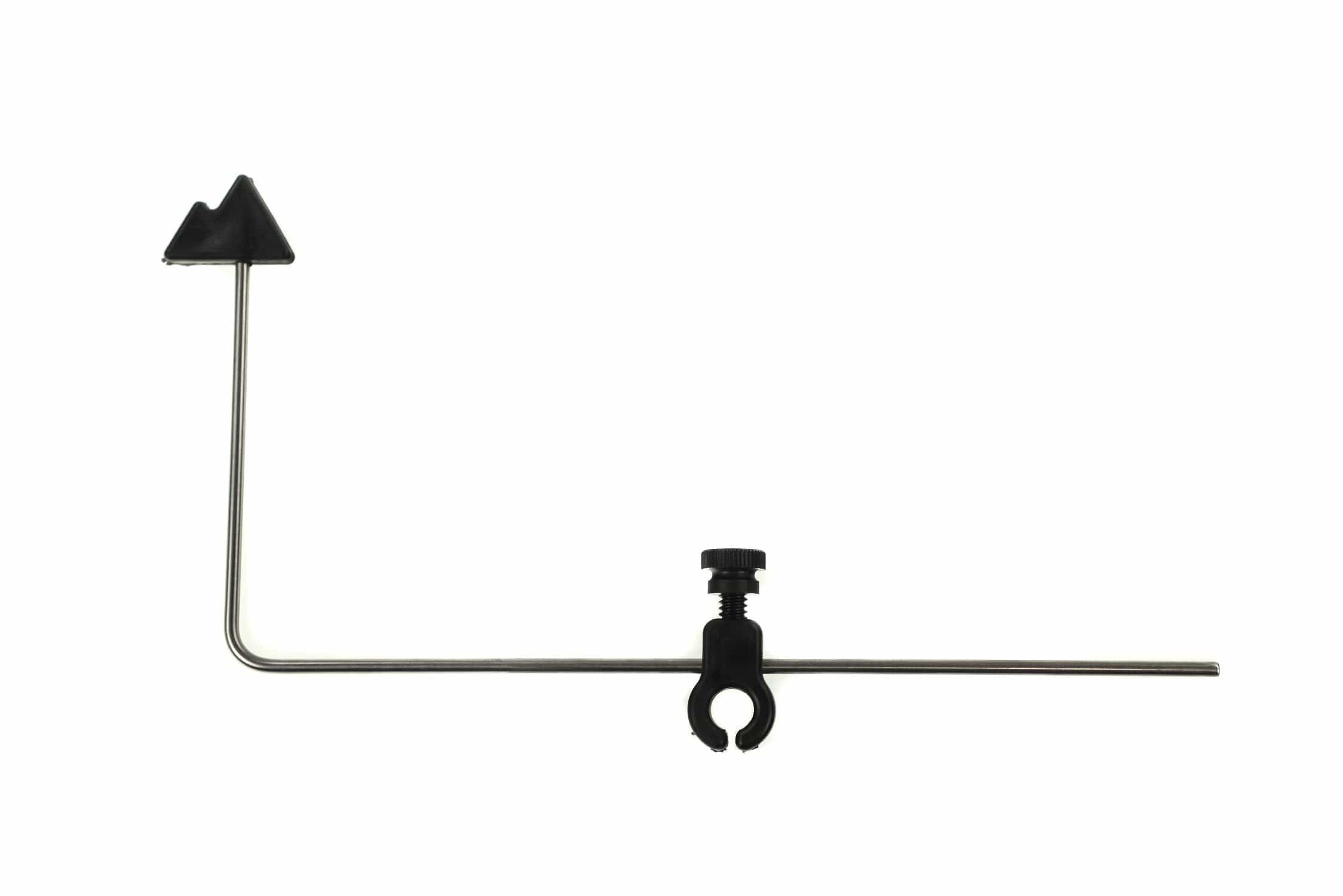
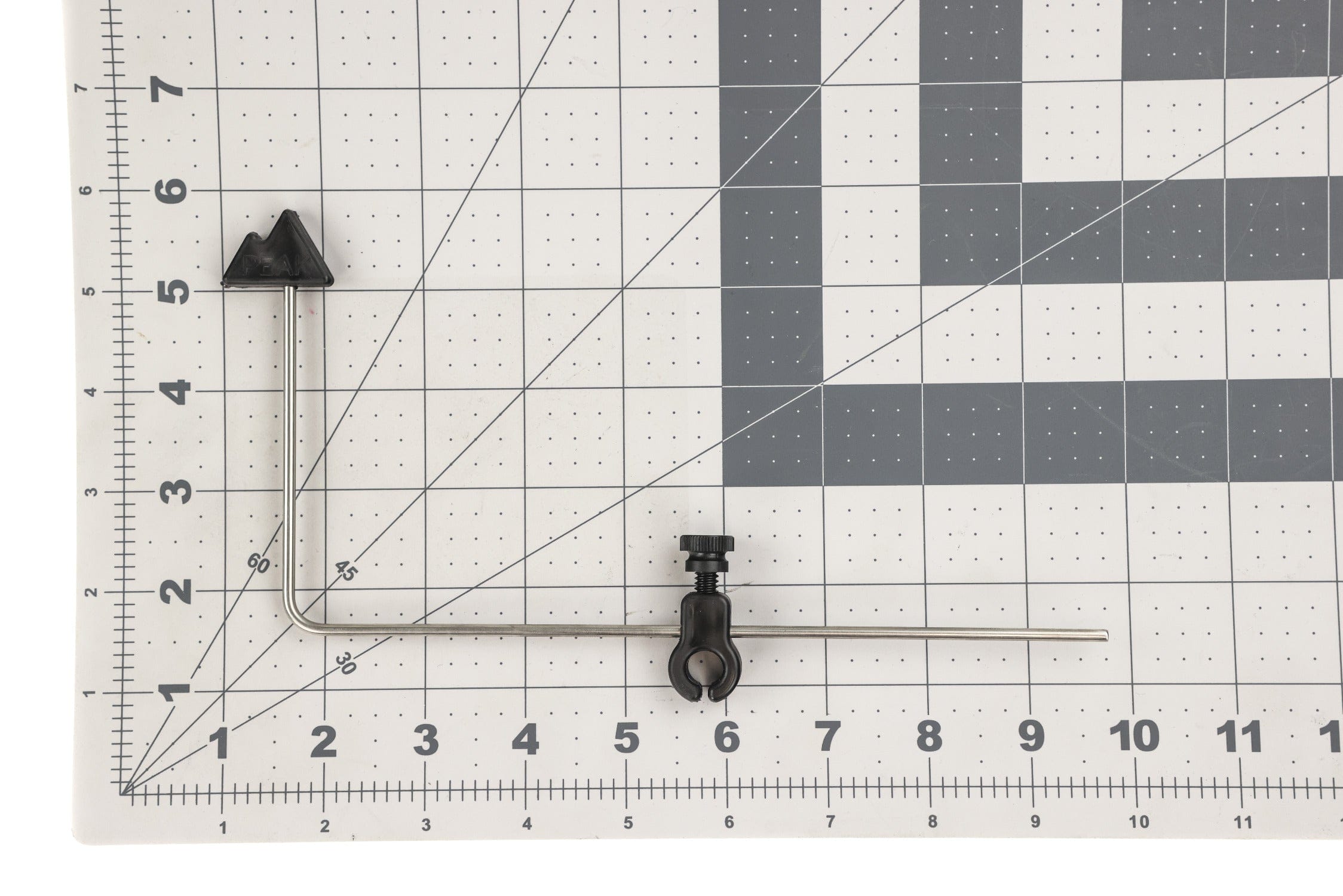
Action: Add a Peak Bobbin Rest Assembly if yours needs a replacement; parking the bobbin while you spin the vise is the point of true rotary.
Upgrade ideas: The Peak Material Clip fits standard 1/4-inch shafts and holds flash and tails out of the way, the Peak Profile Plate gives you a contrasting background for small flies, and the Peak Tool Post Caddy keeps scissors and bodkins on the stem.
Why Trident Carries Peak
Peak vises are designed, machined, and assembled in the USA, and they deliver true rotary function with stainless, brass, and tool-steel parts at a price that used to buy a non-rotary vise. Nearly every part is modular, so a Peak owner adds jaws, bases, risers, and clips as needed instead of replacing the vise.
Care & Maintenance
- Seat the hook right: Peak recommends setting the hook deep enough to hold securely, with the midpoint of the bend exiting at the top of the jaws and room behind for materials.
- Set the jaw gap first: Use the adjustment nut in front of the cam handle to size the jaw for the wire, then close the cam. Do not force the cam over on an oversized hook.
- Light oil on black-oxide parts: Peak says the stainless parts need no routine care, but the black-oxide jaws and cam handle benefit from a wipe of light oil in humid or coastal shops.
- Clean sticky jaws: If the cam gets stiff, brush out thread and cement residue and apply a small amount of light grease to the moving surfaces.
Complete Your Setup
Related Gear
- Fly Tying Vises - Compare Peak with Regal, Renzetti, and Griffin.
- Fly Tying Bobbins - Pair the rotary head with a ceramic bobbin that feeds thread without fraying.
- Fly Tying Tools - Scissors, whip finishers, and hackle pliers for the tool post caddy.
- Fly Tying Hooks - Match hook wire to the jaw you chose.
Related Guides
- Fly Tying Essentials: The Basics for First-Time Tyers
- How to Tie The Bead Head Wooly Bugger Fly
- How to Tie the Zebra Midge Fly
- How to Tie The Standard Clouser Minnow Fly Pattern
- How To Tie The Mil Spec Perdigon
Peak Fly Tying Vises FAQs
Q: Is the Peak Rotary Vise a true rotary vise?
A: Yes. The hook shank sits on the axis of rotation, so you can spin the fly to wrap ribbing and hackle or to inspect the far side, and a resistance screw sets how freely it turns.
Q: Is the Peak Rotary Vise good for beginners?
A: It is one of the vises we recommend most for a first serious purchase. The cam jaw is simple, the hook range is wide, and the parts system means you will not need to replace it as your tying grows.
Q: Can a left-handed tier use a Peak vise?
A: Yes. The Peak Rotary Vise is set up to work for right- or left-handed tying, and the rotation resistance adjustment is reachable from either side.
Q: What is the Peak LIRS Vise for?
A: LIRS stands for Large Iron Retention System. Its hardened tool steel anvil and drawbar accept hook wire up to .095 inches, so long-shank, heavy-wire hooks for musky, pike, and bluewater flies stay locked while you pull hard.
Q: Should I buy the pedestal or the C-clamp version of the Peak Rotary?
A: Pedestal if you move around or lack a good bench edge; C-clamp if you have a permanent desk and want maximum rigidity. Both bases are sold separately, so you can add the other later.
Q: Do Peak midge jaws and saltwater jaws fit the standard Peak Rotary Vise?
A: Yes, both are made for the Peak rotary system. Keep the standard jaws for general work and change out only when the hook size calls for it.
Peak Warranty & Resources
PEAK states that its products carry a limited lifetime warranty against defects in material or workmanship for the original owner, and that service and warranty matters are handled directly by PEAK Fishing rather than through retailers. Contact PEAK at [email protected] for warranty issues; replacement parts are available through PEAK as well.
Learn More from Peak
- PEAK Fishing Contact and Warranty Service
- PEAK Fishing FAQs - Jaw adjustment, hook wire limits, and maintenance from the manufacturer.
- Select Your Vise - PEAK’s own guide to rotary, non-rotary, and specialty models.
- PEAK Fly Tying Vises