

New Rio Spey Lines | 2019 Insider Review
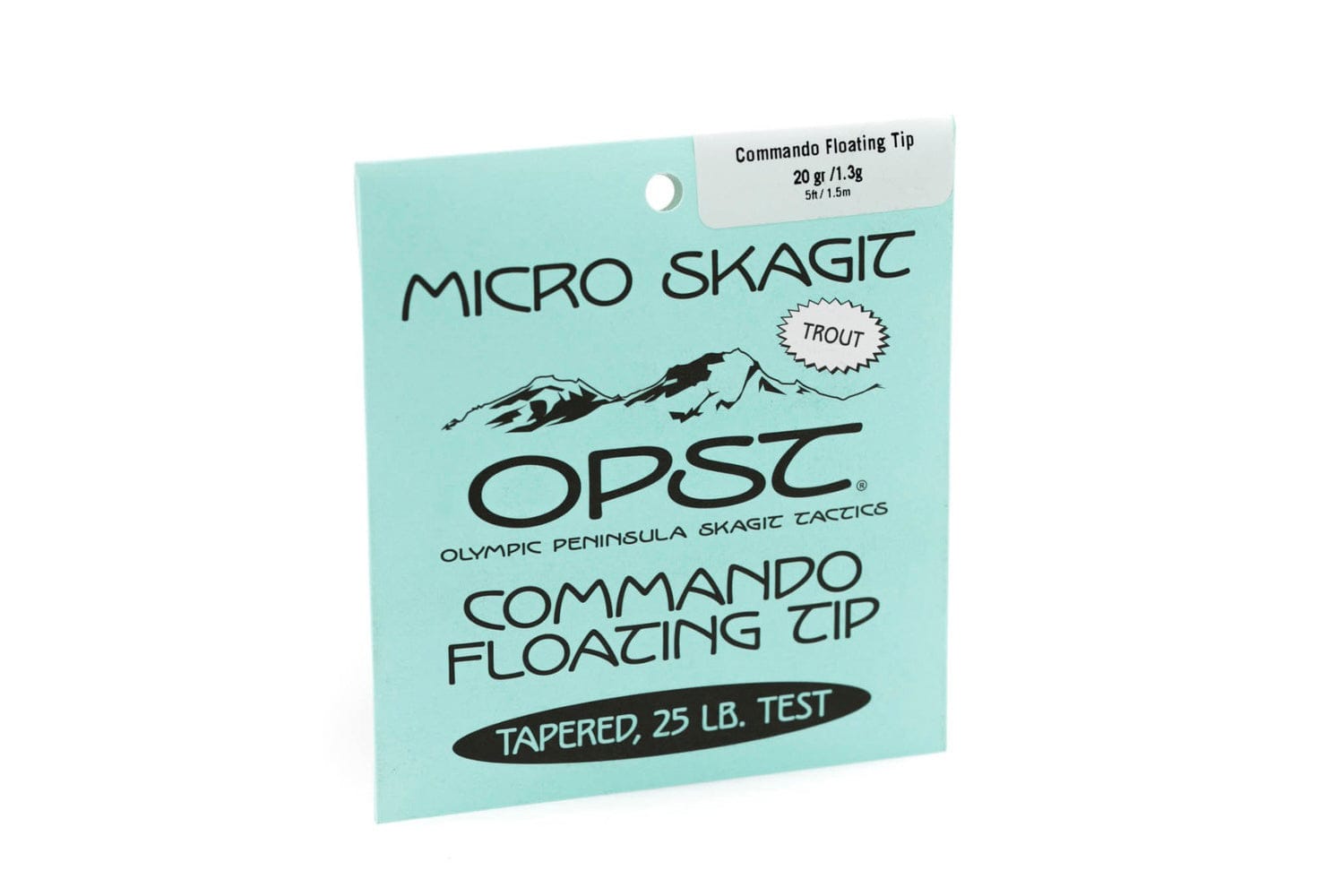


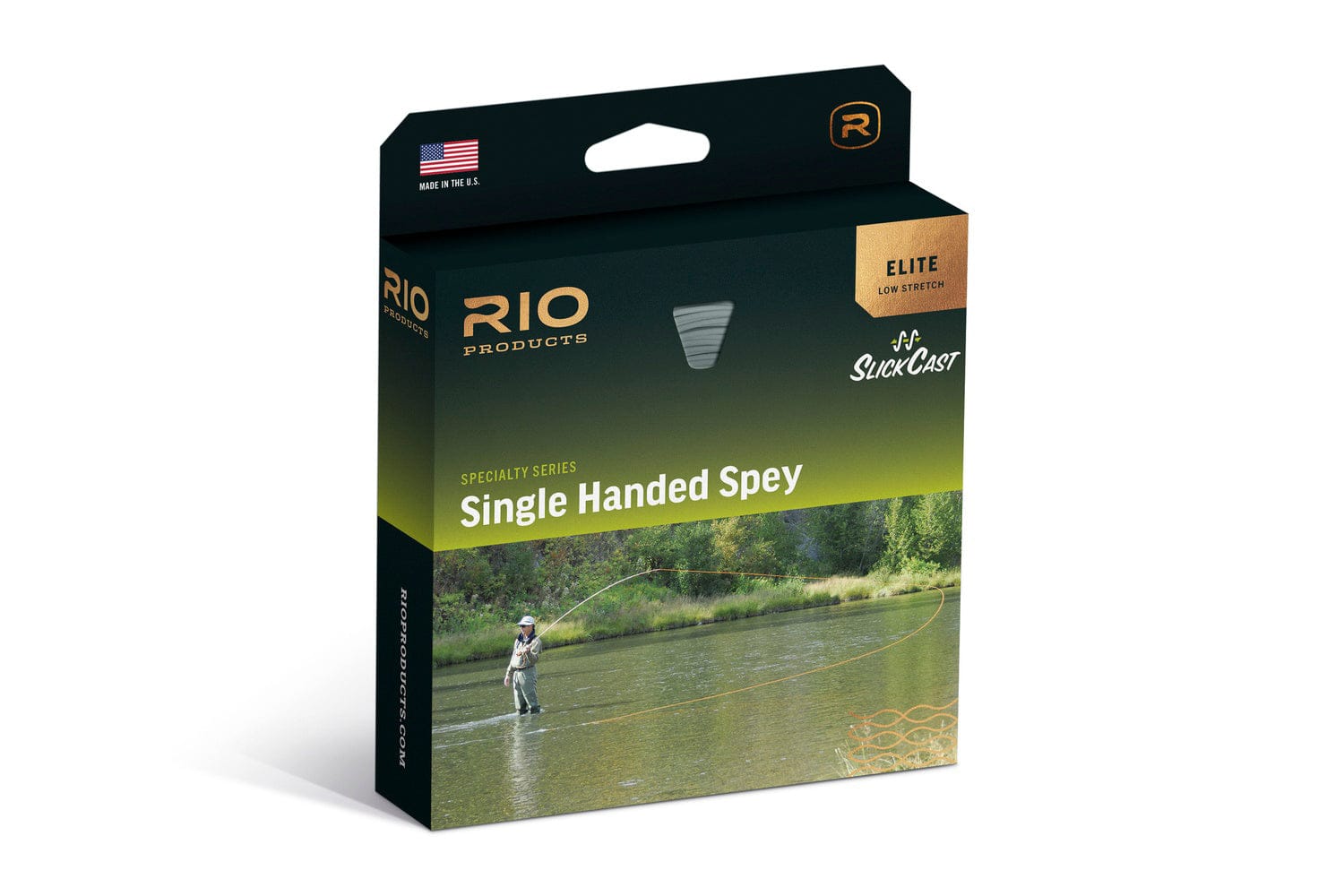
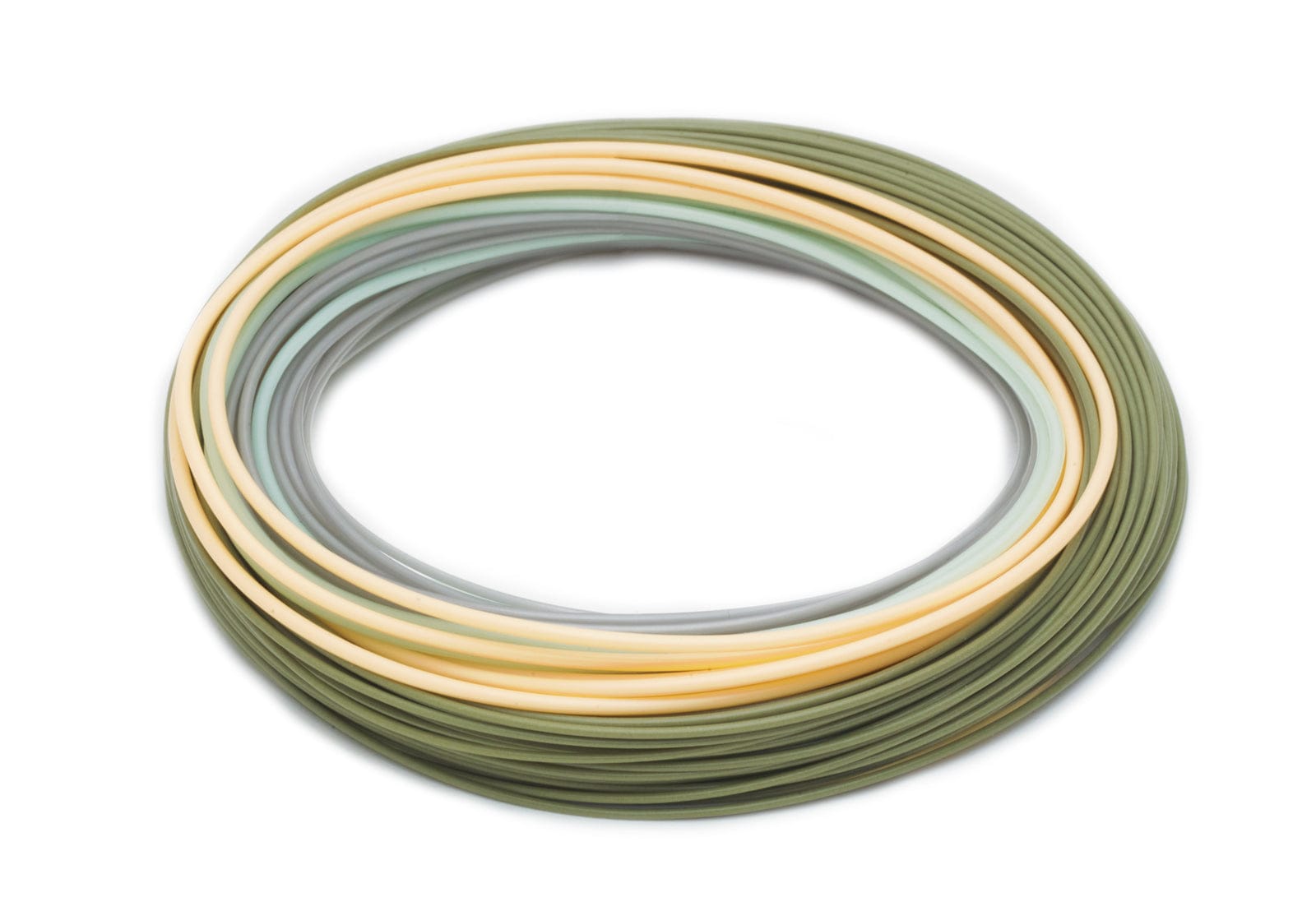
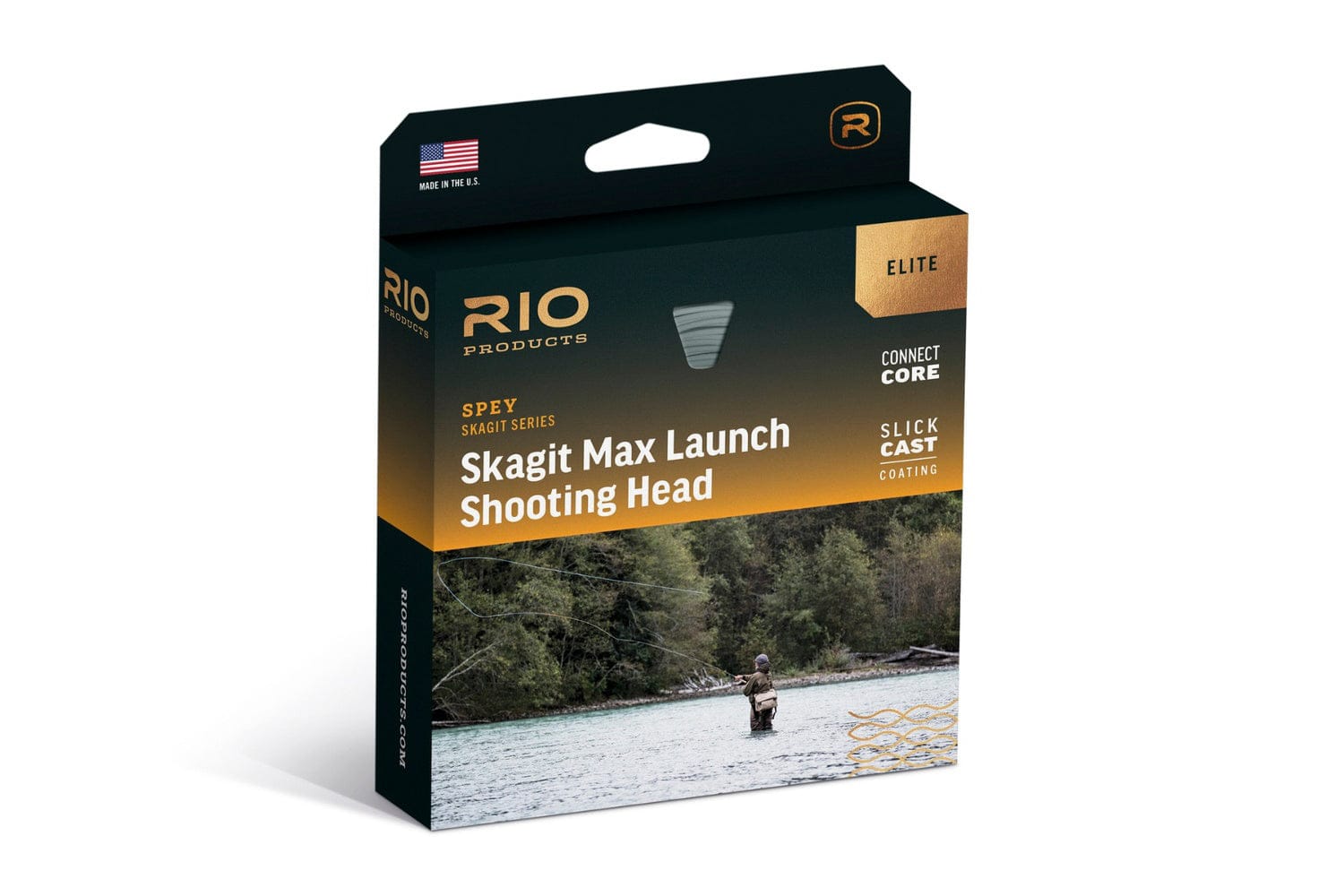
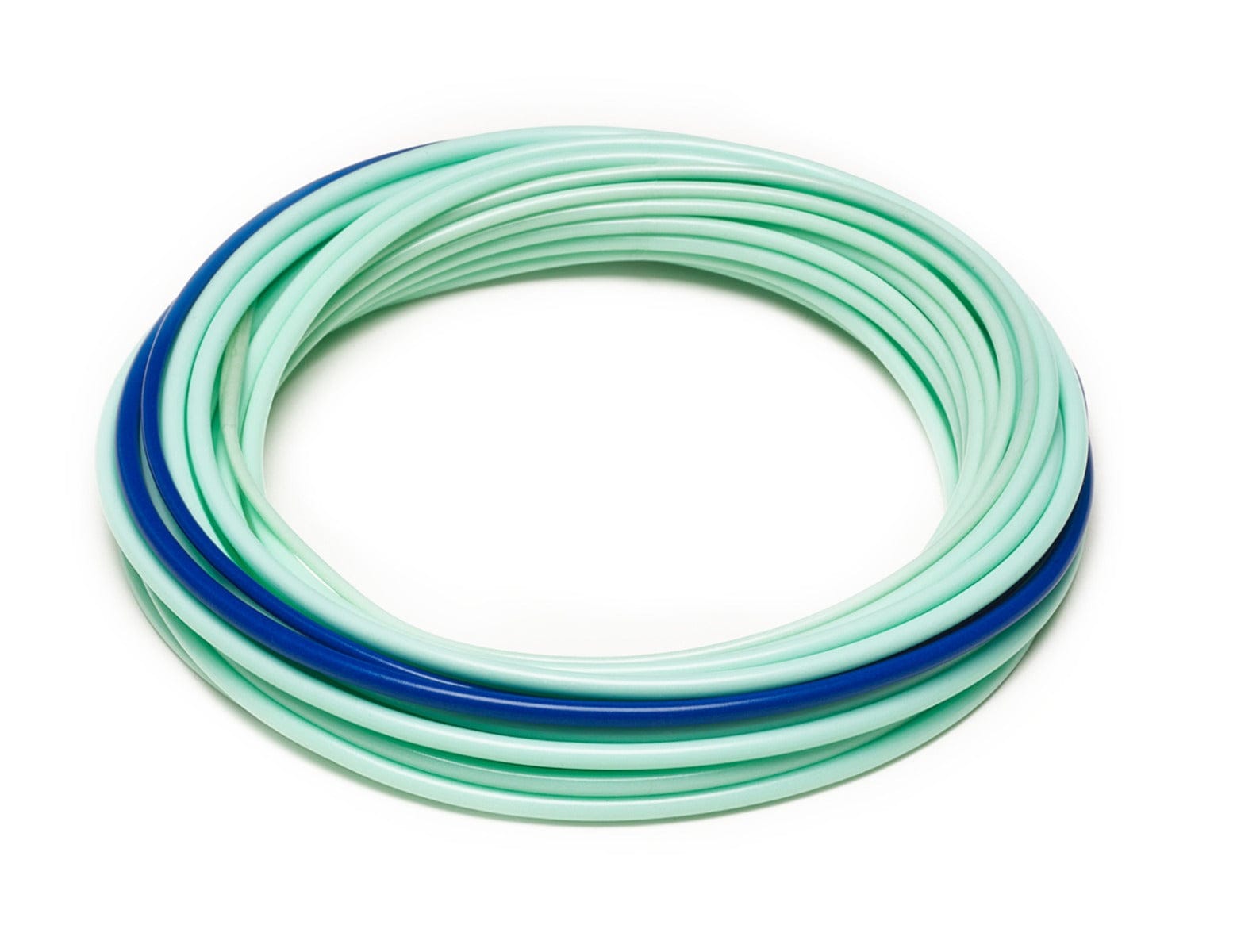
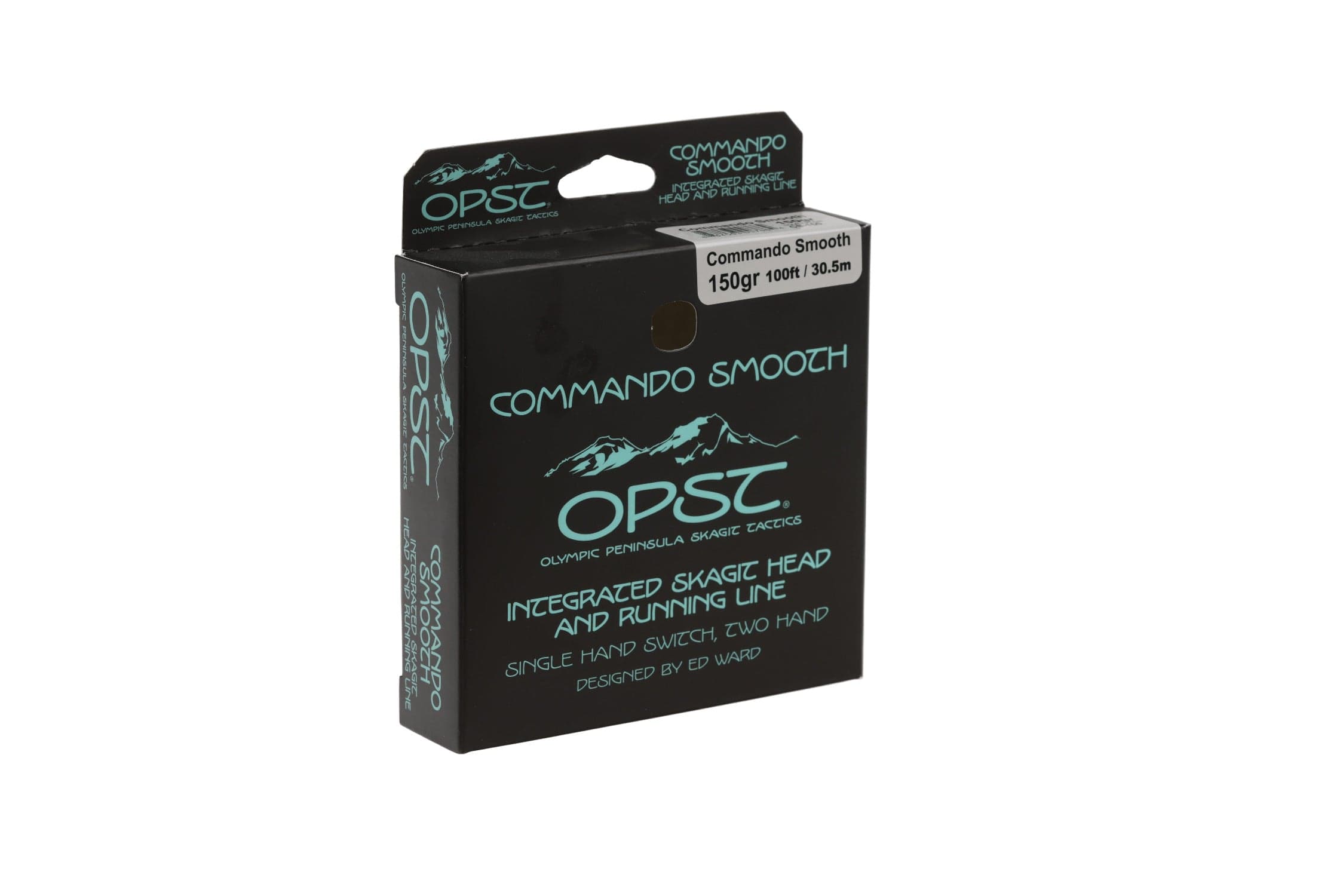


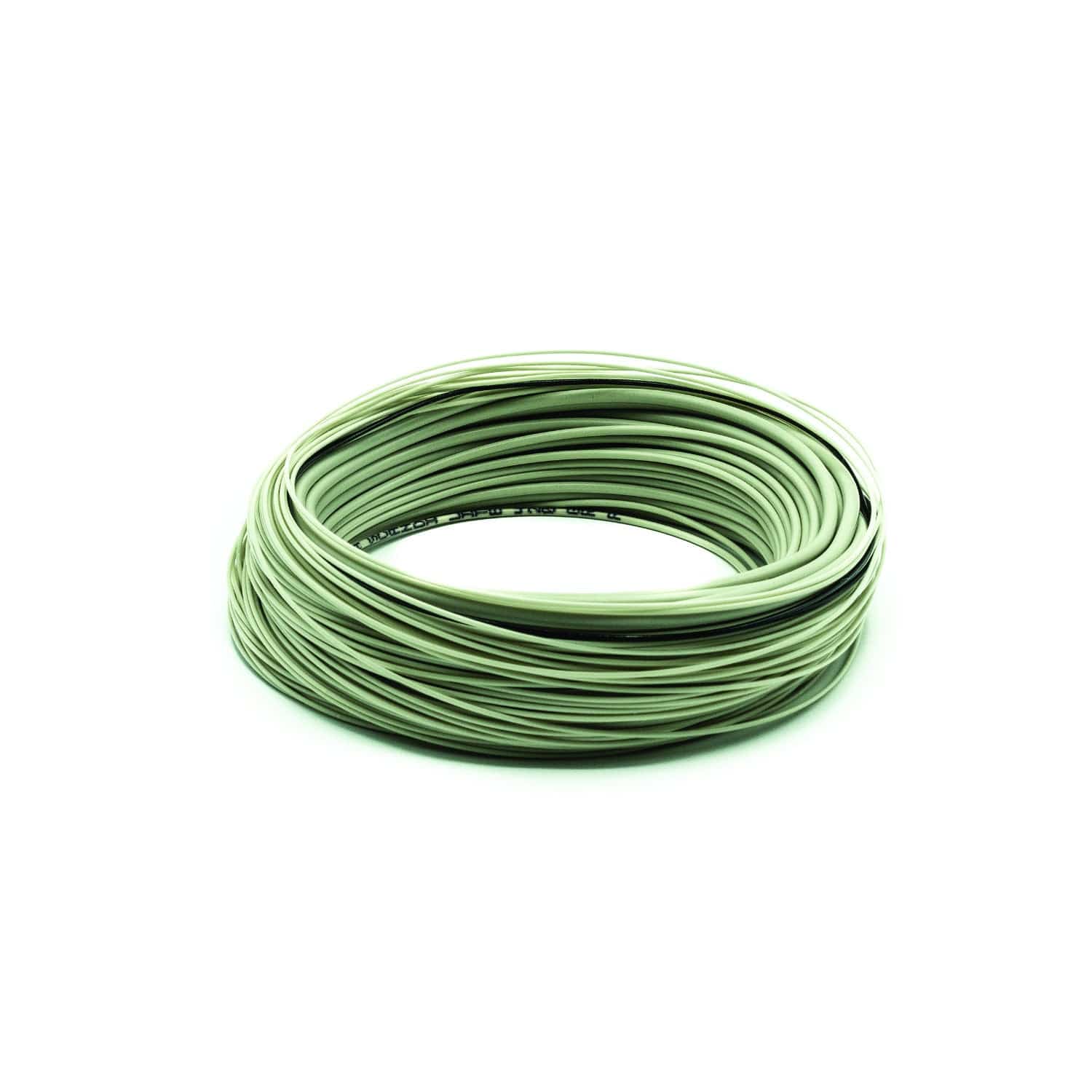
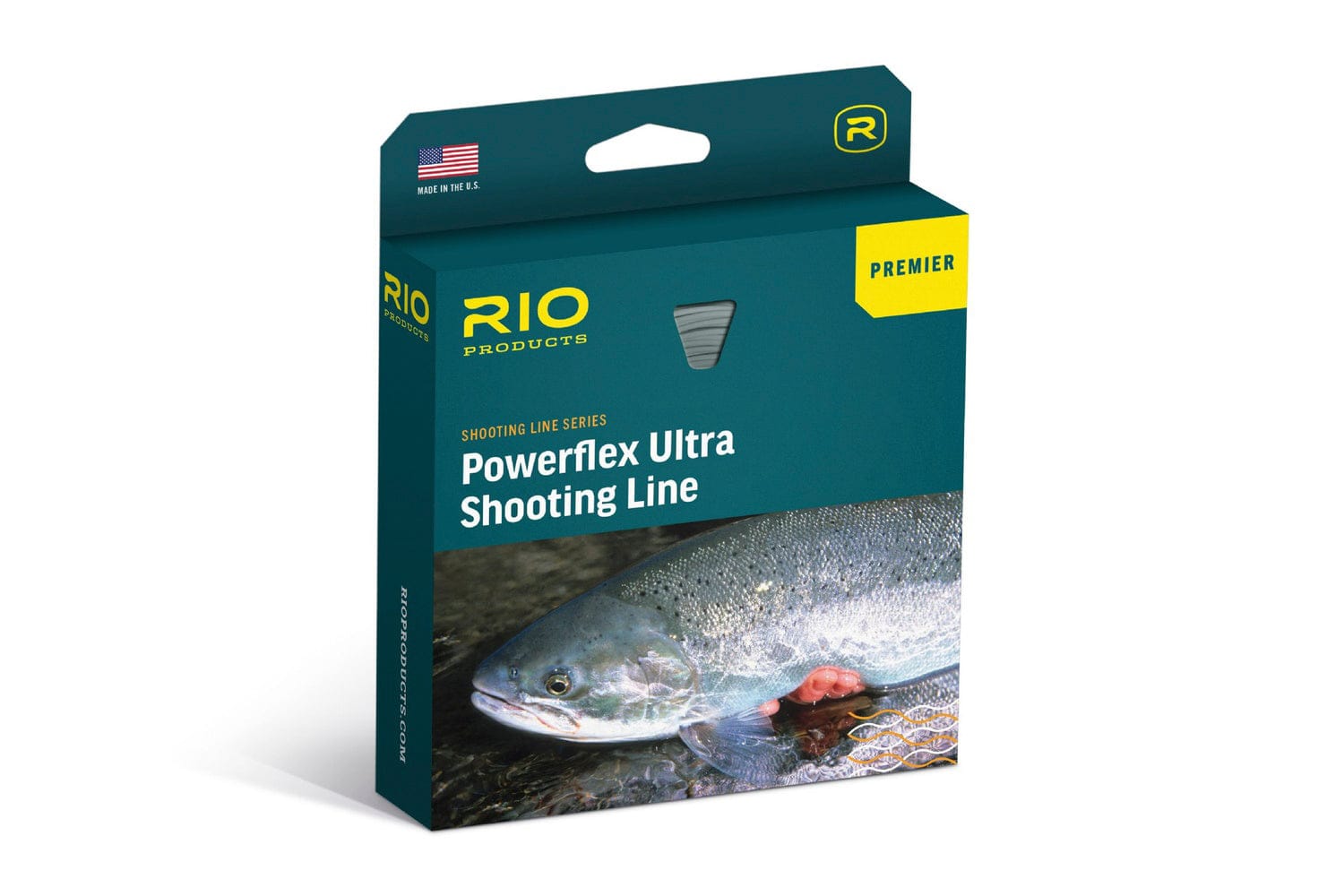
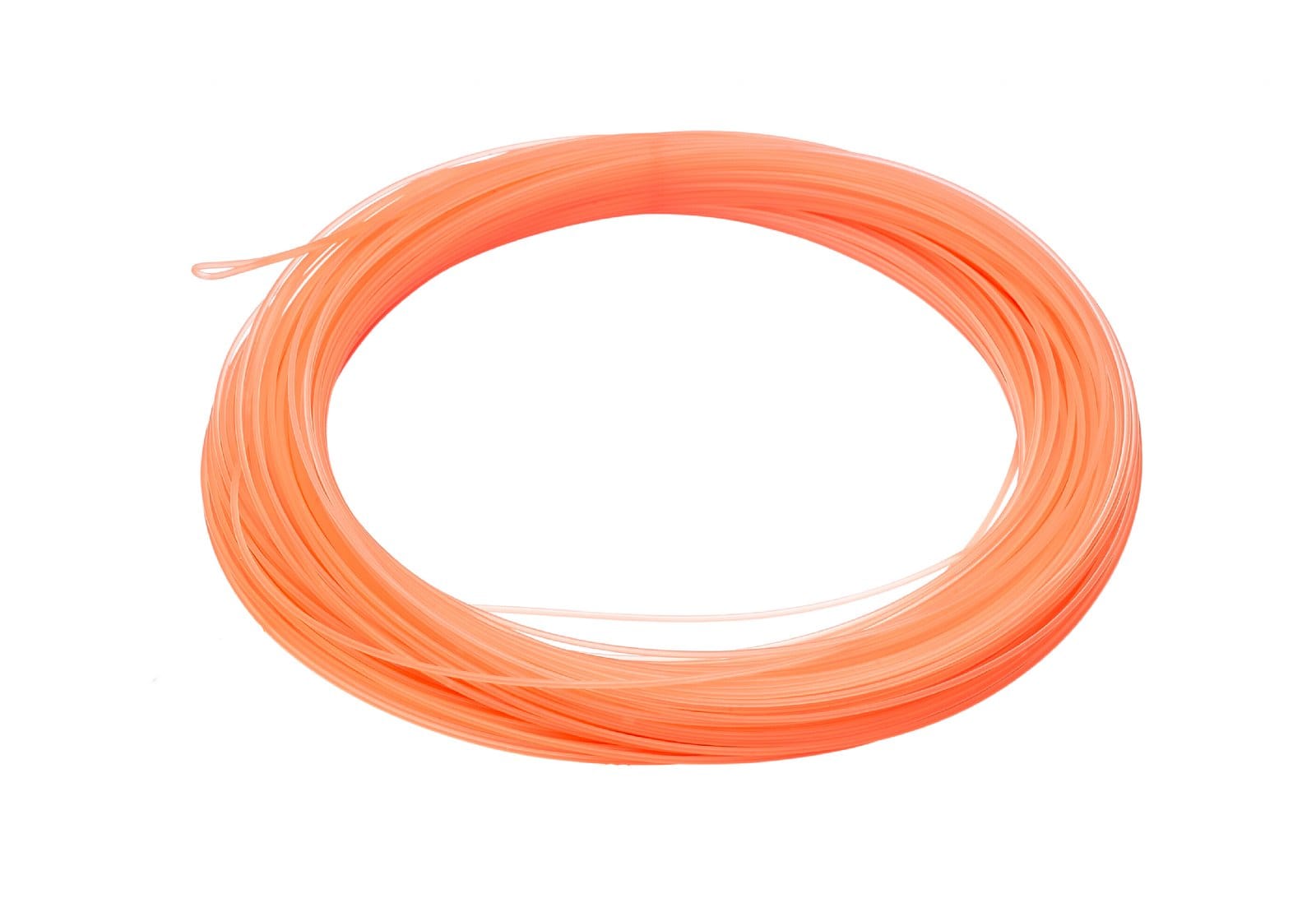





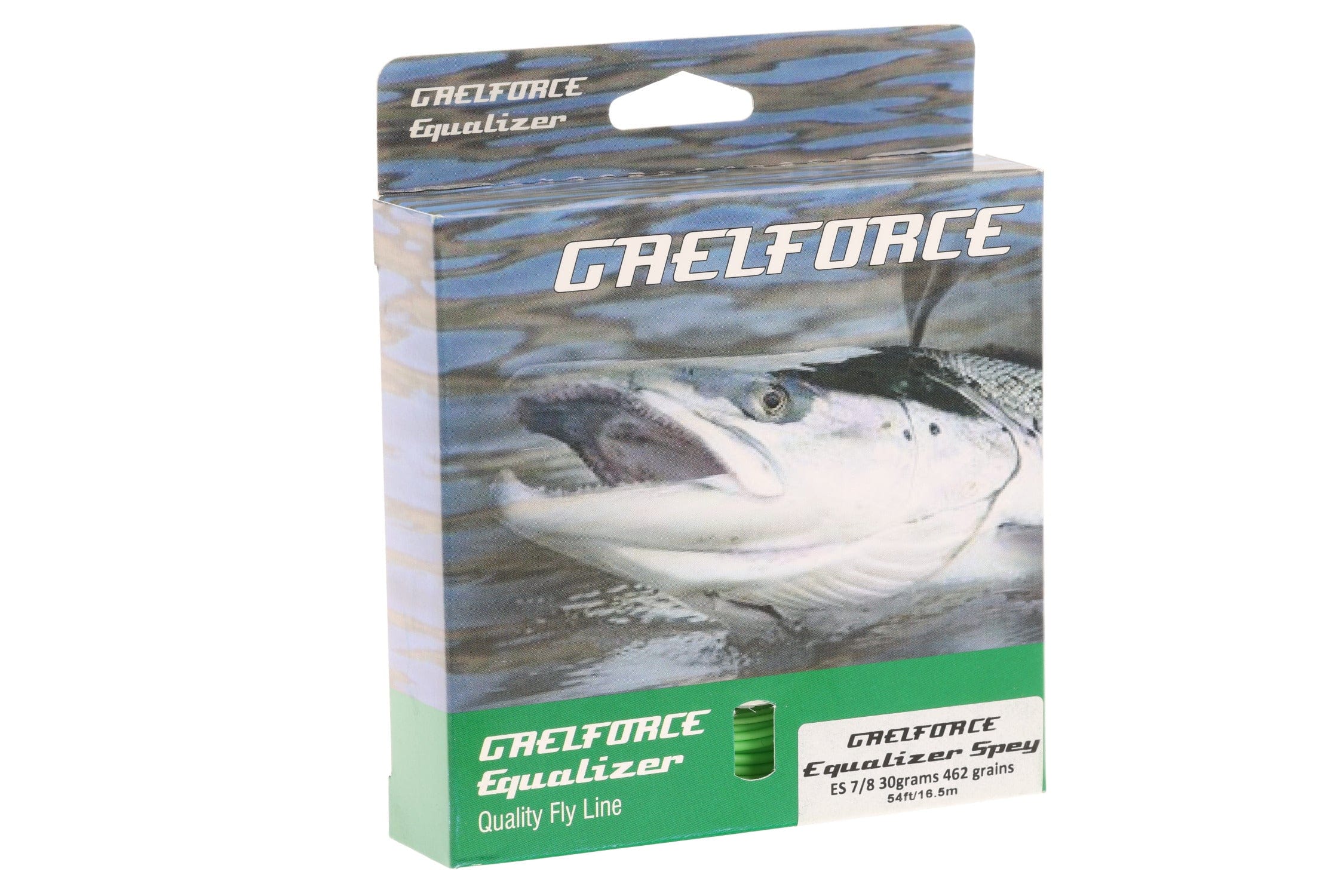
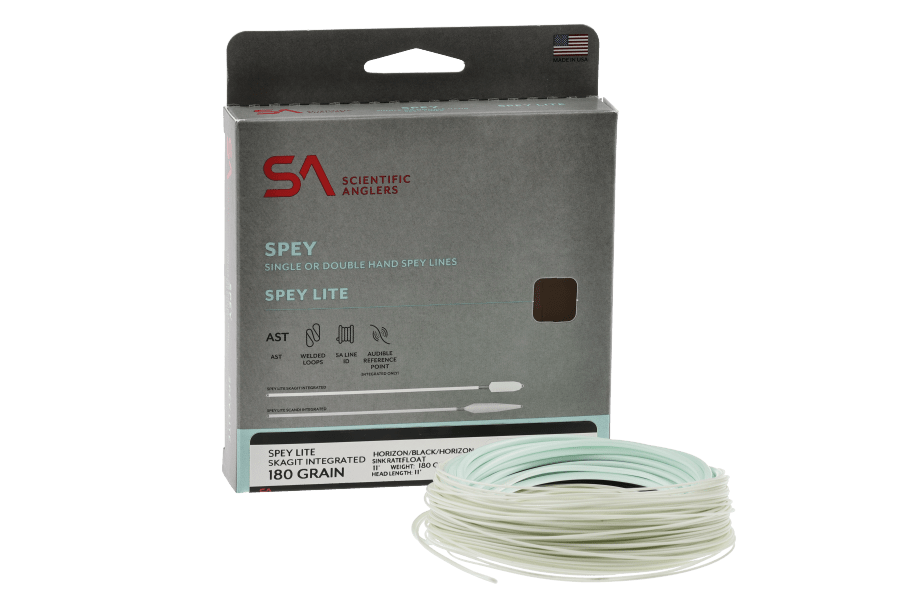
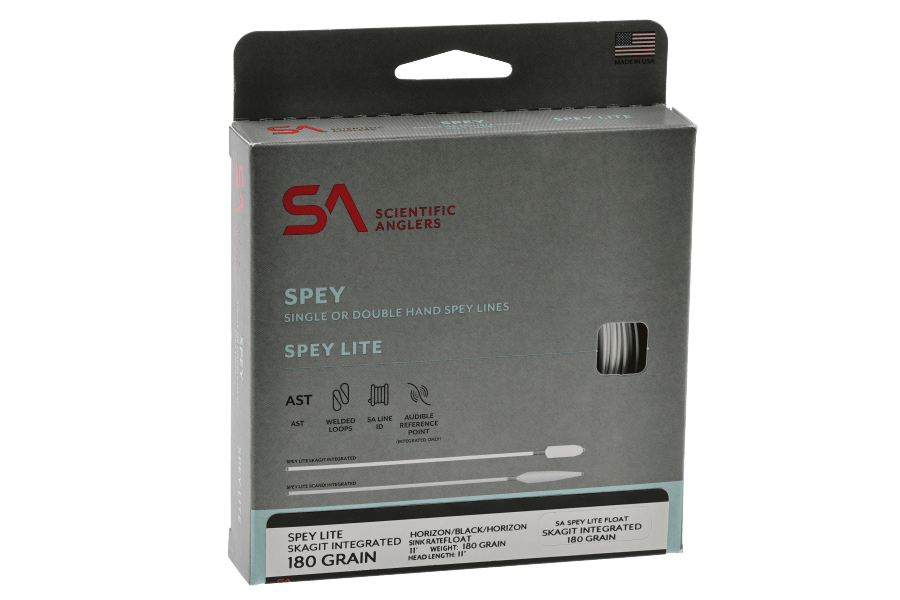
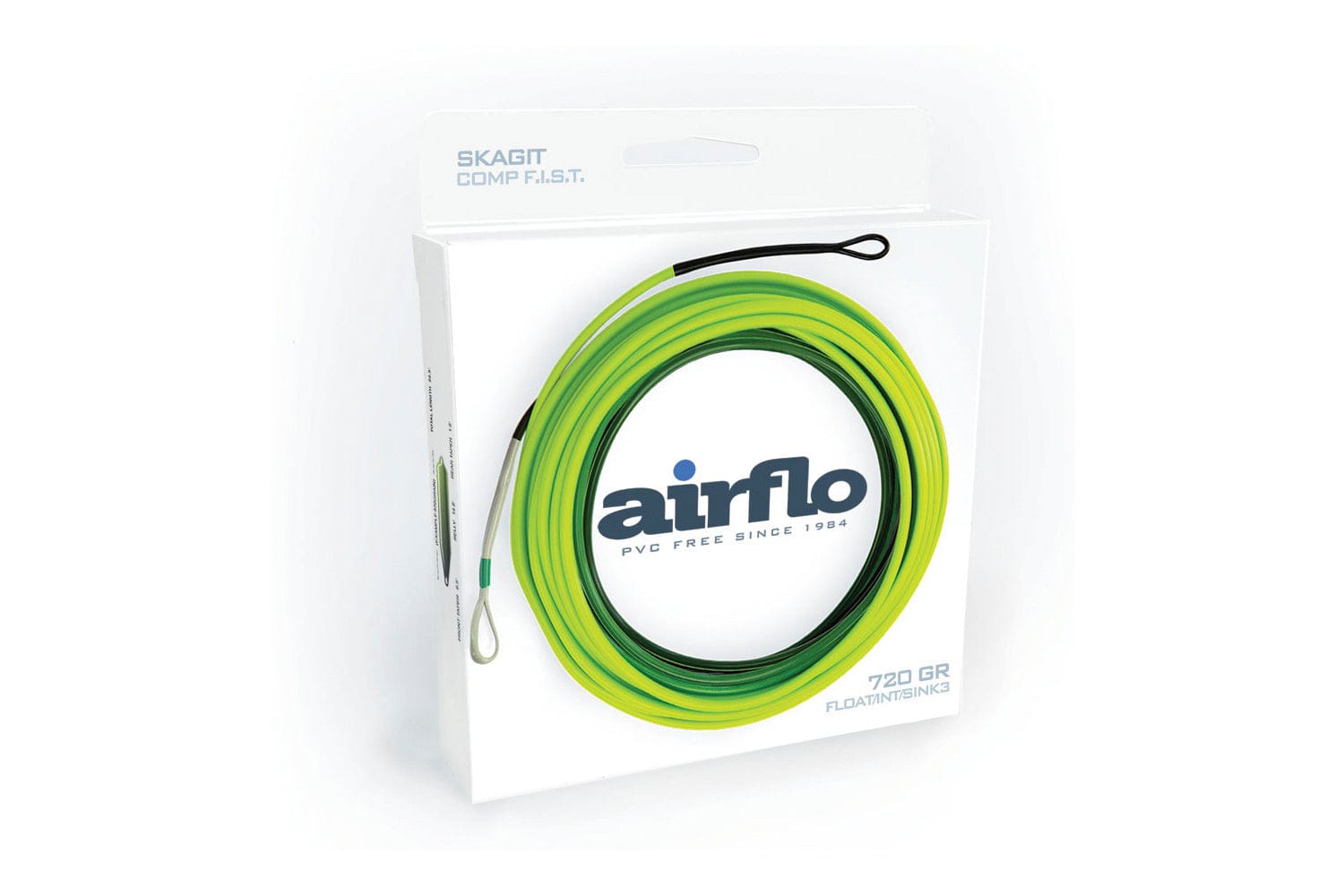
Spey Lines Quick Picks
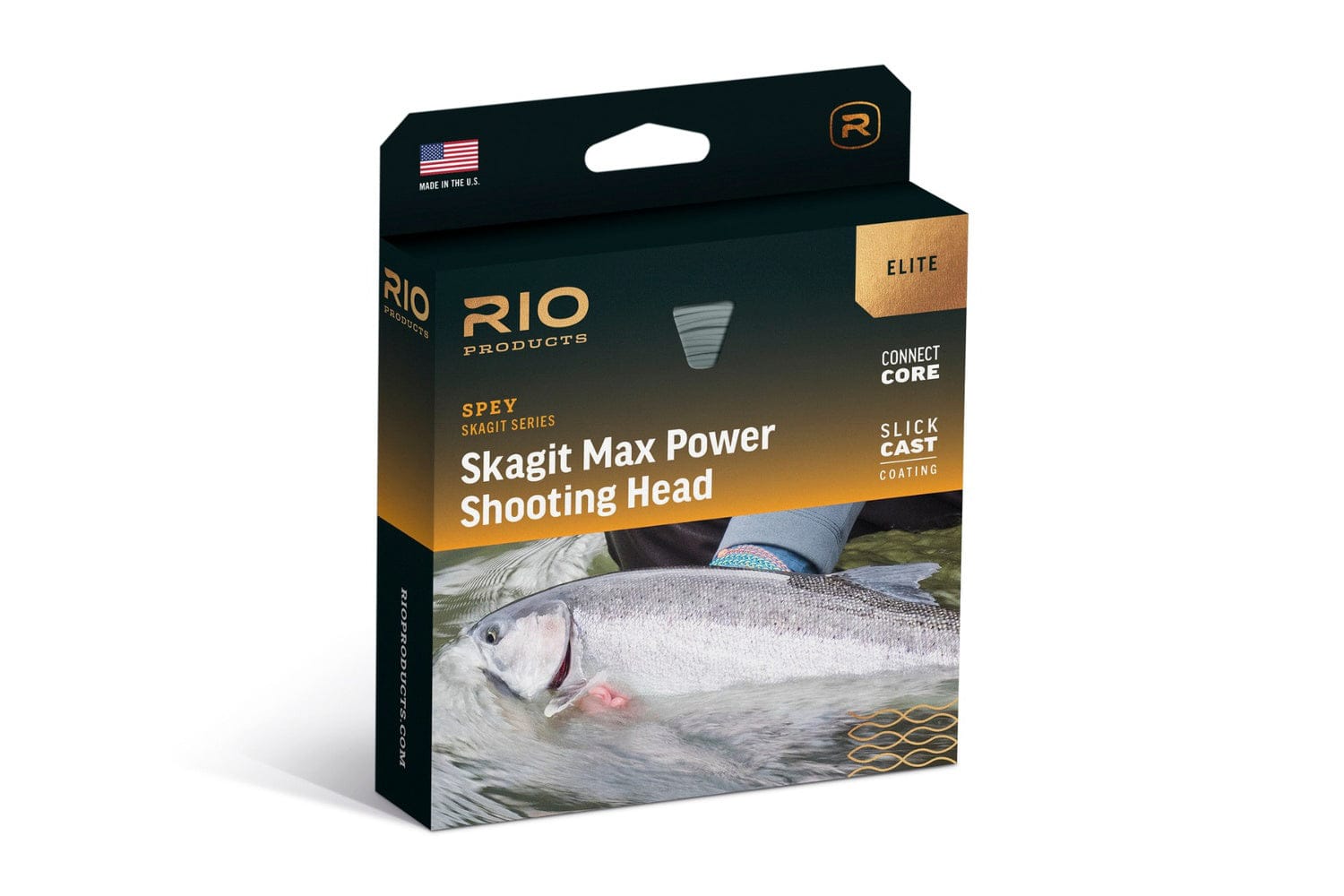
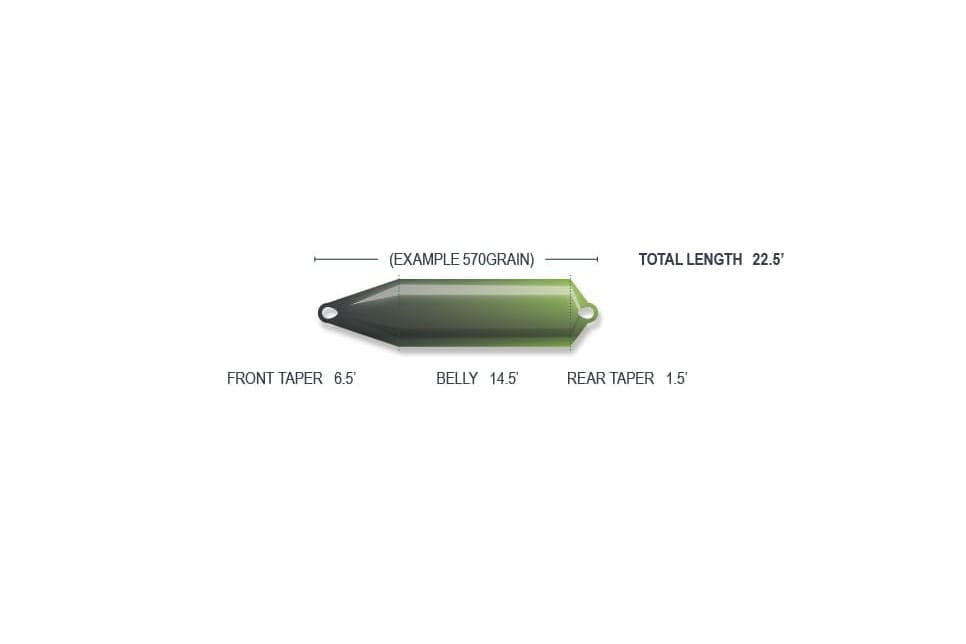
Best Skagit Head: Rio Elite Skagit MAX Launch - Designed for casting large flies and heavy sink tips with ease. The unique weight distribution loads rods deeply for powerful, sustained-anchor casts.
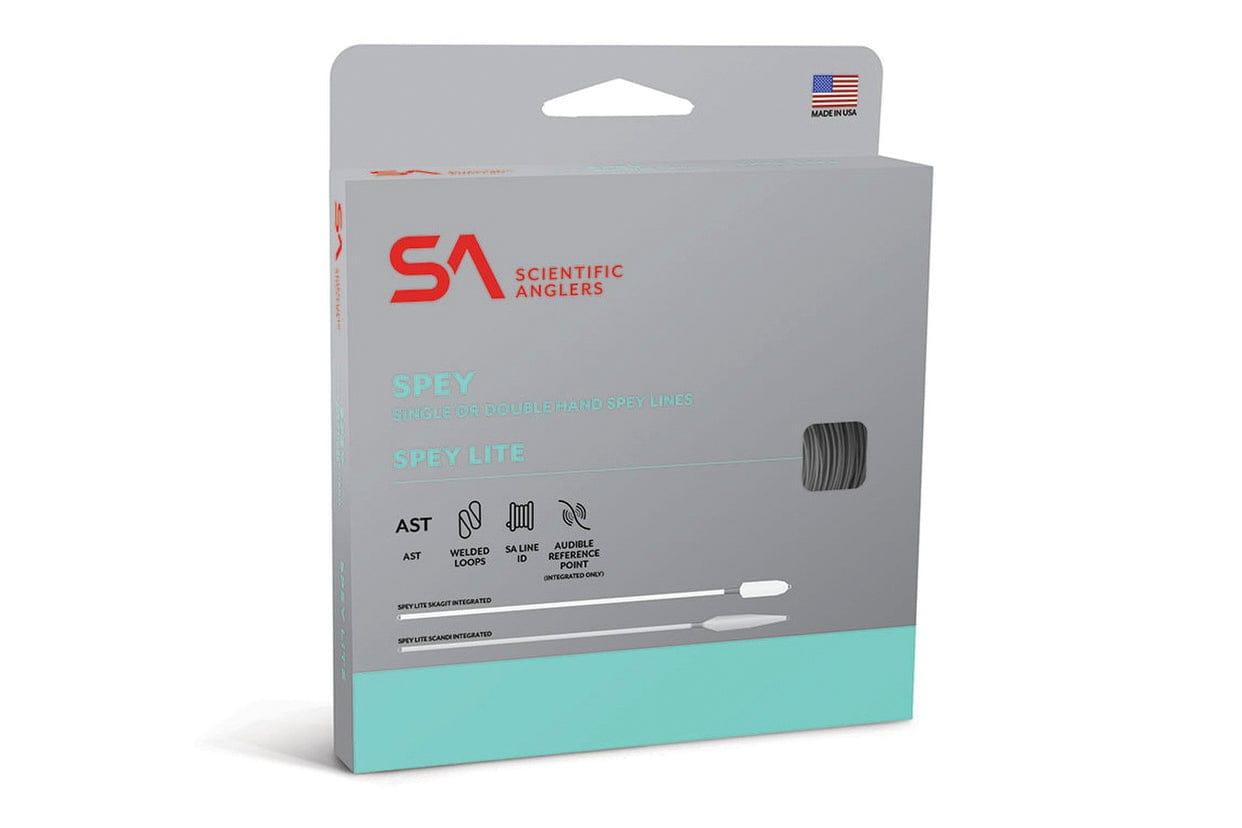
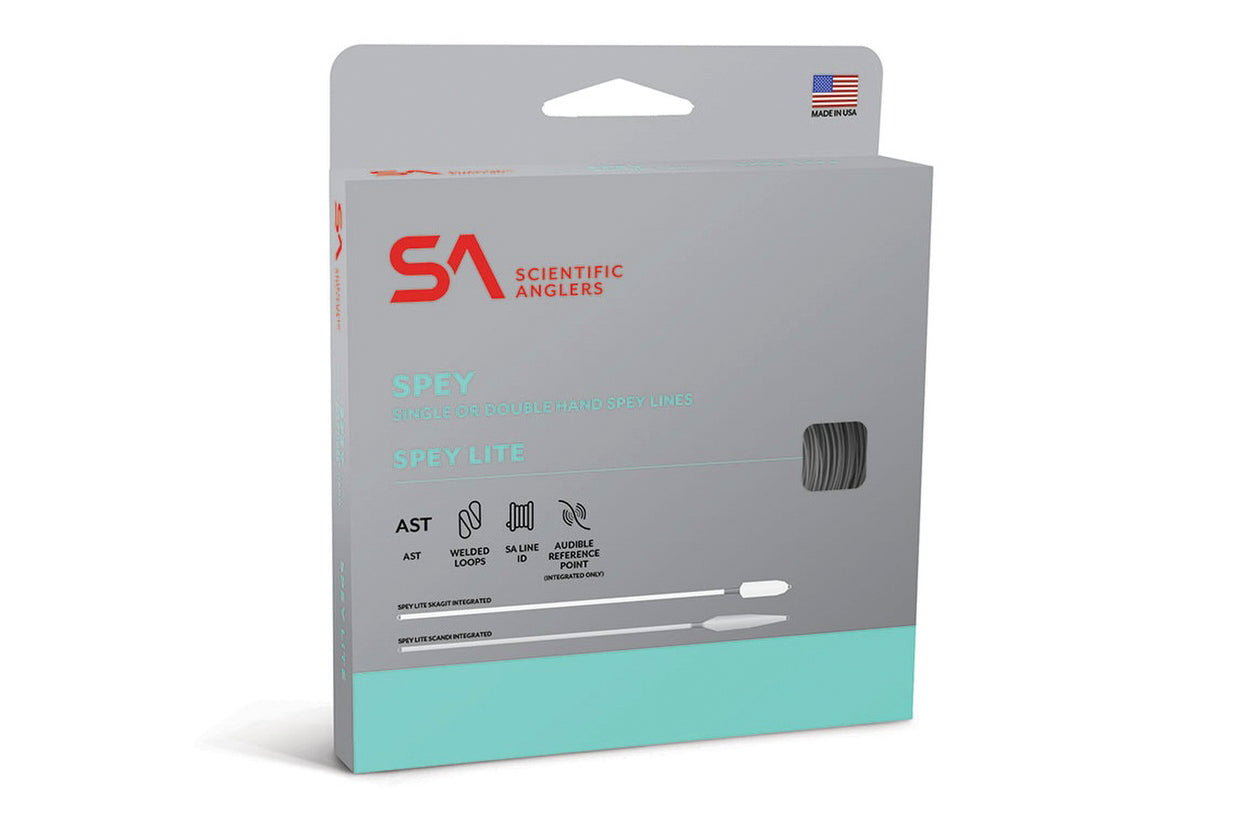
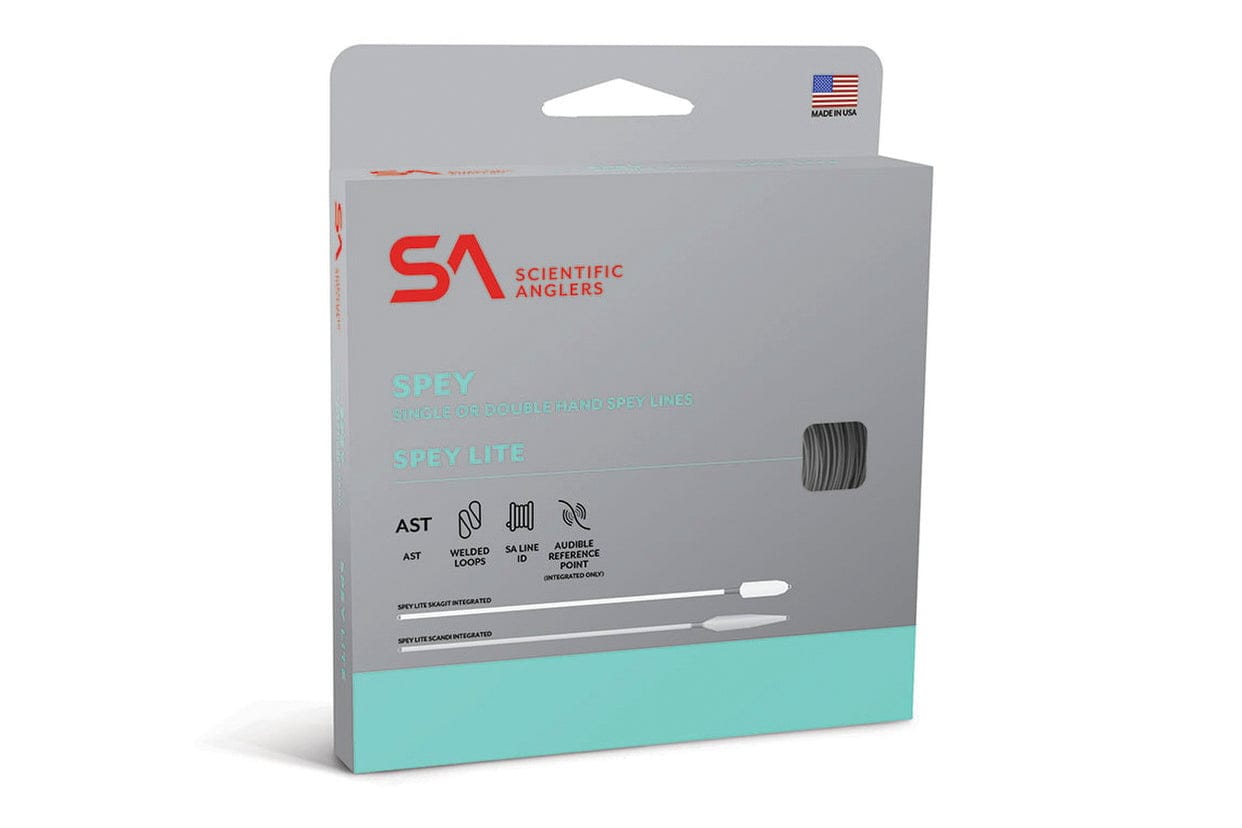
Best Scandi Head: Scientific Anglers Spey Lite Integrated Scandi - Perfect for delicate presentations and lighter two-handed rods. This line features a long front taper that turns over small flies and soft hackles smoothly.
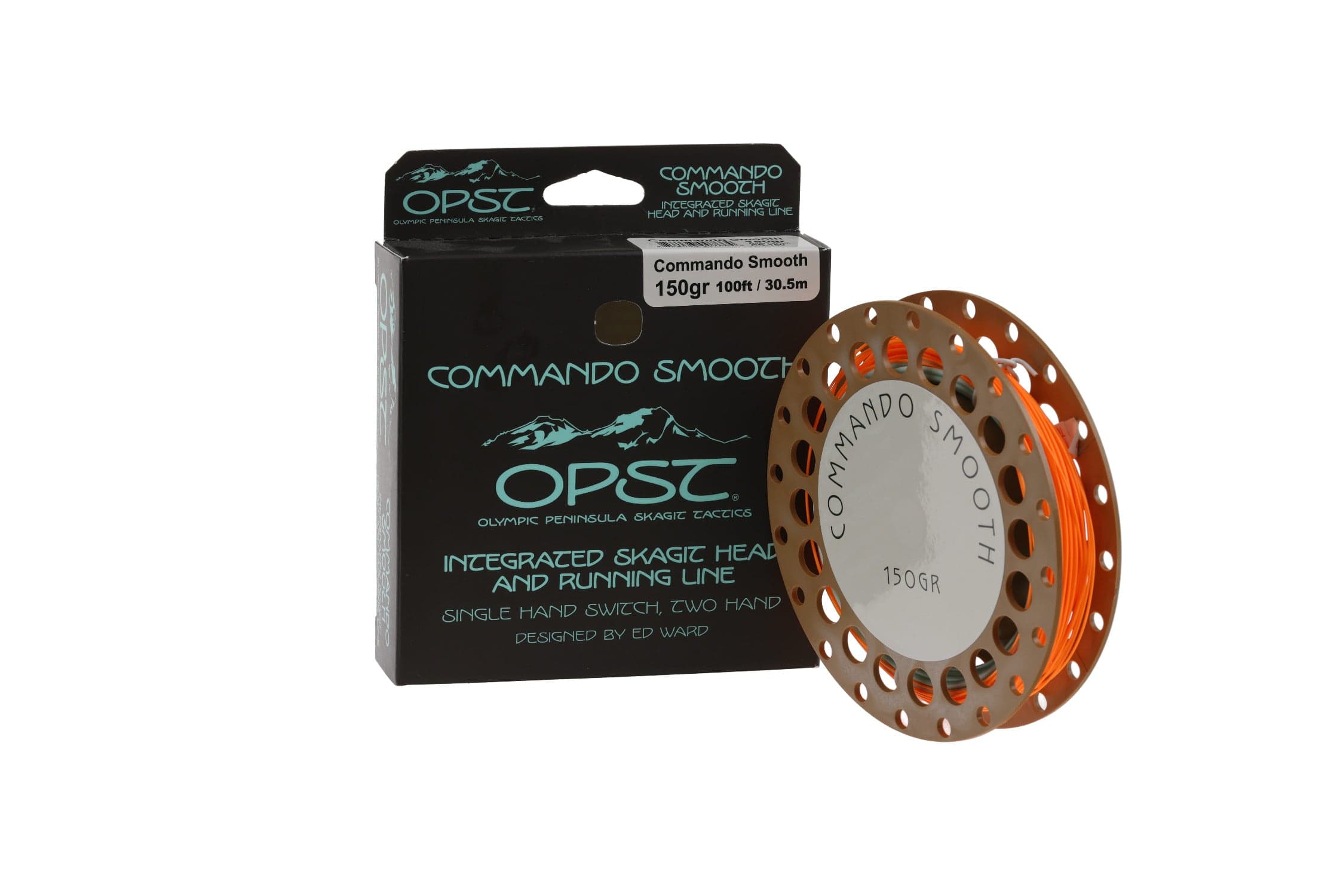
Best Integrated Line: OPST Commando Smooth - Combines a short, powerful Skagit head with a slick running line for a seamless casting experience. Ideal for anglers who want to strip flies close without a loop-to-loop connection catching in the guides.
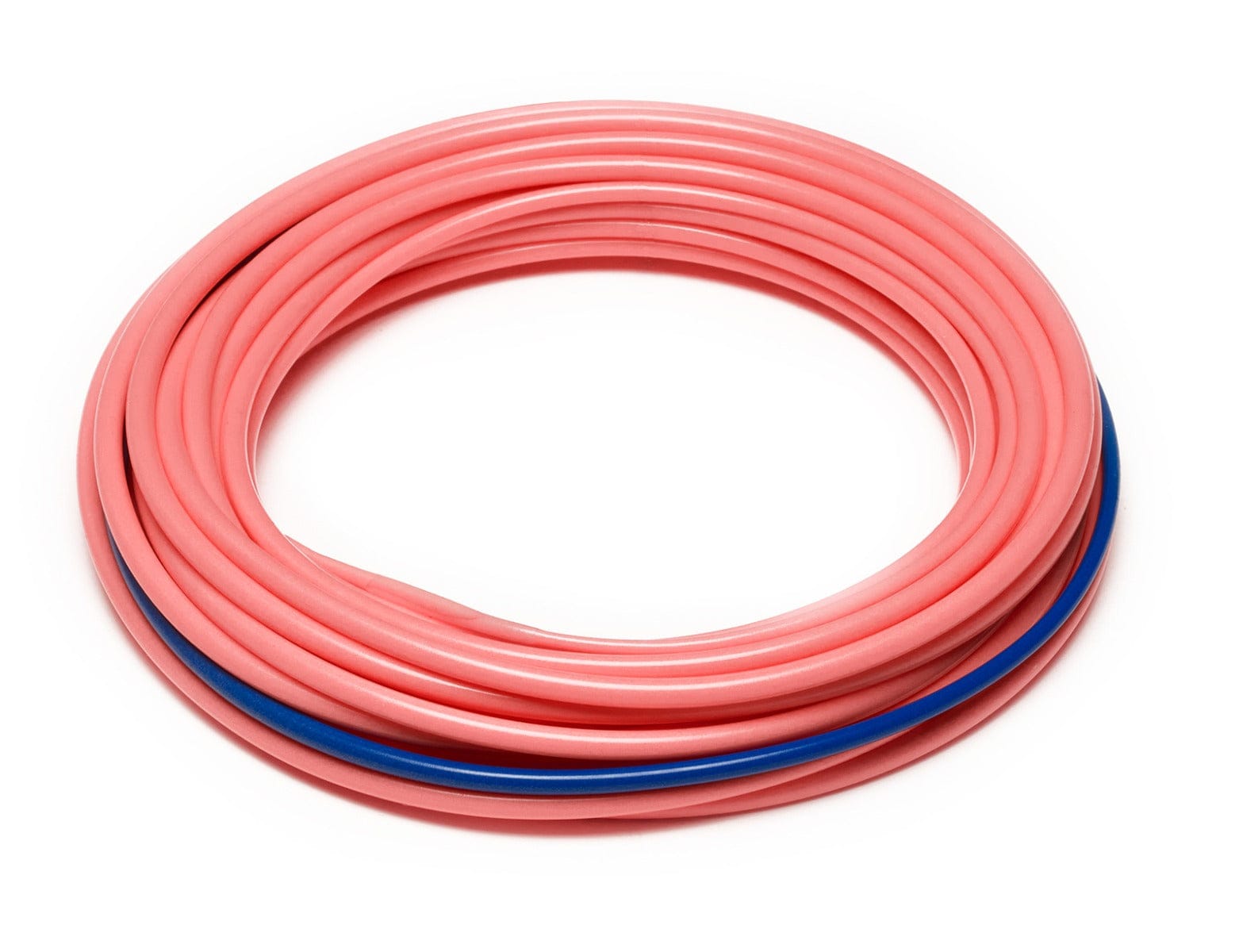
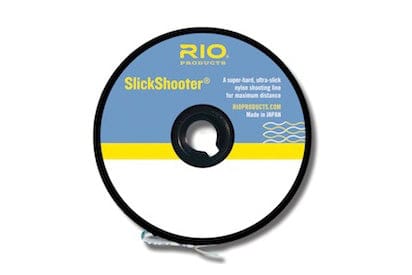
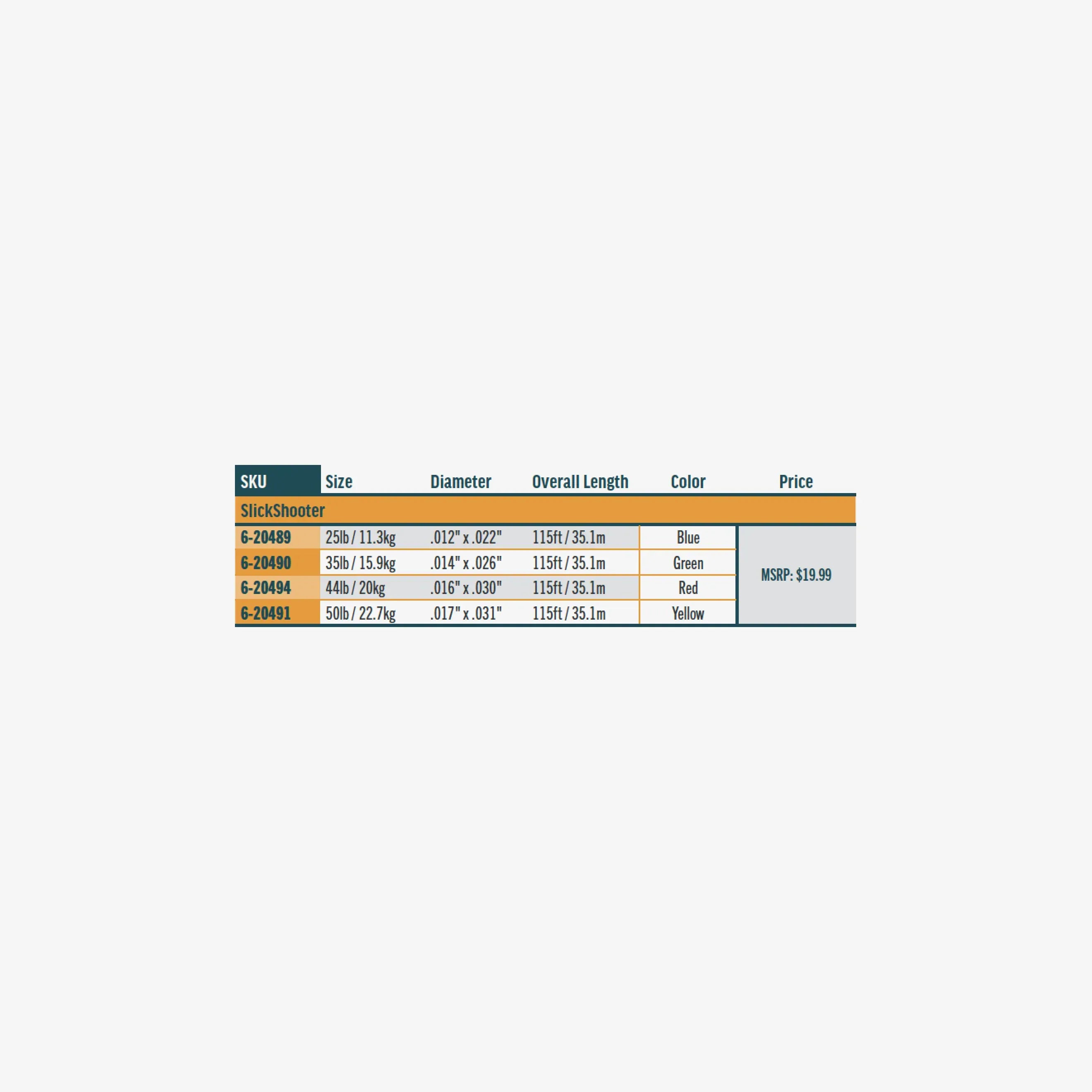
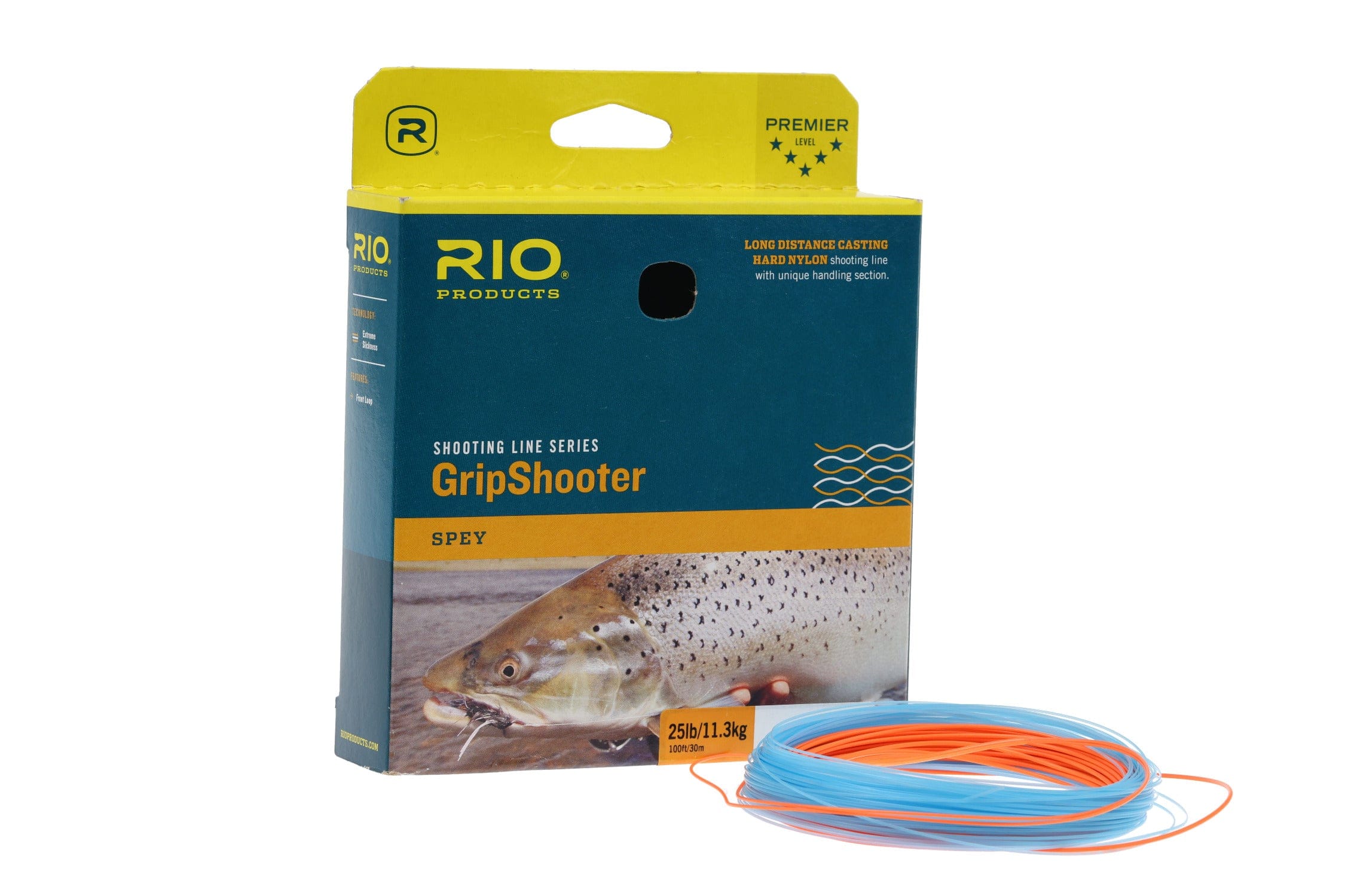
Best Running Line: OPST Pure Skagit Lazar Line - A hydrophobic monofilament that shoots incredibly far with minimal friction. Its lack of memory ensures it stays straight and tangle-free in cold water.
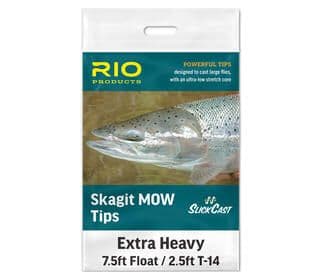
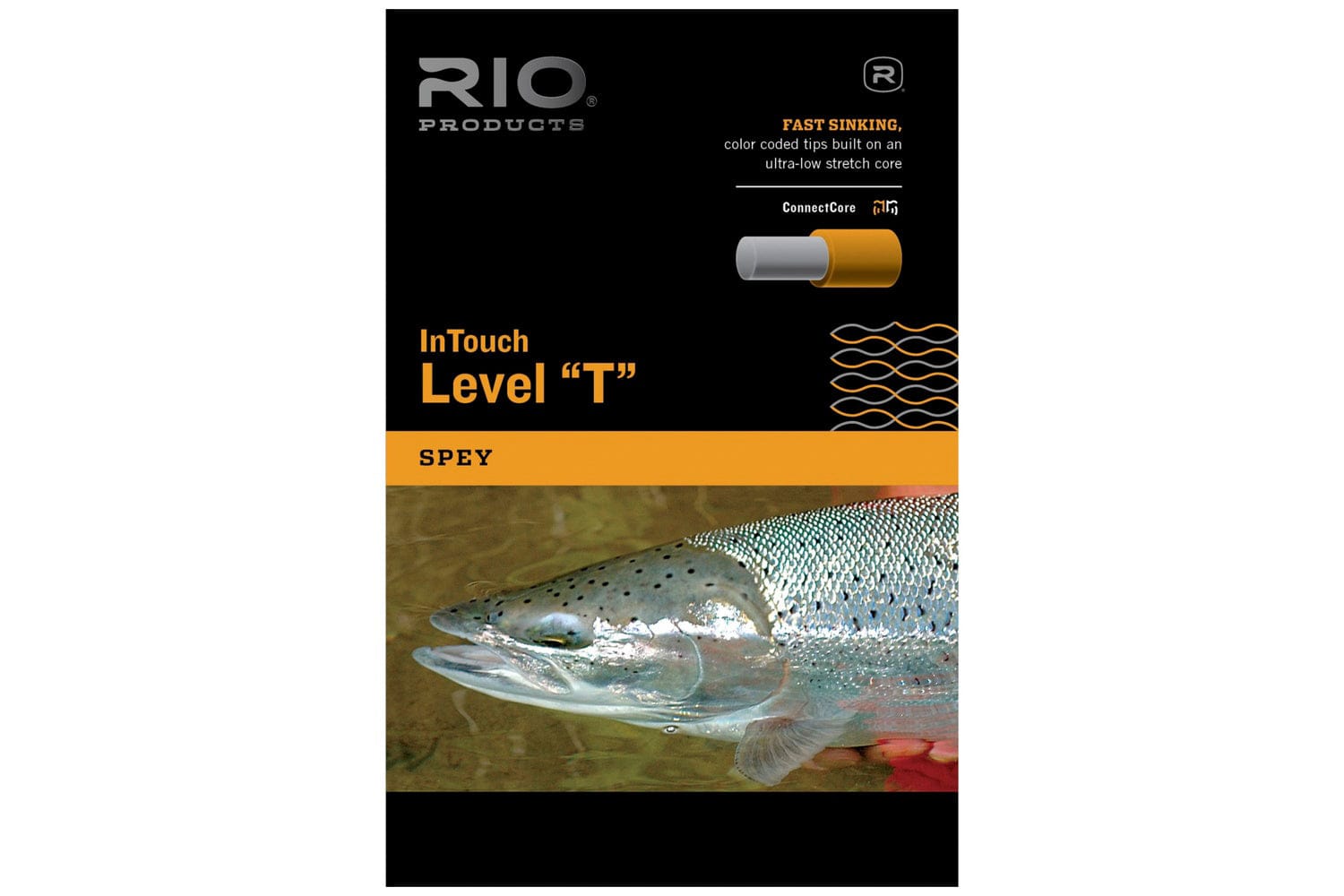
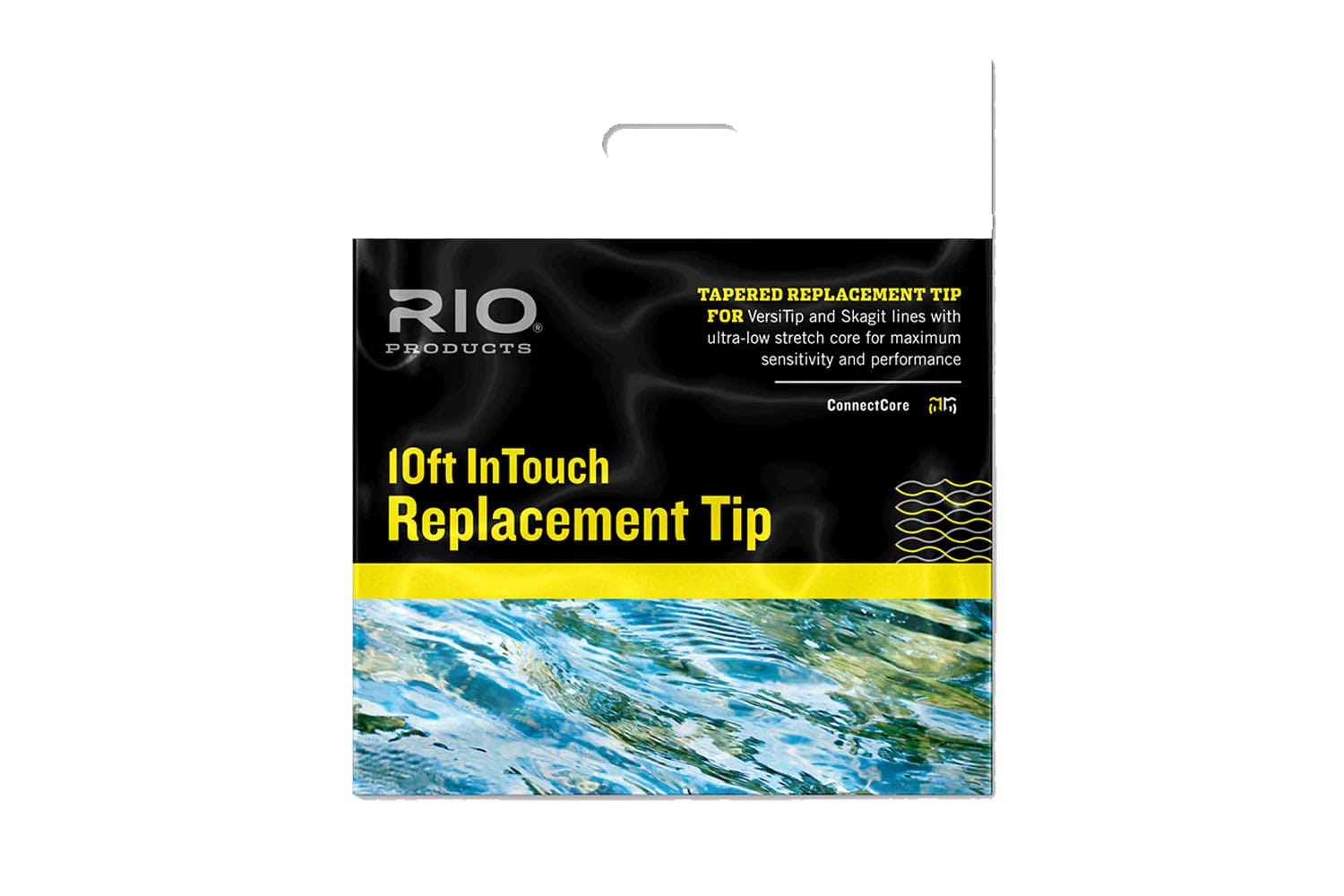
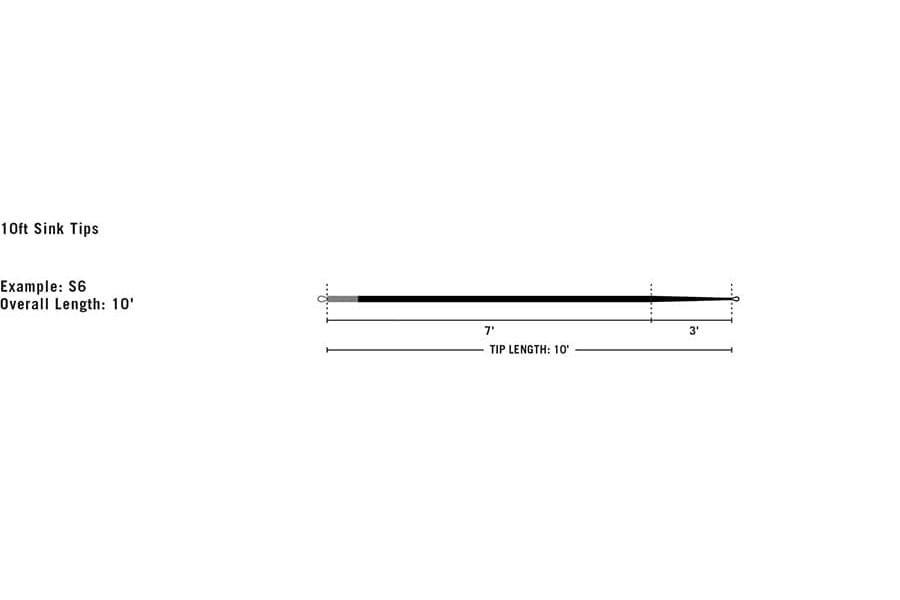
Best Sink Tips: Rio InTouch MOW Tips - The industry standard for depth control when swinging flies. Available in various densities and lengths to match your specific fishing depth requirements.
Explore by Type
How to Choose Spey Lines
Skagit vs. Scandi
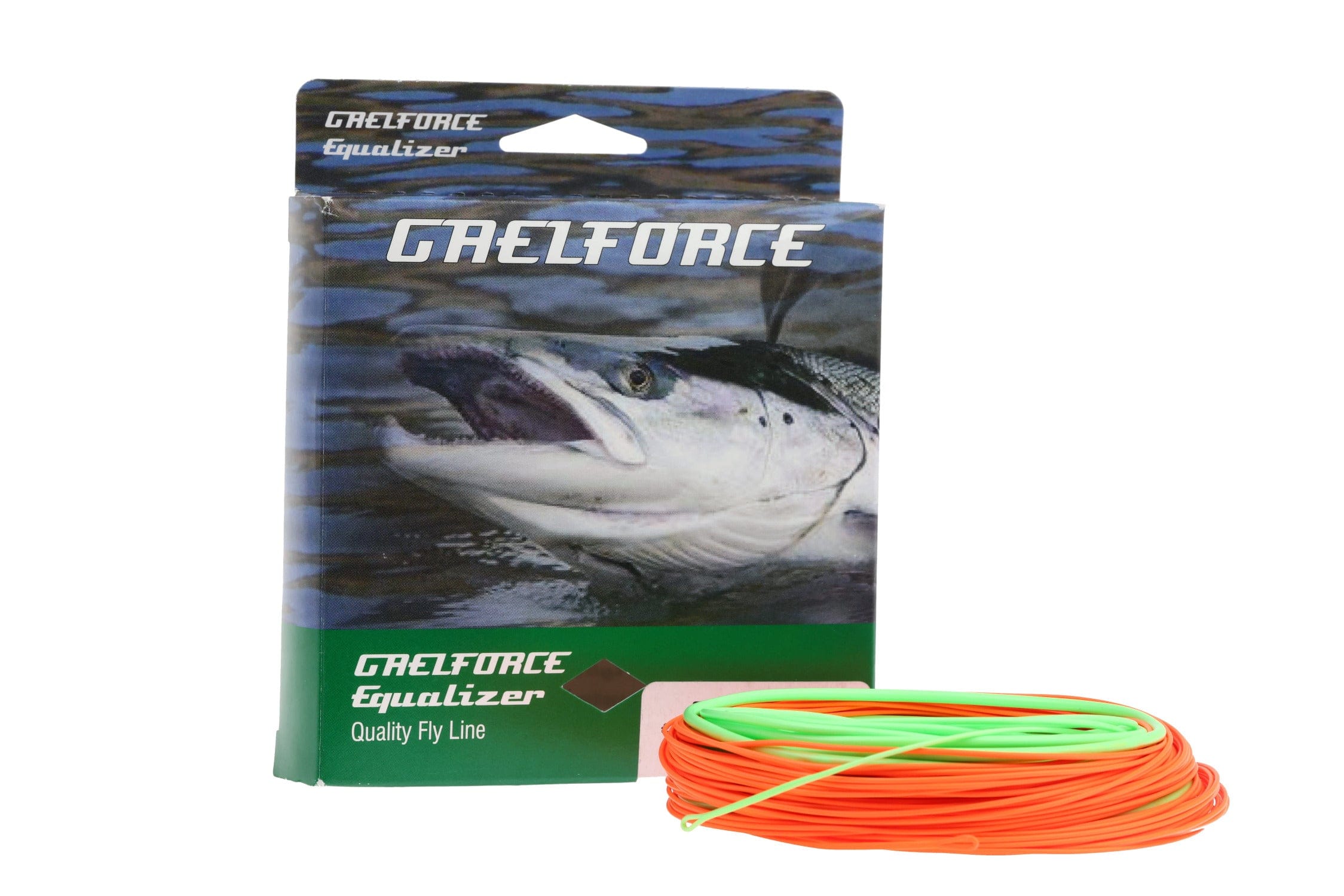
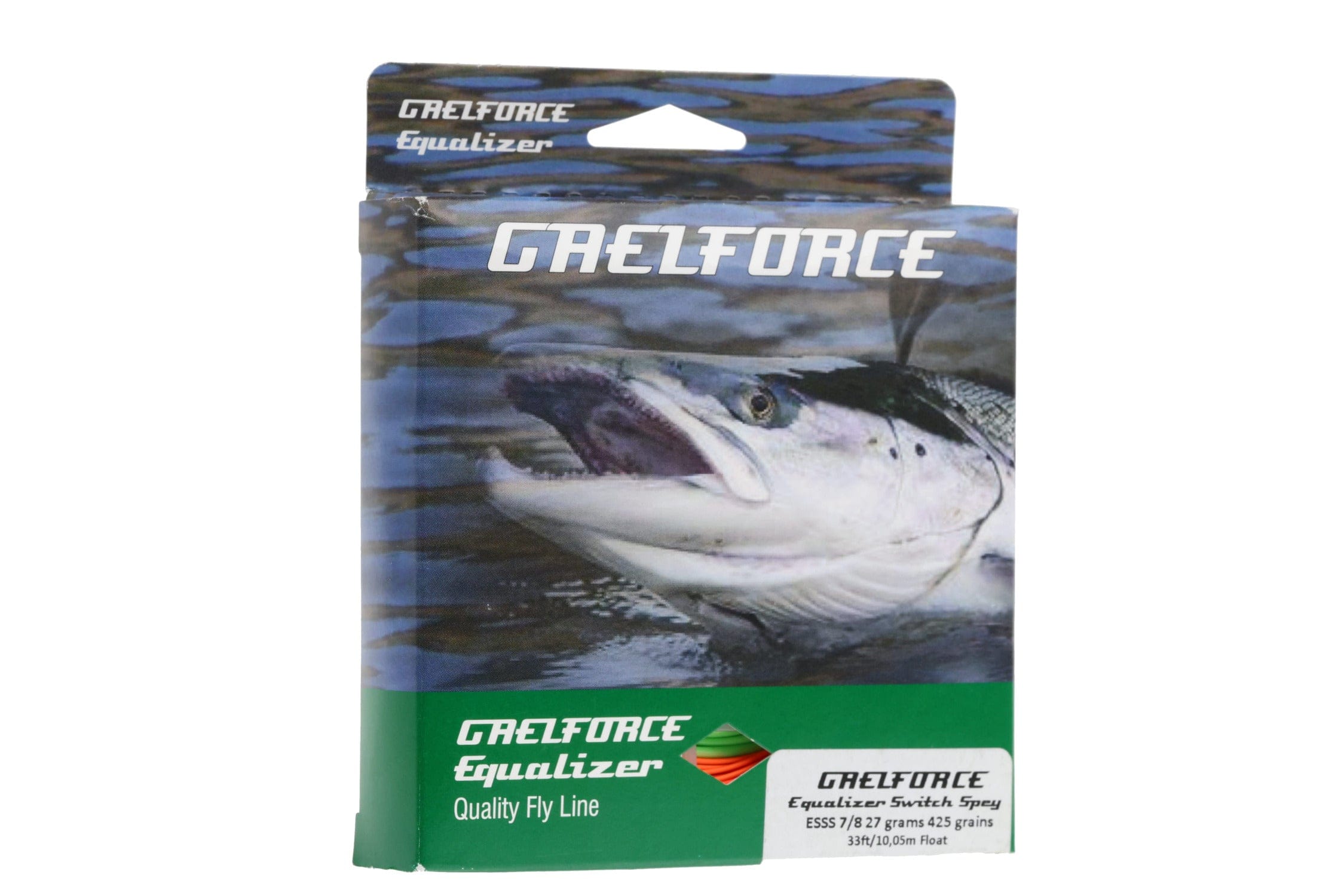
The most common decision spey anglers face is choosing between Skagit and Scandi systems. Skagit heads are short, heavy, and powerful. They are designed to lift heavy sink tips and large, weighted flies (like Intruders) out of the water. If you are fishing for winter steelhead or targeting species deep in the water column, a Skagit head is the right tool. Scandi heads are longer with a more gradual taper. They are built for "touch-and-go" casts and delicate presentations using floating lines or light poly leaders. Choose Scandi for summer steelhead, surface skating, or swinging soft hackles where stealth is key.
Grain Weight and Rod Matching
Unlike single-hand fly lines that use a simple weight system (5wt, 6wt), spey lines are matched by grain weight. A 7-weight spey rod from one manufacturer might require a 450-grain line, while another might need 525 grains. It is critical to check your rod manufacturer's grain window recommendations. Generally, Skagit heads should be heavier than Scandi heads for the same rod because they rely on the water's tension (sustained anchor) to load the rod, whereas Scandi heads use an airborne anchor.
Integrated vs. Shooting Heads
Shooting heads are separate from the running line and connect via a loop-to-loop system. This allows you to quickly change from a Skagit to a Scandi head without changing spools. Integrated lines have the head and running line fused into a single continuous strand. Integrated lines are smoother to cast because there is no loop connection clunking through the guides, making them excellent for Trout Spey applications where you might strip the fly all the way to the rod tip.
Care & Compatibility
Cleaning: Spey lines pick up dirt and algae, which hinders shooting performance. Clean your lines with mild soap and warm water, then apply a line dressing to restore slickness.
Loop Connections: Regularly inspect the welded loops on your shooting heads and running lines. These high-stress points can wear out over time; replace them if you see cracking or core separation.
Coiling: Monofilament running line can develop memory. Stretch them before each outing to ensure they shoot straight and don't tangle during the cast.
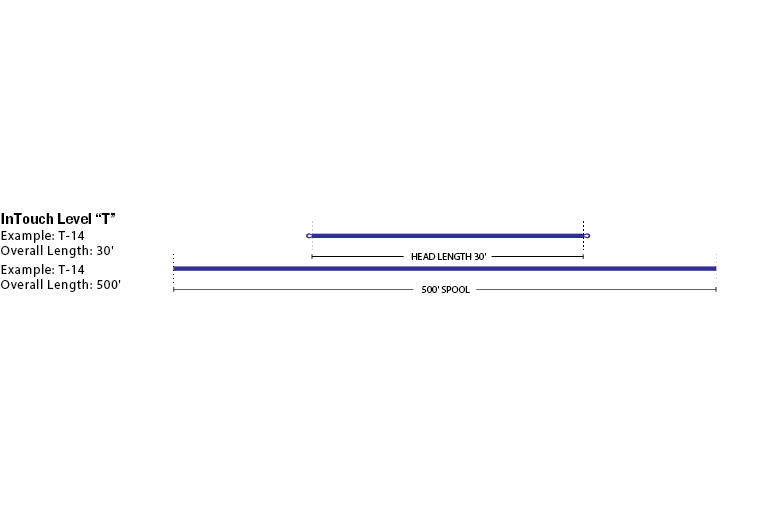
Tip Compatibility: Ensure your sink tips match the turnover power of your head. A light Scandi head cannot turn over a heavy T-14 sink tip; match the mass of the tip to the mass of the head.
Complete Your Setup
Related Gear
Spey & Switch Rods - Two-handed rods designed to match these specific line tapers.
Fly Reels - Ensure your reel has a full cage design if using thin mono running lines to prevent line slip.
Leaders & Tippet - Essential for connecting your line to the fly.
Related Guides
Spey Lines FAQs
Q: What is the difference between a shooting head and a running line?
A: The shooting head is the thick, weighted front section that loads the rod and casts the fly. The running line is the thin, level line behind the head that shoots through the guides to allow for distance.
Q: Can I use a spey line on a single-hand rod?
A: Yes, but you must adjust the weight. A two-handed line rating is much heavier than a single-hand rating; for example, a 250-grain spey line might fit a 7-weight single-hand rod. Look for "Single Hand Spey" specific lines for the best match.
Q: Do I need sink tips for a Scandi line?
A: Typically, no. Scandi lines are designed for floating leaders or light poly leaders. If you need to dredge deep with heavy sink tips, a Skagit head is a much better tool for the job.
Q: How do I know what grain weight my rod needs?
A: Most modern spey rods have a recommended grain window printed on the blank (e.g., "450-500gr"). If not, consult the manufacturer's website or contact Trident's support team for a specific recommendation.
Q: What is a "Trout Spey" line?
A: These are scaled-down versions of Skagit and Scandi heads designed for light two-handed rods (2wt to 4wt). They allow anglers to swing soft hackles and small streamers for trout using spey casting mechanics.