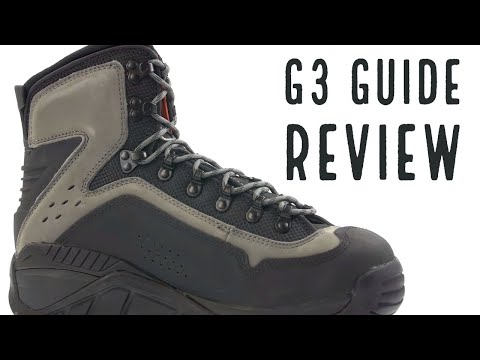


Simms Guide BOA Wading Boots | Insider Review


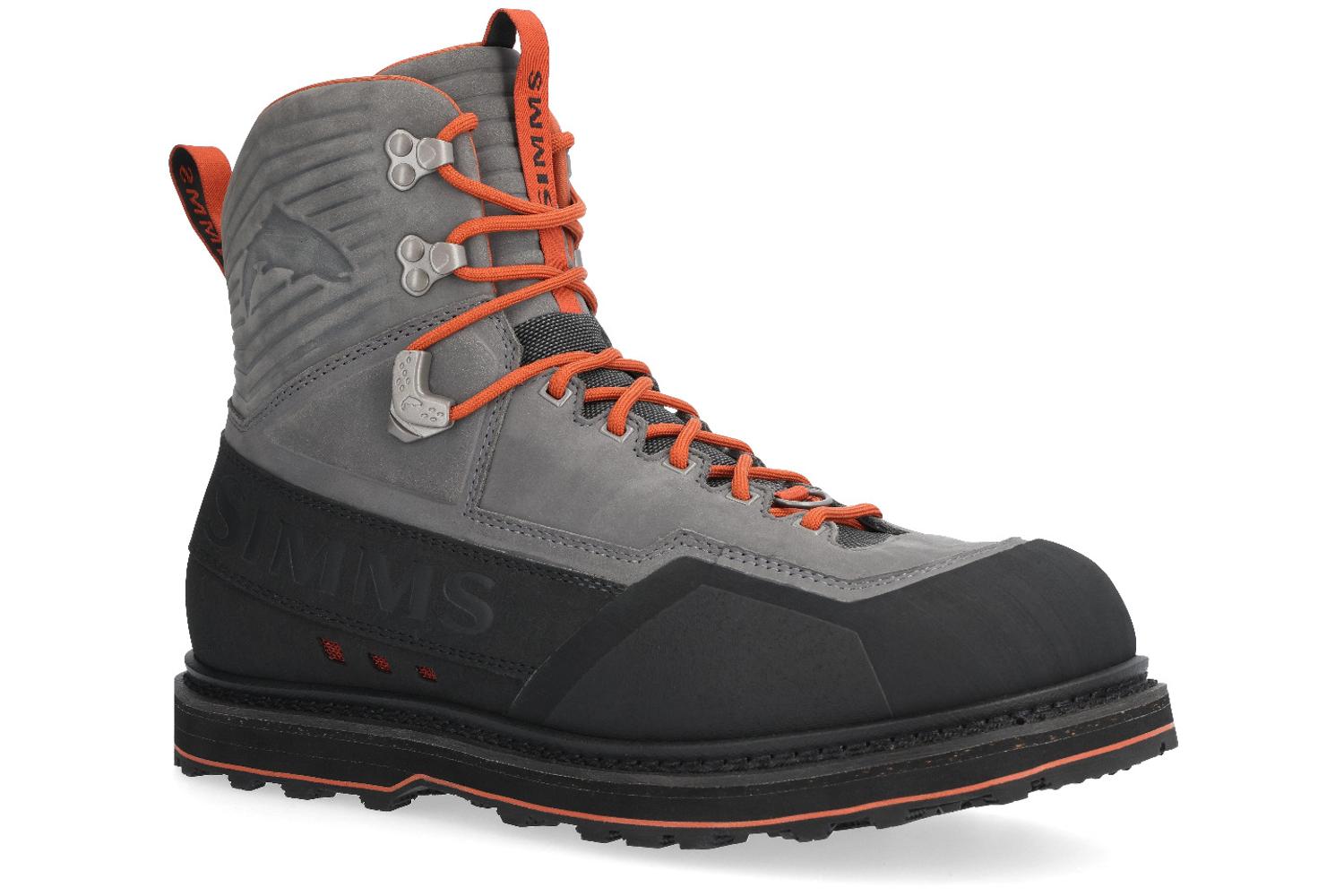
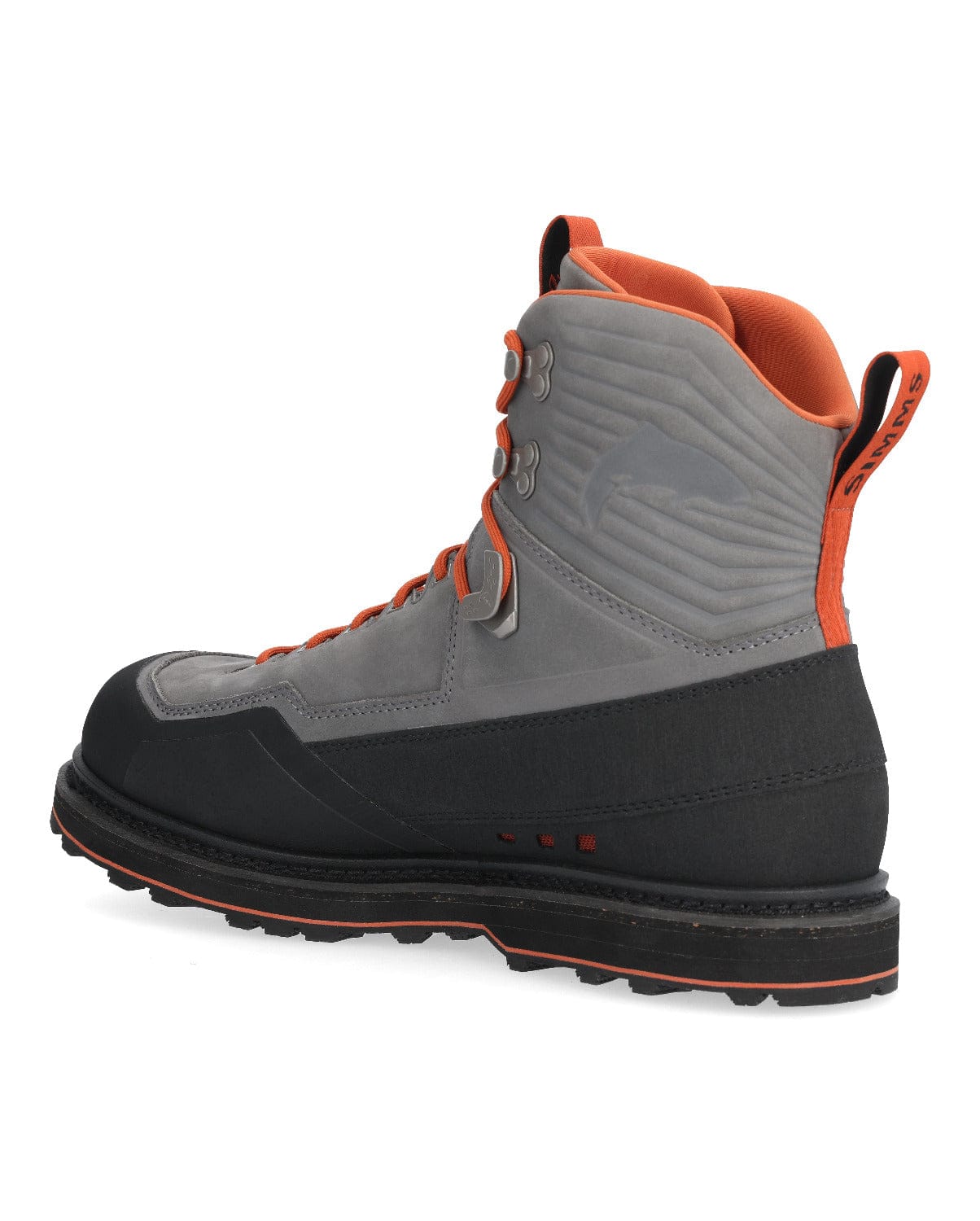
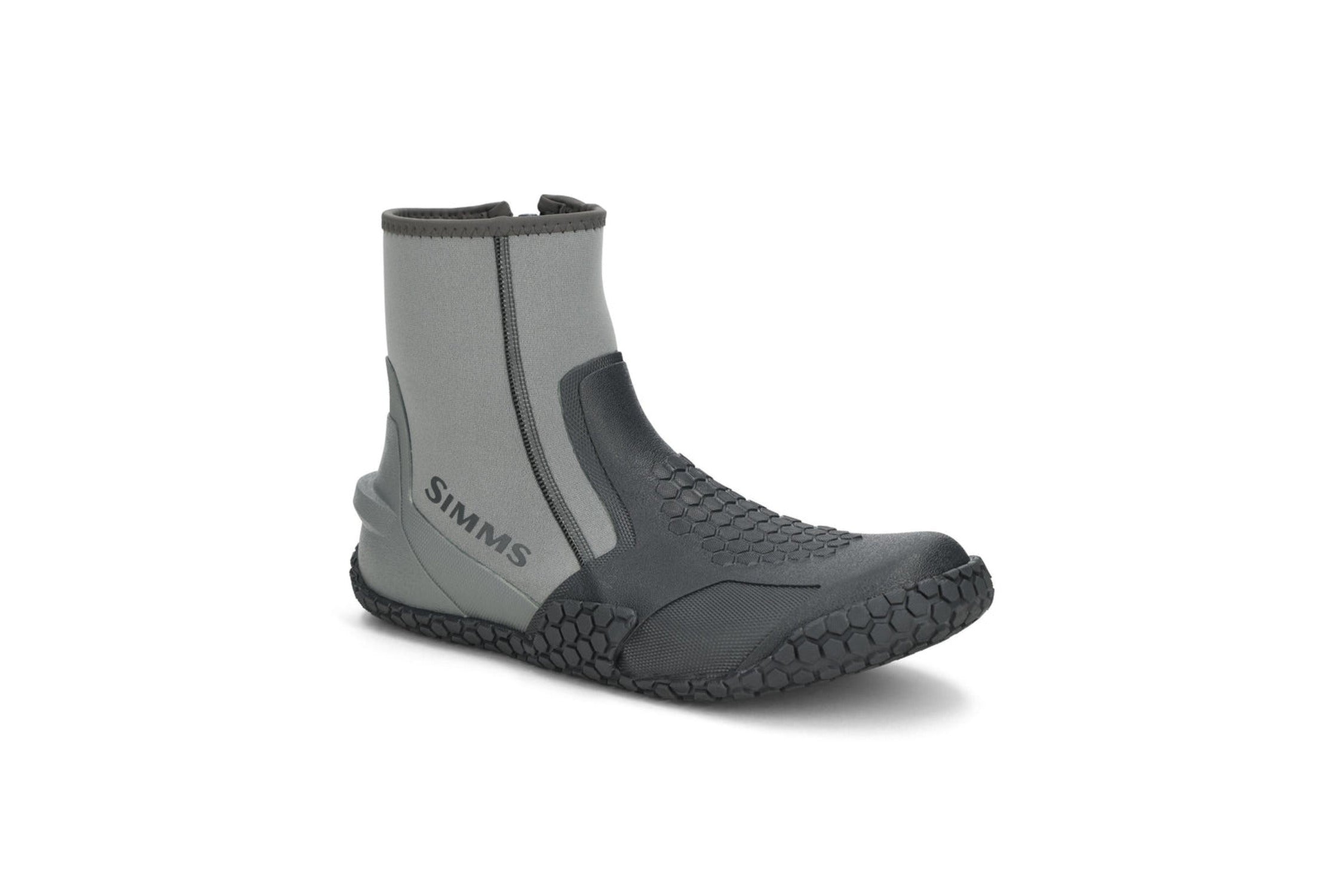

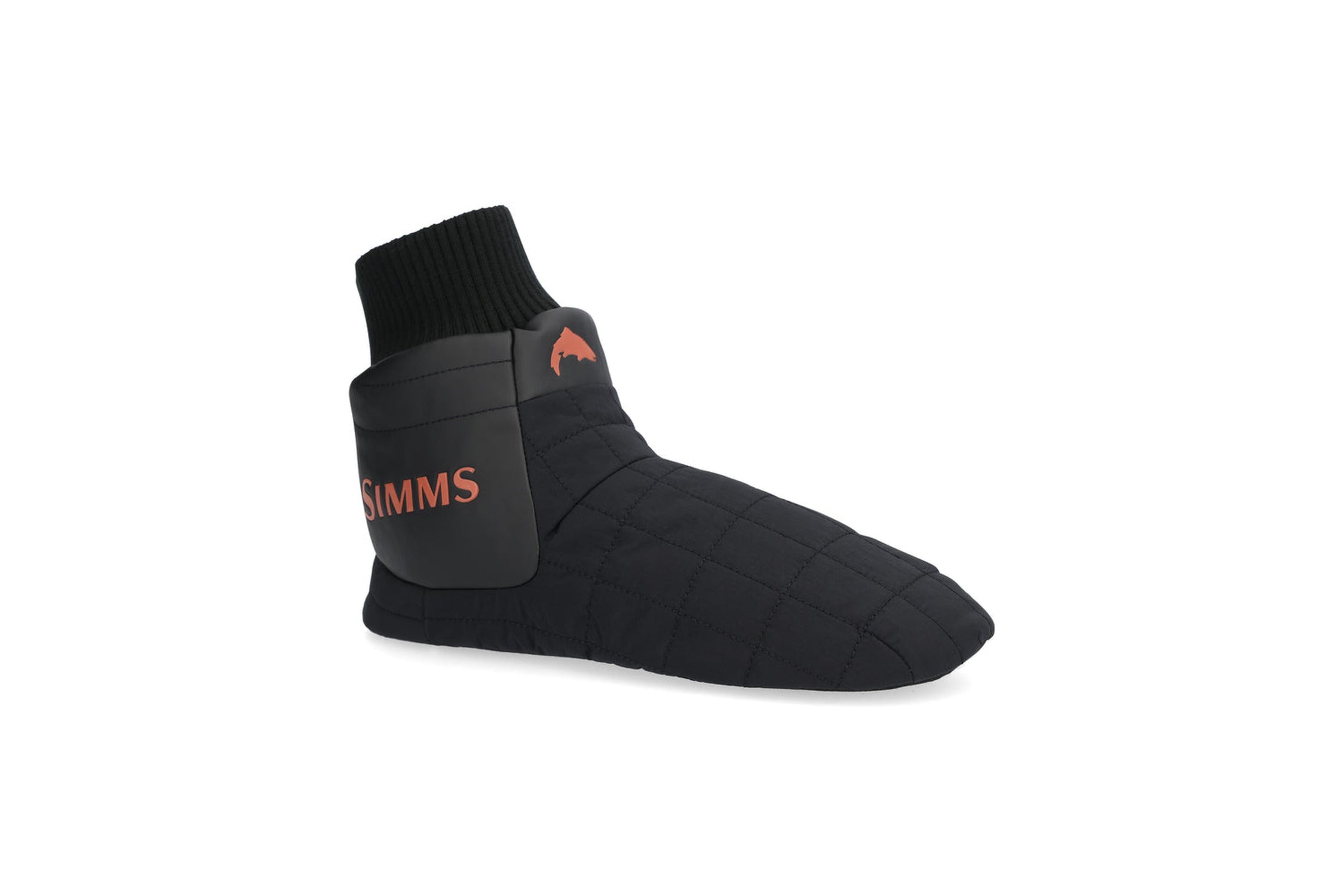
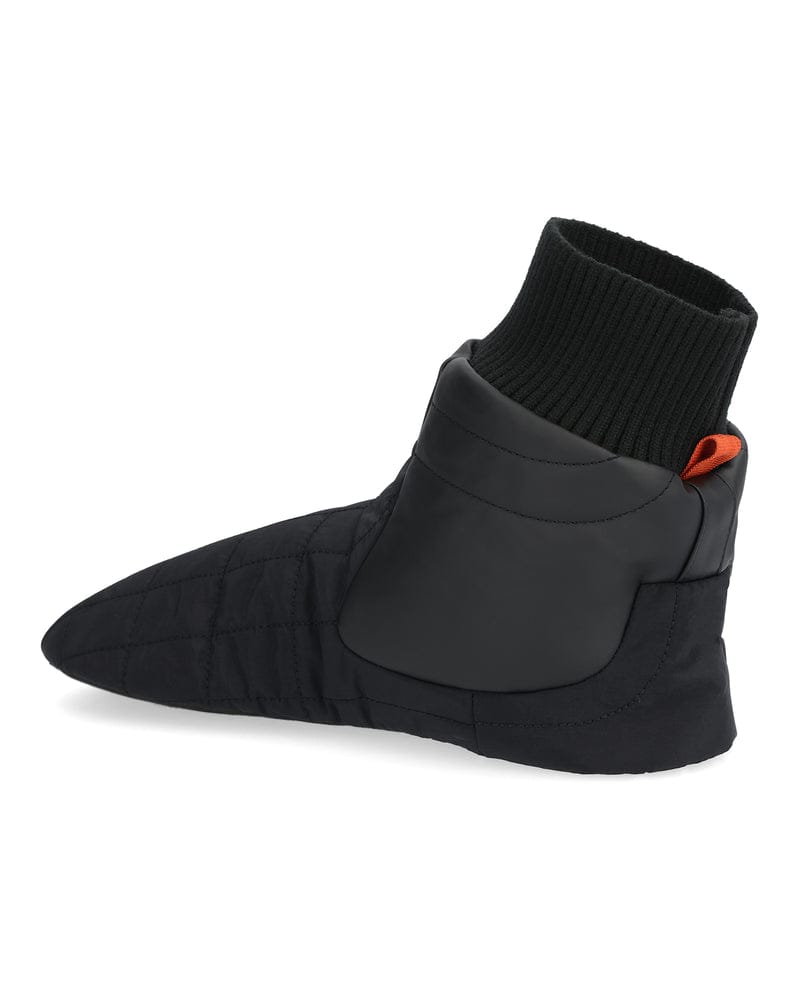
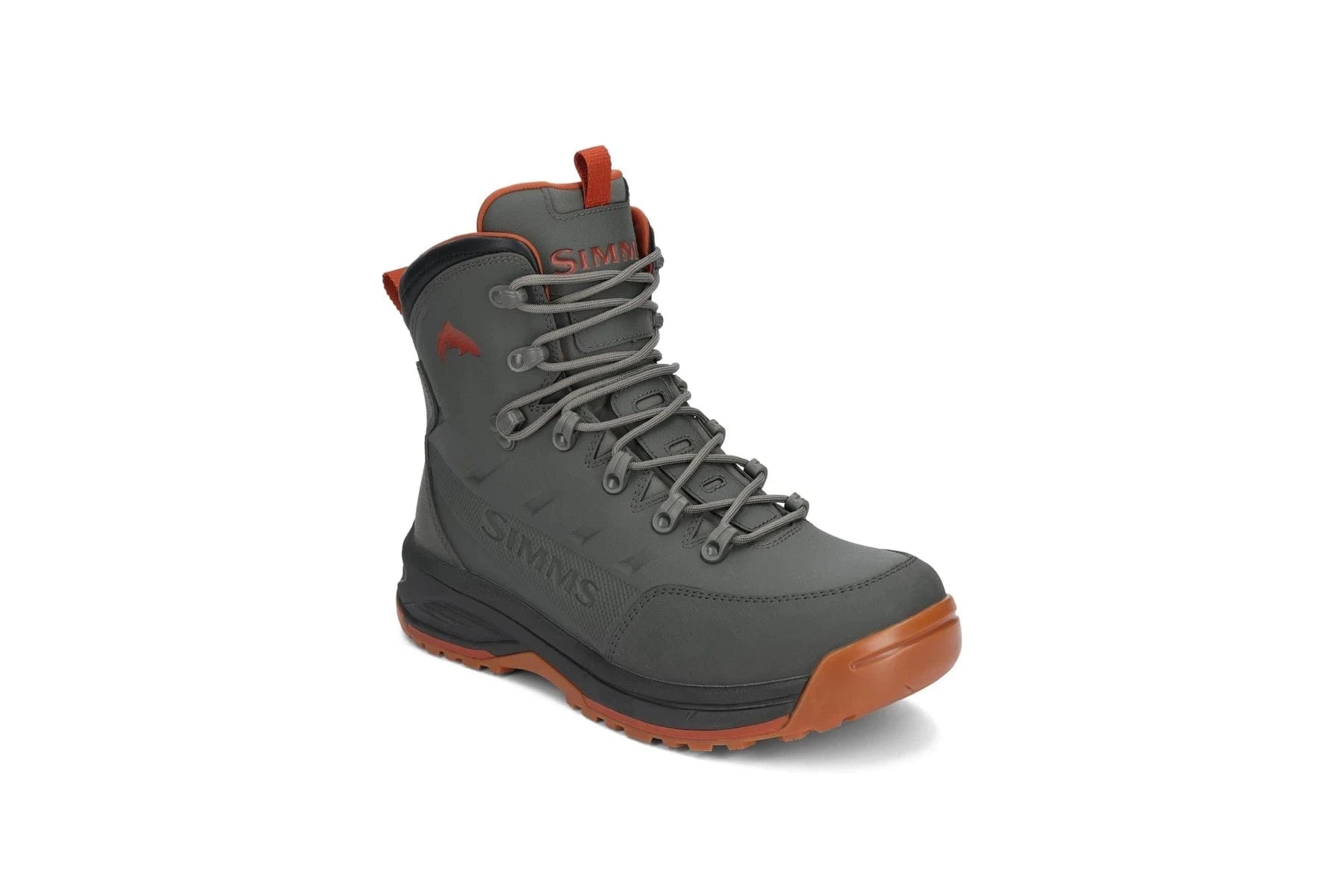
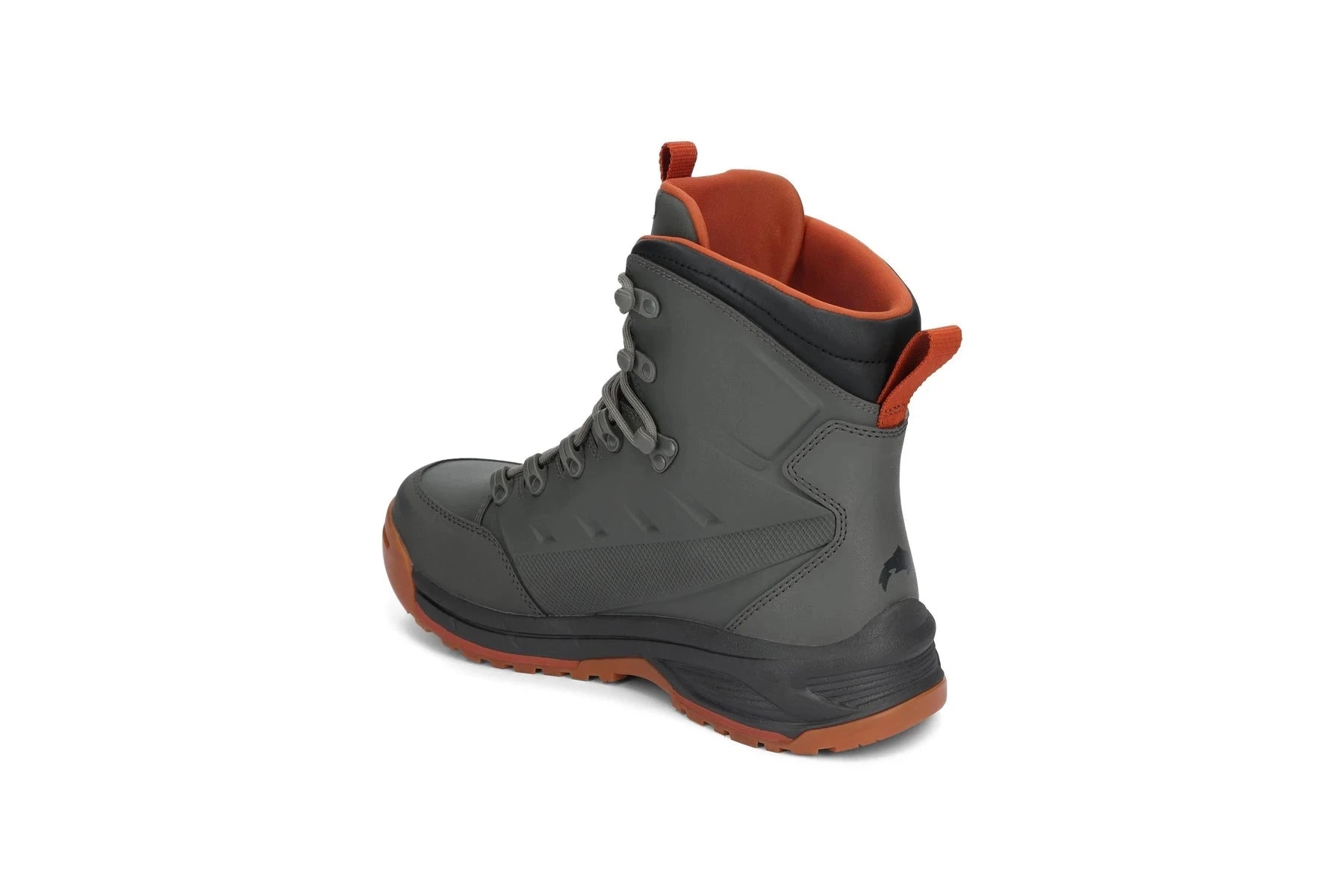
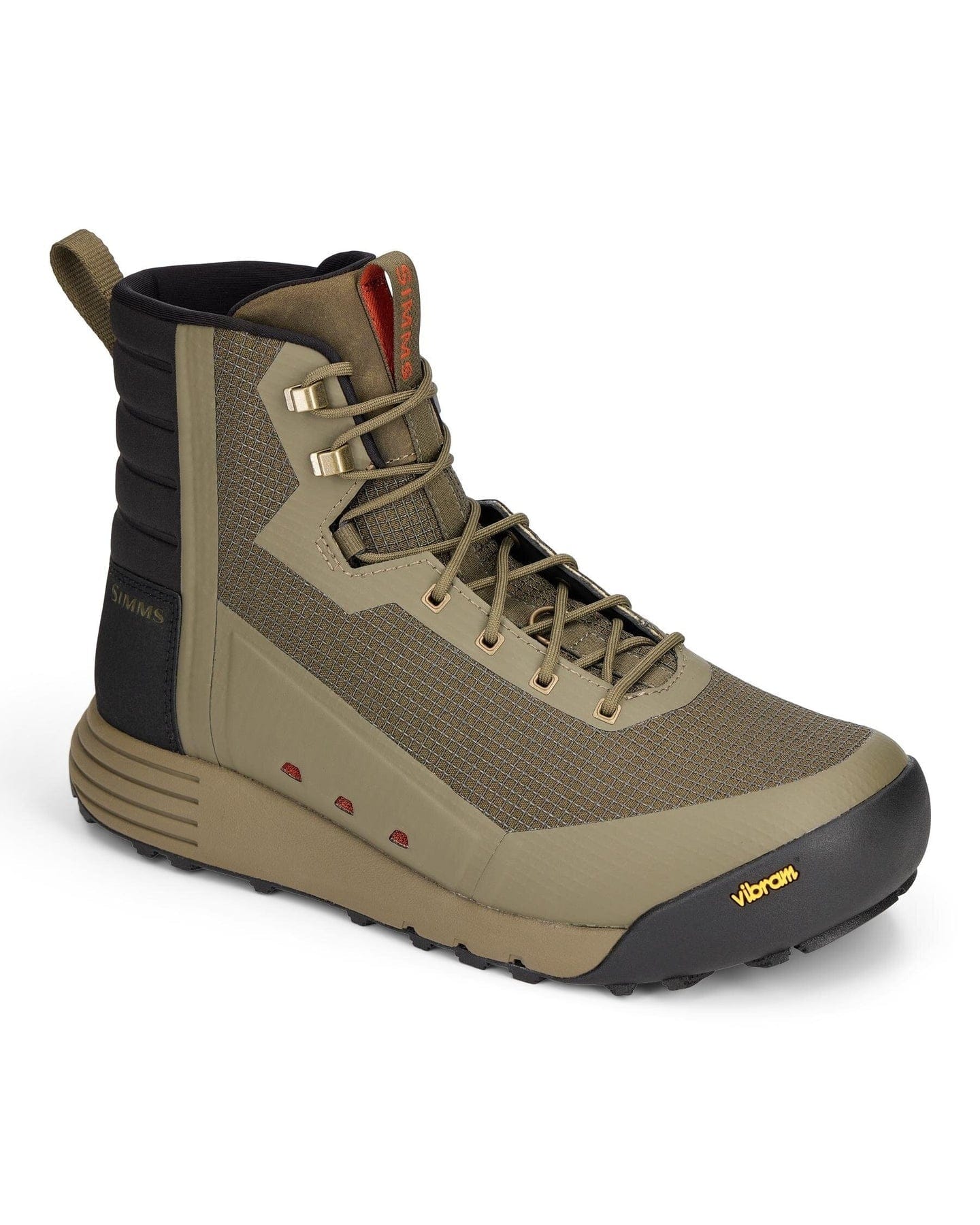
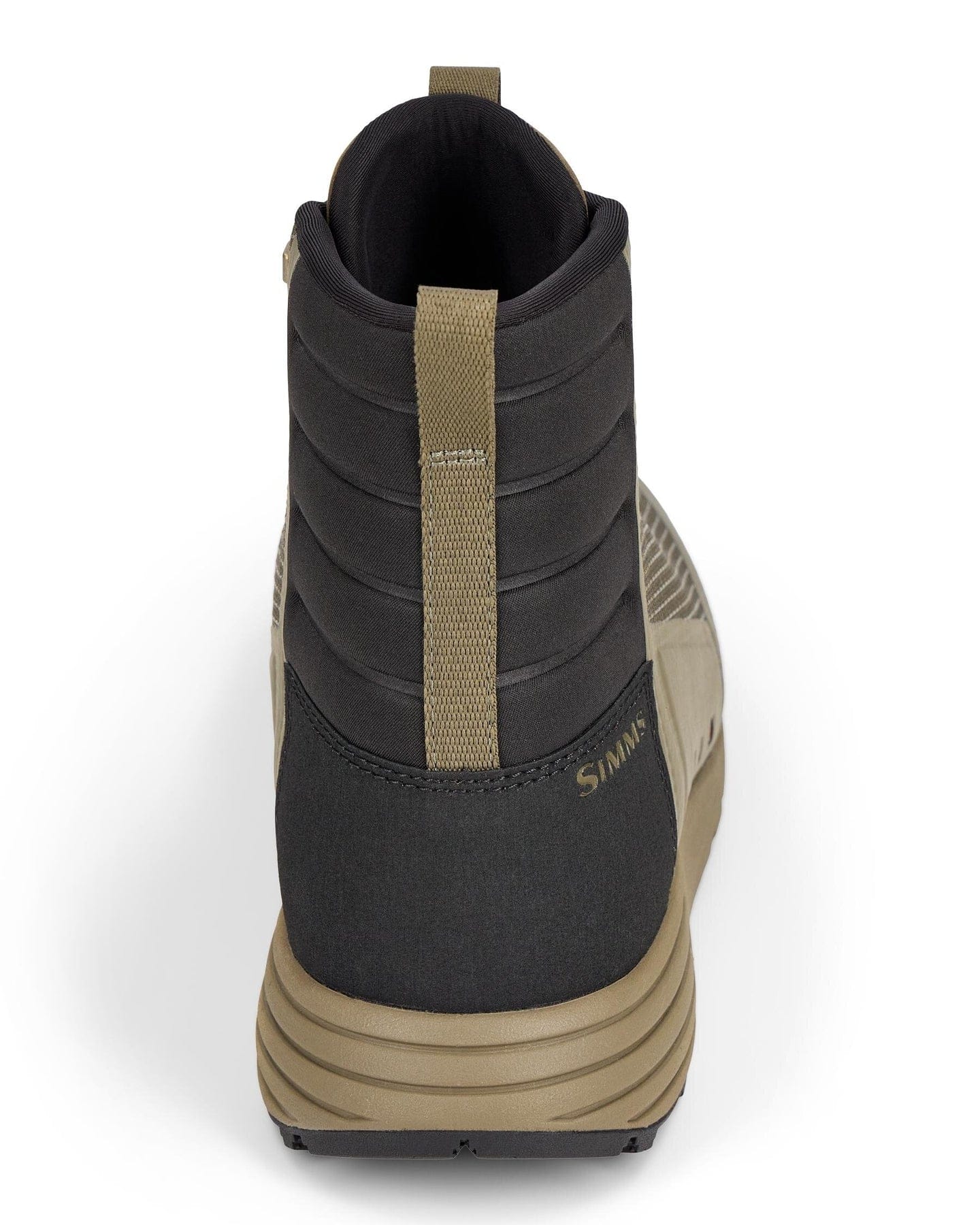
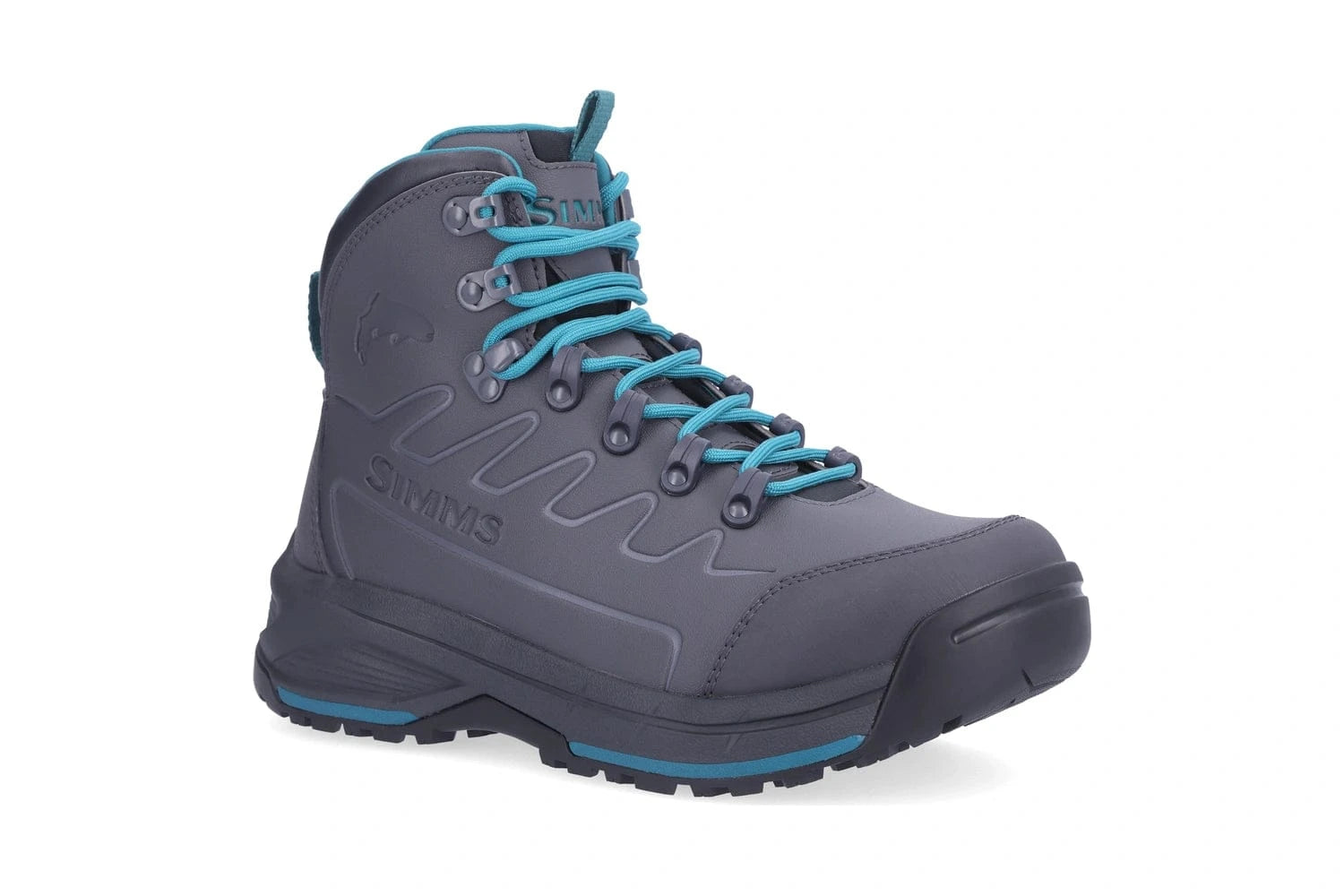
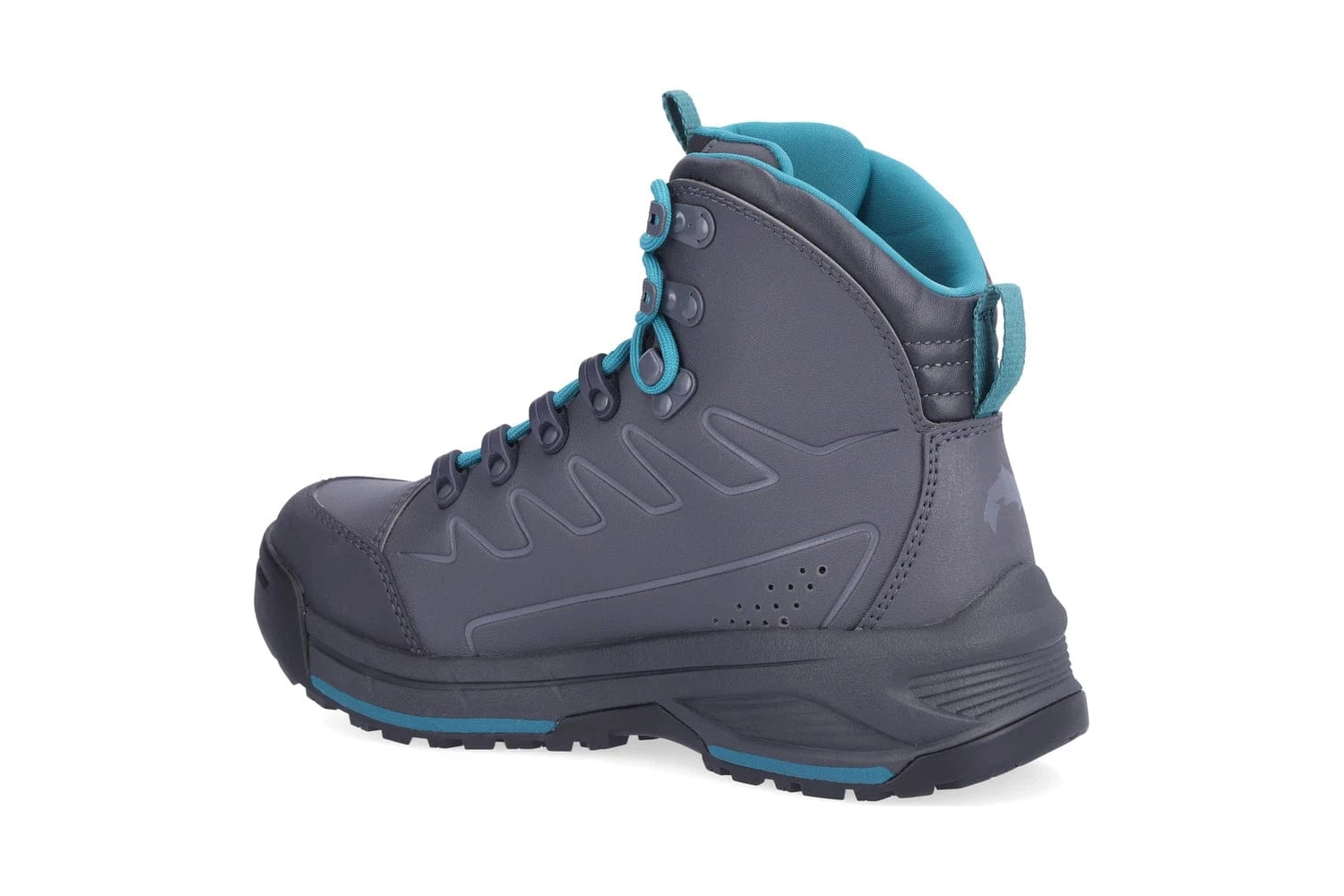
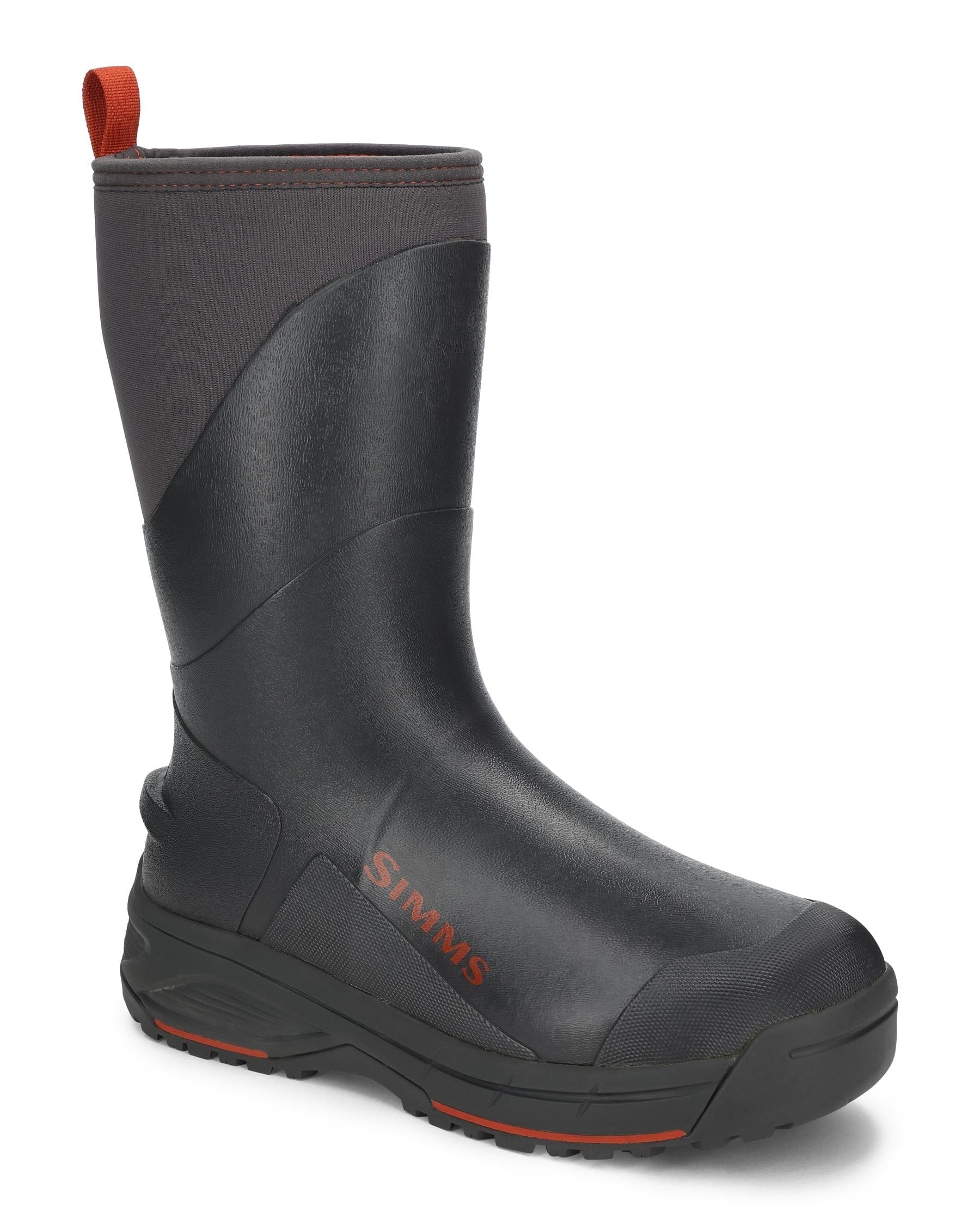
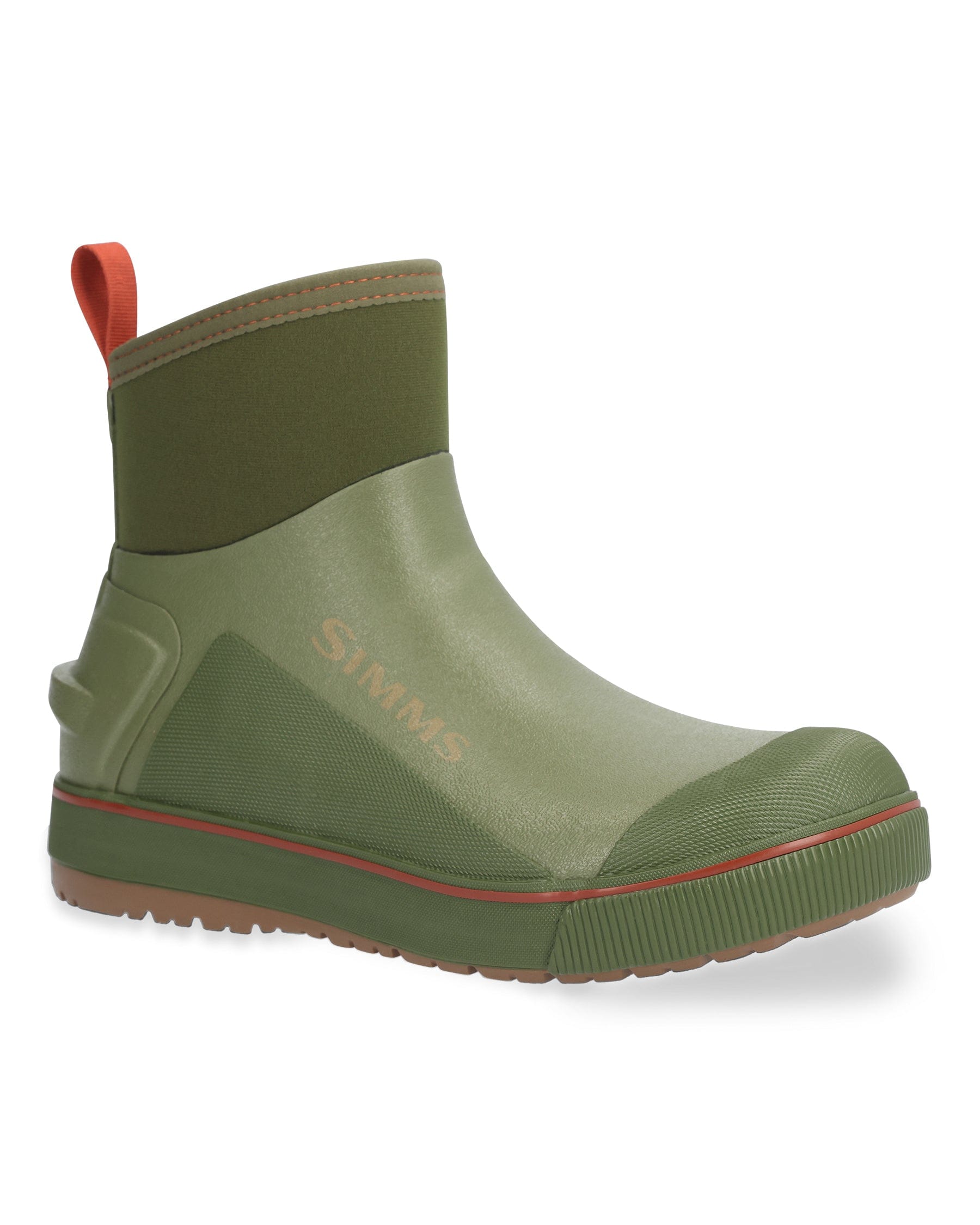
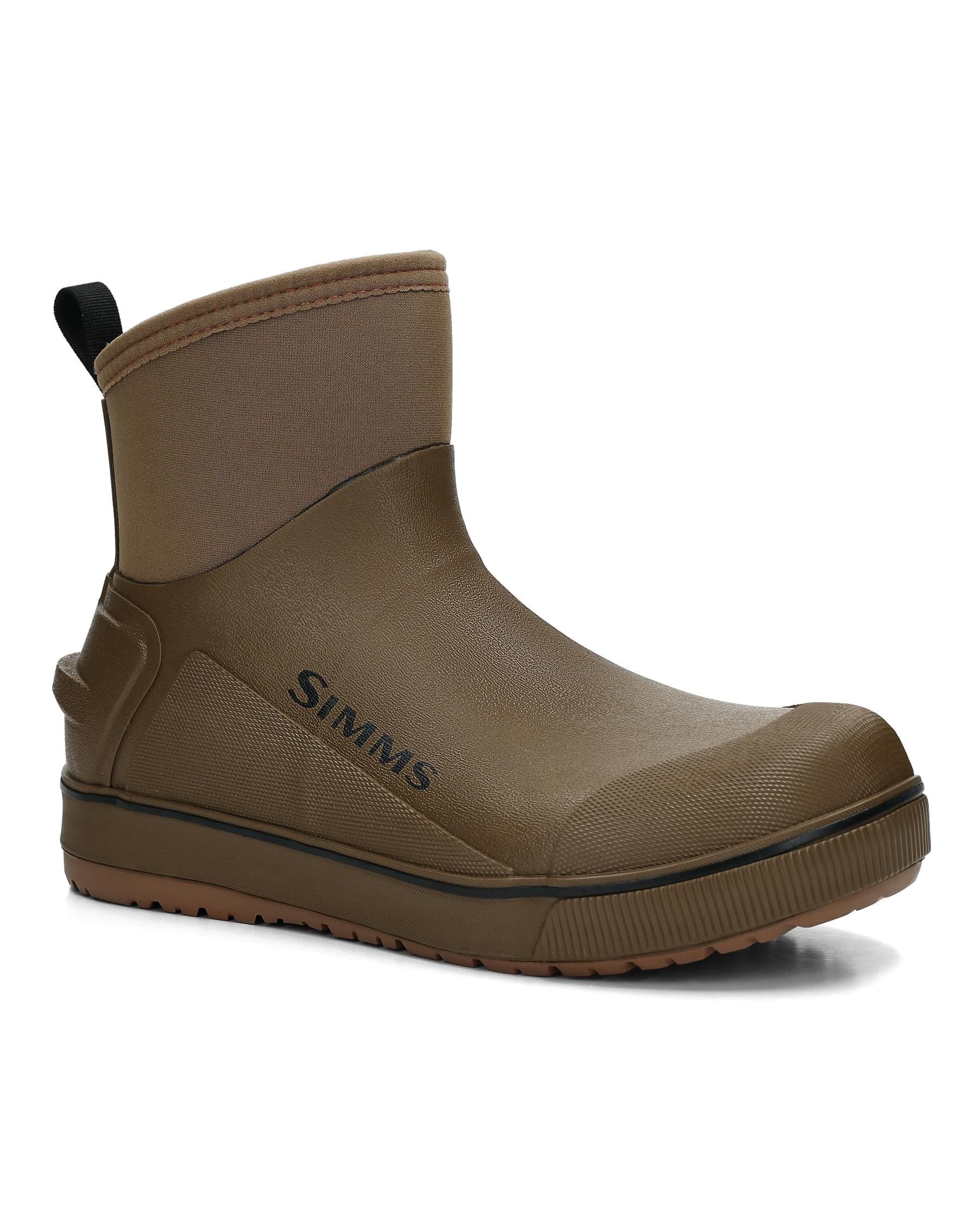
Simms Wading Boots Quick Picks
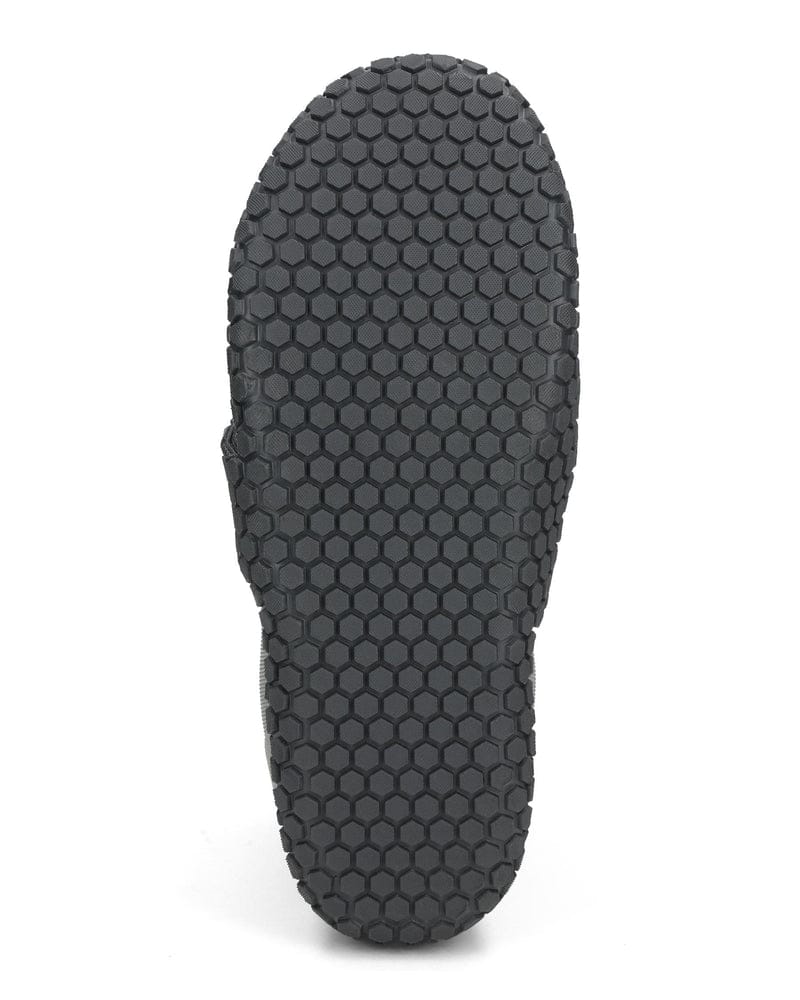
- Best All-Around: Simms G3 Guide Wading Boot - For anglers who fish a lot and want a supportive boot for slick freestone rivers and long days. It’s built around a durable, traditional work-boot style chassis with Vibram or felt options and stud/cleat compatibility.
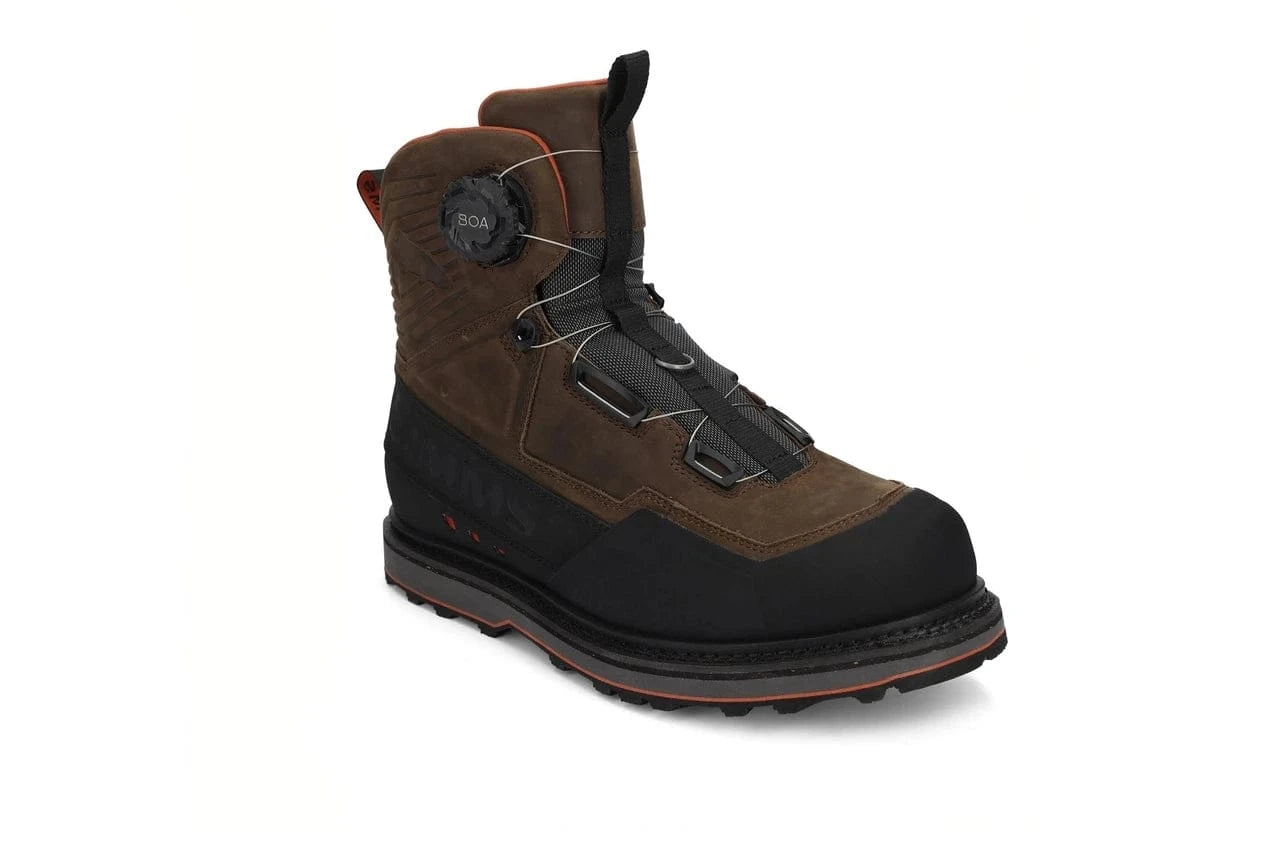
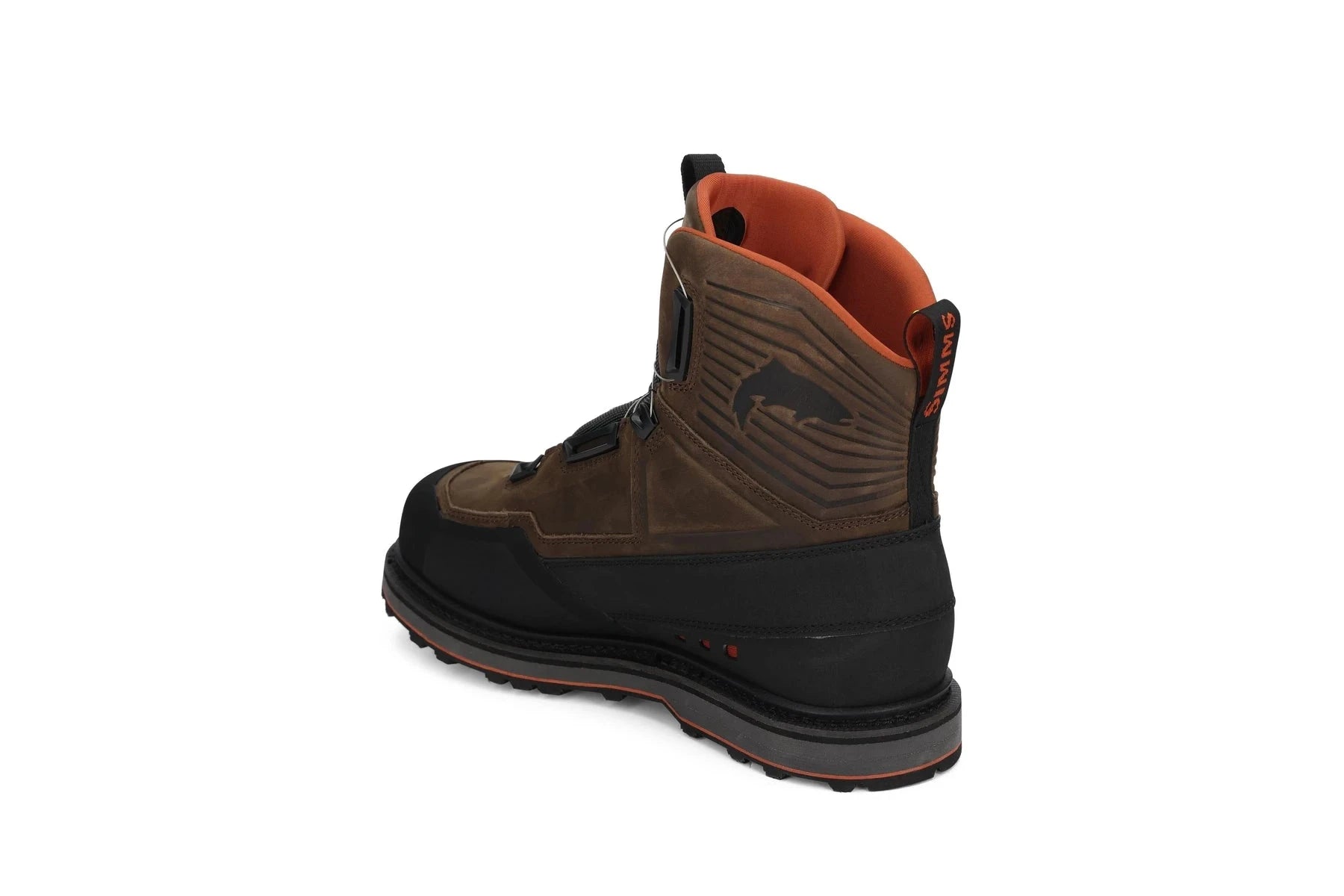
- Best for Fast On/Off: Simms Guide BOA Wading Boot - For anglers who want quick micro-adjust fit changes at the truck, boat ramp, or mid-day without re-tying laces. The BOA Fit System pairs with a tough, TPU-coated upper and a stud/cleat-ready platform for technical wading.
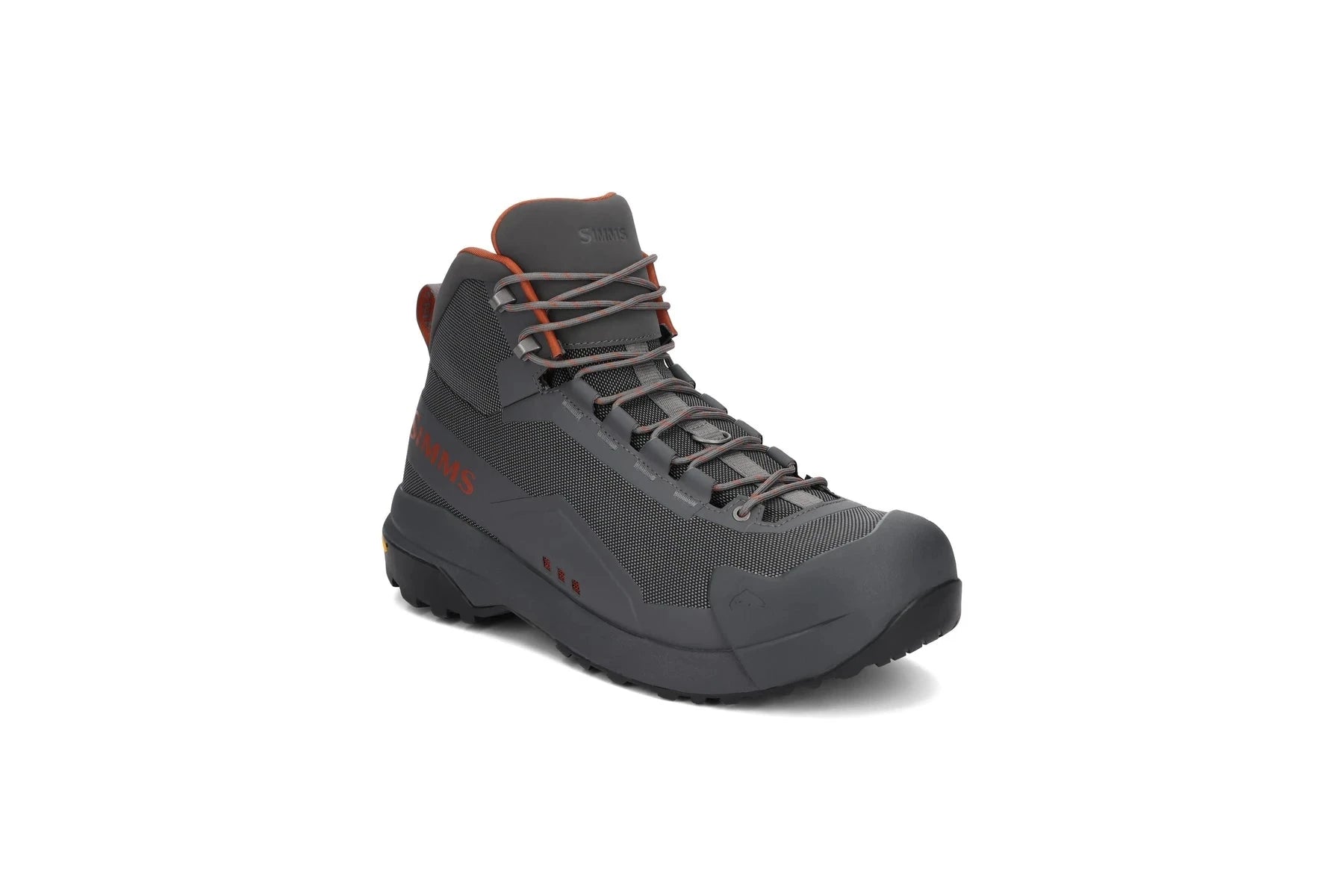
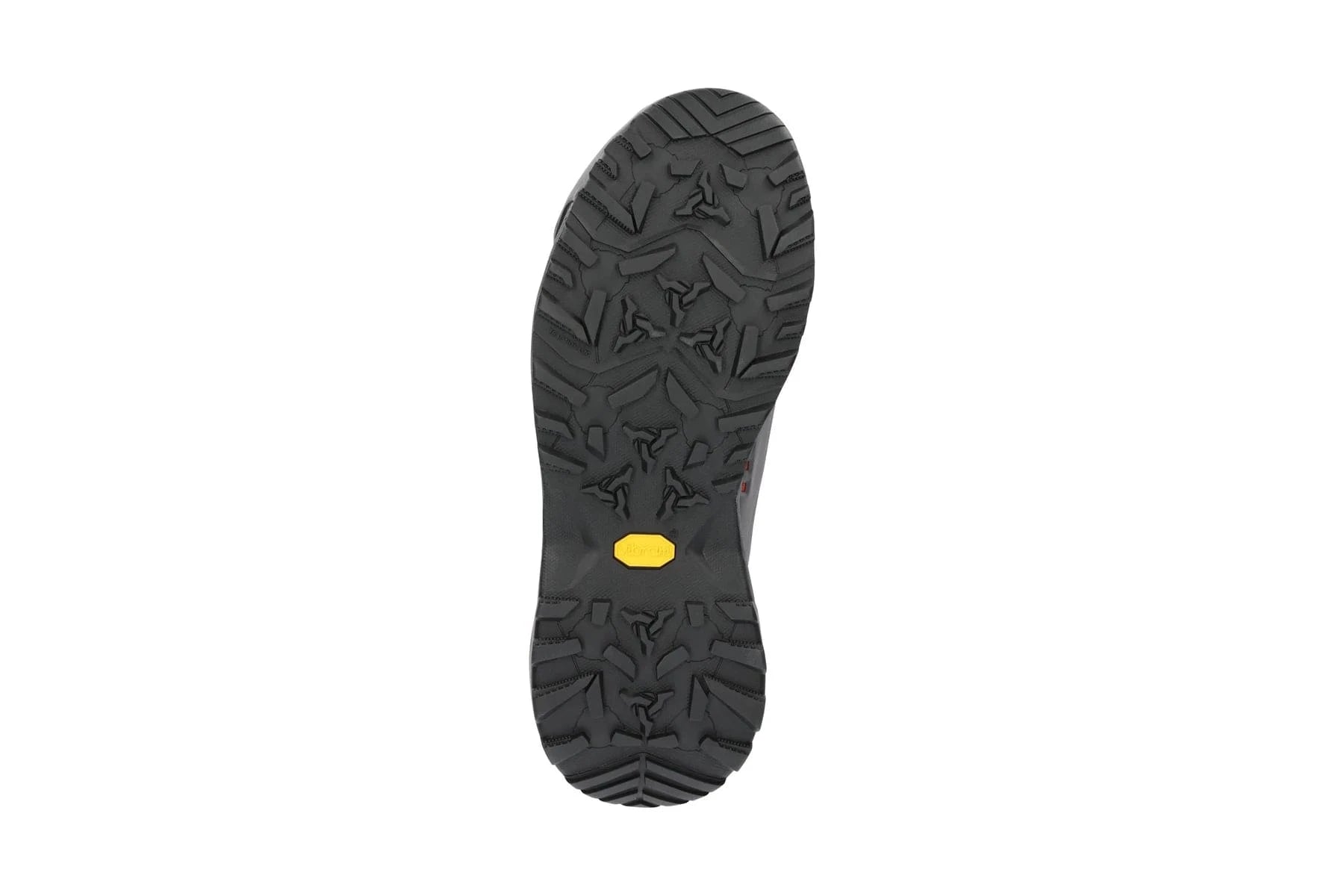
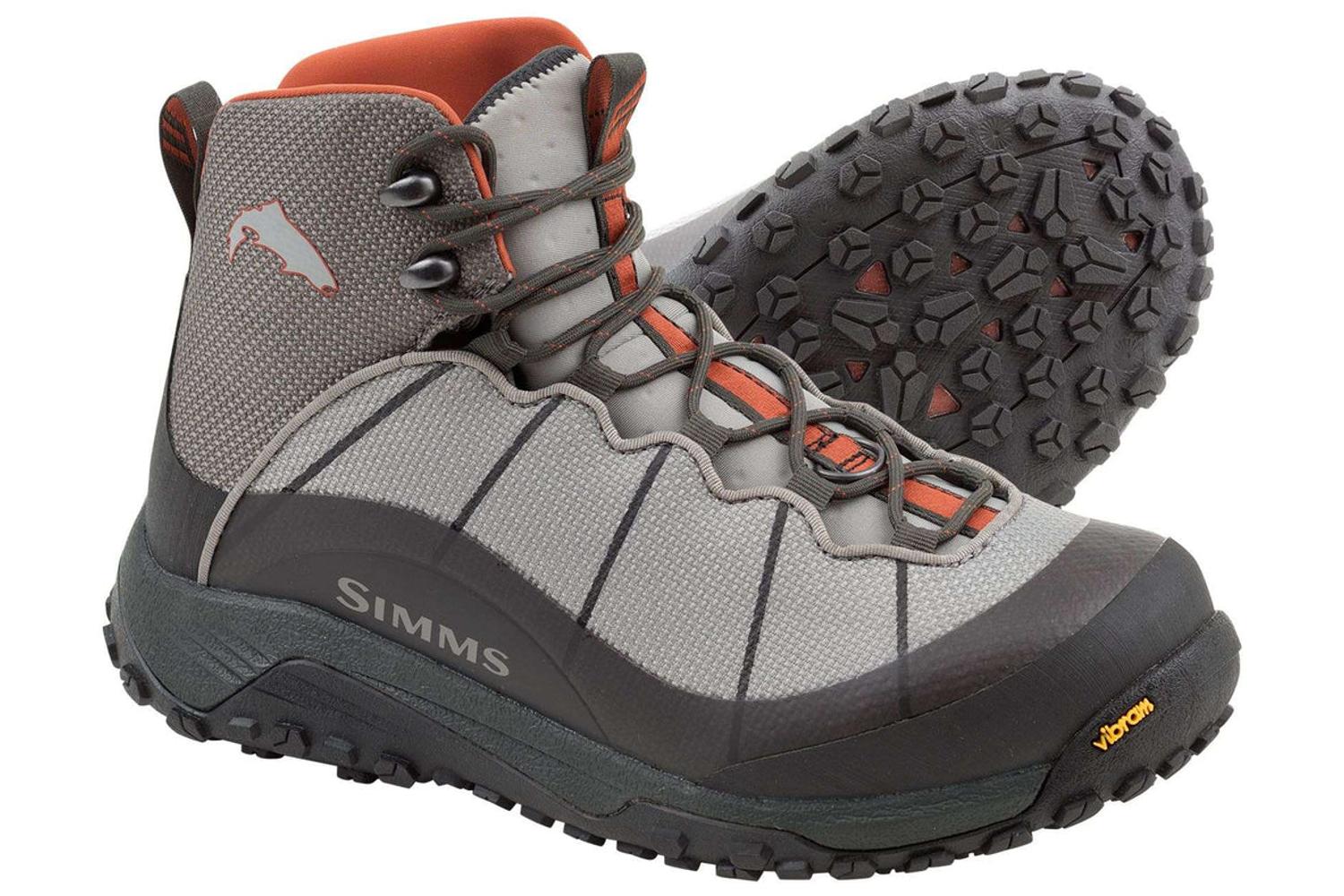
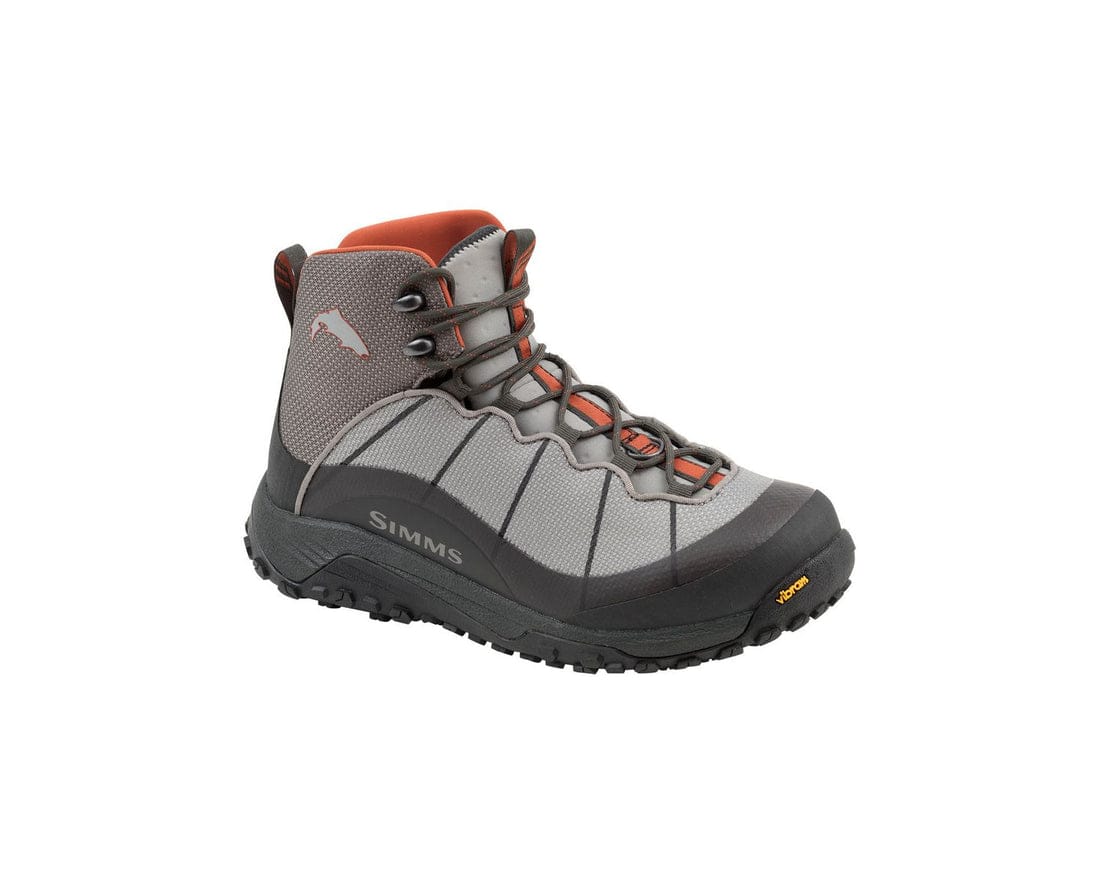
- Best Travel / Best Lightweight: Simms Flyweight Wading Boot - For hiking into small water, covering miles, or packing a lighter kit for destination trips. The low-profile build keeps weight down while still running a cushioned midsole and a Vibram Idrogrip outsole designed for wet traction.
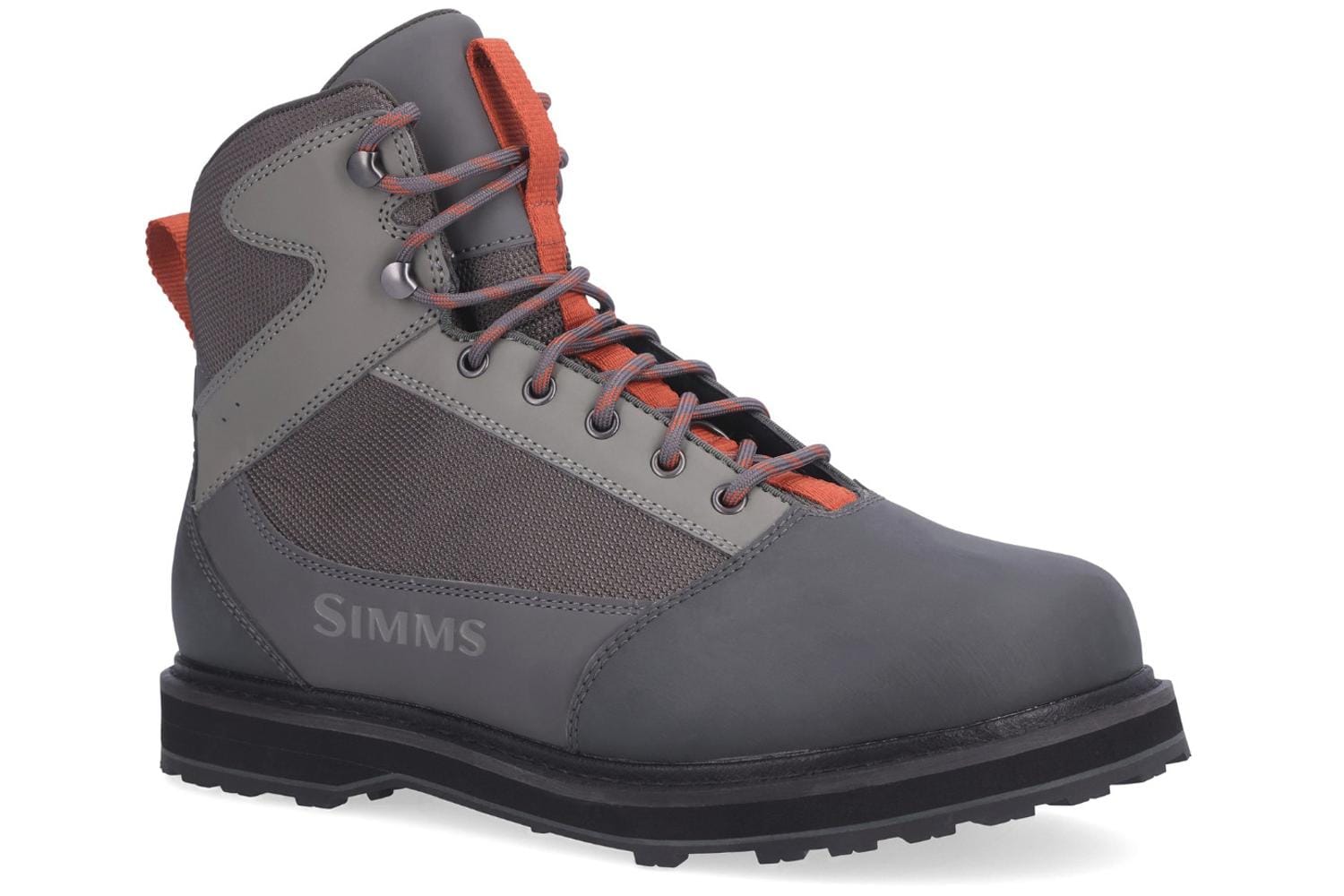
- Best Value: Simms Tributary Wading Boots - For newer anglers or anyone who needs a straightforward, supportive boot that does the job without jumping to premium pricing. Rugged synthetic/mesh construction, a gusseted tongue to block debris, and sole choices to match your local regulations.
- Best Women’s Fit: Simms Women’s Freestone Wading Boots - For women who want a purpose-built fit with dependable support for a wide range of wading conditions. Multiple sole options plus a cushioned midsole make it a solid everyday boot for trout rivers and general wade fishing.
How to Choose Simms Wading Boots
Sole choice: felt vs. rubber vs. Vibram
Action: Start with your local rules and the kind of riverbed you fish most.
- Felt: Still a favorite for slick, algae-coated rocks where regulations allow. If you need more bite, add studs (see “Complete Your Setup”).
- Rubber / Vibram: A strong all-around choice when you hike, fish multiple watersheds, or fish places that restrict felt. Many Simms rubber/Vibram platforms are designed to accept studs/cleats for added traction.
Match the boot to your day: hiking miles vs. standing in current
Best for: If you routinely hike to access, prioritize lower weight and faster drainage to reduce fatigue,boots like the Flyweight family are built around that idea. If you fish heavy current, carry a pack, or guide-style wade all day, a more structured boot like the G3 Guide tends to feel more planted and protective.
Closure systems: laces vs. BOA
Action: Choose laces if you want simple field-serviceability and familiar tensioning. Choose BOA if you value quick on/off and small fit adjustments over the course of the day,especially helpful if your feet swell or you’re changing layers.
Fit tips (this matters more than most anglers think)
- Try them like you’ll fish them: Wear your waders and neoprene booties (or wet-wading socks) when you size boots.
- Heel hold: Your heel shouldn’t lift much when you walk; too much slip usually means blisters later.
- Toe room: Leave enough room to wiggle your toes,tight toes get cold and numb faster.
Why Trident Carries Simms
Simms wading boots cover a broad spread of needs,from lightweight hike-in options to guide-grade, high-support models. The lineup also makes it easy to choose the traction you need with multiple sole options and add-on stud/cleat compatibility.
Care & Maintenance
- After each use: Rinse boots to remove silt, sand, and organic debris,especially around lace hooks, BOA dials, and the tongue/gusset.
- Drying: Pull footbeds/insoles and air-dry completely in a ventilated area; avoid direct heat that can soften adhesives.
- Between waters: Clean soles carefully to help prevent transporting invasive species (felt takes extra attention).
- Studs/cleats: Periodically check for missing or loose hardware and replace before your next trip.
Complete Your Setup
Related Gear
- Simms Wading Boots - Browse the full lineup and filter by size and sole type.
- Wading Boots - Compare Simms to other leading boots if you’re still narrowing down fit and traction.
- Simms HardBite Boot Stud Vibram - Add extra bite to compatible Vibram rubber outsoles for slick rock and steep wading.
- Simms HardBite Boot Studs Felt - A straightforward upgrade if you run felt soles but need more traction in fast current.
Related Guides
Simms Wading Boots FAQs
Q: What are Simms wading boots used for?
A: Simms wading boots are built to give traction, ankle support, and foot protection while wading rivers, hiking to access, or fishing from rocky banks. They’re designed to be worn over stockingfoot waders or wet-wading socks.
Q: How do I choose the right Simms wading boot?
A: Start with where you fish (slick rocks, gravel, mud, boat decks) and any felt restrictions. Then choose how much structure you need: lightweight models for covering miles, or more supportive builds for heavy current and long days.
Q: Should I get felt or rubber/Vibram soles?
A: Felt is often preferred for slick, algae-covered rocks where it’s legal. Rubber/Vibram is more versatile for mixed terrain and travel, and many boots can be upgraded with studs/cleats for more grip.
Q: Are BOA wading boots worth it?
A: BOA is a great fit for anglers who want quick on/off and small, repeatable adjustments throughout the day. If you prefer maximum simplicity and easy field fixes, traditional laces are still a solid choice.
Q: How should Simms wading boots fit with stockingfoot waders?
A: They should feel snug in the heel and midfoot without crushing your toes. Try boots on with your actual waders, because neoprene booties add volume and can change your size.
Q: Can I add studs or cleats to Simms wading boots?
A: Many Simms boots are built to accept studs/cleats, and some soles have defined locations to mount them. Match the traction add-ons to your sole type (felt vs. Vibram/rubber) and the boot’s compatibility notes.
Q: Are Simms wading boots good for beginners?
A: Yes,especially the more straightforward, value-focused models if you’re building your first full wading kit. Prioritize fit and traction for your local water; comfort and confidence matter more than chasing features.
Simms Warranty & Resources
Simms handles warranty and repair through their service program, with separate guidance depending on where you purchased your gear (direct vs. authorized dealer). Registering your product can also help streamline support if you ever need a repair.
Learn More from Simms