


Steelhead Nymph Fly Pattern | Fly Tying Tutorial


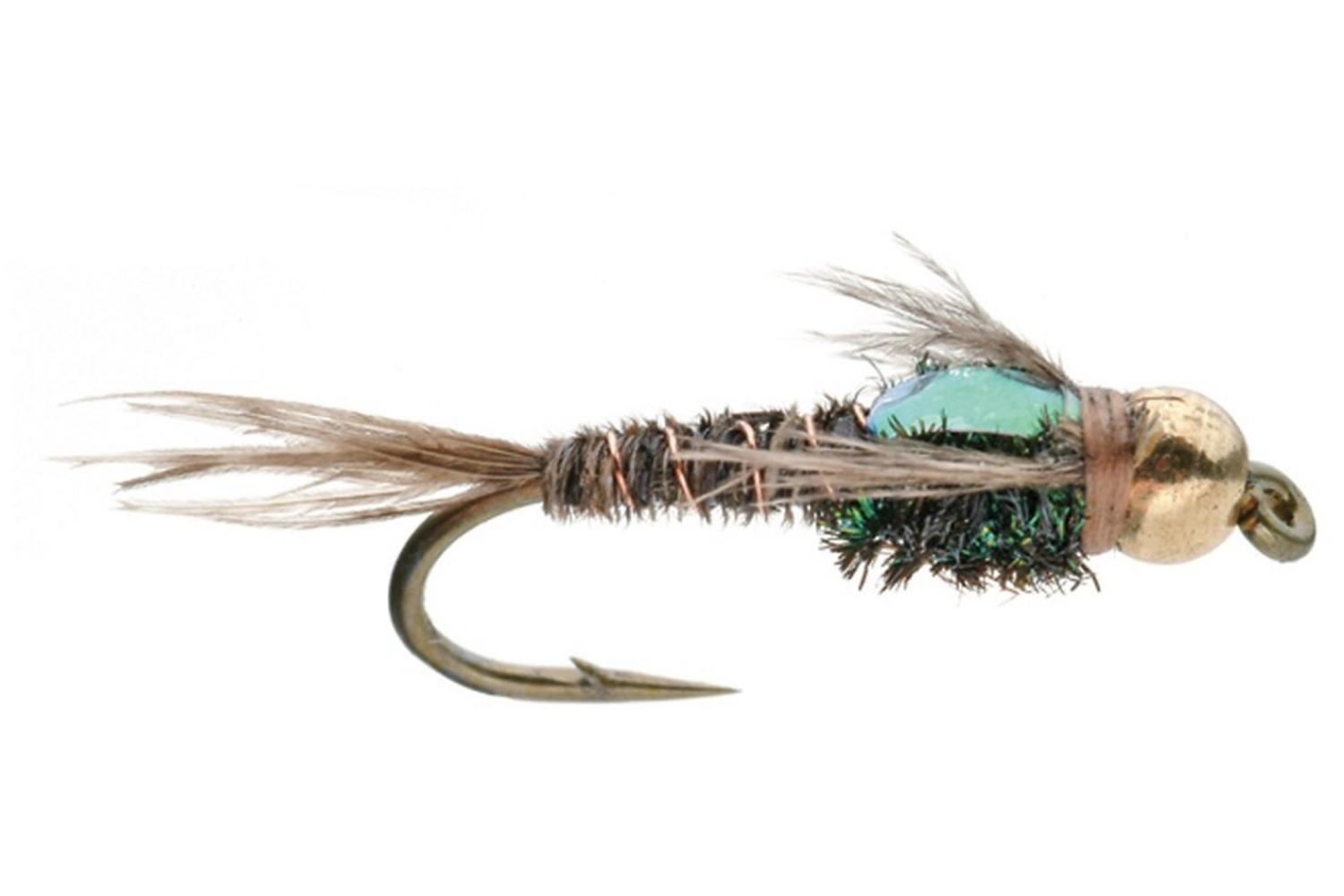
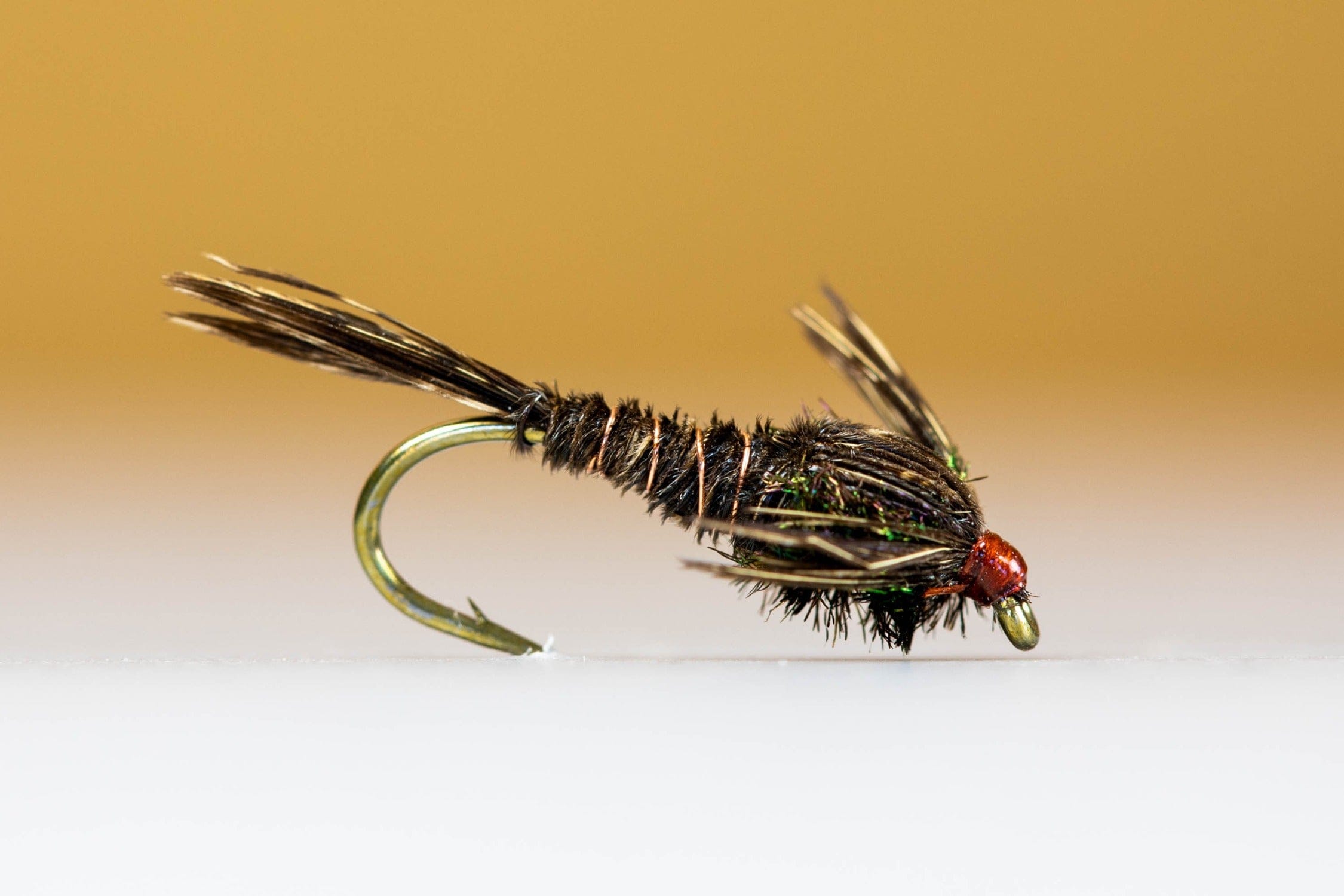
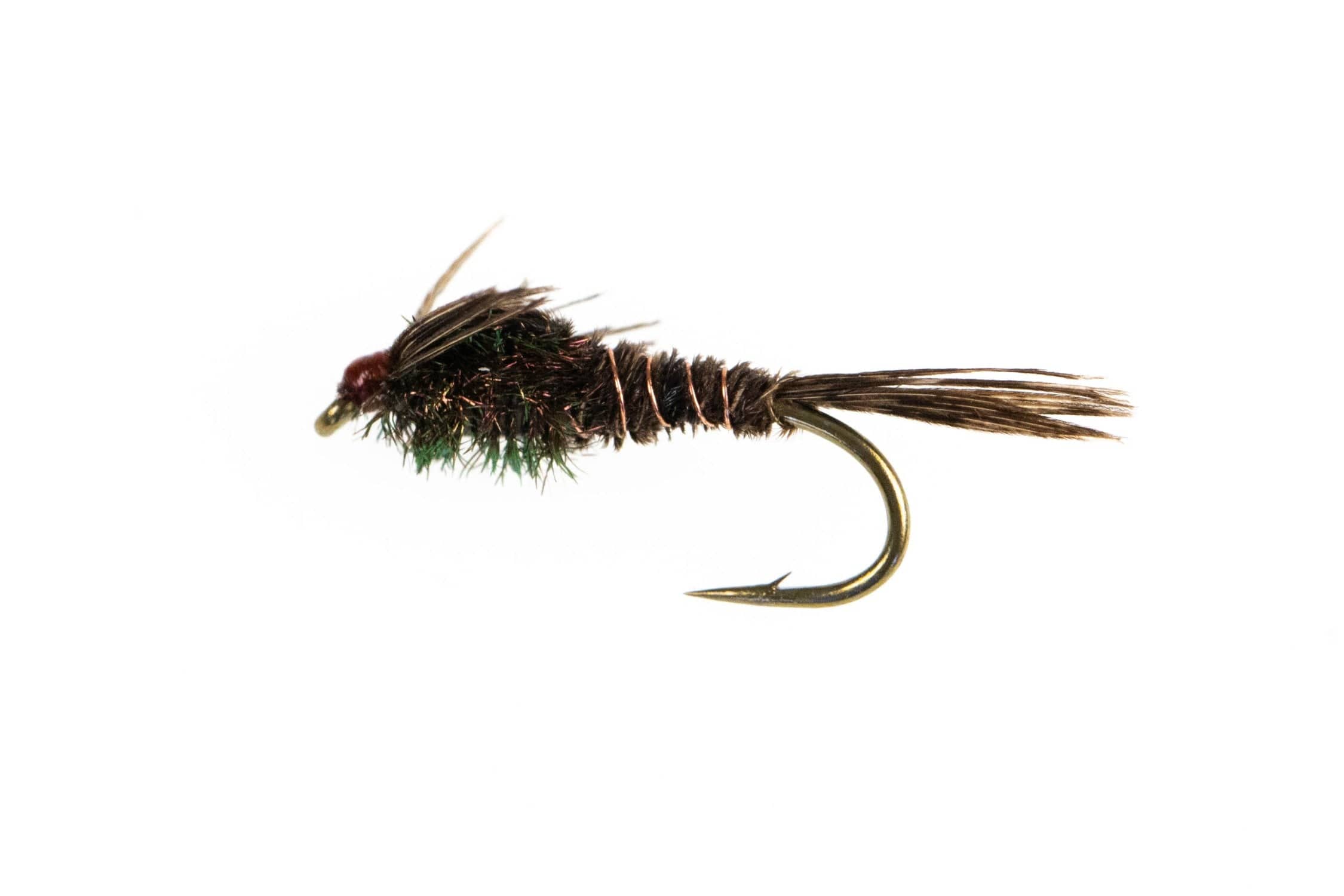
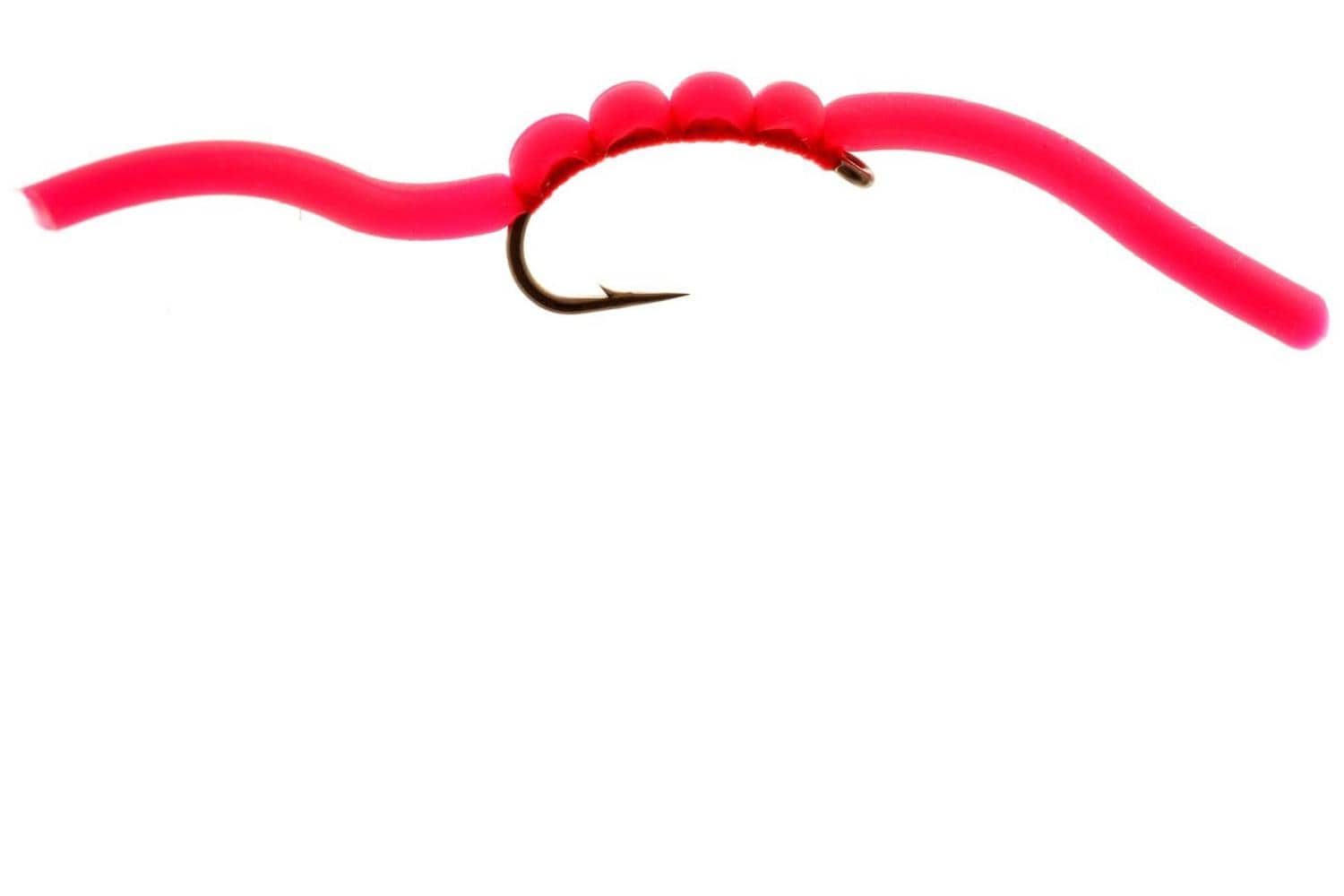
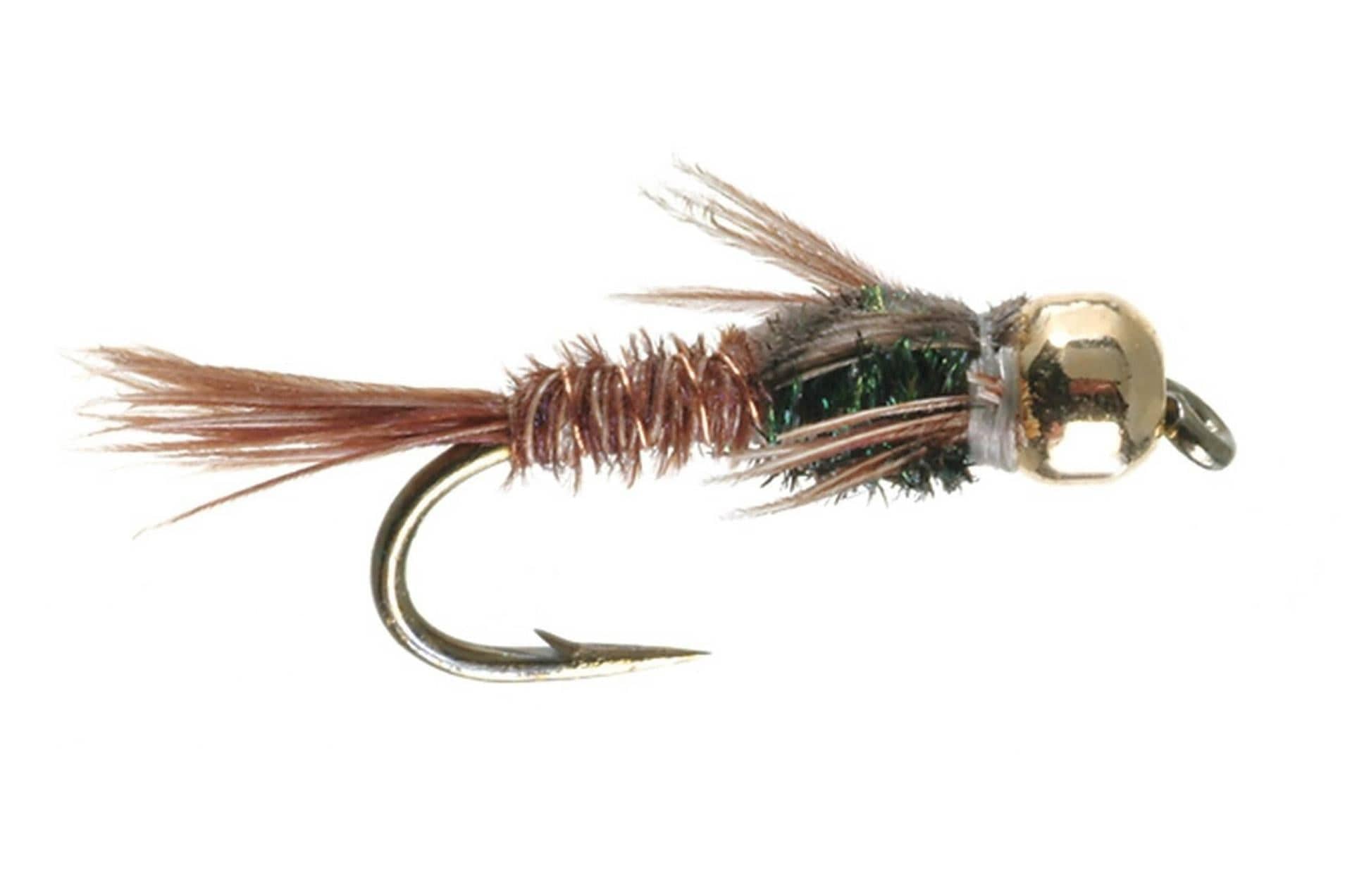
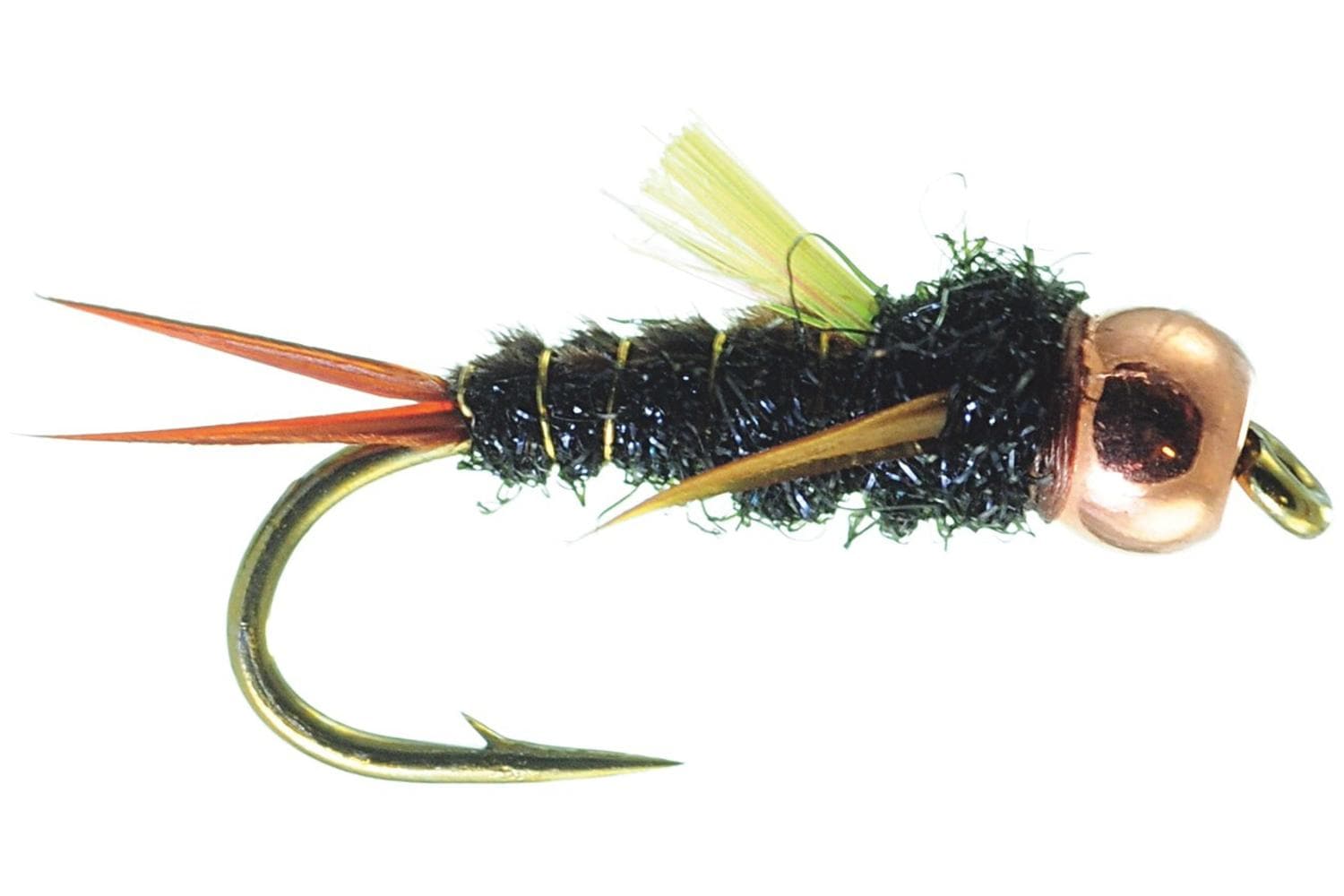
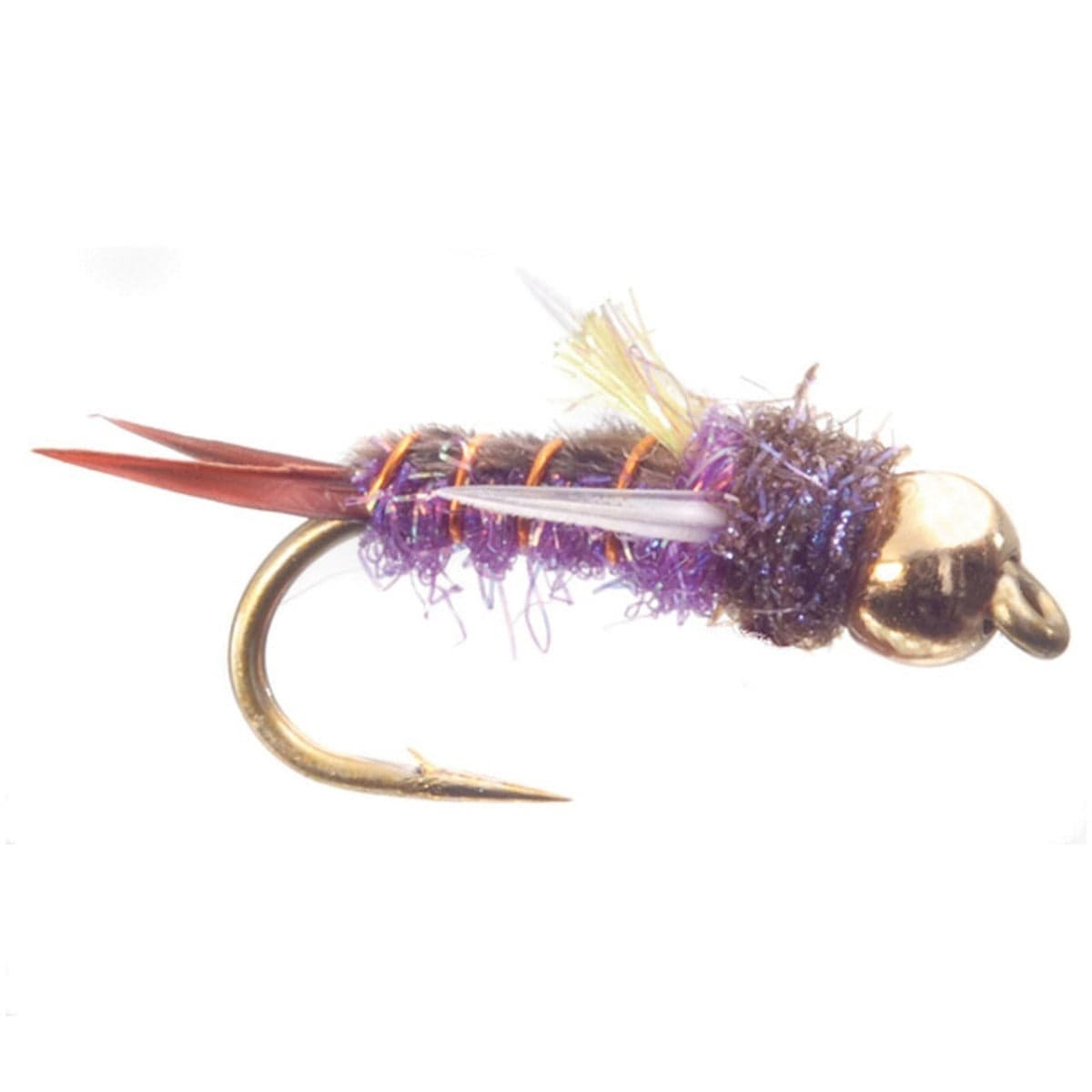
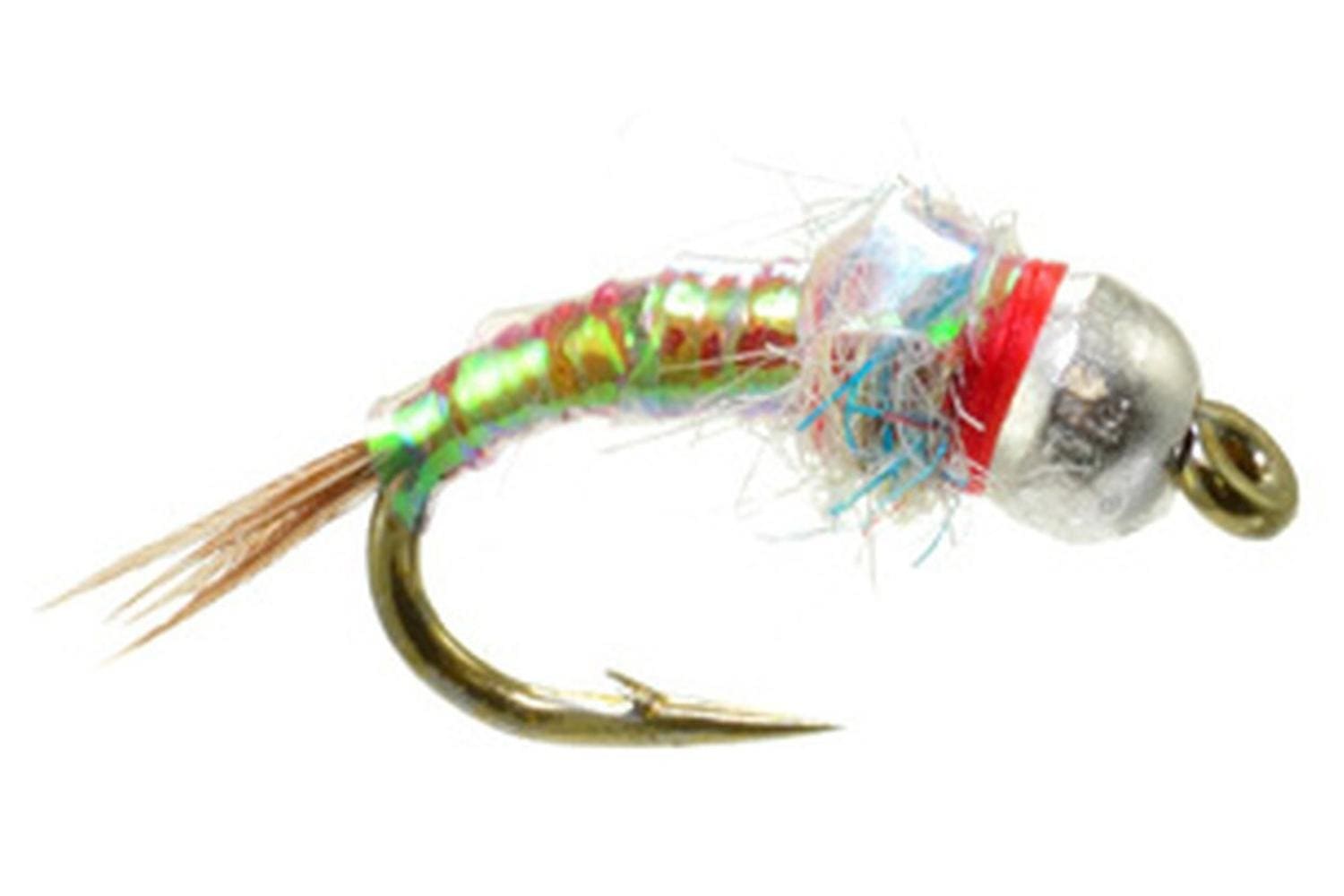
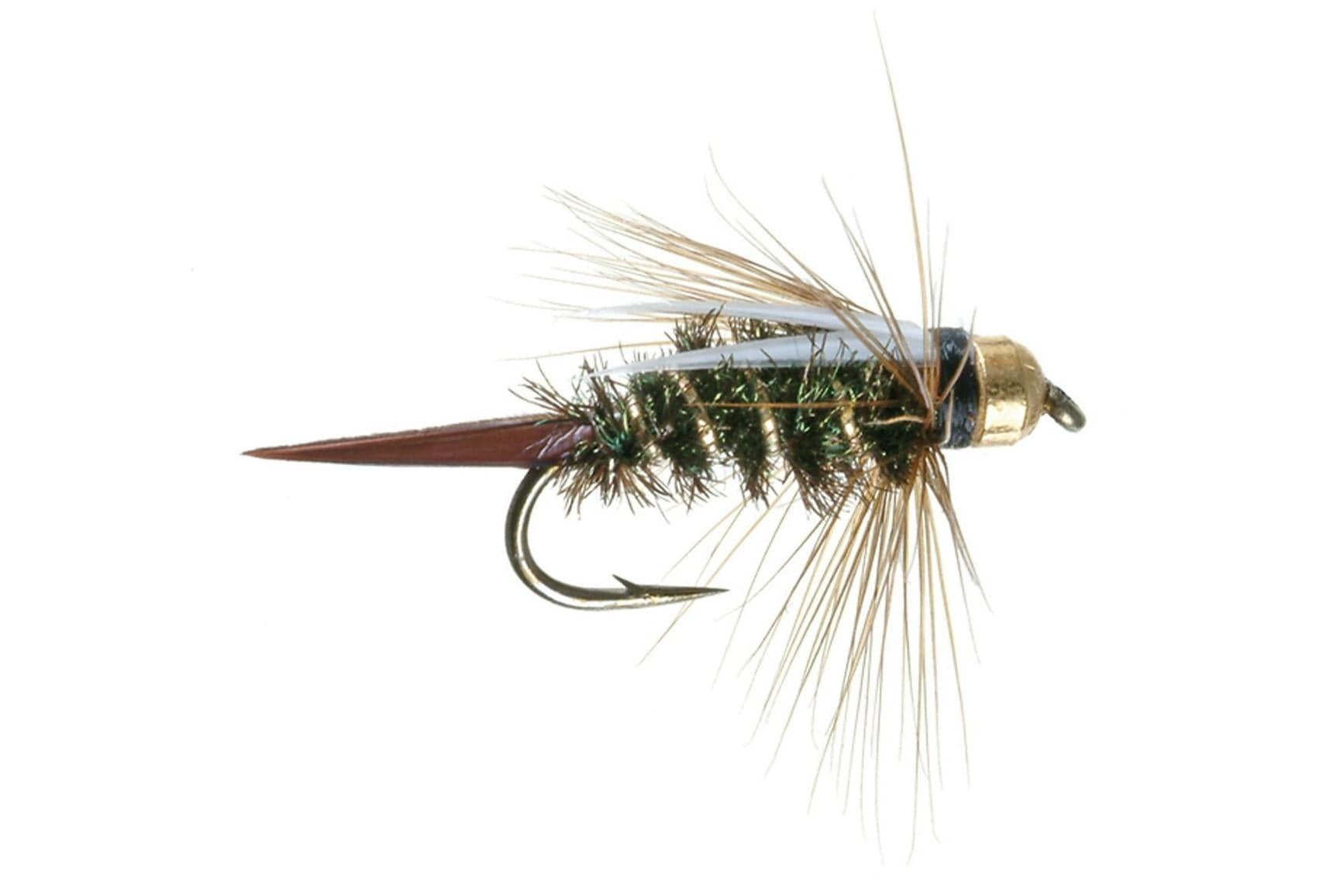
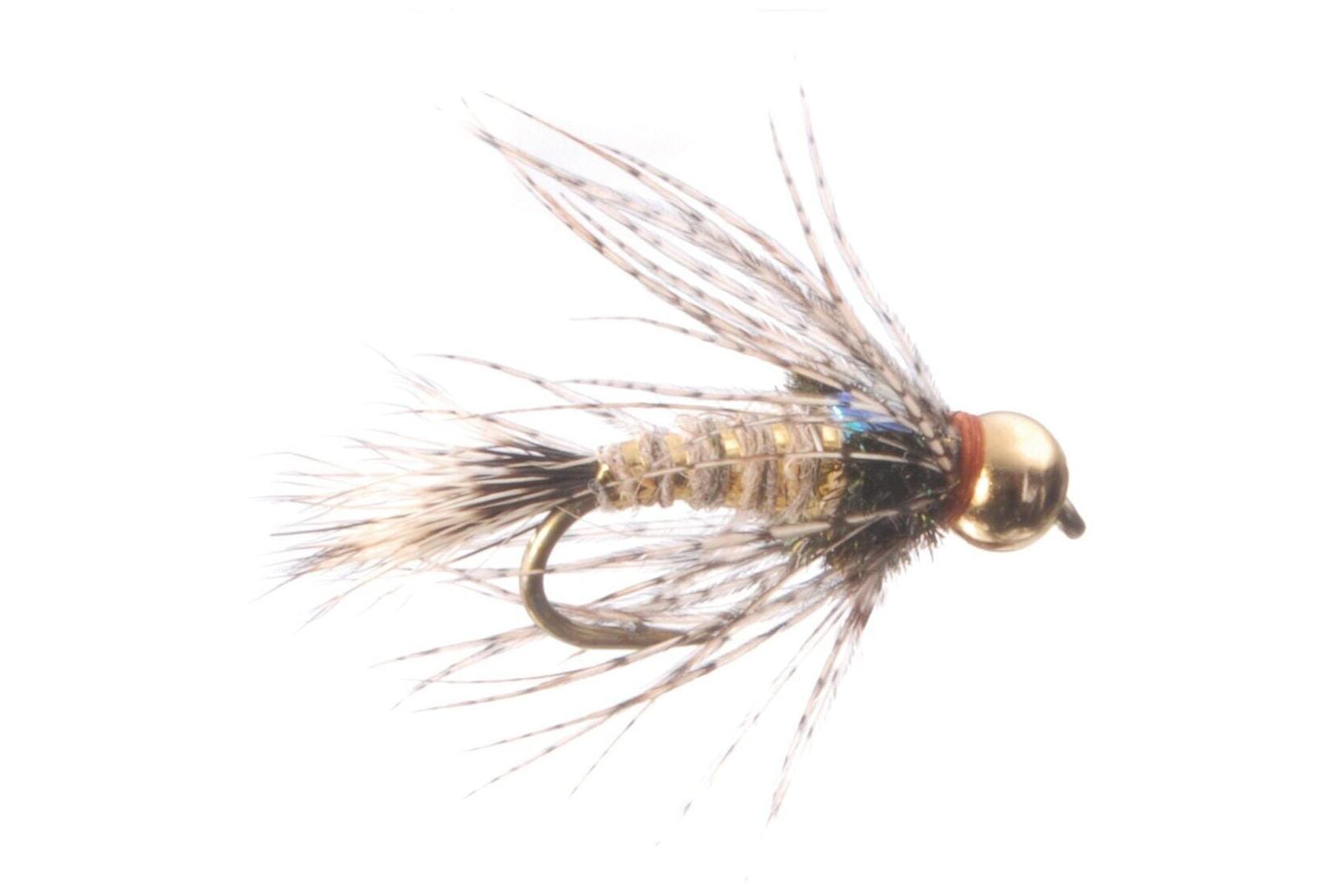
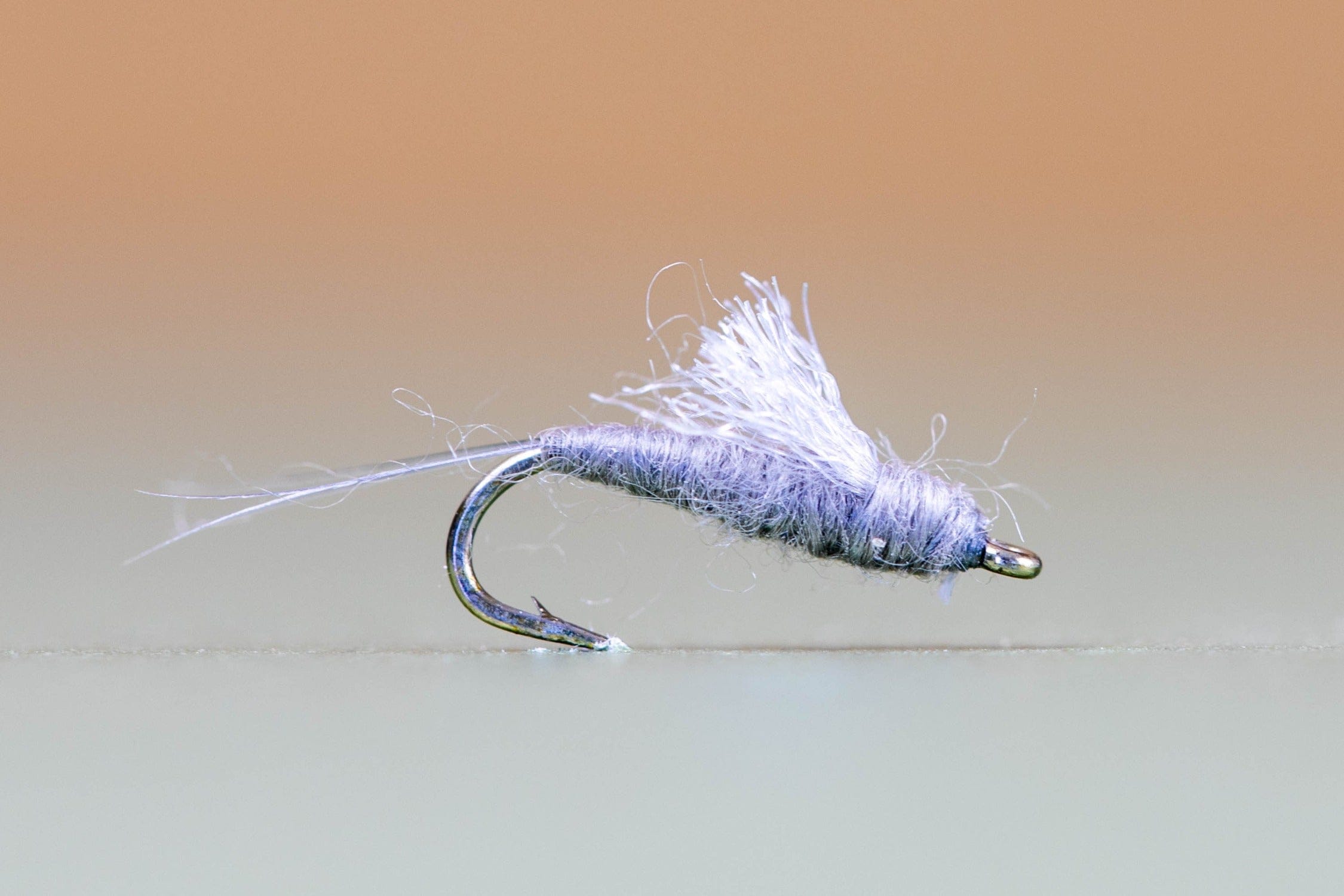
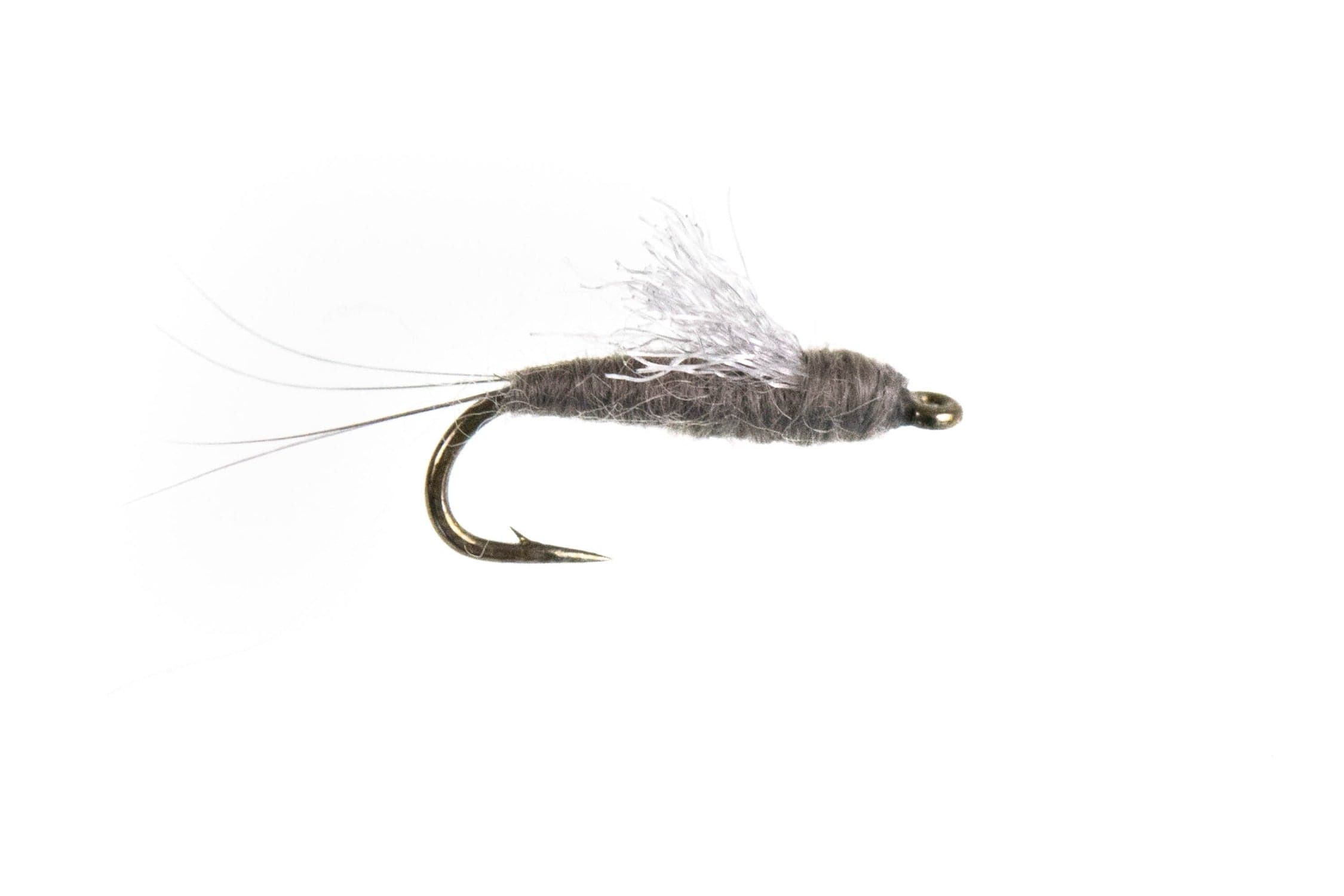
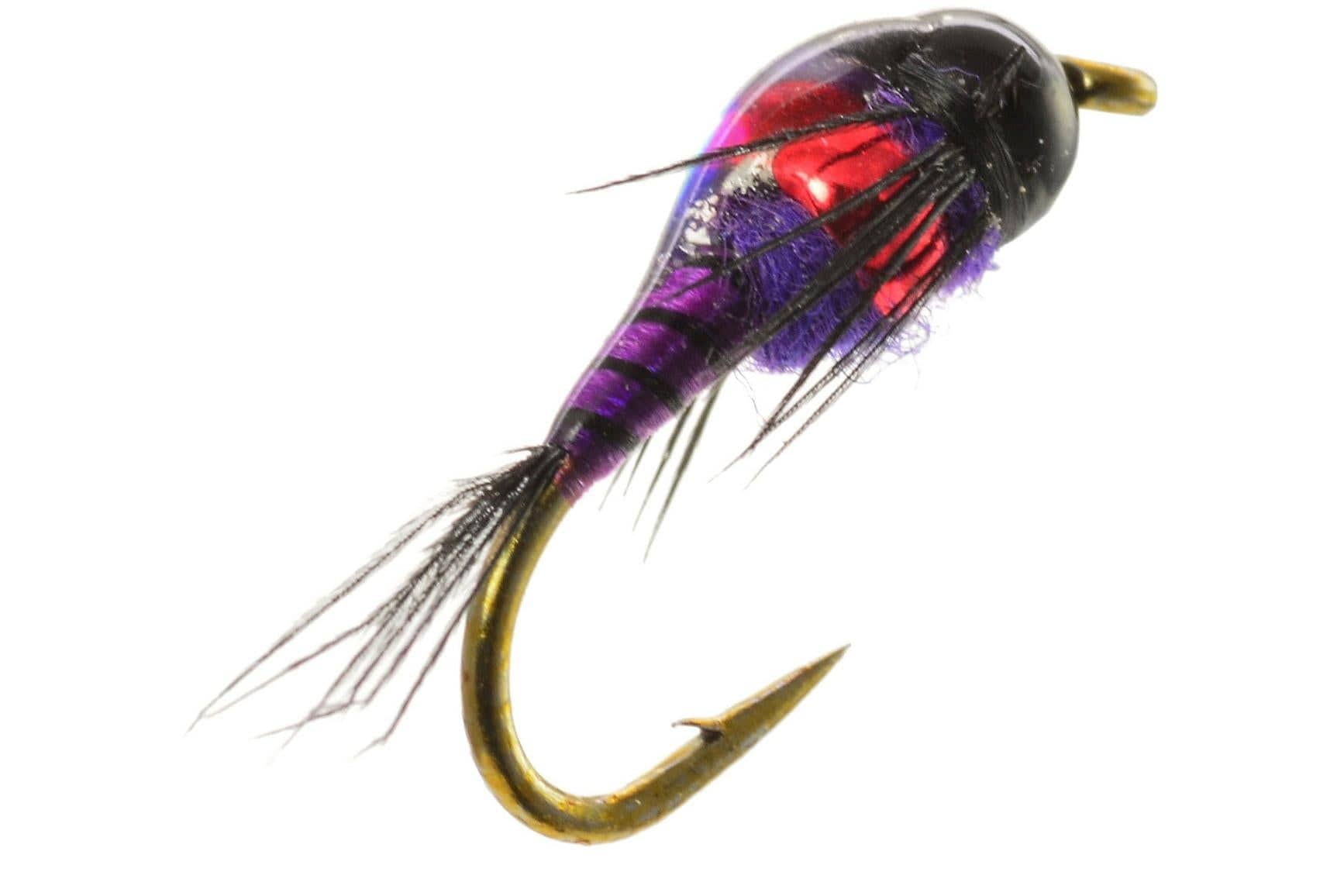
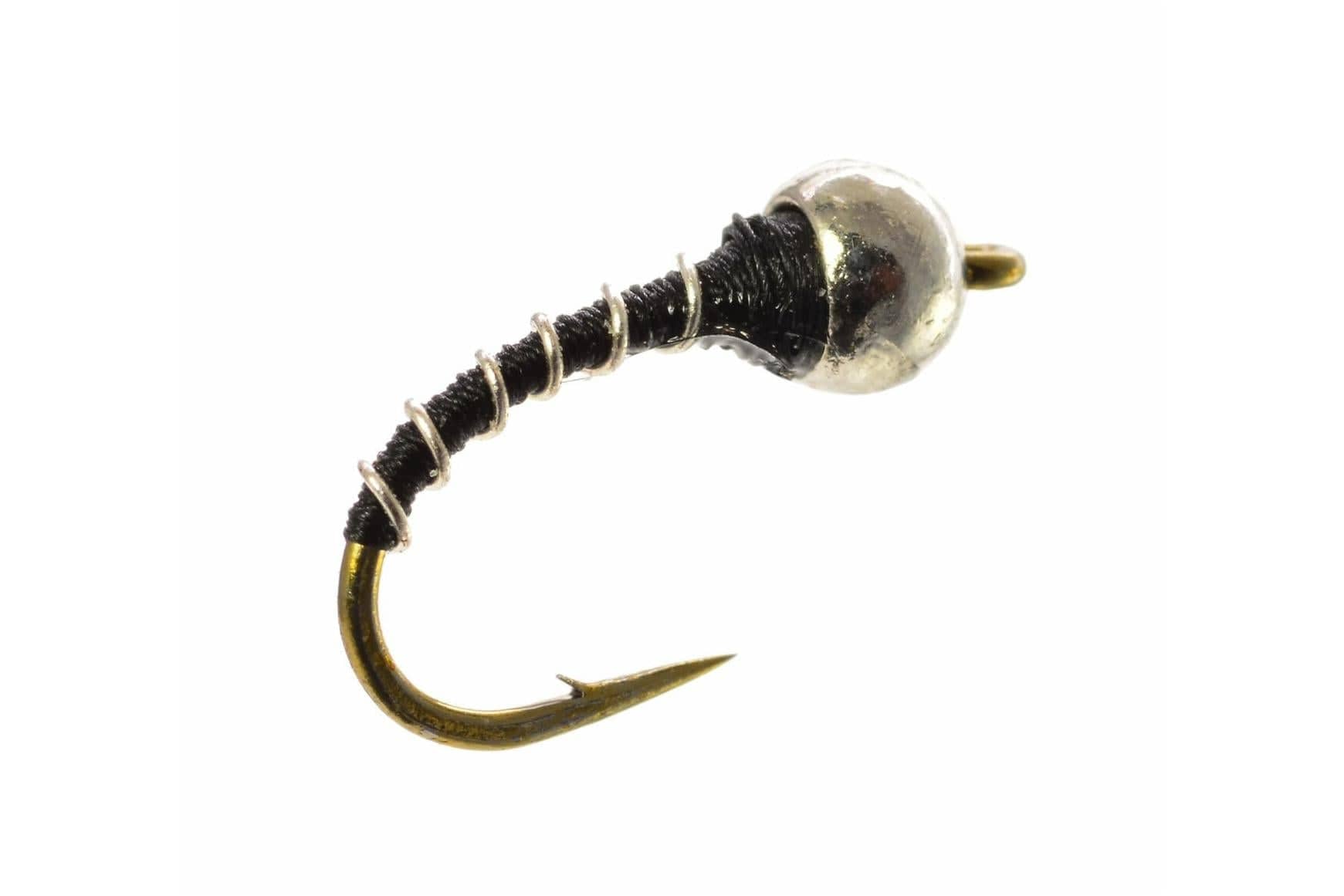
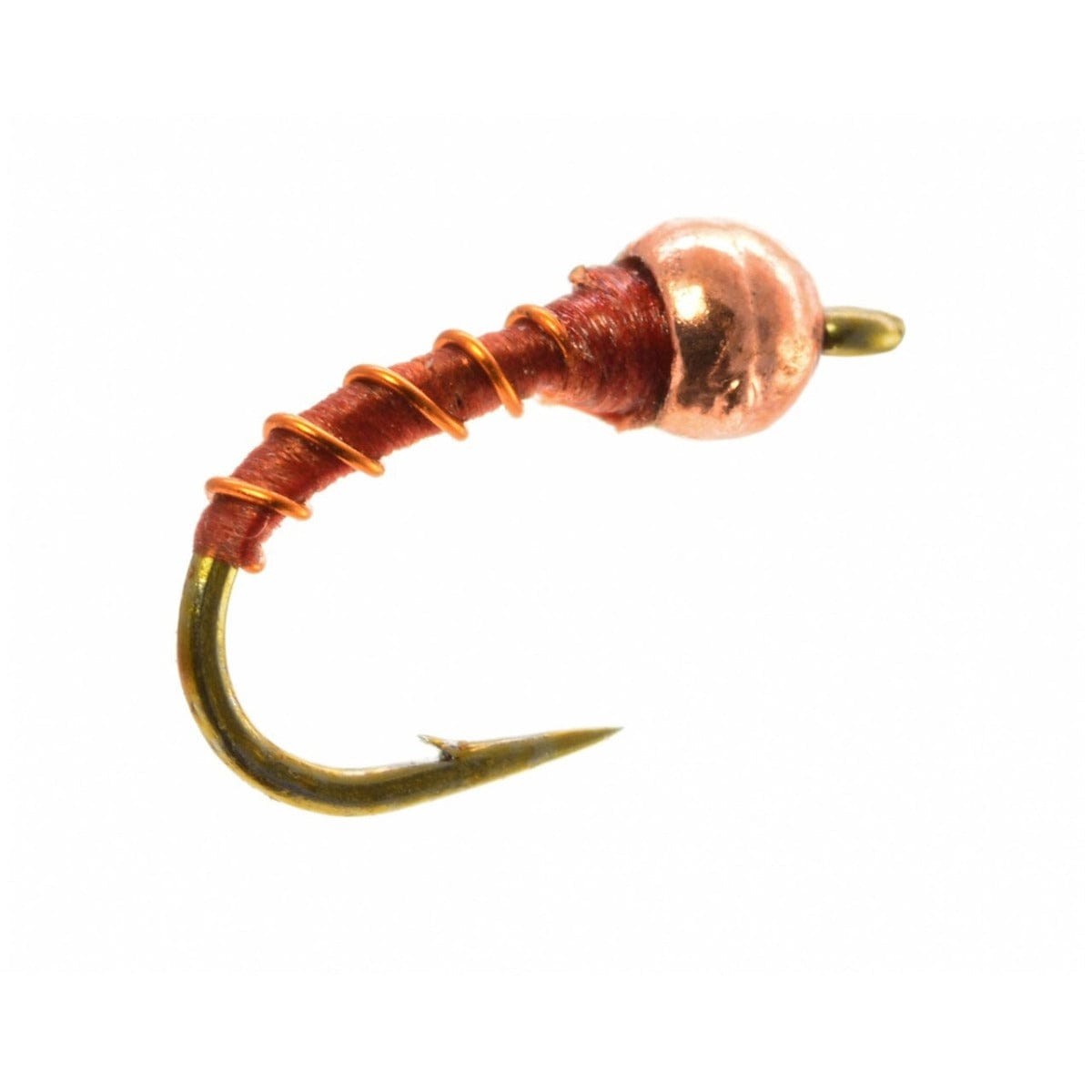
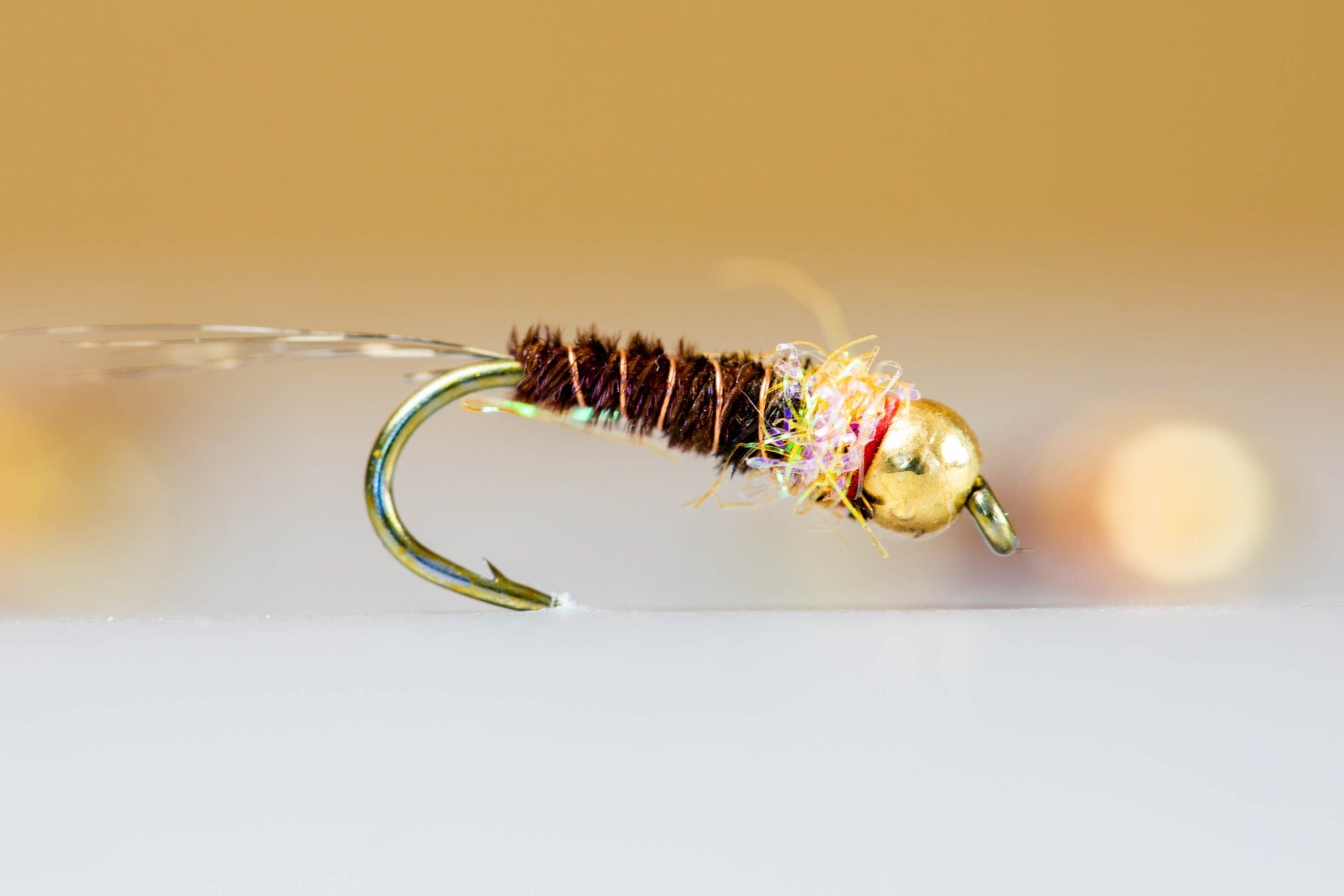
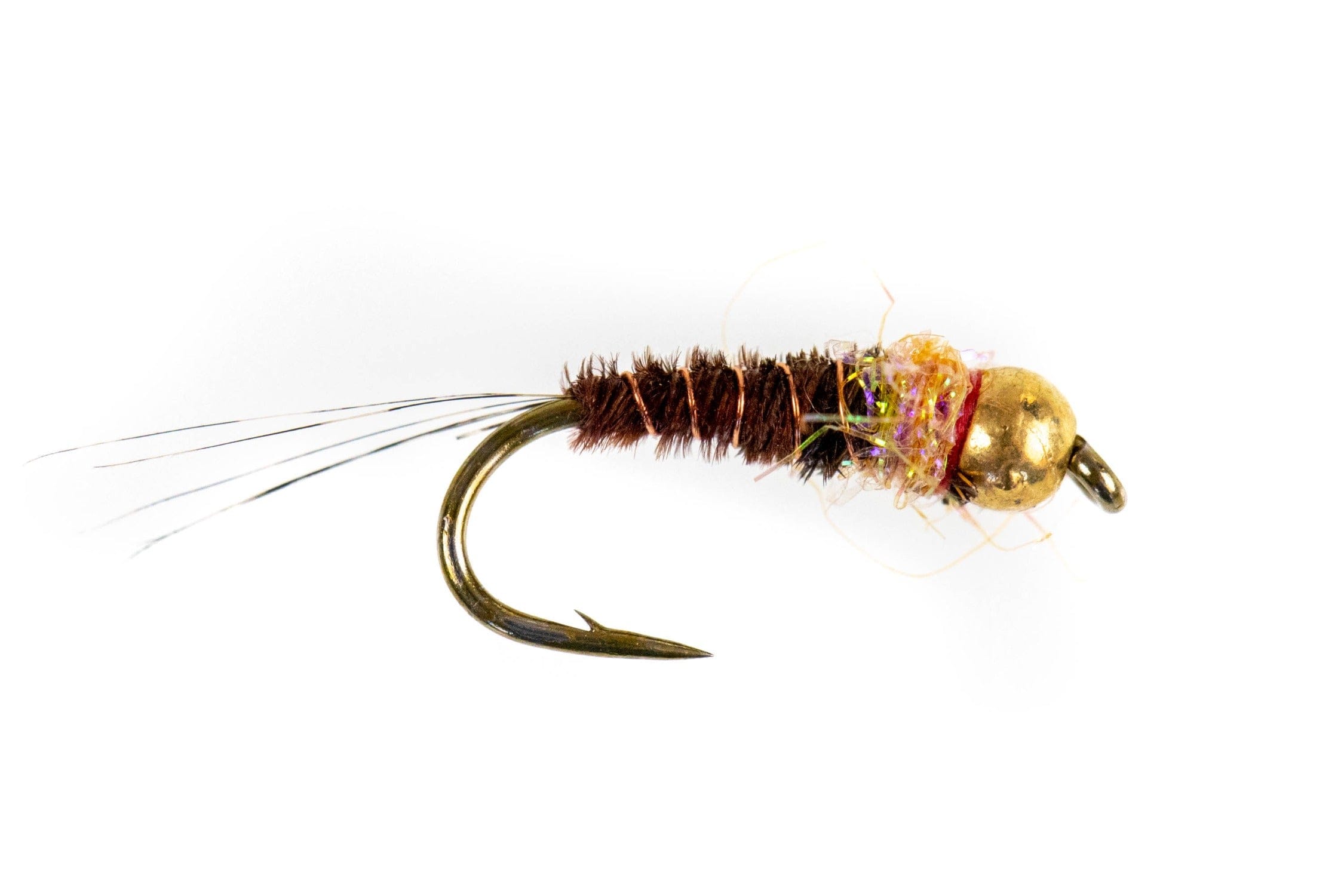
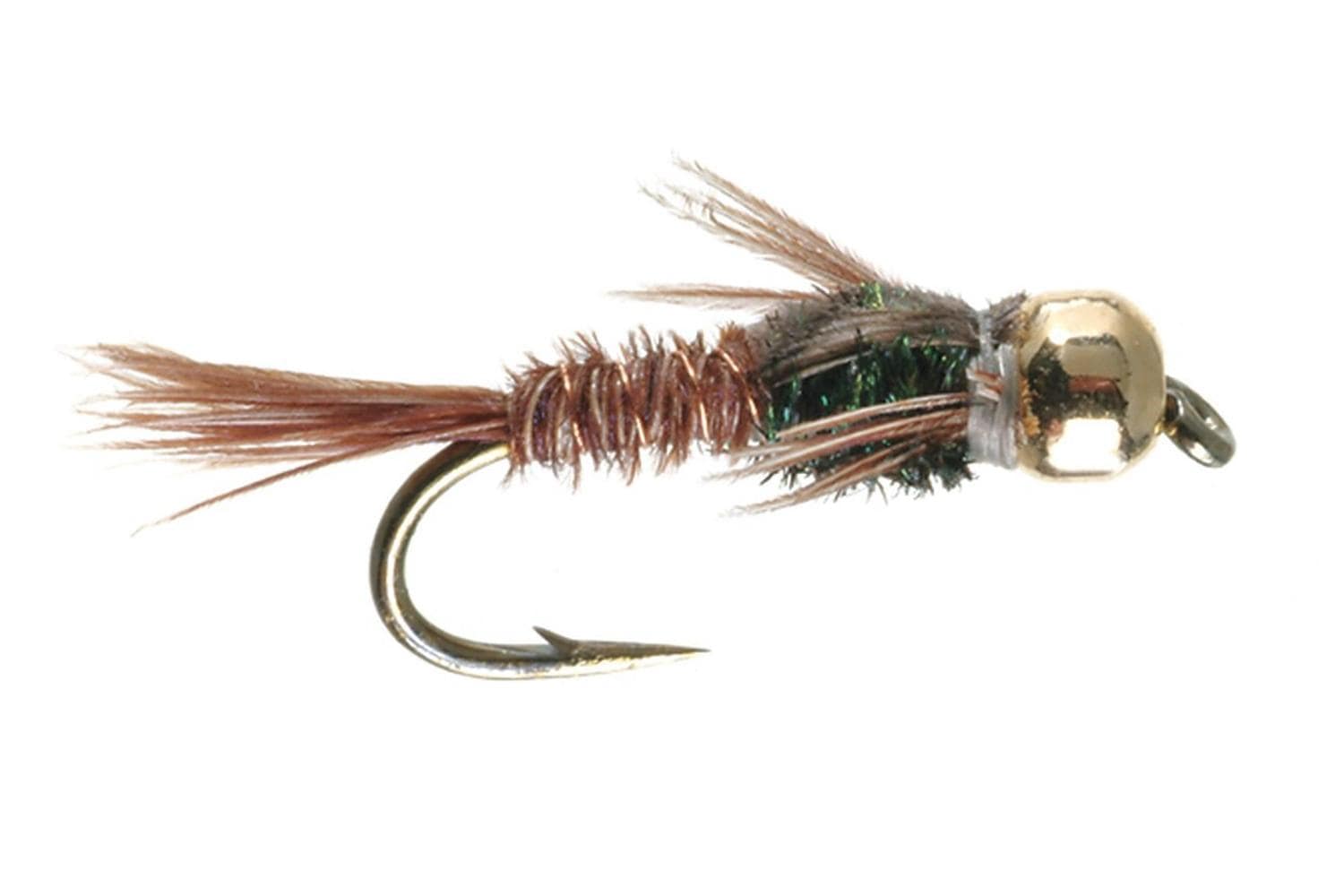
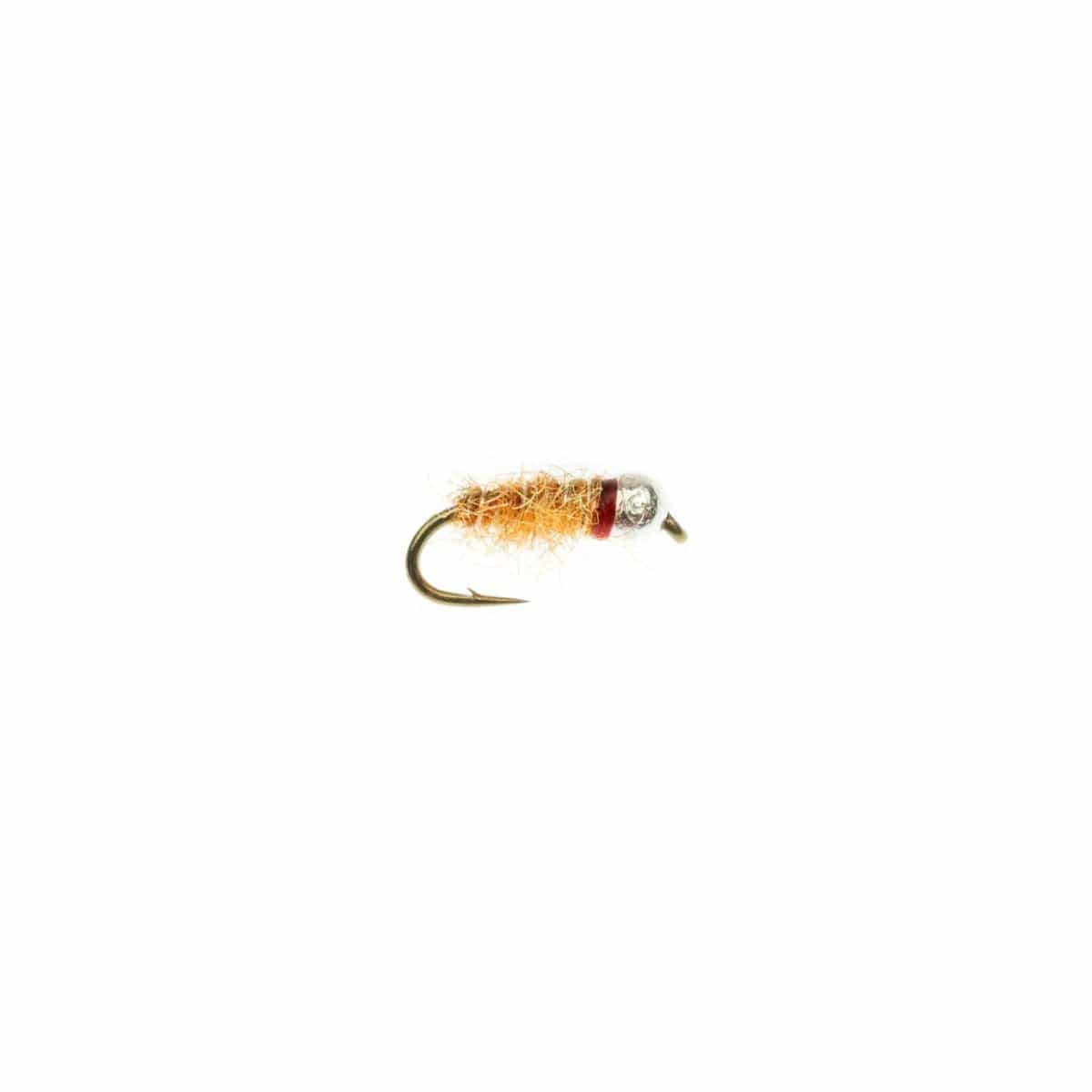
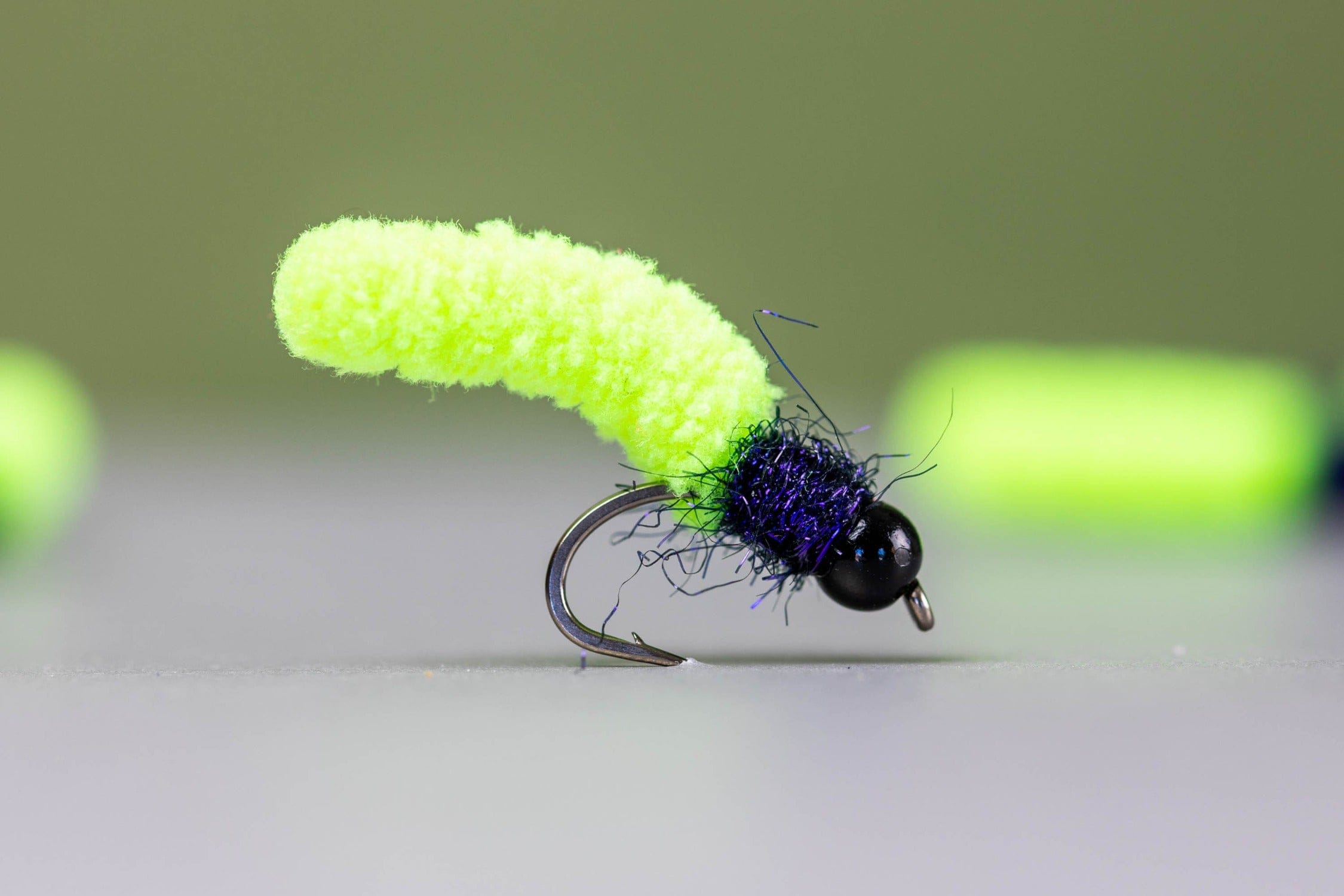
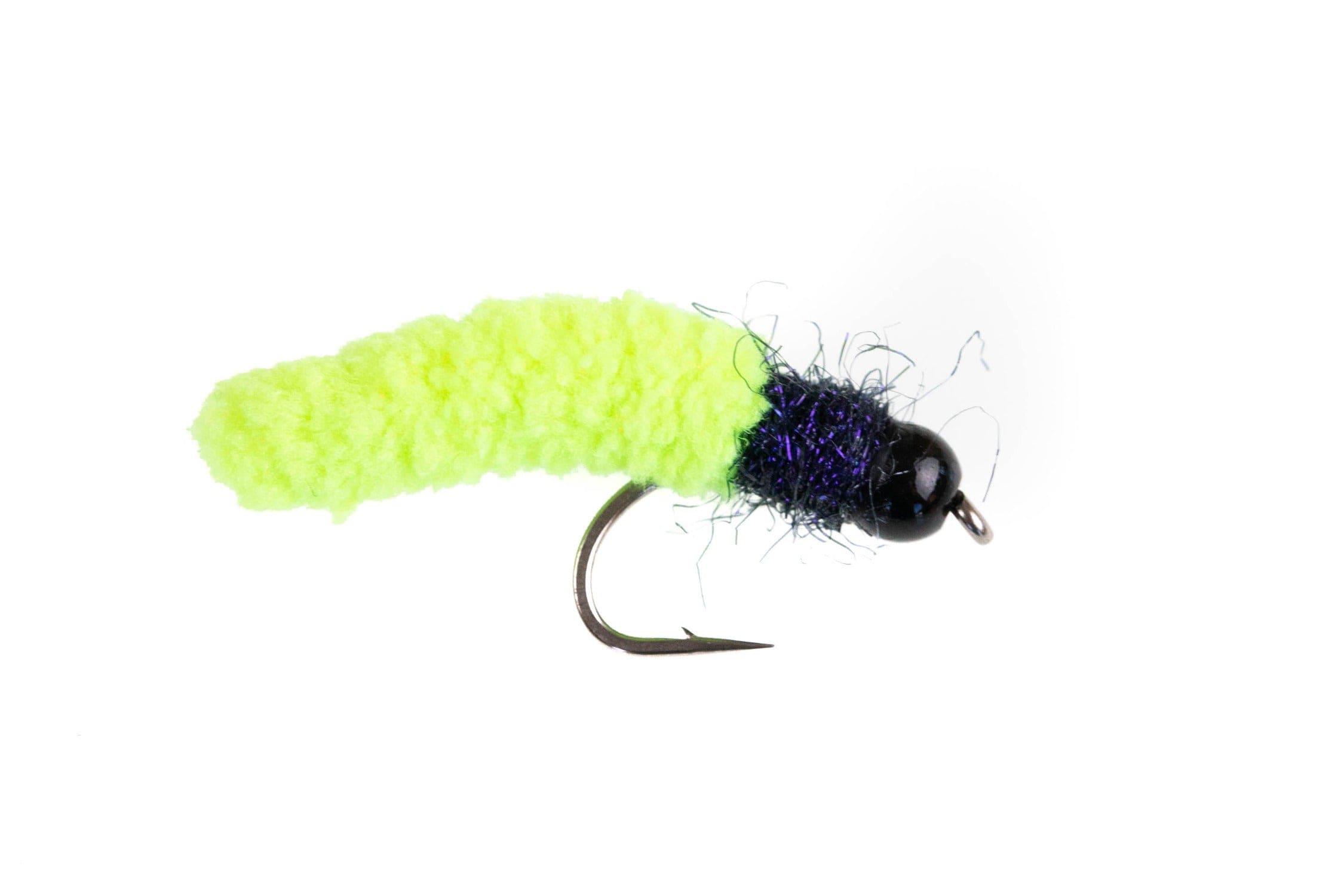
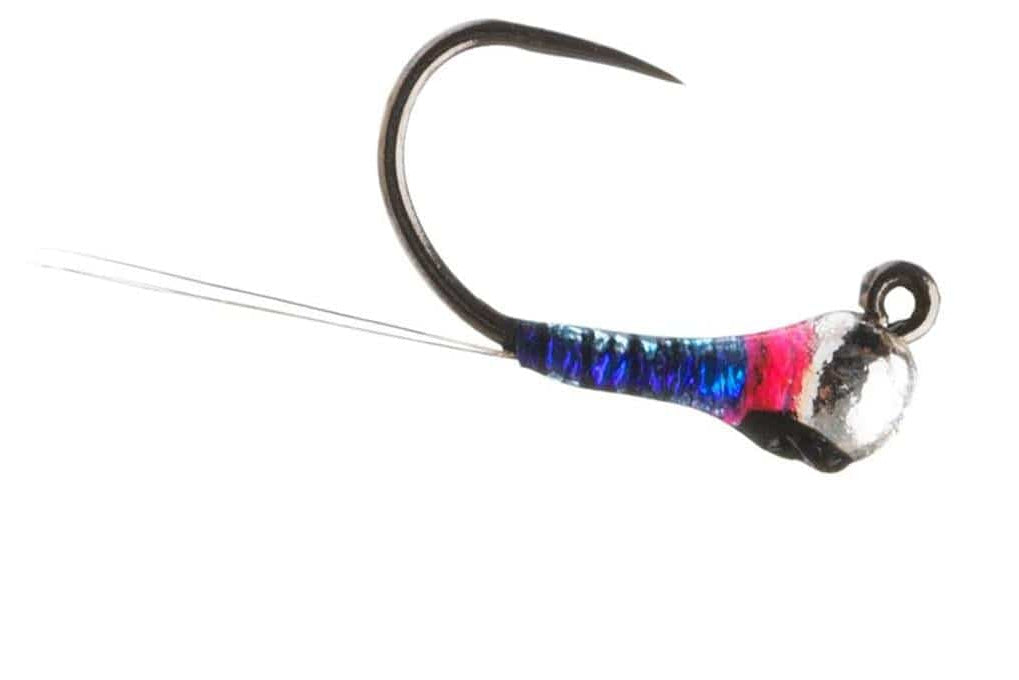
Nymphs Quick Picks
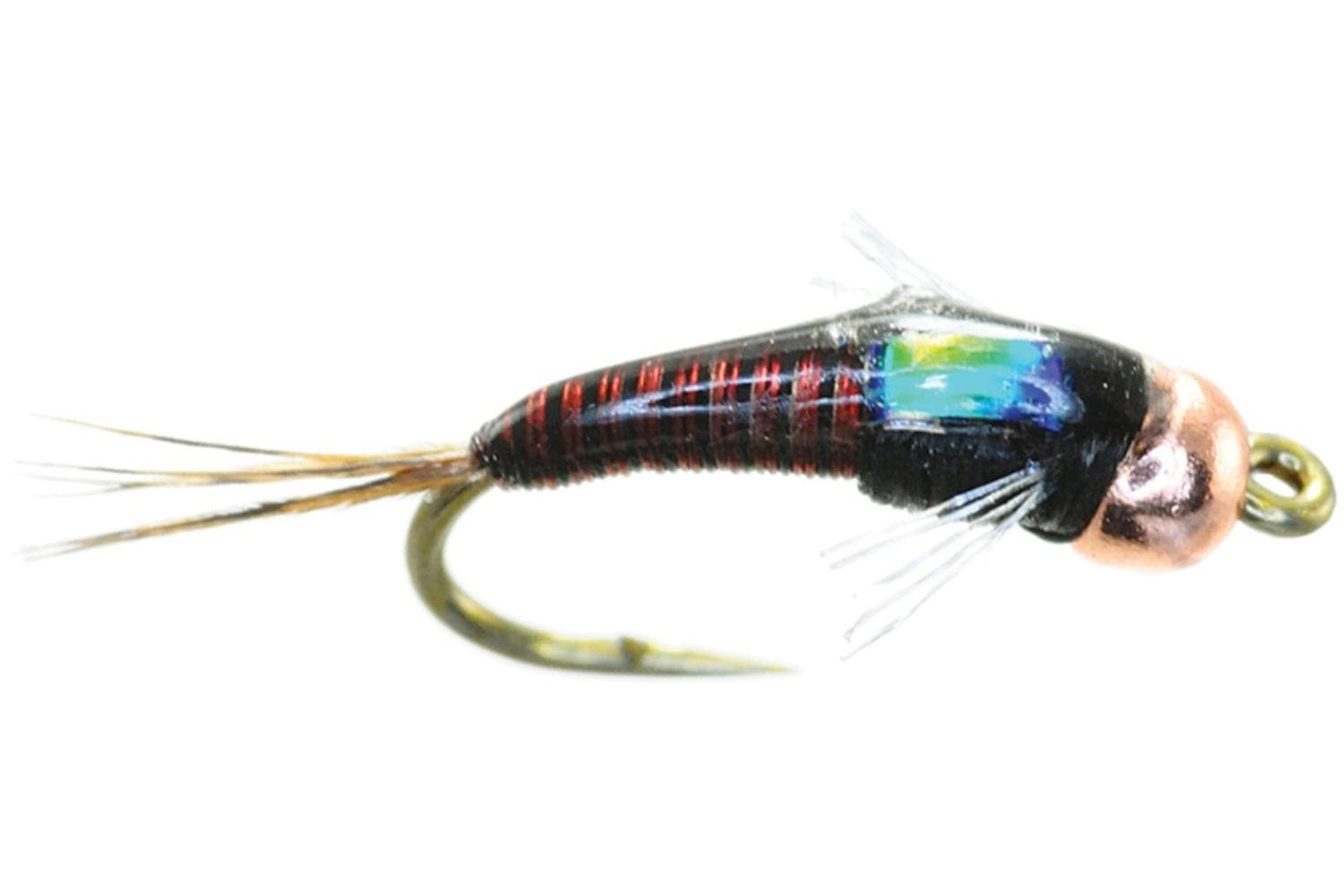
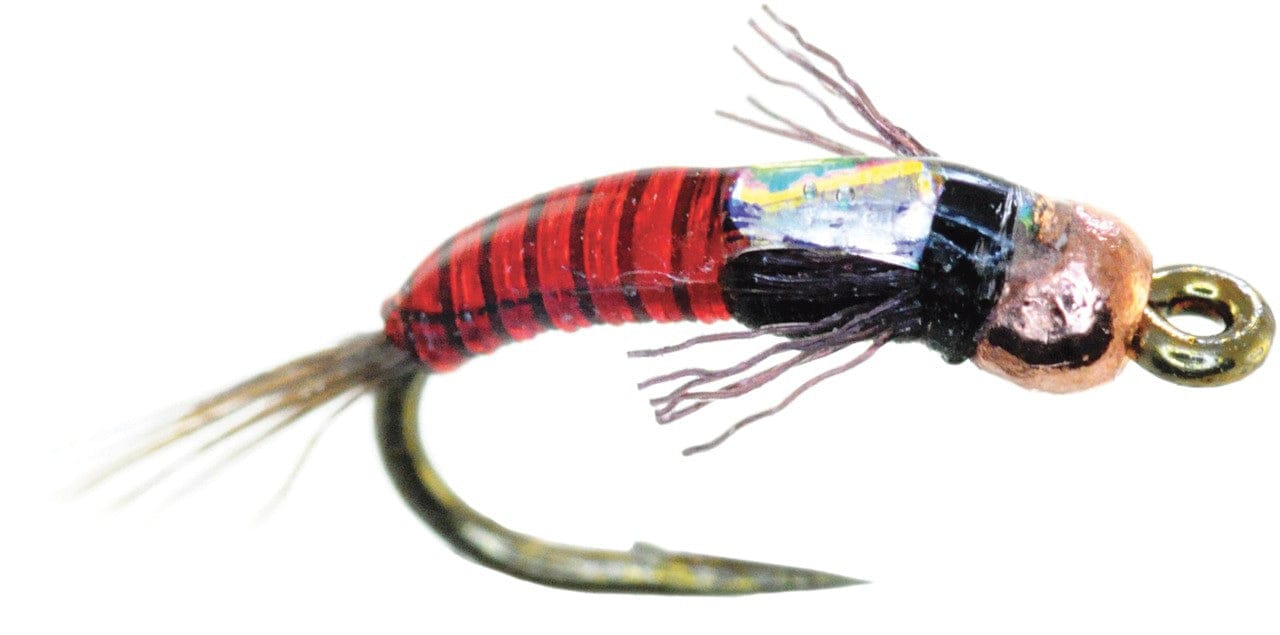
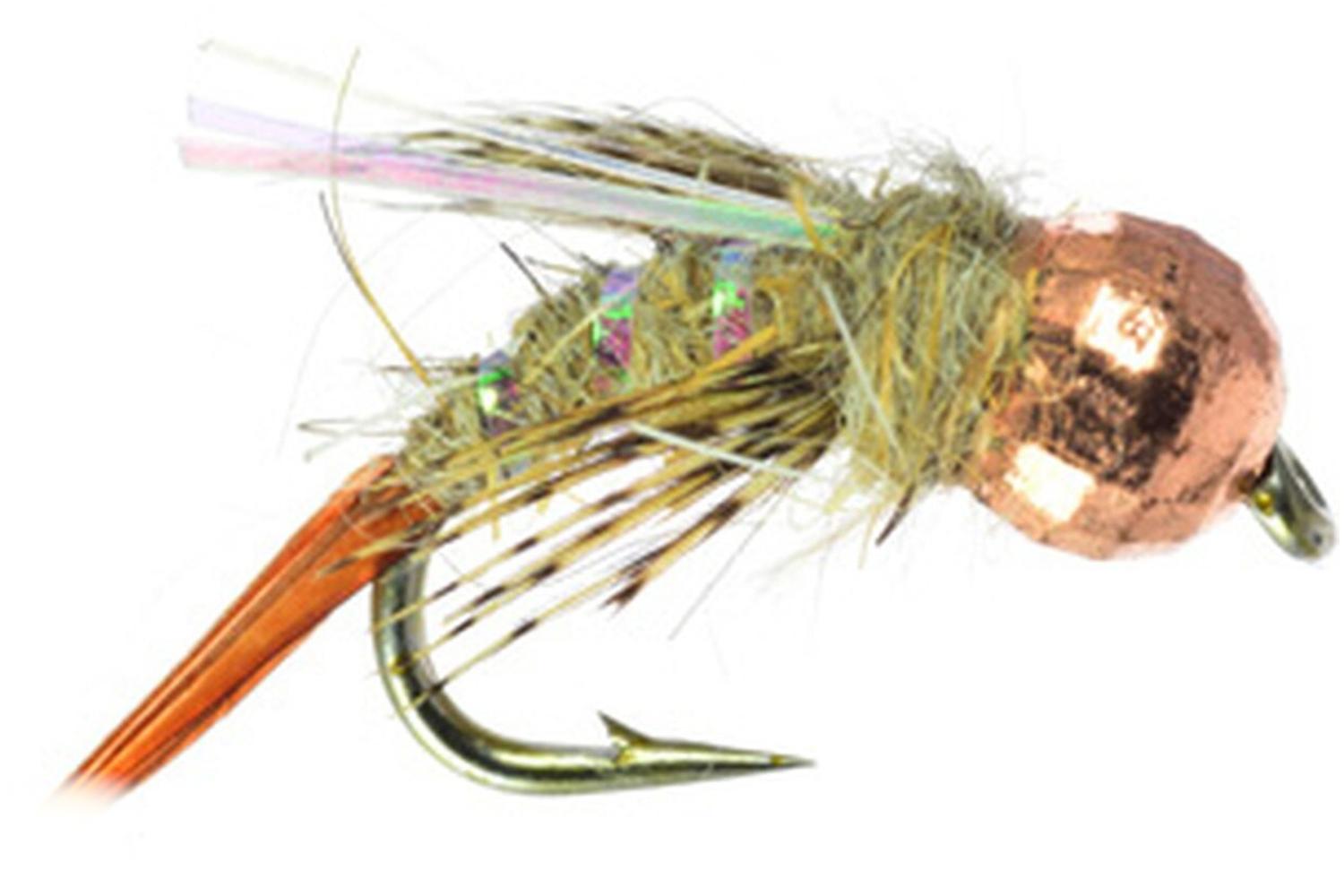
Best All-Around: Bead Head Copper John Fly - For anglers who want one confidence nymph that fits almost any trout river. It is a classic attractor profile that also doubles as a mayfly or stonefly look.
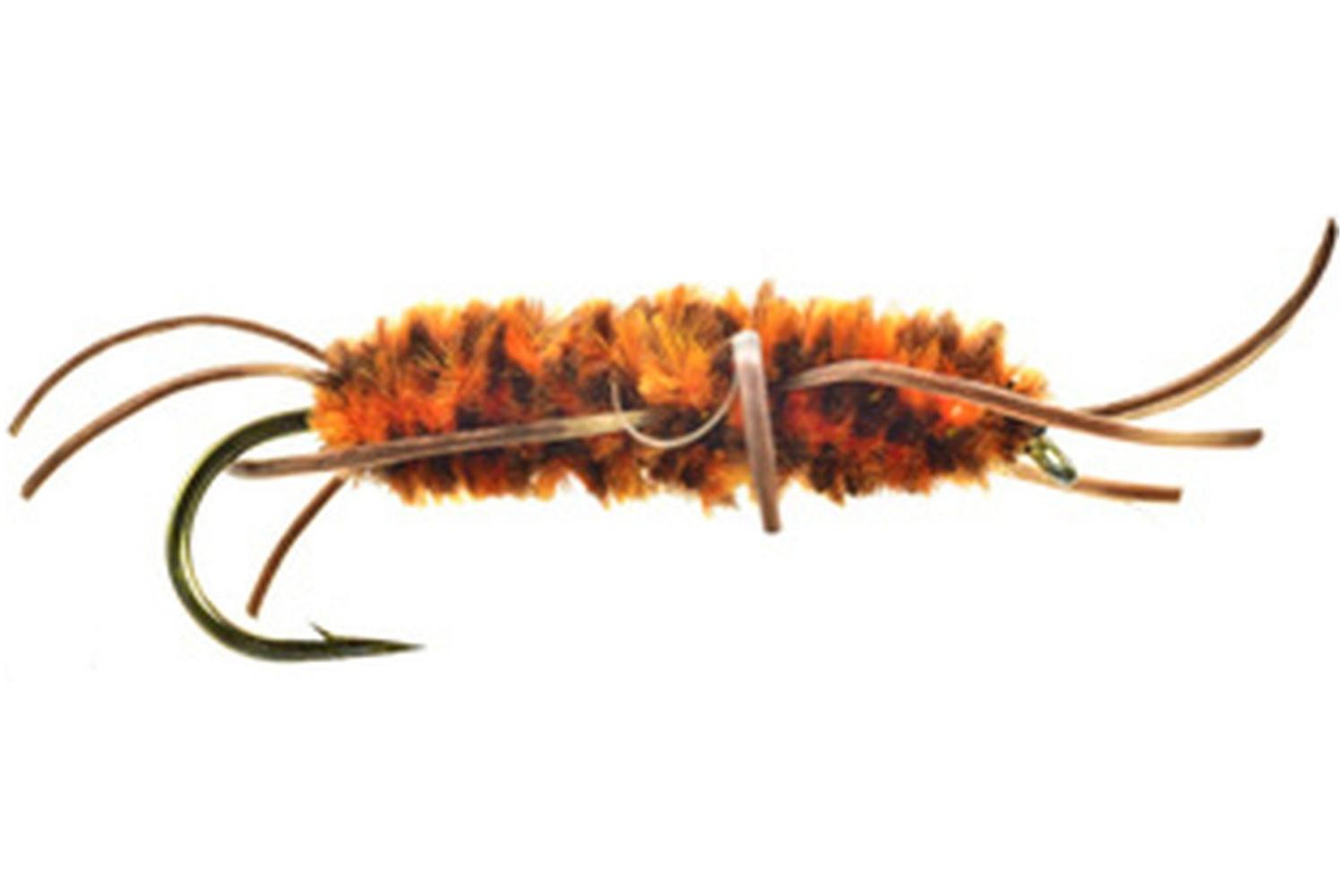
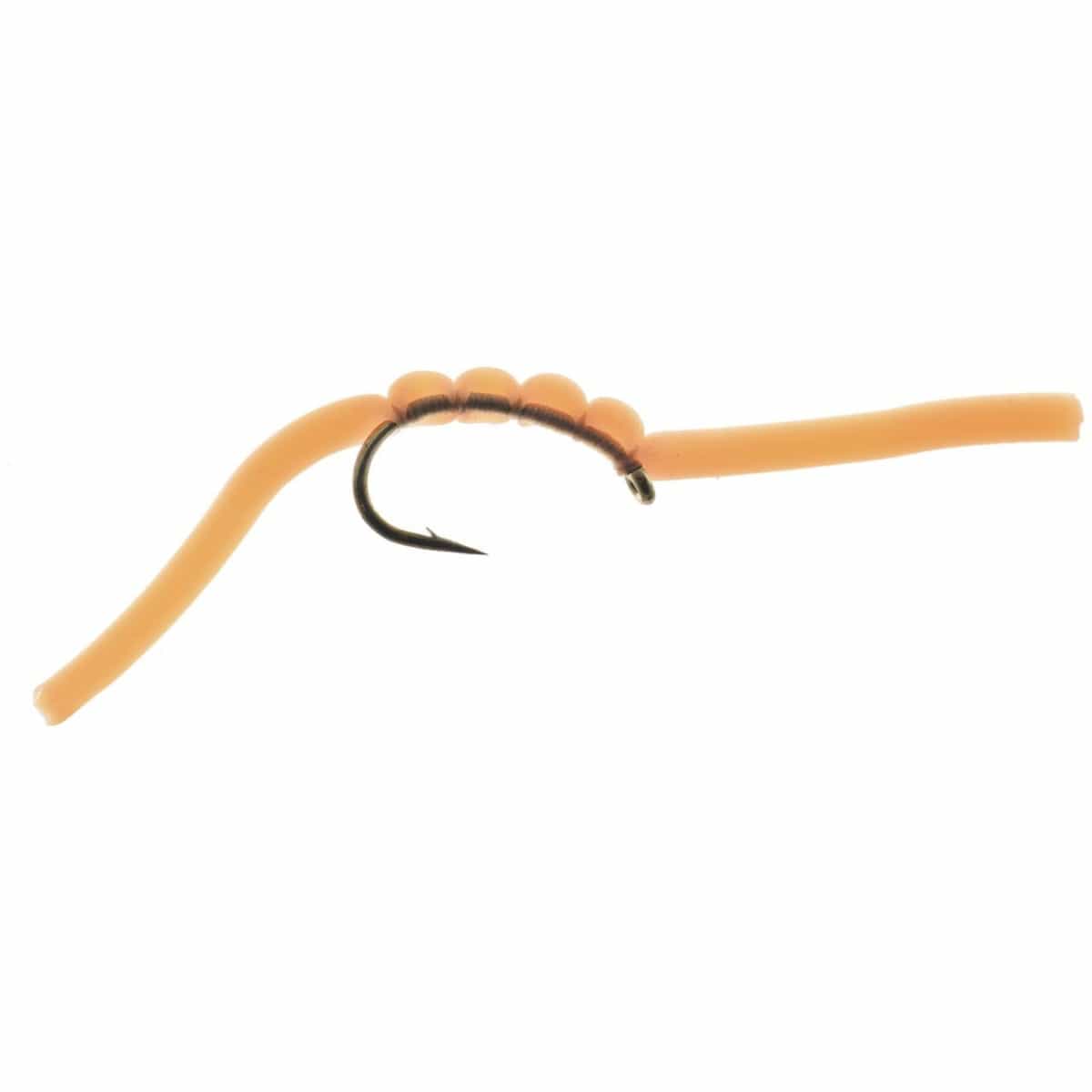
Best for Beginners: Pat's Rubberlegs Nymph Fly - For learning how to fish bigger nymphs as a lead fly in pocket water and faster runs. The larger profile and rubber legs help it stand out when visibility is not perfect.
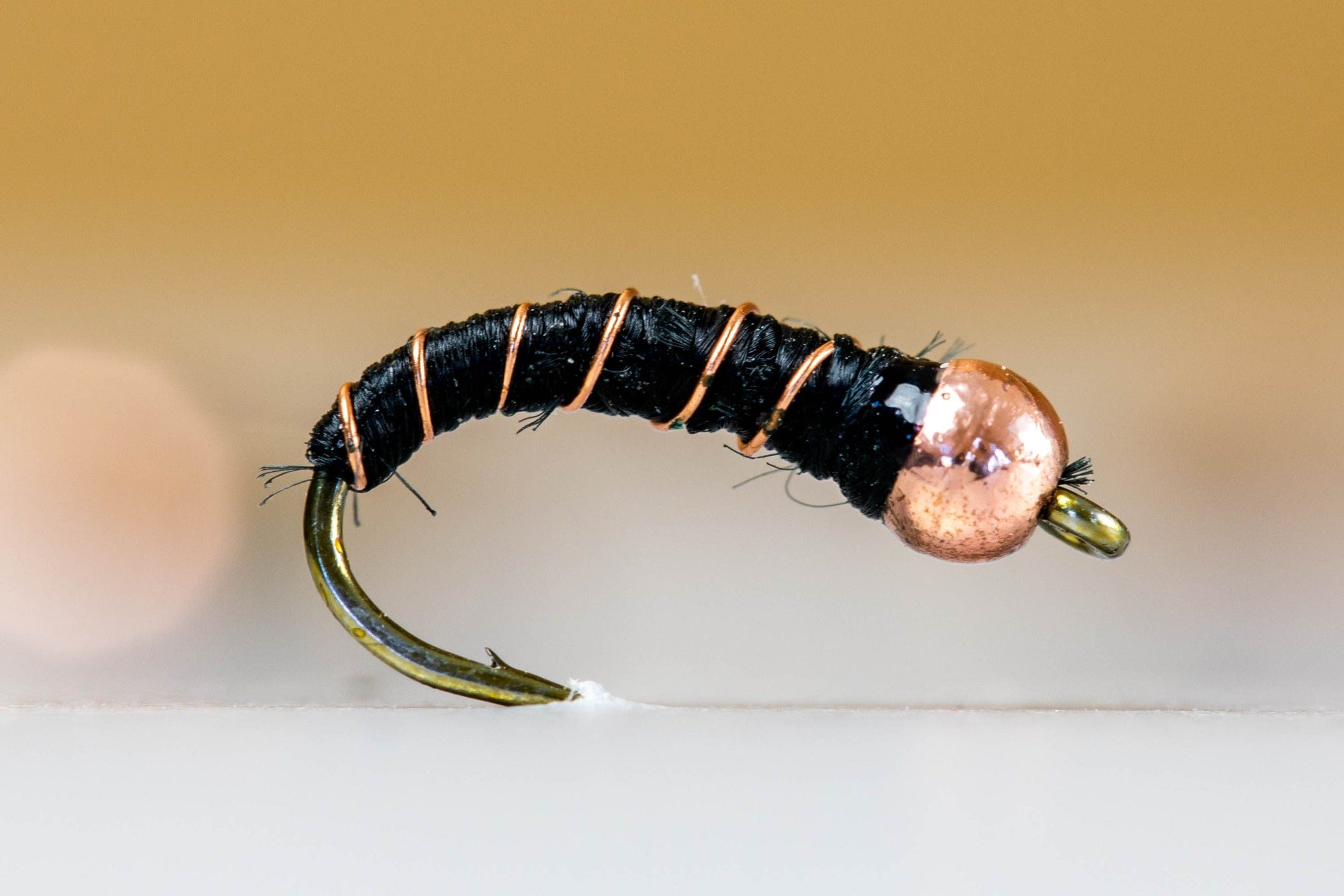
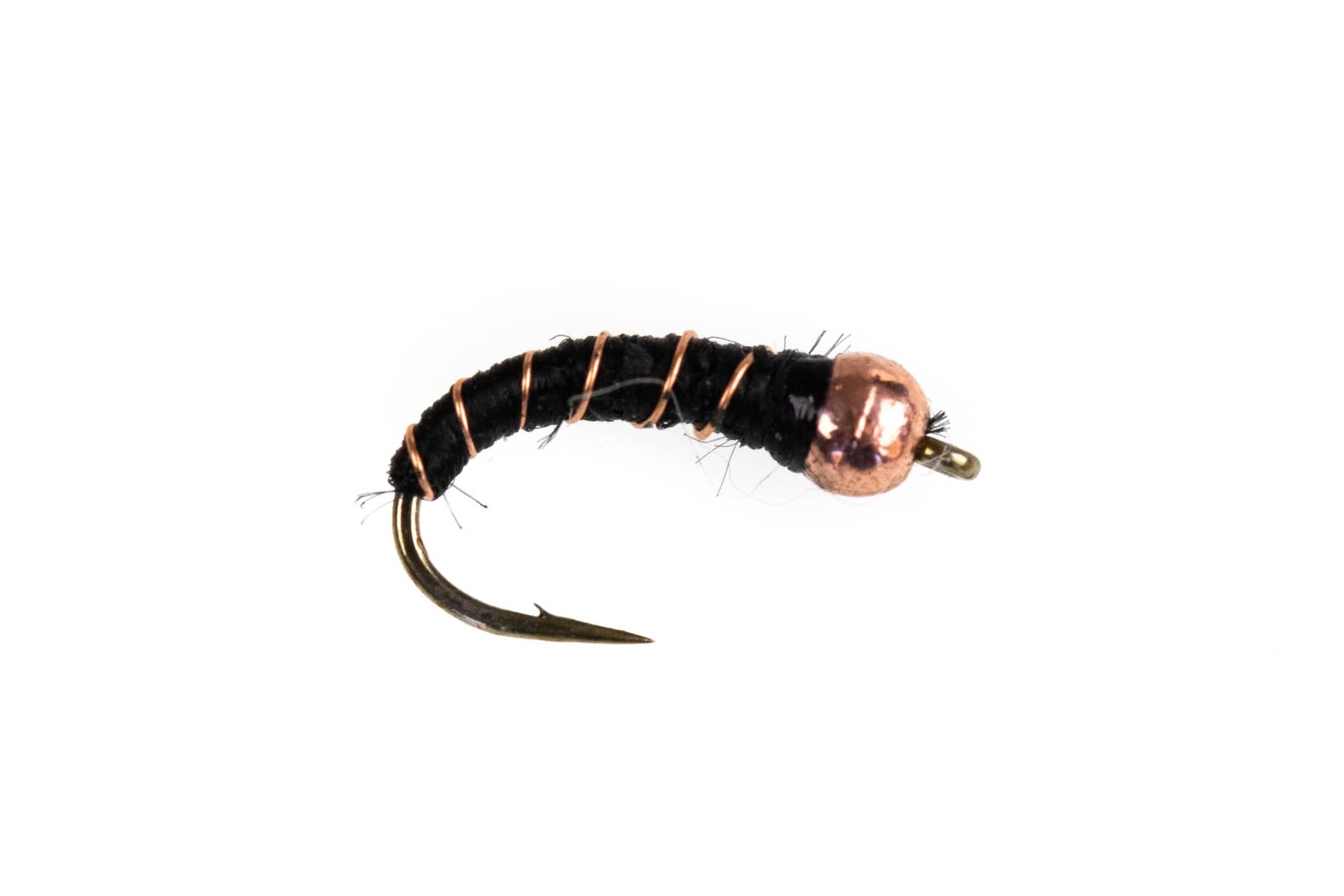
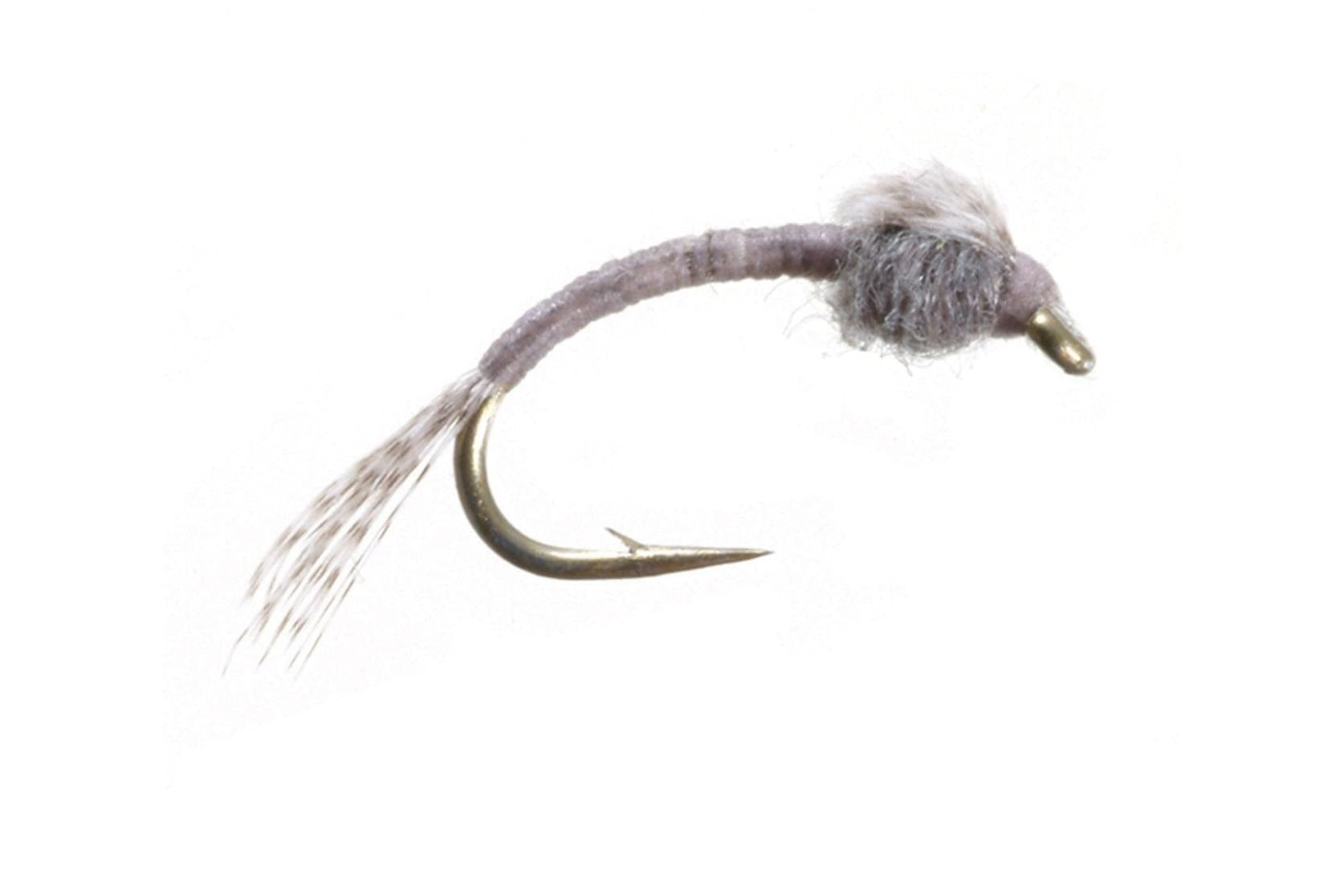
Best for Technical Tailwaters: Tungsten Zebra Midge Fly - For picky trout that key on small food, especially in clear, slow tailouts. The tungsten bead helps you keep a tiny midge down without adding extra split shot.
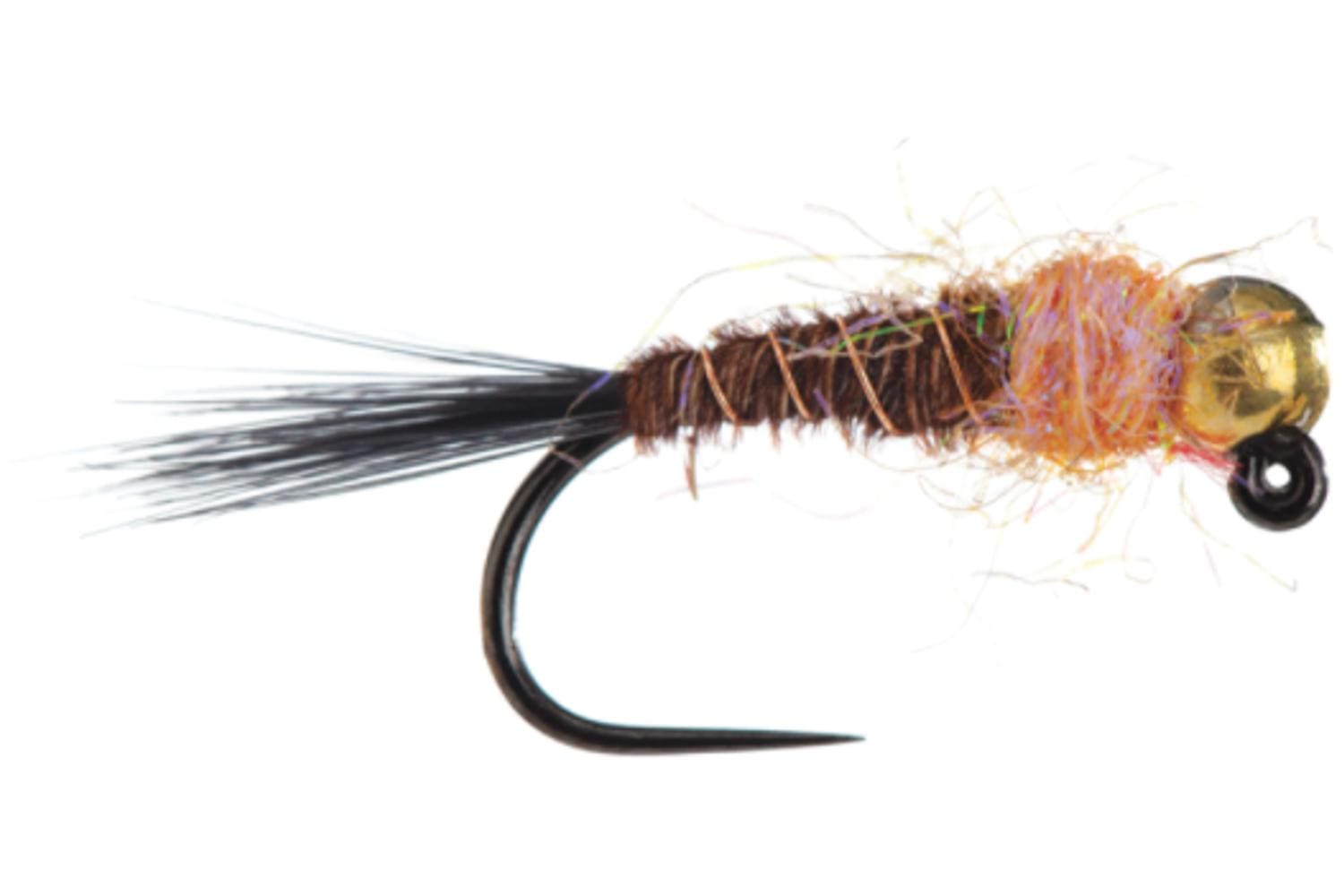
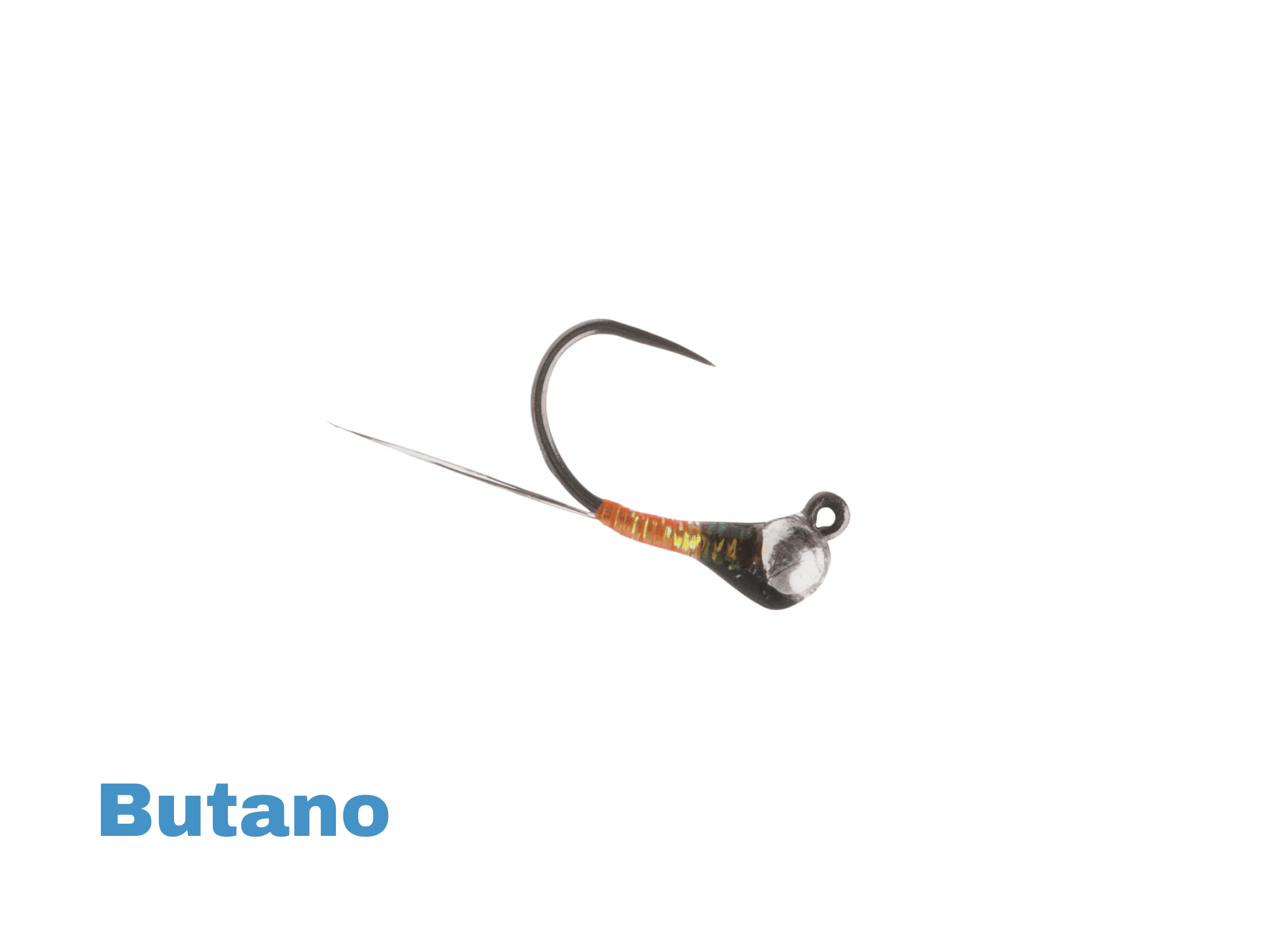
Best for Euro Nymphing: Frenchie Jig Tungsten Bead Fly - For tight-line anglers who want a slim, heavy fly that fishes clean near the bottom. The jig hook and tungsten bead are a great fit for contact-style drifts.
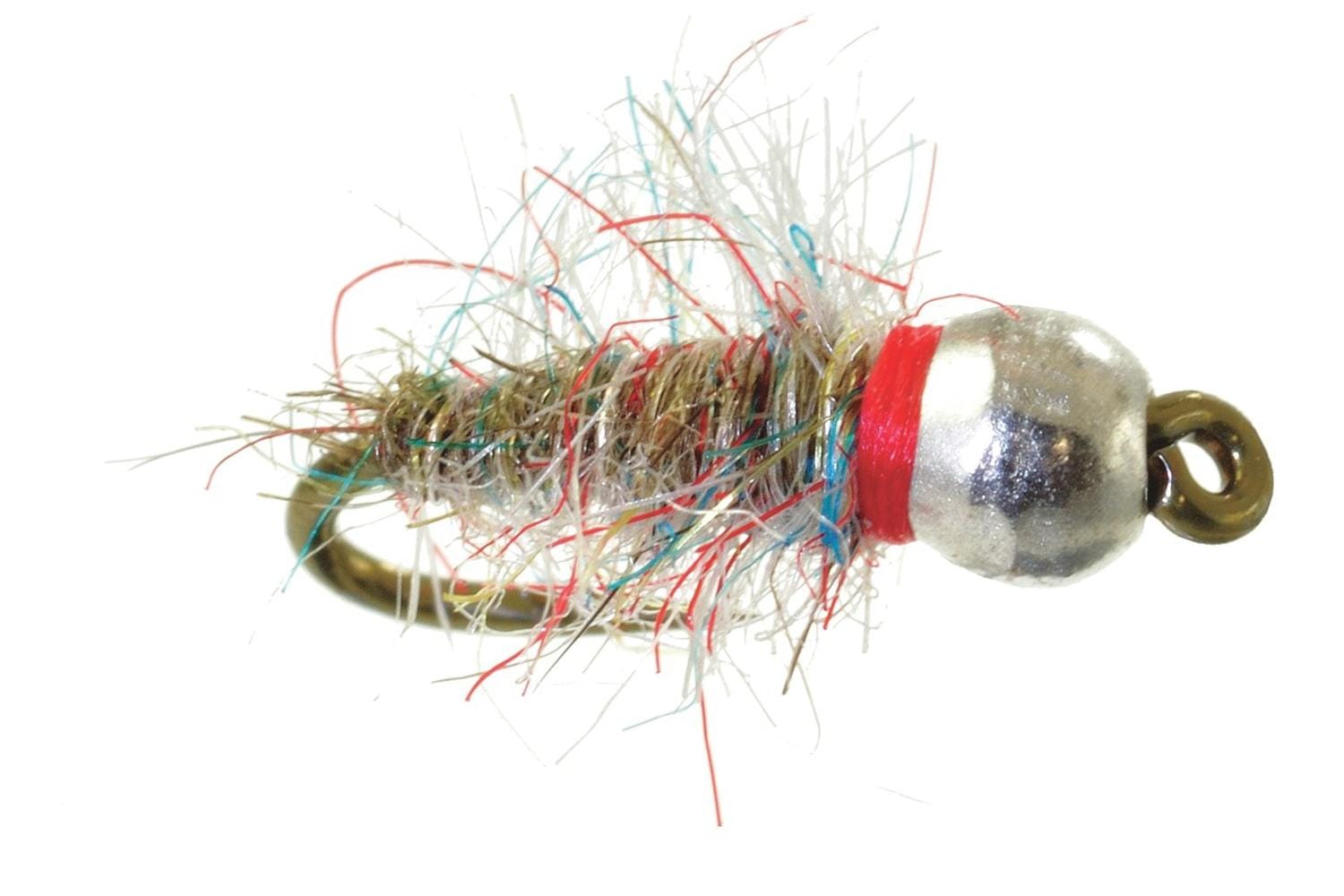
Best for Scuds and Sowbugs: Tungsten Tailwater Sowbug Fly - For tailwaters and spring creeks where trout eat lots of crustaceans. It is a good choice when fish ignore mayflies and midges but keep feeding subsurface.
How to Choose Nymphs
Nymph flies start with the bug group
Action: Carry a mix of mayfly, stonefly, caddis larvae, midge, and scud style patterns. If you are unsure what trout are eating, start with a general attractor nymph, then refine by matching size and silhouette.
Pick the right weight for your water
Best for: Faster currents and deeper slots usually call for heavier flies, like tungsten bead head flies, so your rig can reach the holding lane sooner. In shallow riffles or spooky water, lighter beads or beadless nymphs can drift more naturally and hang up less.
Choose a size range you can rotate
Action: For most trout water, a small range of sizes covers a lot of situations. Keep a few larger nymphs for a lead fly, plus smaller droppers for midges and mayfly nymphs, and change size before you change color.
Match the rig to the conditions
Indicator rigs: Great for longer drifts, deep runs, and when you want a clear visual take. Tight-line rigs: Great when you want direct contact in pocket water, short drifts, or faster currents, and flies from our Euro Nymphing & Jigs collection are a common fit.
Why Fish Nymphs
Nymph flies are the go-to choice when trout feed below the surface— Nymphs let you fish the water column where trout feed most of the time. They also work across seasons, because mayfly, caddis, stonefly, and midge life stages are present for long stretches of the year.
Materials & Durability
Dry your flies: After fishing, open your fly box so wet flies can dry, this helps prevent rust.
Check points: If a hook point looks rolled, touch it up with a hook hone before the next drift.
Protect beads and thread: Beaded flies can chip if they bang around loose, use a slotted foam box to keep them separated.
Retire damaged flies: If the body is unraveling or the hook gap is bent, replace it, especially for small hooks.
Complete Your Setup
Related Gear
Leaders - Builds turnover and helps you set depth and drift control.
Tippet - Lets you fine-tune stealth, sink, and abrasion resistance for subsurface fishing.
Weights, Indicators, Floatants - Helps you dial depth, detect takes, and keep your rig fishing clean.
Euro Nymphing & Jigs - A focused selection of jig style patterns for tight-line techniques.
Related Guides
Nymphs FAQs
Q: What are nymph flies?
A: Nymph flies imitate the underwater life stage of aquatic insects and other subsurface food. They are fished below the surface on a dead drift, usually under an indicator or on a tight line.
Q: How do I choose the right nymph size?
A: Start by matching the average bug size in your river, then adjust smaller if fish are picky. If you are unsure, change size before changing to a totally different pattern.
Q: Do I need tungsten nymphs?
A: Tungsten helps you get down fast in deeper or faster water. In skinny water, lighter nymphs can drift with less splash and fewer snags.
Q: What is a good two-fly nymph rig?
A: A common setup is a heavier lead nymph and a smaller dropper 12 to 24 inches behind it. This gives you depth control and a second look for fish that are keying on smaller food.
Q: Are nymphs good for beginners?
A: Yes, especially with an indicator because it gives you a clear signal to set the hook. Focus on getting a clean drift and keeping your flies near the bottom.
Q: When should I fish a midge nymph?
A: Midges are a steady food source and can matter a lot in winter and on tailwaters. Fish them as a dropper behind a heavier fly so they stay in the zone.
Q: What tippet should I use for nymphing?
A: Many anglers use fluorocarbon for nymphing because it sinks and handles abrasion well. Choose diameter based on fly size, current speed, and how spooky the fish are.