



How to Set Up A Fly Reel | Attaching Backing, Fly Line, Leader & Tying Knots




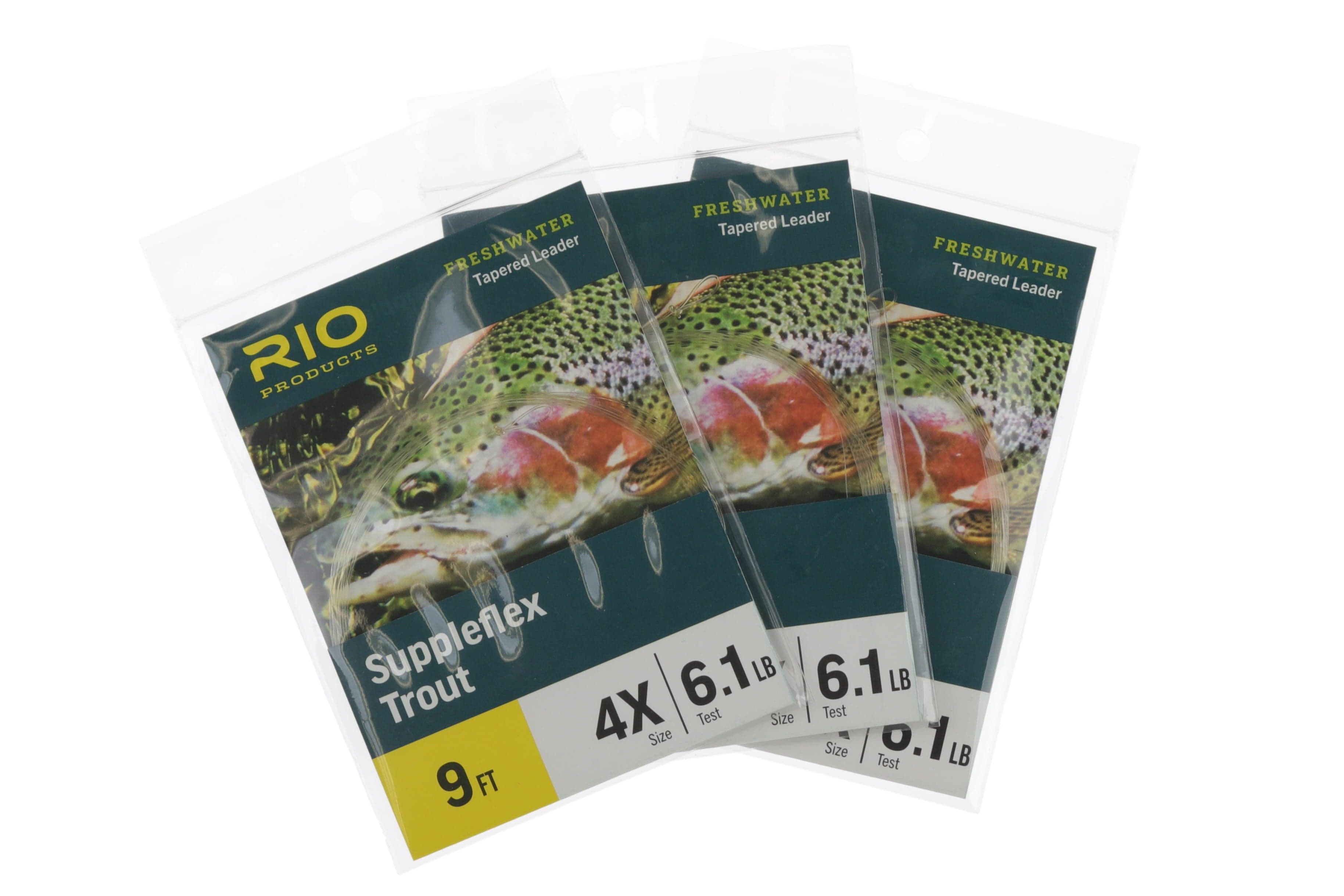
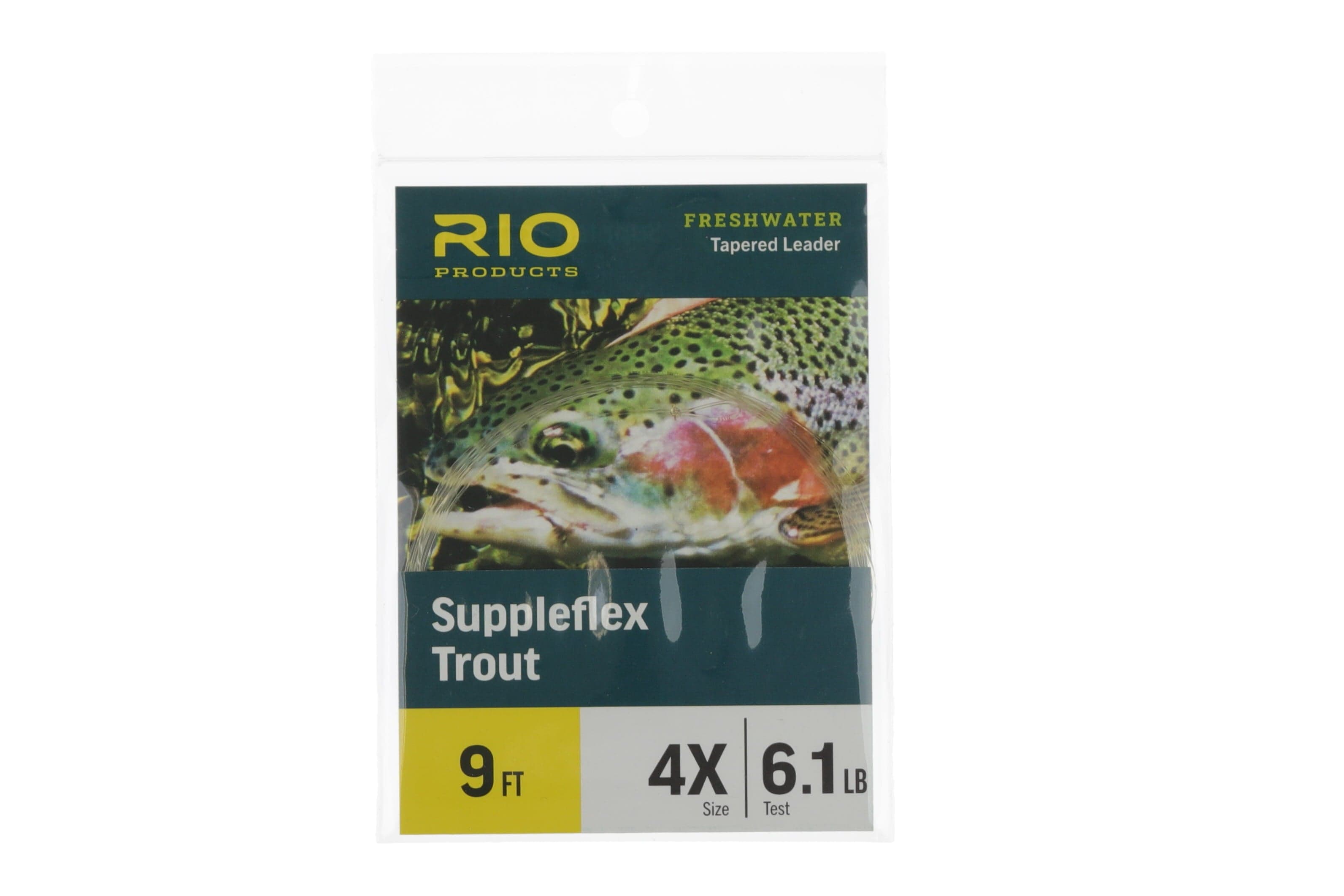
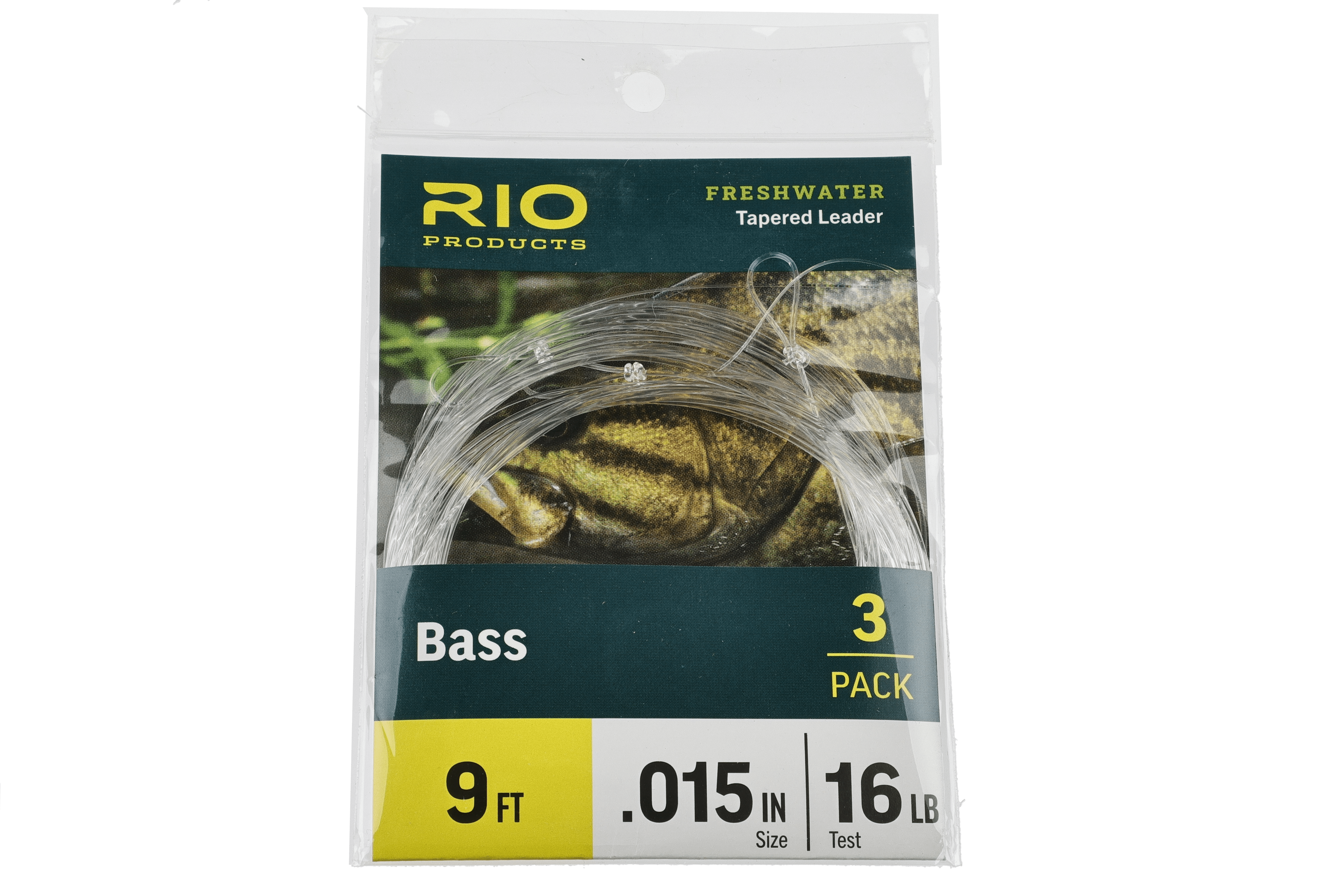
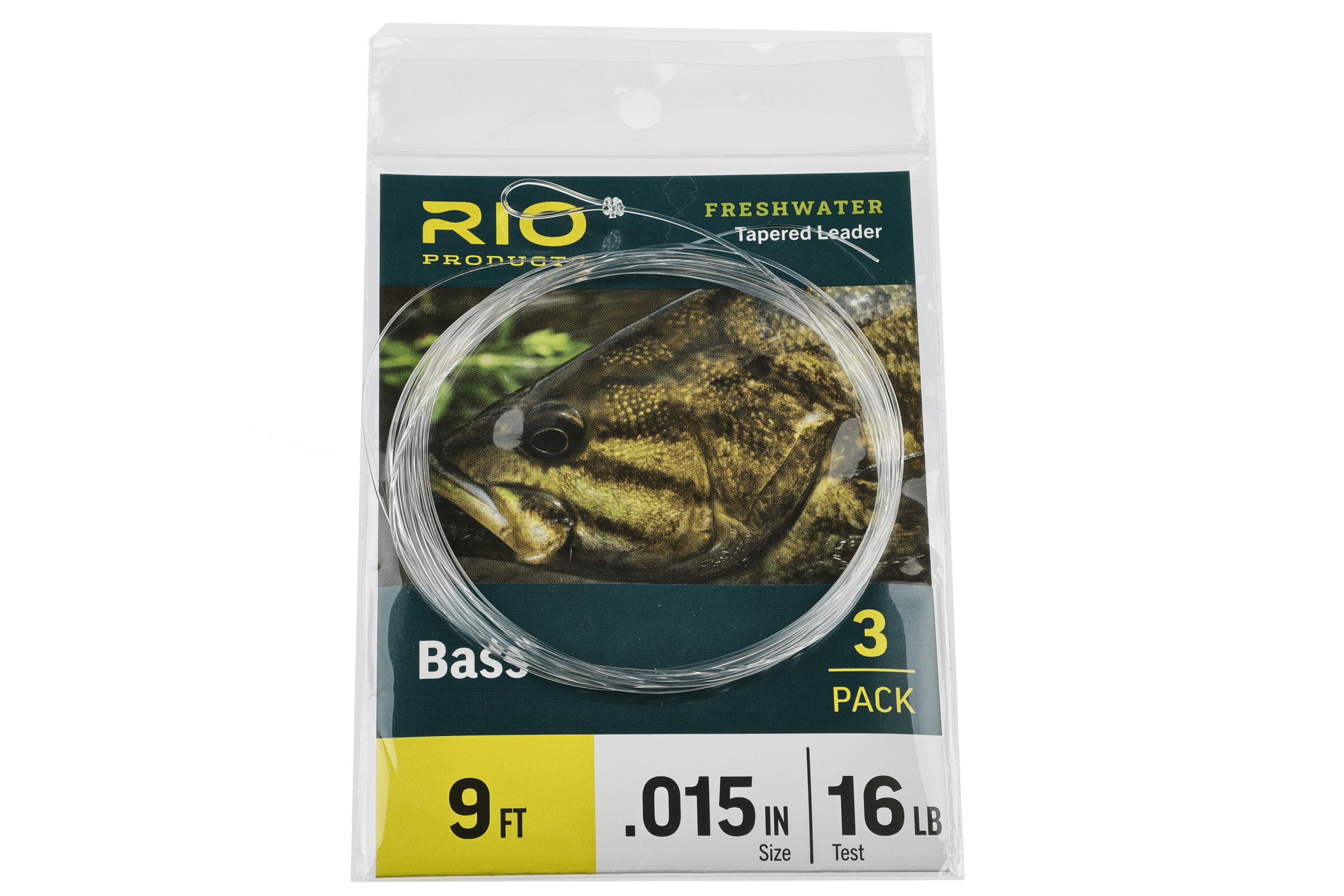







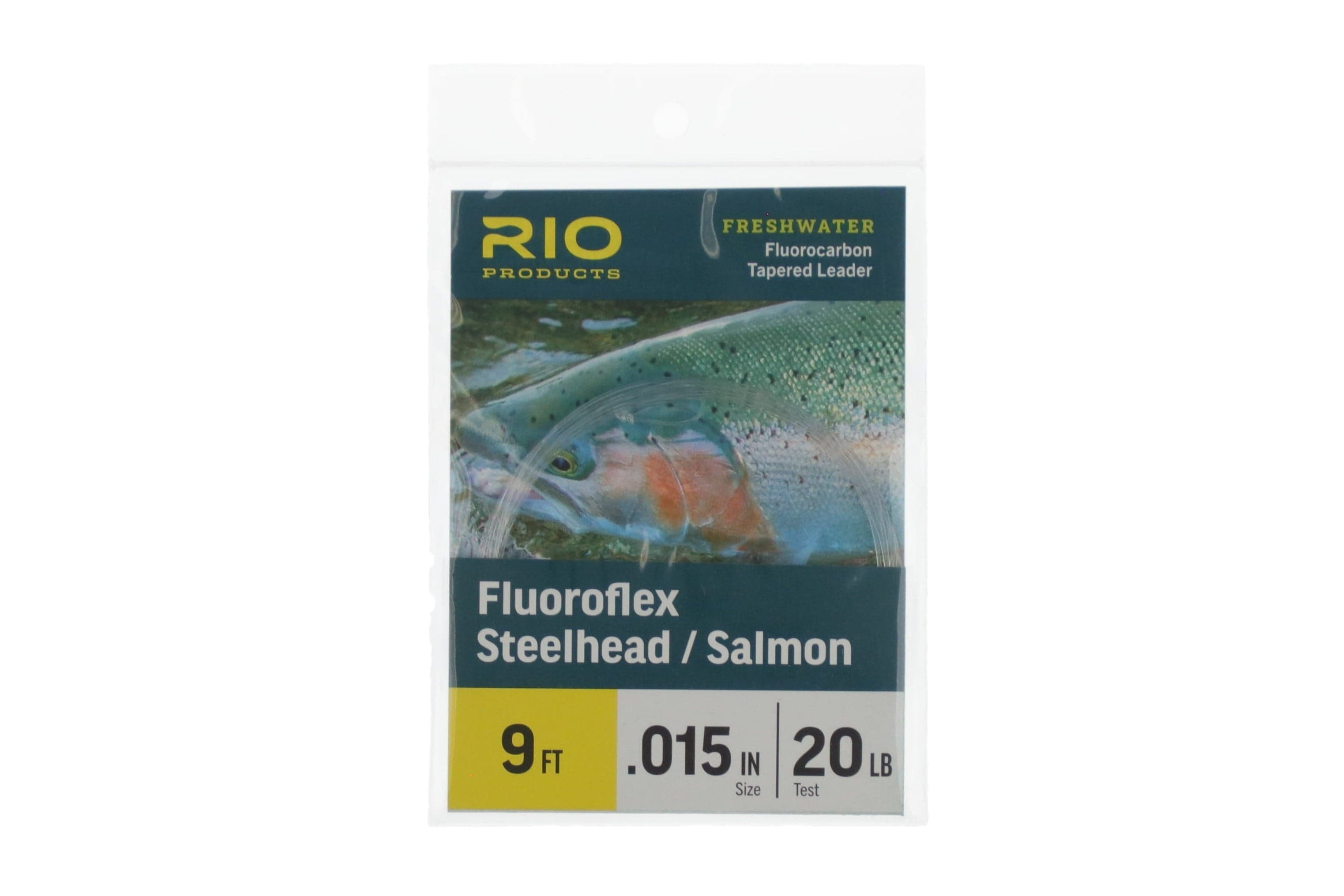

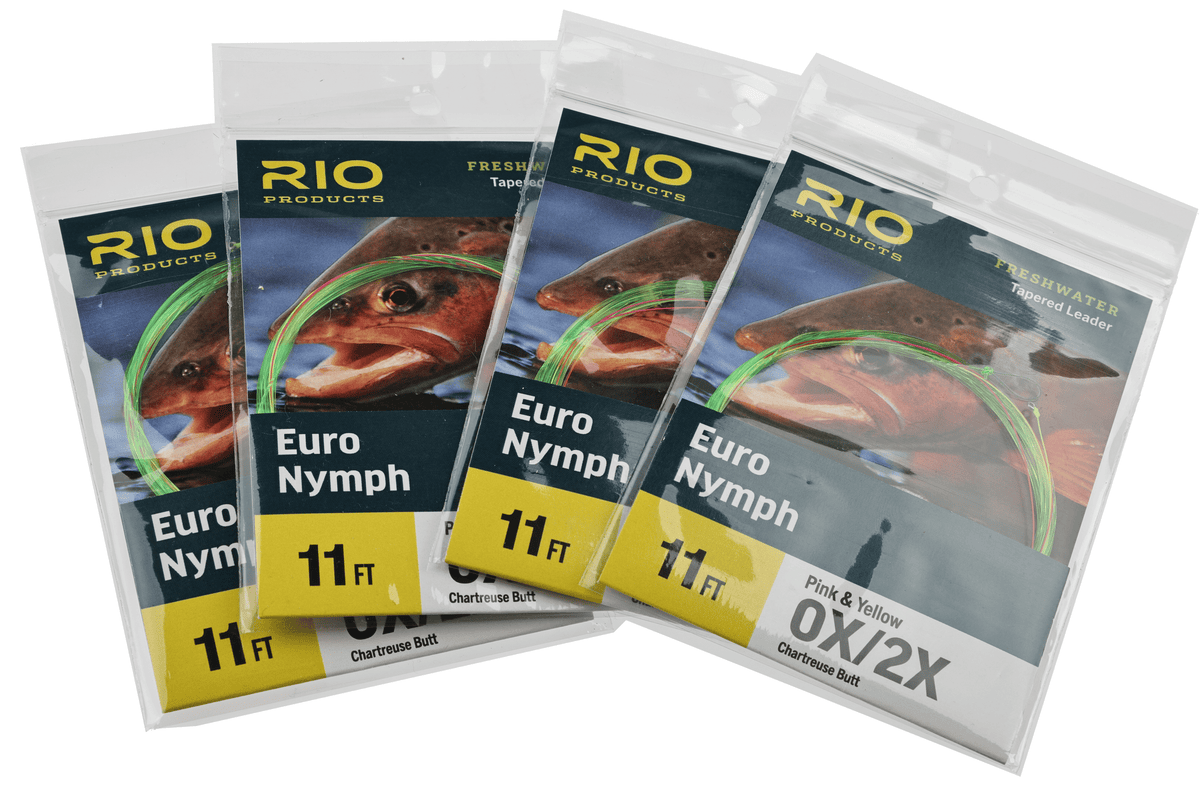
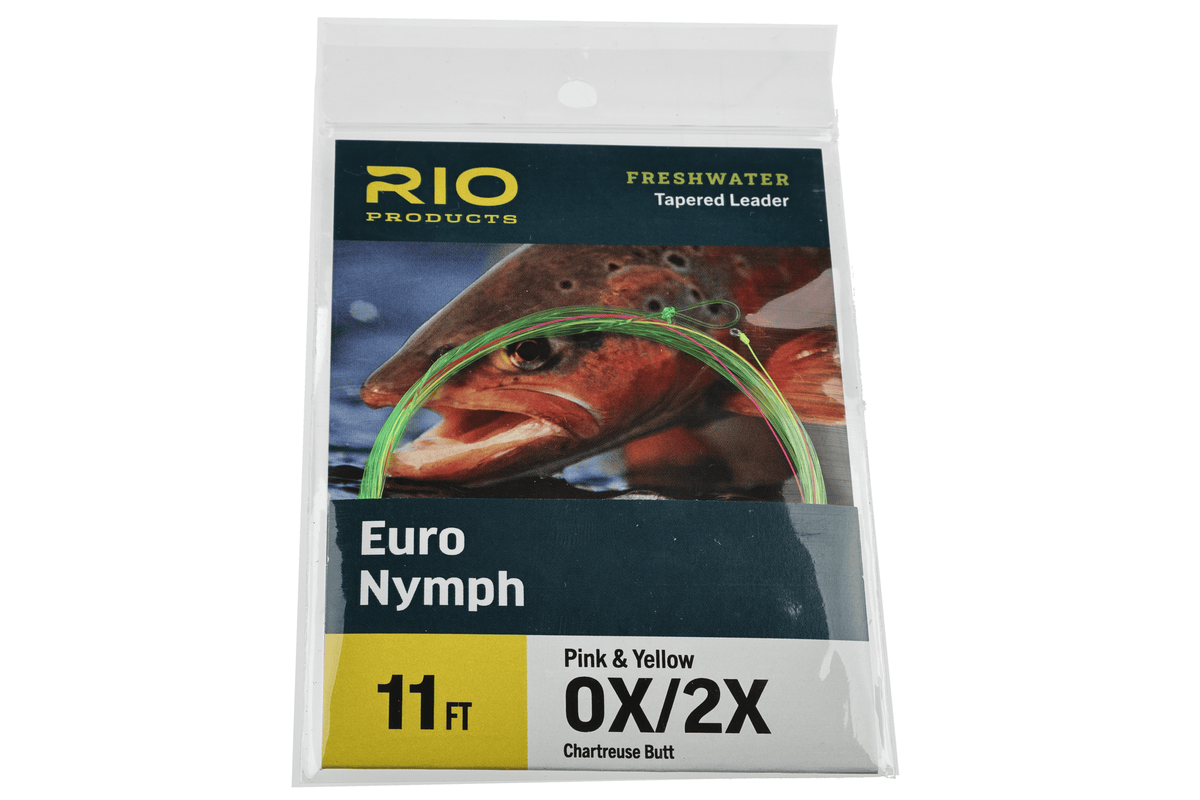
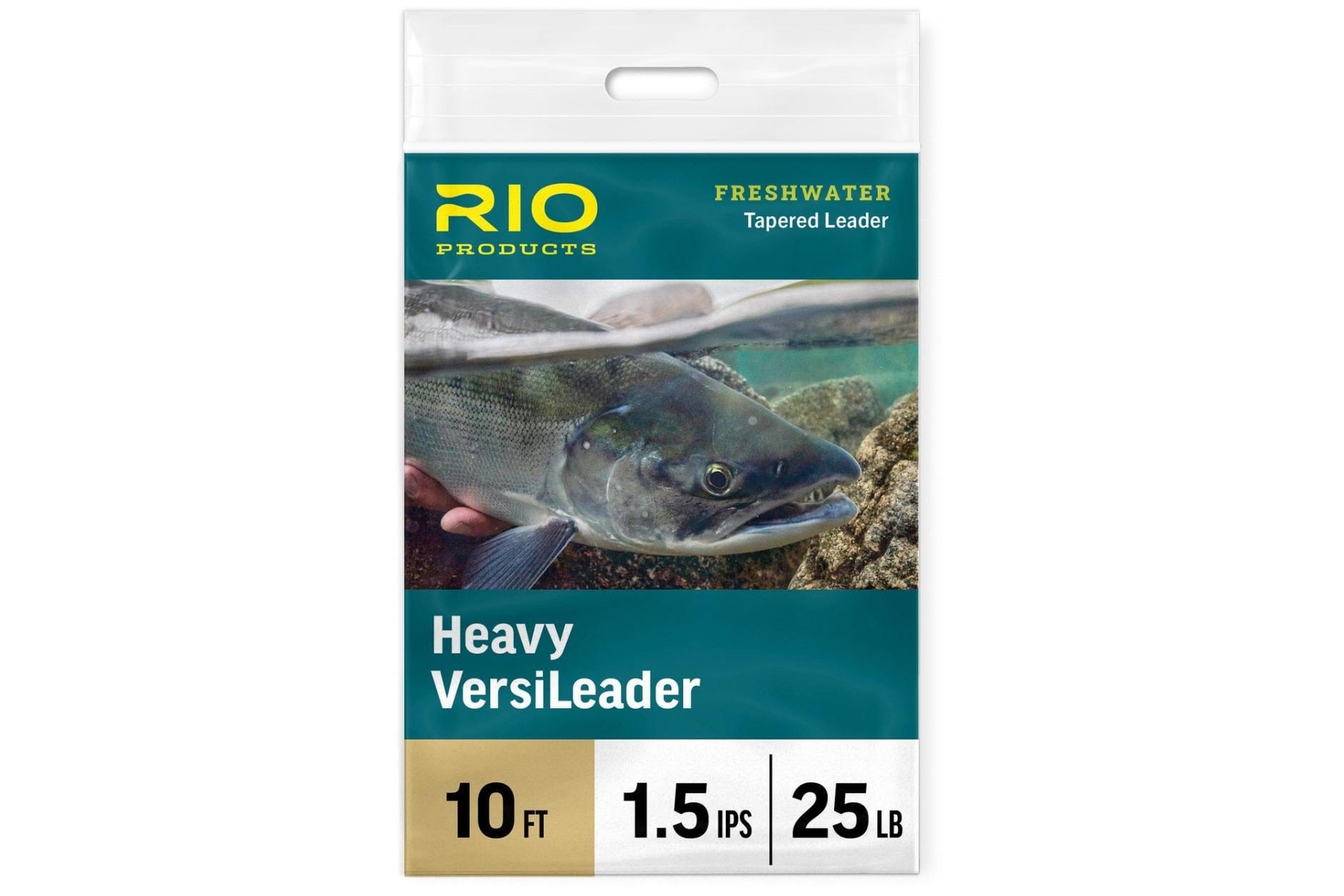
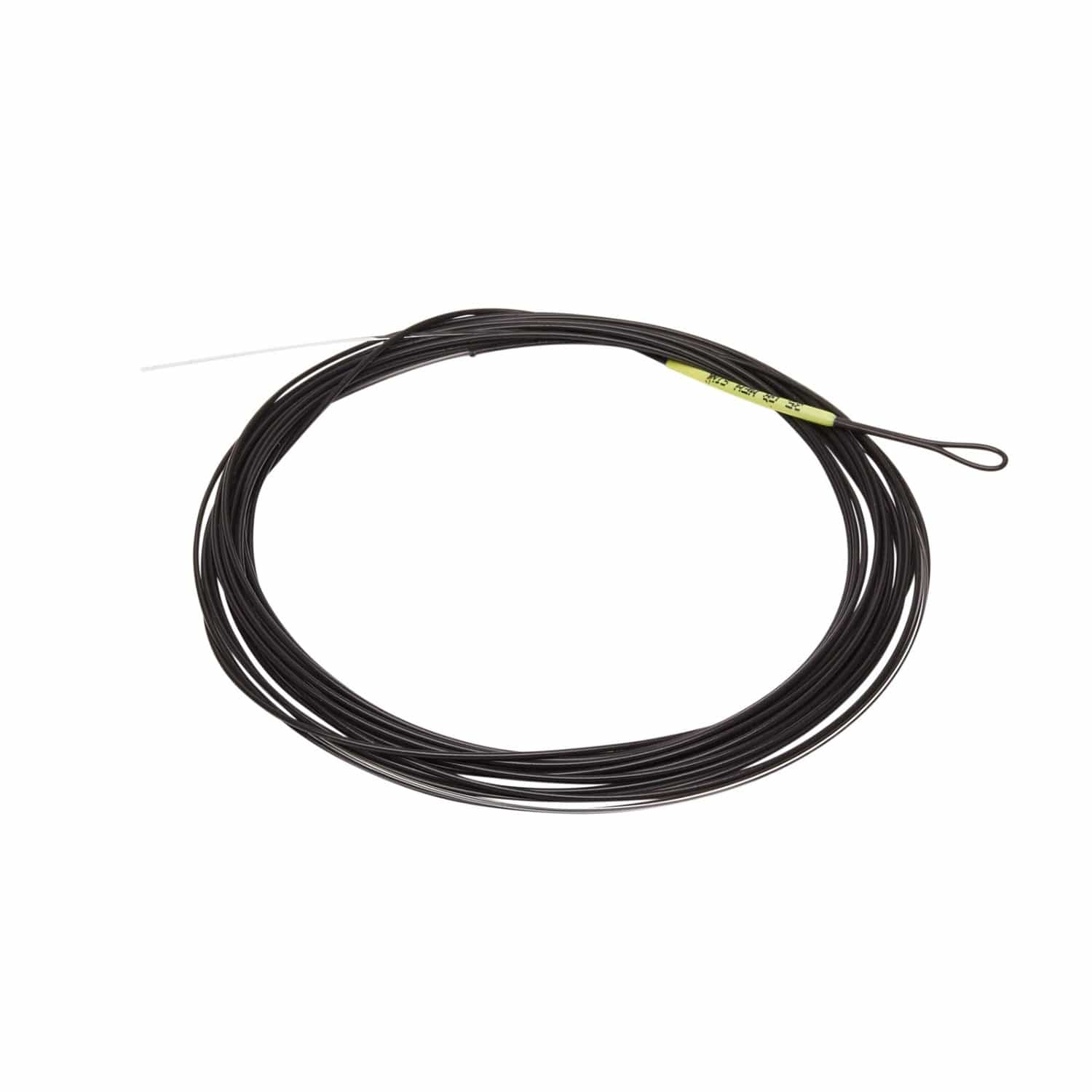
Rio Leaders Quick Picks
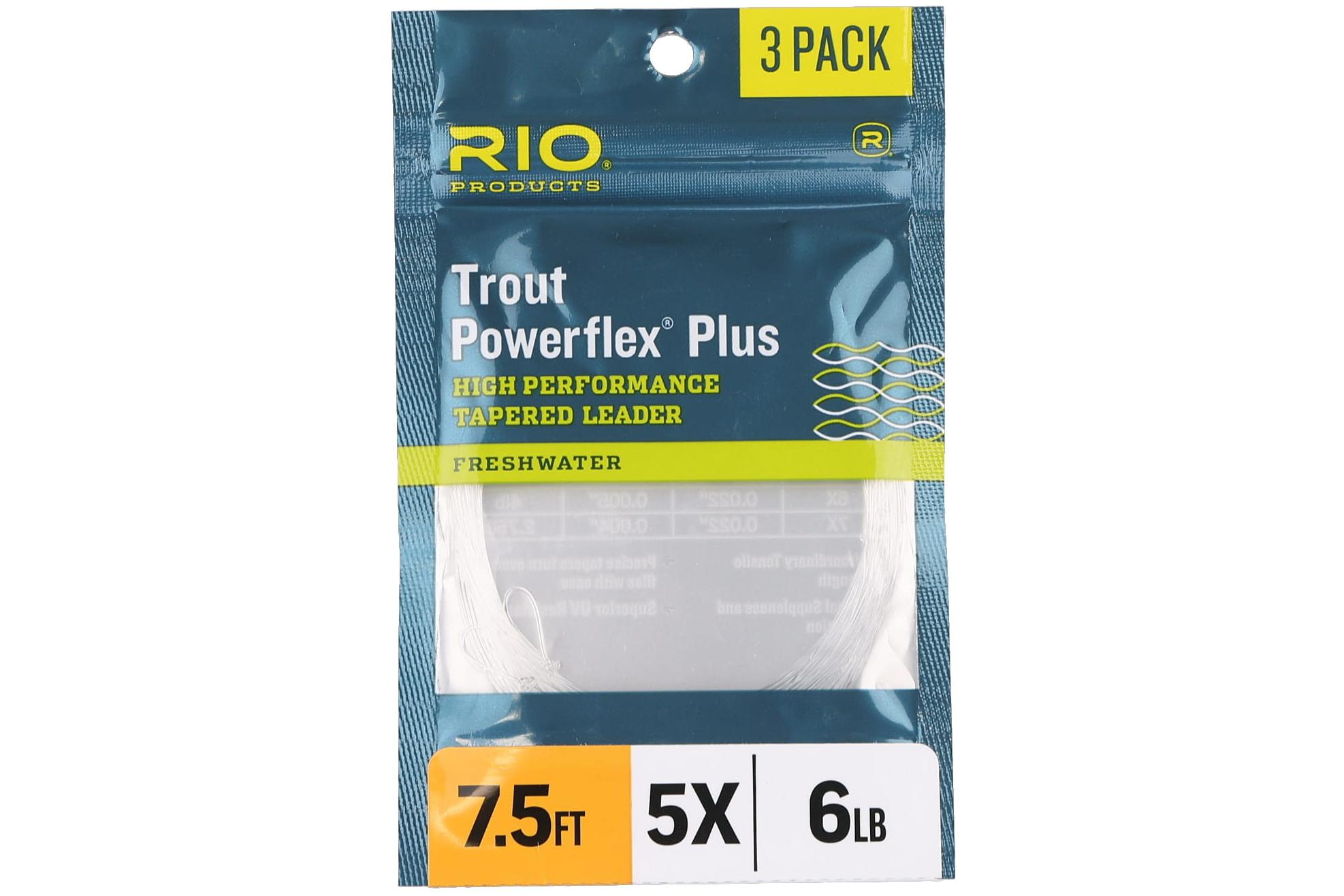
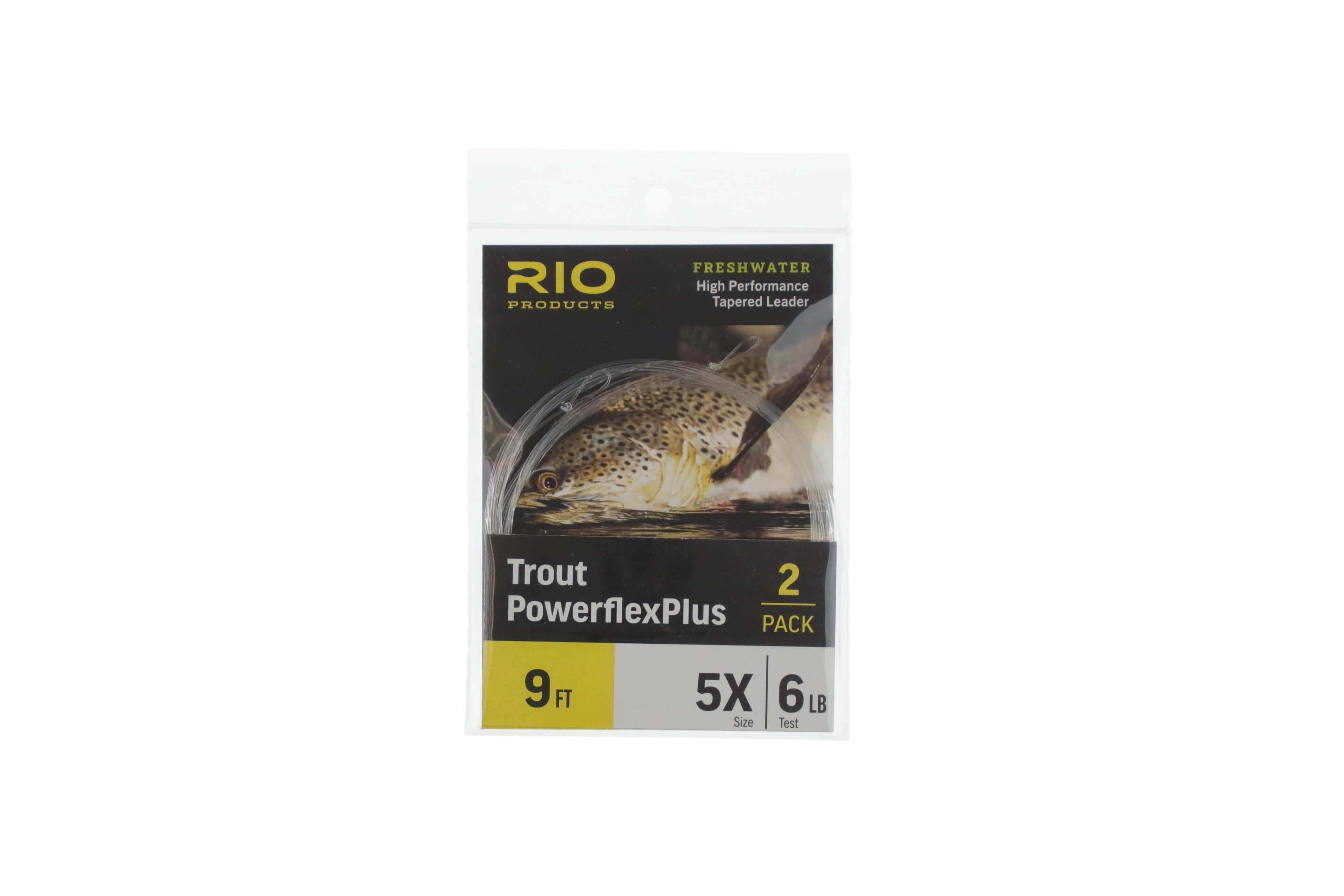
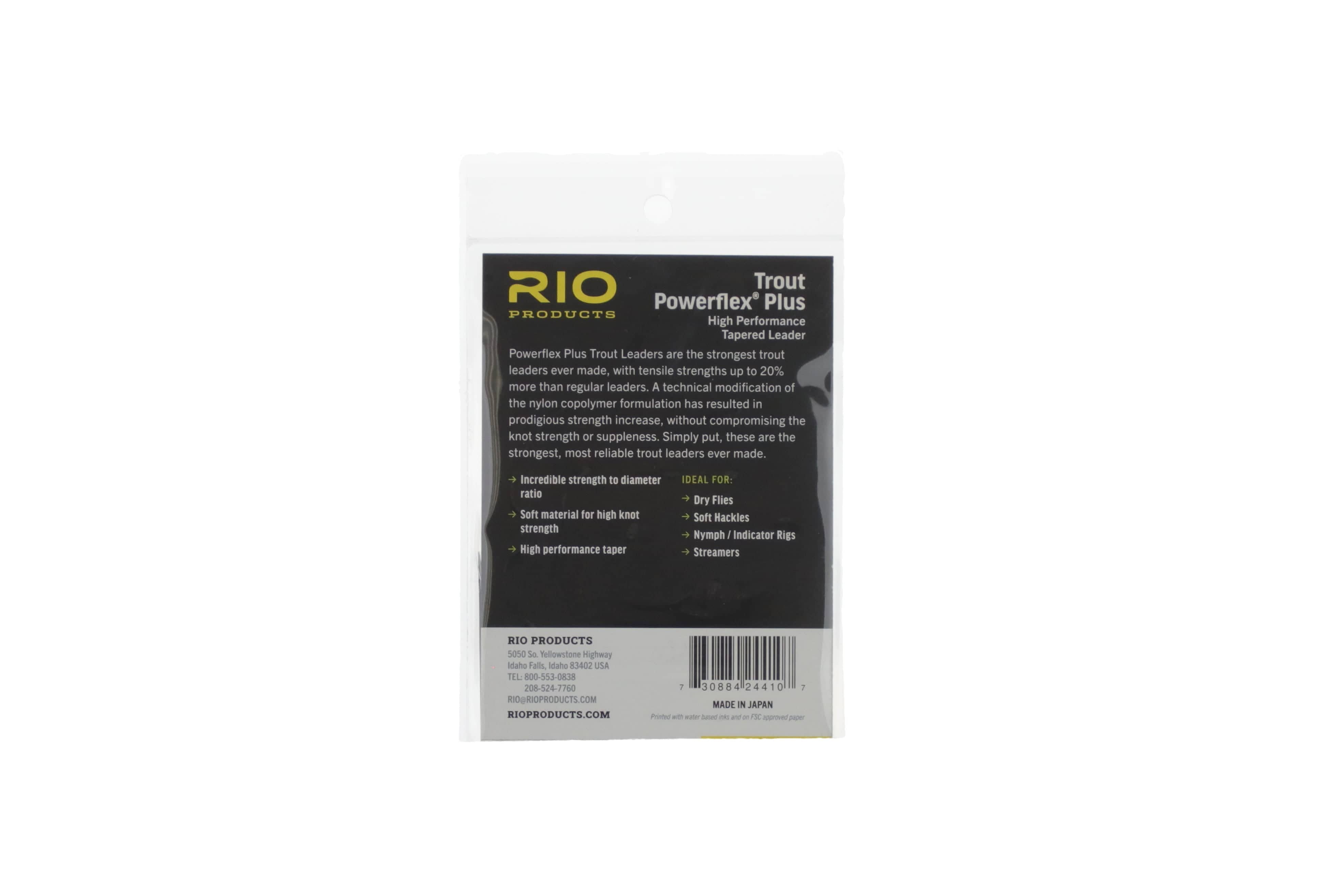
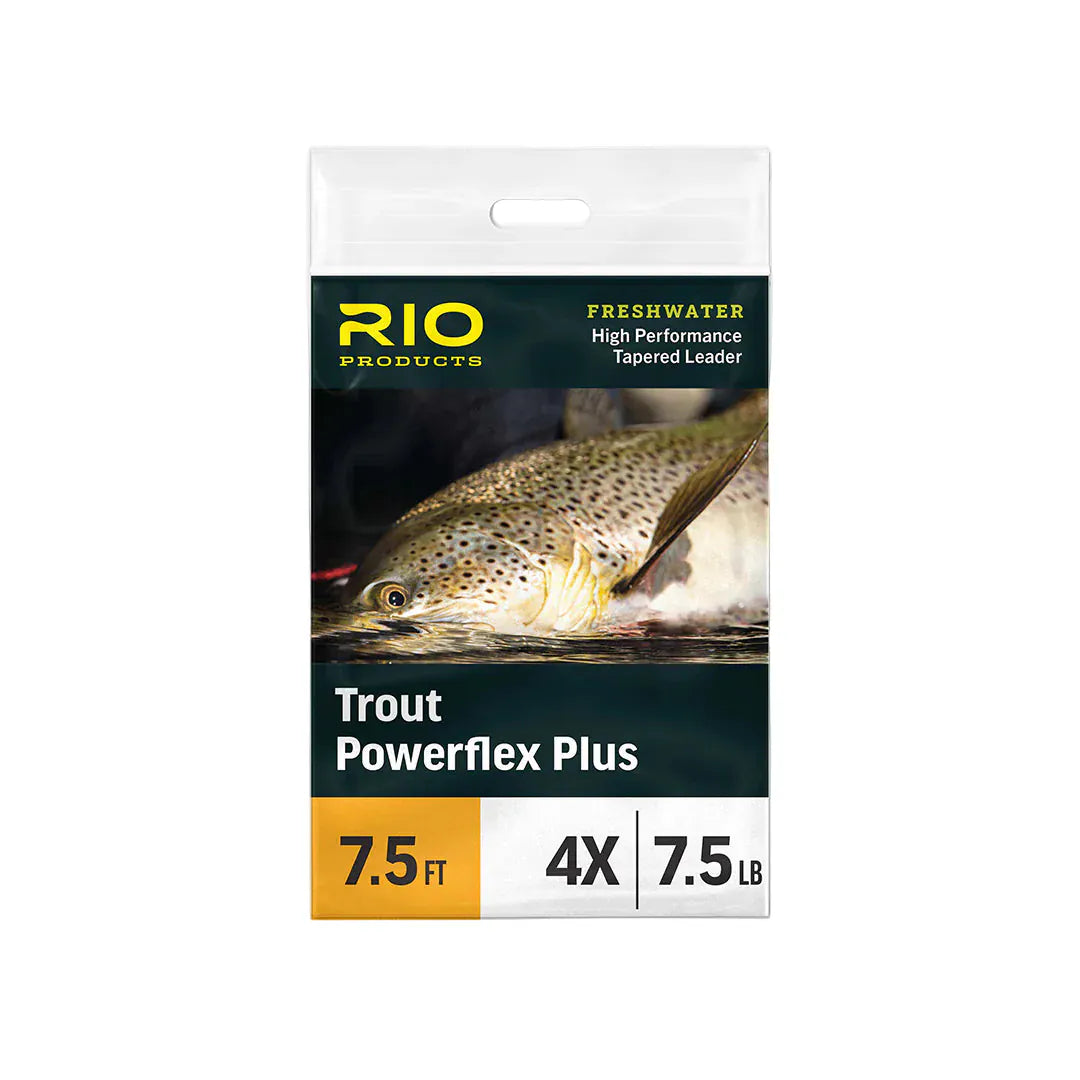
- Best All-Around: Rio Powerflex Trout Leader - 3 Pack - Great for most trout days when you’ll fish dries, small nymphs, and light indicators. A dependable nylon taper in a multi-pack so you can re-rig fast and keep fishing.
- Best Premium: Rio Fluoroflex Trout Leader - Best when you want a stealthier, faster-sinking leader for subsurface trout work. Fluorocarbon helps get nymphs down and handles abrasion around rocks and wood.
- Best for Streamers: Rio XL Streamer Leader - Built for turning over bigger, wind-resistant streamer patterns without the “hinge” you can get from limp leaders. The integrated components (including a fluorocarbon tippet section and micro swivel) make it a clean, quick streamer rig.
- Best for Euro Nymphing: Rio Technical Euro Nymph Leader - A purpose-built tight-line leader for anglers who want sensitivity and clear strike detection. The integrated tippet ring and sighter sections simplify building a consistent Euro rig.
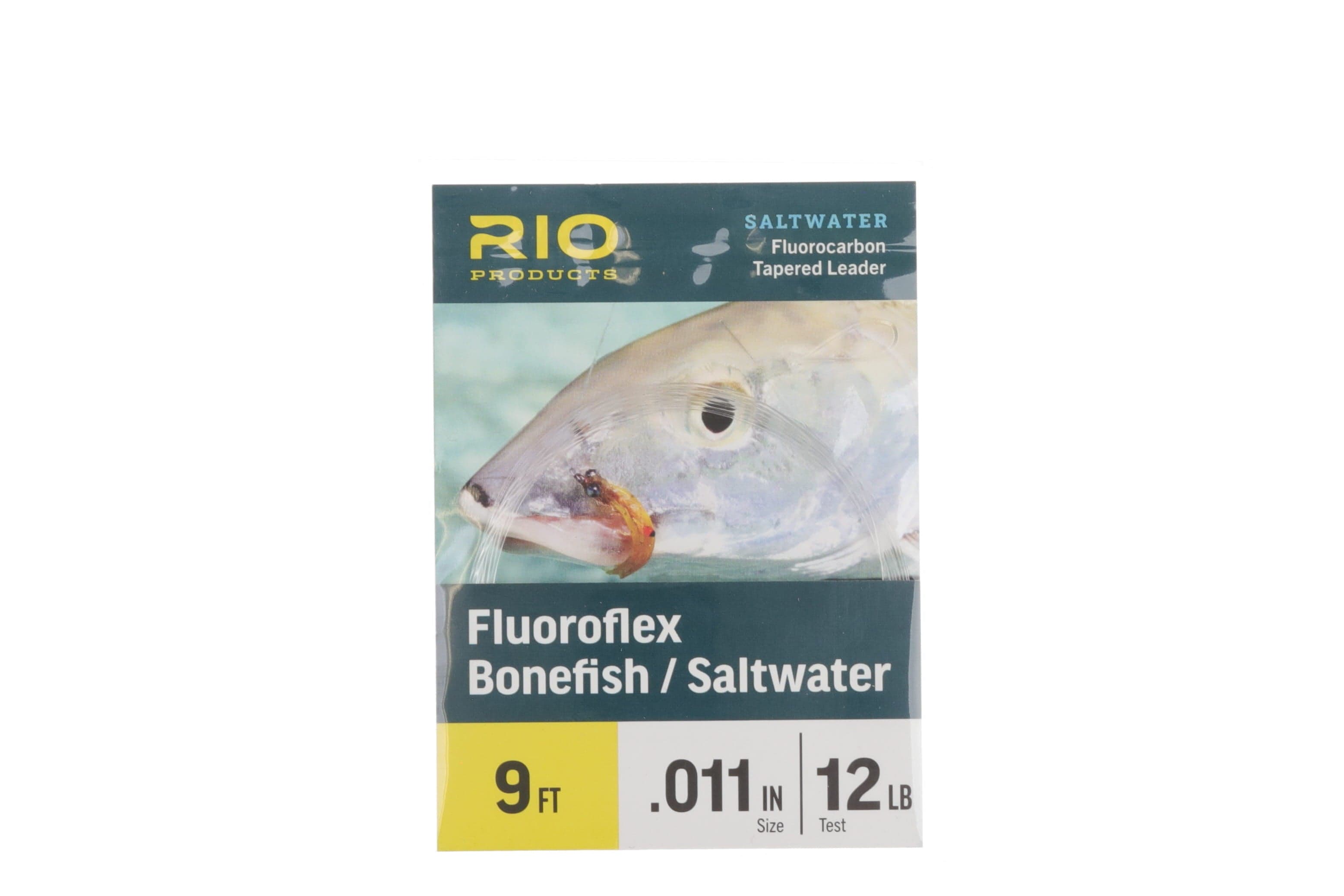
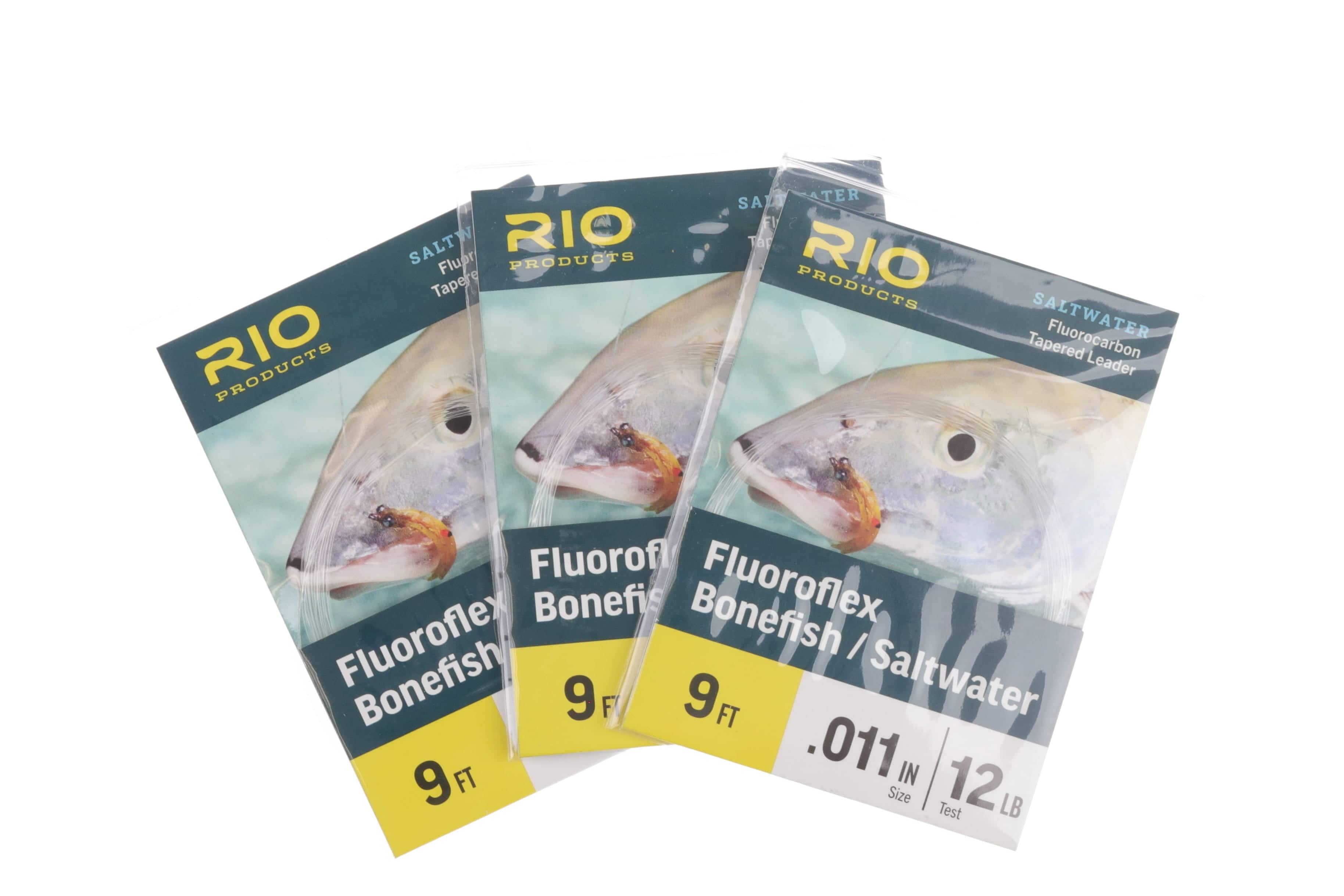
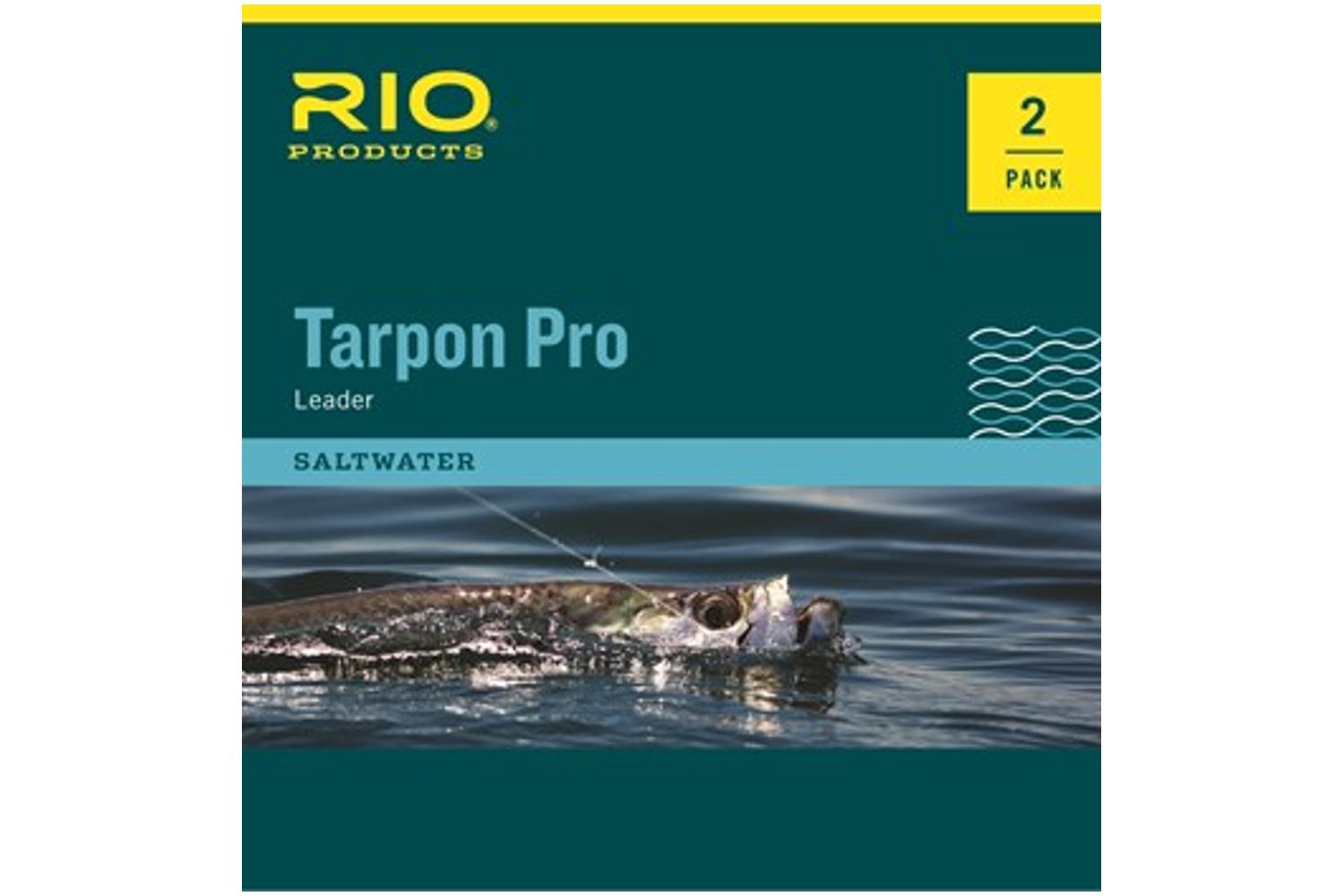
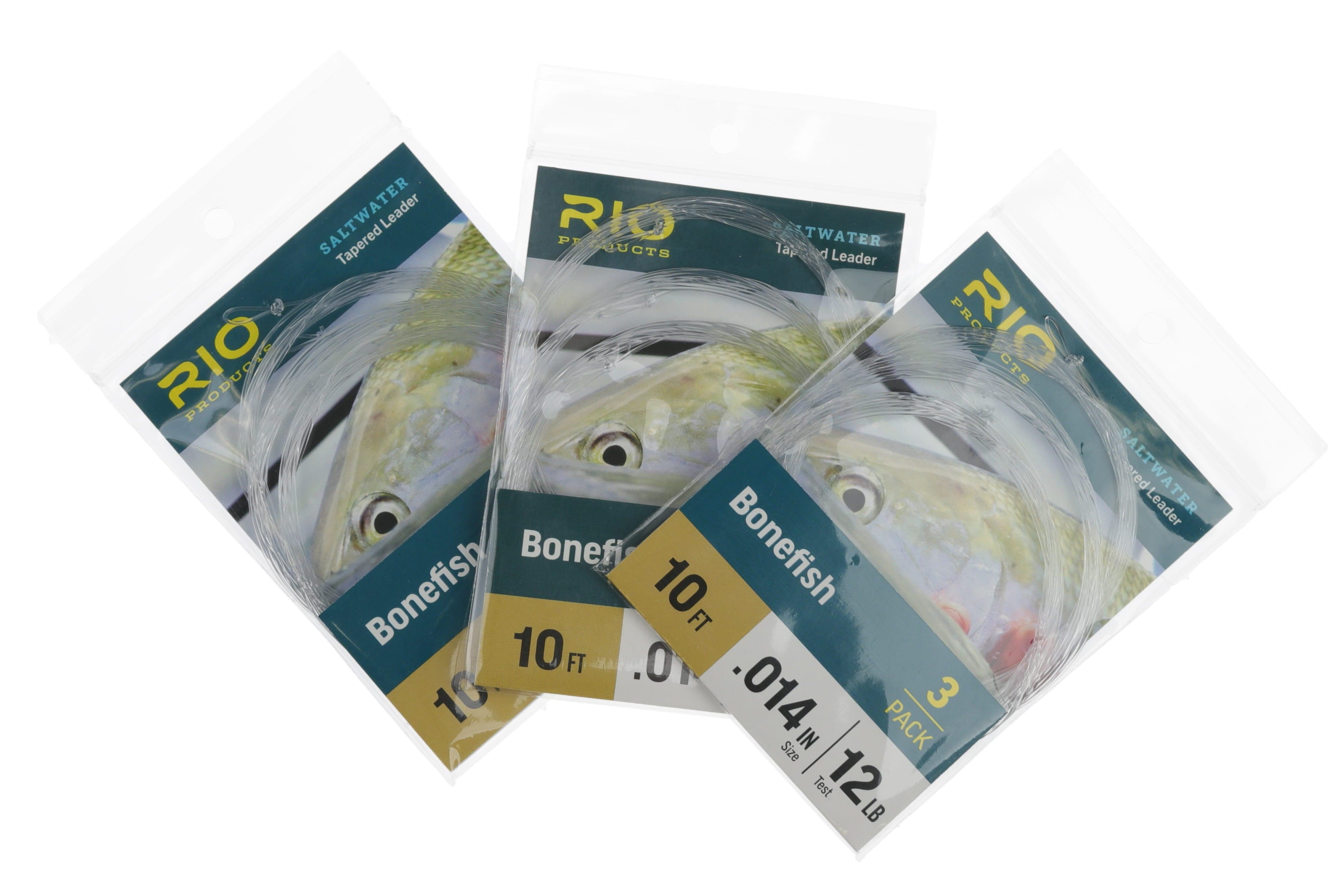
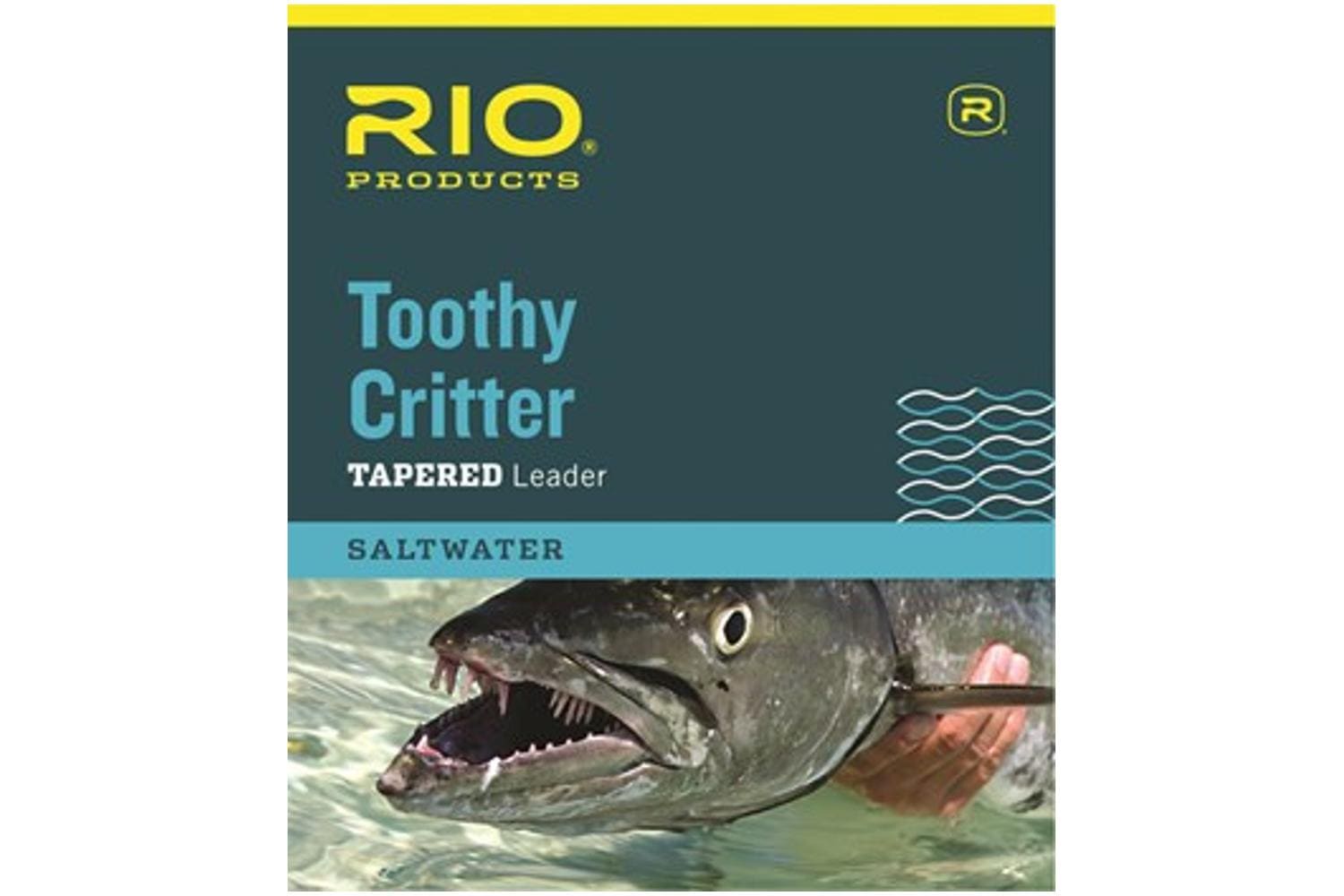
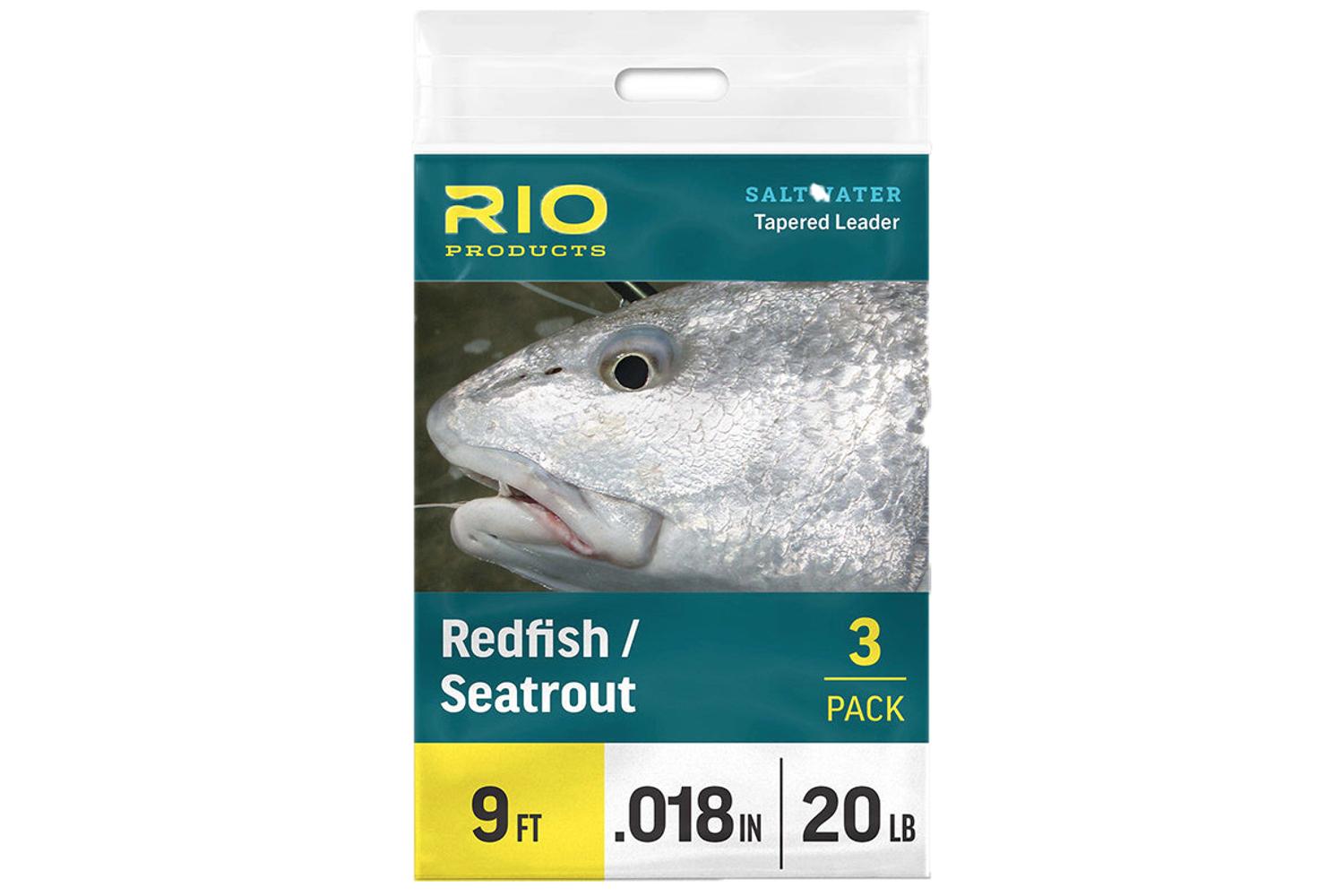
- Best for Saltwater: Rio Saltwater Leader - A strong choice for general saltwater applications where turnover and durability matter. Designed to help straighten big flies and handle wind without feeling overly “ropey.”
How to Choose Rio Leaders
Nylon vs. Fluorocarbon (the fastest way to narrow it down)
Action: Start with nylon for most dry-fly and general-purpose fishing; go fluorocarbon when you’re primarily subsurface or dealing with abrasion-heavy water.
Nylon leaders: Tend to be more supple and buoyant, which helps with natural drifts and slack presentations.
Fluorocarbon leaders: Tend to sink and stay low-visibility underwater, which can be helpful for nymphs, streamers, and clear water.
Match the taper to the flies you’re actually casting
Best for: Small dries, emergers, and light rigs → longer, more finesse-oriented tapers.
Best for: Bigger flies, indicators, and wind → more powerful butt sections and stiffer designs that turn over cleanly.
Avoid if: You’re forcing a delicate leader to throw bulky flies all day. You’ll fight tangles and poor turnover.
Pick your length based on control (not tradition)
9ft: The most common “do-most-things” length for trout and general freshwater.
Shorter leaders: Useful for tight quarters, heavy flies, and aggressive turnover.
Longer leaders: Helpful for spooky fish and clear water, but only if you can still straighten the leader consistently.
Common sizing mistakes (and easy fixes)
Action: Don’t overthink “X” sizes, choose a leader that turns over well, then fine-tune with tippet.
Tip: If you’re breaking off on hooksets, step up a size or switch to a slightly more forgiving nylon system.
Tip: If fish are refusing or you’re dragging the fly, size down and/or lengthen the tippet section.
Why Trident Carries Rio Leaders
Rio covers a lot of real-world fishing scenarios with technique- and species-specific leader designs, which makes it easier to dial in turnover and presentation without building everything from scratch. It’s also a lineup that plays well with both freshwater and saltwater setups, so you can standardize what you carry in your pack.
Compatibility
- Fly line connection: If your fly line has a welded loop, loop-to-loop is fast and clean; otherwise, use a nail knot or add a braided loop.
- Add tippet to extend life: Use tippet (and optionally a tippet ring) so you’re not shortening the tapered leader every time you change flies.
- Match leader power to casting load: Bigger flies, heavier rigs, and wind generally call for stiffer/more powerful leaders for better turnover.
- Check your leader after pressure: After snags or big fish, run your fingers down the last few feet and replace if you feel nicks or abrasion.
Complete Your Setup
Related Gear
- Rio Fly Lines - Pair your leader choice with the right taper and core for your primary technique.
- Rio Tippet - Extend your leader, fine-tune diameter, and keep presentations consistent.
- Tippet - Compare nylon vs. fluorocarbon options across brands and applications.
- Backing - Round out the system when you’re spooling a new reel or building a saltwater setup.
Related Guides
- How To Setup A Fly Reel
- The Ultimate Tippet Shootout: 5x
- The Ultimate Tippet Shootout: 20lb
- Fly Fishing for Carp: Flies, Gear, Tactics
Rio Leaders FAQs
Q: What are Rio leaders used for in fly fishing?
A: Rio leaders connect your fly line to your fly and help transfer energy from the cast into a controlled turnover. The right taper and material also help with stealth, drift quality, and abrasion resistance.
Q: How do I choose between nylon and fluorocarbon Rio leaders?
A: Use nylon when buoyancy and a natural drift matter most (often dry flies). Choose fluorocarbon when you want a faster-sinking, low-visibility leader for subsurface fishing or abrasive environments.
Q: What leader length should I start with?
A: For most freshwater trout scenarios, a 9-foot leader is a solid baseline. Go shorter for tight cover and heavy flies, and longer for clear water and pressured fish, if you can still straighten it reliably.
Q: Are Rio leaders good for beginners?
A: Yes, knotless tapered leaders take a lot of guesswork out of building a system from scratch. Start with an all-around trout leader, then add tippet to fine-tune.
Q: What’s the difference between a standard trout leader and a streamer leader?
A: Streamer-focused leaders are typically designed for more power and turnover, helping you cast heavier, wind-resistant flies with fewer tailing tangles. Trout leaders often prioritize finesse and presentation.
Q: How do I connect a Rio leader to my fly line?
A: If your fly line has a welded loop, a loop-to-loop connection is quick and strong. If it doesn’t, you can use a nail knot or add a loop system depending on your preference.
Q: When should I replace my leader?
A: Replace it when the taper is shortened enough that turnover suffers, or when you see/feel abrasion (especially in the last few feet). Adding tippet (and using a tippet ring) helps extend leader life.
