




















How to Pick the Perfect Flies Every Time - Complete Fly Fishing Masterclass!
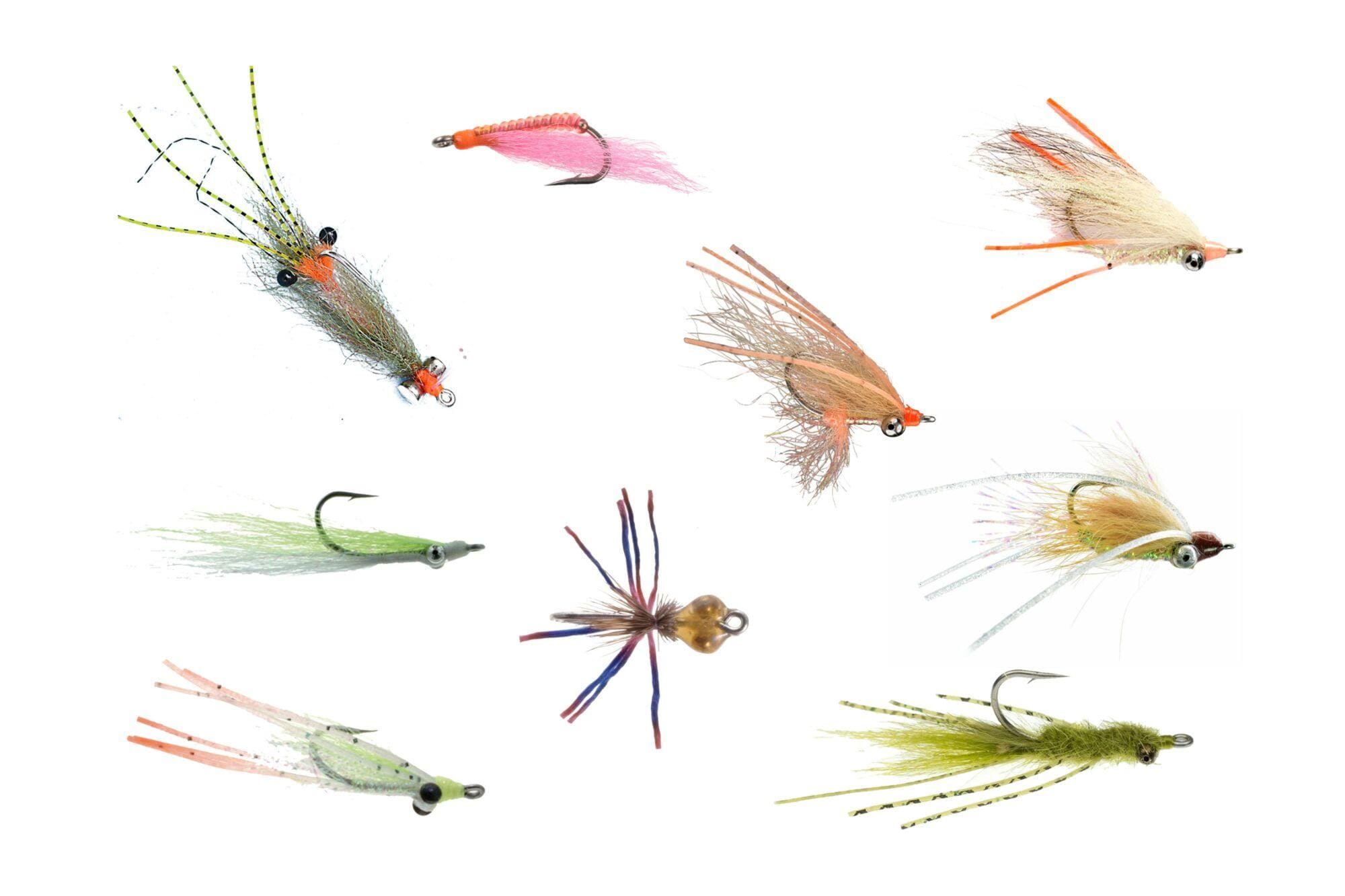
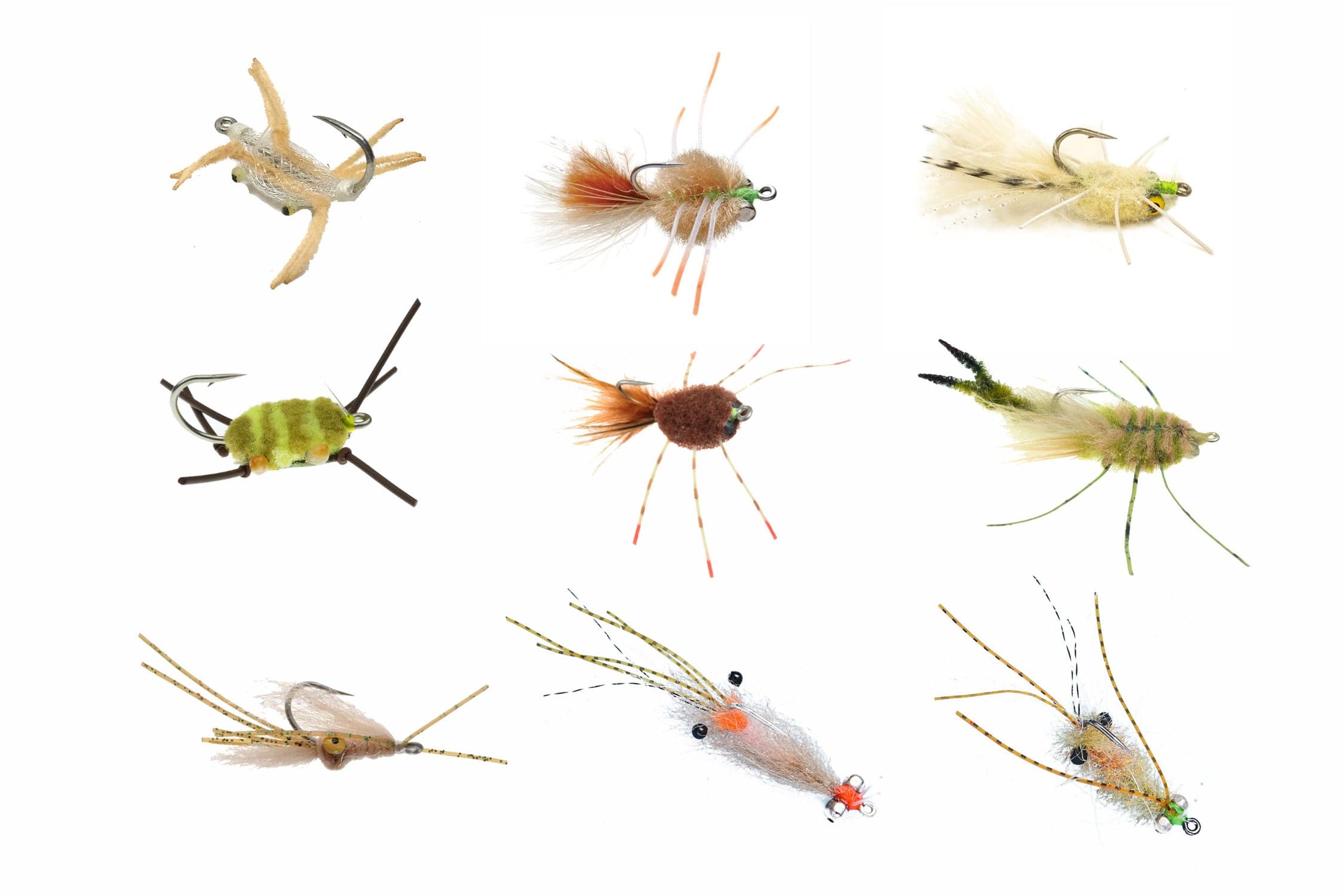
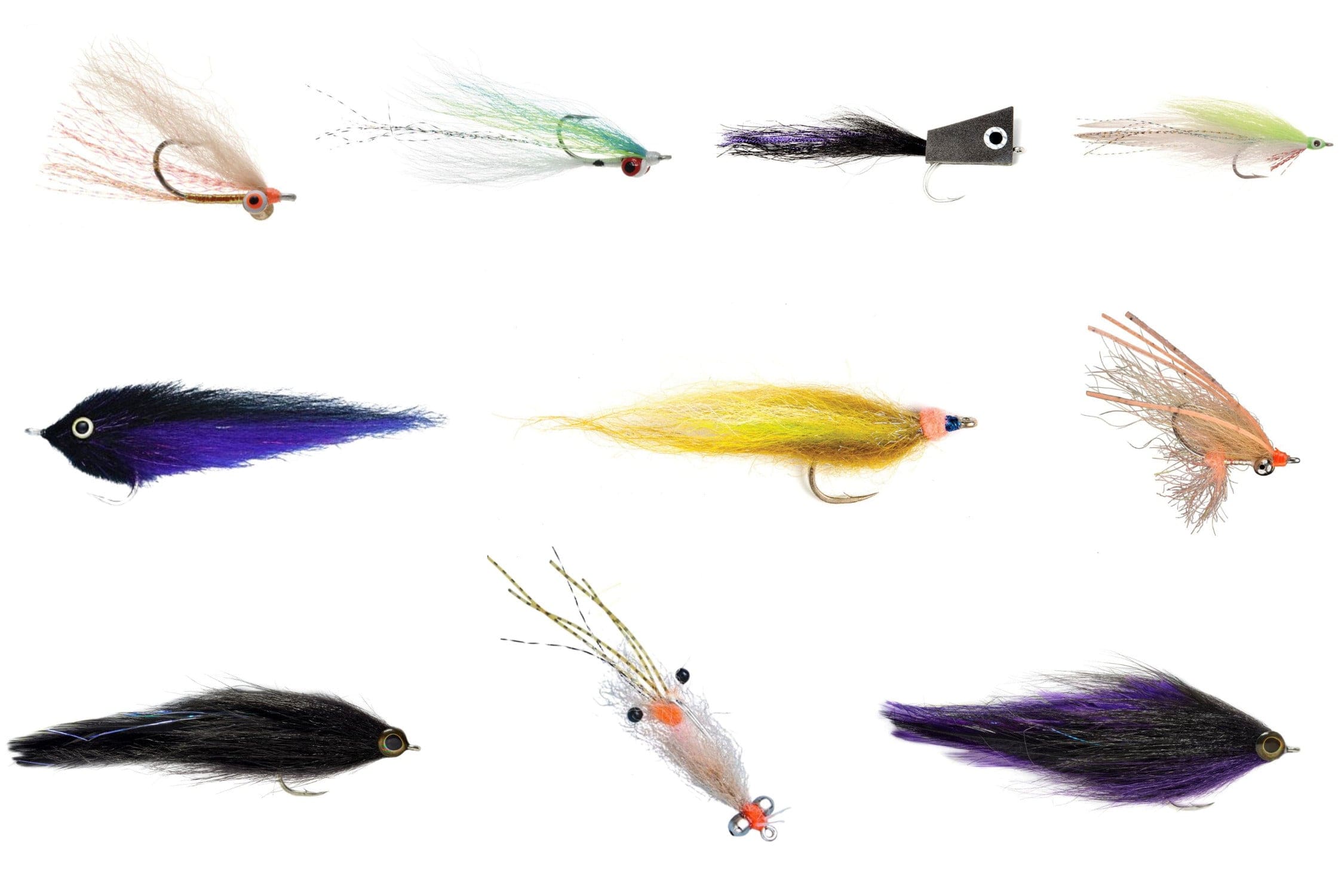
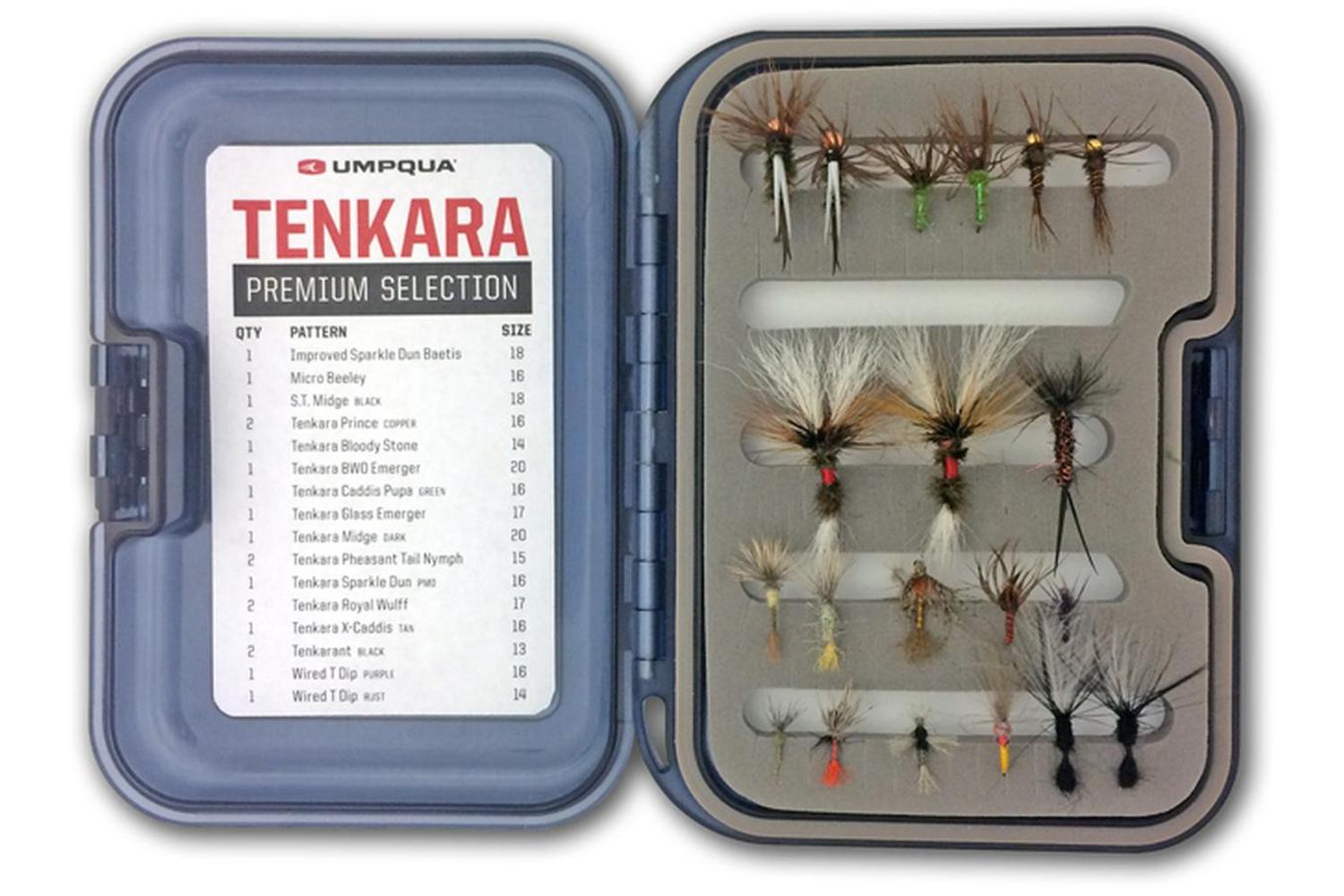
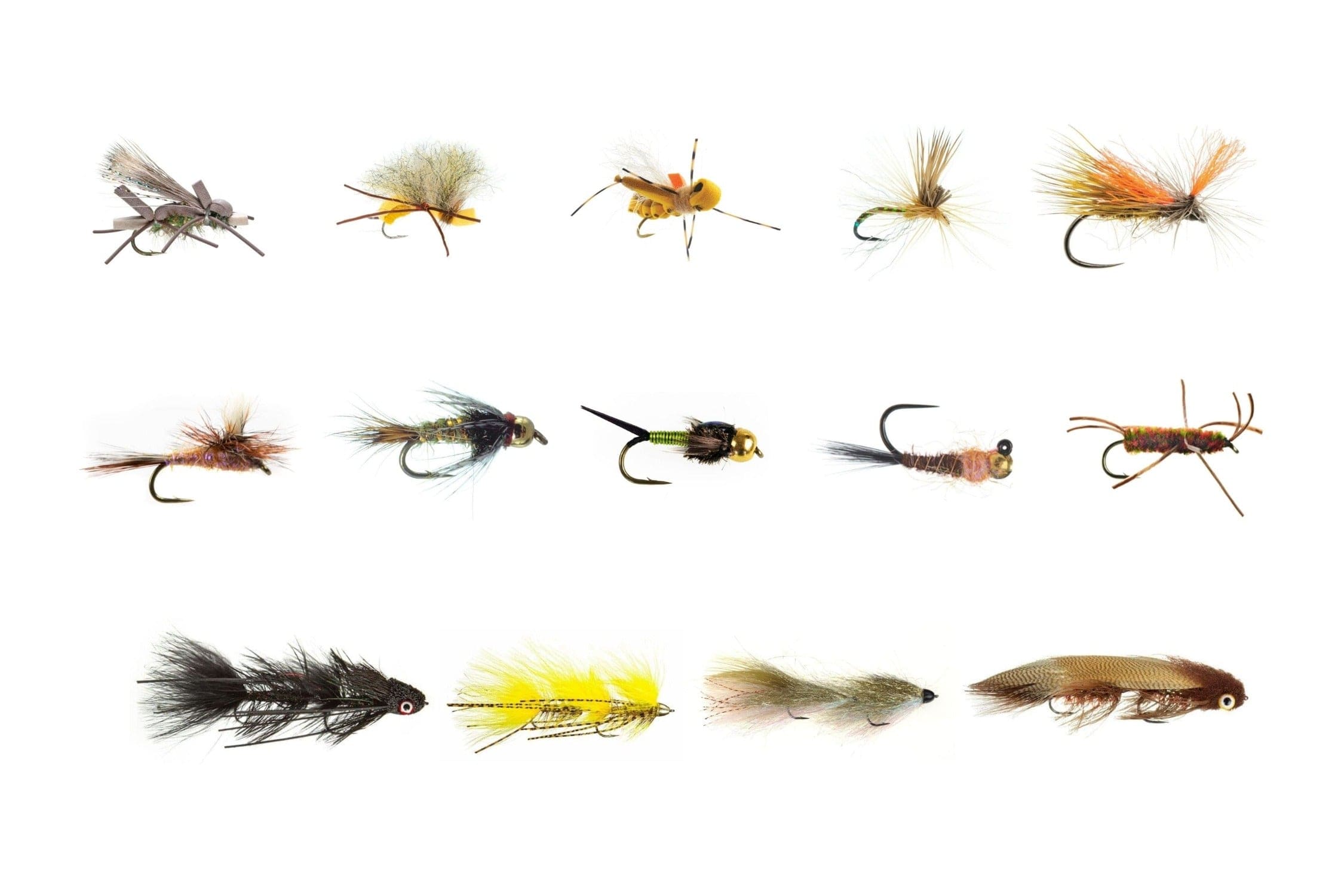
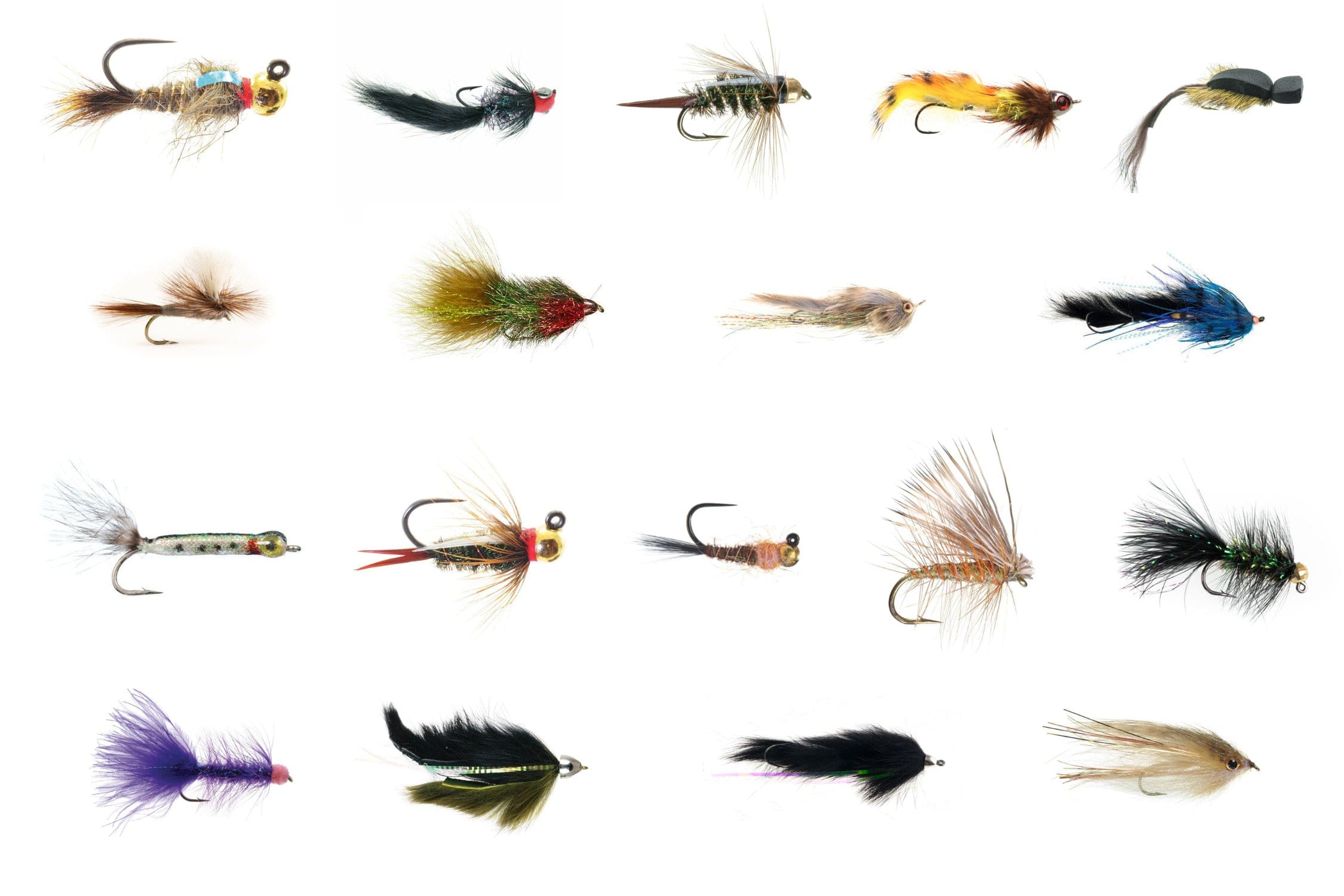
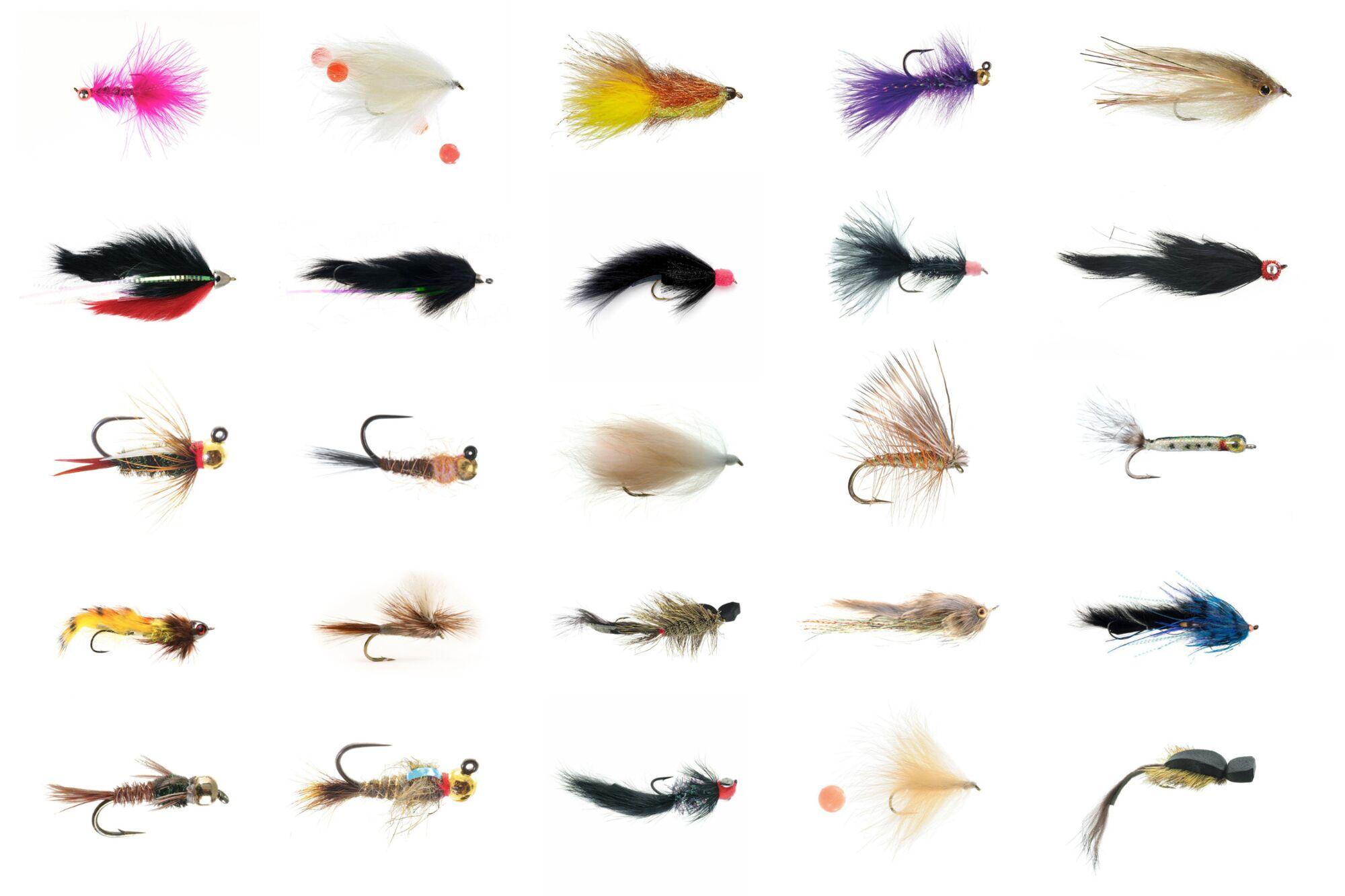

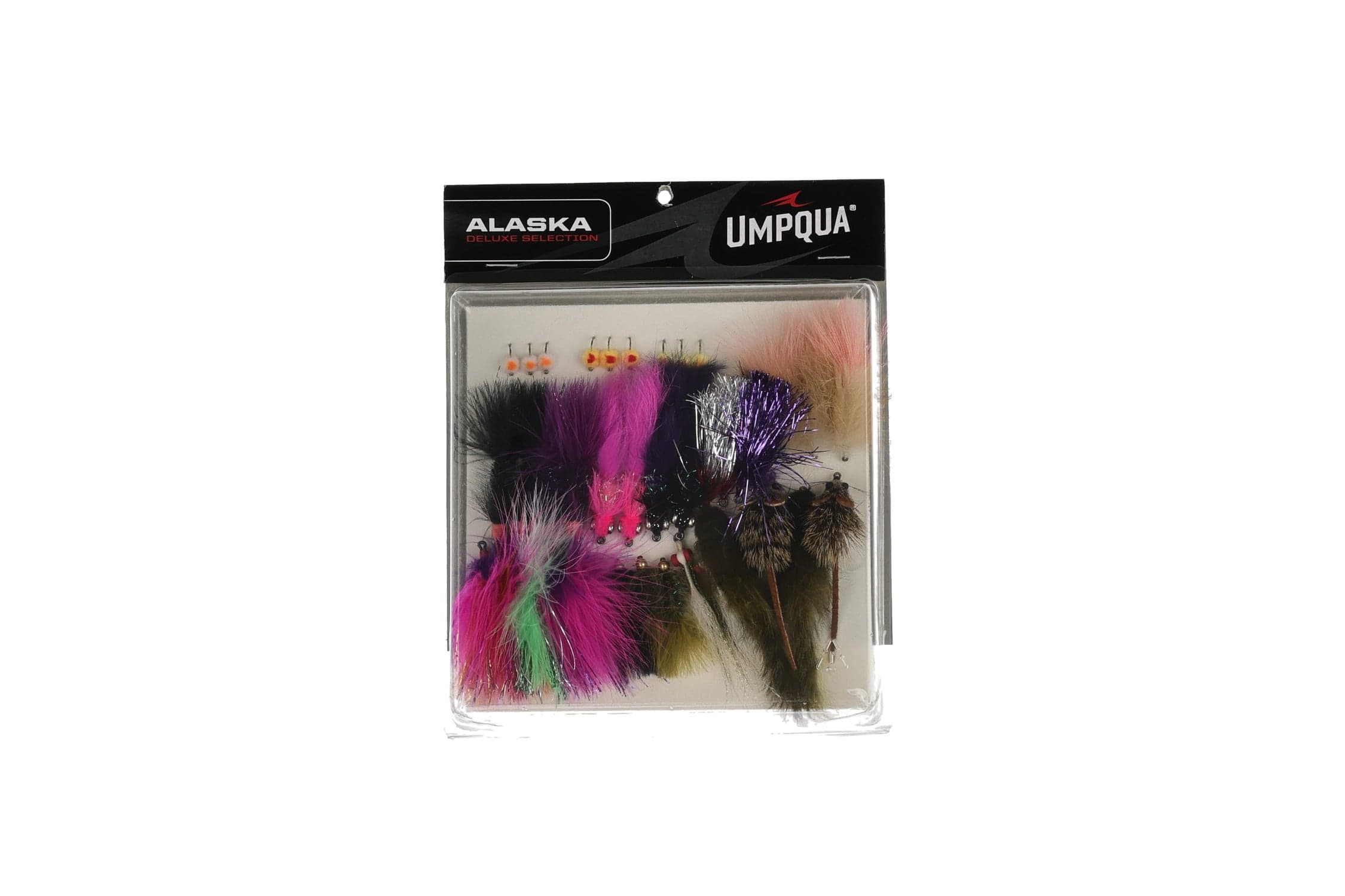

Fly Selections Quick Picks
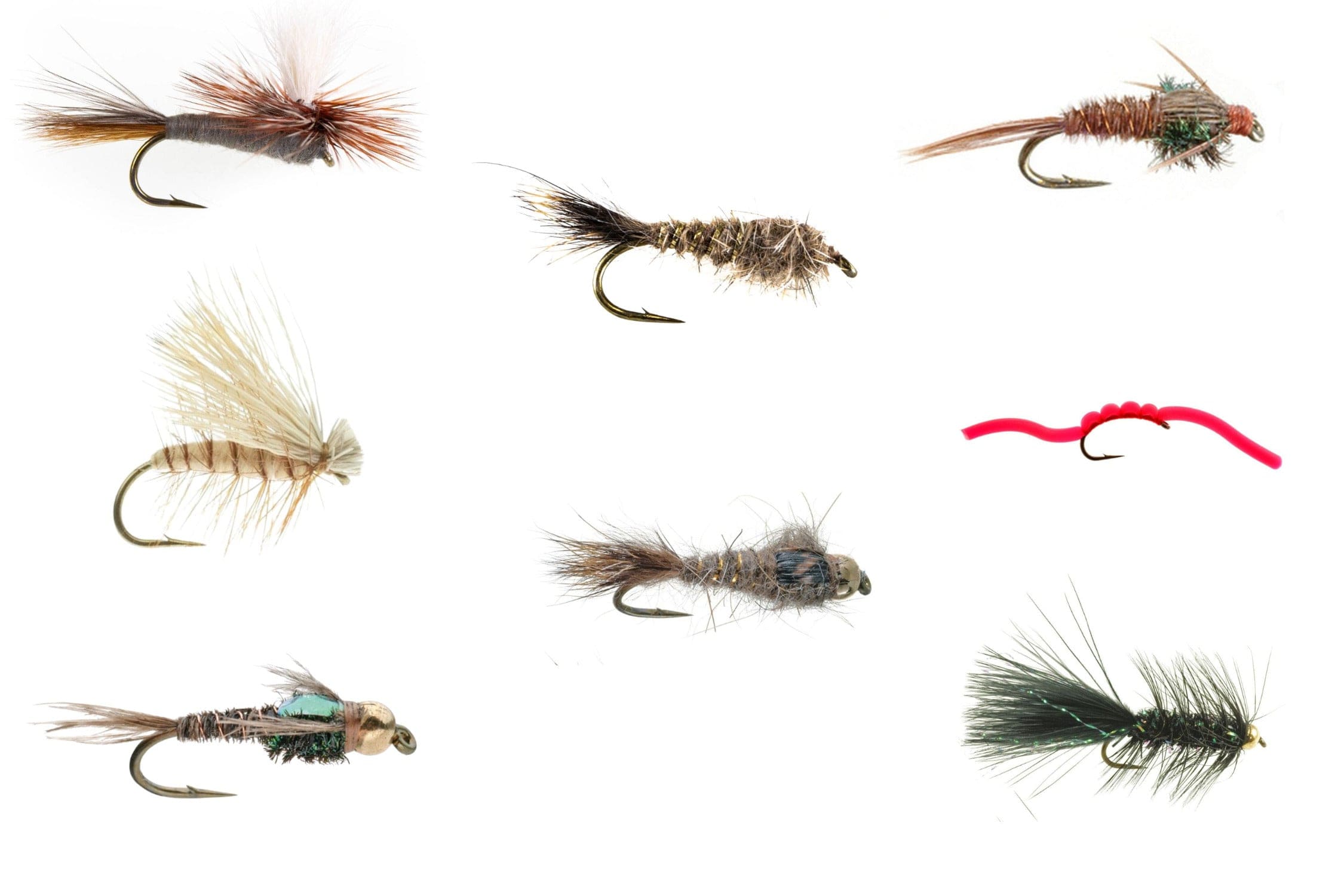
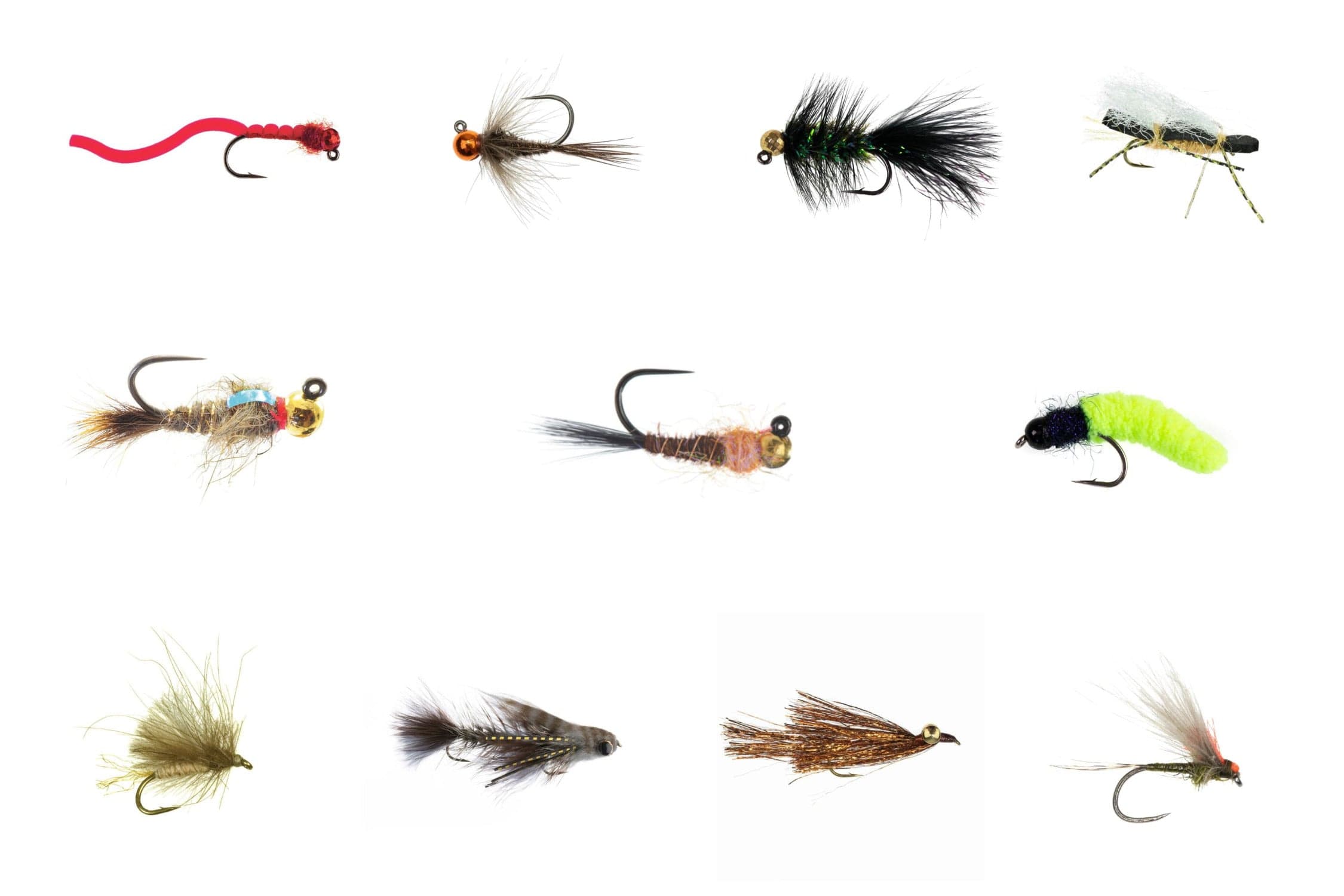
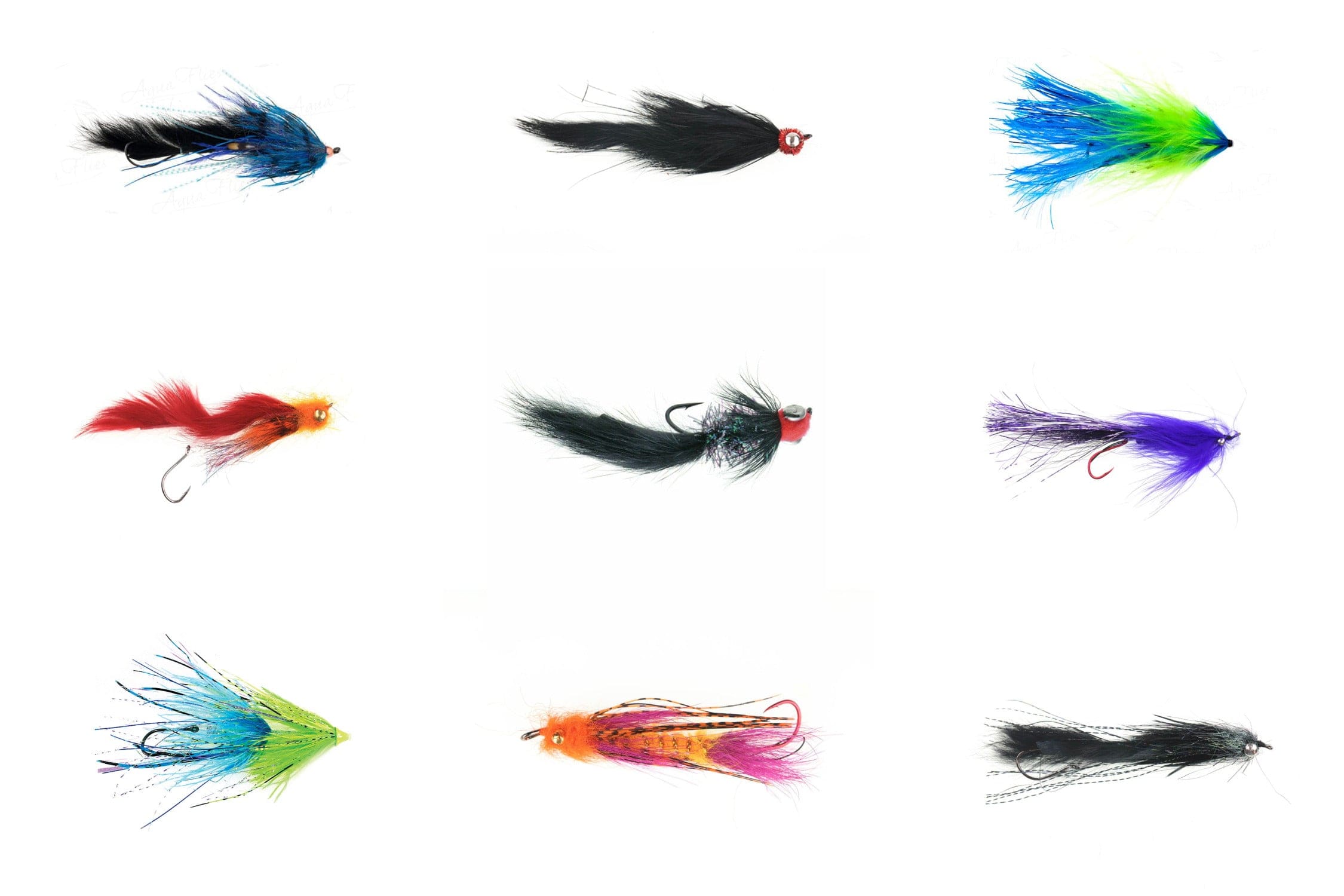
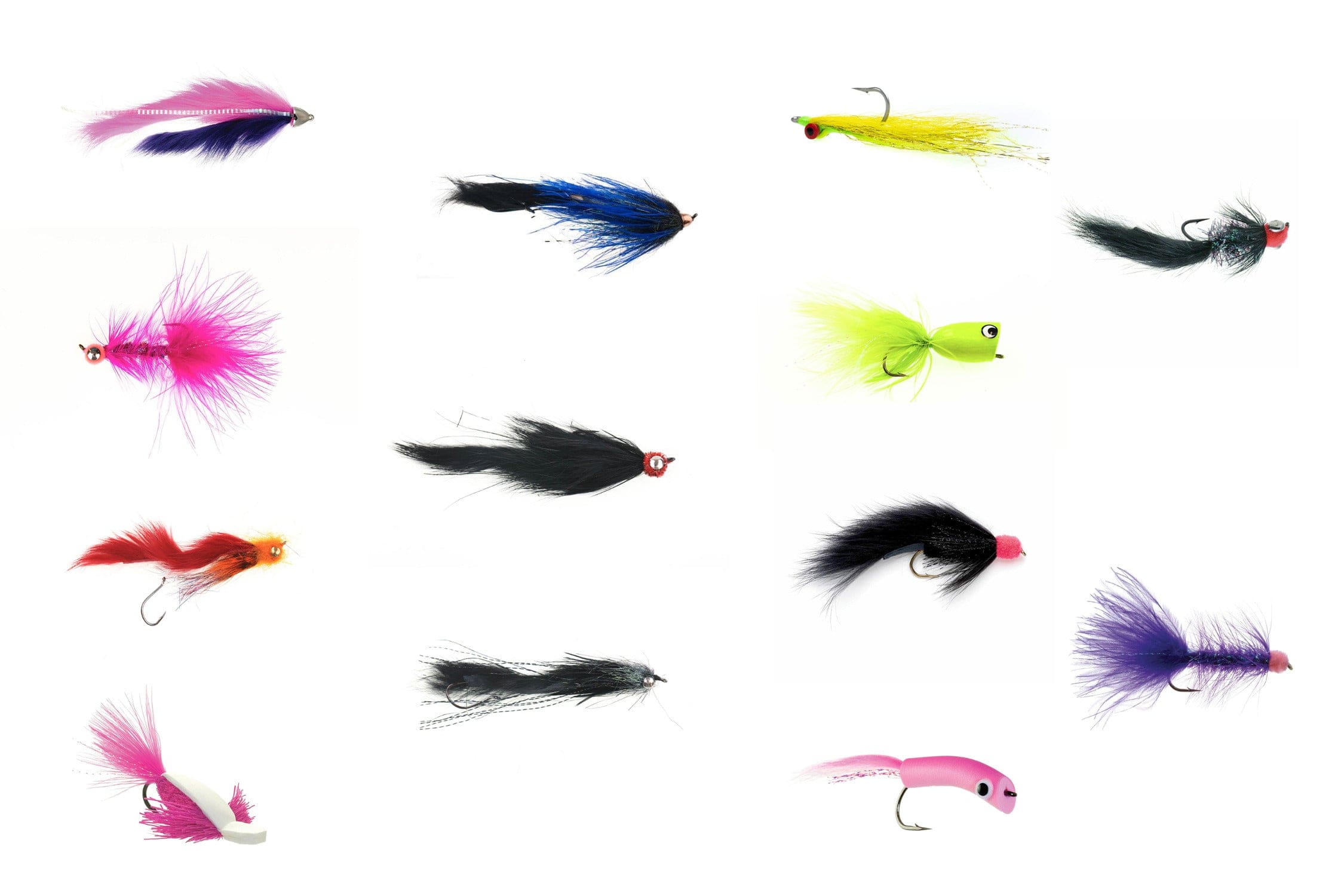
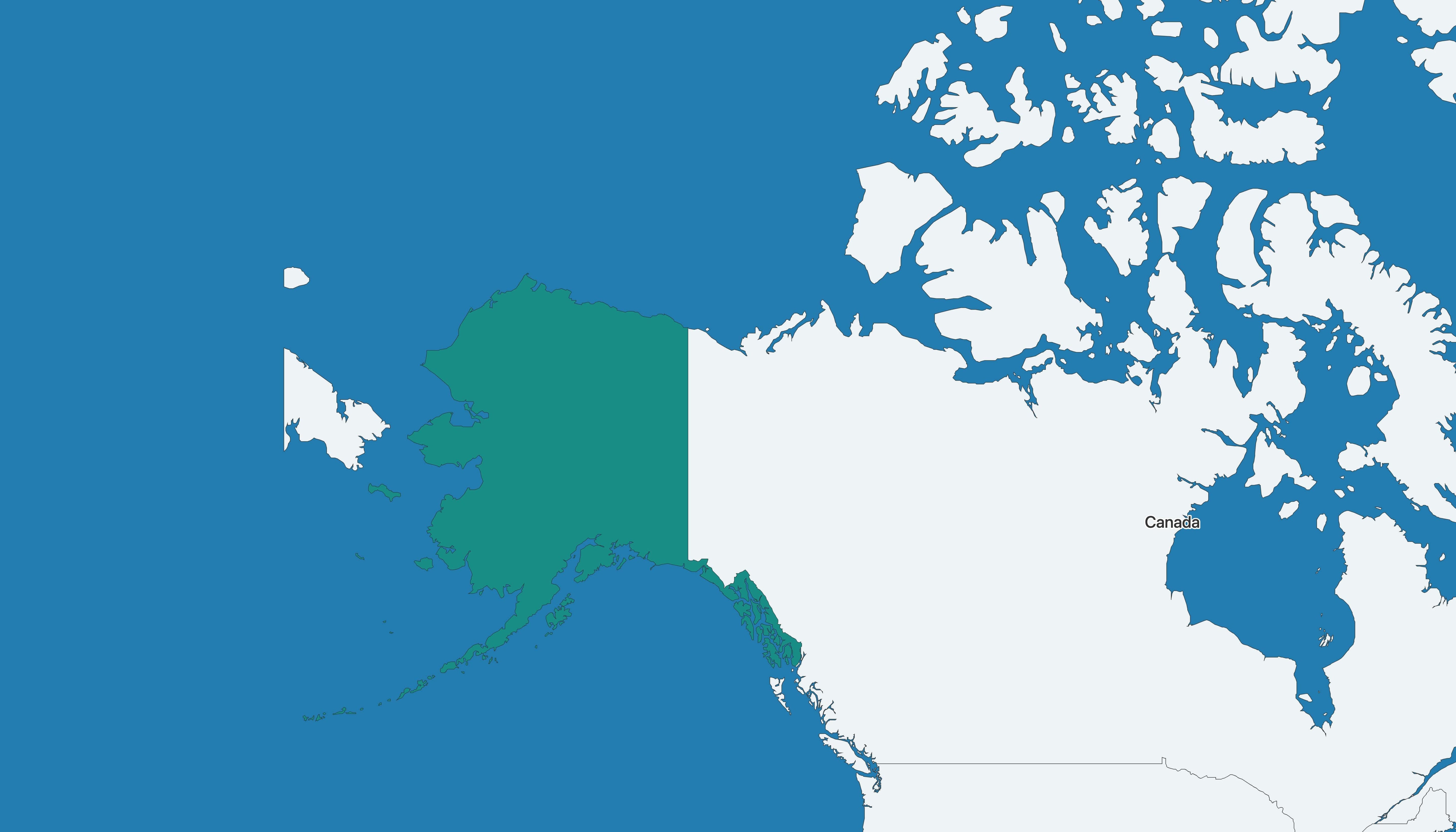
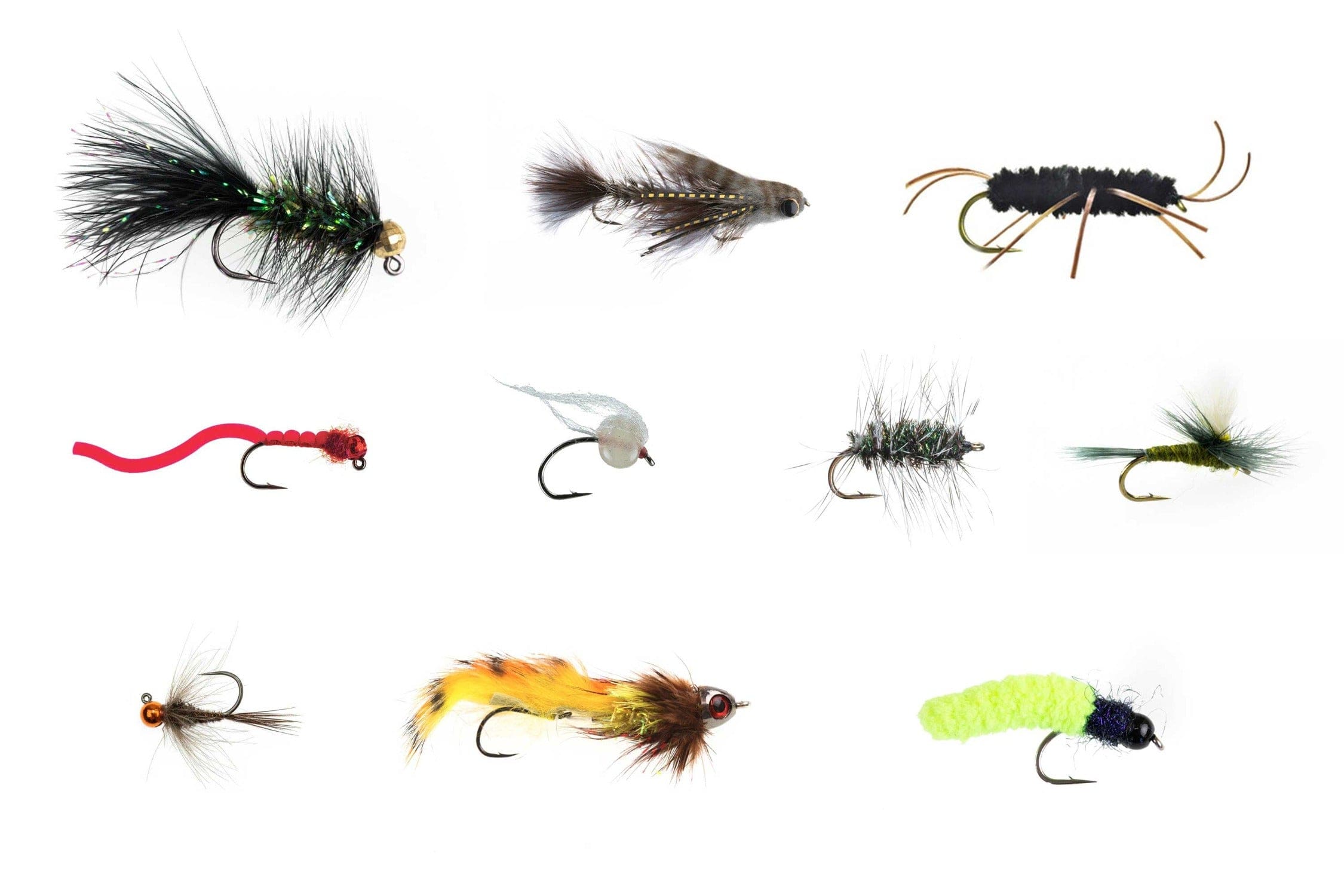
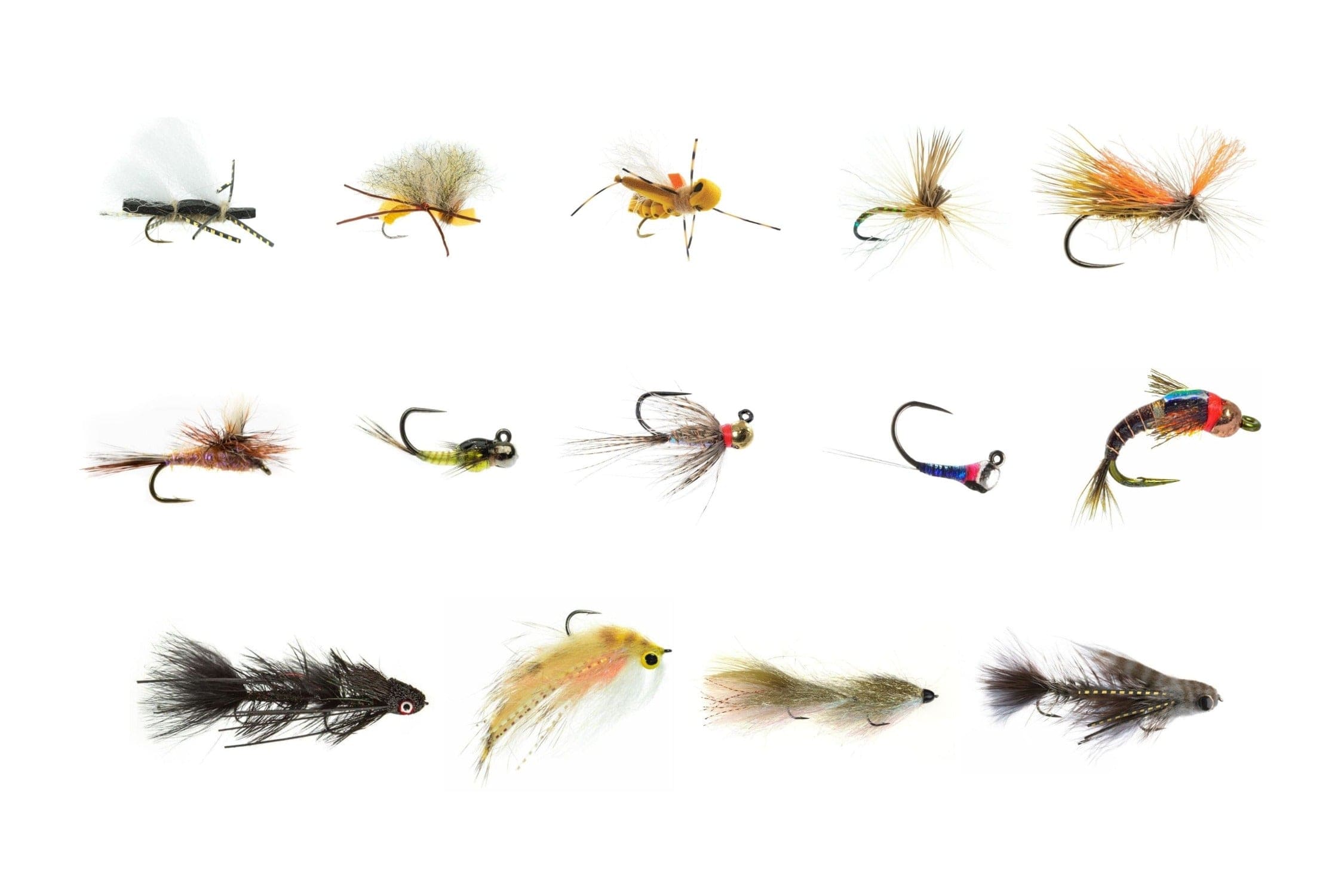
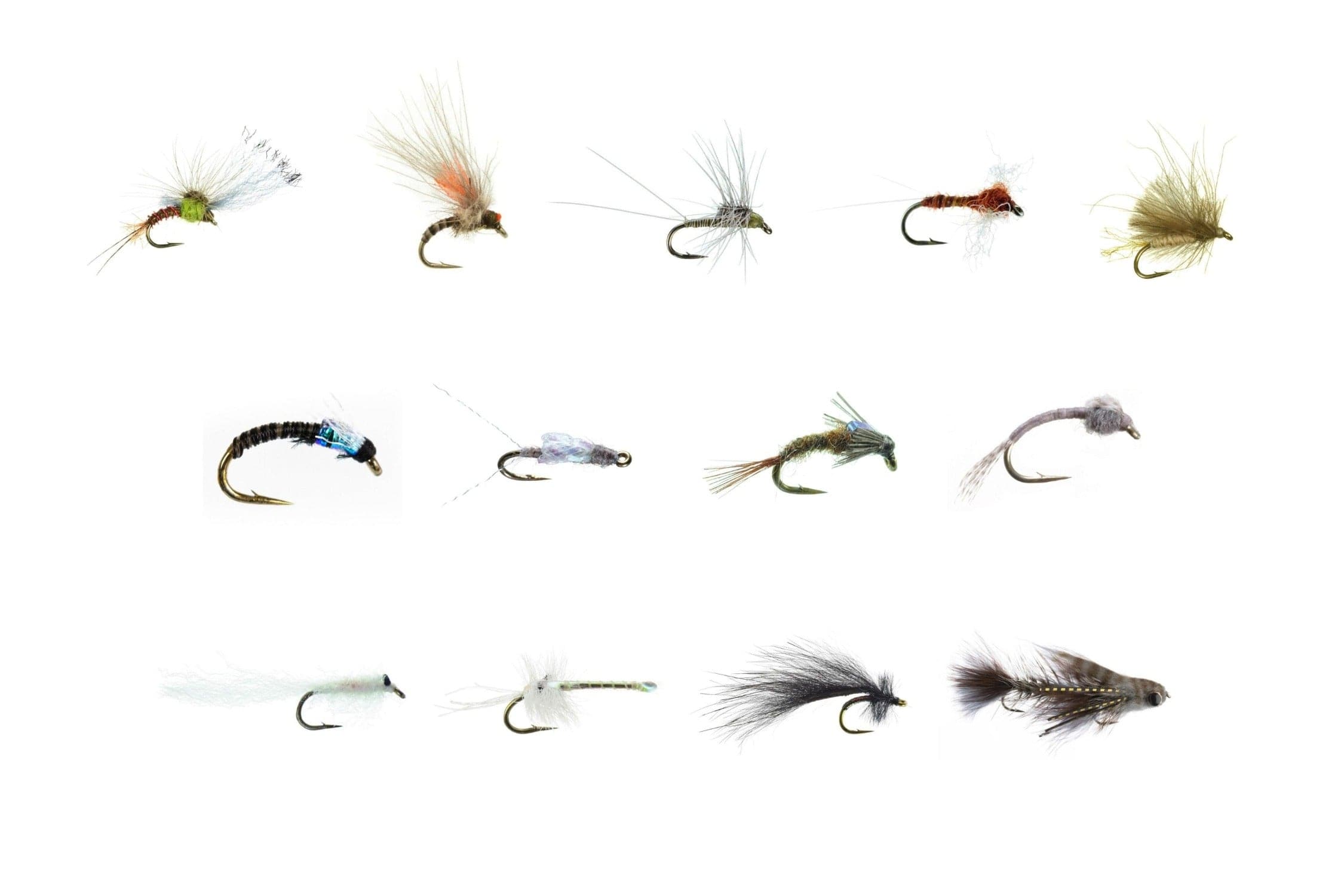
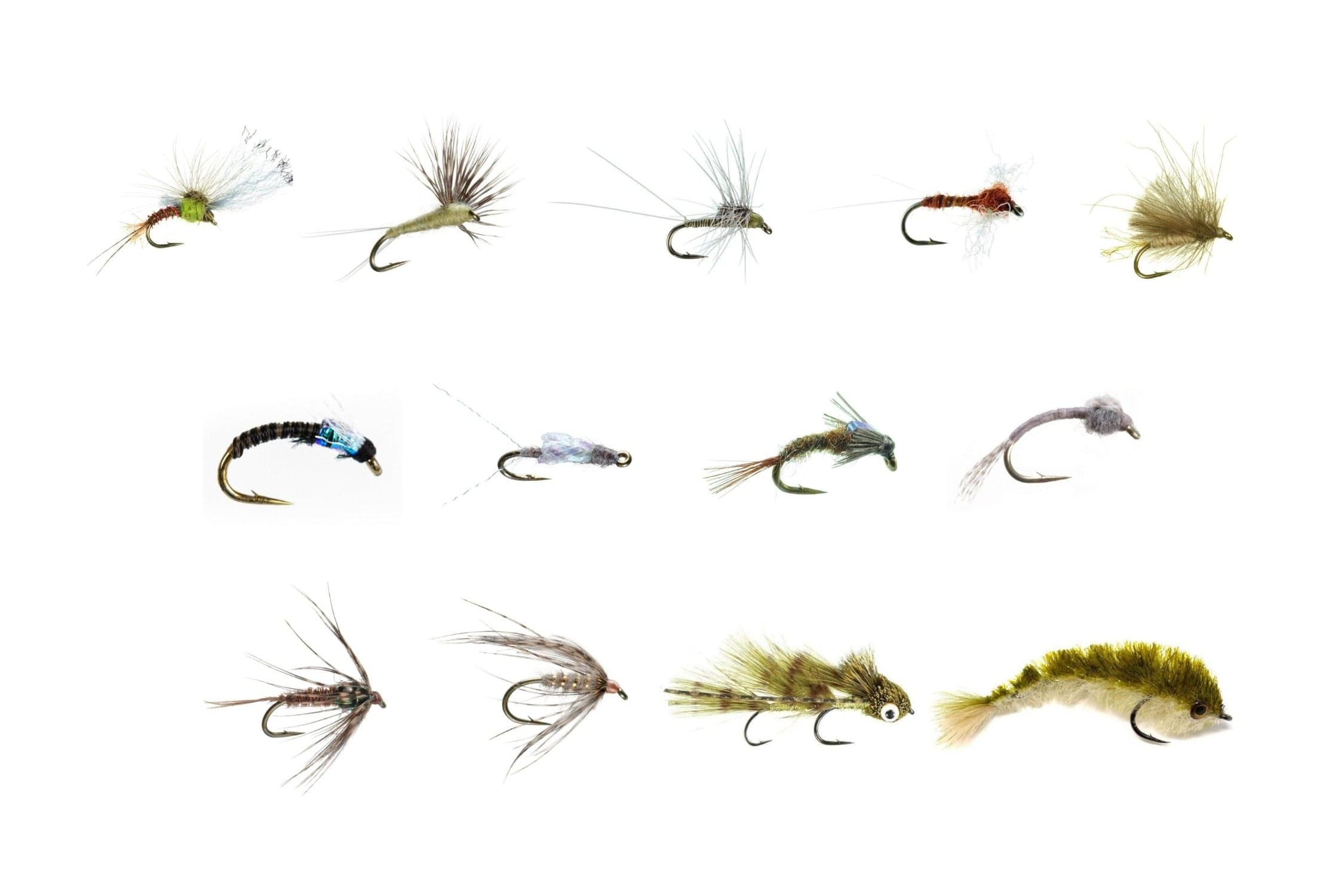
- Best for Beginners: Alaska Trout Fly Selection - A broad, confidence-building mix for your first Alaska trout trip when you need coverage, not guesswork. It’s designed to give you multiple presentation options (top, mid-column, and bottom) in one curated pack.
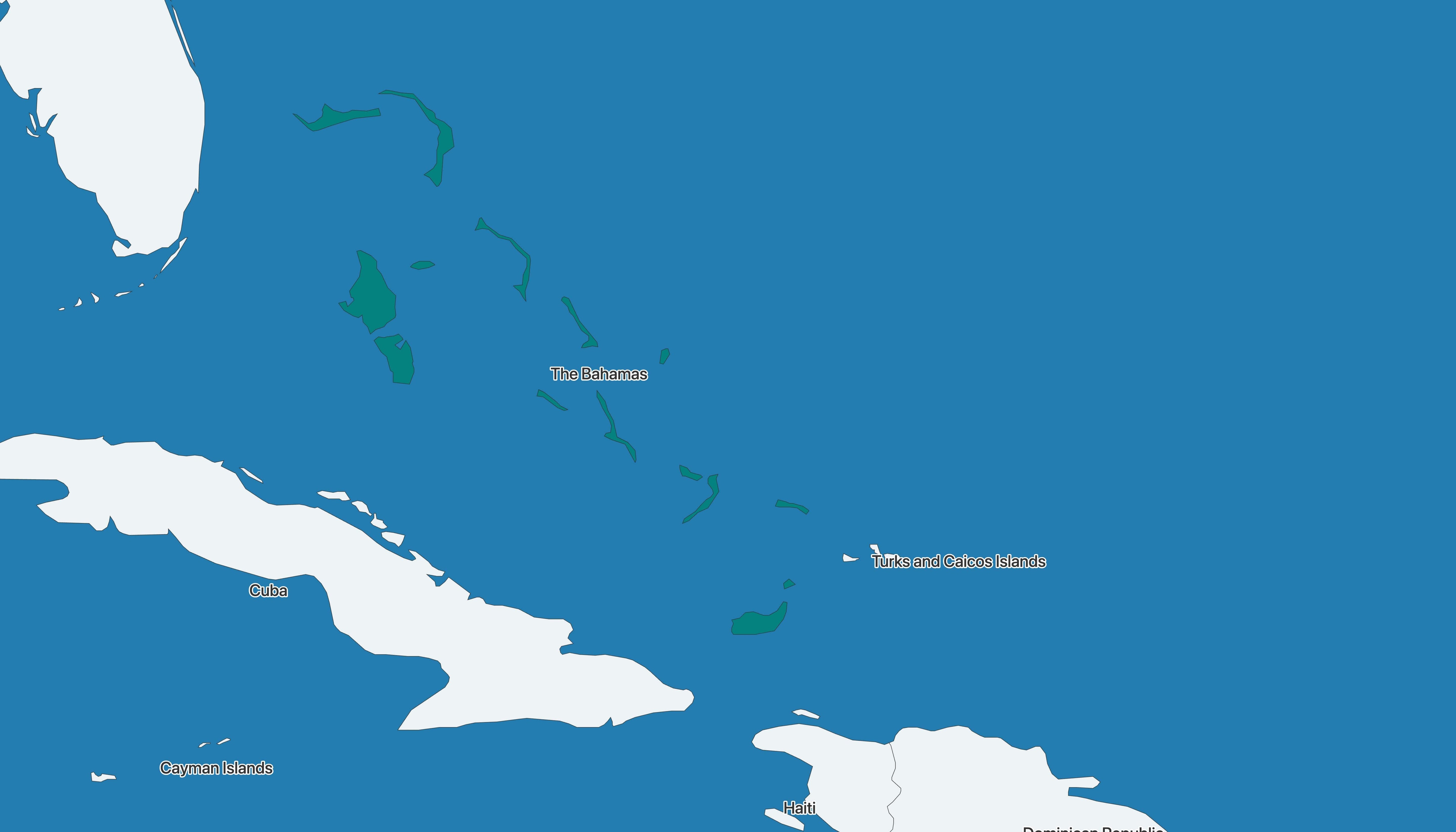
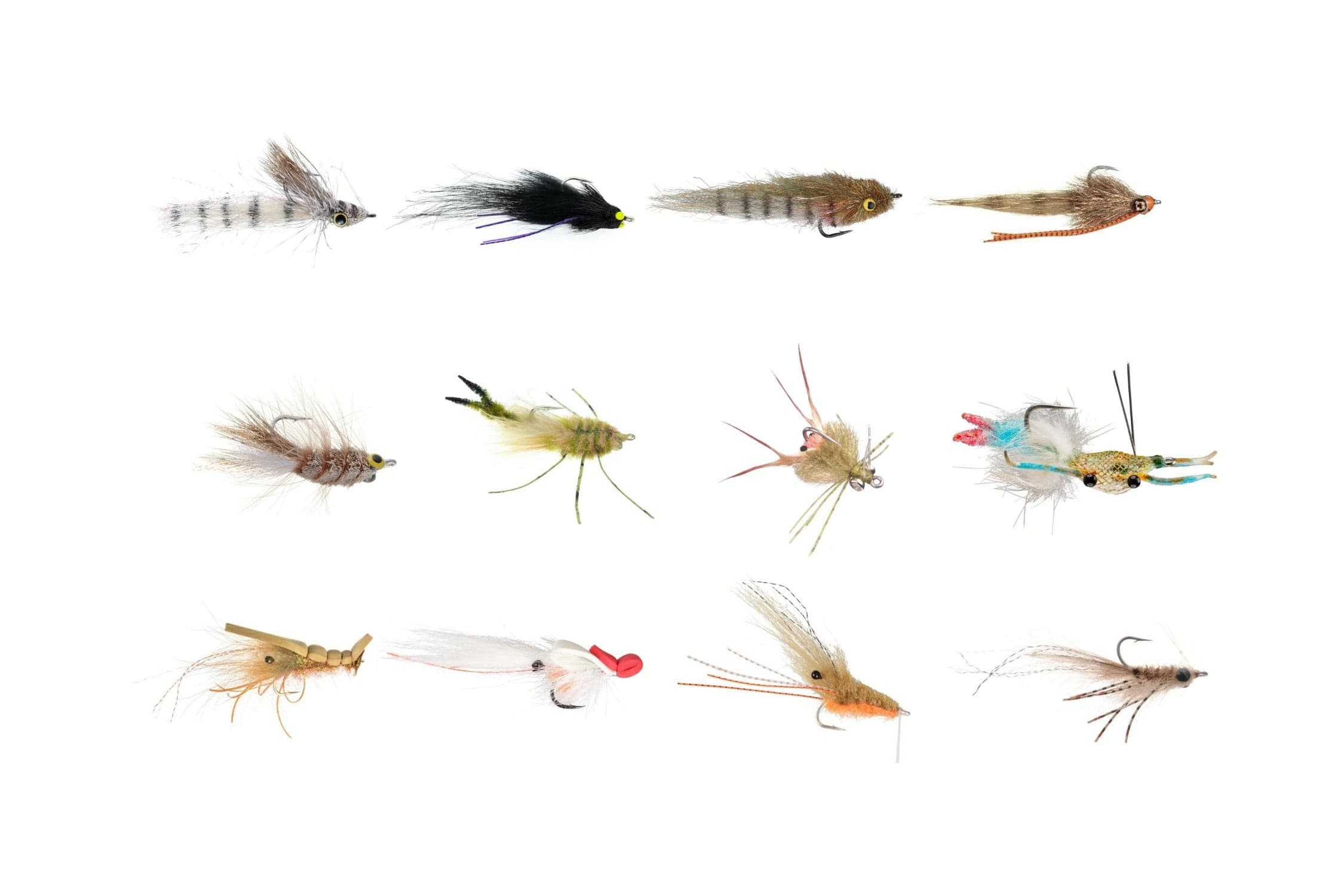
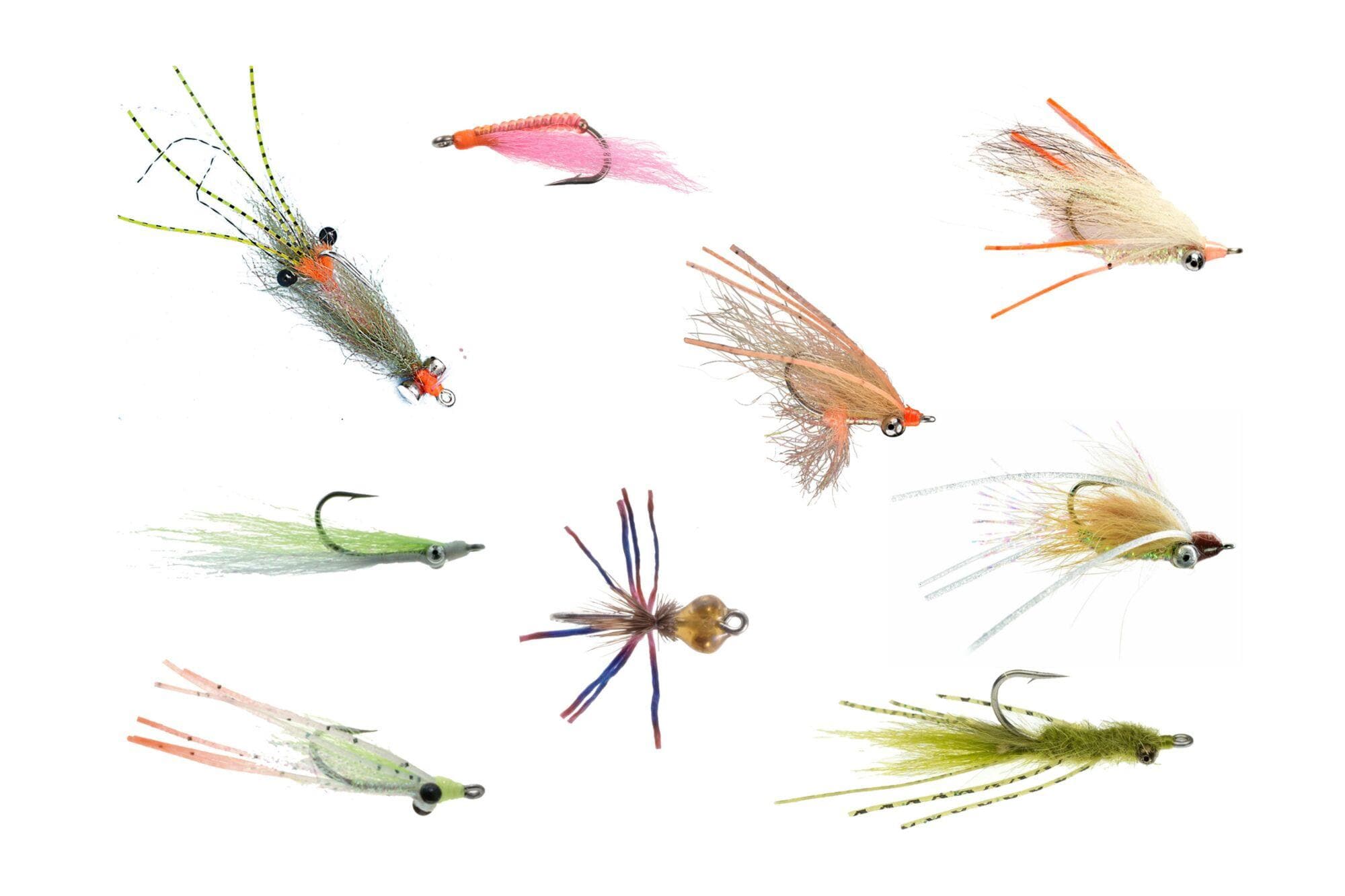
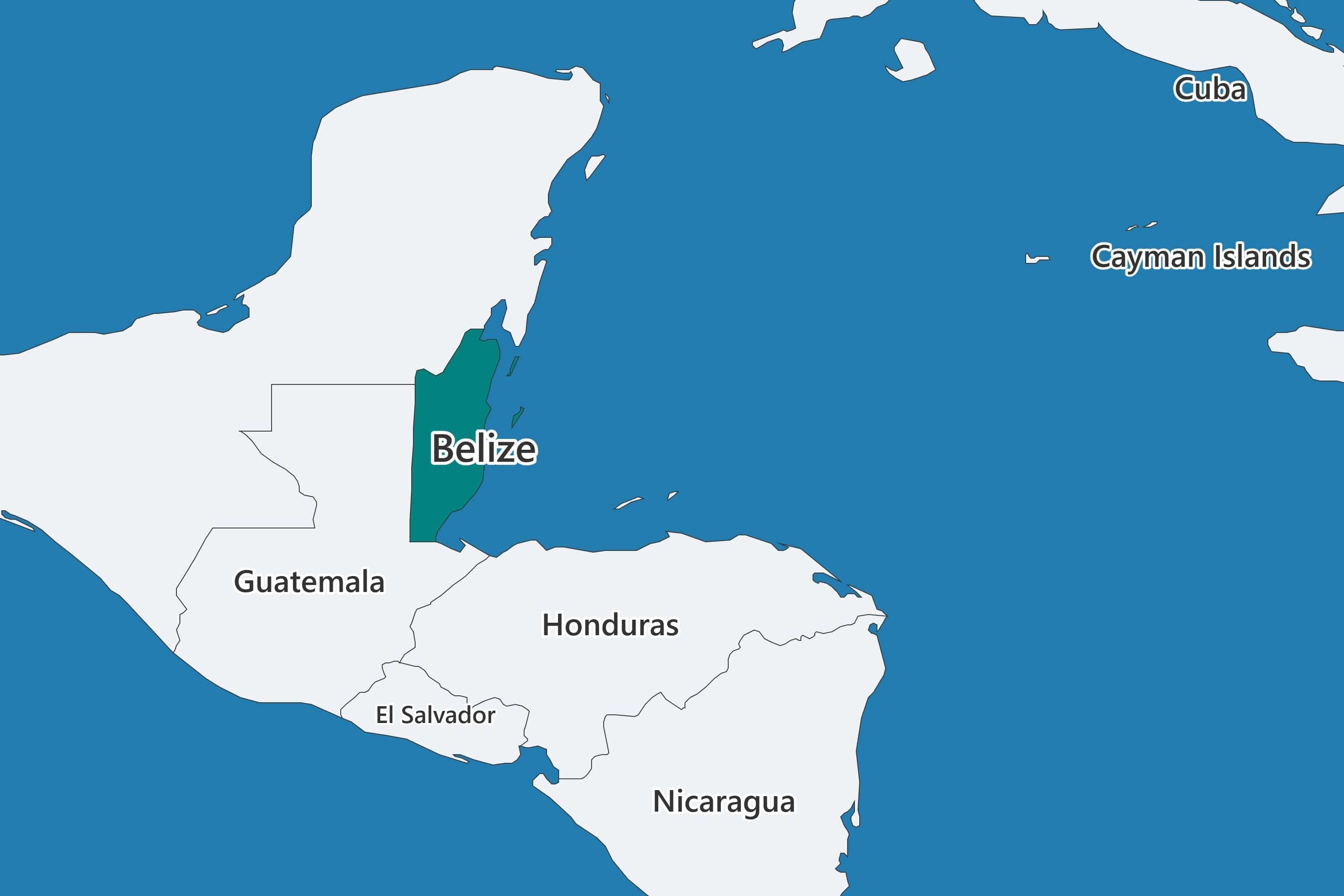
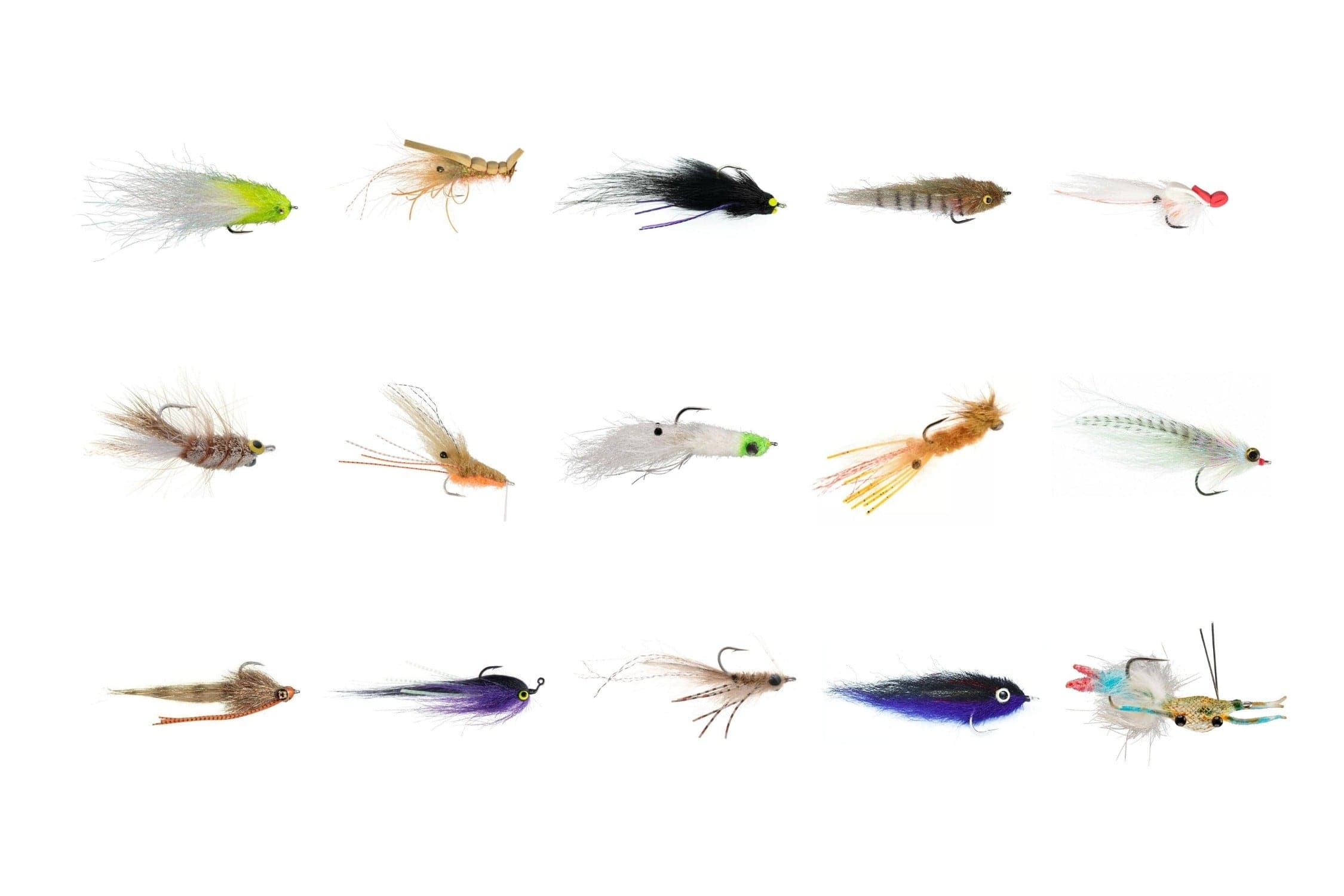
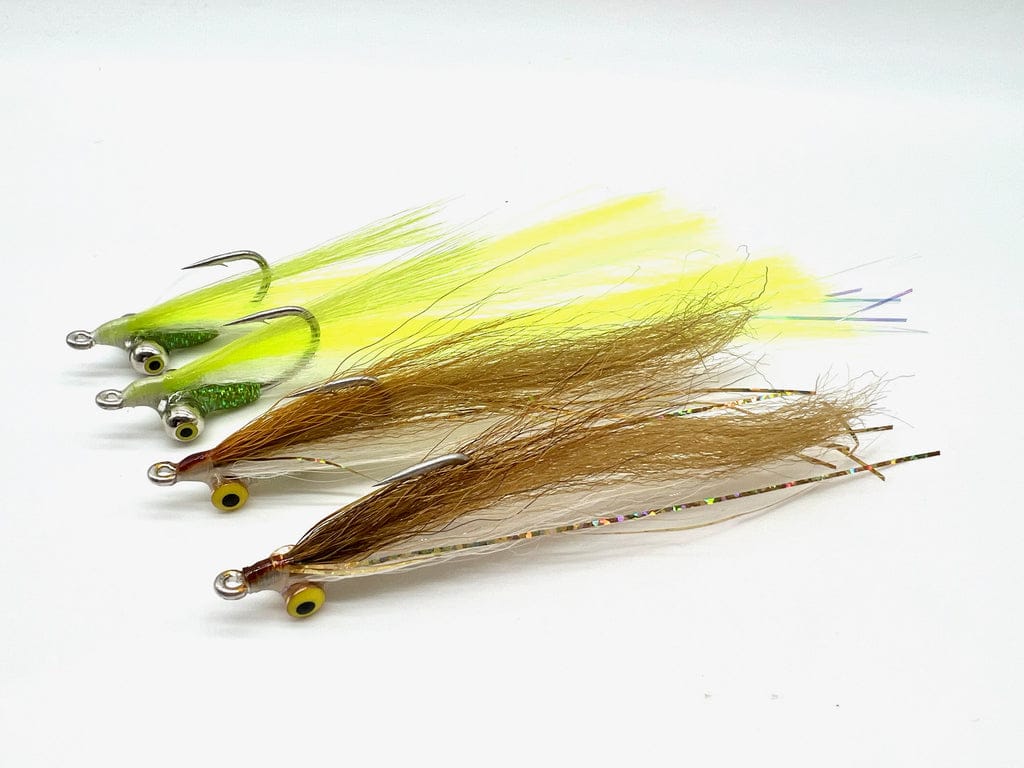
- Best Saltwater Flats Trip: Bahamas Bonefish Fly Selection - Built for anglers heading to the Bahamas who want proven bonefish patterns ready to go. It’s a destination-focused selection that helps you show up with the right general shapes and weights for shallow flats.
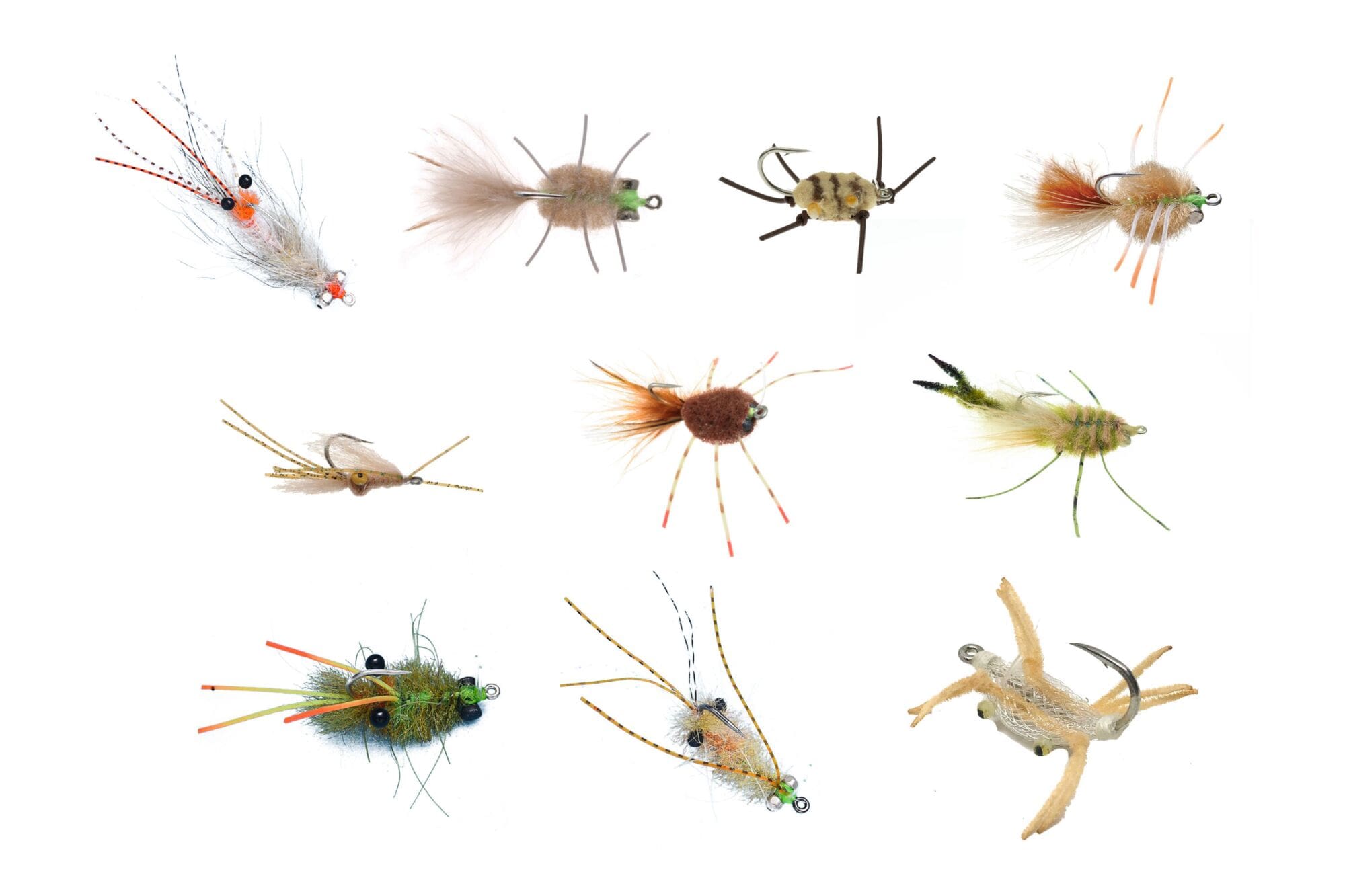
- Best Inshore Shallow-Water: Texas Redfish Fly Selection - A practical pick for Texas marsh and back-bay anglers targeting redfish and similar inshore species. It’s tailored to skinny-water sight-fishing where fly profile, sink rate, and durability matter.
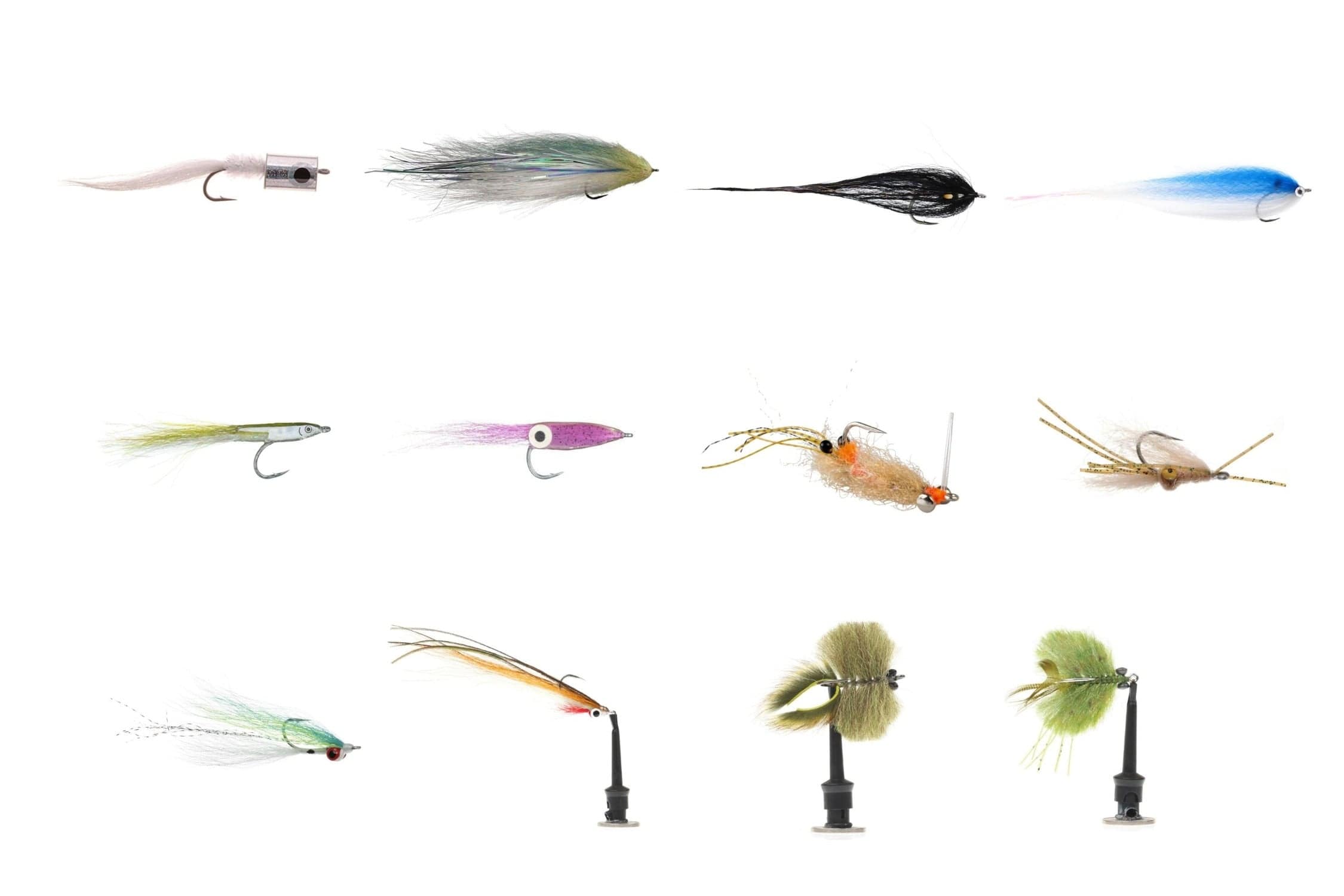
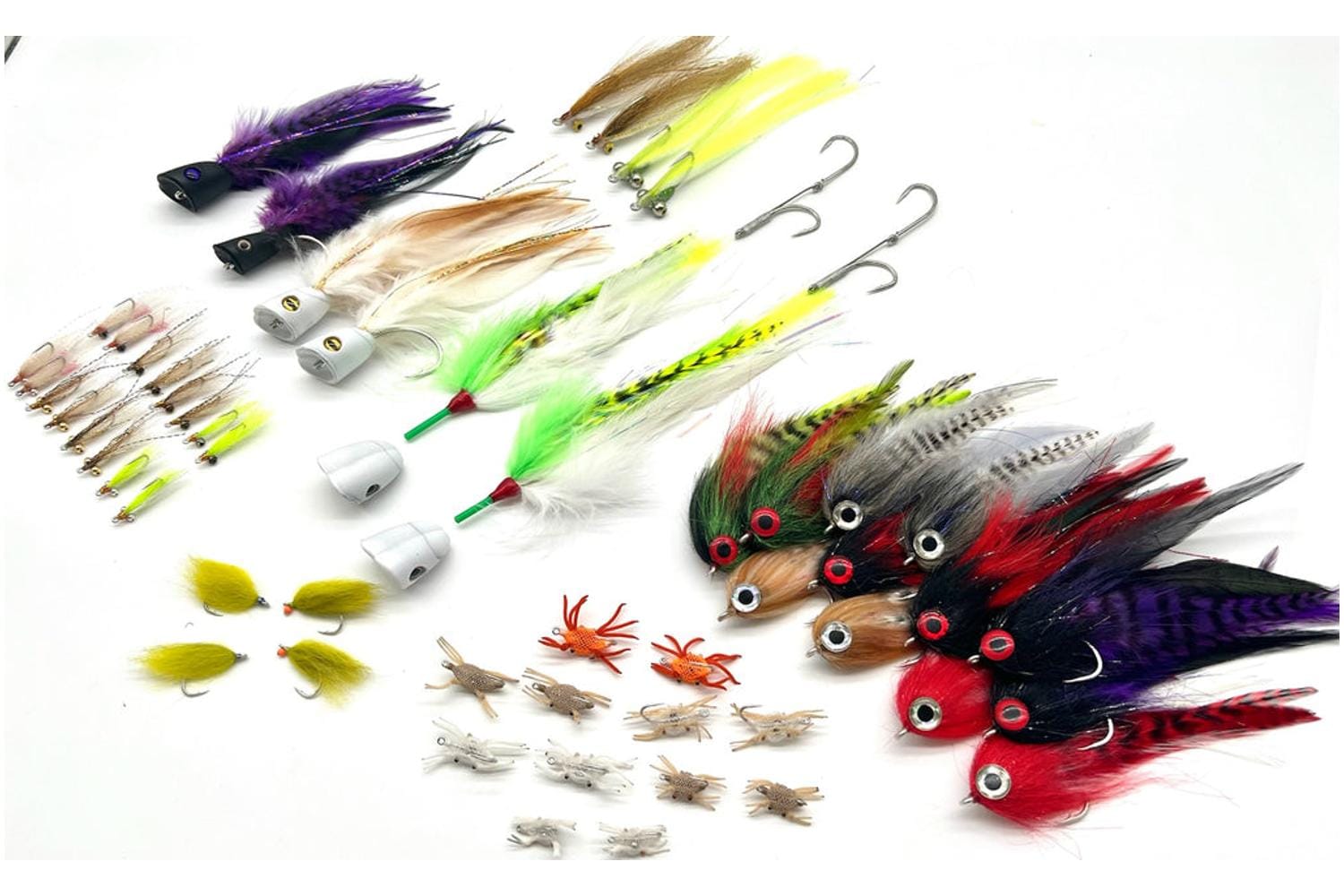
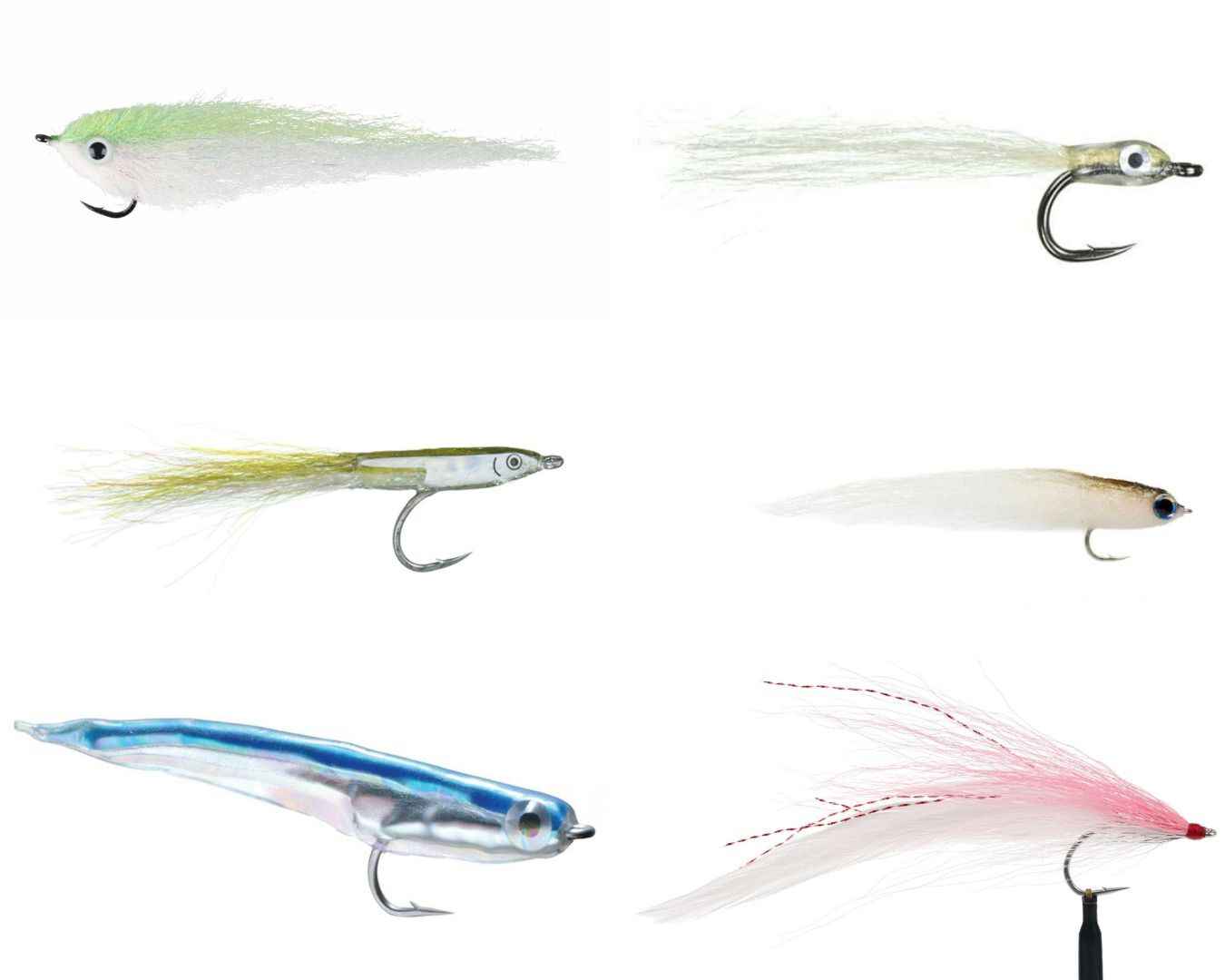
- Best Northeast Saltwater All-Around: New England Striped Bass Fly Selection - A strong starting point for anglers chasing stripers from Connecticut to Maine across beaches, rocks, marshes, and estuaries. It focuses on the types of baitfish-style flies that cover a wide range of striper scenarios.
- Best for Alaska Salmon: Alaska Silver Salmon Fly Selection - A purpose-built assortment for anglers targeting coho in Alaska, especially when you expect aggressive eats. It’s a streamlined pack designed around the kinds of patterns anglers commonly lean on for silvers.
How to Choose Fly Selections
Choose by destination and target species first
Action: Start with where you’re going and what you’re targeting, then pick a fly selection built for that scenario. A trout river box and a flats box may both include “baitfish,” but hook style, weight, and presentation are completely different.
Match the pack to how you plan to fish
Best for: Anglers who want to fish effectively on day one. Selections are especially useful when you’re learning new water, traveling, or you only have limited fishing time.
Avoid if: You already have a dialed fly box for that exact river/season and only need a few refill patterns, then shopping individual flies can be the better move.
Understand what “coverage” means in a fly selection
Good fly assortments typically cover multiple water columns and feeding moods. For trout, that often means a blend of dries/attractors, nymphs, and a few streamers; for saltwater, it usually means a mix of shrimp/crab profiles plus a few baitfish options.
Plan quantities around trip length and loss rate
If you’re hard on flies (snags, toothy fish, mangroves/coral, or you’re learning to cast), plan on bringing extras of the patterns you’ll fish the most. Fly selections are a great baseline, then add duplicates of your confidence flies once you know what you reach for most often.
Materials & Durability
- Rinse after saltwater: If your flies see the flats or surf, rinse them in fresh water and let them dry fully before closing your box.
- Dry before storage: Wet flies in a sealed box can rust hooks and break down materials, open your box after fishing to air everything out.
- Check hook points: Lightly touch up dull points with a hook file, especially on saltwater flies and heavy-wire streamers.
- Retire damaged flies: If a fly is bent, fouling constantly, or missing key materials, swap it out, presentation suffers fast.
Complete Your Setup
Related Gear
- Fly Fishing Flies - Ideal for refilling your favorites after you learn what’s working on your water.
- Fly Assortments - A broader way to stock up by species/technique when you want a ready-made pack.
- Leaders - Helps you match turnover and presentation to the flies in your selection (longer for dries, shorter/stouter for bigger flies).
- Tippet - Lets you fine-tune stealth, abrasion resistance, and break strength for the flies you’re fishing.
Related Guides
- How to Choose the Best Trout Flies for Small Streams
- How To Choose The Best Fly Reel
- How to Choose the Best Fly Line for Beginners
Fly Selections FAQs
Q: What are fly selections in fly fishing?
A: Fly selections are curated assortments of flies built around a destination, species, or fishing style. They’re meant to give you proven coverage without building a box one fly at a time.
Q: Are fly selections good for beginners?
A: Yes, especially when you’re learning new water or you don’t know what to buy yet. A curated selection gives you a starting point, then you can refine based on what you actually fish.
Q: Do fly selections replace matching the hatch?
A: Not completely. They help you start with proven profiles and categories, but you’ll still adjust size, weight, and presentation based on conditions.
Q: How many flies do I need for a weeklong trip?
A: It depends on how snaggy the water is and how hard you fish. For travel, it’s smart to bring duplicates of the patterns you expect to fish most often, plus backups for key sizes.
Q: What’s the difference between a destination pack and a manufacturer assortment?
A: A destination pack is built around a specific place and typical conditions there. Manufacturer assortments are usually broader, covering a technique or species in a more general way.
Q: Should I buy flies individually instead of a fly selection?
A: If you already know the exact patterns, sizes, and weights you need, buying individually can be more precise. If you’re unsure, a selection is a practical way to get fishing quickly.
Q: Can I use a trout fly selection for bass or stripers?
A: Sometimes a few patterns may overlap, but most trout flies aren’t built for the hook strength, profiles, and retrieves common in warmwater or saltwater. It’s usually better to pick a selection made for your target species.