

















Dr. Slick Fly Tying Tools Quick Picks
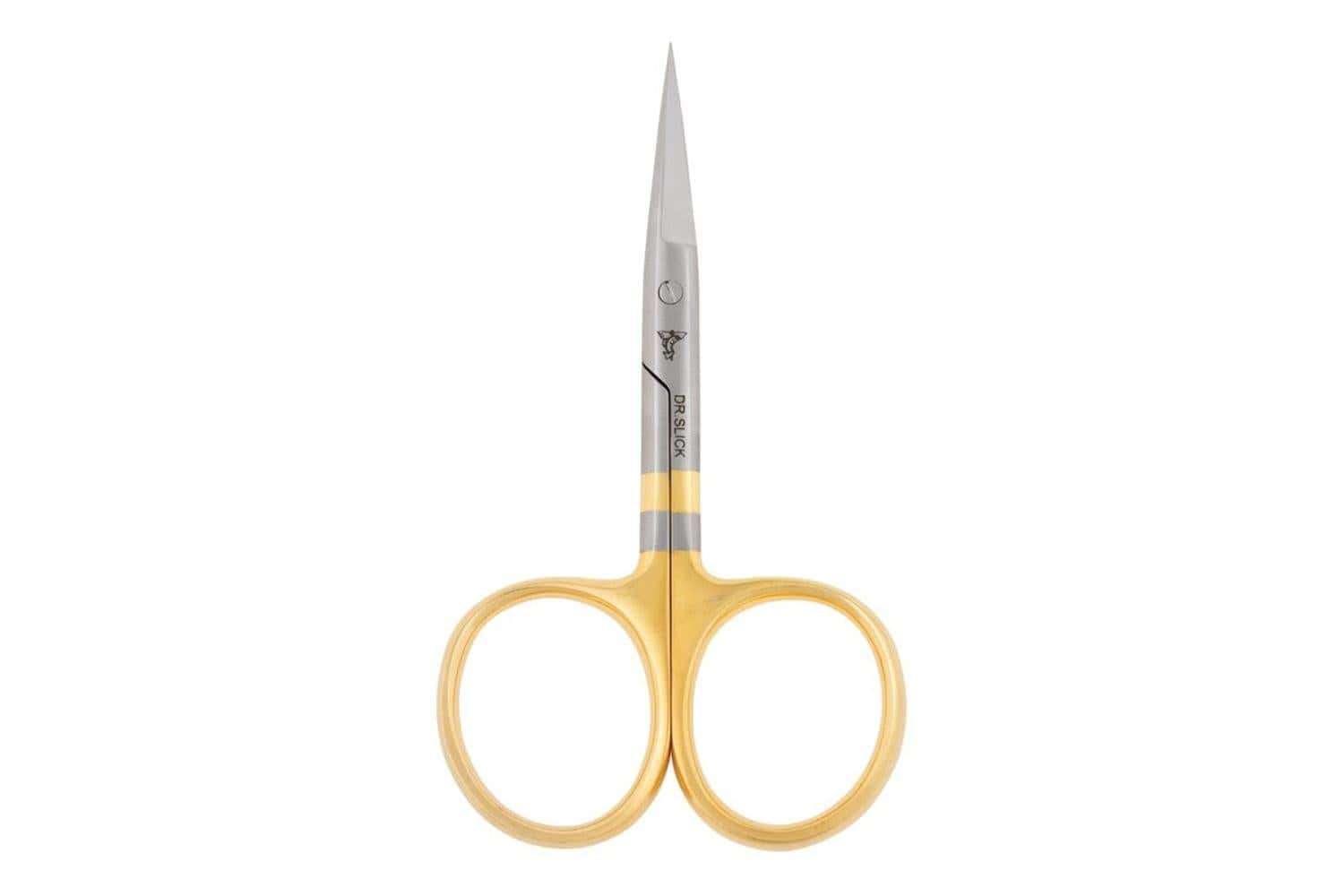
- Best All-Around Scissor: Dr. Slick All Purpose Scissor - The 4-inch scissor that handles most of what lands on a trout tier's bench, natural or synthetic. It is 410 Japanese stainless at Rockwell 45 with serrated blades, in straight, curved, or bent-shaft tips.
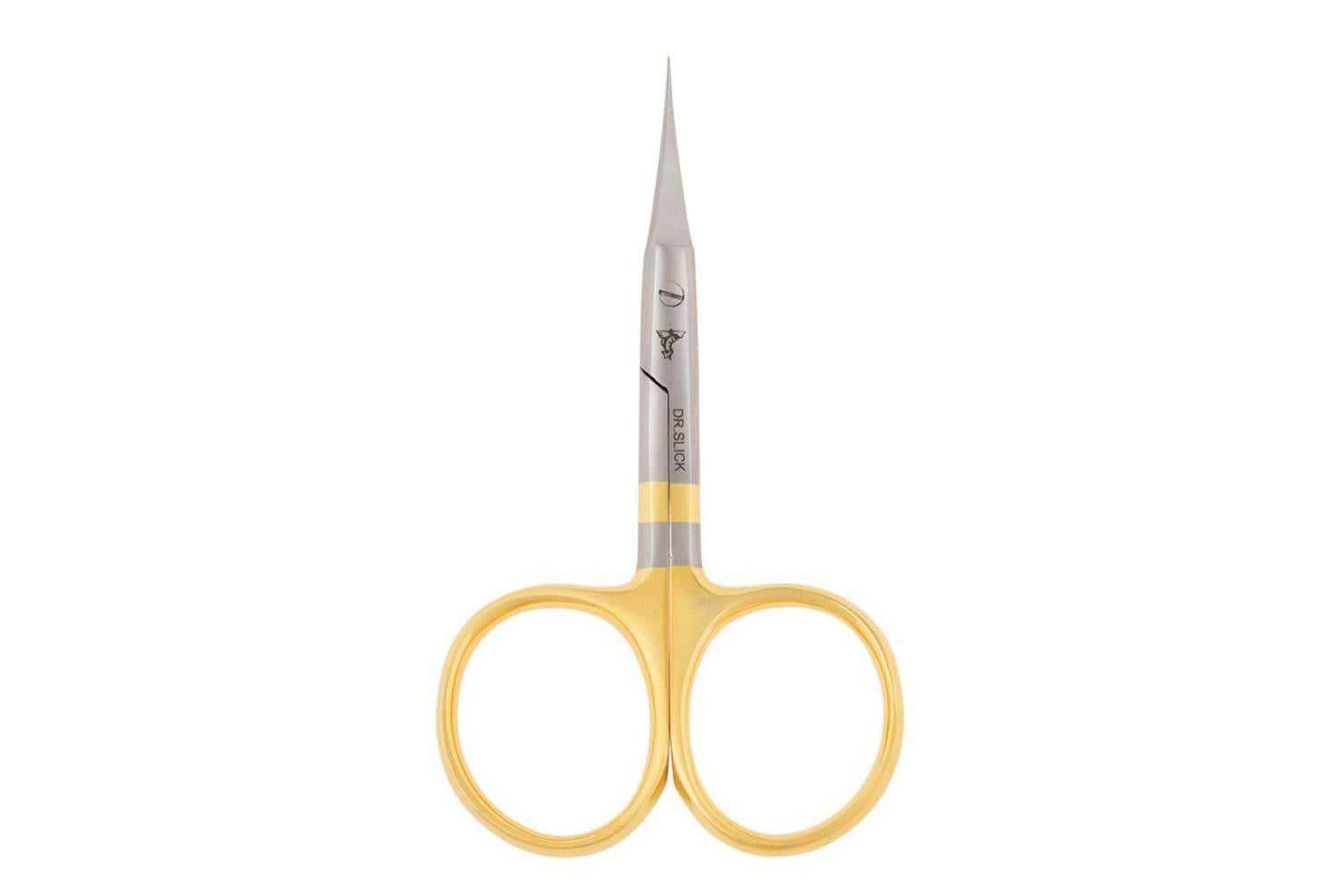
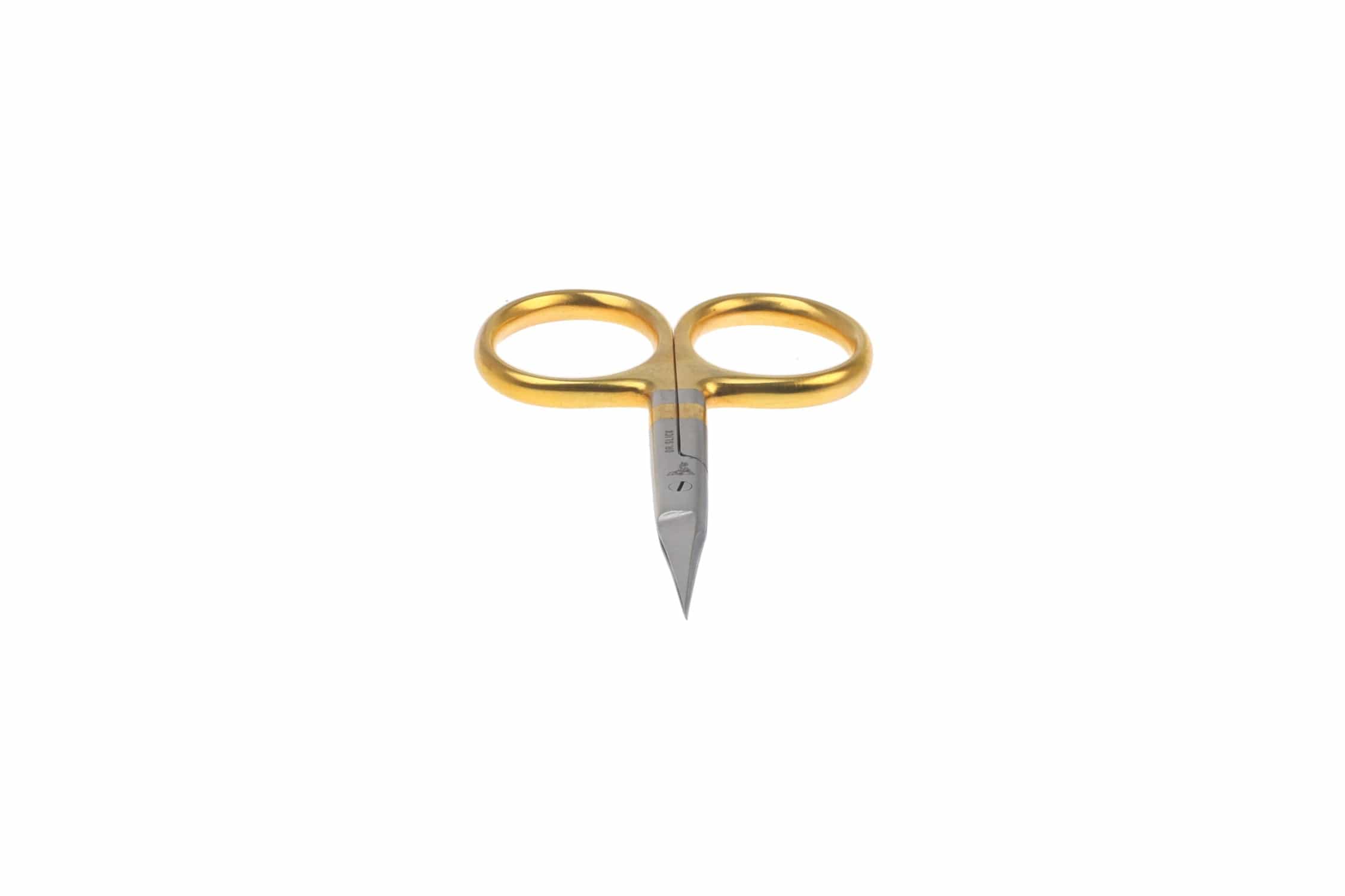
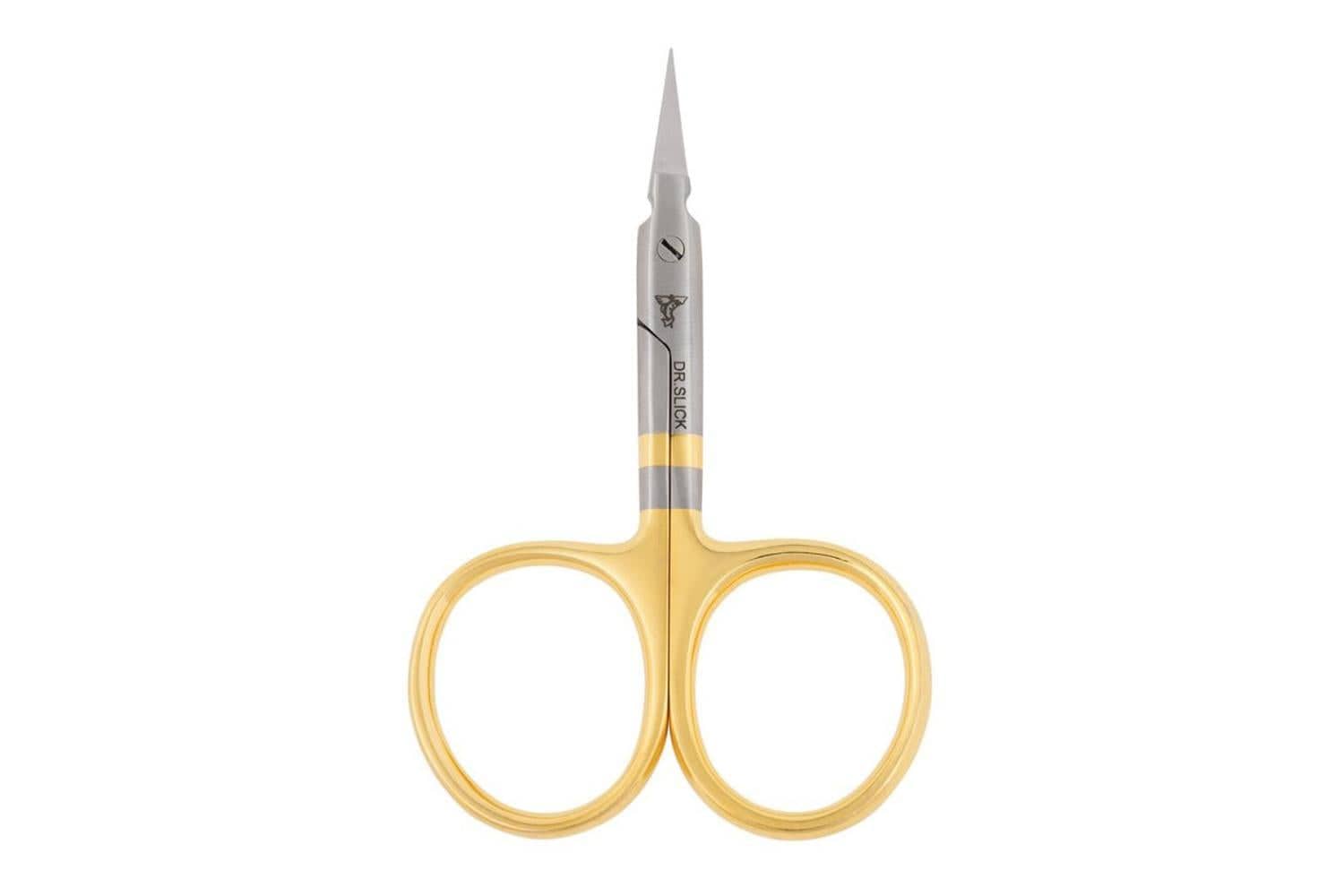
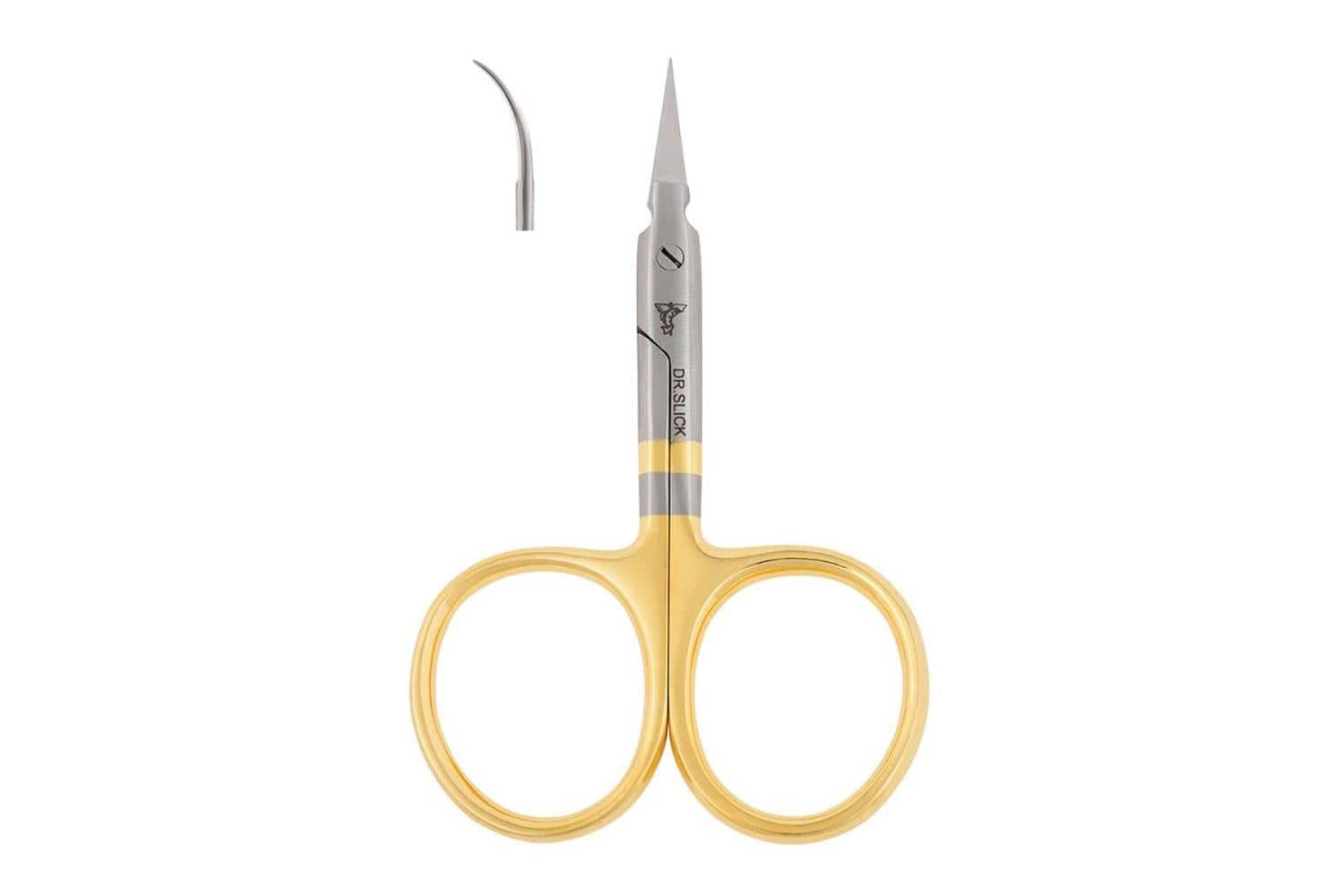
- Best for Small Flies: Dr. Slick Arrow Scissor - A short 3.5-inch, fine-bladed scissor for detail work on small flies. The notch at the base of the blades handles wire so you never dull the tips.
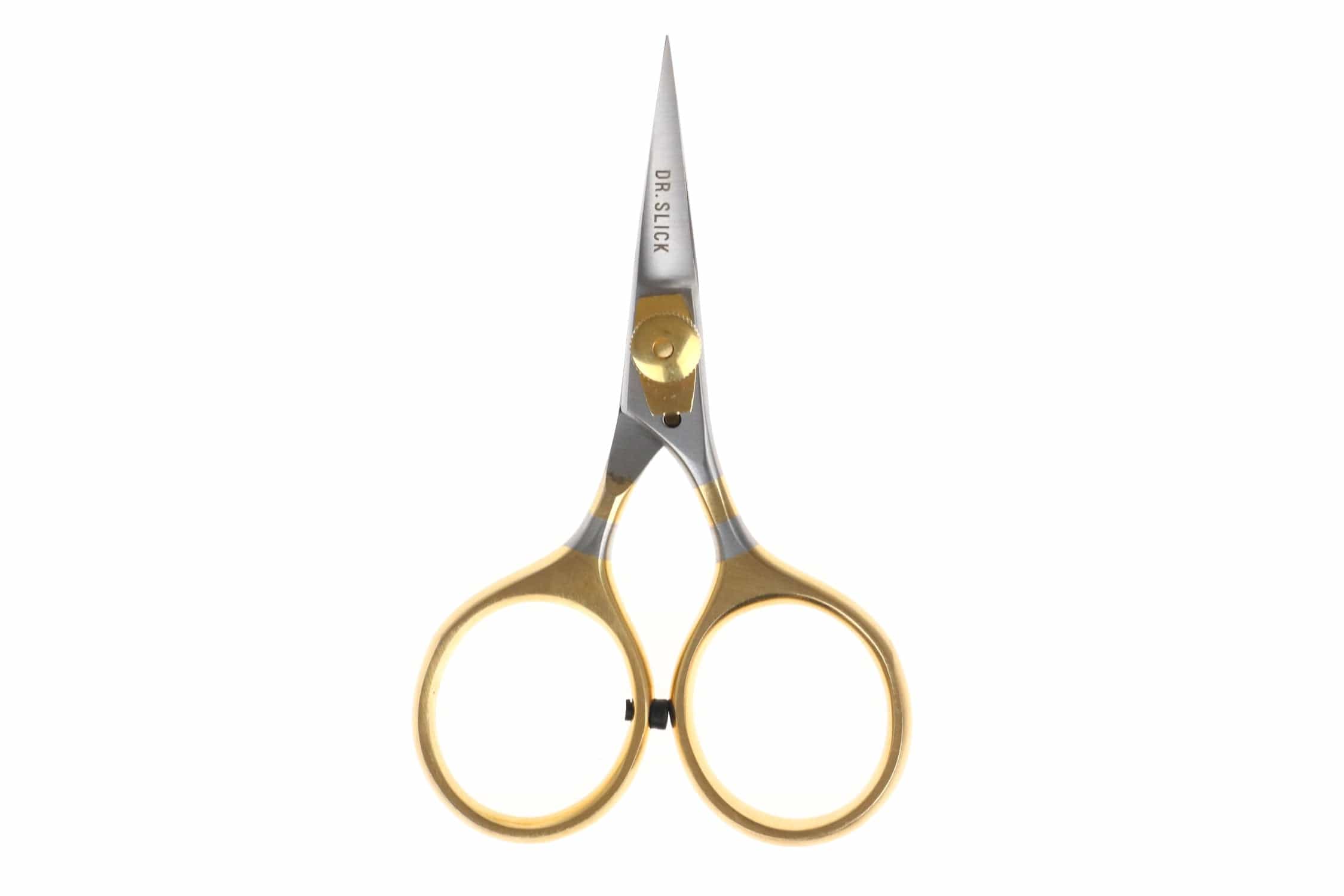
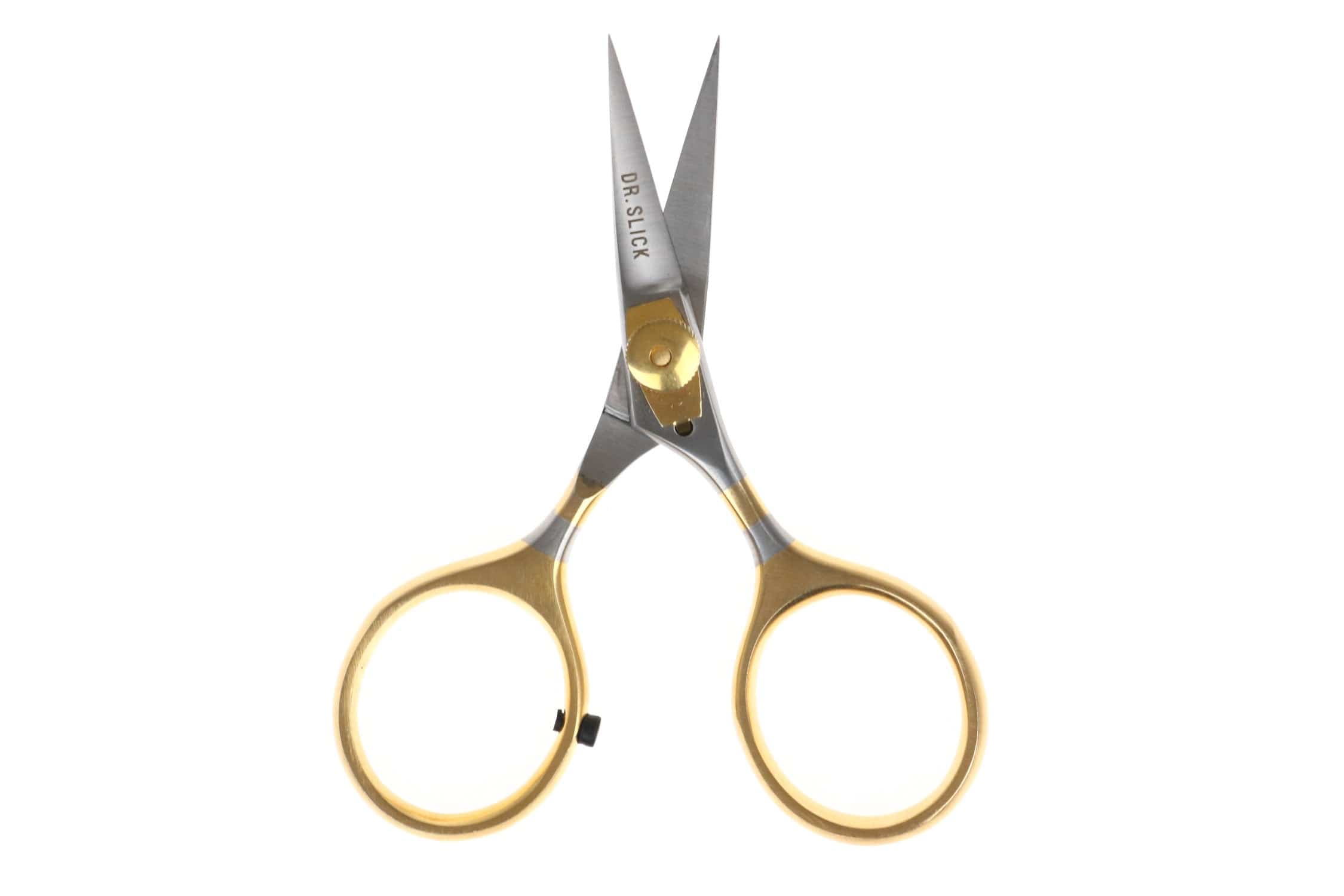
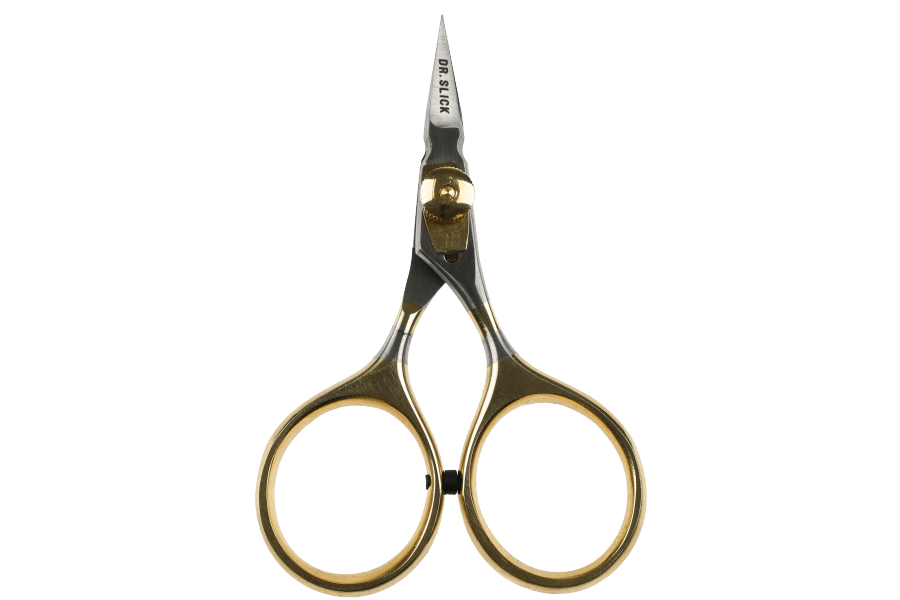
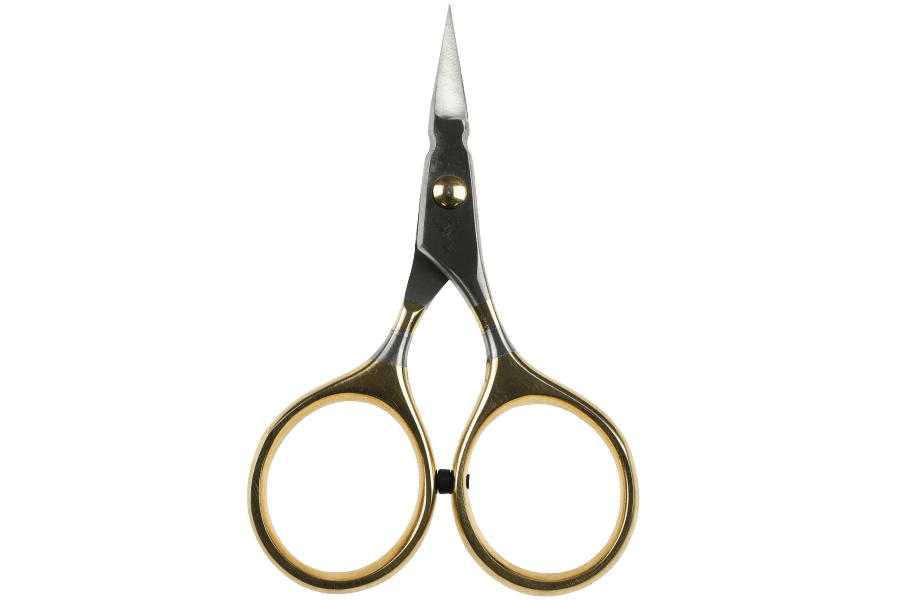
- Best Premium Scissor: Dr. Slick All Purpose Razor Scissor - 440 stainless with razor-sharp serrated blades and an adjustable tension knob, for tiers who cut a lot of synthetics. Worth the step up if your current scissors push material instead of cutting it.
- Best Bobbin: Dr. Slick Ceramic Bobbin - Dual ceramic inserts cut thread wear and breakage, and the Delrin feet give fine tension adjustment. Comes in 3, 4, and 4.75-inch lengths to fit your hand.
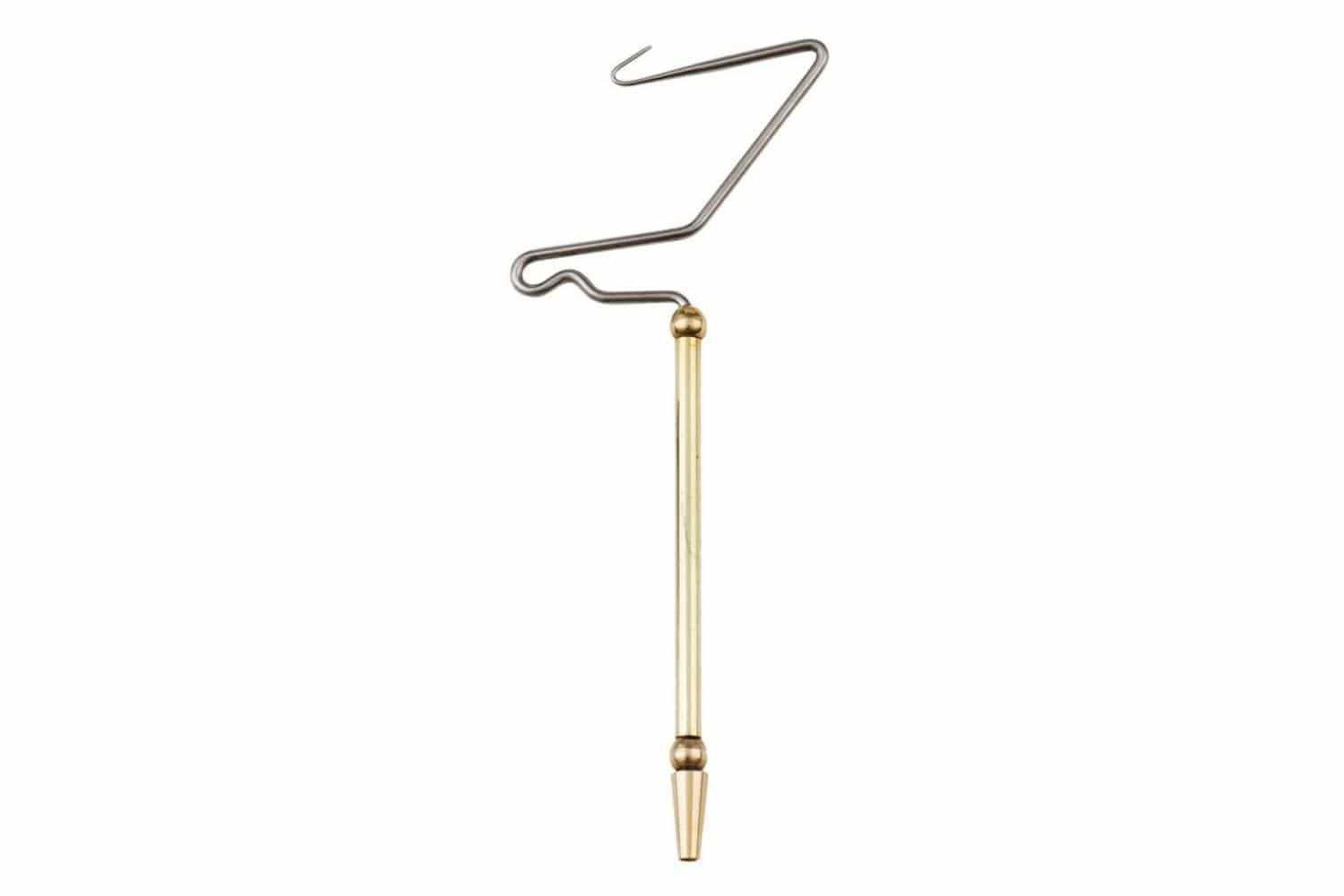
- Best Finishing Tool: Dr. Slick Whip Finisher - A rotary whip finisher with a built-in half hitch tool, in 4-inch for small and medium flies or 6-inch for big ones. Works left- or right-handed.
How to Choose Dr. Slick Fly Tying Tools
Scissors: pick the blade for the material
Action: Own two scissors: a fine pair for thread, hackle, and small flies, and a tougher pair for deer hair and synthetics. The All Purpose Scissor covers the second job; the Arrow Scissor or the Dr. Slick Microtip All Purpose Scissor, with its hypodermic-style microtip and one serrated blade, covers the first.
Best for: Tiers who work mostly in synthetics, the Razor versions. The All Purpose Razor and the Dr. Slick Arrow Razor Scissor are 440 steel with a tension knob so you can tighten the blades as they wear.
Bobbins, finishers, and the bench tools
Best for: Strong GSP and fine threads, the Ceramic Bobbin. On a budget, or for a second bobbin in another thread color, the Dr. Slick Glass Bobbin has smooth funnel-shaped glass inserts and the same Delrin feet for less money.
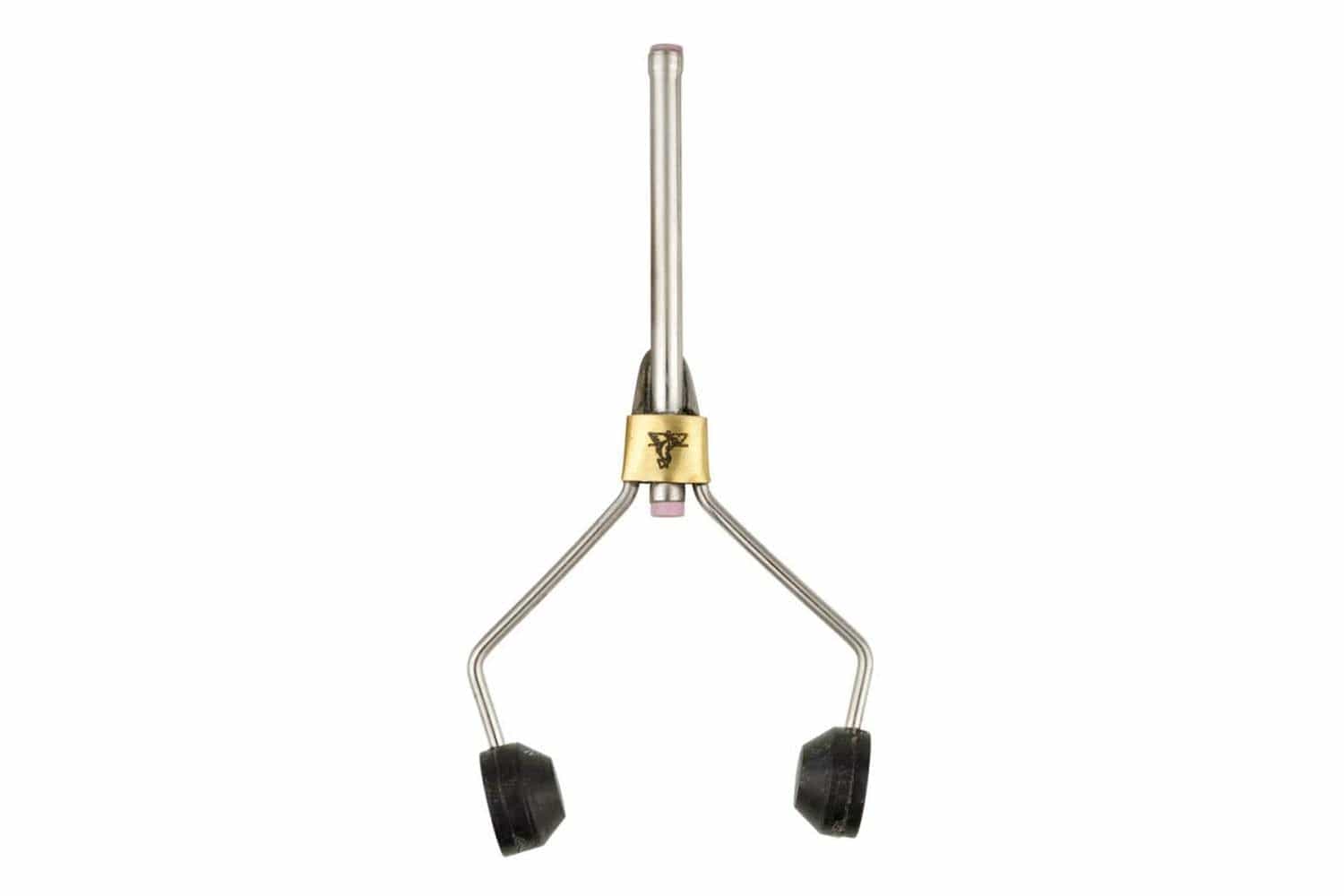
Tip: Several Dr. Slick tools hide a half hitch tool in the handle, including the Whip Finisher, Bodkin, Bobbin Threader, and Rotary Hackle Plier. The Hackle Plier is the basic 2.5-inch version with rubber tubing on one jaw; the rotary version keeps the feather from twisting as you wrap parachute posts.
Best for: Dubbing bodies, the Dubbing Twister for loops and the Dubbing Comb & Brush, which pairs a Velcro comb for light materials with a brass bristle brush for heavier ones. For hair wings and tails, the Dr. Slick Hair Stacker comes in three sizes and in brass, stainless, or aluminum, with a trumpet opening and a neoprene base that keeps fibers from bouncing.
Streamside tools that double at the vise
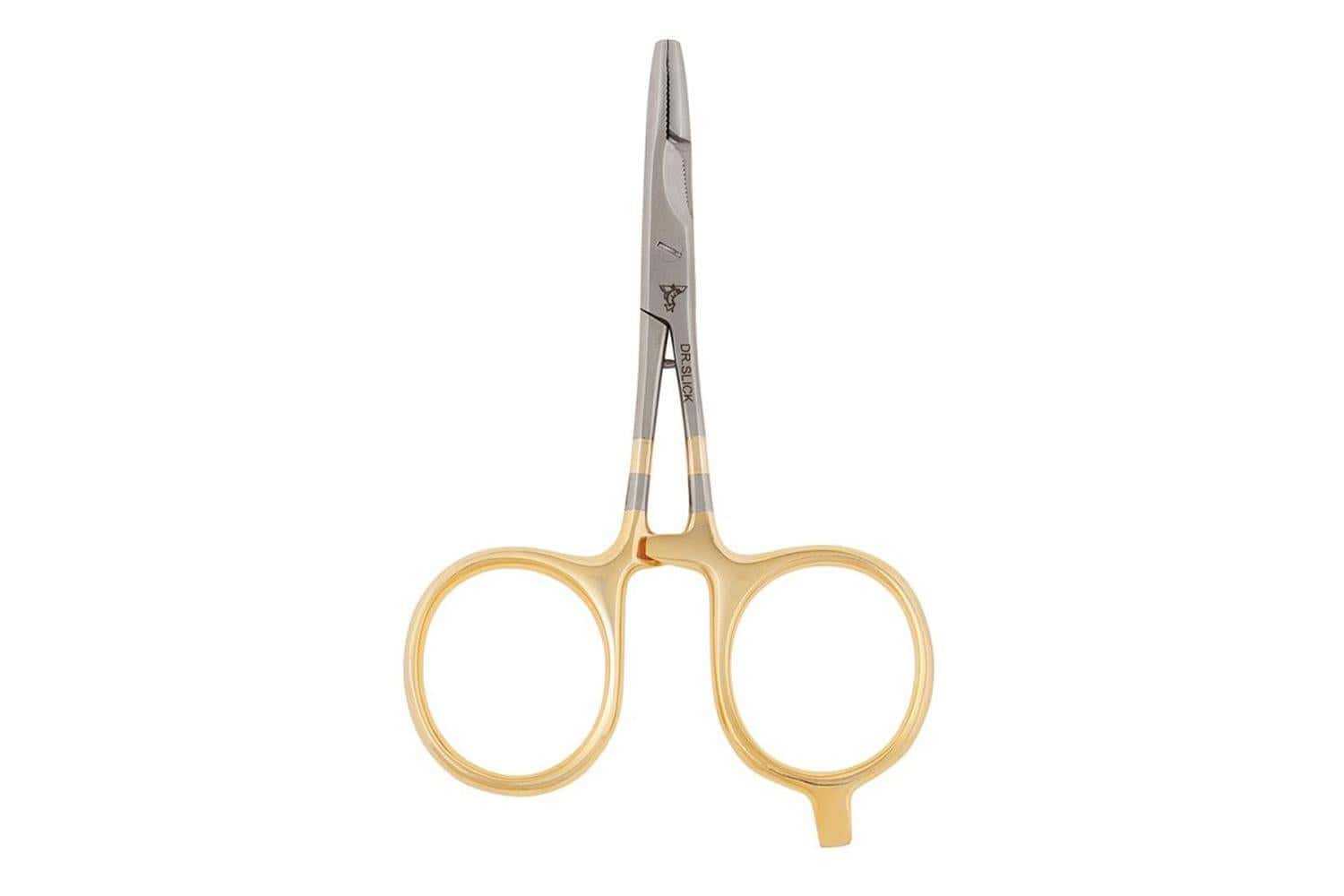
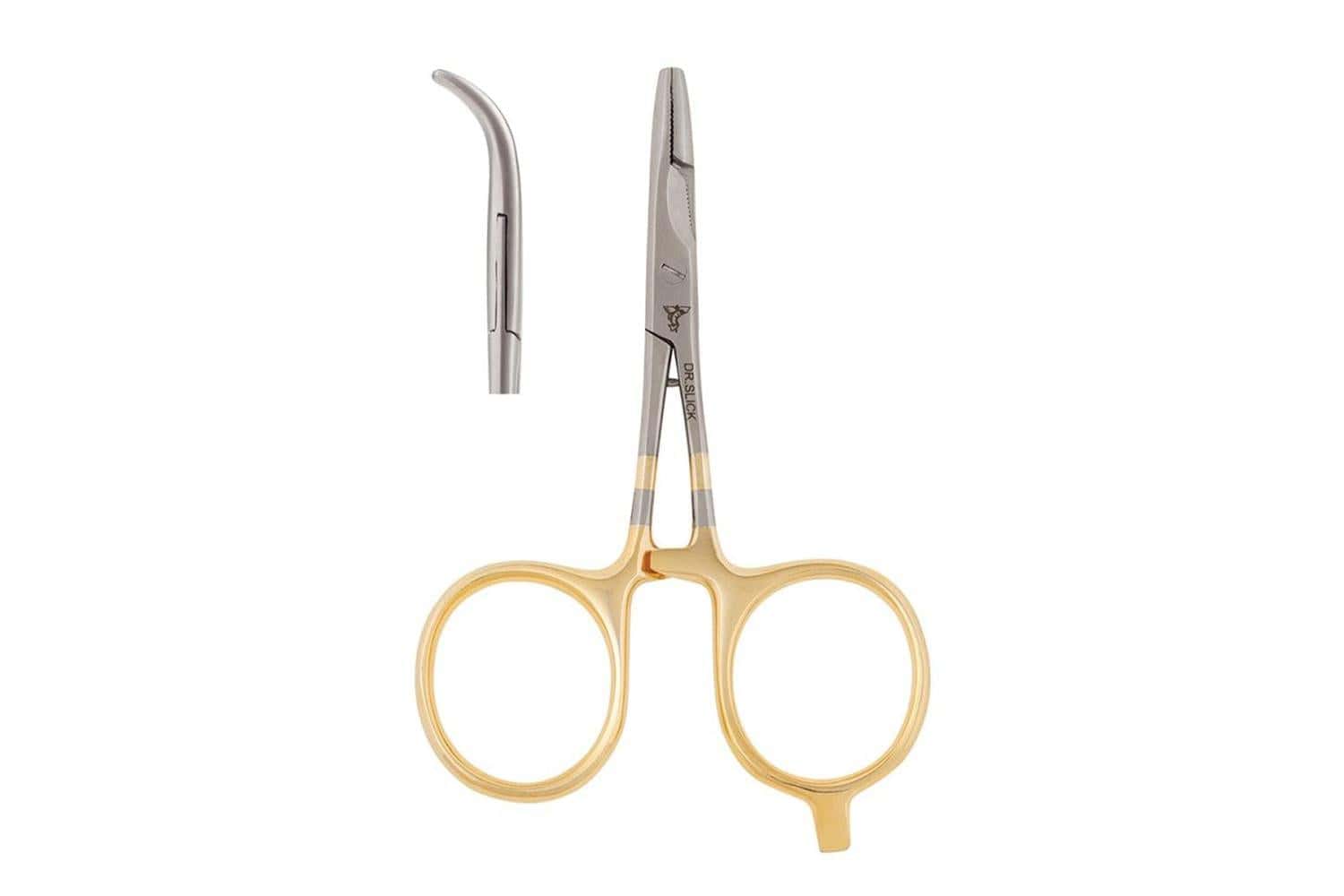
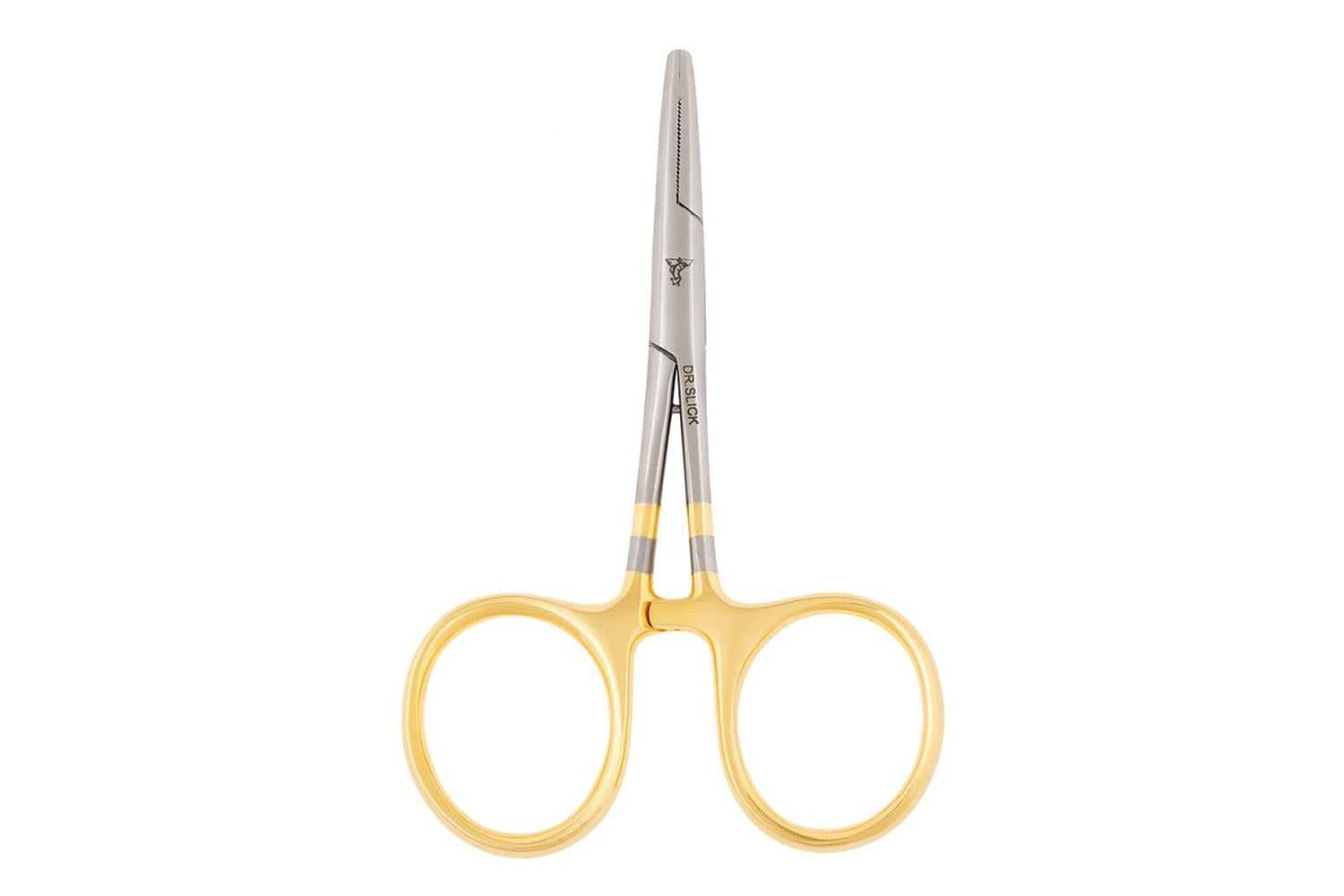
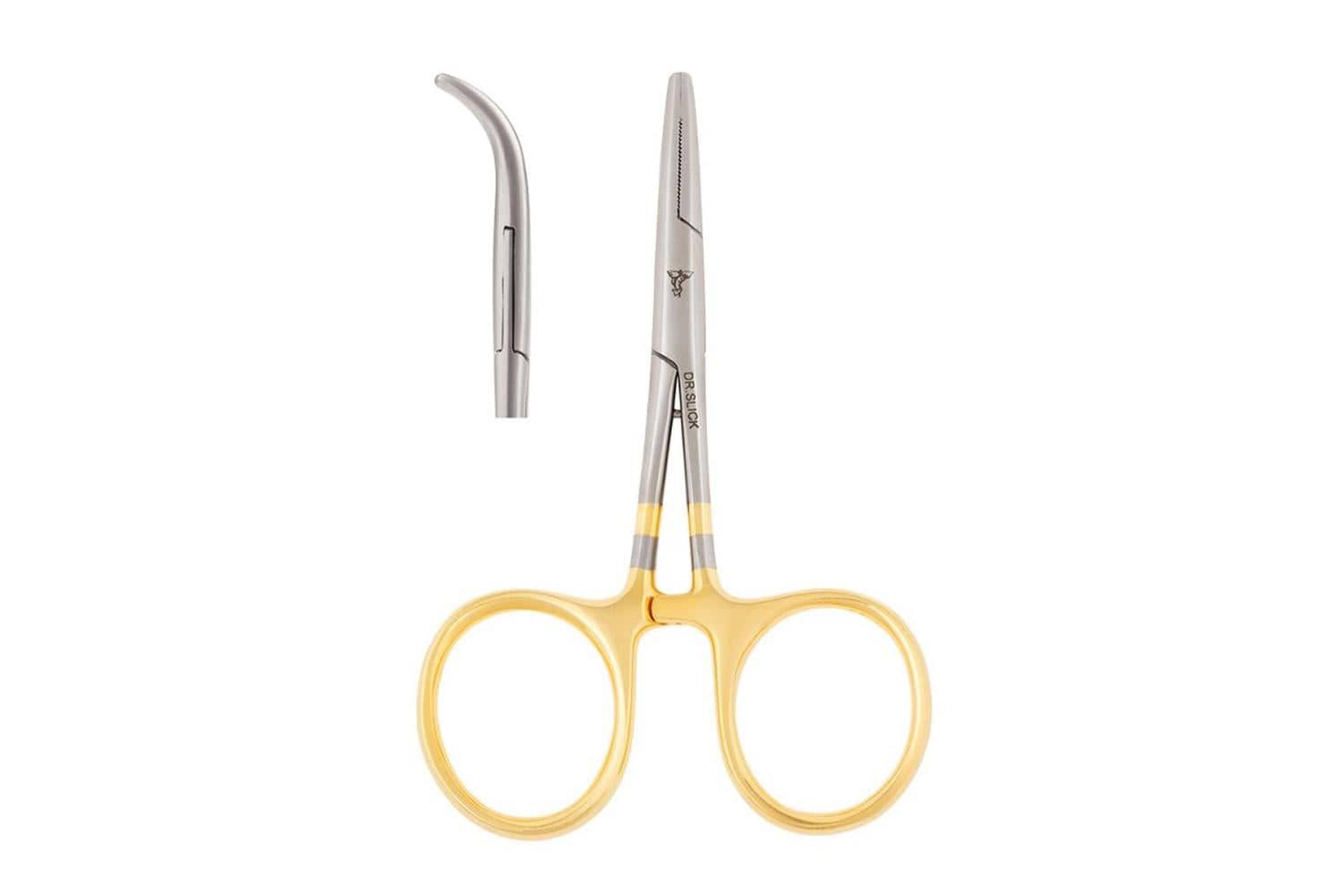
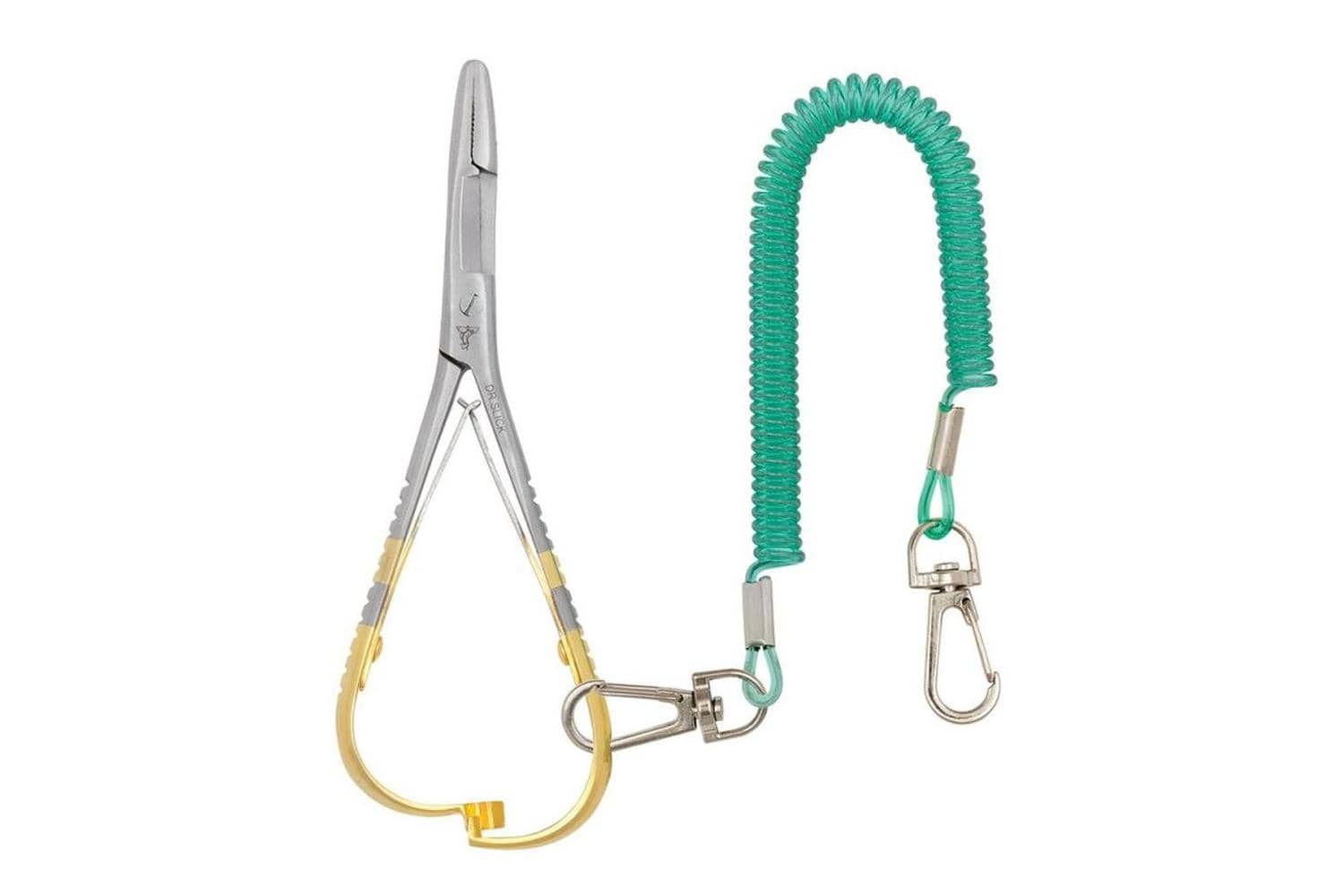
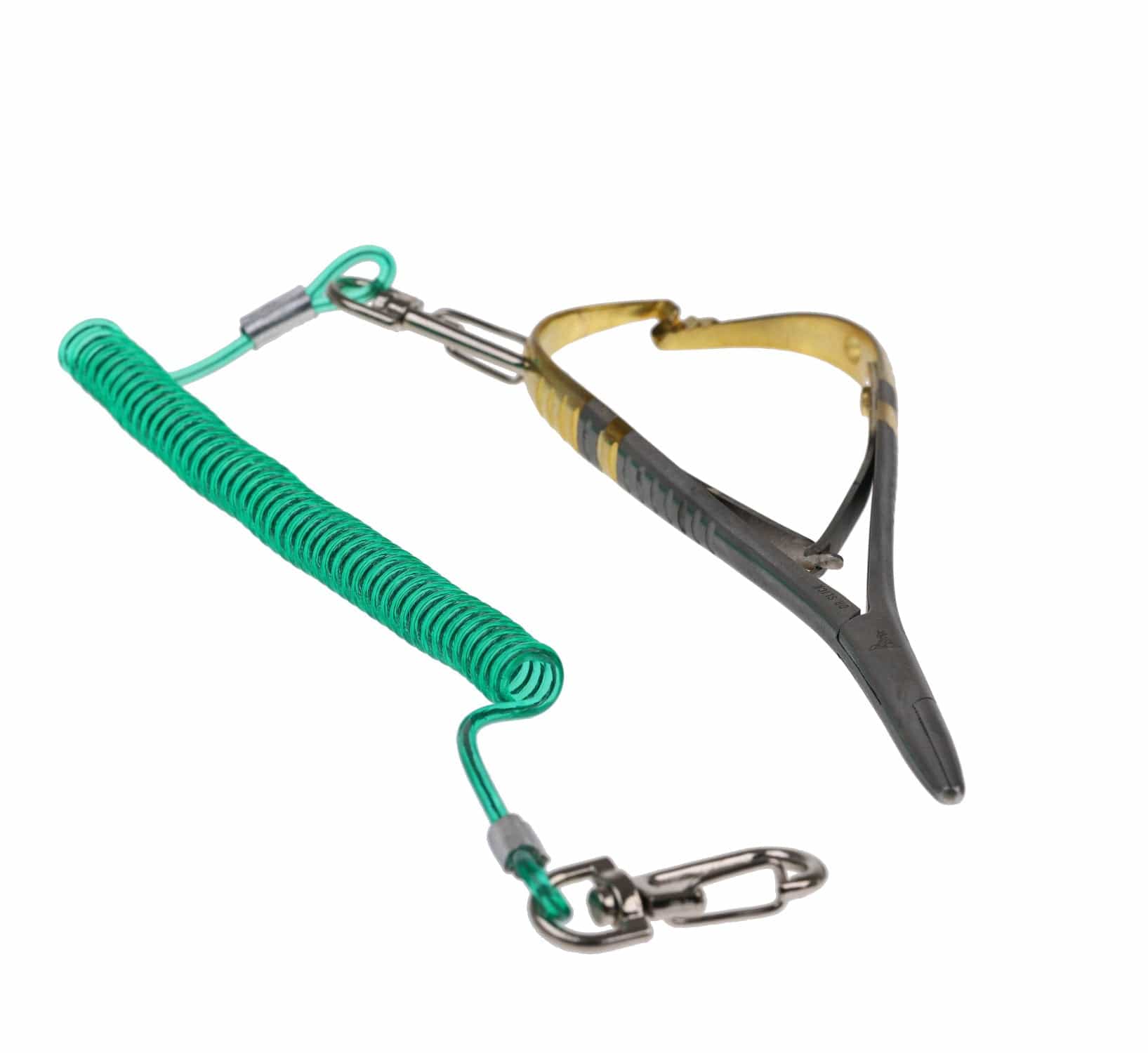
Best for: Everyday hook removal and barb crushing, the Standard Clamp, from 4 to 8 inches with a half-smooth, half cross-hatch jaw. The Scissor Clamp adds serrated scissors behind the jaws and a flat screwdriver tip, and the Mitten Scissor Clamp is spring loaded with no finger loops so it works through gloves.
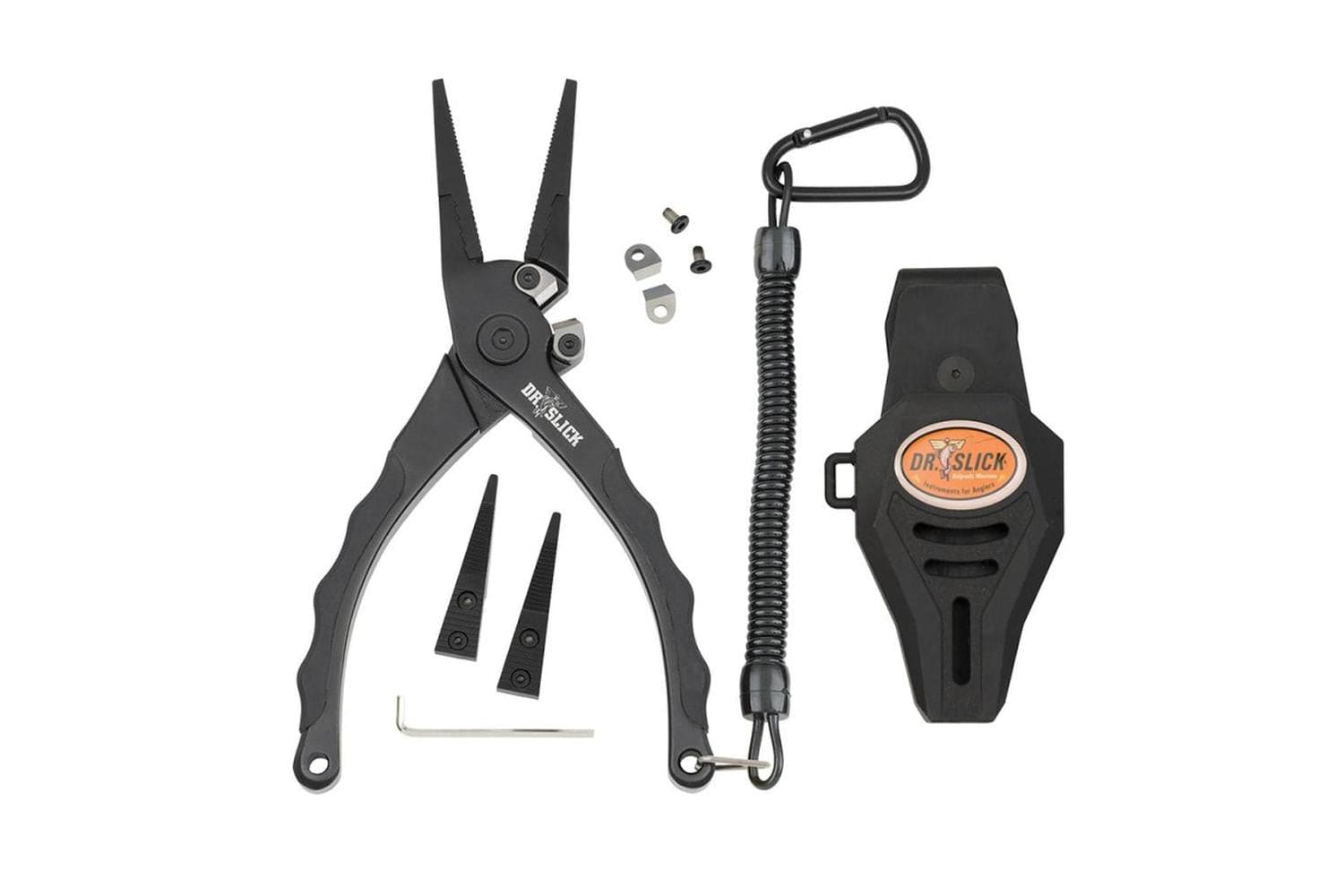
Best for: Saltwater, the Squall Plier: 6061-T6 anodized aluminum with tungsten carbide side cutters that handle mono, braid, and wire up to 60 pounds. The Cyclone Nipper puts the same carbide blades in a pocket nipper that cuts braid and coated wire up to 20 pounds.
Why Trident Carries Dr. Slick
Dr. Slick has been the default fly tying tool brand in shops for decades for a simple reason: the tools are made to a consistent standard, they are priced so a beginner can build a full kit without pain, and the scissors hold an edge.
Care & Maintenance
- Wipe the blades: Head cement, UV resin, and dubbing wax build up on scissor edges and make them feel dull. A wipe with alcohol on a cloth after a session keeps them cutting.
- Cut only what the tool was built for: Fine scissors are for thread, feathers, and hair. Wire, lead, and hard synthetics go to the wire notch, a carbide nipper, or the plier cutters.
- Adjust the tension knob: On the Razor scissors, tighten the knob slightly if the blades start to fold material instead of cutting. It restores edge contact without sharpening.
- Rinse after salt: Clamps, pliers, and nippers that see saltwater get a fresh-water rinse and a drop of oil at the hinge. Anodized aluminum resists corrosion but the hinge pins still need it.
Complete Your Setup
Related Gear
- Fly Tying Scissors - Compare Dr. Slick scissors with the other brands we carry.
- Fly Tying Bobbins - Ceramic, glass, and standard bobbins for every thread.
- Fly Tying Tools - Vises, stackers, whip finishers, and the rest of the bench.
- Fly Fishing Pliers & Forceps - Streamside clamps and pliers for freshwater and salt.
Related Guides
- Fly Tying Essentials: The Basics for First-Time Tyers
- How to Tie the Parachute Adams Fly
- How to Tie an Elk Hair Caddis Dry Fly
- How to Tie The Bead Head Wooly Bugger Fly
Dr. Slick Fly Tying Tools FAQs
Q: Which Dr. Slick scissors are best for fly tying?
A: For one pair, the 4-inch All Purpose Scissor, which handles natural and synthetic materials on flies from small to large. Add the 3.5-inch Arrow or the Microtip for small flies, and a Razor model if you cut a lot of synthetics.
Q: What is the difference between a Dr. Slick ceramic bobbin and a glass bobbin?
A: Both use smooth inserts to protect thread and Delrin feet for tension. The Ceramic Bobbin's dual ceramic inserts are the more wear-resistant choice for strong GSP threads and heavy use; the Glass Bobbin does the same job at a lower price for lighter threads and occasional tiers.
Q: Are Dr. Slick tools good for beginners?
A: Yes. They are the standard starter kit in most fly shops because the tools are consistent, affordable, and covered by a lifetime guarantee against defects.
Q: Should I get straight or curved scissors?
A: Straight blades are the all-purpose choice. Curved blades (30 degrees on the All Purpose) help when trimming around a hook shank or shaping a deer hair head, and the bent shaft keeps your hand out of the line of sight.
Q: Can I use Dr. Slick scissors to cut wire or lead?
A: Not with the blade tips. The Arrow Scissor has a notch at the base for wire, and the Cyclone Nipper and Squall Plier have tungsten carbide cutters for wire and braid. Cutting wire with fine tips chips the edge.
Q: What does the half hitch tool on Dr. Slick tools do?
A: It lets you tie a half hitch behind the eye to secure thread mid-fly or finish a head without a whip finisher.
Dr. Slick Warranty & Resources
Dr. Slick states that all of its tools and instruments carry a lifetime guarantee against workmanship and defects, and that every item goes through a six-step inspection before it ships. If a tool is defective, Dr. Slick says you can return it to the retailer where you bought it for a replacement, or complete its warranty form and send the item to Dr. Slick directly.
Learn More from Dr. Slick
- Dr. Slick Warranty
- Dr. Slick Fly Tying Catalog - The full tool lineup with specs by model.
- Dr. Slick Contact - Warranty and catalog requests direct from the manufacturer in Belgrade, Montana.