


























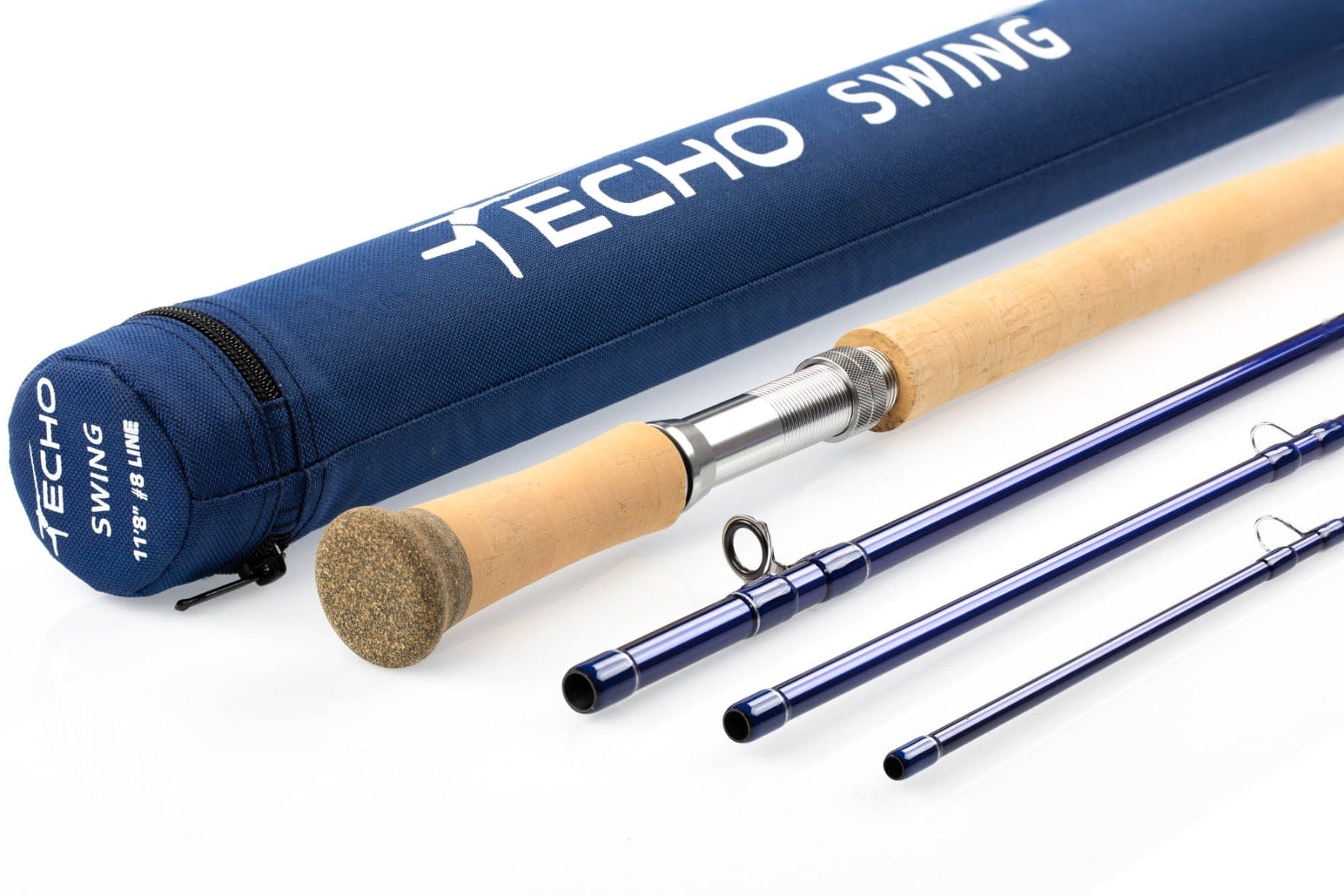

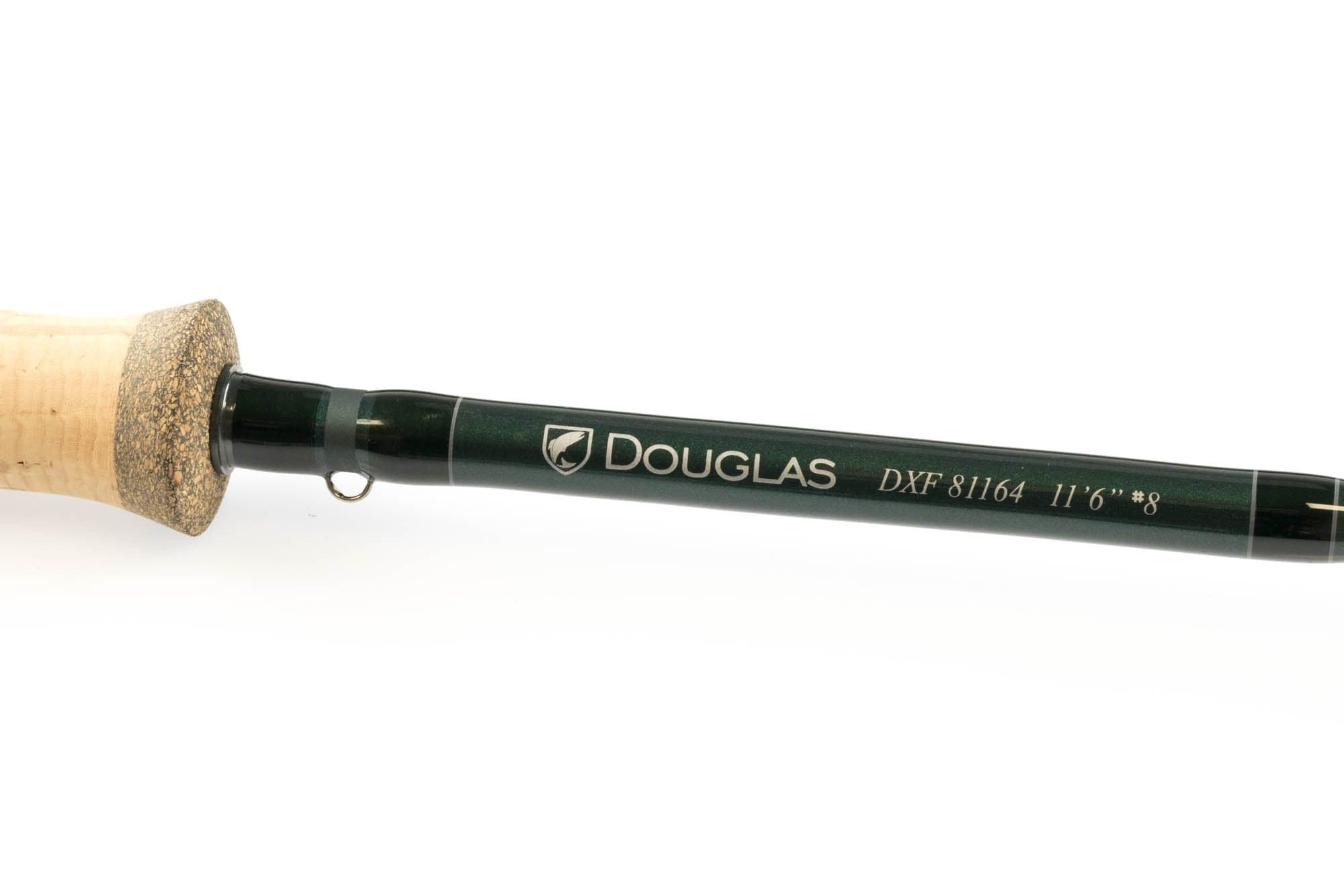


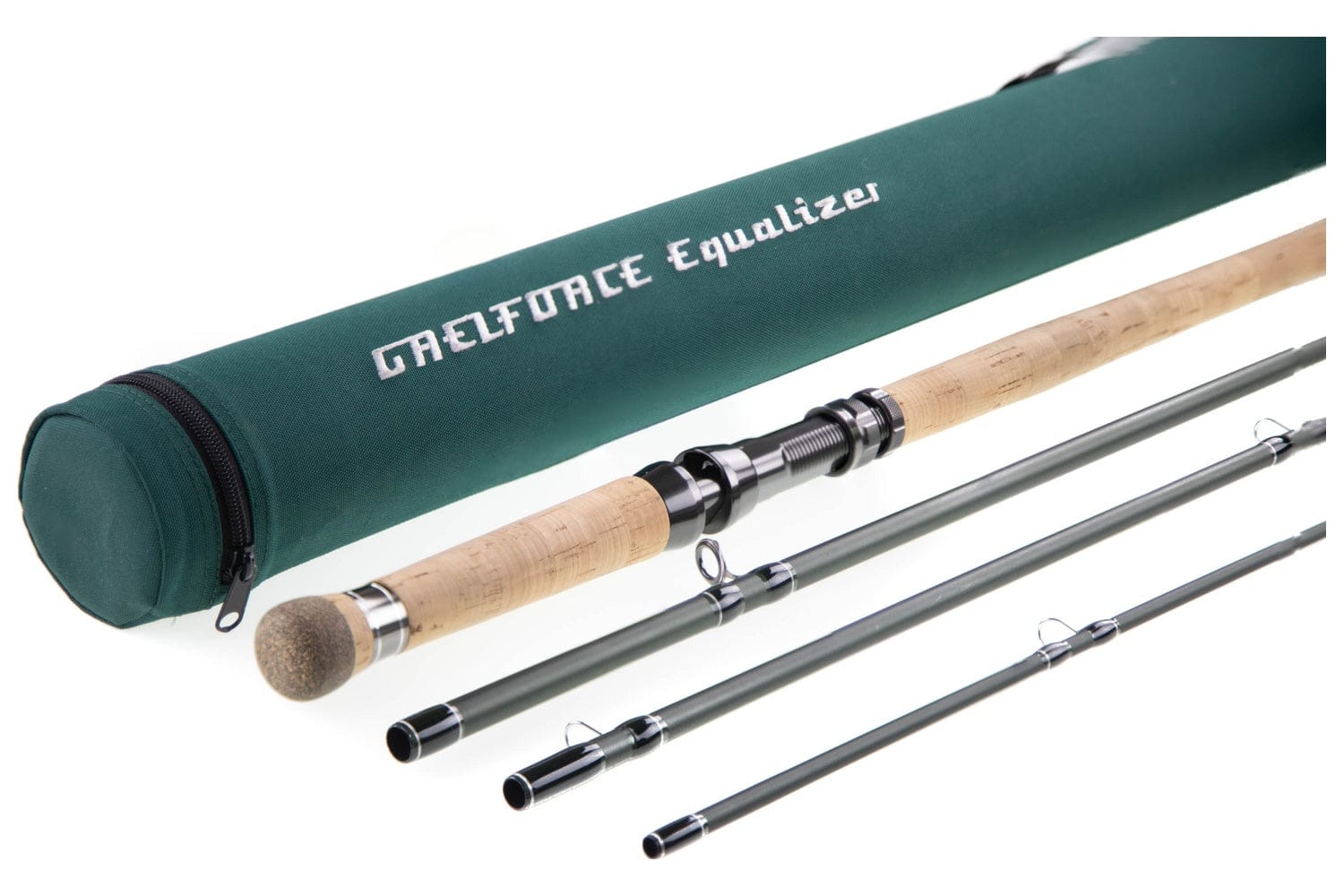


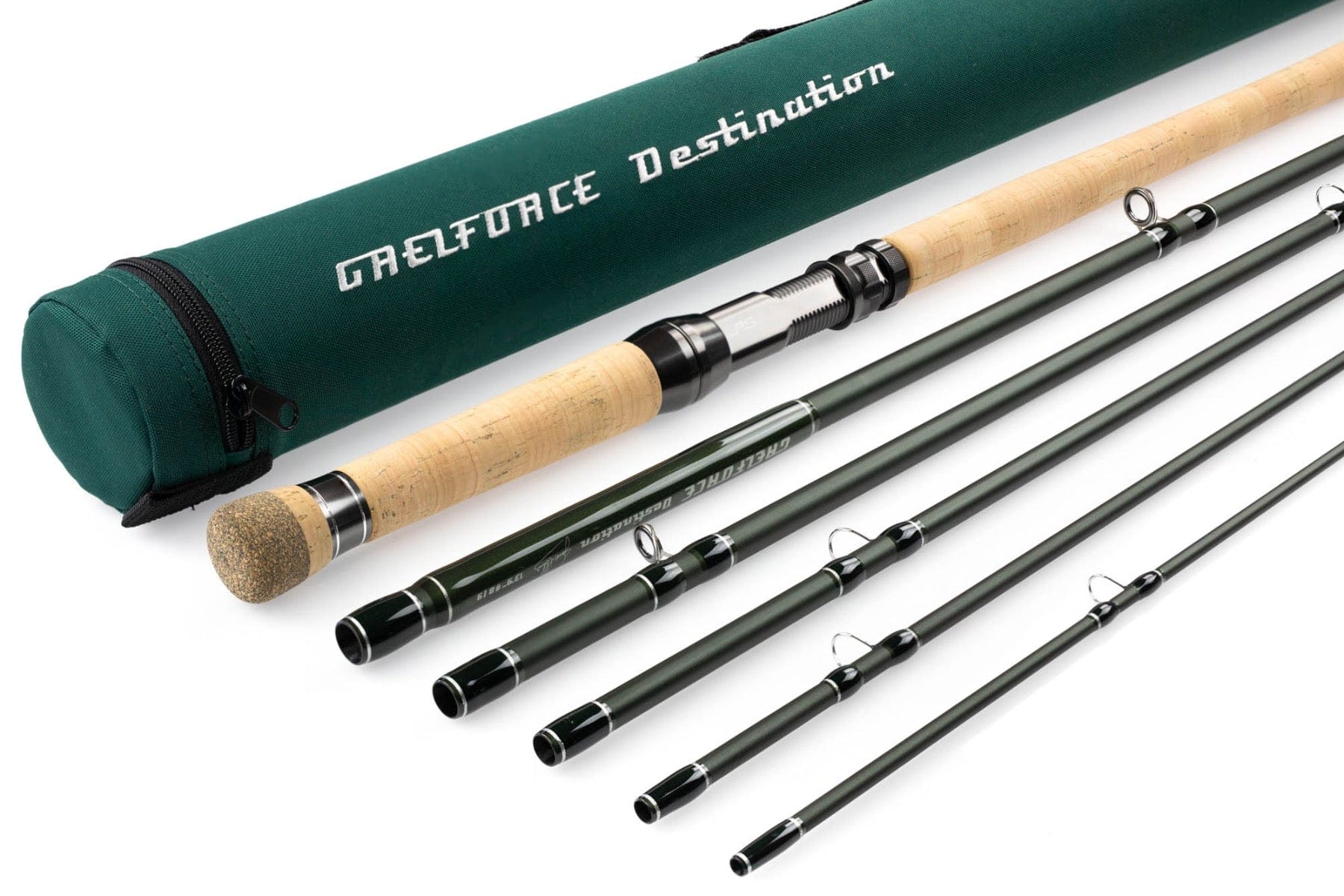


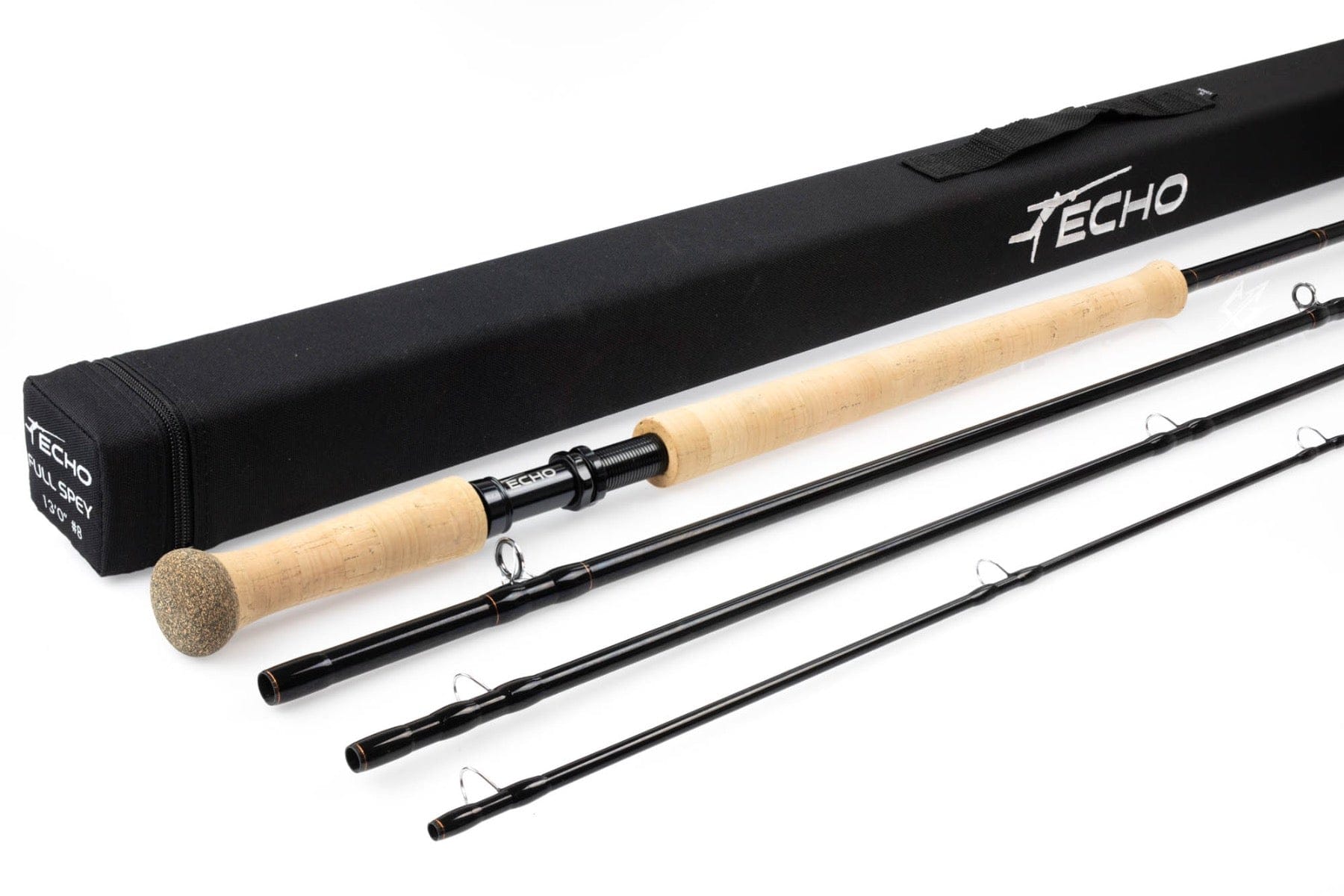
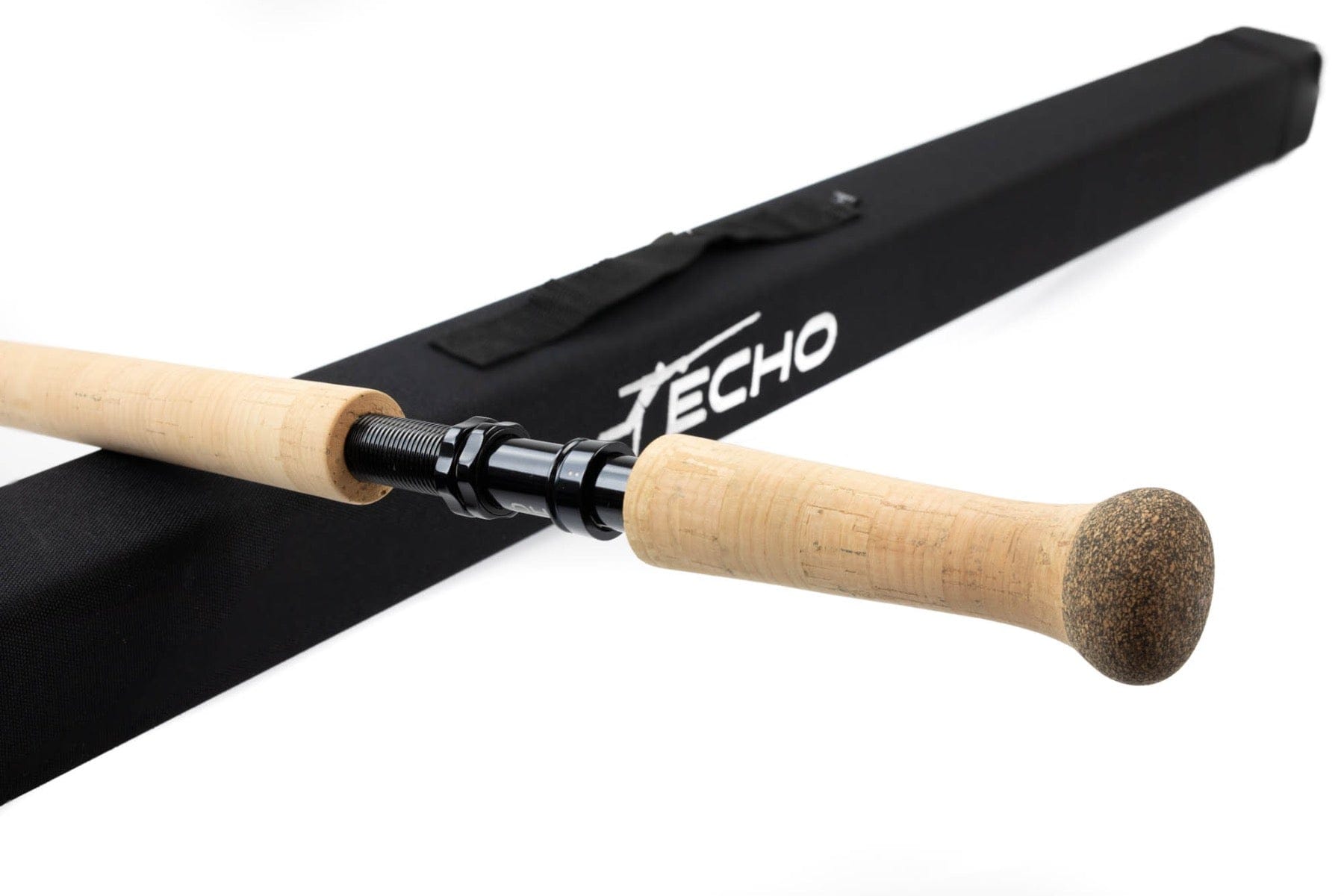



Salmon Fly Rods Quick Picks
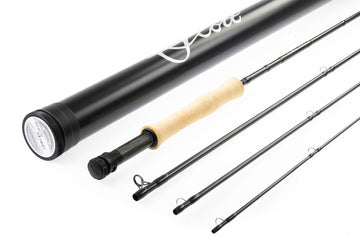
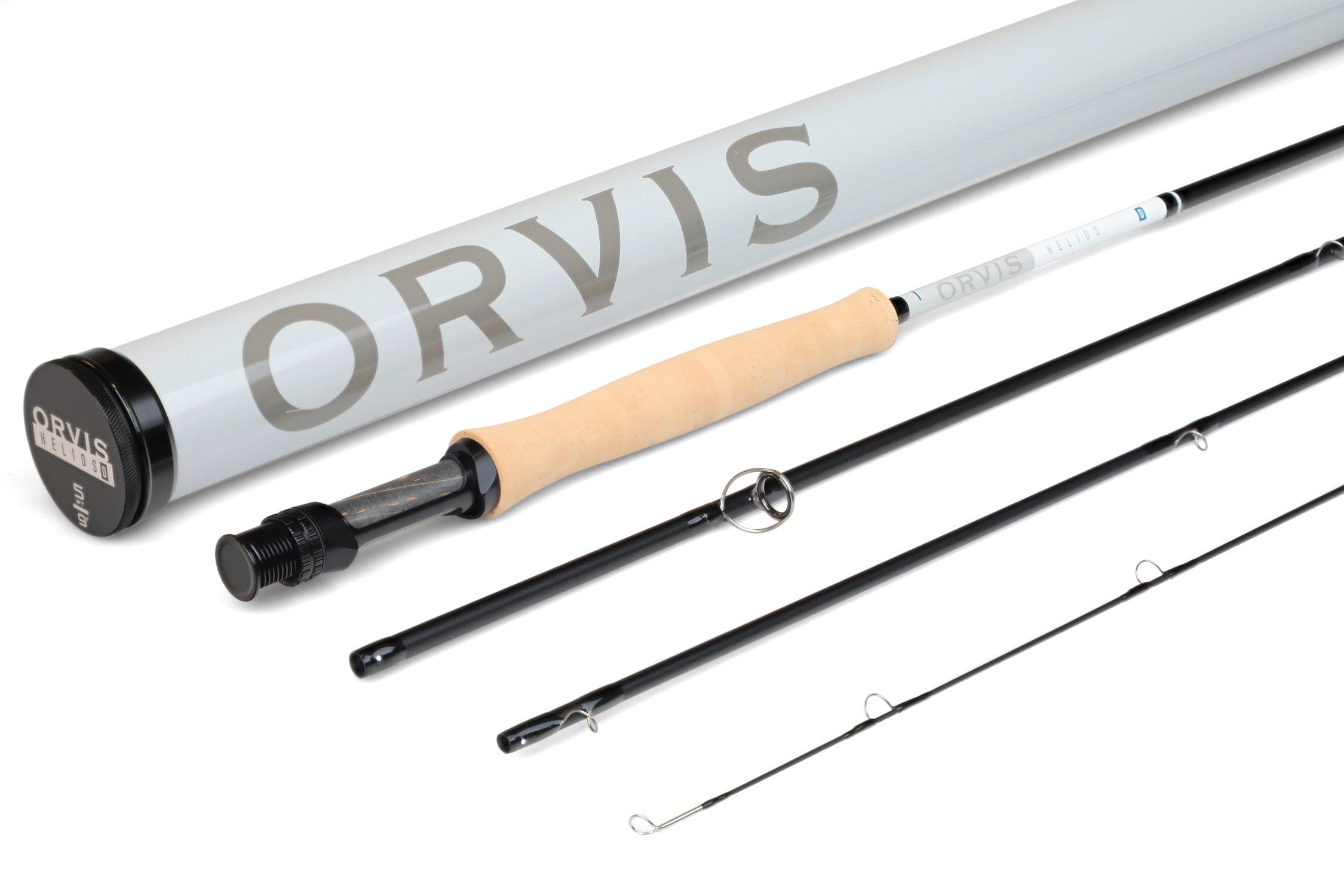
Best All-Around Single-Hand Rod: Orvis Helios 4 D Fly Rod - Works for anglers who want one rod for stripping streamers to Pacific salmon and presenting flies at distance to holding fish. Its accuracy at long range means fewer wasted casts when a school of fish is only in range for a few seconds.
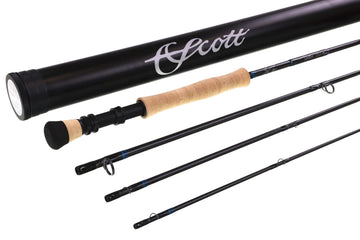
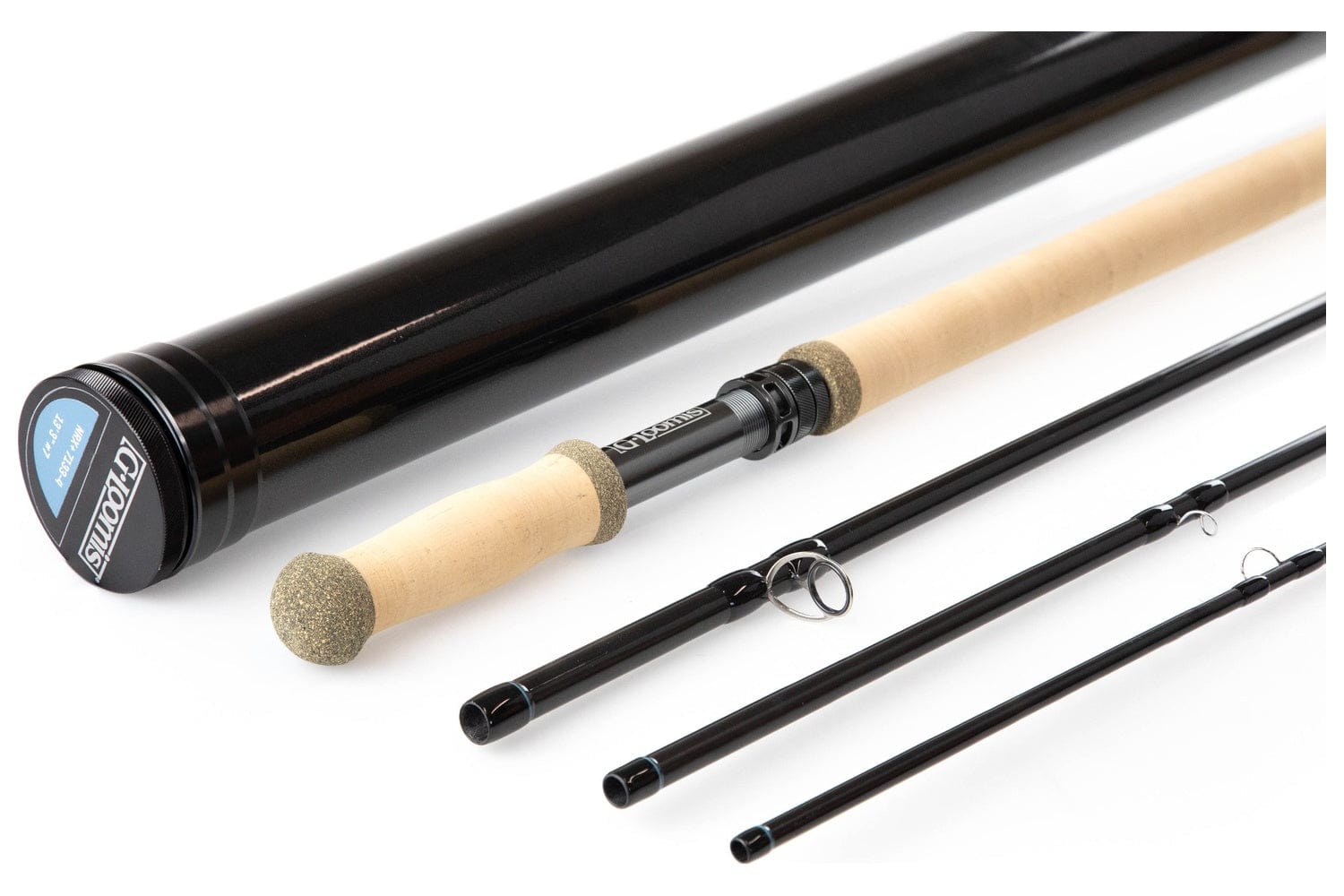
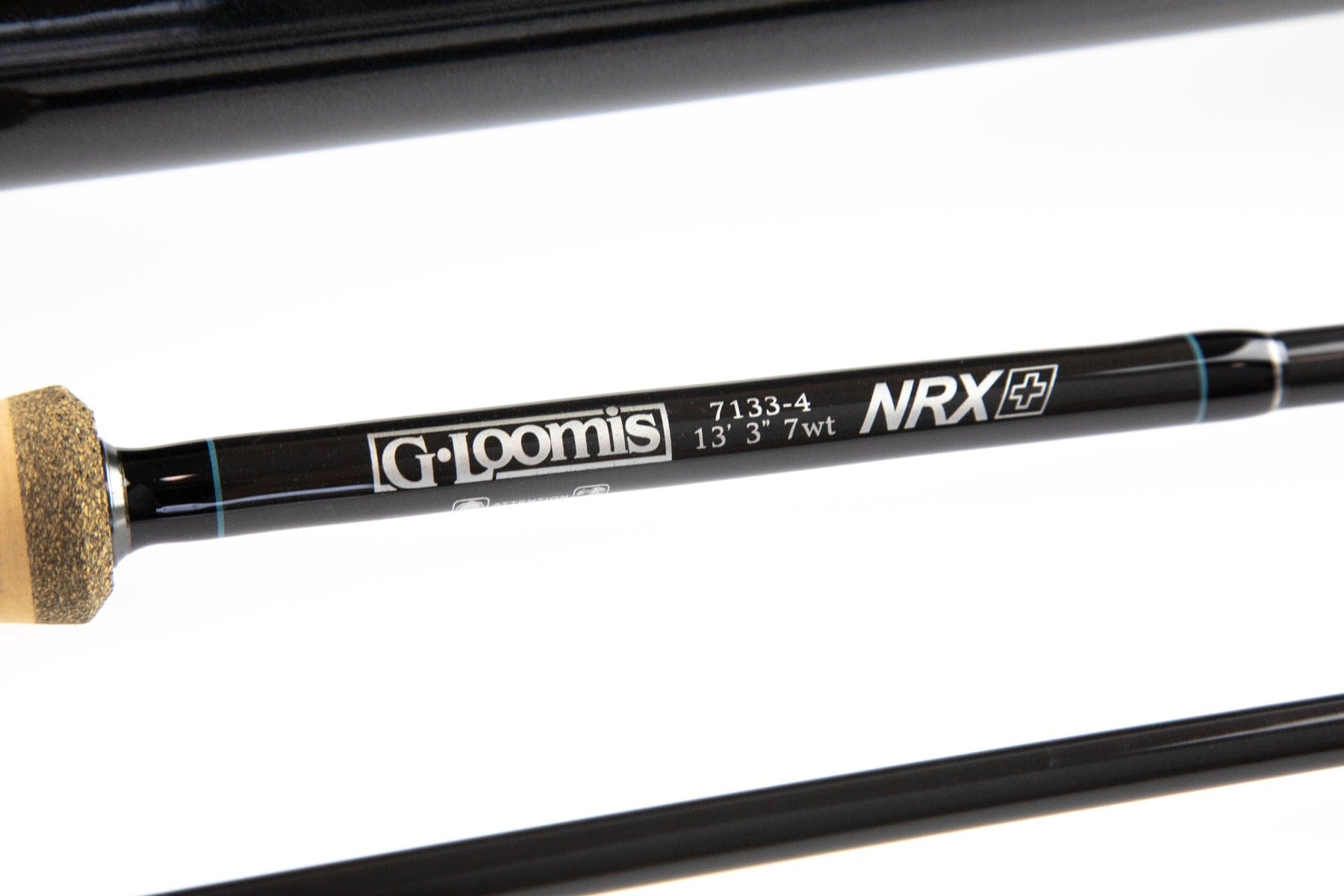
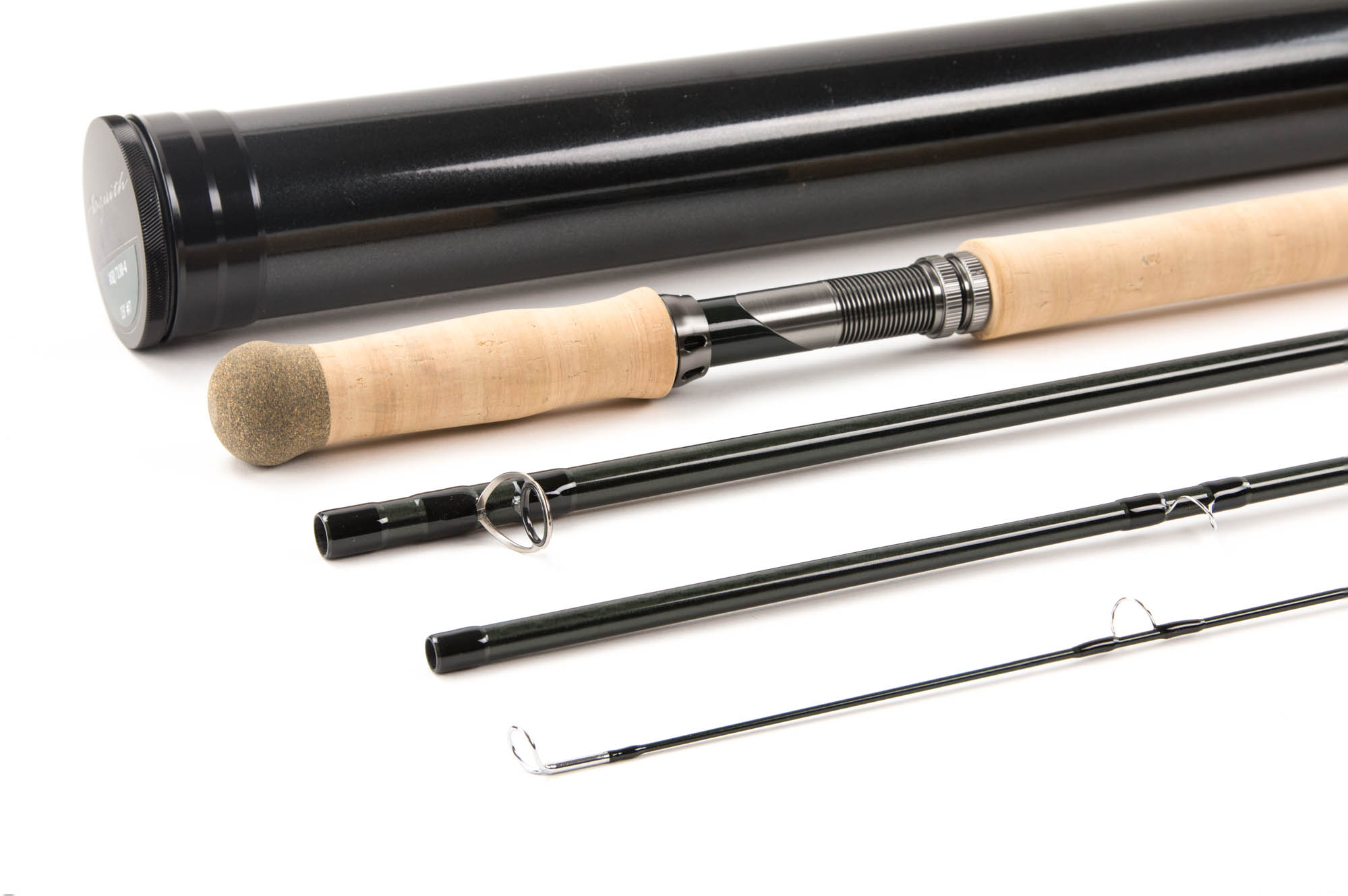
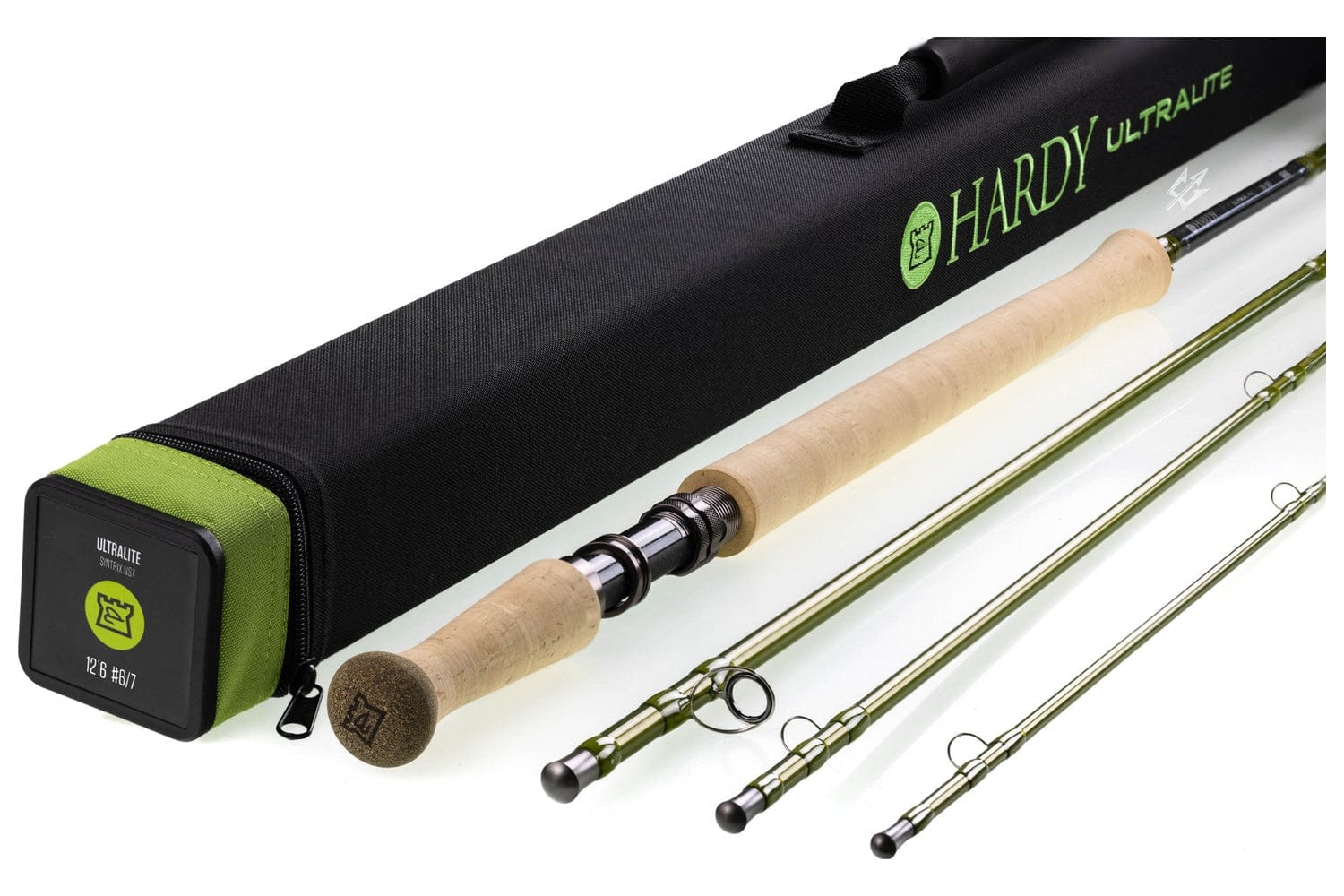
Best Premium Spey Rod: G. Loomis Asquith Spey Fly Rod - Built for anglers targeting big Pacific salmon on large rivers who want top-tier technology in their hands. It's deep loading and caster-friendly, which matters on long days of repetitive casting to cover water.
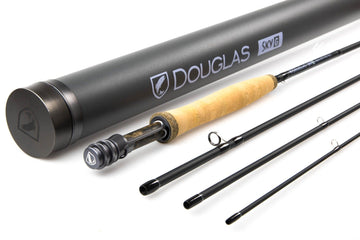
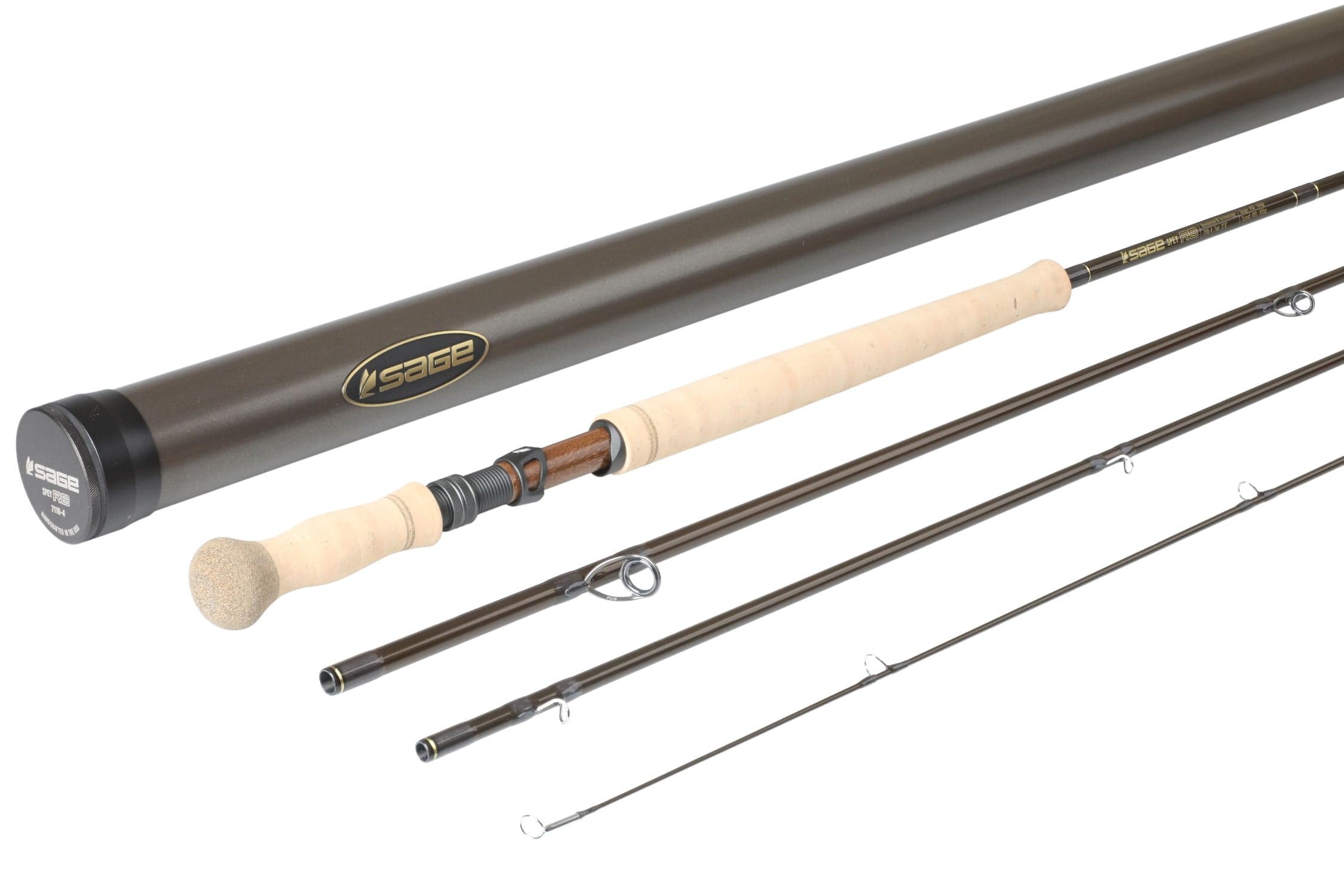
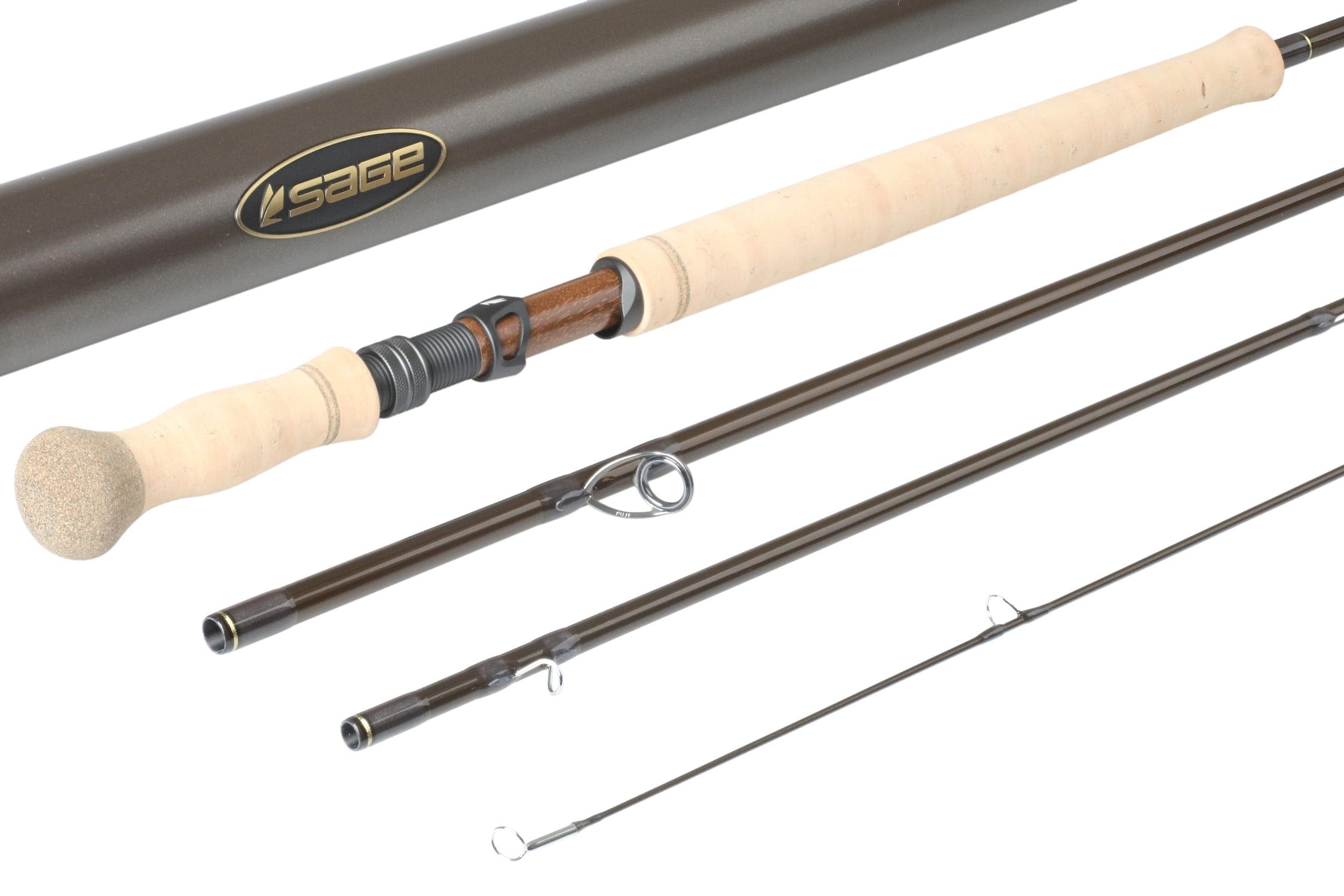
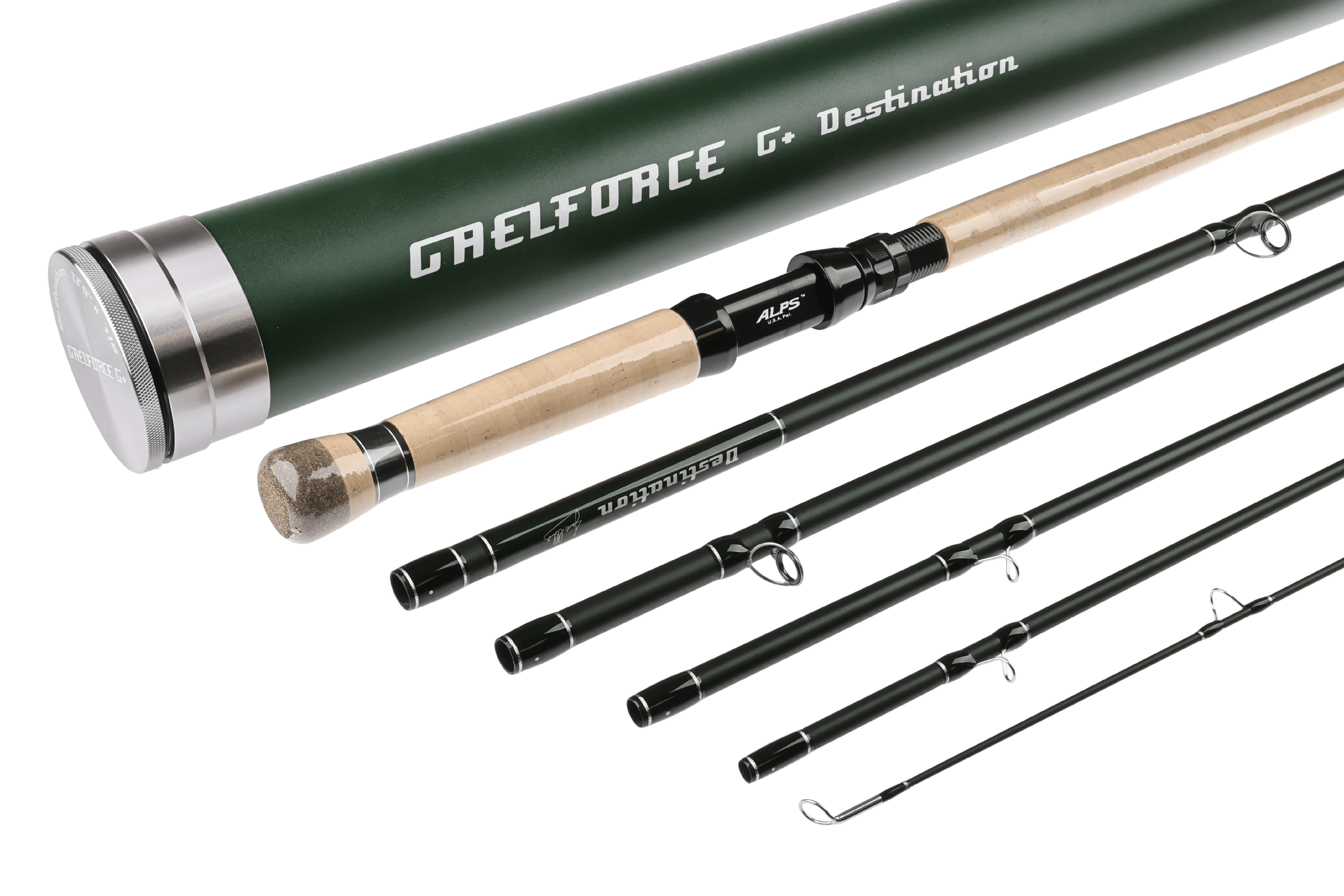
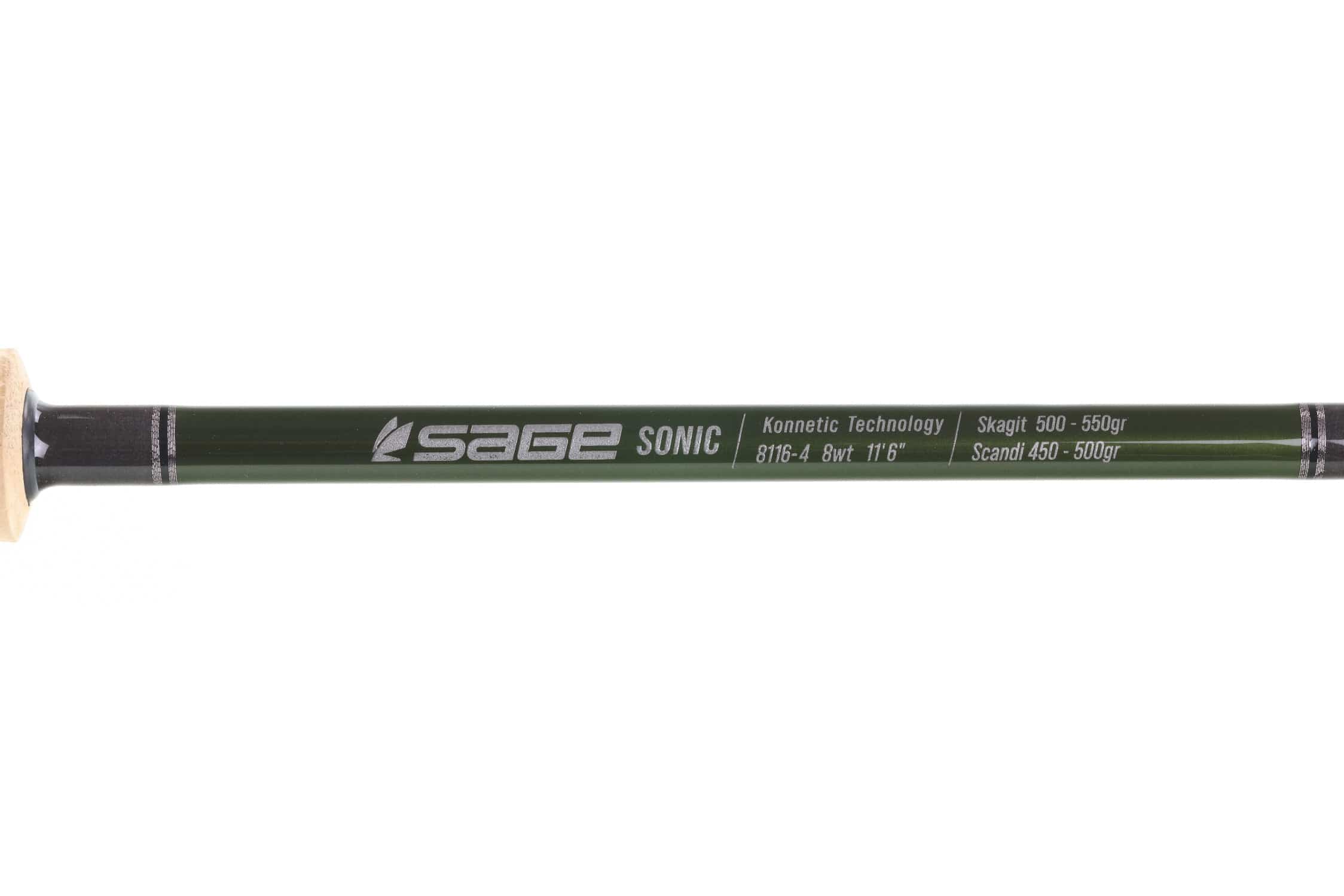
Best High-Performance Two-Hander: Sage Spey R8 Rod - Suited to anglers chasing king salmon runs where you need serious lifting power to turn a big fish in heavy current. This rod is built to heave large fish without giving up ground.
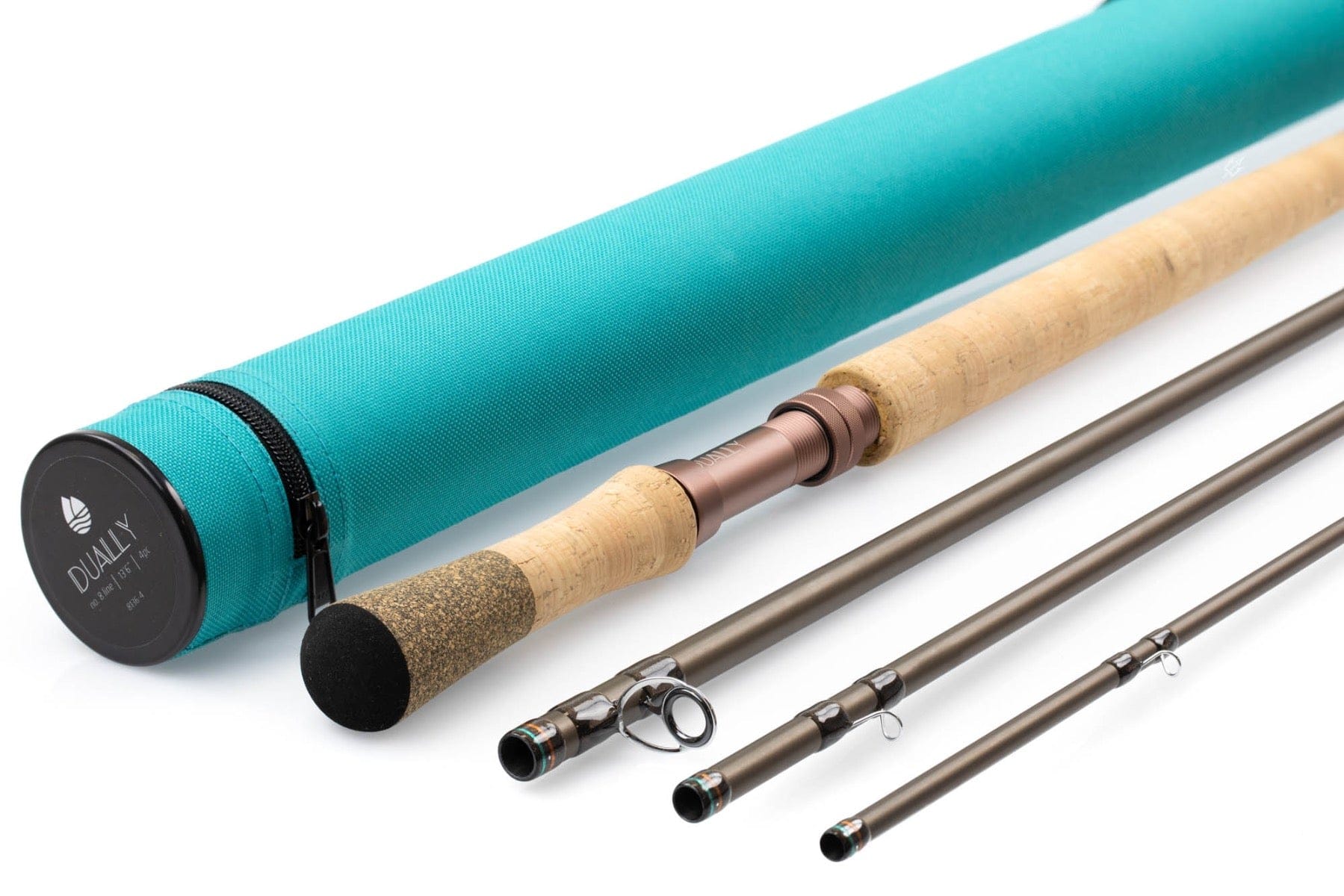
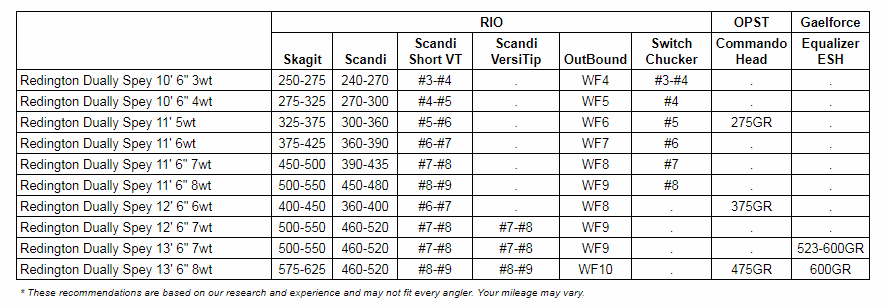
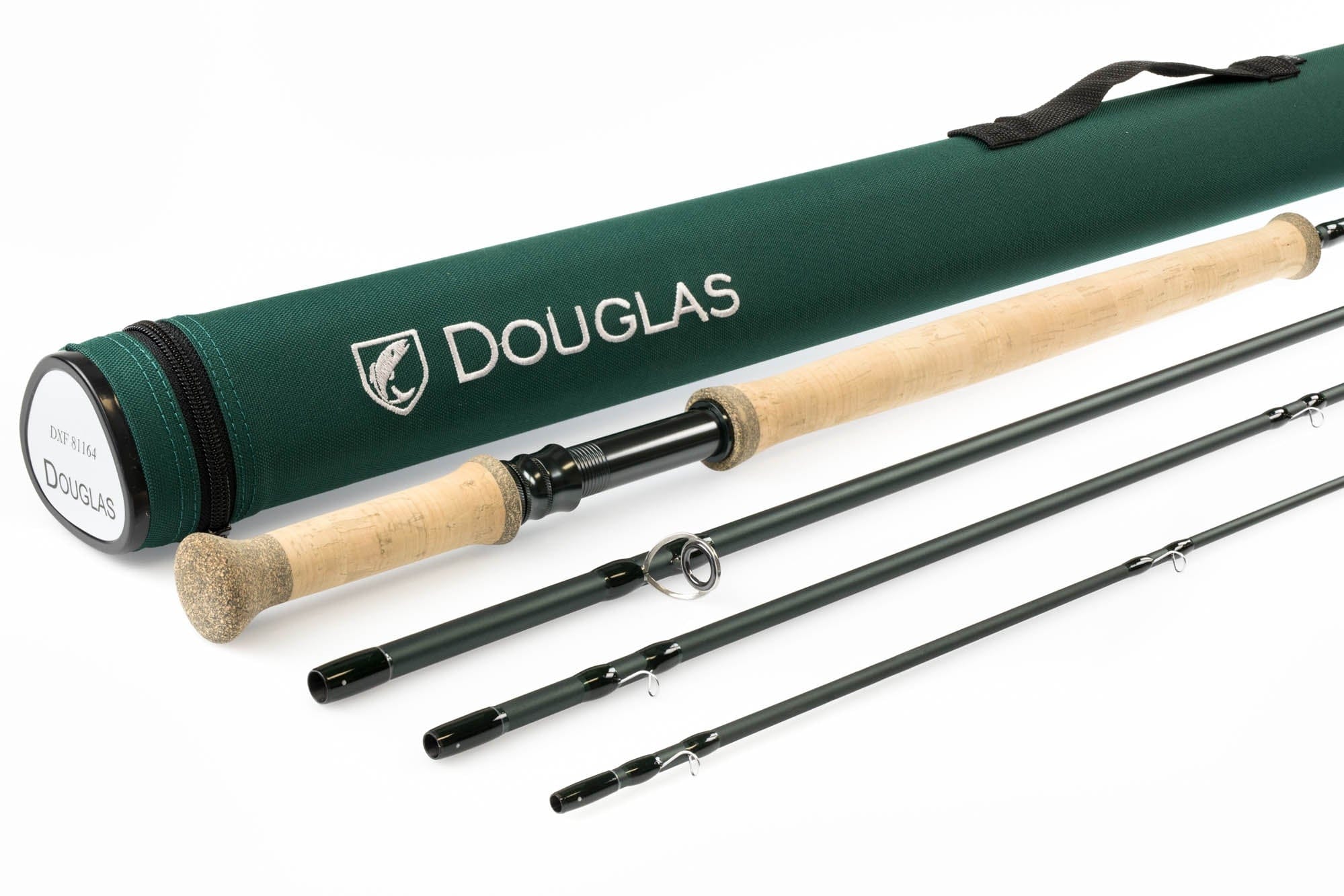
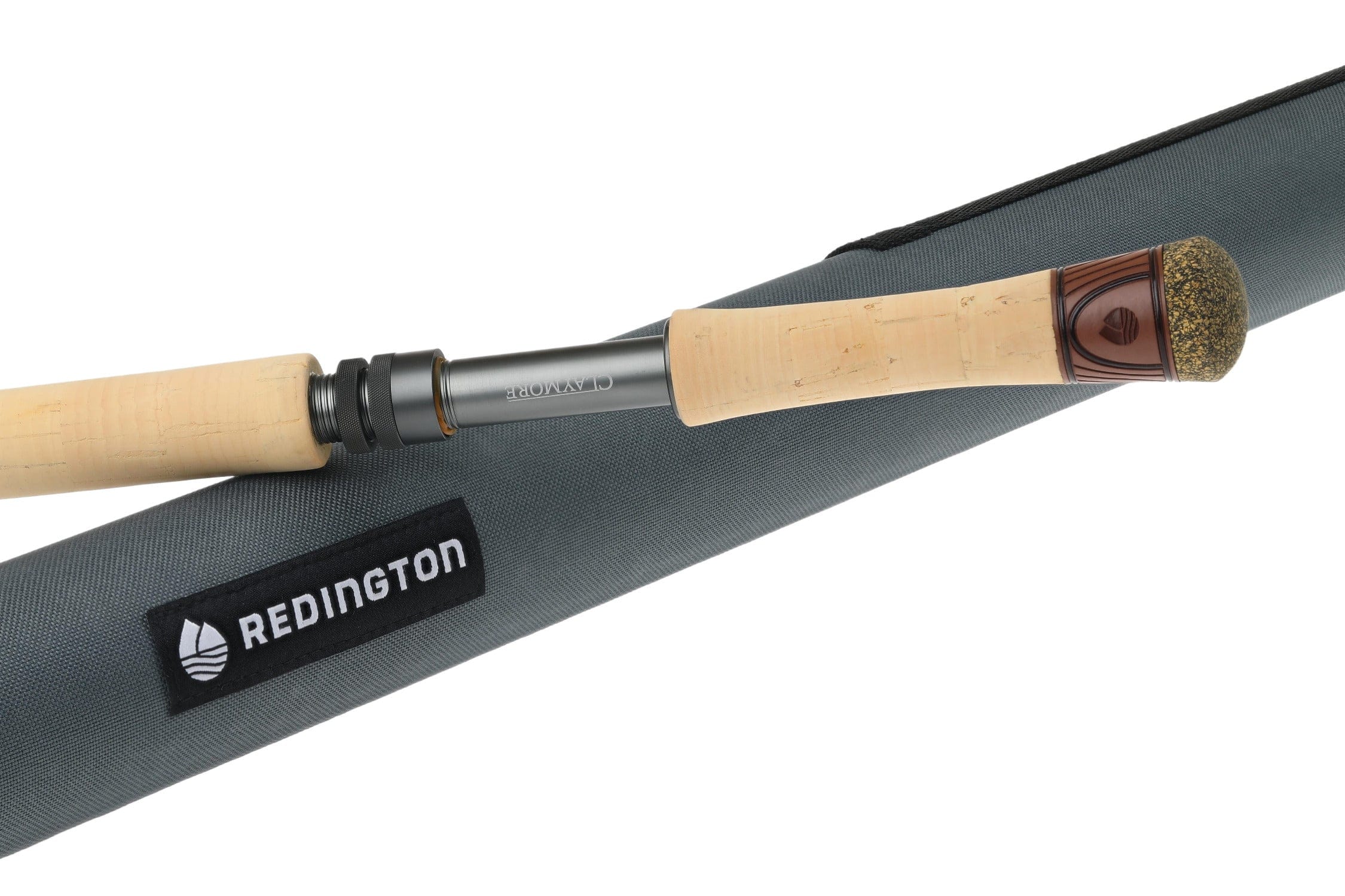
Best Budget Spey/Switch Rod: Redington Dually Spey & Switch Fly Rod - A smart choice for anglers new to two-handed salmon fishing who want a forgiving, medium-fast rod while they learn Spey mechanics without a premium price tag.
How to Choose Salmon Fly Rods
Single-Hand vs Two-Handed
Single-hand: Best for anglers casting from a boat or covering smaller pools where backcast room is limited, stripping streamers or swinging shorter lines to salmon in slower water.
Switch rod: A middle-ground pick for rivers with mixed conditions, tight in some stretches and open in others, giving you the option to overhead cast or Spey cast as the water demands.
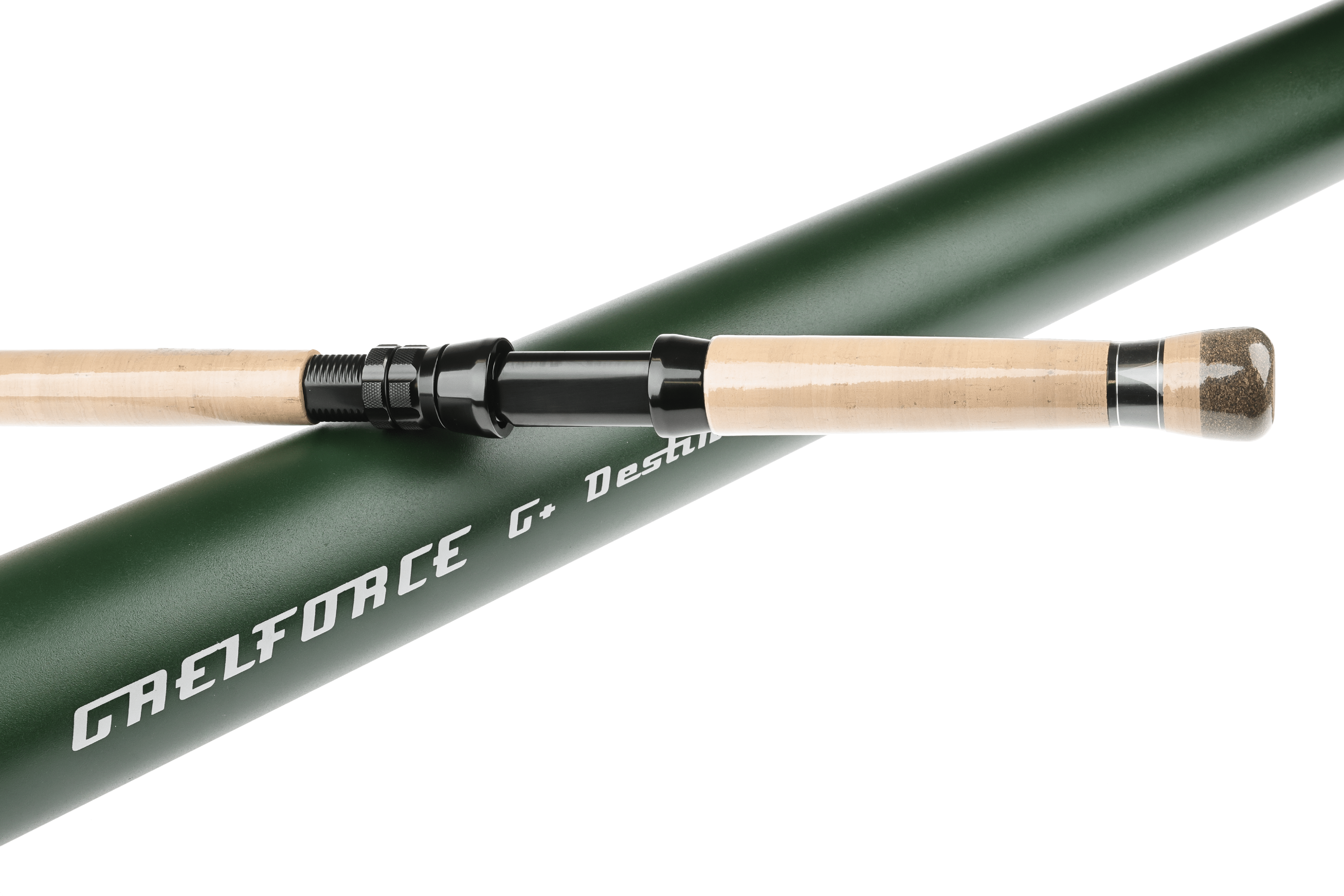
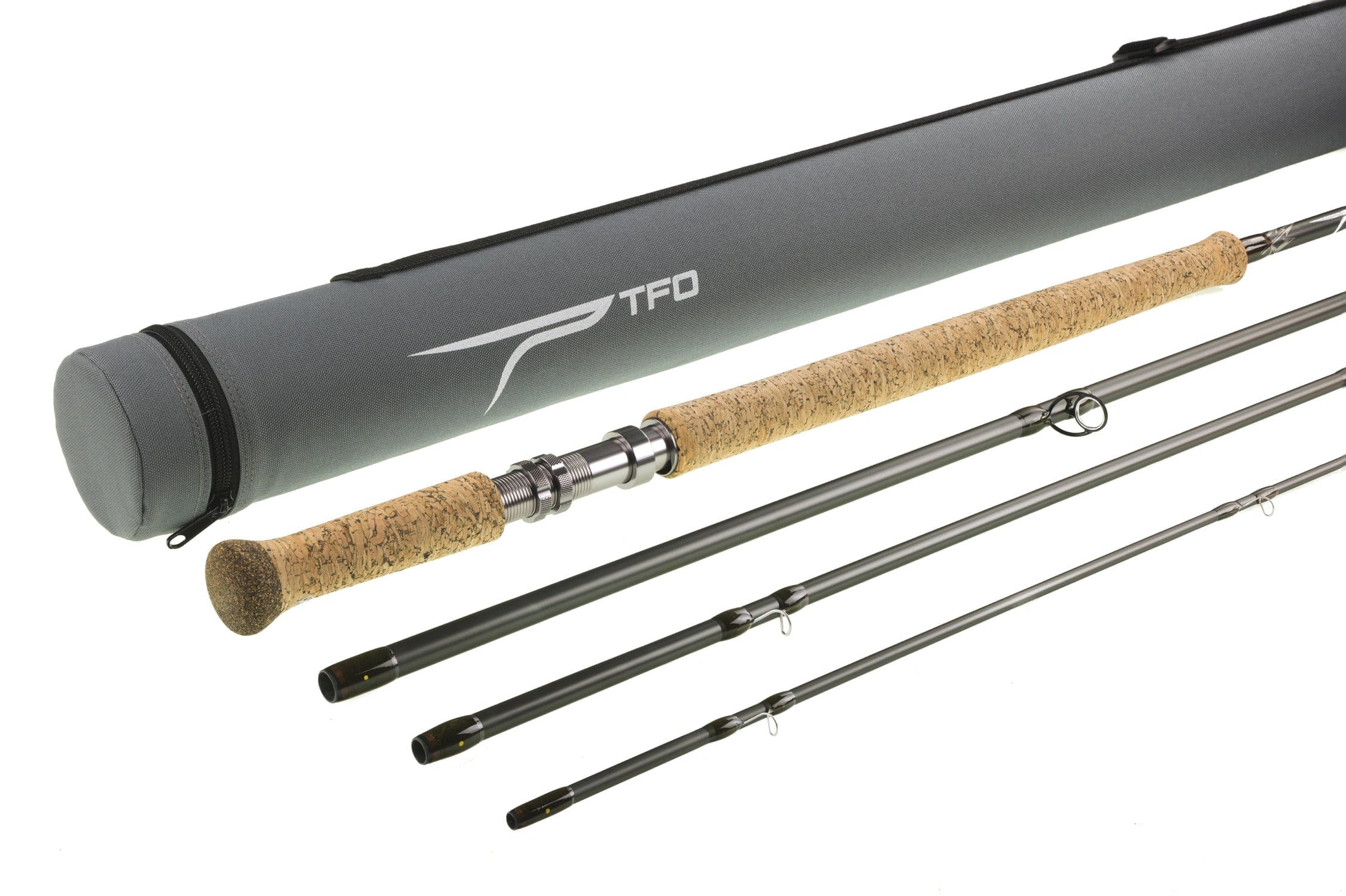
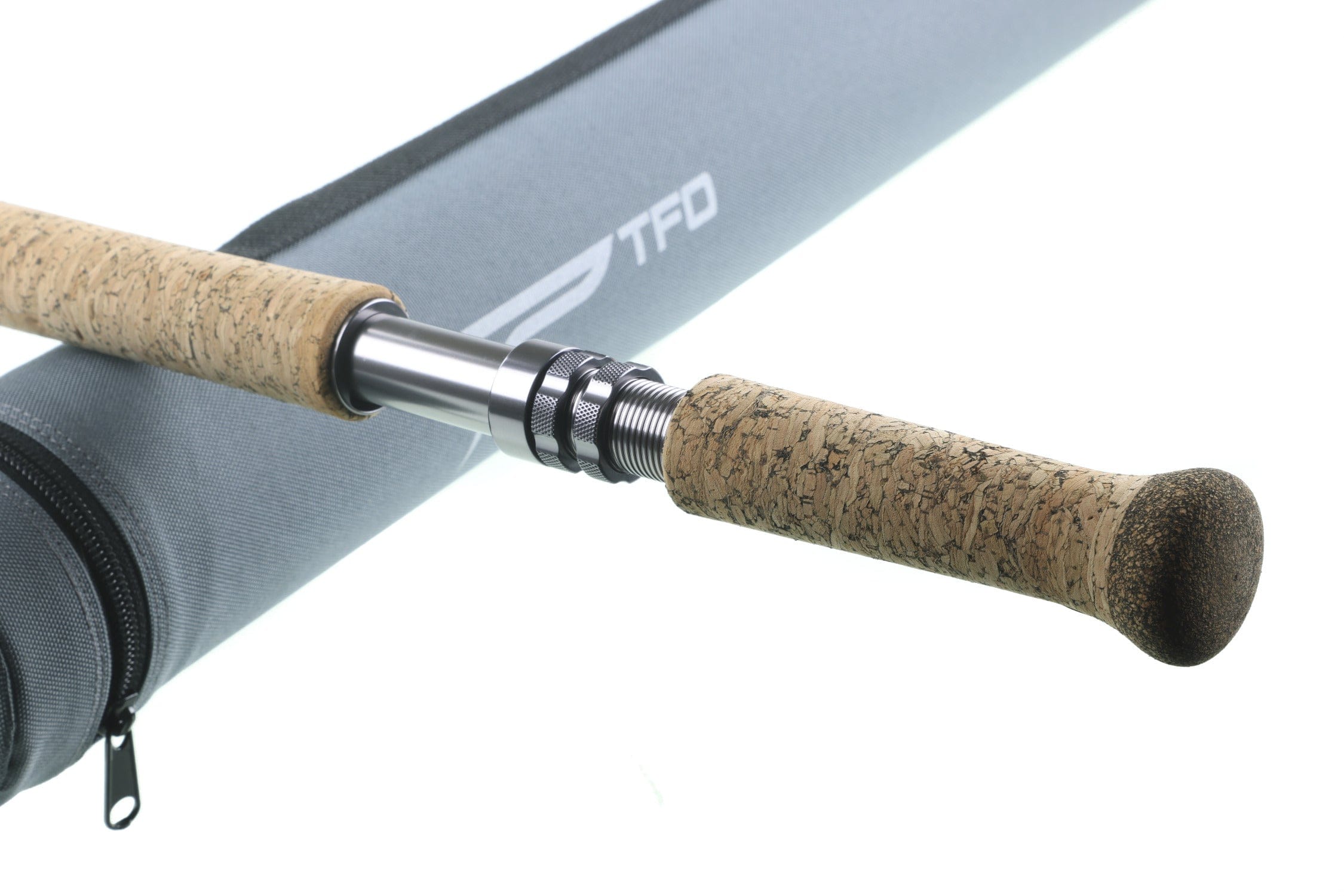
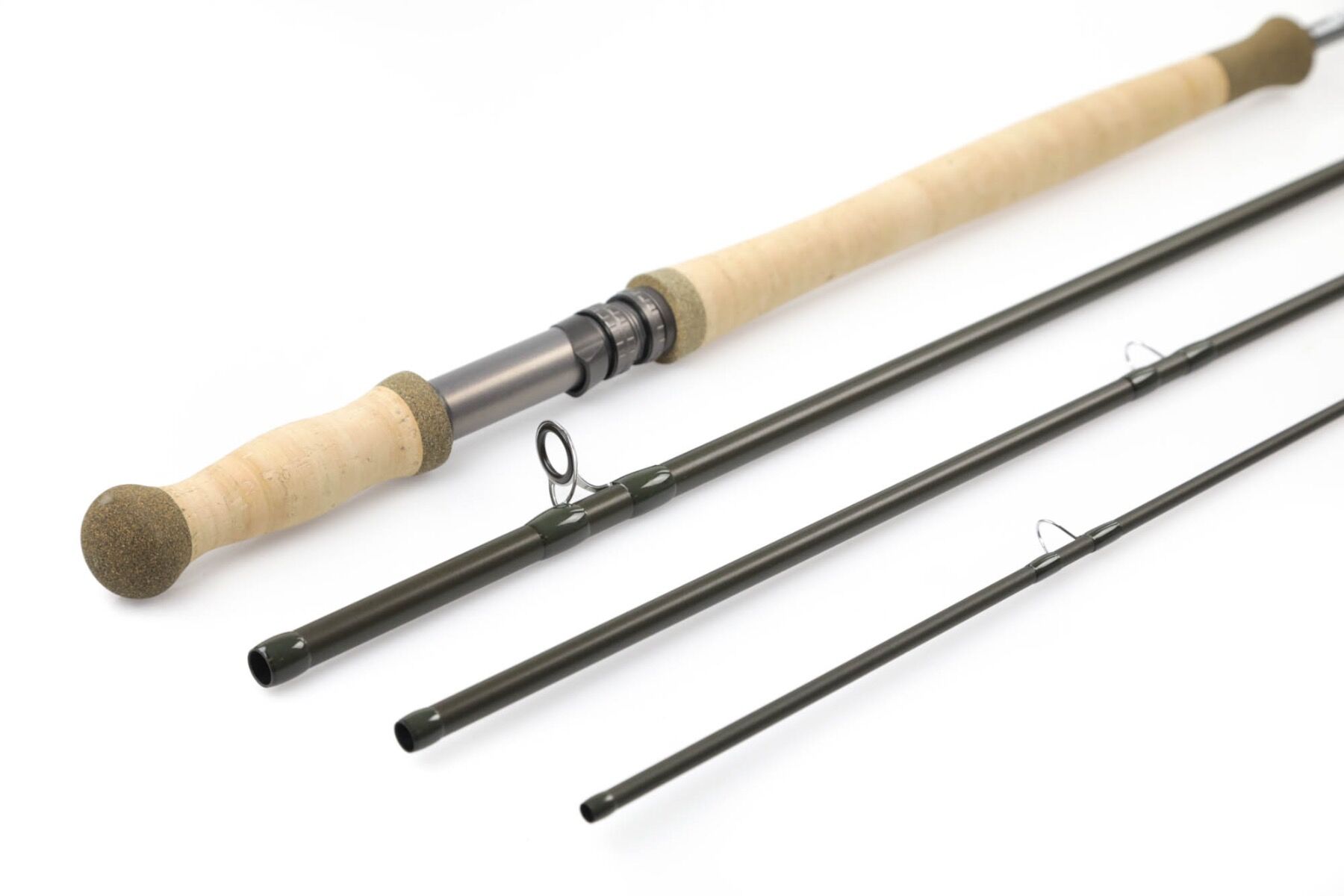
Spey rod: The standard for dedicated salmon anglers covering big water, casting farther with less fatigue and swinging runs methodically without wading deep.
Line Weight for Atlantic vs Pacific Salmon
6-8wt: Matches Atlantic salmon on classic rivers and smaller pink or coho runs where a lighter, more delicate presentation pays off.
8-9wt: The workhorse weight for most Pacific salmon species, balancing casting comfort with the backbone to fight a strong fish in current.
9-10wt: Reserved for king salmon and heavy sink-tip work in big, fast rivers where you need extra mass to control a powerful fish.
Rod Action and Blank Technology
Fast action: Recovers quickly and drives tight loops, helping punch through wind and carry heavier sink tips on the swing.
Moderate-fast action: Softer through the mid-section, protecting tippet and absorbing sudden runs when a big salmon takes off downstream unexpectedly.
On-the-Water Tips
Break down two-handers carefully: Longer Spey rods see more ferrule stress from repeated casting, so wipe down and inspect ferrules after every trip.
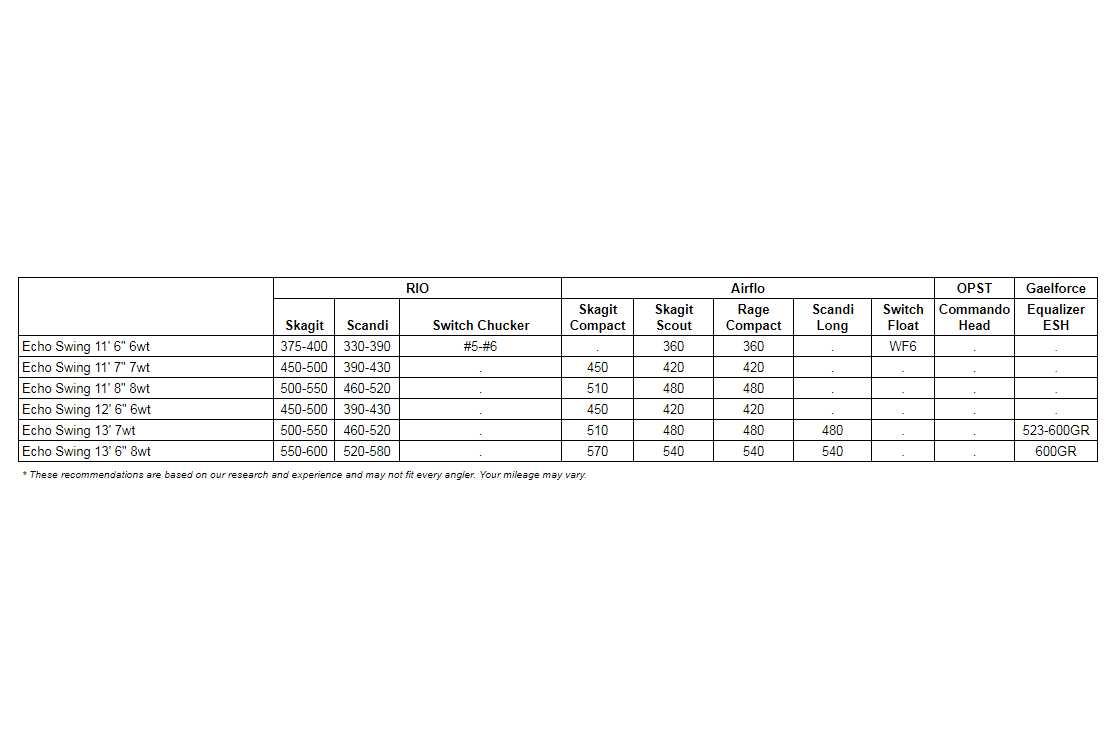
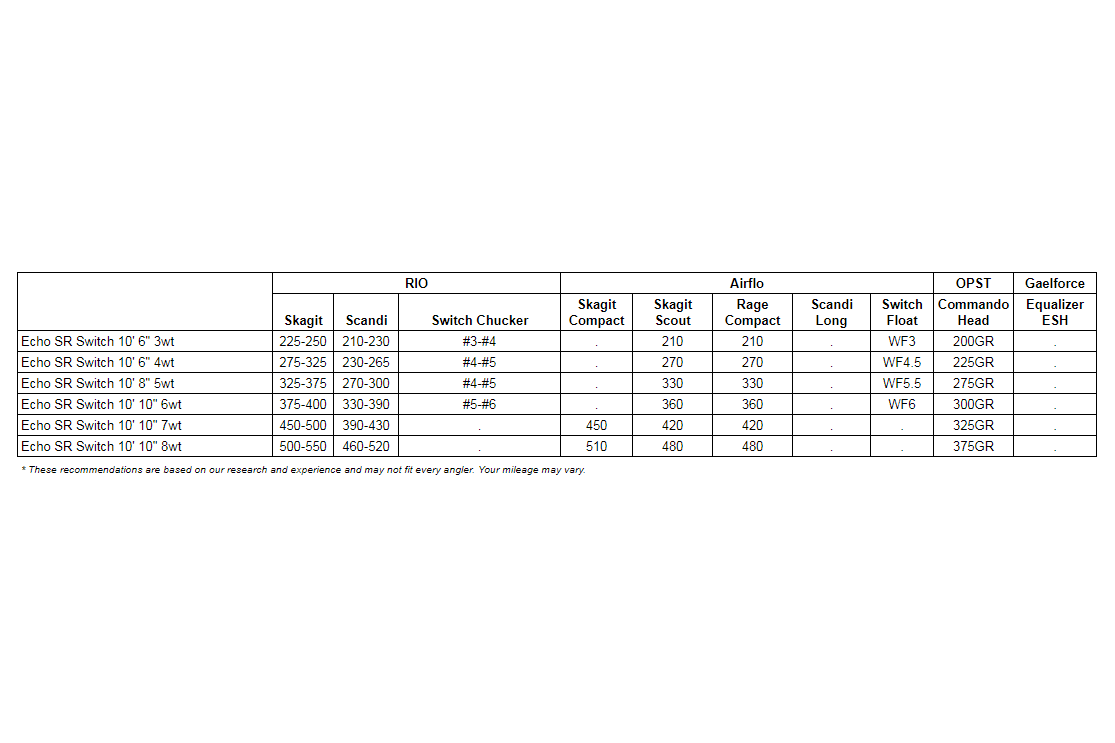
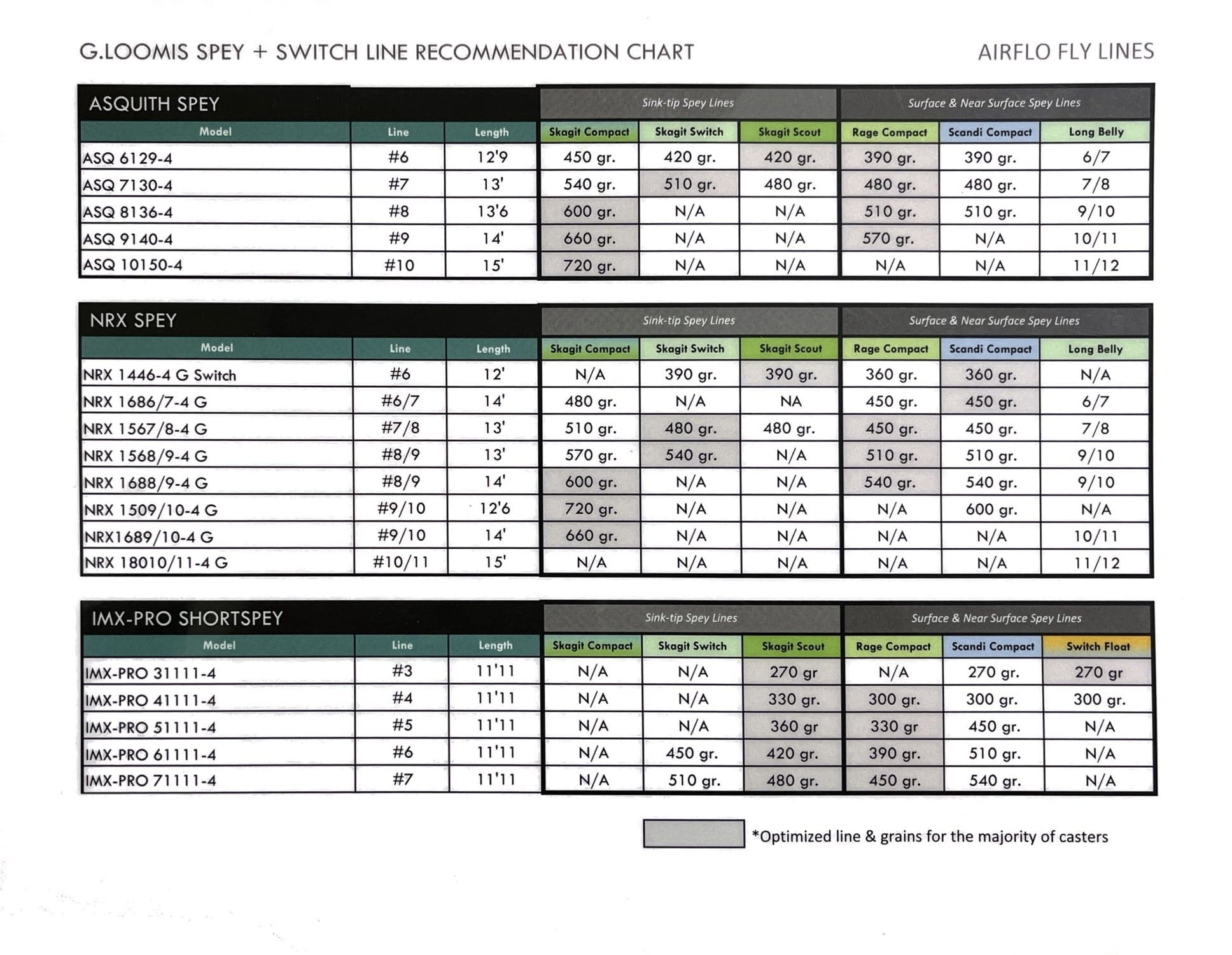
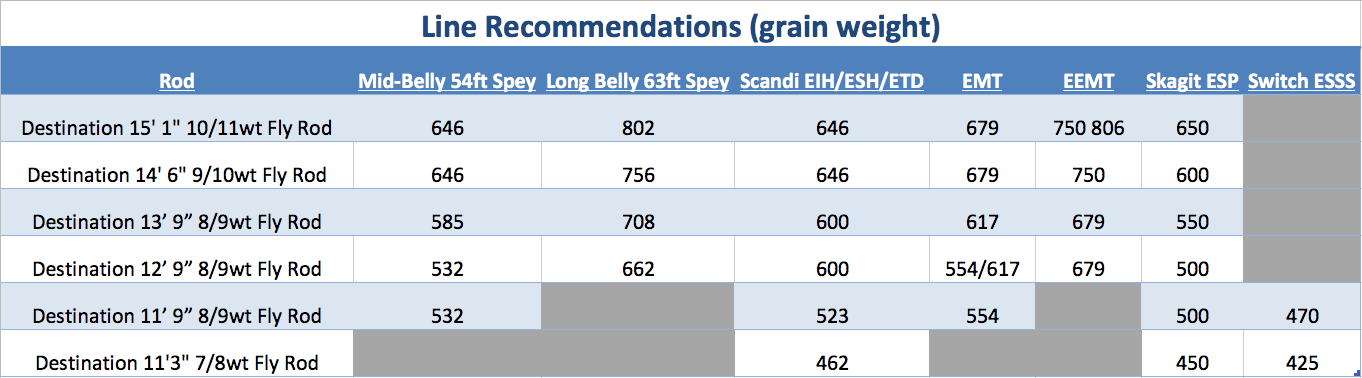
Match line grain window to the rod: Staying inside the rod's stated grain window keeps the cast loading correctly instead of fighting the blank.
Rinse after brackish water: Salmon rivers near tidal water expose gear to salt, so rinse rods and reel seats after fishing estuary stretches.
Complete Your Setup
Related Gear
Atlantic Salmon Flies - Classic and modern patterns tied for the rivers and presentations these rods are built to fish.
Pacific Salmon Flies - Streamers and egg patterns sized for kings, coho, and chum on West Coast rivers.
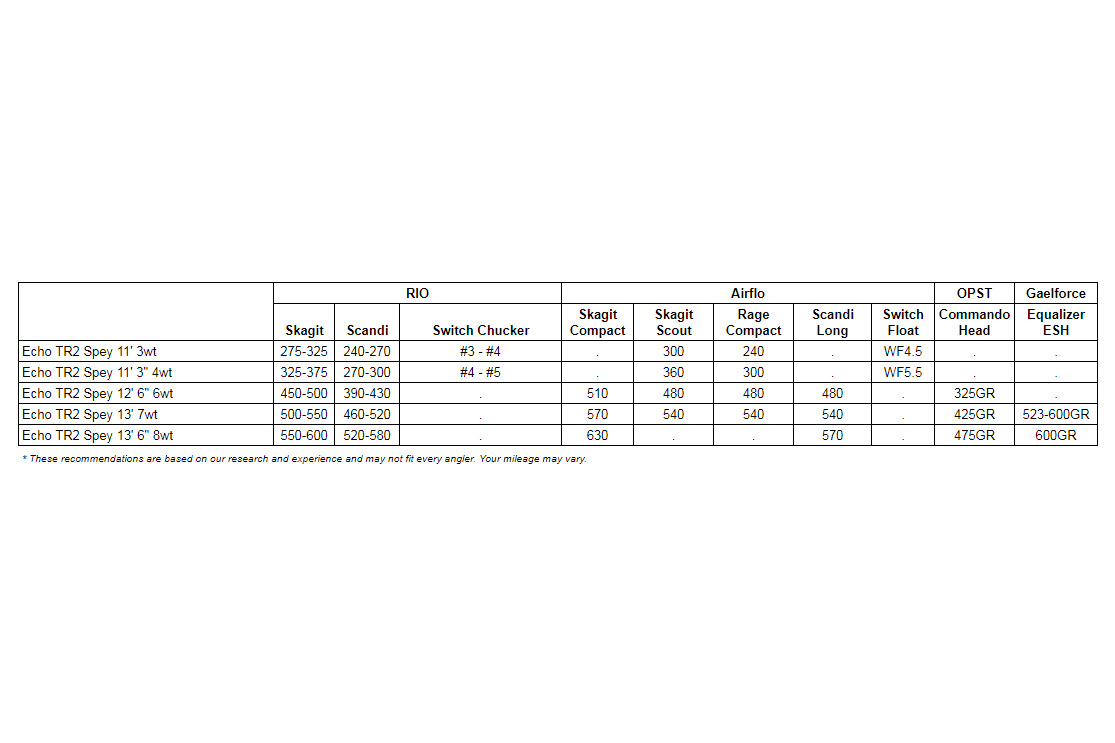
Spey Fly Lines - Skagit and Scandi heads matched to grain window so your two-hander loads and casts the way it was designed to.
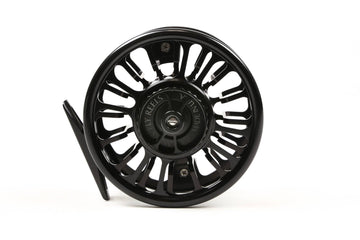
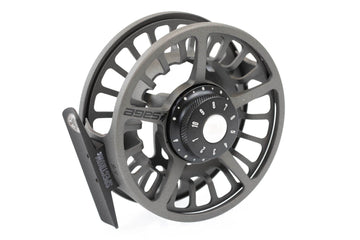
Freshwater Fly Reels - Reels with the drag range and backing capacity to handle a salmon's first hard run downstream.
Salmon Fly Rods FAQs
Q: What's the difference between a Spey rod and a switch rod for salmon fishing?
A: A Spey rod is longer, typically 12-14 feet, and built exclusively for two-handed casting on rivers with real backcast room. A switch rod is shorter, usually 10-11 feet, and can be cast overhead with one hand or Spey cast with two.
Q: What weight rod do I need for king salmon?
A: Most guides recommend a 9-10wt two-hander for king salmon, since these fish demand extra backbone and the rod needs to turn over heavier sink tips and larger flies. A lighter 7-8wt can work in smaller streams with less current to fight.
Q: Can I use a single-hand rod for Atlantic salmon fishing?
A: Yes, a 7-9wt single-hand rod is a traditional and effective choice on many Atlantic salmon rivers, especially smaller pools where a two-hander's length becomes a liability.