





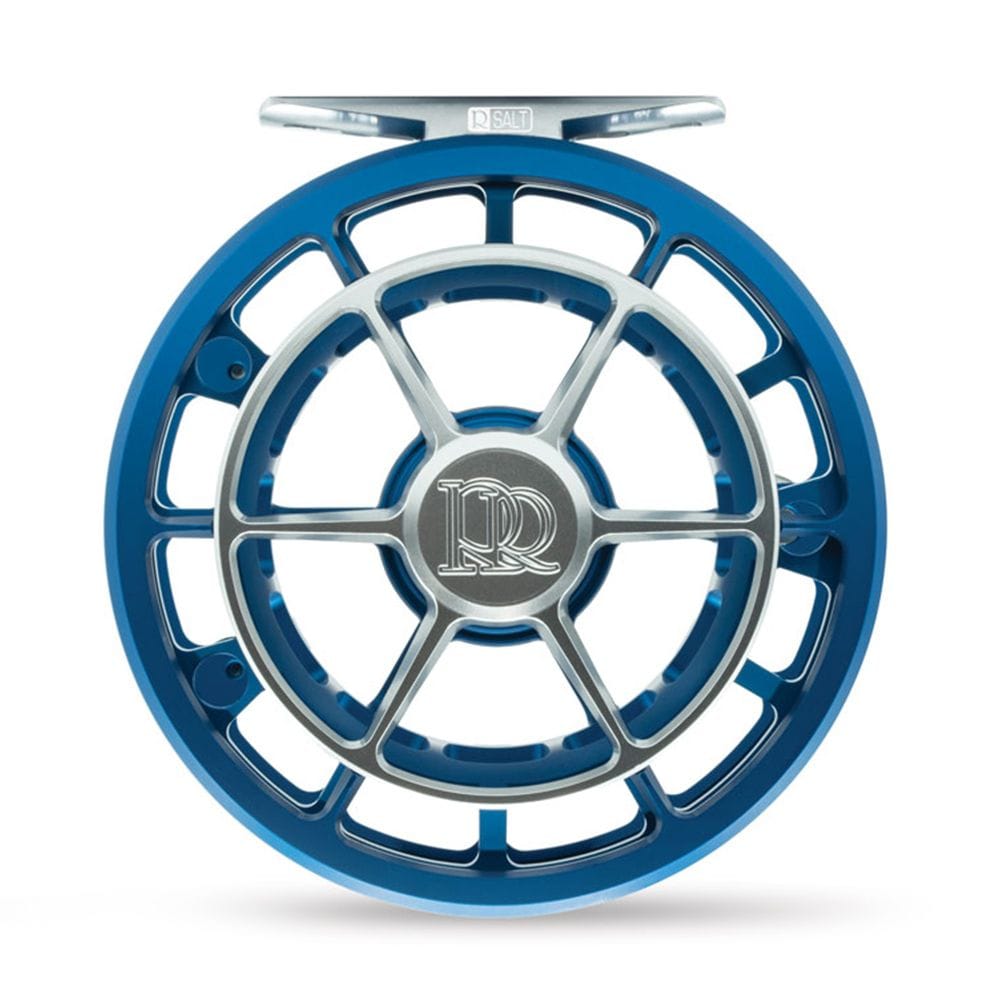
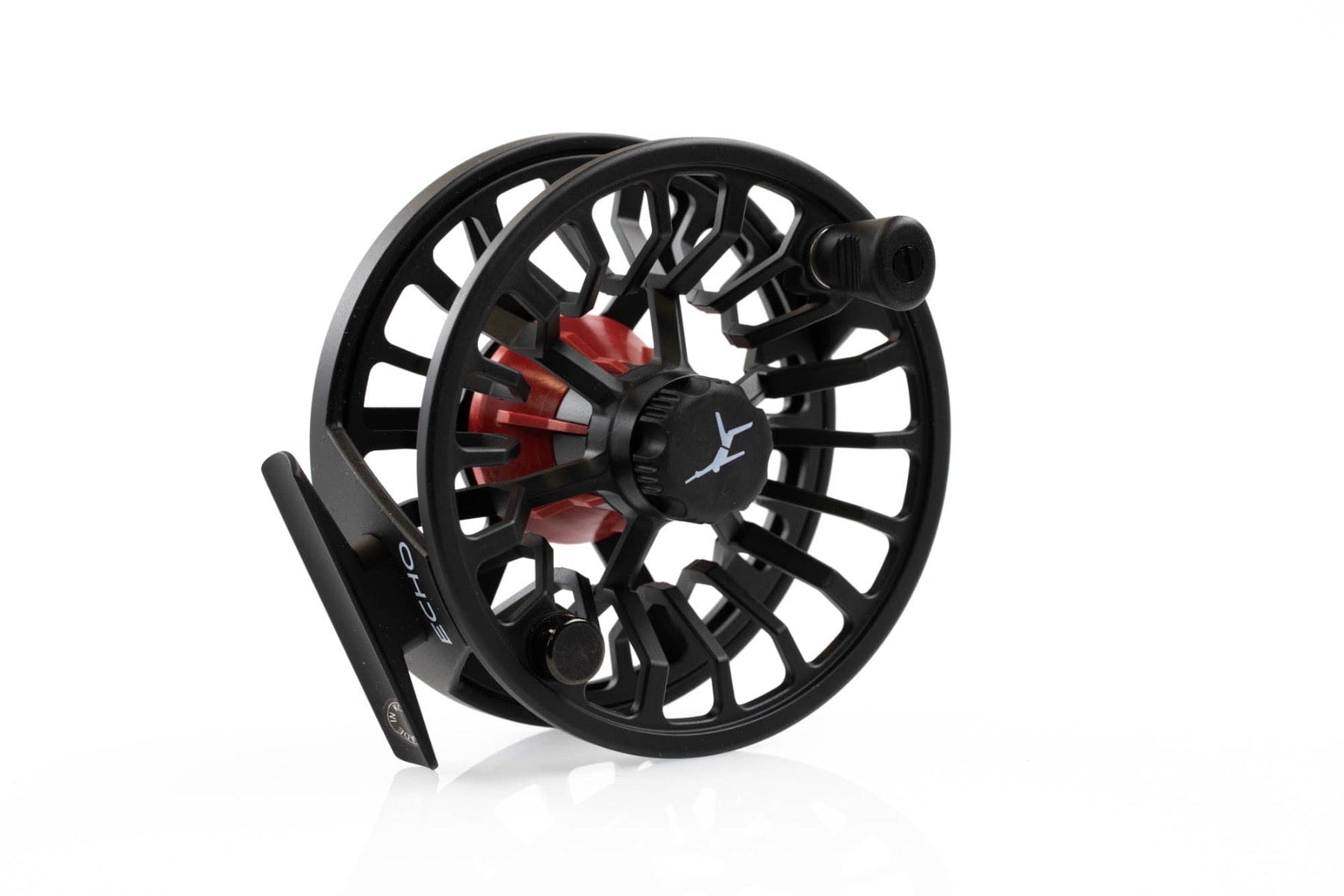
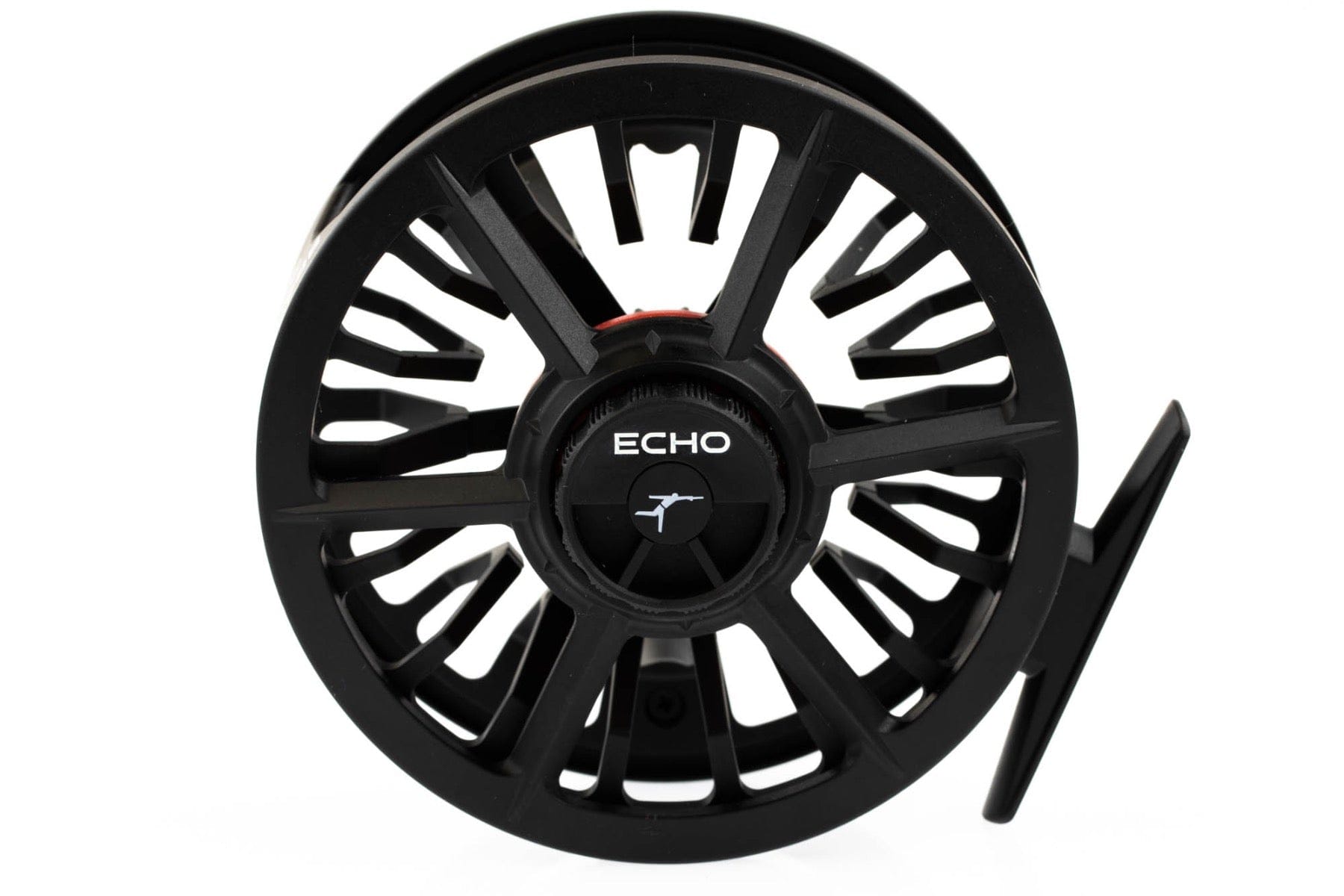
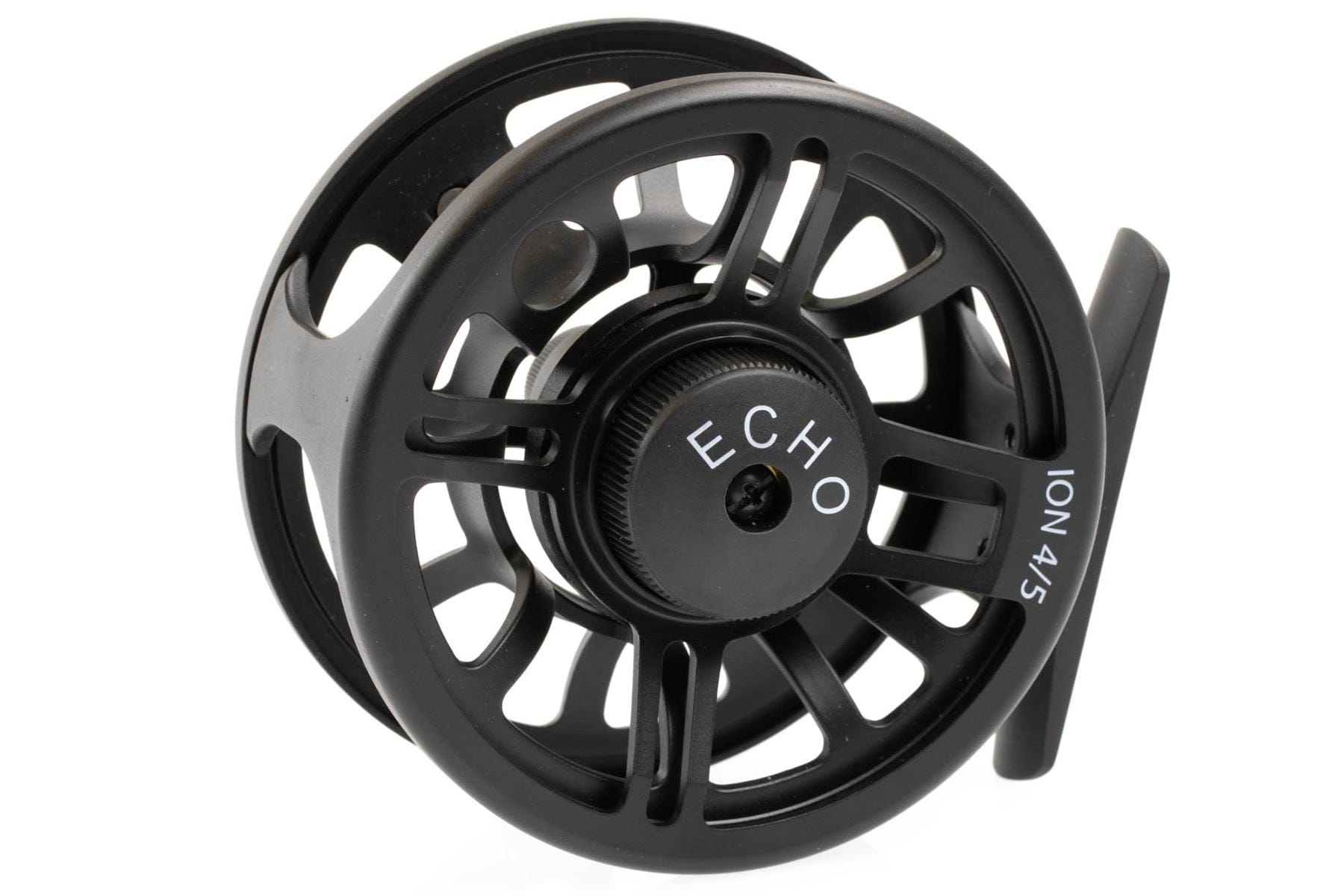
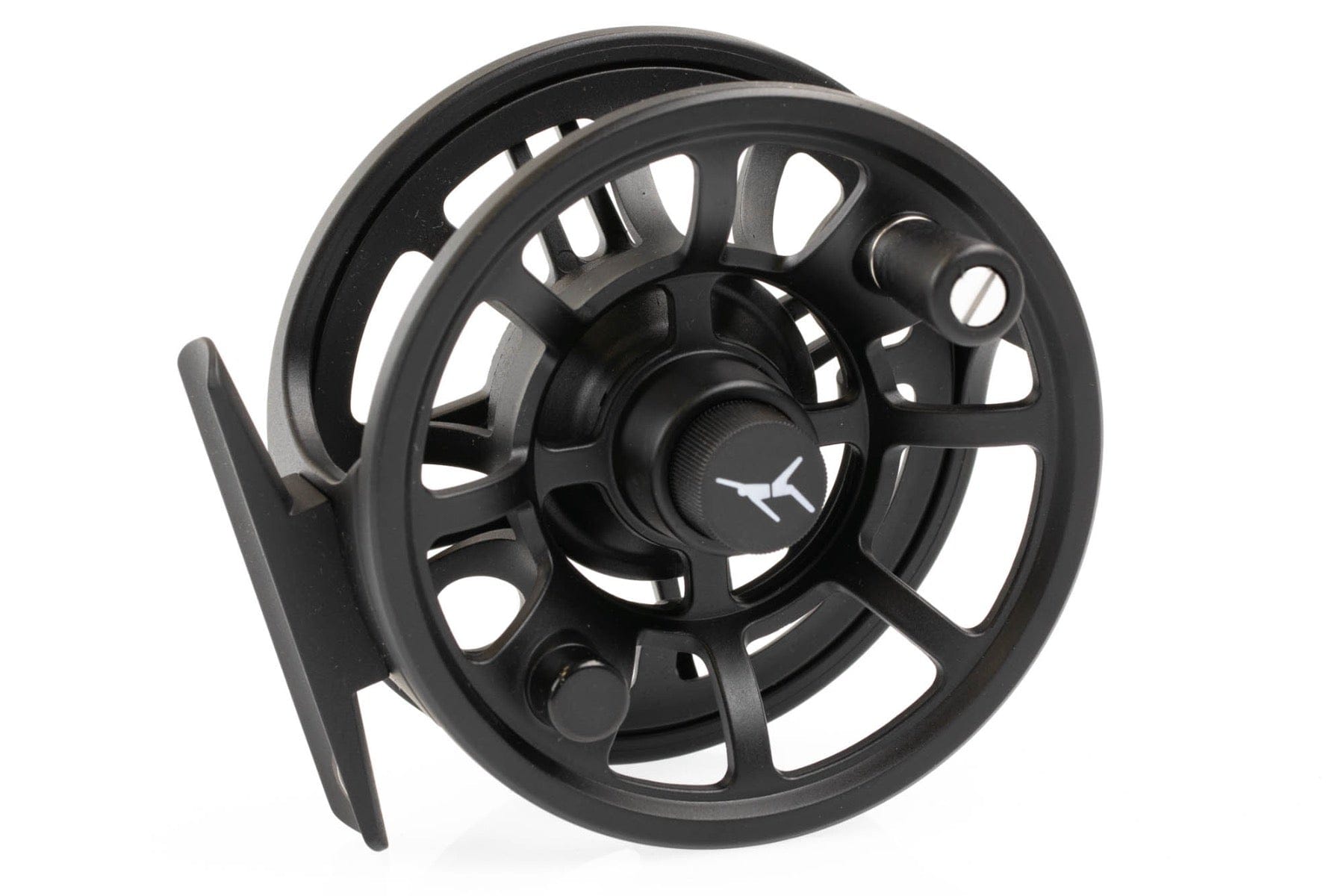
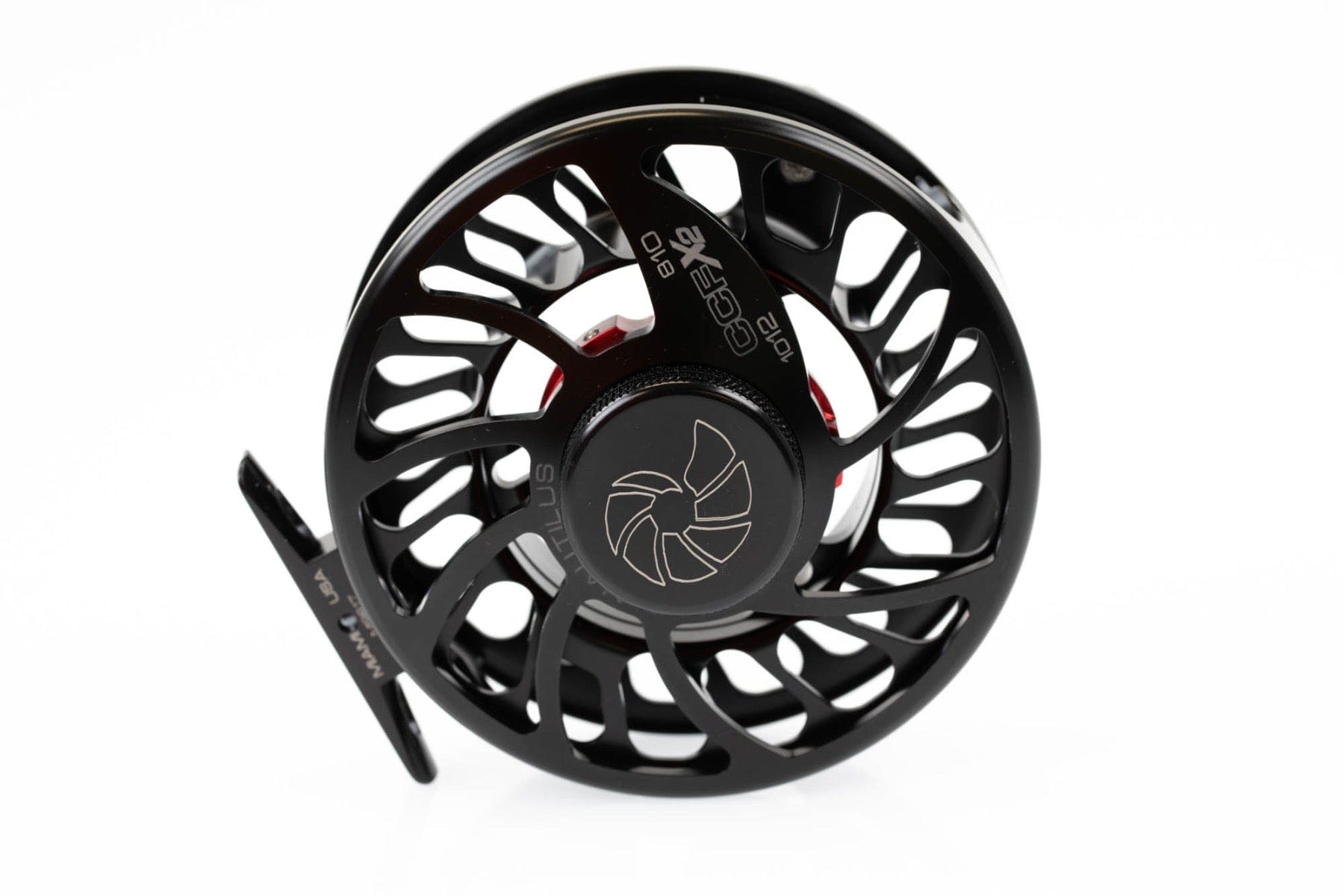
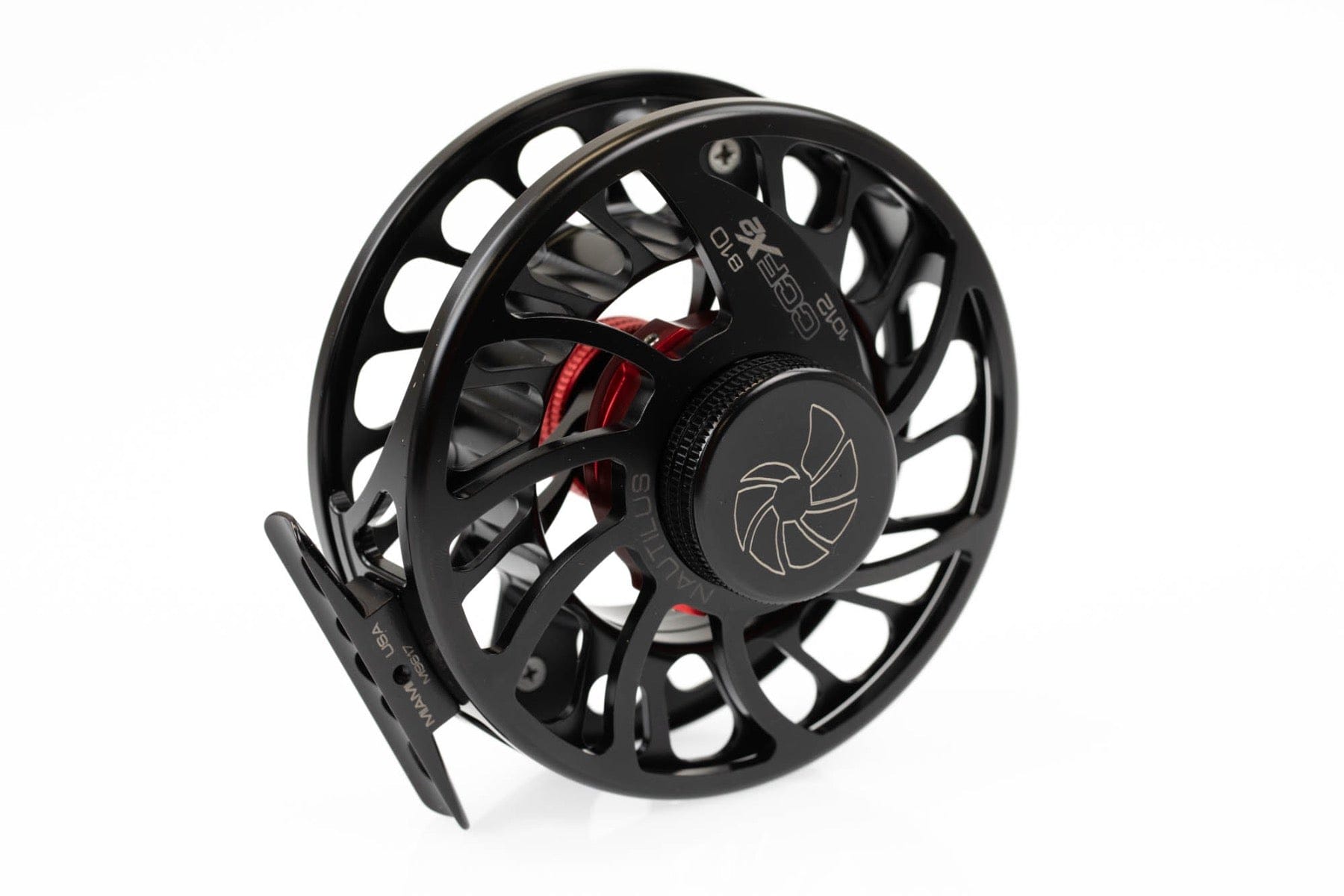


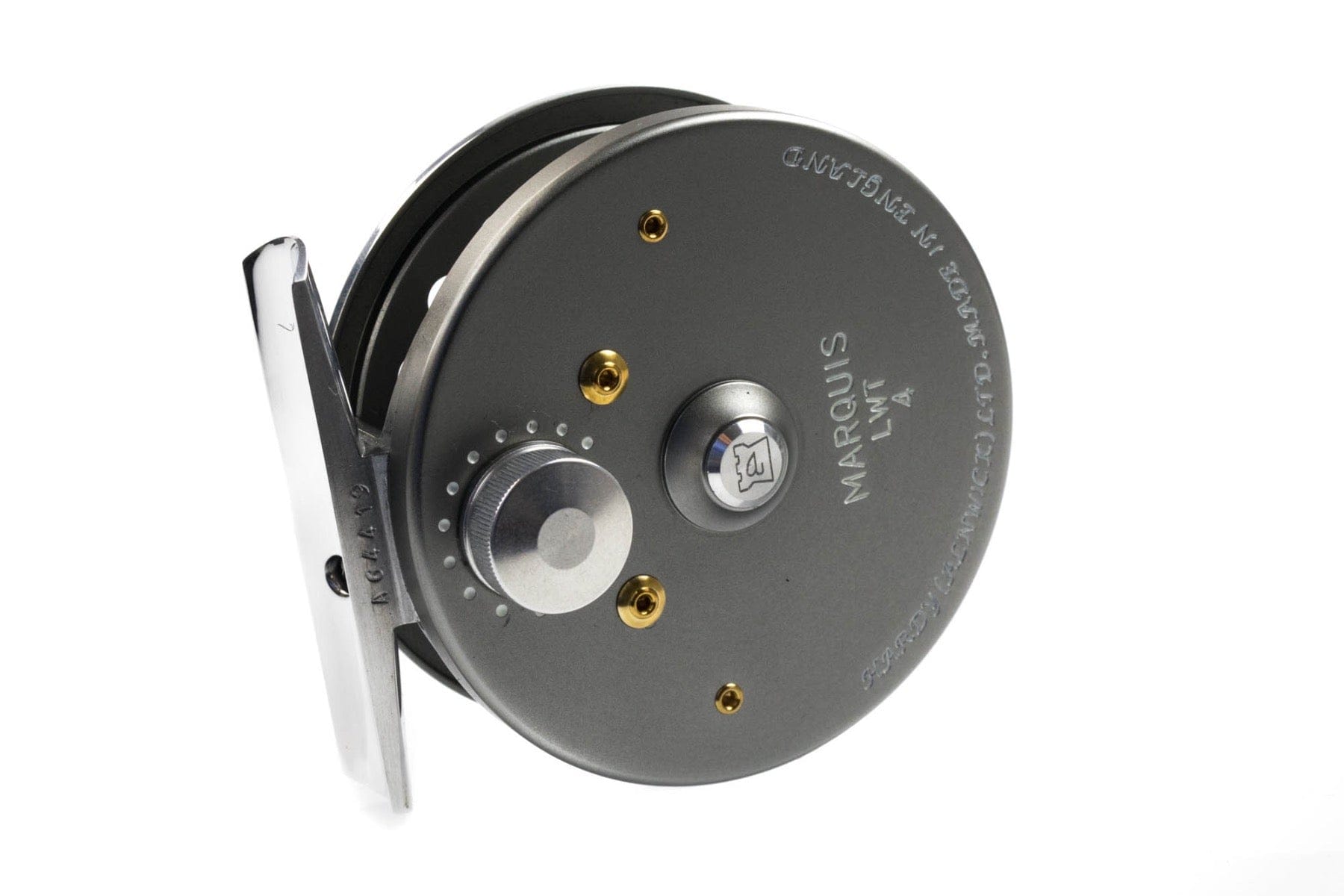







Shop Atlantic salmon fly reels: smooth, strong drags and generous backing capacity for single-hand and spey rods, built for long runs in big rivers.
Atlantic Salmon Fly Reels Quick Picks
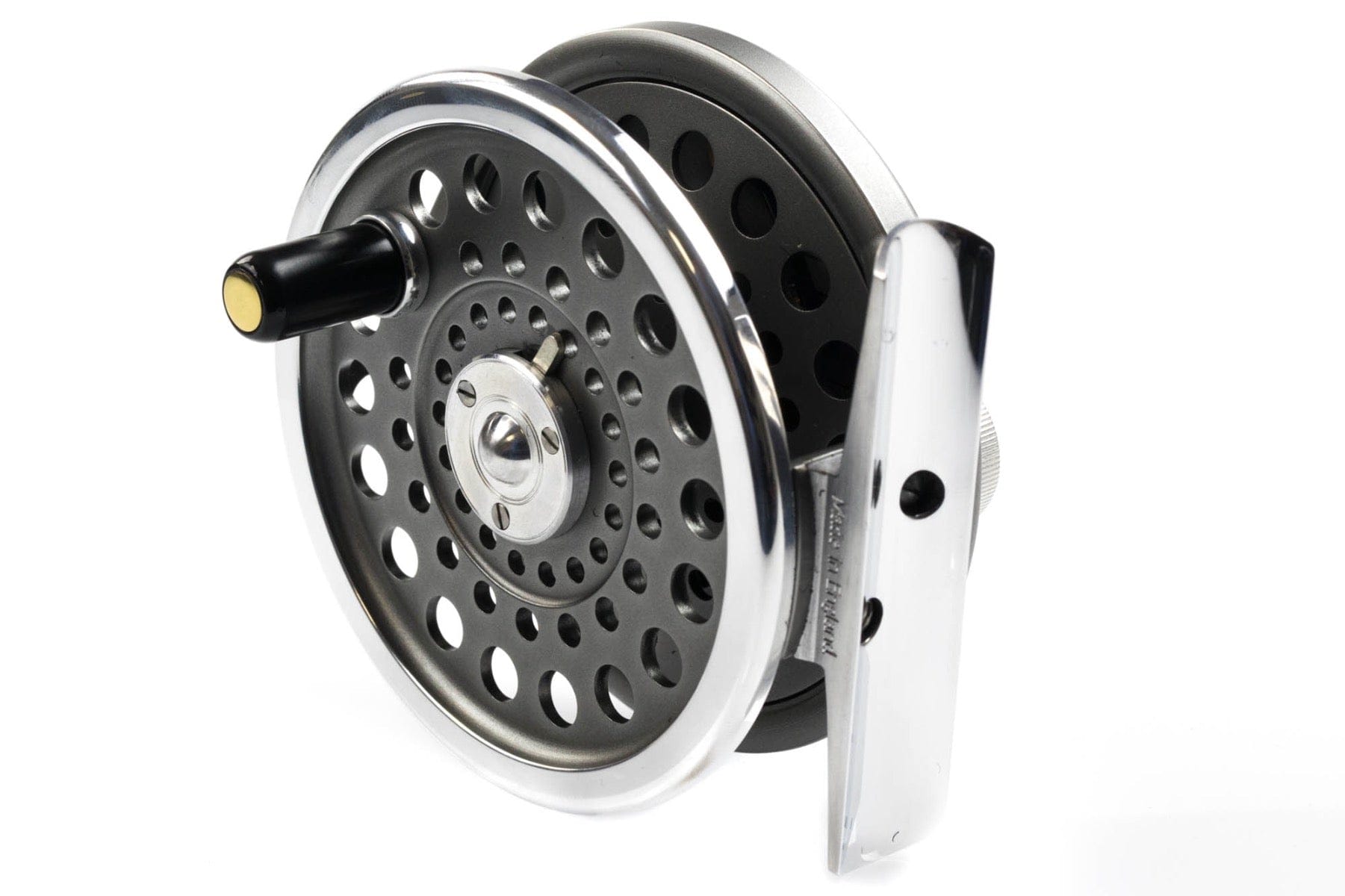
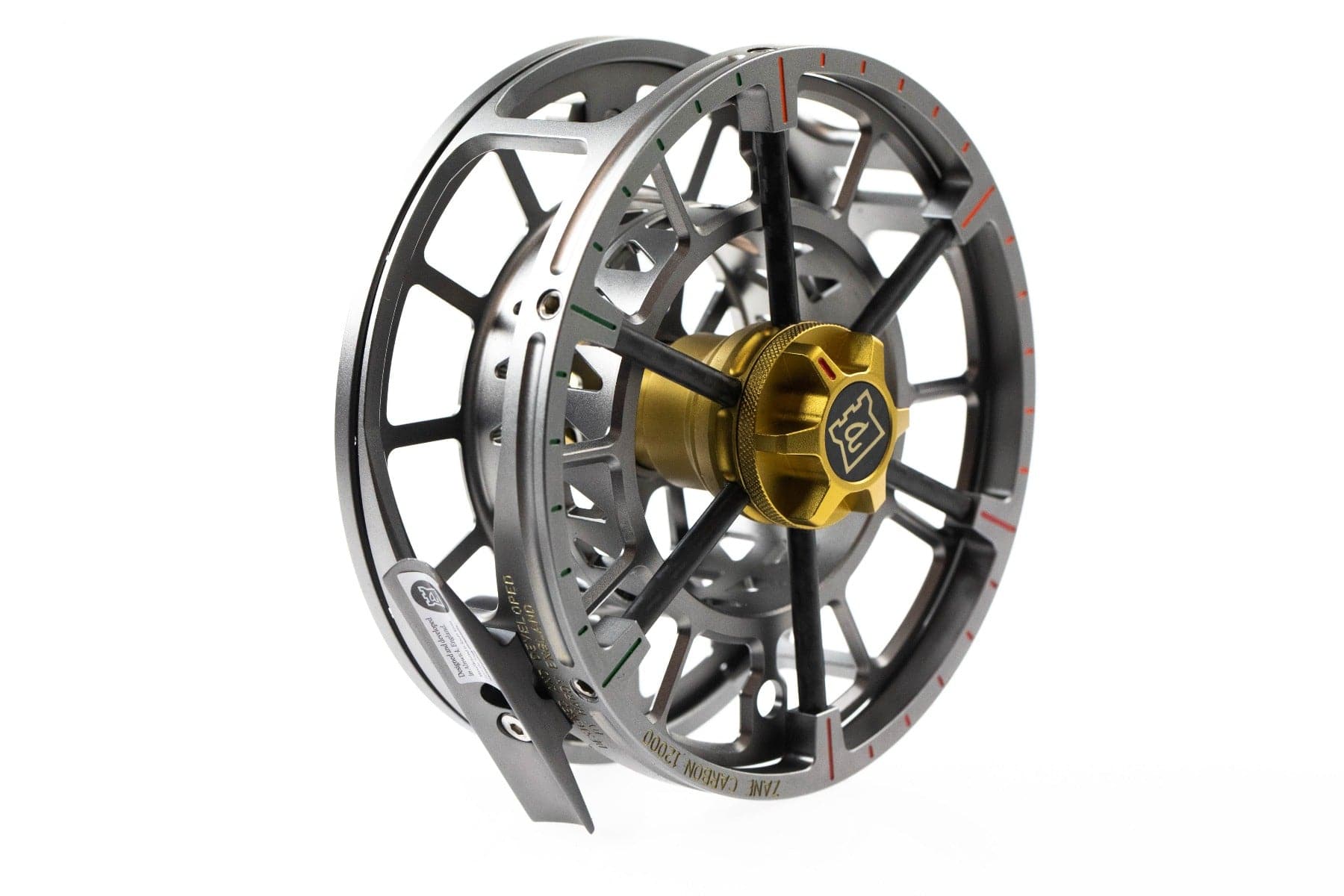
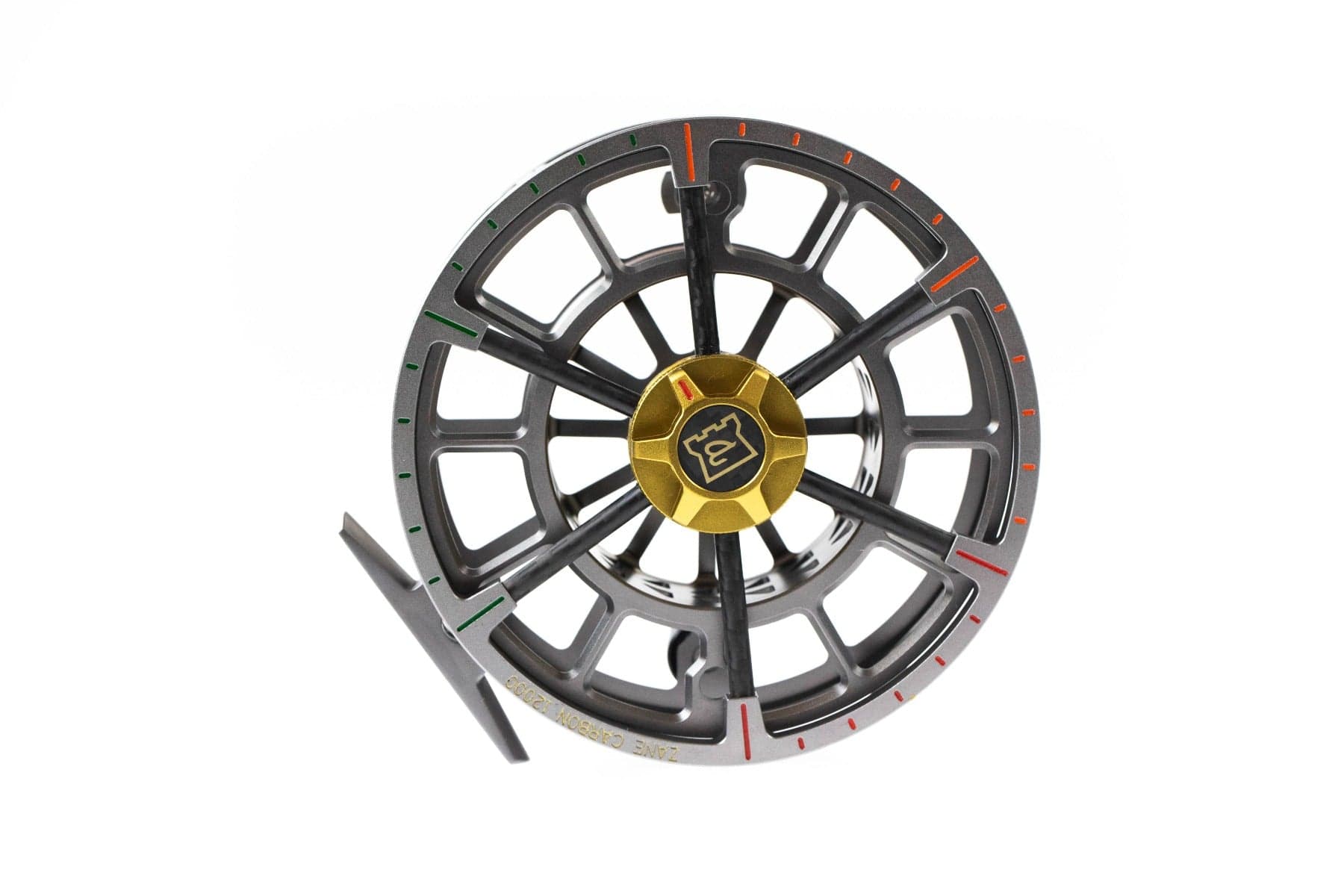
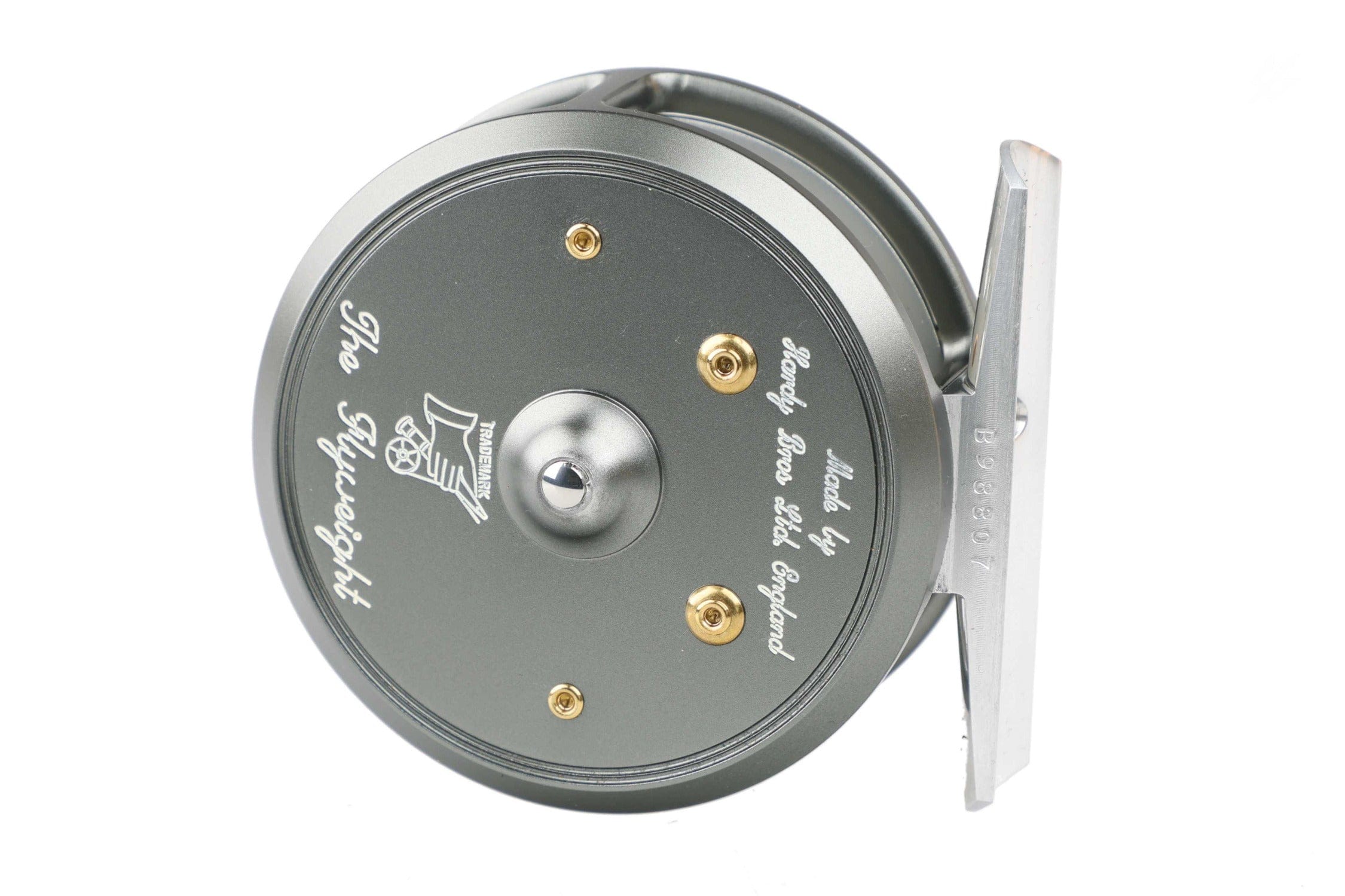
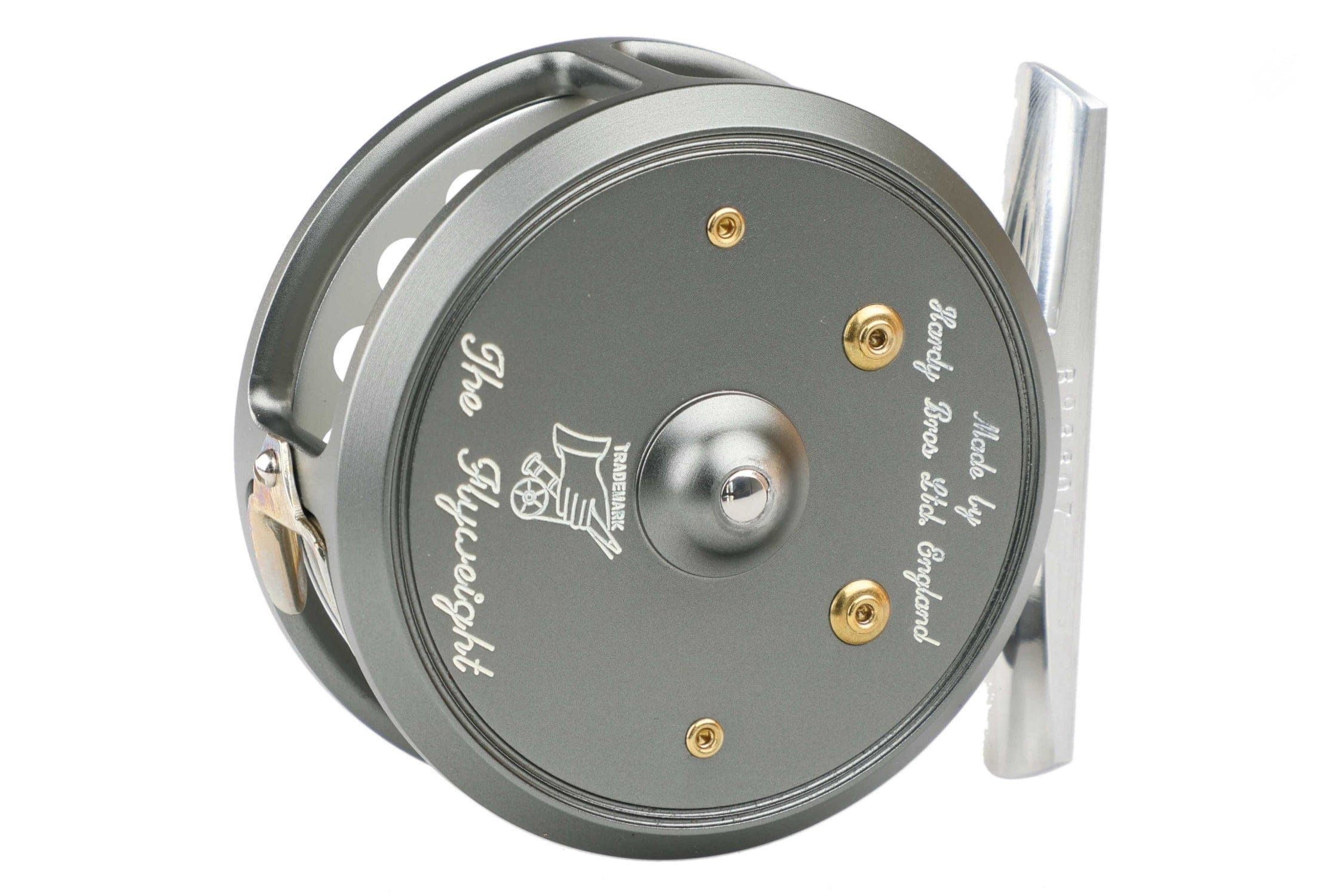
Best classic spey reel: Hardy Cascapedia MkV Fly Reel - Still bar stock aluminum, still made in Alnwick, England, and still sounds like a Cascapedia. The MkV adds a sealed carbon disc drag on the three largest sizes, a larger drag knob, and sizing revised to balance on both modern and classic rods.
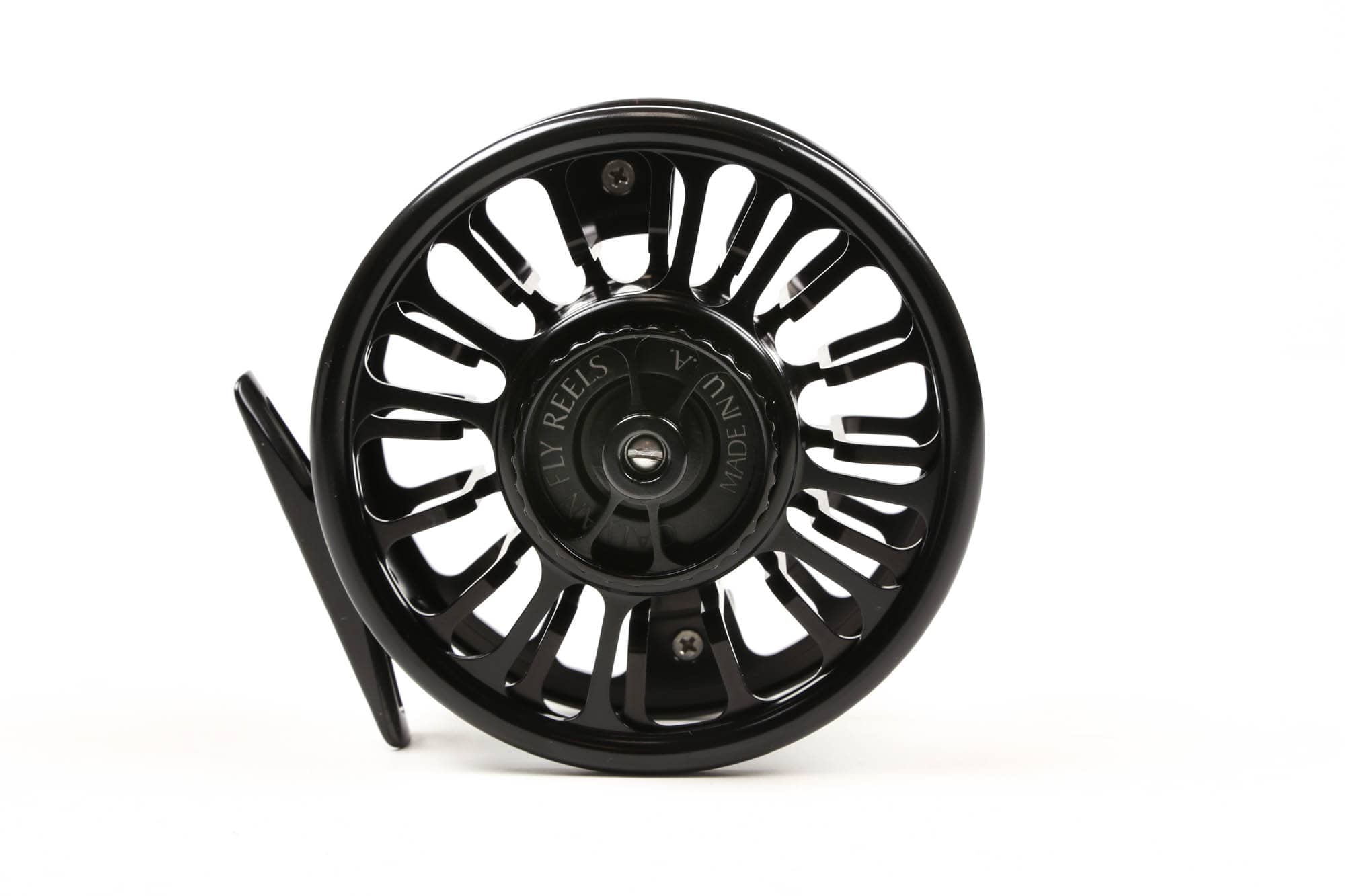
Best single-hand reel for big fish: Einarsson Invictus Fly Reel - Crafted in Iceland from aircraft-grade aluminum, with a fully sealed drag and a full-frame design. It comes in 8, 10 and 12 sizes and is as much at home with fresh sea-run fish as it is on the flats.
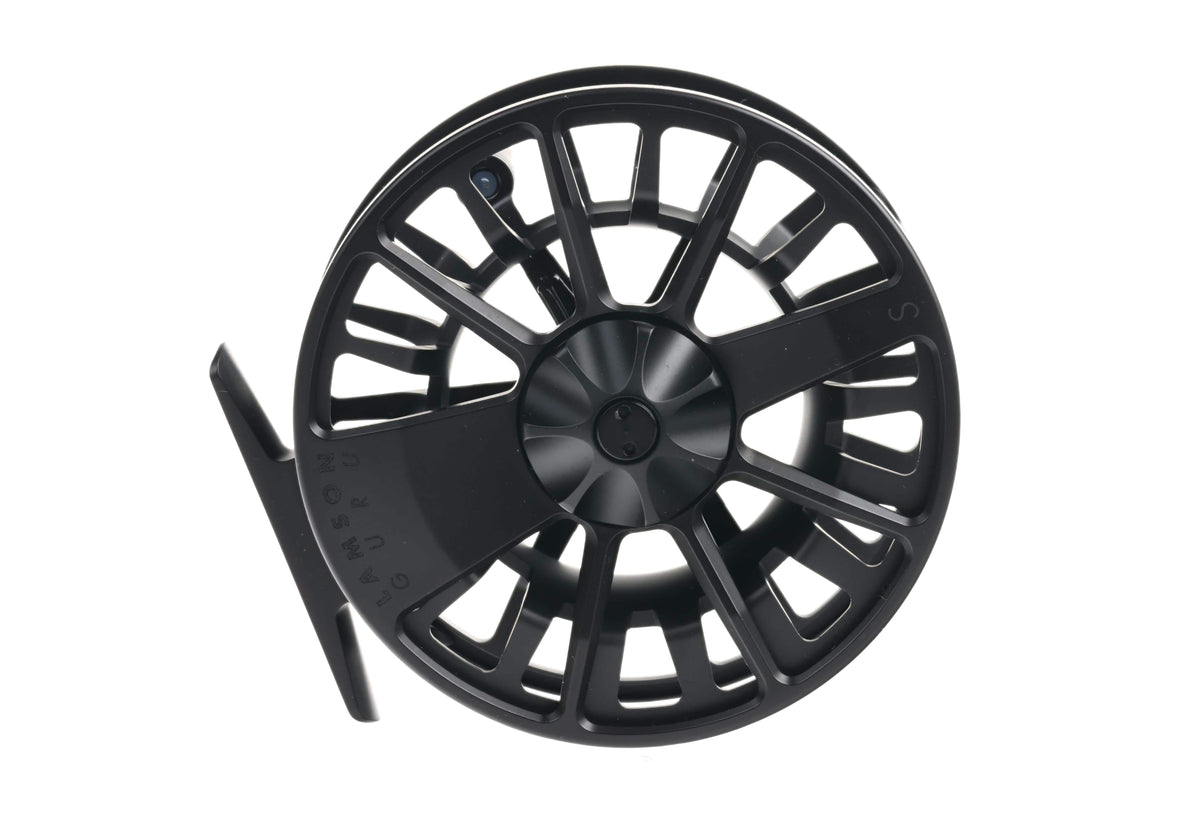
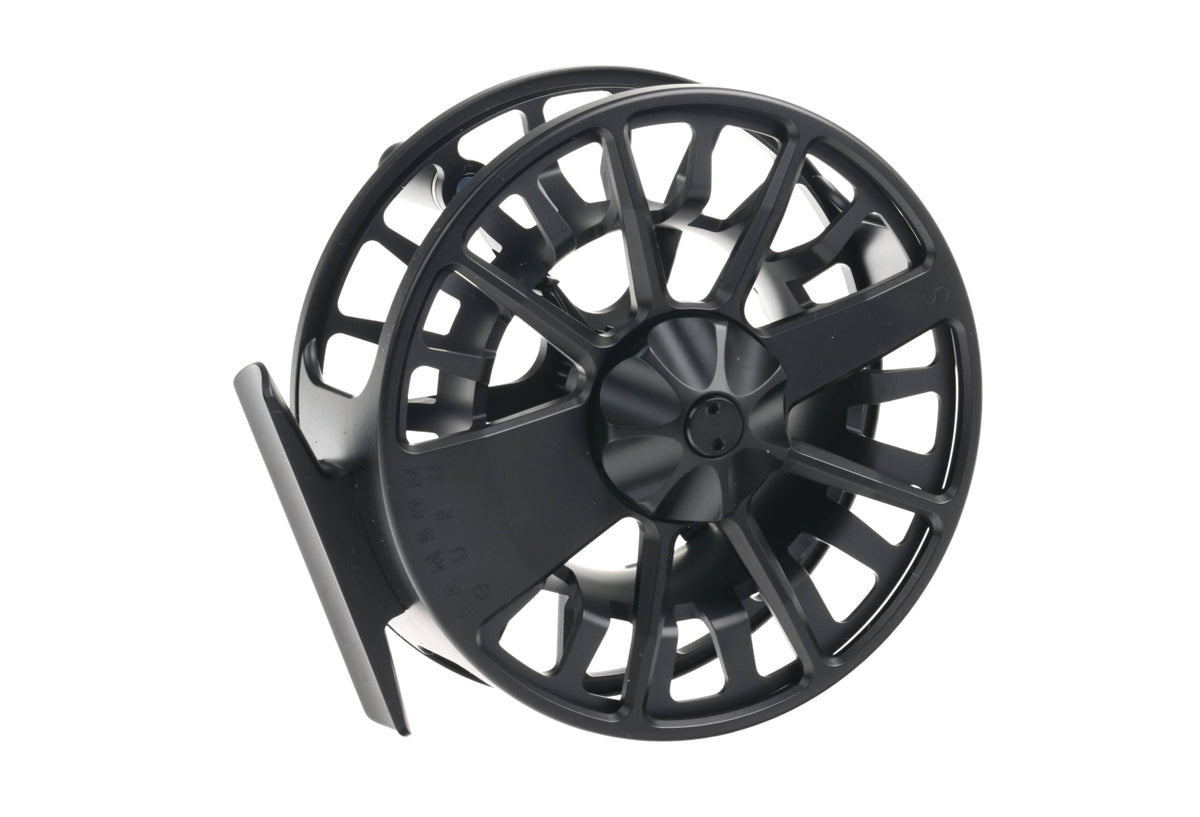
Best value heavy-duty reel: Lamson Remix S HD Fly Reel - A CNC-machined aluminum case and pressure-cast spool, reinforced with a full-frame design so thin running lines can't escape. Models from 7+ through 11+ make it a sensible step into spey and big-water salmon fishing.
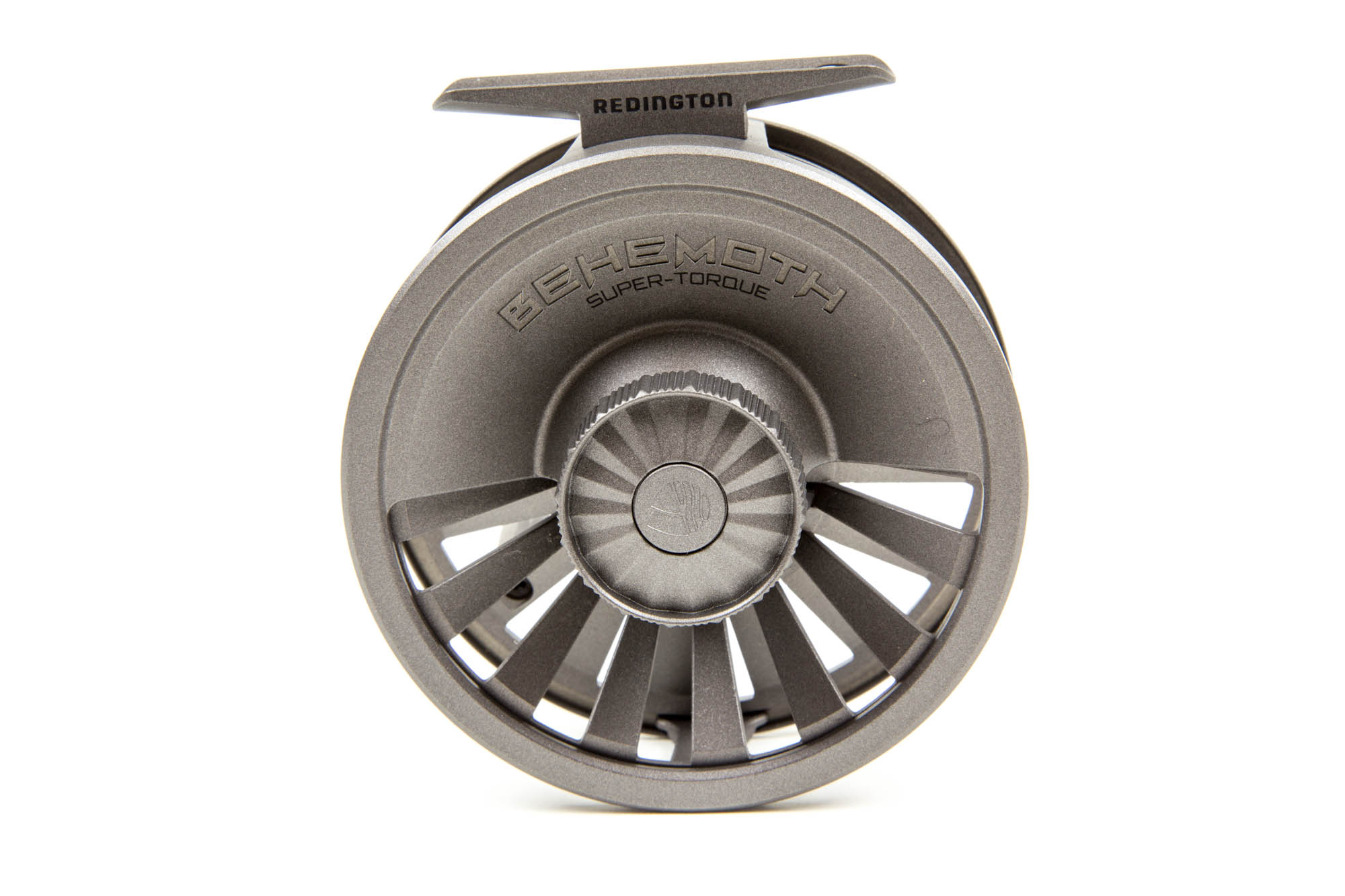
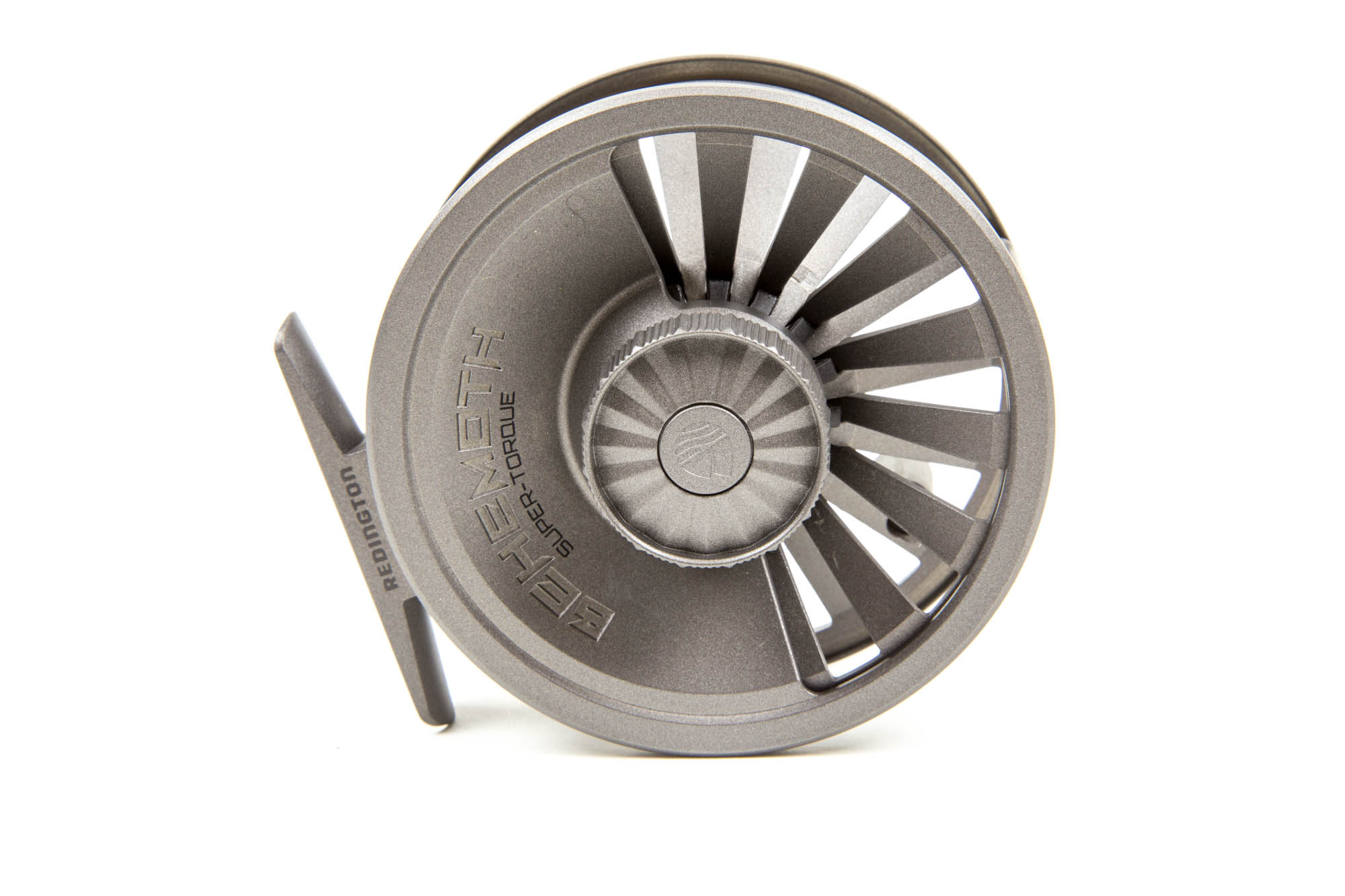
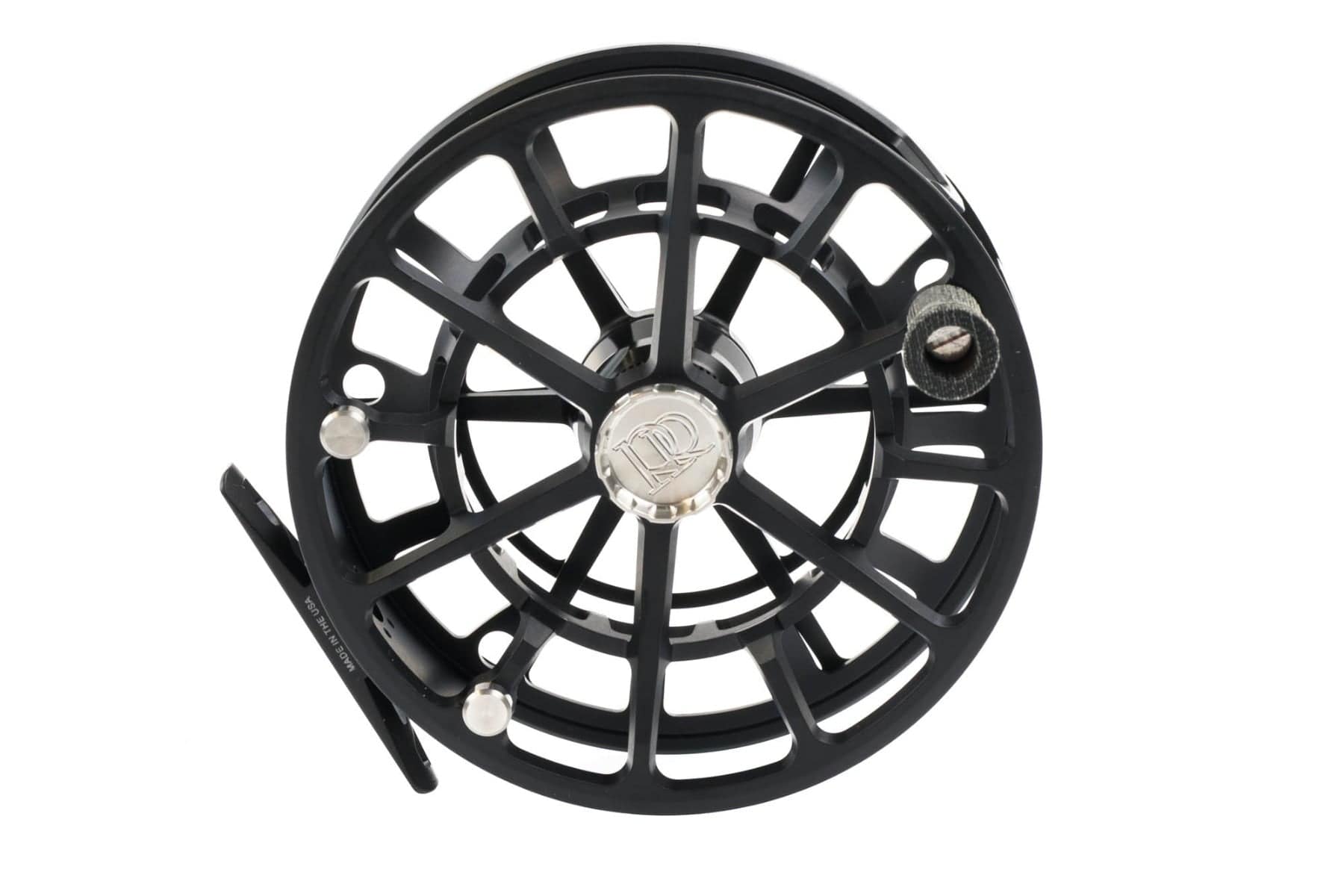
Best click-and-pawl spey reel: Redington Classic Spey Fly Reel - A mid-arbor, wide-spool reel with a loud triple-pawl click. The wide spool holds a Skagit or Scandi head plus heavy backing, and the ported arbor lets backing dry between sessions.
How to Choose Atlantic Salmon Fly Reels
Single-Hand or Two-Hand
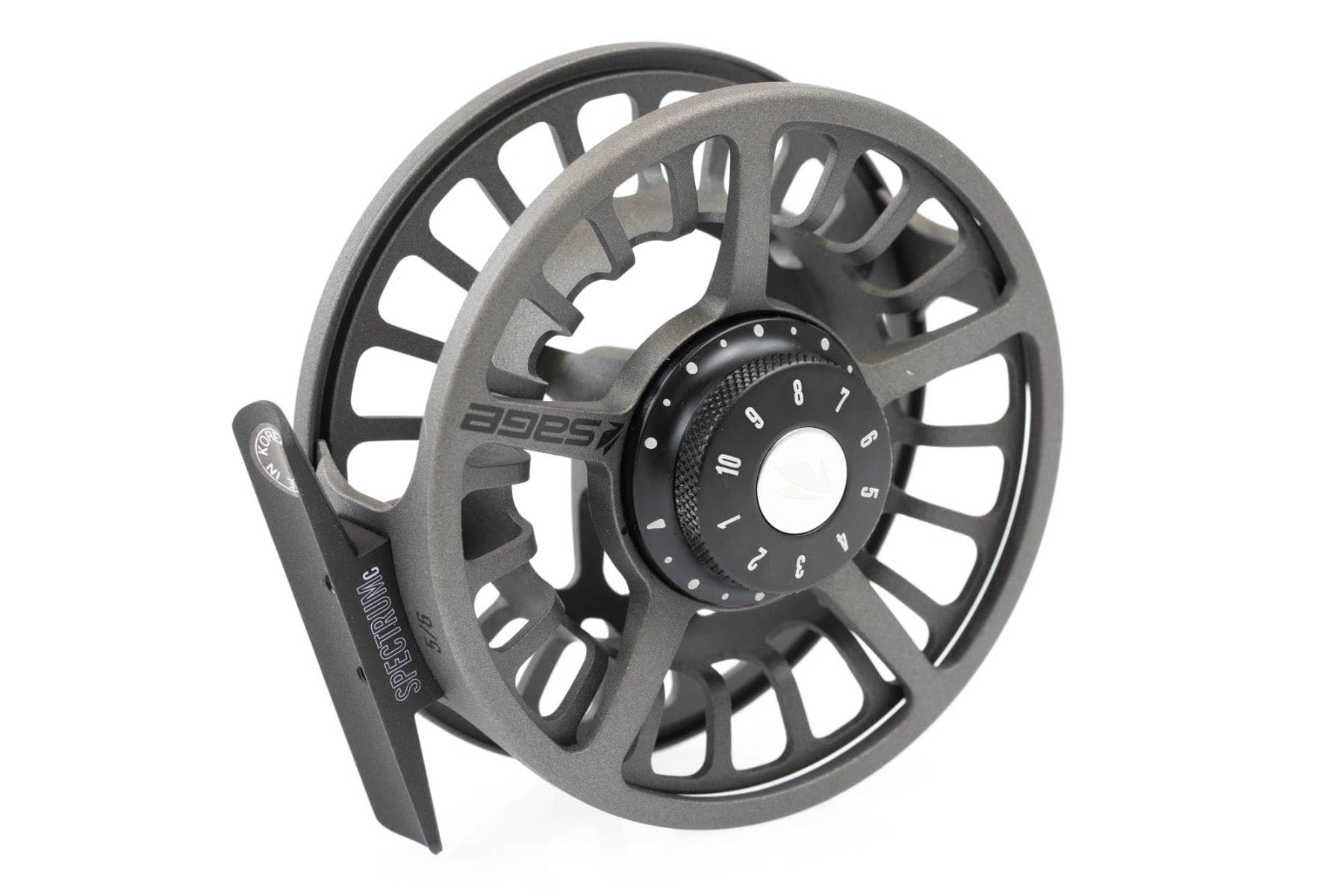
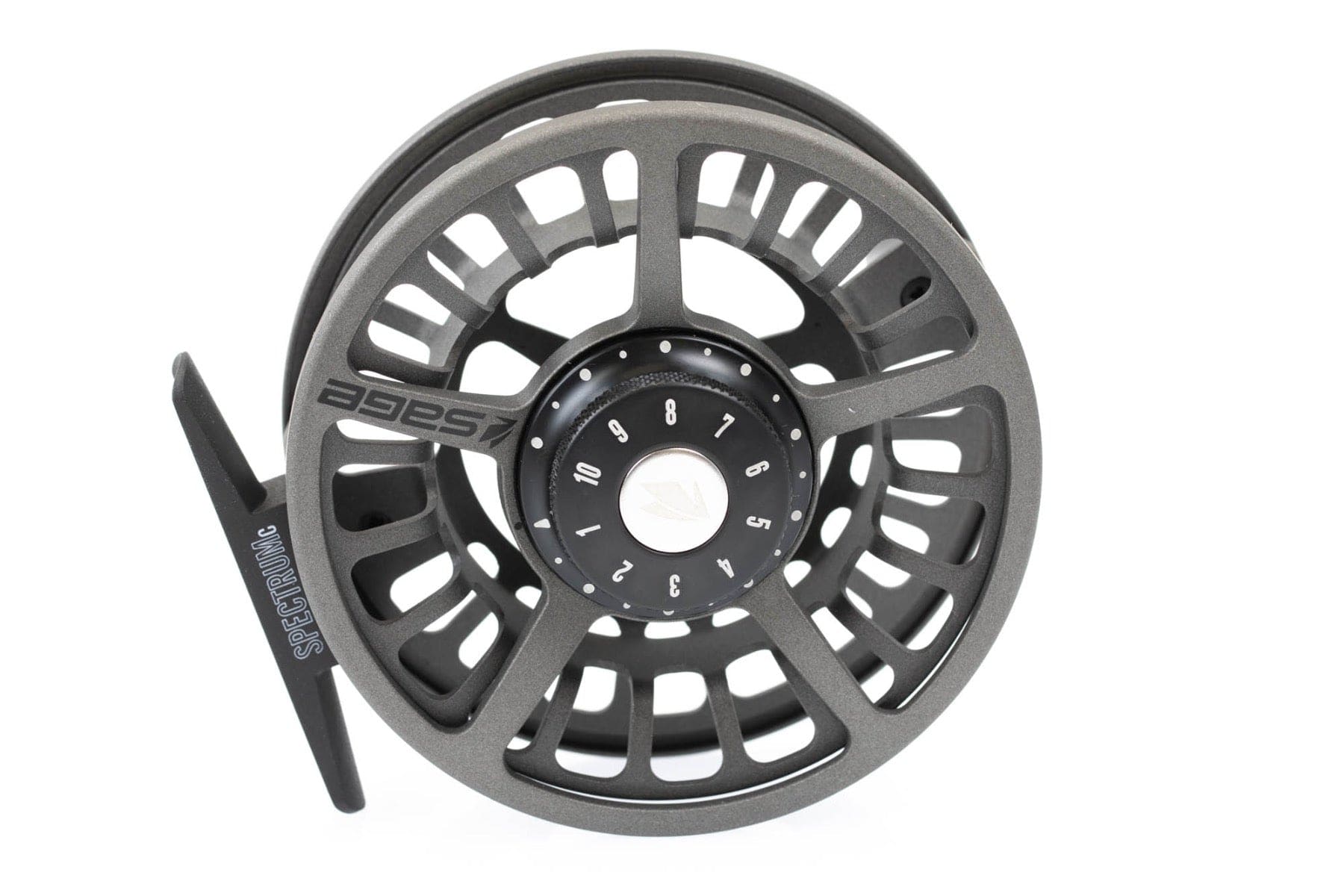
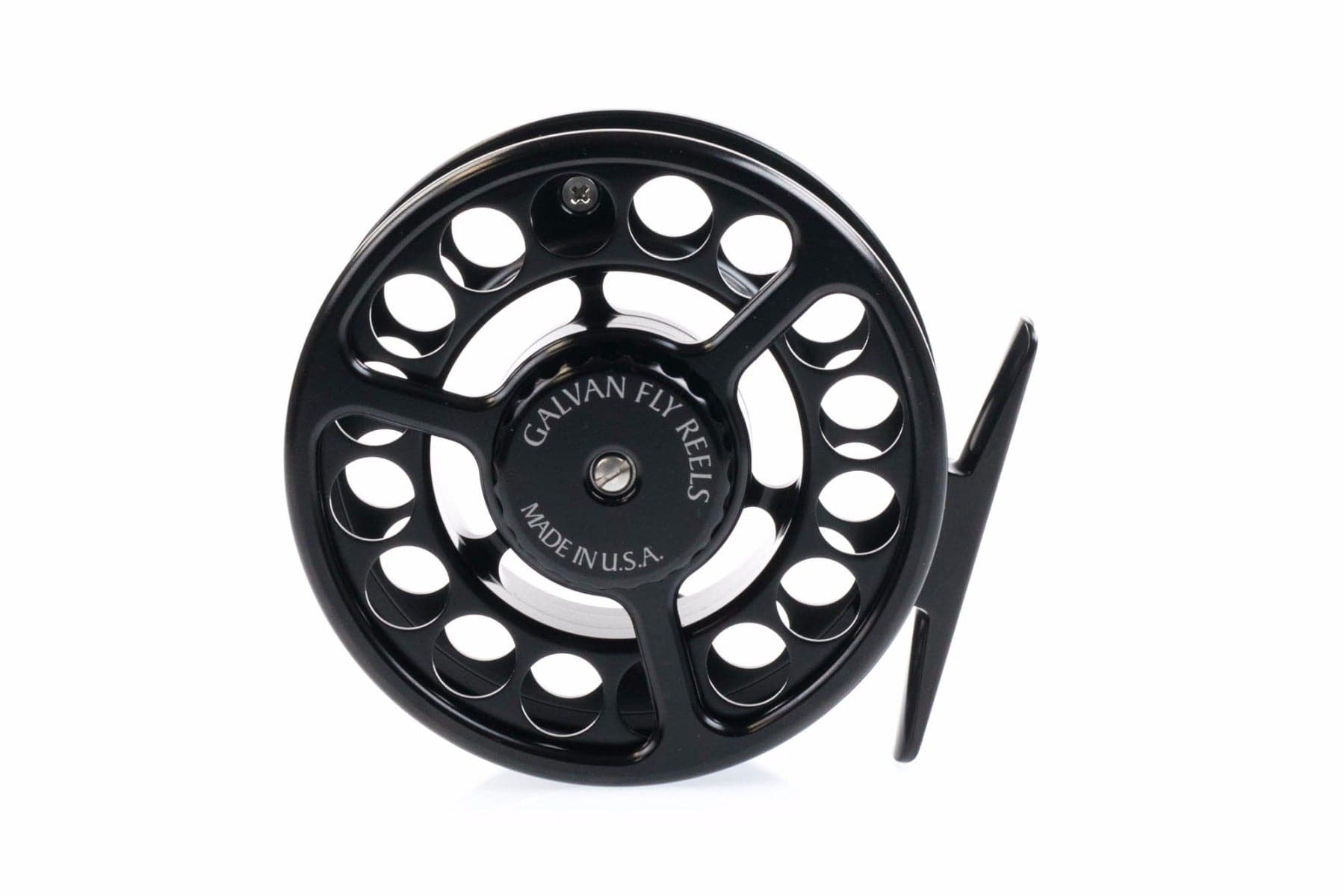
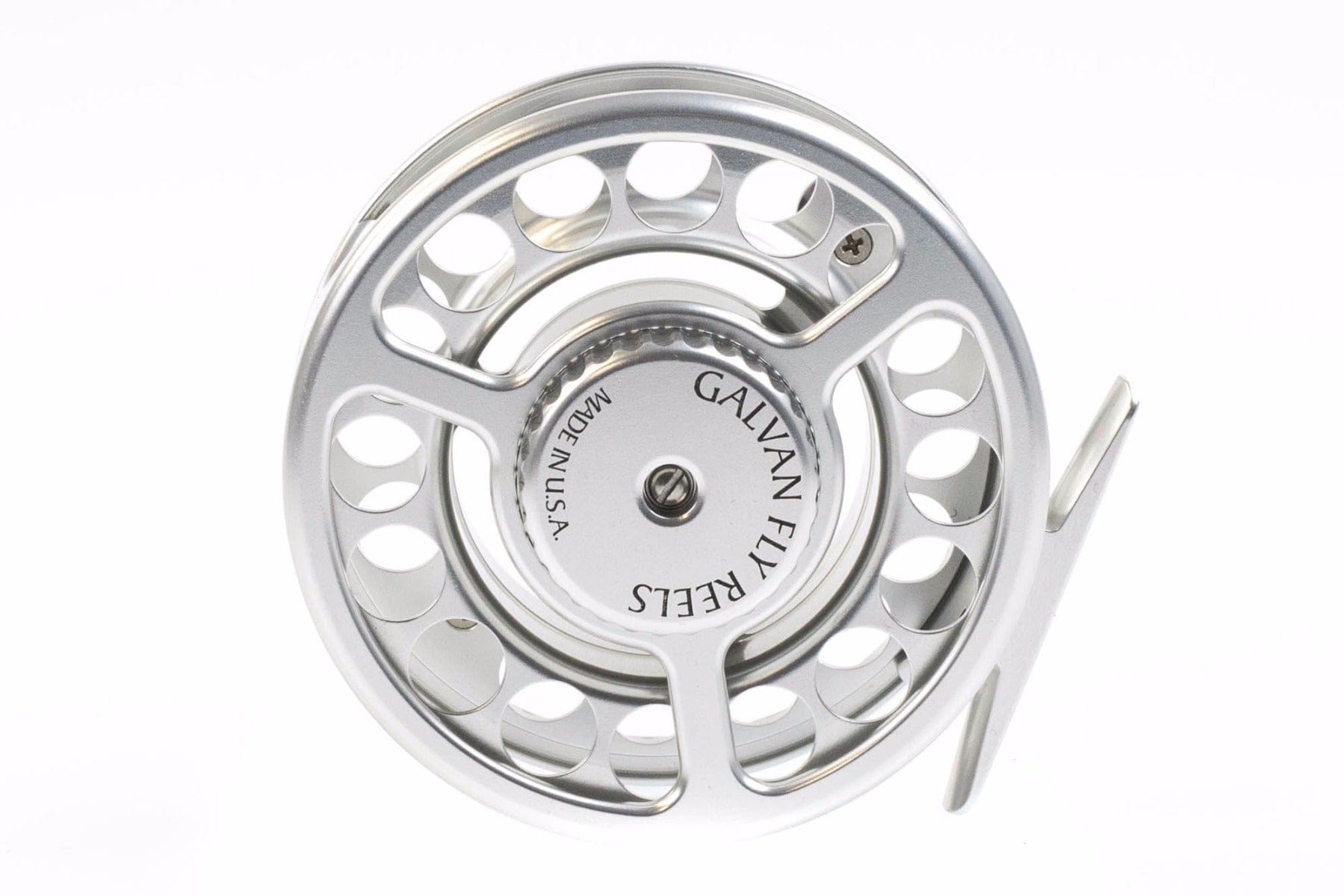
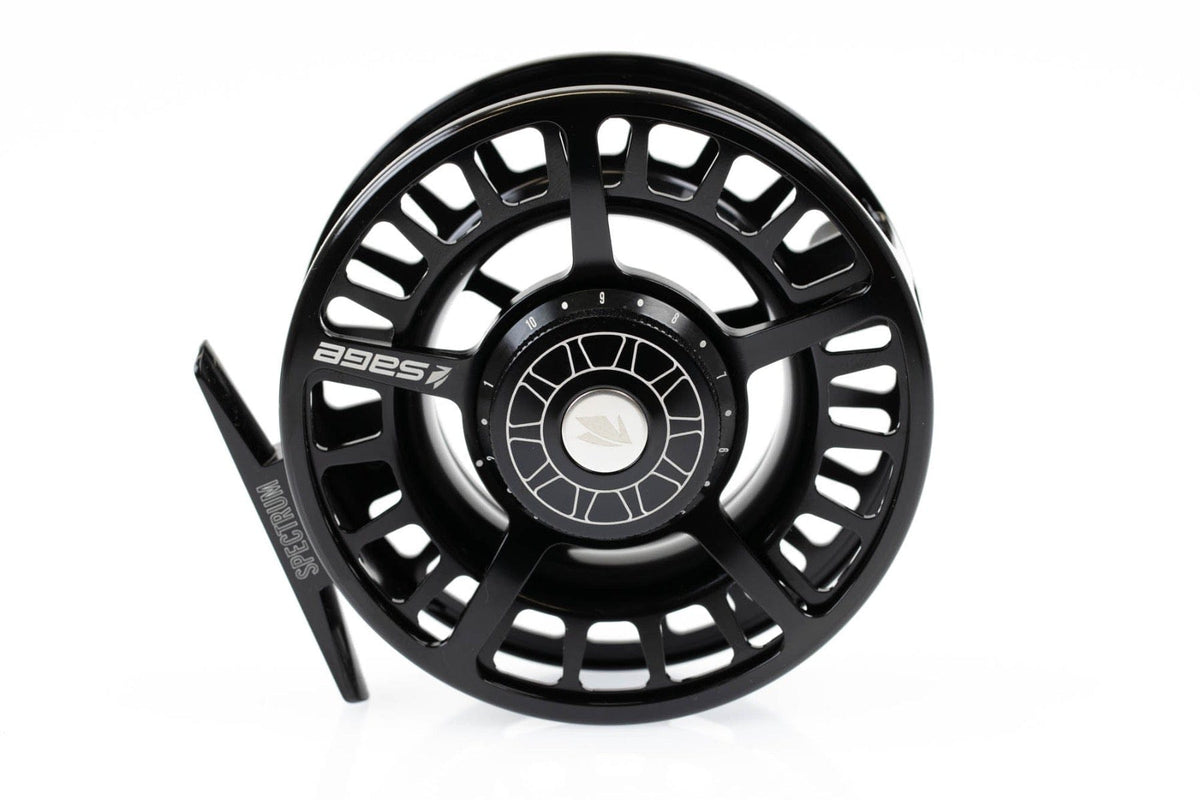
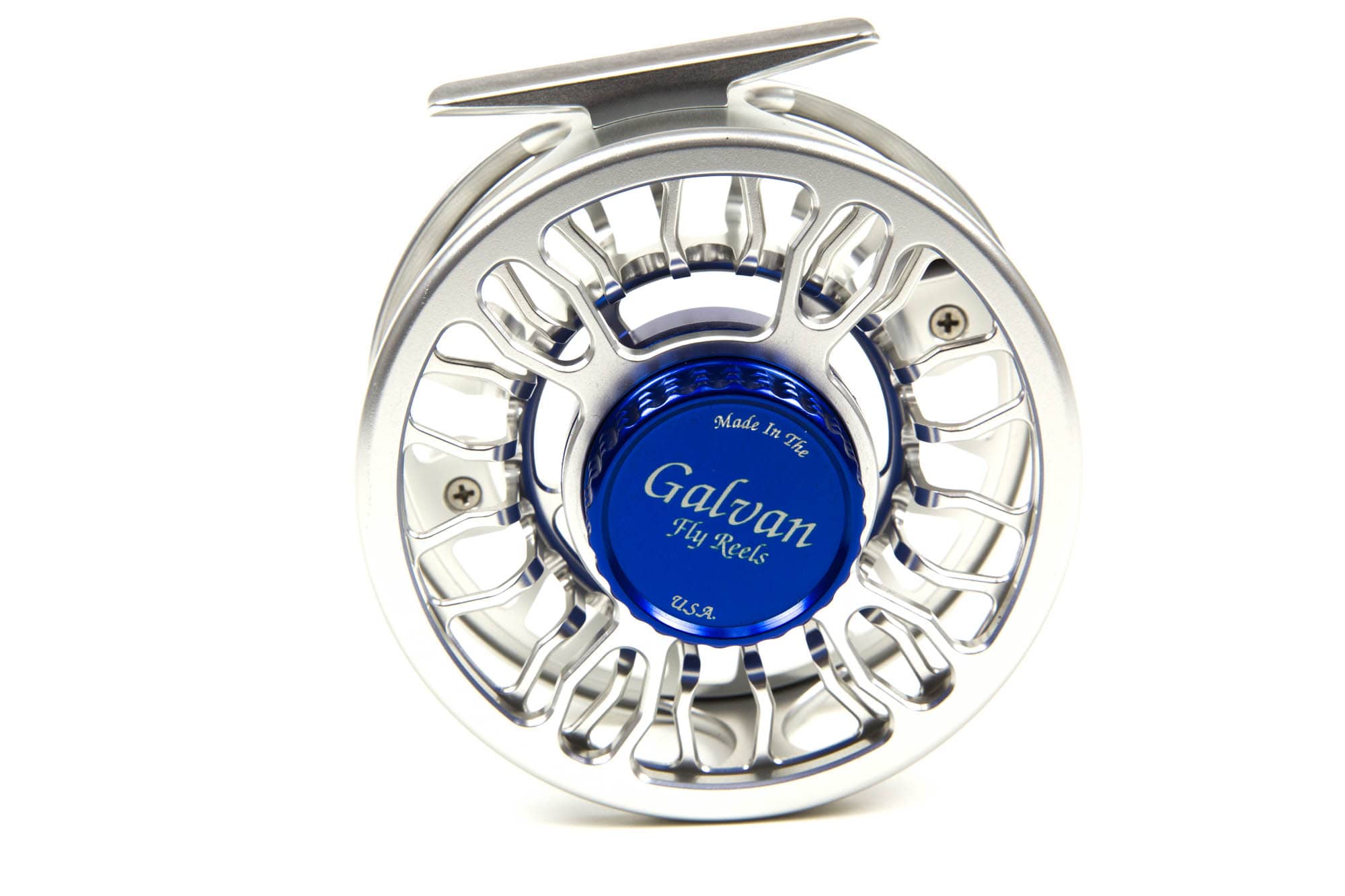
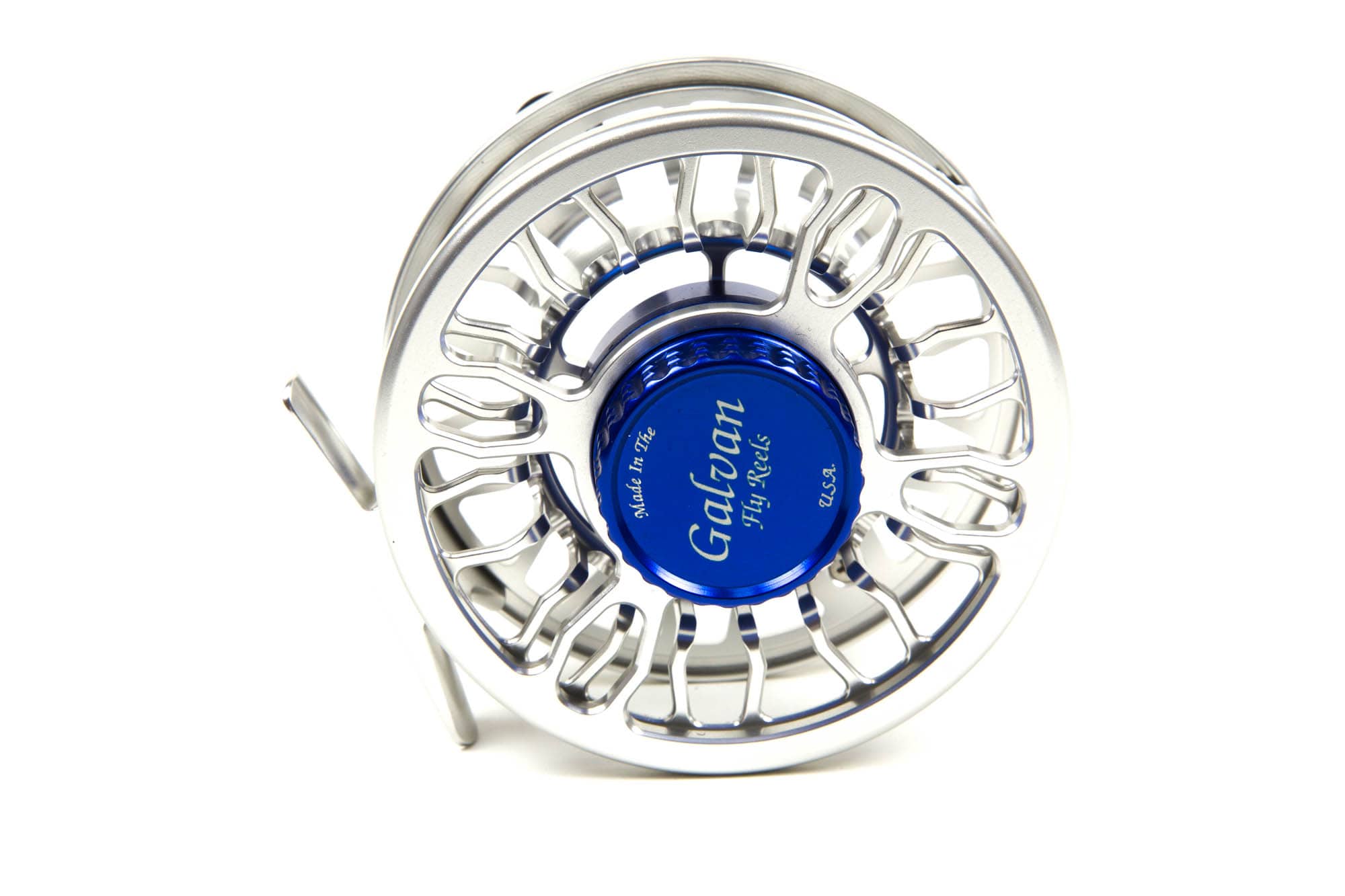
Atlantic salmon are fished with both. On smaller and medium rivers, a 7wt to 9wt single-hand rod is common, and a reel sized 8/9 or similar covers it. On big, wide rivers, a spey rod lets you cover more water with less effort, and the reel has to match the length and weight of that rod. Two-hand specific reels like the Sage Spey II Fly Reel and Galvan Swing Fly Reel use full-cage frames so thin shooting and running lines can't slip between the spool and frame.
Backing Capacity for Long Runs
A bright salmon in a big river can take a lot of line in a hurry, often heading downstream with the current behind it. That makes capacity one of the most important things to check. Many salmon anglers aim for 200 yards or more of backing behind the line, and a spey setup adds a head and running line to the spool as well. Wide spools, like those on the larger Einarsson Plus Fly Reel models, add capacity without shrinking the arbor.
Drag Feel and Startup
Salmon fishing is long hours of casting for a few grabs, so the drag has to work perfectly the first time. Look for a drag that starts smoothly with little startup inertia and adjusts in small, repeatable steps. Sealed drags, such as the Invictus and the Einarsson Plus's Shock Absorbing Brake, keep water and grit out over a long season. Traditionalists still fish click-check reels and play fish off the rim with their palm, which is part of why the Cascapedia remains a favorite.
Balance on a Long Rod
A 12 to 15 foot two-hand rod needs a reel with enough physical weight to sit balanced at your hands, or the rod tip will feel heavy by the end of the day. That's one reason spey reels tend to be heavier and wider than single-hand reels of the same line rating. Try your reel on the rod before you head out, with the line and backing loaded.
On the River
Keep a loop of slack on the swing: Many salmon anglers hold a short loop of line under the finger and release it at the take, giving the fish a moment to turn before the line comes tight on the reel.
Let the reel do the work: Once a salmon runs, keep your hands clear of the handle and let it take line against the drag rather than trying to stop it with the rod.
Follow a big fish: If a fish heads far downstream and the backing keeps disappearing, walk the bank with it when it's safe to do so.
Loosen and dry before storage: Back the drag off and let spool and backing dry fully before putting the reel away between trips.
Complete Your Setup
Pair your reel with one of our Atlantic salmon fly rods, load it with spey fly lines sized to your rod, and fill the box with proven Atlantic salmon flies.
Atlantic Salmon Fly Reels FAQs
Q: What size reel do I need for Atlantic salmon?
A: For a single-hand rod, choose a reel rated for your rod's line weight, usually 7wt to 9wt. For a spey rod, choose a reel built for two-hand rods that holds your full line system and backing and balances the rod's length.
Q: How much backing do I need for salmon?
A: Around 200 yards is a common target, with more for very large rivers or heavy fish. Make sure the reel still holds your line and backing with some room left on the spool.
Q: Is a click-and-pawl reel enough for Atlantic salmon?
A: Many anglers have caught salmon on click reels for generations, and a good one with enough capacity will do the job. It does ask more of you, since you control the fish with your palm. A disc drag is the easier choice if you're new to salmon fishing.
Q: Can I use my steelhead reel for Atlantic salmon?
A: Often, yes. A reel that suits a 7wt or 8wt steelhead rod or a steelhead spey rod usually works for salmon on the same kind of rod, as long as it has a smooth drag and enough backing capacity.