








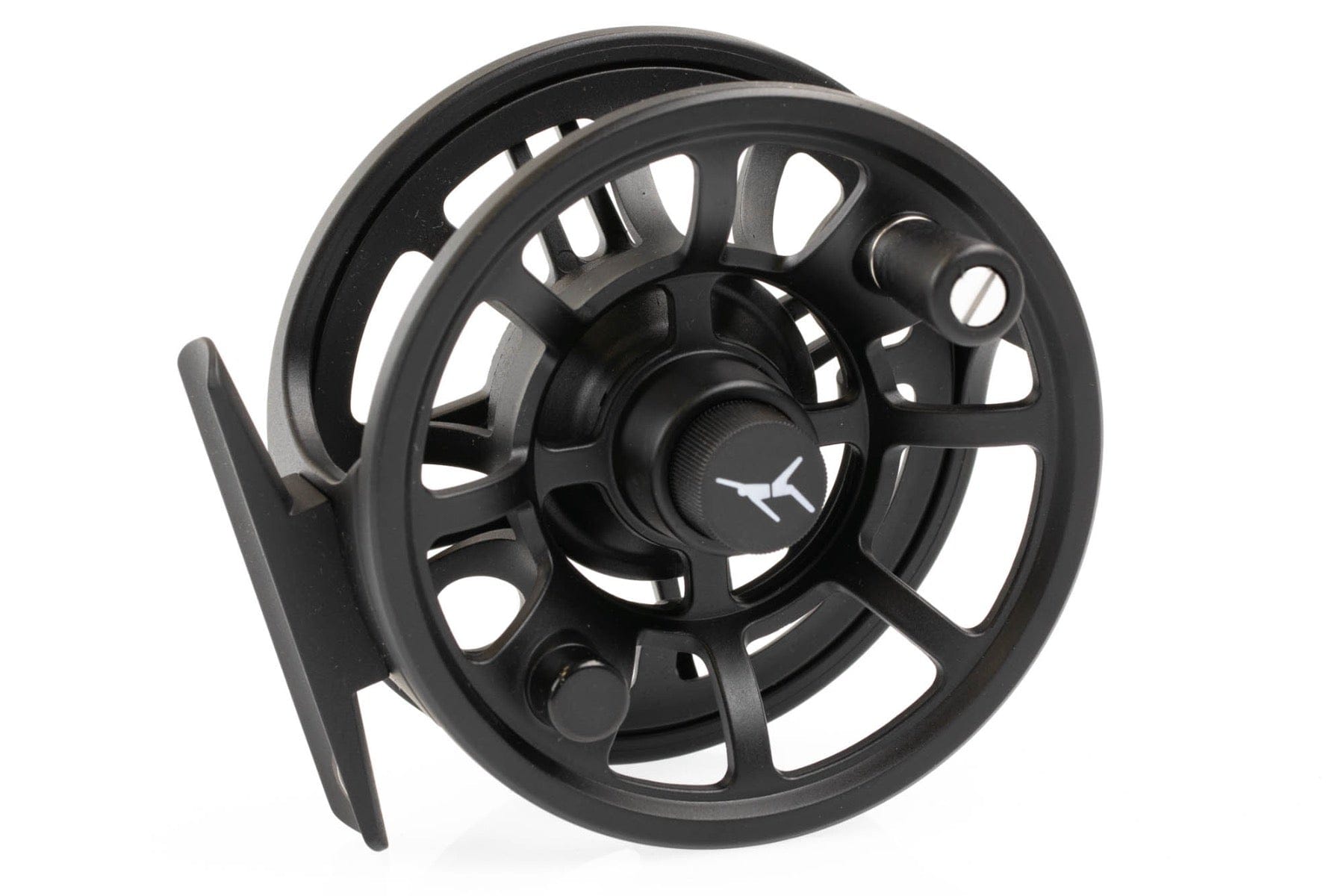


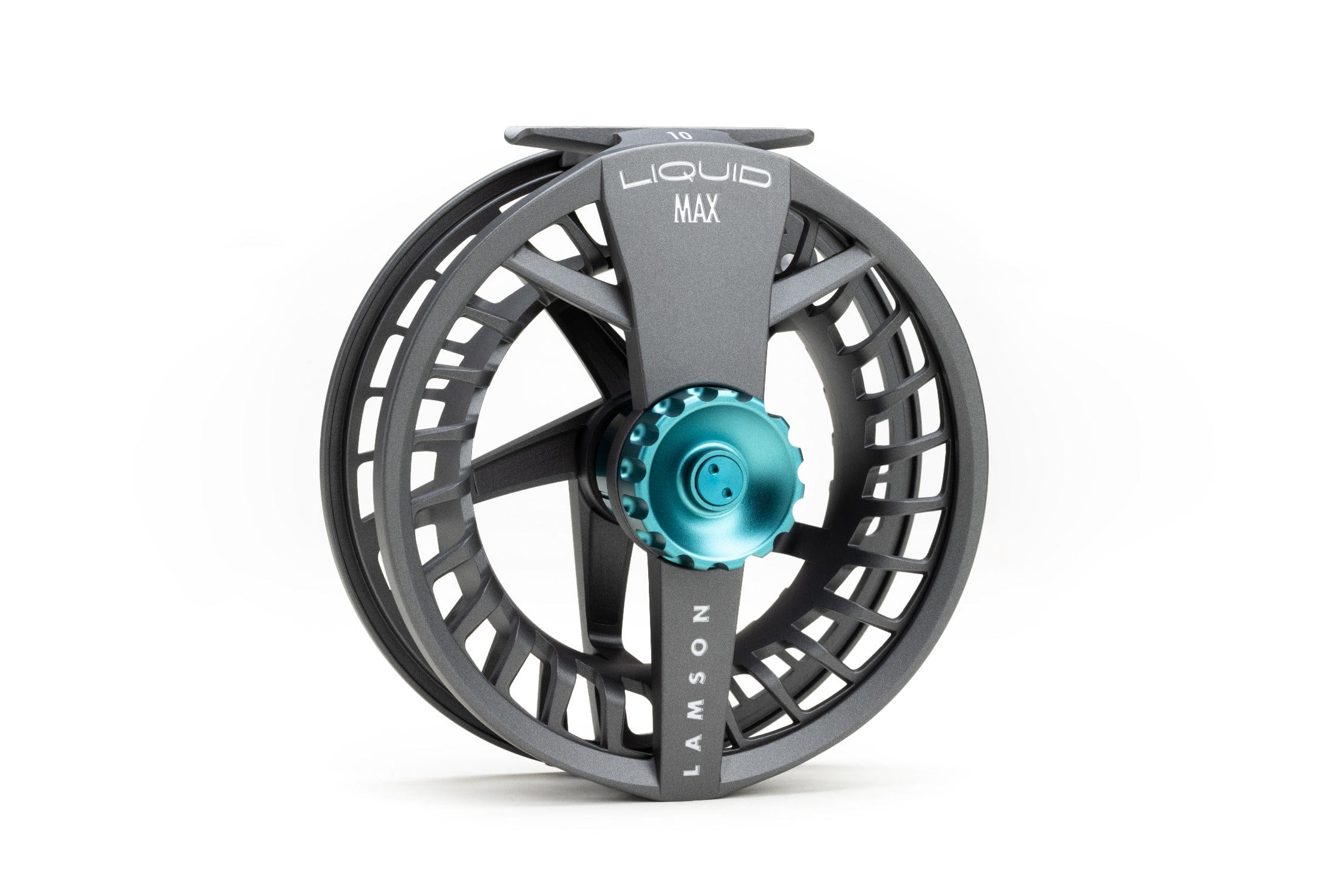
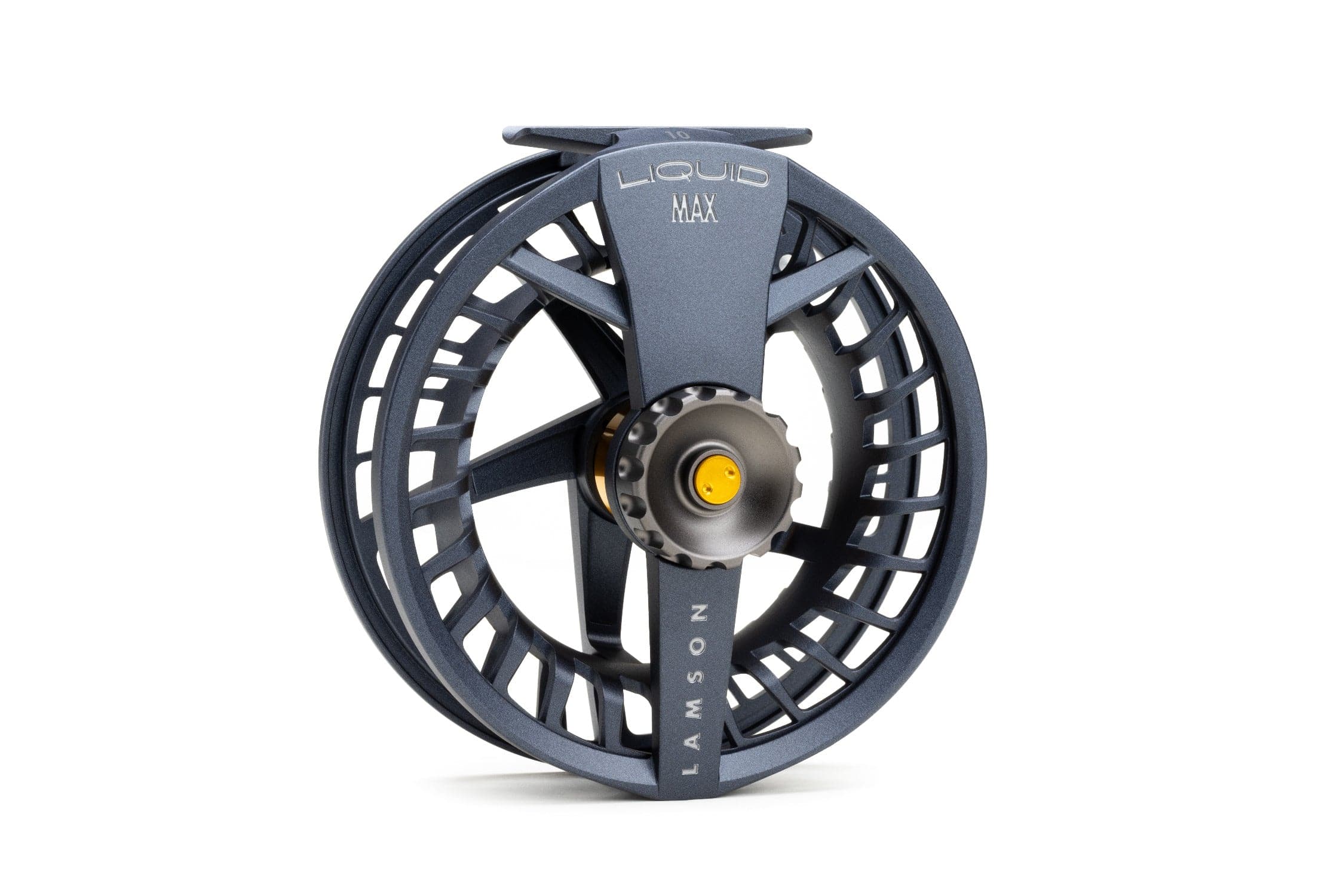
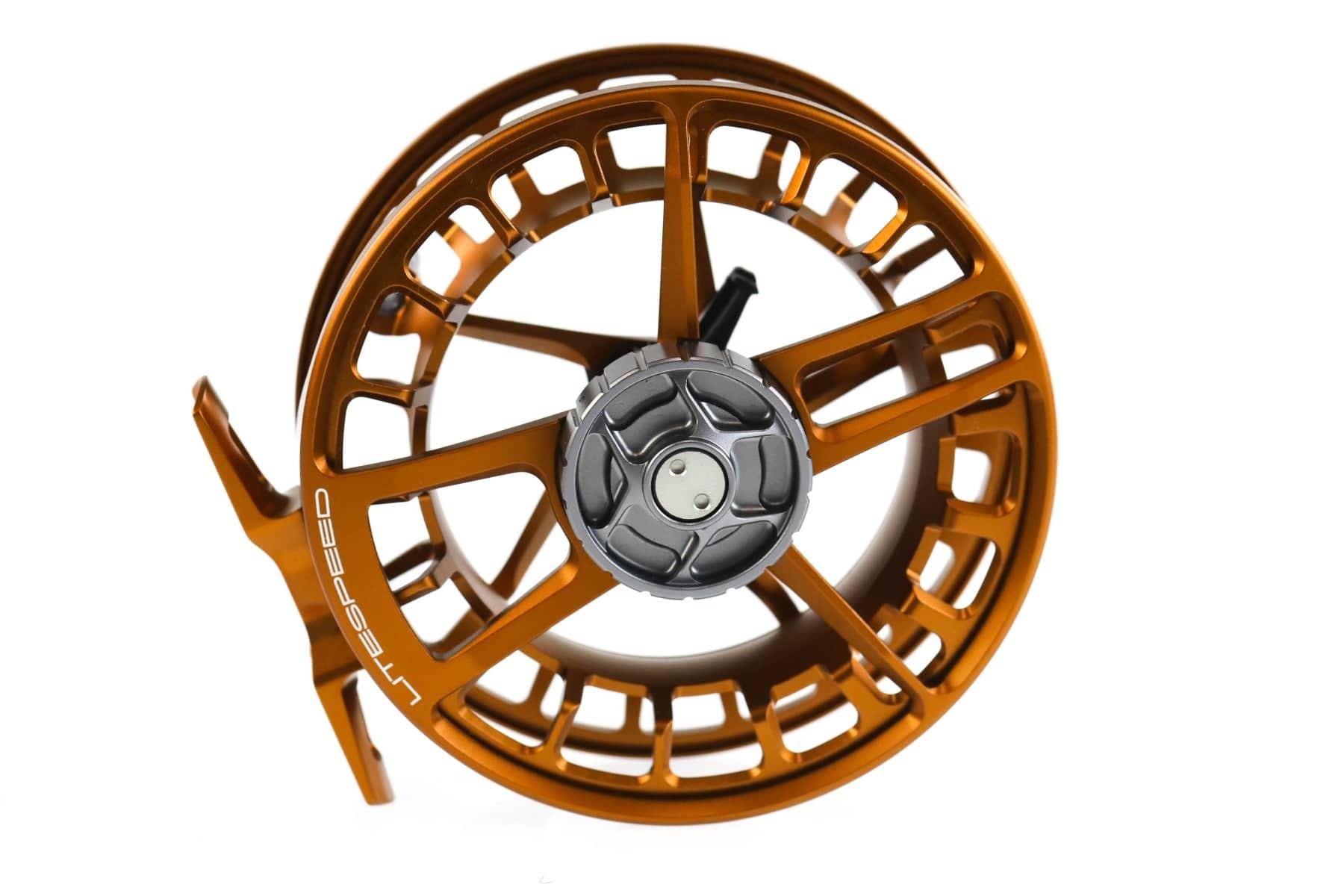
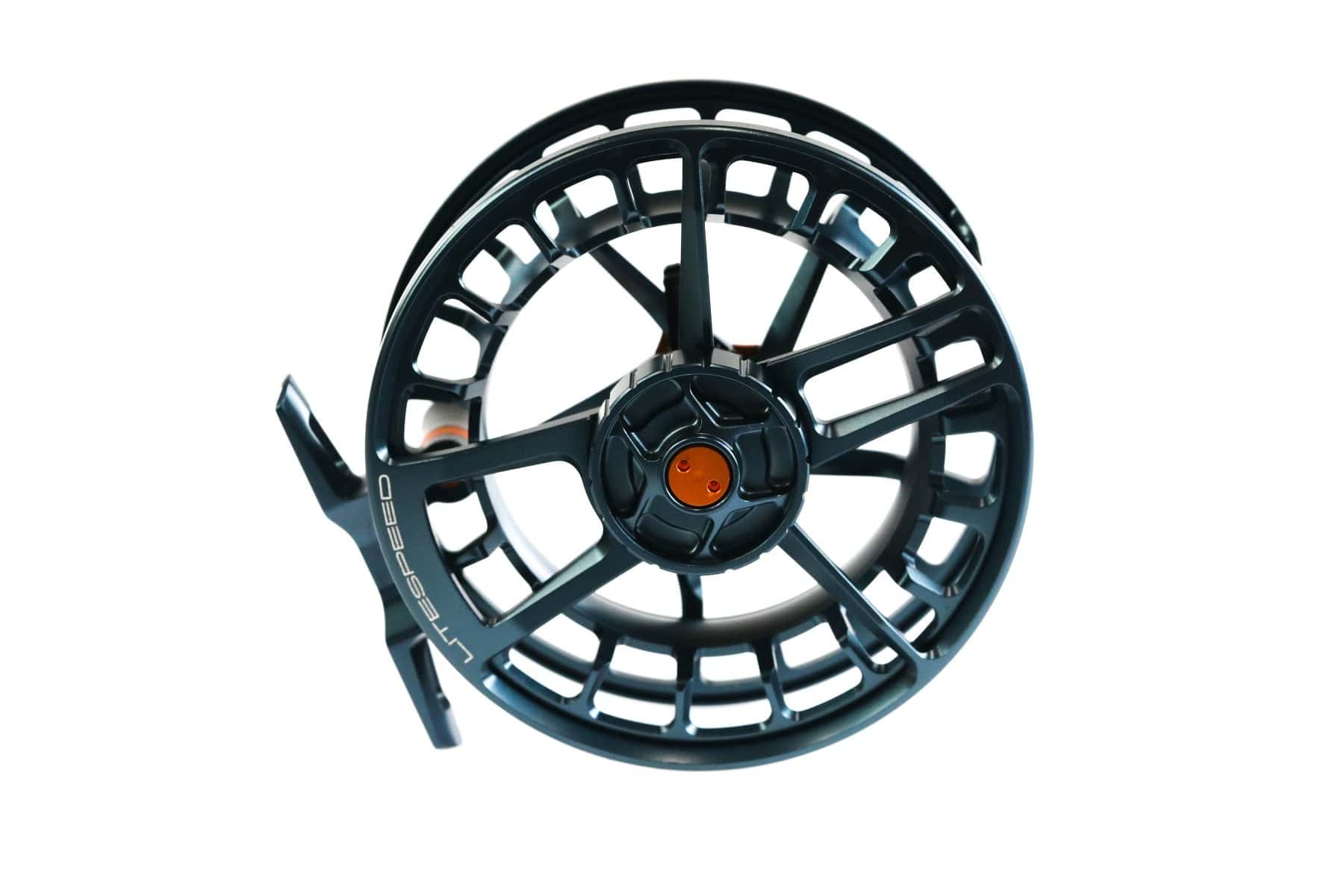
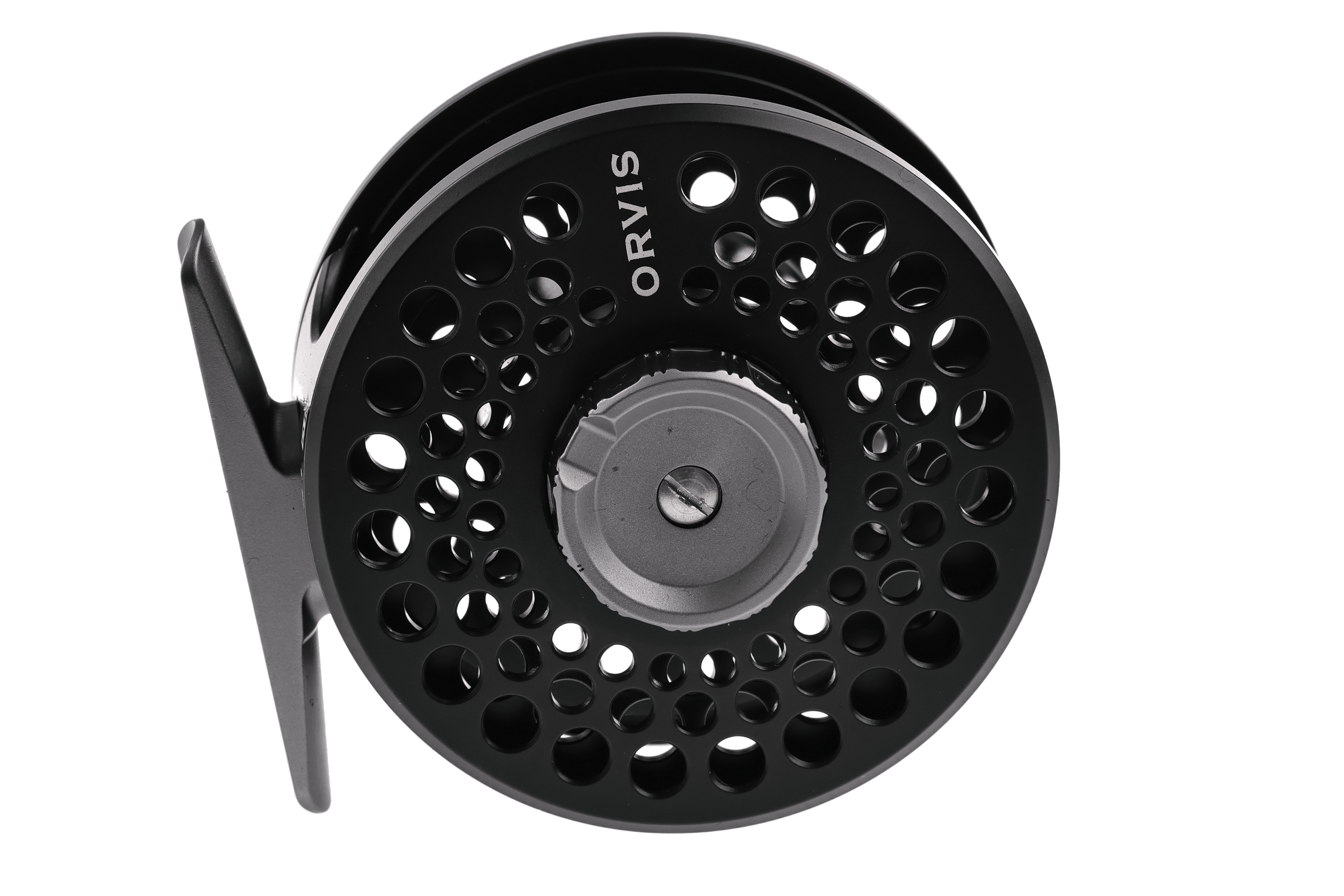
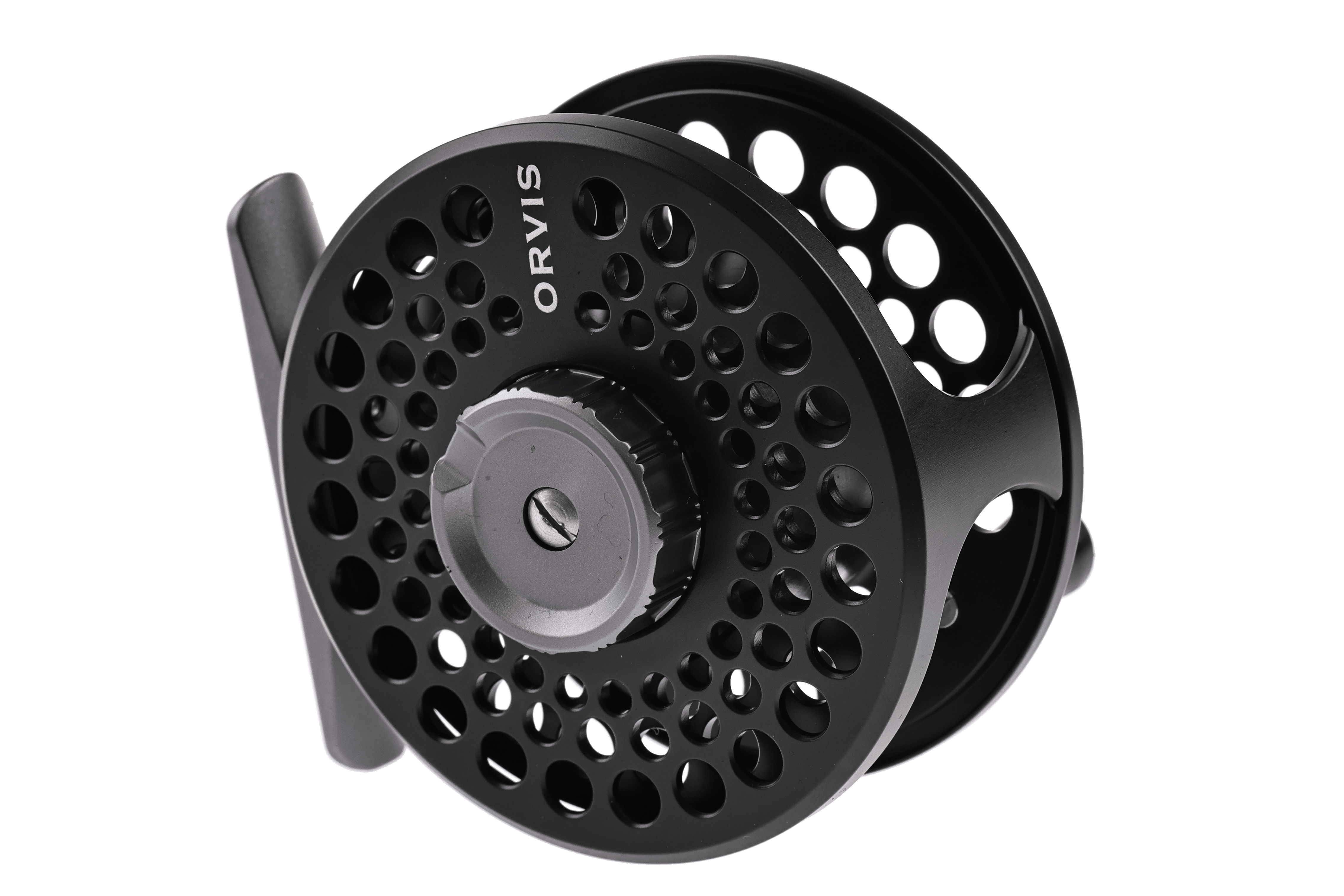


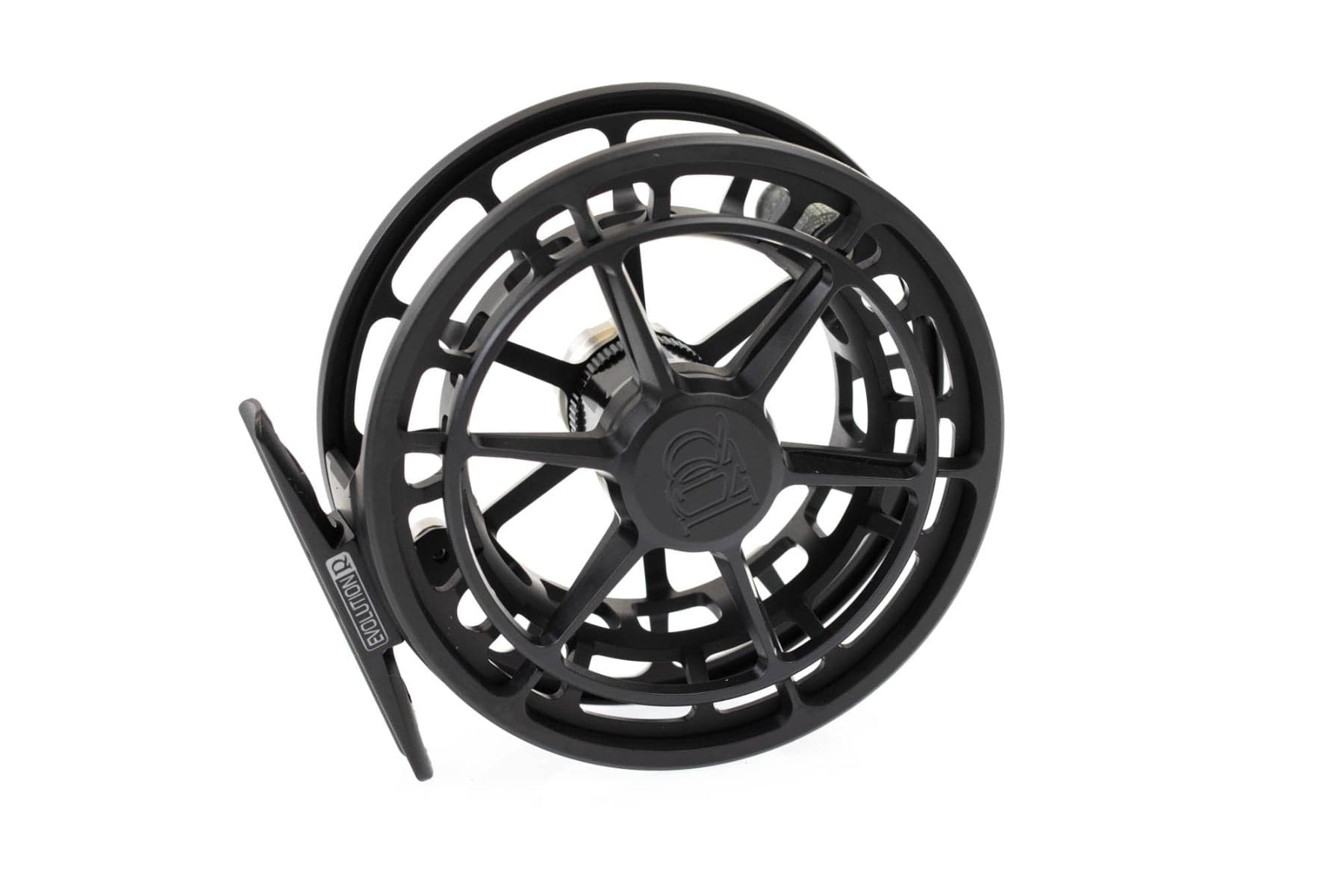


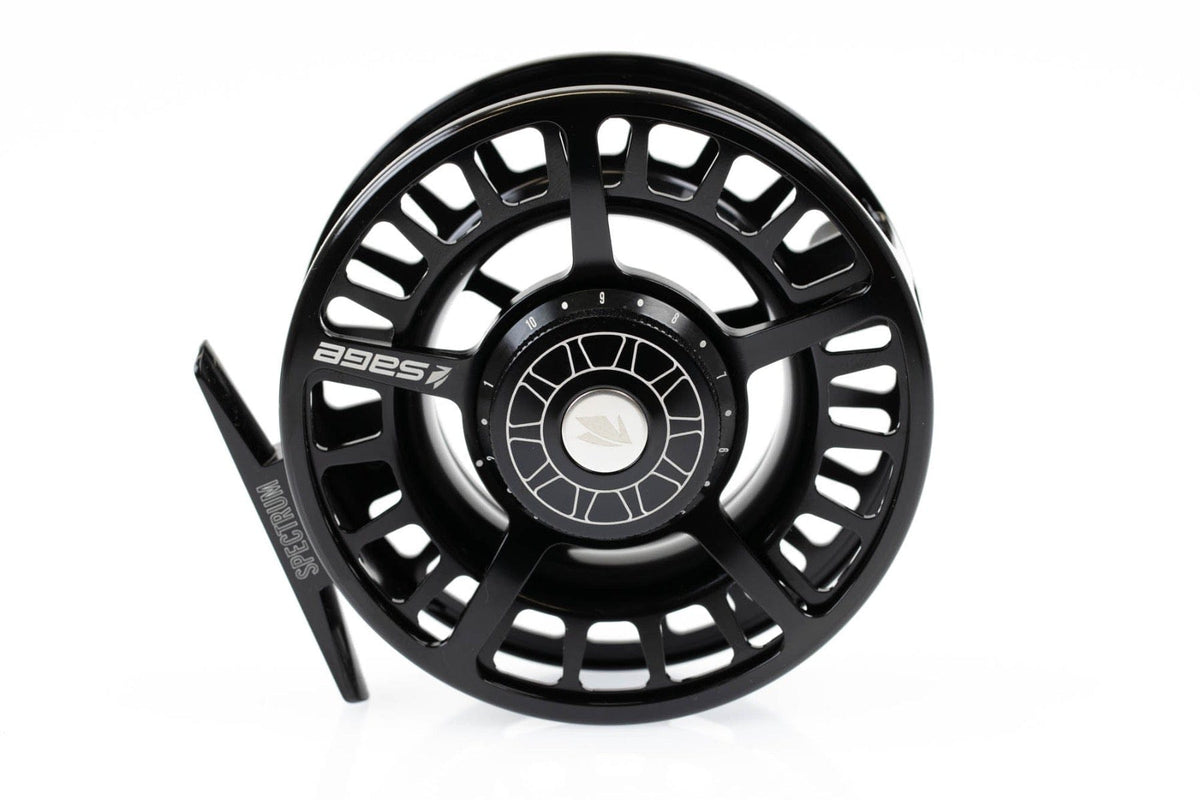


Shop pike and musky fly reels: reels that balance heavy rods, hold sinking lines and handle big flies and big fish.
Pike & Musky Fly Reels Quick Picks
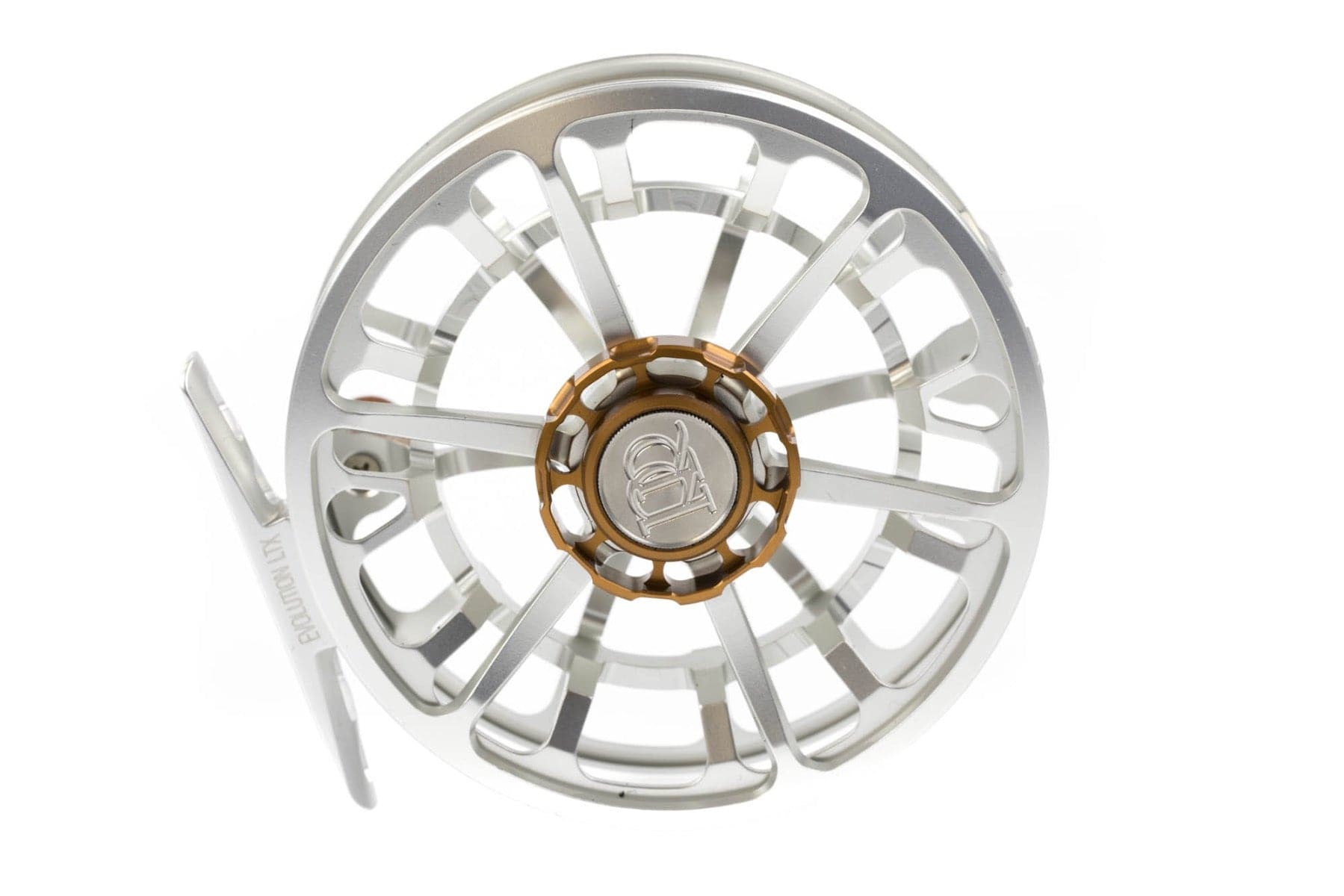
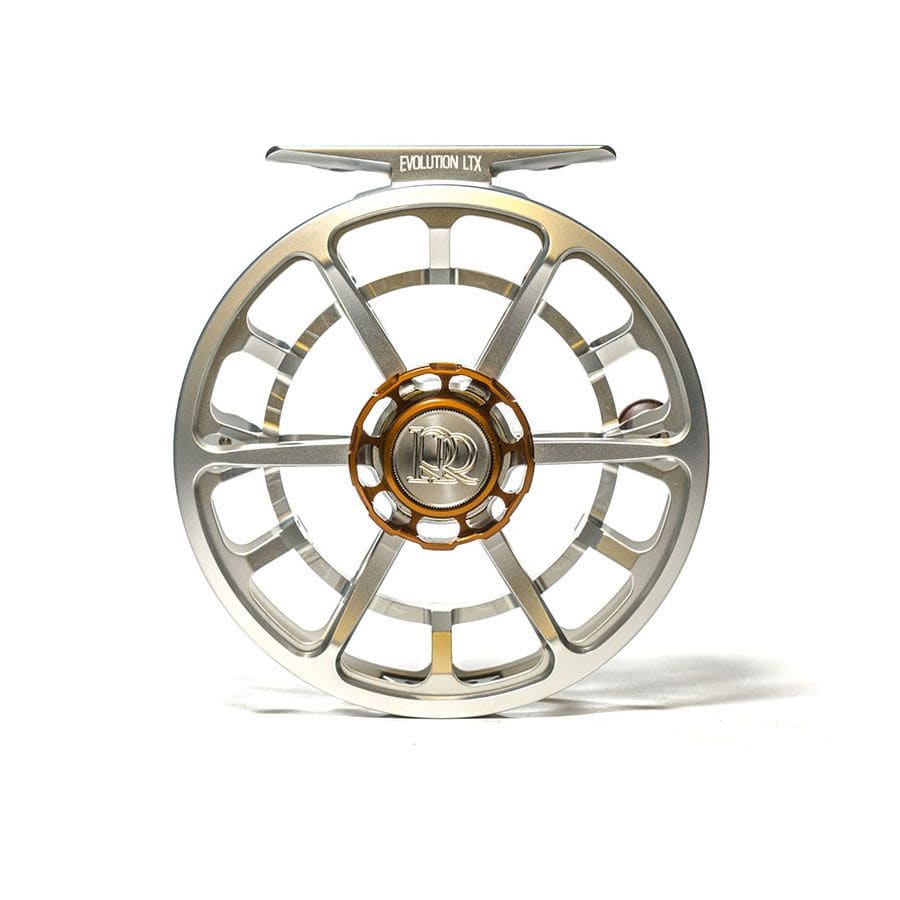
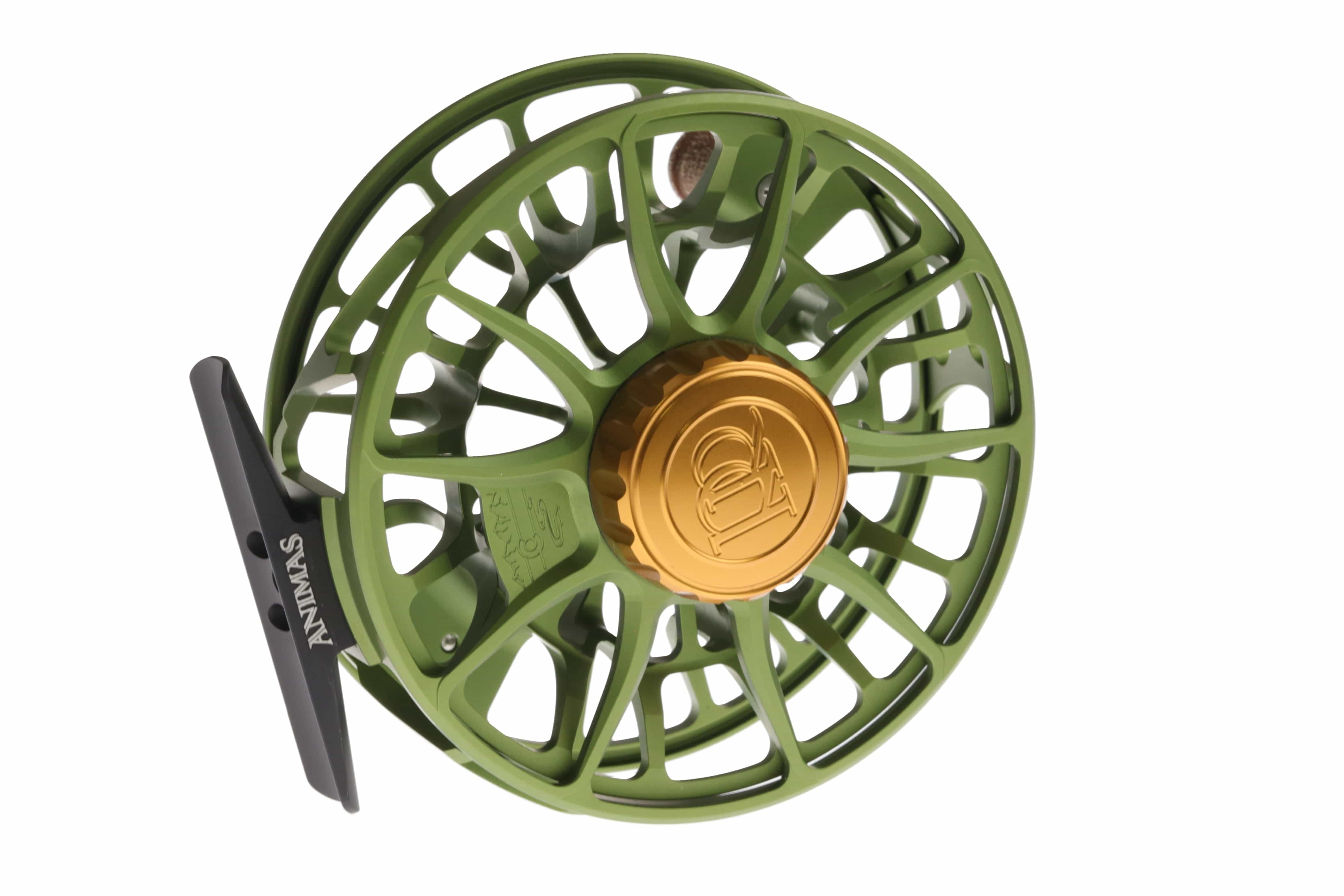
Best premium reel for heavy rods: Hatch Iconic Large Arbor Fly Reel - A carbon-filled drag with real stopping power and an open design that dries quickly between sessions. The 9+ and 11+ sizes pair naturally with the 9 and 10 weights most musky anglers throw.
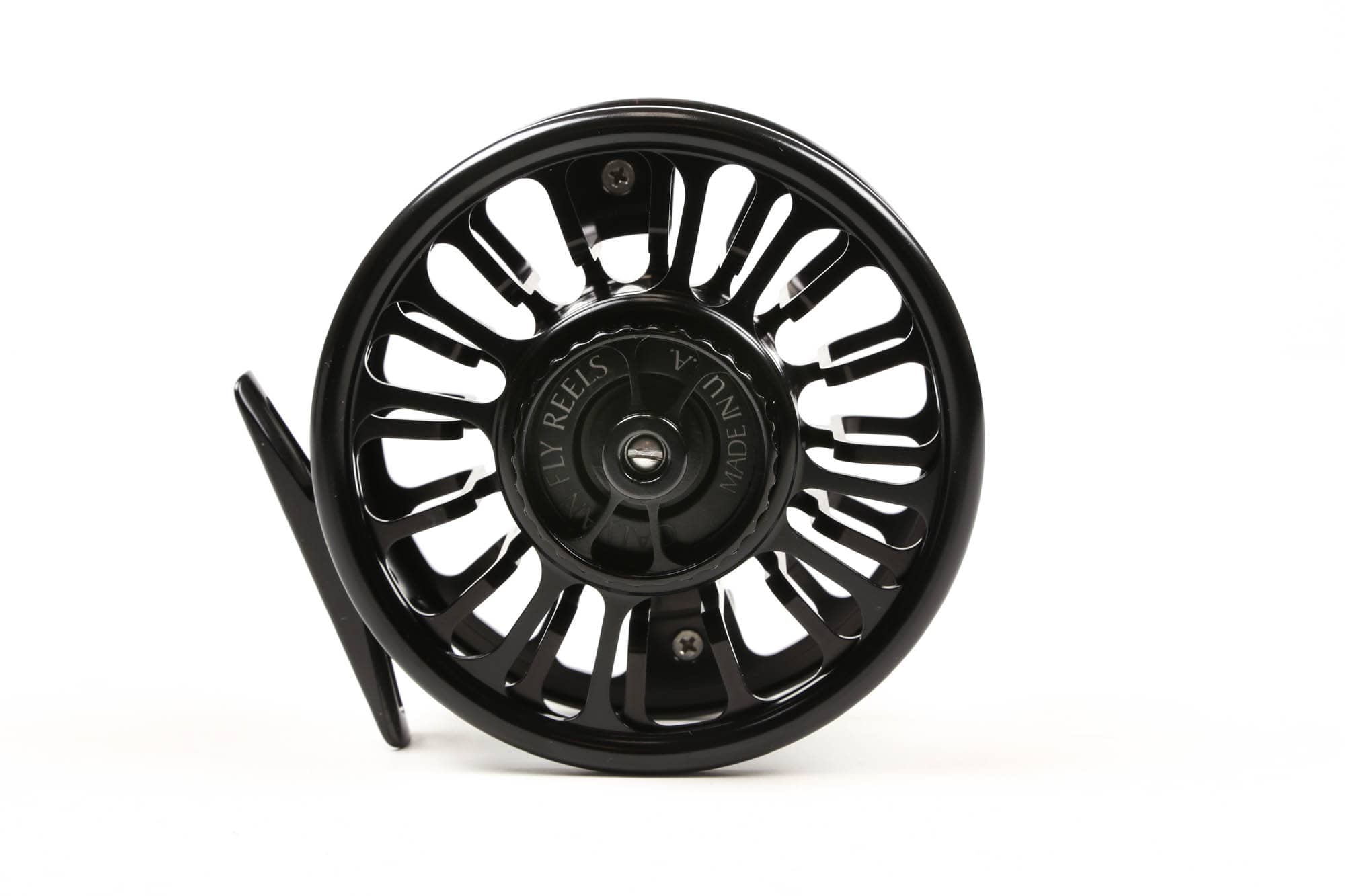
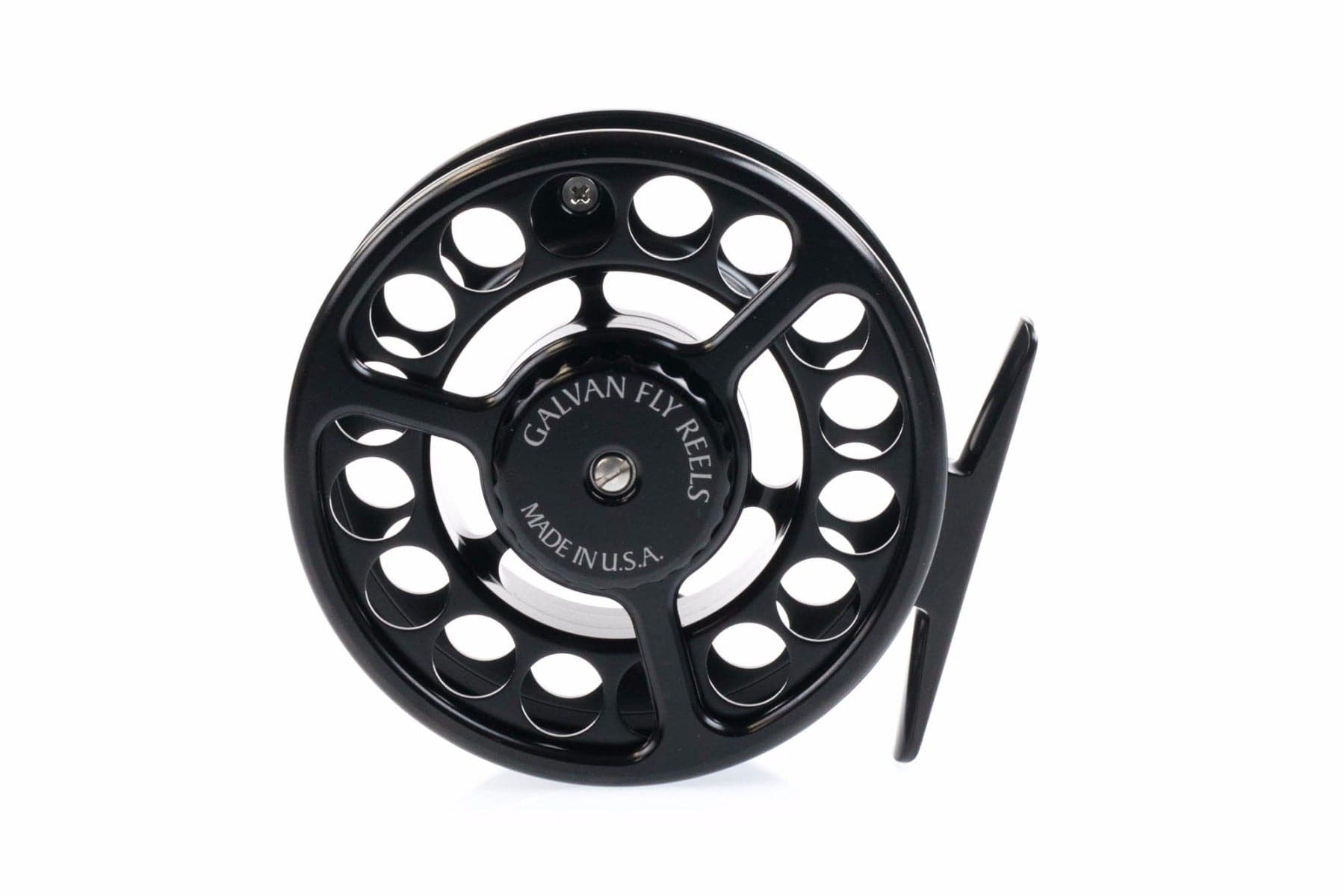
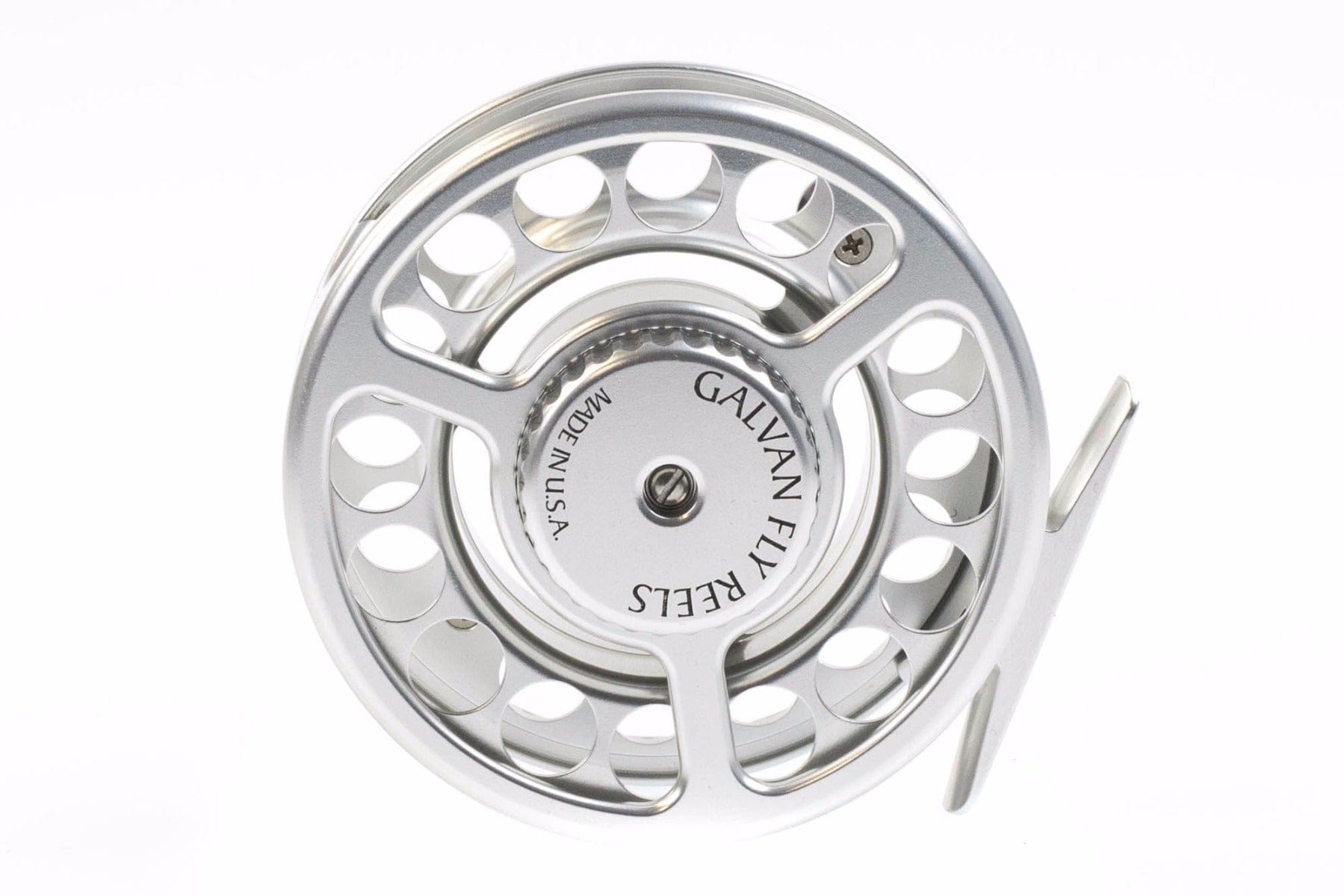
Best all-around reel: Galvan Torque Fly Reel - Galvan's flagship was built around a more substantial drag than its peers, and it runs all the way up to a T-12. It's a reel you can move from a pike lake to a musky river without a second thought.
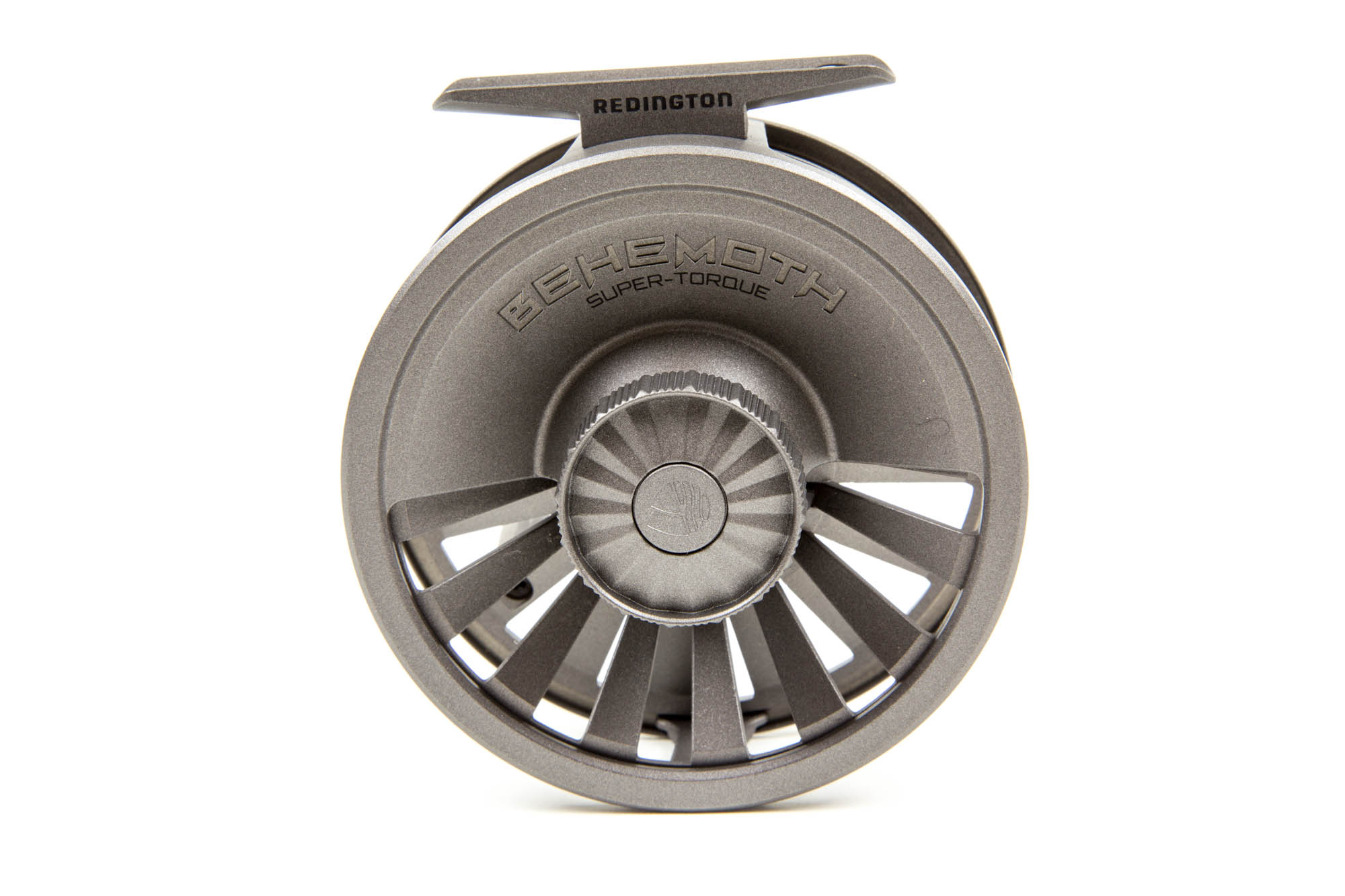
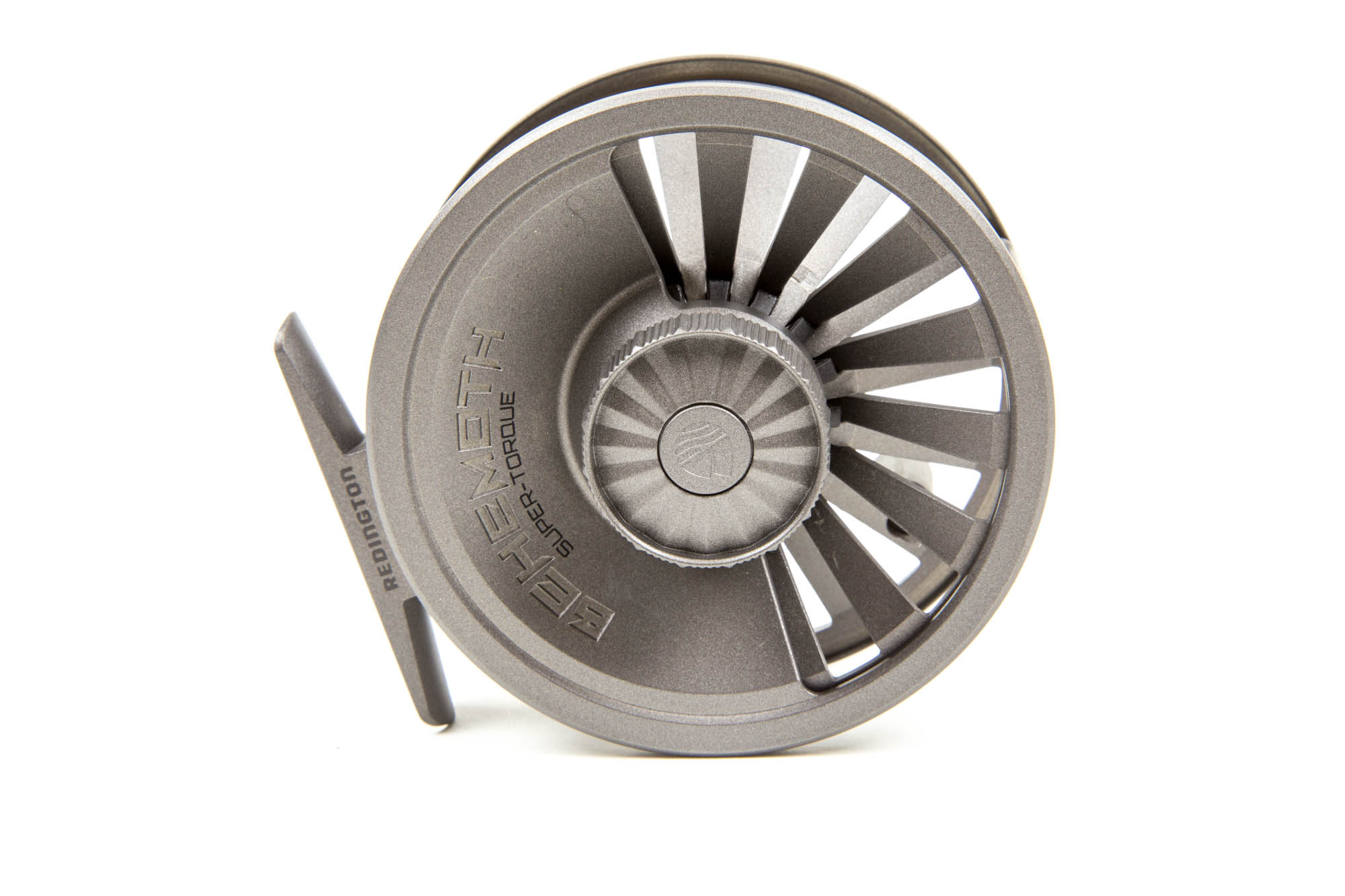
Best value reel: Redington Behemoth Fly Reel - A die-cast reel with one of the strongest drags in its class. For a dedicated musky outfit that gets bounced around the boat deck, it's hard to argue with.
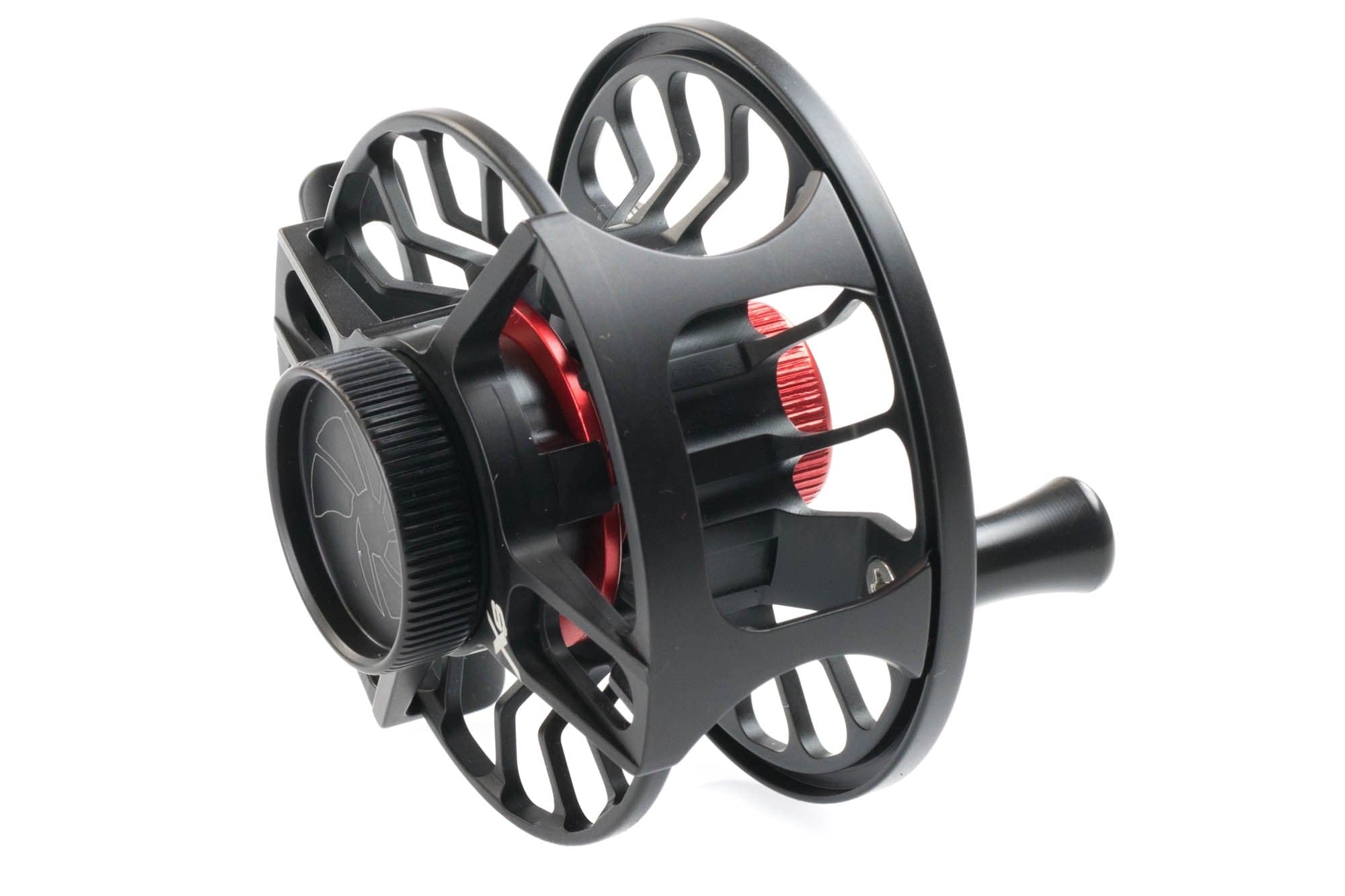
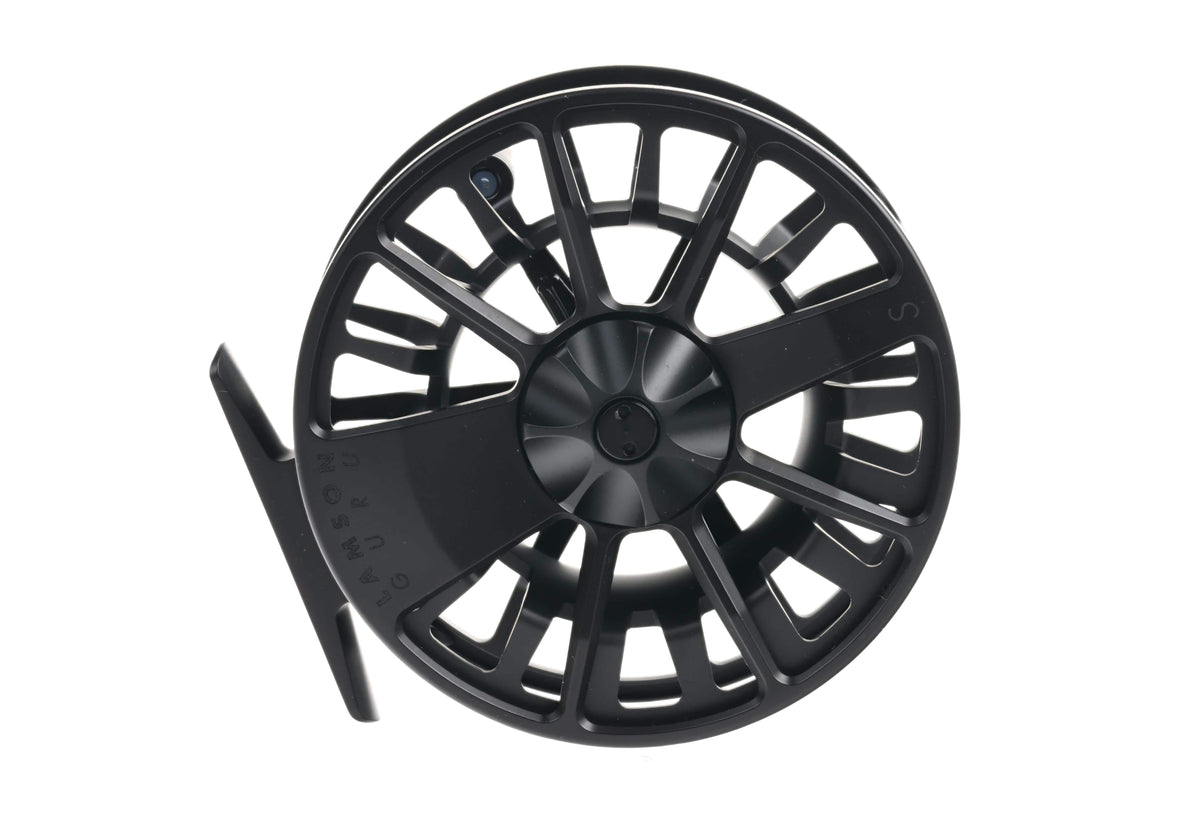
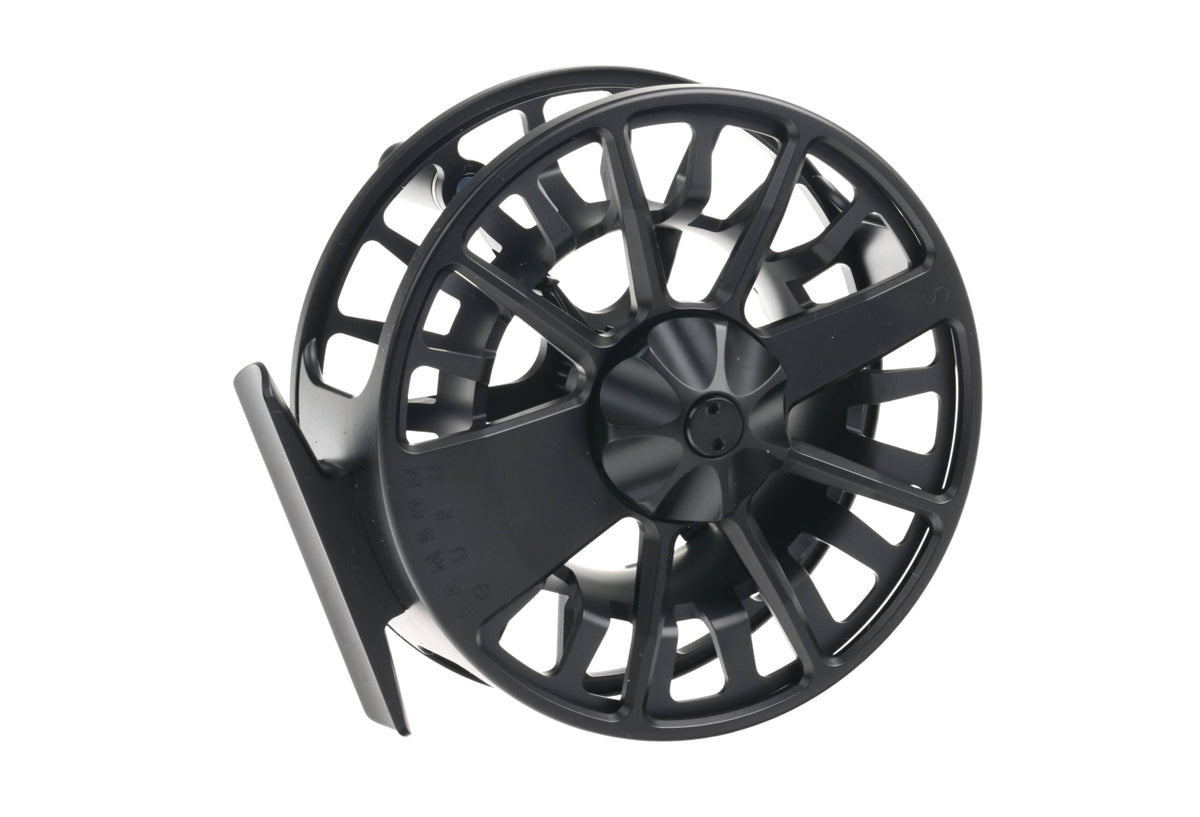
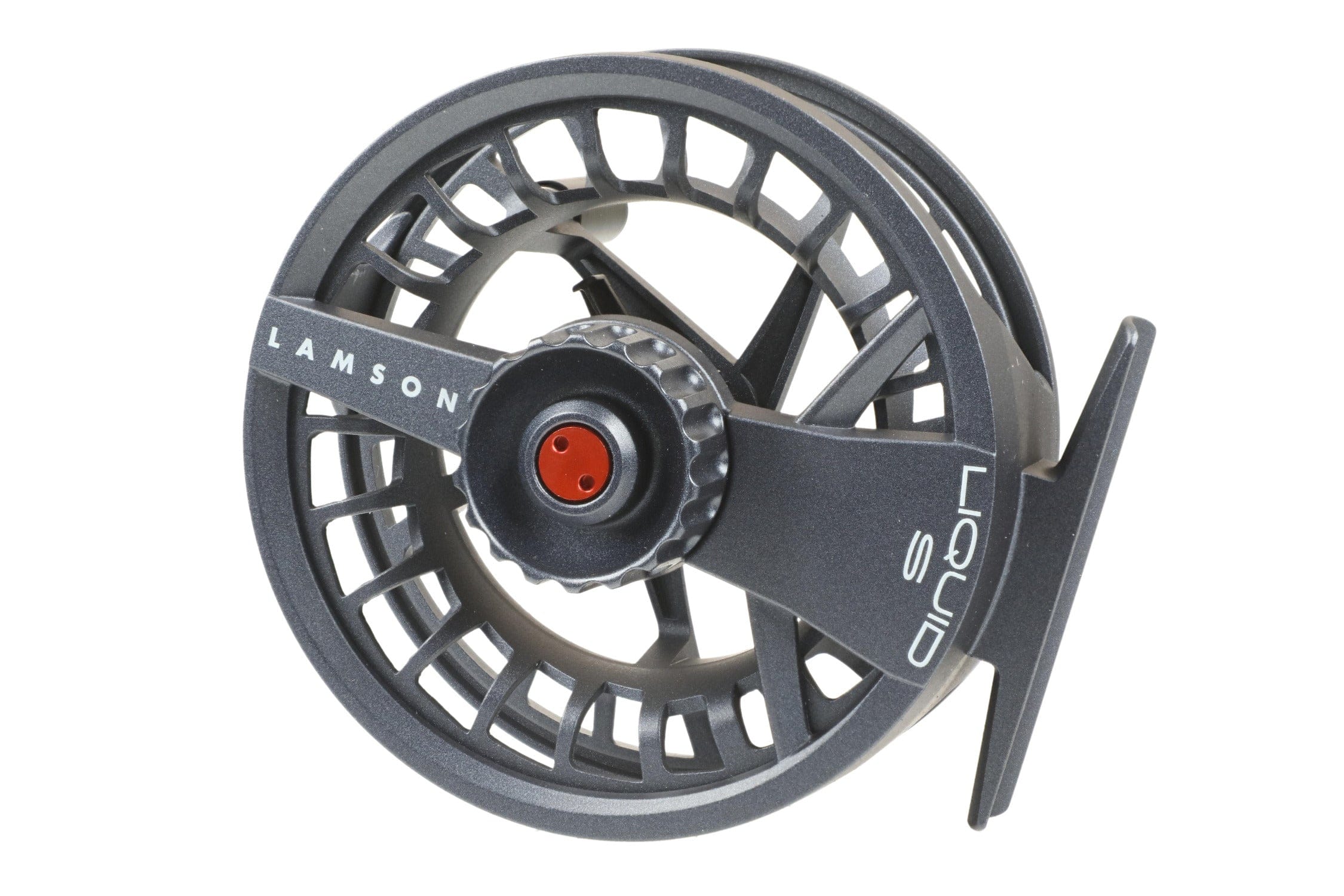
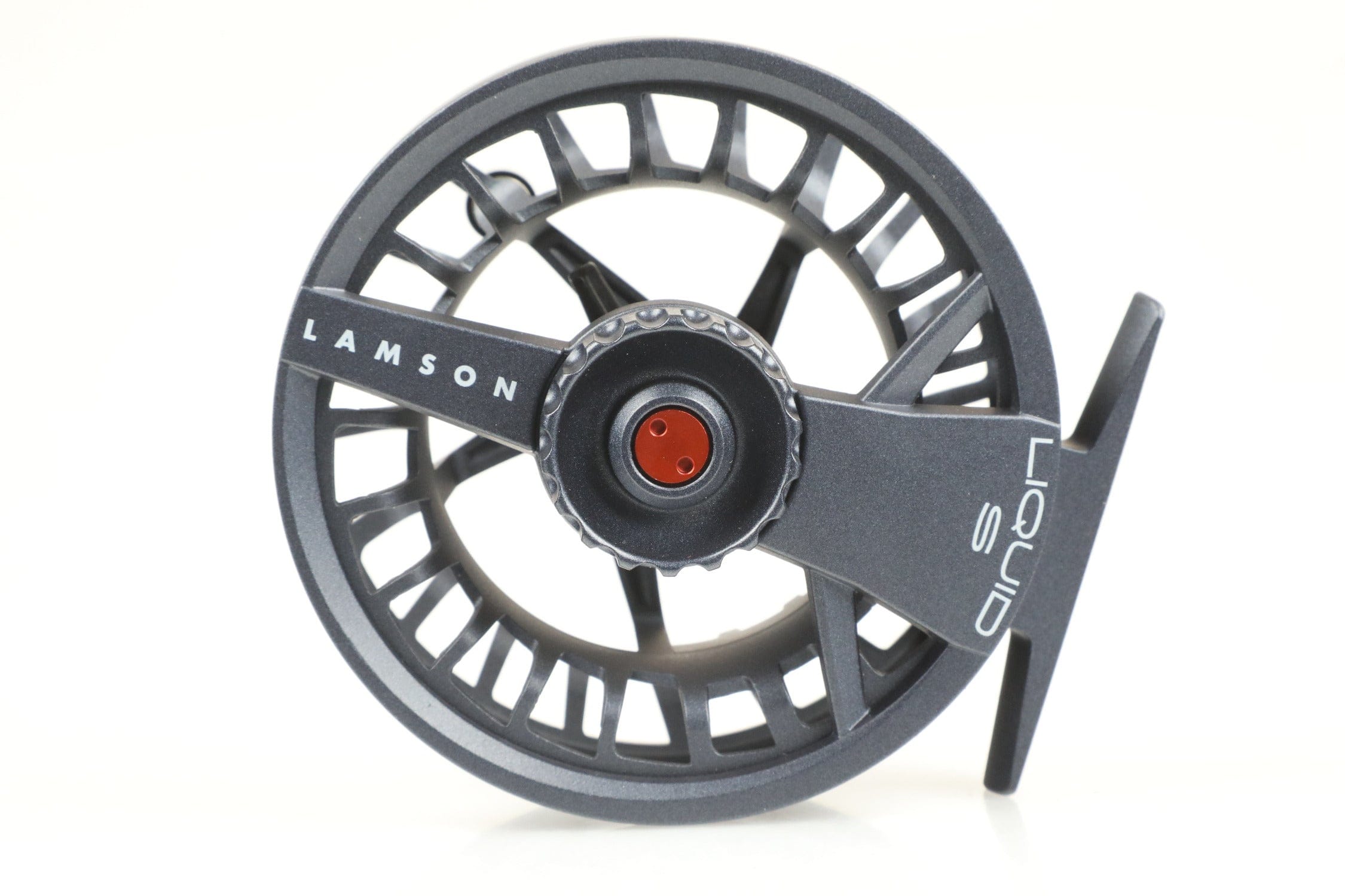
Best for switching lines: Lamson Liquid S Fly Reel 3-Pack - One reel, two spare spools and a carrying case, so a floating line for topwater, a sink-tip and a full sinking line can all ride along. The fully sealed conical drag and large arbor keep it simple and dependable.
How to Choose Pike & Musky Fly Reels
Size the Reel to a 9 or 10 Weight
Most pike anglers fish 8 or 9 weights, and musky anglers usually step up to 9 or 10 weights to throw the biggest flies. Pick a reel rated for the line weight you'll actually cast, not the size of the fish. Musky lines tend to be thick and bulky, so a reel with some extra spool capacity makes spooling up easier and keeps the line from rubbing the frame.
Line Storage Matters More Than Backing
Pike and musky rarely make the long, screaming runs of a bonefish or a salmon. The fight is usually short and violent, often right at the boat during a figure-eight. That means the reel's main job is storing a bulky sinking or intermediate line neatly. A large arbor helps here, picking up slack fast when a fish charges the boat and reducing line coils in cold water. 100 to 150 yards of backing is plenty for most waters.
A Smooth, Simple Drag
You won't need a big-game drag, but you do want one that starts smoothly and doesn't stick after a day of cold, wet use. A sudden head shake on a short line can break a bite tippet or pull a hook if the drag grabs. Sealed drags like those in the Lamson Liquid S shrug off grit and spray, while a heavier drag like the Behemoth's gives you control when a big fish dives under the boat.
Weight and Balance
Musky rods are long, stiff and paired with heavy flies, which can make the tip feel heavy over hundreds of casts. A reel with some heft helps bring the balance point back toward the grip and saves your wrist. Don't chase the lightest reel you can find - on these outfits a sturdier reel is usually the better choice.
On-the-Water Tips
Always run wire or heavy bite tippet: Pike and musky teeth cut monofilament fast. Use a wire or heavy fluorocarbon bite section ahead of the fly no matter which reel you choose.
Keep spare spools rigged: Water depth and fly choice change through the season. Having a floating line, an intermediate and a sinking line on separate spools lets you adjust without retying everything.
Watch the reel in cold weather: Late fall is prime musky time, and ice can form on the spool and guides. Back the drag off slightly in freezing conditions and check that it still turns freely before the next cast.
Store it dry and loose: After the trip, pull the spool, let everything air dry and loosen the drag before putting the reel away for winter.
Complete Your Setup
Musky Fly Rods - Powerful 9 and 10 weight rods made to cast oversized flies all day.
Pike & Musky Flies - Big streamers, bucktails and topwater patterns that move water.
Fly Lines - Floating, intermediate and sinking lines for every depth you fish.
Fly Line Backing - Fill the spool so your line lays smoothly and picks up fast.
Pike & Musky Fly Reels FAQs
Q: What size fly reel do I need for musky?
A: Match the reel to your rod, which for musky is usually a 9 or 10 weight. If you're between sizes, go up one so a heavy sinking line fits comfortably with backing underneath.
Q: Do I need a saltwater reel for pike and musky?
A: No. Many freshwater reels in the right size work well, since these fish rarely make long runs. Saltwater-style reels like the Redington Behemoth are still popular because they're durable and bring plenty of drag to big-fish fishing.
Q: How much backing should I put on a pike reel?
A: Around 100 to 150 yards is enough for most pike and musky fishing. Backing mainly fills the spool so the fly line stores in larger coils and retrieves faster.
Q: Is a spare spool worth it for musky fishing?
A: Yes. Swapping between a floating line for topwater and a sinking line for deeper fish is common, and a spare spool makes that change take seconds. Multi-spool packs like the Lamson Liquid S 3-Pack are a cost-effective way to set that up.