



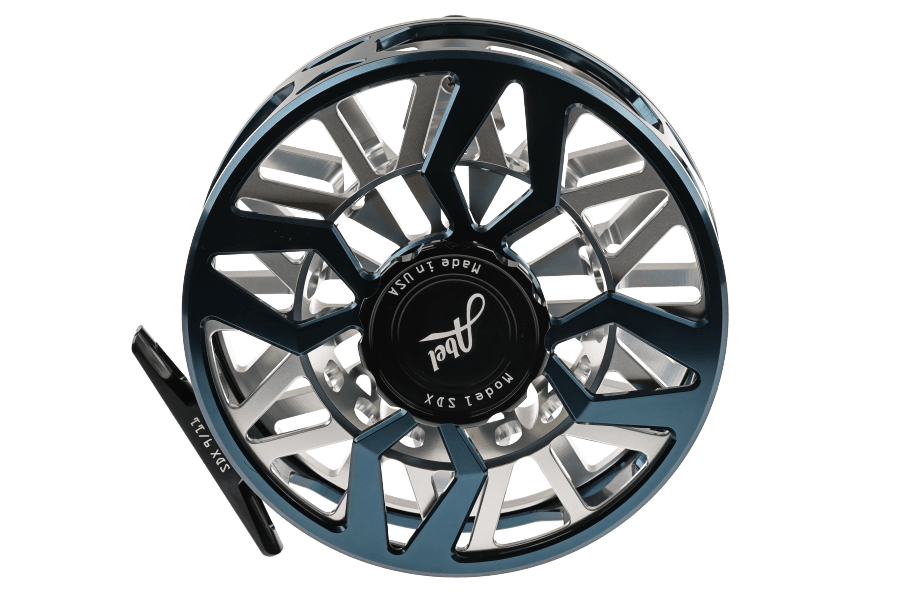


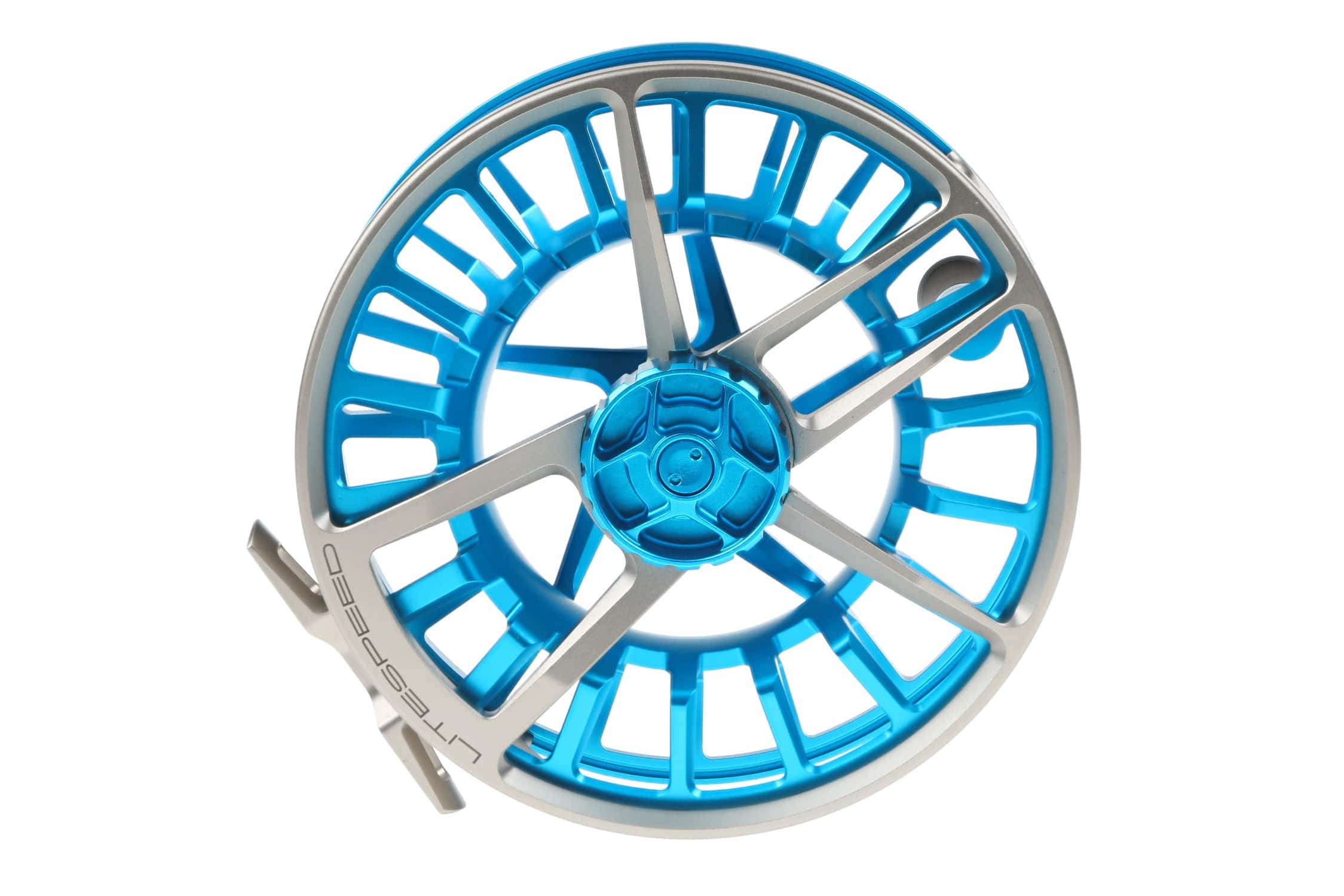
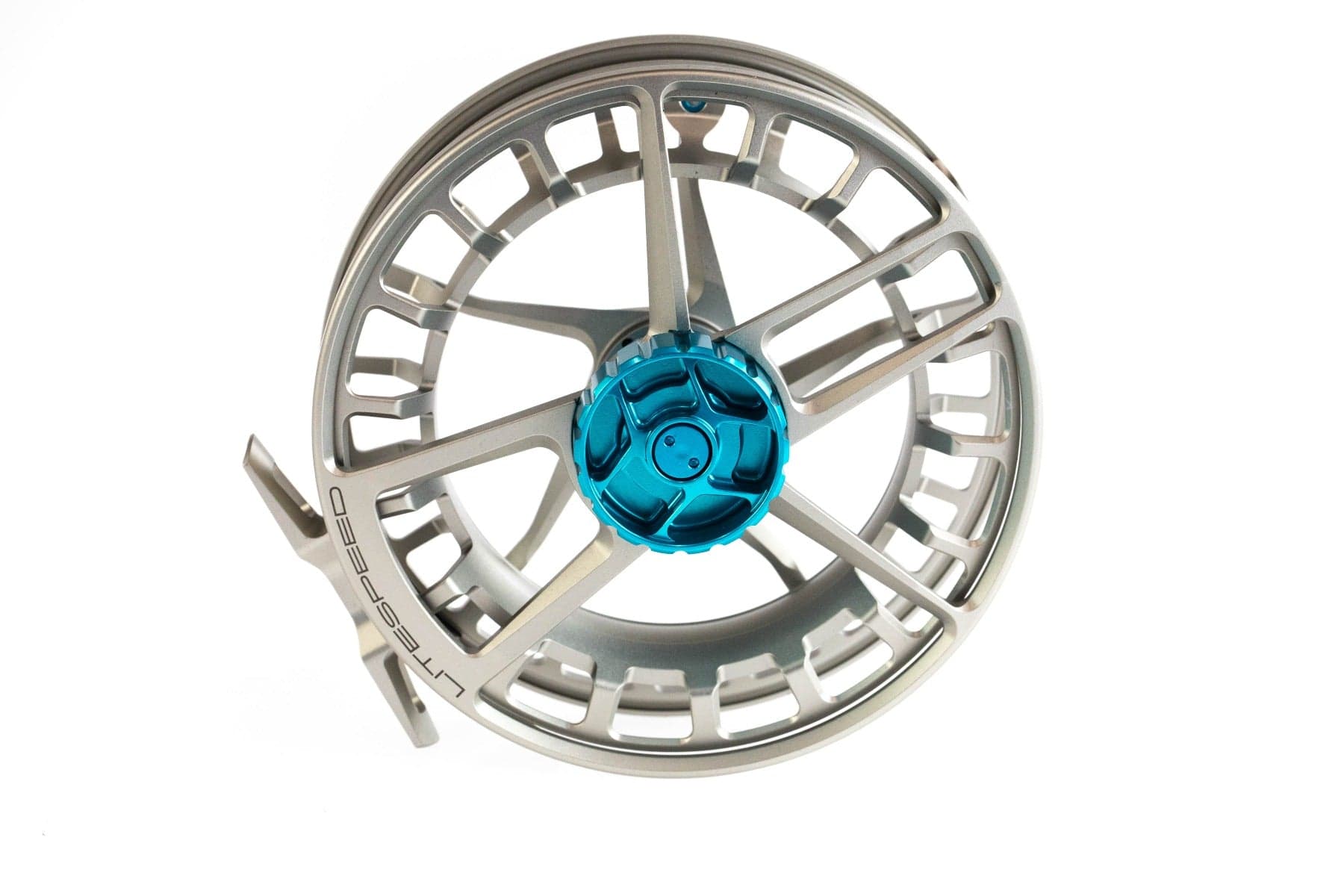
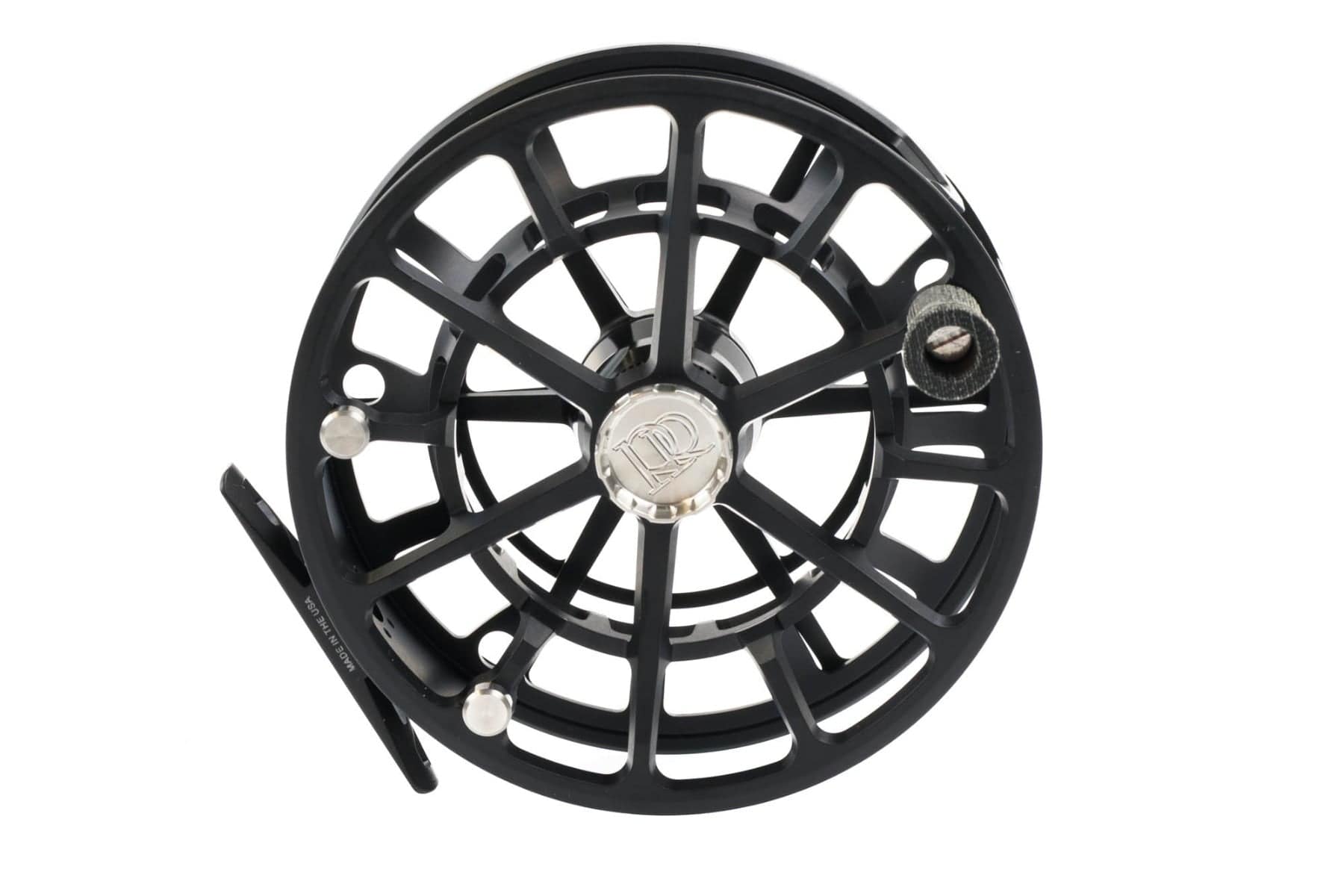


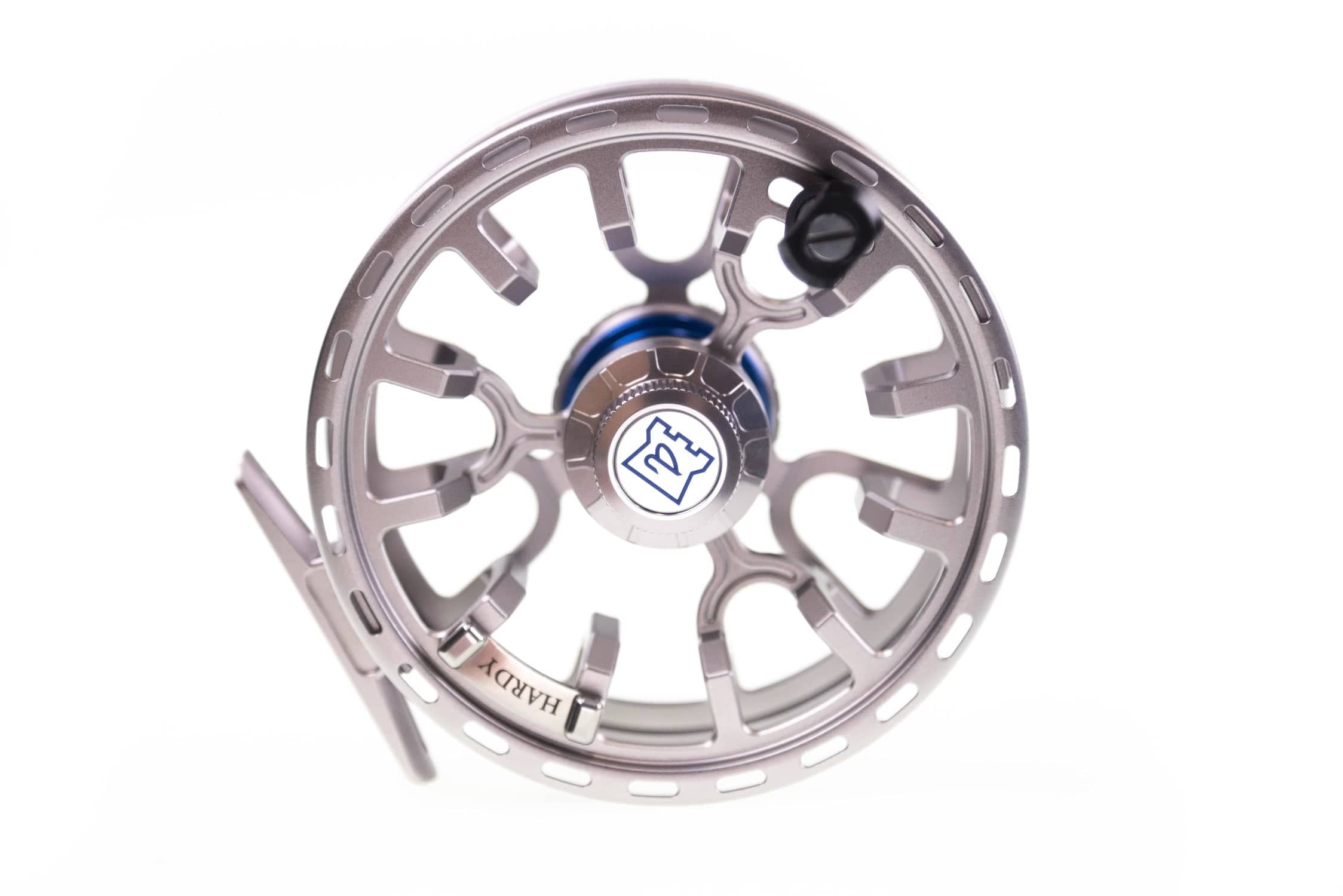


Shop tarpon fly reels: powerful sealed drags and big backing capacity to fight tarpon from the first jump to the boat, and to stop giant trevally too.
Tarpon Fly Reels Quick Picks
Best all-around premium reel: Hatch Iconic Large Arbor Fly Reel - Our best-selling big-fish reel combines a carbon-filled drag with outstanding stopping power and an open design that dries fast between sessions on the skiff. Sizes run up to the 11+, and Hatch built the Iconic to handle anything up to offshore billfish.
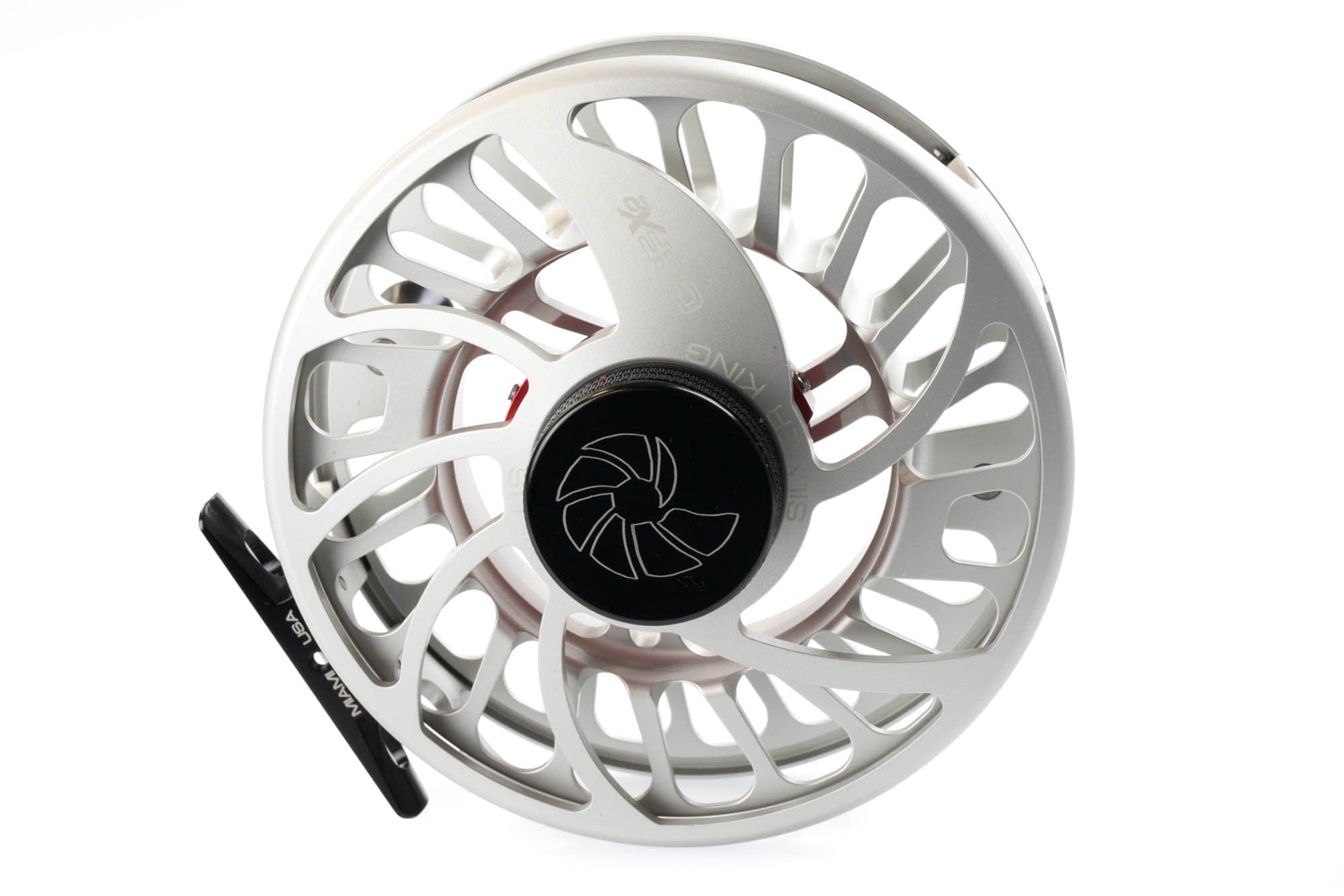
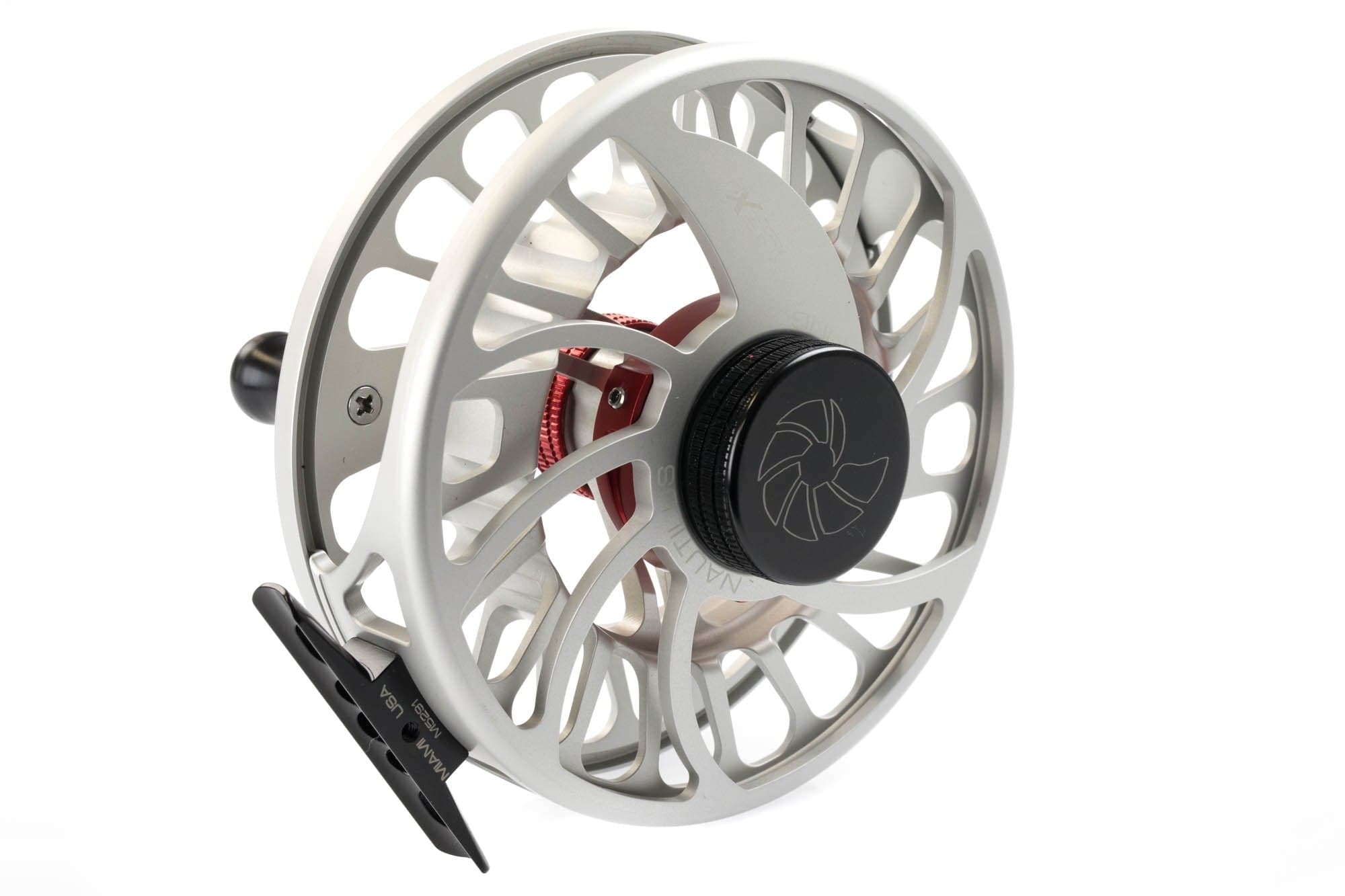
Best dedicated 12wt tarpon reel: Nautilus Silver King Fly Reel - The 12wt version of the CCF-X2, designed to be the lightest 5-inch big game reel in the world. Made for tarpon and other big game targets, with the extra weight to balance a heavy rod.
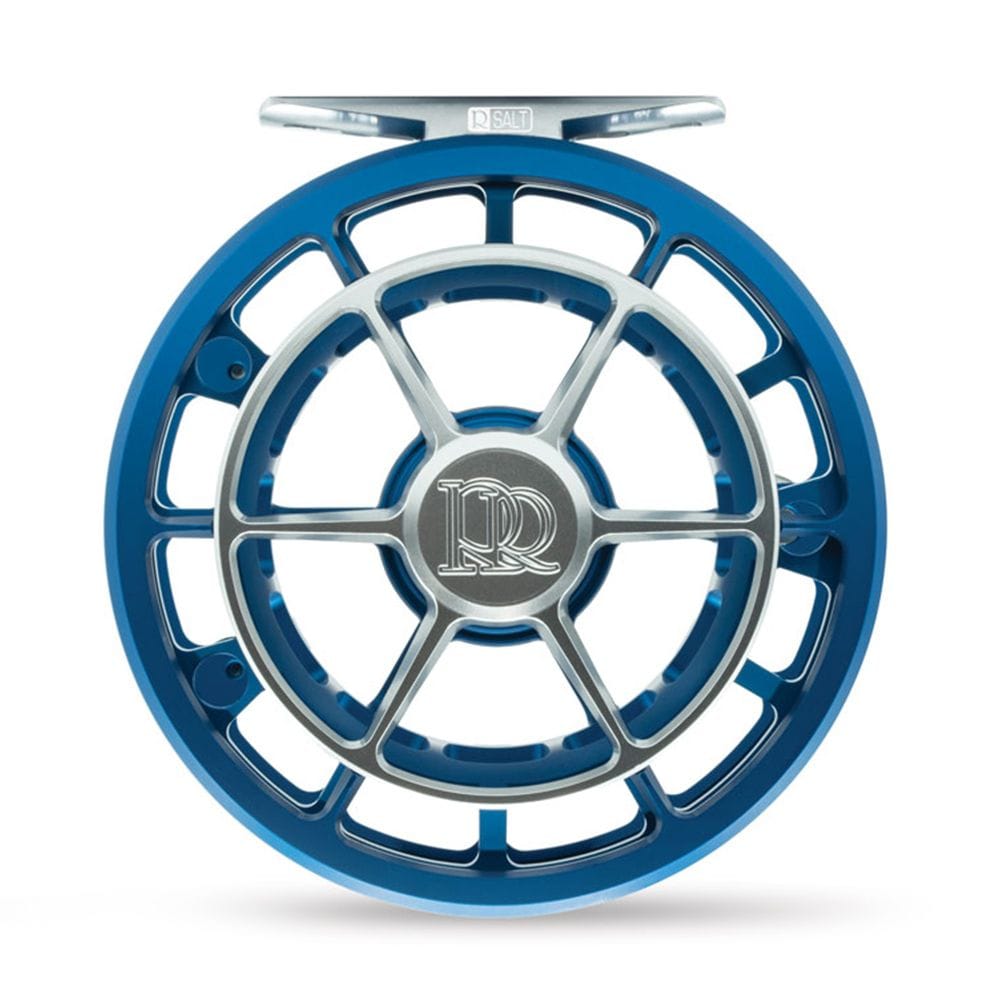
Best value for serious drag: Orvis Ratio Fly Reel - Orvis's highest-performing saltwater reel uses a fully sealed carbon-stainless drag that produces up to 16 pounds of pressure, with indexed adjustment for easy fine-tuning. Sizes cover line weights 5 through 14.
Best for giant tarpon and GT: Mako 9600 Large Fly Reel - Rated 10 to 12 weight with room for 330 to 440 yards of braid behind a WF10, plus a fully sealed carbon fiber drag and a calibrated one-turn-stop knob. Built for the fish that gets one honest run.
How to Choose Tarpon Fly Reels
Drag Power and a Clean Startup
Tarpon are a test of the whole drag system. The first run after the eat is fast and violent, then the fish jumps, changes direction and settles into a long, heavy fight. You want a sealed drag that comes up to speed smoothly from a standstill, because any hesitation at startup can pop the tippet or the shock leader when a fish surges. Plenty of top-end drag also matters for the later part of the fight. Reels like the Orvis Ratio, rated up to 16 pounds, and the Nautilus GTX, at over 25 pounds, publish serious maximum drag numbers, and that extra pressure is what lets you put real heat on a big fish.
Heat and Long Fights
A drag turns a running fish's energy into heat, and a 100-pound tarpon or a big GT can generate a lot of it. Larger drag surfaces spread that heat out so the drag stays consistent through a long fight instead of fading or getting jumpy. That is why big game reels like the Mako 9600 and the Nautilus GTX are built around large, fully sealed drags rather than saved ounces. For baby tarpon and smaller resident fish, heat is far less of a concern, and a lighter reel will be more pleasant to cast all day.
Backing Capacity and Line Weight
Most anglers fish 10-12wt rods for adult tarpon, with 7-9wt outfits for baby tarpon in the mangroves. Behind a tarpon line, plan on at least 200-250 yards of backing, and more for migratory fish in open water or for GT. A large arbor spool helps you gain line back quickly when a fish turns toward the boat, which happens constantly after jumps. Check the reel's listed capacity against the line and backing you plan to use, since gel spun and braided backings let you fit more yards on the same spool.
Frame Strength for Heavy Rods
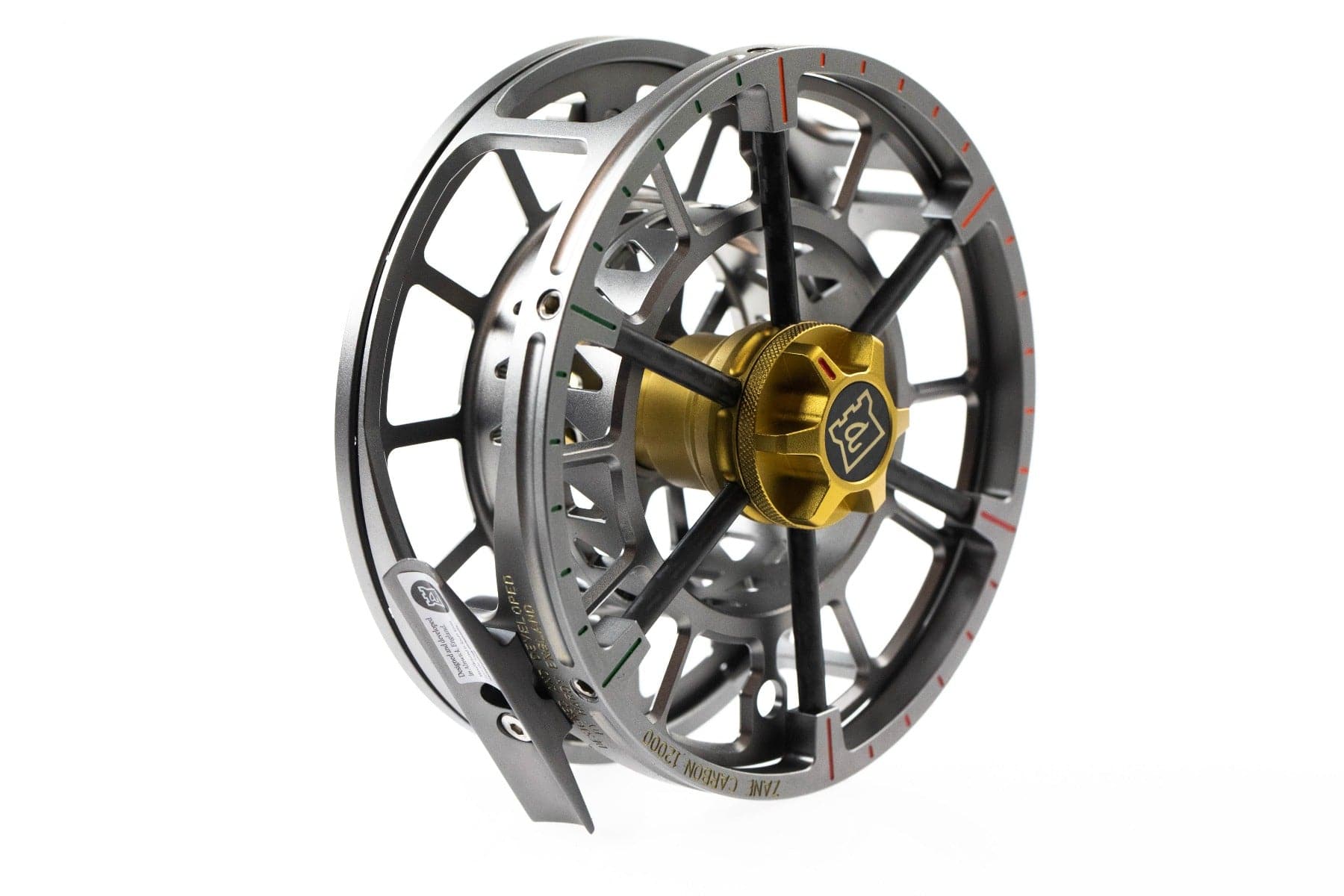
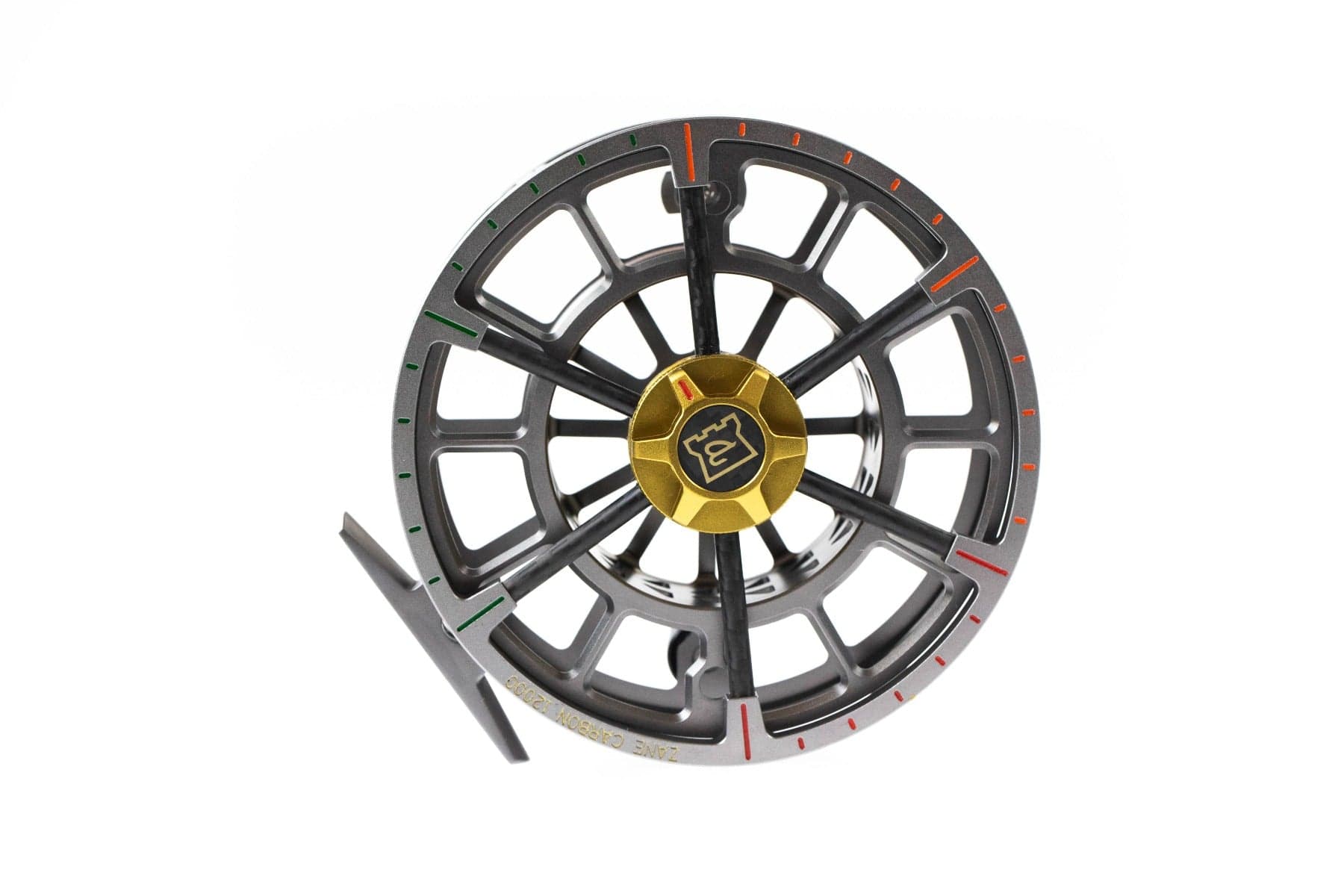
Tarpon and GT reels take a lot of abuse: heavy drag settings, boat decks, and long runs to the next flat with salt spray flying. A rigid, well-finished frame keeps the spool running true under load. Machined aluminum frames with hard anodizing, like the Shilton SR's 6082 T6 aluminum with a Type II finish, are the standard here. The Hardy Zane Carbon takes a different route, using a hybrid carbon fiber and aluminum frame to save weight without giving up rigidity.
On-the-Water Tips
Fight the fish fast: Use the drag and low, side rod angles to keep pressure on. Shorter fights are better for the tarpon's recovery and give sharks less time to find it.
Bow to the jump: When a tarpon goes airborne, push the rod toward the fish to put slack in the line for a moment so the fish can't break the tippet or throw the hook on the way down.
Set your drag before you pole up: Pull line off the reel with a scale or by hand and set the drag before the first shot, not when a fish is already running.
Keep the reel clean: Rinse the reel with fresh water after every day on the water and dry it with the spool removed before you pack it away.
Complete Your Setup
Tarpon Fly Rods - Powerful 10-12wt rods with the butt strength to lift and turn big fish.
Tarpon Flies - Toads, worm hatch patterns, baitfish and other proven tarpon flies.
Fly Line Backing - High-capacity Dacron and gel spun backing to fill a big game spool.
Fly Fishing Leaders - Tarpon leaders and shock tippet built for abrasive mouths.
Tarpon Fly Reels FAQs
Q: What size reel do I need for tarpon?
A: For adult tarpon, choose a reel matched to a 10-12wt rod. A 12wt reel is the classic choice for large migratory fish, while an 11wt or 10wt is common for mid-sized fish. For baby tarpon, a 7-9wt reel is plenty.
Q: How much backing do I need for tarpon?
A: Aim for at least 200-250 yards behind your fly line. Many anglers fishing big tarpon or giant trevally go with gel spun or braid to fit even more on the spool.
Q: Can I use the same reel for tarpon and giant trevally?
A: Yes. The same 11-12wt reels that work for big tarpon are the standard choice for GT, since both fish call for a strong sealed drag, a rigid frame and lots of backing. Set the drag heavier for GT, which need to be stopped before they reach the reef.
Q: Is a large arbor reel important for tarpon?
A: It helps a lot. Tarpon often run straight at the boat after a jump, and a large arbor recovers line quickly so you can stay tight. It also makes long fights easier on your hand.