








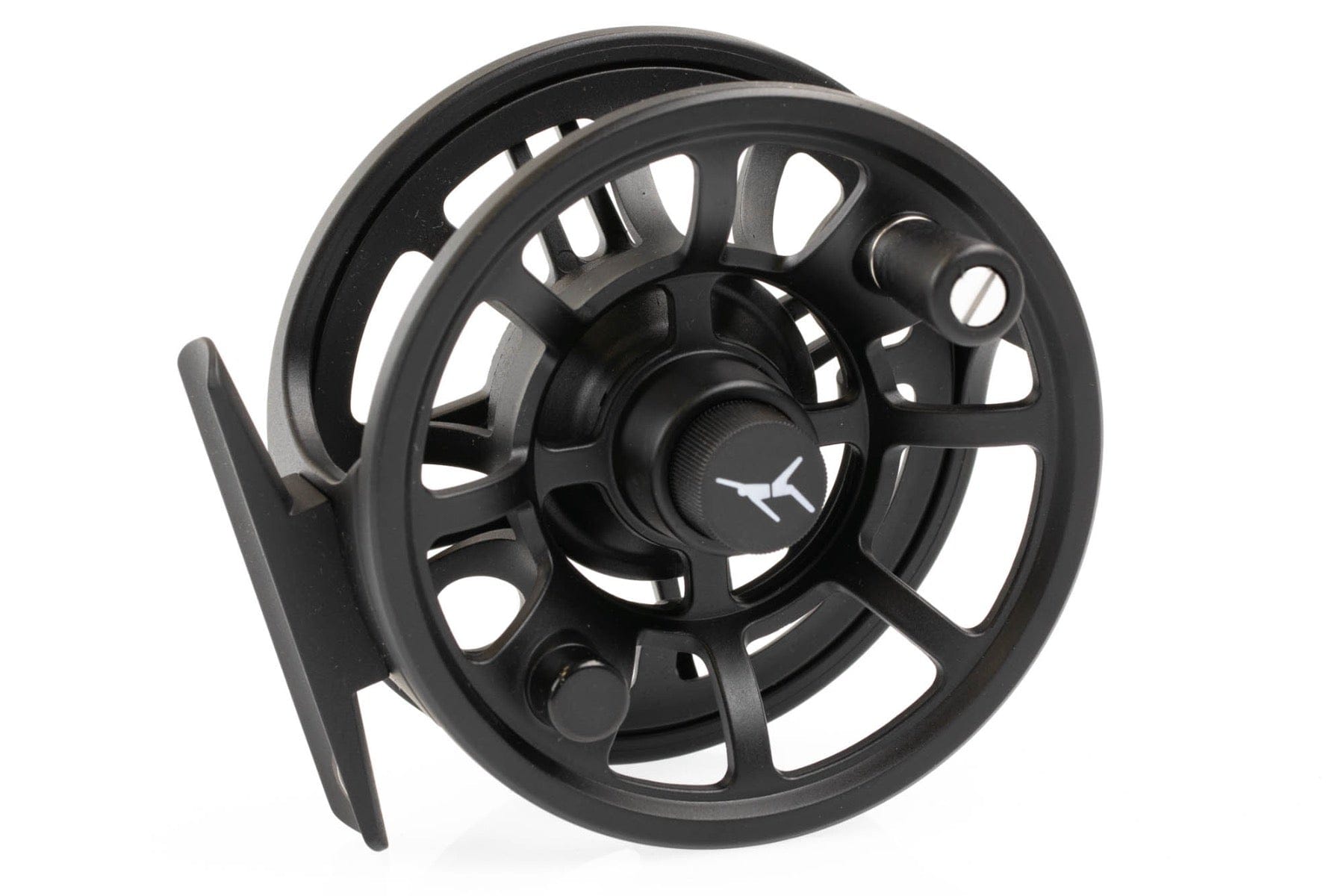
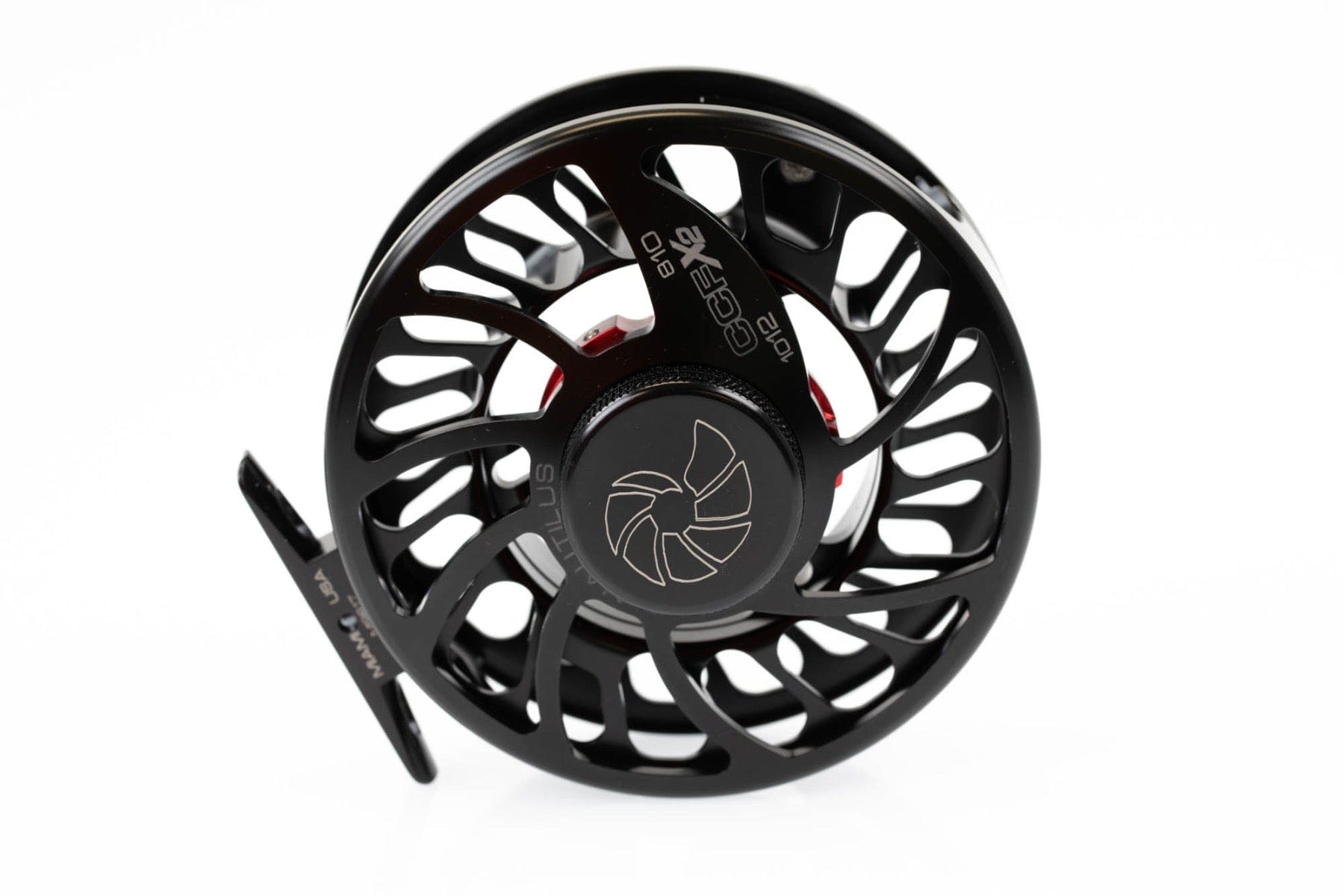
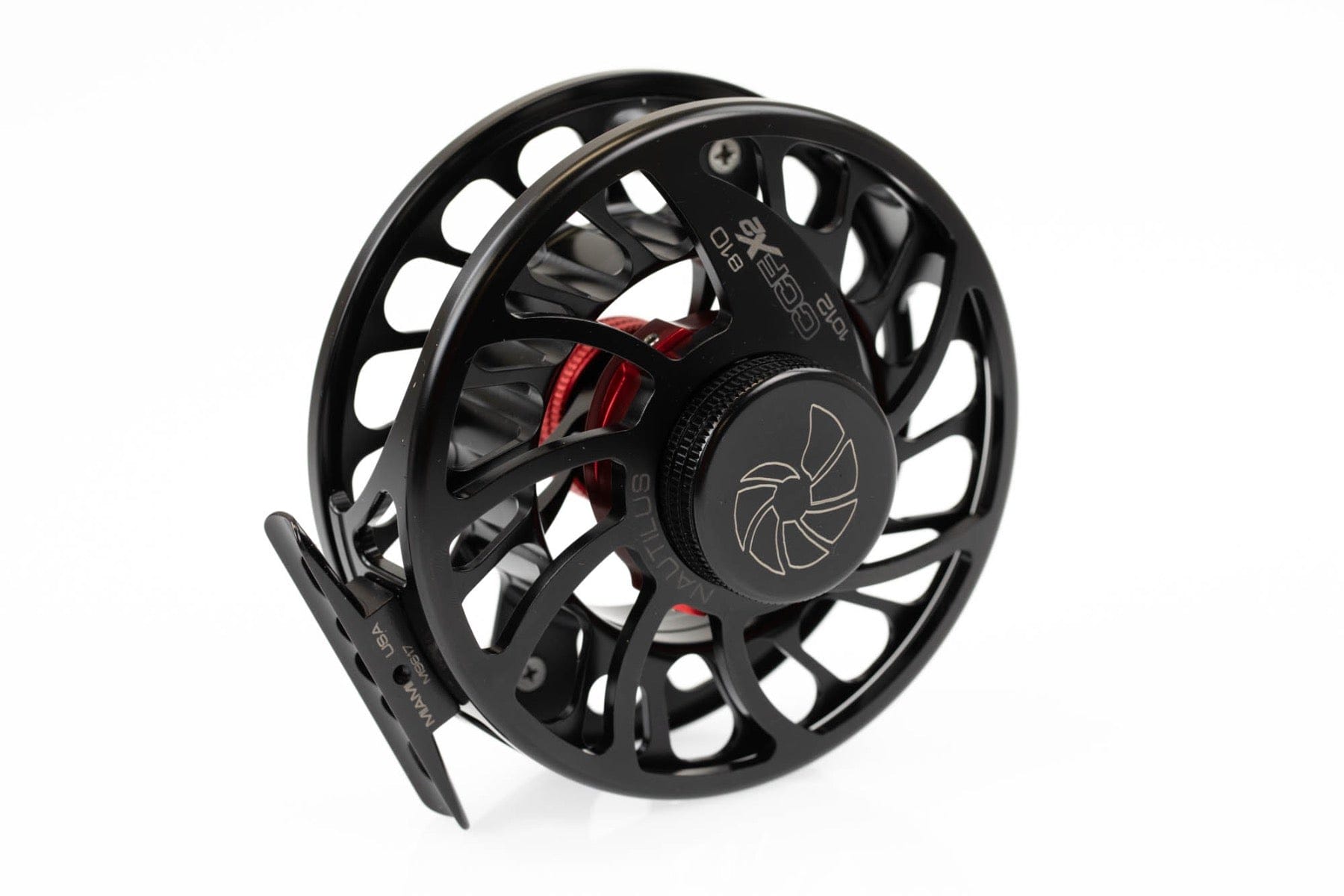


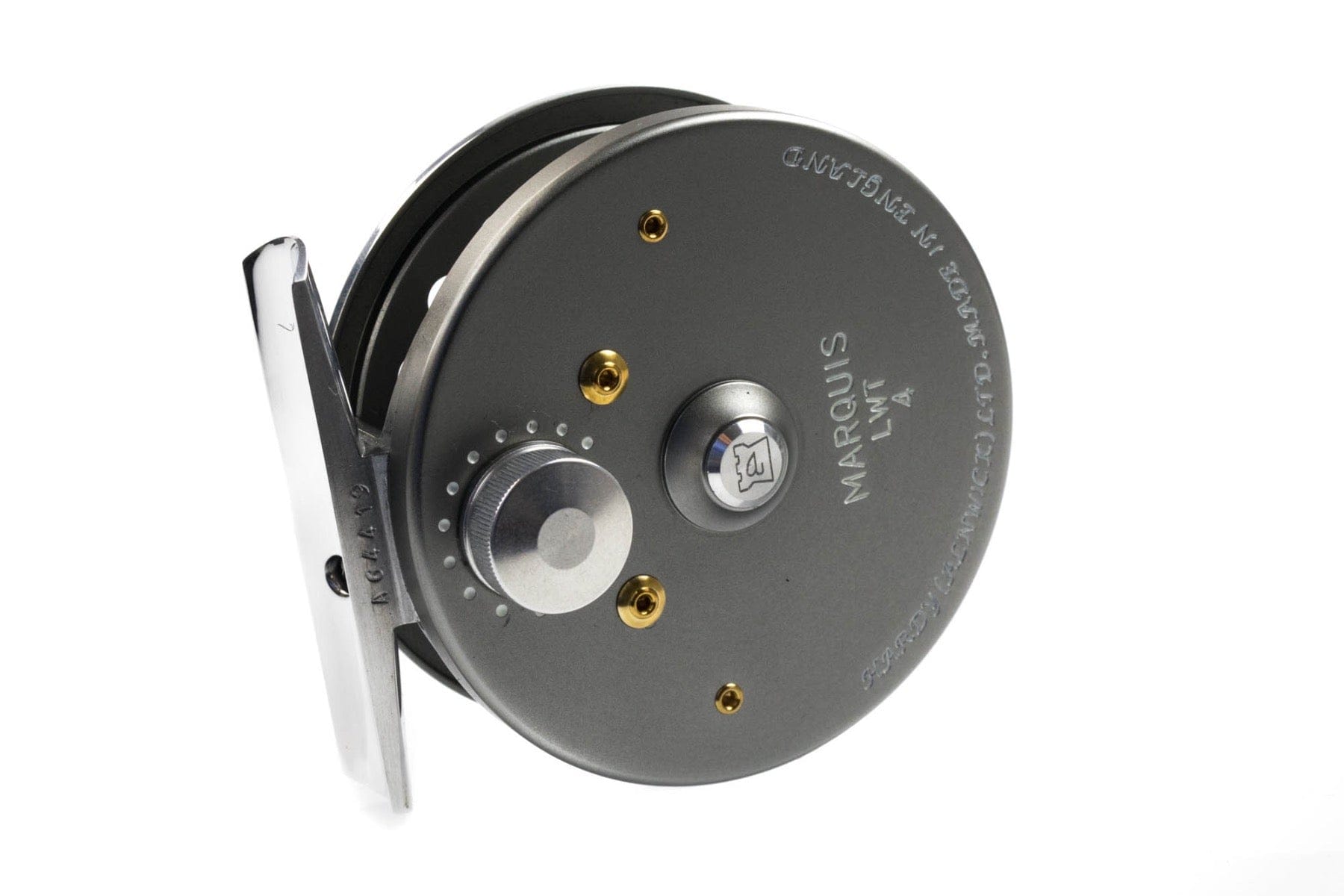
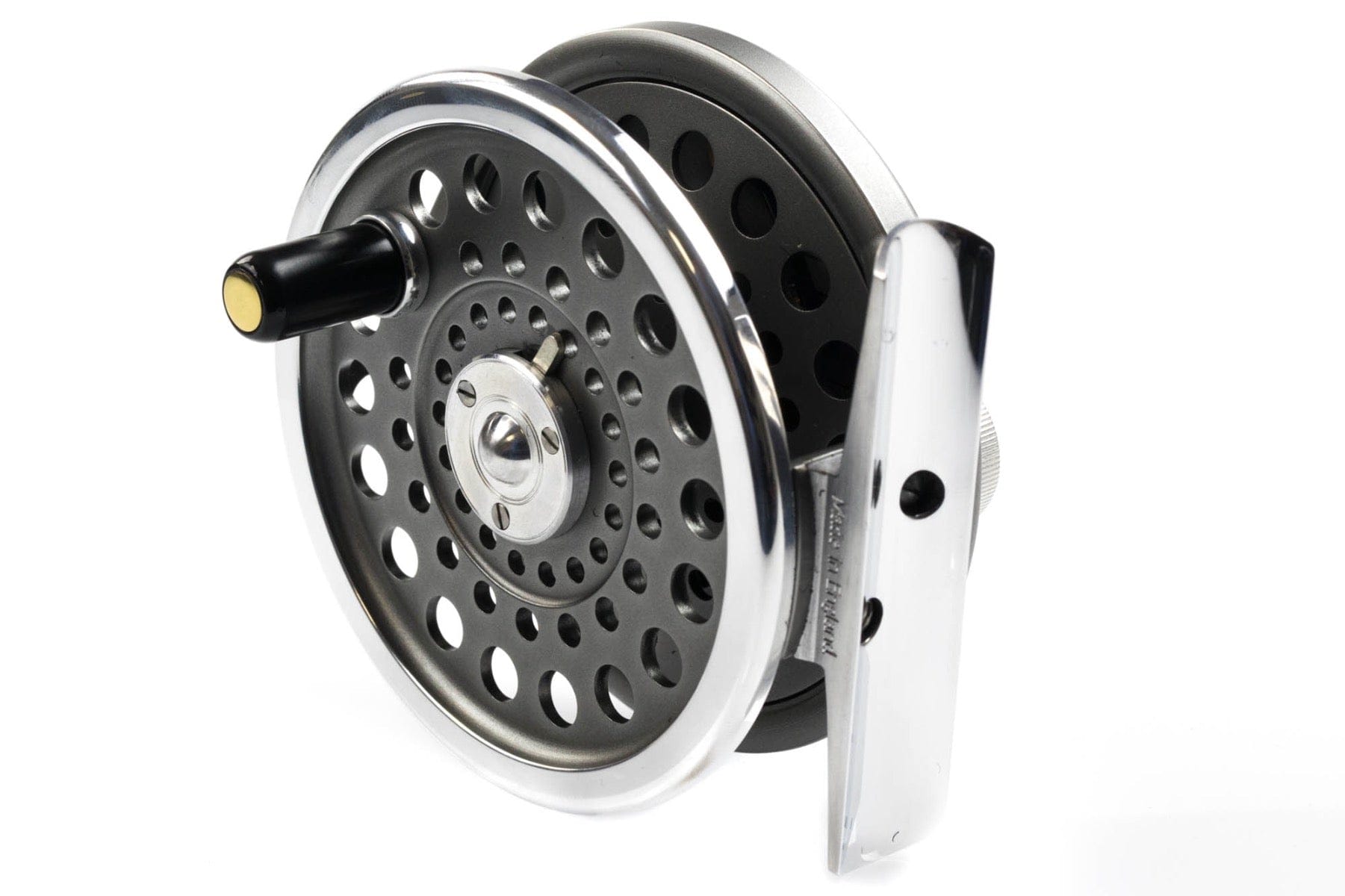
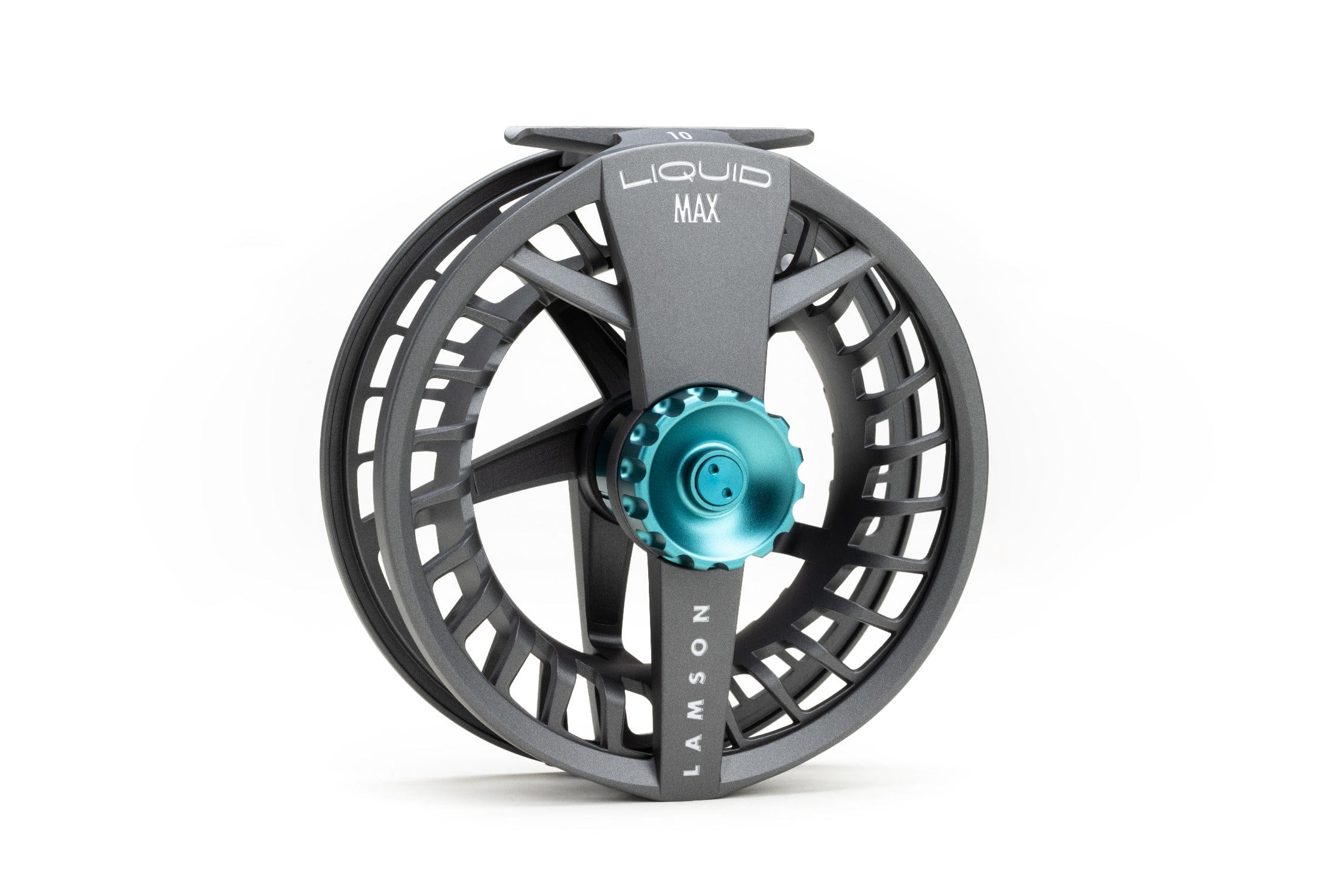
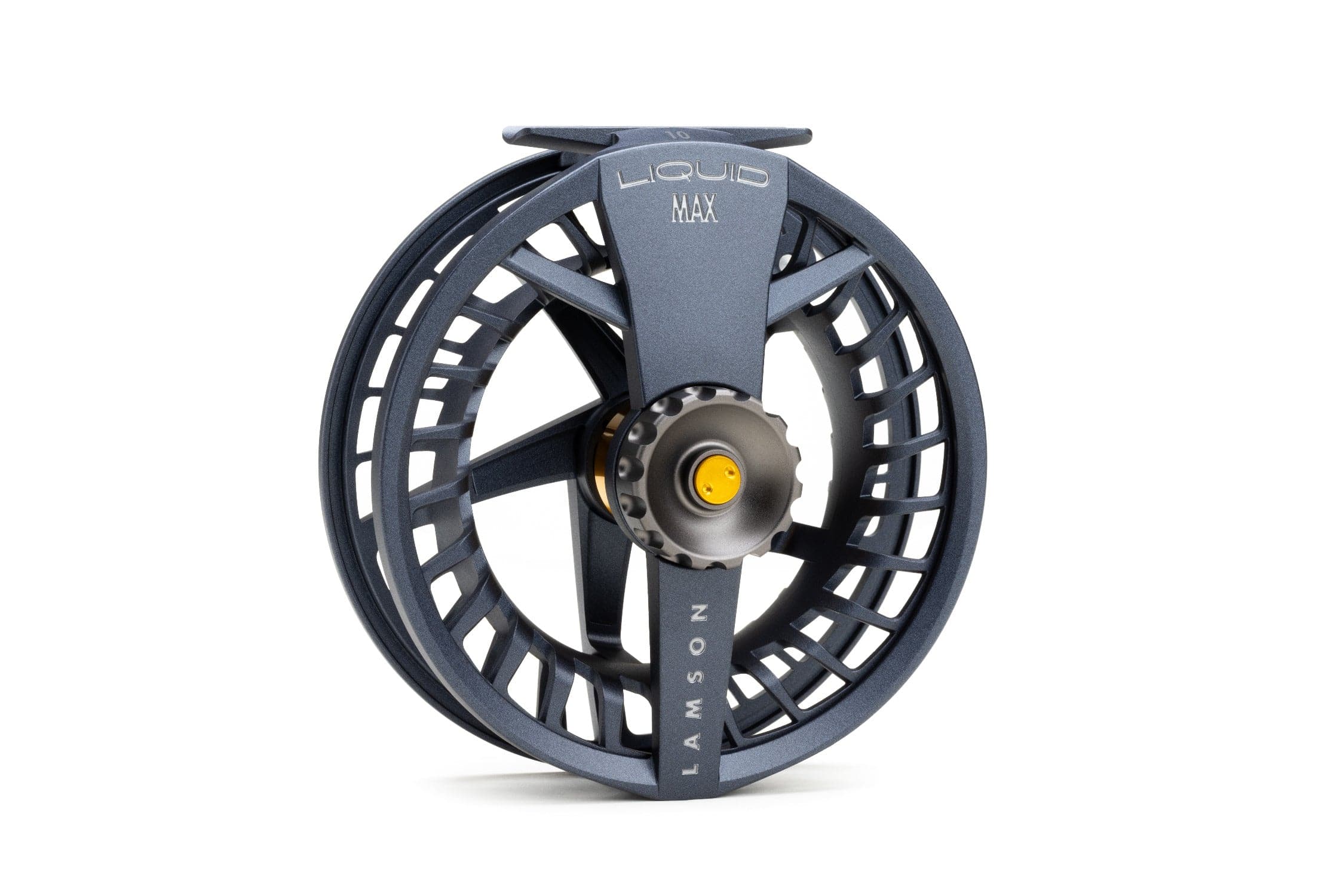
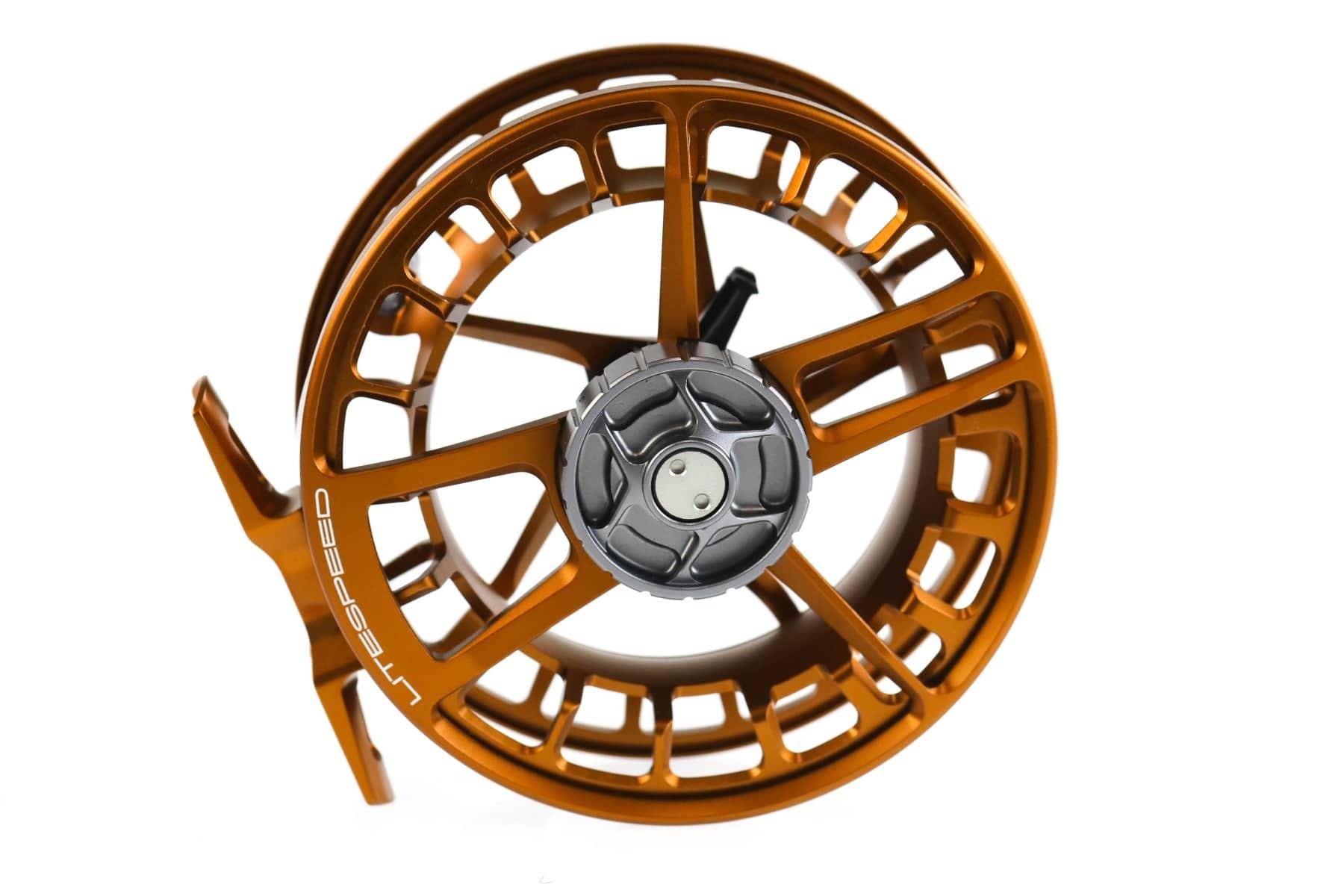
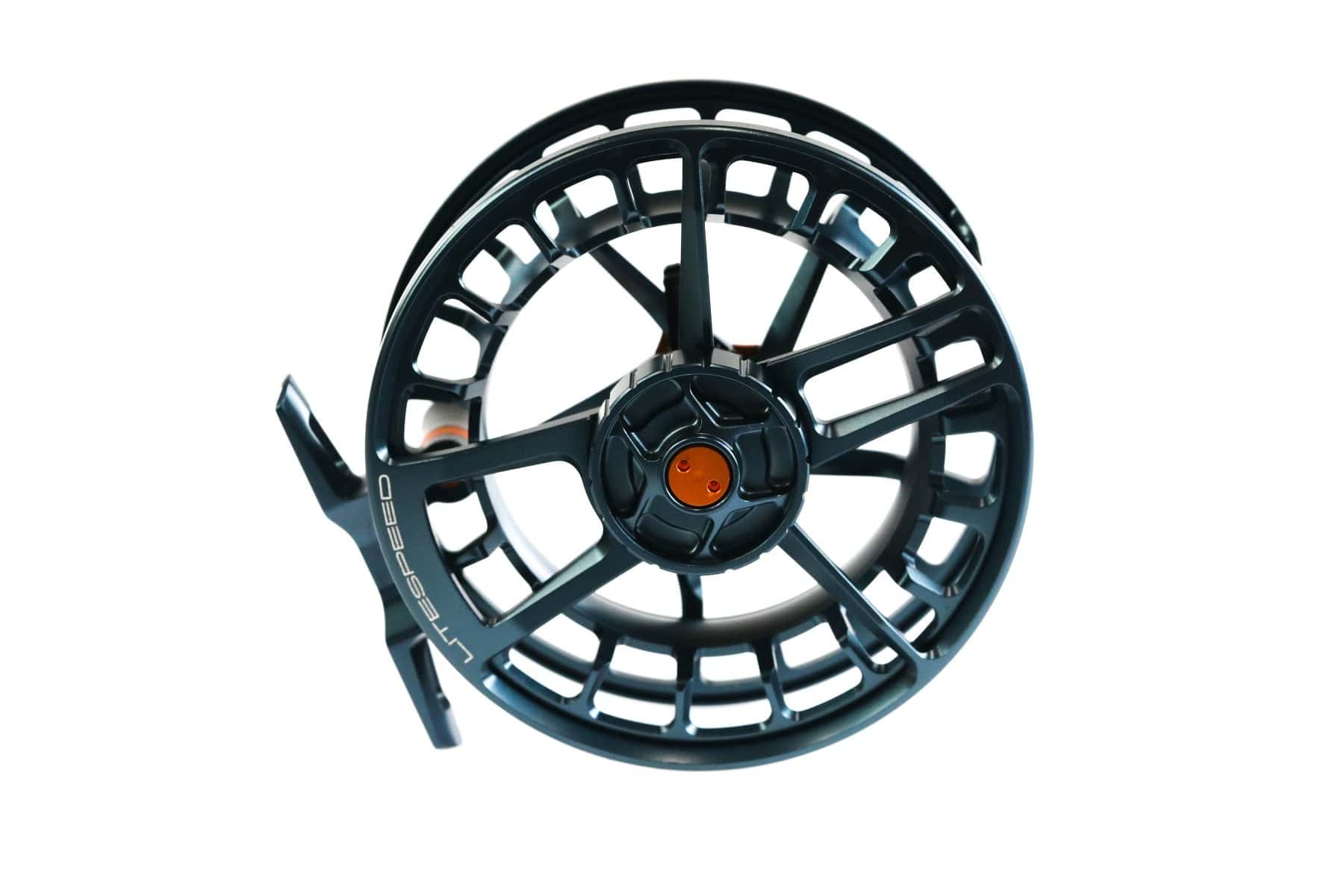
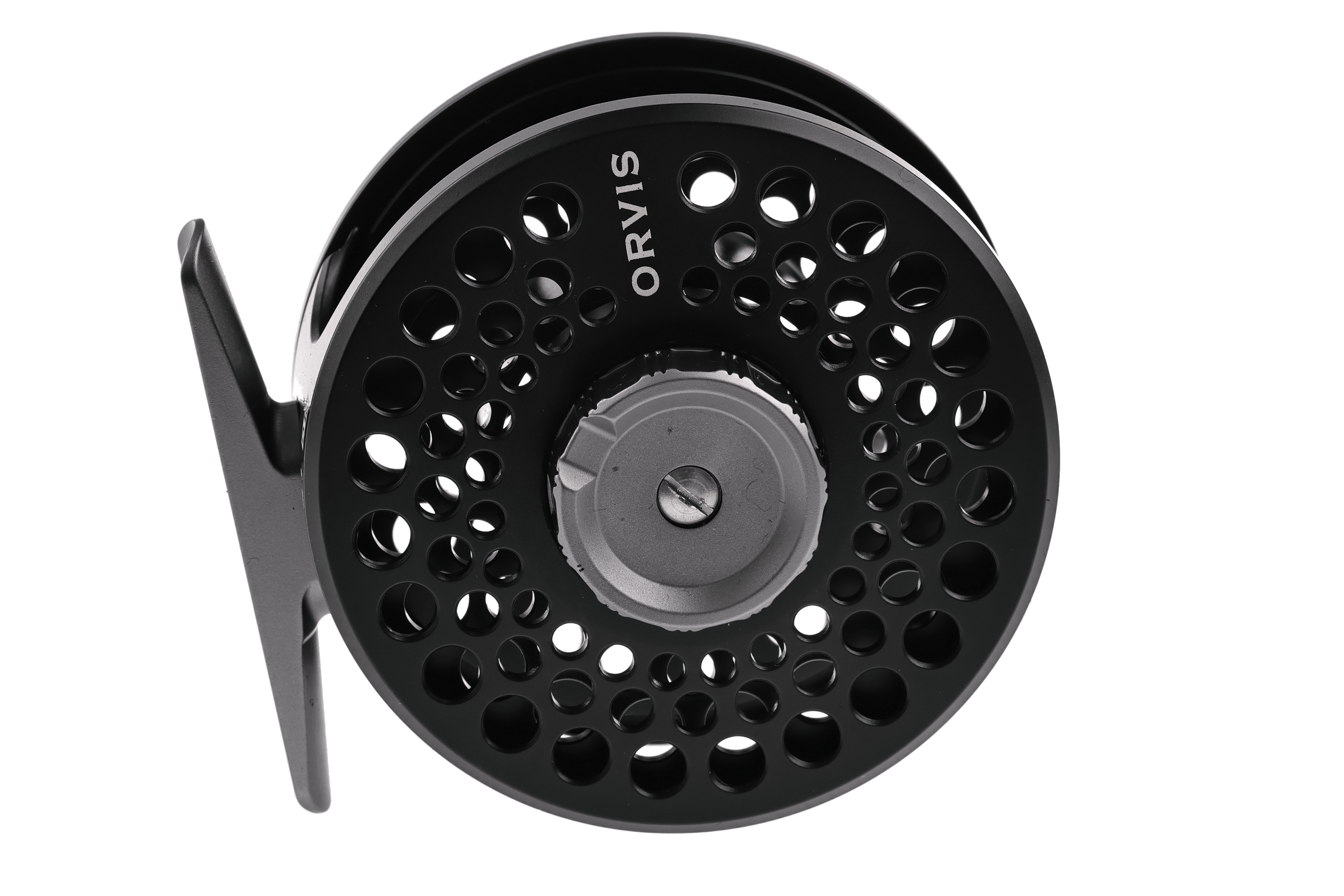
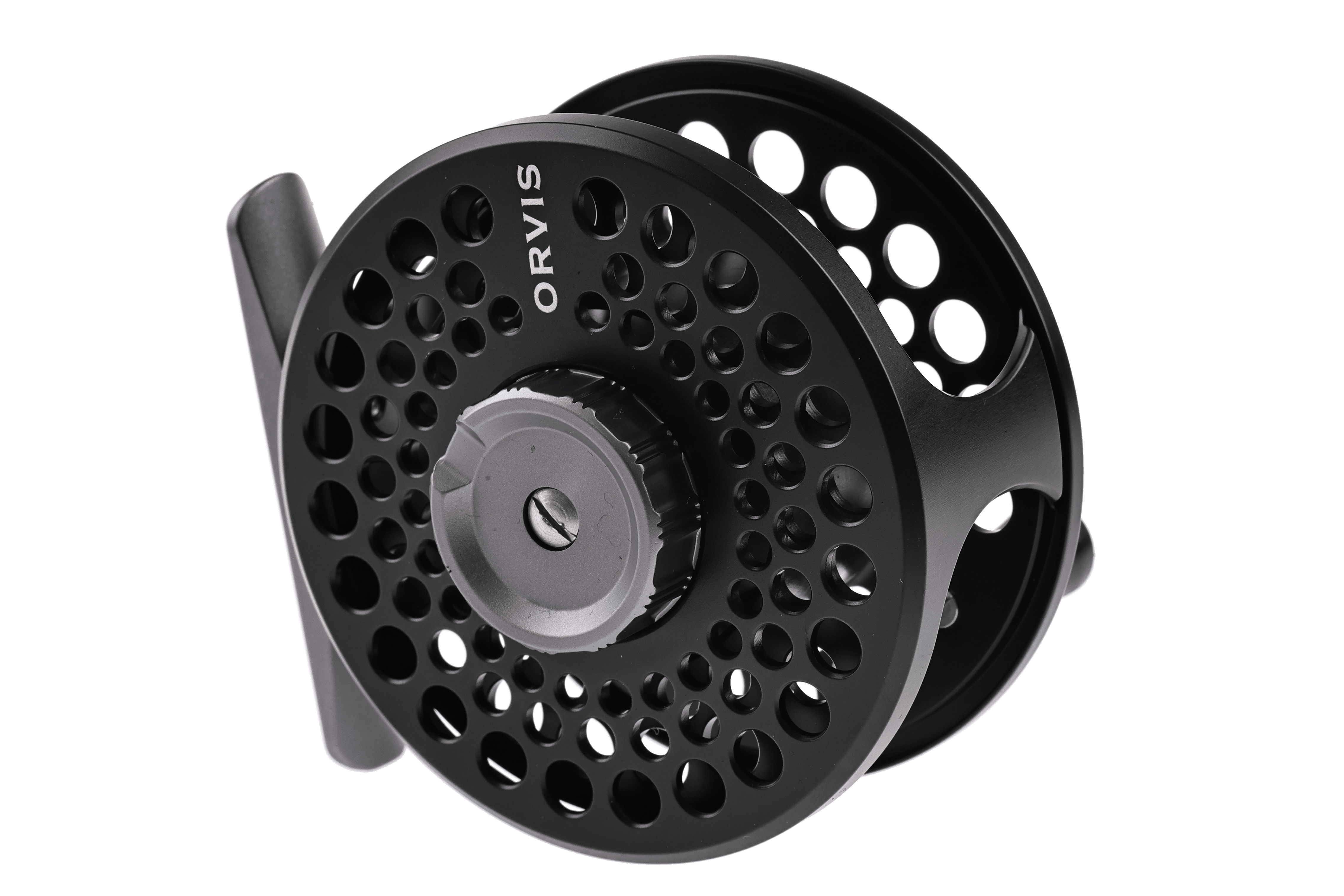


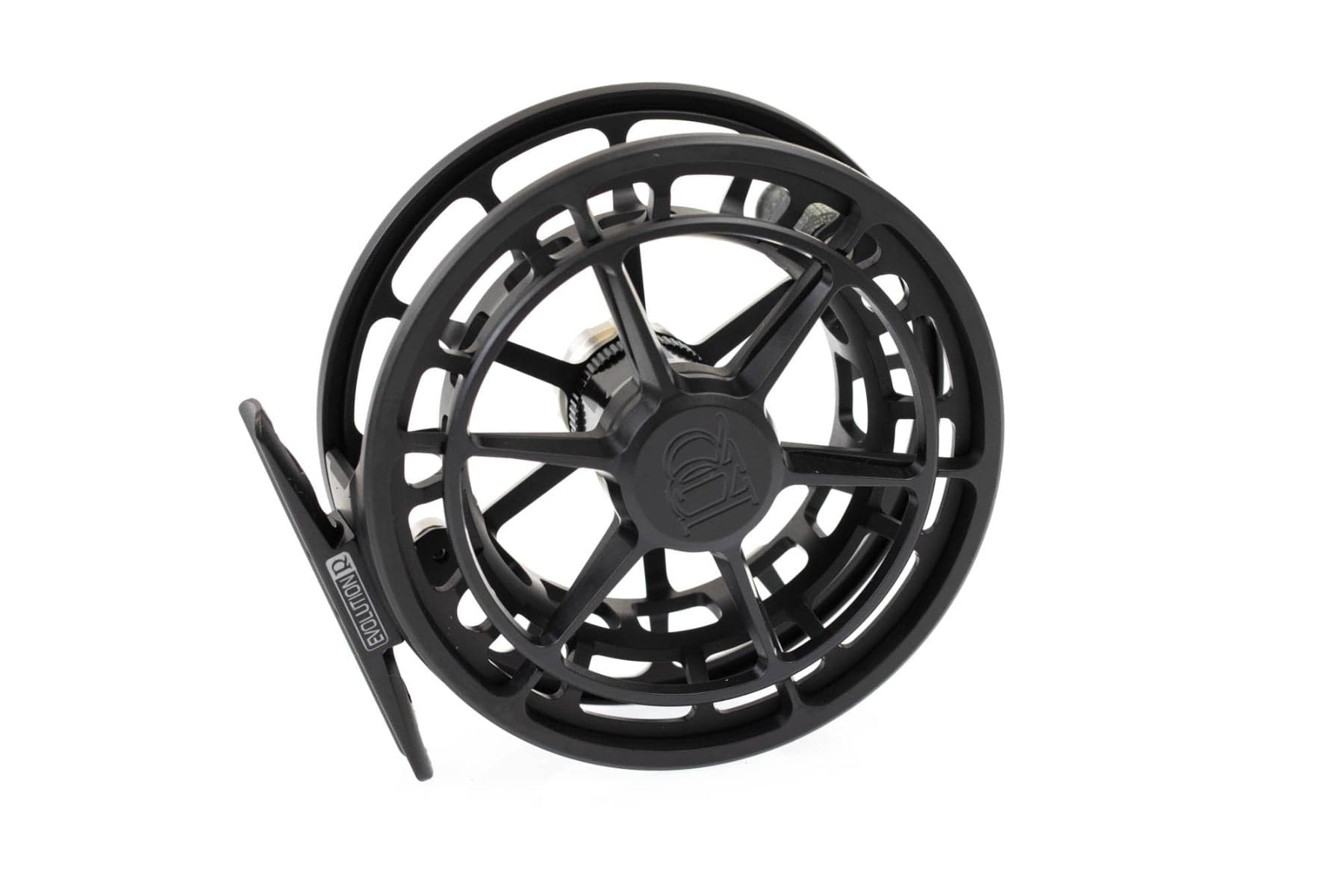


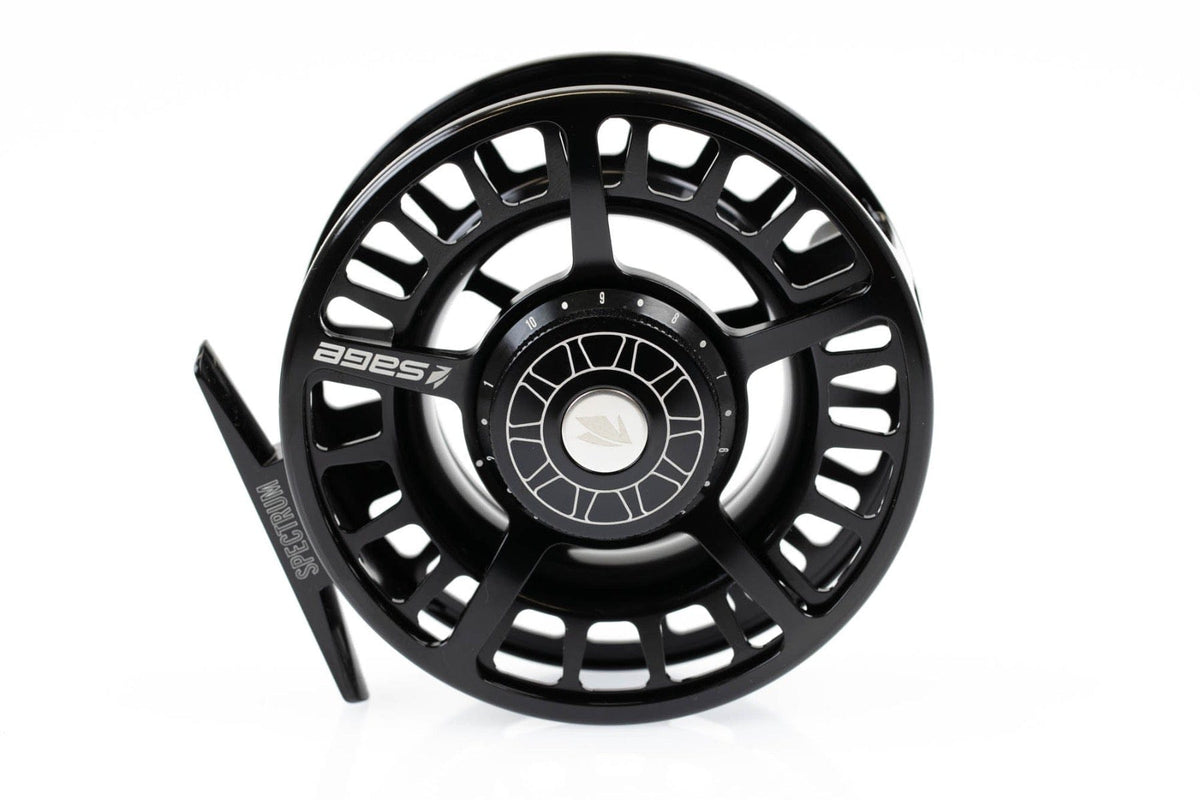
Shop steelhead fly reels: smooth drags and ample backing for single-hand, switch and spey rods, ready for hot fish in cold water.
Steelhead Fly Reels Quick Picks
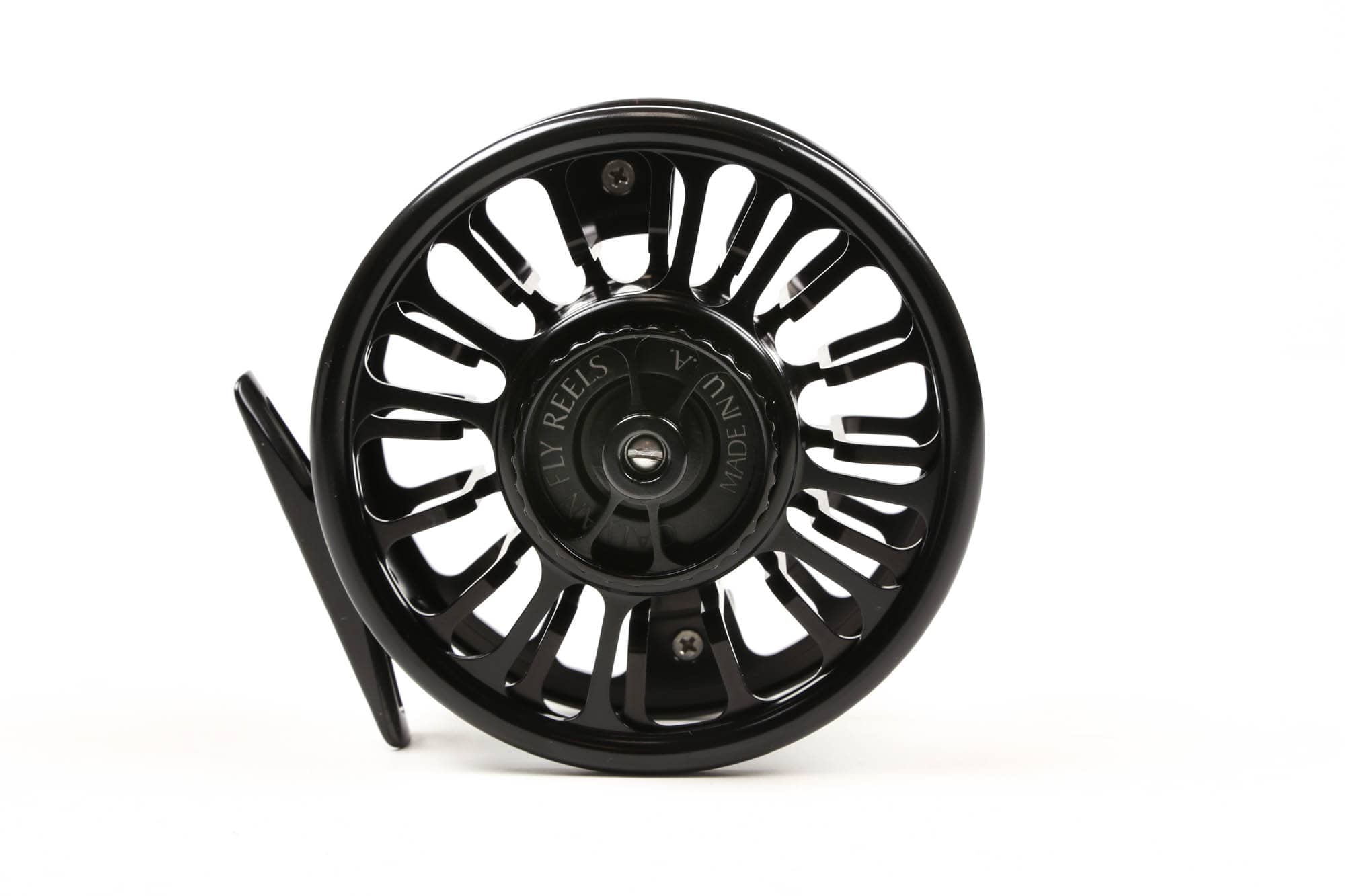
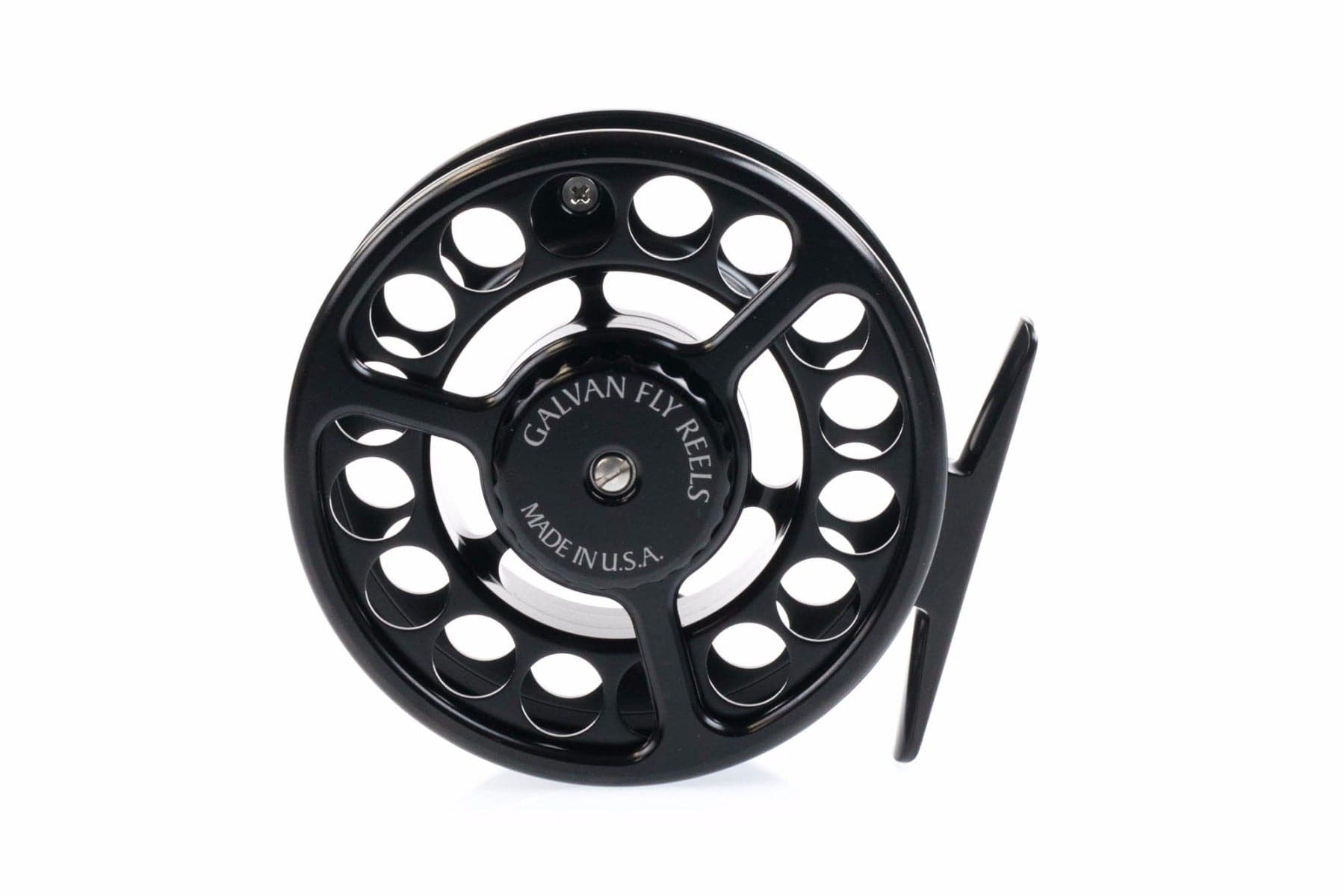
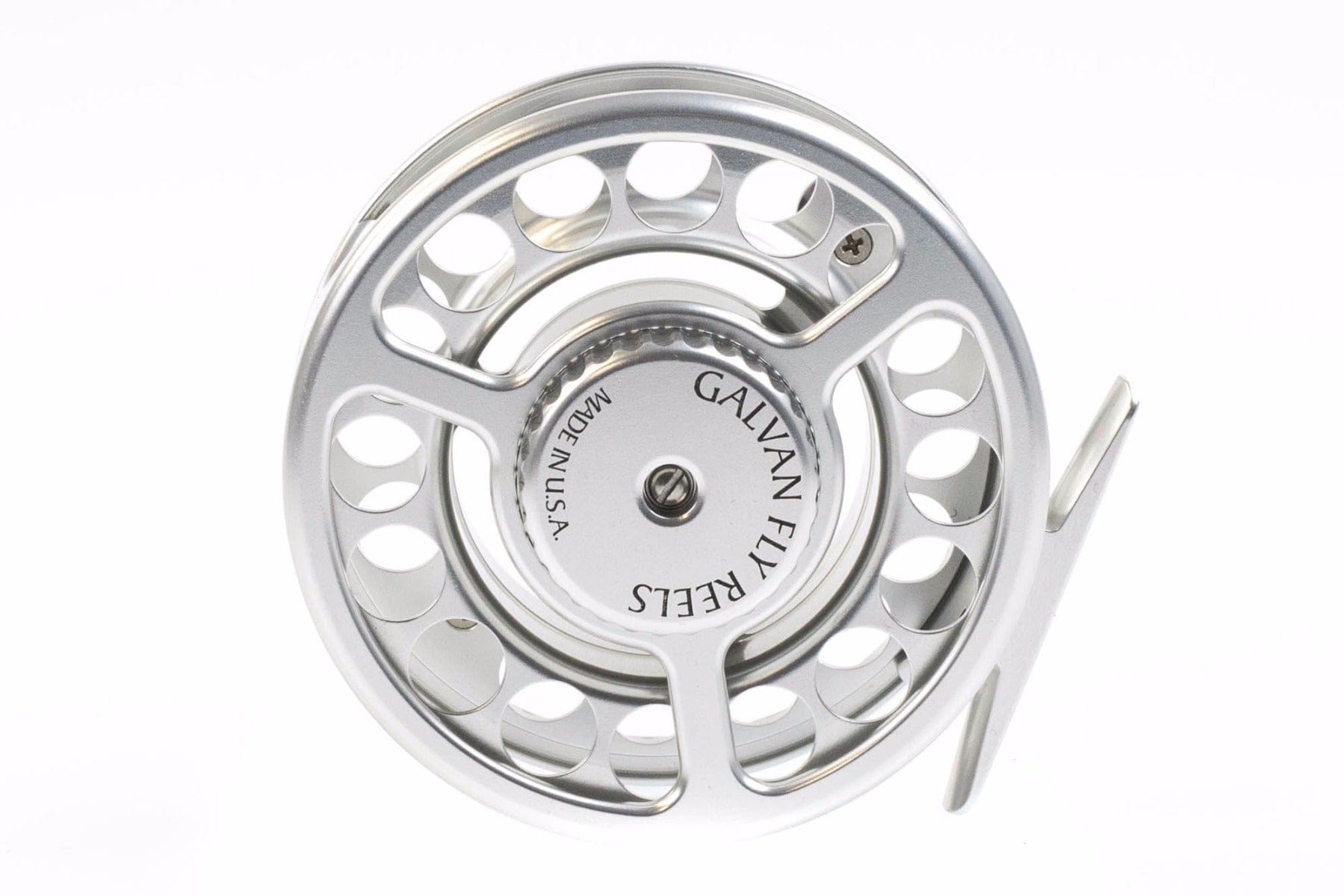
Best premium single-hand reel: Galvan Torque Fly Reel - Galvan's flagship was built around a stronger-than-usual drag from day one, and it still has serious stopping power. Sizes run from T-3 to T-10, so there is a model for any single-hand steelhead rod.
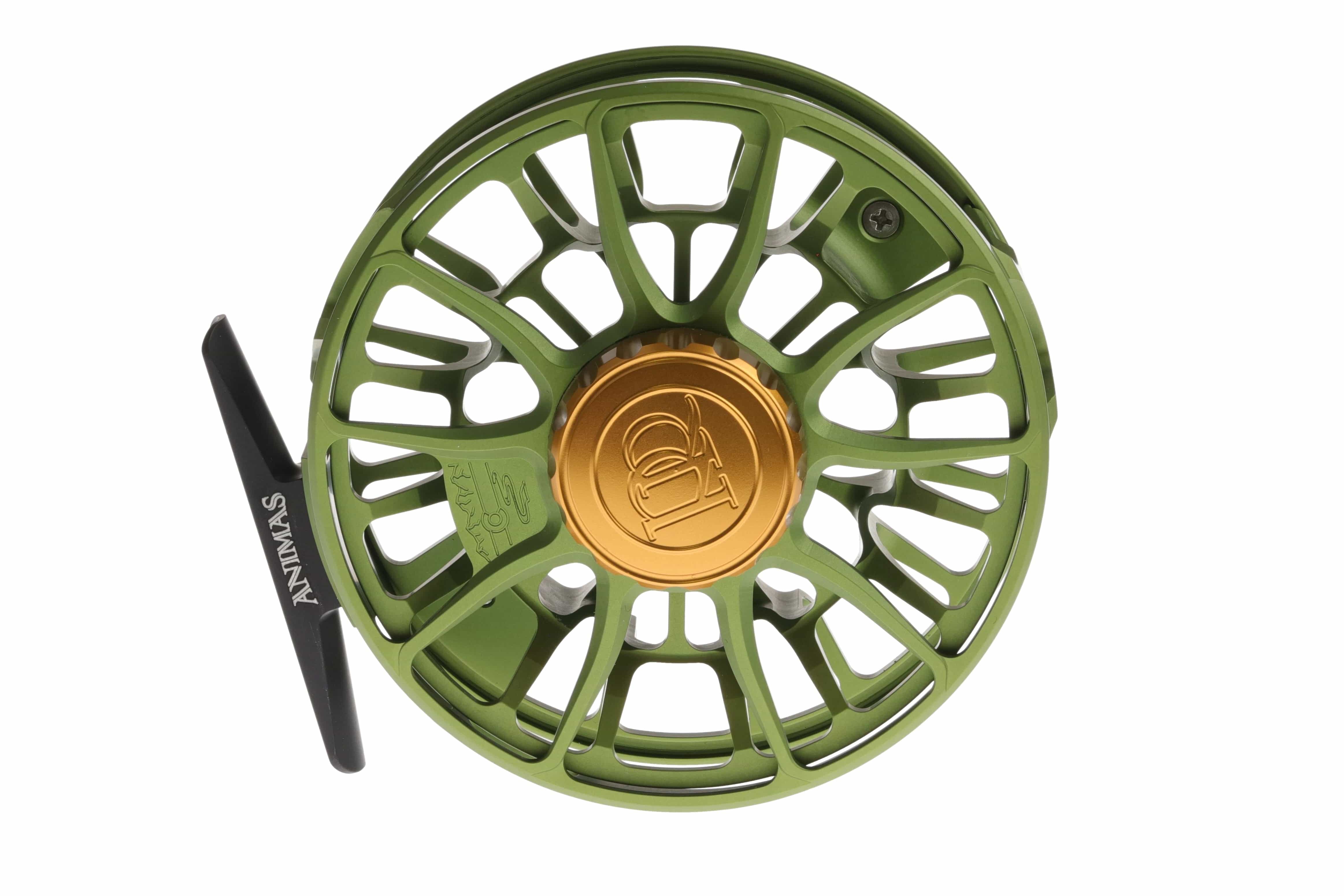
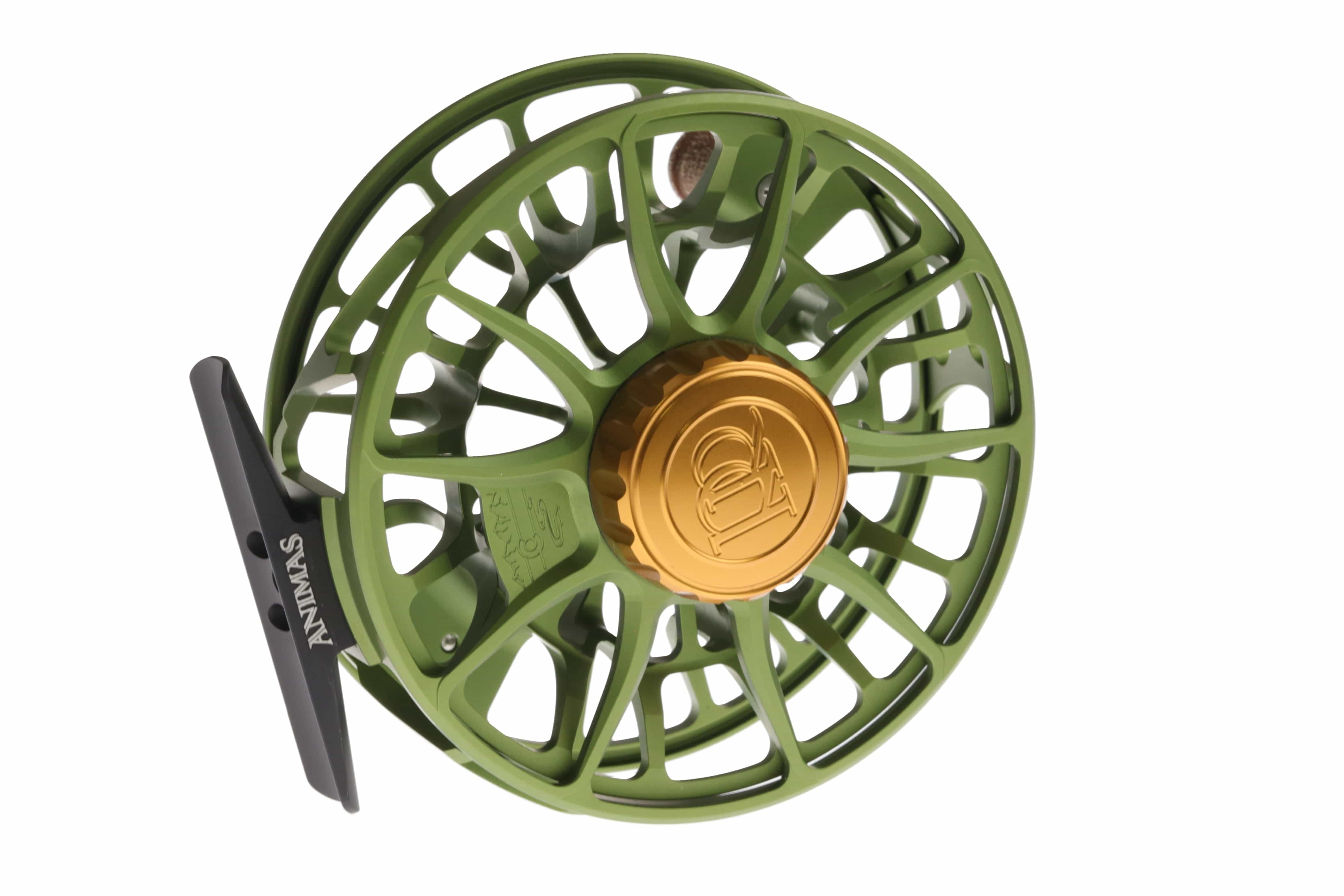
Best mid-range single-hand reel: Ross Animas Fly Reel - Ross's entry-level freshwater reel uses the same drag system as their high-end reels, with a ported frame and a bell-shaped spool that makes fighting fish more efficient. The 7/8 model is the one to look at for a steelhead rod.
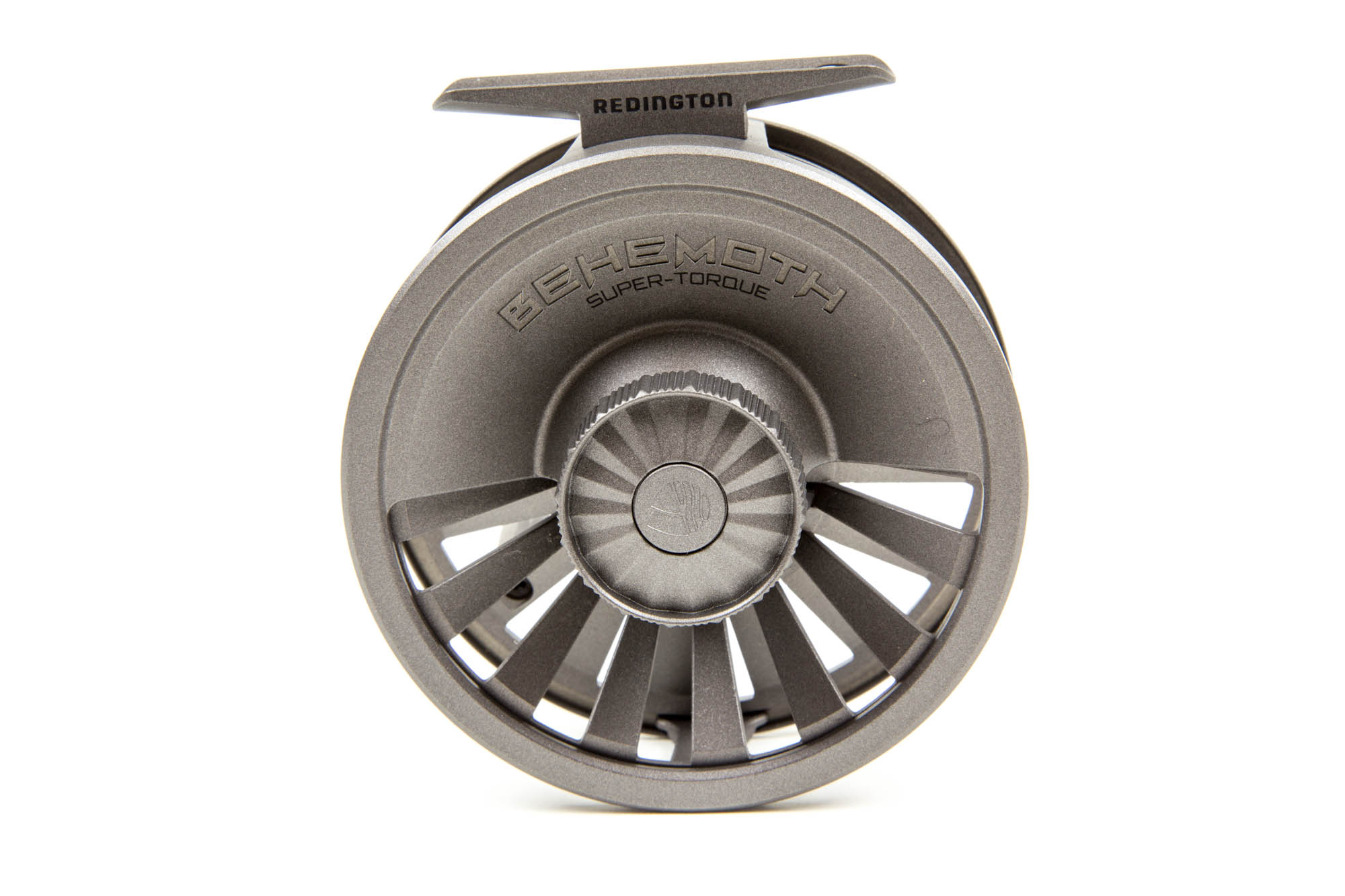
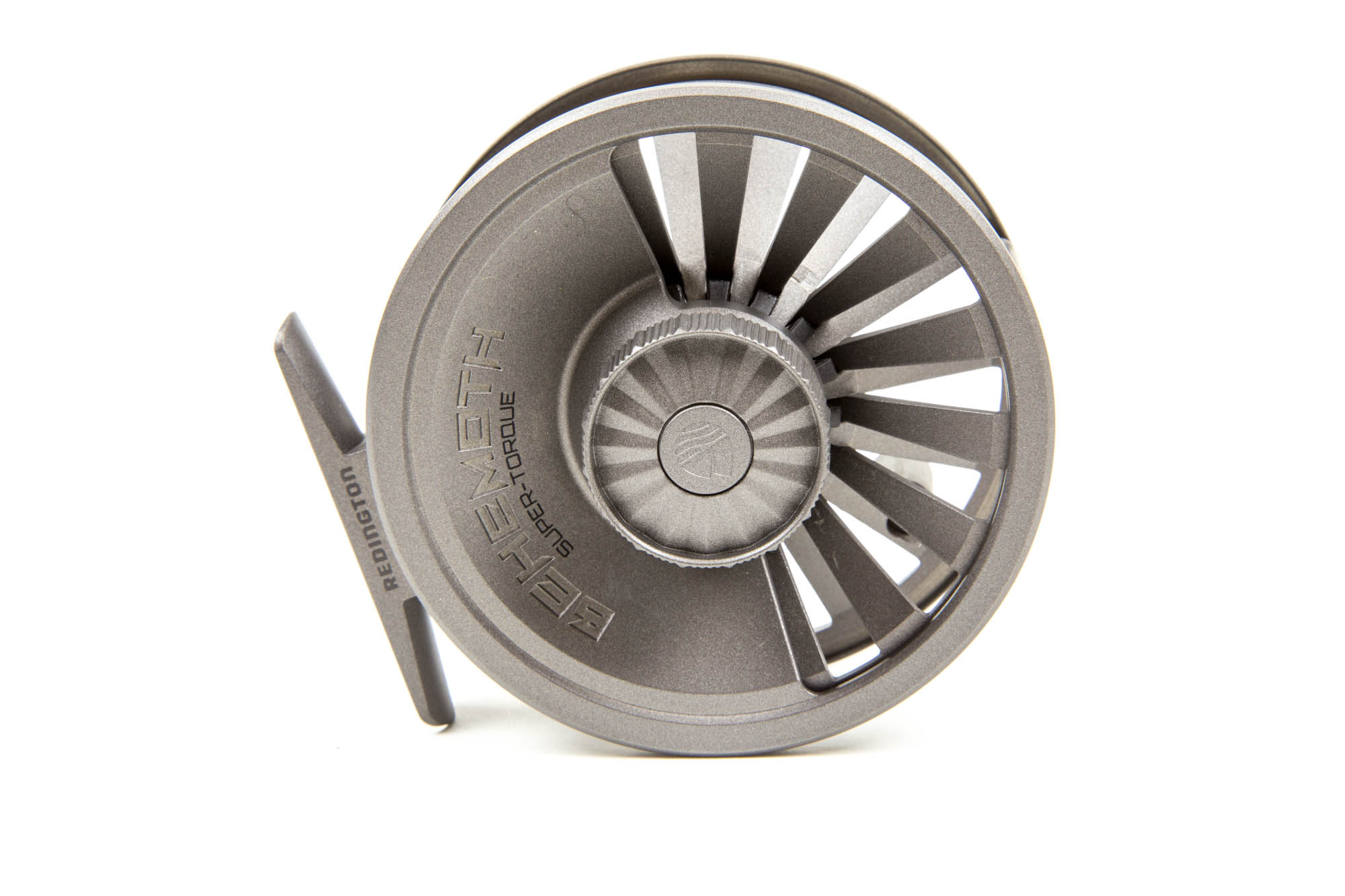
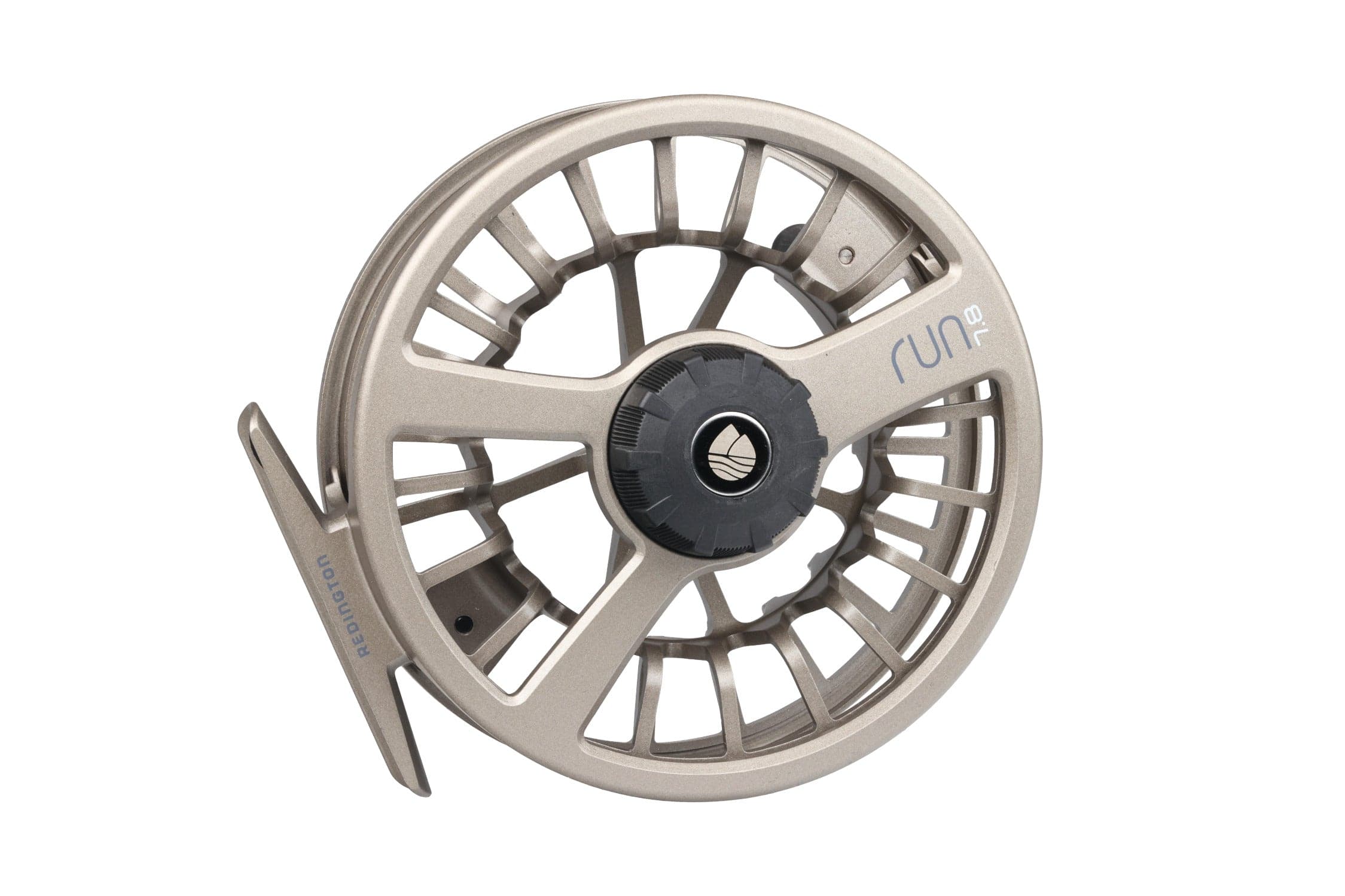
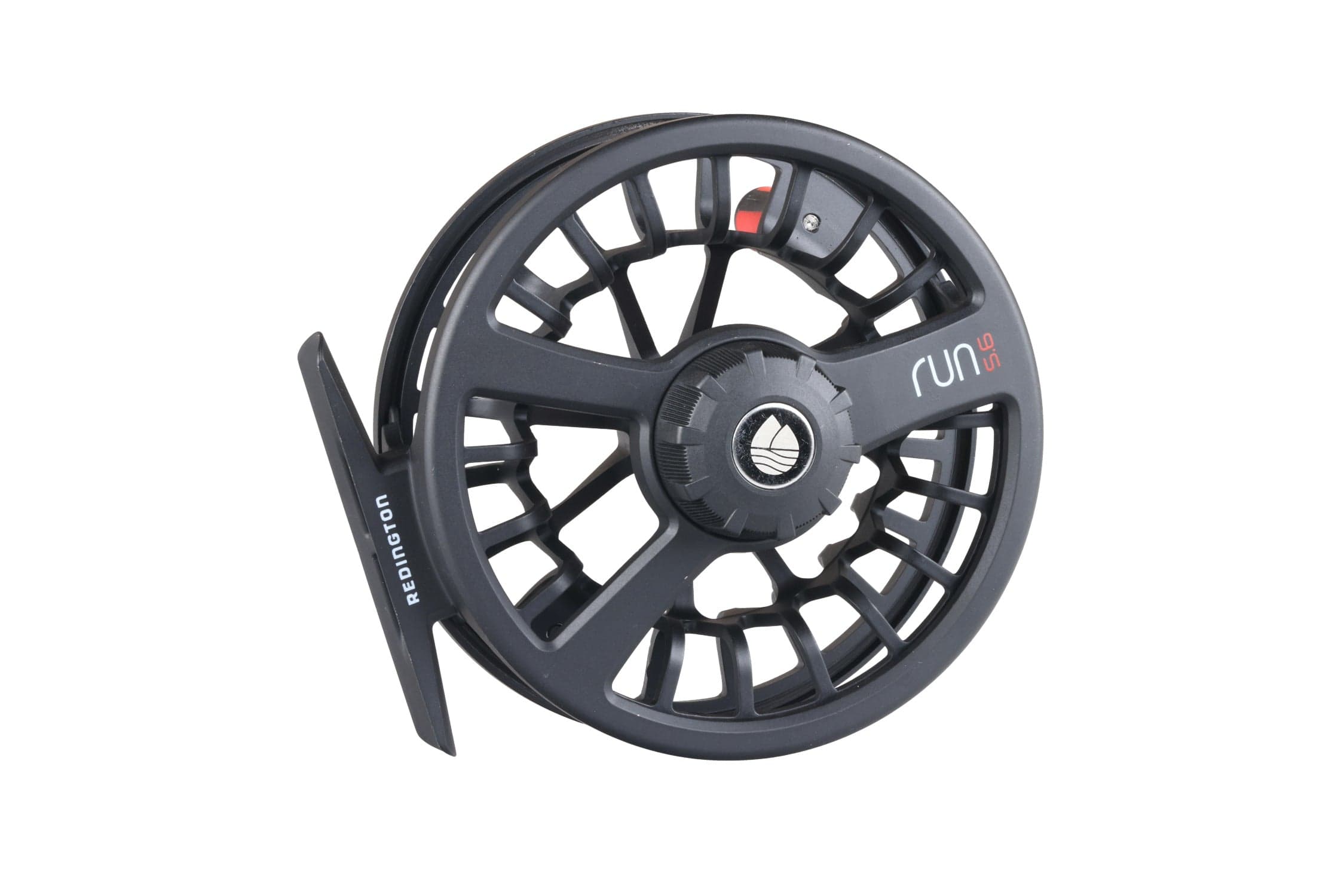
Best value reel for big fish: Redington Behemoth Fly Reel - A die-cast reel with the strongest drag in its price class. Sizes run from 4/5 to 11/12, so it covers nymphing rods, swing rods and everything in between.
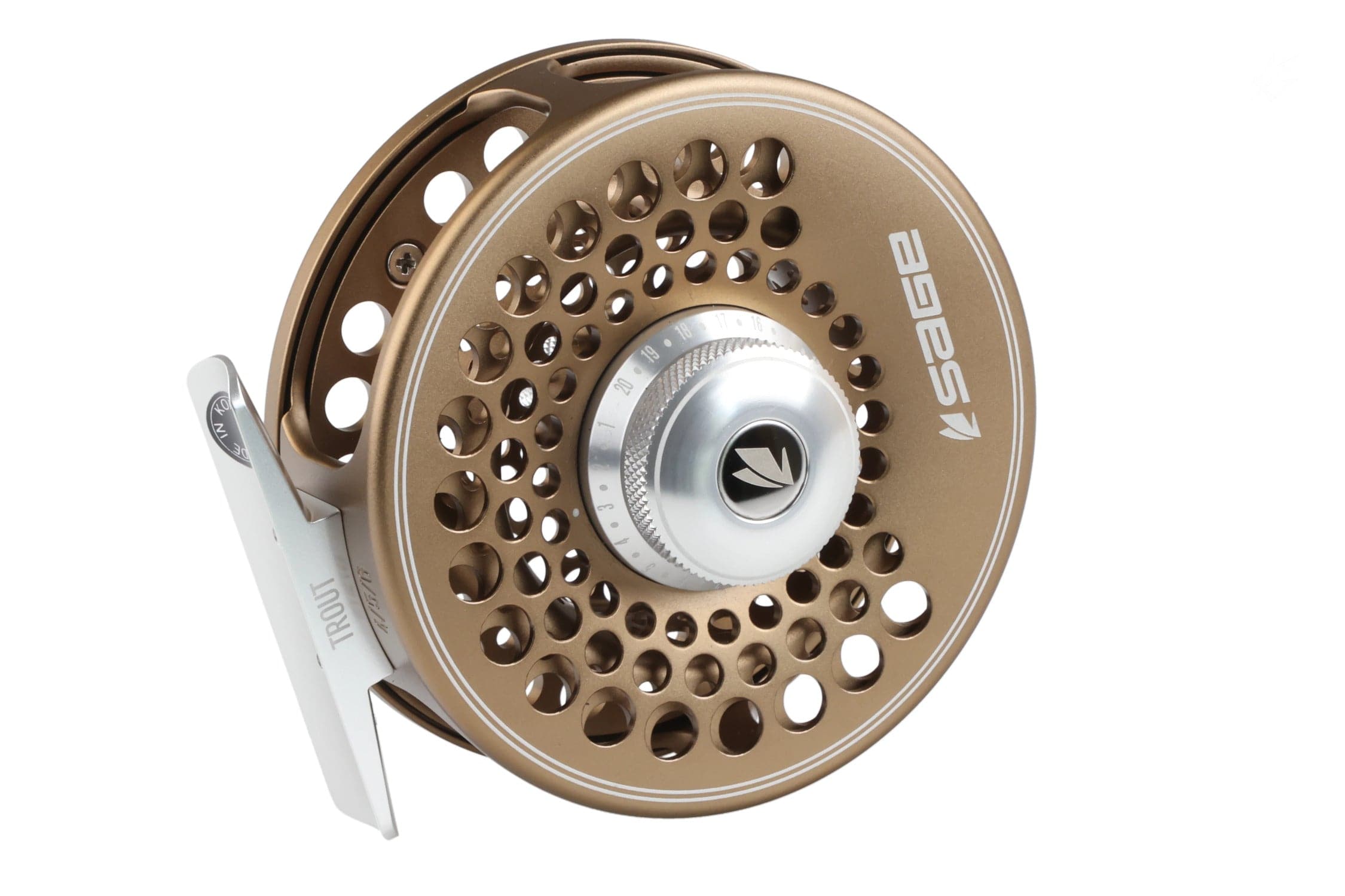
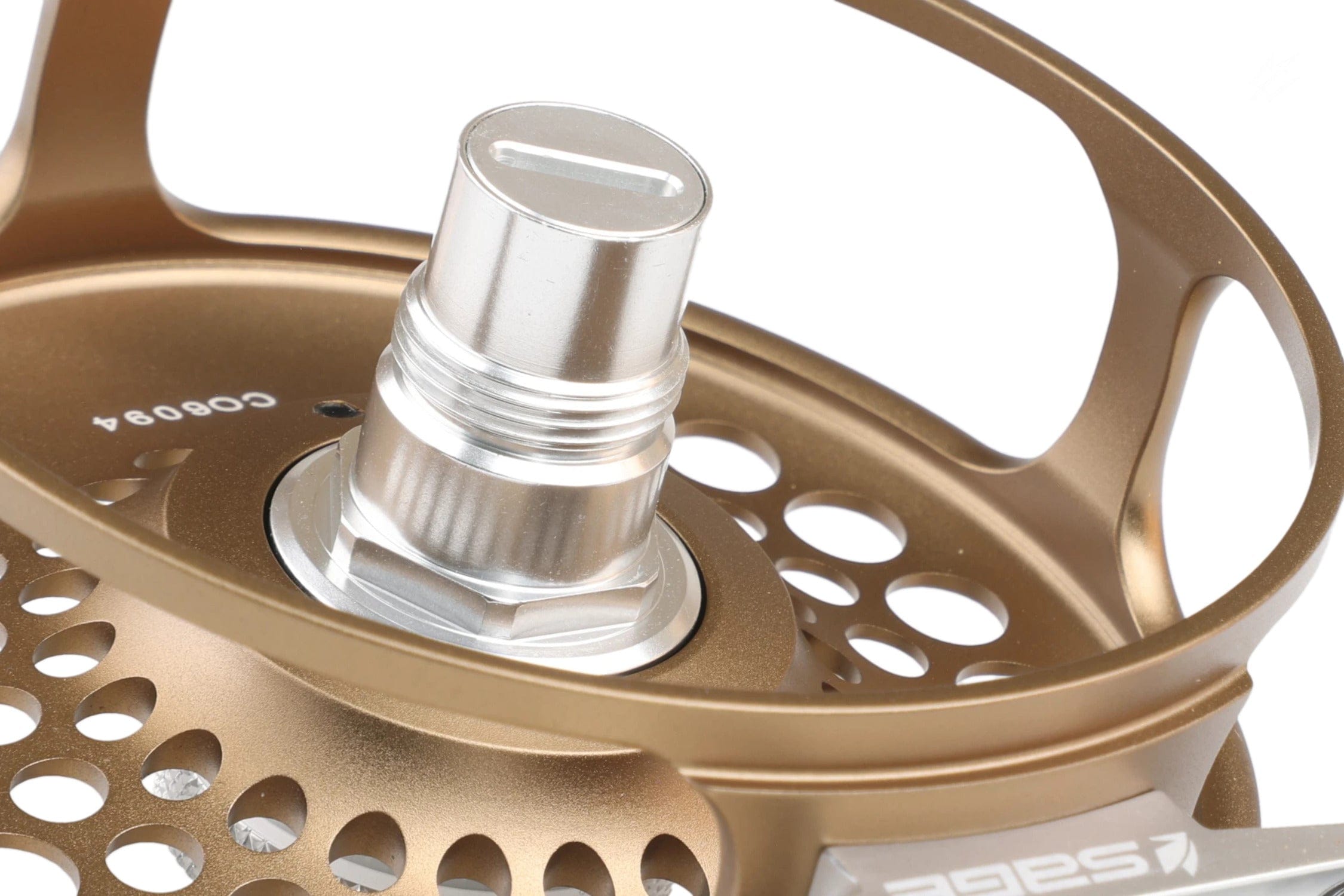
Best spey reel: Sage Spey II Fly Reel - Made for two-hand rods, with a sealed carbon disc and dual-clicker drag, a full-cage frame that stops thin shooting lines from slipping, and a slightly offset foot for better balance on a long rod.
How to Choose Steelhead Fly Reels
Drag: Smooth Beats Strong
A steelhead rarely needs a saltwater-level drag to stop it. What matters is a drag that starts smoothly and stays consistent, because the grab on a swung fly is often a hard pull at the end of a tight line, and a sticky drag at that moment can break tippet or pull the hook. In winter, a drag also has to behave in near-freezing water. Sealed carbon disc drags like the one in the Spey II, and the sealed disc in the Orvis SSR Disc Spey Fly Reel, are built to keep water and grit out when the reel spends the day half-submerged on a deep wade.
Click Reels on the Swing
Many swing anglers still prefer a loud click-and-pawl. The Redington Classic Spey Fly Reel uses a triple-pawl click system in a mid-arbor, wide-spool design, and the Hardy Cascapedia Fly Reel offers a classic click-check on its smaller sizes with a disc drag in the larger models. With a click reel you control the fish with your palm on the rim.
Capacity and Backing
Steelhead in big rivers can run well into the backing, especially when they turn downstream in heavy current. Plan on a reel that holds your line plus at least 150 yards of backing. Spey and switch setups need more room still, because a Skagit or Scandi head, running line and backing all share the spool. Wide spools, like the Classic Spey's, stack that system without pushing the reel to an oversized diameter.
Single-Hand vs Two-Hand Balance
For single-hand rods, the usual steelhead range is 6wt to 8wt, and a 7/8 reel covers most of it. Two-hand and switch rods are longer, so they need a heavier reel to sit balanced in your hands through a day of casting. Full-cage frames, like those on the Spey II and the Galvan Swing Fly Reel, are worth looking for when you fish thin running lines.
Cold-Weather Care
Back off the drag at day's end: Store the reel with the drag loose so the drag components aren't left compressed between trips.
Dry the backing: After a soaking wade, strip some line and backing off at home and let the spool dry so wet backing isn't left packed against the arbor.
Watch for ice: On cold winter days, ice can build up in the guides and on the reel. Dip the reel in the river to clear it rather than forcing the spool.
Check the knots: Re-tie your backing-to-line and line-to-head connections each season; that's where a big fish will find a weakness.
Complete Your Setup
Steelhead Fly Rods - Single-hand rods built for swinging and nymphing for steelhead.
Spey and Switch Fly Rods - Two-hand rods for covering big runs.
Spey Fly Lines - Skagit and Scandi heads, running lines and tips.
Steelhead Flies - Swing flies, intruders and nymphs.
Steelhead Fly Reels FAQs
Q: What size reel do I need for a steelhead rod?
A: For a single-hand 7wt or 8wt, a reel rated 7/8 is the usual pick. For spey and switch rods, choose a reel sized for the rod's grain window and line system rather than the line weight alone, and make sure it holds your head, running line and backing.
Q: How much backing should I put on a steelhead reel?
A: At least 150 yards is a good baseline. On big rivers where a fish can get downstream fast, more backing gives you extra margin.
Q: Disc drag or click-and-pawl for steelhead?
A: Both work. A disc drag is easier to manage, especially for newer anglers and nymphing setups. A click-and-pawl is the traditional swing reel and lets you control the fish with your palm, but it takes some practice.
Q: Do I need a sealed drag for steelhead?
A: It isn't required, but it helps. Steelhead reels spend a lot of time in cold water and wet weather, and a sealed drag keeps water and grit out of the drag components.