



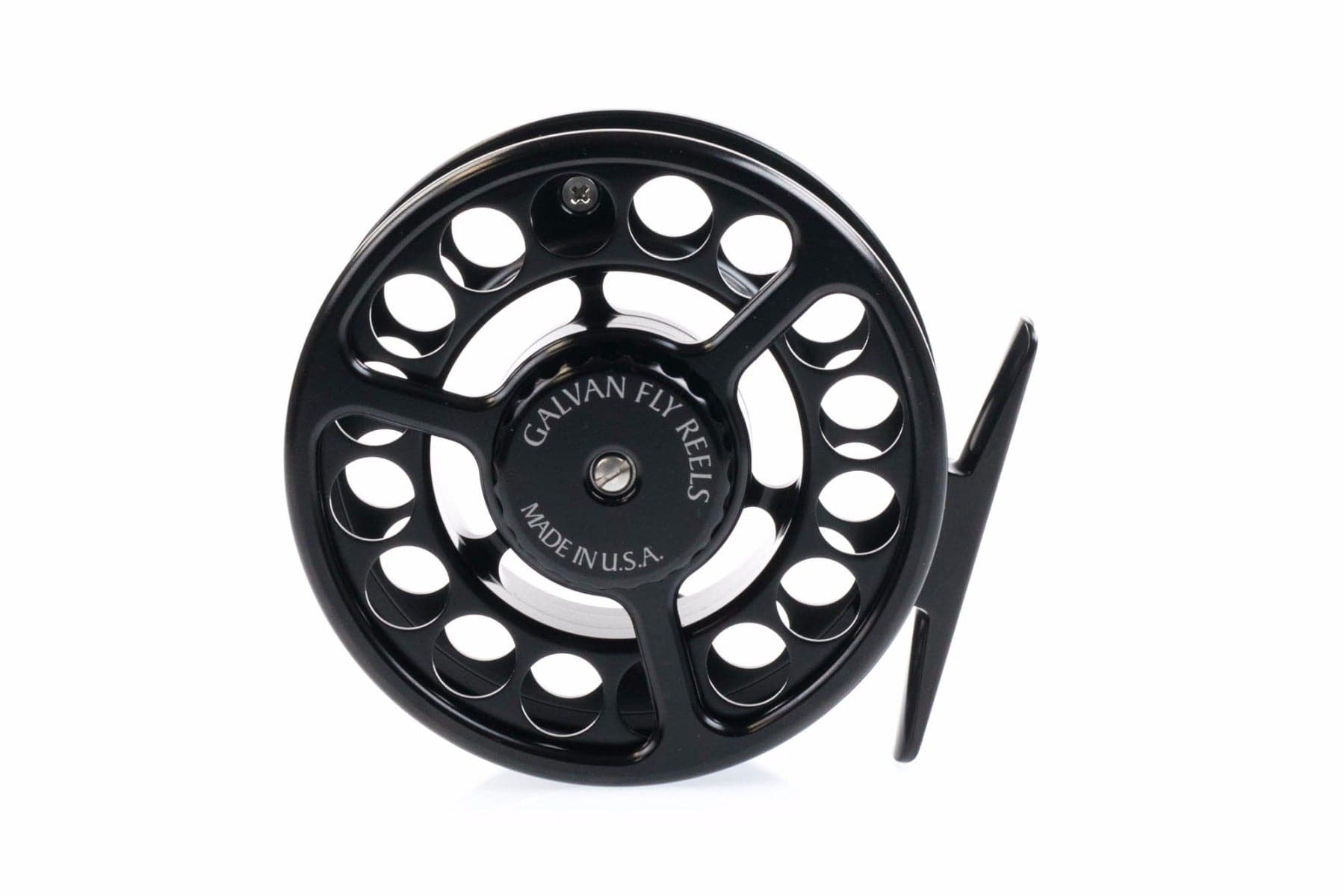
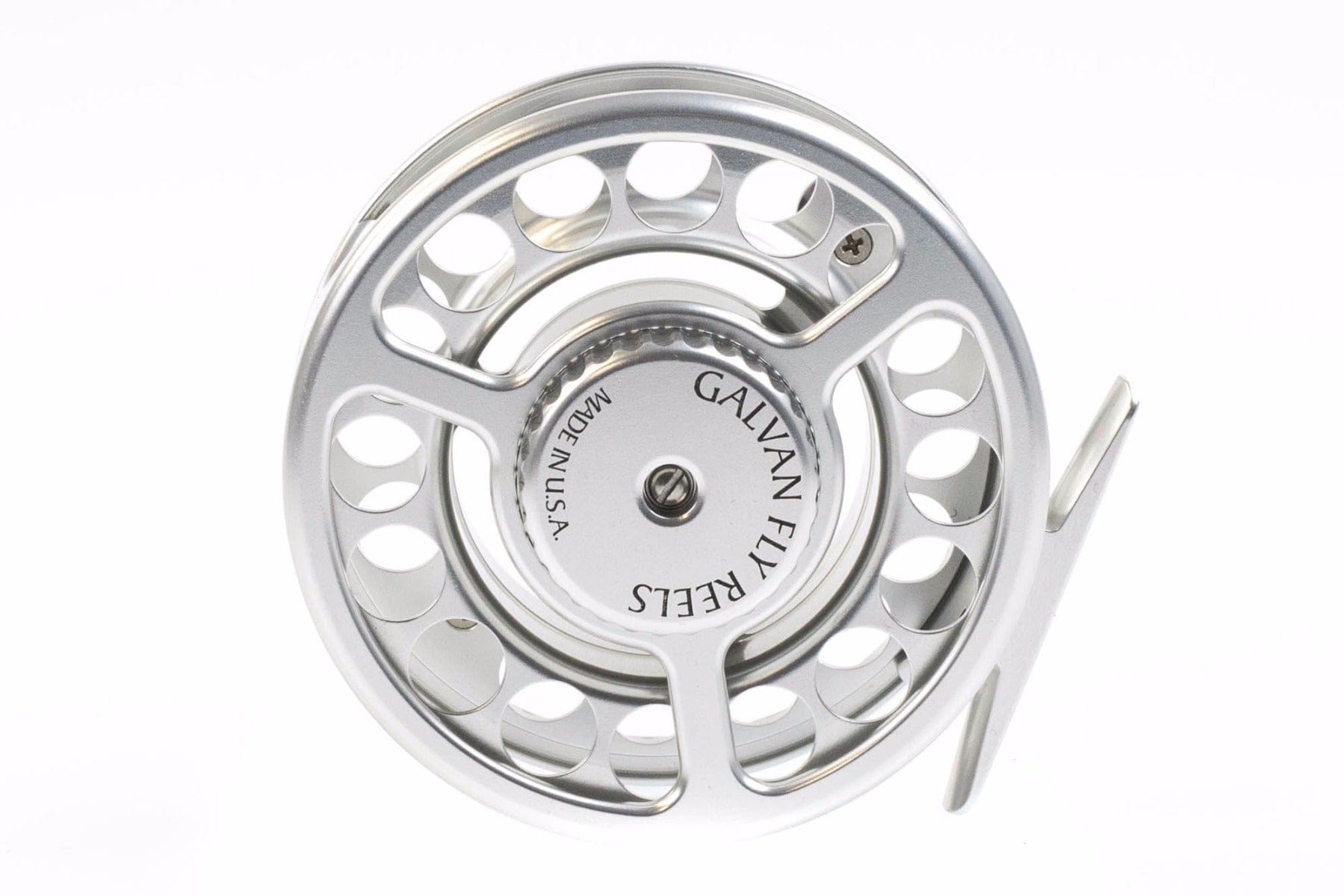


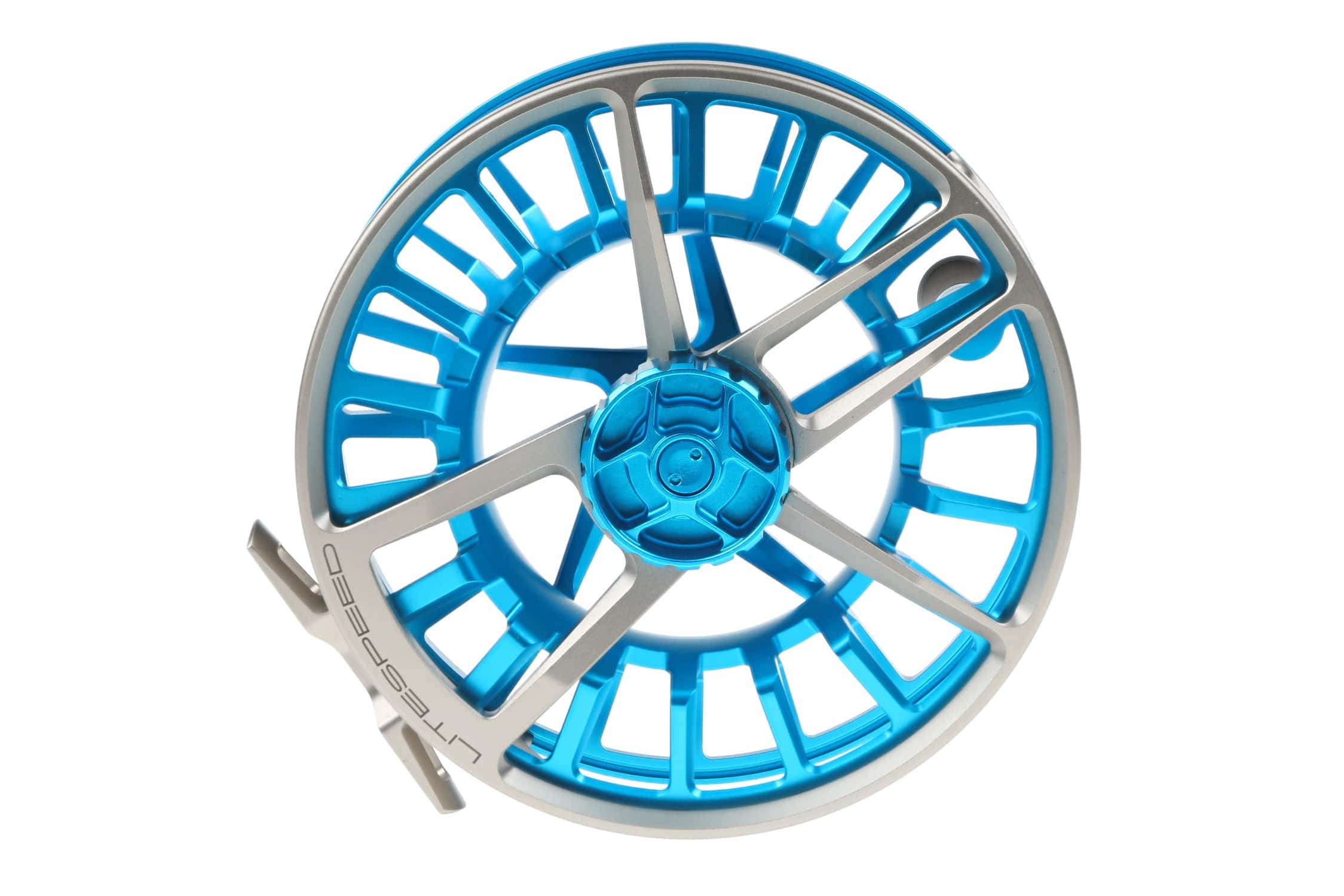
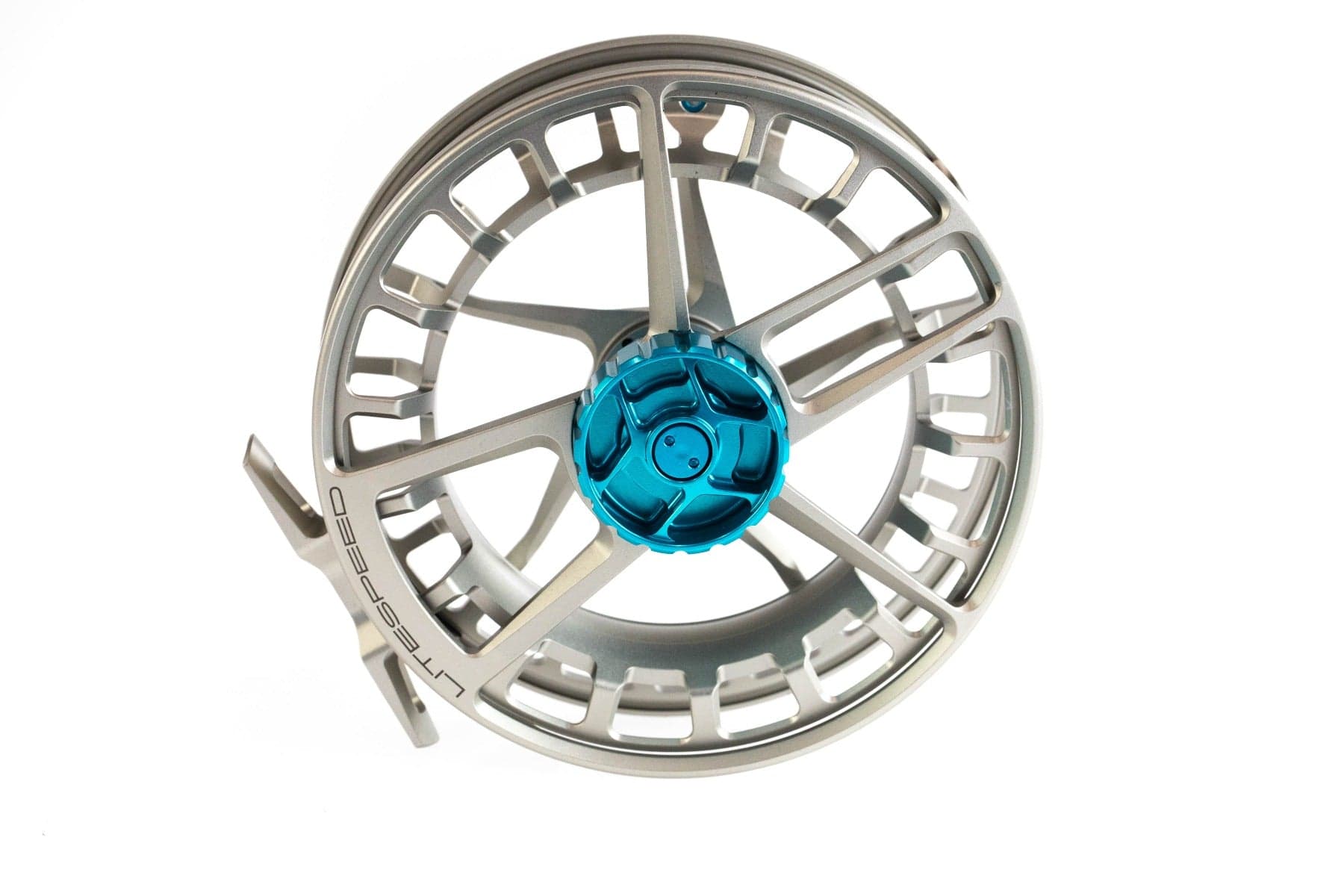
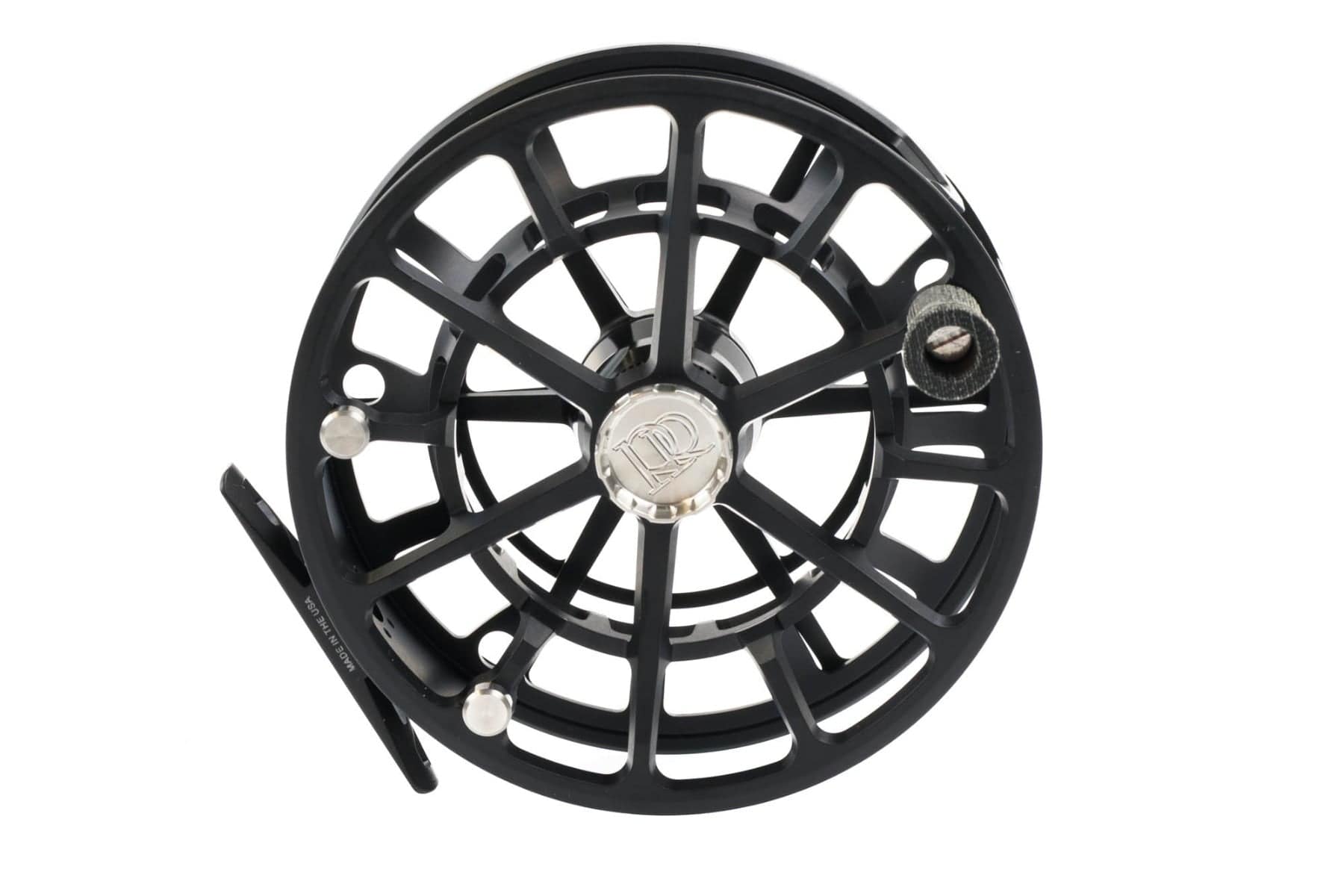
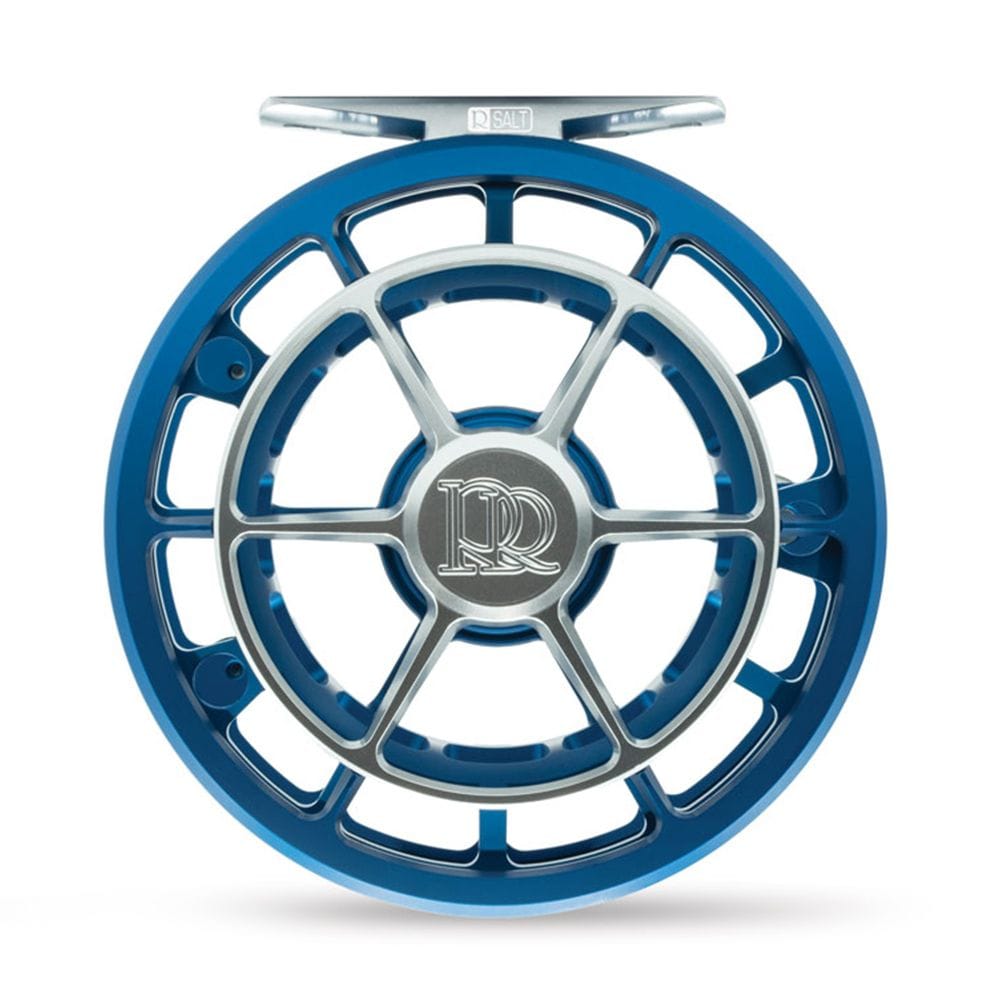
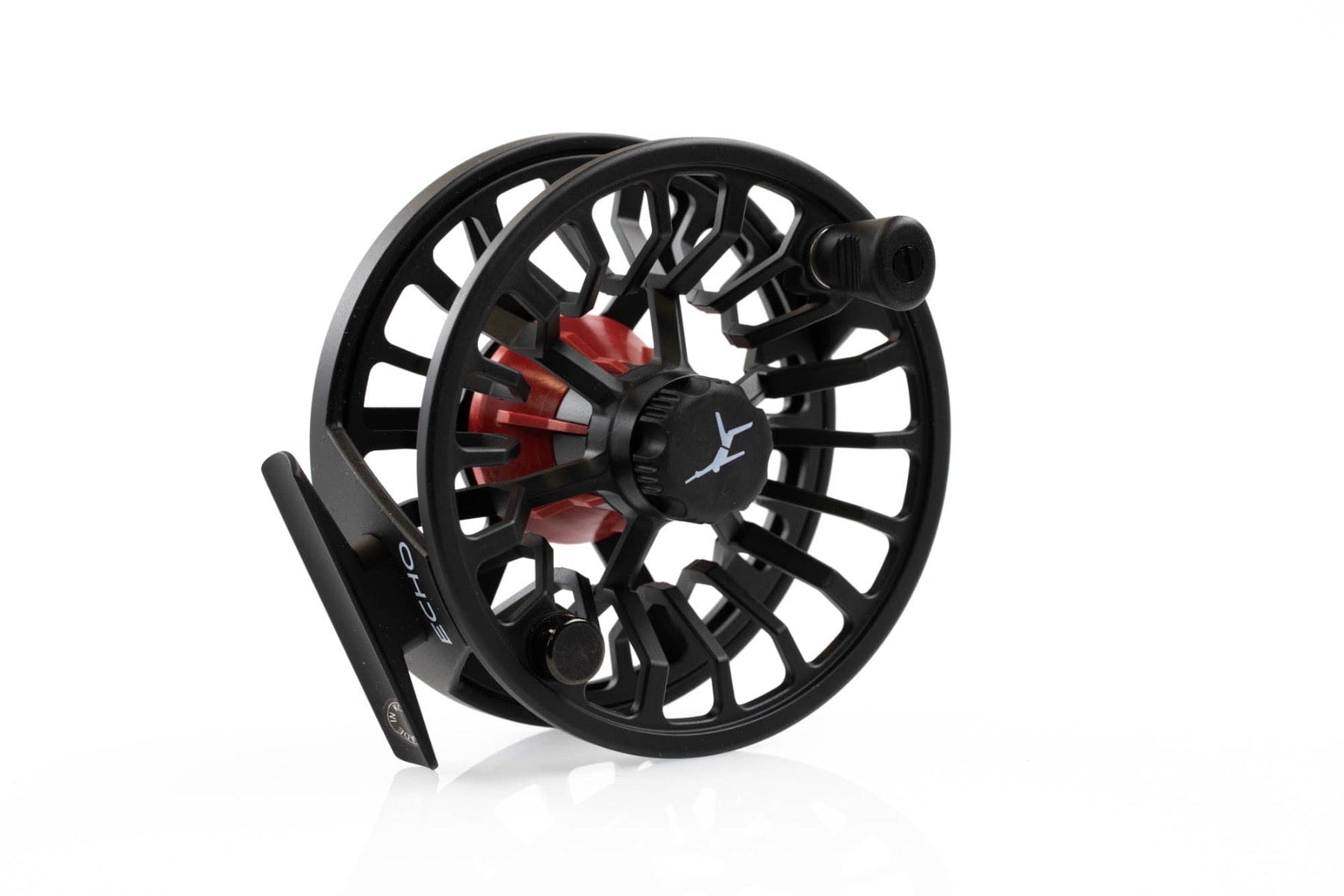
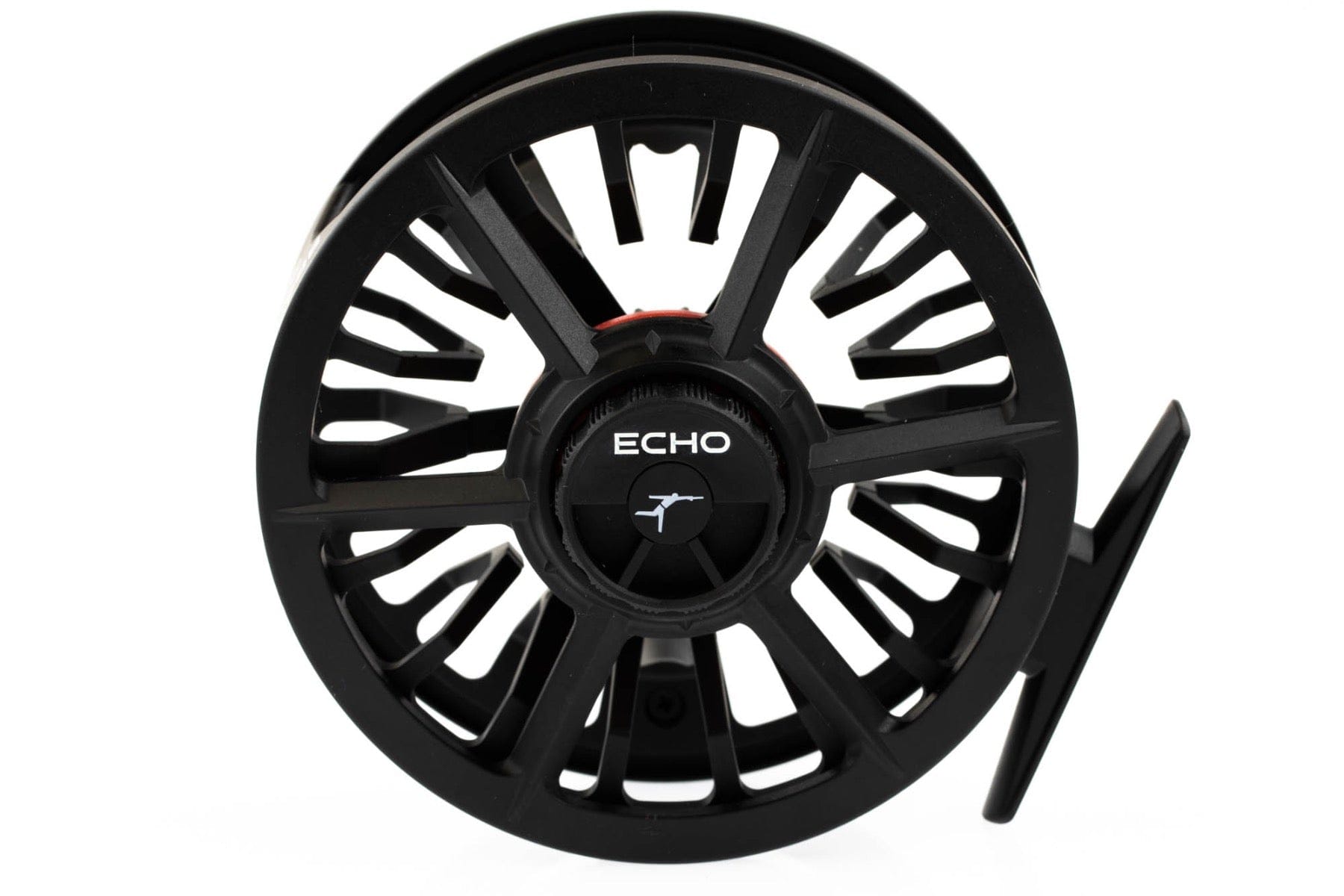
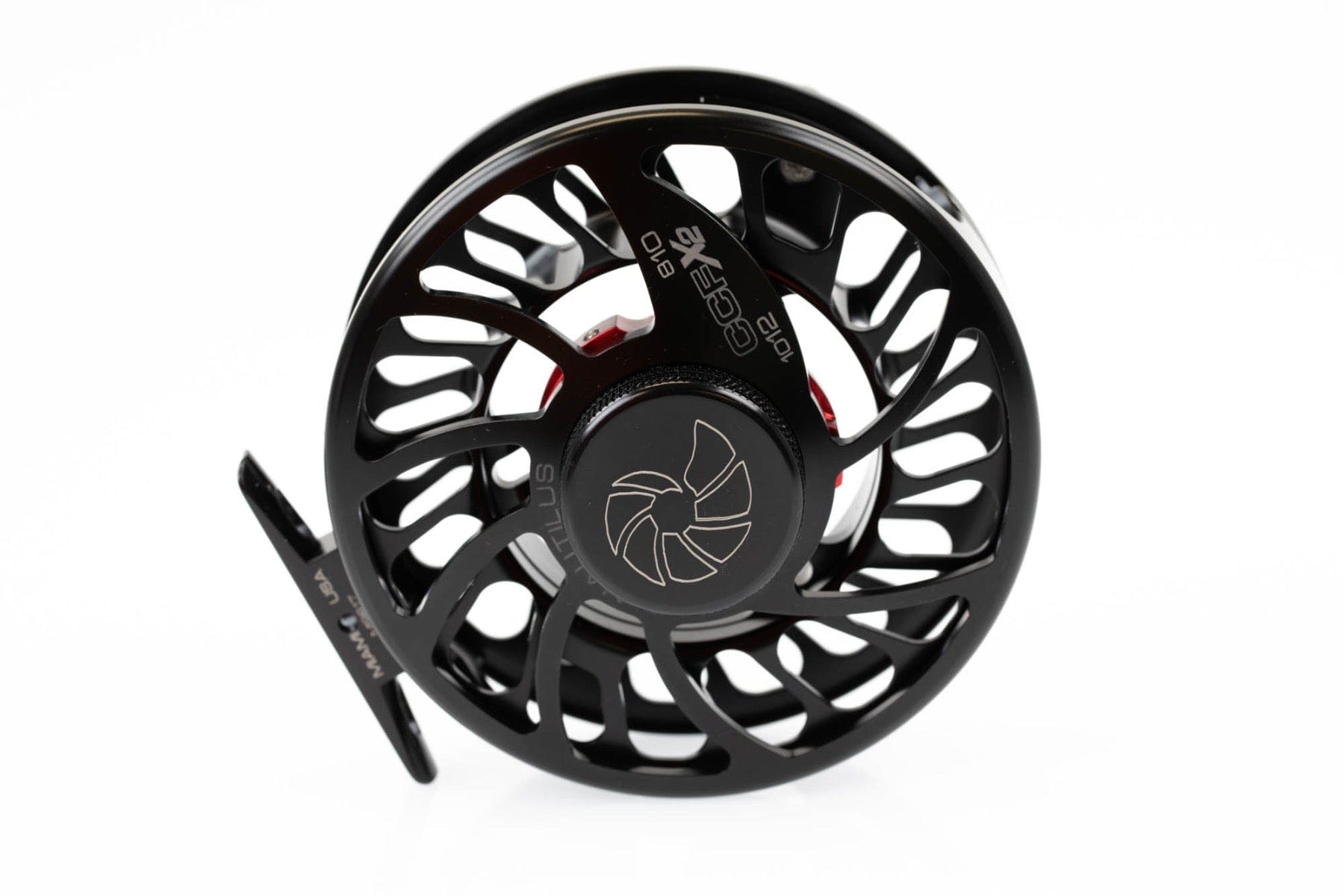
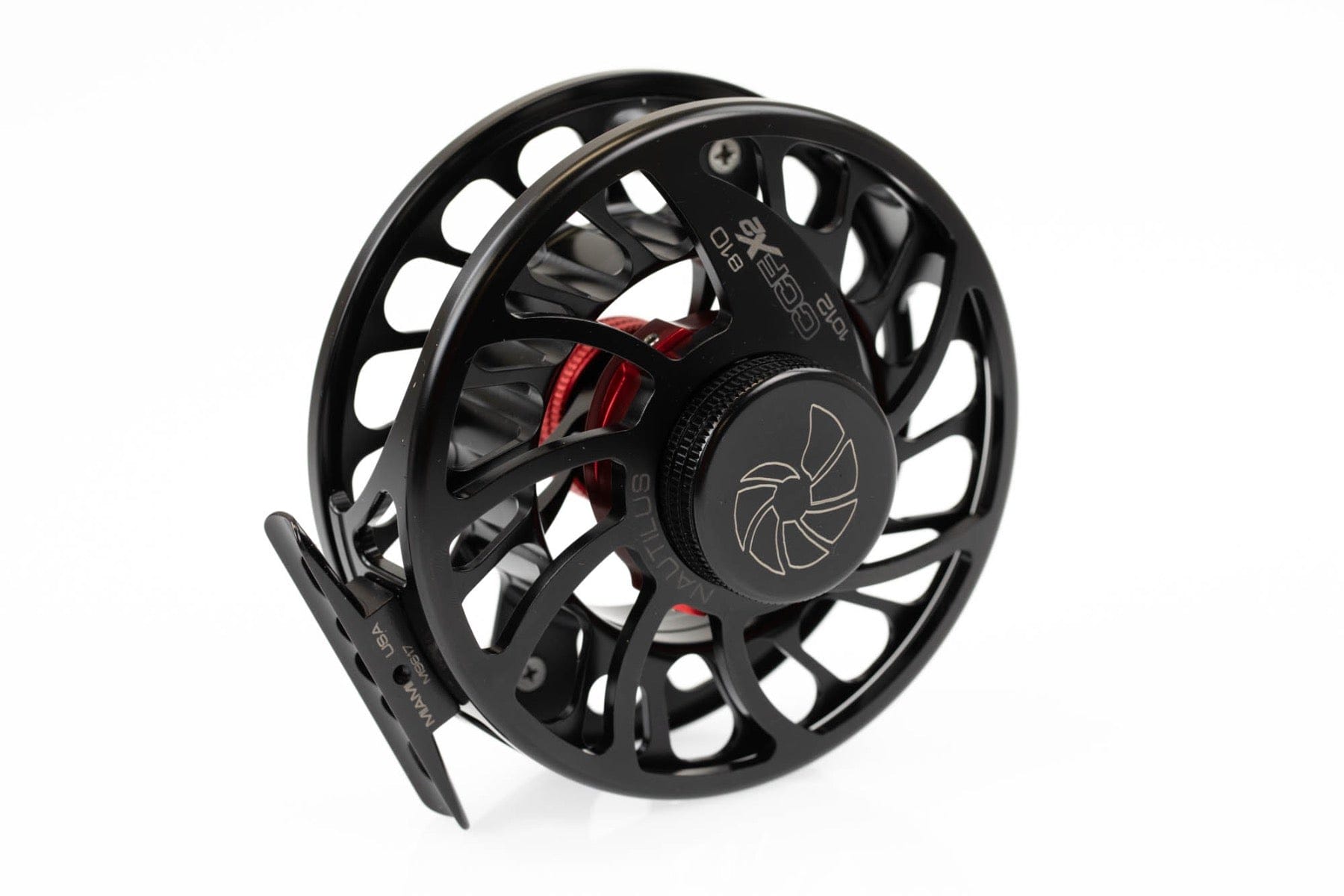


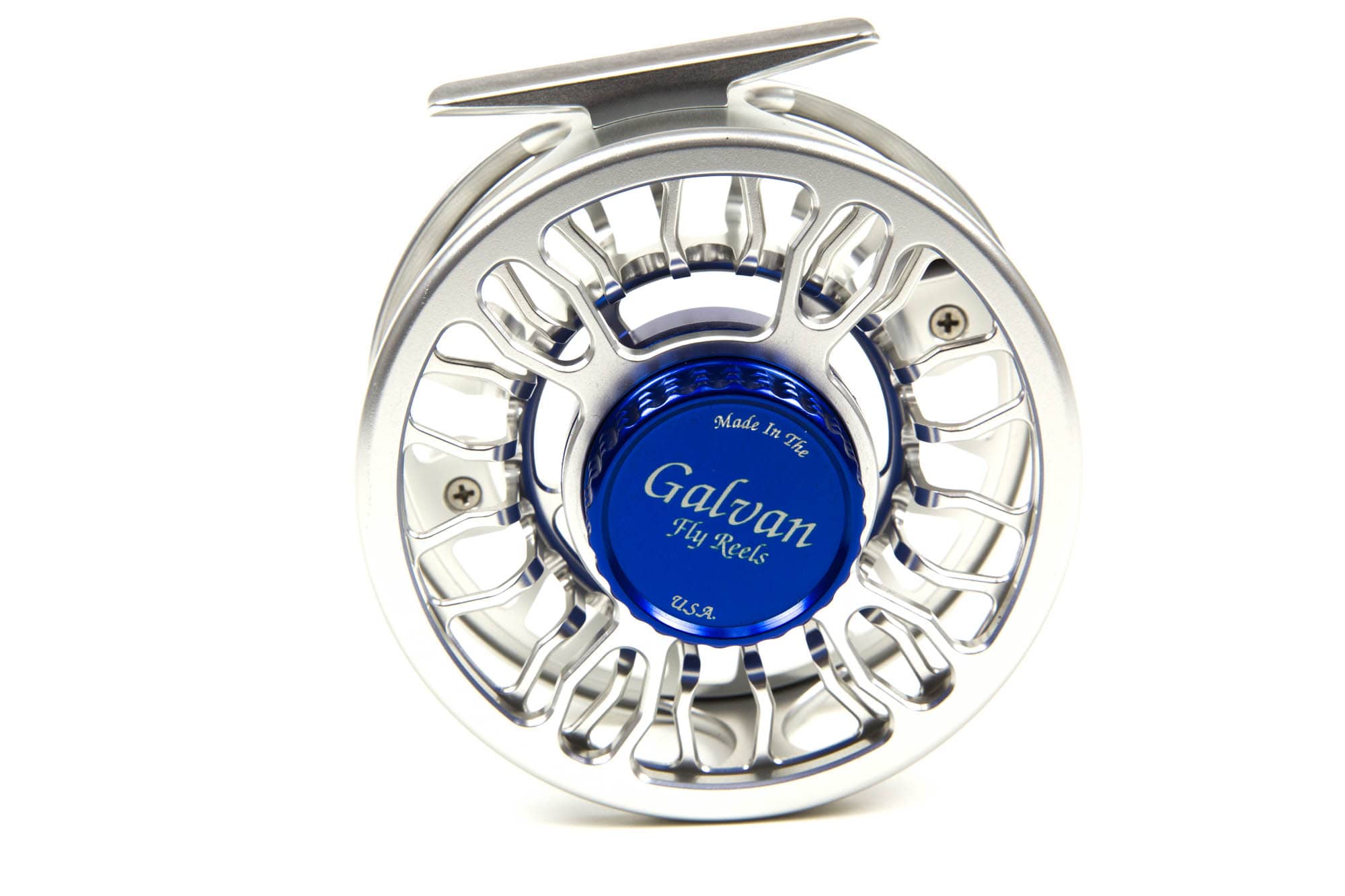
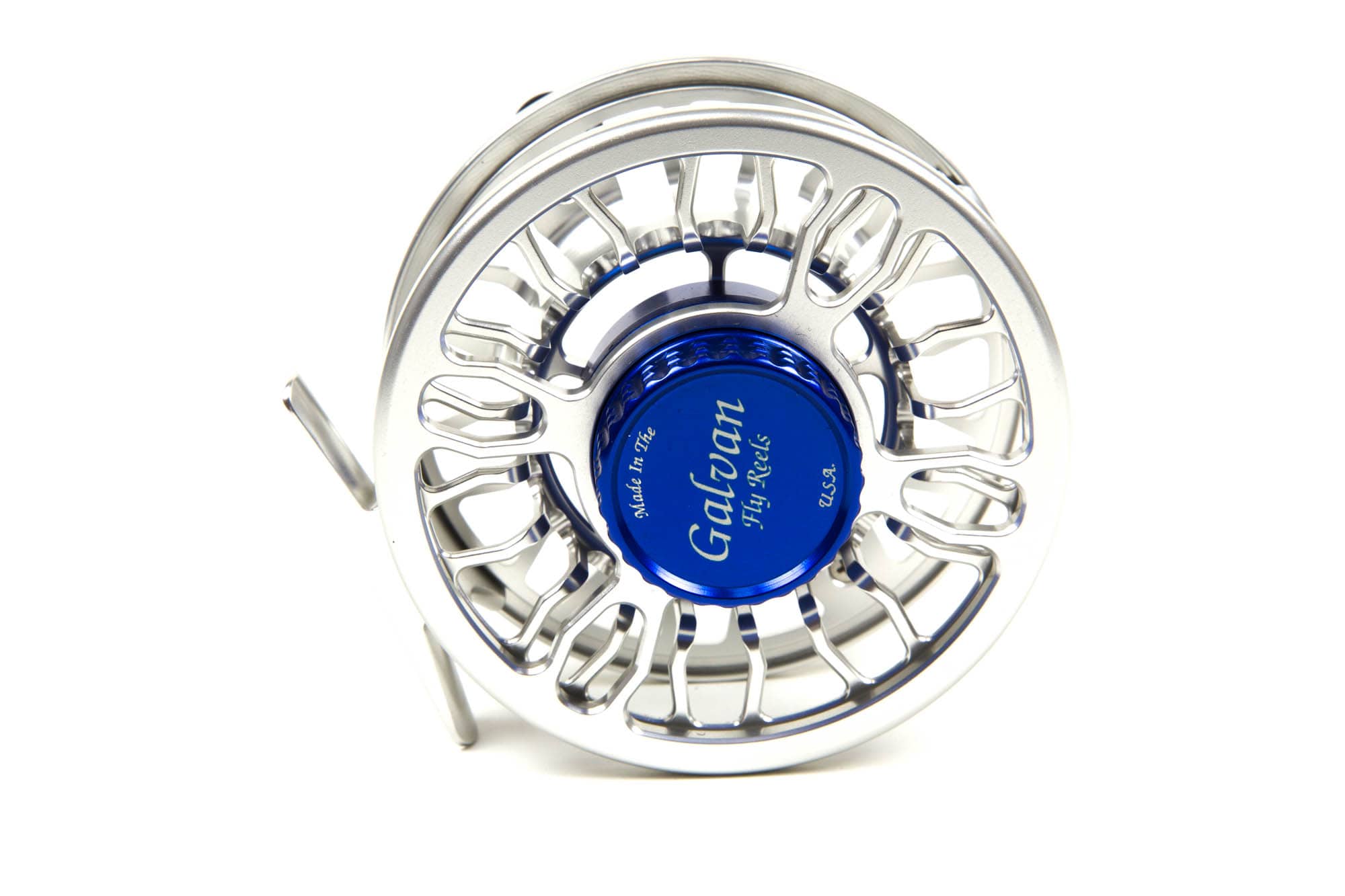
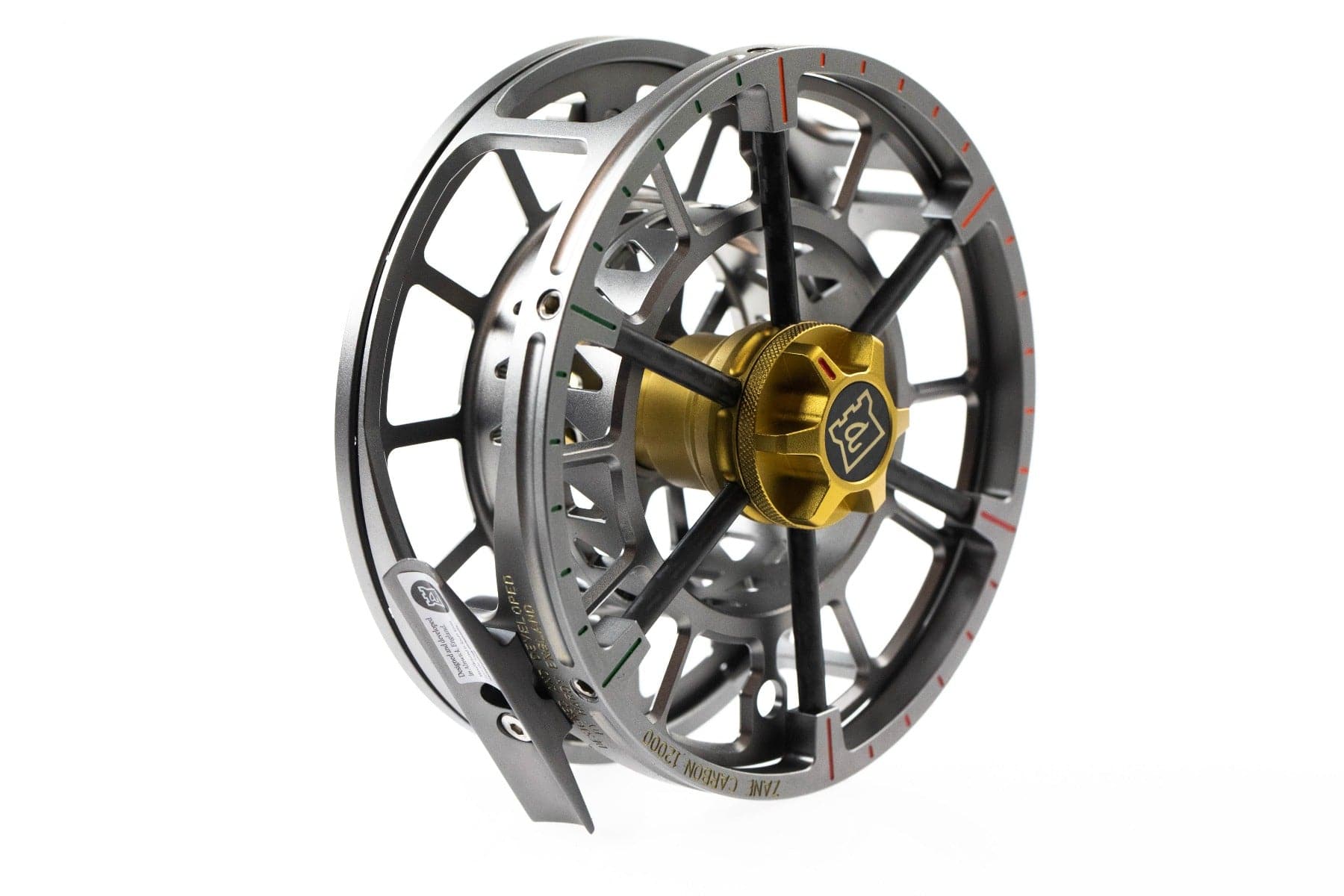
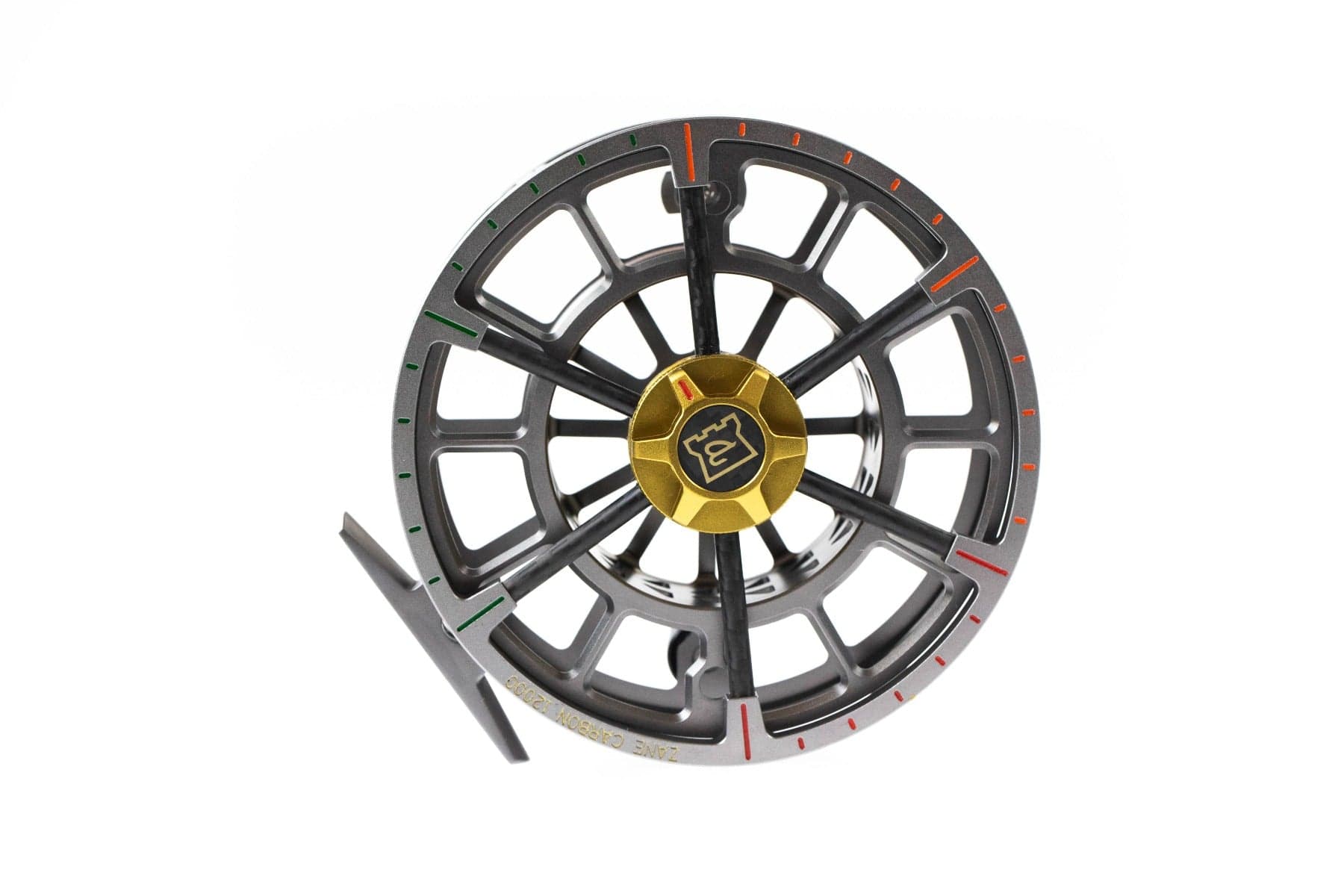


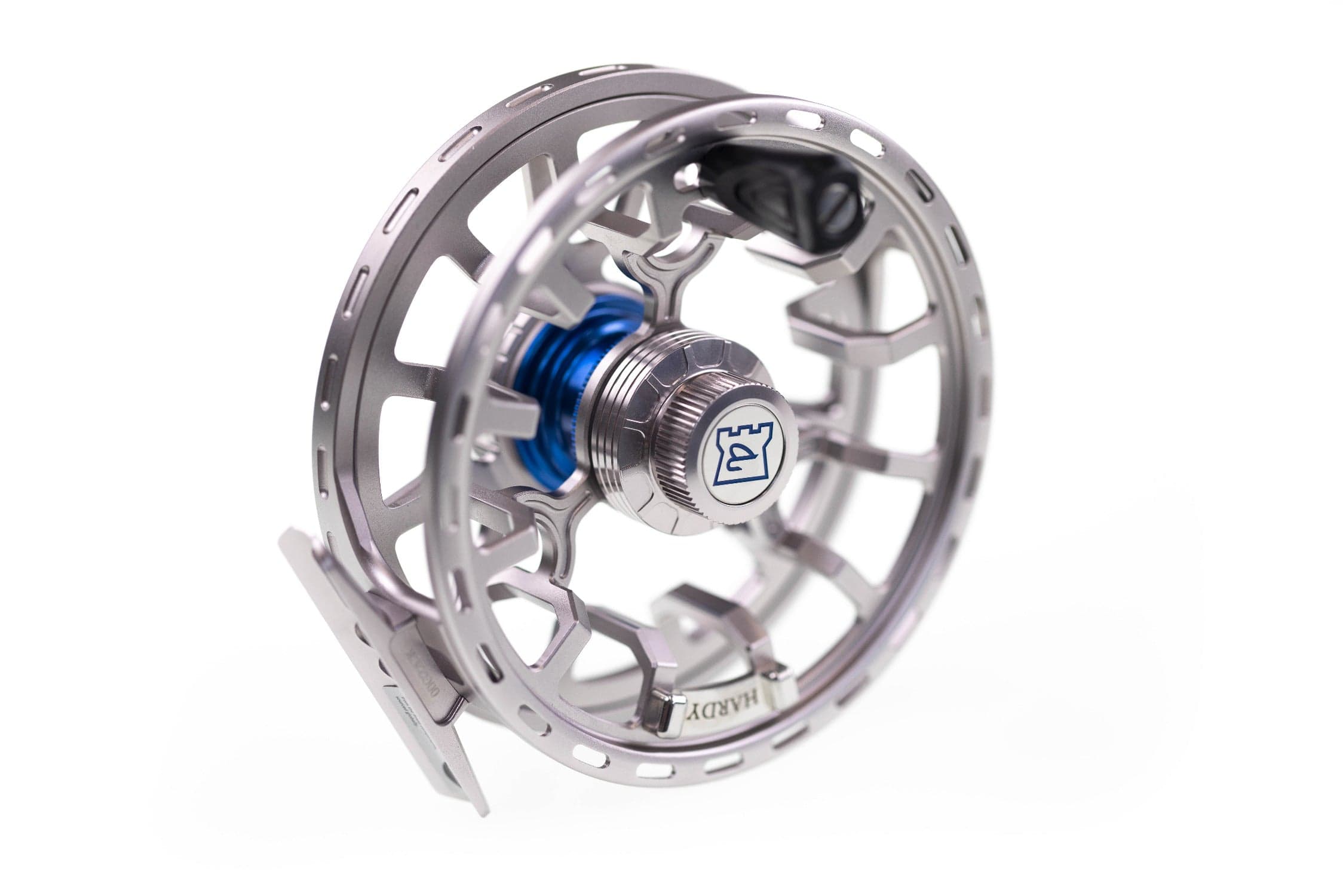
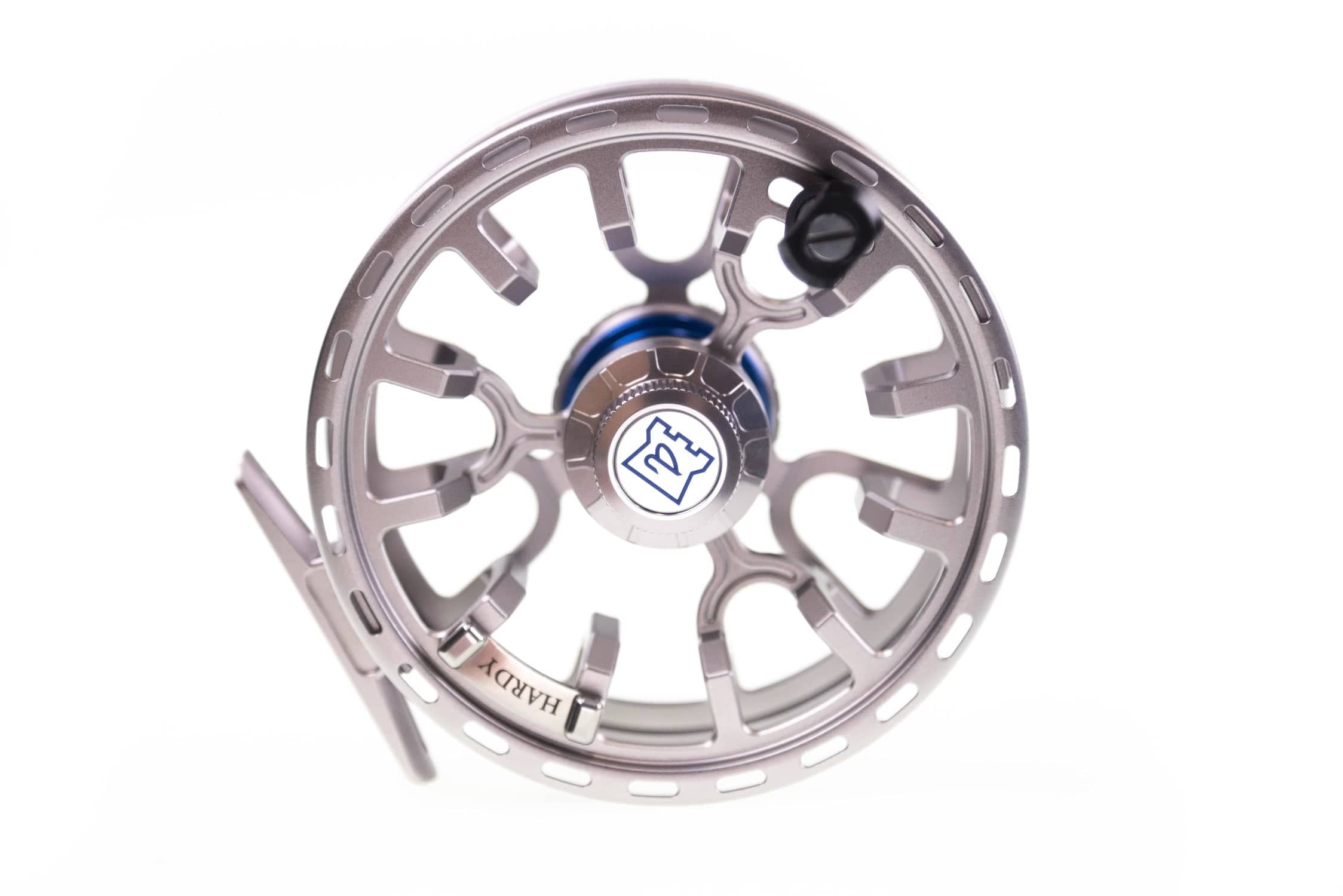
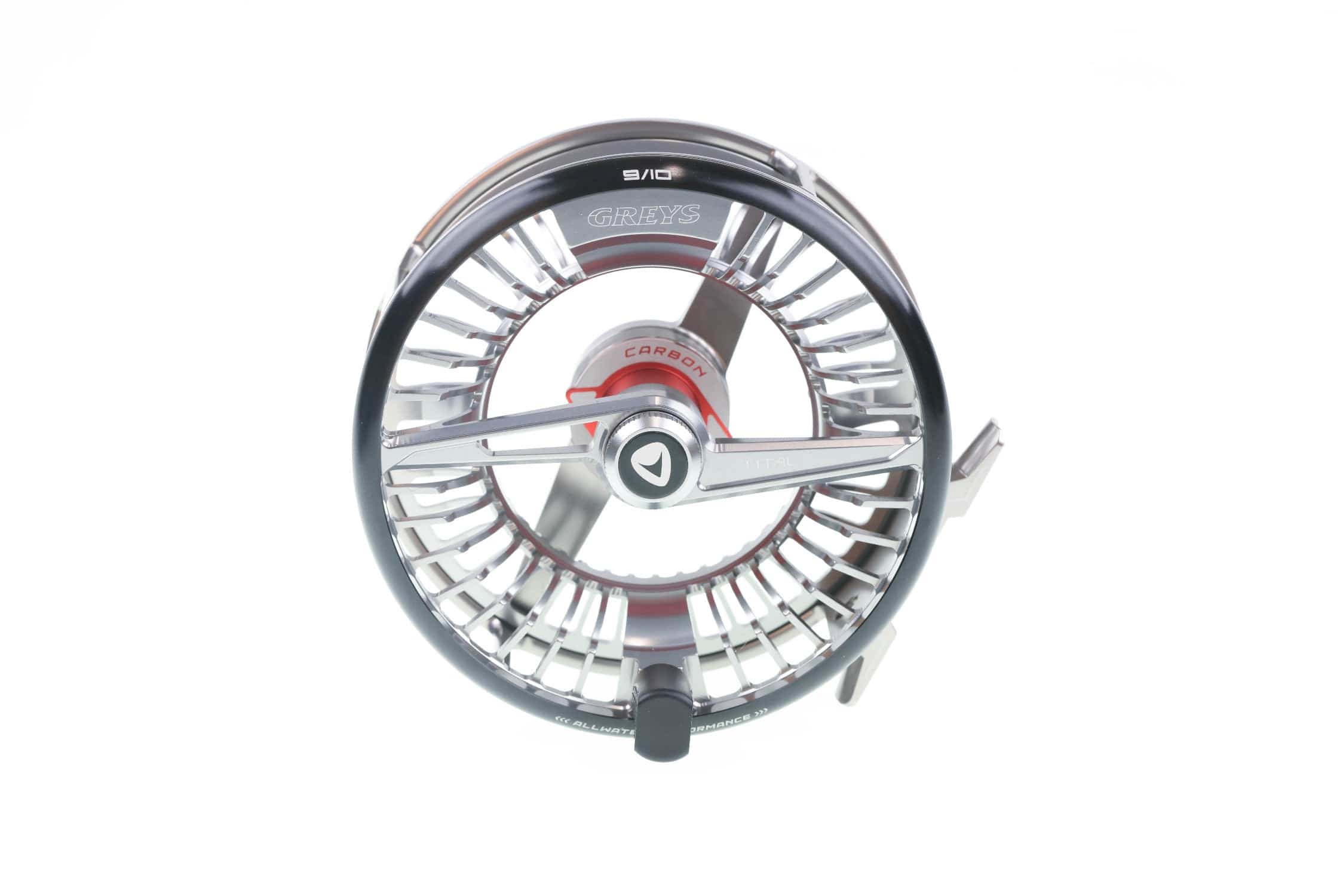
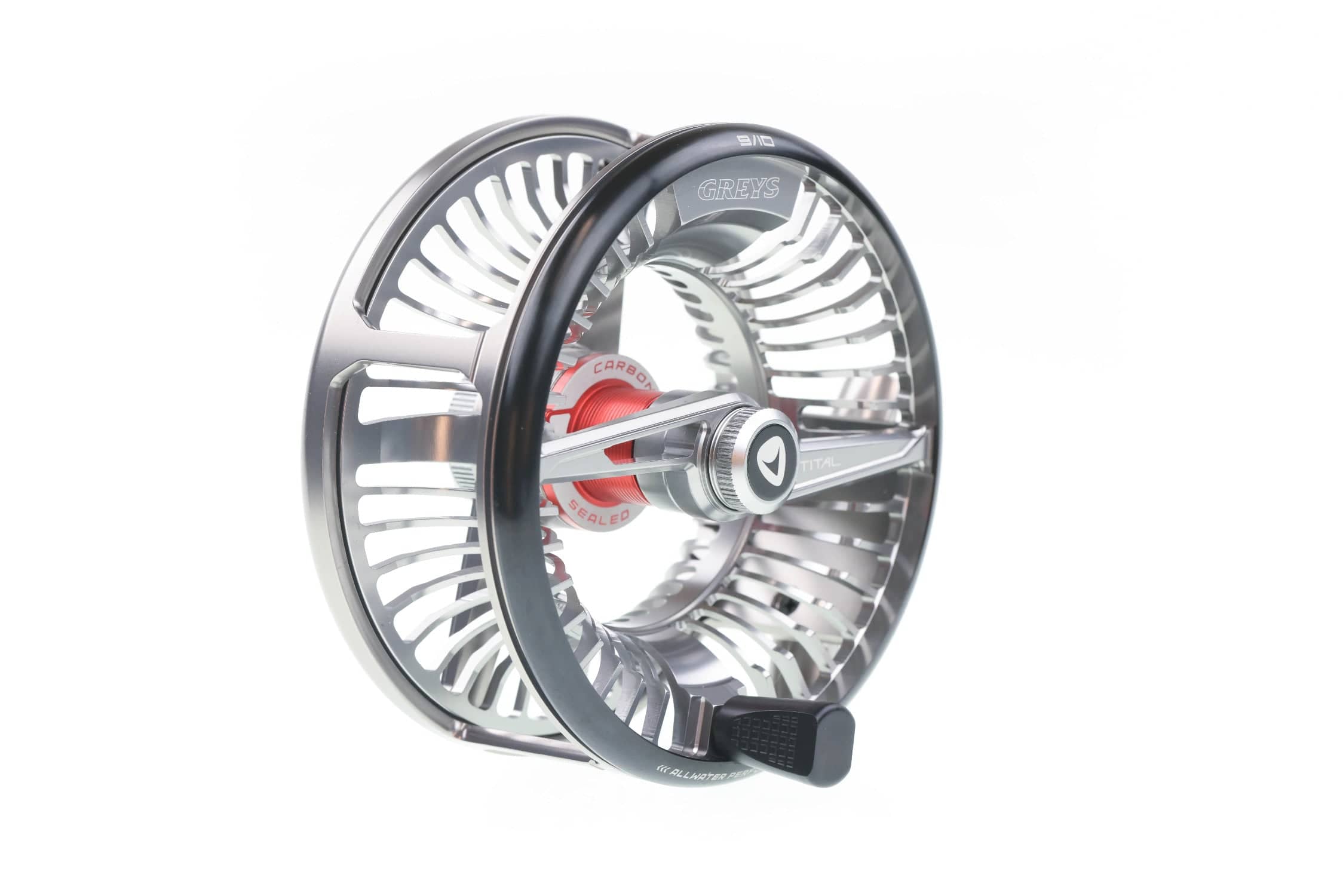




Shop striped bass fly reels: saltwater-ready reels with sealed drags for the surf, rips and inshore striper fishing.
Striped Bass Fly Reels Quick Picks
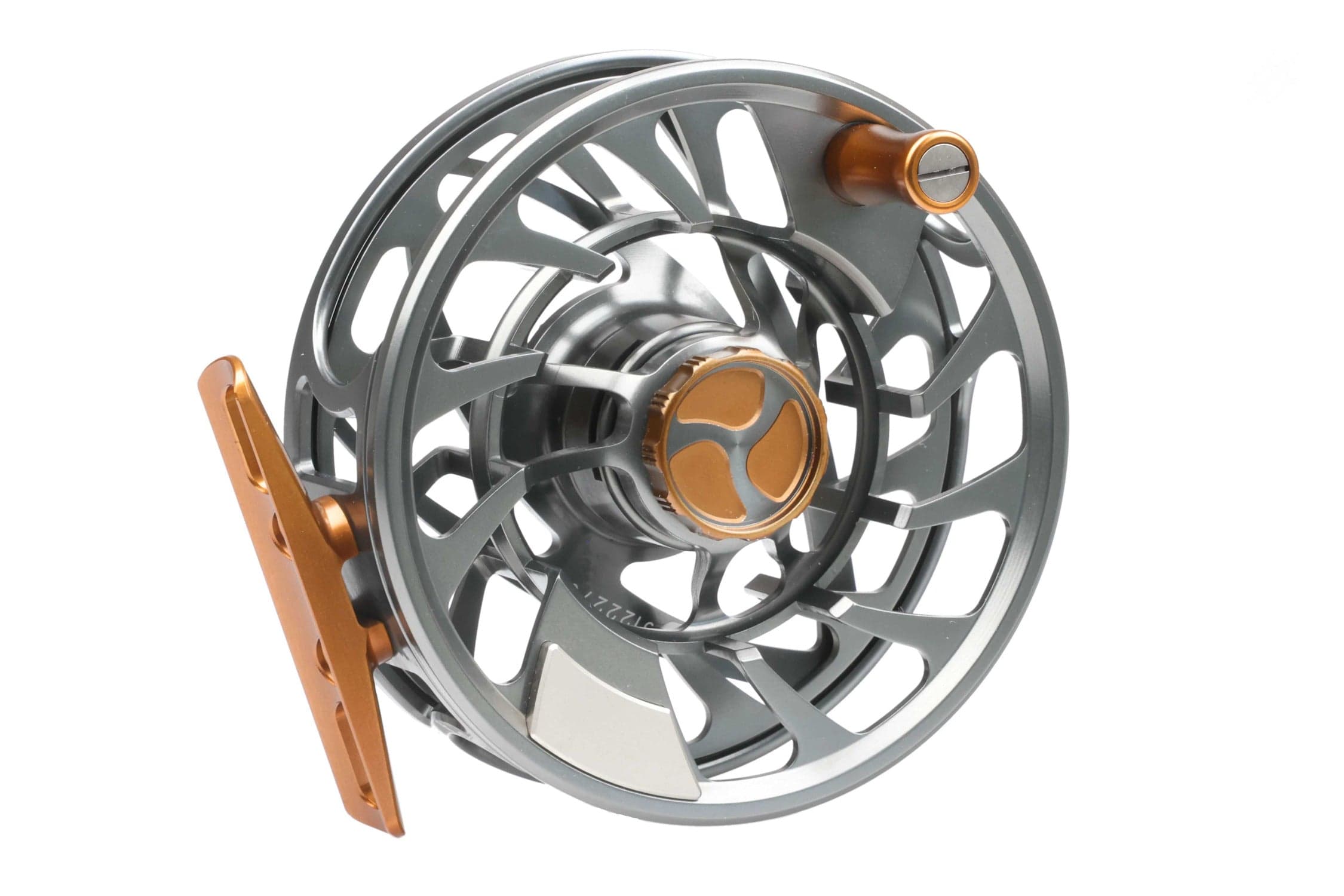
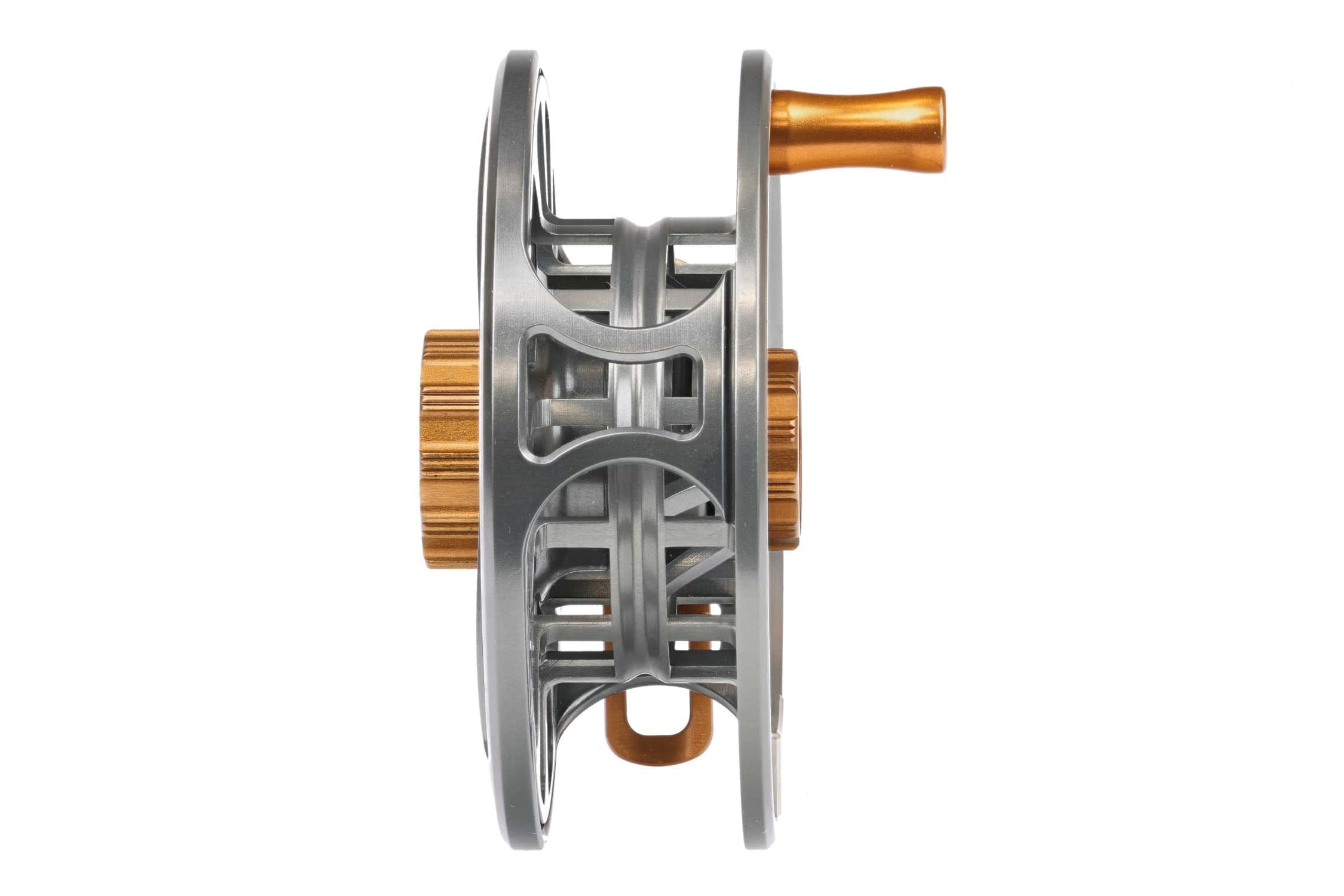
Best premium striper reel: Hatch Iconic Large Arbor Fly Reel - A carbon-filled drag with real stopping power and an open frame that dries quickly after a wet night in the surf. Sizes run from 3+ to 11+, so there is a model to match whichever striper rod you fish.
Best mid-priced saltwater workhorse: Redington Grande Fly Reel - Redington's flagship saltwater reel pairs a CNC-machined, anodized 6061 aluminum frame with a fully sealed disc drag. It is a lot of reel for anglers who fish the salt every week of the season.
Best value sealed reel: Echo Bravo Fly Reel - A smooth, powerful sealed drag in a simple, saltwater-safe package. A smart first reel for the jetty or the beach, or a dependable backup to keep in the boat bag.
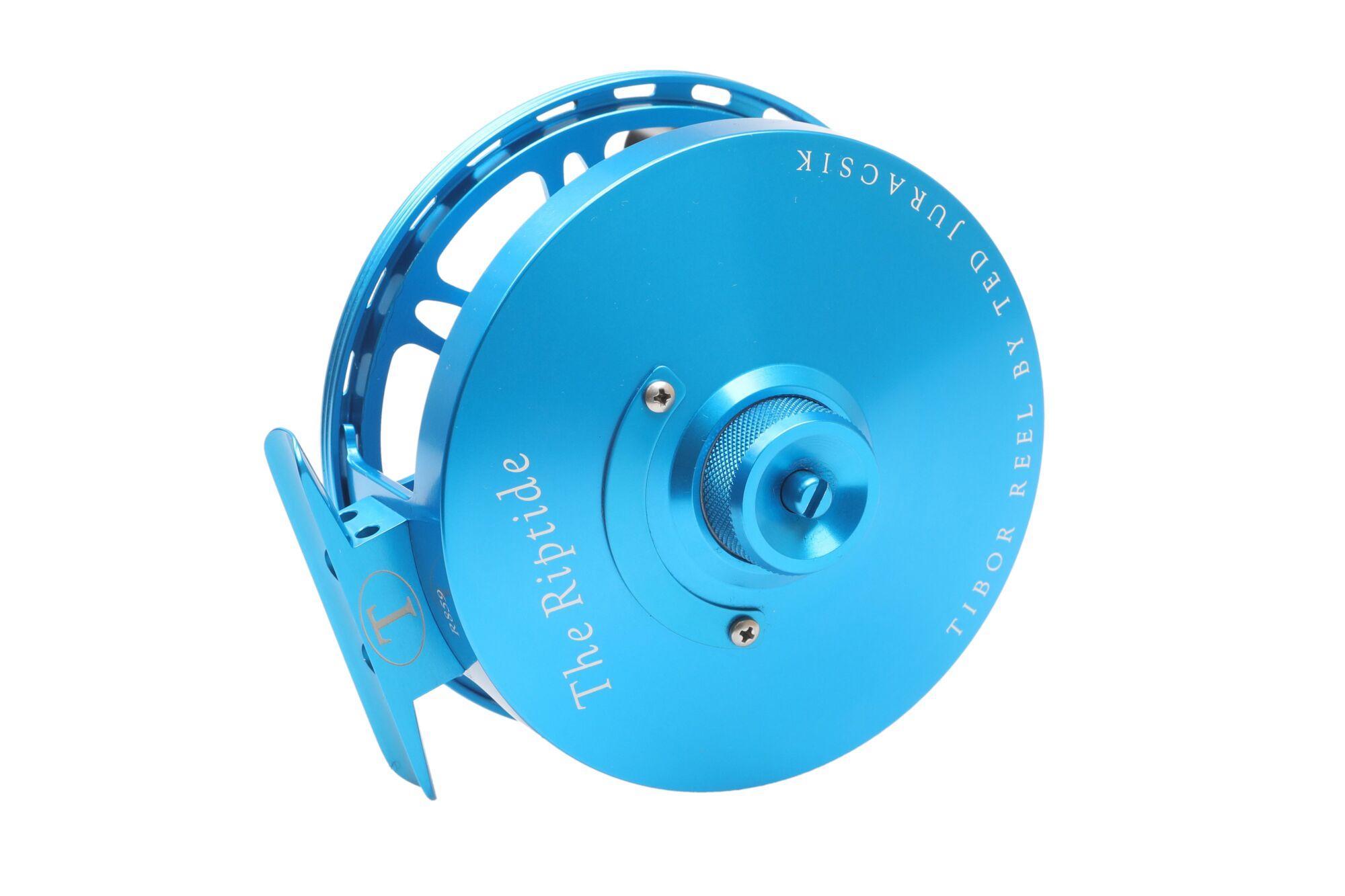
Best for big fish and big flies: Tibor Riptide Fly Reel - Built for 9-11wt rods and holding 200 yards of Micron or 300 yards of Power Pro, the Riptide is made for slinging large Hollow Fleyes at big striped bass. Tibor has been building this design since 1995, and it remains one of the most timeless saltwater reels around.
How to Choose Striped Bass Fly Reels
A Sealed Drag That Shrugs Off Sand and Salt
Stripers are caught in some of the dirtiest conditions in fly fishing: wading in the wash, standing on wet jetty rocks, or bouncing through a tide rip with spray coming over the bow. Reels get dunked, dropped in the sand and splashed all day. A sealed drag keeps grit and salt water away from the drag surfaces, so the reel feels the same at the end of the tide as it did at the start. Most stripers won't need maximum drag, but a big fish in current can make a strong run, and a smooth, consistent drag protects your tippet when it does.
Size the Reel to an 8-10wt Rod
Most striper fishing happens on 8, 9 and 10 weight rods. An 8wt handles schoolies in the marsh and back bays, a 9wt is the all-around choice for beaches and boats, and a 10wt earns its place when you are throwing big flies into the wind or fishing deep rips. Match the reel to your rod's line weight, and lean toward the larger size if you are between two, since a slightly bigger spool holds a heavy sinking line and backing more comfortably.
Line and Backing Capacity
Striped bass rarely spool an angler the way a tuna can, but you still want 150-200 yards of backing behind your line. Bigger fish in strong current can take more line than you expect, and full backing also fills the spool for faster line pickup. Capacity matters more for stripers than for many inshore species because so much of the fishing is done with intermediate and full sinking lines, which are thinner than floating lines but often run longer heads. Make sure the reel you pick has room for the line you will actually fish.
Large Arbor and Corrosion Resistance
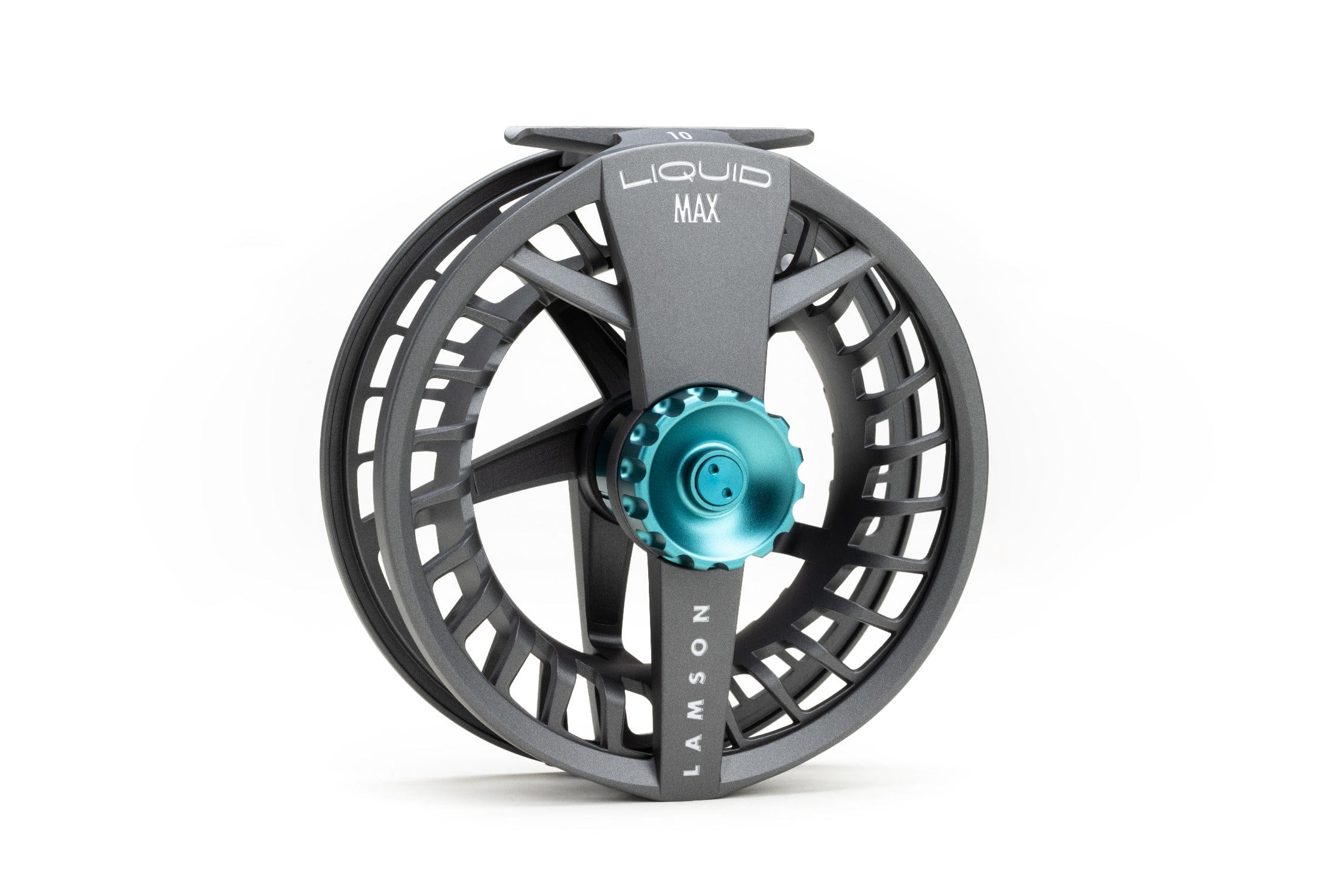
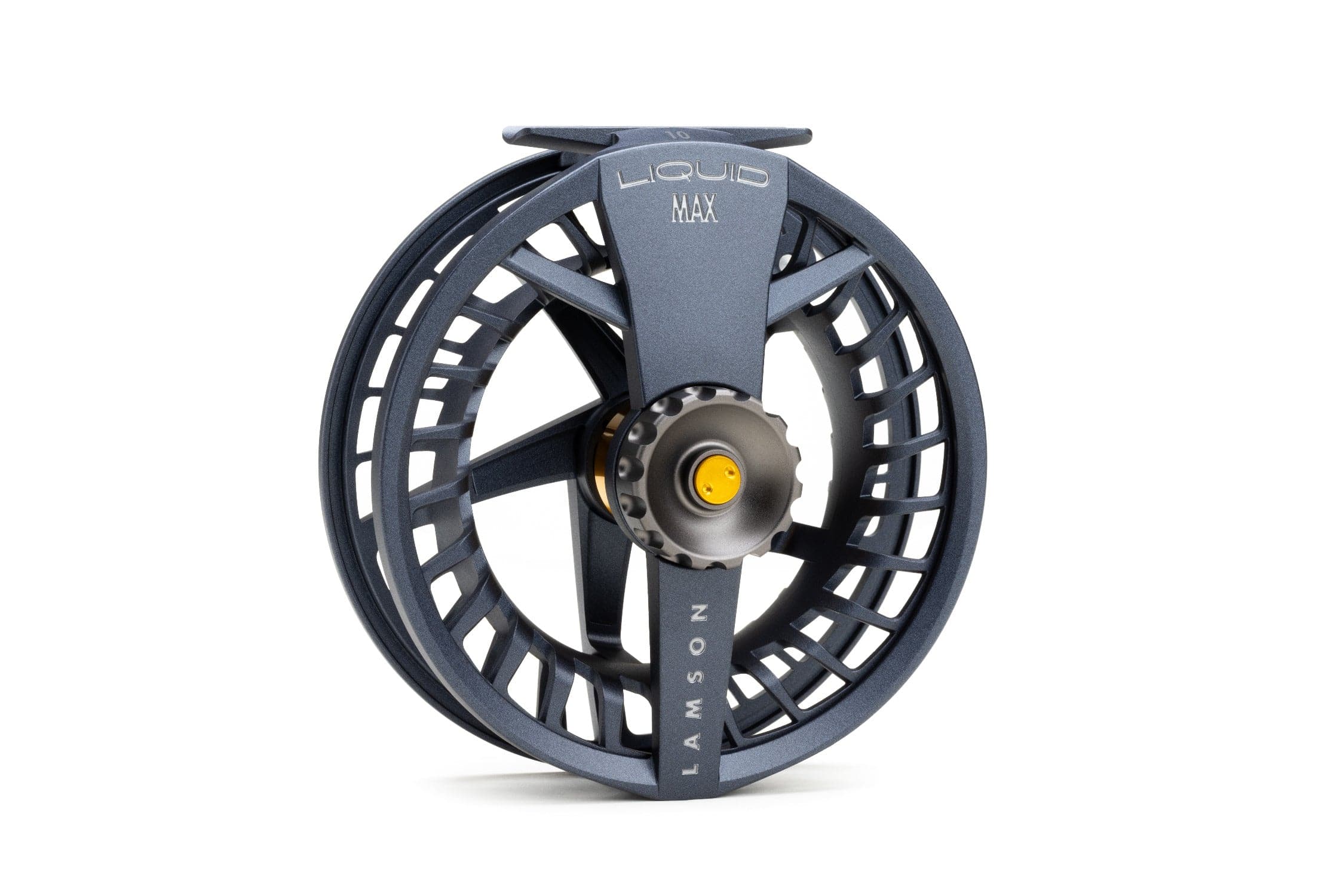
A large arbor spool, like those on the Lamson Centerfire and Hatch Iconic, picks up line quickly when a fish turns toward you or when you are stripping in to recast in a fast-moving blitz. Just as important is how well the reel stands up to salt. Look for machined, anodized aluminum frames and saltwater-safe hardware. Value reels like the Lamson Liquid Max use a pressure-cast and machined build around a sealed drag, which is a sensible trade if you are on a budget.
On-the-Water Tips
Rinse after every trip: Surf and jetty fishing coats reels in salt and fine sand. A gentle rinse with fresh water, then drying the spool and frame separately, does more for reel life than anything else.
Back the drag off for storage: Loosen the drag when you are done for the day so the drag surfaces aren't left under pressure between trips.
Carry a spare spool: Stripers move between the surface and the bottom with the tide. A second spool with a sinking line lets you switch depths quickly when the fish go down.
Keep your drag moderate: Most stripers can be landed with a medium drag setting and good rod angles. Save the heavier settings for big fish pulling toward rocks or structure.
Complete Your Setup
Striped Bass Fly Rods - Fast 8-10wt rods built to cast big flies and sinking lines into the wind.
Striped Bass Flies - Clousers, Deceivers, sand eels and topwater patterns for every part of the season.
Fly Line Backing - Dacron and gel spun backing to fill the spool behind your striper line.
Fly Fishing Leaders - Stout saltwater leaders that turn over bulky flies and stand up to abrasion.
Striped Bass Fly Reels FAQs
Q: What size fly reel do I need for striped bass?
A: Match the reel to an 8-10wt rod. A 9wt outfit is the most versatile choice for most beaches, estuaries and boat fishing, while an 8wt suits smaller fish in calm water and a 10wt handles big flies and heavy sinking lines.
Q: Do I need a sealed drag for stripers?
A: It is strongly recommended. Striper reels see sand, salt spray and the occasional dunking in the wash, and a sealed drag keeps that out of the drag system. Most of the reels on this page are built around sealed, saltwater-ready drags.
Q: How much backing should I put on a striper reel?
A: 150-200 yards of 20 or 30lb backing is plenty for most striped bass fishing. If you also plan to use the reel for false albacore or bonito, fill the spool as fully as your line allows.
Q: Can I use a striped bass reel for other species?
A: Yes. A good 8-10wt saltwater reel crosses over well to redfish, snook, bonefish, false albacore and even big freshwater fish like pike, so it is often the most-used reel in a saltwater angler's lineup.