






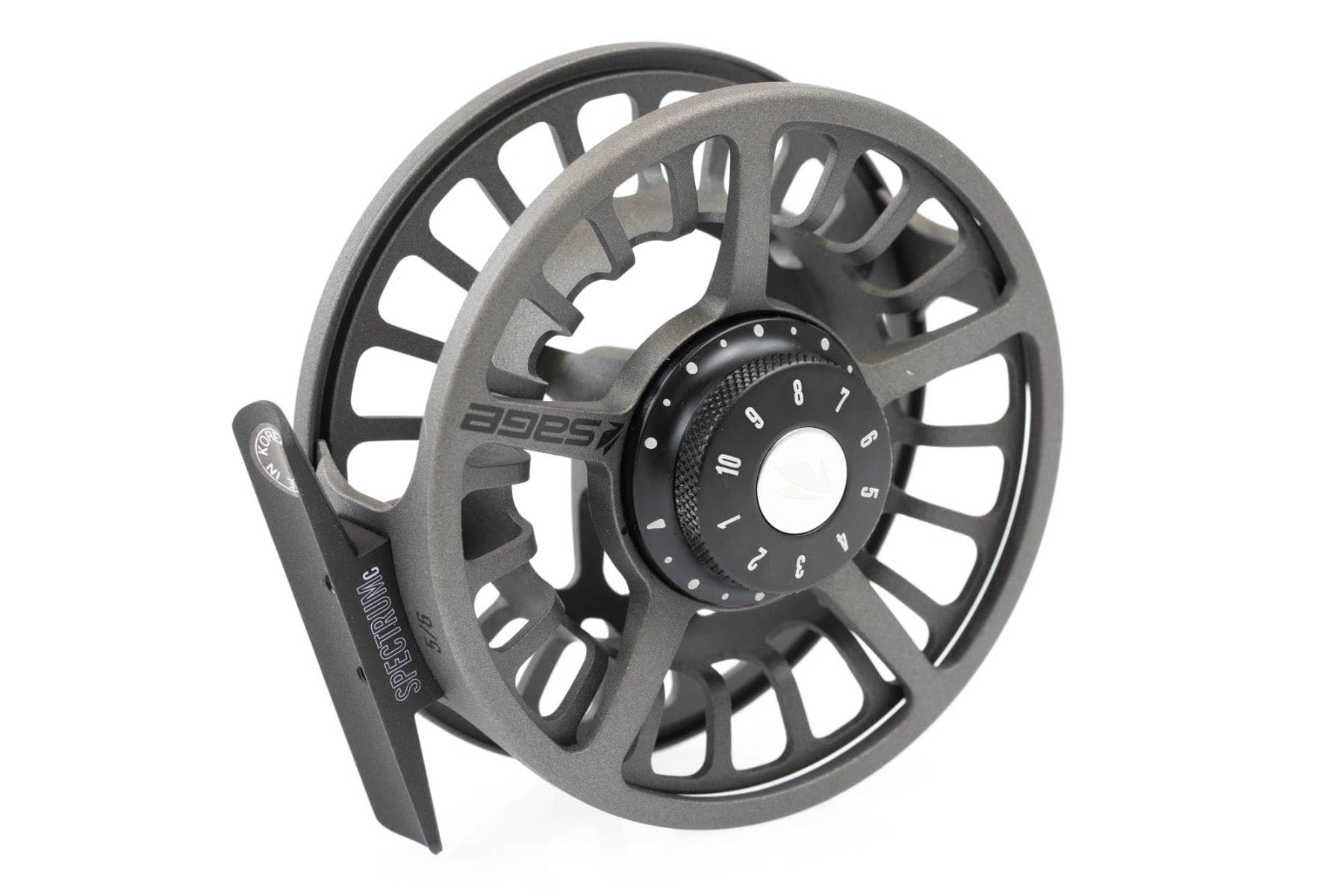
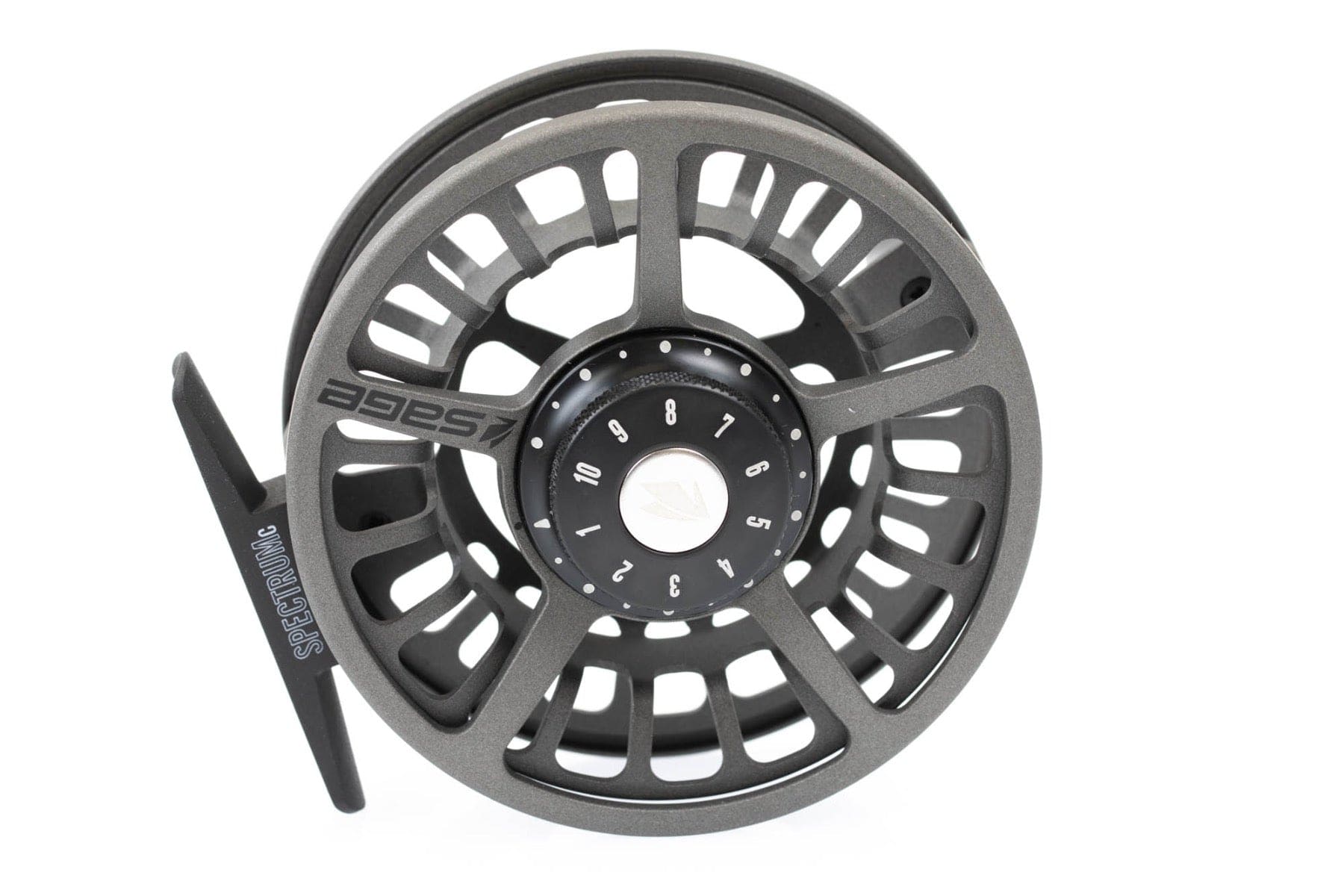
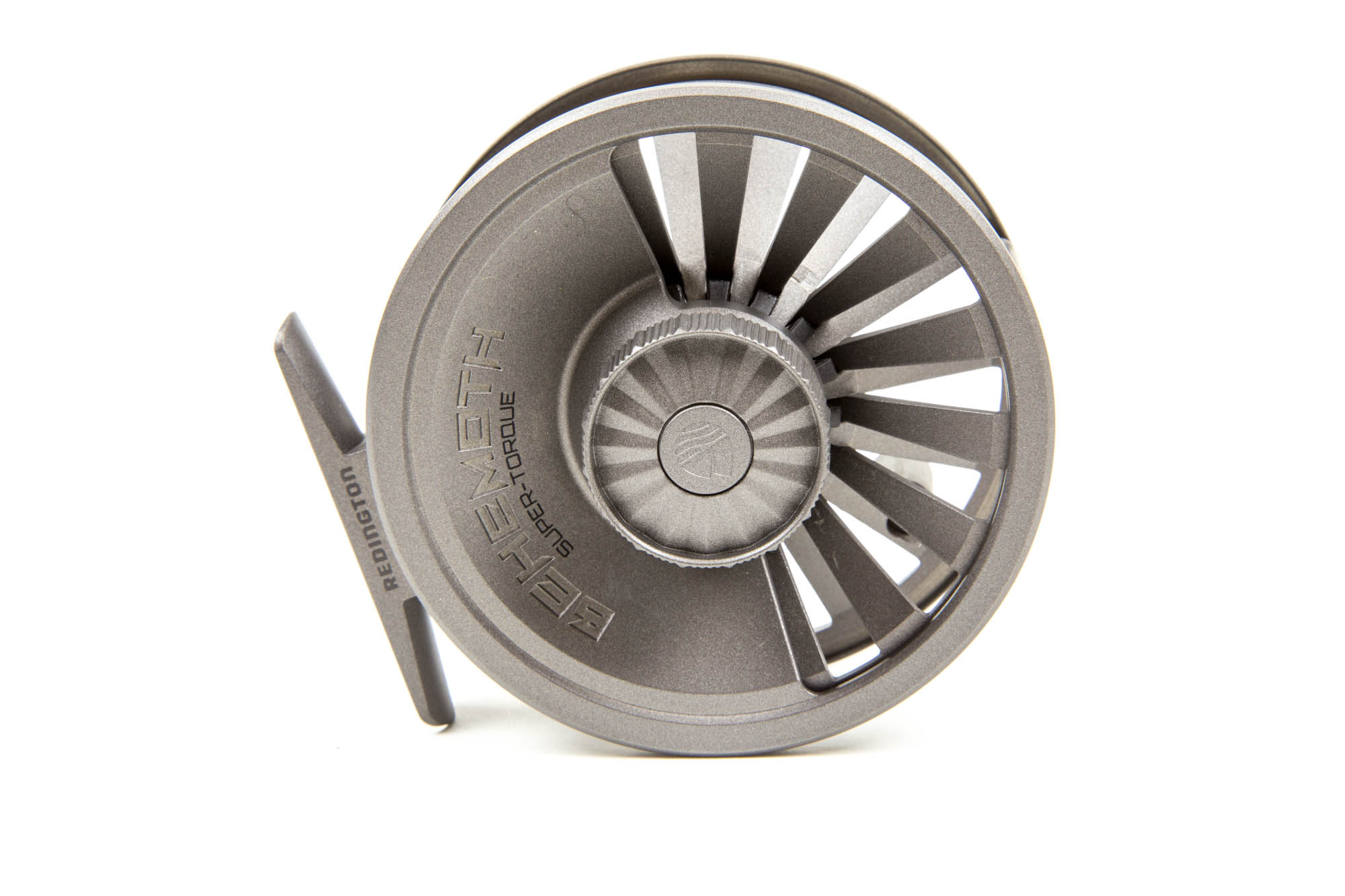
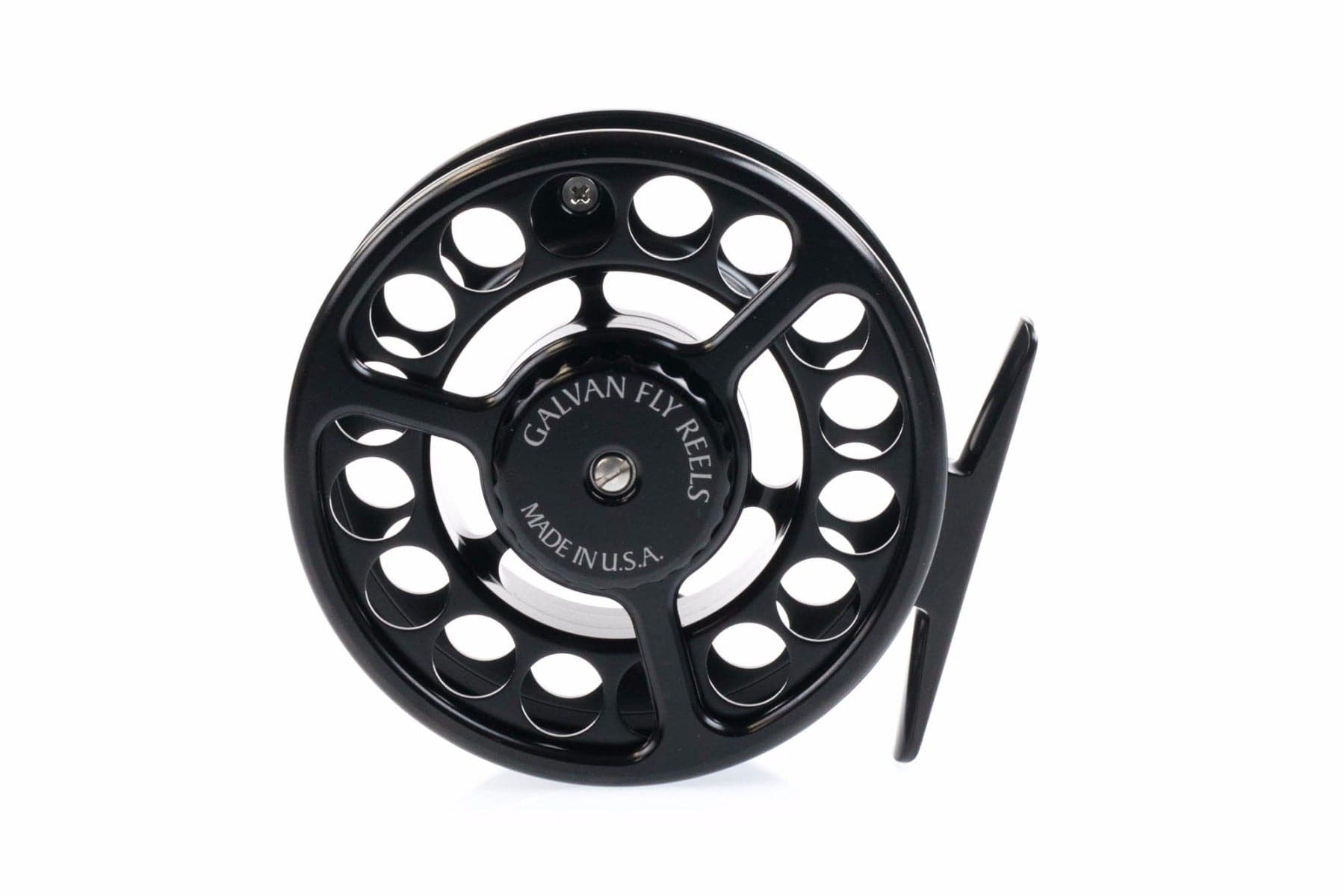
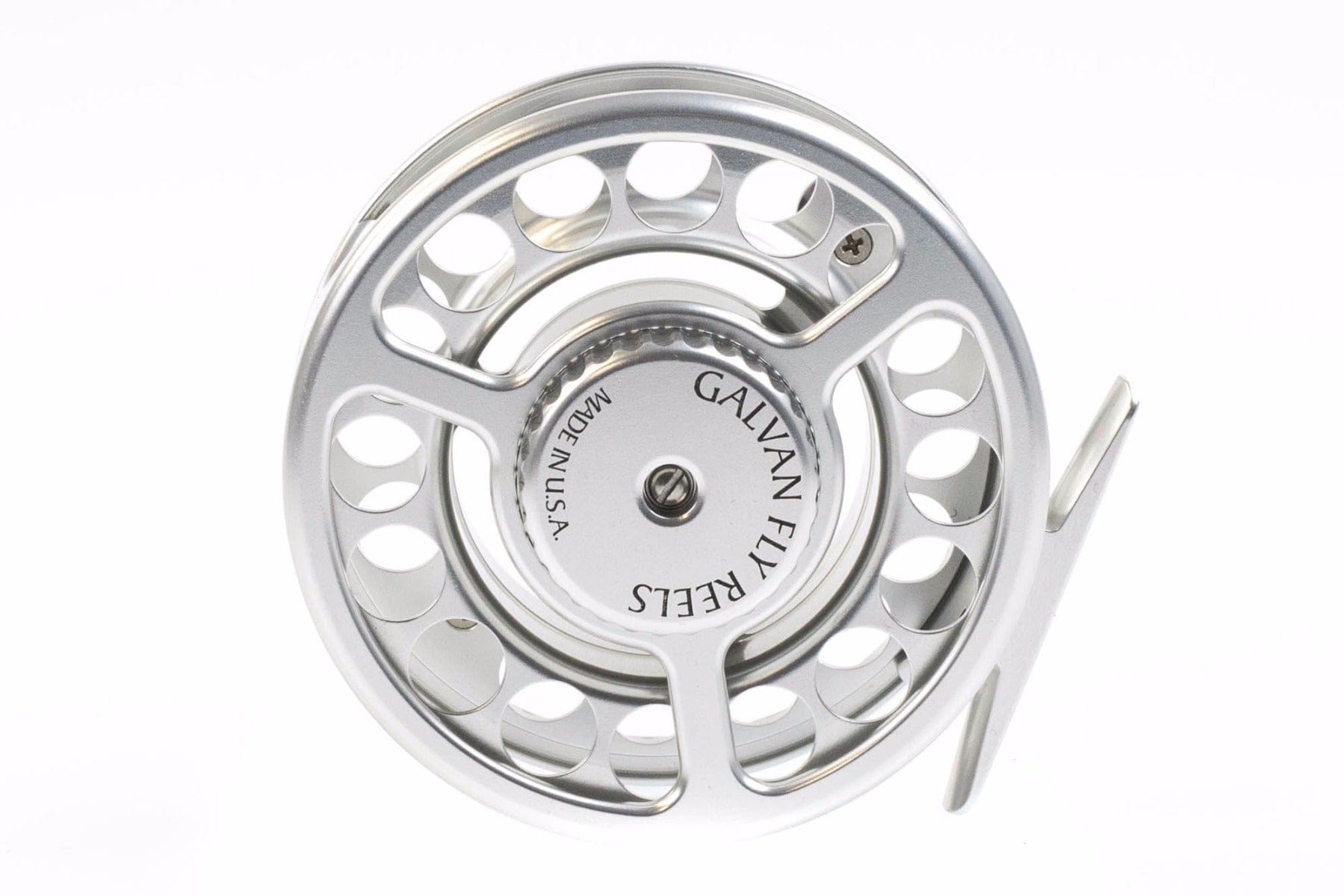
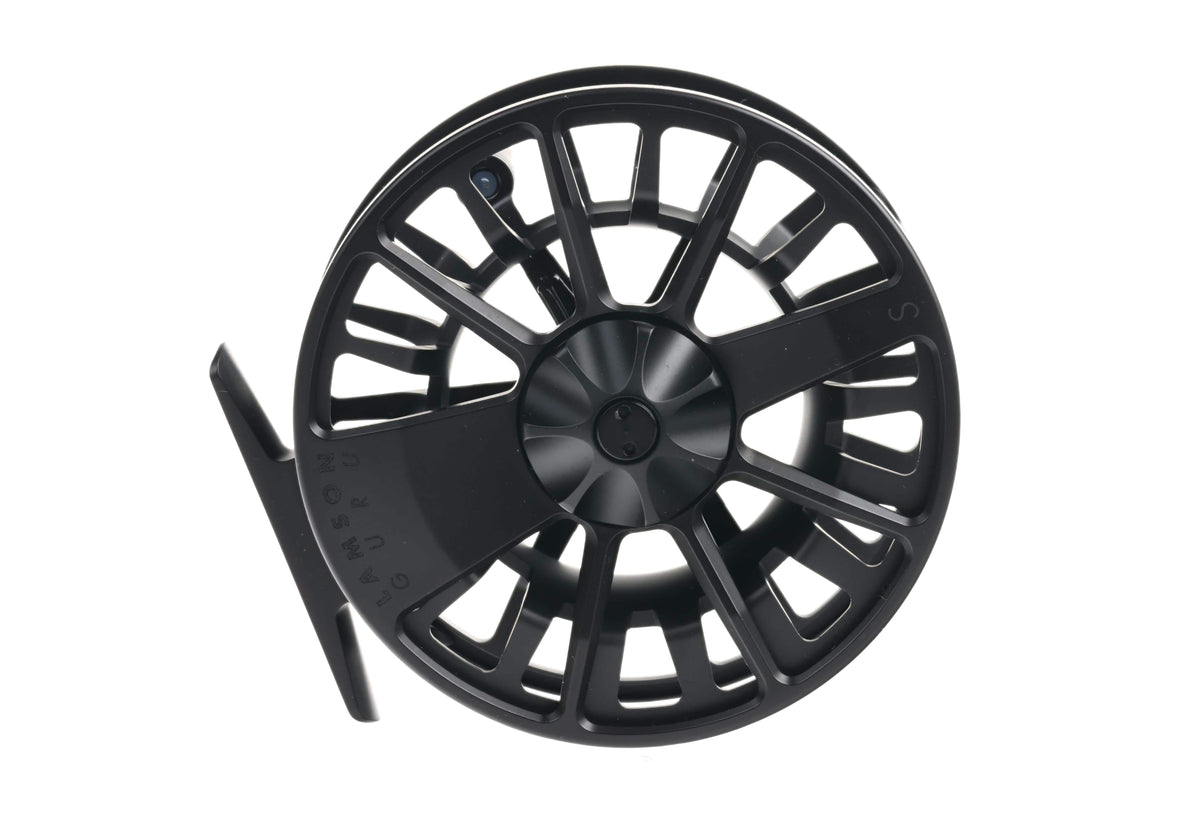
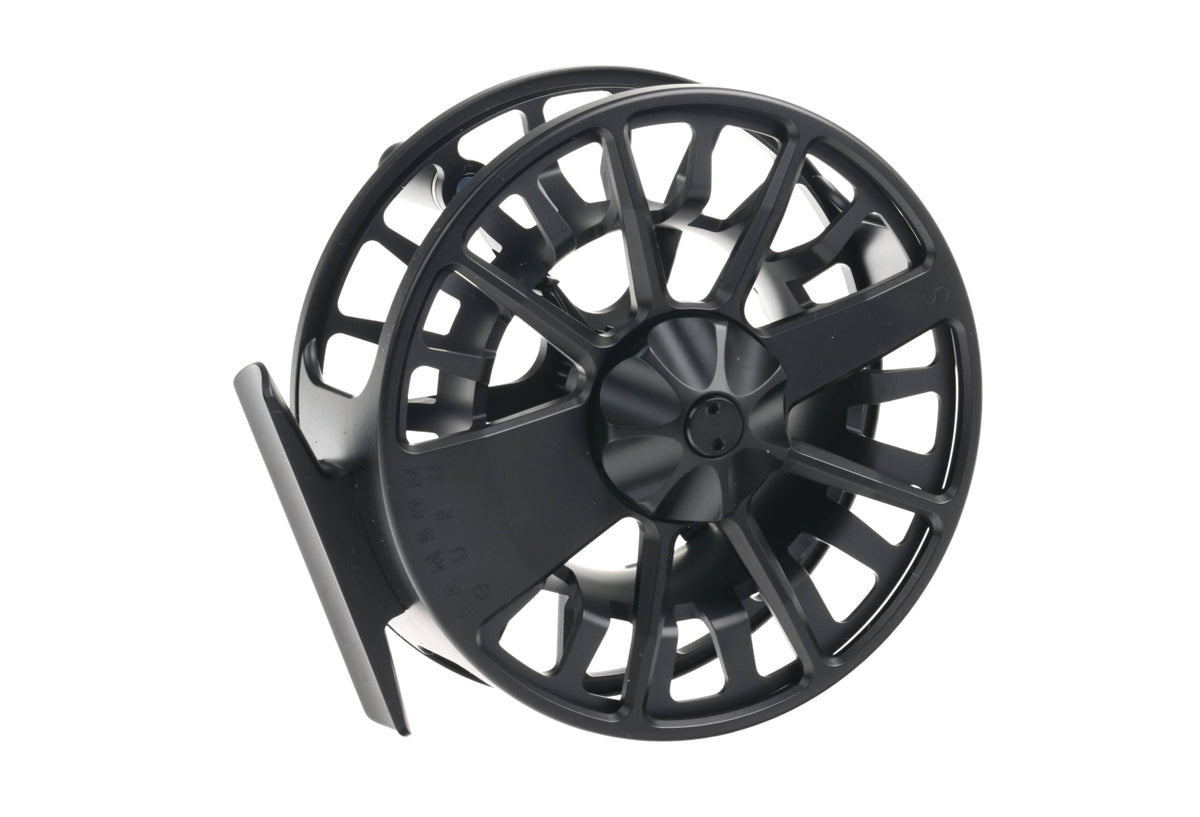
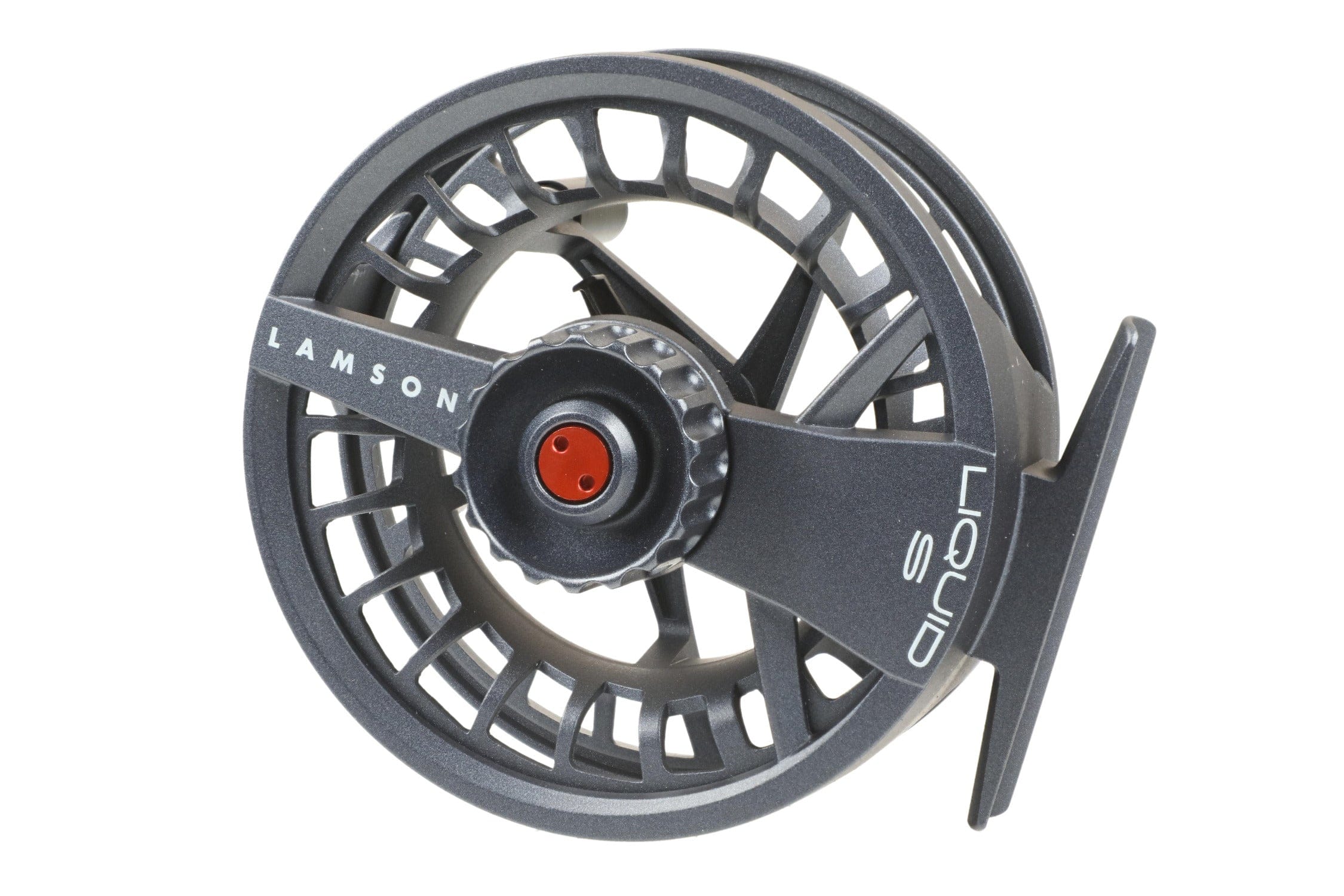
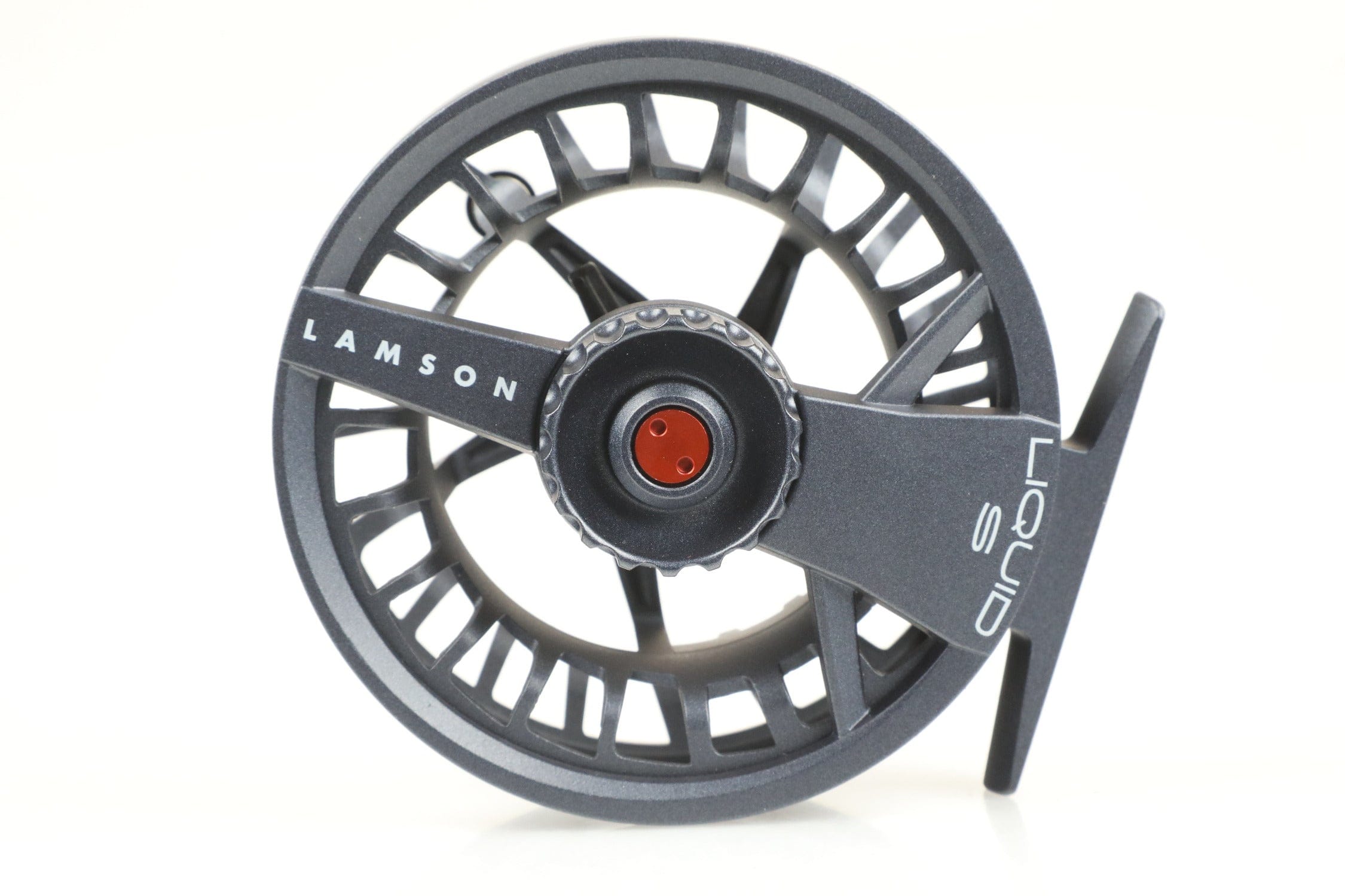


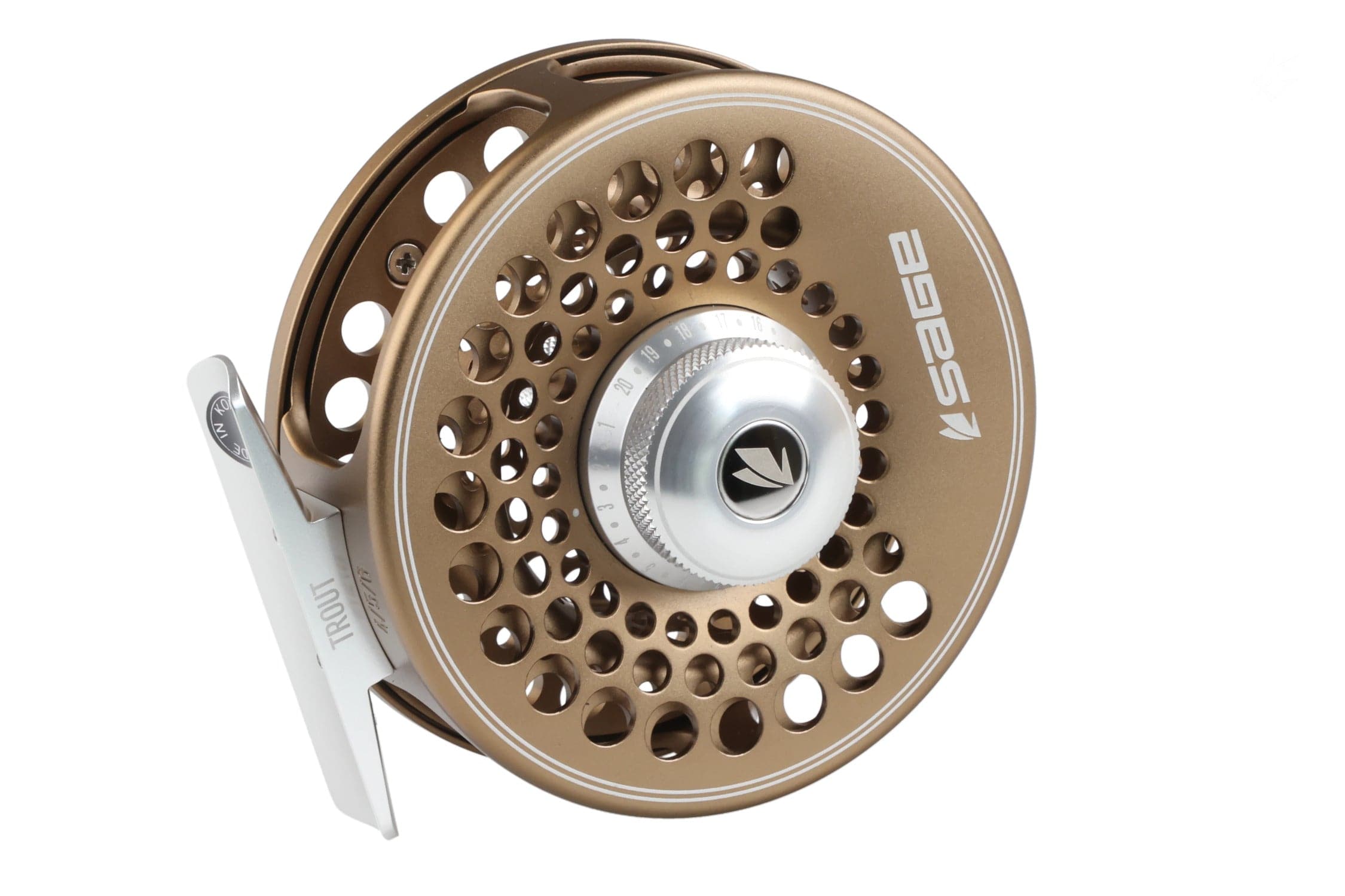


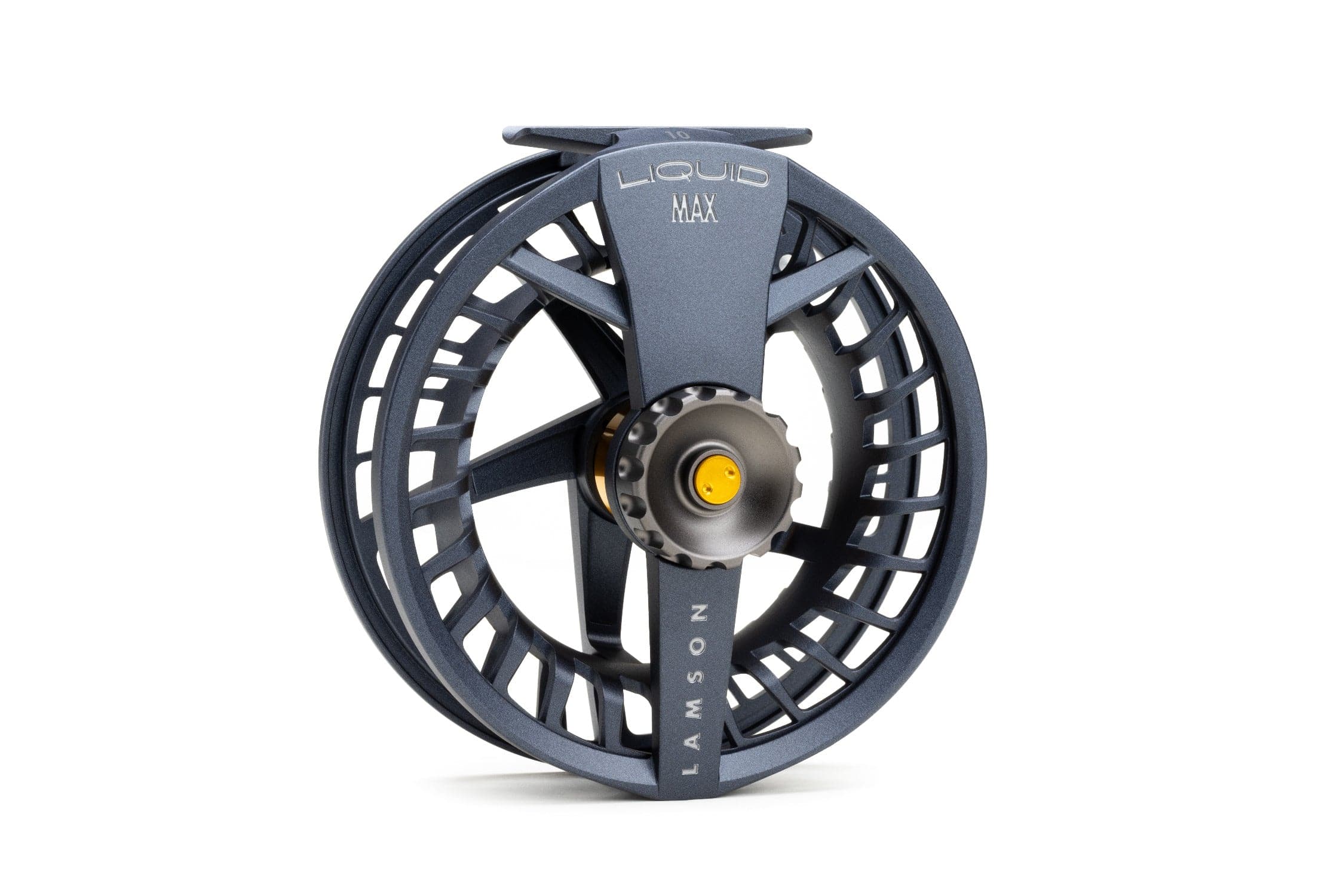
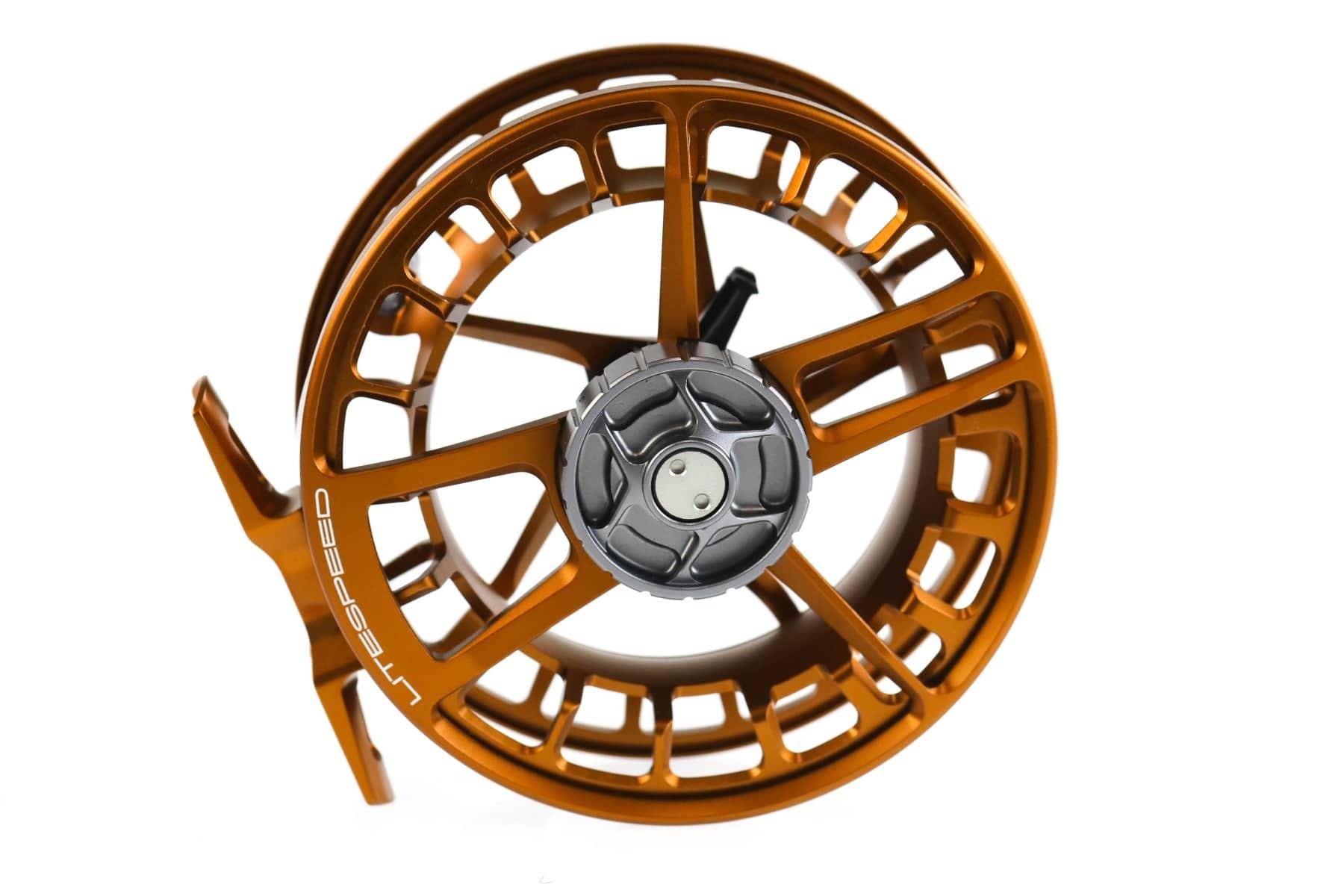
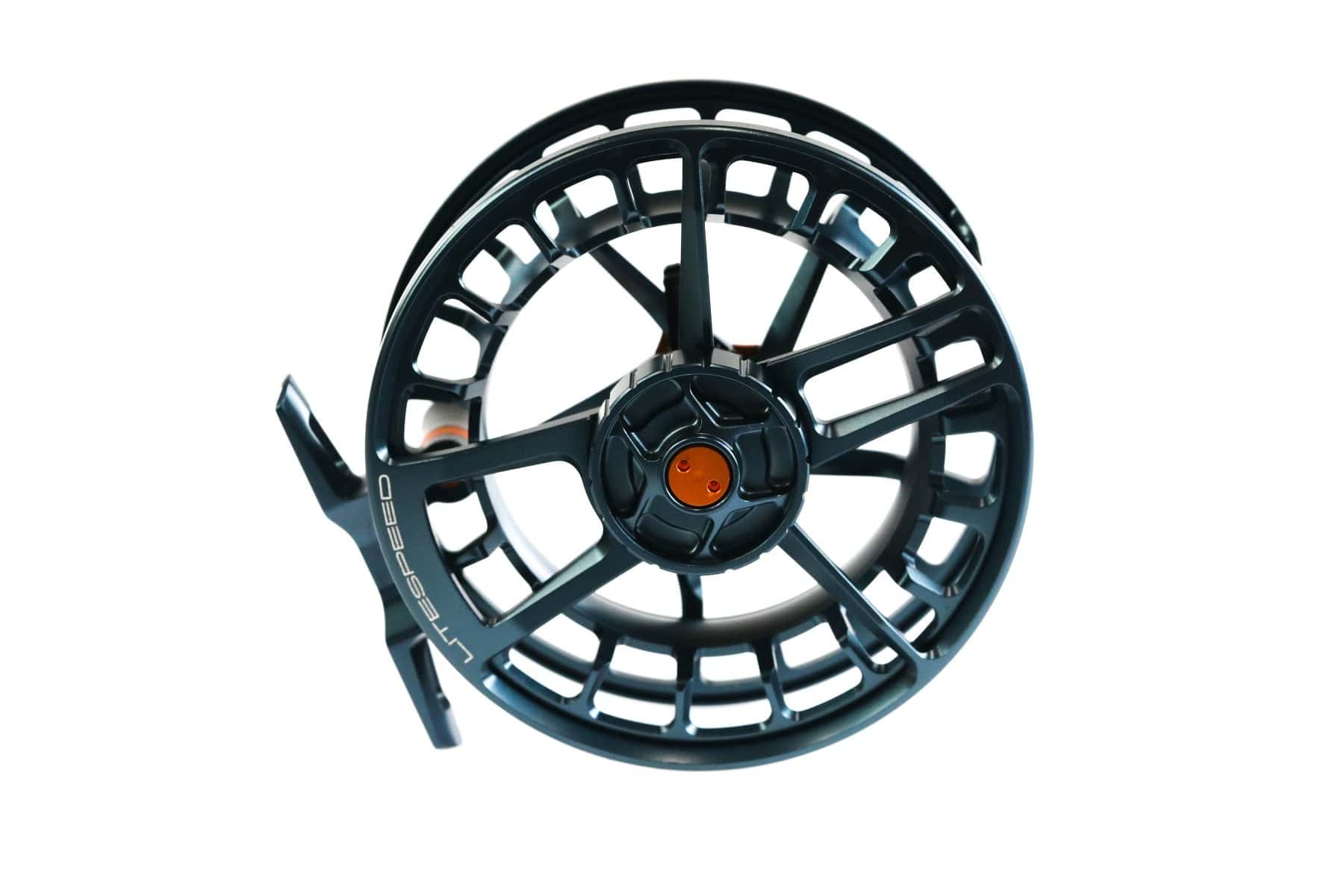
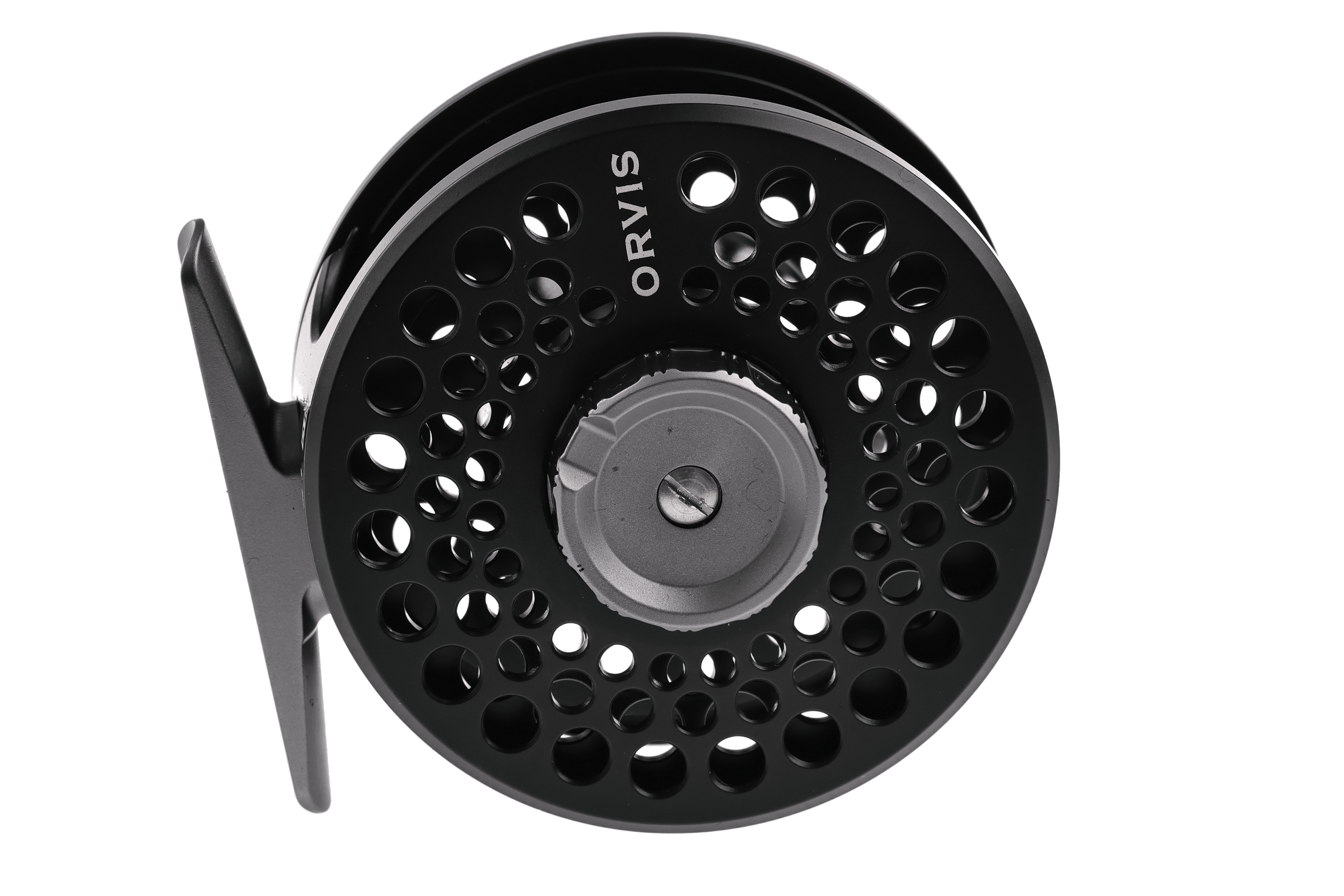
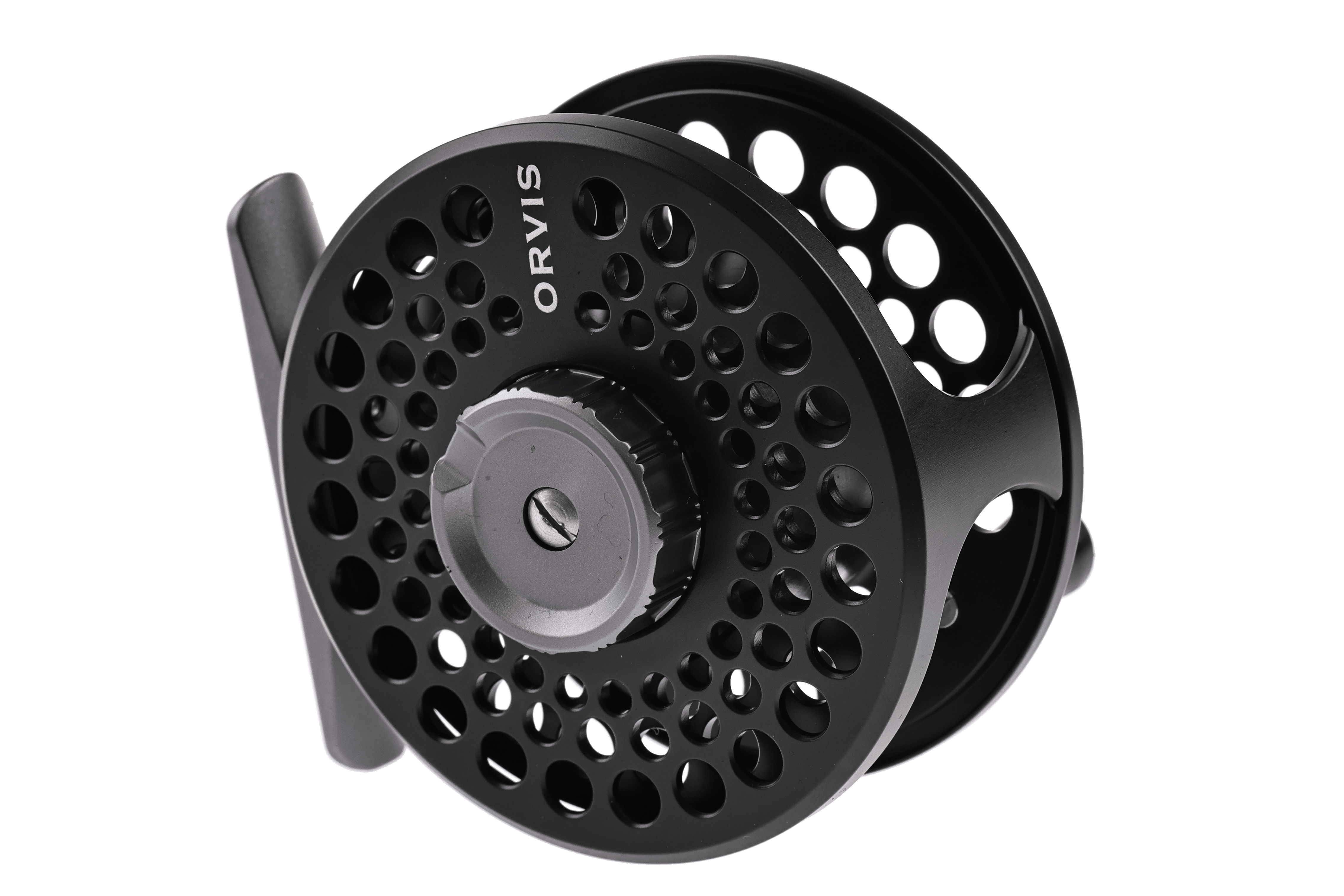


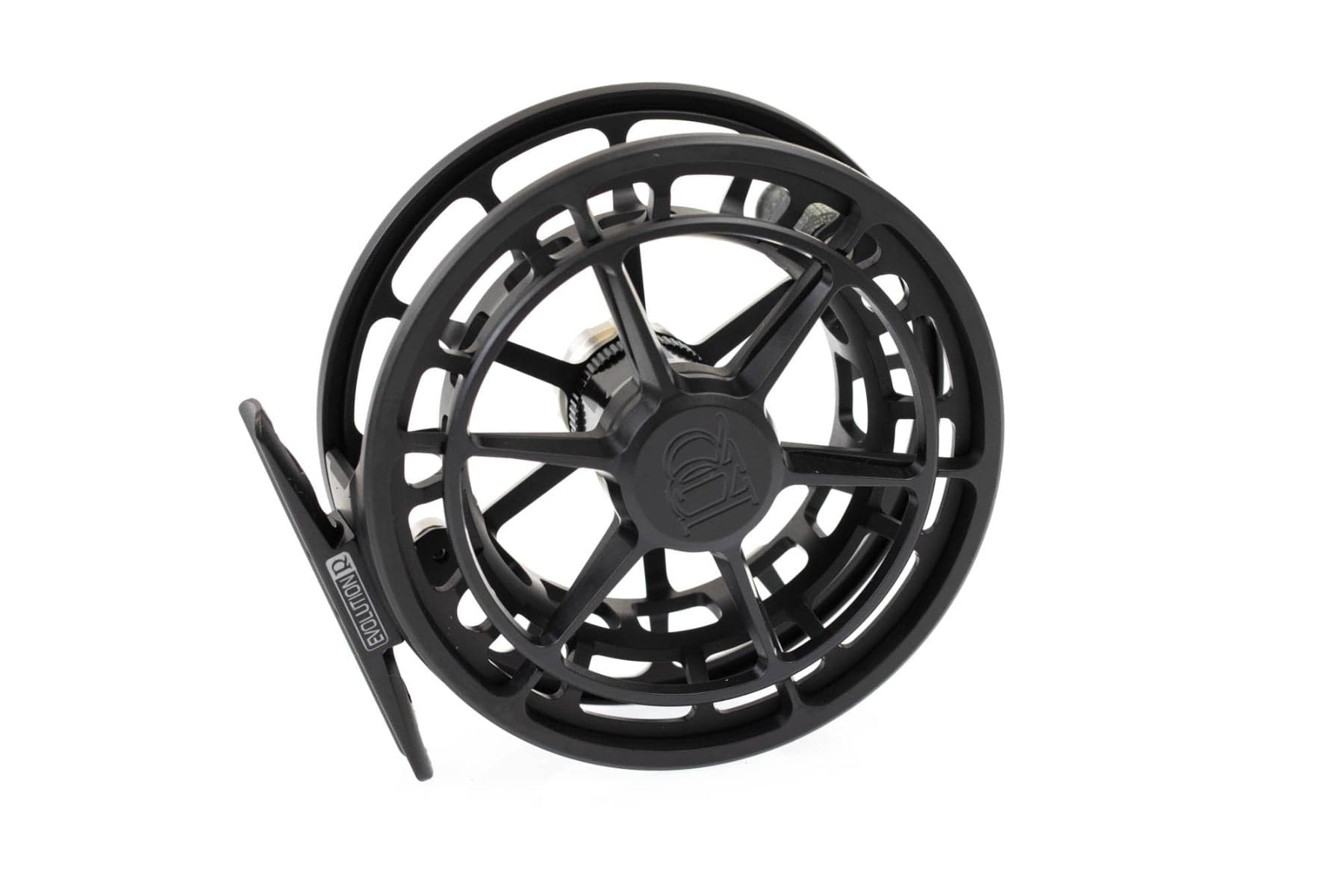


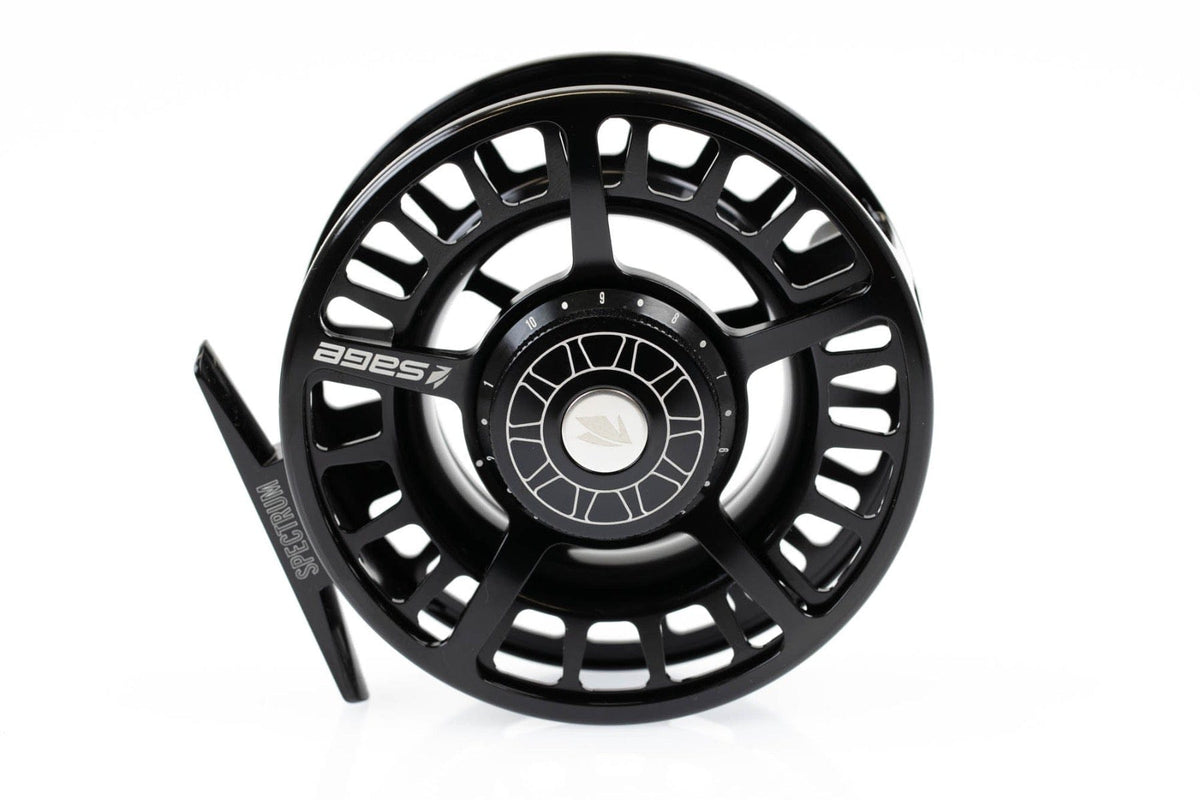


Shop carp fly reels: reels with smooth, low-startup drags that protect light tippet when a carp makes its first long run.
Carp Fly Reels Quick Picks
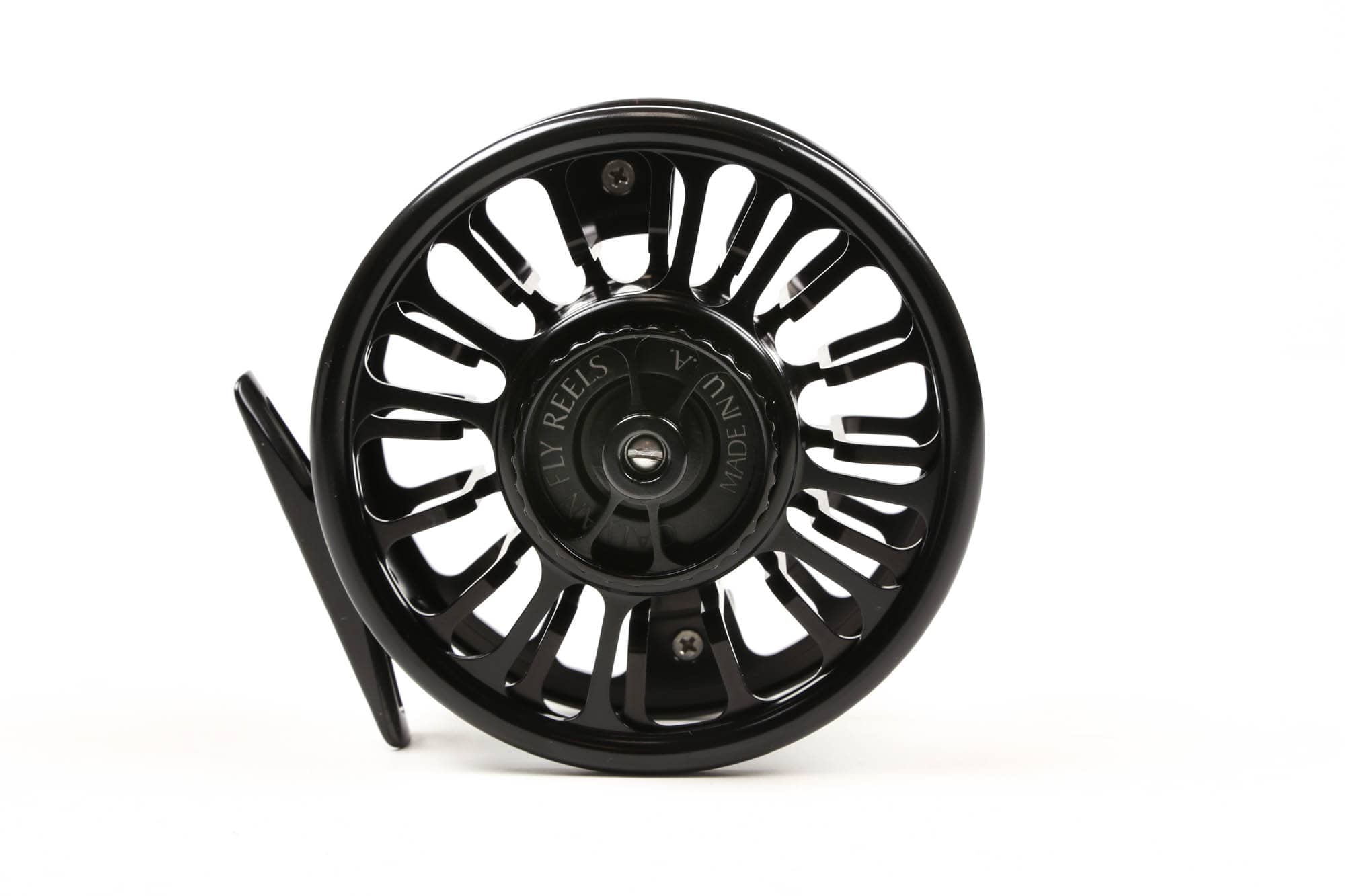
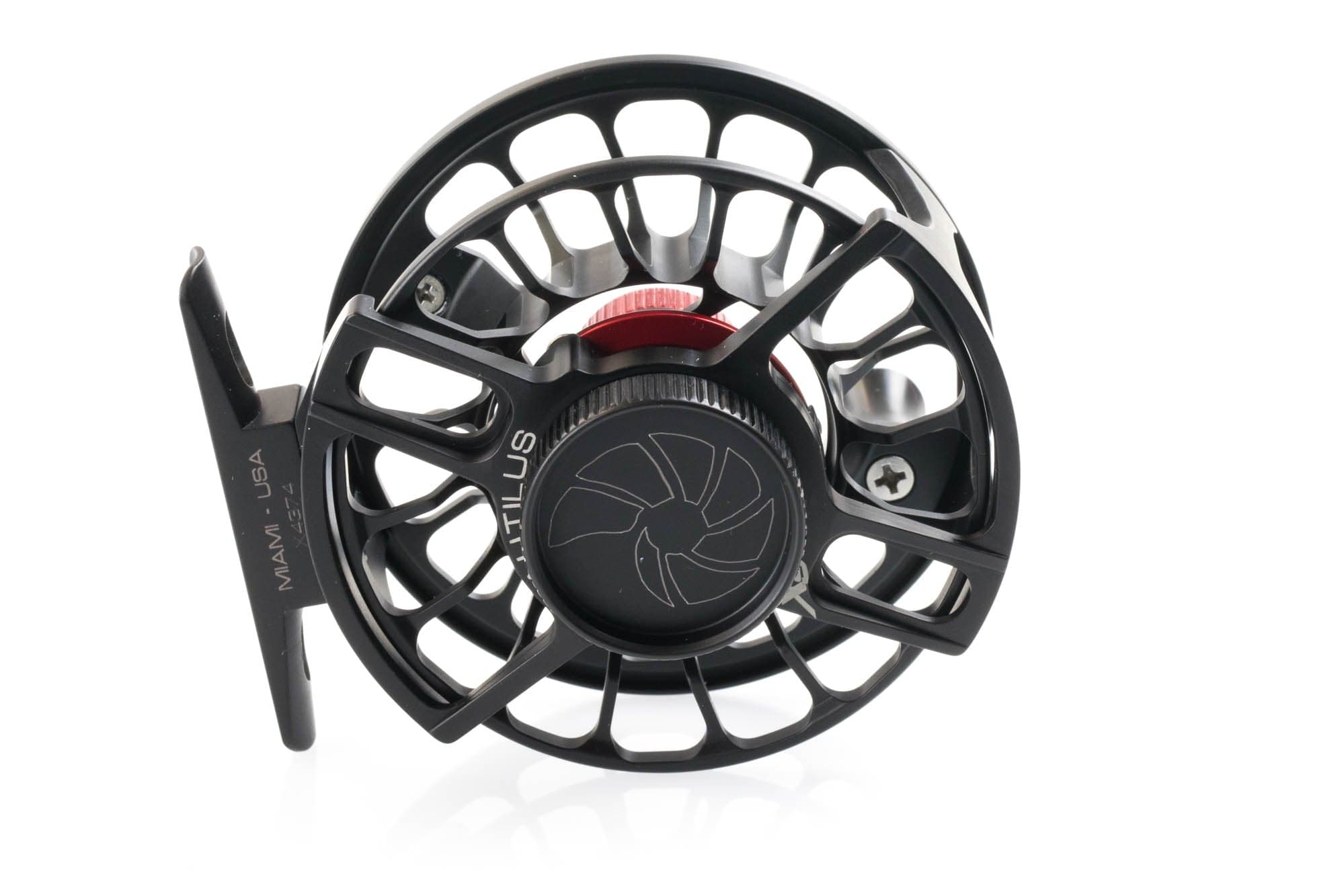
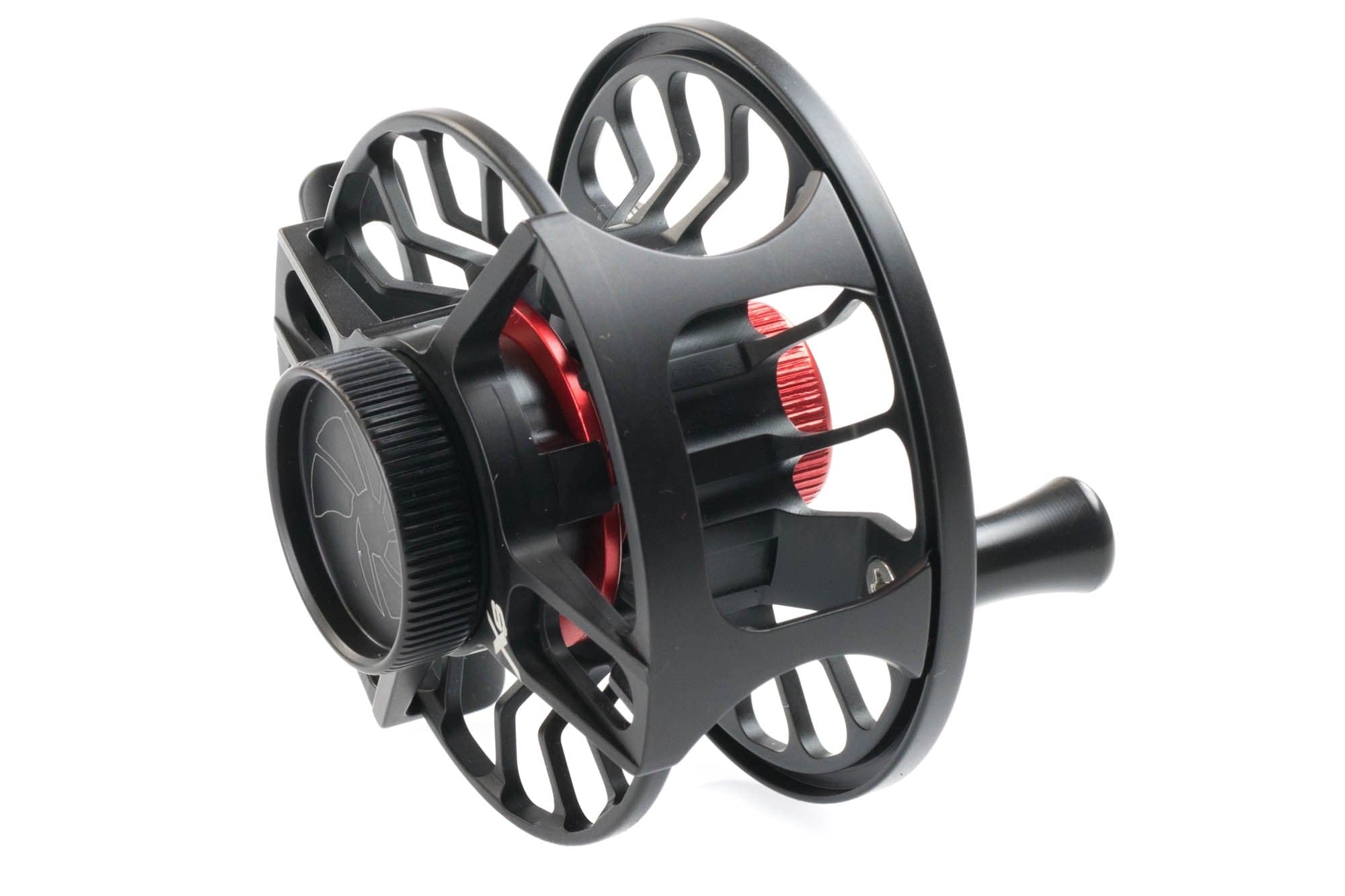
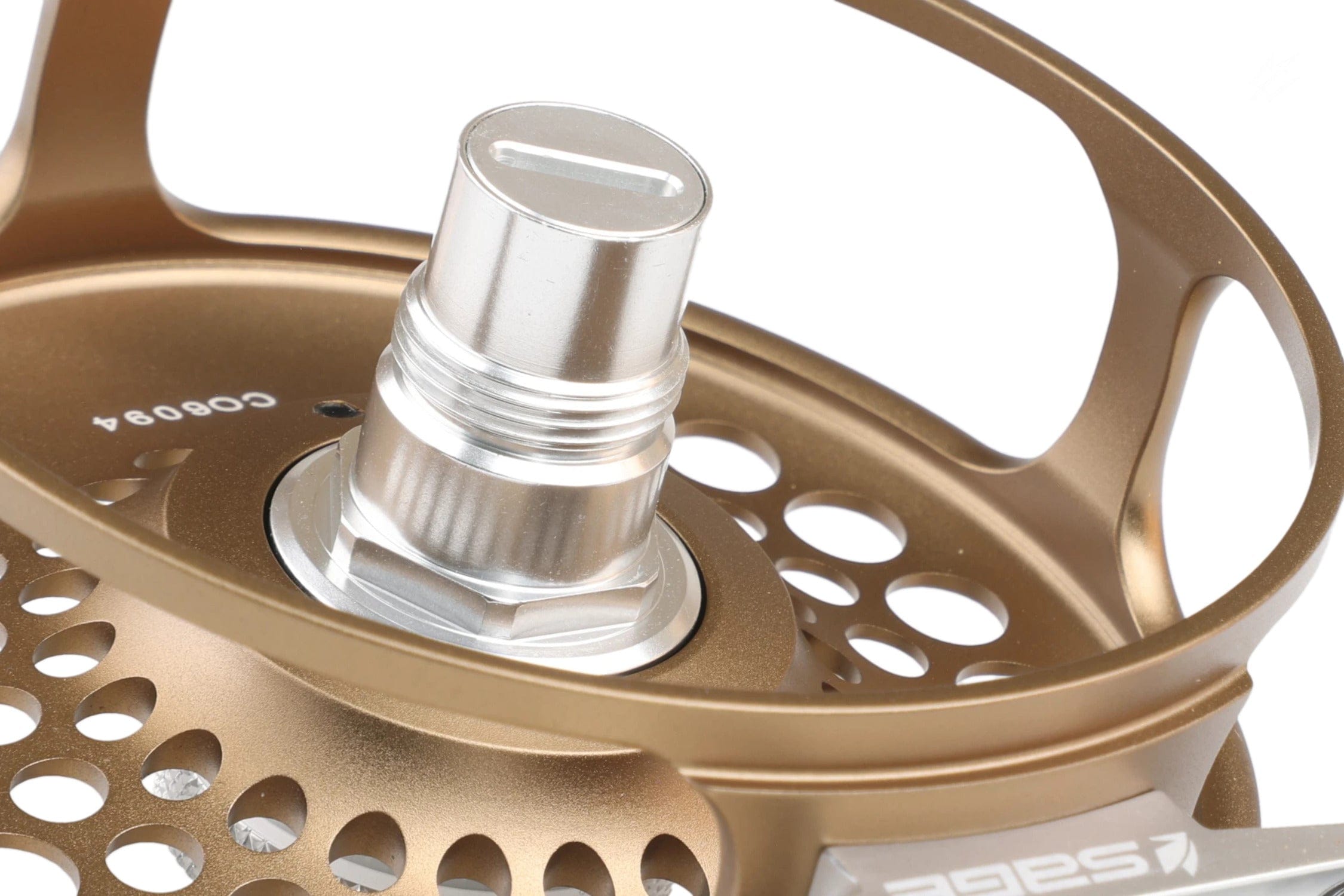
Best premium lightweight reel: Nautilus X-Series Fly Reel - An open spool design and ultra-large arbor keep weight down, and the sealed disc drag means the larger models can head to saltwater flats as well as carp flats.
Best all-around carp reel: Orvis Hydros Fly Reel - The updated Hydros adds a redesigned end-to-end sealed drag and a larger arbor, with options for 3 through 9 weight rods. Orvis even lists springtime carp on the flats among the fish it was built for.
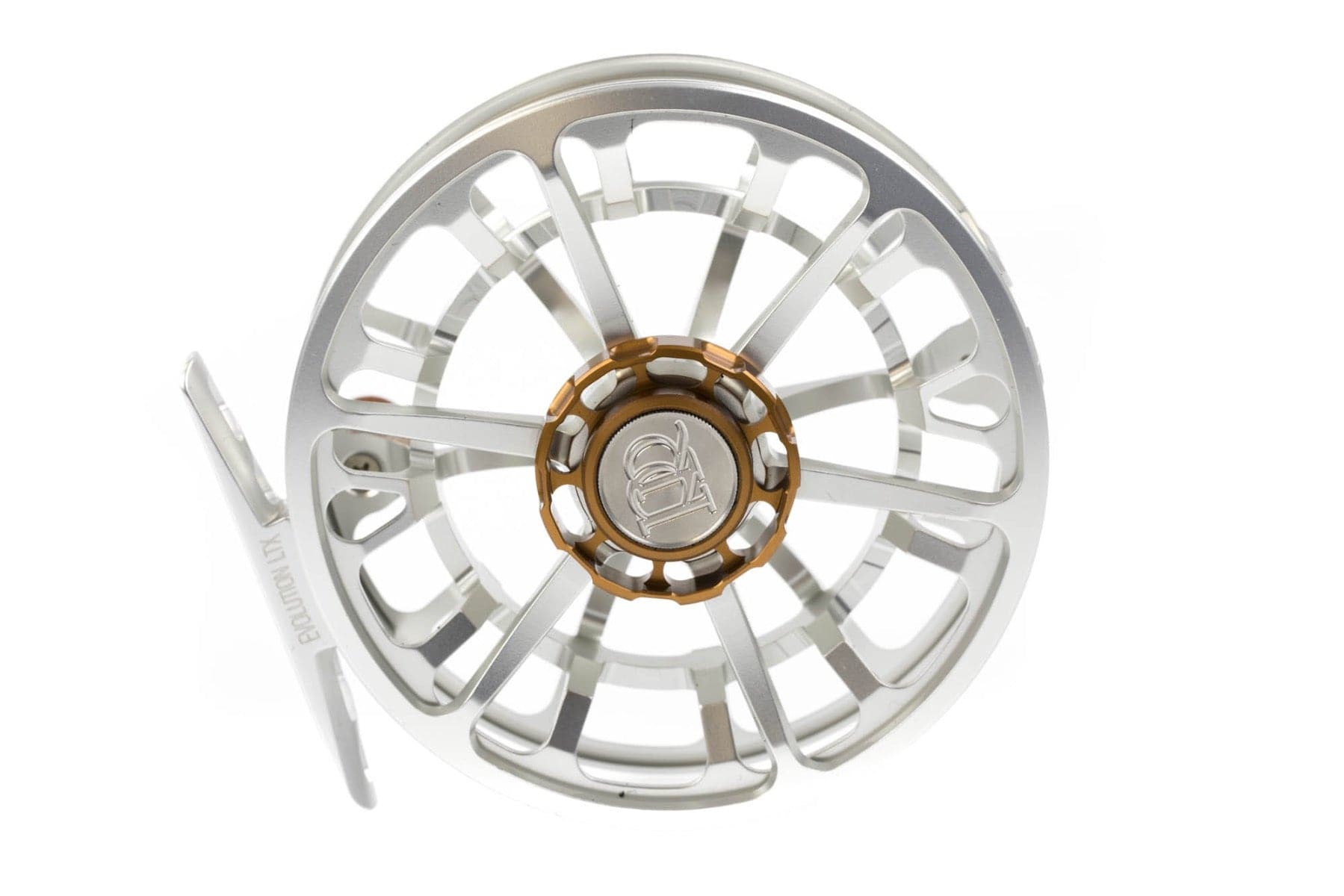
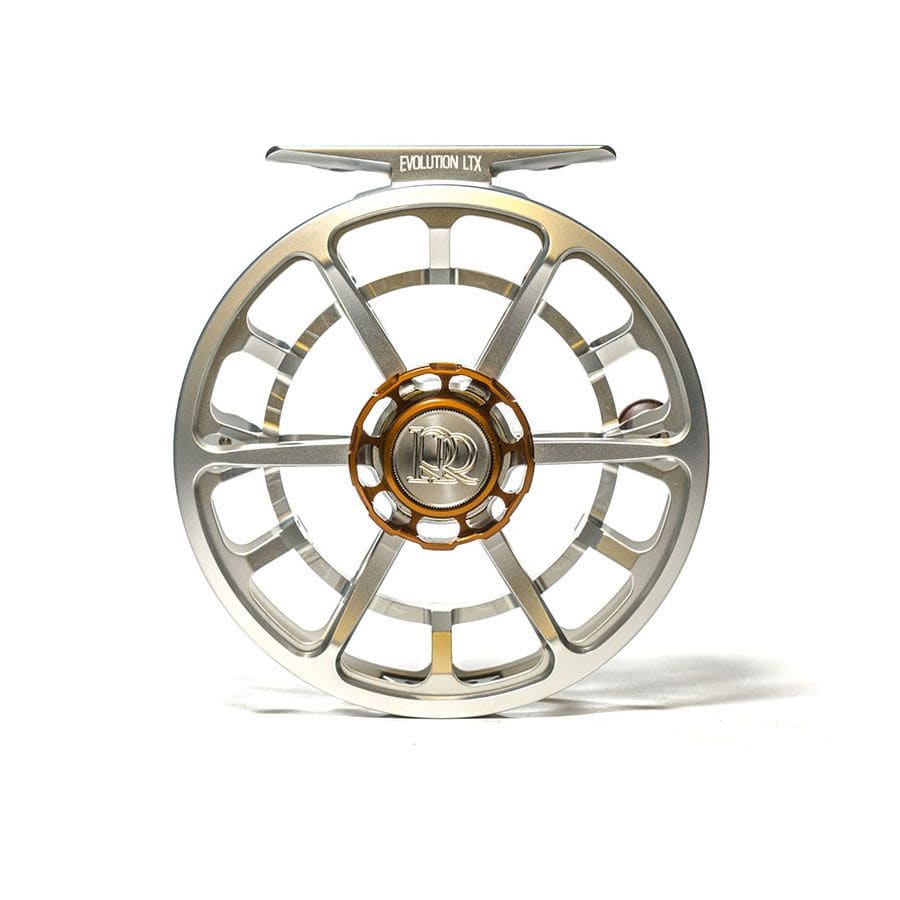
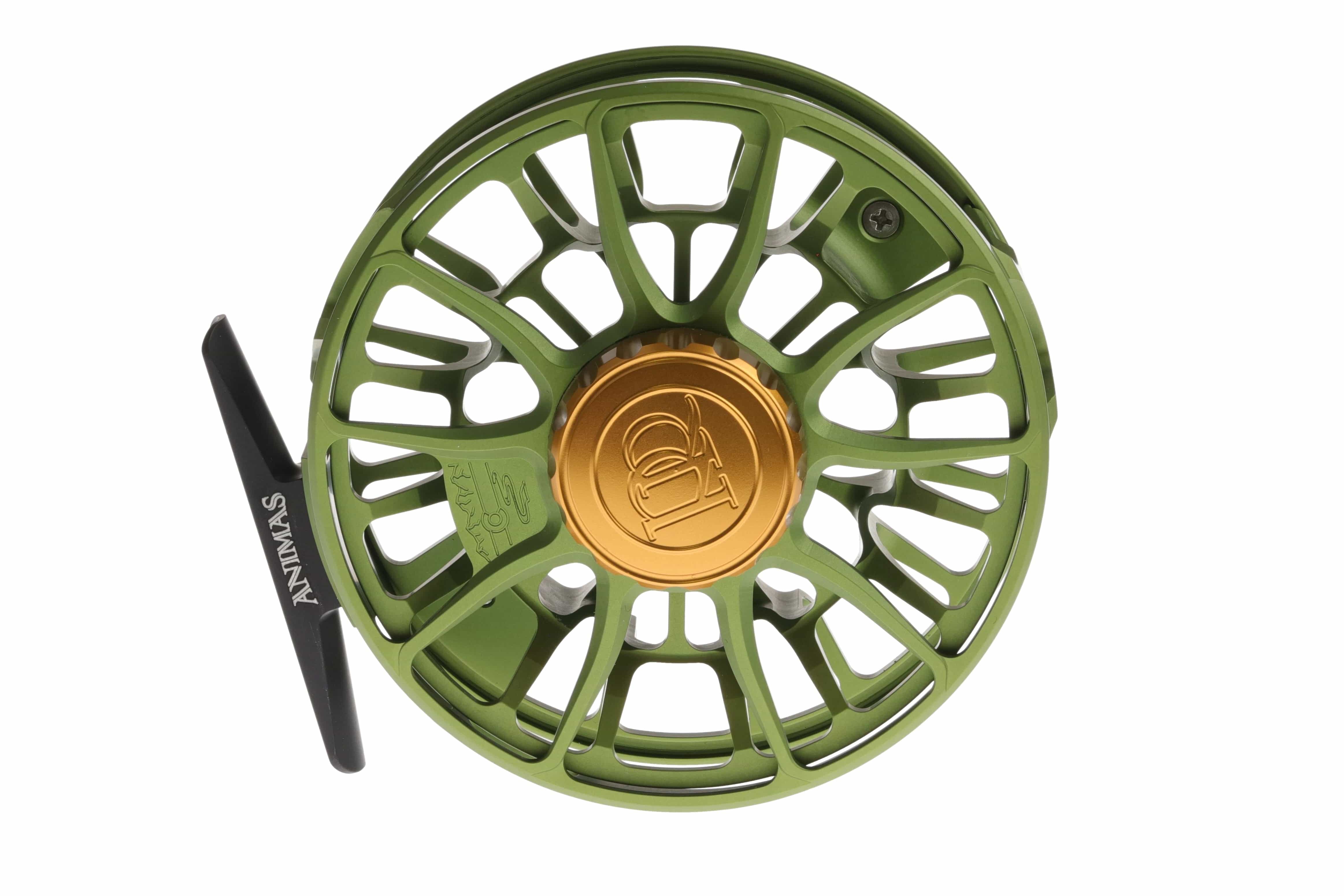
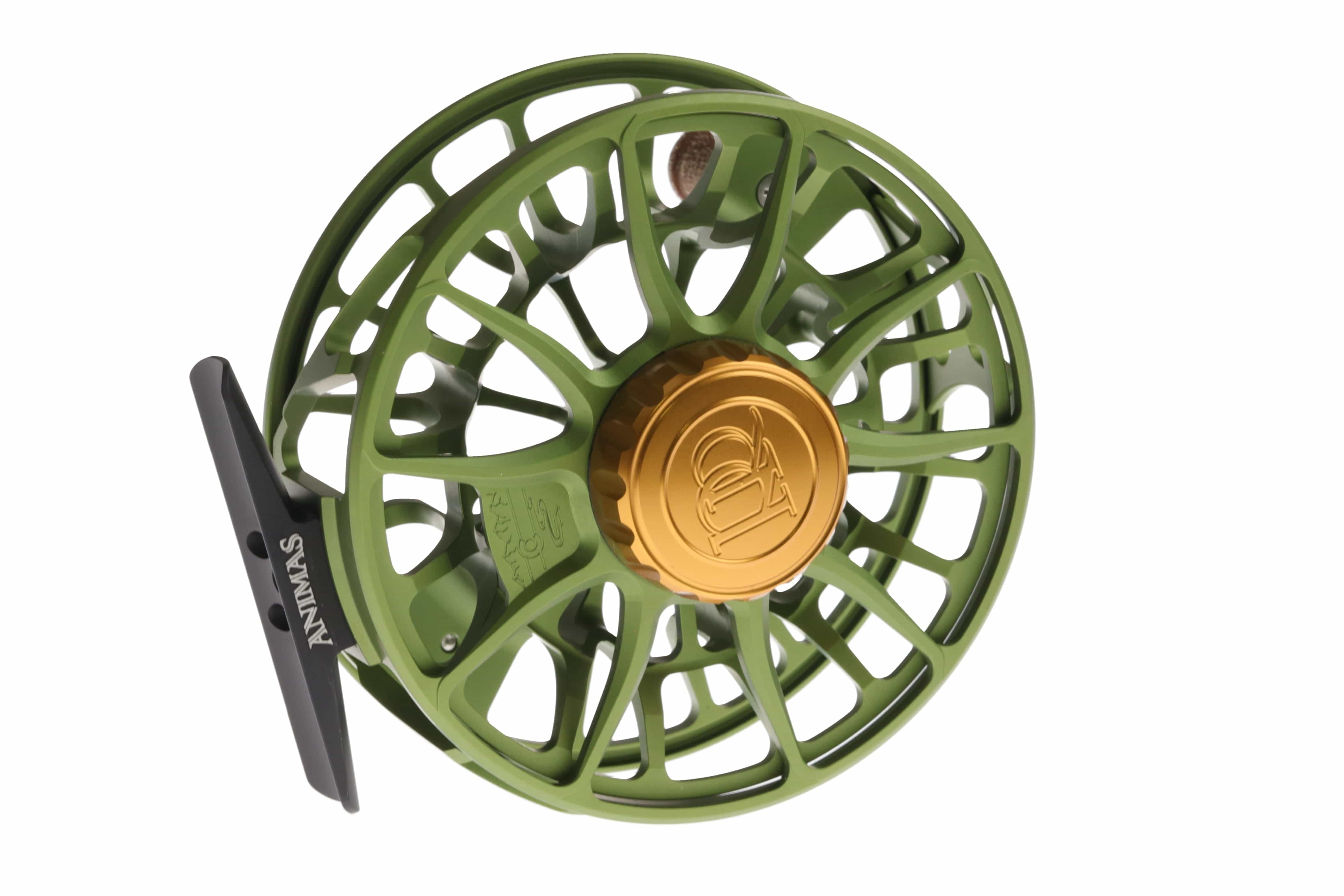
Best mid-priced reel with a proven drag: Ross Animas Fly Reel - Ross uses the same drag system found on its high-end reels, paired with a ported frame and a bell-shaped spool that makes fighting fish more efficient.
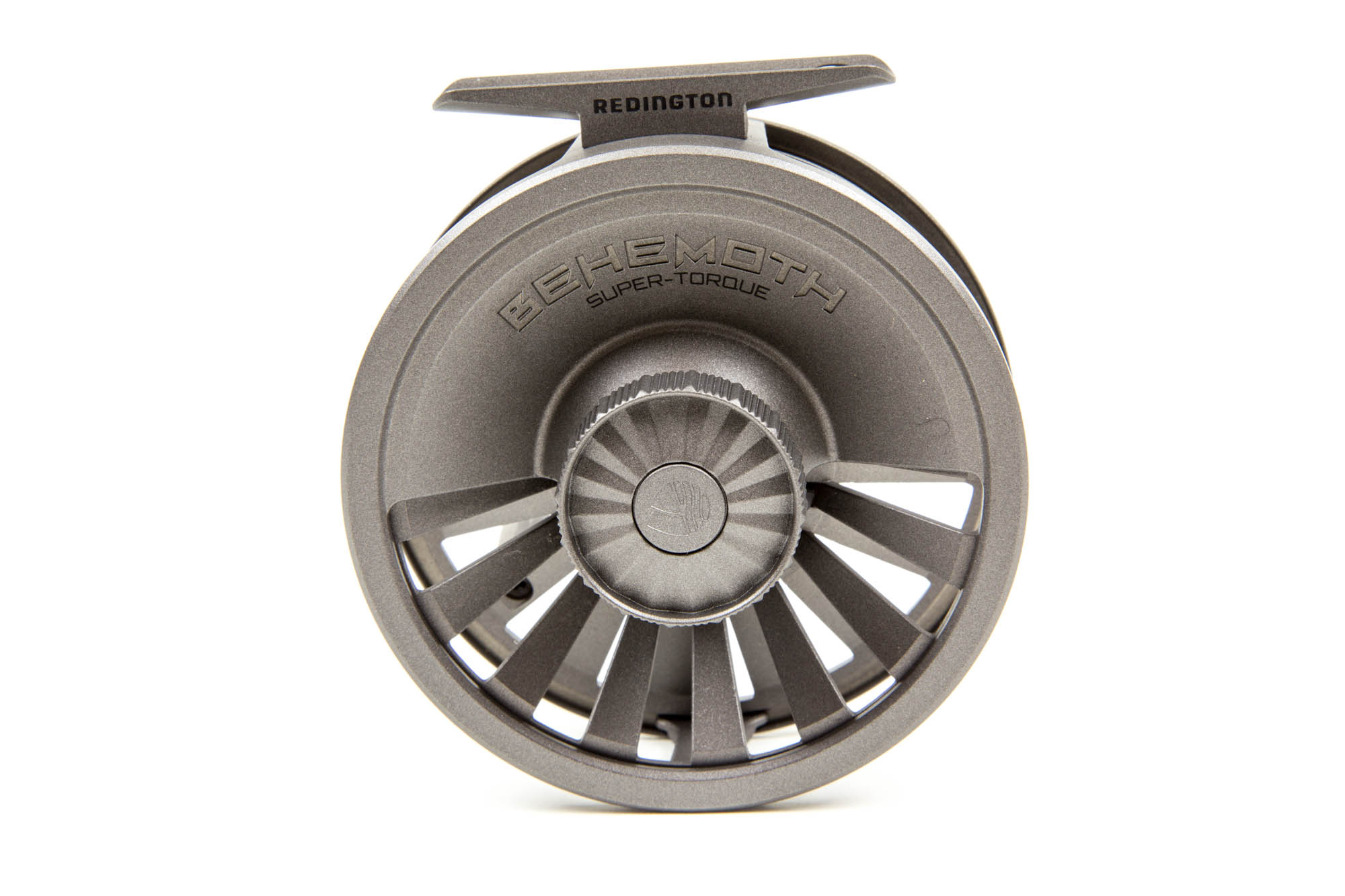
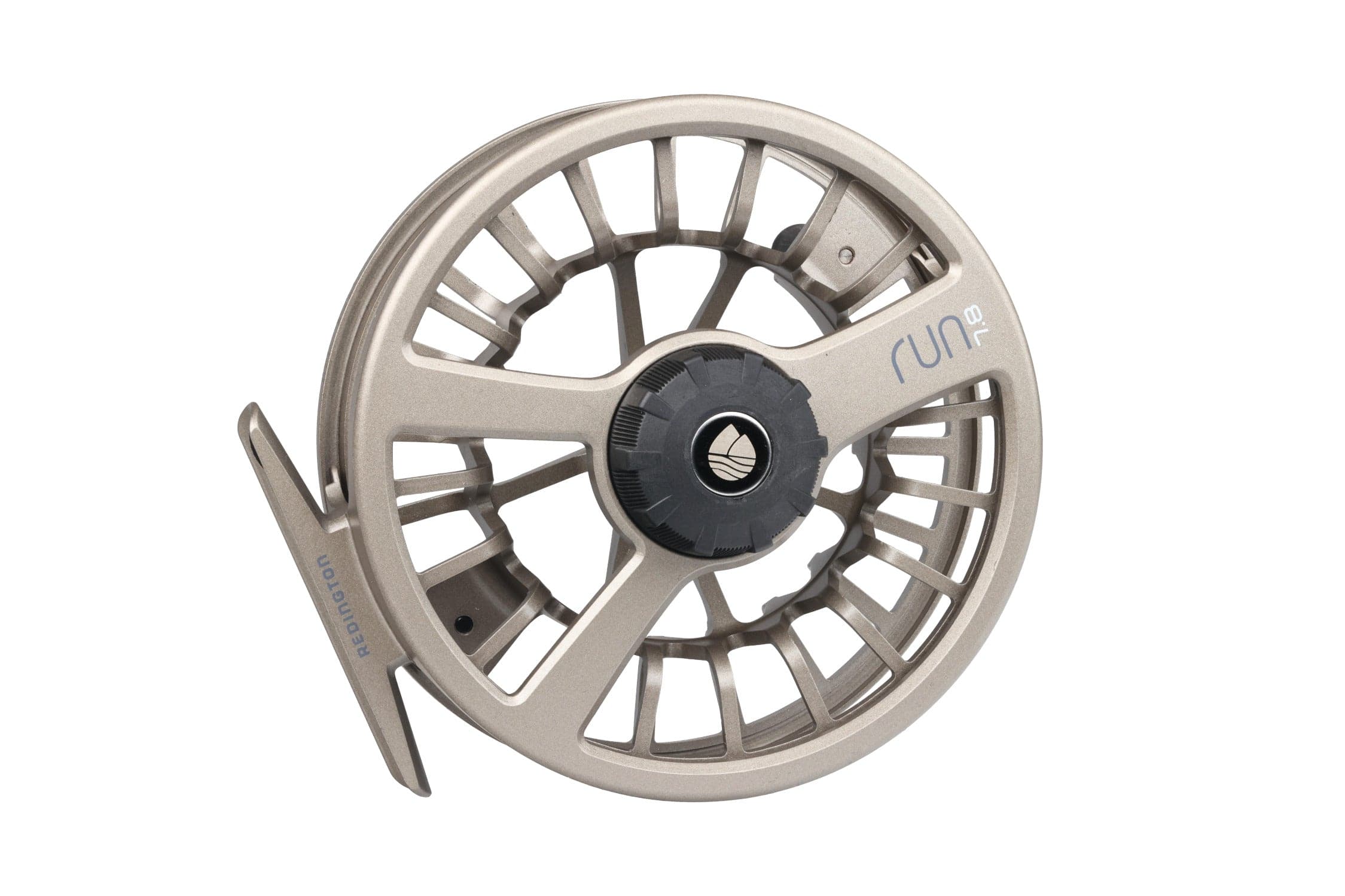
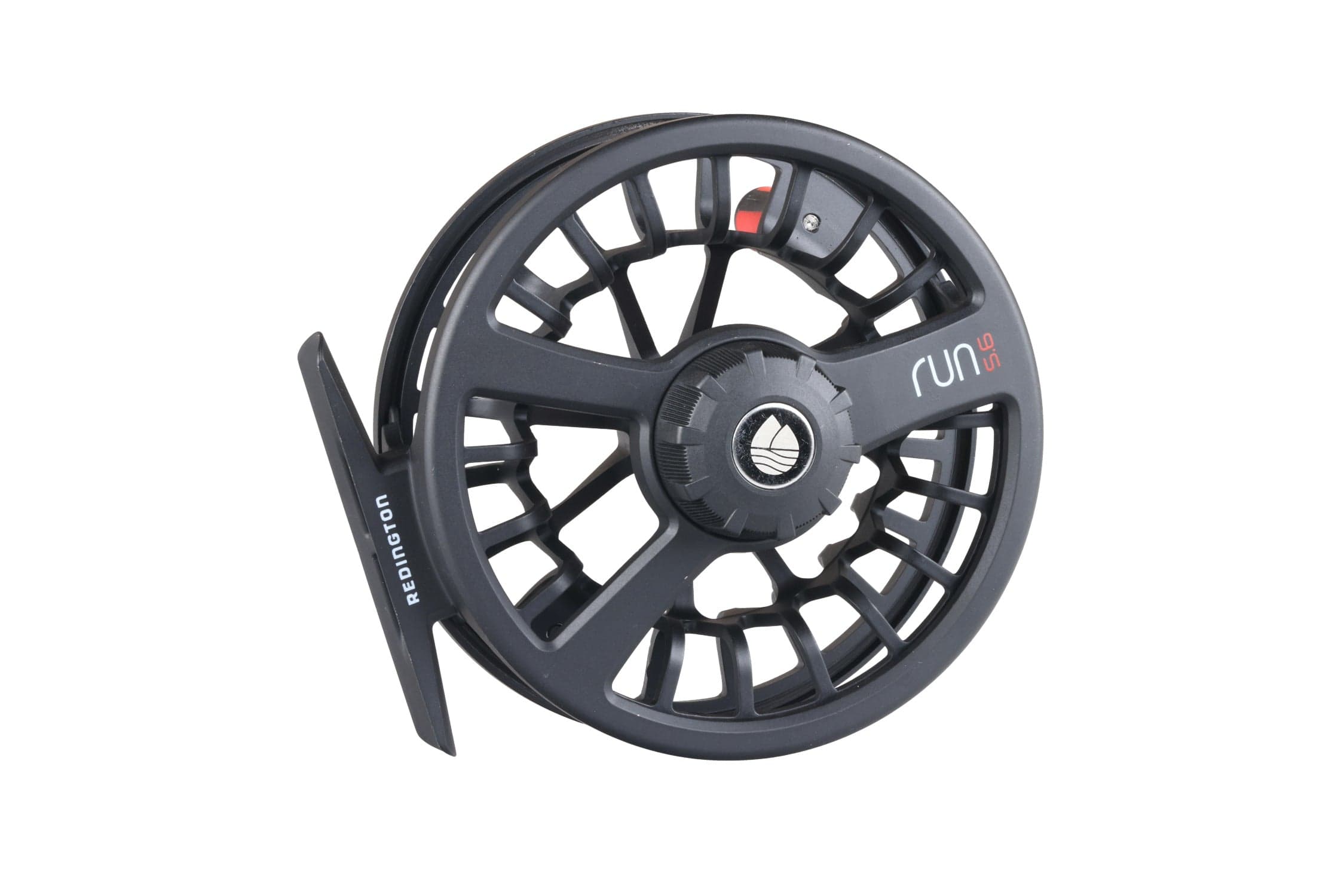
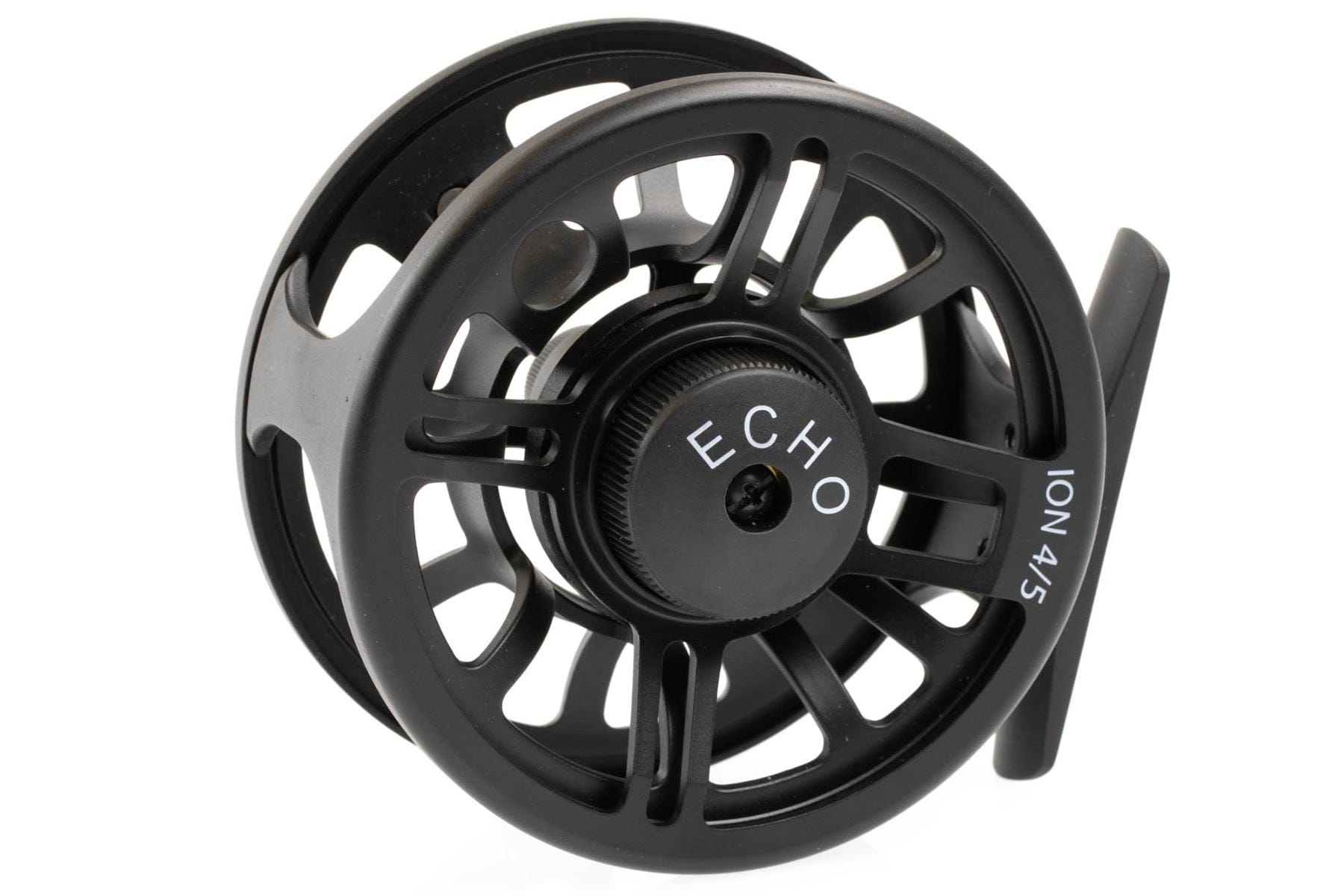
Best value reel for getting started: Redington Run Fly Reel - A lightweight die-cast frame and spool with a smooth carbon fiber disc drag. The 5/6 and 7/8 sizes fit the rods most carp anglers already own.
How to Choose Carp Fly Reels
Low Startup Inertia Matters Most
Carp are spooky, and that usually means fishing fine leaders and small flies. When a hooked carp bolts, the instant between the line going tight and the spool starting to turn is where tippet breaks. A drag with low startup inertia releases line smoothly from the first inch instead of sticking and then jumping. Before buying, pull line off by hand at a light setting. It should feel even, with no hitch at the start.
Capacity for Runs into the Backing
A good carp can take you well into your backing, especially on big lakes and open flats where there's nothing to stop it. Choose a reel with room for your fly line plus a healthy amount of backing, and a large arbor to pick line back up quickly when the fish turns toward you. Fast pickup keeps tension steady, which is what keeps a small hook buttoned.
Match the Reel to a 5-8 Weight Rod
Most carp fishing happens on 5-8 weight rods. Lighter rods are fun on smaller fish in calm water, while 7-8 weights handle wind, heavier flies and big fish on open flats. A reel that balances your rod makes the slow, deliberate work of sight fishing easier, since you may hold the rod ready for long stretches while stalking.
Quiet, Reliable Operation
Sight fishing for carp often means wading slowly or standing still on a bank or the bow of a boat. A reel with a smooth, consistent drag and a spool that won't rattle or bind lets you focus on the fish. Sealed drags are helpful if you fish muddy shorelines or silty water, since grit is less likely to work its way in.
On-the-Water Tips
Set the drag light: Start lighter than you think you need. You can always add pressure once the first run is over, but you can't un-break a tippet.
Clear your slack before the take: Carp fishing often means short casts with loose line at your feet. Keep it tidy so a running fish doesn't catch a loop on a rock or reed.
Get the fish on the reel: Once a carp runs, let the spool take up the slack line so the drag, not your hand, is controlling the fight.
Check your backing knot: A long run is the wrong time to find out your backing-to-line connection is weak.
Complete Your Setup
Match your reel with one of our carp fly rods, then pick up carp flies sized for tailing and cruising fish. Quality fly fishing tippet and plenty of fly line backing round out a setup ready for that first long run.
Carp Fly Reels FAQs
Q: Why does drag smoothness matter so much for carp?
A: Carp are usually fished on light tippet, and they take off fast when hooked. A drag that sticks at startup can snap the tippet before the spool turns, so a smooth, low-startup drag protects your connection on that first run.
Q: What weight fly reel is best for carp?
A: Choose a reel that matches your rod, typically 5-8 weight. A 6 or 7 weight setup is a versatile middle ground for most carp water, with 8 weights helping on windy flats and with larger fish.
Q: How much backing do I need for carp?
A: Fill the reel with as much backing as it holds comfortably beneath your fly line. Big carp can run a long way on open water, and a full spool also improves line pickup.
Q: Do I need a sealed drag for carp fishing?
A: It isn't required, but a sealed drag helps when you fish muddy or silty water and reduces maintenance. Smoothness at startup is still the most important quality to look for.