




Dry Fly Patterns
Dry fly fishing is the most visually satisfying form of fly fishing. Watching a trout rise and take a fly off the surface never gets old, no matter how many times you've done it. Getting there requires having the right fly in the right size at the right moment, and that means understanding the major hatches and carrying patterns that match them. The Adams covers a broad range of mayflies. The Elk Hair Caddis handles caddis hatches in sizes 12 through 18. PMDs, BWOs, Pale Evening Duns, sulphurs, Tricos, each has its time and place, and the angler who knows them all has a real advantage.
Hundreds of dry fly patterns tested across dozens of rivers and hatches over many seasons - that's the foundation behind the recommendations you'll find here. We've distilled that experience down to the patterns that consistently produce trout, organized by hatch and situation in the guides below.
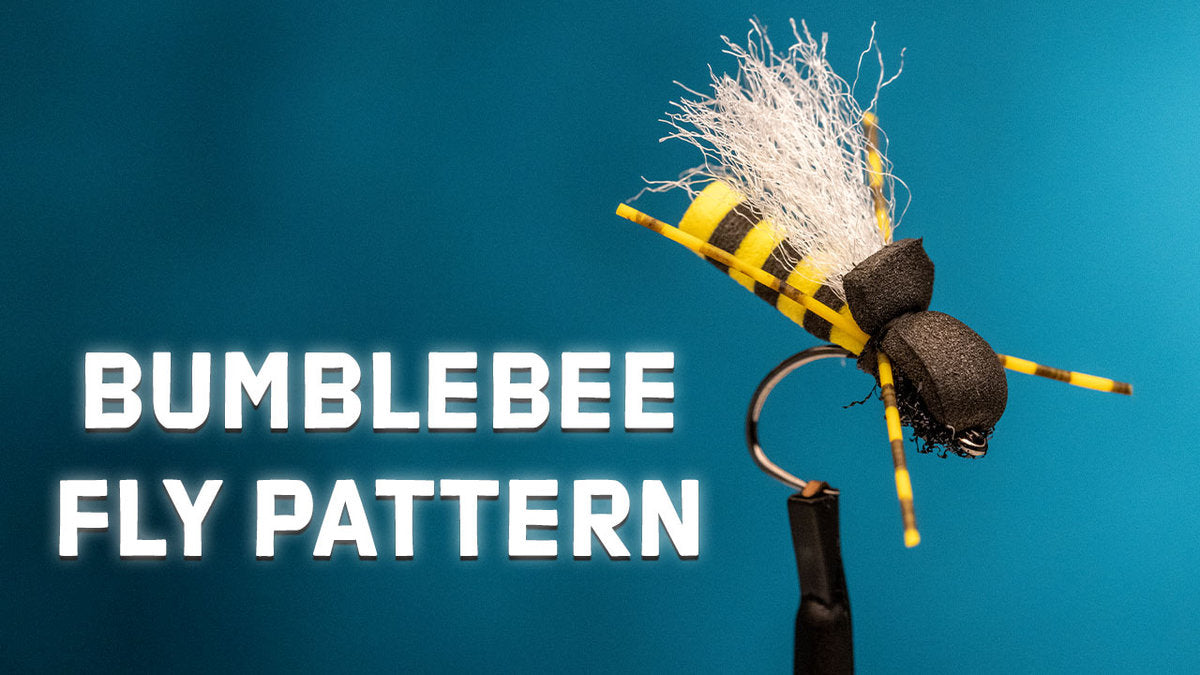
How to Tie The Bumblebee Fly Pattern
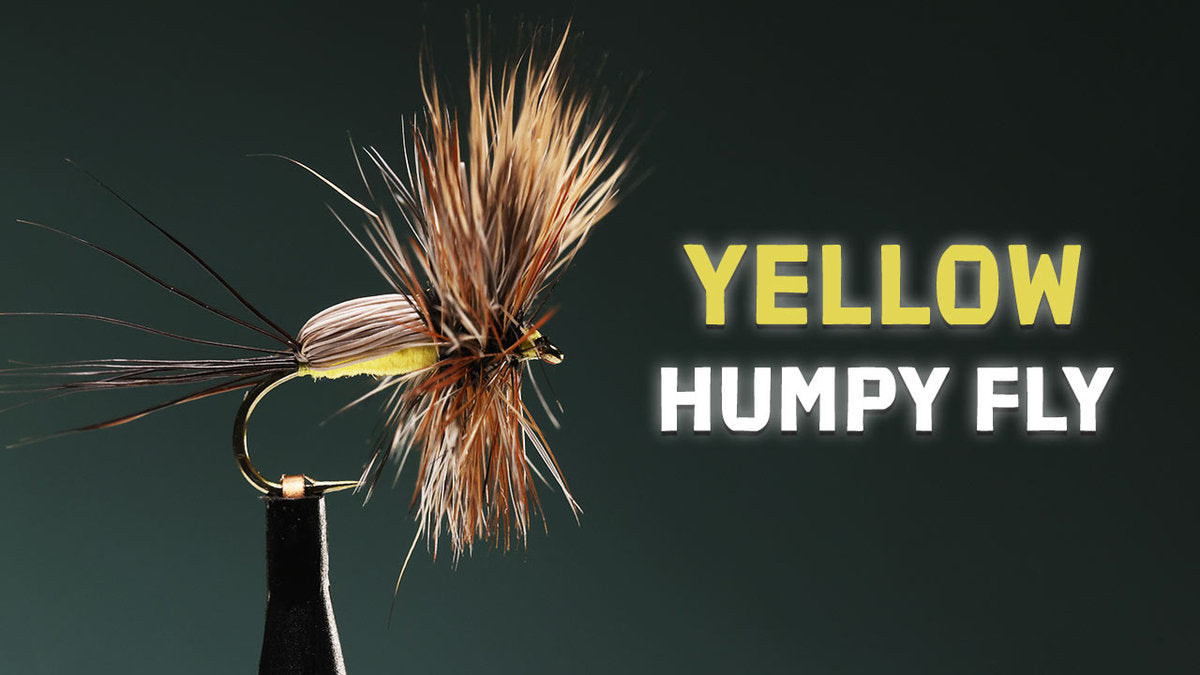
How to Tie the Yellow Humpy Dry Fly
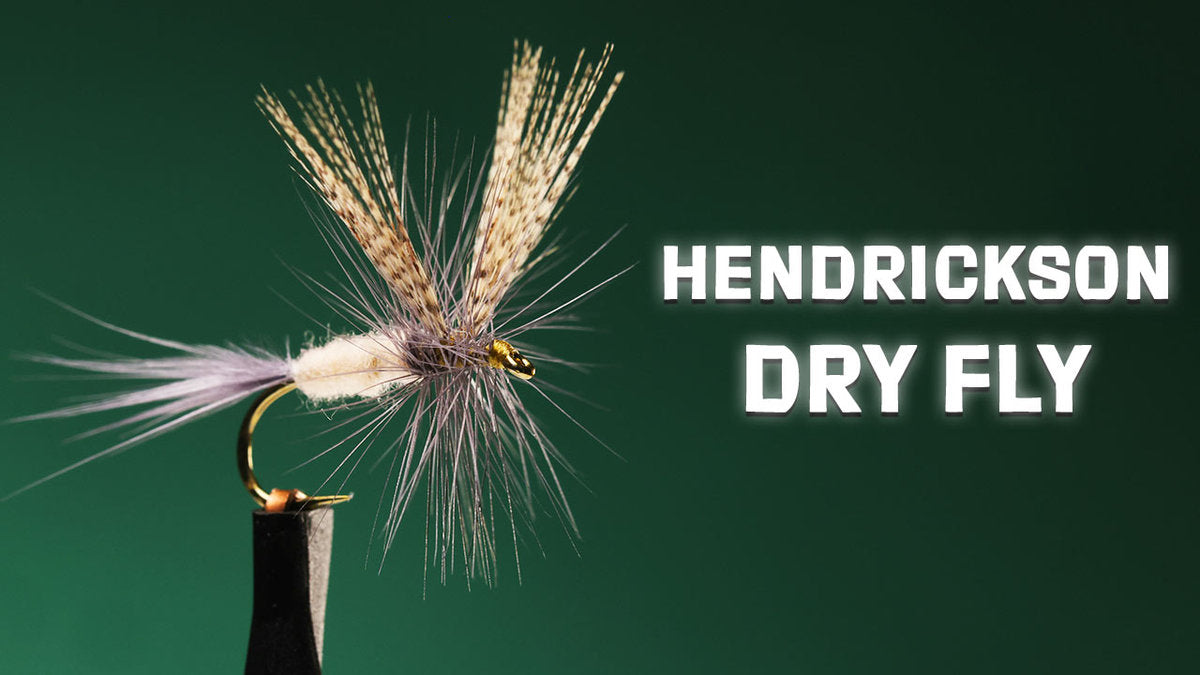
How to Tie The Hendrickson Dry Fly
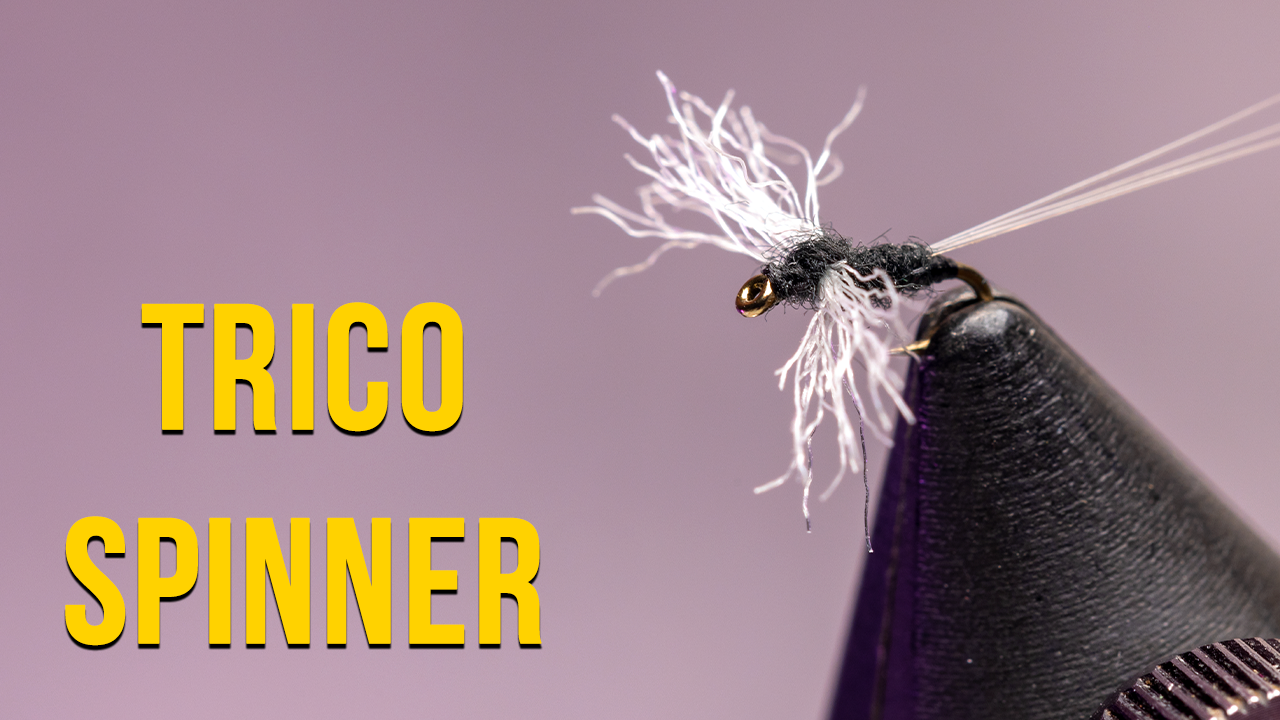
How to Tie the Trico Spinner Fly Pattern
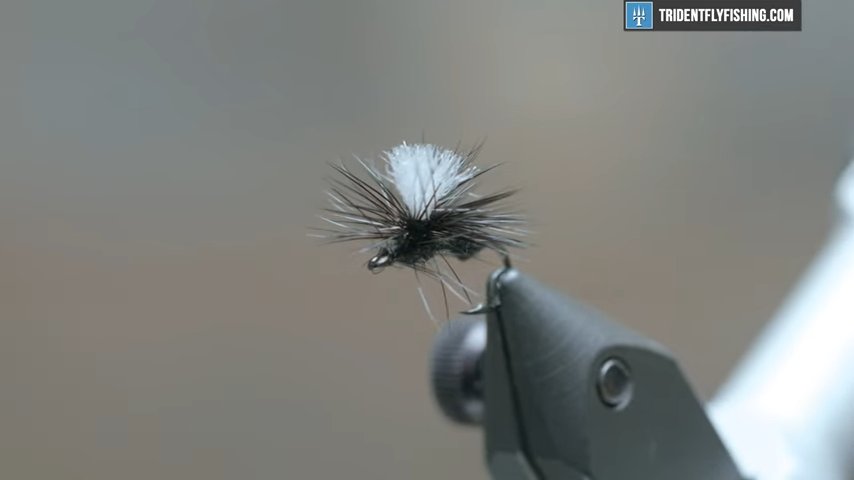
How to Tie the Parachute Ant Fly Pattern
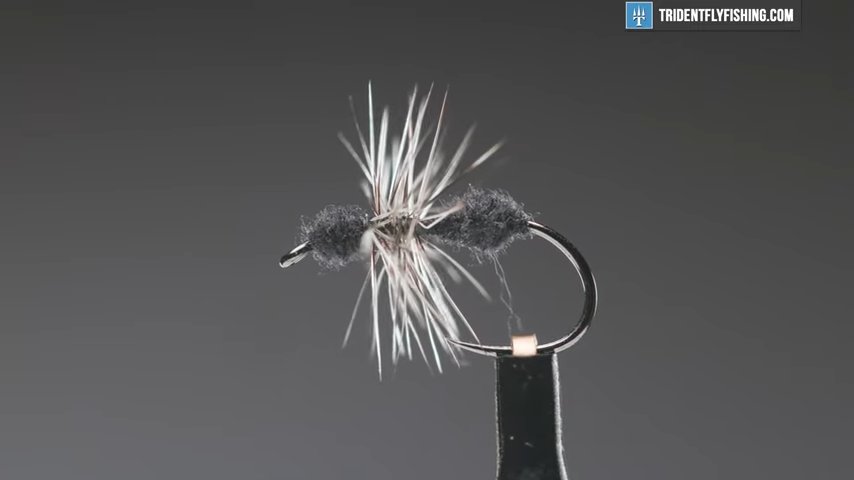
How to Tie the Fur Ant Fly Pattern
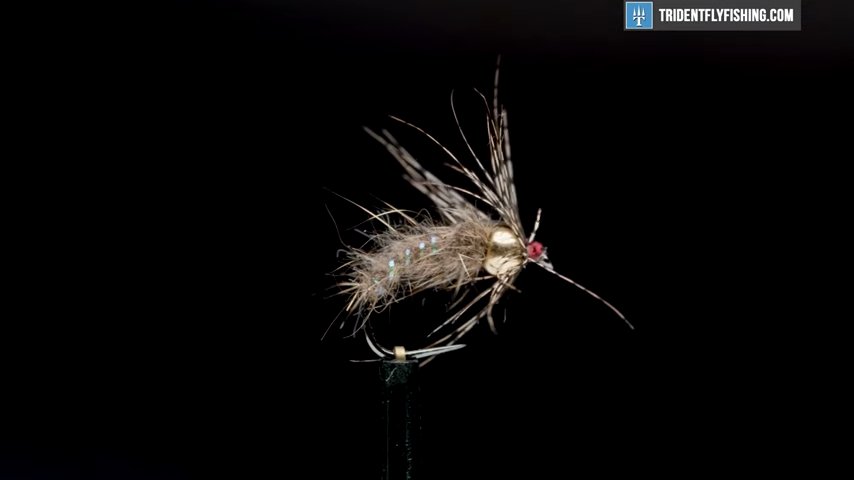
How to Tie the Holy Grail Caddis Fly Pattern
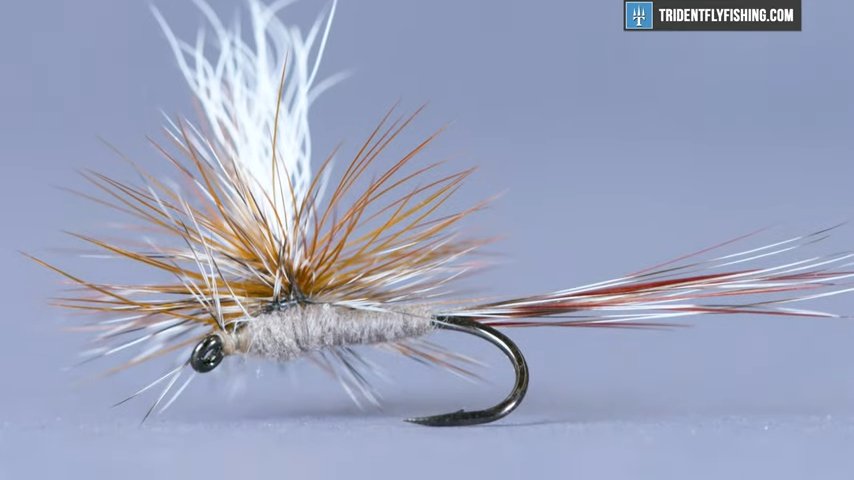
How to Tie the Parachute Adams Fly
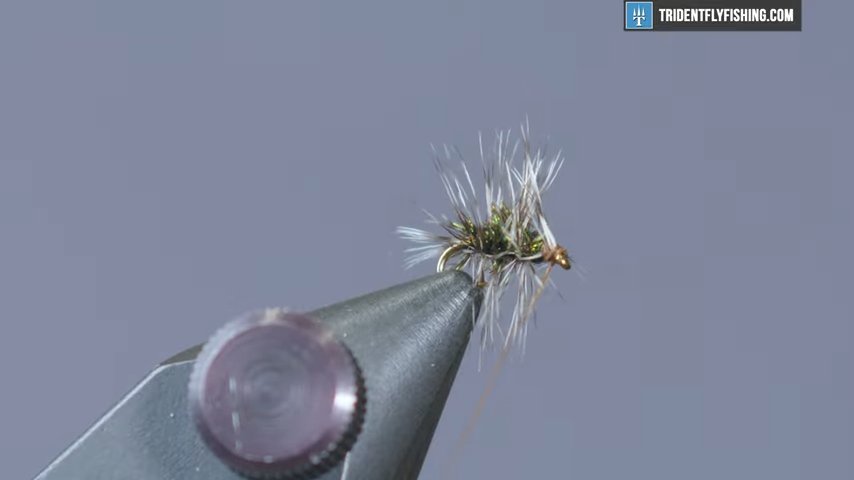
How to Tie the Griffith's Gnat Fly
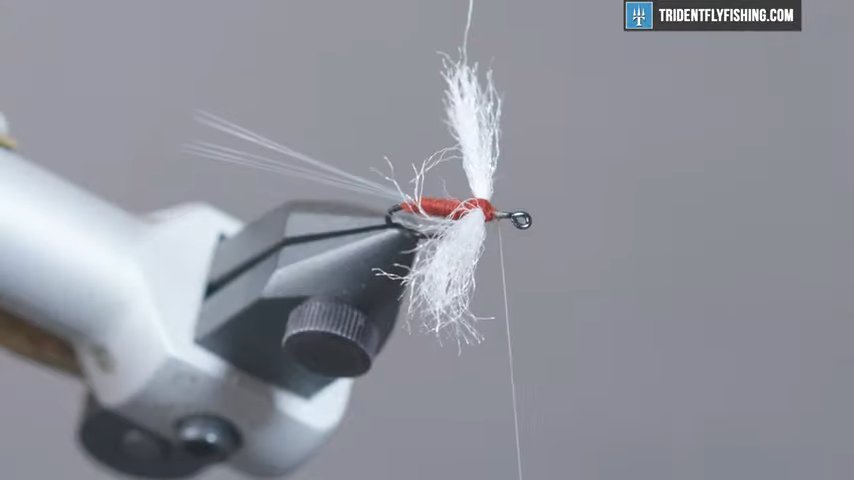
How to Tie the Rusty Spinner Fly
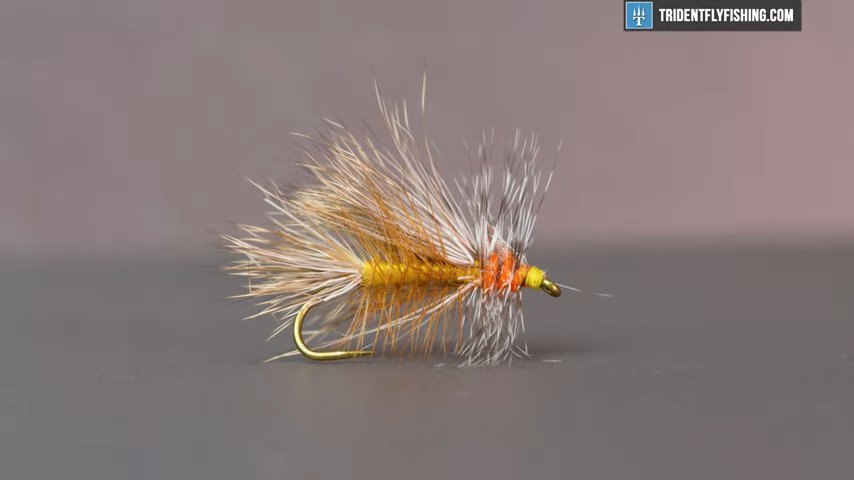
How to Tie the Stimulator Fly
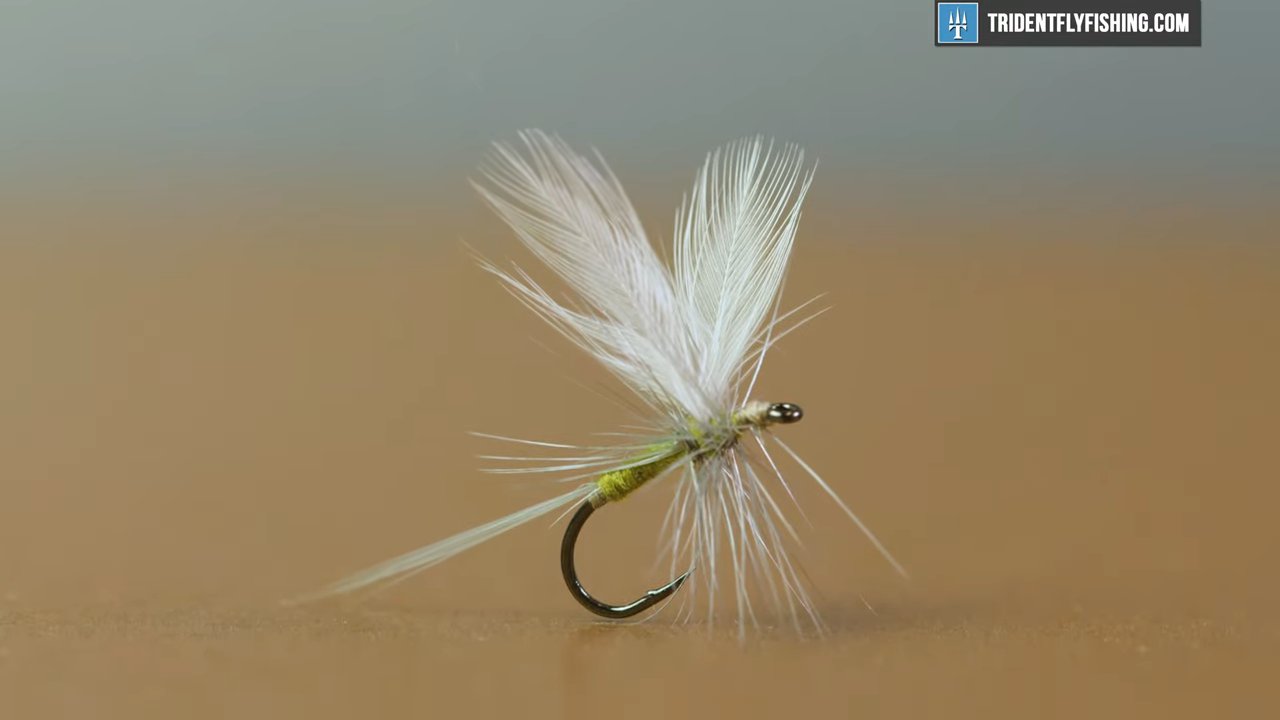
How to Tie the Blue Wing Olive Dry Fly
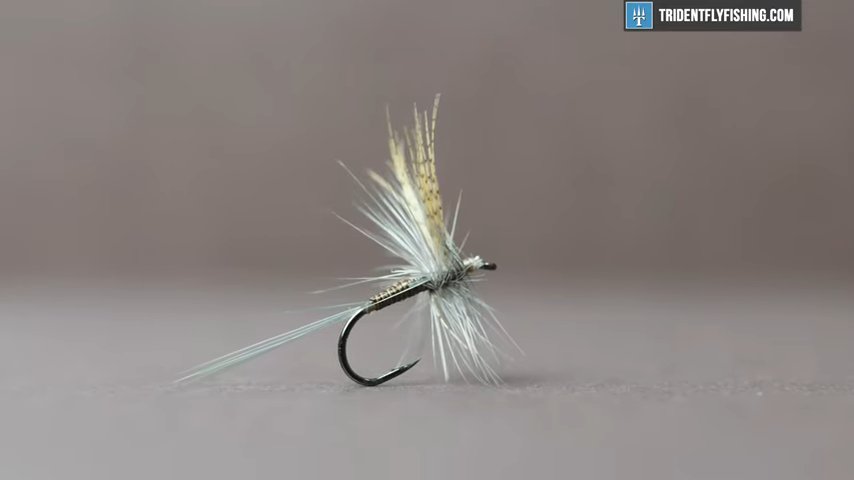
How to Tie the Quill Gordon Fly
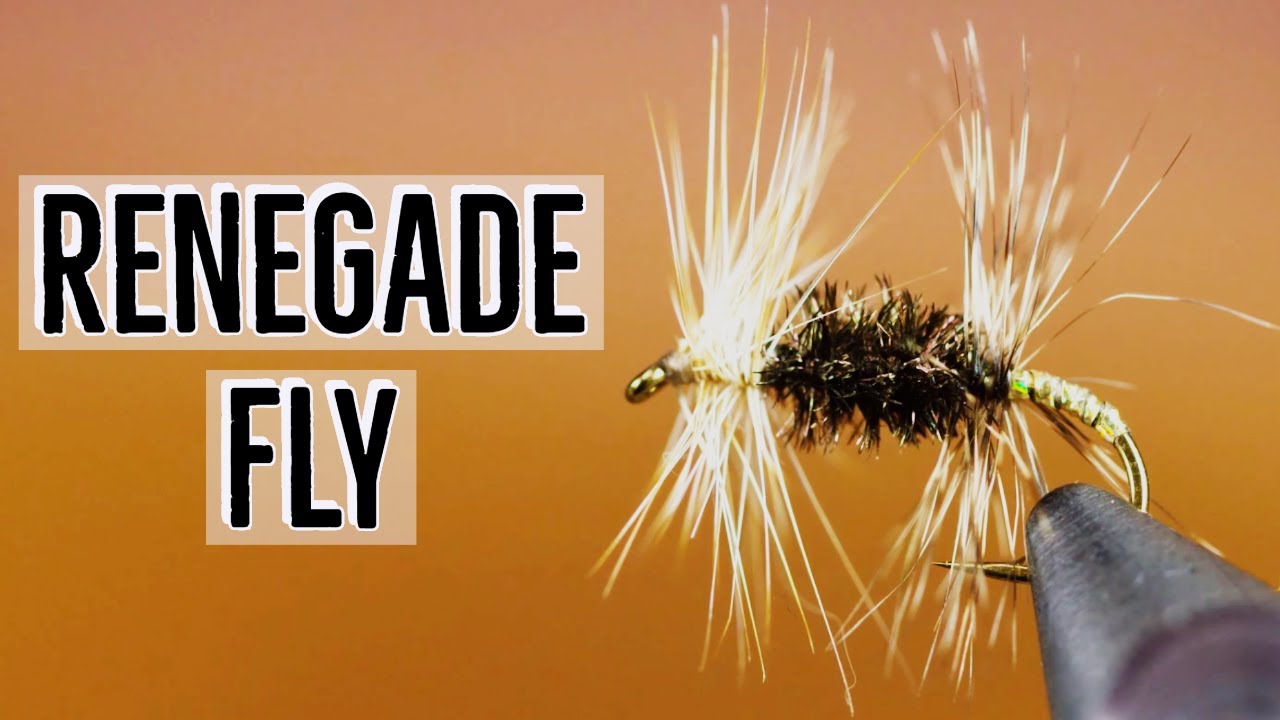
How to Tie a Renegade Dry Fly
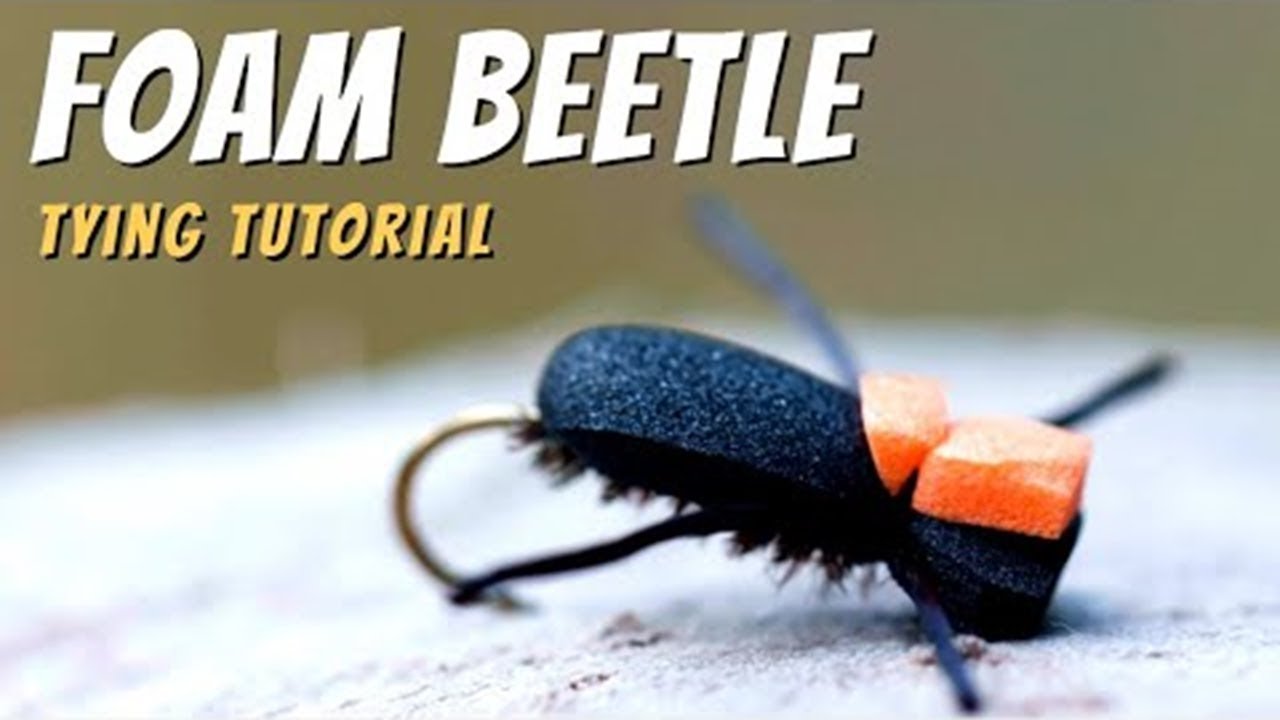
How to Tie a Foam Beetle
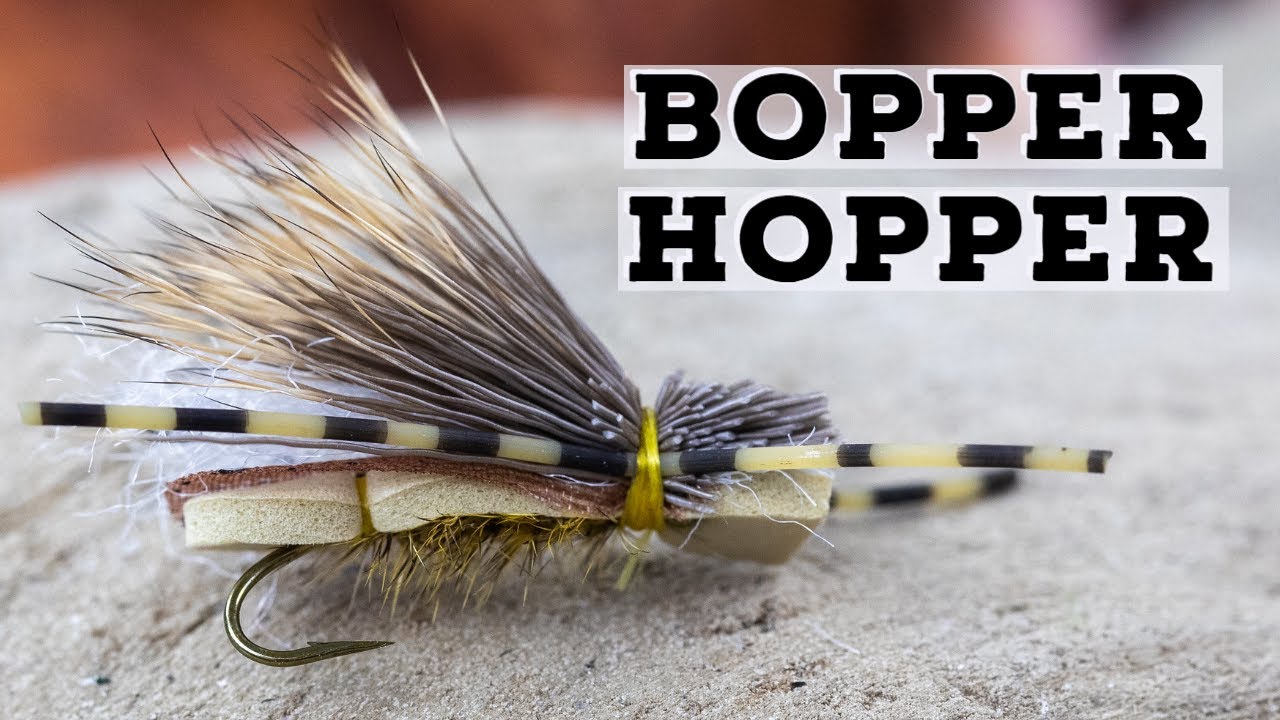
How to Tie the Bopper Hopper Fly
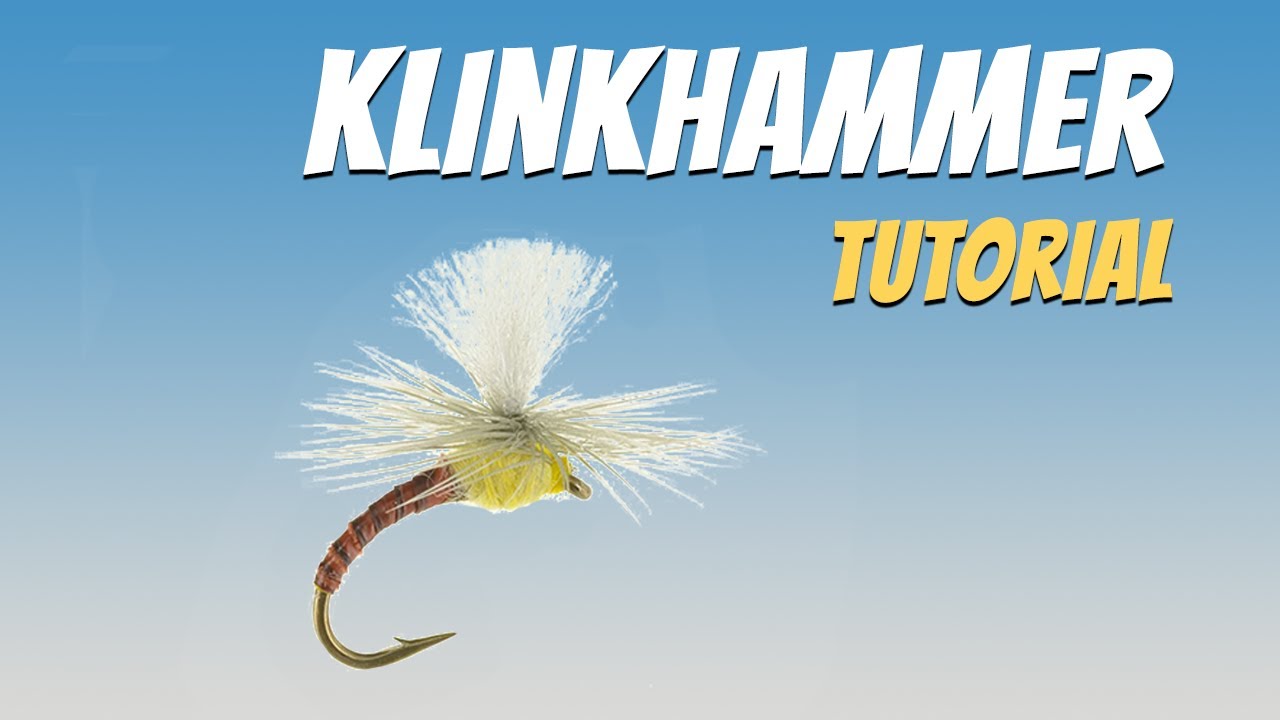
How to Tie the Klinkhammer Fly Pattern
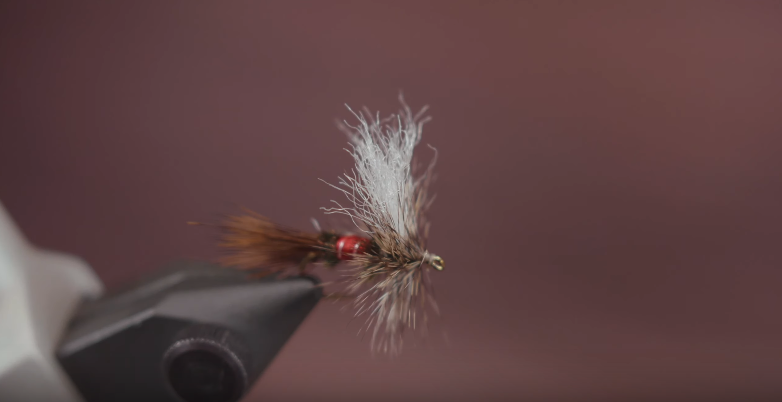
How to Tie a Royal Wulff Dry Fly
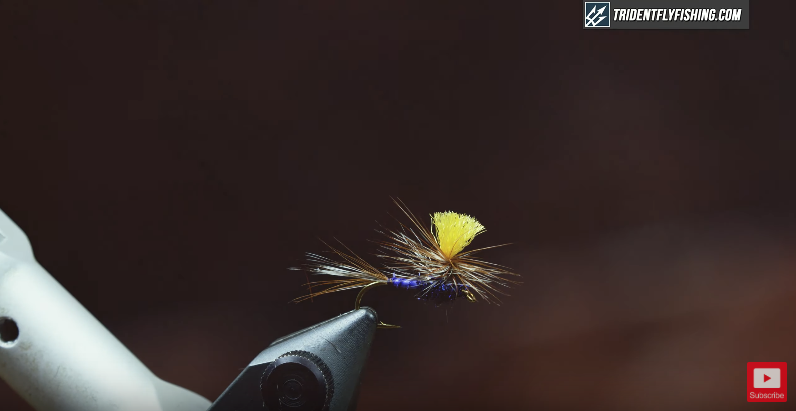
How to Tie a Purple Haze Dry Fly
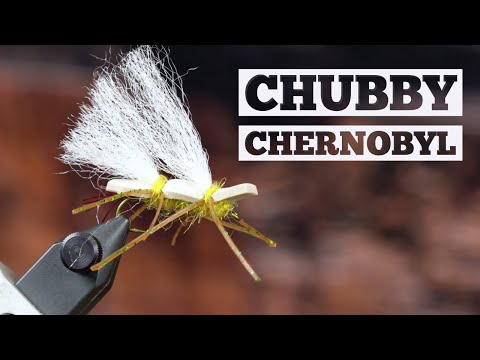
How to Tie a Chubby Chernobyl Dry Fly
61 articles