































Learn how to tie the Bead Head Wooly Bugger Fly pattern including step-by-step instructions, a video tutorial, pictures, and much more. Improve your fly tying skills here.
Trident Fly Fishing is a full-service fly shop. We spend a lot of time testing gear and writing reviews to give you all of the tools to make your next trip a success. We are not a blog or a review site. 100% of our funding comes from your gear purchases, so if this blog post helps you on your next fly fishing adventure, please support us by buying your gear from us
When you need a little extra weight and just enough flash to turn heads, the Bead Head Wooly Bugger is the perfect choice. Very similar to the classic Wooly Bugger, this fly has a marabou tail, chenille body, and palmered hackle, but with the addition of a bead and some flash, you get a fly that has an enticing jigging motion and just enough reflectivity. Tie this fly in any color or combination of colors you can come up with, and you can rely on it for anything from trout and carp to even redfish in a salt marsh...it's tough to beat the versatility and efficacy of this pattern.
Recipe
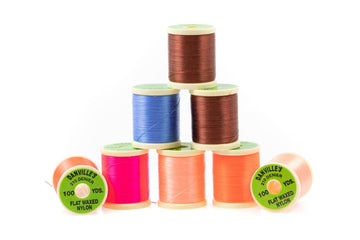
- Thread: Danville 140 Denier Waxed Flymaster Plus Thread (color: black)
- Hook: Daiichi 1720 (size: 6; can be tied in sizes 3/0-14)
- Bead: Hareline Cyclops Bead (size: 3/16")
- Weight: Lead wire (size: .020")
- Tail: Marabou (color: brown; can be tied in any color you like)
- Flash: Hedron Flashabou (color: gold; can be tied in any color you like)
- Body: Hareline Ultra Chenille (color: Medium brown; can be tied in any color you like)
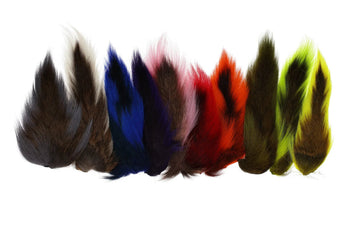
- Hackle: Whiting Bugger Pack (color: brown; can be tied in any color you like)
- Ribbing: UTC Ultra Wire (size: small; color: copper)
Video Transcript
Hey everyone, Levi here with Trident Fly Fishing, and today we're going to be tying a bead head woolly bugger. This is a real solid variation on a very classic fly. I like having a bead on there like 95% of the time. Adds a little bit of jig, adds a little bit of weight, and it also reflects a little bit of light. I like that it's extra effective when compared to the standard woolly bugger. Not to say the standard woolly bugger shouldn't be in your box as well, because sometimes the fish definitely prefer it.
Let's get started with a Daiichi 1720 hook, size 6, but you can tie it certainly larger, certainly smaller as well. We have a 3/16" Cyclops bead up here. It's a bit oversized for this hook, but I like that larger bead. Again, reflects light, adds that nice jigging motion, and also just gets your fly down a little quicker.
First things first, we're going to get some .020 lead wire on the shank of the hook. Get a few more wraps on there, pop that off, and go ahead and shove that right on into that bead. That's going to, A, situate that bead nice and secure, and it's also going to add just a little extra weight, again, for that jigging motion that I've mentioned so much.
Let's get a thread base laid down. We're using 140 black flat waxed nylon. You can use any thread that you're comfortable with. If you like Uni-Thread, certainly a fine option, just the same. We're going to lay our base down, and I'm going to come into that lead wire, get it wrapped up and secured before we get our tail.
For a tail, we're using brown marabou. Got a nice bag here. I'm going to come in and cherry pick a plume that I find to be nice and appealing. I want to get rid of the bottom here - I just tend to do that - and I also like to just get in there and pop that tip out. I think it gives a little better movement to everything. Now we have a nice marabou plume. Let's measure this to be about the length of the hook shank. We'll get our thread just in front of that hook's point right there. You don't want it to be too long, but if you have to choose between long and short, definitely err on the side of longer.
I'm going to go ahead and wind that marabou up the shank, holding it with my left hand. The reason I do that is it just kind of provides continuity to the fly's appearance and its underbody. Clip that off once you get right about to the bead. You'll have fuzzies all over the room when you tie these, but such is life. I'm going to clean that underbody up just a bit.
Now that we have our tail tied in, we're going to move into a few strands of gold Flashabou. I really like the way that gold accents a brown fly, but if you like a color other than gold, be my guest. We're going to tie those in on one side and fold them right on over to the other side, giving a nice sort of lateral line flash there. When I'm tying flash in a tail, I like to cut them at various lengths.
Now we're going to move into a Whiting feather off of a bugger pack. These are real sweet for you guys that are tying a bunch of woolly buggers. You can use them for saltwater flies like the tails on a hollow fly - anything you need a nice long supple feather for is a good option. We tie that in with the shiny side facing us, and we want that on the side of the hook facing us as well.
Now that we've got that secured, we're going to come in with some small copper wire as ribbing. That adds a whole lot of durability to this fly and will keep everything nice and tight. If you want a less durable fly, you can certainly omit that, but durability is something I aim for with every fly I tie. Gets to fish them longer.
Now that we have all that tied in, you'll see our body looks a little lumpy, but we're going to clean that up with some Ultra Chenille, color medium brown. This stuff's nice and easy to work with. I'm going to cut myself off five inches or so. What I do with this Ultra Chenille is find the end and get in there with my thumb and index finger and just expose that thread core. Get that tied in and we'll advance our thread just behind our bead.
Now we're going to wrap this with nice touching wraps. We want to create a nice clean body for everything to fall into. Bring that all the way up to just behind the bead and get it tied off.
From there, we're going to move into that hackle. I want to palmer this upward, and you'll see as I wrap this, the fibers are flowing rearward nicely and we're also gaining some length, which translates into some height on our fibers. I like how that's going to create a nice natural taper, and as we get into some of these longer fibers up towards the front of this fly, it tends to push water and just add a good bit of movement. I'm a big fan of that natural taper on a woolly bugger. Get that just behind your eye and tie it off.
This isn't necessary, but right there I like to throw a half hitch, just because if you've ever been in this position and your thread's gone limp or you've cut it by accident, it's kind of a nightmare to deal with. I just prevent it by tossing a half hitch right there.
Now we're going to come in with our copper wire. When I do this, I just track my hackle, and as you're doing that, if you need to free up fibers with your bodkin, I like to just keep it in my right hand and use it as needed. This will definitely aid in durability and prevent that hackle from getting chewed up, whether it's by a trout, a smallmouth, even a carp. This is one of those flies that you can feed to dang near anything that swims.
Now that we're up at the head, we're going to get that tied off. We'll save our scissors the trouble and just pop it off. I do like to have a nice band of thread there, which we do have, so I'm going to go ahead and whip finish this. I'm going to clip this out of the way and just get in there with my bodkin and free up any fibers that may have been trapped by that wire. It definitely happens, and your fly will benefit if you just spend a few seconds doing this - it's a quite short operation. But that is a bead head woolly bugger. Find more proven patterns in our selection of streamer flies. I want to thank you guys for watching and I will see you next time.
Comments
(0)No comments yet. Be the first!