



























Description
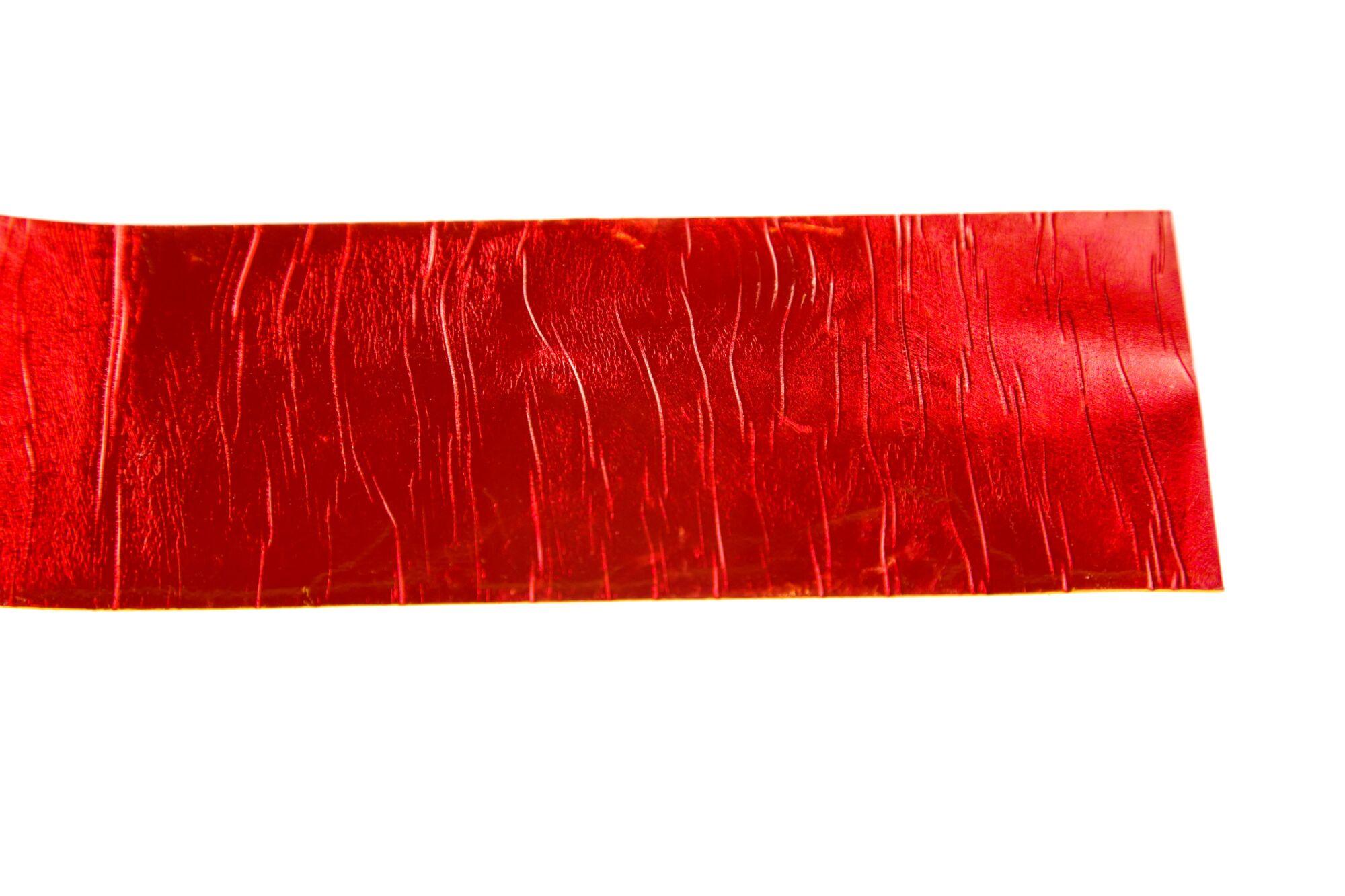
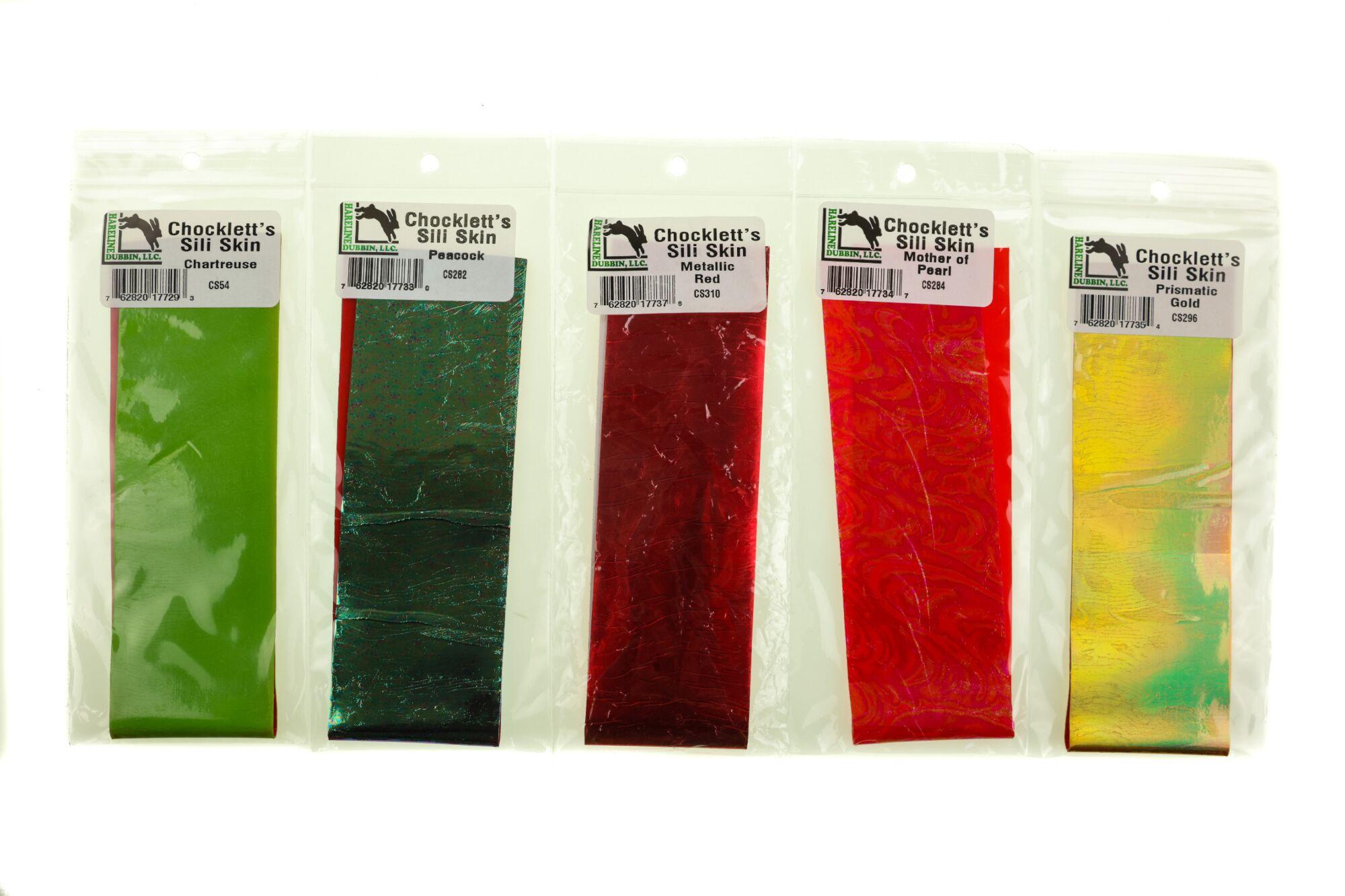
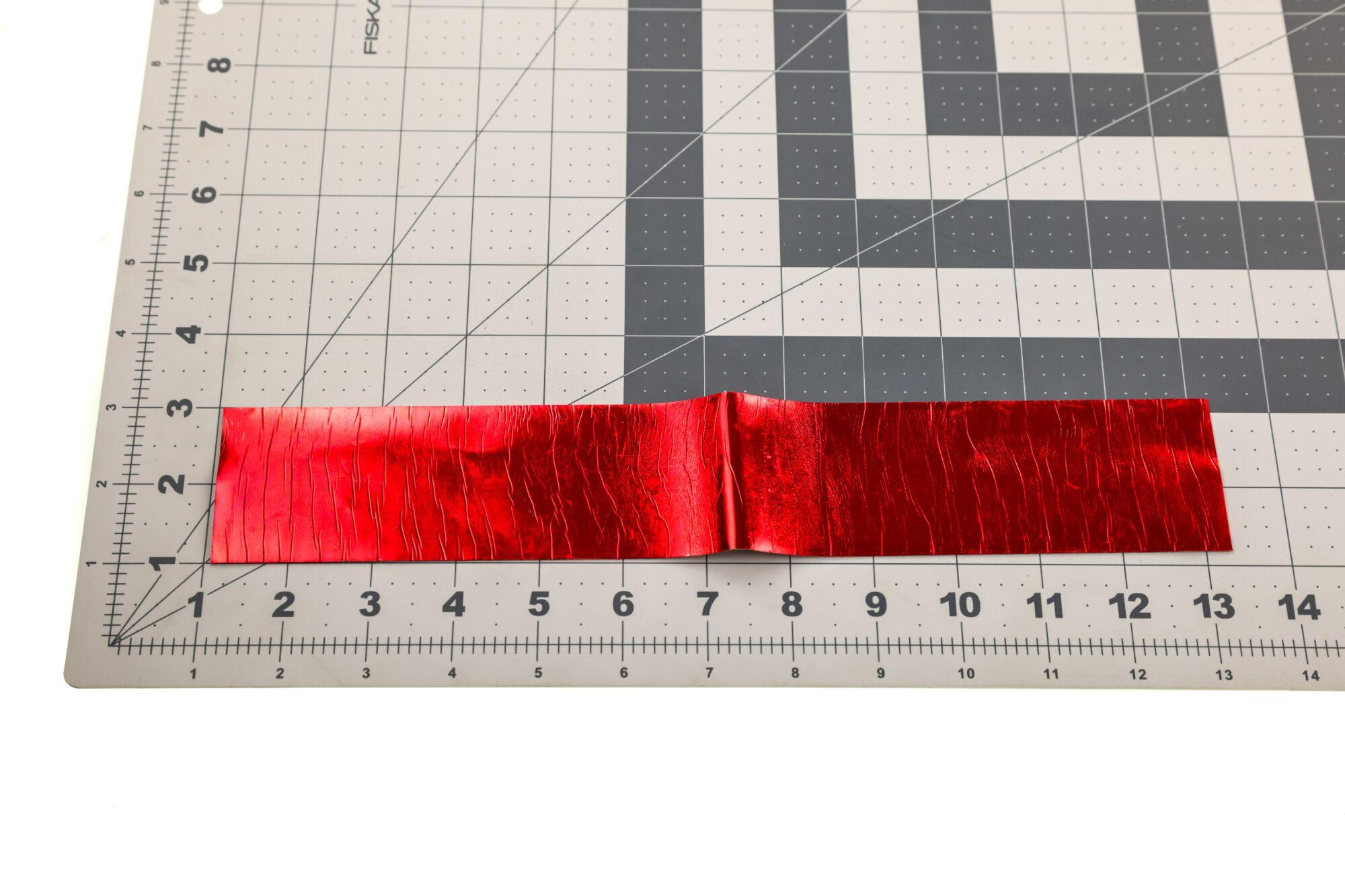
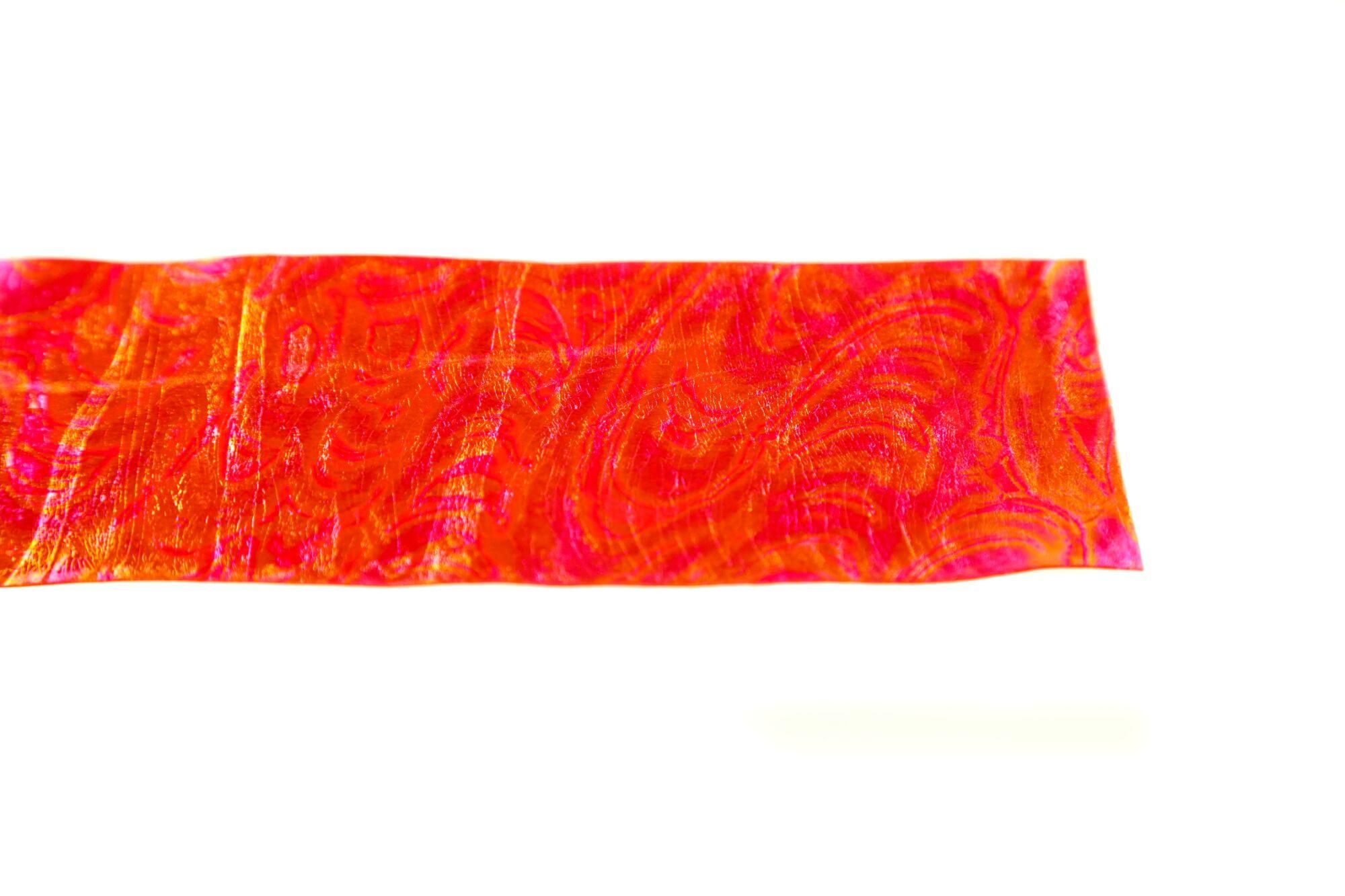
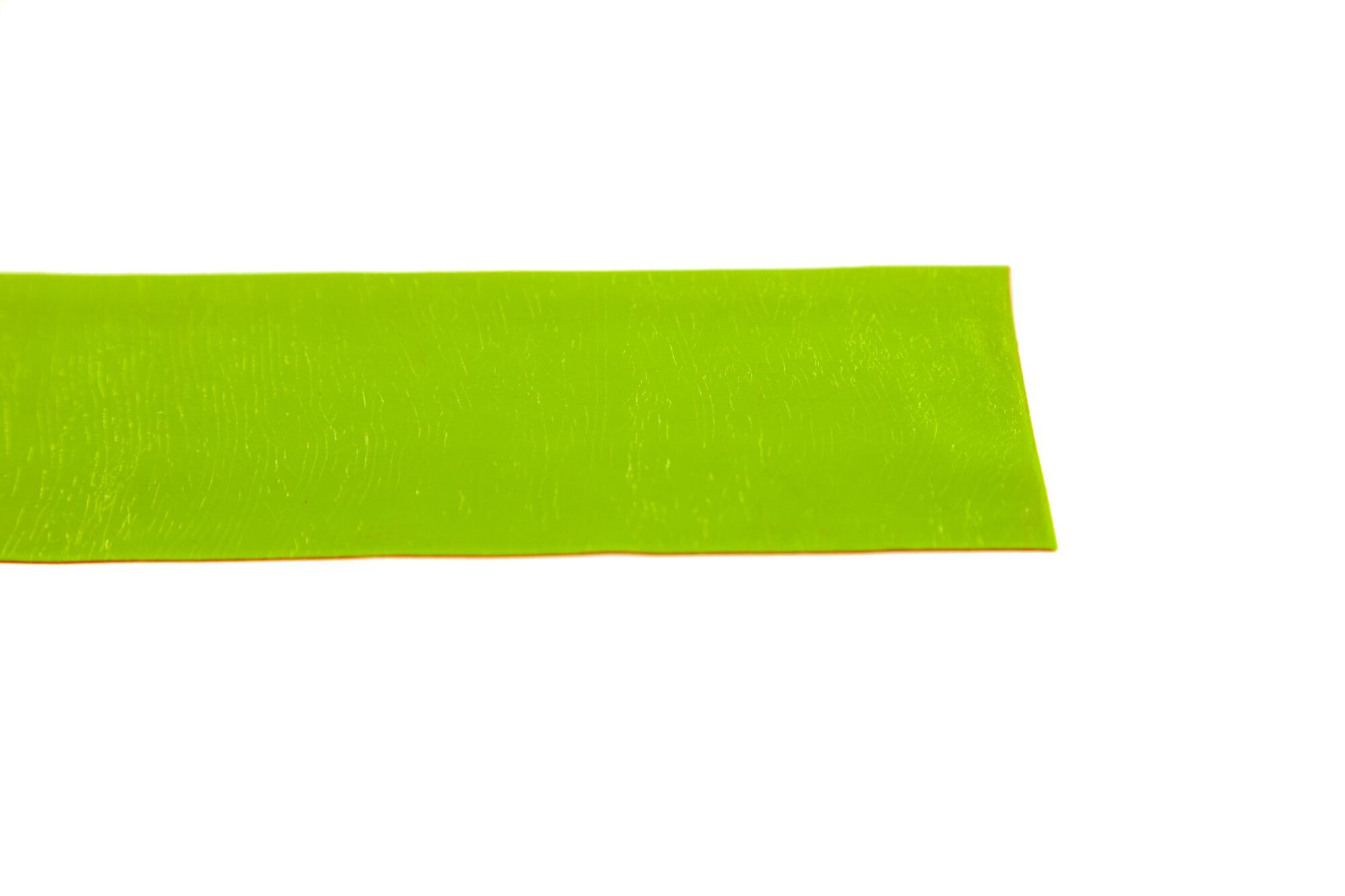
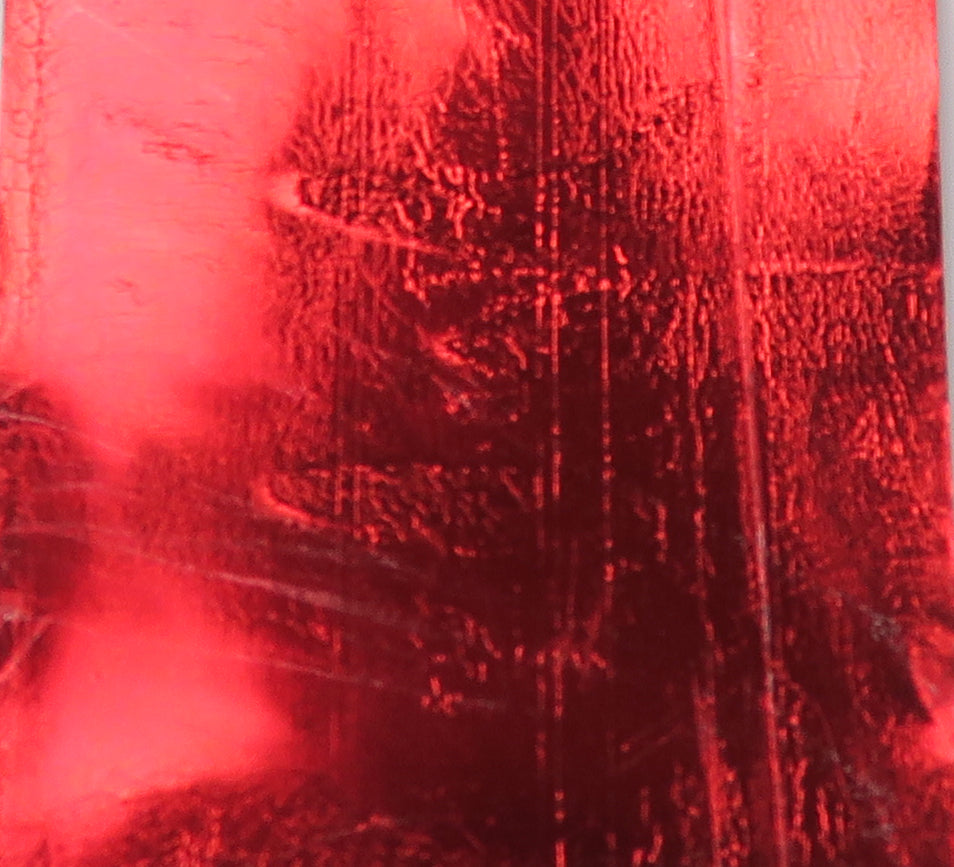
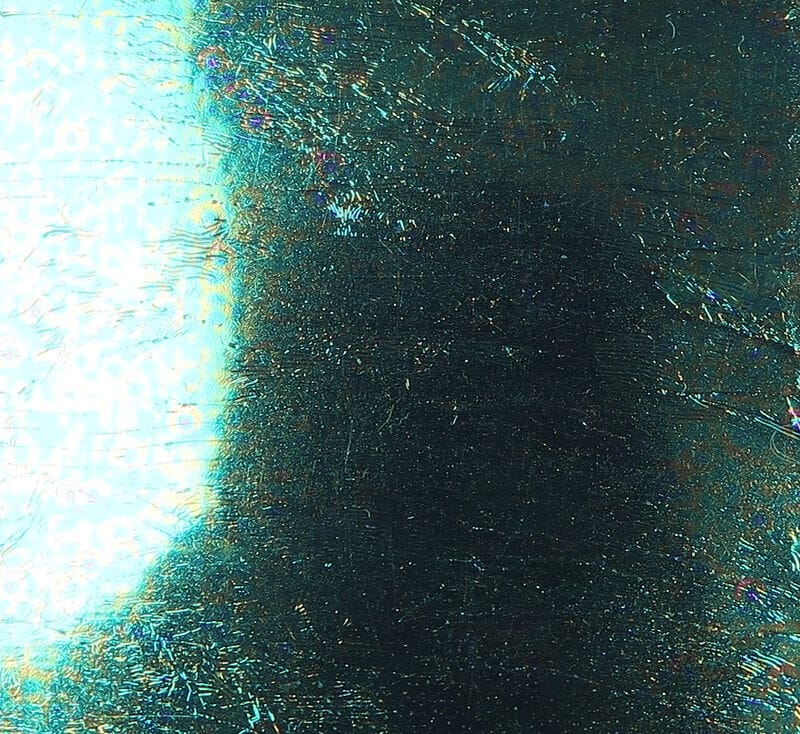
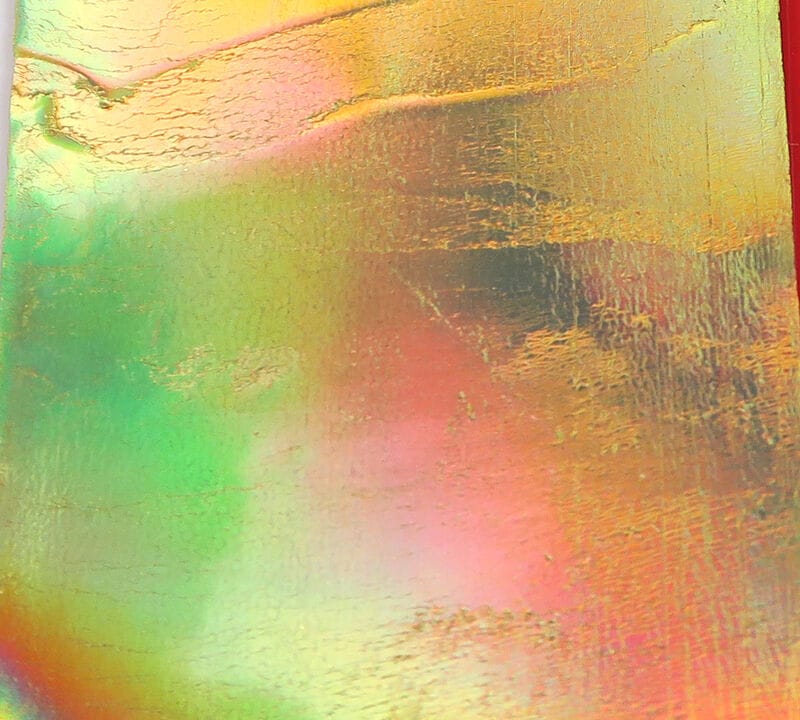
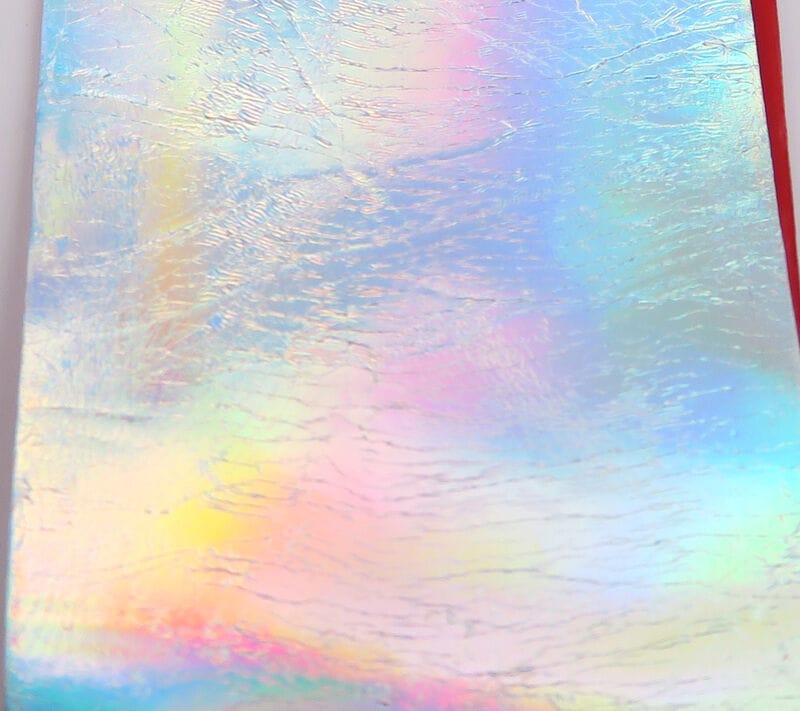
Chocklett's Sili Skin is a translucent, ultra-stretchy, adhesive-backed synthetic sheet material designed by Blane Chocklett and distributed by Hareline Dubbin. It is a flexible "gummy tape" that comes in two 2"x6" strips of translucent one-sided adhesive. It has a glossy, translucent appearance that mimics the natural sheen of baitfish scales, giving fly tyers a way to build realistic minnow and baitfish imitations that look and feel alive in the water. One side of the tape is covered with a peel-off backing and the other side has a foil finish, allowing tyers to layer colors and create lifelike translucent effects on streamers and saltwater patterns.
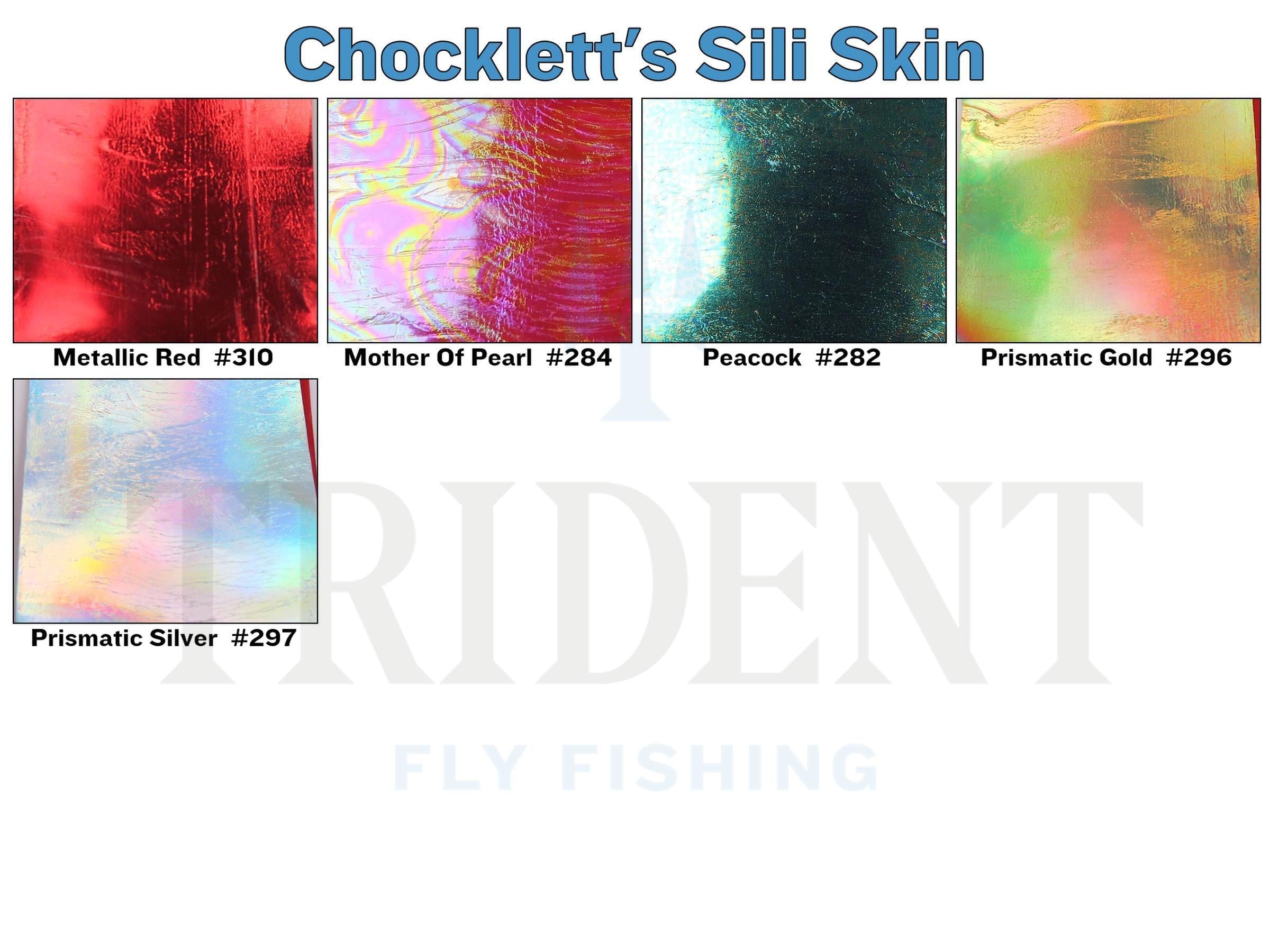
The problem Sili Skin solves is simple: most synthetic fibers and tinsel materials can suggest the shape of a baitfish, but they lack the soft, rubbery texture that makes fish hold on after they strike. Sili Skin is very sticky and very stretchy. In fact, you can stretch it almost twice its length and it will rebound. That gummy quality creates a fly body that feels natural in a fish's mouth, which leads to longer hold times and better hookup rates. This translucent, ultra-stretchy, gummy-like material is an excellent choice for tying scud and crab casings as well, making it useful far beyond simple minnow patterns. Available in colors like Belly White, Chartreuse, Clear, Copper, Metallic Green, Metallic Red, Metallic Silver, Mother Of Pearl, Peacock, Prismatic Gold, and Prismatic Silver, tyers can match nearly any baitfish profile they encounter in both freshwater and inshore saltwater fisheries.
How to Use It
Chocklett's Sili Skin works best in baitfish imitations, streamer patterns, scud backs, crab casings, and shrimp patterns where you need a smooth, translucent body or shell. Cut a fish profile from the Sili Skin sheet and attach it to the hook. Do not stretch it before cutting to final form. You can also mix different colors to create very nice combinations, layering a darker back color over a lighter belly to replicate natural countershading on baitfish. When building Gummy Minnow-style patterns, peel the backing, fold the adhesive side around the hook shank so it sticks to itself, then trim the silhouette to your desired minnow shape. Add stick-on eyes and a thin coat of UV resin or head cement to seal the body. For nymph and scud applications, cut a narrow strip and pull it over the top of the abdomen as a shellback, then secure it with tying thread or wire ribbing. The adhesive side helps the material grip the underbody and stay in place while you wrap.
Why We Like It
Sili Skin stands apart from other sheet body materials because of its built-in adhesive and its extreme stretch. The one-sided adhesive means you can fold, wrap, or layer this material directly onto the hook shank without needing separate glue for the initial application, which speeds up your tying time. It can also be used for scud and crab casings or different baitfish patterns, and it gives your fly a "gummy" feel to it, which is a trait no epoxy-coated streamer can truly replicate. Fish that eat a Sili Skin fly don't immediately feel hard resin or stiff mylar. They feel something soft and flexible, which buys you an extra second to set the hook.
The foil finish on one side provides a prismatic, scale-like flash underwater that mimics baitfish scales without needing additional flashy materials like mylar tinsel or holographic tape. Since its introduction, the Gummy Minnow has been credited with catching trout, bass, panfish, and just about everything that swims inshore saltwater, and has become the number one Los Roques bonefish pattern. That track record speaks to the unique fish-catching properties Sili Skin brings to a fly. The material holds up well against sharp teeth and abrasive mouths, and it does not absorb water, so your fly stays light and castable throughout a full day on the water.
Example Flies
Chocklett's Gummy Minnow: This is the pattern that originally made Sili Skin famous. The Gummy Minnow is built almost entirely from Sili Skin. The tyer folds the material around the hook shank, trims it into a minnow silhouette, and adds eyes. The Gummy Minnow is simple, in that it is only made of two materials: Crystal Skin (or Sili Skin) and eyes. The result is a soft, translucent baitfish imitation that feels rubbery in the water and triggers strikes from trout, bass, bonefish, and a wide range of saltwater species. Sili Skin is the original, specified material in this recipe.
Hise's Ooey Gooey Grub: Sili Skin is used in Hise's Ooey Gooey Grub as the primary body wrapping material. The adhesive-backed sheet is cut into strips and wrapped around the hook to build a soft, translucent grub body. Tyers choose Sili Skin here because its gummy texture and stretch create a realistic larval profile, and the adhesive keeps the wrap secure without excessive thread work. Sili Skin is specified in the original recipe for this pattern.
Sili Skin Caddis: Sili Skin is an essential material for gummy fly patterns including the Sili Skin Caddis. In this pattern, the material is cut into a narrow strip and wrapped around the hook shank to form a translucent caddis pupa abdomen. The stretch allows the tyer to build smooth, segmented bodies that trap light and suggest the translucent quality of a natural caddis larva underwater. This is a named recipe that calls for Sili Skin directly.
Comparisons
Chocklett's Sili Skin vs Wapsi Thin Skin:
Thin Skin is a 0.004" thick plastic film that is stretchable and can be used on flies down past size 18, and is great for wingcases, backs, and scuds. Solid colors are opaque with a matte finish on one side and a shiny finish on the other. Sili Skin, by contrast, is thicker, stickier, and far more elastic, with a one-sided adhesive and a metallic foil finish. If you are tying small nymphs, Euro nymphs, or scud patterns that need a thin, flat wing case or shellback, Thin Skin is the better choice because it conforms tightly under thread wraps without adding bulk. But if you are building minnow bodies, baitfish streamers, or crab patterns where you need stretch, adhesion, and a soft texture that feels natural to fish, Sili Skin is the clear pick. Thin Skin is basically a very thin version of Sili Skin that is not adhesive and is designed for a different set of applications.
Chocklett's Sili Skin vs MFC Minnow Skin:
Montana Fly Company Minnow Skin is marketed as a Sili Skin alternative. It is an essential material for a multitude of gummy fly patterns (from Ooey Gooey Caddis, Sili Skin Caddis, and Medusas to Gummy Minnows and Softy Eels), is adhesive backed, and comes in a 12" by 2" strip. The main difference is the sheet size: MFC Minnow Skin gives you a longer, narrower strip (12" x 2"), while Sili Skin comes in two wider strips (2" x 6" each). If you prefer having more width for cutting larger baitfish profiles, Sili Skin gives you more room to work with on each strip. MFC Minnow Skin may be the better option if you primarily cut narrow strips for wrapping bodies and want a single longer piece. Sili Skin remains the original material designed for these patterns, and many tyers trust it for consistent stretch, adhesive tack, and the prismatic foil finish that Blane Chocklett developed it around.