
































The Best Fly Lines For Beginners | How to Choose
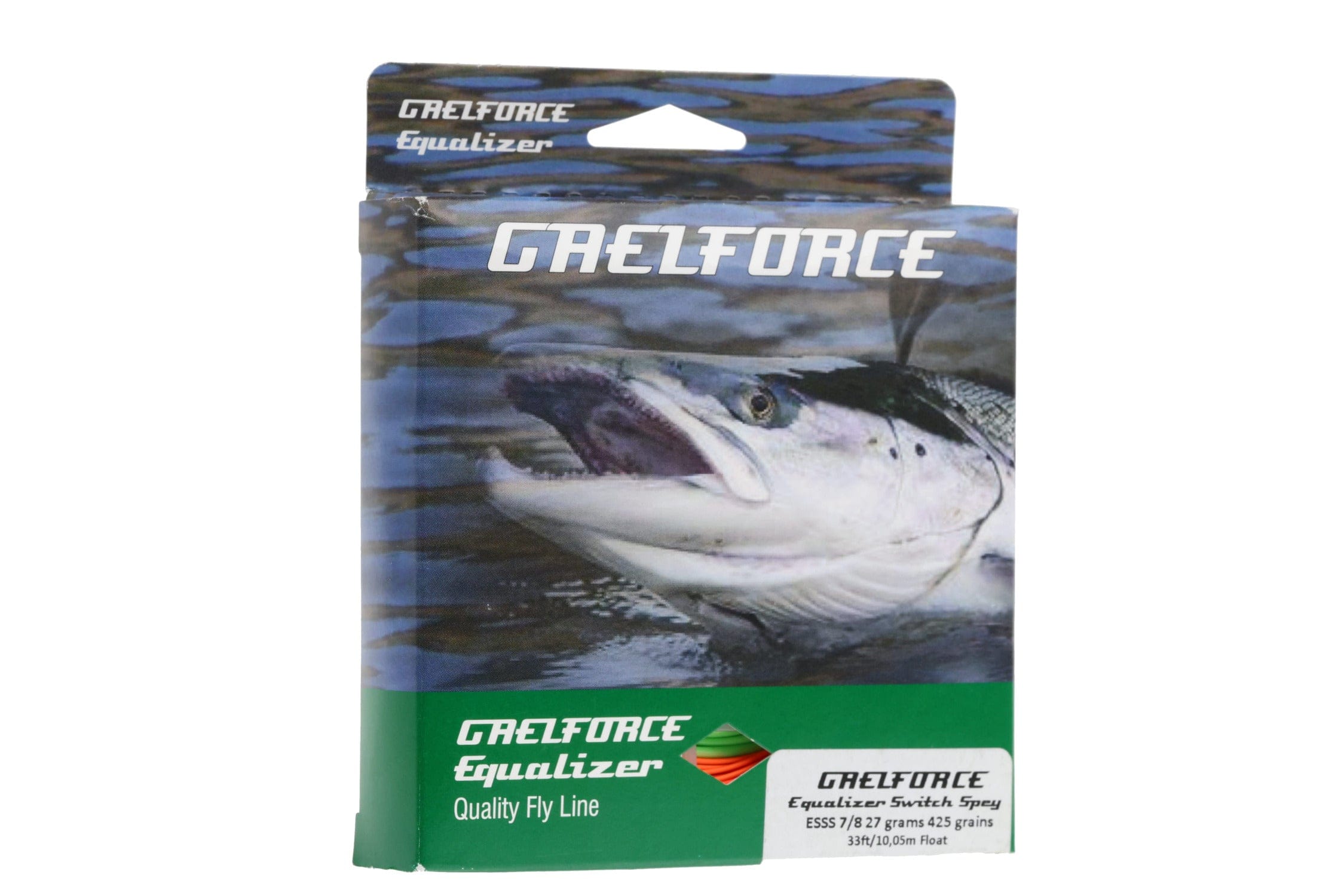
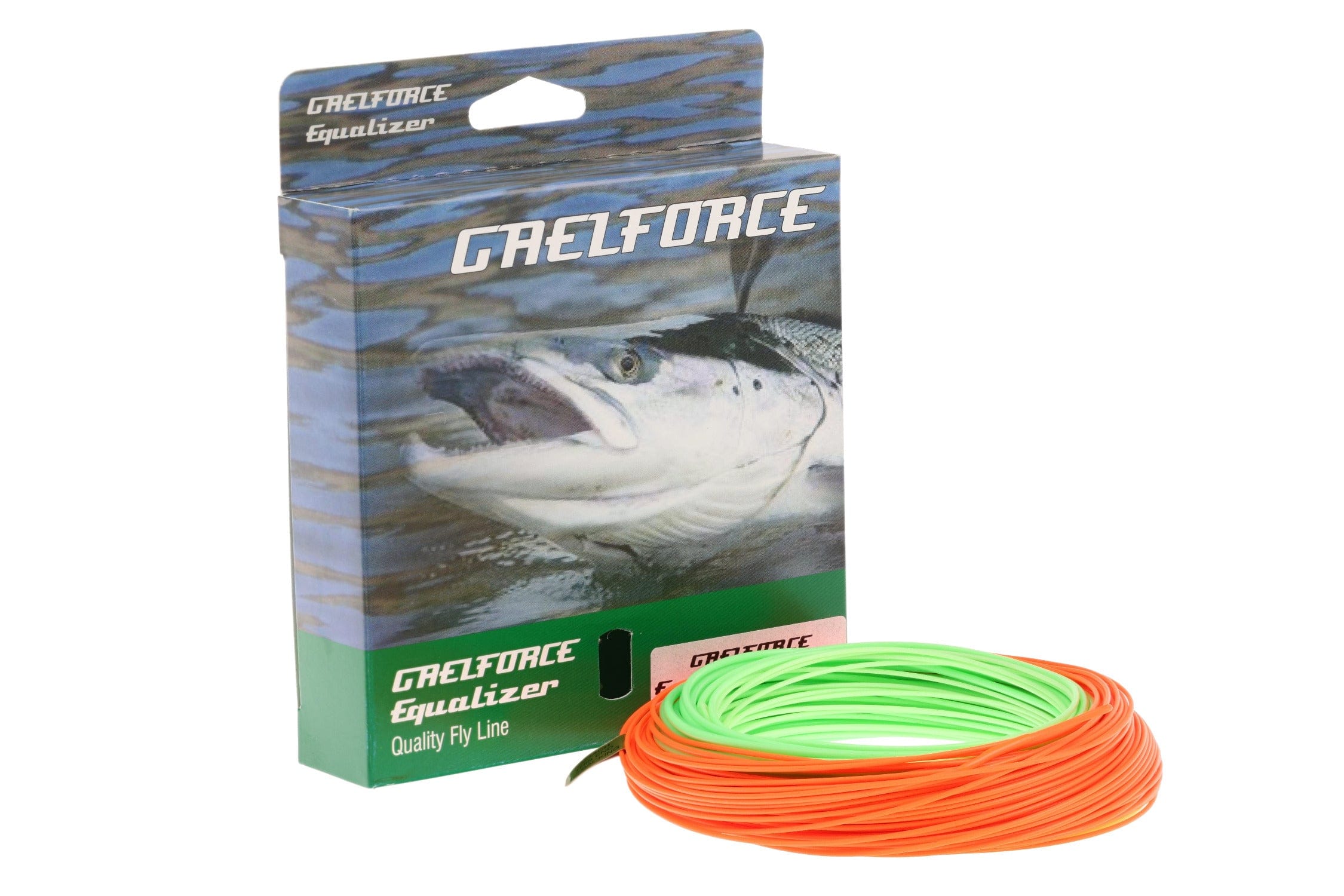
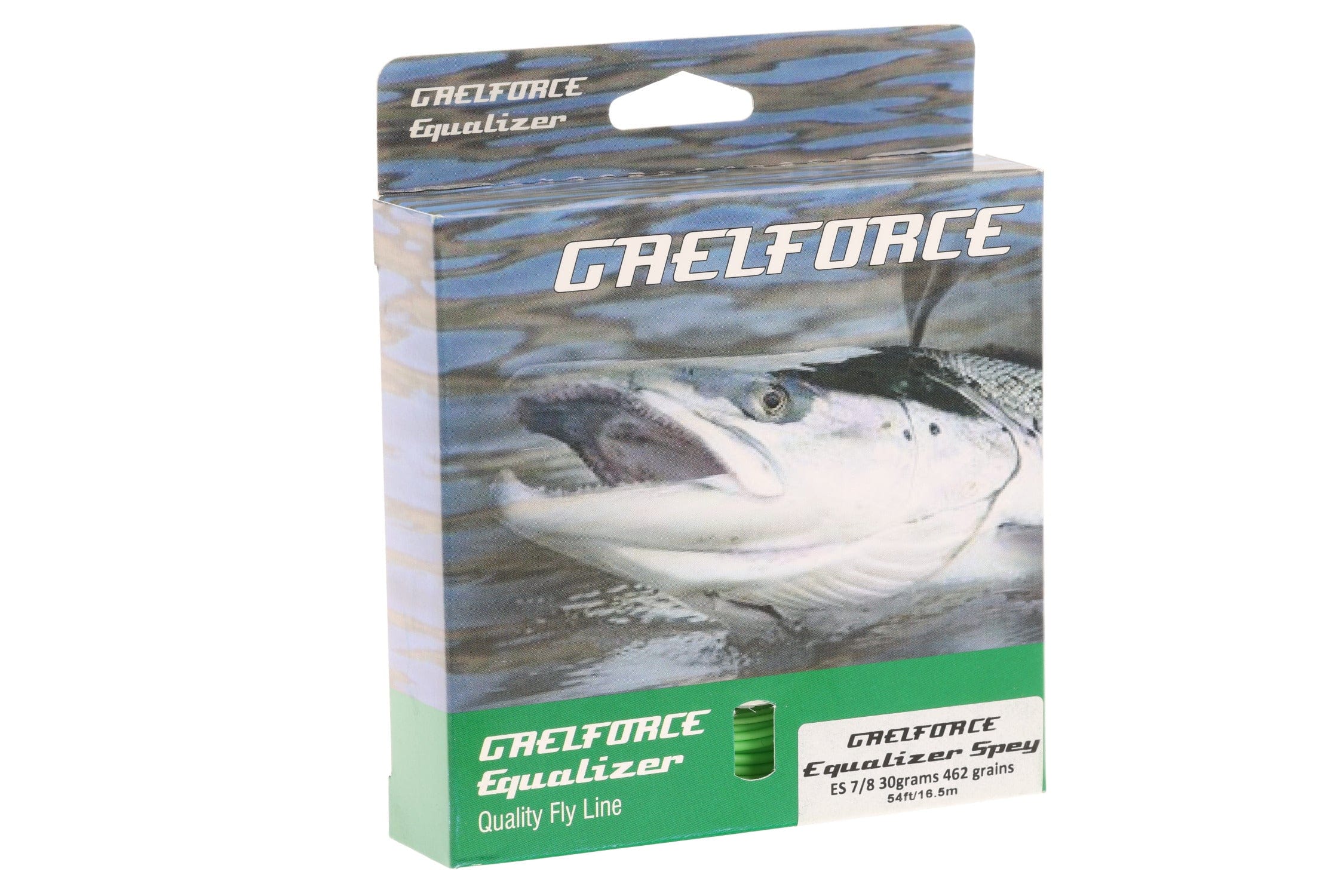
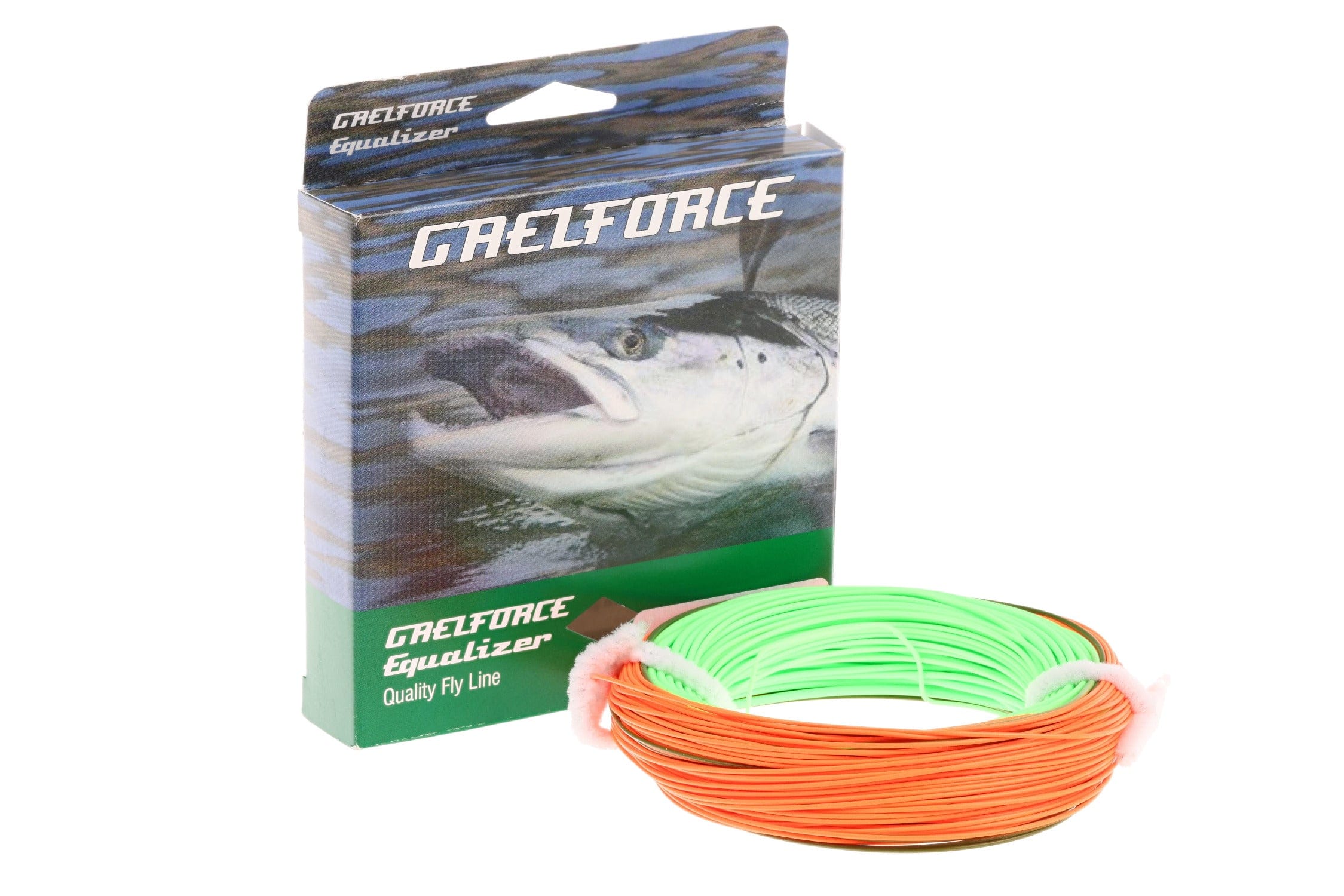
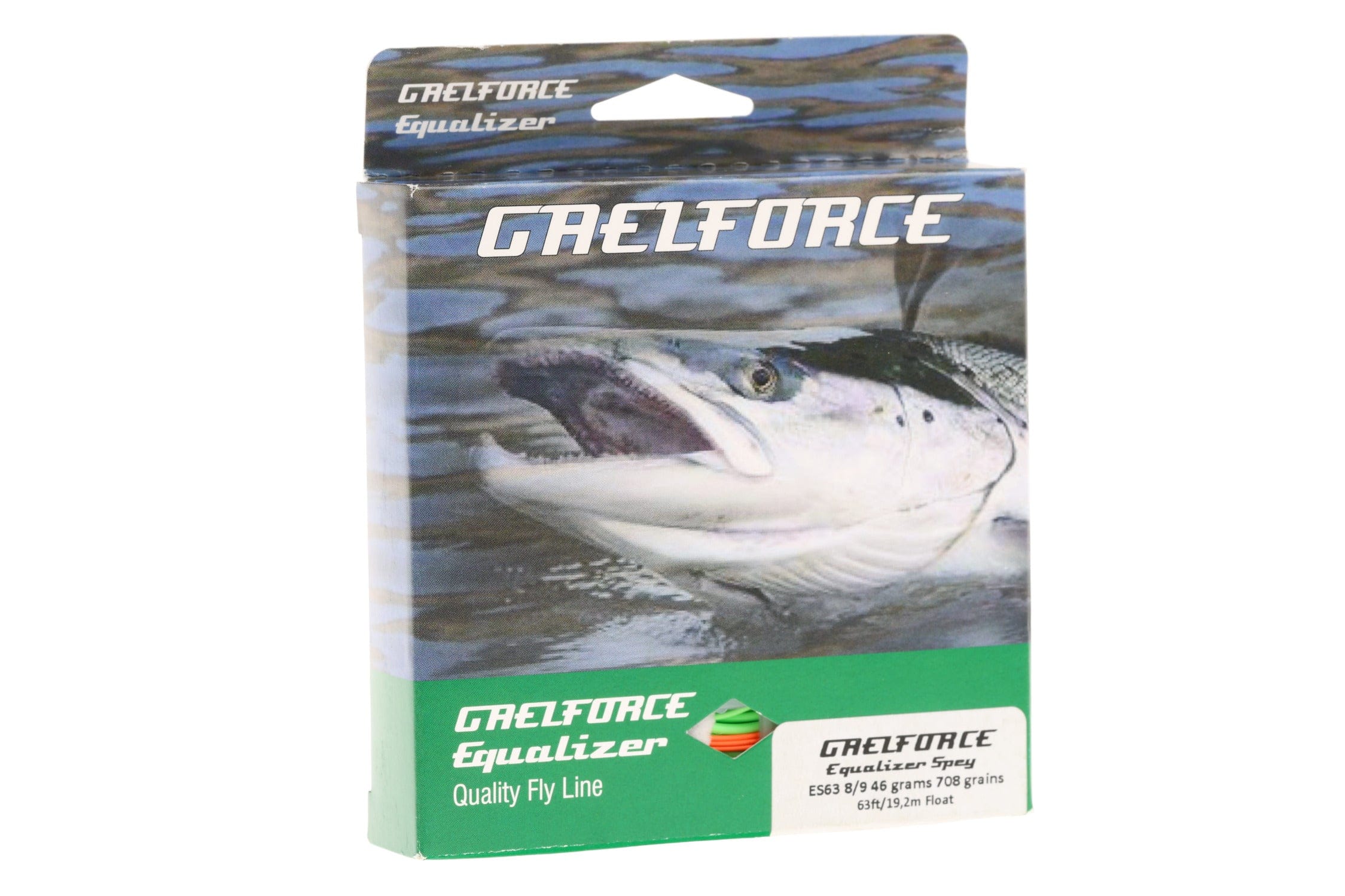
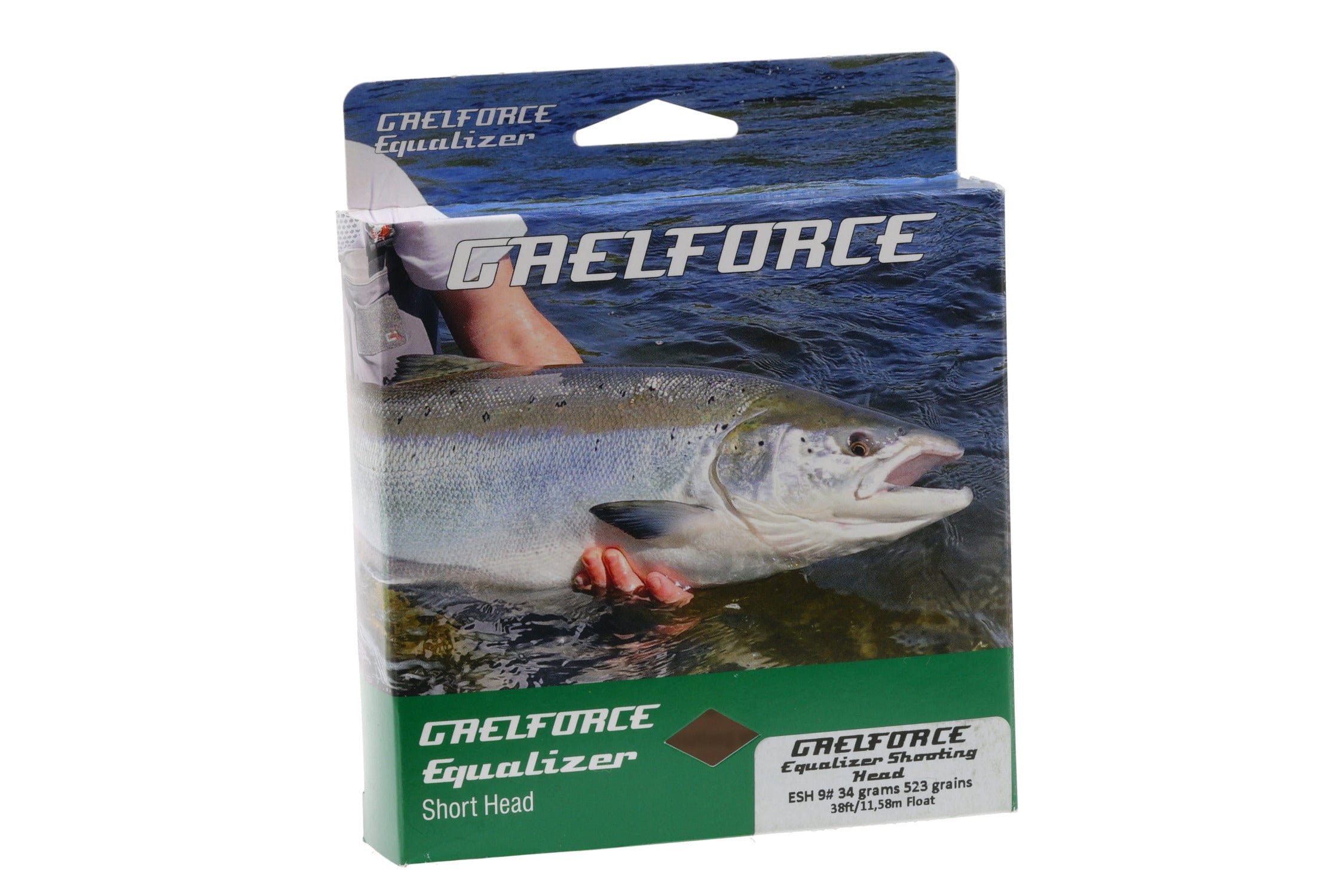
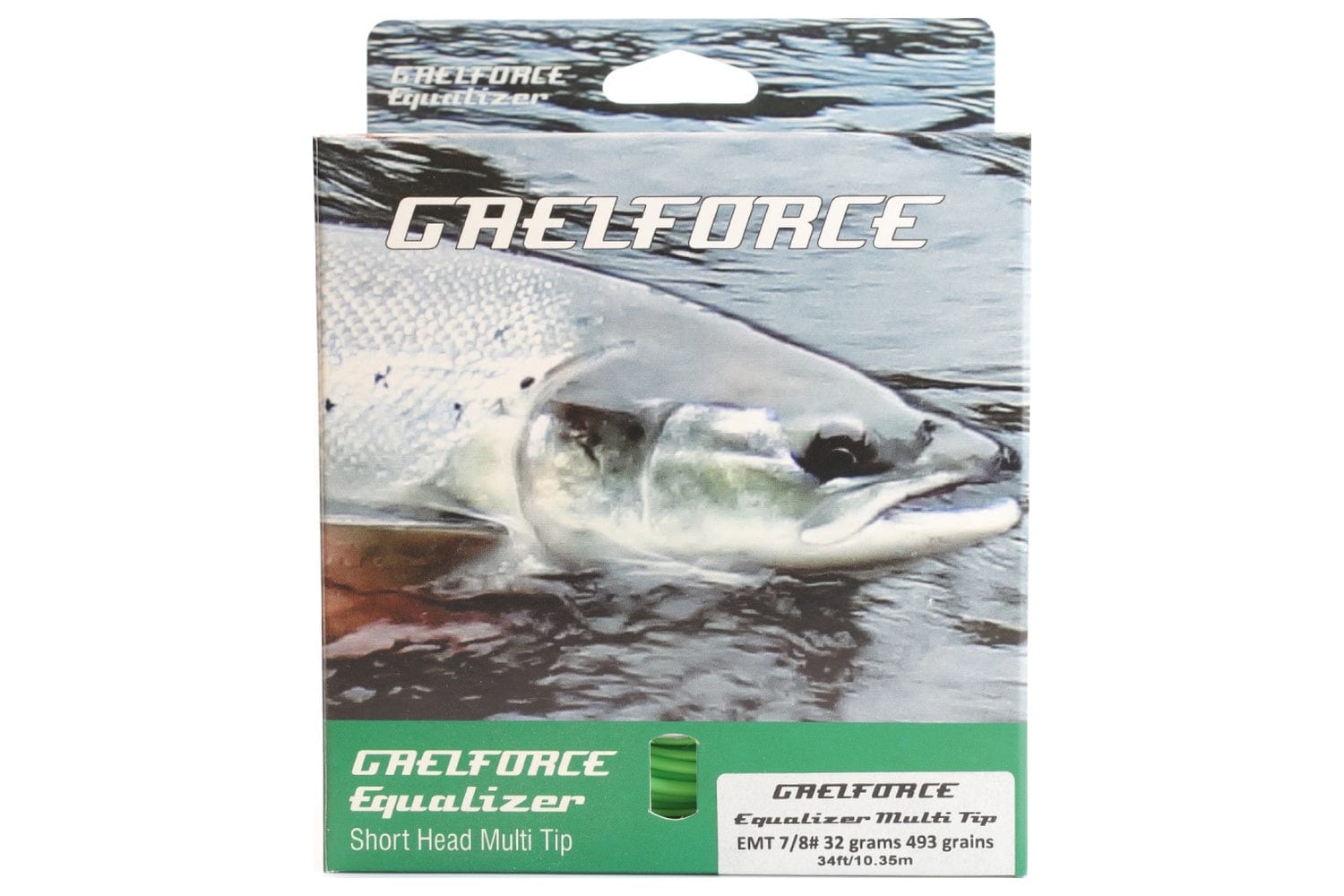
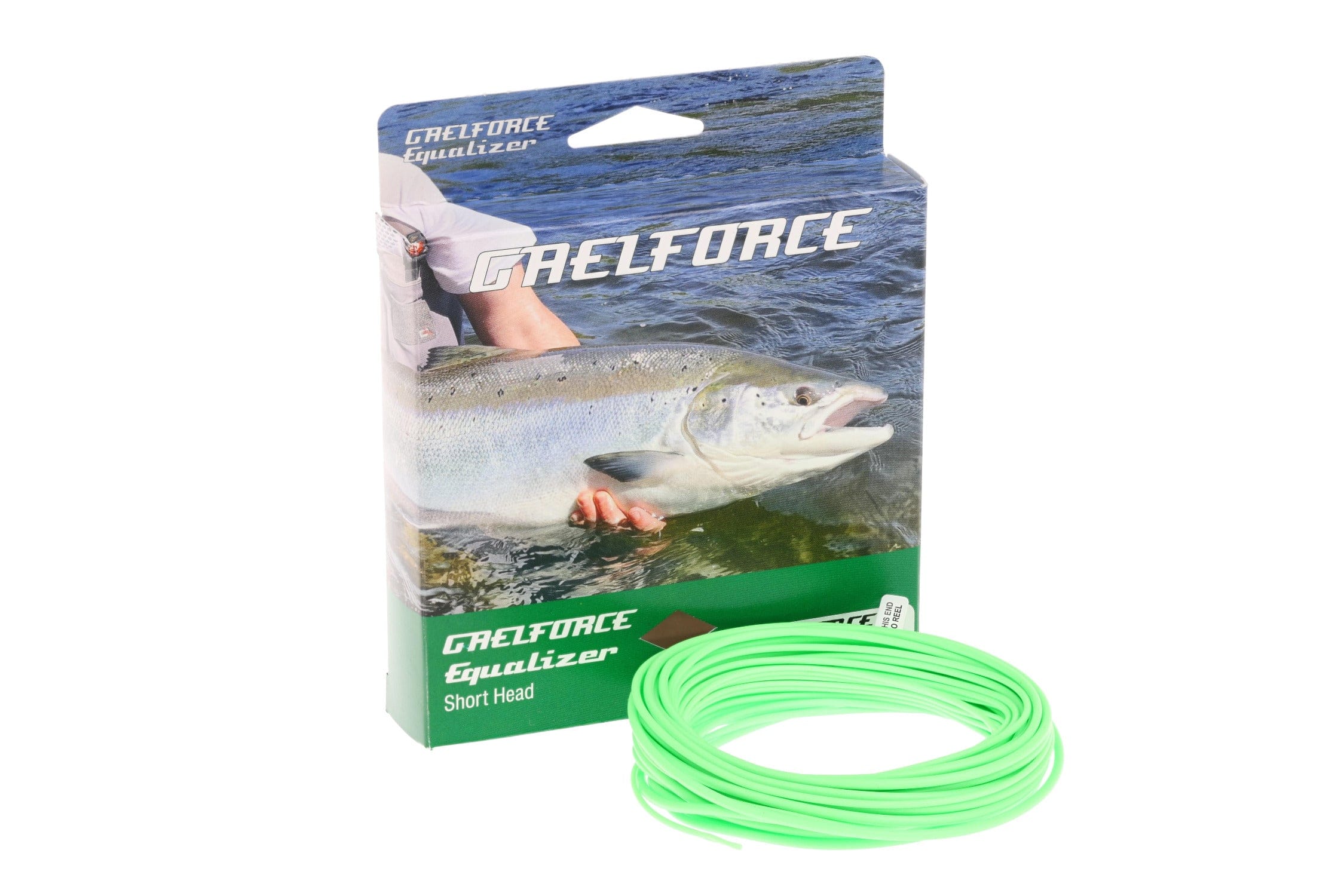
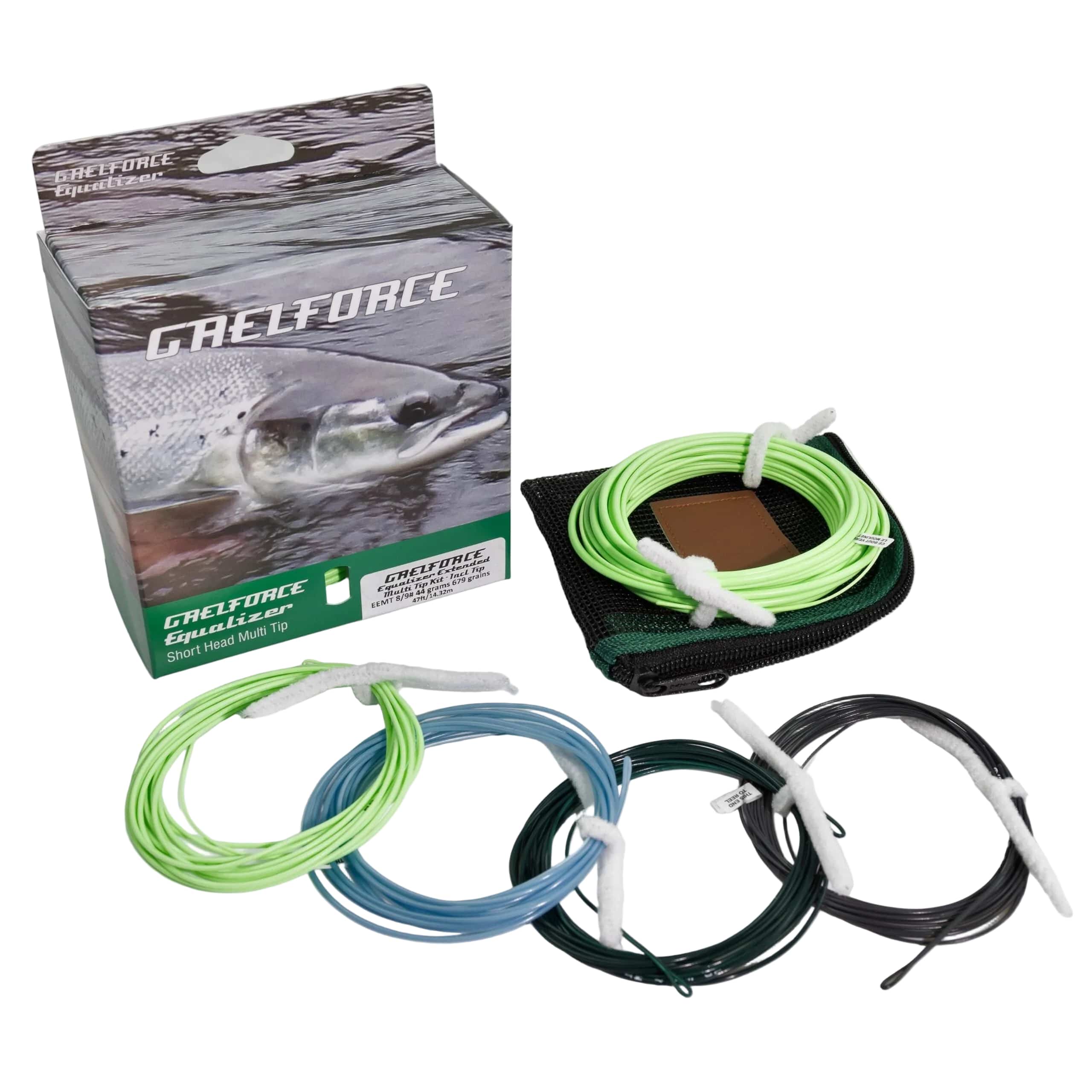
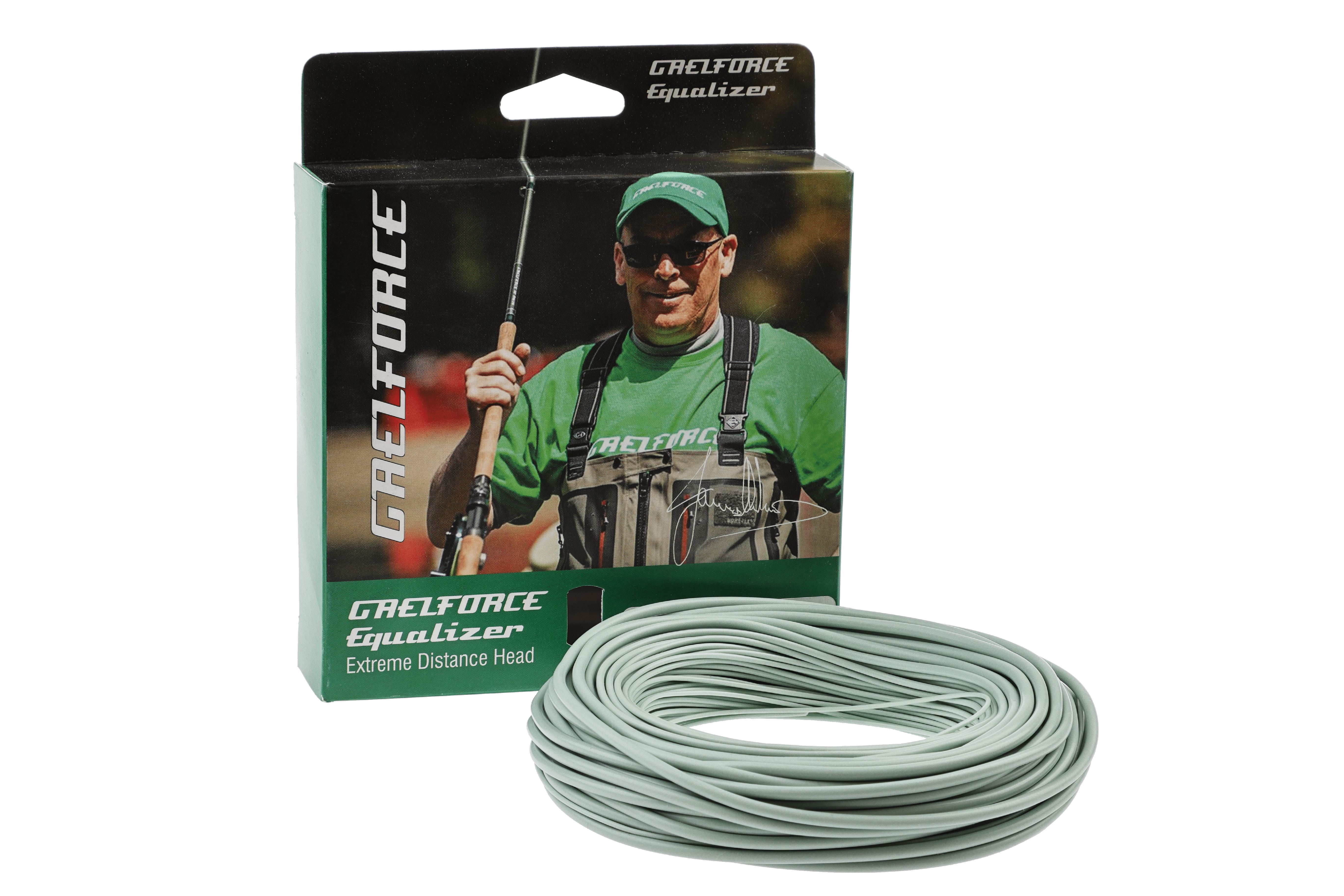
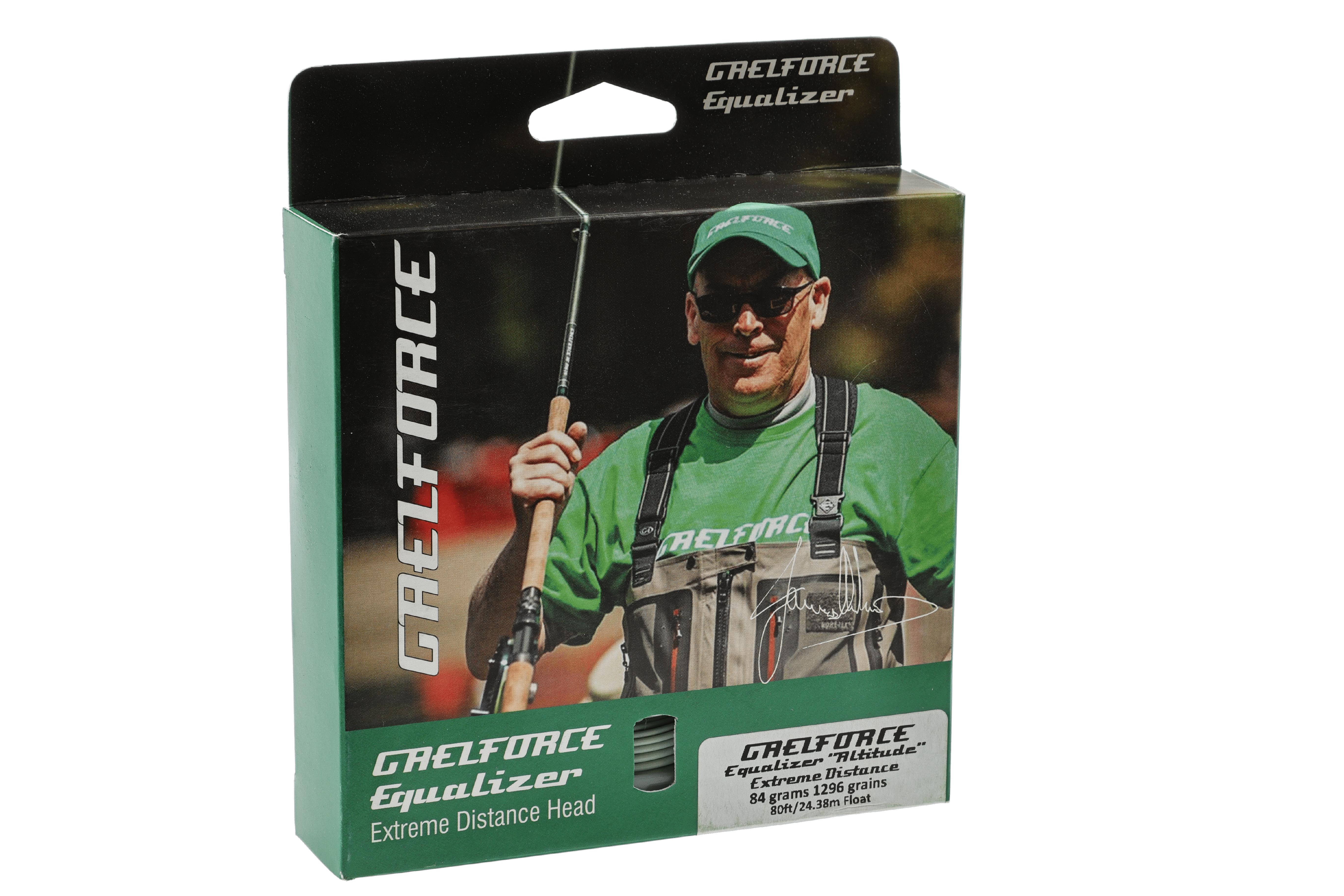
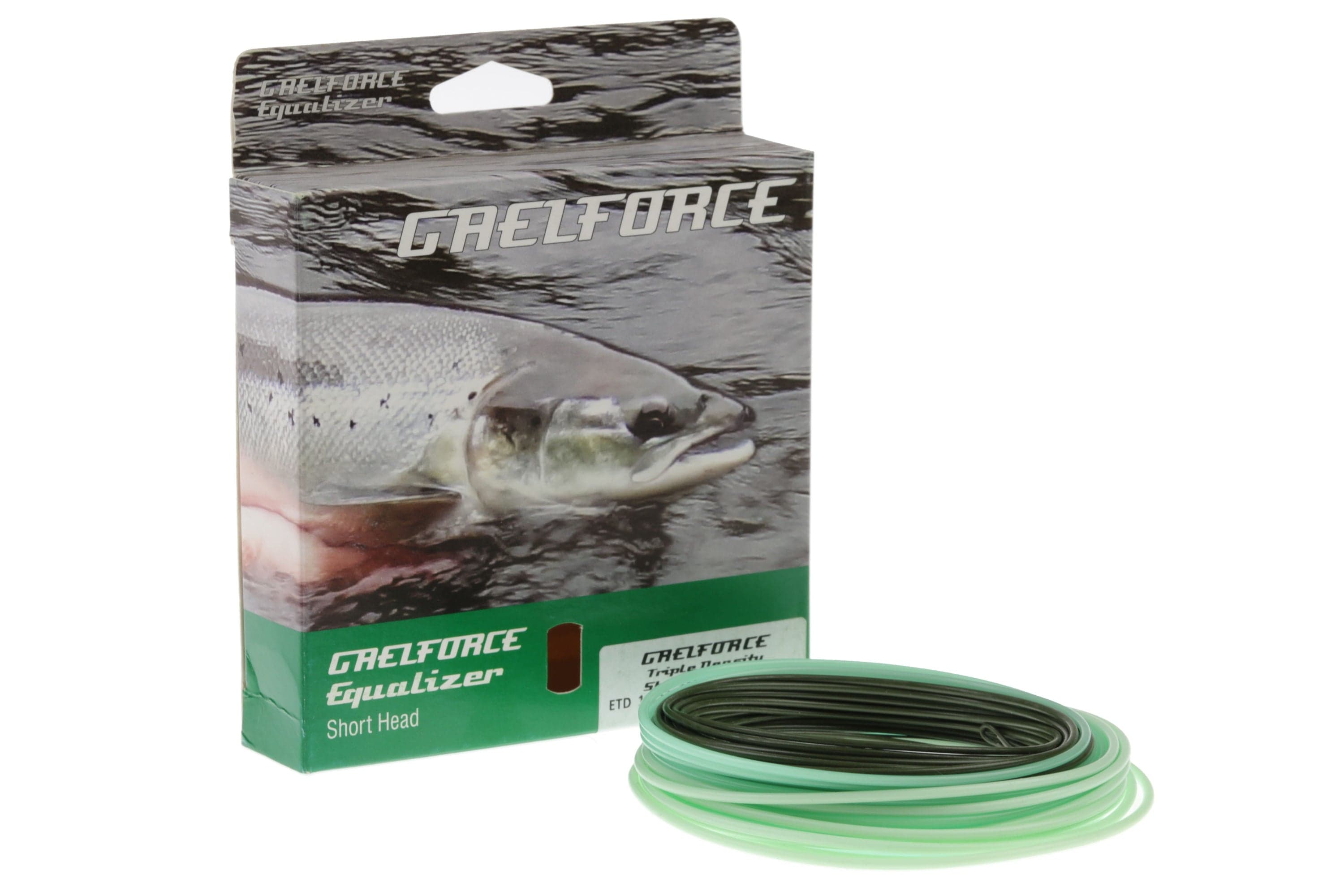
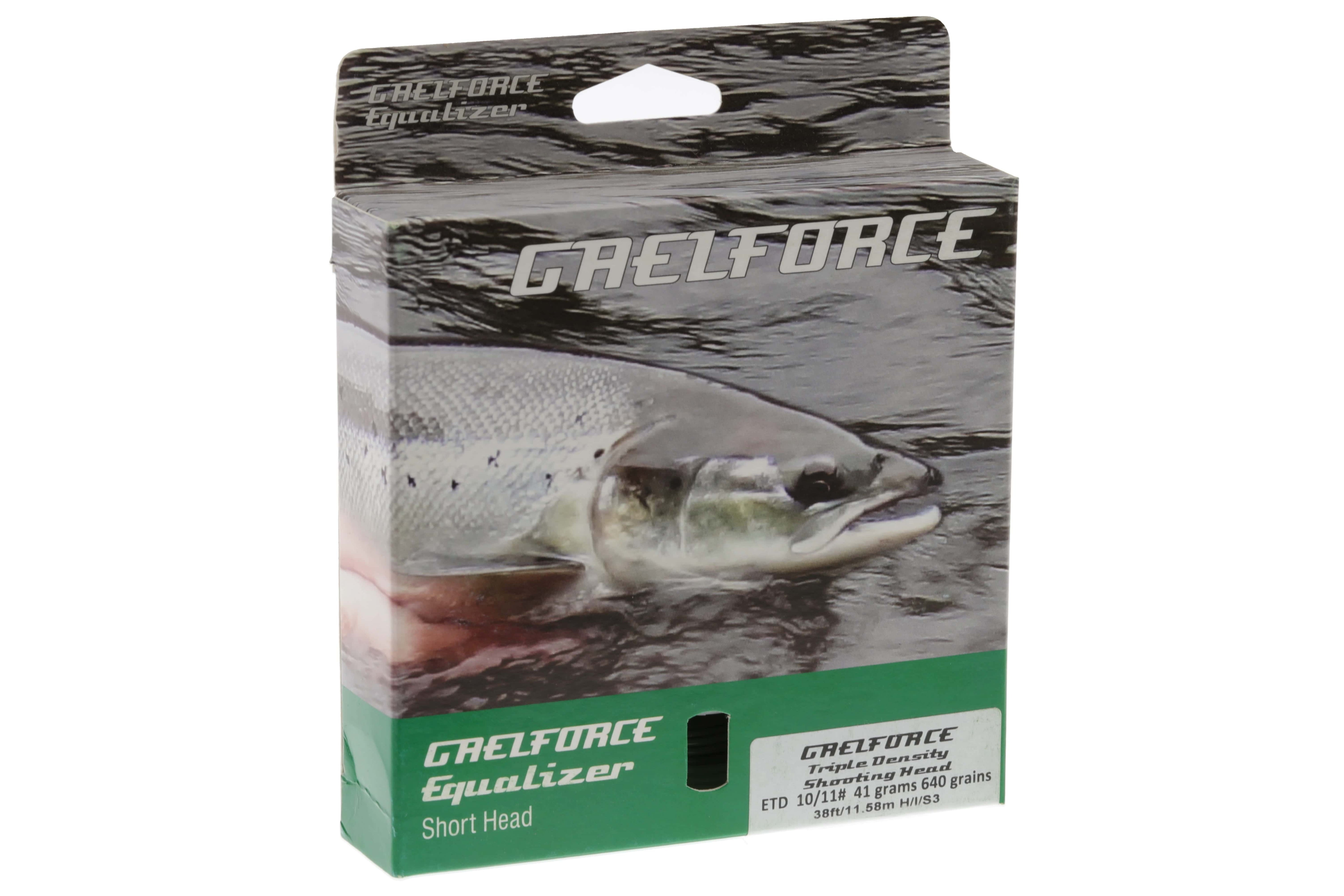
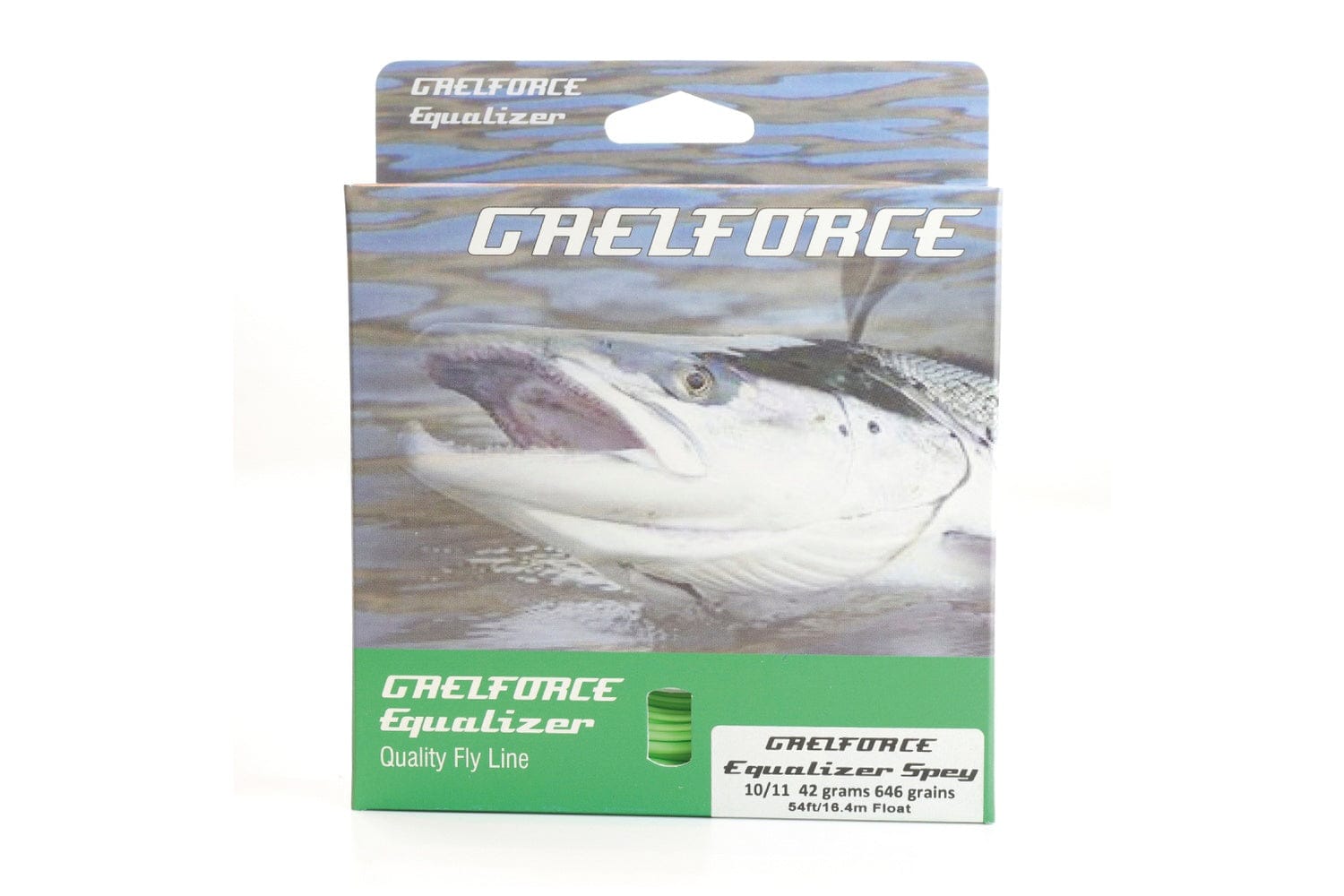
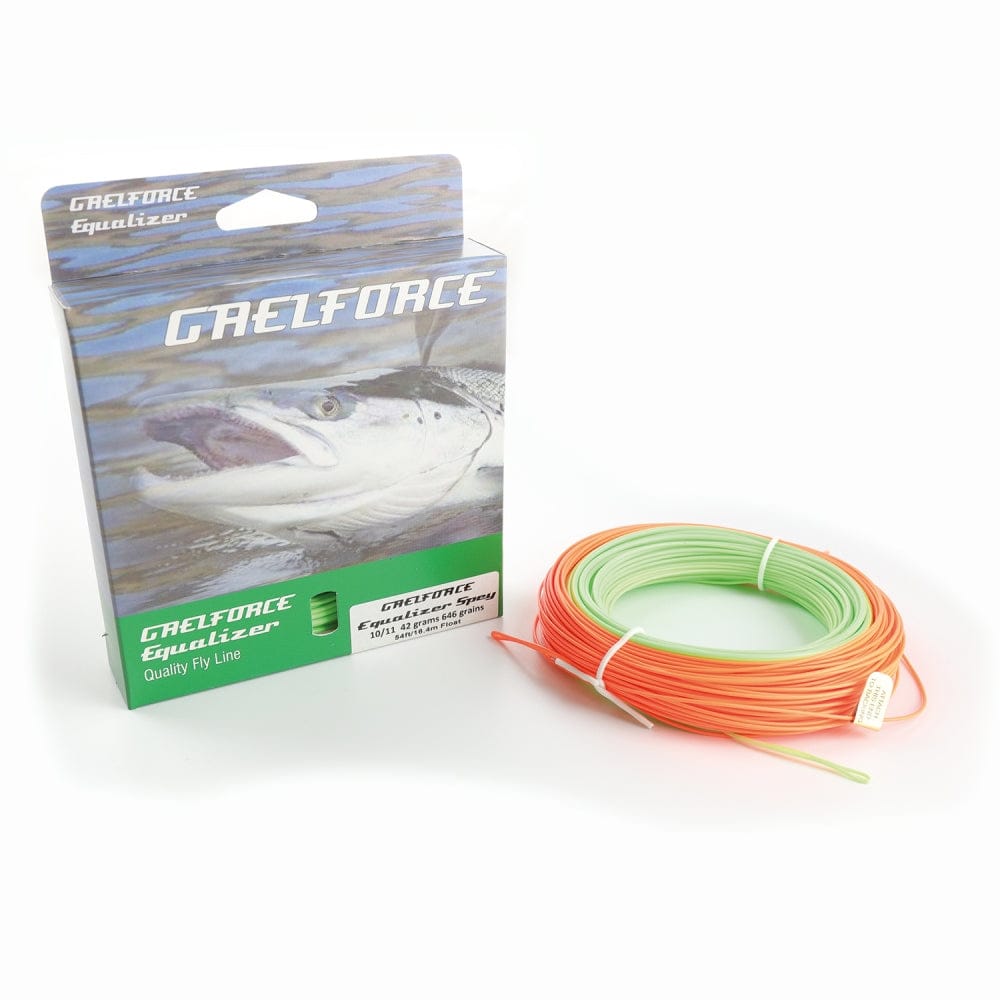
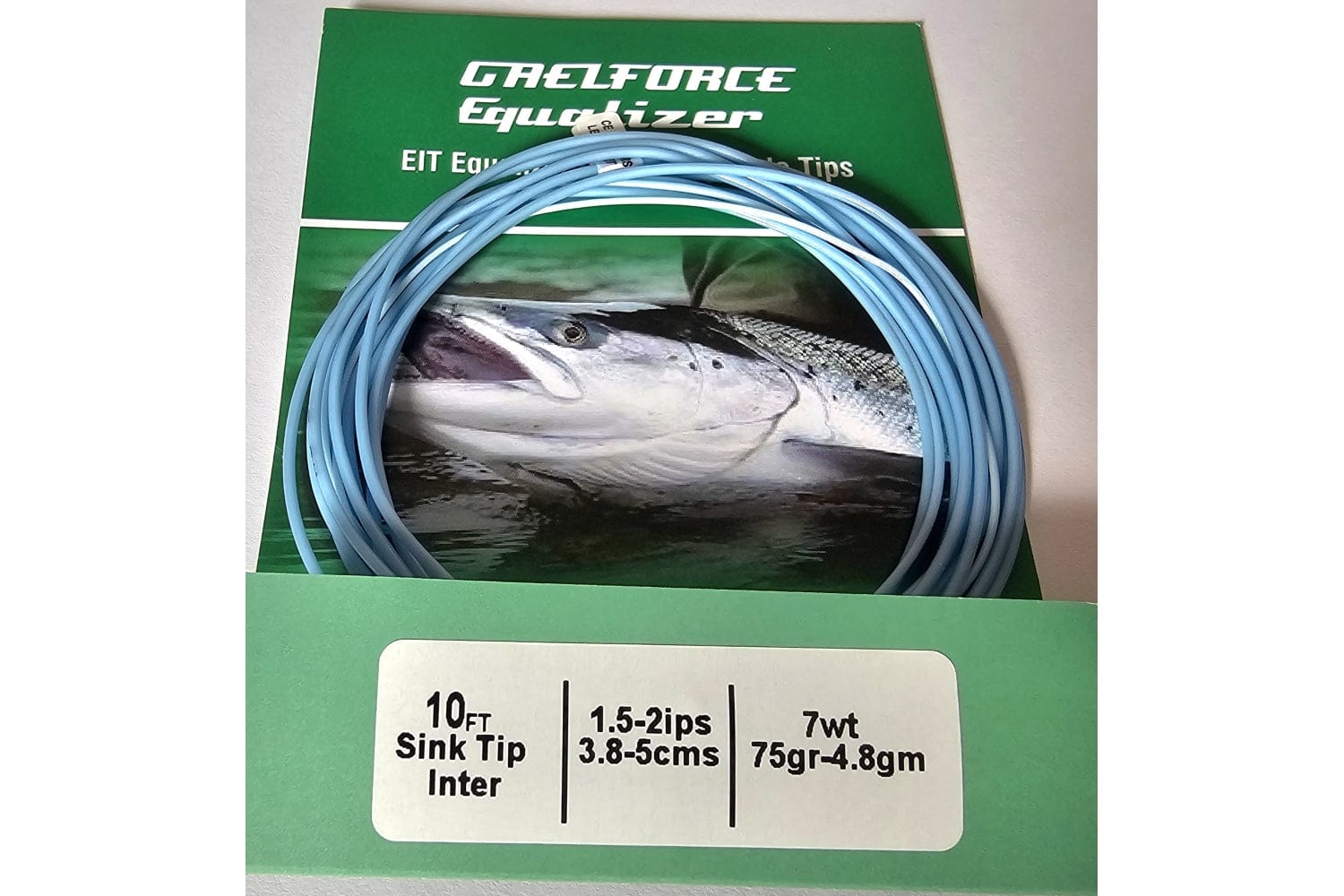
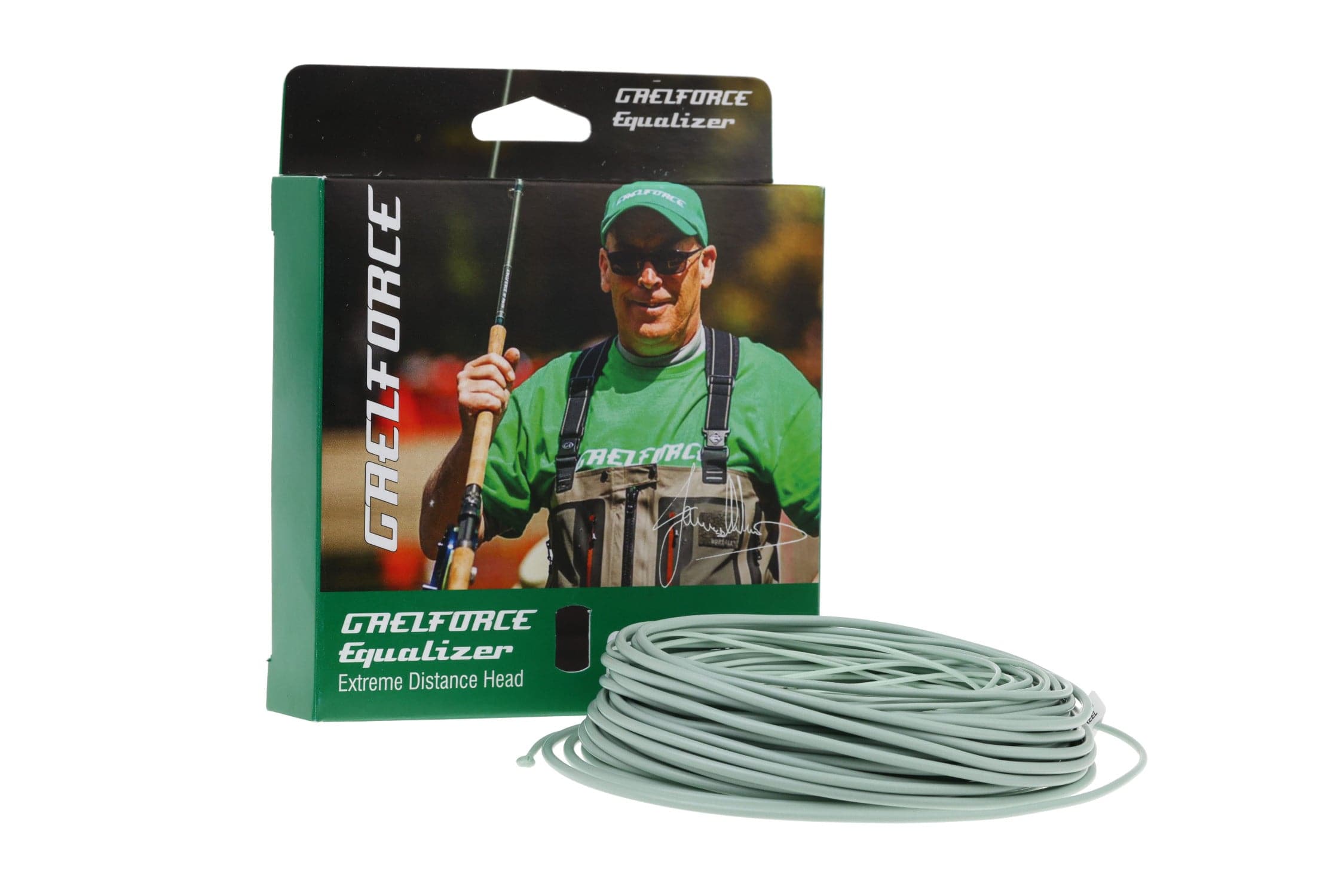
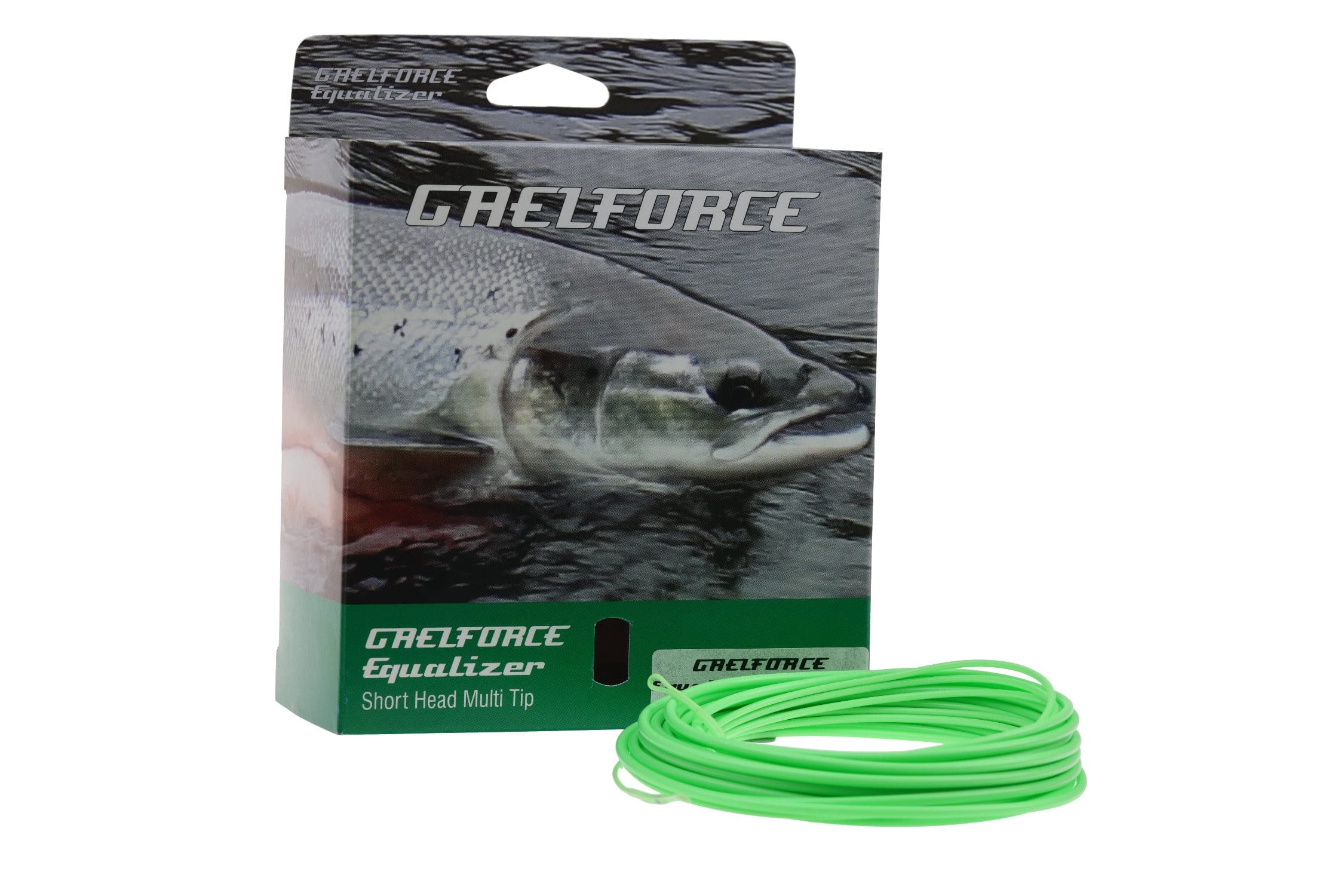




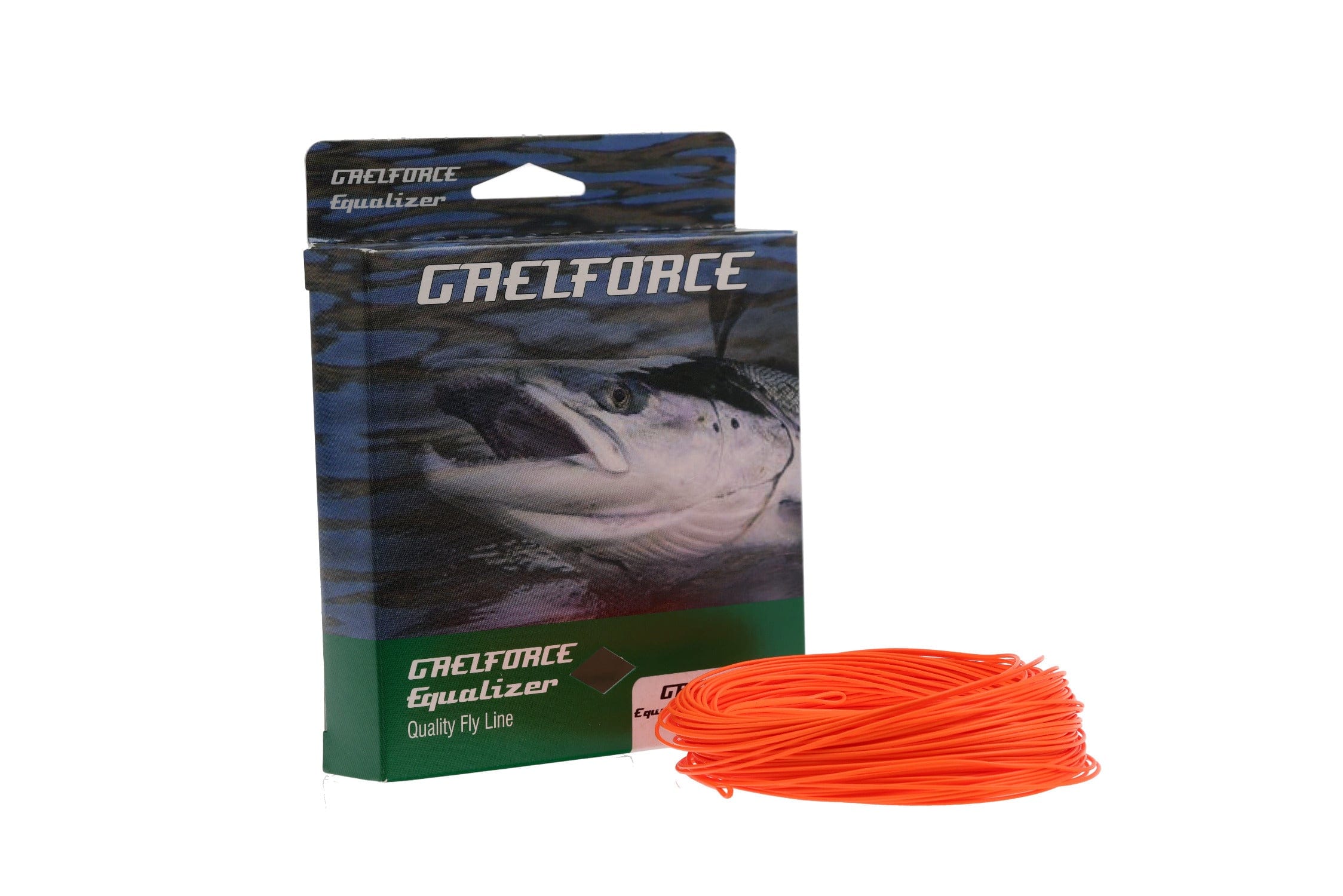
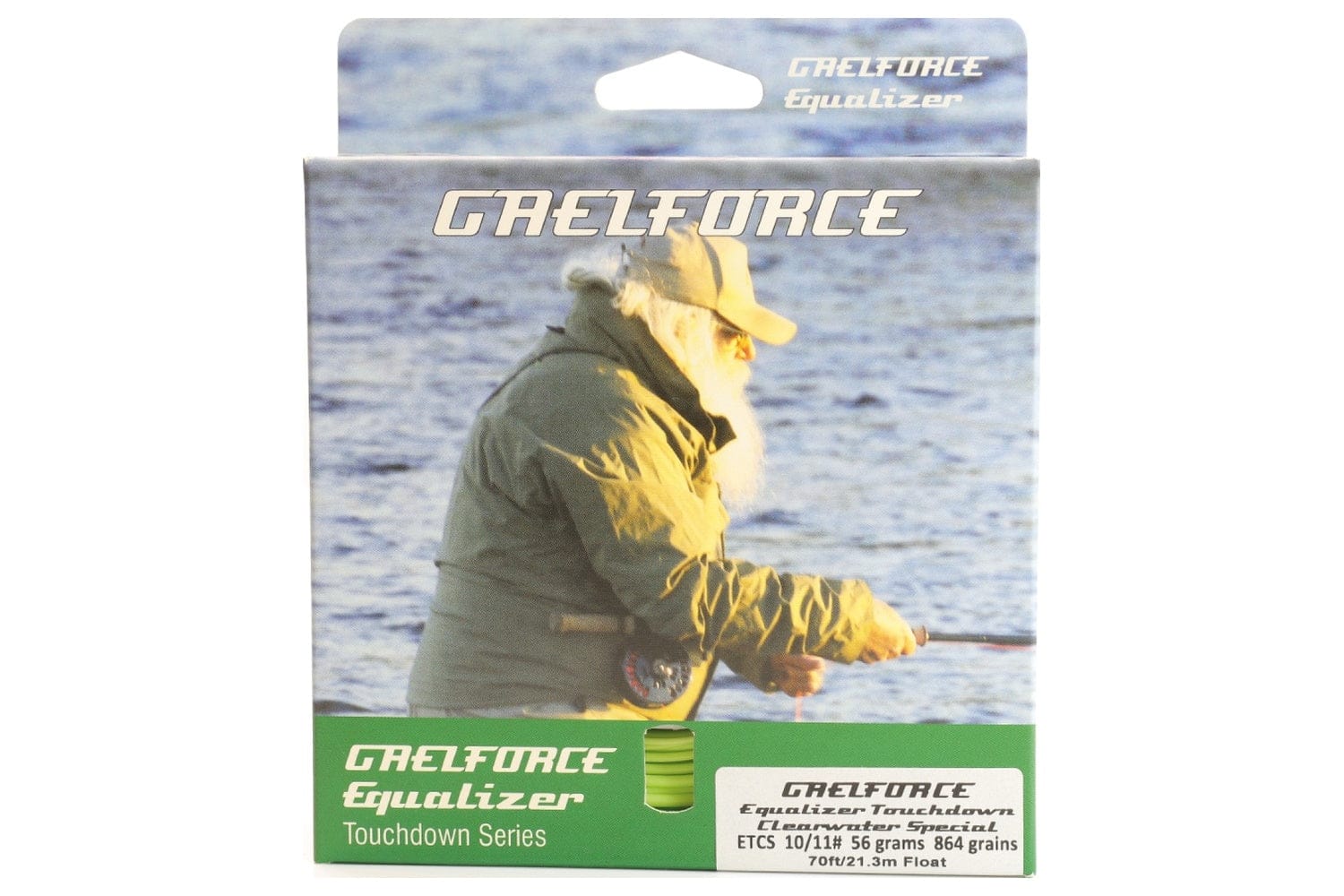
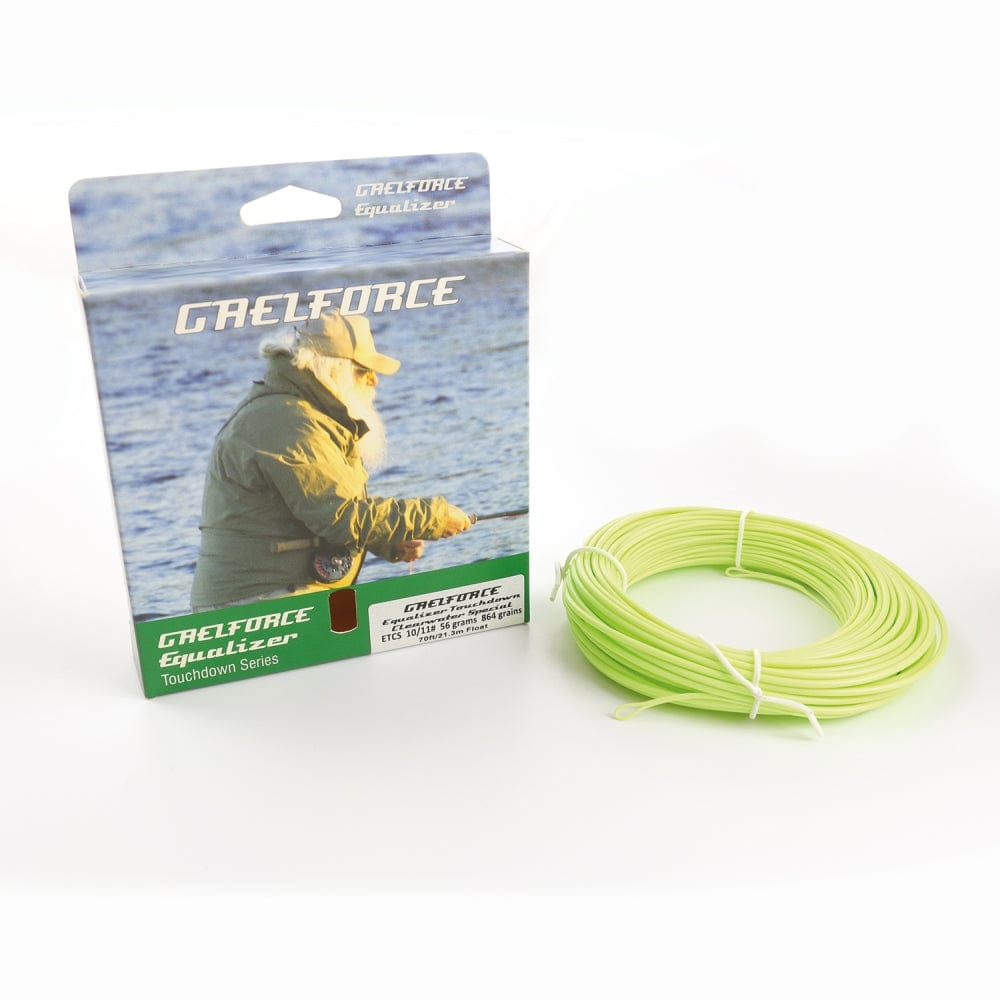
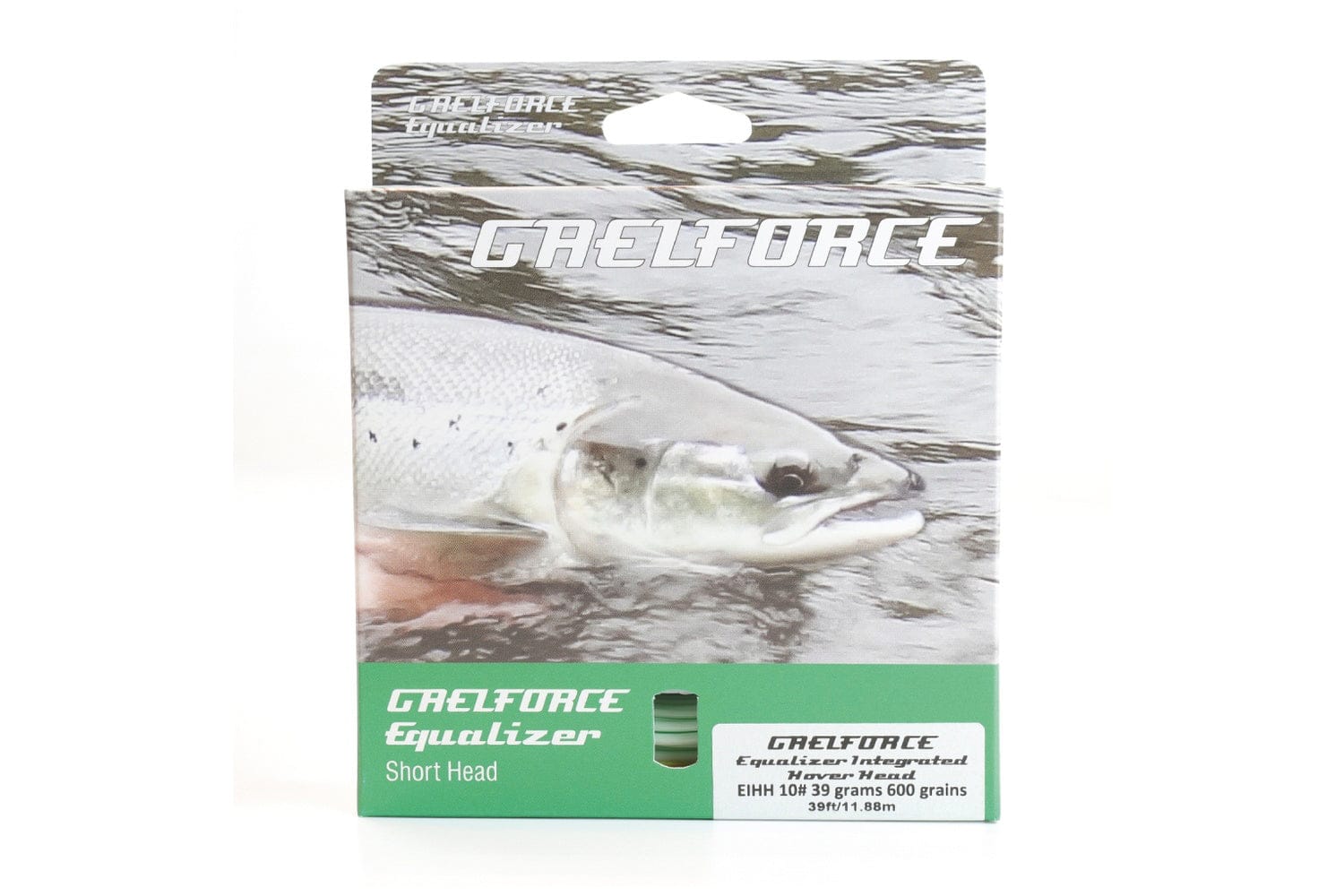
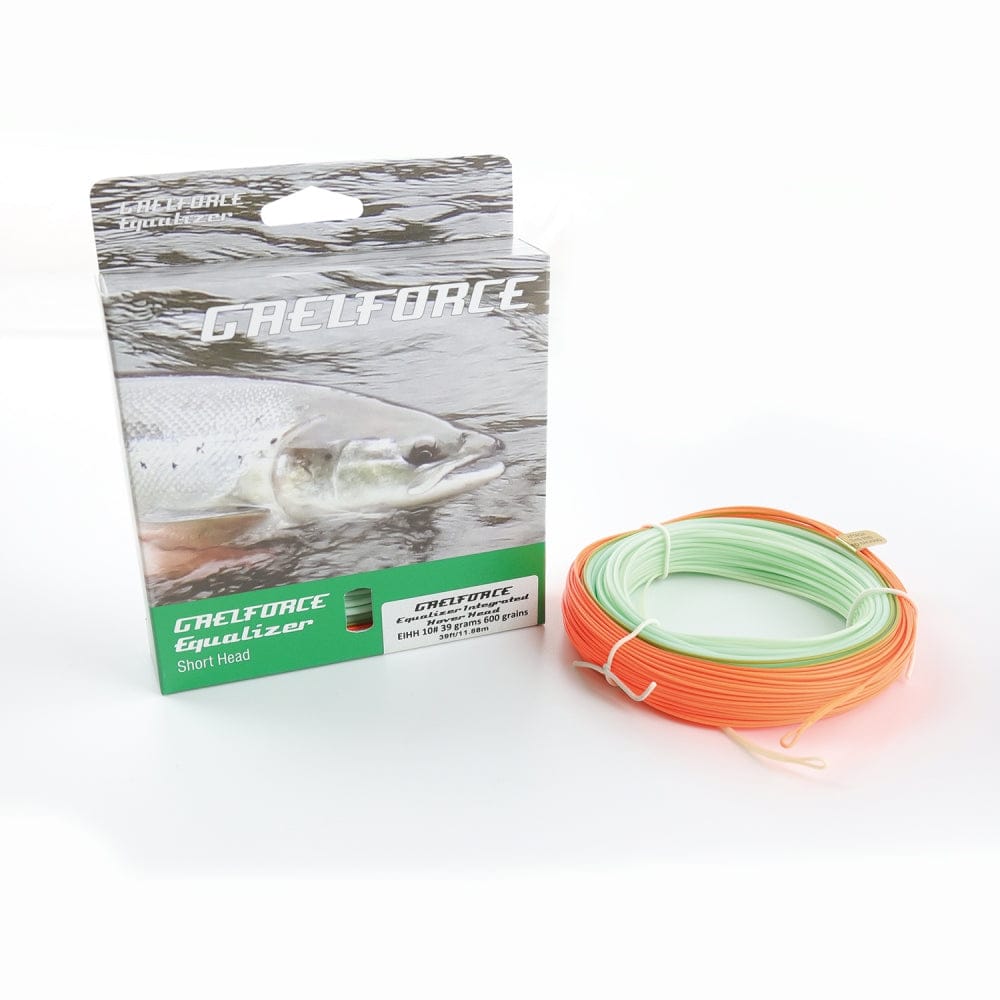
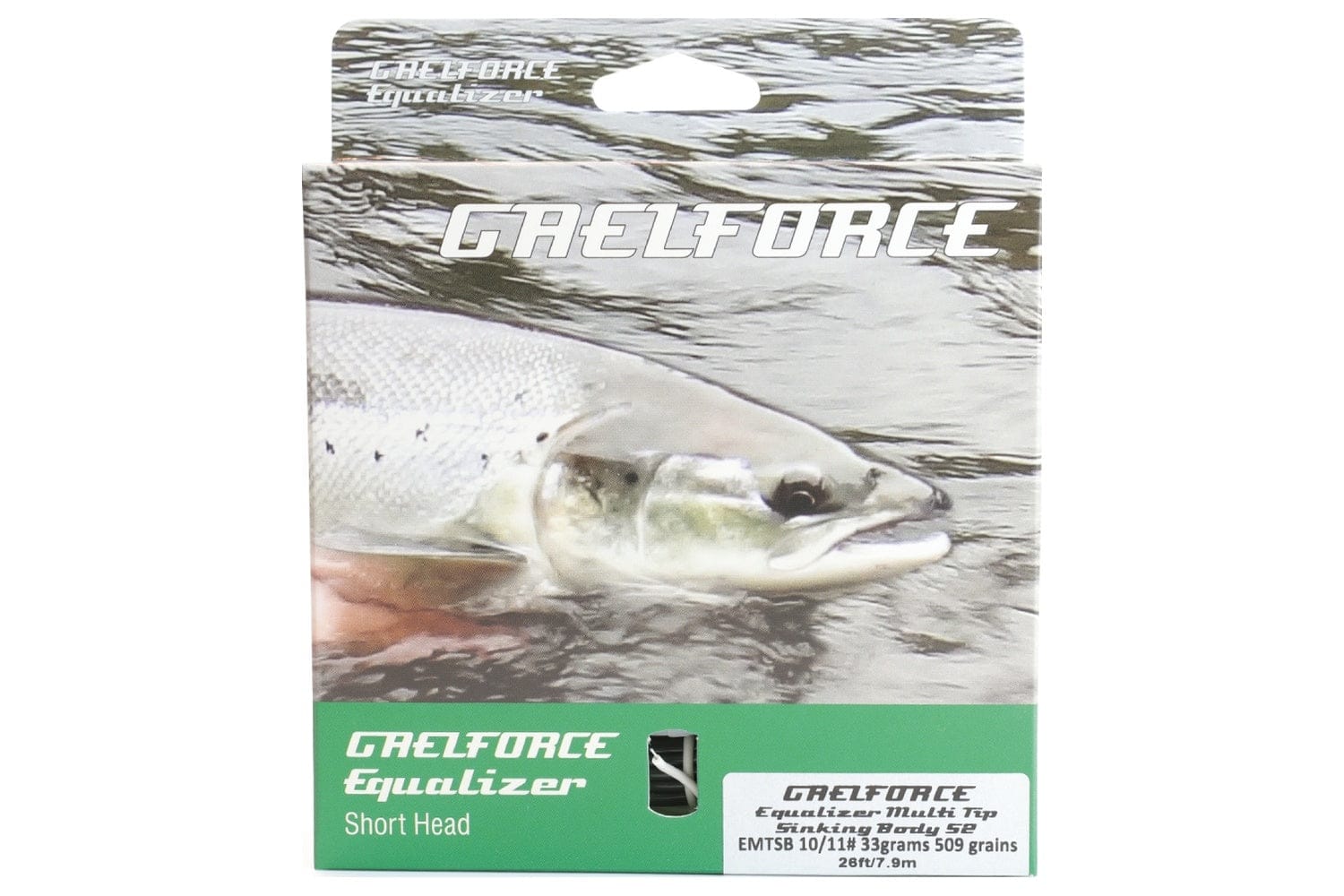
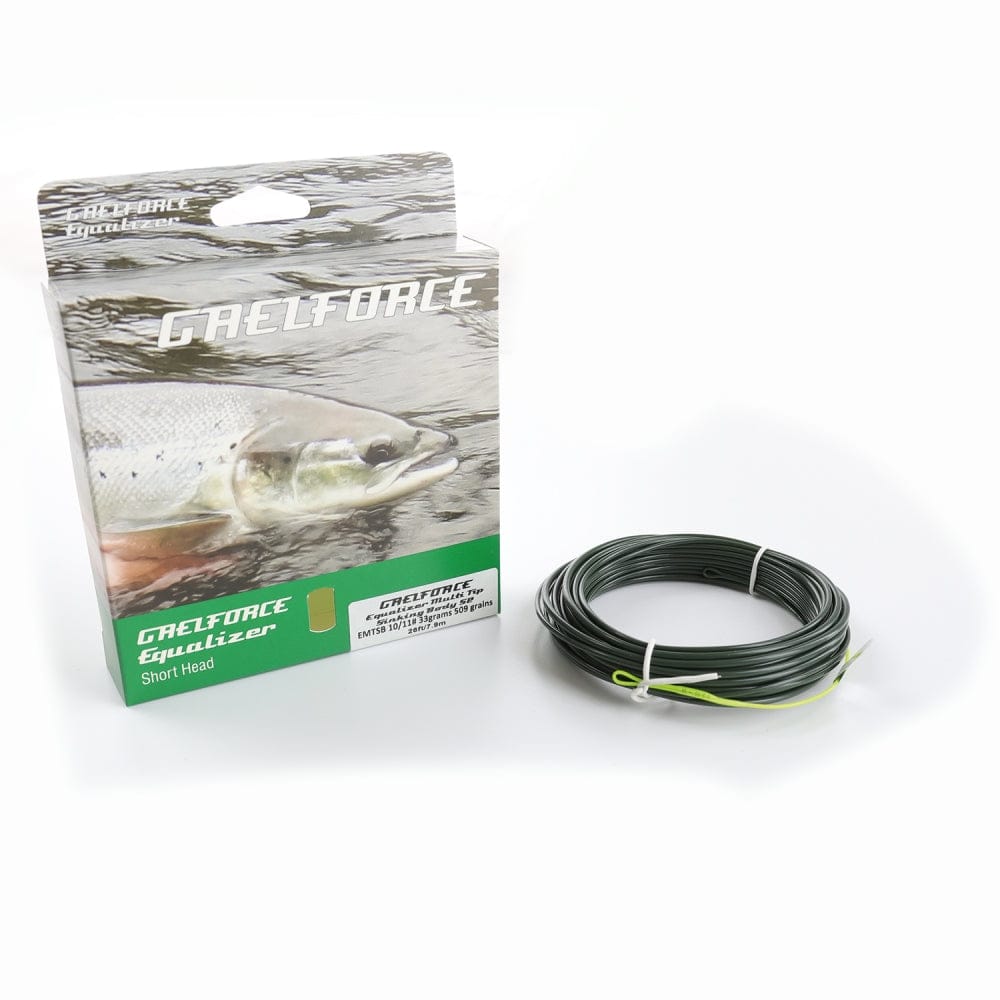
Gaelforce Fly Lines Quick Picks
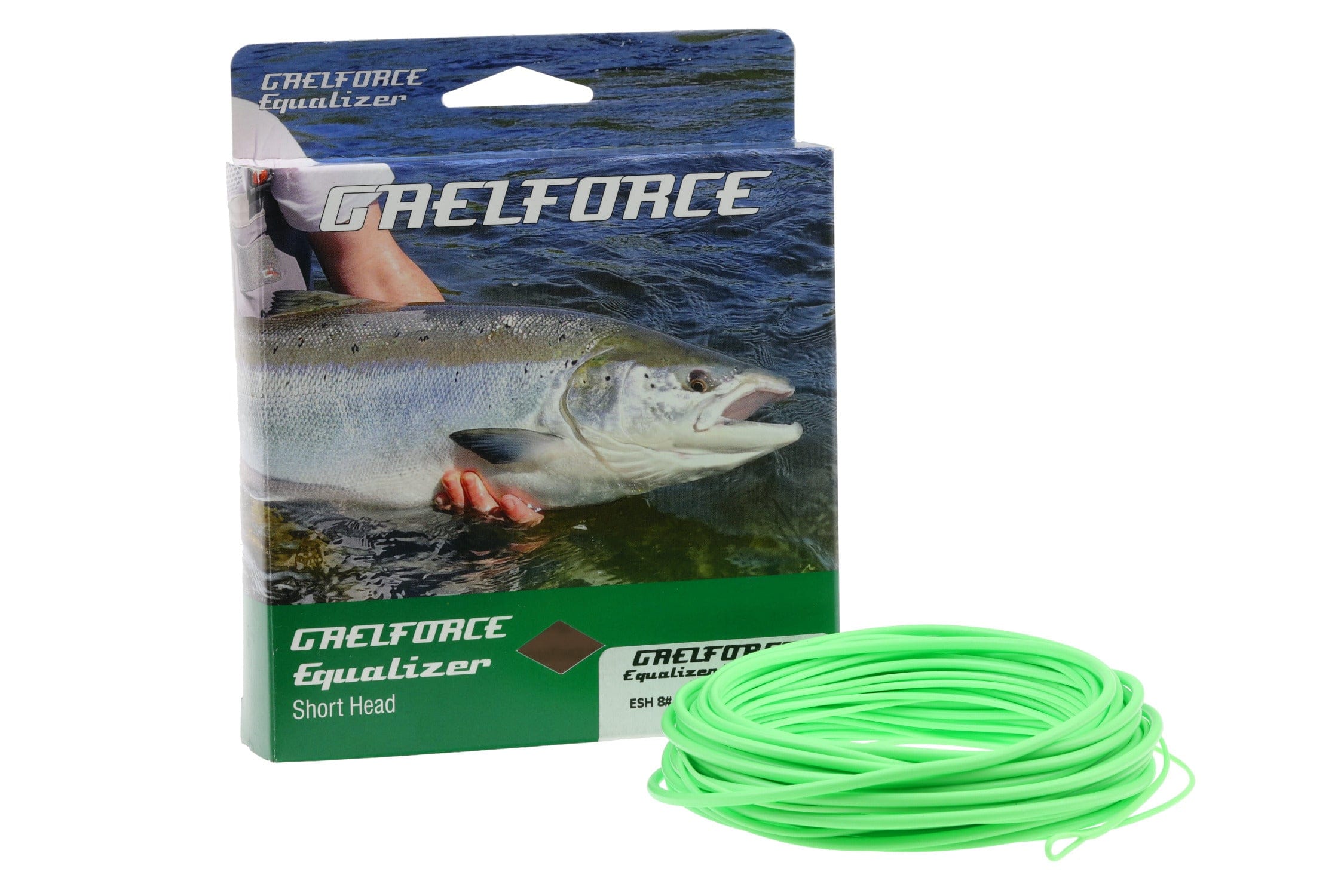
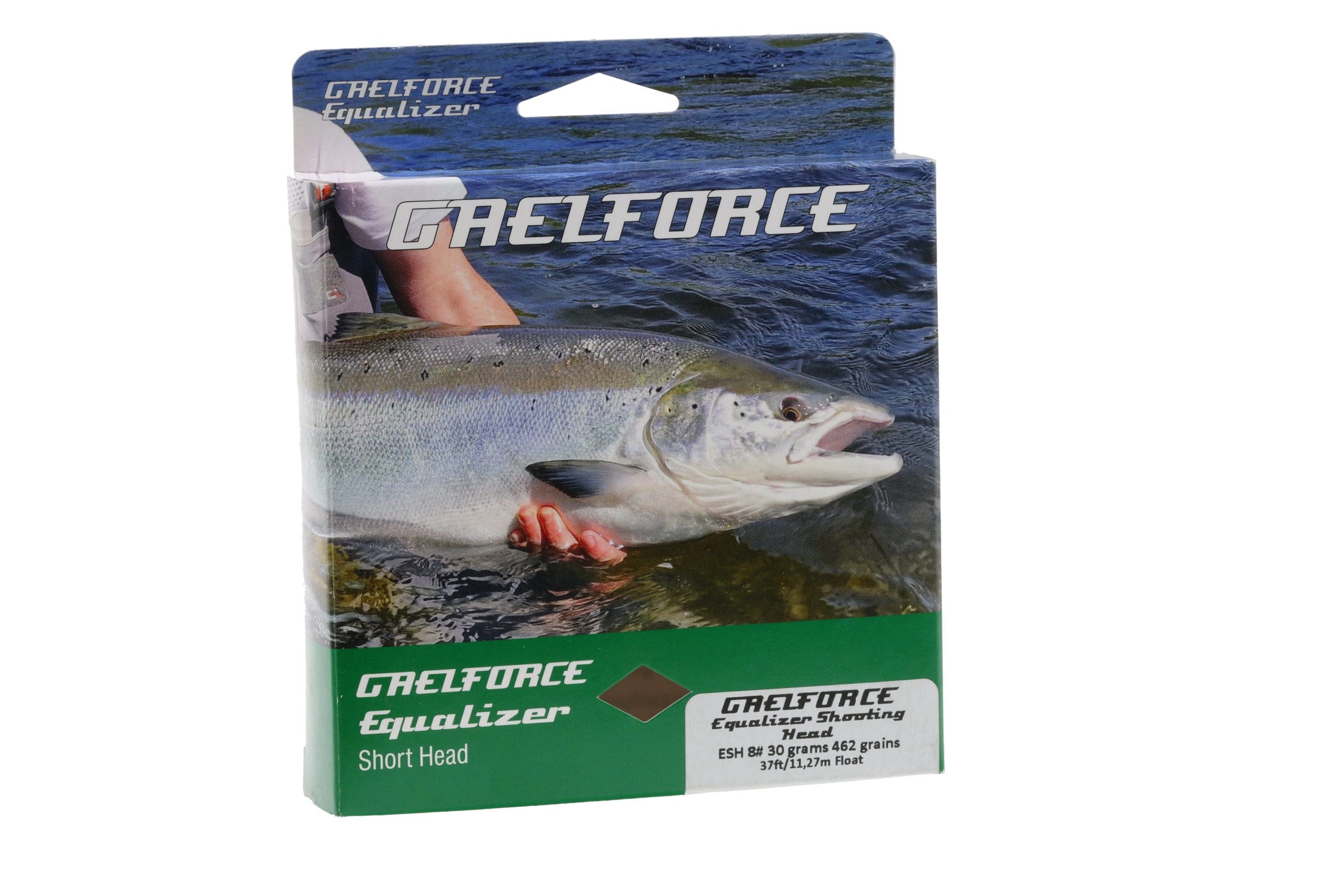
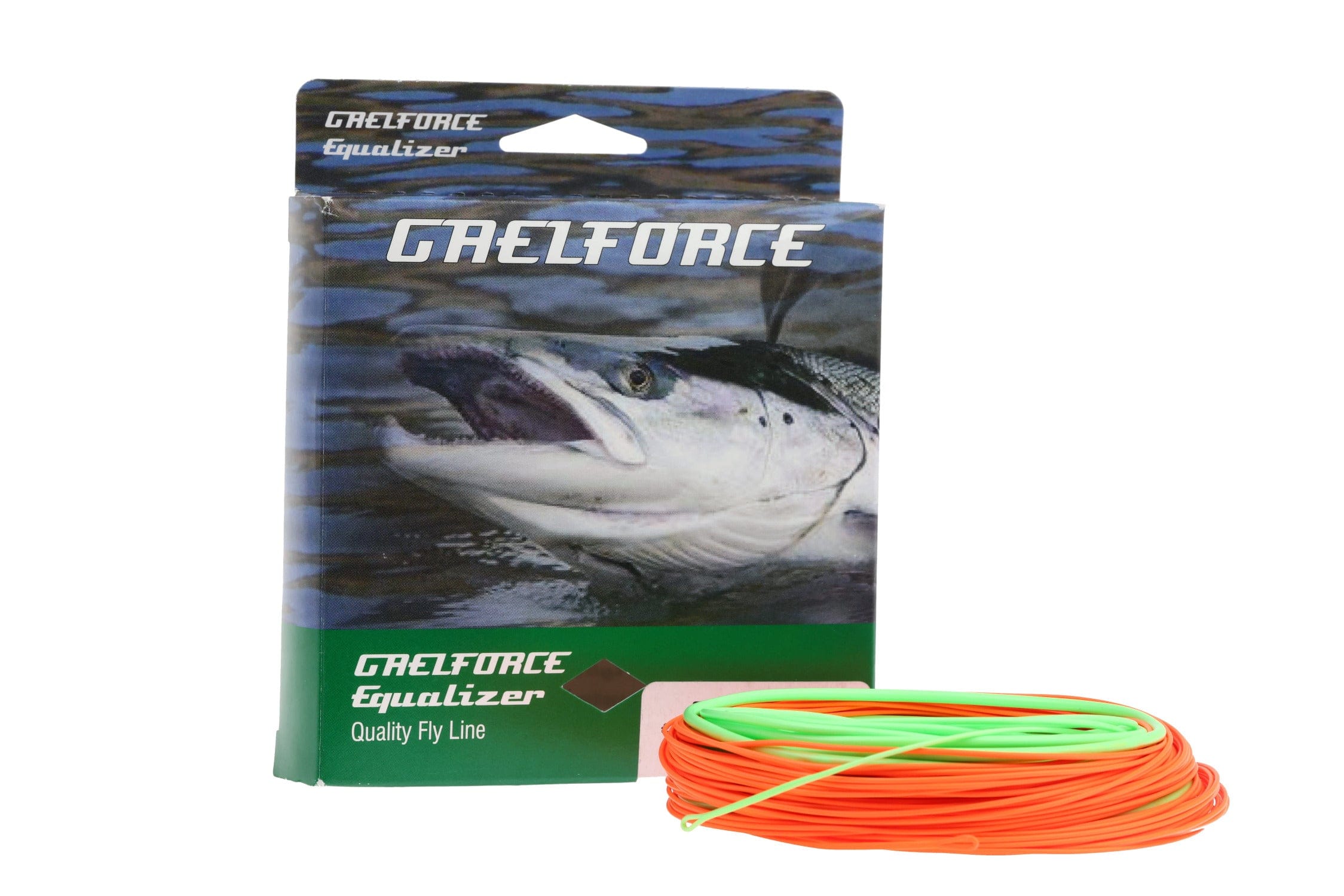
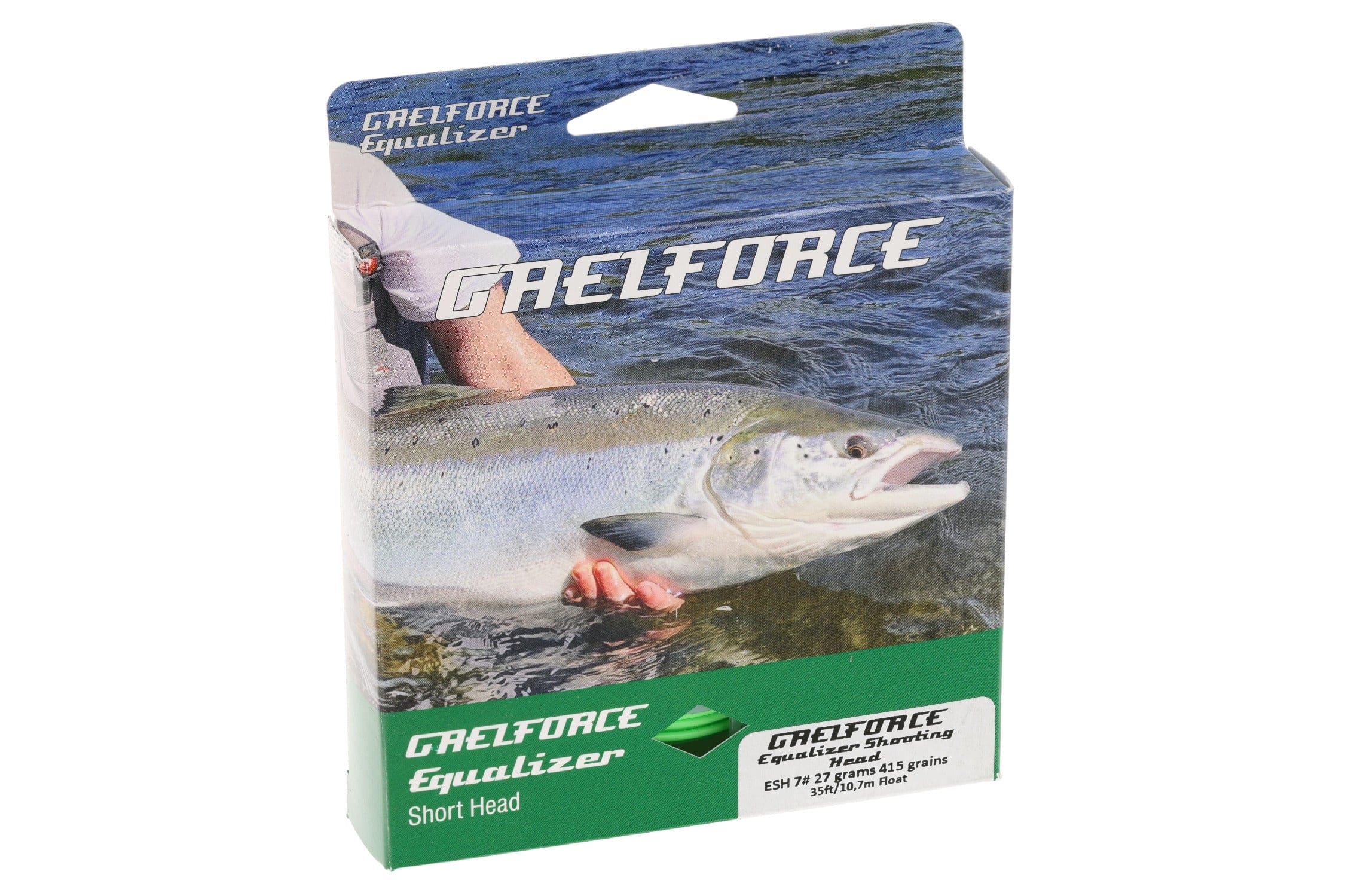
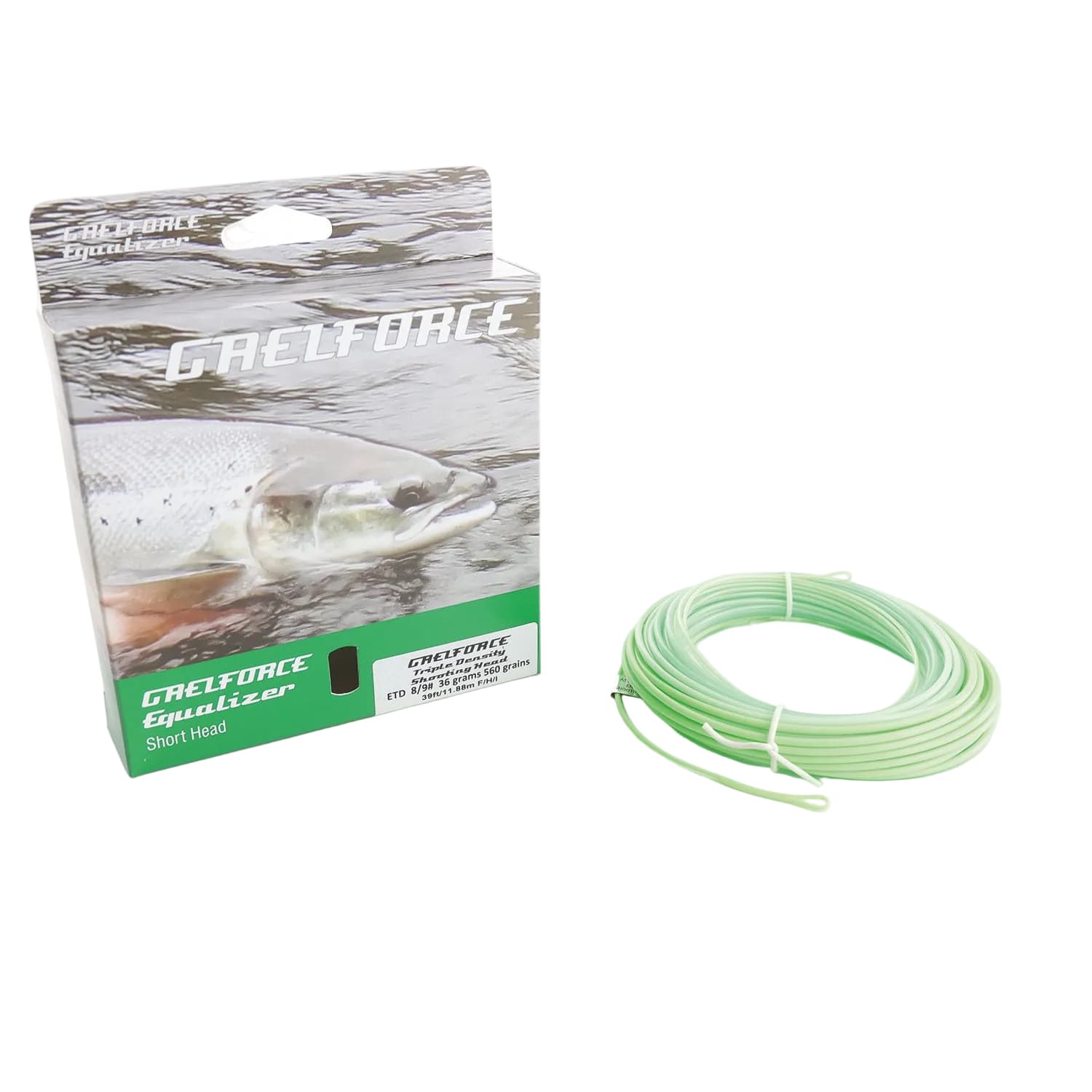
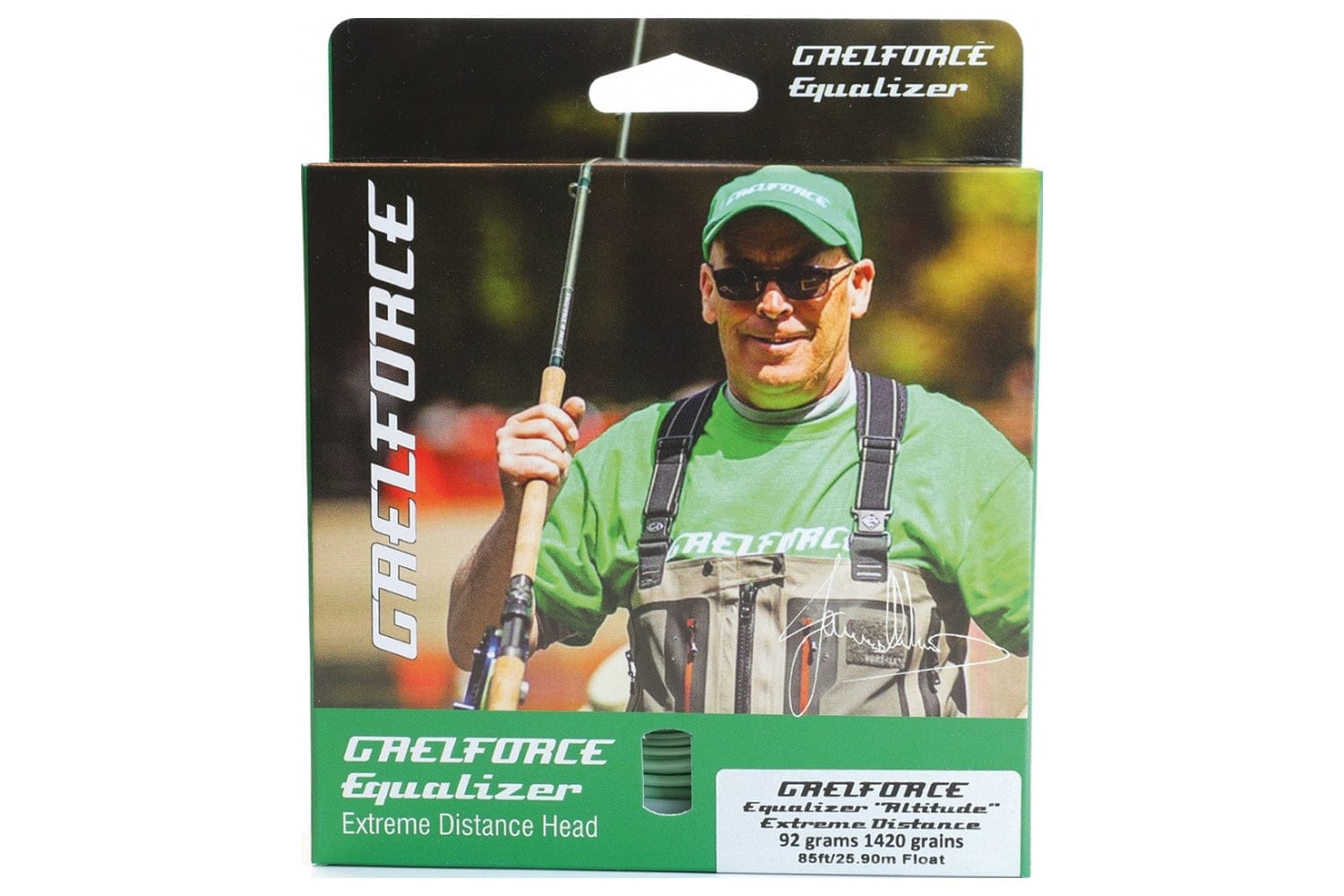
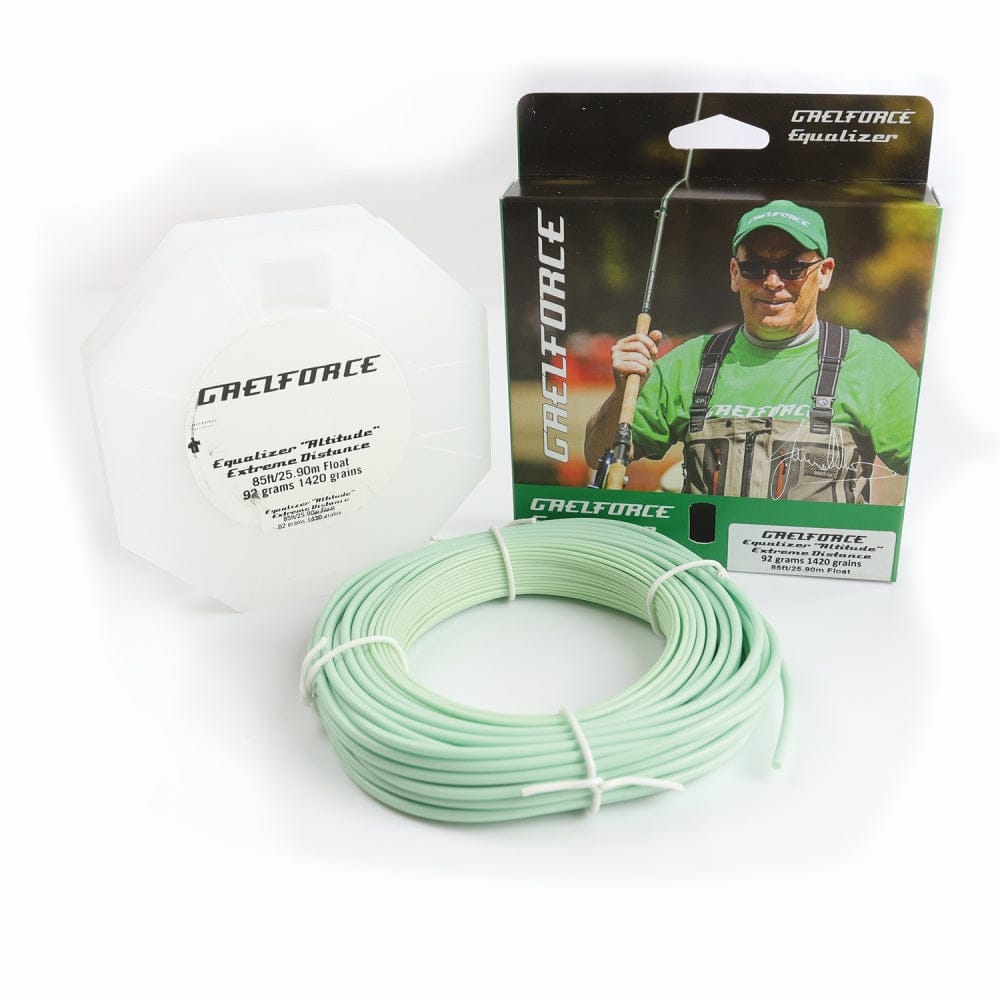
- Best All-Around Integrated Head: Gaelforce Equalizer EIH Integrated Shooting Head Line - Best for anglers who want a clean, one-piece head + running line setup for Spey and switch rods. The integrated design simplifies rigging while keeping the casting feel consistent cast-to-cast.
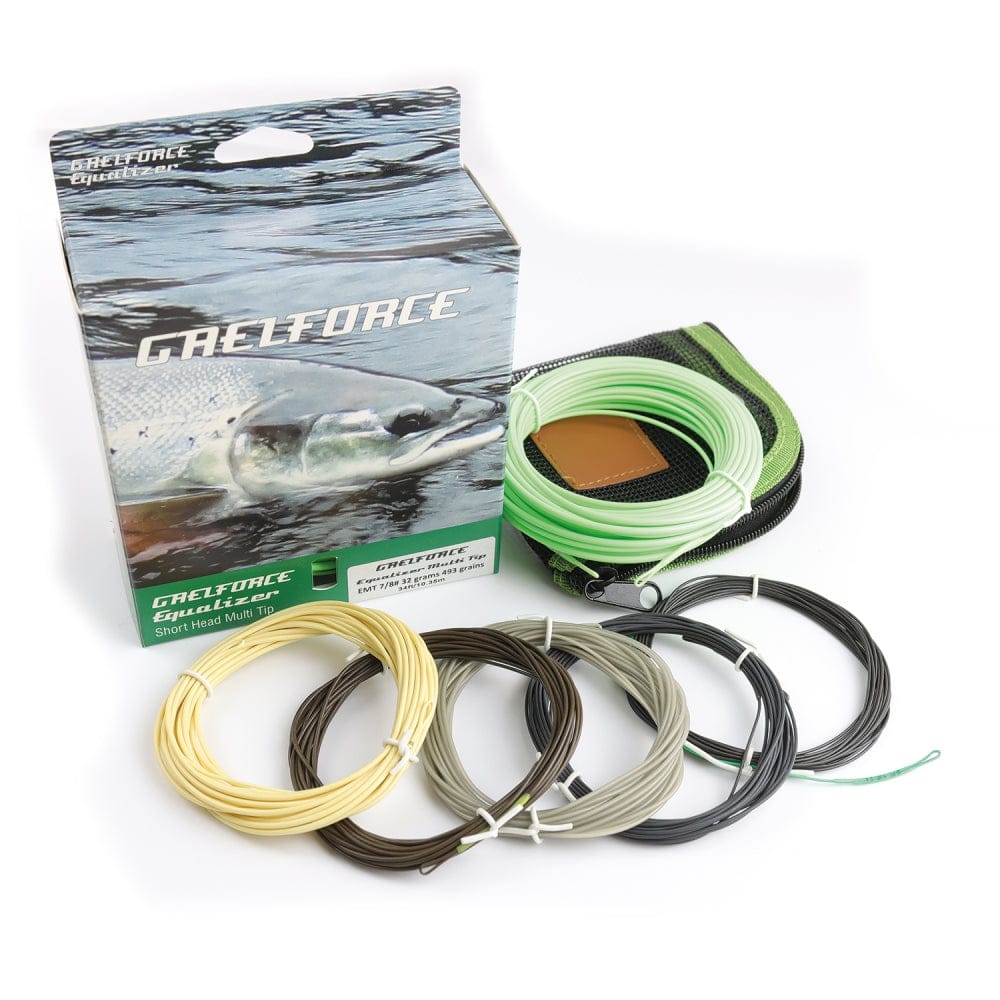
- Best Modular Multi-Tip System: Gaelforce EMT Shooting Head Multi Tip - Best for anglers who fish changing flows and depths and want to swap tips without changing the whole line. It’s built to cover a wide range of presentations with one head system.
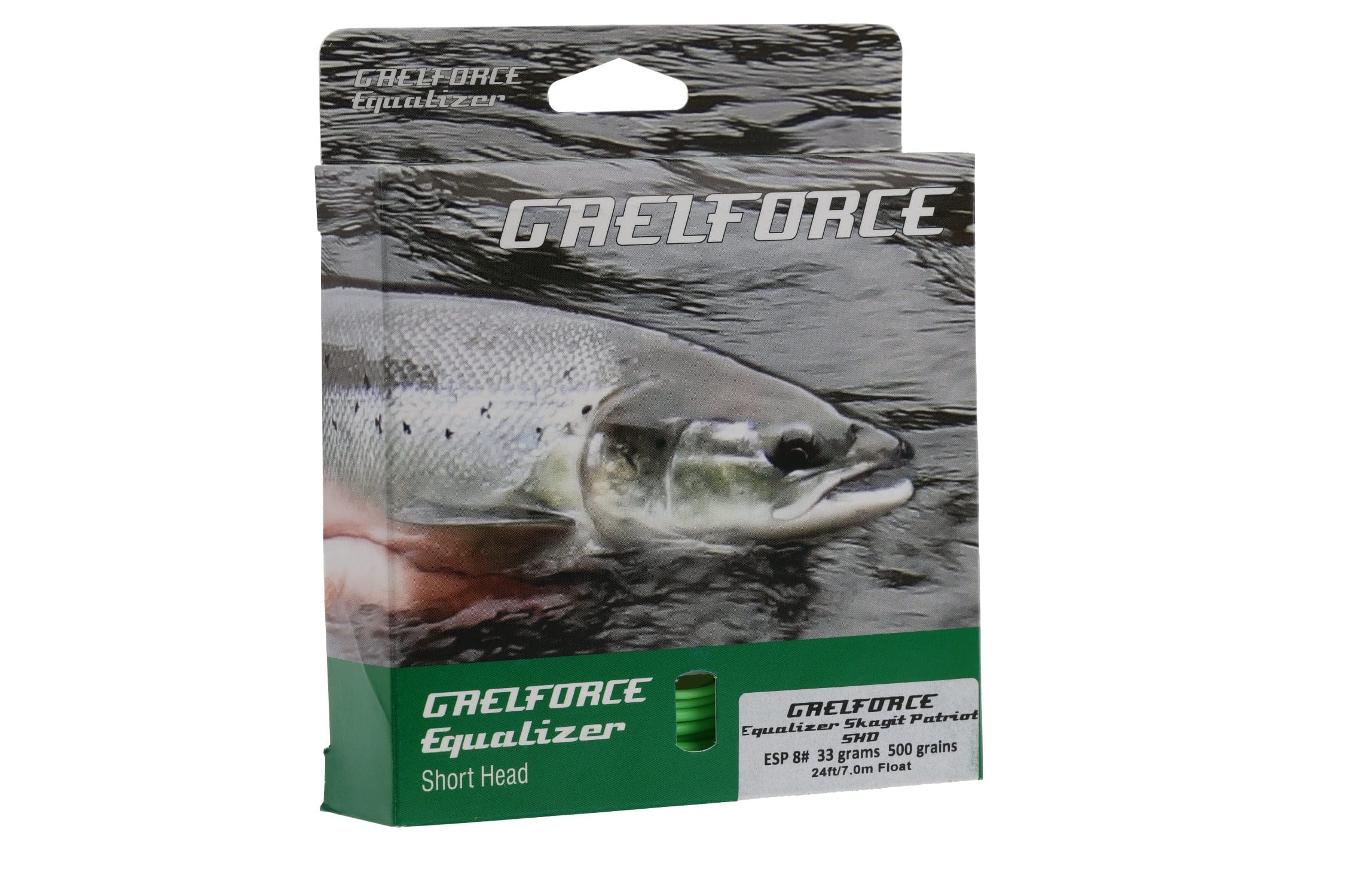
- Best for Heavy Tips & Big Flies (Skagit): Gaelforce ESP Skagit Patriot Shooting Head - Best for sustained-anchor casting with sink tips and larger flies for salmon and steelhead. The short-head Skagit style helps load the rod quickly when you don’t have much room behind you.
- Best Value Running Line: Gaelforce Equalizer Shooting Fly Line - ESL - Best for building a shooting-head system on a budget (or keeping a spare spool ready). It pairs naturally with interchangeable heads when you want fast shooting and simple line management.
How to Choose Gaelforce Fly Lines
Start with your casting style (and how you like to fish)
Skagit: Choose a Skagit-style head when you’re throwing sink tips, weighted flies, or fishing deeper, faster runs. This is the common answer for winter steelhead/salmon and for anglers who prefer sustained-anchor casts.
Scandi / touch-and-go heads: A better fit when you’re fishing smaller flies, lighter tips/polyleaders, and want a cleaner, more classic presentation. These heads tend to reward good timing and a crisp anchor.
Longer-belly Spey lines: If you like carrying more line in the air and want maximum control for mending and managing a long swing, look toward Spey-style lines with longer heads.
Integrated vs. shooting-head systems
Integrated lines: Great when you want fewer connections, faster rigging, and less chance of hinge points catching in the guides. This is often the easiest path for anglers who don’t want to juggle separate running line and head spools.
Shooting heads: Best when you want to swap heads for different conditions (floating vs intermediate, different lengths/weights) while keeping the same running line. If you fish a variety of rivers in a season, modular systems can save time and pack space.
Match grain weight and head length to your rod
Action: Don’t buy a Spey line by “rod weight” alone, use your rod’s recommended grain window, then fine-tune from there. If you’re between sizes, your casting stroke (compact vs longer stroke) and the tips you plan to throw usually decide it.
Head length: Shorter heads load fast and work well in tighter quarters; longer heads can feel smoother and give you more control at distance. If you’re learning, starting with a head length that matches the river size and your typical casting room tends to be more forgiving.
Why Trident Carries Gaelforce
Gaelforce Fly Lines fill a very specific niche: purpose-built two-handed line systems designed around real-world Spey casting. If you’re dialing in a salmon or steelhead setup, these lines give you practical options across integrated heads, interchangeable systems, and classic Spey lengths.
Compatibility
- Reel capacity: Two-handed lines and running lines take space fast. Make sure your reel has enough capacity for the line system plus appropriate backing.
- Loops & connections: Keep loop-to-loop connections clean and seated. If a loop is too large or worn, replace it before it costs you distance (or a fish).
- Tips/leaders: If you’re fishing shooting heads, confirm your head is designed to pair with the tip system you plan to use (poly leaders, Versileaders, or T-material tips).
- Temperature: Fly line coatings are temperature-specific. A line that’s perfect in cold salmon rivers can feel soft and sticky in hot weather.
Complete Your Setup
Related Gear
- Spey Lines - Compare line styles across brands if you’re still deciding between Skagit, Scandi, and longer-belly options.
- Running Line - Essential if you’re building a shooting head system or want a spare running line for a second spool.
- Spey Tips - Fine-tune sink rate and presentation without changing your entire line system.
- Spey & Switch Fly Rods - Match your line system to a rod designed for two-handed casting.
Related Guides
- Trout Spey Lines and Tips
- Choosing a Fly Reel for a Spey or Switch Rod
- Fly Line Temps: Tropical vs. Coldwater
- How to Choose the Best Fly Line for Beginners
- Fly Line Shootout, Review, & Buyer’s Guide
Gaelforce Fly Lines FAQs
Q: What are Gaelforce Fly Lines designed for?
A: This collection is focused on two-handed systems for salmon and steelhead-style fishing, Spey, switch, and shooting head setups. You’ll find integrated heads, interchangeable systems, and longer-head Spey lines.
Q: Are Gaelforce Fly Lines only for Spey rods?
A: Most are built around Spey and switch applications, but some components (like running lines) can work in other shooting-head setups too. The key is matching grain weight, head length, and connection style to your rod and technique.
Q: Should I choose an integrated line or a separate shooting head + running line?
A: Go integrated if you want simplicity and fewer connections. Choose separate heads if you want maximum flexibility to swap heads for different sink rates, lengths, or fishing scenarios.
Q: What’s the difference between Skagit and Scandi in practice?
A: Skagit is typically for heavier tips and bigger flies with sustained-anchor casts. Scandi is usually more touch-and-go, favoring lighter tips/polyleaders and a cleaner presentation.
Q: How do I know what grain weight to buy?
A: Start with your rod’s recommended grain window, then adjust based on head length preference and the tips you plan to throw. If you’re unsure, tell us your rod model, river type, and fly/tip setup and we can narrow it down fast.
Q: Are Gaelforce Fly Lines good for beginners?
A: They can be, especially integrated systems that reduce complexity. As a beginner, prioritize a setup that matches your rod’s grain window and the casting style you plan to learn (Skagit vs Scandi).
Q: What leaders should I use with these lines?
A: It depends on the system: Skagit setups typically use sinking tips plus a short leader; Scandi often pairs with polyleaders/Versileaders and a slightly longer leader for presentation. Build the leader around fly size, sink rate, and how cleanly you want turnover.
Gaelforce Warranty & Resources
Warranty terms can vary by product and region, so it’s best to confirm coverage directly with Gaelforce before submitting a claim. If you’re troubleshooting a line issue, keep your proof of purchase and details on the model/line code handy.
Learn More from Gaelforce
- Gaelforce About - Background on the brand and design focus.
- Integrated Spey & Switch Lines - Overview of integrated head options and how they’re positioned in the lineup.
- Delivery Information - Shipping notes and regional delivery considerations.