

























How to Use Fly Tying Head Cement (Picking the Best)






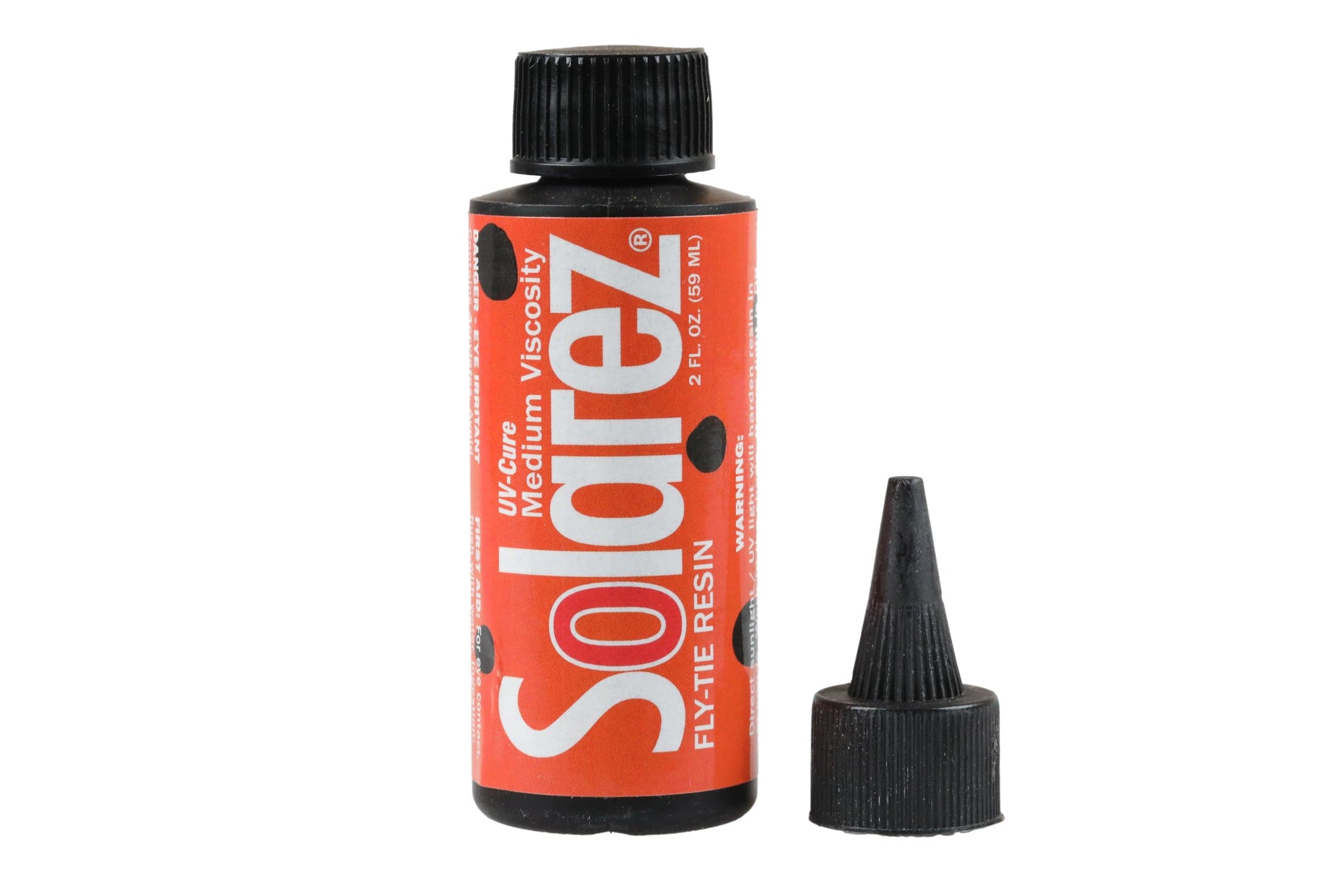


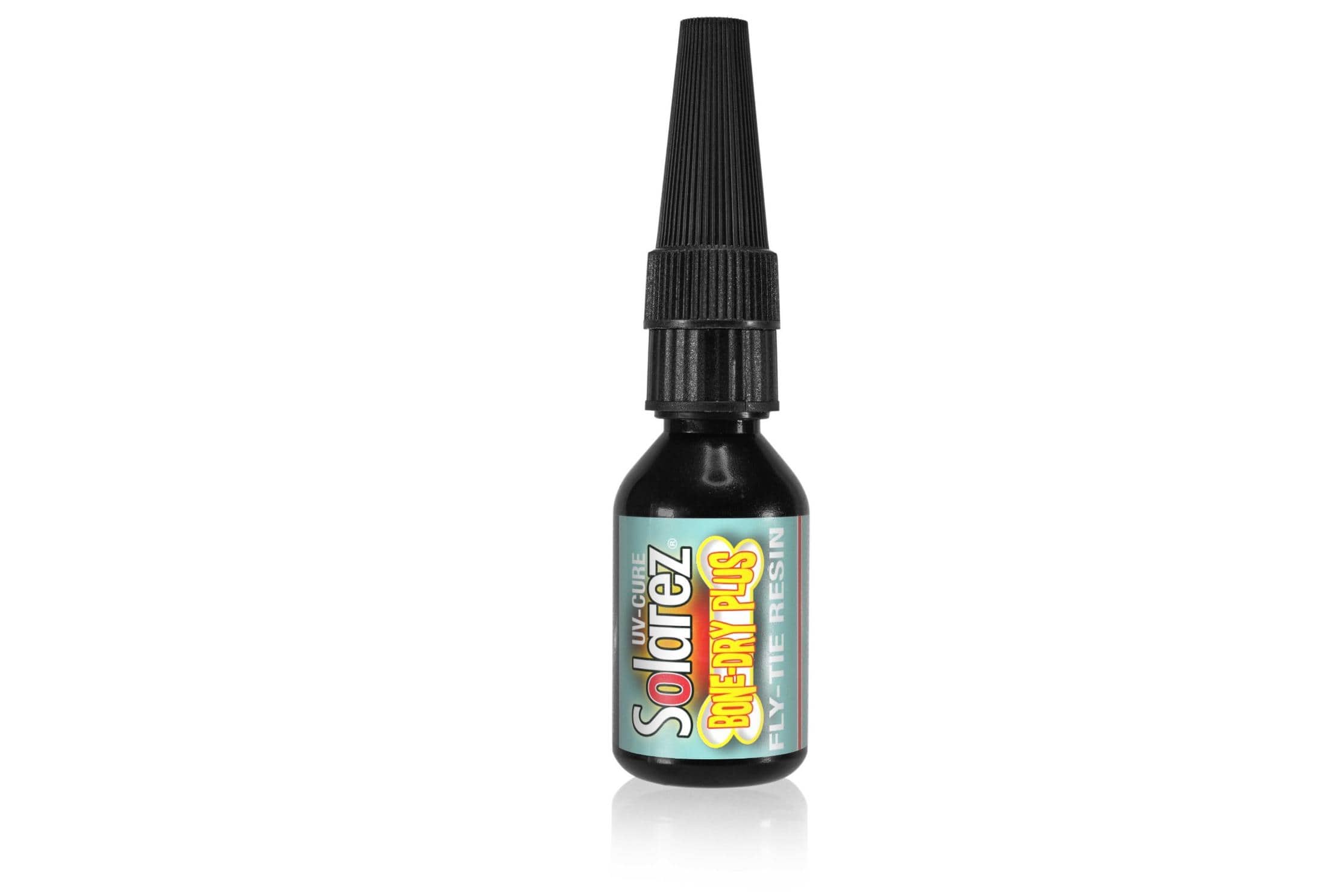


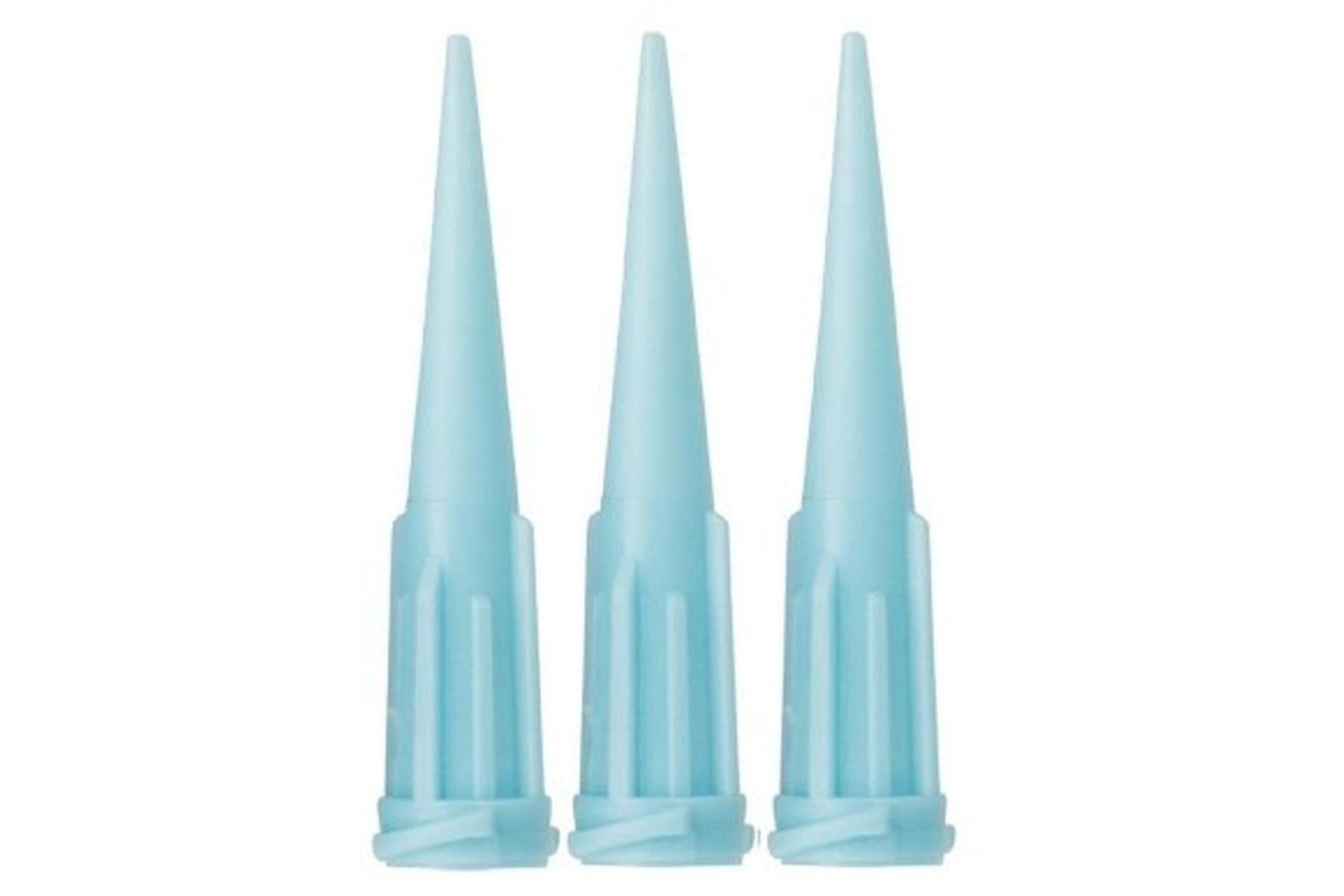

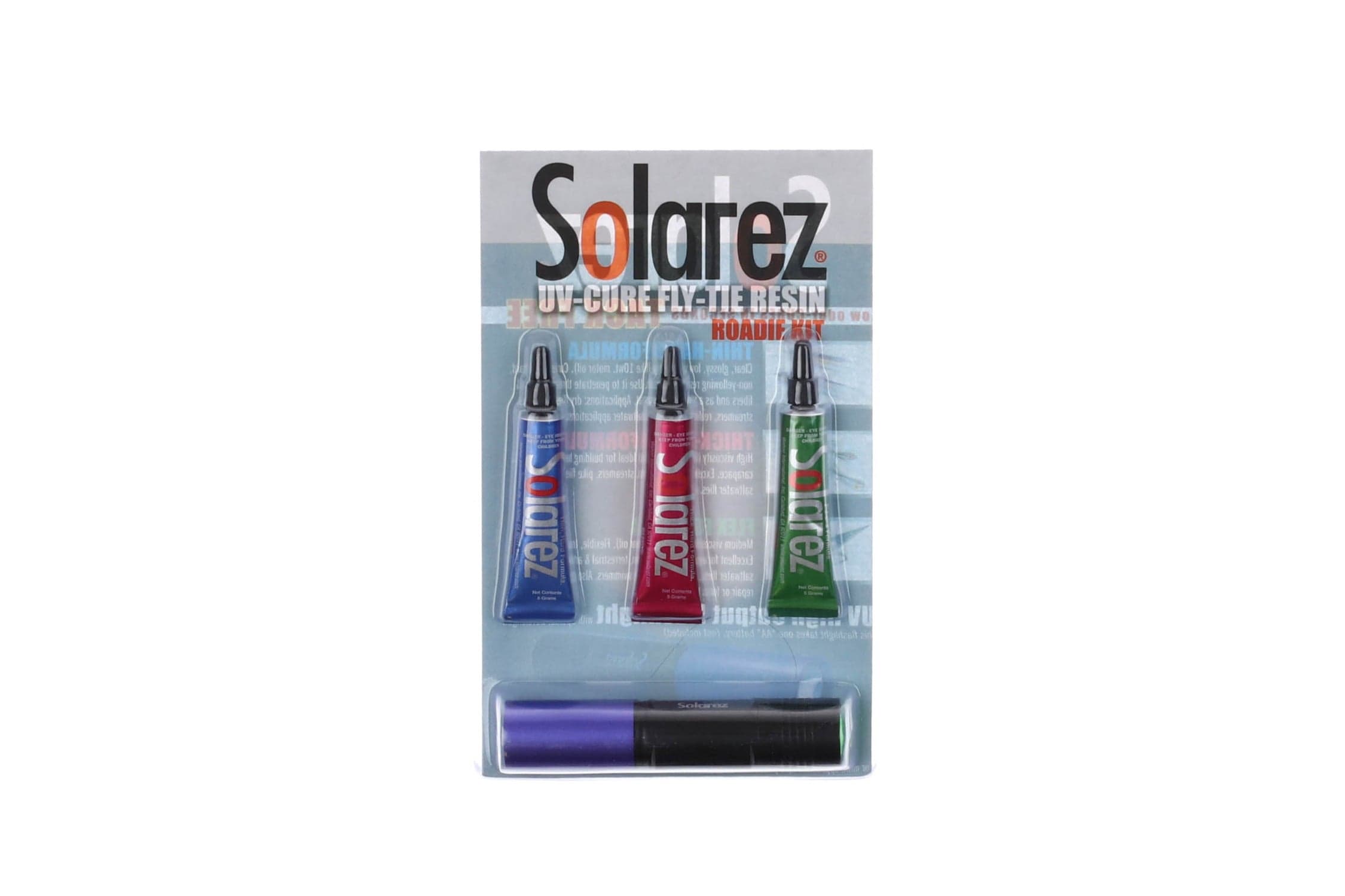


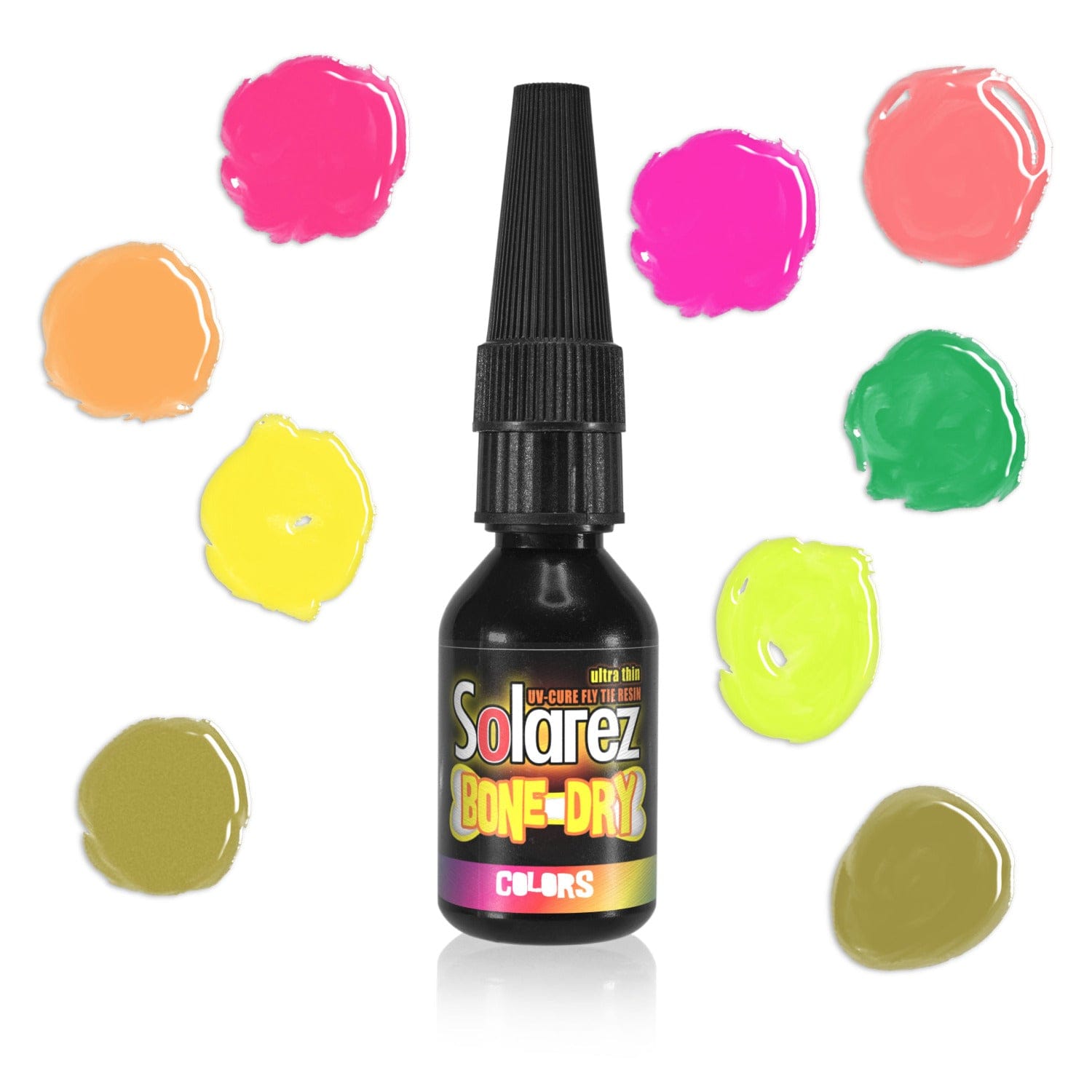
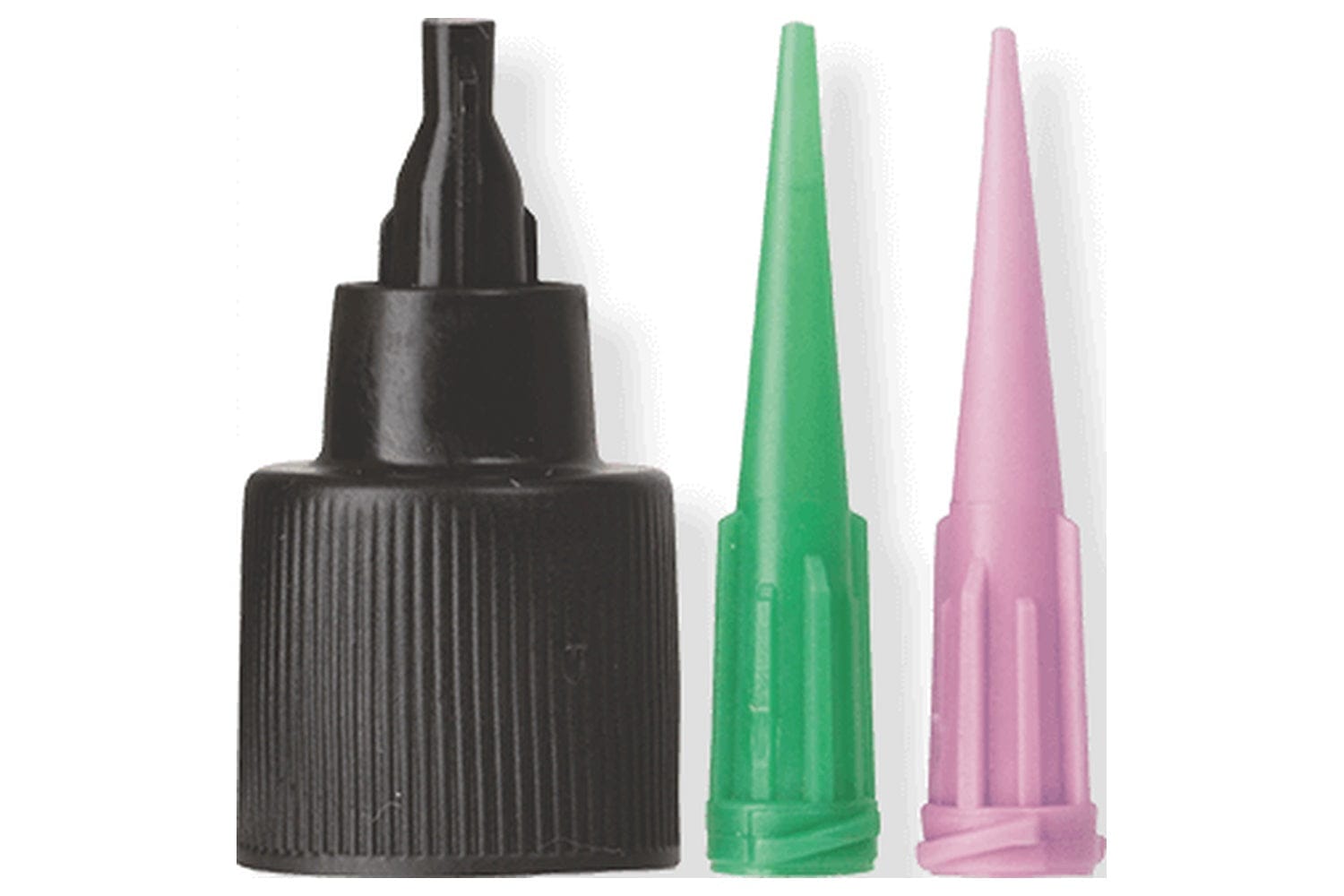

Cements, Epoxies & Glues Quick Picks
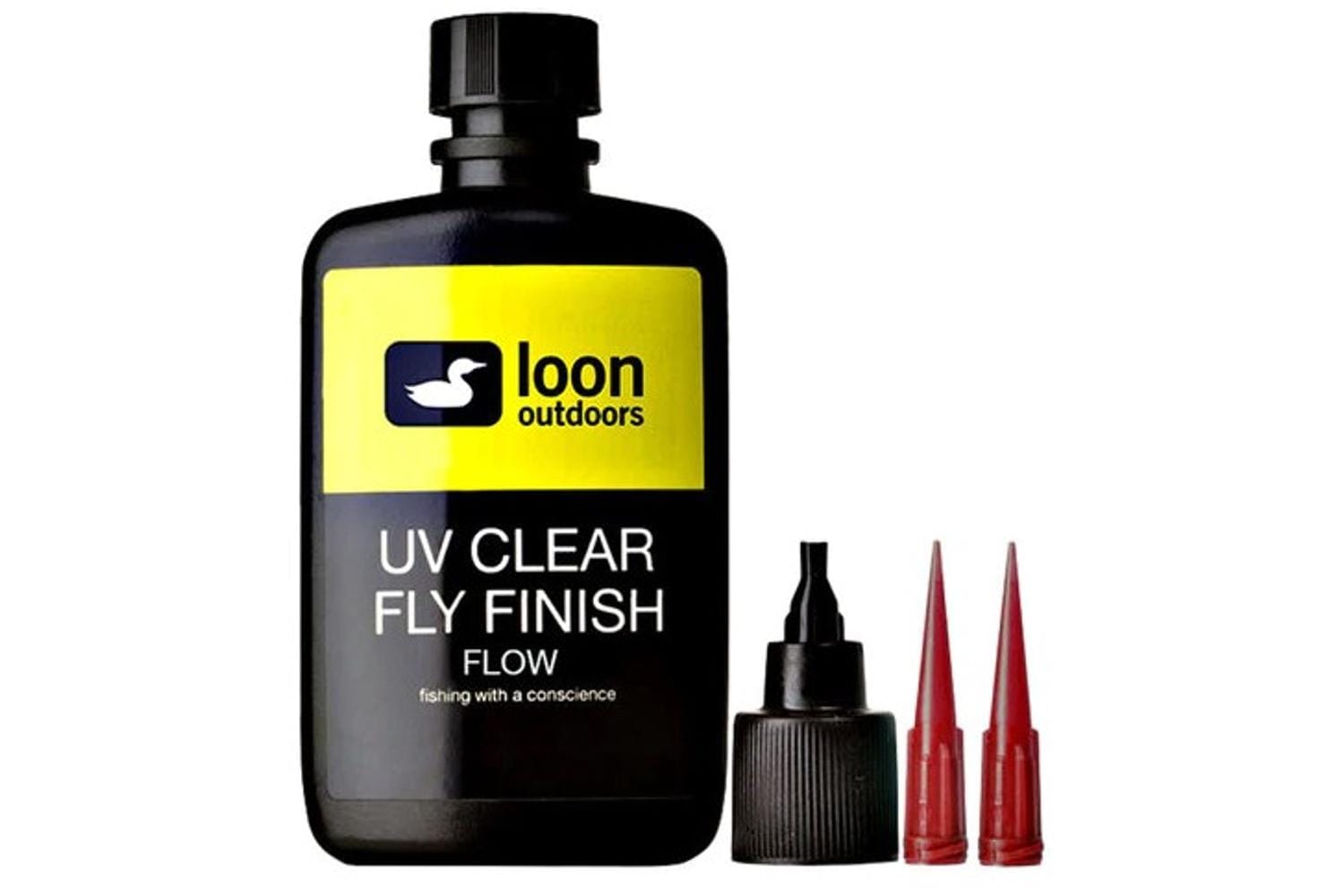
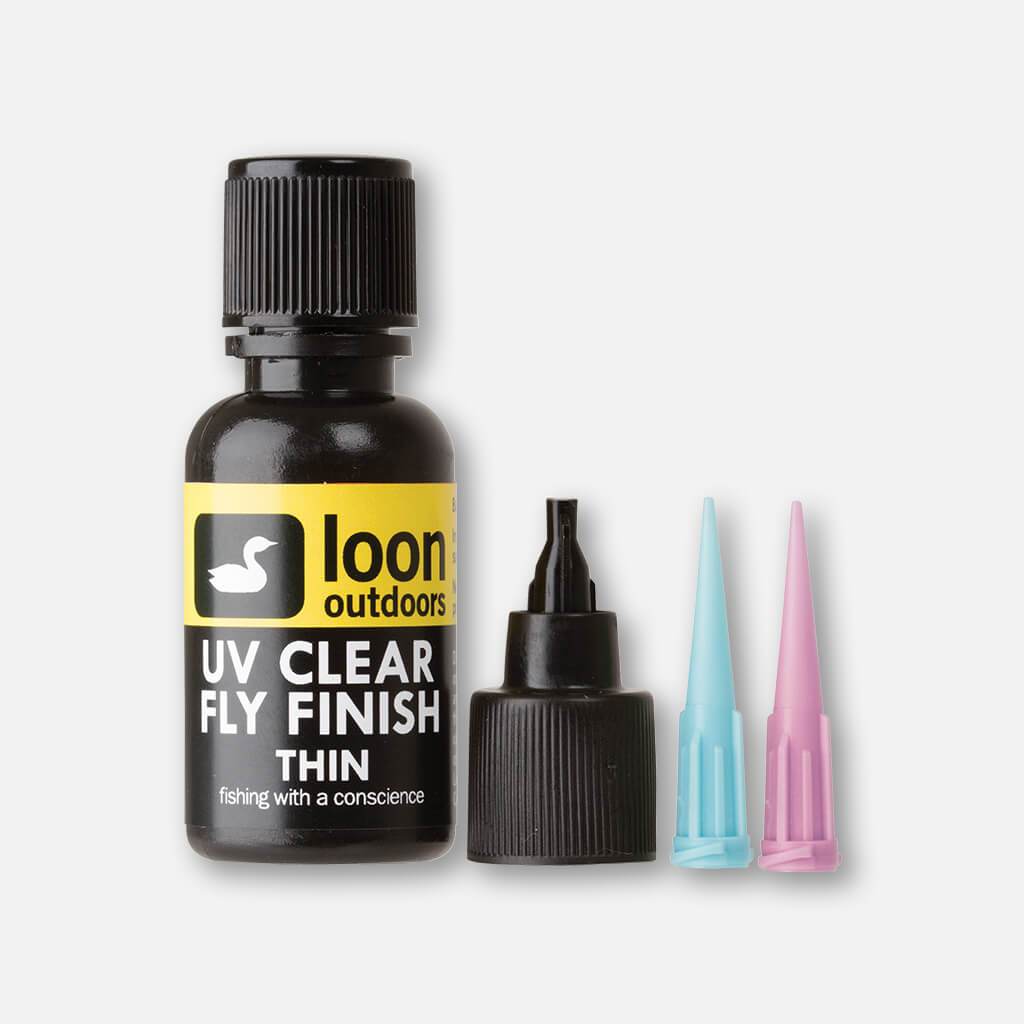
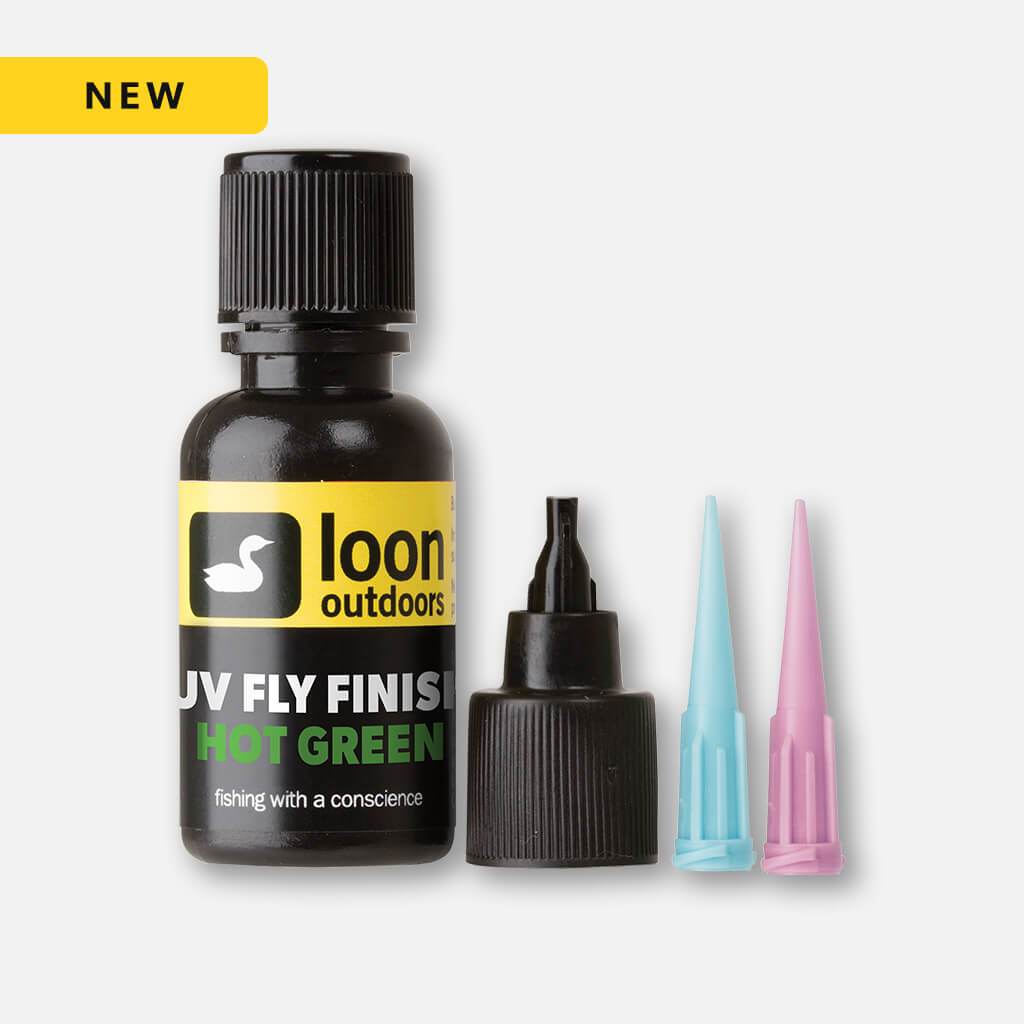
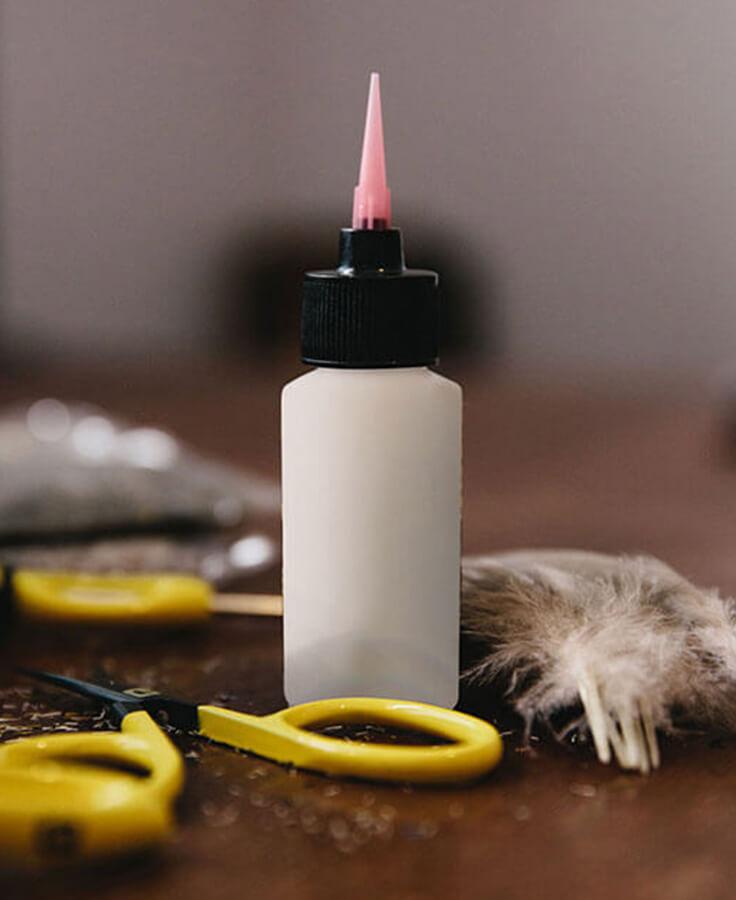
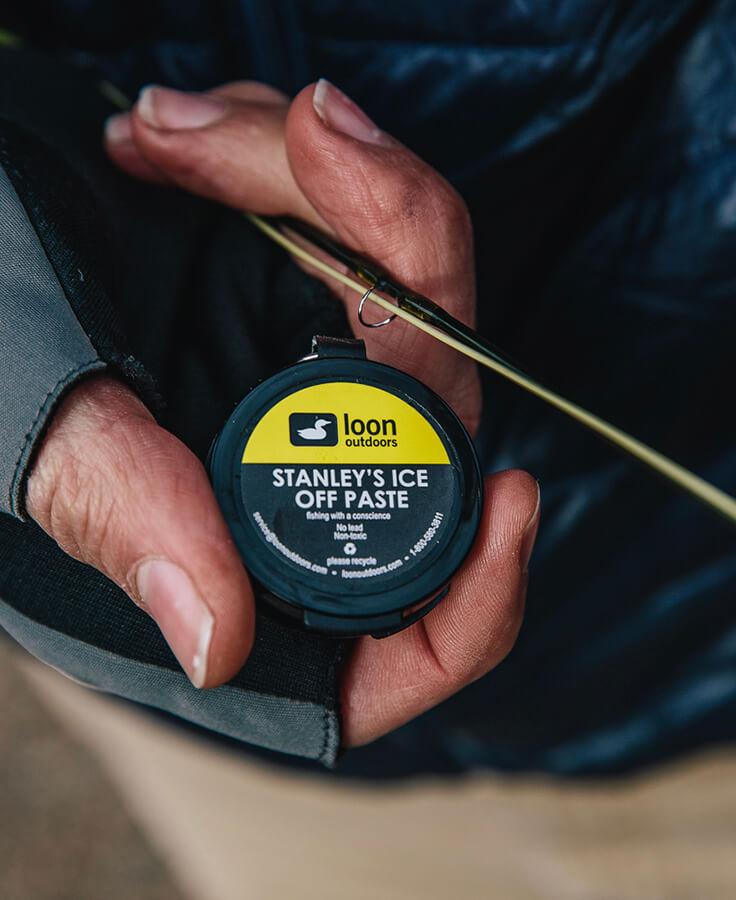
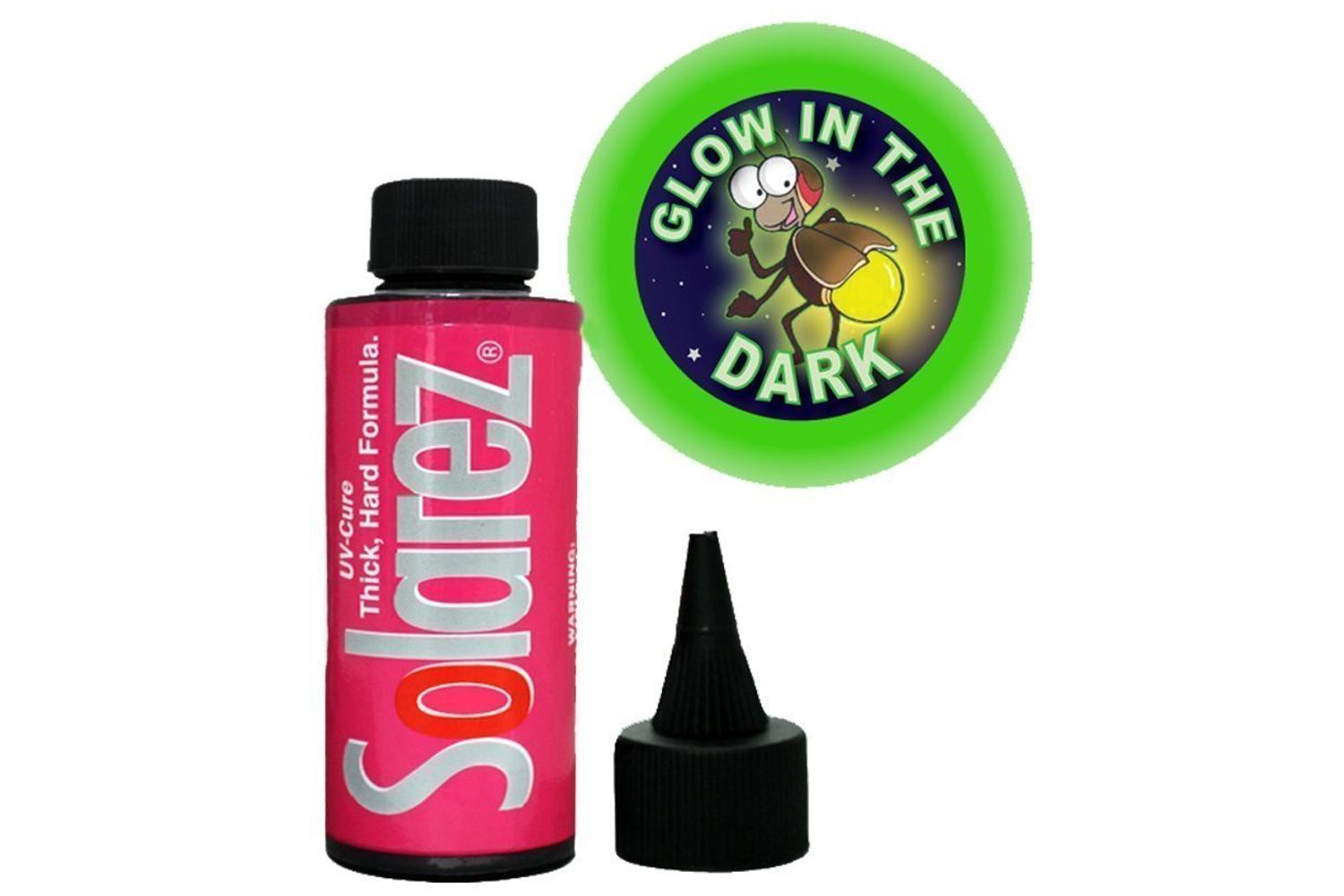
- Best All-Around: Loon UV Clear Fly Finish - Built for tiers who want one system that can do everything from thread-sealing to building clean, durable heads. Multiple viscosities give you more control than traditional head cement when you’re coating bodies, wing cases, and eyes.
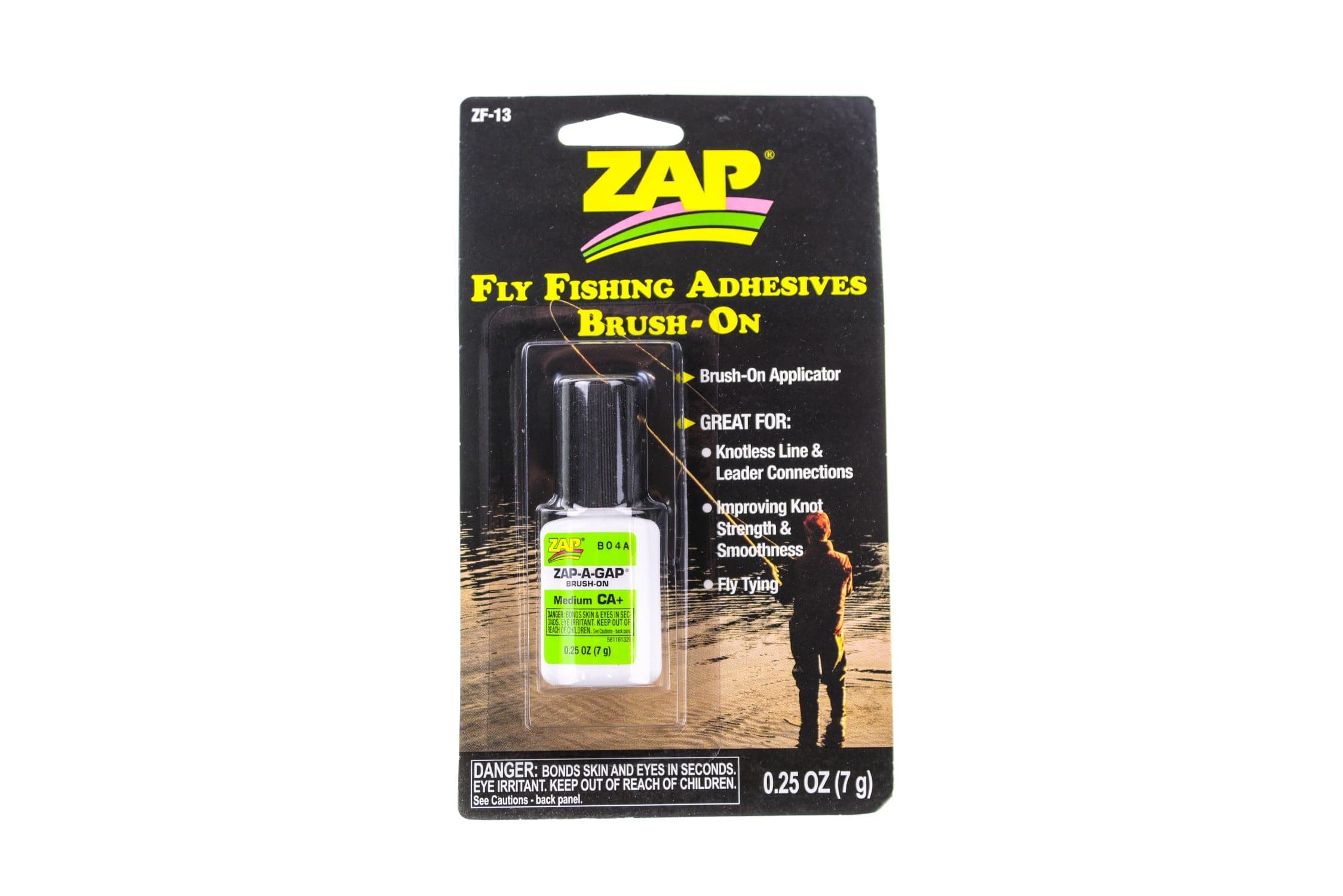
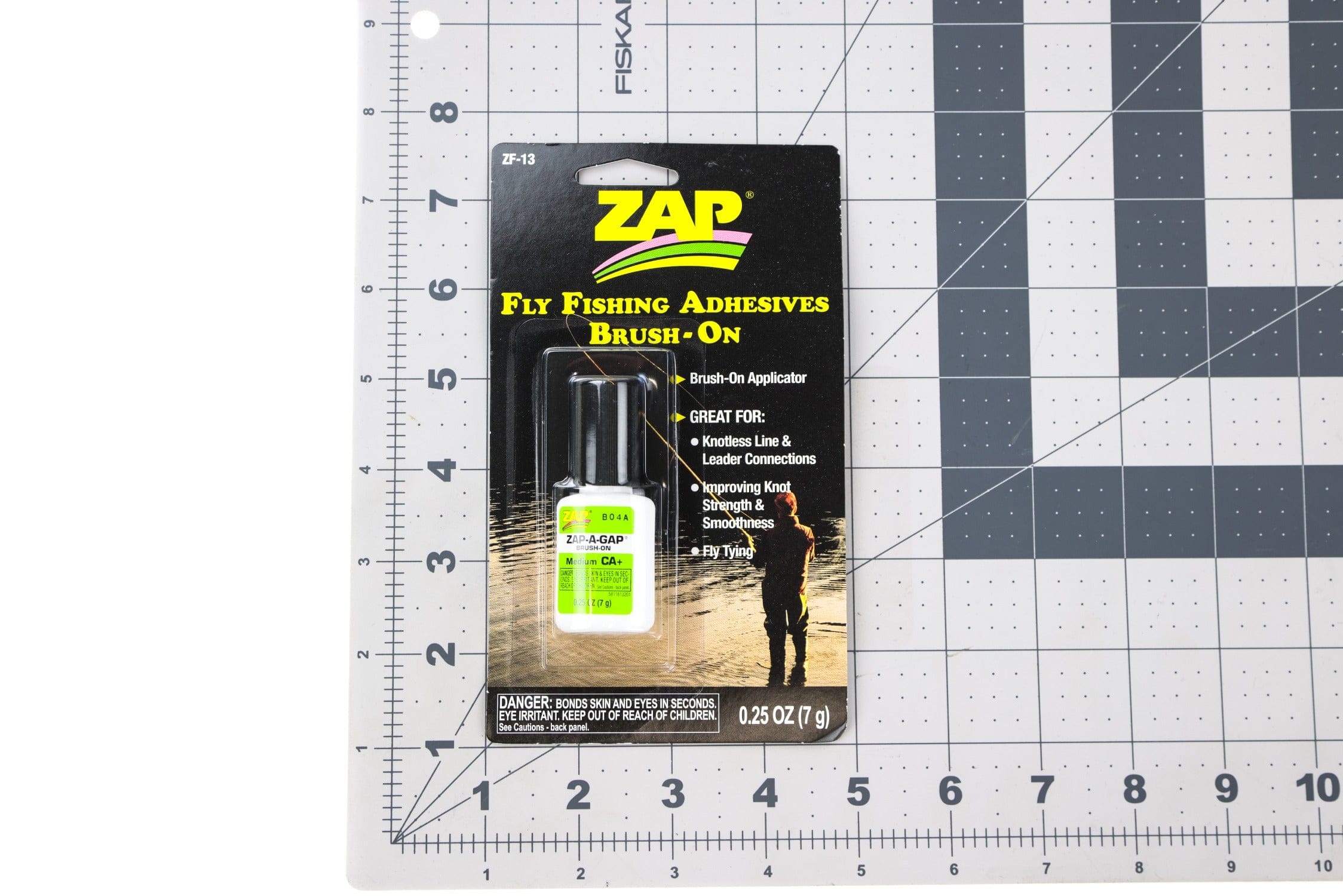
- Best Value: Pacer Zap-A-Gap Glue Medium CA - A go-to when you need a fast, strong bond for eyes, foam, and synthetic materials without a long cure time. The medium viscosity is easier to place accurately than ultra-thin super glues for most bench tasks.
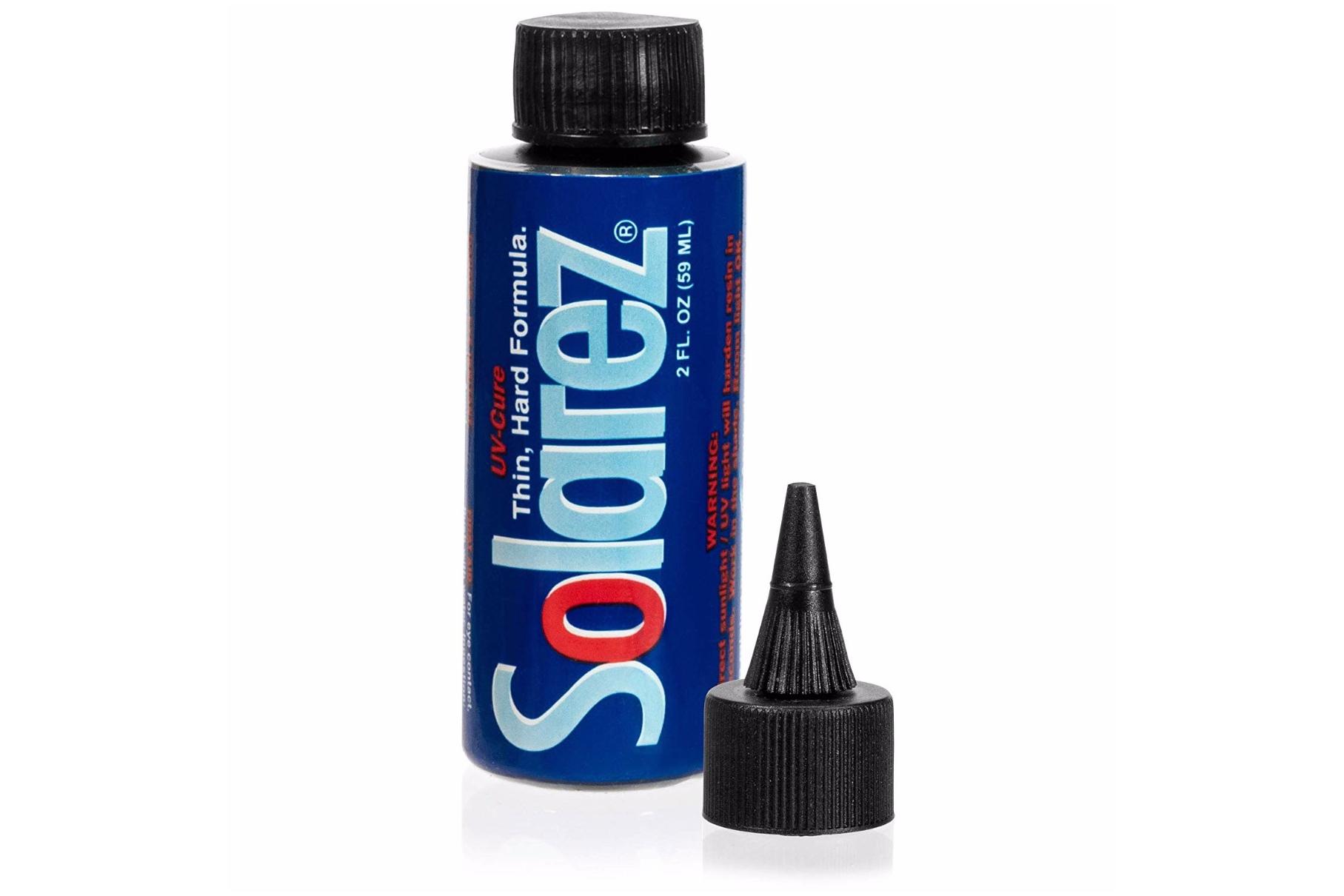
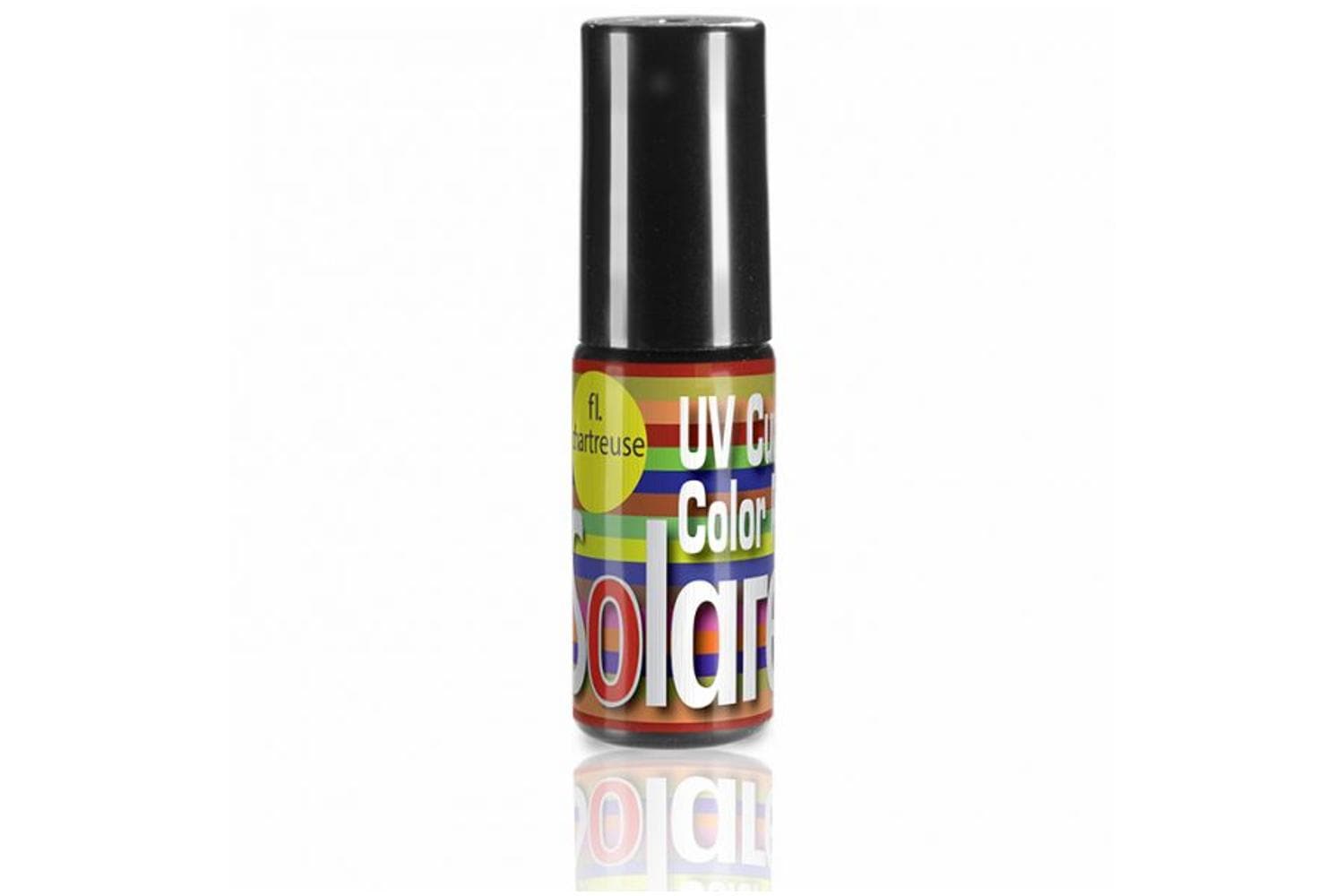
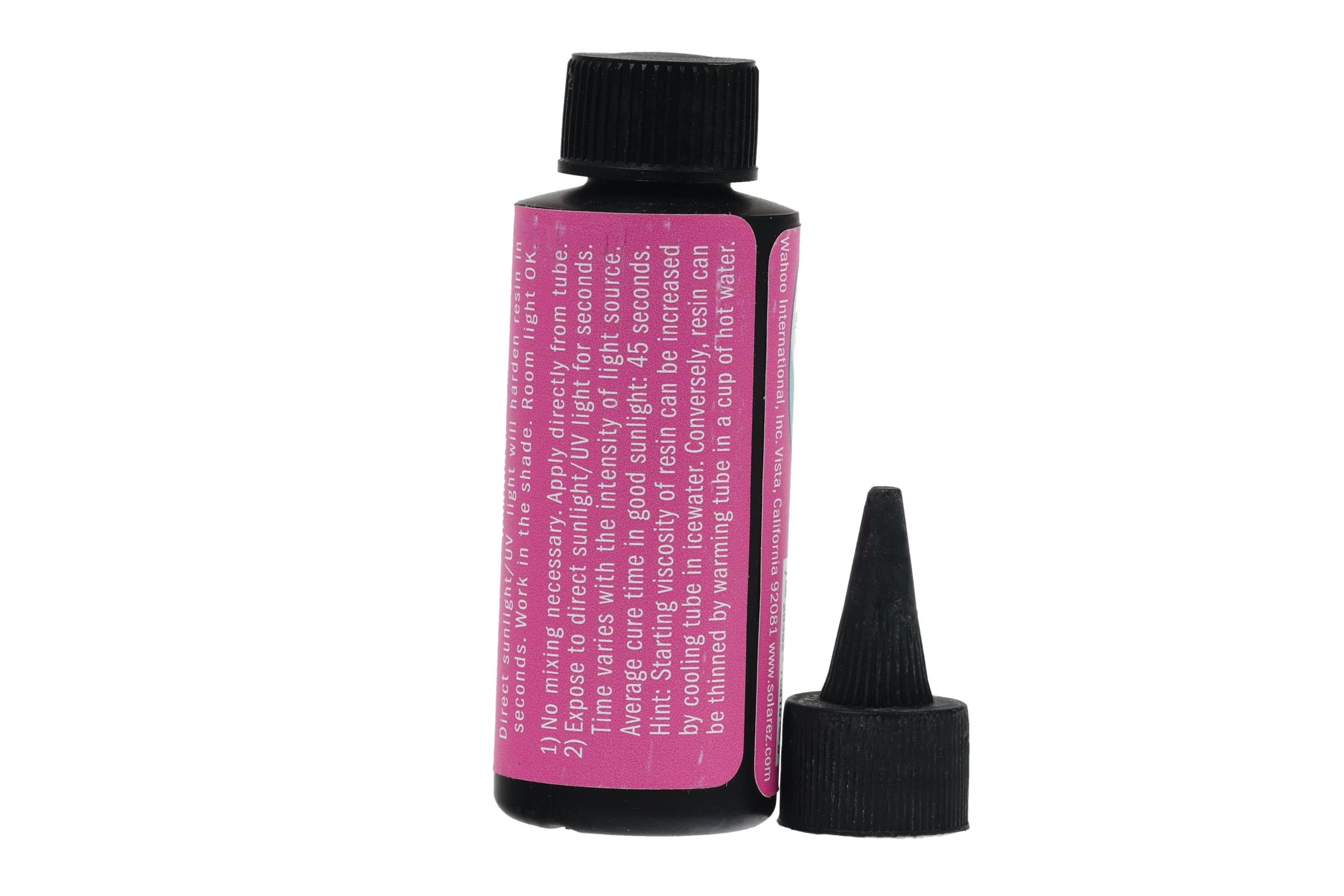
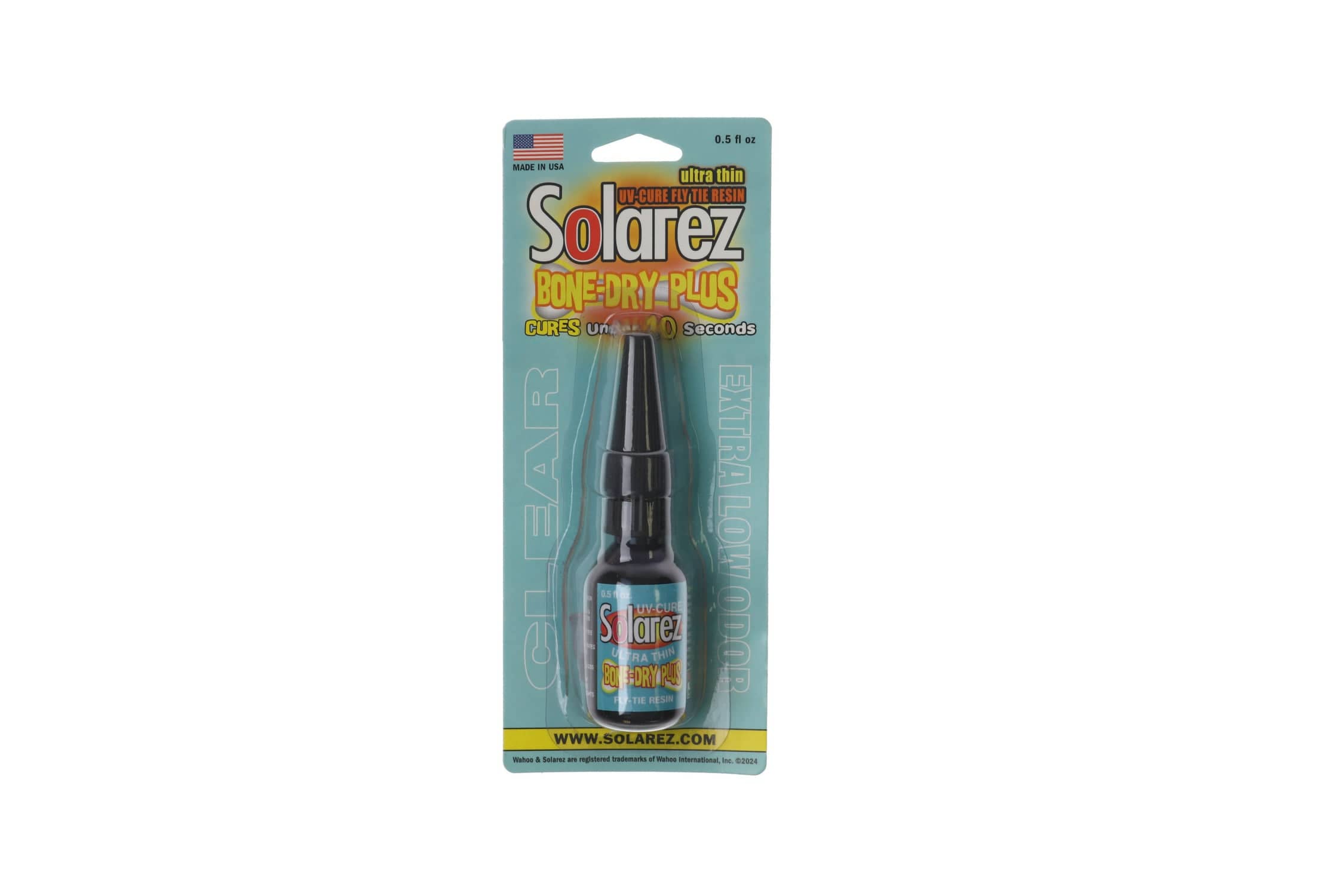
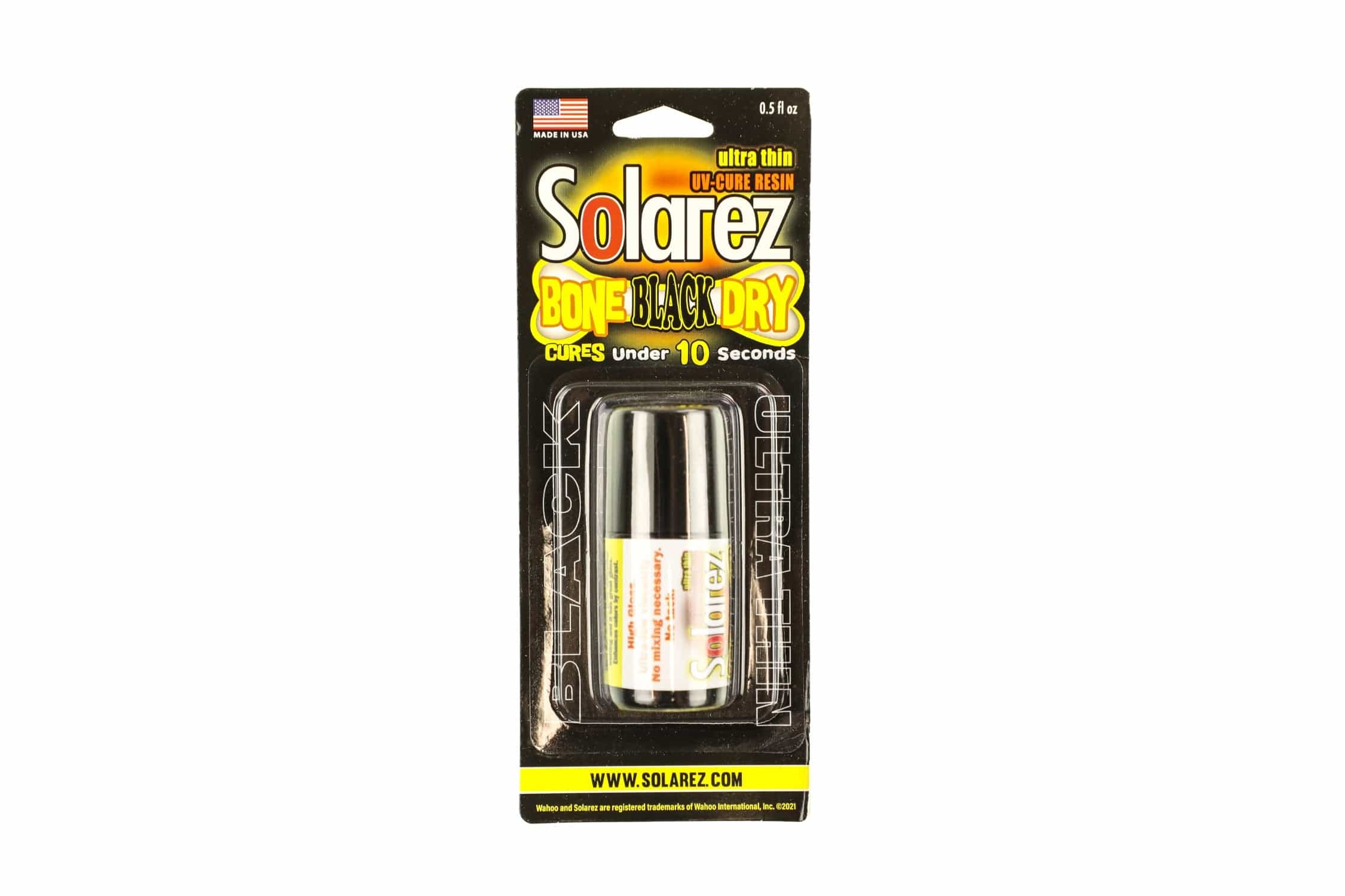
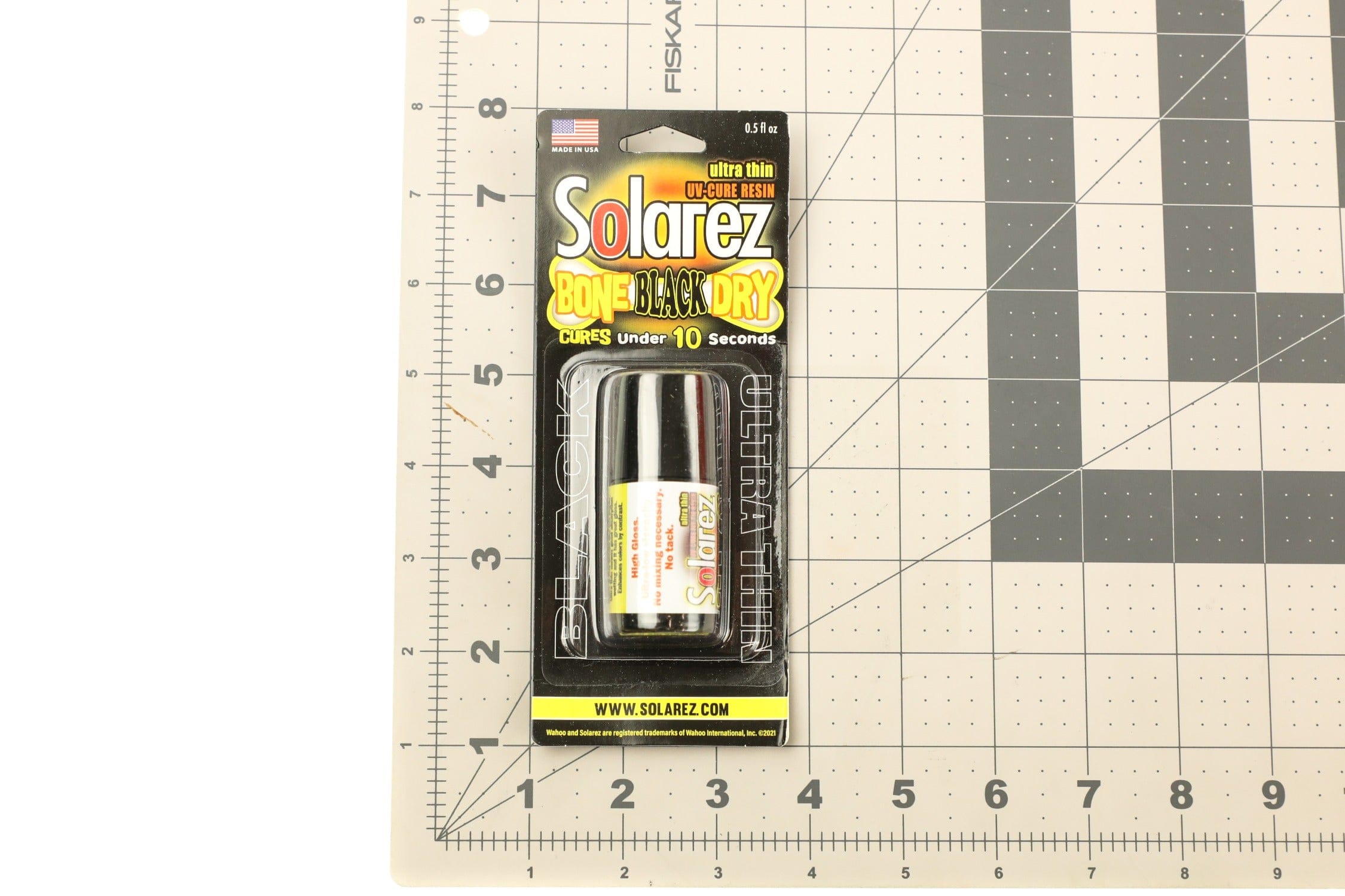
- Best for Smooth, Low-Profile Coats: Solarez Thin Hard UV Cure Resin - Ideal for streamlined nymphs and neat resin “shells” where you want a hard, clear coat that stays thin. UV cure gives you working time for shaping, then fast set when you hit it with a light.
- Best for Small, Precise Applications: Loon Water Based Head Cement - Great for locking whip finishes on trout flies without the feel and fumes of solvent-heavy cements. The brush application makes it easy to use sparingly on small heads and tie-in points.
How to Choose Cements, Epoxies & Glues
Head Cement vs. UV Resin vs. Super Glue (CA)
Head cement: Best for sealing thread wraps and finishing heads cleanly. It’s the “final step” on a lot of trout flies, especially when you want a tidy head without adding much bulk.
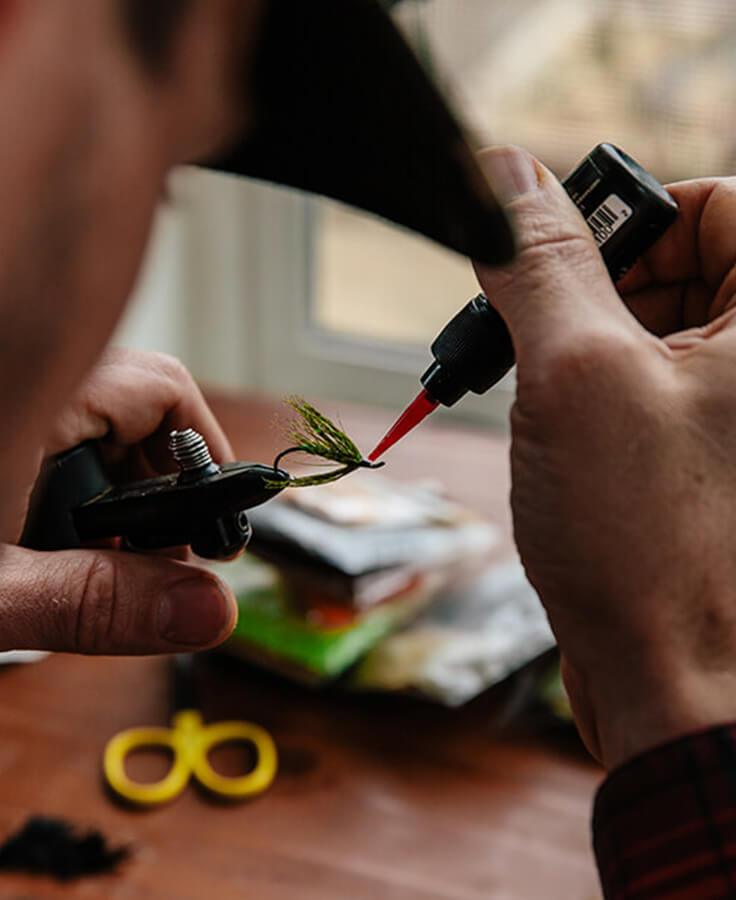
UV resin: Best when you want to build shape (wing cases, bodies, baitfish heads) and cure on command. It’s a favorite for modern nymphs and streamers because you can control the build, then lock it in quickly.
Super glue (CA): Best for bonding materials, not coating. Use it for sticking eyes, locking down foam, securing stacked synthetics, or reinforcing a critical tie-in where you don’t want a thick finish.
Pick the Right Viscosity
Thin: Penetrates thread wraps and keeps heads slim,good for midges, small nymphs, and anywhere bulk ruins the profile.
Medium/Thick: Helps you build a dome, shellback, or baitfish head without running everywhere. If you’re coating eyes or building shoulders on streamers, thicker formulas are easier to shape.
Match the Adhesive to the Job
Action: If you’re tying perdigons, surf candies, or other resin-heavy patterns, prioritize UV resin + a good curing light setup.
Best for: Trout dries and classic nymphs often just need a reliable head cement and a small bottle of CA for emergencies.
Avoid if: If you don’t want to buy a UV light yet, don’t over-index on UV-only products,start with head cement + CA and add UV later.
Materials & Durability
- Apply in thin coats: Most durability comes from penetration and even coverage, not one thick glob.
- Keep hook eyes clear: Use a bodkin to control placement and clear the eye immediately if you flood it.
- Cap it fast: CA and many cements thicken quickly when exposed to air; close the bottle between flies.
- Use ventilation: Especially with solvent-style cements and super glues,less irritation and fewer headaches at the vise.
- Store smart: Keep bottles upright and away from heat; it helps prevent leaking, thickening, and premature curing.
Complete Your Setup
Related Gear
- Fly Tying Materials - A fast way to grab the rest of what you need for a full bench refresh.
- Fly Tying Hooks - Dial in the right hook style before you commit to a specific pattern build.
- Beads, Coneheads & Eyes - Pairs naturally with adhesives for locking down eyes, beads, and heavy hardware.
- Thread/Tinsel/Wire - The foundation materials you’ll be sealing and reinforcing with head cement and resin.
- Fly Tying Synthetics - Great to browse when you’re using CA and resin to build durable modern baitfish patterns.
Related Guides
- How to Tie a Surf Candy Saltwater Streamer Fly
- How To Tie The Mil Spec Perdigon
- How To Tie A Steelhead Nymph
- How To Tie the Ice Wing Caddis
- How to Tie Tim Borski's Butterfly
Cements, Epoxies & Glues FAQs
Q: What do fly tying cements and glues actually do?
A: They lock down thread wraps, secure slick materials, and add abrasion resistance to heads and bodies. The right adhesive keeps flies intact after repeated fish, rocks, and forceps.
Q: Should I use head cement or UV resin for finishing fly heads?
A: Head cement is great for slim, simple finishes on most trout flies. UV resin is better when you want to build shape (wing cases, baitfish heads) and cure quickly when you’re ready.
Q: What’s the advantage of “Thin,” “Flow,” or “Thick” UV resin?
A: Thin/flow formulas penetrate and coat without adding bulk, while thick formulas build domes and bodies more easily. Most tiers end up using at least two viscosities for different patterns.
Q: When should I use super glue (CA) at the vise?
A: Use CA for bonding,eyes, foam, stacked synthetics, and high-stress tie-in points. It’s typically not the best choice as a glossy coating because it can cure too fast and leave uneven texture.
Q: How do I keep UV resin from looking lumpy?
A: Apply smaller amounts, rotate the fly as you level it, and cure in stages. Building two or three thin layers usually looks cleaner than one thick pour.
Q: Why does my cement clog the hook eye so often?
A: It’s usually too much product or a brush that’s overloaded. Wipe excess off first, touch the cement to the wraps (not the eye), and clear the eye immediately with a bodkin.
Q: Do I need a UV light for UV resins?
A: A UV light makes curing consistent and fast, especially indoors. Some UV products can cure in sunlight, but it’s less predictable when you’re trying to control finish and timing.