



























Simms Headwaters Chest Pack | Insider Review
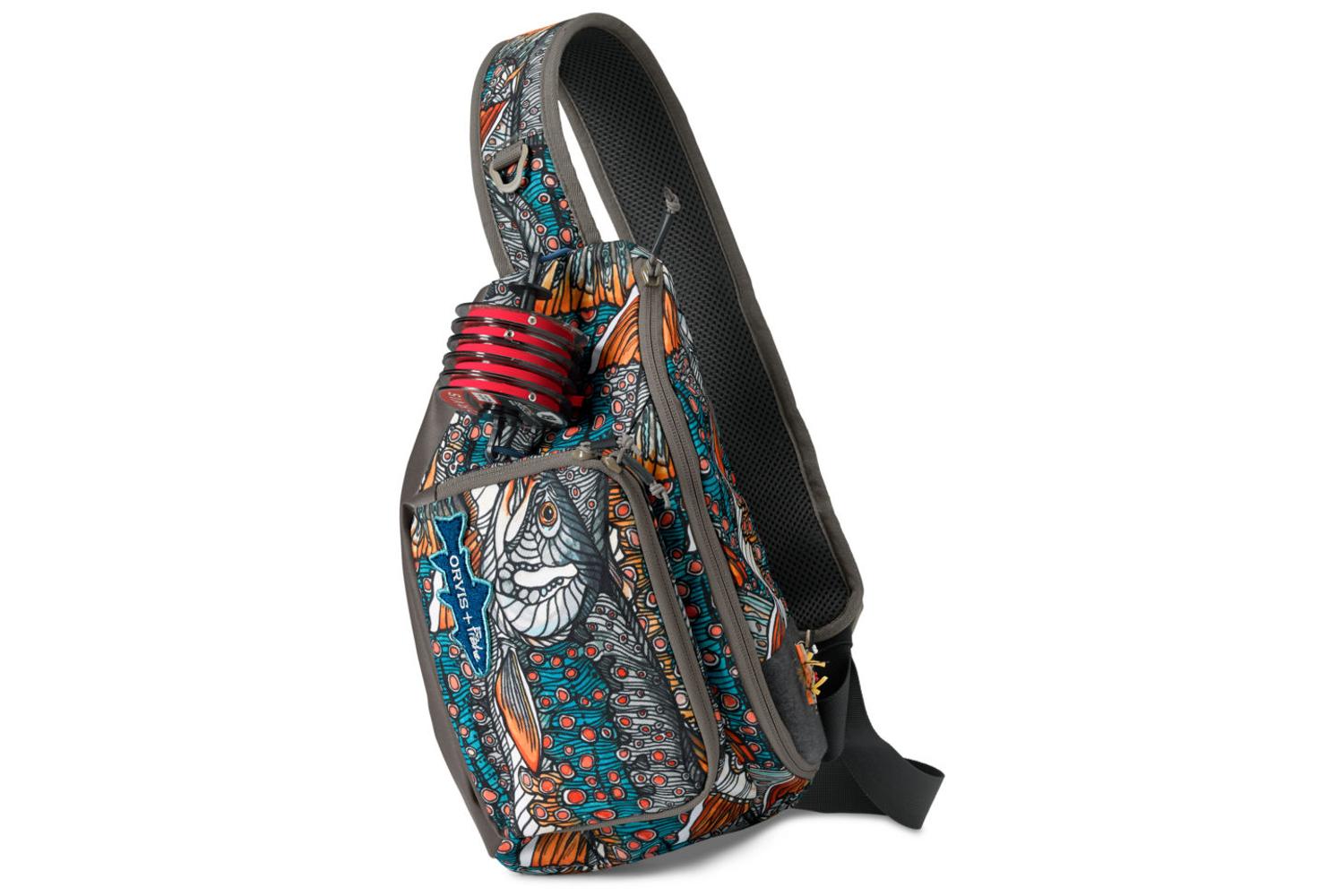
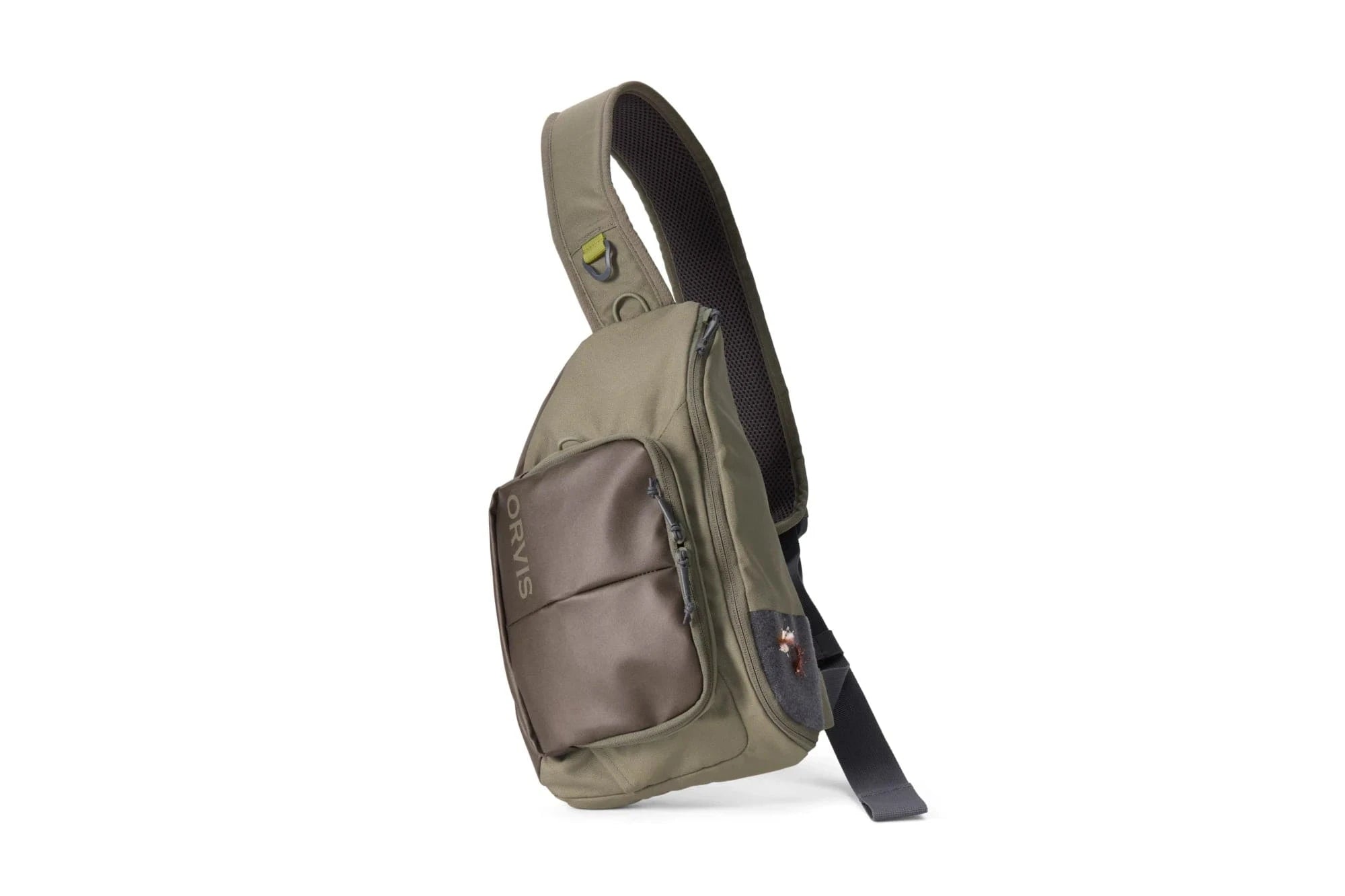
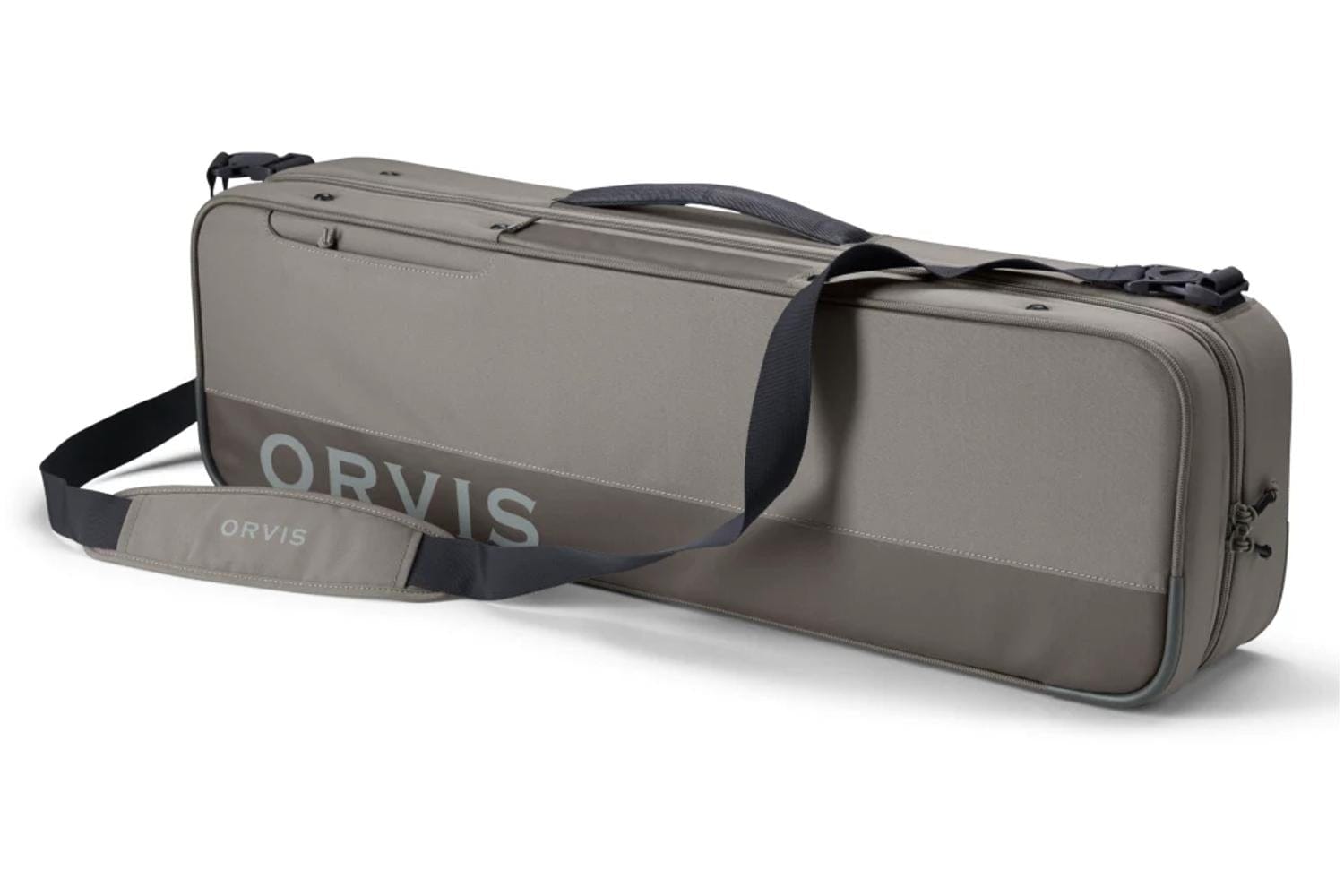
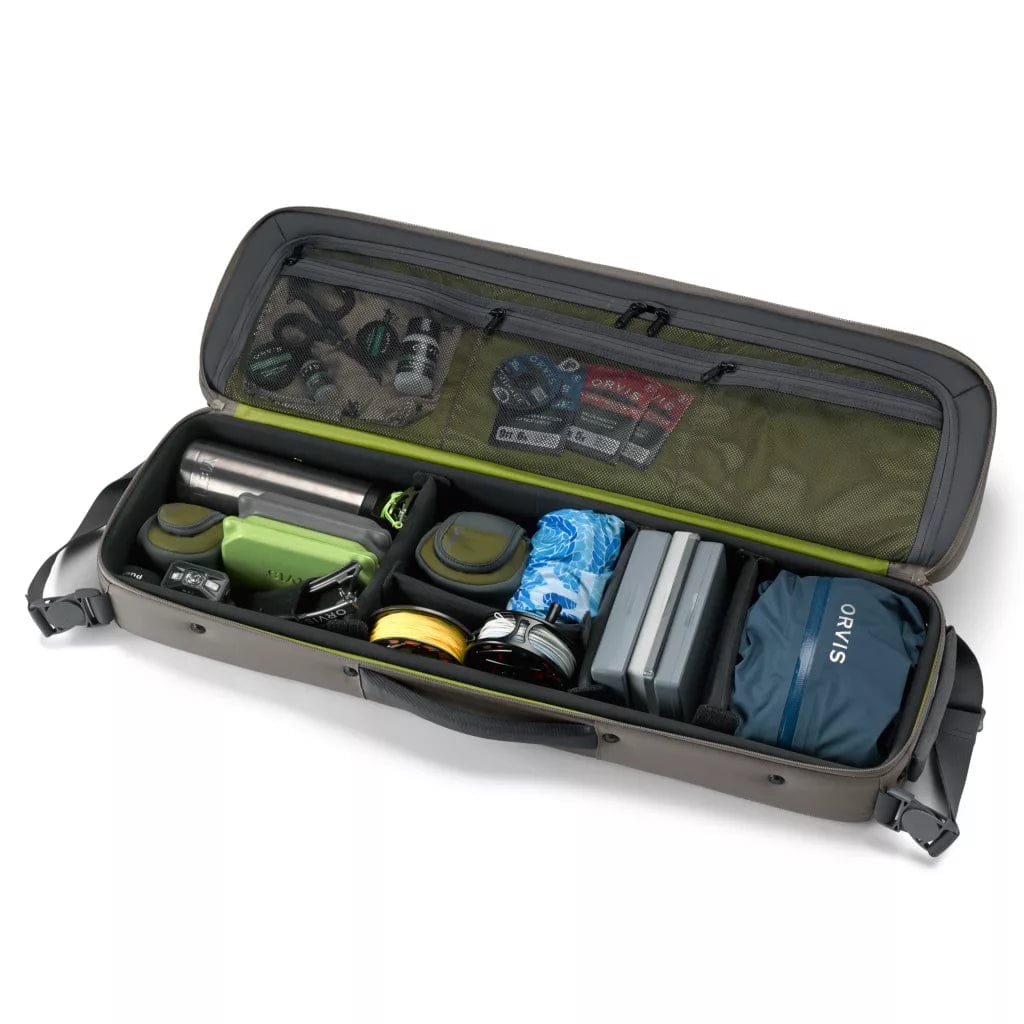



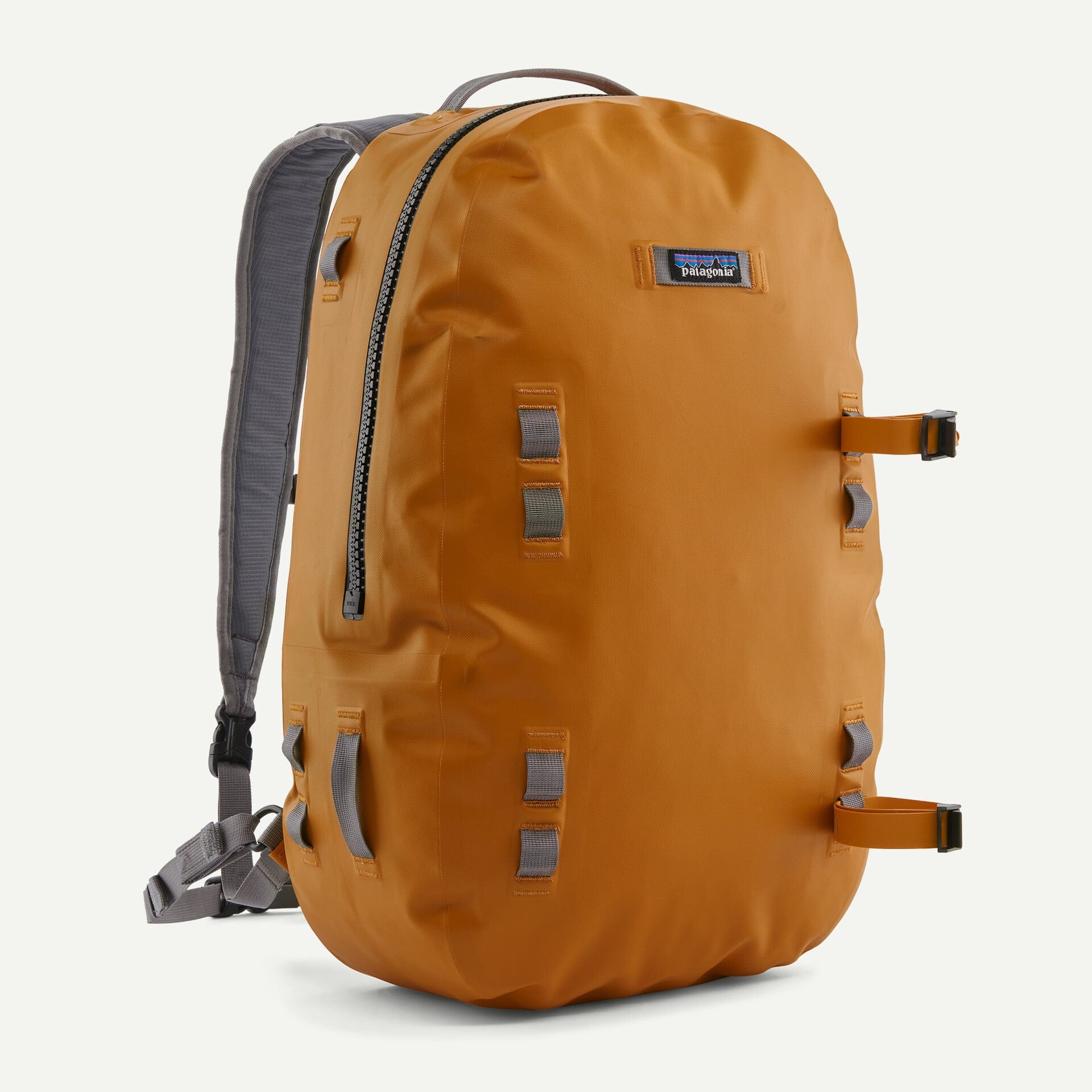
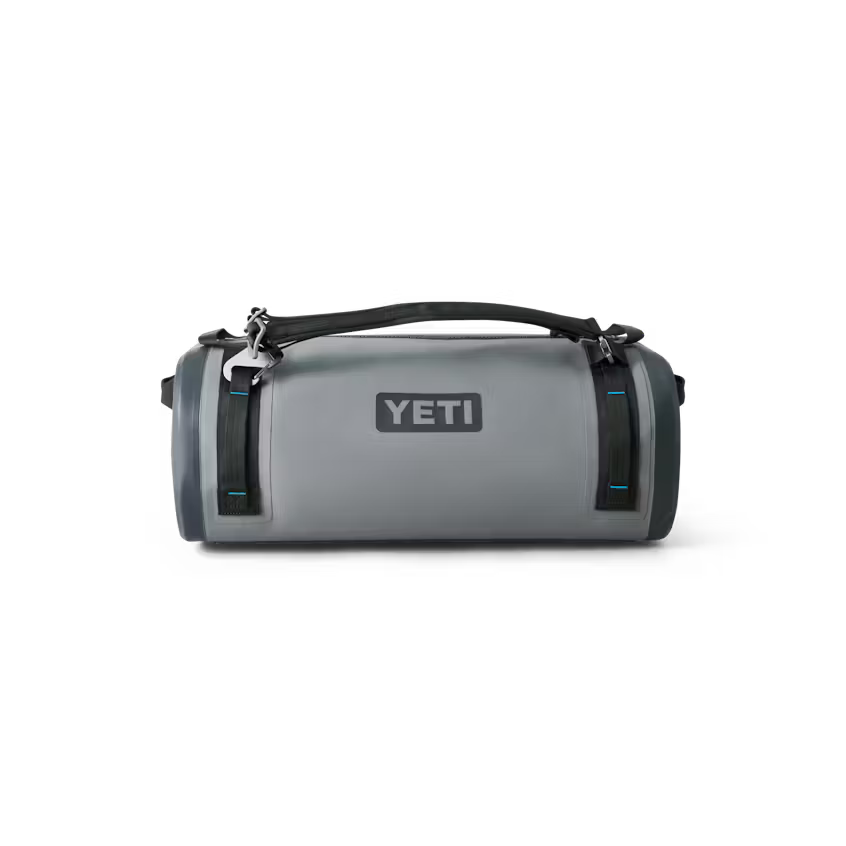
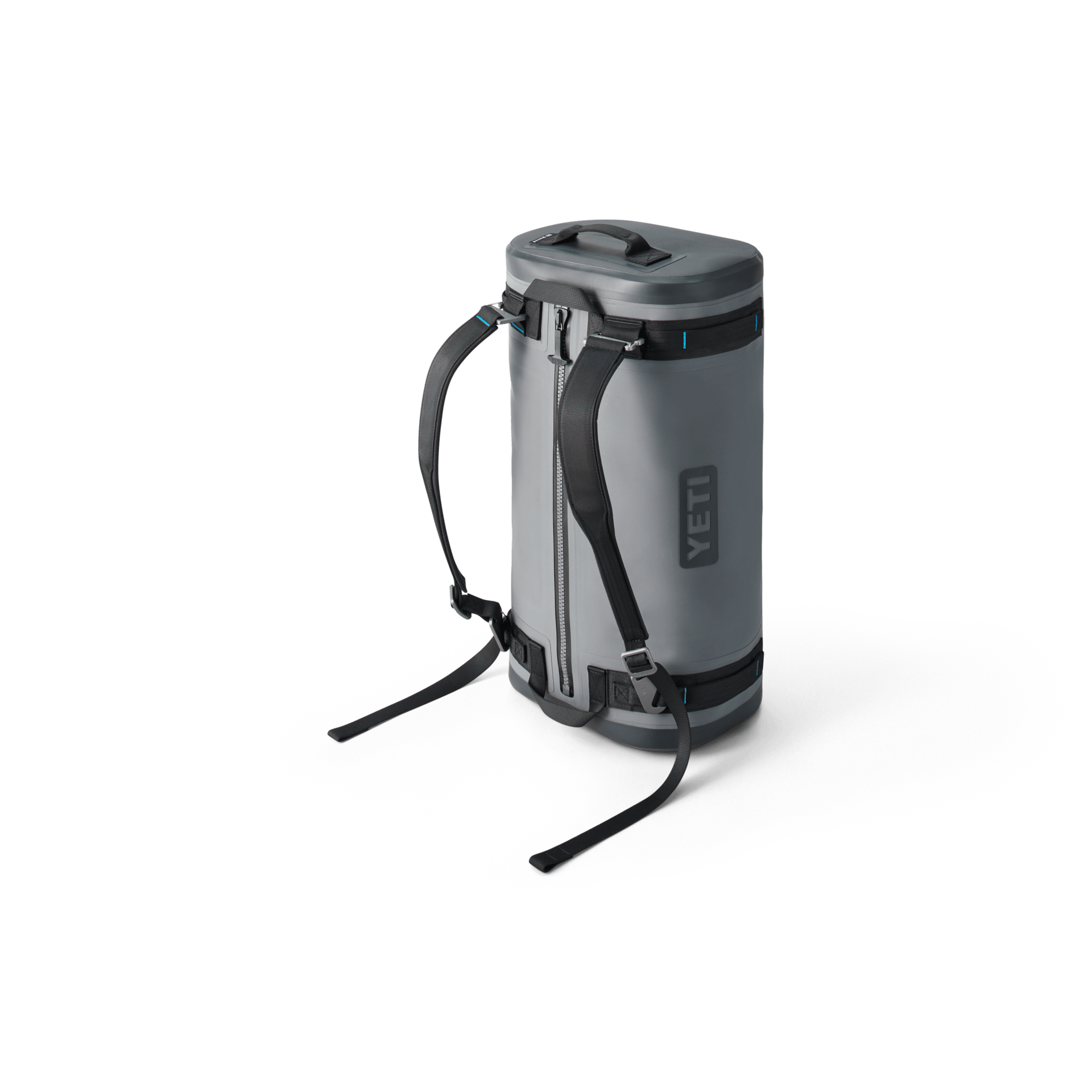


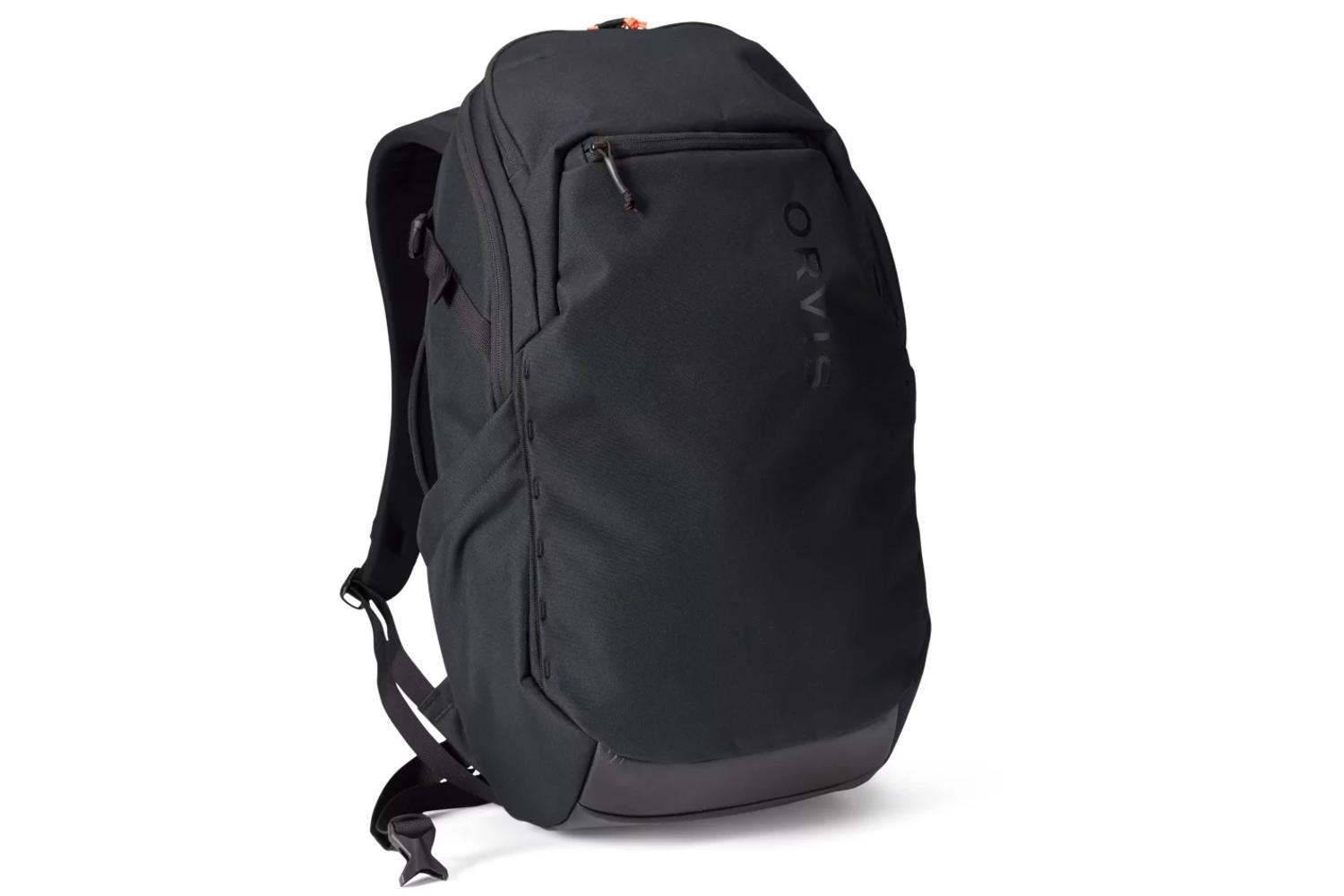
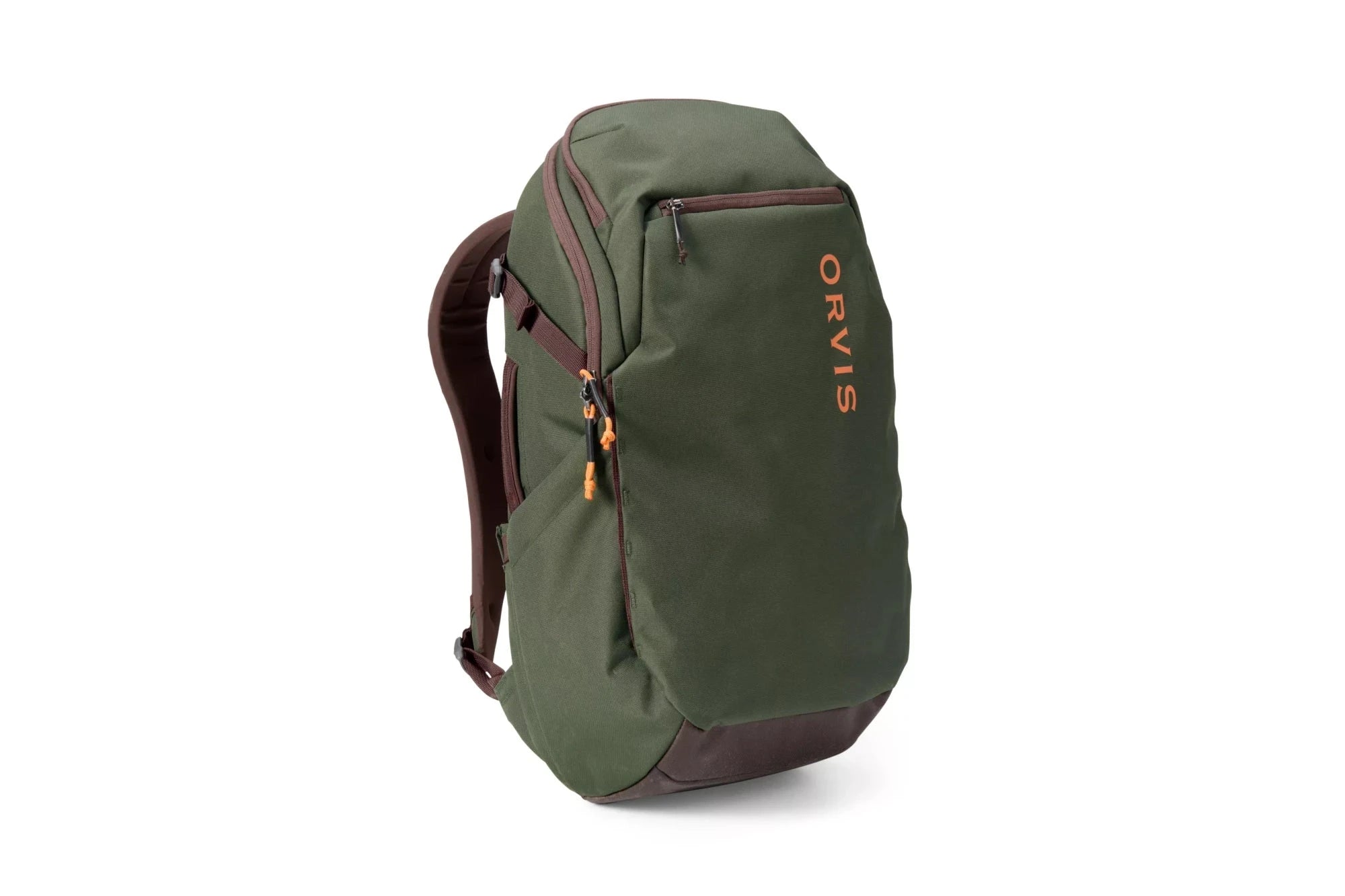


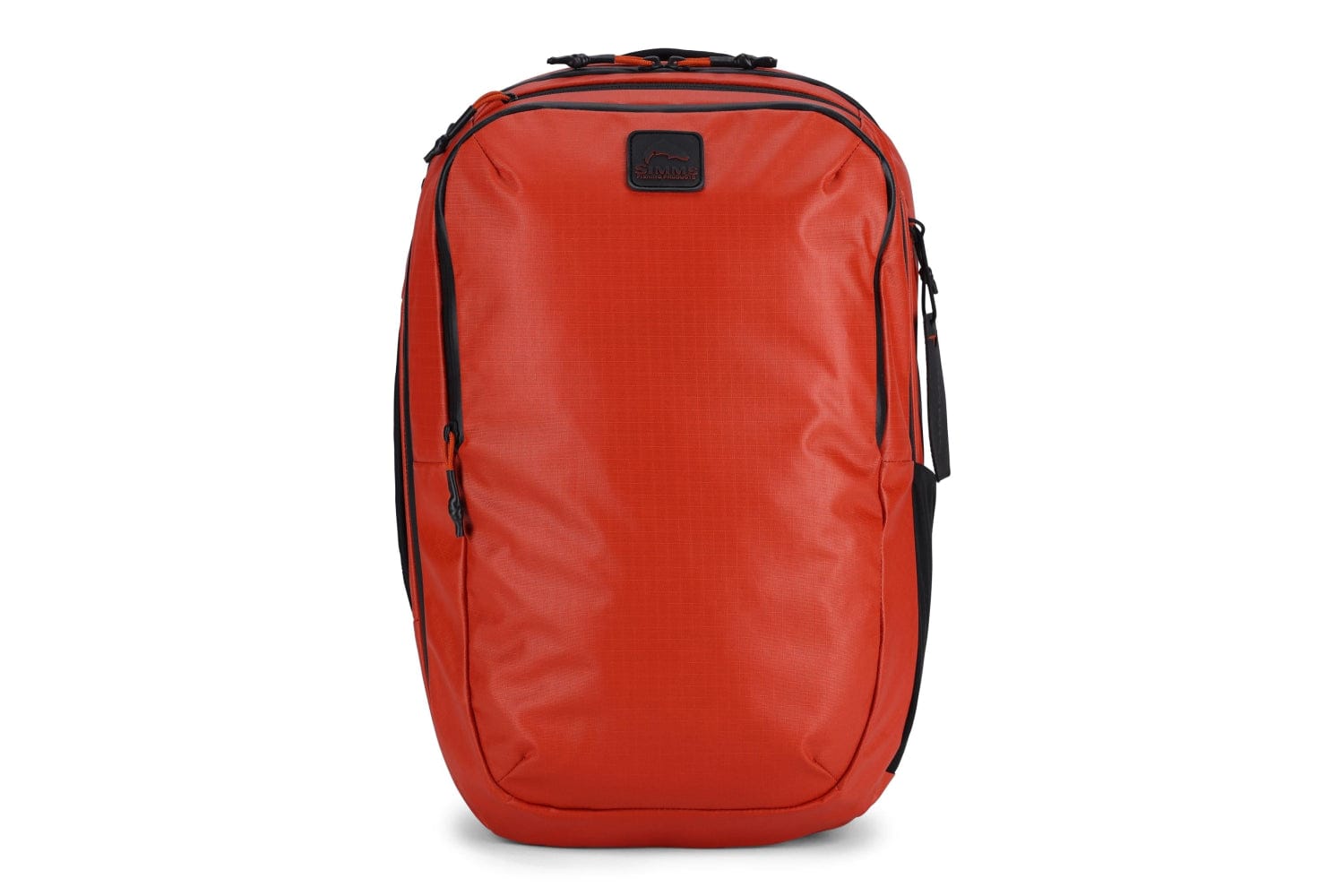
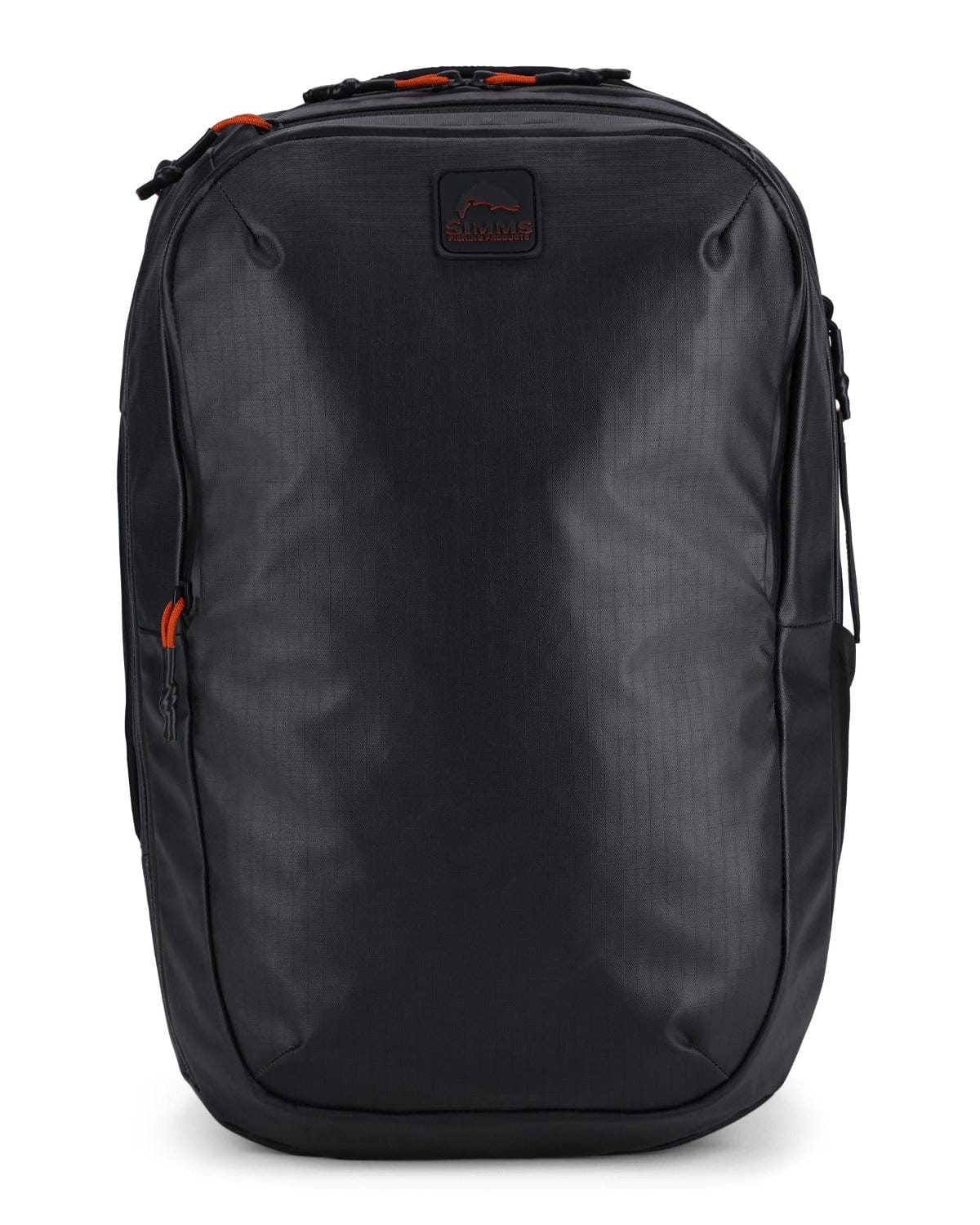
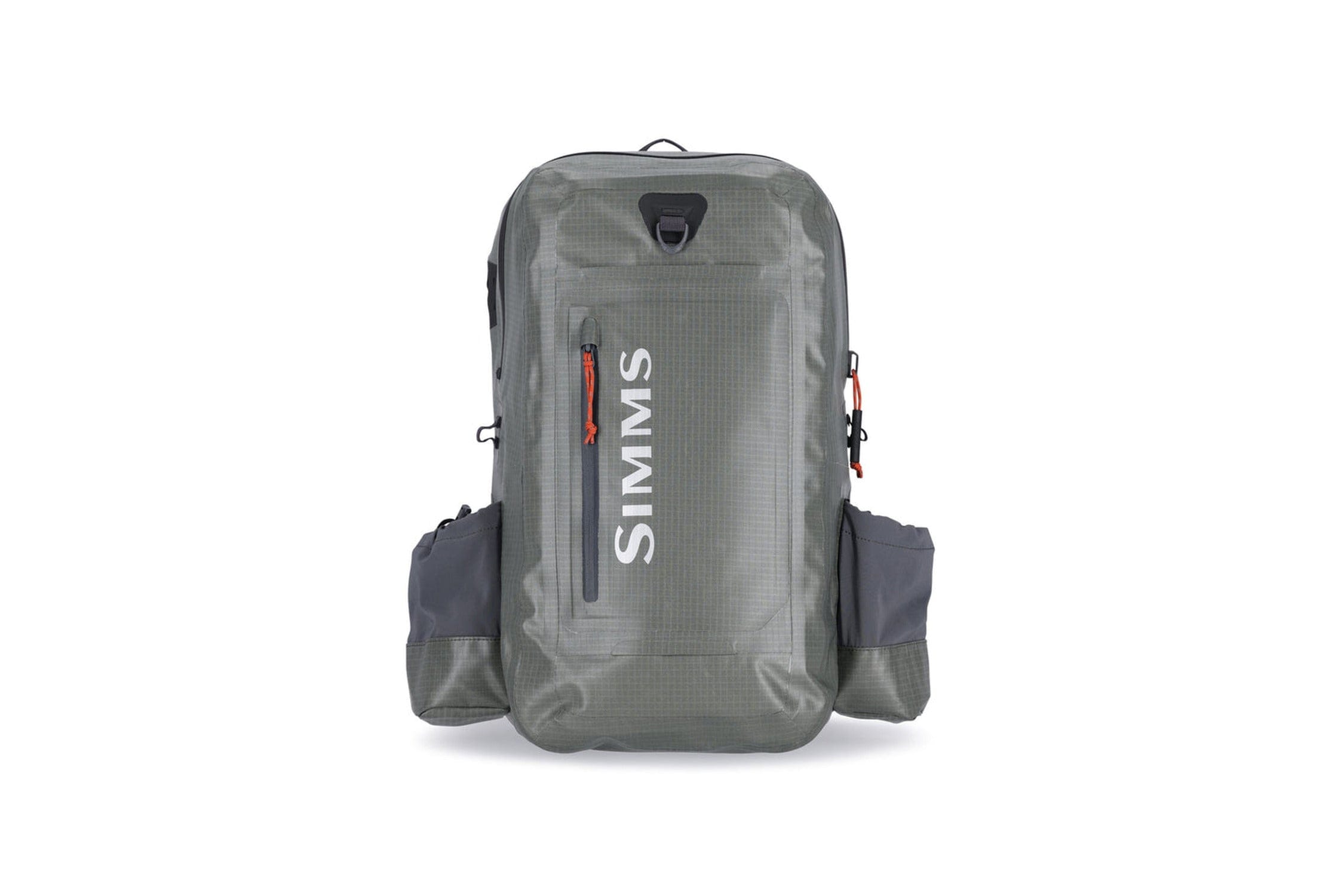






Packs Quick Picks
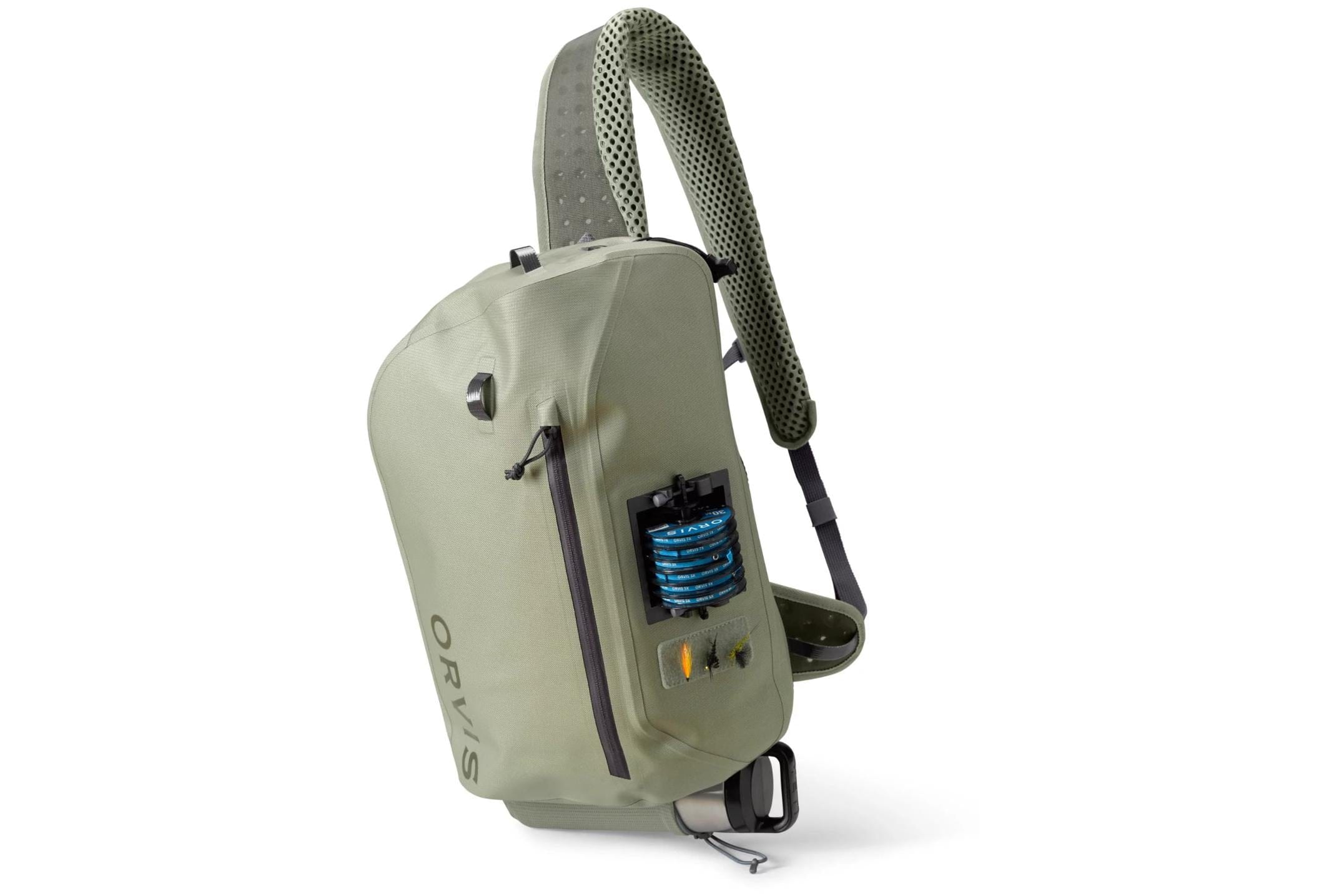
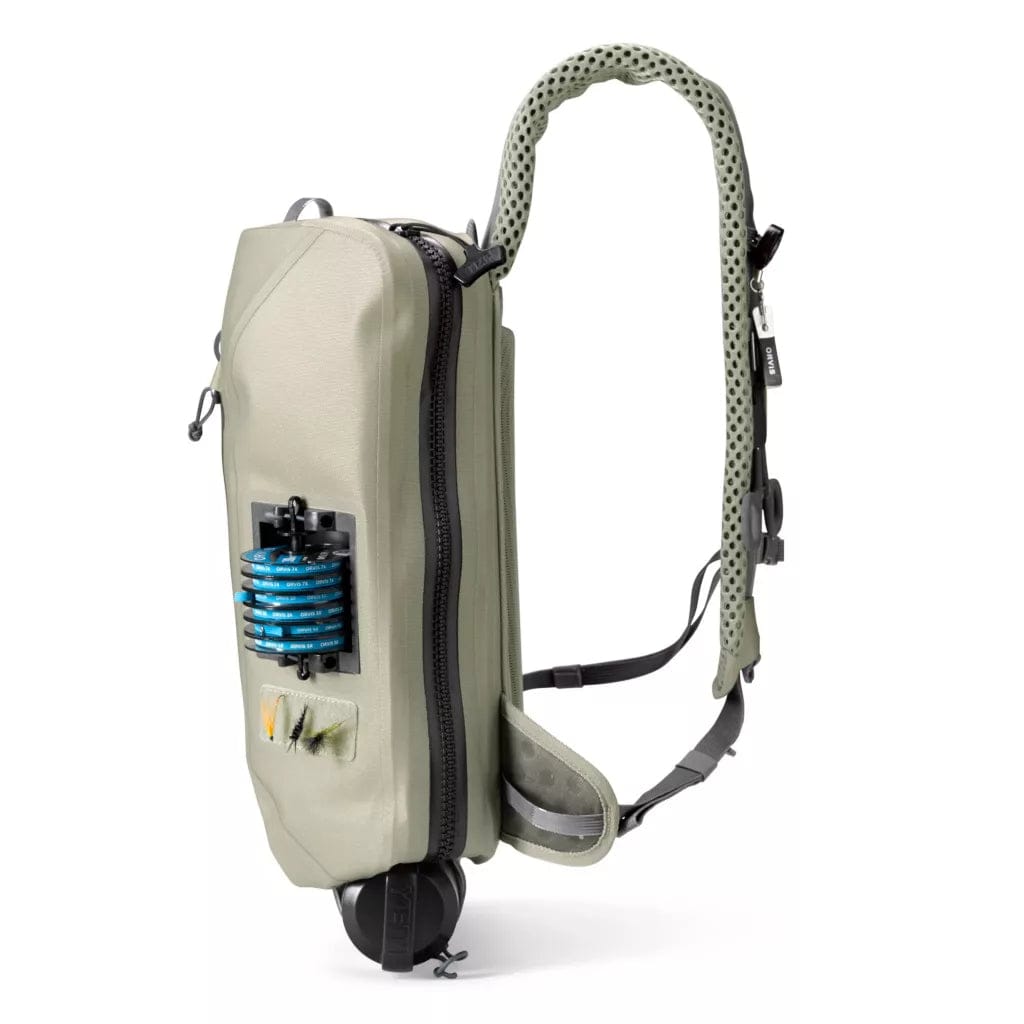
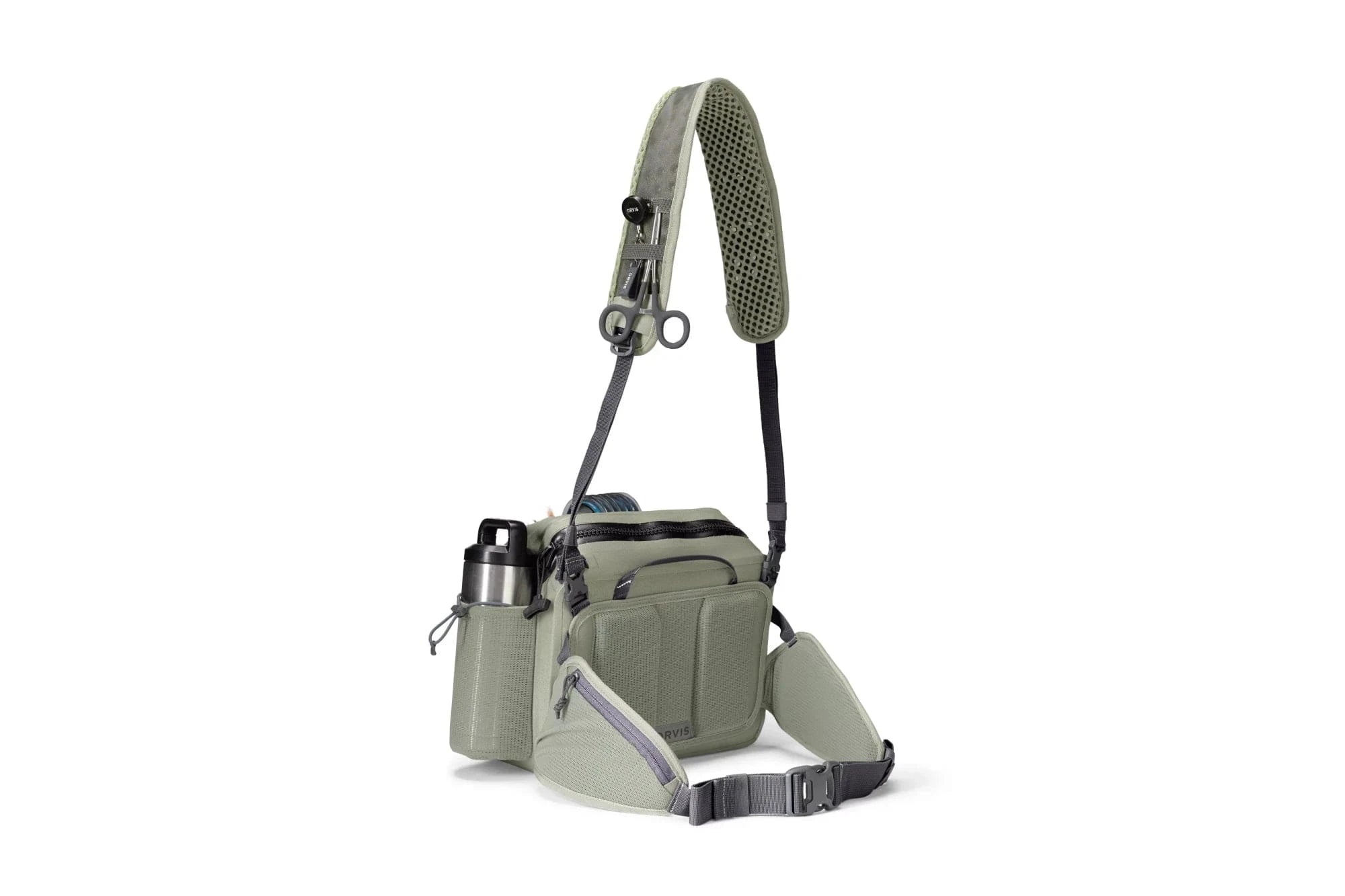
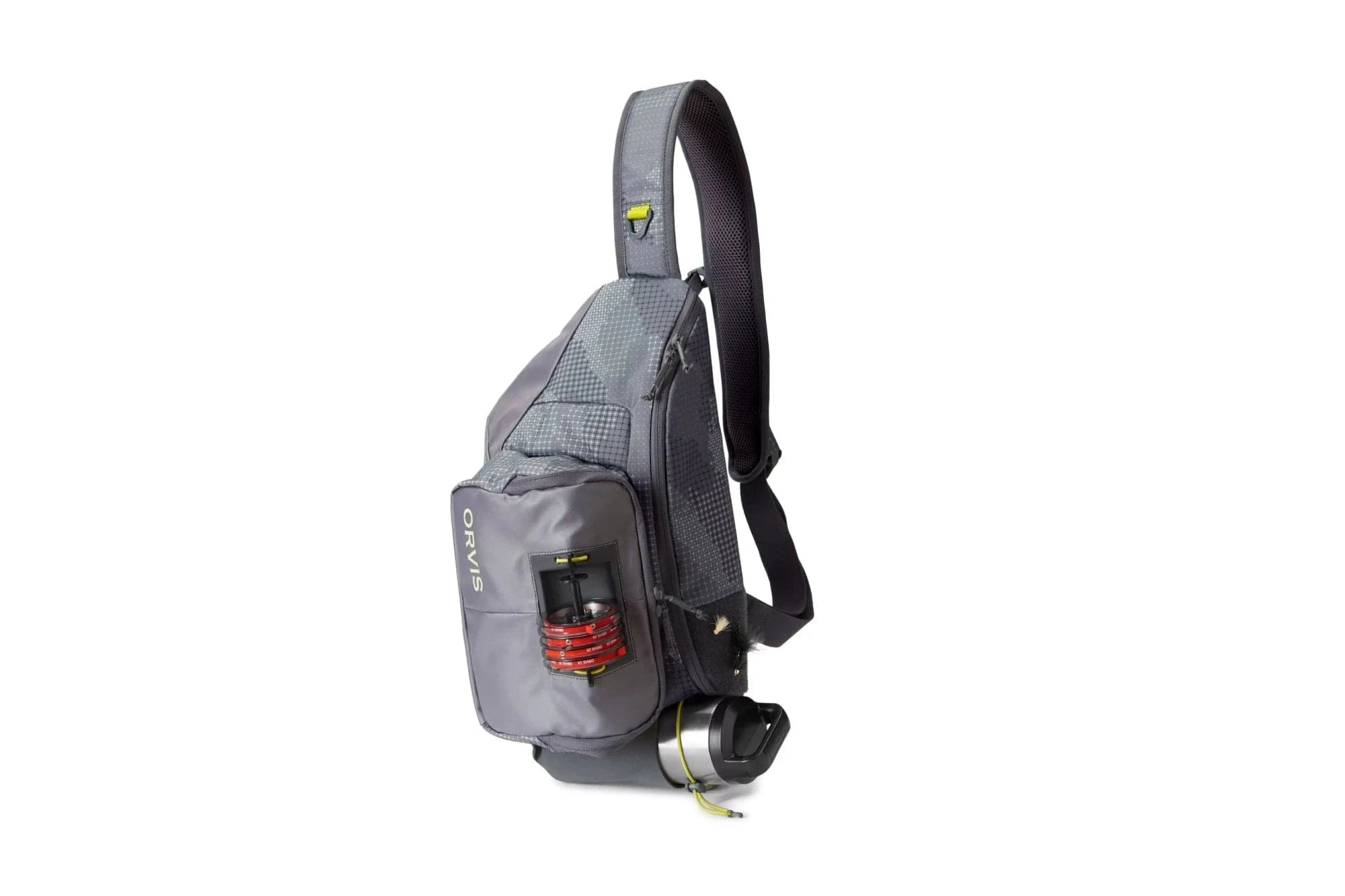
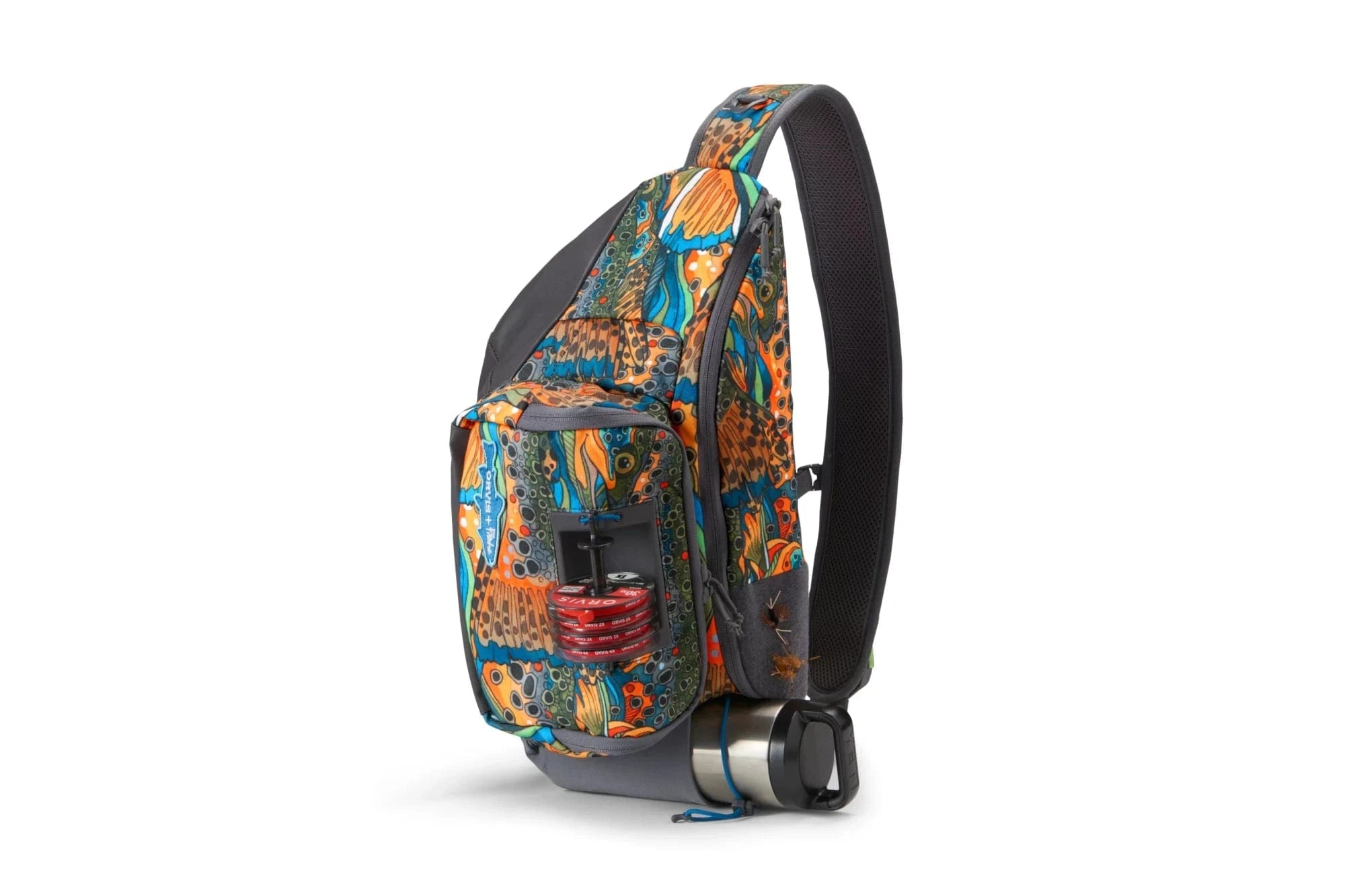
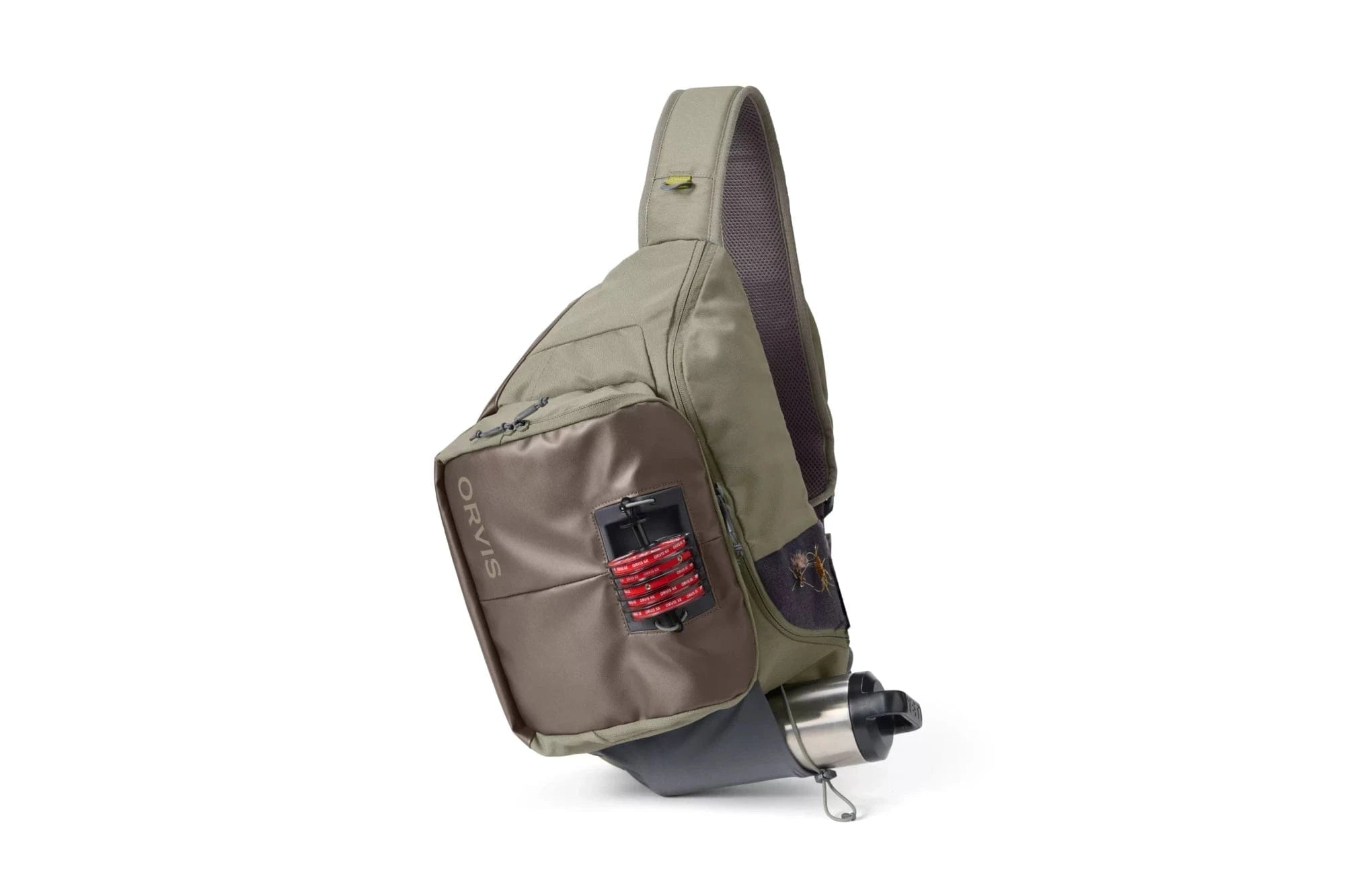
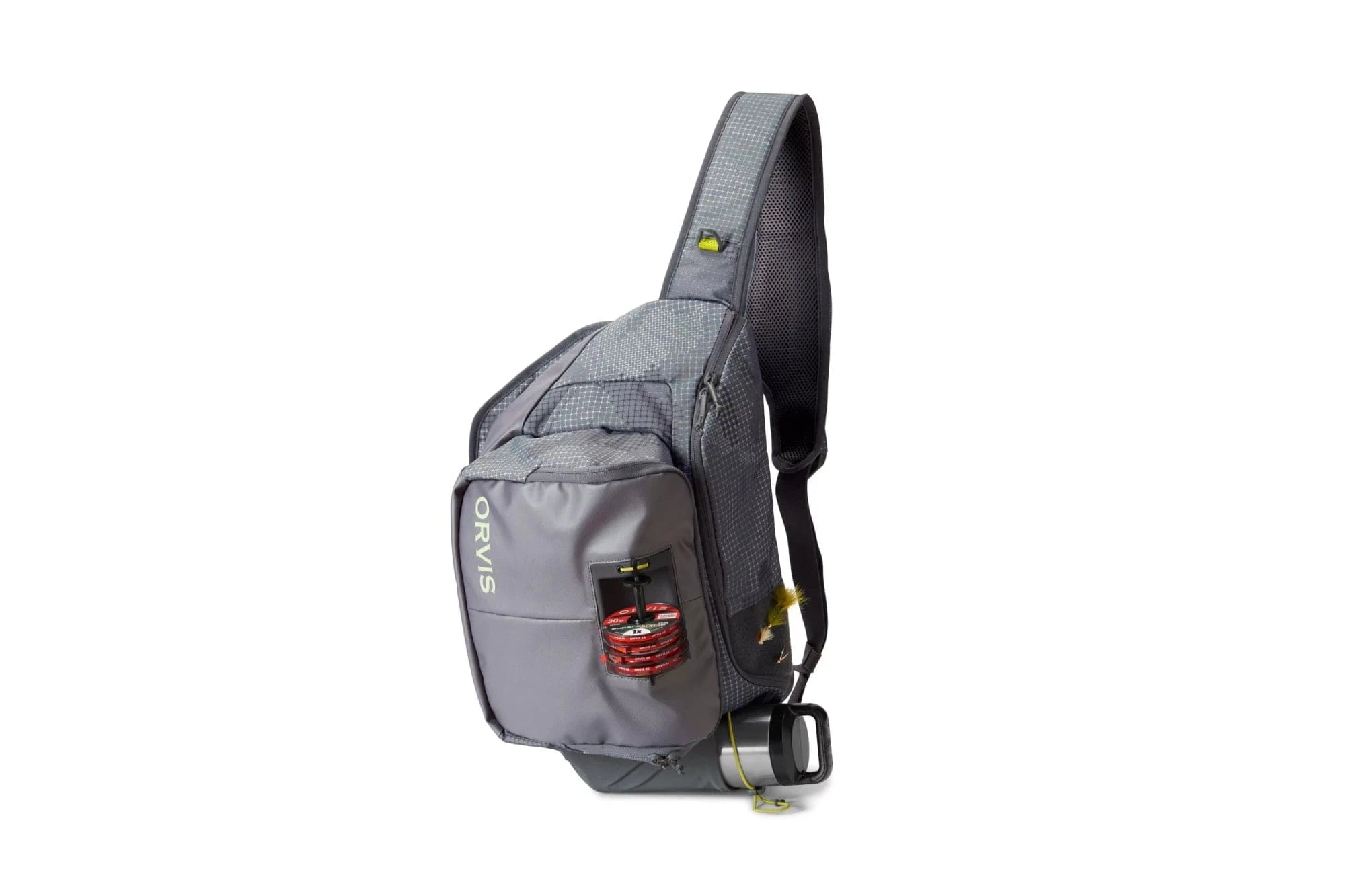
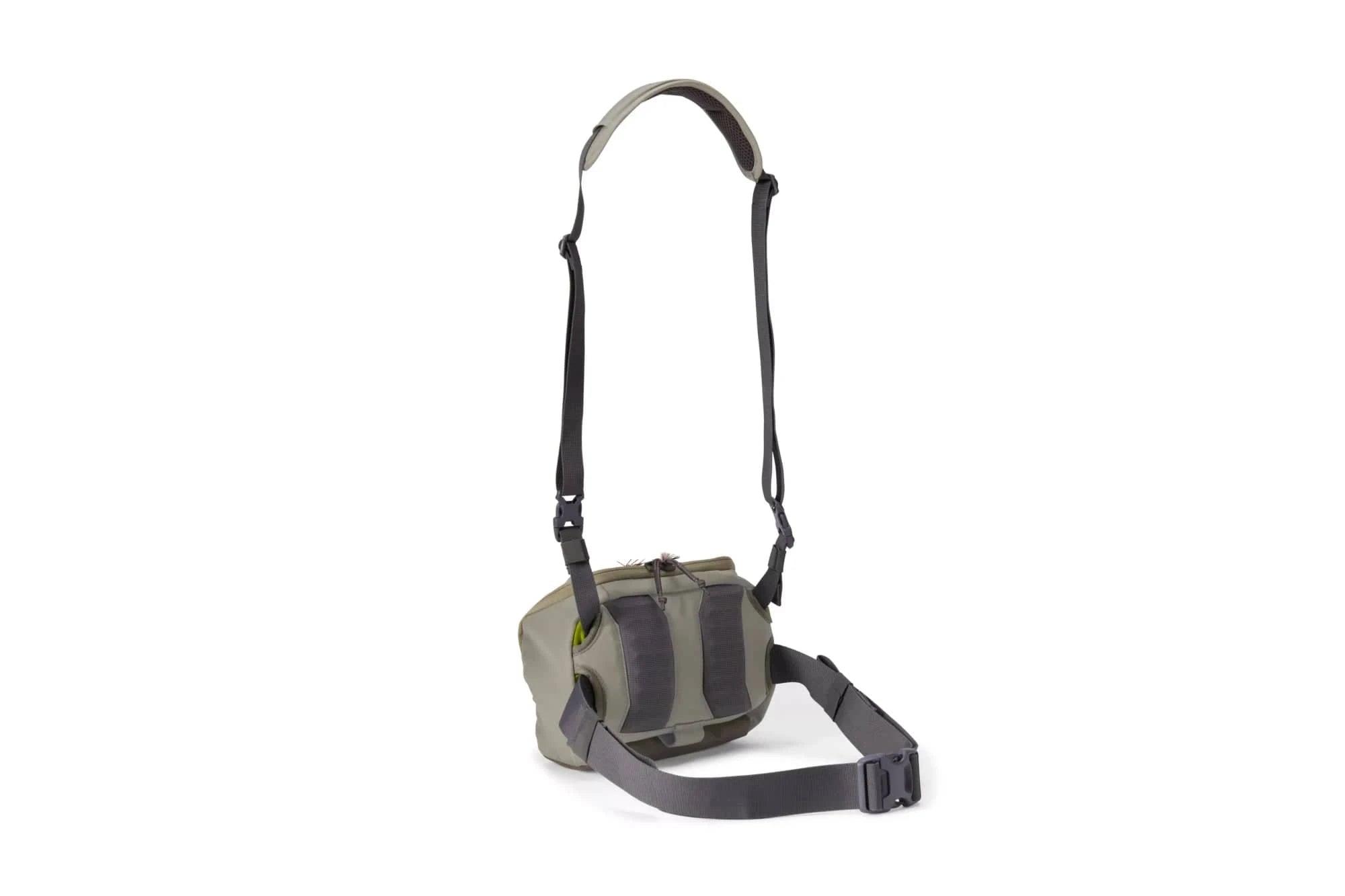
- Best All-Around: Orvis Sling Pack - Great for walk-and-wade days when you want quick access without taking your pack off. The swing-to-front layout and built-in tippet dock make frequent fly changes feel smoother and more organized.
- Best Waterproof Sling: Simms Dry Creek Z Sling Pack - Built for anglers who fish in steady rain, big spray, or deep wading where “water-resistant” isn’t enough. A submersible build and sealed zipper design help protect phones, keys, and extra layers in truly wet conditions.
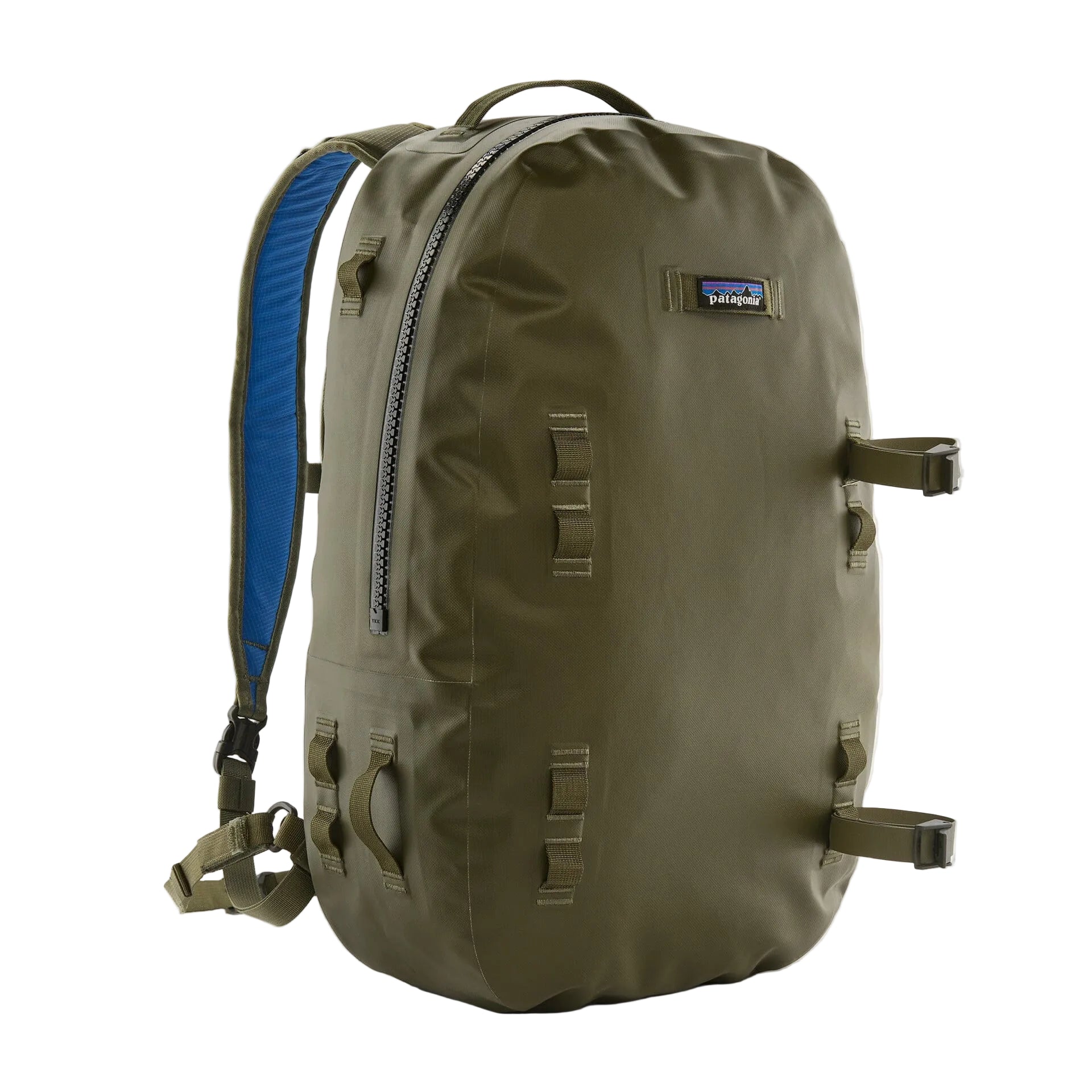
- Best Premium Waterproof: Patagonia Guidewater Sling Pack - A premium choice for anglers who want a fully submersible sling with a clean, fishing-specific layout. The ambidextrous carry and integrated net storage make it a strong option for both trout rivers and saltwater flats.
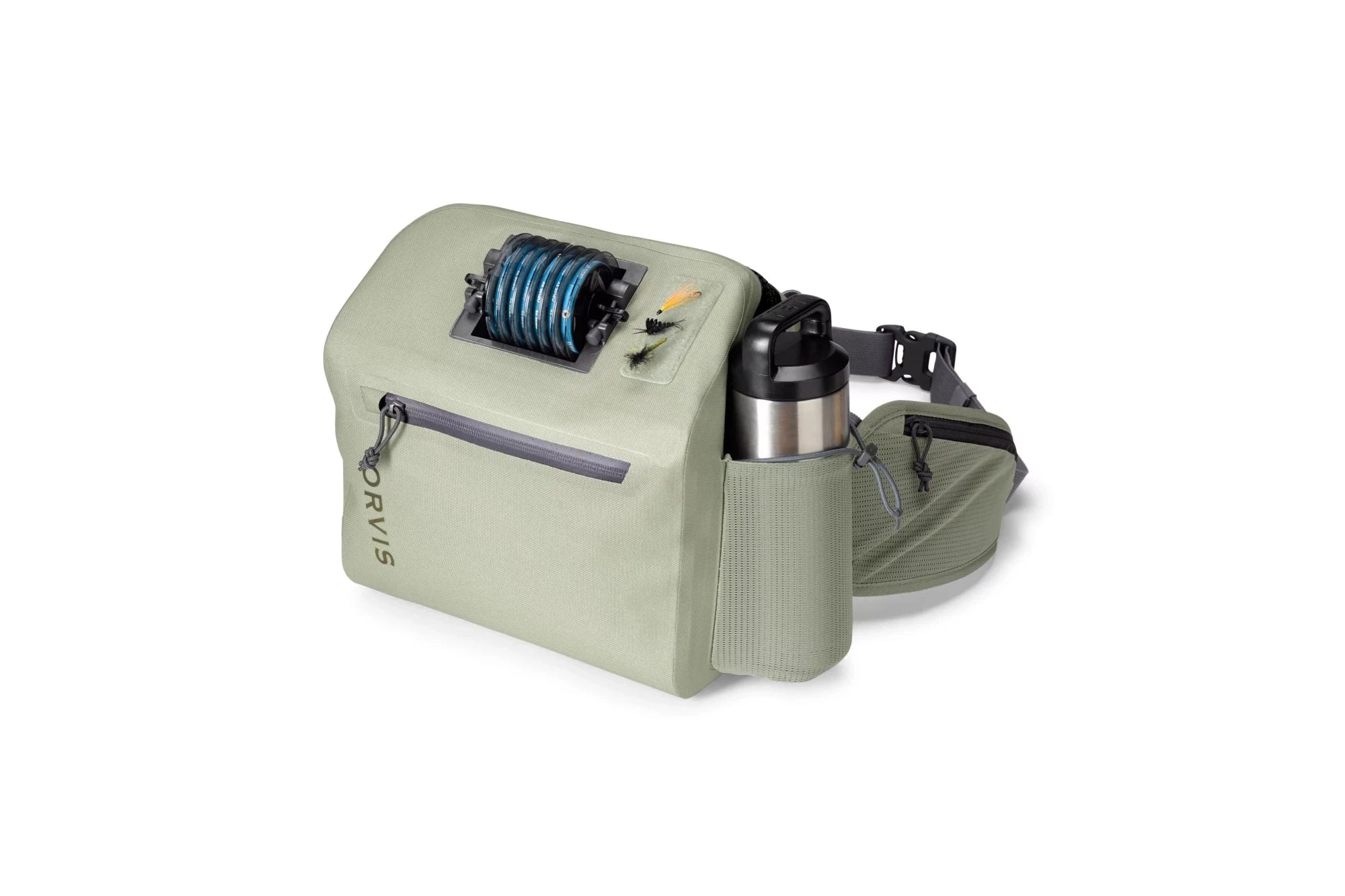
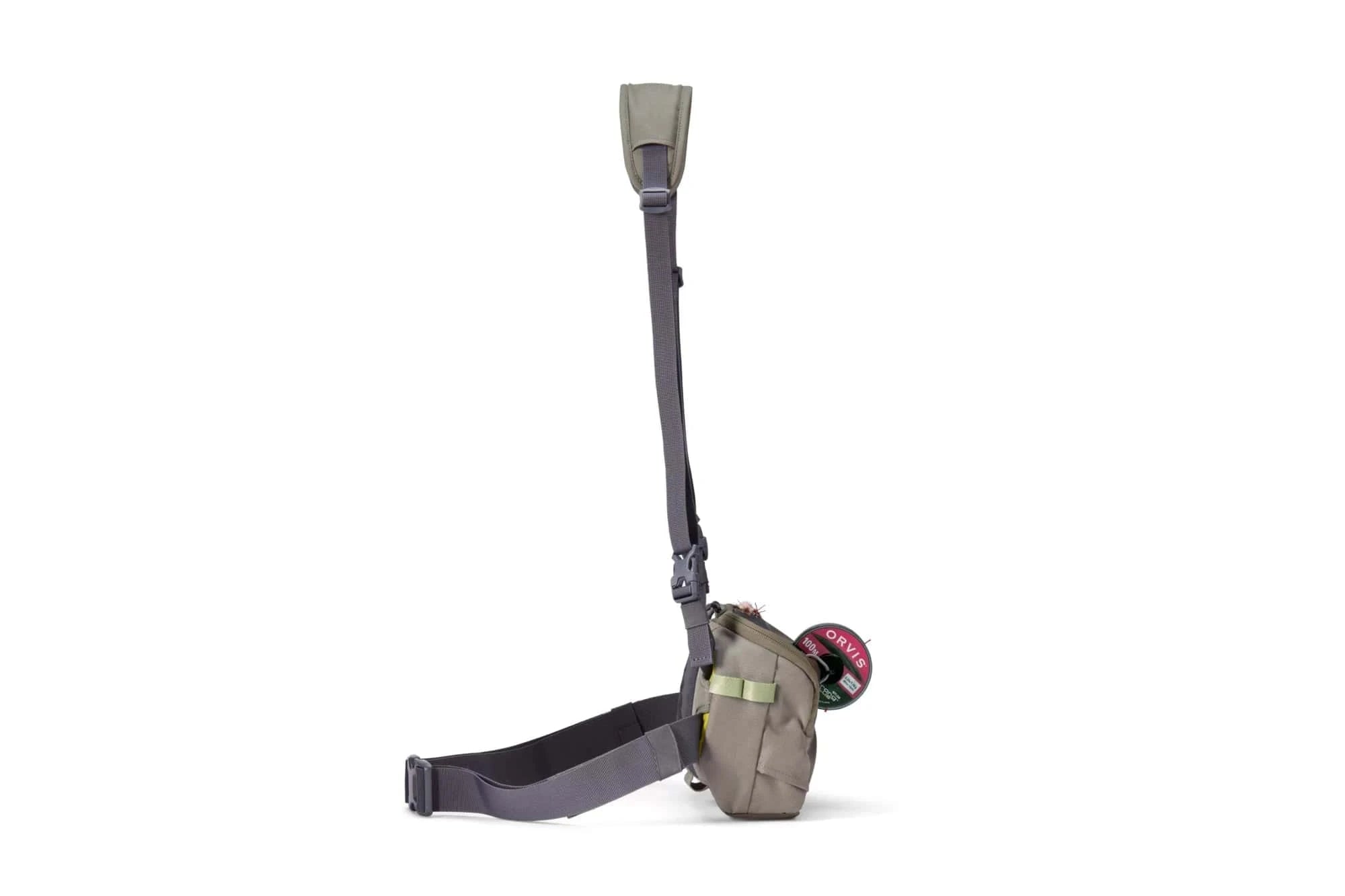
- Best Minimalist: Orvis Chest/Hip Pack - Ideal when you’re carrying one fly box, a few leaders, and core tools for a short session. It can be worn multiple ways, so it adapts well to wet wading, travel, and tight brush.
- Best Packable Travel: Simms Flyweight Access Pack - A smart add-on for destination trips, guide days, or boat storage when you want a “just in case” backpack that packs down small. The roll-top closure and lightweight build keep it simple for layers, lunch, and extra boxes.
Explore by Type
How to Choose Packs
Sling vs. hip vs. chest vs. backpack
Action: Start by choosing the carry style that matches how you move and how often you change rigs.
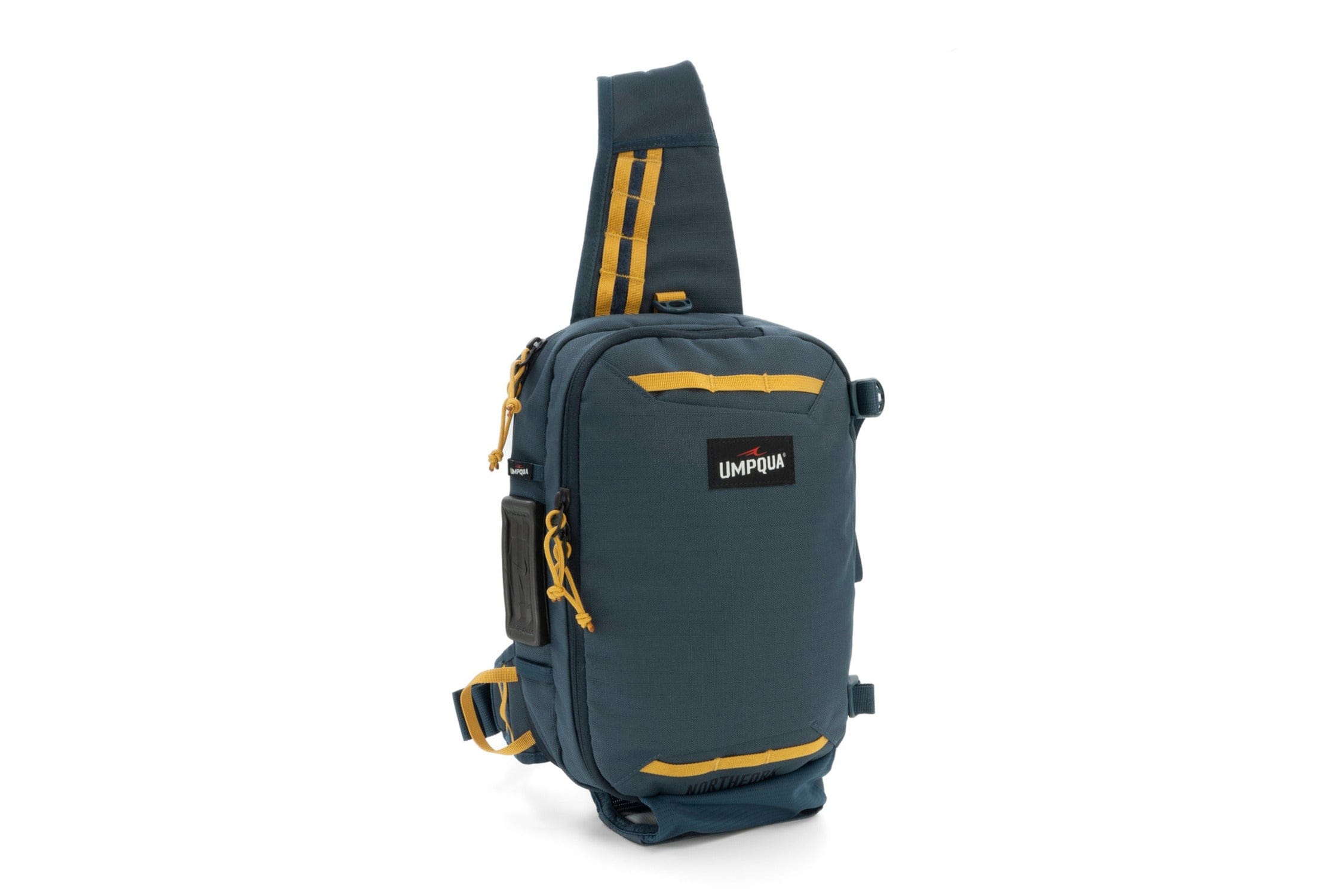
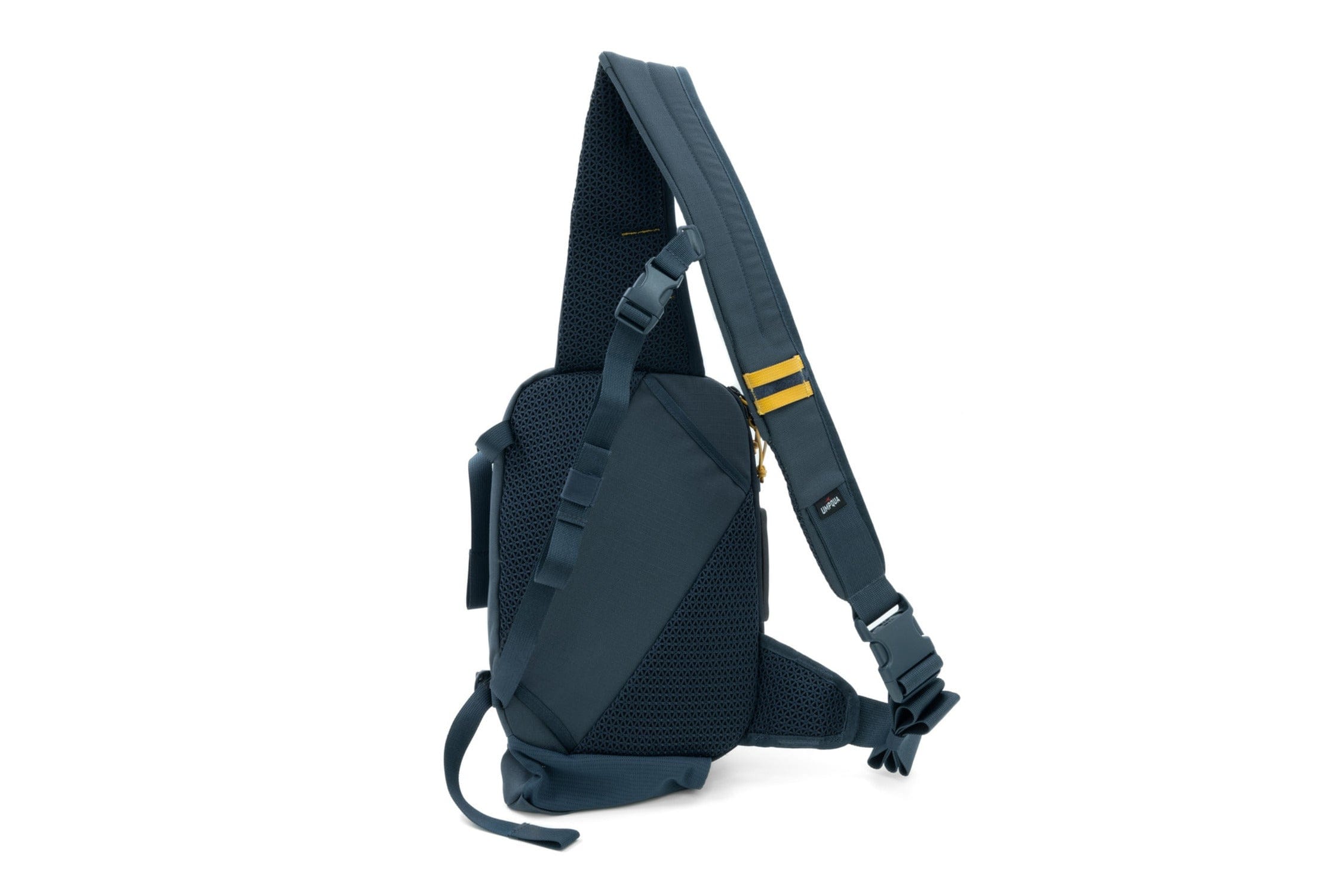
- Sling packs: Best when you’re changing flies frequently and want one-handed access by swinging the pack forward. They’re efficient for wade fishing and boat days, especially with molded “workstation” panels and tool docks.
- Hip packs (lumbar packs): Best for long days when you want weight on your hips, not one shoulder. They stay clear of your casting stroke and are easy to swing to the front when you need to dig into the main compartment.
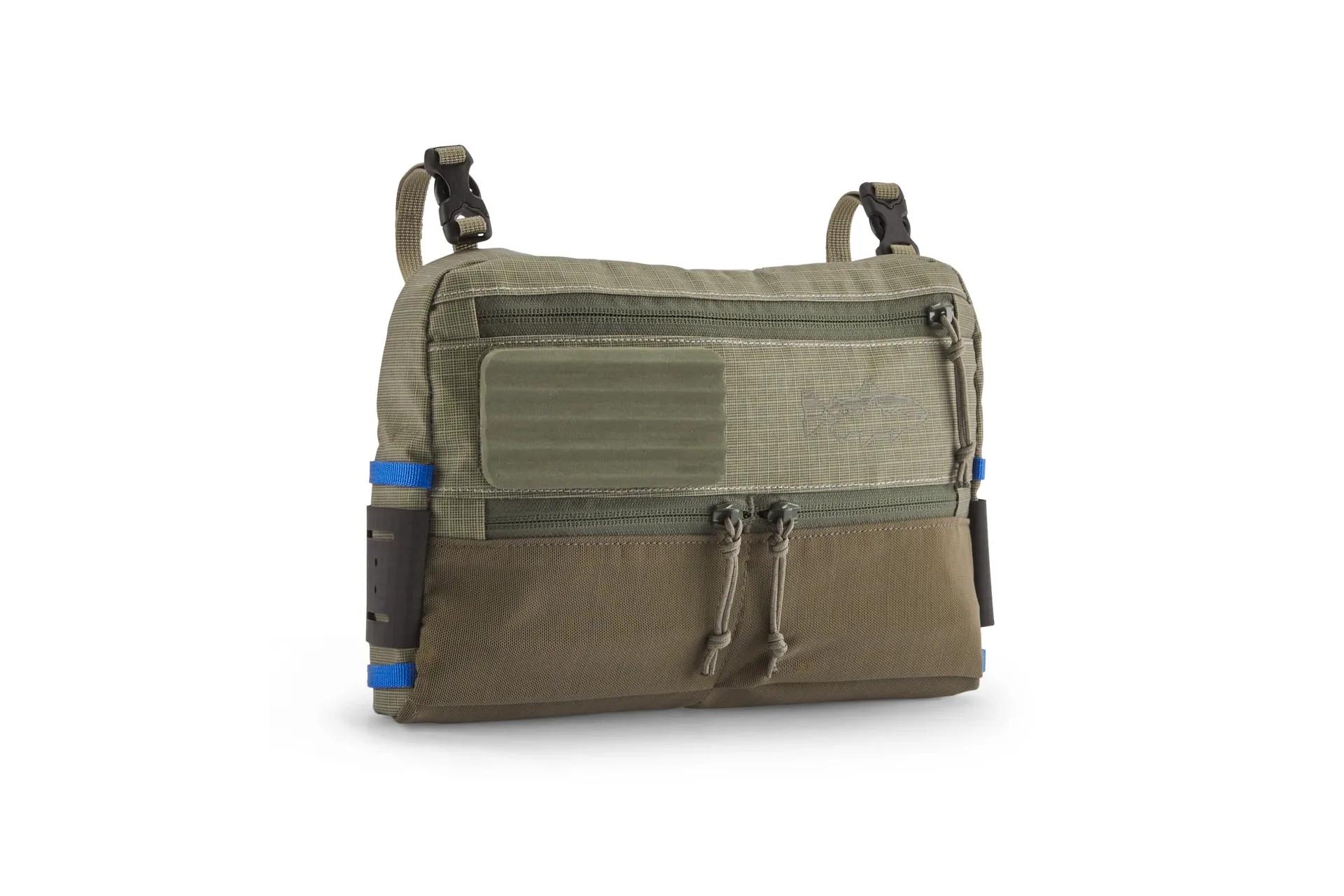
- Chest packs: Best for minimalist kits and quick access to small items like tippet, nippers, floatant, and a compact fly box. They also tend to ride high, which helps when you’re wading deeper.
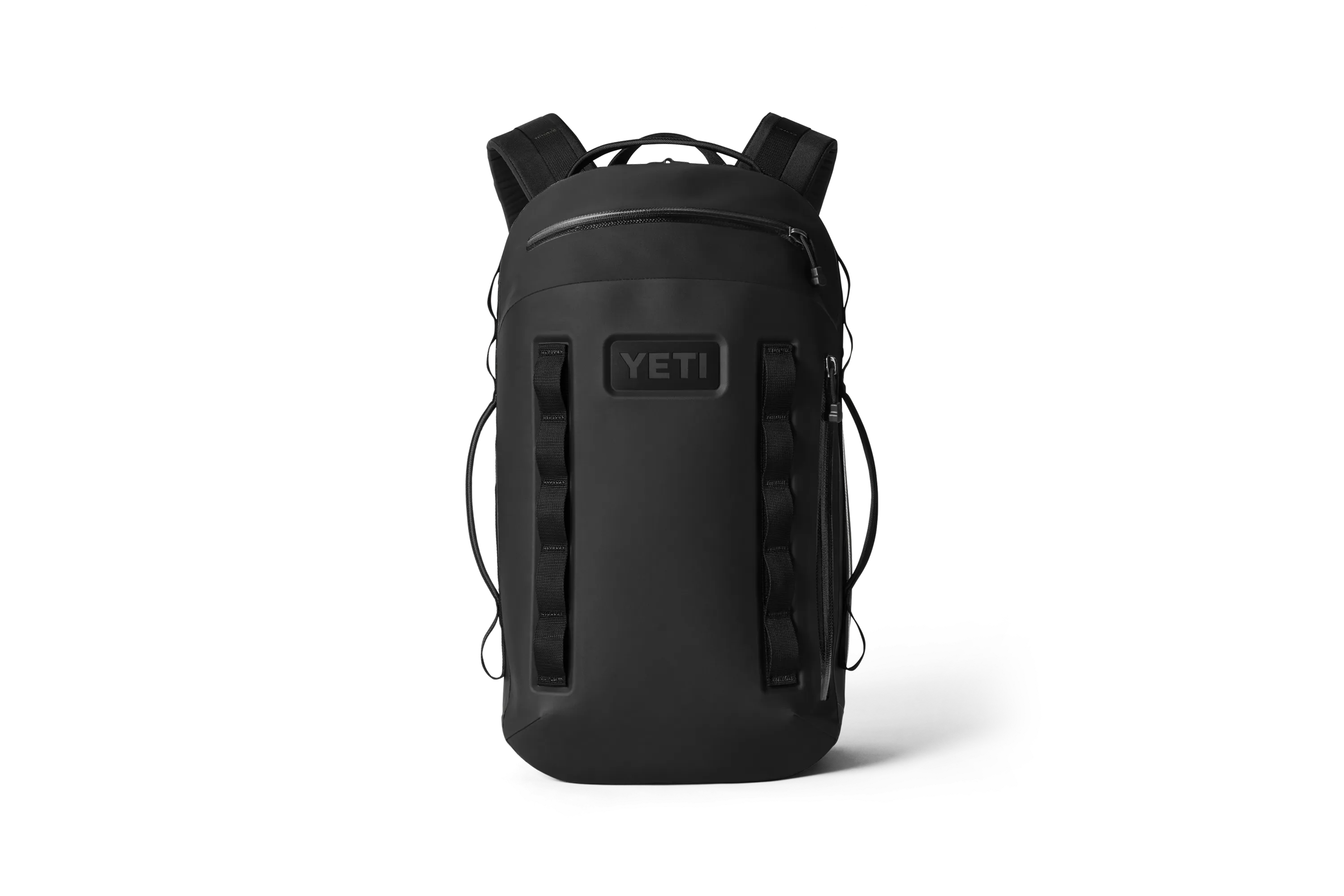
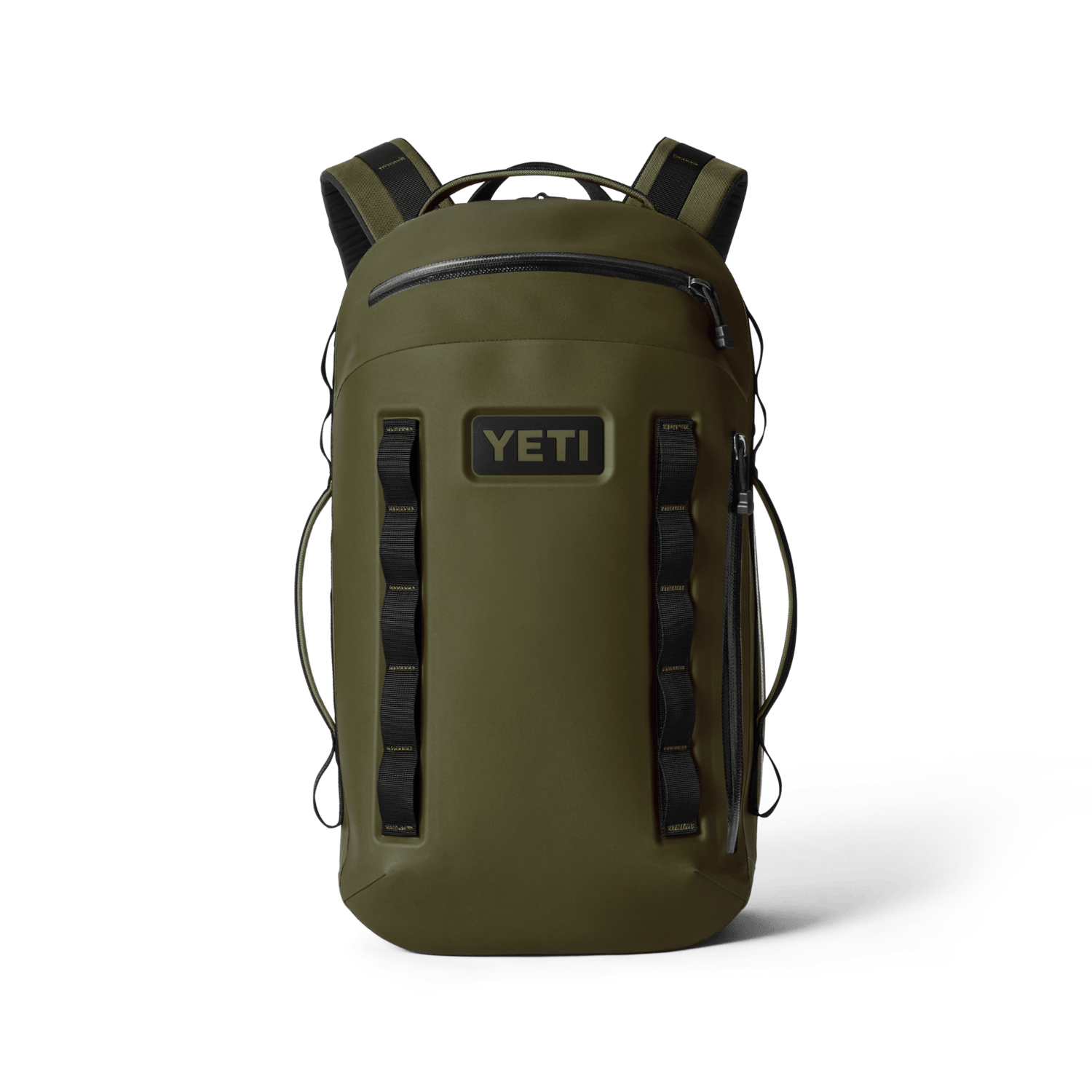
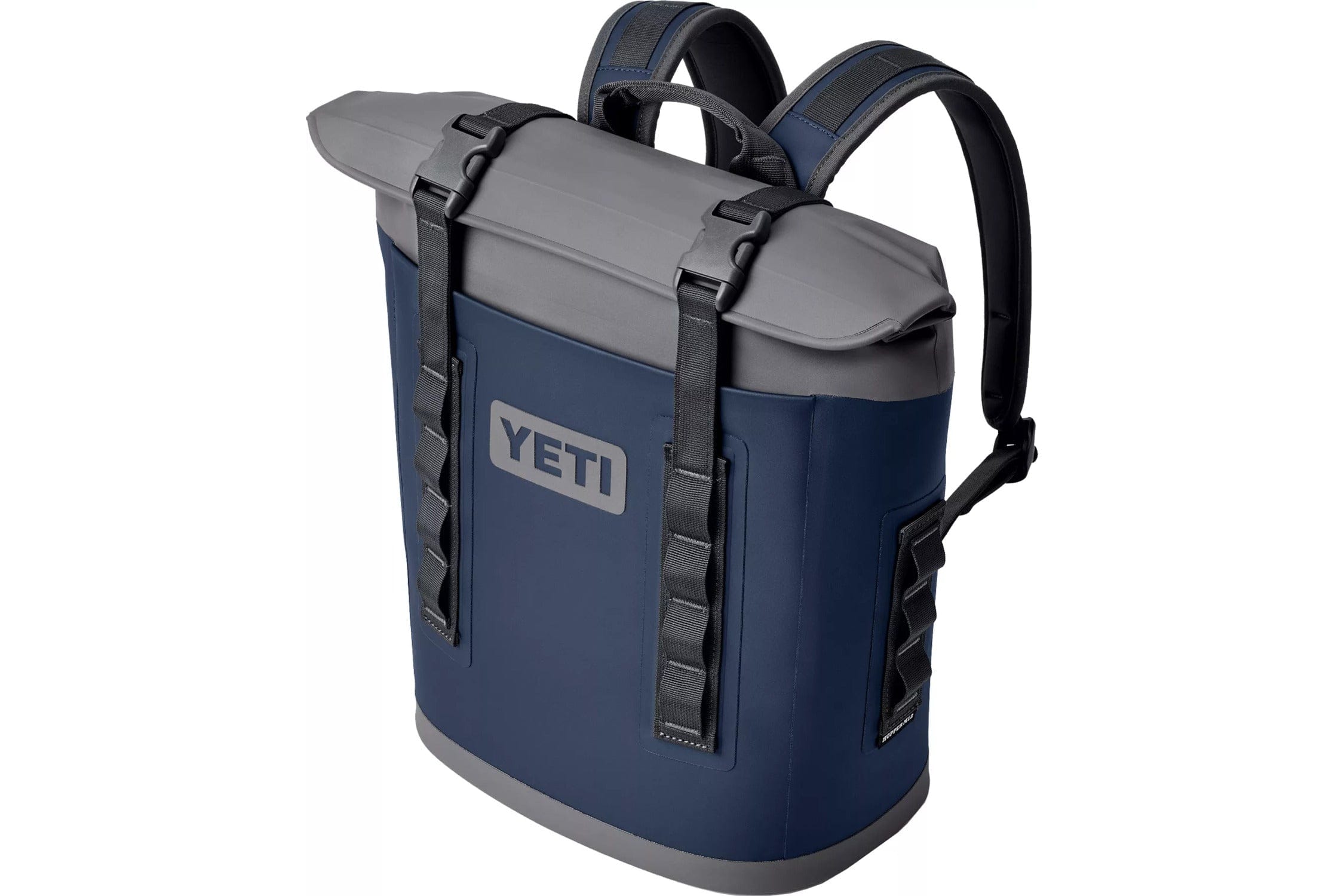
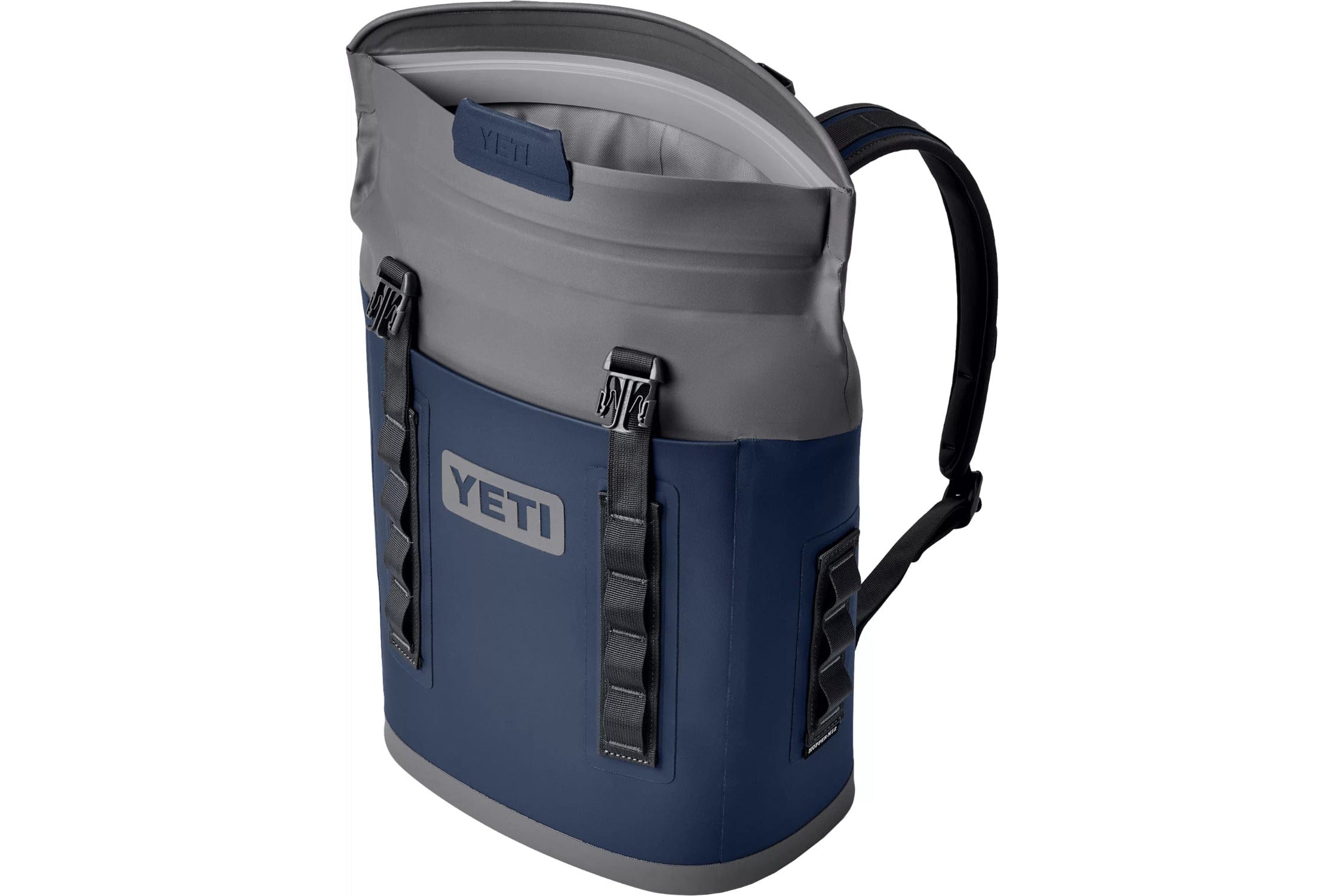
- Backpacks: Best for full-day or hike-in missions where you need space for extra layers, lunch, camera, and larger boxes. If you fish out of a drift boat, backpacks can also double as a clean “day bin” to keep everything together.
Water-resistant vs. truly waterproof
Best for: Most freshwater wading is fine with water-resistant materials and coated zippers. If you’re often in heavy rain, surf, skiffs, or you’re carrying electronics, stepping up to a truly waterproof/submersible design can be worth it.
Avoid if: You hate maintaining waterproof zippers or prefer quick, wide-open access. Waterproof packs can trade convenience for protection, so it’s worth being honest about your conditions.
Capacity and what it actually fits
- 3, 5L: One main fly box, a spare spool or leader wallet, and core tools, great for short sessions.
- 8, 12L: The sweet spot for most wade anglers, multiple boxes, a rain shell, water, and room for organization.
- 15L+: Best when you’re carrying layers, lunch, larger boxes, and extras for changing conditions.
Features that matter on the water
- Tool docking: Keeps nippers/forceps from disappearing into pockets when you’re changing rigs.
- Net carry: Look for a dedicated scabbard/holster so the net doesn’t swing or snag brush.
- Organization: A few purposeful internal pockets beat a single “black hole” compartment, especially for leaders, tippet, and indicators.
- Strap comfort: If you’re loading a sling heavy, padded straps and a stabilizer strap make a real difference late in the day.
Sizing & Fit
- Dial the strap first: Set the pack so it rides stable when you walk and wade; loose packs swing, snag brush, and feel heavier.
- Load placement: Put dense items (fly boxes, water) closest to your body for better balance and less shoulder fatigue.
- Waders compatibility: If you fish in waders often, consider packs that sit high enough to avoid dunking in deep wades.
- Try your net: If you carry a net, confirm the attachment style (scabbard vs. D-ring) fits your handle length and your wading style.
- Plan for layers: If you regularly shed or add jackets, size up, packs feel “too small” fastest when layers are involved.
Complete Your Setup
Related Gear
- Belts - Helpful for stabilizing carry, adding accessories, and keeping tools consistent between different packs.
- Wading Accessories - Retractors, floatant, staffs, and small essentials that make pack setups more efficient.
- Packs & Bags - A good place to look if you need travel duffels, boat bags, and transport solutions in addition to on-water packs.
- Packs - Browse the full fly fishing packs collection again to compare carry styles side-by-side.
Related Guides
Packs FAQs
Q: What are fly fishing packs used for?
A: Fly fishing packs keep fly boxes, leaders, tippet, tools, and layers organized and accessible while you wade or fish from a boat. They’re built around quick access, comfort, and fishing-specific attachment points.
Q: Should I choose a sling pack or a hip pack?
A: Sling packs are great for quick, one-handed access by swinging the pack forward. Hip packs usually carry weight more evenly and can feel better for longer days, especially if you tend to overpack.
Q: What size pack do I need for trout fishing?
A: Many trout anglers are happiest in the 8, 12L range for a full walk-and-wade day. If you fish short sessions or small water, a 3, 5L chest/hip style can be plenty.
Q: Are waterproof fly fishing packs worth it?
A: They can be, especially if you fish in heavy rain, from skiffs/rafts with constant spray, or you carry electronics. For normal wading, water-resistant packs plus a small internal dry bag often covers most needs.
Q: Do chest packs get in the way while casting?
A: Most modern chest packs sit high and stay low-profile, so they don’t interfere much with casting. They can feel bulky if overfilled, so they’re best when you keep the kit streamlined.
Q: What features matter most in a fly fishing pack?
A: Prioritize strap comfort, easy access to the main compartment, and tool docking (nippers/forceps). Net carry, a clean exterior that won’t snag line, and smart internal organization are the next big wins.
Q: Can I use a regular hiking pack for fly fishing?
A: You can, but most hiking packs lack fishing-focused organization and quick-access layouts. Fly fishing packs typically add features that reduce downtime on the water, like docking stations, fly patches, and net carry.