






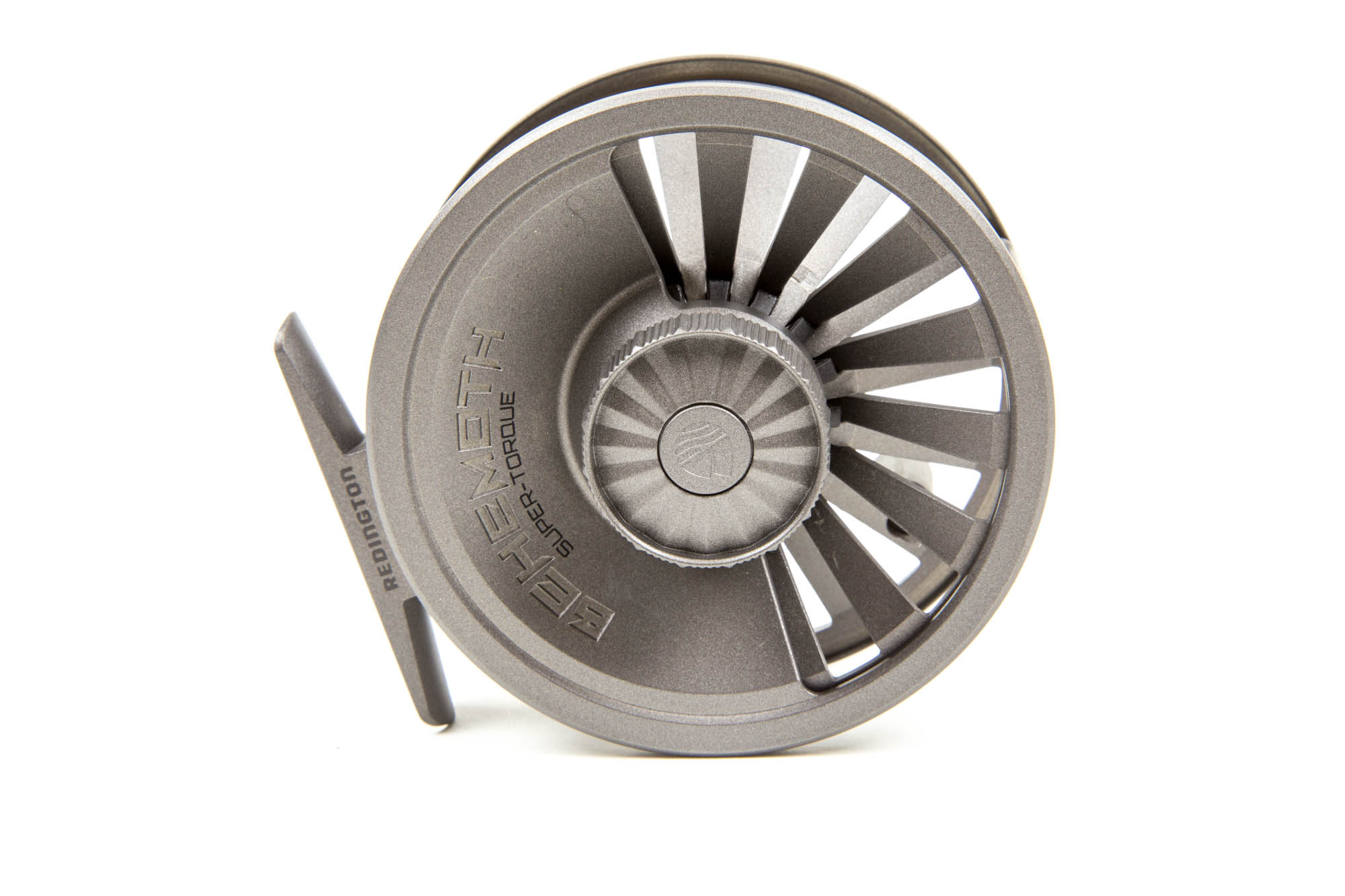
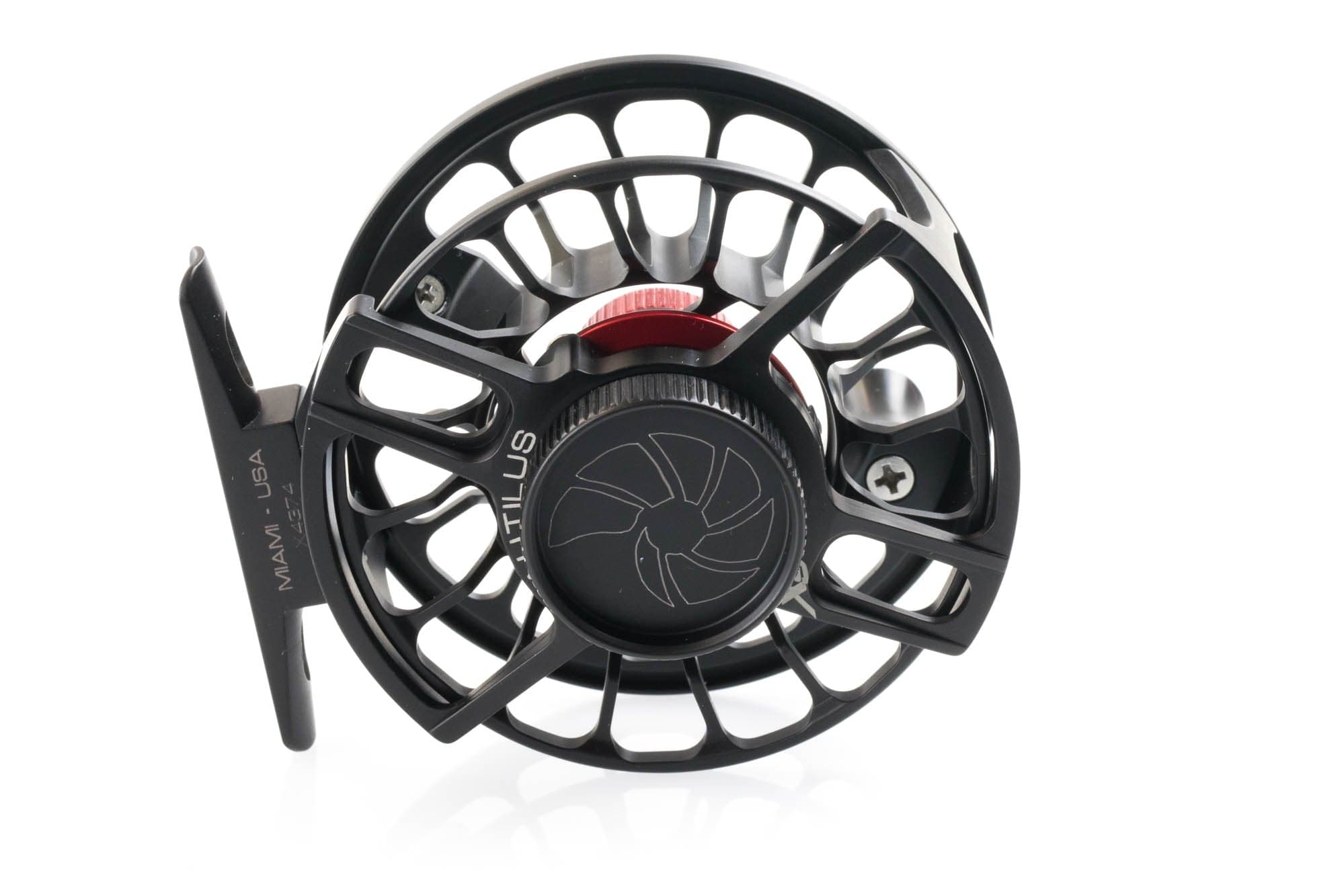
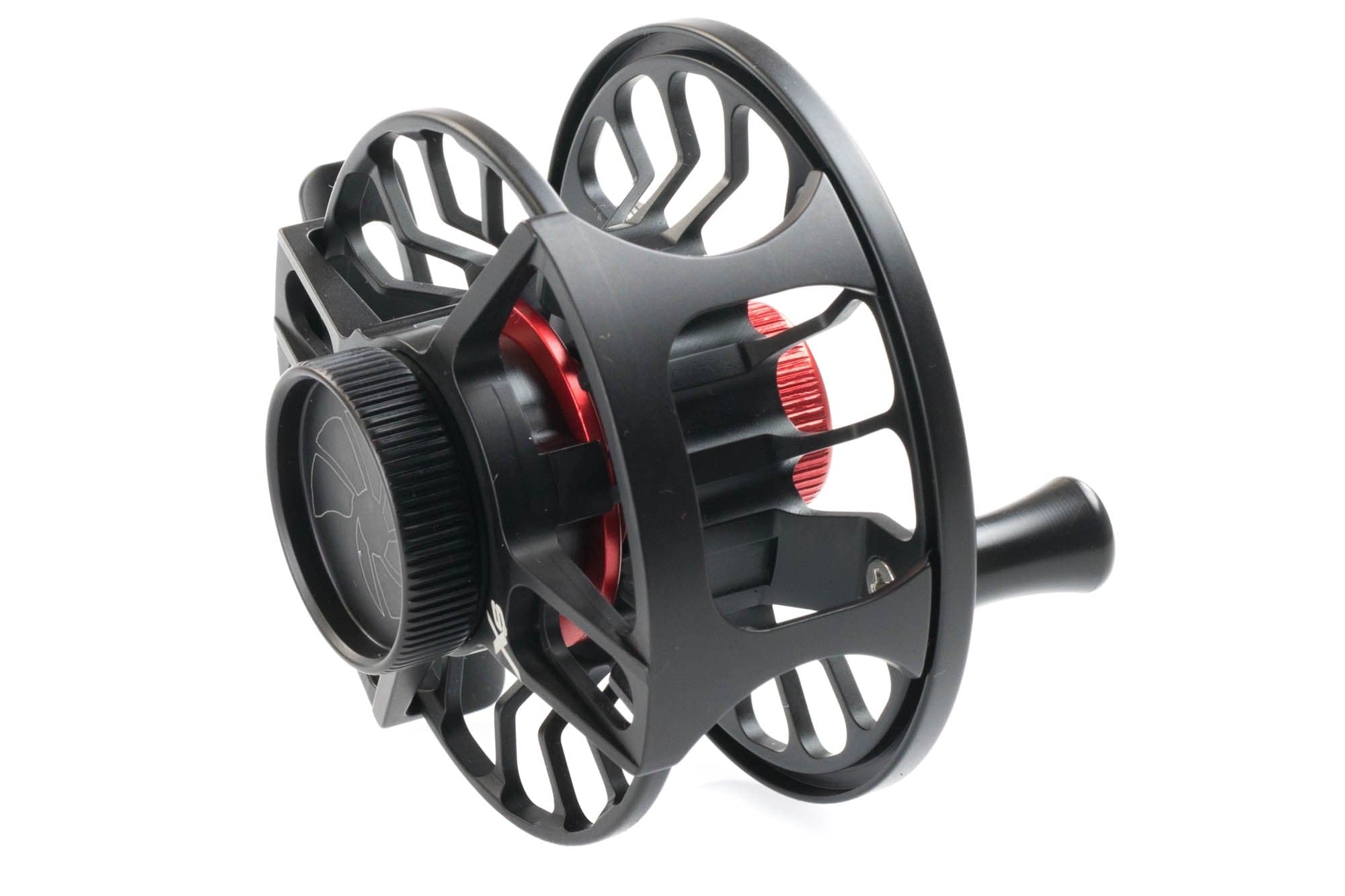
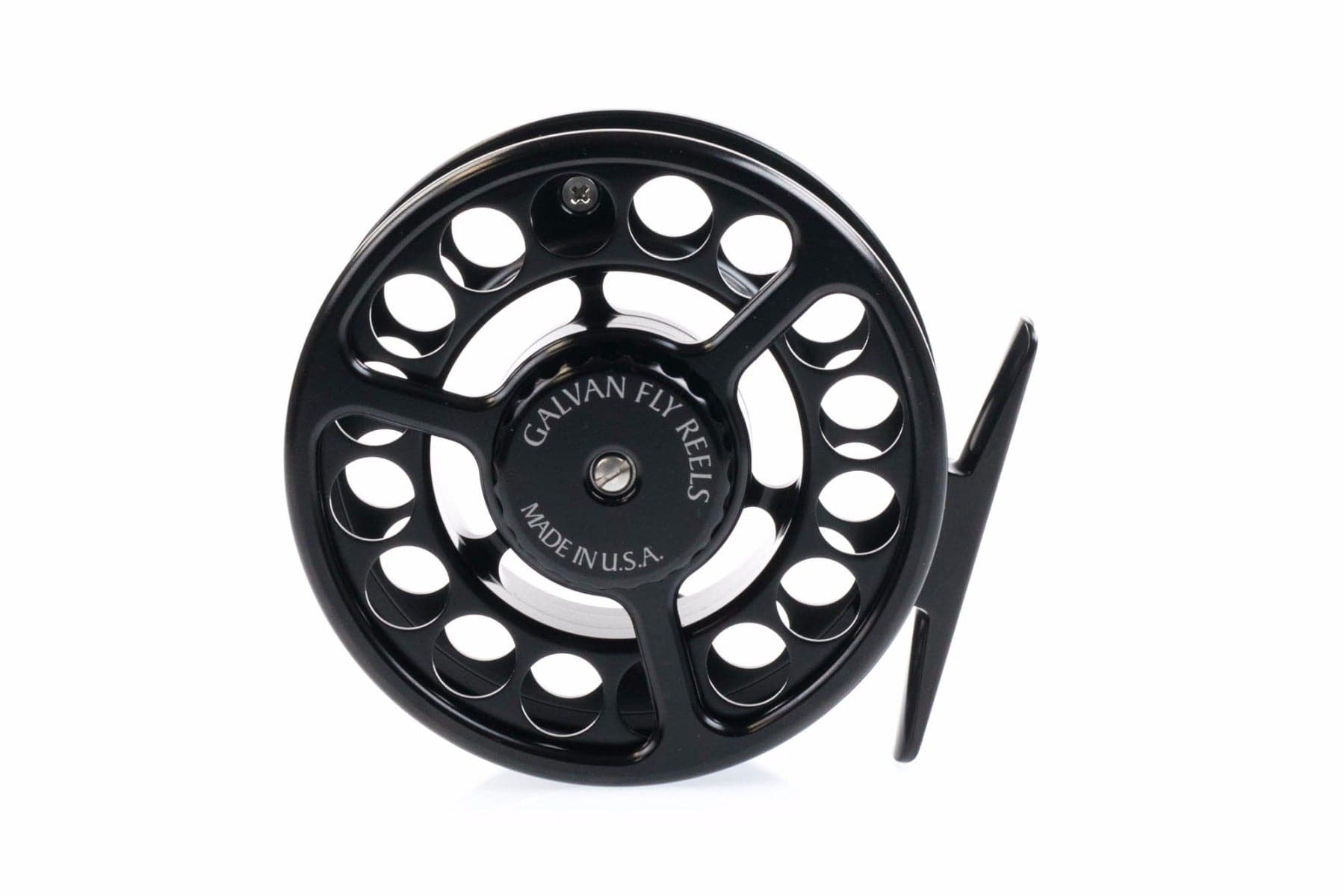




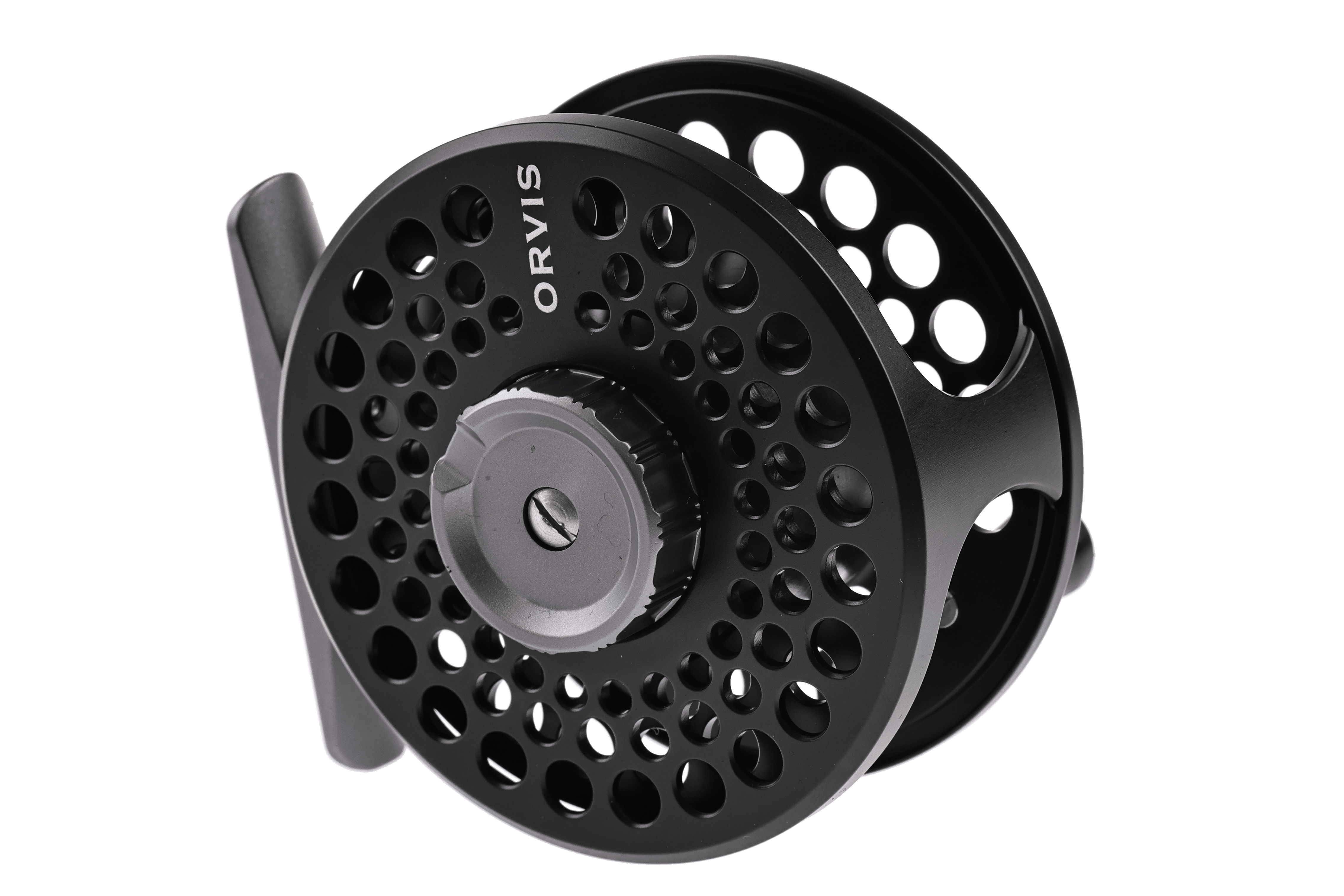


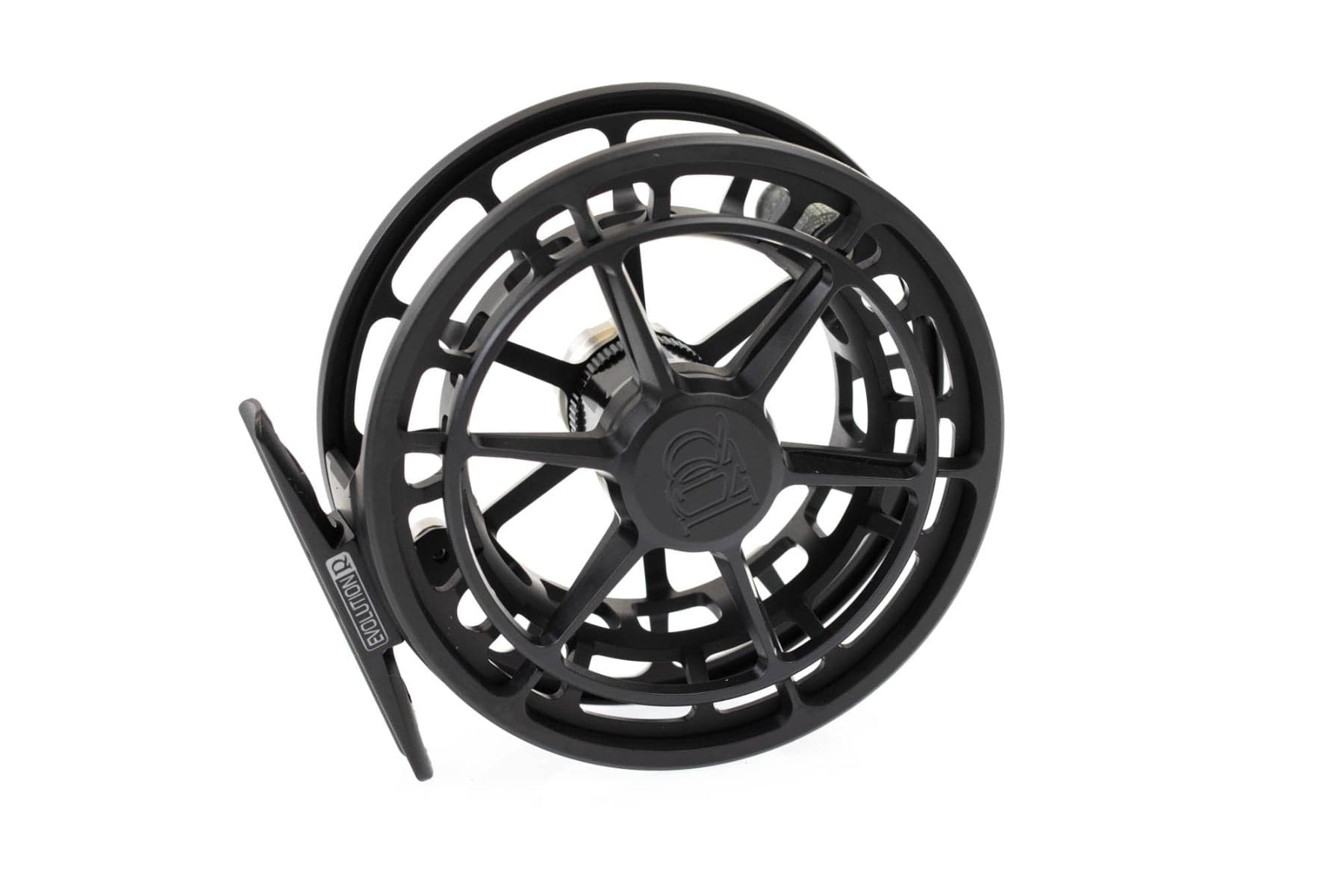




Shop bass fly reels for largemouth and smallmouth: durable reels that balance bass rods and stand up to big flies and heavy cover.
Bass Fly Reels Quick Picks
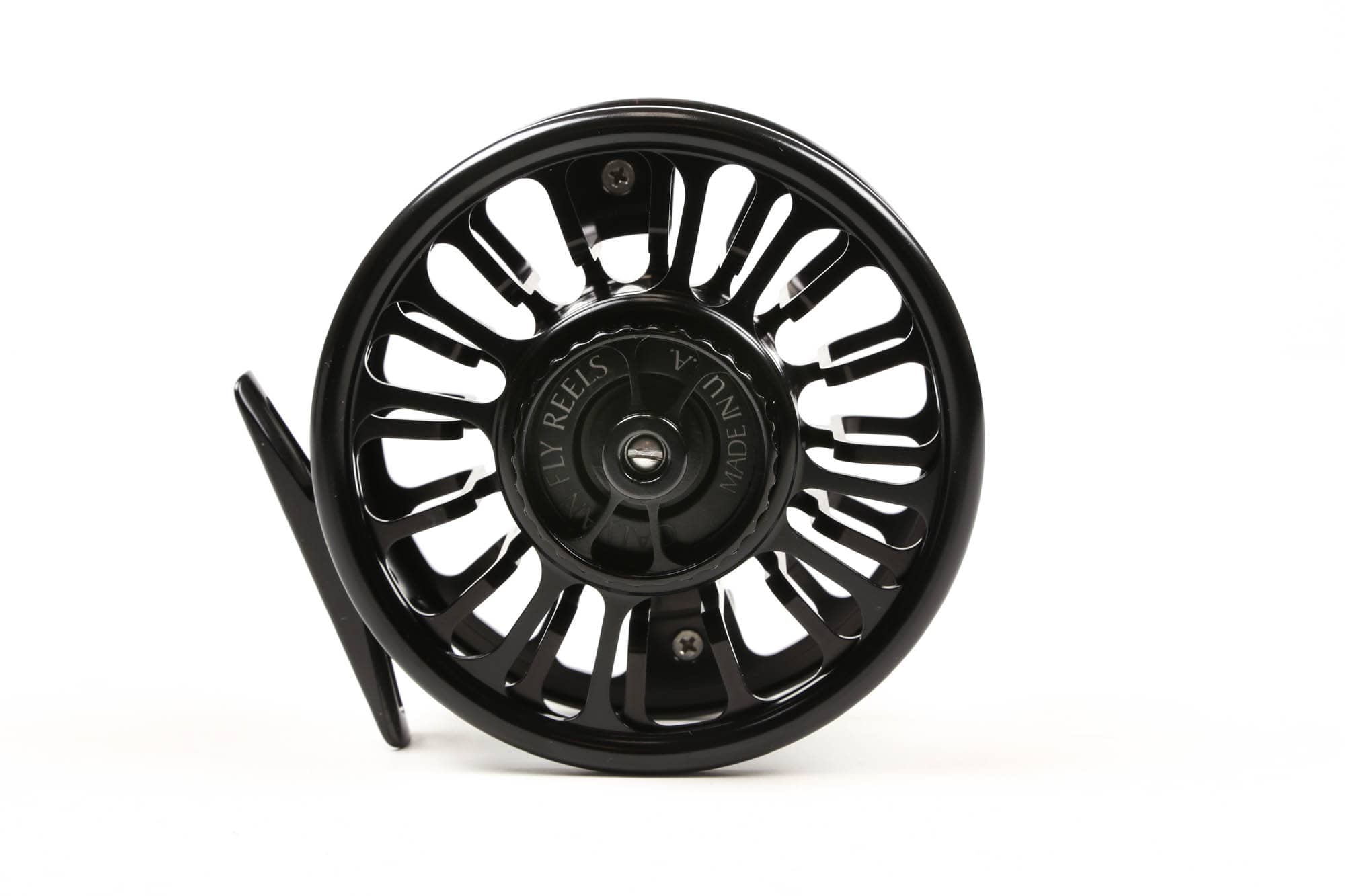
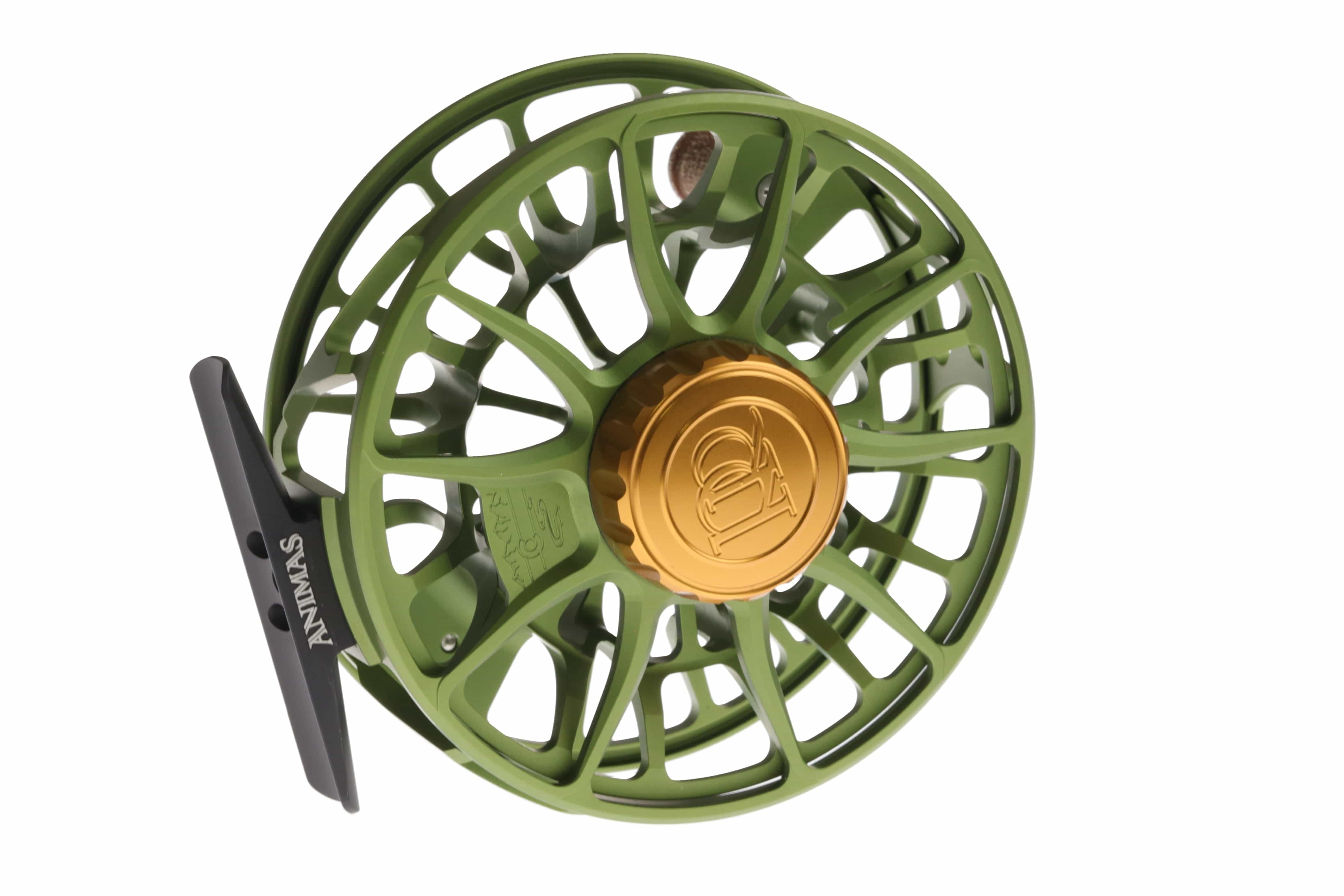
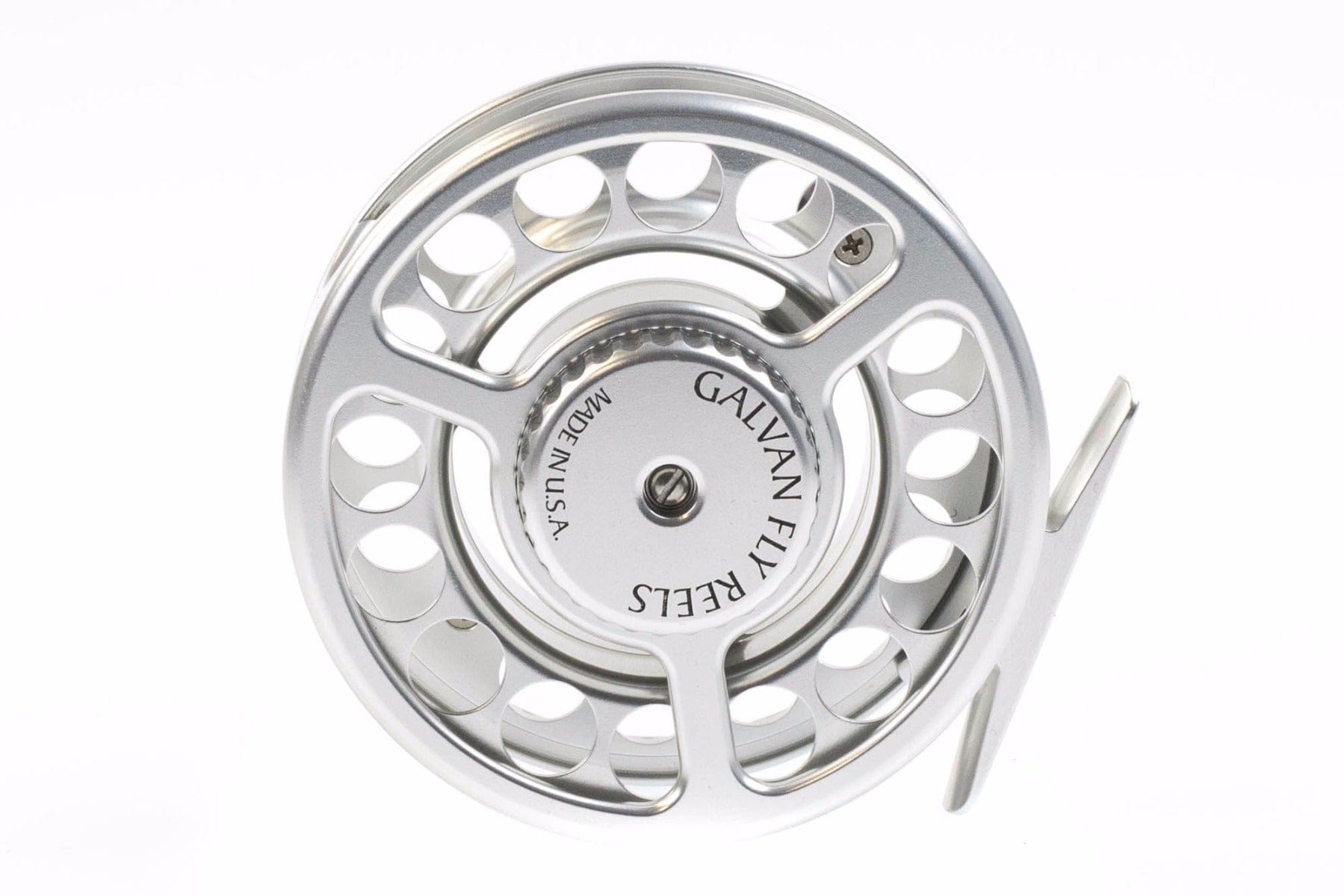
Best premium reel for heavy bass rods: Galvan Torque Fly Reel - Galvan's flagship pairs serious stopping power with a heavily ported frame and spool. With sizes from T-3 through T-10, there's a model to match a 6, 7 or 8 weight bass rod.
Best lightweight reel for all-day casting: Galvan Rush Light Fly Reel - Porting and a tri-spoke design keep weight down, and the ultra-smooth drag is more than strong enough for the biggest bass in freshwater. A light reel keeps a long day of stripping streamers and popping bugs comfortable on the wrist.
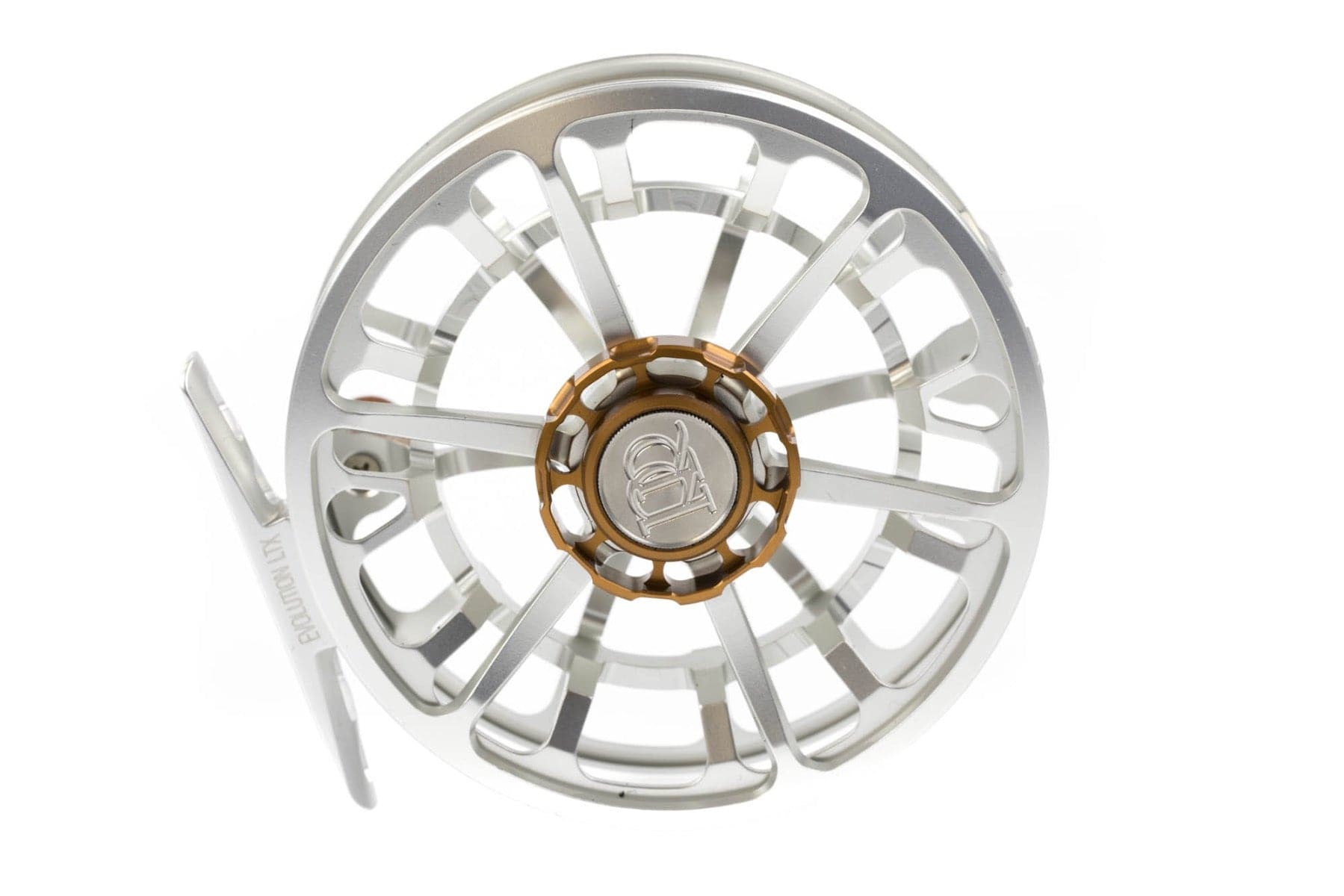
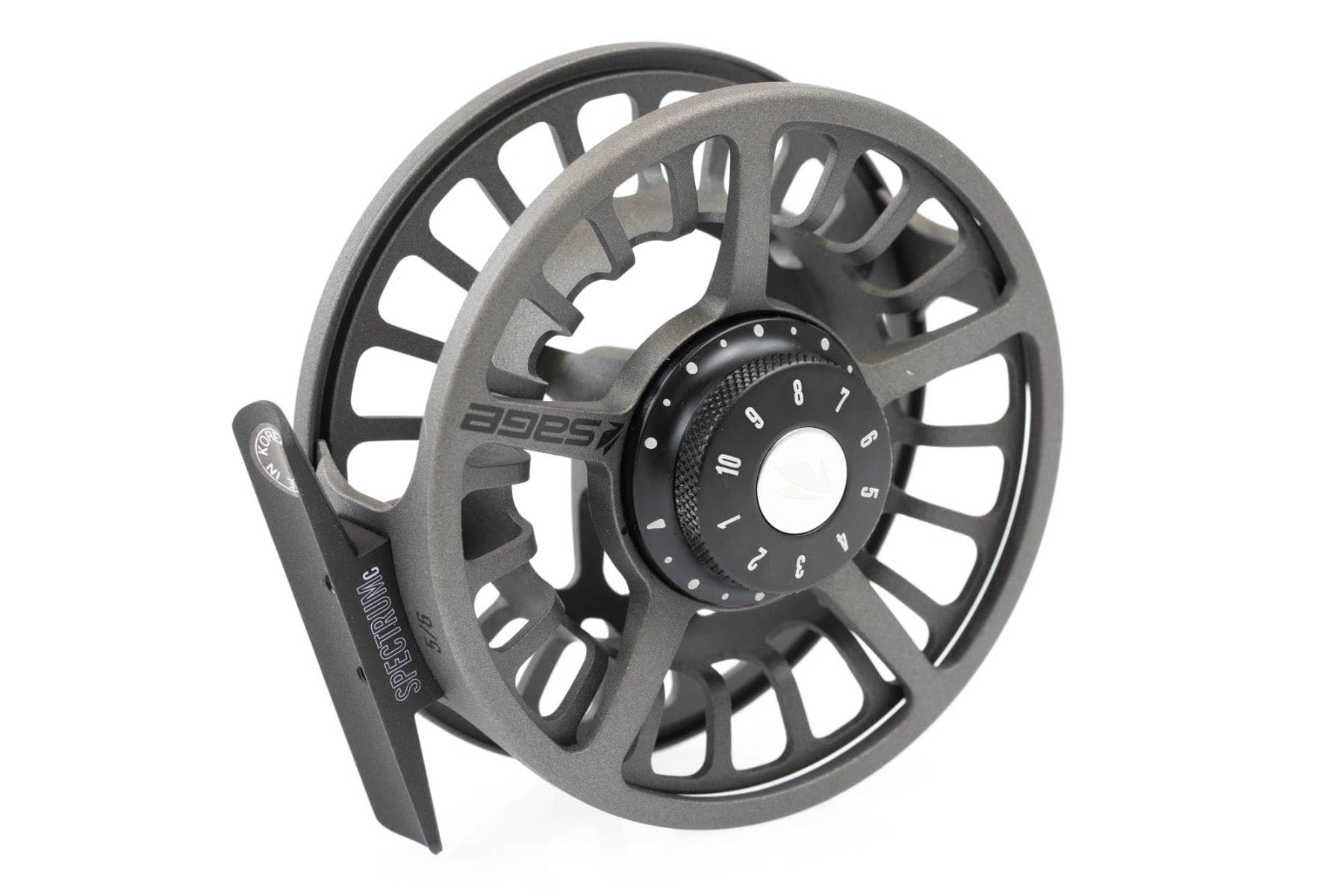
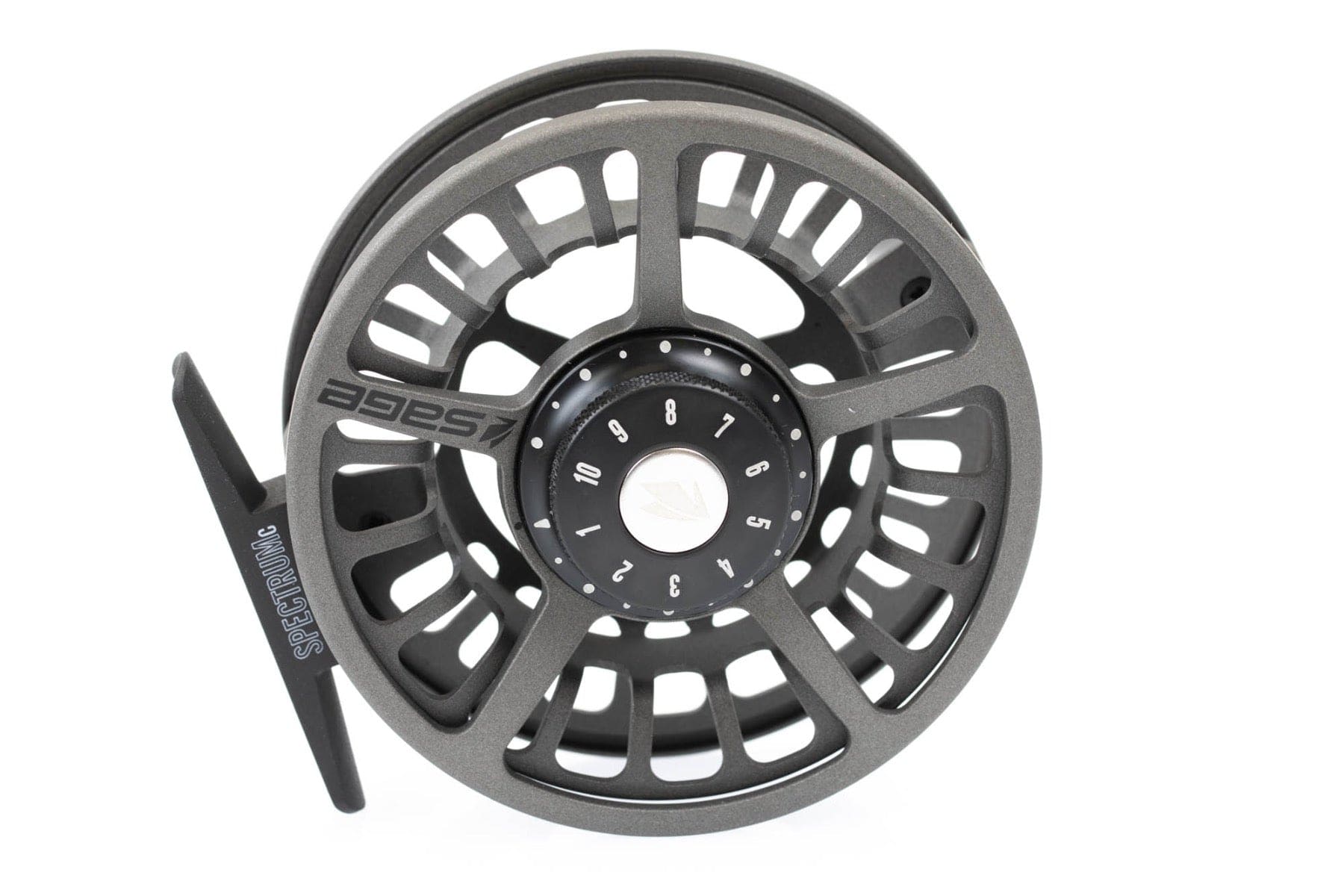
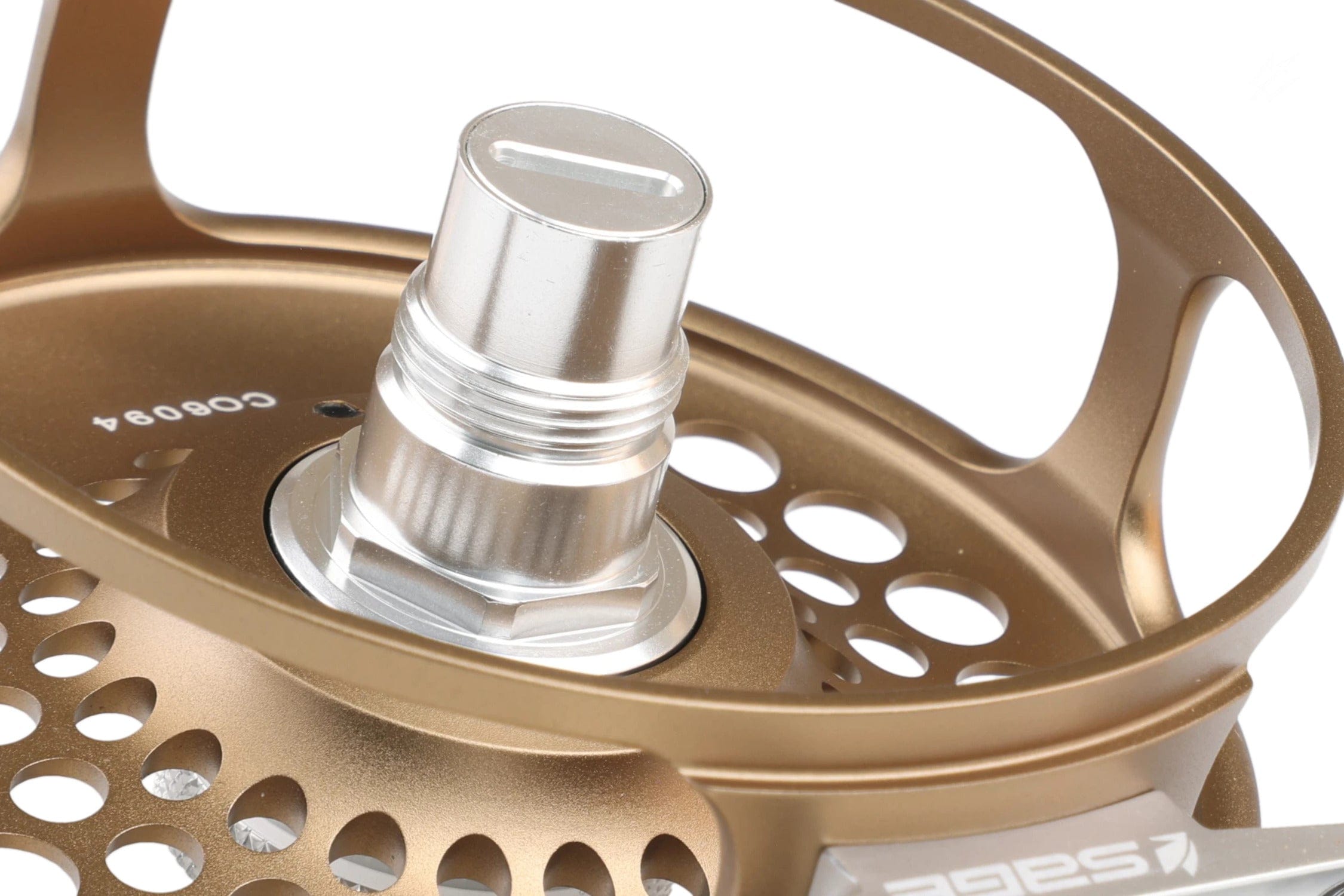
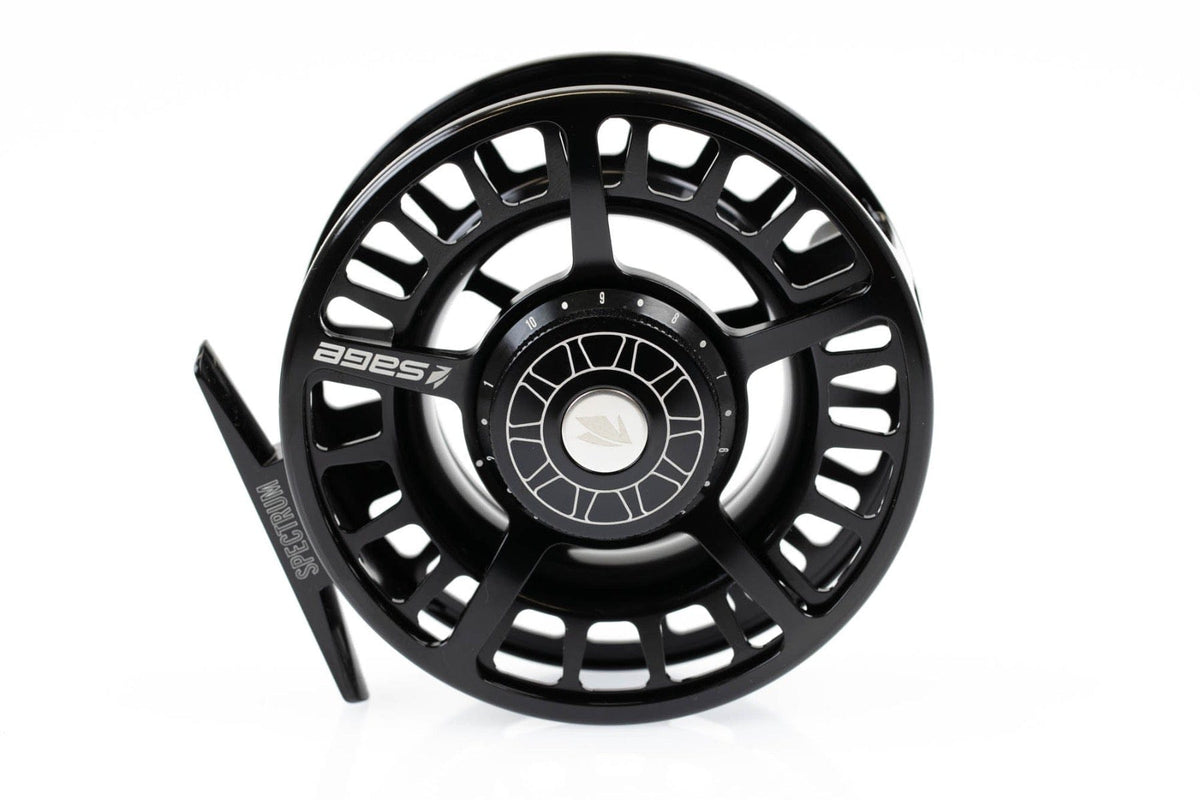
Best budget reel with a sealed drag: Sage Spectrum C Fly Reel - A machined die-cast frame, large arbor and Sealed Carbon Drag make this an easy pick for pond and lake anglers or as a dependable backup reel.
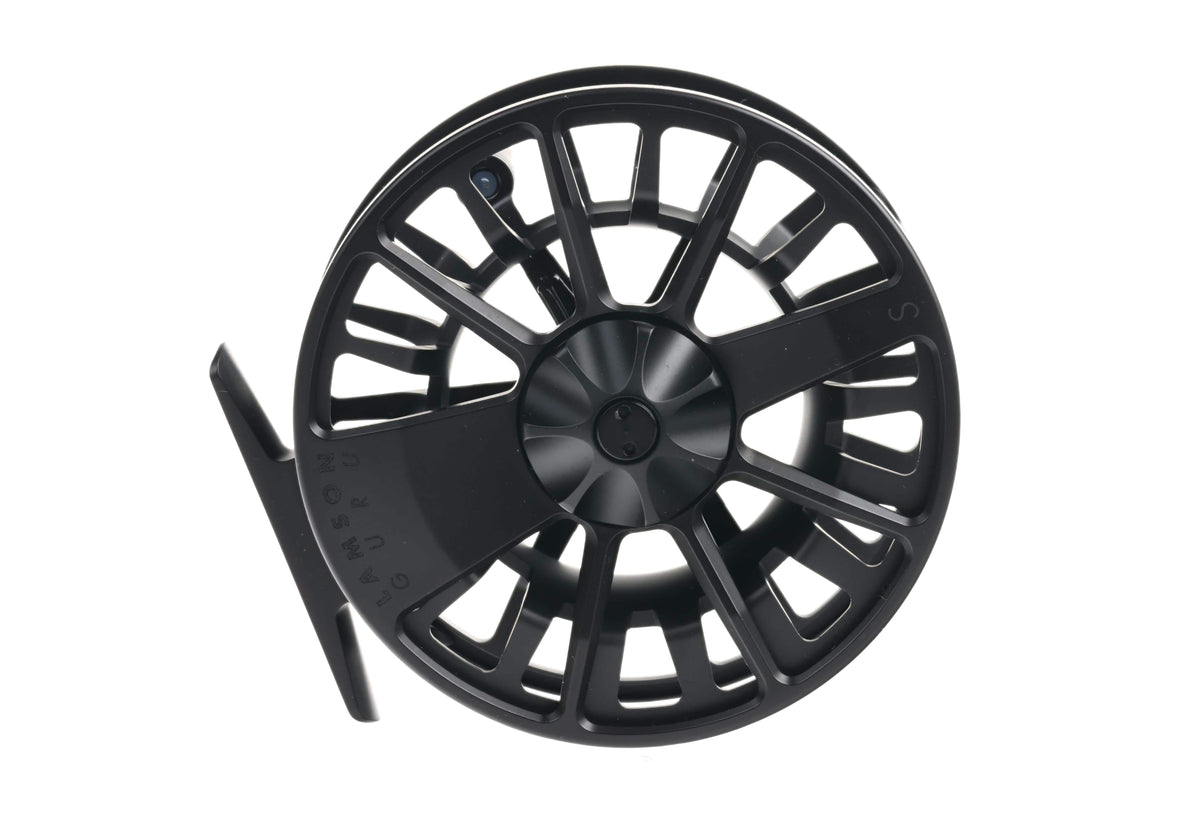
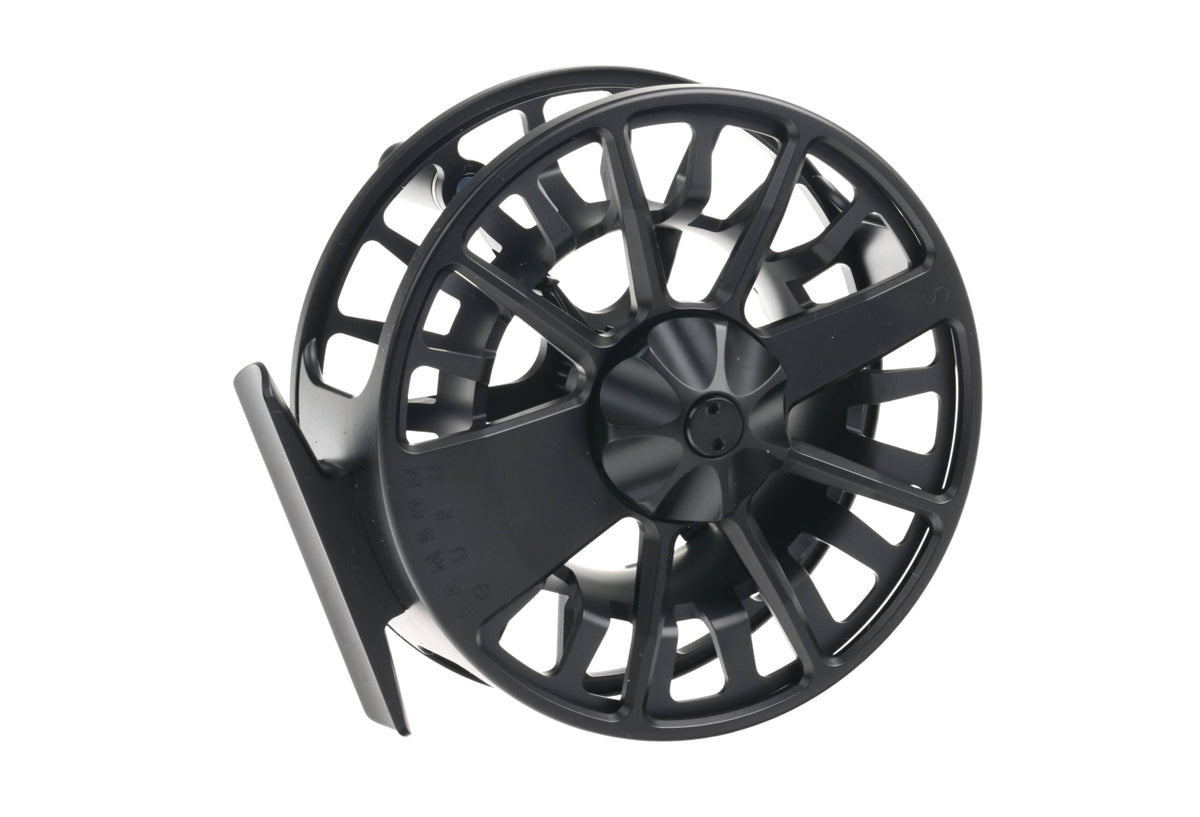
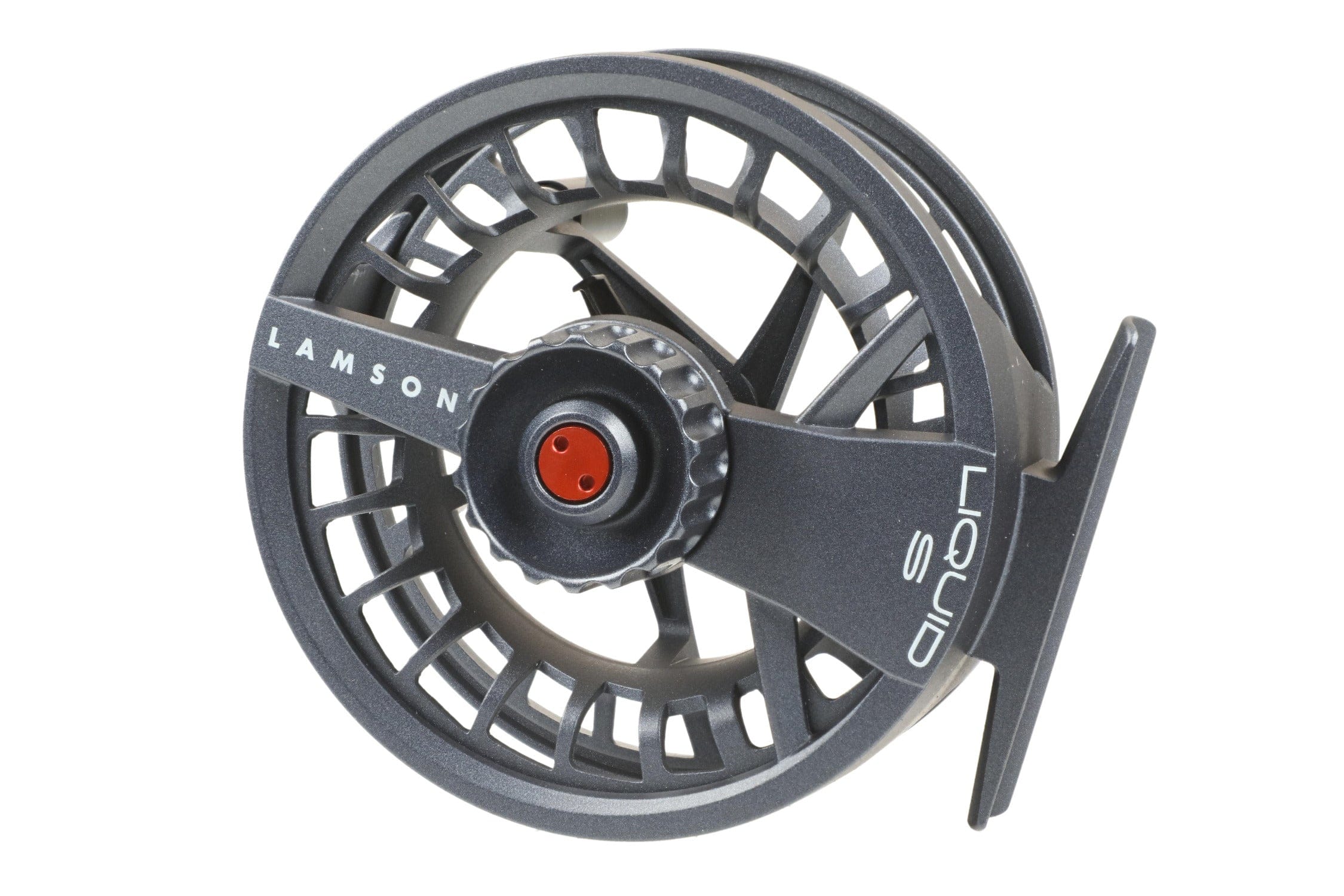
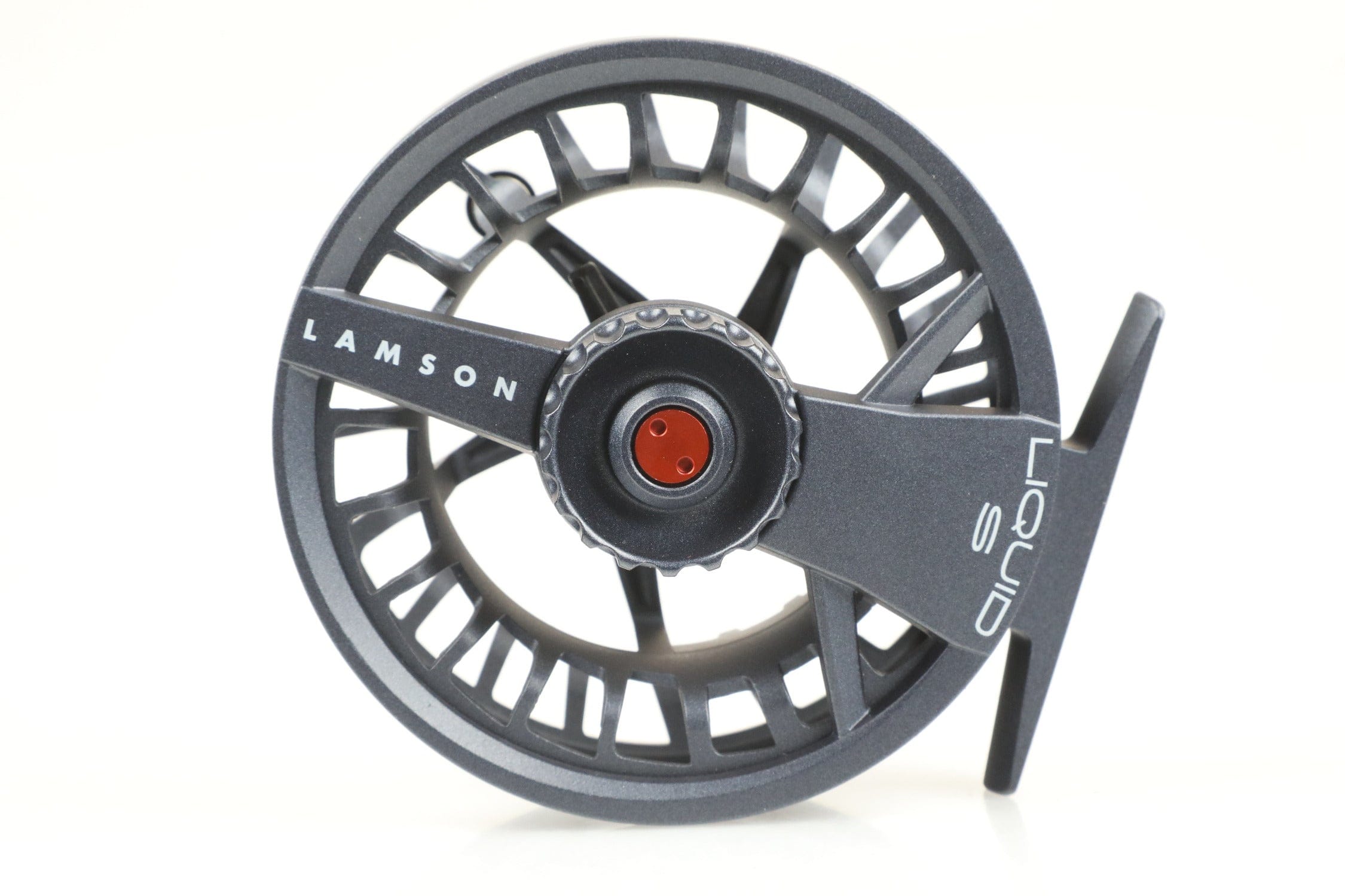
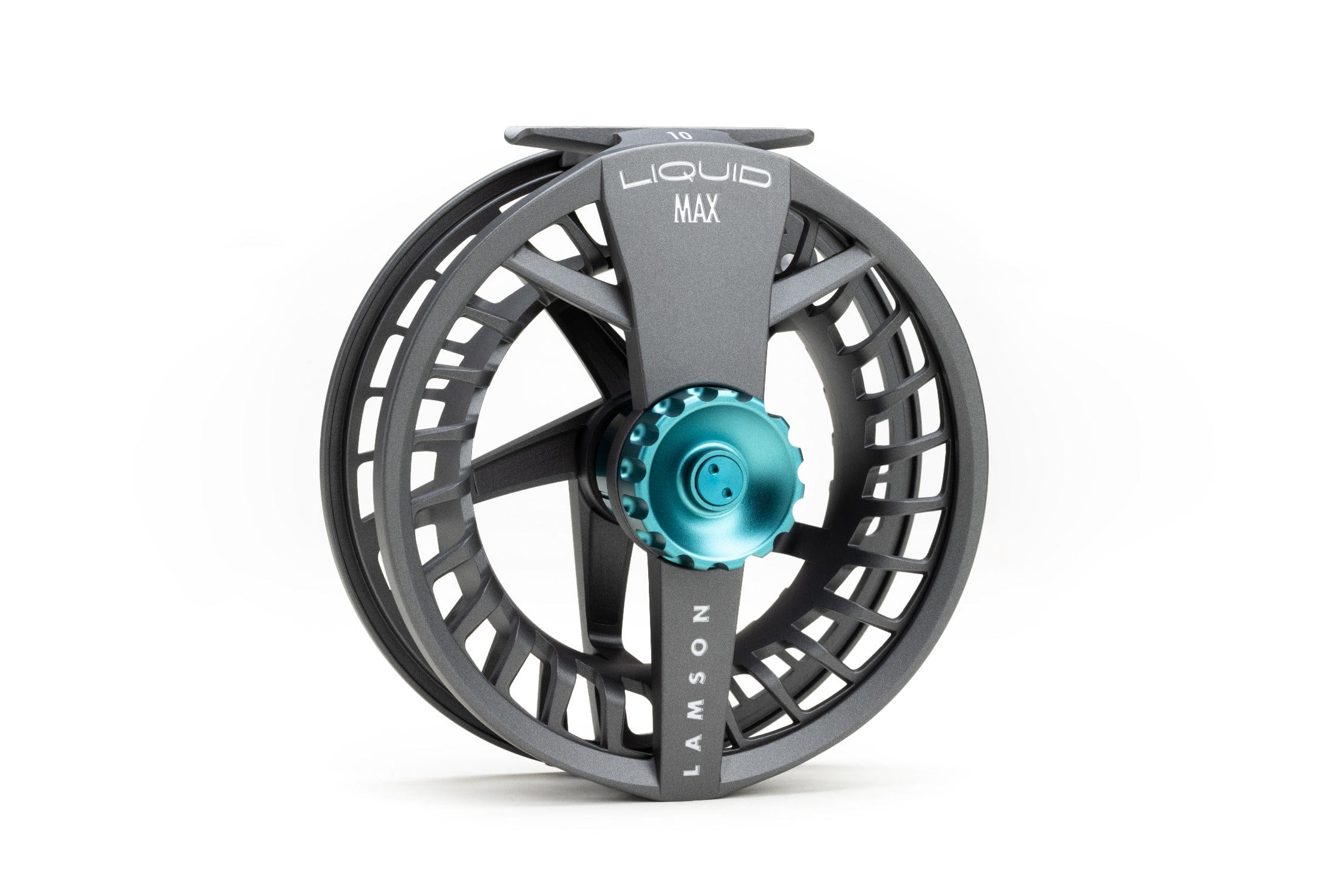
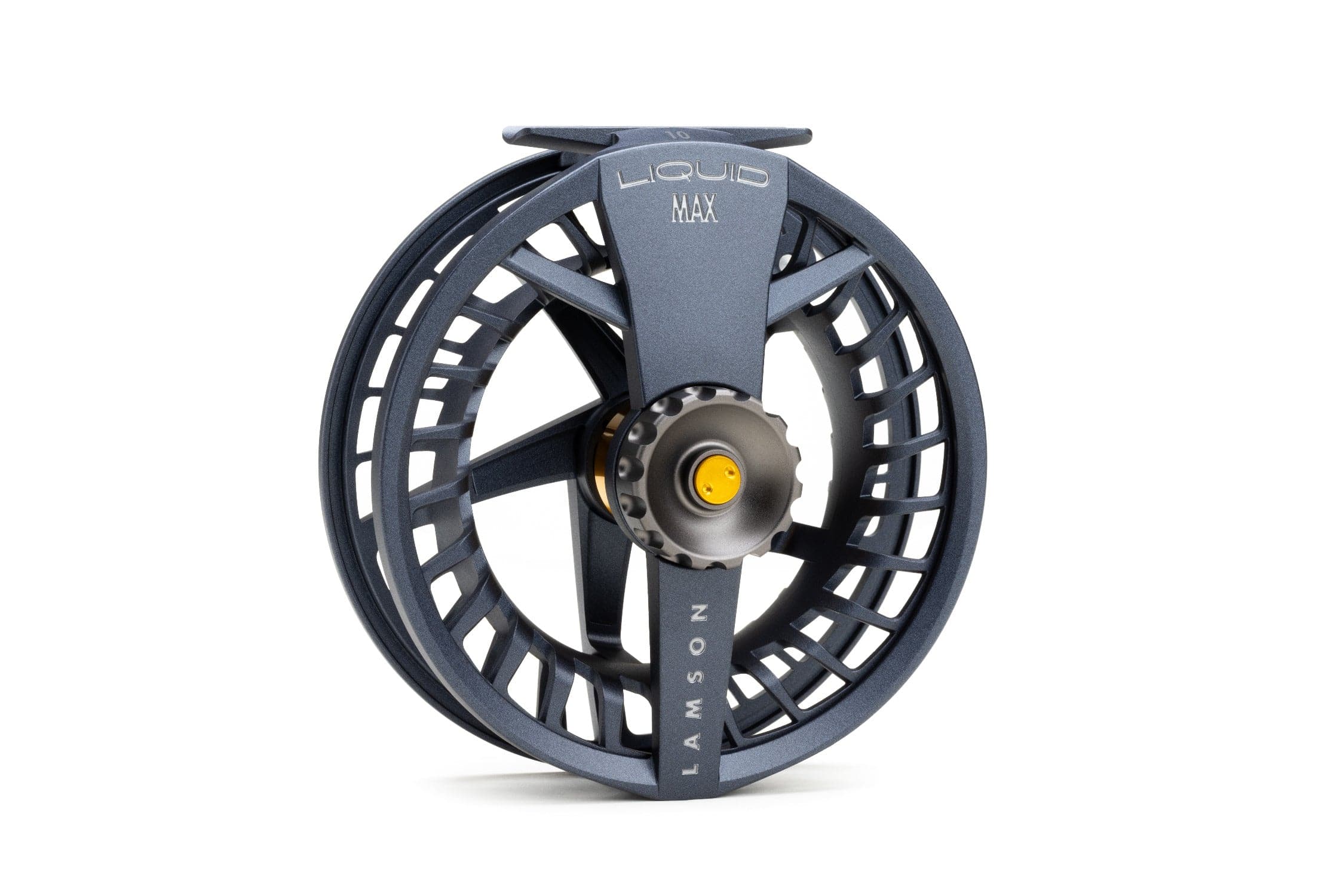
Best for switching between floating and sinking lines: Lamson Liquid S Fly Reel 3-Pack - One Liquid S reel, two spare spools and a carrying case. Keep a floating line for topwater, a sink-tip for the drop-off and a full sinking line for deep structure, all rigged and ready.
How to Choose Bass Fly Reels
Balance Comes First
Bass rarely run far enough to test a drag the way a salmon or bonefish will, so the reel's most important job is balancing your rod. Bass anglers make a lot of casts, often with heavy, air-resistant flies, and an outfit that feels tip-heavy wears you out by midafternoon. Mount the reel and check where the outfit balances in your hand. Near the front of the cork grip usually feels best. Most bass rods fall in the 6-8 weight range, so pick a reel sized for your rod's line weight and you're most of the way there.
Line Storage and Spool Size
Bass fly lines often have short, heavy heads to turn over big bugs, and sinking lines are thinner but just as long. A large arbor spool stores line in bigger coils, which means less memory when you strip off a cast and faster pickup when a fish charges the boat. You don't need a huge amount of backing for bass, but enough to fill the spool properly keeps the arbor working the way it was designed.
Drag: Enough to Steer, Not Win a Marathon
A bass fight is usually short and close, and most of the pressure comes from your line hand and rod. Still, a reliable disc drag is worth having when a big largemouth digs into the weeds or a smallmouth bolts downstream in current. If you also fish for pike, stripers or other heavier species with the same reel, step up to a stronger drag that can handle both.
Durability for Boats and Banks
Bass reels get knocked against gunwales, dropped on rocks and dunked in muddy water. A solid frame, a drag that tolerates grit, and a finish that holds up to sun and spray all add years to a reel's life. Sealed drags are a nice upgrade here even though freshwater is gentler than the salt.
On-the-Water Tips
Fight from the reel when you can: After the strip-set, clear slack onto the spool so loose line doesn't snag on boat cleats, cooler handles or your feet.
Keep the drag light and use your hand: A moderate drag setting plus palming or line-hand pressure gives you control without breaking off in heavy cover.
Label your spools: Floating and intermediate lines can look alike on the spool. A small mark on each one saves time when the bite changes.
Rinse after muddy or weedy days: A quick freshwater rinse removes algae and grit before they work into the spool and frame.
Complete Your Setup
Pair your reel with one of our bass fly rods, then load up on bass flies from poppers and divers to streamers. Shop fly lines for floating and sinking options, and grab stout fly fishing leaders that turn over big bugs.
Bass Fly Reels FAQs
Q: What size fly reel do I need for bass?
A: Match the reel to your rod. Most bass rods are 6-8 weight, with an 8 weight the most common choice for largemouth and bulky flies, and 6-7 weights popular for smallmouth. A reel rated for that line weight will balance well and hold your line plus backing.
Q: Does a bass fly reel need a strong drag?
A: Not usually. Bass fights are short, so balance and line management matter more than maximum drag. A smooth, reliable disc drag is plenty for most bass water.
Q: Should I get spare spools for bass fishing?
A: They're one of the most useful upgrades for bass anglers. A floating line covers topwater, while sink-tip and full sinking lines get streamers down to fish holding deeper. Spare spools let you switch in a minute instead of re-rigging.
Q: Can I use my trout reel for bass?
A: If it's sized for a 6 weight or heavier line, it can work, especially for smallmouth. For 8 weight largemouth rods and heavy flies, a larger reel will balance better and hold a heavier line.