



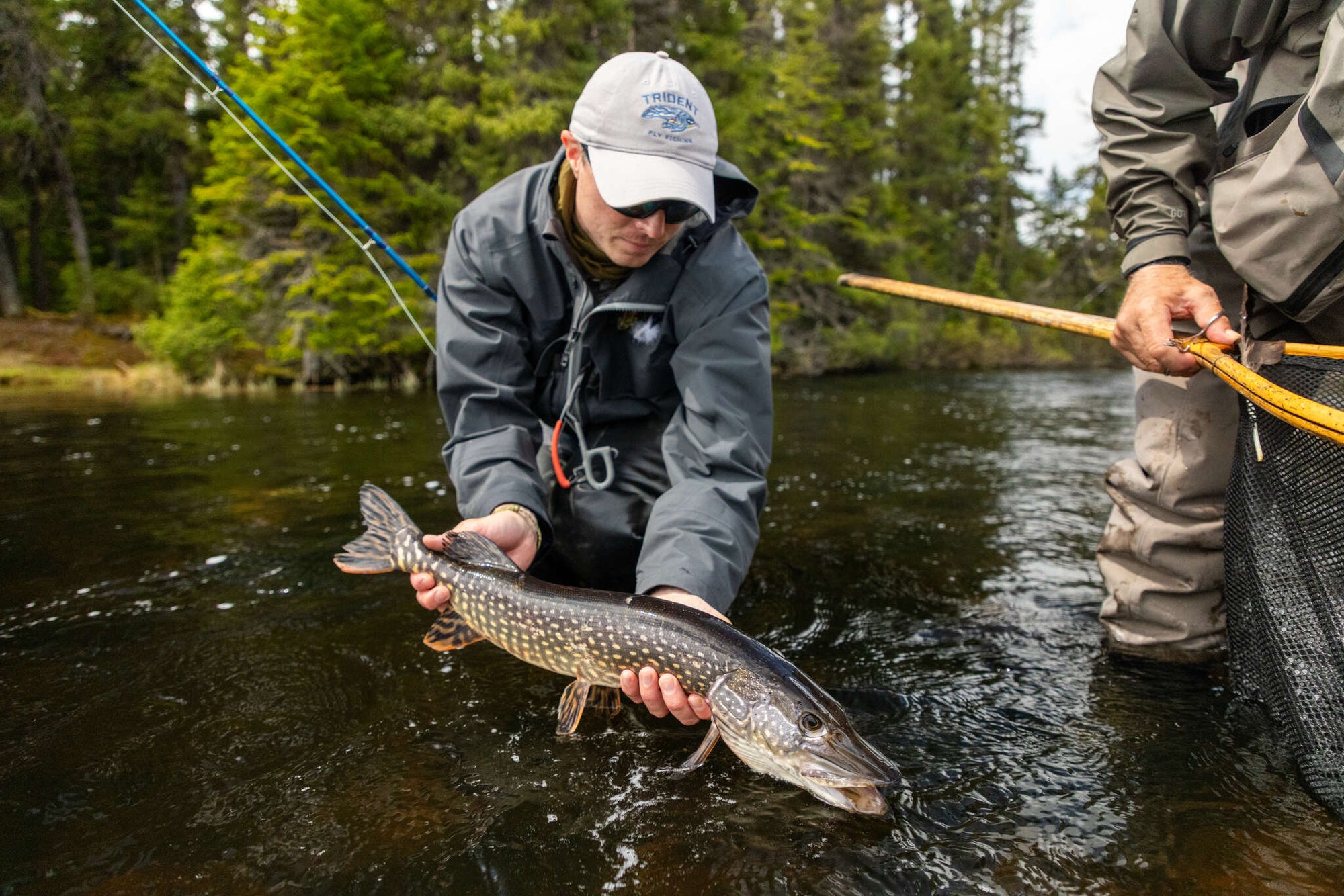
Pike Fly Fishing
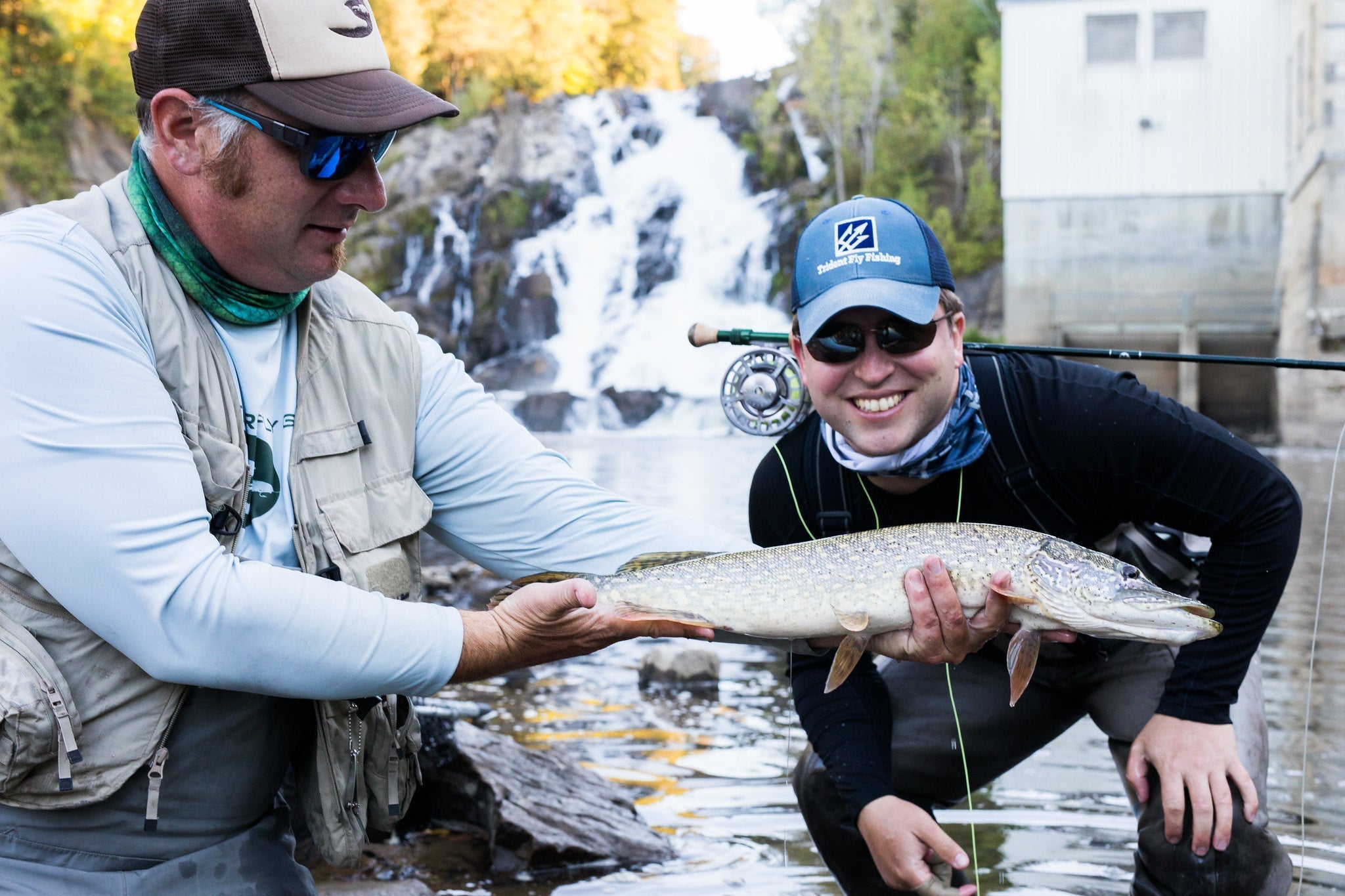
Fly fishing for pike demands a specific approach: heavy rods (typically 9-11 weight), thick fluorocarbon or wire bite tippet to handle those razor teeth, and large articulated flies that displace significant water. The retrieve matters enormously. Pike respond to erratic, aggressive strips punctuated by pauses that trigger reaction strikes from fish that followed the fly but hadn't committed. Early morning in late spring and fall, when pike push into shallow water to feed aggressively, offers the best sight-fishing opportunities. Canada's shield lakes, Minnesota's border country, and Scandinavia's clear-water fisheries represent the best destinations.
Getting into pike on fly has a real learning curve - gear selection alone can stump newcomers. Our guides break down rod and line setups, essential fly patterns, and retrieve technique step by step so you can skip the trial and error. The full articles are below.
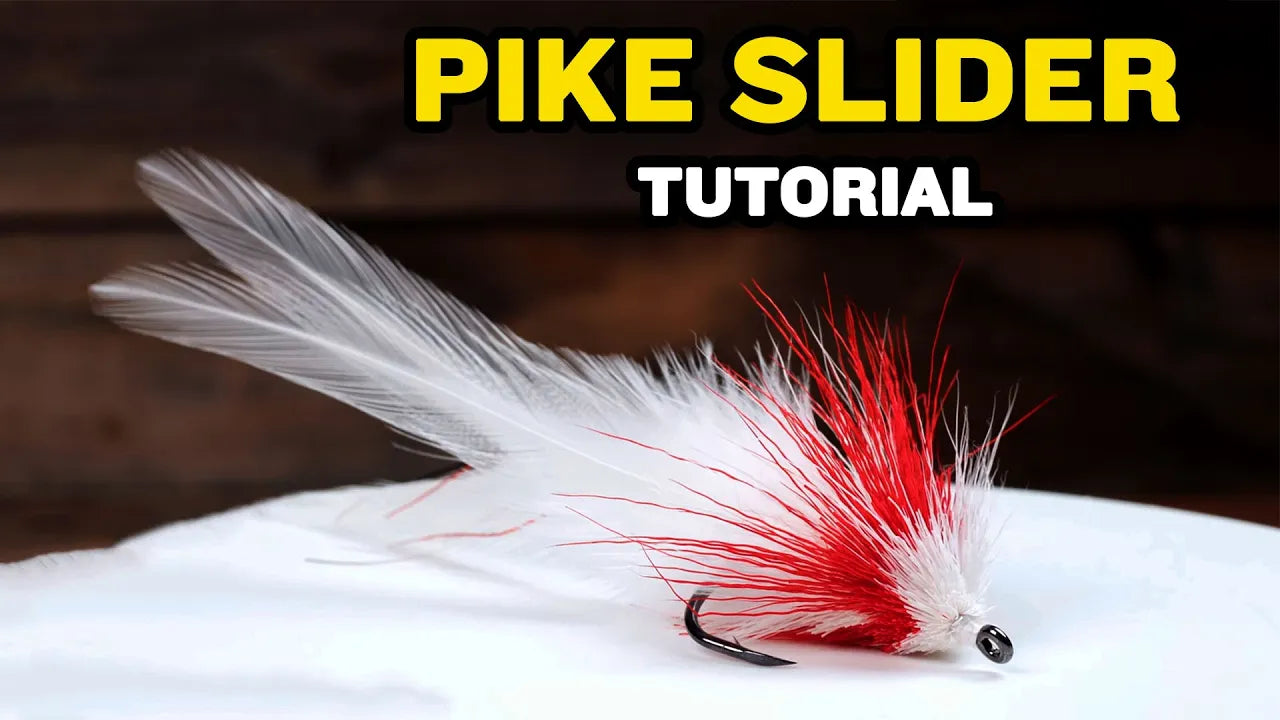
How To Tie A Pike Slider
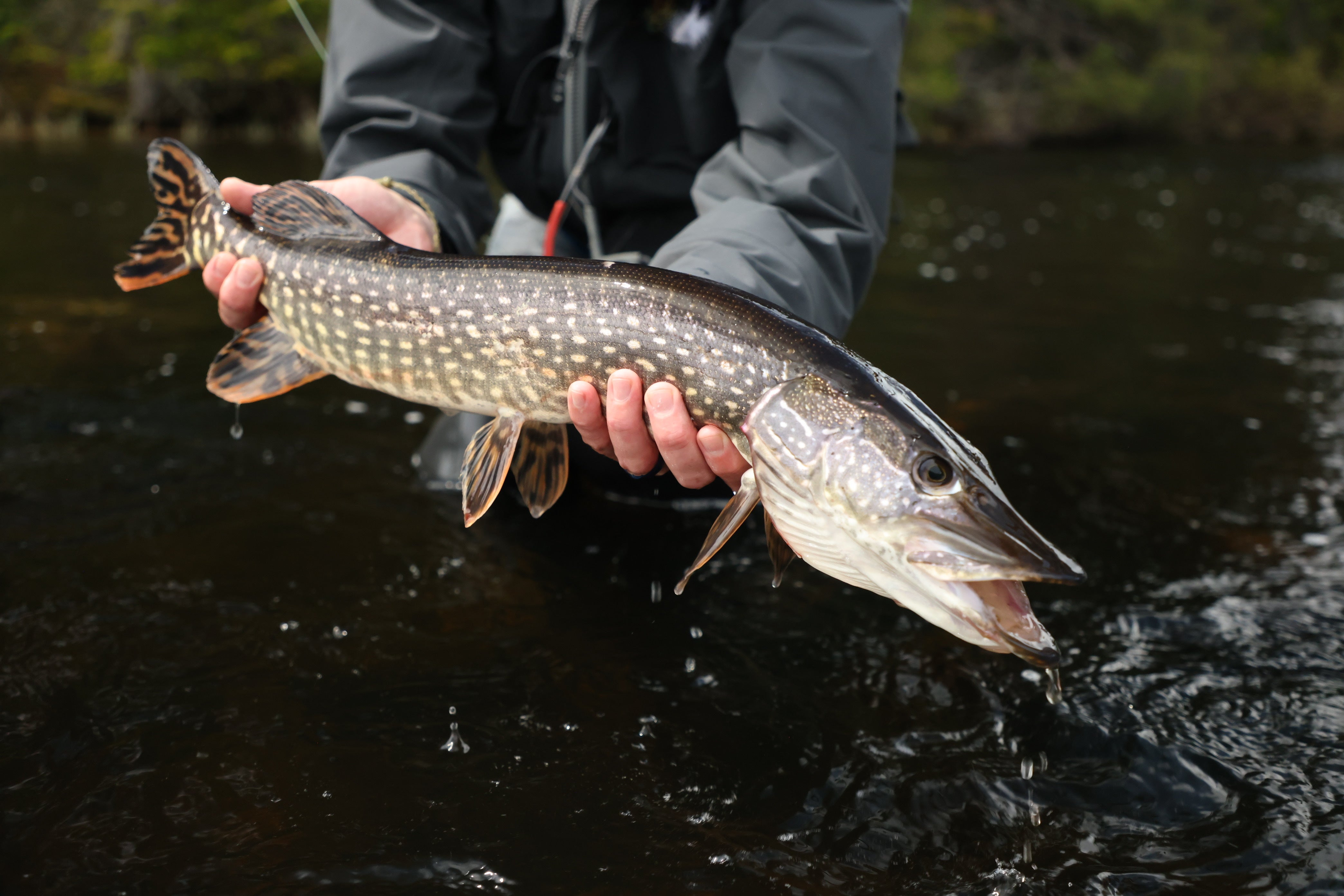
Top 8 Best Flies for Pike
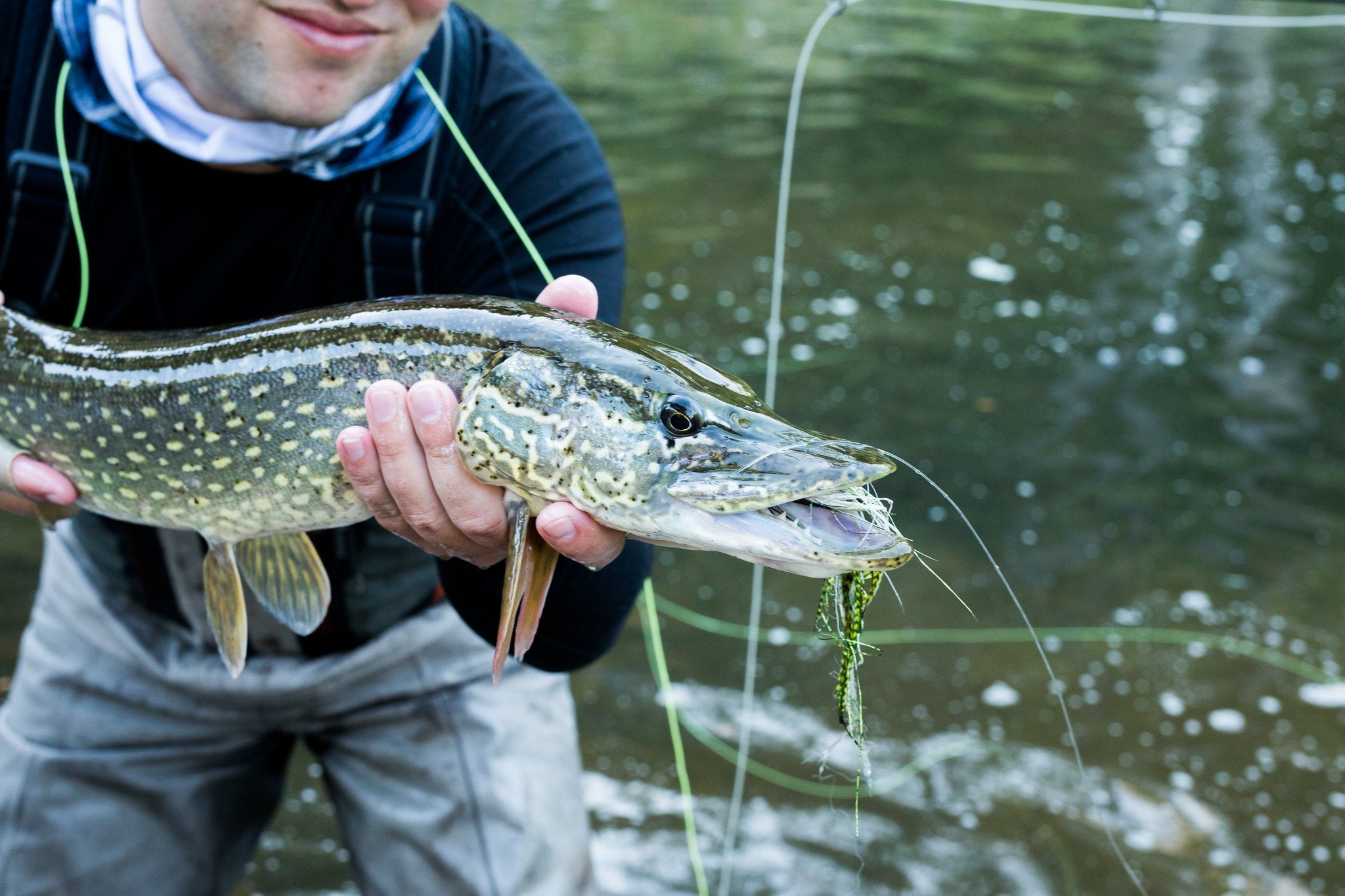
How to Choose the Best Fly Reel for Pike
How to Choose the Best Fly Rod for Pike
4 articles