


















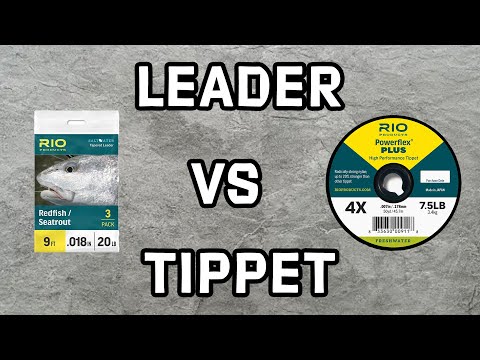
Fly Fishing Tippet vs Leader | Avoid This Rookie Mistake! (Material, Length, Uses)






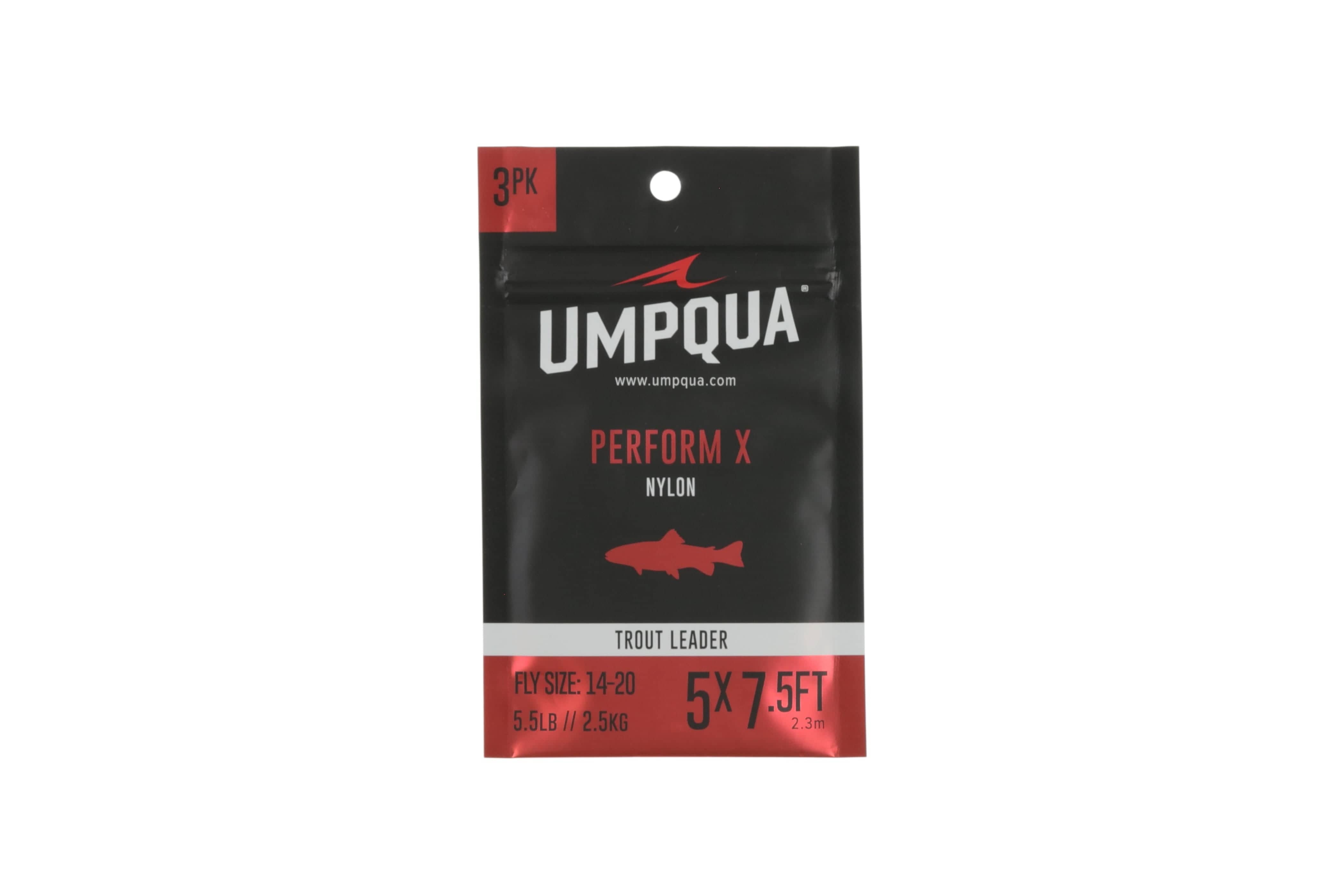
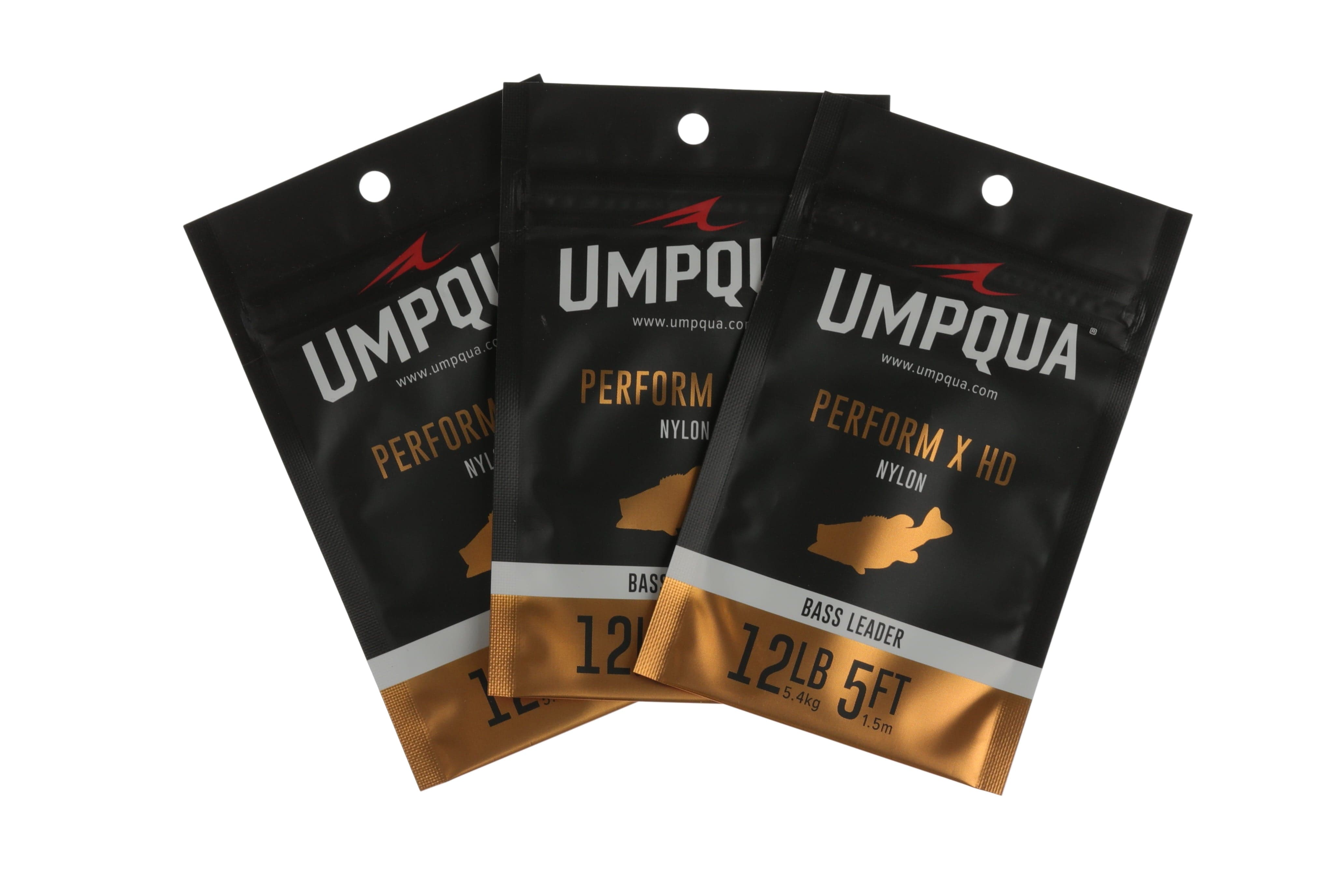
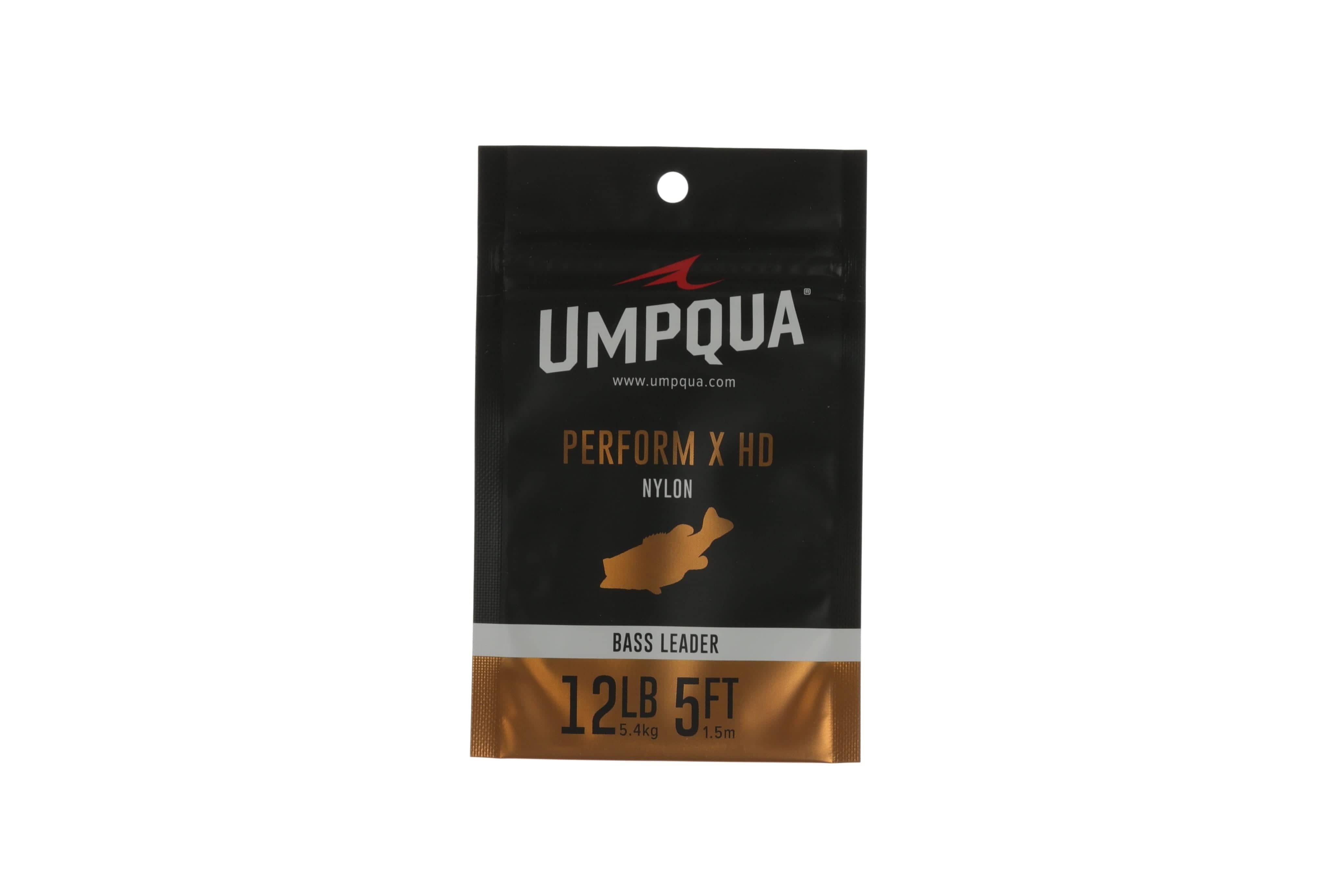

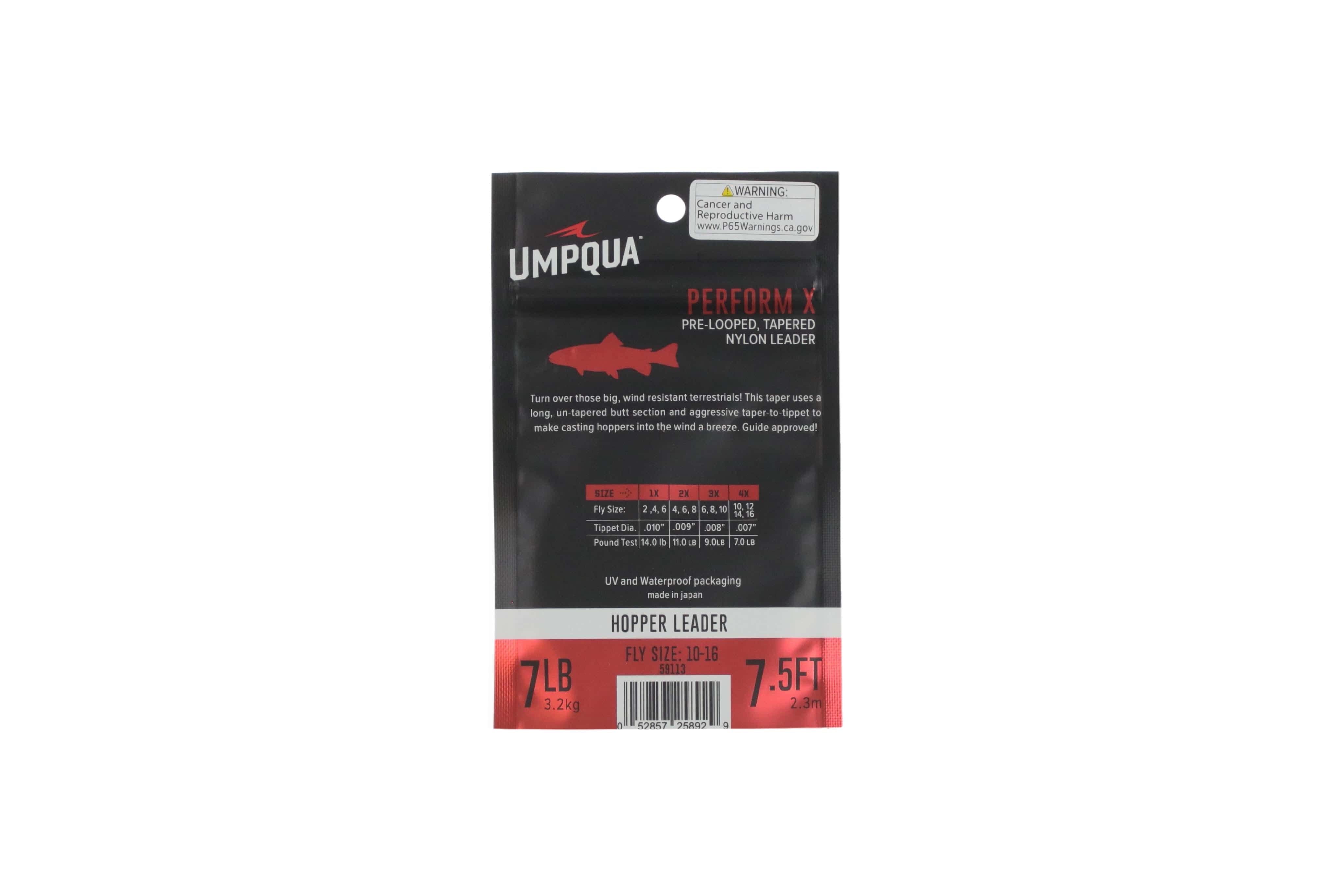


Umpqua Leaders Quick Picks
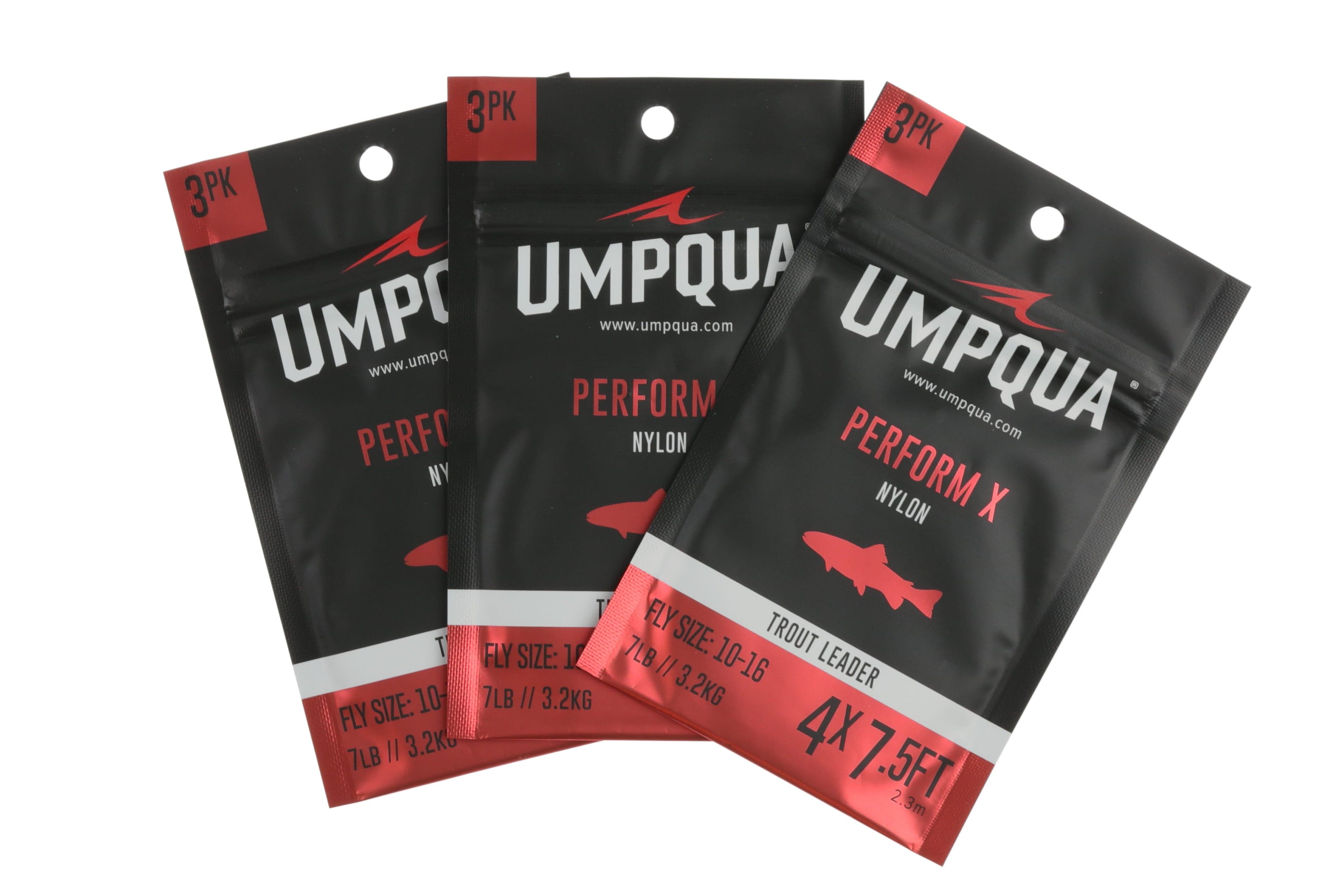
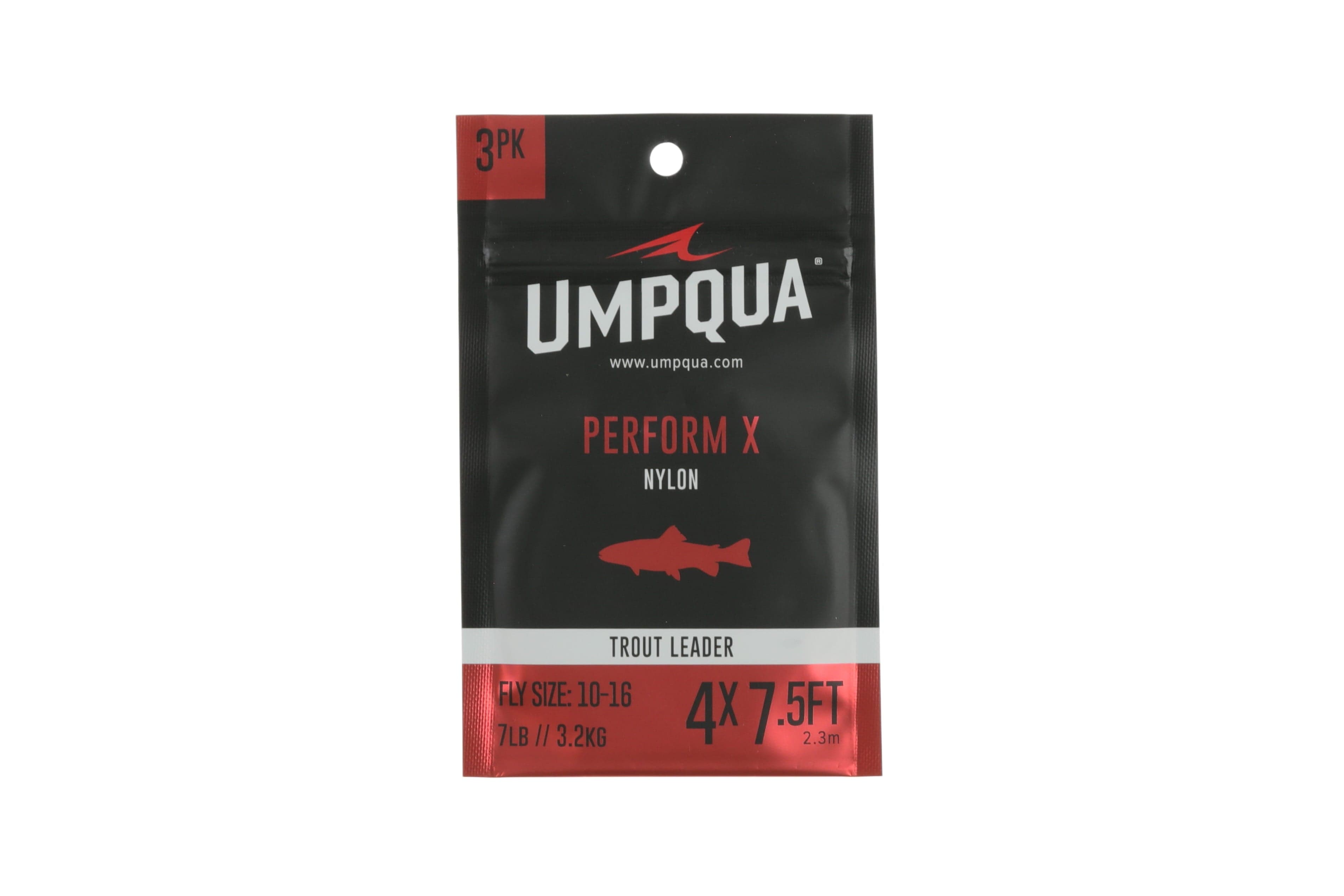
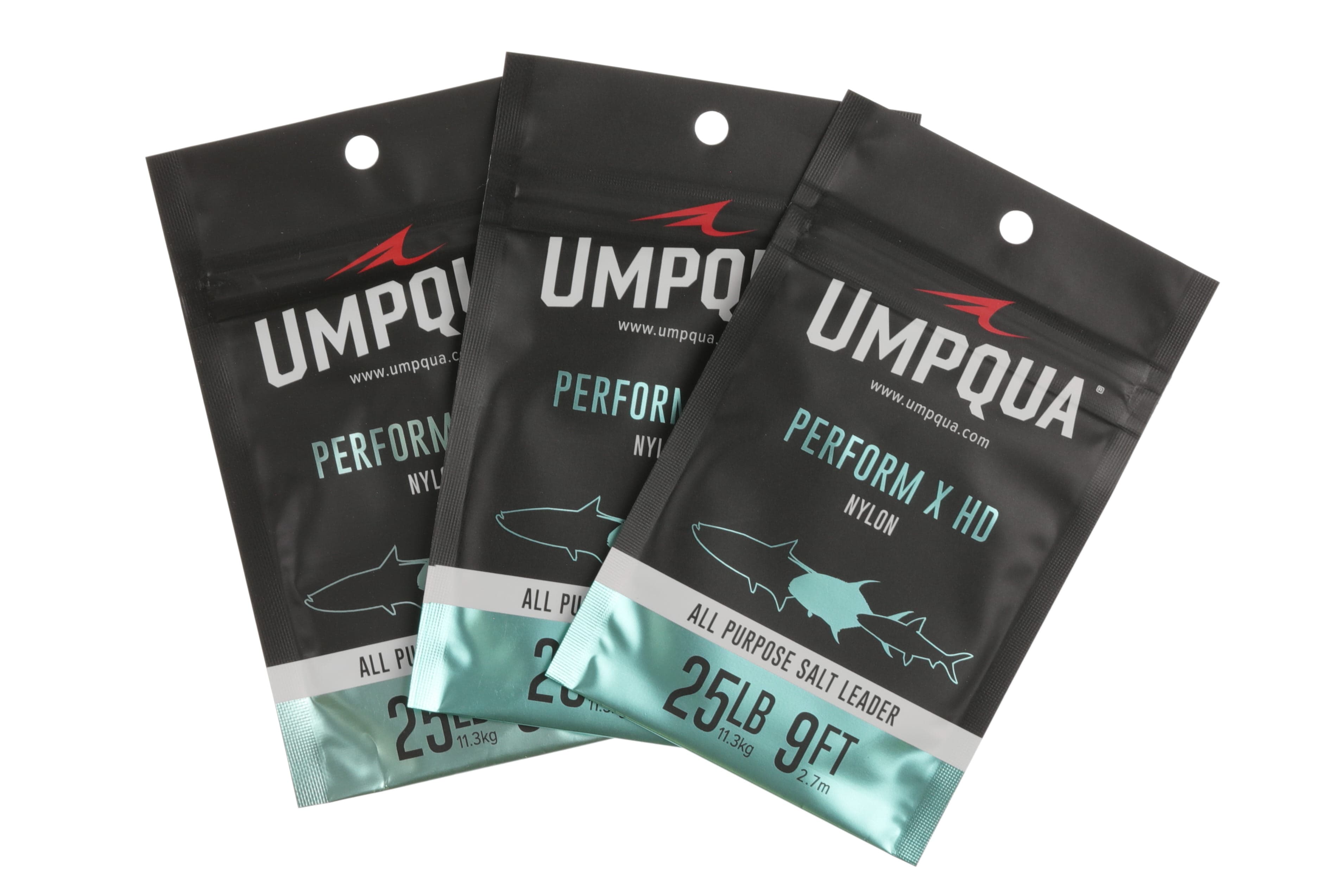
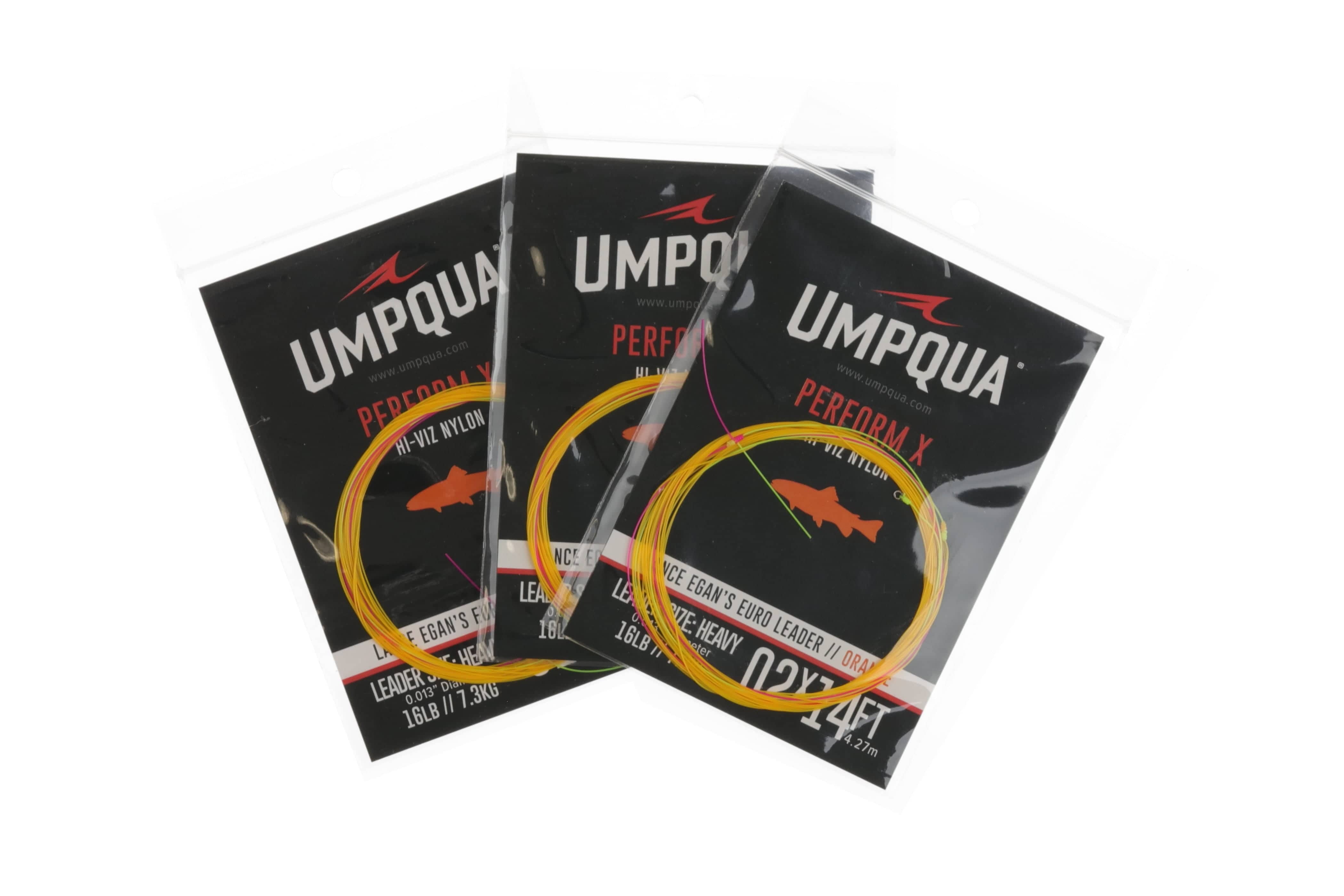
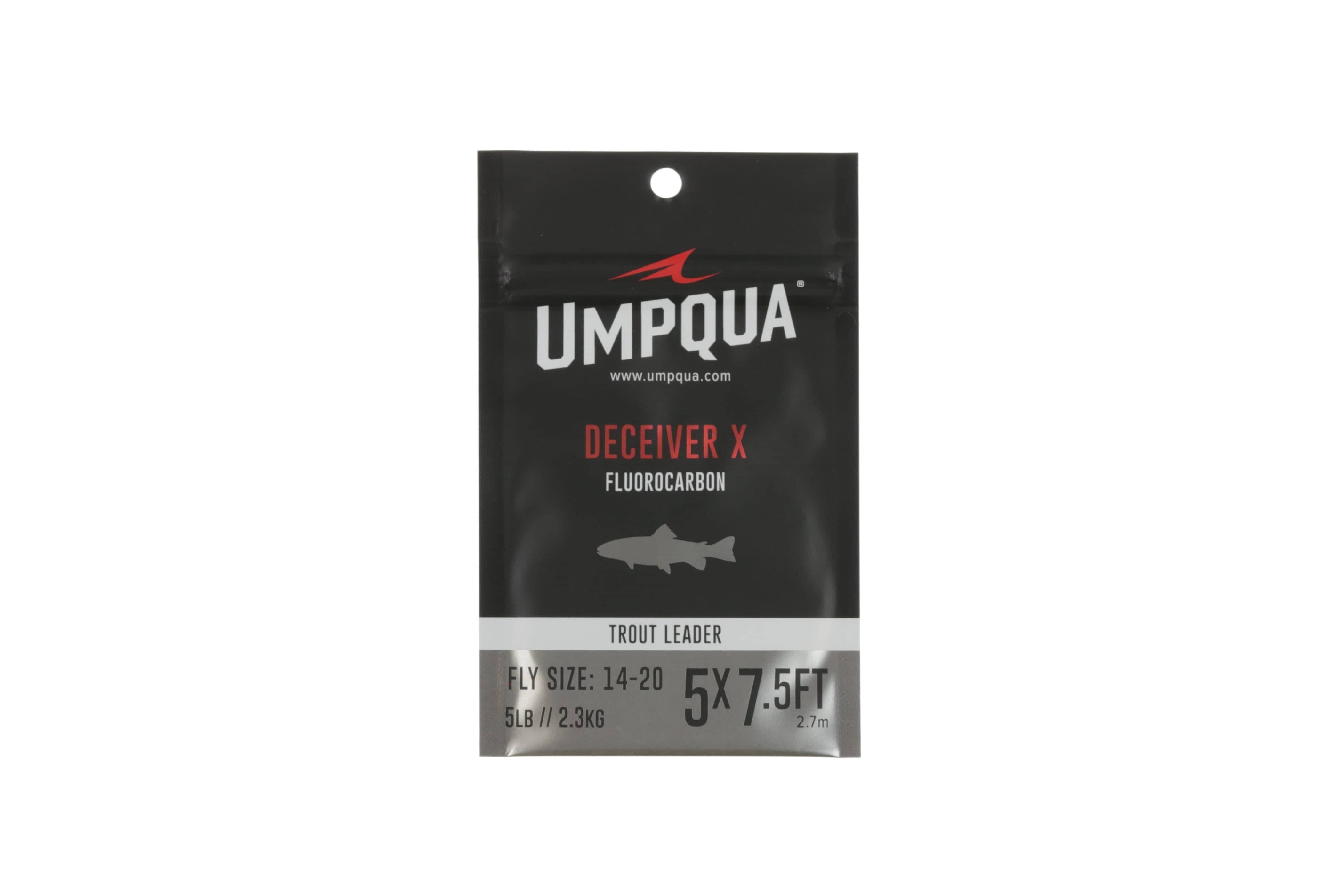
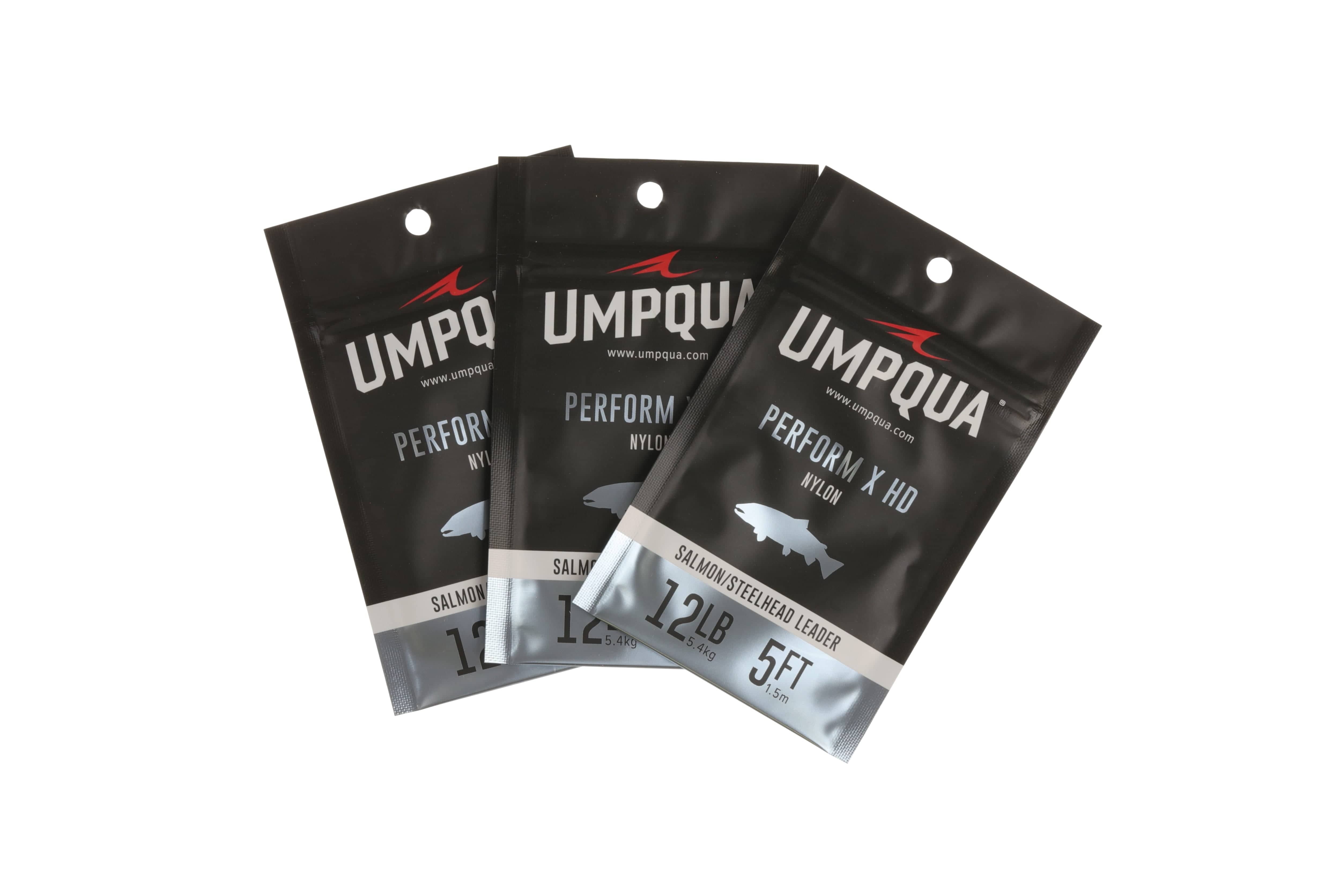
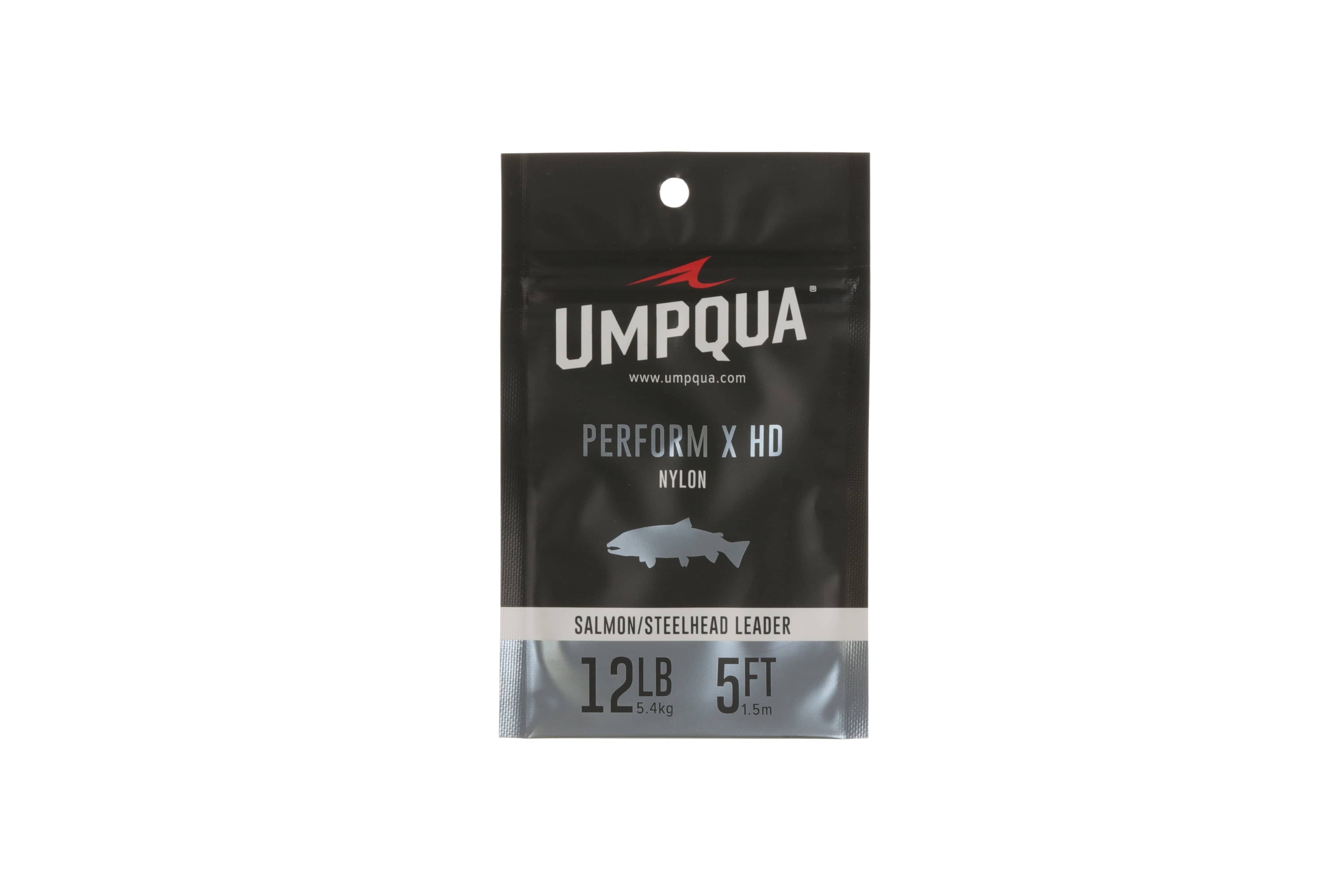
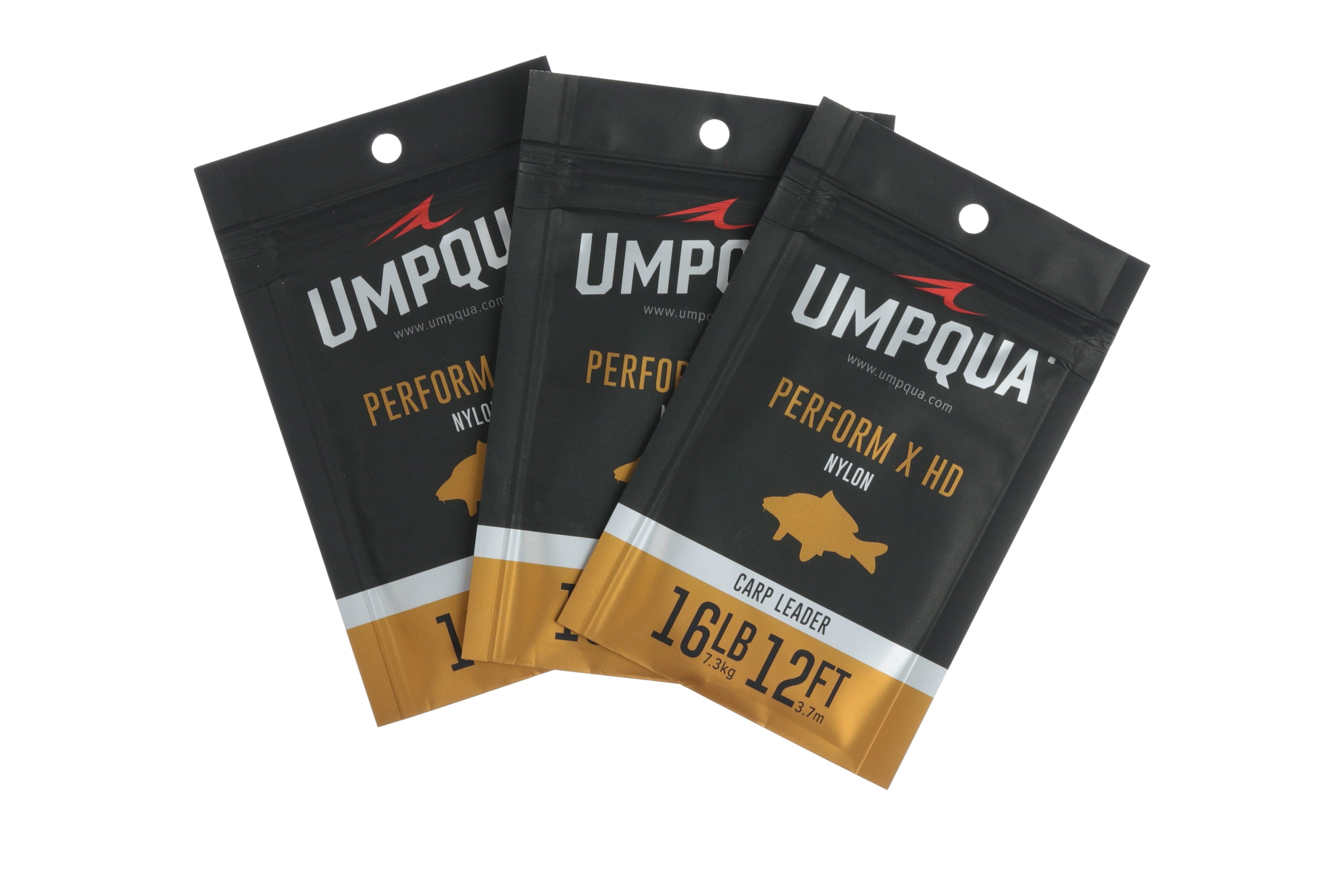
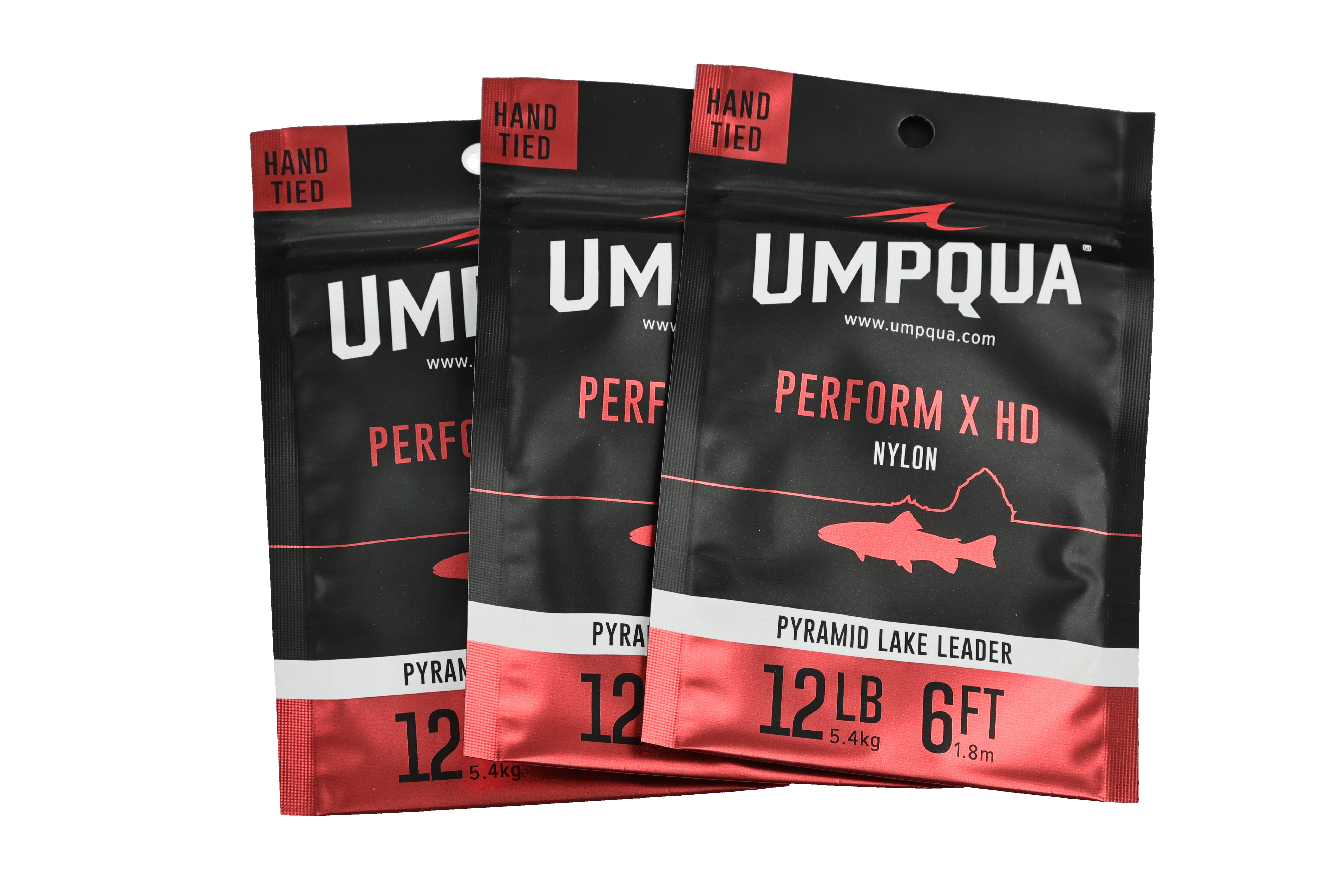
Best Value: Umpqua Perform X Trout Leader 3-Pack - Great for trout anglers who want extra leaders in the pack without overthinking it. A 3-pack makes it easy to rotate fresh leaders and keep your taper intact through lots of fly changes.
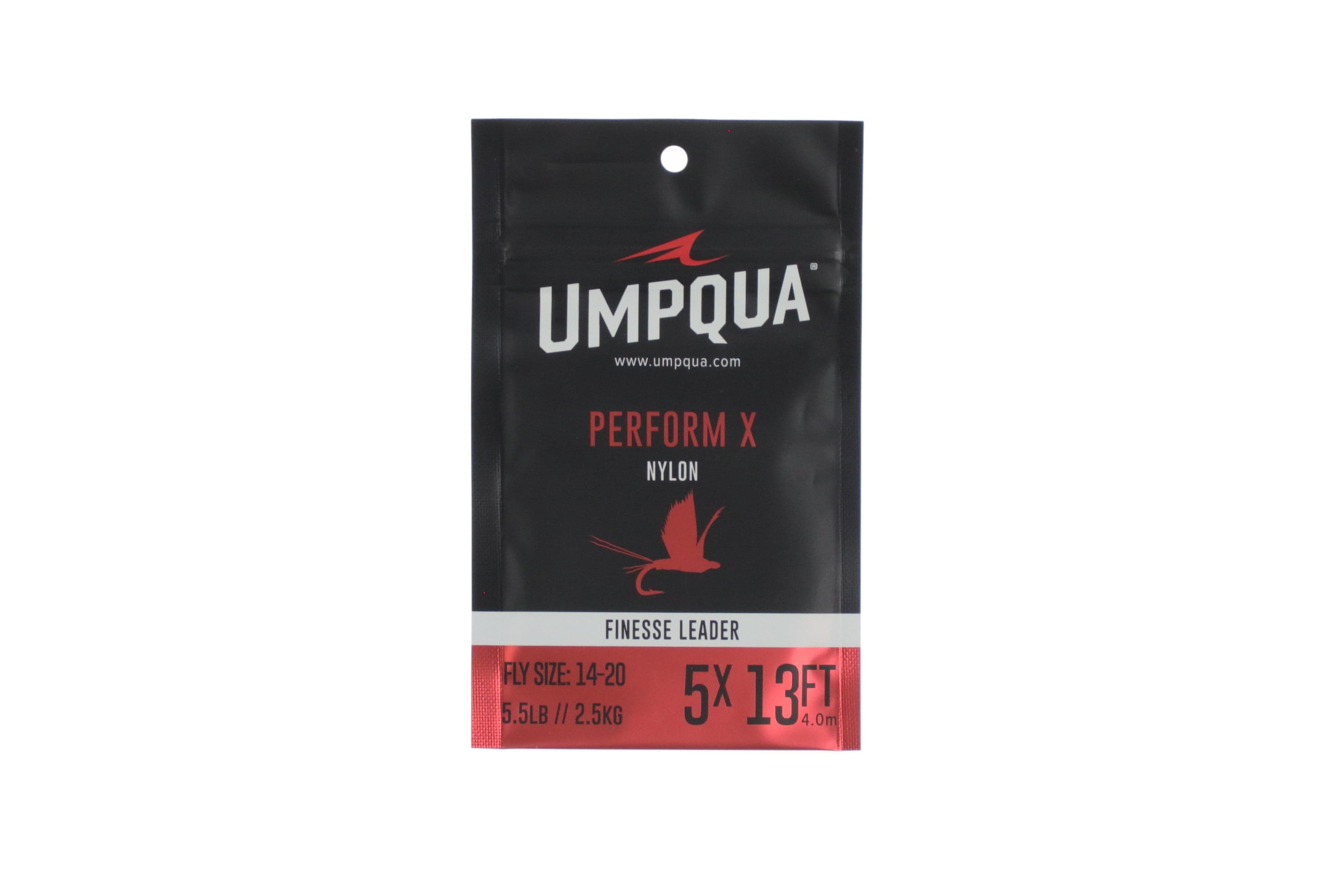
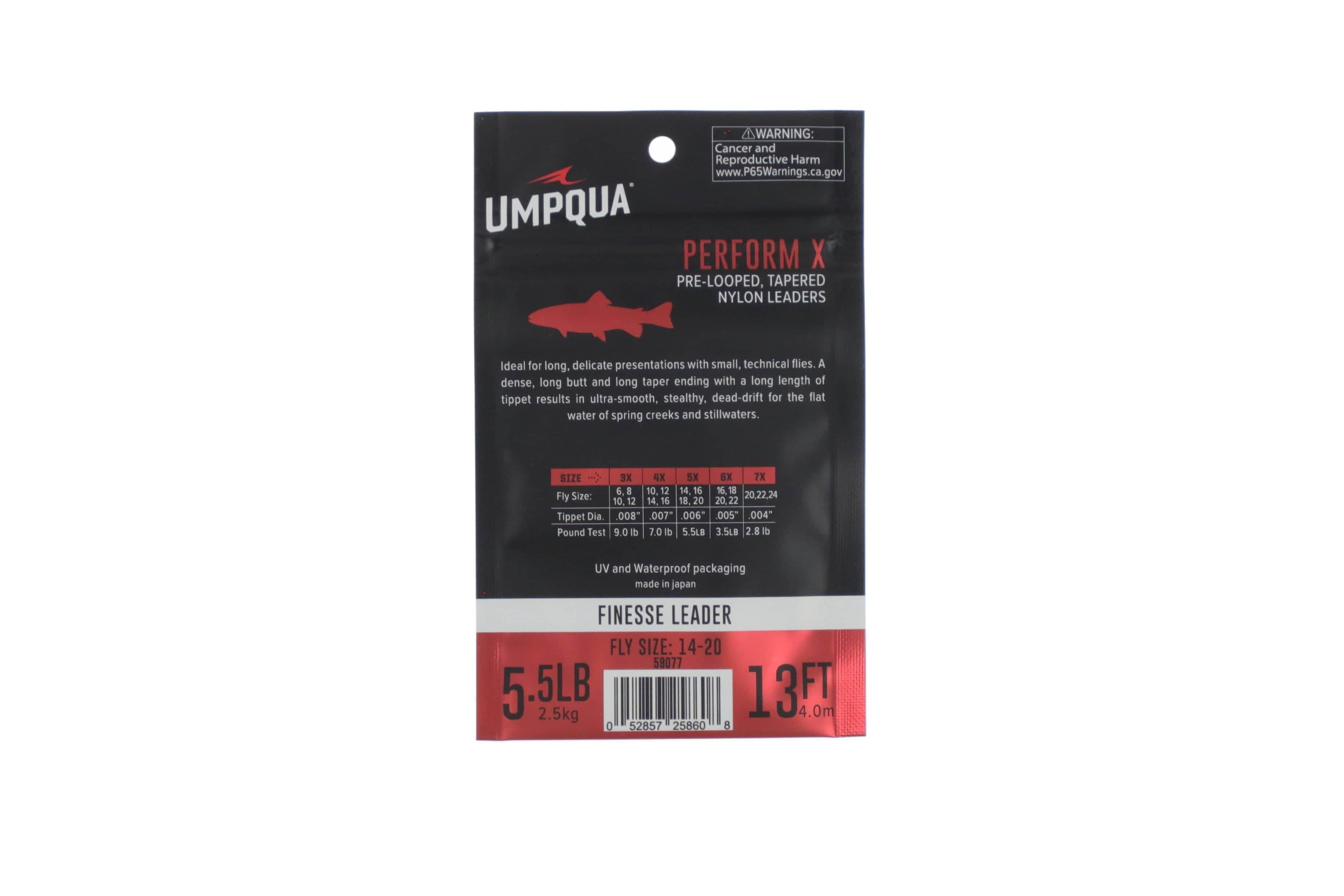
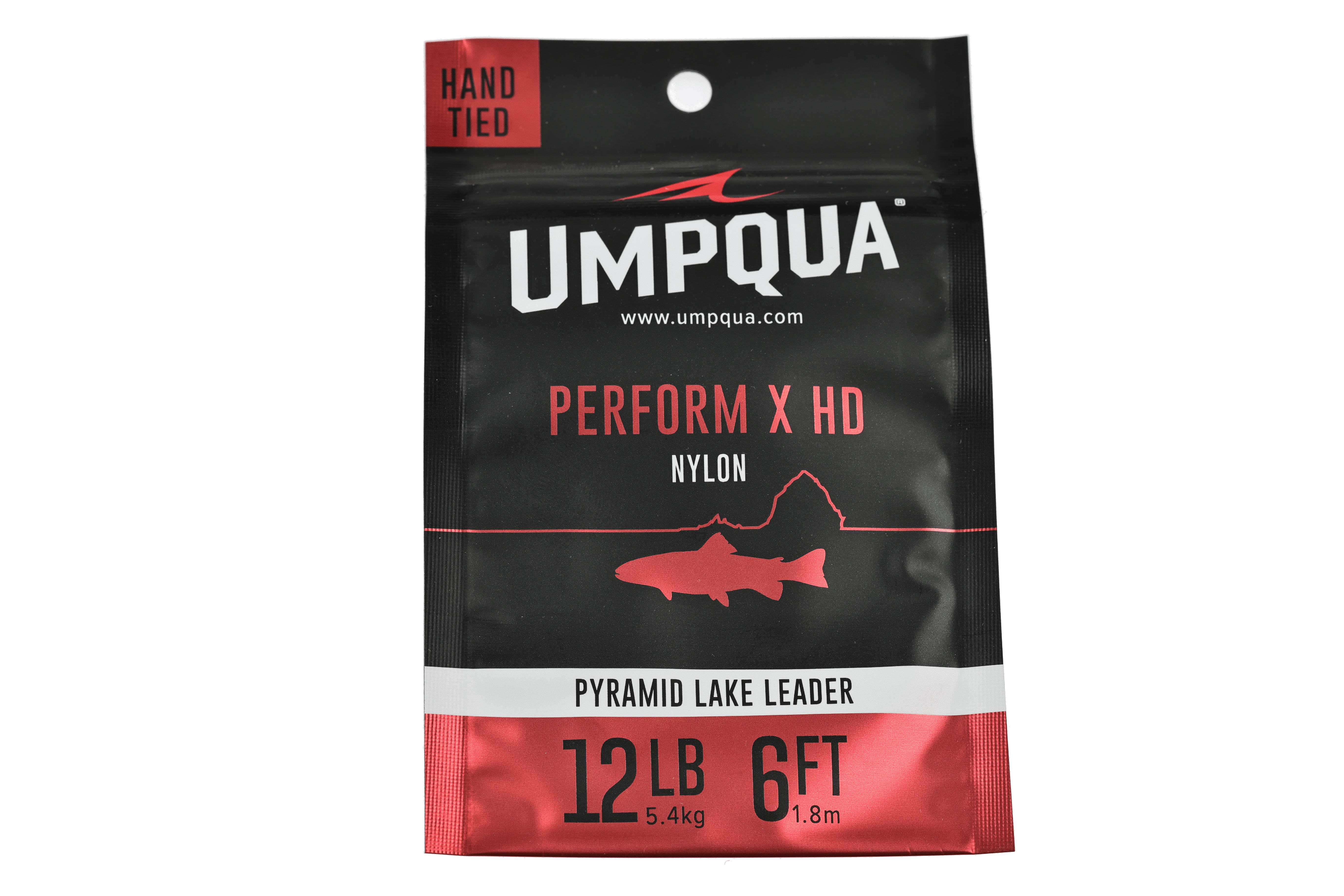
Best All-Around: Umpqua Perform X Finesse Leader - A solid pick for dries, light nymphing, and small streamers on most trout rivers. The taper is built to turn over cleanly without feeling overly stiff at the tip.
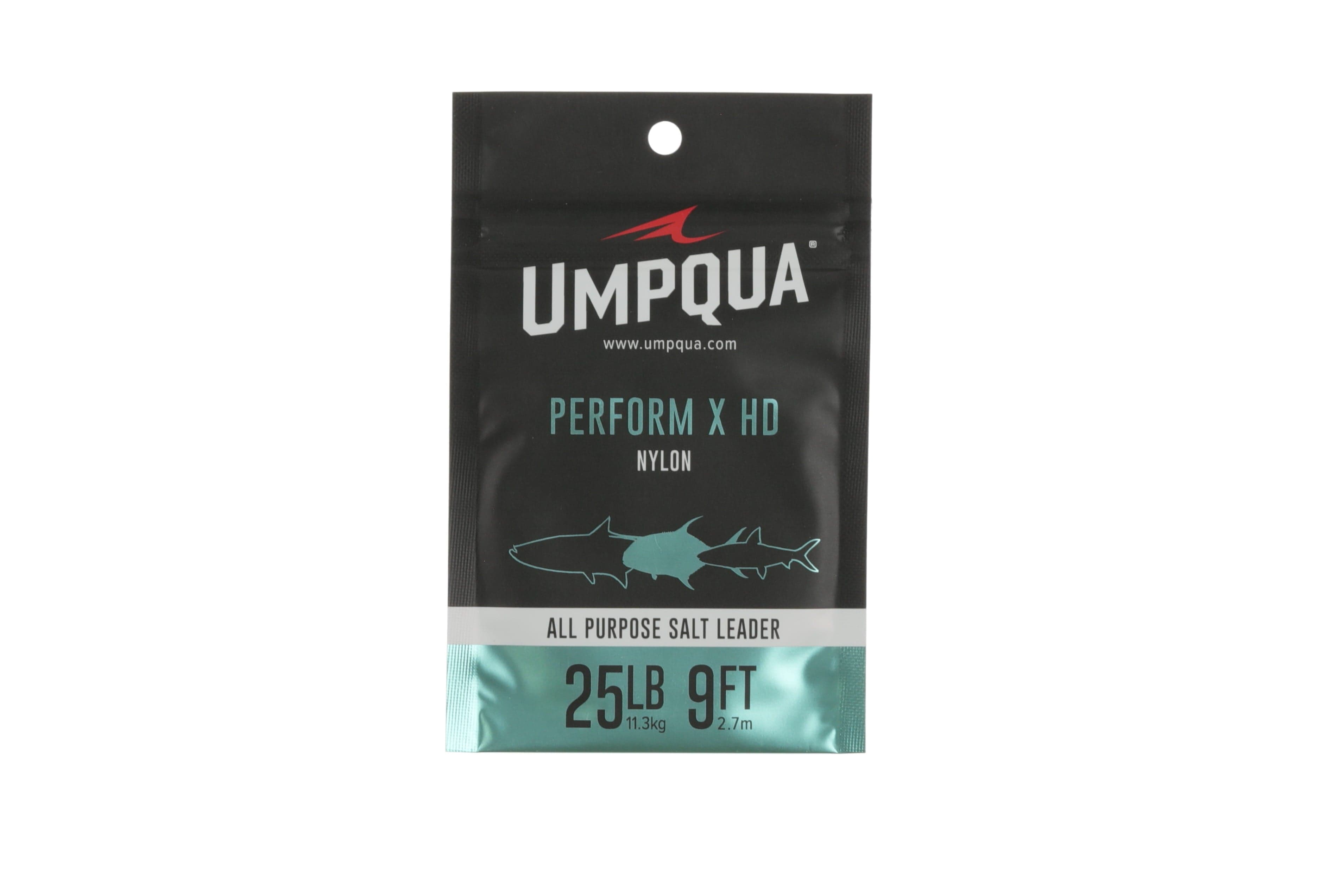
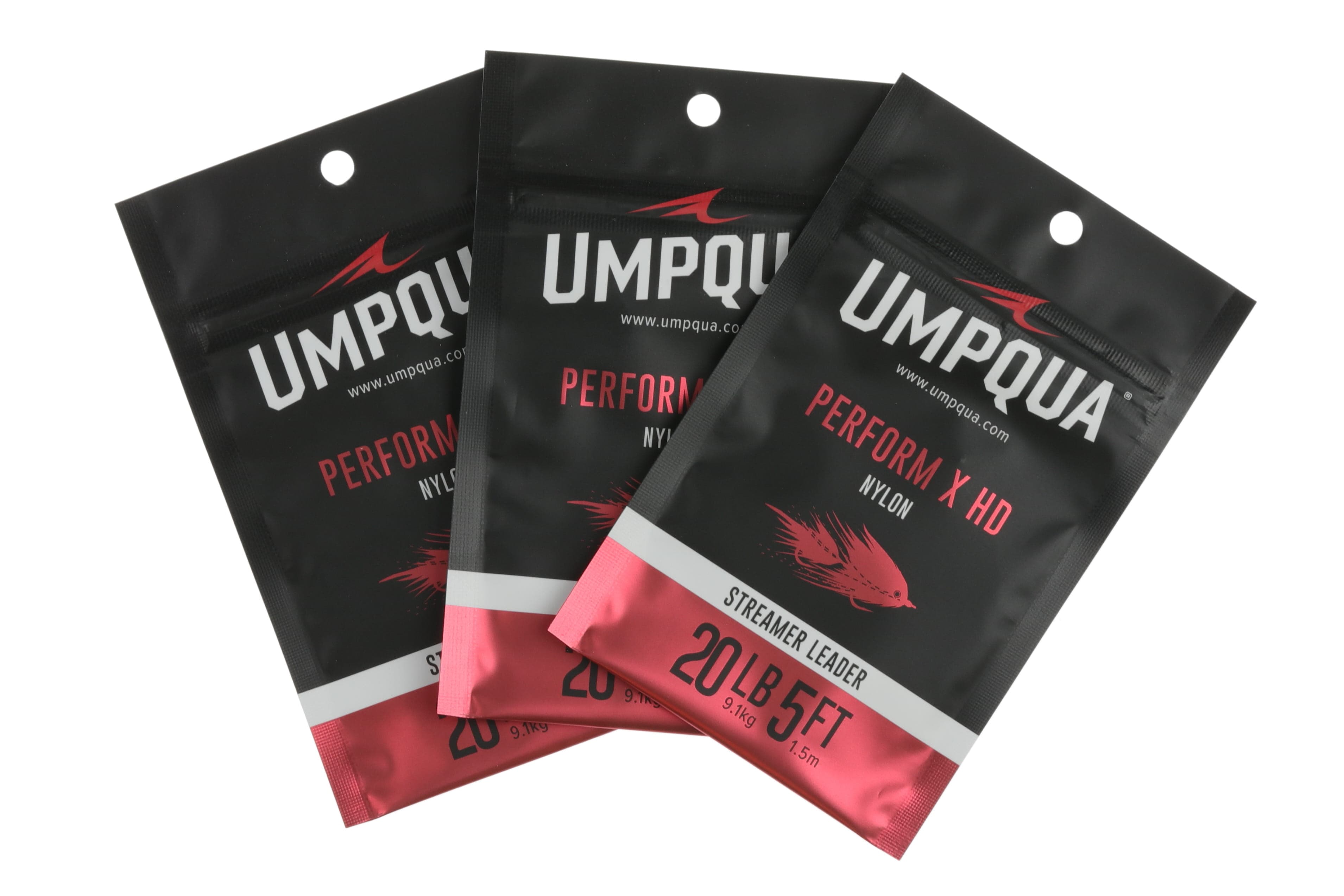
Best for Streamers: Umpqua Perform X HD Streamer Leader - Built for throwing bigger, air-resistant streamers and heavier rigs with fewer hinge points. The stronger butt section helps you maintain turnover in wind and at longer distances.
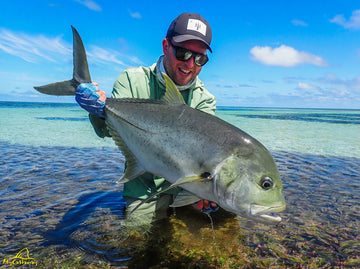
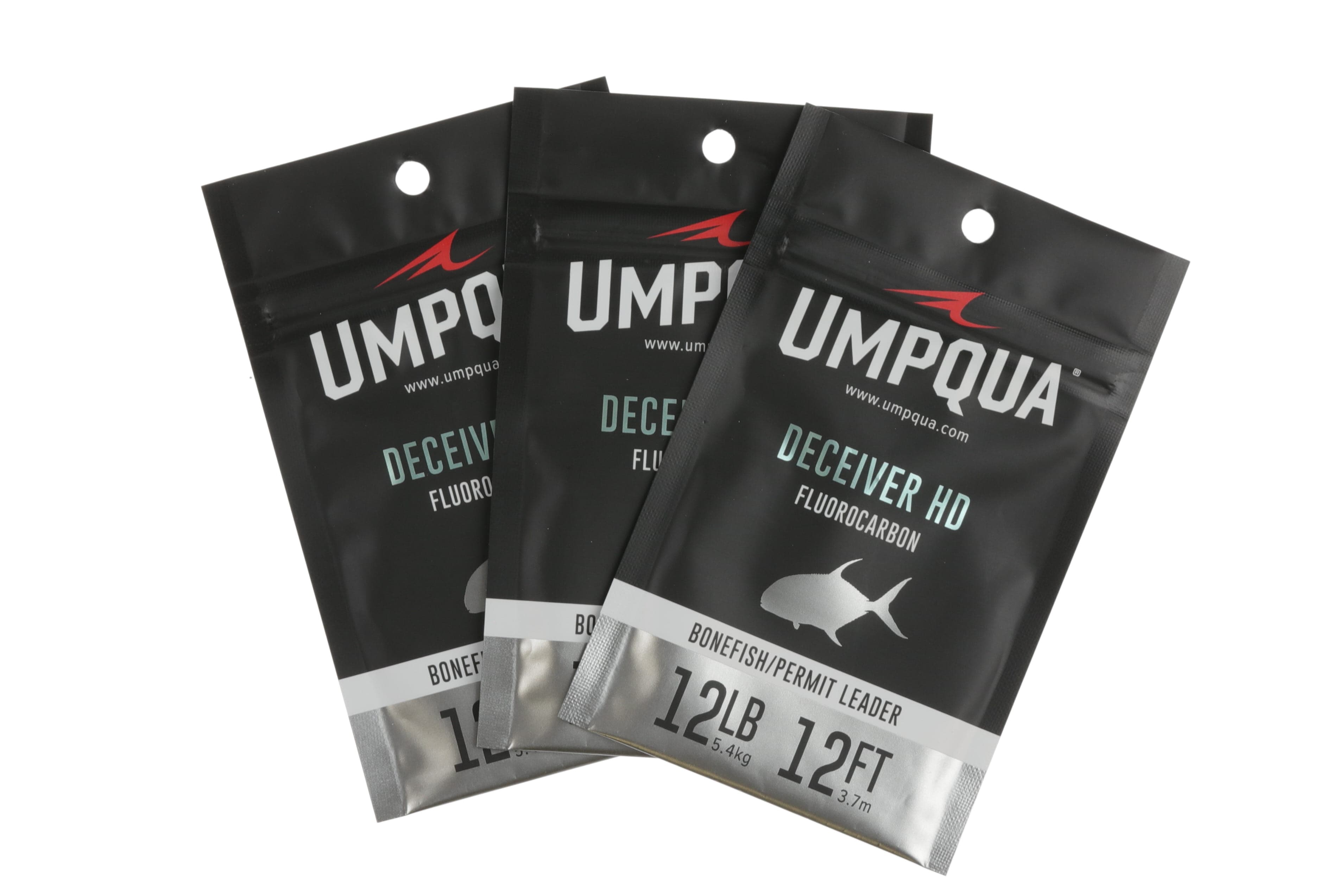
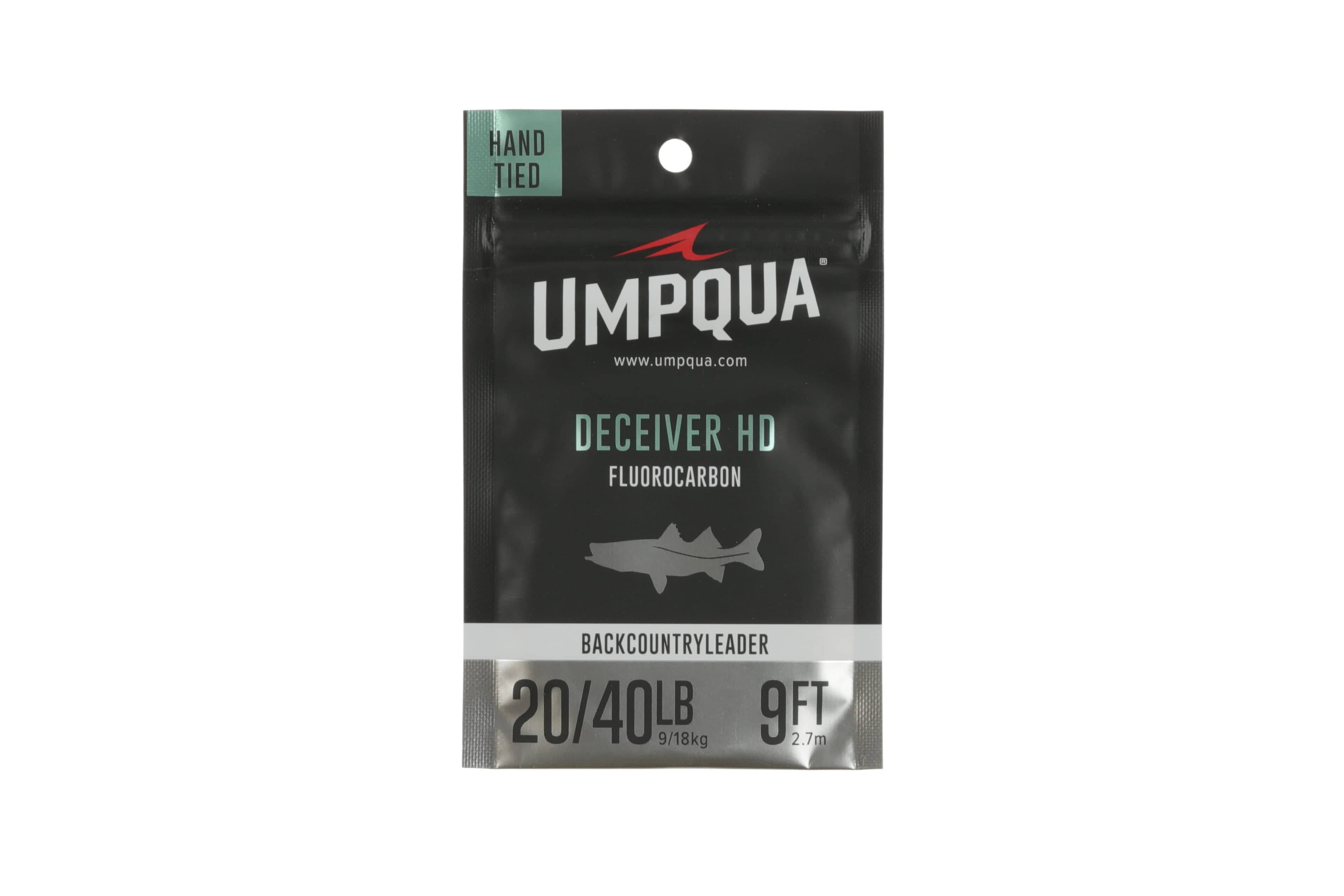
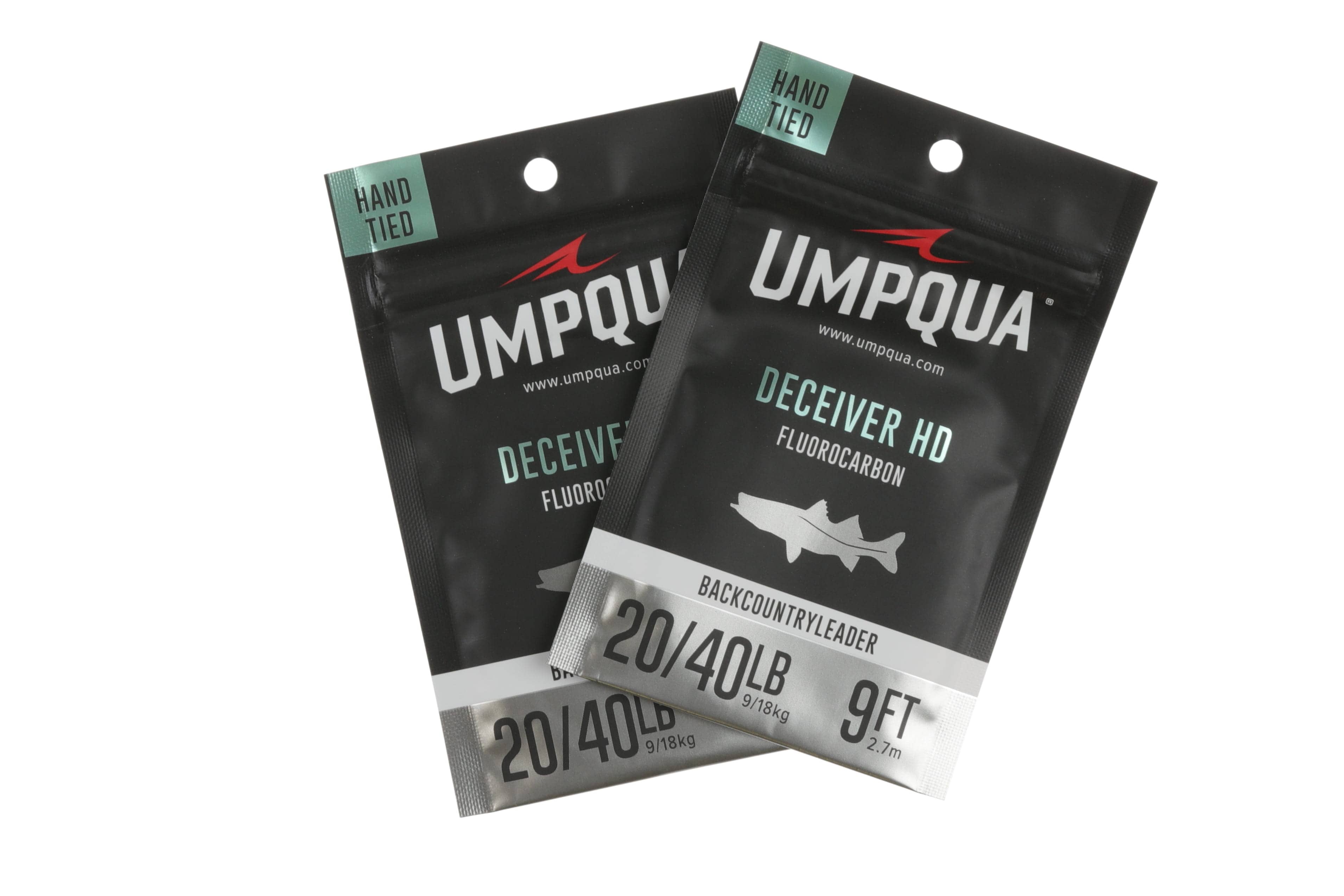
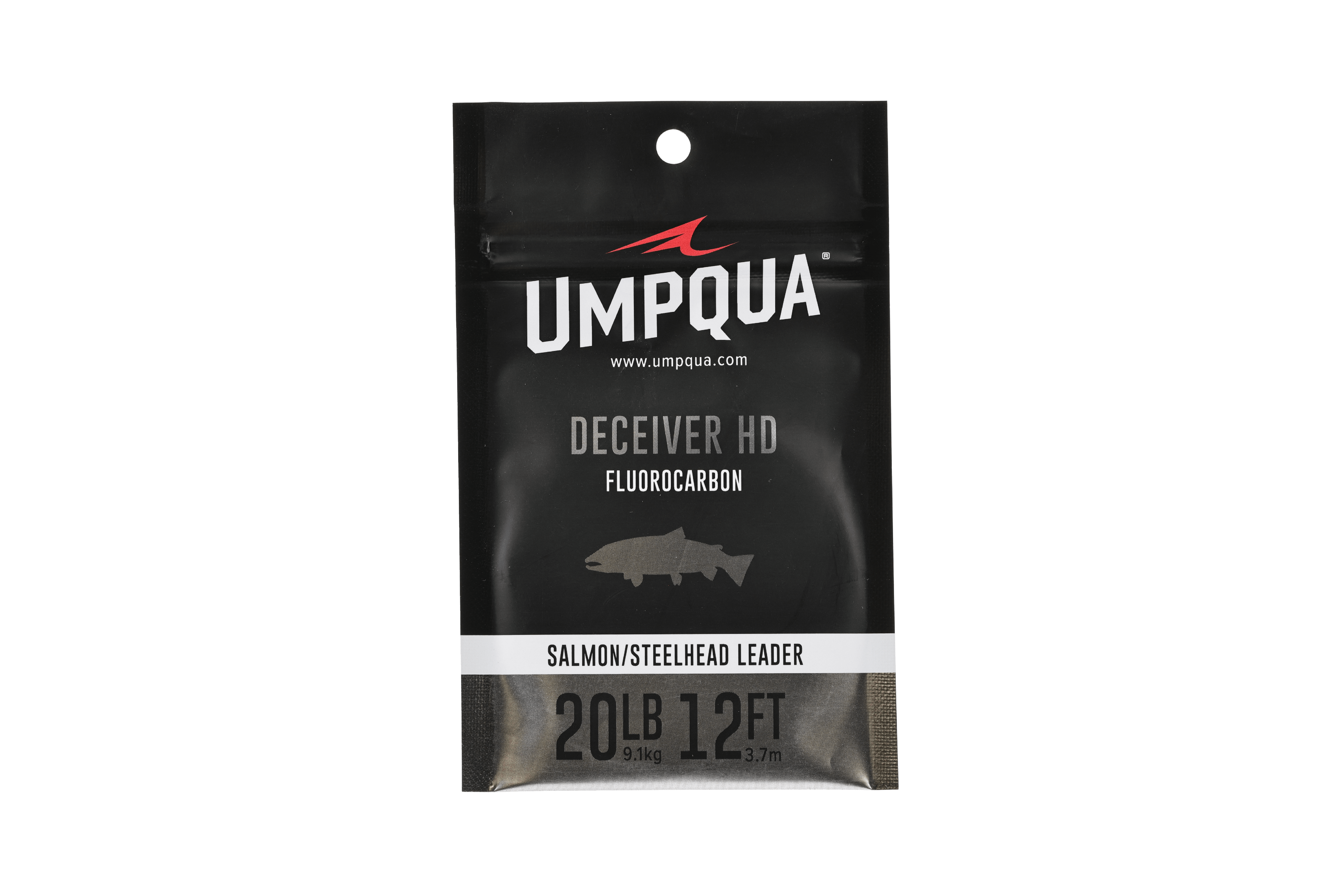
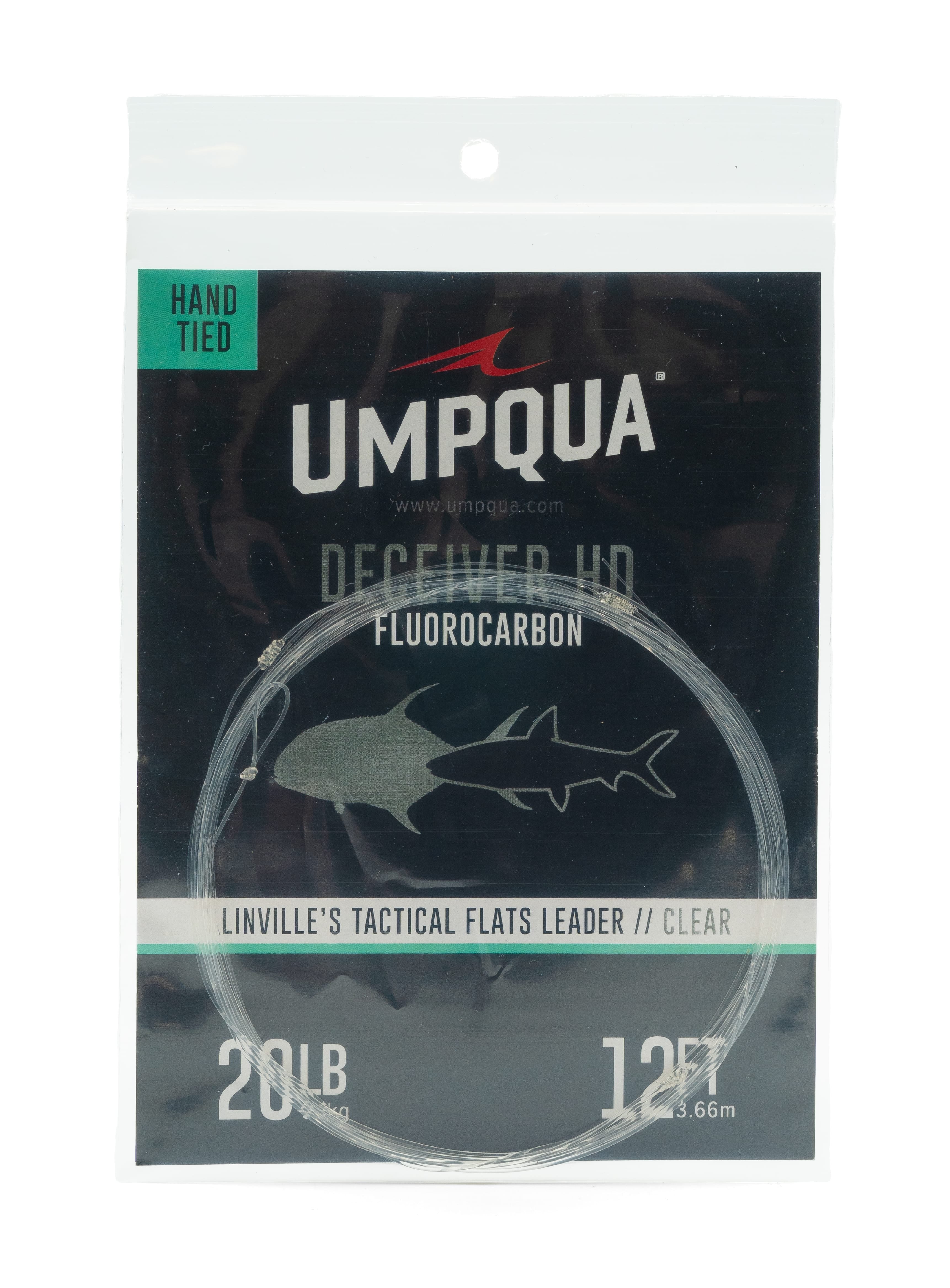
Best for Bonefish and Permit: Umpqua Deceiver HD Bonefish/Permit Leader - A good match for flats fishing when you need clean turnover and abrasion resistance around sand, coral, and mangroves. The longer length helps keep your fly line farther from the fish in clear water.
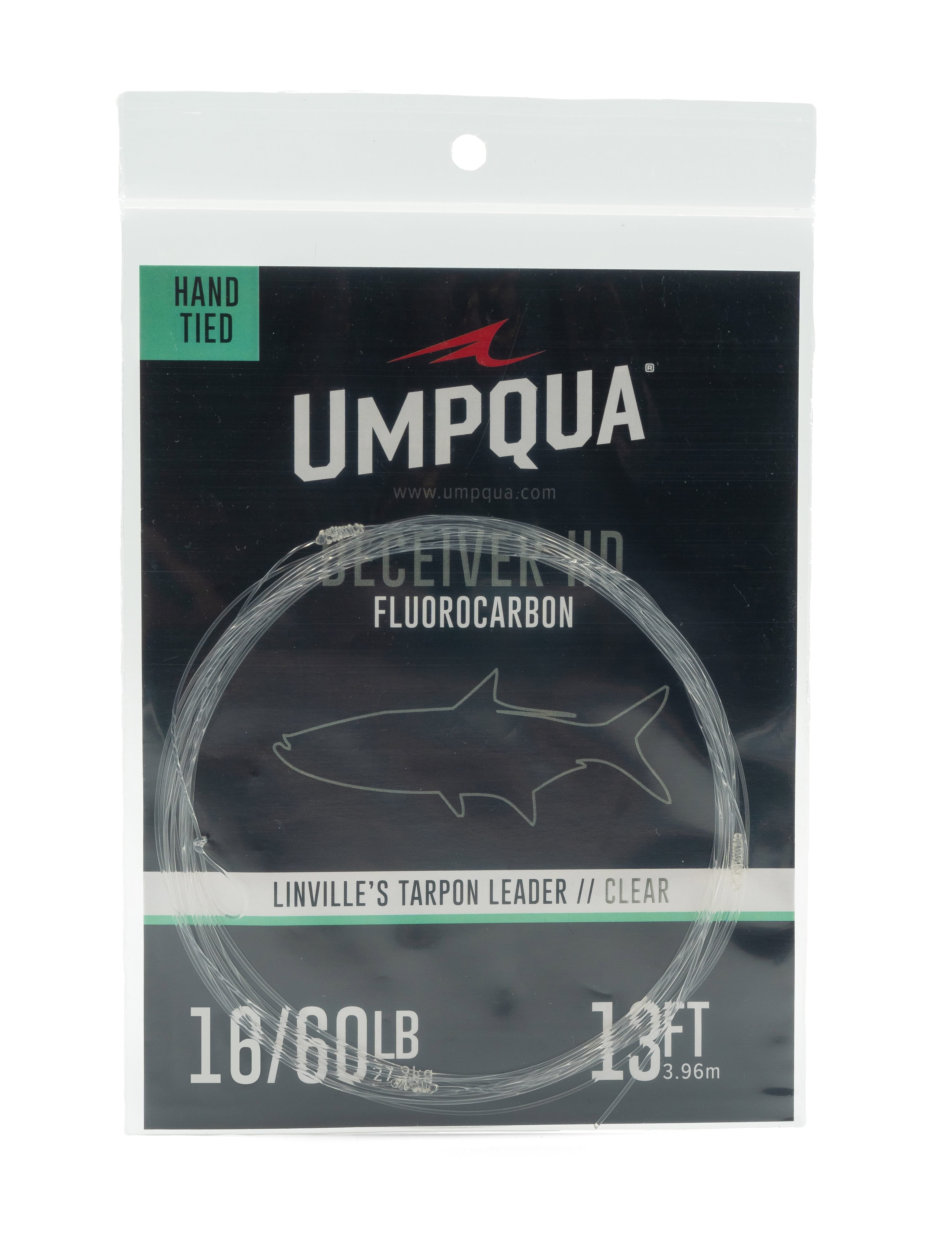
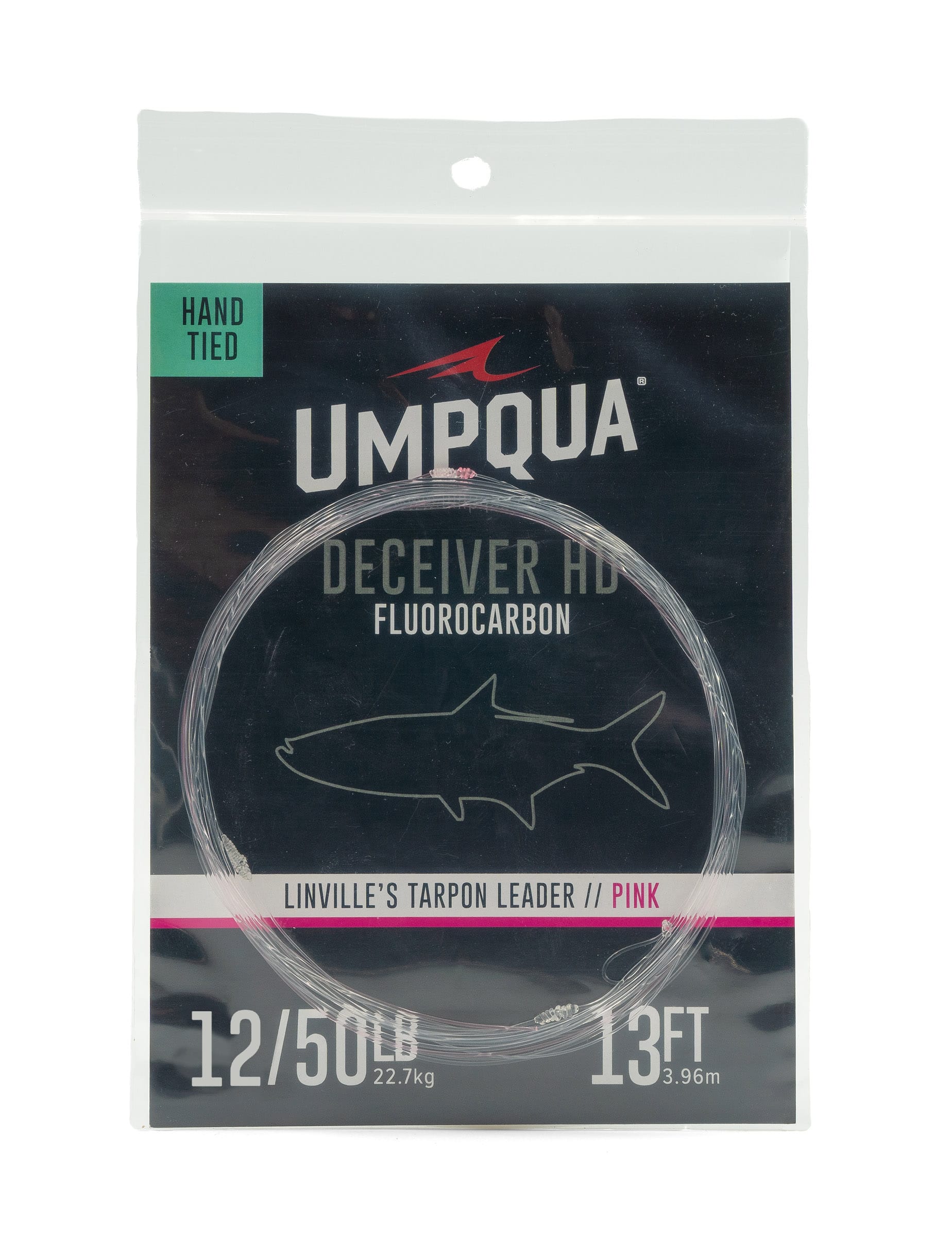
Best for Tarpon: Umpqua Deceiver HD Tarpon Leader - 2 Pack - Built for shock strength and control when you are casting big flies and putting pressure on heavy fish. A 2-pack is nice insurance for bite-offs, rough mouths, and boat-side breakage.
How to Choose Umpqua Leaders
Start with what you are casting
Action: Match your leader to the fly, not the fish you hope shows up. Bigger, heavier, or more wind-resistant flies usually cast better on shorter, more powerful leaders, while small dries and emergers tend to like longer, finer tapers.
Nylon vs fluorocarbon
Best for: Nylon leaders are a common choice for dry flies because they are usually more supple and easier to manage at the surface. Fluorocarbon leaders are popular for nymphs, streamers, and saltwater because they sink more readily and tend to handle abrasion better.
Length and taper, keep it simple
Action: A 9-foot leader is a solid baseline for many trout situations, then adjust from there. Go longer for clear water, spooky fish, and finer presentations, and go shorter when wind, heavy flies, or quick shots make turnover the priority.
Specialty jobs, streamer, flats, and Euro
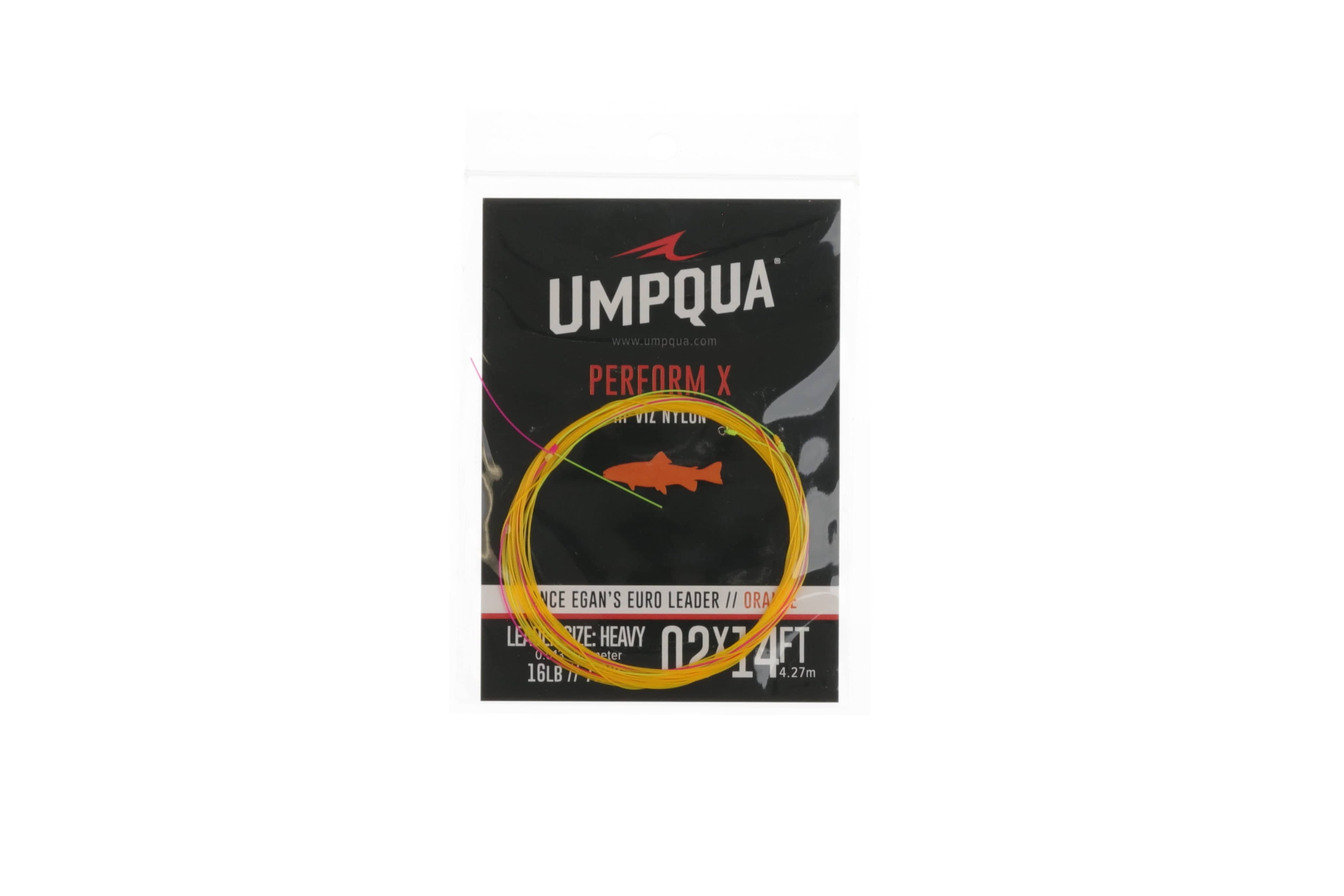
Best for: Streamer and saltwater tapers are built to carry energy and straighten out with bigger flies. Euro and tight-line leaders focus on contact, visibility, and quick rigging, often paired with a tippet ring so you can replace sections without chewing up the leader.
Why Fly Fishing Leaders Matter
Your leader is what turns a cast into a presentation, not just a connection. The right taper helps your fly straighten out, land where you aim, and drift without your fly line pulling it around.
Compatibility
Fly line connection: If your fly line has a welded loop, loop-to-loop is quick and clean. If it does not, you can add a loop or tie direct with a nail knot style connection.
Add tippet the smart way: When your leader gets short at the business end, add fly fishing tippet instead of cutting deeper into the taper.
Use a tippet ring when it helps: A ring can save time and preserve your leader, especially for nymph rigs and Euro setups.
Match leader strength to the job: Stronger is not always better if it ruins turnover or spooks fish. Build around fly size, wind, and the kind of water you are fishing.
Stretch and inspect: Before you fish, straighten coils with a firm stretch and check for nicks near knots and the tip section.
Complete Your Setup
Related Gear
Fly Fishing Leaders - Compare other brands and tapers if you are dialing in a specific rig.
Floating Fly Lines - The right head and taper make leader choice much easier.
Fly Line Backing - A fresh setup starts from the reel out, especially for saltwater trips.
Tippet Rings - Great for faster tippet changes and longer leader life.
Related Guides
Umpqua Leaders FAQs
Q: What does a fly fishing leader do?
A: A leader transfers energy from your fly line to your fly, so the cast straightens and lands cleanly. It also helps separate the thicker fly line from the fish for a more natural look.
Q: What is the difference between a leader and tippet?
A: A leader is tapered and connects to your fly line. Tippet is level line you add to the end of the leader, so you can replace worn sections and fine-tune diameter without replacing the full leader.
Q: How long should my leader be for trout?
A: Many anglers start with 9 feet for a general trout setup. Go longer for clear water and small dries, and shorter for wind, tight banks, or heavier flies.
Q: Should I use nylon or fluorocarbon leaders?
A: Nylon is a common choice for dry flies and surface presentations. Fluorocarbon is often used for subsurface rigs and saltwater when sink and abrasion resistance matter more.
Q: What leader taper should I use for streamers?
A: Streamers usually cast best on shorter, more powerful leaders that can turn over weight and bulk. If your cast collapses or piles up, your leader is often too long or too light for the fly.
Q: Do I need a tippet ring?
A: You do not need one, but it can make rig changes faster and help your leader last longer. They are especially common for nymph rigs, Euro leaders, and multi-fly setups.
Q: How do I know when to replace a leader?
A: Replace it when it is badly kinked, heavily nicked, or shortened enough that it will not turn over well. If you are constantly adding thick tippet to compensate, it is usually time for a fresh leader.