
























Top 10 Striper Flies That Catch Fish in 2025
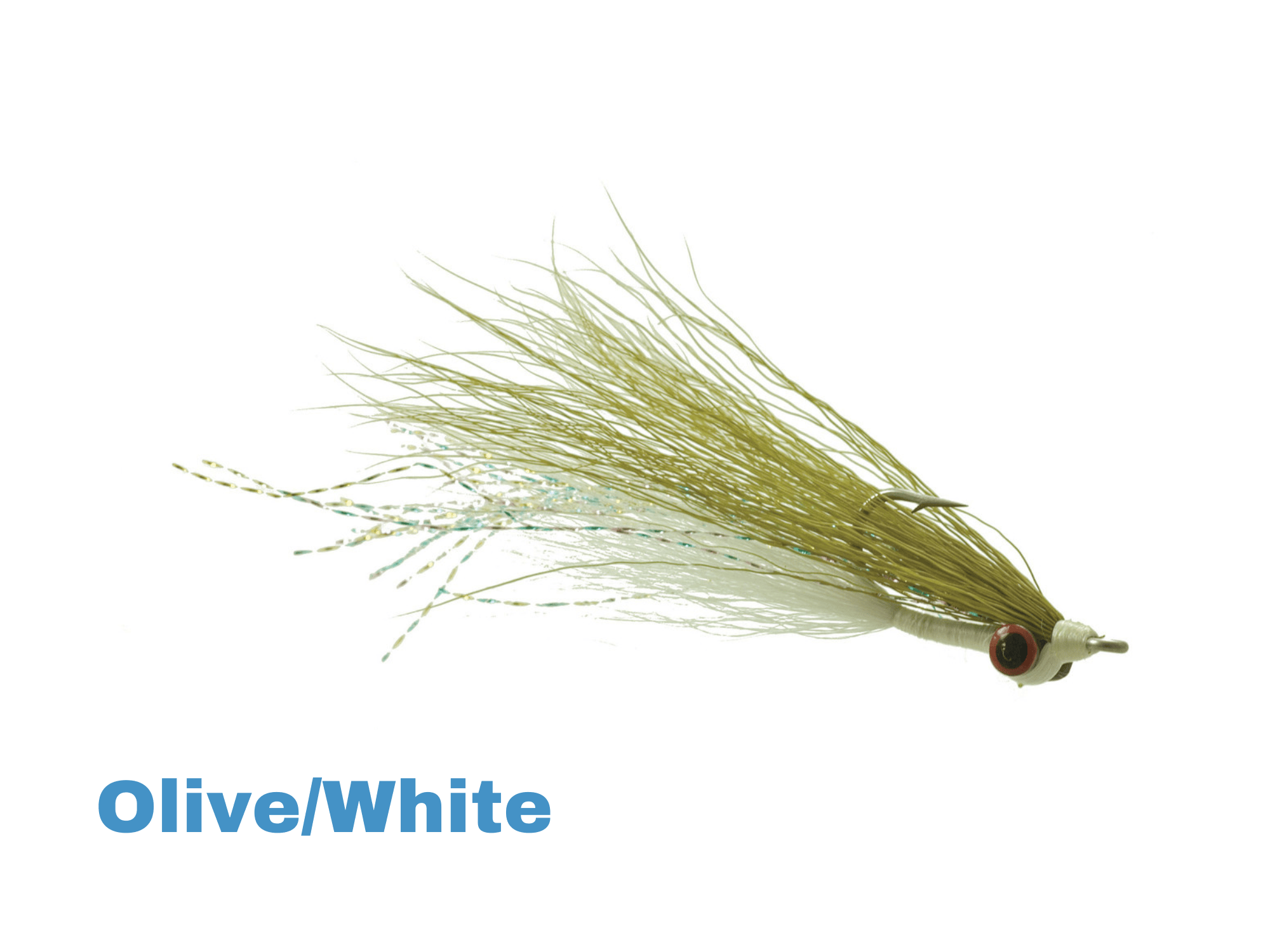
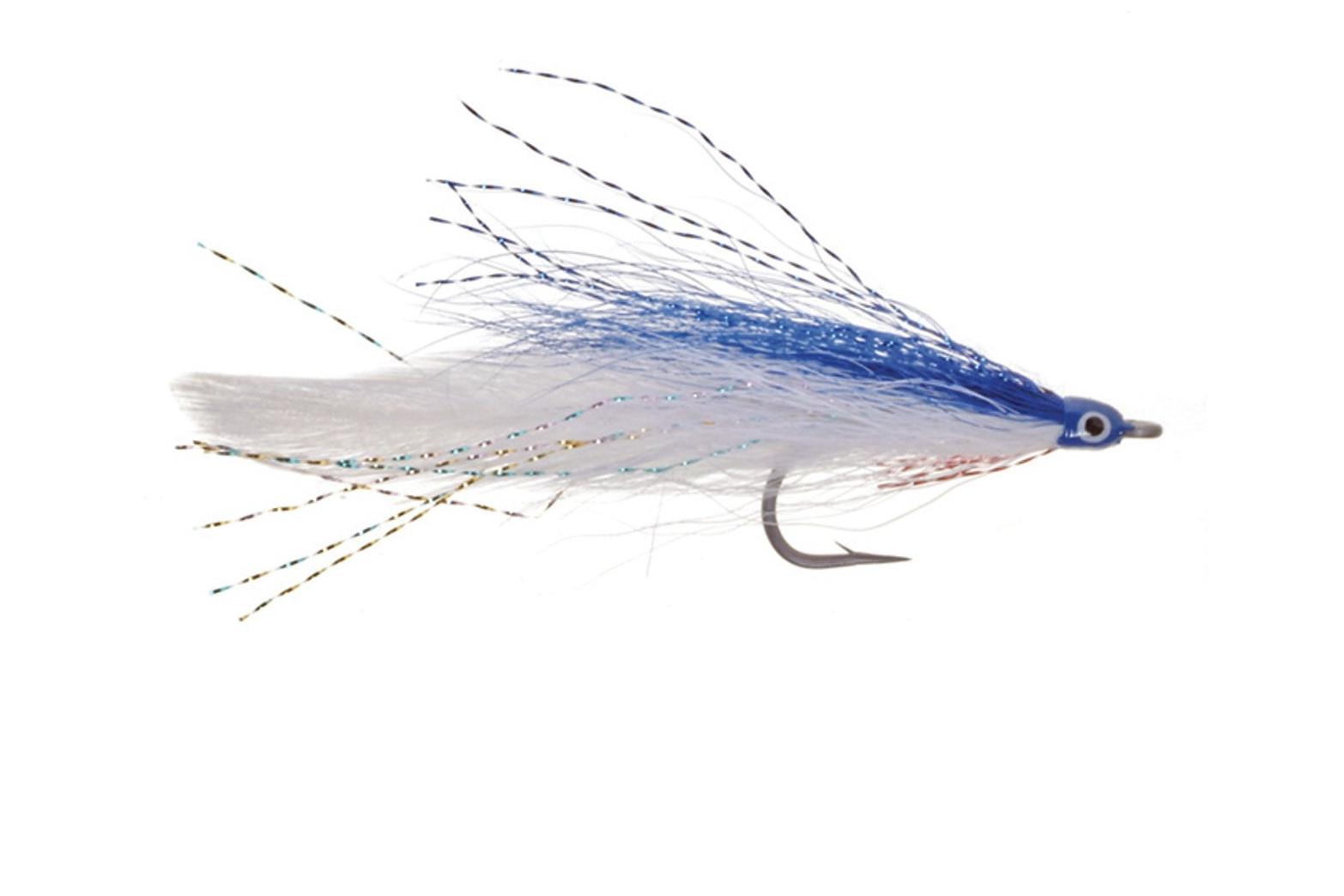


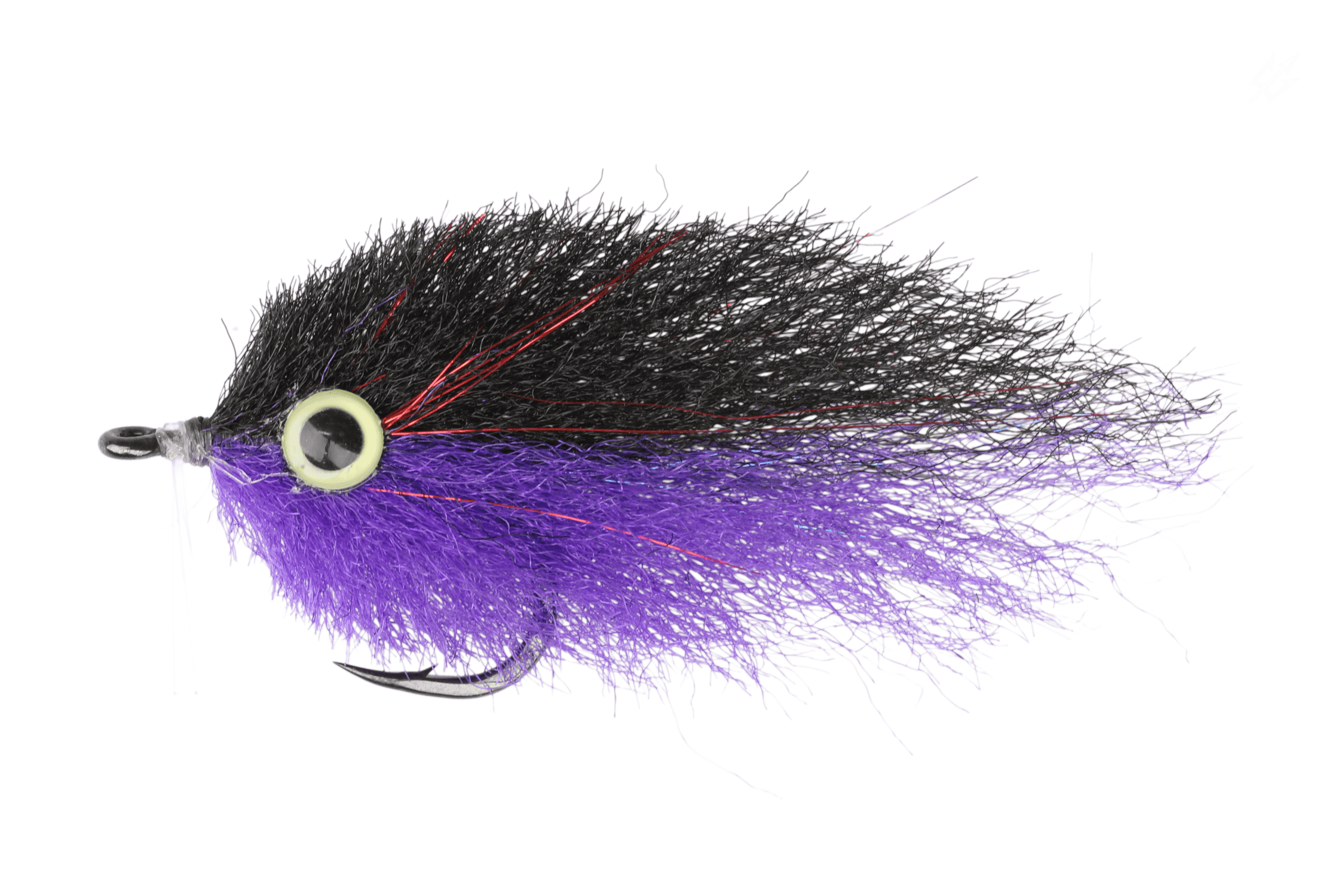
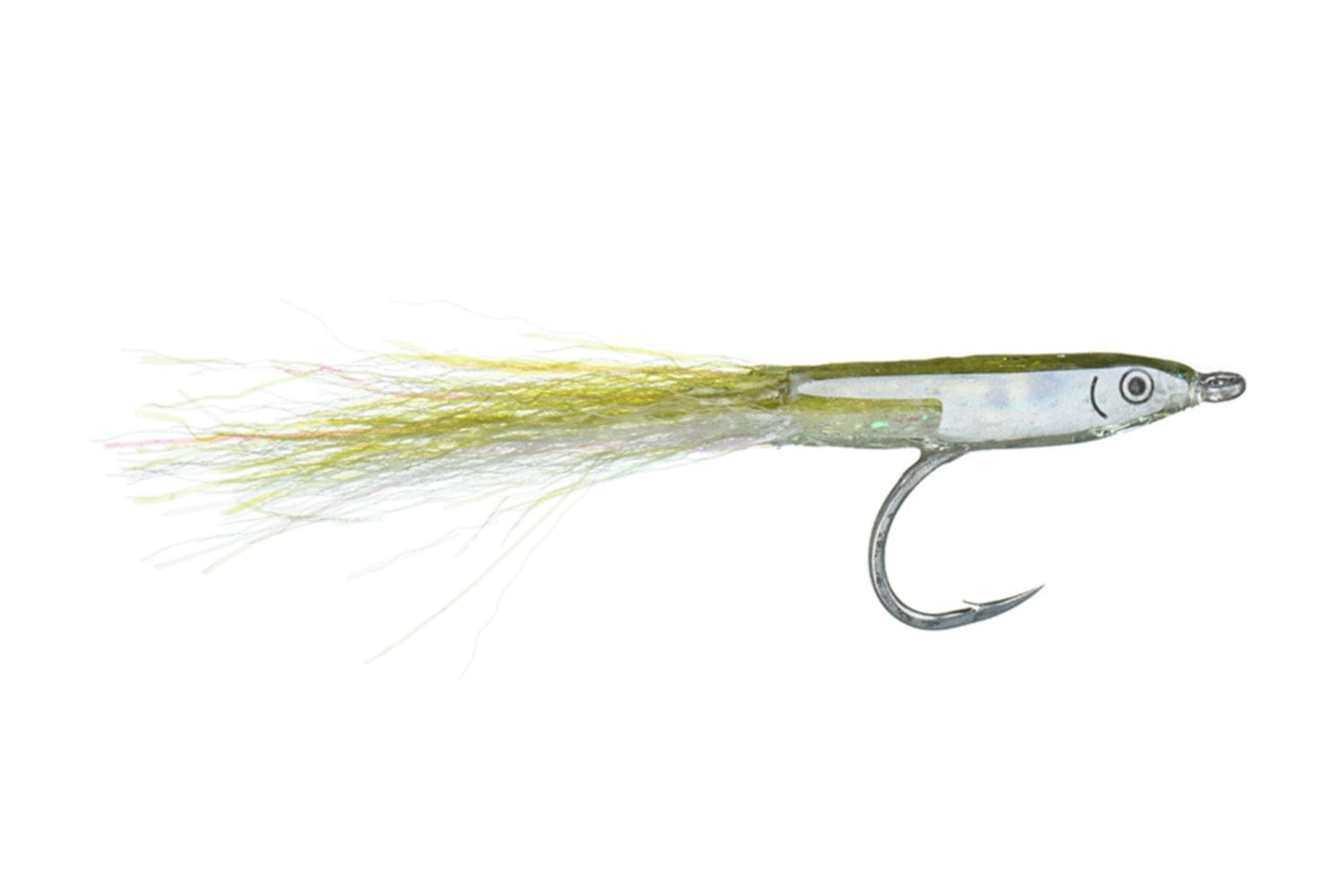
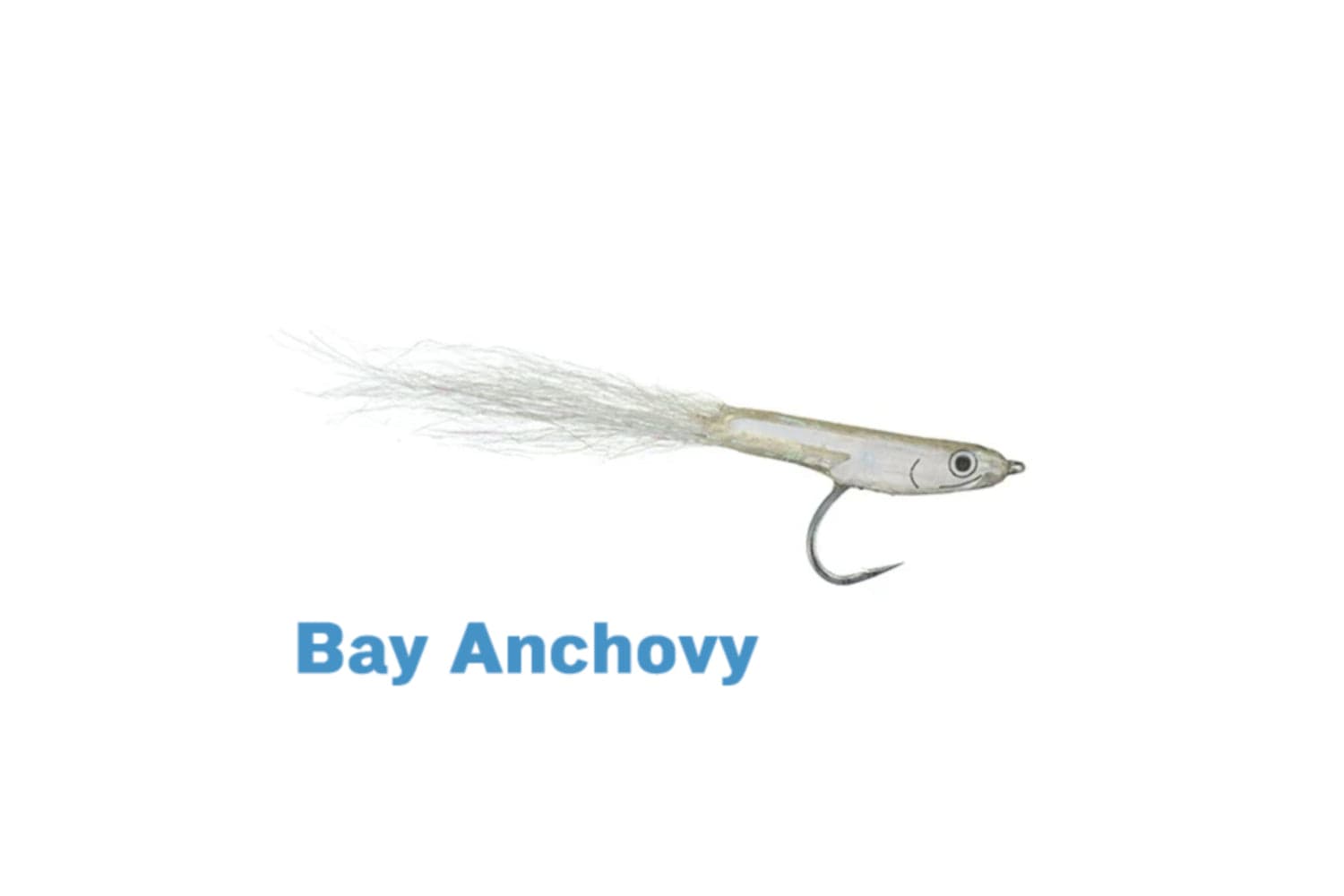


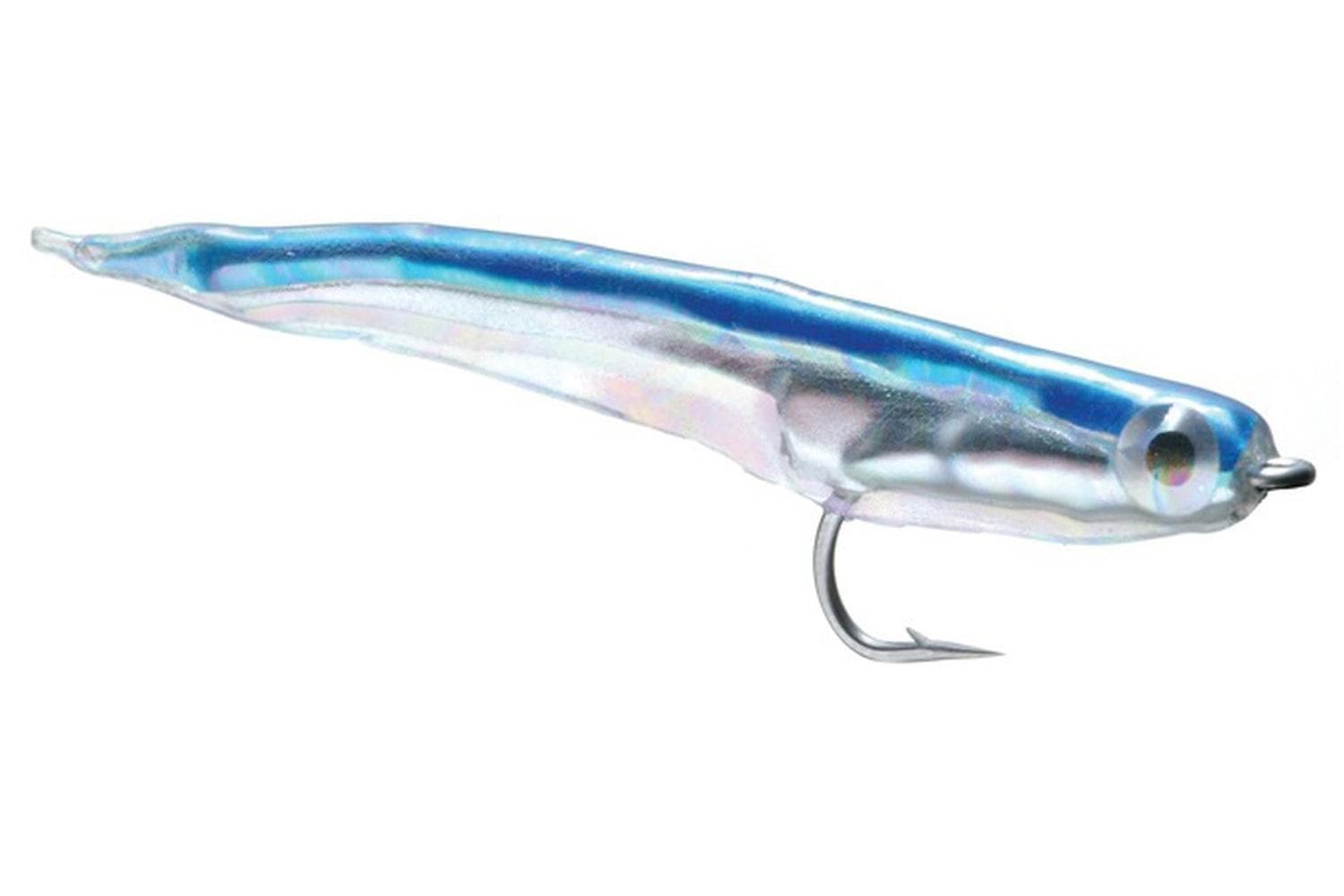
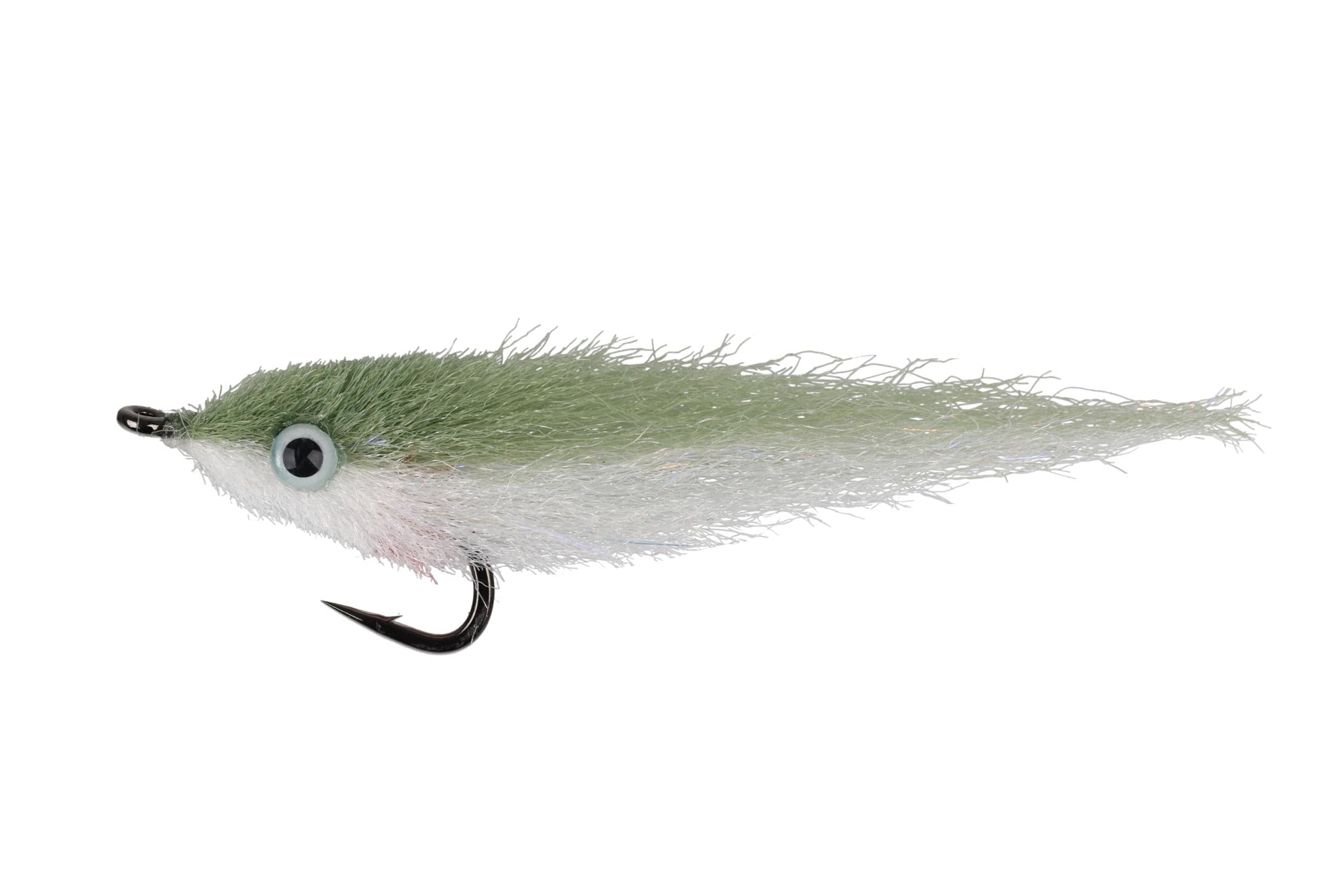
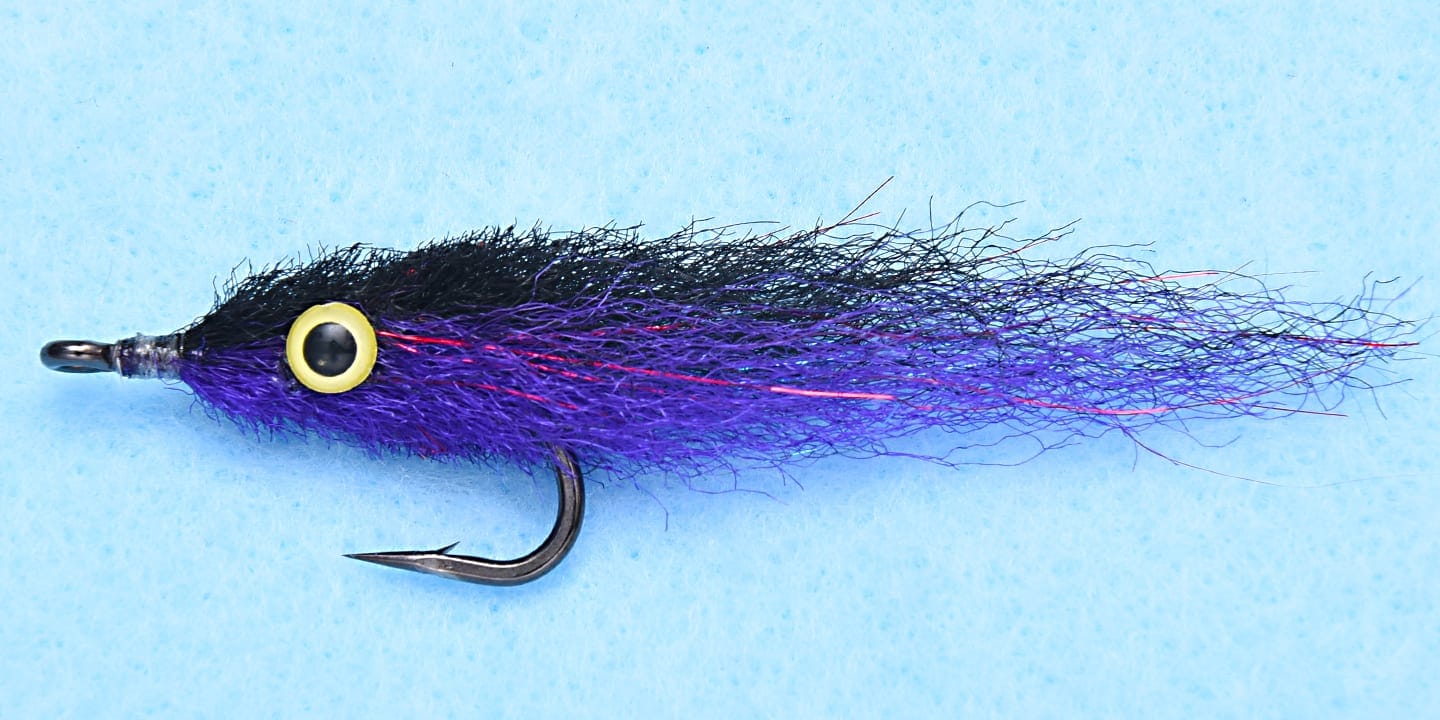
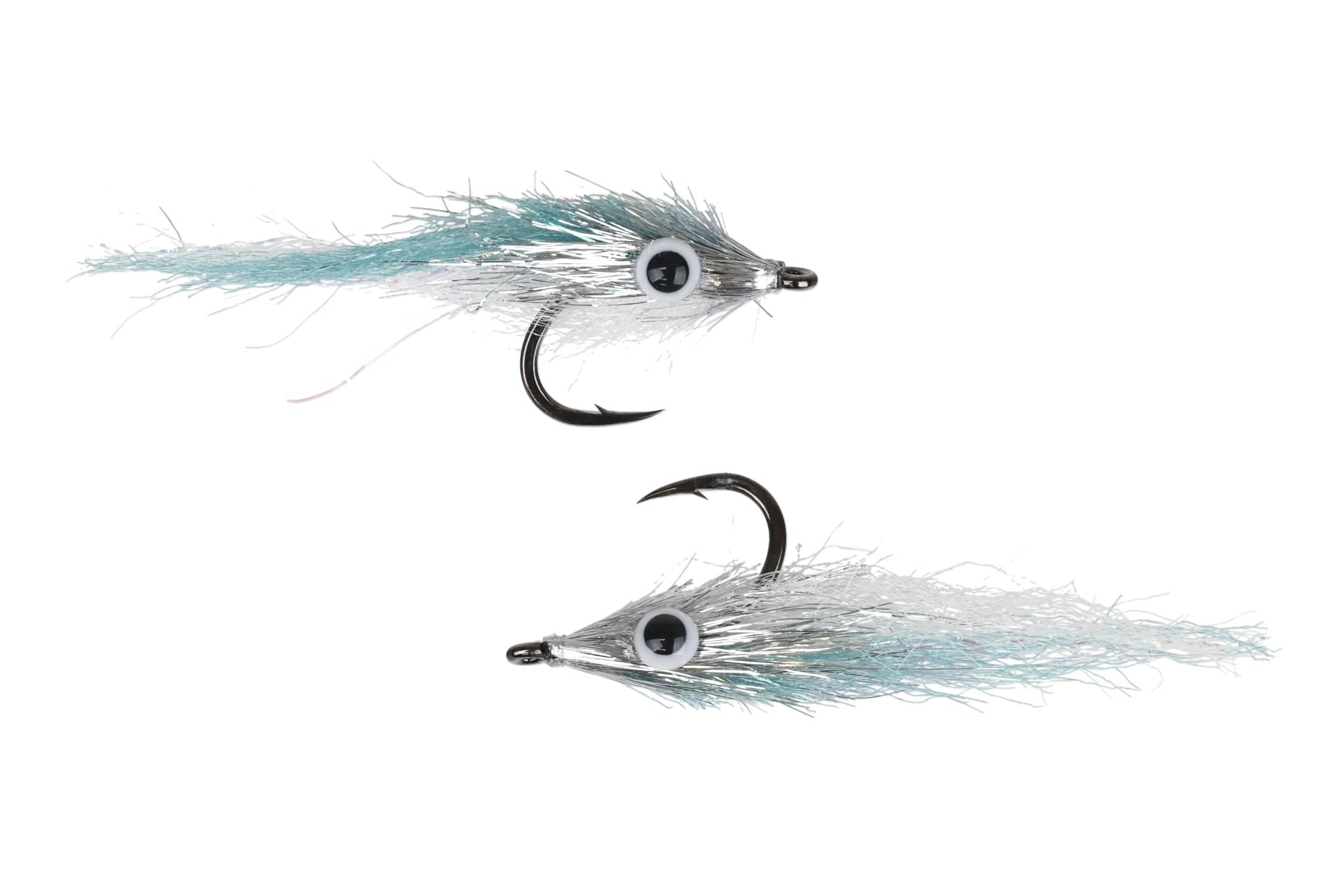
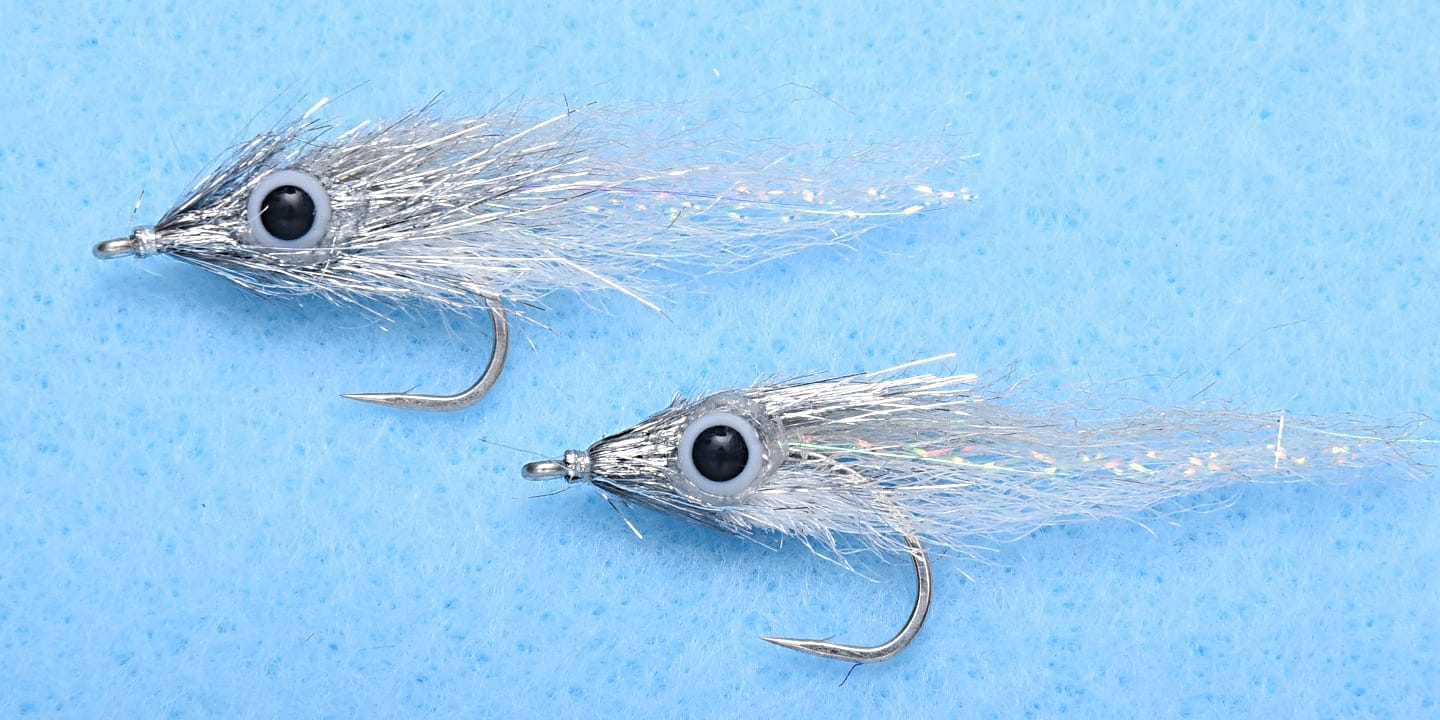
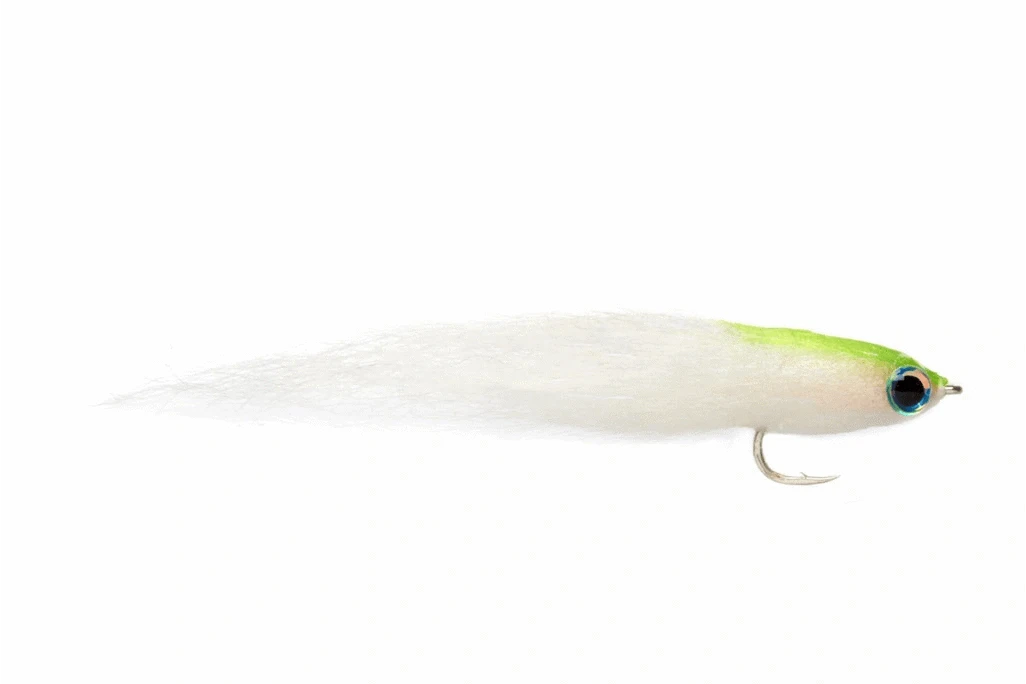

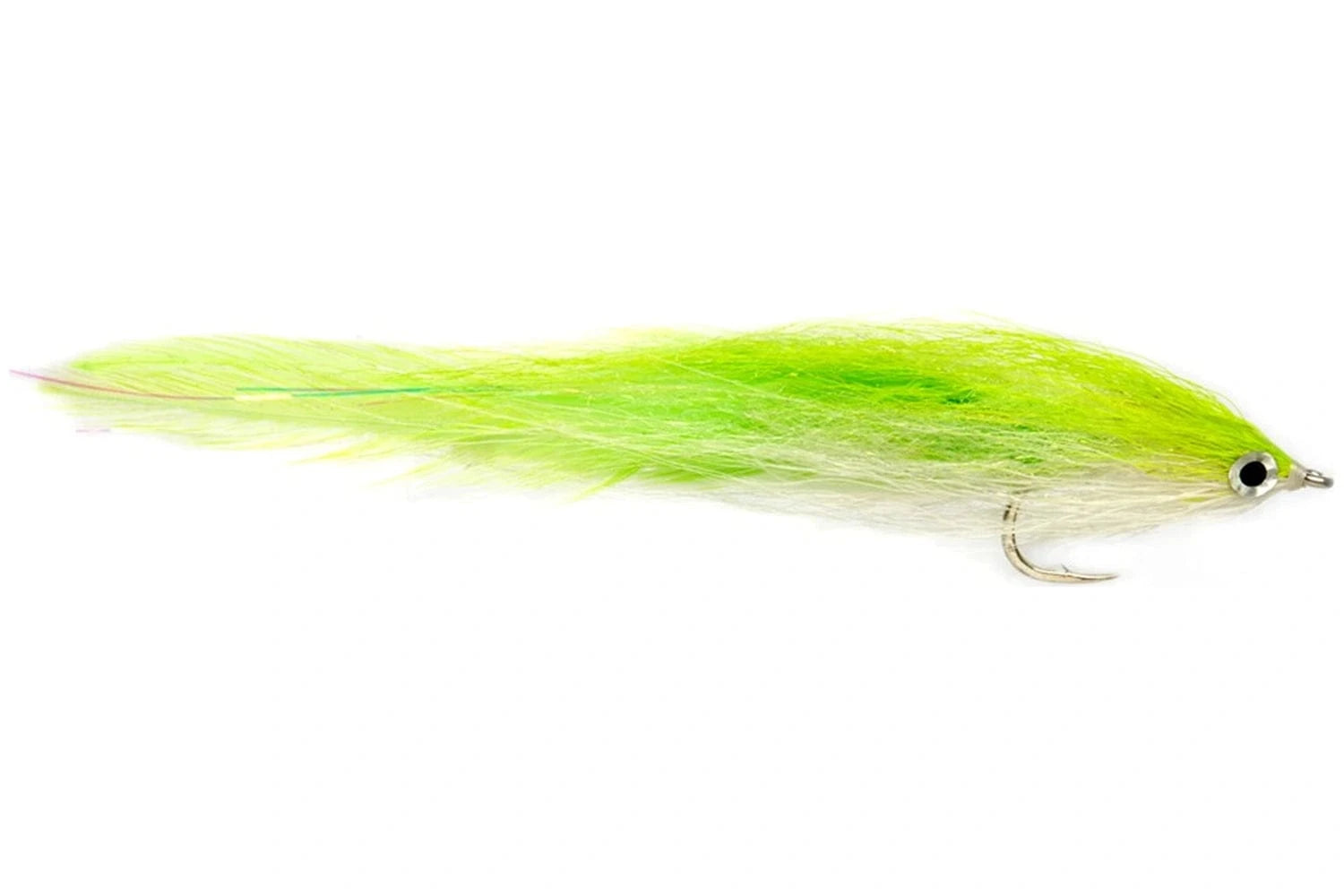
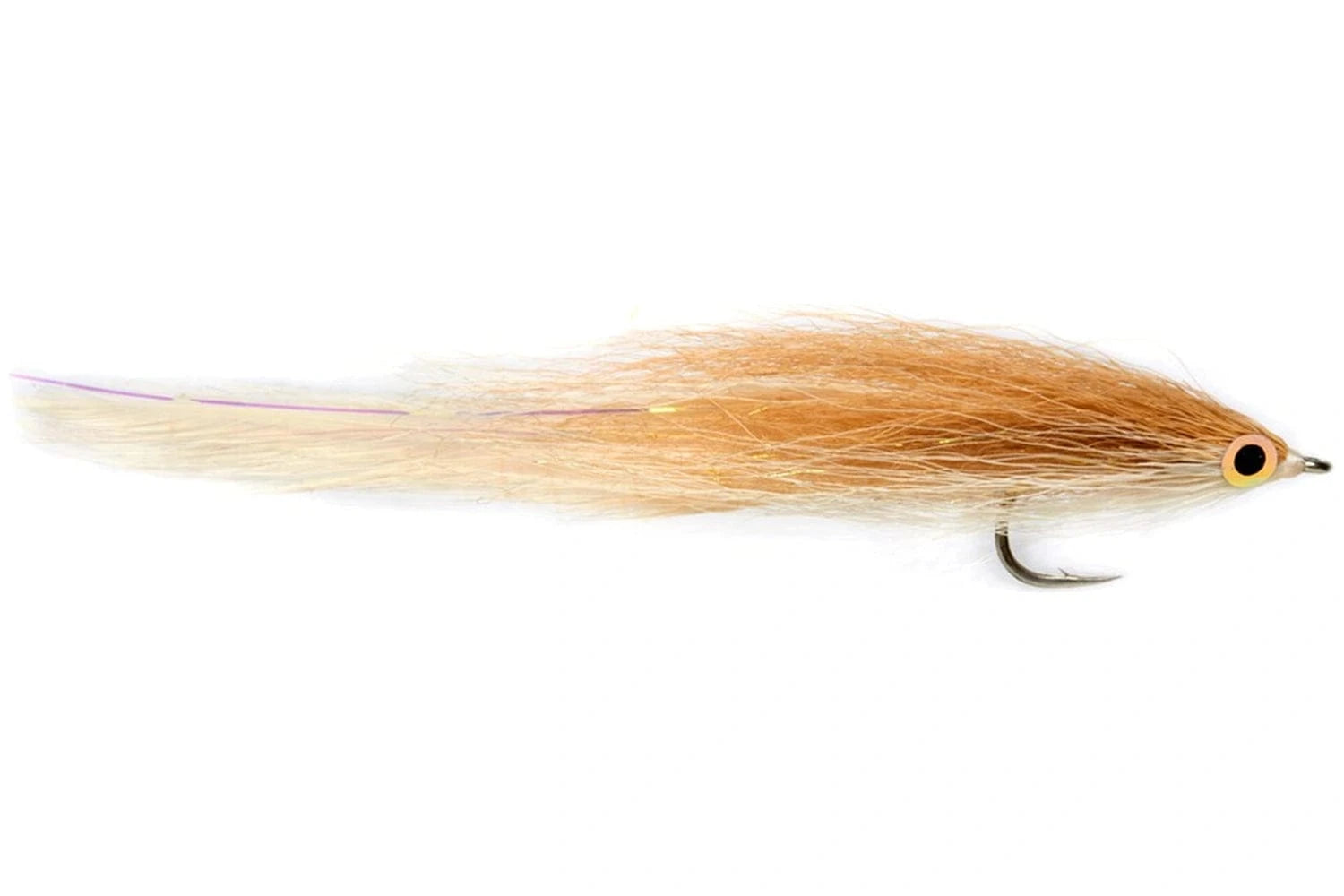
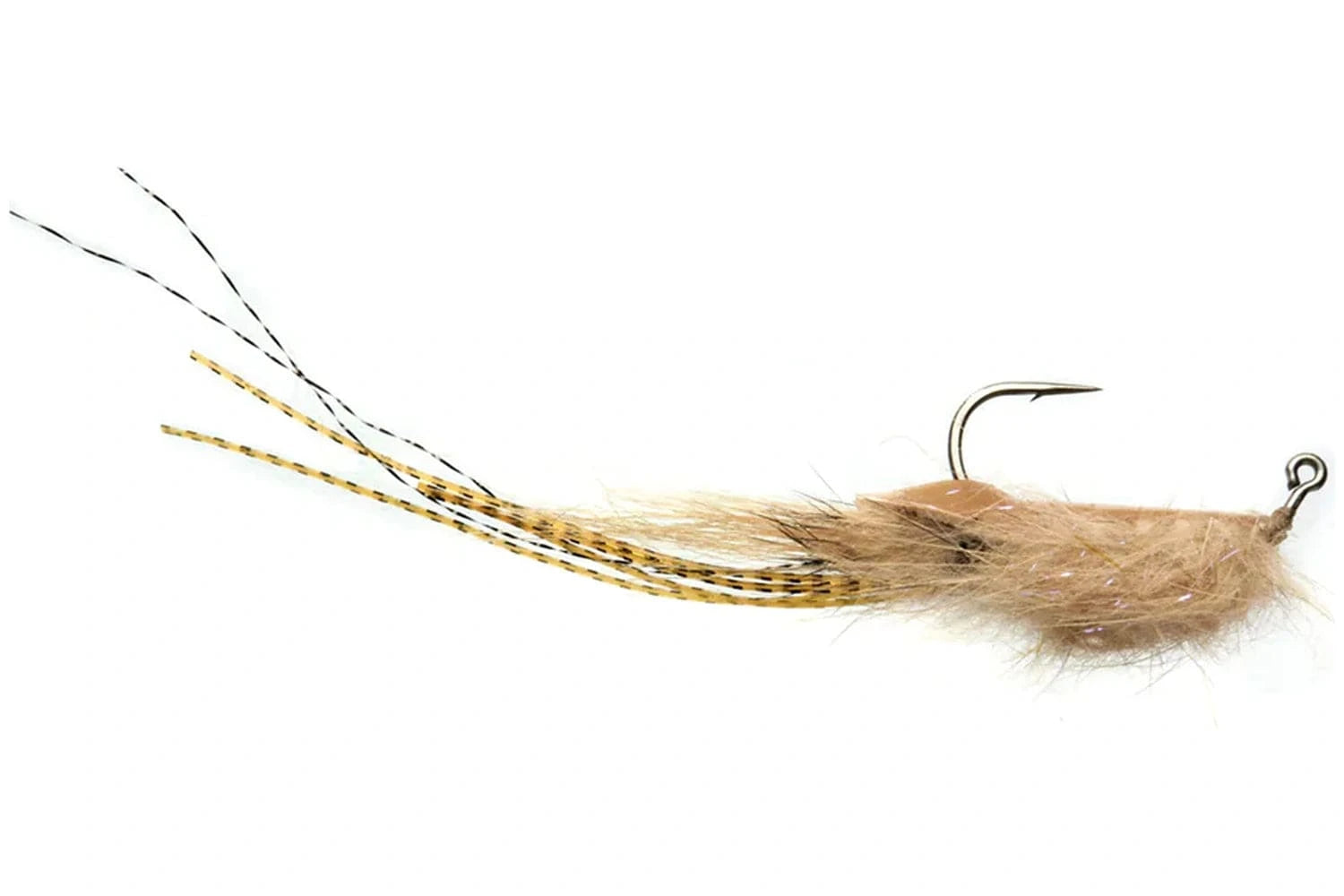
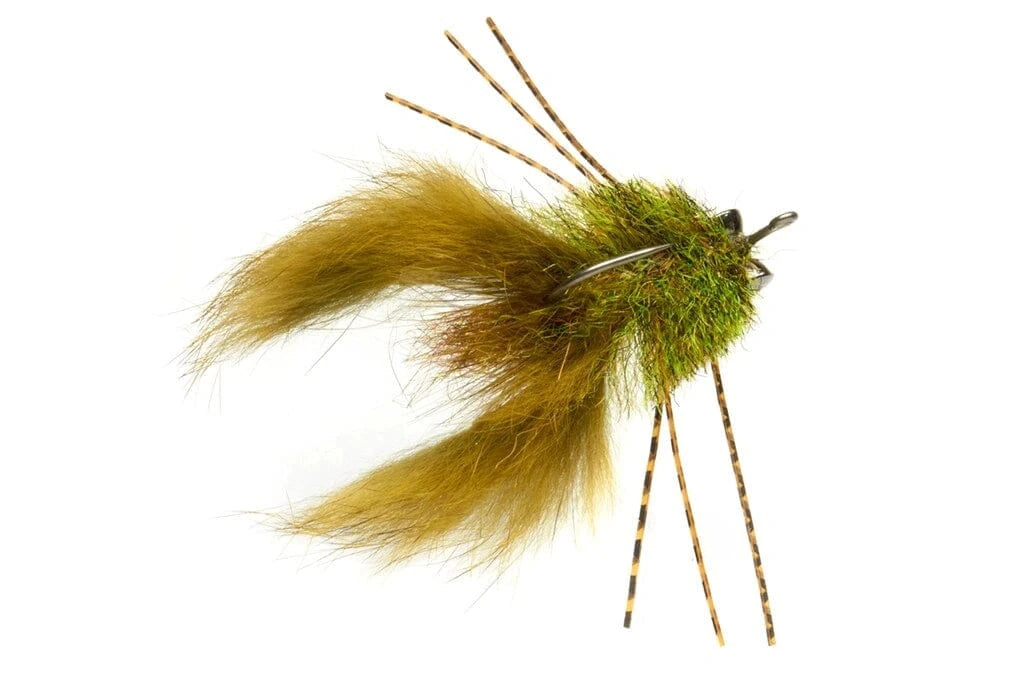
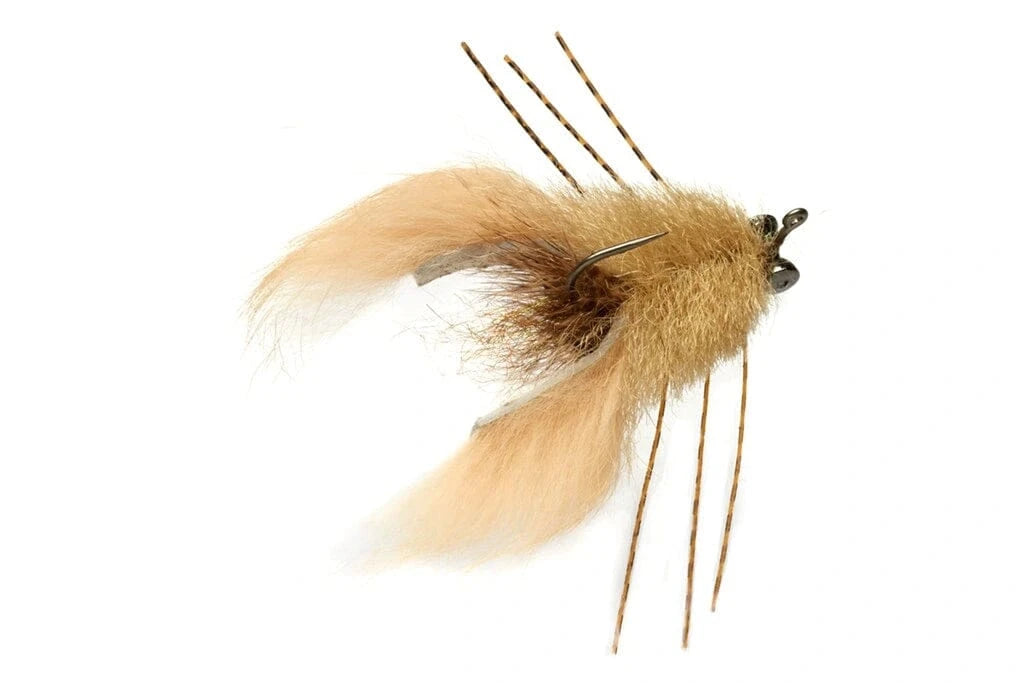
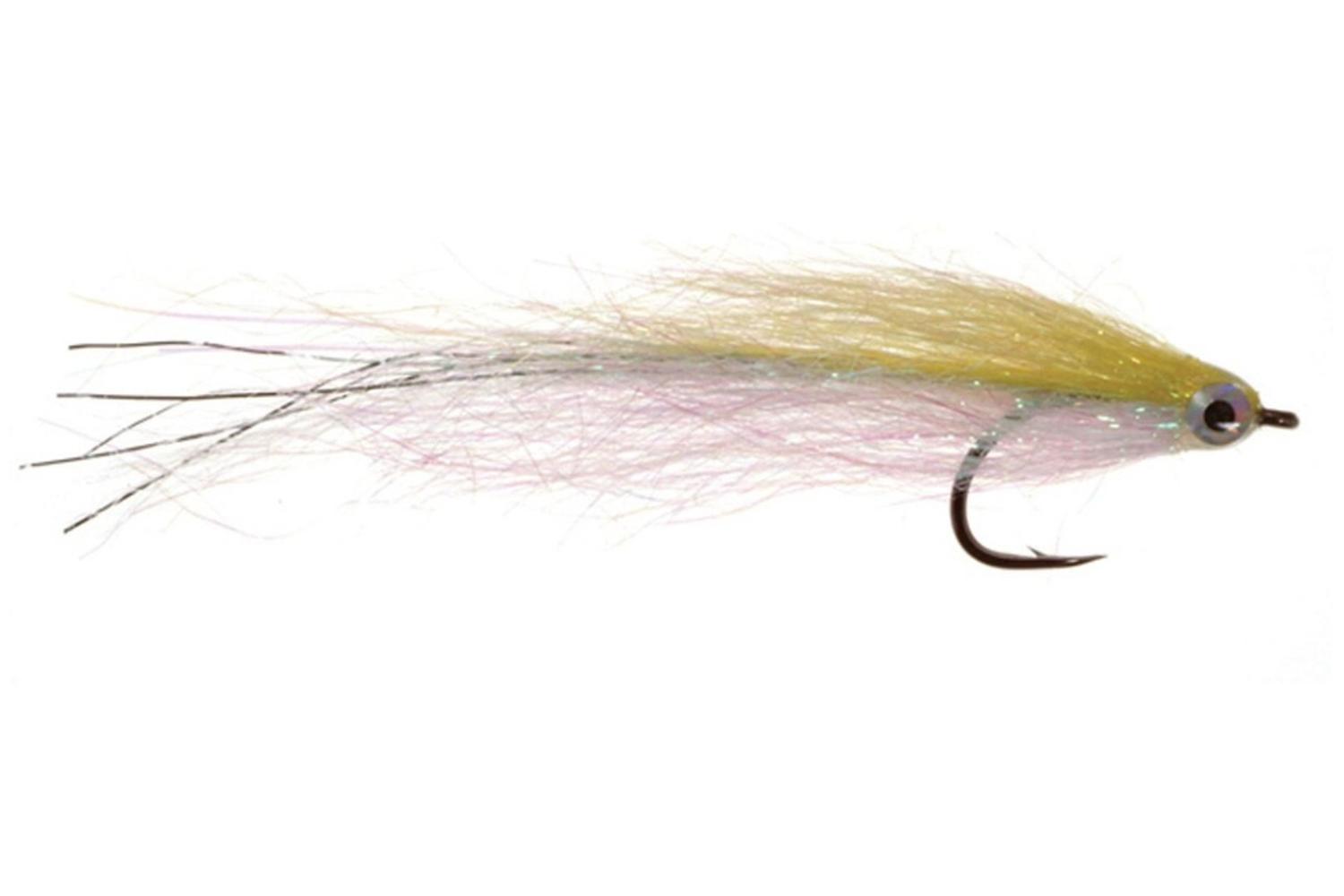
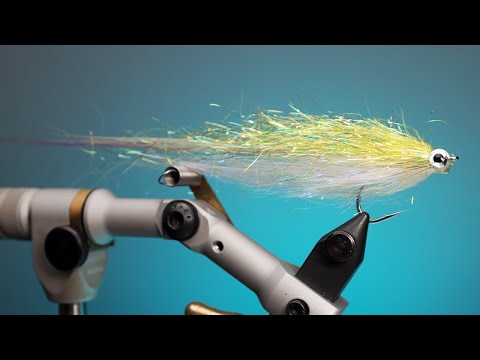
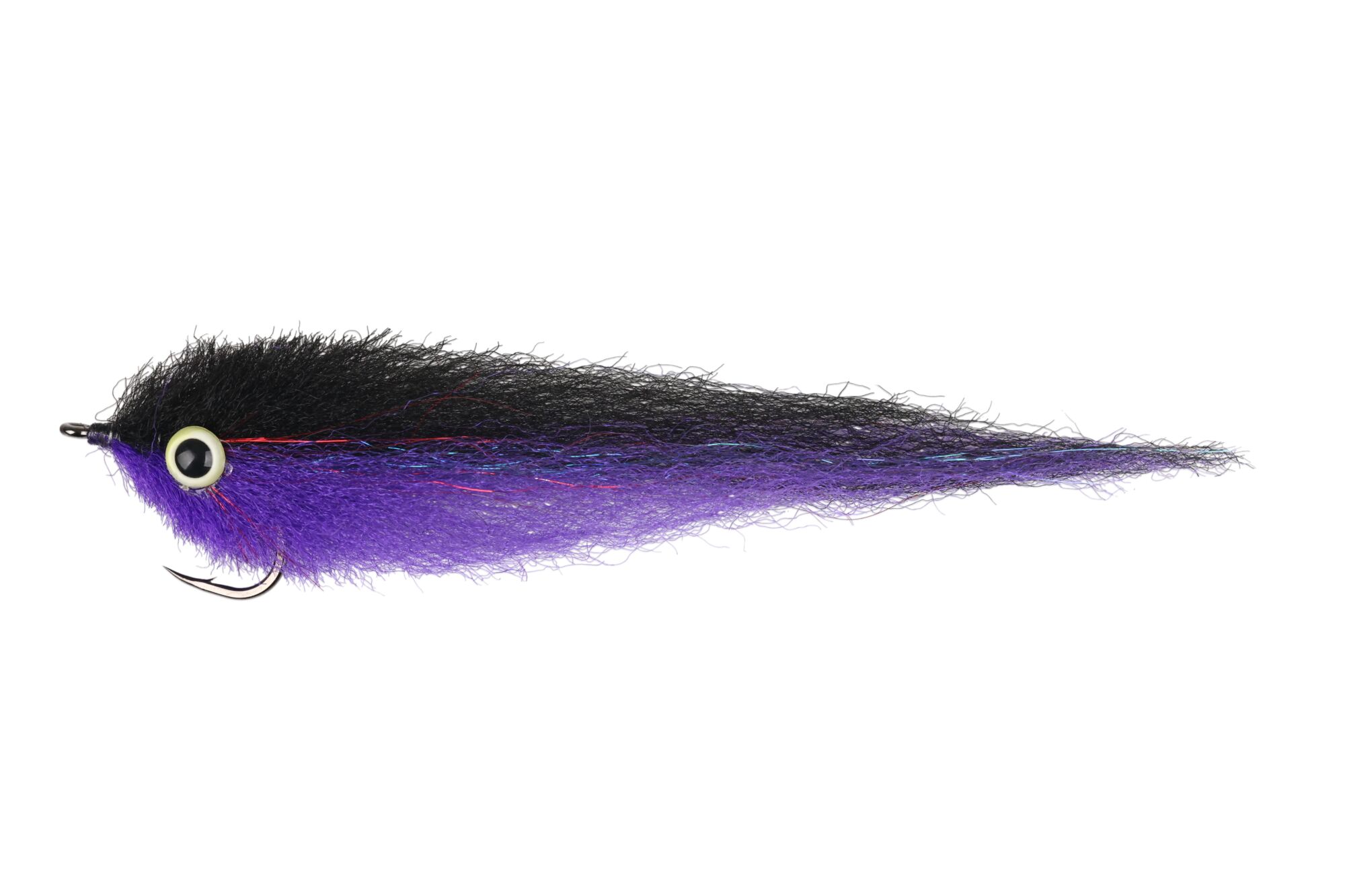
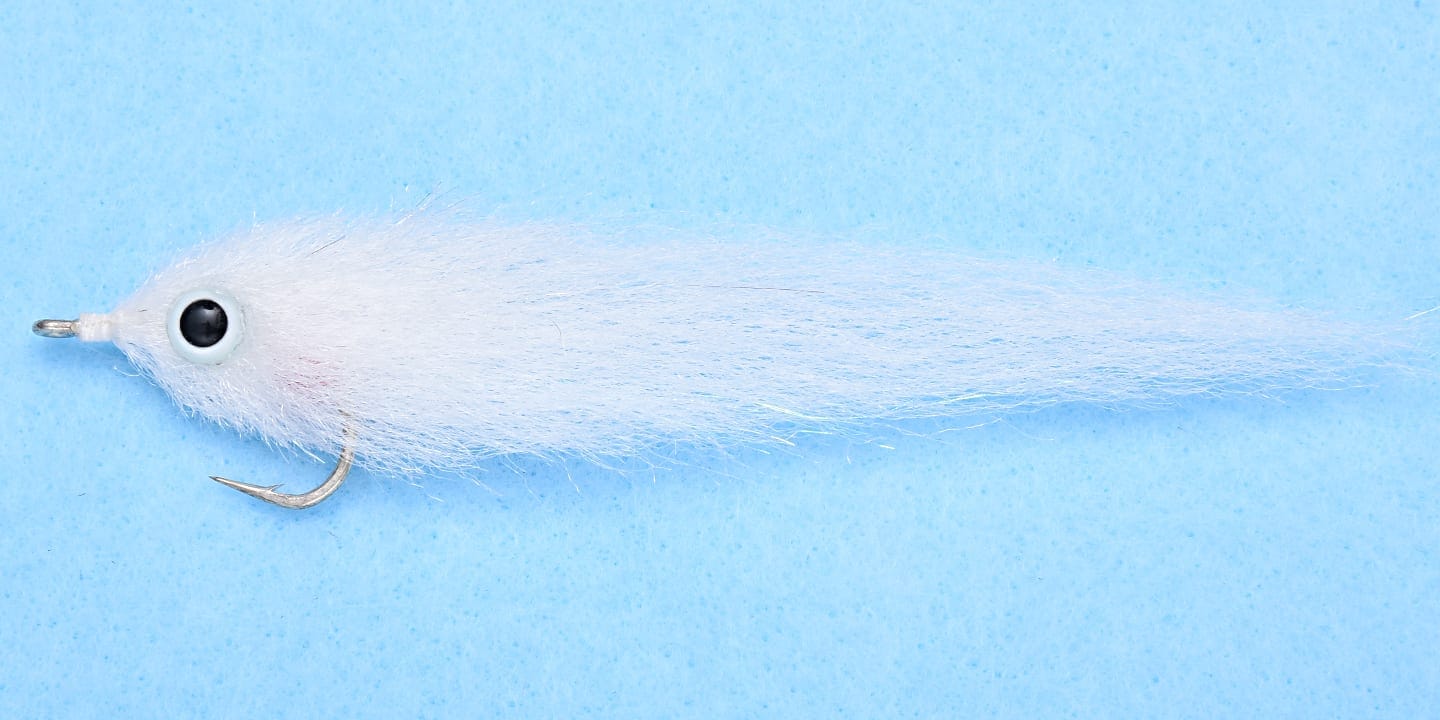
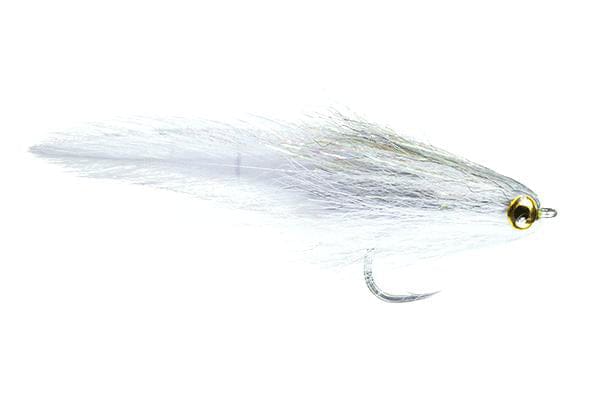
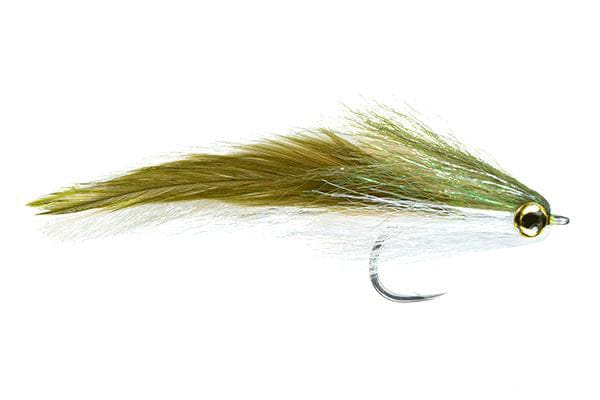
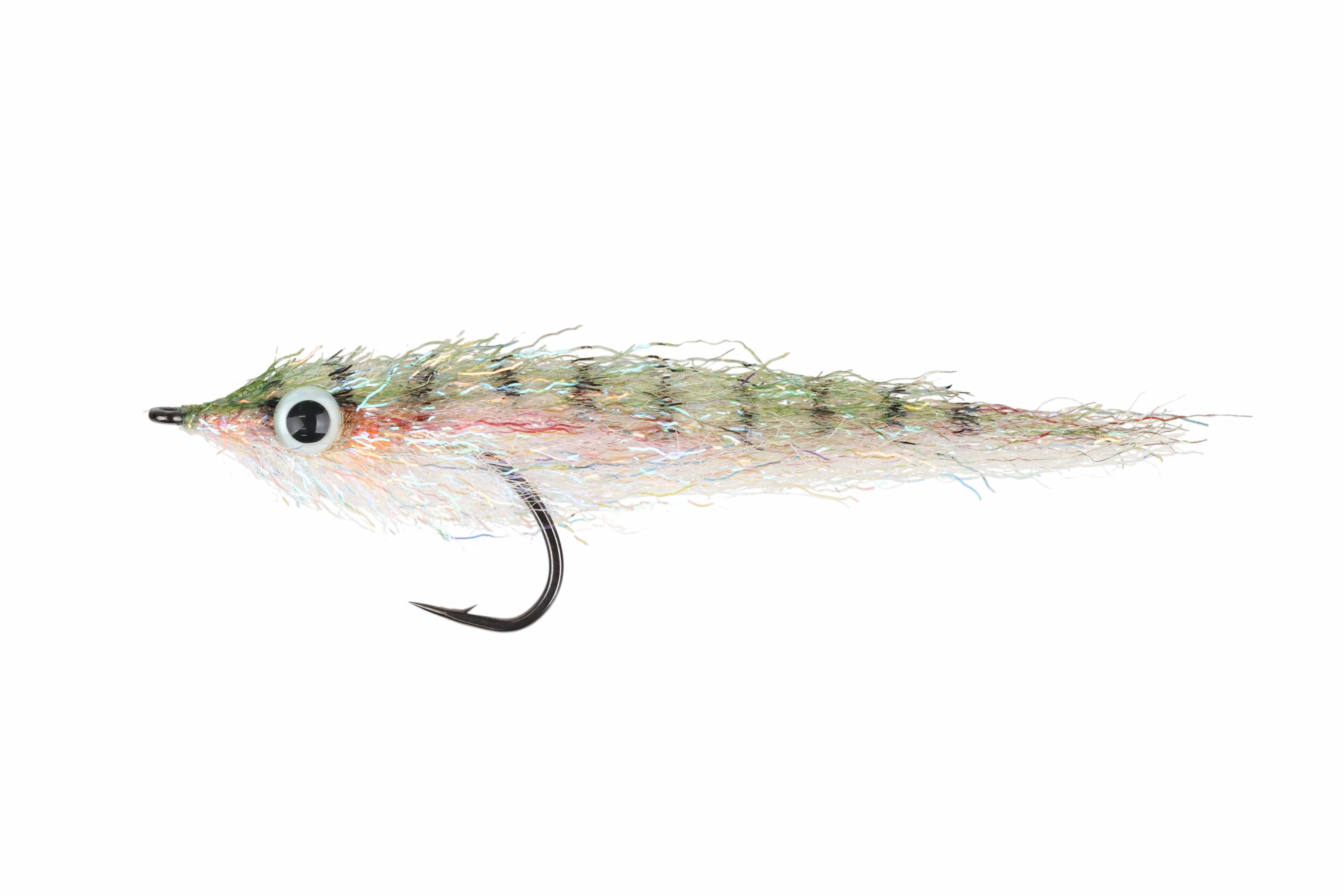
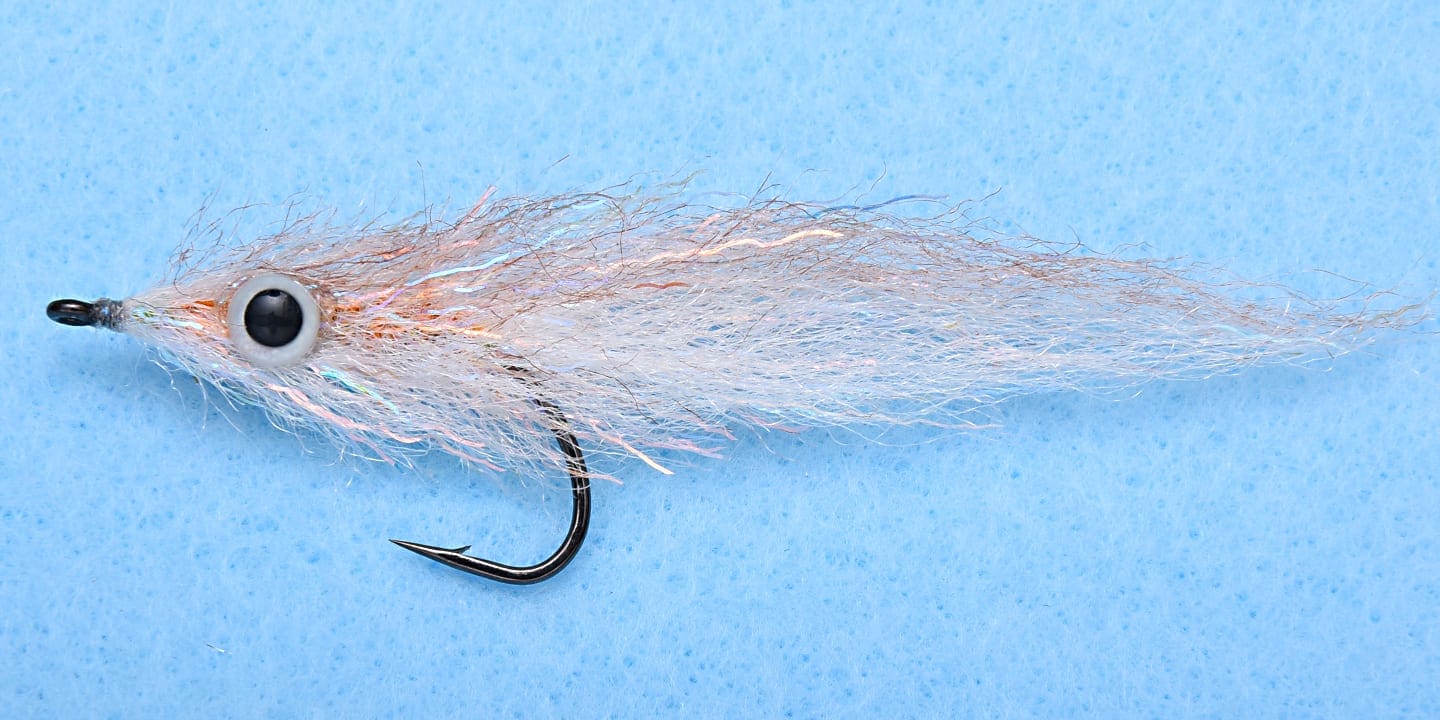
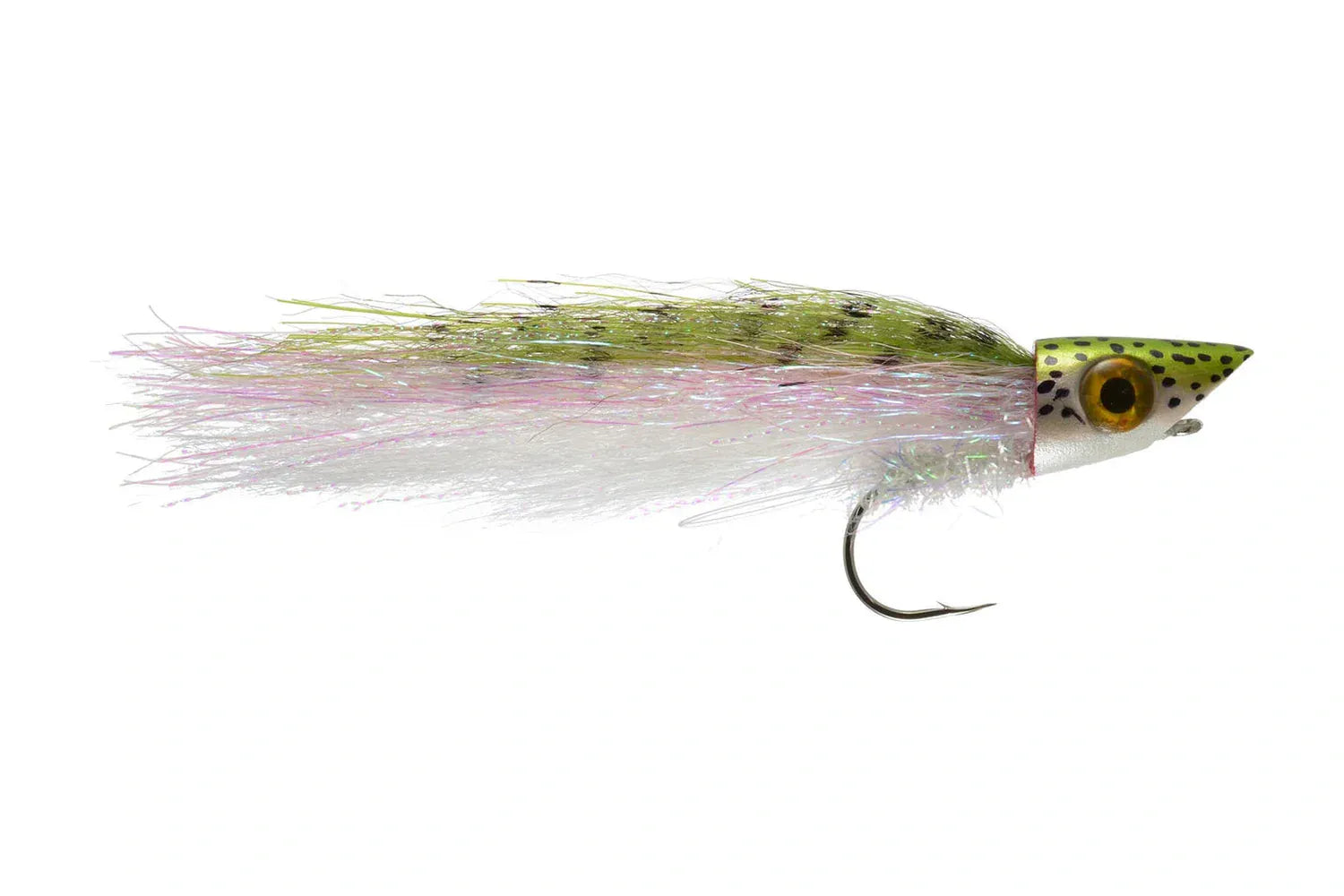
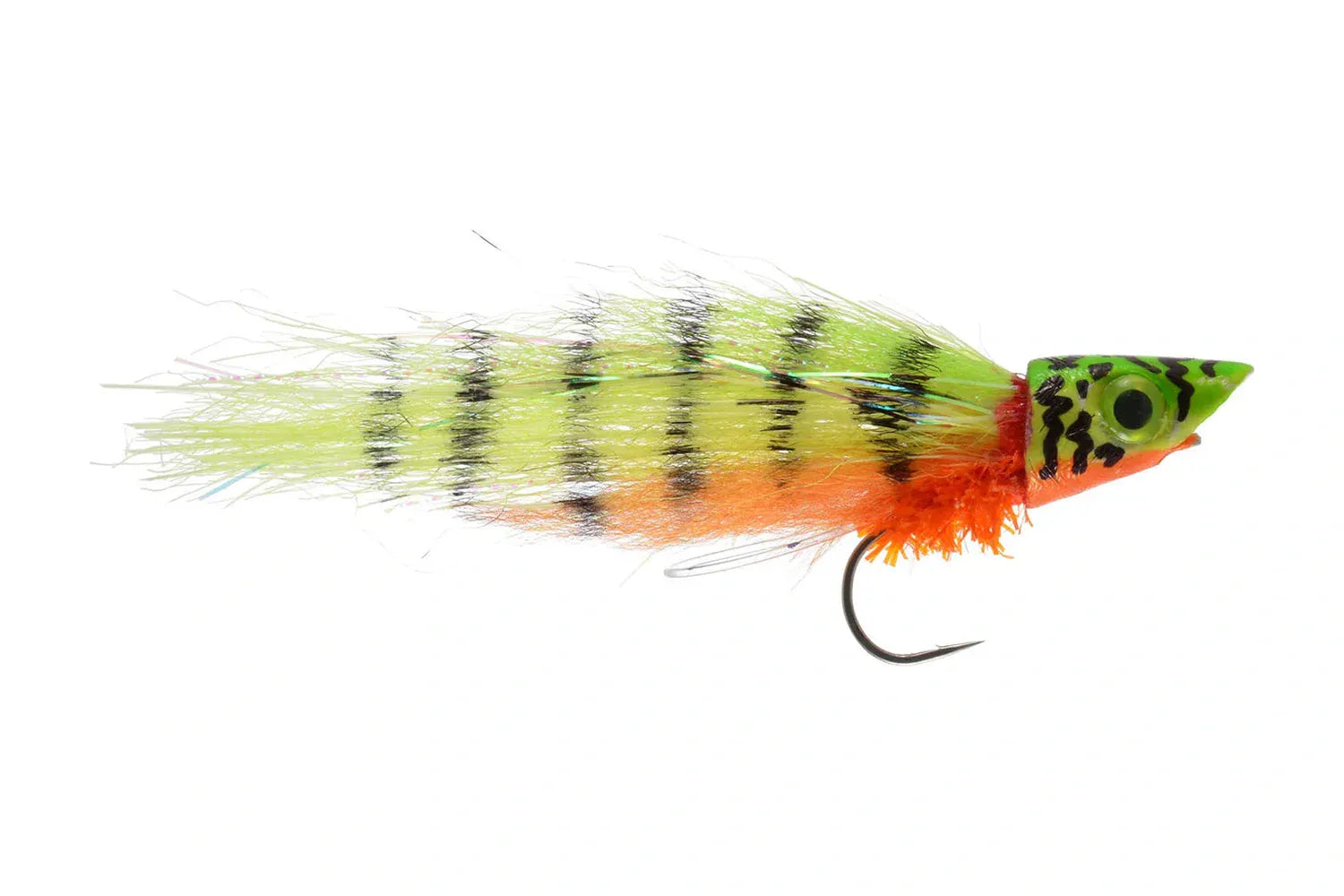
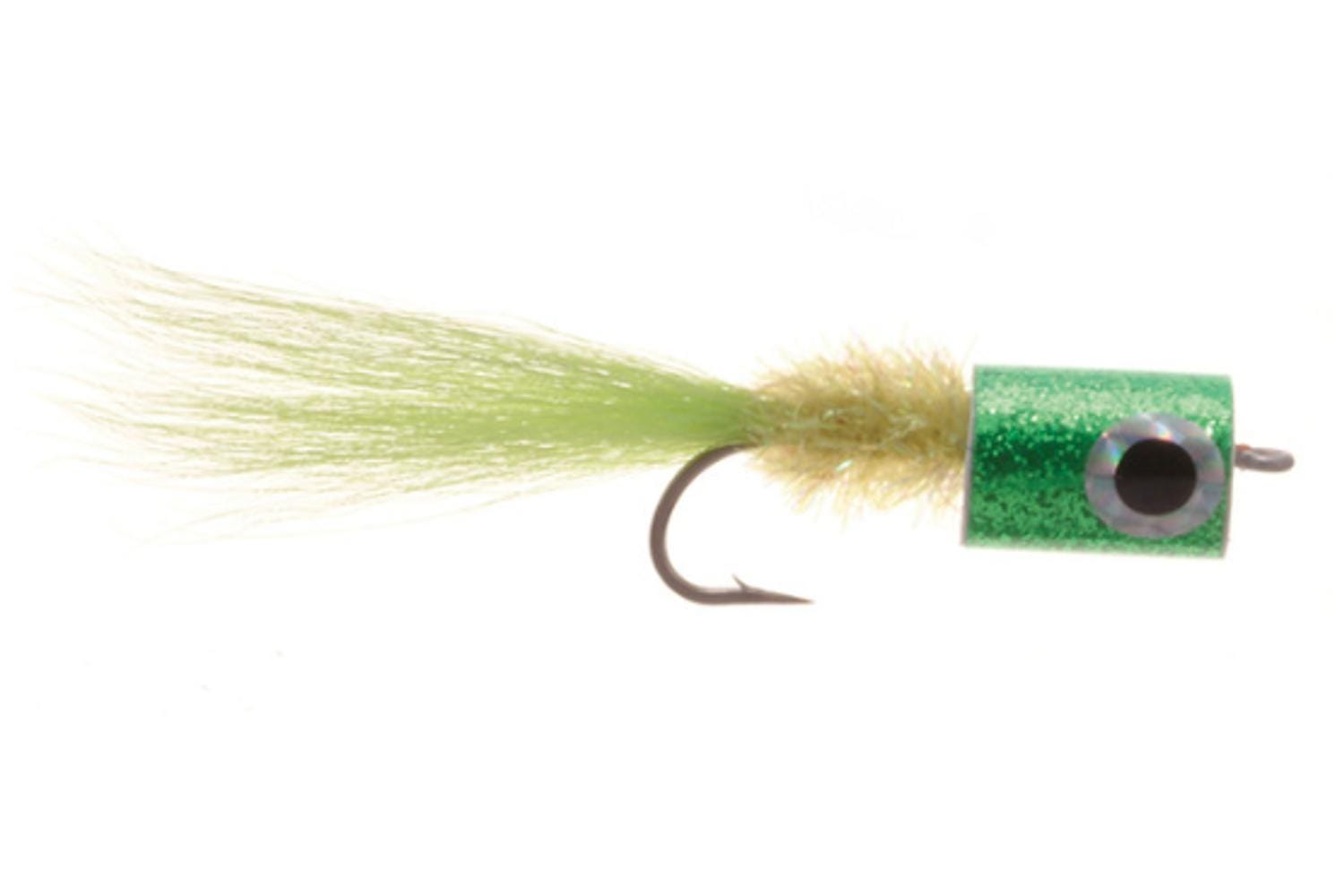
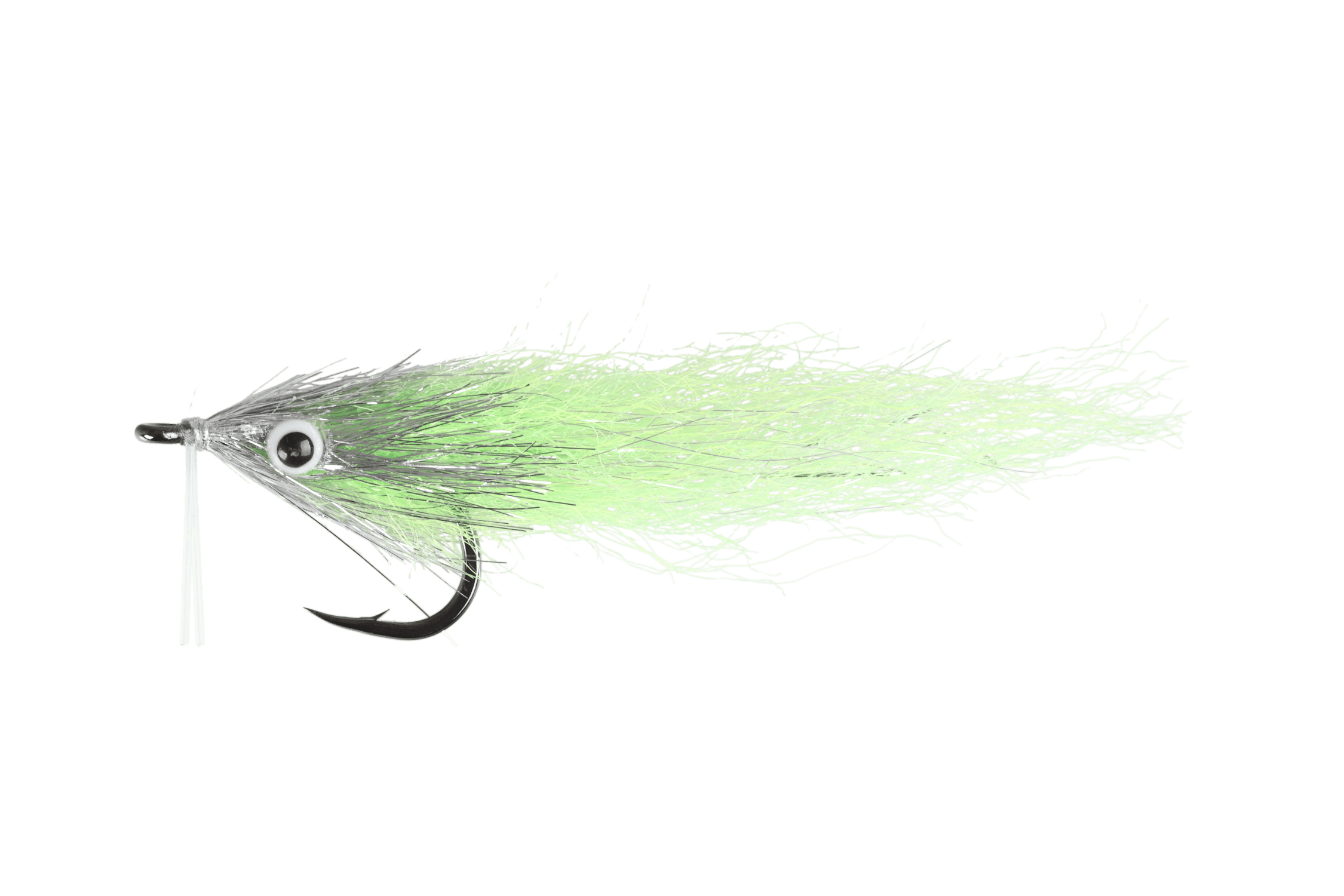
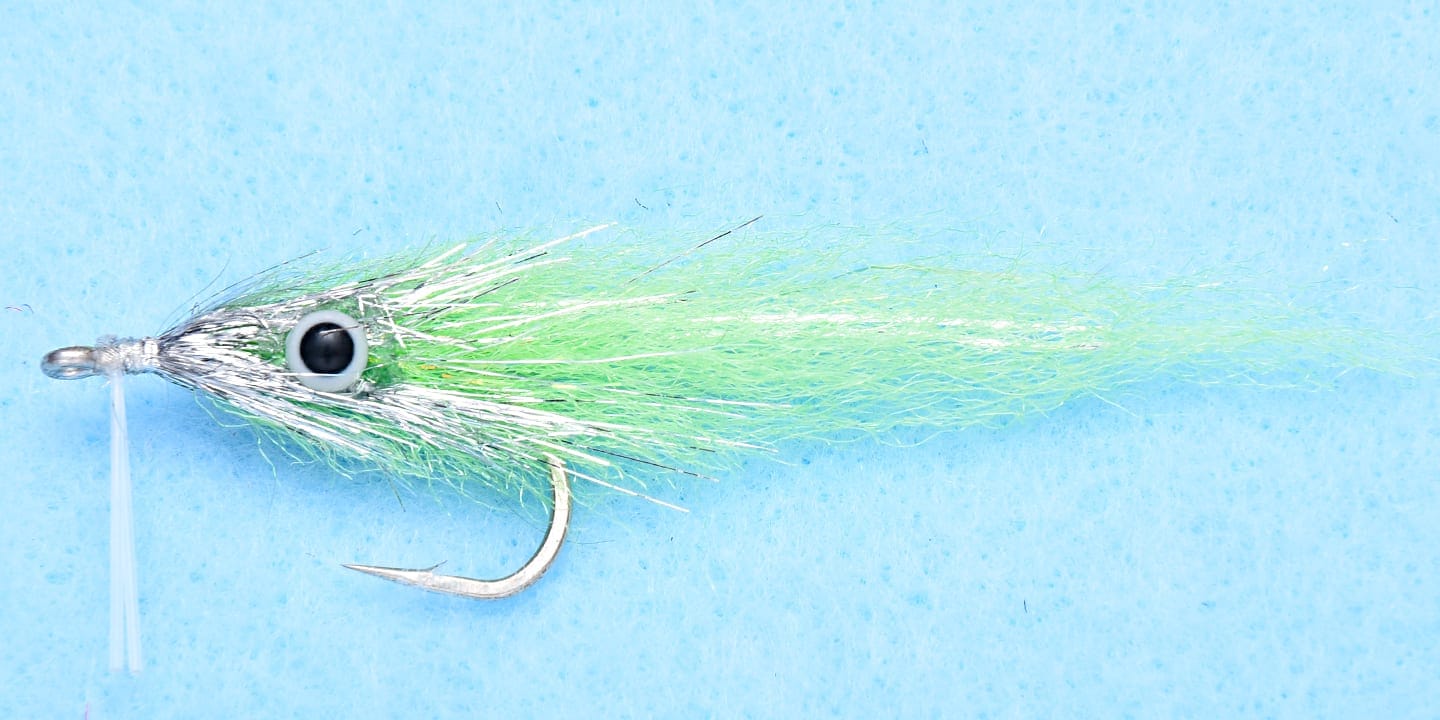
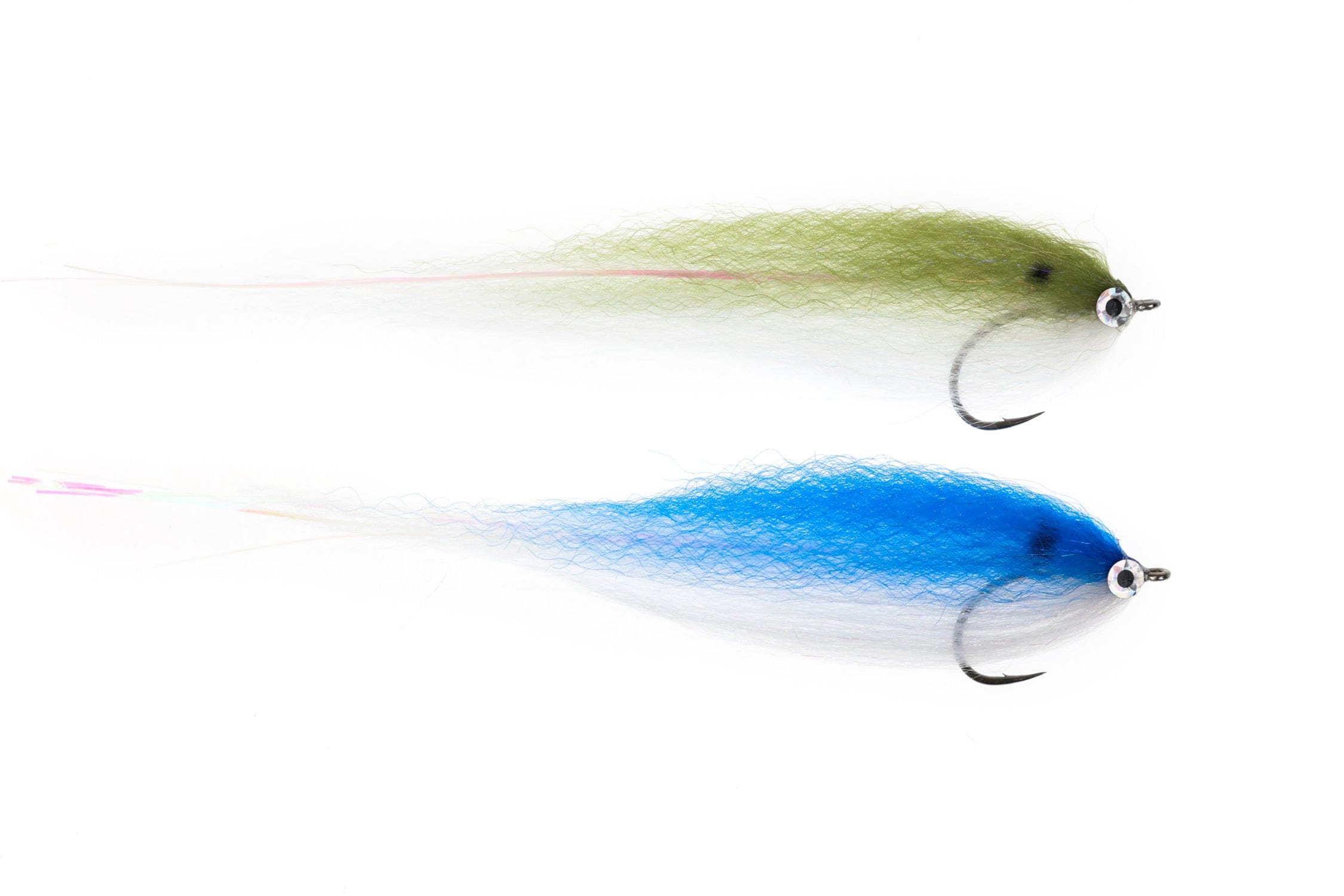
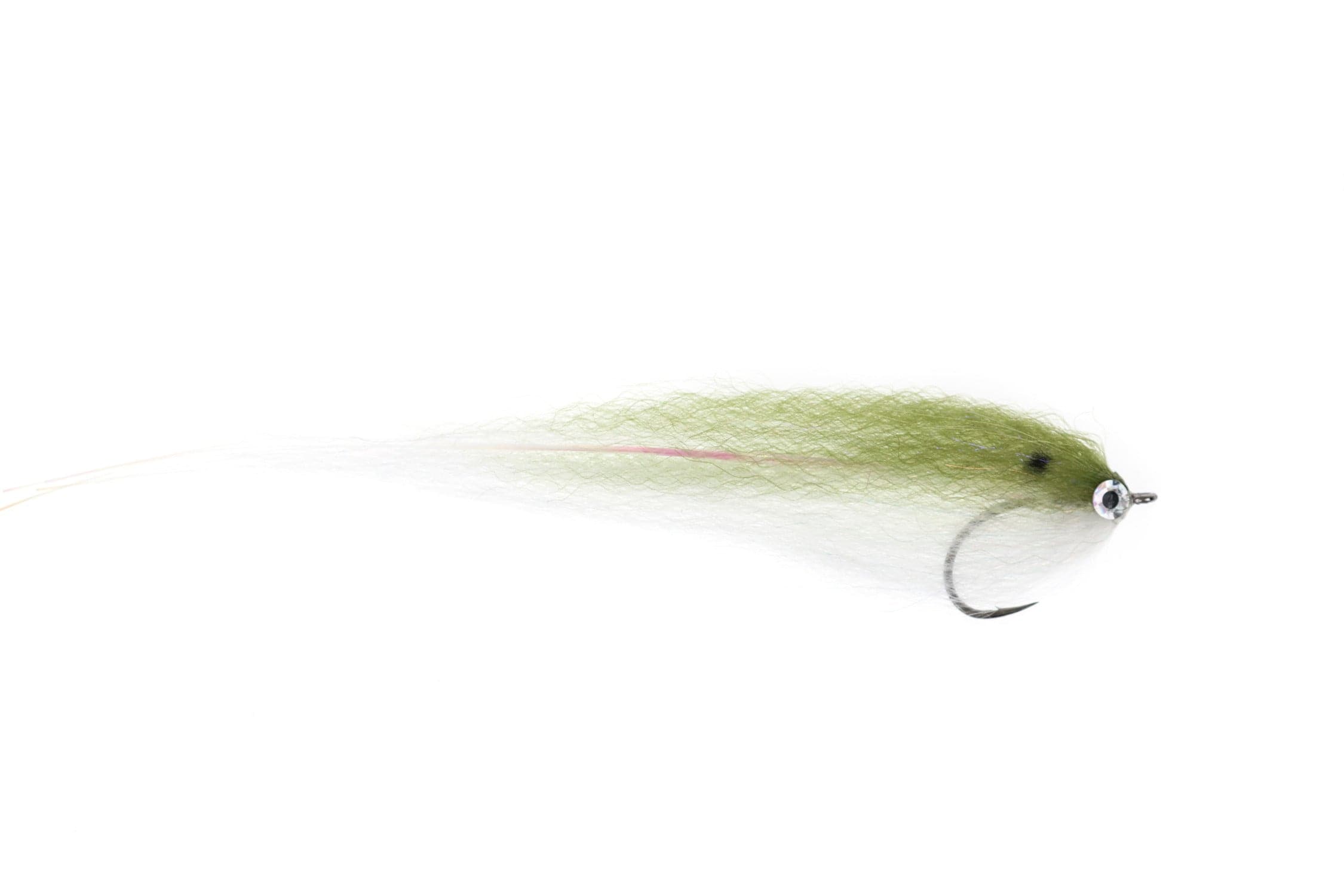
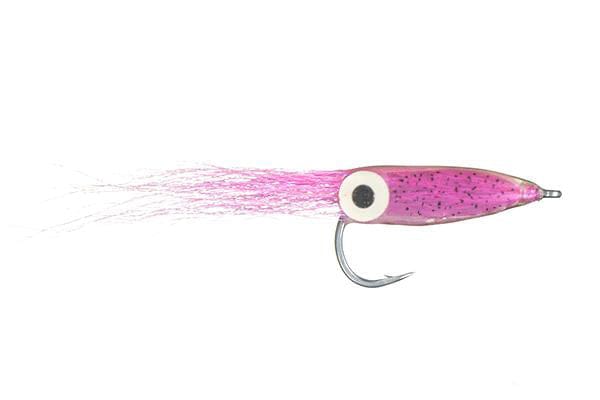
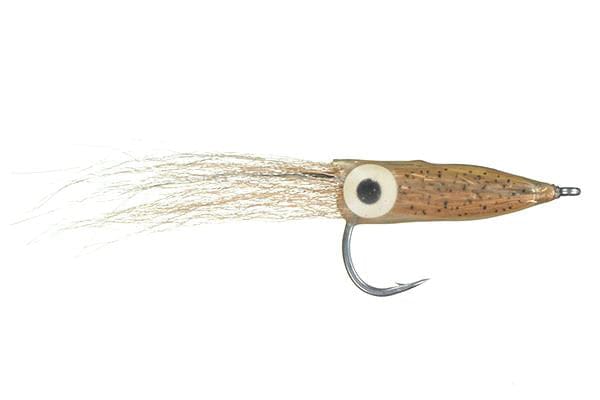
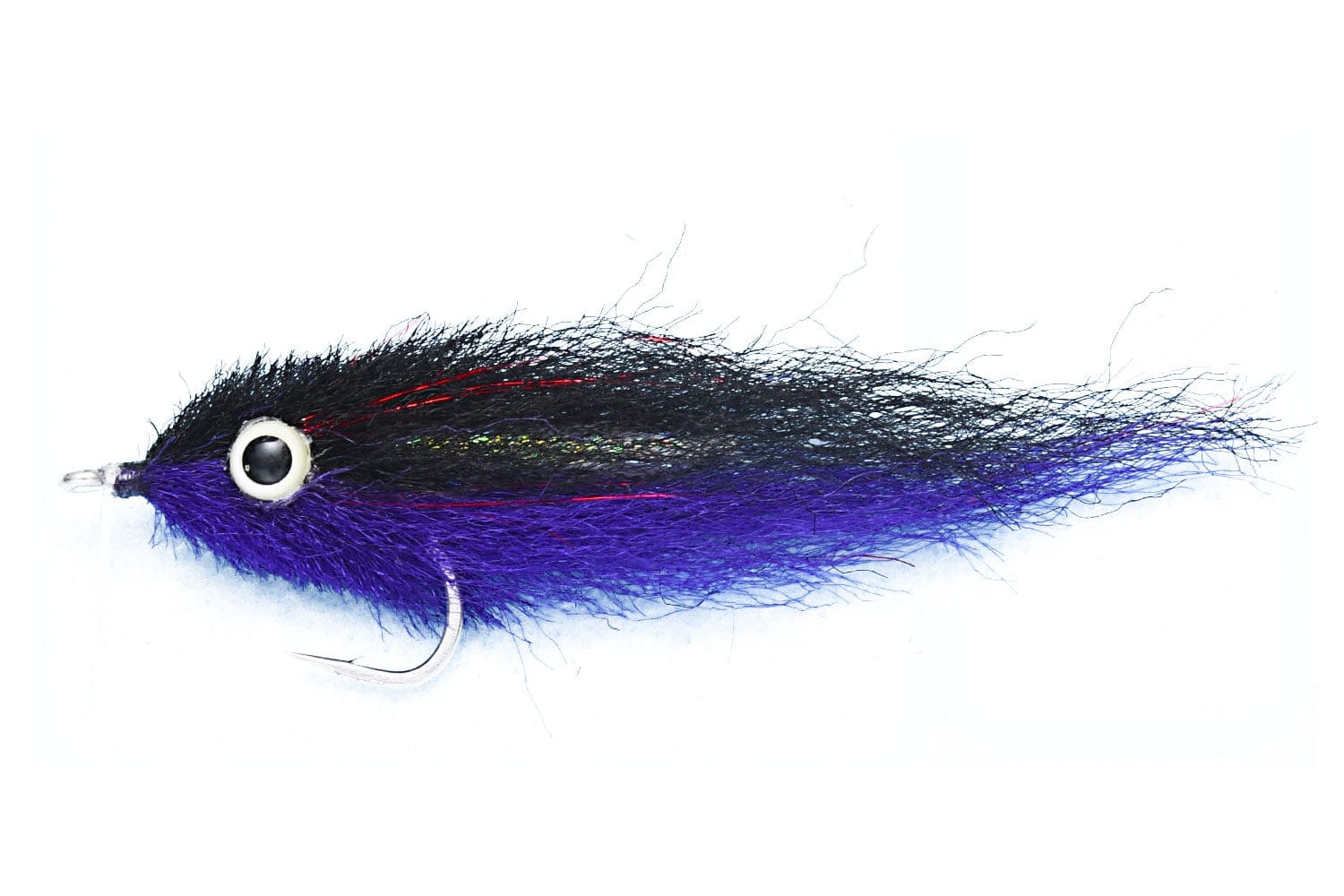
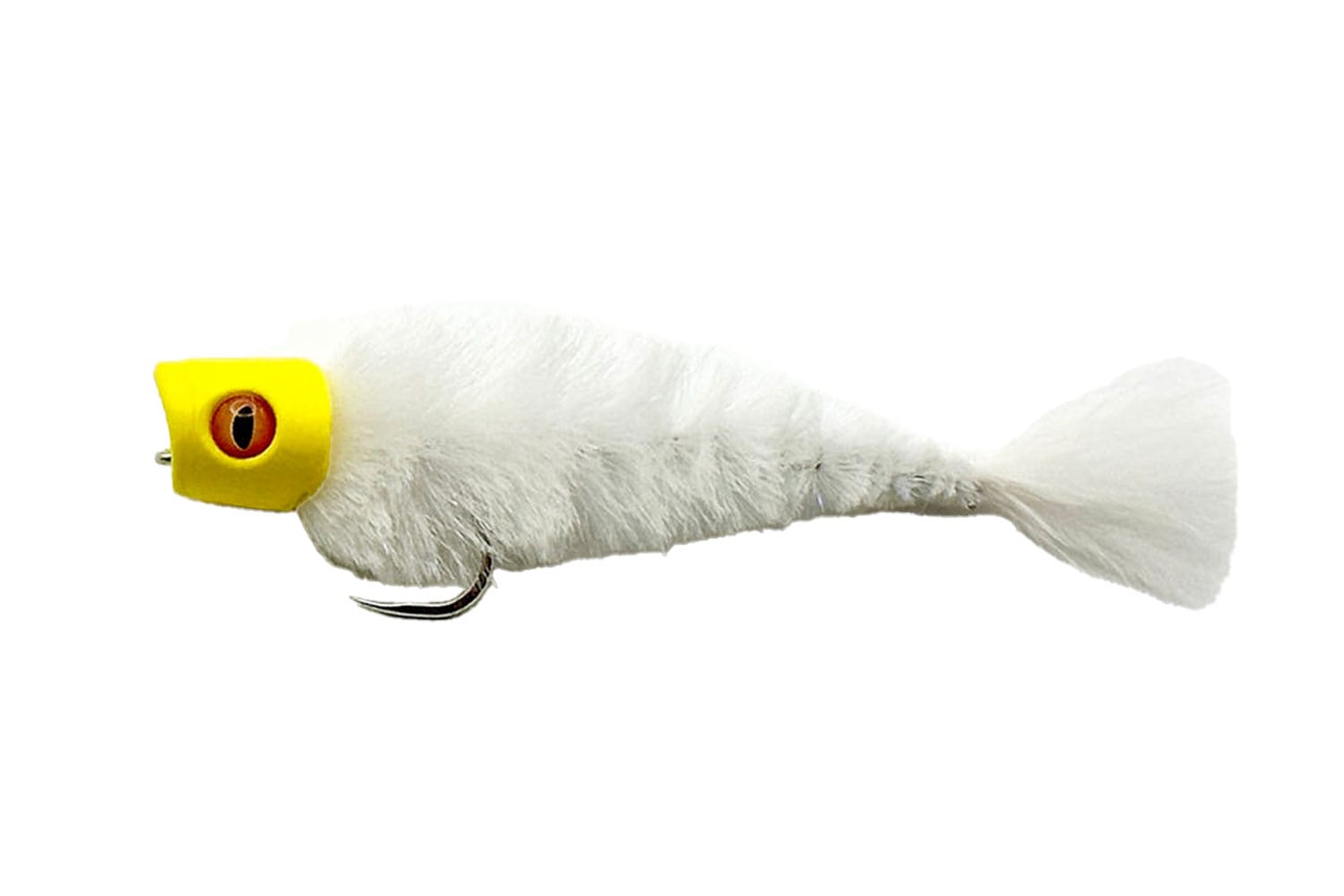
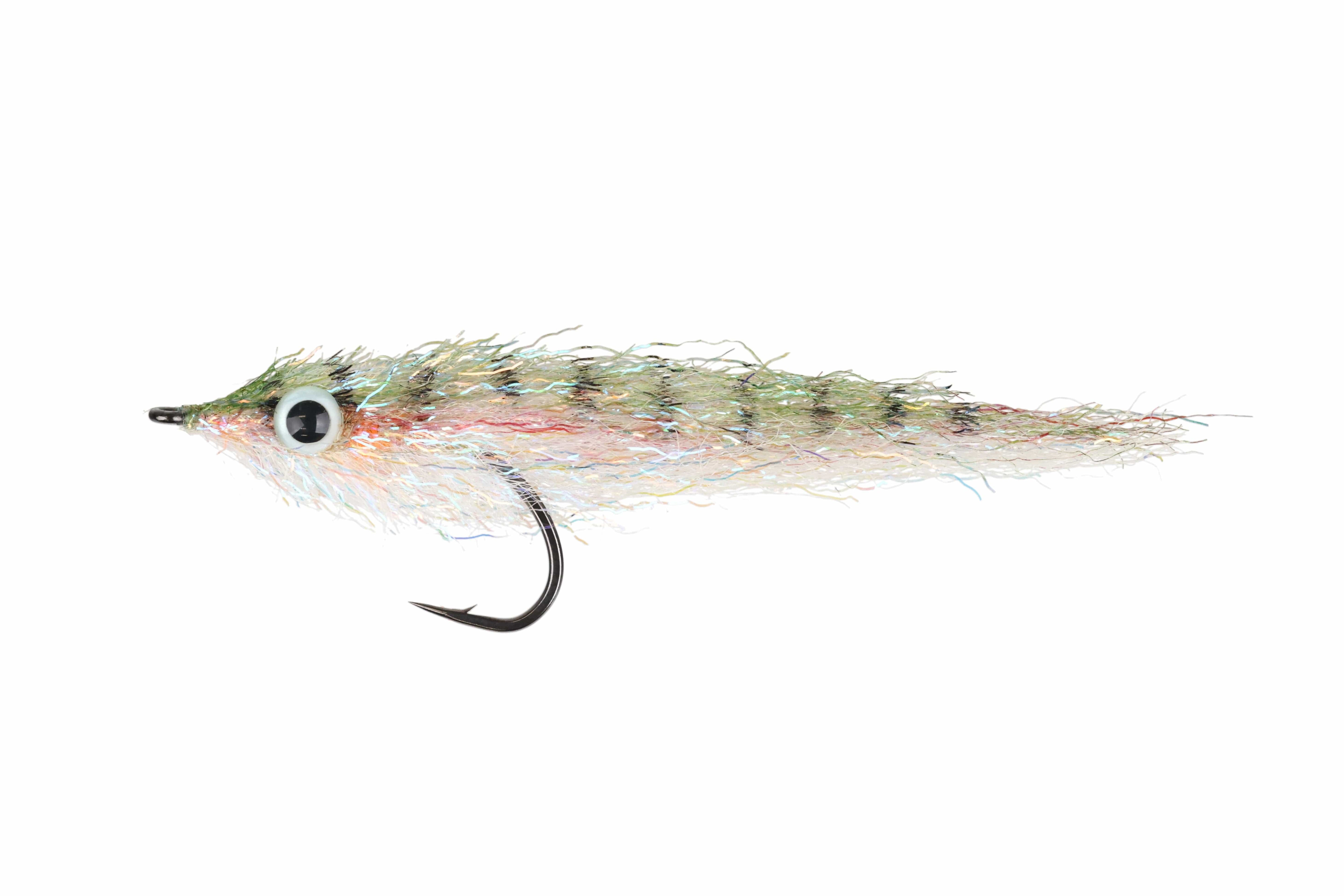
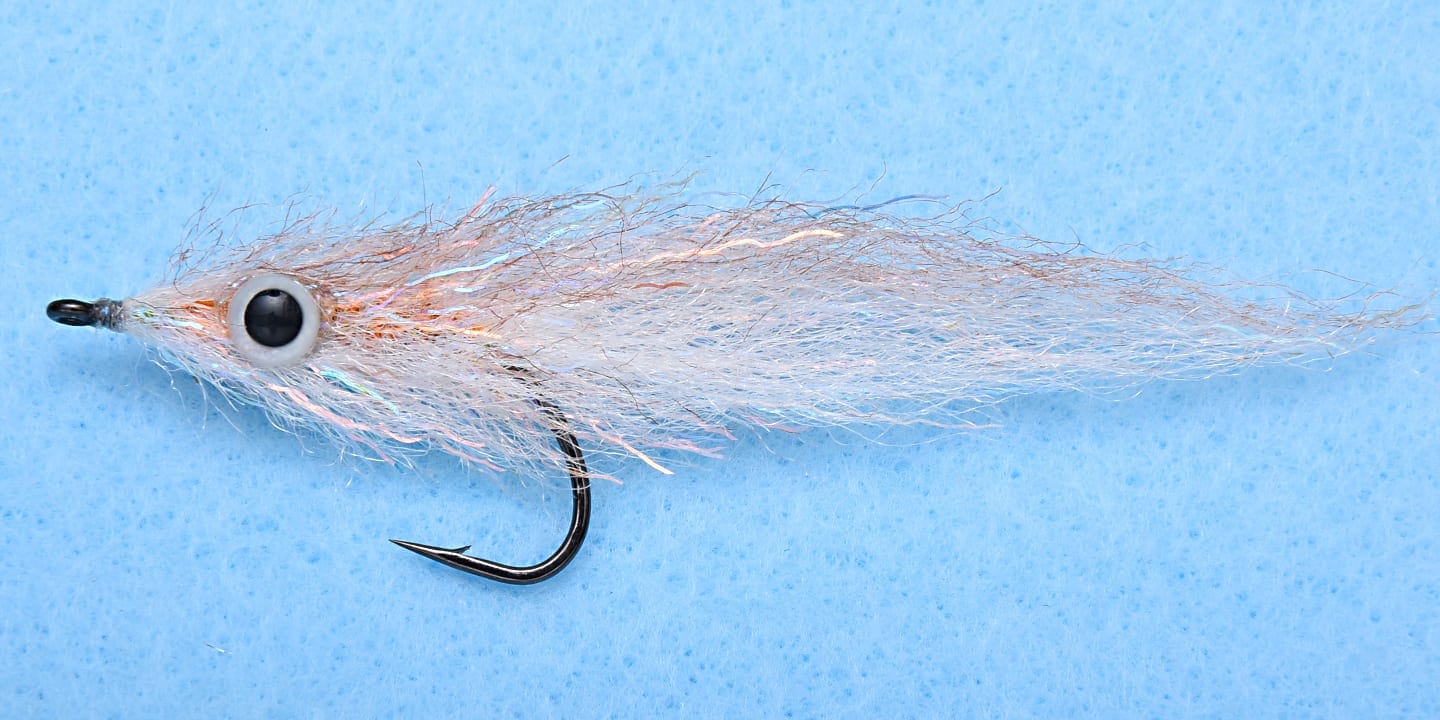
Striped Bass Flies Quick Picks
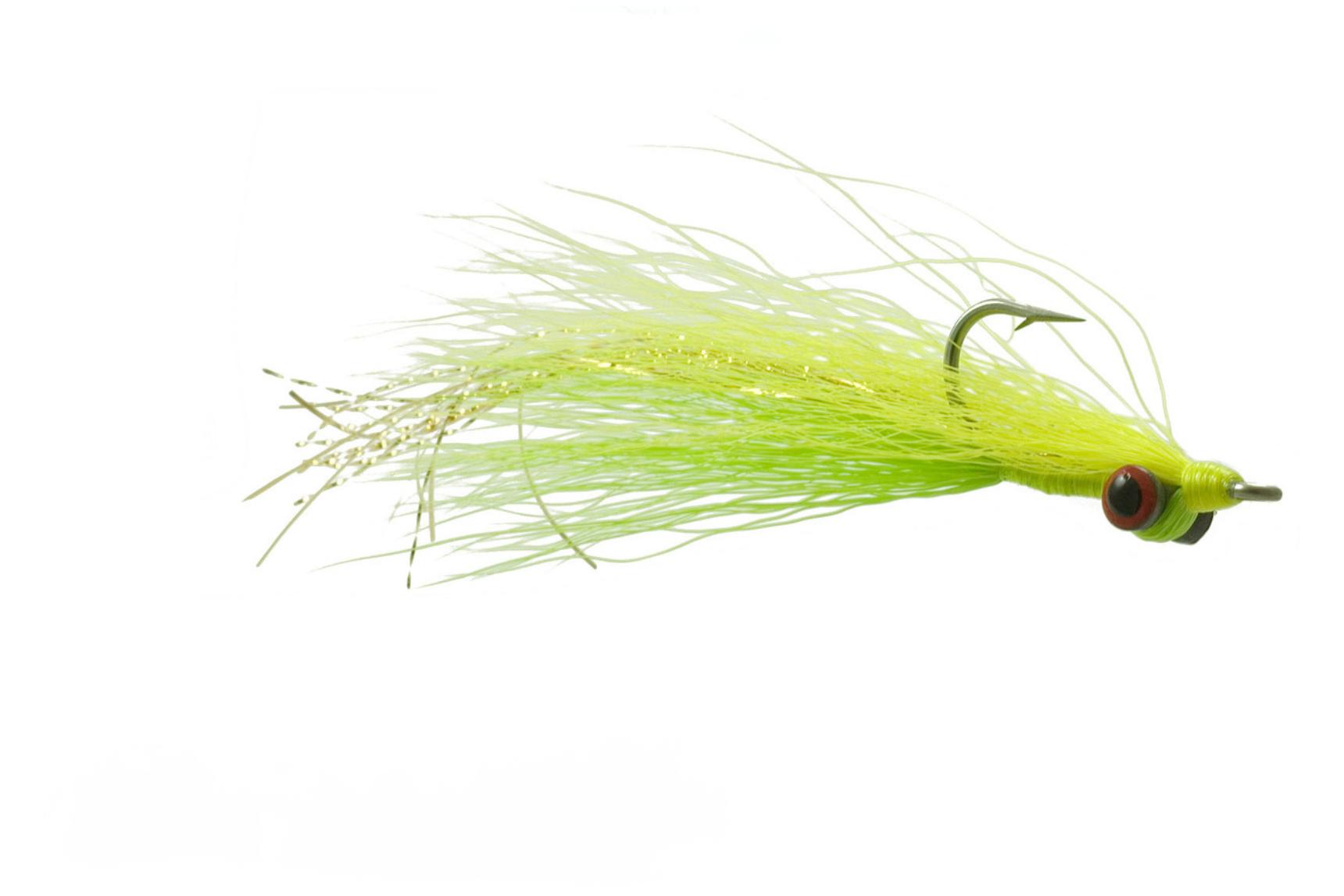
Best All-Around: Clouser Minnow - A versatile jigging pattern that catches stripers in almost any depth or condition. Its weighted eyes create an enticing motion that mimics injured baitfish.
Best for Flats: EP Crab - A realistic crustacean pattern designed to trigger tailing fish in shallow water. It lands softly and sinks slowly to stay in the strike zone longer.
Best Topwater: Gurgler - Creates surface commotion to draw explosive strikes from aggressive bass. Ideal for low-light conditions or when fish are blitzing on top.
How to Choose Striped Bass Flies
Match the Forage
Striped bass are opportunistic feeders, but they often key in on specific baitfish. When sand eels are present, choose slender, translucent patterns like Surf Candies or sparsely tied Clousers. For wider-bodied bait like peanut bunker or herring, opt for Lefty's Deceivers or Hollow Fleyes that push more water and present a larger profile. On the flats, crab and shrimp patterns are often the most productive choice.
Depth and Weight
Consider where the fish are holding in the water column. Weighted flies with dumbbell eyes, like the Clouser Minnow, are necessary for getting down to fish in deeper channels or heavy current. Unweighted streamers work best for fishing shallow structure or when stripers are pushing bait to the surface. Topwater flies are thrilling to fish but are typically most productive during dawn, dusk, or active blitzes.
Color Selection
Water clarity and light conditions should dictate your color choice. Chartreuse and white is the standard combination that works in most situations. In clear water and bright sun, more natural tones like olive, gray, and tan often outperform bright colors. For night fishing or muddy water, black or dark purple flies provide the strongest silhouette against the surface.
Care & Maintenance
Rinse Thoroughly: Saltwater is harsh on hooks and materials. Rinse your flies with fresh water after every outing to prevent rust.
Dry Completely: Allow flies to air dry completely before returning them to your box to avoid trapping moisture.
Check Hooks: Stripers have tough mouths. Inspect hook points frequently and sharpen or replace them if they become dull or bent.
Trim Fouled Materials: If materials get tangled or fouled during casting, comb them out or trim them to ensure the fly swims correctly.
Complete Your Setup
Related Gear
Saltwater Fly Rods - Powerful rods designed to cast large flies and fight strong fish.
Saltwater Fly Reels - Durable reels with sealed drags to withstand the salt.
Saltwater Fly Lines - Specialized tapers for turning over heavy flies and cutting through wind.
Leaders & Tippet - Abrasion-resistant fluorocarbon leaders for clear water and toothy bycatch.
Striped Bass Flies FAQs
Q: What is the best size fly for striped bass?
A: Sizes 1/0 and 2/0 are the most versatile for general striper fishing. However, you should carry a range from size 4 for small sand eels up to 4/0 or larger for imitating adult menhaden.
Q: Do I need a wire leader for striped bass?
A: No, striped bass do not have sharp teeth that cut leaders like bluefish do. A heavy fluorocarbon or monofilament leader (16lb to 40lb) is sufficient for abrasion resistance.
Q: Can I use these flies for other species?
A: Yes, many striped bass flies are excellent crossover patterns. Clousers and Deceivers are effective for bluefish, false albacore, redfish, snook, and even freshwater species like largemouth bass and pike.
Q: How do I fish a crab fly for stripers?
A: Fish crab patterns slowly near the bottom with short, intermittent strips. mimic the defensive posture of a crab by letting it settle in the sand or mud when a fish follows.